Browsed by
Category: Response Reviews

My comments on Peary’s reviews in Guide for the Film Fanatic (Simon & Schuster, 1986).

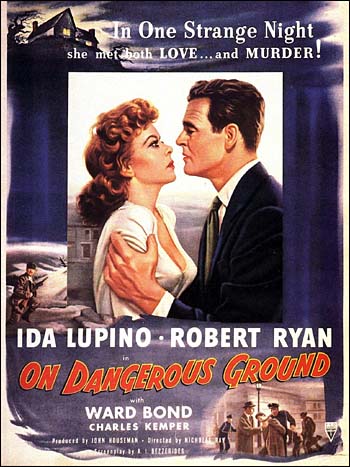
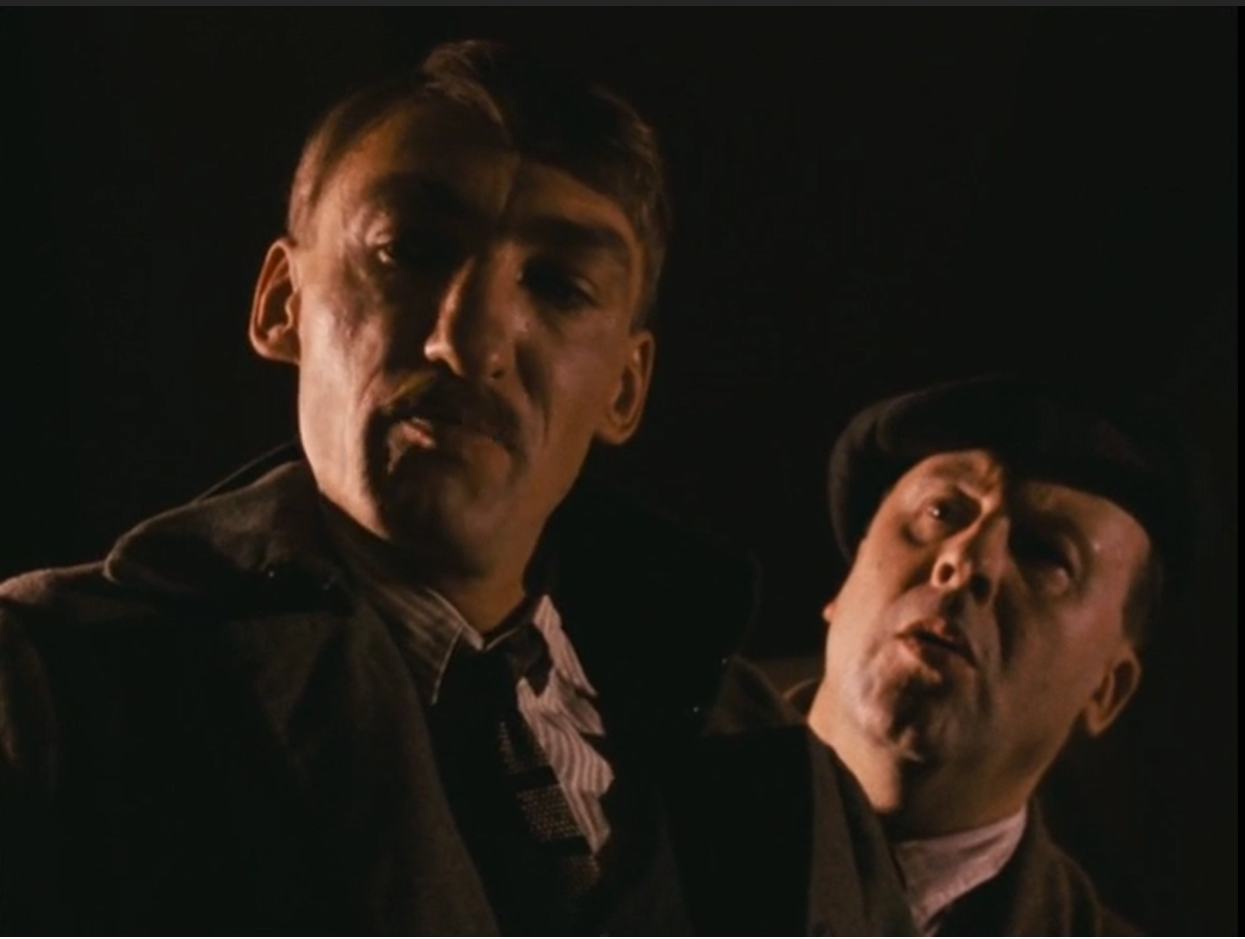
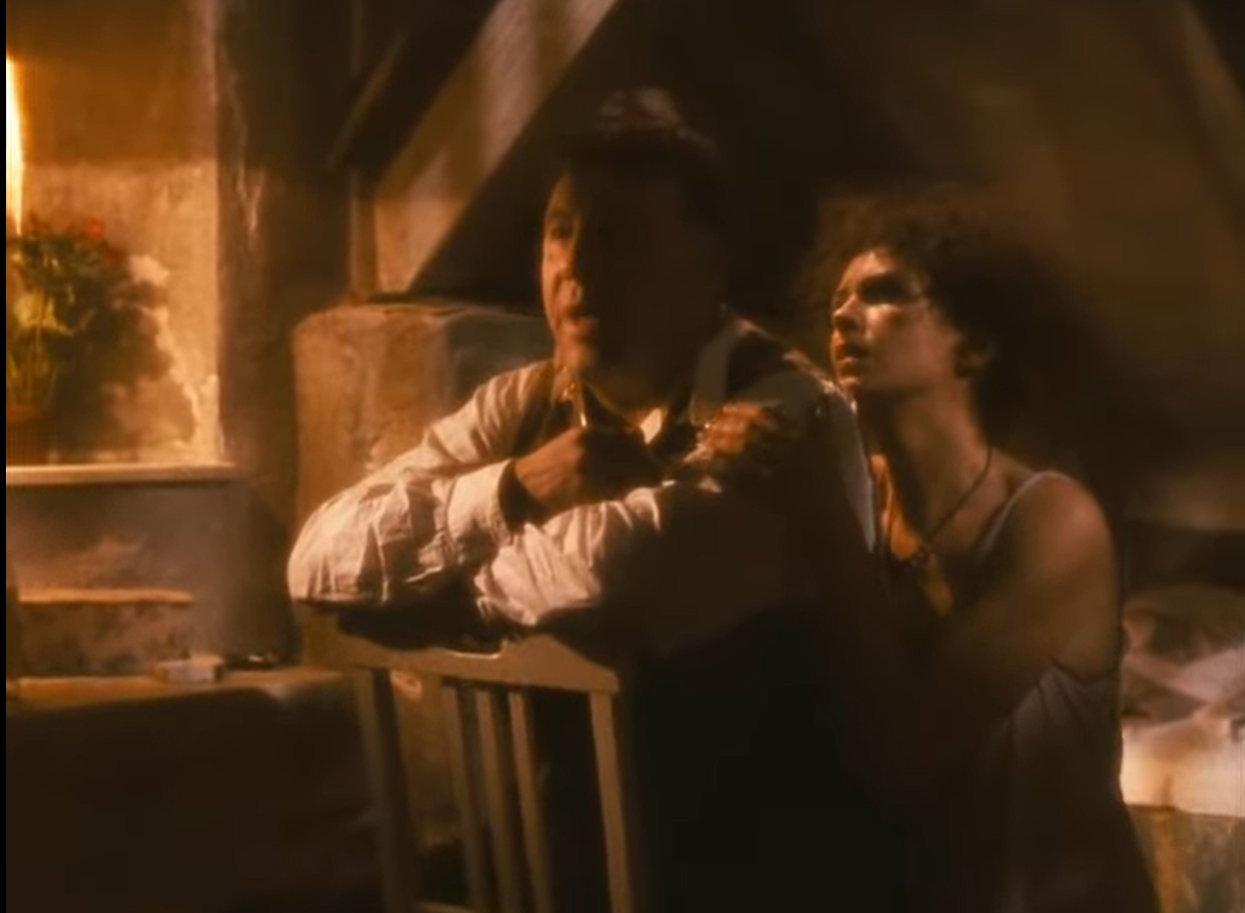
On Dangerous Ground (1952)

On Dangerous Ground (1952)

“All we ever see is crooks, murderers, winos, stoolies, dames — all with an angle. You get so you think everybody’s like that; ’til you find out different, it’s kind of a lonely life.”

Synopsis:
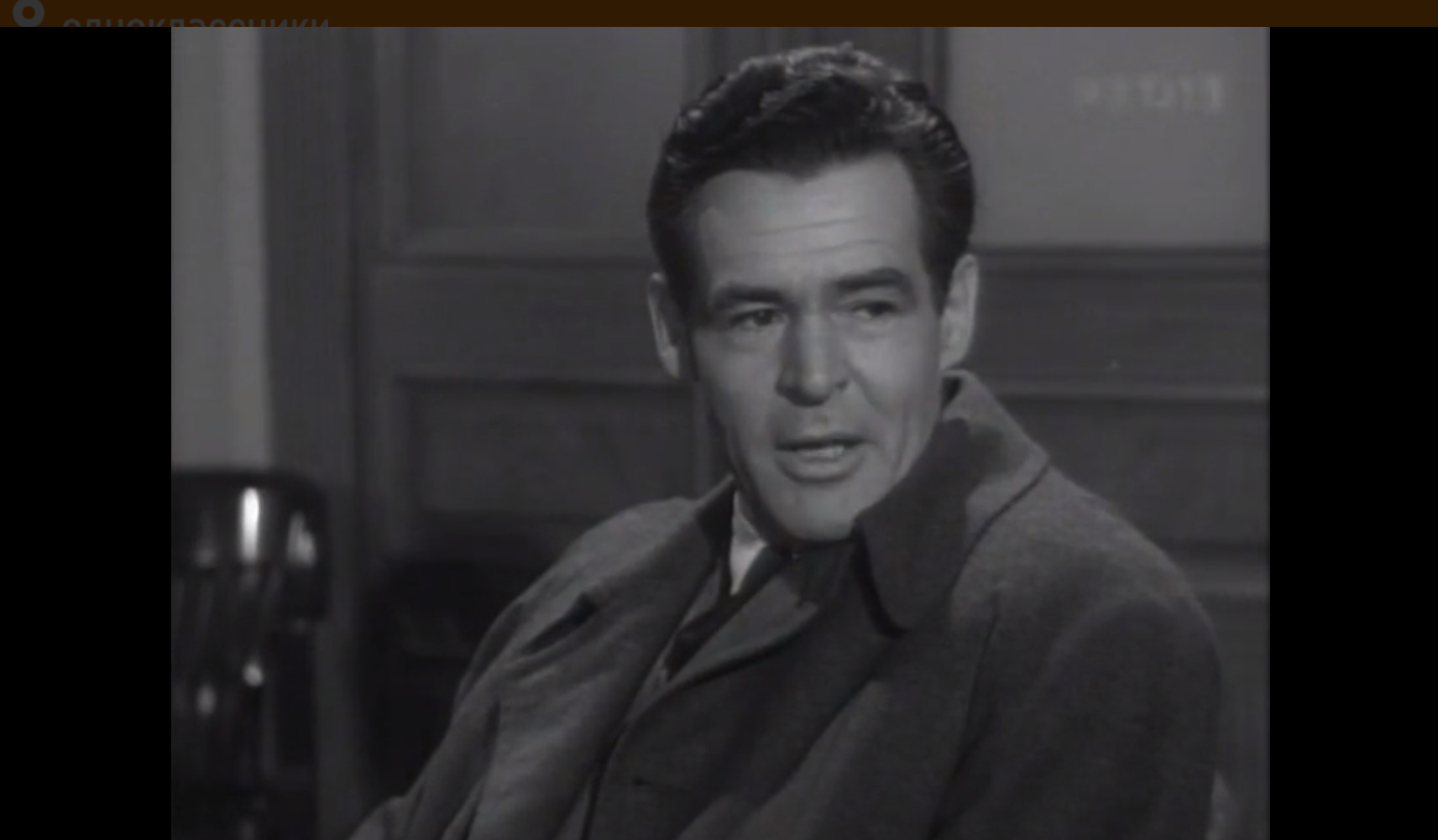
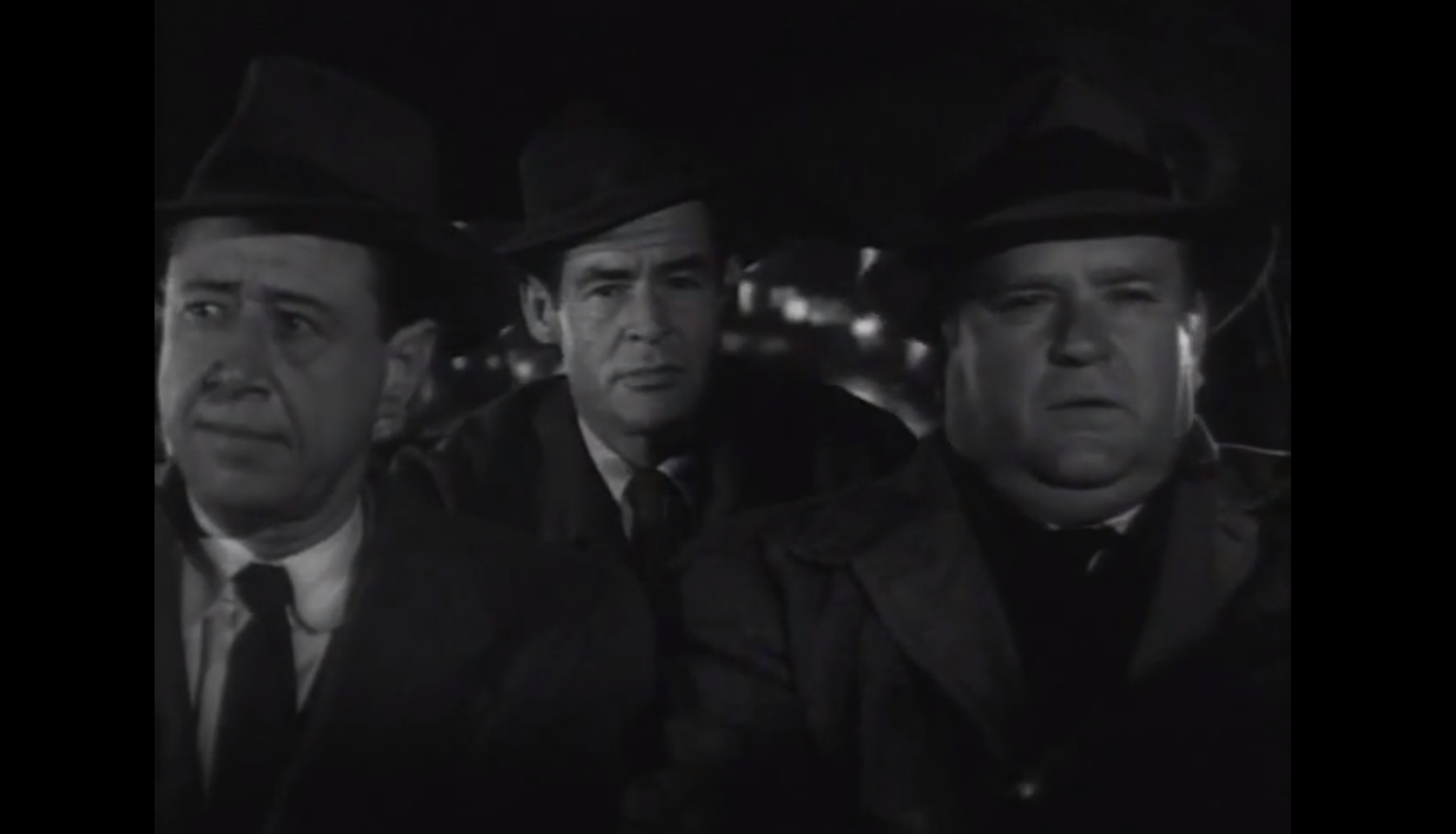
A city cop (Robert Ryan) with increasingly violent tendencies is sent by his concerned boss (Ed Begley) to help with a murder case up north in the countryside. Once there, he falls in love with the blind sister (Ida Lupino) of the young killer (Sumner Williams), and finds himself trying to stop the victim’s vengeful father (Ward Bond) from inflicting even more violence.

Genres, Themes, Actors, and Directors:

  • Blindness
  • Character Arc
  • Ed Begley Sr. Films
  • Ida Lupino Films
  • Nicholas Ray Films
  • Police
  • Robert Ryan Films
  • Ward Bond Films

Response to Peary’s Review:
As Peary notes, in this “minor melodrama”, director Nicholas Ray once again explores one of his favorite themes — “males who [don’t] understand the reason for their violent natures, [and have] trouble controlling their impulses to lash out physically”. He notes that it’s “intense but not very convincing”, with Ida Lupino’s role as a blind mediator between Ryan’s rage and better instincts particularly forced; yet it still has much to recommend it, including Ryan (always compelling) in the lead role; a riveting score by Bernard Herrmann; smart dialogue (particularly that spoken by Charles Kemper as Ryan’s older partner, “Pop” Daly); and beautiful wintry scenery “up north”. It’s worth a look, and is must-see viewing simply as part of Ray’s iconic oeuvre.

Redeeming Qualities and Moments:

  • Robert Ryan as Jim Wilson
  • Charles Kemper as Pop Daly
  • George Diskant’s cinematography
  • Smart dialogue

    Wilson: How do you live with yourself?
    Pop Daly: I don’t! I live with other people.

  • Bernard Herrmann’s signature score (a clear precursor to his work on North by Northwest)

Must See?
Yes, as one of Ray’s earliest noteworthy films.

Categories

  • Important Director

Links:

Berlin Alexanderplatz (1980)

Berlin Alexanderplatz (1980)

“I want to be a new man, a decent man.”

Synopsis:
An ex-con (Gunter Lamprecht) struggles to stay employed and find love in corruption-riddled 1920s Berlin.

Genres, Themes, Actors, and Directors:

  • Character Studies
  • Corruption
  • Ex-Cons
  • Fassbinder Films
  • German Films
  • Unemployment

Response to Peary’s Review:
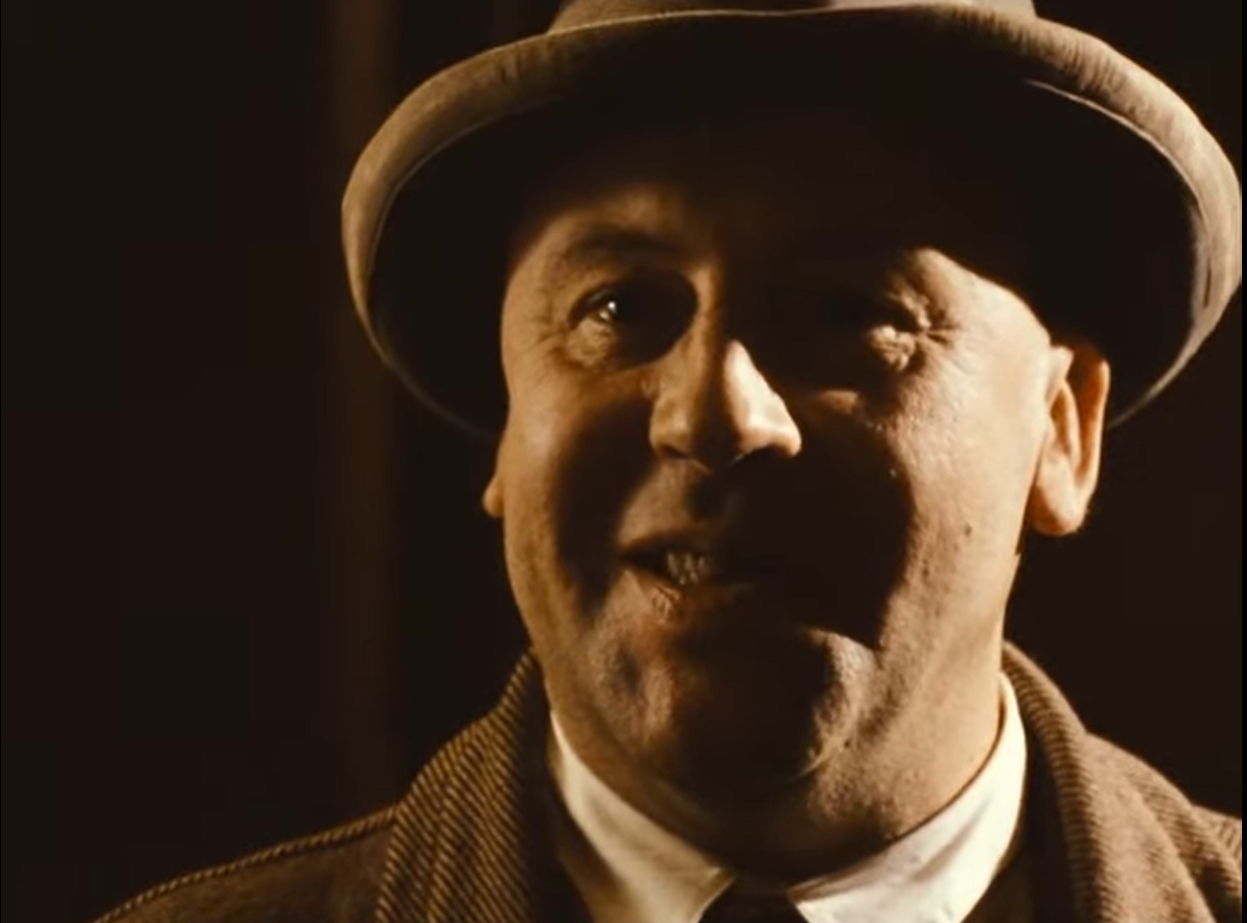
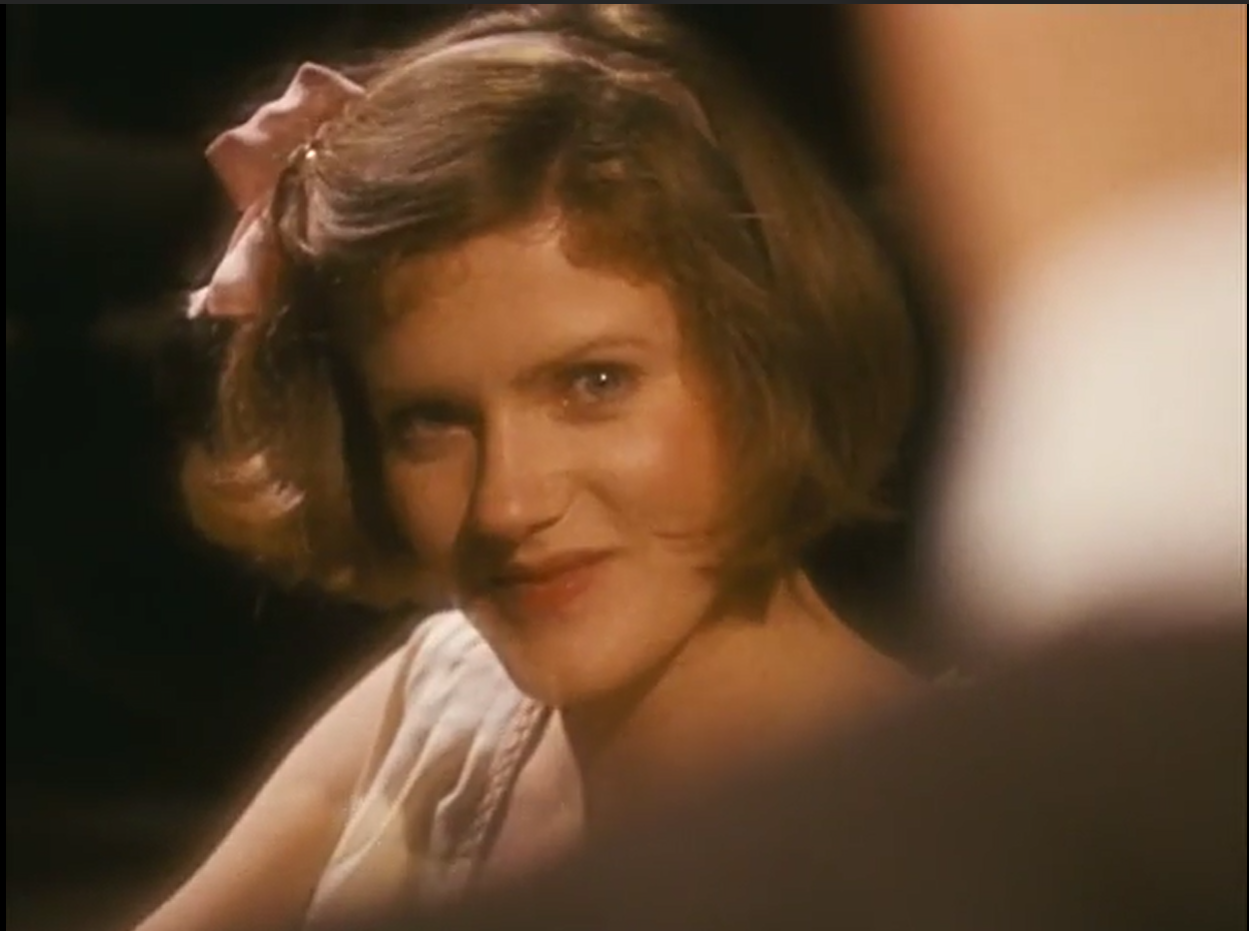
This “mammoth work” by Rainer Werner Fassbinder — “alternately astonishing and boring” — is infamous for possessing the longest running time (15 1/2 hours) of any feature film (though its original status as made-for-television makes this distinction somewhat dubious). Regardless of its length, Berlin Alexanderplatz remains — as Peary notes — “extraordinary” fare, an undeniable investment of time which offers a “rewarding viewing experience despite the slow moments, the ambiguous philosophizing, and the disappointing [Epilogue] resolution.” Heavy-set Gunter Lamprecht — far from leading-man fare — buoys the entire film, making us care about his fate despite his often ill-advised actions; while it’s difficult to believe that the pudgy, eventually one-armed Biberkopf could so easily attract beautiful women one after the other, we’re willing to suspend judgment in favor of remaining caught up in his oddly compelling travails. This remains a truly absorbing character study constructed on an unprecedented cinematic scale, and well worth the time investment — though as Peary points out, it’s “much easier to watch in hour installments on television, for which it was originally made” (or in two-hour DVD viewings).

Redeeming Qualities and Moments:

  • Gunter Lamprecht as Franz Biberkopf
  • Hanna Schygulla as Eva
  • Barbara Sukowa as Mieze
  • Gottfried John as Reinhold Hoffmann — Biberkopf’s “personal devil”
  • Xaver Schwarzenberger’s dream-like cinematography

Must See?
Yes, as a genuine classic of German cinema — and for its fame as the longest cinematic narrative ever made.

Categories

  • Foreign Gem
  • Historically Relevant
  • Important Director

Links:

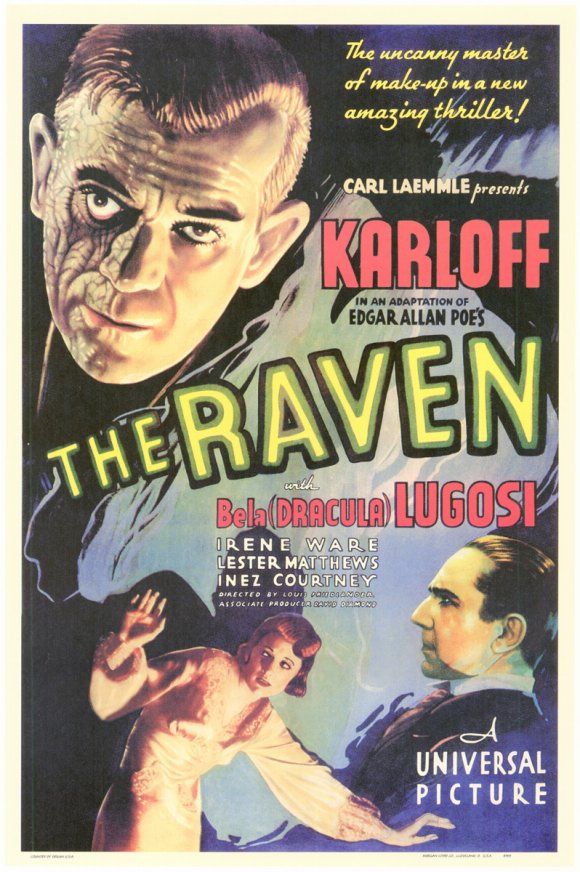
Raven, The (1935)

Raven, The (1935)

“I will not be tortured… I tear torture out of myself by torturing you!

Synopsis:
A psychotic, Poe-obsessed surgeon (Bela Lugosi) saves the life of a beautiful young dancer (Irene Ware), then falls obsessively in love with her. When her father (Samuel S. Hinds) ridicules his request for her hand in marriage, Lugosi blackmails a fugitive criminal (Boris Karloff) into torturing Ware, her fiance (Lester Matthews), and Hinds.

Genres, Themes, Actors, and Directors:

  • Bela Lugosi Films
  • Boris Karloff Films
  • Disfigured Faces
  • Horror Films
  • Mad Doctors and Scientists
  • Obsessive Love

Response to Peary’s Review:
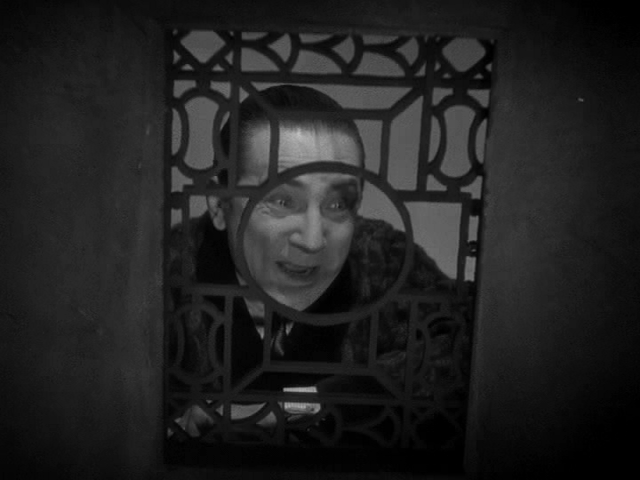
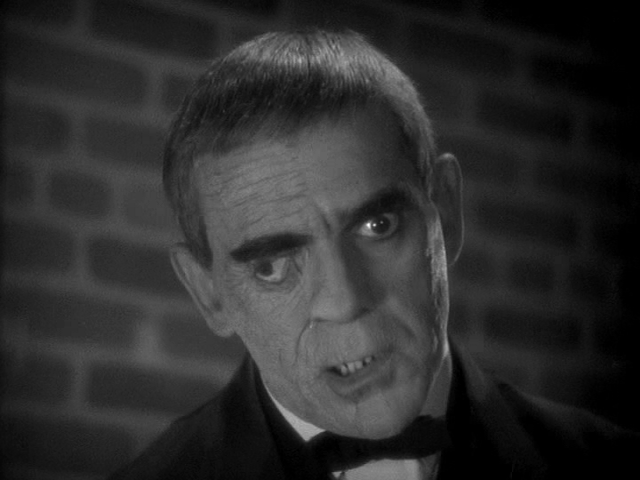
Dubbed “a fatal mistake from beginning to end” by the New York Times upon its release, this Poe-inspired Universal horror flick has since gained a latter day cult following, with Peary himself referring to it as “great fun”, and accurately noting that Lugosi seems to be having “a field day” playing the “fiendish surgeon” with a penchant for everything-Poe. Equally effective — and surprisingly sympathetic — is top-billed Karloff as a tortured criminal whose perceived ugliness has prevented him from becoming the “good man” he longs to be; his intentionally botched facial surgery at the hands of evil Lugosi is tragic to behold. While not quite as stylistically innovative as its more celebrated precursor (The Black Cat), The Raven nonetheless offers plenty of unintentional camp, and some genuinely frightening moments; hearing Lugosi rant and rave about how he can only purge his own insanity by torturing others ranks among the great horror chills of all time.

Redeeming Qualities and Moments:

  • Bela Lugosi as Dr. Vollin: “After your torture, I’ll be the sanest man in the world!”
  • Boris Karloff as Bateman: “If a man looks ugly, he does ugly things…”
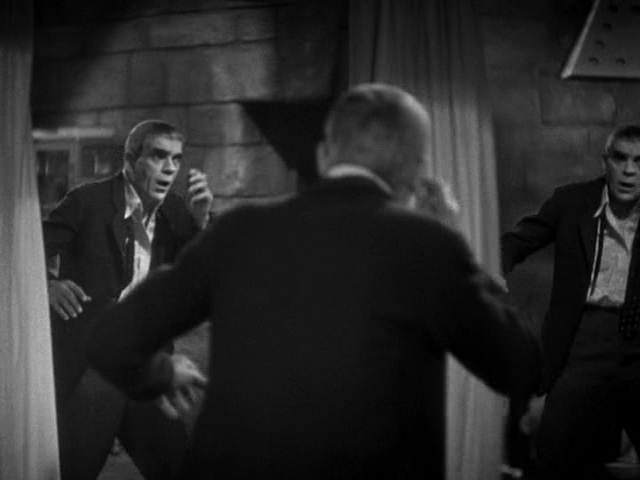
  • Karloff shooting at himself in multiple mirrors after seeing his newly disfigured face
  • A freaky tale of demented, obsessive love
  • Creepy set designs
  • Atmospheric cinematography

Must See?
Yes, for its status as a latter-day cult favorite.

Categories

  • Cult Movie

Links:

Mystery of Kaspar Hauser, The / Enigma of Kaspar Hauser, The / Every Man For Himself and God Against All (1974)

Mystery of Kaspar Hauser, The / Enigma of Kaspar Hauser, The / Every Man For Himself and God Against All (1974)

“It seems to me that my coming into this world was a very hard fall.”

Synopsis:
A mysterious young man (Bruno S.) named Kaspar Hauser arrives in a German village in 1828, where he’s cared for by a kind professor (Walter Ladengast) who teaches him to read, write, and play music.

Genres, Themes, Actors, and Directors:

  • Character Arc
  • German Films
  • Historical Dramas
  • Werner Herzog Films

Response to Peary’s Review:
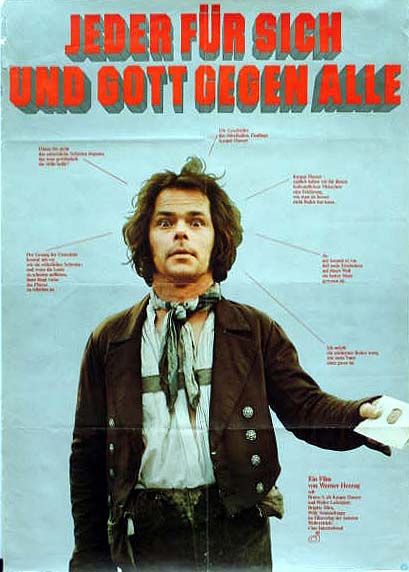
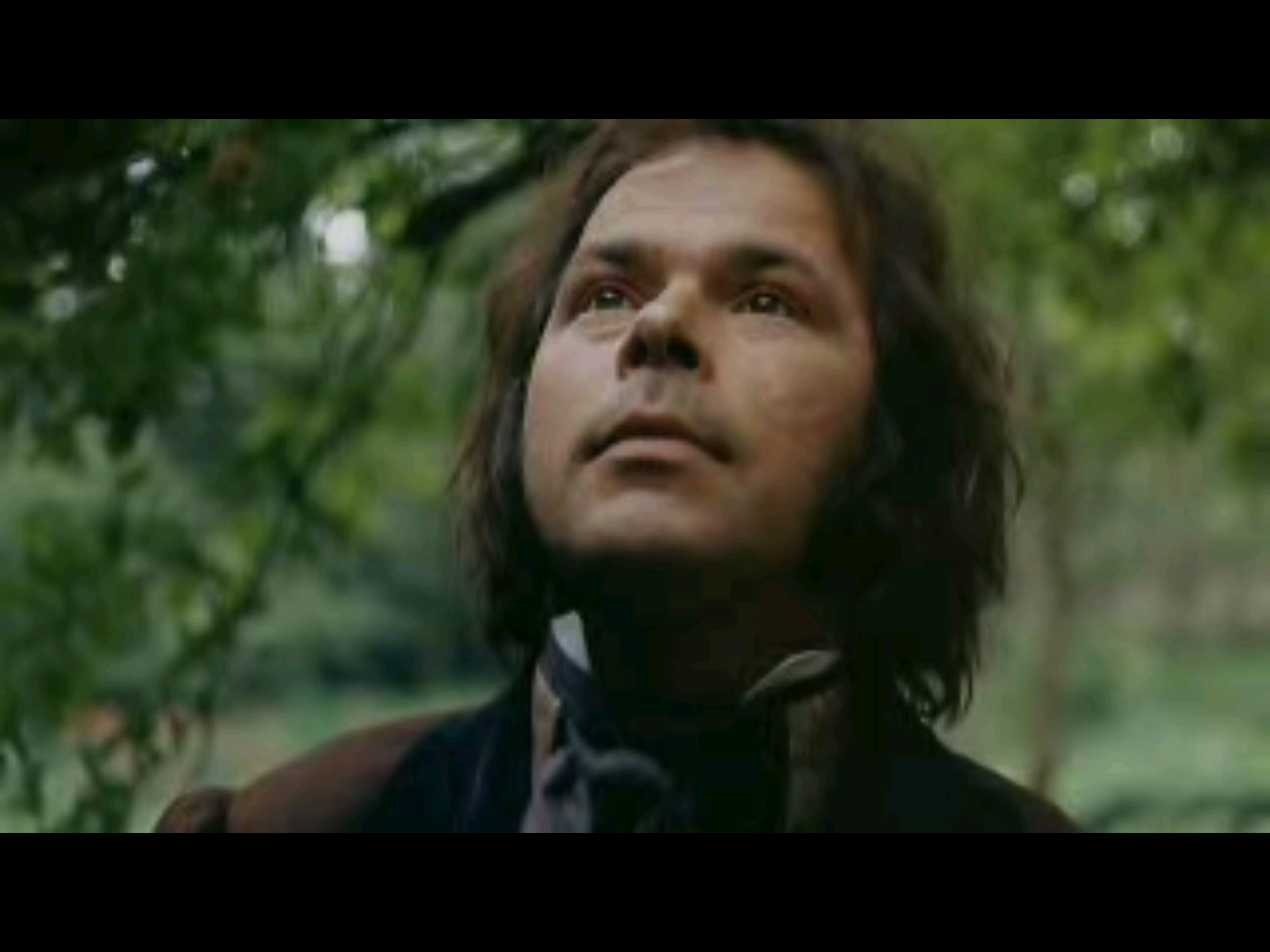
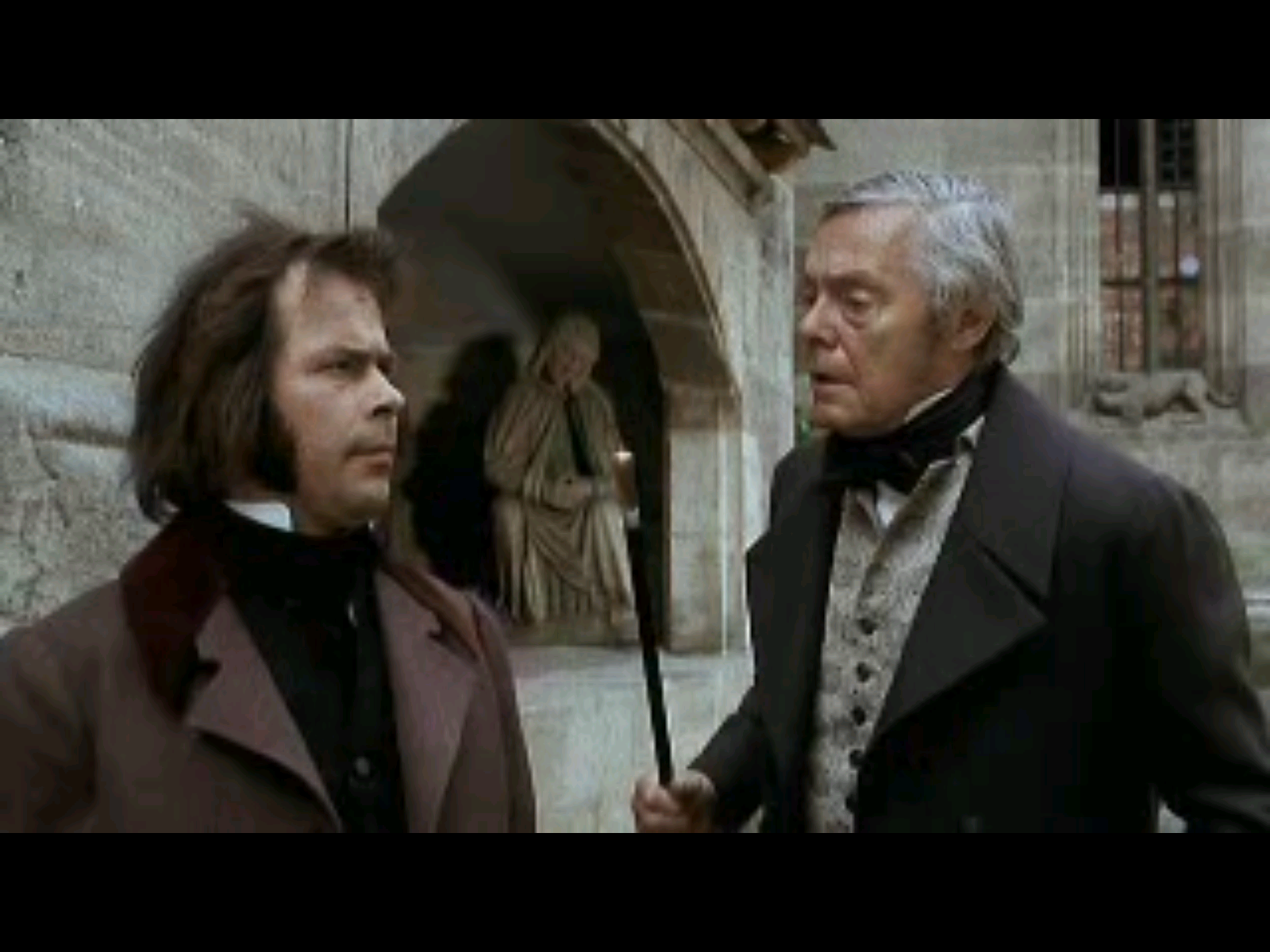
Widely regarded by many (including Peary) as one of Werner Herzog’s “most compelling films”, The Mystery of Kaspar Hauser is in the “same subgenre as The Wild Child and The Elephant Man” yet “completely different from those pictures.” As Peary notes, Herzog wisely refrains from positing the real-life Hauser as either a saint (a la the Elephant Man) or a Tarzan-figure (a la Truffaut’s “wild child”), instead portraying him simply as “an outsider, a naturalist, whose presence causes everyone to question their orderly vision of their world, their faith in God, [and] their orderly way of leading their lives.” The inspired casting of non-actor Bruno S. (a former mental institute inmate) as Hauser plays a key role in the film’s success — it’s remarkably easy to believe that Bruno is Kaspar, with his cynical yet child-like attitude marking him as one who is truly seeing life in a unique way. Several of his statements — such as when he remarks with sadness to Ladengast that hearing music “feels strong in his heart”, and wonders aloud why he can’t play piano with automaticity, the way he breathes — are heartbreaking in their naive wisdom.

Redeeming Qualities and Moments:

  • Bruno S. as Kaspar Hauser
  • Walter Ladengast as Hauser’s kindly caretaker, Professor Daumer
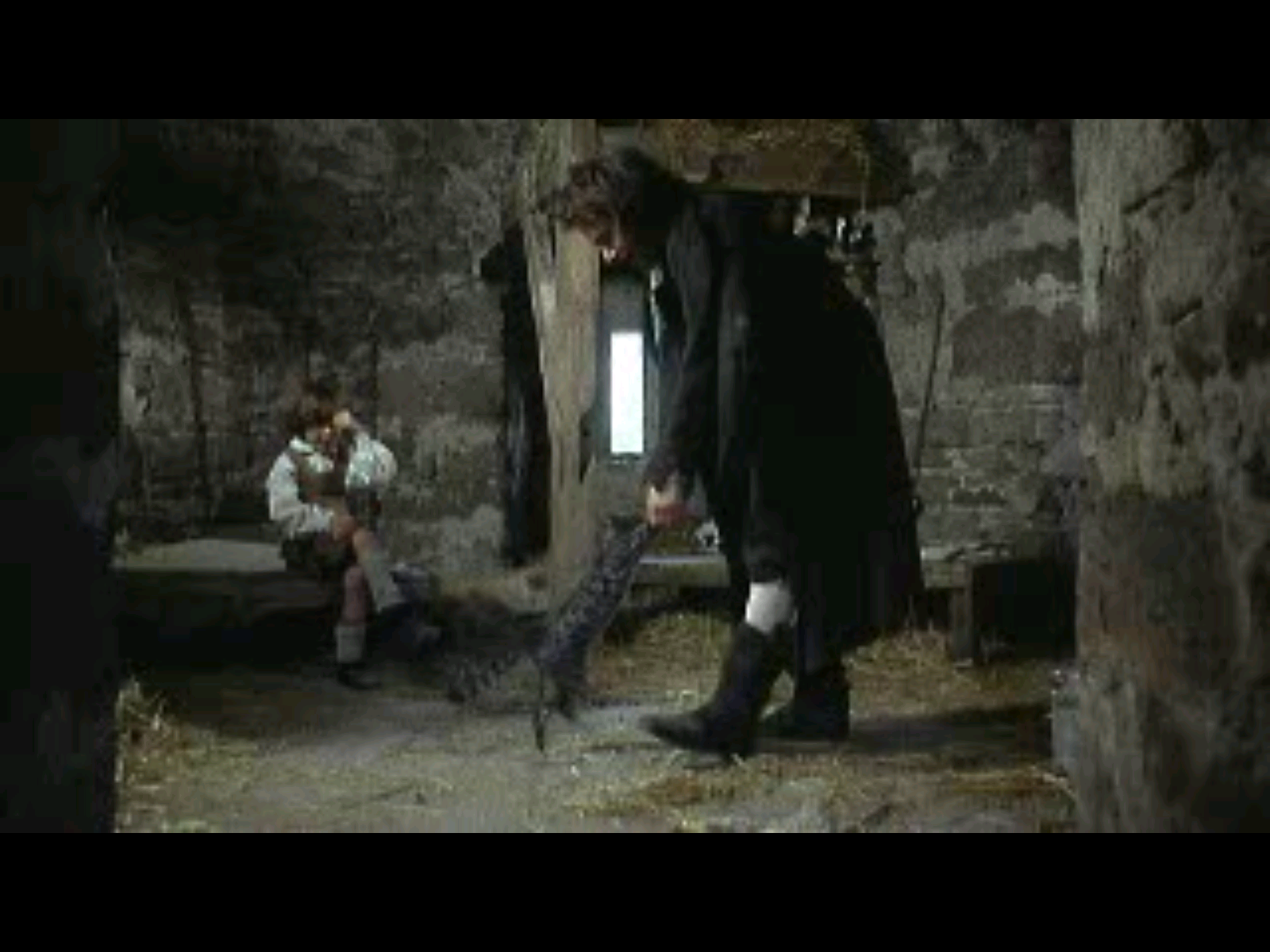
  • Kaspar trying to teach a cat to walk on its hind legs
  • Beautiful cinematography of German countryside

Must See?
Yes, as the film which propelled Werner Herzog to international prominence.

Categories

  • Historically Relevant
  • Important Director

Links:

Cabinet of Dr. Caligari, The (1920)

Cabinet of Dr. Caligari, The (1920)

“I must know everything. I must penetrate the heart of his secret. I must become Caligari!”

Synopsis:
A high-strung youth (Friedrich Feher) relates the story of mad Dr. Caligari (Werner Krauss) and his sideshow act, a gaunt somnambulist (Conrad Veidt) named Cesare who commits murders while sleepwalking. But is Dr. Caligari really who Feher says he is?

Genres, Themes, Actors, and Directors:

  • Carnivals and Circuses
  • Conrad Veidt Films
  • Flashback Films
  • German Films
  • Horror
  • Living Nightmare
  • Mad Doctors and Scientists
  • Mental Illness
  • Mind Control and Hypnosis<
  • Mistaken or Hidden Identities
  • Silent Films

Response to Peary’s Review:
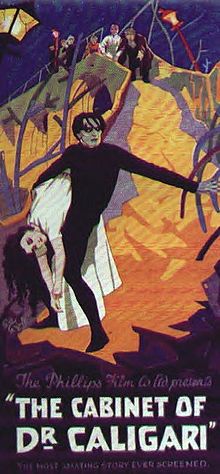
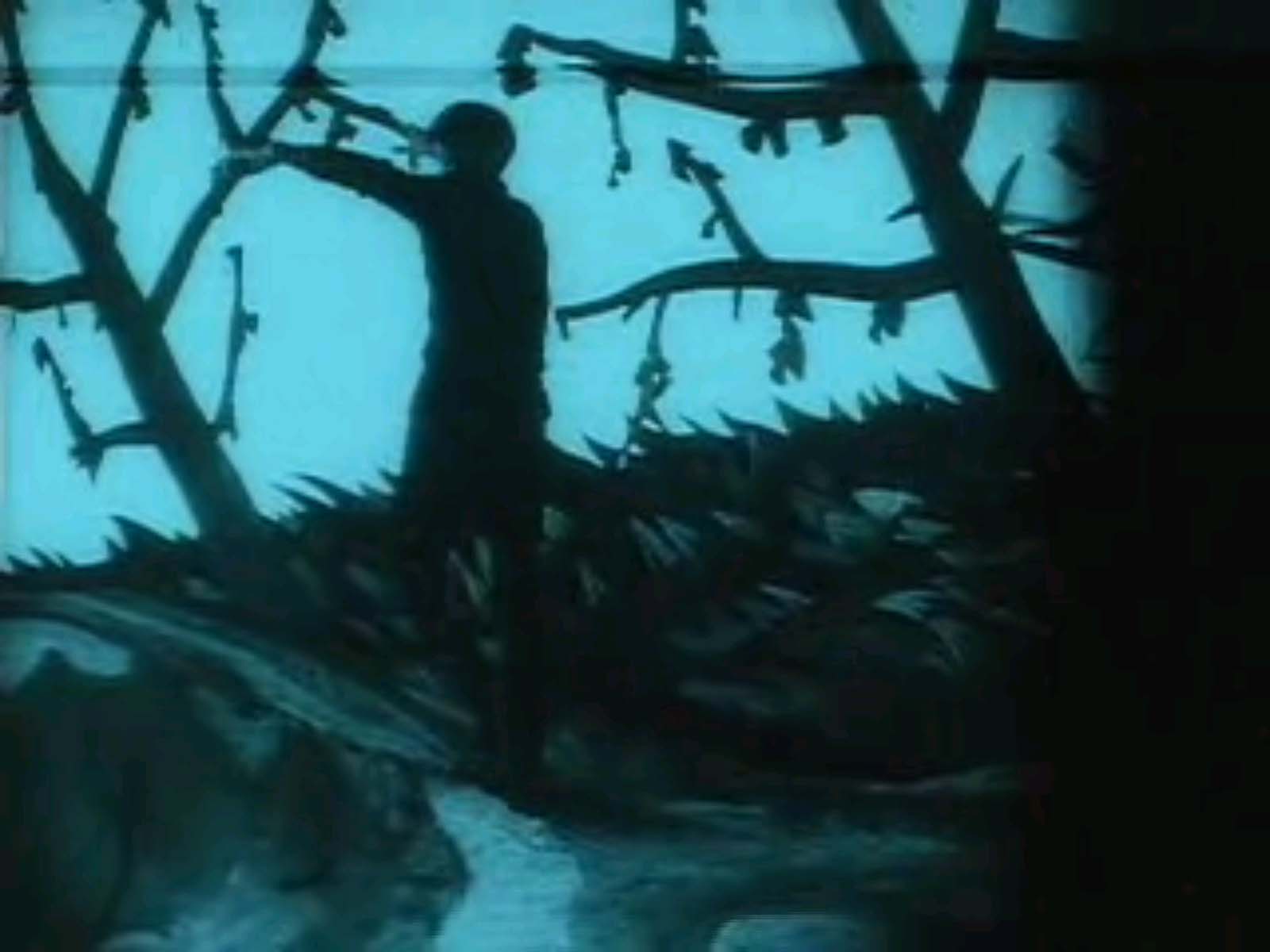
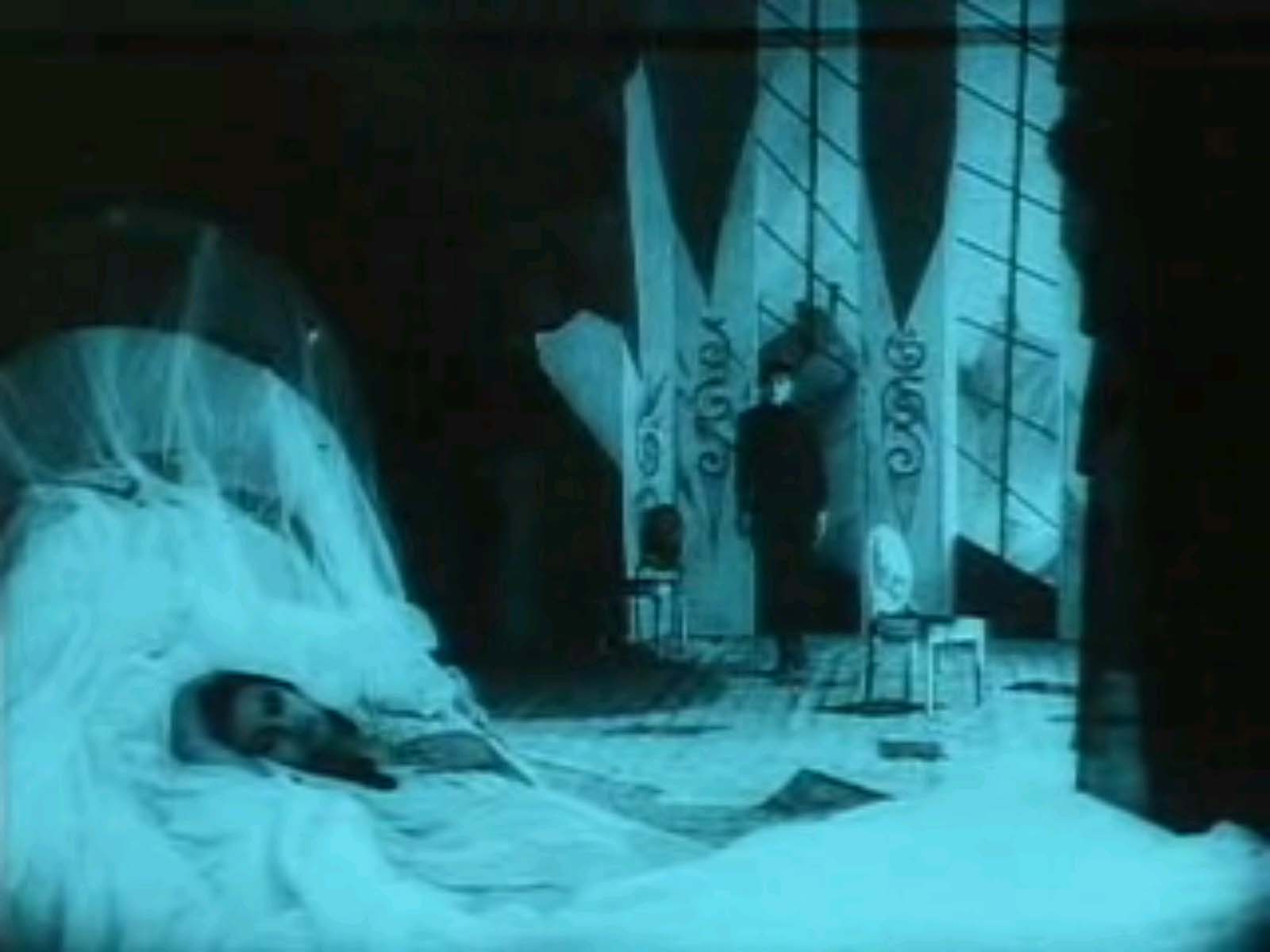
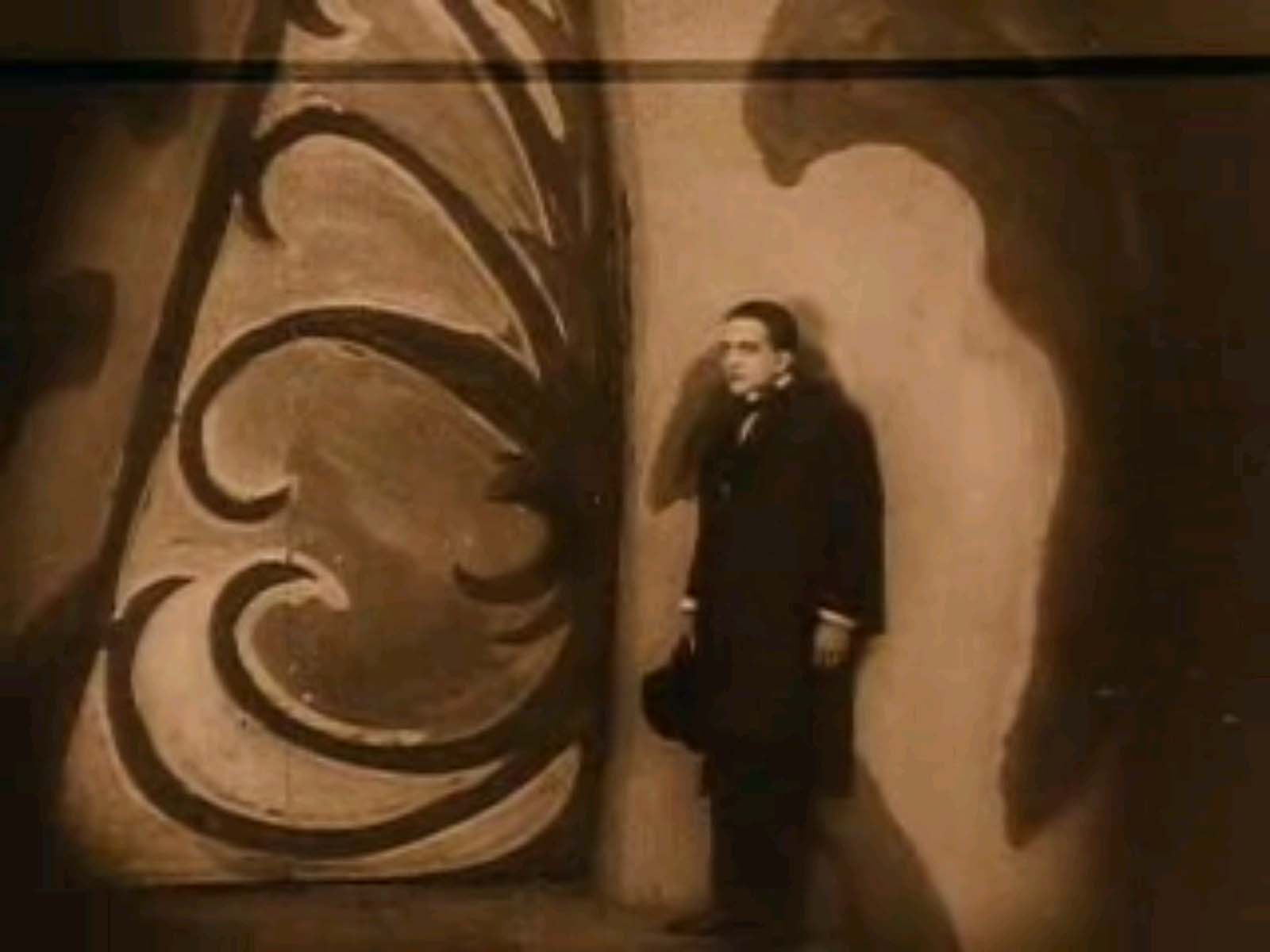
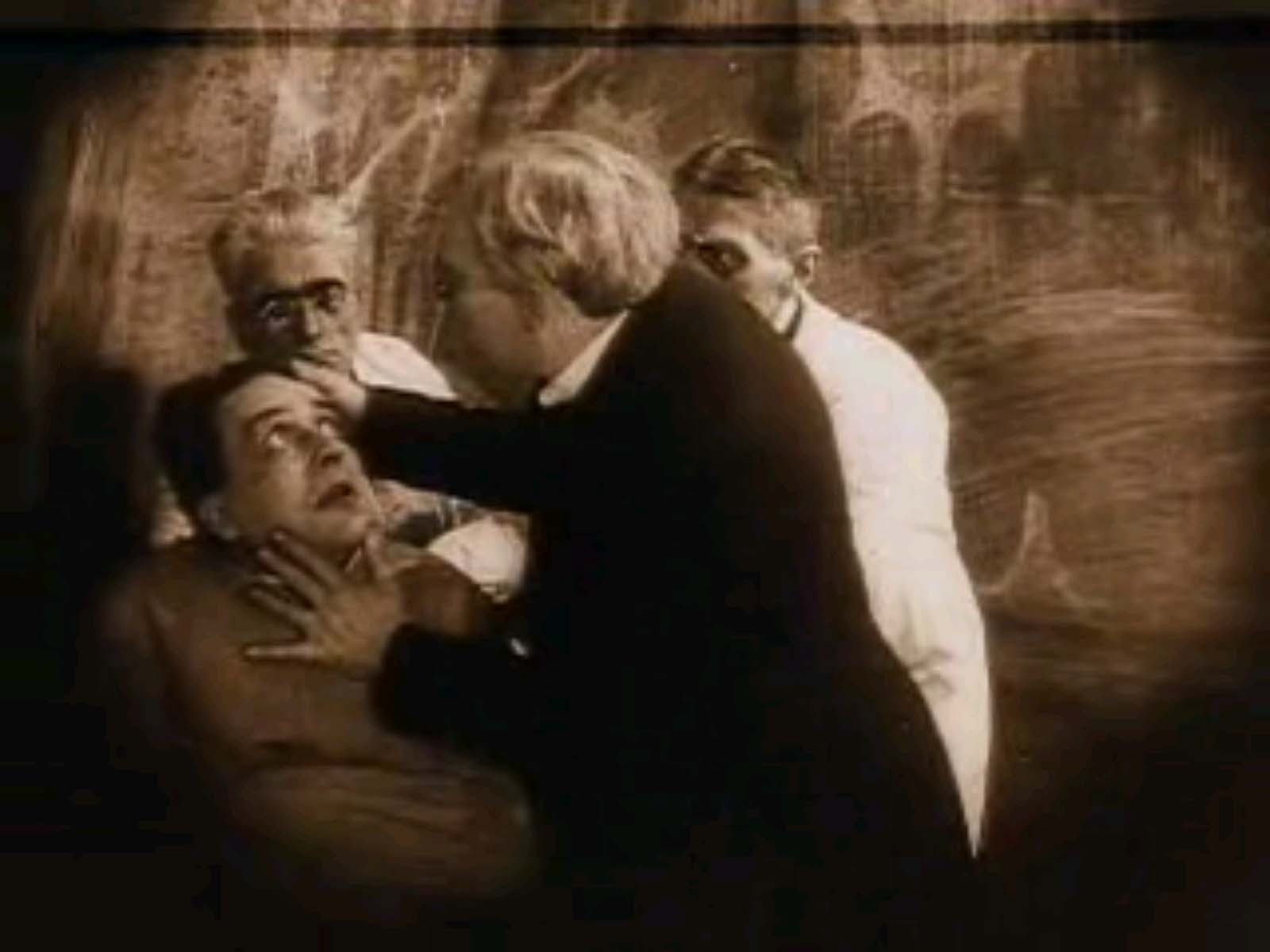
In his analysis of this indisputable “masterpiece of the silent cinema”, Peary notes that The Cabinet of Dr. Caligari was the first film to advance “the theory that what goes on in the mind, psychological horror, can be as frightening as physical shocks” — and that “one could express the emotional and/or mental states of characters through the design of the sets they walk through.” To that end, nothing looks real here; the “backgrounds are obviously painted” and “everything … zigzags at odd angles so that the frame looks out of whack”, giving one the impression of watching an Expressionistic play rather than a film.

Apart from its truly unique sets, what’s most distinctive about Caligari is its twisted narrative structure, in which our comprehension of what we’re seeing is continually shaken; a quick glance at the genres listed above indicates that this short film goes in many different directions throughout its scant hour-plus running time. There’s essentially a story within a story within a story here; to that end, Caligari is a film which nearly demands multiple viewings in order to “get” what exactly is happening. Indeed, Peary notes that Caligari was likely “the first ‘cult’ movie”, given that it played “in one French theater for seven consecutive years” — for this reason alone, no film fanatic can afford to miss it.

Redeeming Qualities and Moments:

  • Surreal Expressionist set designs
  • Conrad Veidt as Cesare the Somnambulist
  • The classic kidnapping sequence
  • A groundbreaking script (by Hans Janowitz), which posits that what’s seen on-screen isn’t necessarily “real”
  • The shocking twist-upon-twist ending

Must See?
Yes, most definitely. Discussed at length in Peary’s Cult Movies 3 (1988).

Categories

  • Cult Movie
  • Historically Relevant

(Listed in 1001 Movies You Must See Before You Die)

Links:

While the City Sleeps (1956)

While the City Sleeps (1956)

“The man who gets the killer lands the job.”

Synopsis:
When media magnate Amos Kyne (Robert Warwick) dies, his spoiled son and heir (Vincent Price) offers to promote whichever one of three ambitious newspaper men — George Sanders, Thomas Mitchell, or James Craig — can break a story about a recent rash of murders sweeping the city. Meanwhile, tippling journalist Ed Mobley (Dana Andrews) helps his friend Griffith (Mitchell) try to solve the case, while simultaneously trying to convince his no-nonsense girlfriend (Sally Forrest) to marry him; Kritzer (Craig) is having an affair with Price’s leggy wife (Rhonda Fleming); Loving (Sanders) asks his co-worker and paramour Mildred (Ida Lupino) to help him rise to the top; and the psychotic murderer (John Barrymore, Jr.) keeps killing young women in their apartments.

Genres, Themes, Actors, and Directors:

  • Dana Andrews Films
  • Fritz Lang Films
  • George Sanders Films
  • Ida Lupino Films
  • Journalists
  • Murder Mystery
  • Serial Killers
  • Rivalry
  • Thomas Mitchell Films
  • Vincent Price Films

Response to Peary’s Review:
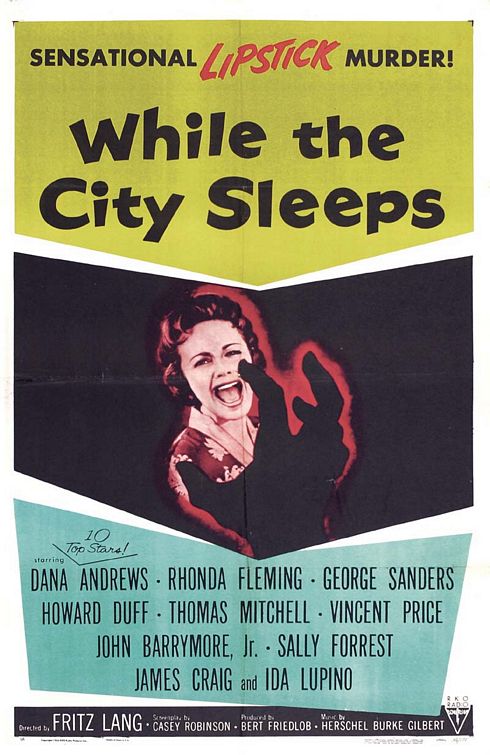
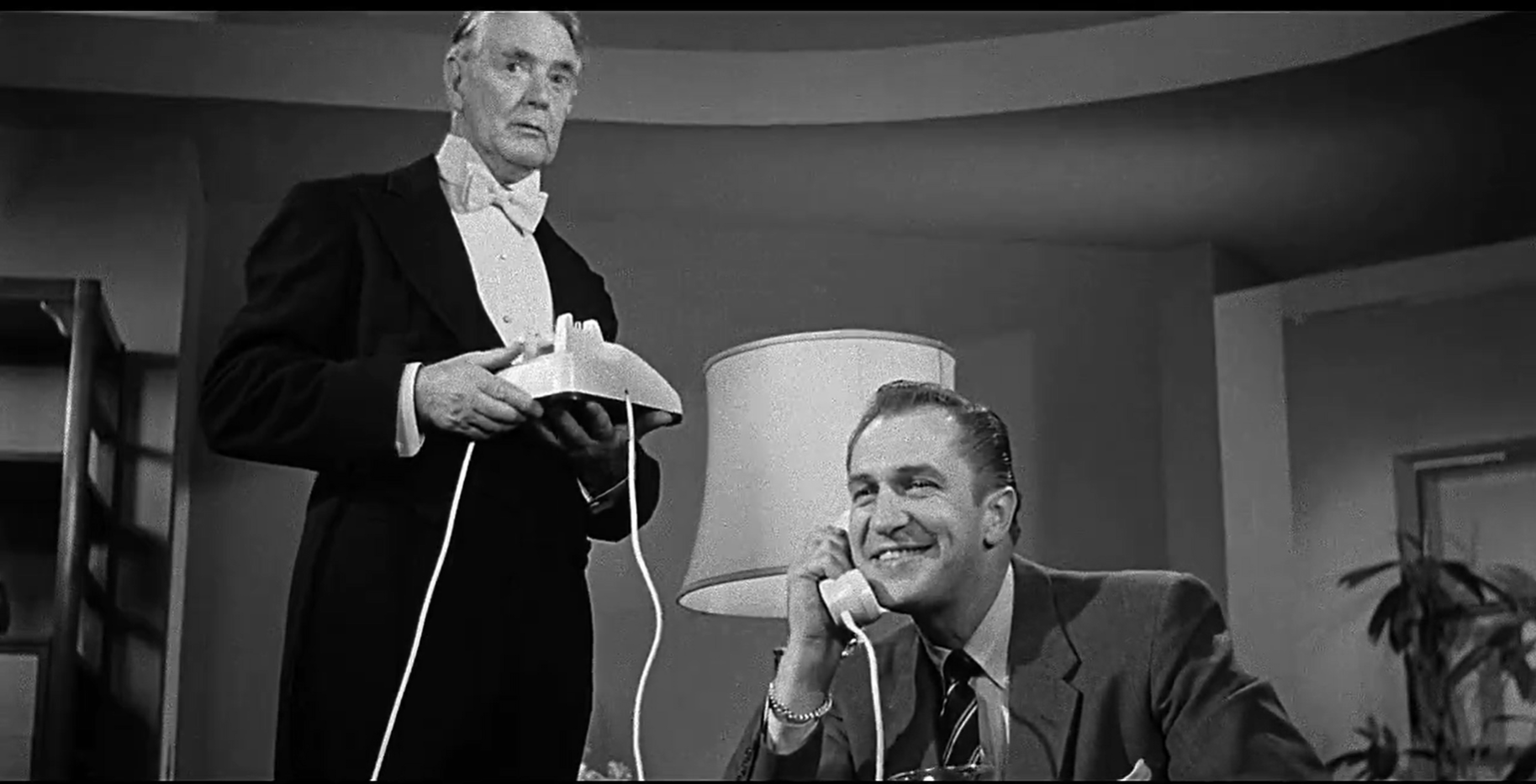
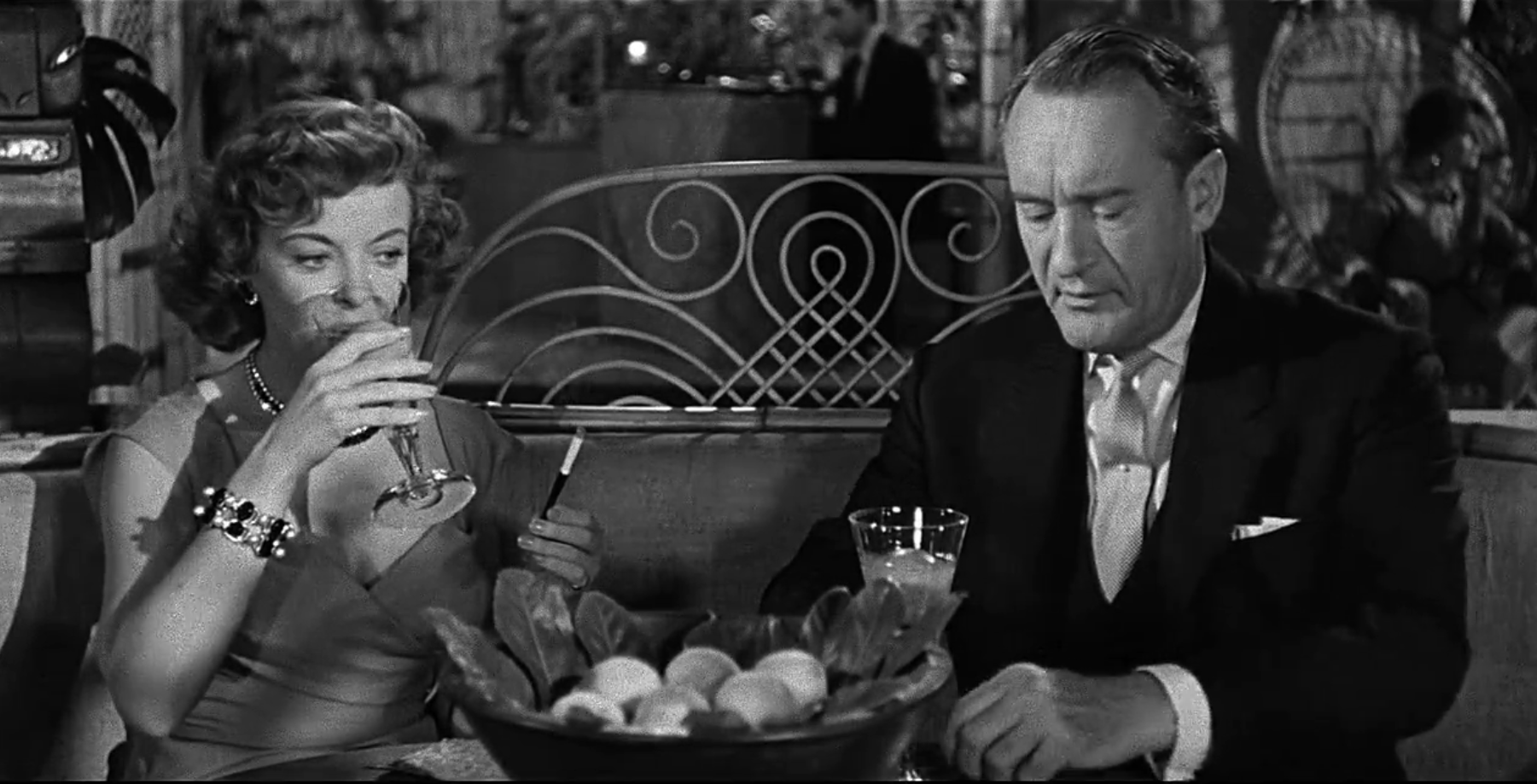
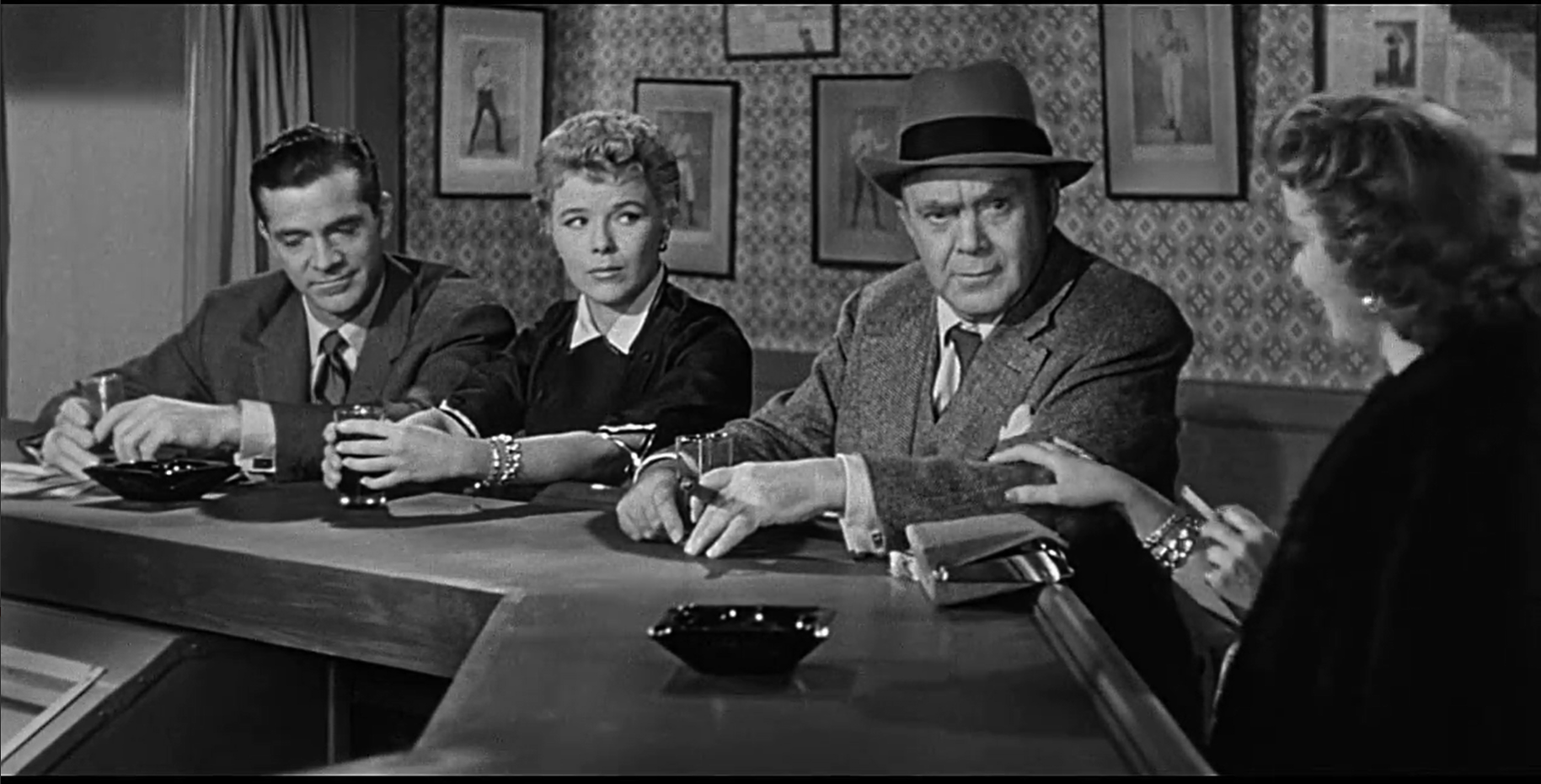
Peary refers to this all-star melodrama — Fritz Lang’s final American film, and purportedly a personal favorite — as “silly but diverting”, which just about sums it up. There isn’t much substance to the tale — essentially a trussed up sex soaper with a serial-killer search as a backdrop (Peary argues “the simple case should take about one minute to solve”) — but it’s enjoyable watching cinematic favorites such as Vincent Price:

Ida Lupino, George Sanders:

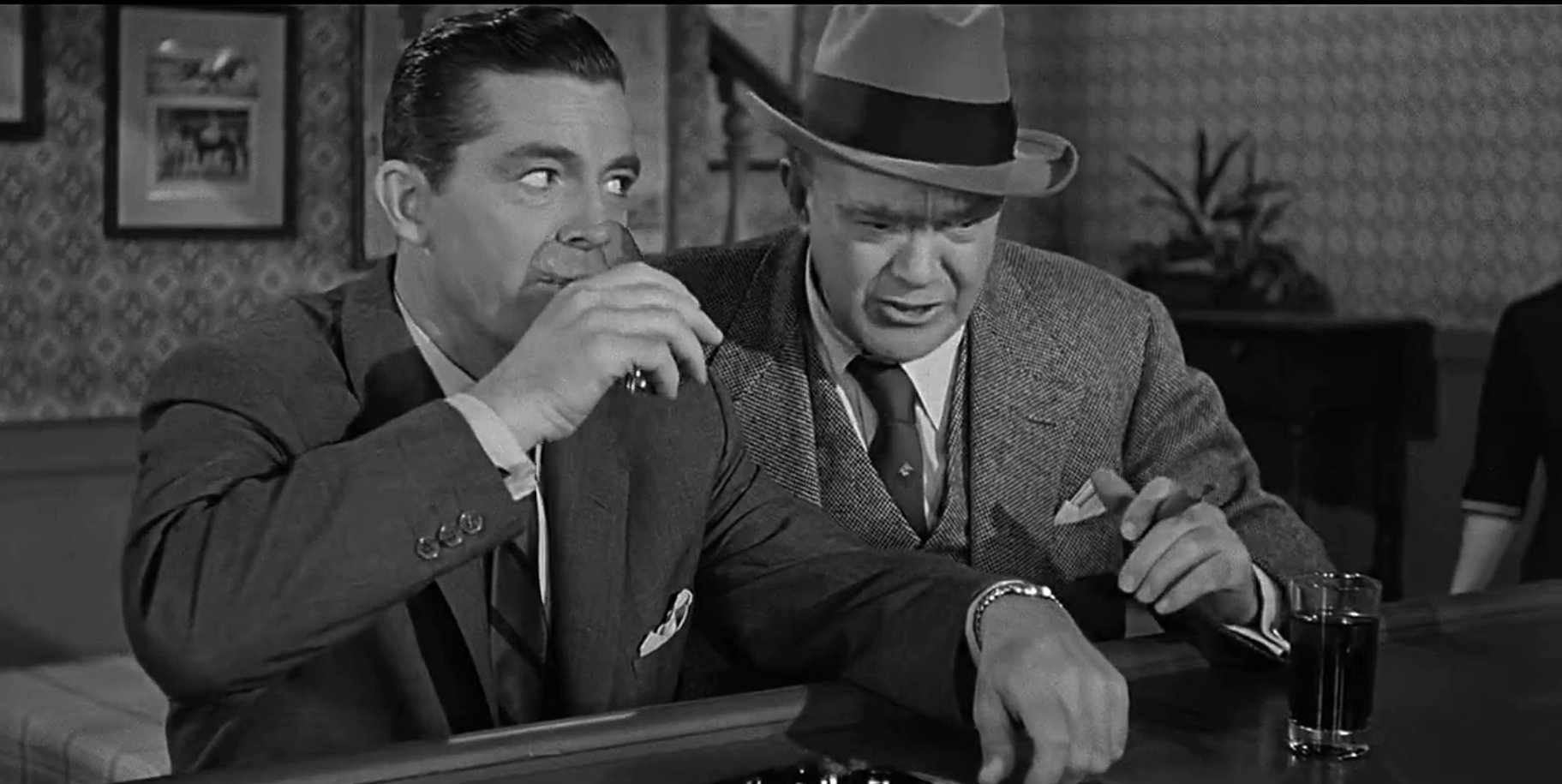
… Dana Andrews (constantly drinking, as in real life):

… Thomas Mitchell:

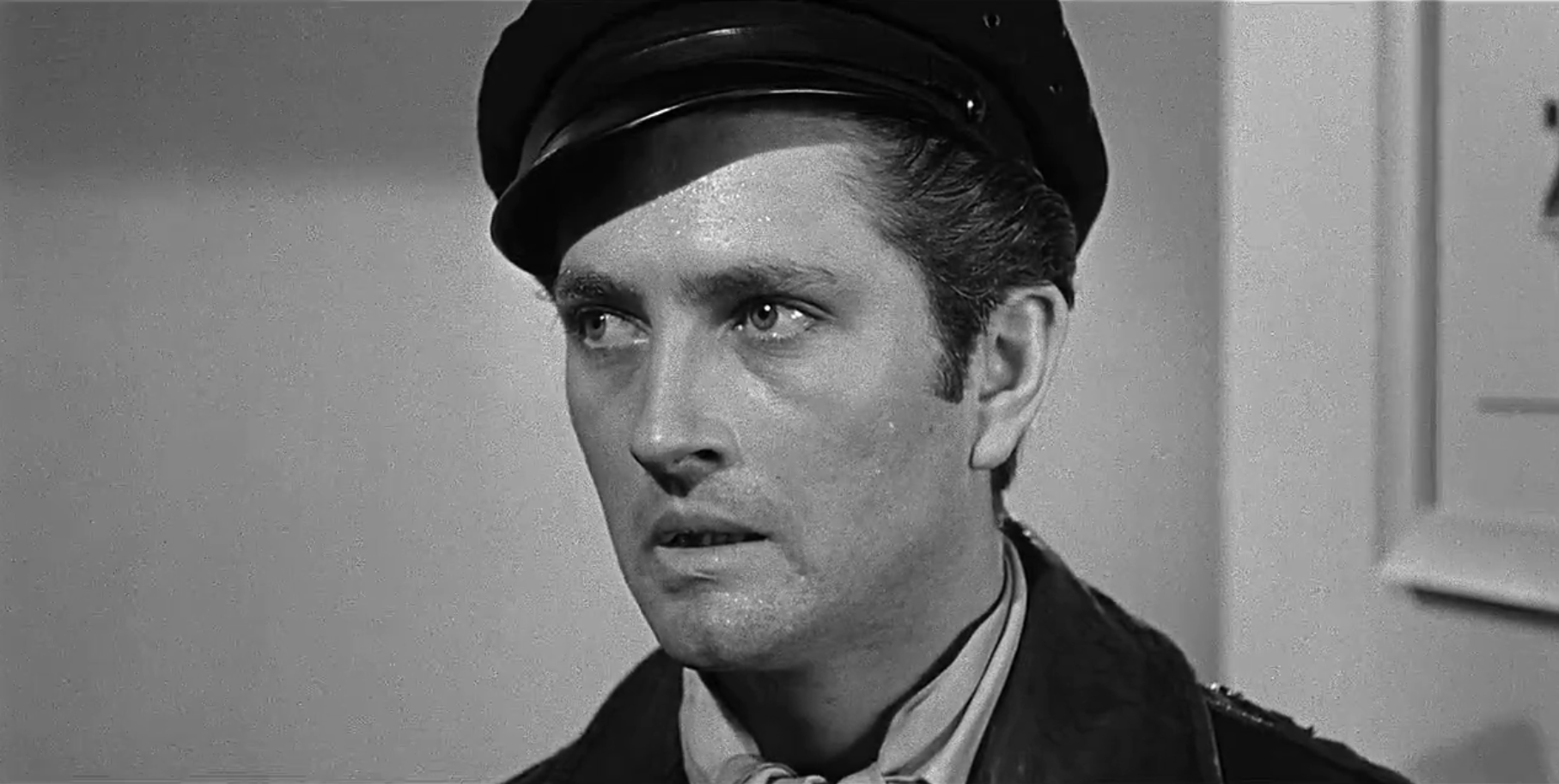
… and others working together in one flick. Also of interest is John Barrymore, Jr. (Drew’s troubled dad) in what was perhaps his best-known minor role, playing a whacked-out Mama’s-boy killer in black leather gloves — he’s no great actor, but very convincing in the part.

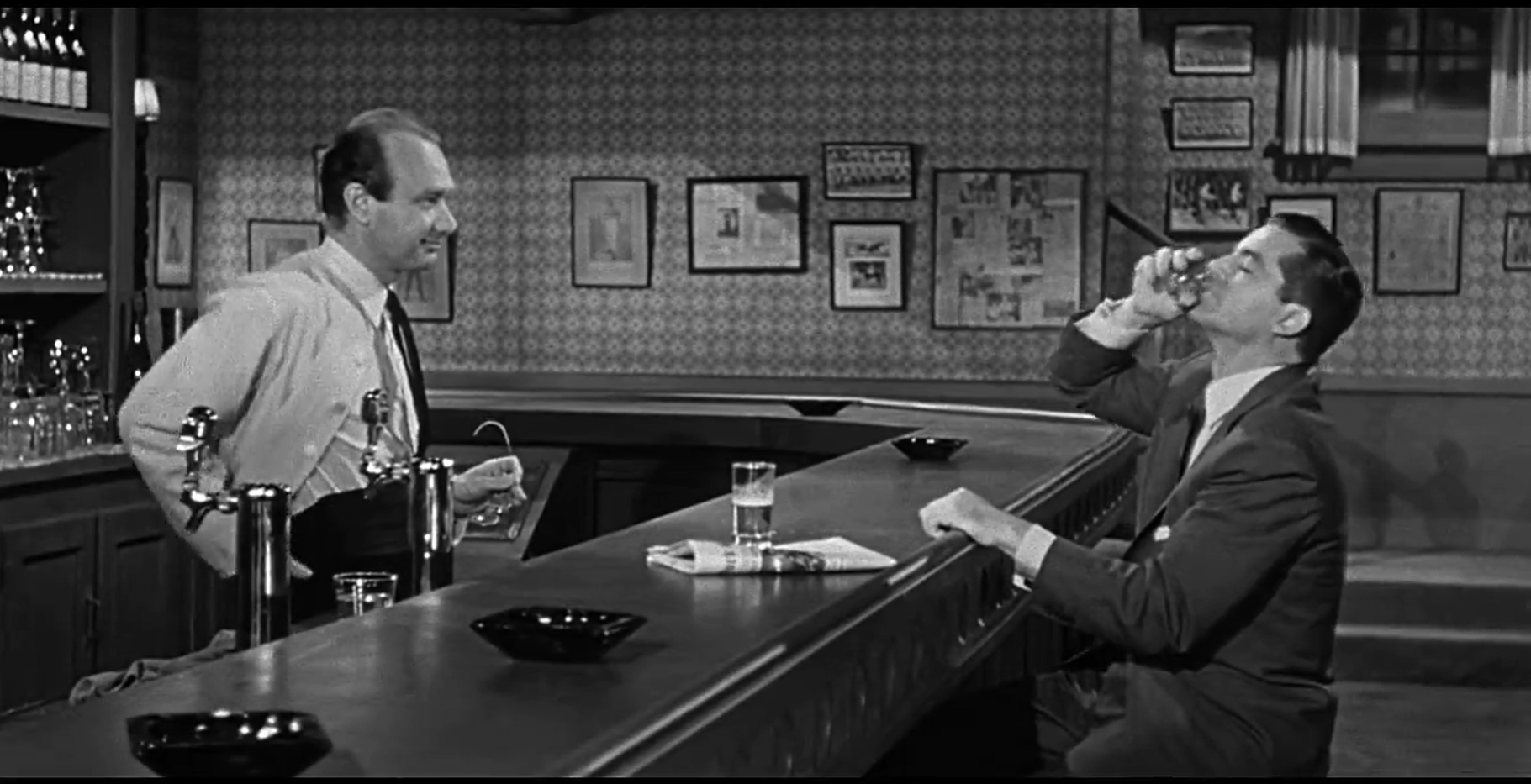
Note: Peary adds that this “film has [the] distinction of having [the] most alcohol consumed by characters since The Lost Weekend” — and while I doubt a formal tally has been done, I’ll admit to noticing glasses in hand time and again while perusing the film for stills.

Redeeming Qualities and Moments:

  • The all-star ensemble cast

  • John Barrymore, Jr. (Drew’s father!) as the Lipstick Killer

Must See?
No, but it’s recommended for one-time viewing.

Links:

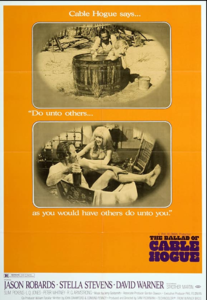
Ballad of Cable Hogue, The (1970)

Ballad of Cable Hogue, The (1970)

“In all the long, wrought out, back-breakin’, kidney-shakin’, bladder-bustin’ miles from here to Lizard, there’s not one spot of wet relief for man or beast.”

Synopsis:
When robbed and left to die in the desert, an illiterate wanderer (Jason Robards) stumbles upon a spring which he proceeds to turn into a profitable way-station. Meanwhile, he falls for a feisty prostitute (Stella Stevens), receives assistance from a con-artist “preacher” (David Warner), and hopes to seek revenge on the men who abandoned him.

Genres, Themes, Actors, and Directors:

  • Comedy
  • David Warner Films
  • Deserts
  • Get Rich Quick
  • Jason Robards Films
  • Prostitutes
  • Sam Peckinpah Films
  • Settlers
  • Stella Stevens Films
  • Westerns

Response to Peary’s Review:
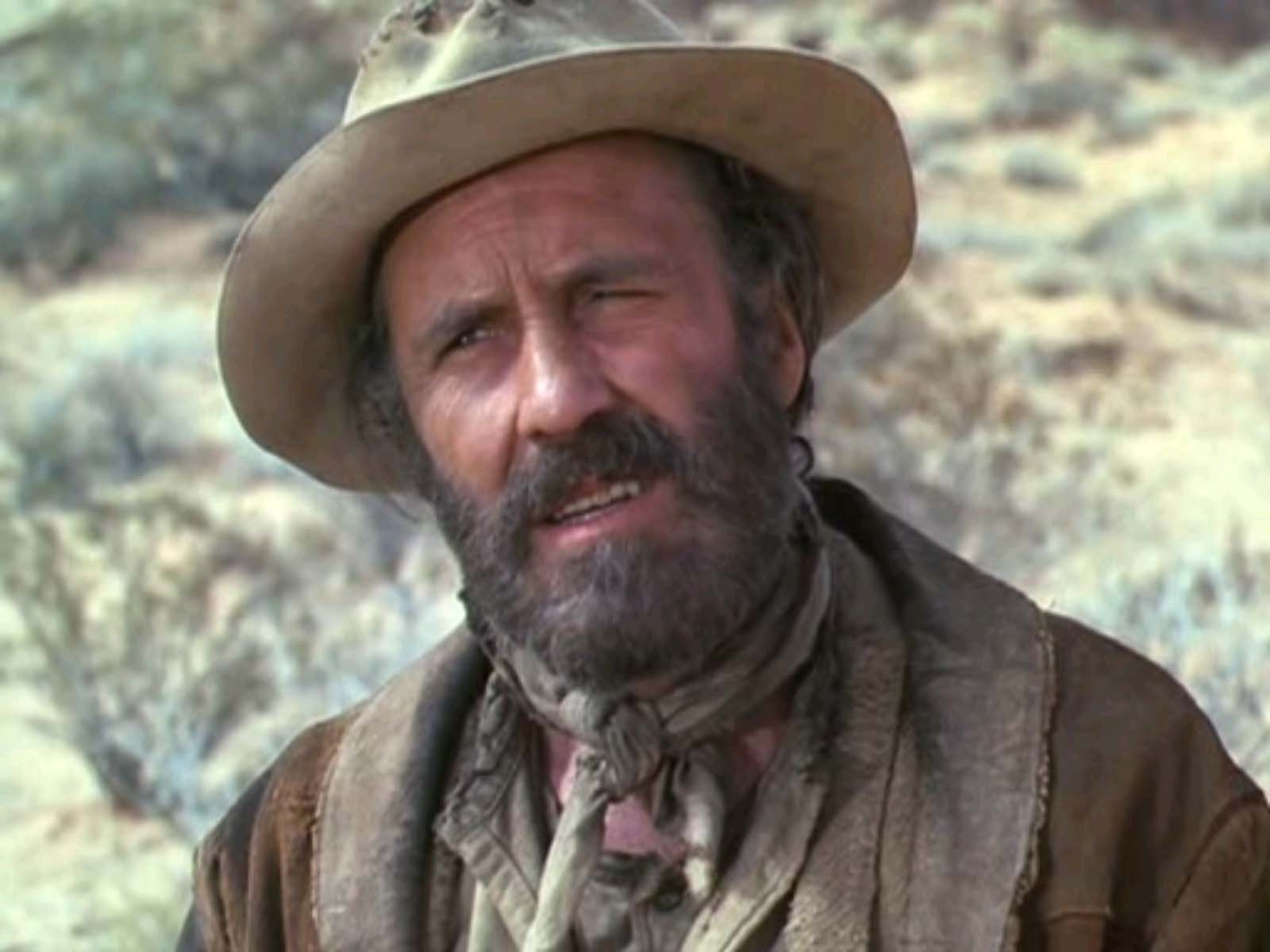
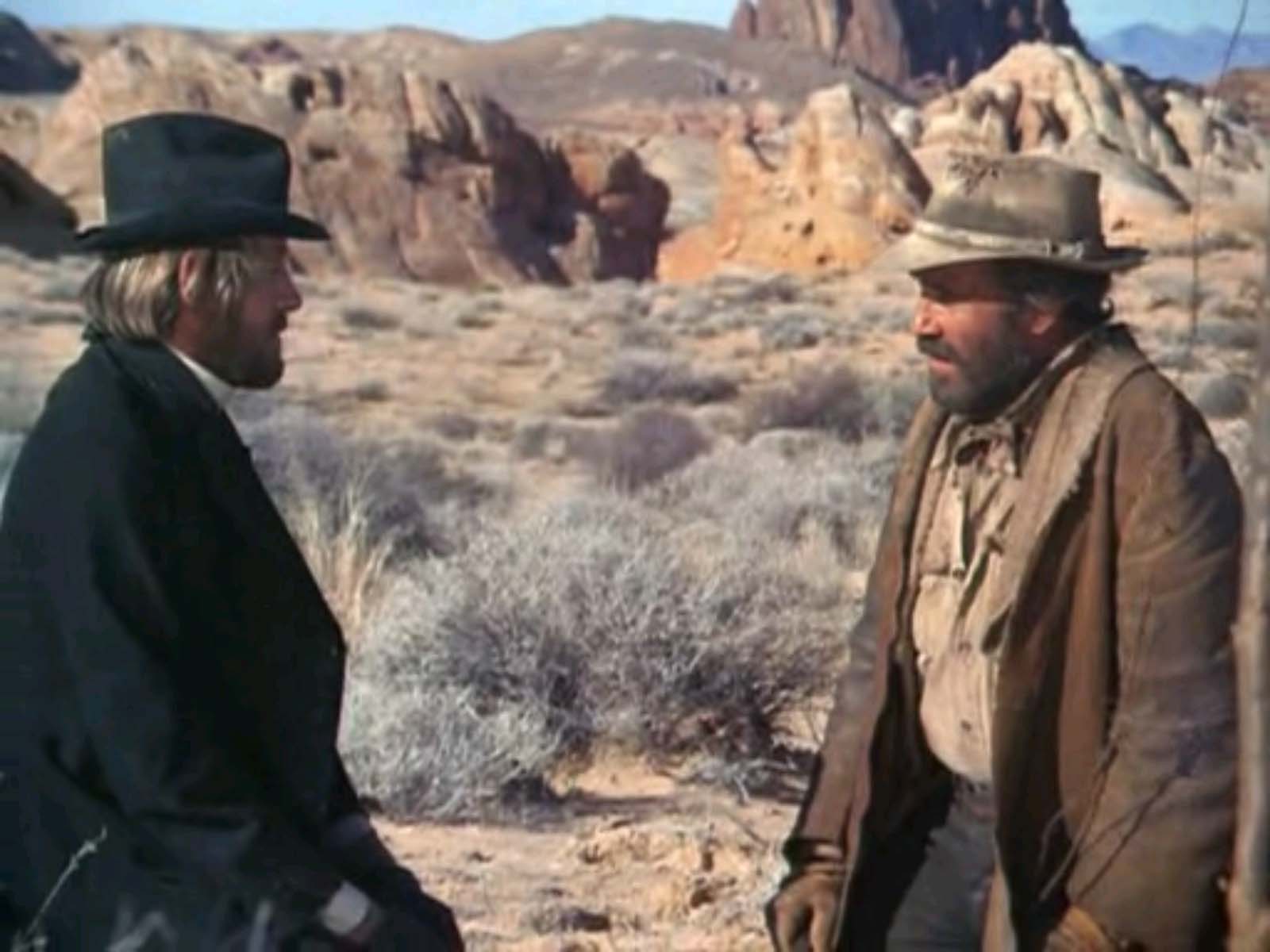
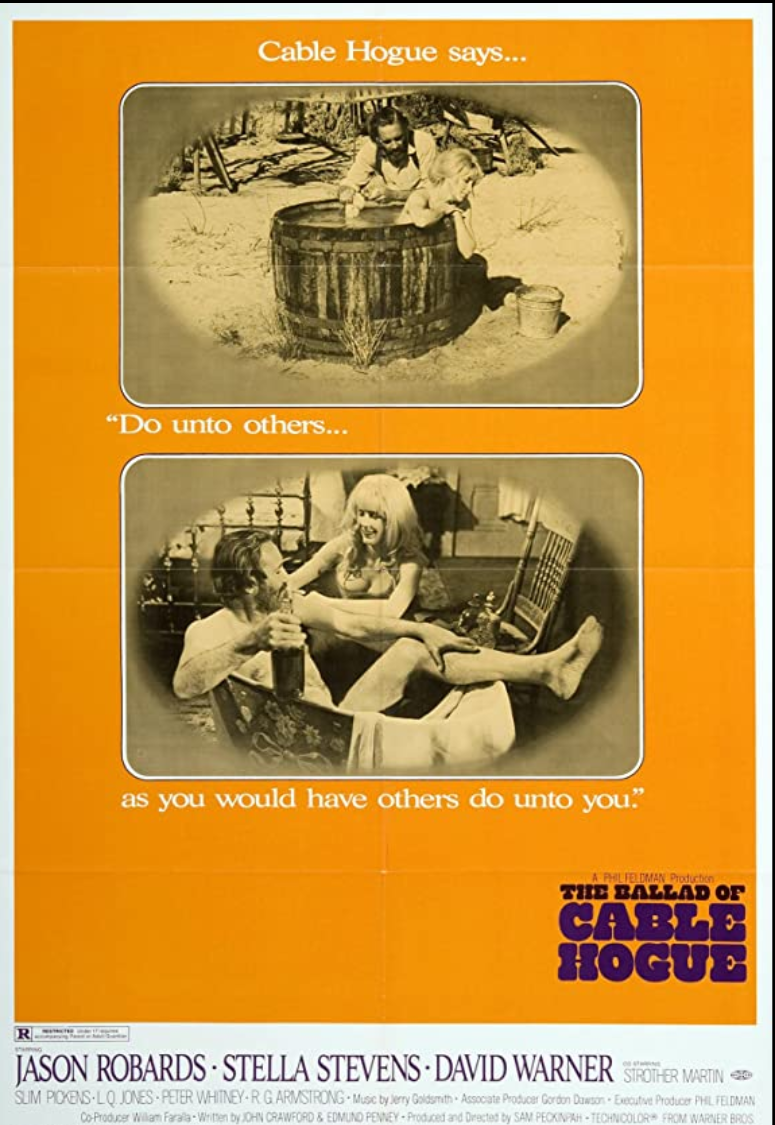
Peary argues that this “simple, bawdy, lyrical film is one of [Sam] Peckinpah’s best” — but I disagree. While Robards is indeed “wonderful” (he alone makes the film worth watching), the story itself leaves much to be desired: after an inspired first half-hour or so — in which Hogue stakes his claim in town, and eyes a busty wench (Stevens) with hilariously unmitigated lust — the narrative devolves into slapstick, and it’s all downhill from there. Warner’s participation in Hogue’s venture is never clearly explained (his smooth-talking attempts to bed married women are irritating, not funny), and Stevens — while undeniably sexy (it’s easy to see why men would go gaga over her) — quickly loses sympathy the first time she throws a conniption fit; this is NOT how a slick business woman would react. Peckinpah’s use of both dated cinematic techniques (including sped-up running) and cloying flower-children songs throughout the soundtrack make matters worse. Jason Robards is really the only reason to sit through this disappointing sleeper.

Redeeming Qualities and Moments:

  • Jason Robards as Cable Hogue
  • Lucien Ballard’s fine cinematography

Must See?
No, but it’s worth a look simply for Robards’ winning performance.

Links:

Folks at Red Wolf Inn, The / Terror Inn (1972)

Folks at Red Wolf Inn, The / Terror Inn (1972)

“A butcher’s work is never done…”

Synopsis:
A naive co-ed (Linda Gillen) wins a vacation to Red Wolf Inn, where the elderly proprietors (Mary Jackson and Arthur Space) and their dim-witted grandson (John Neilson) make delicious, meat-heavy meals for their female guests. But when one girl after the other starts disappearing, Regina (Gillen) — who has fallen for Neilson — begins to wonder exactly what (or who) her hosts are cooking up.

Genres, Themes, Actors, and Directors:

  • Black Comedy
  • Cannibalism
  • Horror
  • Vacation

Response to Peary’s Review:
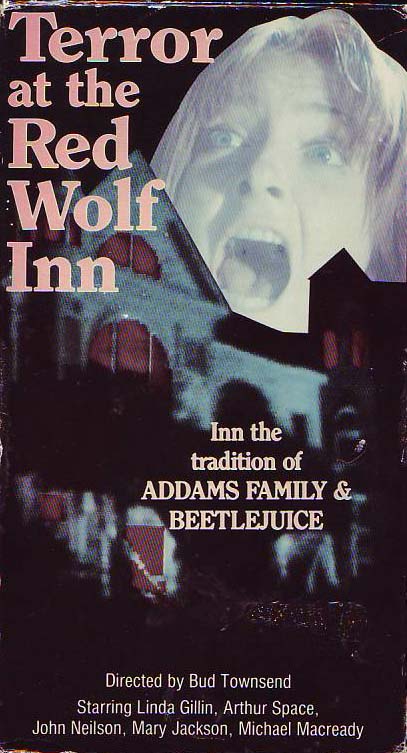
Peary is overly generous in his assessment of this “oddball” indie film, arguing that its liberal black humor “gives it the distinction of being the most charming of the horror film’s cannibalism subgenre”. In truth, it’s a rather tedious, poorly made exploitation flick with countless logistical loopholes and (mostly) amateurish acting. Gillin’s performance may be “winning”, but her character — despite being a college student — is hopelessly stupid, and her enthusiastic reaction upon receiving an anonymous invitation to a strange hotel borders on imbecility.

The initial meat-eating dinner scene — which goes on for nearly 10 minutes — presupposes that viewers will giggle in delight simply over watching Gillin and her equally clueless fellow guests eating human flesh without knowing it; why is this funny?


The best aspect of the film by far is the sly performance by Mary Jackson, playing a deluded old woman who would give any grandchild the willies.

Redeeming Qualities and Moments:

  • Mary Jackson as Evelyn Smith

Must See?
No; this one is strictly for fans of cannibalism flicks.

Links:

Tomb of Ligeia, The (1964)

Tomb of Ligeia, The (1964)

“She will not rest, because she is not dead — to me.”

Synopsis:
A nobleman (Vincent Price) remains obsessed with his dead wife (Elizabeth Shepherd), whose spirit appears to his new wife (also Shepherd) in the form of a black cat.

Genres, Themes, Actors, and Directors:

  • Edgar Allan Poe Films
  • Ghosts
  • Historical Drama<
  • Psychological Horror
  • Roger Corman Films
  • Vincent Price Films

Response to Peary’s Review:
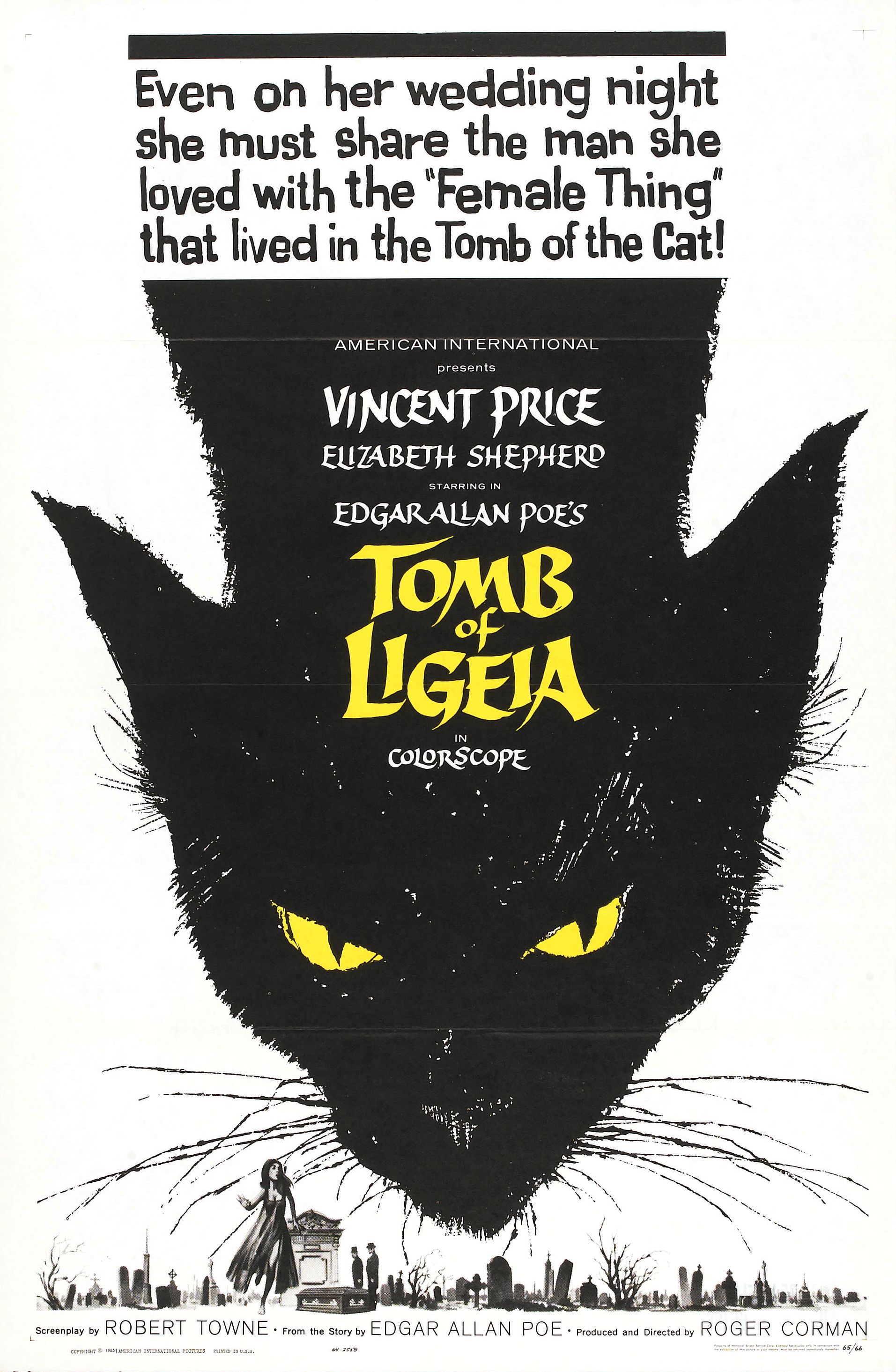
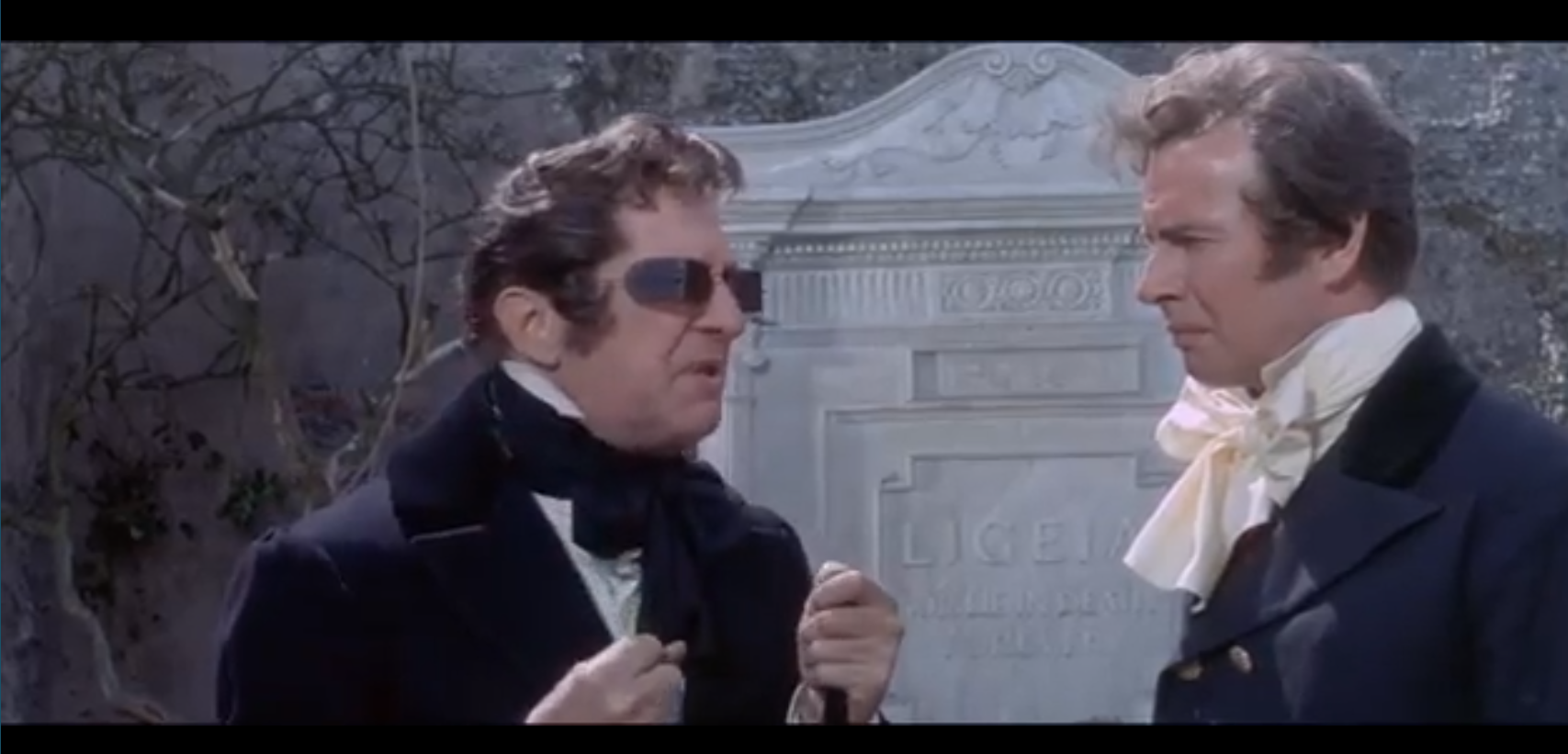
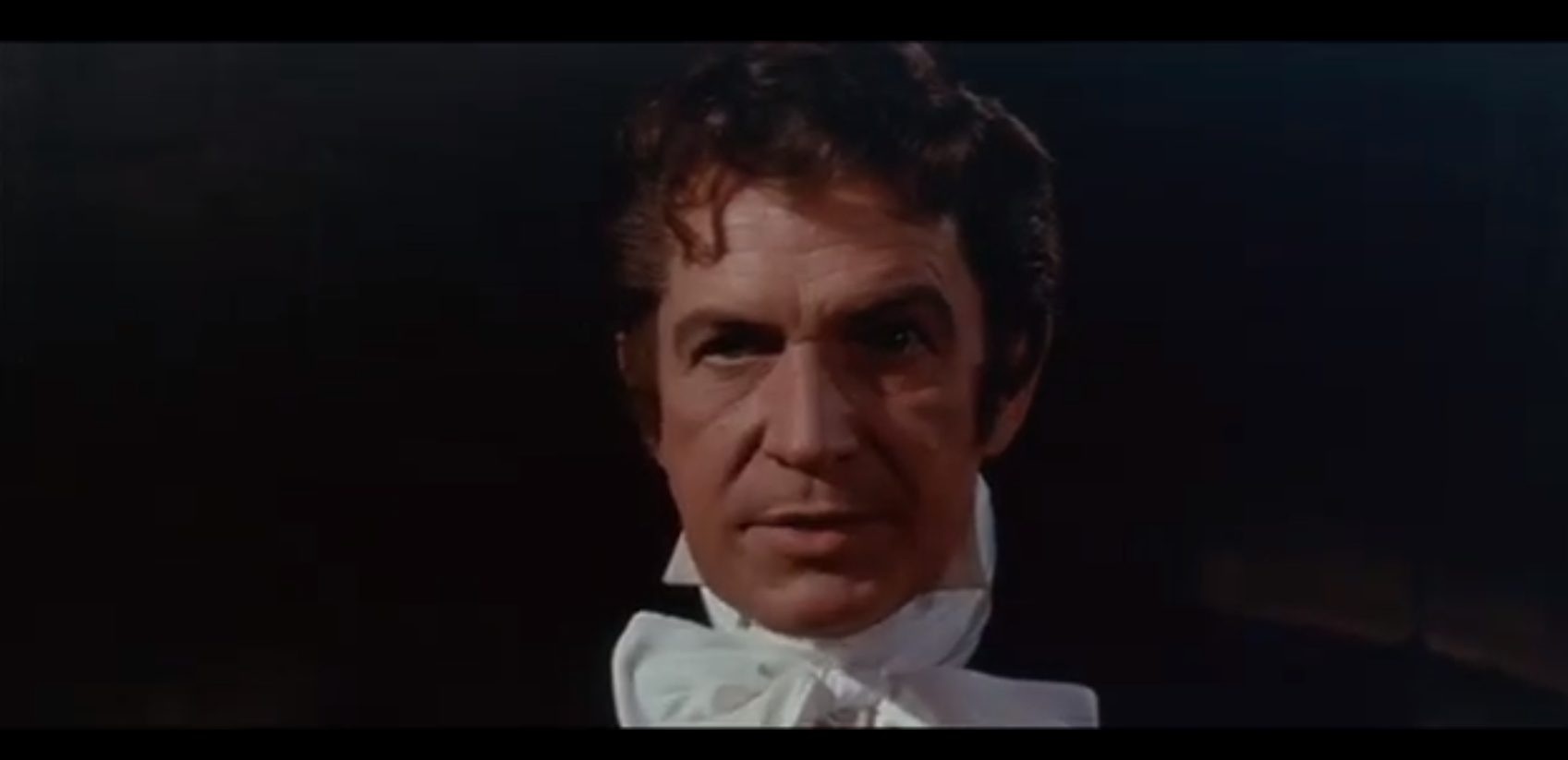
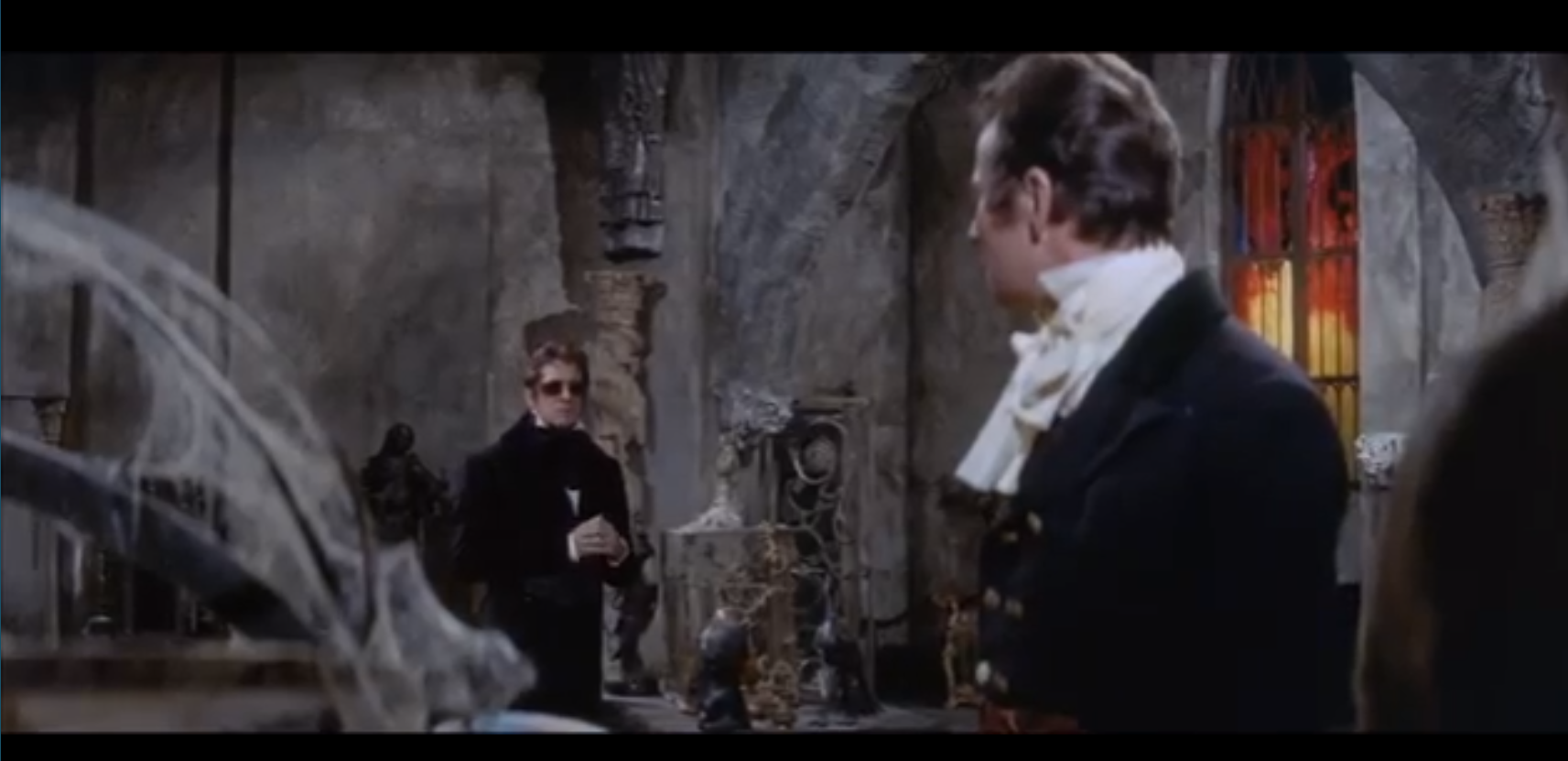
As Peary notes, this “stylish Gothic tale” — the last of Roger Corman’s eight Poe adaptations — is “a classic example of how… Corman managed to disguise the fact that nothing happens until the very end.” Indeed, while some critics feel that Ligeia is one of Corman’s best outings — and represents a new level of maturity for the filmmaker, given his novel use of outdoor sets — I must say I disagree; there simply isn’t a whole lot going on here except plenty of atmosphere, and — as Peary points out — one of the great cinematic non sequiturs of all time (voiced by Price, naturally): “Not ten minutes ago I tried to kill a stray cat with a cabbage.” With that said, Ligeia is worth watching simply to see Vincent Price’s era-bending appearance as a 19th century nobleman wearing wrap-around sunglasses like a cool ’60s dude — as always, Price is The Man.

Redeeming Qualities and Moments:

  • Vincent Price as Verden Fell
  • Elizabeth Shepherd as The Lady Rowena and The Lady Ligeia
  • Atmospheric direction and set designs
  • Nicholas Roeg’s cinematography

Must See?
No, but it’s worth a look.

Links:

Lonely Are the Brave (1962)

Lonely Are the Brave (1962)

“I think we’re chasing a ghost — an invisible horse and an invisible cowboy.”

Synopsis:
A modern-day cowboy (Kirk Douglas) gets himself thrown in jail so he can help his friend Paul (Michael Kane) escape. When Paul decides to stay behind and wait out his sentence, Jack (Douglas) flees on his own, and is hunted down by the police (led by kind sheriff Walter Matthau).

Genres, Themes, Actors, and Directors:

  • Cat-and-Mouse
  • Cowboys
  • Fugitives
  • Gena Rowlands Films
  • George Kennedy Films
  • Kirk Douglas Films
  • Walter Matthau Films
  • Westerns

Response to Peary’s Review:
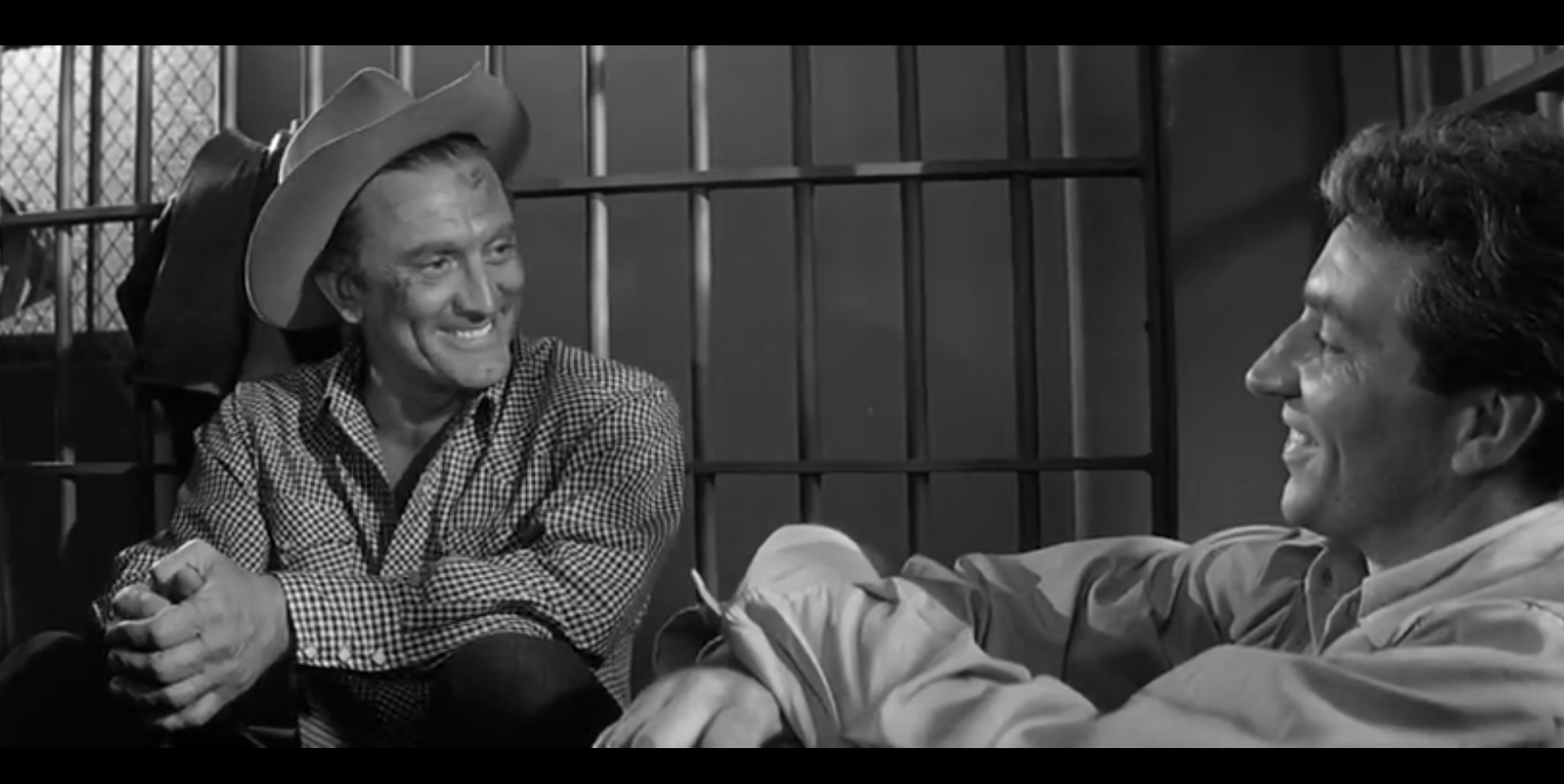
As Peary notes, this “offbeat, downbeat” western possesses “strong dialogue, excellent acting, [and] believable characters.” Much like Edward Norton’s Harlan in Down in the Valley (but without his psychotic disturbances), Jack is truly a man-out-of-time: a cowboy who longs for a borderless, amicable world, yet continually encounters rules and structures which hem him in. It’s undeniably jarring to see an iconic “independent cowboy” like Jack bumping up against modern highways and high-tech communication devices; we can’t help sympathizing with Matthau’s Sheriff Johnson, who clearly wishes to let Jack escape yet knows it’s his duty to hunt him like the fugitive he is. Significantly, blacklisted screenwriter Dalton Trumbo deviated from Edward Abbey’s original novel by having Jack’s friend Paul jailed for helping illegal immigrants cross the Mexican/American border (rather than dodging the draft), thus bolstering the film’s overall theme of geographical freedom versus societal boundaries; indeed, Trumbo’s screenplay is highly symbolic (some argue overly so), with the opening scene clearly foreshadowing the tragic ending. Ultimately, Lonely Are the Brave makes for grueling yet powerful viewing; it’s easy to see why it’s turned into somewhat of a cult favorite.

Redeeming Qualities and Moments:

  • Kirk Douglas as Jack Burns
  • Walter Matthau as Sheriff Johnson
  • Gena Rowlands as Paul’s long-suffering wife
  • Philip Lathrop’s b&w cinematography
  • The powerful opening scene, which clearly posits Jack as a man-out-of-time
  • Dalton Trumbo’s smart, bleak screenplay

Must See?
Yes. This affecting western — a cult favorite — is an all-around good show.

Categories

  • Cult Movie
  • Good Show

Links: