Devils, The (1971)
“Satan is ever ready to seduce us with sensual delights.”
“Shall we play a game?”
|
Synopsis: |
|
Genres, Themes, Actors, and Directors:
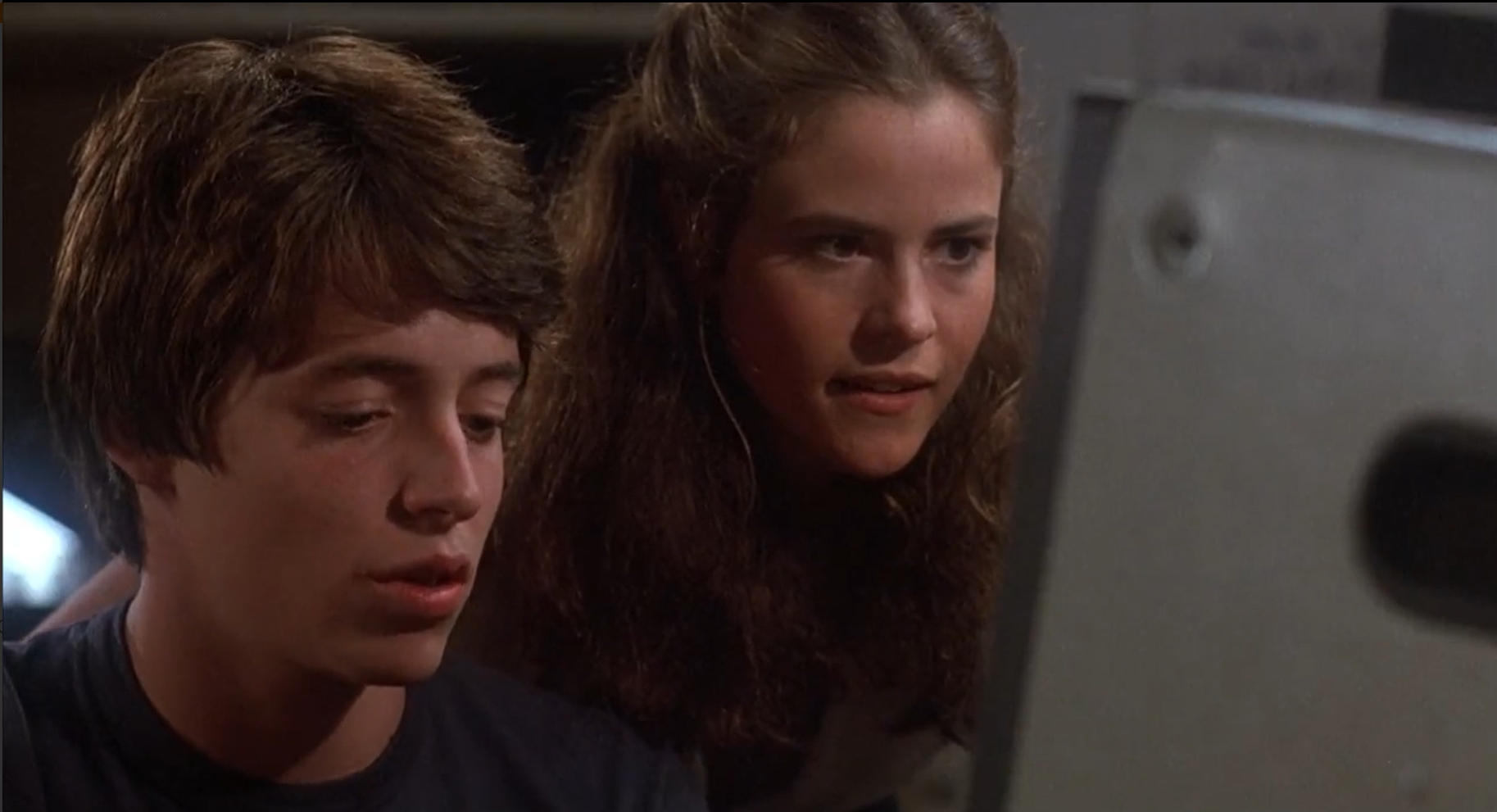
Response to Peary’s Review: Rewatching the film recently as an adult, however, I can’t help agreeing with Peary’s frustration that the teens’ “casual crime of tapping into their school’s computer to alter their grades is treated humorously and condoned.” It’s also a shame, as Peary and many other critics have pointed out, that the adults in WarGames all come across as age-ist, ignorant jerks. On the other hand, this is a film paying “tribute to the resourcefulness and ingenuity of young people”, so perhaps these teenage heroes deserve their day of glory. Note: If you’d like to read about a real-life hacker, check out Jonathan Littman’s fascinating book The Watchman: The Twisted Life and Crimes of Serial Hacker Kevin Poulsen (1997) Redeeming Qualities and Moments:
Must See? Categories
Links: |
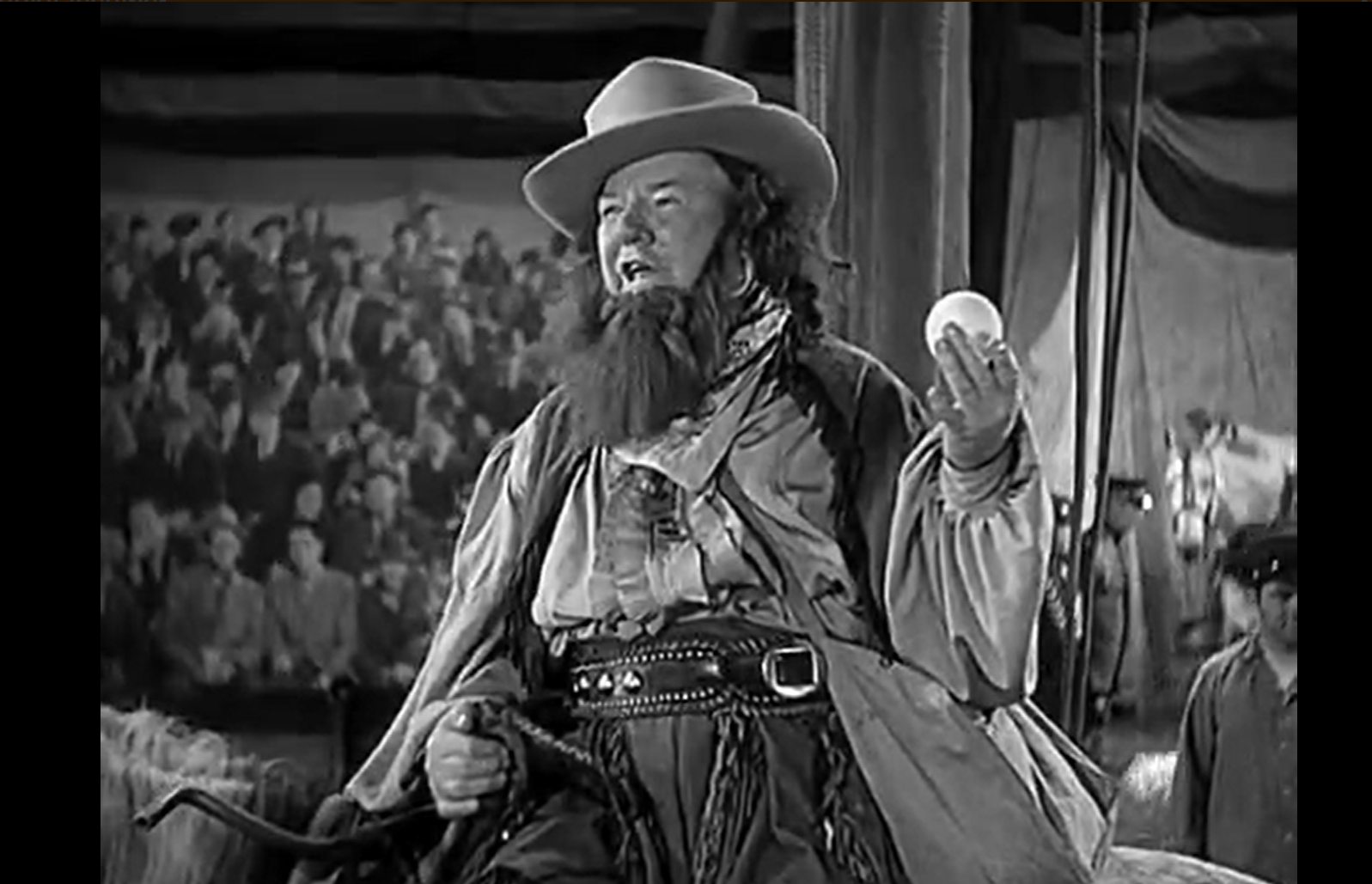
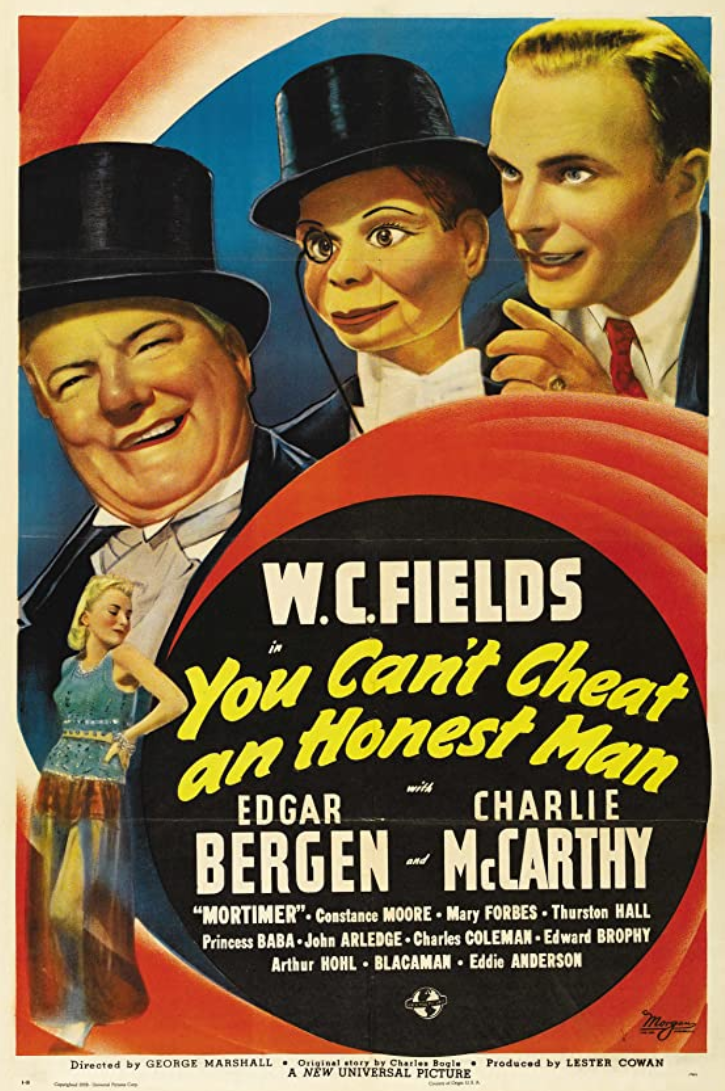
“You can’t cheat an honest man. Never give a sucker an even break or smarten up a chump.”
|
Synopsis: |
|
Genres, Themes, Actors, and Directors:
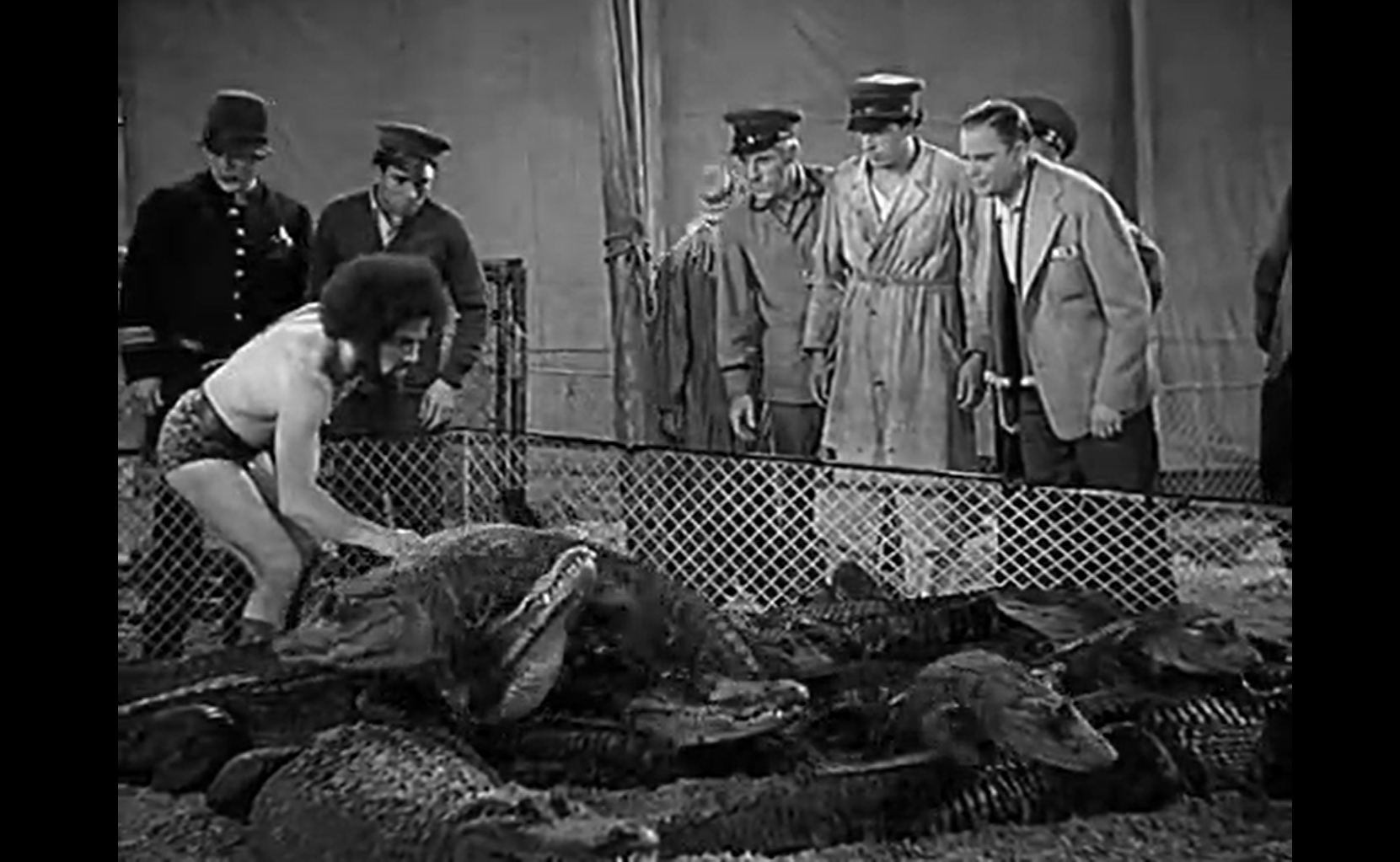
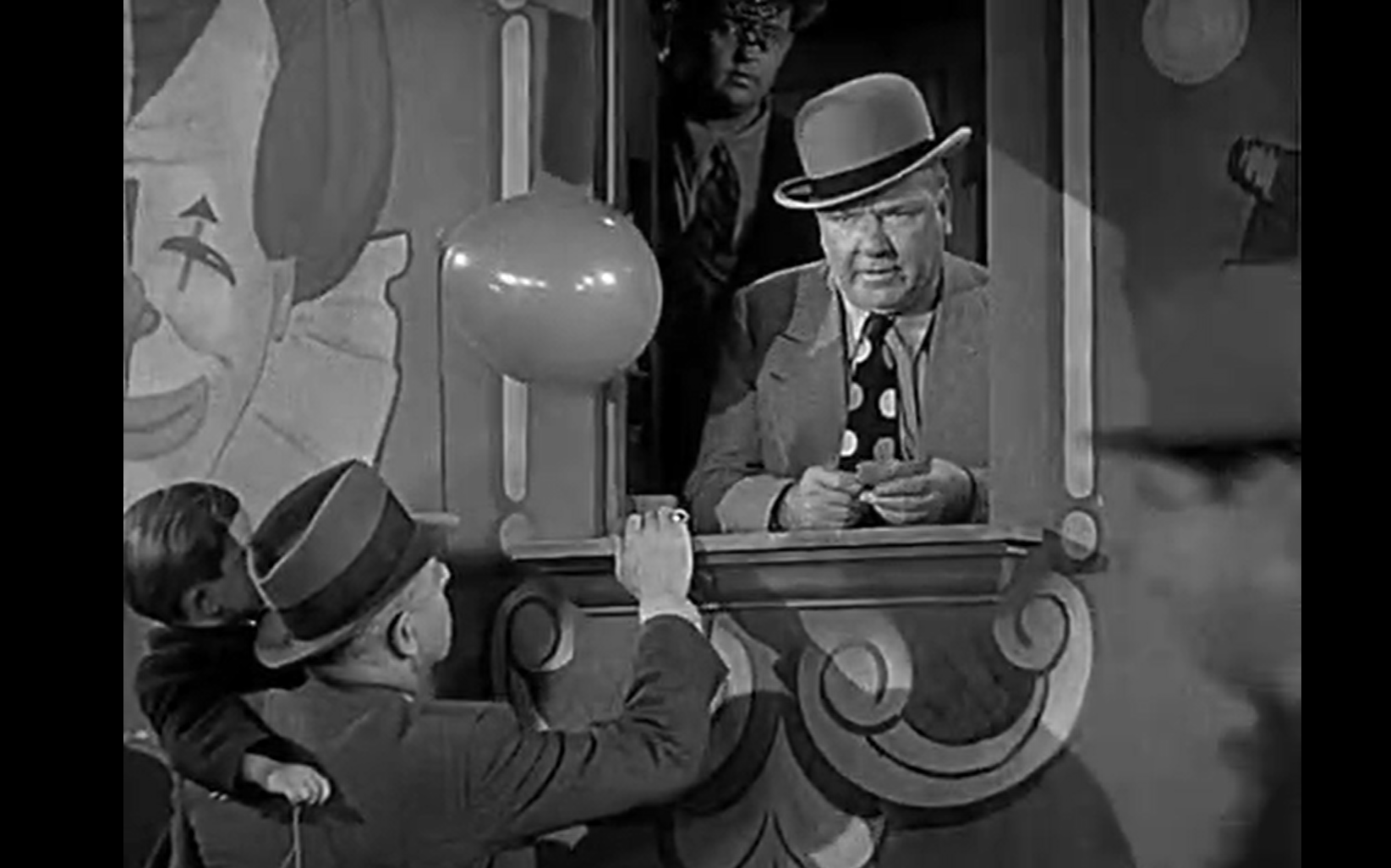
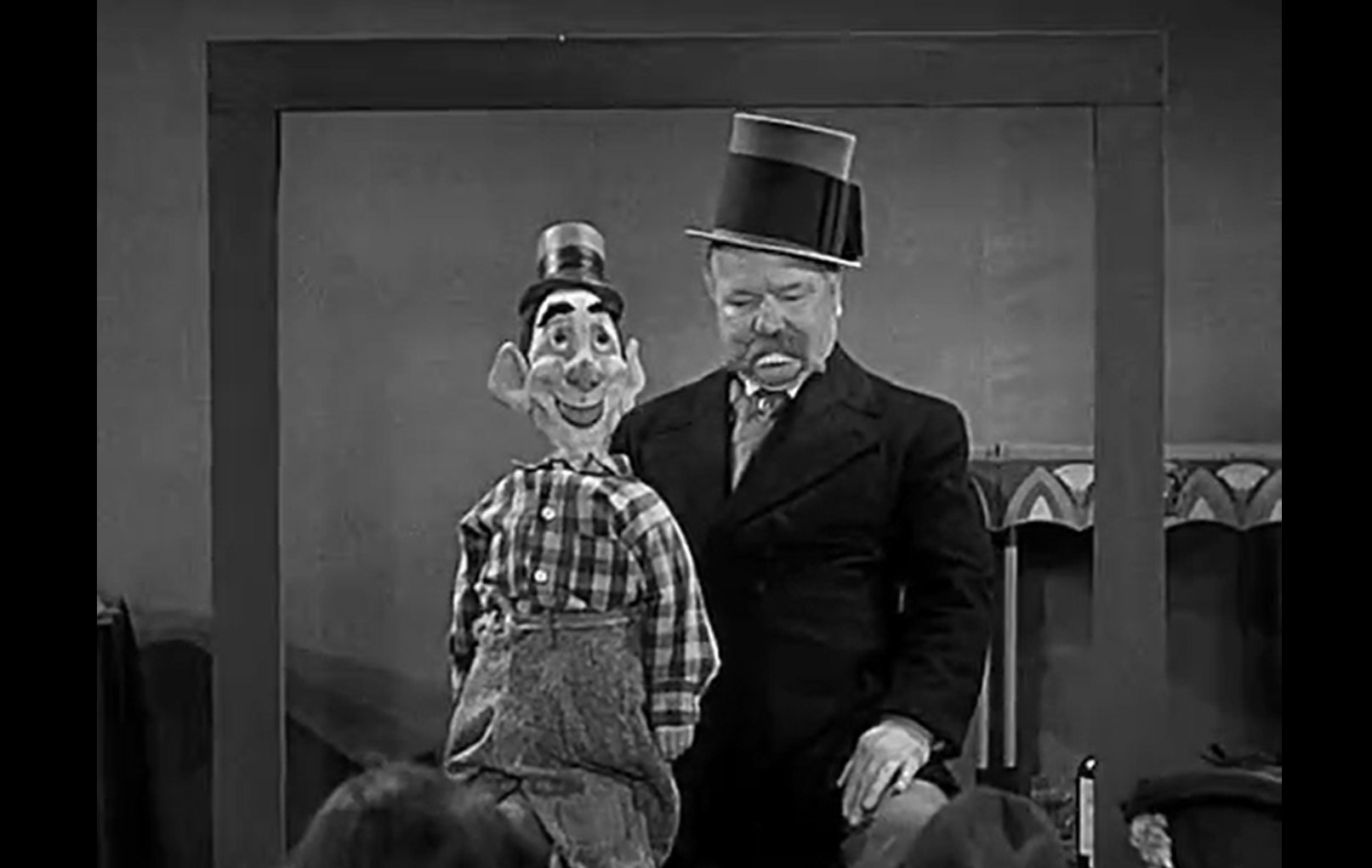
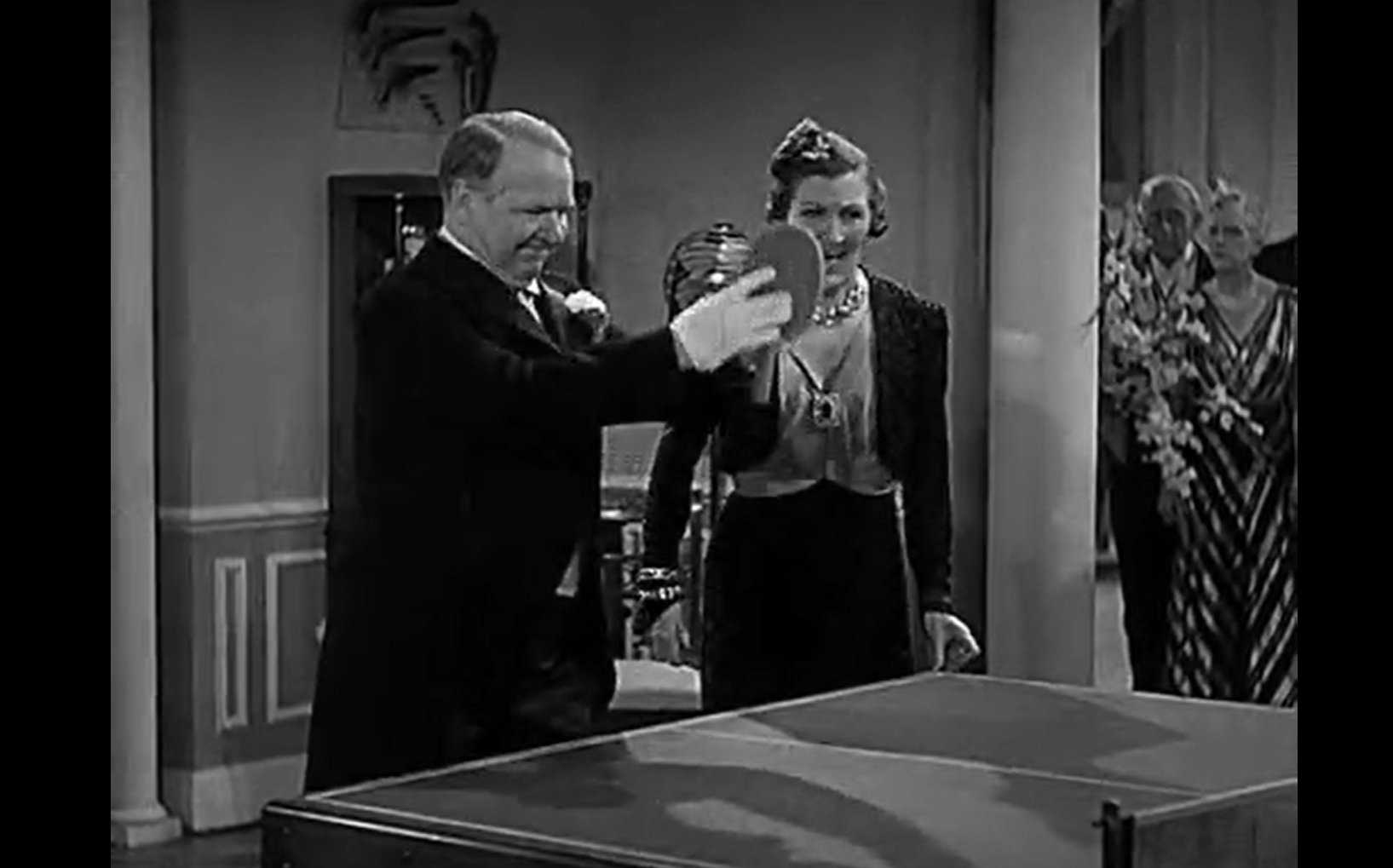
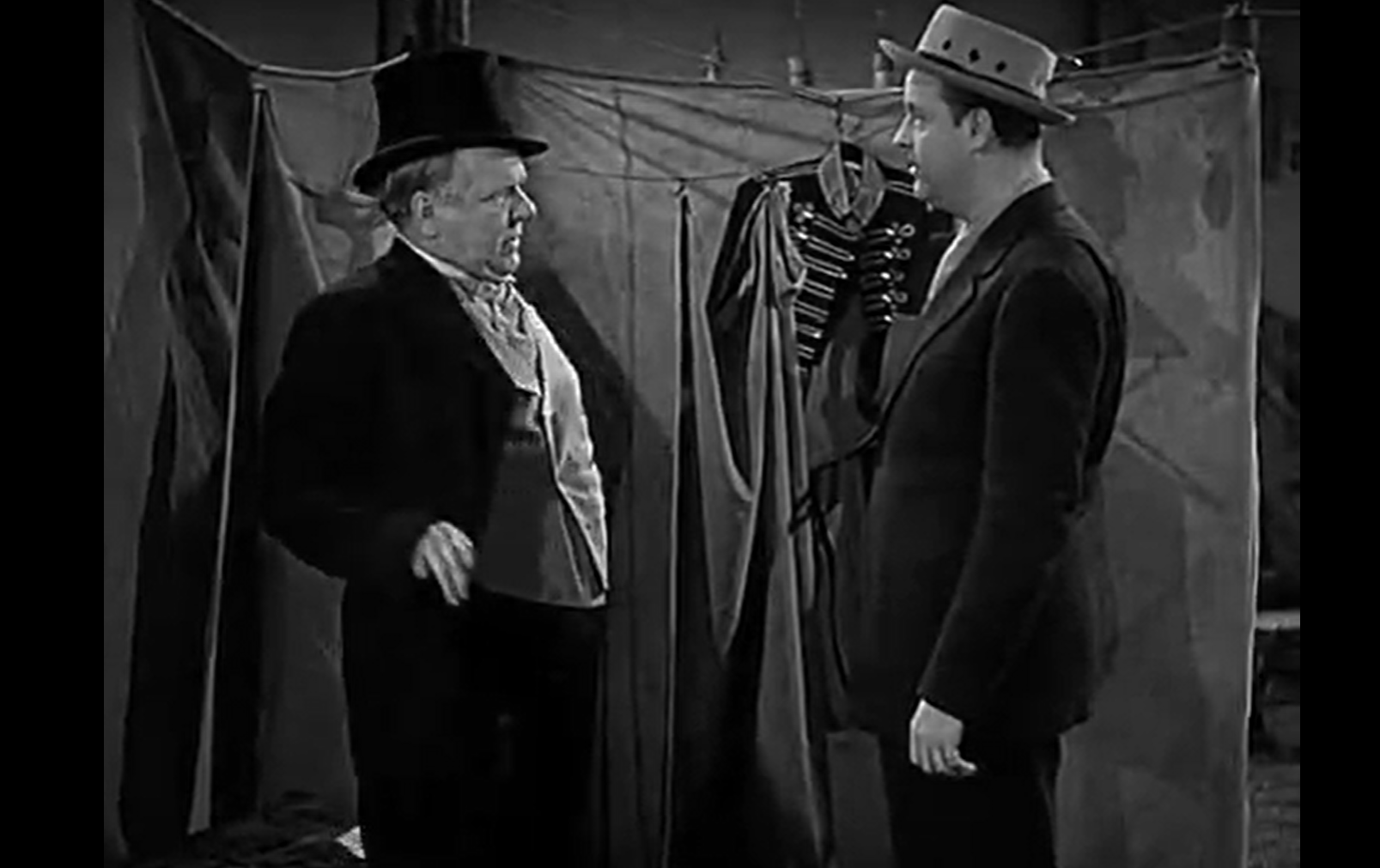
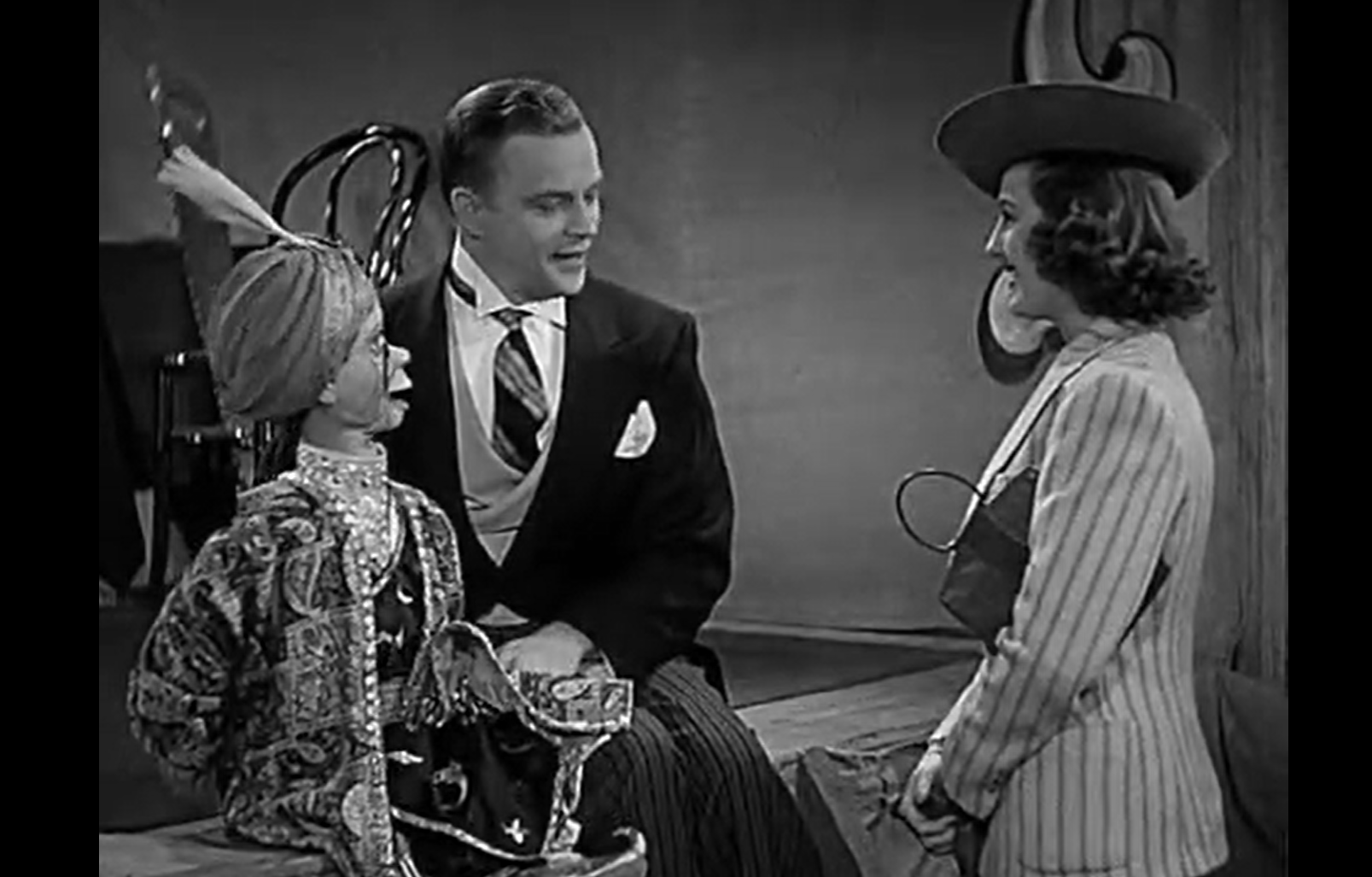
Response to Peary’s Review: … and most larcenous as a one-step-ahead-of-the-sheriff circus owner named Larson E. Whipsnade.” Peary notes it’s a delight watching Fields “gypping customers and employees out of money, doing a terrible ventriloquism act: … selling front-row seats ‘right next to the elephants,’ talking about snakes in genteel company, playing a wild ping pong match: wrestling a little girl”, and interacting “with his idiot assistant, Grady Sutton.” As Peary points out, however, “too much time is given [to] Edgar Bergen, not only for comedy bits with Charlie McCarthy and Mortimer Snerd… but also for some romance with Constance Moore, Whipsnade’s surprisingly sensible daughter.” One most definitely “becomes impatient during Fields’s absence.” While it’s fun to see the famous ventriloquism act on screen for a few minutes, they quickly wear out their welcome. Redeeming Qualities and Moments: Must See? Links: |
“My life’s nothing but a nightmare.”
|
Synopsis: |
|
Genres, Themes, Actors, and Directors:
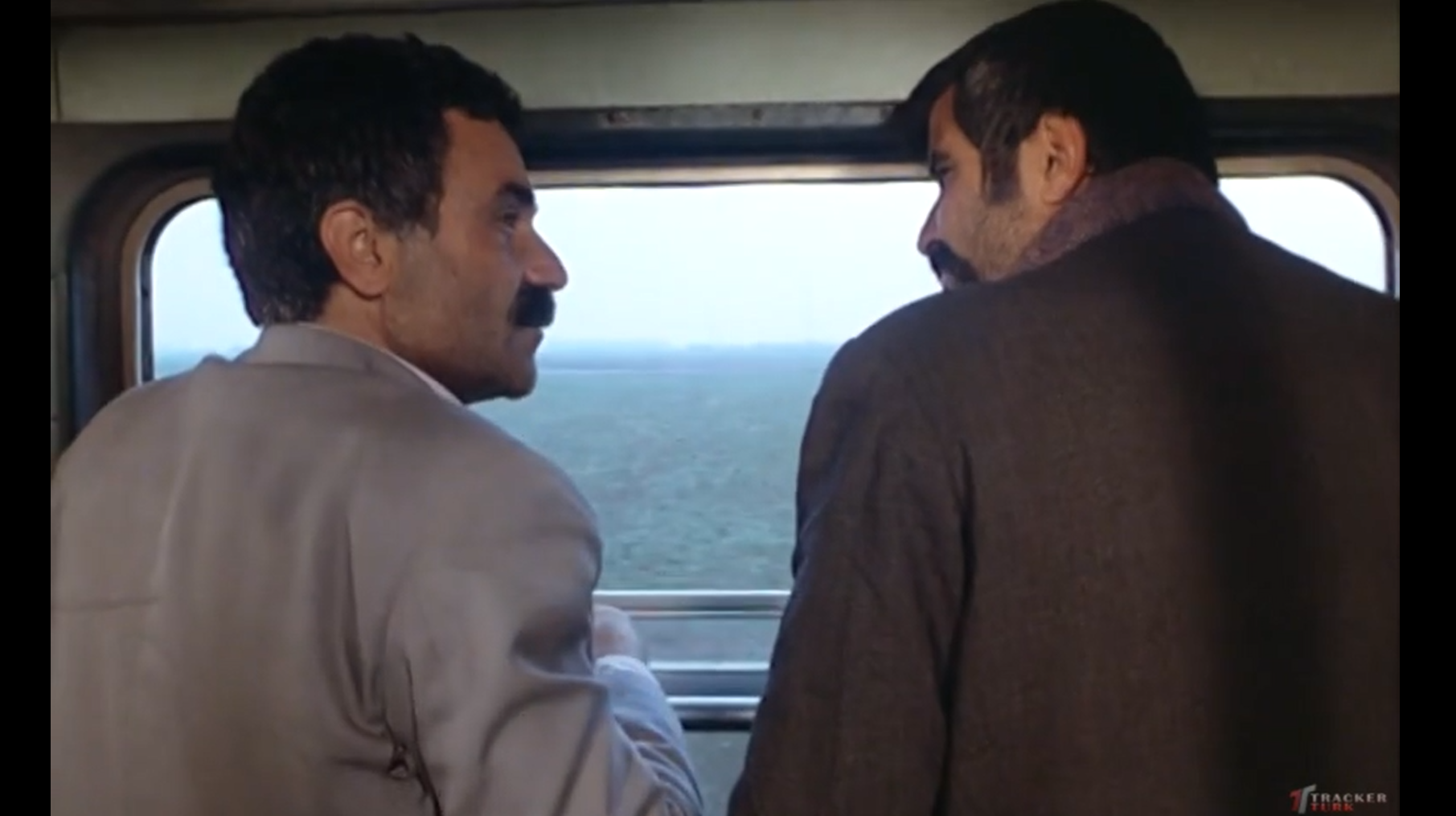
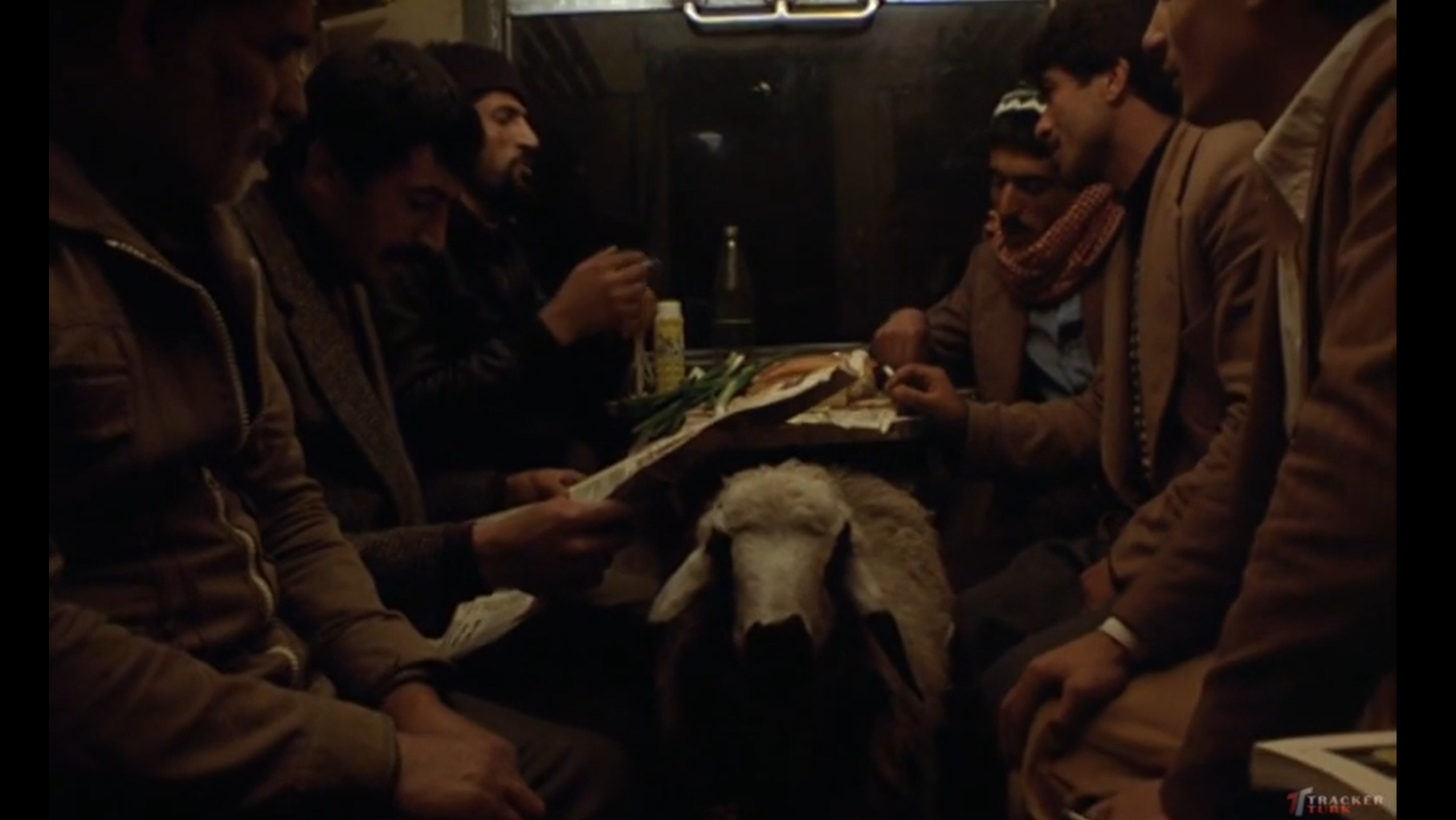
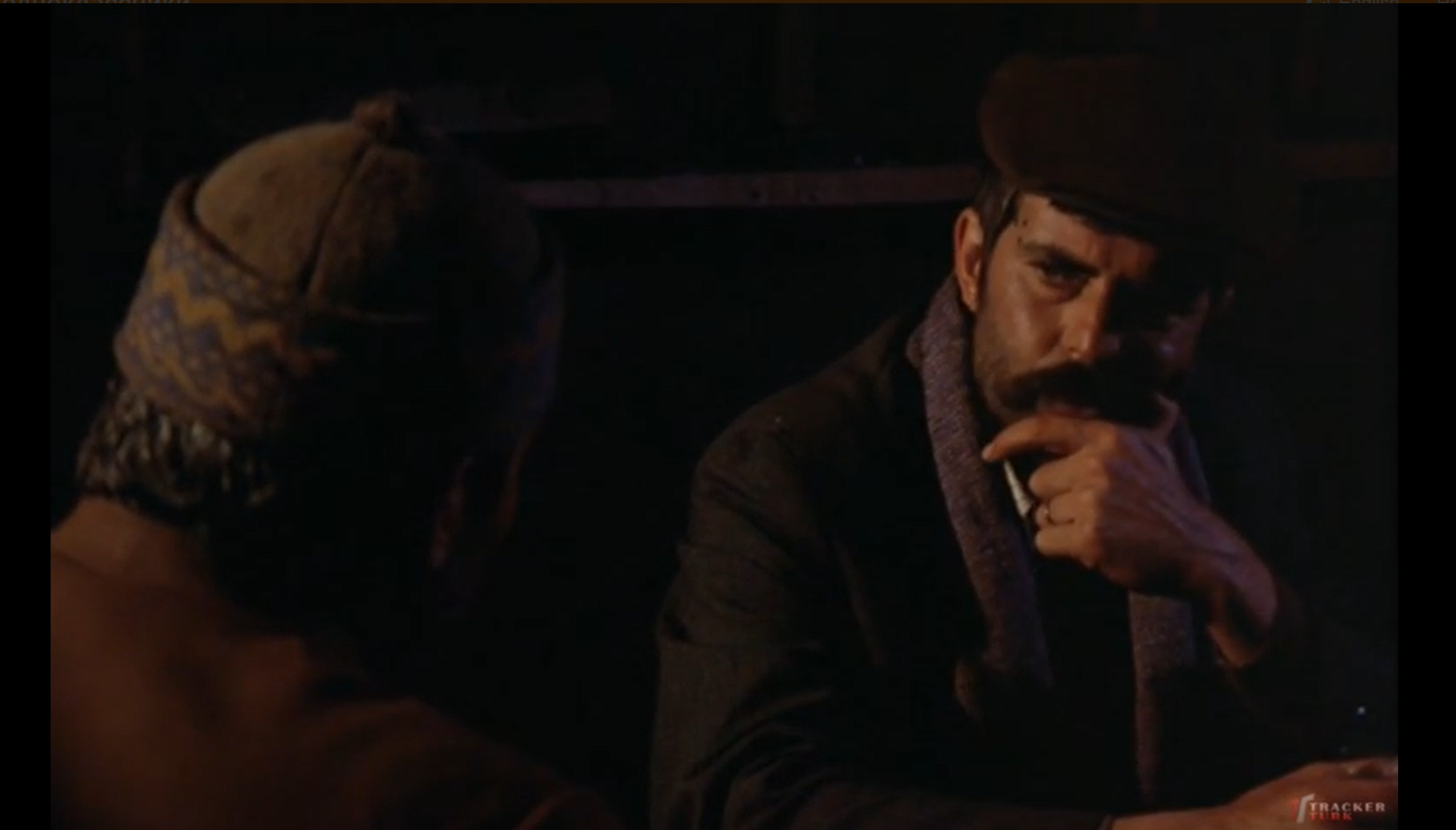
Response to Peary’s Review: The central premise of the film — that prisoners “on leave” must eventually return to captivity — is unusual, and infuses the film with a sense of bitter fatality. Ironically, life is not a whole lot better on the outside than in prison, and the line between the two is shakily drawn. Indeed, Peary posits that director Yilmaz Guney (a former prisoner himself) is attempting to show how “in Turkey, hostility and repression exist on every level of society: guards over prisoners, men over women, the heads of families over their relatives, the people themselves over those they consider ‘sinners’.” This realistic film is hard to watch — not least “because it jumps back and forth in time and between the various stories and because all the men have mustaches and resemble each other” (!): .. but it’s not easily forgotten. Redeeming Qualities and Moments: Must See? Categories
(Listed in 1001 Movies You Must See Before You Die) Links: |
“The gun is good, the penis is evil!”
|
Synopsis: |
|
Genres, Themes, Actors, and Directors:
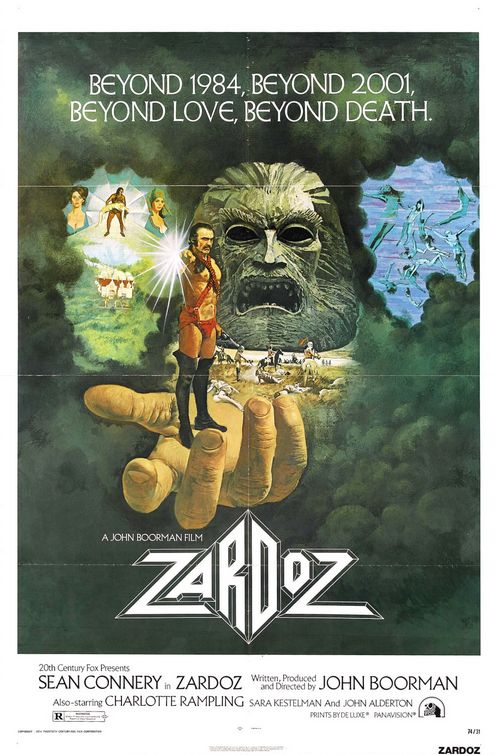
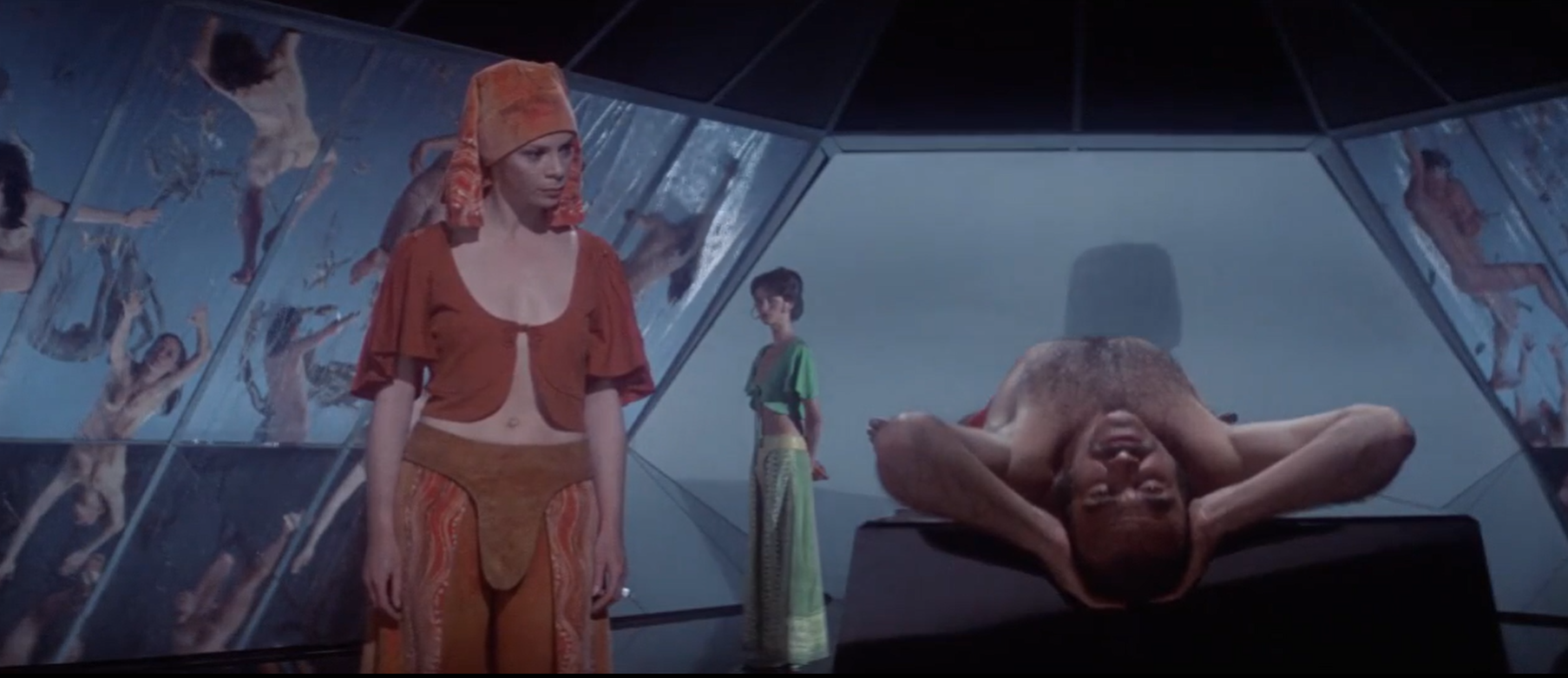
Response to Peary’s Review: He refers to director Boorman’s presentation as “laughable”, deplores the “embarrassingly pretentious and trite scenes and dialogue”, and notes that audience members will become “hopelessly bewildered” by the muddled themes. (See SciFilm’s review for a detailed outline of various “messages” found in the film). With all that said, I can see its cult appeal: any film brave enough to state “The gun is good, the penis is evil!” must be viewed as pure camp all the way. My advice is to enjoy the special effects, laugh at the outrageous costumes, and forget that Boorman ever meant this film as a serious cautionary tale. Redeeming Qualities and Moments:
Must See? Categories
Links: |

“Get that woman out of this house!”
|
Synopsis: |
|
Genres, Themes, Actors, and Directors:
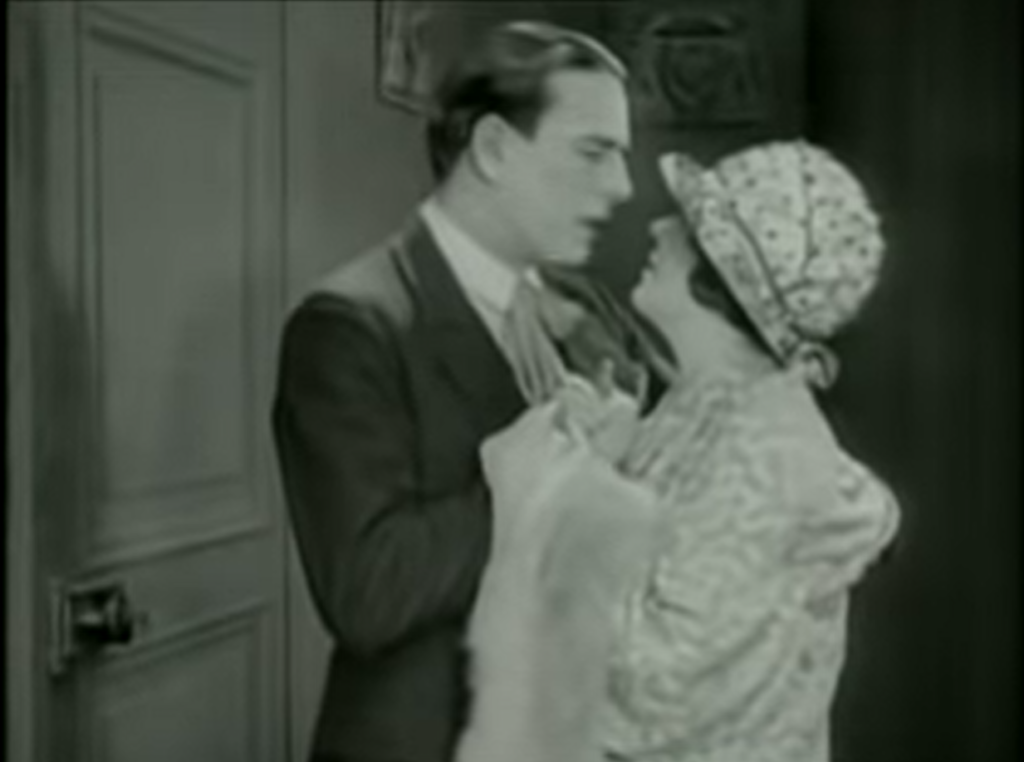
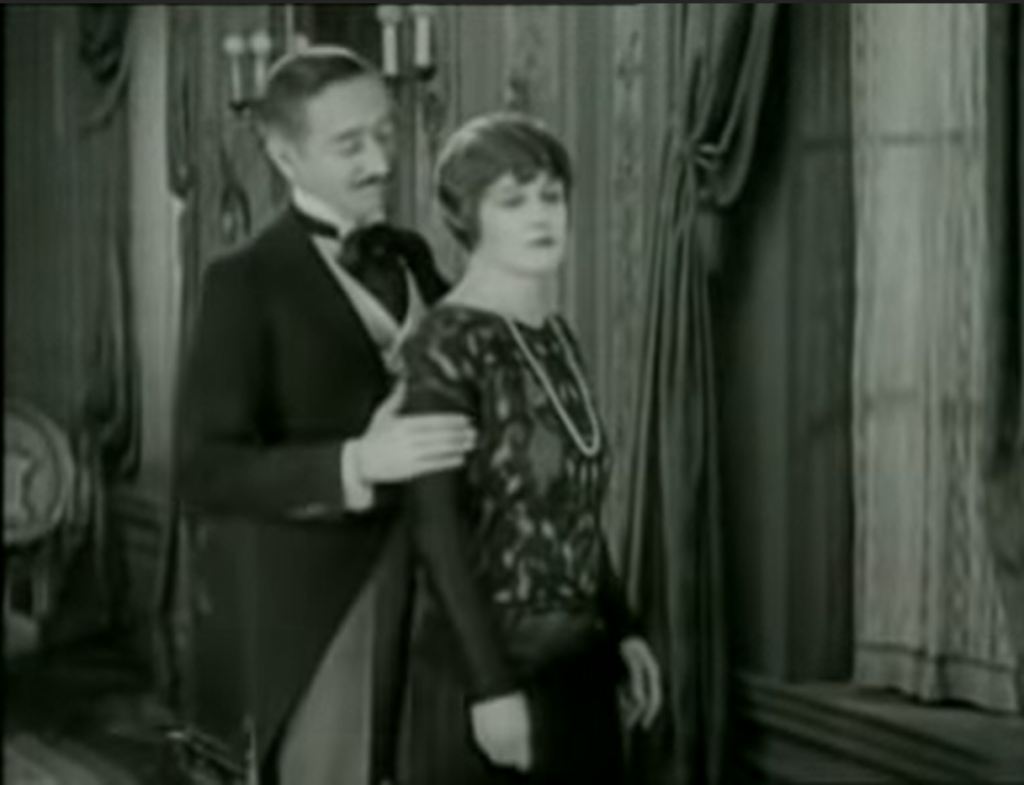
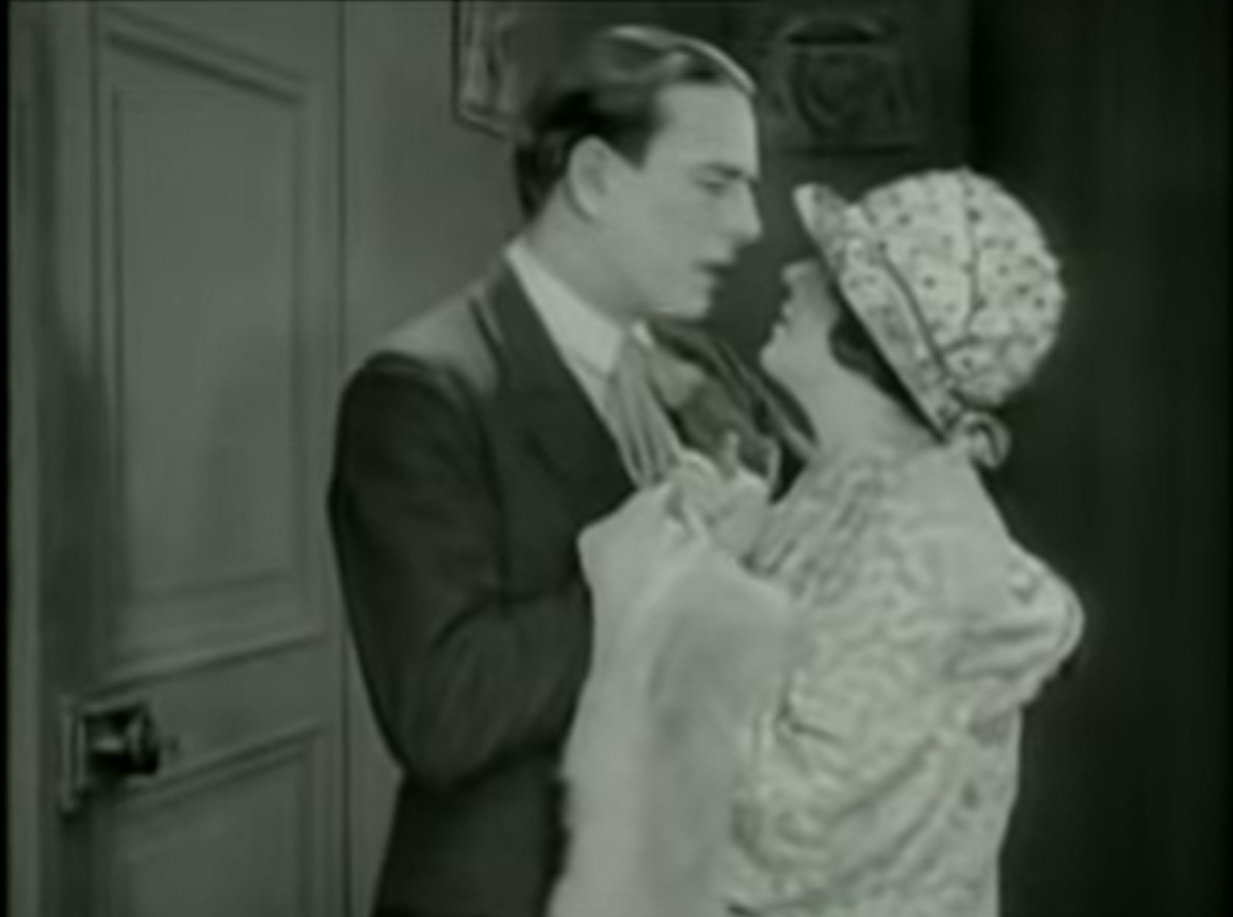
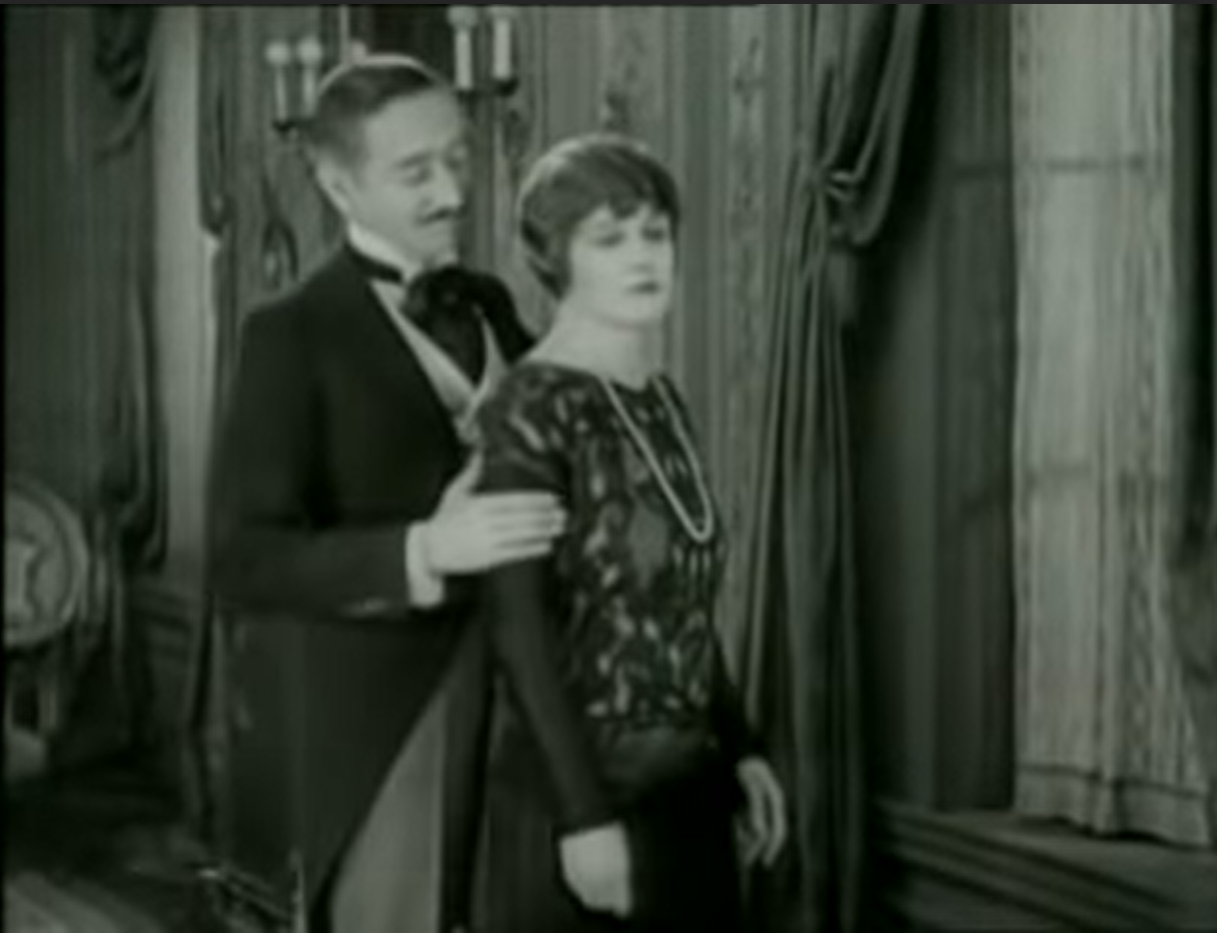
Response to Peary’s Review: Despite these important breakthroughs, however, the story in A Woman of Paris remains overly melodramatic, and, quite simply, not all that engaging. I couldn’t muster much interest in what happens to the lovers, and found the ending both abrupt and sappy. The best aspect of the film by far is Adolph Menjou, who steals nearly every scene he’s in, and shows genuine screen charisma. Note: Click here to read a 1977 interview with director Michael Powell, in which he reminisces about watching A Woman of Paris as an impressionable young 18-year-old: “Nobody had ever really done any realistic films at all before, it was all make-believe, you know, and emotions were make-believe, as well as the people… Suddenly, here was a grown-up film, with people behaving as they do in life, and scenes treated with an enormous sophistication.” Redeeming Qualities and Moments:
Must See? Categories
Links: |

“You have reduced me to that most contemptible of creatures — the love-sick swain!”
|
Synopsis: |
|
Genres, Themes, Actors, and Directors:
Response to Peary’s Review: Redeeming Qualities and Moments:
Must See? Links: |

“Do you understand? This is serious business!”
“This is a land of great opportunity, where all are created equal!”
“Life permits a beautiful and unfortunate girl to go to the gallows– Unless art, for once, can bring its technique to bear!”