FilmFanatic.org Year-End Reflection 2020
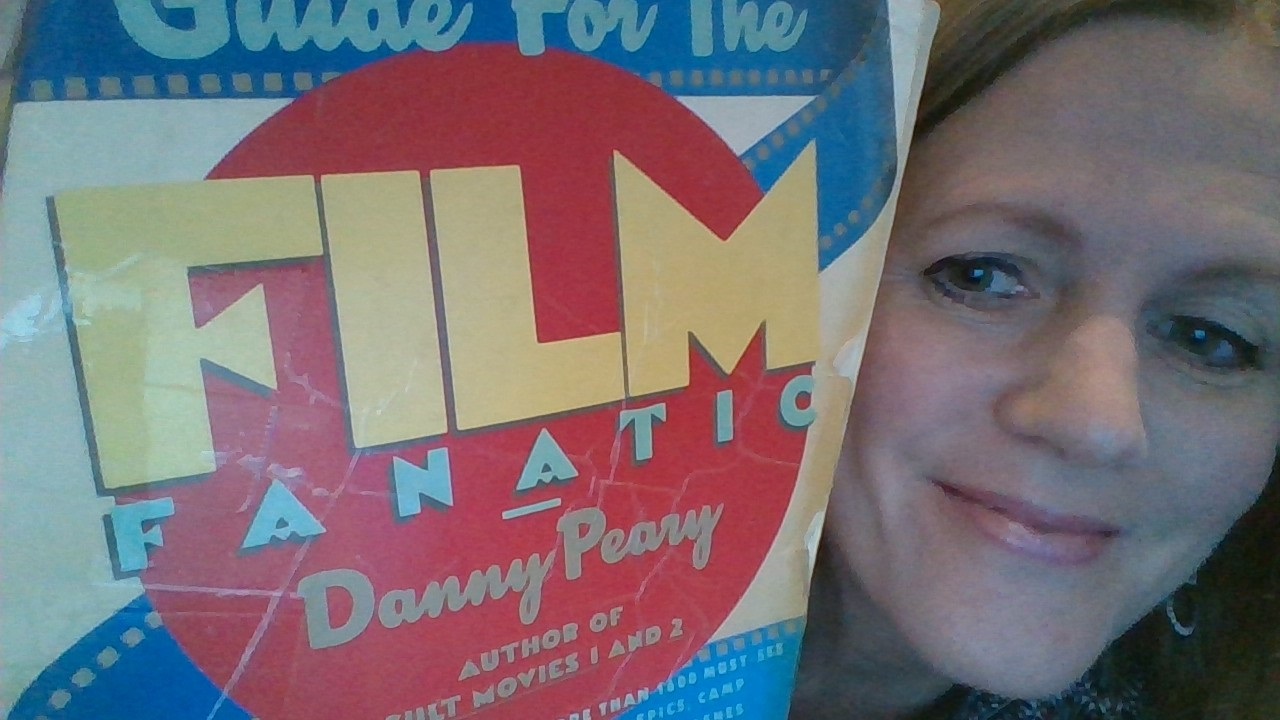
FilmFanatic.org Year-End Reflection 2020

FilmFanatic.org has been going strong for over 14 years!

It’s remarkable how access to older movies has shifted in recent years, from the days when I could only find obscure titles at a local corner video store to an era when restored copies are available to stream online. (Not everything, of course — but plenty!)

In addition to switching over to a new WordPress theme this year, I’ve been spending many hours cleaning up older reviews, removing or replacing outdated links, and adding new — bigger, clearer — stills, including incorporating images directly into the review narratives themselves.

I’ve also (hopefully) made it easier to find Peary’s recommended movies according to actors (A-J, K-Z), directors, countries-of-origin, genres, and more. It’s not perfect, but it feels like I’m getting closer to the more streamlined and organized site I’ve imagined all along.

For those interested in stats, here are the latest numbers on how many of Peary’s Guide for the Film Fanatic films have been covered on this site so far:

  • 1,118 reviews of titles in the front section of Peary’s book
  • 1,706 reviews of titles from the back section of Peary’s book
  • 41 additional reviews of titles considered “missing” from Peary’s book

That’s a total of 2,842 out of 4,300 Peary-listed titles covered, which is 65.67%.

There is still no rhyme or reason to how or why I choose to cover certain titles, other than occasionally feeling motivated to work my way through all recommended movies with a certain actor, by a certain director, on a certain topic, etc. For instance, I finally finished (re)watching and reviewing all the James Bond movies listed in Peary’s GFTFF. (Go here and search for “James Bond Films” and you’ll see them listed and hyper-linked.) And I watched NEARLY all the Tarzan flicks Peary recommends (just one more left).

My goals for FilmFanatic.org in this next year include the following:

  • Keep plugging away at reviews (of course!) and get closer to the finish line. (This is a marathon, not a sprint — and an enjoyable one at that!)
  • Make more real-life connections with my fellow bloggers at CMBA (the Classic Movie Blog Association).
  • Continue to think about how to introduce newer, younger film fanatics to the wealth of amazing classic and cult movies out there, both must-sees and personal favorites. What’s the best format for this???
  • Dream about maybe (maybe) trying out some video reviews to post on YouTube.

Meanwhile, here are some highlights of favorite movies I’ve watched and reviewed in 2020:

  • To get your Pre-Code fix, check out the fabulous Edward G. in The Little Giant (1933), which “builds to an enormously satisfying conclusion”.
  • For an unexpected treat on New Year’s, watch Angels Over Broadway (1940), a “compact, humanistic thriller about a quartet of down-and-out individuals finding each other one evening and conspiring to pull a fast one on fate”.
  • James Mason is one of my favorite actors; this year I watched him in Carol Reed’s Odd Man Out (1947), which I found “consistently engaging, innovative, and touching”, and in the tense spy flick Five Fingers (1952) (one of the few Hollywood films Mason purportedly enjoyed watching himself in).
  • If you’re curious to see Humphrey Bogart in his only horror film role, check out The Return of Doctor X (1939) — an “atmospherically shot B-flick” which offers “a pseudo-comedic mad-doctor amateur-sleuth genre-mash”.
  • Robert Montgomery is “enigmatic and charming” in Night Must Fall (1937), a “unique and well-acted thriller” which it’s best to watch cold (no spoilers here).
  • Seven Days to Noon (1950), about a distressed British scientist who takes lethal matters into his own hands, was an unexpected treat to stumble upon. As I write in my review, “From its opening moments until its almost unspeakably tension-filled finale, we’re held on the edge of our seats during this film.”
  • Though I’m not a huge fan of biopics, I was pleasantly surprised to revisit Greer Garson and Walter Pidgeon in Madame Curie (1943), finding it “both atmospheric and highly engaging”. It remains “a meticulously told tale of scientific inquiry, rigor, and suspense”.
  • Peter Brook’s adaptation of William Golding’s novel Lord of the Flies (1963) is creepy and oh-so unique. It’s tough viewing, but cult-worthy cinema.
  • The Wicker Man (1973), Picnic at Hanging Rock (1975), and Being There (1979) all remain justifiable cult favorites from the 1970s — very much worth a revisit if you haven’t seen them in awhile.
  • While helping my son with a project-based assignment on the sinking of the Titanic, I watched Roy Ward Baker’s excellent A Night to Remember (1958) and was duly impressed. It’s “notable for its fidelity to historical detail, and for portraying this well-known tragedy in an effectively gripping fashion.”
  • Budd Boetticher’s The Tall T (1957), starring Randolph Scott, is a winner: “At just 78 minutes, this nifty western moves swiftly and tells a taut, tense tale from beginning to end.”
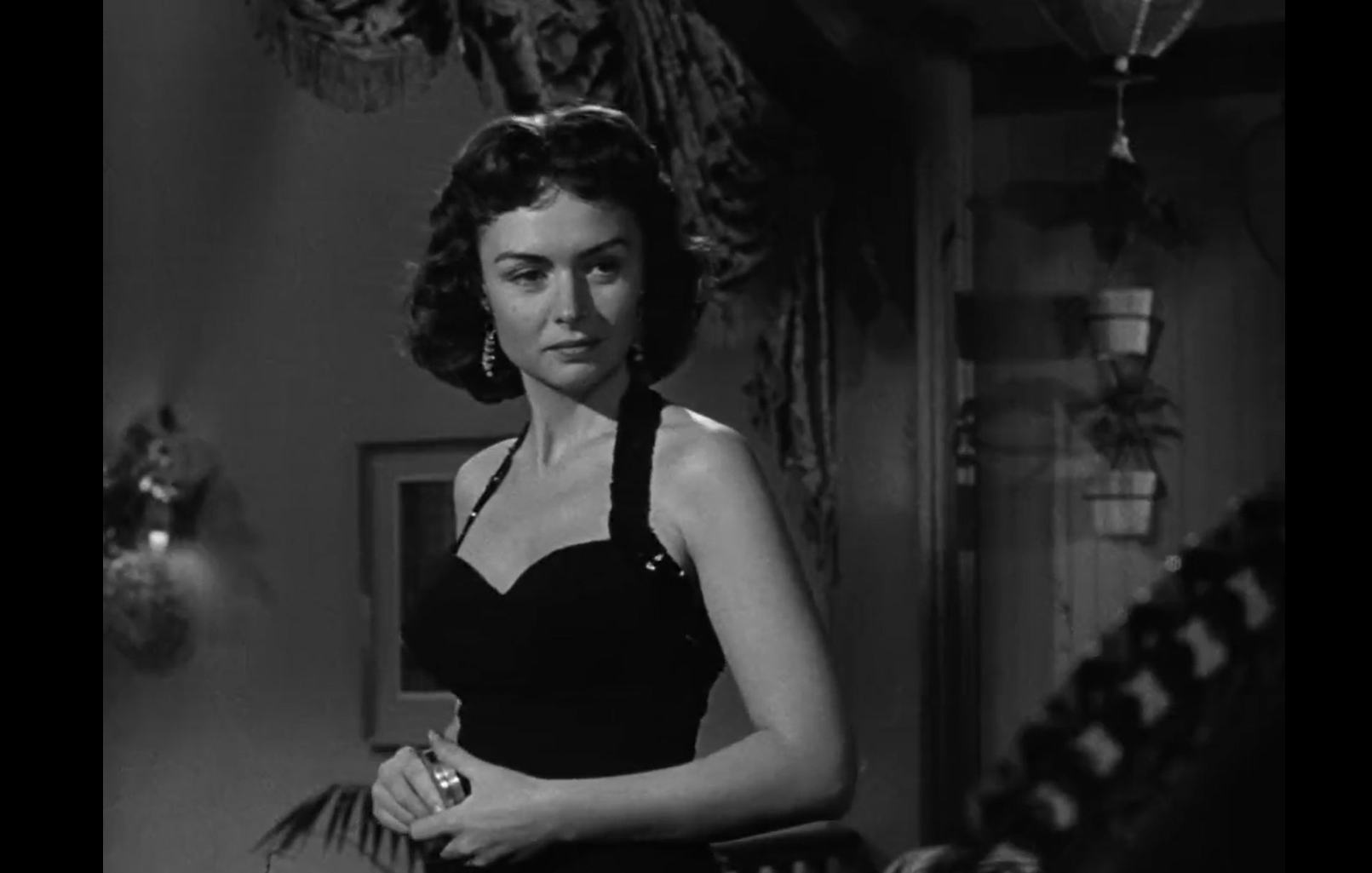
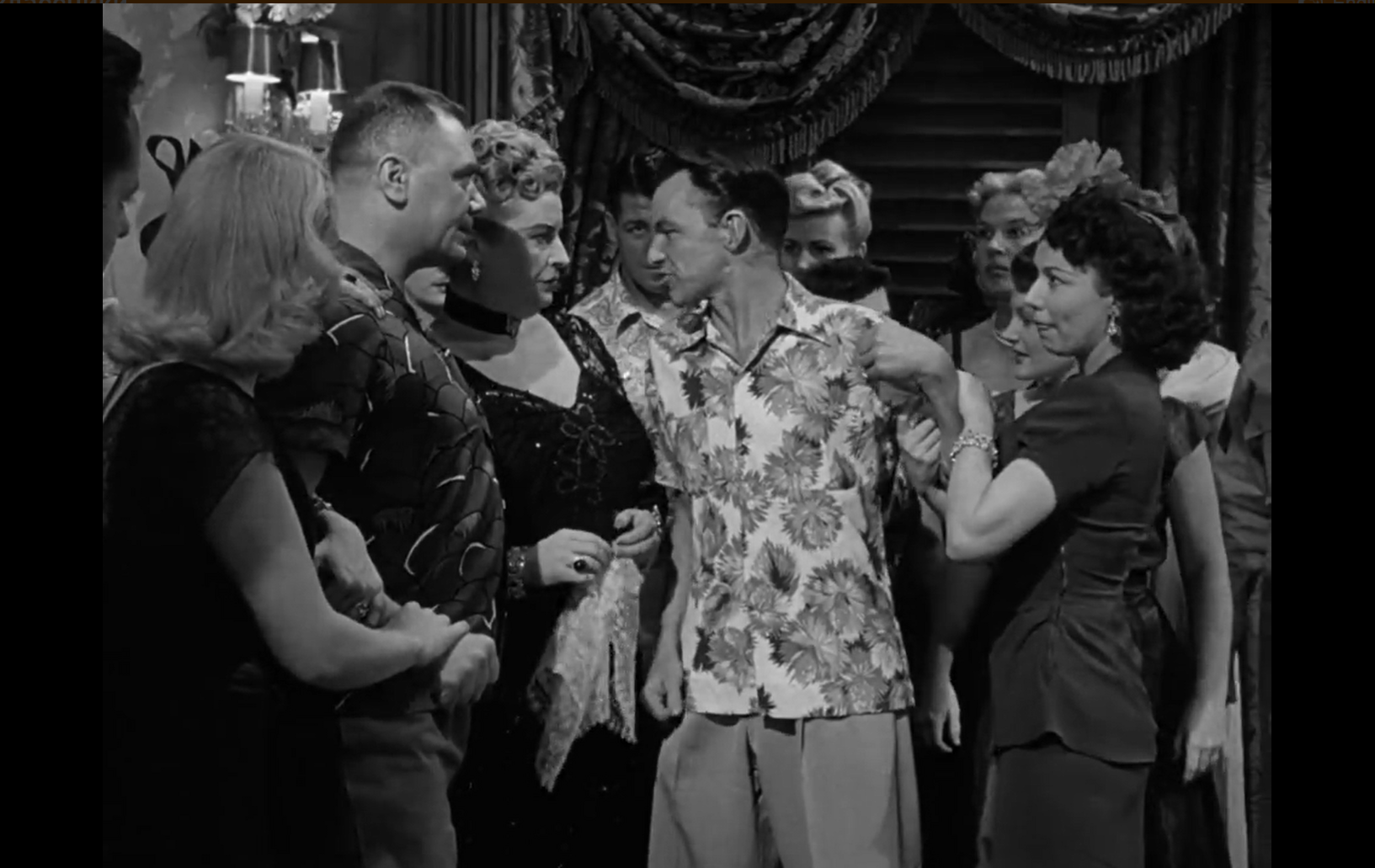
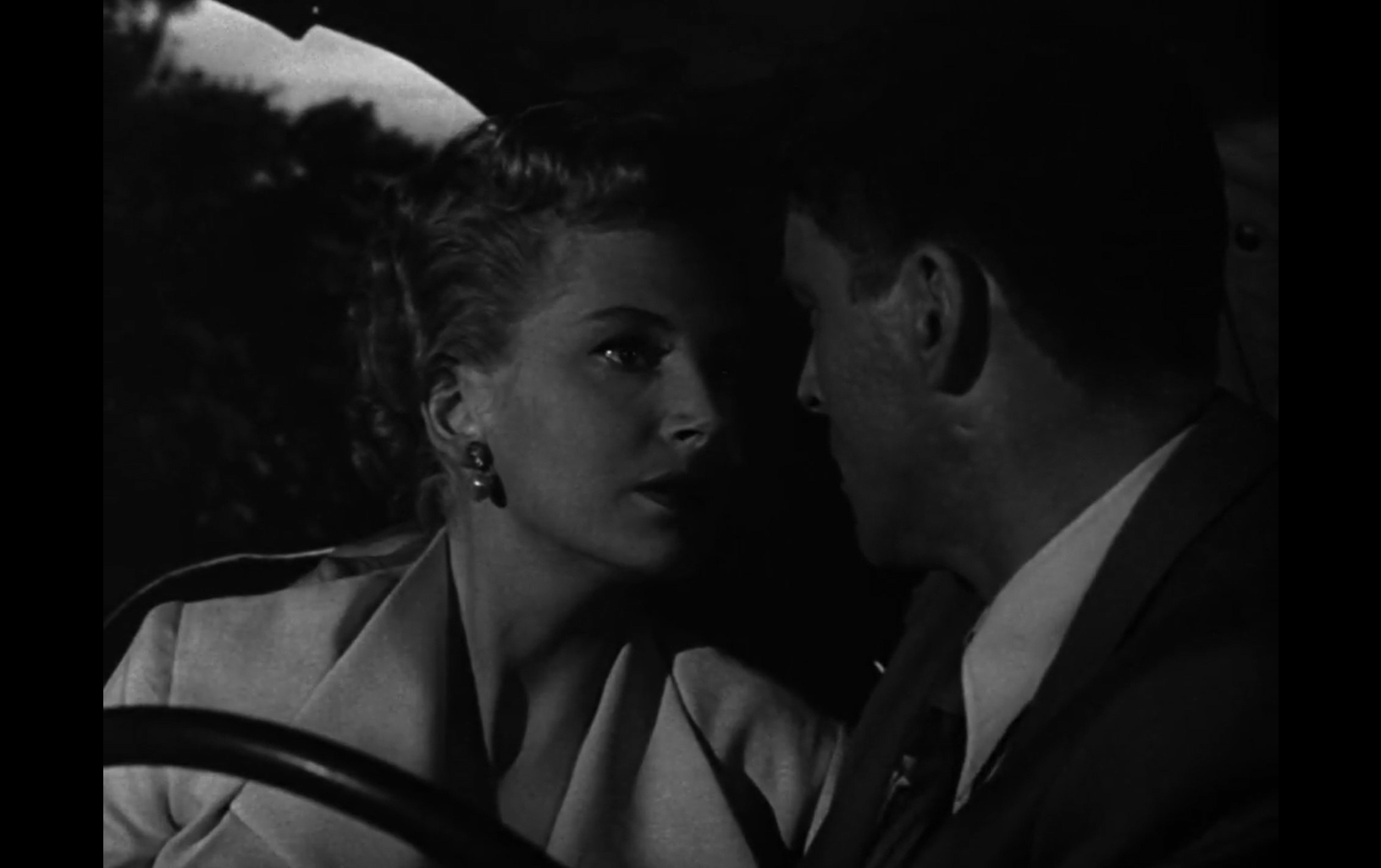
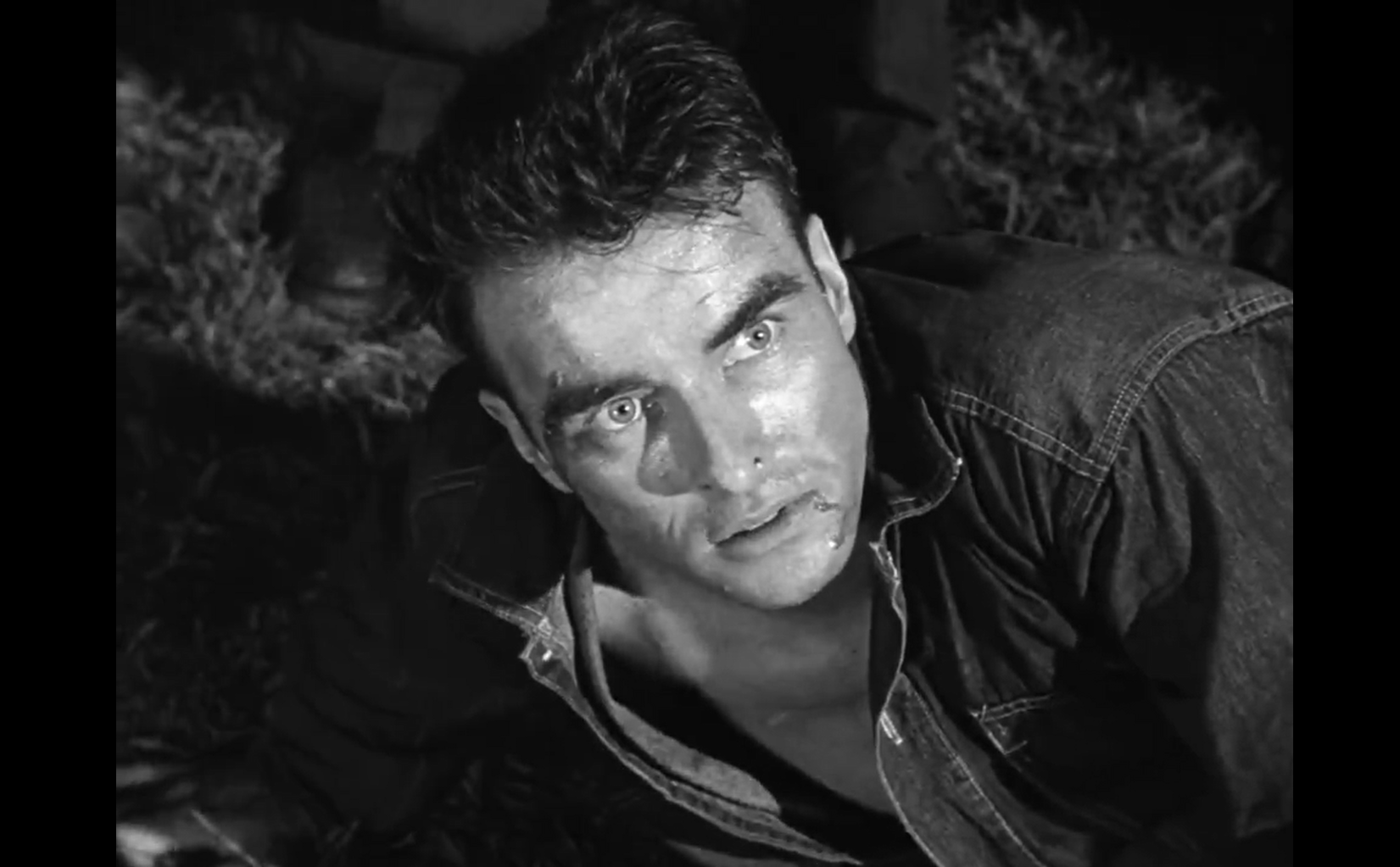
  • Perhaps you’ll agree with me that there are few better ways to spend your film-viewing hours than watching gorgeous Montgomery Clift on-screen. I revisited several of his titles this year — including Indiscretion of an American Wife (1953) (flawed) and From Here to Eternity (1954) (solid) — but my recommendations are two of his earliest titles: The Search (1948) and Howard Hawks’ Red River (1948).
  • Jules Dassin’s Thieves Highway (1949) — co-starring Richard Conte and Lee J. Cobb — offers “an elaborate revenge flick within a landscape of omni-present corruption and hustling.” You’ll never casually eat an apple again without thinking of this film.
  • A nearly perfect cult classic to revisit at any time is Stanley Kubrick’s Dr. Strangelove: Or How I Learned to Stop Worrying and Love the Bomb (1964). You won’t be sorry!
  • To get your Elvis fix, definitely check out the engaging documentary Elvis: That’s the Way It Is (1970), with lovely cinematography by Lucien Ballard. Elvis is at his peak here.
  • Finally, the perfect COVID-era flicks this year have included Vincent Price in Roger Corman’s Poe-inspired The Masque of the Red Death (1964) (“Famine, pestilence, war, disease, and death — they rule this world!”) and Ingmar Bergman’s timeless classic The Seventh Seal (1957).

Happy 2021 to everyone!
-FilmFanatic (Sylvia)
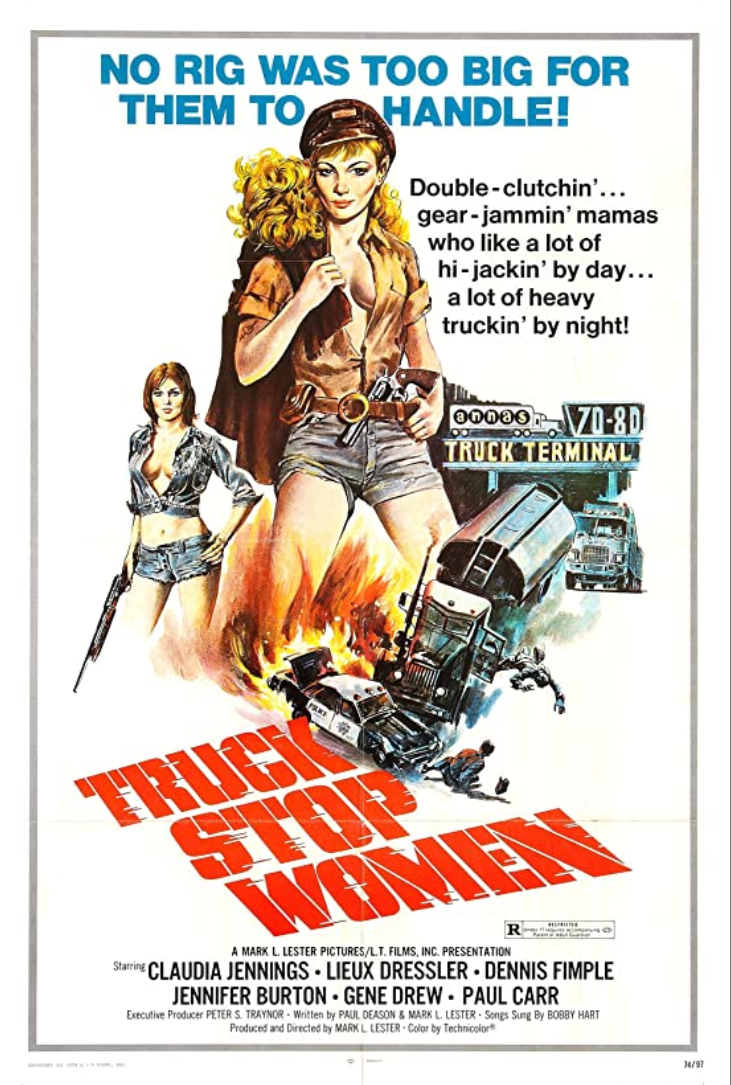
Truck Stop Women (1974)

Truck Stop Women (1974)

“Your old friend Anna, she ain’t tanglin’ with no eastern Mafia!”

Synopsis:
A woman (Lieux Dressler) running a truck stop brothel and hijacking ring is dismayed to learn that her beloved daughter (Claudia Jennings) is collaborating with a mafia gangster (John Martino) who wants to take over her racket.

Genres, Themes, Actors, and Directors:

  • Claudia Jennings Films
  • Gangsters
  • Prostitutes and Gigolos
  • Strong Females
  • Truckers

Review:
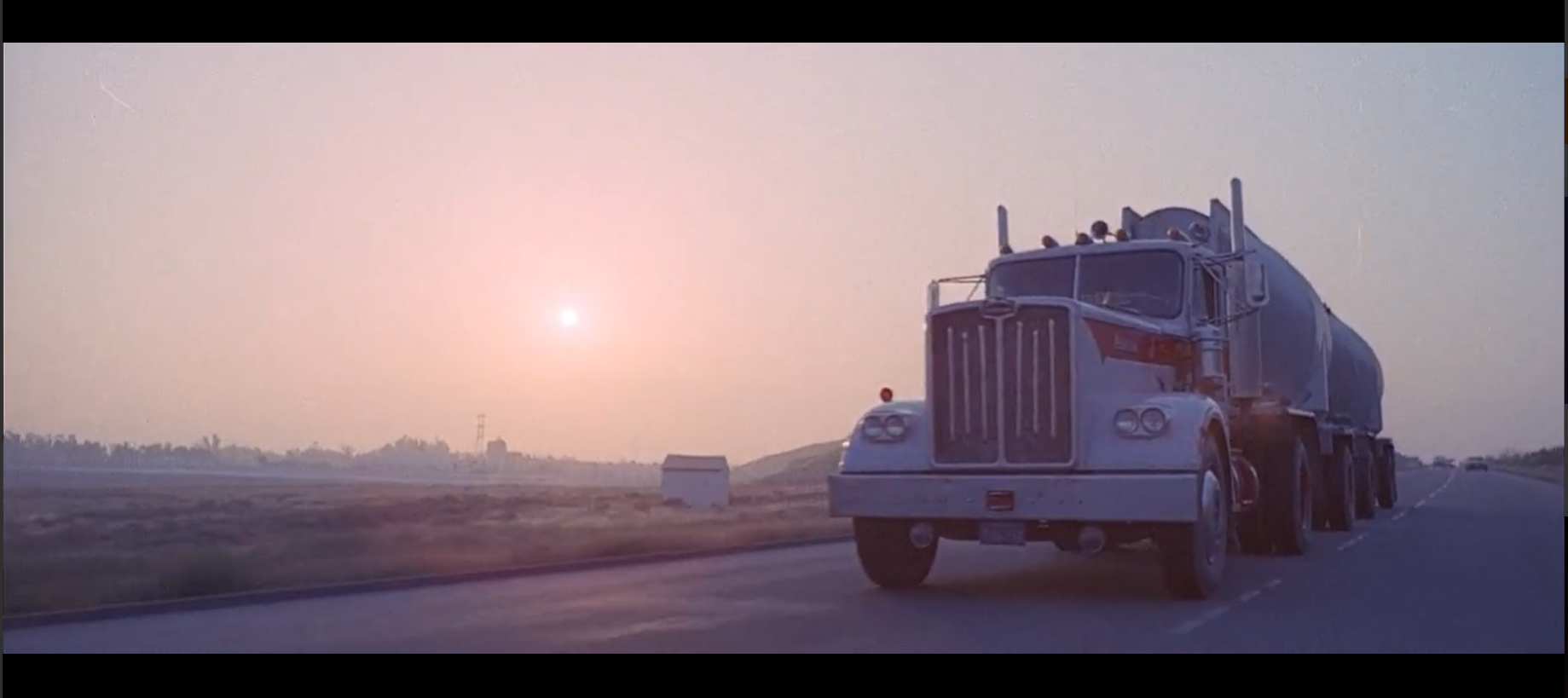
Playmate-turned-actress Claudia Jennings starred in this unusual exploitation film featuring truckers, prostitutes, the mafia, cattle, and plenty of violence.


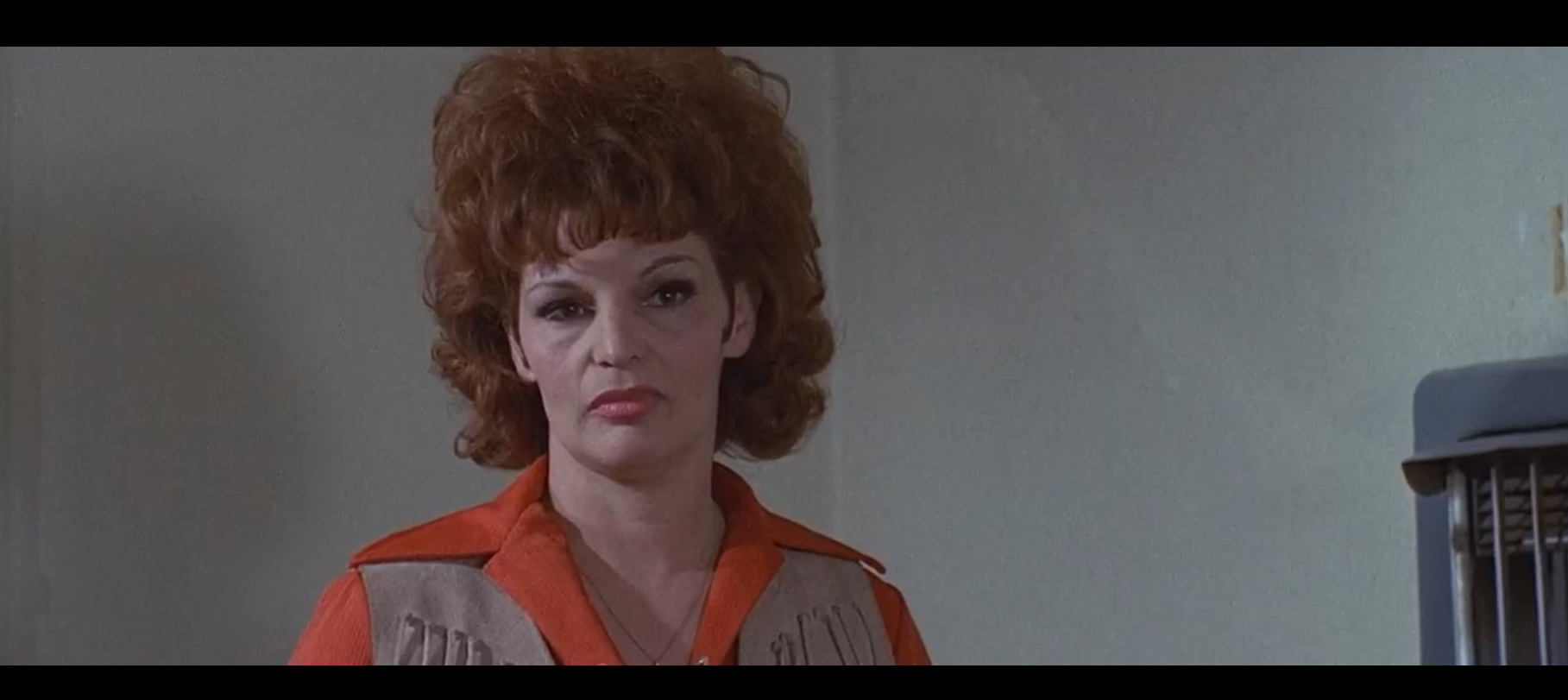
Unfortunately, all the characters are unlikable, so there’s no one here to sympathize with — and the plot is mostly incomprehensible, other than understanding this is a stand-off between feisty Mama Anna (Dressler):

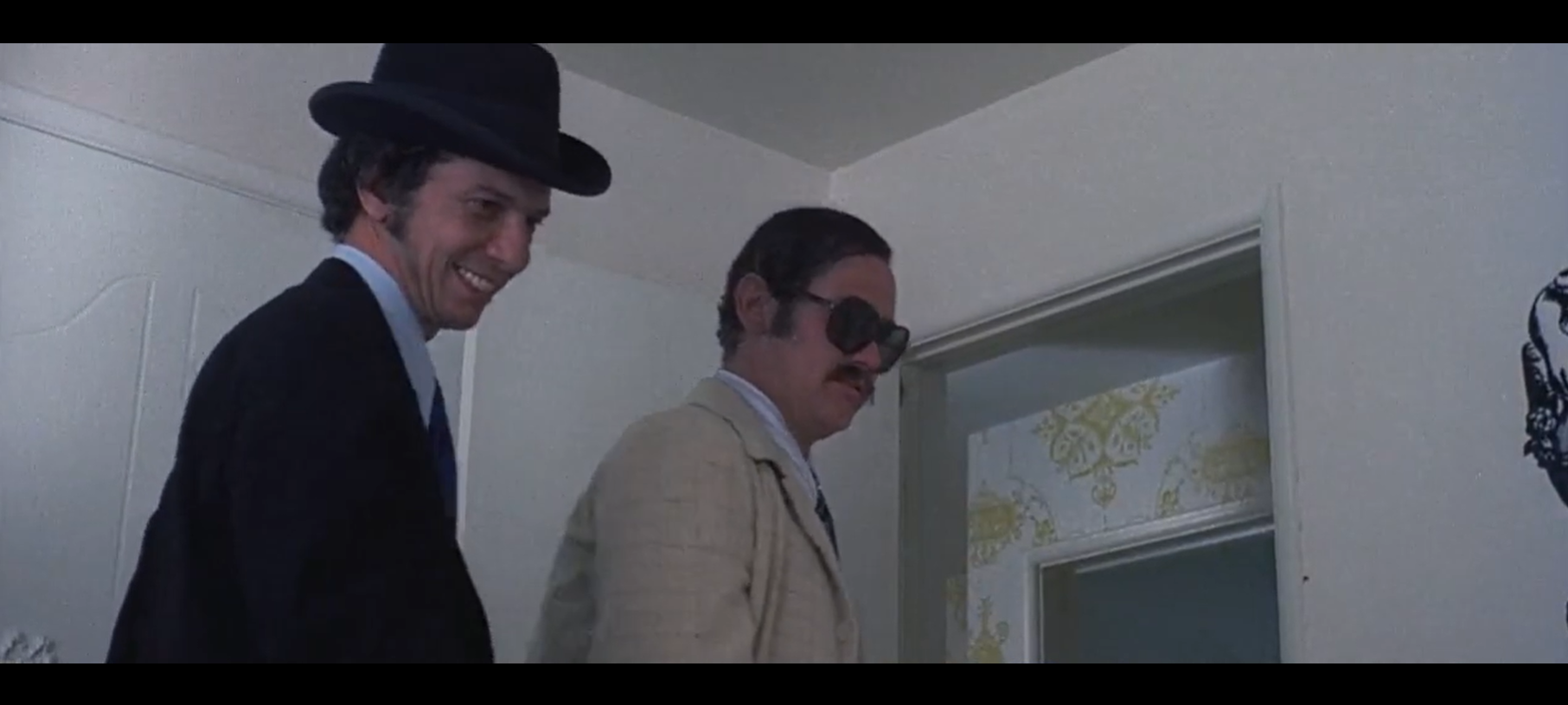
and the mafia (grinning Martino is a true sociopath who’s shown killing in cold blood with a grin on his face in the opening scene).

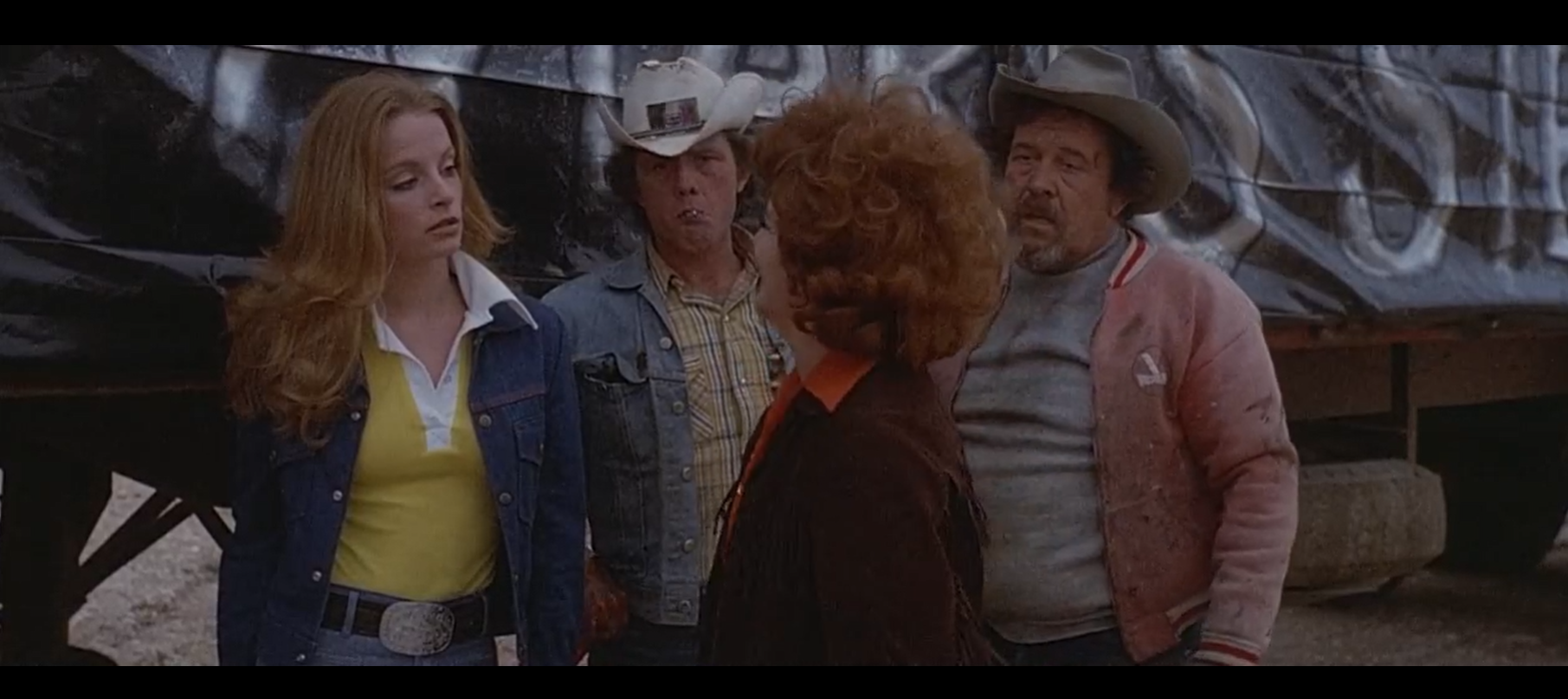
There is some tension over whether Jennings will see the error of her ways and return to loyalty with her mother:

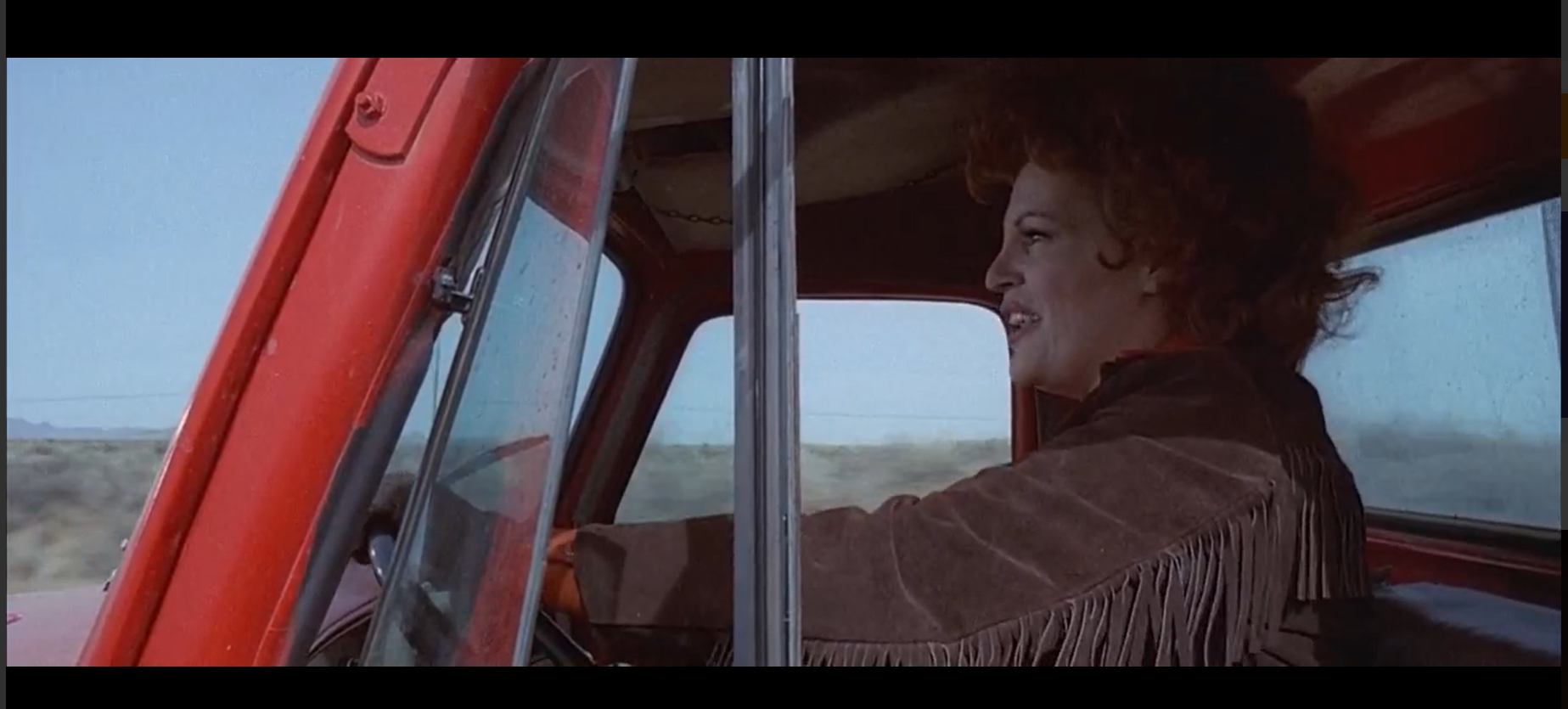
but otherwise this flick is simply an excuse to show off plenty of t&a and aggressive trucking. Watch for a truly bizarre musical interlude sung from the perspective of the trucks themselves, arguing that there would be no such thing as trucking without them (no kidding!).

Redeeming Qualities and Moments:

  • Lieux Dressler as Anna
  • The surreal musical interlude “There’d Be No Truck Drivers If It Wasn’t For Us Trucks”

Must See?
No; you can skip this one unless you’re curious.

Links:

Big T.N.T. Show, The (1966)

Big T.N.T. Show, The (1966)

“This could be the night — the night I’ve waited for.”

Synopsis:
David McCallum conducts and introduces various rock and folk musicians from the 1960s — including Ray Charles, Petula Clark, The Lovin’ Spoonful, Bo Diddley, Joan Baez, The Ronettes, The Byrds, Donovan, and Ike and Tina Turner — as they perform for an enthusiastic audience in Los Angeles.

Genres, Themes, Actors, and Directors:

  • Concert Films
  • Rock ‘n Roll

Review:
This follow-up to The T.A.M.I. Show (1964) — distributed by AIP — was yet another attempt to chronicle and cash in on popular music acts of the day. As such, it’s essentially more of the same but different performers — and, as with The T.A.M.I. Show, some acts will appeal to individual viewers more than others. It’s always wonderful to see Ray Charles, for instance — and Joan Baez sings a lovely cover of “You’ve Lost That Loving Feeling”, while The Byrds perform “Turn! Turn! Turn! To Everything There is a Season” (never not a timely reminder). I wasn’t familiar with Scottish singer-songwriter Donovan, so it was interesting to hear a few of his ballads. However, this isn’t must-see viewing as a cinematic outing — only for fans of this particular musical era.

Redeeming Qualities and Moments:

  • Many enjoyable musical numbers


Must See?
No; this one is only must-see for fans of this era of music.

Links:

Cannonball! (1976)

Cannonball! (1976)

“I knew you couldn’t pass up this damn race.”

Synopsis:
An ex-con named Cannonball (John Carradine) — whose unscrupulous brother (Dick Miller) has placed a huge bet on him with a menacing bookie (Paul Bartel) — is accompanied by his girlfriend (Veronica Hamel) on an underground cross-country race, competing against his best friend Zippo (Archie Hahn), a van of three gutsy waitresses (Mary Woronov, Glynn Rubin, and Diane Lee Hart), a Black man (Stanley Bennett Clay) driving a car on behalf of a middle-aged white couple, an arrogant German (James Keach), a duplicitous man (Terry McMillan) traveling with his mistress (Louisa Moritz), a sweet young couple (Robert Carradine and Belinda Balaski), and Cannonball’s arch-rival (Bill McKinney), who is riding along with an annoying country-western star (Gerrit Graham) and his hovering mother (Judy Canova).

Genres, Themes, Actors, and Directors:

  • Car Racing
  • Comedy
  • David Carradine Films
  • Dick Miller Films
  • Ensemble Cast
  • Rivalry

Review:
Paul Bartel directed this precursor to star-filled Cannonball Run (1981), both based on an actual unsanctioned cross-country race still in existence. It’s well made and colorfully filmed, with plenty (plenty) of chases, pile-ups, fights, and fiery crashes to enjoy (if that’s your thing), as well as some some get-back-at-the-cops action. For better or for worse, there’s a pretty clear line drawn in this film between the good guys, the bad and/or troubled folks, and the in-between guys (and gals) — and it’s fairly satisfying seeing the outcomes fall neatly in line, especially for the most sympathetic protagonists, who “do the right thing” time and again.

For a fun overview of many of the cars in this film, click here [archived web page].

Redeeming Qualities and Moments:

  • A well-crafted car racing adventure

Must See?
No, though of course it’s recommended if you enjoy this type of fare.

Links:

… And God Created Woman / And Woman… Was Created (1956)

… And God Created Woman / And Woman… Was Created (1956)

“With that mouth, you can have anything you want!”

Synopsis:
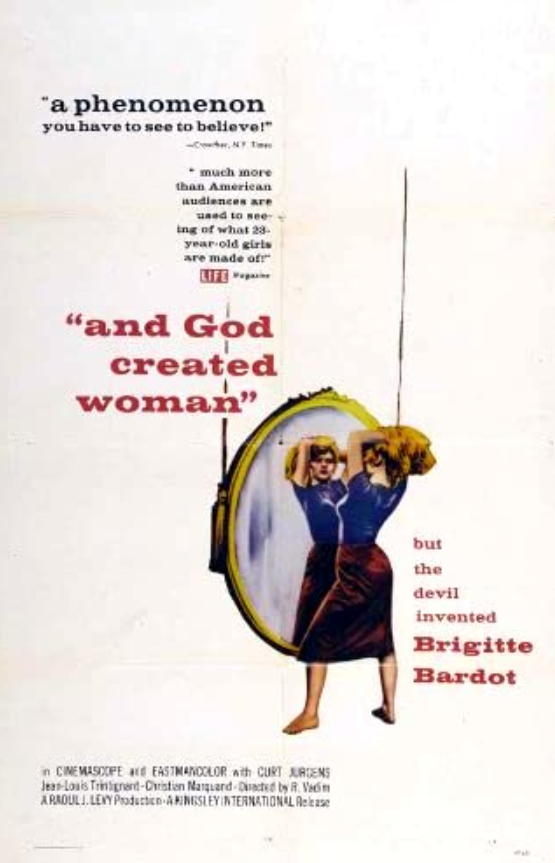
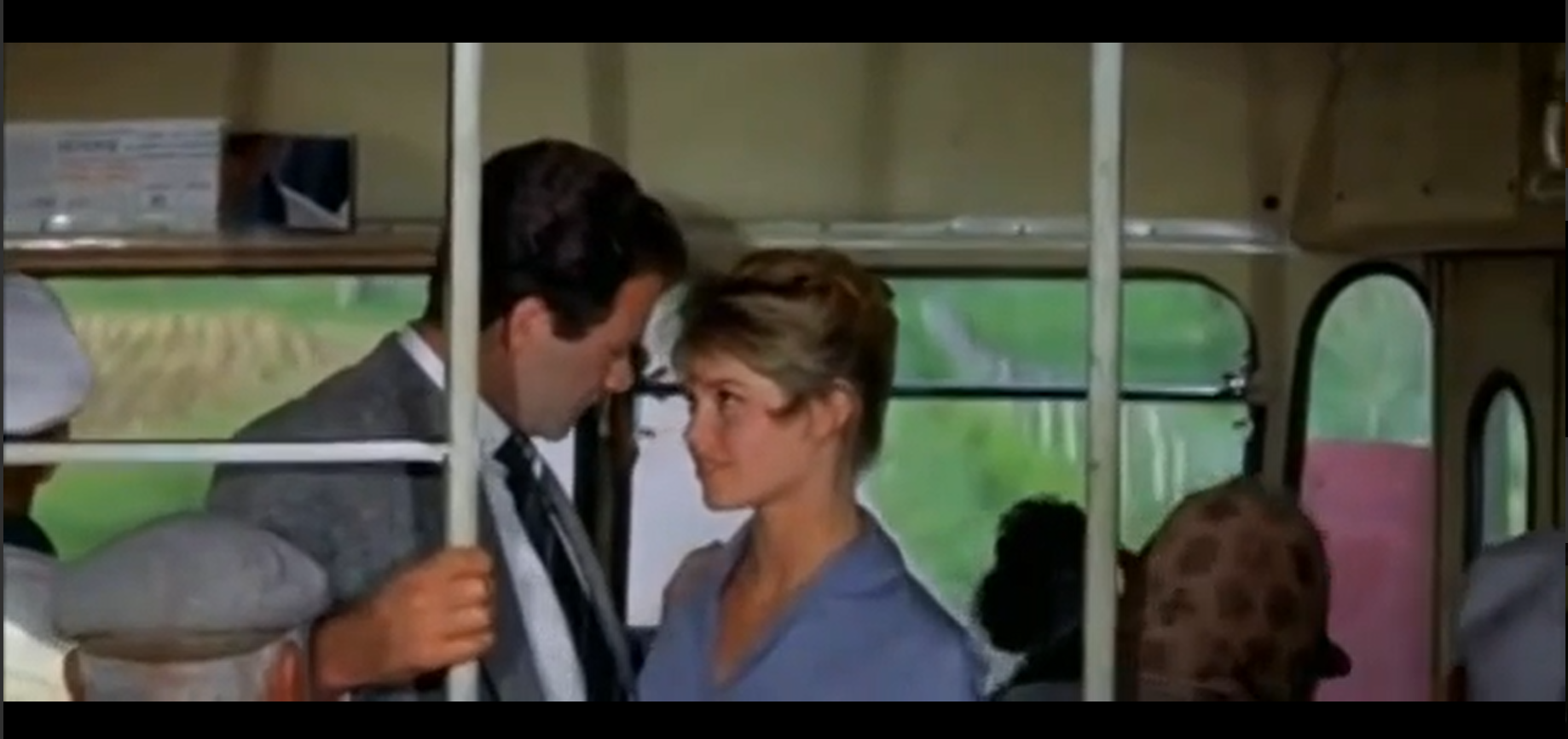
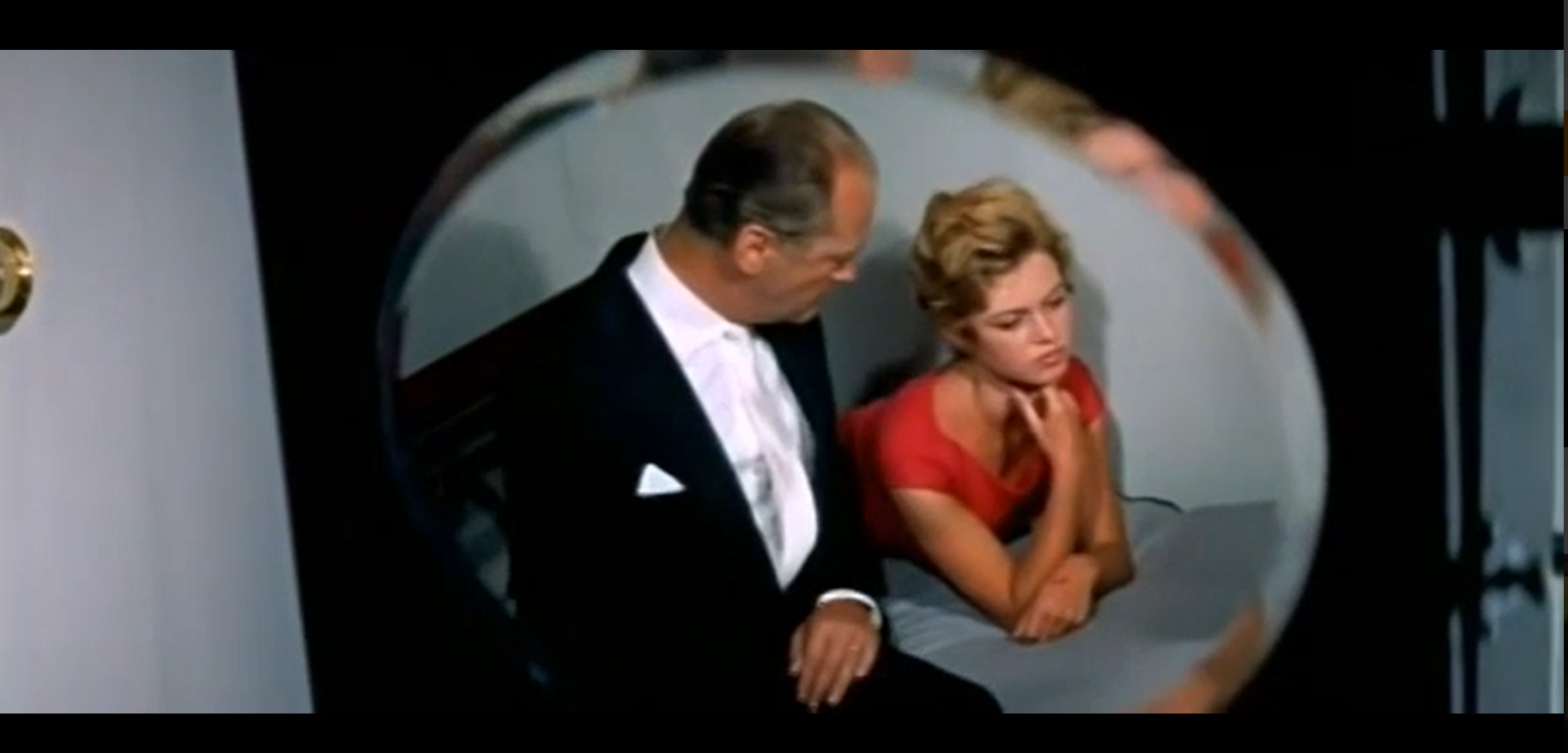
In St. Tropez, a dissatisfied teenager (Brigitte Bardot) marries a local boy (Jean-Louis Trintignant) to avoid being sent back to the orphanage, but continues to covet Trintignant’s brother (Christian Marquand) and is desired by a middle-aged businessman (Curd Jurgens) hoping to purchase land owned by Trintignant and Marquand’s family.

Genres, Themes, Actors, and Directors:

  • Brigitte Bardot Films
  • Curt Jurgens Films
  • French Films
  • Infidelity
  • Morality Police
  • Orphans
  • Roger Vadim Films
  • Sexuality

Response to Peary’s Review:
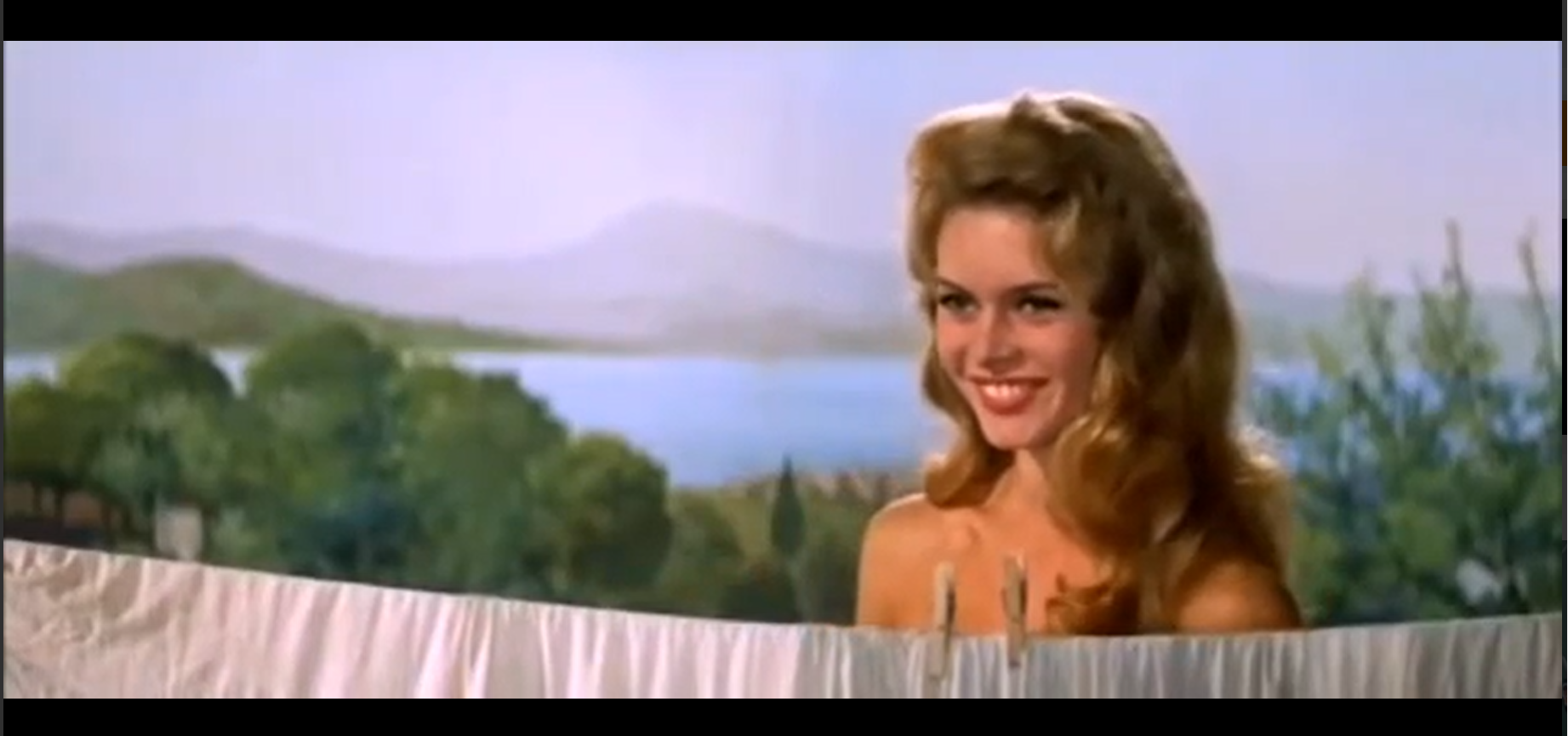
Peary writes that “Brigitte Bardot became an international sex symbol as the result of her role in husband Roger Vadim’s debut film,” spending “the entire film wrapped in towels or in tight, sexy outfits, or nude.” He describes Bardot as “the forerunner of many young females in future French film in that she lives for herself, is sexually promiscuous, is guiltless about her disloyalty toward men, [and] has an eager body that sends stronger messages to her brain than her conscience” (!). Peary argues that “you’ll forget the men” in this picture “and remember Bardot sunbathing,” “standing nude behind a sheet on the outdoor clothesline”, “in bed with Trintignant”, “on the beach with Marquand”, and “doing a sizzling dance in front of many men.” You’ll also likely remember the lovely location shooting in St. Tropez, which is a distinctive plus. Peary writes that while the “picture tends to be dismissed as simply the film that made Bardot famous,” it “could very easily be called the first picture of the French New Wave”, and as such merits a look by historically minded film fanatics — but be forewarned that the storyline is both boring and overwrought, and none of the characters are particularly sympathetic.

Redeeming Qualities and Moments:

  • Brigitte Bardot as Juliete

  • Fine cinematography

  • Lovely location shooting in St. Tropez

Must See?
Yes, simply for Bardot’s performance — and its historical relevance as a precursor to the French New Wave.

Categories

  • Historically Relevant
  • Noteworthy Performance(s)

Links:

From Here to Eternity (1953)

From Here to Eternity (1953)

“Nobody ever lies about being lonely.”

Synopsis:
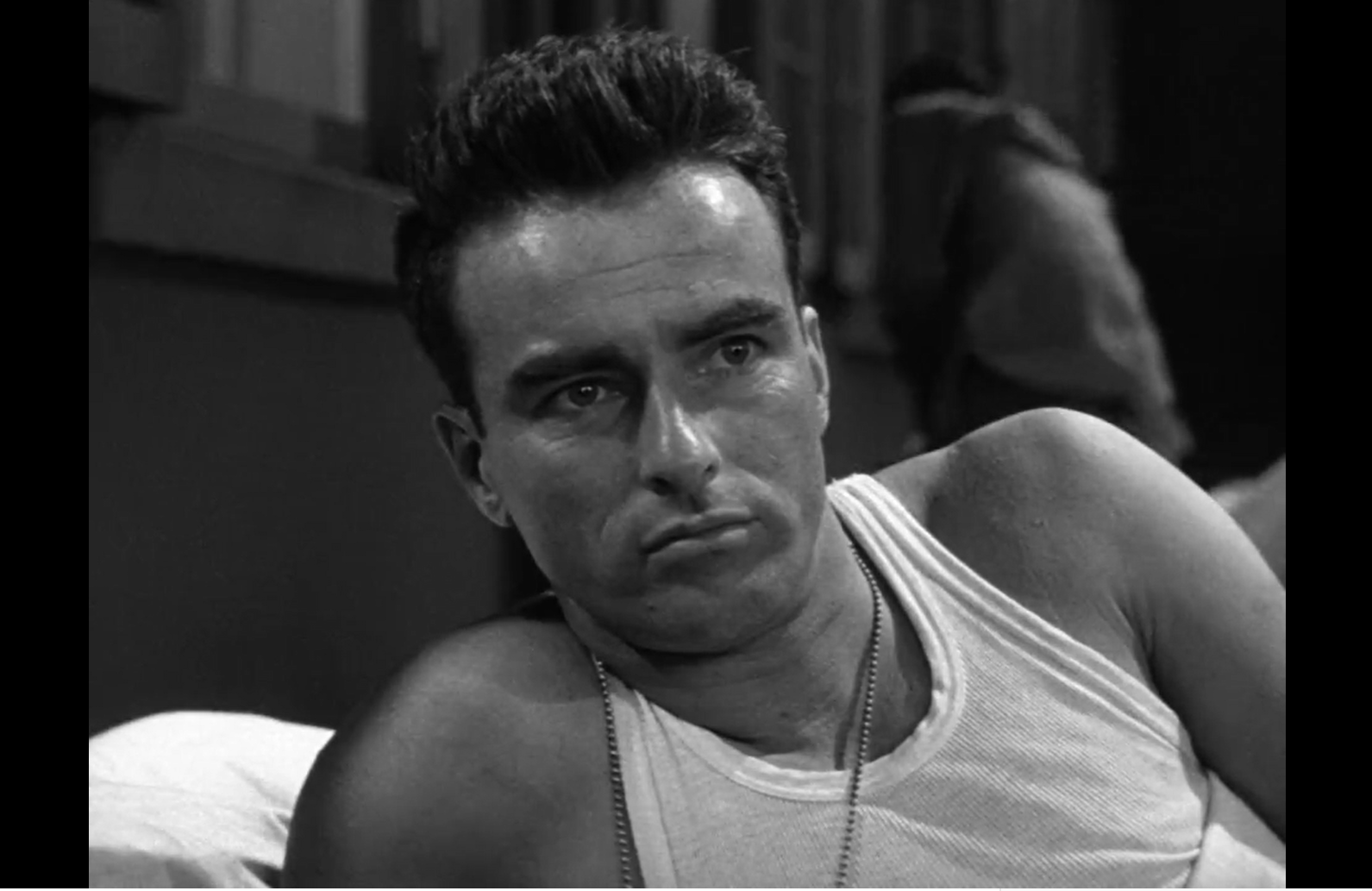
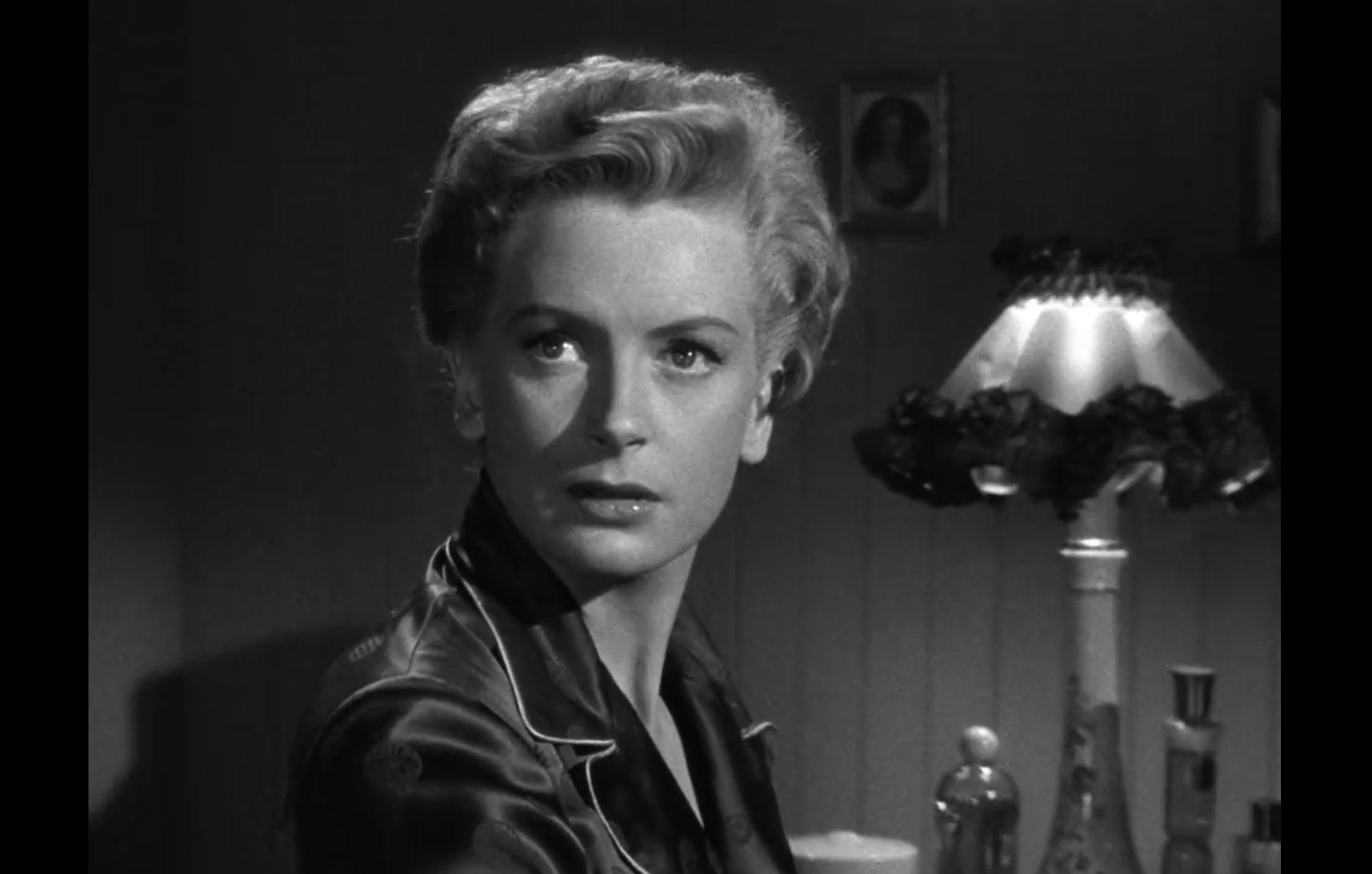
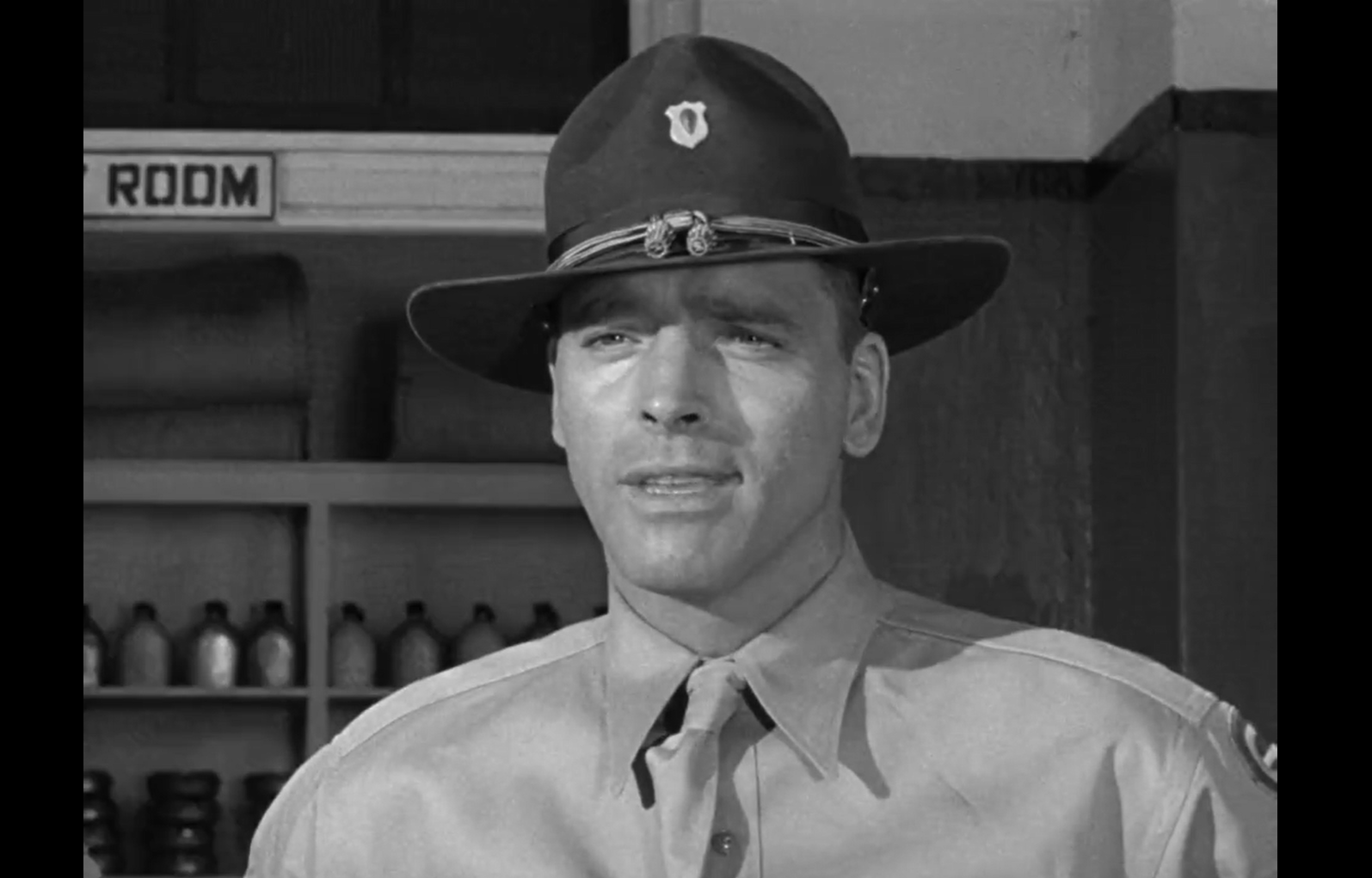
A newly transferred private (Montgomery Clift) at Pearl Harbor Army Base is harassed by his captain (Philip Ober) and several colleagues for refusing to join the boxing team, but finds friendship with a spunky soldier (Frank Sinatra) and romance with a local dance hall hostess (Donna Reed). Meanwhile, Ober’s assistant (Burt Lancaster) woos Ober’s unhappy wife (Deborah Kerr), and Sinatra becomes increasingly agitated by a sadistic, piano-playing guard (Ernest Borgnine).

Genres, Themes, Actors, and Directors:

  • Burt Lancaster Films
  • Deborah Kerr Films
  • Donna Reed Films
  • Ernest Borgnine Films
  • Frank Sinatra Films
  • Fred Zinneman Films
  • Infidelity
  • Military
  • Montgomery Clift Films
  • Soldiers

Response to Peary’s Review:
Peary writes that the appeal of this “solid version of James Jones’s novel” is that “Lancaster, Clift, Sinatra, Kerr, and Reed all anticipate the rebel figures that would dominate the rest of the fifties” by breaking “army rules and society’s rules.” He points out that “they are the only characters with compassion, who can love — so here rebels are positive figures,” and notes that the “picture has superb acting, [and] strong direction by Fred Zinneman.” In Alternate Oscars, Peary adds that this remains “a quality picture in spite of its soap elements and the unsatisfying resolutions for most of its characters” (though he gives the Best Picture Oscar to Shane instead).

However, Peary does name Clift the Best Actor of the Year, noting that “Clift was such a cerebral, introspective actor that it is exciting just to watch him think.” In addition to Clift doing “a lot of wordless acting” in the film, Peary points out that his performance “is extremely physical”, given that we “see Prewitt box, have a knife fight, shoot a little pool, fall down some stairs, run, march, dig a hole, get down on his knees to do chores, [and] stumble about when drunk.” Playing a “hardheaded” soldier who “knows he must make correct choices or he won’t be able to live with himself,” Clift is enormously appealing, and we want nothing but good outcomes for him. Faring well in an array of supporting performances are a host of stars willing to give Clift his deserved limelight; none unduly hog the screen, but we believe in their characters and their challenges — particularly Lancaster and Kerr’s forbidden romance; the infamous beach scene in which “Lancaster and Kerr [are] kissing while lying in the surf” remains as sexy and evocative as ever.

Redeeming Qualities and Moments:

  • Fine performances by the entire cast


  • Atmospheric cinematography
  • Numerous memorable moments
  • The well-filmed Pearl Harbor bombing sequence

Must See?
Yes, as an Oscar-winning classic.

Categories

  • Oscar Winner or Nominee

(Listed in 1001 Movies You Must See Before You Die)

Links:

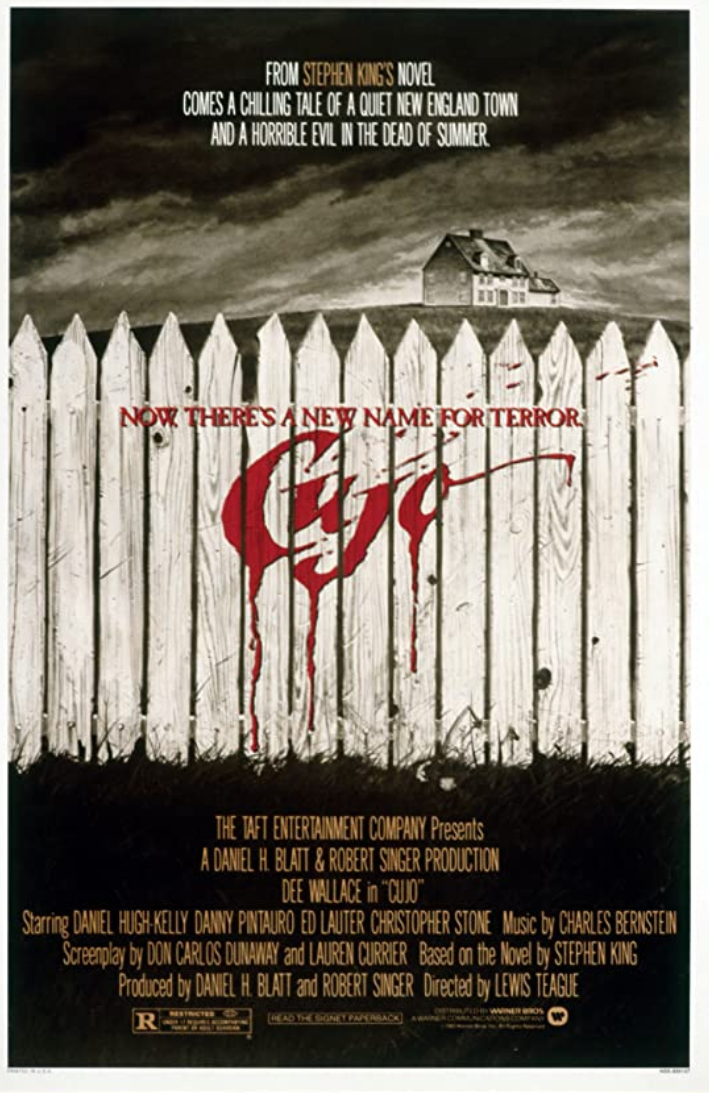
Cujo (1983)

Cujo (1983)

“There’s no such thing as real monsters; only in stories.”

Synopsis:
A woman (Dee Wallace) who has recently confessed to her husband (Daniel Hugh-Kelly) that she’s been having an affair with a local handyman (Christopher Stone) takes her son (Danny Pintauro) with her to get their car repaired at the home of a mechanic (Ed Lauter) who has just gone away for the week, and a rabid dog named Cujo is lying in wait for victims.

Genres, Themes, Actors, and Directors:

  • Horror Films
  • Infidelity
  • Killer Animals
  • Stephen King Adaptations
  • Survival
  • Trapped

Response to Peary’s Review:
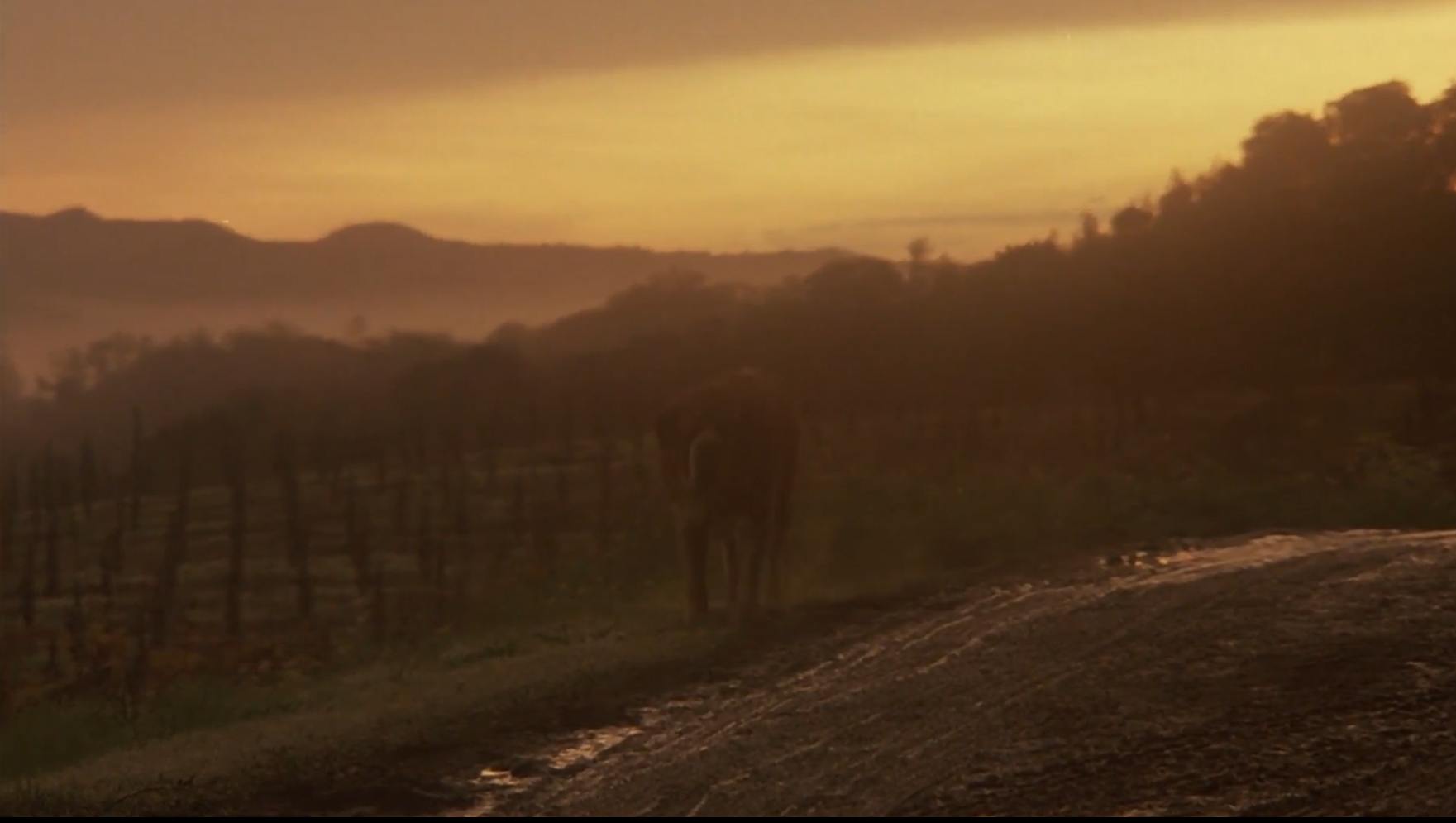
Peary writes that this “simply plotted, surprisingly nerve-racking adaptation of Stephen King’s novel” is “fast-paced,” with “economical direction by Lewis Teague, who’d later direct King’s Cat’s Eye.” He points out that while it’s “a good date movie”, it “may be too frightening for little kids” — no kidding! (There is no way I would show this film to my own kids, currently ages 8, 10, and 12.) However, I agree with Peary that it’s a nifty little flick, one which generates a surprising amount of suspense and terror given the (necessarily) limited setting and circumstances. Wallace is highly sympathetic as a woman given the ultimate opportunity to atone for her transgressions (she becomes the epitome of a bad-ass mom), and Pintauro is one of the more natural kid actors to grace the screen. Fine cinematography and location shooting add to the appeal of this movie, which remains worth a look.

Redeeming Qualities and Moments:

  • Dee Wallace as Donna
  • Danny Pintauro as Tad
  • Fine location shooting (albeit in Northern California rather than Maine)
  • Atmospheric cinematography
  • Many highly effective sequences

Must See?
Yes, as a good (horror) show.

Categories

  • Good Show

Links:

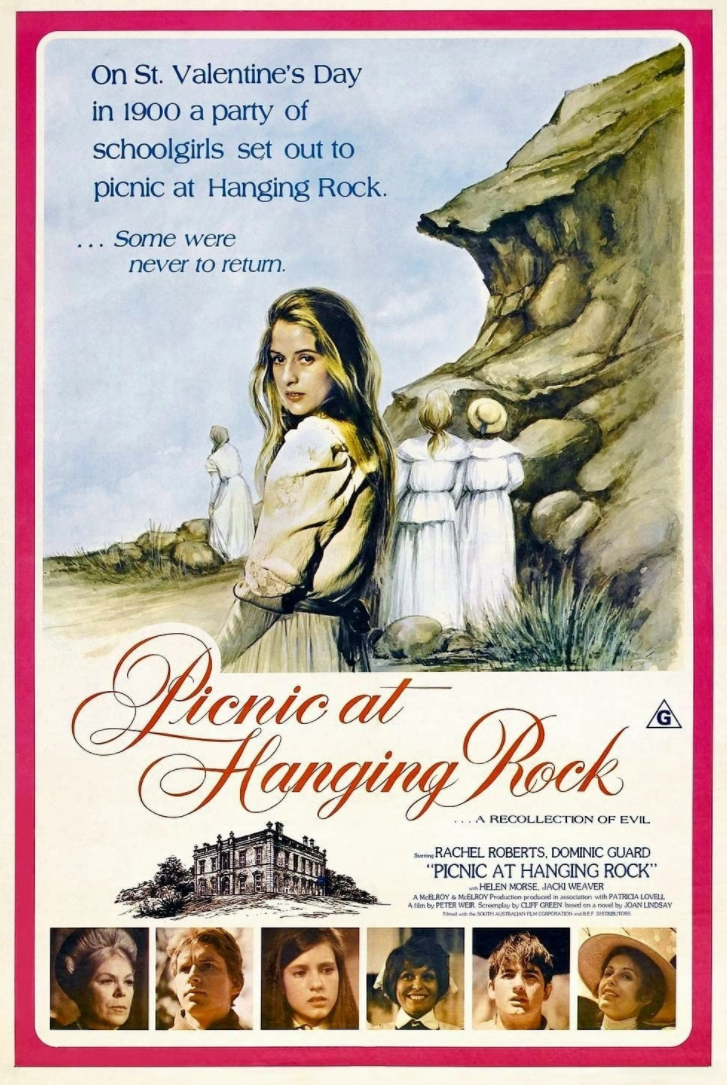
Picnic at Hanging Rock (1975)

Picnic at Hanging Rock (1975)

“Don’t worry about us, mademoiselle – we shall only be gone a little while.”

Synopsis:
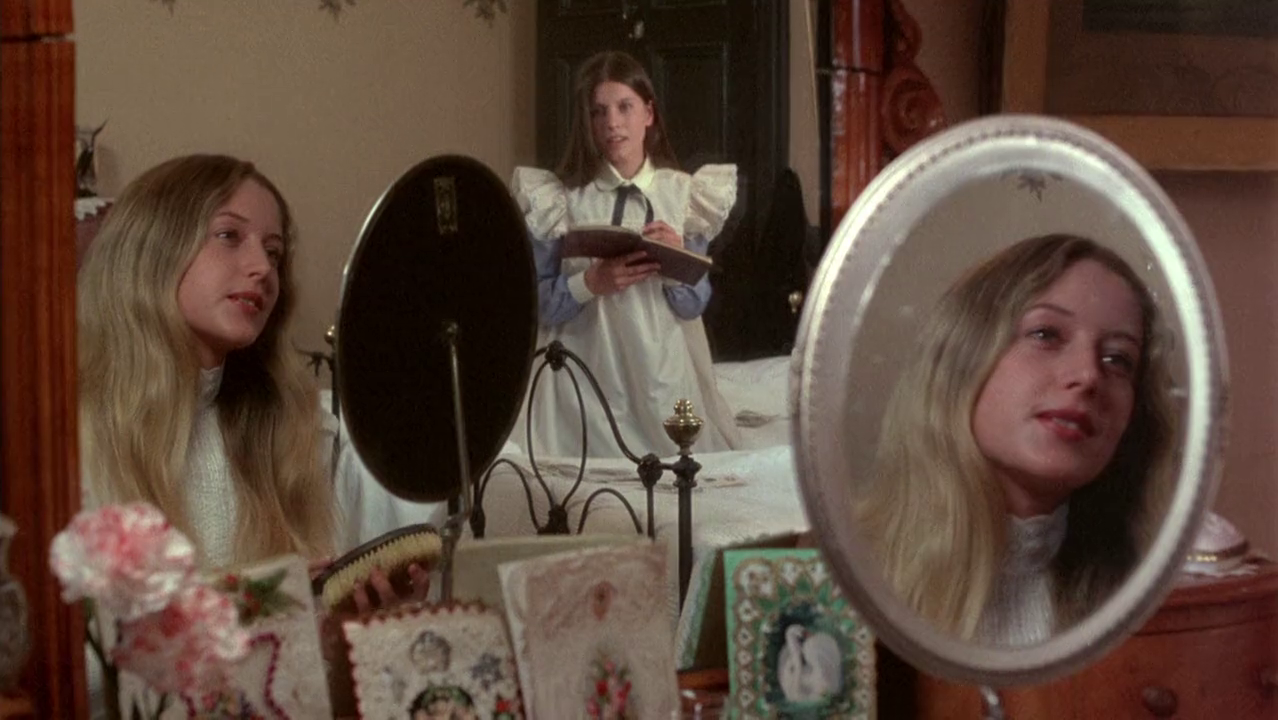
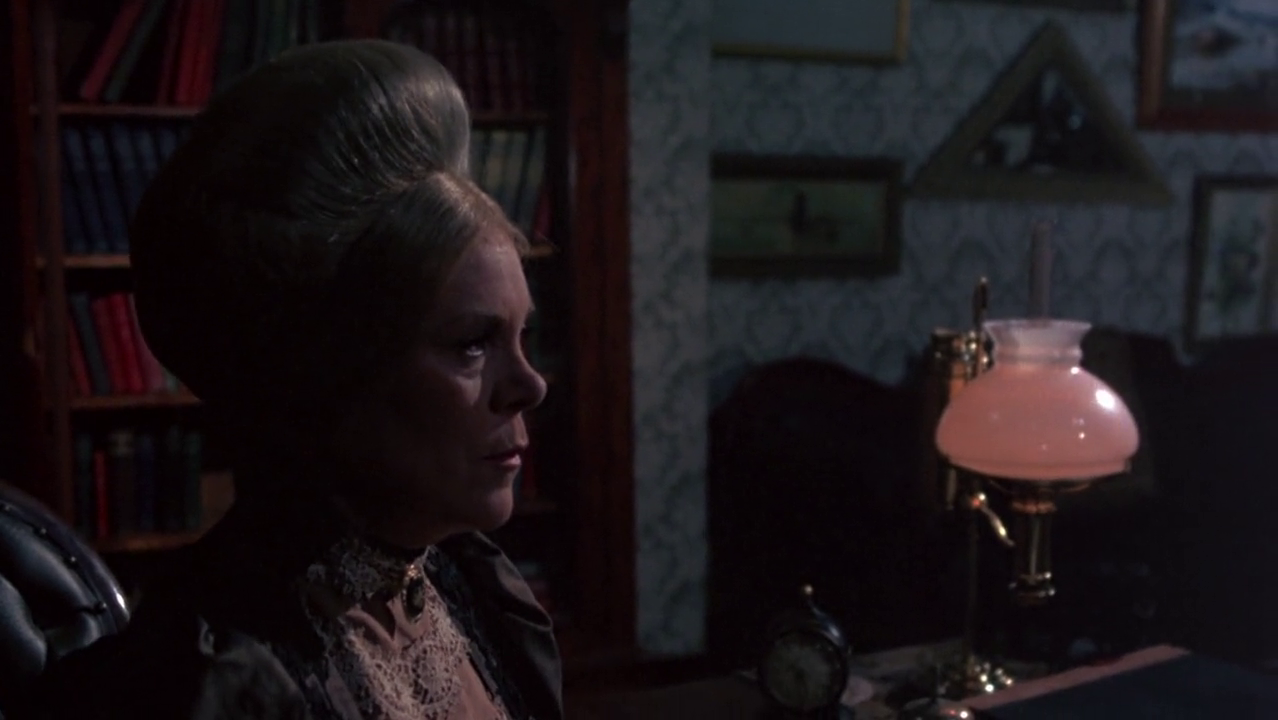
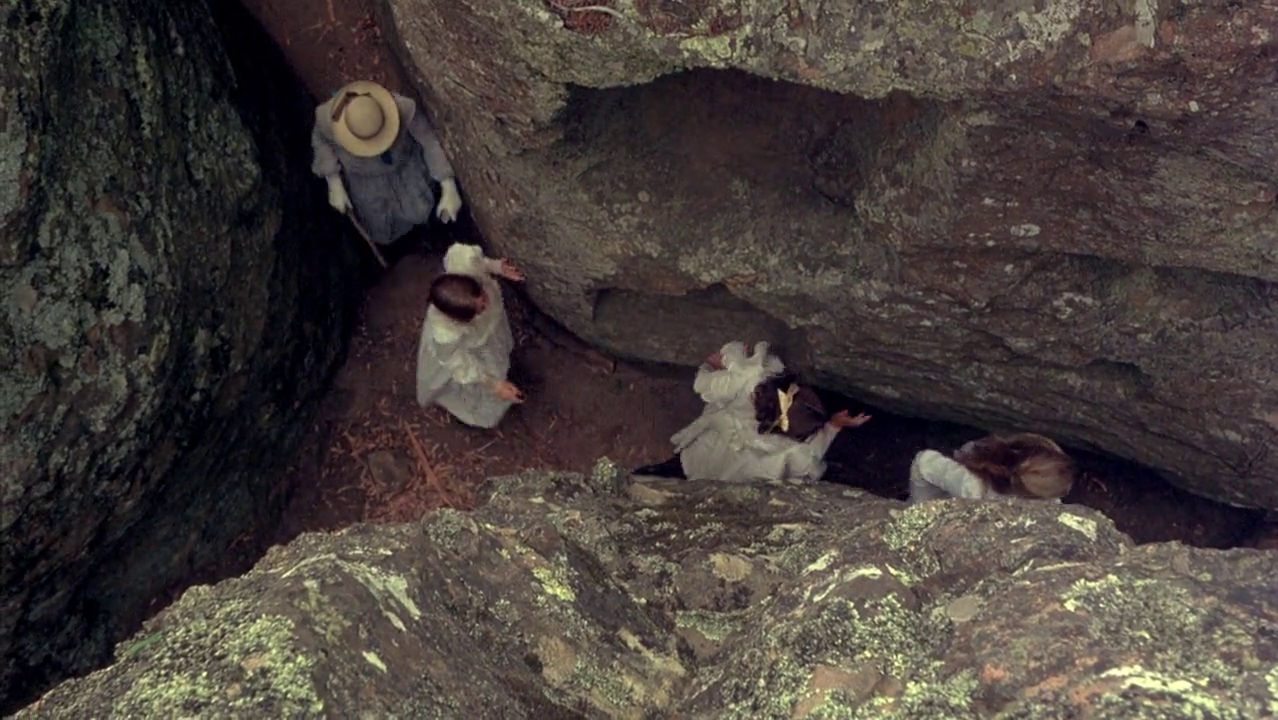
While on a picnic at Hanging Rock, a group of four boarding school teens — Miranda (Anne Lambert), Irma (Karen Robson), Marion (Jane Vallis), and Edith (Christine Schuler) — are given permission by their French instructor (Helen Morse) to explore a little higher. Edith eventually comes back screaming hysterically, and their math instructor (Vivean Gray) heads up to investigate but is soon declared lost along with the three missing girls. A British boy (Dominic Guard) who witnessed the girls set out on their exploration is determined to help find them, and enlists the help of his servant (John Jarratt) in returning to the formation. Meanwhile, back at the boarding school, the strict headmistress (Rachael Ray) is panicked by the ramifications of this scandalous event, and takes out her wrath on an orphan (Margaret Nelson) whose financial accounts are in arrears. Will the missing girls eventually be found — and if so, will we learn what happened to them?

Genres, Themes, Actors, and Directors:

  • Australian Films
  • Boarding Schools
  • Mysterious Disappearances
  • Peter Weir Films
  • Psychological Horror
  • Teenagers

Response to Peary’s Review:
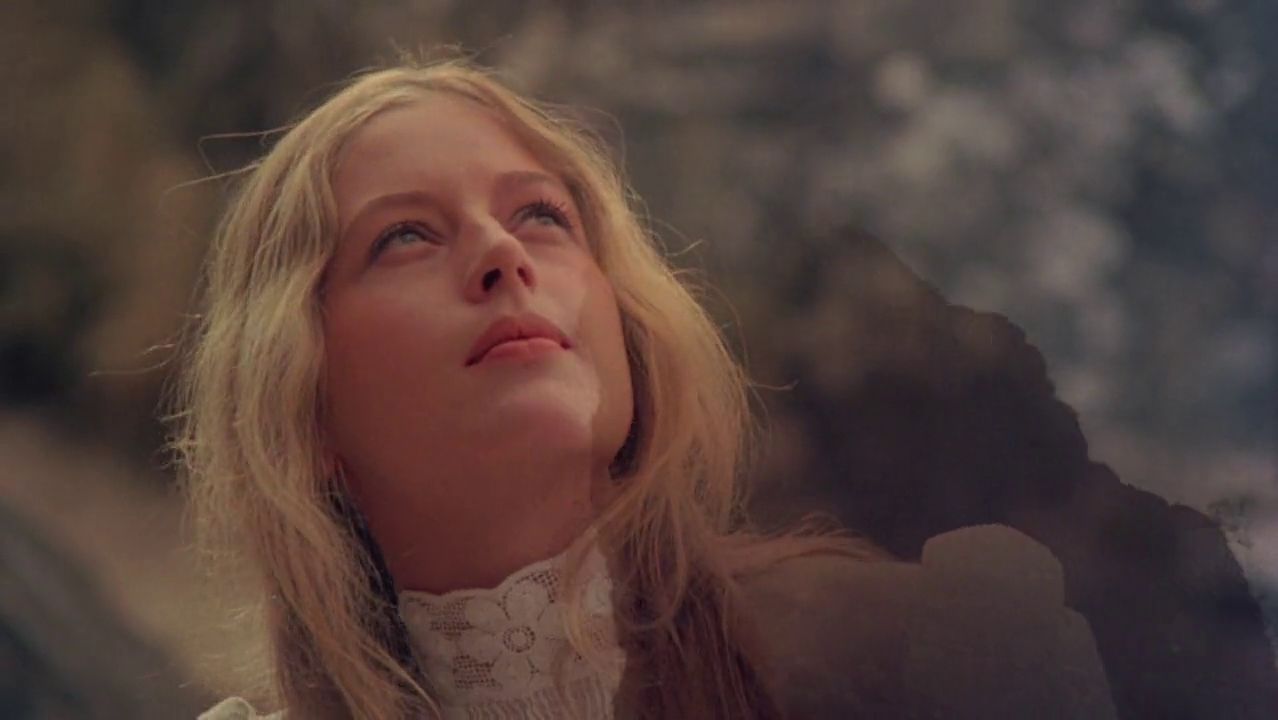
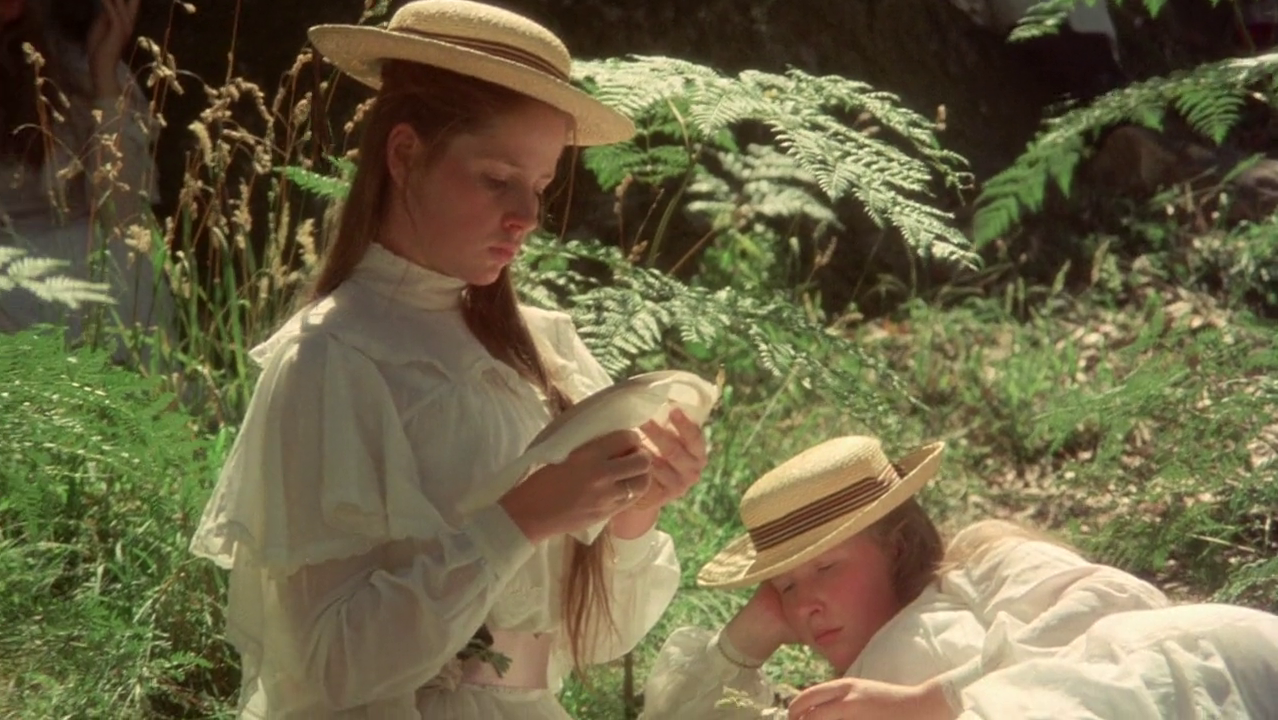
Peary points out that this “enigmatic cult film” — adapted by Peter Weir from a “1967 novel by Joan Lindsay, Australia’s first female novelist from a well-known and esteemed aristocratic family” — is “fiction passing as fact about the inexplicable disappearance of three young ladies and an instructor from Appleyard College as they explored Hanging Rock — a formidable, 500-foot high, million-year-old, uncharted volcanic formation — during a St. Valentine’s Day picnic in 1900.” He argues that “the first part of the film is absolutely spell-binding — no picture has more sinister atmosphere”; but he asserts that “compared to what happens on the Rock — a great, haunting, imaginatively photographed scene — everything that comes afterward is anticlimactic,” especially given that “horror movies with sadistic headmistresses are a dime a dozen.” He points out that while “Weir is faithful to Lindsay,” “on the whole this film is less satisfying because we miss the first-person perspective of former Victorian boarding-school survivor Lindsay.” However, he notes that the picture is “beautifully photographed by Russell Boyd, who put dyed (orange-yellow) wedding veils over his lens to capture the feel of Lindsay’s outdoor scenes, to capture a ‘lost summer’ feeling.”

Peary’s GFTFF review is excerpted directly from his much longer Cult Movies 2 article, where he goes into extensive detail about his thoughts on this unusual story’s translation from novel to film. First, he firmly reminds us that Lindsay’s tale was NOT based on any kind of an actual historical event, thus leaving interpretation of “what happened” up to a much wider array of possibilities (including primeval and/or super-natural ones) — though he ultimately argues that “no theory… totally works.” Next he offers his thoughts on the many ways in which he finds the film less satisfying than the novel (including how a late-in-the-film death is handled). Finally, he offers his own take on what the various events and characters represent — most specifically Miranda, who he refers to as “not of this world” and “not a human being”. He writes:

She is a flower to Sara. She is a swan to Michael [Guard]. A sex object to Albert [Jarratt]. A love object to the rest of the girls. A vision, a dream to herself. An ideal (a goddess) to Mrs. Appleyard [Roberts]. A (Botticelli) angel to Mlle. de Poitiers [Morse]. To us she is the embodiment of sexual desire stifled.

Indeed, it’s impossible not to pick up on strong hints that “it was Miranda’s mission to deliver sexually repressed girls, and even virginal Greta McGraw [Gray], into a world of sexual freedom, far away from adults like Mrs. Appleyard and the uncaring parents who would entrust them to such a witch.” Regardless of what “really happened,” one’s enjoyment of this film will depend on how much you’re willing to accepts its puzzle-like nature, and be swept up in its mood rather than searching for literal answers to its many mysteries.

Redeeming Qualities and Moments:

  • Russell Boyd’s stunning cinematography


  • Fine period detail

  • Many haunting and memorable moments


  • Bruce Smeaton’s distinctive score

Must See?
Yes, both as an enigmatic classic and for its historical relevance in Australian cinema.

Categories

  • Genuine Classic
  • Historically Relevant

(Listed in 1001 Movies You Must See Before You Die)

Links:

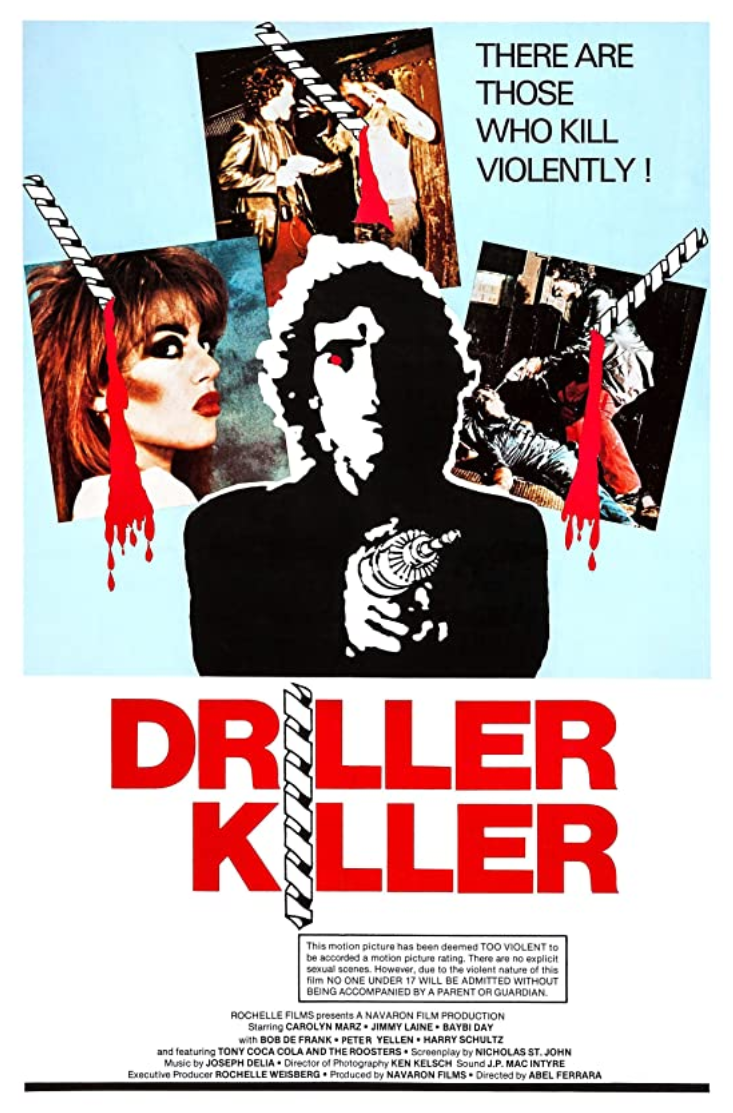
Driller Killer, The (1979)

Driller Killer, The (1979)

“What’s happening to you?”

Synopsis:
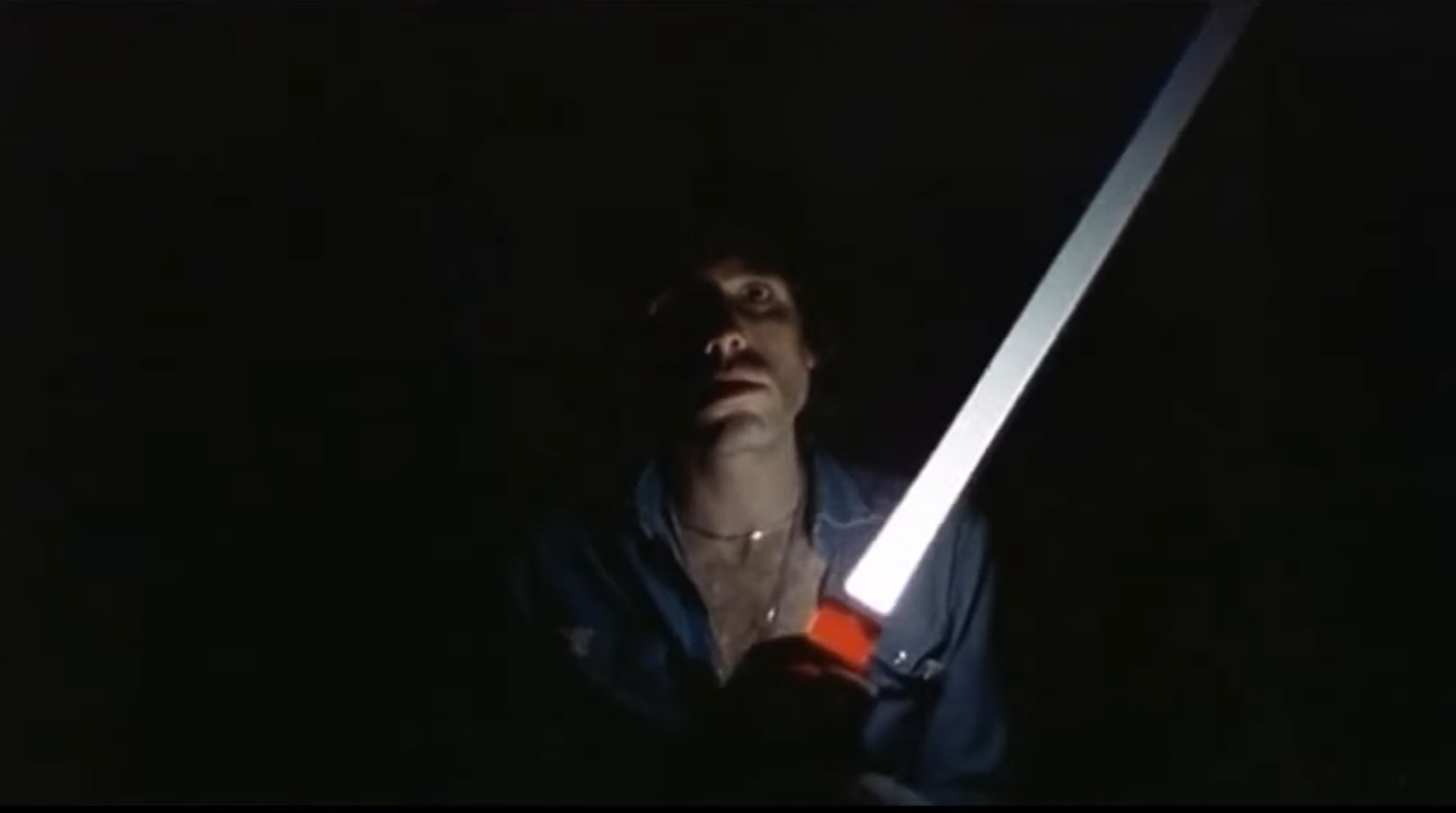
A painter (Abel Ferrara) living in New York with his “sensible” girlfriend (Carolyn Marz) and her “spacy” lover (Baybi Day) becomes increasingly unhinged as he struggles to pay his bills, and a rock band rehearses incessantly above his apartment. Soon he is taking his fury out on random male victims across the city, using a power drill as his weapon of choice.

Genres, Themes, Actors, and Directors:

  • Artists
  • Mental Breakdown
  • Revenge
  • Serial Killers

Response to Peary’s Review:
Peary writes that this “sleazy cult film was the first venture of independent New York director Abel Ferrara,” who — under the stage name ‘Jimmy Lane’ — “plays a struggling artist” who “paints obsessively and begins to lose his senses” and eventually “has a complete breakdown”. Peary notes that this “grisly film is not your typical slice-and-dice splatter fare”, given it’s “not about a man stalking scantily clad females” (the “artist’s victims are all men”) — but while Peary asserts he believes “Ferrara is making some point about the artist feeling hatred toward men because he fears he is a homosexual himself,” I disagree with that interpretation; Ferrara’s victims are almost all down-on-their-luck vagrants who perhaps represent Ferrara’s fears of his own fate if he isn’t able to survive as an artist — a point highlighted when his finally-finished “masterpiece” is scorned by his agent (guess what happens to him?). Peary writes that Ferrara “scores with a lot of weird touches and humor”, but the “storyline is hard to follow and the violence is unnecessarily graphic”; indeed, this creatively filmed but self-indulgent flick can easily be skipped.

Redeeming Qualities and Moments:

  • Good use of location shooting in New York City
  • Atmospheric cinematography

Must See?
Nope; you can most certainly skip this one unless you happen to be interested in Ferrara’s output.

Links:

Barefoot Contessa, The (1954)

Barefoot Contessa, The (1954)

“Life every now and then behaves as if it has seen too many bad movies.”

Synopsis:
While at her funeral in Italy, a movie director (Humphrey Bogart), a press agent (Edmond O’Brien), and a count (Rossano Brazi) recall the mysterious life and motivations of a beautiful Spanish woman (Ava Gardner) who became an internationally beloved superstar.

Genres, Themes, Actors, and Directors:

  • Actors and Actresses
  • Aspiring Stars
  • Ava Gardner Films
  • Edmond O’Brien Films
  • Flashback Films
  • Hollywood
  • Humphrey Bogart Films
  • Joseph L. Mankiewicz Films

Review:
Joseph L. Mankiewicz wrote and directed this beautifully photographed (by Jack Cardiff) but narratively stilted homage to a gorgeous movie star with inscrutable tastes and motivations.

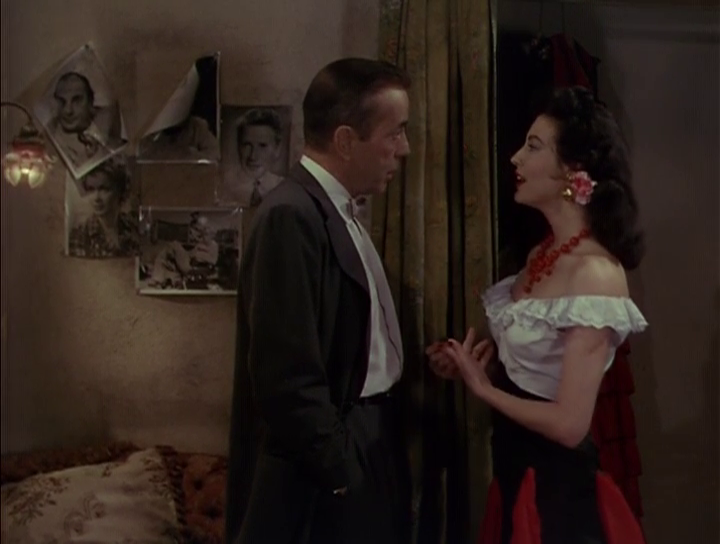
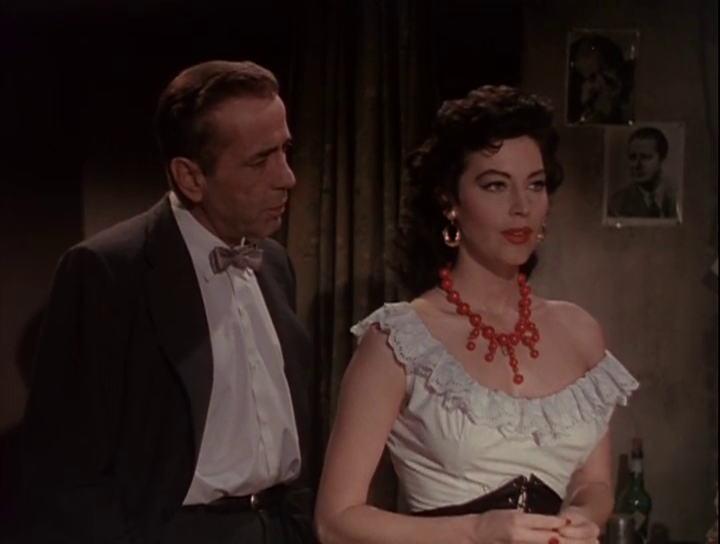
Gardner — who struggles to maintain a semblance of a Spanish accent — is a woman who easily resists the lure of money and fame, as presented in the opening sequence by a caddish first-time producer (Warren Stevens) who wrongly assumes Gardner will accept his offer to become Hollywood’s next great discovery:

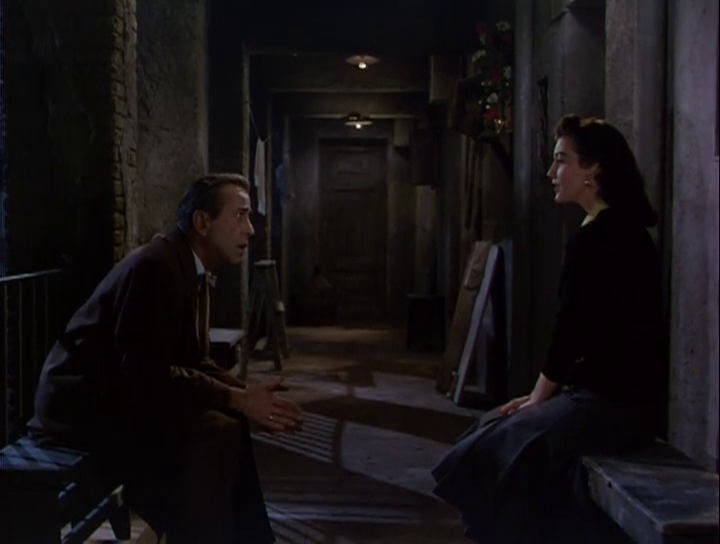
Instead, Gardner is drawn to the honest friendship of Bogart (whose voiceover perspective opens the film), a jaded but happily married director who is willing to mentor Gardner and help her learn to act.

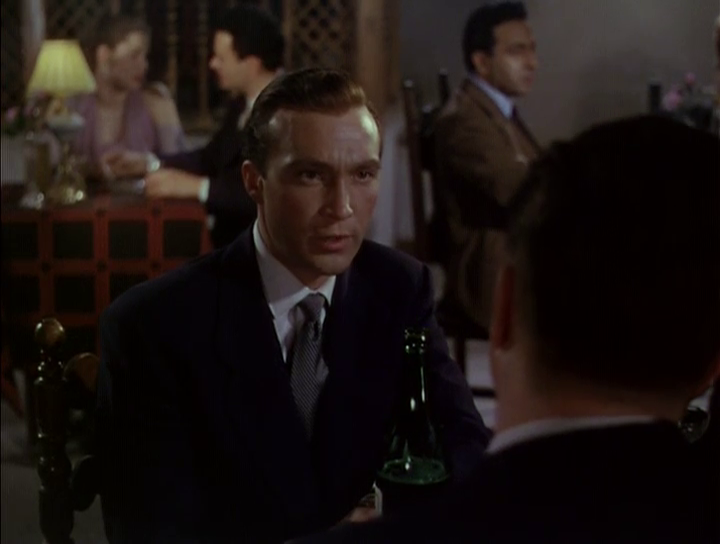
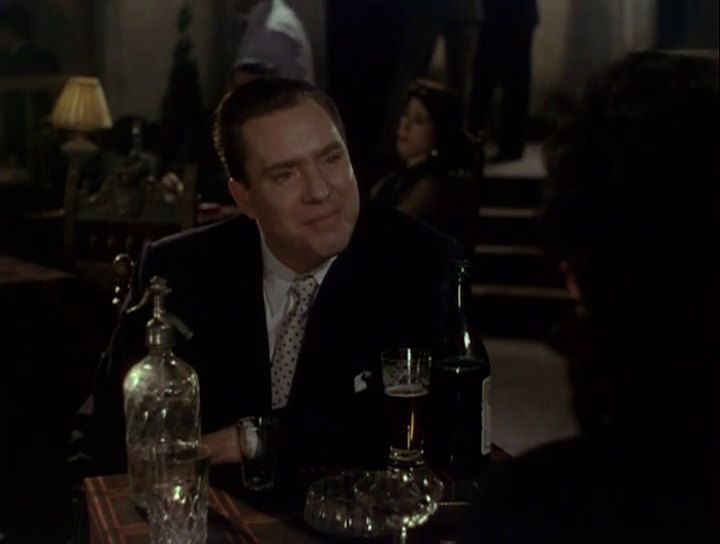
Edmond O’Brien won an Oscar for his brief work as an enthusiastic promoter:

but his role is minimal, despite taking on voiceover duties for awhile in the middle of the flashback-filled screenplay.

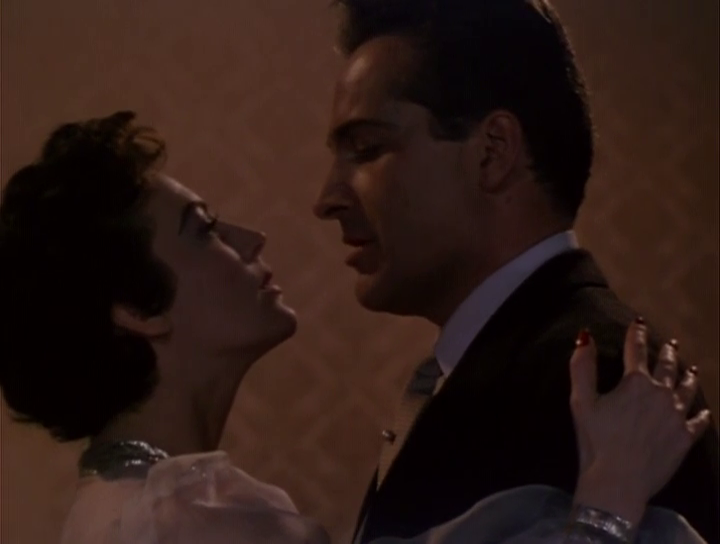
Finally, Gardner’s widowed husband (Brazi) tells his perspective as the first man Gardner falls for and is willing to marry, not knowing he holds dark secrets that will doom her to unhappiness yet again. During this portion of the episodic film, Valentina Cortese — so effective in Jules Dassin’s Thieves Highway (1949) — plays a thankless, underwritten role as Brazi’s concerned sister.

Since we know from the get-go how this tragic tale ends, there’s ultimately little to do but enjoy Jack Cardiff’s predictably beautiful cinematography.

Redeeming Qualities and Moments:

  • Gorgeous cinematography


Must See?
No; you can skip this one unless you’re a diehard Gardner fan.

(Listed in 1001 Movies You Must See Before You Die)

Links: