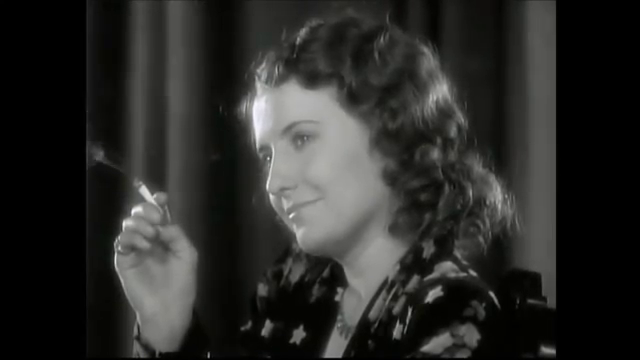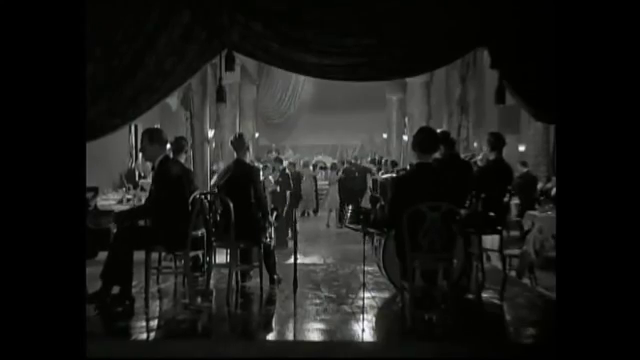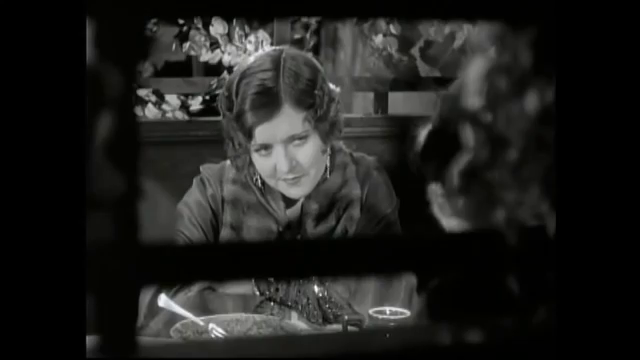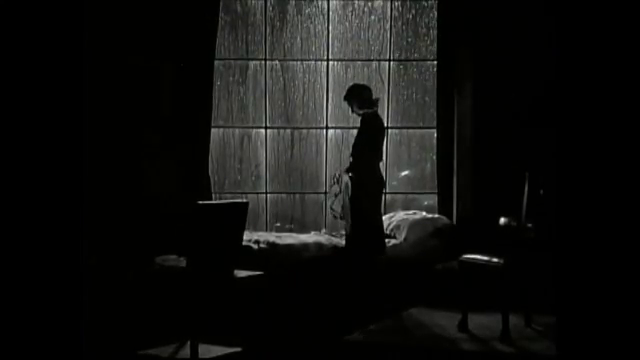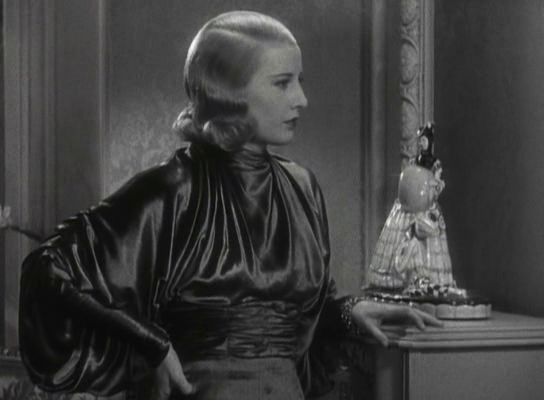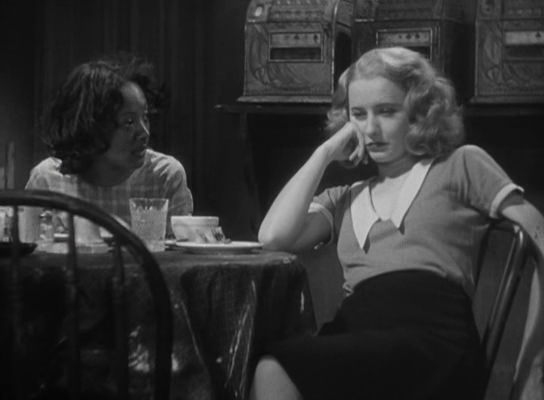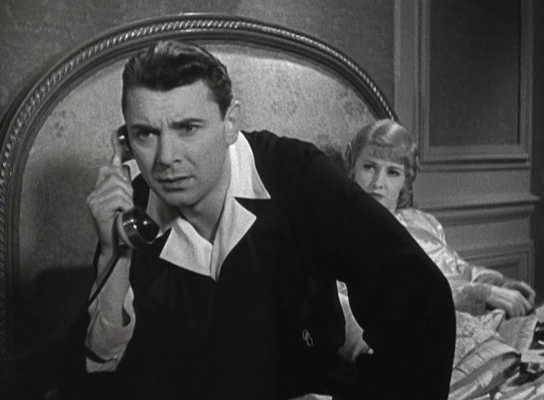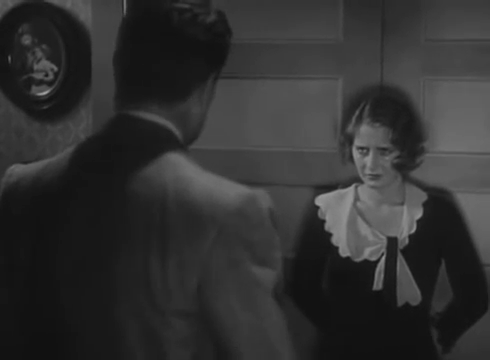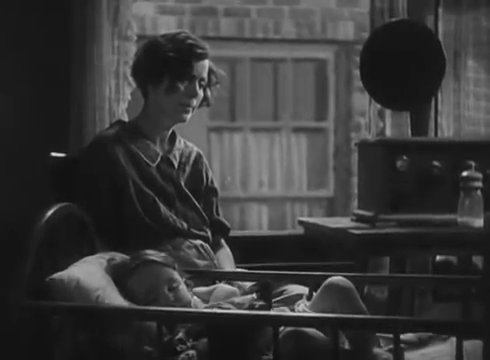
Ladies of Leisure (1930)
“What am I — a statue or a hunk of furniture?”
[Note: The following review is of a non-Guide for the Film Fanatic title; click here to read more.]
“What’s going to become of you? It’s up to you to decide.”
|
Synopsis: |
|
Genres, Themes, Actors, and Directors:
Review: Note: A fully restored version of Baby Face was uncovered in a Library of Congress film vault in Dayton, Ohio in 2004; click here to read more about the differences between the two releases. Redeeming Qualities and Moments:
Must See? Categories
Links: |
“When you can’t see the world, you invent one of your own.”
|
Synopsis: |
|
Genres, Themes, Actors, and Directors:
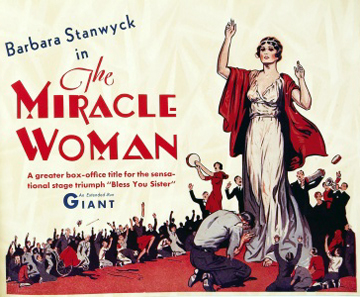
Review: Note: I was surprised to learn that the disappointing Pre-Code screenplay for The Miracle Woman was written by Jo Swerling, responsible for several Hollywood gems — including Lifeboat (1944) and It’s a Wonderful Life (1946). Redeeming Qualities and Moments: Must See? Links: |
“This is a test of strength between two men and a crate of wetheads.”
|
Synopsis: |
|
Genres, Themes, Actors, and Directors:
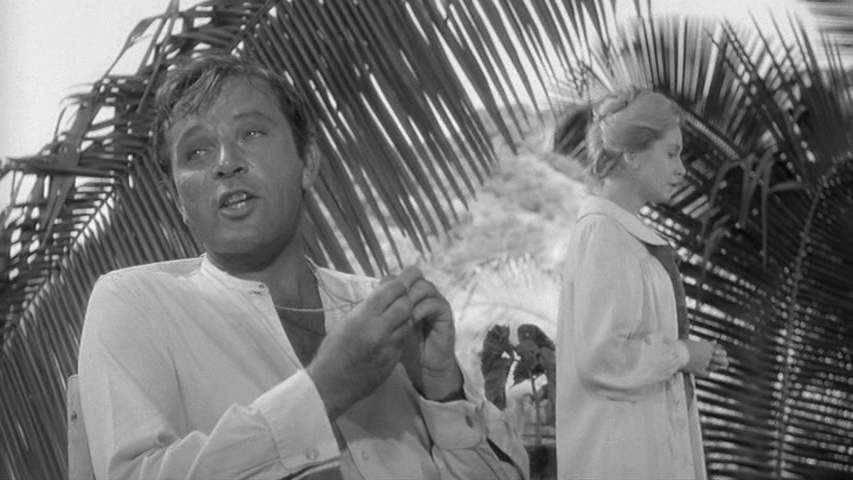
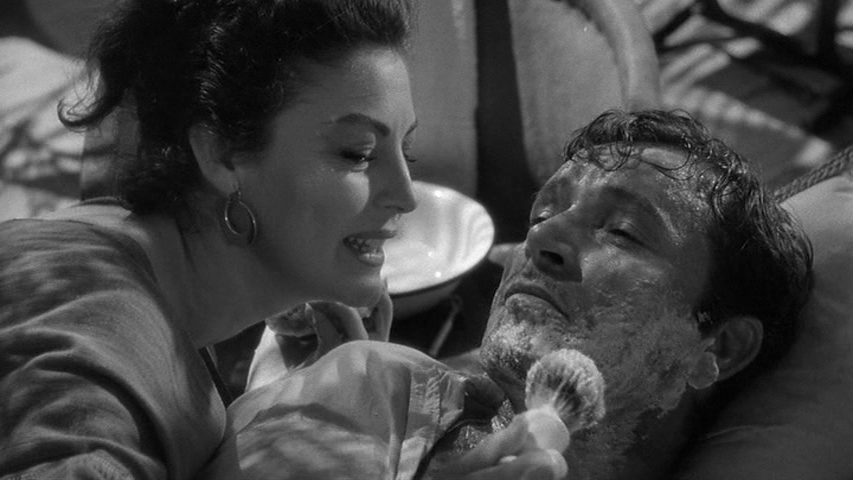
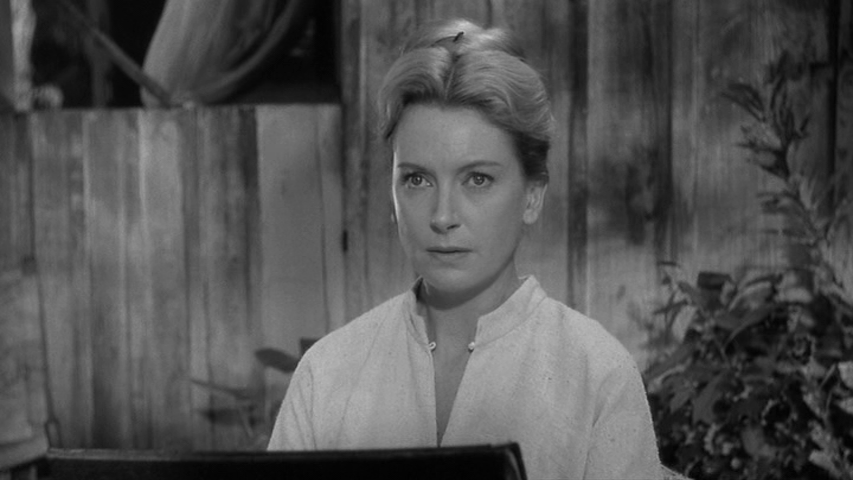
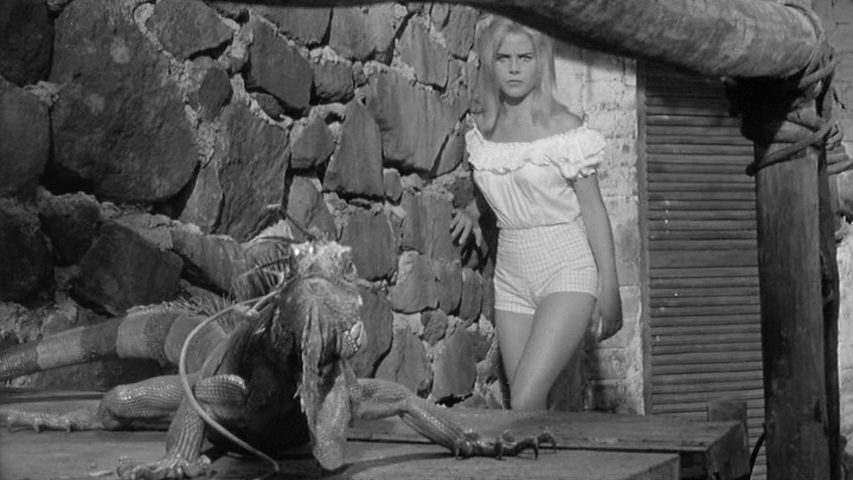
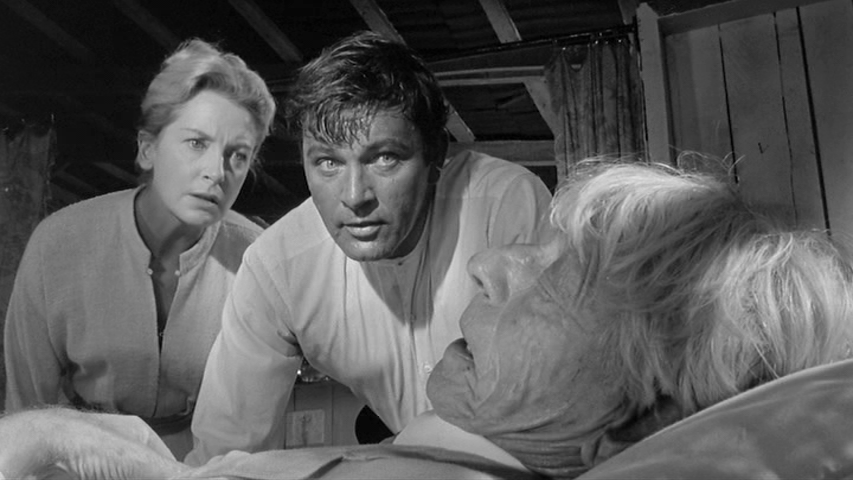
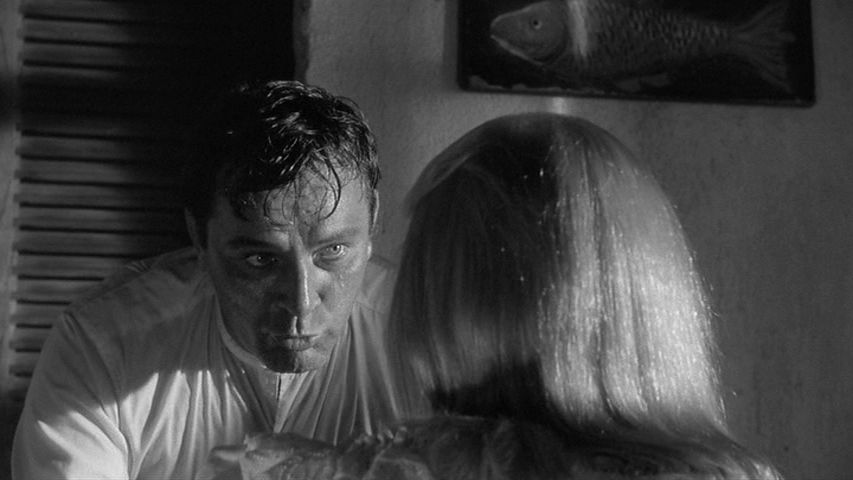
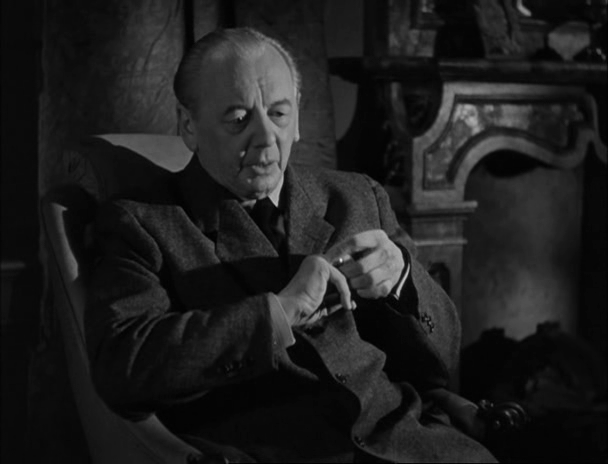
Review: Night of the Iguana is essentially a character study, following the existential crisis of a man whose family legacy of both spiritual leadership and irresistible “appetites” continues to haunt him. While fending off lust for a nubile young blonde (Lyons) — whose reciprocal interest verges on either harassment or devilish “intervention” — he finds himself dogged by Hall, who functions as a potent reminder of the sanctimonious judgment he’s tried unsuccessfully to run away from. He relies on the steady friendship of earthy Maxine (Gardner) to ground him, literally alighting on her property as a source of refuge, then embarks on a continued quest-for-solace once ethereal yet pragmatic Hannah Jelkes (Kerr) arrives with her elderly father. Gardner and Kerr represent more than merely a traditional “love triangle” in this film: they offer alternative approaches to life, allowing Burton to envision a way out of the quagmire of lustful escapism he’s been plagued by his entire existence. While the storyline itself merits nearly endless discussion and debate (that Williams sure could spin a meaty yarn!), Night of the Iguana works remarkably well as a cinematic venture as well. As usual, Huston’s directorial hand is not only steady but incisive, framing characters and situations with a precision aimed at not-so-subtly influencing our perspective. Gabriel Figueroa’s black-and-white cinematography is crisp and gorgeous, and the location sets are inspired. Meanwhile, performances across the board are top-notch — from Burton’s tour-de-force lead to the various female roles (not just Hall, but Kerr and Gardner as well). This classic “morality tale” is one all film fanatics should see at least once, and will likely enjoy returning to. Redeeming Qualities and Moments:
Must See? Categories
Links: |
“No one was here without a purpose.”
|
Synopsis: |
|
Genres, Themes, Actors, and Directors:
Review: Note: Listen for the best response in the film (I won’t give away context or spoilers): “I think you’ve got that now.” Redeeming Qualities and Moments:
Must See? Categories
Links: |
“On Mars, you’ve gotta face the reality of being alone forever!”
|
Synopsis: |
|
Genres, Themes, Actors, and Directors:
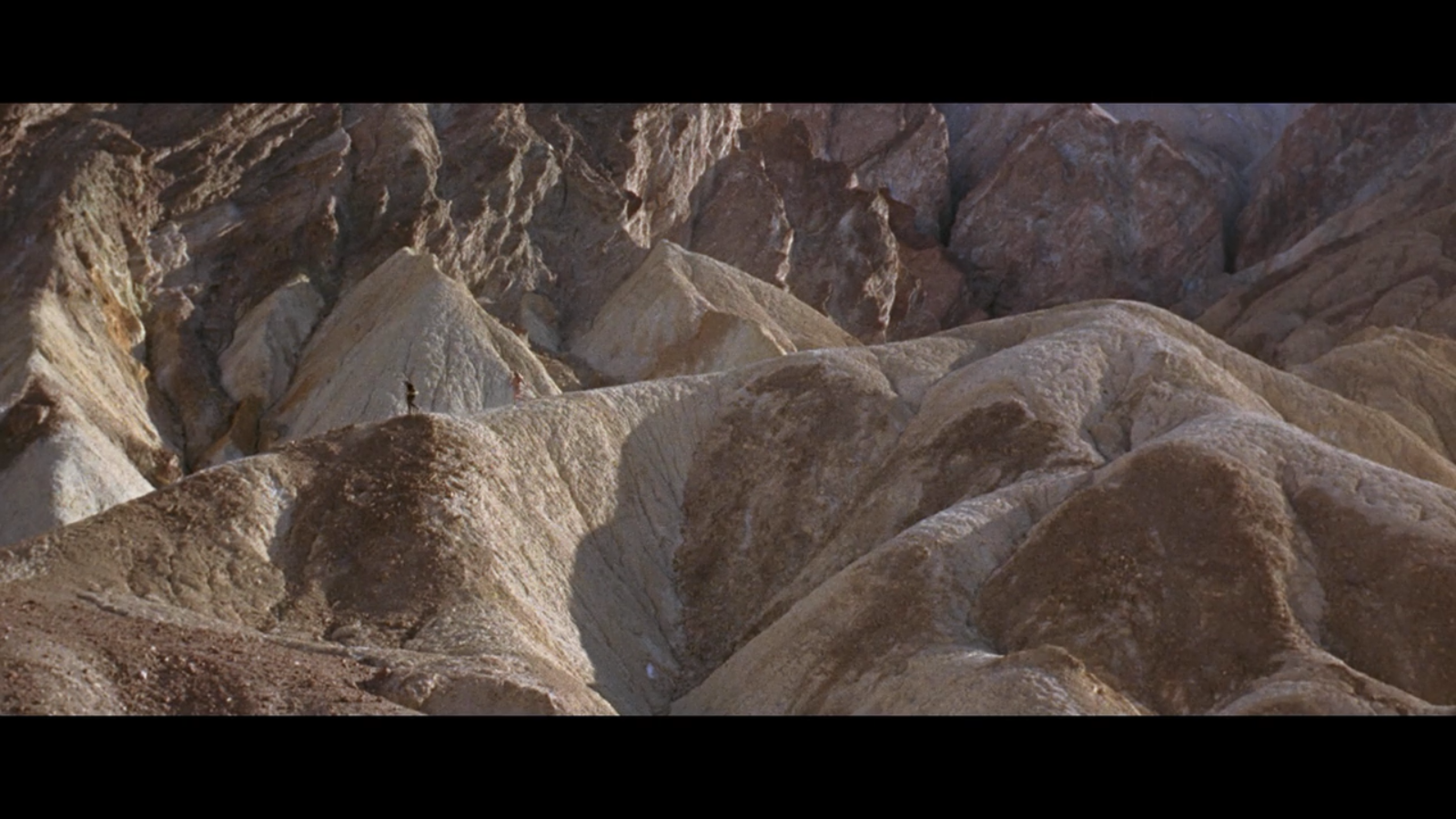
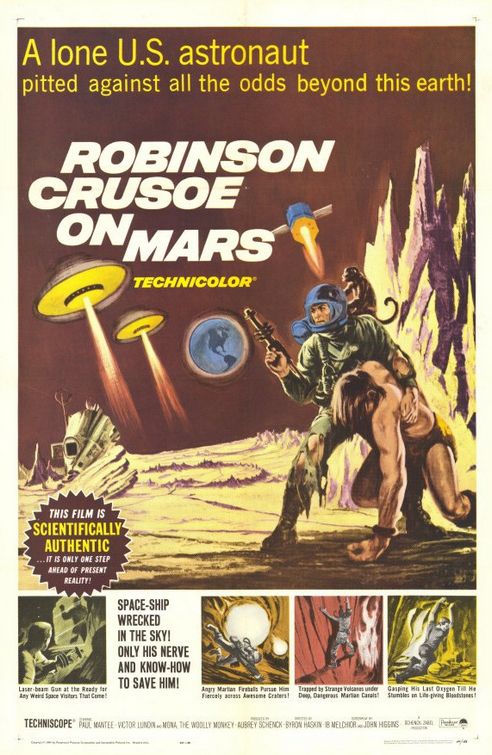
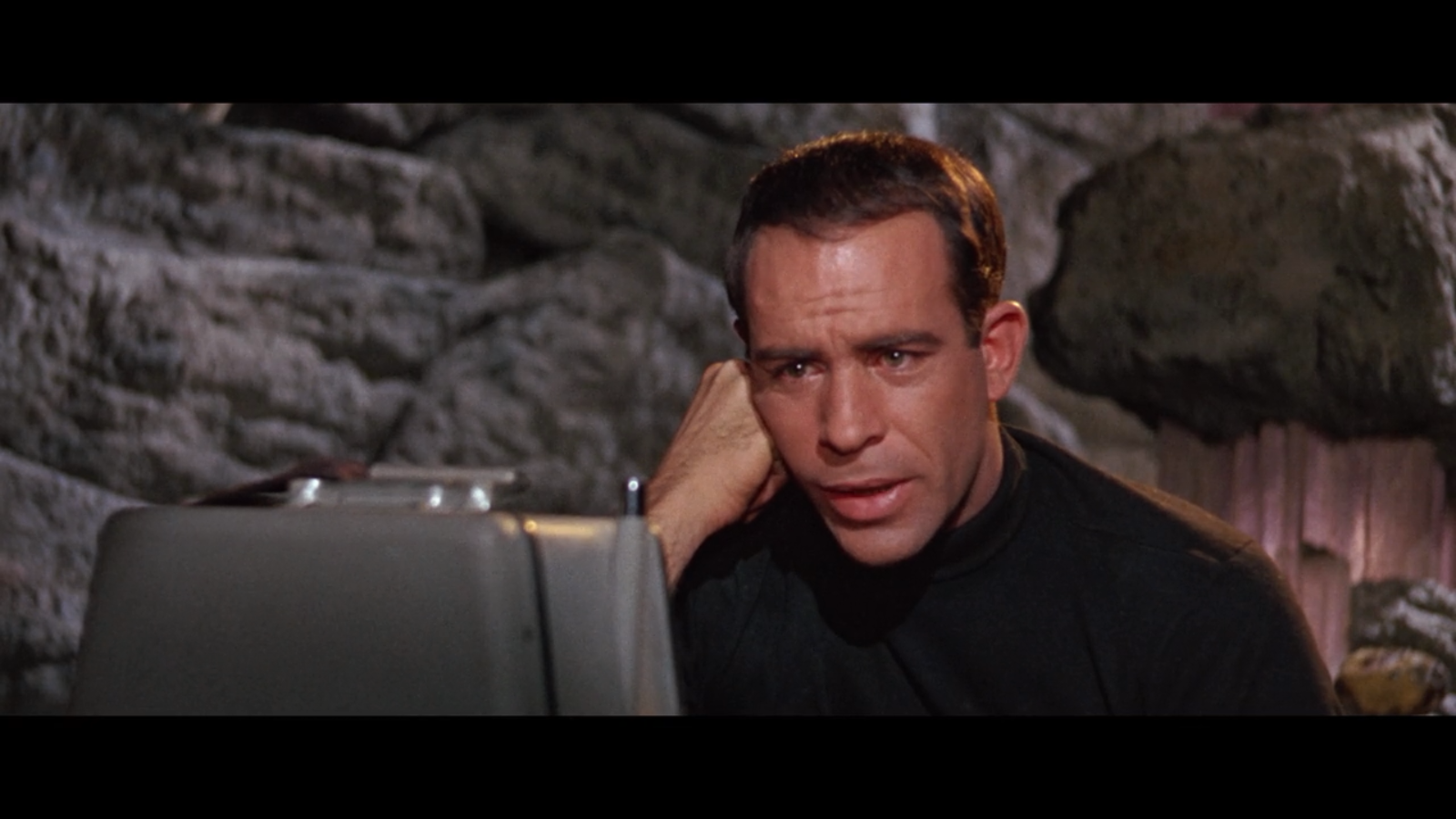
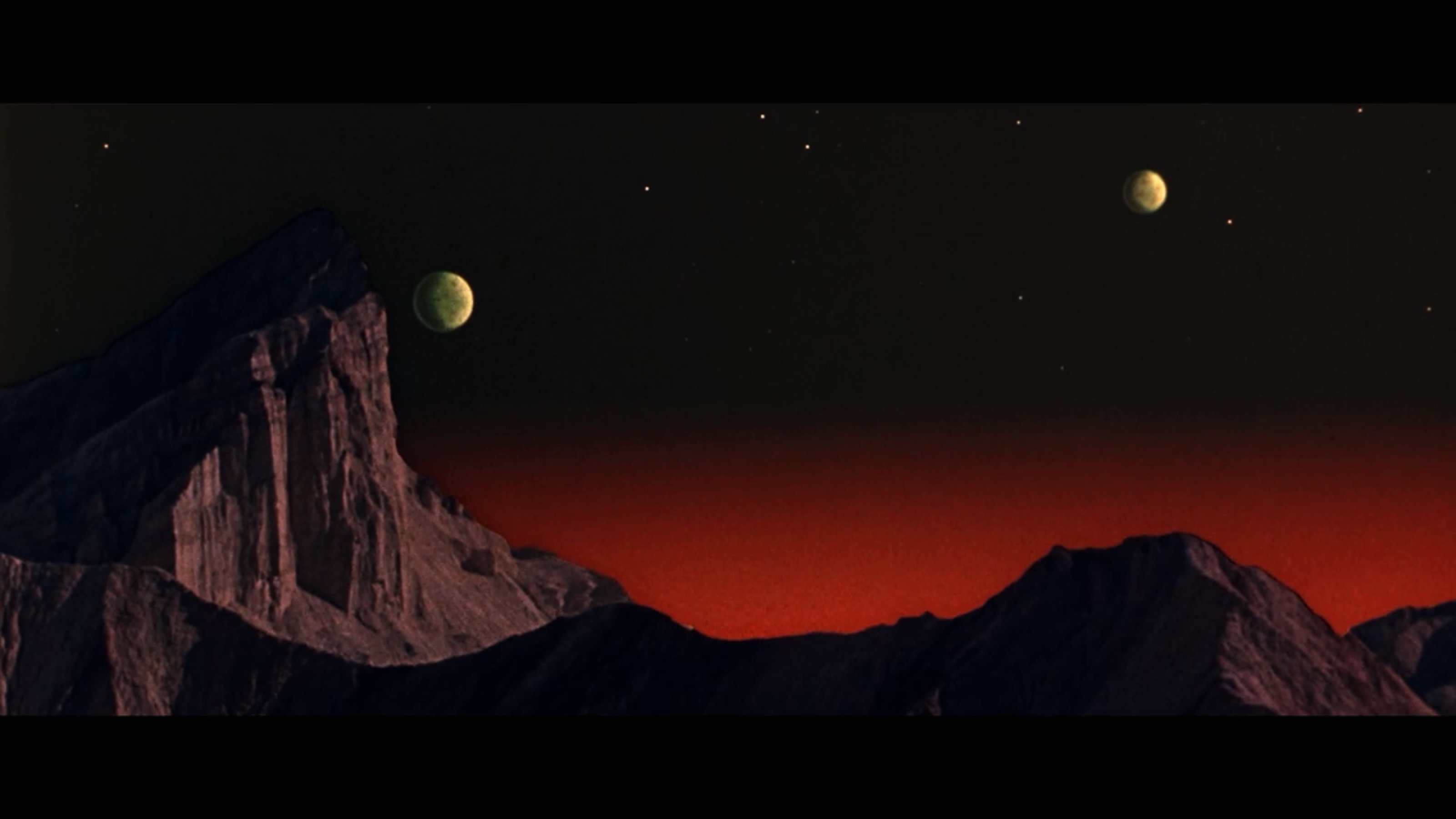
Review: Once “Friday” (Lunden) arrives on the scene, however, things quickly go downhill — both because we see sides of Mantee’s personality we’d rather not be privy to (he refers to Lunden as both “retarded” and an “idiot” in the same breath), and because the overall credibility of the storyline is suddenly strained. It’s somehow easier to imagine a lone astronaut stranded on Mars with a monkey than to envision intergalactic miners with eerily Egyptian-looking slaves attacking the planet. Speaking of the planet, the special effects and sets are quite impressive (at least most of the time); a notable exception is the relentless cheesy intrusion of the invading space ships, apparently spliced in on repeat. Ultimately, this mixed bag adventure tale will probably be of interest to film fanatics simply given its intriguing title, but it isn’t must-see for all viewers. Note: Other Haskin-directed titles in Peary’s GFTFF include Treasure Island (1950), War of the Worlds (1953), Conquest of Space (1955), and From the Earth to the Moon (1958). Redeeming Qualities and Moments: Must See? Links: |
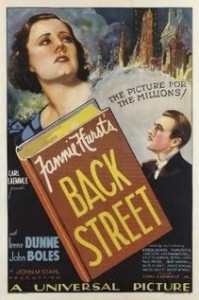
“There isn’t one woman in a million who’s found happiness in the back street of any man’s life.”
|
Synopsis: |
|
Genres, Themes, Actors, and Directors:
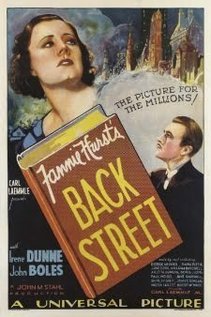
Review: From the moment she accidentally reconnects with Boles, however, things go swiftly downhill. Proving Blaise Pascal’s dictum that “the heart has its reasons which reason knows nothing of”, she allows herself to become a permanent “back street fixture” in Boles’ life. We’re tortured a few times by potential hope of happiness and relief for Dunne, but ultimately, Back Street remains a morality tale through-and-through: despite its pre-Code status, audiences are meant to understand that choosing life as a mistress is a compromised bargain with the Devil. Most infuriating of all is how scot-free Boles’ existence remains: he’s not portrayed as an entirely terrible fellow (he did try, after all, to see if he could manage to make Dunne his legitimate wife) — but hearing him complain childishly about how Dunne CAN’T leave him, how he NEEDS her desperately, makes one sigh with bitterness at the inequity of it all. With all that said, Dunne — beautiful, smart, and tragic — is so marvelous in the lead role that she makes this historical soaper worth sitting through once, no matter how uncomfortable the subject matter. Redeeming Qualities and Moments:
Must See? Categories
Links: |
[Note: The following review is of a non-Peary title; click here to read more.]
“Now you listen to me, you gutter rat! You or nobody else is gonna ruin that kid’s chances! No sir!”
|
Synopsis: |

|
Genres, Themes, Actors, and Directors:
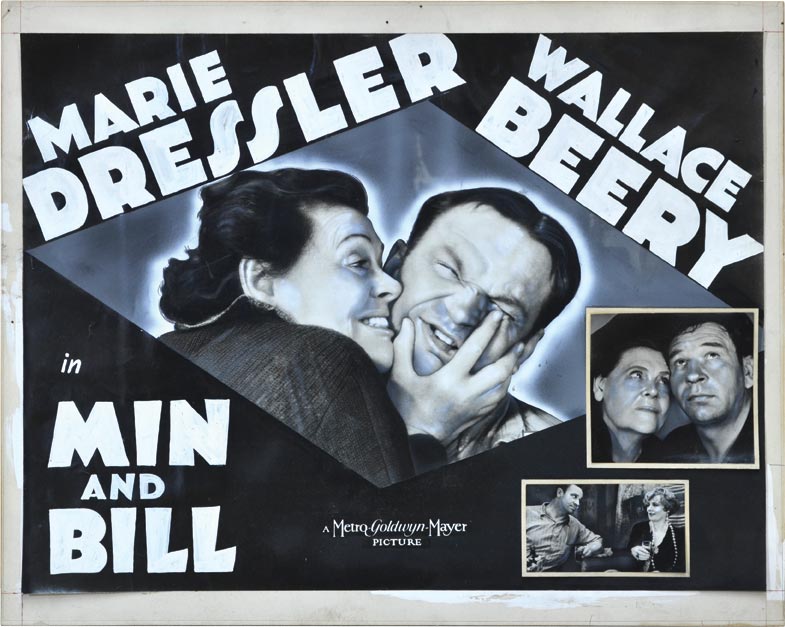
Review: Beery — “Bill” of the film’s title — doesn’t play much of a central role in the storyline, and was clearly included simply to capitalize on his and Dressler’s status at the time as top box-office attractions (!); their extremely rough-and-tumble fight with one another (when Dressler catches Beery fooling around with Rambeau) surely appealed to audience members (see the still of the original movie poster above for further evidence of this marketing slant). Rambeau’s role, meanwhile, is terribly written: she simply shows up one day in full harridan-mode, illogically demanding respect from her long-abandoned daughter. Yet despite the script’s flaws and cliches, it’s filled with plenty of enjoyably salty dialogue:
While it hasn’t held up well as entertainment for modern audiences, Min and Bill is worth a look for those interested in Dressler’s erstwhile popularity. Redeeming Qualities and Moments:
Must See? Links: |
“I’m not nutty; I’m just hooked on dolls!”
|
Synopsis: |
|
Genres, Themes, Actors, and Directors:
Review:
But other scenes and interactions are worthy of chuckles as well — including Tate watching her “art film”, Lee Grant muttering about heating up a lasagna after arguing with her brother (Scotti), and Hayward channeling Judy Garland as she sings “I’ll Plant My Own Tree” while a colorful, Calder-esque mobile spins around her, periodically shading her face. Ultimately, your enjoyment of this one will be predicated entirely upon how much you appreciate such campy fare — but all film fanatics should check it out once, for its infamy. Redeeming Qualities and Moments: Must See? Categories
Links: |
“The son is the acorn — you gotta look at the tree.”
|
Synopsis: |
|
Genres, Themes, Actors, and Directors:
Review: Note: This film was remade in 2003 by Albert Brooks, though it’s widely acknowledged as the lesser of the two versions. Redeeming Qualities and Moments:
Must See? Categories
Links: |