Magic Garden of Stanley Sweetheart, The (1970)

Magic Garden of Stanley Sweetheart, The (1970)

“First of all, I don’t know what I want to do; and second of all, I keep changing my mind!”

Synopsis:
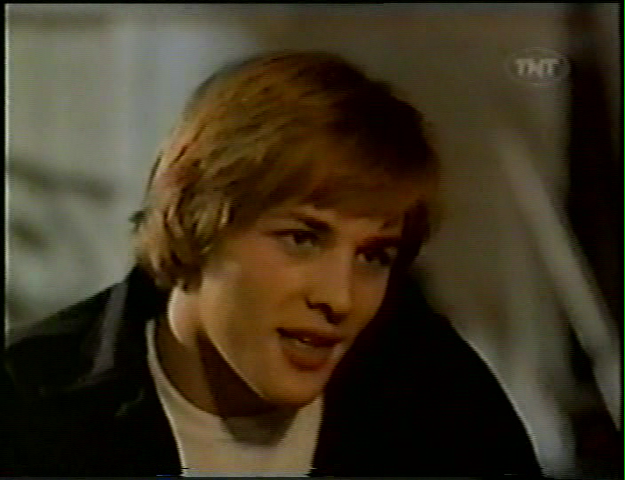
College student Stanley Sweetheart (Don Johnson) explores sex, drugs, and underground filmmaking in New York.

Genres, Themes, Actors, and Directors:

  • College
  • Counterculture
  • New York City
  • Sexuality

Review:
Based on Robert T. Westbrook’s semi-autobiographical novel, this counterculture curio is primarily notable for featuring Don Johnson in his screen debut. While Stanley’s not exactly sympathetic (like many 20-something males, he’s both self-absorbed and sex-obsessed), his attempt to keep his two disparate lives — one sex-and-drug filled, the other monogamous — separate from each other is unique and somehow believable. Johnson is a charismatic cutie, and folk singer Holly Near as Stanley’s pudgy yet sexually confident conquest is enjoyable as well. With that said, the screenplay (which clings faithfully to its source material) often feels like simply a filmed version of a more introspective narrative, with the resolution (a key character suddenly dies) coming out of nowhere; because we can’t see into the “magic garden” of Stanley’s mind, we don’t understand the true significance of this event in his life. Ultimately, Stanley Sweetheart remains a flawed and dated film, but is worth a look if you stumble upon it; my dark-hued copy was taped off of TNT years ago.

Redeeming Qualities and Moments:

  • Don Johnson in his screen debut as Stanley Sweetheart
  • Michael Greer as “Cherry”
  • Holly Near as redheaded Fran

Must See?
No, but it’s recommended, and a must for any Don Johnson fans.

Links:

Secret Ceremony (1968)

Secret Ceremony (1968)

“Dear God, by whose mercy I am shielded for a few hours, let no one snatch me from this heaven.”

Synopsis:
When a disturbed young woman (Mia Farrow) insists that a prostitute (Elizabeth Taylor) is her “missing” (dead) mother, Taylor takes advantage of the situation and moves into Farrow’s enormous house. Soon Leonora (Taylor) begins to feels protective of the childlike Cenci (Farrow) — but their domestic tranquility is threatened by the presence of two meddling aunts (Peggy Ashcroft and Pamela Brown) and Cenci’s incestuous stepfather (Robert Mitchum).

Genres, Themes, Actors, and Directors:

  • Elizabeth Taylor Films
  • Incest and Incestuous Undertones
  • Joseph Losey Films
  • Mia Farrow Films
  • Mistaken or Hidden Identities
  • Orphans
  • Robert Mitchum Films

Review:
This melodramatic thriller of mistaken identities, mental disturbance, and sexual deviance — based on a prize-winning short story by an Argentine civil servant — received reasonably positive reviews upon its release, but has since been criticized by most as either campy and/or “ill-conceived”. The truth, as usual, lies somewhere in between: while the convoluted narrative occasionally defies belief (and completely devolves by the end), it remains bizarrely compelling until then, thanks in large part to the brave performances given by both Farrow and Taylor. From her first appearance on-screen, Farrow — wearing a long, black wig and tights:

— is completely convincing as a 22-year-old with the mind of a child; but it’s Taylor who really cements the story: while her performance gets off to a bumpy start, we’re soon captivated by her increasingly nuanced portrayal as a self-sufficient prostitute who knows a good deal when she sees it, yet can’t help feeling genuine maternal concern for Cenci. Despite its flaws, Secret Ceremony offers enough provocative moments to make it worth checking out.

Redeeming Qualities and Moments:

  • Mia Farrow as Cenci
  • Elizabeth Taylor as Leonora
  • Peggy Ashcroft and Pamela Brown as Cenci’s thieving aunts

  • Effective use of mirrors as a visual device

Must See?
Yes, simply for its status as an unusual cult favorite. Listed as a Cult Movie in the back of Peary’s book.

Categories

  • Cult Movie

Links:

One Sings, the Other Doesn’t (1977)

One Sings, the Other Doesn’t (1977)

“From Apple to Suzanne, from Suzanne to Apple, this little postal traffic was a sign of a deep and rather inexplicable friendship.”

Synopsis:
A middle-class French teen (Valerie Mairesse) helps her older neighbor (Therese Liotard) secure money for a much-needed abortion, and a lifelong friendship ensues.

Genres, Themes, Actors, and Directors:

  • Feminism and Women’s Issues
  • French Films
  • Friendship

Review:
One Sings, the Other Doesn’t is Belgian director Agnes Varda‘s unabashed paean to female solidarity. As a narrative, it’s not all that successful: several plot devices (particularly the final one, involving Mairesse, her Iranian husband, and their baby) are clearly contrived, and Varda’s voice-over adds an unnecessary sense of solemnity to the proceedings. Making matters worse, Pomme (Mairesse) is not a very good singer, and the lyrics of her band’s ultra-feminist hymns (“I am woman, I am me”) come across as ultra-laughable today.

Yet the film on a whole is so goodhearted and idealistic that one hesitates to fault it (or Varda) very harshly; it’s best viewed as a quaint if dated fable of womanhood and grassroots feminism.

Redeeming Qualities and Moments:

  • Therese Liotard as Suzanne
  • Valerie Mairesse as Pomme
  • A heartfelt portrait of female solidarity

Must See?
Yes, simply for its historical importance.

Categories

  • Historically Relevant
  • Important Director

Links:

Cleo From 5 to 7 (1961)

Cleo From 5 to 7 (1961)

“I’m afraid of everything — birds, storms, lifts, needles — and now, this great fear of death.”

Synopsis:
While waiting to hear the results of her biopsy, a pop singer (Corinne Marchand) wanders the streets of Paris, first with her devoted maid (Dominique Davray), then with a friend (Dorothee Blank), and finally with a soldier (Antoine Bourseiller).

Genres, Themes, Actors, and Directors:

  • Character Arc
  • Death and Dying
  • French Films

Review:
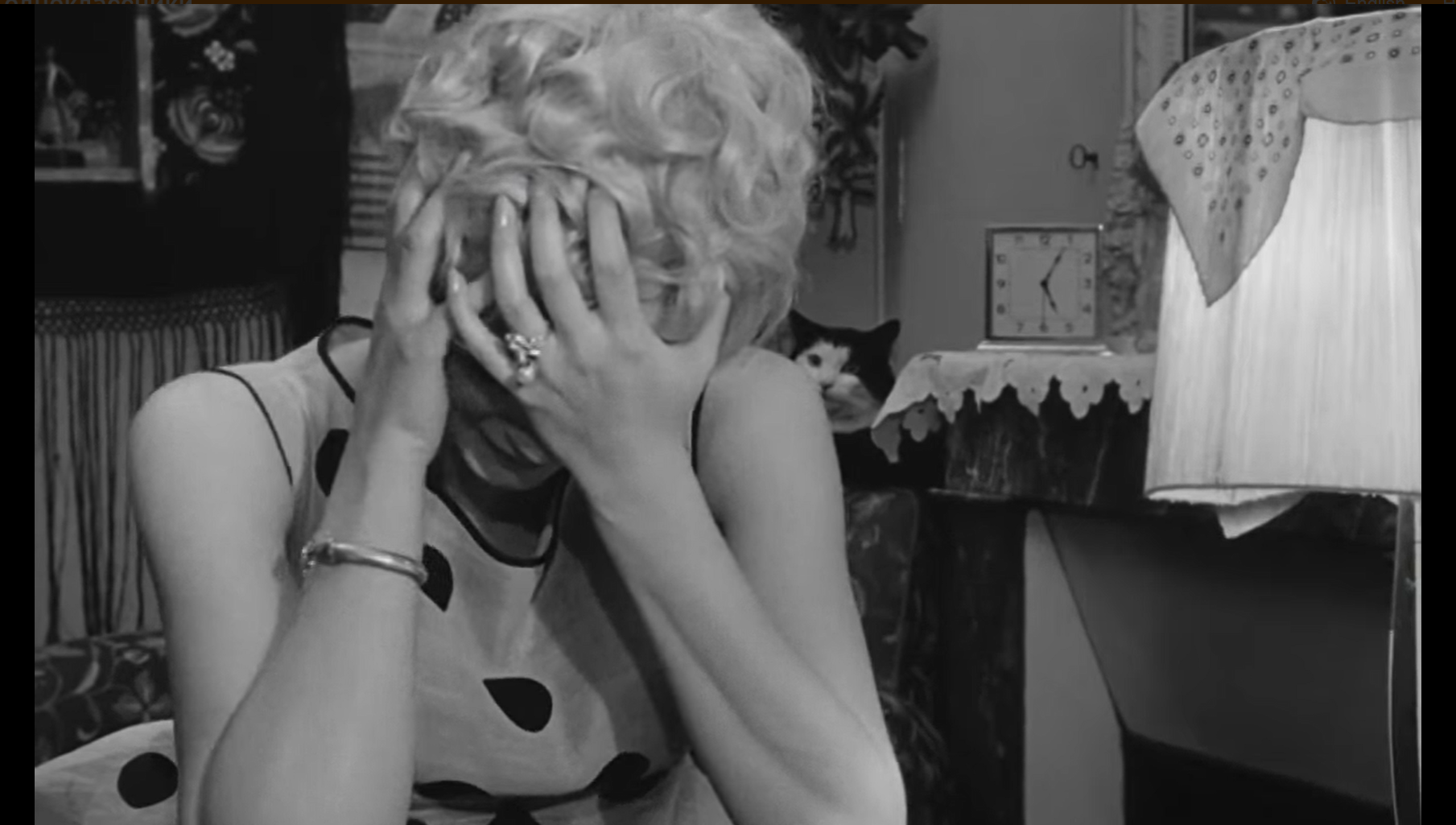
Agnes Varda — the only woman associated with the French New Wave movement — isn’t nearly as renowned as her male compatriots, but remains an essential part of cinematic history. Her first feature-length film, Cleo From 5 to 7, is likely also her best-known: starring Corinne Marchand (who resembles a svelte Anna Nicole Smith) it tells the nearly-real-time story of a self-absorbed singer who undergoes a subtle shift in attitude while waiting to hear potentially devastating news from her doctor.

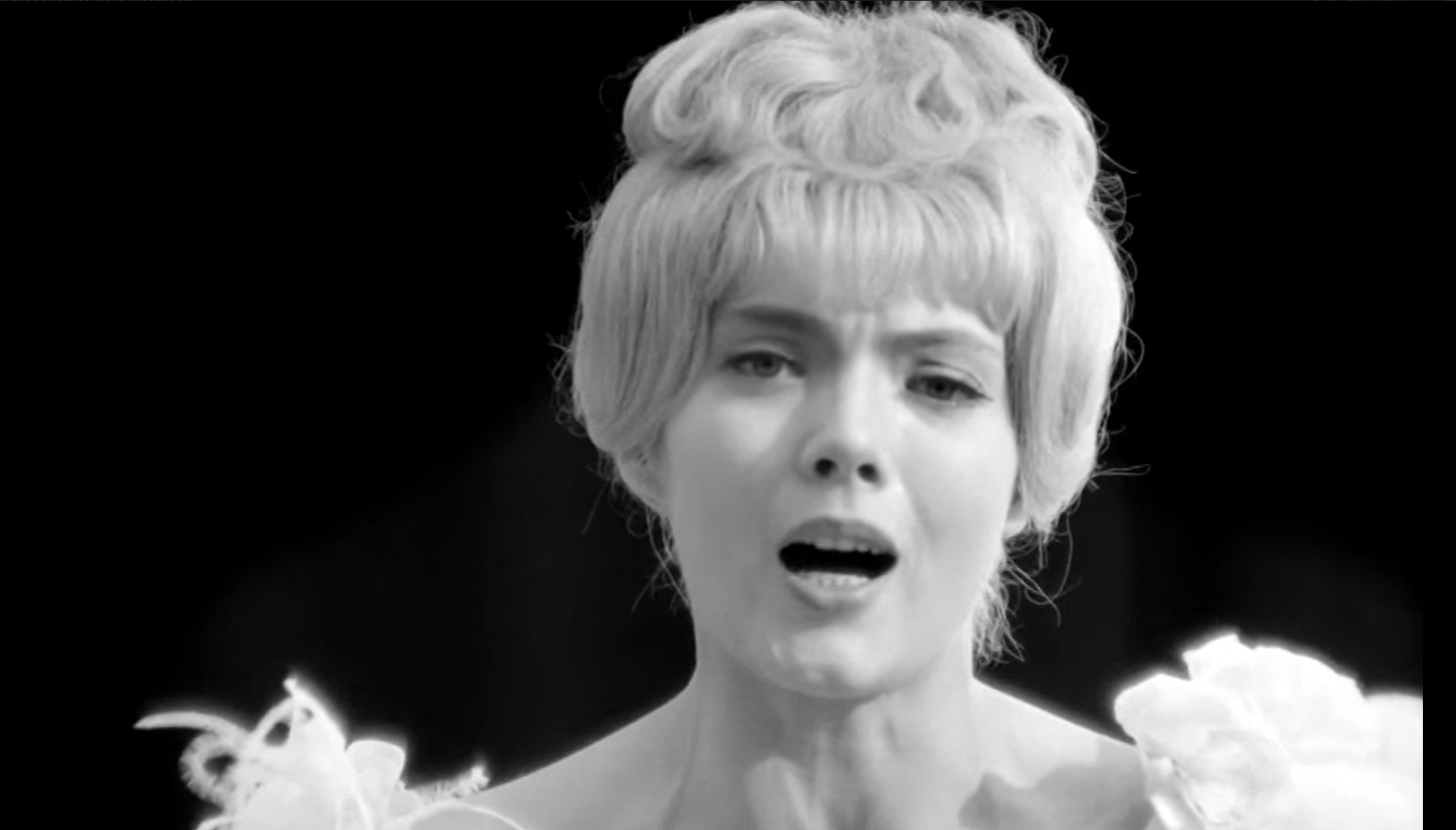
Cleo (a stage name, short for “Cleopatra”) is clearly a pampered woman, someone who is inordinately obsessed with her own appearance and self-worth; early in the film, she petulantly demands that a taxi driver turn off the radio when one of her hit songs is on (complaining about its technical quality):

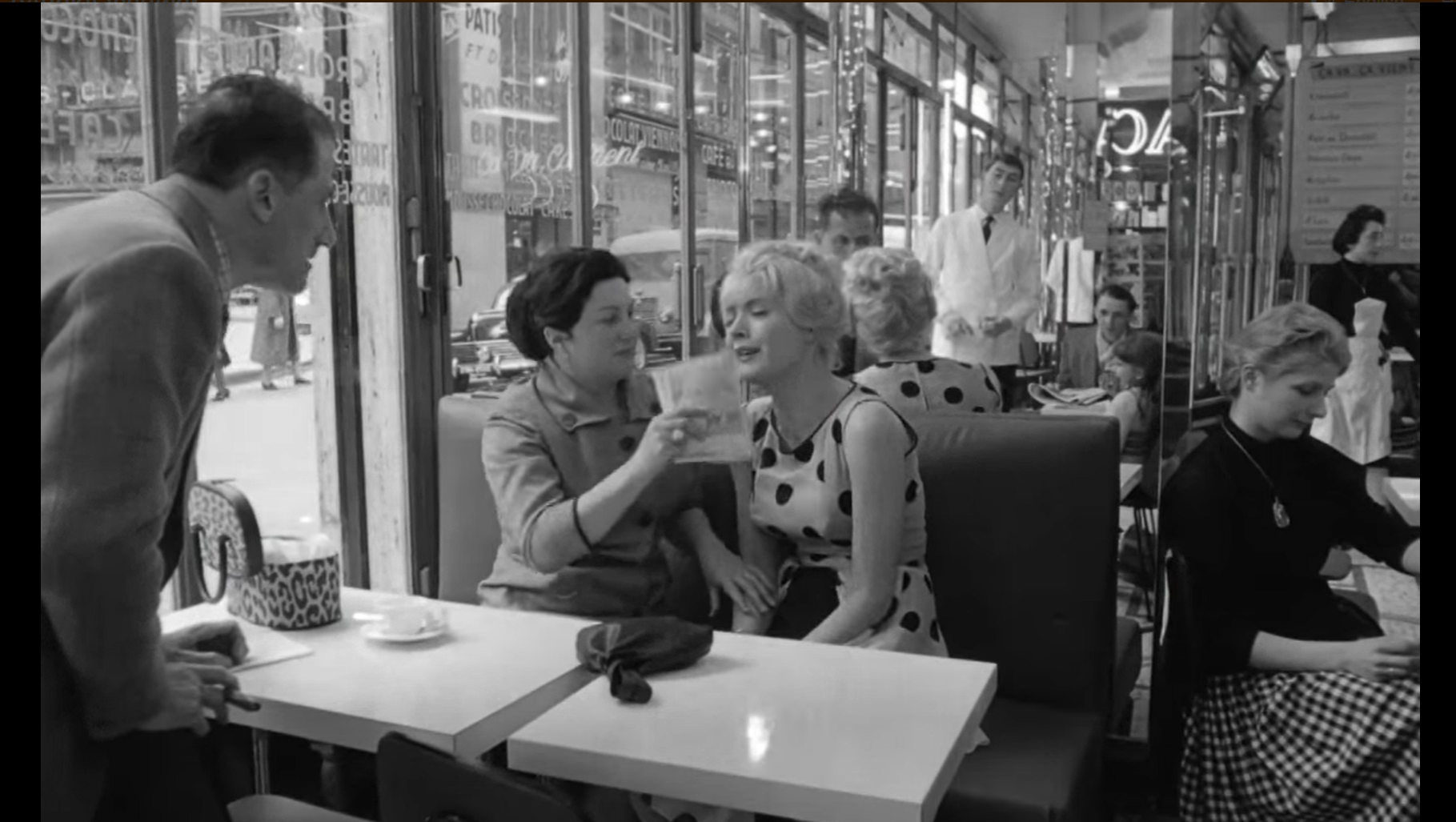
… then later, in a cafe, punches her song into the jukebox machine and pouts when no one seems to be listening.

In essence, she’s not a very likable protagonist, and this is the film’s primary fault — despite Cleo’s potentially life-threatening disease, we never feel much sympathy for her, and can’t help wondering whether the entire affair is simply a psychosomatic plea for attention.

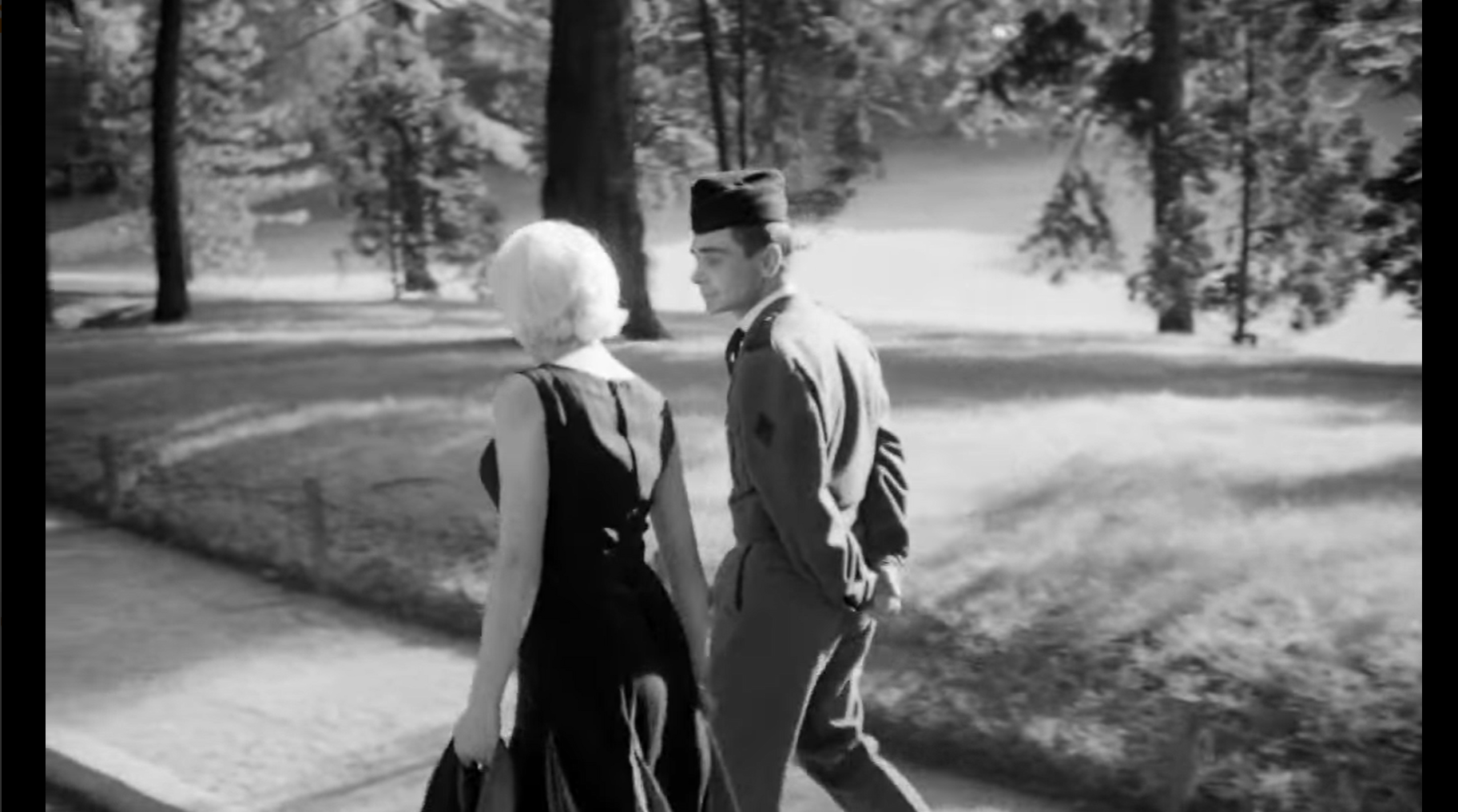
Over the course of the film, Cleo evolves ever so slightly, even taking off her fancy hairpiece and allowing a strange soldier to flirt with her and learn her real name:

By this time, however, it’s too late, and one leaves the film with more memories of Cleo’s excursions throughout Paris than of Cleo herself.

Redeeming Qualities and Moments:

  • Fine cinematography
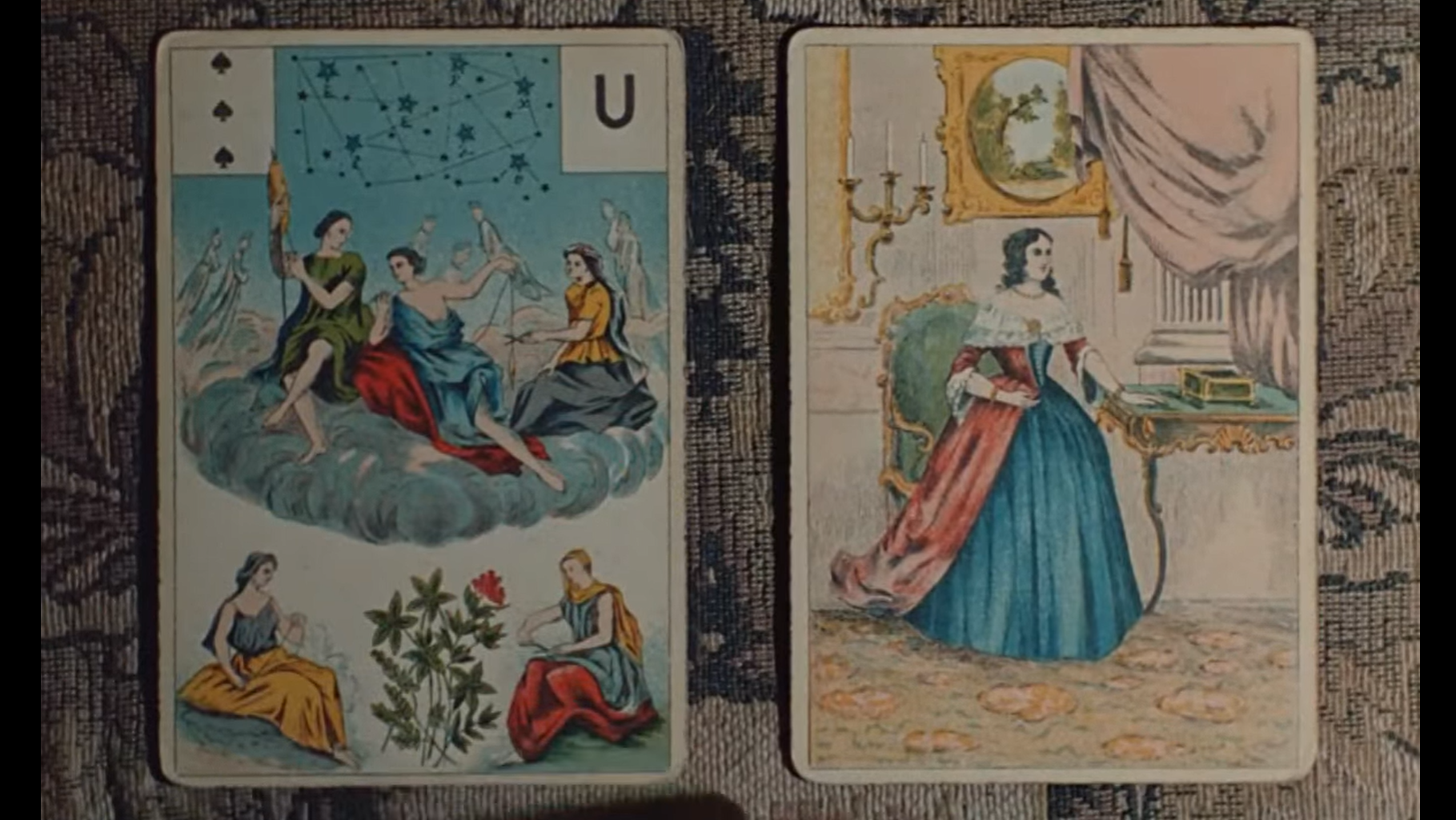
  • The opening tarot card sequence (in color)
  • Cleo performing a heartfelt song
  • Cleo’s encounter in the park with a talkative soldier
  • Michel Legrand’s musical score

Must See?
Yes, for its historical importance as Varda’s first feature film.

Categories

  • Historically Relevant
  • Important Director

(Listed in 1001 Movies You Must See Before You Die)

Links:

Crazies, The / Code Name: Trixie (1973)

Crazies, The / Code Name: Trixie (1973)

“All hell’s broke loose in town; nobody knows what’s going on!”

Synopsis:
When a madness-inducing biological agent is accidentally dropped by the U.S. government into the water supply of Evans City, Pennsylvania, the military arrives to quarantine the town; but many of its citizens have already started to go crazy from the effects of the virus, and chaos soon erupts.

Genres, Themes, Actors, and Directors:

  • George Romero Films
  • Horror
  • Science Fiction

Review:
Five years after making his auspicious debut film — Night of the Living Dead (1968) — George A. Romero wrote and directed this like-minded tale of a small town struck with mass hysteria; this time, however, rather than relying on a supernatural plot device (zombies), Romero — ever the social critic — places the blame squarely on the U.S. government. In an enormous FUBAR — Vietnam, Iraq, or COVID-19, anyone? — the United States initiates a deadly mess (why would they let a virus without an antidote leave the CDC to begin with?) then completely botches its own efforts to keep Americans safe. Perhaps predictably, it’s up to a small group of “revolutionary” citizens — including a volunteer fireman (W.G. McMillan) and his pregnant girlfriend (sympathetically portrayed by Lane Carroll):

— to escape and defend themselves; but there’s no telling when the virus may catch them as well. Despite its occasionally uneven narrative, this bleak, timely cautionary tale (remade in 2010) is well worth a look.

Redeeming Qualities and Moments:

  • An effective portrayal of paranoia and chaos in the face of government-induced catastrophe
  • Several powerful, shocking scenes — including a priest setting himself on fire, and a grandma calmly stabbing someone to death with her knitting needle

  • Fast-paced editing

Must See?
Yes, for its status as a cult movie.

Categories

  • Cult Movie
  • Important Director

Links:

Romantic Englishwoman, The (1975)

Romantic Englishwoman, The (1975)

“If I’m going to write him in, I hope to find out what he’s about.”

Synopsis:
While his wife (Glenda Jackson) is away in Baden Baden, a jealous writer (Michael Caine) imagines she’s having an affair with a mysterious man (Helmut Berger) she’s met on the elevator. Soon Berger inexplicably shows up at their house in England, and Caine’s jealousy continues to grow.

Genres, Themes, Actors, and Directors:

  • Glenda Jackson Films
  • Infidelity
  • Jealousy
  • Joseph Losey Films
  • Love Triangle
  • Michael Caine Films
  • Writers

Review:
This disappointing romantic mystery (directed by Joseph Losey) fails to provide much enjoyment on any level. Glenda Jackson is at her shrill worst as a dissatisfied housewife whose husband suspects her every move:

… Caine is adequate at best, and Berger is inexplicably stiff as a shady character whose motivations are never fully explained.

The entire story is framed as a sort of “what’s real? what’s not?” exploration, with Caine’s attempt to generate grist for his new novel conveniently propelling the action — but the central problem is that we simply don’t care much about any of these characters or their affairs of the heart.

Redeeming Qualities and Moments:

  • Fine production values

Must See?
No; this is definitely one of Losey’s lesser efforts, and not worth seeking out. Listed as a Cult Movie in the back of Peary’s book.

Links:

Conquest of Space (1955)

Conquest of Space (1955)

“According to the Bible, Man was created on the Earth. Nothing is ever mentioned of his going to other planets. Not one blessed word.”

Synopsis:
When the deeply religious leader (Walter Brooke) of a groundbreaking expedition to Mars begins to view the journey as blasphemous in the eyes of God, it’s up to his level-headed son (Eric Fleming) to preserve the lives of the remaining crew members: a Japanese botanist (Benson Fong), a loyal Irish sergeant (Mickey Shaughnessy), a Brooklynite electrician (Phil Foster), and a scientist (Ross Martin).

Genres, Themes, Actors, and Directors:

  • George Pal Films
  • Mental Breakdown
  • Religious Faith
  • Science Fiction
  • Space Exploration

Review:
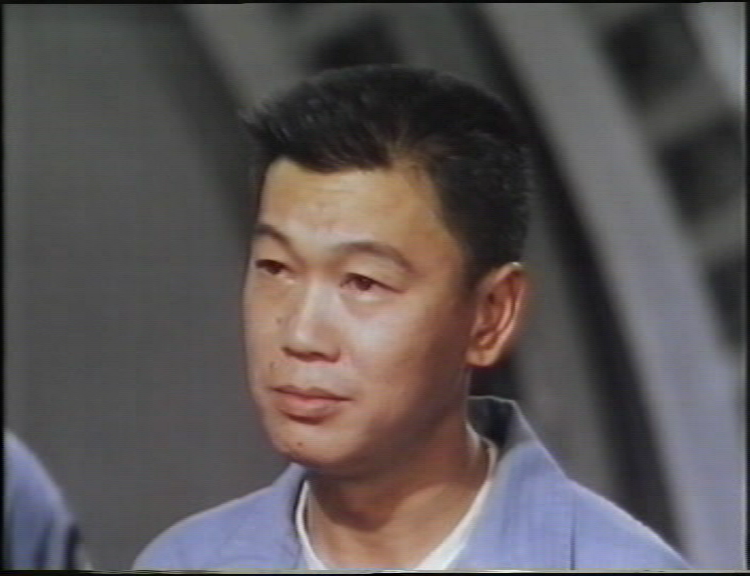
Riding on the success of his earlier sci-fi hits — Destination Moon (1950), When Worlds Collide (1951), and The War of the Worlds (1953) — animator George Pal produced this tepidly received space exploration flick, which the New York Times referred to as “nothing more than broad, undemanding entertainment”. Unlike Destination Moon, Conquest has a rather far-fetched psychological plot embedded into its narrative, one which allows for a philosophical-cum-religious inquisition into the ethics of space travel: should Earth-born men really be venturing into the unknown, potentially “godless” universe? Unfortunately, Brooke’s sudden religiosity doesn’t ring true (it smacks soundly of “plot device”), and neither do the interactions between the other stereotypical characters on board the ship (Phil Foster’s “Noo Yawker” is particularly egregious). With that said, it’s refreshing to see a pre-“Star Trek” sci-fi film with an Asian cast member; as long as you ignore Fong’s notoriously wrong-headed speech early in the film, he’s a welcome presence.

Redeeming Qualities and Moments:

  • Some visually nifty — albeit technically crude — special effects
  • Martin’s corpse drifting surreally into space
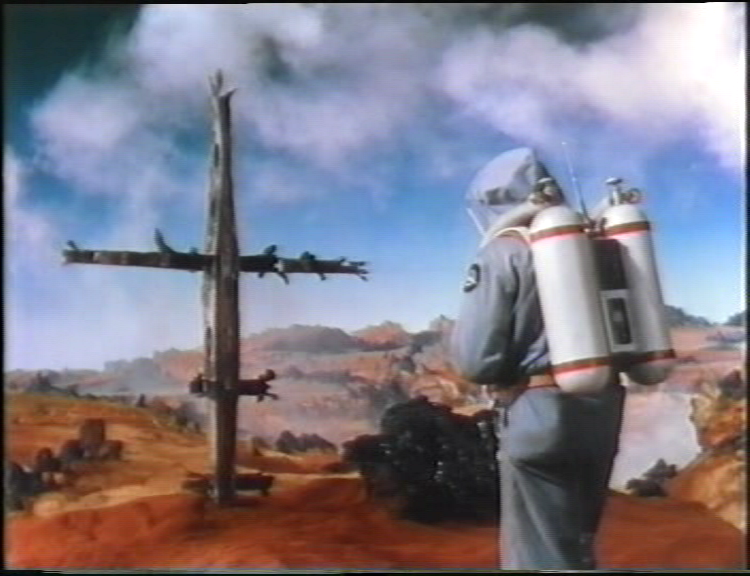
  • The fiery red Martian landscape
  • The welcome presence of a Japanese man (Benton Fong) who’s treated as an intelligent equal

Must See?
No, but fans of George Pal’s work will certainly be curious to check it out.

Links:

Chinoise, La (1967)

Chinoise, La (1967)

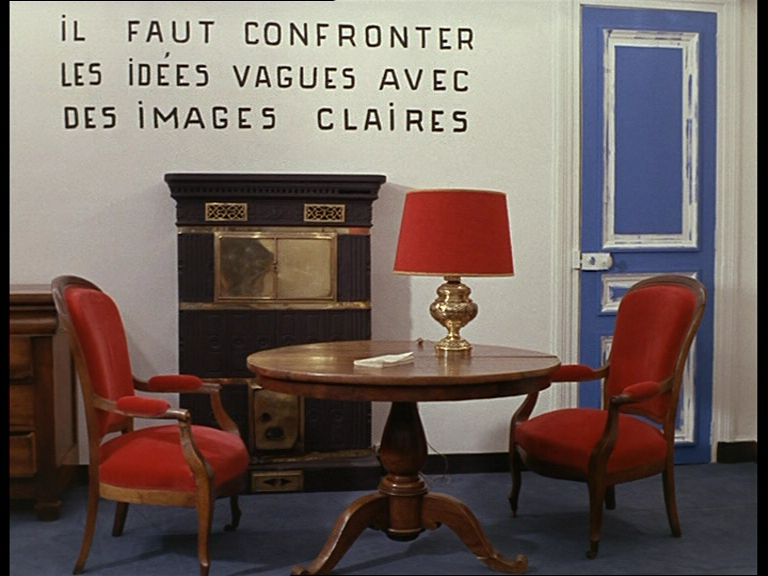
“One must replace vague ideas with clear images.”

Synopsis:
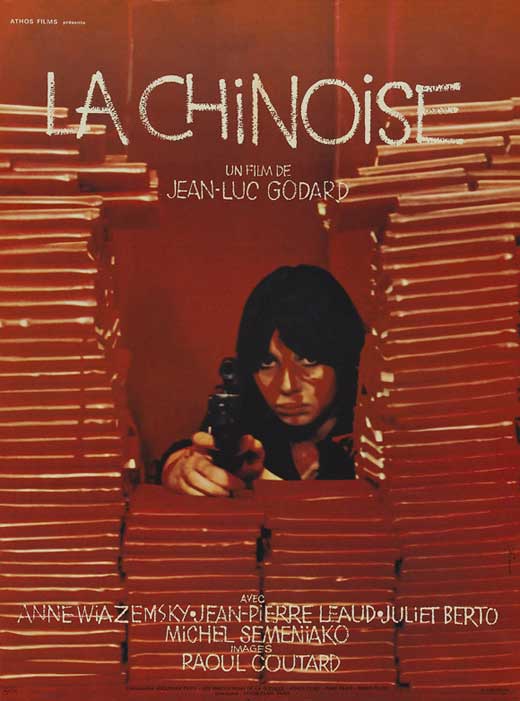
A group of French university students — Veronique (Anne Wiazemsky), Guillaume (Jean-Pierre Leaud), Yvonne (Juliet Berto), Henri (Michel Semeniako), and Kirilov (Lex De Bruijn) — share a bourgeois apartment over the summer while studying Maoism and planning terrorist revolt.

Genres, Themes, Actors, and Directors:

  • French Films
  • Jean-Luc Godard Films
  • Jean-Pierre LĂ©aud Films
  • Revolutionaries
  • Terrorists

Response to Peary’s Review:
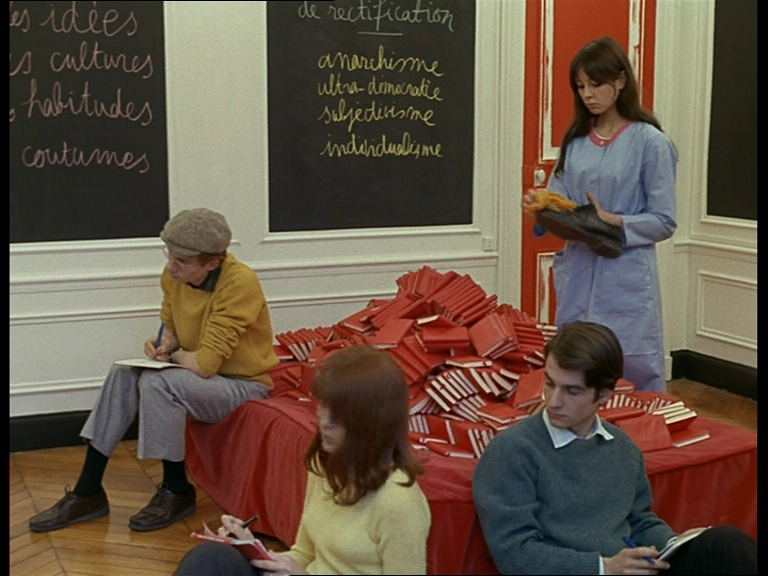
As Peary notes, La Chinoise may well be “one of Jean-Luc Godard’s most interesting political works”. He infuses the seemingly dry subject matter with stunningly stylized visuals (every shot is strategically framed, and primary colors literally pop off of the screen), and treats his characters with both respect and irony, making it clear how troubled their idealistic yet naive ideology really is. Indeed, since the act of violent terrorism carried out near the end of the film is treated so casually, it’s literally impossible to take these students’ actions too seriously. Unfortunately, the last ten minutes or so of the film — in which we’re inexplicably introduced to new characters — dilute the finale; but given Godard’s penchant for illogical narrative sequencing (he once famously said, “A story should have a beginning, a middle and an end, but not necessarily in that order”), this is perhaps to be expected.

Redeeming Qualities and Moments:

  • A unique glimpse at young revolutionaries avidly pursuing knowledge about Maoism
  • Leaud demonstrating a theatrical technique used by a Maoist to make a political point
  • Stark, close-up framing, often with Chinese posters in the background
  • Creative use of vivid, contrasting primary colors as backdrops
  • An effective juxtaposition of words and visuals to relate a particular time and attitude
  • Many memorable images
  • Typically Godardian mise-en-scene and an “interrupted”, disorienting musical score

Must See?
Yes. While a little of Godard goes a long way, I think all film fanatics should watch this tongue-in-cheek political fable.

Categories

  • Important Director

Links:

In Praise of Older Women (1978)

In Praise of Older Women (1978)

“All the girls I know are absolutely weird… They don’t want to make love with me. I’ve tried everything! I guess I just don’t understand women.”

Synopsis:
A Hungarian philosophy student (Tom Berenger) enlists the help of his married neighbor (Karen Black) in losing his virginity, then continues to pursue a string of “older women”, including a revolutionary (Susan Strasberg), a repressed divorcee (Alexandra Stewart), and a married faculty wife (Helen Shaver).

Genres, Themes, Actors, and Directors:

  • Canadian Films
  • Coming-of-Age
  • May-December Romance
  • Susan Strasberg Films

Review:
This tedious coming-of-age sex romp — starring a young, buff Tom Berenger — was notorious at the time of its release for showing a fair amount of nudity and simulated sex; the story itself, however, leaves much to be desired. Starting in post-war Hungary (where everyone apparently spoke American English, without an accent), the film follows the travails of horny Andras (Berenger):

… who discovers that older women — rather than virginal co-eds — are the ticket to sexual bliss; it’s a mildly intriguing premise, but one which never develops into anything more complex. Andras’s first (mutual) “conquest”, Karen Black, is by far the most interesting female character in the film:

… but after Andras cruelly cheats on her, she’s out of the picture. The central problem is that Andras simply isn’t a very likable character — he’s a player, and not ashamed to admit it, but why should we care about him or his life?

Redeeming Qualities and Moments:

  • Karen Black as Andras’ first “older lover”

Must See?
No; skip this one.

Links:

Beau Serge, Le (1958)

Beau Serge, Le (1958)

“Francois, listen to me – you’ve got to do something. Help me!”

Synopsis:
A college student with tuberculosis (Jean-Claude Brialy) returns to his hometown to get some rest, and discovers that his childhood friend, Serge (Gerard Blain), has become an alcoholic.

Genres, Themes, Actors, and Directors:

  • Claude Chabrol Films
  • French Films
  • Friendship

Review:
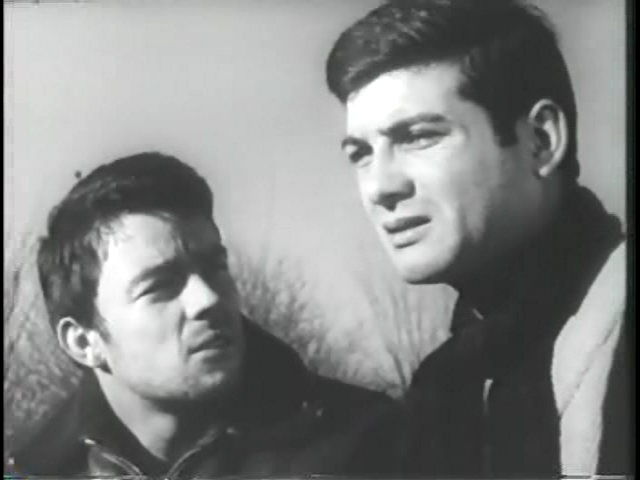
Le Beau Serge (“Handsome Serge”) was arguably the first film to emerge from the French New Wave movement. Directed by former Cahiers du Cinema critic Claude Chabrol, it’s a deeply personal, character-driven portrait of the tensions inherent in “returning home” after spending years away. The story centers on Francois’s concern for his childhood friend, Serge, who has descended into drink after the stillborn death of his retarded son; despite the imminent arrival of another child by his loyal wife (Michele Meritz), Serge refuses to sober up and live responsibly. Francois is determined to help his friend “see the light”, and eventually sacrifices his own health for the sake of Serge’s happiness; meanwhile, a local sexpot (Bernadette Lafont) is raped by her stepfather, yet Francois’s noble attempt to intervene once again falls flat.

In characteristic New Wave style, the narrative in Le Beau Serge is rather loose, with more of an emphasis on characters, setting, and philosophical contemplation than straightforward action. While it’s never made clear exactly why Francois is so determined to “save” his friend, it’s hinted that he may be driven by a sentiment of “there but for the grace of God…” — indeed, rural life in the film is depicted as narrow and limited, with sexy Marie (Lafont) channeling all her energy into the pursuit of men, and Serge giving up his dream of an architecture career for life as a husband and truck driver. Does Chabrol intend for us to pity the lives of these “simple” characters? It’s hard to tell, but the film’s baroquely allegorical ending — which posits Francois as a sort of Christian martyr — seems to label the townsfolk as somehow needing salvation. Despite its narrative flaws and ambiguities, however, Le Beau Serge remains an oddly compelling character study, one which clearly demonstrates Chabrol’s passion, talent, and dedication to the craft of filmmaking.

Note: Chabrol returned to the theme of country-versus-city in his next film, Les Cousins (1959), in which country-boy Blain comes to stay with his more urbane — and infinitely less sympathetic — cousin (Brialy) in Paris.

Redeeming Qualities and Moments:

  • Jean-Claude Brialy as Francois
  • Gerard Blain as Serge
  • Michele Meritz as Serge’s pregnant wife, Yvonne

  • Bernadette Lafont as Marie
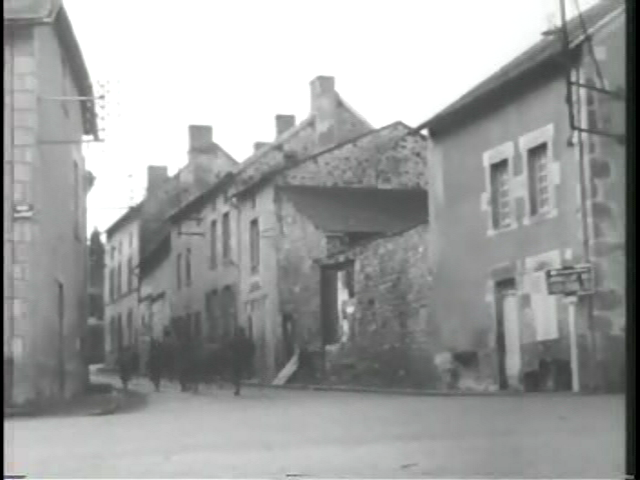
  • Effective use of Chabrol’s hometown (Sardent) as a setting
Must See?
Yes, for its cinematic importance. Listed as a film with historical importance and a Personal Recommendation in the back of Peary’s book.

Categories

  • Historically Relevant
  • Important Director

Links: