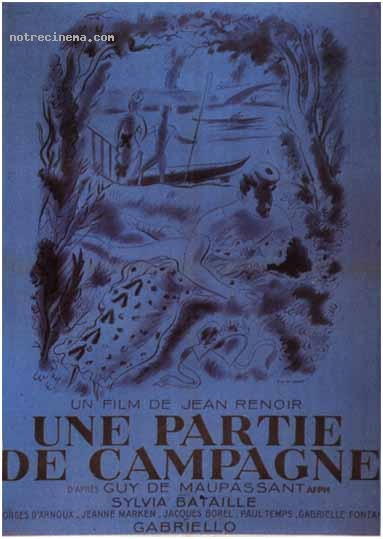
Day in the Country, A / Partie de Campagne (1936)

Day in the Country, A / Partie de Campagne (1936)

“You men are all the same.”

Synopsis:
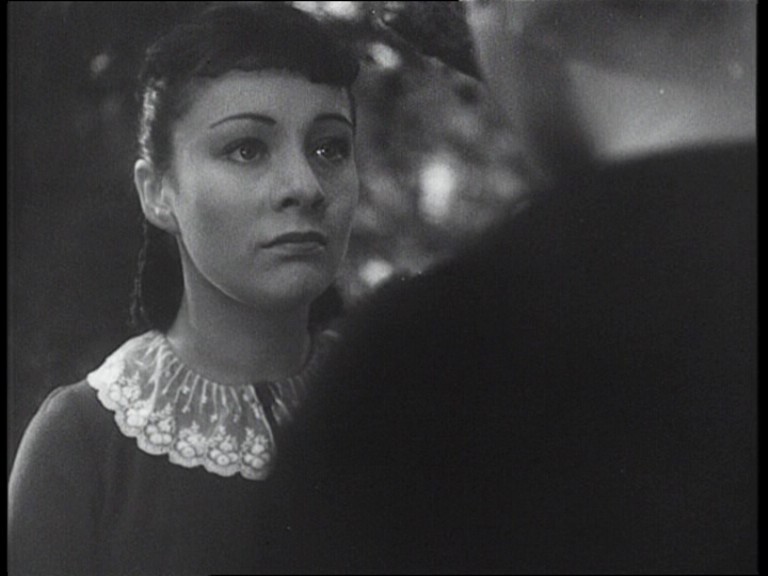
While spending the day in the countryside, an engaged young Parisian woman (Sylvia Bataille) and her mother (Jane Marken) are wooed by a pair of local workers (Georges D’Arnoux and Jacques Borel).

Genres, Themes, Actors, and Directors:

  • Cross-Class Romance
  • French Films
  • Jean Renoir Films
  • Star-Crossed Lovers

Review:
Jean Renoir’s cinematic gem (based on a short story by Guy de Maupassant) effectively conveys a world of innocence and loss within a span of only forty minutes. While not much happens within the narrative — a family goes to the country for the day; a young woman engaged to an insipid clerk (Paul Temps) develops a powerful yet hopeless crush on a man from a different social class — Renoir manages to use these simple elements to show how prescribed our lives are, and how escaping from our normal existence for even a day can show us what we may be missing, but ultimately can’t have.

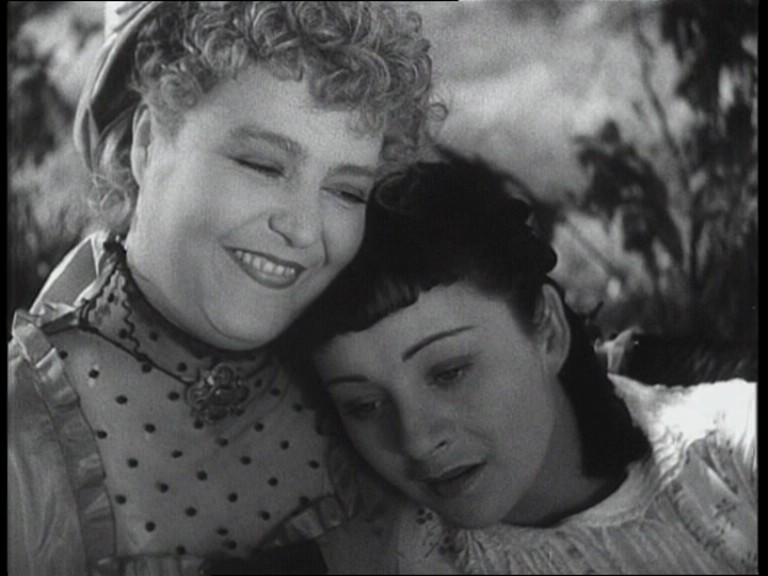
Because Henriette’s mother is also (happily) wooed on this fateful day, Renoir is able to skillfully present a lifetime conflated into one afternoon: while Henriette is young, emotional, and naive, the older Juliette sees her “fling” as a welcome (if temporary) break from her bourgeois existence; indeed, she considers it a game to try to cuckold her boring husband for the afternoon, keeping him busy with the faux-machismo of fishing while she pursues headier activities with a “real” man. In the end, however, life goes on as it inevitably will: the family returns to Paris; Henriette marries her clerk; and Rodolphe (D’Arnoux) is left behind as a mere memory of an alternate (yet ultimately impossible) existence.

Redeeming Qualities and Moments:

  • Sylvia Bataille as Henriette
  • The touching interactions between Henriette and her older, wiser mother
  • Jacques Borel as the scheming womanizer who convinces his friend to join him in the seduction
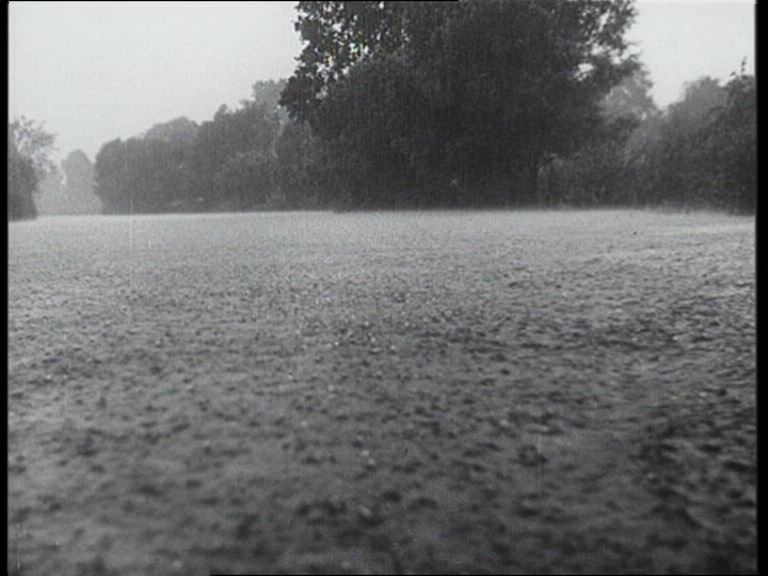
  • Effective metaphorical use of a calm, then teeming, river
  • Beautiful cinematography, showcasing pastoral existence in the countryside

Must See?
Yes. This cinematic morsel is sure to be of interest to film fanatics.

Categories

  • Important Director

(Listed in 1001 Movies You Must See Before You Die)

Links:

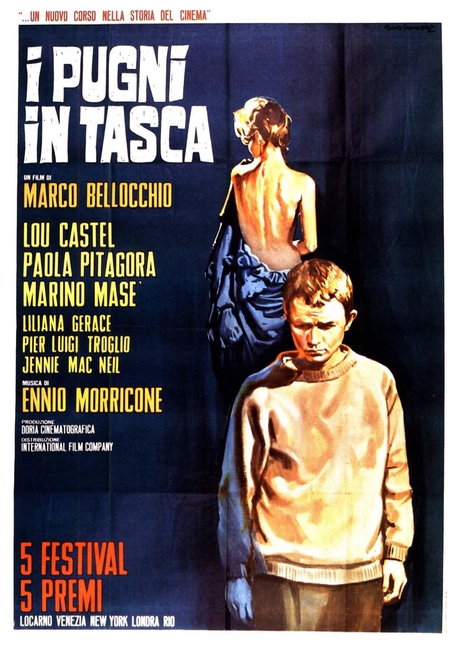
Fists in the Pocket / Pugni in tasca, I (1965)

Fists in the Pocket / Pugni in tasca, I (1965)

“This little brain of mine — that you didn’t trust an inch! — planned the whole thing.”

Synopsis:
An epilectic (Lou Castel) decides to relieve his older brother (Marino Mase) of their dysfunctional family by gradually killing everyone — including himself — off.

Genres, Themes, Actors, and Directors:

  • Character Studies
  • Incest and Incestuous Undertones
  • Italian Films
  • Marco Bellocchio Films
  • Plot to Murder
  • Siblings

Review:
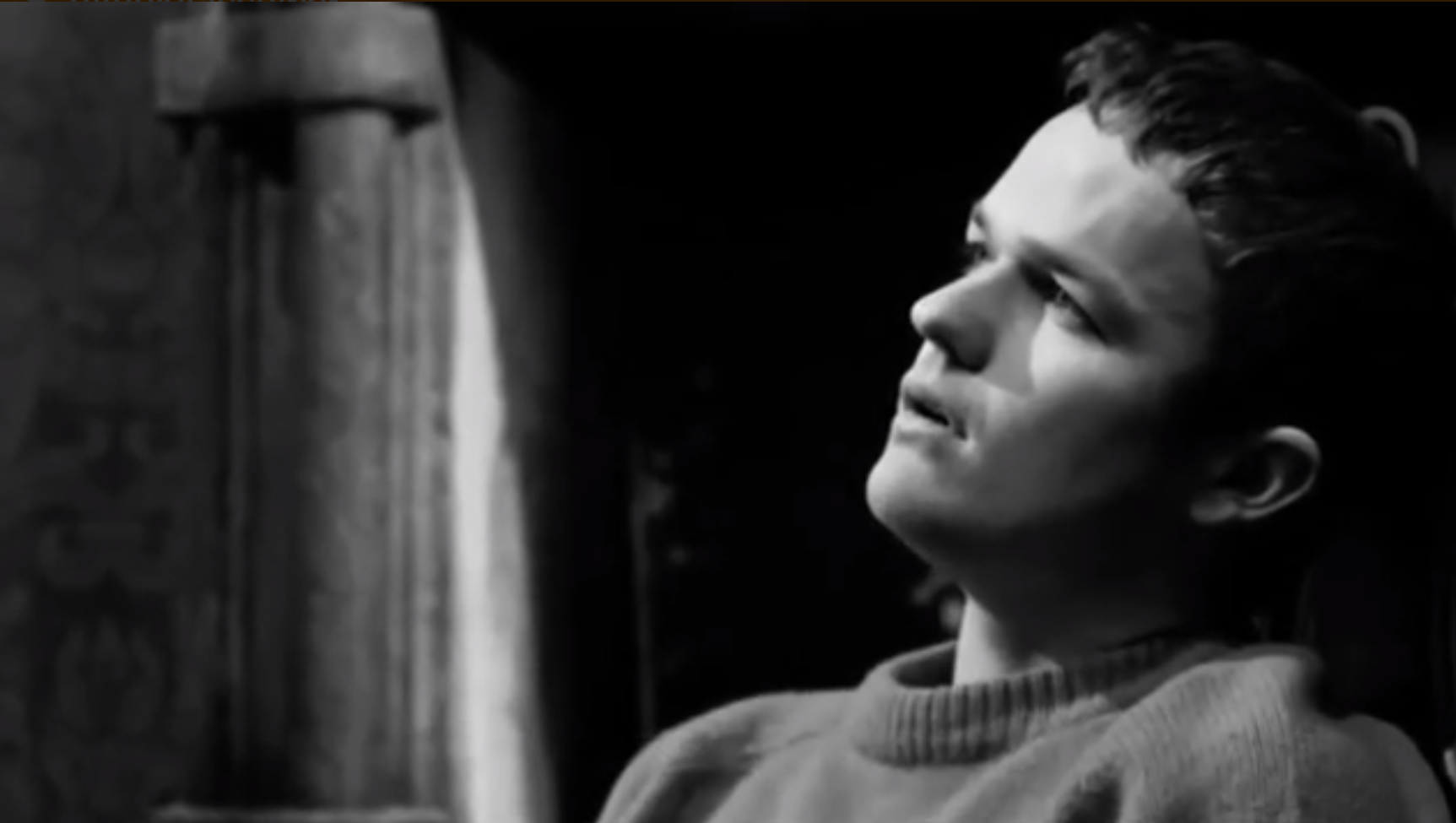
This astonishing feature debut by 26-year-old Italian director Marco Bellochio merits multiple viewings in order to begin to grasp its bizarrely twisted mentality. We watch the movie — part black comedy, part character study, part horror film — as we would a train wreck in slow motion, fascinated yet unable to look away. Indeed, it’s impossible to predict what will happen next, since none of the characters behave as you would expect them to: Mase barely bats an eyelid when reading about Castel’s intent to drive their family off a cliff; Castel’s sister (Paola Pitagora) treats her disturbed brother more like a lover than a sibling; and nobody in the community questions the sudden mysterious deaths of two of the family’s members.

Like it or not, we end up most fascinated by the dynamically deranged Sandro (Castel), whose powerhouse performance (watch the way he swings his hands and arms around) evokes memories of a young Brando. Rather than having Sandro consumed with vengeful jealousy over his older brother’s success in business and love (a much more conventional narrative choice), Bellocchio shows Sandro teetering between depression, grandiosity, and mental instability, all while ostensibly aiming to provide his “normal” older brother (does he wish to be him? or is he simply trying to “prove” himself to him?) with a chance at happiness. Sandro’s fate is sealed in the final baroque moments of the film, but (as to be expected) it’s unclear what kind of a future lies ahead for the remains of this highly dysfunctional family.

Redeeming Qualities and Moments:

  • Lou Castel’s charged performance as the deranged yet ultimately “well-meaning” middle brother
  • Paola Pitagora as Castel’s inscrutable sister
  • Gorgeous black-and-white cinematography
  • Ennio Morricone’s intermittent score — if only there were more!

Must See?
Yes. This powerful, provocative debut by Bellocchio merits viewing by all film fanatics.

Categories

  • Important Director

Links:

Jeanne Dielman, 23 Quai du Commerce, 1080 Bruxelles (1976)

Jeanne Dielman, 23 Quai du Commerce, 1080 Bruxelles (1976)

“See you next week, then.”

Synopsis:
A single mother (Delphine Seyrig) supports her teenage son (Jan Decorte) by working part-time as a prostitute.

Genres, Themes, Actors, and Directors:

  • Character Studies
  • Delphine Seyrig Films
  • Experimental Films
  • Feminism
  • Prostitutes

Review:
I’ve heard it said that it’s impossible to make a film about war — no matter how gruesome, violent, pointed, or macabre — without simultaneously glorifying it; I would argue that the same is true for prostitution. With only a few notable exceptions (Lizzie Borden’s Working Girls comes to mind), prostitution inevitably comes across in films as a somewhat glamorous — if undeniably dangerous and demeaning — profession.

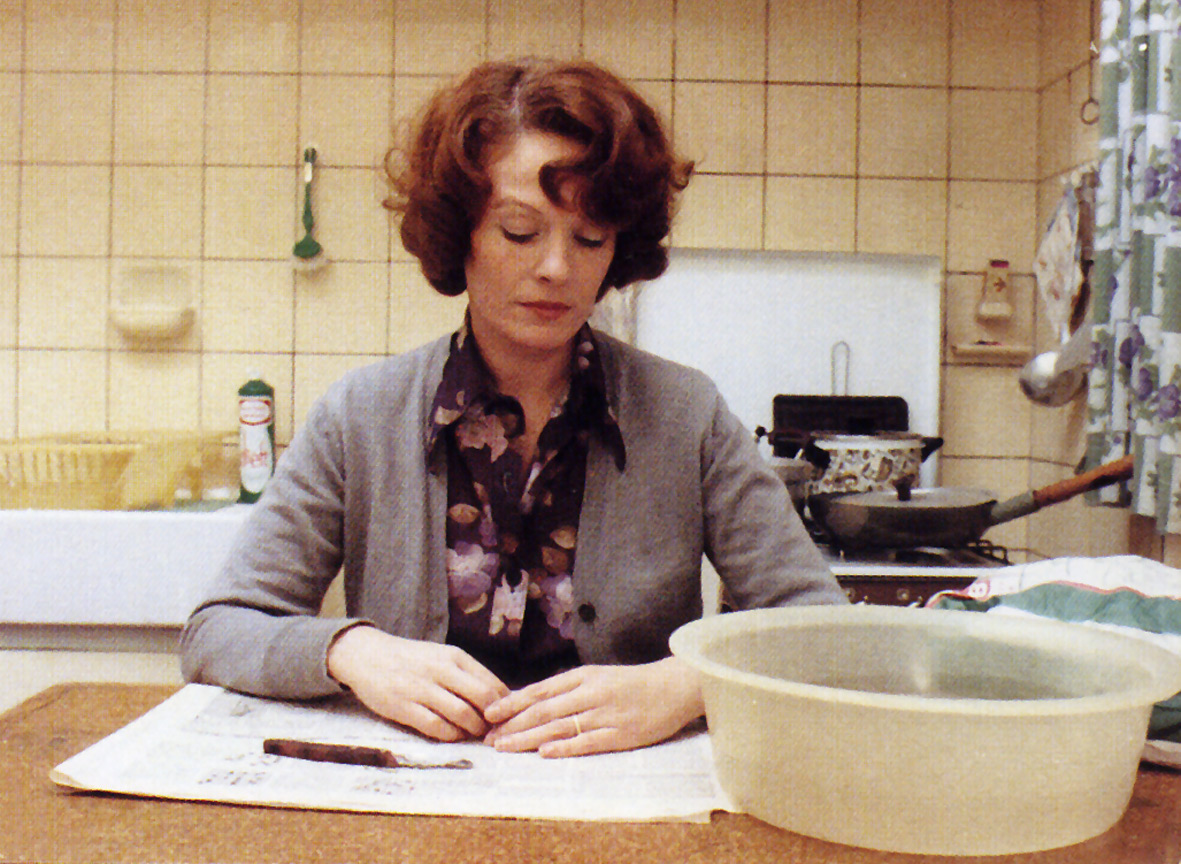
In Jeanne Dielman, however, director Chantal Akerman strips prostitution completely bare: there are no fancy outfits or make-up here; no cat calls; no dangerous street positioning; no pimps; no underlying psychological reasons for having entered into this profession. What we’re left with instead is a middle-aged homemaker and mother who happens to have sex for money with men on a regular basis. It’s never stated explicitly in the film, but it’s implied that neither Jeanne’s son nor any of her neighbors have any idea what she does to bring in money. Indeed, until the final moments of the film, not even the audience sees Jeanne servicing her Johns — all we are allowed to witness are scenes of Jeanne inviting a man into her bedroom; exiting a few seconds later (in a convenient time lapse); coldly accepting cash from him; and stating almost robotically, “See you next week, then,” before seeing the man out the door.

Akerman’s three-hour long character study is ultimately concerned with chronicling the predictable minutiae of Jeanne’s daily life, as she takes care of her home, cooks for her son, answers letters from her sister, watches her neighbor’s baby, and runs various errands around town. None of this is inherently compelling, yet it’s strangely hypnotic to watch Jeanne pursuing her mundane rituals, day after day. Indeed, because so much time is spent showing the way Jeanne carefully maintains control over her life — and the frustration she feels when things don’t go just right — the shocking final moments of the movie seem almost like an inevitable outgrowth of her routine. It’s difficult not to impose one’s own interpretation onto a film like Jeanne Dielman, which leaves so much room for deliberation and conjecture. The unusual power of this marathon exercise in minimalism is the way in which we both accept Jeanne’s “final” action as natural, and find ourselves questioning everything that has come before.

Redeeming Qualities and Moments:

  • A subtly powerful portrait of tedium and despair
  • A daring — if undeniably arduous — “real time” approach to fiction filmmaking

Must See?
Yes. This demanding film remains a landmark of experimental European cinema.

Categories

  • Historically Relevant
  • Important Director

(Listed in 1001 Movies You Must See Before You Die)

Links:

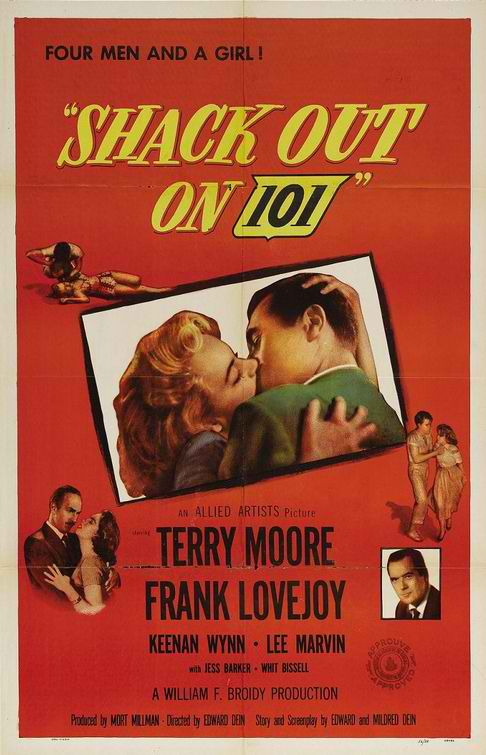
Shack Out on 101 (1955)

Shack Out on 101 (1955)

“The apes have taken over — while we were busy watching television and filling our freezers, they’ve come out of the jungle and moved in!”

Synopsis:
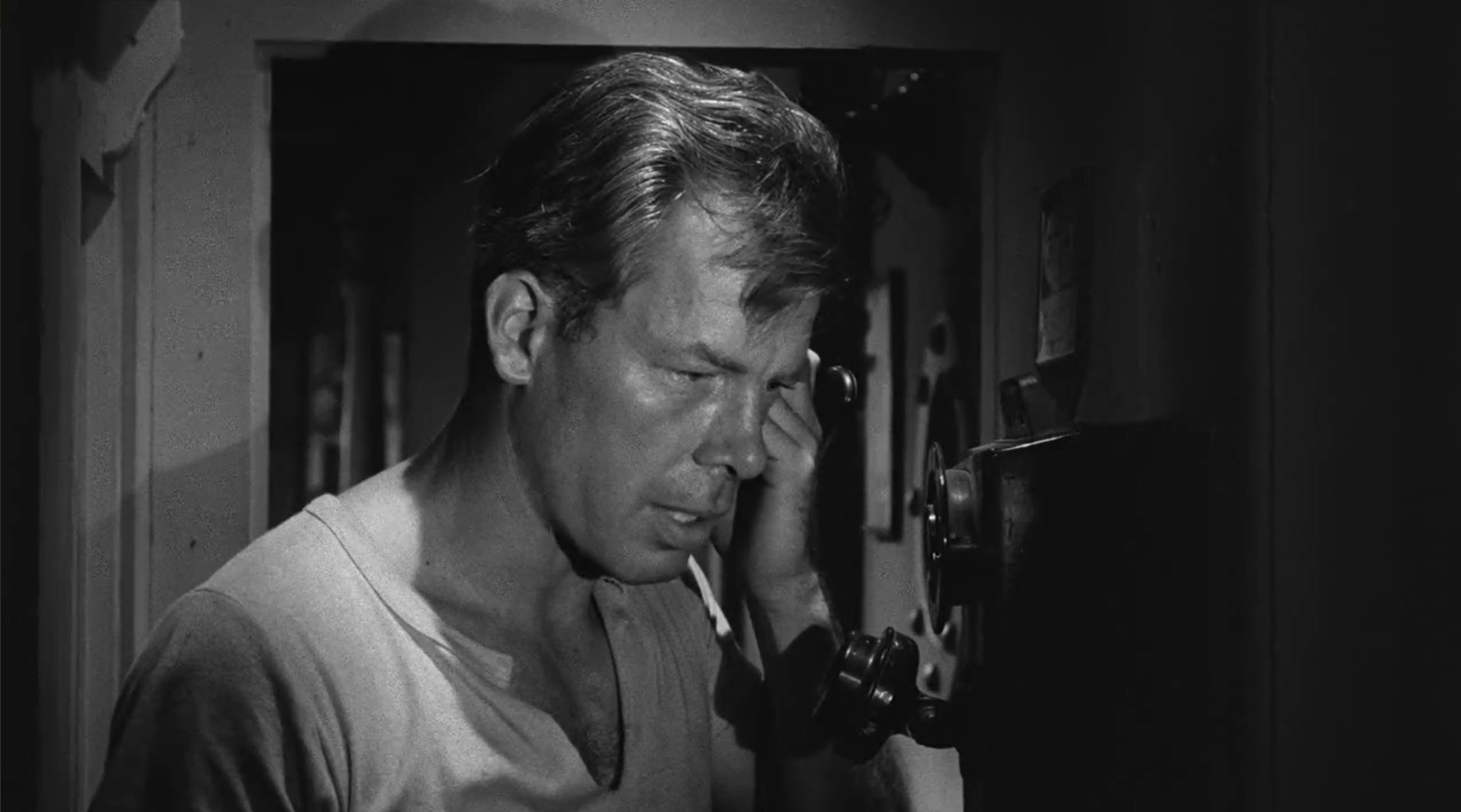
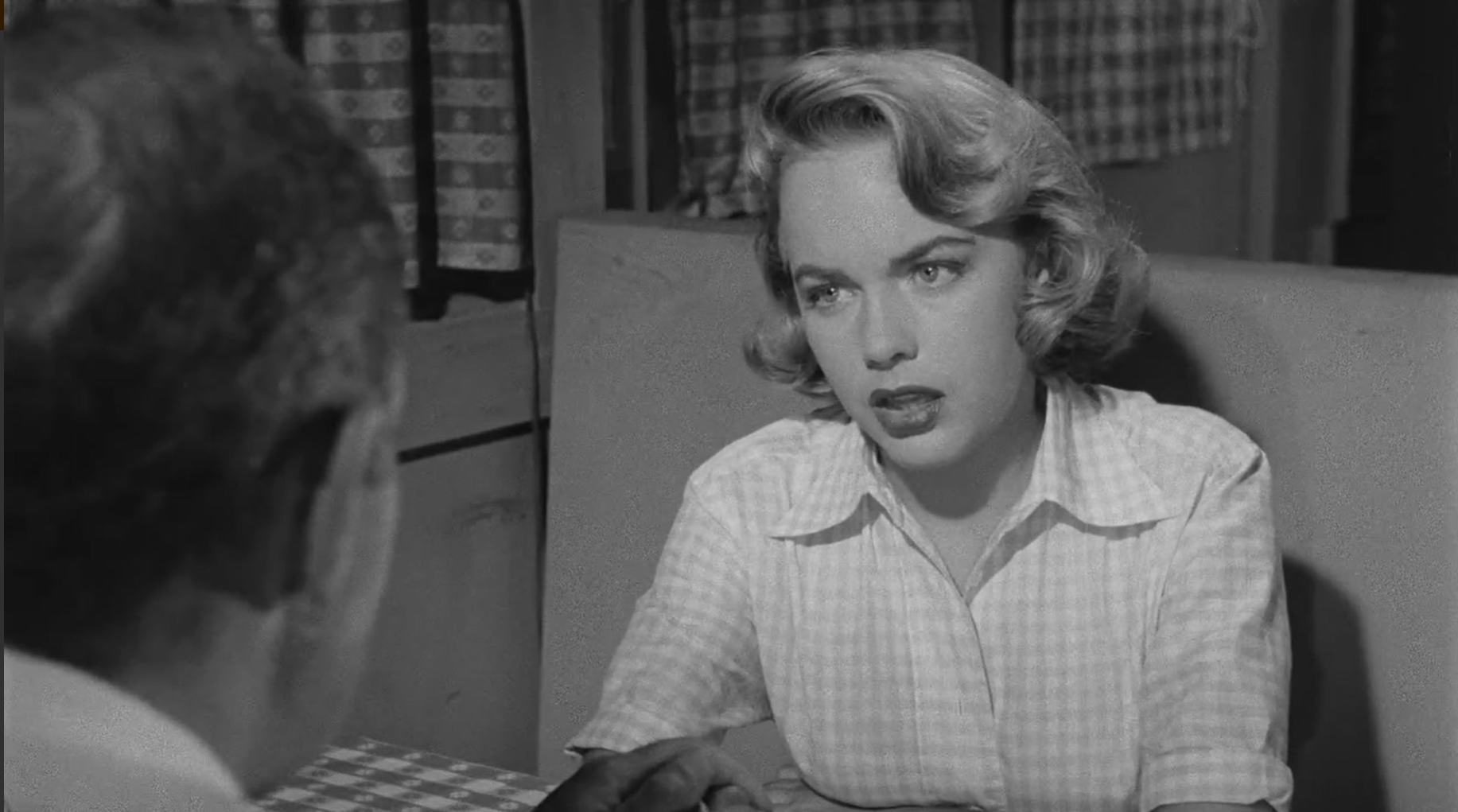
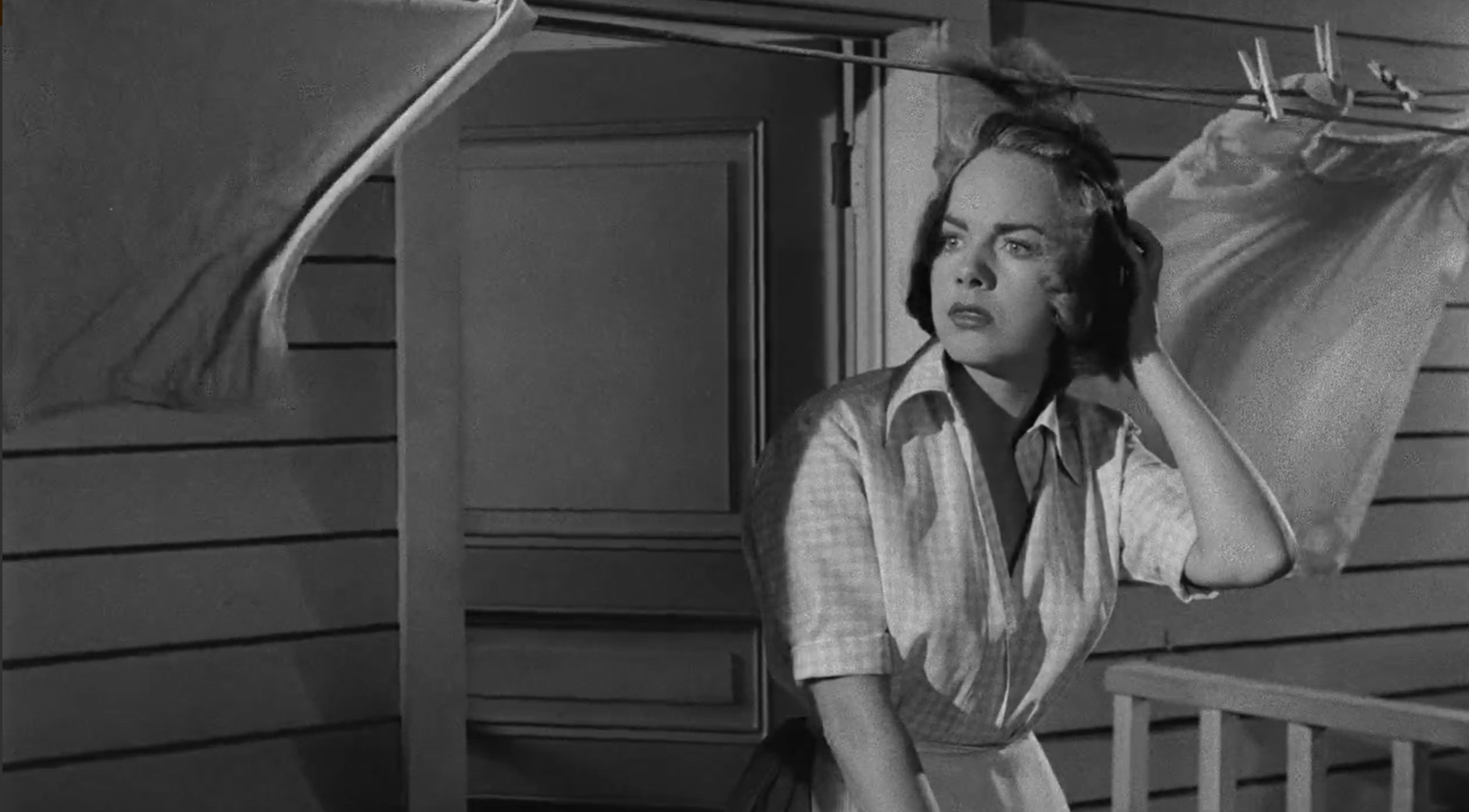
A waitress (Terry Moore) at an isolated seaside cafe discovers that her physicist boyfriend (Frank Lovejoy) and the cafe’s violent cook, “Slob” (Lee Marvin), are smuggling nuclear secrets out of the country.

Genres, Themes, Actors, and Directors:

  • Cold War
  • Keenan Wynn Films
  • Lee Marvin Films
  • Mistaken or Hidden Identities
  • Propaganda
  • Spies
  • Terry Moore Films

Review:
Despite its low budget and limited locales, this character-driven drama remains an effectively suspenseful thriller about Cold War paranoia and patriotism. The film possesses a fair amount of levity (especially in the scene where Wynn and Marvin are lifting weights), and plenty of reliably zingy dialogue:

“Slob’s got an eight-cylinder body and a two-cylinder mind!”

Plus, the acting by everyone involved is well above average for a B-movie, and there are enough plot twists to keep you on the edge of your seat.

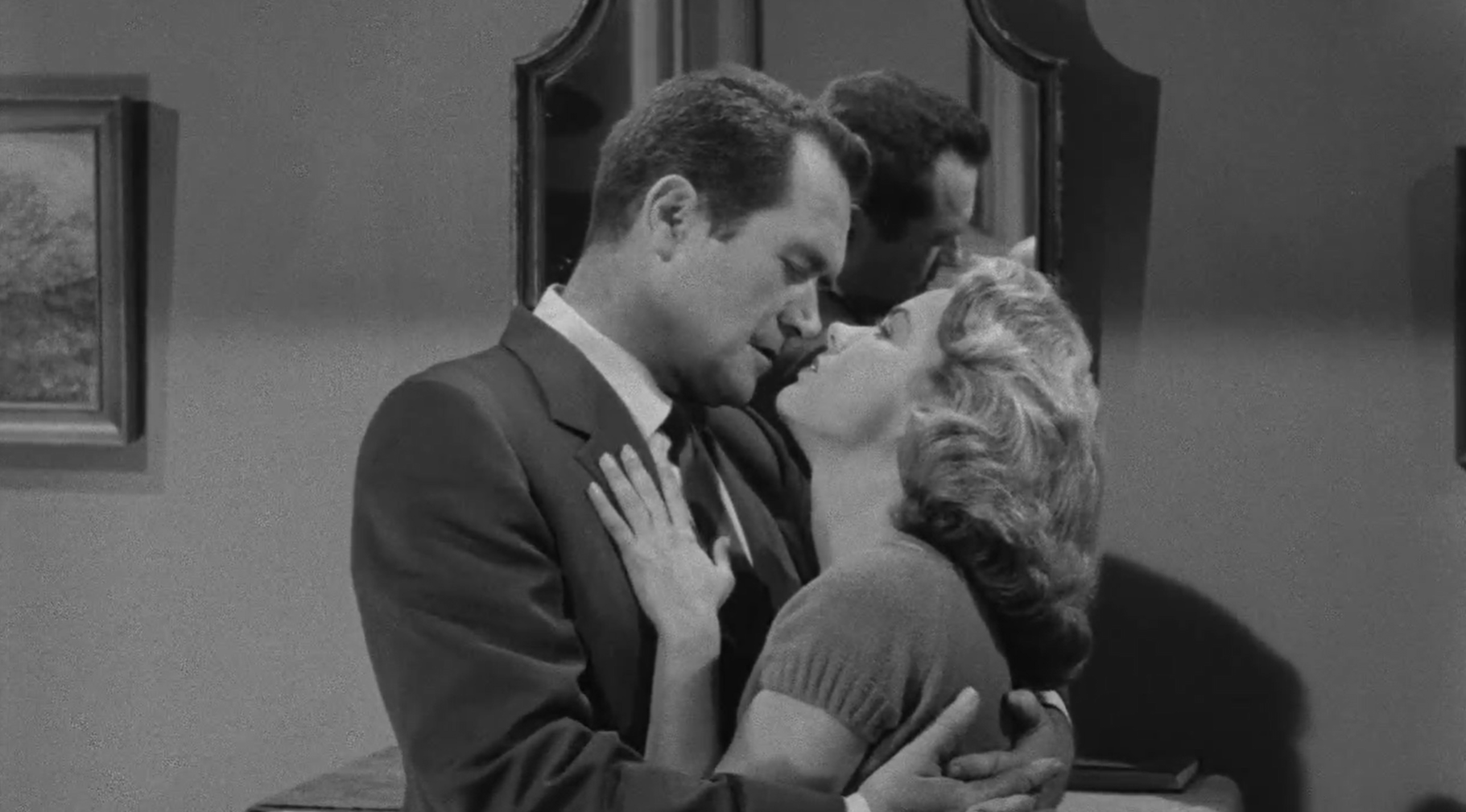
Favorite scene: Moore and Lovejoy interspersing kisses with questions about the U.S. Constitution:

Redeeming Qualities and Moments:

  • Lee Marvin in an early yet typically hard-hitting role
  • Keenan Wynn as the hard-working owner of the “shack”
  • Terry Moore as the sexy yet feisty waitress who refuses to stand by and let her beloved country be compromised
  • Fine cinematography and direction

  • Amusingly sincere pro-America dialogue:

    “What form of government is this?”
    “The best!”

Must See?
Yes. This cult film is well worth seeking out.

Categories

  • Cult Movie

Links:

Homicidal (1961)

Homicidal (1961)

“It’s only when hate is dammed up that it breaks out in murder!”

Synopsis:
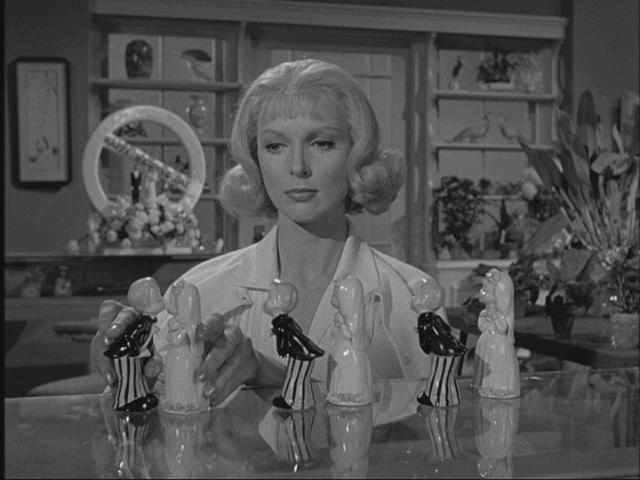
An attractive blonde (Jean Arless) with deadly motives murders a justice of the peace (James Westerfield) under an assumed name, then returns home to wreak additional havoc.

Genres, Themes, Actors, and Directors:

  • Jealousy
  • Psychopaths
  • Siblings
  • William Castle Films

Review:
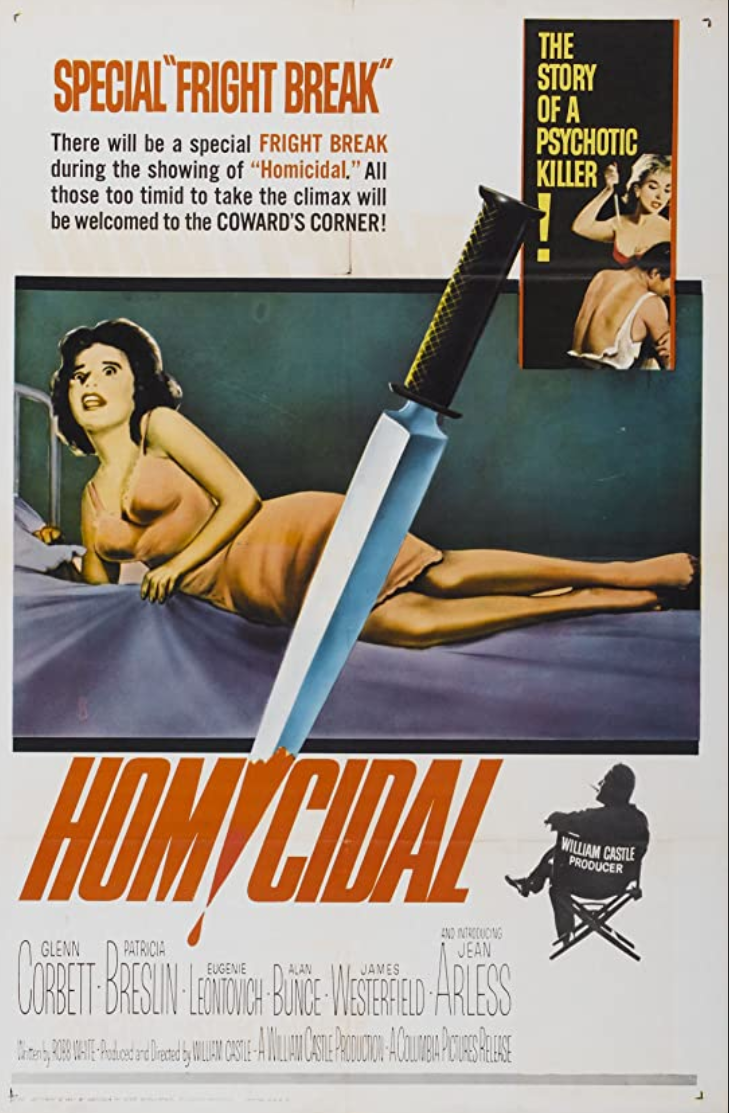
William Castle’s notoriously popular B-grade follow-up to Psycho (1960) comes across as laughably inferior today, with predictable plot twists, uneven acting, bad dubbing, and outrageously naive behavior by every character involved. The film’s primary plot twist is obvious from a mile away, and its storyline is too ridiculous to be genuinely frightening. Amazingly enough, audience members at the time reacted differently, with many kept in the dark about the true identity of one of the key characters, and some actually taking advantage of Castle’s highly publicized “Fright Break” gimmick, in which they could leave the film pre-denouement for a full refund by carrying a yellow “I am a bona fide coward” card and waiting in the corner of the lobby.

Despite its obvious flaws, however, Homicidal comes across today as a reasonably enjoyable cult film, primarily because all its ludicrous elements add up to such silly fun. Plus, though the primary plot twist is far too easy to guess, the hidden secret behind this twist comes as a genuine surprise. If you forget that Homicidal was ever meant as a serious rival to Hitchcock’s masterpiece, you’ll probably get a kick out of its enjoyably campy approach to sibling rivalry, gender, loyalty, and murder.

Redeeming Qualities and Moments:

  • A deliciously campy sensibility
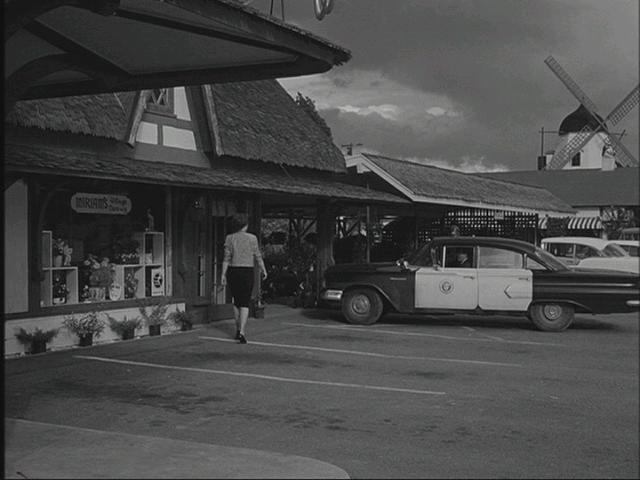
  • Good use of Solvang, California as a small-town locale
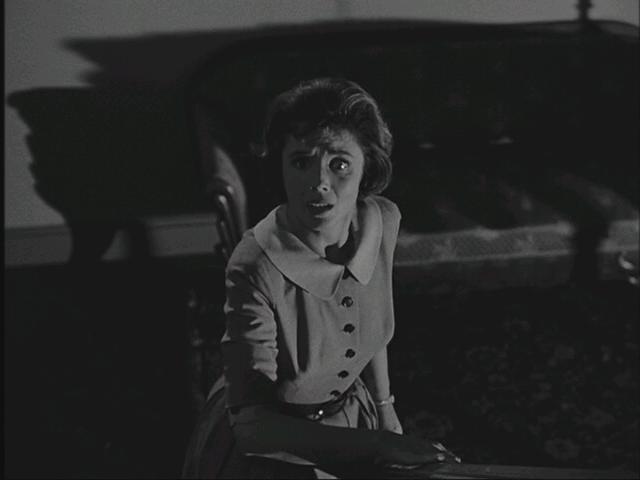
  • Effectively eerie use of lighting and shadows
  • An interesting second plot twist (but you’ll guess the first one immediately!)

Must See?
Yes, simply for its notoriety as a follow-up to Psycho.

Categories

  • Cult Movie
  • Historically Relevant

Links:

Foxes (1980)

Foxes (1980)

“Ya never know what ya don’t know — y’know?”

Synopsis:
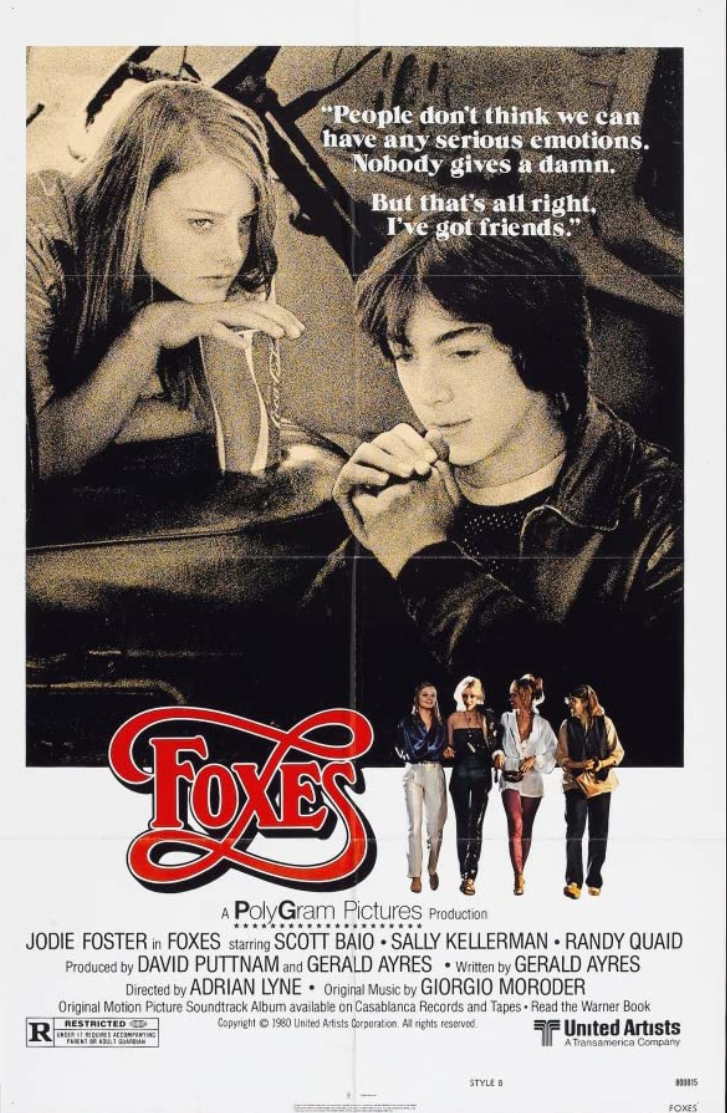
A group of teenage friends (Jodie Foster, Cherie Currie, Marilyn Kagan, and Kandice Stroh) support each other during difficult times.

Genres, Themes, Actors, and Directors:

  • Coming of Age
  • Family Problems
  • Friendship
  • Jodie Foster Films
  • Laura Dern Films
  • Lois Smith Films
  • Randy Quaid Films
  • Sally Kellerman Films
  • Teenagers

Response to Peary’s Review:
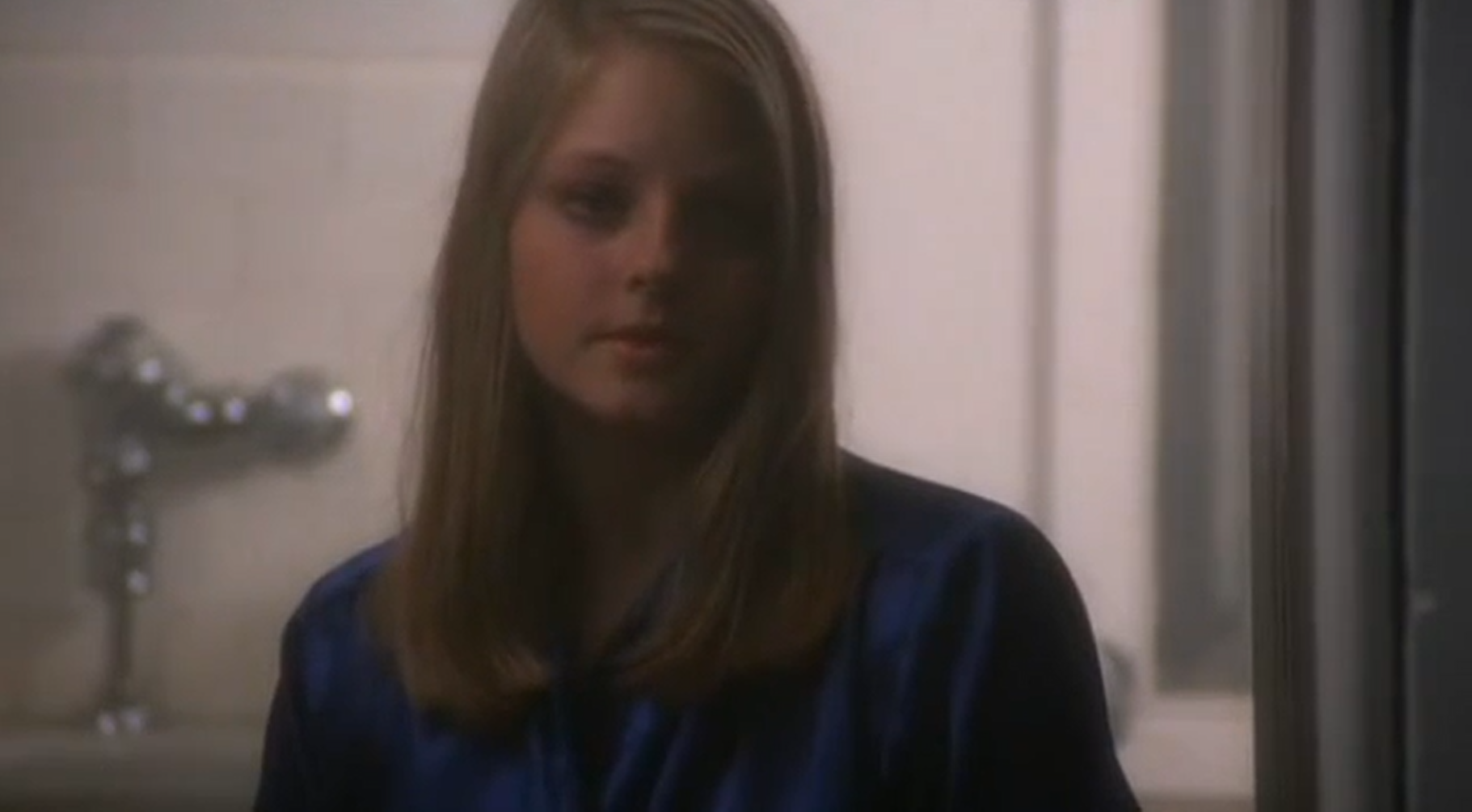
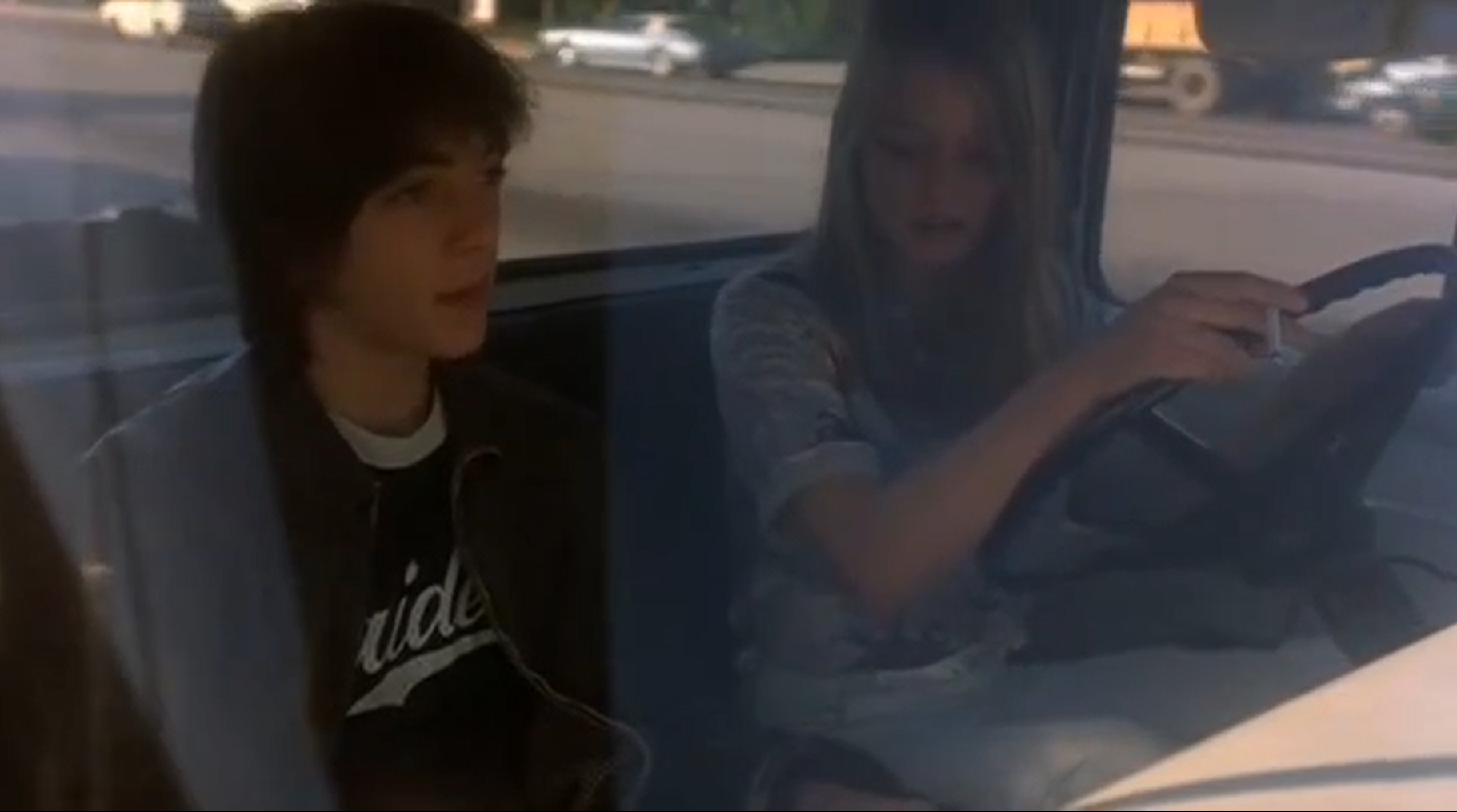
This surprisingly disappointing coming-of-age flick showcases all the classic tropes of teenage angst — drug abuse, losing one’s virginity, negative body image, strained relationships with one’s parents, etc. — but fails to fully deliver on any of them. As in Joel Schumacher’s St. Elmo’s Fire (1985), too many characters spoil this movie’s narrative cohesion; Foxes would have been a much better film had it focused exclusively on Foster’s maternal concern for Annie (Currie), whose genuinely disturbing issues are given far too little screen time. Fortunately, despite the limitations of the film’s screenplay, Foster’s performance is as dependable as always; as Peary notes, she’s “terrific, even when her lines aren’t.”

Redeeming Qualities and Moments:

  • Jodie Foster in yet another mature, well-acted early role
  • Scott Baio as the girls’ skateboarding male friend
  • Cherie Currie (lead singer of the all-girl band “The Runaways”) as the deeply troubled Annie

Must See?
No. While it’s considered a minor cult classic, it’s ultimately not must-see viewing.

Links:

General Della Rovere (1960)

General Della Rovere (1960)

“I don’t trust priests; they’re all spies.”

Synopsis
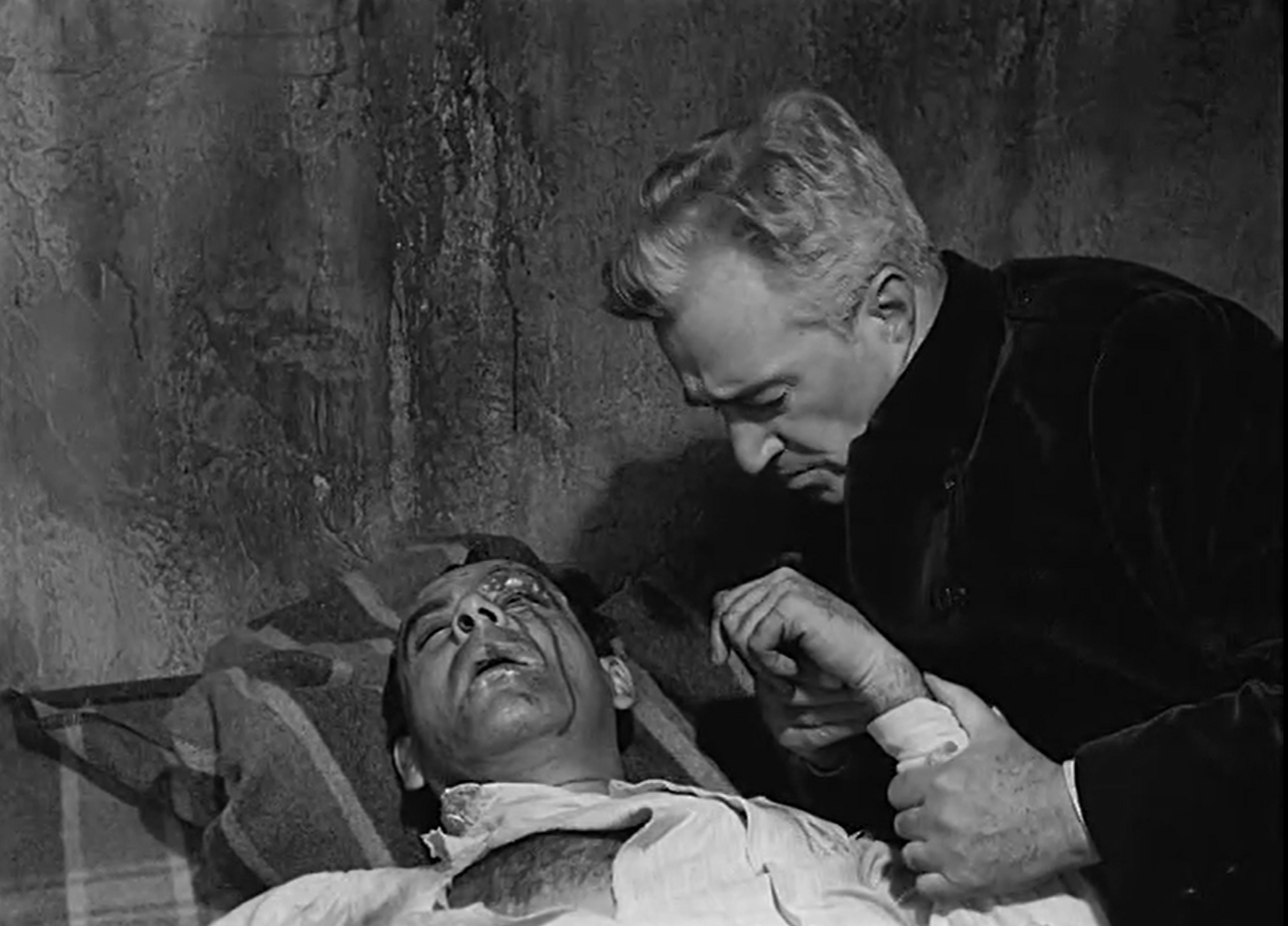
An apolitical con-artist (Vittorio De Sica) impersonates a recently killed Resistance leader (“General Della Rovere”) in order to save his own life.

Genres, Themes, Actors, and Directors:

  • Character Arc
  • Con-Artists
  • Folk Heroes
  • Italian Films
  • Mistaken or Hidden Identities
  • Political Awakening
  • Resistance Fighters
  • Roberto Rossellini Films
  • World War II

Response to Peary’s Review:
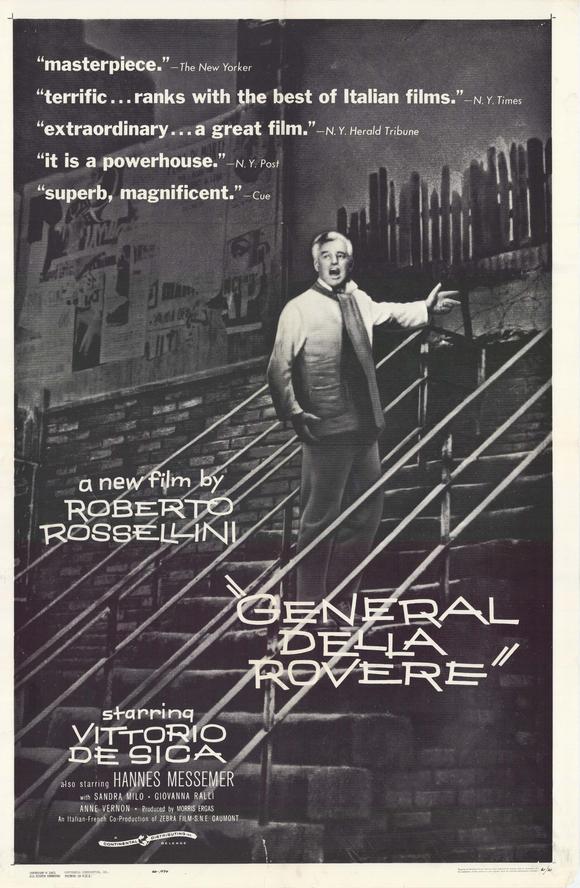
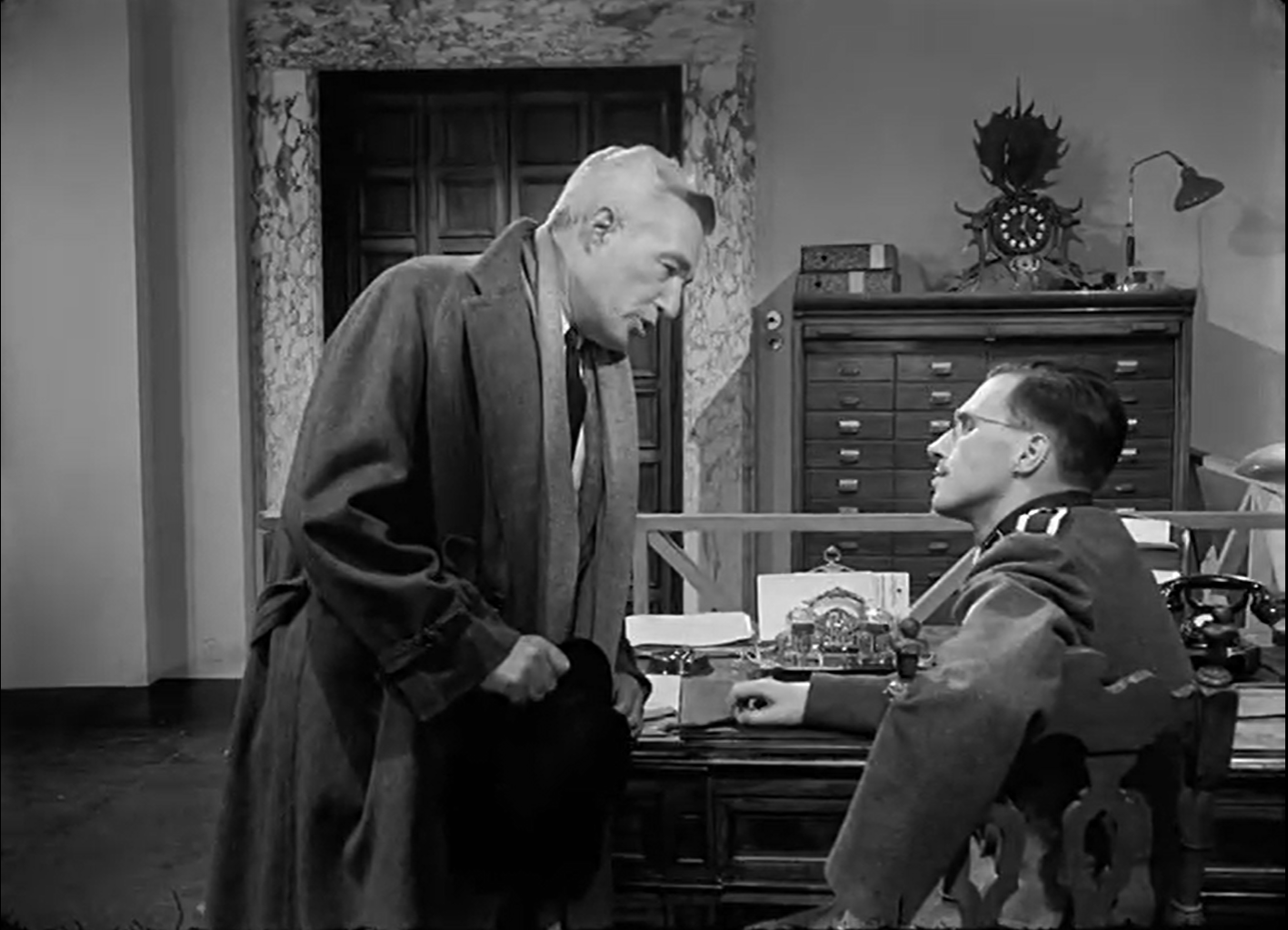
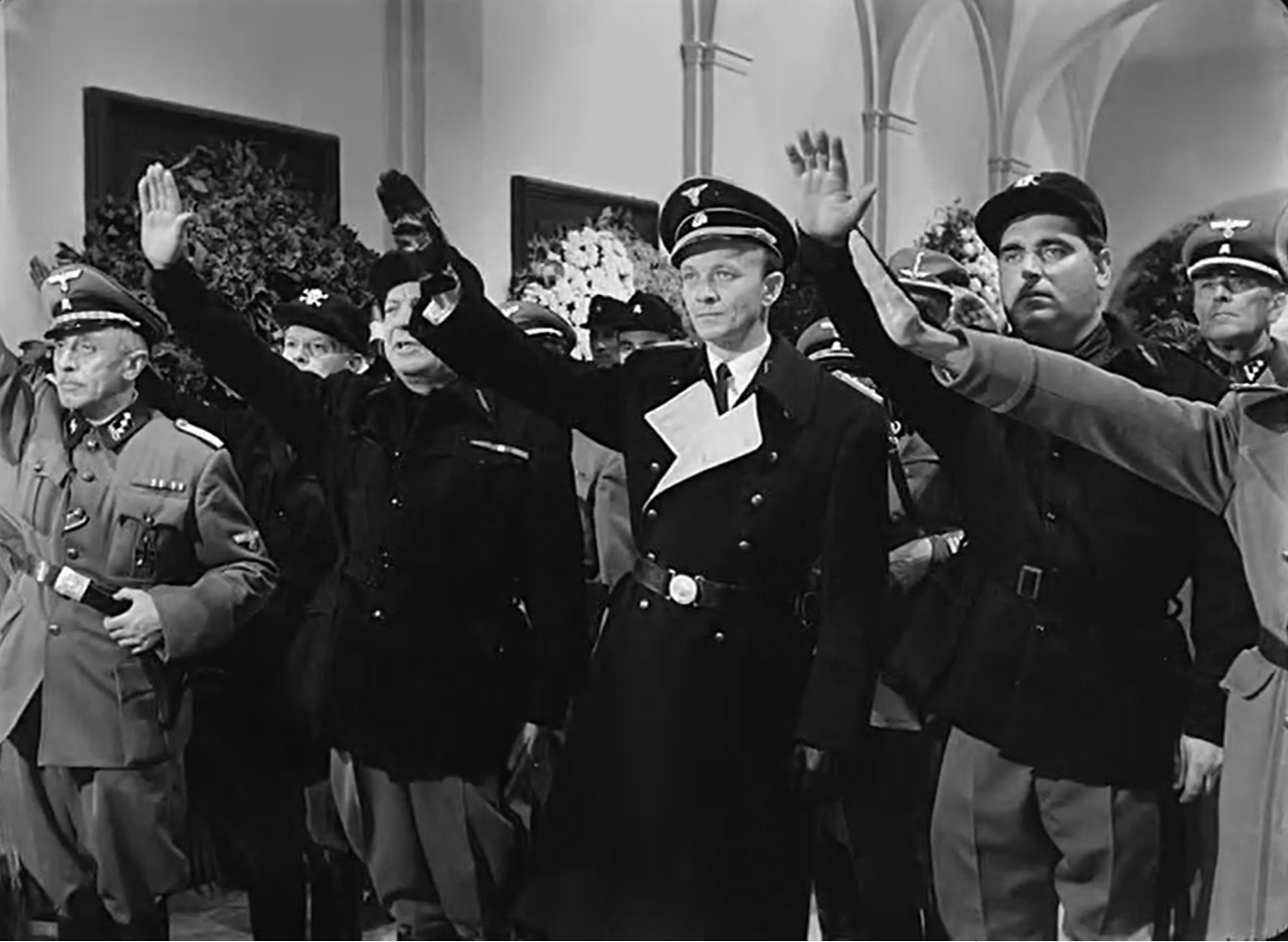
As Peary notes, this historical drama may be overlong and disjointed at times, but is nonetheless a powerful depiction of director Roberto Rossellini’s conviction that “every Italian has the responsibility to share his countrymen’s misery.” Indeed, because Rossellini spends the entire first hour of the movie showing us Grimaldi (De Sica) as he sells out his fellow Italians to the Gestapo — brusquely trading their lives for cash — it’s especially gratifying to witness his change of heart once he’s in prison. Although Grimaldi has nothing to gain by helping the Resistance movement, he comes to recognize the true importance of solidarity in the face of evil. By the end of the film, you’ll feel nothing but compassion and pride for this reformed swindler, who “becomes worthy of the man whose name he has stolen.”

Redeeming Qualities and Moments:

  • Vittorio De Sica’s strong performance as both the cynical swindler and the noble General

  • Many powerful, tense moments, both before and after De Sica enters prison

  • A fascinating portrait of newly won political consciousness

Must See?
Yes. Though it’s long, unevenly paced, and considered by many to be one of Rossellini’s lesser efforts, this film remains a stirring wartime drama.

Categories

  • Important Director

Links:

Rise of Louis XIV, The (1966)

Rise of Louis XIV, The (1966)

“Even my seemingly loyal subjects are as much to be feared as the most rebellious.”

Synopsis:
Young Louis XIV (Jean-Marie Patte) ensures dominance over France during the first twenty years of his reign.

Genres, Themes, Actors, and Directors:

  • Historical Drama
  • French Films
  • Roberto Rossellini Films
  • Royalty and Nobility

Response to Peary’s Review:
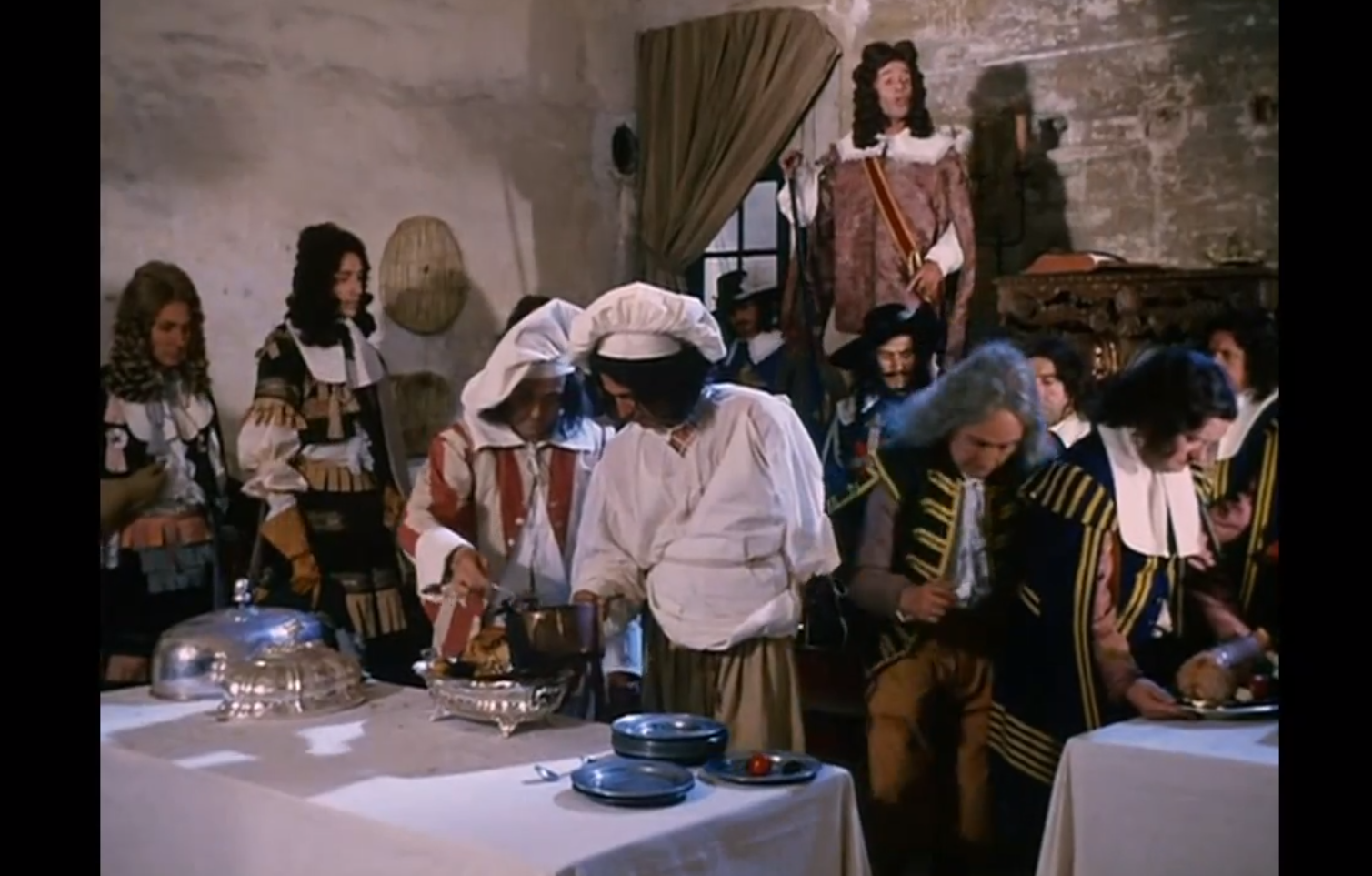
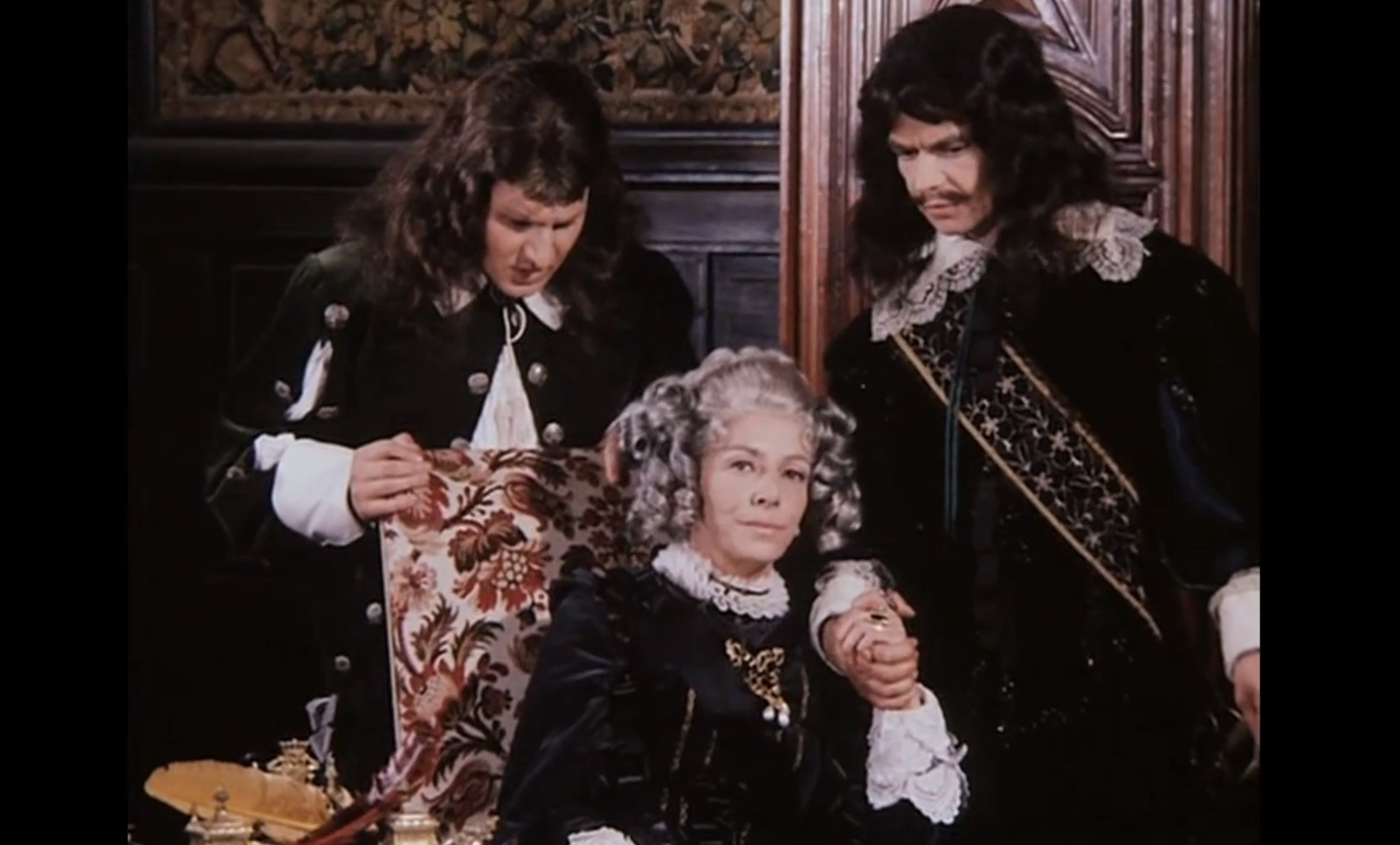
Originally made for Italian T.V. (then released cinematically), Roberto Rossellini’s neo-realist costume drama is, as Peary notes, “slow-paced”, but provides “unusual viewing pleasure” for those with enough patience to sit through it. Rossellini boldly forgoes pomp and spectacle in favor of intimacy and realistic banter; the result is a quietly absorbing look at daily life and power machinations in Louis’ court. While dramatic encounters and bold musical scores are the stock-in-trade of most historical dramas, Rossellini’s approach shows us what such elements deny us — the chance to eavesdrop on historical figures as they go about their everyday, minute-to-minute lives.

Redeeming Qualities and Moments:

  • A meticulous, historically accurate evocation of 18th century France
  • Colorful costumes and sets
  • An intriguing and revealing depiction of Louis’ gradual rise-to-power

Must See?
Yes. Widely regarded as Rossellini’s last true masterpiece, this film merits a look by all film fanatics.

Categories

  • Important Director

Links:

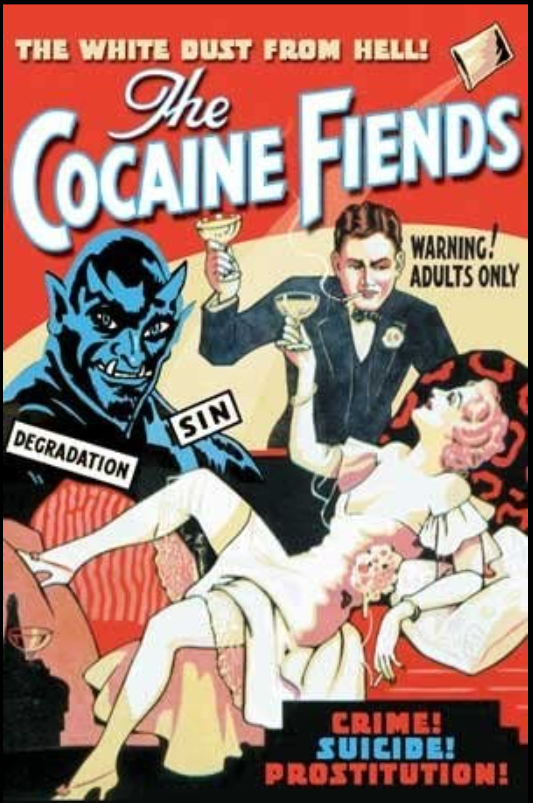
Cocaine Fiends, The (1935)

Cocaine Fiends, The (1935)

“It’s too late for me; girls can’t come back.”

Synopsis:
A small-town girl (Lois January) who has become hooked on cocaine tries to prevent her brother (Dean Benton) from following in her path.

Genres, Themes, Actors, and Directors:

  • Alcoholism and Drug Addiction
  • Siblings

Response to Peary’s Review:
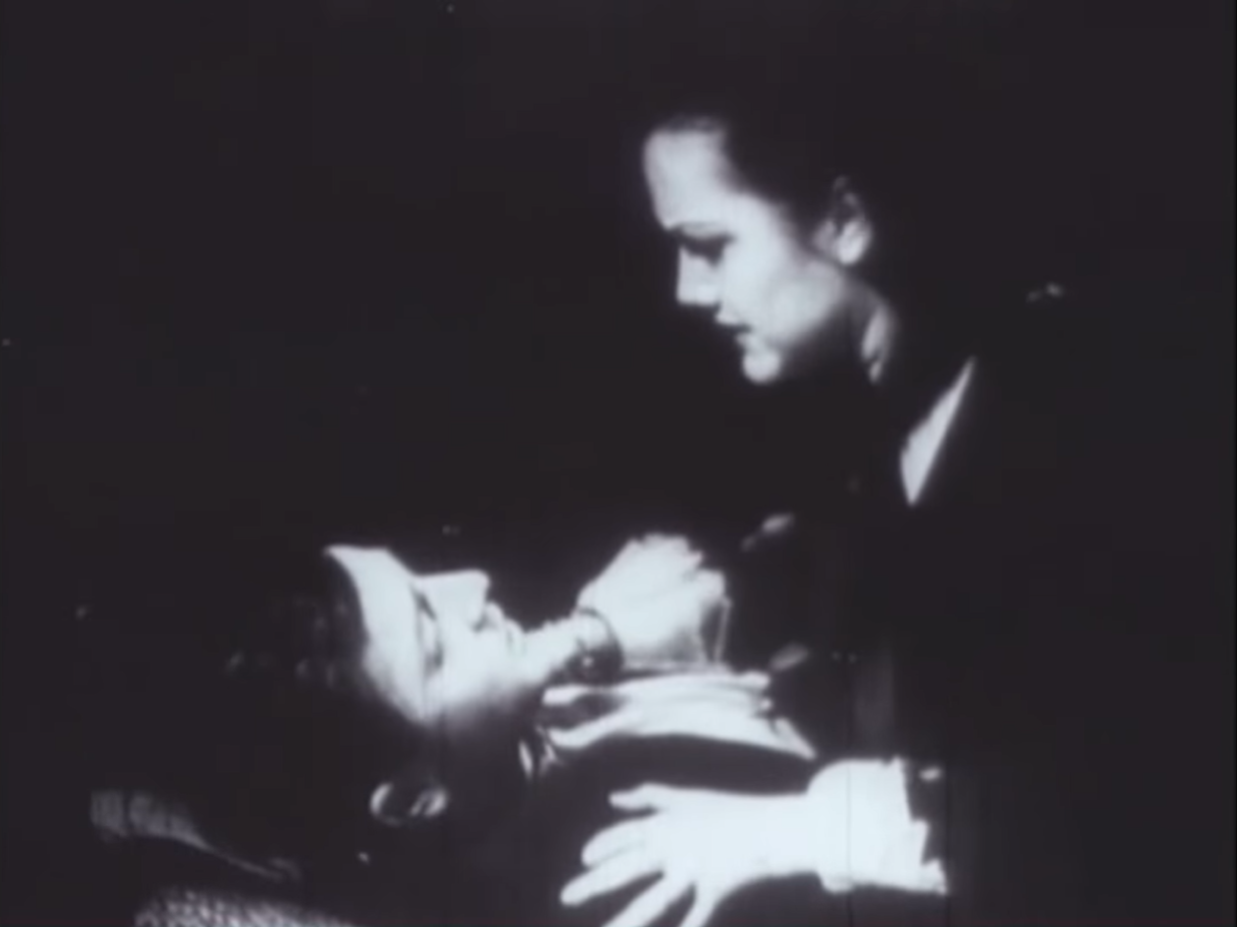
Best known as a companion piece to the infamously campy Reefer Madness (1936), this film (as Peary notes) isn’t nearly “as blatantly exploitative or as foolish in its depiction of drug usage and addiction.” Indeed, the highly realistic possibility of naive young people becoming addicted to cocaine (unlike the histrionics over marijuana “addiction” flouted in Reefer) is scary enough to add some genuine tension to the proceedings. As Peary points out, however, Cocaine Fiends is primarily of interest for its “sad view of females in trouble in a cold-hearted, male-dominated world” — indeed, you’ll feel frustrated and dismayed by January’s utter lack of hope for a second chance.

Redeeming Qualities and Moments:

  • A gritty, relatively realistic view of drug abuse and squalor in the 1930s

Must See?
No; though it’s “better” than its infamous counterpart, this one is not must see viewing.

Links:

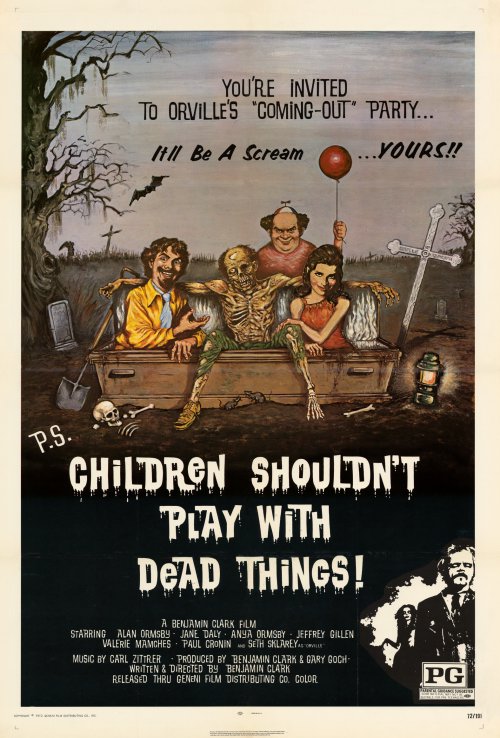
Children Shouldn’t Play With Dead Things (1972)

Children Shouldn’t Play With Dead Things (1972)

“Get out of the grave, Alan. Get out of the grave and let an artist show you how to call a curse down on Satan!”

Synopsis:
A theater director (Alan Ormsby) brings his actors to a remote island to participate in a mock necromancy ritual — but the group soon finds itself in mortal danger as zombies rise from their graves.

Genres, Themes, Actors, and Directors:

  • Actors and Actresses
  • Horror
  • Zombies

Response to Peary’s Review:
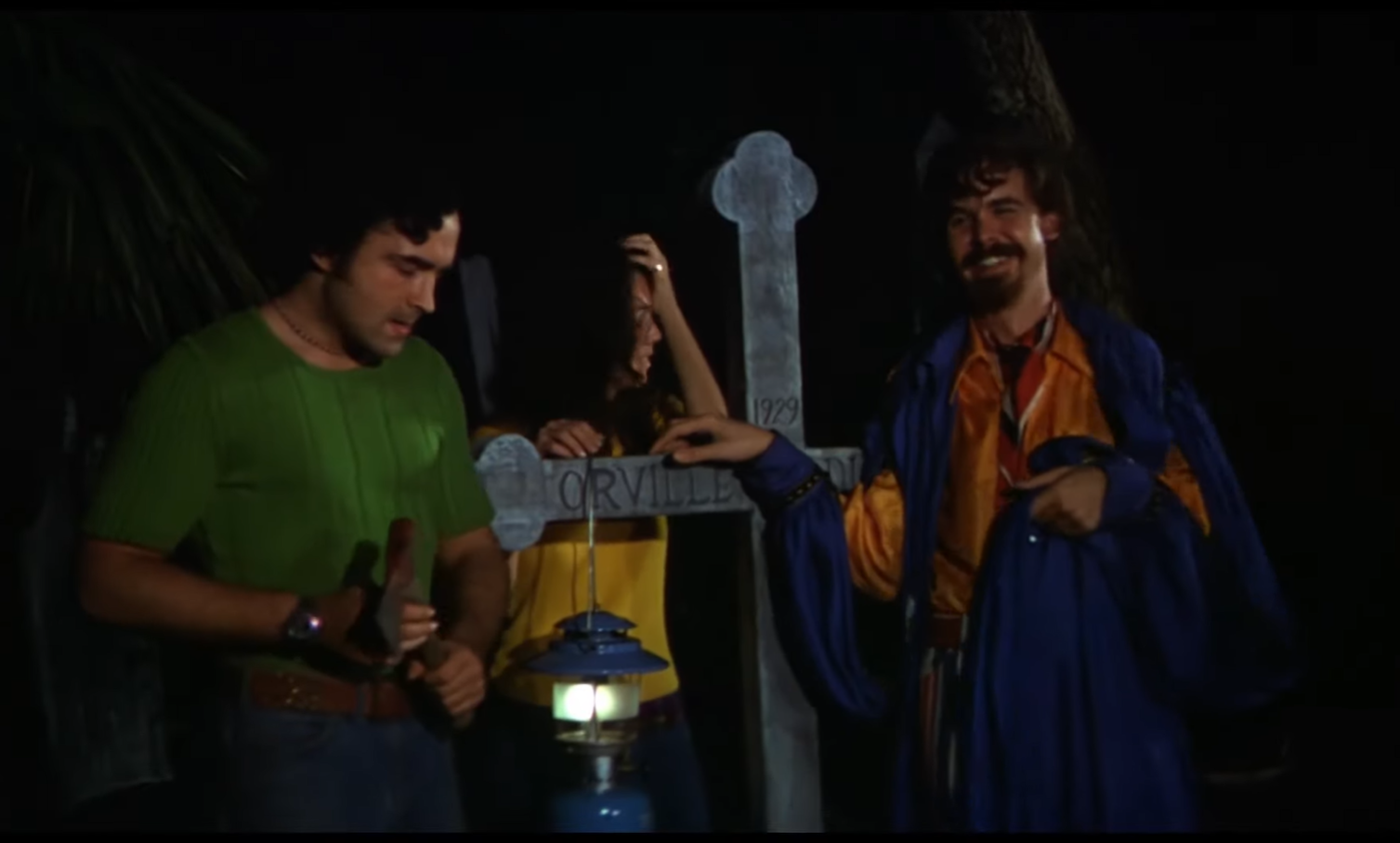
In his inimitable, no-holds-barred style, Peary perfectly describes this cult film by writer/director Bob Clark as a “cheap, ugly, non-frightening, non-funny horror comedy with odious characters,” made by “amateurs who think any completed horror film will make money.” I agree. It’s beyond amazing to me that the director of one of my all-time favorite comedies — A Christmas Story (1983) — also helmed this “excuse for a film,” full of unappealing protagonists, bad acting, laughable make-up, and a painfully unfunny premise.

Redeeming Qualities and Moments:
None.

Must See?
No. While it’s apparently somewhat of a cult favorite, it’s too awful to recommend.

Links: