Confession, The (1970)

Confession, The (1970)

“The others are confessing — the only chance to save your neck is to confess, as they are doing.”

Synopsis:
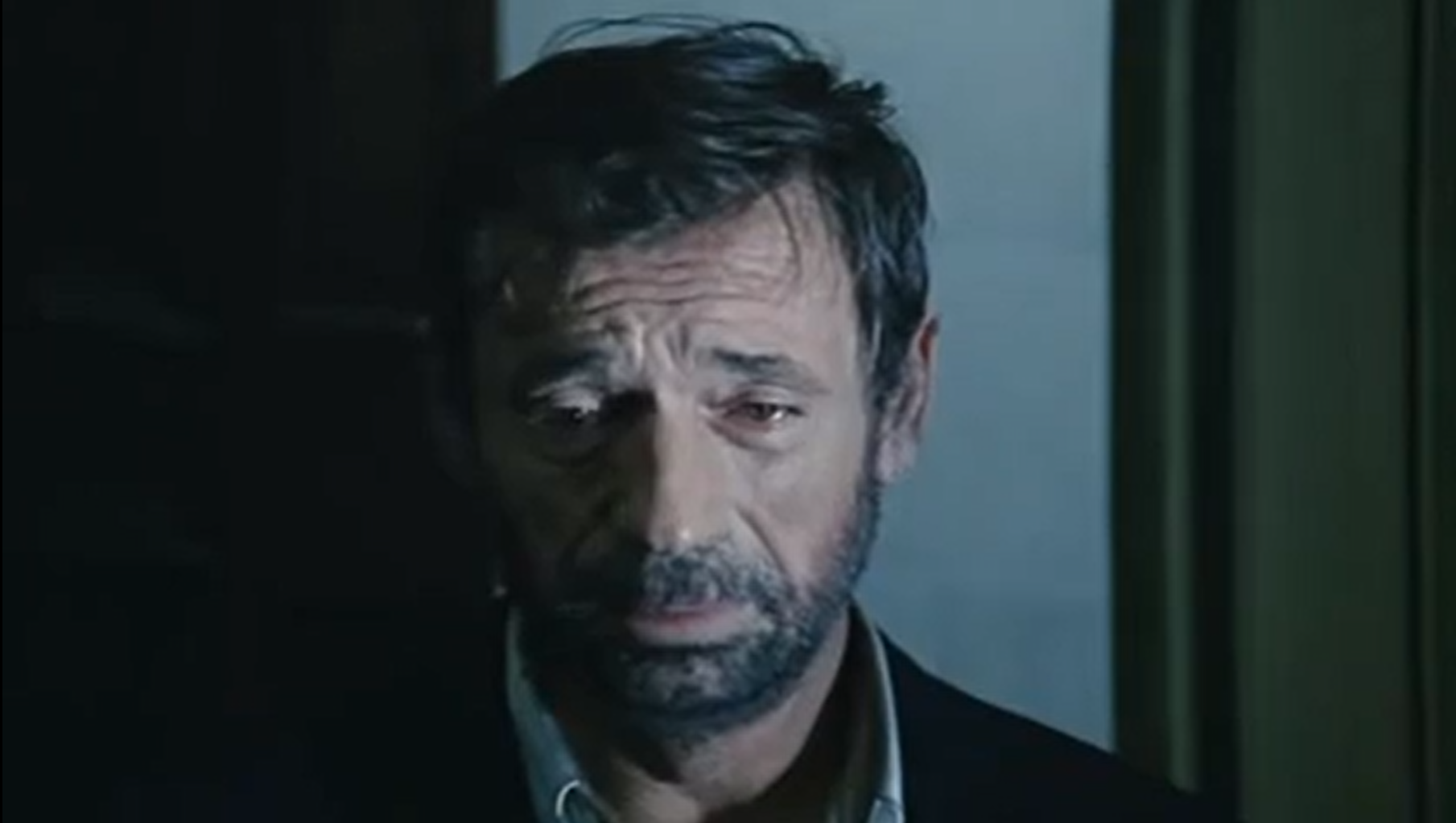
A high-ranking government official (Yves Montand) in Communist Czechoslovakia is taken prisoner and forced to confess to treason he never committed.

Genres, Themes, Actors, and Directors:

  • Cold War
  • Costa-Gavras Films
  • Falsely Accused
  • Historical Drama
  • Prisoners
  • Simone Signoret Films
  • Yves Montand Films

Review:
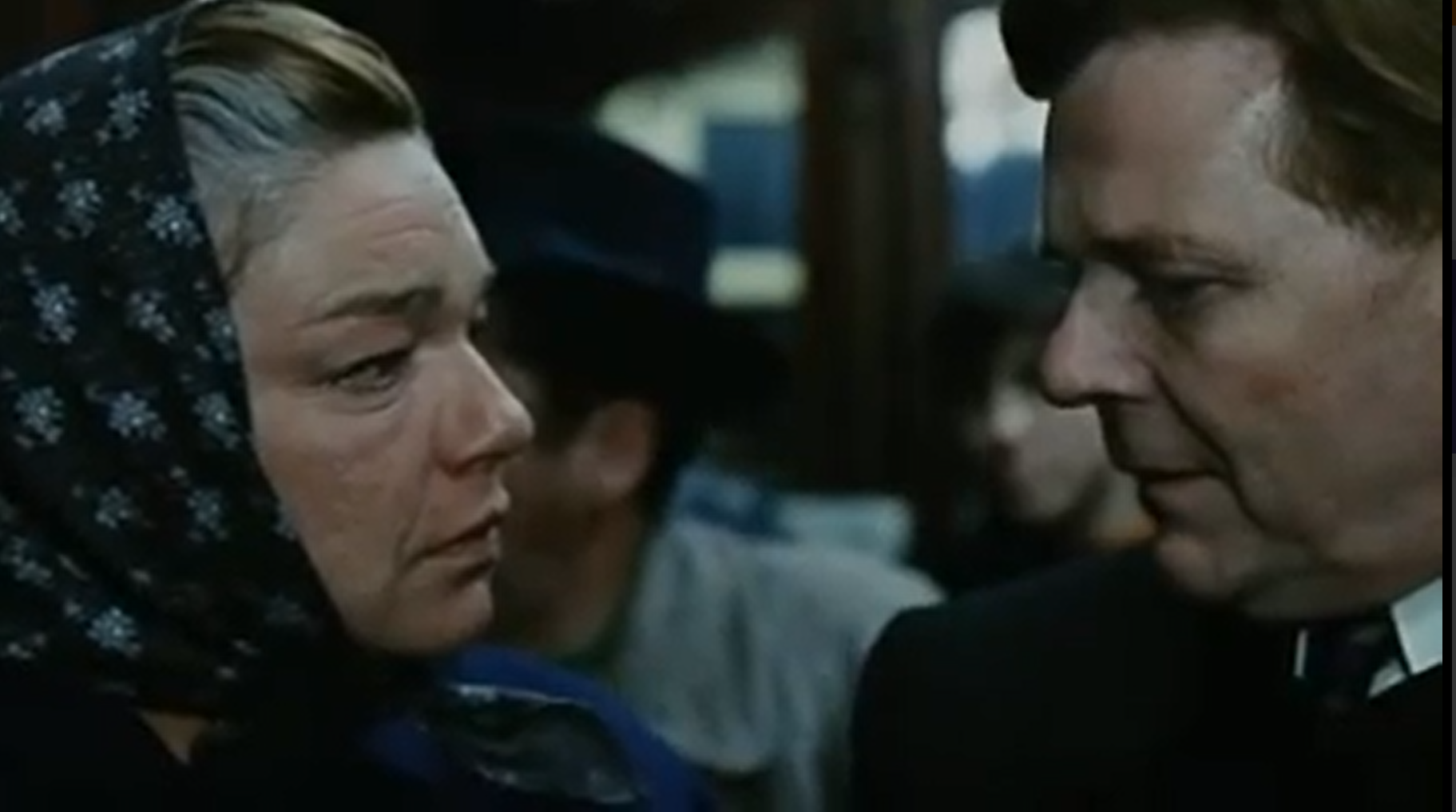
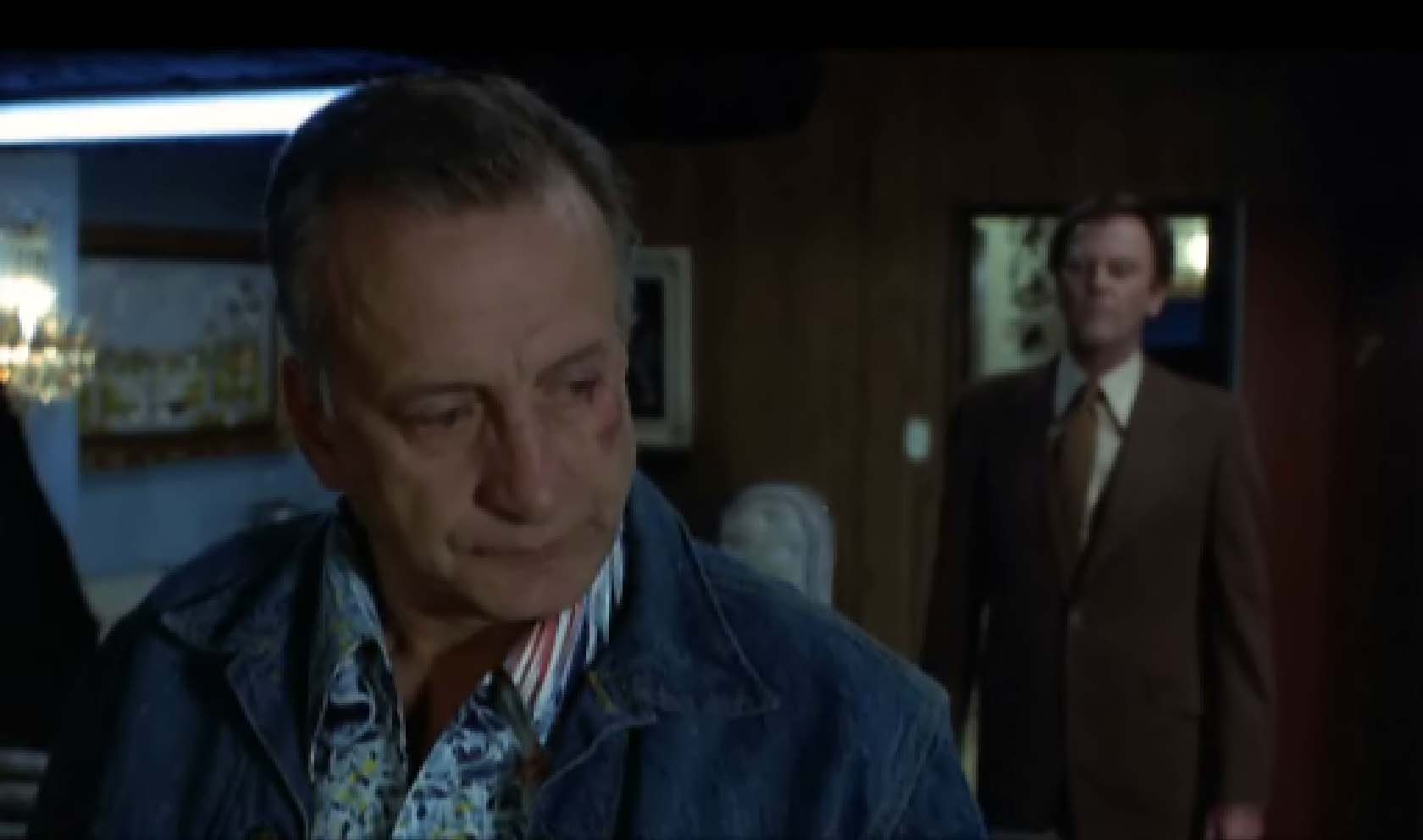
Costa-Gavras followed up his Oscar-nominated political thriller Z (1969) with this hopelessly grueling tale based on Artur London’s experiences during the infamous Czechoslovakian Slansky trial, in which 13 innocent men (11 of them Jewish) were forced to confess to crimes of treason against the Communist Party. Costa-Gavras’ gift for depicting no-holds-barred realism and eliciting fine performances from his actors is in full evidence here; unfortunately, however, the story he’s chosen to tell is so nightmarishly Kafka-esque that it’s truly difficult to sit through for over two hours. Even knowing that the protagonist (who is occasionally shown telling his story in flashback) will survive to write a book about his travails doesn’t help matters much. The Confession is ultimately a film one admires rather than enjoys, and will be of most interest either to Costa-Gavras fans or history buffs interested in the dysfunctional machinations of Stalinism.

Redeeming Qualities and Moments:

  • Yves Montand as “Gerard”
  • Simone Signoret as Montand’s wife
  • An uncompromising depiction of sustained psychological and physical torture

Must See?
No, although it’s recommended for those who can stomach it. Listed as a film with Historical Importance in the back of Peary’s book.

Links:

Postman Always Rings Twice, The (1981)

Postman Always Rings Twice, The (1981)

“I’m getting tired of what’s right and wrong.”

Synopsis:
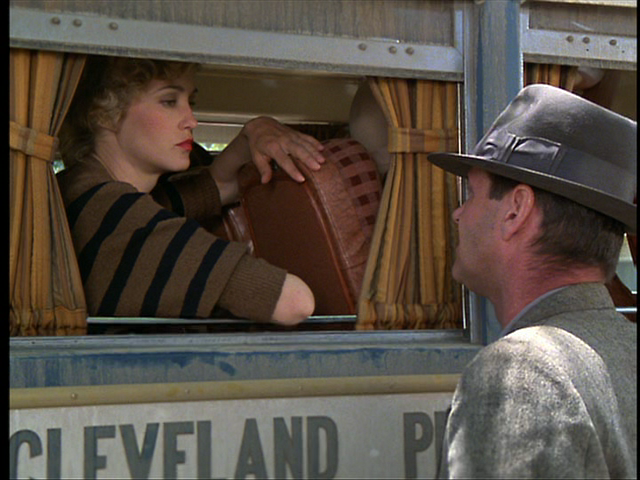
A drifter (Jack Nicholson) begins a steamy affair with the wife (Jessica Lange) of his new boss (John Colicos), and soon the two are plotting to commit murder.

Genres, Themes, Actors, and Directors:

  • Bob Rafelson Films
  • Courtroom Drama
  • Infidelity
  • Jessica Lange Films
  • Jack Nicholson Films
  • Plot to Murder

Review:
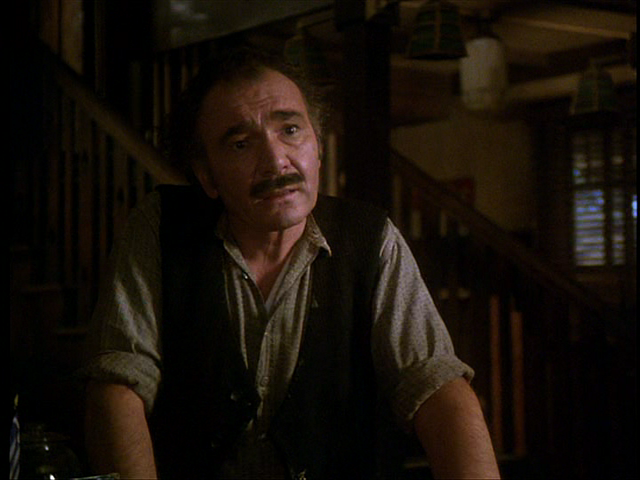
Remaking a certified cinematic classic is always tricky business, given that the question “Why bother?” lingers naggingly in one’s head. In this case, director Bob Rafelson and screenwriter David Mamet (whose distinctive voice is nowhere in sight) seem interested in creating a more “authentic” version of James M. Cain’s Depression-era novel, which they achieve primarily by incorporating explicit scenes of steamy sexuality between Cora (Lange) and Frank (Nicholson), and restoring cuckolded husband Nick Papadakis’s Greek ethnicity (he was simply “Nick Smith” in the 1946 version). Unfortunately, however, Rafelson and Mamet are unable to create a more interesting or compelling drama than that told in Tay Garnett’s MGM classic: while both Nicholson and Lange are excellent actors, they can’t compete with the iconic status of their predecessors (Lana Turner and John Garfield), and neither one is particularly well cast. With that said, Rafelson’s update is at the very least a visual treat: Sven Nykvist’s glowing cinematography is as seductive as always, and set designer George Jenkins effectively recreates a specific time and place in history. Nonetheless, this re-envisioning of Postman ultimately remains optional viewing rather than a must-see gem.

Redeeming Qualities and Moments:

  • John Colicos as Nick Papadakis
  • George Jenkins’ Depression-era set designs
  • Sven Nykvist’s cinematography

Must See?
No, though film fanatics will likely be curious to at least check it out.

Links:

Postman Always Rings Twice, The (1946)

Postman Always Rings Twice, The (1946)

“With my brains and your looks, we could go places.”

Synopsis:
A drifter (John Garfield) falls for the beautiful wife (Lana Turner) of an older restaurant proprietor (Cecil Kellaway), and the two young lovers are soon plotting murder.

Genres, Themes, Actors, and Directors:

  • Audrey Totter Films
  • Cecil Kellaway Films
  • Courtroom Drama
  • Femmes Fatales
  • Hume Cronyn Films
  • Infidelity
  • John Garfield Films
  • Lana Turner Films
  • Plot to Murder

Review:
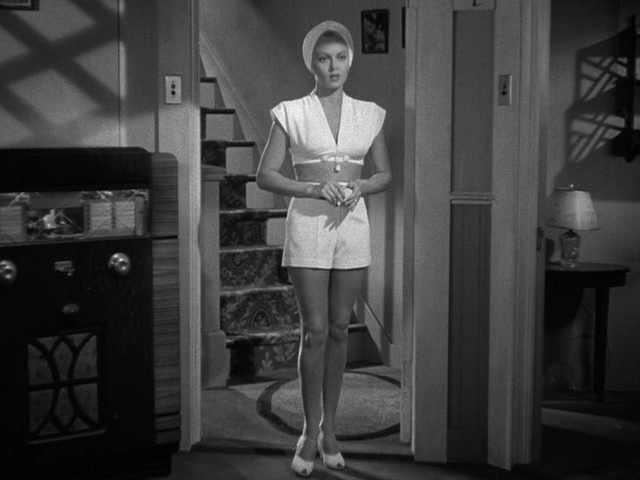
Although two foreign adaptations had already been made of James M. Cain’s 1934 novel — Pierre Chenal’s Le Dernier Tournant in 1939, and Luchino Visconti’s Ossessione in 1943 — this 1946 MGM iteration is widely referred to as “the original” version of Cain’s story, in contrast with Bob Rafelson’s steamy but disappointing 1981 remake. While the latter is more authentic to both the novel and the time period in which it takes place, the stylized look and feel of MGM’s version (Tay Garnett‘s best directorial effort) nonetheless lend it a sort of classic timelessness: from Lana Turner’s infamous “lipstick entrance”, to Turner’s (nearly) all-white wardrobe, to the spic-‘n-span cleanliness of Kellaway’s roadside diner, this Postman lingers in one’s memory long after viewing.

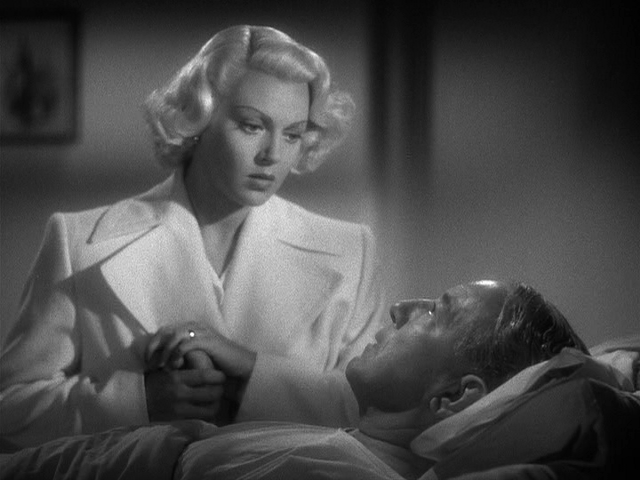
As the unwitting femme fatale who causes the downfall of both Garfield’s drifter and Kellaway’s bumbling restaurateur, “sweater girl” Lana Turner gives what is widely considered her best, most iconic performance: she’s all tanned legs, platinum hair, and seductive poses — literally a cheesecake model come to life — and while some (see DVD Savant’s review) have argued that she’s too pristine and wooden for the role of a gritty roadside waitress, Turner’s sunkissed looks are the perfect embodiment of a seductive force too strong to resist.

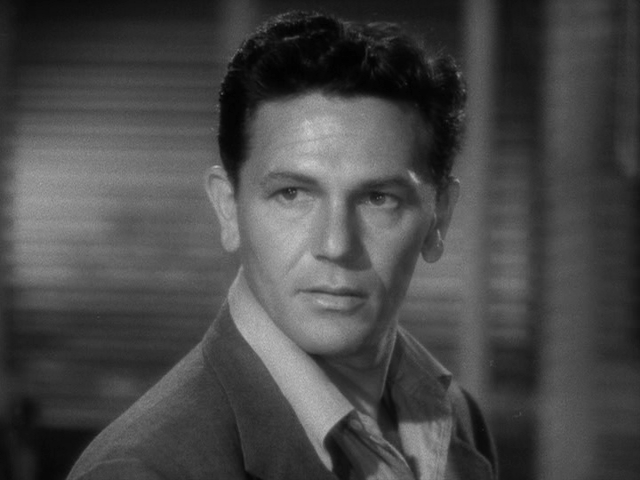
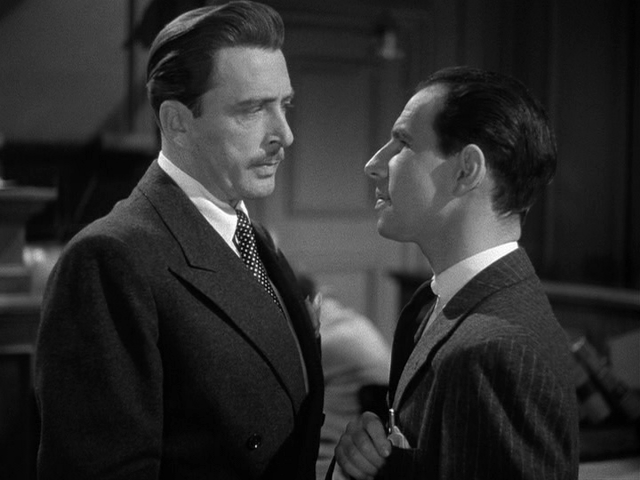
John Garfield is well-cast as smitten Frank Chambers, and is a perfect match for Turner, effectively capturing the frustrations of a man torn between erotic desire, wanderlust, and a basic sense of decency. Other bit roles are nicely played as well, particularly Hume Cronyn as the brilliant if corrupt lawyer who first plays Turner off of Garfield, thus starting a downward spiral which ends — in typical noir fashion — tragically.

Redeeming Qualities and Moments:

  • John Garfield as Frank Chambers
  • Lana Turner — in her best role — as Cora Smith
  • Hume Cronyn and Leon Ames as competing lawyers

Must See?
Yes, for its status as an undisputed noir classic. Listed as a film with Historical Importance and a Personal Recommendation in the back of Peary’s book.

Categories

  • Genuine Classic

(Listed in 1001 Movies You Must See Before You Die)

Links:

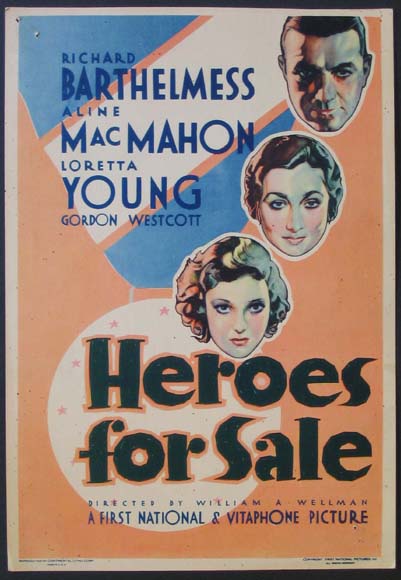
Heroes for Sale (1933)

Heroes for Sale (1933)

“I know that all my promotions and decorations belong to you. I know that I’ve stolen the credit from a real hero.”

Synopsis:
A war veteran (Richard Barthelmess) whose cowardly comrade (Gordon Westcott) has accepted all the glory for his heroism battles a morphine addiction, then starts life anew in Chicago, where he prospers as the co-owner of a labor-saving laundry machine and marries his sweetheart (Loretta Young). His luck turns again, however, when he’s falsely accused of inciting a riot, and sent away to prison — but he refuses to give up on his dream of helping those less fortunate than himself.

Genres, Themes, Actors, and Directors:

  • Depression Era
  • Do-Gooders
  • Falsely Accused
  • Loretta Young Films
  • Veterans
  • William Wellman Films

Review:
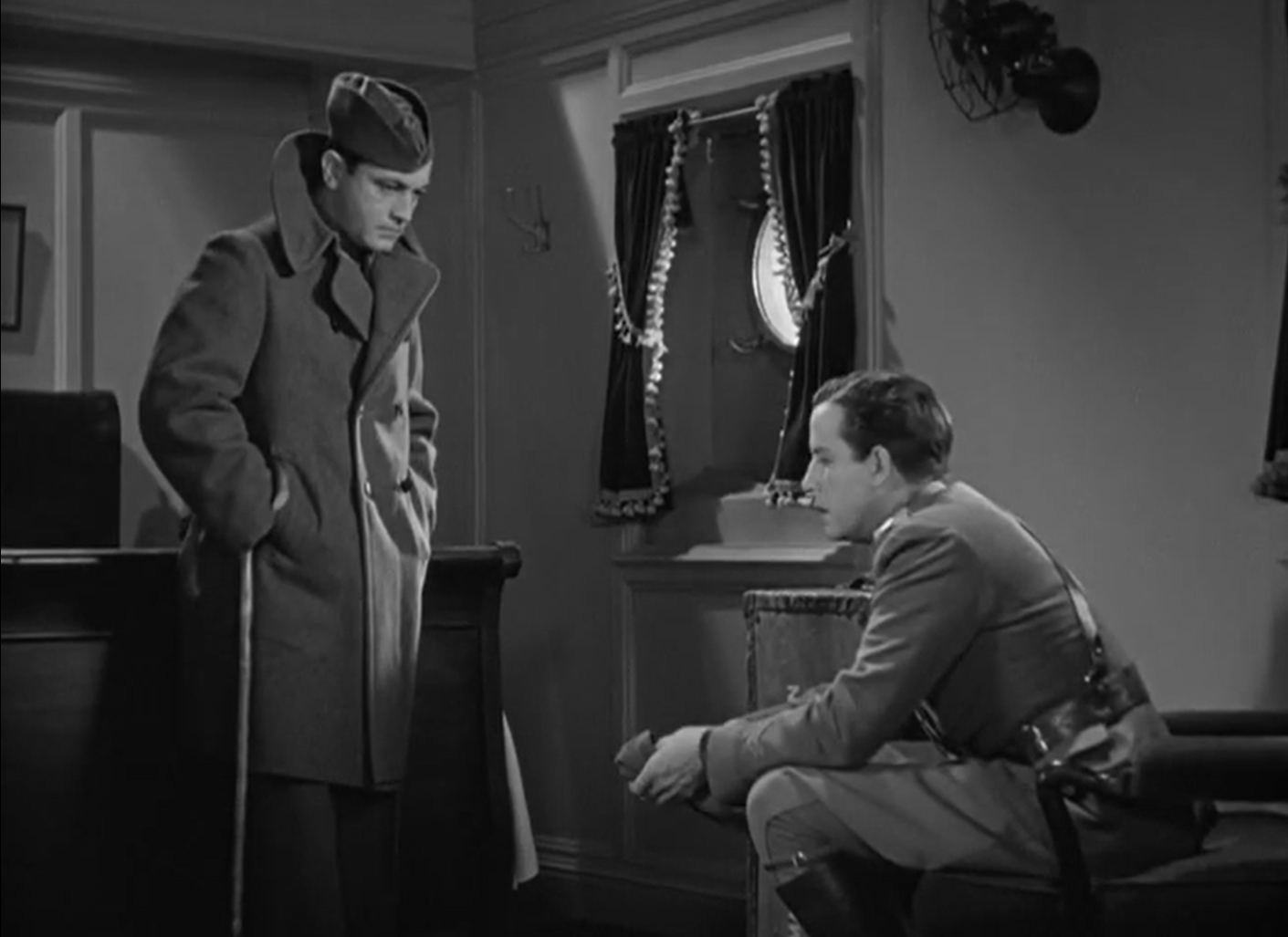
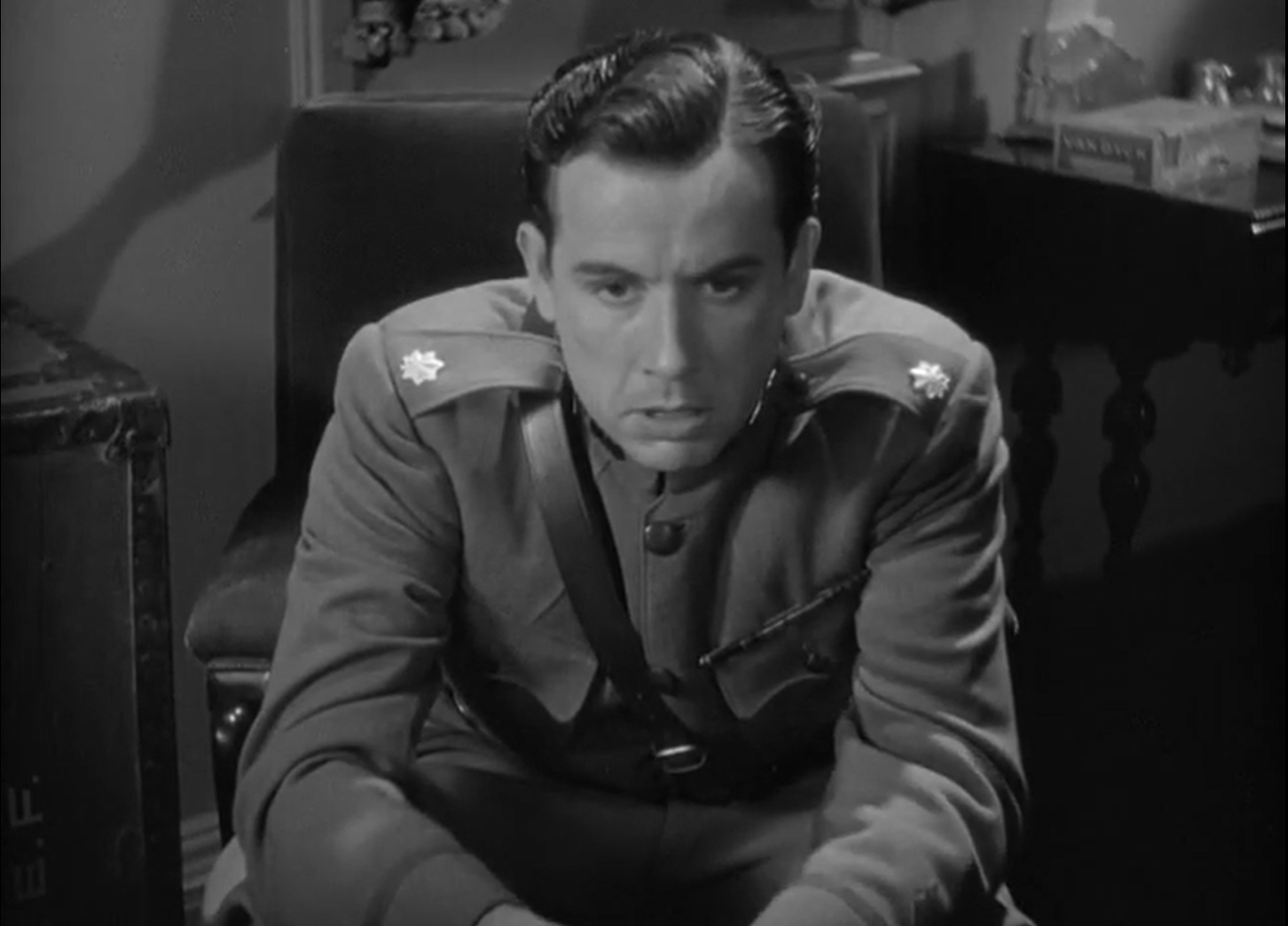
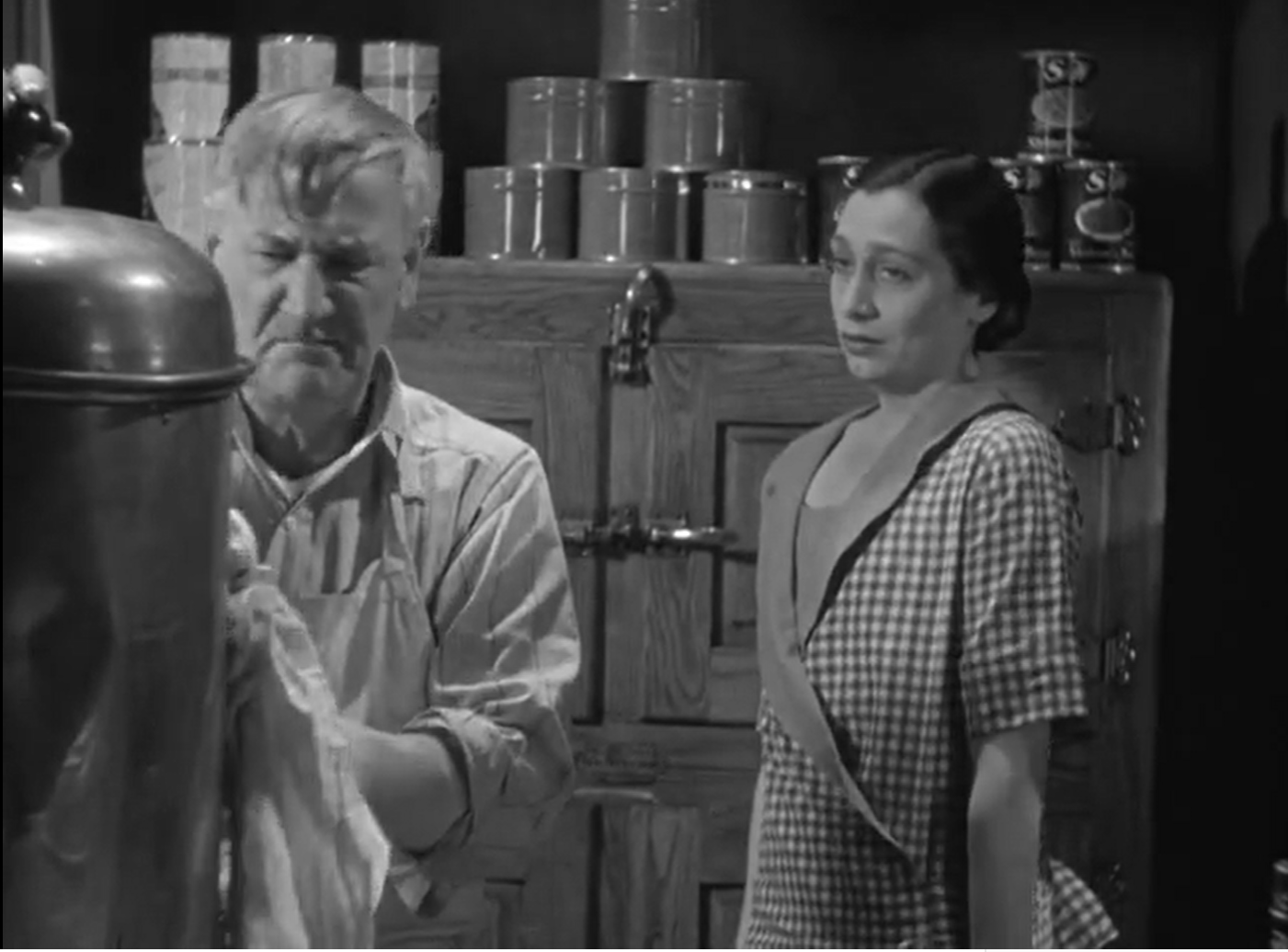
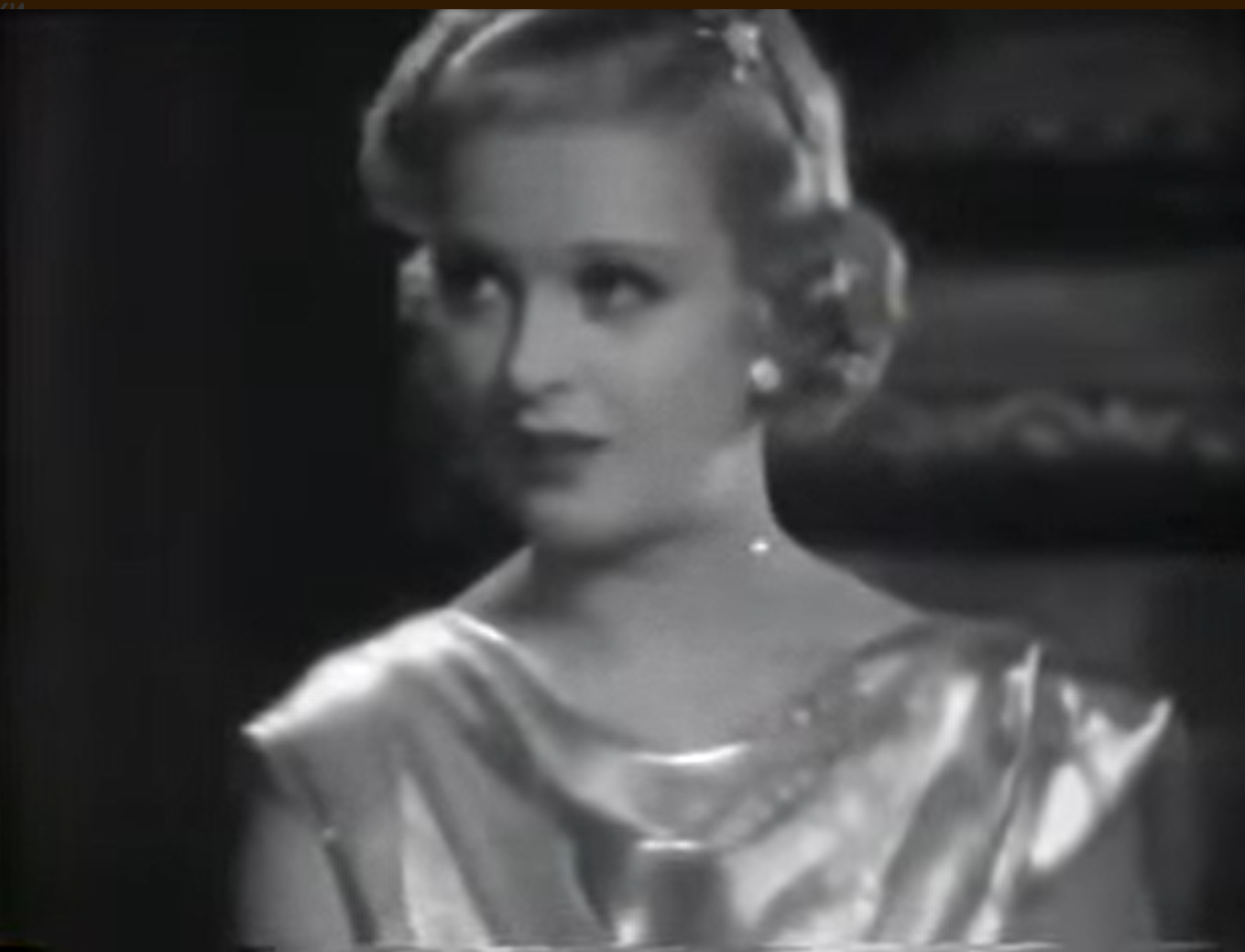
William Wellman’s hard-hitting tale of an unsung war hero whose [for]giving nature brings him both deep satisfaction and cruel treatment is, as noted in TCM’s review, “ungainly” yet “also unfailingly urgent and never boring”. The film starts off with a compelling exploration of bravery and cowardice during the heat of battle, and we wait with bated breath to hear Barthelmess’s reaction to Westcott’s stinging betrayal:

Once this is revealed, however (no revenge is taken by the extraordinarily good-hearted Barthelmess), the screenplay veers from one episode to another in rapid-fire succession — Westcott does show up again, but only in the film’s final scene, in order for Wellman to make the point that both rich and poor suffered under the iron grip of the Great Depression. In the meantime (as indicated in TCM’s assessment) we become oddly compelled by Barthelmess’s travails, watching his character emerge as a true “hero” of the era — someone who is decidedly not for sale, at any cost. The fine cast of supporting actors (particularly Aline MacMahon in a pivotal role) adds to the enjoyment of this unusual little film.

Redeeming Qualities and Moments:

  • Richard Barthelmess as Tom Holmes
  • Gordon Westcott as Tom’s cowardly comrade
  • Aline MacMahon as Tom’s landlady and friend
  • Loretta Young as Tom’s wife

Must See?
No, but it’s recommended.

Links:

Man Who Reclaimed His Head, The (1934)

Man Who Reclaimed His Head, The (1934)

“As long as munitions stay in the hands of private enterprise, war will always be around the corner.”

Synopsis:
An anti-war editorialist (Claude Rains) goes mad when he discovers that his editor (Lionel Atwill) has betrayed his trust by collaborating with munitions manufacturers.

Genres, Themes, Actors, and Directors:

  • Betrayal
  • Claude Rains Films
  • Flashback Films
  • Joan Bennett Films
  • Lionel Atwill Films
  • Play Adaptations
  • World War I
  • Writers

Review:
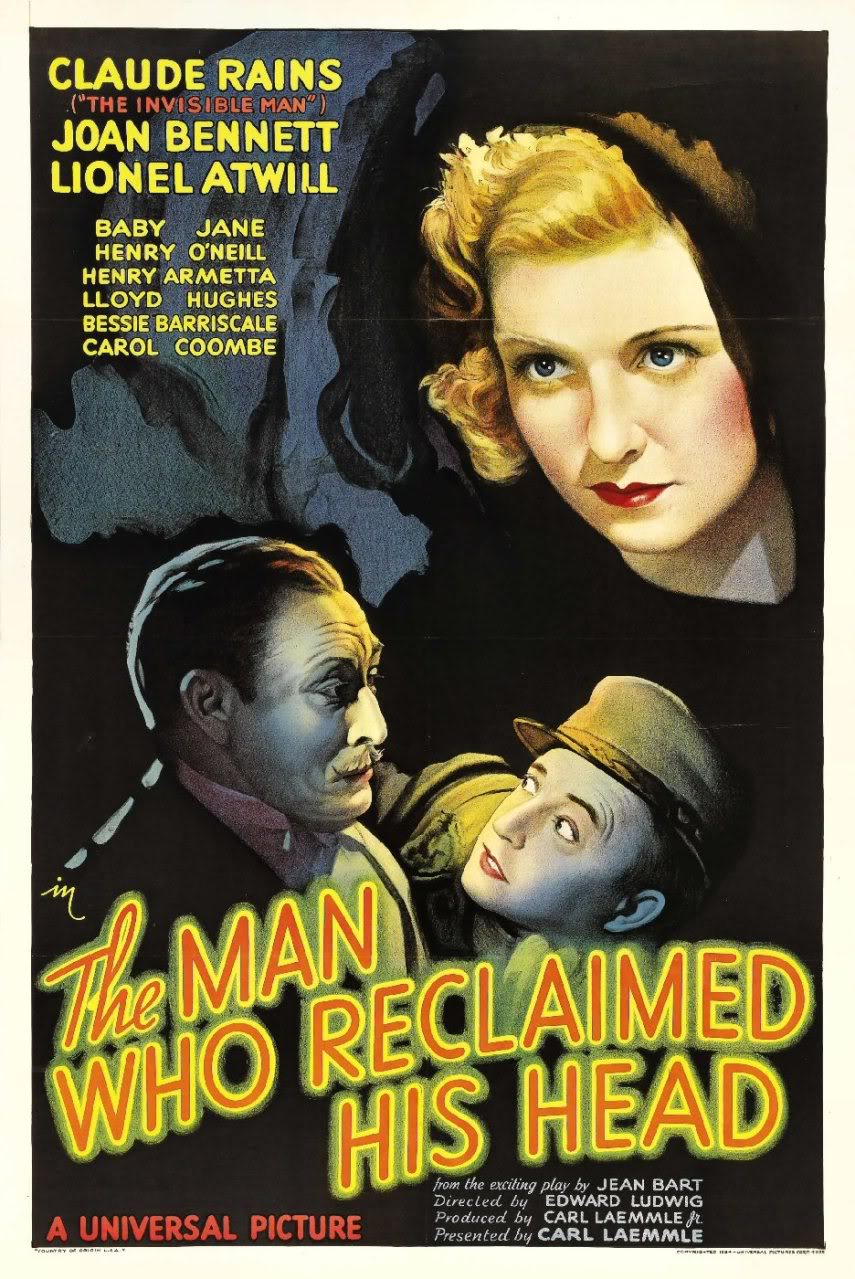
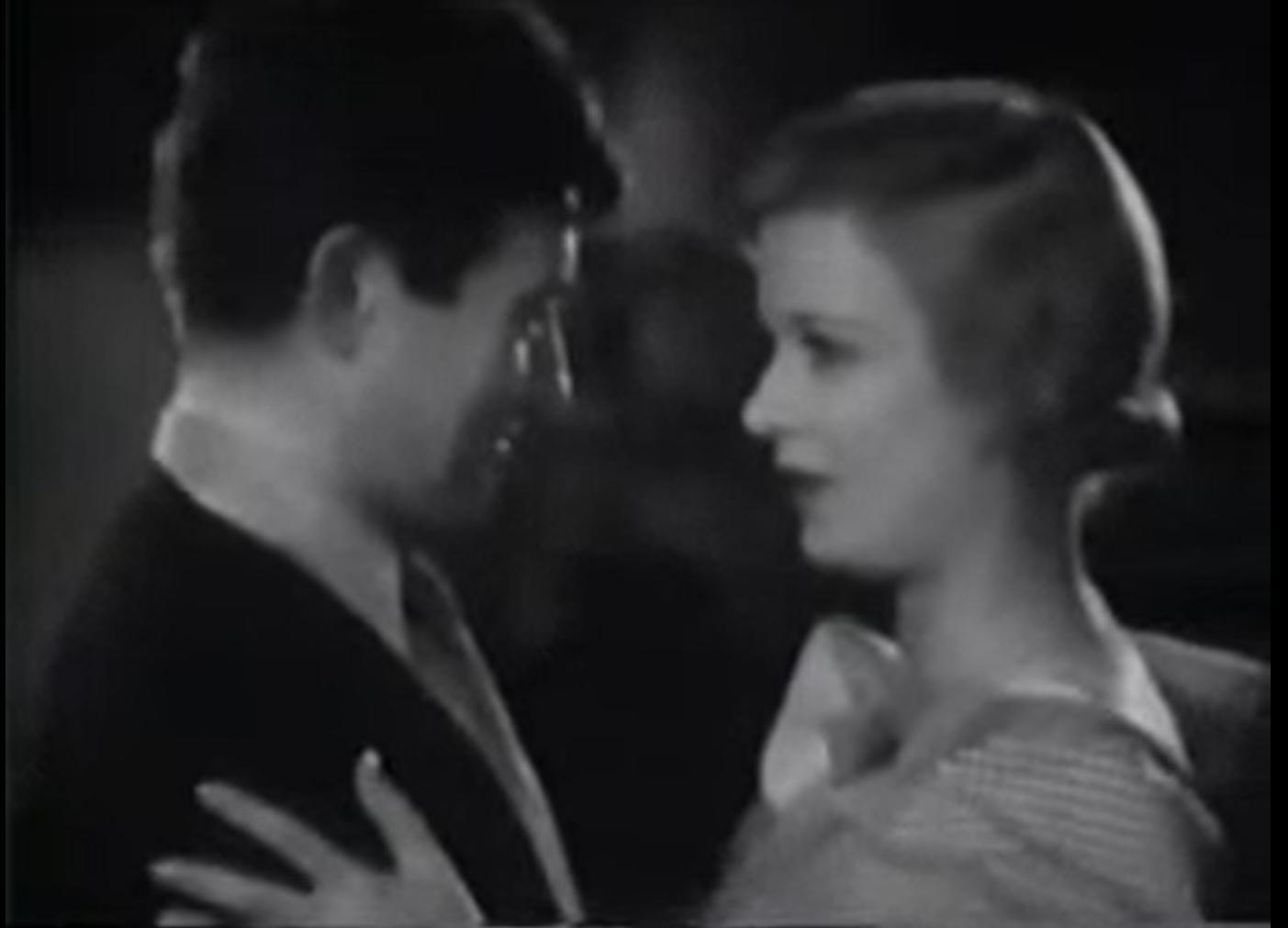
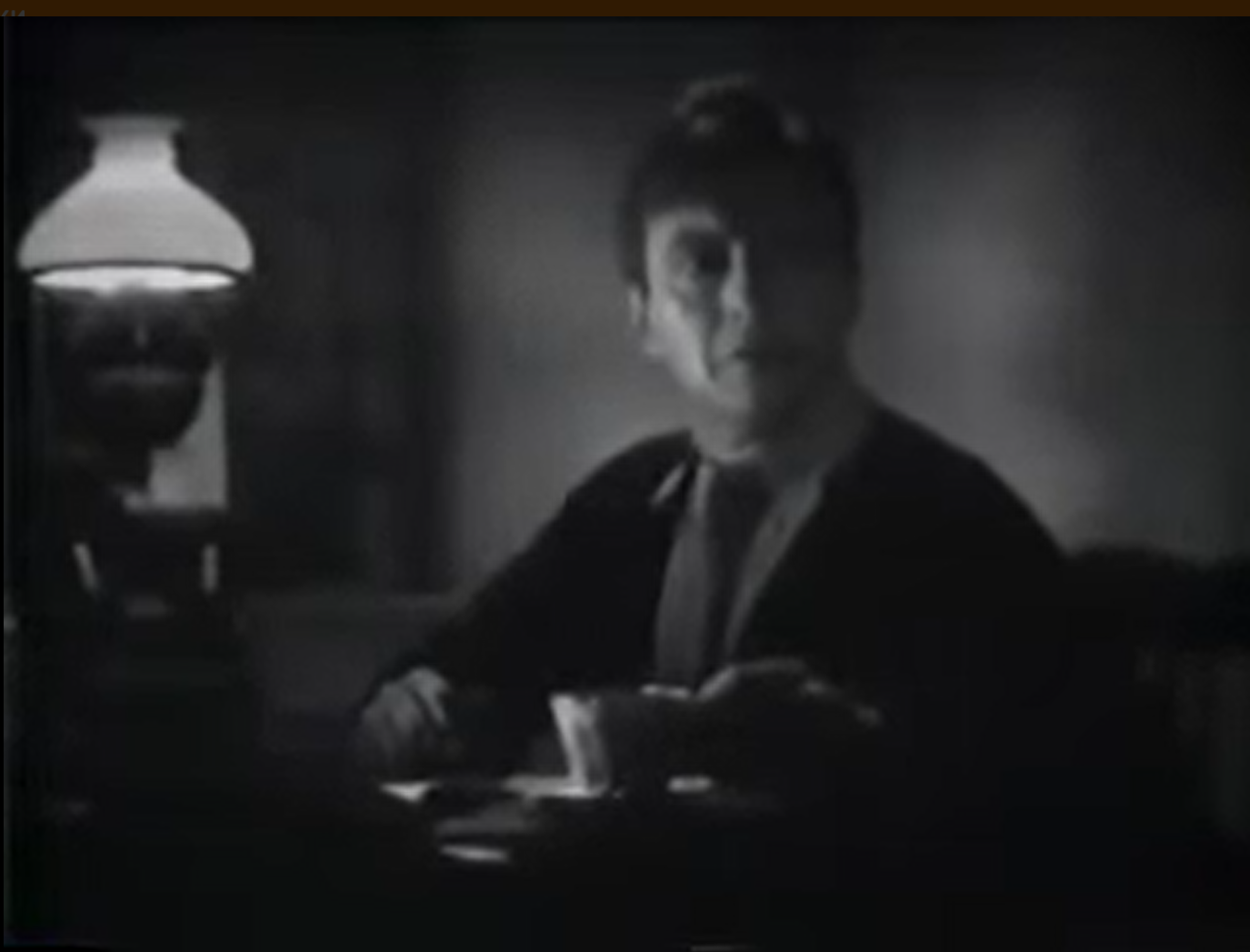
The Man Who Reclaimed His Head — based on a stage play by Jean Bart — is not, as its provocative title would suggest, a horror flick; while insanity and murder are involved, they ultimately take a back seat to the central story of a freelance writer (Rains) so in love with his beautiful young wife (Joan Bennett):

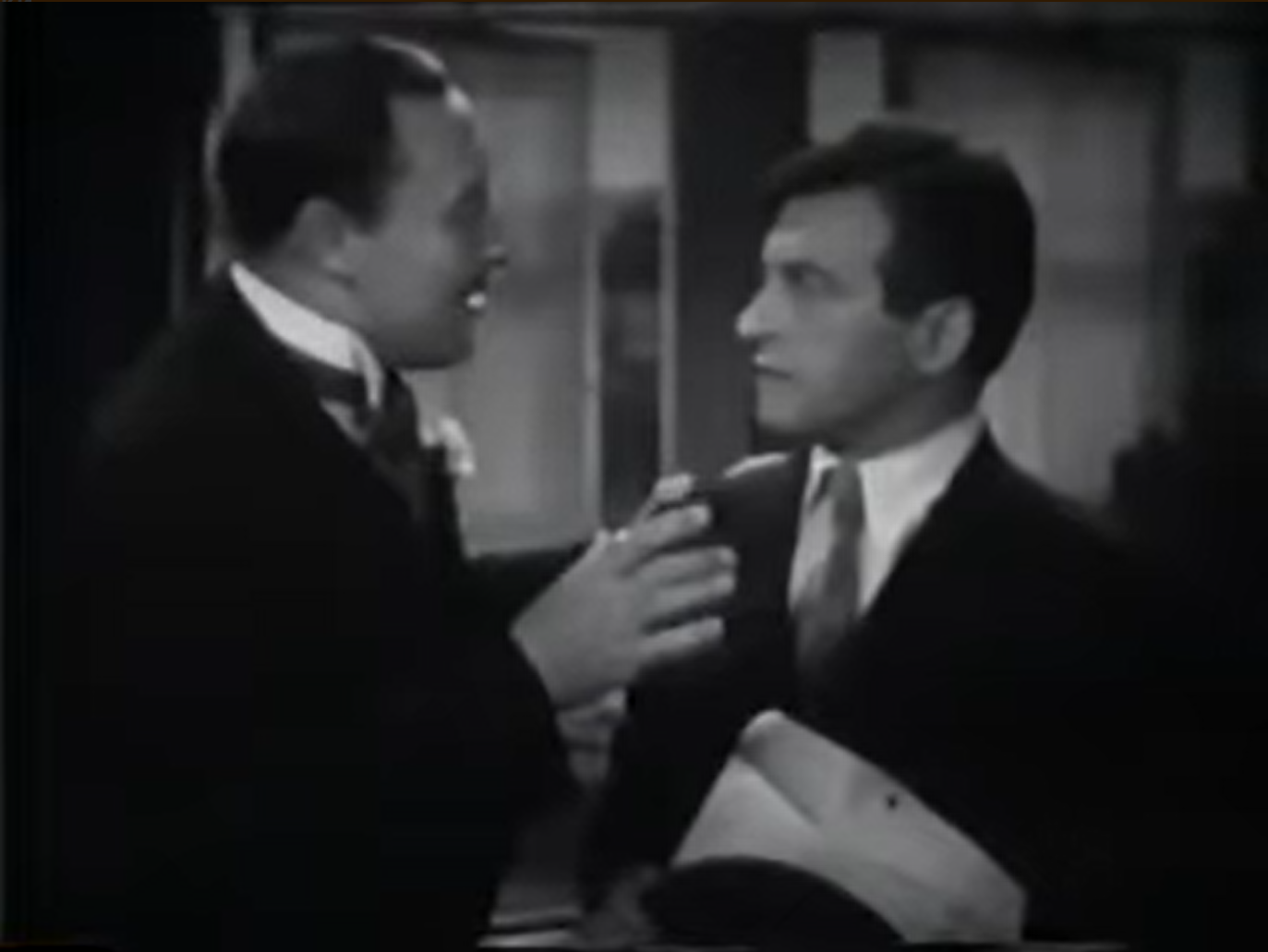
that he agrees to work for an unscrupulous former boss (Atwill), only to find his trust sorely misplaced. Unfortunately, while the expose of “special interests” driving the machinery of war — and the complicity of the media in such efforts — was surely shocking at the time of the film’s release, today’s audiences will find such nefarious collaborations sadly commonplace, and thus may have a hard time relating to the enormity of Rains’ emotions (not to mention his drastic actions). Rains — always a compelling actor — is excellent in the title role (indeed, Peary nominates his performance for an Alternate Oscar), but Atwill’s “evil” character isn’t fleshed out nearly enough.

Meanwhile, Bennett (capable of much better) emerges as little more than a pretty face.

While it’s not “must see” viewing for all film fanatics, however, Claude Rains fans will certainly want to check this one out.

Redeeming Qualities and Moments:

  • Claude Rains as Paul Verin
  • An early expose of the military-industrial complex

Must See?
No, but it’s worth a look. Listed as a Sleeper and a Personal Recommendation in the back of Peary’s book.

Links:

Red Dawn (1984)

Red Dawn (1984)

“The Russians need to take us in one piece, and that’s why they’re here.”

Synopsis:
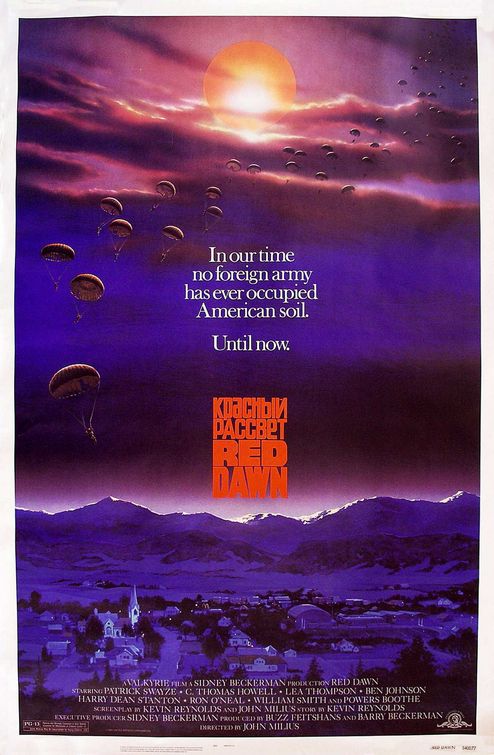
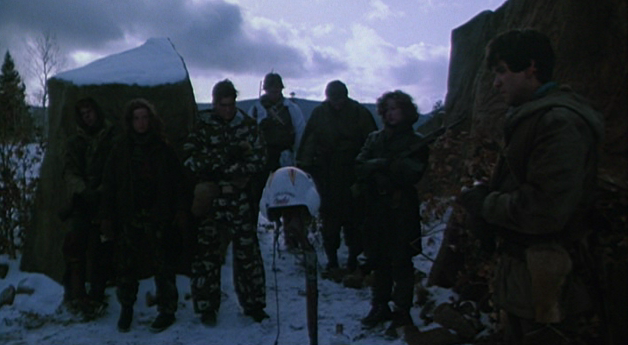
When Communists invade America, a group of teenagers in Colorado — led by Jed (Patrick Swayze) and his brother Matt (Charlie Sheen) — defend themselves in the hills, eventually forming a resistance group known as the Wolverines.

Genres, Themes, Actors, and Directors:

  • Ben Johnson Films
  • Cold War
  • Harry Dean Stanton Films
  • Resistance Fighters
  • Small Town America

Response to Peary’s Review:
In his review of this ’80s cult favorite (which he labels “anti-Communist paranoia gone mad”), Peary focuses primarily on the “right-wing politics” of its creator, director/screenwriter John Milius — who, Peary argues, “makes warfare seem fun”, and who seems to envy “the film’s teenagers and underground fighters as they attempt to recapture their homeland.” In truth, if you’re able to ignore the film’s controversial political stance (as well as some of the more glaring plot holes — the scenario is more fantasy than reality), Red Dawn remains a surprisingly enjoyable action flick, one which is guaranteed to appeal to anyone who’s ever dreamed of surviving off the land and/or becoming a guerrilla fighter. The lead actors, as Peary notes, are all “solid action heroes”, and convincingly portray the youthful rebels, though it’s frustrating that we never get to know any of them in great detail (character development is secondary to action here). Indeed, Milius infuses his script with so much fighting that at a certain point “it becomes hard to tell what specifically the insurgents are trying to accomplish during each of their sneak attacks on the invaders” — but action fans surely won’t be disappointed.

Redeeming Qualities and Moments:

  • Fine performances by the cast of (mostly) unknown young actors
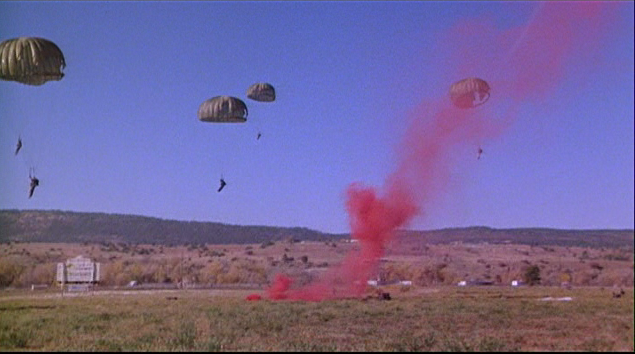
  • The frightening opening “landing” sequence
  • A sobering view of what American occupation might look like
  • Refreshing humanization of at least one of the invaders
  • Beautiful cinematography of deceptively “peaceful” landscapes

Must See?
Yes, for its status as a cult favorite.

Categories

  • Cult Movie

Links:

Seven Women (1966)

Seven Women (1966)

“Whatever the doctor’s doing, she’s doing for our good.”

Synopsis:
A doctor (Anne Bancroft) sent to a mission in China clashes with its puritanical director (Margaret Leighton), but is a source of inspiration for many of the other inhabitants, including an older pregnant woman (Betty Field) and an impressionable young recruit (Sue Lyon). When their mission is invaded by the nefarious Mongol warrior Tunga Khan (Mike Mazurki), Bancroft makes a controversial sacrifice in exchange for the others’ safety, and must bear the brunt of Leighton’s disdain for her decision.

Genres, Themes, Actors, and Directors:

  • Anne Bancroft Films
  • Betty Field Films
  • China
  • Doctors and Nurses
  • Eddie Albert Films
  • John Ford Films
  • Mildred Dunnock Films
  • Missionaries<
  • Strong Females
  • Woody Strode Films

Review:
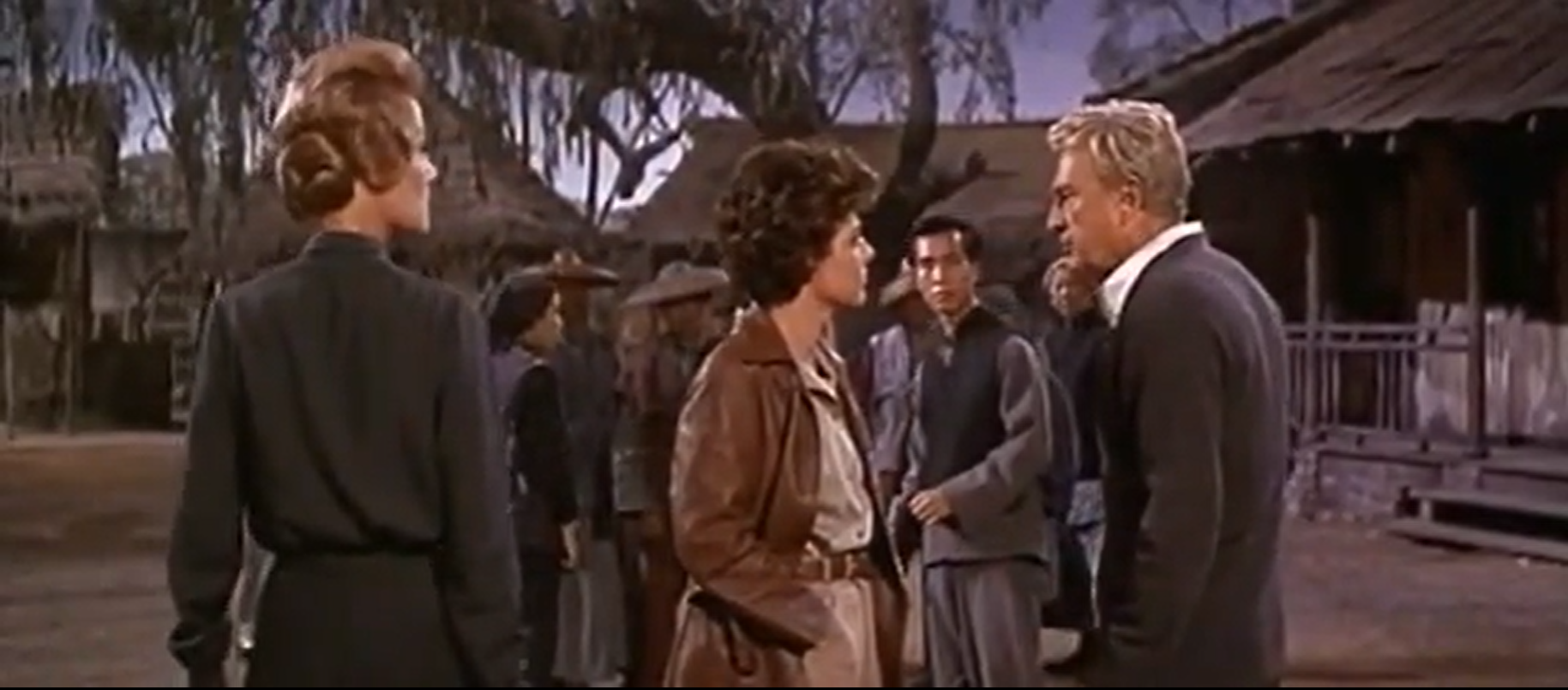
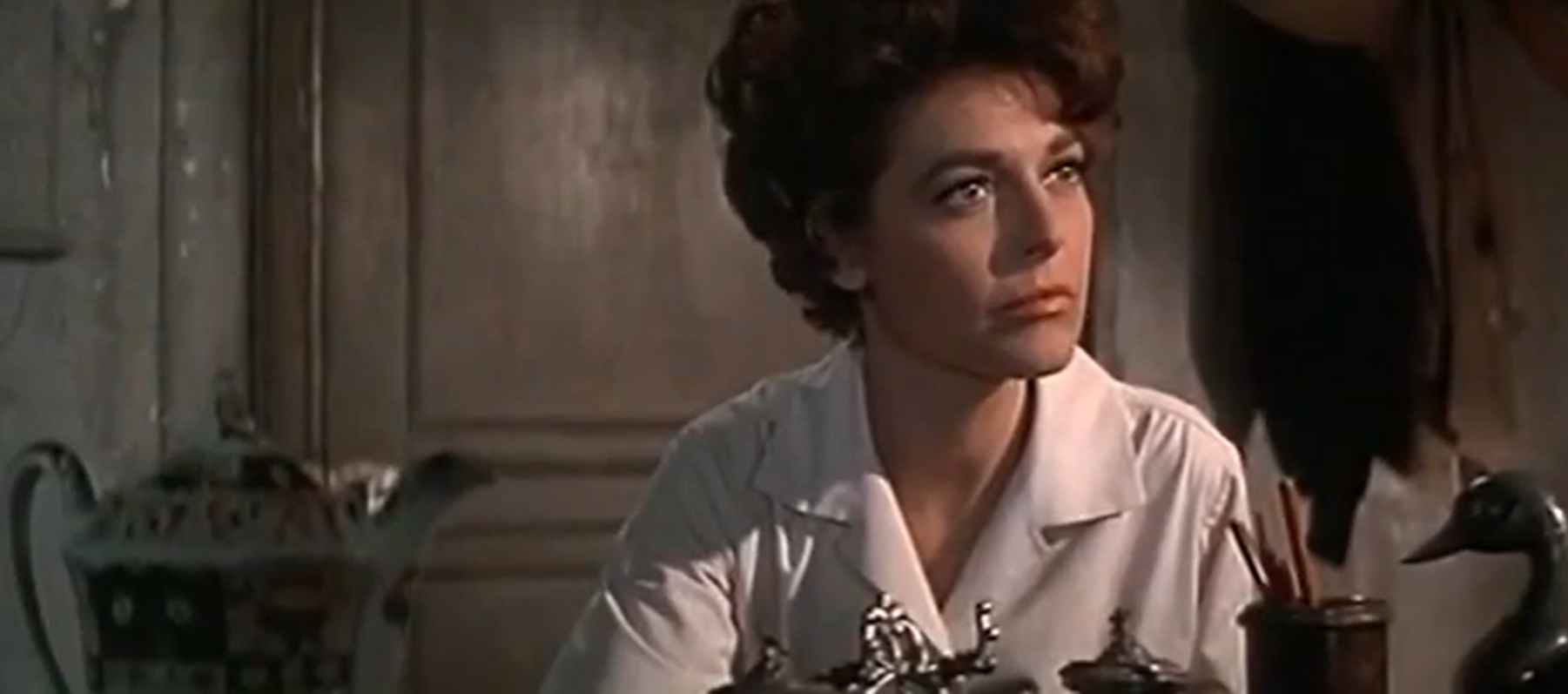
John Ford’s final film was a box-office failure upon its release, but has since become a critical darling of many (and is enjoyed as a thinly veiled bastion of homoerotic tensions by others). It’s a curious departure from Ford’s normal oeuvre, given that it focuses primarily on women rather than men, and takes place in Northern China rather than in the American West — nonetheless, as many critics have pointed out, it ultimately touches upon several of Ford’s key thematic concerns, including “an isolated group stranded in a hostile environment, civilization versus savagery, and self-sacrifice.” In truth, the women in this film can easily stand in for many of Ford’s archetypal characters: the dynamics between mannish Anne Bancroft and uptight Margaret Leighton are reminiscent of John Wayne and Henry Fonda in Ford’s Fort Apache (1948), for instance.

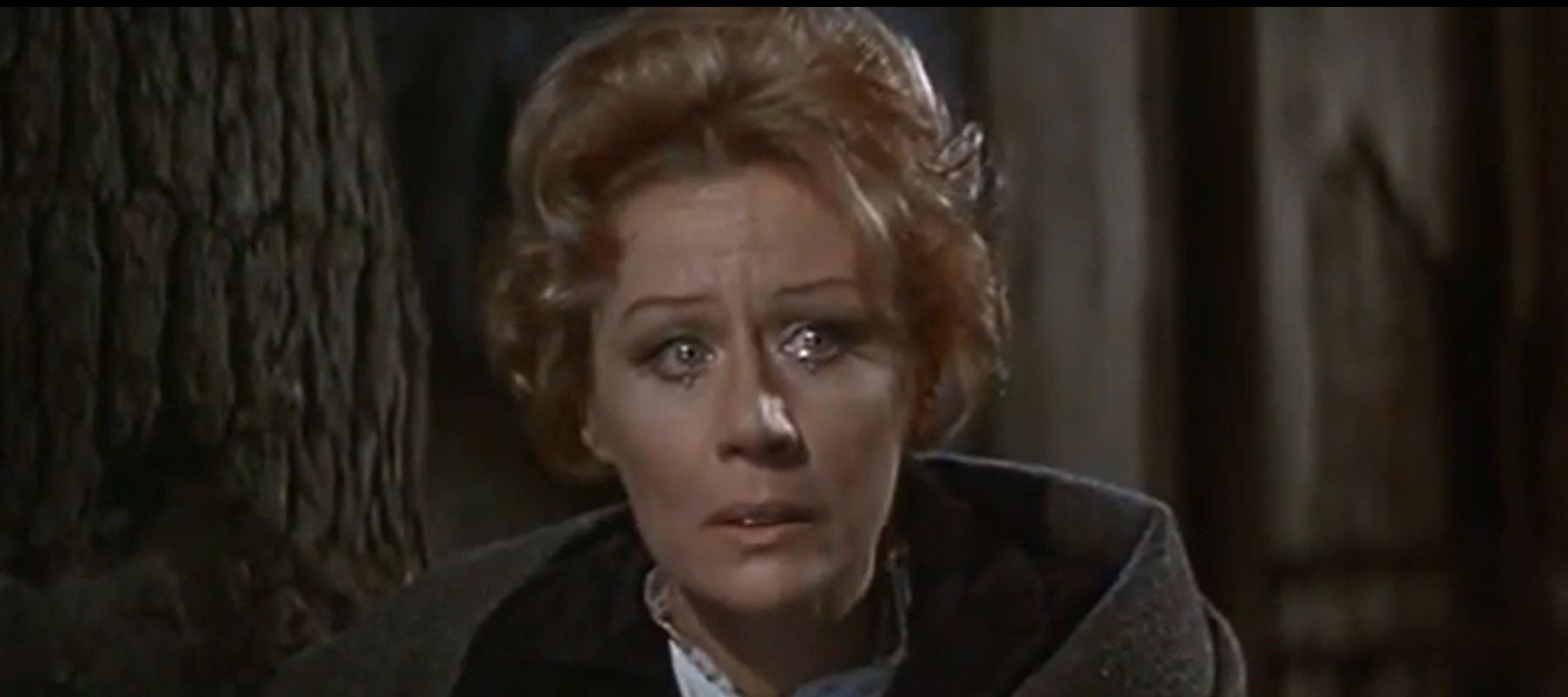
Indeed, it’s the interplay between these two females — both independent and strong-willed, but with radically different moral takes on the world — which carries the somewhat uneven script, and keeps us interested to see what will happen next. Leighton’s character eventually devolves into campy hysteria when the situation at “her” mission spirals out of control; her repugnance at being forced to stay in the same room as a woman (Betty Field) giving birth borders on laughable. Bancroft, meanwhile, maintains a fiercely realistic and forceful presence throughout; she’s suffered heartbreak and injustice in the past (simply by being a female doctor in the 1930s), but refuses to compromise her passion for helping others through medicine — even if this means sacrificing herself. The ultimate outcome of the film — in which Bancroft utters a now-classic line — will likely come as a touching surprise to most.

Redeeming Qualities and Moments:

  • Anne Bancroft as Dr. Cartwright (Peary nominates her for an Alternate Oscar as Best Actress of the Year)
  • Margaret Leighton as uptight Agatha Andrews

Must See?
Yes, simply for Bancroft’s stand-out performance, and for its historical importance as Ford’s last film. Listed as a Cult Movie in the back of Peary’s book.

Categories

  • Important Director
  • Noteworthy Performance(s)

Links:

War of the Worlds (1953)

War of the Worlds (1953)

“They seem to murder everything that moves.”

Synopsis:
A scientist (Gene Barry) accompanied by a beautiful library science instructor (Ann Robinson) works with the military to stop Martian invaders from taking over the Earth.

Genres, Themes, Actors, and Directors:

  • Aliens
  • George Pal Films
  • H.G. Wells Films
  • Science Fiction
  • World Domination

Response to Peary’s Review:
Unlike other reviewers who have fond memories of being both scared and thrilled by War of the Worlds when it was finally released in 1953 (Paramount Studios had owned the movie rights to the title for nearly twenty years), Peary seems less than enamored by producer George Pal’s updated version of H.G. Wells’ classic sci-fi novel. He cites the many changes to Wells’ original story as “annoying” (particularly Pal’s notion that “God is directly responsible for the aliens’ demise”), and argues that the “brutal, selfish” humans in the mob scene near the end of the film barely seem worth rescuing. “In fact,” he notes, the film “doesn’t [convincingly] show why earth’s people or their way of life should be preserved.” In terms of the lead performances, he notes somewhat harshly that “Barry is a sturdy if dull hero” while Robinson — who, in typical ’50s gender relegation, “merely looks on [and] serves coffee” — is “an embarrassment” (personally, I find it hard to fault Robinson for the way her role was written).

These days, particularly in the wake of Steven Spielberg’s tepid remake, Pal’s War of the Worlds — which Peary claims has an “enormous cult following” — is seen by most modern viewers as dated but of historic interest, thanks in large part to Gordon Jennings’ “tremendous special effects”, which were enormously impressive at the time.

It’s also important to remember, as Peary notes, that this was “the first film in which America itself is turned into a war zone because of an invasion”; indeed, it must have been tremendously frightening for audiences at the time to vicariously witness an A-bomb being dropped near a populated area. With that said, however, I’m largely in agreement with Peary’s assessment of the film as “colorful but overrated”, and only consider it to be must-see for its historical relevance.

Redeeming Qualities and Moments:

  • Gordon Jennings’ Oscar-winning special effects

Must See?
Yes, simply for its historical status as the first major alien invasion flick.

Categories

  • Historically Relevant

Links:

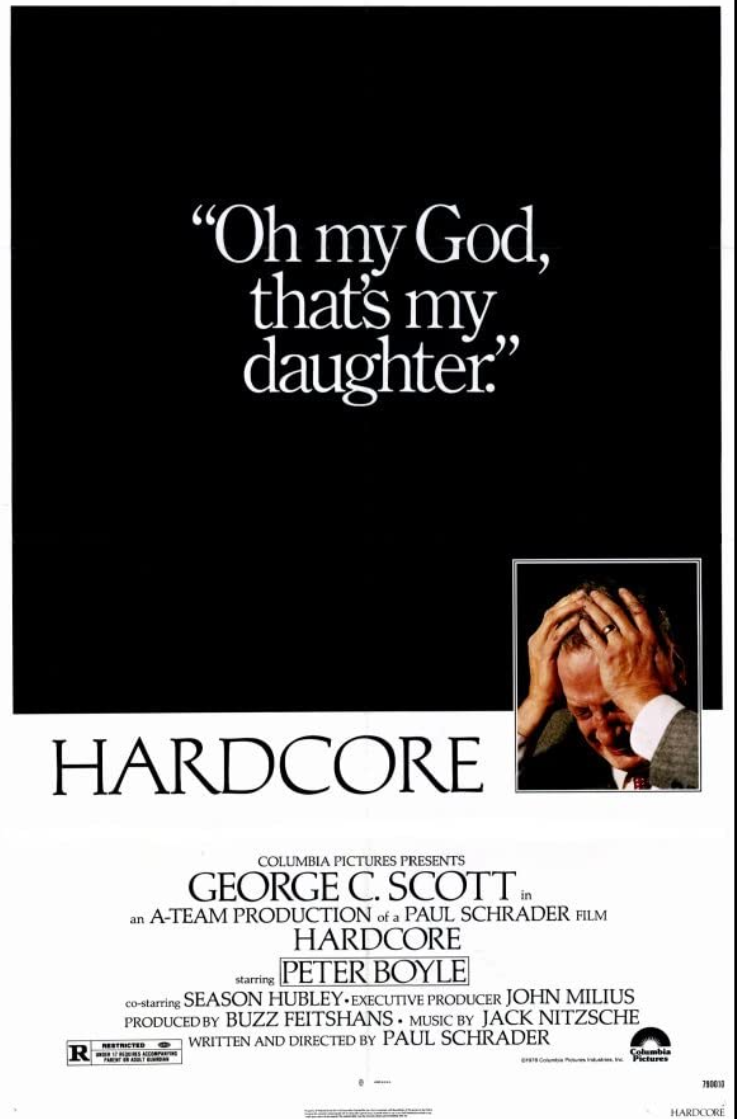
Hardcore (1979)

Hardcore (1979)

“A lot of strange things happen in this world — things you don’t know about in Grand Rapids, things you don’t want to know about, doors that shouldn’t be opened.”

Synopsis:
When his teenage daughter (Ilah Davis) runs away during a church trip to Los Angeles, a devoutly religious midwestern businessman (George C. Scott) learns from a private detective (Peter Boyle) that she has joined the porn industry, and hunts her down with the help of a young prostitute (Season Hubley).

Genres, Themes, Actors, and Directors:

  • Father and Child
  • George C. Scott Films
  • Paul Schrader Films
  • Peter Boyle Films
  • Runaways
  • Search

Response to Peary’s Review:
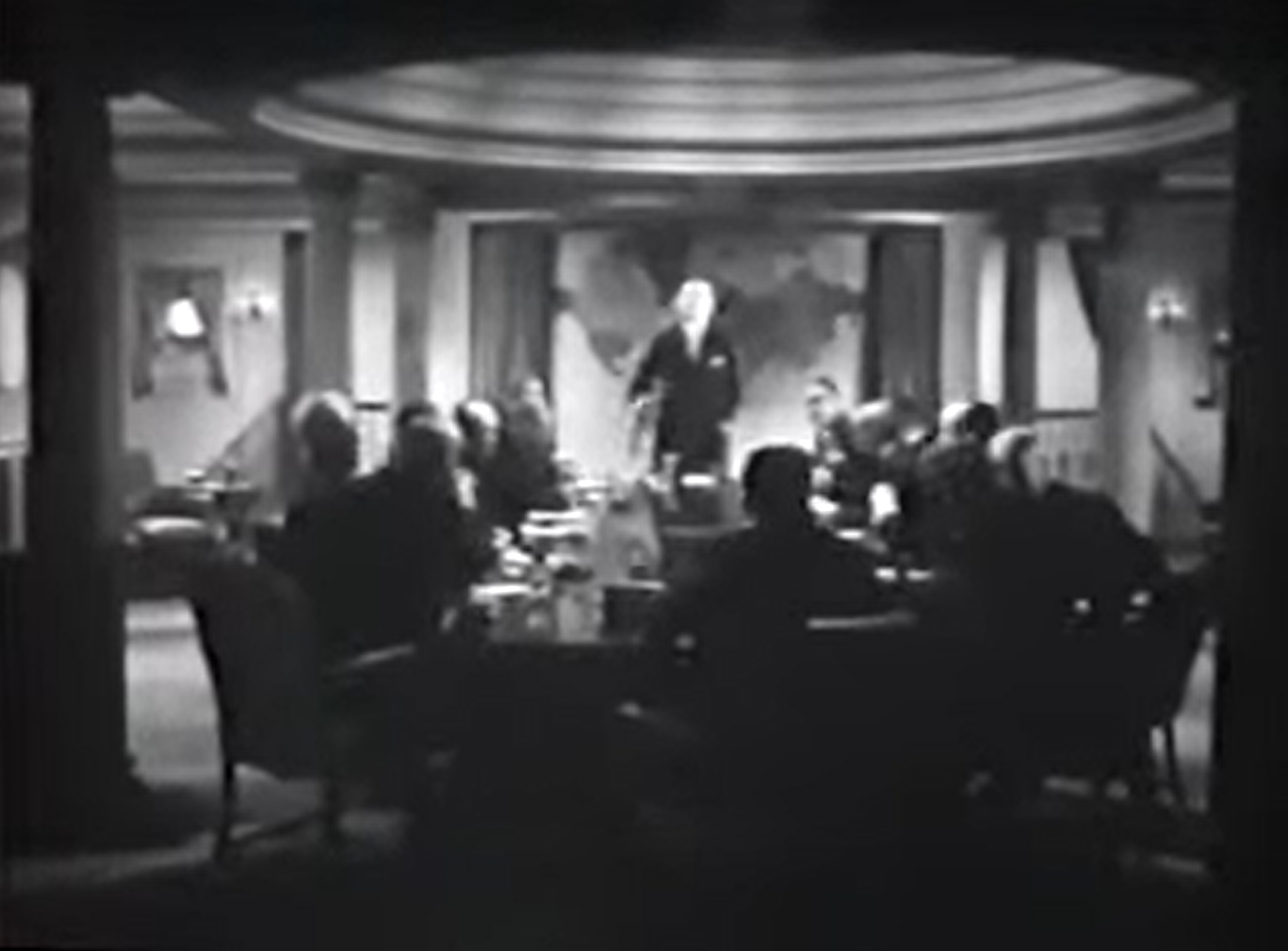
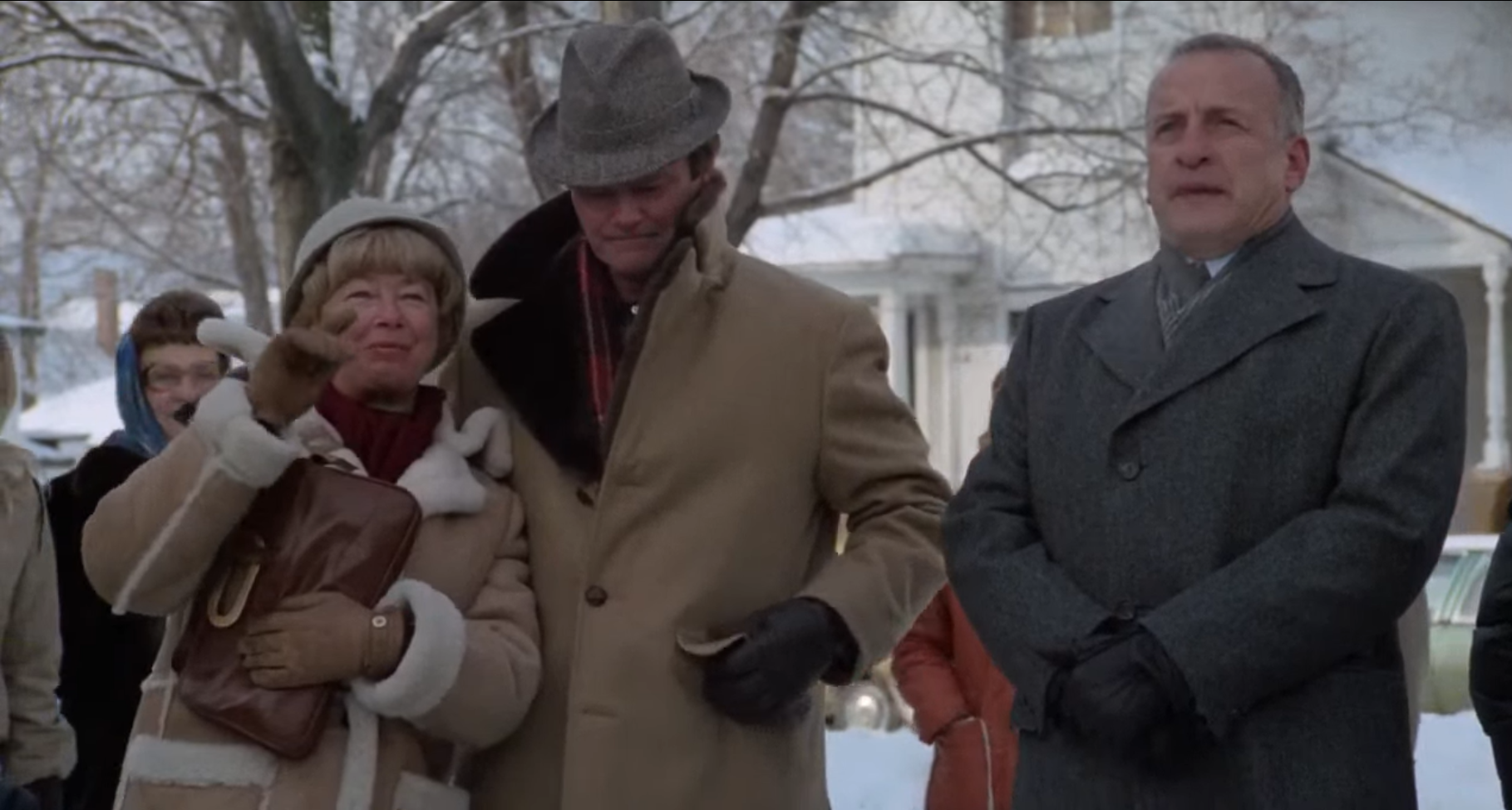
Peary and several other reviewers have noted that this tale of a moralistic man’s “descent into purgatory” while searching for his missing daughter is highly reminiscent of John Ford’s The Searchers (1956); as Peary points out, however, it’s not nearly as successful, given that director Paul Schrader seems to be using his premise as an “excuse… to show the sordid sexual world that has seduced him in real life and always finds its way into his films.” Indeed, after a strong, authentic opening — (we truly believe in this man’s orderly Calvinist world):

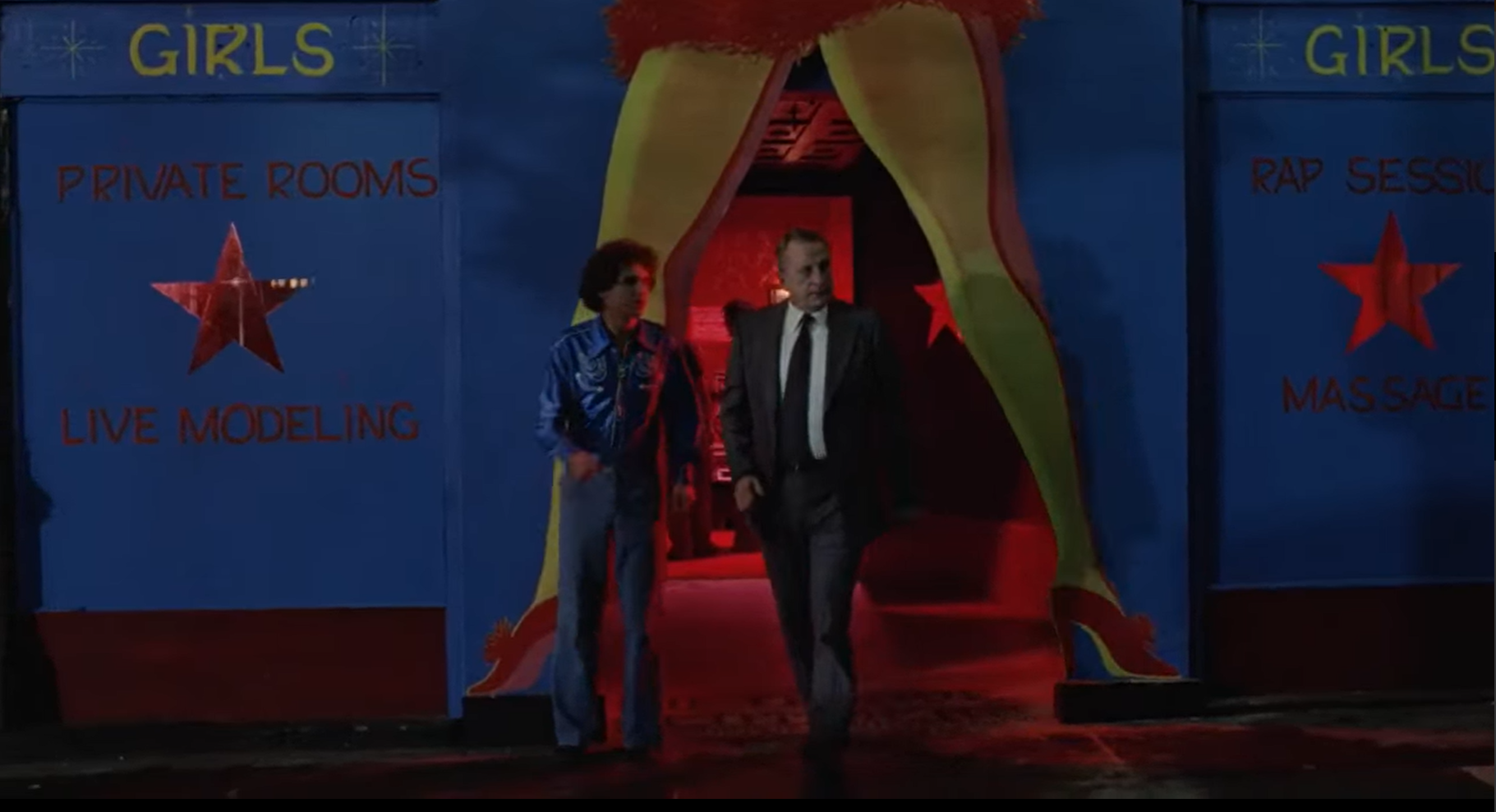
— things slowly go downhill, as Scott’s months-long undertaking (why don’t we ever see him checking in on his business back home?) turns into simply a convenient pretext for “exposing” the underground porn and prostitution industry — an expose which these days no longer seems all that shocking.

Scott’s performance is as fine and true as always, but his character as written doesn’t possess much of an arc — even once he begins opening up to a fresh-faced young prostitute (very nicely played by Season Hubley), we see little evidence of any real character transformation. The film’s deeply unsatisfying ending involves a sudden slo-mo action sequence (what happened to Schrader’s eye for naturalism?), an inexplicable shooting, and a cursory reunion between father and daughter. Given its intriguing premise and fine performances, Hardcore should ultimately have been much better than it is.

Redeeming Qualities and Moments:

  • George C. Scott as Jake VanDorn
  • Season Hubley as Niki

Must See?
No, but it’s worth a look simply for its premise and performances.

Links:

President’s Analyst, The (1967)

President’s Analyst, The (1967)

“If I were an analyst — which I am — I would say I was rapidly turning into a paranoid personality — which I am.”

Synopsis:
A psychoanalyst (James Coburn) hired to work for the president of the United States becomes paranoid that spies are out to get him; soon he finds himself on the lam from multiple agents and hit-men, including Soviet agent Kropotkin (Severn Darden) and “CEA” agent Masters (Godfrey Cambridge).

Genres, Themes, Actors, and Directors:

  • Cat-and-Mouse
  • Cold War
  • James Coburn Films
  • Psychotherapy
  • Satires and Spoofs
  • Spies

Response to Peary’s Review:
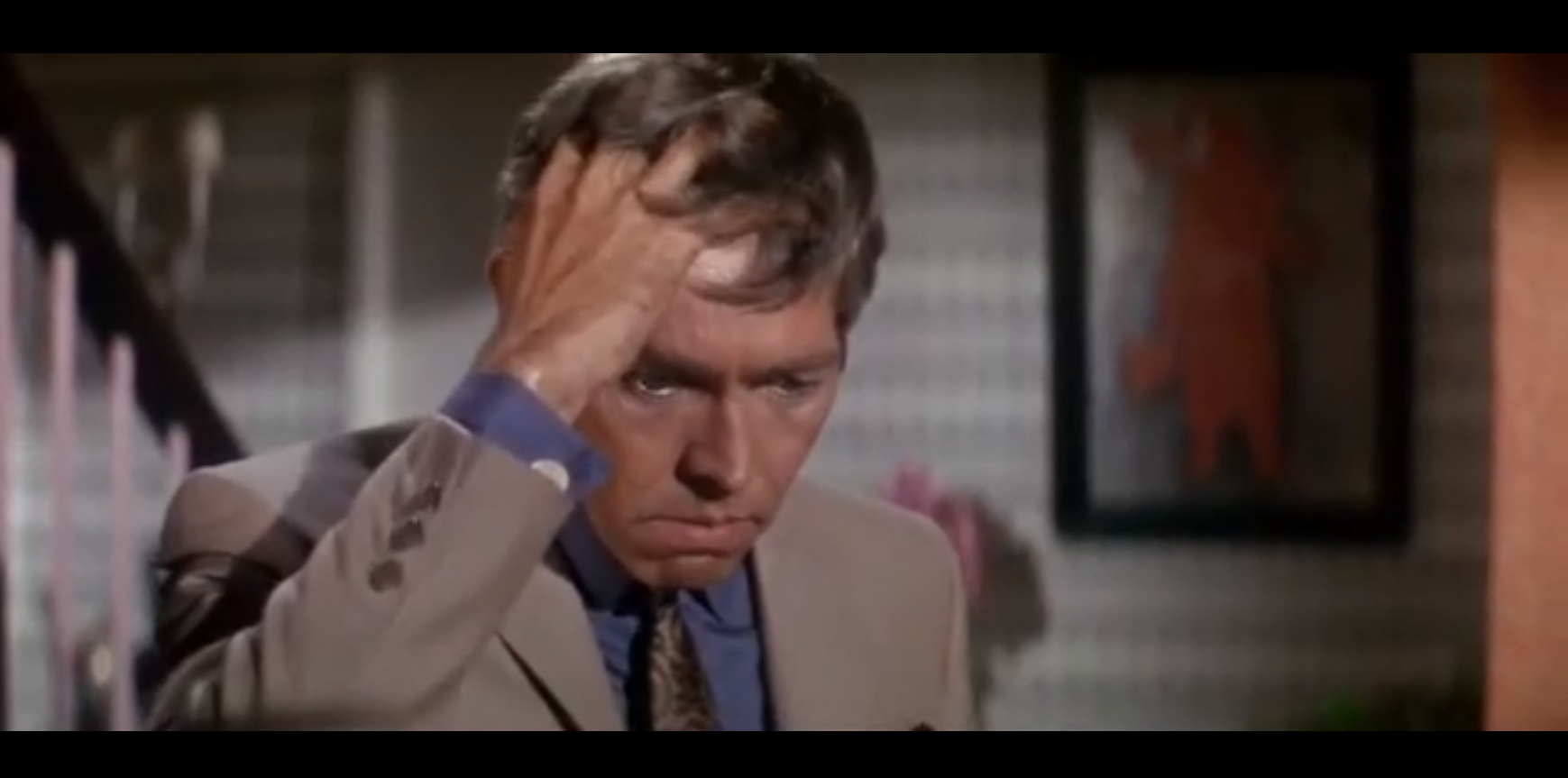
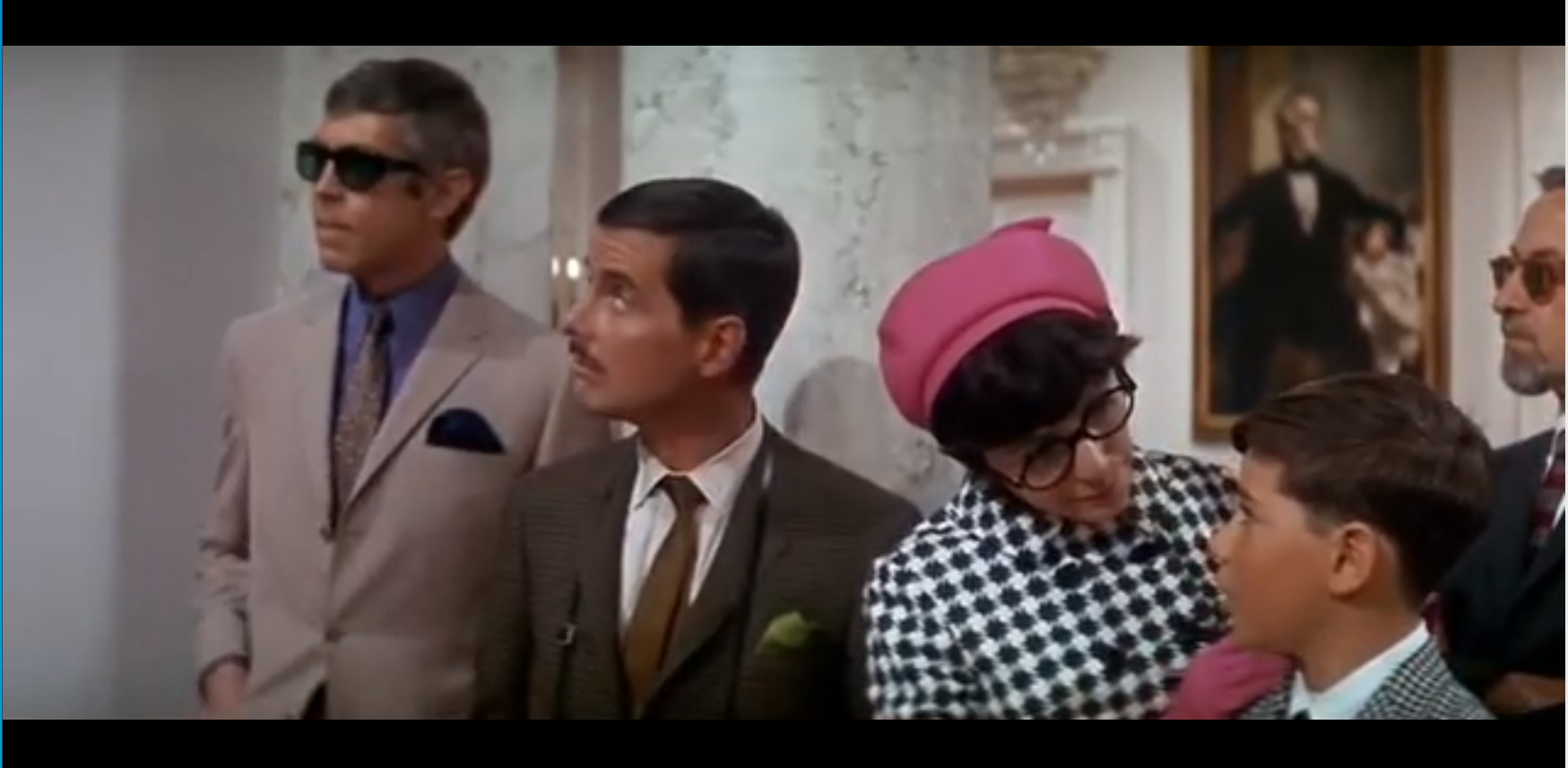
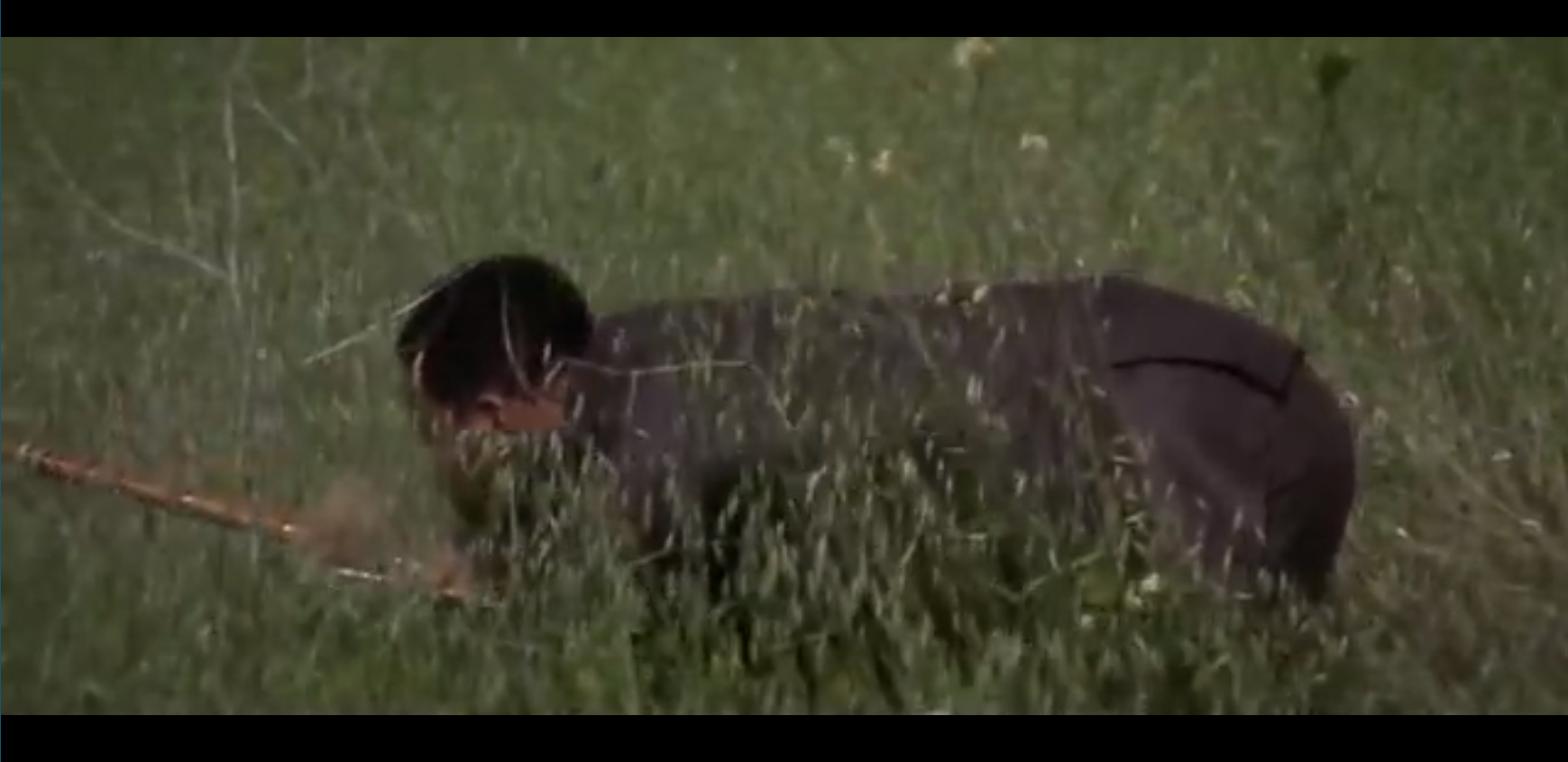
In his review of this “zany paranoia satire” (a minor cult favorite), Peary seems half-hearted at best, noting that while “everything seems to be filmed from the wrong angles, at least the story never gets totally out of hand” — but I don’t think his review does this enjoyable film justice. In addition to Coburn’s fine performance in the lead role, The President’s Analyst is notable for its prescient, no-holds-barred exploration of secrecy and paranoia at every level of government — there’s literally nowhere to hide in this agent-ridden universe, where (as Peary notes) “no one is to be trusted”. The outrageous story moves quickly enough to hold our attention throughout; just when Coburn thinks he’s (momentarily) safe, he finds himself on the run once again, so we never get bored of any particular scenario. The best sequences involve Coburn hiding out at the home of an “all-American” family, where the couple’s young son taps Coburn’s telephone call using his Junior Spy Kit, and a hilarious scene in which multiple agents kill each other off in an “idyllic” meadow while Coburn obliviously canoodles a hippie chick nearby. The supporting performances throughout are commendable, and — to his credit — writer/director Theodore Flicker takes his over-the-top premise to a suitably freaky conclusion. This one’s definitely worth a look.

Redeeming Qualities and Moments:

  • James Coburn as Dr. Schaefer
  • Coburn’s visit to a seemingly “all-American” family in New Jersey
  • Countless spies killing each other off in their fruitless attempt to capture Coburn

Must See?
Yes, for its status as a zany cult favorite.

Categories

  • Cult Movie

Links: