Come and Get It / Roaring Timber (1936)

Come and Get It / Roaring Timber (1936)

“In ten years, I’m going to be one of the richest men in this state! You wait and see.”

Synopsis:
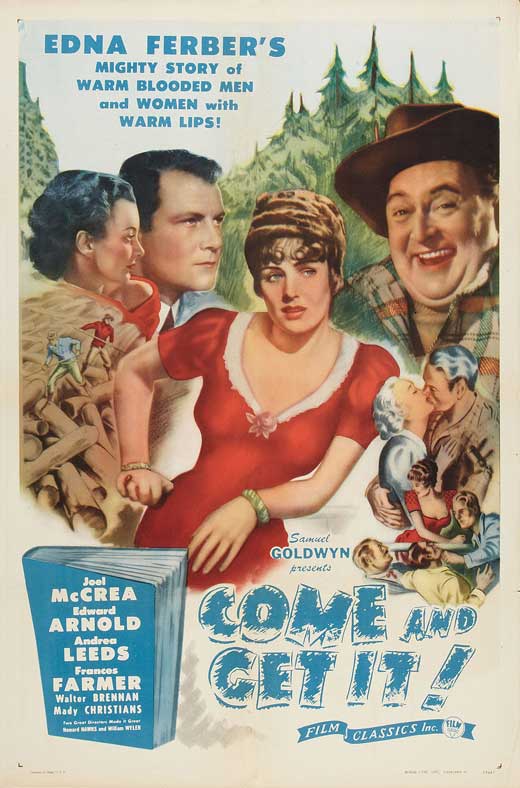
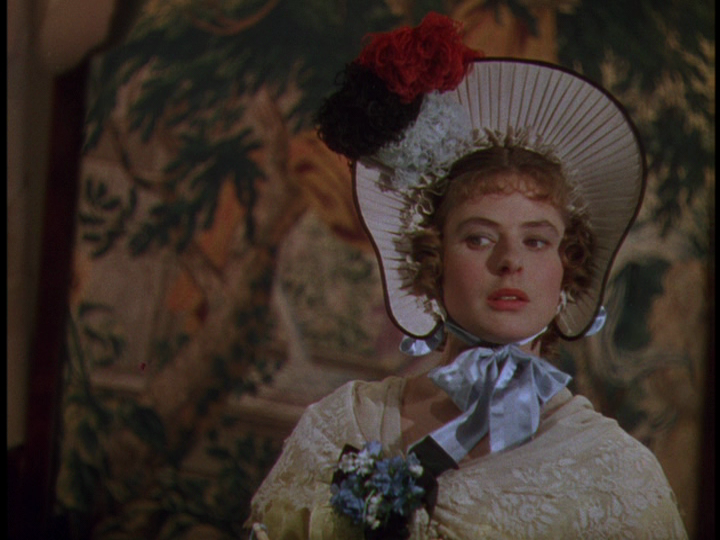
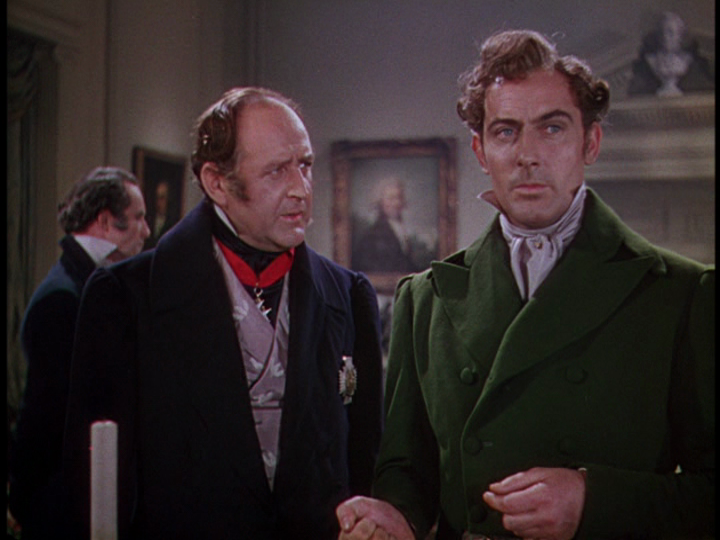
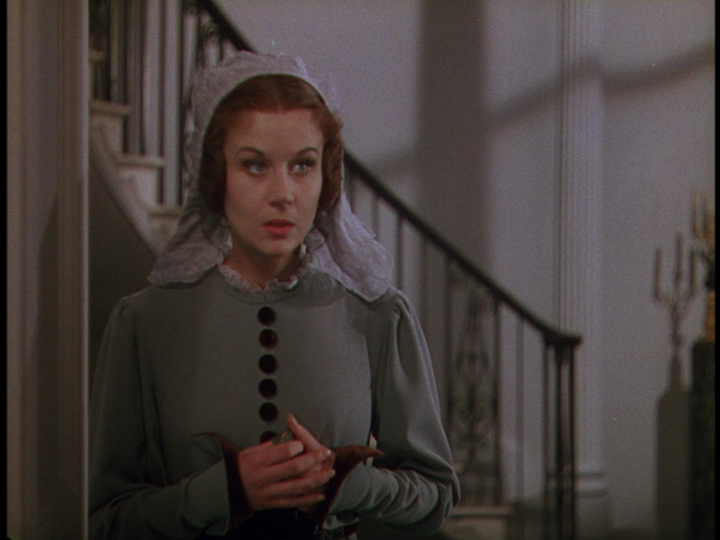
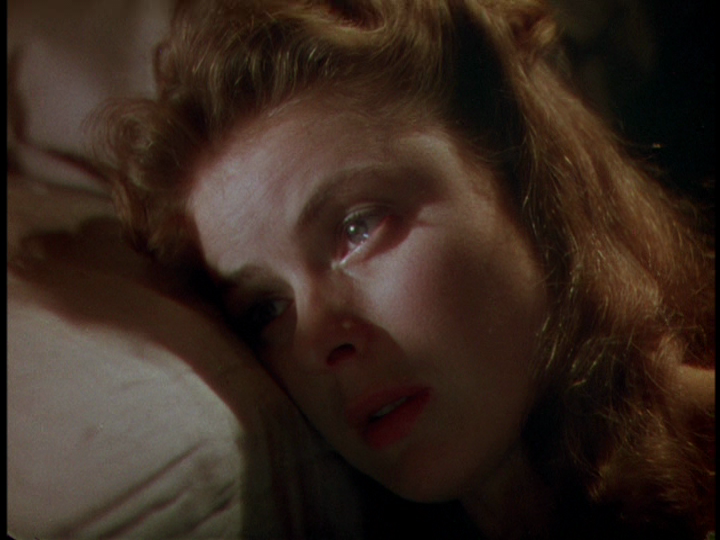
An ambitious lumberjack (Edward Arnold) marries the daughter (Mary Nash) of his business partner rather than the woman he really loves — saloon singer Lotta Morgan (Frances Farmer). Years later, he meets Lotta’s daughter (also Frances Farmer), and falls immediately in love with her — as does his son (Joel McCrea).

Genres, Themes, Actors, and Directors:

  • Edward Arnold Films
  • Frances Farmer Films
  • Historical Drama
  • Howard Hawks Films>
  • Joel McCrea Films
  • Rivalry
  • Walter Brennan Films
  • William Wyler Films

Response to Peary’s Review:
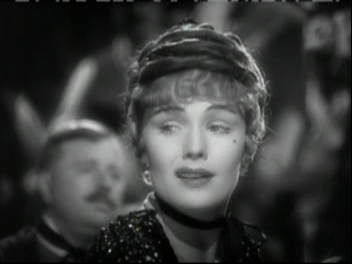
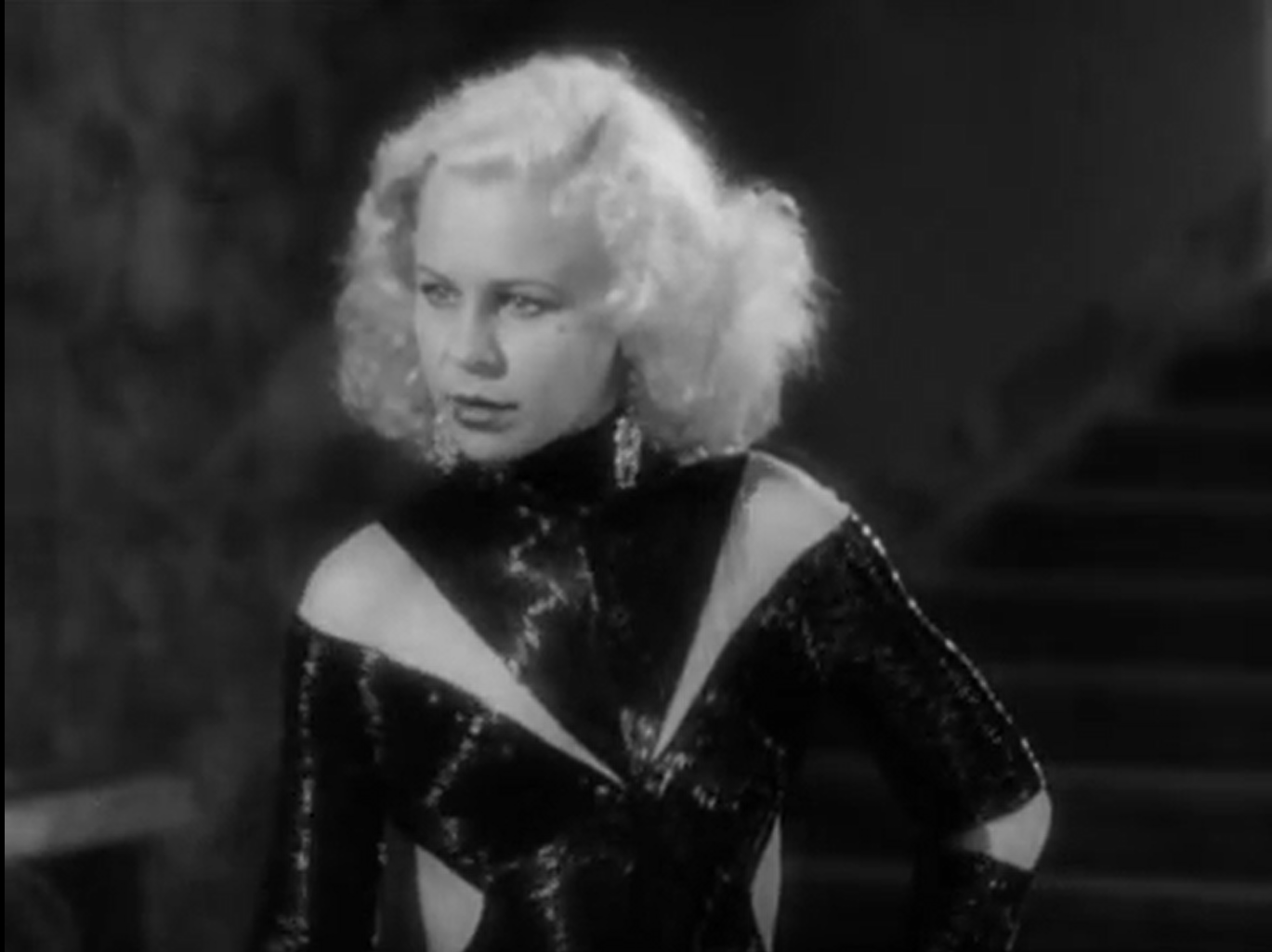
Peary’s response to this “well-mounted Samuel Goldwyn production of Edna Ferber’s novel” — “the only major film of Frances Farmer’s career” — is a bit of a surprise. He states that Farmer is “not so impressive that we can lament about how great her career would have been if Hollywood hadn’t destroyed her”, and argues that while “she is certainly capable and shows signs of intelligence”, “what’s most striking is how closely Jessica Lange resembles her in Frances“. I completely disagree. From the moment we first lay eyes on Lotta Morgan (Farmer in the first of dual roles), it’s difficult to look away: she’s both gorgeous and spunky, with a modern sensibility. In her second role (as Lotta Bostrom), she’s equally engaging, portraying just the right mix of a small town girl’s drive to make something of herself, and increasing dread at the realization of exactly what Arnold’s intentions are with her. Farmer is really the primary reason to see this movie, and film fanatics will be glad for the opportunity.

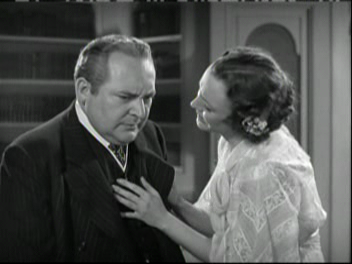
With that said, it’s a fine movie in many other respects as well. While it is a bit of a “conventional soaper” at times, the fact that it “becomes uncomfortable to watch in the second half [once] Arnold comes across as a ‘dirty old man'” simply adds to its authenticity. Indeed, the screenplay refreshingly never shirks away from dealing head-on with its somewhat disturbing premise, as married Arnold repeatedly fails to see exactly how creepy and inappropriate his advances towards young Lotta are. Clearly not a conventional leading man, Arnold (giving a “strong performance”) was an inspired choice to play the lead character here, with his bullish demeanor making it easy to sympathize with young Lotta’s dread. While I’m not particularly enamored by Walter Brennan’s Oscar-winning portrayal as Arnold’s best friend Swan (his broad Swedish accent comes across as a bit too heavy-handed at times), there are several fine supporting performances throughout — most notably Mady Christians as Lotta Bostrom’s concerned cousin, and Andrea Leeds as Arnold’s grown daughter (they have a particularly touching scene together). Watch for Brooke Shields’s grandfather, Frank Shields, in a bit role as Arnold’s daughter’s beau.

Note: This film was co-directed by Howard Hawks and William Wyler (with the latter taking over towards the end, and contributing far less).

Redeeming Qualities and Moments:

  • Frances Farmer as both Lottas

  • Edward Arnold as Barney
  • Fine supporting performances
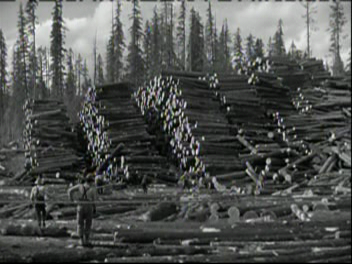
  • The stunning, if disturbing, logging sequences near the beginning of the film

Must See?
Yes, primarily for Farmer’s performance, but also as a good show all around.

Categories

  • Noteworthy Performance(s)

Links:

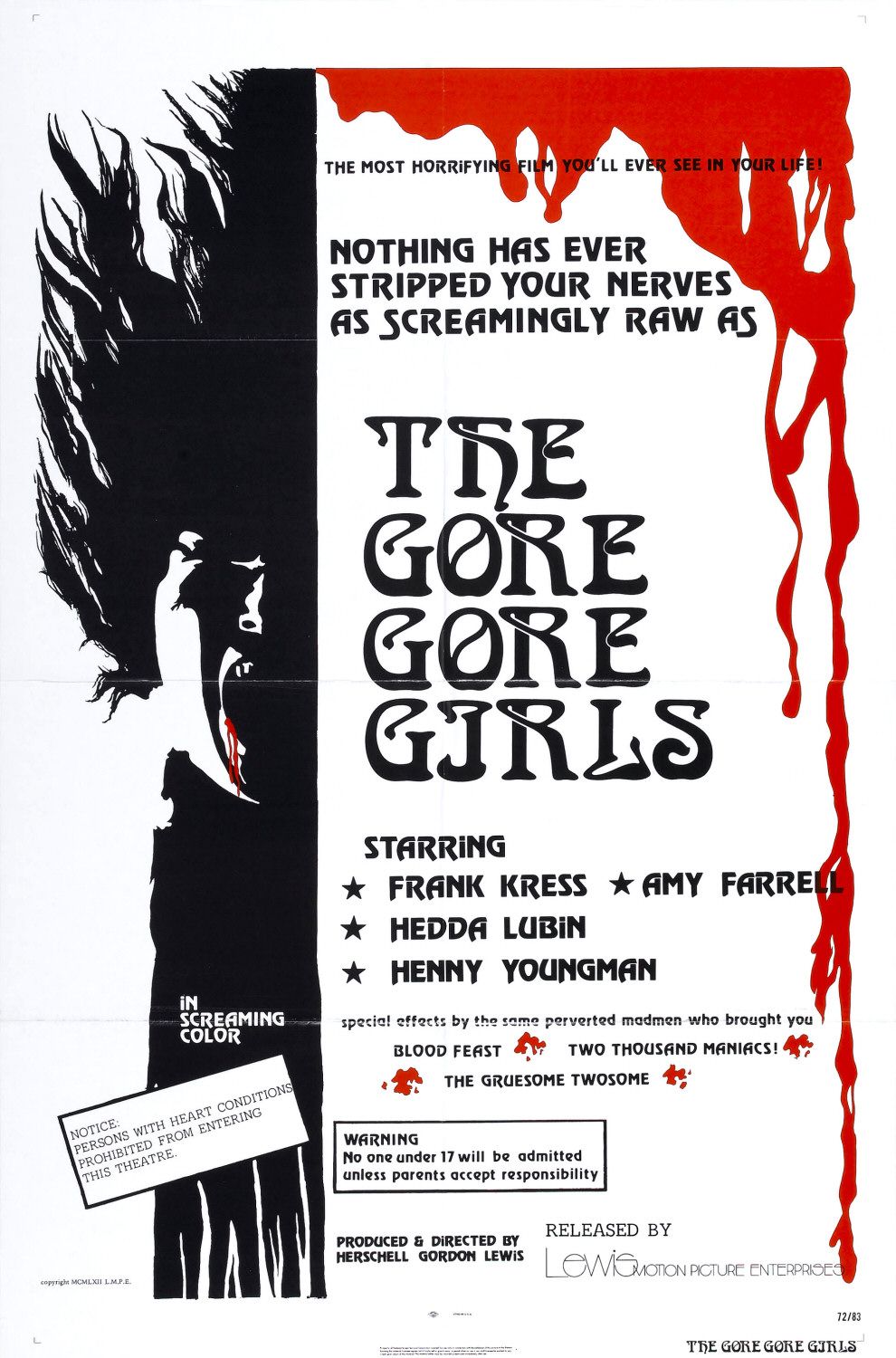
Gore Gore Girls, The (1972)

Gore Gore Girls, The (1972)

“That’s the second of my friends that have been killed in the last couple of days!”

Synopsis:
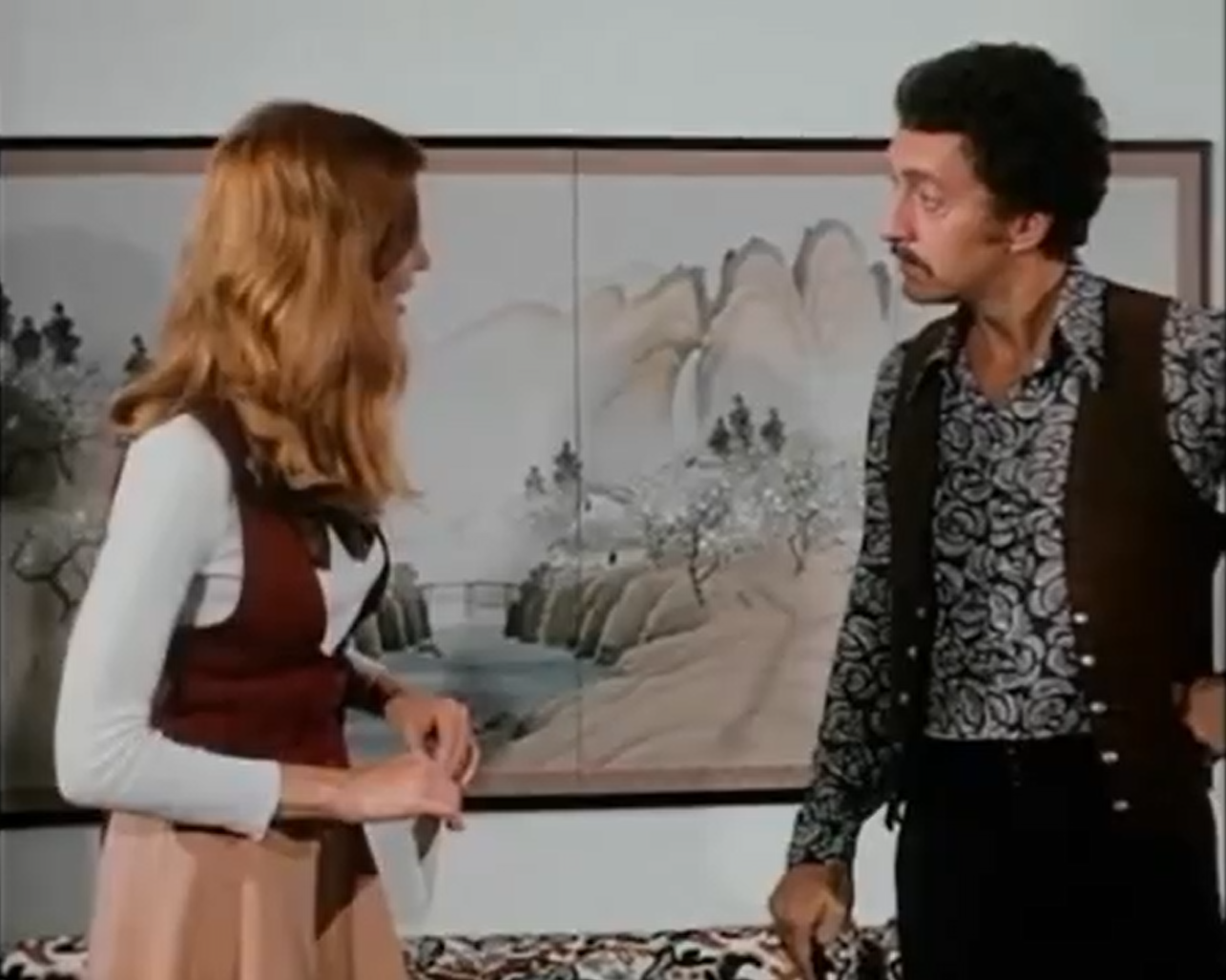
On behalf of her newspaper, a journalist (Amy Farrell) hires a dapper private eye (Frank Kress) to solve the grisly murder of a stripper (Jackie Kroeger) — just the first of many soon to be mutilated.

Genres, Themes, Actors, and Directors:

  • Detectives and Private Eyes
  • Herschell Gordon Lewis Films
  • Horror
  • Journalists
  • Murder Mystery
  • Serial Killers
  • Strippers

Review:
Herschell Gordon Lewis’s final film (apart from two “come back” films made in the 2000s) was this gore-sploitation of private eye flicks:

… complete with plenty of Lewis’s characteristically tasteless mutilation of female flesh (in this case, buttocks are tenderized and seasoned, faces are deep fried and ironed, heads are smashed in and scooped out — you know, that kind of thing). Meanwhile, the rest of the narrative consists of interminable stripping sequences that do nothing to further the story; naturally, I’m not naive enough to be confused about the rationale behind this (Gordon Lewis was nothing if not savvy about what would draw in crowds), but these sequences simply make the film just that much more excruciating to sit through. While it (naturally) has its diehard fans (one poster on IMDb writes in all sincerity, “the best part of GoreGore Girls [sic] is when the killer cuts off one nipple, and milk comes out, cuts off the second nipple and then chocolate milk comes out! hahaha genius”), feel free to distance yourself as far as possible from this one.

Redeeming Qualities and Moments:

  • Nothing — unless you’re a fan of the genre, and enjoy the campily dark, low-budget trash humor

Must See?
Definitely not. Listed as Trash in the back of Peary’s book (and thus not considered, even by Peary, to be essential viewing for all Film Fanatics).

Links:

Scarlet Letter, The (1926)

Scarlet Letter, The (1926)

“Take heed, therefore! If ye sin, ye must pay — there is no escape!”

Synopsis:
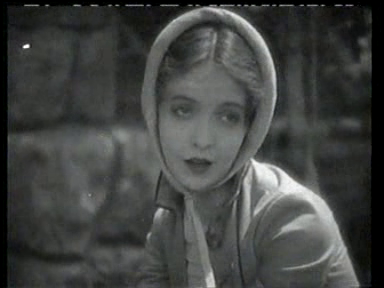
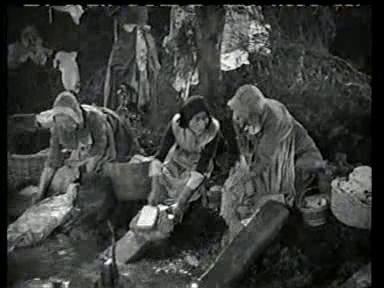
In Puritan New England, young Hester Prynne (Lillian Gish) has a child out of wedlock with Reverend Dimmesdale (Lars Hanson), and is forced to wear an “A” for “Adultress” on her clothing at all times. When her estranged husband (Henry Walthall) arrives in town after being held captive by Indians for years, she must deal once again with the consequences of her actions.

Genres, Themes, Actors, and Directors:

  • Historical Drama
  • Lillian Gish Films
  • Morality Police
  • Priests and Ministers
  • Silent Films
  • Star-Crossed Lovers

Review:
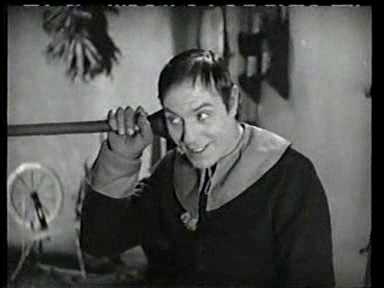
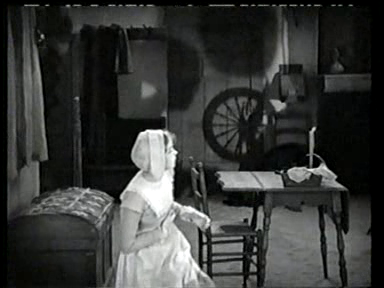
Victor Sjostrom is perhaps best known by film fanatics for his performance as the elderly protagonist of Ingmar Bergman’s Wild Strawberries (1957); but he was an esteemed silent film director before this, and several of his titles — including The Wind (1928), The Phantom Carriage (1921), and this film — are listed in Peary’s book. Lillian Gish successfully convinced the Hays Office to allow this adaptation of Nathaniel Hawthorne’s classic American novel to be made — and as silent films in general go, it’s among the more satisfying tales I’ve seen. The thematically dense novel is distilled into a series of vignettes which effectively portray both the authenticity of the lovers’ forbidden romance, and the repressive context within which they are each trying to survive. Gish is as lovely as ever, giving a typically moving performance; and while some accuse Hanson of “scenery chewing”, I find him nicely suited for his role as the kind-hearted minister who longs to do right by both his lover and his child. (Both occasionally “over-act” in typical silent-film fashion, but this is to be expected for the era and genre.) Also of note is the fine attention paid to historical detail — we get the sense we’re really eavesdropping on this little corner of society (as when we see a young couple courting by speaking to each other through tubes).

Redeeming Qualities and Moments:

  • Lillian Gish as Hester Prynne
  • Lars Hanson as Reverend Dimmesdale
  • Fine period detail

  • Victor Sjostrom’s masterful direction
  • Hendrik Sartov’s cinematography

Must See?
Yes, as a fine literary adaptation by a premiere silent film director. Listed as a film with Historical Importance and a Personal Recommendation in the back of Peary’s book.

Categories

  • Genuine Classic
  • Important Director

Links:

Rebecca (1940)

Rebecca (1940)

“Marriage with Max is not exactly a bed of roses, is it?”

Synopsis:
The shy personal assistant (Joan Fontaine) of a brash society lady (Florence Bates) falls in love with a wealthy widower (Laurence Olivier) whose deceased wife, Rebecca, continues to haunt the memories of those she left behind.

Genres, Themes, Actors, and Directors:

  • George Sanders Films
  • Hitchcock Films
  • Joan Fontaine Films
  • Judith Anderson Films
  • Laurence Olivier Films
  • Widows and Widowers

Response to Peary’s Review:
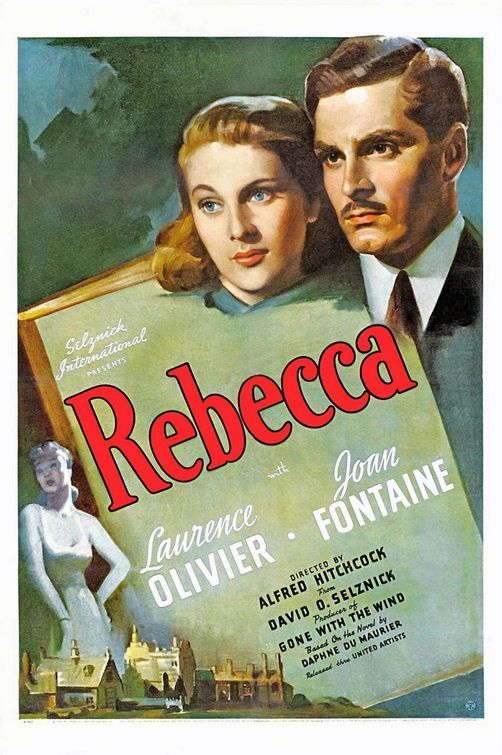
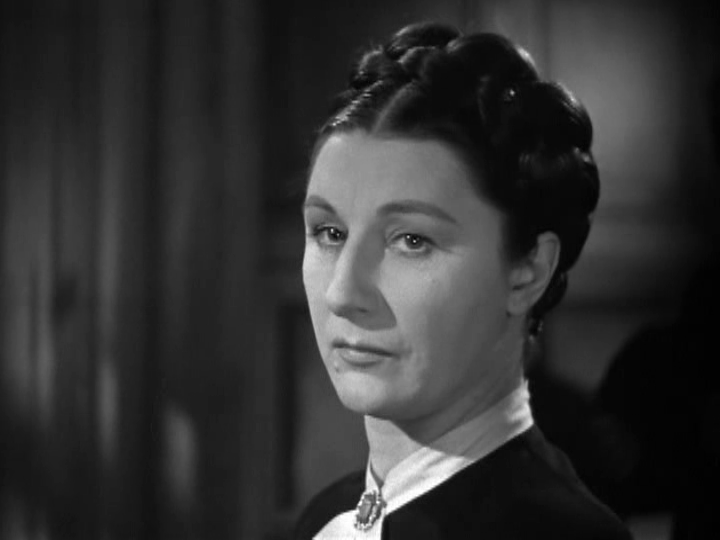
The unnamed heroine in Daphne DuMaurier’s best-selling gothic romance novel — simply referred to as “the second Mrs. DeWinter” — represents the fulfillment of most girls’ dreams: a mousy, self-effacing young woman in an unsatisfying job, she is literally swept off her feet by a handsome millionaire, and taken to live in a gorgeous, postcard-perfect mansion in the English countryside. The fairy tale quickly turns sour, however, once the new Mrs. DeWinter (played here by Joan Fontaine in her “captivating” leading-role debut) encounters the household’s domineering housekeeper, Mrs. Danvers (Judith Anderson) — a “witch in black” — and realizes that her position as lady of the house will be continuously overshadowed by a “ghost” (the memory of her husband’s larger-than-life former wife, Rebecca). The tautly scripted three-act narrative of this Oscar-winning “best picture” neatly takes us through Fontaine’s whirlwind romance with Mr. DeWinter (Laurence Olivier), her insecurity as mistress of a household haunted by its troubled past, and a police investigation in which numerous secrets are revealed and Fontaine’s loyalty to her husband is severely tested.

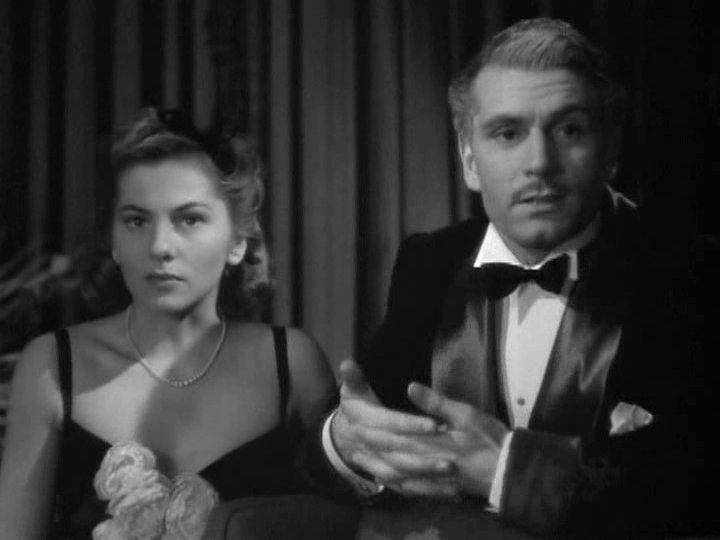
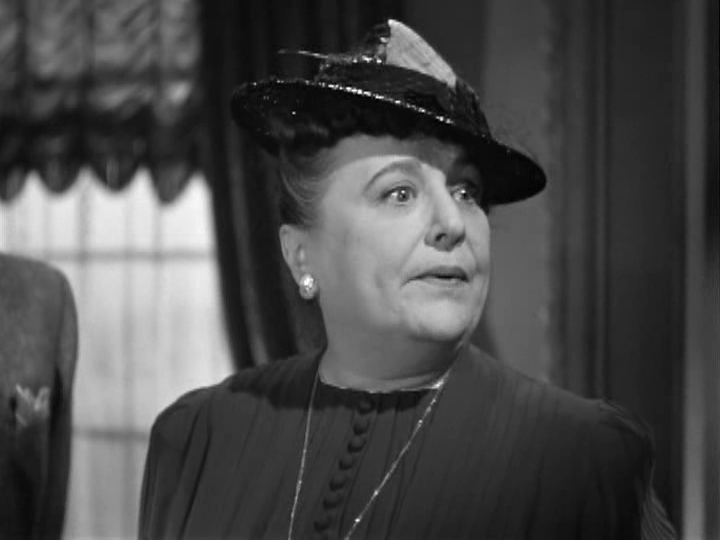
If Rebecca isn’t “great Hitchcock” (it doesn’t stand among his very best work), it’s still fine entertainment. The performances throughout are uniformly excellent, with Olivier appropriately haunted and restrained as Fontaine’s brooding husband, and Fontaine perfectly portraying the brew of conflicted emotions felt by her character, who remains both nervously submissive and incredulous about her position until a pivotal shift in the plot later on (a point at which Peary argues the film “loses its power”, but I disagree). The supporting cast is fine as well, with Anderson delivering the performance of her lifetime as disturbed Mrs. Danvers (Peary refers to her portrayal as “chilling” and “soulless”); George Sanders briefly stealing the scenery in a characteristically smarmy role later in the film; and Florence Bates nicely capturing the essence of an overbearing society woman who borders on caricature but just manages to avoid this fate (listen to her conflicted reaction upon hearing about her assistant’s sudden engagement to Mr. DeWinter). A combination of appropriately spooky sets (Manderlay is a truly haunted house), George Barnes’ Oscar-winning “atmospheric cinematography”, “Franz Waxman’s moody score”, and “the clever way Hitchcock uses space so that Fontaine seems dominated by her surroundings” contribute to the film’s “amazing tension”, and turn it into a suspenseful mystery we’re eager to keep watching.

Redeeming Qualities and Moments:

  • Joan Fontaine as the second Mrs. DeWinter (nominated by Peary as Best Actress of the Year in his Alternate Oscars book)
  • Laurence Olivier as Mr. DeWinter
  • Judith Anderson as Mrs. Danvers
  • George Sanders as Jack Favell
  • Florence Bates as Mrs. Van Hopper
  • Impressive sets
  • George Barnes’ cinematography
  • Franz Waxman’s score

Must See?
Yes, as Hitchcock’s only Oscar-winning picture (and one of only a few, shamefully, to even have been nominated).

Categories

  • Important Director
  • Oscar Winner or Nominee

(Listed in 1001 Movies You Must See Before You Die)

Links:

Suspicion (1941)

Suspicion (1941)

“Johnnie, I’m just beginning to understand you.”

Synopsis:
A bookish wallflower (Joan Fontaine) marries a charming rake (Cary Grant) who quickly arouses her suspicions when she discovers he is both a liar and a penniless thief.

Genres, Themes, Actors, and Directors:

  • Cary Grant Films
  • Hitchcock Films
  • Homicidal Spouses
  • Joan Fontaine Films
  • Marital Problems
  • Newlyweds
  • Plot to Murder

Response to Peary’s Review:
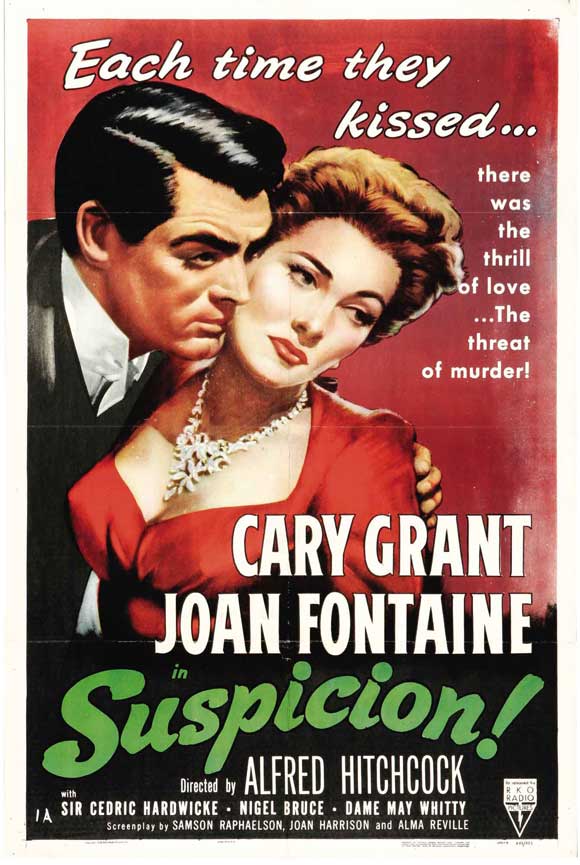
Peary spends the bulk of his review of this early American Hitchcock film — his follow-up to Rebecca (1940) — complaining about its ending (which, by the way, is discussed to some extent in nearly every online review — so be forewarned if you’ve never seen it). He notes that Fontaine “saves [the] picture with [her] gusty performance”, but claims that Grant simply “looks stiff”. He points out a couple of “good scenes — Grant carrying [a] glowing glass of milk to sick Fontaine, a dinner conversation about murder”, but ends his review by once again arguing that “the disappointing resolution keeps it from being top-grade Hitchcock”. I actually agree with Peary that this isn’t “top-grade Hitchcock” — but not just because of the ending. Although there’s a credible amount of tension throughout the entire film (which is told from Fontaine’s point of view), we’re quickly frustrated by her simpering unwillingness to act on her increasingly mounting suspicions.

It’s relatively easy to accept Fontaine’s whirlwind marriage to Johnnie as the consequence of an overly sheltered young woman fearing spinsterhood (certainly plenty of naive, desperate women in real life have married cads or outright psychopaths out of similar motivations) — but once she learns about his lies and financial indiscretions, there’s no excuse for her hesitation in getting out. We’re meant to believe that she simply can’t help herself (she’s too in love with Johnnie), but I don’t buy it. (Interestingly, she’s never given reason to worry about him cheating on her with another woman — which indicates that perhaps women will put up with a lot of nonsense in a marriage as long as they don’t believe their primacy as “woman number one” is being threatened.) Meanwhile, other elements of the screenplay are clumsy as well: how convenient is it, for instance, that Johnnie and Lina happen to be friends with a mystery novelist (Auriol Lee) who’s exploring various methods for untraceable murder? The origins of this friendship are never explained, so it comes across as simply a plot contrivance. With that said, Fontaine’s Oscar-winning performance — in a decidedly imperfectly written role — is fine, and film fanatics will likely be curious to see the movie for this reason alone.

Redeeming Qualities and Moments:

  • Joan Fontaine as Lina
  • Atmospheric cinematography

Must See?
Yes, simply for Fontaine’s Oscar-winning performance.

Categories

  • Important Director
  • Oscar Winner or Nominee

Links:

Under Capricorn (1949)

Under Capricorn (1949)

“I’m afraid I’m not very well.”

Synopsis:
In the early 19th century, an Irishman (Michael Wilding) moves to Australia, where he befriends an ex-convict (Joseph Cotten) whose fragile wife (Ingrid Bergman) has become a reclusive alcoholic cared for by her domineering housemaid (Margaret Leighton). When Wilding attempts to help cure Bergman of her neuroses (falling in love with her in the process), he quickly learns more about her unconventional marriage to Cotten, and the tragedy that sent them to Australia.

Genres, Themes, Actors, and Directors:

  • Ex-Cons
  • Historical Drama
  • Hitchcock Films
  • Immigrants and Immigration
  • Ingrid Bergman Films
  • Joseph Cotten Films
  • Love Triangle
  • Marital Problems

Review:
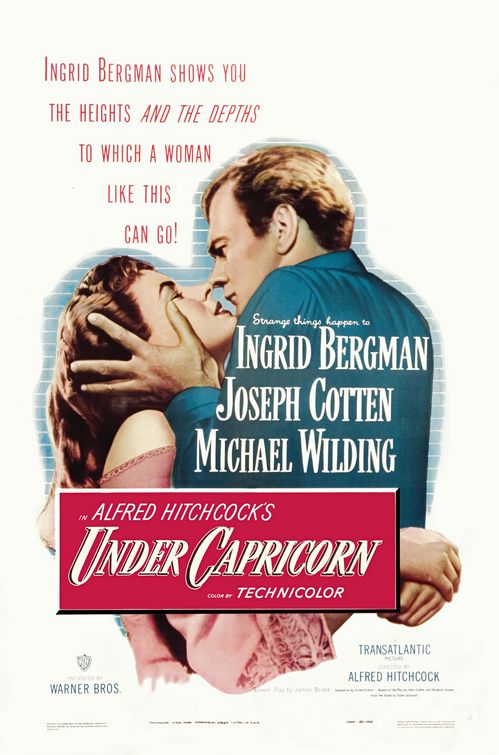
Based on a novel by Australian author Helen Simpson, this historical melodrama was Alfred Hitchcock’s second film in Technicolor, and features several instances of the “long take” he so infamously utilized in Rope (1948) the previous year. It performed poorly at the box office, and is generally viewed as one of Hitchcock’s lesser efforts — primarily because it’s more of a domestic melodrama than a thriller, and moves at a much more leisurely, literary pace. It’s often compared (unfavorably) with Hitchcock’s Oscar-winning American debut film, Rebecca (1940), which featured a similarly overbearing housemaid intent on meddling in the private life of her mistress — though in this case, Margaret Leighton’s Millie is (unfortunately) not given nearly as much screentime as Judith Anderson’s Miss Danvers in Rebecca. Indeed, given what a pivotal role Leighton ends up playing in the denouement of Under Capricorn, it’s especially frustrating to see how underdeveloped her character is; she’s given one excellent, intriguing monologue mid-way through the movie, but otherwise simply comes and goes until the film’s final scenes bring her back with a wallop.

At the film’s heart, however, is Ingrid Bergman, giving a typically mesmerizing performance as a conflicted woman driven to drink and seclusion by both her tragic past and her challenging present circumstances. Also effective is Michael Wilding (best known as Elizabeth Taylor’s second husband — though, interestingly, he later married Leighton), as the do-gooding man determined to help rescue Bergman from her self-imposed exile. Meanwhile, Jack Cardiff’s luminous cinematography bathes the entire film in gorgeous, painterly hues. It’s all the more disappointing, then, that the movie itself ultimately doesn’t move in a very interesting direction: we wouldn’t mind learning a lot more about life during this very specific time in Australia’s history (when it was still largely comprised of ex-convicts), but instead must be content with the melodramatic tensions between Cotten (giving an overly restrained performance), Bergman, Wilding, and Leighton. It’s far from boring, and beautifully shot, but is really only must-see for Hitchcock completists.

Redeeming Qualities and Moments:

  • Ingrid Bergman as Lady Henrietta
  • Michael Wilding as Charles
  • Margaret Leighton as Millie
  • Jack Cardiff’s cinematography

Must See?
No, though it’s certainly recommended to Hitchcock enthusiasts and/or fans of Ingrid Bergman. In 1958, voted by the Cahiers du Cinema as one of the ten greatest films of all time. Available for free viewing on the Internet Archive.

Links:

Broken Blossoms (The Yellow Man and the White Girl) (1919)

Broken Blossoms (The Yellow Man and the White Girl) (1919)

“The Yellow Man watched Lucy often. The beauty which all Limehouse missed smote him to his heart.”

Synopsis:
A teenage waif (Lillian Gish) abused by her adoptive father (Donald Crisp) finds refuge in the home of a kind Chinese shopkeeper (Richard Barthelmess).

Genres, Themes, Actors, and Directors:

  • Asian-Americans
  • Child Abuse
  • Cross-Cultural Romance
  • Donald Crisp Films
  • D.W. Griffith Films
  • Lillian Gish Films
  • Racism and Race Relations
  • Silent Films

Response to Peary’s Review:
Peary refers to this “D.W. Griffith classic” — an unflinching early look at child abuse and racial prejudice — as “perhaps the cinema’s first outright tragedy”, yet points out that the use of various tints and the strategic employment of a “special soft-focus lens” gives the film “an almost poetic feel that tempers the harshness of the story”. He notes that the “overly sentimental” storyline (based on a short story by Thomas Burke) “surely appealed to Griffith because it again let him lash out at the evil city, again deal with miscegenation and suicide, and again — and this is the disturbing element — sacrifice an innocent girl to our cruel, immoral world.” Indeed, the three central characters are so elemental in their attributes — “snarling Crisp”, “stoical Barthelmess”, and timid Gish — that the wafer-thin story (not really suitable for a feature length film) comes across as more of a fable or a fairy tale than any kind of realistic narrative. This is especially true given that the age and developmental maturity of Gish’s character (Lucy) is left so vague: the 26-year-old Gish* could literally be either 10 or 15 or 20; she’s so petite and huddled over from fear at all times that we can’t really tell — and when Barthelmess hands her a doll to play with (!), we get seriously confused. (In the original short story, the character was 12 — which I suppose lends some credence to this scene.)

The film’s terribly antiquated, casually racist subtitle will likely turn many modern film fanatics off; but once they make tentative peace with both this and the (then standard) casting of white men in both central Asian roles, they’ll likely be pleasantly surprised to find that Griffith — the infamous director of America’s most egregiously racist classic film, Birth of a Nation (1915) — seems to at least be trying to portray the film’s Chinese-American protagonist (Cheng) in a reasonably respectful light. Indeed, it’s gratifying to know that Griffith “considered the main theme of his film to be that Americans wrongly consider themselves superior to foreigners, including the Chinese, who have a noble, peace-loving philosophy”. Cheng is shown at the beginning of the film to be a noble-minded Buddhist missionary hoping to convert European heathens to more peaceful ways — and thus his quick descent into opium addiction after arriving on the sordid shores of London is given a bit of context and justification, rather than simply perpetuating the trope of drug-addled Asians. (Actually, as I think about it, this piece of the narrative could easily have been expanded upon: I’d love to have seen more of Cheng’s travails upon arrival in London.)

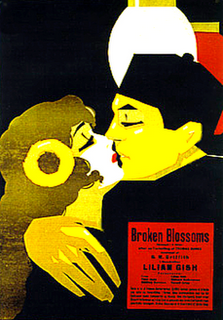
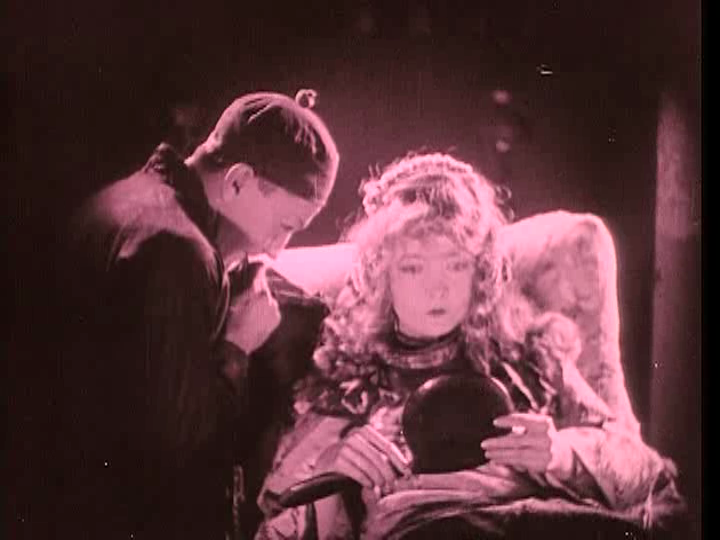
At any rate, Cheng’s poetically romantic yearnings towards Lucy could be (and are) explained away as merely a platonic desire to love and assist that which is most pure and good in the world — though, again, it would have been much more fulfilling to see this most unusual cinematic couple actually moving towards something “real” together. This would have required a more substantial storyline in general, but at least would have given a shred of credence to the fantastical poster (shown above). In terms of the lead performances, Peary accurately argues that “Crisp overacts”, “Barthelmess under-acts (as if he believed one change of expression would let us know that he isn’t really Oriental after all)” — but Gish “acts up an exciting storm”. He notes that “from her timid talking, stooped, crooked posture, and terrified eyes, Gish immediately gets us to understand that her beatings are a daily thing for her”, and she is “totally convincing” in the role. Her character’s ability to “smile only if she lifts the sides of her mouth her fingers” was apparently thought up by Gish herself, and remains one of the film’s most indelible (recurring) images.

* TCM’s article lists Gish as 23-years-old when the film was made, but this doesn’t make mathematical sense, given that IMDb cites 1893 as her birth year.

Redeeming Qualities and Moments:

  • Lillian Gish as Lucy, “the waif”
  • A (relatively) bold exploration of both child abuse and cross-cultural companionship
  • Billy Bitzer’s cinematography

Must See?
Yes; despite being “a bit disappointing”, it’s nonetheless considered a silent classic, and “is essential to any study of Griffith”. Selected to the National Film Registry, Library of Congress, in 1996. Available for free viewing at www.archive.org.

Categories

  • Genuine Classic
  • Historically Relevant
  • Important Director

(Listed in 1001 Movies You Must See Before You Die)

Links:

Animal Farm (1954)

Animal Farm (1954)

“No animal shall kill another animal. All animals are equal.”

Synopsis:
A group of farm animals rebel against their cruel owner and take over the farm themselves. But soon two head pigs (Napoleon and Snowball) are vying for leadership, and the animals find themselves back in dire straits.

Genres, Themes, Actors, and Directors:

  • Animated Features
  • Revolutionaries
  • Rivalry
  • Talking Animals

Review:
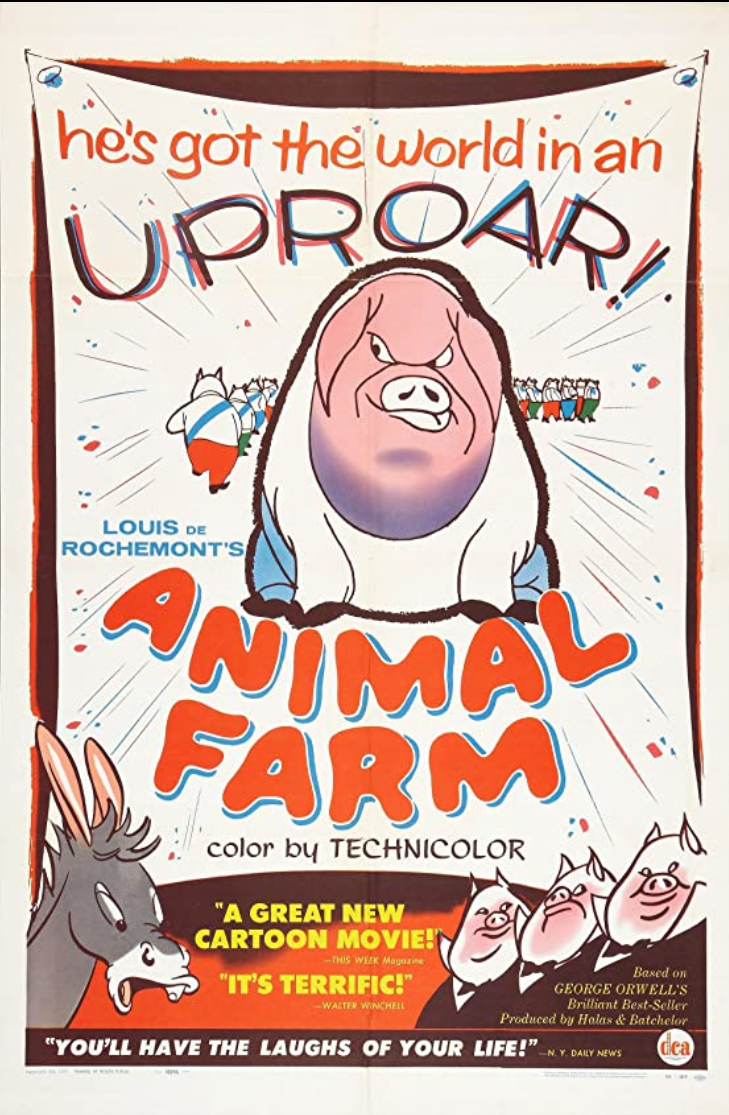
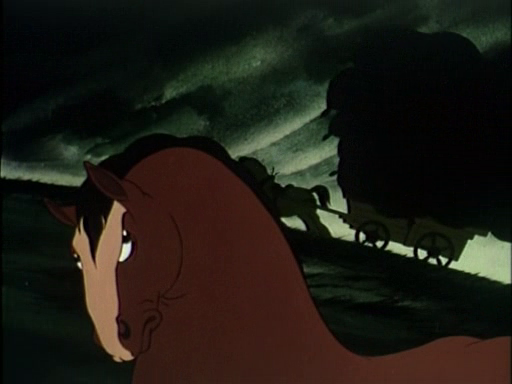
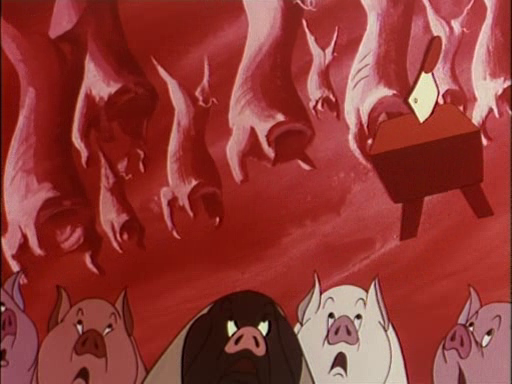
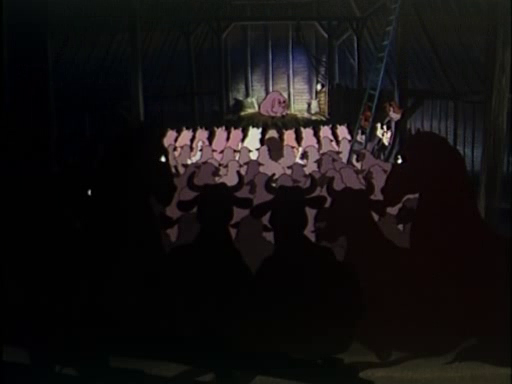
Most definitely NOT for little ones, this animated version of George Orwell’s classic anti-Communist allegory has been criticized as merely a serviceable adaptation of the novel (minus its downbeat ending), and viewed as most suitable for teens required to read the book in school. While there’s some truth to this (the translation is quite literal, and will likely be of most interest to those who’ve read the novel), this assessment isn’t quite fair, given that the high-quality animation throughout is consistently impressive, and the animators effectively utilize the medium to tell a tale it would undoubtedly be challenging to relate in any other format. (I haven’t seen the 1999 live version, so I can’t comment on this, but I’ve heard it’s even more disappointing.) Ultimately, as other critics have pointed out, the use of animation to tell this “fairy tale” (the novel’s subtitle) is actually appropriate — as long as viewers are prepared for a truly dark and disturbing narrative journey.

Redeeming Qualities and Moments:

  • Creative animation

  • An appropriately dark adaptation of Orwell’s classic

Must See?
Yes, simply for its historical relevance as the first British feature animated (entertainment) film. Listed as a Personal Recommendation in the back of Peary’s book.

Categories

(Listed in 1001 Movies You Must See Before You Die)

Links:

Million Dollar Legs (1932)

Million Dollar Legs (1932)

“What the country needs is money, and it’s up to you to get it for me!”

Synopsis:
The president (W.C. Fields) of Klopstokia tasks the suitor (Jackie Oakie) of his daughter (Anne Fleming) with raising money for his bankrupt country. When Oakie realizes how athletic all of Klopstokia’s citizens are, he decides to enter them in the 1932 Olympics — but Fields’ detractors are anxious to ruin him, and enlist the help of seductress Mata Machree (Lydi Roberti) in distracting the athletes.

Genres, Themes, Actors, and Directors:

  • Comedy
  • Joseph L. Mankiewicz Films
  • Olympics
  • Ruthless Leaders
  • W.C. Fields Films

Review:
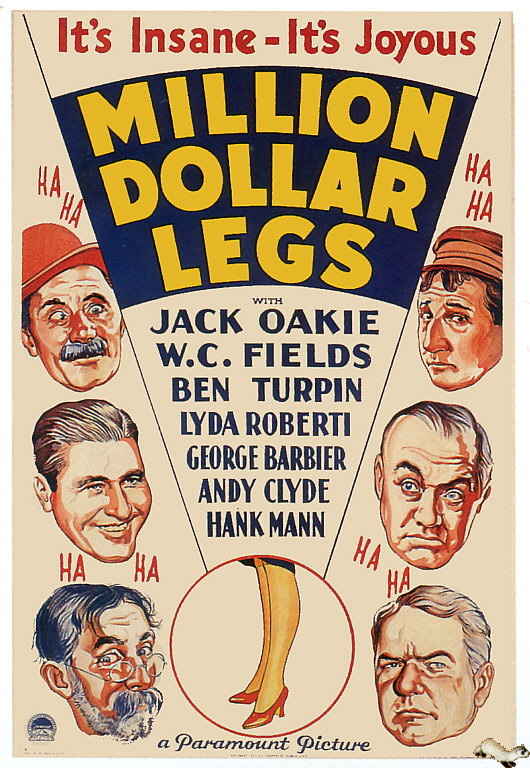
Film fanatics might be forgiven for assuming that the film in GFTFF called Million Dollar Legs would either be about Betty Grable (nope, that’s the 1939 film of the same title) or Esther Williams (nope, that’s the 1952 film Million Dollar Mermaid, which isn’t included in Peary’s book — speaking of which, NONE of Williams’ films are listed in GFTFF, which seems like an oversight…). At any rate, this early W.C. Fields feature (his first for Paramount Studios) is a surprisingly zany outing, similar in many ways to the following year’s Duck Soup (1933), and also to Fields’ final starring-role film, Never Give a Sucker an Even Break (1941) (complete with goat milk jokes and a fictional European-esque destination). In his article for The New Yorker, David Denby refers to Million Dollar Legs as “about as close as Hollywood… ever came to the spirit of Dada”, and this is an accurate description. While it’s not entirely successful, there are enough wacky surprises, off-the-wall interactions, and random elements (all the girls in Klopstokia are named Angela, and all the boys are named George; when asked why, Fleming simply replies, “Why not?”) to keep viewers at the very least interested in what happens next. Watch for a weird performance by blonde bombshell Lyda Roberti (who died at the age of 31 from a heart attack), in her best known role.

Note: The film’s title most likely refers to the insanely fast running speed of Klopstokia’s Major Domo (Andy Clyde), but is still rather a strange choice.

Redeeming Qualities and Moments:

  • An enjoyably zany screenplay (by Joseph Mankiewicz and others)

Must See?
No, but it’s strongly recommended. Listed as a Cult Movie and a Personal Recommendation in the back of Peary’s book.

Links:

Never Give a Sucker an Even Break (1941)

Never Give a Sucker an Even Break (1941)

“He didn’t get that nose from playing ping-pong.”

Synopsis:
W.C. Fields (as himself) tries to convince movie producer Franklin Pangborn (as himself) to make a surreal movie starring Fields and his singing niece, Gloria Jean.

Genres, Themes, Actors, and Directors:

  • Comedy
  • Hollywood
  • W.C. Fields Films

Response to Peary’s Review:
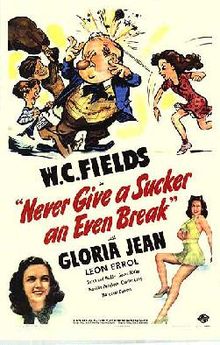
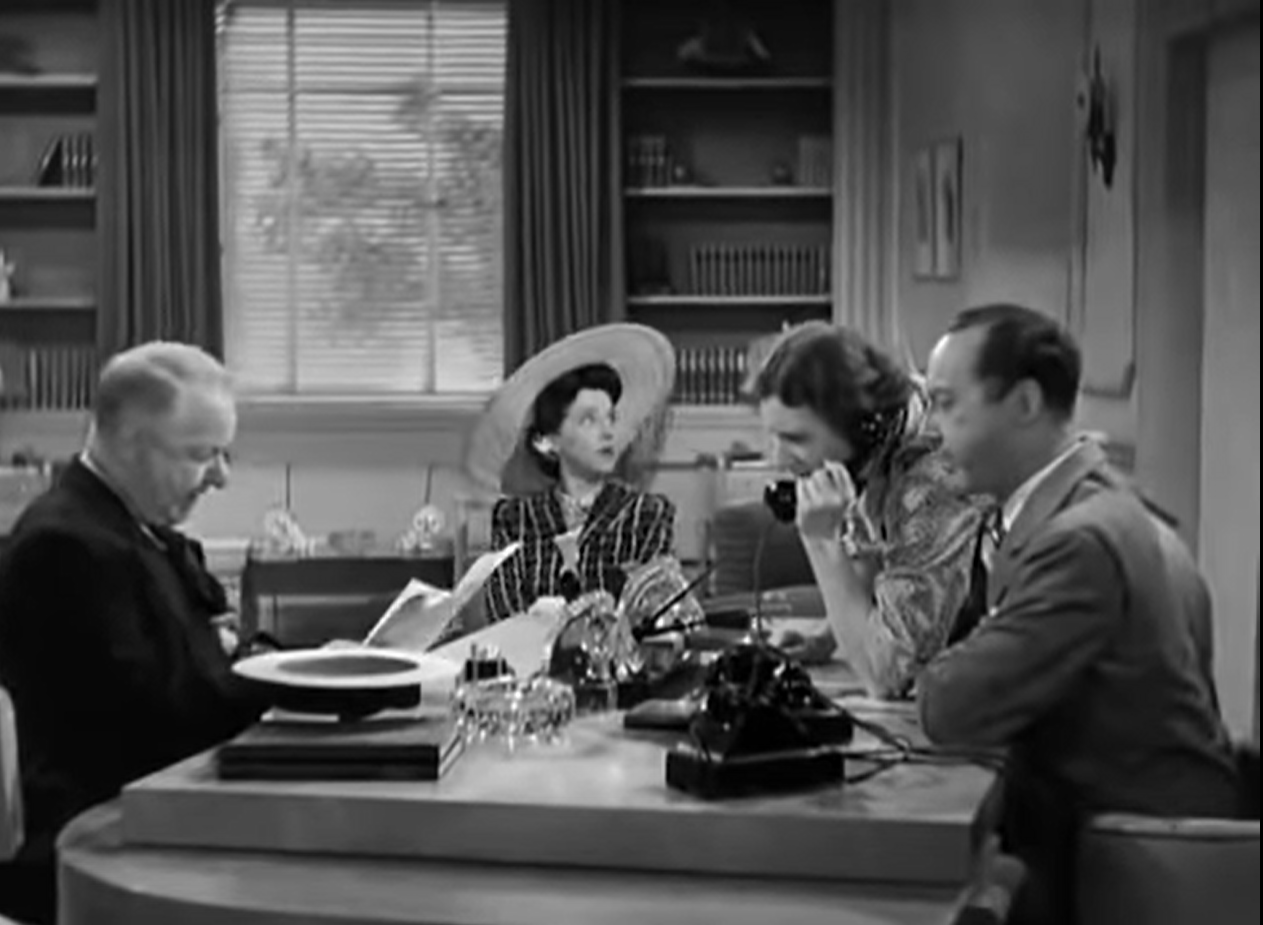
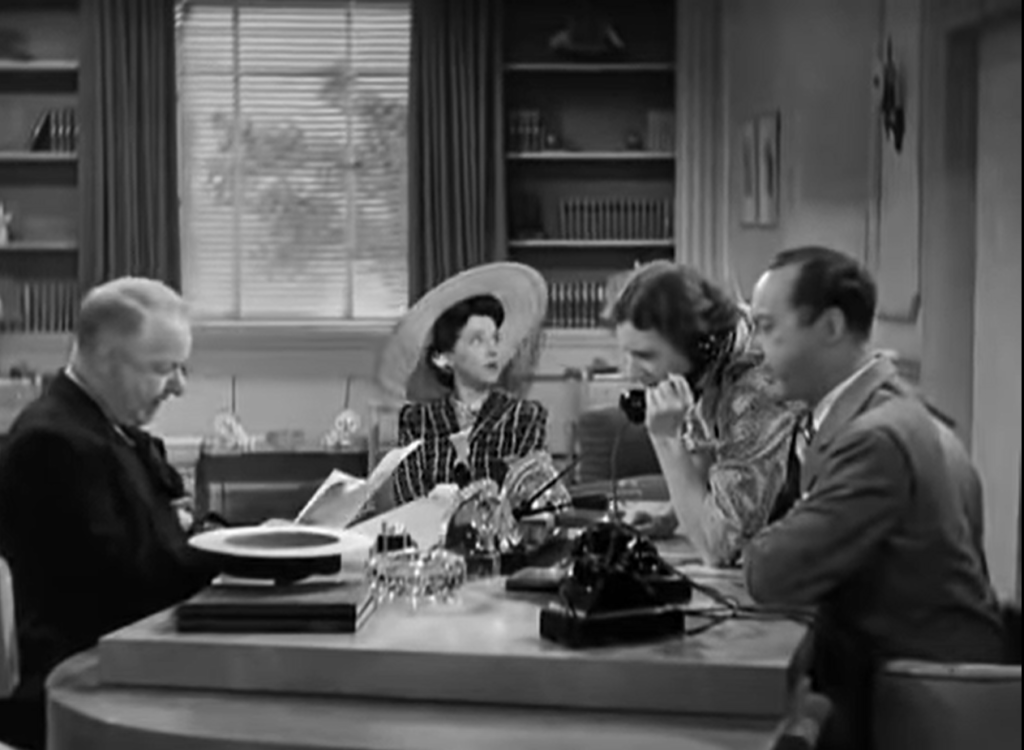
Peary argues that this “last starring role” for W.C. Fields isn’t “top-grade Fields because he isn’t on-screen enough…, he isn’t bombastic or aggravating enough, and he isn’t being constantly harassed by the nincompoops that usually populate his films” — but I have to say I disagree. While Fields might not be on-screen continuously, his presence as screenwriter (writing under the typically creative pseudonym of Otis Criblecoblis) is fully felt throughout, to joyfully surreal effect. Indeed, Peary does acknowledge that this is “the film where the surrealistic nature of Fields’s comedy is most evident”, given that the film-within-the-film (pitched by Fields to an exasperated Franklin Pangborn; what brilliant casting!:
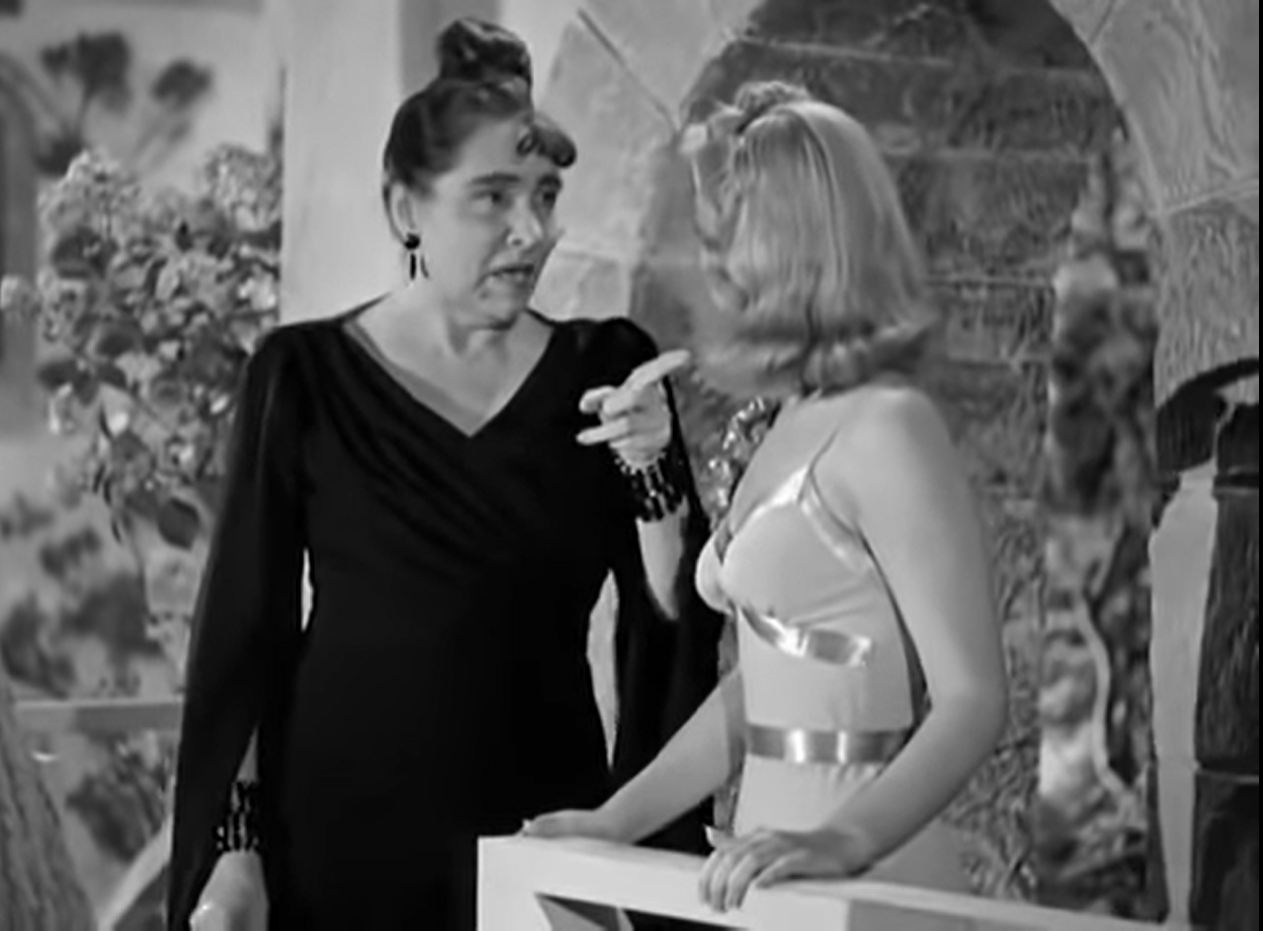
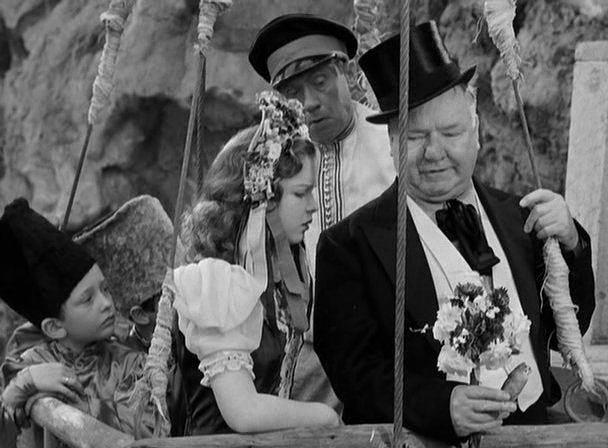
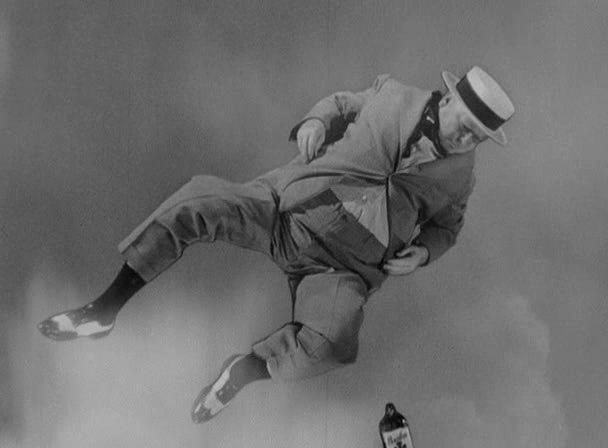
transpires in a fantastical alter-universe: Fields is traveling with his niece, Gloria Jean, on an airplane, when suddenly he “leaps… to retrieve his whiskey bottle and falls thousands of feet before landing safely on Margaret Dumont’s mountaintop estate, where she lives with her pretty young daughter:
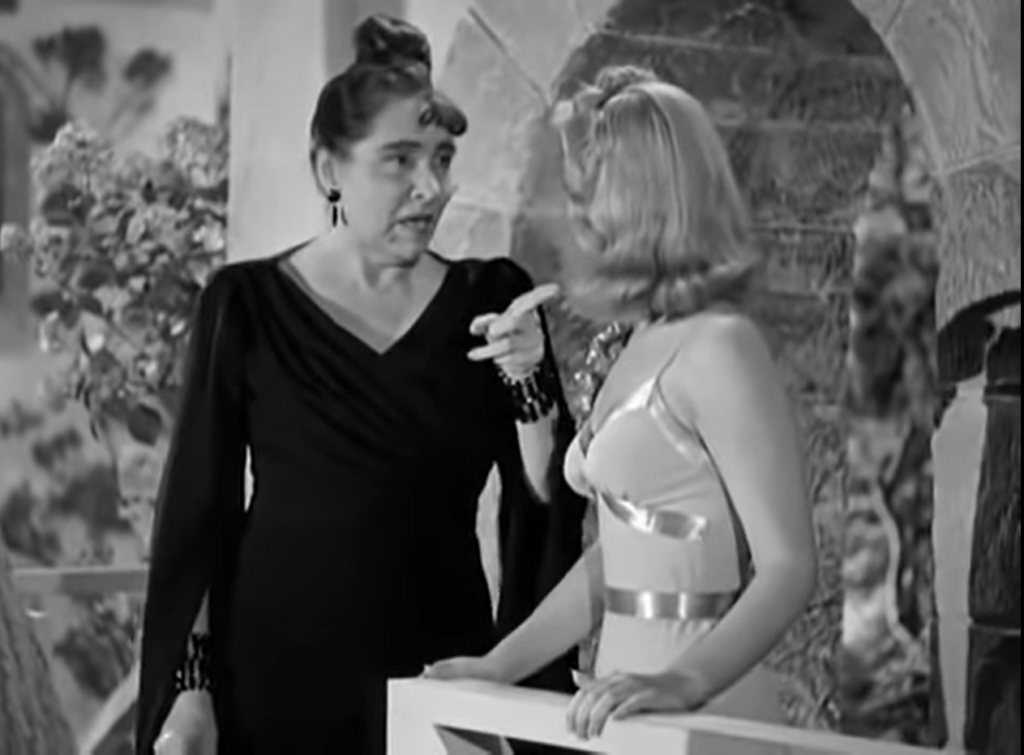
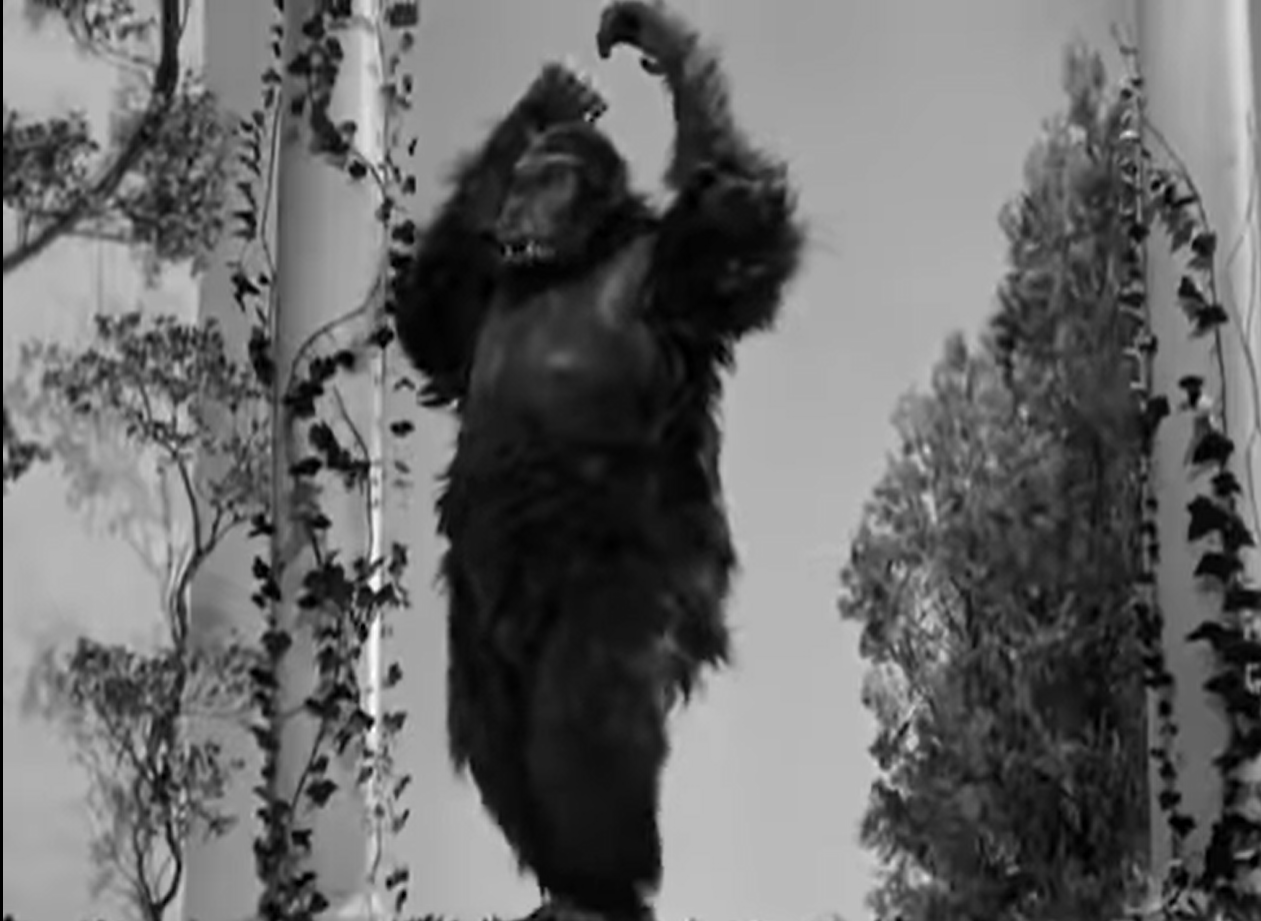
… a gorilla:
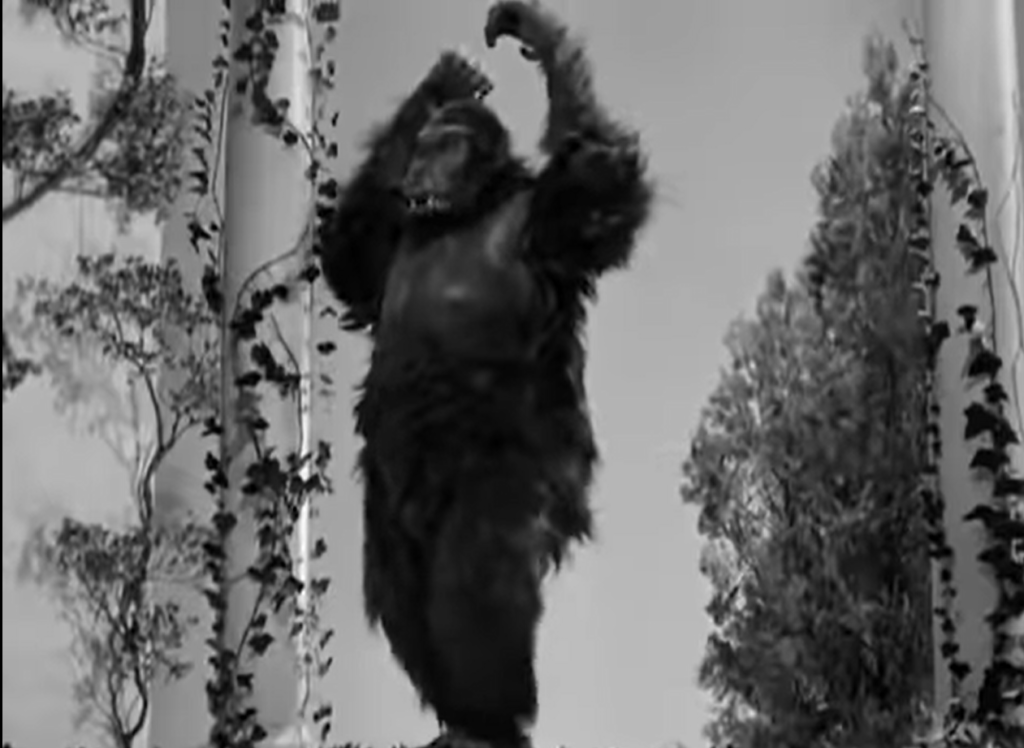
… and [a] Great Dane with fangs”:

… and later arrives at a Russian village in Mexico (!).

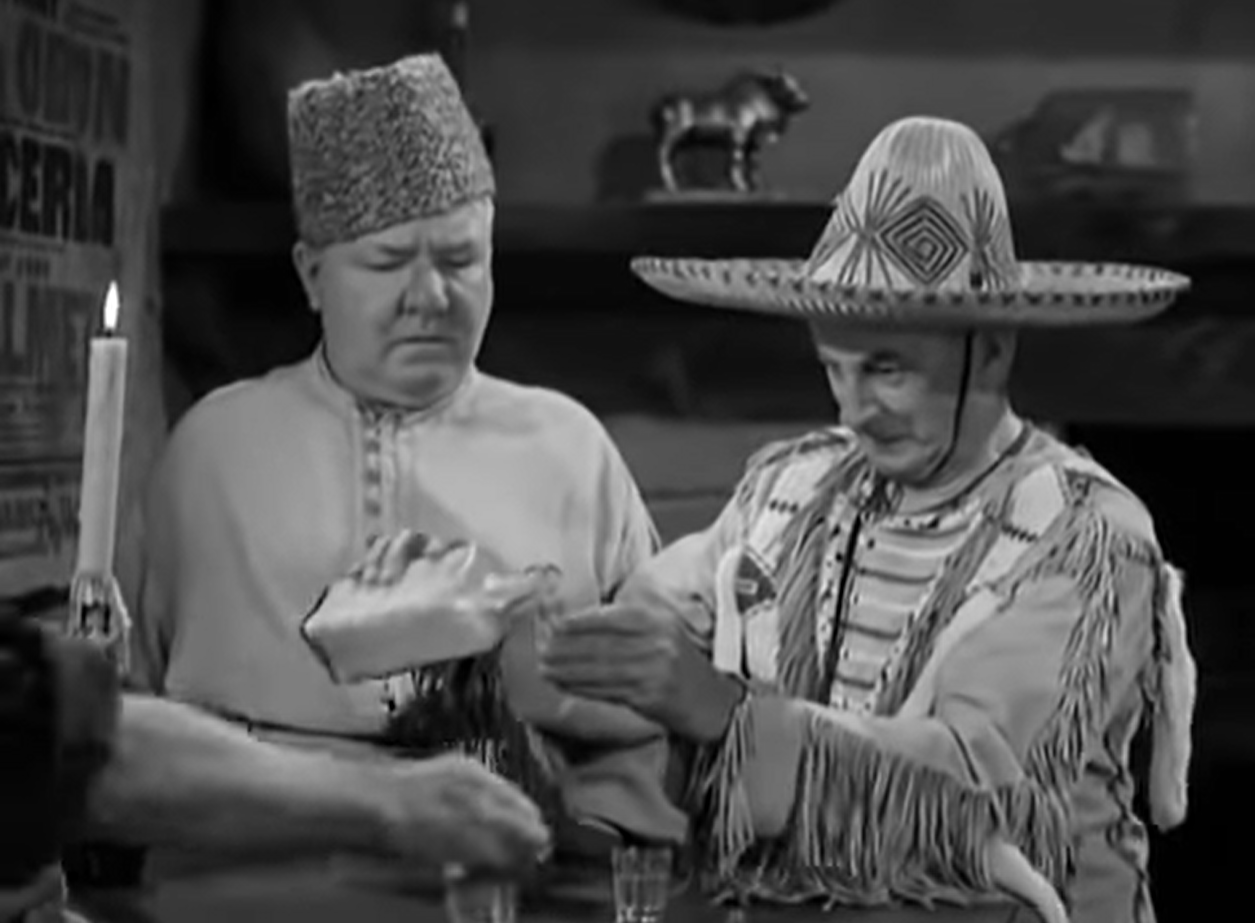
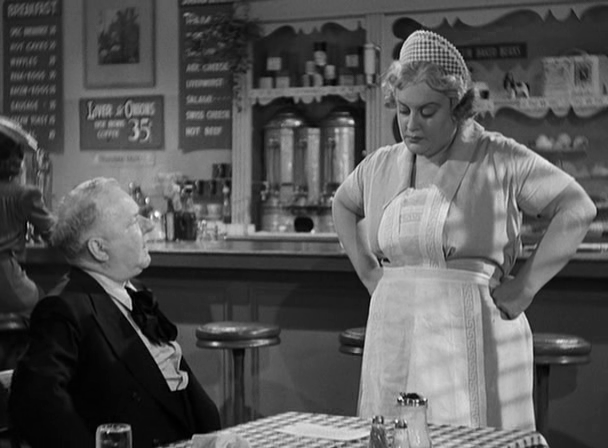
Truly, the preposterous scenario proposed by Fields — which Pangborn, naturally, rejects as “impossible, incomprehensible, inconceivable; and besides that, it’s no good” — seems to be the loopy product of both Fields’s accumulated years of experience on wackily hybrid studio sets (viz. the film’s opening sequences), and his constant inebriation, which is referenced continually throughout both the meta-narrative and the fantasy film. In one classic scene, for instance, Fields enters “an ice-cream parlor, where, before blowing the head off his ice-cream soda, he turns to us to reveal that censors wouldn’t let him stage the scene in a saloon”. Within the fantasy film, numerous laughs are milked (sorry) when Fields shares a stiff drink of goat’s milk (!) with an engineer (Emmett Vogan):

Fields would find intoxicating substances under a rock if necessary, it seems.

At any rate, your enjoyment of this film will ultimately depend upon how much you’re willing to forgo straightforward narrative in favor of something much more — dare I say, post-modern? Rewatching it again last night, after viewing and posting on numerous “pure” Fields films, I find myself enjoying it perhaps most of all, simply for its perversely illogical and “messy” status. Knowing in hindsight that this was to be Fields’s final starring role, it could be viewed as an especially apt “sayonara” — i.e., Fields’s attempt to throw everything plus the kitchen sink into his grand finale. At the same time, as Dave Kehr notes, the film “has an appealingly inward, mournful quality, as if it were a swan song that only its singer could hear. Unconcerned with reaching the audience, Fields seems to be muttering to himself through much of the movie, his barely audible remarks often achieving a strange poetry: ‘The chickens lay eggs in Kansas. The chickens have pretty legs in Kansas.'”

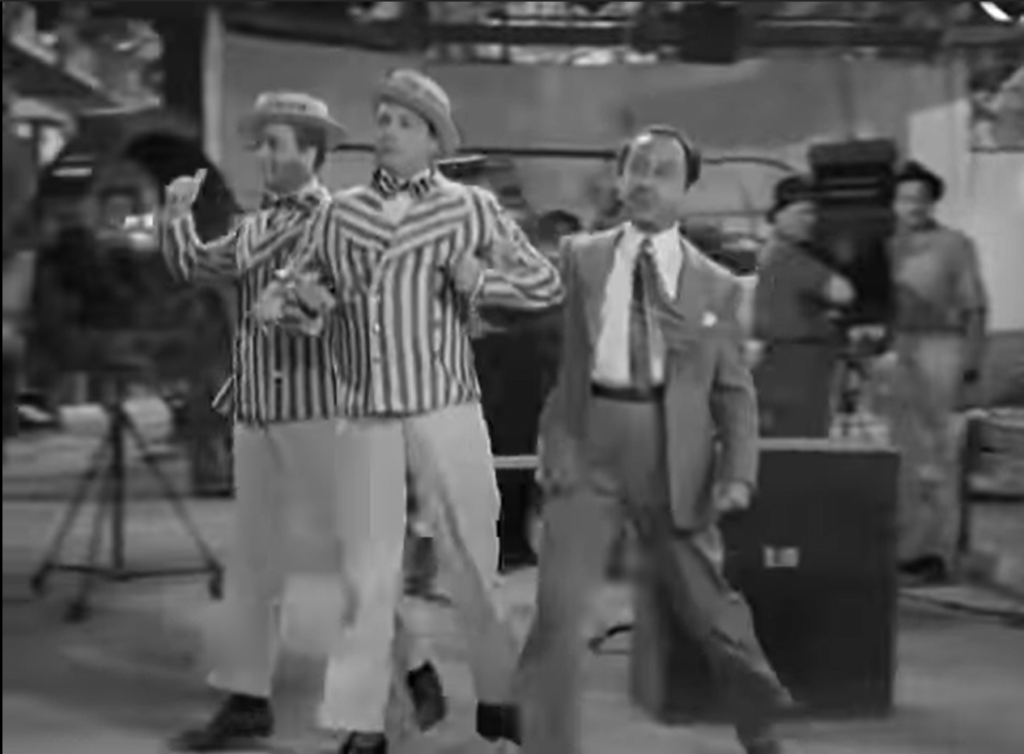
Note: My single favorite moment (over in an instant): Franklin Pangborn, agitatedly trying to help Gloria Jean rehearse, is momentarily caught up in a male chorus line dancing through the studio.
Redeeming Qualities and Moments:

  • W.C. Fields as himself
  • Franklin Pangborn as himself
  • Fields’s early interactions with a surly waitress (Jody Gilbert)
  • Fields’ enjoyably surreal screenplay
  • Plenty of characteristically zingy one-liners:

    “She drove me to drink, the one thing I’m indebted to her for.”

Must See?
Yes, as a truly surreal comedic effort — and for its historical relevance as Fields’ last film.

Categories

  • Good Show
  • Historically Relevant

Links: