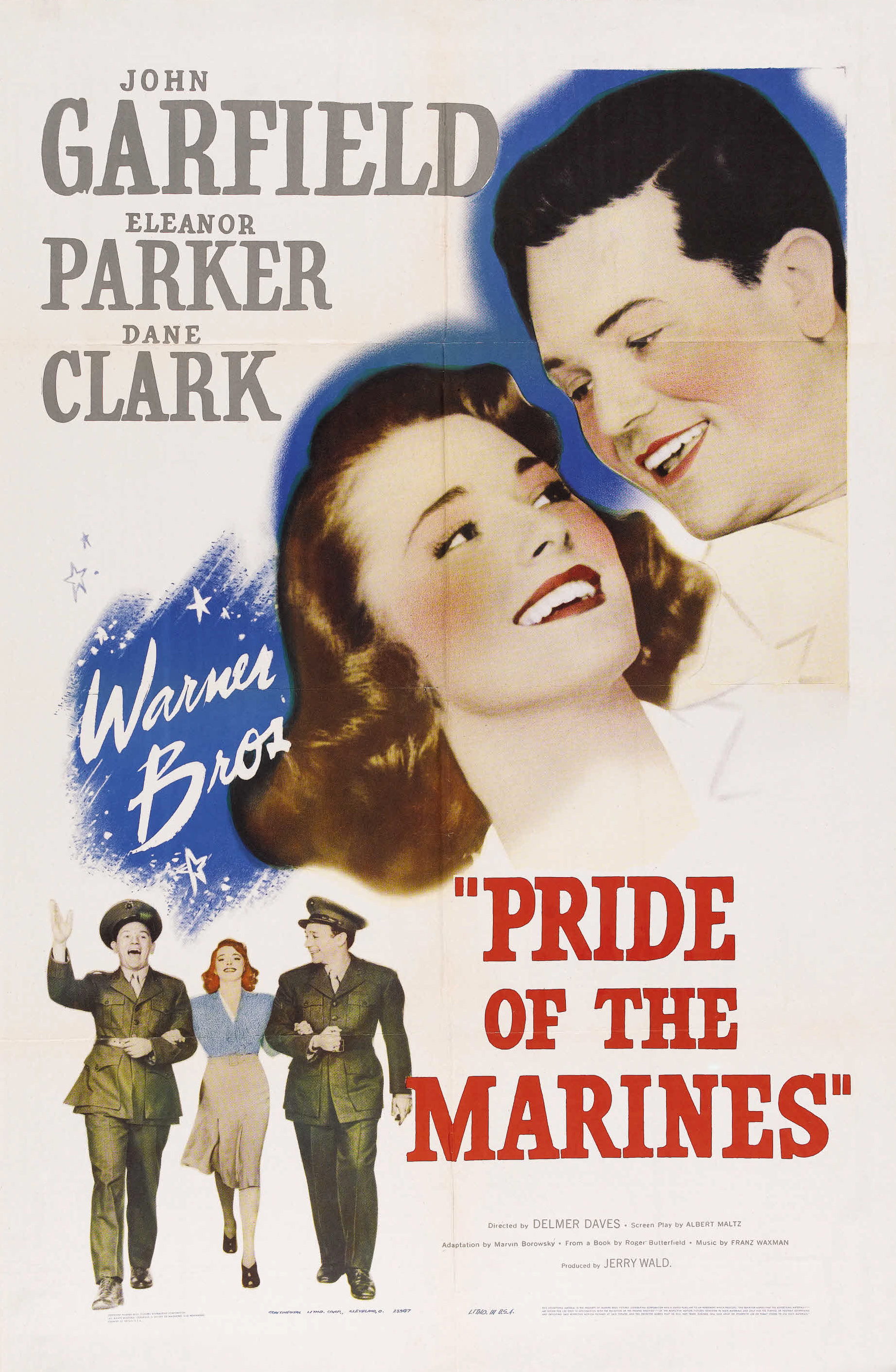
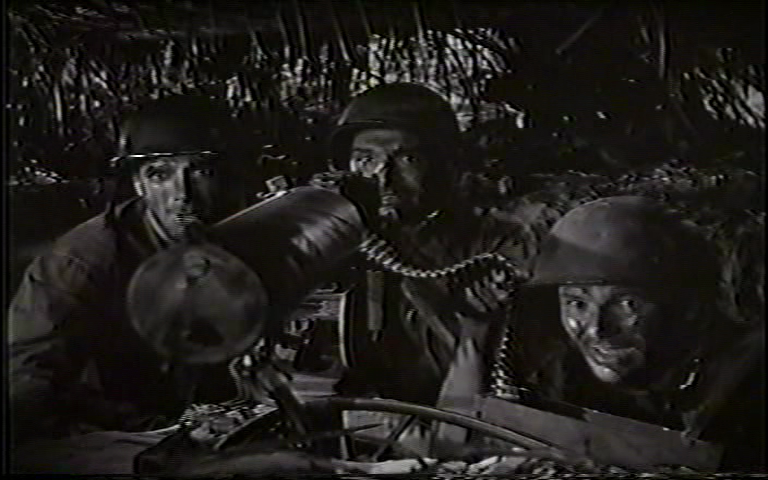
Pride of the Marines (1945)
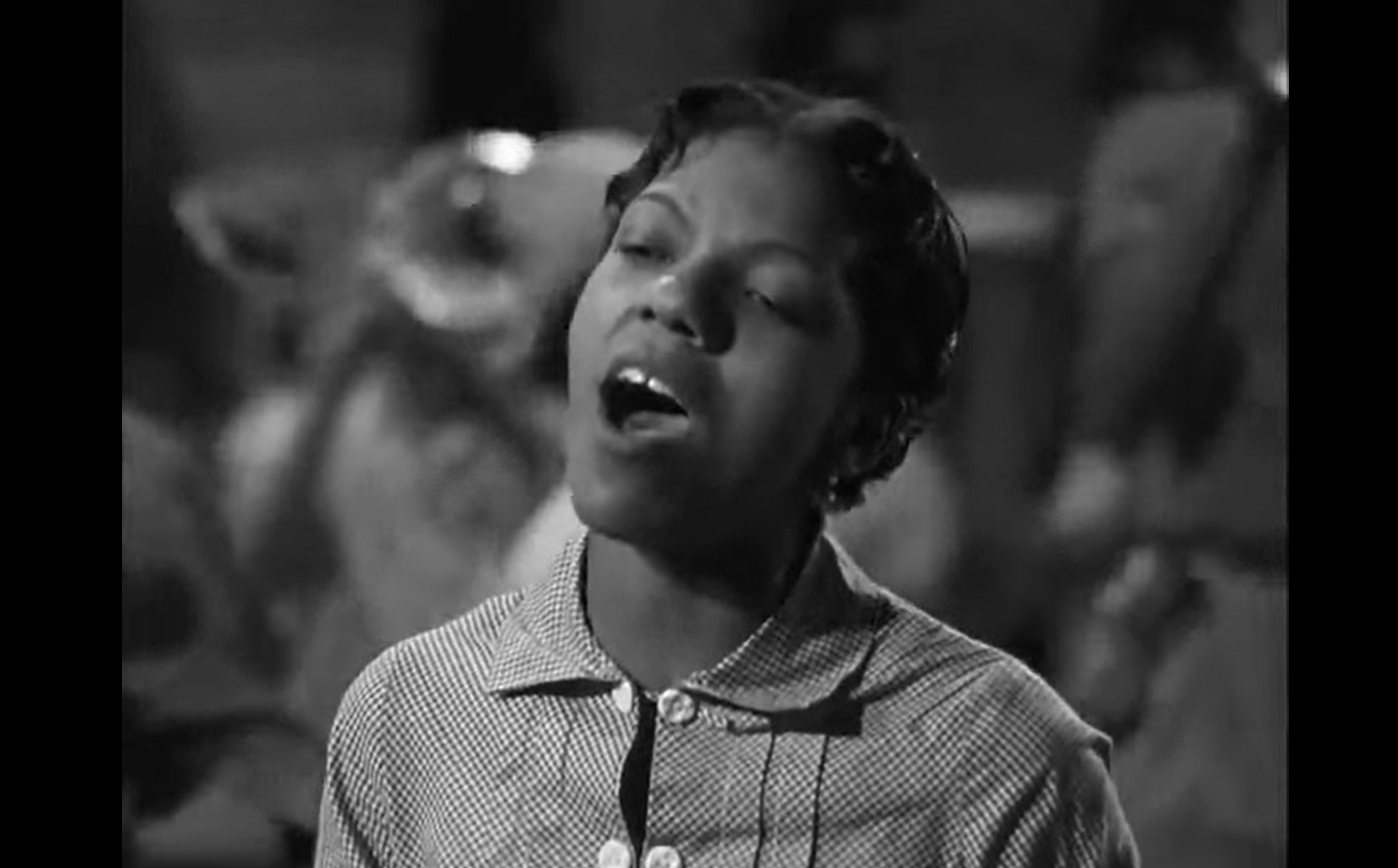
“I won’t have her being a seeing eye dog for me!”
|
Synopsis: |
|
Genres, Themes, Actors, and Directors:
Review: Redeeming Qualities and Moments:
Must See? Categories
Links: |
“I won’t have her being a seeing eye dog for me!”
|
Synopsis: |
|
Genres, Themes, Actors, and Directors:
Review: Redeeming Qualities and Moments:
Must See? Categories
Links: |
“Most men lead lives of quiet desperation. I can’t take quiet desperation!”
|
Synopsis: |
|
Genres, Themes, Actors, and Directors:
Response to Peary’s Review: Since its release, of course (when NY Times critic Bosley Crowther referred to it as “shatteringly realistic and morbidly fascinating”), countless other films — too many to list here — have tackled the sticky topic of alcoholism and/or drug addiction, thus lessening the inherent shock value of The Lost Weekend for modern viewers. Yet on its own terms, the film remains a well-told tale of “a several-day [nightmarish] binge that almost costs [a man] his loyal girlfriend… and his life.” As Peary notes, the “dialogue is tough and cynical” (“She knows she’s clutching a razor blade, but she just won’t let go!”), and “Wilder makes strong use of New York streets and backgrounds” by blending “harsh expressionistic visuals indoors with washed-out shots of the city to convey mood changes in Milland”. With a running time of 101 minutes, the film thankfully never feels too long; from the tensely scripted and filmed opening sequence (in which Milland tries to distract his brother long enough to pack a hidden bottle of alcohol that’s dangling from a rope outside his window sill), to the justifiably lauded sequence in which Milland walks the streets of New York in desperate search of a pawn shop (only to find that they’re all closed on Yom Kippur), we’re genuinely curious to know what kind of trouble Milland will find himself in next, and how he’ll worm his way out. Most problematic for me, however, is the fact that “Milland (who usually played nice guys) is mean right from the beginning”. While Wilder and Brackett should be commended for not “pull[ing] any punches” in their portrayal of a man who all but the most loyal of friends and family members would have given up on long ago, it’s slightly discomfiting to be rooting for someone so utterly unlikable. Milland’s Don Birnam comes across like a self-pitying whiner who needs a serious kick in the pants to get himself back in gear; even a strategically placed flashback sequence — in which we get to see Milland meeting cute with Wyman at an opera — doesn’t help us like him any better. Fortunately, Milland’s performance is “strong”, and he carries the film surprisingly well. As Peary notes in his Alternate Oscars (where he votes for Boris Karloff in Val Lewton’s The Body Snatcher instead as Best Actor of the Year), Milland’s performance was “the best by any of the [official] nominees and maybe the best of his decent career, [but] he doesn’t make you feel enough empathy for his sick, troubled character”. Indeed, while Milland should certainly be commended for daring to “play an unsympathetic character for a change”, I don’t think society in general understood enough about the disease-driven nature of alcoholism at the time for Milland to do justice to the role; as a result, Birnam ultimately comes across as a pathetic anti-hero rather than the pitiable addict he really is. Redeeming Qualities and Moments:
Must See? Categories
(Listed in 1001 Movies You Must See Before You Die) Links: |
“That hat! I’ll have to watch my bell cords and lampshades.”
|
Synopsis: |
|
Genres, Themes, Actors, and Directors:
Response to Peary’s Review:
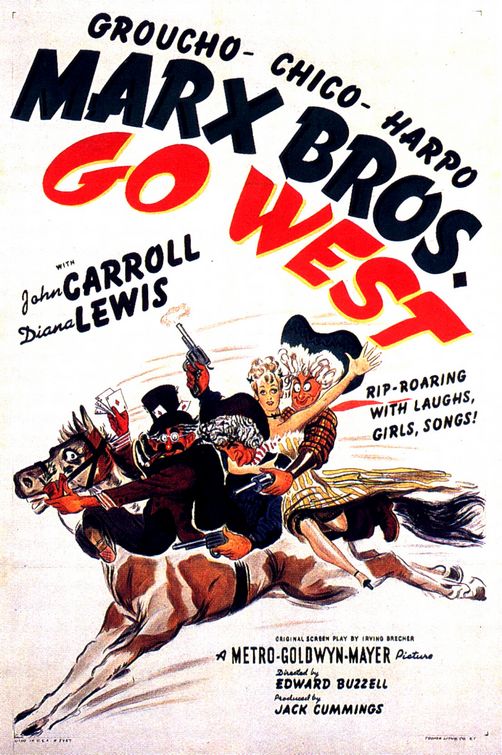
He posits simply that they “boggle the mind”, and likens the entire film to one of “those so-awful-they’re-fascinating half-time shows during the Orange Bowl”. With that said, film fanatics of any stripe (i.e., gay or straight) won’t want to miss watching — at least once — the film in which the infamously English-mangling Carmen Miranda (“I spilled the cat out of the beans!”) sings “The Lady With the Tutti-Frutti Hat” while “chorus girls do suggestive things with giant bananas”. Note: Watch for limber-limbed Charlotte Greenwood strutting her stuff in a brief scene, and a (perhaps unknown; her identity is debatable) acrobatic dancer in a black leotard doing a nifty solo in a medley towards the end. Redeeming Qualities and Moments:
Must See? Categories
Links: |
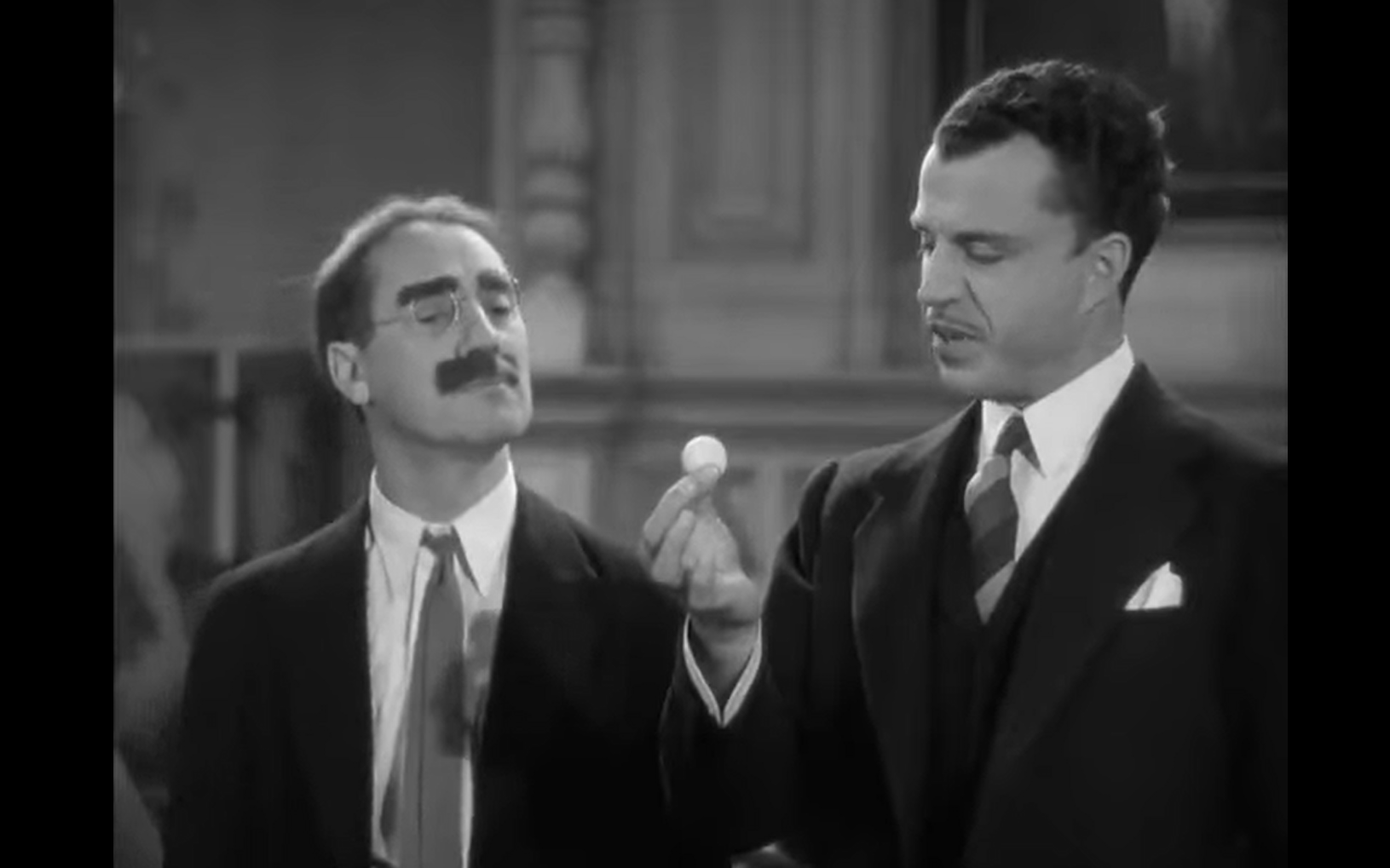
“I’d give you my seat, but I’m sitting here.”
|
Synopsis: |
|
Genres, Themes, Actors, and Directors:
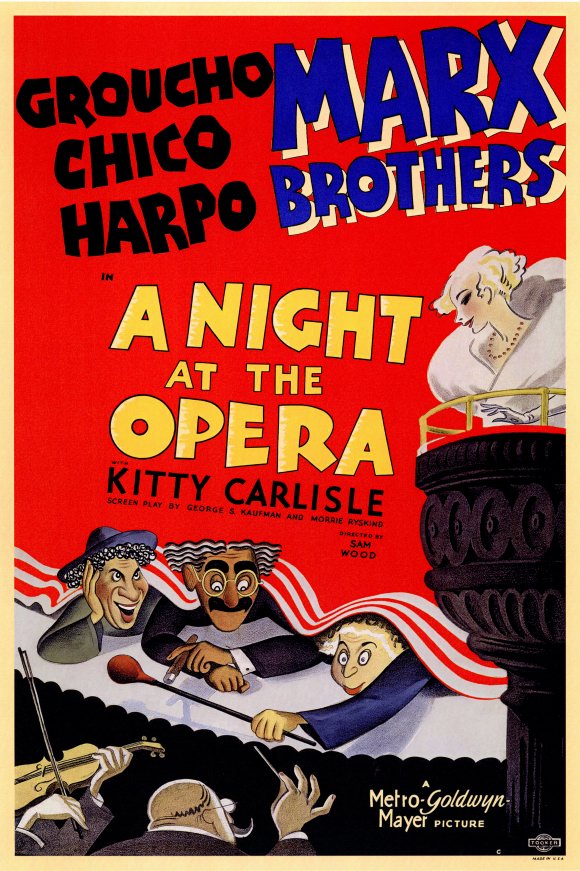
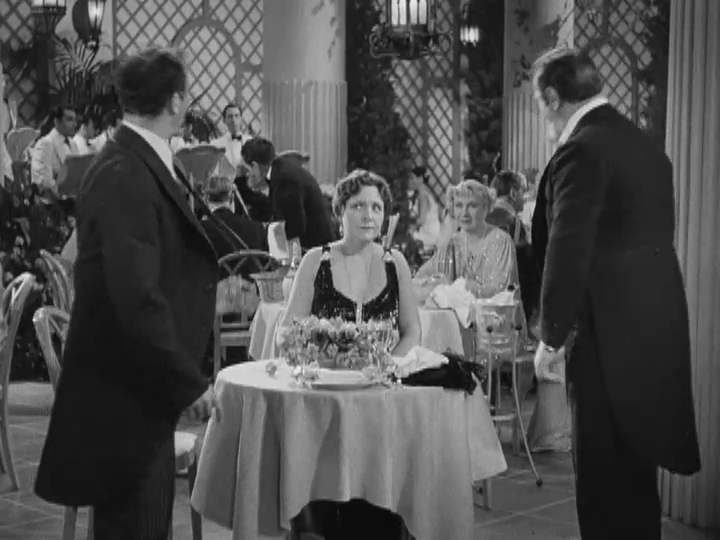
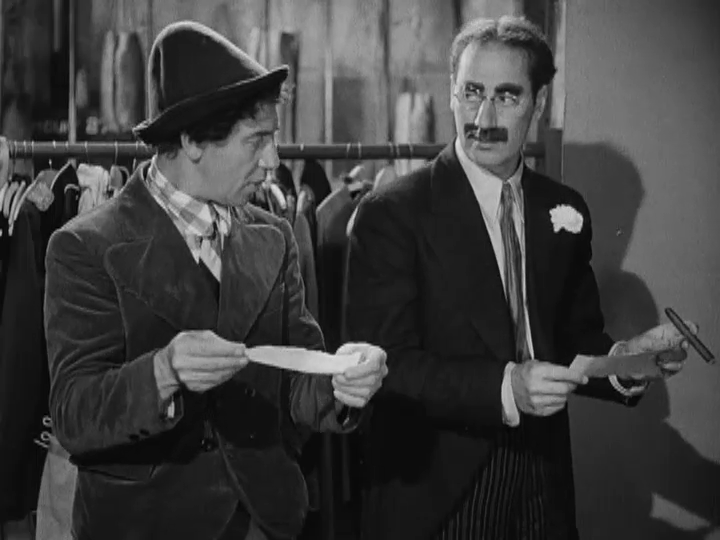
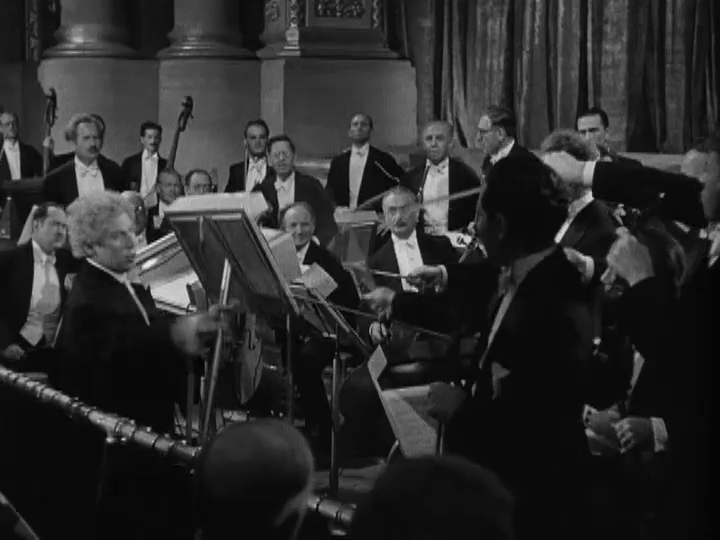
Response to Peary’s Review: Having seen this classic several times now, I only have minor complaints to register. While the first half of the film offers practically non-stop merriment (this is where the majority of the best scenes occur), the second half is less laugh-out-loud hilarious. Meanwhile, Dumont’s archetypical foil has been better served elsewhere; other than the wonderful opening sequence, she doesn’t really get enough of a chance to interact with Groucho, and she far too quickly becomes unsympathetic. Finally, the entire subplot between Carlisle, Jones, and King is (naturally) rather pedestrian, and definitely slows down the comedic pacing — though it could be argued that this helps to space out the comedic mayhem. A final note: now that I’ve finished reviewing all the Marx Brothers films in Peary’s book, I must admit that I don’t think I’ve ever had a harder time succinctly synopsizing the plots of a given set of “narratives” — in part, I think, because the characters played by the three brothers don’t really possess discrete titles or roles. I mean, what type of livelihood would you assign to any of them here? Groucho comes closest to being able to draft a resume, as a sort of “high society agent”, but how exactly would you label Chico or Harpo’s roles (here and in other films), other than “friendly assistants”? Indeed, it seems that they always managed to maintain their anarchical “otherness” even in the midst of supposed societal sanity. Redeeming Qualities and Moments:
Must See? Categories
(Listed in 1001 Movies You Must See Before You Die) Links: |
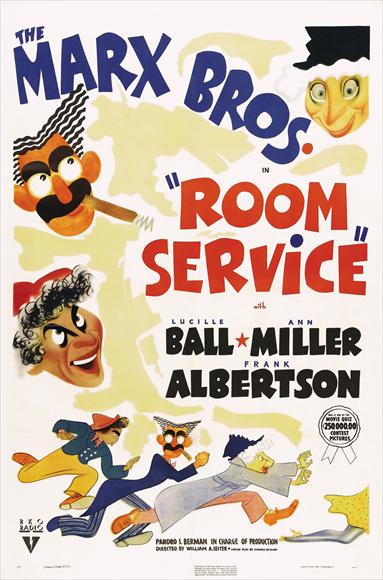
“I’ll give you the best performance you ever saw in a hotel bedroom!”
|
Synopsis: |
|
Genres, Themes, Actors, and Directors:
Response to Peary’s Review: Ultimately, it seems as though Peary disapproves of the Marx Brothers’ attempt to move outside of their usual schtick — and my rebuttal is that I think they were brave to do so. Unfortunately, the play itself — while not terrible — isn’t all that scintillating, and director William Seiter’s pacing is far too slow for a screwball comedy. Thus, what could have worked as a perfectly legitimate alternate venue for Groucho et al. is instead a rather tepid (though watchable) affair. What I found myself missing most was Groucho’s zany wordplay with Chico and others. For example, Chico says to Groucho at one point, “You haven’t got a leg to stand on” — a statement absolutely ripe for word play, but which Groucho simply accepts at face value. Too bad Ryskind’s rewrite couldn’t have allowed for the team to fling back more creative responses at each other… Note: Watch for both Lucille Ball and Ann Miller (only 15 years old!) in early supporting roles. Redeeming Qualities and Moments:
Must See? Links: |
“Time wounds all heels.”
|
Synopsis: |
|
Genres, Themes, Actors, and Directors:
Review:
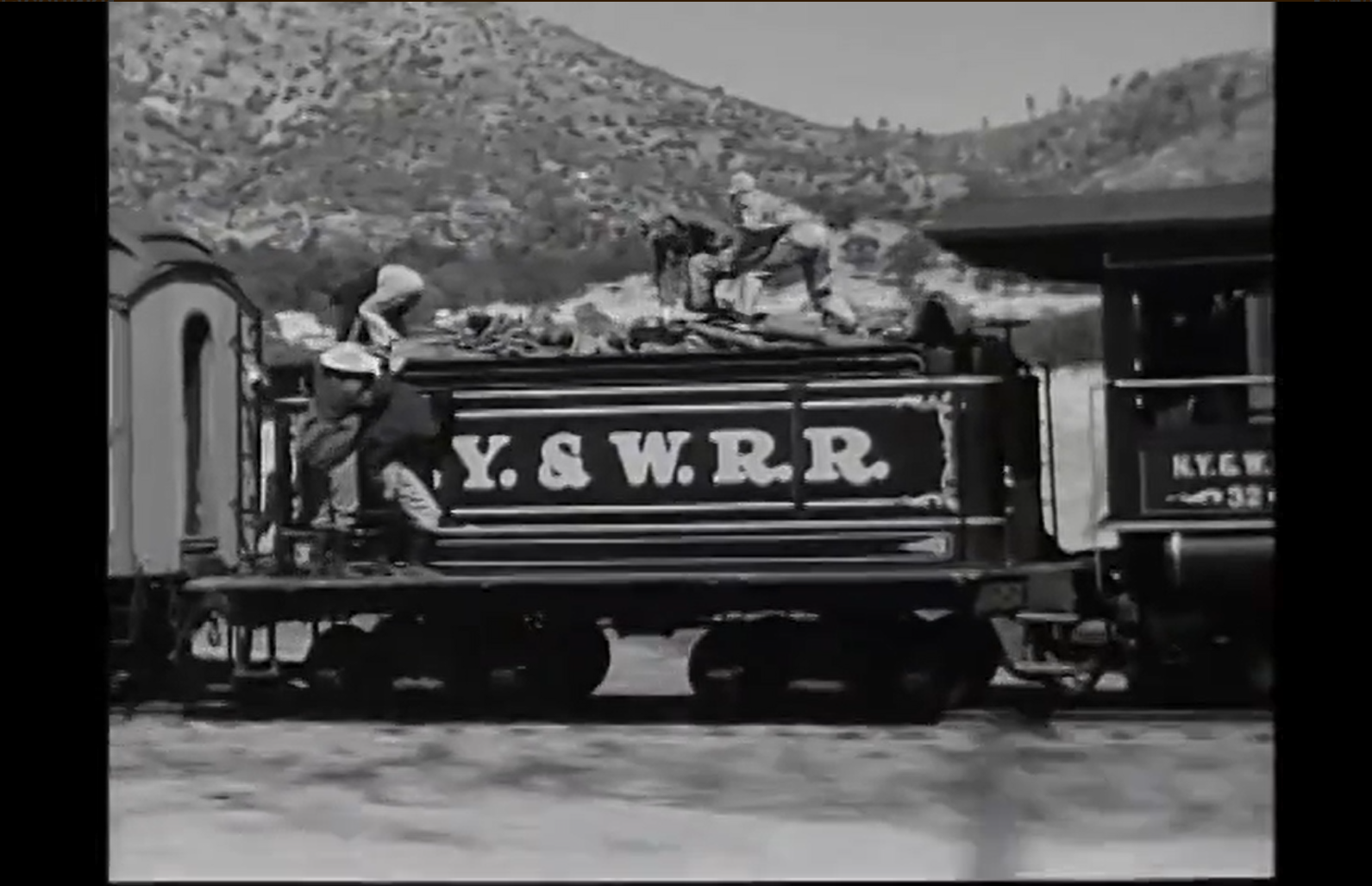
— and there were enough witty verbal exchanges to keep me at least intermittently engaged. Note that the slapstick climax on board a train owes quite a bit to Buster Keaton’s The General (1926); indeed, Keaton actually served as an advisor on the film.
Redeeming Qualities and Moments:
Must See? Links: |
“I’ve got the most peculiar talents of any doctor you ever met.”
|
Synopsis: |
|
Genres, Themes, Actors, and Directors:
Review:
— but I simply didn’t find myself laughing out loud very often. Plus, at 111 minutes, the film definitely feels far too long, with numerous lengthy (and often tedious) musical dance sequences trying one’s patience. Interestingly, one such scene — in which Harpo plays a flute amidst a cast of African American stable hands (led by Ivie Anderson), singing “All God’s Chillun Got Rhythm”:
— was actually nominated for an Academy Award for Best Dance Direction, and the dancing is impressive (as long as you can get past the painfully commonplace stereotypes presented). Redeeming Qualities and Moments:
Must See? Links: |
“There must be some way of getting that money, without getting in trouble with the Hays Office!”
|
Synopsis: |
|
Genres, Themes, Actors, and Directors:
Review: Redeeming Qualities and Moments:
Must See? Links: |
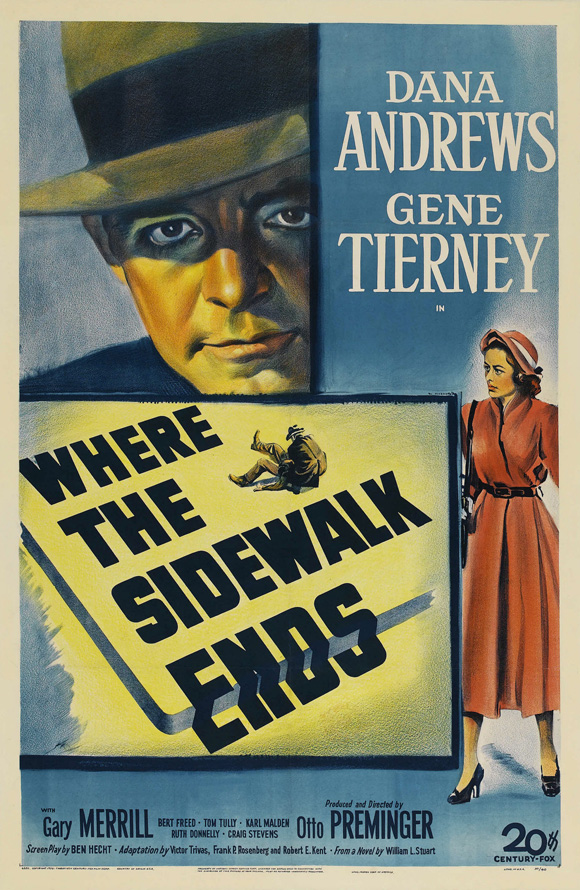
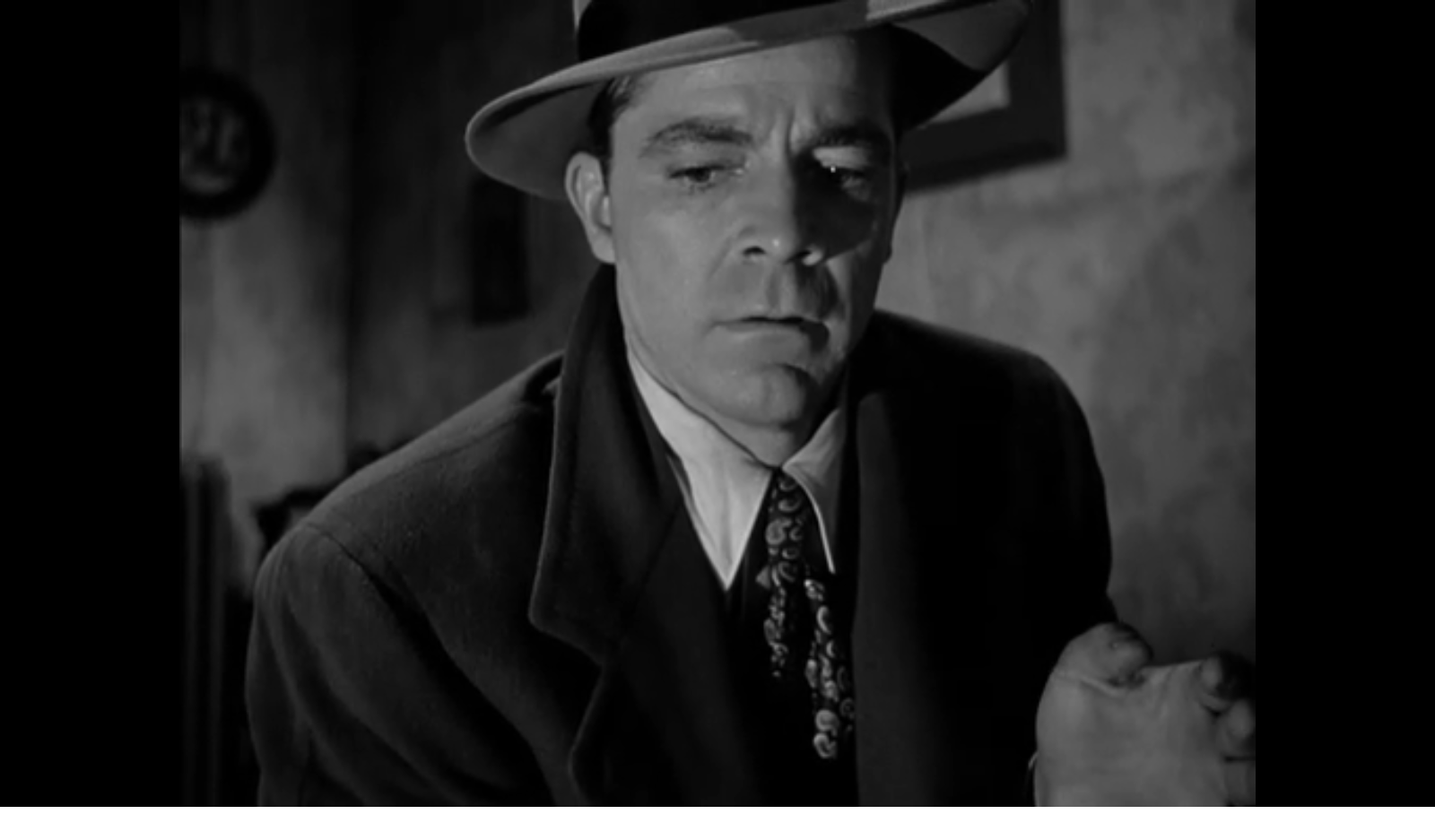
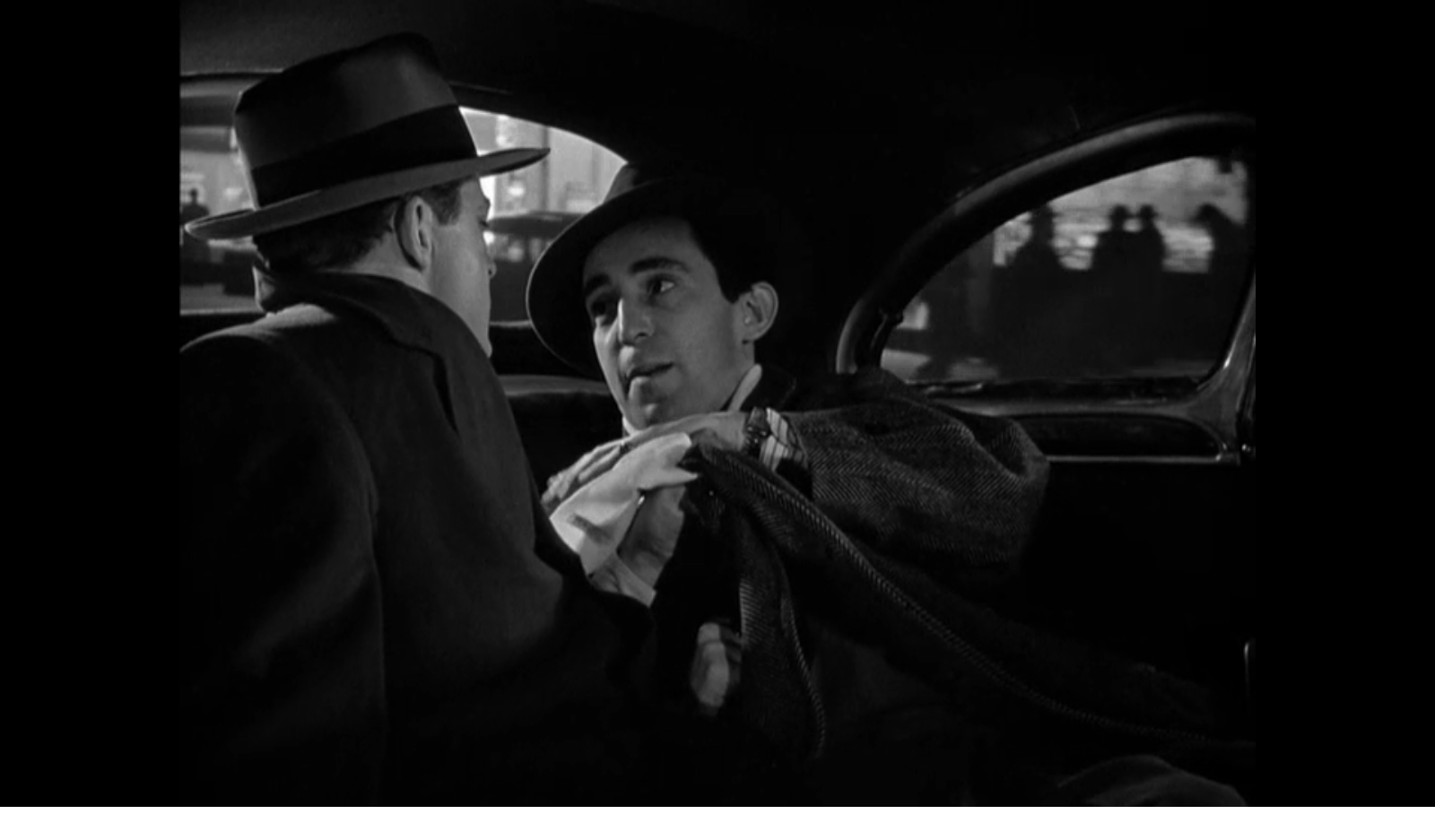
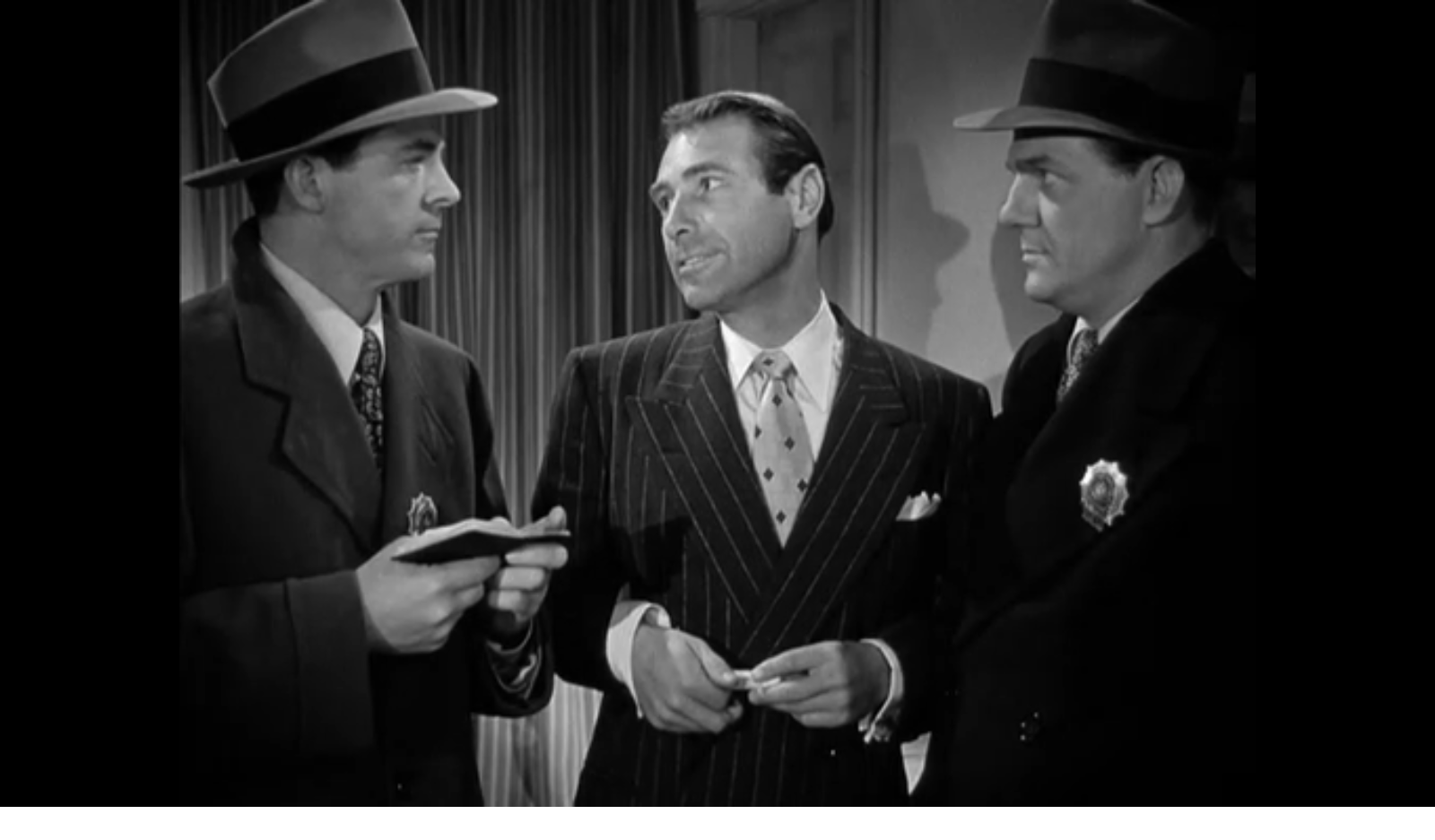
“You’re a good man with a good brain — but you’re no good to the department unless you learn to control yourself.”
|
Synopsis: |
|
Genres, Themes, Actors, and Directors:
Response to Peary’s Review: The final statement in Peary’s review, however, simply defies all belief: “Romance between leads would be more effective if Tierney were as pretty as she’d been in 1944’s Laura.” ?????!!!!!!! What in the world is he talking about? While Tierney’s performance here isn’t particularly noteworthy (she’s the one exception to my claims above), she’s as beautiful as always — and since when did relative shades of attractiveness play any part in the effectiveness of an on-screen romance? Honestly.
Redeeming Qualities and Moments:
Must See? Categories
Links: |
“Now then, Captain, I think between the two of us we can solve the mystery of the stolen painting — especially if you go home.”
|
Synopsis: |
|
Genres, Themes, Actors, and Directors:
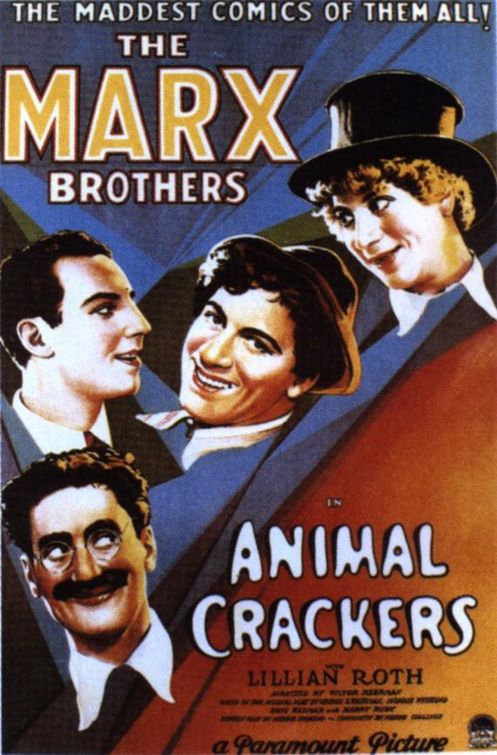
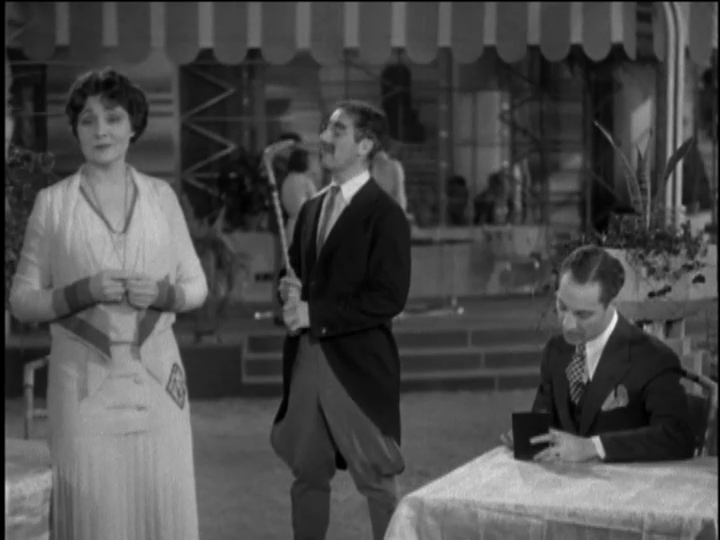
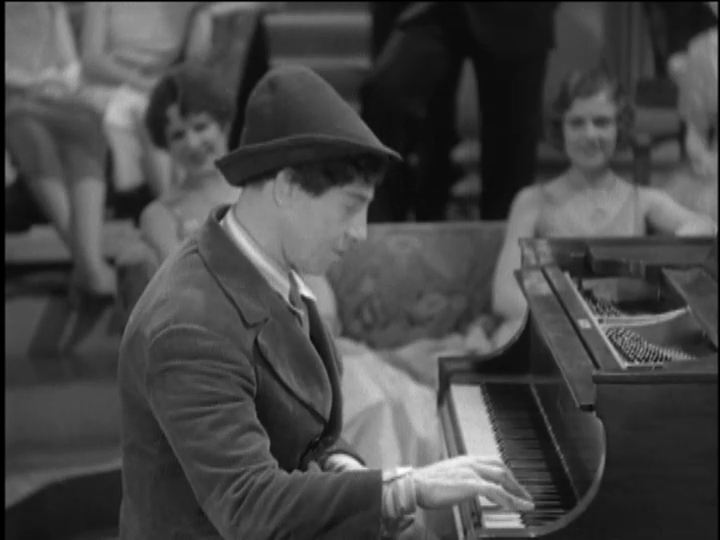
Response to Peary’s Review: In the remainder of his review, Peary calls out numerous “comedic highlights”, including “Groucho leading the guests in a rousing ‘Hooray for Captain Spaulding’, which would become his television theme song” (though all I could think about during this ditty was how much it sounds like it belongs in a Gilbert and Sullivan operetta), and “Groucho recalling his trip to Africa” (‘The first morning saw us up at six, breakfasted, and back in bed at seven — this was our routine for the first three months’)”. While Peary notes that it’s “a nice change of pace watching Dumont play scenes with Harpo and Chico, and not just Groucho”, I’ll admit I’m less a fan of their particular routines here — though it is a delight to see the finale of the infamous bridge scene, in which it’s revealed that Harpo has stolen Margaret Irving’s heels (nb: he shows up wearing a dress later on as well). Pun lovers, by the way, will be in absolute heaven while watching Animal Crackers; just wait until you hear the one about removing tusks in Tuscaloosa… Note: See the “Re-Release” section of Wikipedia’s article to read more about the film’s celebrated emergence from obscurity. Redeeming Qualities and Moments:
Must See? Categories
Links: |