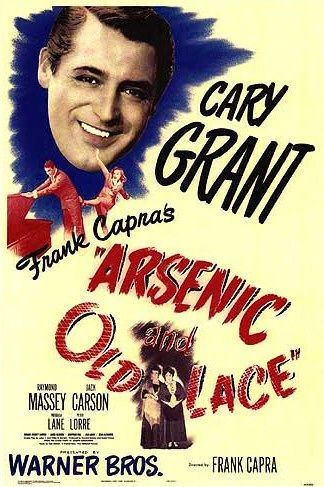
Arsenic and Old Lace (1944)

Arsenic and Old Lace (1944)

“This is developing into a very bad habit!”

Synopsis:
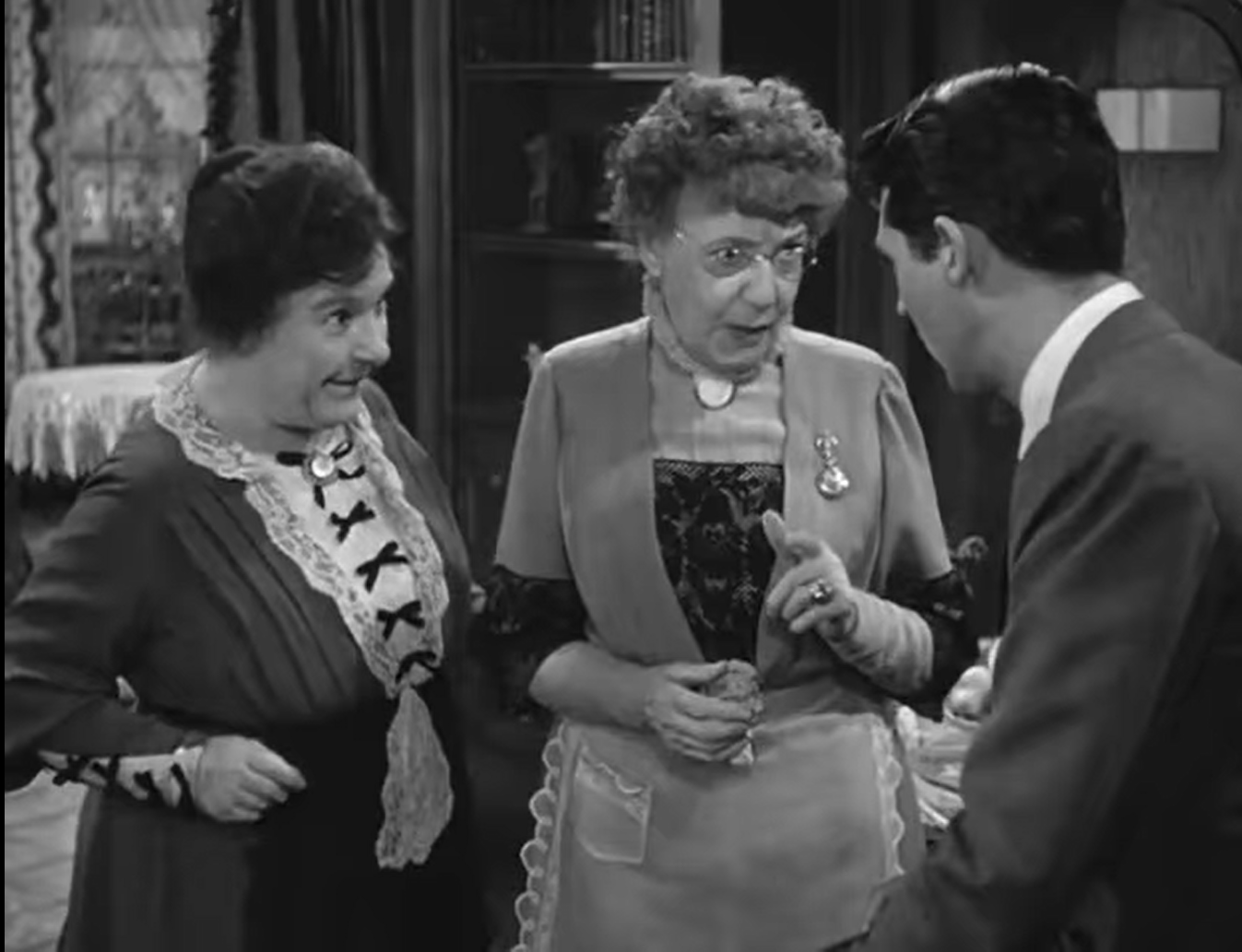
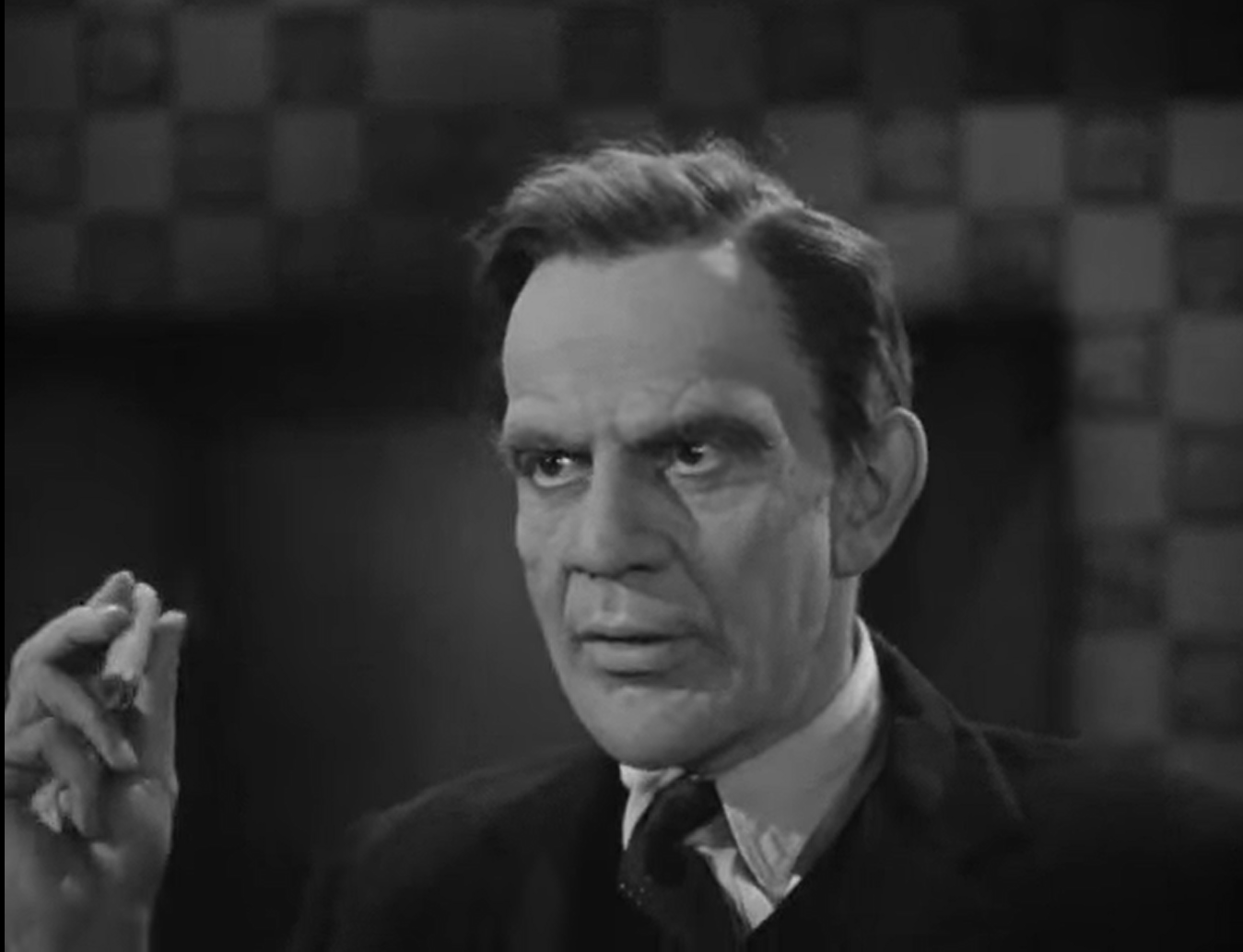
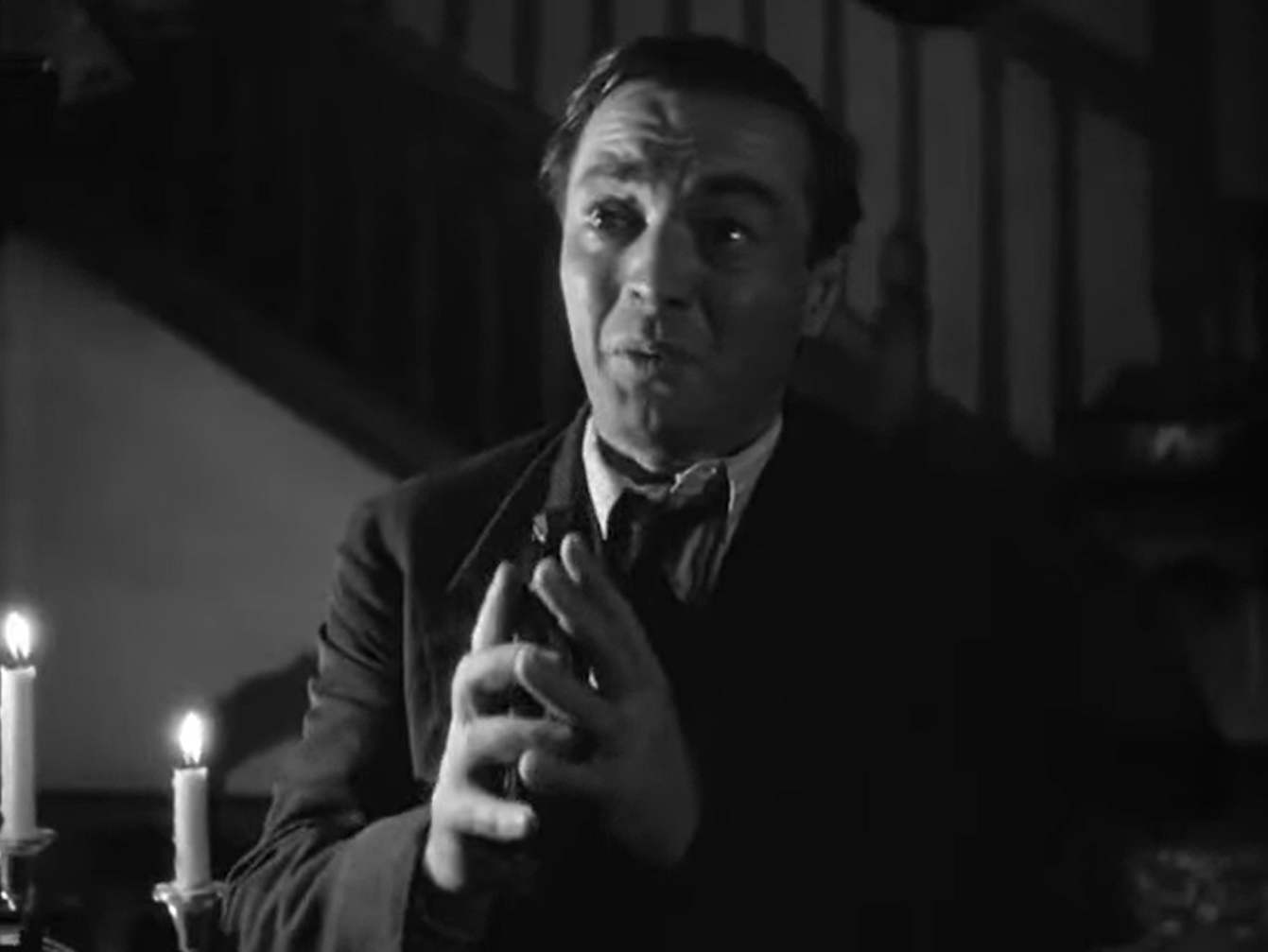
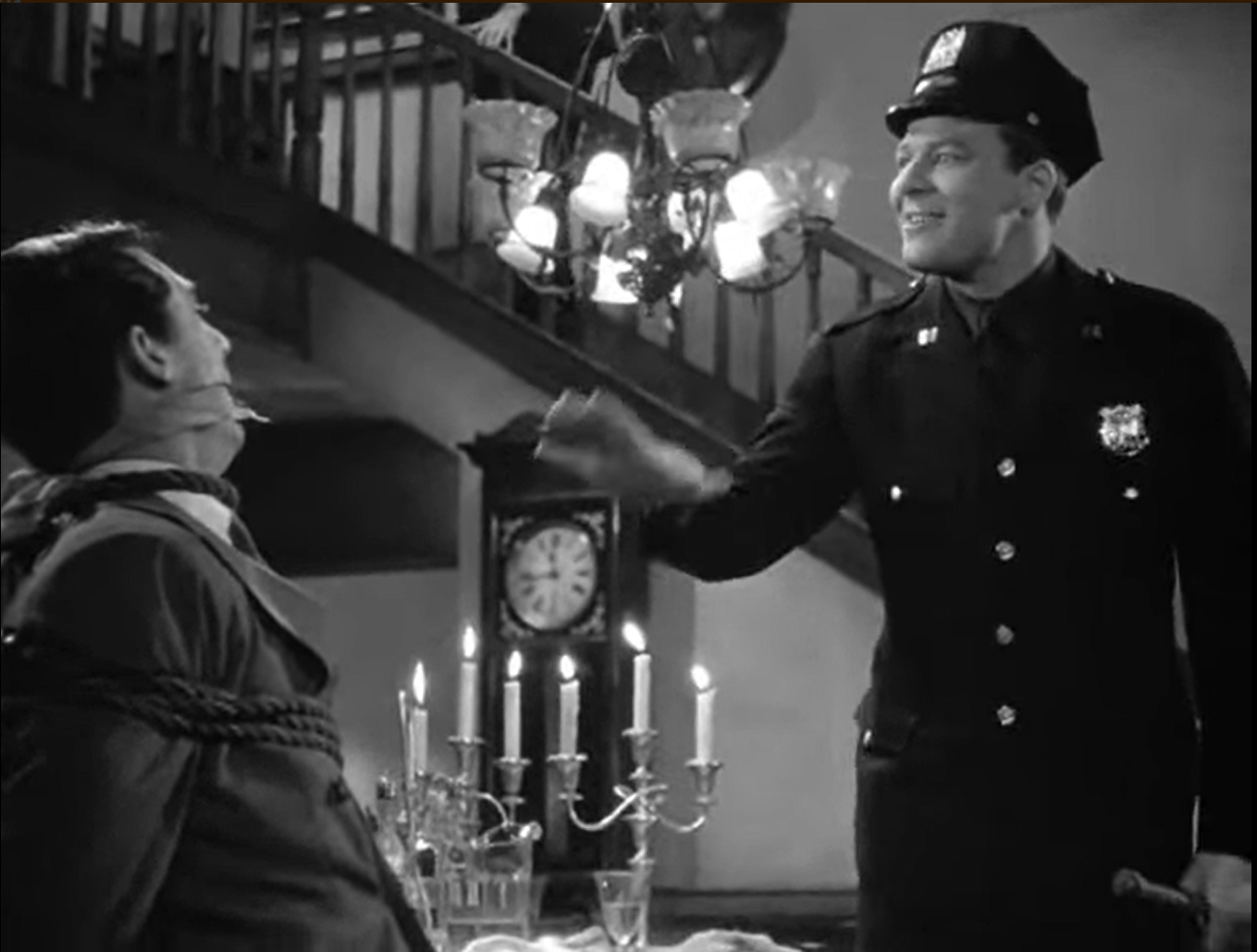
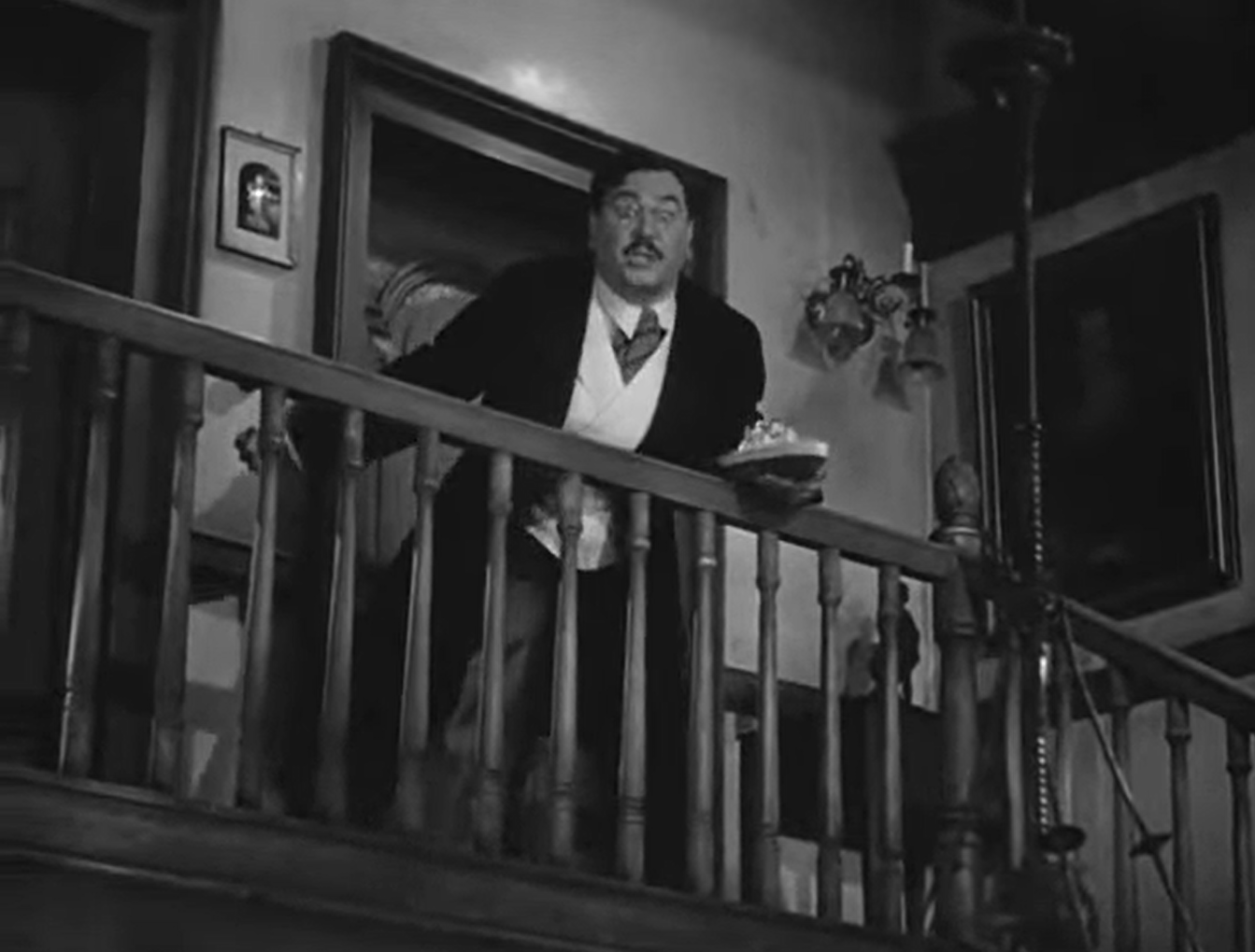
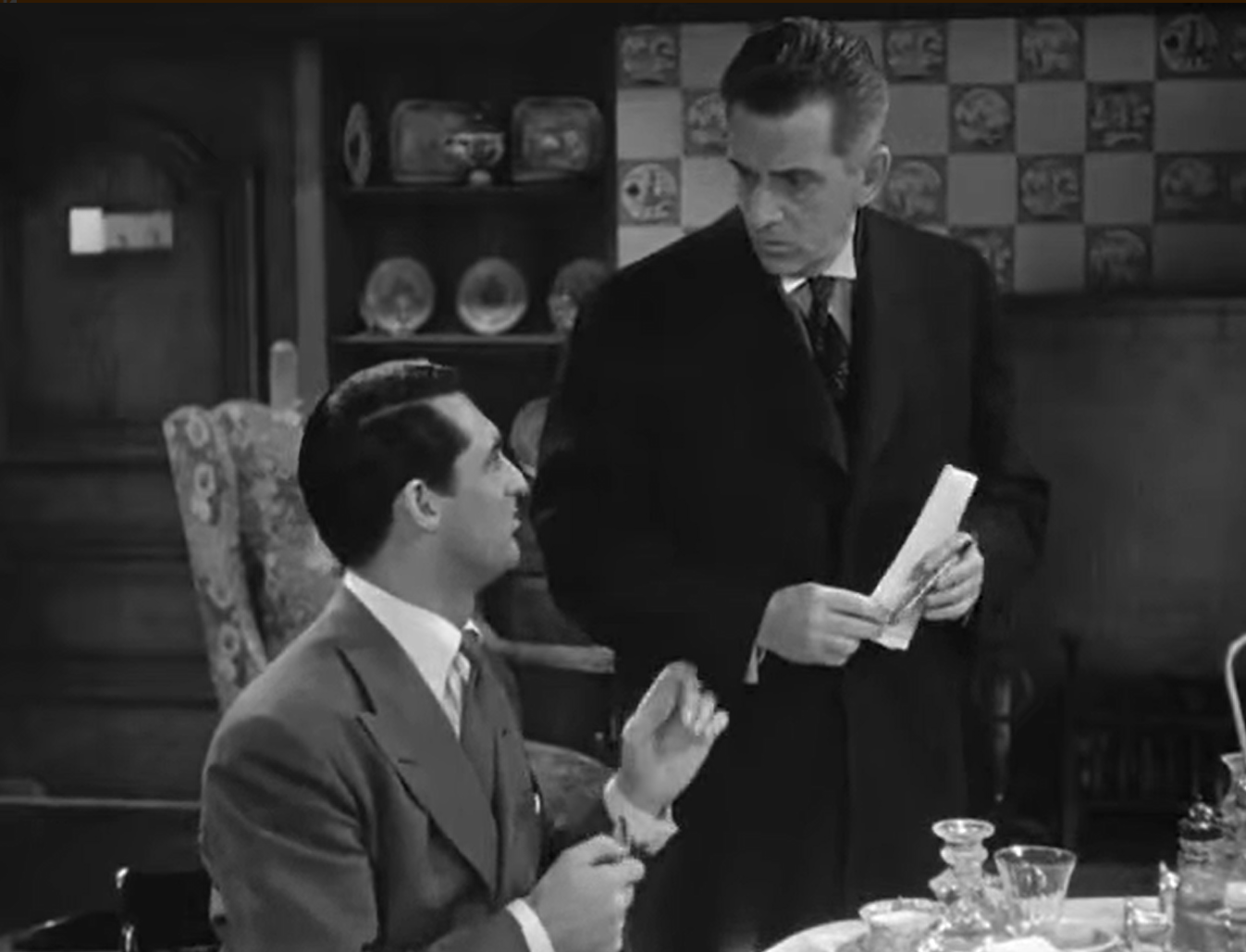
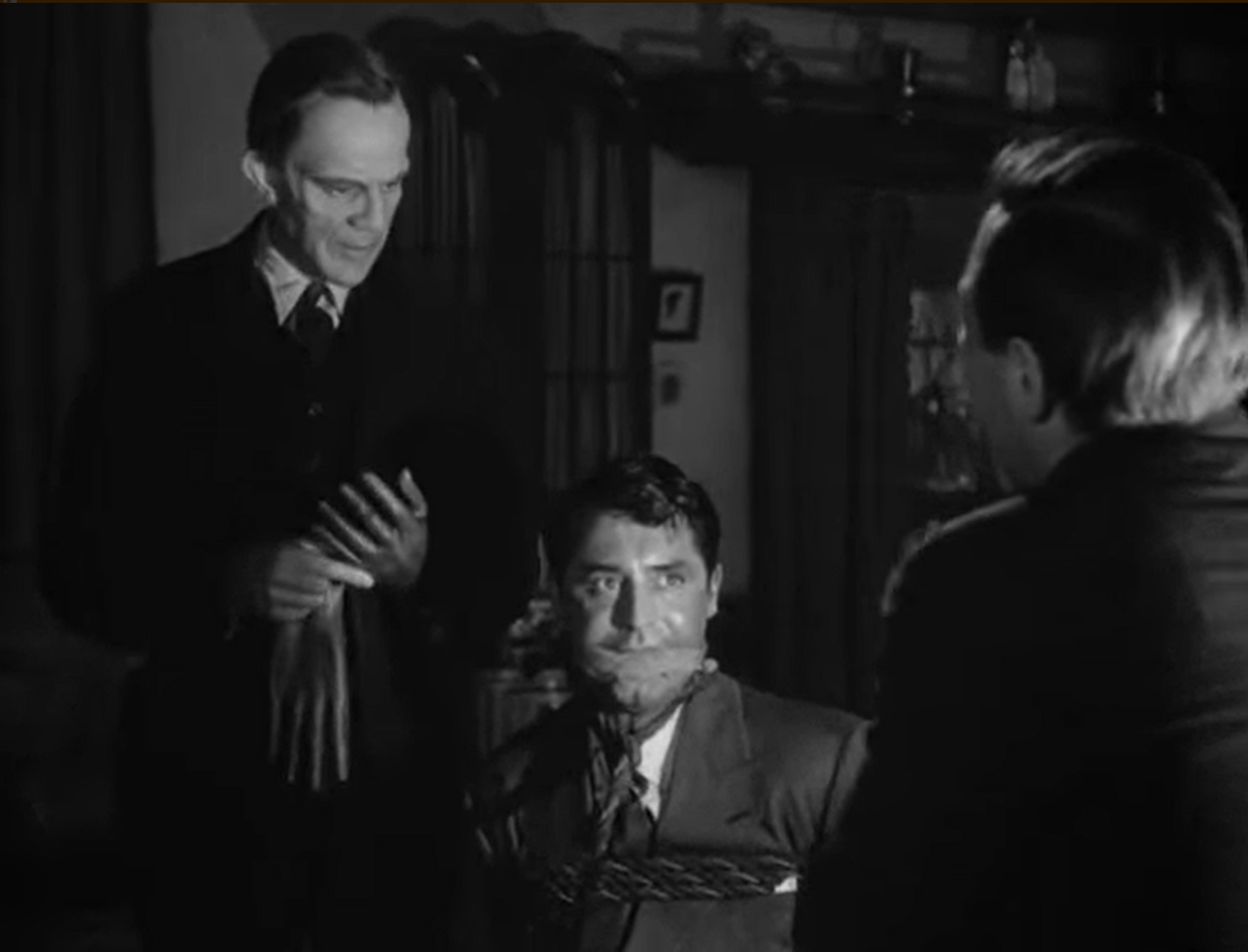
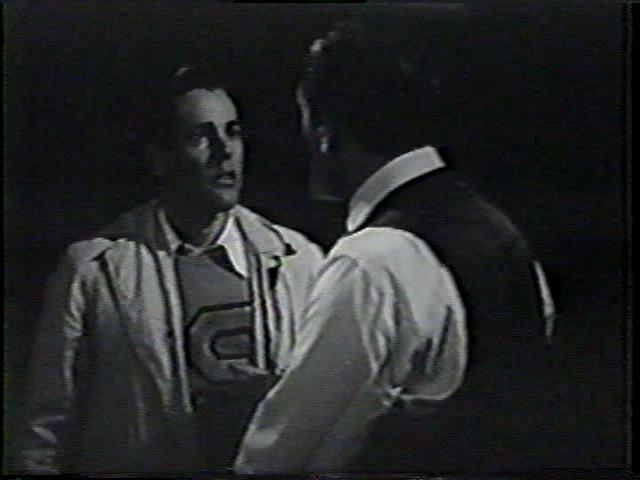
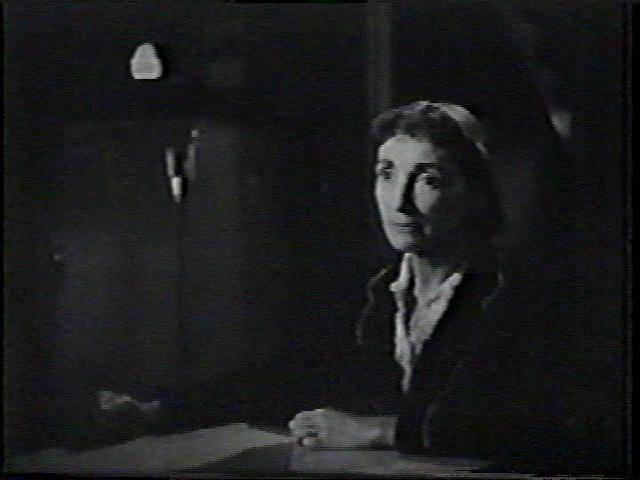
On a windy Halloween night in Brooklyn, newly married drama critic Mortimer Brewster (Cary Grant) visits his kind spinster aunts (Josephine Hull and Jean Adair), only to discover that they’ve gone batty and are killing off elderly gentlemen. While he’s deciding what to do about the twelve bodies buried in the basement, Brewster’s psychotic brother (Raymond Massey) shows up with an accomplice (Peter Lorre) and a corpse of his own.

Genres, Themes, Actors, and Directors:

  • Black Comedy
  • Cary Grant Films
  • Frank Capra Films
  • Hiding Dead Bodies
  • Jack Carson Films
  • Mental Illness
  • Peter Lorre Films
  • Play Adaptations
  • Priscilla Lane Films
  • Raymond Massey Films
  • Serial Killers

Response to Peary’s Review:
Peary’s response to this “super screwy black comedy” — directed by Frank Capra from an adaptation of Joseph Kesselring’s hit Broadway play — is lackluster at best. He lambastes Grant’s performance — calling him “out of control” and “truly annoying” — and, rather than citing any of the film’s strengths, simply notes that the “worst part [is how] so much humor comes from characters being frustrated when trying to get information or give information.” What Peary’s review neglects to mention, however, is how uniformly funny and zany Arsenic is, with many wonderfully comedic performances, countless memorable lines, and an endless series of madcap situations.

While this is perhaps Frank Capra’s least “Capra-esque” film, he does a fine job opening up the play for the big screen, making good use of the windy environs surrounding the Brewster house, and applying dramatic cinematography to great effect. He directs a powerhouse cast, with Hull and Adair especially notable; their interactions together (notice their smiles!) are truly priceless. The supporting players do a fine job as well: I love the interactions between Massey and Lorre (especially while arguing over how many bodies Massey has killed), and the good-natured oblivion of John Alexander (playing Grant’s insane uncle, who believes he’s Teddy Roosevelt). Finally, while many reviewers (including Peary) have argued that Grant overplays his part (and he apparently hated his own performance here), he serves as a suitable foil for the craziness surrounding him; indeed, it’s hard to imagine Arsenic and Old Lace without him.

Redeeming Qualities and Moments:

  • Josephine Hull and Jean Adair as the kind yet murderous maiden aunts
  • Raymond Massey as Jonathan Brewster, a.k.a. “Boris Karloff”
  • Peter Lorre as Jonathan’s accomplice, “Dr. Einstein”
  • Jack Carson as aspiring playwright Officer O’Hara
  • Priscilla Lane as Mortimer’s frustrated new wife
  • John Alexander as “Teddy Roosevelt”, charging up the stairs with bugle in hand
  • C. Everett Horton as the director of Happydale Sanitorium
  • Effective use of atmospheric cinematography and sets

Must See?
Yes. Arsenic and Old Lace remains a classic black comedy, and shouldn’t be missed.

Categories

  • Genuine Classic

Links:

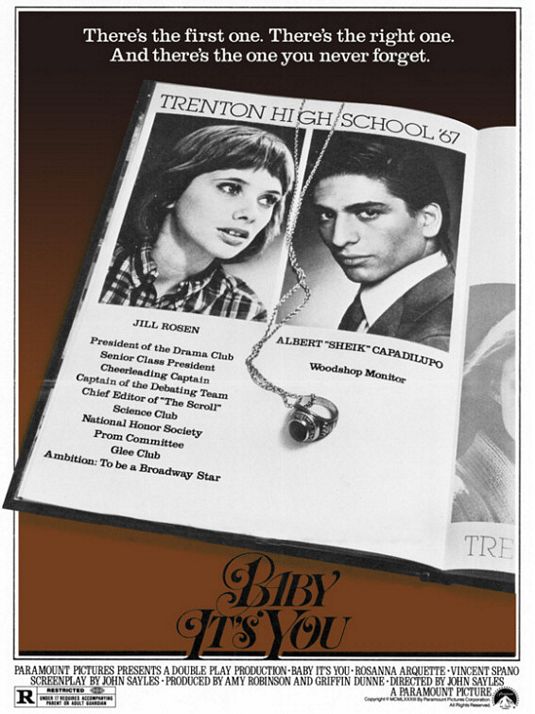
Baby It’s You (1983)

Baby It’s You (1983)

“We’re not in high school anymore!”

Synopsis:
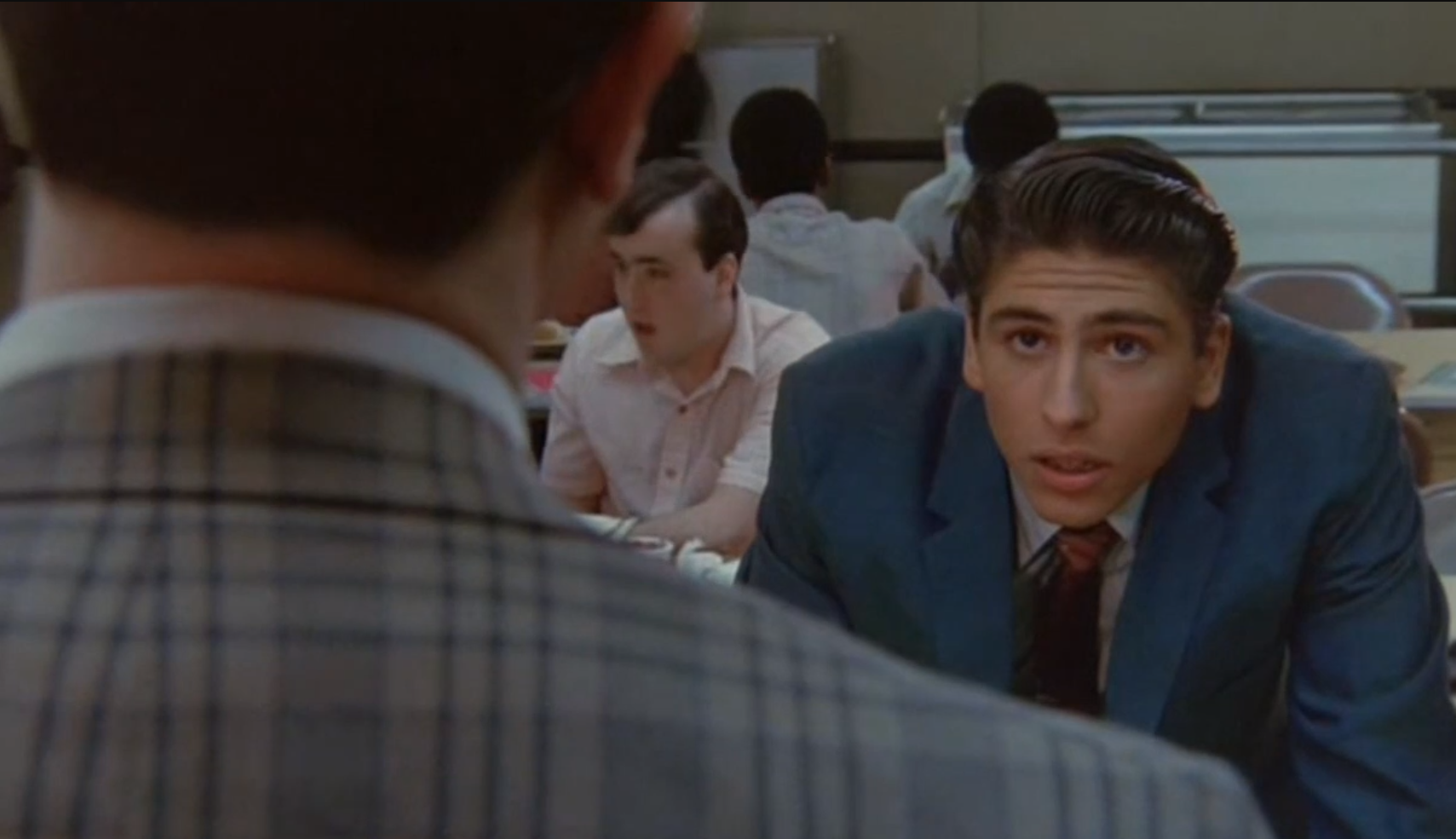
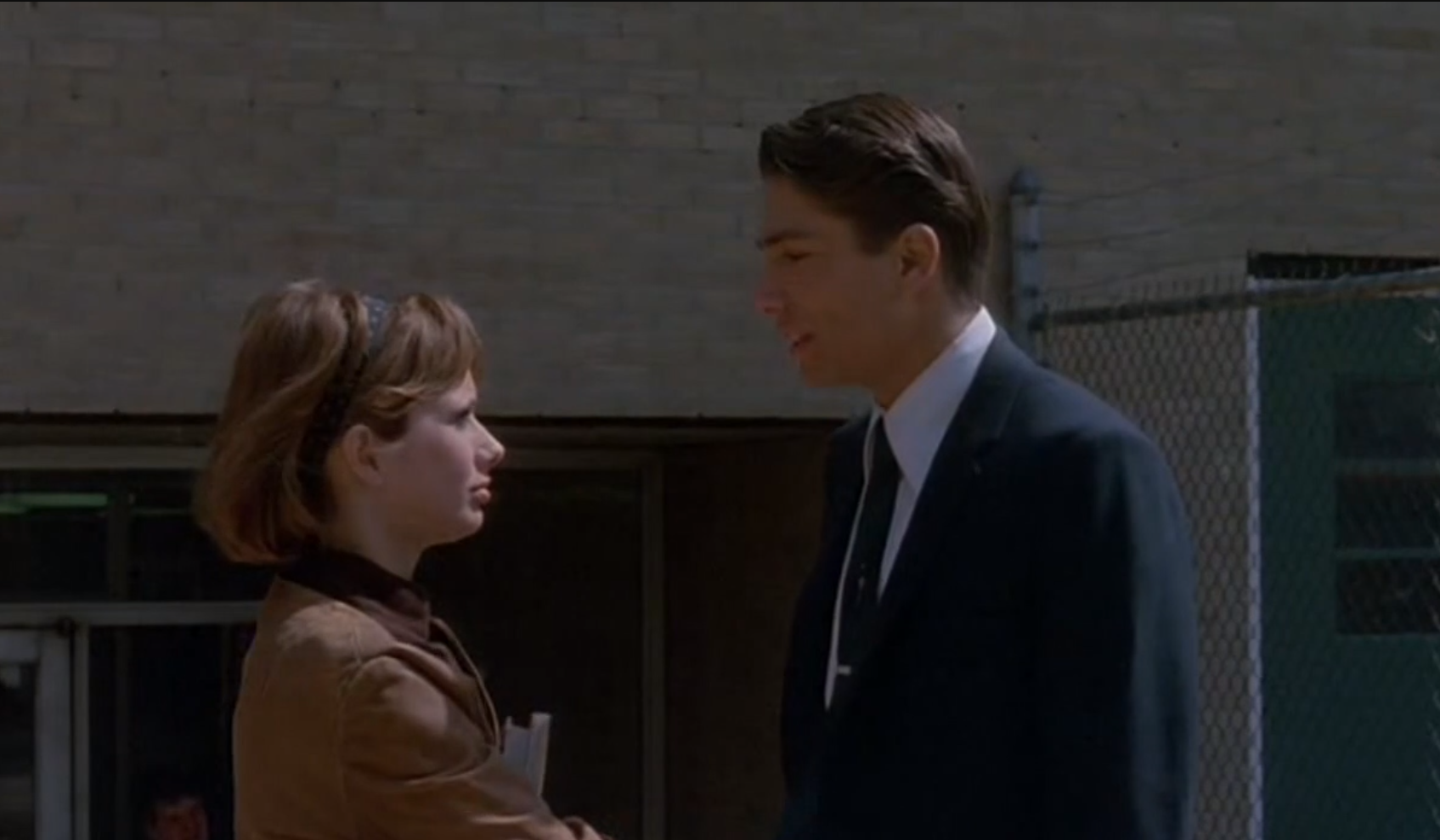
An aspiring lounge singer (Vincent Spano) pursues an aspiring actress (Rosanna Arquette) in high school, and they embark upon a rocky relationship. When Jill (Arquette) enters college and Sheik (Spano) heads to Miami, however, their differences are accentuated even further.

Genres, Themes, Actors, and Directors:

  • Cross-Class Romance
  • John Sayles Films
  • Obsessive Love
  • Rosanna Arquette Films
  • Teenagers

Review:
This character-driven film by independent director John Sayles is a realistic, often uncomfortable look at the difficulties inherent in cross-class romances. Jewish, upper-middle-class Jill and Italian, working-class “Sheik” couldn’t be more different, yet Jill is intrigued by Sheik’s tenacity, and Sheik is — for some reason — convinced that Jill is the love of his life. As in Alan J. Pakula’s The Sterile Cuckoo, Jill and Spano ultimately want different things out of their budding romance: Jill (like Jerry in Cuckoo) simply goes along with the experience, while the desperate Sheik (Pookie’s counterpart) is obsessed with holding on at all costs. Many reviewers have complained about Sayles’ unorthodox choice to follow Jill and Sheik beyond high school — yet Sayles has never been one to stick to conventional narrative arcs, and his choice is an effective one here. Baby It’s You isn’t meant to be a happily-ever-after teen romance between two unlikely souls — instead, it succinctly demonstrates the ways in which love can be blind, sex doesn’t necessarily correlate with love, and life rarely wraps itself up neatly in a bow.

Redeeming Qualities and Moments:

  • Rosanna Arquette’s remarkably natural performance as Jill
  • Vincent Spano as the tenacious Sheik
  • An effective portrayal of the difficulties inherent in cross-class romance

Must See?
Yes, simply for Arquette’s stand-out performance. Peary lists this film in the back of his book as both a Cult Movie and a Personal Recommendation.

Categories

  • Noteworthy Performance(s)

Links:

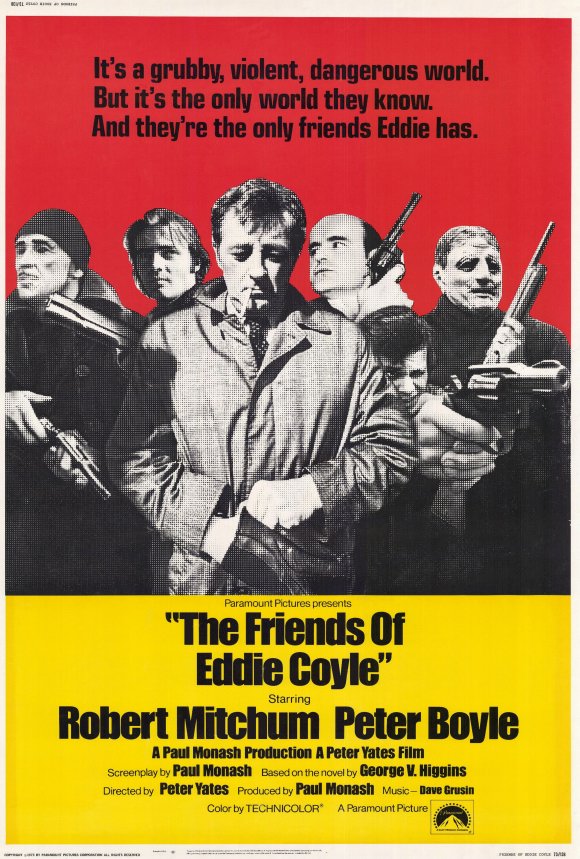
Friends of Eddie Coyle, The (1973)

Friends of Eddie Coyle, The (1973)

“You help Uncle, Uncle will help you.”

Synopsis:
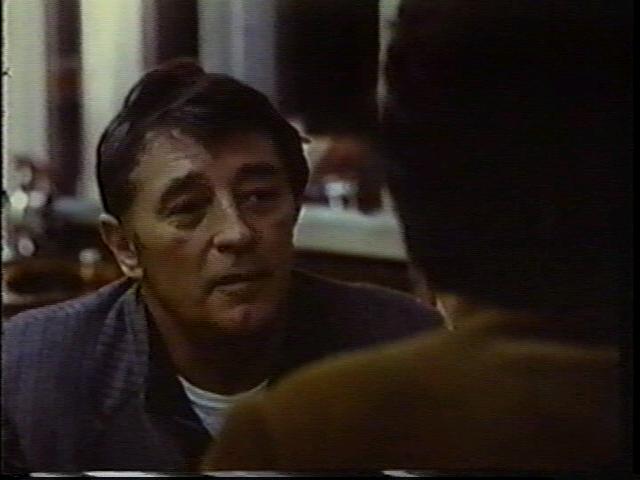
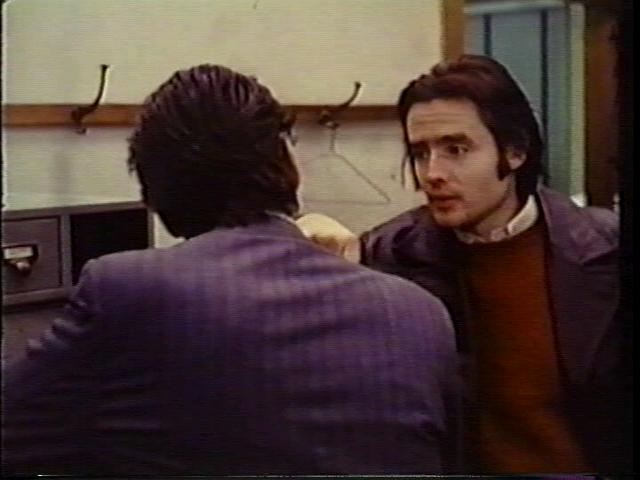
A small-time hood (Robert Mitchum) facing two years in prison provides information to a federal detective (Richard Jordan) in exchange for amnesty.

Genres, Themes, Actors, and Directors:

  • Detectives and Private Eyes
  • Heists
  • Informers
  • Peter Boyle Films
  • Peter Yates Films
  • Robert Mitchum Films
  • Thieves and Criminals

Review:
Based on a novel by district attorney George V. Higgins, Peter Yates’ gritty thriller effectively showcases Boston’s criminal underbelly in the early 1970s. The film’s title is an ironic misnomer, since the “friends” of Eddie Coyle (Mitchum) are anything but; indeed, they exemplify the adage that there’s no honor among thieves: when it comes to self-preservation, loyalty goes out the window for these petty gangsters. By the movie’s final powerful shot, we realize that crime truly doesn’t pay, and that there can be no such thing as a happy ending for people whose survival hinges on tenuous trust.

Eddie Coyle features marvelous performances by each of its male leads — including Steven Keats as an edgy gun-runner, Richard Jordan as a wily federal detective who fully realizes that he holds Coyle’s future in his hands, and an appropriately brittle Mitchum as the eponymous protagonist. Unfortunately, we learn far too little about Coyle himself — an intriguing character who merits much more attention. Instead, Yates spends an enormous amount of screen time showing us a couple of bank heists, which are well-executed but ultimately gratuitous, given that they don’t further the plot in any way. Despites its flaws, however, Eddie Coyle remains an interesting entry in Mitchum’s late-life career, and is certainly a must for fans of this iconoclastic actor.

Redeeming Qualities and Moments:

  • Robert Mitchum as the aging hood
  • Steven Keats as a (justifiably) paranoid gun-runner
  • Richard Jordan as Mitchum’s fed contact
  • Effective use of Boston settings

Must See?
No. While Peary lists it as a Sleeper and a Personal Recommendation in the back of his book, The Friends of Eddie Coyle is ultimately only most-see viewing for fans of Mitchum.

Links:

Party Girl (1958)

Party Girl (1958)

“Let’s put it this way: I need you, Tommy. You’re my boy, like a son. You walk out on me now, what happens to poor Rico?”

Synopsis:
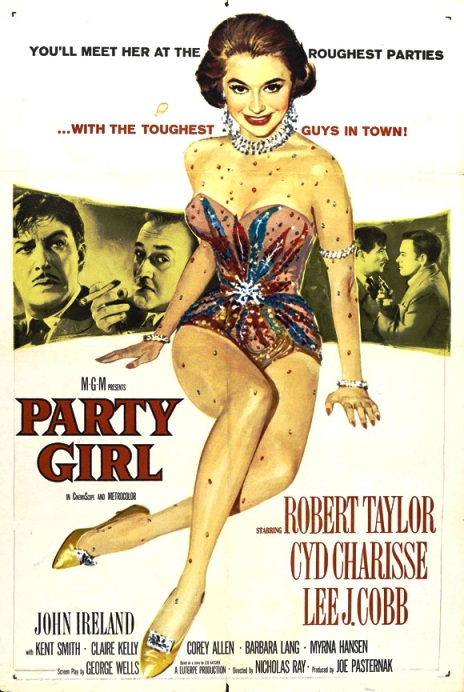
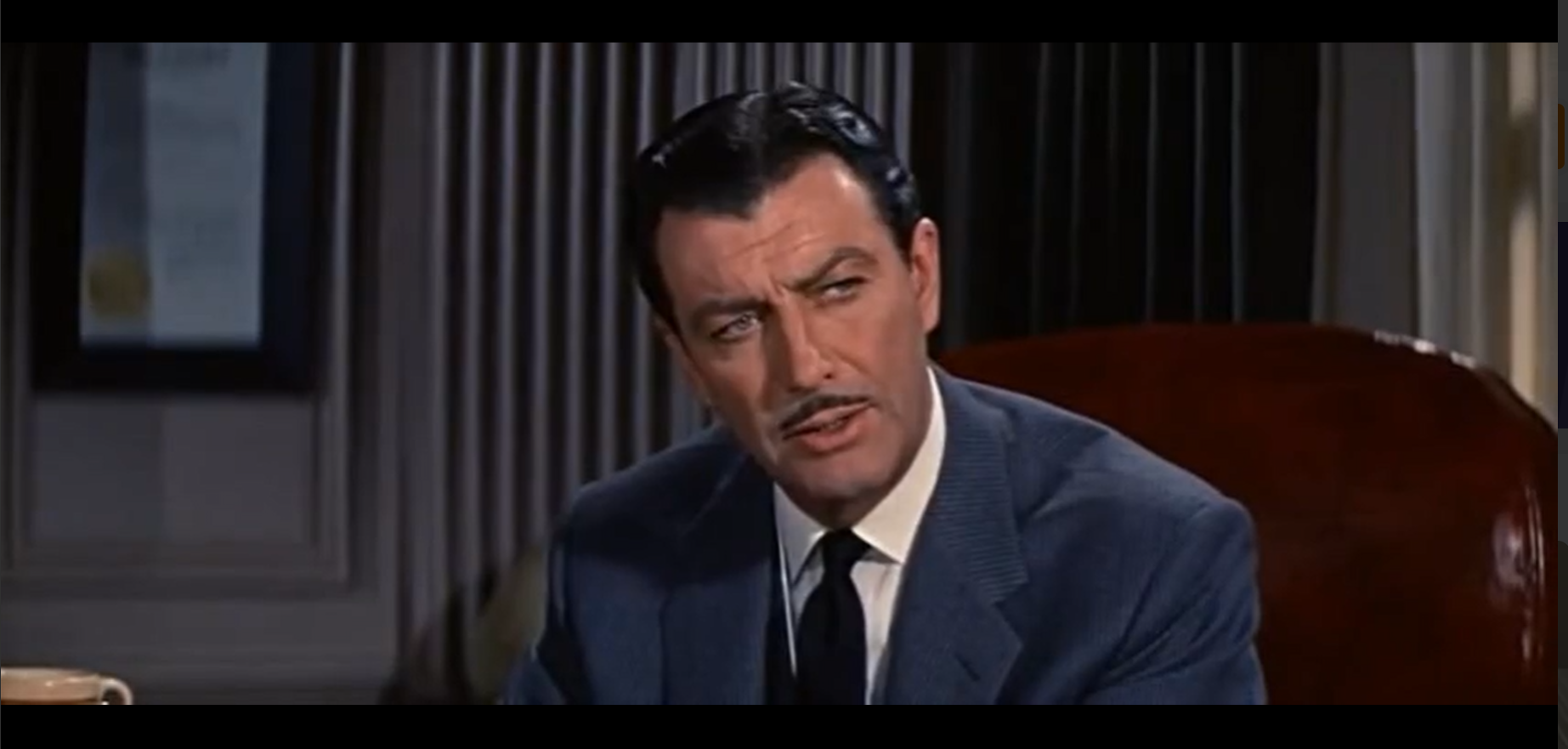
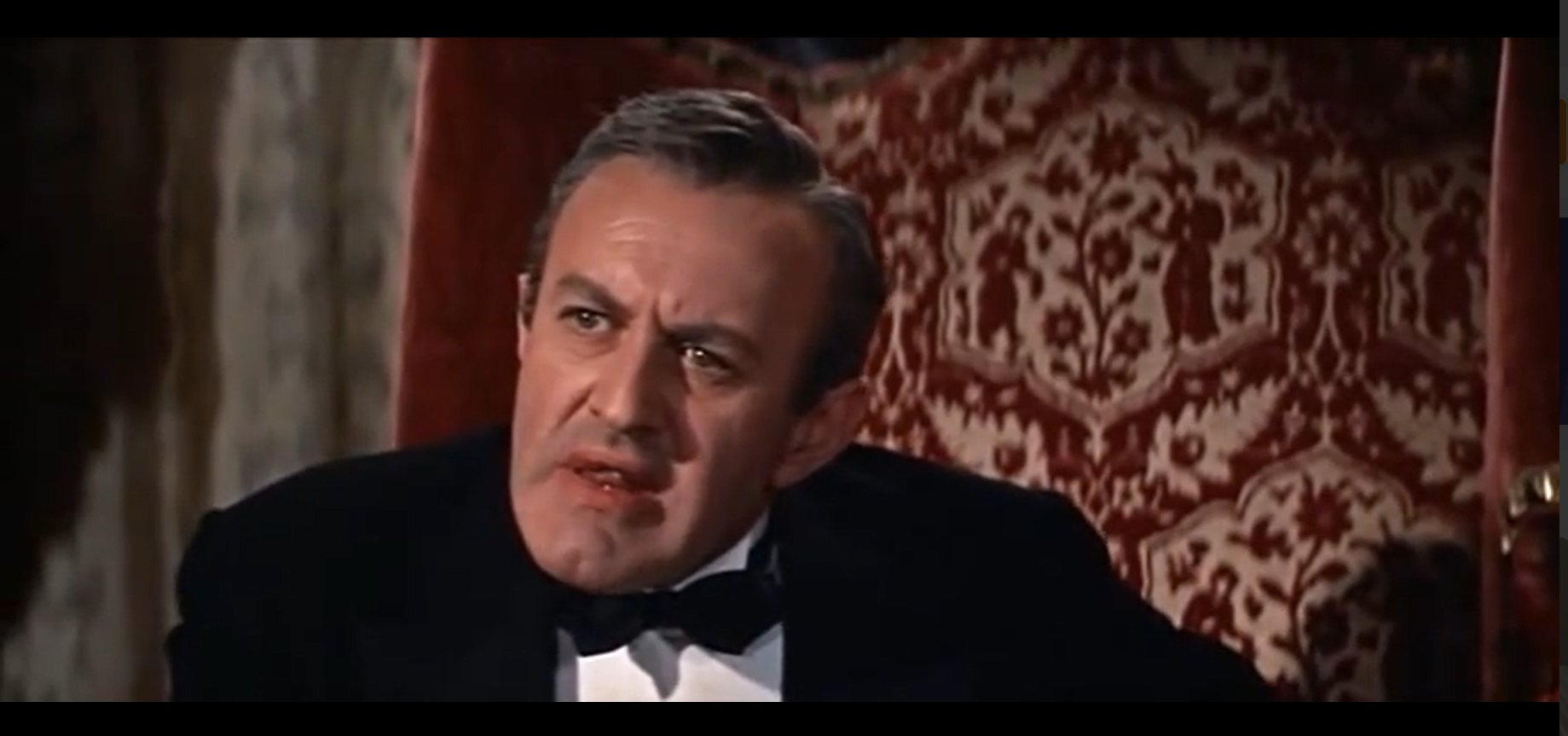
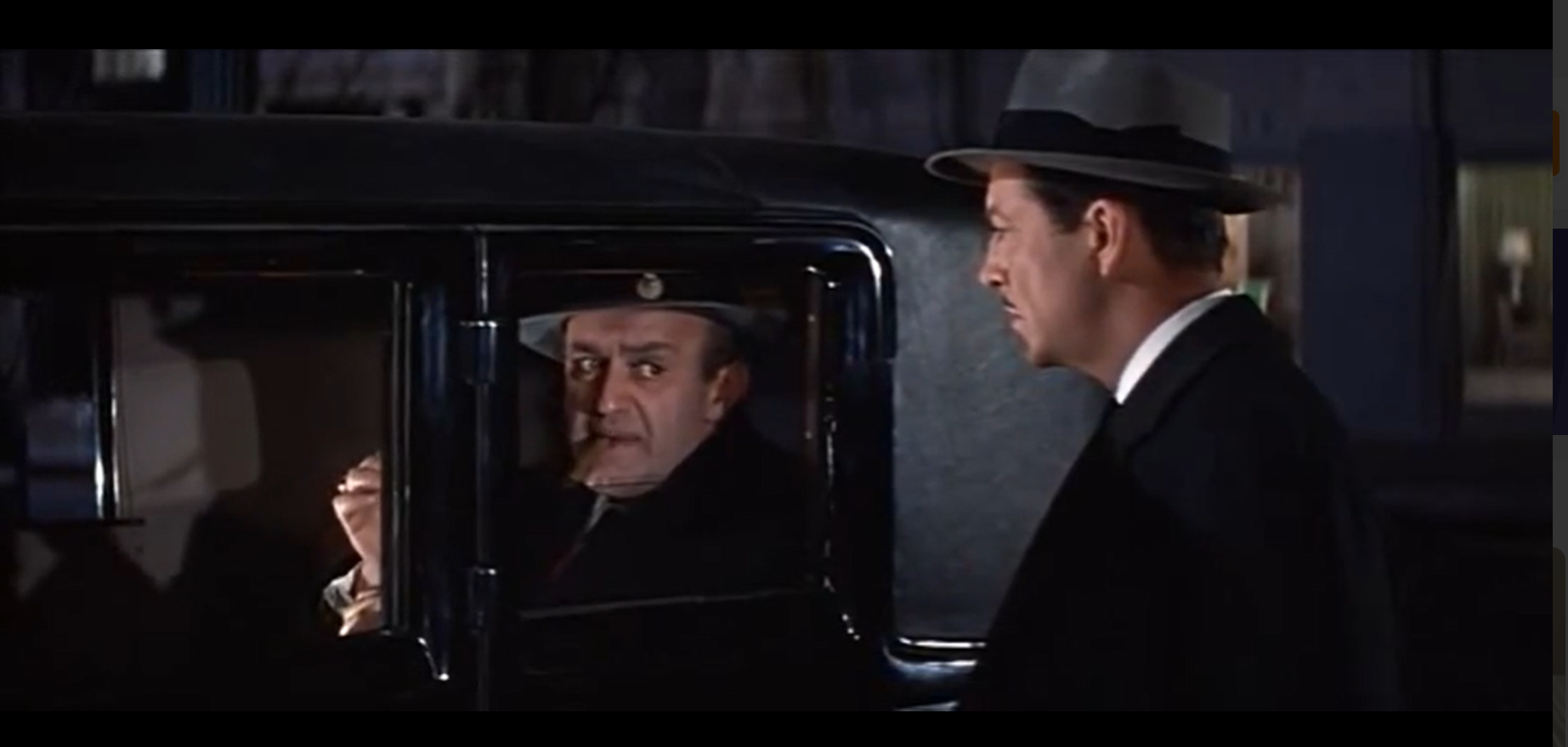
A lawyer (Robert Taylor) working for a Chicago gangster (Lee J. Cobb) falls in love with a showgirl (Cyd Charisse) and tries to leave the mob; but he soon finds that this isn’t as easy as he thought.

Genres, Themes, Actors, and Directors:

  • Cyd Charisse Films
  • Gangsters
  • John Ireland Films
  • Lawyers
  • Lee J. Cobb Films
  • Nicholas Ray Films
  • Robert Taylor Films
  • Romance
  • Showgirls

Review:
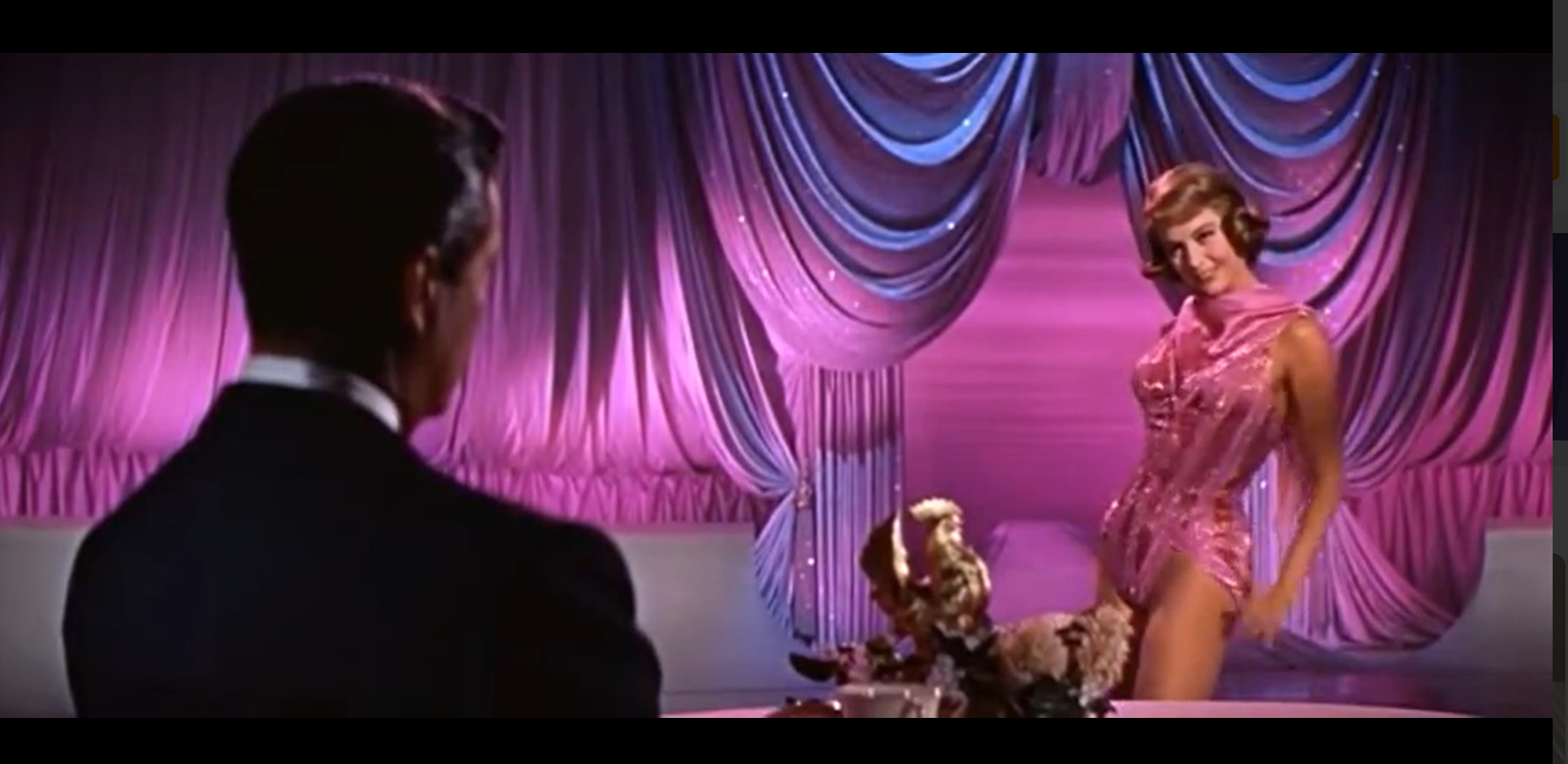
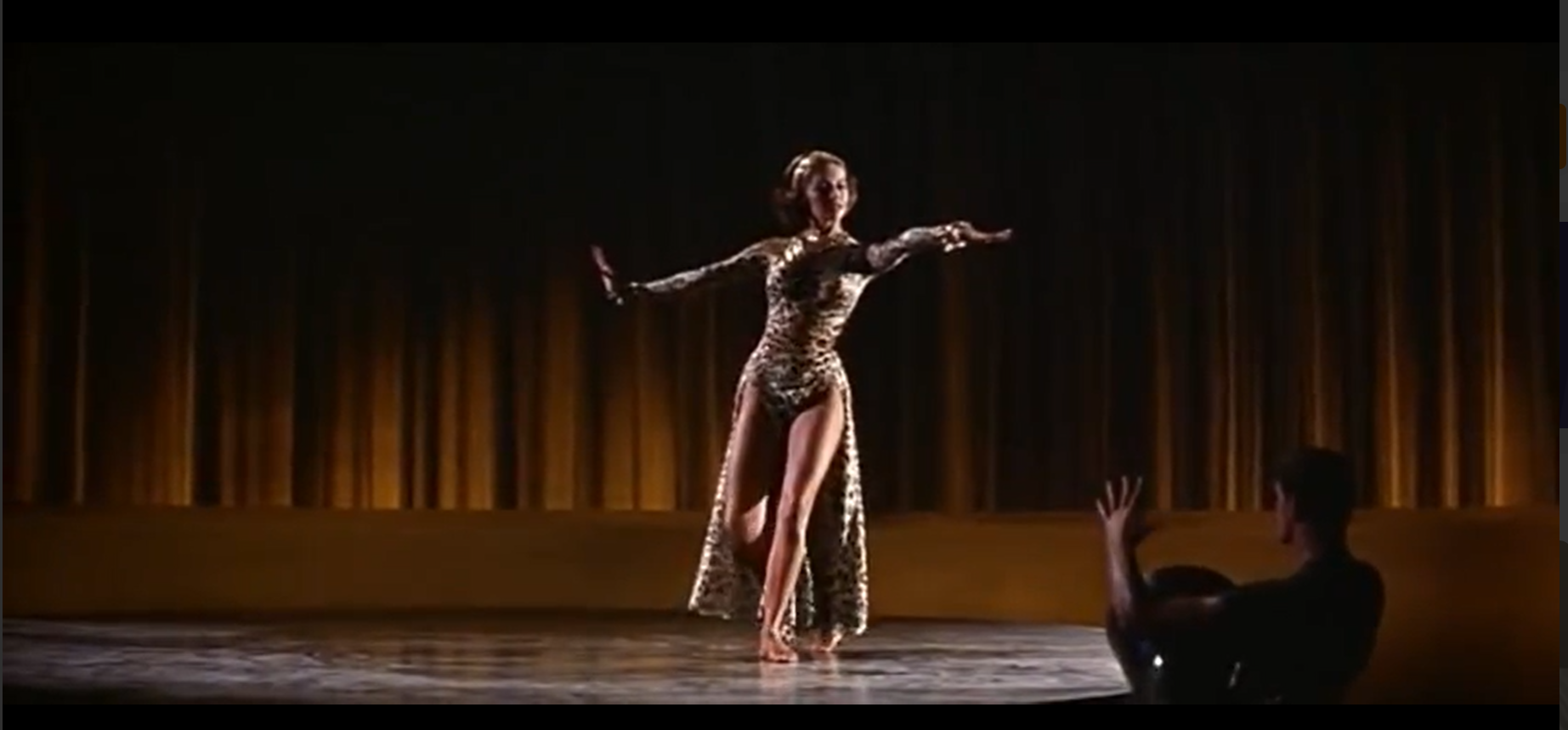
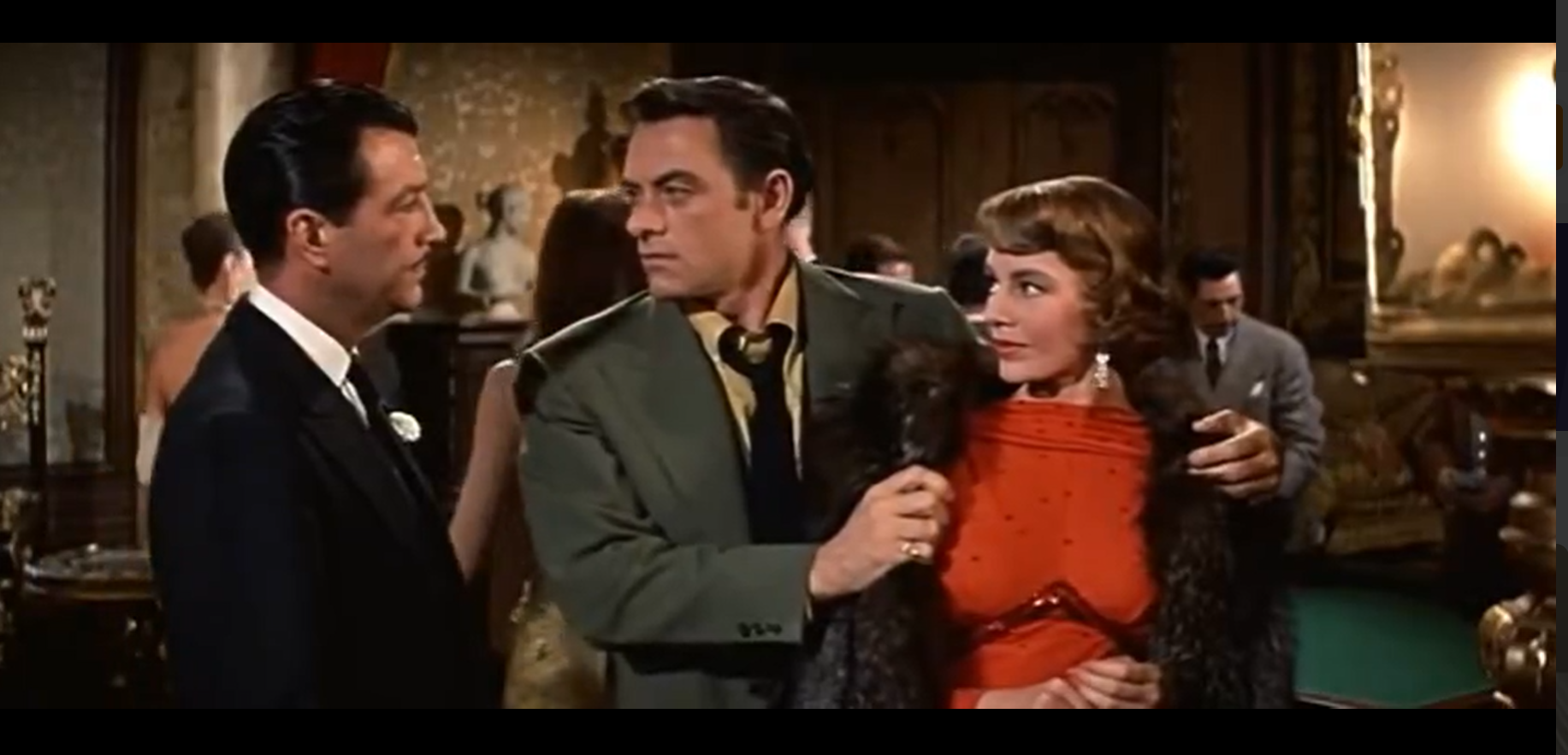
Party Girl is a disappointing entry in Nicholas Ray’s otherwise impressive oeuvre. Despite high production values, fine performances by the leads (especially Cobb), a couple of fun dance numbers by Charisse:

and occasional moments of directorial ingenuity, the film is ultimately hampered by an uninteresting script which covers material trodden many times over. Taylor’s character (a savvy, successful lawyer):

should know better than to assume he can simply leave his life with the mob behind him; and when things go wrong for both him and his new love (Charisse), it’s hard to feel either much compassion or curiosity about what will happen next.

Redeeming Qualities and Moments:

  • Lee J. Cobb as Rico
  • Charisse’s dancing
  • Fine cinematography and production values

Must See?
No. Although Ray does a competent job with the material he’s given, this is not among his best work.

Links:

Always (1985)

Always (1985)

“I really think it’s about coming out the other side.”

Synopsis:
A married couple (Patrice Townsend and Henry Jaglom) on the brink of an amicable divorce spend a Fourth of July weekend with their friends and family.

Genres, Themes, Actors, and Directors:

  • Divorce
  • Get Togethers and Reunions
  • Marital Problems

Response to Peary’s Review:
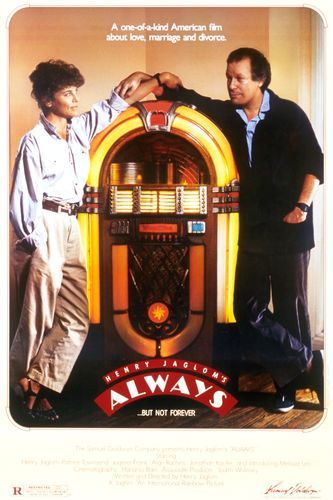
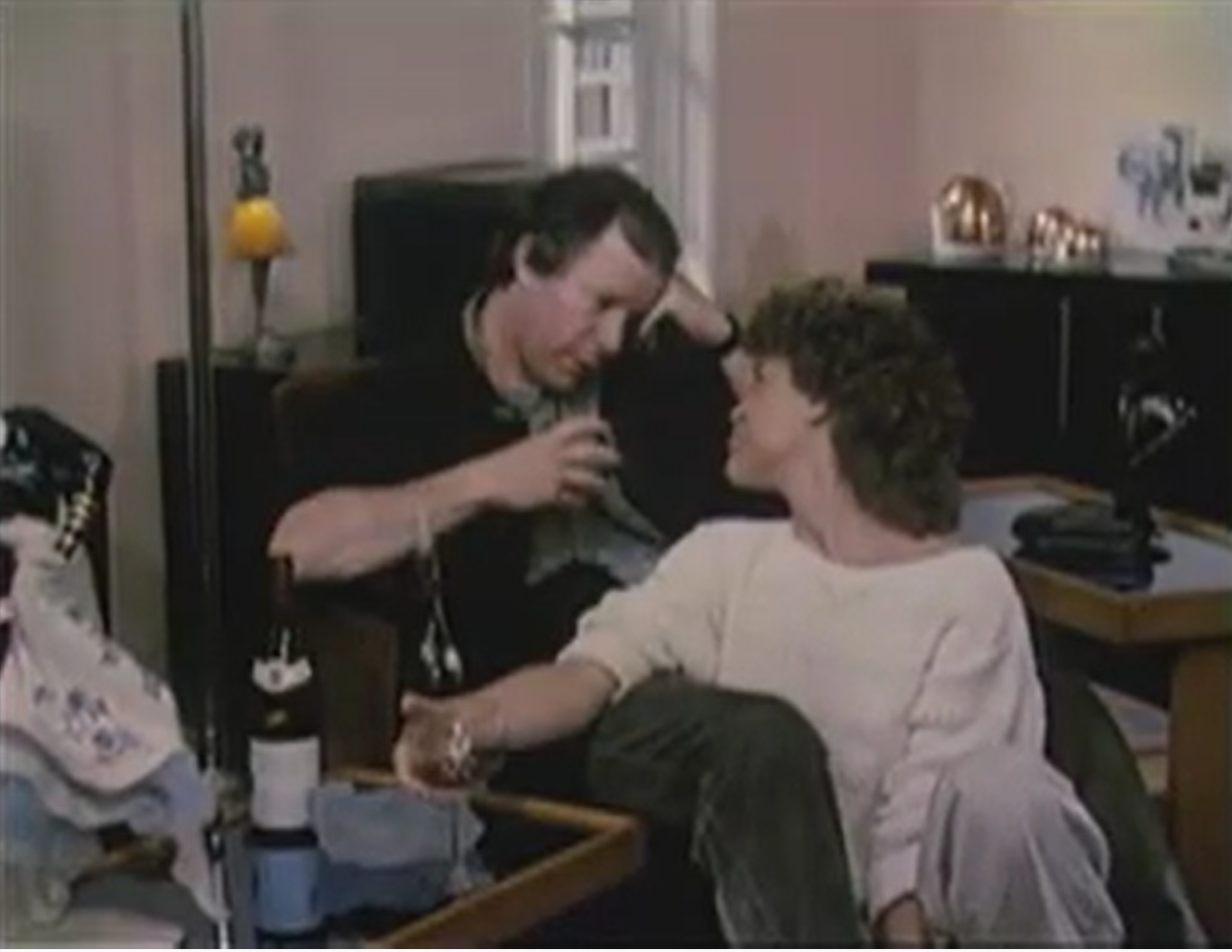
Peary expresses little tolerance for this “confessional” film by independent director Henry Jaglom, noting, “We’re made to feel we got waylaid to an intense weekend therapy session.” Indeed, Always was Jaglom’s first attempt to use circumstances taken directly from his own life to tell a semi-fictional story — and, regardless of one’s tolerance for this type of movie (I happen to like it), it clearly shows Jaglom’s talent for such an approach; he went on to make numerous other films in much the same vein. Townsend (Jaglom’s real-life ex-wife, who never made another movie) is appealing here as Judy — though, as Peary notes, it gets annoying to watch her bursting into natural laughter (“usually through her tears”) every other minute.

Redeeming Qualities and Moments:

  • An oddly compelling look at the breakup of a friendly marriage

Must See?
No. Since the publication of Peary’s book, Jaglom has made other films — such as Eating (1990) — which are better candidates for “must see” viewing. But fans of Jaglom’s work will certainly want to check this one out.

Links:

Crowd Roars, The (1932)

Crowd Roars, The (1932)

“That guy of yours thinks ’cause he’s riding in a one-seater he’s riding alone — he doesn’t know that you’re covering every lap of every race with him!”

Synopsis:
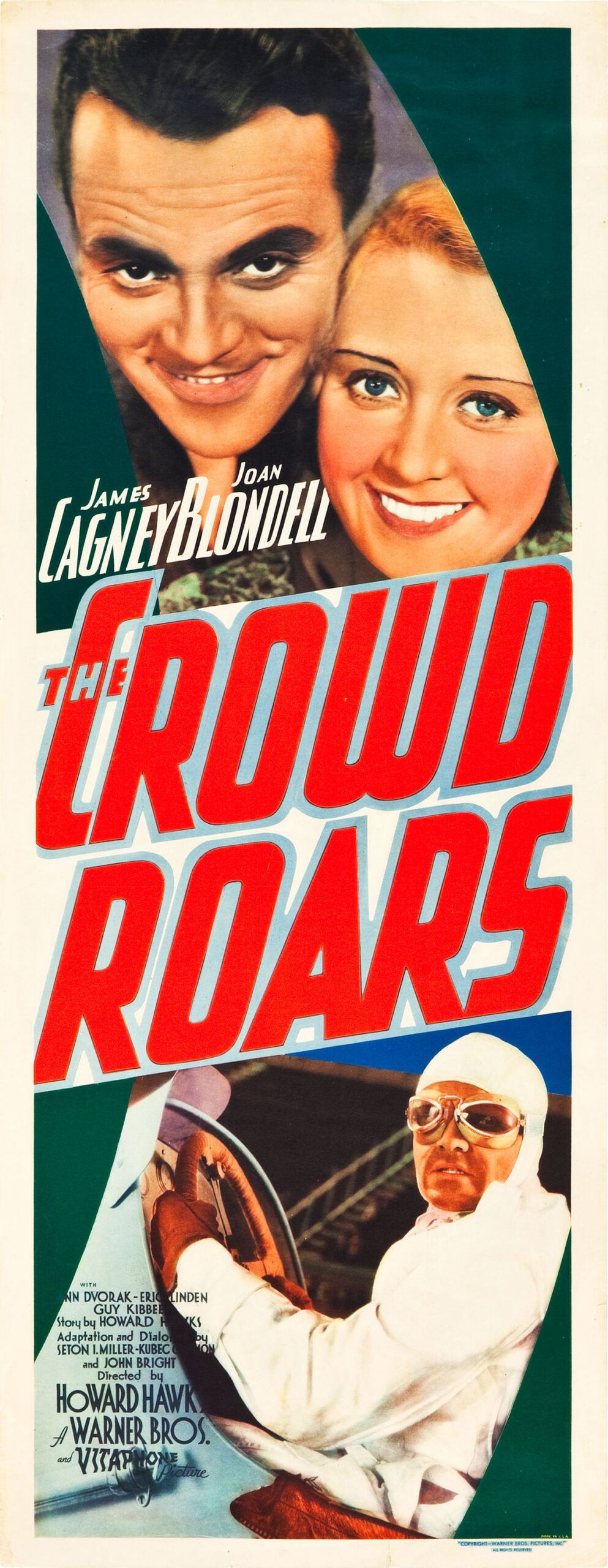
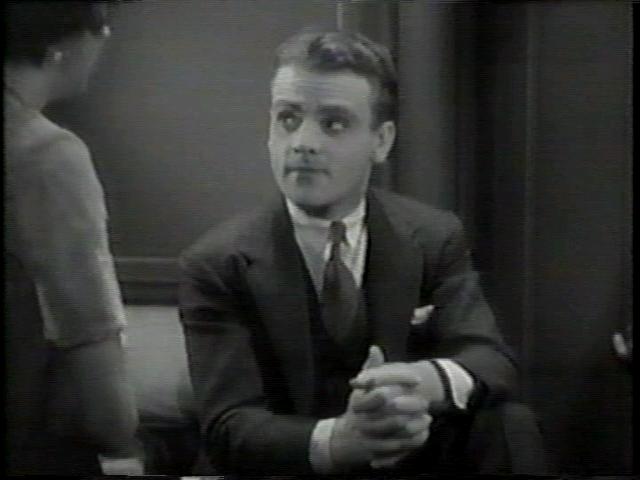
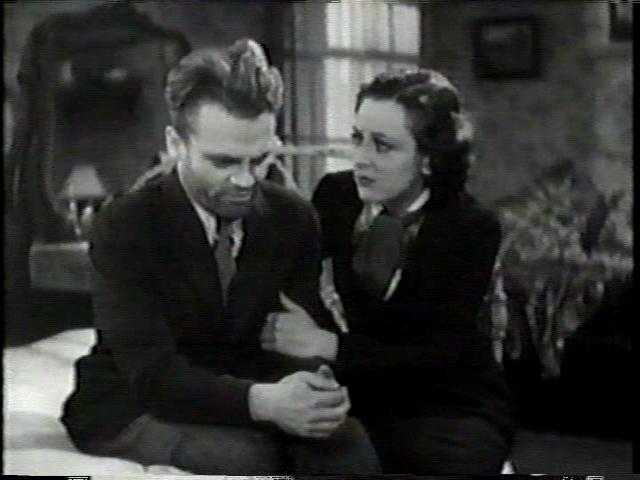
Champion car racer Joe Greer (James Cagney) tries to protect his younger brother Eddie (Eric Linden) from a life of booze, cars, and women. But Eddie is determined to become a racer, and soon falls in love with the friend (Joan Blondell) of Joe’s girlfriend, Lee (Ann Dvorak).

Genres, Themes, Actors, and Directors:

  • Ann Dvorak Films
  • Car Racing
  • Downward Spiral
  • Howard Hawks Films
  • Jimmy Cagney Films
  • Joan Blondell Films
  • Maureen O’Sullivan Films
  • Morality Police
  • Rivalry
  • Siblings

Response to Peary’s Review:
As Peary notes, this early Howard Hawks film — while ostensibly yet another movie about “men of action” — is actually a “tribute to the women who stick by men in dangerous professions, and, when they are finally treated as equals, give the men needed support, love, and direction.” Indeed, The Crowd Roars gives enormous credence to the age-old dictum that behind every successful man is a woman: without the unconditional love and support of his selfless girlfriend, Cagney quickly goes downhill; and once Linden falls in love with Blondell, his fame and fortune skyrocket. Cagney is fine here in one of his earliest leading roles, but it’s Joan Blondell who truly shines: this wonderful comedic actress enlivens every film she’s in, including this one.

Redeeming Qualities and Moments:

  • James Cagney as the well-meaning but wrong-headed racer
  • Joan Blondell as Eddie’s love interest
  • Ann Dvorak as Joe’s hopelessly loyal girlfriend
  • An interesting time-capsule glimpse at early motor car racing

Must See?
No, though it’s a must for fans of Jimmy Cagney and/or Joan Blondell.

Links:

Prisoner of Shark Island, The (1936)

Prisoner of Shark Island, The (1936)

“In the sight of the holy God I worship, I am innocent!”

Synopsis:
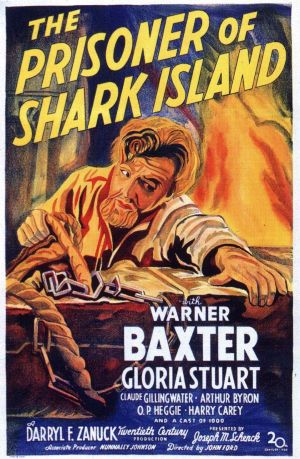
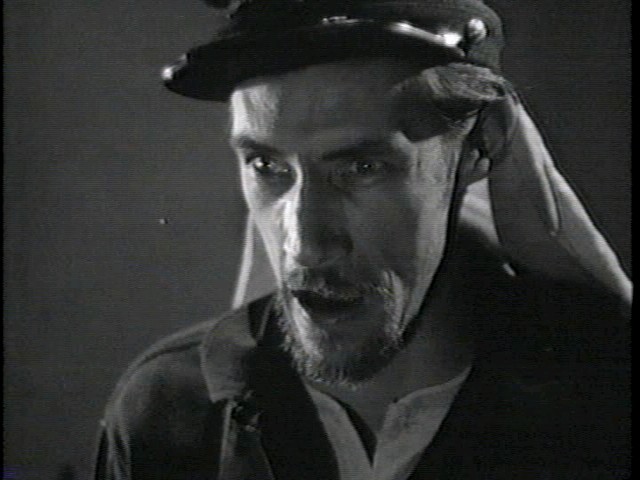
Dr. Samuel Mudd (Warner Baxter) is wrongly convicted of conspiracy in the plot to assassinate President Lincoln, and sentenced to life in prison.

Genres, Themes, Actors, and Directors:

  • Biopics
  • Doctors
  • Falsely Accused
  • John Carradine Films
  • John Ford Films
  • Prisoners
  • Warner Baxter Films

Review:
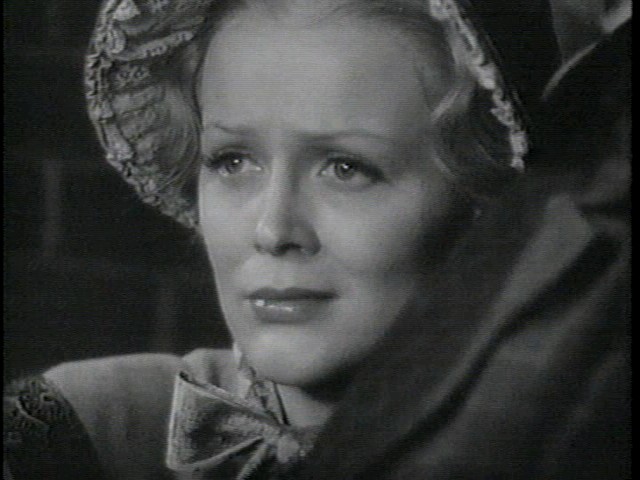
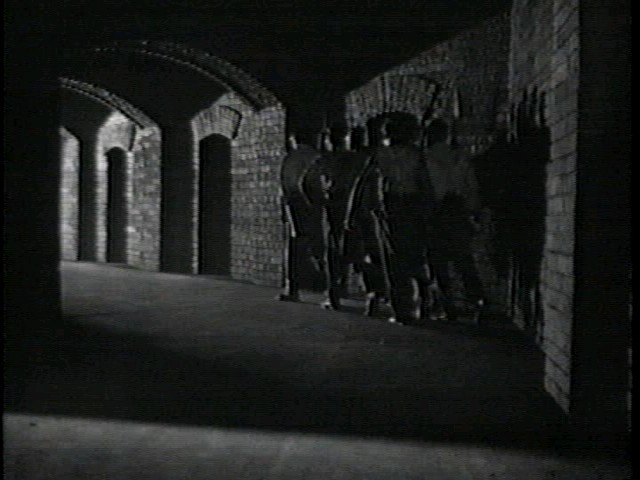
John Ford’s paean to infamous Civil War-era doctor Samuel Mudd was purportedly one of his personal favorites, and holds up reasonably well today. Although reviewers at the time praised the film for its historical veracity, however, recent research shows that Ford conveniently tweaked the truth to serve his own purposes: in the film, Mudd professes to only having seen John Wilkes Boothe performing on stage; in reality, the two met several times and were definitely at least acquaintances. Also frustrating is Ford’s treatment of African Americans, who — perhaps inevitably for the time — are shown as both servile and weak. Despite these flaws, however, The Prisoner of Shark Island remains an atmospheric, engrossing historical drama with a powerful message about our tendency to look for scapegoats when emotions run high.

Redeeming Qualities and Moments:

  • Warner Baxter as Dr. Mudd
  • John Carradine as a sadistic prison guard hell-bent on making Mudd’s life miserable
  • Gloria Stuart as Baxter’s long-suffering wife
  • Atmospheric cinematography

Must See?
No, though it’s certainly a must for John Ford fans.

Links:

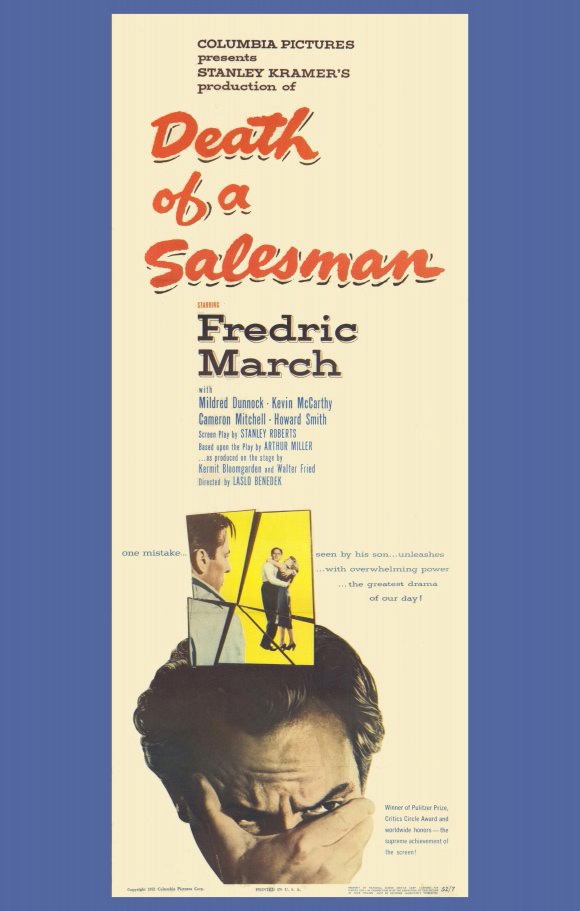
Death of a Salesman (1951)

Death of a Salesman (1951)

“The only thing you’ve got in this world is what you can sell.”

Synopsis:
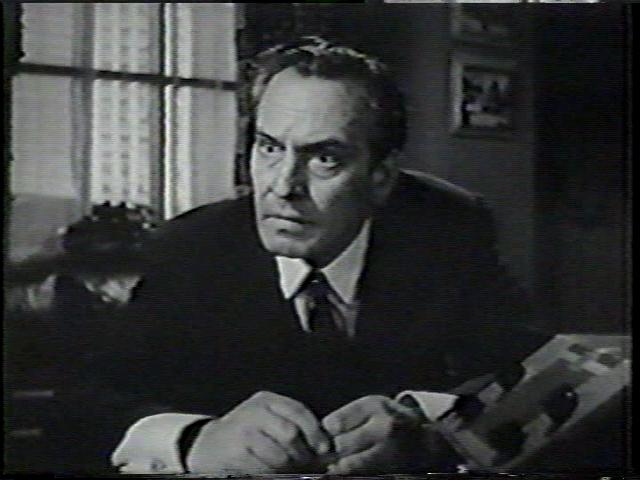
Aging salesman Willy Loman (Fredric March) pins all his hopes on his eldest son, Biff (Kevin McCarthy).

Genres, Themes, Actors, and Directors:

  • Arthur Miller Films
  • Father and Child
  • Flashback Films
  • Fredric March Films
  • Kevin McCarthy Films
  • Mid-Life Crisis
  • Mildred Dunnock Films
  • Play Adaptations
  • Salesmen

Review:
Arthur Miller’s Pulitzer-prize-winning 1949 play has been produced on stage and for television many times (most notably with Dustin Hoffman in 1985), but only once for the big screen. Although the powerful material itself almost defies negative treatment, this early cinematic version by director Laszlo Benedek remains successful on its own merits. Benedek makes effective use of sparse sets and dramatic lighting to showcase Loman’s delusional despair, and directs a powerhouse team of actors (most of whom were part of the original Broadway cast; March is a notable exception). Especially poignant is Kevin McCarthy as Biff Loman; he perfectly captures both the teenage Biff’s naive idolatry of his father (in Willy’s flashbacks), and his adult resignation.

Redeeming Qualities and Moments:

  • Fredric March as the delusional, aging salesman
  • Kevin McCarthy as “Biff” Loman
  • Mildred Dunnock as Willy’s long-suffering wife

Must See?
Yes. This first and only cinematic version of Arthur Miller’s acclaimed play deserves wider viewing.

Categories

  • Noteworthy Performance(s)
  • Oscar Winner or Nominee

Links:

Cul-de-sac (1966)

Cul-de-sac (1966)

“Well, here we are — in the shit.”

Synopsis:
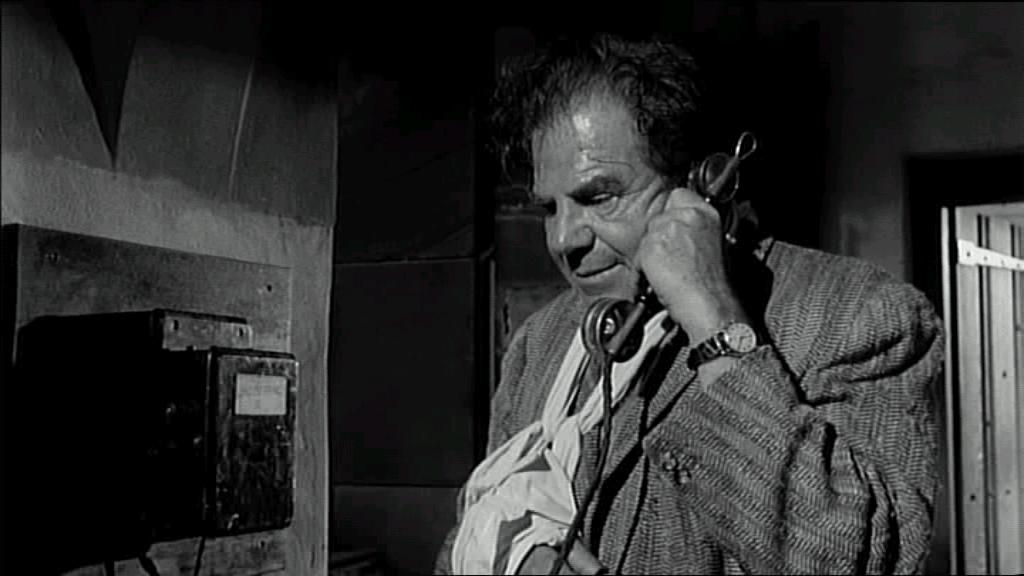
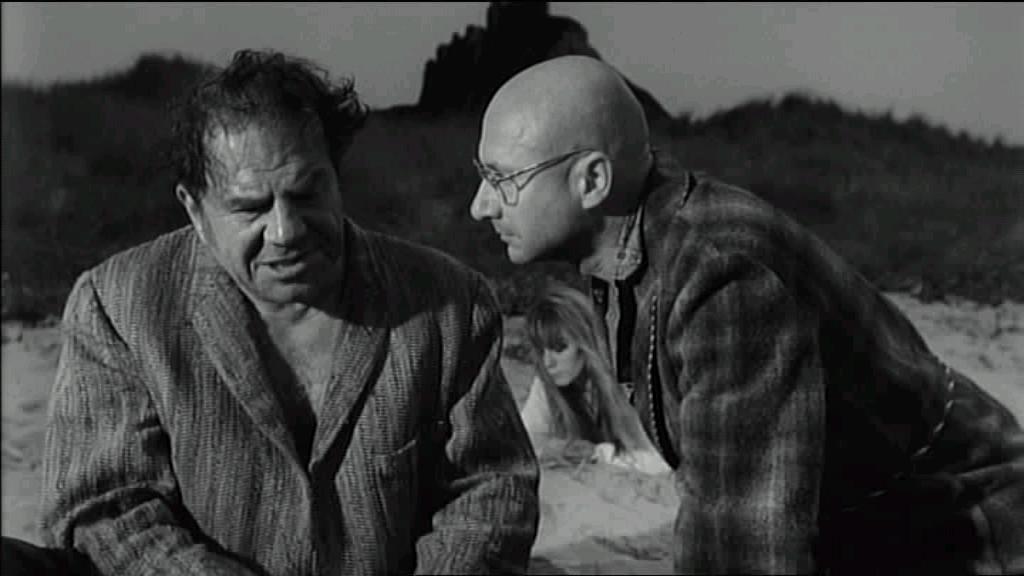
Two wounded gangsters (Lionel Stander and Jack MacGowan) seek refuge at the remote castle of a newly married couple (Donald Pleasence and Francoise Dorleac).

Genres, Themes, Actors, and Directors:

  • Black Comedy
  • Catalysts
  • Donald Pleasence Films
  • Gangsters
  • Hostages
  • Jacqueline Bisset Films
  • Marital Problems
  • Masculinity
  • Roman Polanski Films

Review:
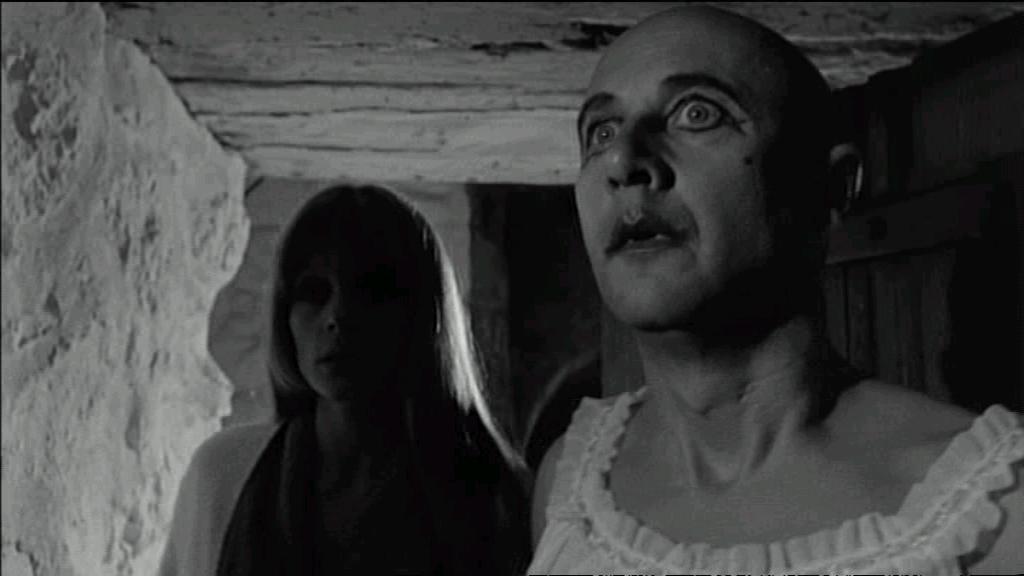
This unusual black comedy — Roman Polanski’s follow-up to Repulsion (1965) — stars American character actor Lionel Stander, a young Donald Pleasence, and Catherine Deneuve’s ill-fated sister, Francoise Dorleac (who died in an automobile accident the following year). Like Repulsion, Cul-de-sac clearly shows Polanski’s genius for hitting hard where we’re most vulnerable — he spares nothing in his depiction of a weak-willed man (Pleasence) who is literally emasculated at every turn, from his wife’s insistence that he dress up in her nightgown, to his inability to protect his own home (his “castle”) from invading gangsters.

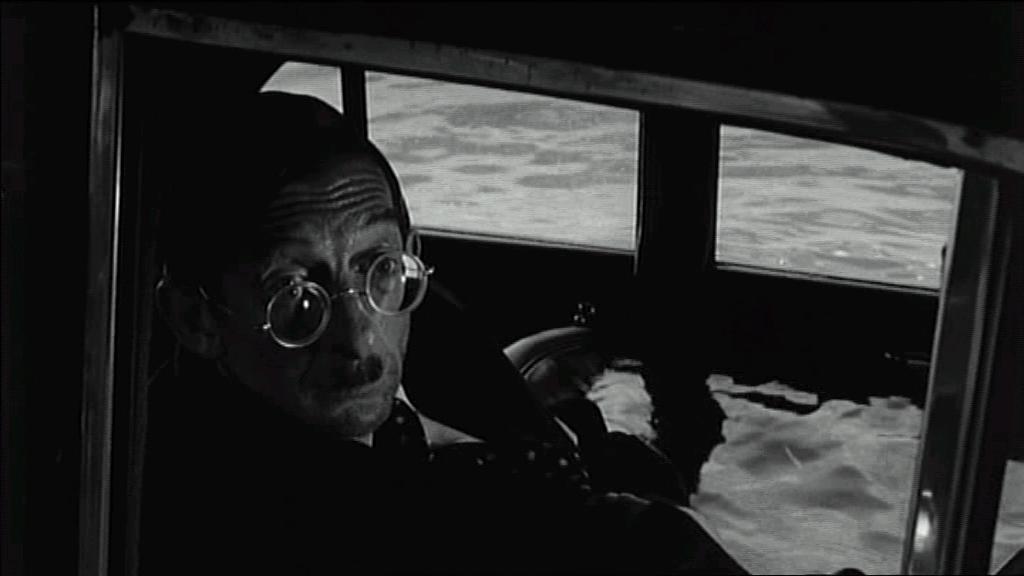
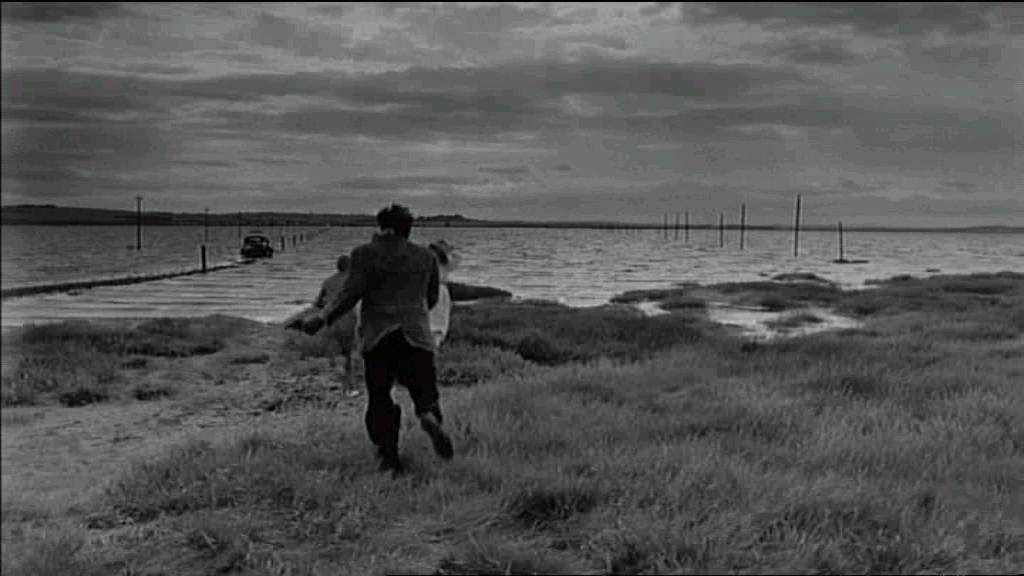
For the first 15 minutes of the movie, we don’t know who any of these characters are, or how they’ve ended up at such a remote location. Yet this simply makes the bizarre imagery (bug-eyed MacGowan stuck in a car surrounded by high tide; Pleasence opening his refrigerator door to find nothing but cartons upon cartons of eggs) that much more intriguing. Eventually we succumb to the movie’s odd logic, and recognize that Stander’s gravelly gangster is a catalyst who will force Pleasence to confront his own insecurities, and disrupt the couple’s tenuous status quo. Cul-de-sac ultimately isn’t for every taste, and will be most satisfying for those who enjoy their cup of humor bitterly dark. Yet it’s finely photographed, well-acted, and possesses countless memorable scenes. Regardless of how much you actually enjoy it, this unique film is guaranteed to stick in your mind long after it’s over.

Redeeming Qualities and Moments:

  • Donald Pleasence as the cuckolded male hostage
  • Gruff-voiced Lionel Stander as the no-nonsense gangster
  • Countless memorable, truly bizarre images
  • A darkly comedic look at machismo, emasculation, and marital insecurity
  • Effective use of an isolated, windswept locale
  • Gilbert Taylor’s cinematography
  • Krzysztof Komeda’s jazzy score

Must See?
Yes, as one of Polanski’s quirkiest films. Peary votes for it as the best movie of 1966 in his Alternate Oscars book (with no runners-up), and lists it as both a Cult Movie and a Personal Recommendation in his GFTFF.

Categories

  • Important Director

Links:

Girls Town/The Innocent and the Damned (1959)

Girls Town/The Innocent and the Damned (1959)

“There’s no such thing as a bad girl — not really bad. But sometimes when a group of you get together, you act just like the lemming: reckless and suicidal for no reason!”

Synopsis:
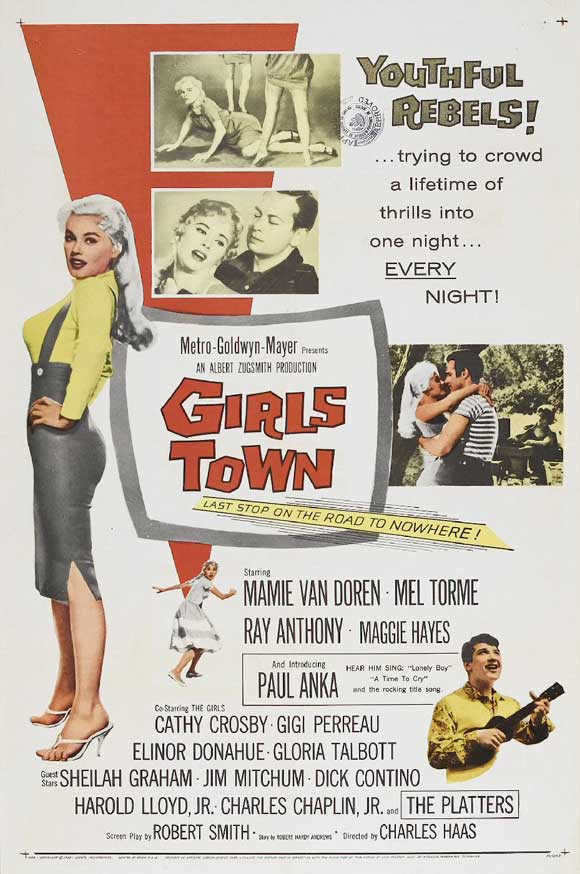
After being falsely implicated in the death of a classmate she was dating, 16-year-old Silver (Mamie Van Doren) is sent to a boarding school — Girls Town — run by sanctimonious nuns. When Silver finds out her younger sister (Elinor Donahue) is in trouble, she enlists the help of teen heartthrob Jimmy Parlow (Paul Anka).

Genres, Themes, Actors, and Directors:

  • Falsely Accused
  • Juvenile Delinquents
  • Mamie Van Doren Films
  • Nuns

Review:
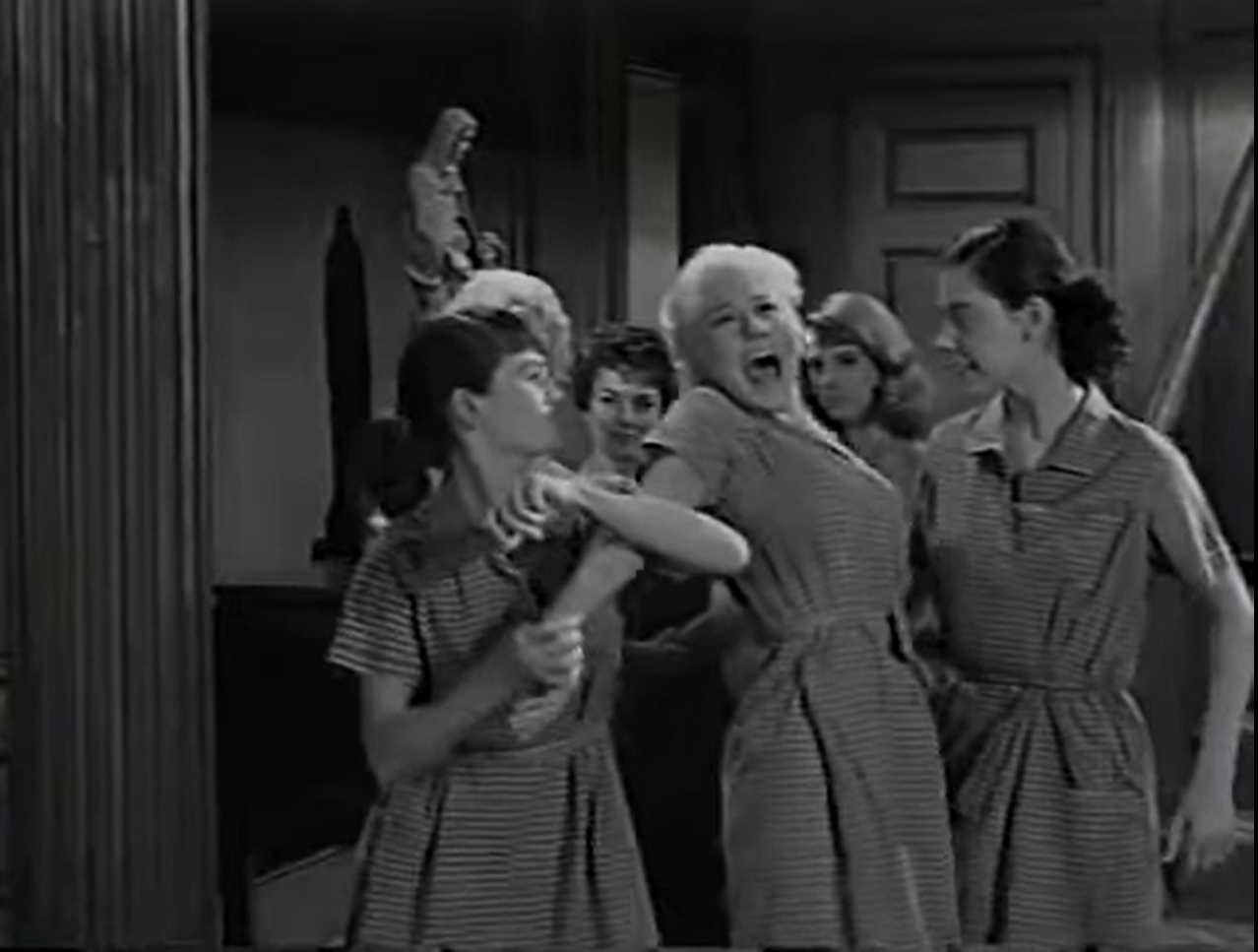
This infamously bad exploitation flick by producer Albert Zugsmith is a veritable showcase of 1950s cliches: horny teens make out, cat fights erupt between territorial girls:

and foolhardy punks play “chicken” in their cars. 27-year-old Van Doren — who nearly busts the seams of her tight clothing:

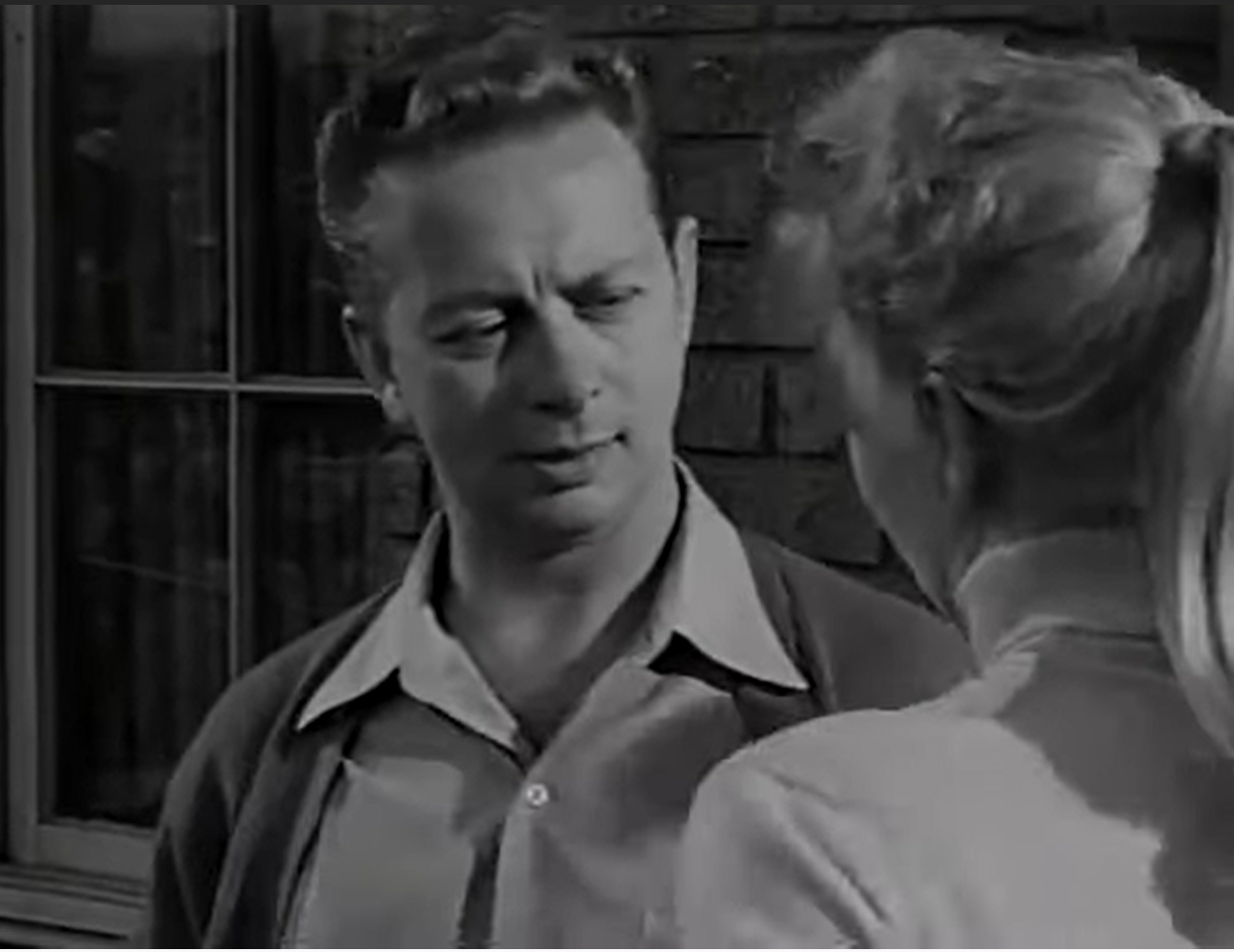
— fared much better playing someone closer to her age in Sex Kittens Go to College (1960); here, she’s stuck mouthing rebellious jargon as though reading from a 1950s dictionary of slang. Strategic appearances by musical favorites Mel Torme and Paul Anka are worthless: weak-chinned Torme is utterly miscast as a tough guy:

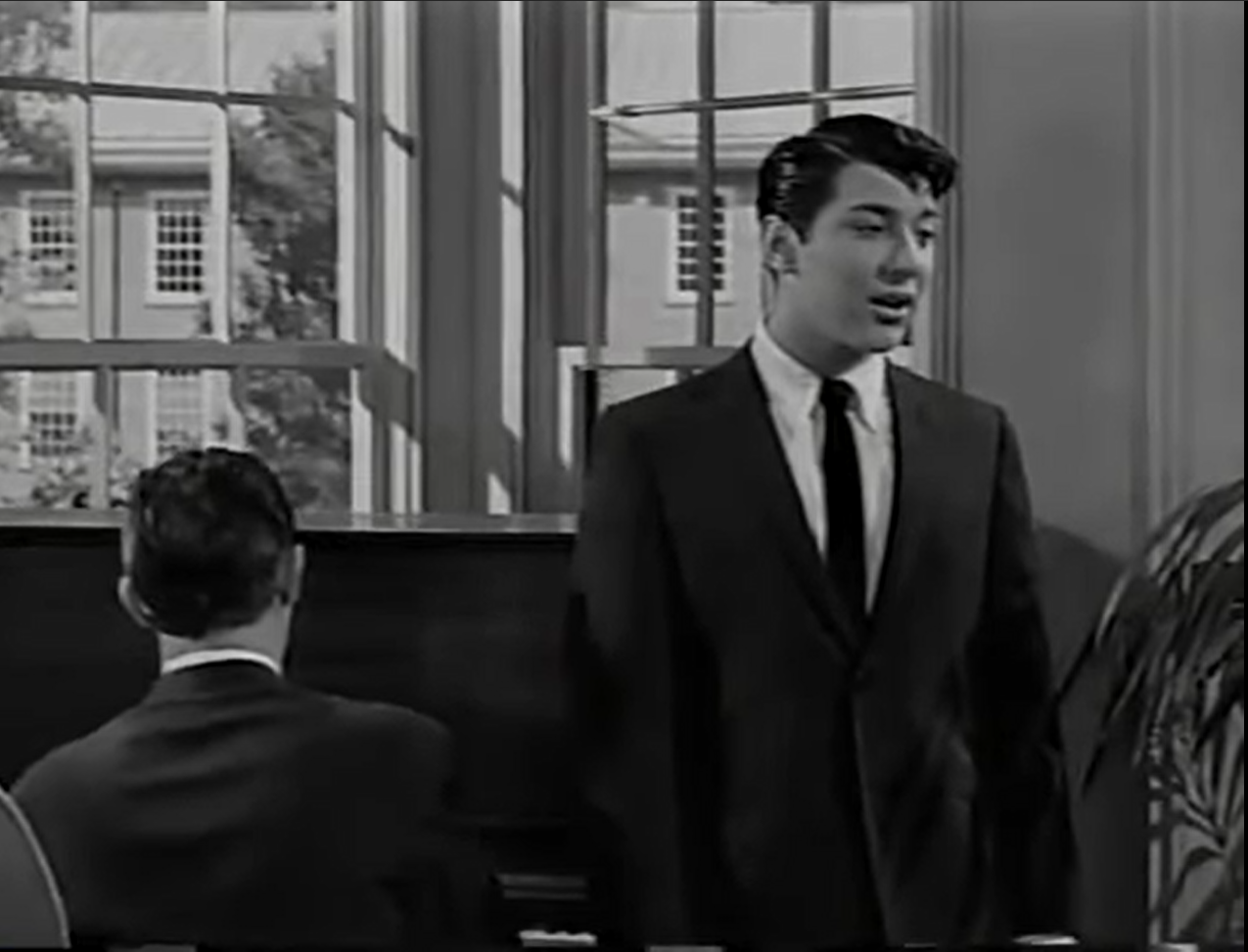
and Anka (whose singing is lame) is insipid.

Only recommended for diehard Mamie Van Doren devotees, or fans of truly bad juvenile delinquent flicks.

Redeeming Qualities and Moments:

  • An abundance of campy ’50s slang:

    “Can I use your Alexander Graham?”

Must See?
Yes, simply for its status as a cult favorite. Peary lists it in the back of his book as a Camp Classic, and it was lampooned by MST3K in 1994.

Categories

  • Cult Movie

Links: