Of Mice and Men (1939)

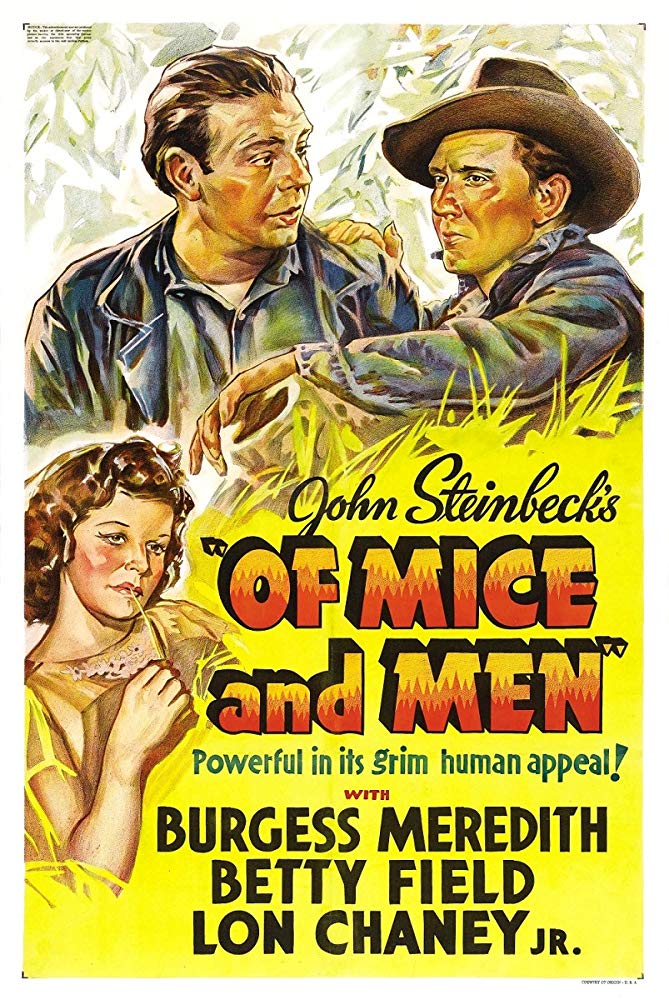
Of Mice and Men (1939)

“I don’t say he’s bright — he ain’t; but I say he’s a good worker.”

Synopsis:
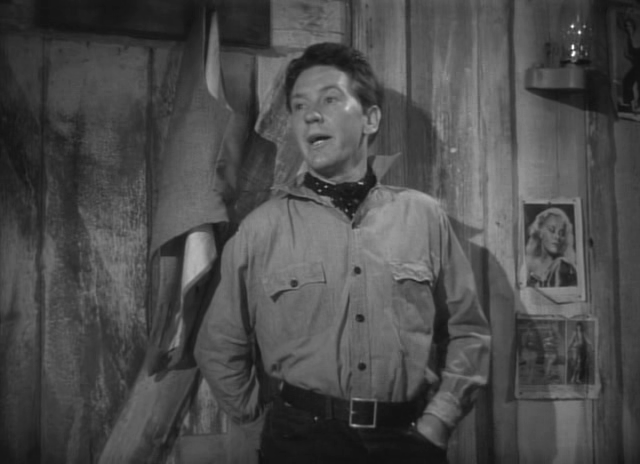
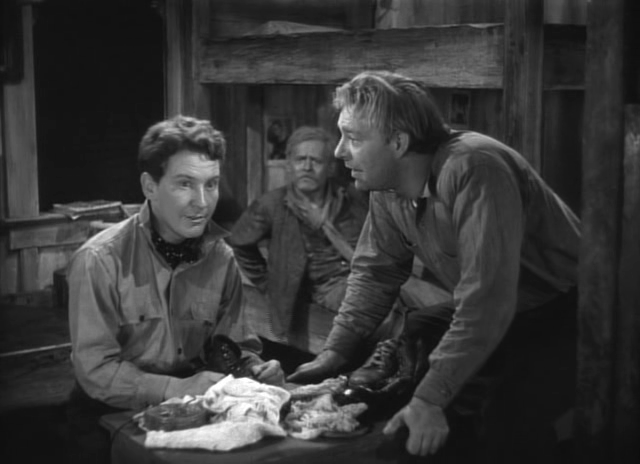
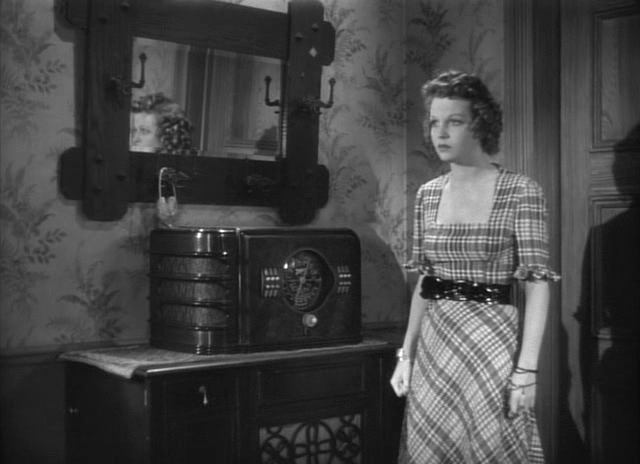
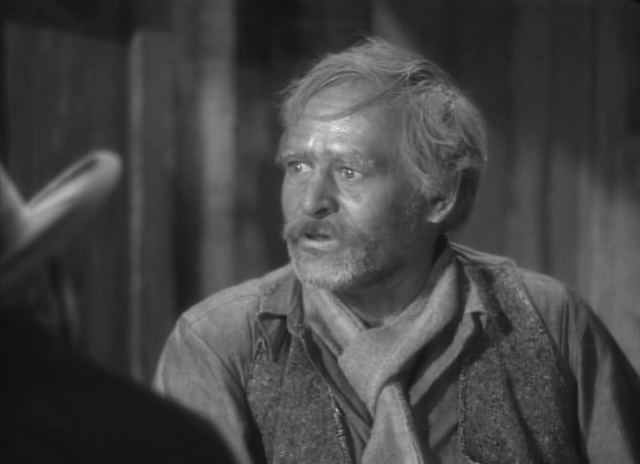
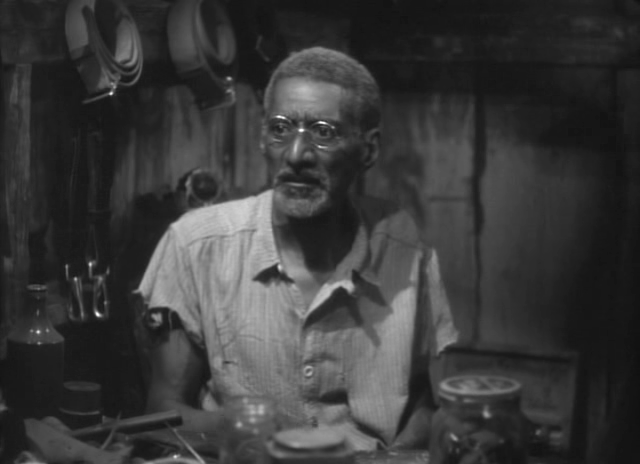
An itinerant worker (Burgess Meredith) and his mentally disabled friend (Lon Chaney, Jr.) arrive at a ranch where the surly son (Bob Steele) of the owner is unhappy about his wife’s (Betty Field) interest in a farmhand named Slim (Charles Bickford). When George (Meredith) reassures Lennie (Chaney, Jr.) that they will one day purchase a farm of their own, they pique the interest of both an elderly white (Roman Bohnen) and a marginalized black (Leigh Whipper) co-worker interested in joining them.

Genres:

  • Betty Field Films
  • Burgess Meredith Films
  • Charles Bickford Films
  • Friendship
  • Lewis Milestone Films
  • Lon Chaney, Jr. Films

Review:
Lewis Milestone directed this adaptation of John Steinbeck’s heart-wrenching novella and play, depicting a tale of friendship that truly tests the limits of our willingness to “do the right thing” under challenging circumstances. Meredith reprised his Broadway role, while Chaney Jr. was brought on board to play Lennie; both hit each note of their characters perfectly, and the rest of the supporting cast is excellent as well. (It’s particularly refreshing to see an African-American [Whipper] given a meaningful and nuanced role.) Aaron Copland’s score is almost a character in its own right, at times intrusive but never uninteresting. I find it hard to say much more about this film other than that everyone should see it — but be forewarned: while I rarely cry at movies, this one is an exception.

Redeeming Qualities and Moments:

  • Burgess Meredith as George
  • Lon Chaney, Jr. as Lennie
  • Fine supporting performances by the entire cast


  • A heartbreaking screenplay, faithfully adapted

Must See?
Yes, as a still-powerful adaptation. Listed as a film with Historical Importance in the back of Peary’s book.

Categories

Links:

Man Hunt (1941)

Man Hunt (1941)

“Men of your character have accidents.”

Synopsis:
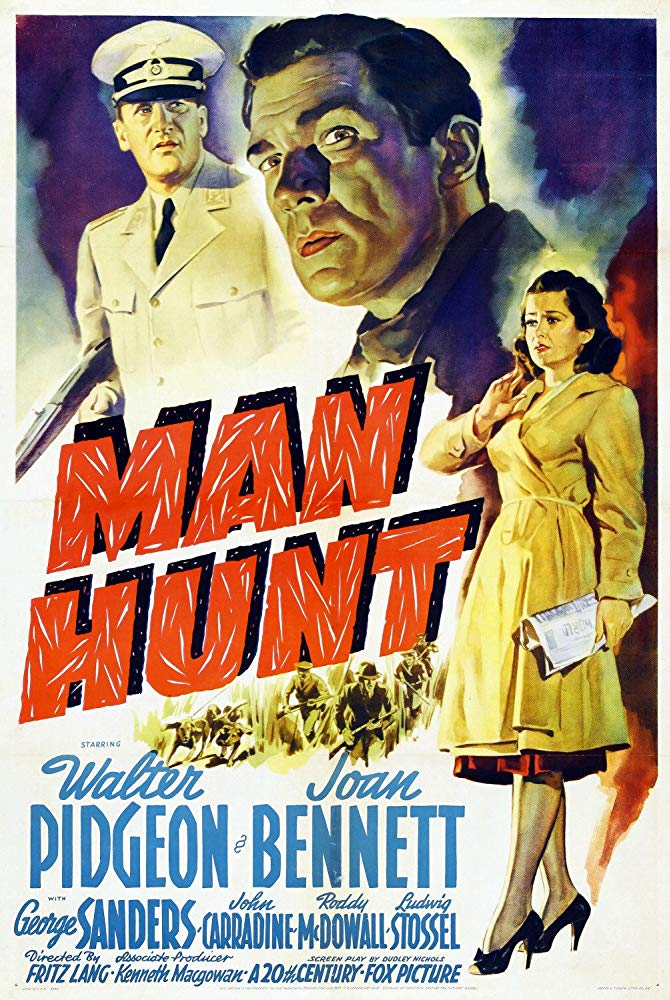
When a Gestapo leader (George Sanders) captures an aristocratic hunter (Walter Pidgeon) training his sights on Hitler, Pidgeon is relentlessly pursued by both Sanders and a Reich agent (John Carradine) out of Germany and into England, where he befriends a Cockney seamstress (Joan Bennett) who falls in love with him.

Genres:

  • Cat-and-Mouse
  • Cross-Class Romance
  • Fritz Lang Films
  • Fugitives
  • George Sanders Films
  • Hunting
  • Joan Bennett Films
  • John Carradine Films
  • Nazis
  • Roddy McDowall Films
  • Walter Pidgeon Films
  • World War II

Review:
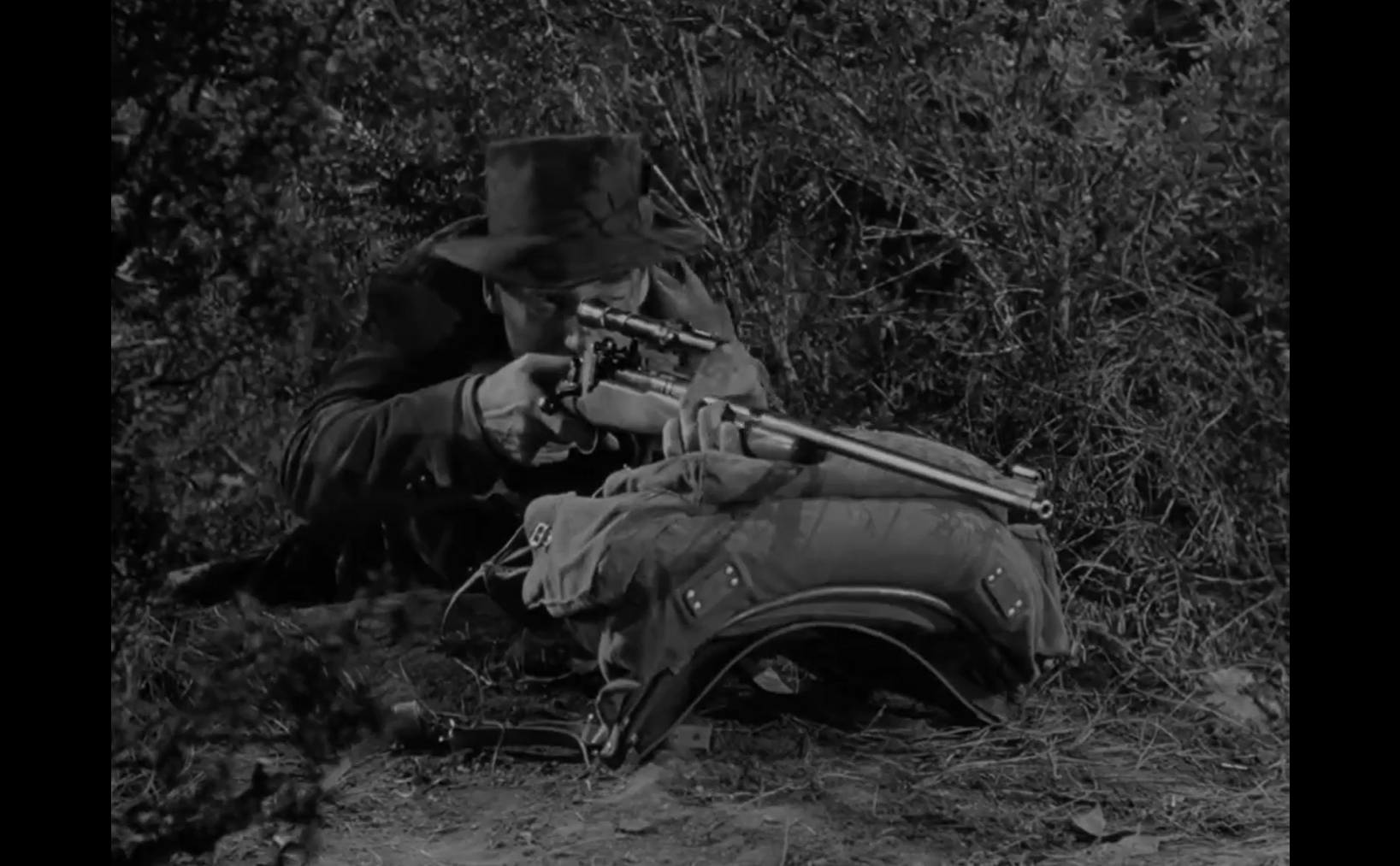
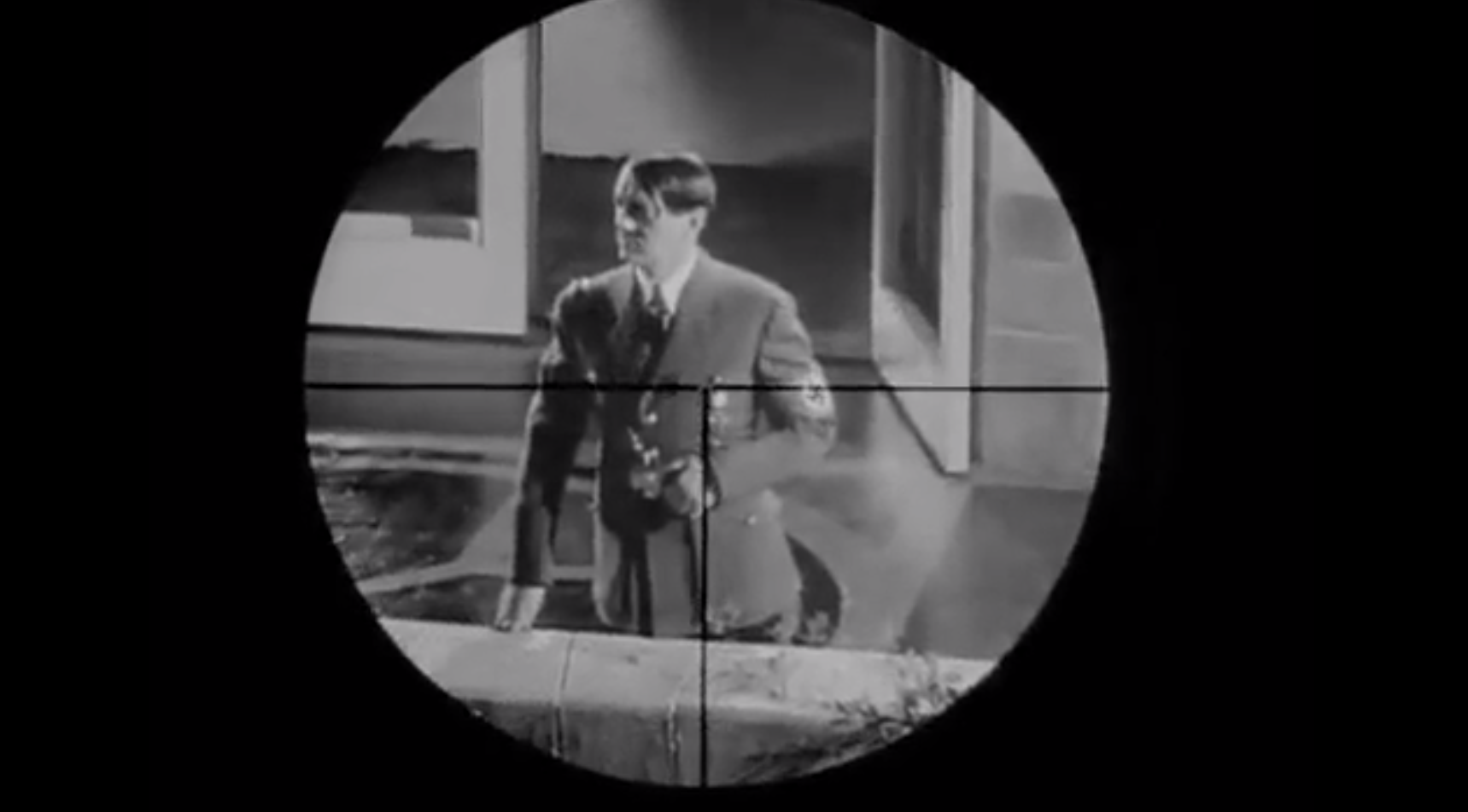
Man Hunt was the first of a quartet of ant-Nazi films Fritz Lang made after he emigrated to the United States, followed by Hangmen Also Die! (1943), Ministry of Fear (1944), and Cloak and Dagger (1946). It opens with a decidedly provocative and startling scene, as sportsman Pidgeon points his rifle directly at Hitler:


before being captured and sent on the run back to his home country. Man Hunt remains a reasonably exciting and atmospherically filmed (by Arthur Miller) action-thriller, with a screenplay hampered by Pidgeon’s romance with Bennett (I guess I’m really not a fan of besotted Cockney lasses).

However, it’s worth a look, especially as “the first war film to attract the attention of the then-neutral America’s Hays Office” (Joseph Breen was “alarmed by the script” and referred to it as a “hate film”).

Redeeming Qualities and Moments:

  • Walter Pidgeon as Alan Thorndike
  • Arthur Miller’s cinematography
  • A clever, unexpected ending

Must See?
Yes, once, for its historical relevance.

Categories

Links:

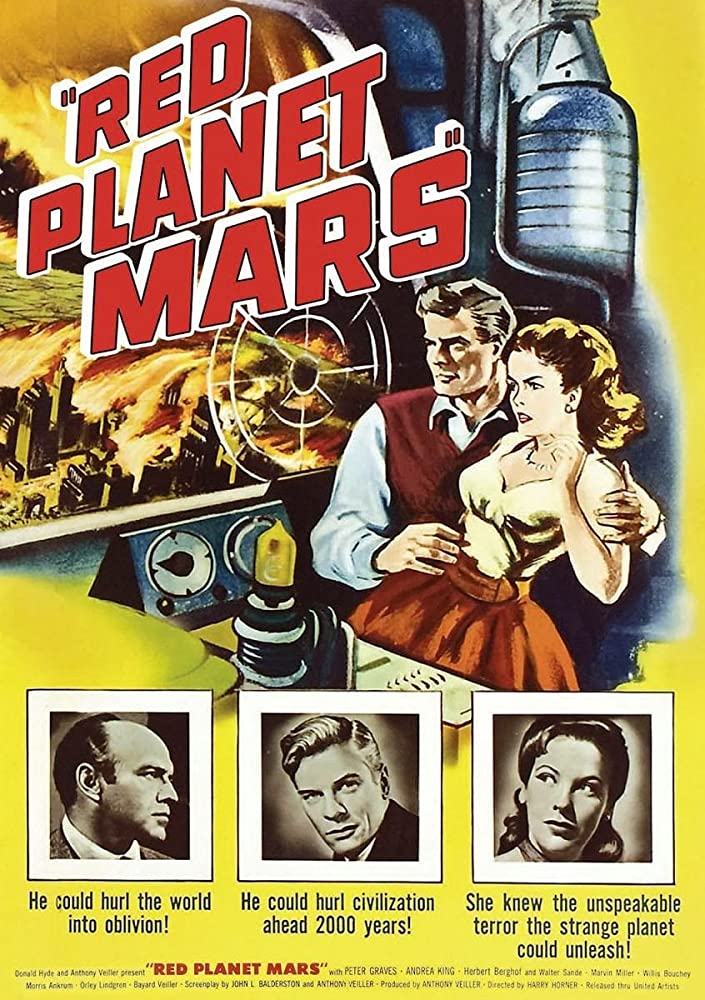
Red Planet Mars (1952)

Red Planet Mars (1952)

“Our economic system is a shambles — industrial production shot to blazes — our entire civilization collapsing about our heads like a house of cards, and the whole western world going down with us.”

Synopsis:
When a radio broadcaster (Peter Graves) and his wife (Andrea King) make contact with Martians, they begin to spread the planet’s messages of hope to humanity — but could an embittered ex-Nazi (Franz Calder) working for the Communists be interfering with the signals in some way?

Genres:

  • Aliens
  • Cold War
  • Media Spectacle
  • Religious Faith
  • Science Fiction

Review:
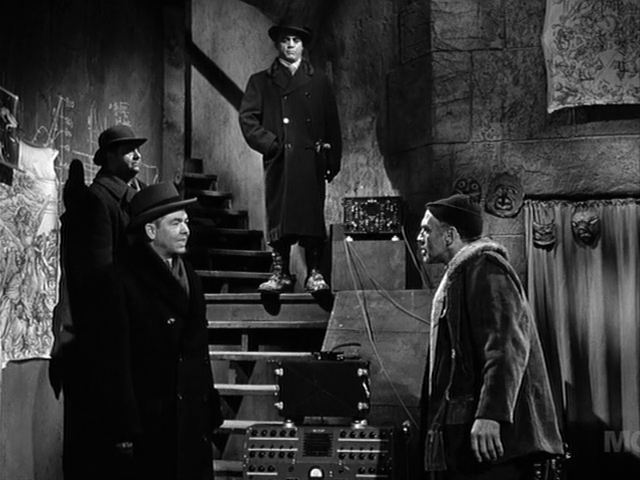
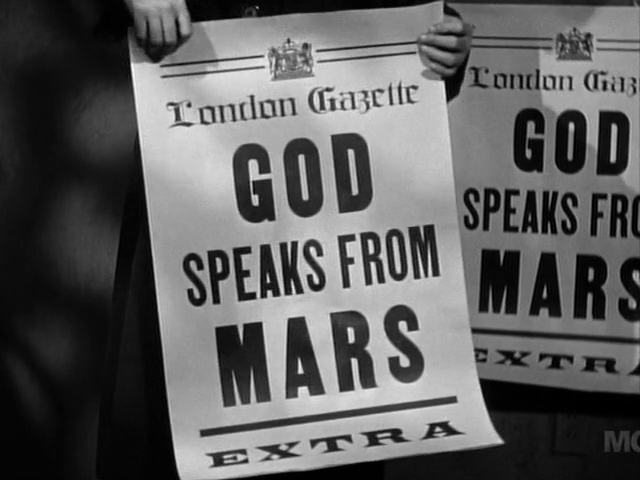
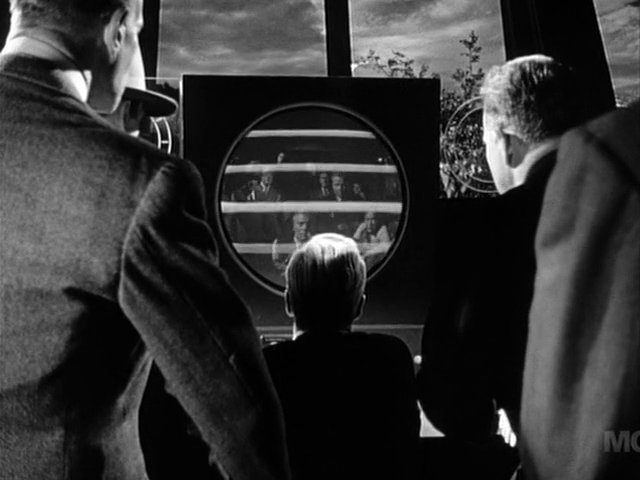
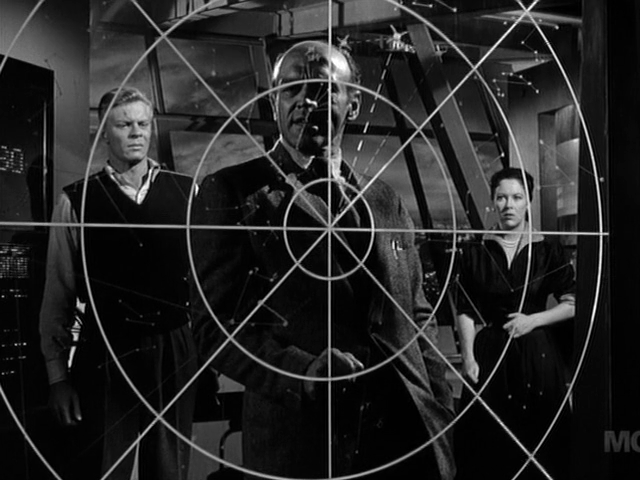
This Cold War morality tale about intergalactic communication in the midst of earthly ideological conflicts is amusingly earnest, filled with plenty of laughably ripe dialogue played straight:

Graves: “Are you saying you think those polar formation are ice? And that in a week, these Martians have melted ice caps thousand of feet high and used the water to irrigate the planet?
Scientist: “Isn’t that what the picture says?!!?”

King: “Every woman in the world — we all live in fear. It’s become our natural state.”

Unfortunately, while its title promises vibrant color, the only “red” in this black-and-white flick is Communism, personified as villainous bad guys with an unwilling hostage (Calder) in their hands.

When the primary theme of the film is revealed:

… we’re meant to believe that if only all humans were free to practice Christianity, we would be lovingly at peace with one another. Naturally, nothing is ever this simple, though it’s fascinating to see what audiences once-upon-a-time may have been wishing for.

Redeeming Qualities and Moments:

  • Effective cinematography and sets


Must See?
No, but it’s recommended for one-time viewing as an unusual relic of its time.

Links:

Our Daily Bread / City Girl (1930)

Our Daily Bread / City Girl (1930)

“I’d like to know what you expected to get out of marryin’ Lem.”

Synopsis:
When the son (Charles Farrell) of an overbearing farmer (David Torrence) meets a waitress (Mary Duncan) while in Chicago to sell his family’s wheat, the two fall in love and he brings her back to his farm — but can Torrence’s new “city girl” wife handle life in the country?

Genres:

  • City vs. Country
  • Farming
  • F.W. Murnau Films
  • Romance
  • Silent Films
  • Womanizers

Review:
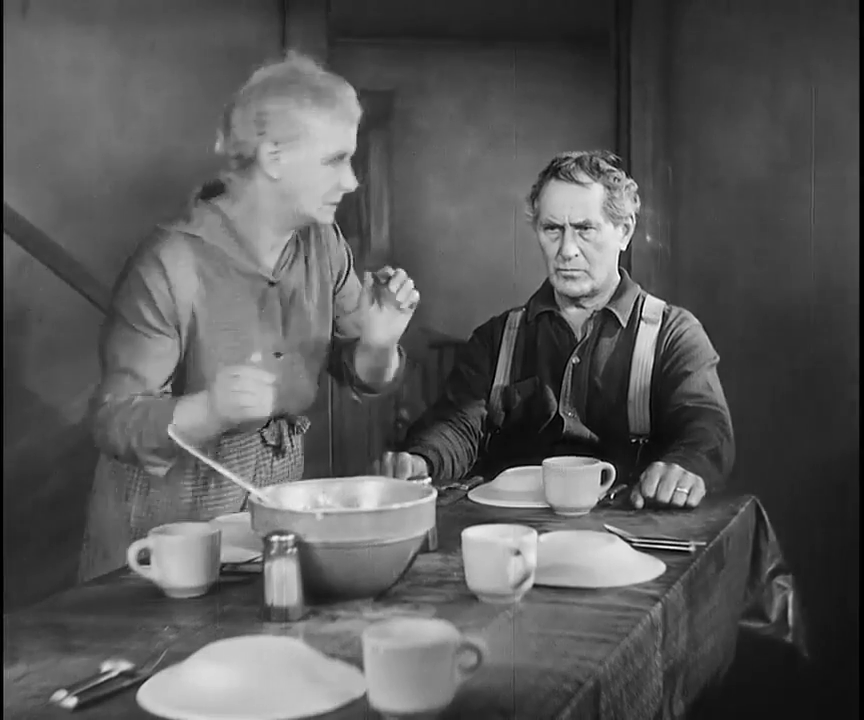
F.W. Murnau’s next-to-final film before Tabu (1931) was this overwrought romantic tale of love between a “country boy” and a “city girl”. While the visuals and settings are beautiful (as to be expected in any film by Murnau), the storyline leaves a lot to be desired. Torrence is a caricature of a disciplinarian father-figure, heavy-handed in everything he says and does:

He chastises his young daughter (Anne Shirley) not once, but twice, for daring to play with a few stalks of precious wheat (!). While Duncan is a refreshingly spunky female lead, her entire existence revolves around swatting off obnoxious men making a play for her (other than Torrence, who simply hates her for no good reason). Supporting characters — i.e., all the leering men — aren’t given much depth, and the romance between Farrell (who comes across as somewhat dim-witted) and Duncan doesn’t really have anywhere to go. Feel free to skip this one unless you’re a Murnau completist.

Redeeming Qualities and Moments:

  • Fine cinematography


Must See?
No, though of course Murnau fans will want to check it out. Listed as a film with Historical Importance and a Personal Recommendation in the back of Peary’s book.

Links:

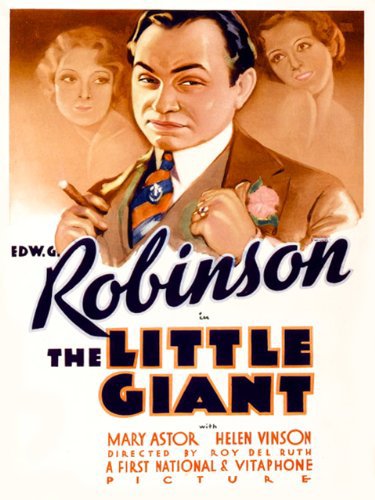
Little Giant, The (1933)

Little Giant, The (1933)

“I came from the gutter, and I guess you can still smell it on me.”

Synopsis:
A reformed Chicago gangster (Edward G. Robinson) heads to Santa Barbara, where he falls for a society dame (Helen Vinson) from a corrupt family while renting a house from a poor but kind young woman (Mary Astor). Will ‘Bugs’ (Robinson) achieve his dreams of “legitimate” social success, or will his sordid past come back to haunt him?

Genres:

  • Cross-Class Romance
  • Edward G. Robinson Films
  • Gangsters
  • Mary Astor Films
  • Roy Del Ruth Films
  • Social Climbers

Review:
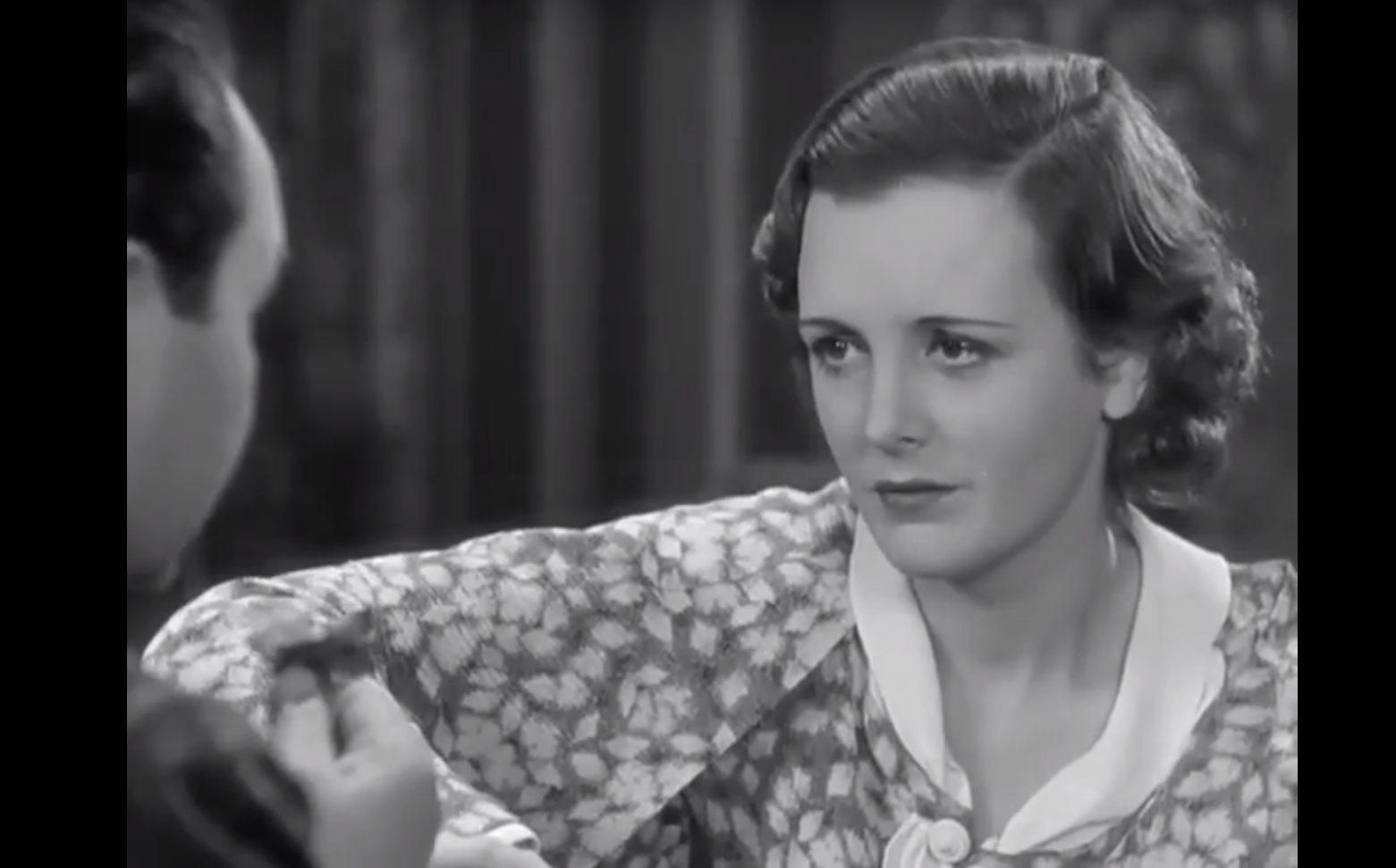
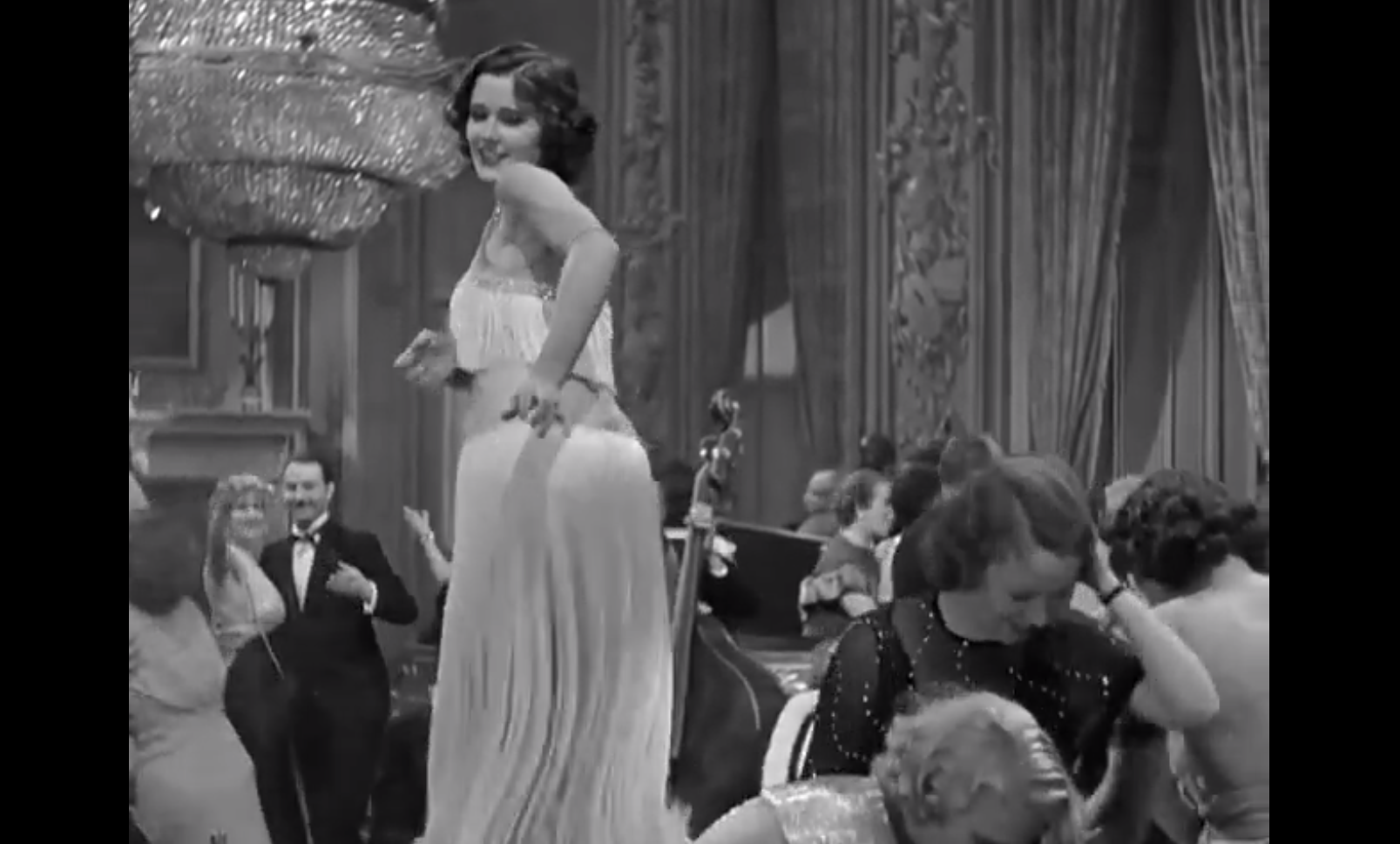
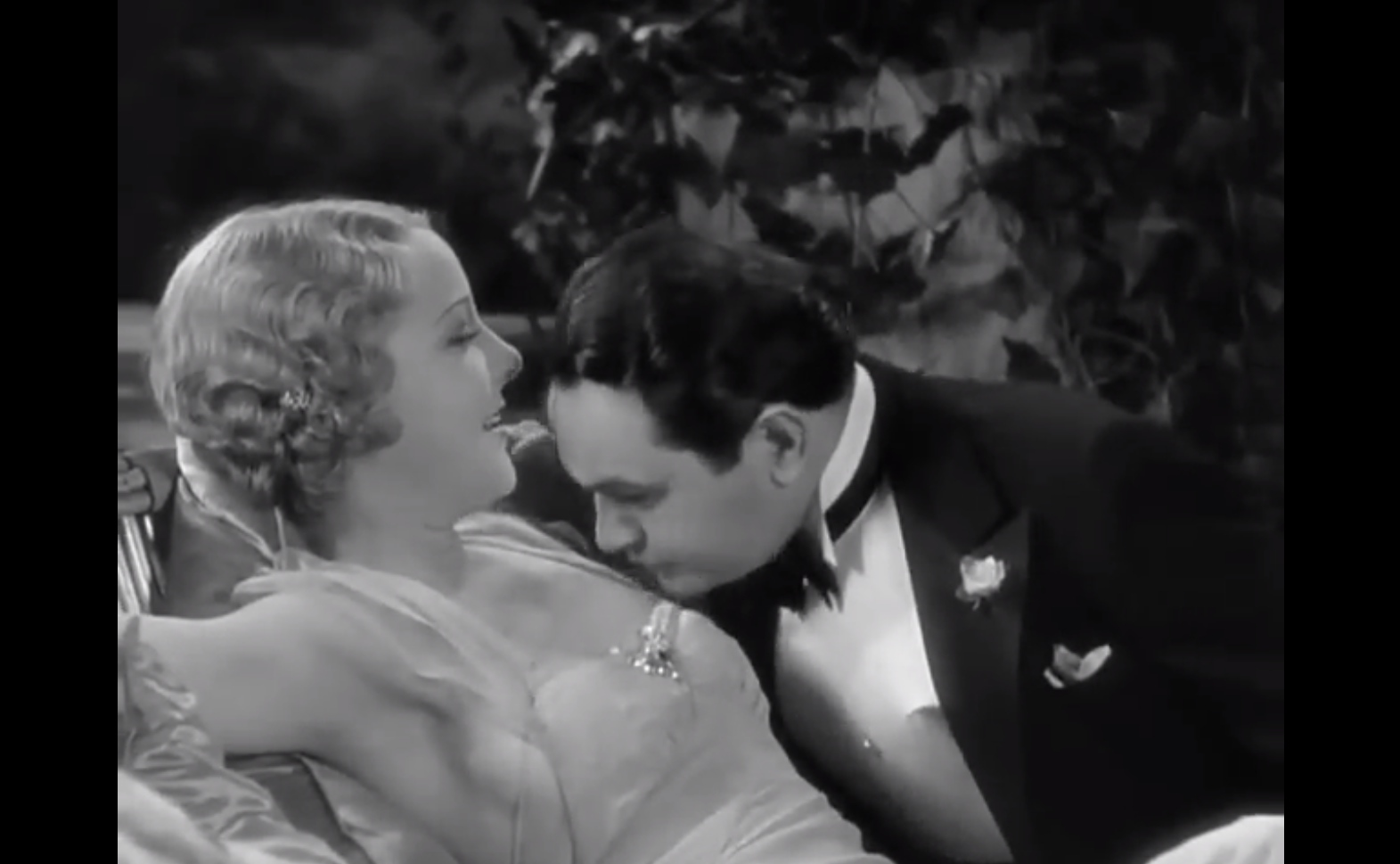
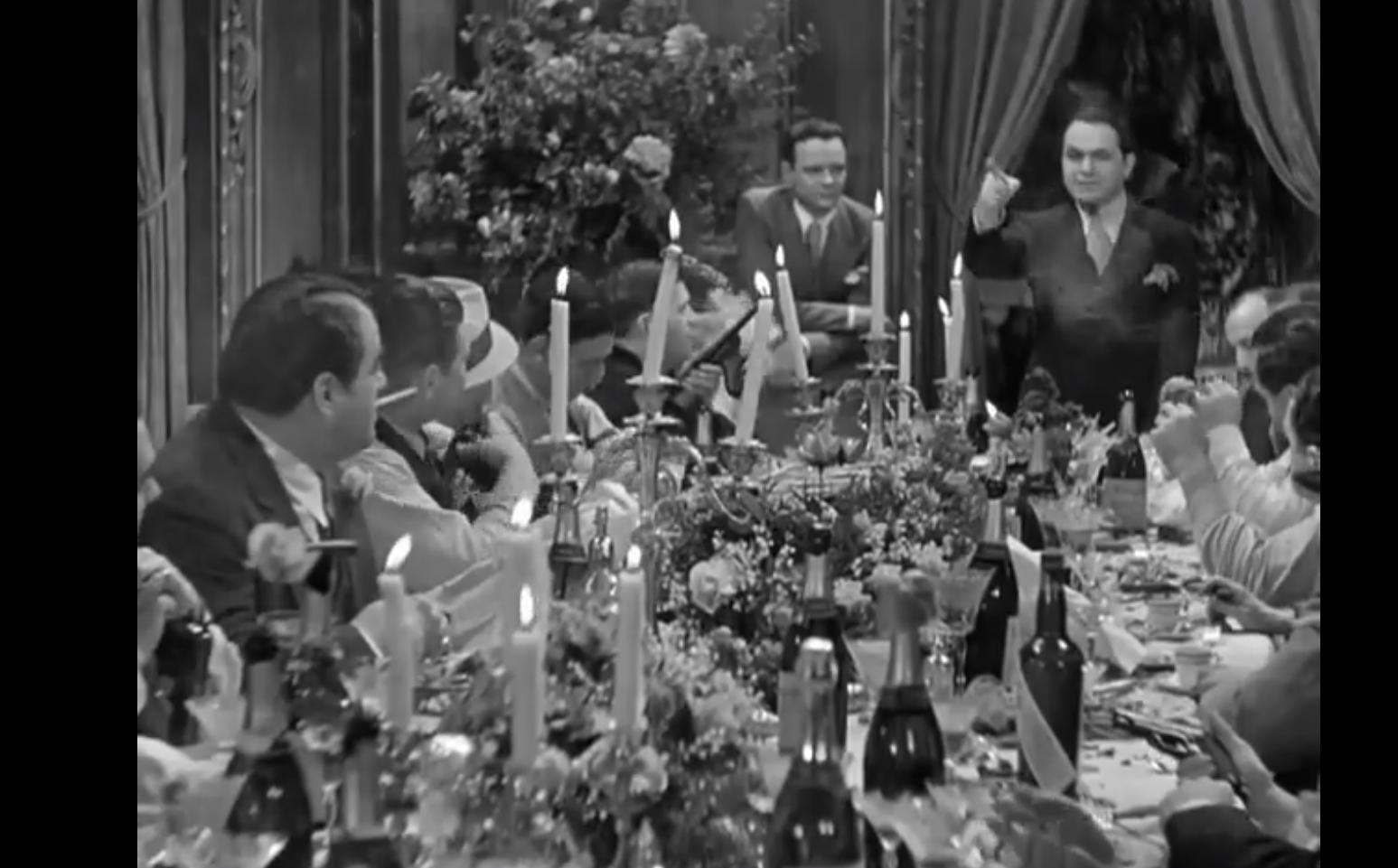
Roy Del Ruth directed this gangster-comedy which starts off somewhat predictably but builds to an enormously satisfying conclusion. Robinson’s ‘Bugs’ is established right away as such a genuinely good guy (he says goodbye to his moll by giving her $25K in appreciation, without a hint of condescension), it’s hard to watch him being so instantly duped and taken advantage of by “high society”. With loyal Astor by his side, we know it’s only a matter of time before he recognizes who’s really right for him — and thankfully, that all plays out nicely. I’m sure Depression-era audiences were thrilled to see corrupt socialites and money-men get their due. Meanwhile, there are numerous zingy pre-Code moments and lines to enjoy:

“Three days, and we don’t even get a tumble.”
“Polly — she’s been a sister-in-law to the world.”

As DVD Savant writes, “You’ll be throwing the remote into reverse to make sure you heard some of these lines correctly.”

Note: Robinson would spoof his gangster-persona again in A Slight Case of Murder (1938) and Brother Orchid (1940).

Redeeming Qualities and Moments:

  • Edward G. Robinson as ‘Bugs’
  • Mary Astor as Ruth
  • Many racy Pre-Code moments

  • A satisfying finale

Must See?
Yes, as an unexpectedly enjoyable “good show”.

Categories

Links:

Gabriel Over the White House (1933)

Gabriel Over the White House (1933)

“We felt from the beginning that the president is really two men — but I became aware tonight, somehow, of a third being.”

Synopsis:
When the newly elected president of the United States (Walter Huston) is injured in a car accident, he awakens a completely different man, surprising his top aide (Franchot Tone) and his personal secretary (Karen Morley) with a sudden passion for the people.

Genres:

  • Character Arc
  • Depression Era
  • Fantasy
  • Franchot Tone Films
  • Karen Morley Films
  • Walter Huston Films

Review:
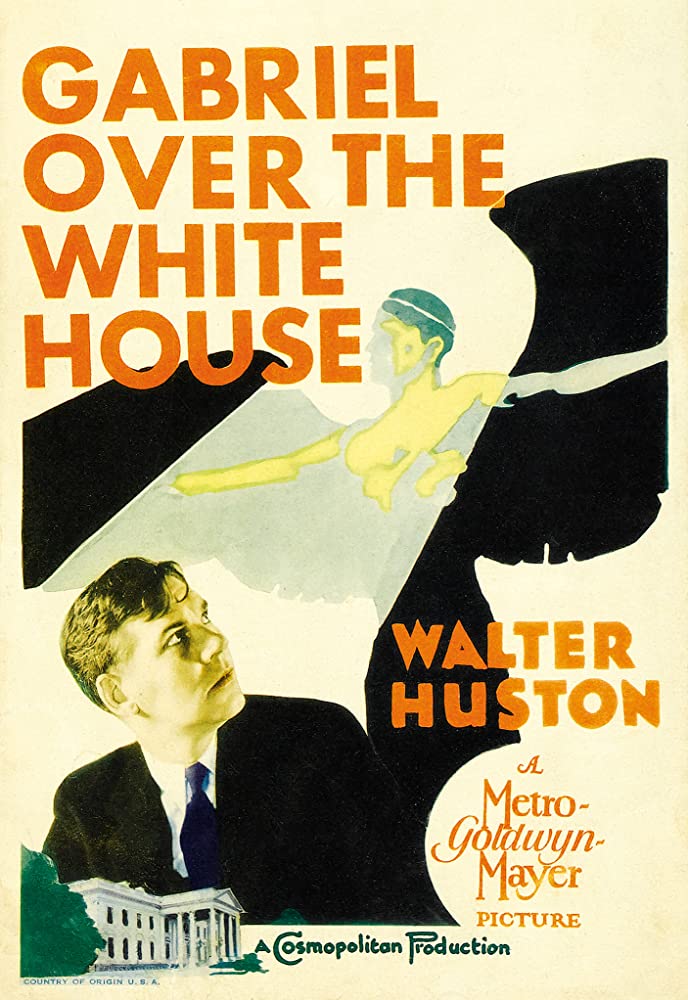
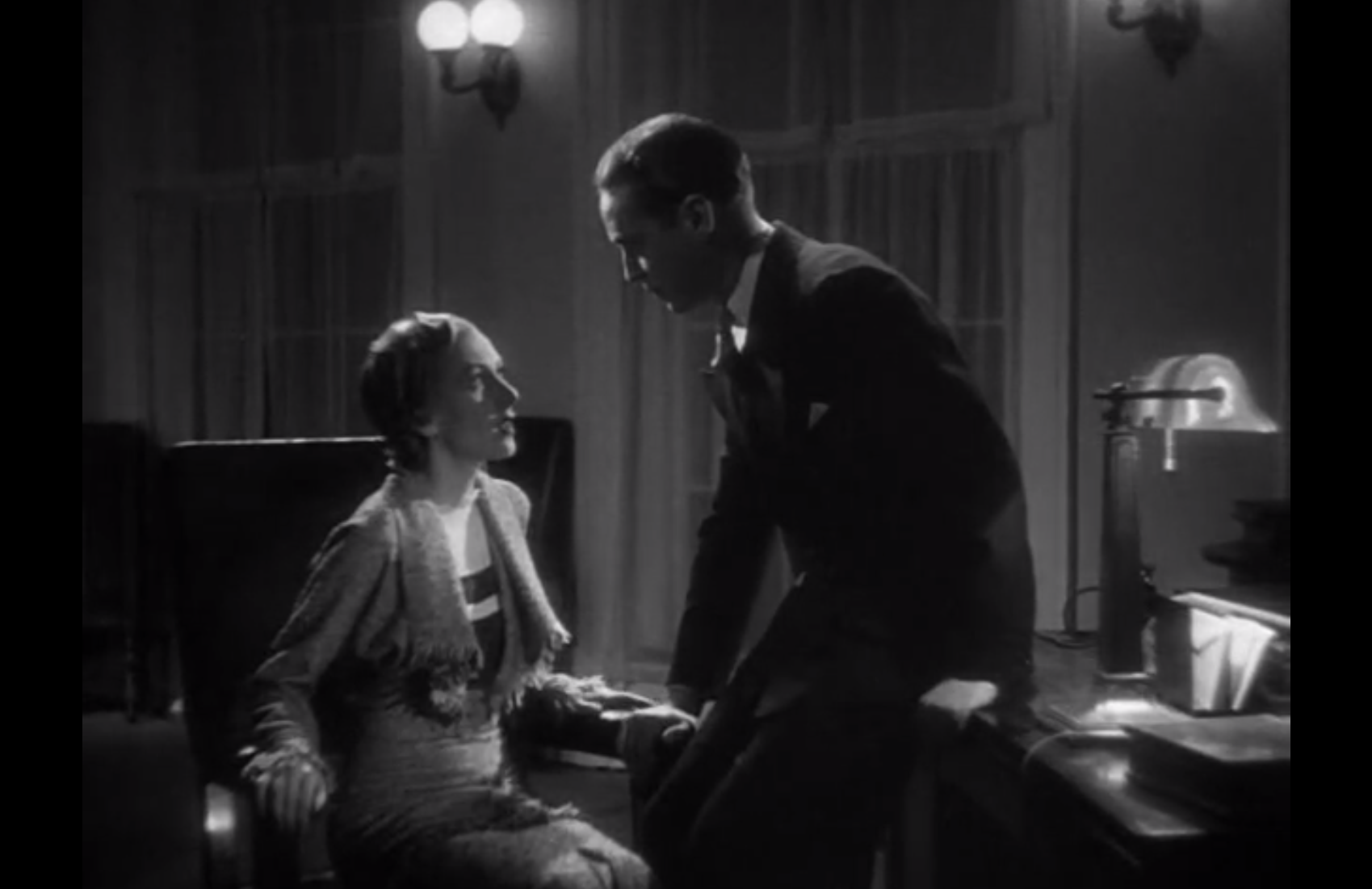
Made during the height of the Great Depression (just before the start of the New Deal), this fantasy film starts with a far-out premise: what if our president was suddenly invested with a supernatural version of a TBI-induced extreme personality change, shifting from a typically grandstanding but ineffectual politician to one who scolds his colleagues (“You’ve been traitors to the concept of democracy upon which this government was founded!”) to a dictator-like leader (“I can repudiate anything!”) before ordering notorious bootlegging criminals to be murdered by firing squad and world leaders to destroy their weapons? Such is the wild tale on display in this cinematic curio, a political morality tale which showcases an eerie form of fascism emerging in a figure who initially presents as an inspiring hero of the people. As DVD Savant writes in his interesting and fact-filled review, “This well made fantasy will perplex ordinary viewers while leaving political thinkers with their mouths hanging open.” It would make a fascinating double-bill with The Man Who Could Work Miracles (1936), also about the inception and outcome of supernaturally-driven “omnipotence”.

Note: I was unaware of Karen Morley’s HUAC-incited career decline; given her life-long interest in labor activism, it’s fitting that she co-starred in this film, Our Daily Bread (1934), and Black Fury (1935).

Redeeming Qualities and Moments:

  • Luminous cinematography

Must See?
Yes, once, for its unique storyline and historical relevance. Listed as a Cult Movie and a Personal Recommendation in the back of Peary’s book.

Categories

Links:

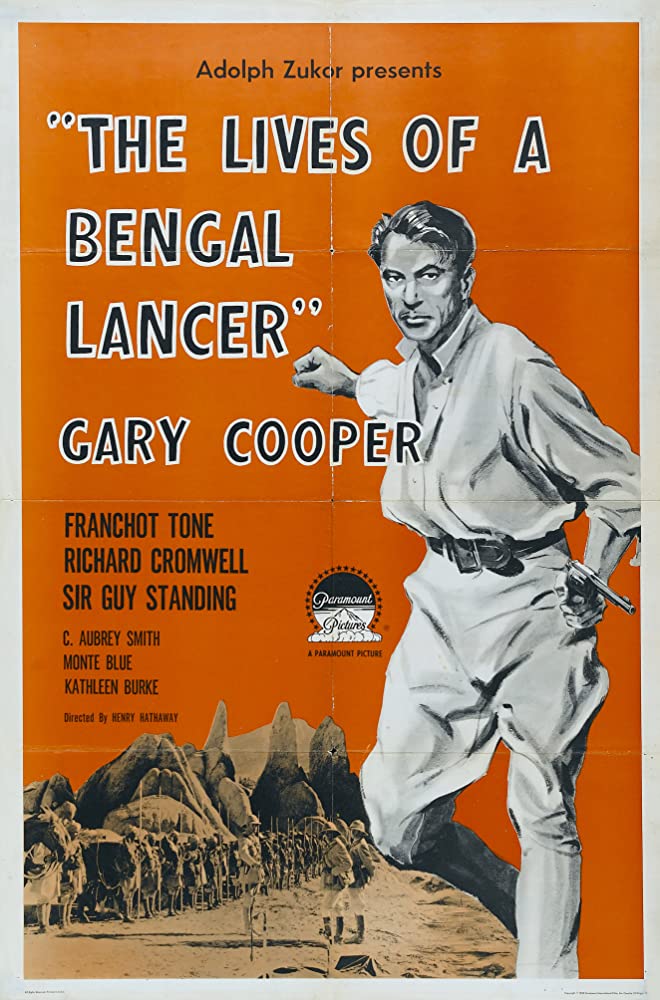
Lives of a Bengal Lancer, The (1935)

Lives of a Bengal Lancer, The (1935)

“What’s a son to him, compared to his blasted regiment?”

Synopsis:
When the young son (Richard Cromwell) of a crusty British colonel (Guy Standing) joins his regiment in India, both his mentor (Gary Cooper) and another new recruit (Franchot Tone) are skeptical of his competence and motives — especially when he falls under the sway of a beautiful, mysterious woman (Kathleen Burke) introduced to him by a local rebel leader (Douglass Dumbrille).

Genres:

  • Akim Tamiroff Films
  • Cavalry
  • Father and Child
  • Franchot Tone Films
  • Gary Cooper Films
  • Henry Hathaway Films
  • Historical Drama
  • Soldiers

Review:
Having just reviewed The Charge of the Light Brigade (1936), I thought I would revisit its better known predecessor — this historical adventure (directed by Henry Hathaway, and based in name only on an autobiography by a British cavalry officer) which is likely responsible for bringing the military term “lancer” to modern viewers’ awareness.

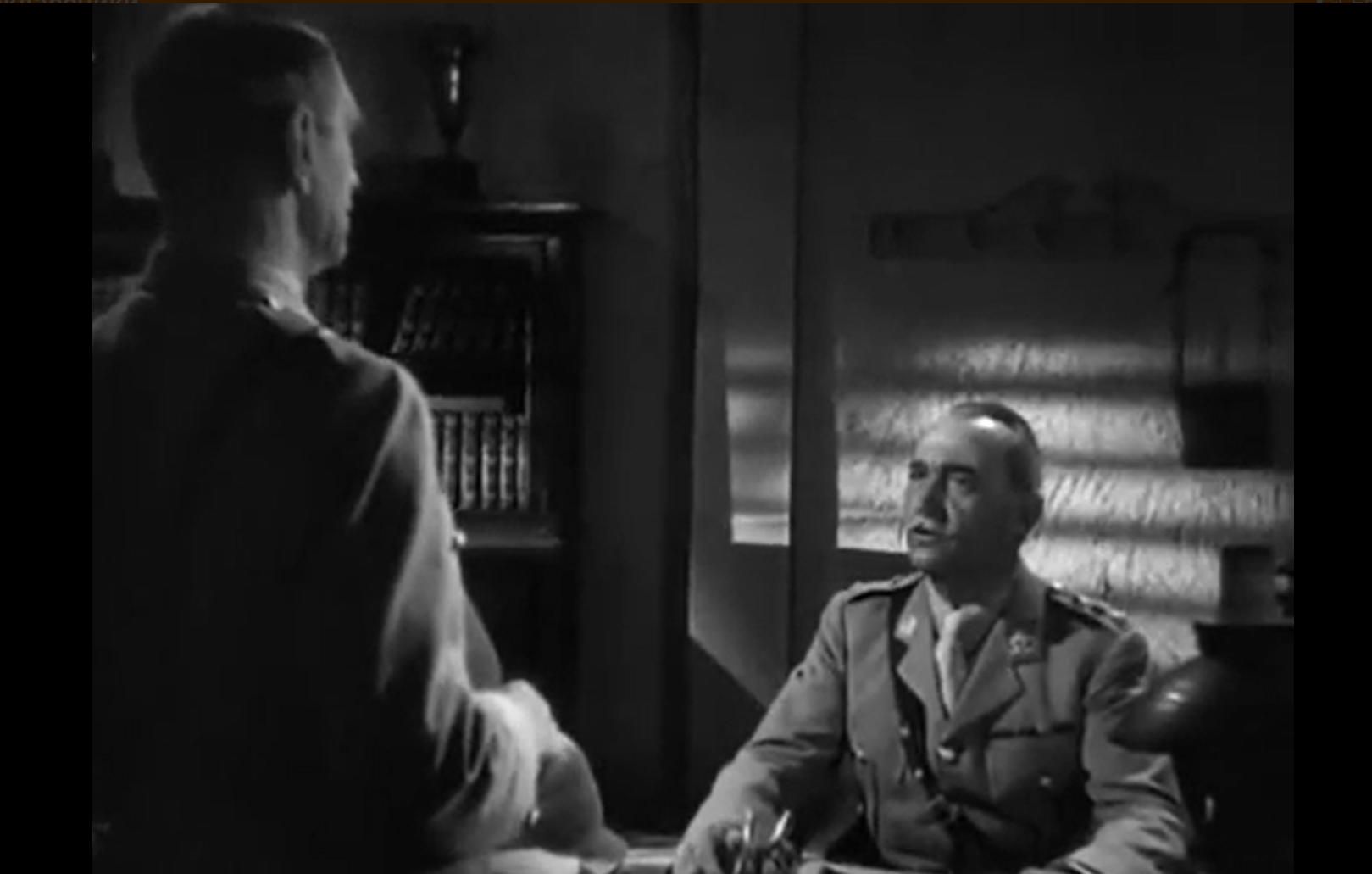
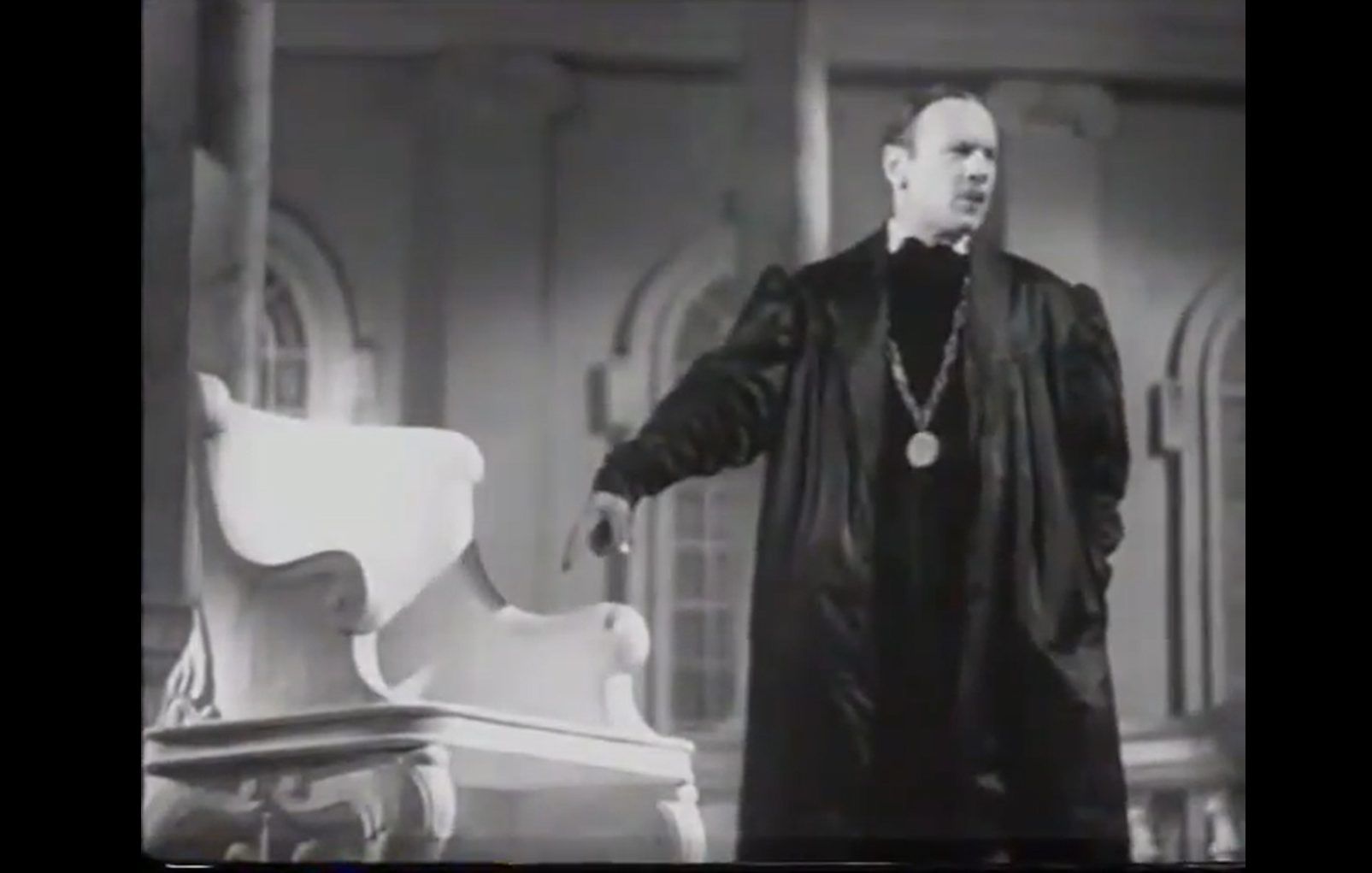
The story revolves around ongoing tensions between a career-obsessed colonel (Standing):

who can’t fathom leaving his work behind when he dies, and his quietly ambivalent son (Cromwell).

As with Gunga Din (1939) — also taking place in colonial India — it’s hard to watch a film which so blatantly elevates imperialism; but this is ultimately a relic of its time. As pointed out in TCM’s article:

“It seems unlikely… that we’ll ever see the return of British Imperialist action adventures. During the 1930s, tons of movies were made in which handsome British officers lightheartedly slaughtered whatever group of extras was thrown at them, with the enemy sporting decidedly darker skin tones than the nominal heroes.”

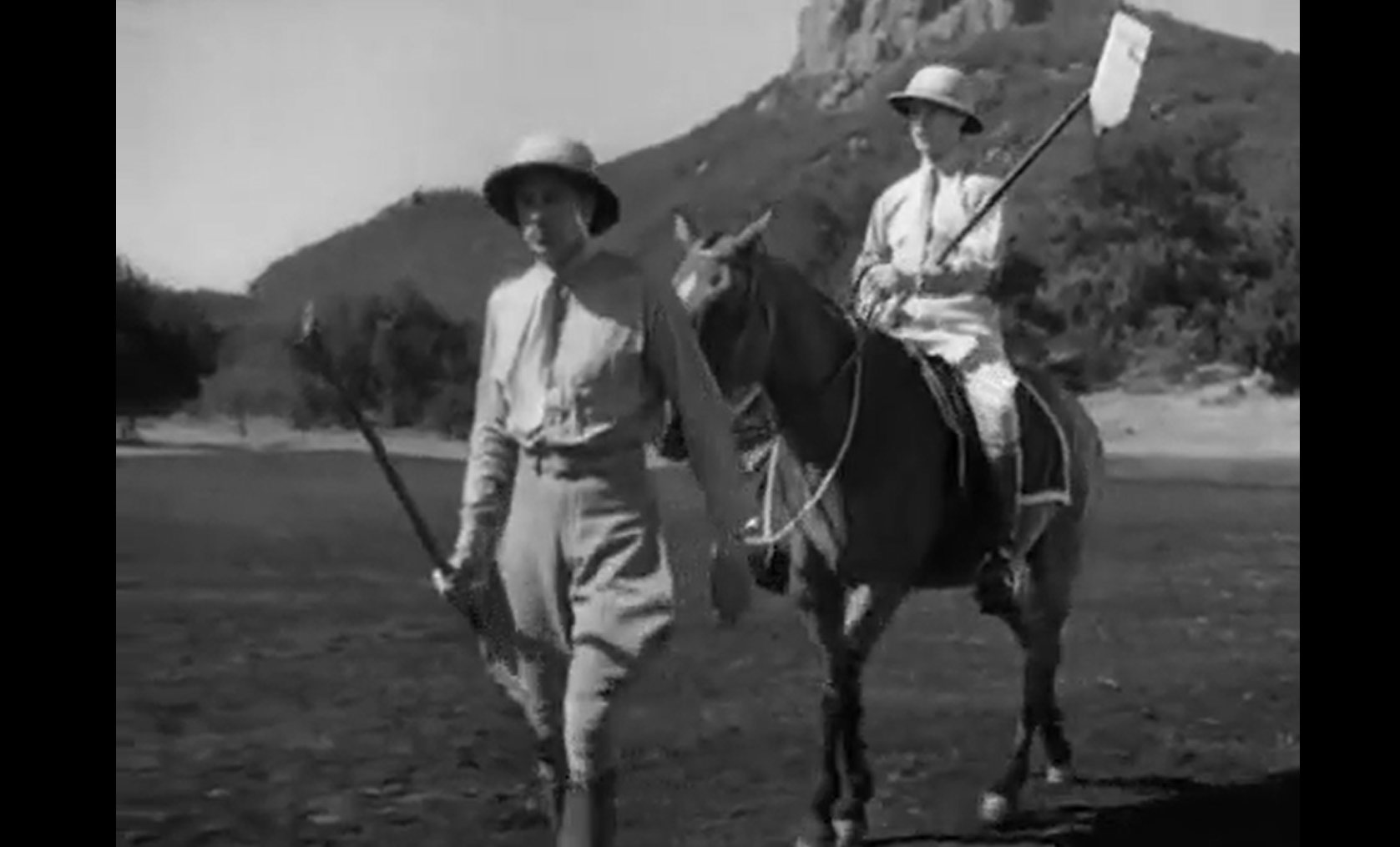
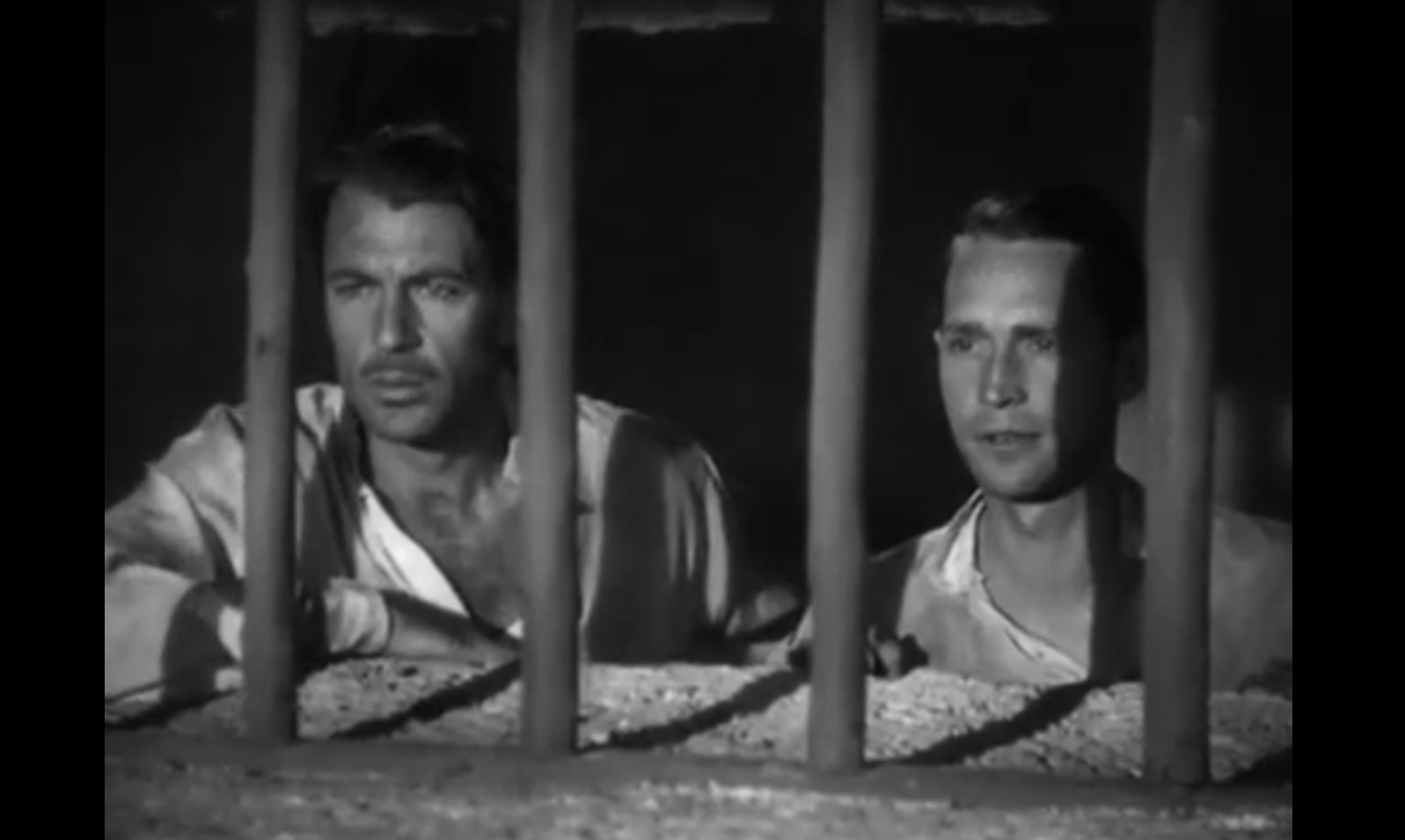
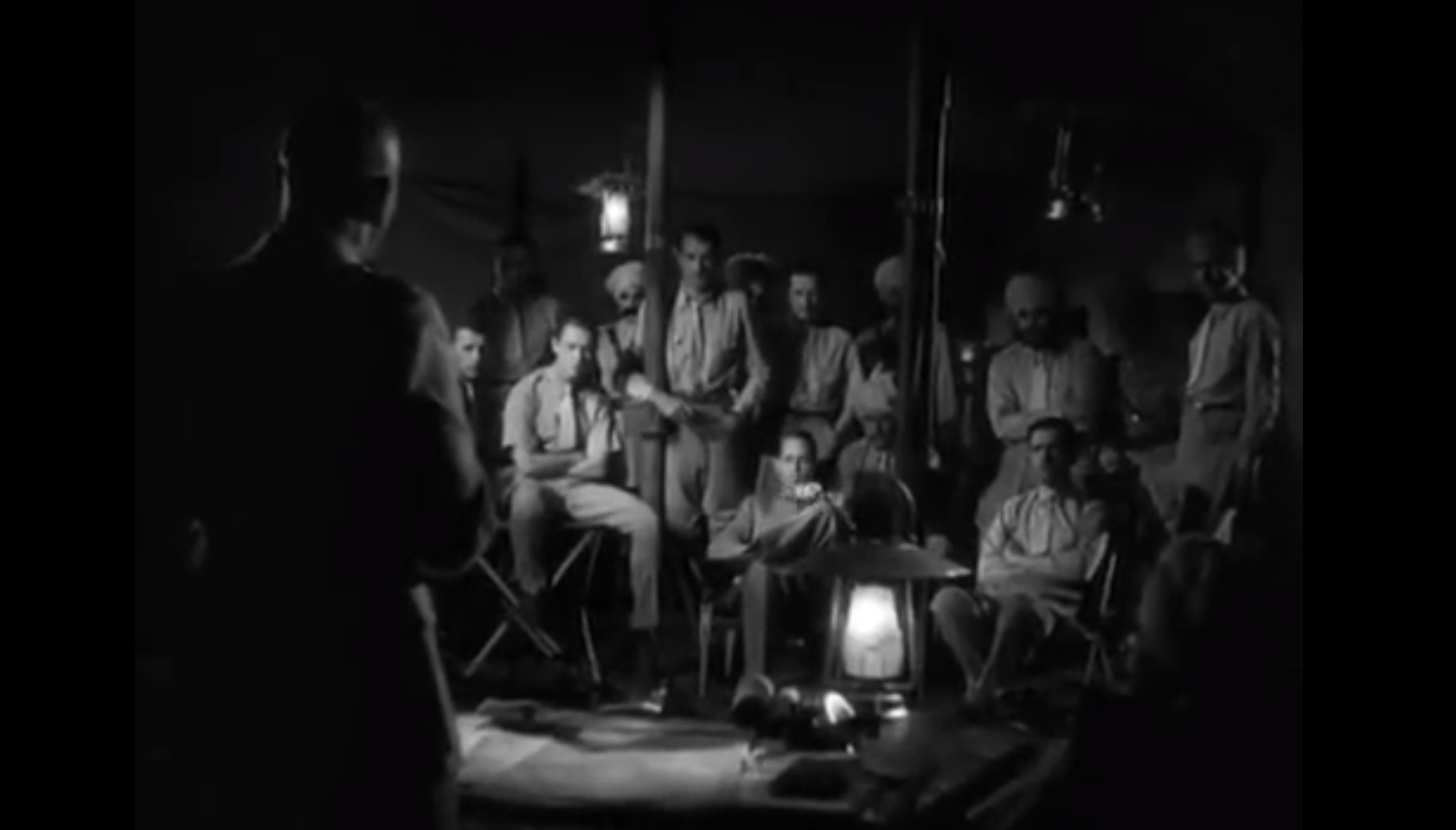
With that said, the entire affair is atmospherically filmed; Cooper and Tone are charismatic compatriots-in-arms (check out the freaky snake-“charming” scene):

… and the finale is excitingly staged.

Note: This film is also distinctive as “one of only two pictures in which Cooper wears a mustache” (!).

Redeeming Qualities and Moments:

  • Gary Cooper and Franchot Tone as Lts. McGregor and Forsythe
  • Atmospheric cinematography

Must See?
No, but it’s worth a one-time look for its historical relevance.

Links:

Charge of the Light Brigade, The (1936)

Charge of the Light Brigade, The (1936)

“In this treacherous life, it’s difficult to know which is friend, and which is foe.”

Synopsis:
In 19th century colonial India, a cavalry major (Errol Flynn) and his brother (Patric Knowles) vie for the love of the daughter (Olivia de Havilland) of their commander (Donald Crisp). Meanwhile, after a devastating massacre of women and children at a garrison, Flynn vows revenge on a duplicitous rajah (C. Henry Gordon), ultimately leading to “the charge of the light brigade”.

Genres:

  • Cavalry
  • David Niven Films
  • Donald Crisp Films
  • Errol Flynn Films
  • Historical Drama
  • India
  • Love Triangle
  • Michael Curtiz Films
  • Olivia de Havilland Films
  • Revenge
  • Siblings

Review:
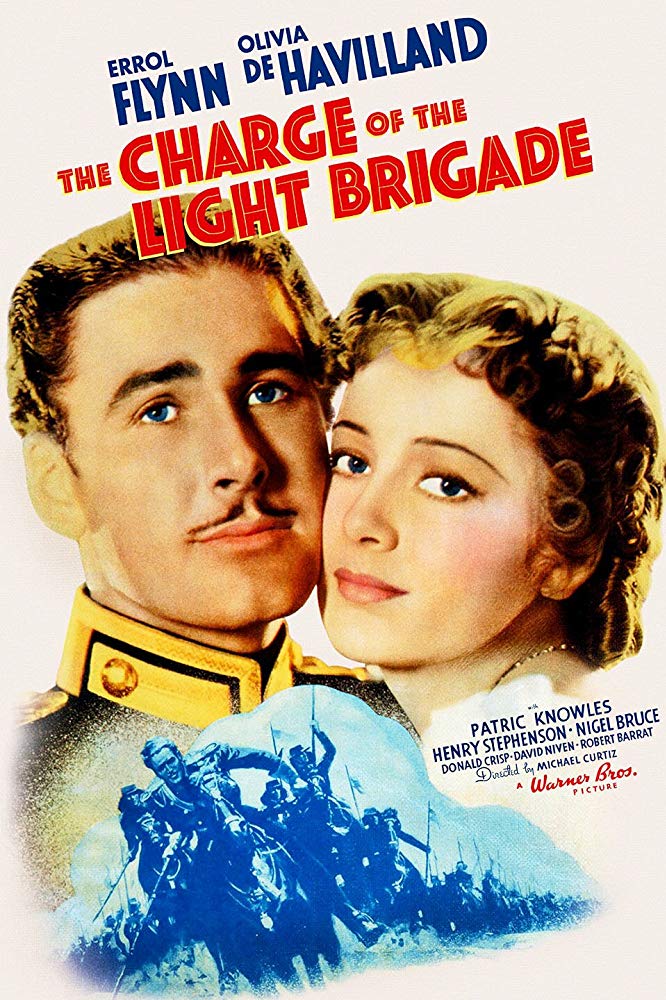
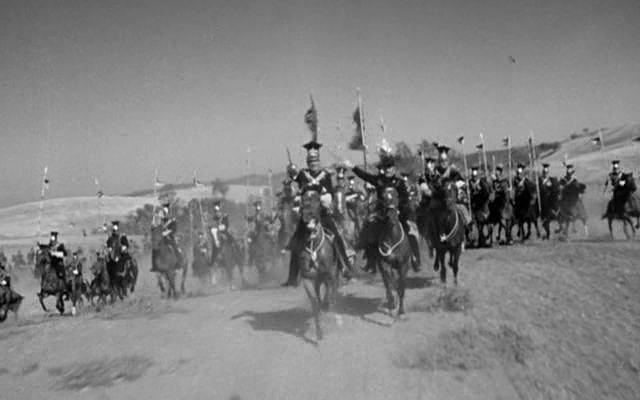
After achieving success with Errol Flynn and Olivia de Havilland in Captain Blood (1935), director Michael Curtiz teamed up with the gorgeous duo once again for this “loosely inspired by” adaptation of Sir Alfred Tennyson’s classic poem. Unfortunately, it comes across these days as little but an over-long ode to British colonial powers, and is dominated by an entirely unnecessarily romantic subplot that simply confuses viewers about who to root for. (Aren’t Flynn and de Havilland supposed to be cinematic lovers? And if so, why has she authentically fallen for his brother instead?) The battles scenes are all impressively filmed and edited, and Sol Polito’s cinematography is impeccable; however, this one is only must-see for Flynn completists.

And now for a little bit of the original poem, which it was a true treat to revisit:

. . .
Half a league, half a league,
Half a league onward,
All in the valley of Death
Rode the six hundred…

Theirs not to make reply,
Theirs not to reason why,
Theirs but to do and die.
. . .

Note: This film is historically significant for sad reasons; as noted in TCM’s article:

Curtiz so abused the use of trip-wires in pulling supposedly wounded horses to the ground during the sequence, animals were regularly breaking their necks and legs. Many of them had to be shot. Flynn, to his endless credit, was so appalled by what he was seeing he secretly contacted the ASPCA and implored them to come to the location. Curtiz’s cruel methods (which, it should be noted, he didn’t invent) would forever change the handling of animals on movie sets.

Redeeming Qualities and Moments:

  • Sol Polito’s cinematography

  • The appropriately rousing finale

Must See?
No; this one is only must-see for Flynn fans or Curtiz completists.

Links:

Beau Geste (1939)

Beau Geste (1939)

“The men must be led, not driven.”

Synopsis:
Three adopted brothers — Ray Milland, Gary Cooper, and Robert Preston — who join the Foreign Legion in Algeria after one of them confesses to stealing an heirloom jewel from their guardian (Heather Thatcher) soon find themselves living under the sadistic rule of a ruthless sergeant (Brian Donlevy).

Genres:

  • Brian Donlevy Films
  • Broderick Crawford Films
  • Flashback Films
  • Gary Cooper Films
  • Orphans
  • Ray Milland Films
  • Robert Preston Films
  • Ruthless Leaders
  • Siblings
  • Soldiers
  • Susan Hayward Films
  • William Wellman Films

Review:
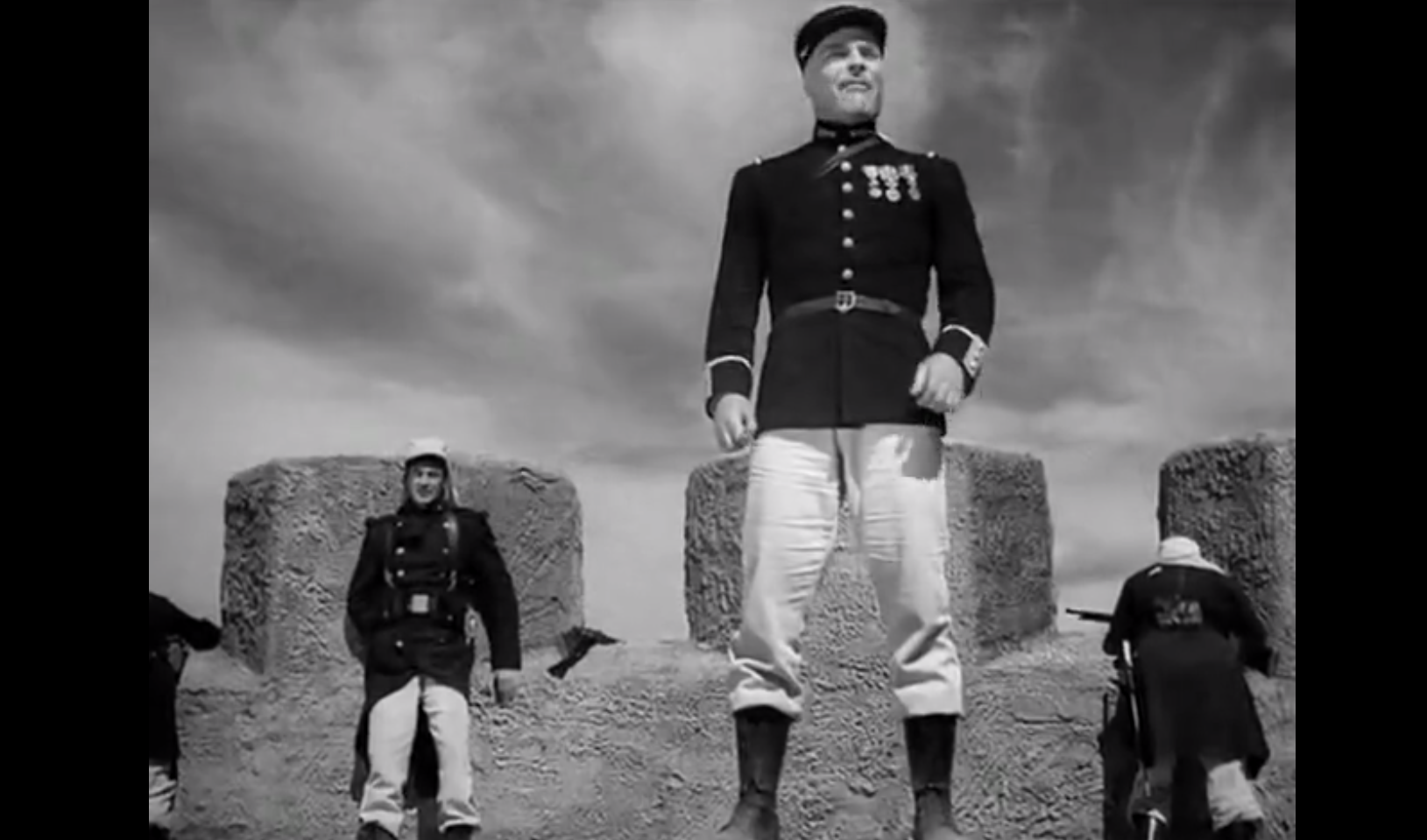
William Wellman directed this adaptation of a popular 1924 novel by P.C. Wren, previously filmed in 1926 and remade in 1966 and 1982. The storyline is straightforward but baffling in terms of why such a narrative would be of interest to so many. The strange confession of jewelry thievery in an upper-crust household isn’t resolved until the end (and even then, poorly); it seems the primary goal here is to show the lifelong bond of siblings, as well as how men react under sadistic rule — but this has been portrayed with more nuance and interest in other movies, such as Mutiny on the Bounty (1935).

Note: Diehard Susan Hayward fans may enjoy seeing her in one of her earliest roles, as Milland’s love interest back at home.

Redeeming Qualities and Moments:

  • Brian Donlevy as Sergeant Markoff
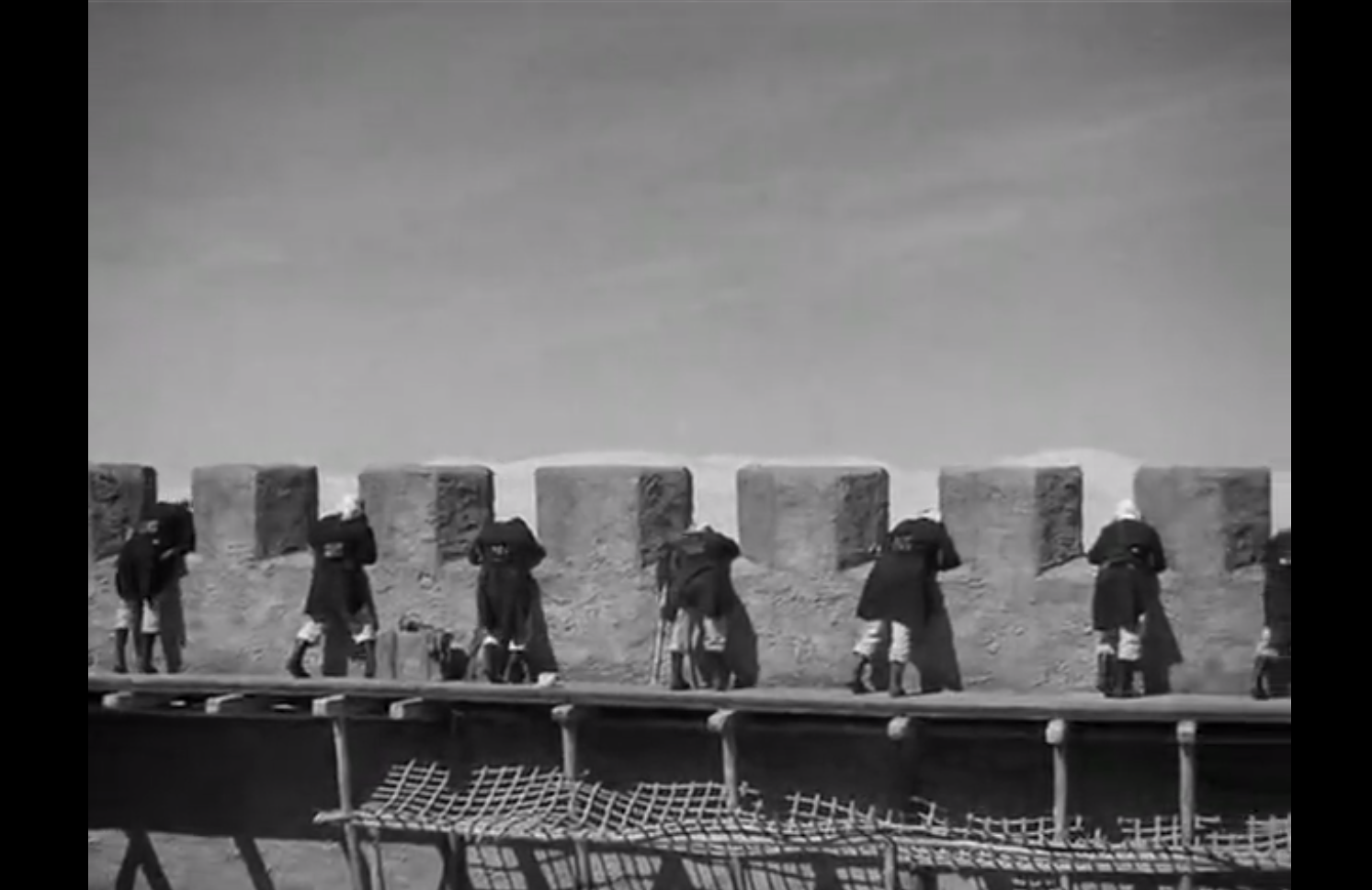
  • Some stark imagery
  • Fine location shooting (albeit in Arizona)

Must See?
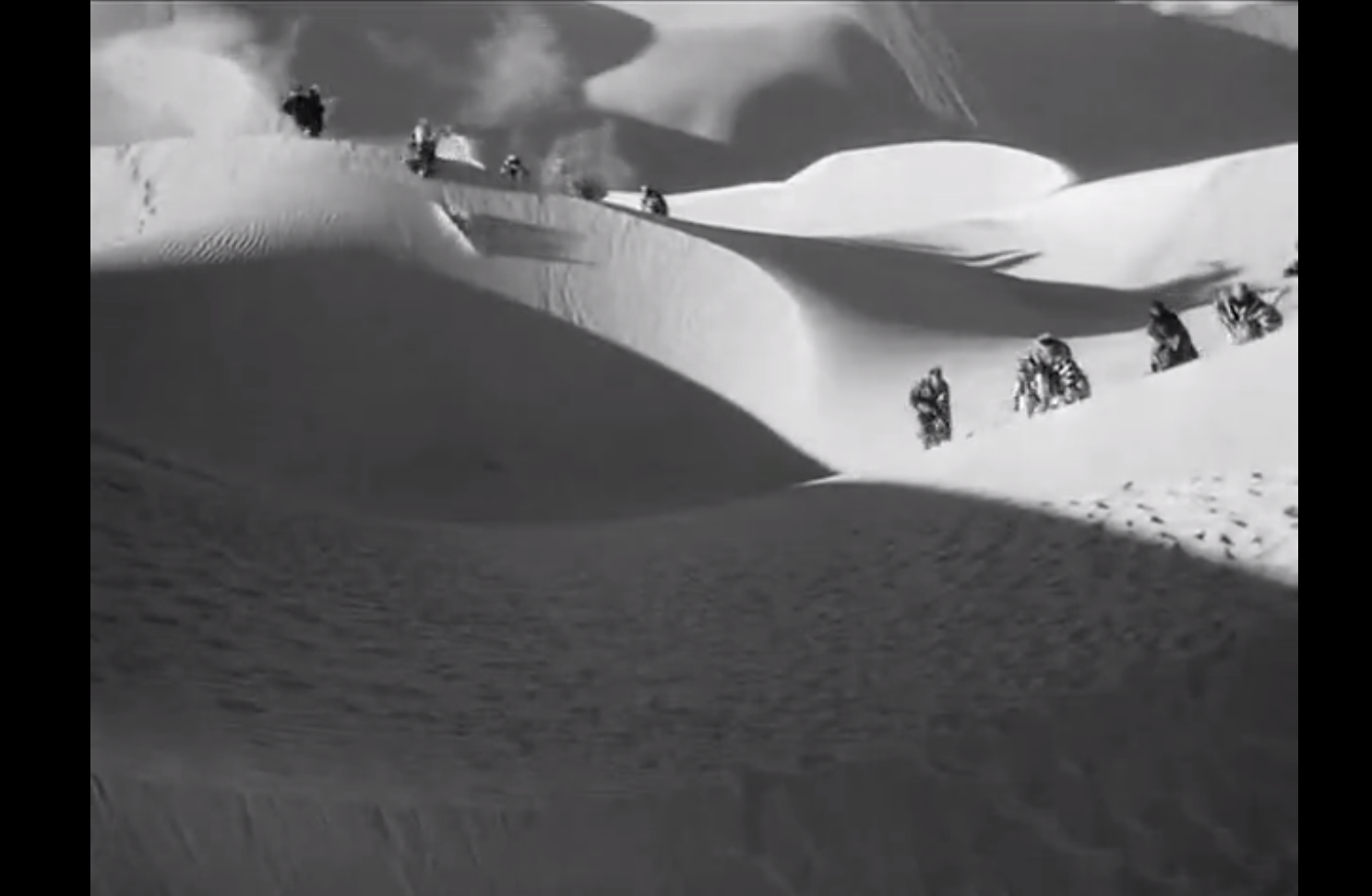
No, though Wellman completists or fans of desert warfare flicks will want to check it out.

Links:

Man Who Could Work Miracles, The (1936)

Man Who Could Work Miracles, The (1936)

“If only one could work miracles… Just think of what you could do.”

Synopsis:
When a British draper’s clerk (Roland Young) is suddenly able to work miracles, he seeks help from a colonel (Ralph Richardson) and a pacifist vicar (Ernest Thesiger) in making the world a better place.

Genres:

  • Fantasy
  • George Sanders Films
  • H.G. Wells Films
  • Ralph Richardson Films
  • Roland Young Films
  • Supernatural Powers

Review:
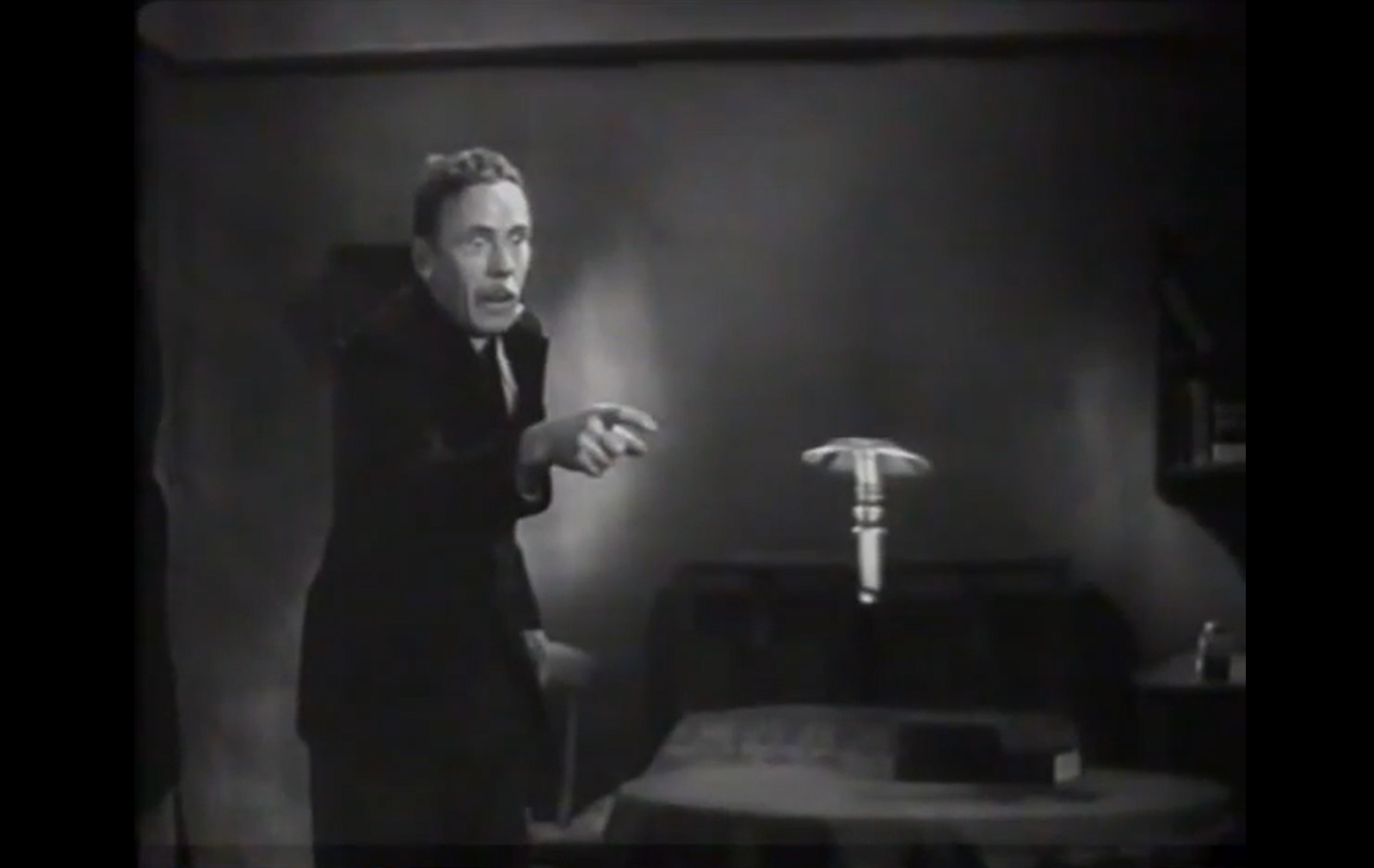
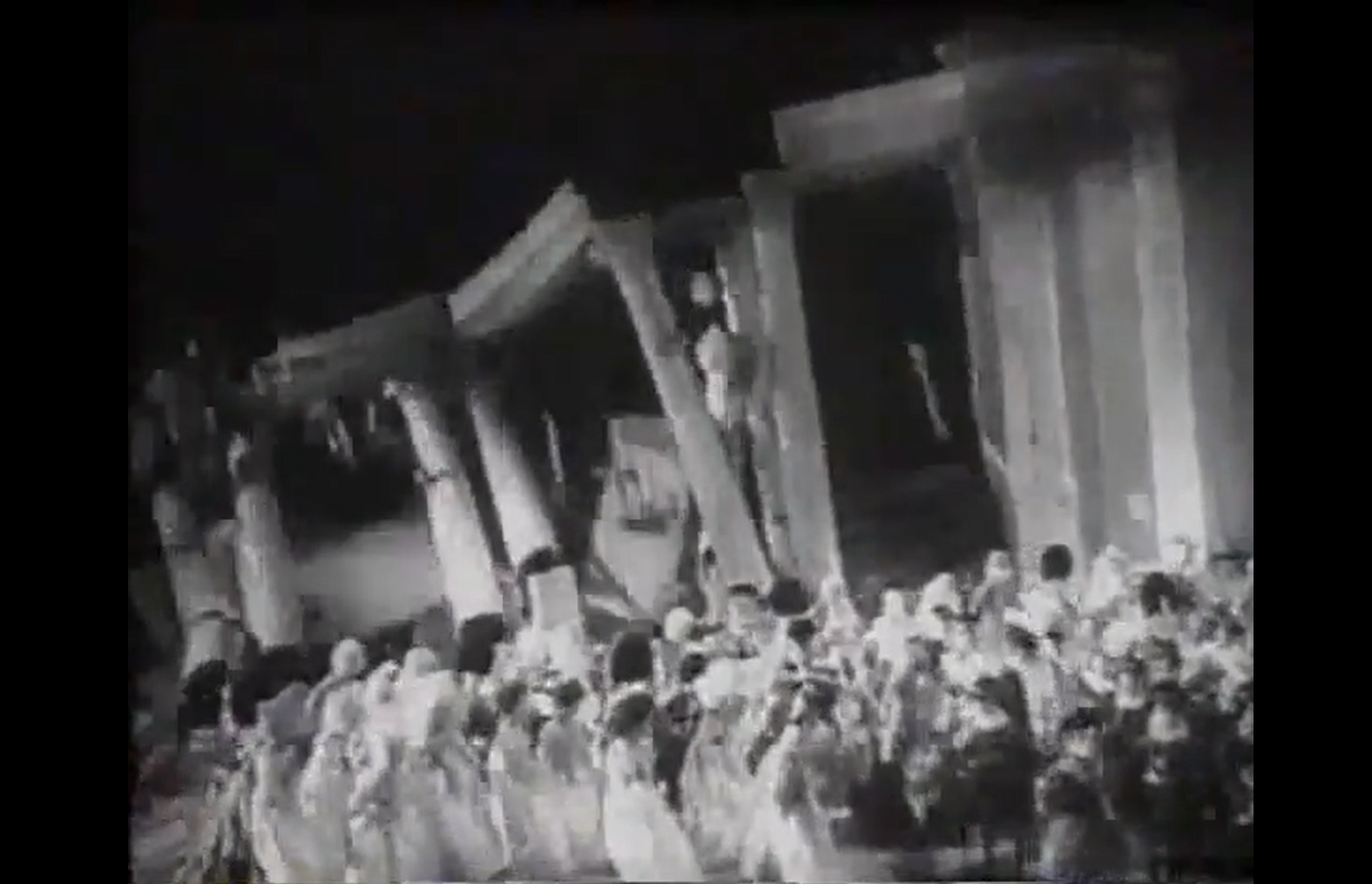
H.G. Wells scripted this fantastical morality tale (based on his own 1898 short story) about the possibilities inherent in miracle-making — which inevitably run a certain course to doom. Wells carefully takes us through Young’s initial incredulity and enthusiasm:

towards a muddled mess of decision-making and accidental outcomes, showing how easily people with power can be swayed both by others’ advice, and their own sense of faux-grandiosity.

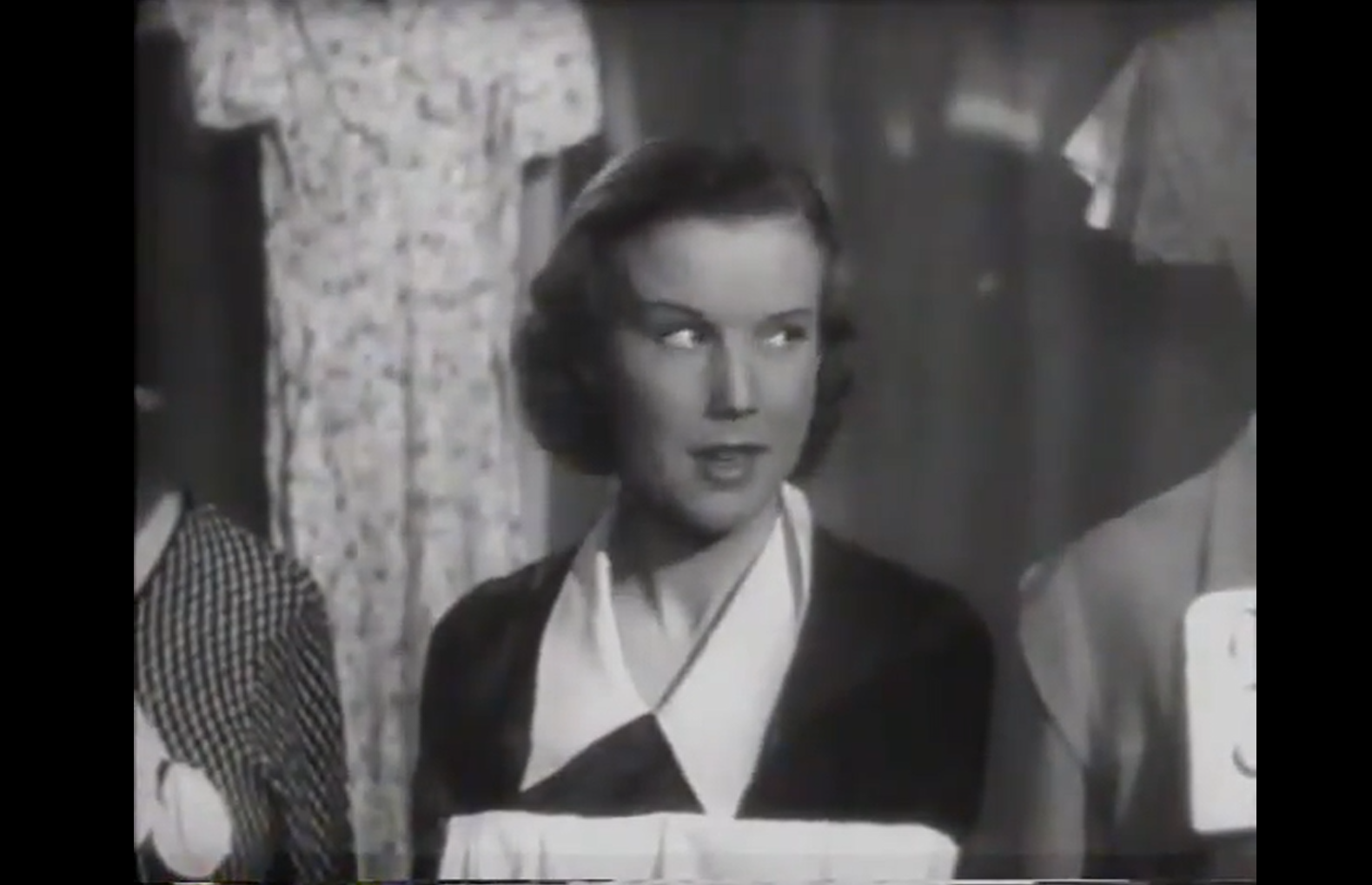
Young’s character is deliberately an “every man” — indeed, one with lust in his heart (for coworker Joan Gardner):

despite the presence of a “good woman” (Sophie Stewart) waiting by his side:

It’s no surprise to see him struggling so mightily with his newfound ability. The entire tale is framed as the machinations of a trio of gods — Indifference (George Sanders — perfect casting), Player (Ivan Brandt), and Observer (Torin Thatcher) — overlooking the Earth and trying this exercise on for size:

… which brings to mind the structure of Jason and the Argonauts (1963).

Redeeming Qualities and Moments:

  • An intriguing glimpse at what miraculous powers might wreak upon humanity

Must See?
Yes, once, as a surprisingly thought-provoking fantasy. Listed in the back of Peary’s book as a film with Historical Importance and a Personal Recommendation.

Categories

Links: