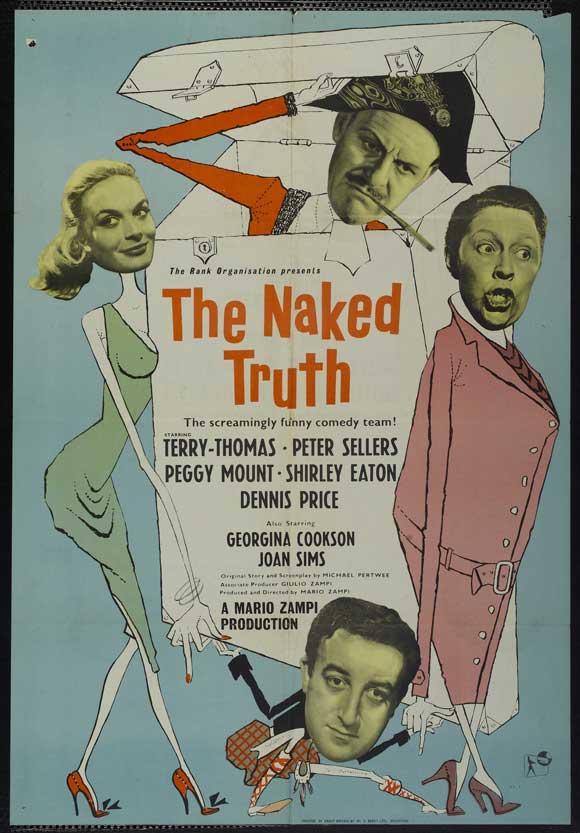
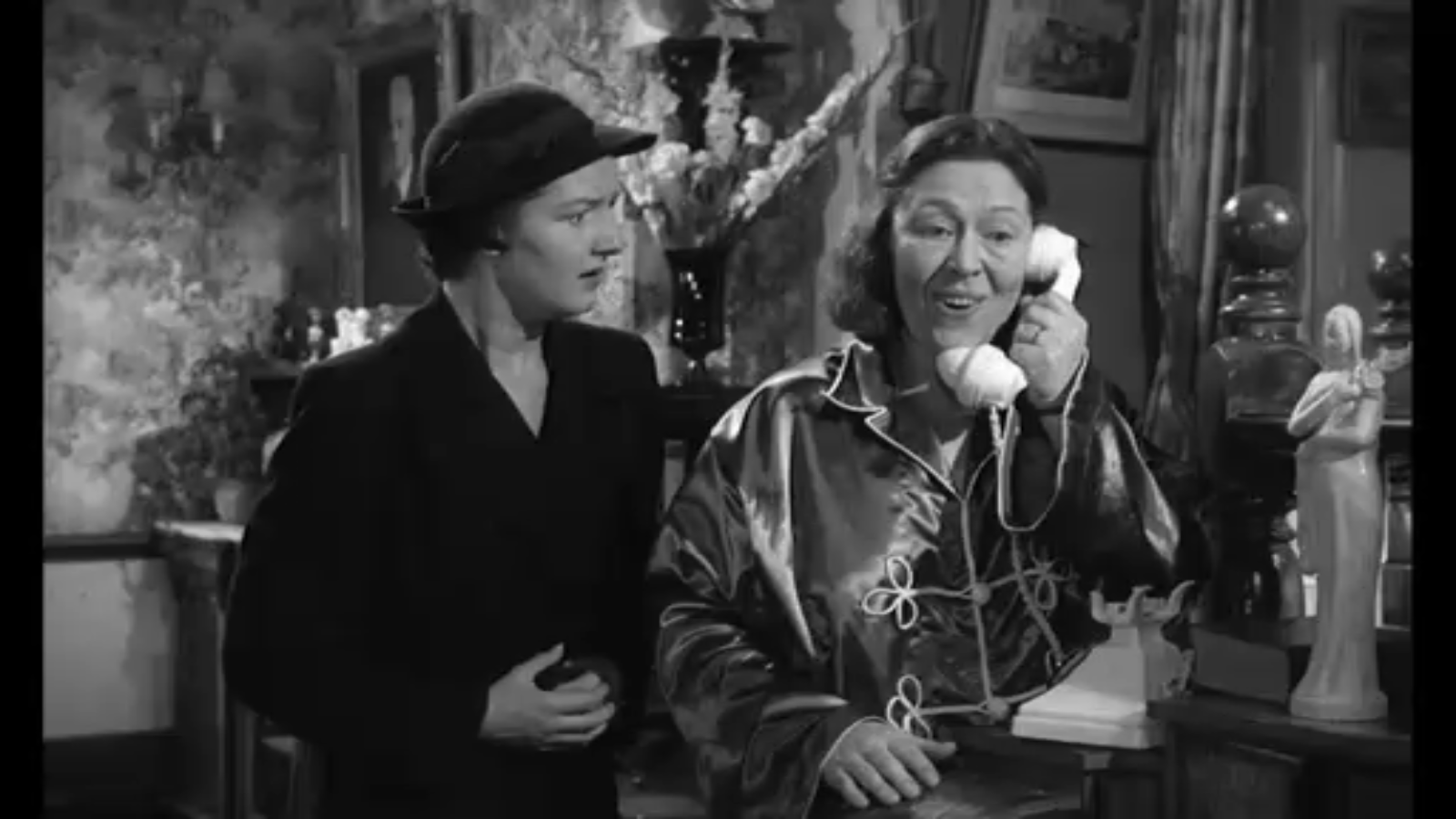
Your Past is Showing (a.k.a. The Naked Truth) (1957)
“Getting rid of people seems to be a hobby of yours!”
|
Synopsis: |
|
Genres, Themes, Actors, and Directors:
Review: Redeeming Qualities and Moments:
Must See? Links: |
“Getting rid of people seems to be a hobby of yours!”
|
Synopsis: |
|
Genres, Themes, Actors, and Directors:
Review: Redeeming Qualities and Moments:
Must See? Links: |
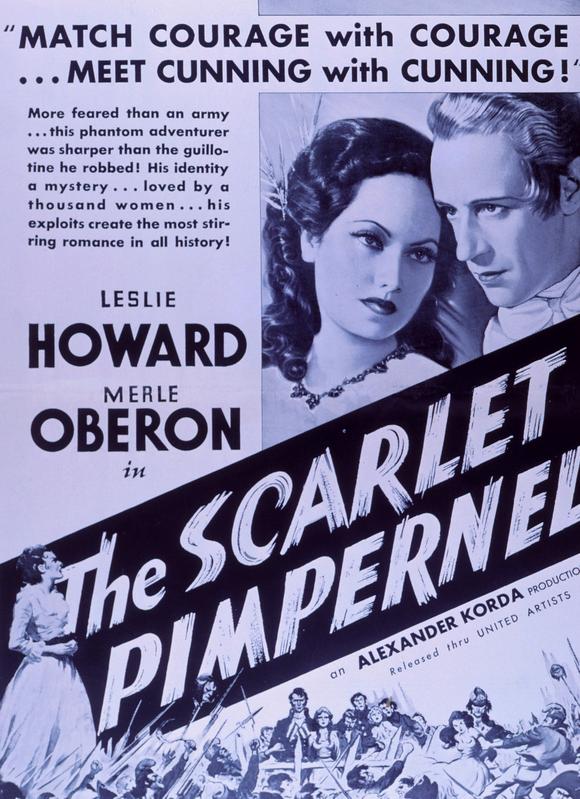
“They seek him here, they seek him there, those Frenchies seek him everywhere.”
|
Synopsis: |
|
Genres, Themes, Actors, and Directors:
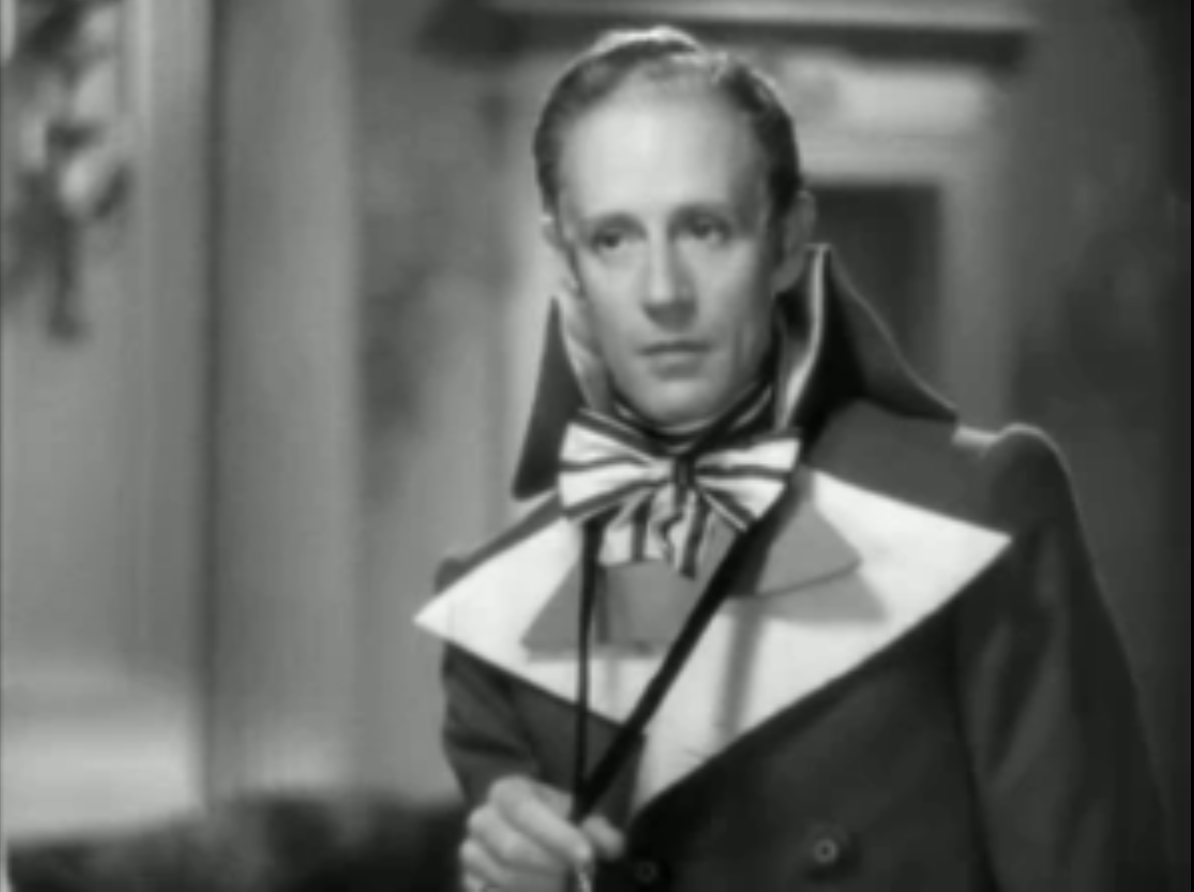
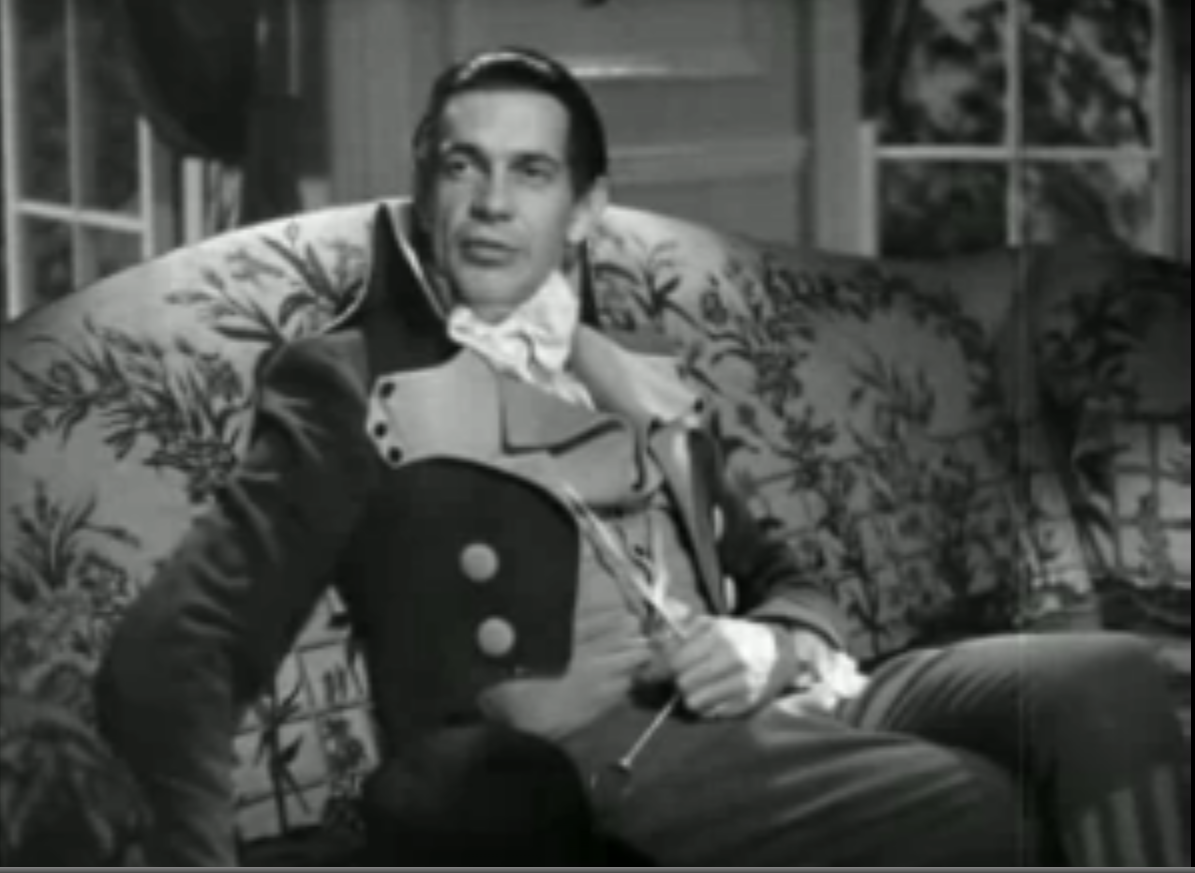
Response to Peary’s Review: In perhaps his best-known role (other than playing Ashley Wilkes in Gone With the Wind), Leslie Howard is note-perfect as the title character, the “damned elusive” Scarlet Pimpernel — a “fine and dandy hero who, refreshingly, succeeds by quick wits rather than a quick sword”, and possesses a simply fabulous alter ego. (Indeed, I may call this one of the best “mistaken identity” films out there.)
and Raymond Massey gives an appropriately “devilish performance” as the film’s ruthless baddie. Redeeming Qualities and Moments:
Must See? Categories
Links: |
“You never can tell what a man will do when his mind’s affected.”
|
Synopsis: |
|
Genres, Themes, Actors, and Directors:
Review:
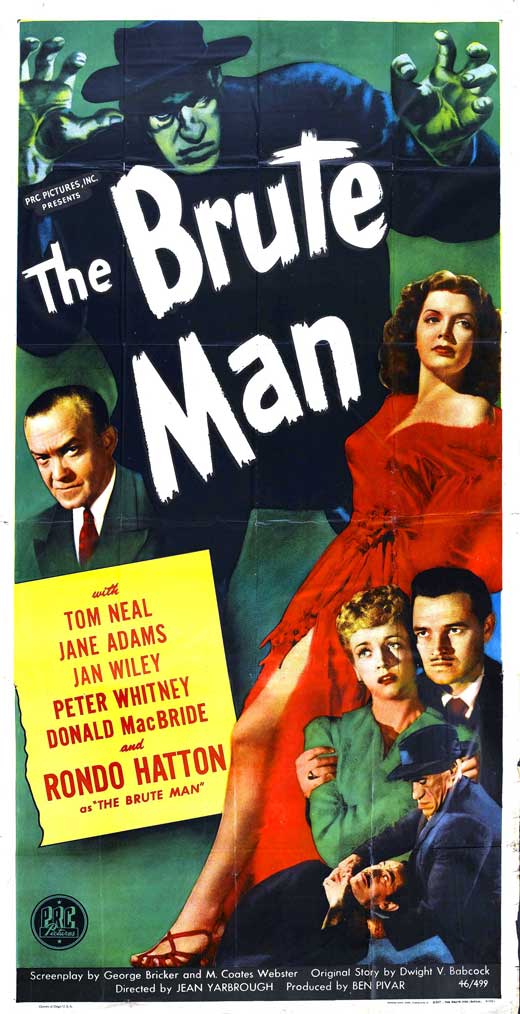
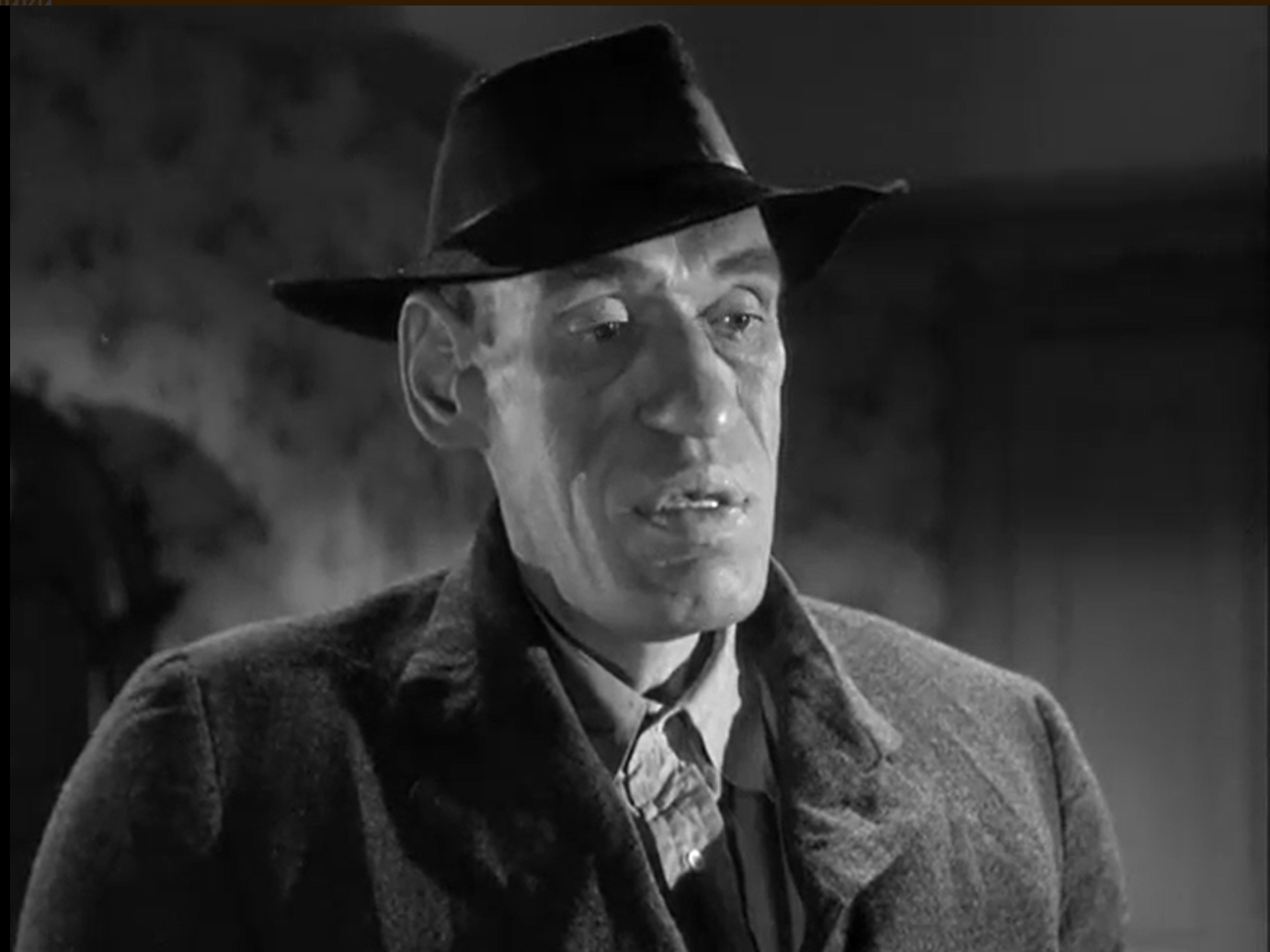
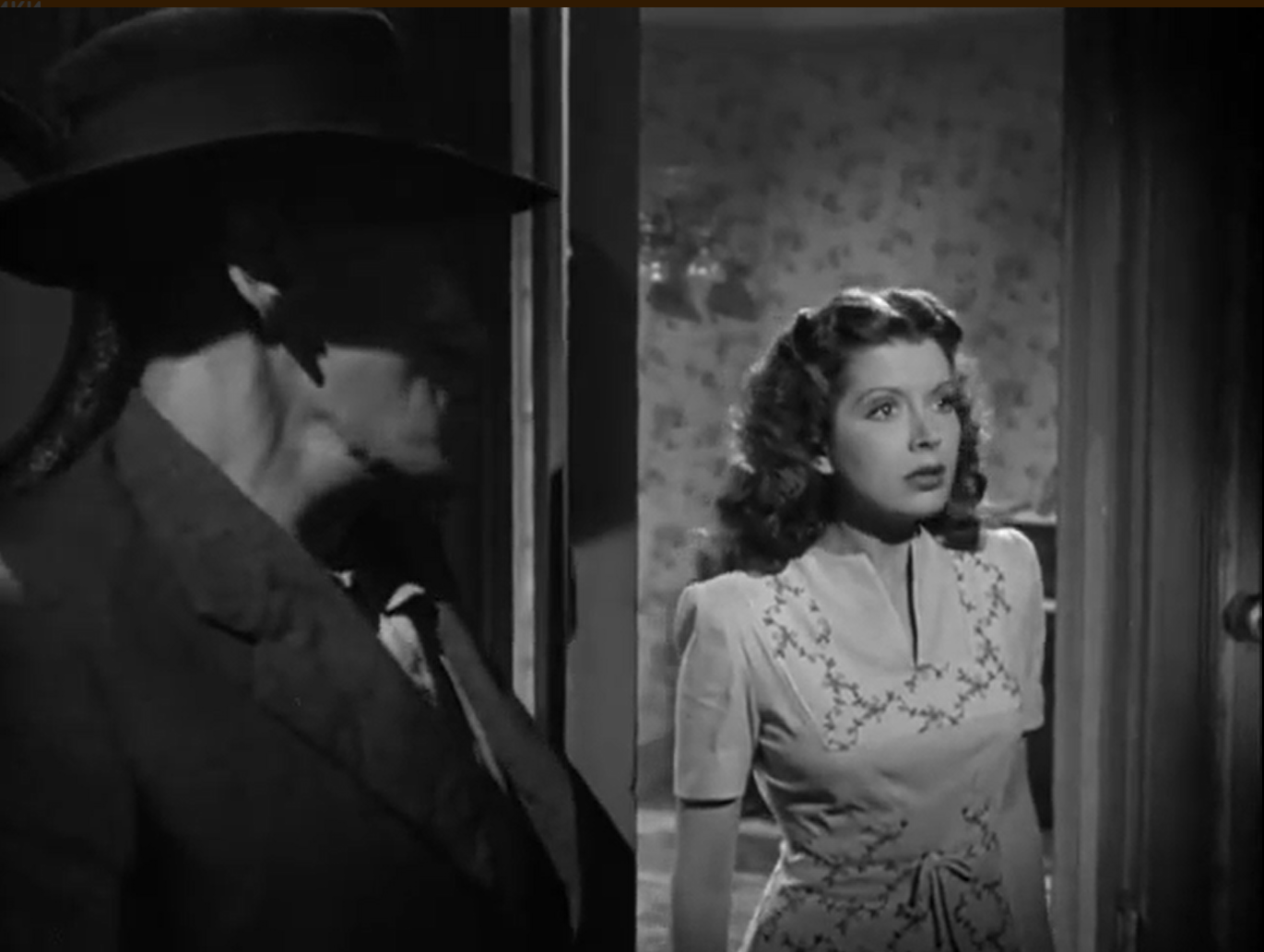
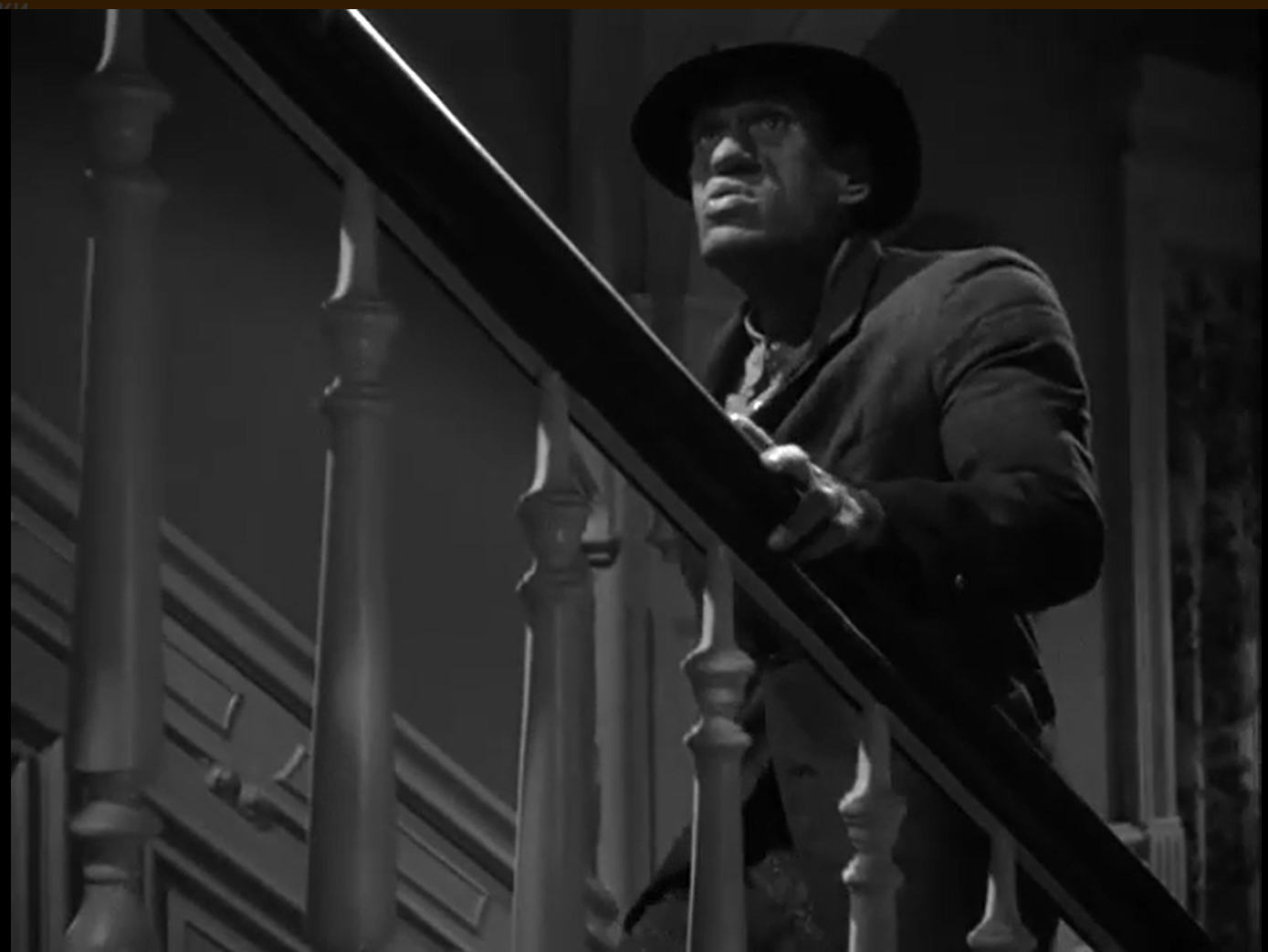
Unfortunately — or fortunately, depending on how you look at it — certain elements of the screenplay are handled in such a ludicrously unbelievable fashion that the film never really “works” as a realistic thriller: the Brute Man’s first encounter with an impossibly kind blind pianist (Adams), for instance, defies belief on all levels (there’s no way any woman would automatically trust a gravelly voiced stranger entering her apartment, to the point that two minutes later, she covers for him in a lie with the police).
Nonetheless, film fanatics may be curious to check this film out simply to see Hatton — who does a serviceable job in the role. Note: Click here to read more about an award named in honor of Hatton. Redeeming Qualities and Moments:
Must See? Links: |
“Someone else is alive in this world — but where are they? Where are they hiding?”
|
Synopsis: |
|
Genres, Themes, Actors, and Directors:
Review:
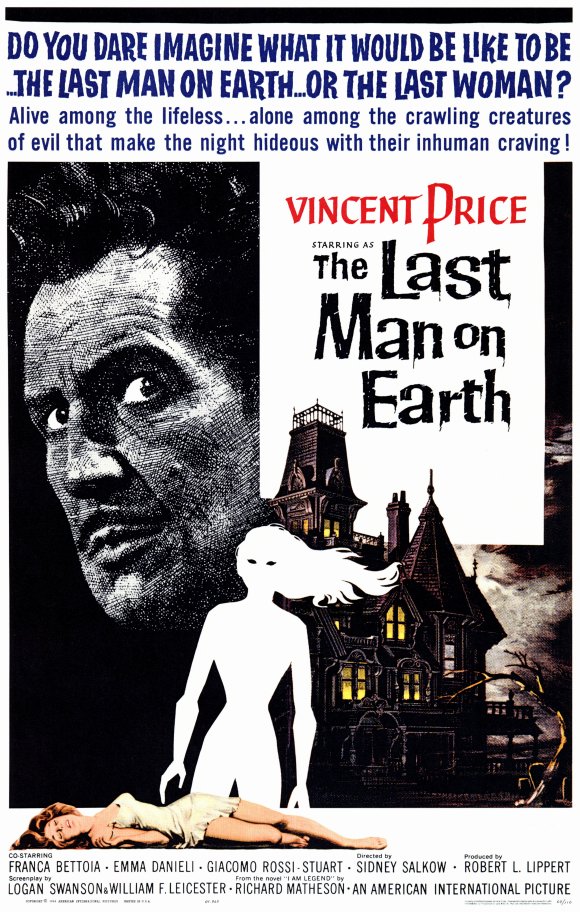
— clearly a critical decision, given that the majority of the film centers on this character’s solitary existence in a desolate, zombie-ridden, post-apocalyptic city (which is supposed to be San Francisco, but clearly takes place in Italy, where the film was shot).
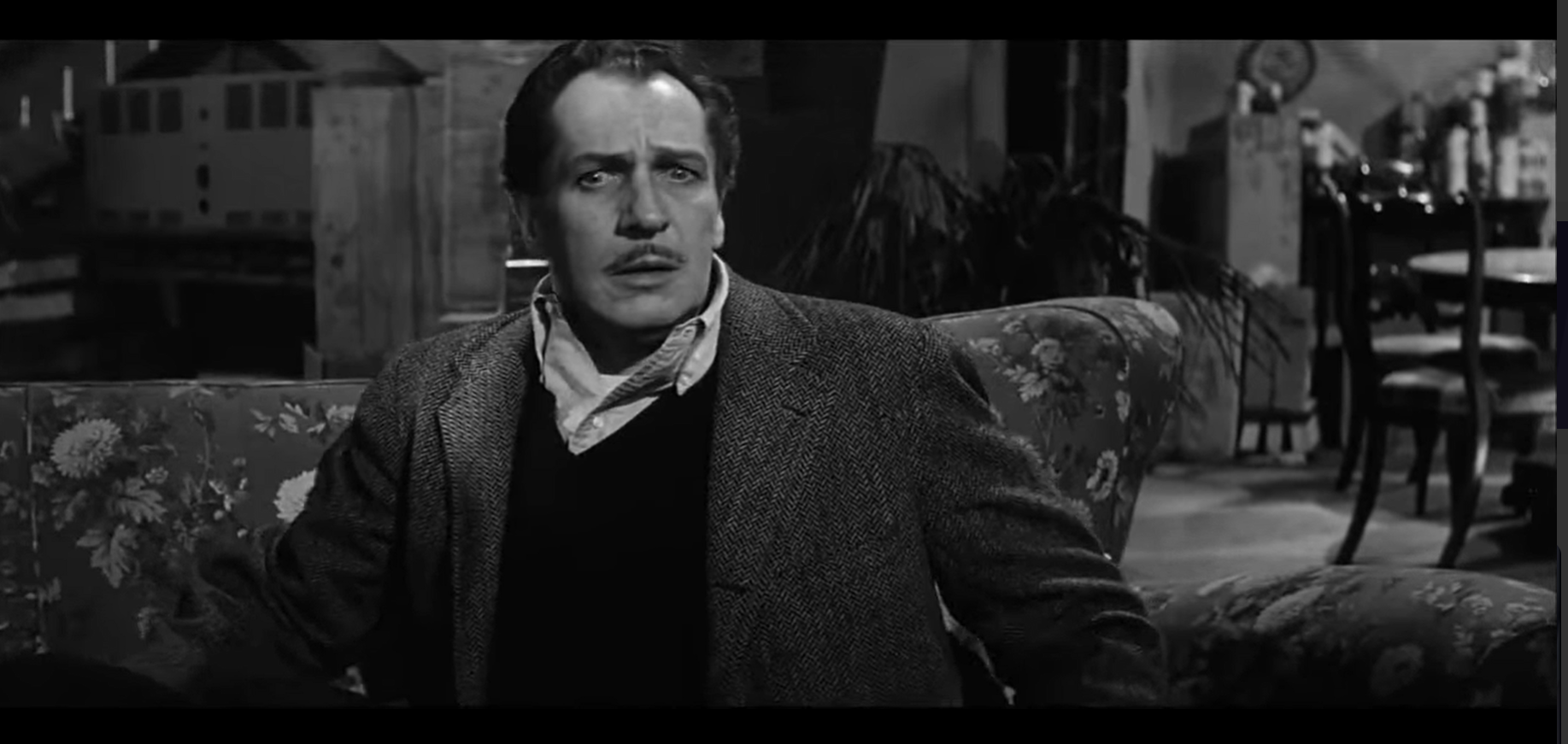
Indeed, the decision to cast Price in this pivotal role does come across as suspect, and shifts the film automatically into a different “type” of film in viewers’ minds. With that said, while Price’s performance is uneven (at times he can’t seem to help hamming it up, even at a low level), his performance is ultimately effective enough to carry viewers along. We believe in the neurotic drudgery of his existence, and he occasionally bursts forth with depths of emotion rarely seen in his other films.
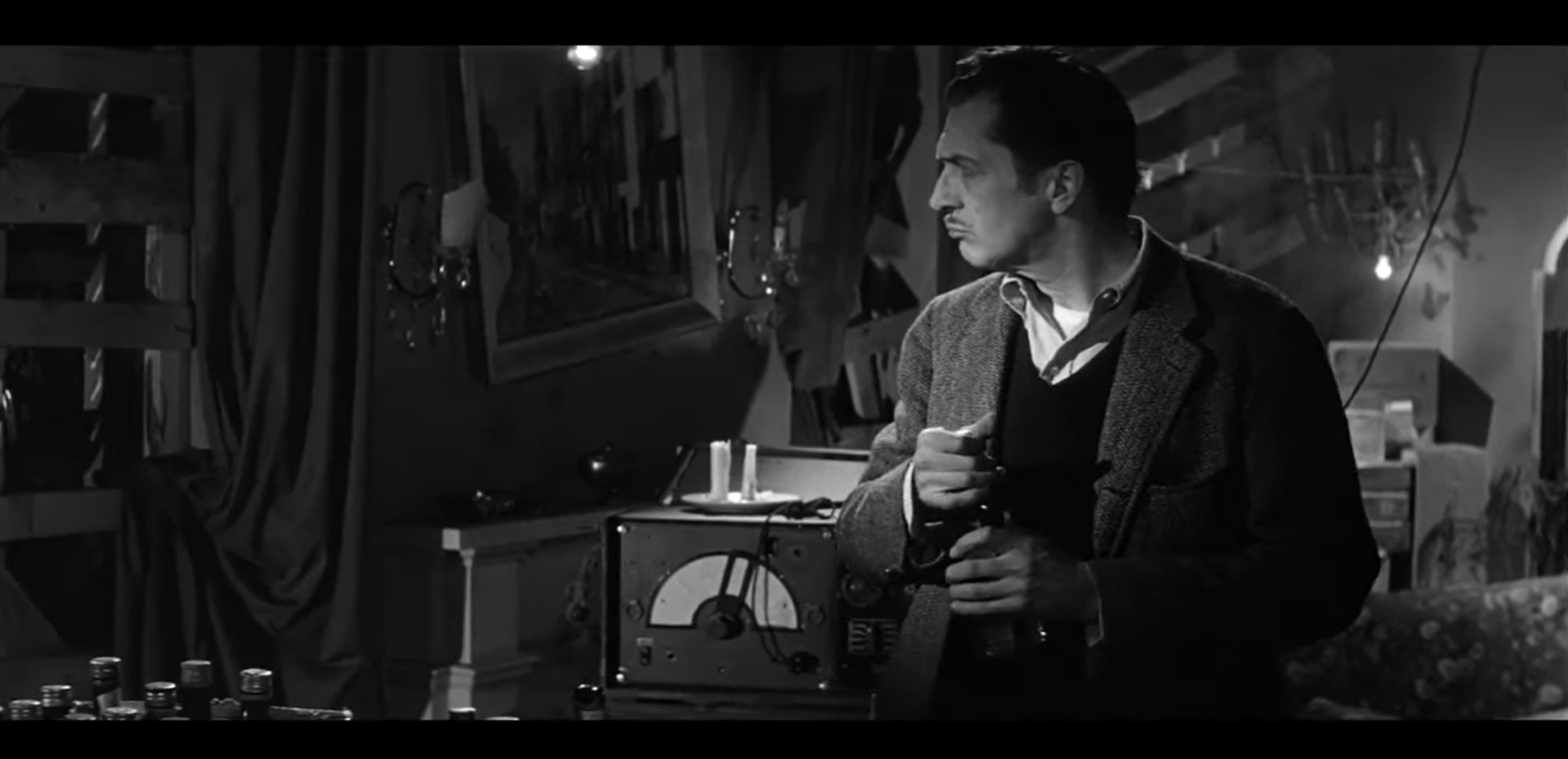
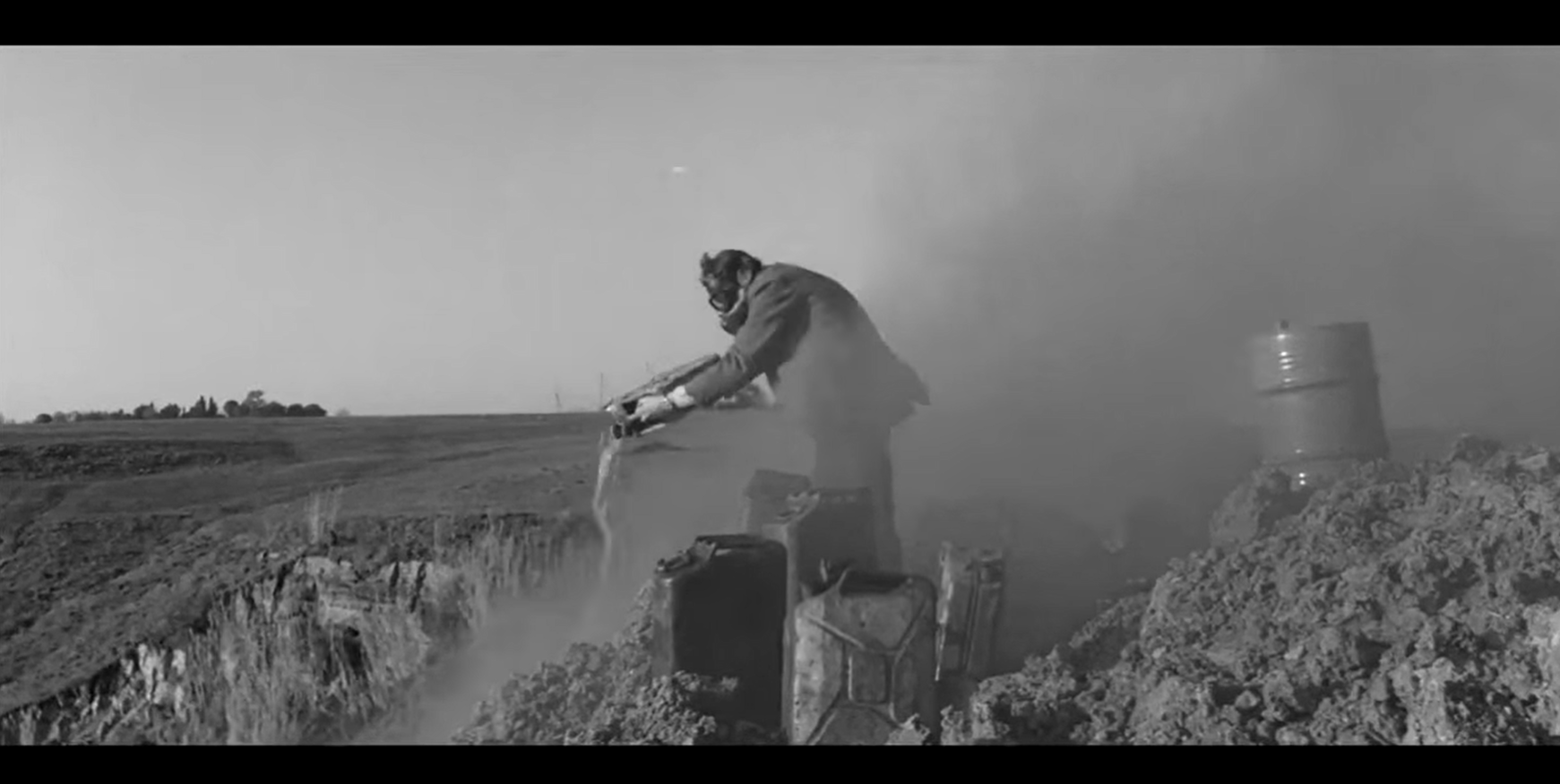
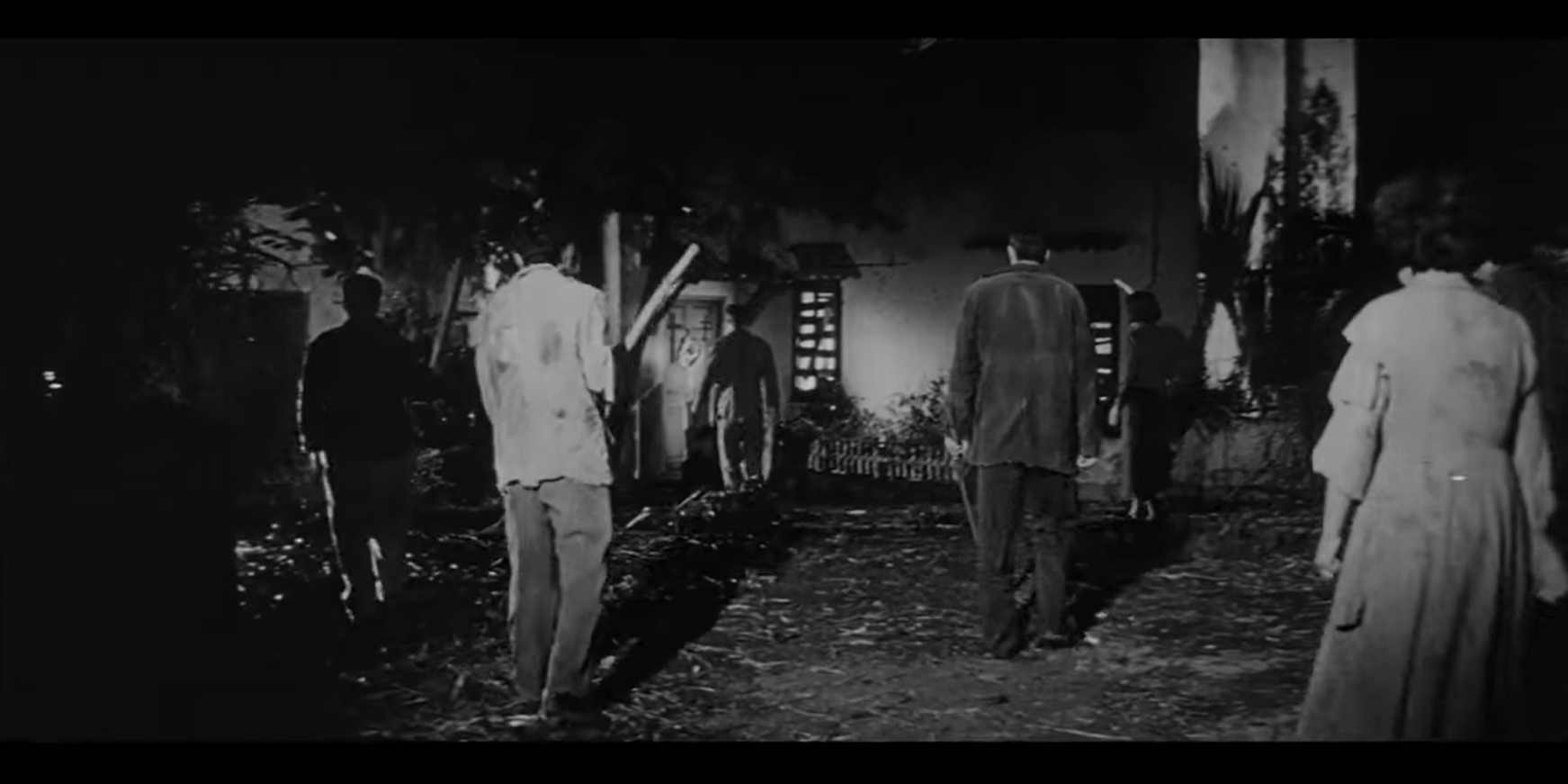
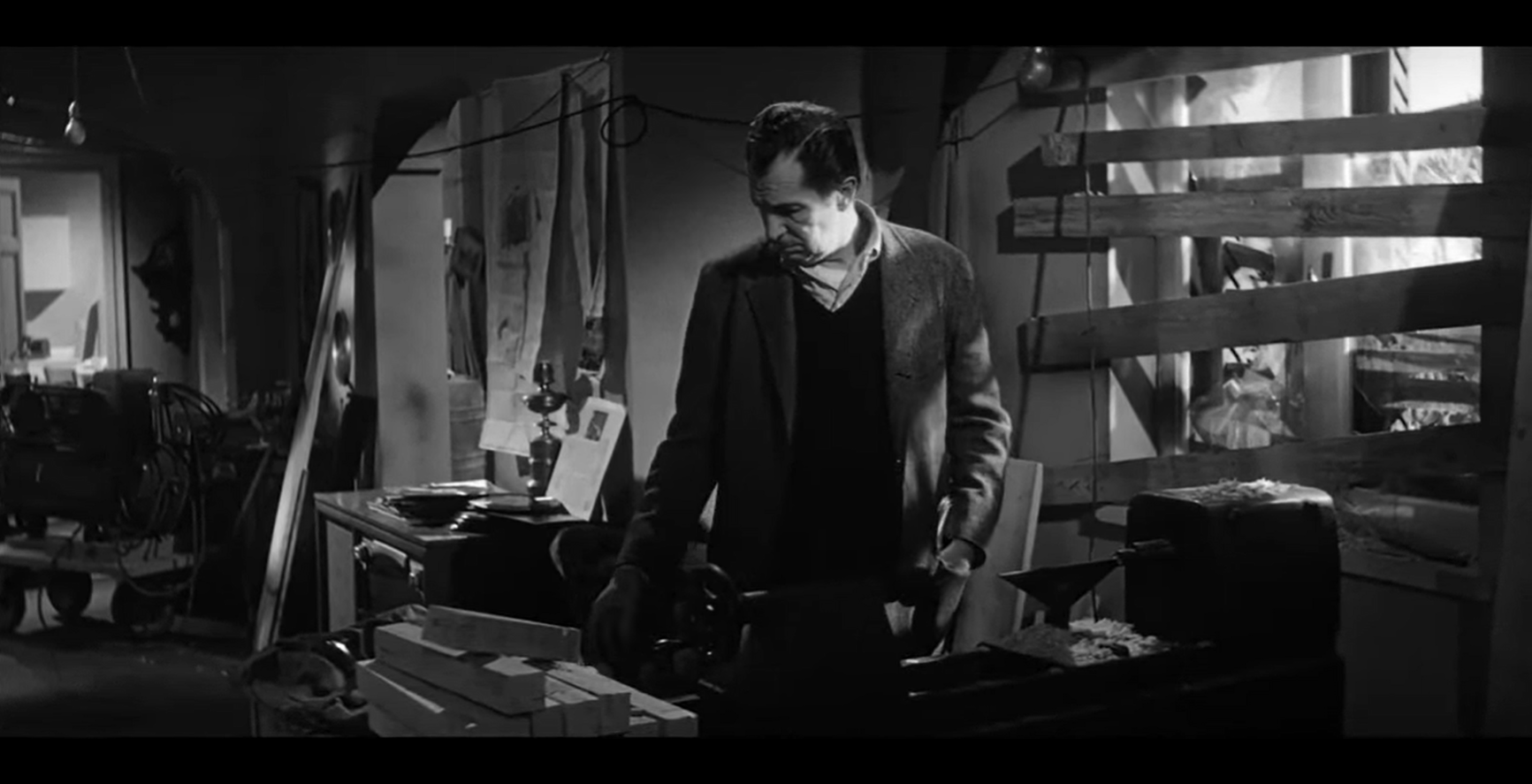
Meanwhile, the screenplay is surprisingly compelling, despite its deliberately slow pace. After carefully showing us the details of Price’s daily regime — crafting wooden spikes to kill zombies; dragging zombie corpses to a pit to be burned; meticulously scouring sections of the city in search of life:
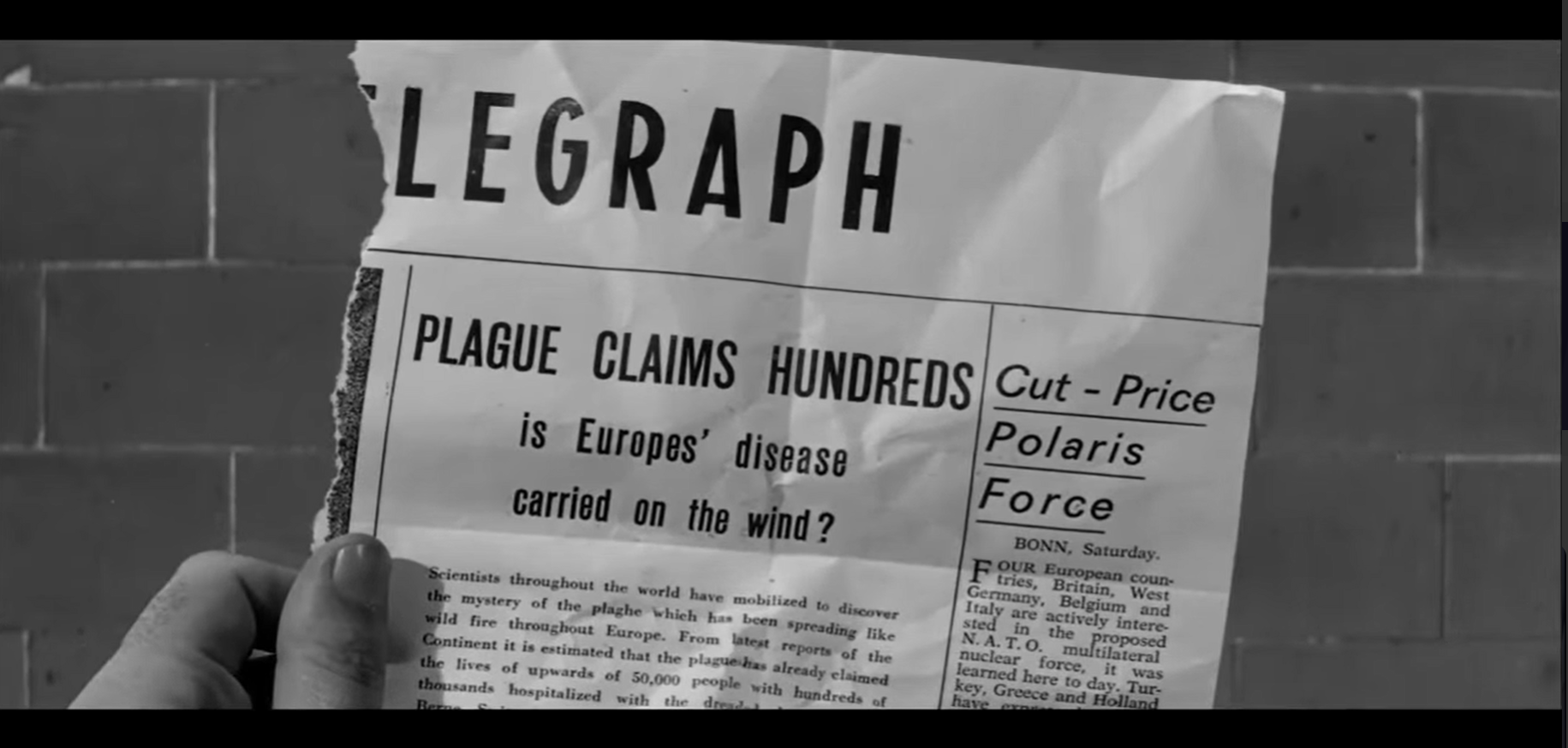
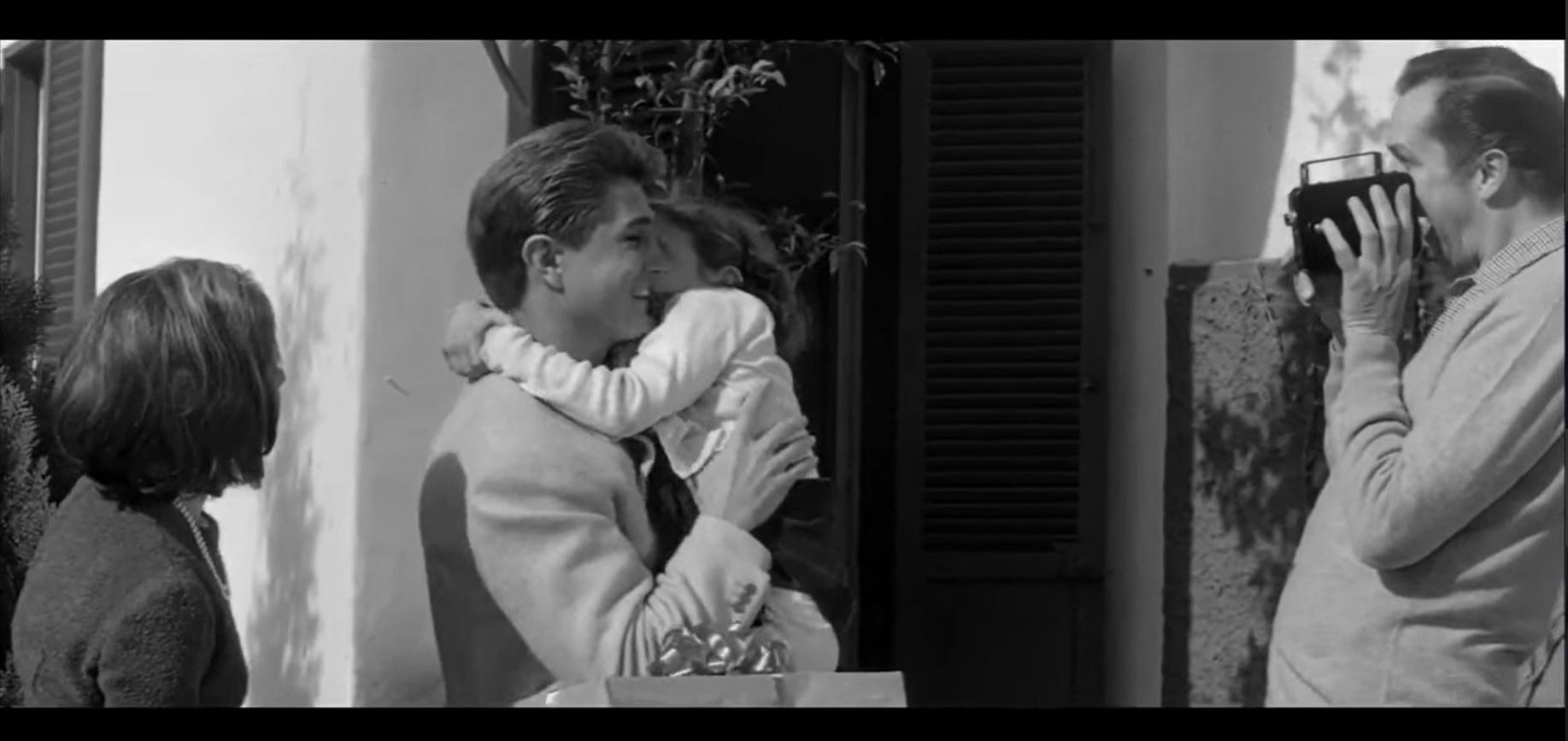
— we’re shown an extended flashback sequence which nicely fills us in on Price’s pre-apocalyptic existence, and provides us with essential information on the plague.
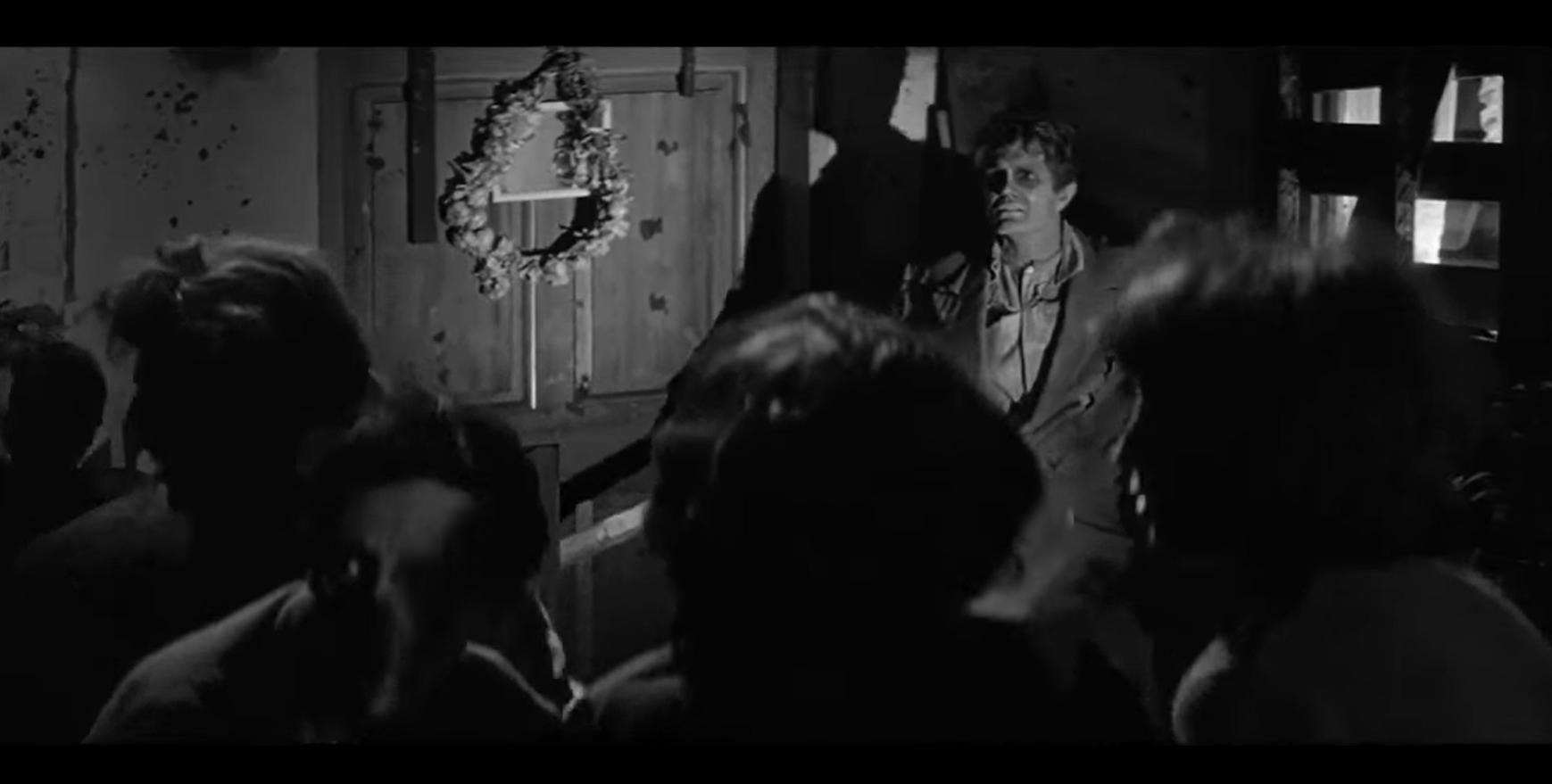
Adding to the film’s overall ambiance is Franco Delli Colli’s atmospheric cinematography, which successfully portrays the shadowy, uncertain world Price has come to inhabit. Shots of the zombies stalking Price’s house at night are especially effective, and immediately remind one of George Romero’s Night of the Living Dead (1968) (they were a clear inspiration).
As DVD Savant writes, while The Last Man on Earth is “no classic” (it possesses too many subtly campy details to allow that moniker to stand), it’s still “a unique little chiller with progressive ideas”, and worth checking out at least once. Note: My favorite “Price-ism” in the film: “Your new society sounds charming.” Redeeming Qualities and Moments:
Must See? Links: |
“One is always considered mad when one discovers something that others cannot grasp.”
|
Synopsis: |
|
Genres, Themes, Actors, and Directors:
Response to Peary’s Review:
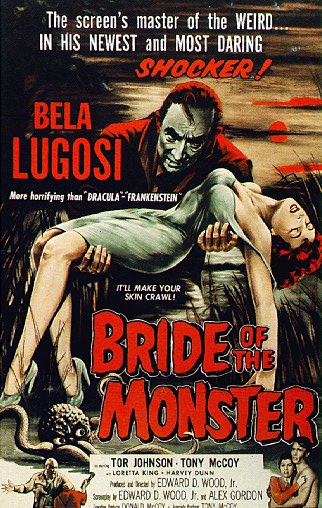
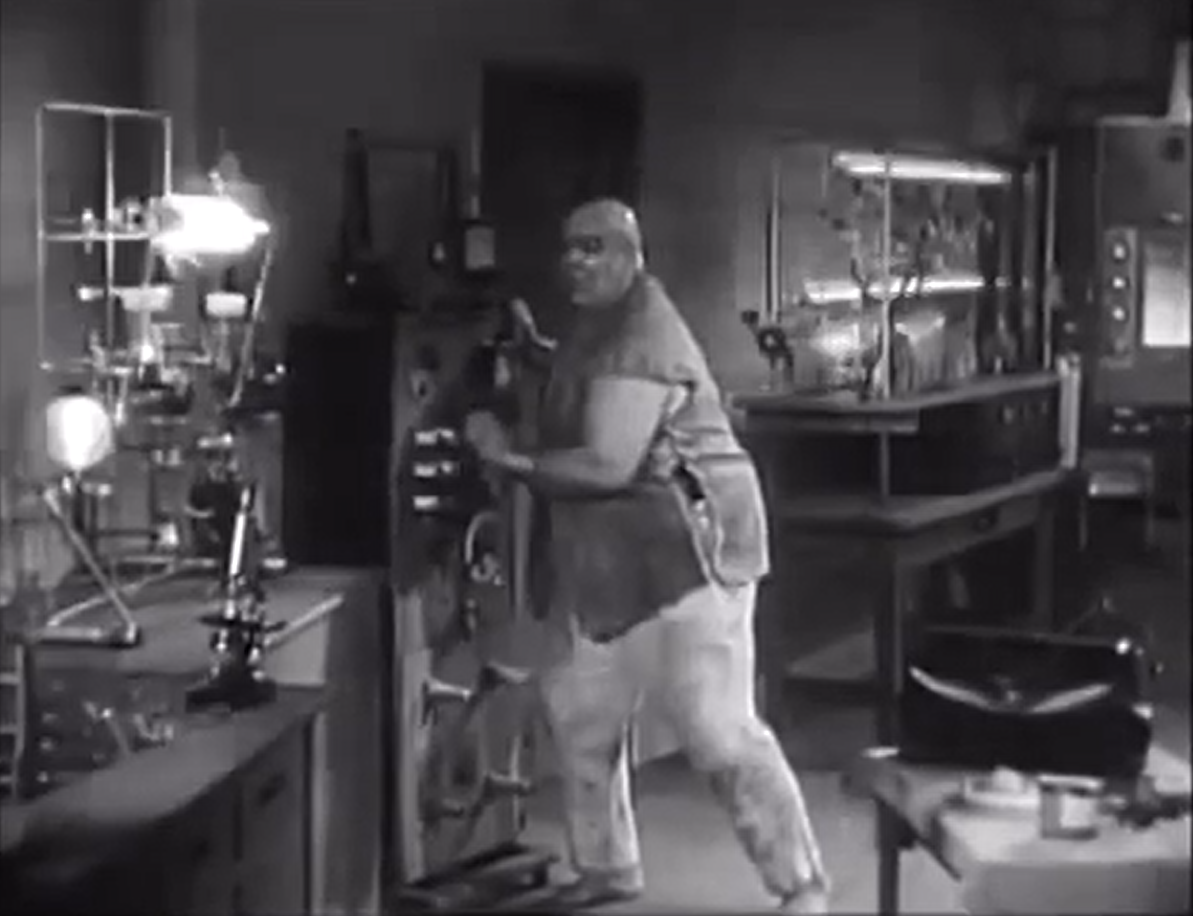
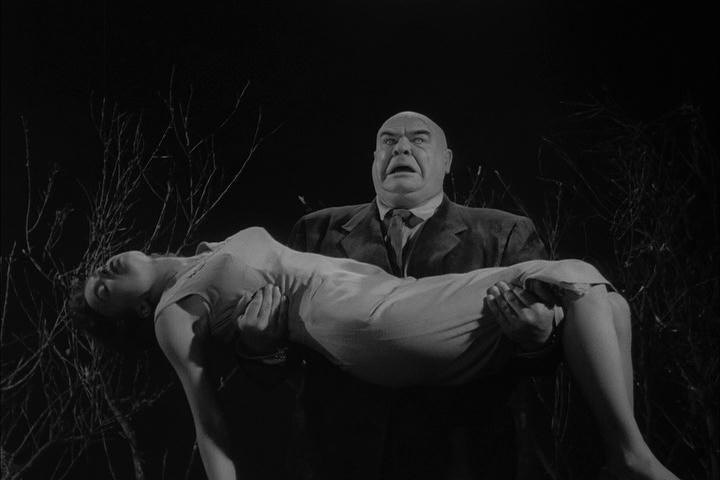
Ironically, it’s the (marginal) competence of this rather standard mad scientist flick — with semi-decent performances by at least a handful of actors involved — that prevents it from being as howl-worthy, or as enjoyable, as Plan 9. Bride of the Monster is “bad”, naturally, in many of Wood’s typical ways (campy dialogue, laughably low-budget props, shoddy direction, the presence of hulking Swedish wrestler Tor Johnson):
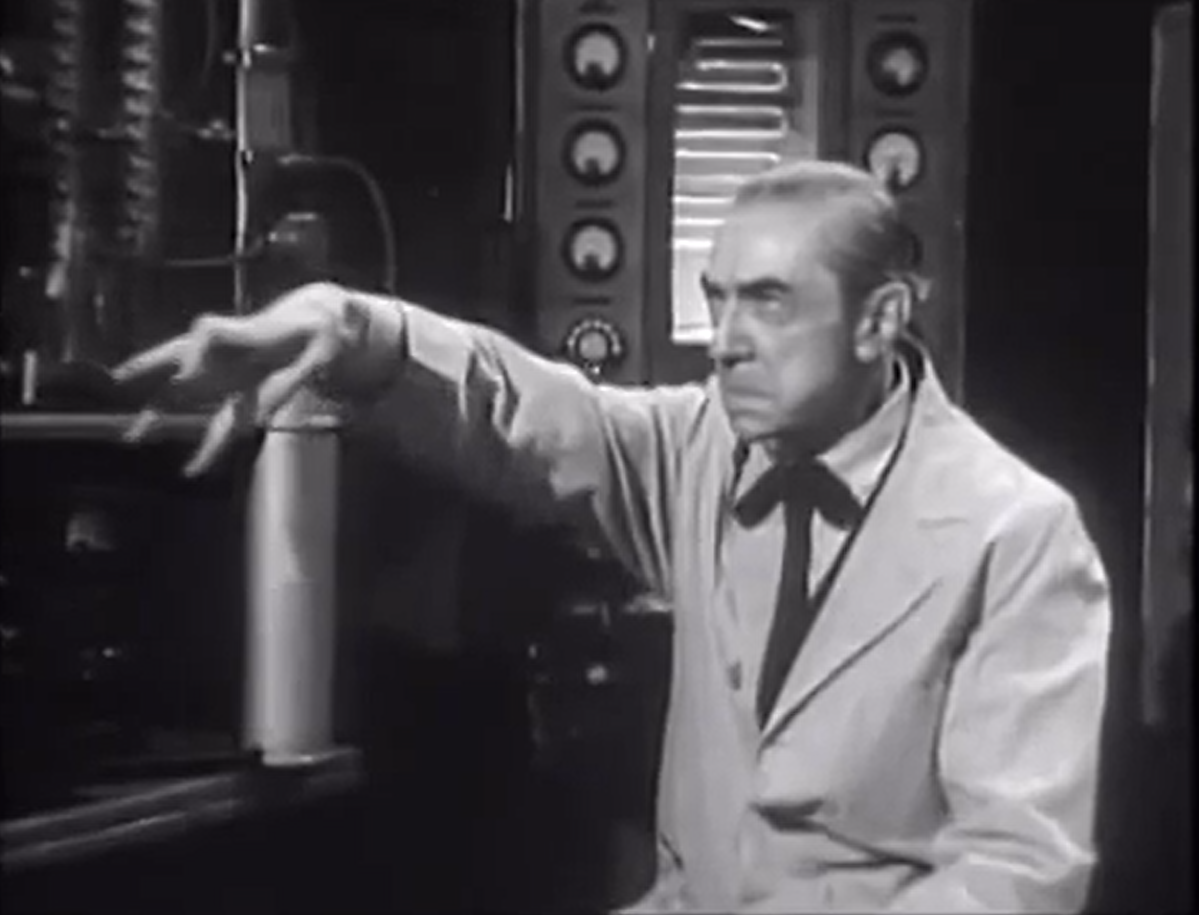
— but to be honest, I found it a struggle to stay engaged. Bela Lugosi is the film’s primary redeeming element: he consistently gives 110% percent in a film clearly not “worthy” of his fame, and film fanatics may be curious to check it out simply to see him in his final “meaningful” role. Redeeming Qualities and Moments:
Must See? Links: |
“It’s because of men like you that all must be destroyed.”
|
Synopsis: |
|
Genres, Themes, Actors, and Directors:
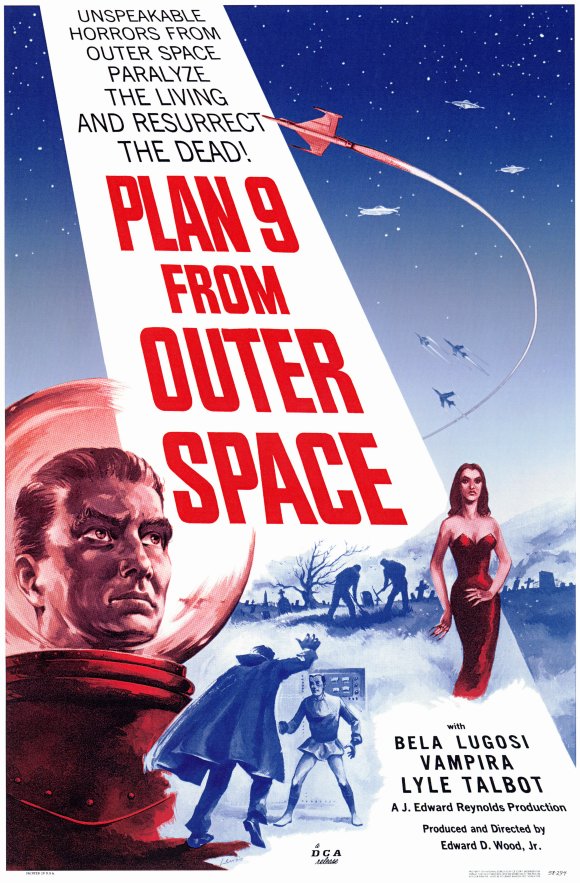
Response to Peary’s Review: The production history of this notoriously awful howler is so well-documented that I humbly refer you to any of the reviews referenced below (or to Wikipedia’s article). In a nutshell, Wood appears to have cobbled his film together out of the very limited resources he had at hand — starting with two minutes of footage of his recently deceased friend, Bela Lugosi, whose character is thereafter played by his wife’s chiropractor, hiding his face behind a cape. The result is a film in which nearly every “bad movie” element one can think of shows up — and (as noted in Peary’s Cult Movies review), “except for about a hundred dull spots”, it’s actually “a lot of fun”. In his more extended review, Peary calls out the film’s many hilariously awful features, including the “terrible cheap sets”; the hideous interpolation of shots taking place in daytime and nighttime; the flying saucers (made out of paper plates) which “look like chinaware flung into the air”; the way that “everyone fails to respond while The Ghoul Man… strangles Officer Calvin in front of their eyes”; and, of course, the “incomparable dialogue” — all of which make for a surprisingly entertaining viewing experience, if you’re in the right mood. Interestingly, Peary argues that Wood made a film which is so “atrocious” that perhaps he hoped “censors wouldn’t bother with [the] subversive themes”. He suggests that in “this one God-awful, terribly made, poor excuse for a picture, Wood is more critical of America’s government (which conceals much from the public) and military strategy (that calls for an arms build-up and further nuclear testing) than any other director of the period dared to be.” That alone, as Peary writes, may be reason enough to relegate “another, less daring film to wear” this film’s dubious “World’s Worst film banner”; he quickly notes, however, that he’s “just kidding”. P.S. In his review, Peary mentions that “God [only] knows what the first eight ‘Plans’ were” — but if you’d like to hear one band’s take on this hypothetical question, click here. P.P.S. Since Plan 9 is in the public domain, it’s available for free viewing at http://www.archive.org/. Redeeming Qualities and Moments:
Must See? Categories
Links: |
“Lady Hamilton is one of the very best women in the world, and an honor to her sex.”
|
Synopsis: |
|
Genres, Themes, Actors, and Directors:
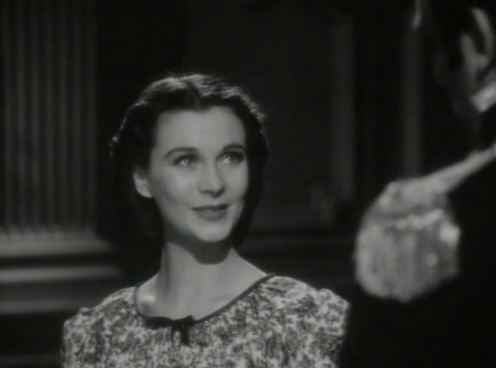
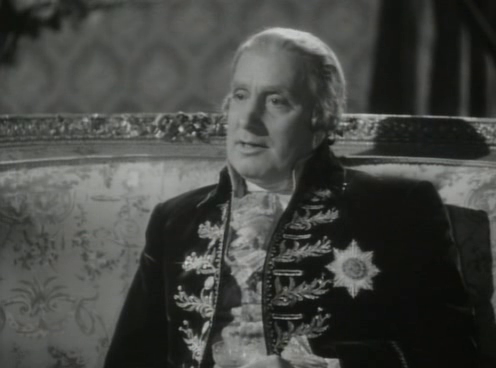
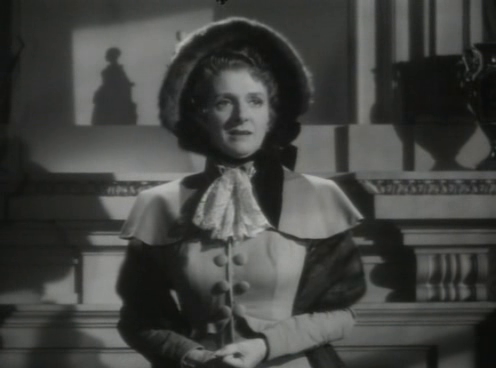
Response to Peary’s Review: While not all critics feel the same way, I am largely in agreement with Peary’s generous assessment here. Alexander Korda’s production is superbly mounted on all counts, from its sumptuous sets and costumes to the finely nuanced performances by all involved. Leigh and Olivier — whose real-life adulterous relationship notoriously mirrored their characters’ on-screen affair — make for an undeniably romantic star-crossed couple, one which “has few equals in romantic annals”, given that Olivier (in superbly done make-up) “is rigid but dashing” while Leigh “is radiant, alive, aware, [and] available”. Meanwhile, Alan Mowbray and Gladys Cooper are surprisingly convincing and sympathetic in what could have been merely thankless roles, playing cuckolded spouses who are helpless in the face of a love which clearly transcends marriage vows. Redeeming Qualities and Moments:
Must See? Categories
Links: |
“Where are the American M.I.A.s?”
|
Synopsis: |
|
Genres, Themes, Actors, and Directors:
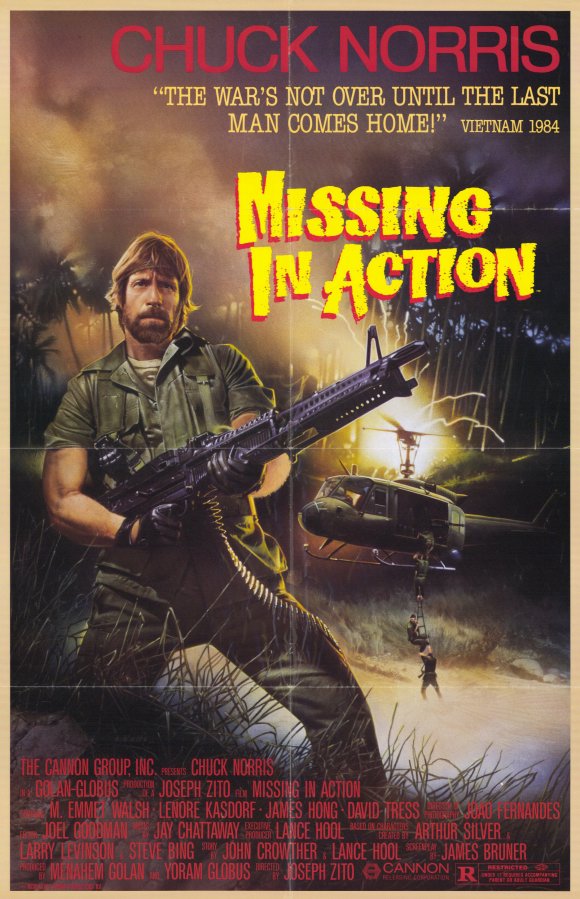
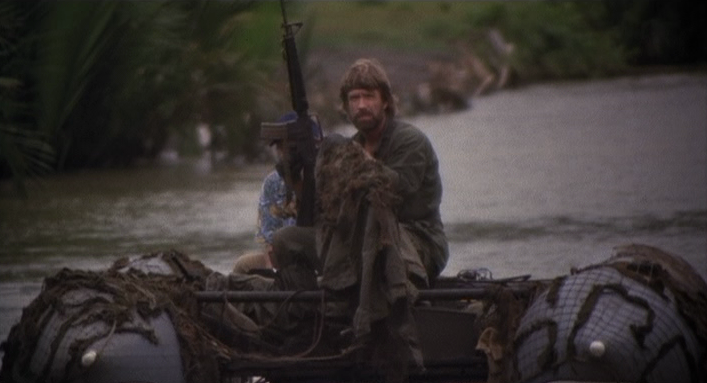
Response to Peary’s Review: So why, pray tell, does he deem this piece of cinematic drek must-see? Presumably its box-office status (close to the time of GFTFF‘s publication in 1986) was enough to cause Peary to believe that all film fanatics should at least be familiar with it — but this is certainly no longer the case. In truth, this really is a painfully boring “action” flick, one which (I don’t mind admitting) I watched in fast-forward mode throughout the entire second half, without missing much. (As Peary notes, even the action sequences “take forever to develop”.)
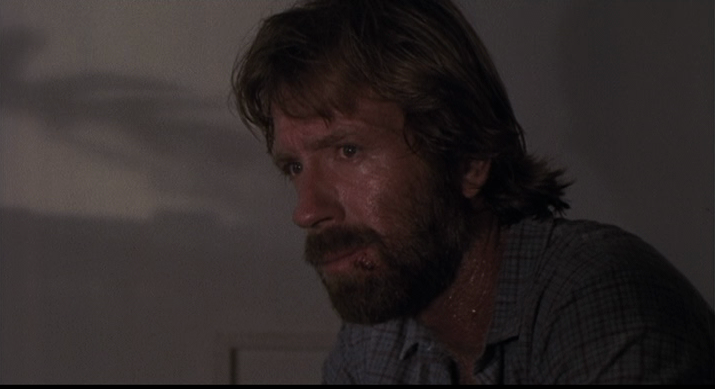
And, since Norris “uses guns more than karate”, there aren’t even many fight sequences to look forward to. By the way, I’m not a total Norris-snob — in fact, I’ve given a must-see “thumbs up” to his next film, Code of Silence (1985), and recommend that you consider this film your required “dose of Norris” (whose iconic status as the ultimate in laconic action heroes has, interestingly, continued to grow exponentially in recent years). There is some minimally campy humor to be found throughout the film, in terms of how often Norris finds excuses to go bare-chested in front of the camera, for instance, or in his consistently “soulful” gaze as he contemplates what he knows he must go back to Vietnam (the “pearl of the Orient”) to do:
— but there’s not nearly enough of this to make it worth subjecting yourself to the entire film. Redeeming Qualities and Moments:
Must See? Links: |
“Honey, let’s just promise to never, ever fight again, okay?”
|
Synopsis: |
|
Genres, Themes, Actors, and Directors:
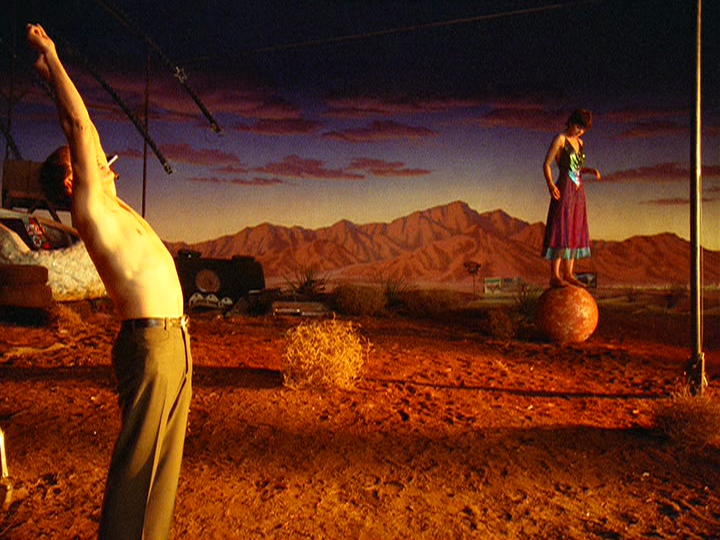
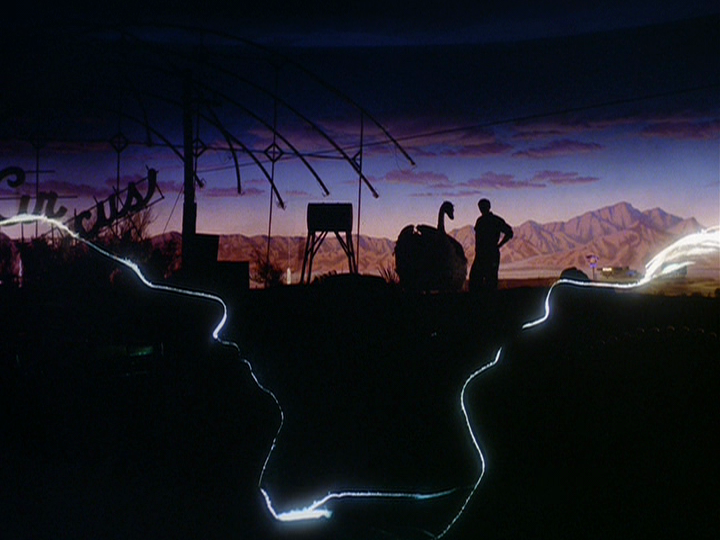
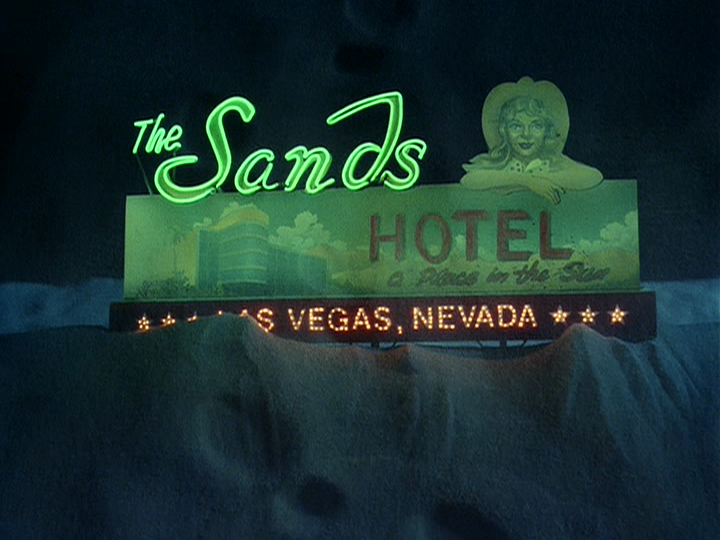
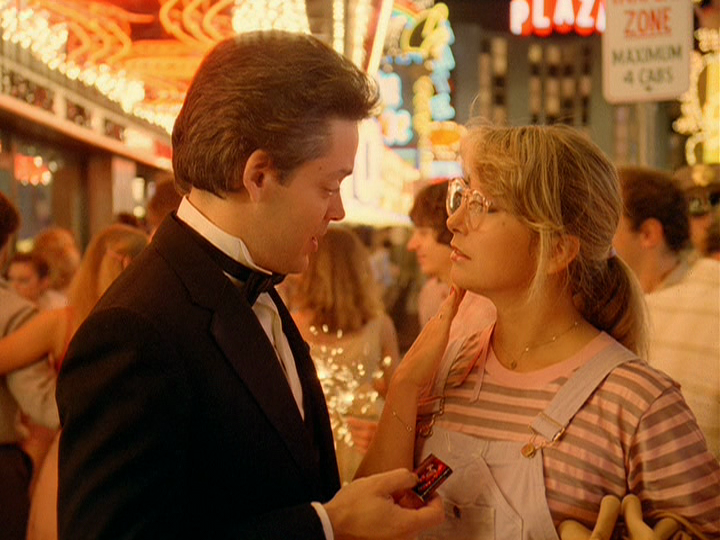
Review: What saves the film from its uninspired screenplay are two central elements: Tom Waits’s gorgeously bluesy score (sung much of the time by Crystal Gaile — an inspired choice), and the consistently stunning visuals. From its opening neon credits, the movie is strategically theatrical, infused with bold, screen-popping hues and shot with creatively stylized cinematography. While it’s true that the visual scheme entirely overwhelms the story — and Coppola really should have demanded a more nuanced storyline to go along with his richly conceived alter-universe — there’s nonetheless plenty here to watch and enjoy. You’ve surely never seen a film quite like One From the Heart (which seems like a clear inspiration for Baz Luhrmann’s Moulin Rouge), and if it’s not entirely successful, it’s at least entirely original. Redeeming Qualities and Moments:
Must See? Categories
Links: |
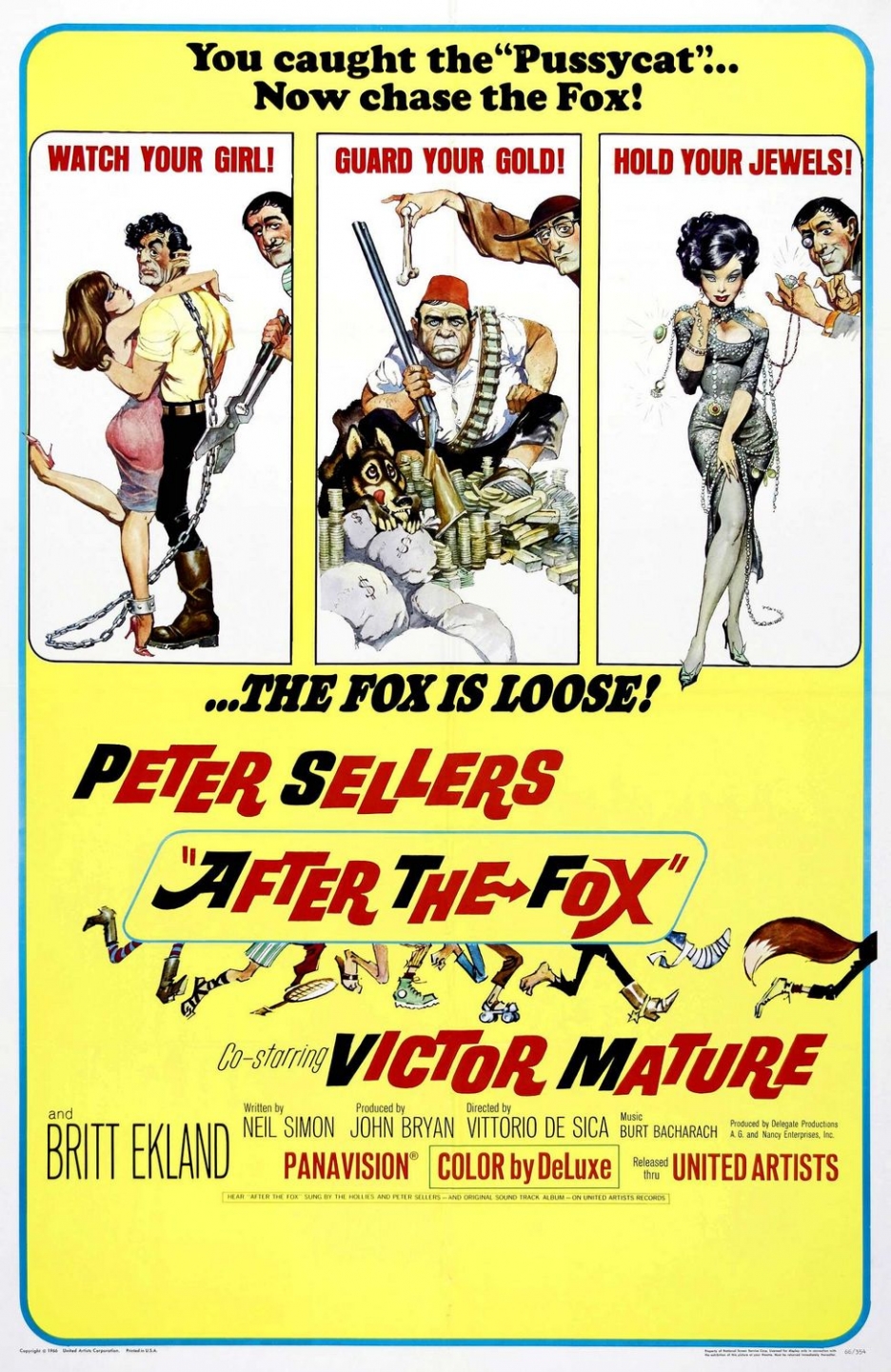
“If only I could steal enough to become an honest man!”
|
Synopsis: |
|
Genres, Themes, Actors, and Directors:
Review:
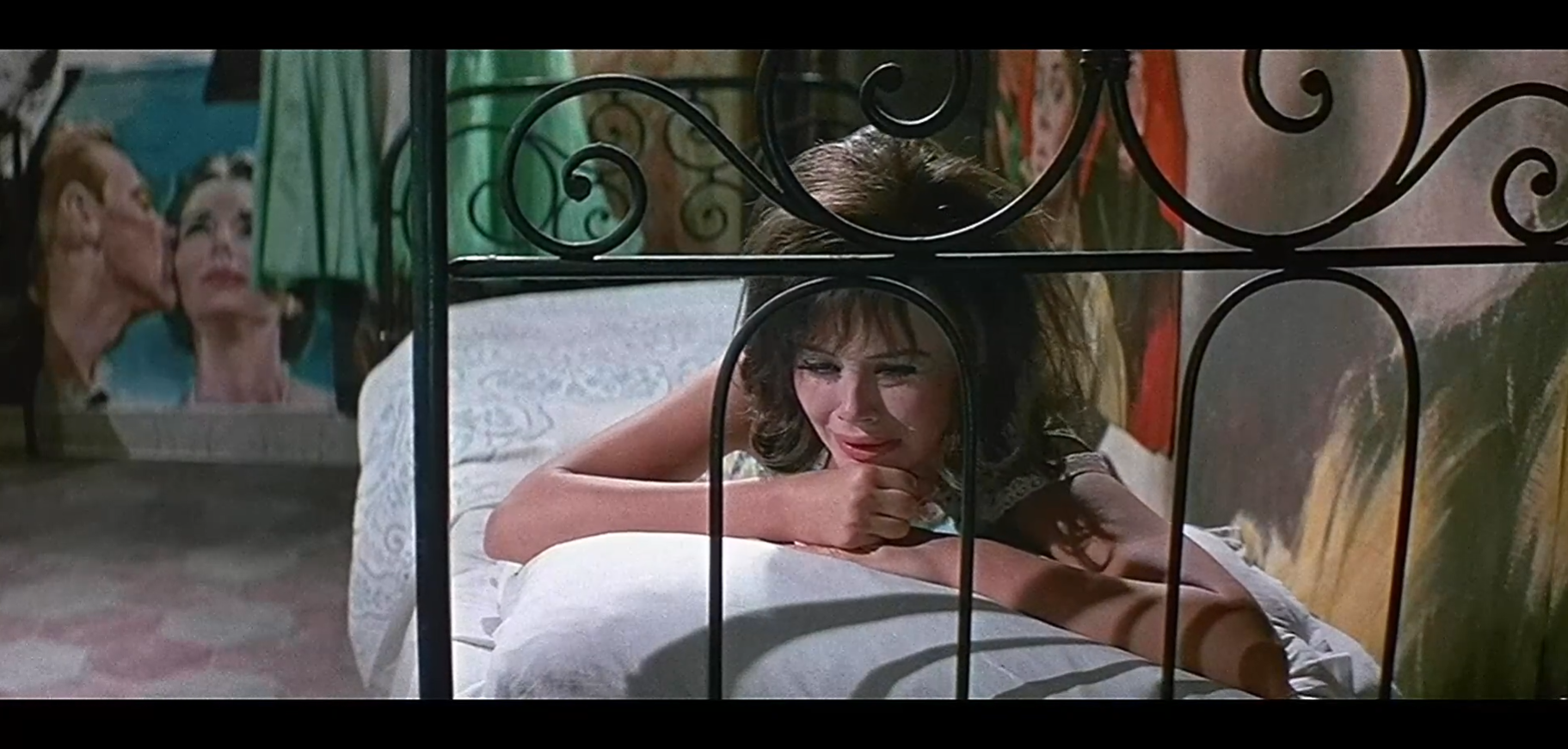
Unfortunately, the story itself takes far too long to kick into gear, with much of the first half-hour of the film — as we’re introduced to Sellers, his movie-obsessed sister (Ekland):
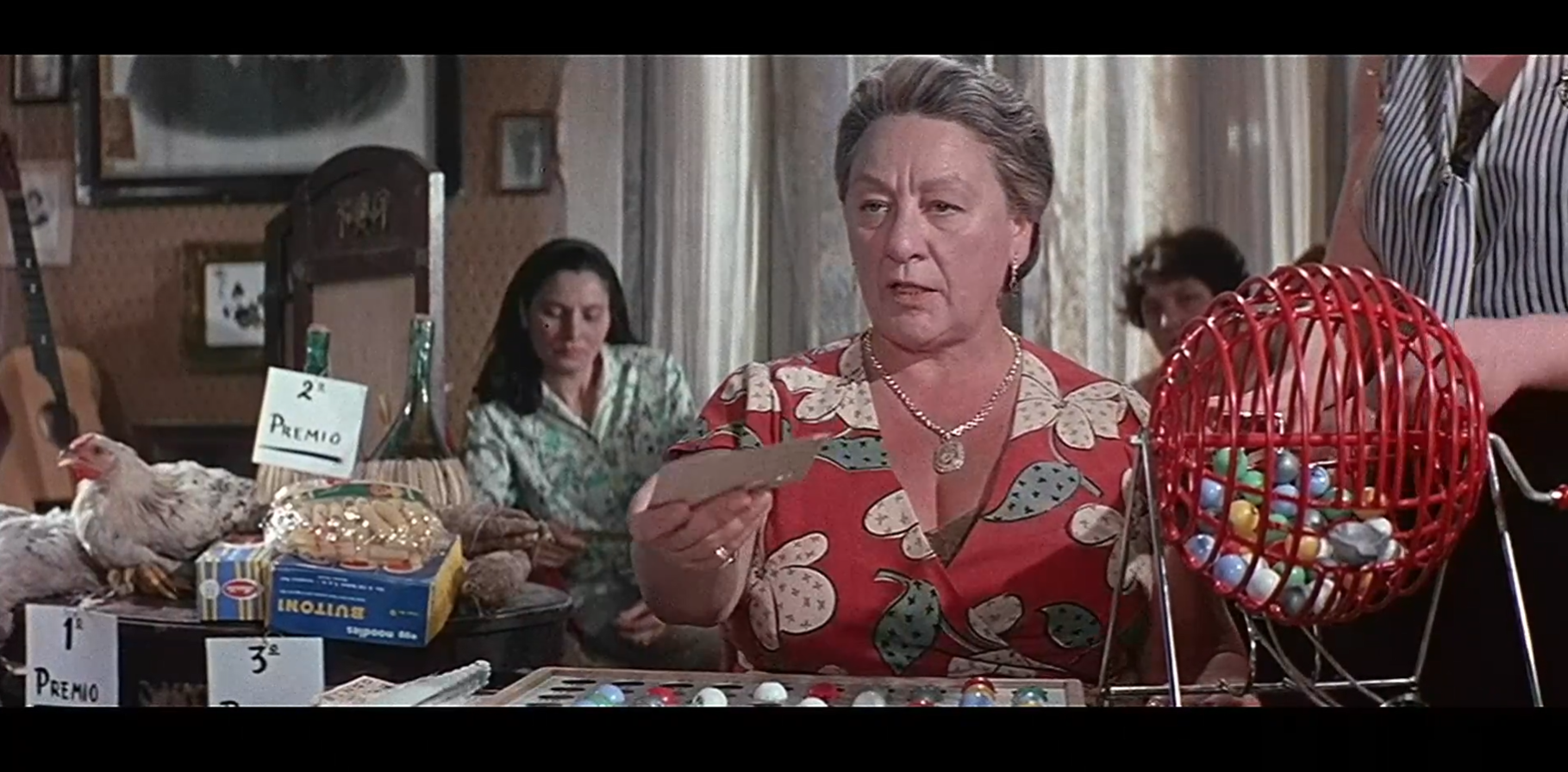
and his eternally lamenting mother (Lydia Brazzi):
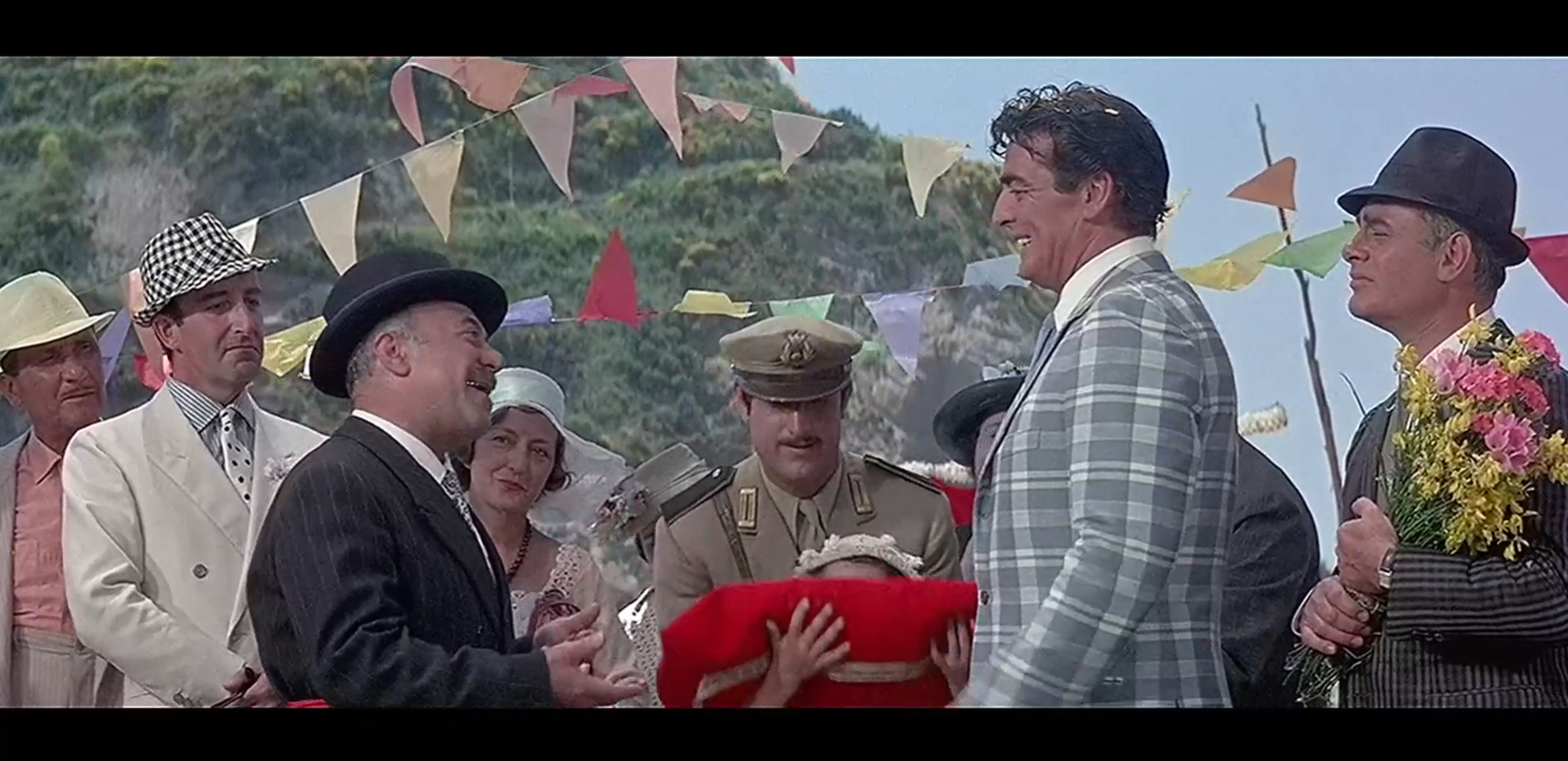
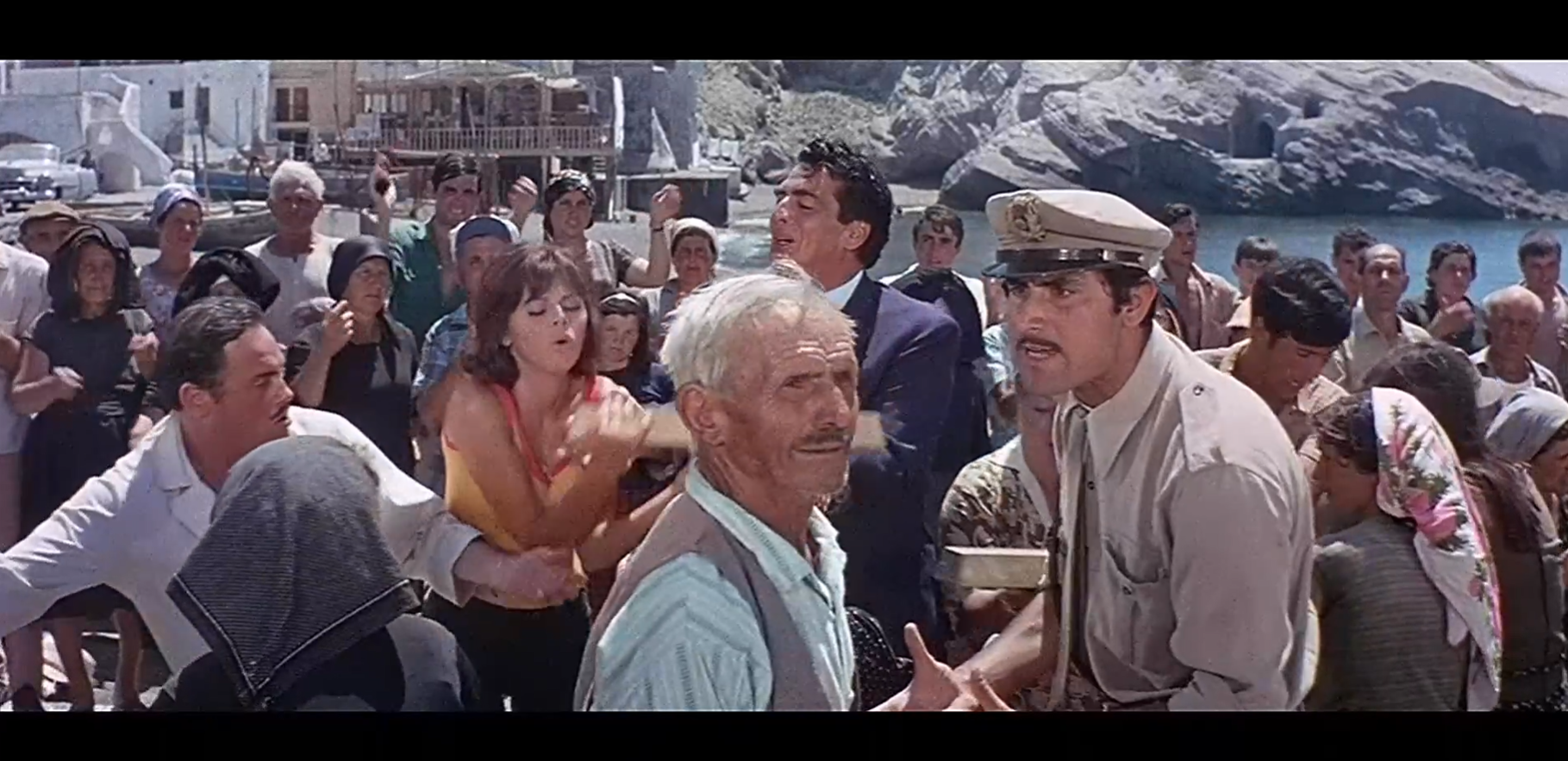
— simply tiresome, given that it’s primarily concerned with Sellers’ over-protective efforts to prevent Ekland from entering into a career as a starlet. Suddenly, however, the film takes a comedic turn for the better. After witnessing the true hysteria generated by the presence of an aging movie star (Mature) in a small Italian town:
… Sellers gets his inspiration: he and his cronies will hijack the “gold of Cairo” by pretending to direct a movie in which the gold is stolen, assuming that they will be so surrounded by police protection that they will easily get away with it. From this point on, the film hits its comedic stride, with Simon and De Sica mercilessly satirizing society’s obsession with fame and cinema — as demonstrated by an inspired sequence in which Sellers cleverly secures the good graces of the town’s chief of police (Lando Buzzanca) by flattering him into accepting a bit role in the “film”.
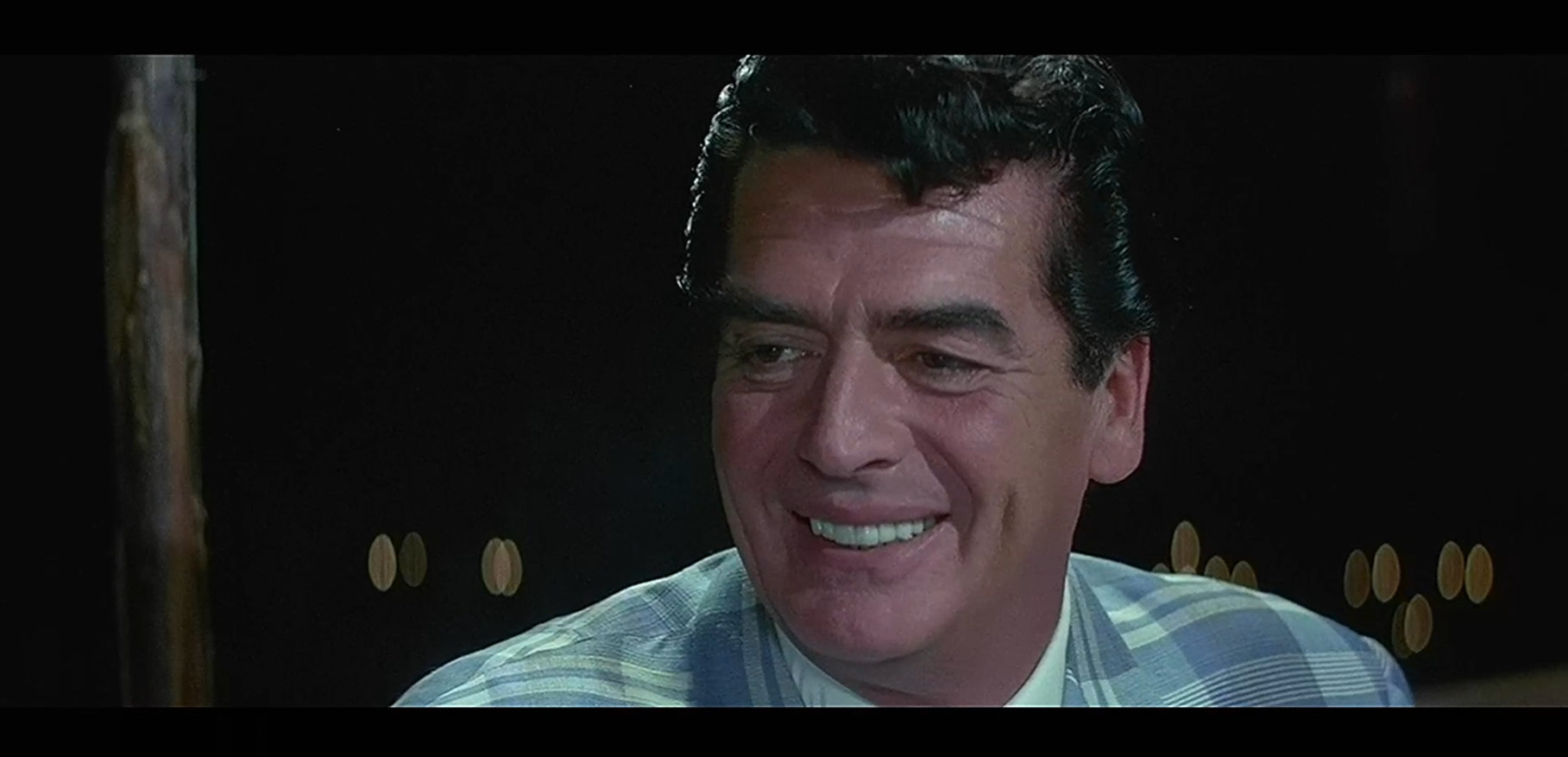
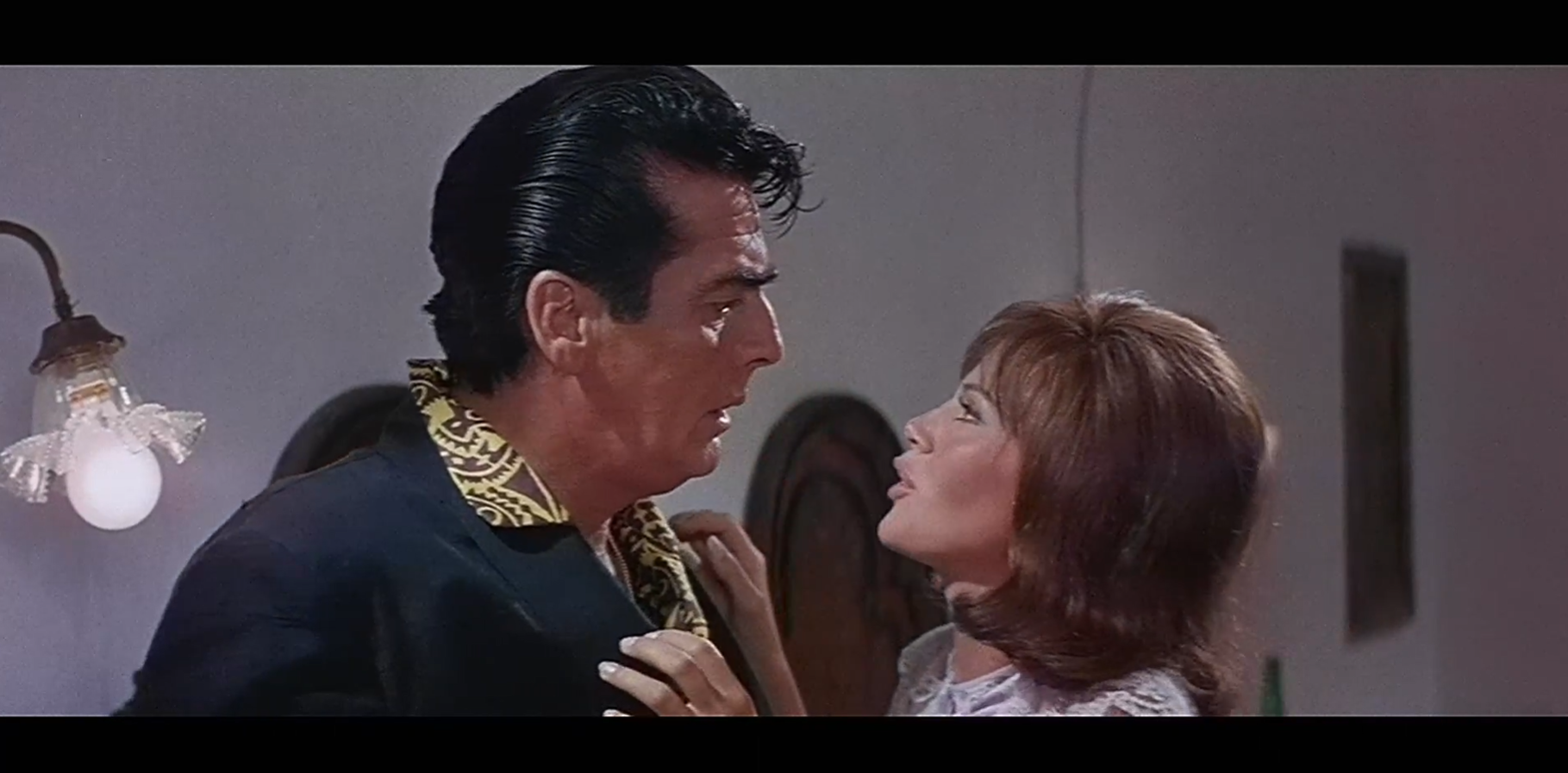
Meanwhile, Victor Mature (as “Tony Powell”) gives a consistently fearless performance spoofing his own image as an aging screen idol taken in by Sellers’ sweet-talking persuasions; his performance alone makes this one worth a look.
Redeeming Qualities and Moments:
Must See? Links: |