|
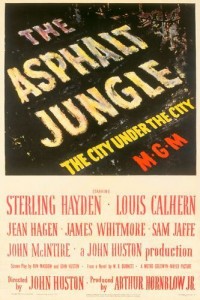
Synopsis:
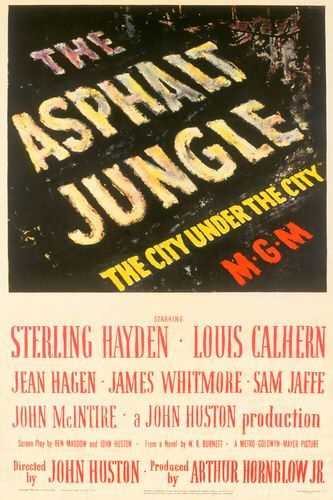
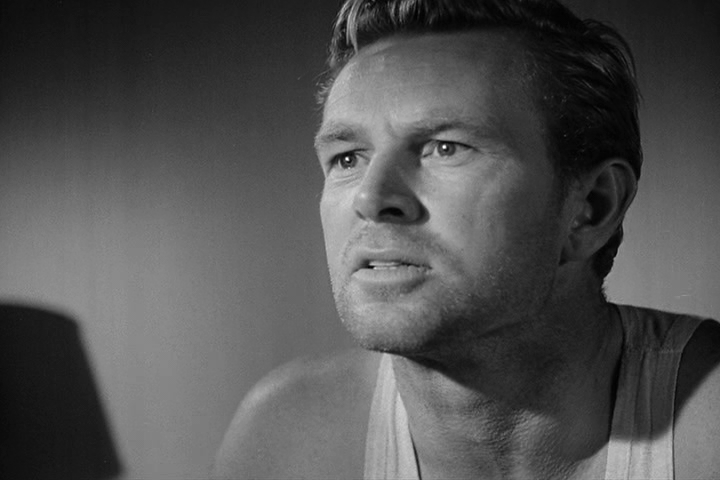
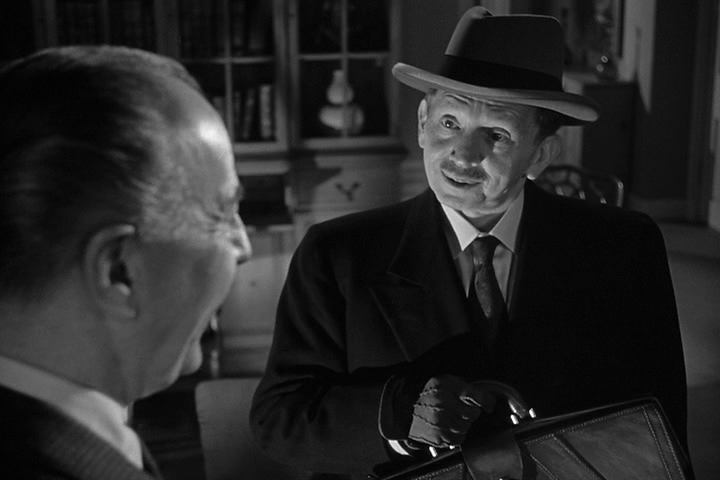
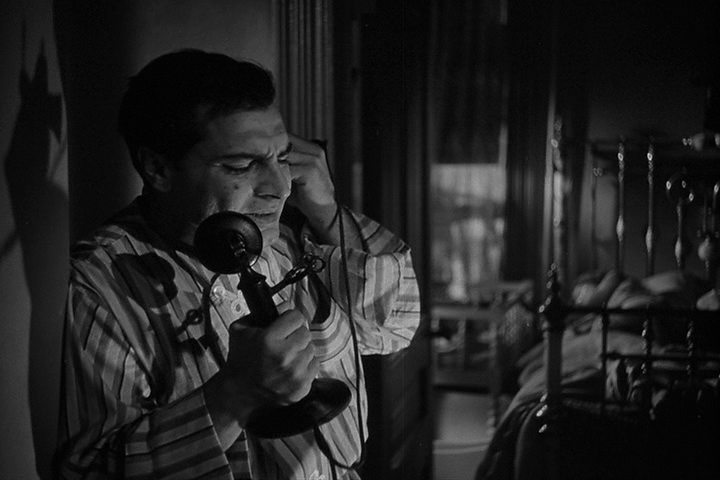
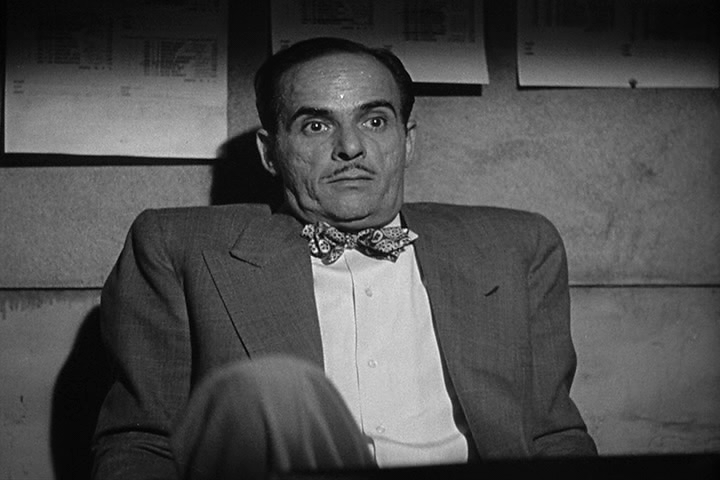
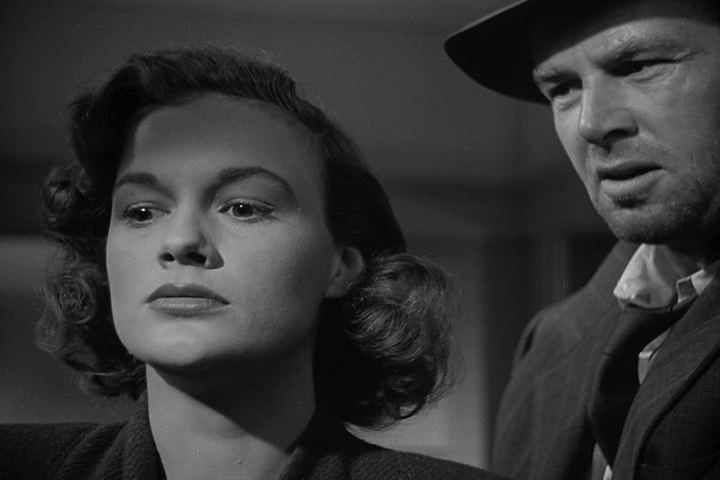
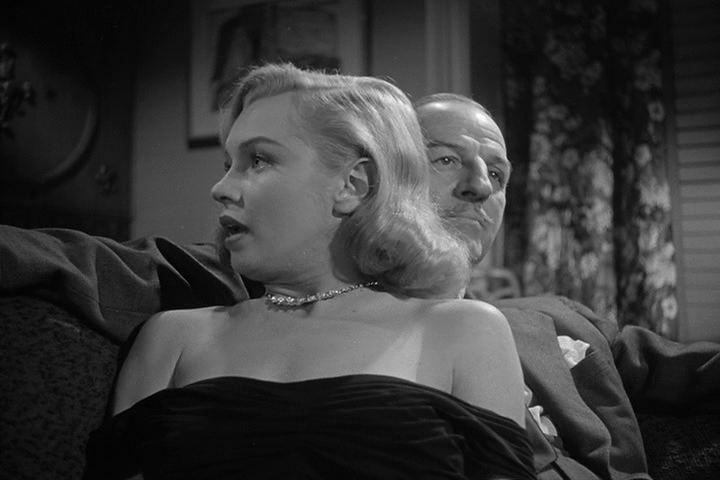
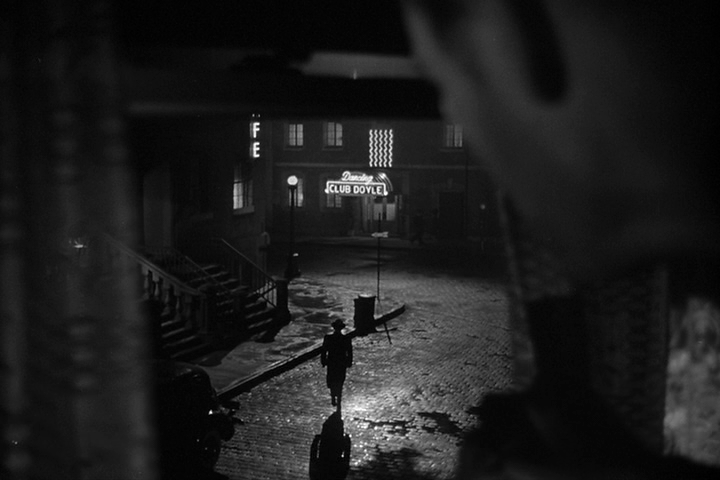
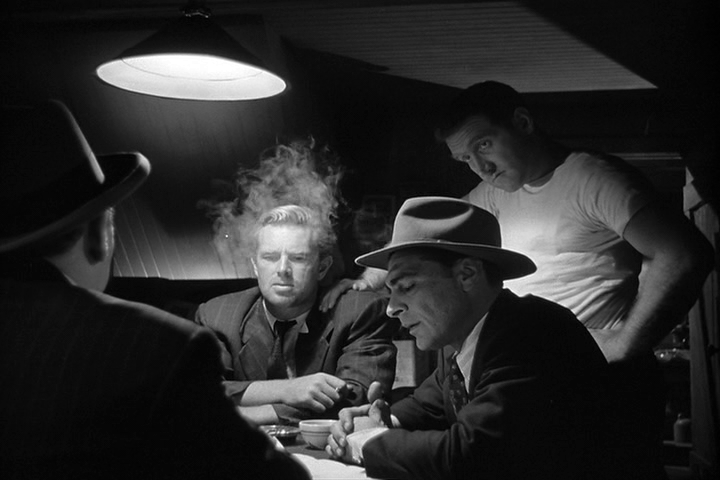
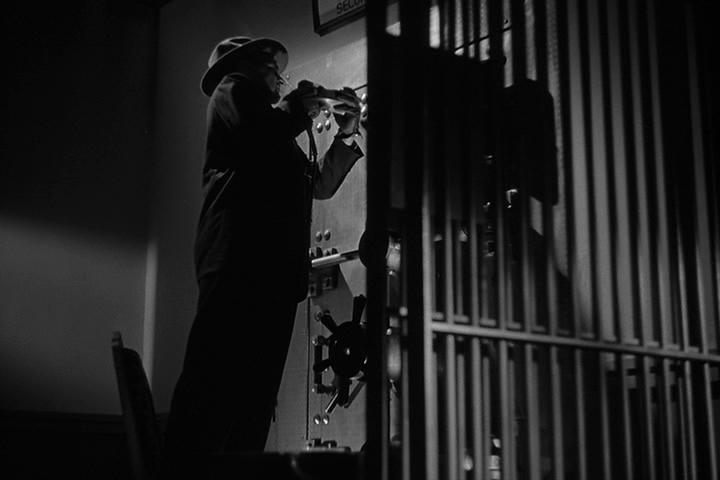
A criminal mastermind (Sam Jaffe) enlists the help of a bookie (Marc Lawrence) in pulling together a crew for a major heist, including a no-nonsense driver (James Whitmore); a safecracker (Louis Ciavelli) with a wife (Teresa Celli) and baby; a “hooligan” (Sterling Hayden) whose would-be girlfriend (Jean Hagen) longs for more commitment; and a supposedly-wealthy financier (Louis Hayward) with a bed-ridden wife (Dorothy Tree), a sexy young mistress (Marilyn Monroe), and an ambitious private investigator (Brad Dexter). But things quickly go wrong during the heist, as loyalties shift, a crooked cop (Barry Kelley) is put under pressure, and the team must decide how to escape detection.
|
|
Genres, Themes, Actors, and Directors:
- Corruption
- Heists
- James Whitmore Films
- Jean Hagen Films
- John Huston Films
- John McIntire Films
- Living Nightmare
- Louis Calhern Films
- Marilyn Monroe Films
- Sam Jaffe Films
- Sterling Hayden Films
Response to Peary’s Review:
Peary is surprisingly unenthusiastic about this “seminal heist film” by writer-director John Huston, co-scripted by Ben Maddow and based on a pulp novel by W.R. Burnett. He argues that the film’s “reputation… has diminished somewhat”, and that “because Huston strove for realism, he deglamorized the characters” to the point where “we find [them] and their story interesting but don’t feel empathy for any of them”. He writes (I disagree) that “the success of the heist is of paramount importance only to the most respectable participant, Calhern, the piece’s villain — so we don’t particularly care if the heist fails as we do in a film like The Killing, where all the thieves (whom we have sympathy for) desperately need money to have a chance for a happy life”. Peary writes that “we care only for the women who suffer because of their men’s foolish endeavors”, but I once again disagree and actually feel the opposite. Finally, he notes that while the “picture builds a convincing case for there being pervasive corruption on every level of society, including the police”, this is spoiled when, “in the worst scene, police chief John McIntire lectures the press about how 99% of cops are honest”. Peary does at least concede that the acting in the film is “uniformly excellent”.
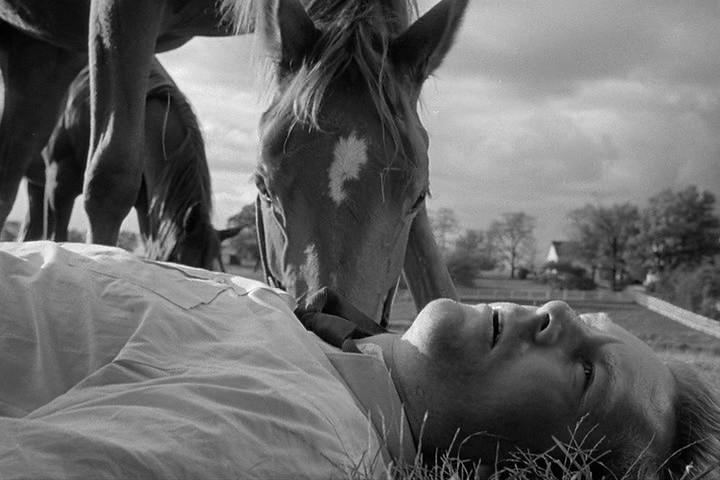
While Stanley Kubrick’s The Killing (1956) is certainly a masterpiece in its own right, The Asphalt Jungle remains a different brand of classic. The male characters in …Jungle represent a nuanced gamut of archetypes, all striving to assert or maintain their masculinity through various means: efficiency at work while providing for one’s family (Ciavelli); unwavering loyalty (Whitmore); raw ambition (Dexter); faux machismo (Lawrence); desire for an idyllic return to the country (Hayden); calm, cool business savvy along with prurient if shielded lust (Jaffe); sociopathic corruption (Kelley); and virility, financial prowess, and public esteem (Hayward). All these characters, naturally, find themselves challenged in unique ways, as their ability to prove themselves and/or achieve their goals steadily dwindles. Crime most certainly doesn’t pay for anyone in this crew. Nobody but the women (and a few “good” men) are left standing by the end of this bleakest of heist flicks, which remains a consistently gripping, atmospheric, well-acted, tightly scripted noir. It’s definitely must-see viewing.
Redeeming Qualities and Moments:
Must See?
Yes, as a genuine noir classic by a master director.
Categories
- Genuine Classic
- Important Director
(Listed in 1001 Movies You Must See Before You Die)
Links:
|