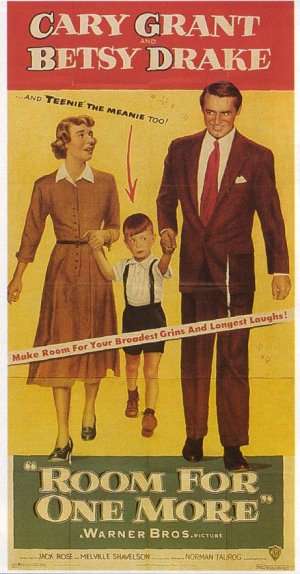
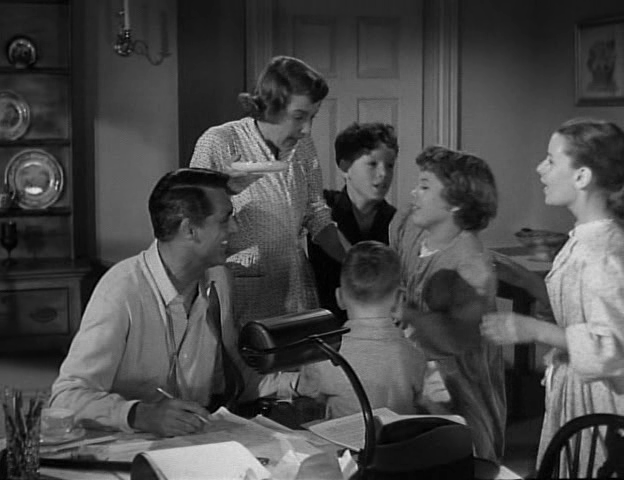
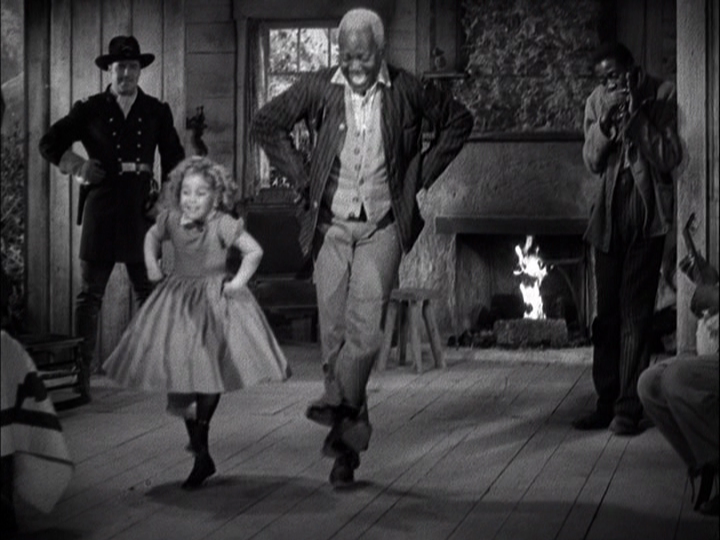
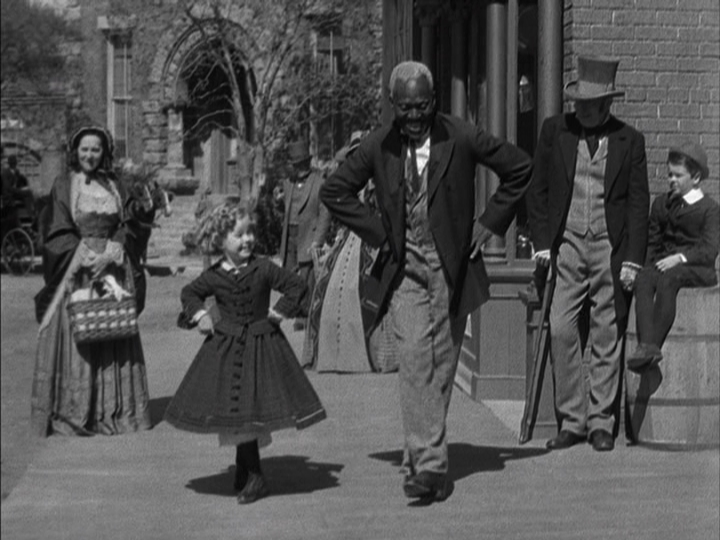
Room for One More (1952)
“There’s nothing wrong with him that being three days old wouldn’t fix.”
|
Synopsis: |
|
Genres, Themes, Actors, and Directors:
Review: Redeeming Qualities and Moments:
Must See? Links: |
“There’s nothing wrong with him that being three days old wouldn’t fix.”
|
Synopsis: |
|
Genres, Themes, Actors, and Directors:
Review: Redeeming Qualities and Moments:
Must See? Links: |
“Papa Jack is sick — and those two men might hurt him!”
|
Synopsis: |
|
Genres, Themes, Actors, and Directors:
Response to Peary’s Review: Note: Listen for a sly exchange between Temple and Hattie McDaniel (as “Mom Beck”), when McDaniel comments on Temple’s penchant for wanting “blue stories”. Redeeming Qualities and Moments:
Must See? Links: |
“Uncle Billy can do anything! He can sing and dance and climb trees, and do everything in the world — I know he can bring Daddy back!”
|
Synopsis: |
|
Genres, Themes, Actors, and Directors:
Response to Peary’s Review: Redeeming Qualities and Moments:
Must See? Categories
Links: |
“The things I do for that newspaper…”
|
Synopsis: |
|
Genres, Themes, Actors, and Directors:
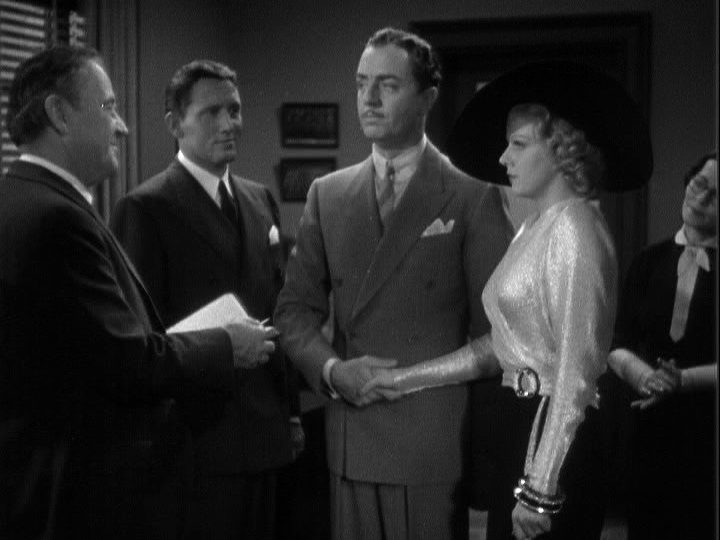
Review: Peary accurately notes that the film “is a particularly strong showcase for Harlow, whose character is sometimes tough, sometimes sentimental, sometimes infuriated, sometimes a good sport, always sexy, always funny”. He writes that he loves “her angry pout and how she huffs and puffs through a room with shoulders and legs working in unison”. In his Alternate Oscars, Peary votes Harlow Best Actress of the Year for her role here as Gladys, noting that Harlow “has never gotten enough praise” as “one of the great movie discoveries of the thirties”, and further pointing out how ably she “exchang[es] wisecracks with Powell and Tracy”. I agree, but also find the lead performances by Powell and Loy to be spot-on, with Loy a particular treat to watch as she demonstrates unexpected layers of complexity to her seemingly ice-cold heiress; her initial rebuffs towards overly-confident “ladies man” Powell are especially humorous. Redeeming Qualities and Moments:
Must See? Categories
Links: |
“I wish I could switch places with her, for just one day.”
|
Synopsis: |
|
Genres, Themes, Actors, and Directors:
Review:
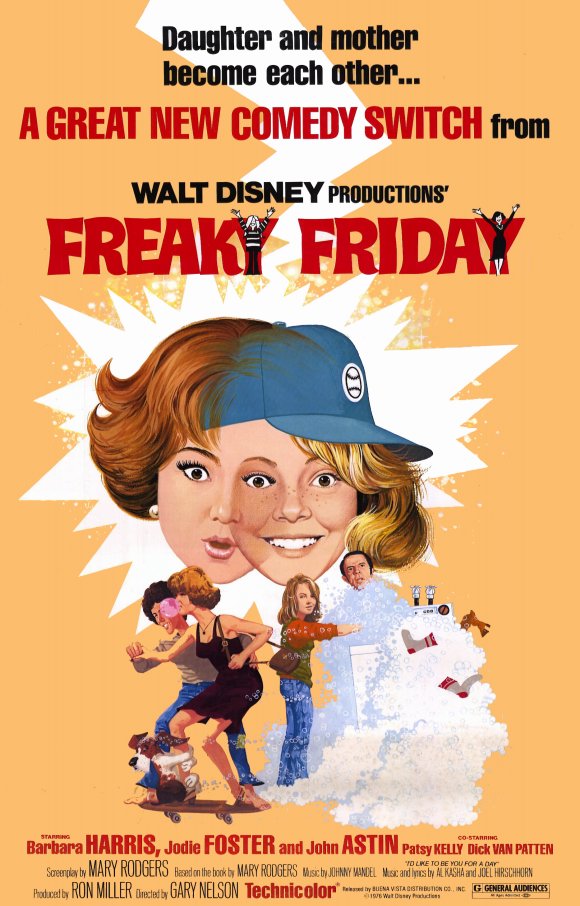
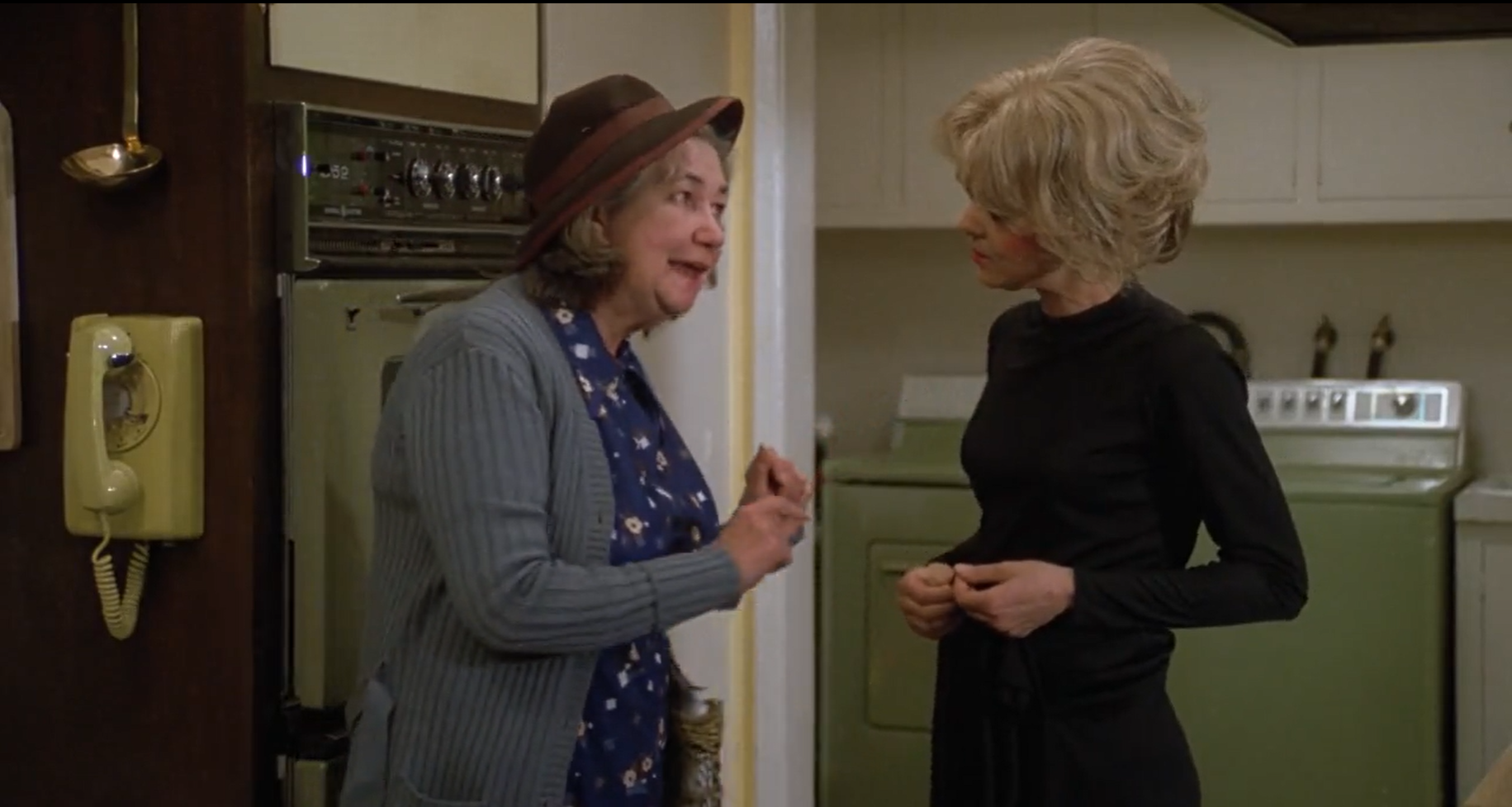
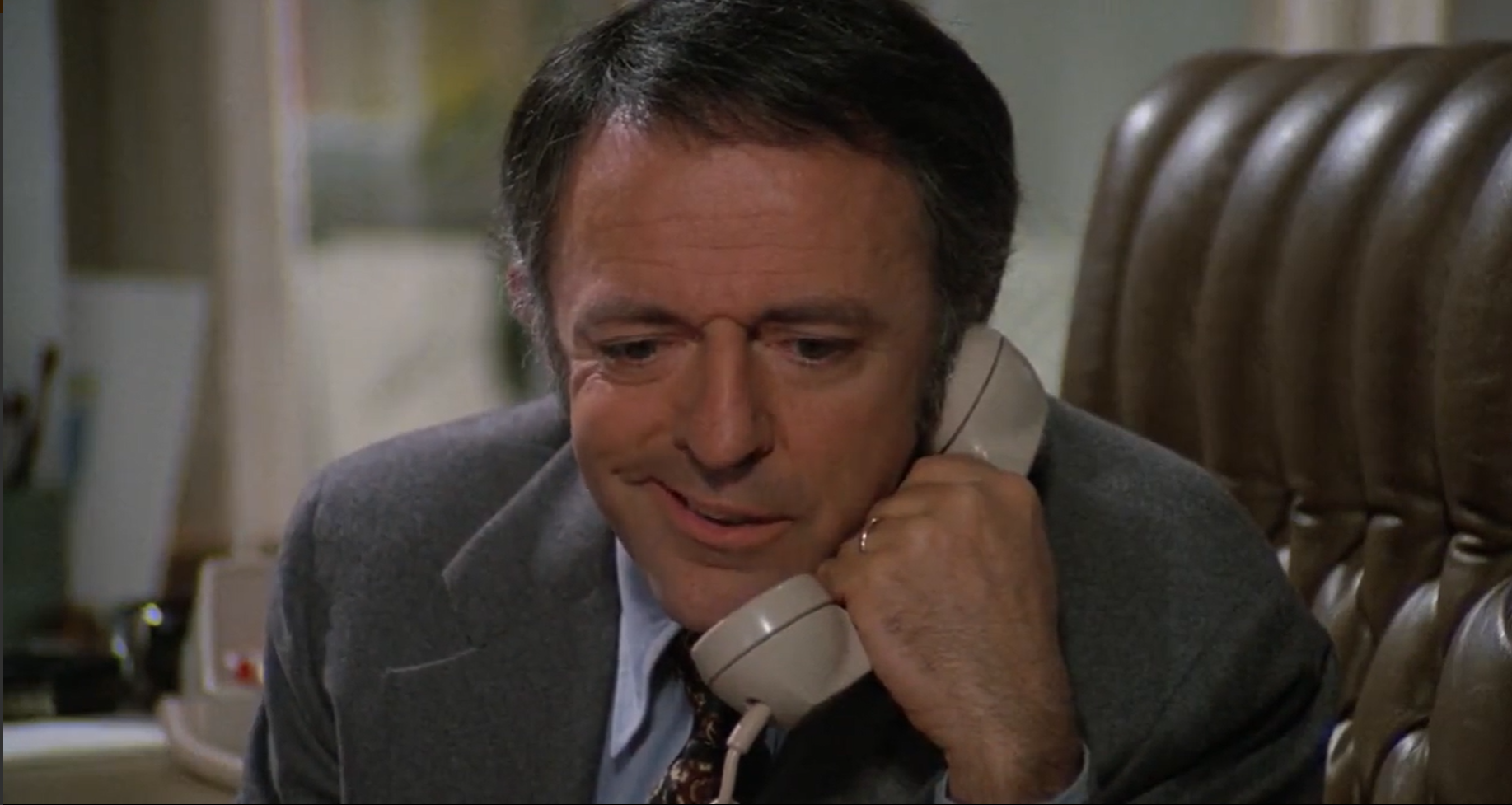
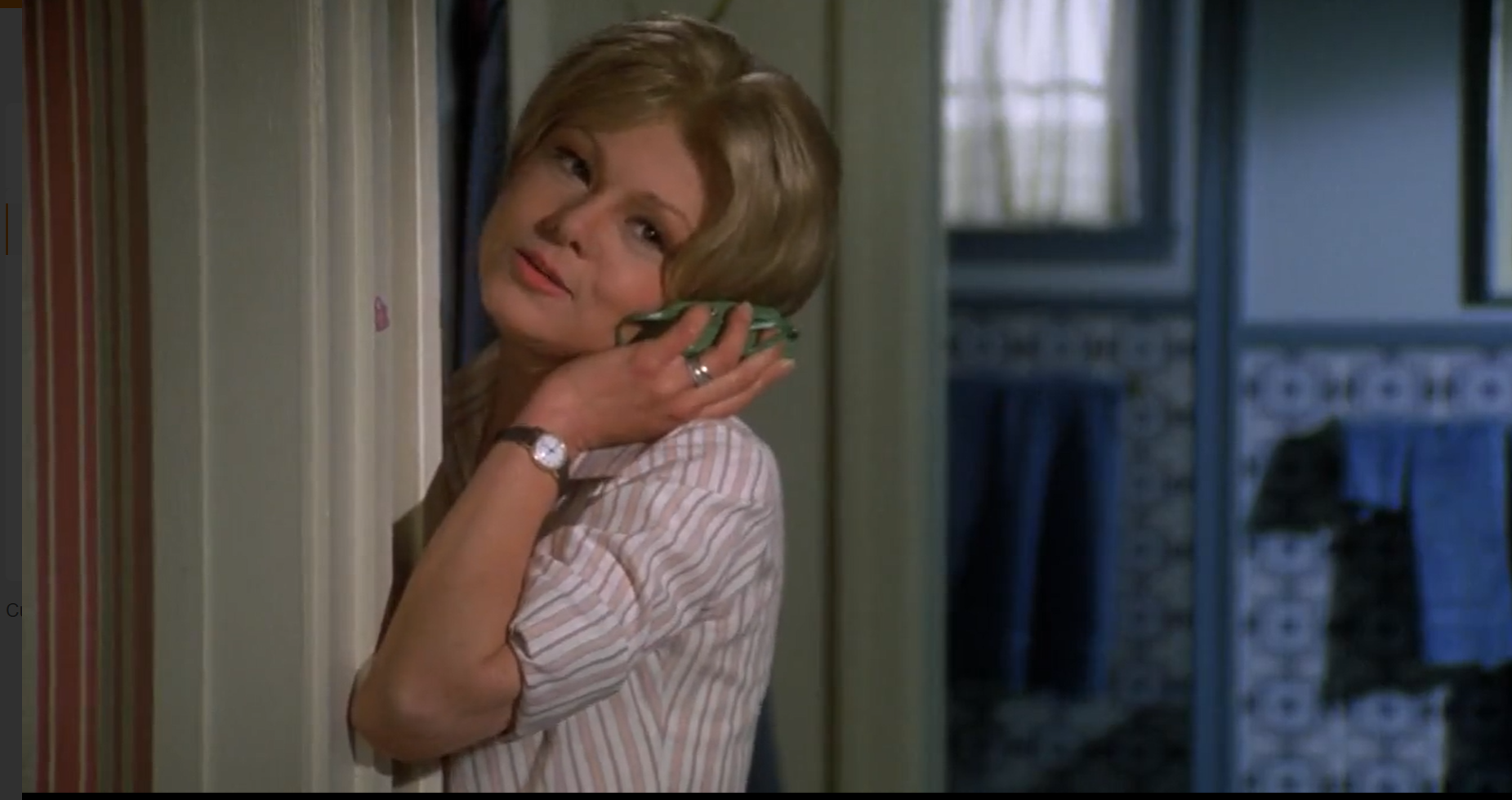
Better known for her work on Broadway than in films, this may actually be Harris’s best leading role onscreen: her no-holds-barred portrayal of an adolescent trapped in an adult body is a sheer pleasure to watch, from beginning to end. In early scenes, we see her luxuriating over the fact that she’s not only liberated from attendance at school but suddenly has a sexy, braces-free demeanor — only to quickly demonstrate how inadequately prepared she is to handle everything associated with the ’70s vision of womanhood/motherhood, from putting on false eyelashes (a great scene!):
… to preparing an impromptu meal for 30 to managing a household full of domestic assistants.
Fortunately, the film as a whole is mostly deserving of her stand-out performance, with the switched-identities element particularly well handled throughout. While we only see each character in her original body for the first 12 minutes of the film (and during the tail-end of the hectic finale), we nonetheless continue to believe in and understand exactly what’s happened to them, thanks to clever use of voice-over (plus, of course, the spot-on performances by the female leads). If there’s one slight downside, it’s that Harris’s travails as teenage “Annabel” are so much more intrinsically interesting and hilarious than Foster’s as the adult “Ellen”. Foster is primarily shown being humiliated time and again at school — either from her lack of knowledge about “modern” equipment (she has no idea how electric typewriters work):
… or her overabundance of knowledge in history class (where she’s viewed as a know-it-all), or her utter clumsiness on the hockey field (where she’s literally pummeled by members of the opposing team).
In sum, “Ellen”/”Mrs. Andrews” simply isn’t as interesting a character as “Annabel”. Regardless, the fast-paced screenplay (written by Rodgers herself) keeps us on our toes throughout, right up until the surprisingly enjoyable slapstick finale (involving a cop chase and an elaborate water-skiing revue). It’s also fun to see how cleverly Rodgers incorporates sly sexual innuendos without ever bordering on poor taste — i.e., the titillated reaction by Astin when Harris accidentally calls him “Daddy” a few times.
Meanwhile, both Harris and Foster learn important lessons in how to empathize with each other (naturally), but this thankfully isn’t hammered over our heads. Somewhat surprisingly, Freaky Friday remains worth a one-time look by all film fanatics — primarily for Harris’s performance, but also as a pleasantly enjoyable situation comedy. Watch for the inspired final shot/scene. Redeeming Qualities and Moments:
Must See? Categories
Links: |
“That kid in there’s a novelty — just what we need for our act!”
|
Synopsis: |
|
Genres, Themes, Actors, and Directors:
Review:
… aiding the fortunes of a talented young couple in desperate need of a break (Haley and Faye):
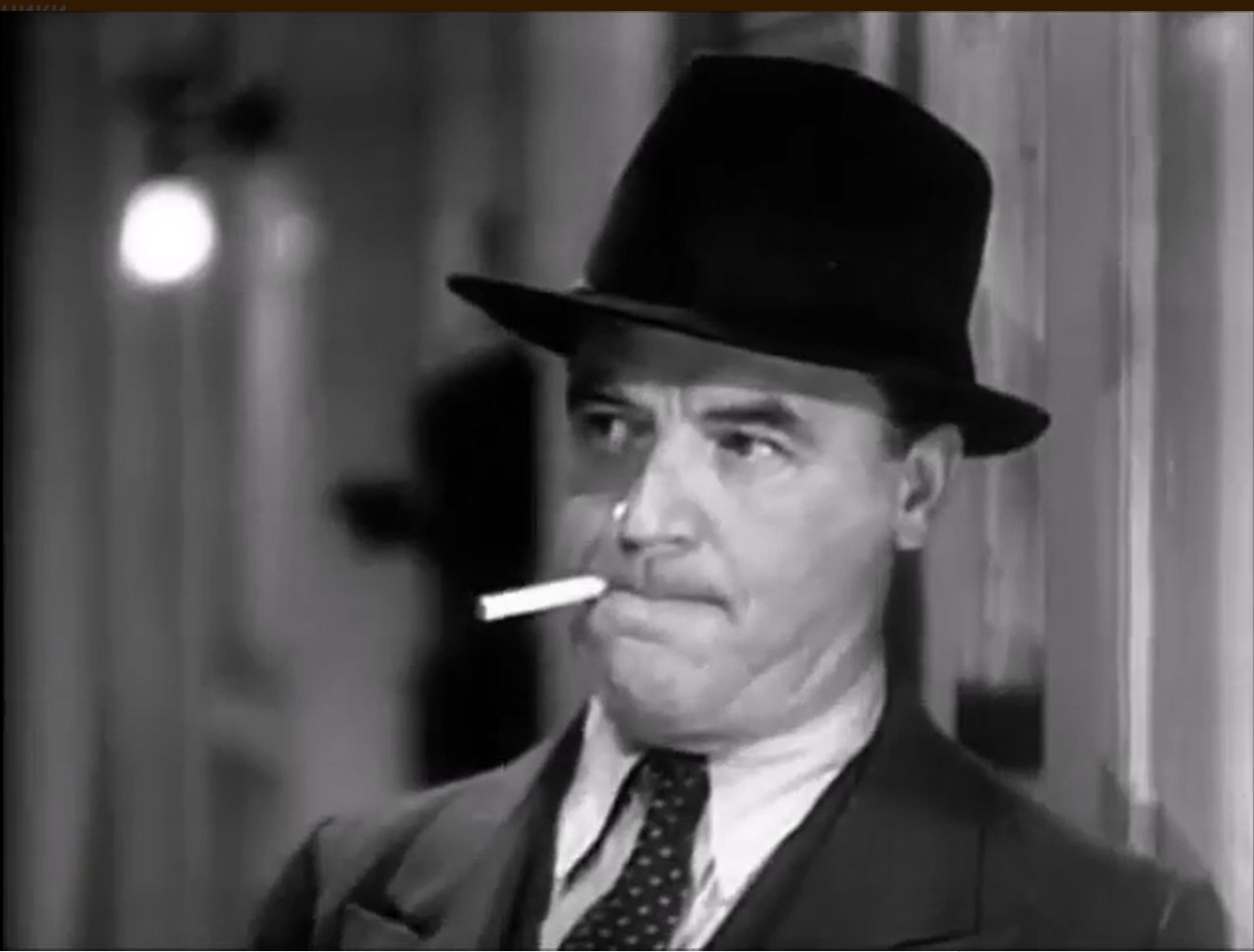
… and avoiding capture by a nebulously lecherous stalker (John Wray).
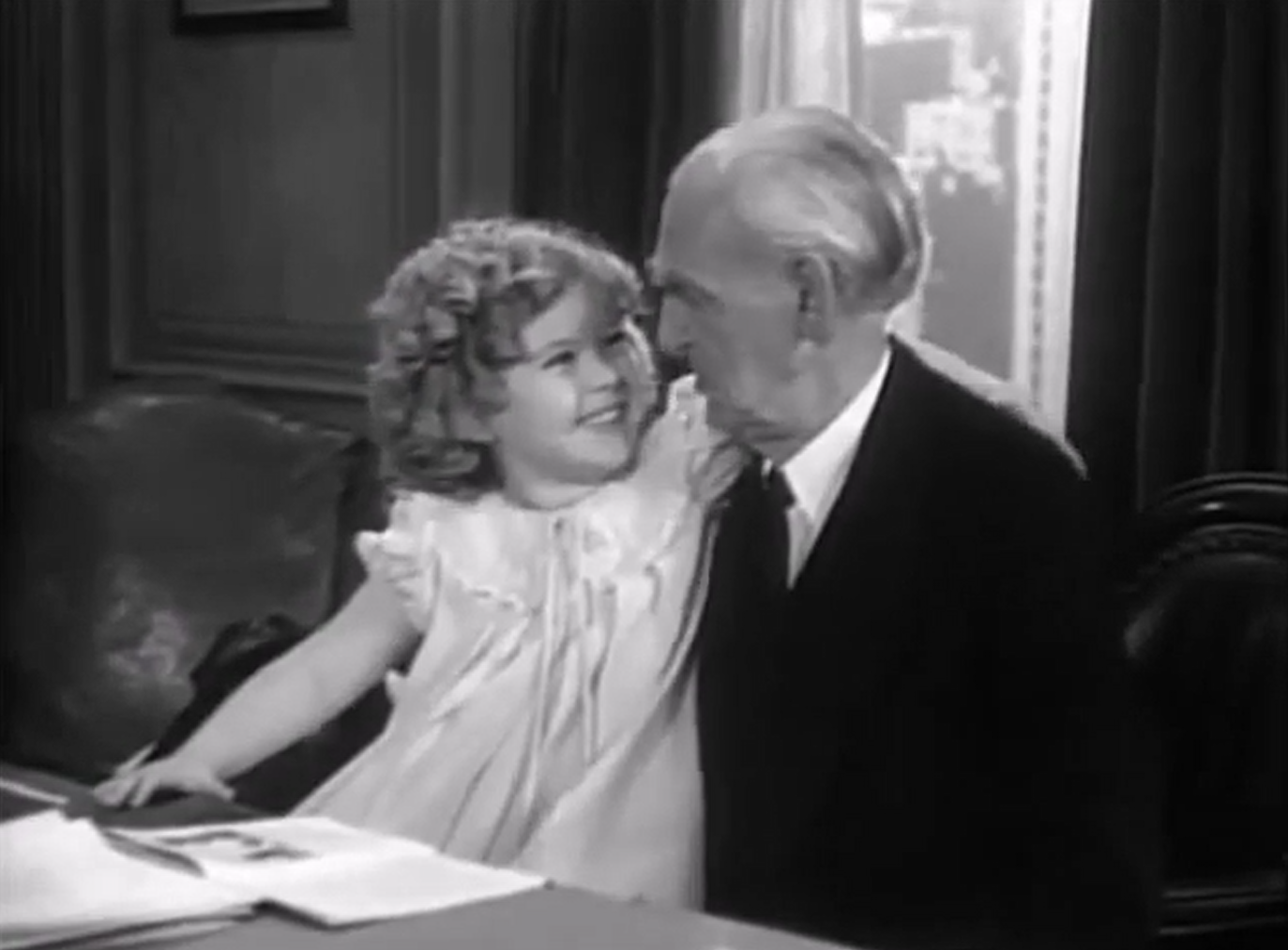
Highlights include Temple singing to her dolls (who eventually get up and dance):
… and her truly impressive tap finale with Haley and Faye, which apparently took countless attempts to get just right. However, this one ultimately isn’t must-see viewing; Peary lists other Temple titles in his GFTFF, and film fanatics need only see one or two at most to get a representative sense of what Temple’s phenomenal fame was all about. Redeeming Qualities and Moments:
Must See? Links: |
“You’re wasted in musical comedy. You could be a great tragic actress!”
|
Synopsis: |
|
Genres, Themes, Actors, and Directors:
Review: Redeeming Qualities and Moments:
Must See? Links: |
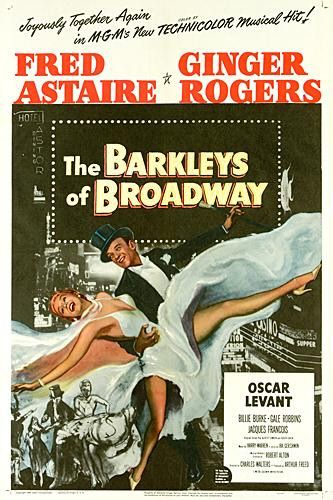
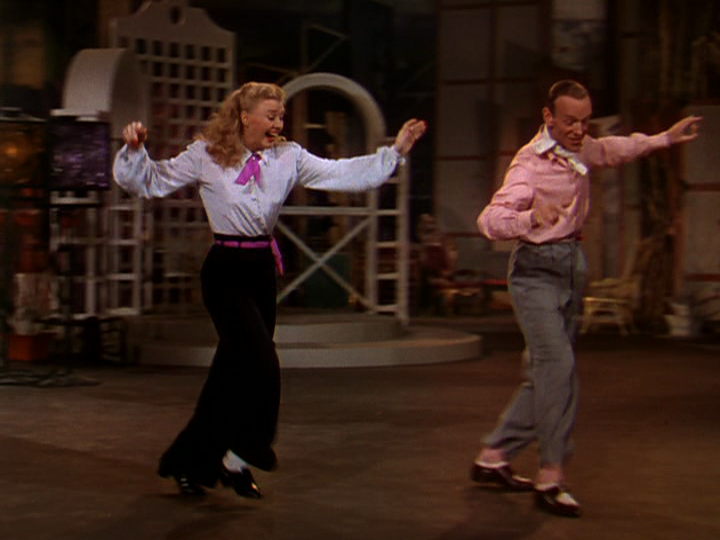
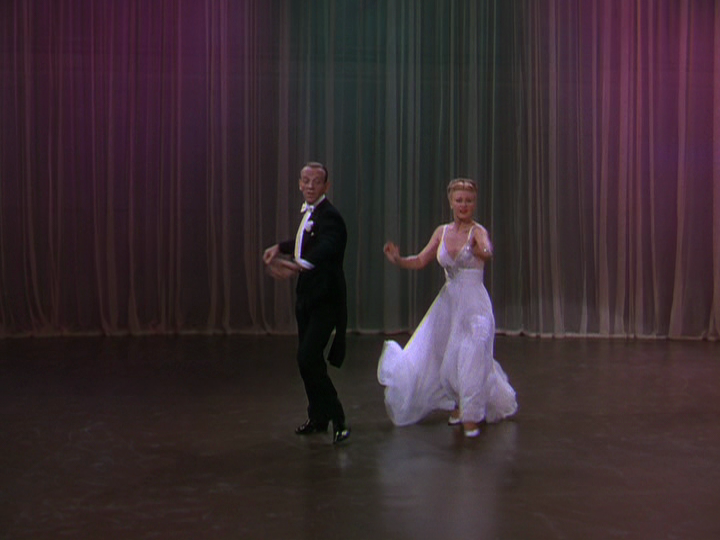
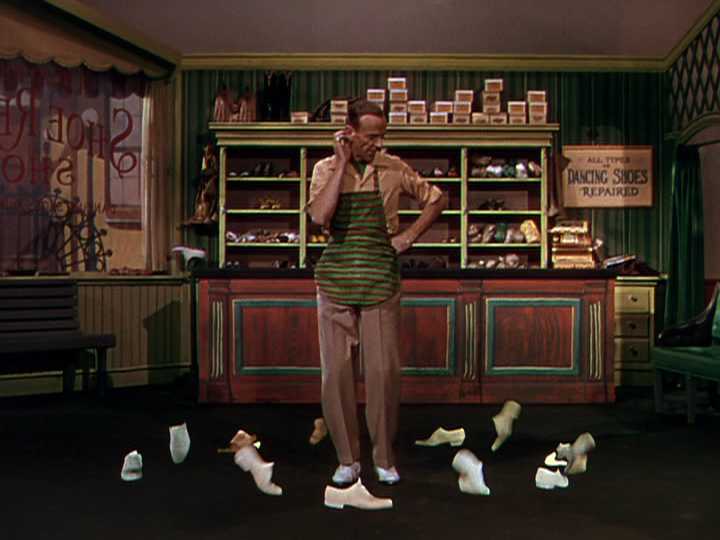
“Who’s gonna pay money to see a man dance with his wife?”
|
Synopsis: |
|
Genres, Themes, Actors, and Directors:
Review: Redeeming Qualities and Moments:
Must See? Links: |
“I should have known better — you’re not cured!”
|
Synopsis: |
|
Genres, Themes, Actors, and Directors:
Review: Favorite (throwaway) exchange early in the film:
Redeeming Qualities and Moments:
Must See? Links: |
“It looks like St. Mary’s is in a bad way.”
|
Synopsis: |
|
Genres, Themes, Actors, and Directors:
Response to Peary’s Review: The fact that this dated, overly sentimental film still remains of interest at all rests solely on the capable shoulders of Bergman, who, “more beautiful than ever — whether teaching a young boy to box or just reacting to good news from Crosby or Travers — is simply magnificent”. Her performance is head-and-shoulders above the material she’s given to work with, which unfortunately simply involves more of the cloying do-gooder vignettes evidenced in Going My Way. Here, Crosby and Bergman are committed (in different ways) to helping the teenage daughter (Joan Carroll) of a “single mother” (Martha Sleeper) whose musician-husband (William Gargan) walked out on them years earlier; will Crosby locate said “missing father”, and help facilitate an unrealistically happy reunion? What do you think? Meanwhile, the entire subplot revolving around Travers’ sudden change of heart simply defies belief. Regardless, film fanatics may want to check this one out once, simply for Bergman. She’s marvelous. Redeeming Qualities and Moments:
Must See? Links: |