Covered Wagon, The (1923)

Covered Wagon, The (1923)

“Day after day, week after week of grinding toil to cover twelve pitiful miles a day.”

Synopsis:
In 1848, two men (Charles Ogle and J. Warren Kerrigan) lead a pair of lengthy wagon trains towards Oregon while Ogle’s daughter (Lois Wilson) struggles between loyalty to her fiance (Alan Hale) and her growing interest in Kerrigan, whose checkered history causes her concern.

Genres, Themes, Actors, and Directors:

  • Alan Hale Films
  • Love Triangle
  • Settlers
  • Silent Films
  • Westerns

Review:
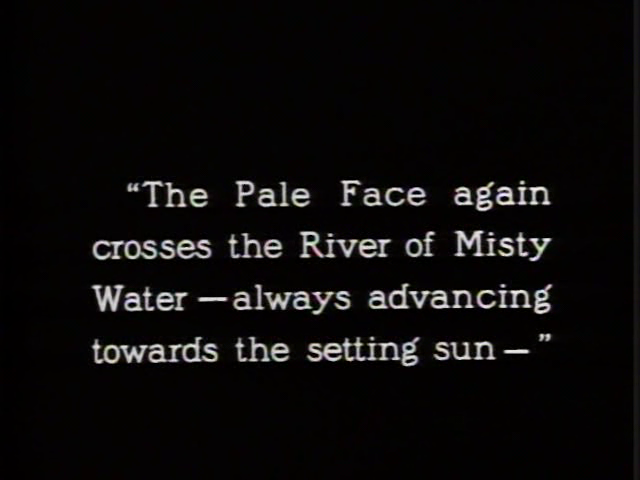
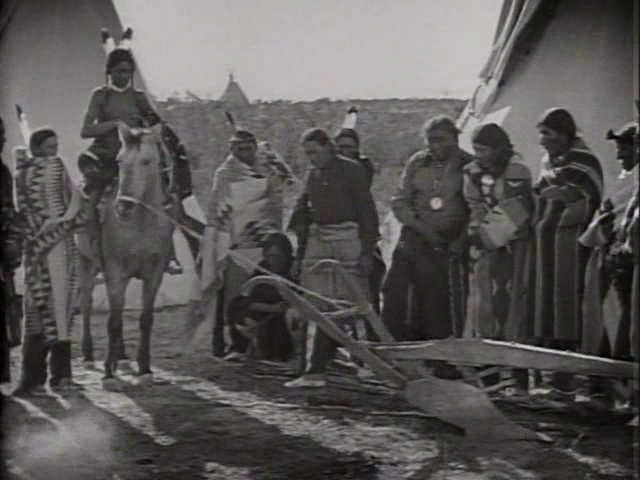
Director James Cruze helmed this remarkably authentic recreation of the westward movement in American history, which distinguishes itself almost immediately as a film worthy of our attention. Within ten minutes of its narrative, we see a group of (real) Native Americans standing around a plow, followed by these intertitles:


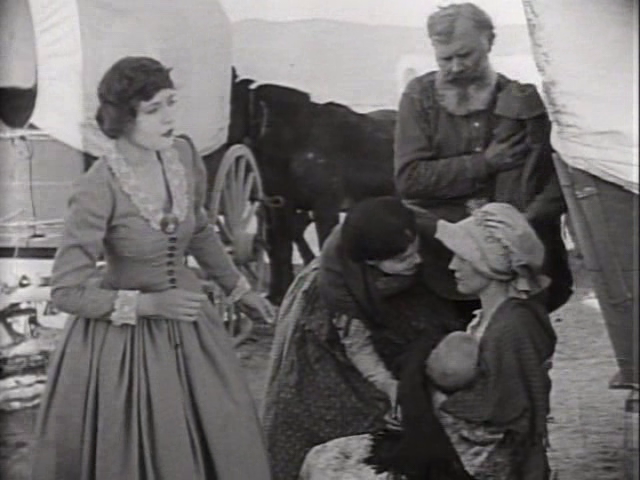
While the remainder of the movie focuses exclusively on the travails of the White settlers:

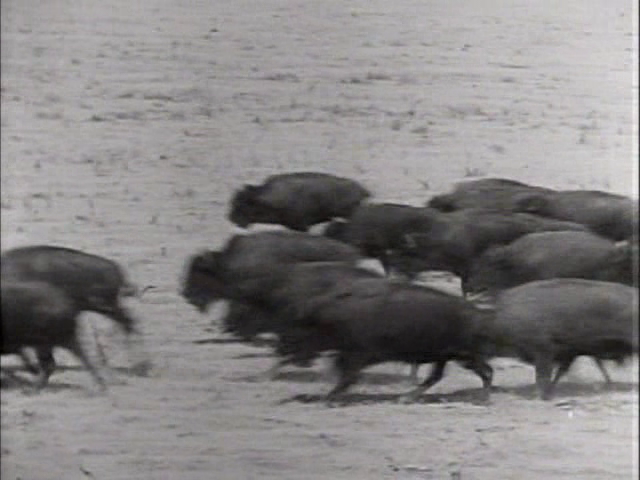
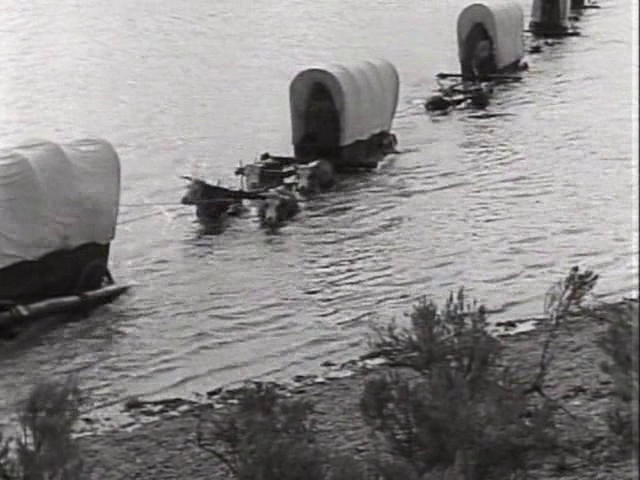
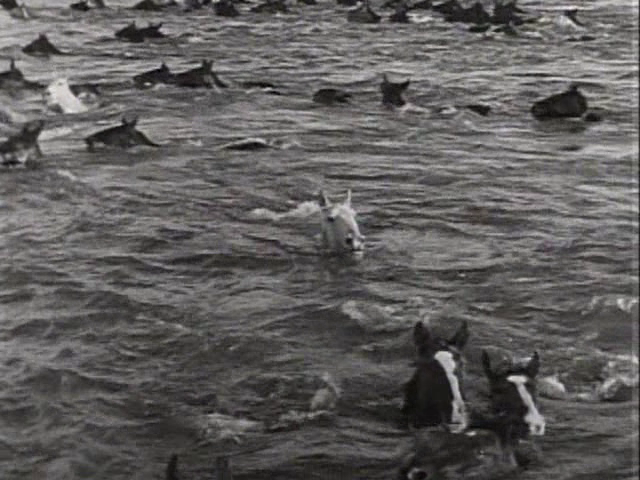
we can’t help feeling gratitude to Cruze (and screenwriter Jack Cunningham) for bothering to show the Indians’ perspective on events as well. Meanwhile, several powerful scenes — most notably a lengthy depiction of wagon trains crossing a river — are simply astonishing in their level of realism; we feel we’re actually watching a documentary portrayal of this pivotal period in American history. (Interestingly, the dramatic buffalo hunt scene was, given the scarcity of herds, only partially “real”, with extensive use of small lead castings — but you’d never know.)

The romantic storyline itself leaves much to be desired, and is best simply ignored.

Note: An interesting bit of trivia is that Dorothy Arzner appears to have edited this film.

Redeeming Qualities and Moments:

  • A remarkably authentic recreation of the journey undertaken by westward-bound pioneers


  • A refreshing (albeit too short) glimpse of the Native American perspective on “westward expansion”

Must See?
Yes, for its historical relevance as the first “epic” western. Listed as a film with Historical Importance in the back of Peary’s book.

Categories

  • Historically Relevant

Links:

Mark of Zorro, The (1920)

Mark of Zorro, The (1920)

“This Zorro comes upon you like a graveyard ghost and like a ghost he disappears.”

Synopsis:
In colonial California, a masked avenger (Douglas Fairbanks) — who in real life poses as a foppish milquetoast — battles for the rights of the oppressed while romancing a beautiful young noblewoman (Marguerite De La Motte).

Genres, Themes, Actors, and Directors:

  • Douglas Fairbanks, Sr. Films
  • Silent Films
  • Superheroes

Review:
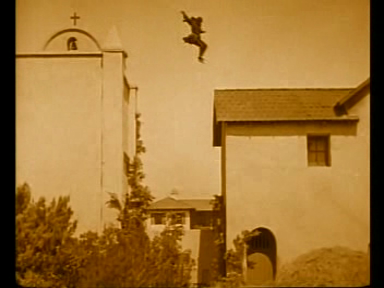
Douglas Fairbanks, Sr. is widely acknowledged as the godfather of cinematic action heroes, given his portrayal as “Zorro” the masked avenger (a fictional hero created by pulp writer Johnston McCulley). In this earliest of many screen adaptations, Fairbanks — much like Leslie Howard in The Scarlet Pimpernel (1934) — has great fun in dual roles, playing both a frustratingly effete nobleman and a swashbuckling defender of the downtrodden. He’s remarkably agile, and gets to perform some fine stunts (all his own, apparently), most notably in the climactic finale. The storyline is slight, but perfectly suited to the material, and possesses quite a bit of enjoyable humor; indeed, I was surprised to find that George Hamilton’s satirical turn in Zorro, the Gay Blade (1981) isn’t all that far removed from the sensibility of this earlier presentation, which has great fun treating evil colonial powers with appropriate disdain.

Note: Director Fred Niblo also helmed the silent adventure classics Blood and Sand (1922) and Ben-Hur (1925), both Peary-listed titles.

Redeeming Qualities and Moments:

  • Douglas Fairbanks as Don Diego/Zorro
  • Fairbanks’ impressive athletic stunts
  • A surprisingly humorous screenplay

Must See?
Yes, for its historical relevance as the first of Fairbanks’ swashbuckling adventure films, and the movie that started a trend of cinematic caped heroes. Available for free viewing on www.archive.org (as a Public Domain title).

Categories

  • Historically Relevant
  • Noteworthy Performance(s)

Links:

General, The (1926)

General, The (1926)

“Don’t enlist him; he is more valuable to the South as an engineer.”

Synopsis:
During the Civil War, an accomplished train engineer (Buster Keaton) is denied entry into the Confederate Army, much to the dismay of his girlfriend (Marion Mack), who mistakenly believes he is too cowardly to enlist. Soon he becomes an unintentional hero when he rescues Mack from his hijacked train, and foils Union plans for an attack.

Genres, Themes, Actors, and Directors:

  • Buster Keaton Films
  • Civil War
  • Comedy
  • Historical Drama
  • Silent Films
  • Spies
  • Trains and Subways

Response to Peary’s Review:
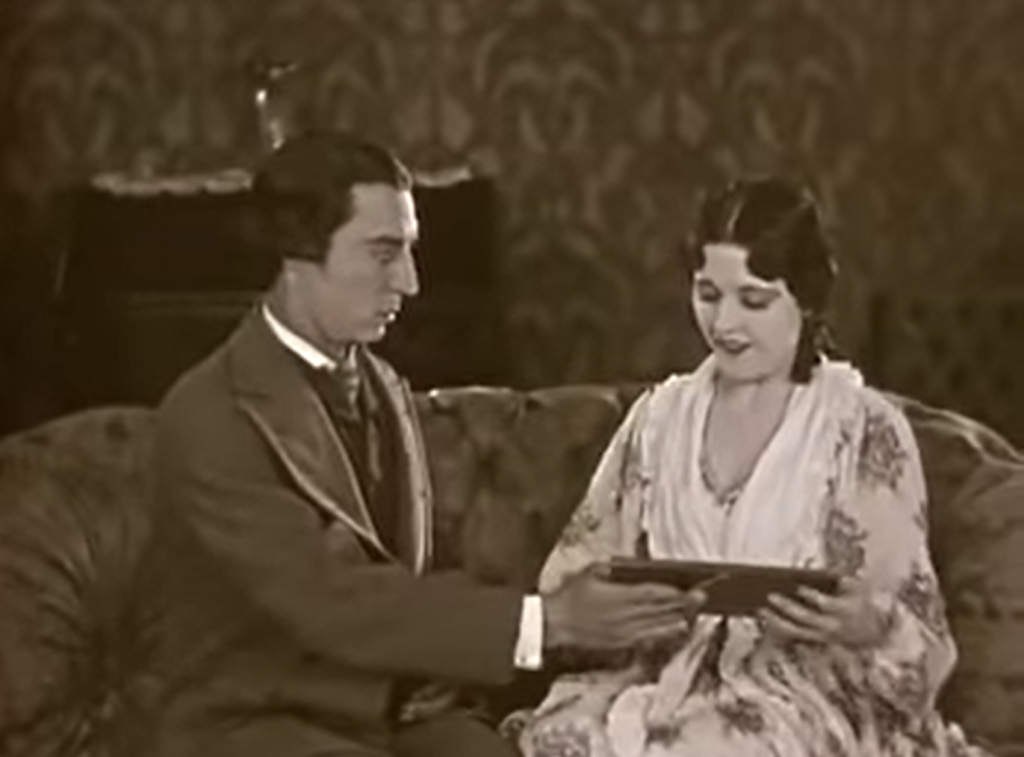
Peary, like so many others, refers to this Civil War-era slapstick classic as “Buster Keaton’s masterpiece and, as such, one of our two or three greatest comedies”. Telling the “simple” story — almost entirely “centered on train chases” — of “Johnnie Grey, conductor of the General”, whose “two loves are his engine and lovely Annabel Lee (Marion Mack)”:
… it “features a dazzling number of sight gags, some spectacular Keaton acrobatics…, and… ingenious use of the frame”. Peary notes that “as usual, Keaton is a sweet fellow and it’s a delight watching this tiny, unmuscular civilian pull off one heroic act after another while soldiers on both sides accomplish nothing”.

Peary spends the remainder of his review pointing out something most other critics haven’t noted (or don’t agree with): the fact that “the relationship between Keaton and Mack is wonderfully romantic”. He argues that “her well-intentioned but ridiculous attempts to help in their escape effort both exasperate him and reinforce his love for her”, and calls out in particular the somewhat astonishing moment — you’ll likely give a start at its modernity and authenticity — when “he playfully strangles her, then kisses her” as she demonstrates tremendous ineptitude while “helping” him select wood for the engine’s fire.
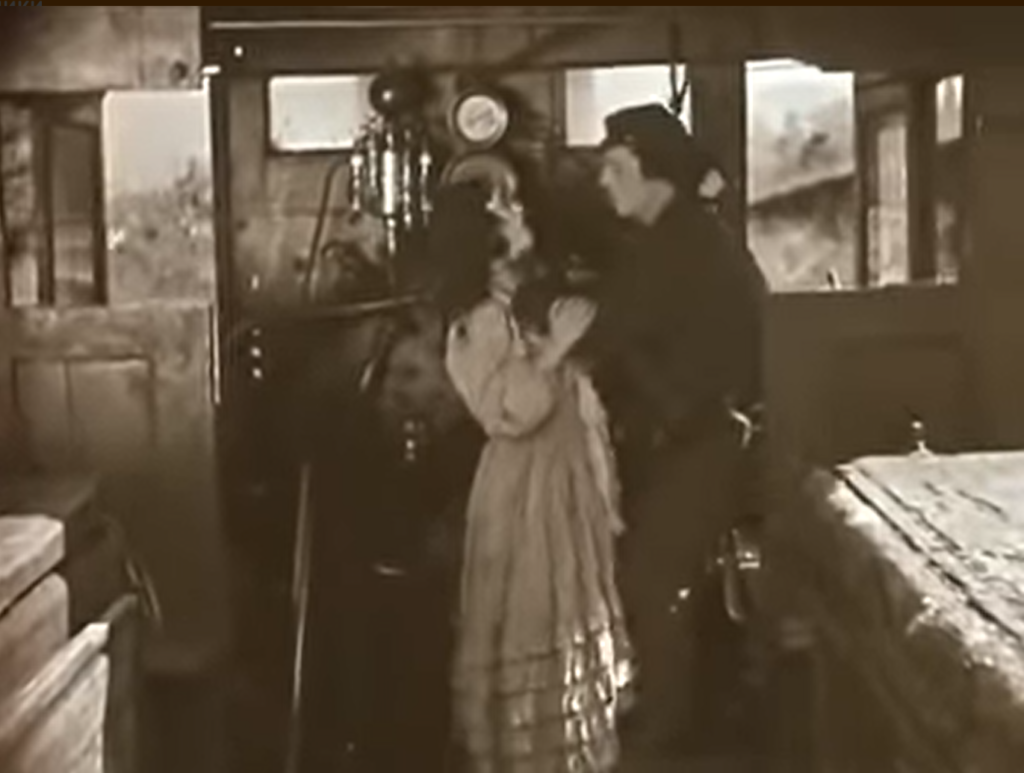
This scene — along with countless others in which he demonstrates a truly astonishing level of dexterity and quick-thinking savvy — make him a silent-film “hero” we’re delighted to see in action. In sum, this one is, as Peary calls it, “marvelous in every way”, and deserves its ranking as one of the best American films.

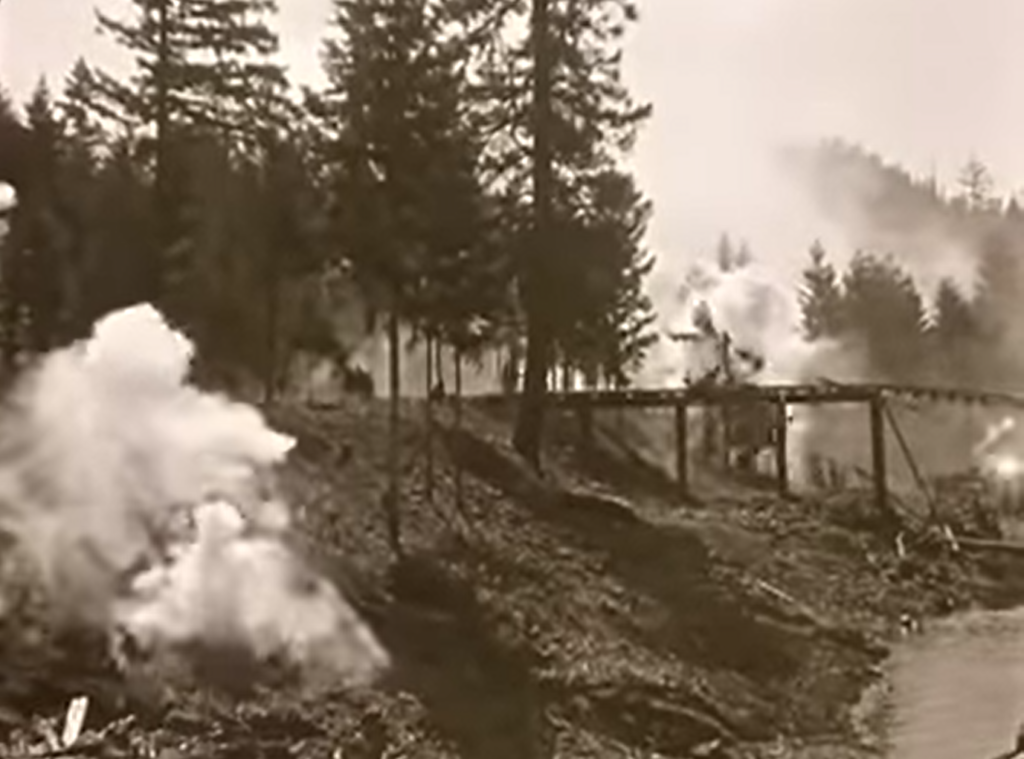
Note: Watch for the impressive burning bridge sequence, which cost $42K, making it “the most expensive single shot in silent film history”.
Redeeming Qualities and Moments:

  • Fun use of trains as a comedic element
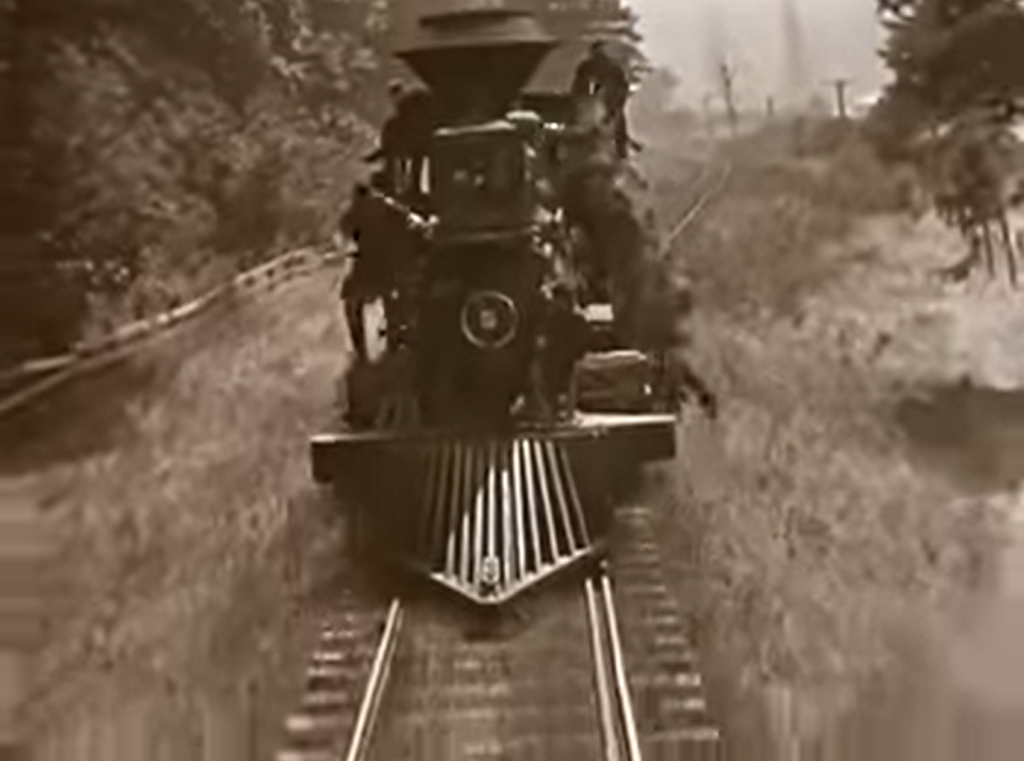
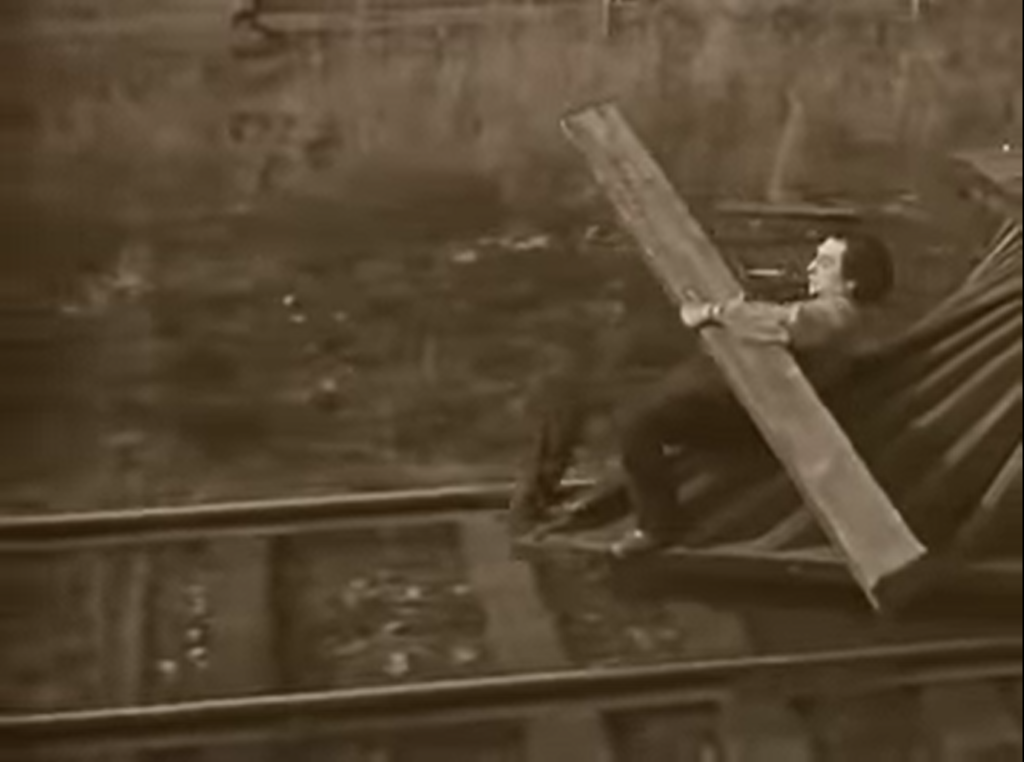
  • Many truly incredible physical stunts and set pieces
Must See?
Yes, as arguably Keaton’s masterpiece.

Categories

  • Genuine Classic

(Listed in 1001 Movies You Must See Before You Die)

Links:

Our Hospitality (1923)

Our Hospitality (1923)

“Once upon a time in certain sections of the United States there were feuds that ran from generation to generation.”

Synopsis:
In the 1800s, a young man (Buster Keaton) traveling to claim his inheritance in Appalachia falls for a girl (Natalie Talmadge) he meets along the way. Soon he learns that Talmadge belongs to a family his ancestors have been feuding with for generations, and that her father (Joe Roberts) and brothers (Ralph Bushman and Craig Ward) will do anything to kill him.

Genres, Themes, Actors, and Directors:

  • Buster Keaton Films
  • Comedy
  • Feuds
  • Historical Drama
  • Silent Films

Review:
Our Hospitality is notable as Buster Keaton’s first “official” feature-length film (Three Ages, which came out two months earlier, was released as a single full-length feature, but actually created as three separate “shorts” in case it failed in its longer form). Our Hospitality demonstrates Keaton’s typically keen attention to historical detail, with several fun props — i.e., a miniature steam engine known as Stephenson’s Rocket, and a pedal-less bicycle called a Dandy Horse — actual replicas of authentic items. It also showcases several of his most inventive and daring set pieces — most memorably the peerless waterfall finale, which was filmed on a set but nonetheless placed Keaton in harm’s way several times (including sending him to the hospital once for inhaling too much water). Meanwhile, the storyline itself, while incredibly simple in concept — Keaton tries to avoid being killed! — remains humorously inventive throughout.

Redeeming Qualities and Moments:

  • Fun historical set pieces and props

  • Many enjoyable sight gags and scenarios


Must See?
Yes, for its historical relevance as Keaton’s first (authentic) feature length film, and for its sheer inventiveness. Listed as a Personal Recommendation in the back of Peary’s book.

Categories

  • Historically Relevant

(Listed in 1001 Movies You Must See Before You Die)

Links:

Navigator, The (1924)

Navigator, The (1924)

“Our story deals with one of those queer tricks that Fate sometimes plays.”

Synopsis:
A wealthy young man (Buster Keaton) and his would-be fiancee (Kathryn McGuire) find themselves at sea in a drifting cruise ship, struggling to survive and fight off an island full of cannibals.

Genres, Themes, Actors, and Directors:

  • At Sea
  • Buster Keaton Films
  • Comedy
  • Millionaires
  • Silent Films
  • Survival

Response to Peary’s Review:
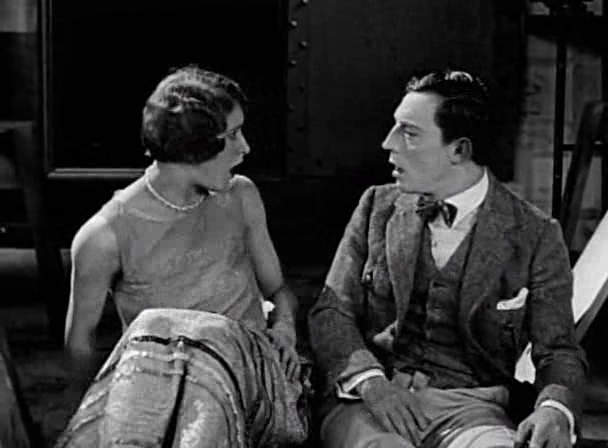
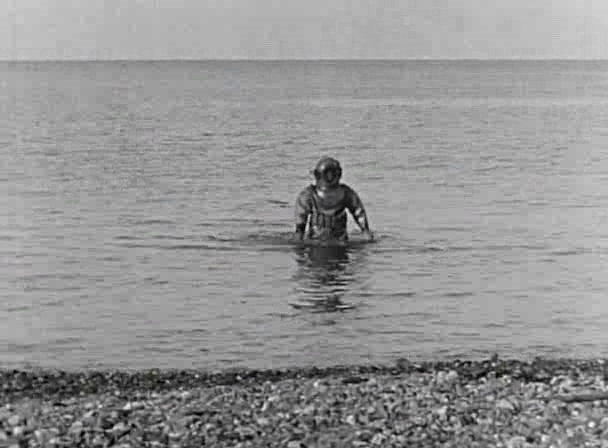
As Peary notes, Buster Keaton’s “biggest commercial hit” — which he correctly argues “hasn’t a bad moment” — is “another in his line of silent comedy masterpieces” (and I’ll admit to a personal fondness for it). It does indeed have “many intricate, hilarious gags”, with highlights including “Keaton [as ‘Rollo Treadway’] chasing McGuire around the ship when he first discovers she’s on board also; Keaton in a diving suit…; Keaton routing some cannibals”, and, of course, the side-splitting early sequences showcasing Keaton and McGuire’s lame attempts to fix themselves breakfast (as well as the “three weeks later” scenes showing Keaton’s humorously inventive capabilities). Keaton, naturally, is in top form (when is he not??), and McGuire acquits herself admirably in a role which allows her to be Keaton’s comedic peer rather than simply his romantic foil. This is one of those films better seen than discussed, so go ahead and treat yourself — you’re in for a boatful (sorry!) of laughs.

Redeeming Qualities and Moments:

  • Keaton and McGuire’s earliest attempts at survival
  • Kathryn McGuire as Betsy
  • Consistently enjoyable visual and physical gags


Must See?
Yes, as one of Keaton’s most enjoyable early successes.

Categories

  • Good Show

Links:

Love (1927)

Love (1927)

“Into our empty lives has swept a force that is overwhelming us both.”

Synopsis:
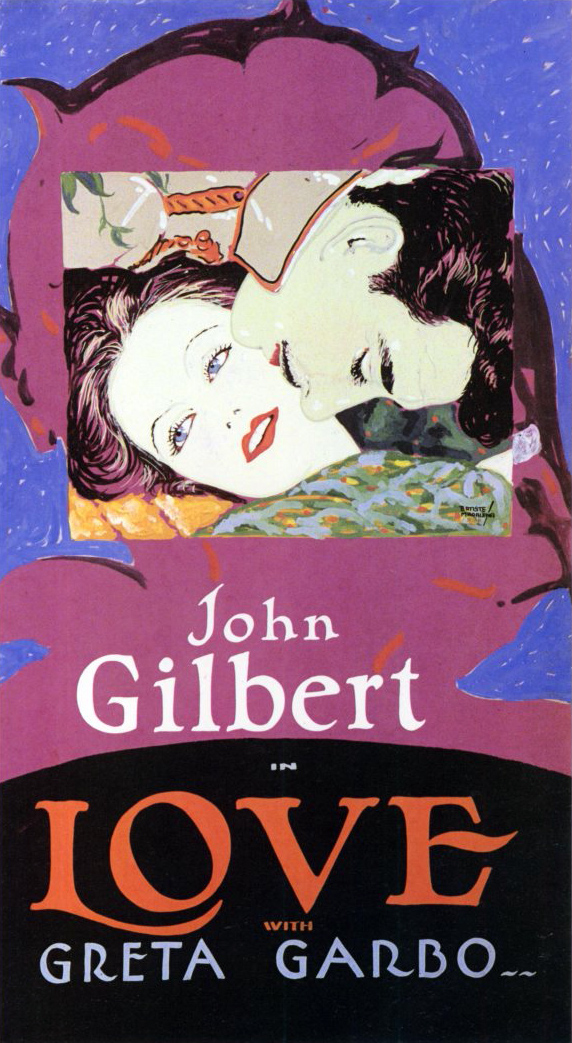
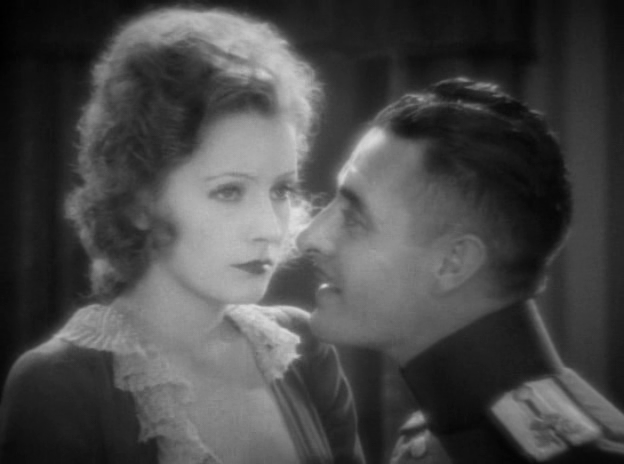
Count Vronsky (John Gilbert) falls in love with married Anna Karenina (Greta Garbo), who abandons her husband (Brandon Hurst) and child (Philippe De Lacy) to be with him.

Genres, Themes, Actors, and Directors:

  • Greta Garbo Films
  • Infidelity
  • John Gilbert Films
  • Romance
  • Silent Films

Review:
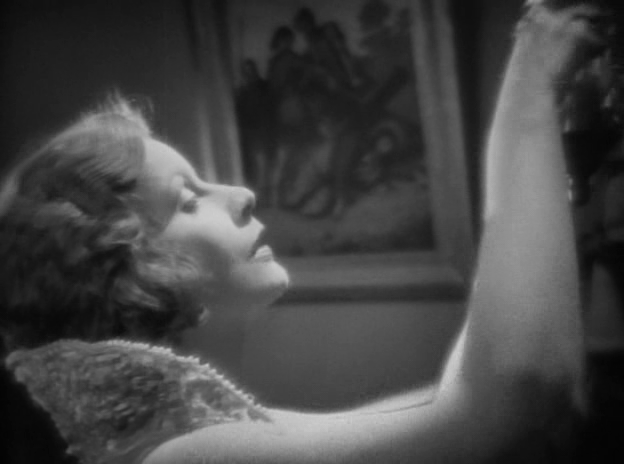
Greta Garbo starred as the tragic literary heroine Anna Karenina twice during her relatively brief on-screen career. This earlier (silent) version constitutes a highly pared-down adaptation of Tolstoy’s classic novel, telling a simple romantic morality tale of illicit desires, challenging choices, and conflicted outcomes. It was directly made to bank upon the onscreen chemistry exhibited by real-life couple John Gilbert and Greta Garbo (who starred together the previous year in Flesh and the Devil); highlighted by William Daniels’ fine soft focus cinematography, they once again make for an appealingly sensuous pair of star-crossed lovers. However, the film as a whole isn’t really must-see viewing for anyone other than Garbo completists.

Note: This film notoriously had two different endings: one more authentic to the book (i.e., depressing), and one tailor-made for audiences wanting a more cheerful resolution. This latter ending is the one I saw, on a version aired for TCM which was taped live during a screening at UCLA — complete with an audience laugh-track (and not always during “appropriate” moments!).

Redeeming Qualities and Moments:

  • Fine on-screen chemistry between Garbo and Gilbert
  • Lovely cinematography by William Daniels

Must See?
No; this one is only must see for Garbo fans.

Links:

Lost World, The (1925)

Lost World, The (1925)

“The back country of the Amazon contains over fifty thousand miles of unexplored water-ways. Who can say what may be living in that jungle — as vast as all Europe?”

Synopsis:
A young woman (Bessie Love) whose father is reported lost in the Amazon convinces an eccentric professor (Wallace Beery) and several others — including a reporter (Lloyd Hughes) and a sportsman (Lewis Stone) — to accompany her on a rescue mission, where they quickly discover the presence of dinosaurs.

Genres, Themes, Actors, and Directors:

  • Fantasy
  • Lewis Stone Films
  • Silent Films
  • Wallace Beery Films

Review:
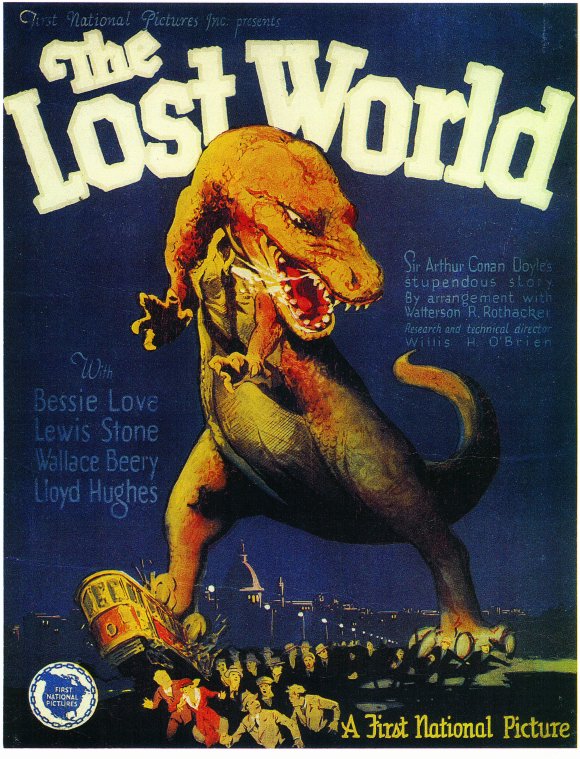
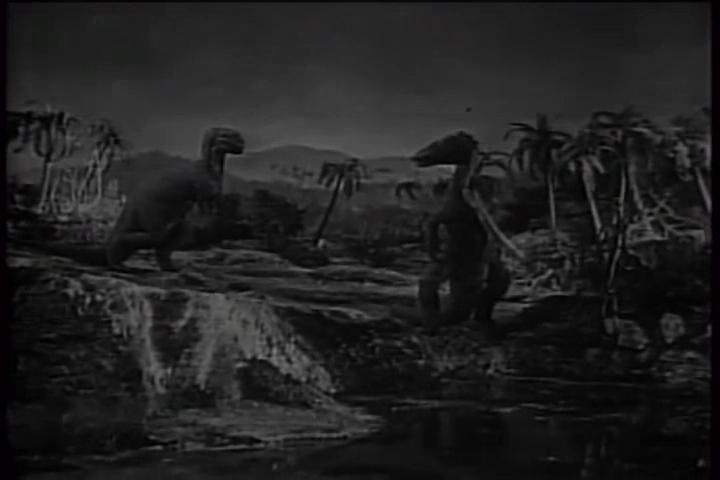
This early film adaptation of Arthur Conan Doyle’s 1912 novel is notable for its groundbreaking animation by Willis O’Brien, who would soon go on to bigger fame for his work on King Kong (1933) (and win an Academy Award for 1949’s Mighty Joe Young). The undeniably creaky storyline is simply a convenient excuse to introduce breathtakingly “realistic” (for the time) scenarios of dinosaurs battling each other on an Amazonian plateau; unfortunately, because the creatures engage exclusively with each other rather than the human intruders, what we’re left with are multiple shots of the characters looking up at distant action happening above and behind them, never truly seeming at risk for their lives. At least the situation is redeemed somewhat once the intrepid explorers bring a live specimen back to London, and we see the beast wreaking havoc a la King Kong on the city streets. (And it’s interesting to know that some audience members at the time were apparently convinced that what they were seeing on-screen really happened.)

Note: This film has a storied history of being nearly destroyed, then found, then finally restored to a length closer to its original running time; check out Digitally Obsessed’s review for a blow-by-blow account of scenes and images inserted into the restored edition.

Redeeming Qualities and Moments:

  • Truly groundbreaking stop-motion animation

Must See?
Yes, simply for its astonishing early animation. Listed as a film with Historical Importance in the back of Peary’s book.

Categories

  • Historically Relevant

Links:

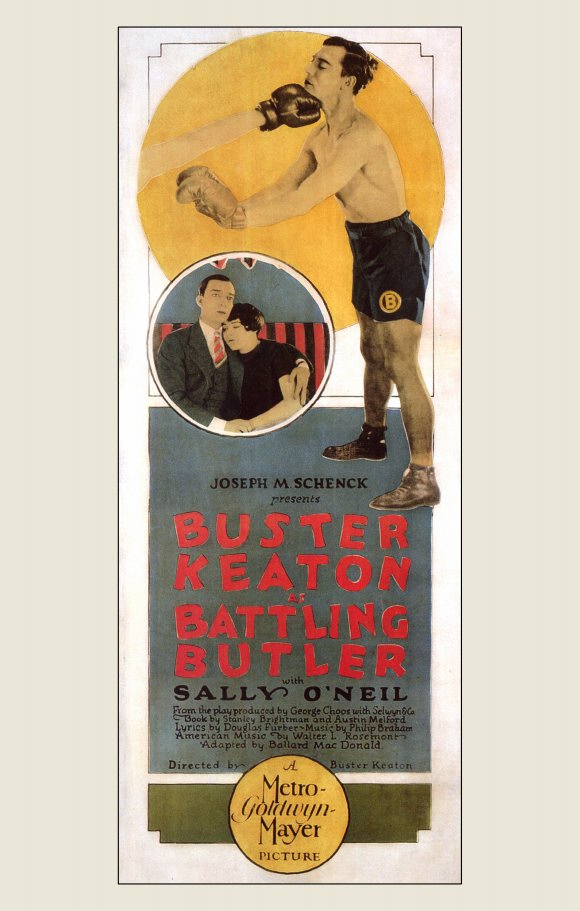
Battling Butler (1926)

Battling Butler (1926)

“That jellyfish couldn’t take care of himself — let alone a wife.”

Synopsis:
While camping with his enabling butler (Snitz Edwards), a wealthy milquetoast (Buster Keaton) falls in love with a “mountain girl” (Sally O’Neill) who comes to believe he’s a champion prizefighter (Francis McDonald) with the same name.

Genres, Themes, Actors, and Directors:

  • Boxing
  • Buster Keaton Films
  • Comedy
  • Mistaken or Hidden Identities
  • Play Adaptation
  • Silent Films

Review:
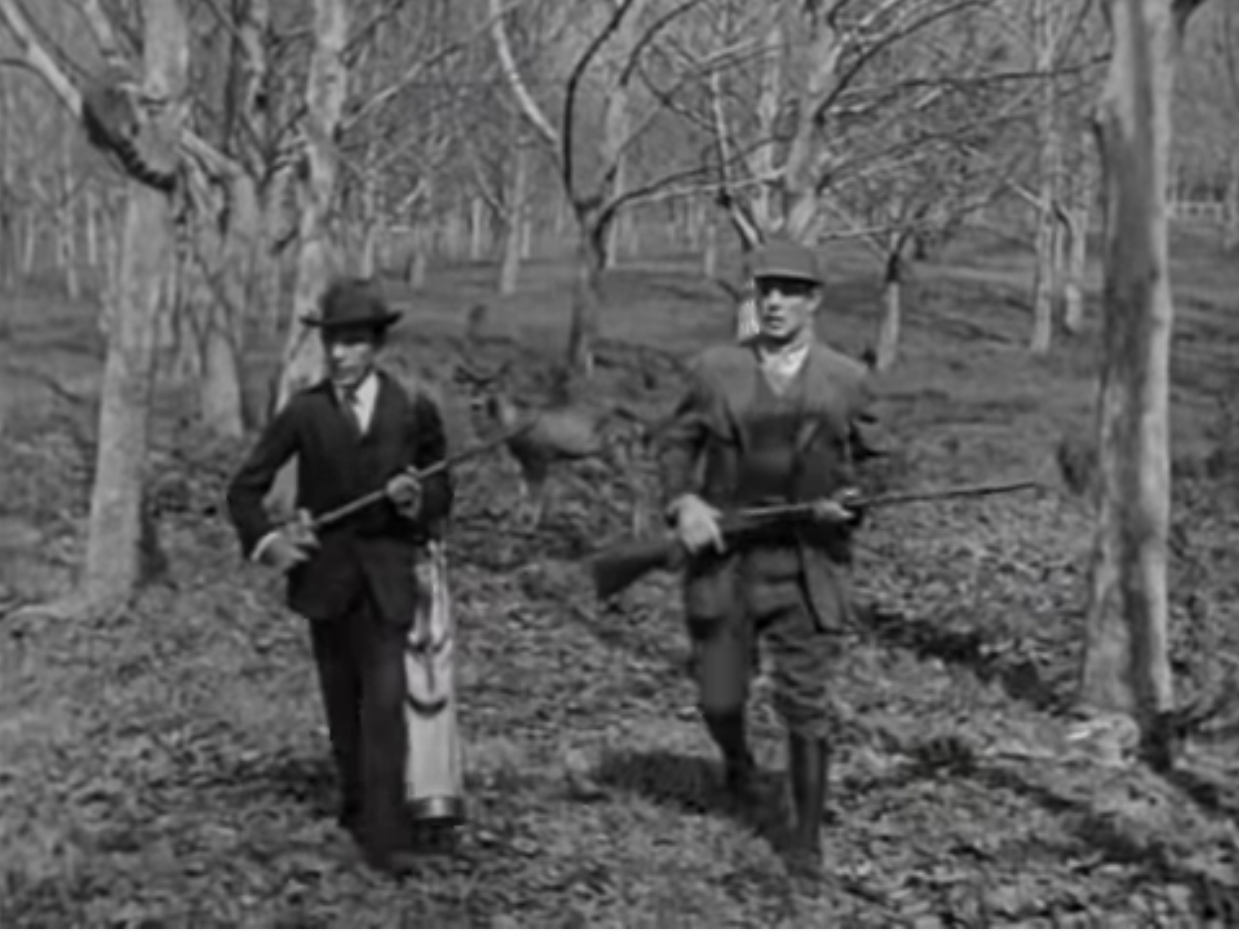
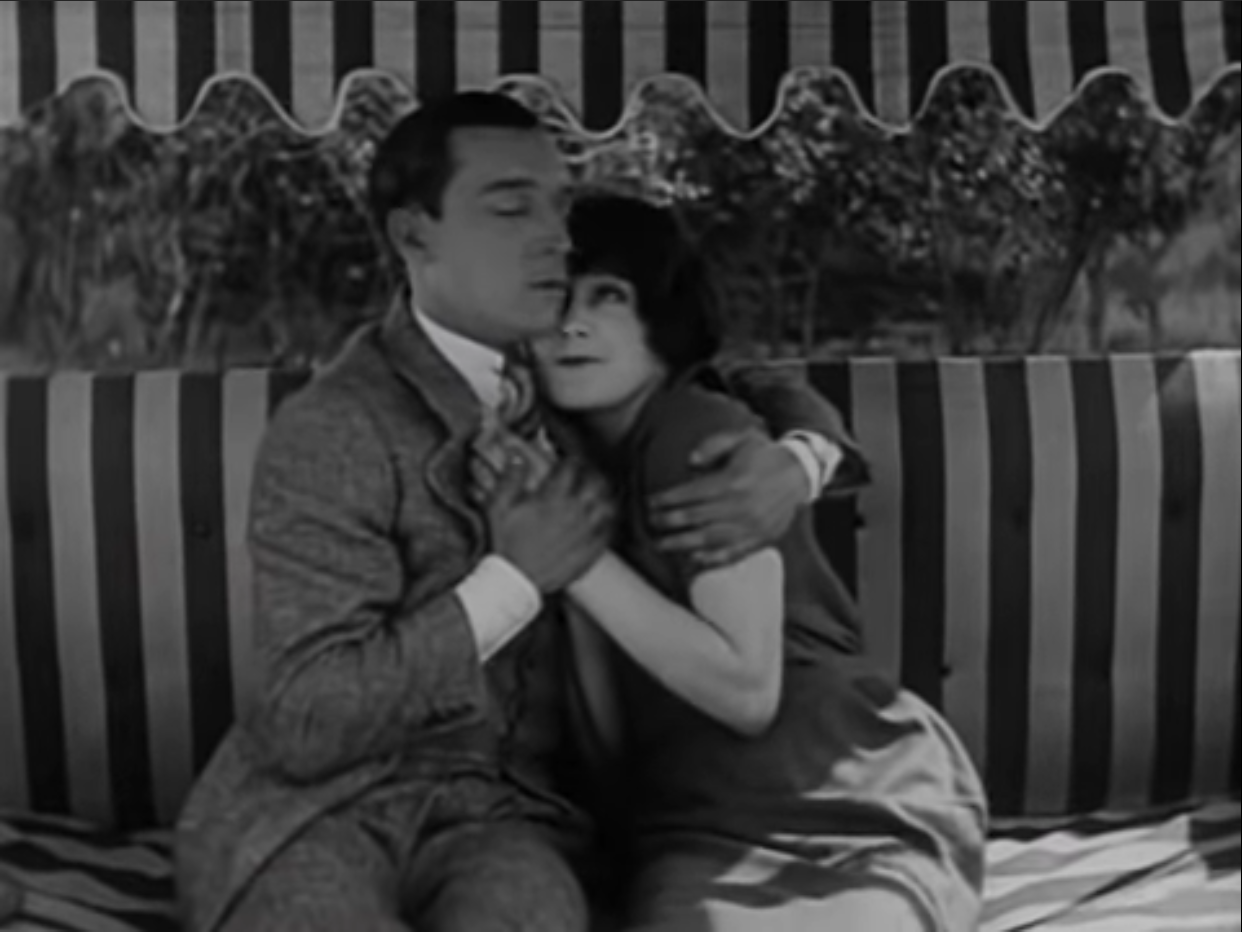
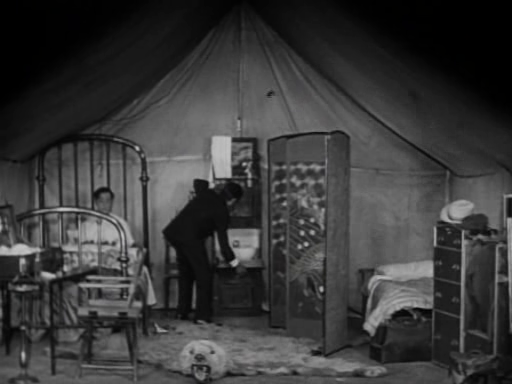
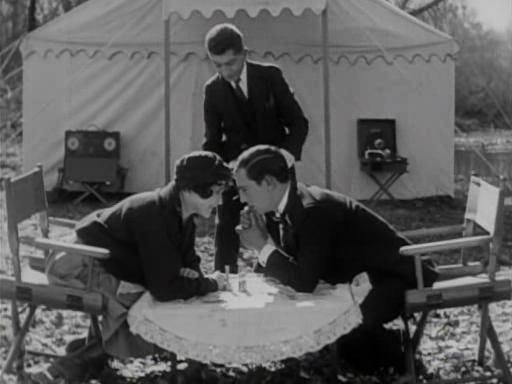
Widely considered one of the “least” of Buster Keaton’s films (primarily because it’s based on a play rather than an original cinematic conceit), this nonetheless remains an enjoyable treat for silent comedy fans. Keaton, as always, is at the top of his game, consistently delighting us with one visual gag after the other: Alfred (Keaton) finding no animals available to hunt in a forest literally teeming with critters:

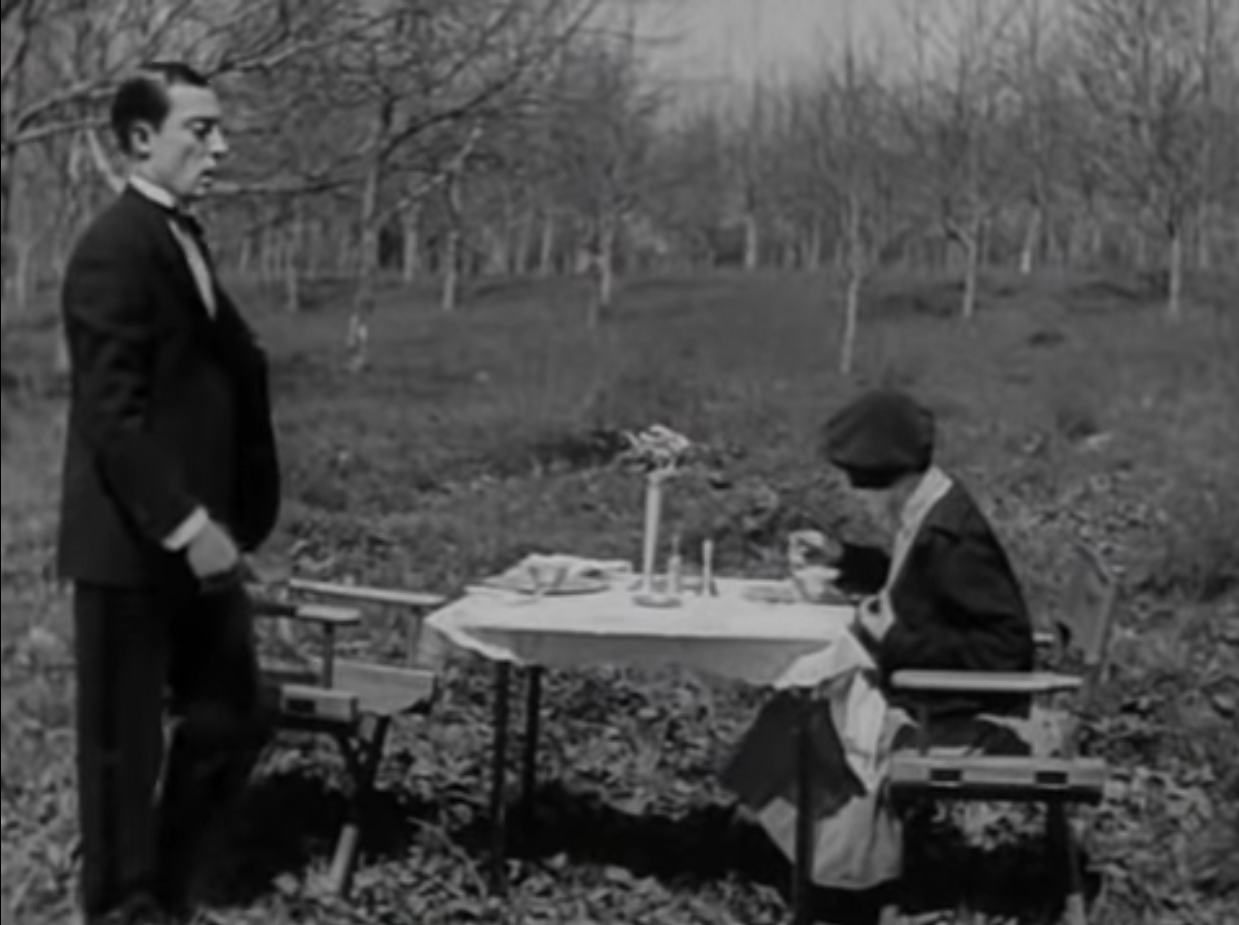
… Alfred’s table sinking in the mud as he romances his new love interest:

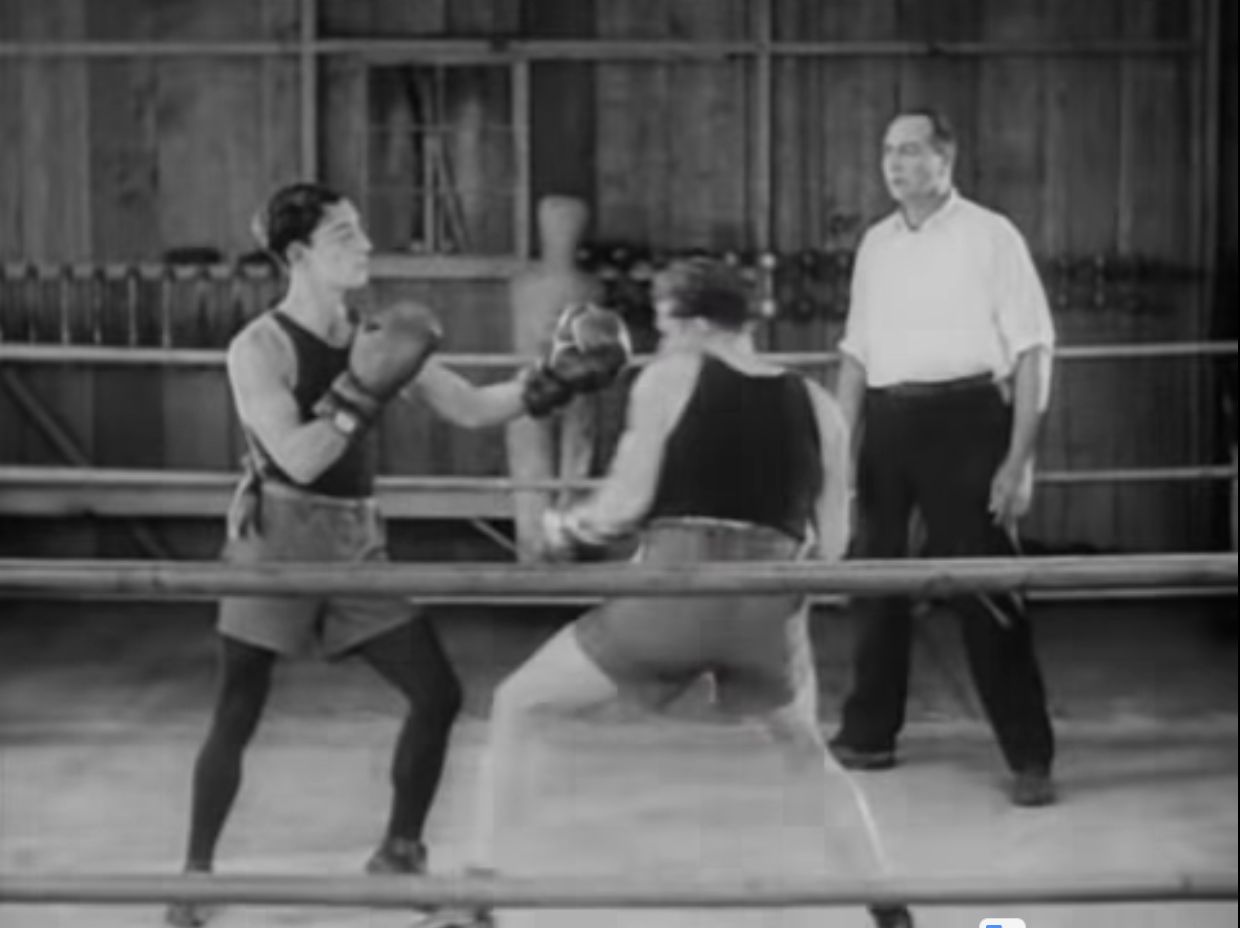
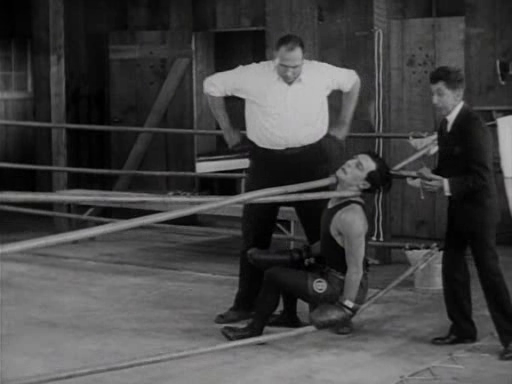
… Alfred’s wild attempts at faux-boxing with a disheartened trainer.

It’s been noted that Keaton was actually too physically dexterous (check out his muscles!) to be convincing as a weakling, but this simply makes his slapstick maneuvers all that much more impressive. Meanwhile, it’s refreshing to note that Keaton’s character originally intends to tell his girl the truth, but literally gets sucked into marriage before he can say a word; his deception thereafter is simply meant to save face in front of the love of his life, and one can’t really fault him for that.

Note: If you decide to check out the original New York Times review, be sure to read all the way to the end, where you’ll find a giggle-worthy final line advertising an accompanying short.

Redeeming Qualities and Moments:

  • The amusing opening scenes
  • Some fun visual/physical gags

Must See?
No, but like so many of Keaton’s films (even his “lesser” titles), it’s recommended. Listed as a Personal Recommendation in the back of Peary’s book.

Links:

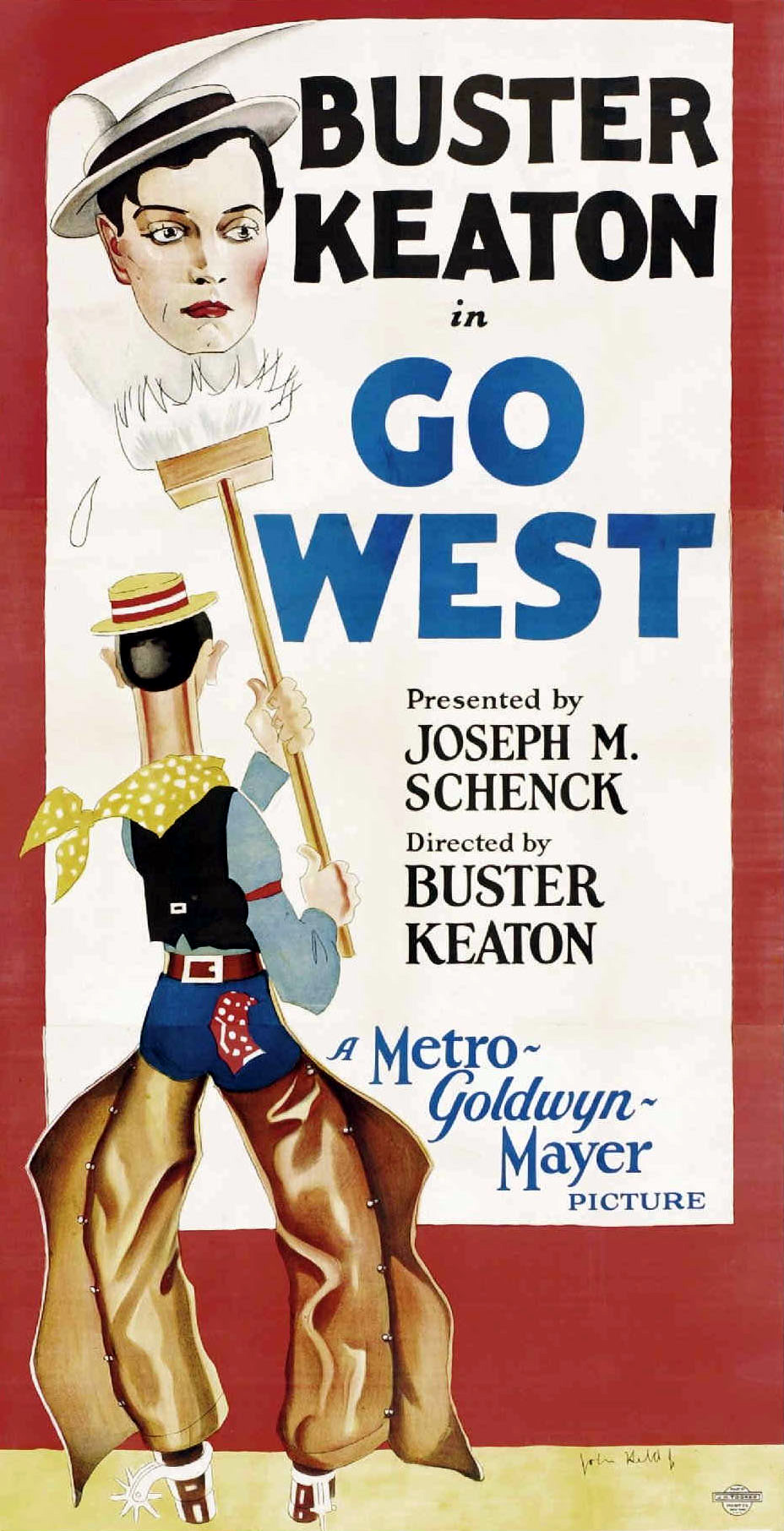
Go West (1925)

Go West (1925)

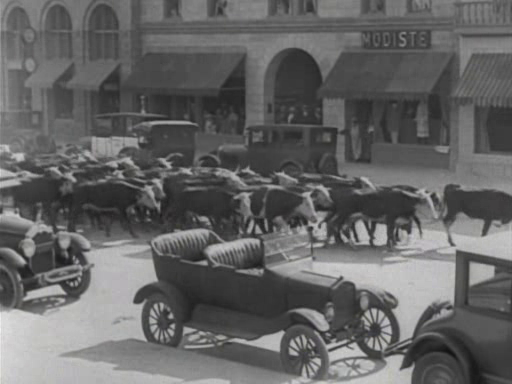
“Captain, there’s a thousand cattle roaming the streets!”

Synopsis:
An inept new cowhand (Buster Keaton) tries to protect a cow (Brown Eyes) he’s become smitten with from being slaughtered.

Genres, Themes, Actors, and Directors:

  • Buster Keaton Films
  • Comedy
  • Cowboys
  • Silent Films
  • Westerns

Review:
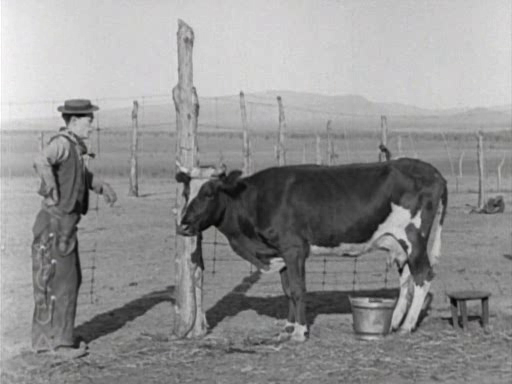
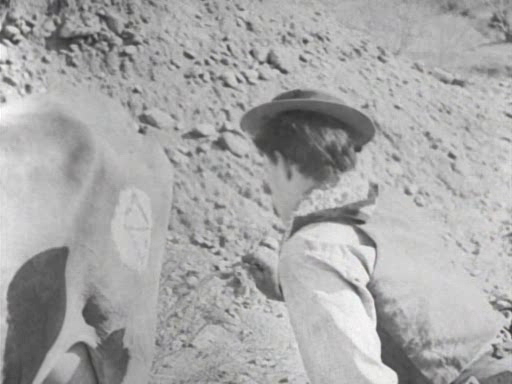
This surprisingly heartwarming tale of a gentle, hapless young man who becomes smitten with a cow (!) represents perhaps the most Zen-like qualities of Buster Keaton’s infamously stone-faced persona. At first we believe his “Friendless” is merely hopelessly naive and impractical, as he places a bucket underneath the udders of “Brown Eyes” and waits patiently for her milk to arrive. Soon, however, we begin to suspect a slightly different tendency at play: when collecting eggs, for instance, he quietly stands aside to wait for a hen to lay her final product; when tasked by a couple of prankster ranchhands with bull-herding some cattle into a pen, he does so elegantly and efficiently; later, when he realizes that a misplaced train full of cattle needs to be brought to the L.A. stockyards, he simply lets the cattle loose and anticipates they will follow him. (Do they? I’ll leave that spoiler for you to discover yourself.) Though this amiable comedy may not be among Keaton’s finest work, it’s an enjoyable outing while it lasts, and is recommended for one-time viewing.

Note: It’s impossible to ignore how eerily reminiscent the final scenes in Go West are with the central sight gag in Seven Chances (1925) — released earlier that same year — in which Keaton’s hapless protagonist is followed by a “herd” of would-be brides.

Redeeming Qualities and Moments:

  • A surprisingly heartwarming premise

  • Amusingly surreal imagery in the final third

Must See?
No, but it’s recommended, and certainly a must for Keaton fans.

Links:

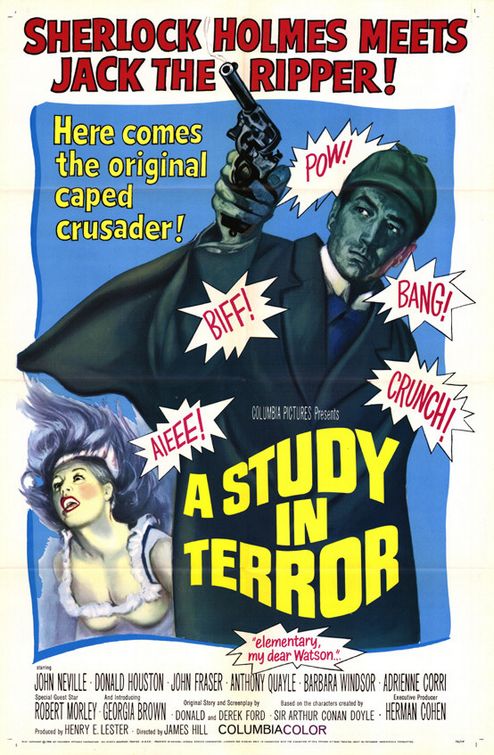
Study in Terror, A (1965)

Study in Terror, A (1965)

“These are apparently motiveless murders by a deranged mind. Where there is no motive, there is no reason to stop!”

Synopsis:
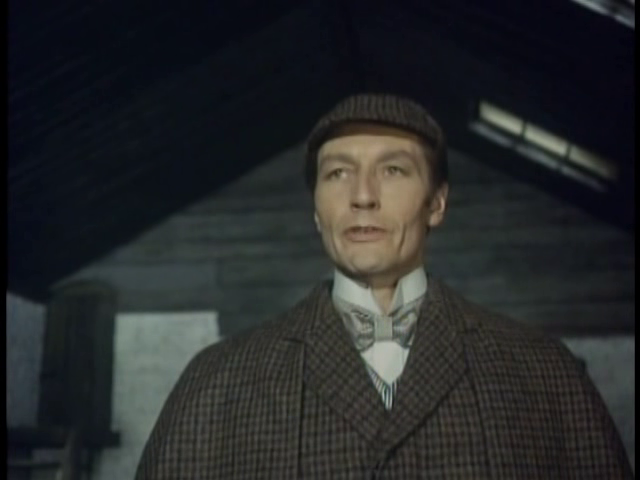
In Victorian London, Sherlock Holmes (John Neville) and Dr. Watson (Donald Houston) investigate a rash of murders committed by “Jack the Ripper”.

Genres, Themes, Actors, and Directors:

  • Anthony Quayle Films
  • Detectives and Private Eyes
  • Historical Drama
  • Jack the Ripper
  • Murder Mystery
  • Serial Killers
  • Sherlock Holmes Films

Review:
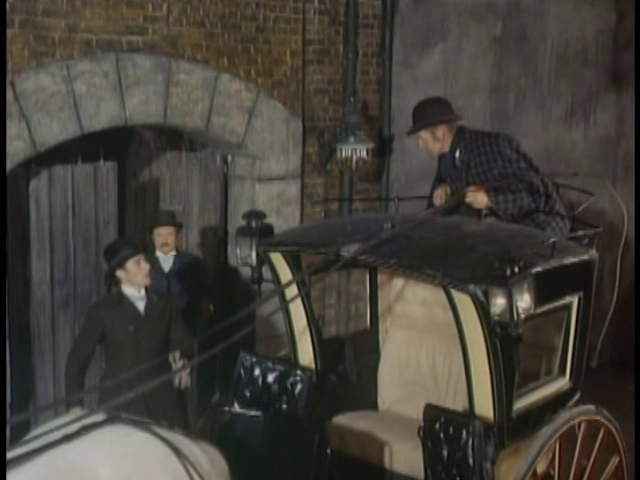
This mid-century Holmesian thriller is notable as the first film to show the literary icon tracking the notorious Victorian-era serial killer known as “Jack the Ripper”; Bob Clark’s Murder By Decree (1979) tackled the same subject. John Neville — perhaps best known for playing the title role in Terry Gilliam’s The Adventures of Baron Munchausen (1988) — does a fine job as Holmes, and the storyline itself remains engaging throughout; with that said, this one will primarily be of interest to Holmes fans, and isn’t must-see for all film fanatics. Keep your eyes out for Judi Dench (I’ll admit I didn’t recognize her) in a small but key supporting role — and be sure to read TCM’s article for the lowdown on a host of other recognizable cast members.

Redeeming Qualities and Moments:

  • John Neville as Sherlock Holmes
  • Fine period sets

Must See?
No, though it’s worth a look for Neville’s fine central performance as Holmes.

Links: