Landlord, The (1970)
“I just don’t understand your sudden interest in those kind of people.”
|
Synopsis: |
|
Genres, Themes, Actors, and Directors:
Review: Redeeming Qualities and Moments:
Must See? Links: |
“I just don’t understand your sudden interest in those kind of people.”
|
Synopsis: |
|
Genres, Themes, Actors, and Directors:
Review: Redeeming Qualities and Moments:
Must See? Links: |
“Tell me about yourself. What do you do when you aren’t visiting funerals?”
|
Synopsis: |
|
Genres, Themes, Actors, and Directors:
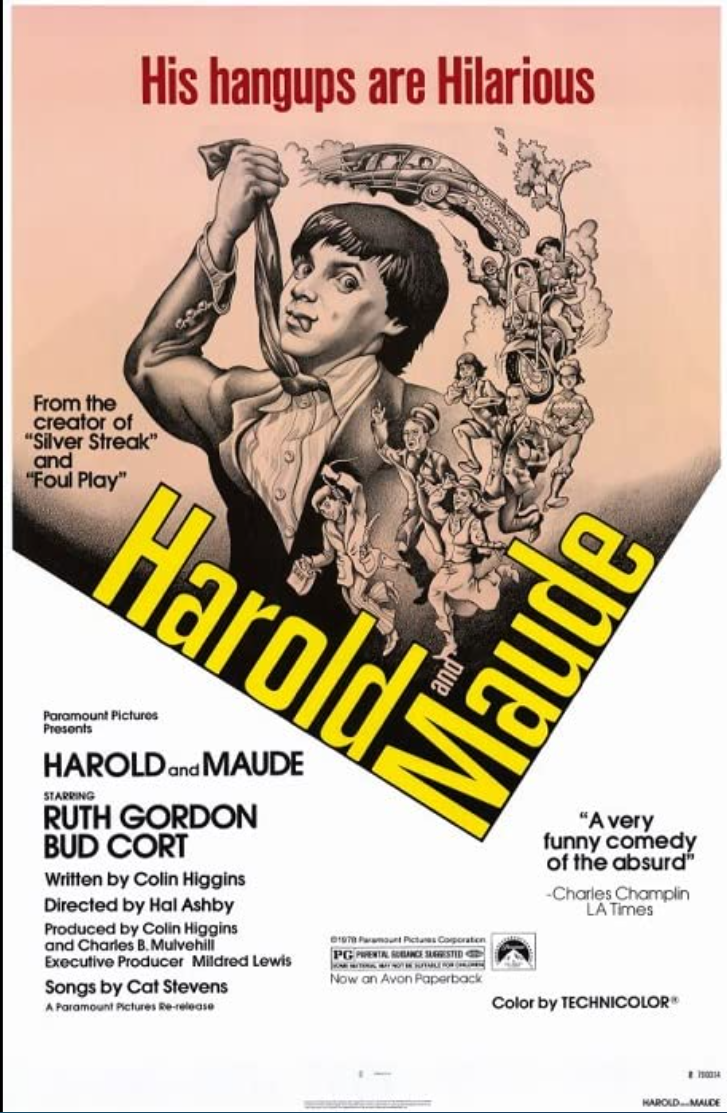
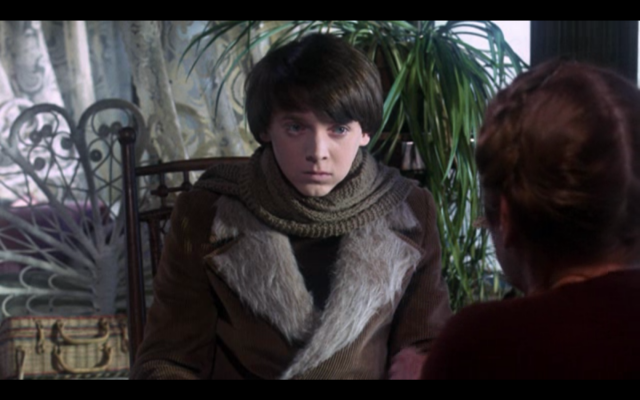
Response to Peary’s Review: Watching it again years later, I’m much more aware of the script’s heavy-handed faults, yet there’s still much here to take delight in. Cort and Gordon are perfectly cast as cinema’s most enduring odd couple, epitomizing a “May-December romance” taken to chronological extremes (Gordon’s 80-year-old character could actually be 20-year-old Cort’s great-grandmother — just chew on that one for a while). The suicide attempts remain clever and often laugh-out-loud funny; my particular favorite has Harold committing elaborate hara-kiri in front of his third blind date, an aspiring actress named Sunshine (Ellen Geer) who — rather than reacting with horror like her predecessors — shrieks with delight and proceeds to join Harold in his dramatics (though I wish the scene went on for a bit longer — I’d like to know what happened next!). And it’s true, as Peary notes, that there are “touching glimpses” throughout the film which reveal the shadow-side of Maude’s exuberance for life — though along with many others, I find the film’s surprising ending a bit “infuriating”, and am not quite sure I agree with Peary that it “makes sense”. P.S. In both his GFTFF and Cult Movies reviews of the film, Peary makes an interesting comparison between Harold and Maude and Val Lewton’s Curse of the Cat People, noting the parallels between Ruth Gordon and Simone Simon, who becomes “an unhappy little girl’s imaginary playmate, her one friend, until the girl can turn elsewhere”. Redeeming Qualities and Moments:
Must See? Categories
(Listed in 1001 Movies You Must See Before You Die) Links: |
“I married a grouch!”
|
Synopsis: |
|
Genres, Themes, Actors, and Directors:
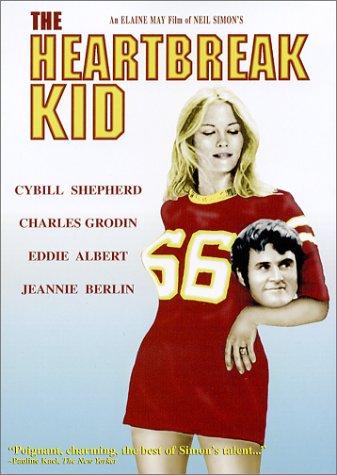
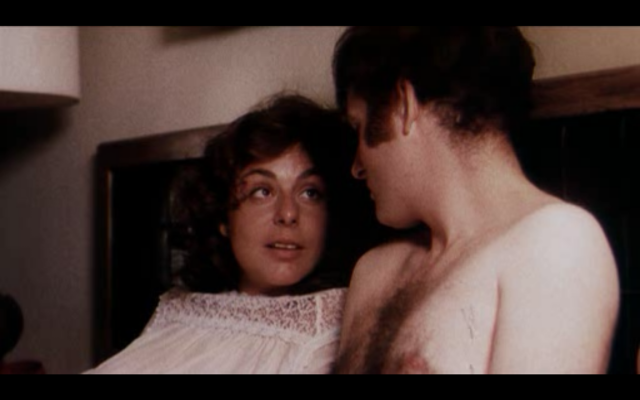
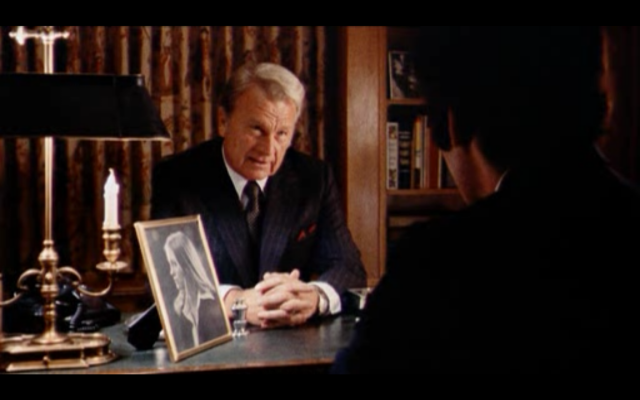
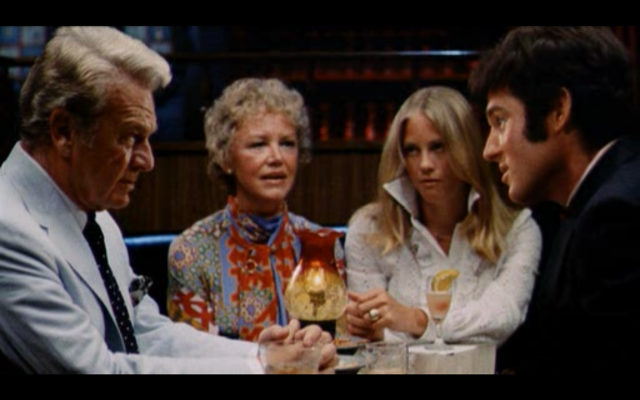
Response to Peary’s Review: Indeed, it’s deeply discomfiting to find oneself laughing at Grodin’s bald-faced deceit towards his hapless wife, who becomes trapped in the ultimate living nightmare during what should be the happiest time of her life. Nonetheless, the film is so full of “hilarious, sharply satirical scenes” — Berlin irritating Grodin by drawing circles on his chest; Berlin smearing egg salad all over her face; Grodin waxing enthusiastic about the humble pleasures of midwestern food — that we can’t help remaining glued to the screen, curious to know what will happen next to our determined anti-hero. Deftly directed by May, and wonderfully acted by the “superb cast” — including Jeannie Berlin in what should have been a career-defining role (what happened?), Eddie Albert in a priceless performance as Kelly’s WASPy father (who solemnly asserts he wouldn’t approve of Grodin “if you tied me to a horse and dragged me forty miles by my tongue”), and Audra Lindley as Kelly’s “easily impressed mother” (watch her quietly hilarious silent reactions). Note: The parallels between this and May’s feature debut, A New Leaf (1971), are startlingly clear: Grodin’s Lenny Cantrow and Walter Matthau’s Henry Graham are both arrogant, self-centered men who make life miserable for their new wives (Jeannie Berlin and Elaine May, respectively) — both of whom are sloppy, mildly irritating, but ultimately utterly endearing to audiences. Knowing Berlin is May’s real-life daughter makes the parallels even eerier. Redeeming Qualities and Moments:
Must See? Categories
Links: |
“All Paris is a dream; Zazie is a reverie.”
|
Synopsis: |
|
Genres, Themes, Actors, and Directors:
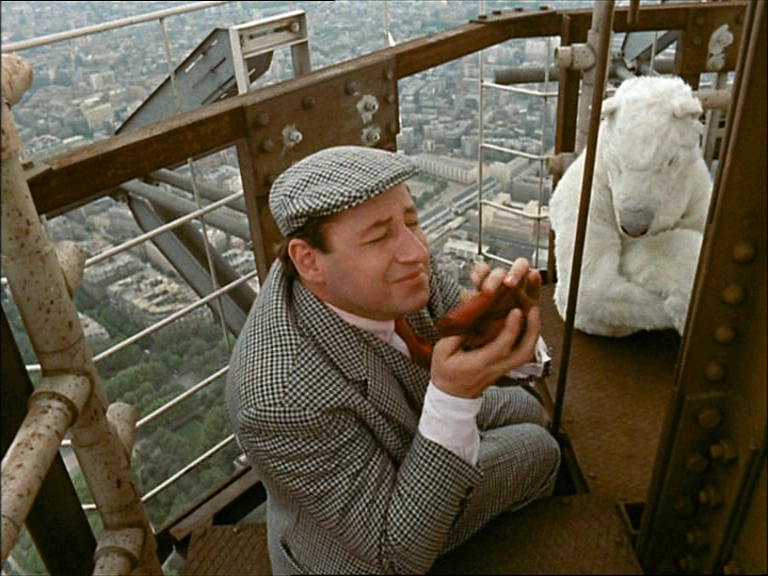
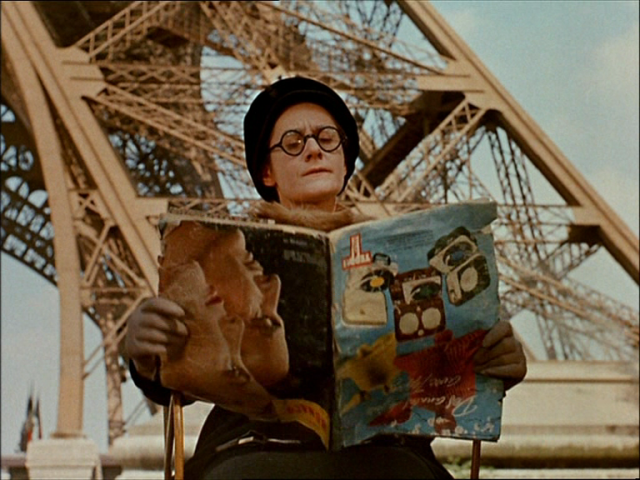
Review: To provide an example: in just one 25-second section of a delightfully lengthy chase scene between Zazie and a policeman named Trouscaillon (Vittorio Caprioli), Zazie pours a glass of water over Trouscaillon’s head, which he promptly spouts out of his mouth like a fish. Zazie then jumps down the stairs and hides in a metal pail, which Trouscaillon sits down on. He hears rattling inside, and when he opens the lid, he sees that Zazie has transformed into a black cat. He leaps up in surprise and is suddenly found standing on the banister of a marble stairway, reeling Zazie in with a fishing pole. When Zazie reappears on-screen, she’s played by an elderly woman wearing the same orange shirt and gray skirt. This “older Zazie” slaps Trouscaillon, and their chase continues, with the original Zazie now back on-screen. And so it goes. Zazie herself is an incomparably precocious and delightfully salty protagonist. As played by Demongeot (who apparently never pursued an adult acting career), she’s fearless in her encounters with the lewd and/or sexually confused adults she’s surrounded by — including her uncle (the always wonderful Philippe Noiret) and creepy Caprioli (who reminds me of Stanley Tucci). Meanwhile, another of the many delights offered by the film is its time-capsule view of Paris: made the same year as Godard’s Breathless, it provides a heady visual counterpart to that fabled vision of the city, shown here in vibrant colors rather than in stark b&w. Though Zazie is repeatedly foiled in her attempts to see the Metro (whose employees are on strike), her experiences in the rest of the city — including, naturally, the Eiffel Tower — are a treat to partake in. Redeeming Qualities and Moments:
Must See? Categories
Links: |
“She had youth, looks, a good figure. What more do you want?
|
Synopsis: |
|
Genres, Themes, Actors, and Directors:
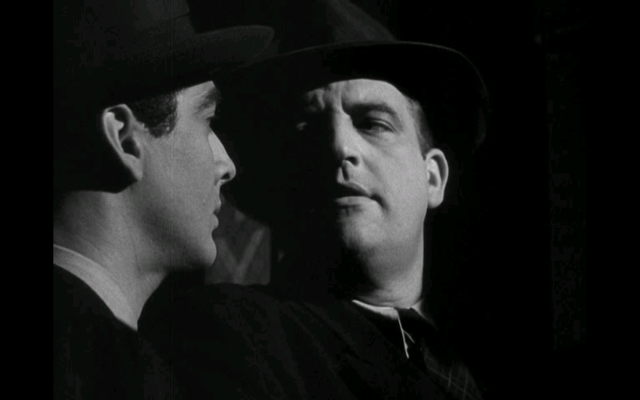
Review: Second, the film is memorable for a creepy supporting performance by the solid (literally) character actor Laird Cregar:
— perfectly cast here as a menacing police detective who lurks around every street corner, shows up unannounced in suspects’ apartments, and mutters with deadpan certainty in response to Grable’s rhetorical question:
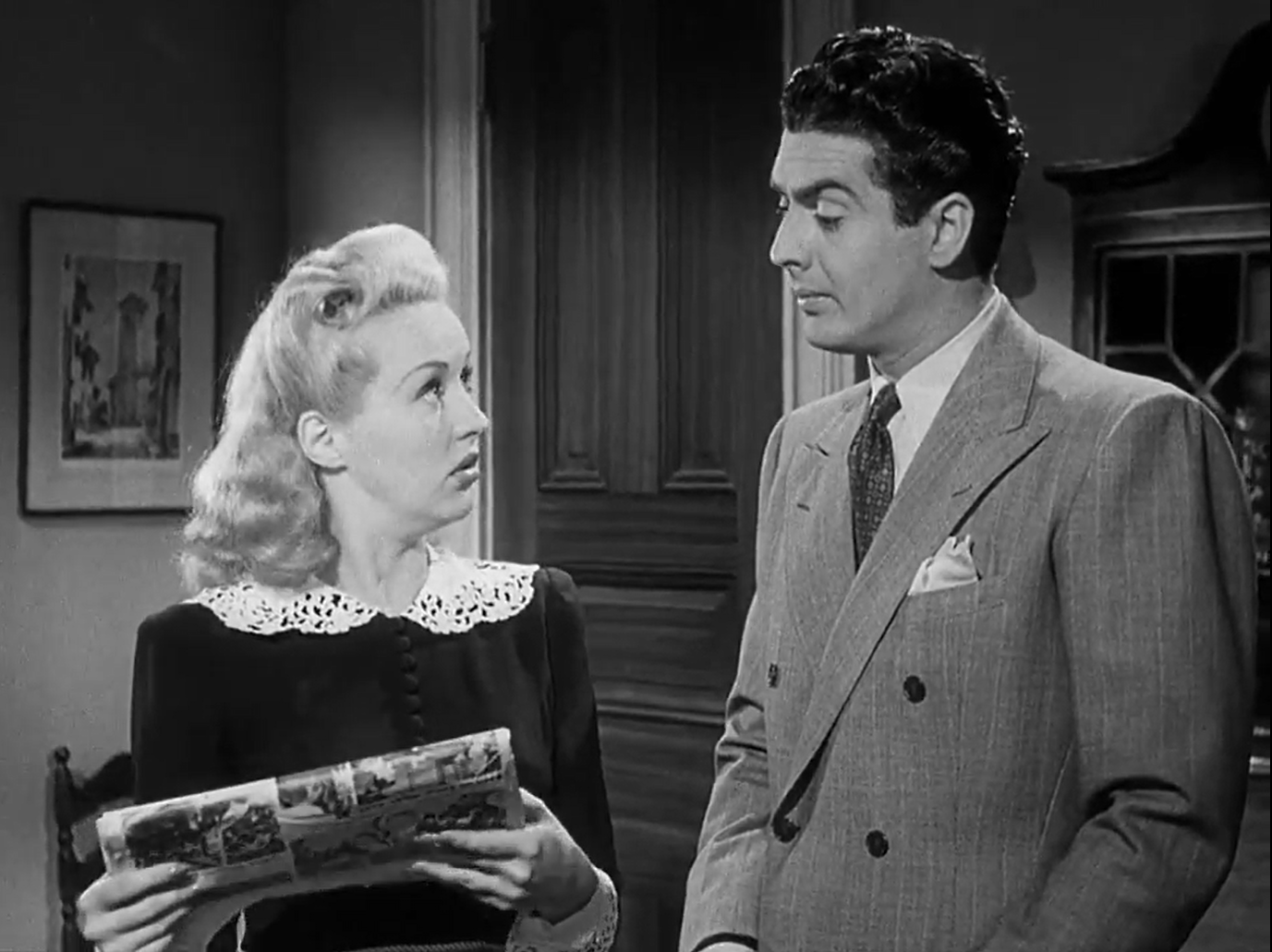
We believe him instantly. Meanwhile, Mature and Grable are solid romantic sleuthing leads:
and Landis (check IMDb for more on her tragic personal story) is effective as the aspiring starlet who propels the entire story into motion.
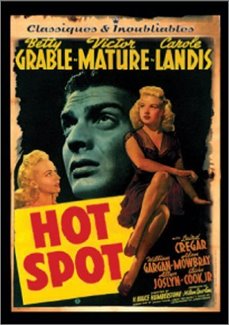
Listen for interesting use of “Over the Rainbow” as Grable’s theme song (!). Note: The film’s original title — until close to its release — was Hot Spot, hence the alternate title on the movie poster included in this review. The last-minute switch in names is unfortunate, since no character ever “wakes up screaming” in the film, and this title leads one to believe it’s a horror film rather than noir. Redeeming Qualities and Moments:
Must See? Categories
Links: |
“You must always do what your mother tells you, you hear? Always.”
|
Synopsis: |
|
Genres, Themes, Actors, and Directors:
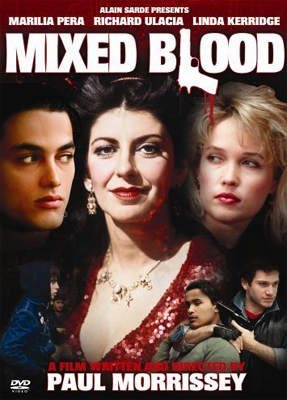
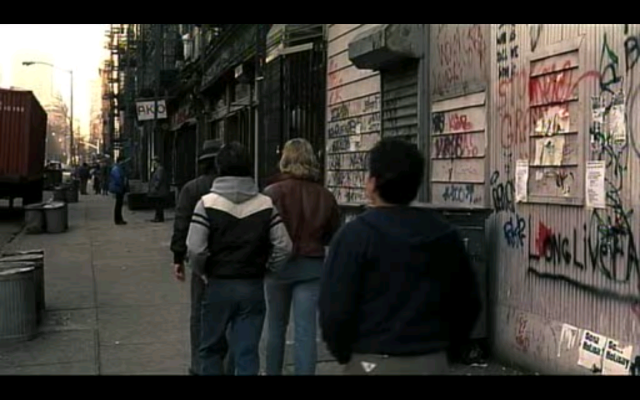
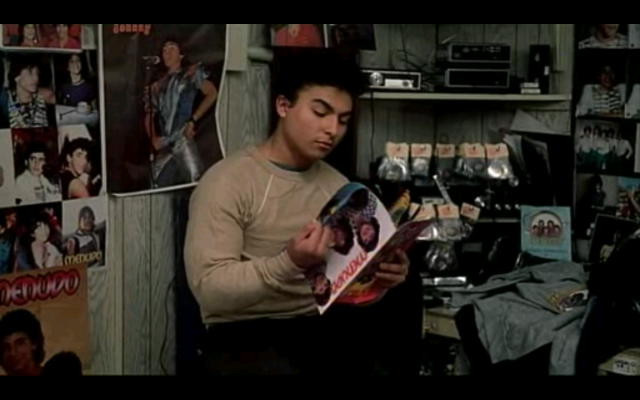
Response to Peary’s Review: As Peary notes, while the “extreme violence” of the film can be off-putting, the “exaggerated gore and bizarre situations” help to mediate this somewhat. Indeed, Mixed Blood is an odd mixture of time-capsule realism — one scene actually takes place in a store dedicated exclusively to Menudo memorabilia! — and satire (note the drug-dealing scene, which shows purchases being made at a the equivalent of a lemonade stand). Peary argues that while the film “doesn’t always work”, it’s “exciting and funny, in unusual ways” — a sentiment I can’t quite agree with, though I’ll agree it’s worth a one-time look for Pera alone. Redeeming Qualities and Moments:
Must See? Links: |
“I’d like to get in, get on with it, get it over with, and get out. Get it?”
|
Synopsis: |
|
Genres, Themes, Actors, and Directors:
Review:
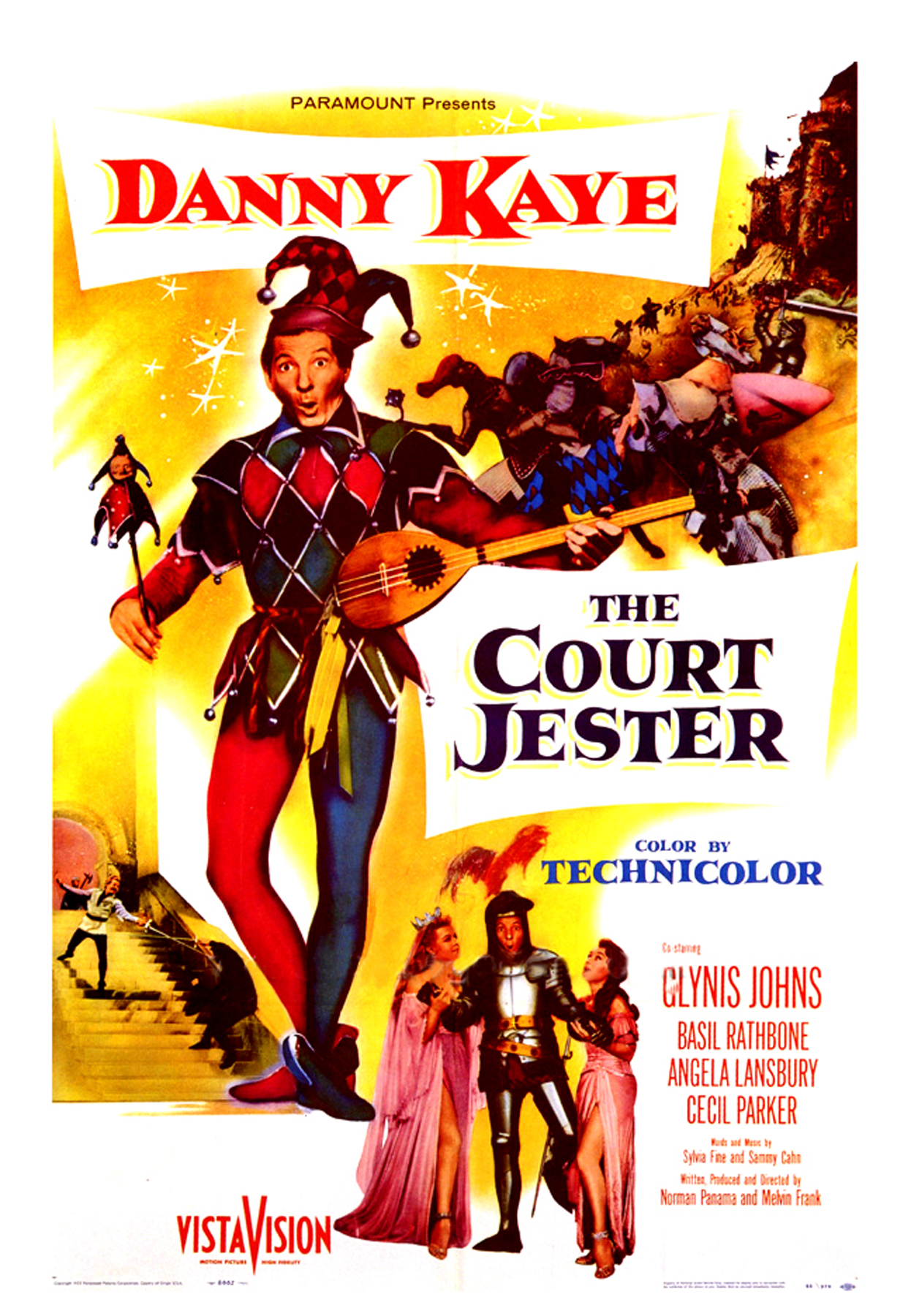
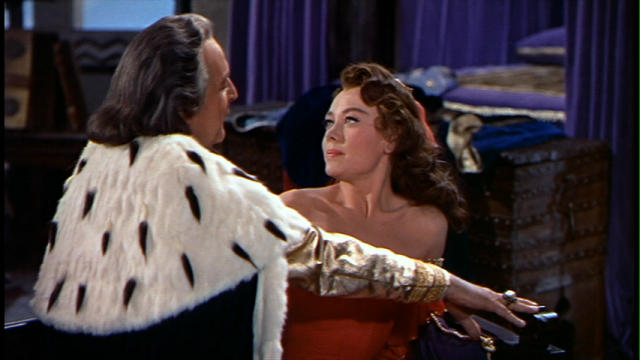
Watch for Angela Lansbury, Basil Rathbone, Mildred Natwick, and John Carradine (among others) in nicely turned supporting roles. Redeeming Qualities and Moments:
Must See? Categories
Links: |
“There’s money in this for all of us. Right?”
|
Synopsis: |
|
Genres, Themes, Actors, and Directors:
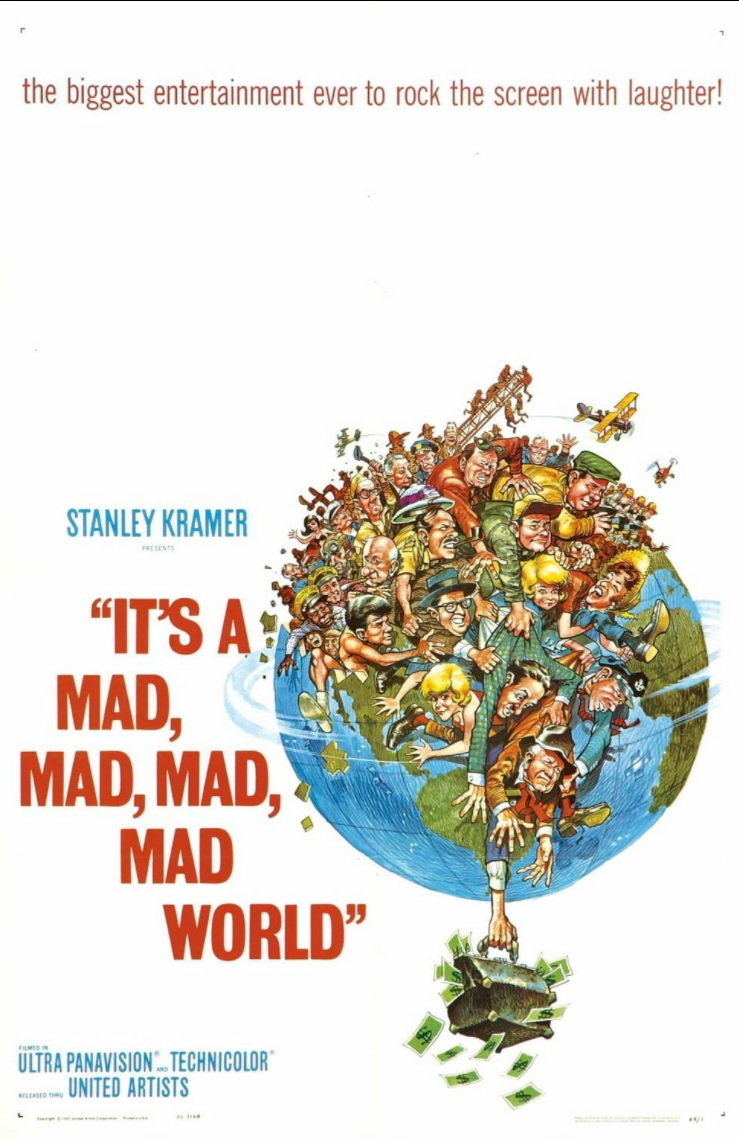
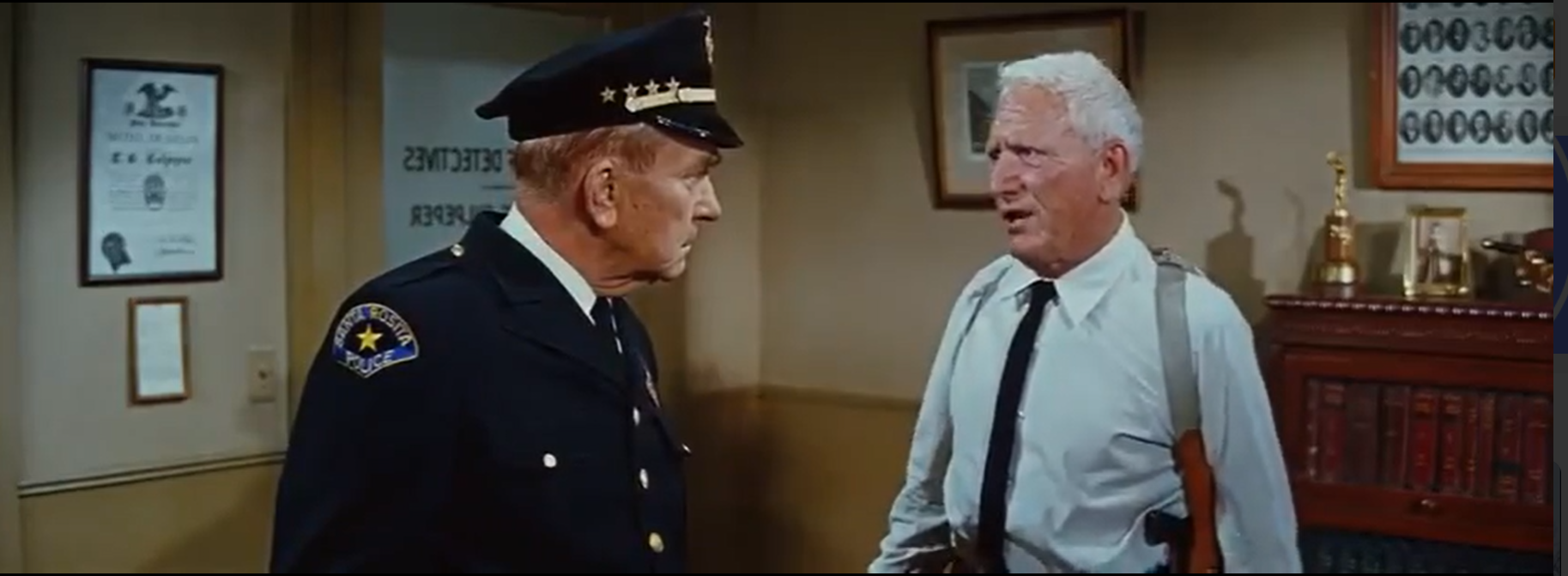
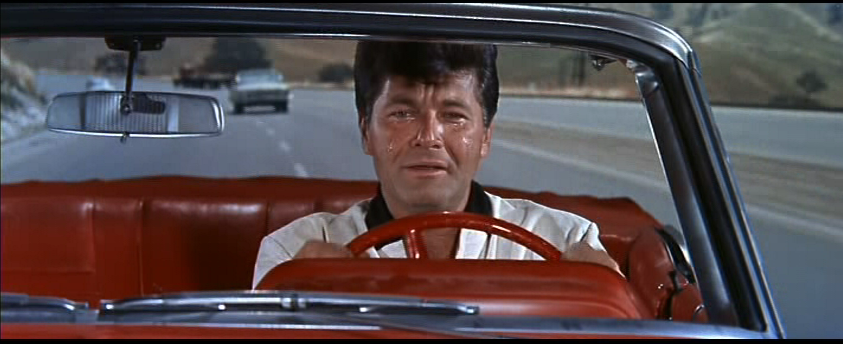
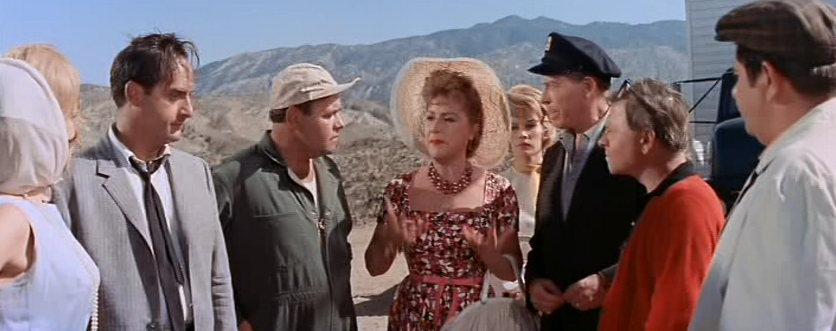
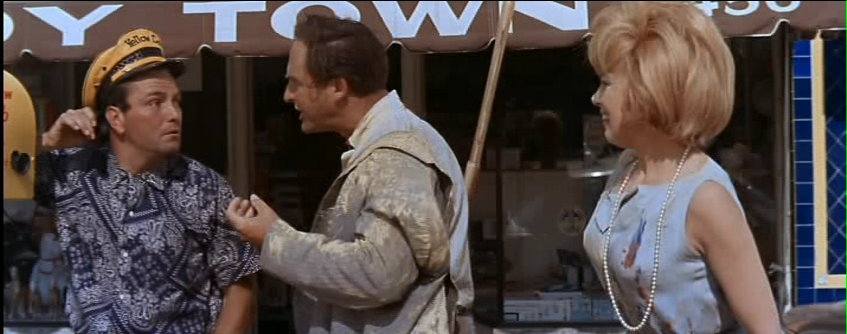
Response to Peary’s Review: In his later, more detailed analysis of the film written for Cult Movies 3, however, Peary is suddenly much more critical. He claims that … Mad World “makes a mockery of humanity” given that the individuals seeking the hidden money are either “stupid, loud, vulgar, mean, corrupt, shameless, and[/or] greedy”. He points out that we never really feel much “affection” for any of the characters — other than Spencer Tracy, for a little while:
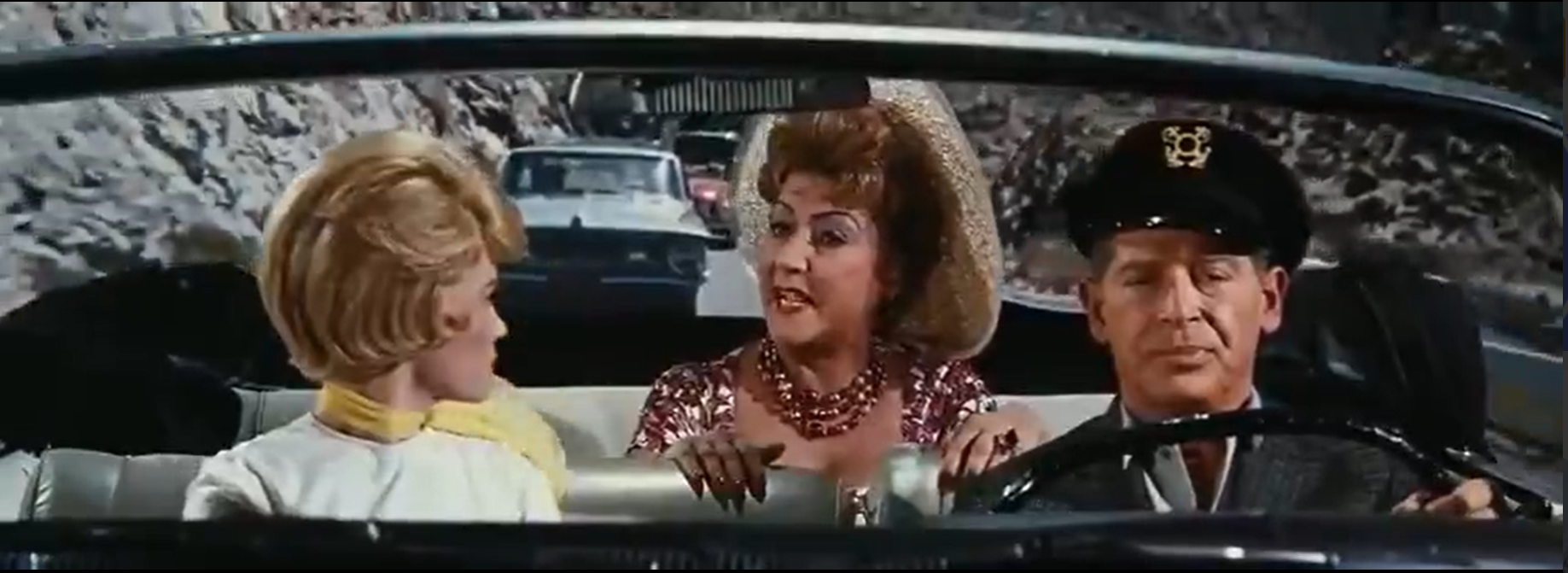
— and that “we miss a sympathetic character to root for, someone who has a noble purpose for acquiring the money”. In this review, he argues that despite its purported aim to serve as an homage to silent slapstick films, the film is “filled with superfluous dialogue” used “to camouflage… uninspired sight gags”, which in turn lack “intricate pacing” or any “build to a big-laugh payoff”. He posits that “the wrong types of comedians were cast” (he’s especially disparaging of Rooney and Hackett, who he claims “should have been replaced by… two much zanier performers”), and, in sum, refers to … Mad World as a “disappointing, wrongly conceived film” — though one which is “by no means a total disaster”. After reading both reviews – and scratching my head plenty over how one reviewer could offer such widely divergent takes on the same film — I found myself agreeing primarily with Peary’s Cult Movies 3 review. While I find the premise and plot twists remarkably clever — and enjoyed “watching for cameos from the likes of Jerry Lewis” and others — overall there’s little here to actively engage anyone but cult followers of the film. And while it’s true, as Peary notes, that the lengthy running time allows most of the stars ample time to shine, none of them are at their comedic best. Sid Caesar, just for instance — so brilliant in his sketch comedy series (see Ten From Your Show of Shows, 1973) — is merely serviceable here playing a married man trying to blast his way out of a locked hardware store; and despite Peary’s claims that Ethel Merman was a “good sport to play such a character”, her outrageously obnoxious mother-in-law is someone you desperately hope to see obliterated within a few moments of her arrival on-screen.
Meanwhile, all the stunts and sight gags go on for about three times as long as they need to — and I’ll agree with Peary that they’re mostly uninspired. The most amusing sequences — indeed, the only ones that had me giggling out loud — involve Dick Shawn as Merman’s grown son, who’s first seen dancing groovily with his robotic girlfriend (Barrie Chase), then sobbing protectively as he races to “rescue” his mother.
While I appreciate this film on multiple levels (including its historical value as a Cinerama production), it’s ultimately not one I’ll be returning to again any time soon. Click here for a fun set of comparative photos with actual locations of all major sequences revealed. Note: Interestingly, Peary points out that this “was one of the first films since Griffith’s 1916 Intolerance to cut back and forth between several story lines”; it’s strange to think that so many years went by before this practice began to become as commonplace as it is today. Redeeming Qualities and Moments:
Must See? Categories
Links: |
“We live in times of violent change, ready to collapse.”
|
Synopsis: |
|
Genres, Themes, Actors, and Directors:
Review:
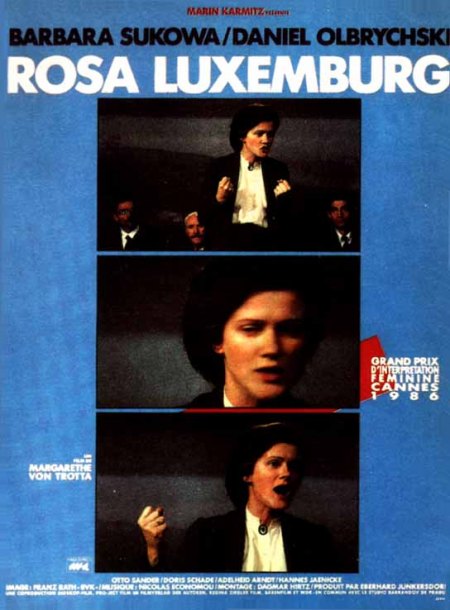
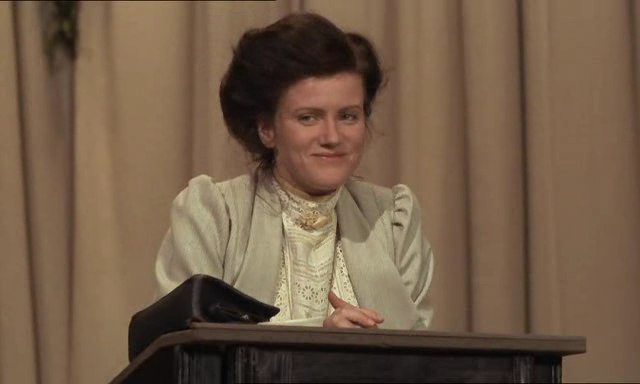
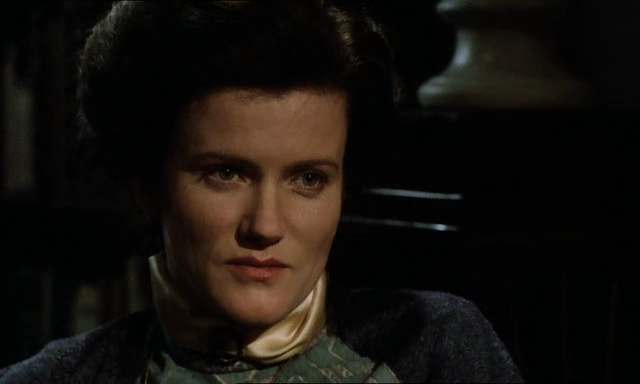
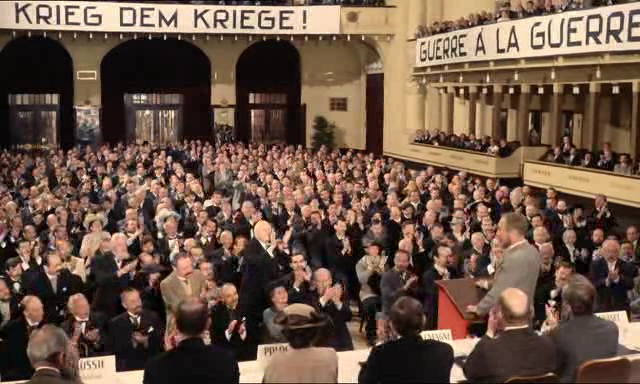
— turning her into a character we may not relate to but can certainly believe in. Yet neither Sukowa’s award-winning performance, nor the film’s overall quality production values, are enough to elevate it to must-see status — other than for those genuinely interested in this particular bit of world history. Redeeming Qualities and Moments:
Must See? Links: |
“Walter, you’re getting more absent-minded each day. It’s all that daydreaming you do!
|
Synopsis: |
|
Genres, Themes, Actors, and Directors:
Review: Redeeming Qualities and Moments:
Must See? Categories
Links: |