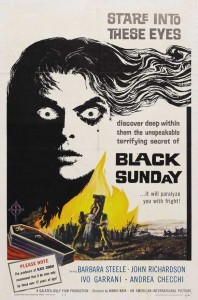
Black Sunday (1960)

Black Sunday (1960)

“In her you will live again, speak again — smile as she does!”

Synopsis:
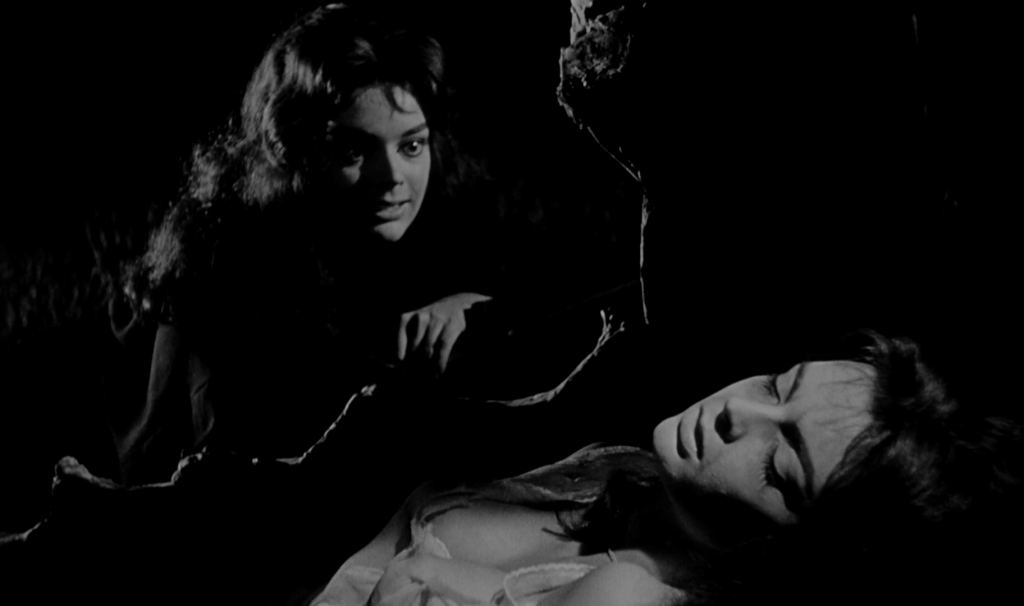
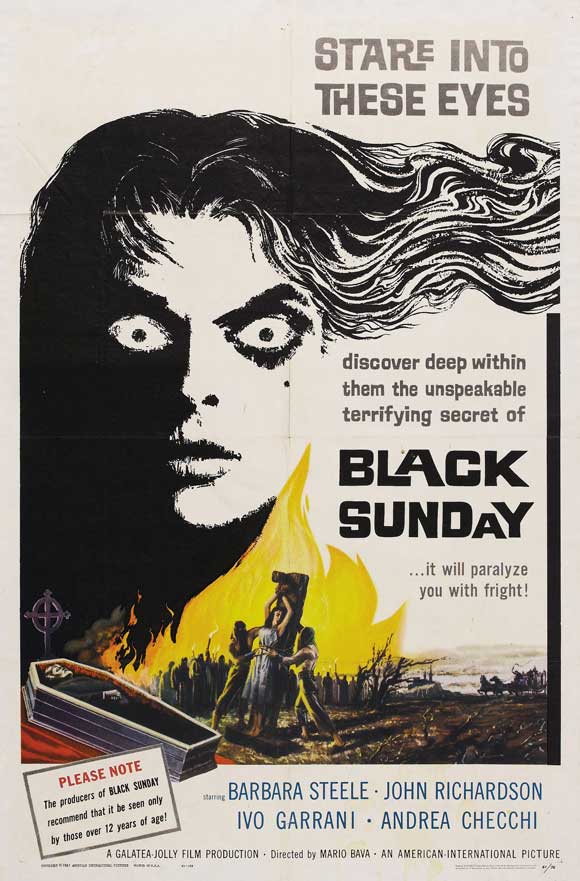
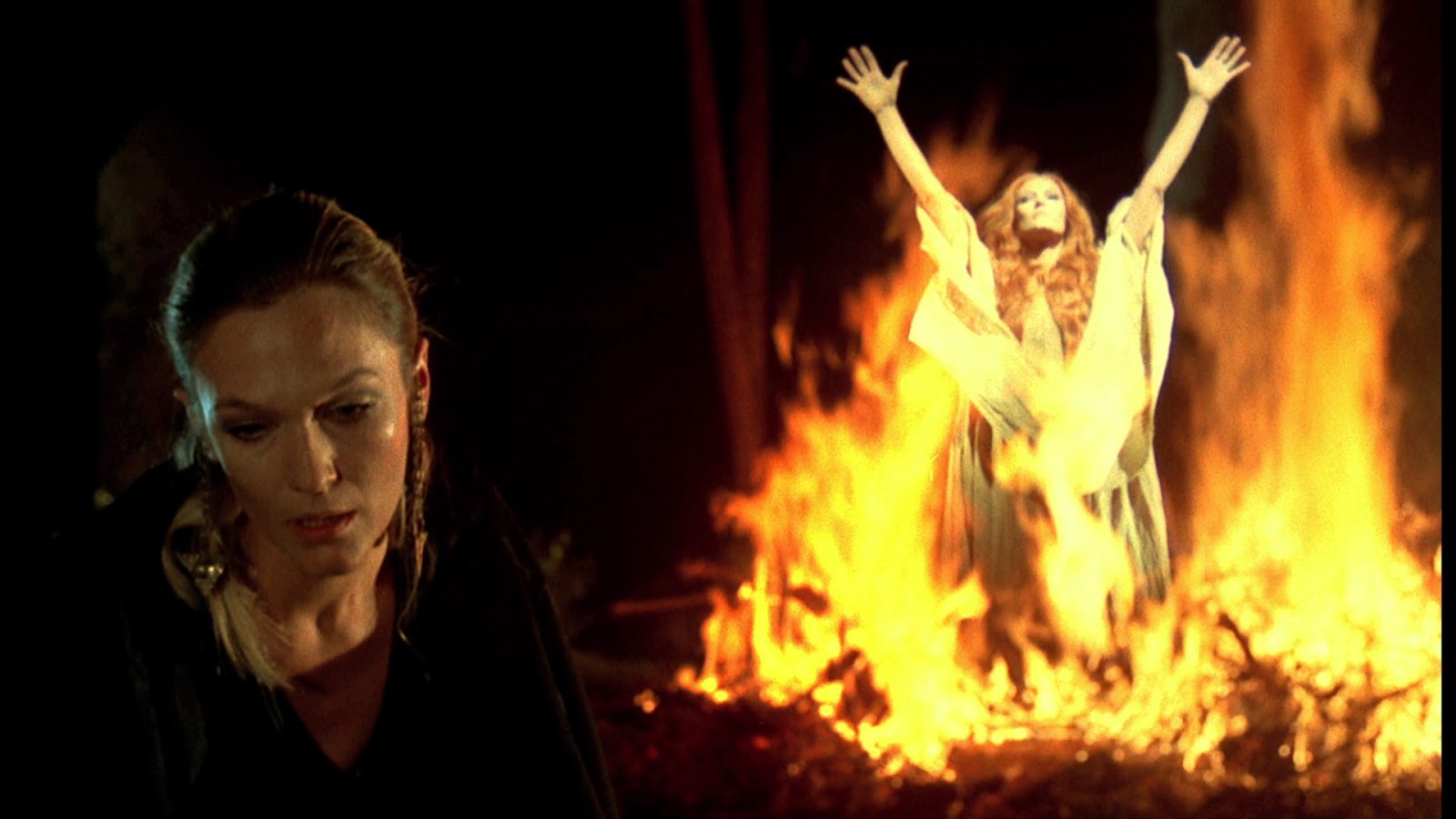
A vampire-witch named Asa (Barbara Steele) and her lover Javuto (Arturo Dominici) are burned at the stake in 1630 Moldavia, but return to life when a visiting doctor (Andrea Checchi) accidentally spills some blood on Asa’s corpse. Checchi and his assistant (John Richardson) meet a young princess named Katia (Steele) who looks remarkably like Asa, and are soon involved in a quest to prevent Asa from inhabiting Katia’s body.

Genres, Themes, Actors, and Directors:

  • Barbara Steele Films
  • Horror
  • Mario Bava Films
  • Vampires
  • Witches and Wizards

Response to Peary’s Review:
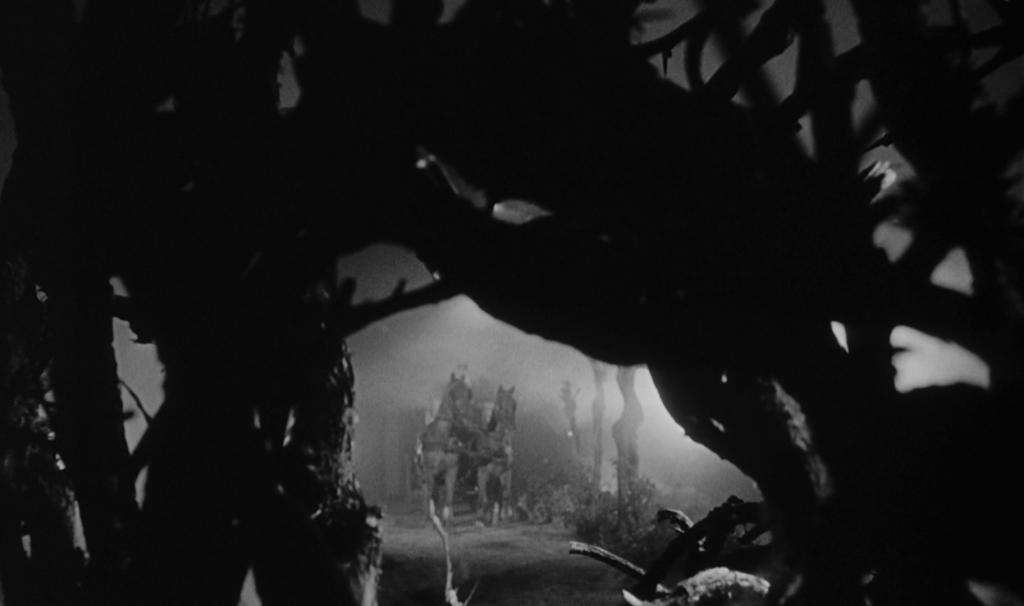
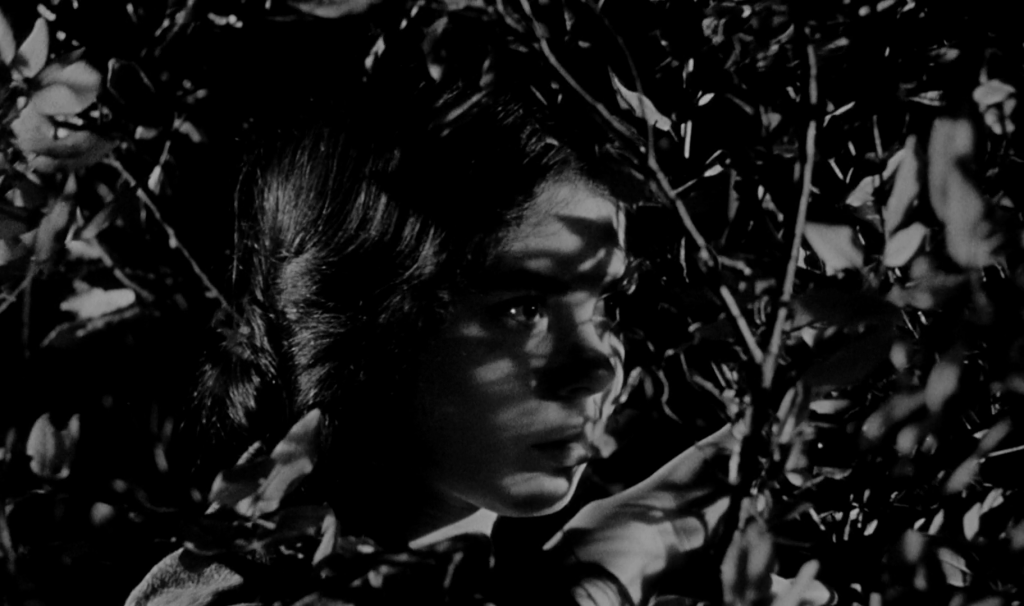
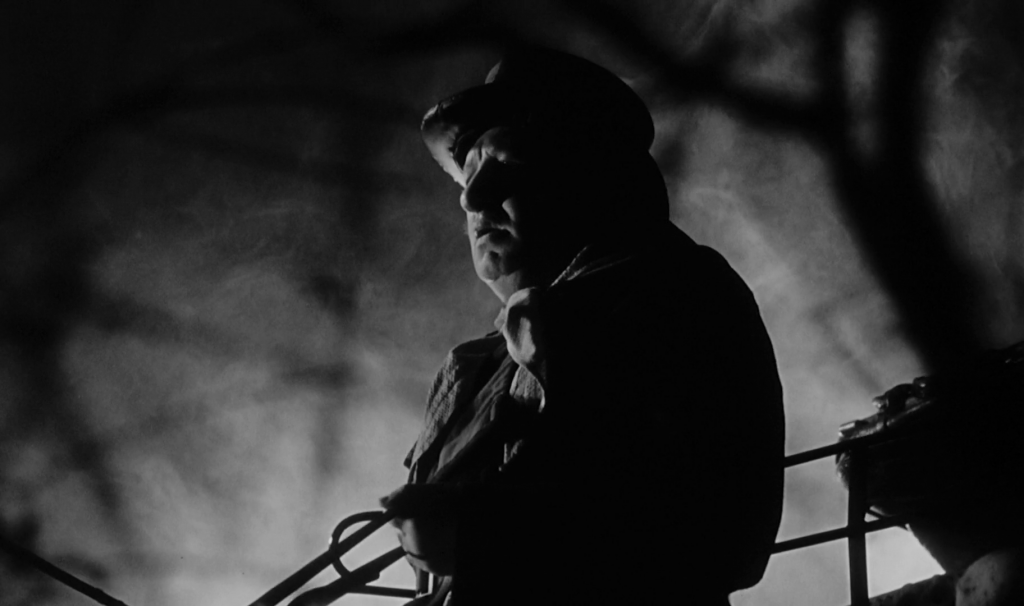
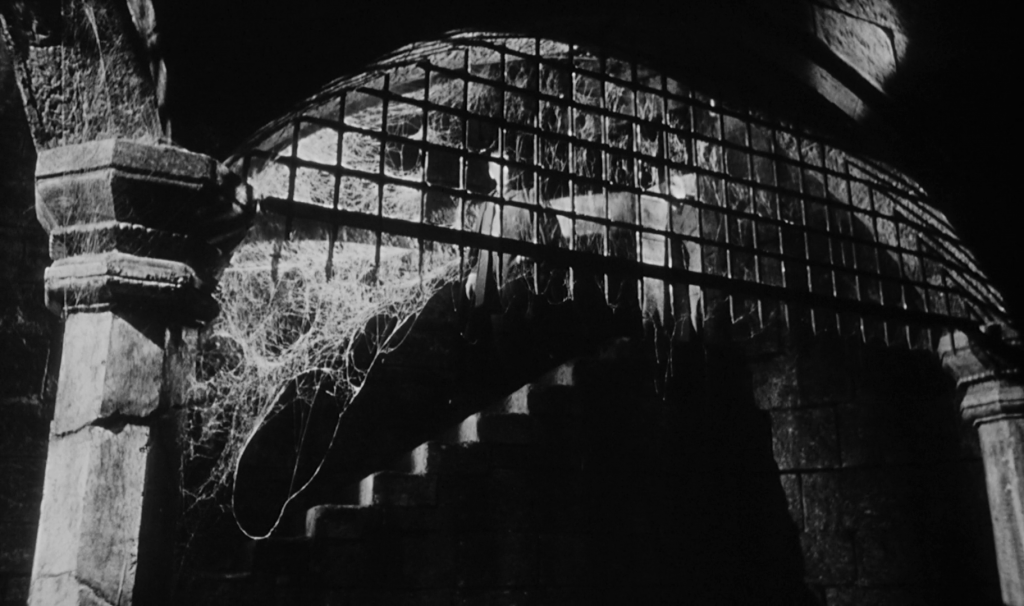
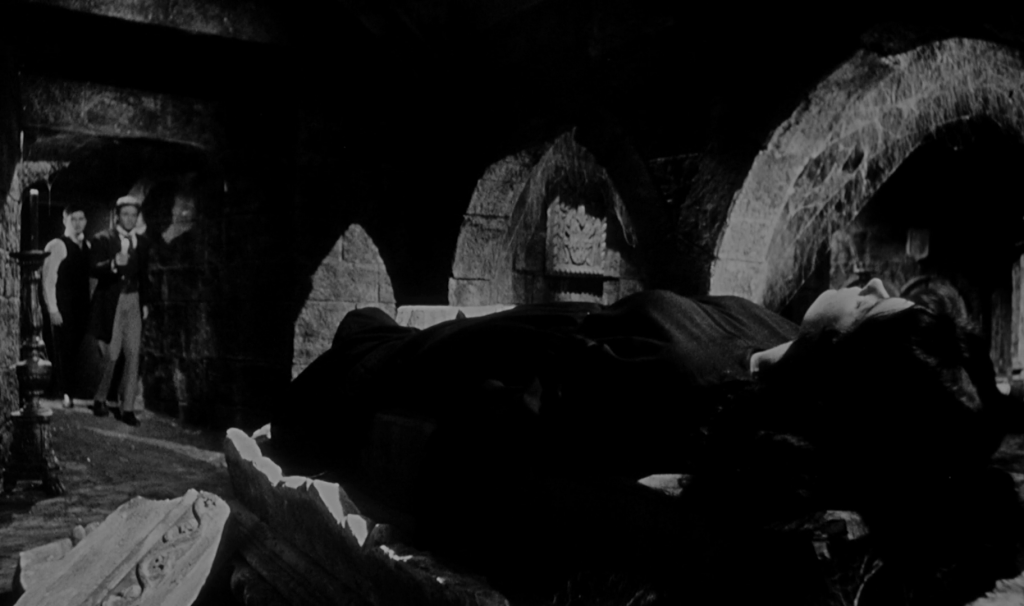
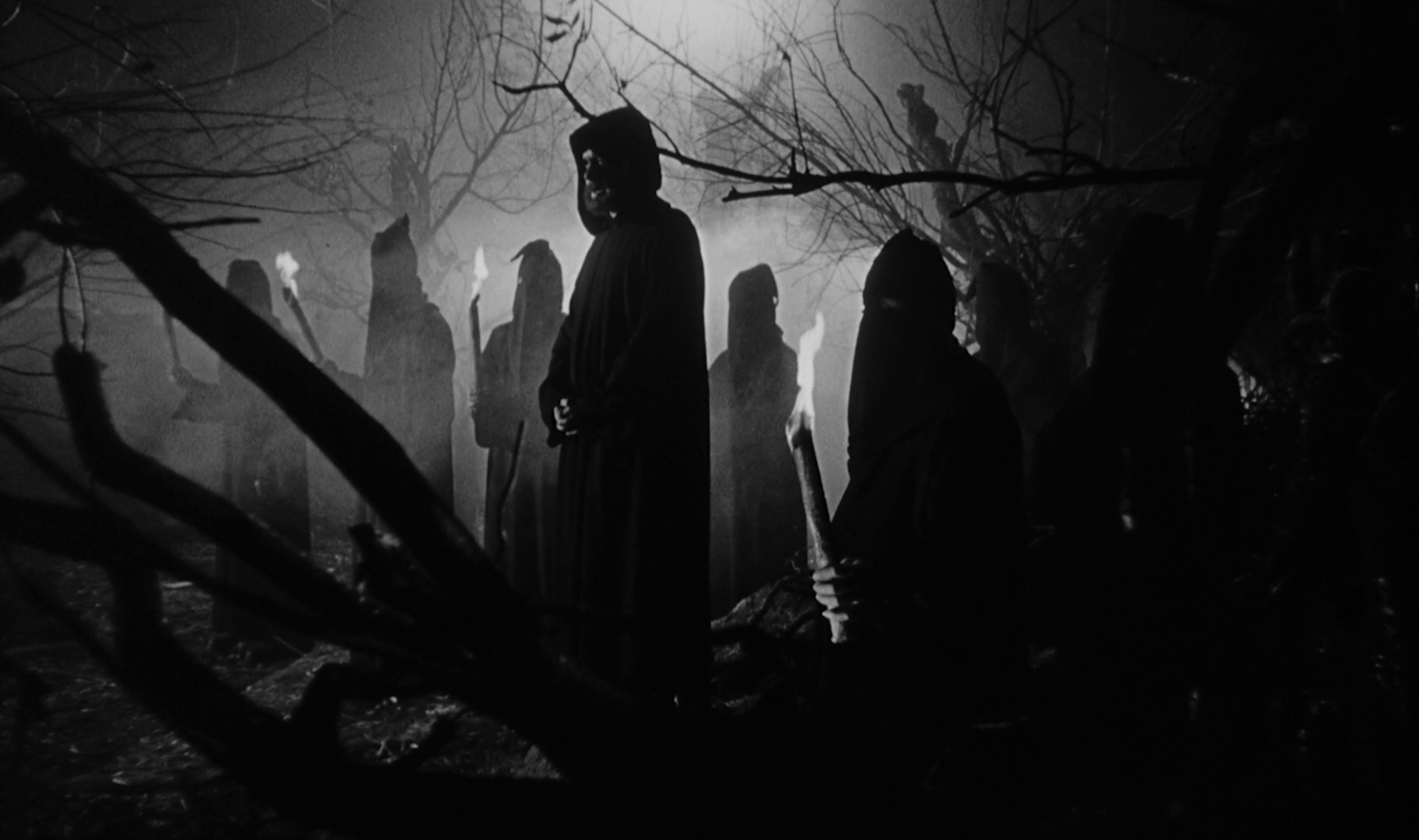
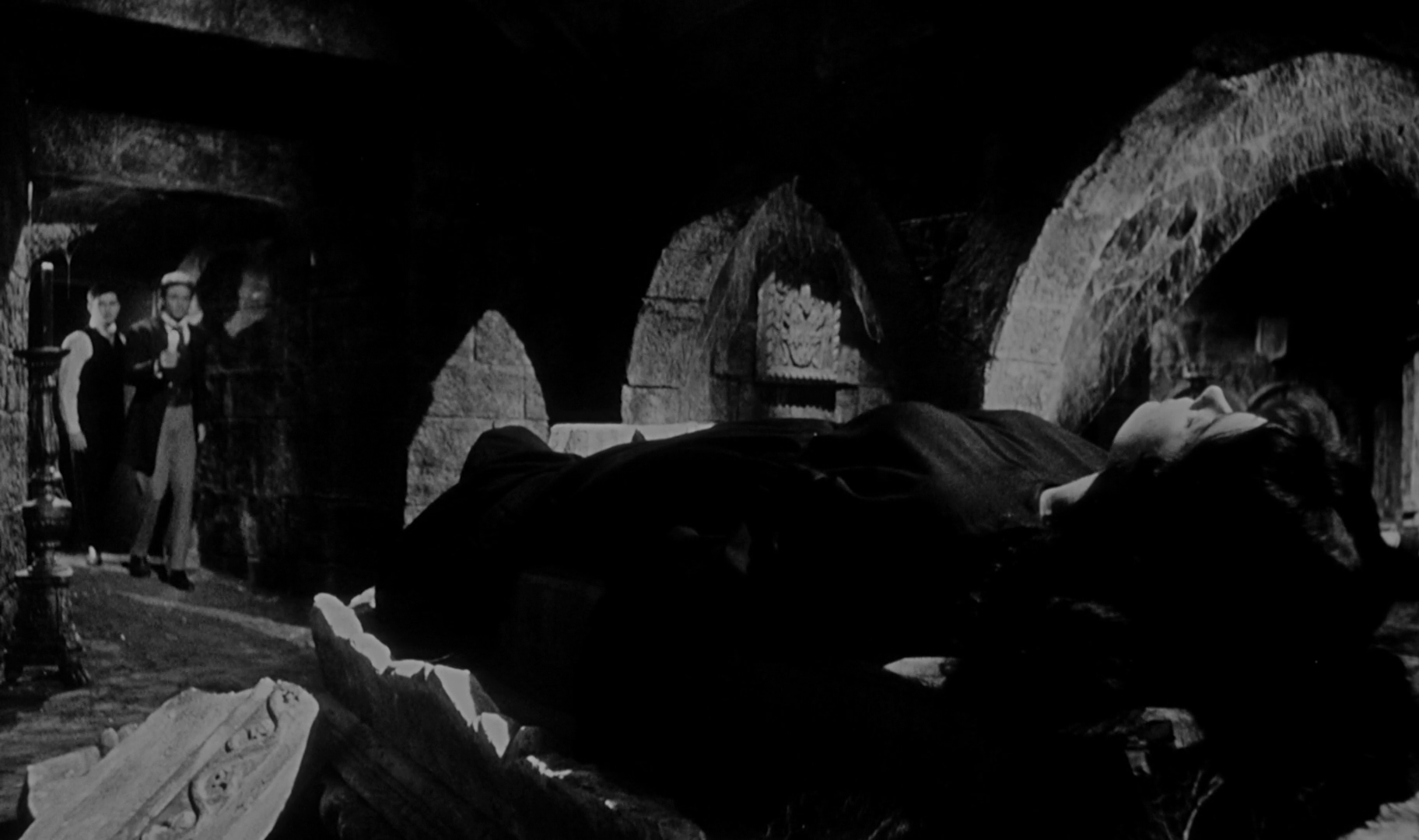
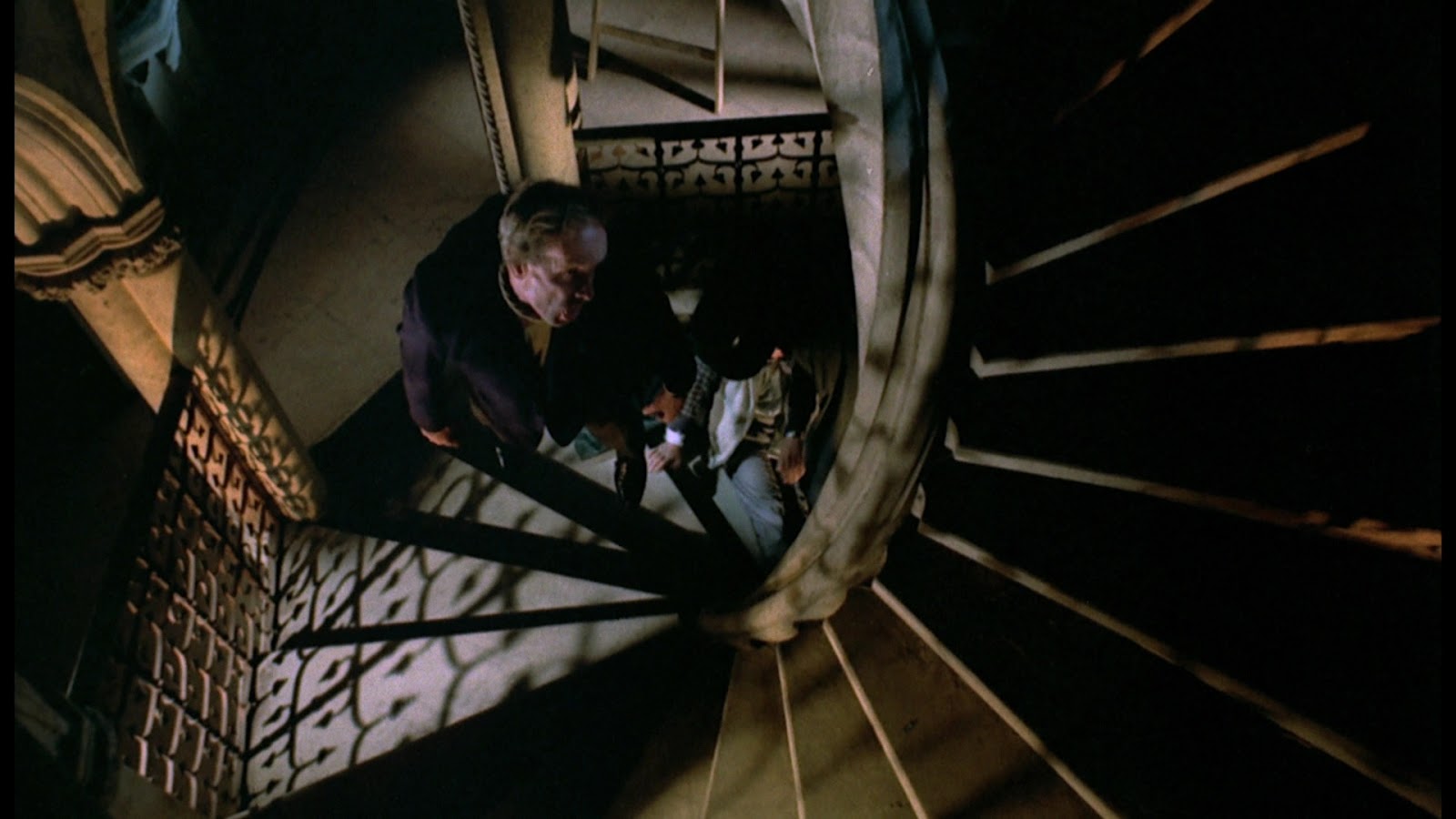
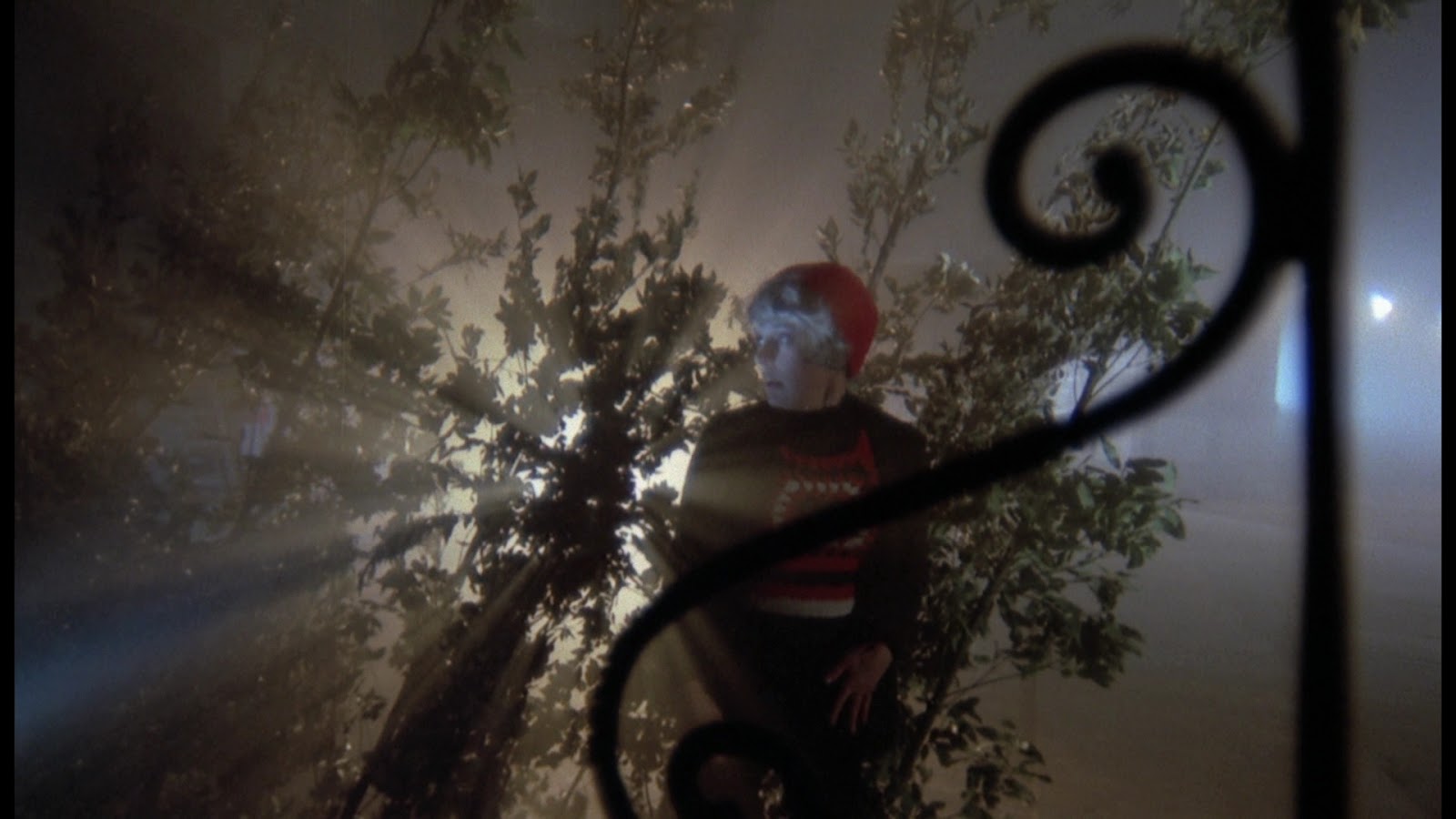
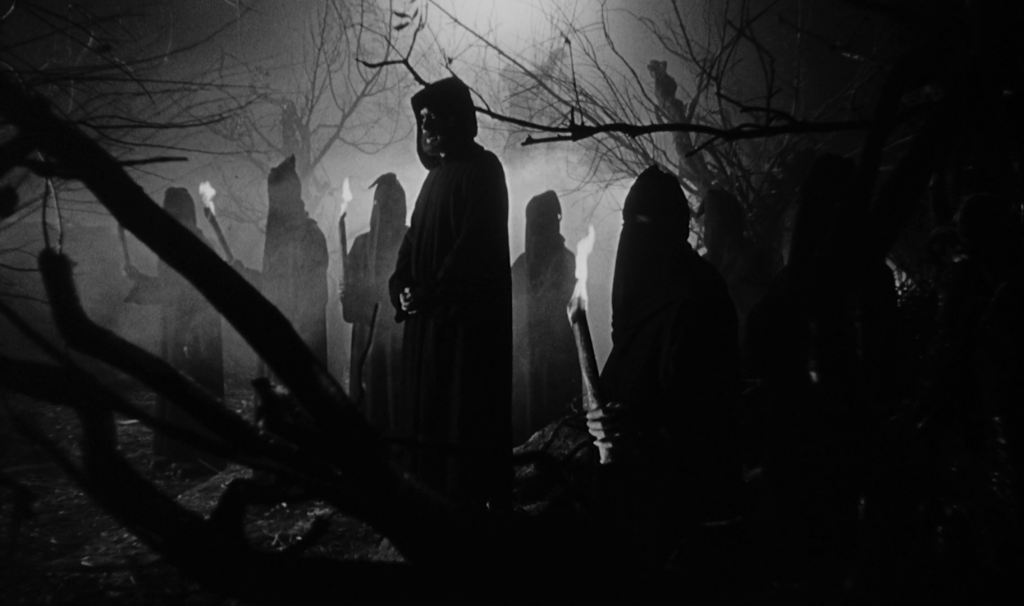
Peary writes that this “extremely effective film… remains the best Italian horror film” and “among the most atmospheric of [all] horror films because former cameraman [Mario] Bava conveys everything visually (which makes us forget dubbing”. In an eloquent, lengthy description (modified from his Cult Movies essay), Peary notes that:

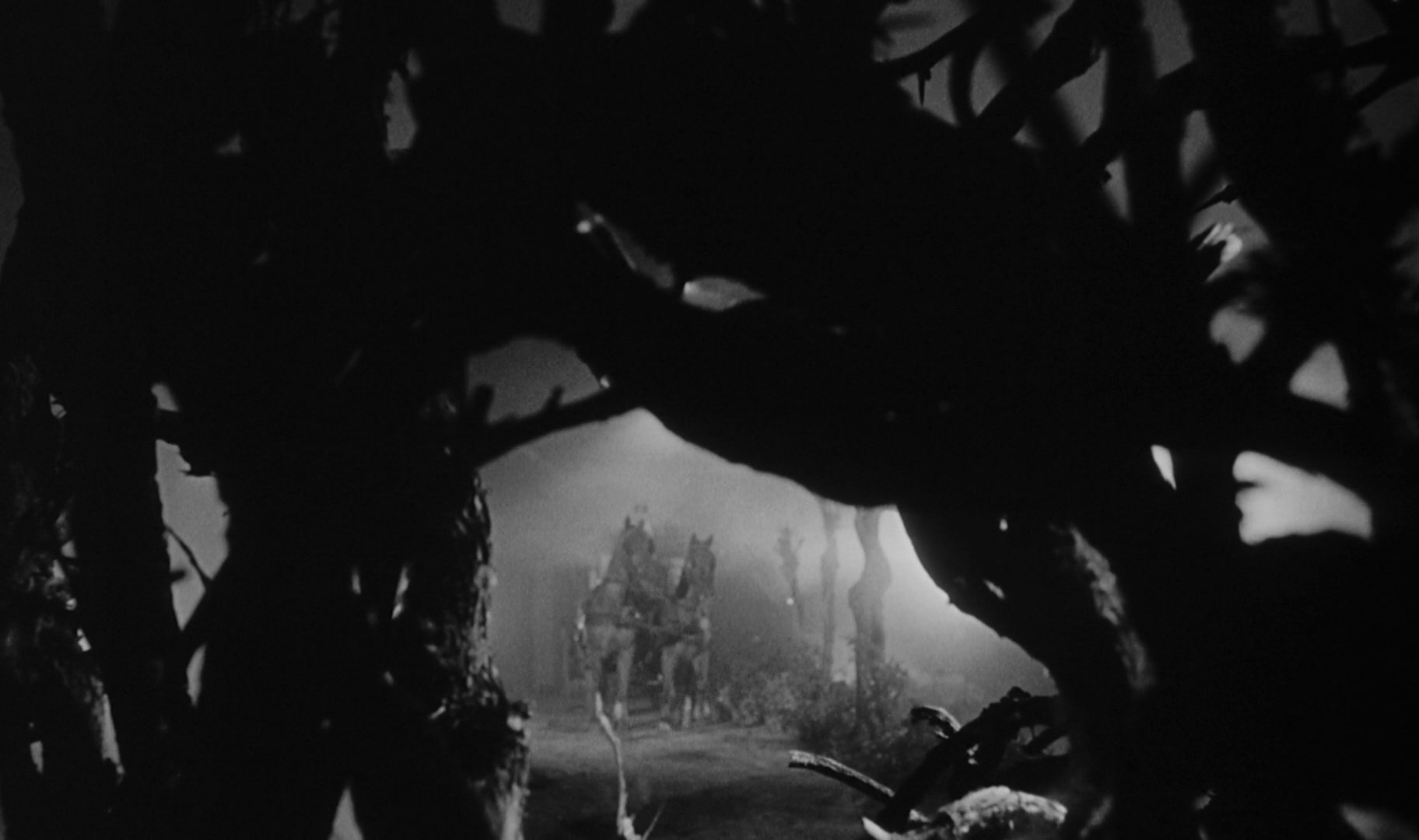
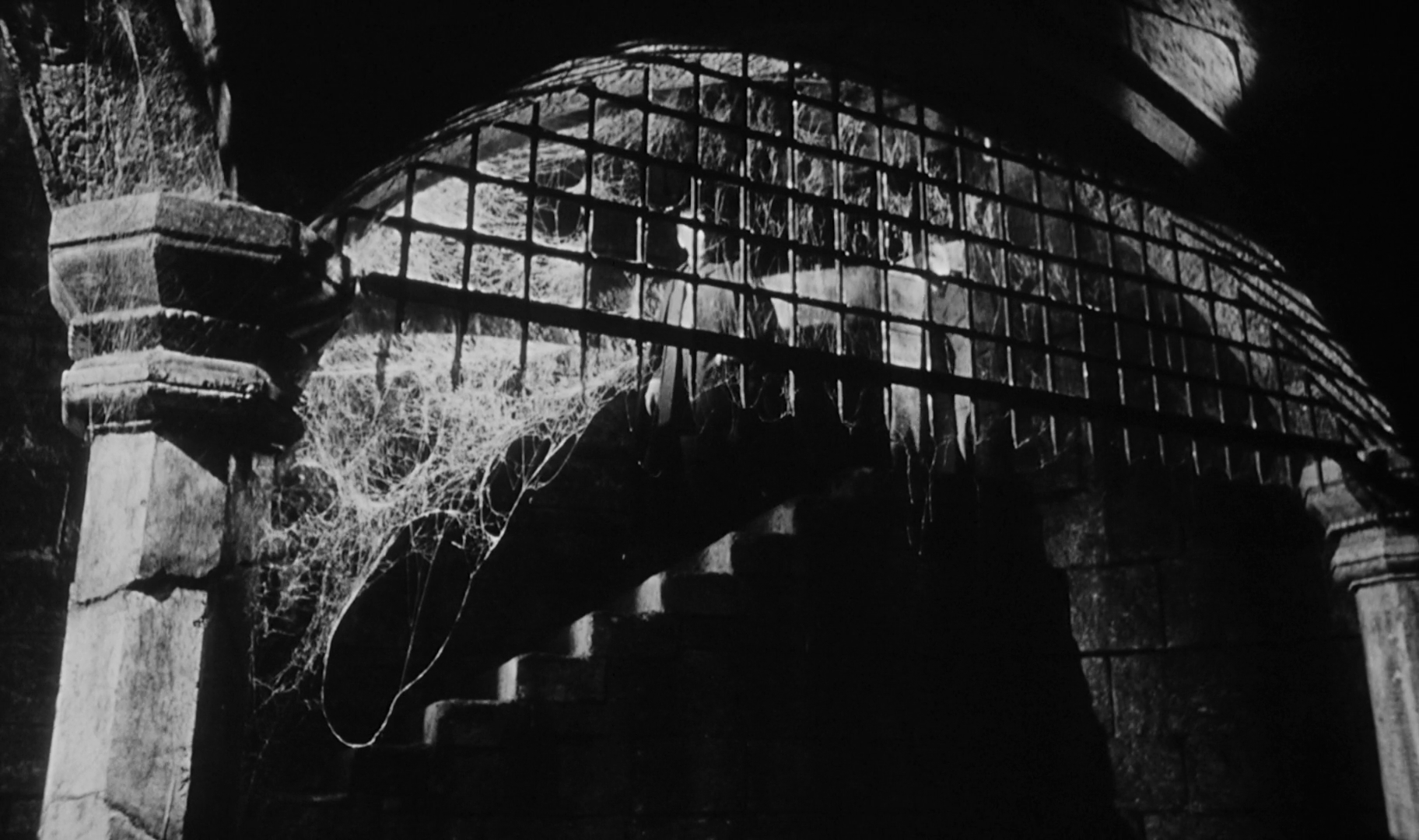
“Bava’s malefic world consists of dark mountains set against a gray sky; mist-shrouded forests where tree limbs seem to reach out to grab those passing through; two-hundred-year-old graveyards where the soil is too cursed for anything to grow; ancient crypts where bats fly about in the darkness, spiders spin their webs, and decaying walls crumble; and shadowy, ice-cold castles full of creepy passageways and enormous hidden chambers. It’s a world where light fights a losing battle against oppressive darkness and even the pure (virgins, priests) wear black. With art director Giorgio Giovannini, Bava creates an atmosphere where the living and dead co-exist, unharmoniously.”

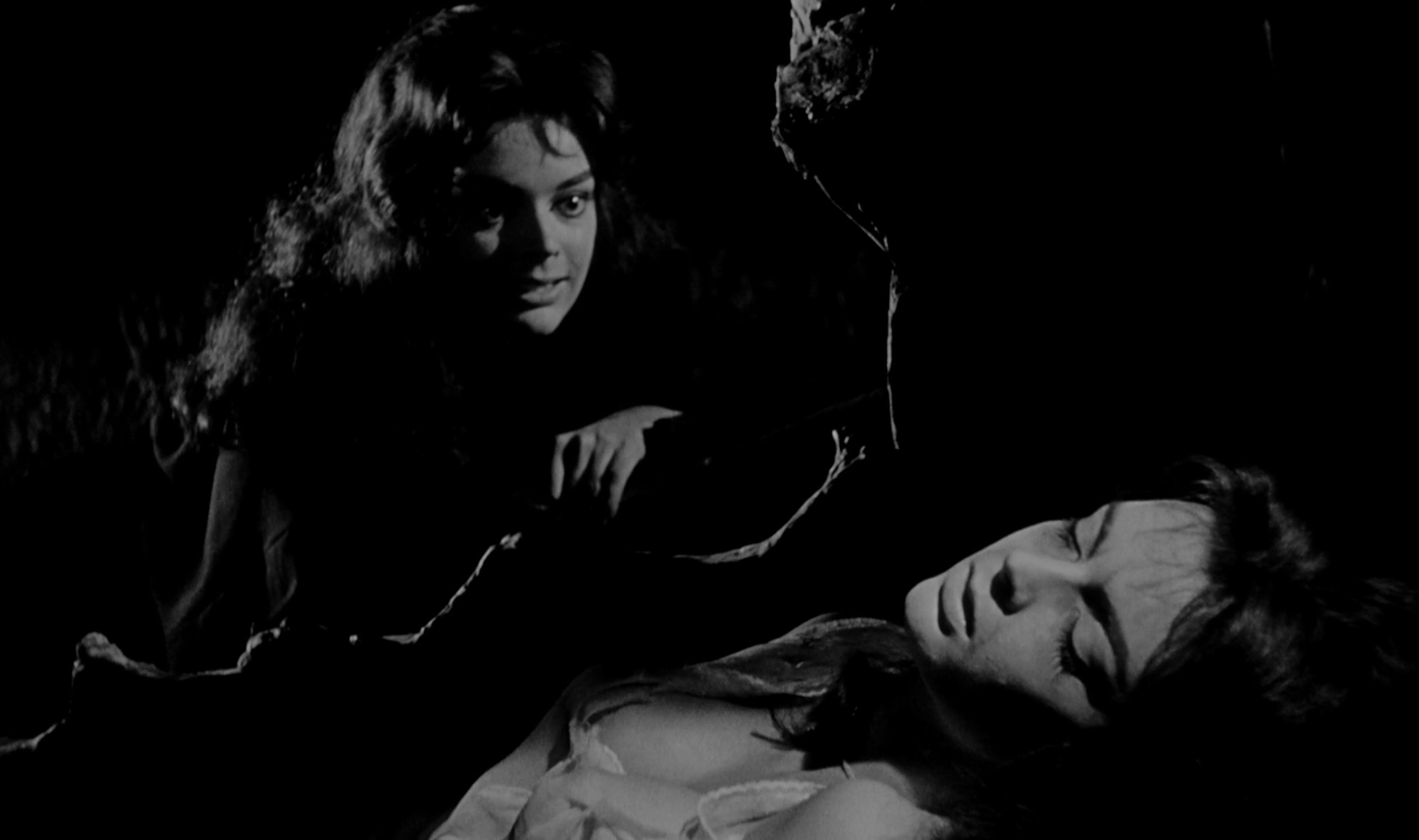
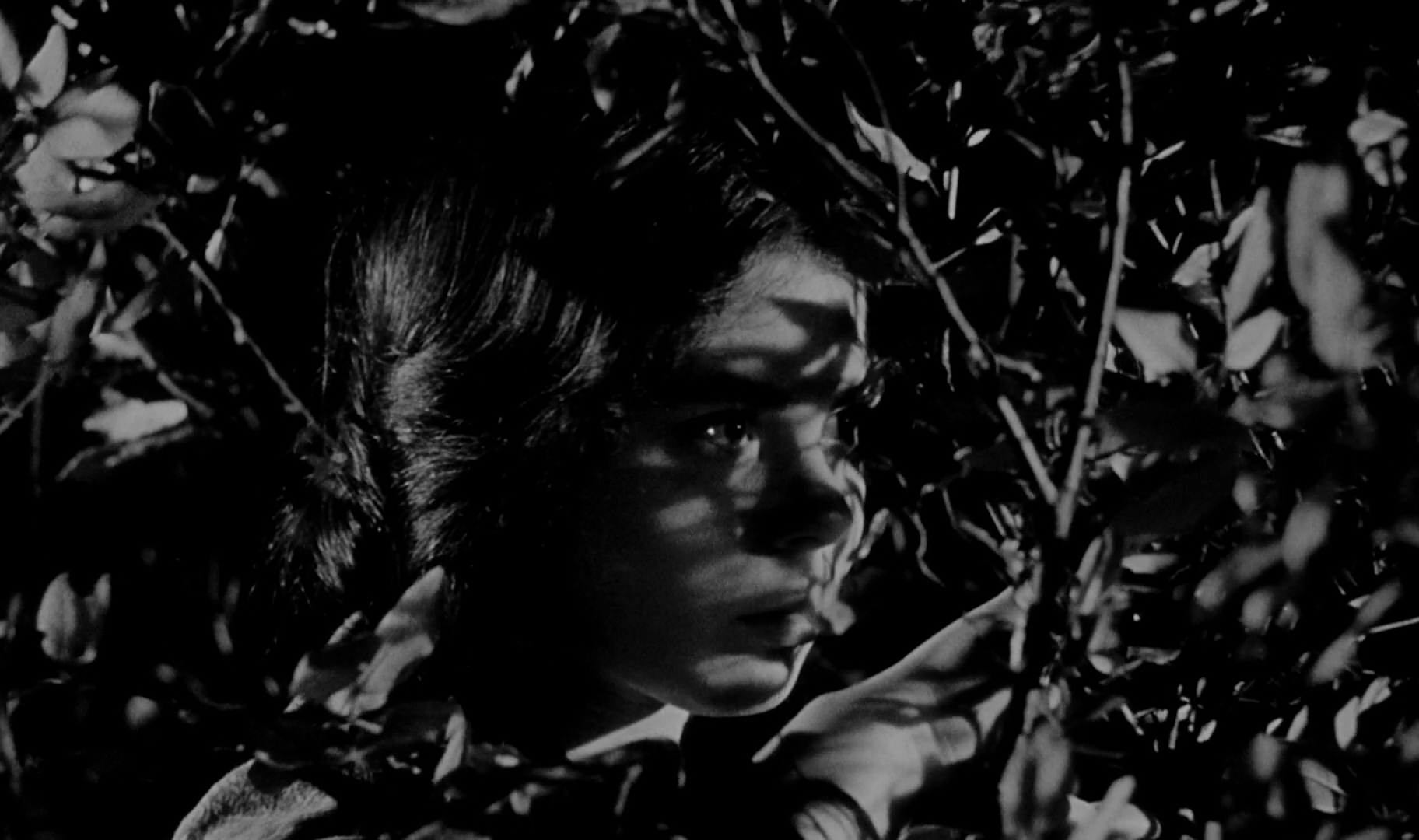
Peary further notes that Steele — whose “beauty is mysterious and unique” — was “the ideal choice” for the dual role as evil Asa and sweet Katia. In Cult Movies, Peary refers to Steele as “the most fascinating actress ever to appear in horror films with regularity”, and writes that “it is because of Steele, probably even more than Bava, that Black Sunday, in which her screen persona was established, remains a cult favorite”. Regardless, all film fanatics should certainly watch and enjoy this ultra-atmospheric classic horror film, which was banned in England for eight years (but likely won’t shock modern audiences who are used to much more gruesome imagery).

Redeeming Qualities and Moments:

  • Barbara Steel(e) as Asa and Katia
  • Truly atmospheric cinematography, sets, and direction


Must See?
Yes, as a justifiable cult favorite.

Categories

  • Cult Movie

(Listed in 1001 Movies You Must See Before You Die)

Links:

Stuff, The (1985)

Stuff, The (1985)

“It’s gonna kill you… It’s gonna kill you all!”

Synopsis:
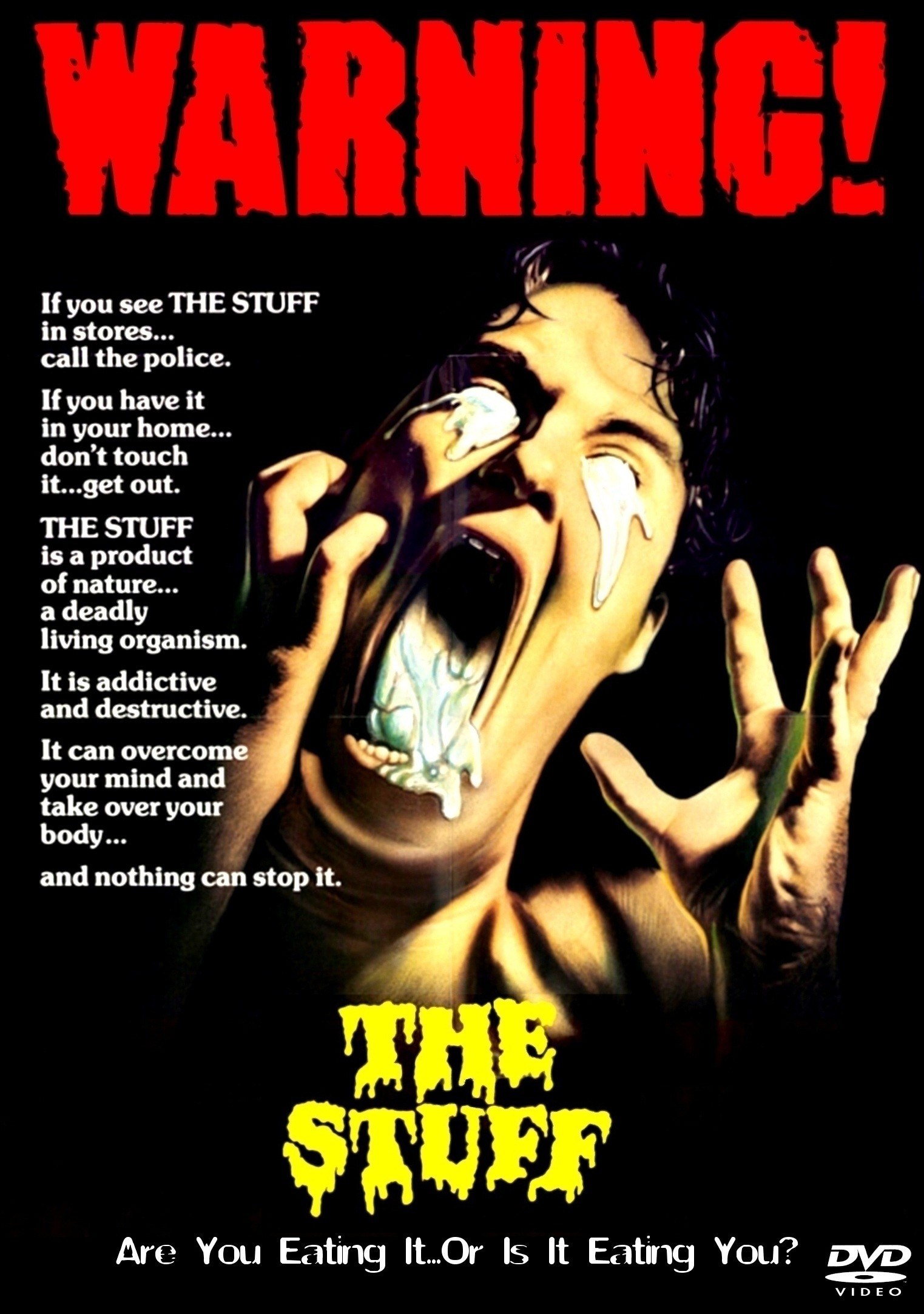
An industrial spy (Michael Moriarty) joins forces with an advertising executive (Andrea Marcovicci) and a skeptical young boy (Scott Bloom) to investigate the proliferation of a mysterious new dessert called The Stuff that is taking over people’s diets and bodies.

Genres, Themes, Actors, and Directors:

  • Horror
  • Larry Cohen Films
  • Naïve Public
  • Patrick O’Neal Films
  • Satires and Spoofs

Response to Peary’s Review:
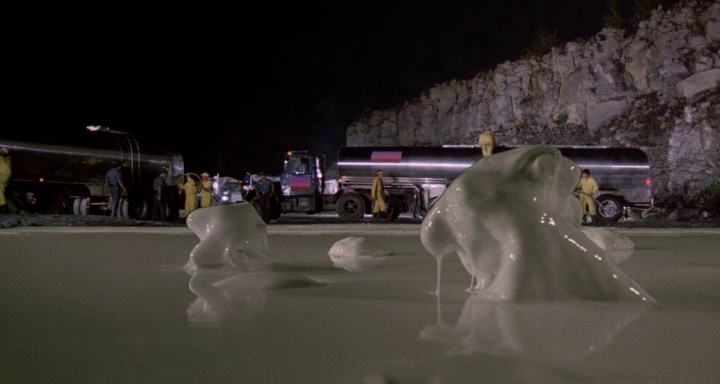
Peary notes that “writer-director Larry Cohen’s horror spoof satirizes (among many, many things) how Americans automatically become hooked on all trendy… products”, and points out that this “odd film has interesting non-hero types as heroes, good offbeat performances, some genuinely funny scenes, and a premise that works”. However, he argues that it would “be so much stronger if the production values were better”, given that it “looks sloppy and choppy… and after a while it’s hard to tell what’s going on”. I disagree with his final point (the narrative seems continuously clear to me), but agree that this film’s low-budget is ultimately either its undoing or its saving grace as a laughingly “bad movie”. While the “offbeat performances” (particularly by droll Moriarty) are certainly unusual, they occasionally come across as first takes, as though the entire film was made in a hurry. Meanwhile, the Stuff itself is impressively gushy and foamy, but many of the special effects often show clear green-screening and/or obvious animation.

Redeeming Qualities and Moments:

  • Silly special effects

Must See?
No, though it’s worth a look for its cult status.

Links:

Baron Blood (1972)

Baron Blood (1972)

“I would not play with the occult if I were you. One’s obsession with it can be the real danger.”

Synopsis:
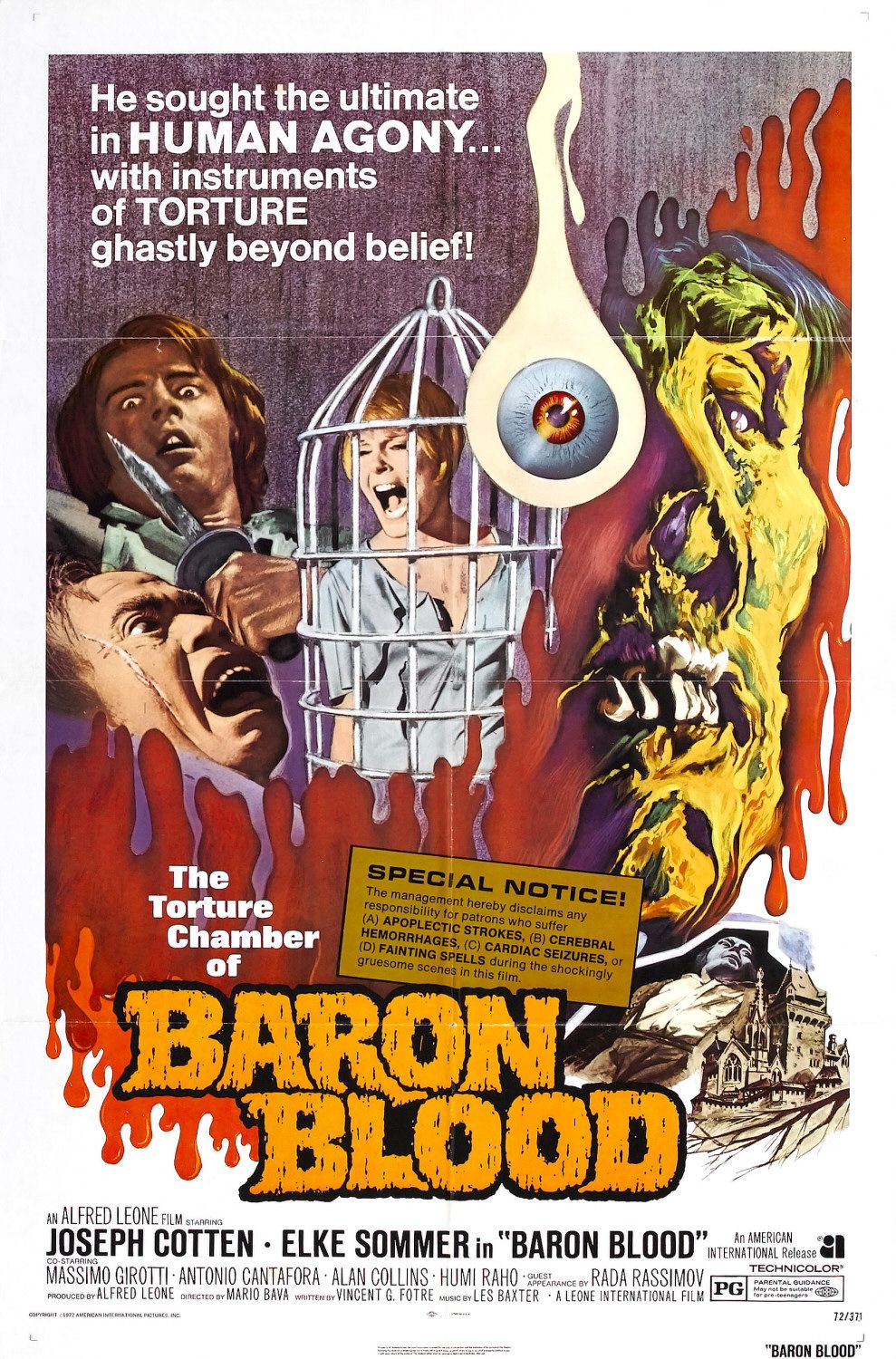
A young nobleman (Antonio Cantafora) visiting his uncle (Massimo Girotti) enlists the help of a plucky architecture student (Elke Sommer) in bringing his infamous ancestor “Baron Blood” — who was cursed by a witch (Rada Rassimov) — back to life. A rash of hideous killings soon erupts, and Cantafora and Sommer try to reverse their error while warning the mysterious wheelchair-bound millionaire (Joseph Cotten) who has purchased the baron’s castle.

Genres, Themes, Actors, and Directors:

  • Horror Films
  • Joseph Cotten Films
  • Mario Bava Films
  • Royalty and Nobility
  • Serial Killers

Review:
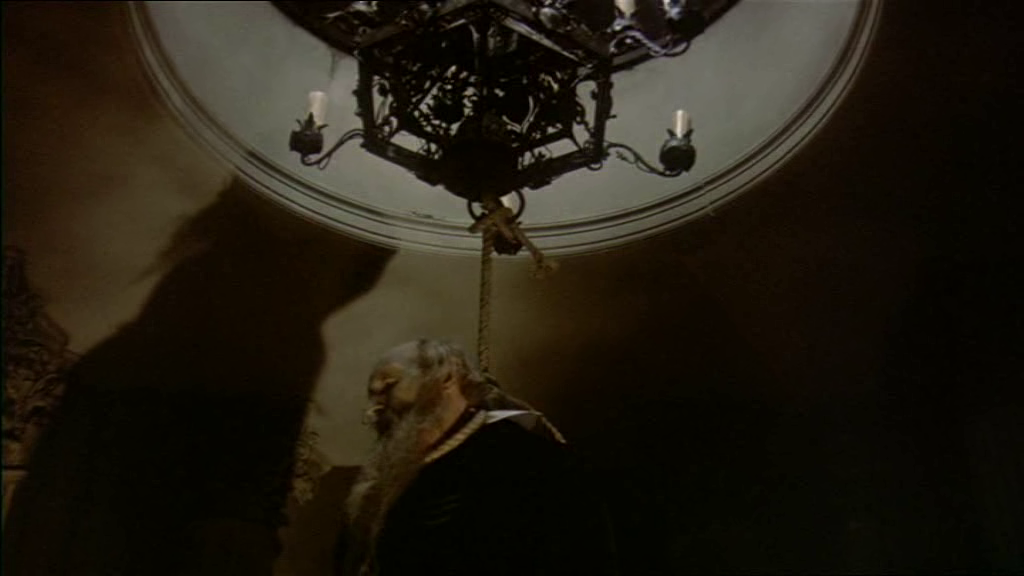
Mario Bava was lured to Vienna to make this Gothic horror flick, which the New York Times referred to in its review as “spectral schlock”. As noted in Cathode Ray Tube’s detailed review, Bava draws upon many of his own previous works — as well as other horror favorites — in his imagery, which is consistently atmospheric and creative (see stills below). Unfortunately, the storyline leaves much to be desired: beginning with the two reckless would-be lovers stupidly messing with black magic time and again, we can’t help feeling like the entire narrative is simply an excuse to show off gory violence and impressive sets (most of the film was shot on location in the spooky Austrian castle Burg Kreuzenstein). Meanwhile, it’s a bit painful watching Cotten — third choice for the role after Vincent Price turned it down and Ray Milland was unavailable — mouth lines like: “Now you shall taste the pain — the exquisite agony!”, especially knowing that he for some reason omitted this title from the filmography in his autobiography.

Note: In his Cult Movies book, Peary refers to Baron Blood simply as “terrible”, lamenting the fact that Bava never made another film half as good as Black Sunday (1960).

Redeeming Qualities and Moments:

  • Fine location shooting at Castle Kreuzenstein in Austria
  • Atmospheric cinematography and direction


Must See?
No; this one is only must-see for Bava fans, though the imagery is consistently haunting.

Links:

Plague of the Zombies, The (1966)

Plague of the Zombies, The (1966)

“This disease seems to me to be more mental than physical.”

Synopsis:
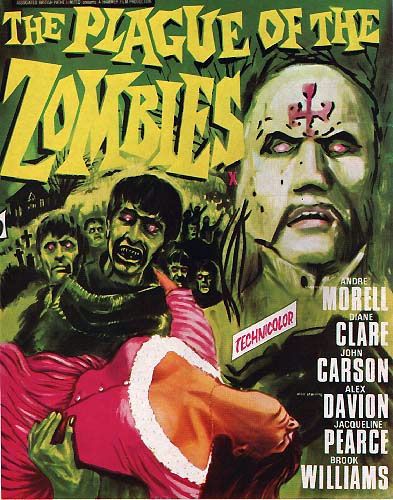
A young doctor (Brook Williams) in a 19th century Cornish village summons the help of his mentor (Andre Morell) in determining the cause of a mysterious plague killing off his patients. When Dr. Forbes (Morell) arrives with his plucky grown daughter (Diane Clare), they are distressed to notice that Williams’ wife (Jacqueline Pearce) — who is enamored by a local squire (John Carson) — seems sickly. Meanwhile, when attempting to conduct an autopsy, Morell and Williams discover that graves are being exhumed and bodies are missing.

Genres, Themes, Actors, and Directors:

  • Amateur Sleuths
  • Horror
  • Voodoo and Black Magic
  • Zombies

Review:
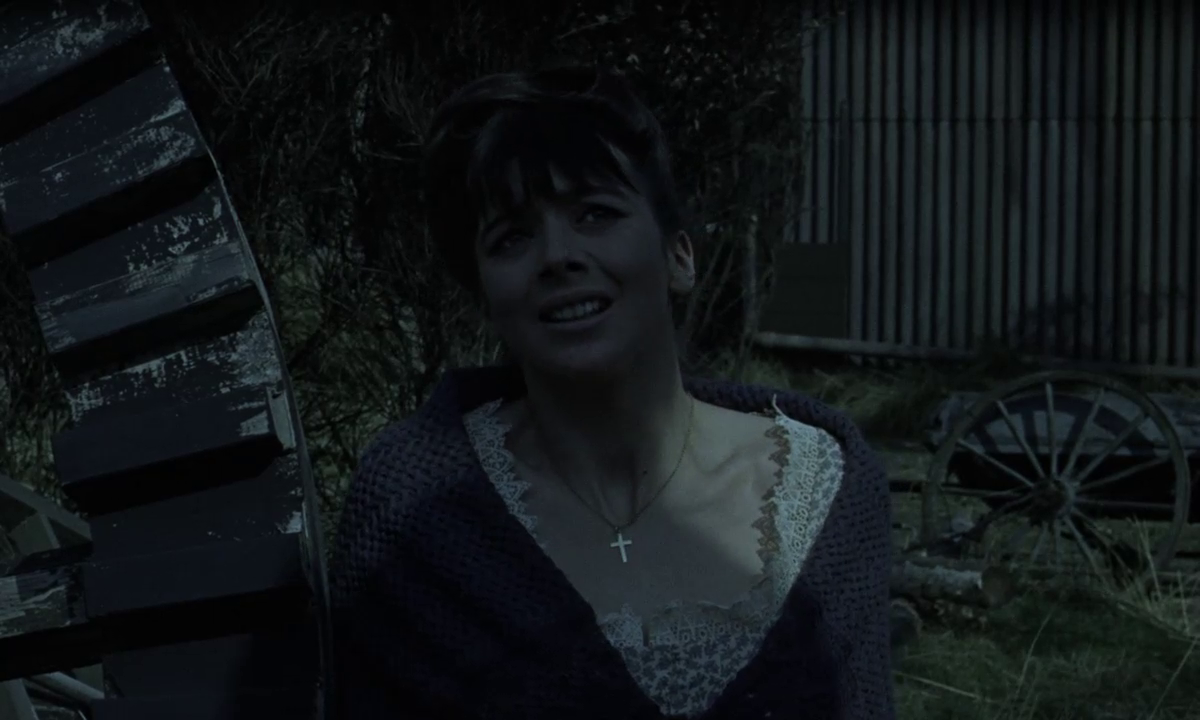
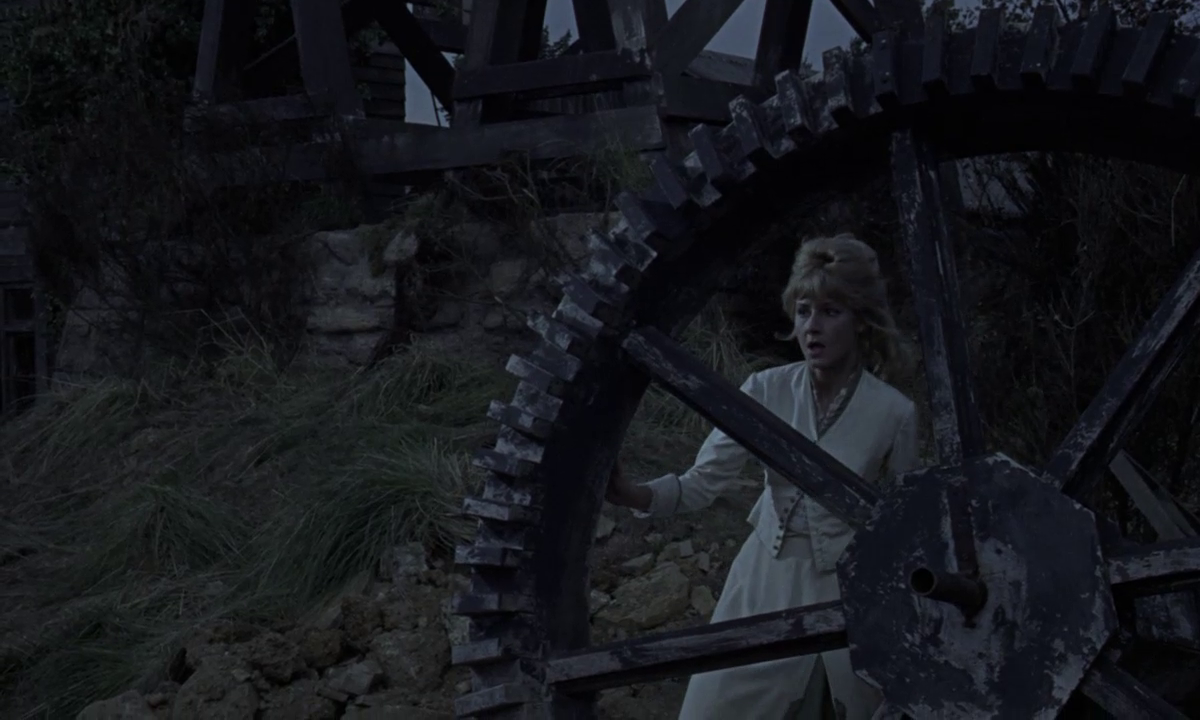
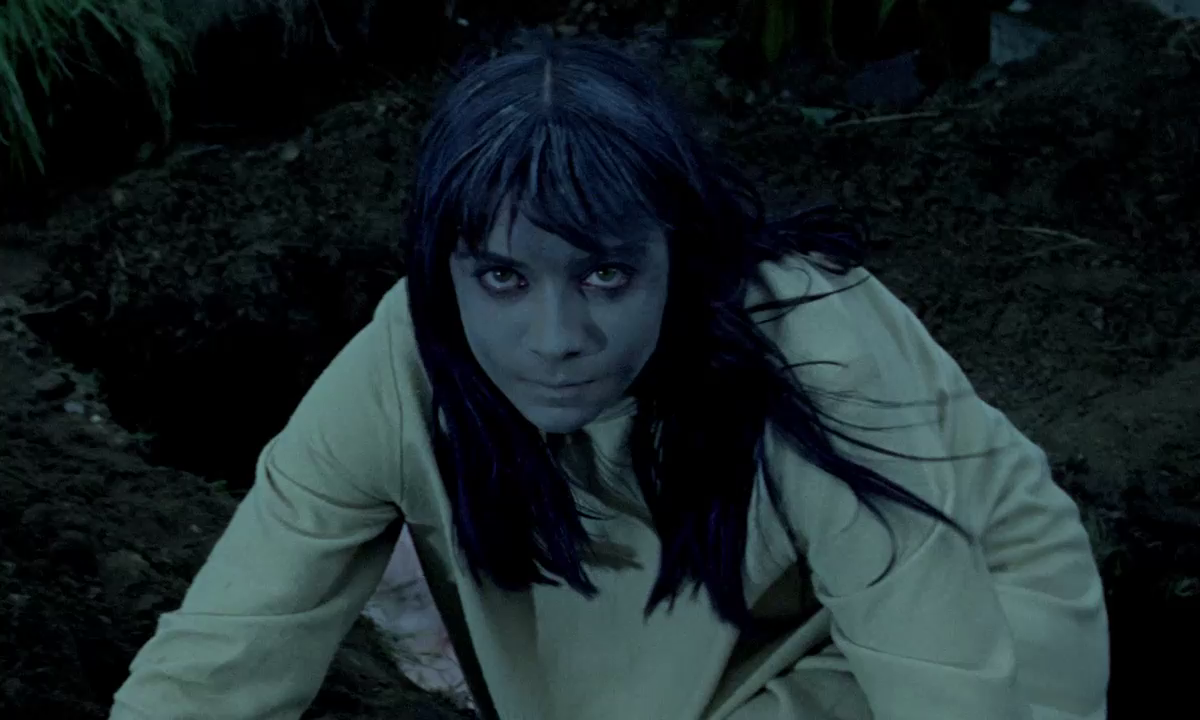
Hammer Studios’ foray into zombie films evokes visceral memories of Val Lewton’s I Walked With a Zombie (1943) and foreshadows certain visual elements of George Romero’s Night of the Living Dead (1968). On its own, it remains a reasonably effective, historically situated horror flick with fine cinematography and direction — particularly during a green-tinted mid-film zombie sequence which emerges as a freaky surprise and is genuinely disturbing. Other elements of the narrative strain credulity or are overly obvious, but that’s par for the course in a genre flick like this.

Note: Deep-voiced Carson — who film fanatics may recognize as Captain Kronos’ vampire-fighting partner — sounds remarkably like James Mason, don’t you think?

Redeeming Qualities and Moments:

  • Effective cinematography (by Arthur Grant) and direction (by John Gilling)

  • The spooky mid-film zombie sequence

Must See?
No, but it’s recommended for fans of zombie flicks.

Links:

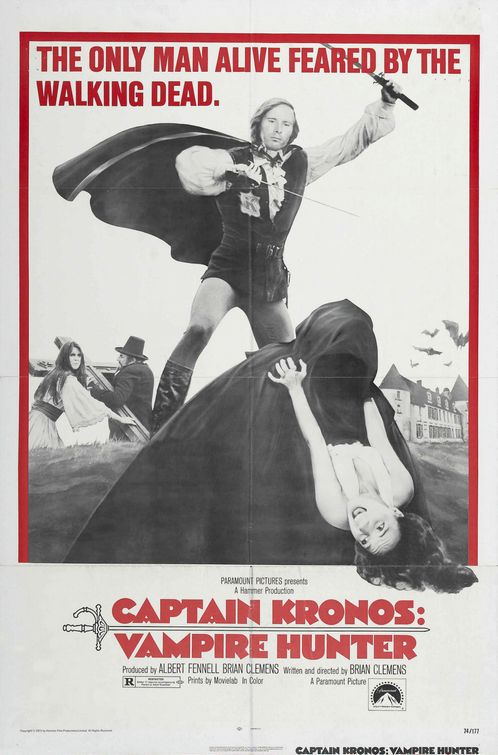
Captain Kronos: Vampire Hunter (1974)

Captain Kronos: Vampire Hunter (1974)

“Age frightens me.”

Synopsis:
As young women’s youth is sucked from their bodies by a black-hooded vampire, a vigilante swordfighter (Horst Janson) and his hunch-backed assistant (John Cater) are summoned by their doctor-friend (John Carson) to solve the mystery, which seems to involve a local nobleman (Shane Briant), his sister (Lois Dane), and their aged mother (Wanda Ventham).

Genres, Themes, Actors, and Directors:

  • Horror
  • Vampires
  • Vigilantes

Response to Peary’s Review:
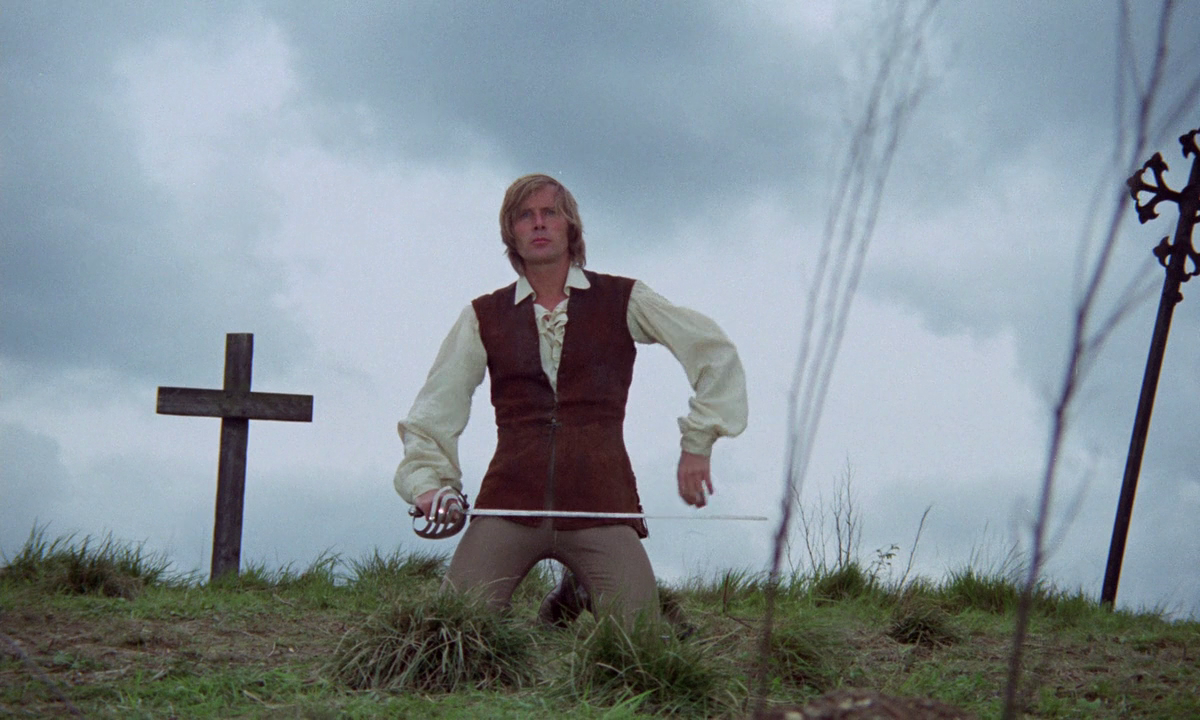
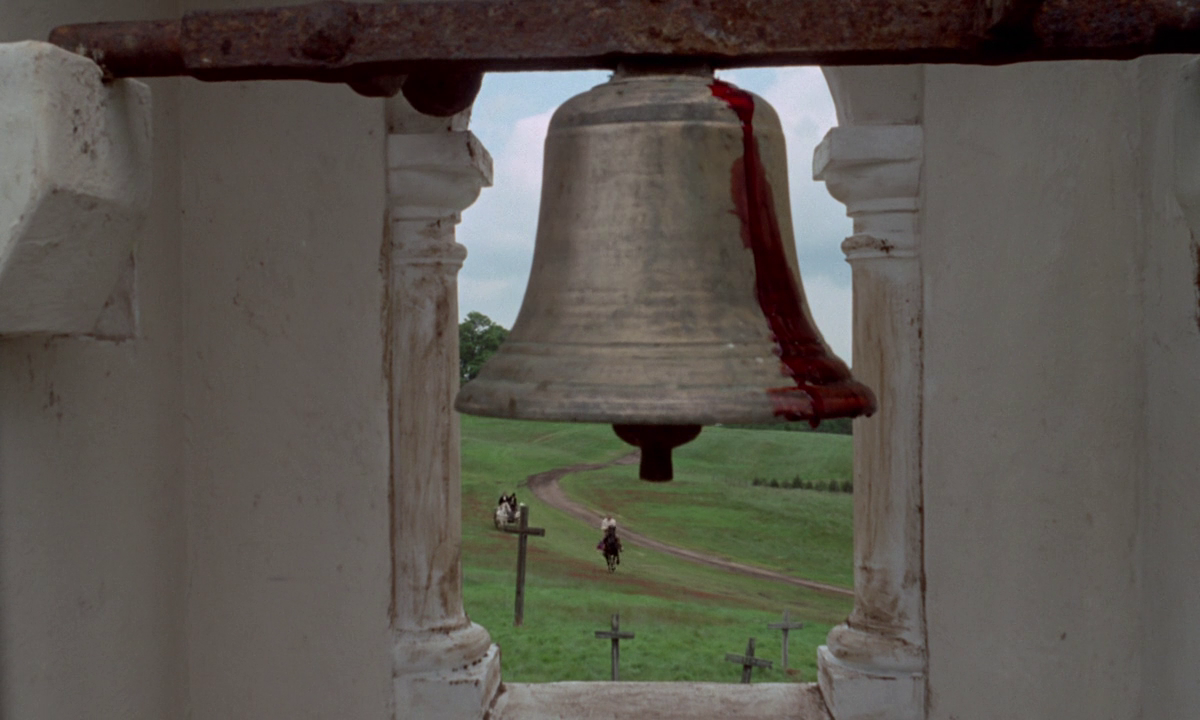
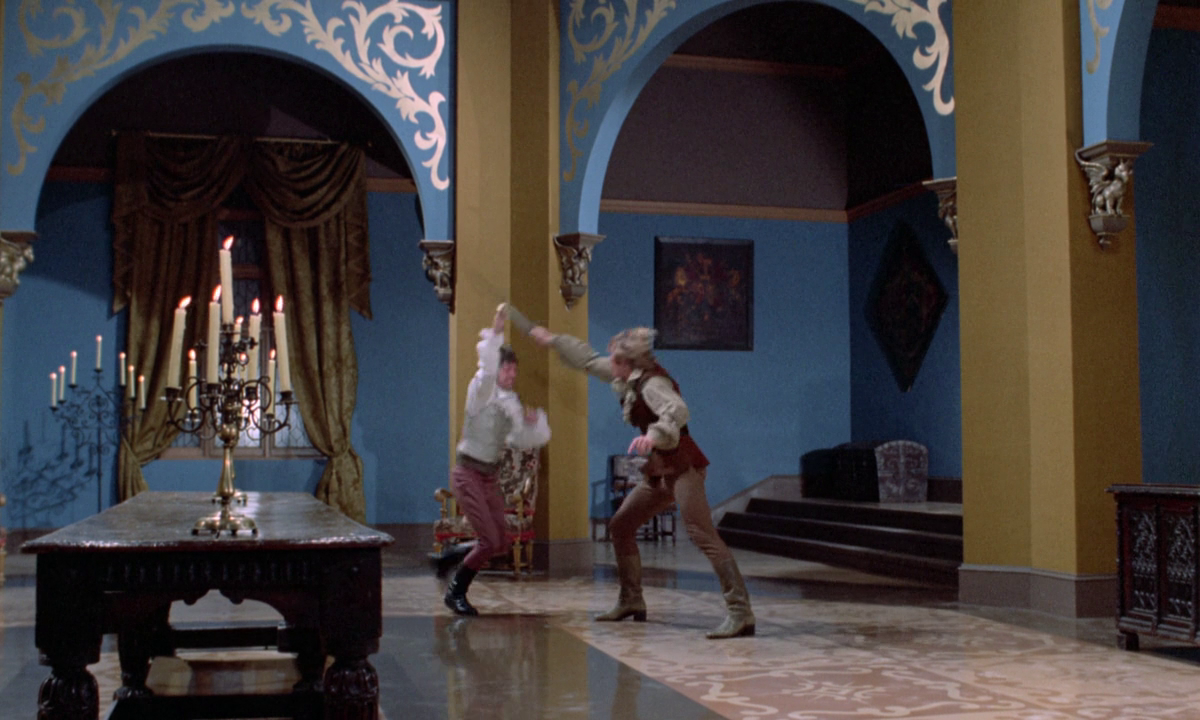
Peary argues that this “cult film” — written and directed by Brian Clemens, the “driving force behind television’s The Avengers” — has an “interesting assortment of characters, some spooky vampire-attack scenes, and splendid atmosphere”, but “never quite reaches its potential”. He notes that “Kronos is a strange warrior”, “capable of slicing up three bullies before they can draw their swords (in a Sergio Leone-type scene), but he mostly bides his time” as he “makes love to a peasant girl” (Caroline Munro), “covers his body with leeches to drain his blood, and patiently plans his course of action”. Actually, Kronos himself — at least as played by Janson — is the film’s primary problem: he cuts a dashing figure but is ultimately not very charismatic; nearly all the supporting players have more juice and nuance to them. It may have been a deliberate choice to frame Kronos as stoic and mysterious — but a film focused on an unusual superhero should (arguably) make that character intrinsically compelling. With that said, the final swordfight is creatively filmed, and I’ll admit I was kept in suspense about the identity of the killer-vampire.

Note: Modern film fanatics will likely sense a Tarantino-esque air to the movie; I was particularly reminded of Django Unchained (2012).

Redeeming Qualities and Moments:

  • Fine cinematography and direction

  • Creative, colorful sets

Must See?
No, but I think most film fanatics would be curious to see it given its cult status.

Links:

Dead and Buried (1981)

Dead and Buried (1981)

“What the hell is going on in this town?!”

Synopsis:
As the sheriff (James Farentino) of a small coastal town investigates a mysterious rash of violent murders perpetrated on tourists — with many of them coming back to life — he begins to wonder about the potential involvement of the local mortician (Jack Albertson) as well as his own wife (Melody Anderson).

Genres, Themes, Actors, and Directors:

  • Horror
  • Living Nightmare
  • Zombies

Review:
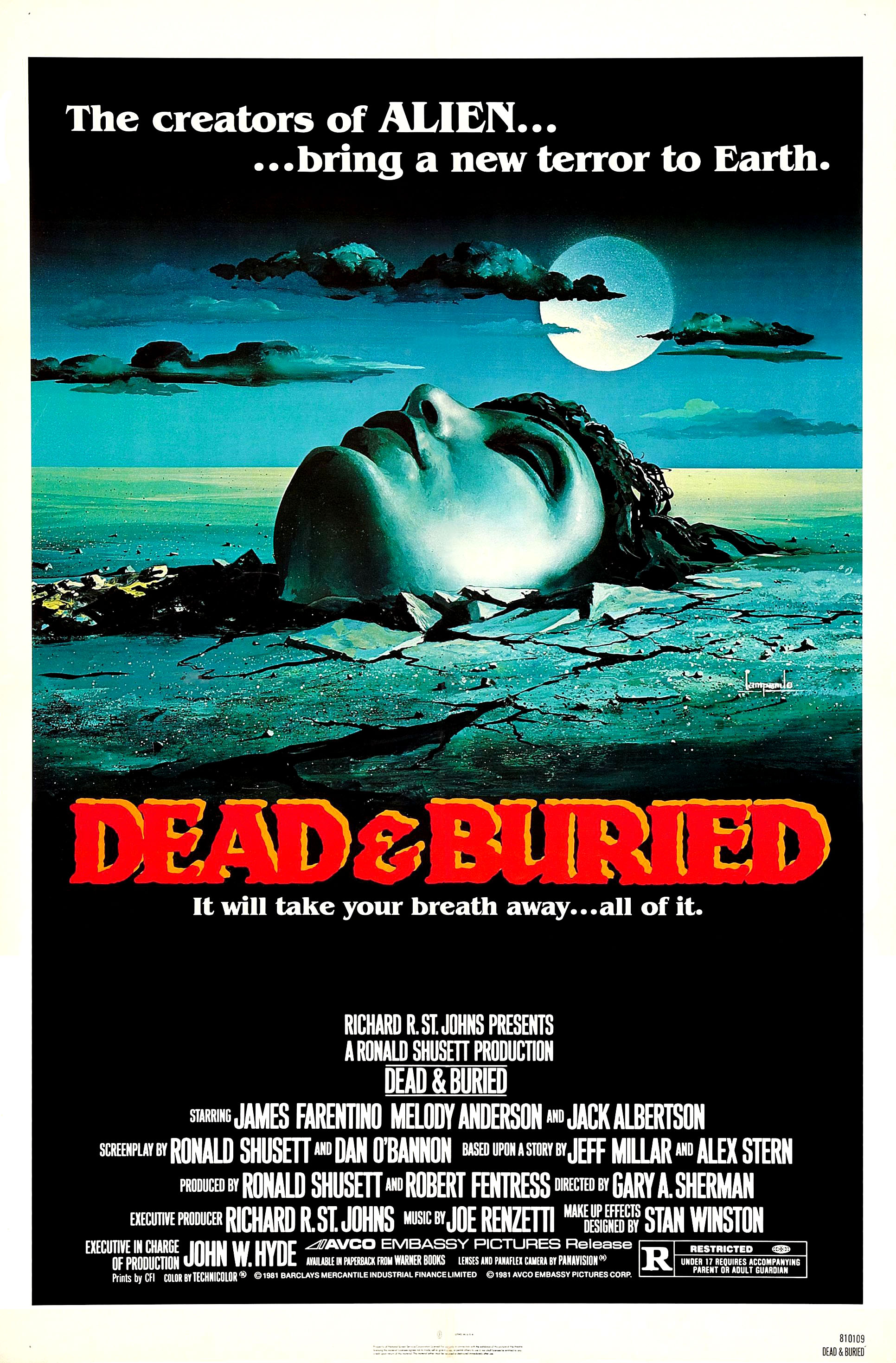
Co-scripted by Alien screenwriters Dan O’Bannon and Ronald Shusett, this horror-thriller is based on a provocative premise, but fails to deliver on its promise. The shockingly violent opening sequence — in which a photographer (Christopher Allport) is seduced by a beautiful woman (Lisa Blount) on the beach, then nearly burnt alive by a group of locals who photograph and film the proceedings — is truly terrifying, and becomes more so as Allport’s perpetrators suddenly show up around town in other guises. This narrative structure quickly begins to wear thin, however, as we witness one tourist (or set of tourists) after the other suffering the same fate, albeit via different sadistic methods (presumably to show off gory special effects). Clearly, this film is meant to play on the trope of small-town hospitality masking something much more sinister, but we see too much viciousness and not enough initial hospitality to engage our interests.

Redeeming Qualities and Moments:

  • An effectively unsettling opening sequence
  • Atmospheric cinematography

Must See?
No; you can skip this one unless it’s your cup of tea.

Links:

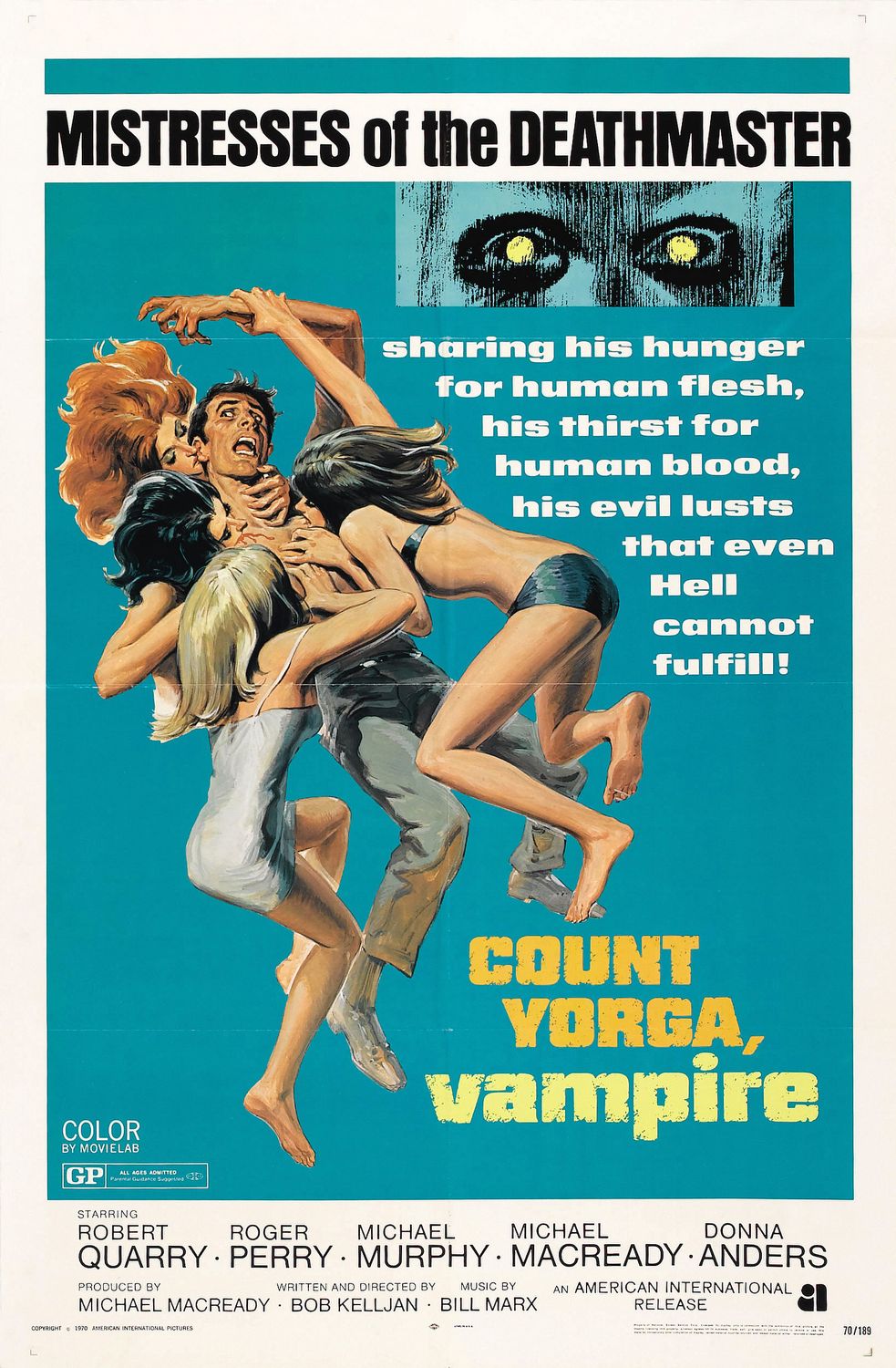
Count Yorga, Vampire (1970)

Count Yorga, Vampire (1970)

“Vampires have minds far superior to those of mortals.”

Synopsis:
A woman (Donna Anders) grieving the recent loss of her mother (Marsha Jordan) from “pernicious anemia” enlists the help of her mother’s boyfriend, Count Yorga (Robert Quarry), in contacting her mother’s spirit during a seance. When two friends (Judy Lang and Michael Murphy) drop Quarry off at his house, they find themselves ensnared in his den of vampire brides; meanwhile, Anders’ husband (Michael Macready) receives help from a doctor-friend (Roger Perry) in investigating the pair’s disappearance.

Genres, Themes, Actors, and Directors:

  • Horror Films
  • Michael Murphy Films
  • Vampires

Response to Peary’s Review:
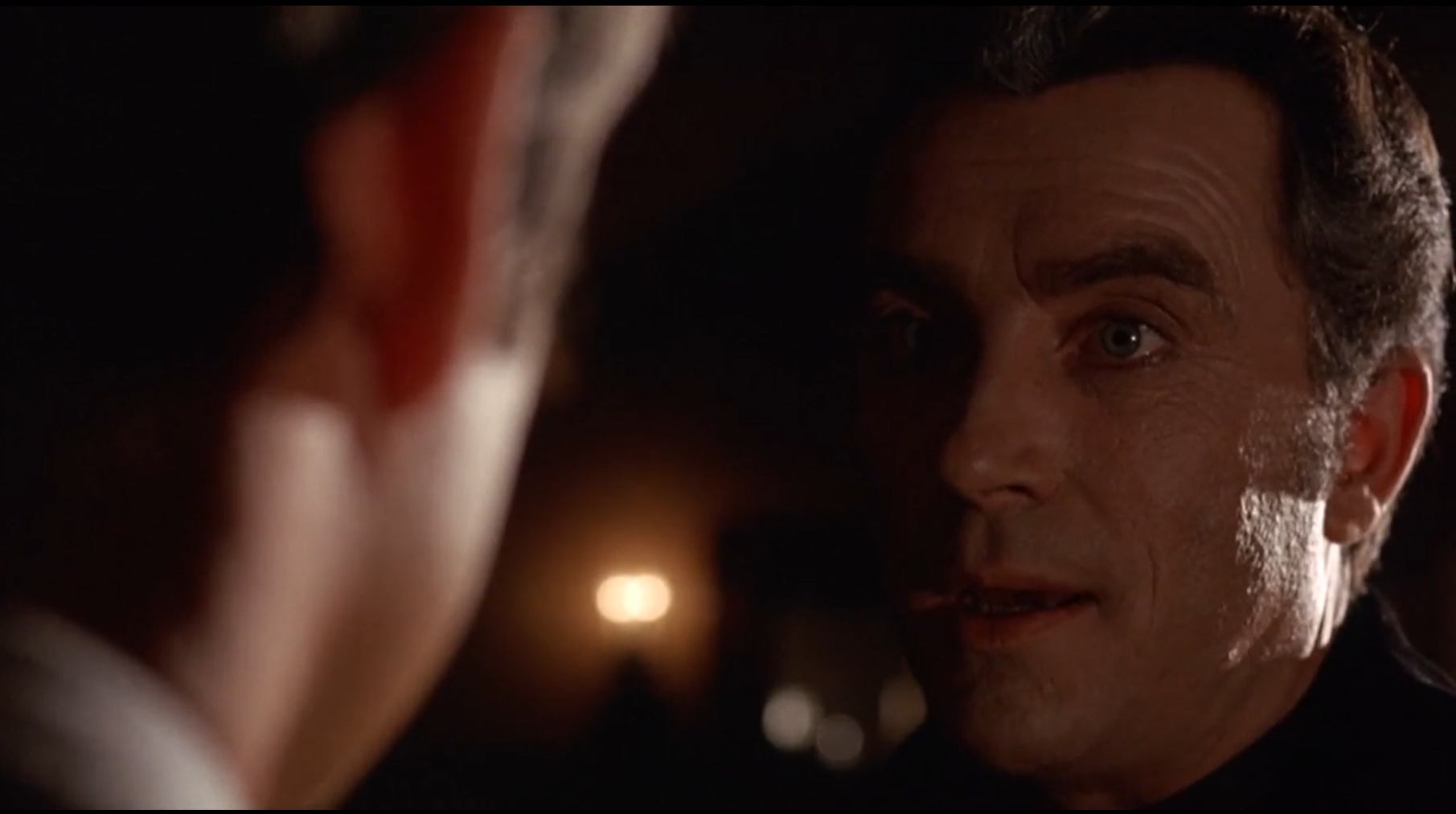
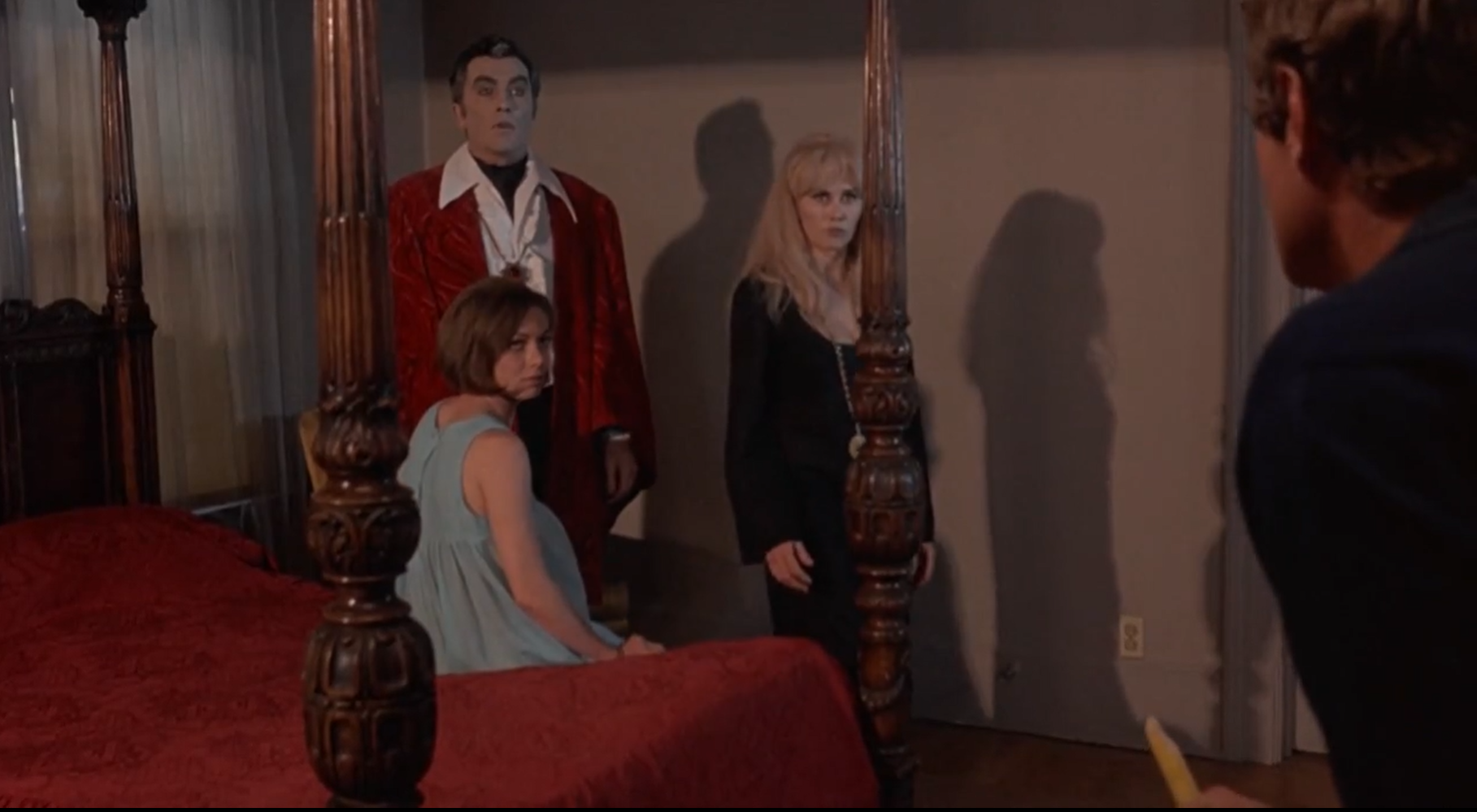
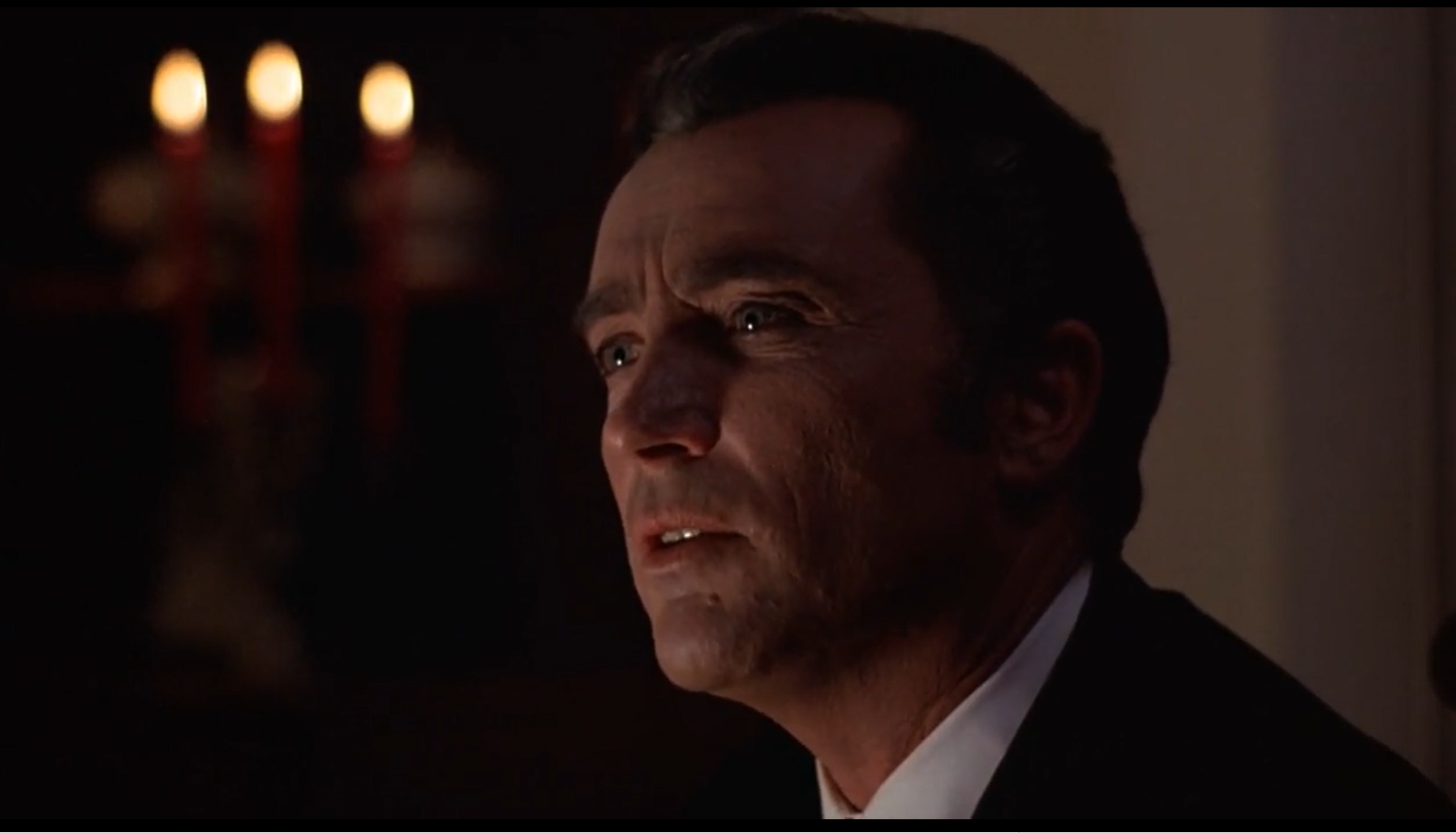
Peary posits that this “low-budget horror film” set in “modern-day L.A.” was “quite popular because genre fans were starved for a new vampire”. He writes that “Quarry is effectively evil as Yorga” (I agree), but that he wishes “there were more nuances to his character”:

… and that he finds the “lengthy, terribly directed, bloody finale in the Count’s castle” “amusing”.

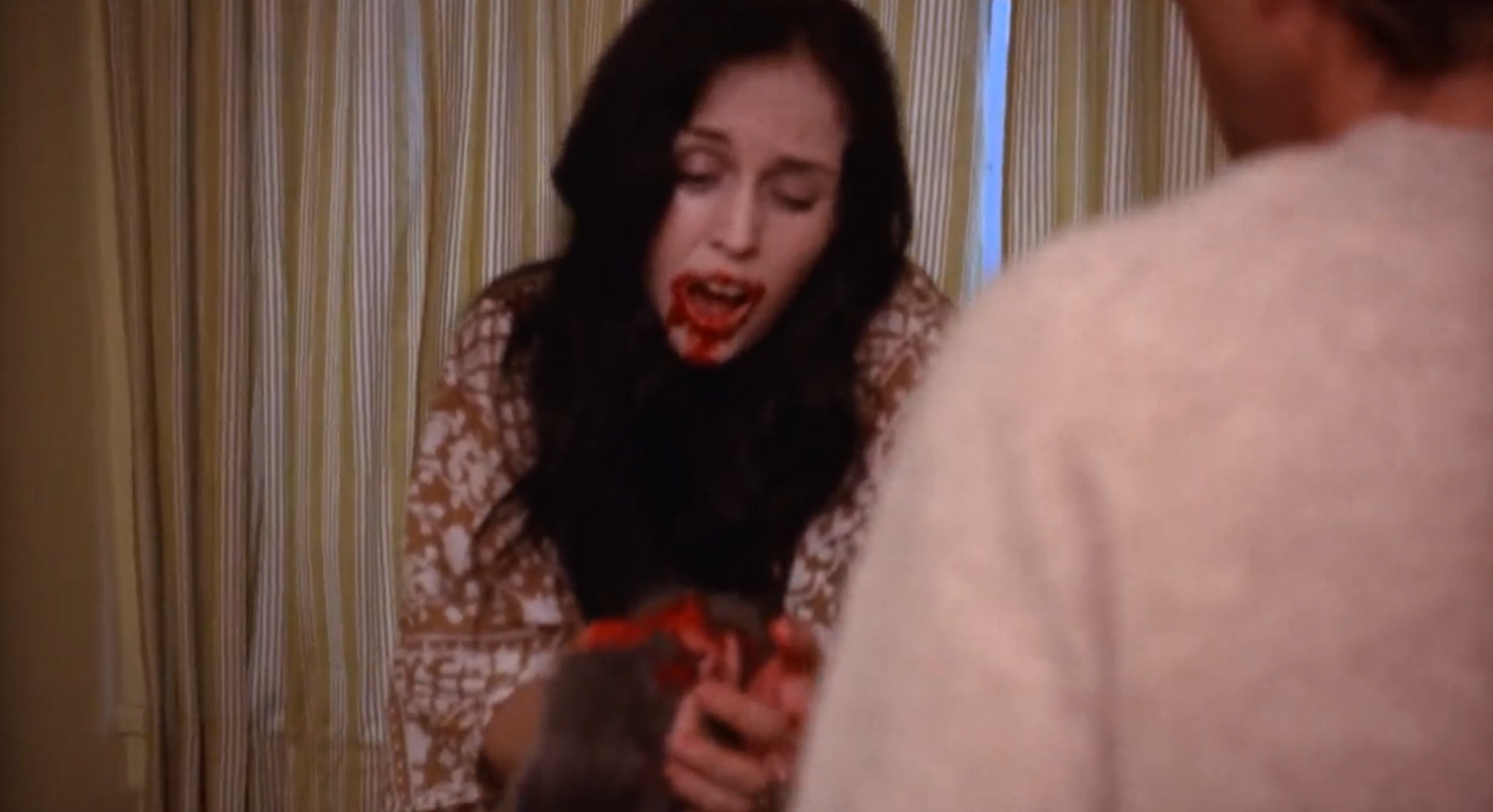
I don’t think the ending is particularly bad or amusing, but agree with Peary that this cult item is more a curio of its time than a classic. Its narrative “appeal” seems to be that young women of any era and setting — not just 19th century Transylvania — are at risk of being lured by seductive, deceptive vampires. But poor Lang is stuck between two terrible choices: becoming Quarry’s blood-sucking bride (at which point she’s reduced to gnawing on a kitten):

or staying with her obnoxious boyfriend (Murphy); I’m not sure which is a better fate (!).

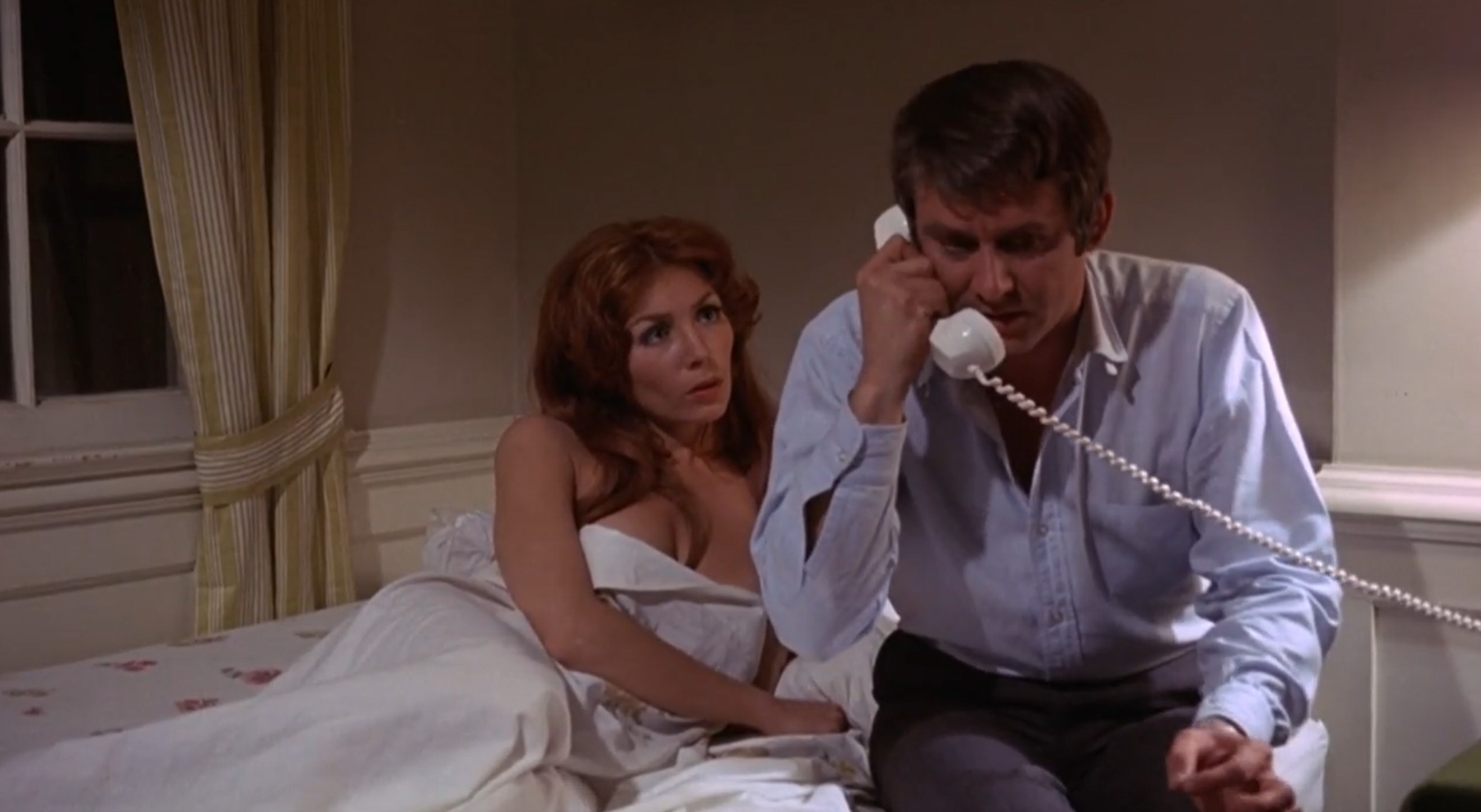
I do wish this film had even a little bit more of a feminist “bite”; Perry’s girlfriend (Julie Conners), shown naked in bed, is portrayed in an especially offensive manner.

I wasn’t surprised to hear this was originally planned as a soft-core adult flick.

Redeeming Qualities and Moments:

  • Robert Quarry as Count Yorga

Must See?
No, though it’s worth a one-time look for its cult status.

Links:

Countess Dracula (1971)

Countess Dracula (1971)

“It states quite clearly: for the restoration of youth and beauty, only the blood of a virgin may be used!”

Synopsis:
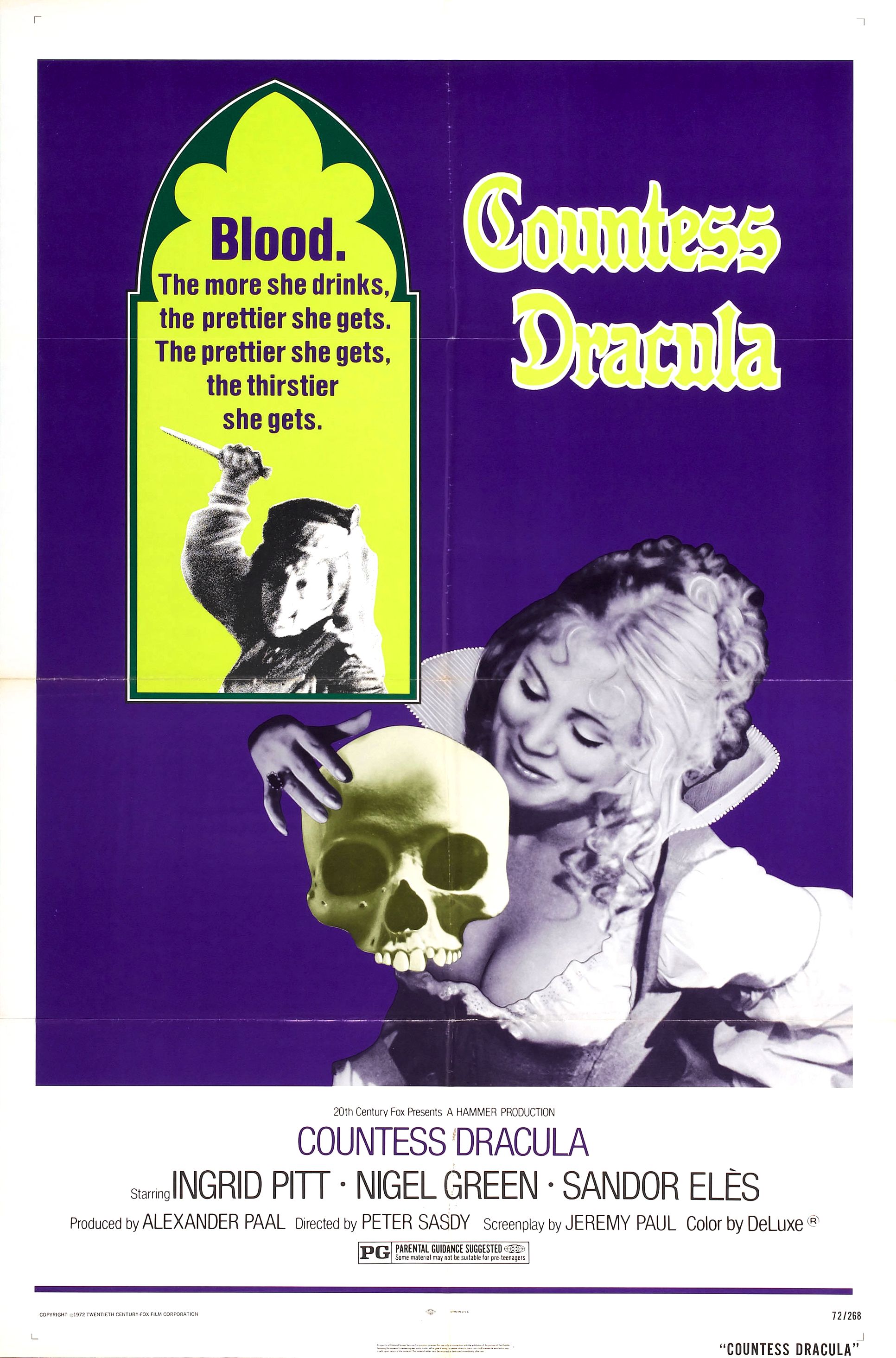
Upon the death of her husband, an aging countess (Ingrid Pitt) accidentally discovers that young women’s blood makes her youthful again, and enlists the help of her loyal lover (Nigel Green) in securing victims. Meanwhile, she arranges for her visiting daughter Ilona (Lesley-Anne Down) to be held hostage by a mute gamekeeper (Peter May), and seduces a handsome lieutenant (Sandor Eles) while pretending to be her own daughter.

Genres, Themes, Actors, and Directors:

  • Horror Films
  • Mistaken or Hidden Identities
  • Royalty and Nobility

Review:
Despite its title, there are no fangs to be seen in Hammer Studios’ follow-up to Polish-born Ingrid Pitt’s memorable debut as the 200-year-old lesbian vampire Carmilla in The Vampire Lovers (1970). Here, Pitt plays the infamous serial murderess Elizabeth Bathory, nicknamed “Countess Dracula” because of the blood she shed in the name of (vainly) attempting to preserve her own youth. The problem with Countess Dracula is that Pitt’s character — apparently one of the most cold-blooded female sociopaths in the annals of history — is portrayed as both heinously villainous and petulantly pathetic. The two shouldn’t necessarily be in conflict (plenty of screen villains are pathetic), but there are enough semi-decent characters supporting Pitt in her endeavors — including her long-time lover (Green) and her loyal nursemaid (Patience Collier) — that we get a bit confused. Meanwhile, Pitt’s real-life daughter (Downs) — who we long to see striking back at her viciously narcissistic mother — is imprisoned for most of the film, and we primarily see her being humiliated. While this film has its share of cult fans, it’s ultimately a disappointment.

Note: Bathory’s travails were even more gruesomely and realistically portrayed in Walerian Borowczyk’s Immoral Tales (1974).

Redeeming Qualities and Moments:

  • Atmospheric cinematography

Must See?
No; this one is only must-see for Hammer horror aficianados.

Links:

Curse of Frankenstein, The (1957)

Curse of Frankenstein, The (1957)

“Don’t you see? You’ve created a monster!”

Synopsis:
An arrogant baron (Peter Cushing) enlists the help of his mentor (Robert Urquhart) in carrying out a series of increasingly questionable scientific experiments. When he decides to bring a creature (Christopher Lee) composed of various body parts to life — resorting to murdering a professor (Paul Hardtmuth) for his brain — Urquhart becomes alarmed, and tries to warn Cushing’s naive fiancee (Hazel Court).

Genres, Themes, Actors, and Directors:

  • Christopher Lee Films
  • Flashback Films
  • Frankenstein
  • Horror
  • Mad Doctors and Scientists
  • Peter Cushing Films

Response to Peary’s Review:
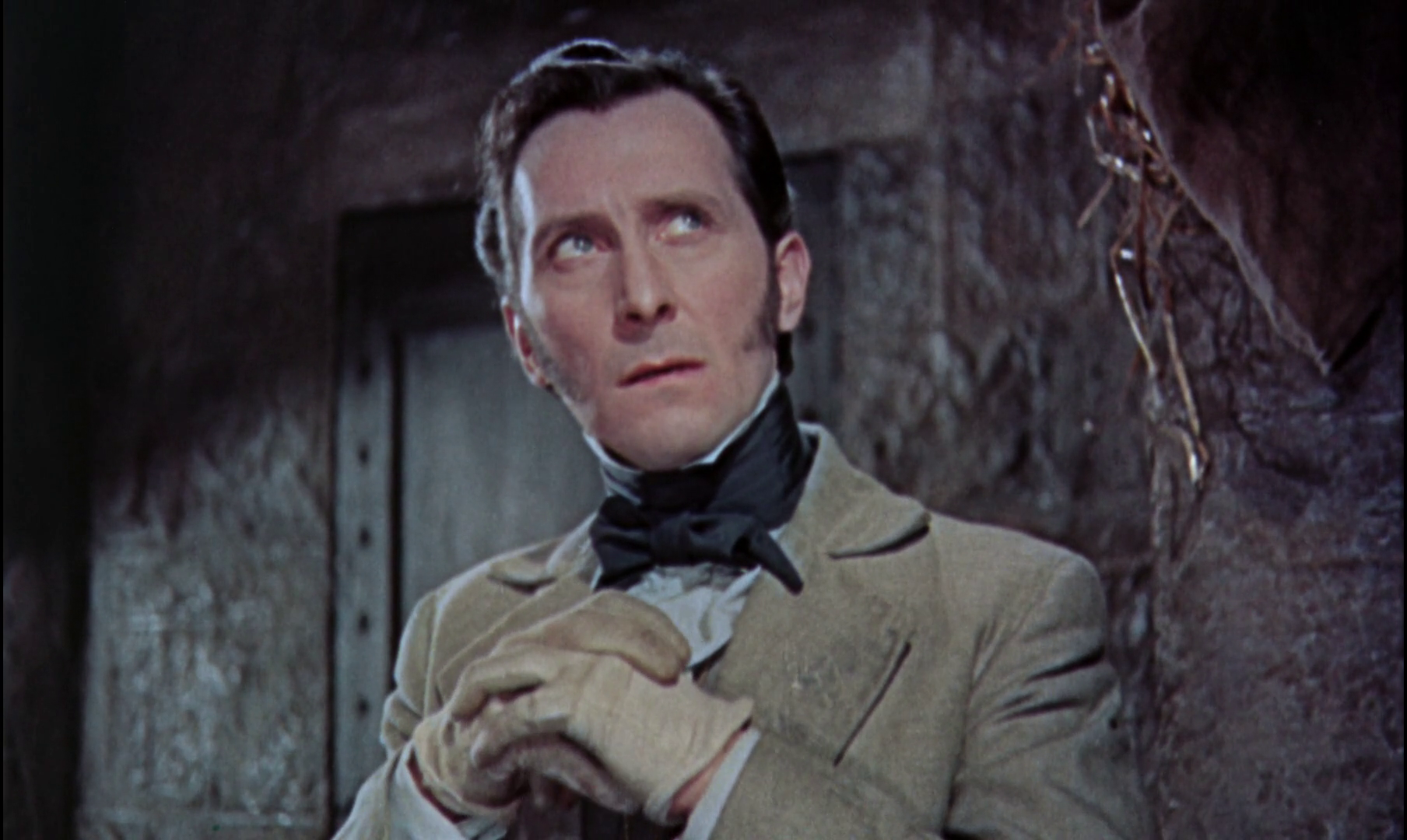
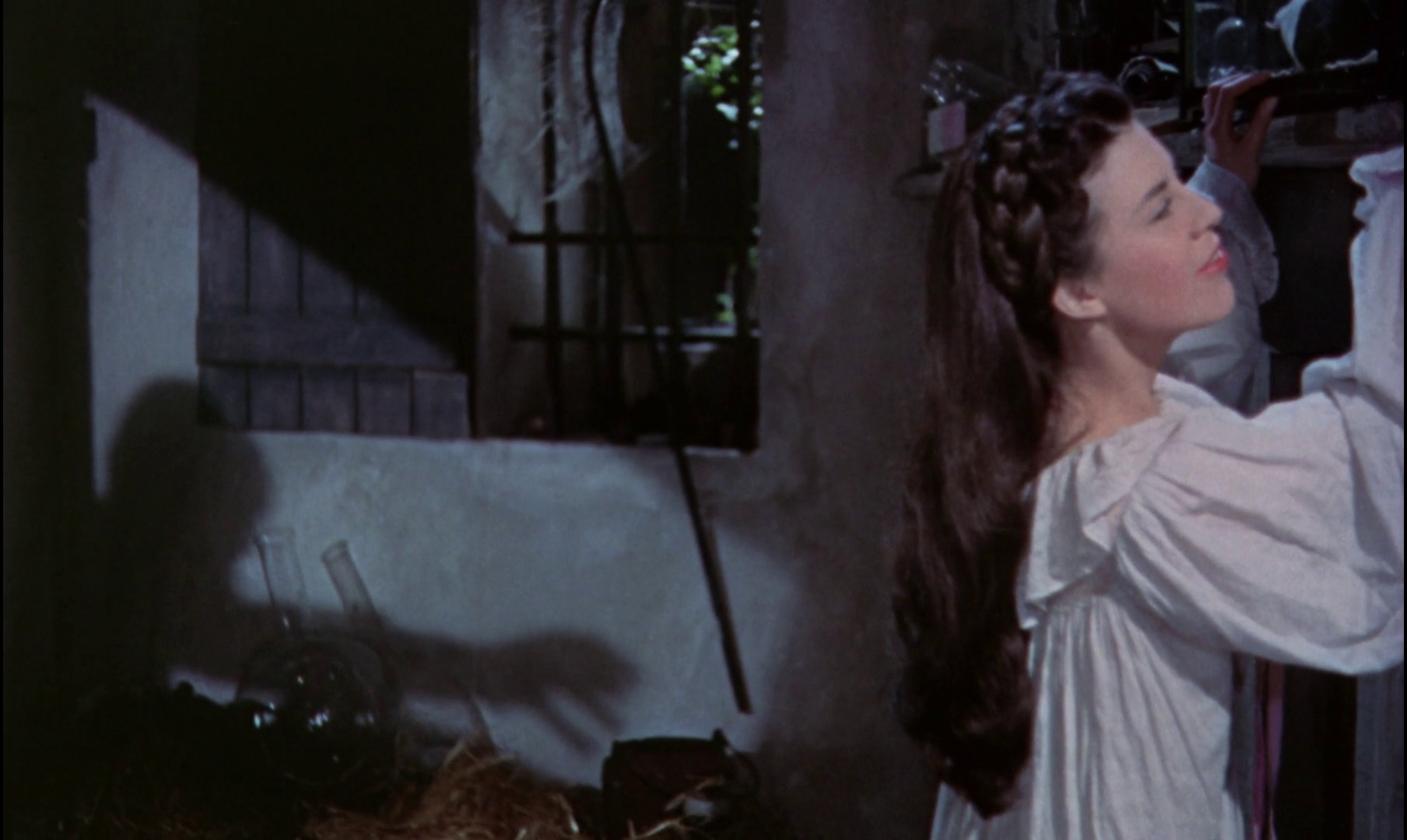
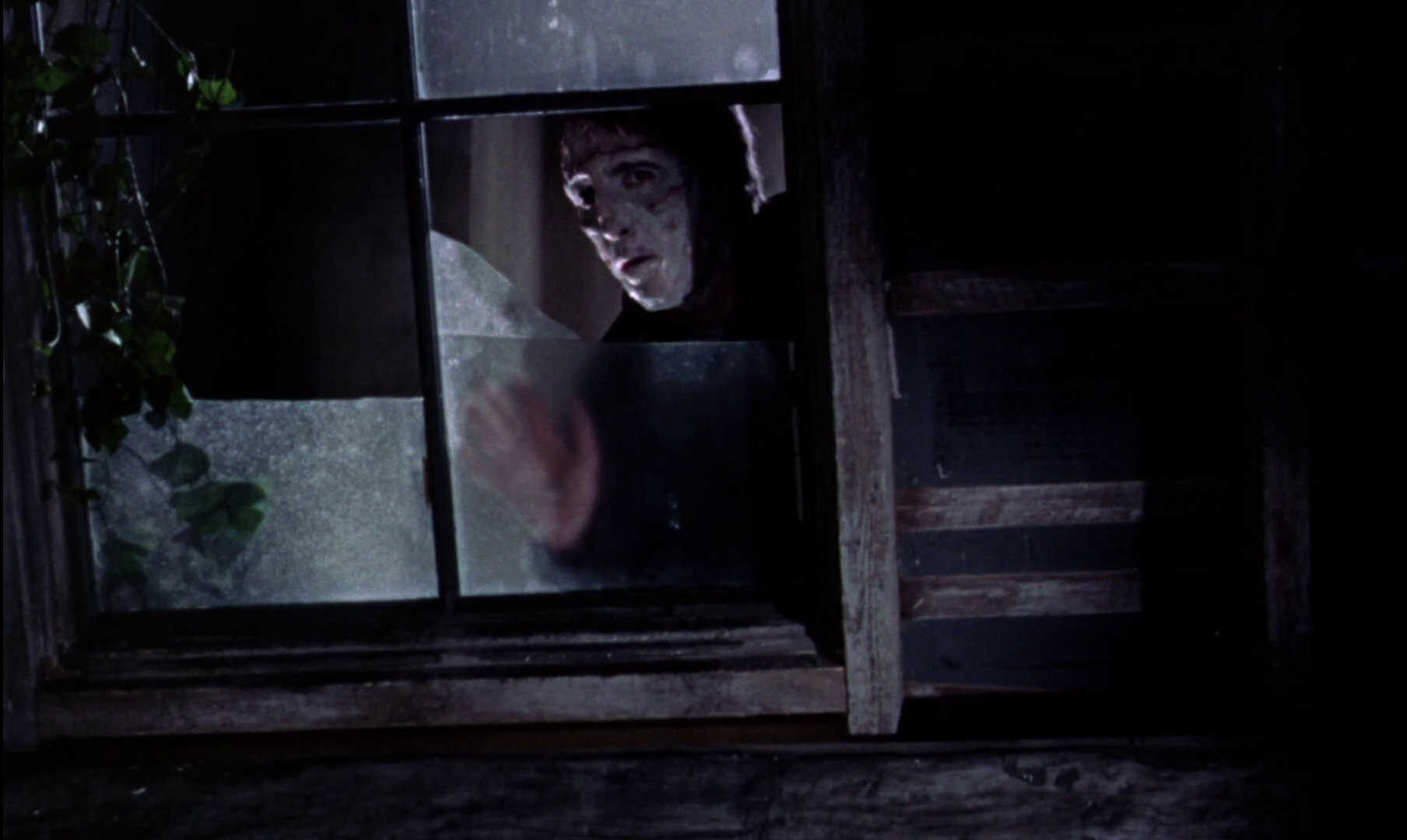
Peary writes that this “first of Hammer Studios’ horror films” has “few of the fascinating themes or the philosophizing found in the [original] novel or the 1931 film by James Whale.” He further complains that the picture “lacks the wit and melodrama of the Whale film”, noting that “Lee is neither as imposing a monster as Boris Karloff nor as sympathetic”, and pointing out the “jolting… depiction of Victor Frankenstein as a diabolical villain” who is not only a grandiose sociopath but an extreme cad. I’m essentially in agreement with Peary’s assessment. While the “production values are quite good”, and Cushing’s performance is excellent (it’s fun to see him playing “against type”, given his iconic connection to the heroic Van Helsing), this remake simply pales in comparison in every way but for the “distinct, superbright color”. It’s primarily of note for its historical relevance as the beginning of a new era of horror: according to Richard Scheib of Moria Reviews, “Aside from the flurry of atomic monster movies in the 1950s, there were almost no horror films made anywhere in the world between 1947 and the genre’s revival in 1957”.

Redeeming Qualities and Moments:

  • Peter Cushing as Baron Frankenstein
  • Atmospheric cinematography and period sets

Must See?
No, though it’s worth viewing for its historical relevance.

Links:

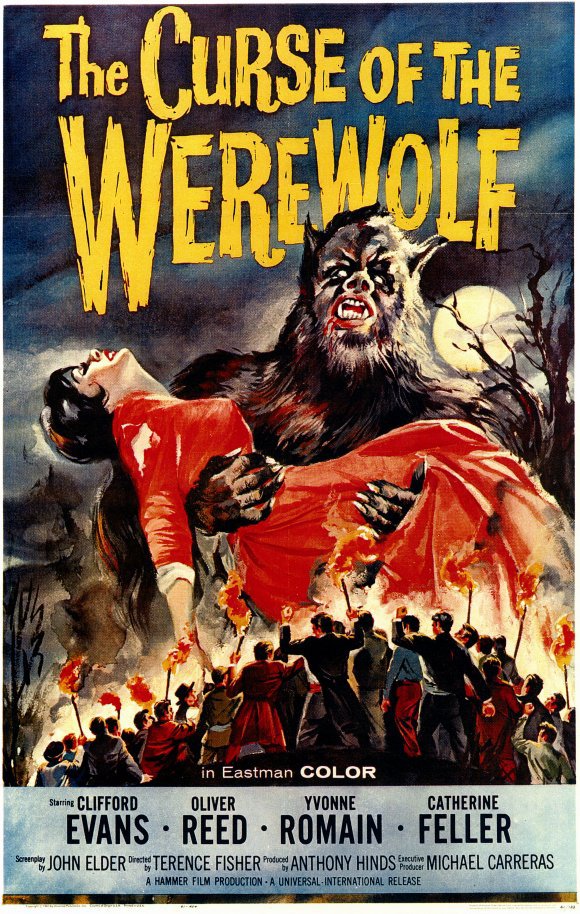
Curse of the Werewolf (1961)

Curse of the Werewolf (1961)

“A werewolf is a body with a soul and a spirit that are constantly at war.”

Synopsis:
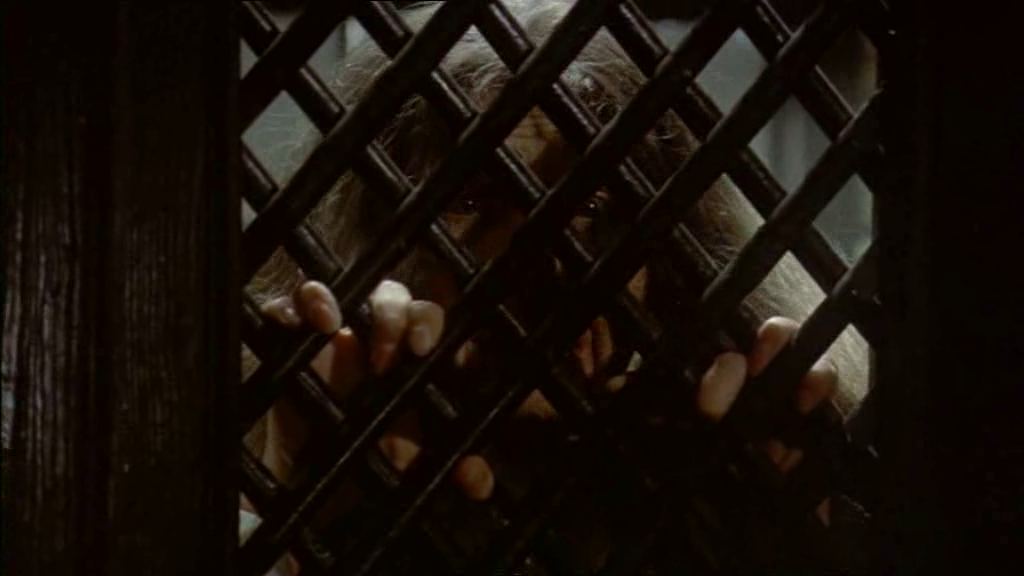
After being humiliated by a sociopathic marquis (Anthony Dawson), a beggar (Richard Wordsworth) is permanently imprisoned and becomes increasingly animal-like, raping a kind, mute servant (Yvonne Romain). Upon her death during childbirth, Romain’s son Leon (Justin Walters) is raised by a caring couple (Clifford Evans and Hira Talfrey) who are dismayed to learn from a local priest (John Gabriel) that Leon is a werewolf who has committed a spate of recent animal killings. When Leon grows up (Oliver Reed), he learns about his lycanthropy and hopes that the love of his girlfriend (Catherine Feller) will save him from this dreaded fate.

Genres, Themes, Actors, and Directors:

  • Horror
  • Oliver Reed Films
  • Werewolves

Review:
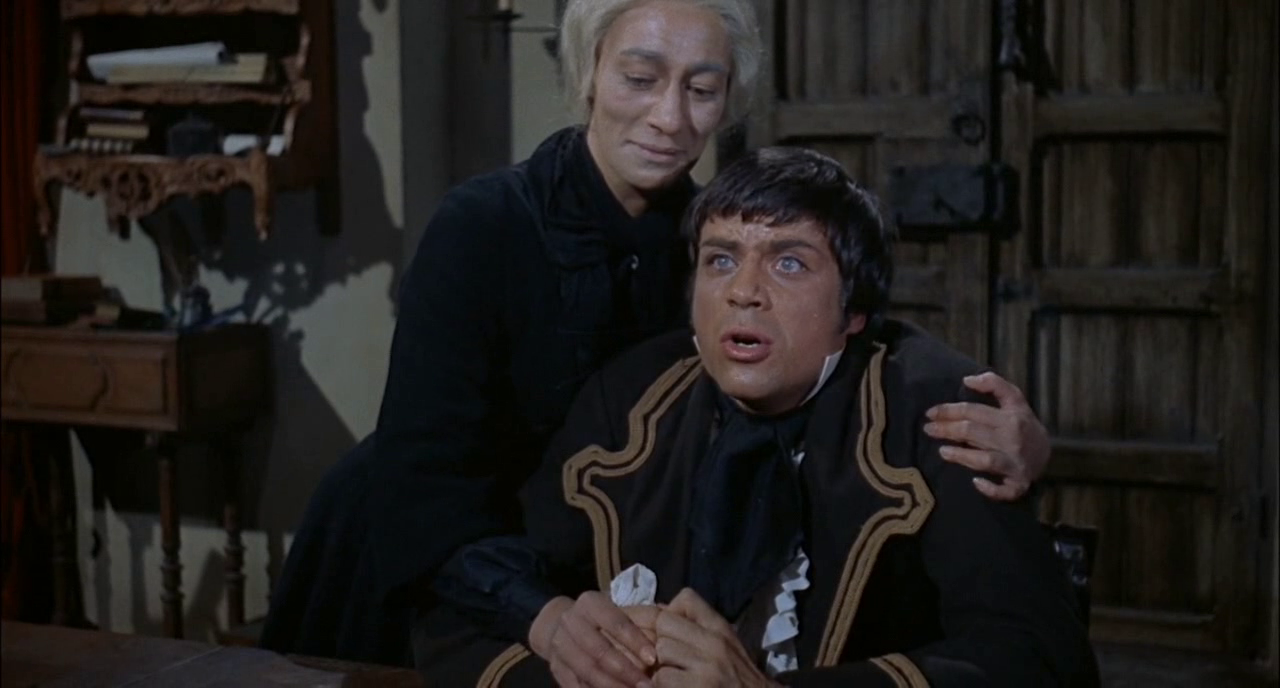
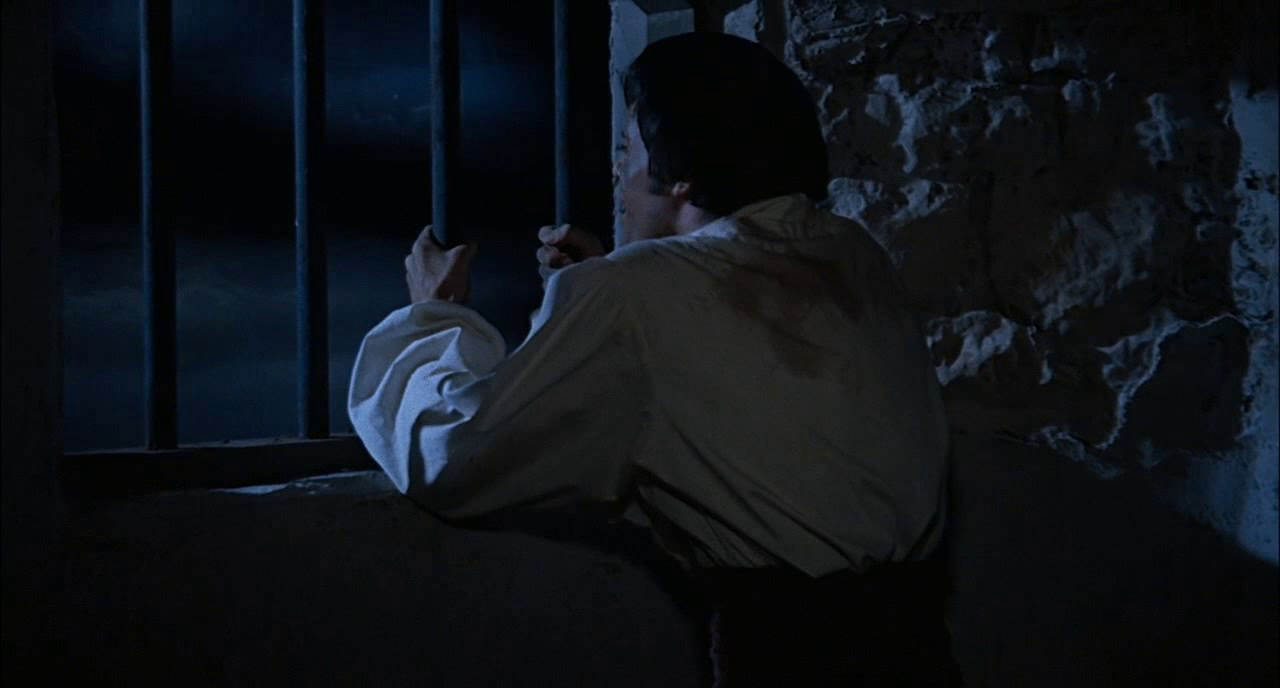
Based on a 1933 novel by Guy Endore, this Hammer Studios horror production invests considerable time in positing lycanthropy as an illness borne of social corruption rather than merely a supernatural disease. The first half-hour is a terribly bleak preamble, showing humanity at its worst: the whims of a depraved despot (Dawson) — mediated only slightly by his kind young wife (Josephine Llewellyn) — result in a lifetime of imprisonment for the good-natured beggar, who becomes increasingly hirsute; meanwhile, Dawson loses his wife and becomes physically grotesque himself, much like Dorian Gray’s portrait. Although the voiceless Romain is cruelly abused for her attempts at generosity, kindness emerges in the form of Evans, Talfrey, Gabriel, and Feller — but even their ample love and protection aren’t enough to save Leon from his predetermined fate. Reed has magnetic presence and invests his character with enough pathos that we truly feel for him: his dual nature is entirely out of his control, and has nothing whatsoever to do with latent arrogance or sociopathy. This is one gloomy flick!

Redeeming Qualities and Moments:

  • Oliver Reed as Leon
  • Hira Talfrey as Teresa
  • Atmospheric cinematography and sets

Must See?
No, but it’s certainly worth a look by fans of werewolf flicks.

Links: