|
Genres, Themes, Actors, and Directors:
- Comedy
- Counterculture
- Dyan Cannon Films
- Elliott Gould Films
- Infidelity
- Marital Problems
- Natalie Wood Films
- Paul Mazursky Films
- Sexuality
Response to Peary’s Review:
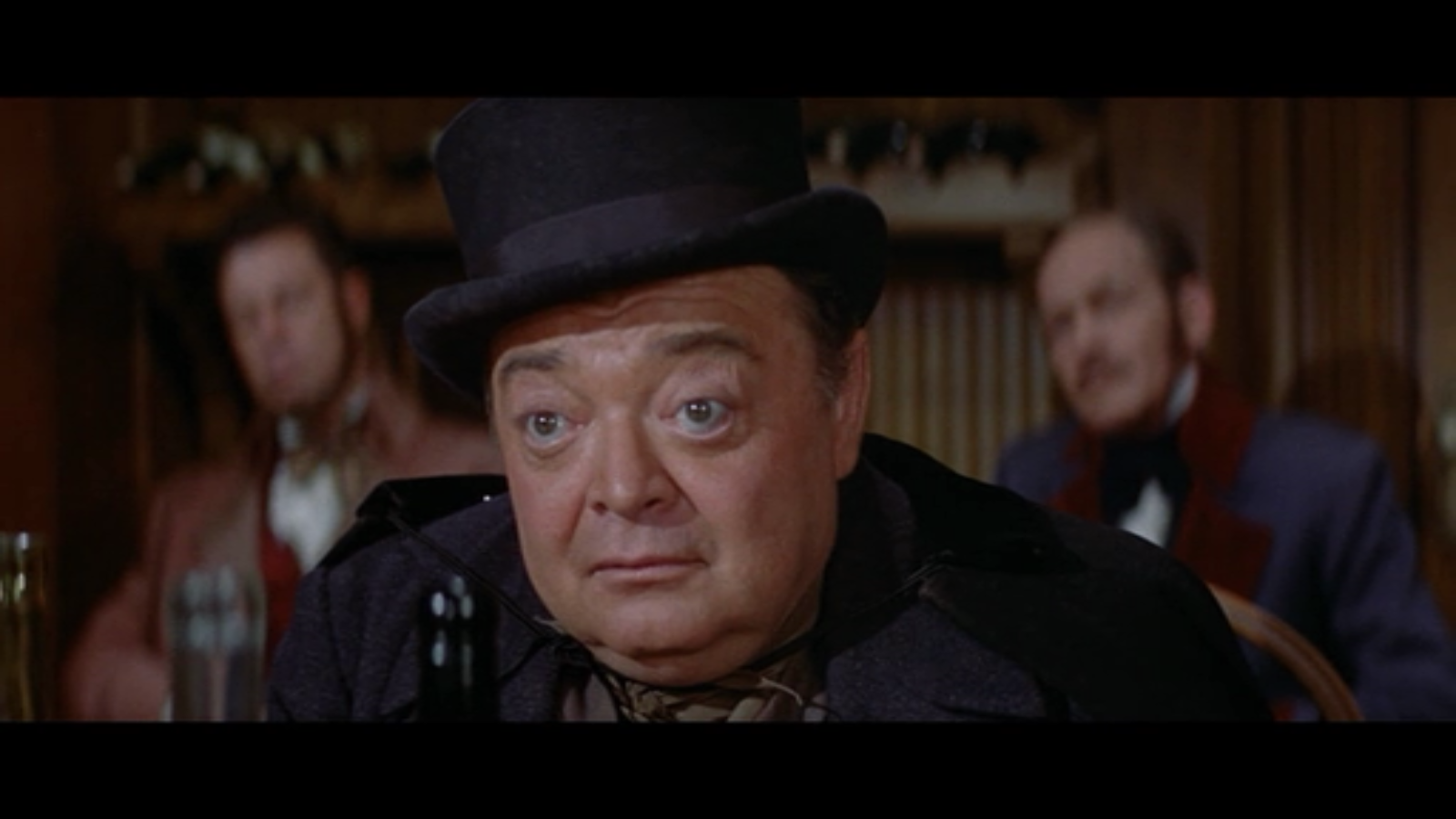
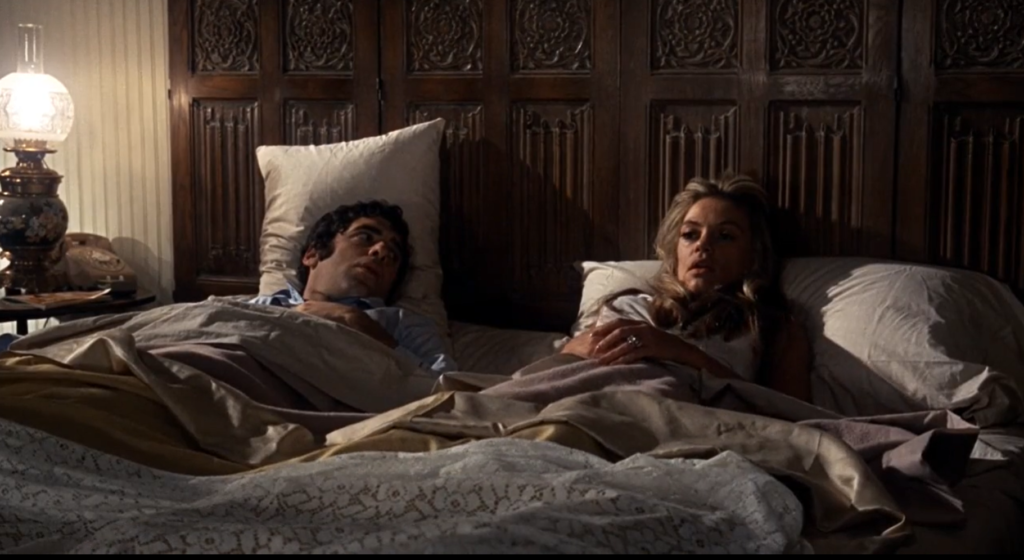
Peary argues that this “still funny debut film by Paul Mazursky, about the changing and confused sexual mores of the upper middle class in Southern California during the late sixties… was not as thematically daring as it pretended to be”, and ends with a “cop-out” — but that until its final moments, it is “well written and contains many hilarious vignettes, including an aroused Gould and a disinterested Cannon (both new film stars) in bed after hearing of Culp’s infidelity:
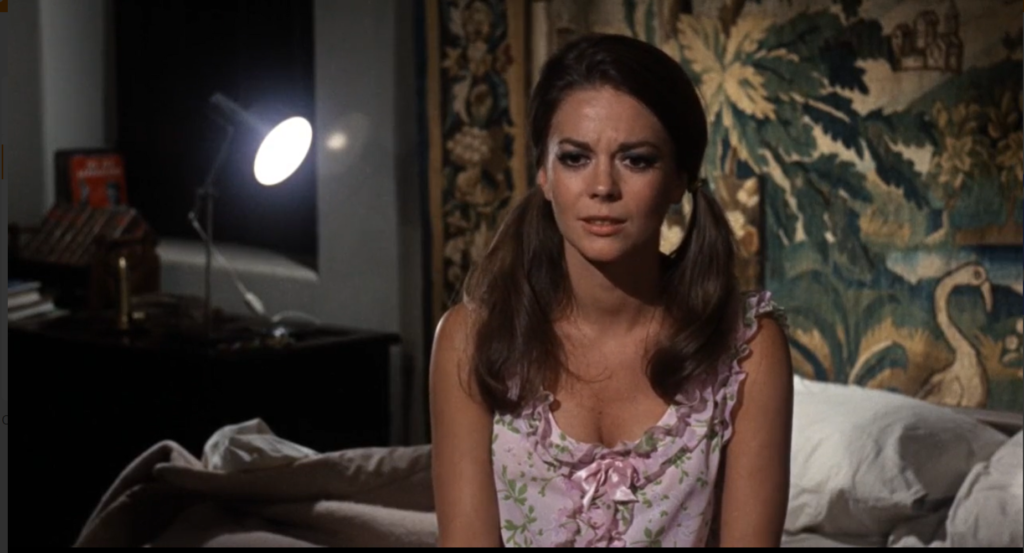
… Culp telling Wood of his affair and becoming slightly annoyed that she’s not jealous:
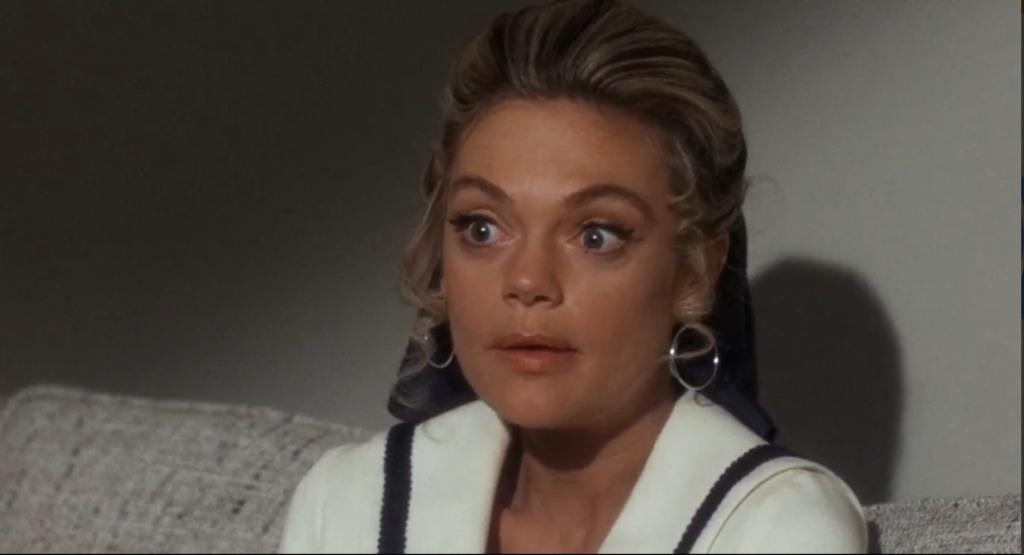
… Cannon talking to her psychiatrist about her sexual confusion:
… [and] Culp offering a drink to a nervous lover”.
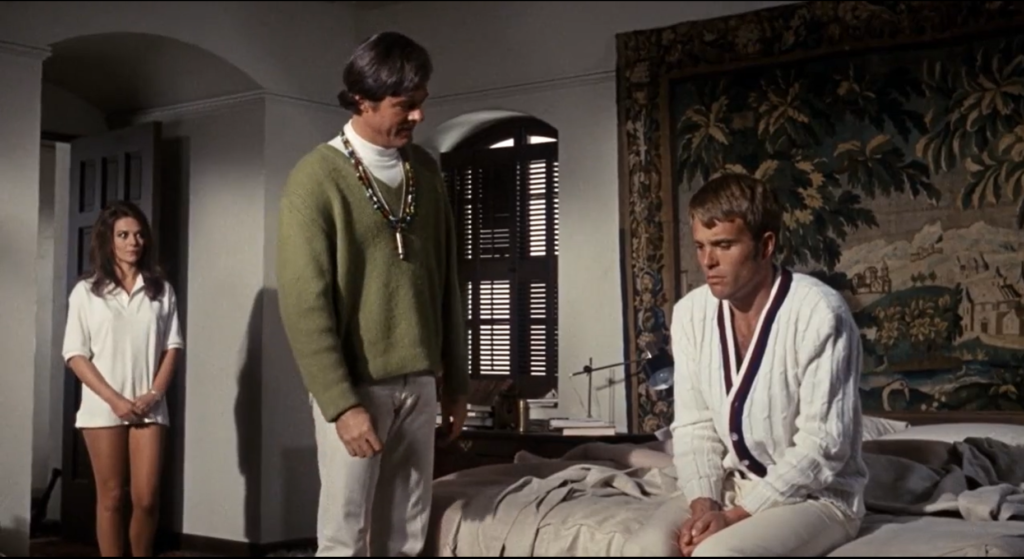
While I agree with Peary that each of the above scenes (among others) is cleverly written and dryly humorous, I disagree with his assertion that the film’s ending is disappointing in any way. This may be a “mainstream movie with an ending… that allowed middle-class viewers to go home happy”, but Culp’s willingness to be open with his wife about his infidelity actually comes across as quite radical, and leads to an equally “radical” response by Wood — not to mention an incisive skewering of gender norms (there’s a dilly of a double-standard that emerges at a certain point in the script, and is nicely handled).
Peary also asserts that “one problem” in the film is that “all four characters come across like jerks by the end,” but I think this is exactly the point. When given permission to follow their desires at whim, without concern for (traditional) social conventions, these characters temporarily devolve into expected narcissism — which doesn’t exactly make them likable; they’re experimenting, and part of the fun in watching their travails is to see how foolishly they flounder.
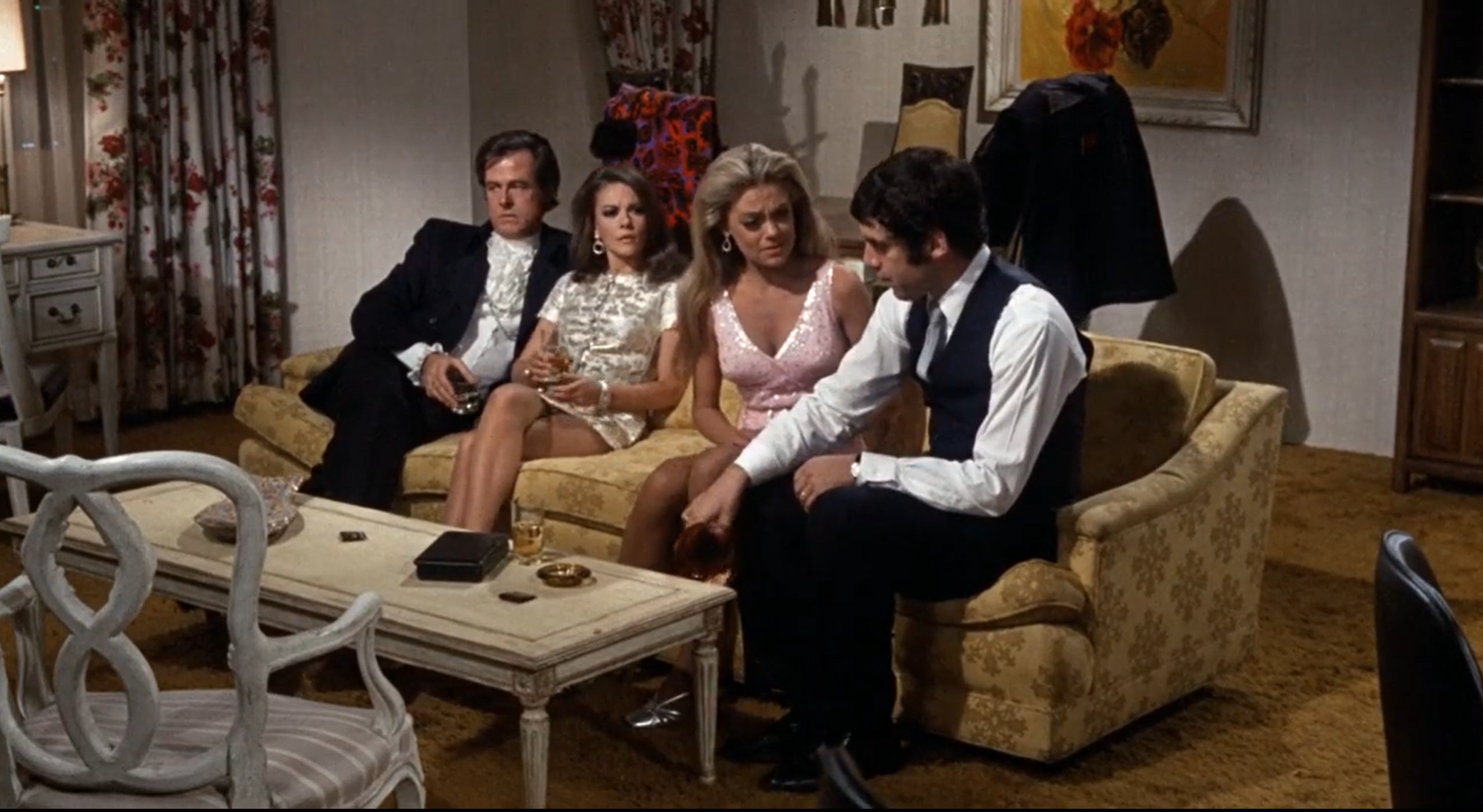
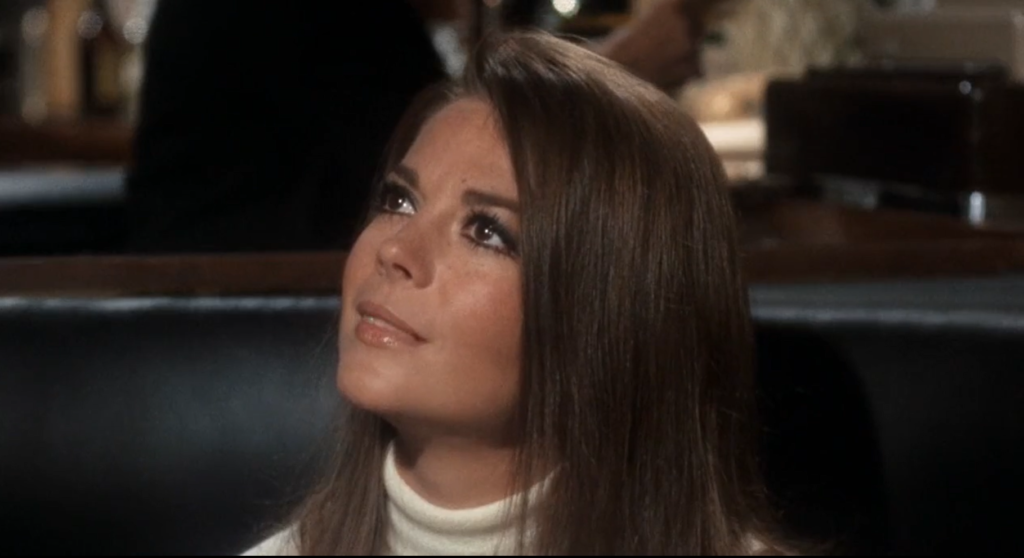
The only character who emerges semi-triumphant within the new state of affairs (at least until the culminating scene) is Wood — who, on a side note, was indeed “never prettier” (a fact which slyly contributes to the inanity of Culp’s decision to cheat on her). The picture’s ultimate moral, I think, is that social strictures and contracts (complete with strategic deception, as needed) exist for a reason, serving as useful tools for navigating the undeniably tricky waters of long-term relationships; it’s to Mazursky’s credit that his film — rather than seeming dated — remains such a potent example of this fact.
Redeeming Qualities and Moments:
- Natalie Wood as Carol
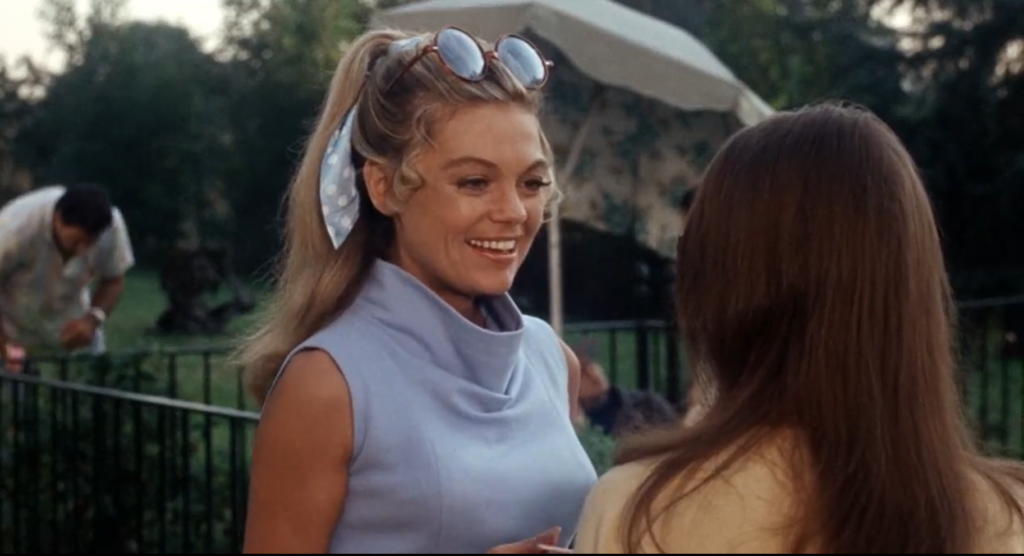
- Dyan Cannon as Alice
- Elliott Gould as Ted
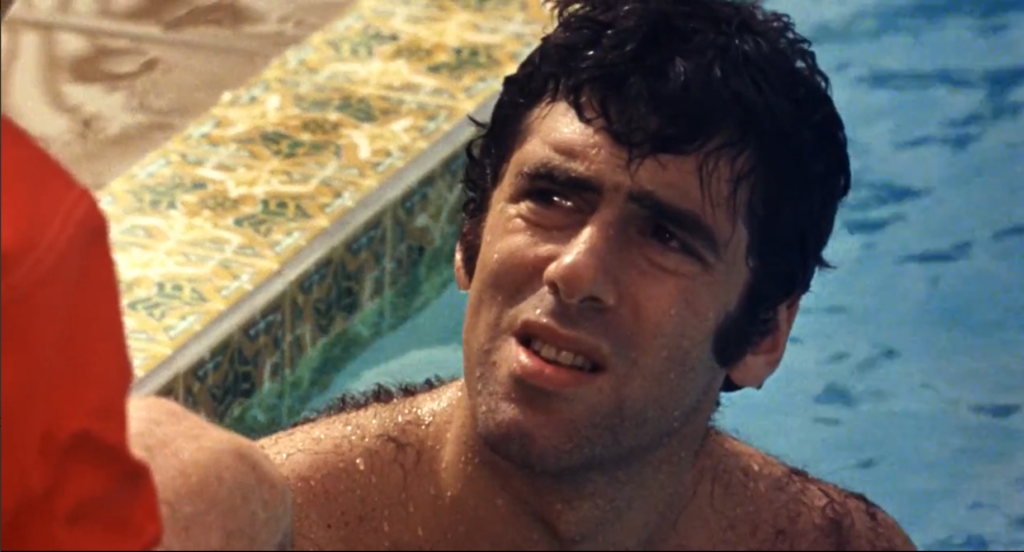
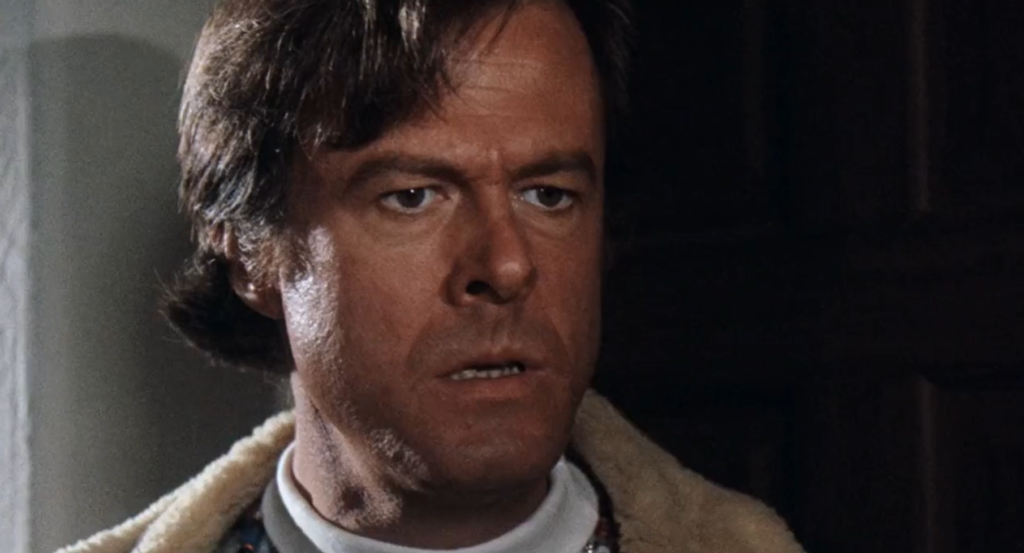
- Robert Culp as Bob
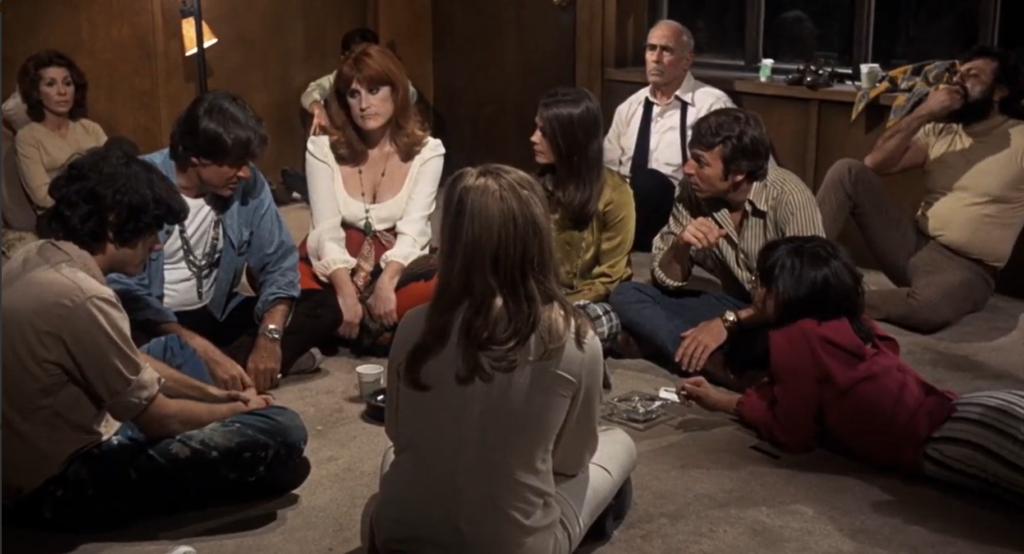
- The hilariously incisive opening sequence at the retreat
- Mazursky’s surprisingly sharp script
Must See?
Yes, for its historical significance, and as an engaging marital drama.
Categories
- Good Show
- Historically Relevant
Links:
|