Femme Infidele, La (1969)

Femme Infidele, La (1969)

“Why should anyone just disappear?”

Synopsis:
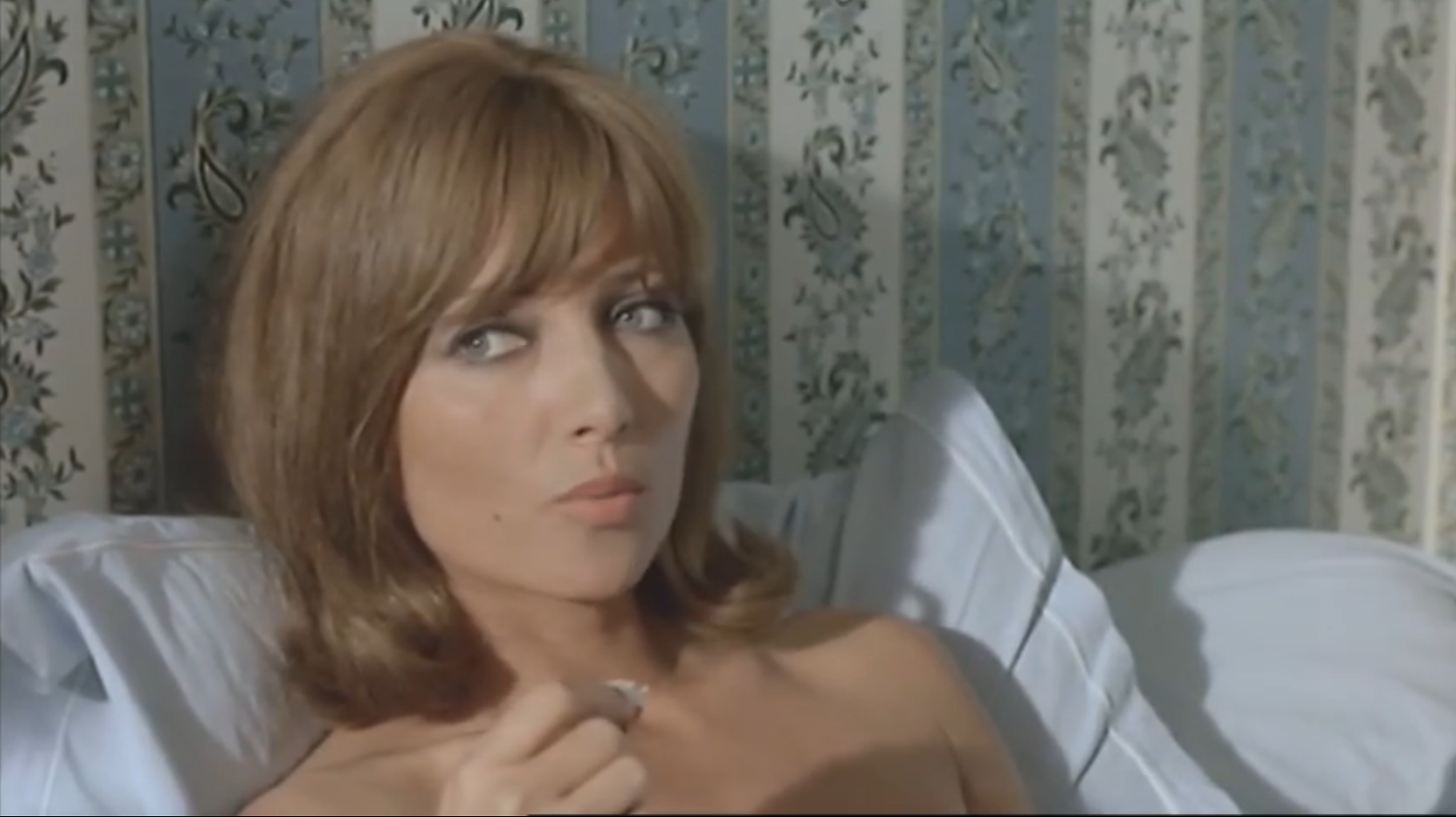
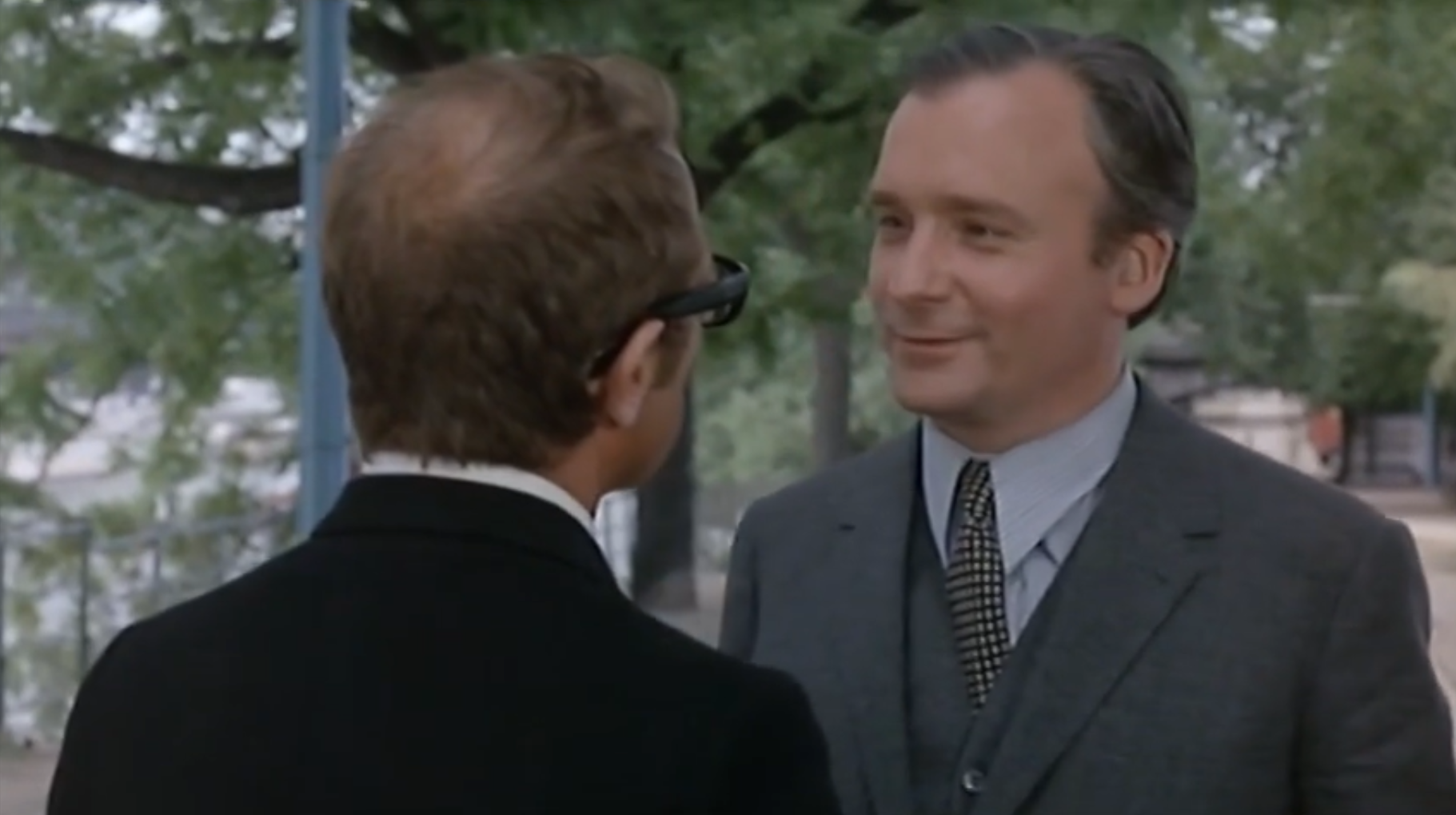
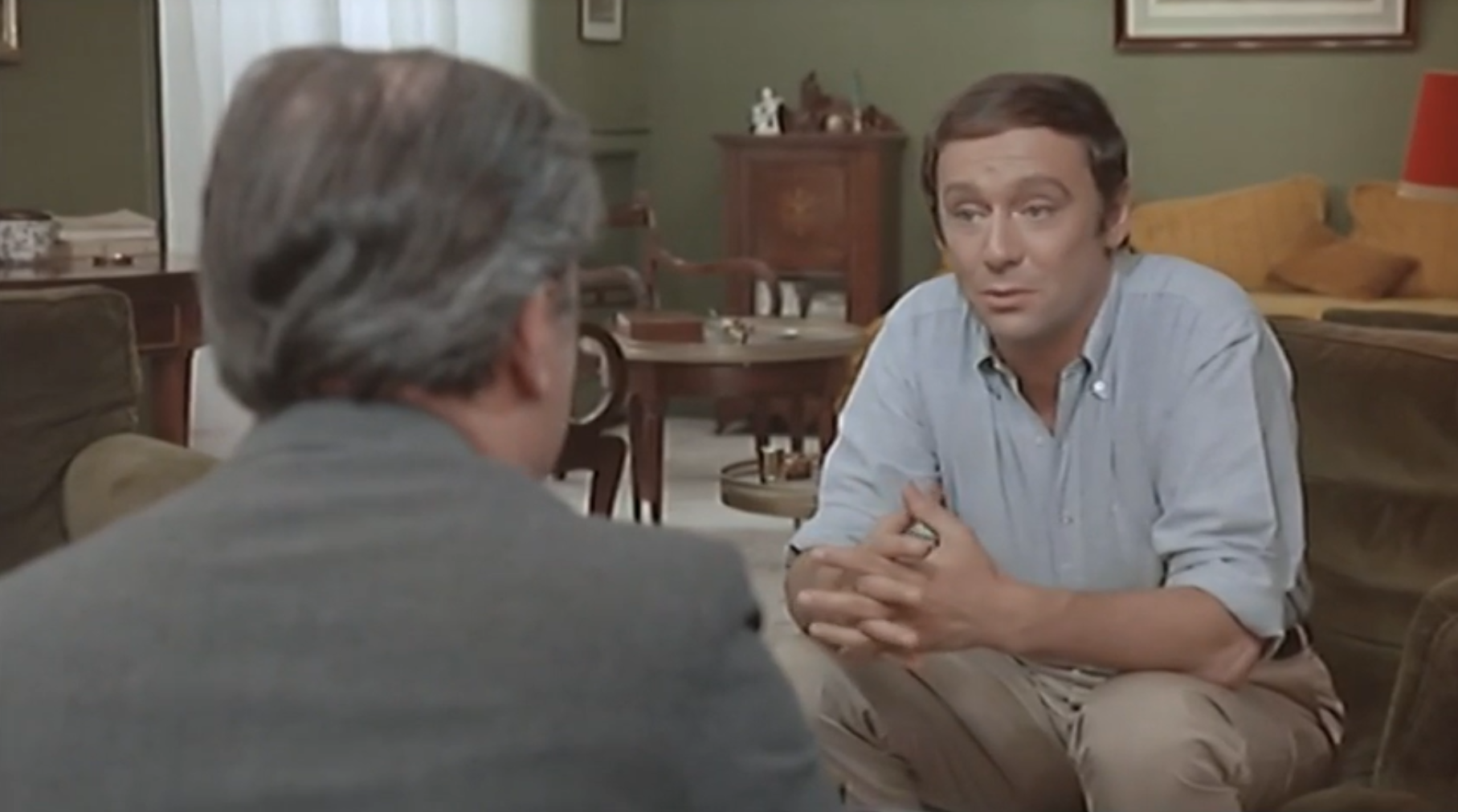
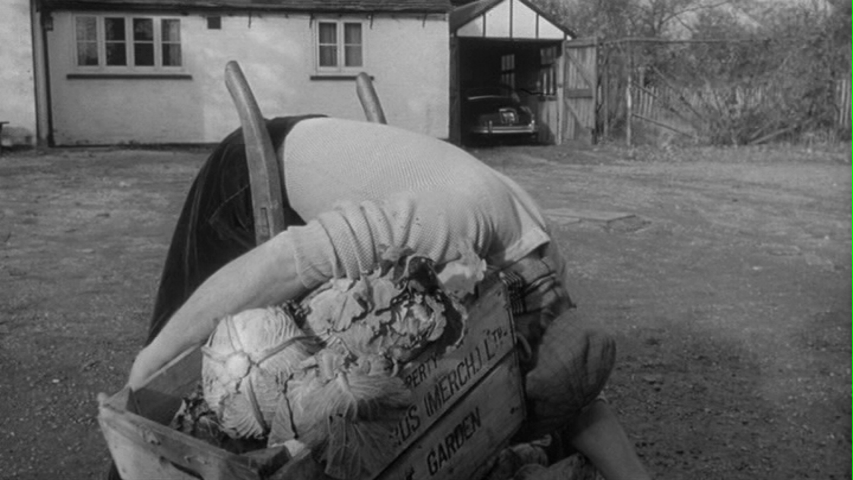
A business man (Michel Bouquet) who discovers his wife (Stephane Audran) is having an affair murders her lover (Maurice Ronet) while visiting his apartment.

Genres, Themes, Actors, and Directors:

  • Claude Chabrol Films
  • French Films
  • Infidelity

Response to Peary’s Review:
As Peary notes, this “erotic, subtle, meticulously crafted” thriller — one of director Claude Chabrol’s finest films — “fits into no genre” but “draws you in completely”. While it’s “deceptively slow at first”, it remains compelling throughout, thanks in large part to the psychologically complex performances by Michel Bouquet (star of Truffaut’s The Bride Wore Black and Mississippi Mermaid) and Stephane Audran (Chabrol’s wife and frequent leading lady). Helene’s (Audran’s) infidelity is revealed subtly, without drama or fanfare — this is a “happily married” bourgeois couple, after all, who enjoy a good life together with their adorable, intelligent son (Francois Moro-Giafferi) in a large Versailles house. Likewise, Charles’ (Bouquet’s) “revenge” occurs unexpectedly — we have no idea (and neither does he) that events will eventually take such a bloody, fatal turn. Perhaps most surprising, however, is Helene’s ultimate response once she learns what her husband has done; according to Peary’s analysis, “Chabrol is stating that bourgeois life is so stifling, so oppressive, and so resistant to change or growth, that it takes no less than an act of murder on one person’s part to shake up things in a positive way.”

Redeeming Qualities and Moments:

  • Stephane Audran as Helen Desvallees
  • Michel Bouquet as Charles Desvallees
  • Maurice Ronet as Helene’s lover, Victor
  • A chillingly effective portrait of a bourgeois marriage rocked by infidelity

Must See?
Yes, as one of Chabrol’s finest films. Remade (though less successfully) in 2002 by Adrian Lyne as Unfaithful, starring Diane Lane and Richard Gere.

Categories

  • Important Director

Links:

Village of the Damned (1960)

Village of the Damned (1960)

“You have to be taught to leave us alone.”

Synopsis:
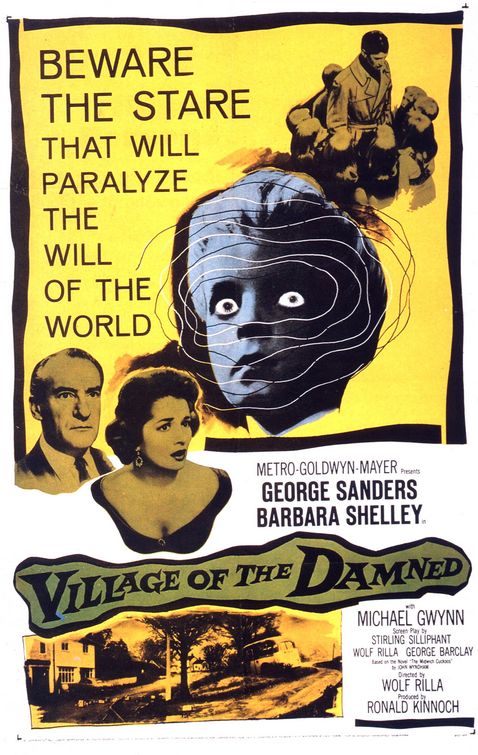
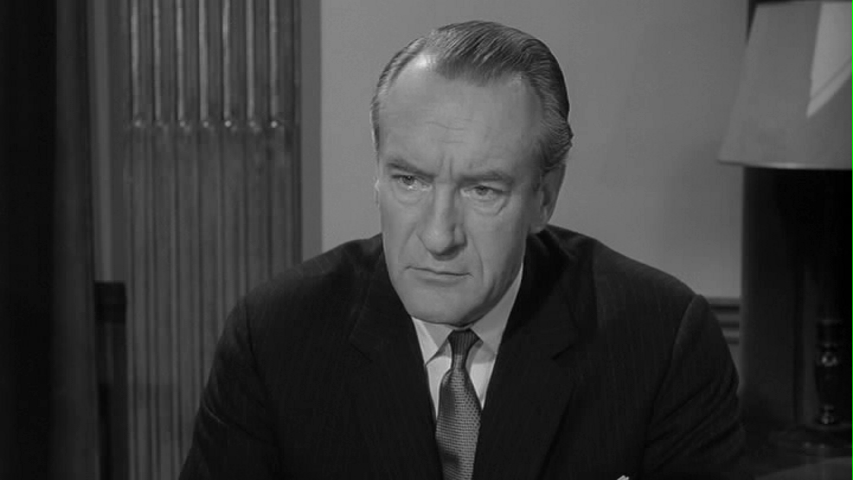
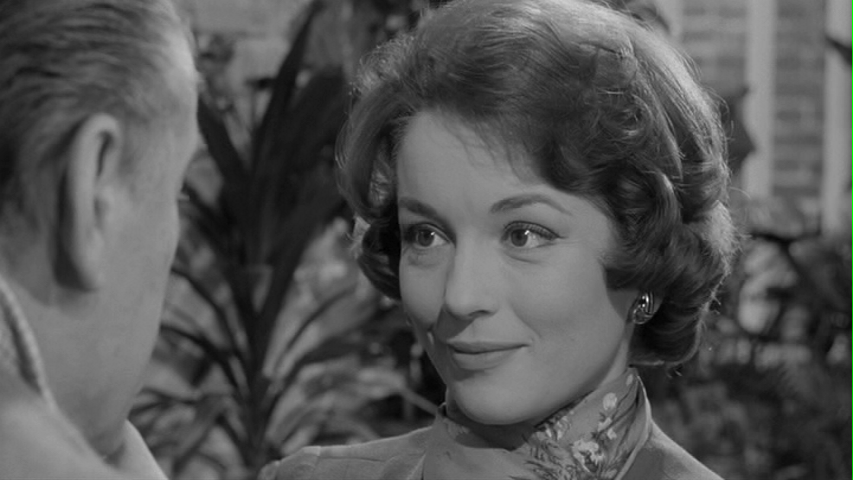
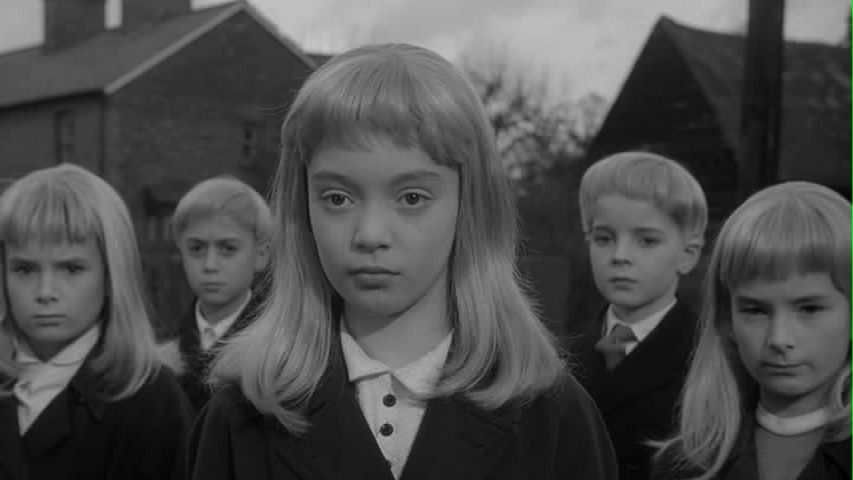
In a small British village, twelve emotionless blonde children with extraordinary intellect are mysteriously born at the same time. A scientist (George Sanders) whose wife (Barbara Shelley) has given birth to one of these odd children (Martin Stephens) becomes their teacher, and learns that their powers may be more destructive than anyone could have imagined.

Genres, Themes, Actors, and Directors:

  • Aliens
  • Evil Kids
  • George Sanders Films
  • Horror
  • Mind Control and Hypnosis
  • Science Fiction

Response to Peary’s Review:
As Peary notes, this “scary, well-made movie” — a “loose adaptation of John Wyndham’s novel The Midwich Cuckoos” — is “a top-notch horror film” which features “impressive atmospheric direction by Wolf Rilla” (who never made another “important film”). As in Val Lewton’s horror films of the 1940s, Rilla generates tension primarily through atmosphere and suggestion rather than explicit violence; the opening sequence, for instance — in which villager after villager collapses in the middle of their daily business — is truly frightening in its implication of sudden collective powerlessness. Indeed, throughout the film, we’re kept in suspense about what exactly has caused these mysterious children to be (virginally) conceived and then born — we can surmise that they’re alien spawn of some kind, but we never learn this for a fact, nor do we understand why or how they’re able to grow (both in utero and out) at nearly twice the normal human rate.

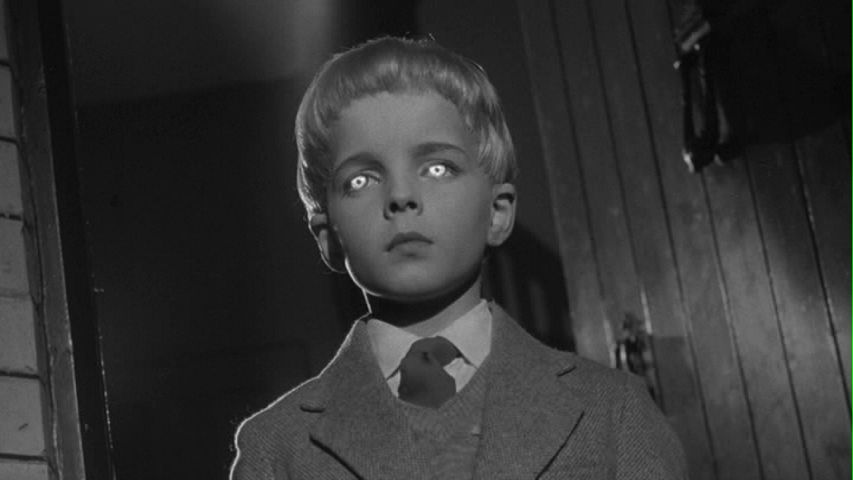
While Village of the Damned works perfectly well on its own as simply a taut, enjoyable horror flick, the presentation of other-worldly children who share a collective brain and have the power to make the adults around them do whatever they wish remains ripe for thematic investigation. In some ways, they’re clearly an allegory for the Communist Scare of the 1950s — emotionless beings who have invaded an idyllic Western town, and must be destroyed (by decisive force) before they “take over” (though their icy blonde hair makes them appear more like Aryan cogs than Russian workers). Others (see, for instance, the Not Coming to a Theater Near You review link below) have suggested that Village of the Damned represents a thinly veiled exploration of sexual mores in the 1960s, when women’s right to control their own reproductive potential was squarely in confrontation with religious mandates. Regardless of one’s deeper analysis, however, the unsmiling children — with their glowing, penetrating gaze (the film’s only concession to special effects) — remain an iconic trope in the history of horror cinema.

Note: While Peary argues that this was the first film “to exploit… the horror potential” of “children-as-monsters”, the kids here — with their odd blonde haircuts and bangs — bear more than a faint resemblance to “evil” Rhoda Penmark in 1956’s The Bad Seed

Redeeming Qualities and Moments:

  • The creepy opening sequence
  • George Sanders as Gordon Zellaby
  • Barbara Shelley as Sanders’ wife, Anthea
  • Martin Stephens as Sanders’ “son”
  • The eerie scene in which the “one year old” babies teach each other how to open up a trick box with a chocolate inside
  • Geoffrey Faithfull’s b&w cinematography

Must See?
Yes, for its status as a classic British horror flick. Remade in 1995 by John Carpenter, and followed by a pseudo-sequel (Children of the Damned) in 1964.

Categories

Links:

Beach Blanket Bingo (1965)

Beach Blanket Bingo (1965)

“It’s a wiggy beach!”

Synopsis:
Teen lovers Frankie (Frankie Avalon) and Dee Dee (Annette Funicello) find their relationship strained by the sudden arrival of a quibbling sky-diving duo (Deborah Walley and John Ashley) and a beautiful pop singer (Linda Evans). Meanwhile, their friend Bonehead (Jody McCrea) falls for a mermaid (Marta Kristen), while Eric Von Zipper (Harvey Lembeck) — leader of a local motorcycle gang — falls for Sugar Kane (Evans).

Genres, Themes, Actors, and Directors:

  • Jealousy
  • Love Triangle
  • Musicals

Review:
This late entry in the “Beach Party” franchise is considered by many to be the best — and most entertaining — of the bunch. As usual, Frankie and Dee Dee find their relationship (temporarily) threatened by the presence of a buxom blonde who catches Frankie’s straying eye, while other stock characters — including surfer Bonehead (Joel McCrea’s son, Jody) and fascist motorcyclist Eric Von Zipper (the humorously over-age Harvey Lembeck) — get involved in a variety of innocuous romances or minor scrapes. This time around, skydiving offers the primary “alternative thrill” for these beach-loving teens — but the sport doesn’t serve much purpose other than to introduce Deborah Walley and John Ashley as the requisite rivals for Frankie and Dee Dee’s attention. Beach Blanket Bingo‘s main redeeming quality is the presence of Paul Lynde as Linda Evans’ snide talent agent; his delivery of one-liners (ten times smarter than the teens themselves) is priceless. Ultimately, however, this innocuous comedy will only be of real interest to die-hard fans of the series; all-purpose film fanatics would be best served simply watching the 1963 original (Beach Party) to get a sense of what was to come.

Redeeming Qualities and Moments:

  • Paul Lynde as Evans’ talent agent
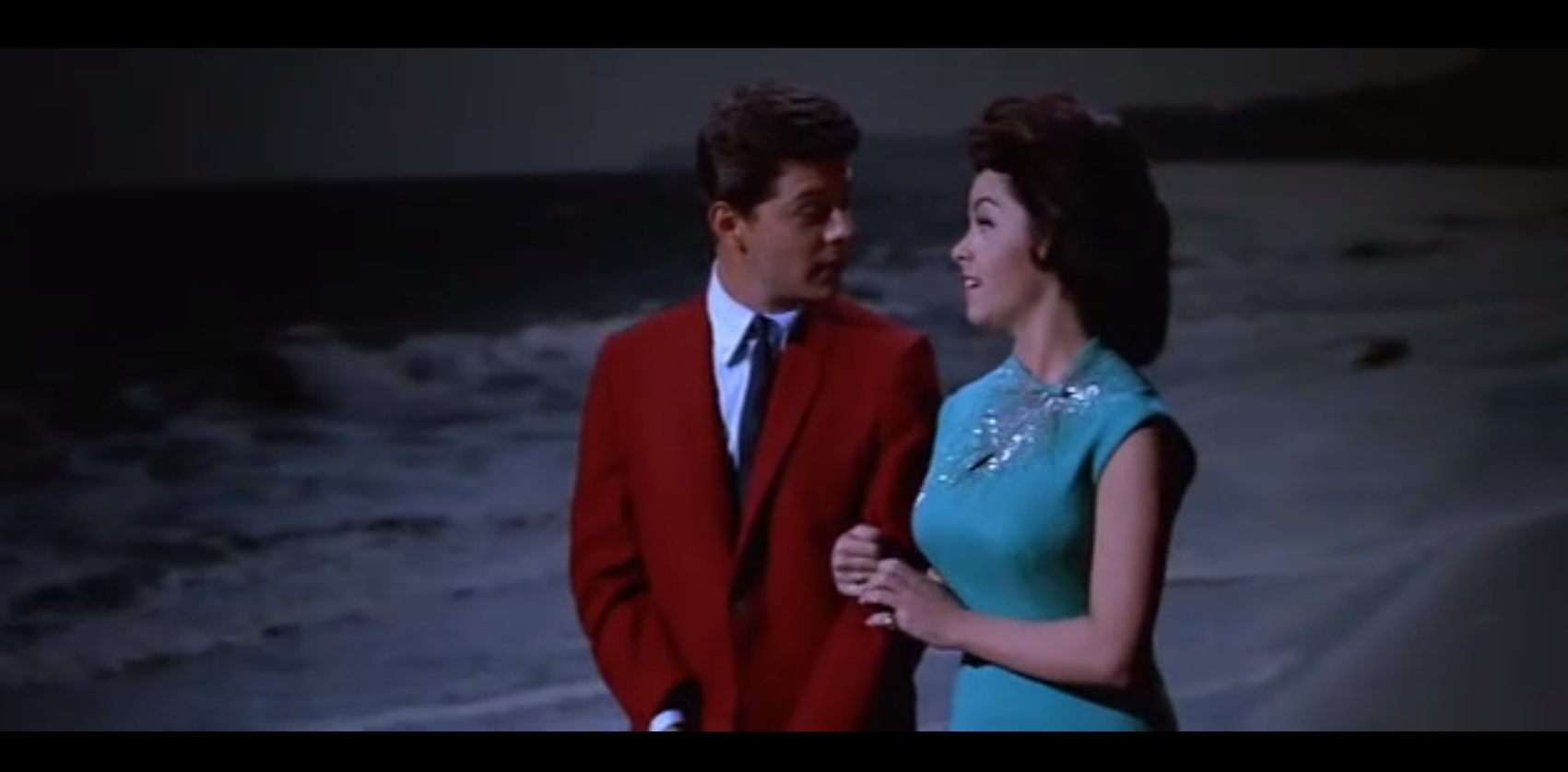
  • Funicello and Avalon singing “I Think You Think” while strolling along the beach

Must See?
No, unless you’re a die-hard fan of the series. Listed as Camp Classic in the back of Peary’s book.

Links:

Gods Must Be Crazy, The (1980)

Gods Must Be Crazy, The (1980)

“Xi had never seen anything like this in his life — it looked like water, but was harder than anything else in the world.”

Synopsis:
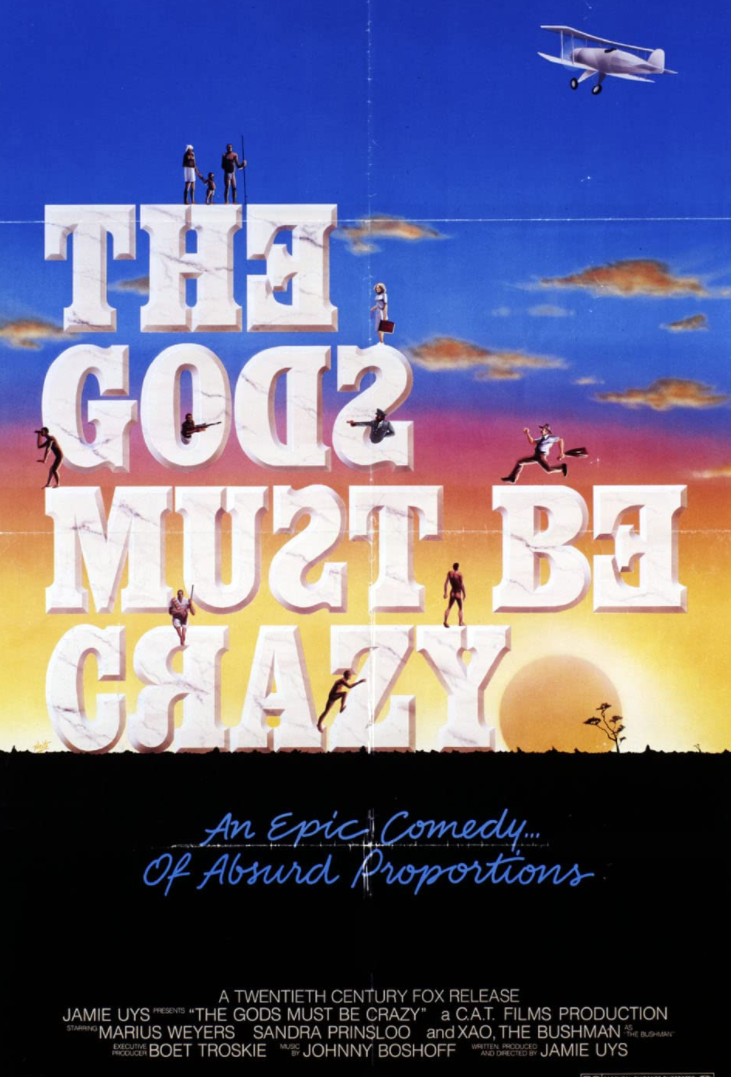
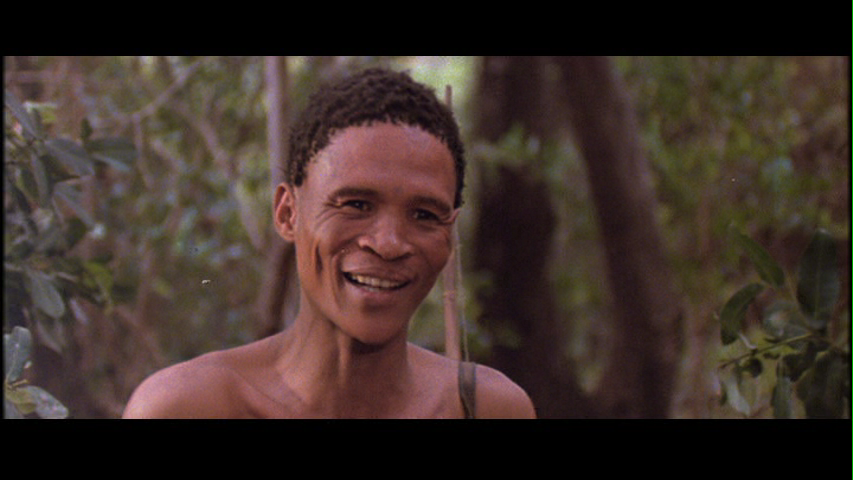
When a Coke bottle is dropped from a plane in the middle of the Kalahari desert, it disrupts the lives of a peaceful tribe of bushmen, so the man who found it (N!xau) volunteers to “drop it off the face of the earth”. Meanwhile, a bumbling biologist (Marius Weyers) attempts to woo a beautiful young teacher (Sandra Prinsloo), whose students have been kidnapped by a band of revolutionary terrorists; it’s up to N!xau to help save the day.

Genres:

  • Africa
  • Comedy
  • Deserts
  • Hostages
  • Native Peoples
  • Revolutionaries

Response to Peary’s Review:
Peary praises this unexpected “cult favorite” from South Africa as a “surefire crowd-pleaser”, calling it a “rare picture that will appeal to to everyone in the family.” These days, The Gods Must Be Crazy — which was followed by a popular sequel in 1989 — comes across as enjoyable in parts but ultimately uneven; the sequences of slapstick violence between guerrilla rebels and the Burundian government are particularly interminable (and not at all amusing). In addition, knowing as we do now that the Bushmen (who Peary naively — though understandably — believes are simply “playing themselves”) were actually asked to strip their clothes and pretend to live like their “noble” ancestors detracts from the film’s innate charm; we have to work a bit harder to believe in the veracity of their pastoral existence.

With that said, there’s plenty to recommend in The Gods Must Be Crazy, which is certainly one of the best comedies to emerge from Africa. Director Jamie Uys does a particularly fine job highlighting the hypocrisy of “civilization” in contrast with tribal living; the pseudo-scientific anthropological voiceover — though overused in far too many films — works surprisingly well here. In addition, the lead performances by both bumbling Marius Weyers (who Peary likens to Jacques Tati) and N!xau (adorably “innocent”) are marvelous — whenever they’re on-screen, the story sparkles. My favorite scene is probably the one in which N!xau watches sexy Sandra Prinsloo undressing, and we hear his hilariously disparaging thoughts via voiceover (“She was as pale as something that had crawled out of a rotting log…”); this is the best cinematic example I’ve seen so far of how beauty — along with so many other values — is indeed culturally relative.

Redeeming Qualities and Moments:

  • N!xau as Xi
  • Marius Weyers as a hopelessly clumsy biologist
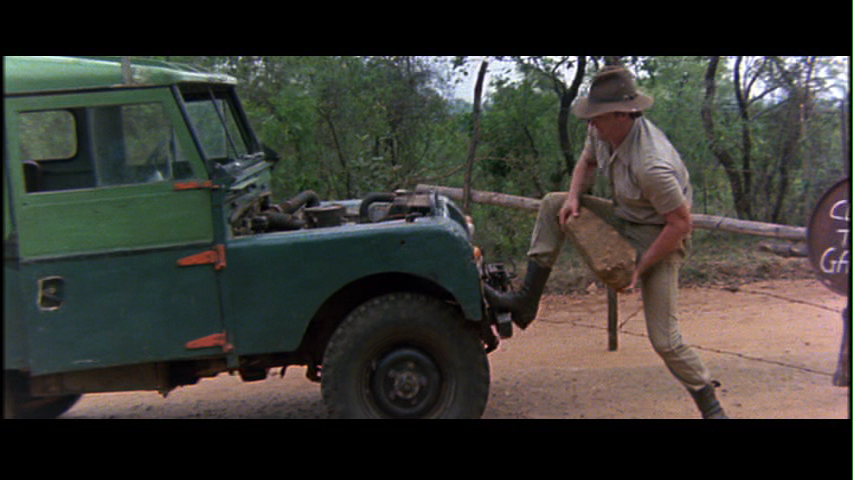
  • Weyers attempting to navigate his brakeless car across country roads
  • Beautiful cinematography of Kalahari landscapes
  • The often hilarious “faux-anthropologist” narration — as when N!xau sees the sexy, slender, half-dressed Prinsloo for the first time:

    That morning, he saw the ugliest person he’d ever come across. She was as pale as something that had crawled out of a rotting log; her hair was quite gruesome, long and stringy and white, as if she was very old; she was very big — he’d have to take the whole day to find enough food to feed her.

Must See?
Yes, for its status as a long-running cult favorite. Discussed at length in Peary’s Cult Movies 3 (1988).

Categories

  • Cult Movie

Links:

Cimarron (1960)

Cimarron (1960)

“Honey, there’s some things in this country a man has to do a woman just doesn’t understand — it’s different here!”

Synopsis:
After losing his chance to secure land during the Oklahoma Land Rush of 1889, Yancey Cravat (Glenn Ford) and his new wife, Sabra (Maria Schell) decide to run a newspaper instead. While Yancey fights against injustice and struggles with his latent wanderlust, Sabra tries to provide the best life possible for her son, Cimarron (played at various ages by Ted Eccles, James Halferty, and Buzz Martin).

Genres, Themes, Actors, and Directors:

  • Anne Baxter Films
  • Anthony Mann Films
  • Glenn Ford Films
  • Maria Schell Films
  • Marital Problems
  • Mercedes McCambridge Films
  • Russ Tamblyn Films
  • Settlers
  • Westerns

Review:
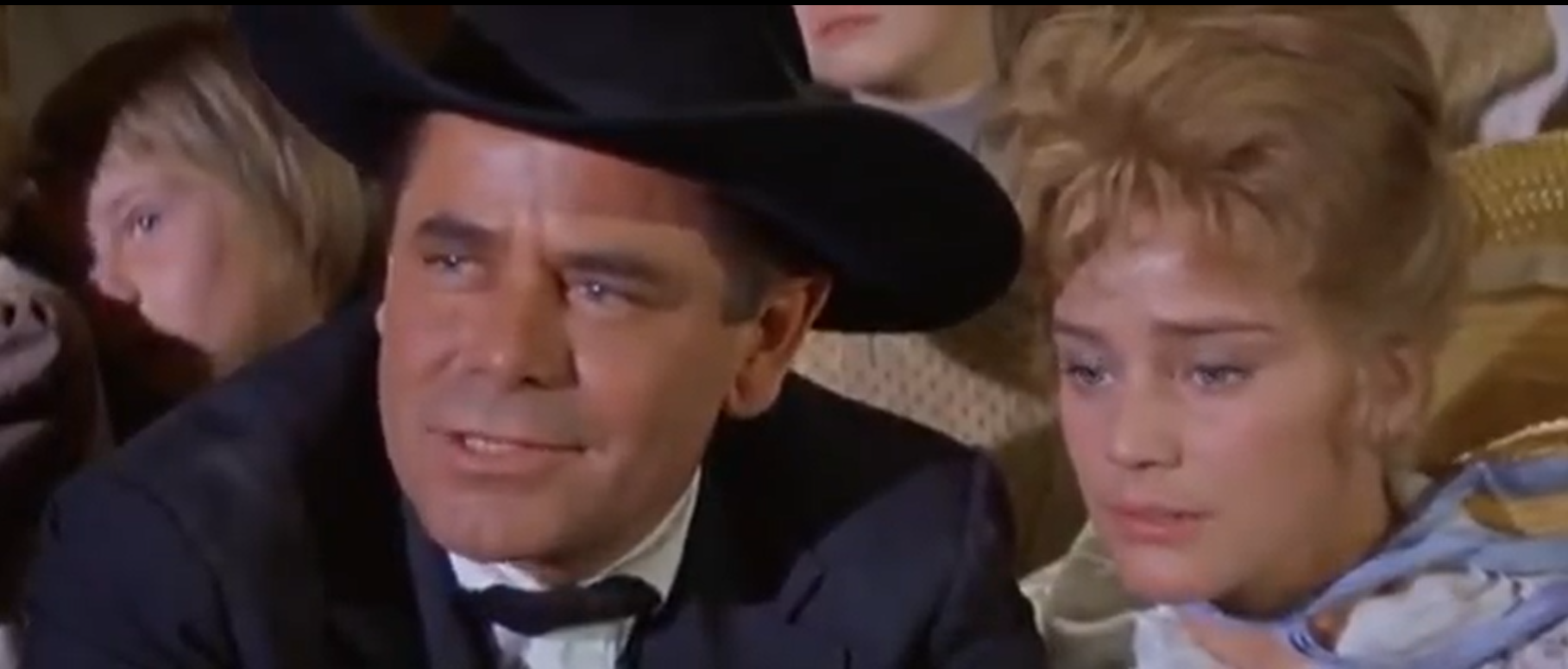
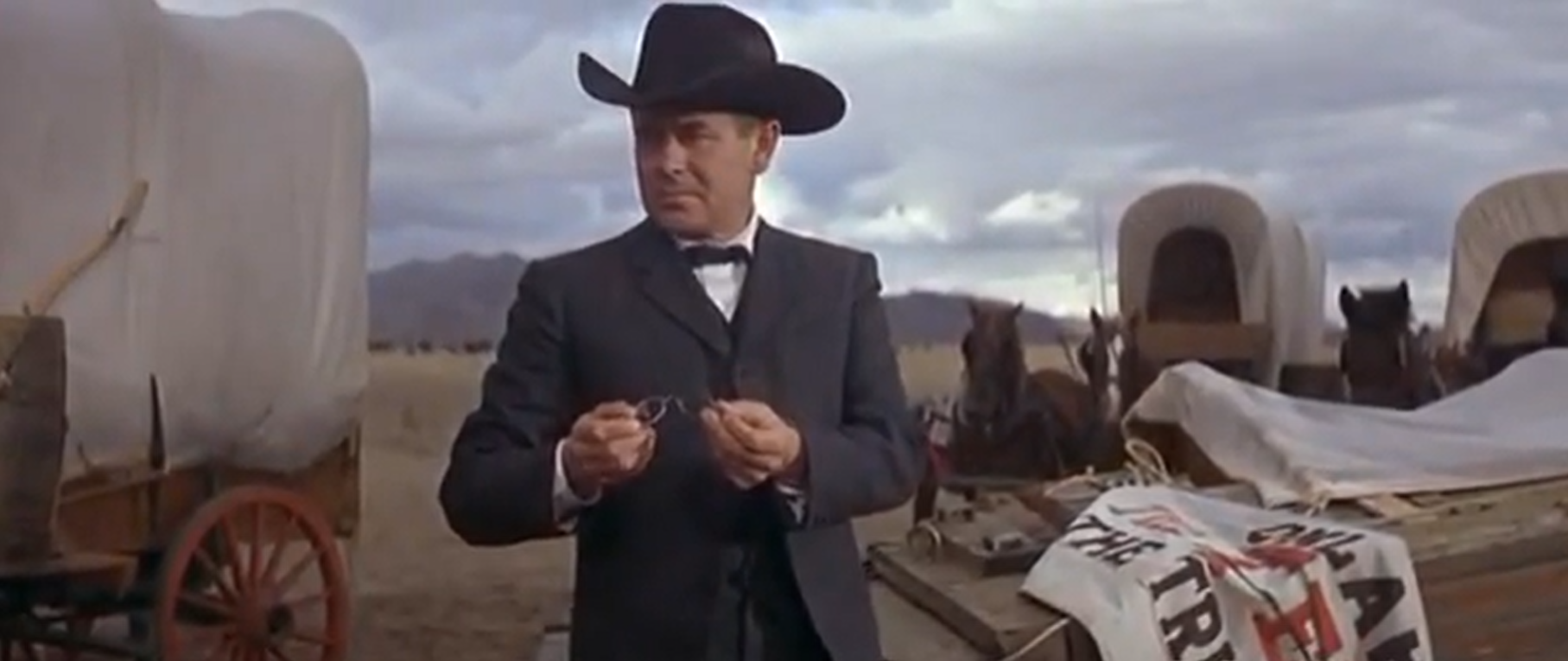
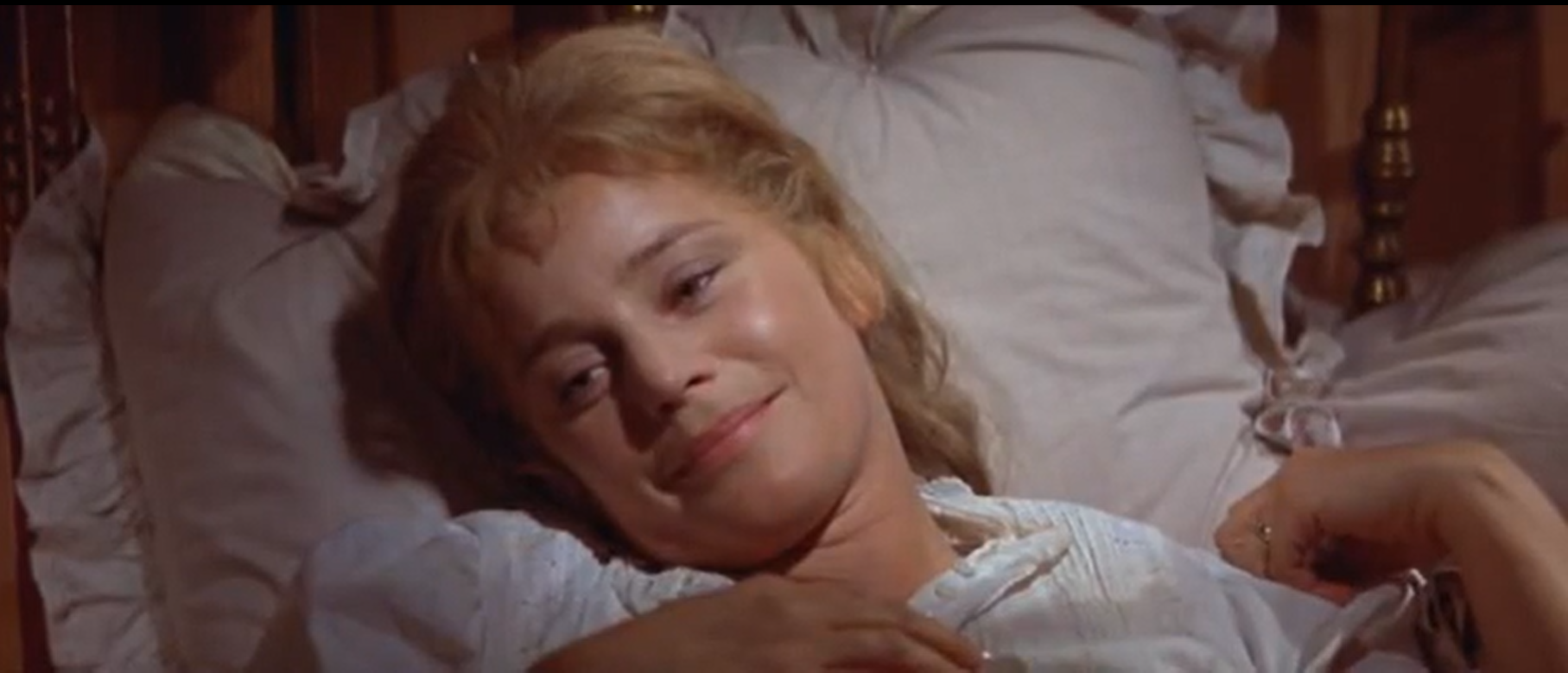
Anthony Mann’s remake of Edna Ferber’s epic novel suffers from the same problem as its Oscar-winning predecessor — there’s simply too much story here to tell in a “mere” 2 1/2 hours. With that said, there are some notable improvements: Glenn Ford is a welcome (and far more realistic) alternative to hammy Richard Dix, and Maria Schell is equally fine as Ford’s adoring yet socially-conscious wife:

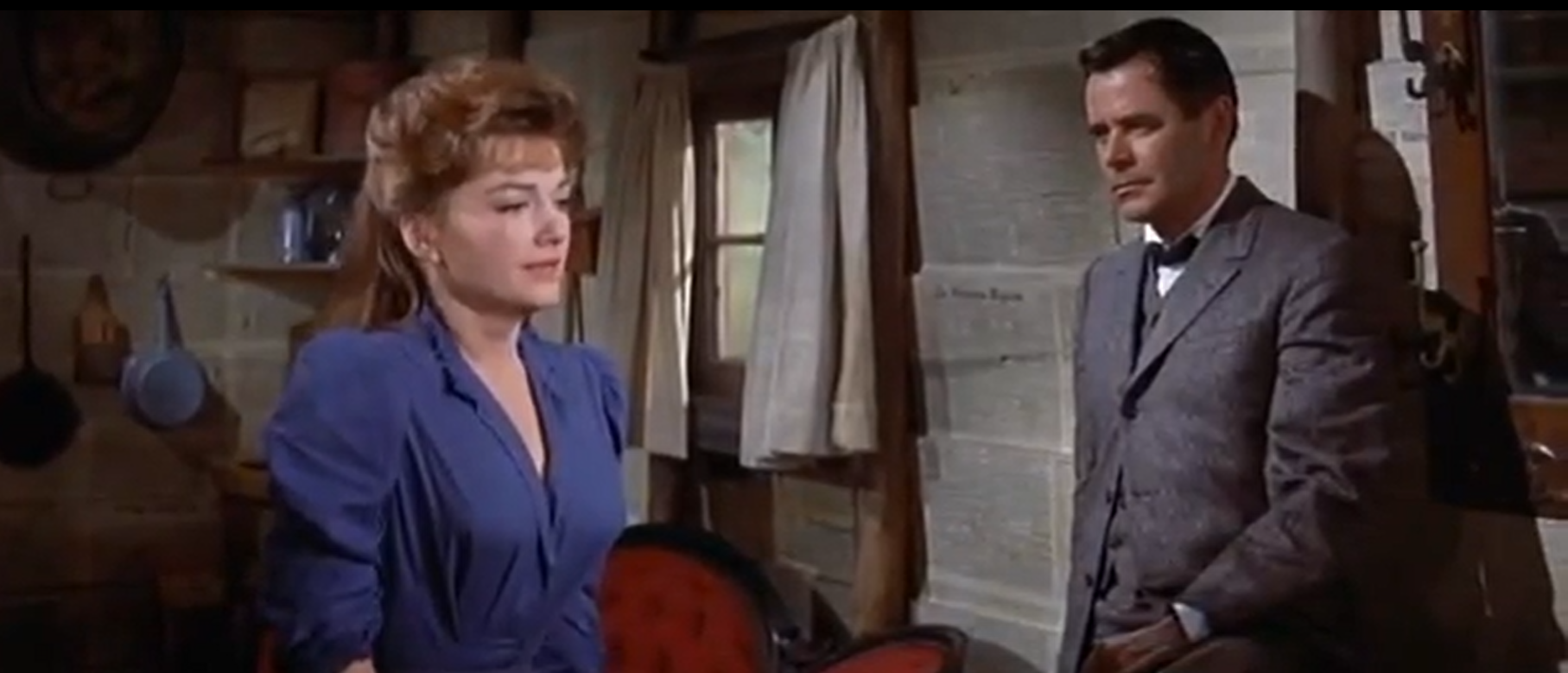
— a woman willing to make sacrifices for her pioneering husband, but only to a certain point. In addition, screenwriter Arnold Schulman does a nice job providing more of a realistic context for Yancey’s extended absences — indeed, both Yancey and Sabra are ultimately more three-dimensional characters this time around. Yet the story nonetheless suffers from an inability to keep us invested in the long-term outcome of their troubled marriage; Anne Baxter as rival love interest “Dixie Lee” fails to generate much interest:

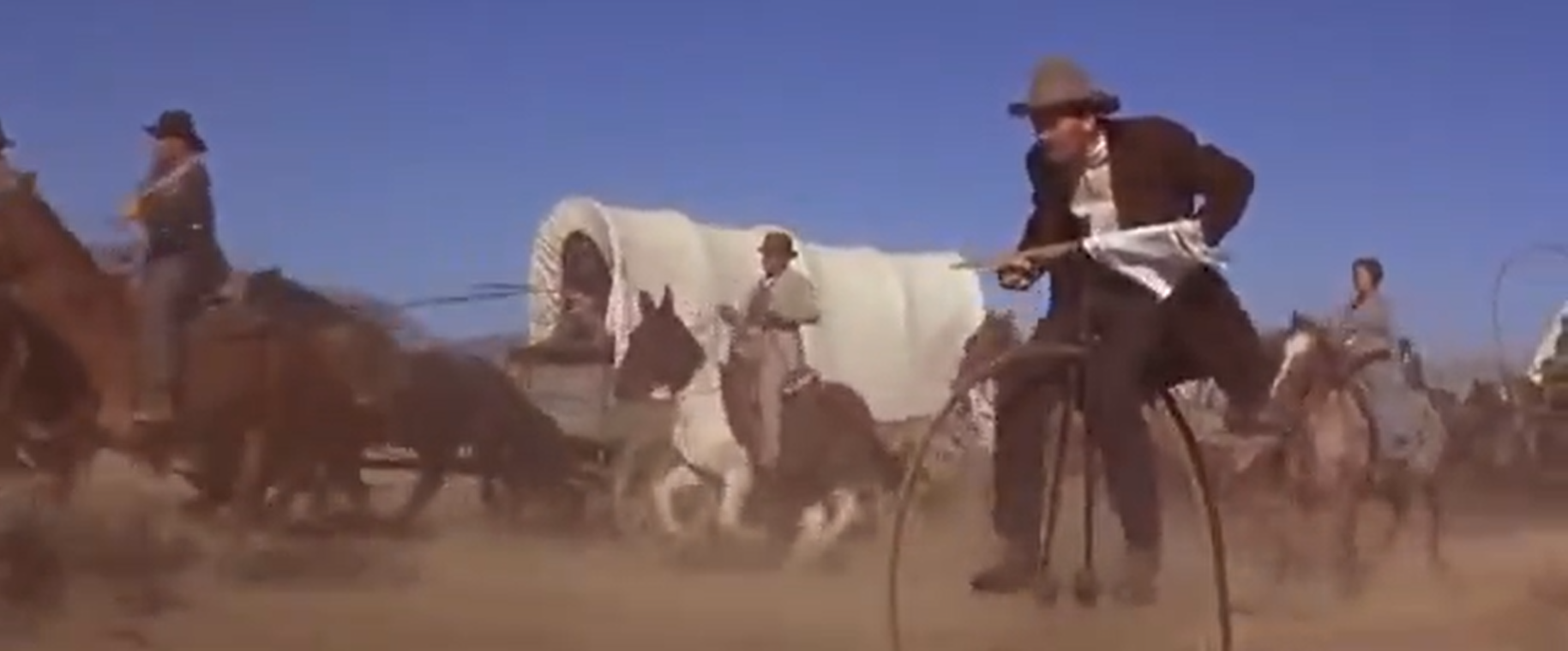
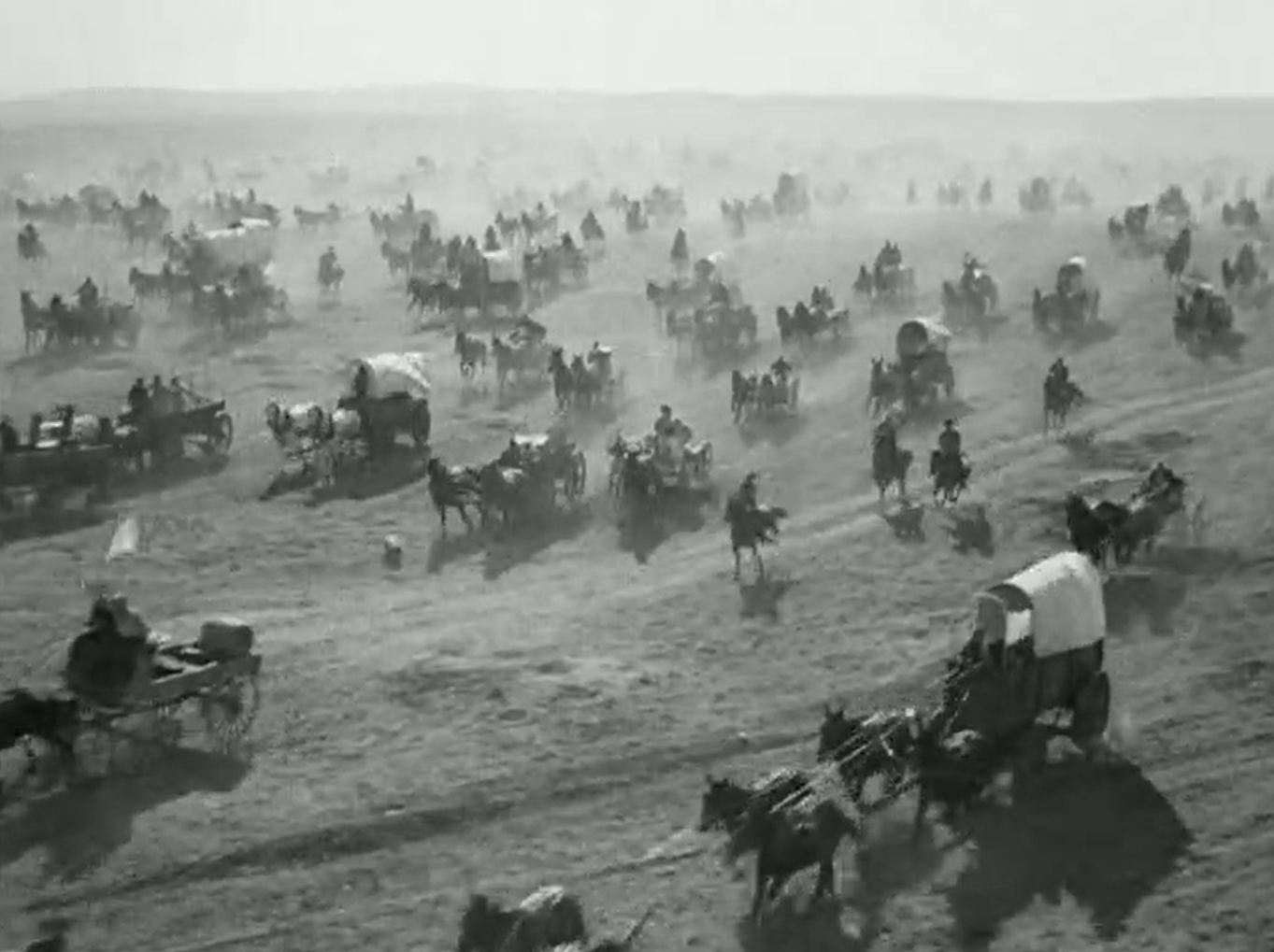
… while Sabra’s compromised “triumph” at the end of the film is particularly unsatisfying. As in the original screen adaptation, the opening land rush sequence — filmed with even more gritty violence — remains the most exciting part of the movie.

Redeeming Qualities and Moments:

  • Glenn Ford as Yancey Cravat
  • Maria Schell as Yancey’s long-suffering wife, Sabra
  • The exciting, unflinchingly brutal opening “land grab” scene

Must See?
No. This one’s only must see viewing for die-hard Anthony Mann fans.

Links:

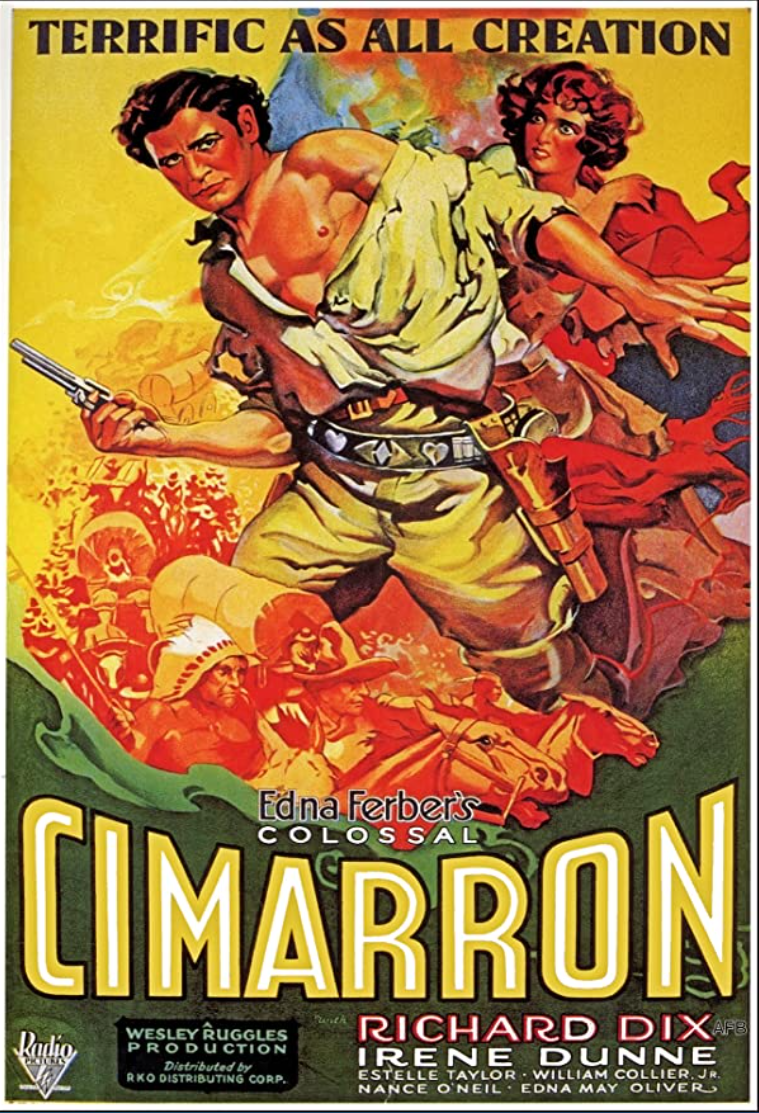
Cimarron (1931)

Cimarron (1931)

“We’re going into new things, Sabe — a new empire. And I want to help build it for you!”

Synopsis:
Idealistic newspaper editor Yancey Cravat (Richard Dix) settles with his wife (Irene Dunne) in Oklahoma territory, where he fights against injustice and racism. But his wanderlust soon prompts him to seek new adventures, and he leaves his family behind for years at a time.

Genres, Themes, Actors, and Directors:

  • Historical Drama
  • Irene Dunne Films
  • Settlers
  • Westerns

Response to Peary’s Review:
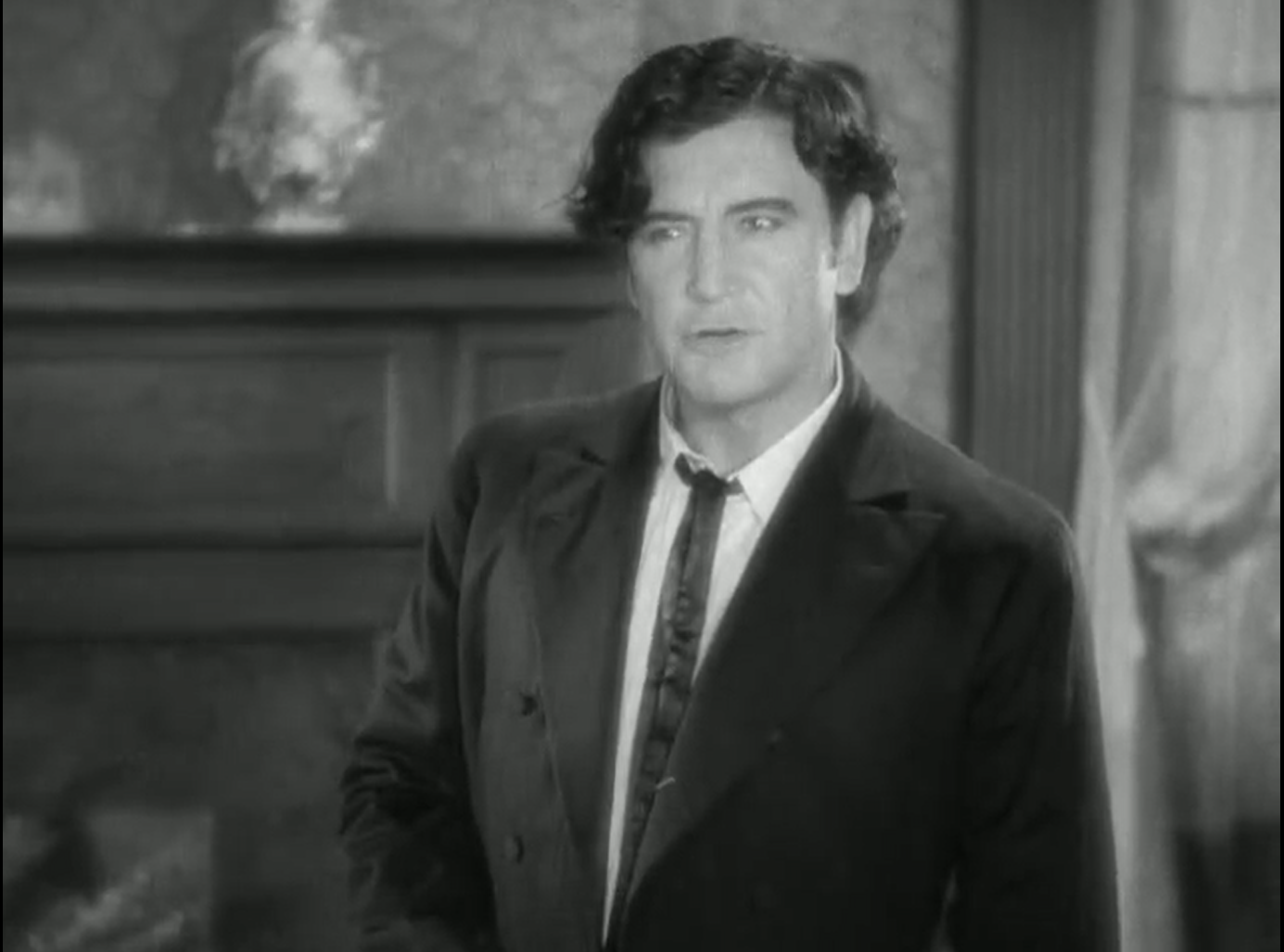
This early screen adaptation of Edna Ferber’s novel — which Peary refers to as a “tiresome… soap-opera western epic” — remains notorious for its status as one of the first (and least deserving) Oscar winners for Best Picture. As Peary notes, it comes across today as “extremely dated”, and boasts “uniformly awful” acting — particularly by “matinee idol” Richard Dix, who “gives an unbearably hammy, deep-voiced” performance.

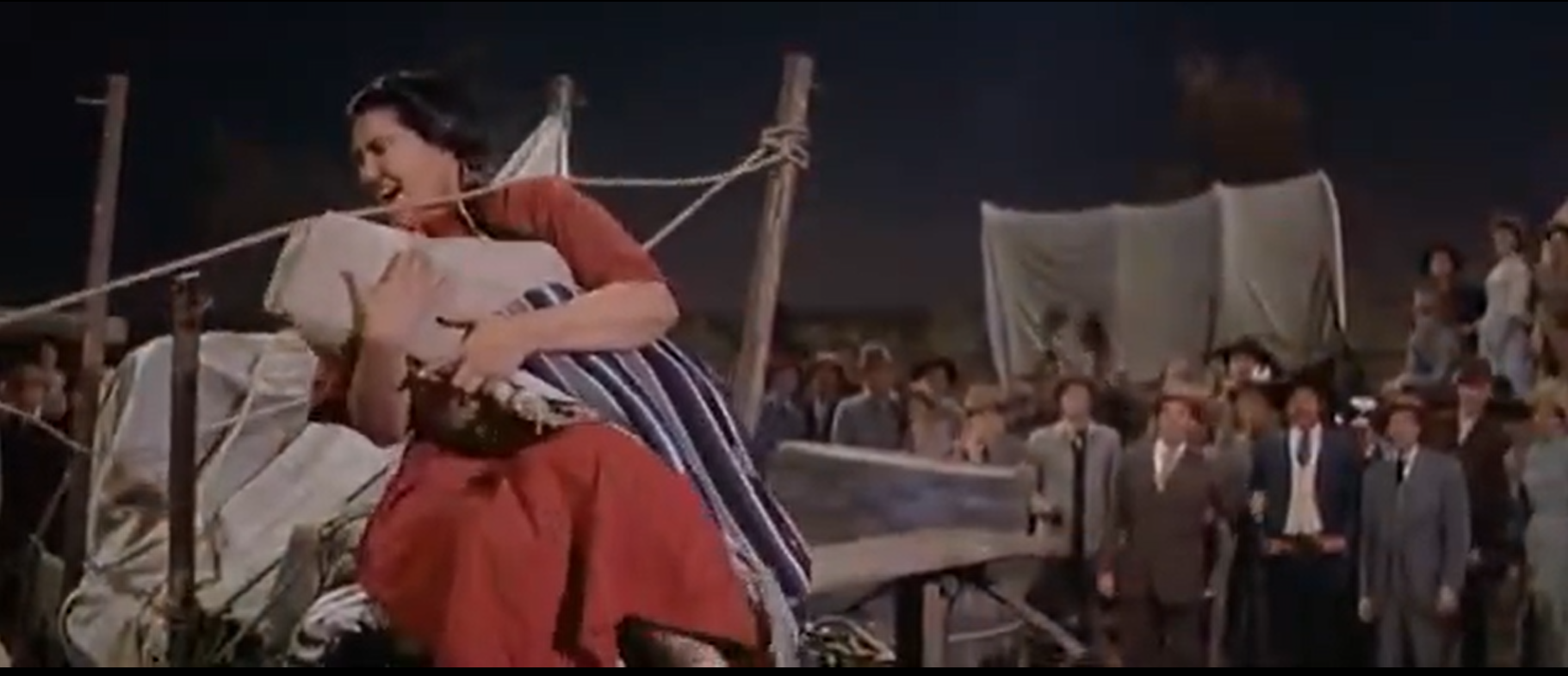
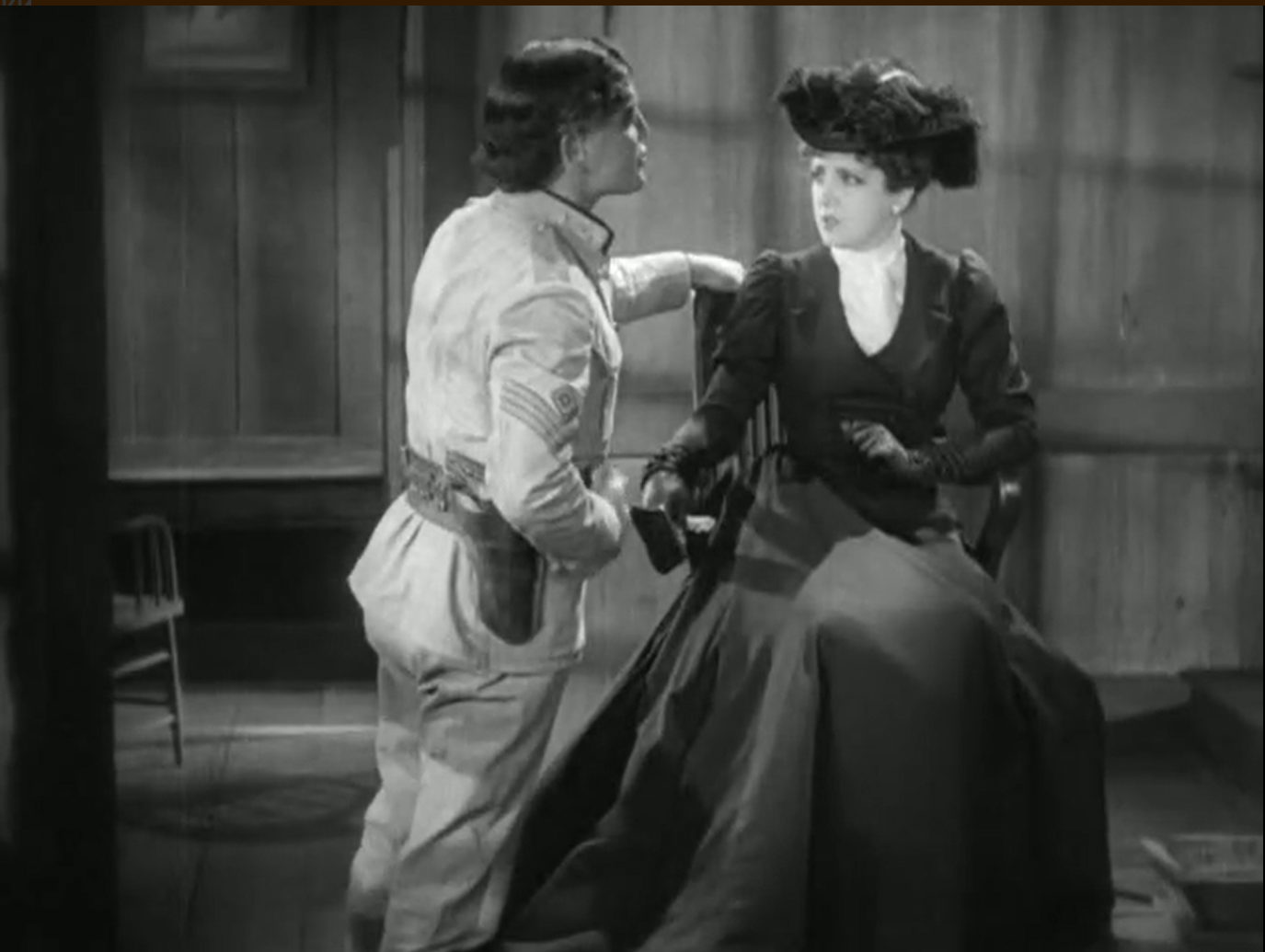
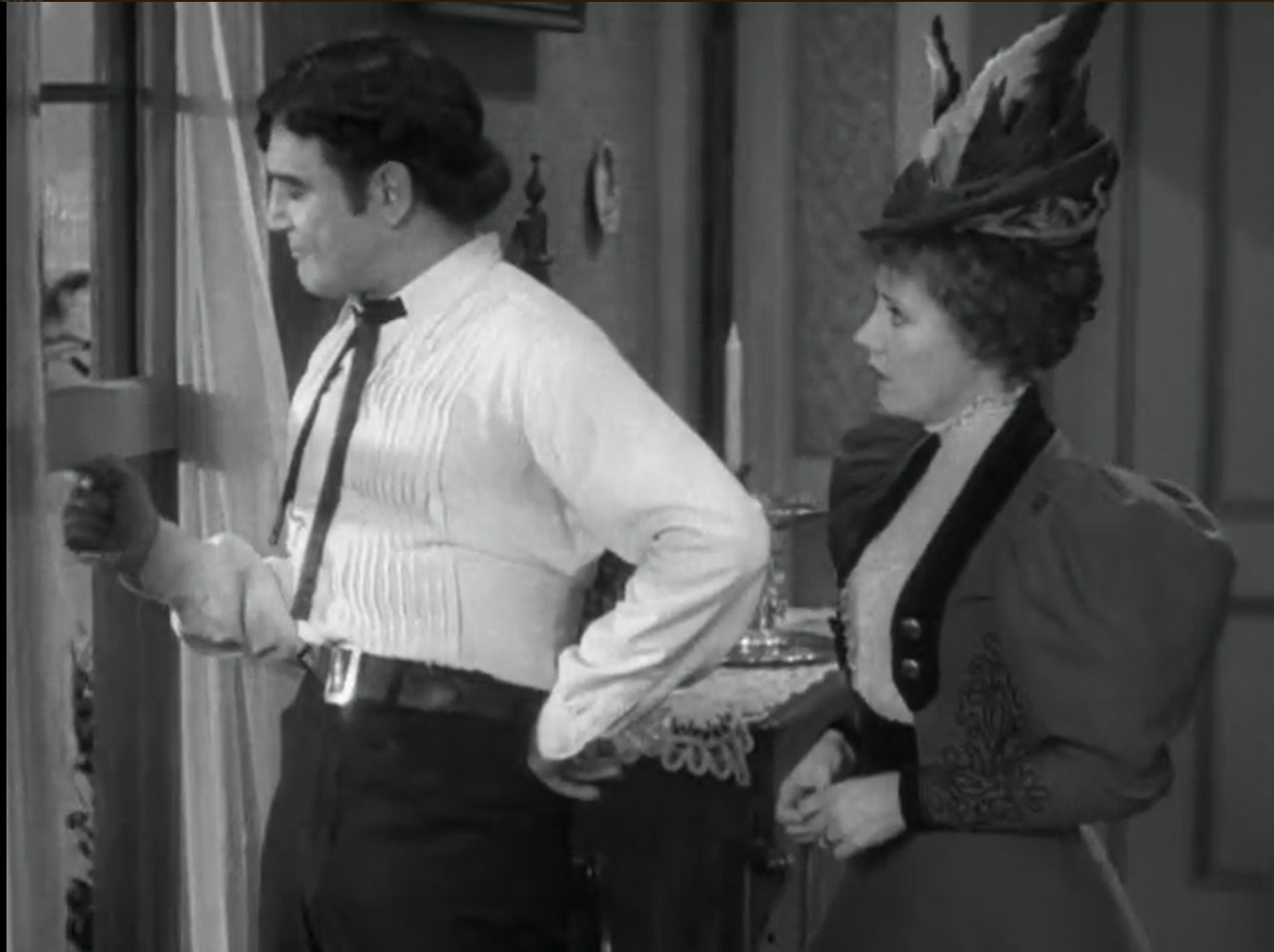
Although Peary gives faint praise to traces of “unexpected feminism” in the storyline (they’re faint indeed):

he inexplicably argues that this is “undermined by some racism” — an odd statement, given that Yancey’s fearlessly anti-racist stance is one of the film’s genuine redeeming factors. Another is the infamous opening “land rush” sequence, though it unfortunately establishes a standard of excitement which the remainder of the film can’t possibly live up to. The primary problem lies in the filmmakers’ daunting attempt to adapt an epic novel spanning 40 years: numerous life-changing events — including Yancey abandoning his family for years on end — are necessarily given short-shrift, and seriously compromise what could otherwise have been an insightful portrait of a pioneer marriage.

The rushed ending is particularly egregious, and makes little sense on any level.

Redeeming Qualities and Moments:

  • The impressive opening “land rush” scene
  • Yancey’s refreshingly anti-racist attitude:

    “If you knew anything at all … you’d realize that a Cherokee is too smart to put anything in the contribution box of a race that’s robbed him of his birthright.”

Must See?
Yes, but only for its historical status as an early Best Picture Oscar winner.

Categories

  • Oscar Winner or Nominee

Links:

Working Girls (1986)

Working Girls (1986)

[Note: The following review is of a non-Peary title; click here to read more.]

“Make sure the client is completely comfortable before you take any money.”

Synopsis:
A Yale graduate (Louise Smith) works part-time in a Manhattan brothel while pursuing her dreams of a career in photography.

Genres, Themes, Actors, and Directors:

  • Feminism and Women’s Issues
  • Prostitutes and Gigolos

Review:
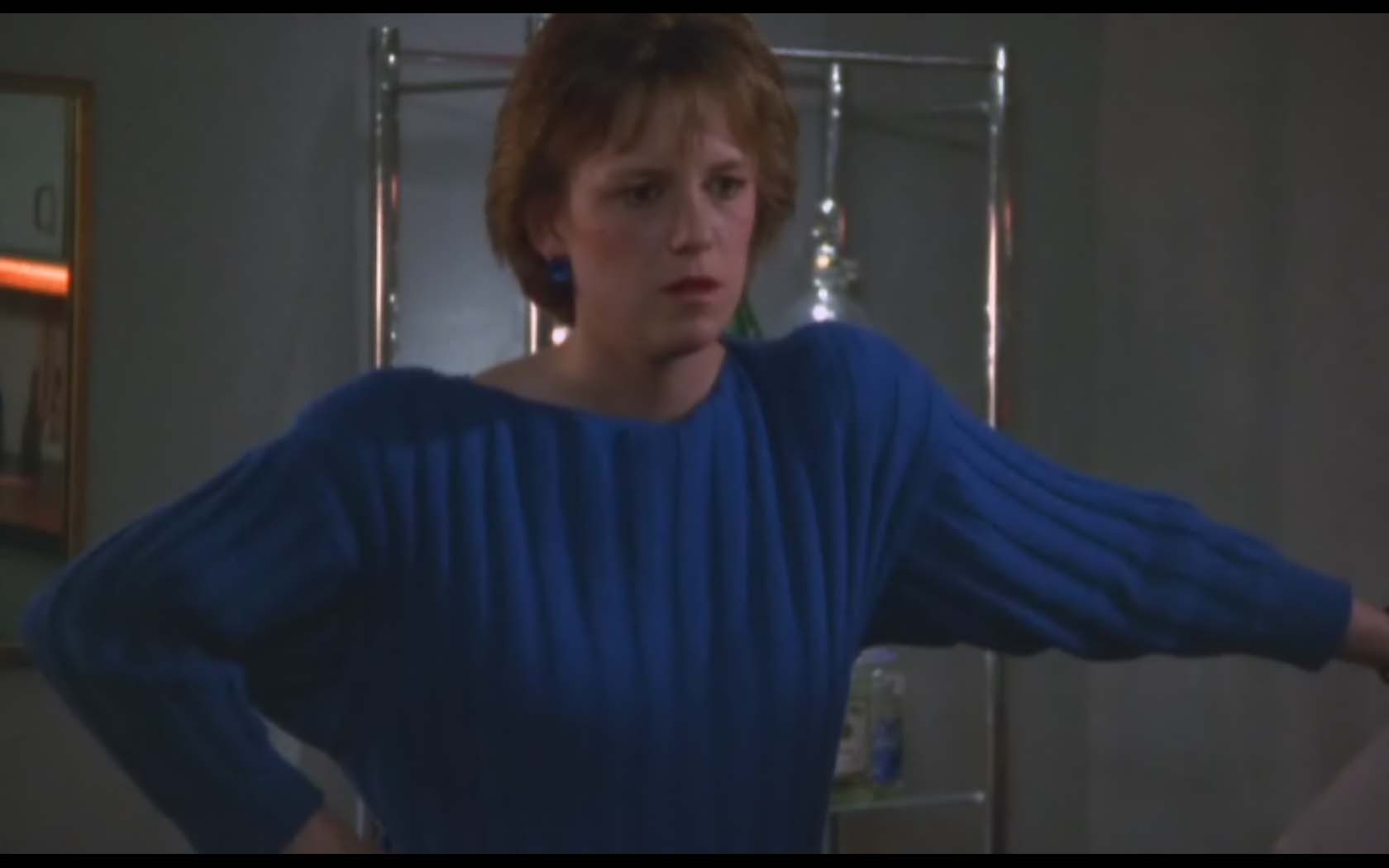
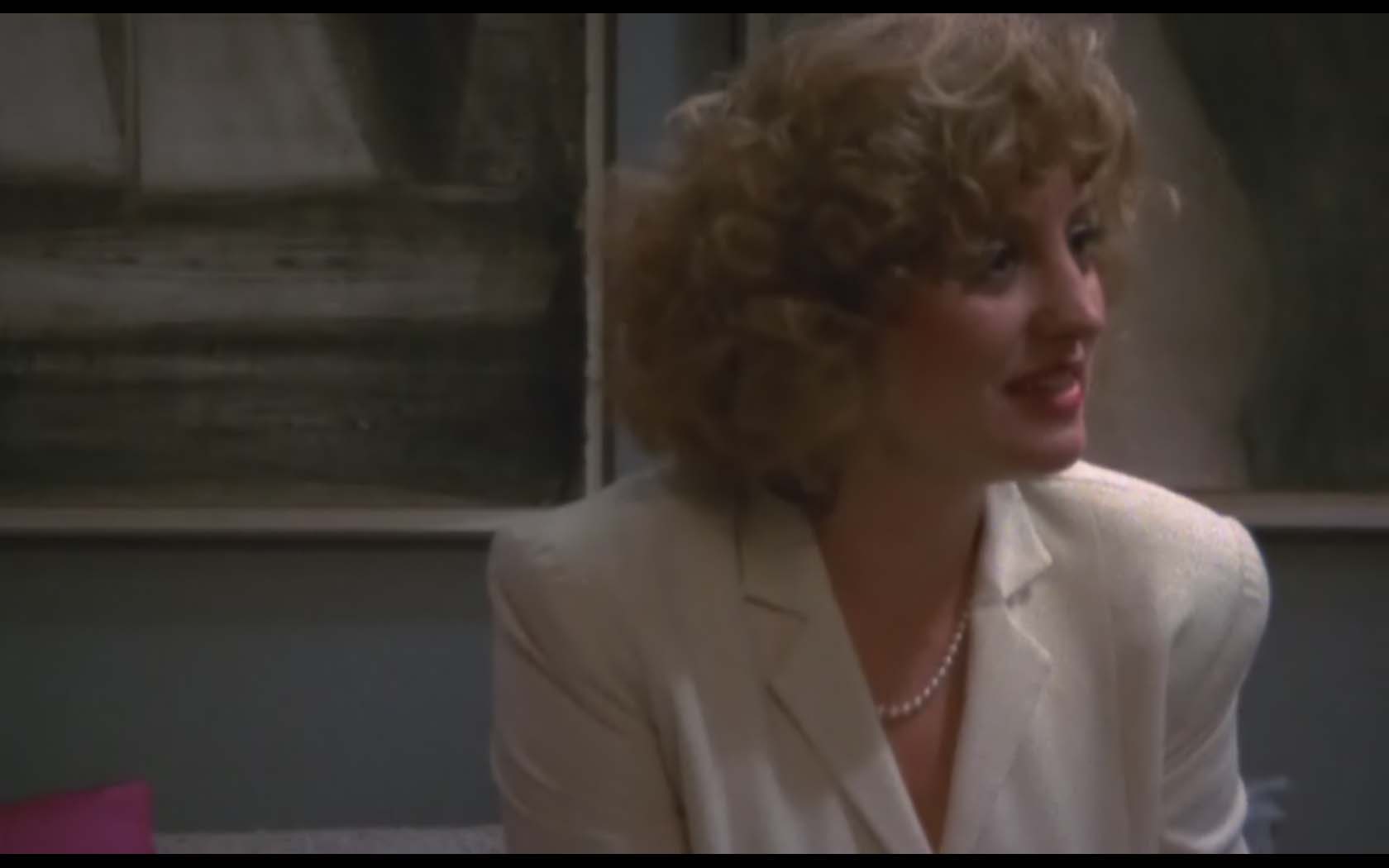
This follow-up to director Lizzie Borden’s auspicious debut film (1983’s Born in Flames) is a noticeable omission from Peary’s book, given that it’s ultimately even more successful than its heavy-handed predecessor. Twenty years after its release, Working Girls — a fictionalized “day in the life” docudrama — remains the most revealing and honest look at female prostitution ever committed to film, offering viewers a refreshingly de-glamorized glimpse into the day-to-day operations of a modern brothel. Through an array of diverse prostitutes and johns, we learn why young women may choose this lucrative yet socially denigrated profession; how they bond together to laugh behind the backs of their often-ridiculous clients; how they maintain cleanliness and efficiency in their “office”; how they ensure that their clients aren’t cops (johns are ordered to “get completely comfortable” — i.e., strip off all their clothing — before handing over money); and how there’s no honor among thieves when it comes to ambitious “pimps” like Madam Lucy (deliciously portrayed by Ellen McElduff). While Borden and Sandra Kay’s script is undeniably didactic at times, and the performances are mostly amateurish (Smith and McElduff stand out as the exceptions), it’s difficult not to get caught up in the lives of Molly and her motley co-workers.

Redeeming Qualities and Moments:

  • Louise Smith as Molly
  • Ellen McElduff as “Madam Lucy”
  • Molly’s hilarious session with “Fantasy Fred”
  • A refreshingly unglamorized inside-glimpse at the world’s oldest profession

Must See?
Yes, as a one-of-a-kind original.

Categories

  • Good Show

Links:

Dirty Harry (1971)

Dirty Harry (1971)

“Now you know why they call me Dirty Harry: every dirty job that comes along…”

Synopsis:
A rugged police detective (Clint Eastwood) in San Francisco tries to capture a deranged serial killer (Andrew Robinson), but finds his efforts thwarted by bureaucratic heavies, including the city’s mayor (John Vernon) and D.A. (Josef Sommer).

Genres, Themes, Actors, and Directors:

  • Cat-and-Mouse
  • Clint Eastwood Films
  • Detectives and Private Eyes
  • Don Siegel Films
  • Serial Killers
  • Vigilantes

Review:
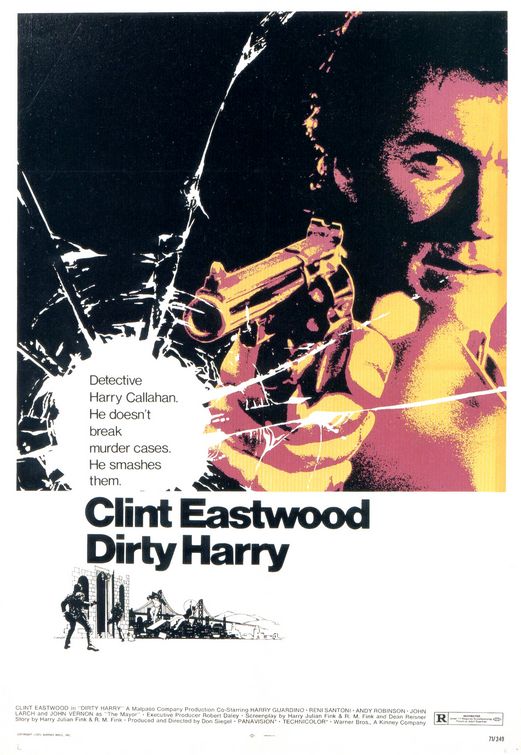
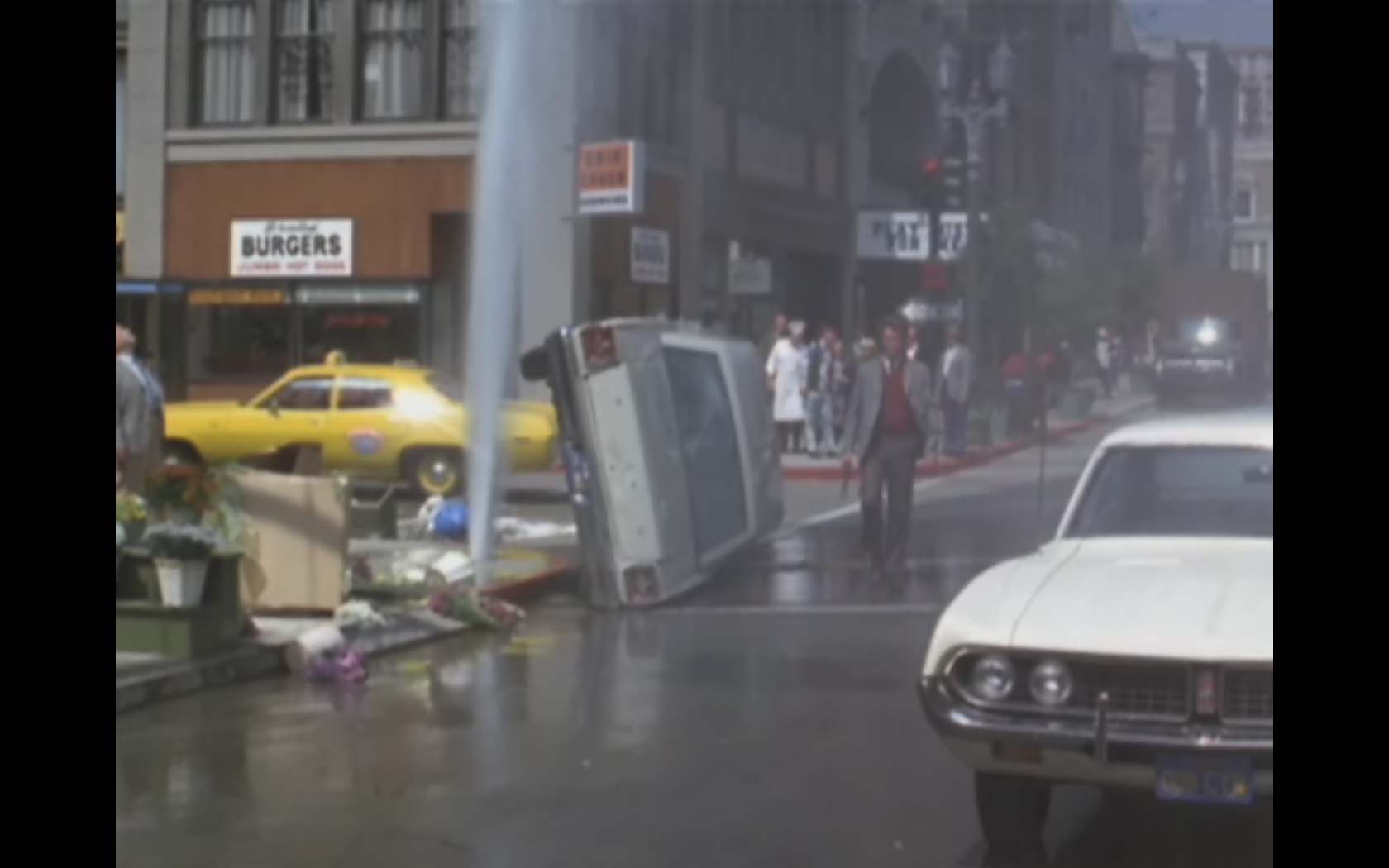
Touted by many reviewers upon its release as simply a fascist’s fantasy (its original title was Dead Right), Dirty Harry has largely transcended its initial political pigeonholing to become a certified cult favorite, with several sequels in its wake (all listed in Peary’s book as “must see”). Eastwood basically reprises the persona he crafted in so many other films (most specifically Sheriff Walt Coogan in Coogan’s Bluff) as yet another laconic, no-nonsense “Male” who refuses to compromise his philosophy of “getting the job done” at any price; many of his sneering lines — “You’ve got to ask yourself one question: ‘Do I feel lucky?’ Well, do ya, punk?” — have gone down in cinematic history.

While it’s unfortunate, as many reviewers have pointed out, that Harry’s superiors are painted as such one-dimensional nincompoops, and that his nemesis, “Scorpio”, is basically a distillation of every right-winger’s nightmare (longish hair, indeterminate sexuality, an ironic peace symbol on his buckle), ultimately Dirty Harry should be seen and enjoyed as simply a well-crafted cat-and-mouse police procedural. To this end, director Don Siegel makes excellent use of diverse San Francisco locales, and infuses his action scenes with a nice blend of tension and humor. My favorite early vignette has Harry pulled off the street to help talk a suicidal man down from a rooftop; his ability to do so within the space of five minutes, then walk away without being shown much gratitude, goes a long way towards establishing Harry as the independent, under-valued “doer” he remains throughout the rest of the film. “Dirty Harry”, indeed: “every dirty job that comes along” does seem to be his for the taking.

Redeeming Qualities and Moments:

  • Effective use of San Francisco locales
  • Harry “talking” a suicidal man off a roof
  • Countless now-classic lines and scenarios:

    “You’ve got to ask yourself a question: Do I feel lucky? Well, do ya, punk?”

Must See?
Yes, for its status as a cult favorite. Listed as a film with Historical Importance, a Cult Movie, and a Personal Recommendation in the back of Peary’s book.

Categories

  • Cult Movie

(Listed in 1001 Movies You Must See Before You Die)

Links:

Woman’s Face, A (1941)

Woman’s Face, A (1941)

“You felt reborn: after all your agony, life was beginning anew.”

Synopsis:
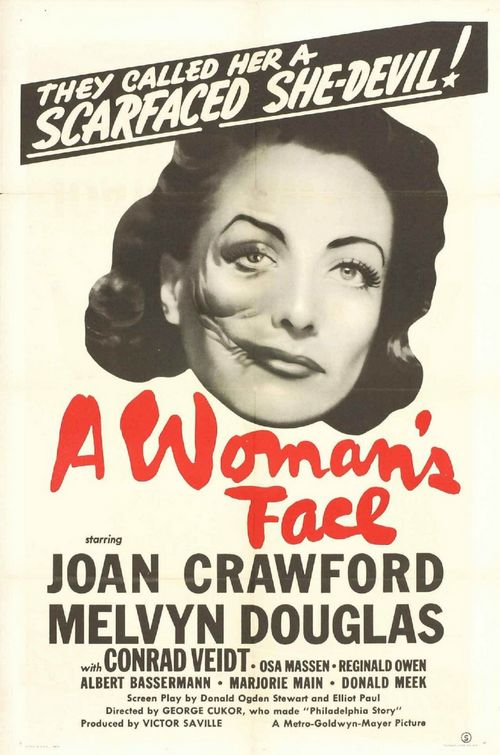
A scarred, bitter woman (Joan Crawford) falls in love with a sociopathic blackmailer (Conrad Veidt), whose plot to kill his young nephew (Richard Nichols) involves asking Crawford to pose as his governess. When a kind plastic surgeon (Melvyn Douglas) successfully heals Crawford’s face, however, she finds herself beginning to question her bleak outlook on life — and her commitment to Veidt’s nefarious plan.

Genres, Themes, Actors, and Directors:

  • Blackmail
  • Character Arc
  • Conrad Veidt Films
  • Courtroom Dramas
  • Disfigured Faces
  • Flashback Films
  • George Cukor Films
  • Ingrid Bergman Films
  • Joan Crawford Films
  • Melvyn Douglas Films
  • Plot to Murder

Review:
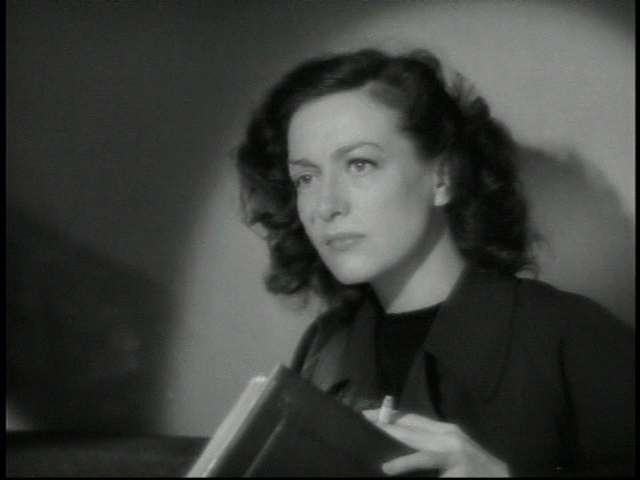
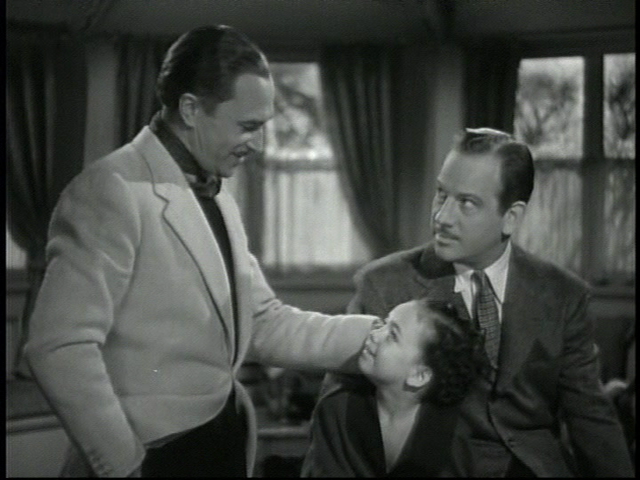
Made several years before her Oscar-winning turn in Mildred Pierce (1945), this remake of a 1938 Swedish film (starring Ingrid Bergman) provided Joan Crawford with one of her best cinematic roles. As the bitterly scarred Anna Holm, Crawford — thanks in large part to George Cukor’s steady direction — successfully avoids histrionics or melodrama, instead convincingly showing us the depth of Anna’s lifelong pain through subtle facial expressions. Even after her character’s successful surgery, for instance, Crawford continues to act as though half of her face is still hideously paralyzed; the effect is both realistic and haunting. Equally effective — albeit in a much campier fashion (!) — is Conrad Veidt as Anna’s partner in crime and love, a sociopath who is genuinely able to see beyond Anna’s face, yet who ultimately demands far too much from her grateful loyalty. The story itself — framed as a courtroom flashback — runs for perhaps a bit too long, but there are several tense, exciting moments along the way, and we’re kept in suspense the entire time about whether or not Anna really is guilty of murder.

Redeeming Qualities and Moments:

  • Joan Crawford as Anna Holm
  • Conrad Veidt as Anna’s duplicitous lover, Torsten Barring
  • The well-edited scene in which Anna’s surgery results are revealed for the first time
  • Robert Planck’s cinematography

Must See?
Yes, as one of Crawford’s notable performances.

Categories

  • Noteworthy Performance(s)

Links:

Creeper, The (1948)

Creeper, The (1948)

“There was blood — the old man’s blood — on her hands, under her nails.”

Synopsis:
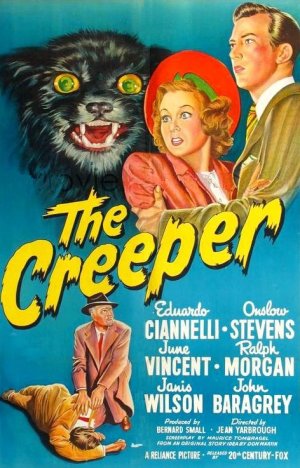
Two scientists (Ralph Morgan and Onslow Stevens) return from the West Indies with a potent serum derived from cats. When Morgan is mysteriously murdered, his cat-phobic daughter (Janis Wilson) tries to determine the identity of the killer.

Genres, Themes, Actors, and Directors:

  • Gaslighting
  • Horror
  • Murder Mystery
  • Scientists

Review:
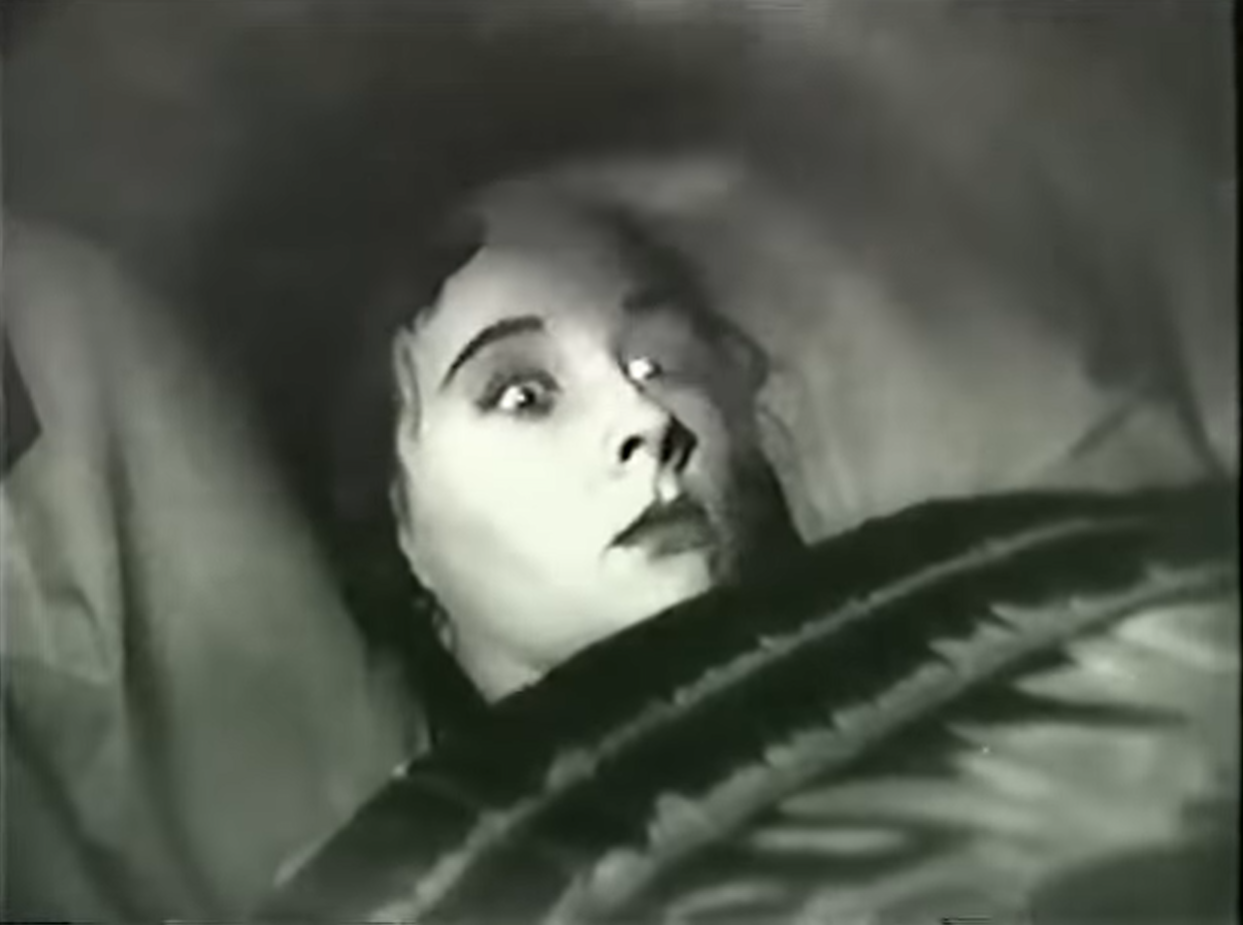
Clearly made to capitalize on the success of Val Lewton’s RKO horror films, The Creeper unfortunately fails to elicit anything close to the same level of enjoyment or psychological complexity as Lewton’s classic thrillers. The story — involving a mysterious serum, cats, phobias, and the West Indies — makes little to no sense, instead serving merely as a pseudo-scientific backdrop for what turns out to be a rather ordinary tale of rivalry and revenge. Janis Wilson (in her final screen appearance; a former child actress, she gave up acting after this) gives a campy, one-dimensional performance, all wide eyes and blank stare; equally incompetent (and instantly forgettable) is John Baragrey as her would-be lover, Dr. Reade.

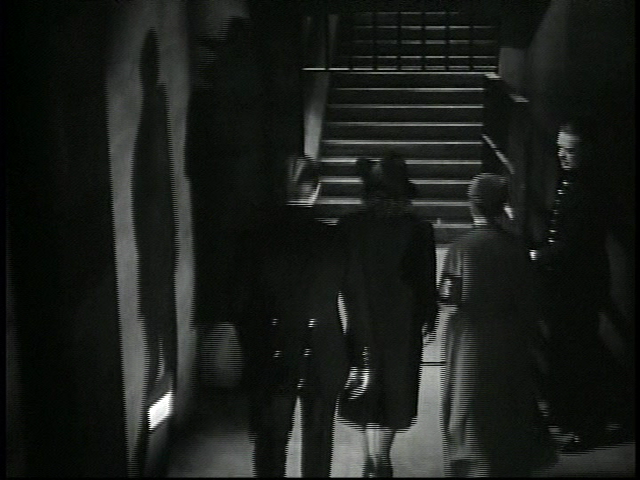
Director Jean Yarbrough and cinematographer George Robinson do manage to effectively employ shadows in their atmospheric camerawork — but ultimately they can’t lift this silly film above its nonsensical and uninteresting script.

Redeeming Qualities and Moments:

  • Effective use of shadowy cinematography

Must See?
No; skip this one. Listed as a Camp Classic in the back of Peary’s book.

Links: