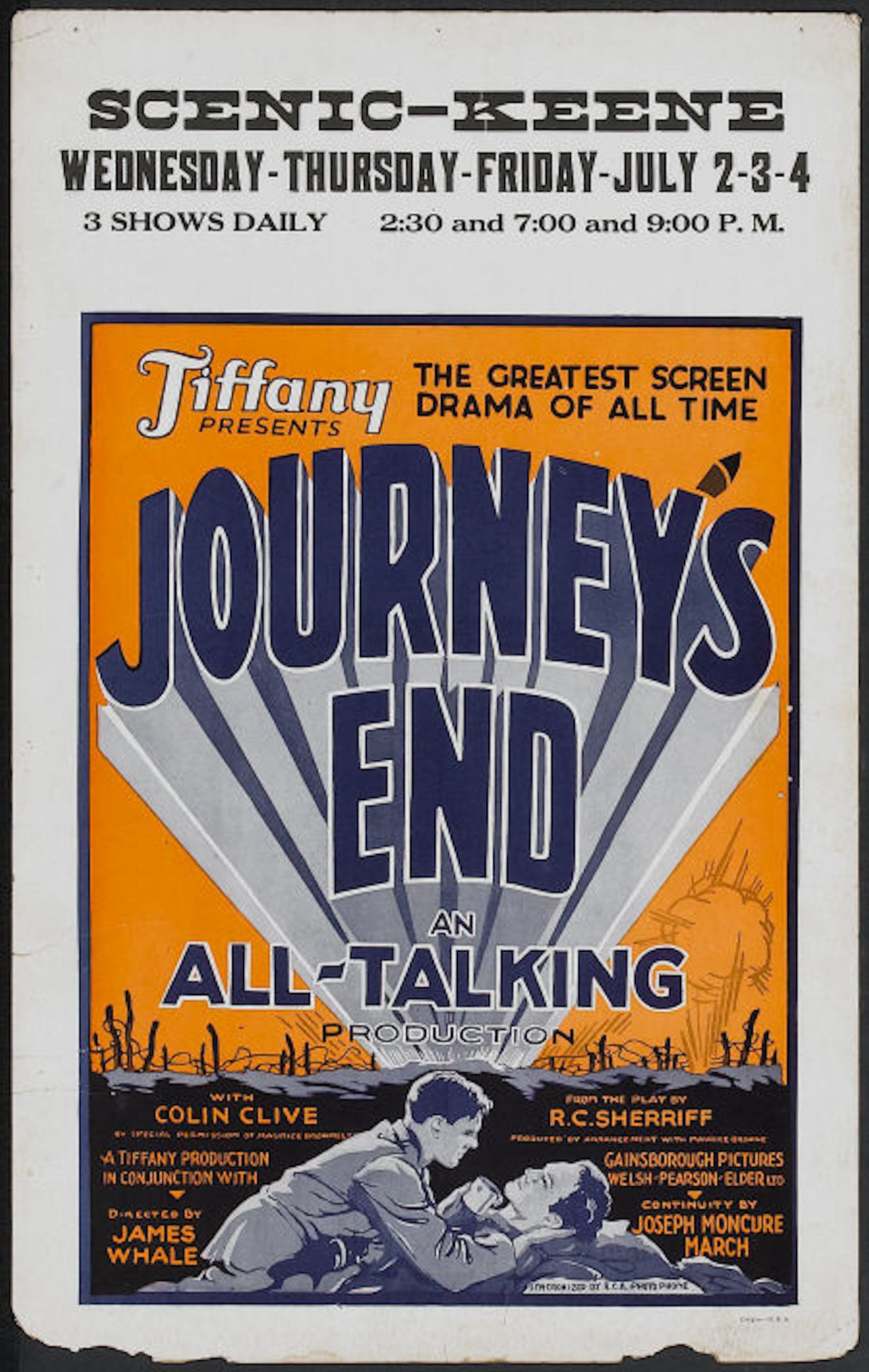
Journey’s End (1930)
“Think of it all as romantic — it helps.”
|
Synopsis: |
|
Genres, Themes, Actors, and Directors:
Review:
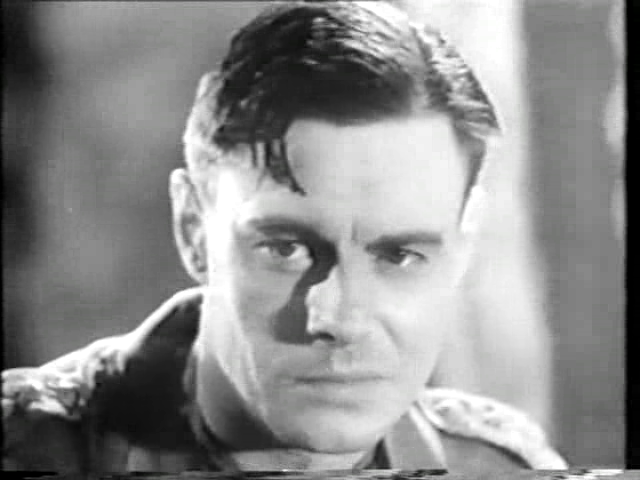
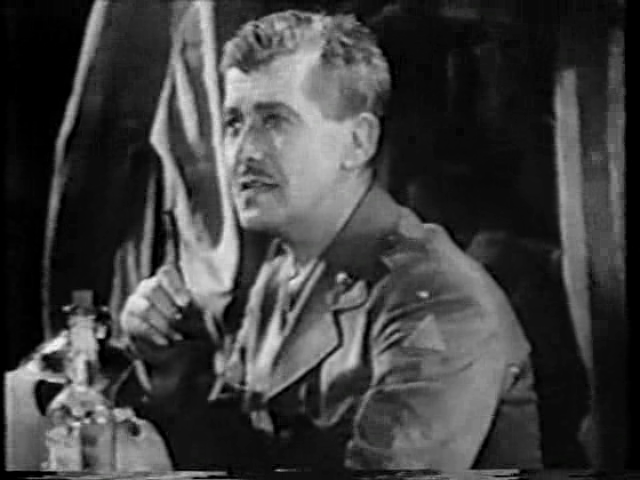
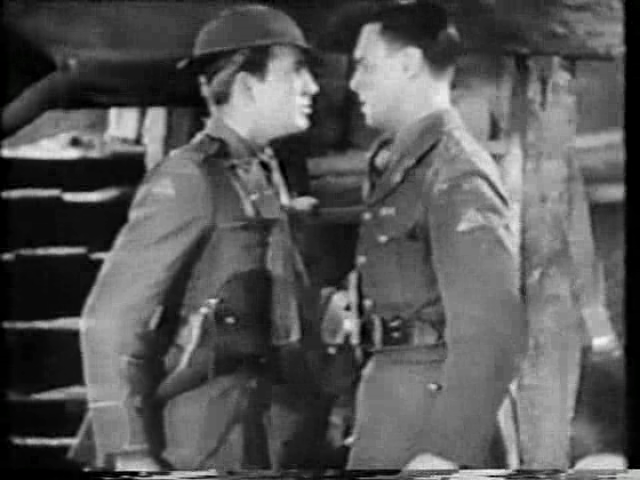
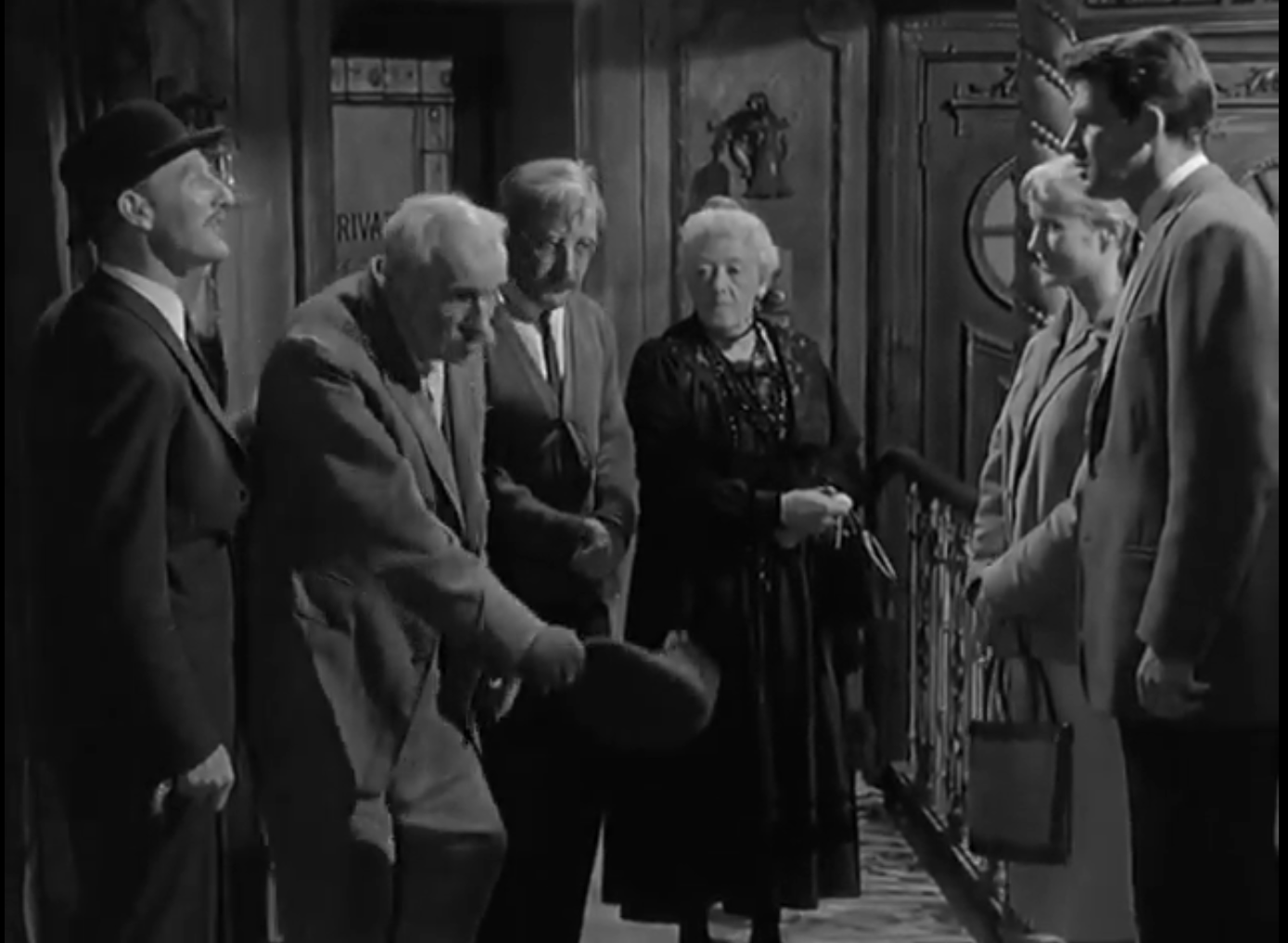
That damned, silly, necessary nuisance of a war, indeed! Meanwhile, in the midst of such civilized discussion, we witness a quietly powerful character study of a man (Clive is simply brilliant) struggling to reconcile the reality of his daily lived experiences with the stalwart persona he must maintain, for the sake of all his men. He lives in terror of the rumors he’s sure must be circulating about him (notably, that he’s taken to drinking at all hours of the day), but the storyline surprises us in its ultimate revelations about Clive’s reputation. Viewers willing to sit patiently through what may be the most “talky”, least-action-filled war film ever made will be rewarded by numerous instances of quiet authenticity. My favorite scene is one in which the seasoned Maclaren (affectionately known as “Uncle”) and the green, gung-ho Manners are about to go up into battle; Maclaren reads from Alice in Wonderland while enjoining Manners to use these precious final moments to think about anything at all other than their imminent task. Less successful are periodic snippets of “comedic relief” provided by the company’s clueless cook (Charles K. Gerrard) and a rotund lieutenant (Billy Bevan) who seems resolutely determined to care more about his next meal than the chaos surrounding him. However, it’s moments like all of these, taken together, which ultimately help viewers to understand the complex psychology behind warfare, as these men prepare themselves in a variety of ways to face truly unspeakable horrors. Redeeming Qualities and Moments:
Must See? Links: |