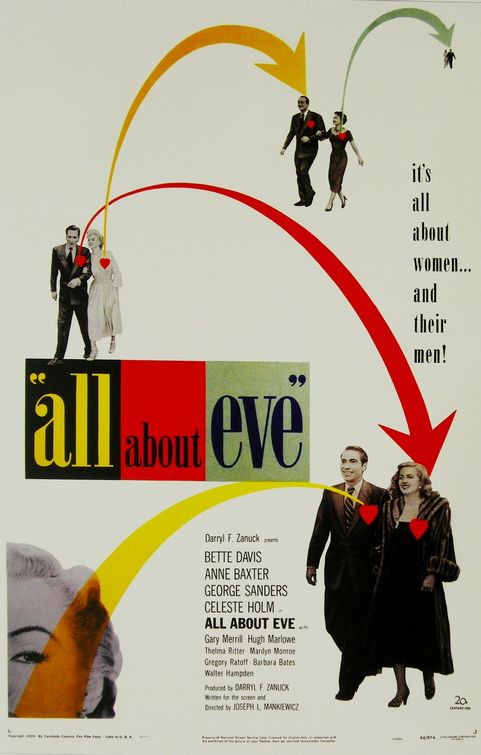
All About Eve (1950)
“I’ll admit I may have seen better days, but I’m still not to be had for the price of a cocktail, like a salted peanut.”
|
Synopsis: |
|
Genres, Themes, Actors, and Directors:
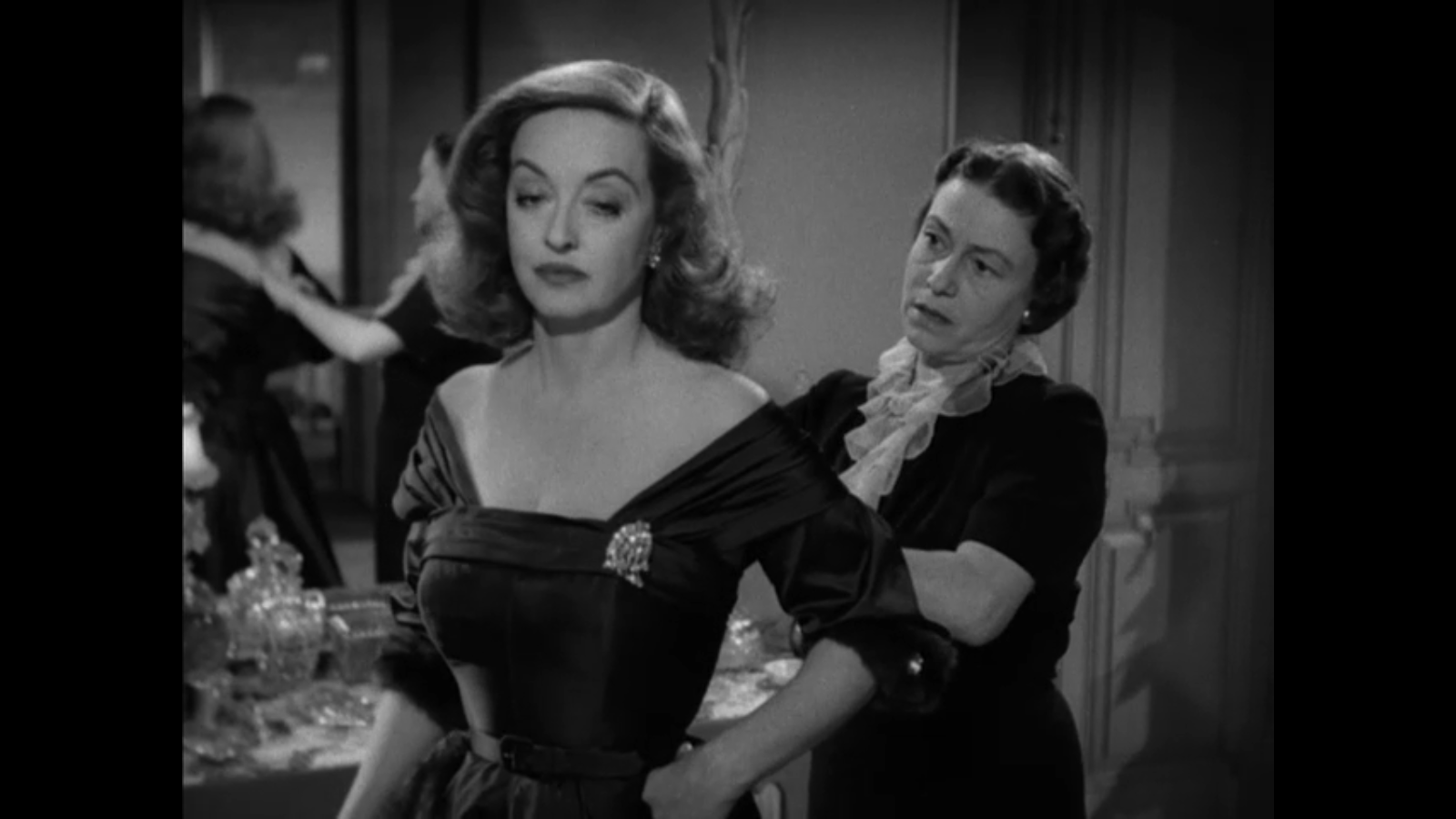
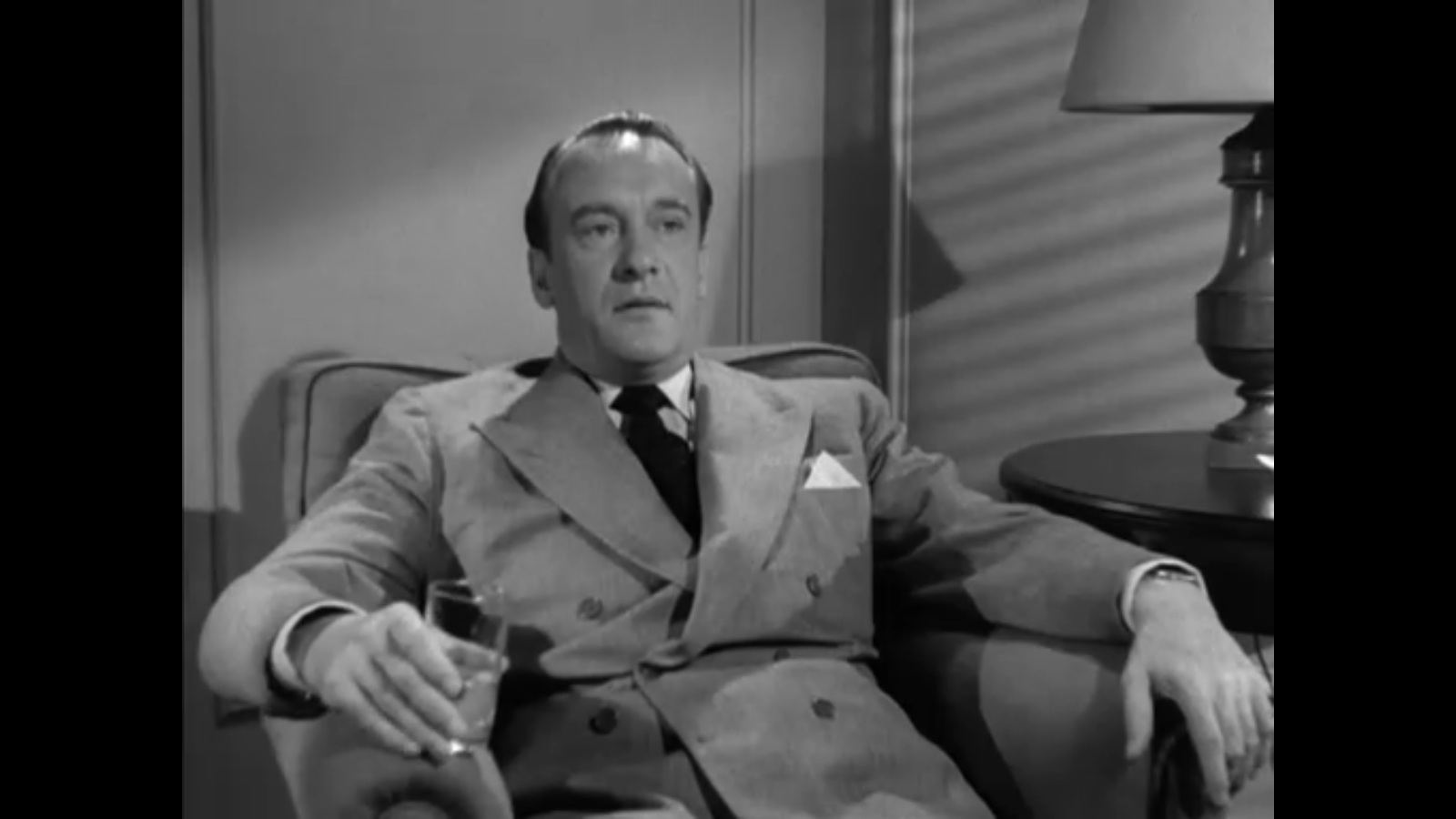
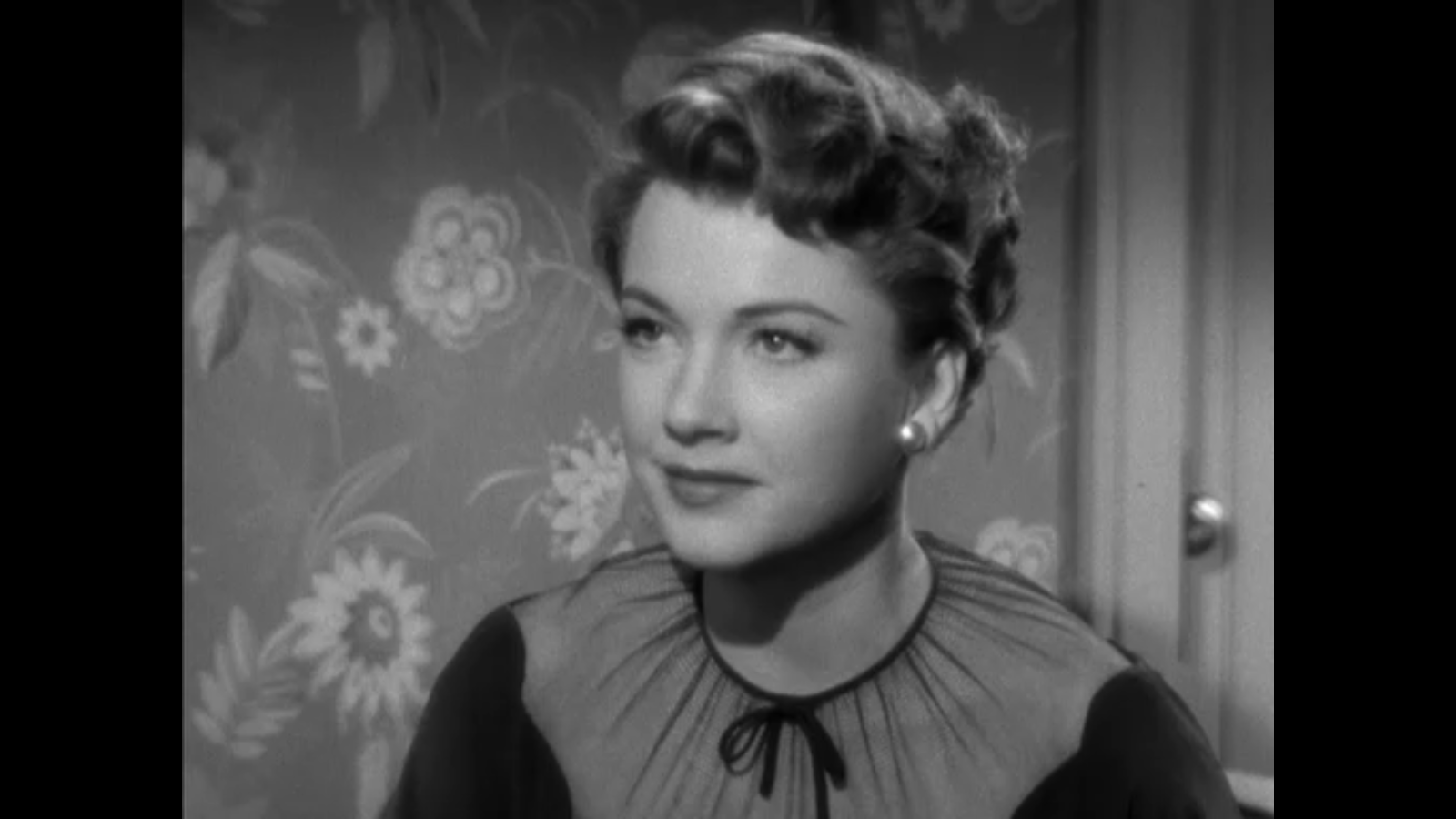
Review: With that said, Peary does point out that not all critics are unanimously impressed by the film. Some, for instance, “blame Anne Baxter’s lack of depth as an actress for making Eve Harrington come across as an essentially shallow character”. But Peary convincingly argues that “Eve is shallow by design”, “limited by her own superficiality” and unable to “lay down a victorious trump card because she has none”. Indeed, he astutely notes that “if Eve were the strong character that some critics wanted Anne Baxter to play her as, she could never have wound up as the kept woman of a man who only selects from the bottom of the barrel” (ouch!). Baxter, I believe, is ultimately fine and well-cast in the title role — but it’s Davis as Margo Channing who remains the film’s undeniable viewing magnet. Channing — “perhaps the most dynamic woman ever to appear on the screen” — is “intelligent, opinionated, high-strung, temperamental, and… adept at unleashing funny one-liners”, but what’s most interesting about her character is how “contradictory” she is: she’s “vain, but self-effacing”, “self-reliant one minute and dependent the next”. It’s no wonder Merrill’s character is so fascinated by this enigmatic, all-too-human diva! (potential spoiler alert) While I appreciate the film’s enduring central melodrama of rivalry and back-stabbing, what struck me most upon revisiting All About Eve recently is what a strong statement it makes about the power of friendship. The film’s narrator, after all, is Margo’s best friend (Celeste Holm), whose loyalty to Margo may be sorely tested by the intrusion of Eve in their lives, but is never permanently severed. During a pivotal scene later in the film, Margo, Karen (Holm), Bill (Merrill), and Lloyd (Hugh Marlowe) sit around a restaurant table together, and Margo mentions how much the couples’ friendship means to her — this, along with her romantic commitment to Bill, ultimately emerges as the most important triumph in her storied existence. Although Eve may get what she (thinks she) wants by brutally clawing her way past any obstacles that stand in her way, the film’s clever denouement provides all the proof we need that Eve’s lonely path won’t afford her nearly the satisfaction that Margo has earned in all other areas of her life. It is also interesting, as Peary points out, to note that in the “final section of the picture”, “Bill and Lloyd, with Margo’s blessing, work with Eve in a new play” — the point being that “in the theater, talented people are accepted, regardless of character”. Be duly forewarned. Redeeming Qualities and Moments:
Must See? Categories
(Listed in 1001 Movies You Must See Before You Die) Links: |