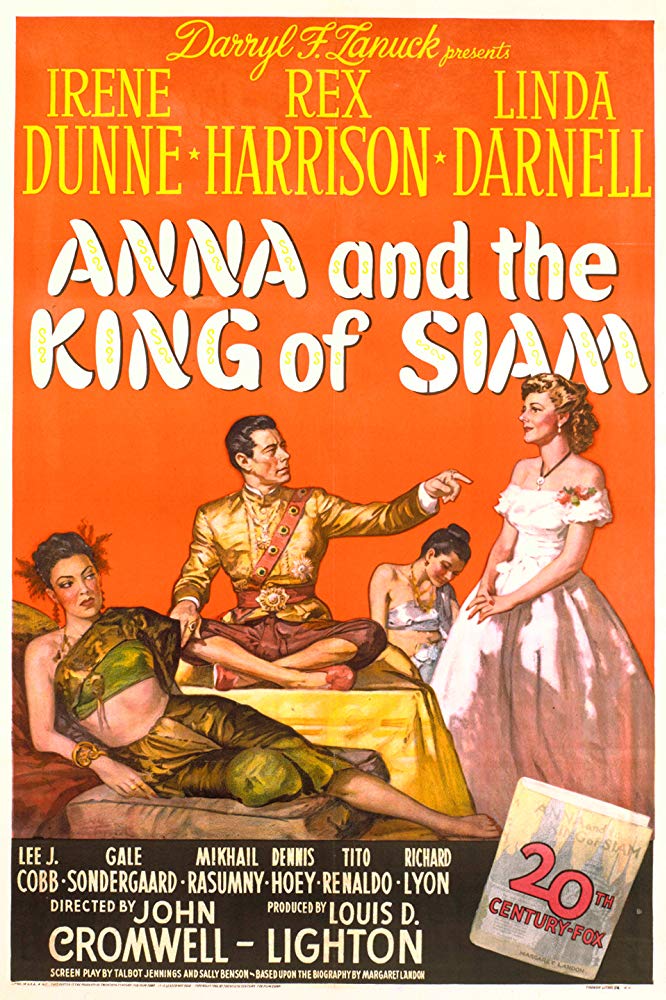
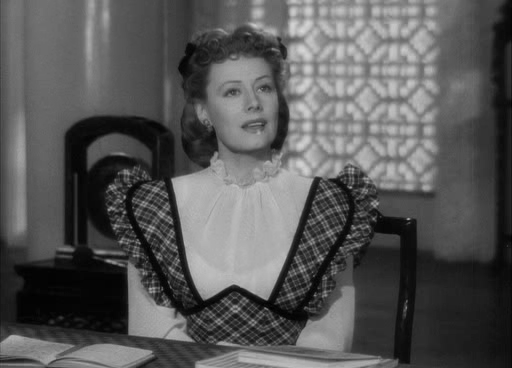
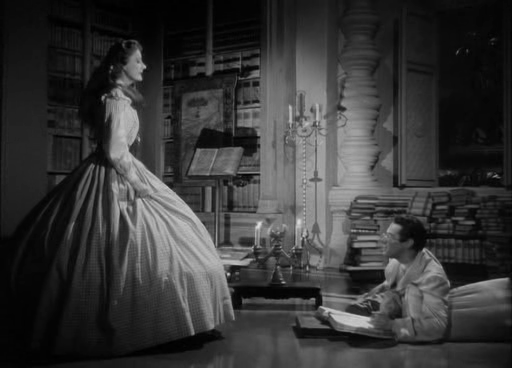
Anna and the King of Siam (1946)
“Women do not exist in Siam — they simply do not exist.”
|
Synopsis: |
|
Genres:
Review: Redeeming Qualities and Moments:
Must See? Links: |
“Women do not exist in Siam — they simply do not exist.”
|
Synopsis: |
|
Genres:
Review: Redeeming Qualities and Moments:
Must See? Links: |
“This school has practically reduced me to a nervous wreck!”
|
Synopsis: |
|
Genres, Themes, Actors, and Directors:
Review: Redeeming Qualities and Moments:
Must See? Links: |
“We don’t live in the same world!”
|
Synopsis: |
|
Genres, Themes, Actors, and Directors:
Response to Peary’s Review: Redeeming Qualities and Moments:
Must See? Links: |
“Colorful?! What color is a crawling louse?”
|
Synopsis: |
|
Genres, Themes, Actors, and Directors:
Response to Peary’s Review:
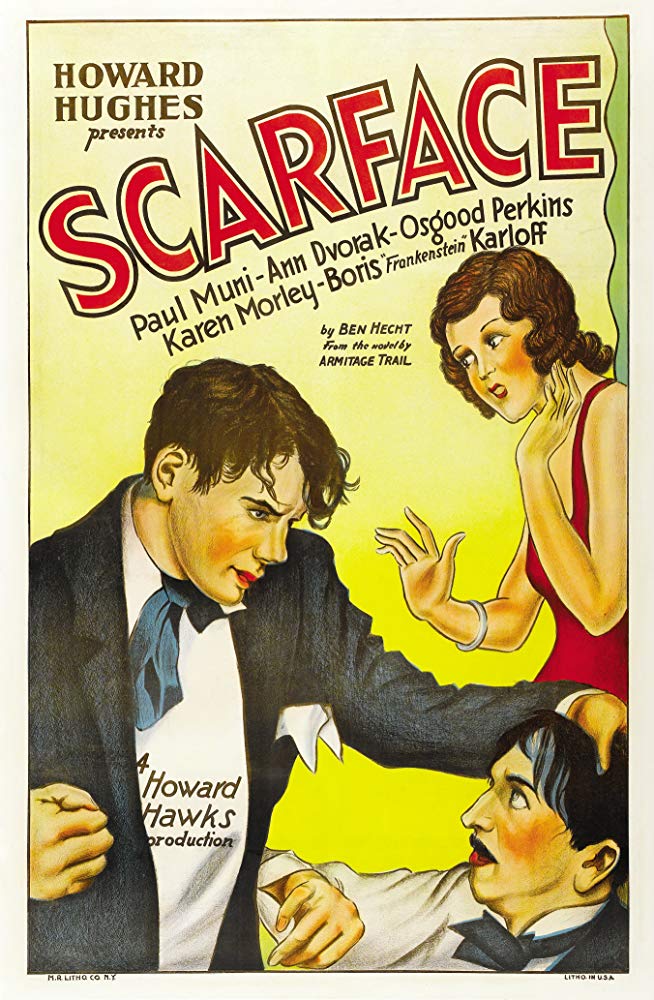
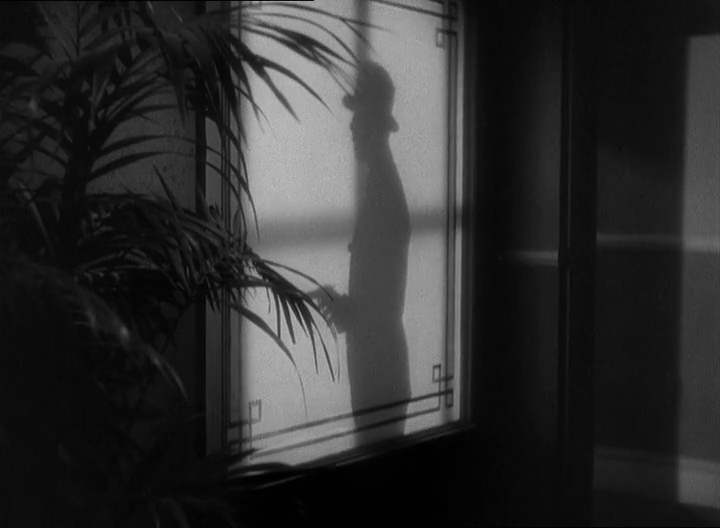
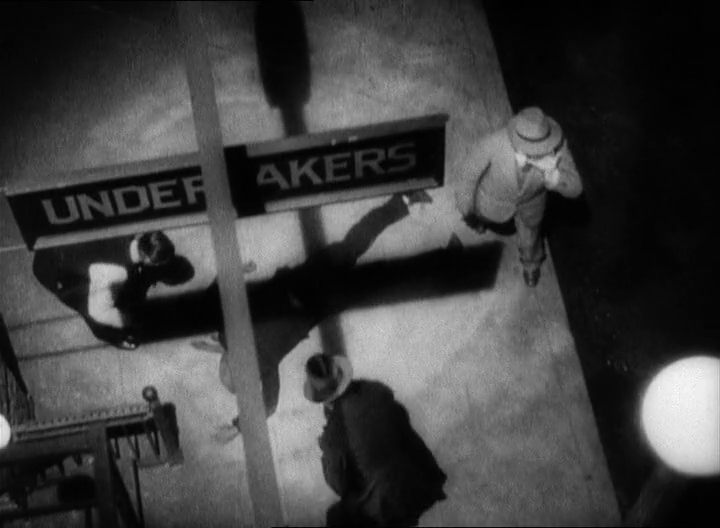
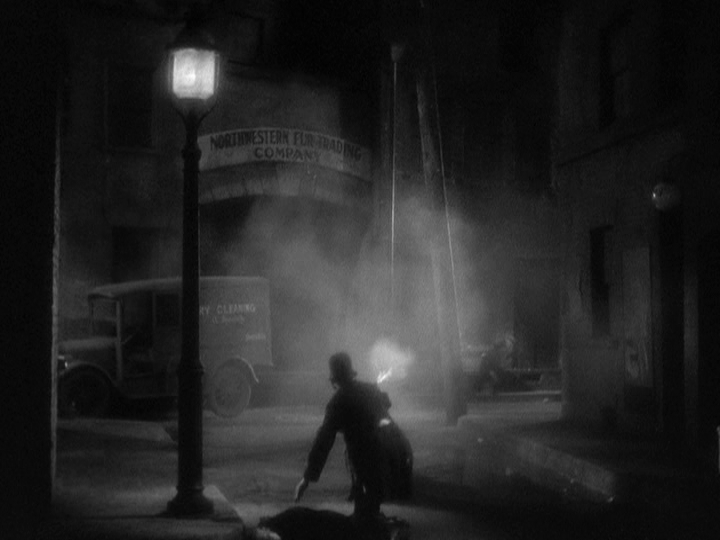
He adds that “screenwriter Ben Hecht based his crime family on the Borgias, so he had a model for the corruption, cruelty, power-lust and decadence that exists” — including “an incest theme” but minus any parental influence; Tony’s father is non-existent and his mother (Inez Palange) is completely ineffectual. Peary correctly notes that “no one who sees this film would want to emulate the lives of these criminals” — but with that said, the “film has exciting, atmospheric cinematography by Lee Garmes; taut, inspired direction by Hawks; and a powerful script by Hecht (with additional dialogue credit going to John Lee Mahin, Seton I. Miller, and W.R. Burnett).” In GFTFF, Peary outlines several of the film’s highlights, including “the opening, in which the camera pans for several minutes across an emptying party room and ends up showing the first victim being murdered”; and “gangster Boris Karloff being shot just as he bowls — the camera follows the ball down the lane, where it knocks over all the pins, including the king pin, which spins for a while and topples over.” In Alternate Oscars — where he names this the Best Film of the Year — Peary writes that “for real, reel-to-reel excitement, no film filled the bill better than” Scarface, “the best and most ferocious of the gangster cycle.” He notes that “the gangster world Hawks presents is unsavory, sordid, and not enticing” — though “males might be drawn to the beautiful, trampy women played by Ann Dvorak and Karen Morley (two of the great unsung actresses of the period).” (Indeed, Dvorak “almost steals the film”.) Peary adds that “the gangsters themselves are childlike, ignorant brutes who could stand no other company but their own and play dangerously stupid games… We don’t want to be like them and we don’t want to walk the streets when they’re around.” In GFTFF, Peary writes that Muni “gives one of his finest performances — it is his one character for whom you can feel no sympathy”, and he awards Muni Best Actor of the Year in Alternate Oscars, noting that “Muni plays his character as if he were a cocky punk teenager. Unsophisticated and immature (like all other gangsters), he’s self-impressed, overrates his intelligence (he is proud to use the word disillusioned), boasts nonstop, acts tough, doesn’t listen to his mother…, and is always looking for a good time.” He considers machine guns “toys”, women “meat”, and “likes anything that is ‘hot’.” While he “is usually having a good time” — at which moments “we fear his recklessness” — he “suddenly shifts from being carefree to being serious” and is “downright creepy.” As “Muni’s eyes, face, and tone of voice quickly change”, we “realize what a frightening, depraved individual Tony is.” I find Muni’s performance a tad overdone, but would agree he’s fully invested in his role and quite memorable — as is the entire atmospherically filmed narrative, which is well worth a look by all film fanatics. Redeeming Qualities and Moments:
Must See? Categories (Listed in 1001 Movies You Must See Before You Die) Links: |
“Women can get to be an occupational hazard.”
|
Synopsis: |
|
Genres, Themes, Actors, and Directors:
Review:
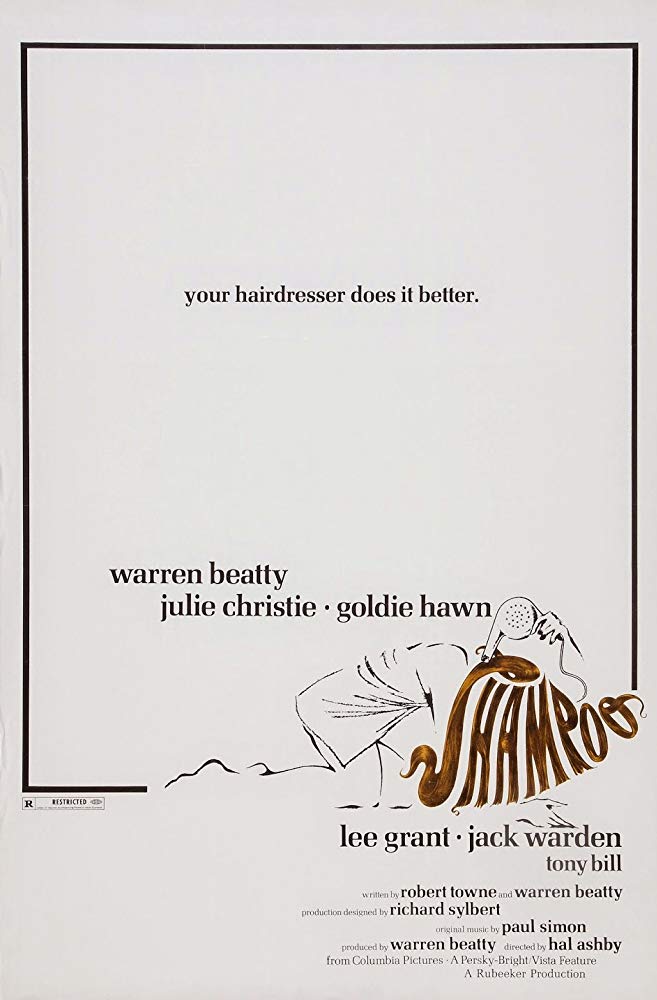
doing women’s hair while hopping from one bed to the next. Beatty plays on his own public image as a sexual Lothario, ultimately coming across as hedonistically distracted at the cost of any other considerations (including loyalty, honesty, or the chance to open his own business). The most charitable character by far is Hawn, who thankfully has other options available to her. Redeeming Qualities and Moments:
Must See? Links: |
“There’s no fooling around with ghosts, because they take revenge!”
|
Synopsis: |
|
Genres, Themes, Actors, and Directors:
Review:
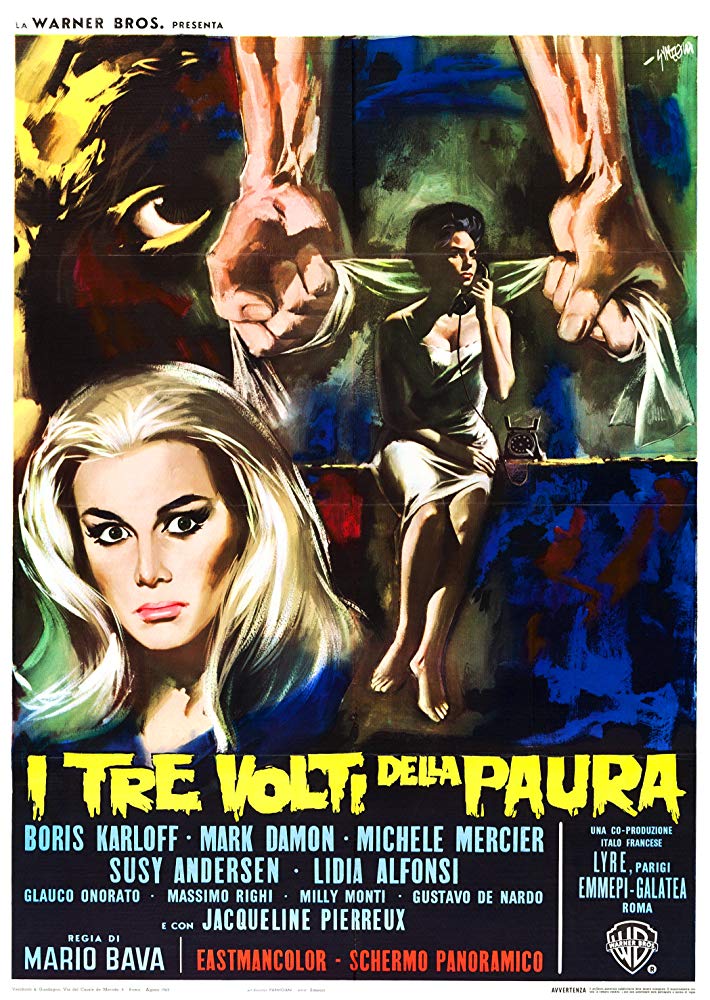
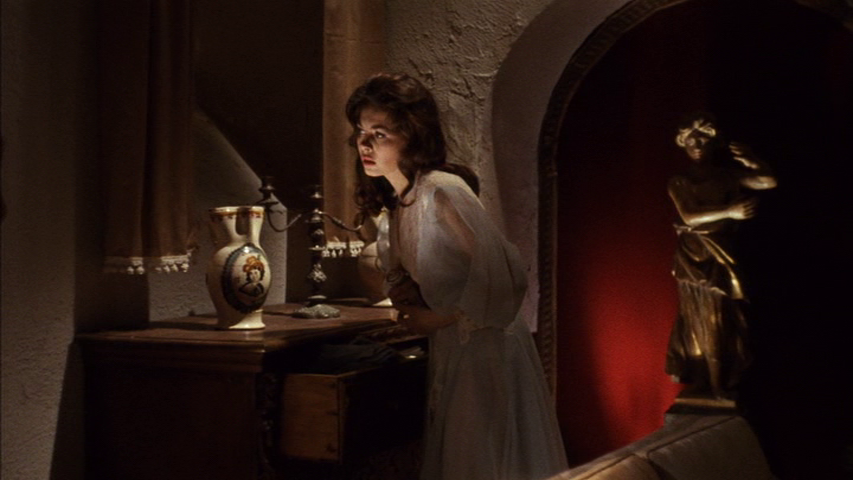
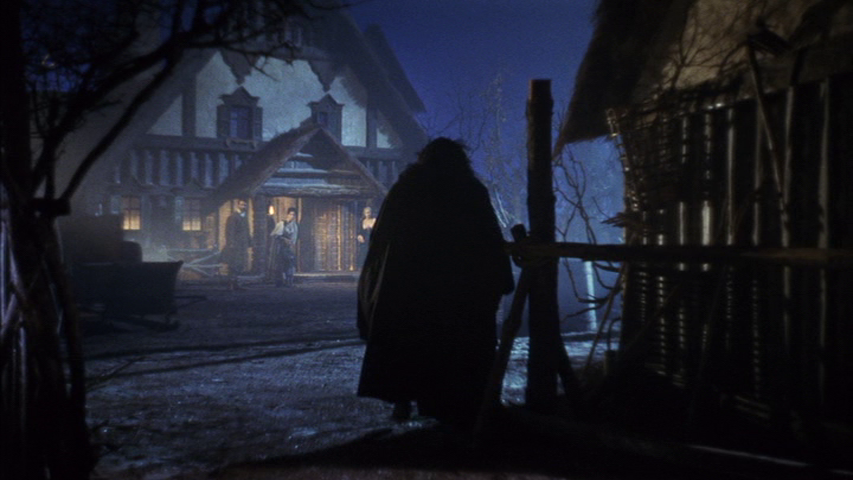
Film fanatics should enjoy checking out this cult favorite, though it’s only must-see for Bava fans. Redeeming Qualities and Moments:
Must See? Links: |
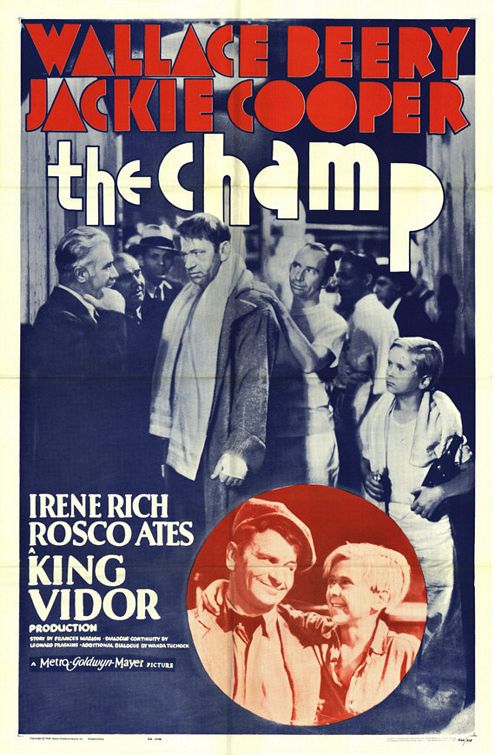
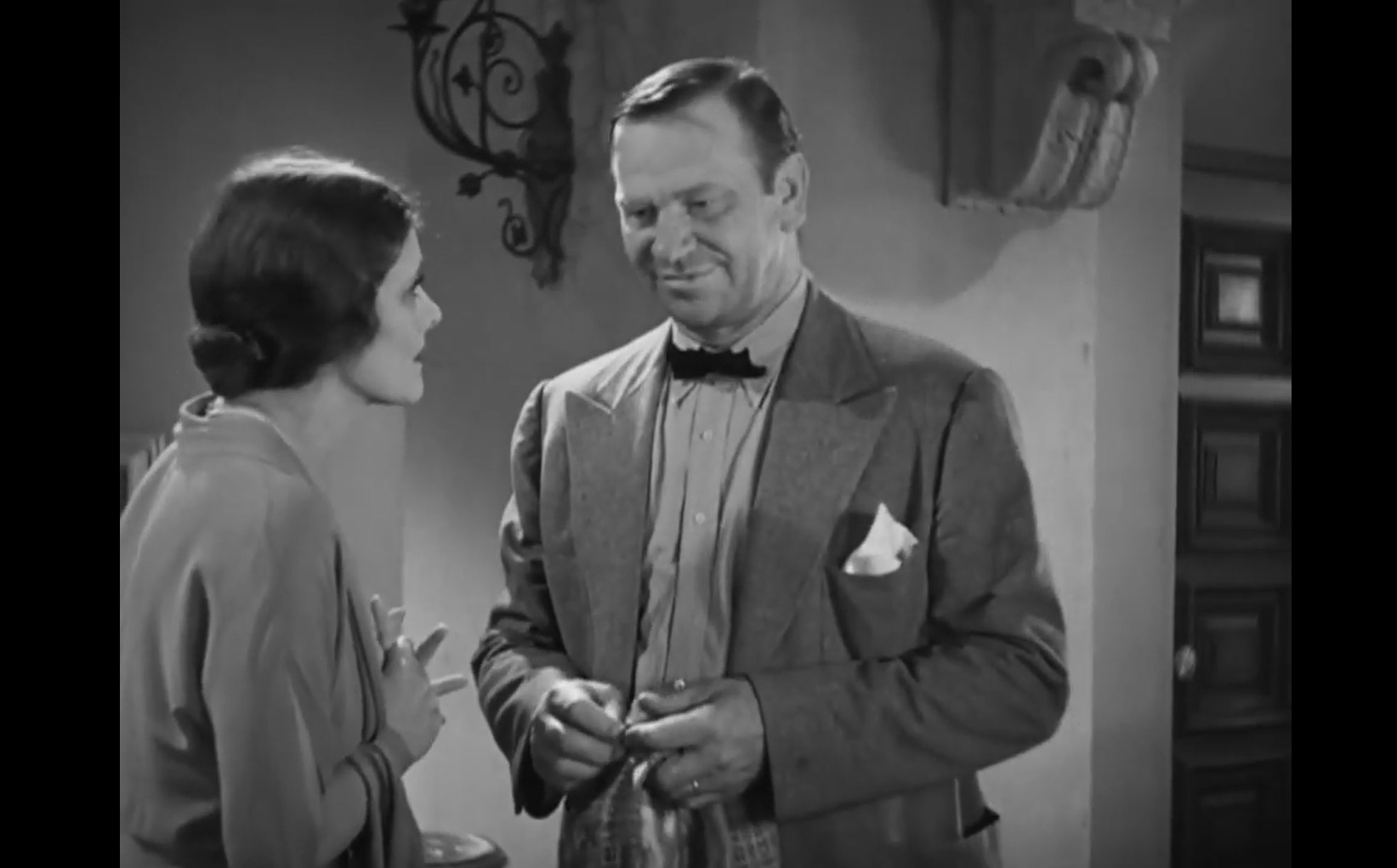
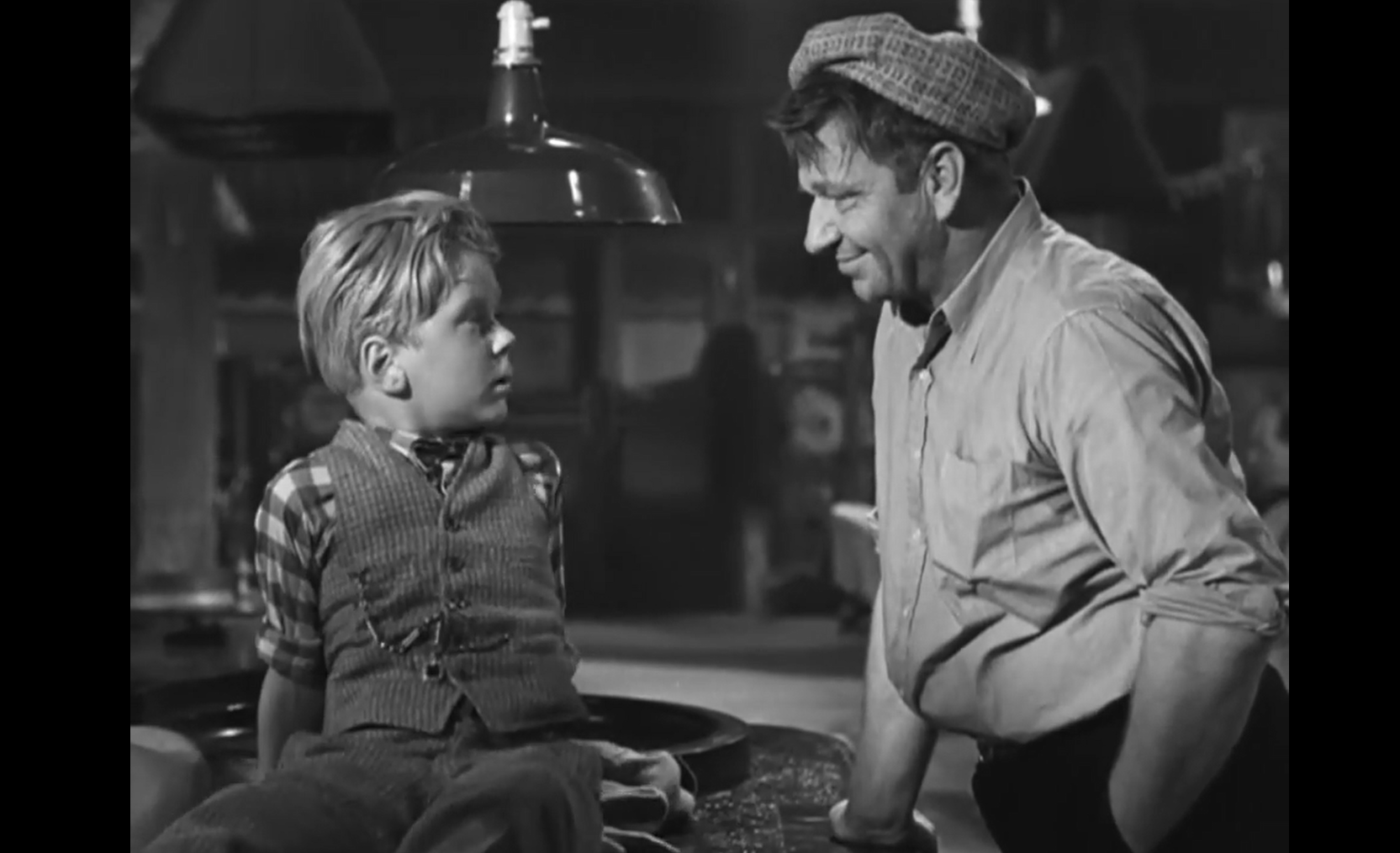
“He’s got plenty of environment right here.”
|
Synopsis: |
|
Genres, Themes, Actors, and Directors:
Review:
Meanwhile, your tolerance for Cooper — who, fresh from his success in Skippy (1931), became the first major child star of the 1930s — will depend entirely on how much you can handle his overwrought if heart-felt reactions.
Redeeming Qualities and Moments:
Must See? Links: |
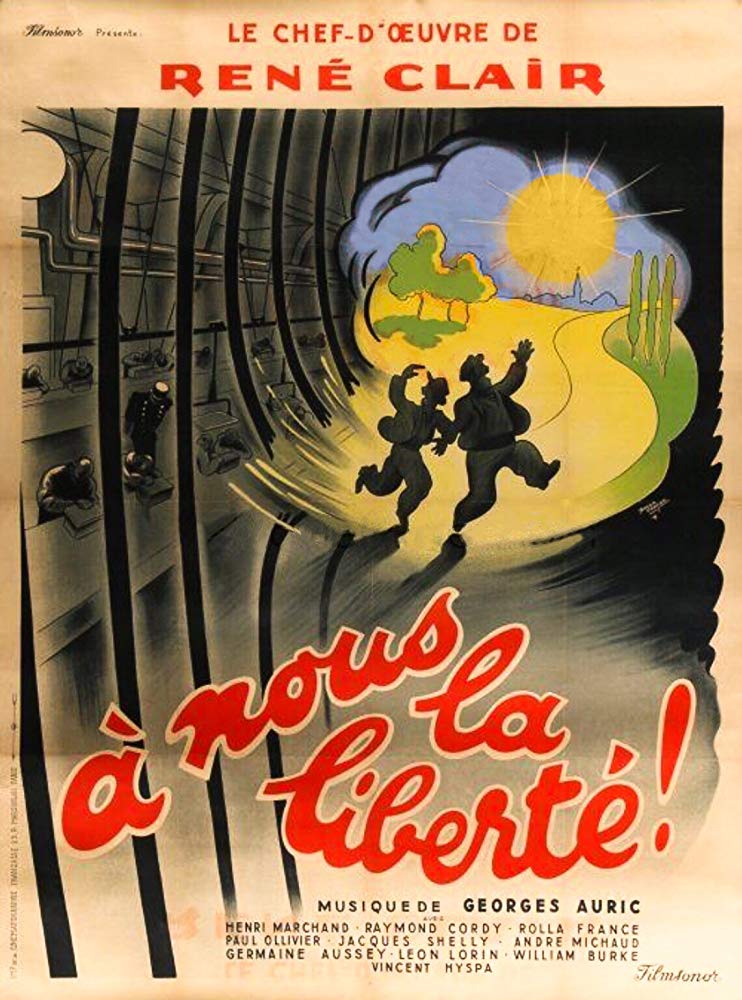
“In life, liberty is all that counts.”
|
Synopsis: |
|
Genres, Themes, Actors, and Directors:
Review: Redeeming Qualities and Moments:
Must See? Categories (Listed in 1001 Movies You Must See Before You Die) Links: |
“So, you’re leaving me for marriage. Why?”
|
Synopsis: |
|
Genres, Themes, Actors, and Directors:
Review: Redeeming Qualities and Moments:
Must See? Categories Links: |
“Why, that dirty, no-good, yellow-bellied stool!”
|
Synopsis: |
|
Genres, Themes, Actors, and Directors:
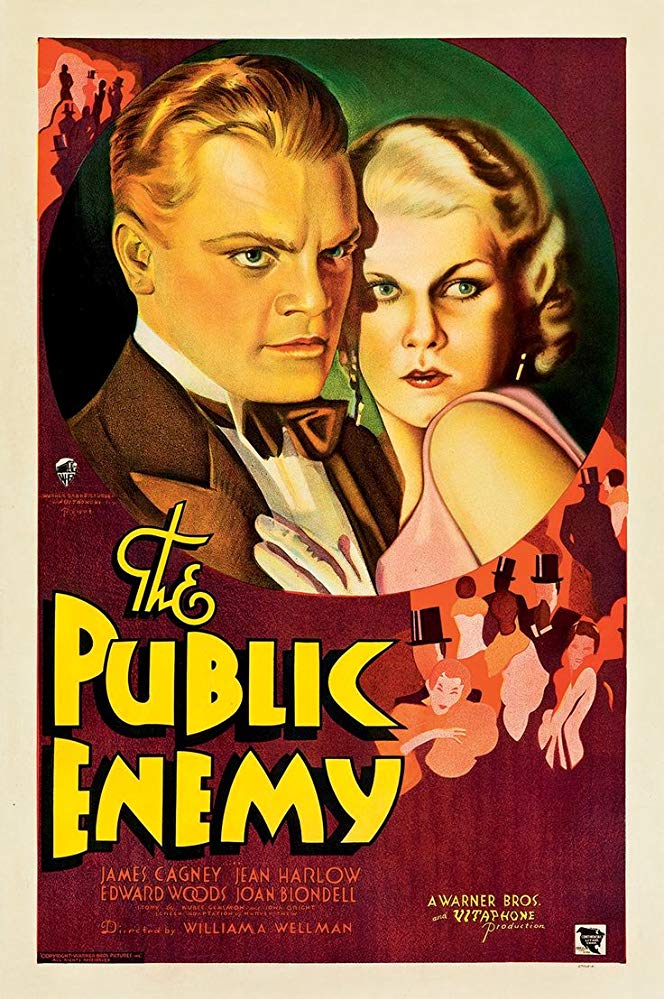
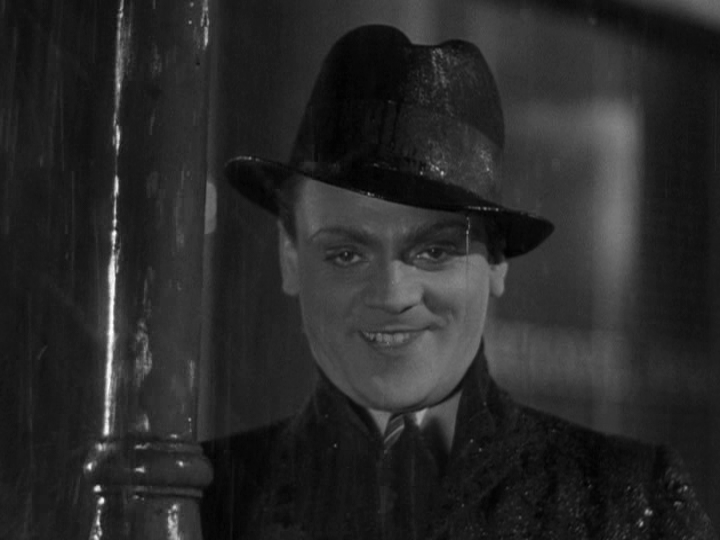
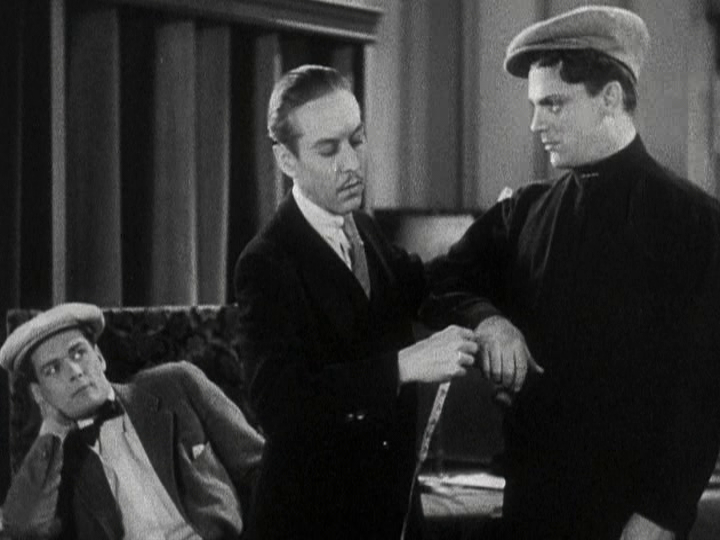
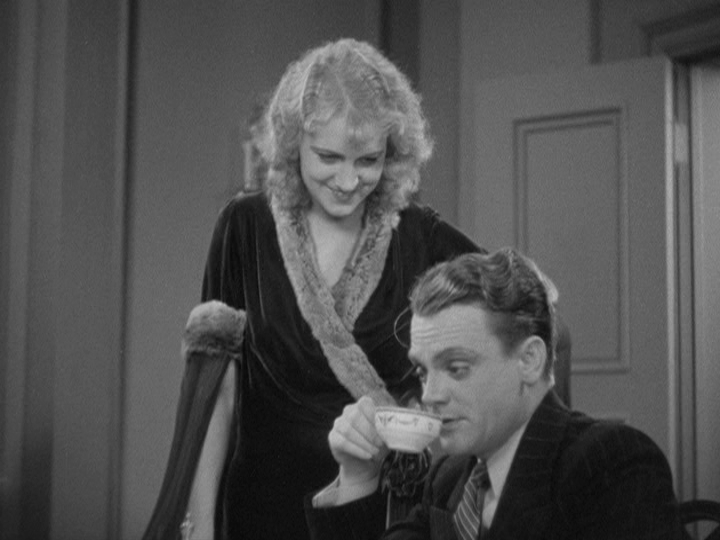
Response to Peary’s Review: Peary notes that this film has “several classic scenes: the classic grapefruit bit” (in which “Powers pushed a grapefruit in the kisser of his mistress”); “the badly wounded Cagney tap-stepping his way through a large puddle; Cagney’s off-screen execution of a horse; the delivery of Cagney’s body back home”. It’s likely that the version of this film Peary watched when writing GFTFF didn’t have several additional, memorably racy scenes that were added back in for its DVD release, including “a markedly effeminate tailor measuring Tom for a suit” and “Tom being seduced when hiding out in a woman’s apartment.” Overall, Public Enemy remains a more engaging and nuanced film than its equally well-known counterpart, Little Caesar (1931), both of which were re-released in 1954 with the same prologue cautioning that the lead characters “are a menace that the public must confront”. With that said, the narrative isn’t as tight as it should be (the female characters in particular aren’t fleshed out), making this more of an historic must-see than an all-out classic. Redeeming Qualities and Moments:
Must See? Categories (Listed in 1001 Movies You Must See Before You Die) Links: |