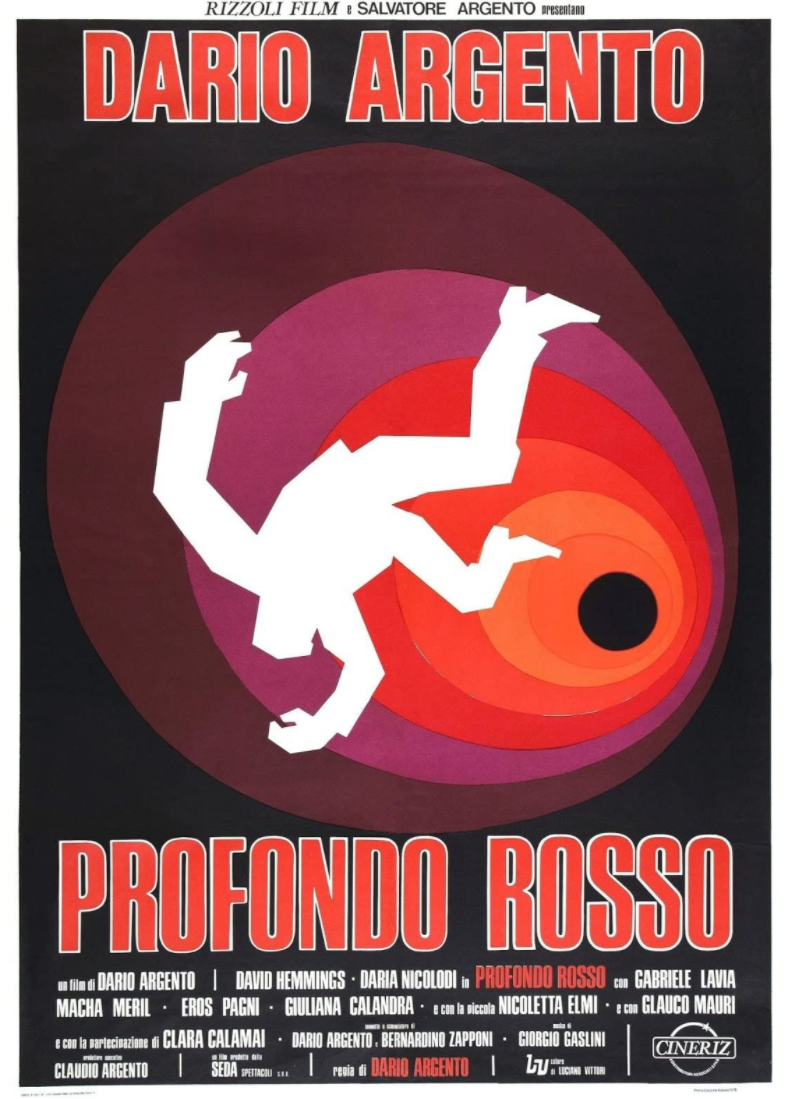
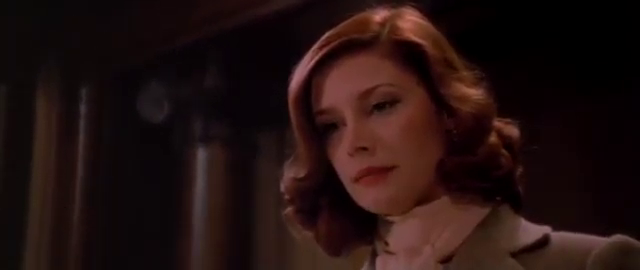
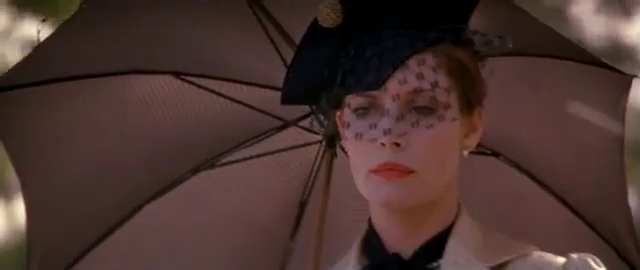
Deep Red / Hatchet Murders, The (1975)

Deep Red / Hatchet Murders, The (1975)

“Seriously, I have to admit I don’t know what’s going on right now.”

Synopsis:
When a jazz pianist (David Hemmings) witnesses the murder of a psychic (Macha Meril), he enlists help from a feisty reporter (Daria Nicolodi) in tracking down the mysterious serial killer.

Genres, Themes, Actors, and Directors:

  • Amateur Sleuths
  • Dario Argento Films
  • Horror Films
  • Serial Killers

Response to Peary’s Review:
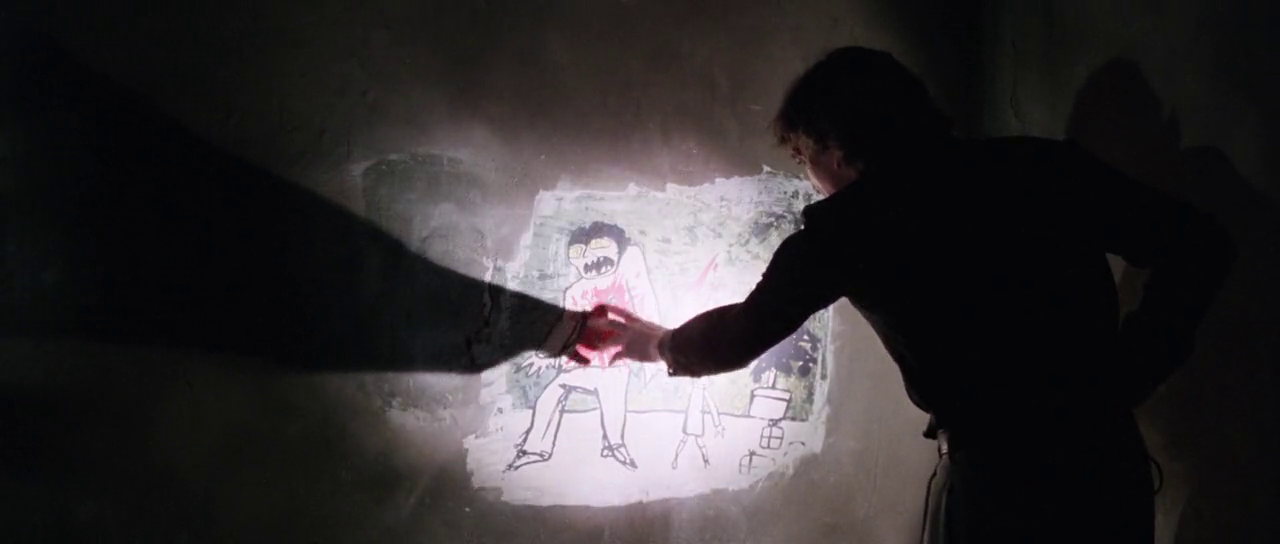
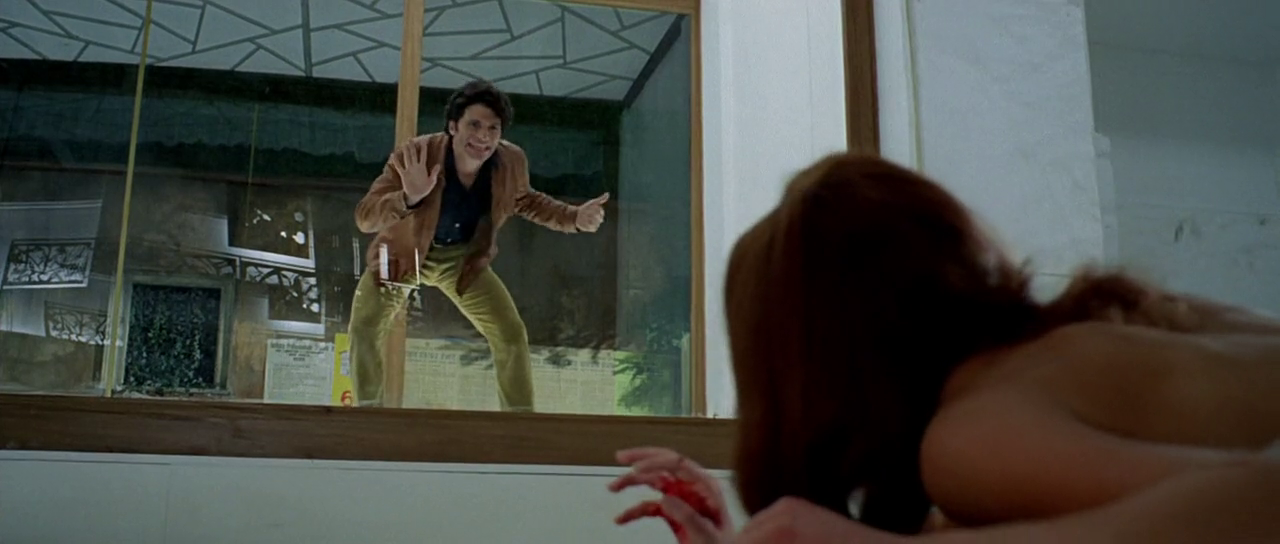
Peary writes that this “imaginatively directed” horror film by Dario Argento “is extremely exciting,” with “the mystery itself” interesting given “there is an abundance of clues [and] the murders are suspenseful and properly gruesome.” He argues this “may be Argento’s most stylish film: his music is loud; his colors are bright, but he also makes use of shadows and darkness”, and “he makes great use of a fluid camera… but also gives you chills with extreme close-ups of eyeballs:

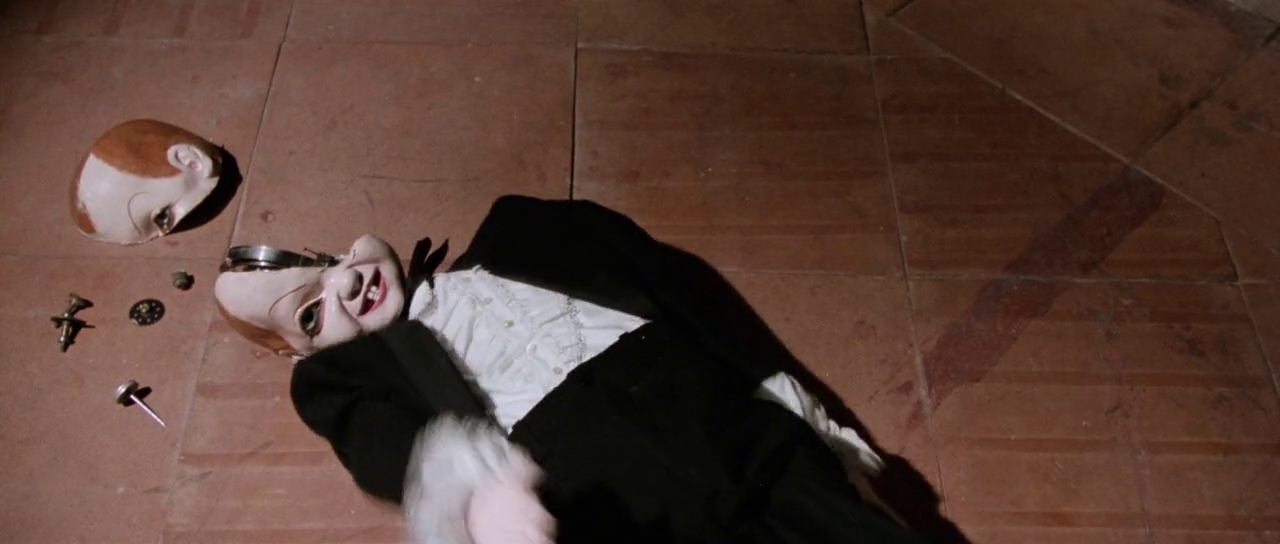
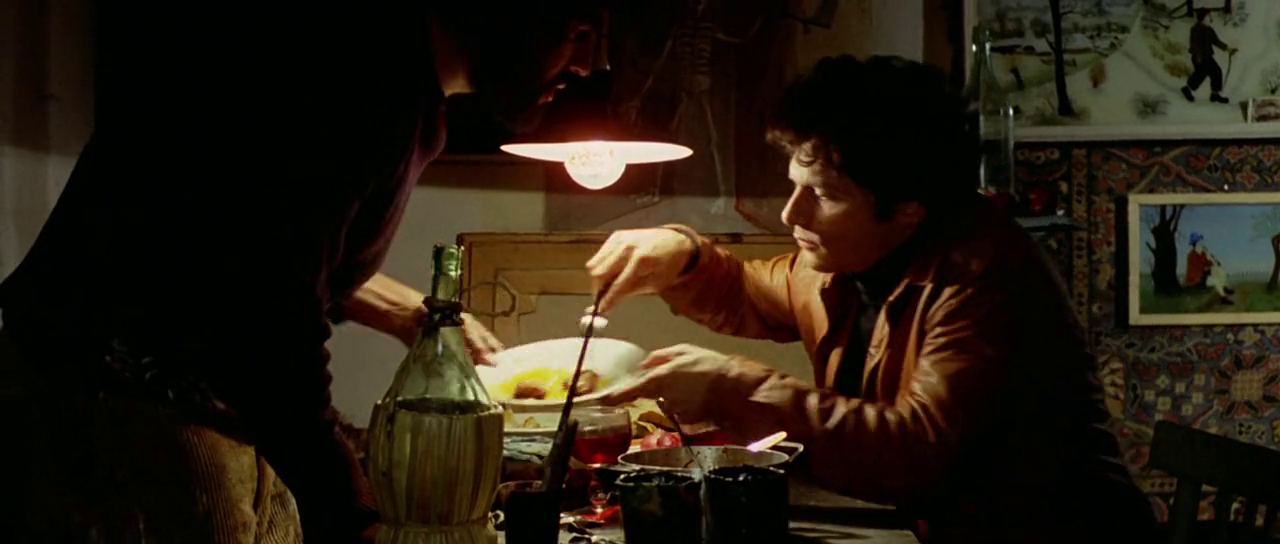
… weird props, etc.” He adds that Argento “gives class to what could have been another sleazy slasher movie by having: Hemmings play classical music:


… the mystery center on a painting” (as was the case in Argento’s The Bird With the Crystal Plumage [1970]), “his characters… educated, and his scenes set in art schools, libraries, and large rooms with tasteful decor.”

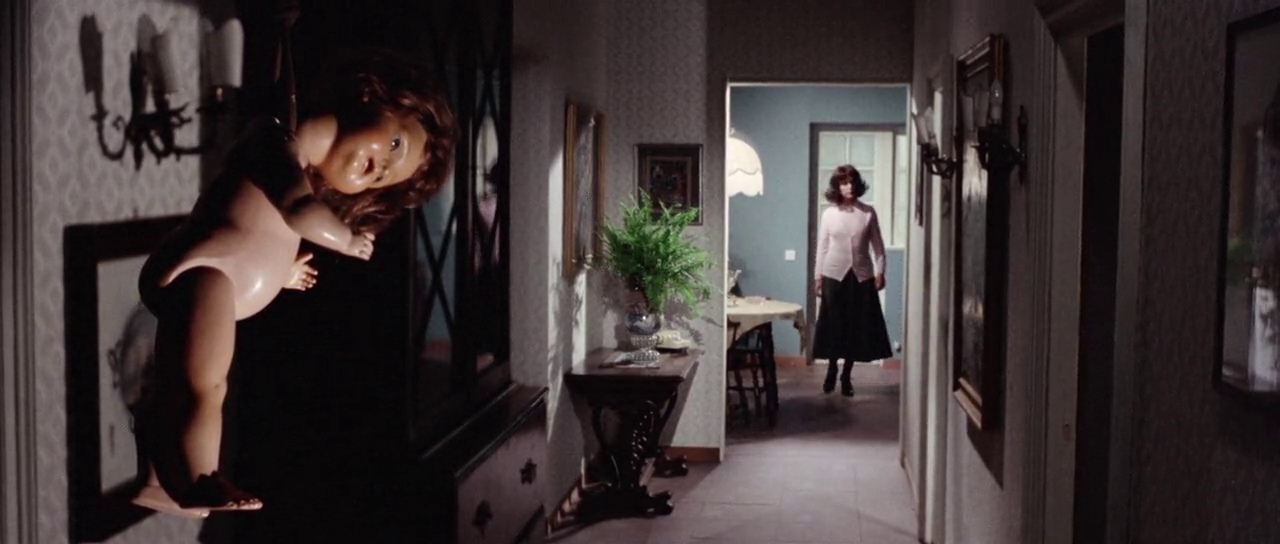
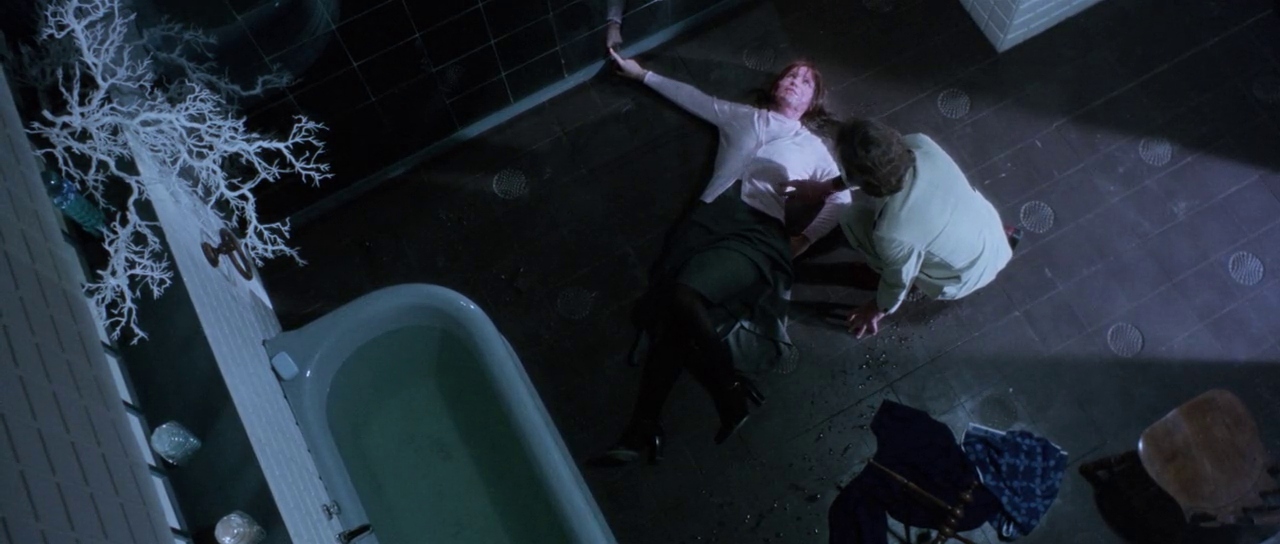
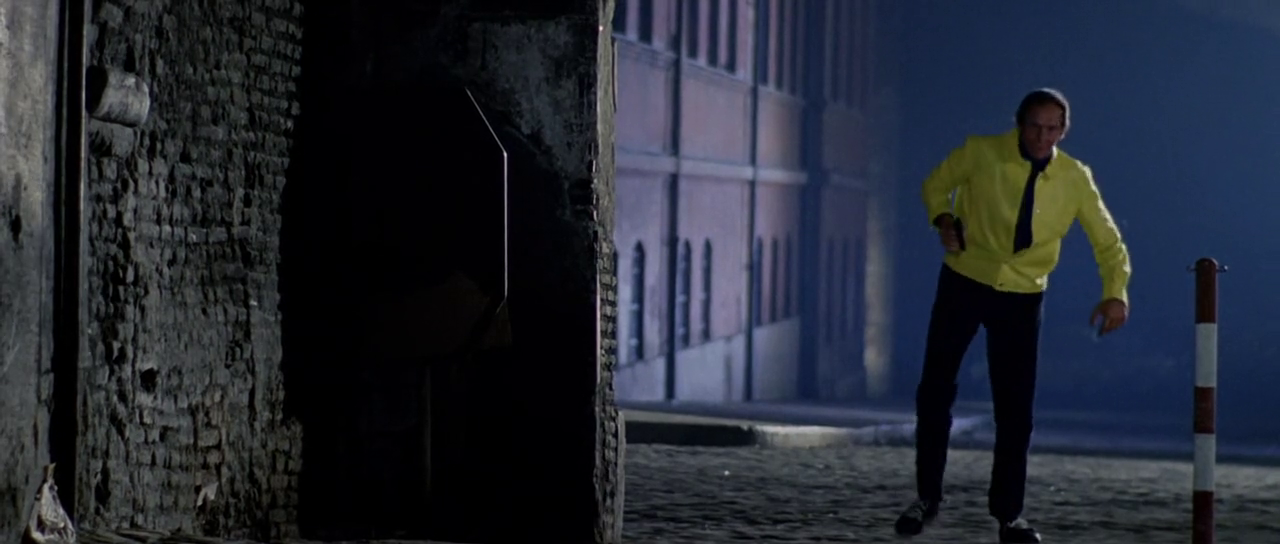
Finally, Peary notes that the film features “excellent use of props (paintings, mirrors, dolls, knives, clothes, etc.)”:


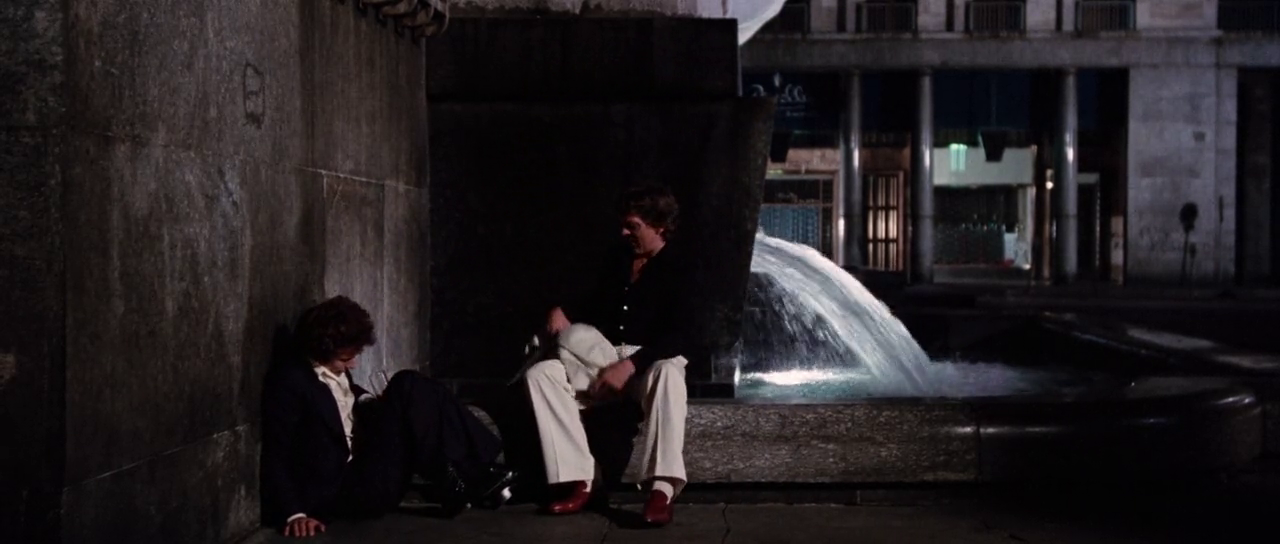
… as well as “striking nocturnal shots of deserted streets”.

While giallo films aren’t a personal favorite, I can appreciate Argento’s artistry here, and consider this a must-see simply for its cult status.

Note: For me, part of being a film fanatic is trying to understand why others deeply enjoy a certain genre of film that doesn’t necessarily appeal to me. To that end, I highly recommend The Maniac’s clear and thorough video overview of this film, contextualizing it within the history of giallo films.

Redeeming Qualities and Moments:

  • Striking cinematography and sets
  • Many memorable scenes

Must See?
Yes, for its cult status.

Categories

  • Cult Movie

Links:

Good News (1947)

Good News (1947)

“I sure wish someone loved me the way you love you.”

Synopsis:
A poor co-ed (June Allyson) falls for her college’s football hero (Peter Lawford), but a scheming, self-absorbed gold digger (Patricia Marshall) is determined to snag Lawford for herself.

Genres, Themes, Actors, and Directors:

  • College
  • Gold Diggers
  • June Allyson Films
  • Musicals
  • Peter Lawford Films
  • Romantic Comedy

Review:
This MGM musical — the first directorial effort of Charles Walters, who went on to helm Easter Parade (1948), The Barkleys of Broadway (1949), Summer Stock (1950), Lili (1953), and High Society (1956) — is the second cinematic adaptation of the similarly-titled 1927 Broadway musical. It’s pure fluff all the way, with a comedically villainous gold digger (Marshall) so in love with herself she intones, “You wonderful creature” while gazing in the mirror:

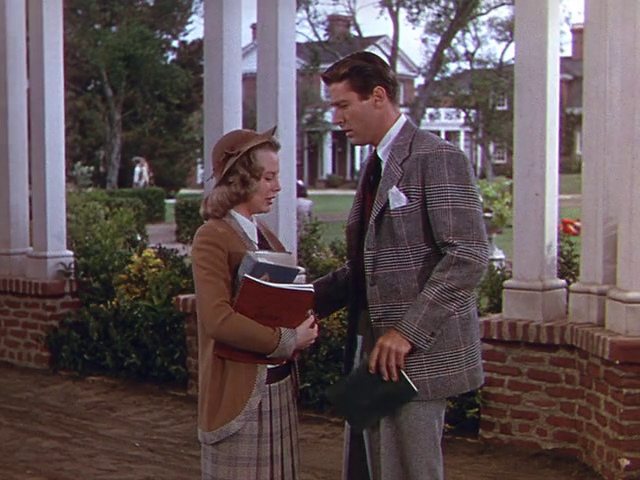
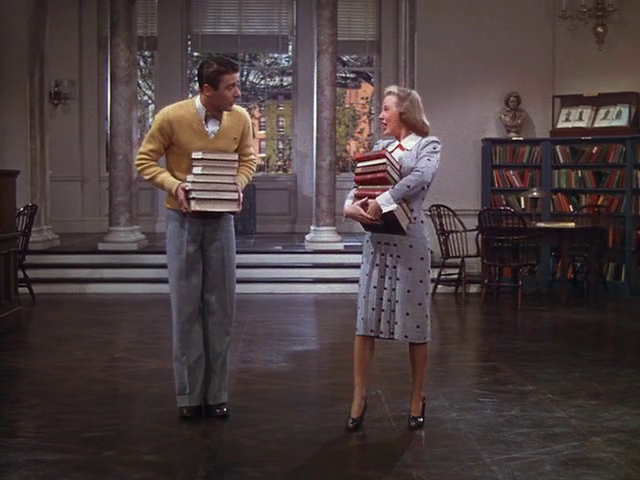
… and a clueless football star who falls for Allyson while she’s tutoring him in French, invites her to the Prom:

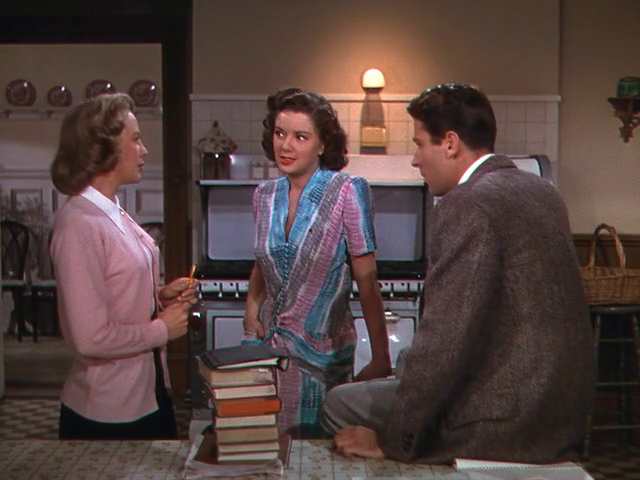
… then promptly reneges on his invitation once Marshall comes prancing back into his life:

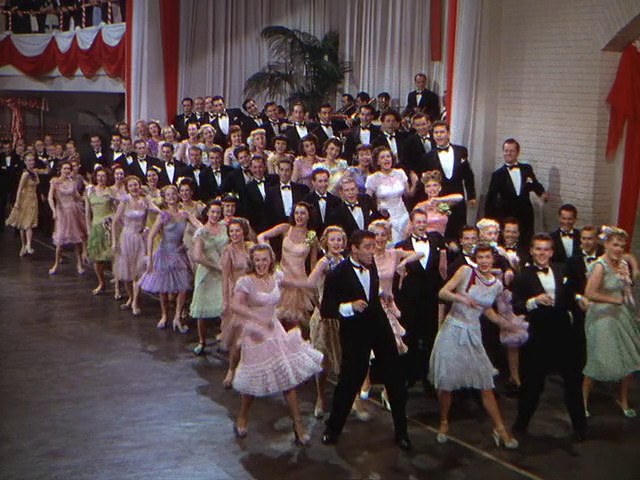
Will Allyson forgive Lawson — and should she, really? It matters not a whit, given it’s the songs and dances here that hold front and center:

— though they’re not nearly enough to elevate this silly stock musical to anything other than a mildly nostalgic diversion (one which post-WWII audiences were surely eager to lap up).

Redeeming Qualities and Moments:

  • Allyson and Lawford performing “The French Lesson”
  • Vibrant Technicolor cinematography and sets

Must See?
No; you can definitely skip this one.

Links:

Divine Madness (1980)

Divine Madness (1980)

“I’ll never forget it, ya know.”

Synopsis:
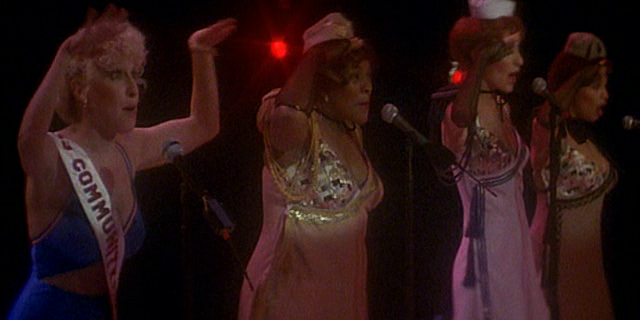
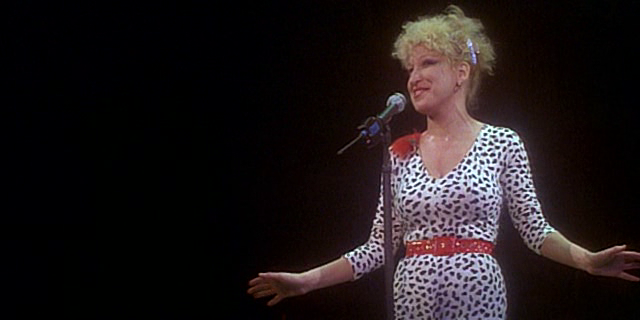
Bette Midler and her three Harlettes — Ula Hedwig, Diva Gray, and Jocelyn Brown — perform musical and comedic routines in Pasadena, California.

Genres, Themes, Actors, and Directors:

  • Concert Films
  • Michael Ritchie Films
  • Stand Up Comedy

Review:
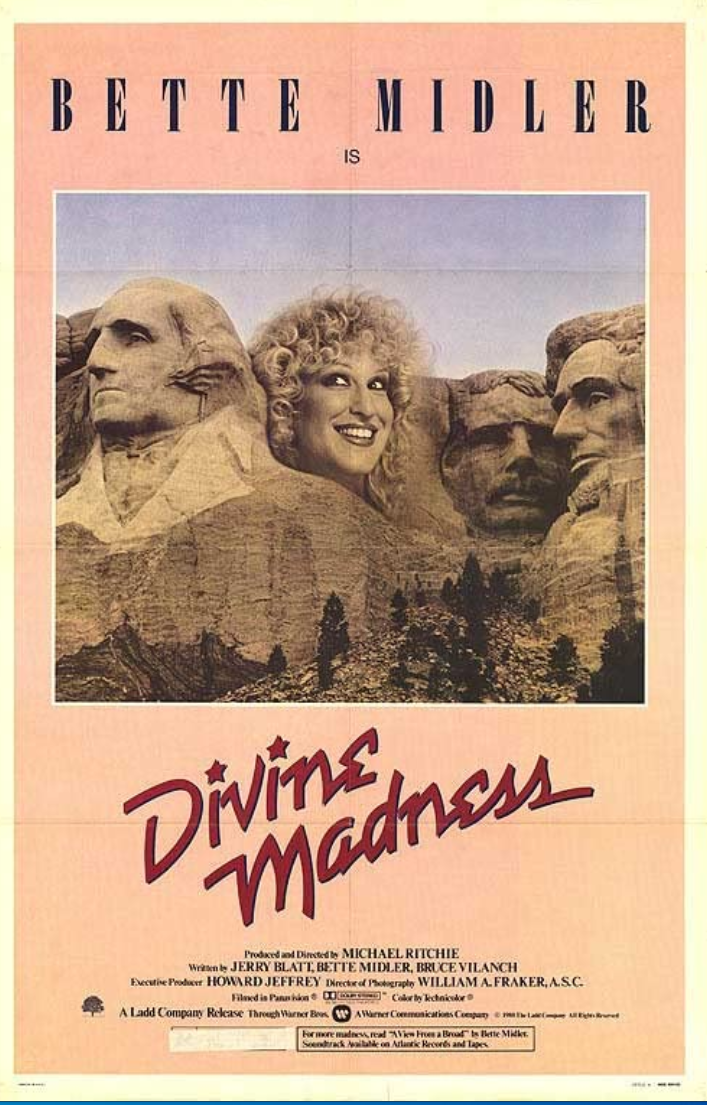
Shortly after her Oscar-nominated breakthrough role in The Rose (1979), Bette Midler was filmed (by director Michael Ritchie) performing a live mixture of music and comedy at the Pasadena Civic Auditorium. As noted in TCM’s article:

While the film appears to be an entire evening’s performance, it was actually made up of the best segments from four nights of Midler’s engagement at the Civic Auditorium from February 13 – February 16, 1980, captured by ten cameras shooting more than 1.5 million feet of film, and edited together seamlessly over seven months.

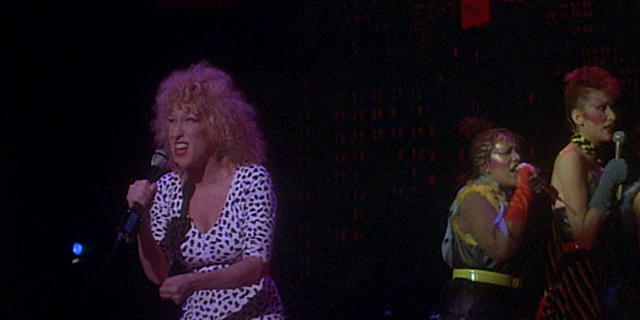
Midler’s material is hit-or-miss, and shifts gears quickly. While Midler herself is 110% invested — she knows her audience, and gives everything she’s got — your own enjoyment of the show will depend entirely on how much you appreciate her unique style of raunchy humor and pathos.


It’s not really my cup of tea, but I can see how this would be an invaluable living document for fans of “The Divine Miss M”.

Redeeming Qualities and Moments:

  • Midler’s obvious joy for her craft
  • Midler singing “The Rose”

Must See?
No, unless you’re a Midler fan. Listed as a Cult Movie in the back of Peary’s book.

Links:

Jimi Plays Berkeley (1971)

Jimi Plays Berkeley (1971)

“He can’t say anything to me; I just feel it, you know?”

Synopsis:
Jimi Hendrix performs in Berkeley, California while counter-culture protests occur on the streets.

Genres, Themes, Actors, and Directors:

  • Concert Films

Review:
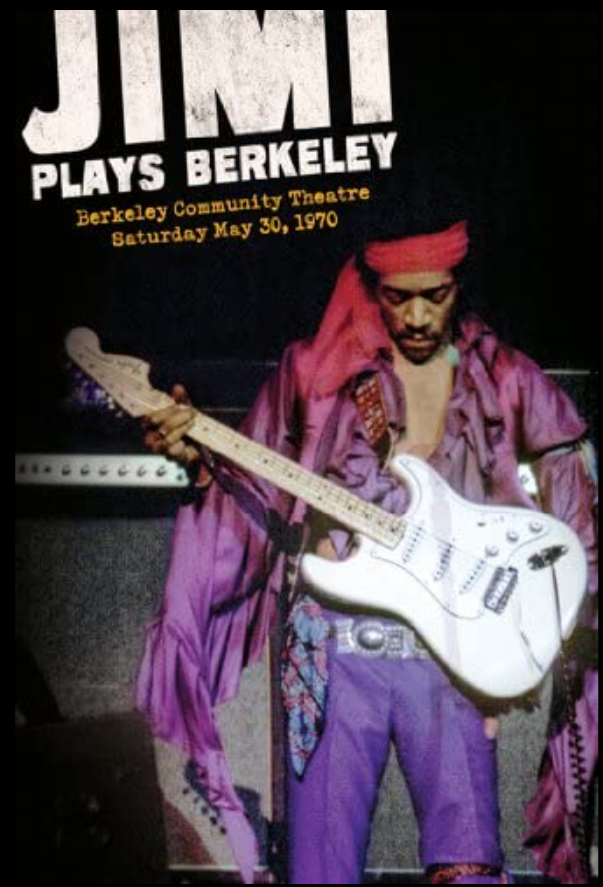
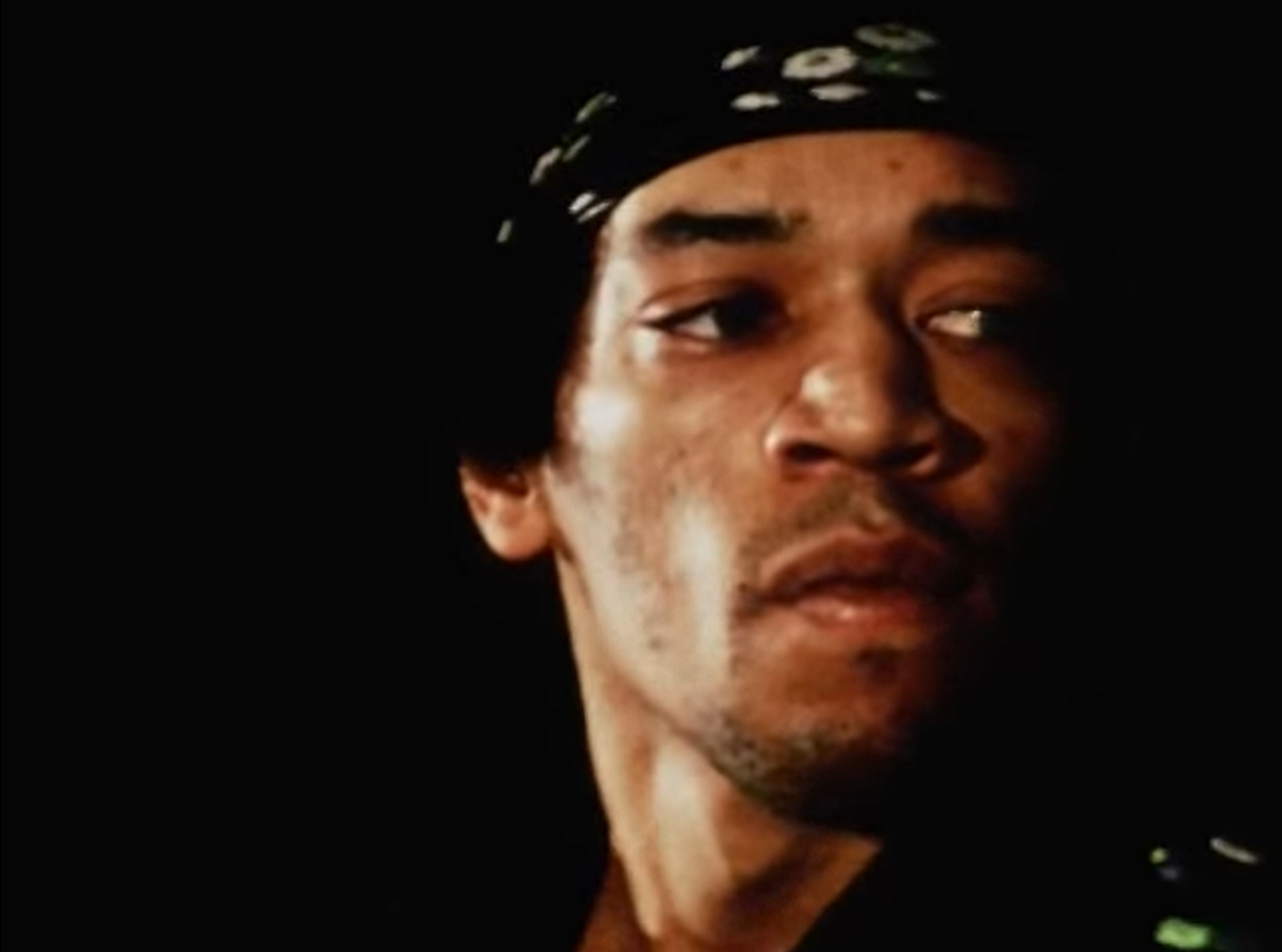
This one-time midnight movie features Jimi Hendrix — the highest paid rock musician in the world in 1969 — performing in Berkeley, California four months before his death by overdose at the age of 27. While many viewers have complained about the cinema verite style of this film, arguing that his songs are too chopped up and edited to appreciate in their entirety, I think that’s exactly the point: Hendrix was a cubist musician, a guitarist who could riff on a theme or chord or musical idea until he’d gone as far as he wanted to, then cleanly return to the melody without error — just as the directors and editors here cut across their footage at will while retaining a cohesive whole of sorts.

The film opens with Jimi riding to his venue while an unseen commentator describes him as someone who lives for his music, and feels his audiences deeply.

“He feels things from audiences. Like, one gig in L.A. he just split in the middle of it because the people weren’t receptive. And then a couple of days later, he came back and he did a free thing — got up and jammed all afternoon; it was beautiful.”

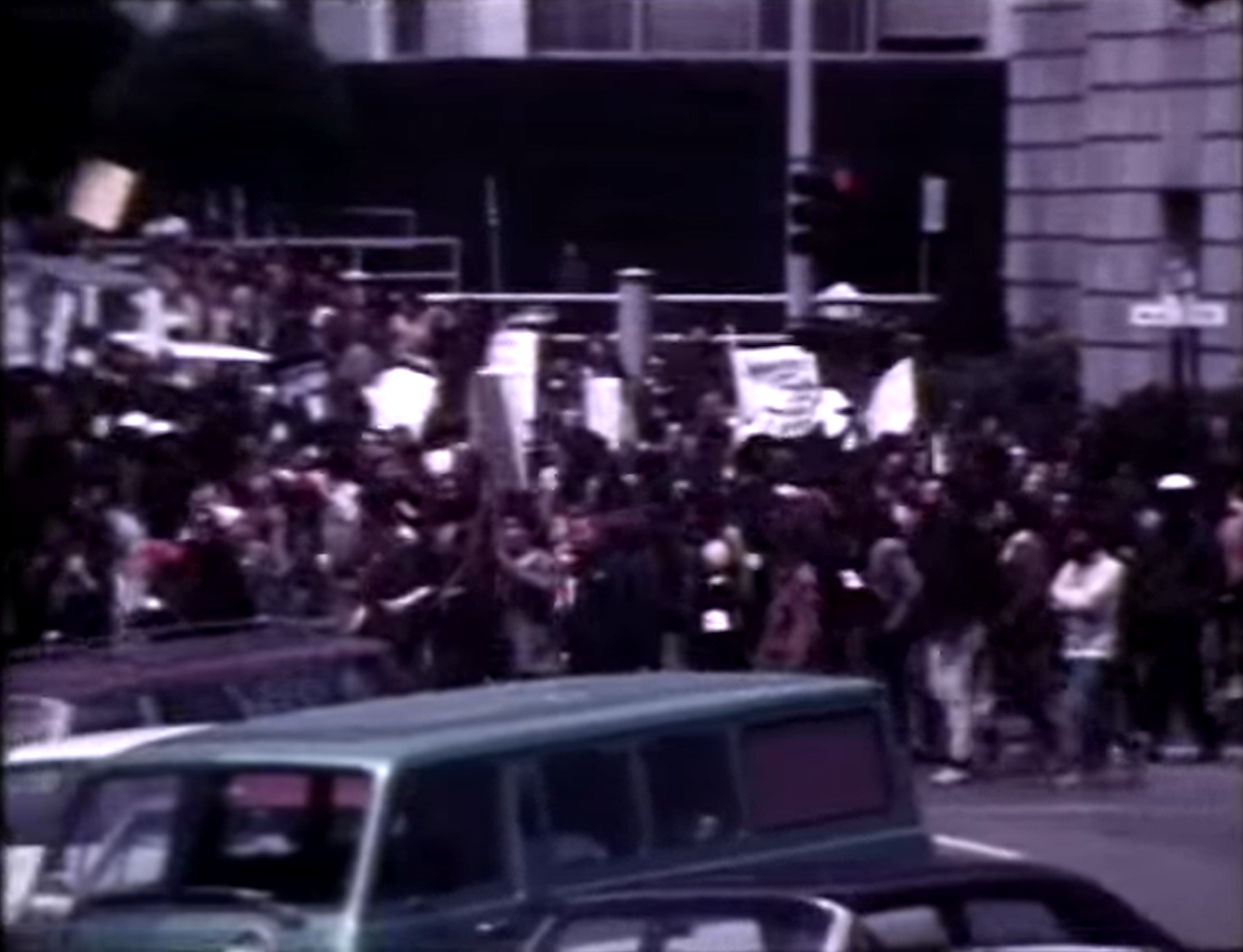
Next we’re shown footage of peaceful protesters in Berkeley refusing to pay $3.50 to see Woodstock (1970) — a film, one argues, that they (the people) made.

But the bulk of the short documentary consists of Jimi playing, once even using his teeth (his virtuosity here must be seen to be believed):

In between, we see footage of increasingly violent protests taking place across the city:

… but we return again and again to Jimi himself on stage:

… cross-cut with audience reactions, including these two impossibly-young-seeming front-row fans:

Film fanatics with a particular interest in Hendrix will surely want to check this concert movie out, though others may be content simply to see his iconic performances in Monterey Pop (1968) or Woodstock (1970).

Redeeming Qualities and Moments:

  • Many close-up shots of Jimi’s inimitable performance style

Must See?
No, though it’s certainly worth a look and a listen for its historical relevance. Listed as a Cult Movie in the back of Peary’s book.

Links:

Big Doll House, The (1971)

Big Doll House, The (1971)

“You tell me about this escape — I release you from this nightmare.”

Synopsis:
A group of female prisoners — Alcott (Roberta Collins), Bodine (Pat Woodell), Marnie (Judy Brown), and Grear (Pam Grier) [whose heroin-addicted girlfriend Harrad (Brooke Mills) is in dire straits] — plot to escape from a prison in the Philippines run by a sadistic warden (Kathryn Loder), and receive support from a pair of fruit vendors (Sid Haig and Jerry Frank).

Genres, Themes, Actors, and Directors:

  • Escape
  • Pam Grier Films
  • Prisoners
  • Strong Females

Response to Peary’s Review:
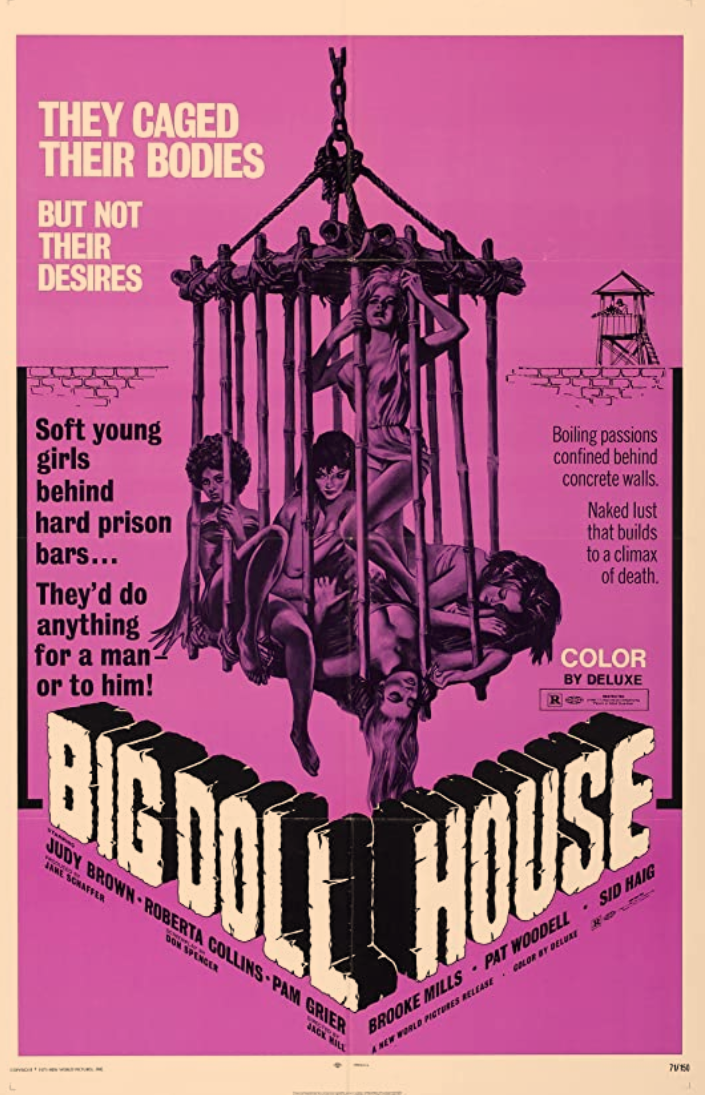
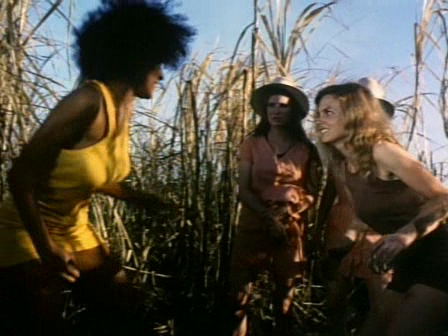
Peary posits that this “first of the women-in-prison genre” — “directed by Jack Hill and produced by Jane Schaffer for Roger Corman’s New World Pictures” — is “the best outside of Jonathan Demme’s Caged Heat.” He notes that it “created the formula for later films by mixing R-rated sex and violence… with feminism: women bond together for survival, women are not helpless and passive.” He argues that “Roberta Collins and Pam Grier” — “two future superstars of the sexploitation genre”:

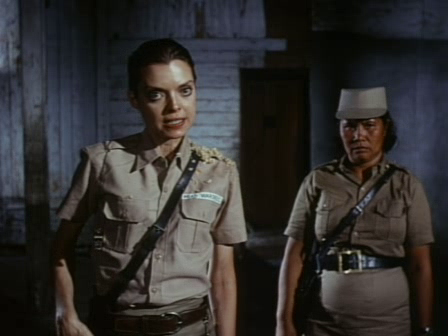
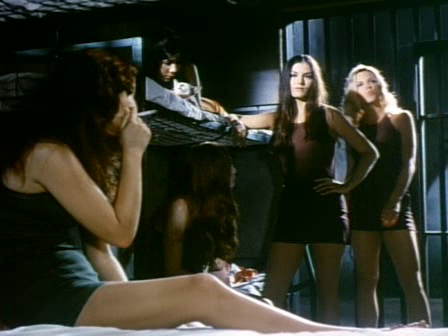
— are “reasons enough to see this film”, given that they “will take only so much humiliation, abuse, and torture”. While this film is competently directed and features spunky performances — including by Barbara Steele-look-alike (Loder):

… it’s not must-see viewing by anyone except fans of the WIP genre.

Redeeming Qualities and Moments:

  • Some effective direction


Must See?
No, though it’s work a look for its historical status as a trend-setting women-in-prison film.

Links:

Penitentiary (1979)

Penitentiary (1979)

“You got to keep yourself in shape around here — this place is full of fools! If you don’t handle the fools, they handle you.”

Synopsis:
When a hitchhiker (Leon Isaac Kennedy) gets involved with a prostitute (Hazel Spears) who inadvertently sends him to prison, he must deal with a sadistic cellie (Badja Djola). After joining a boxing league in an attempt to earn his release, he is re-assigned to live with an aging prisoner (Floyd Chatman) whose “live and let live” goal is simply to survive.

Genres, Themes, Actors, and Directors:

  • African Americans
  • Boxing
  • Prisoners

Review:
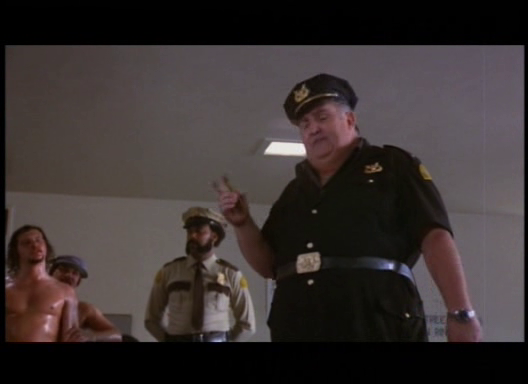
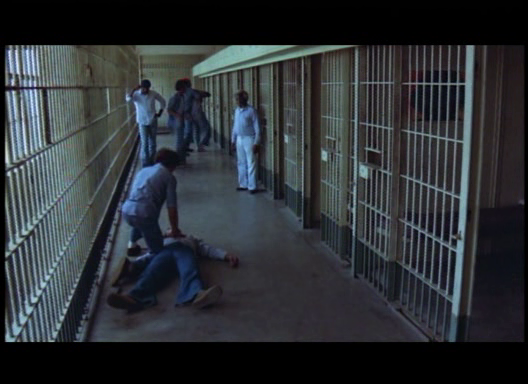
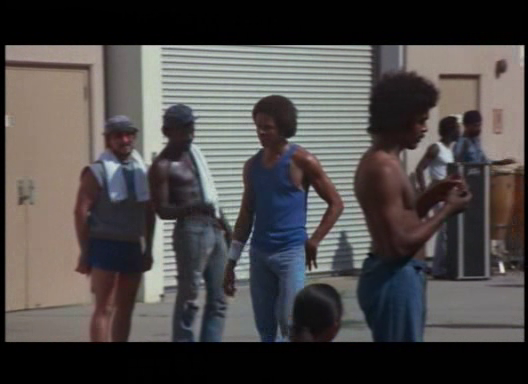
This blaxploitation film by director Jamaa Fanaka is notable as a representative flick within the genre, and for featuring a (relatively) realistic look inside mostly-black prisons of the 1970s. Kennedy’s situation of having no choice to survive other than through boxing echoes many other Hollywood films — most notably From Here to Eternity (1953) — but primarily serves as the excuse to feature seemingly countless bouts in the ring, fully sanctioned by an overweight white guard (Chuck Mitchell) who is mercifully decent towards his charges.

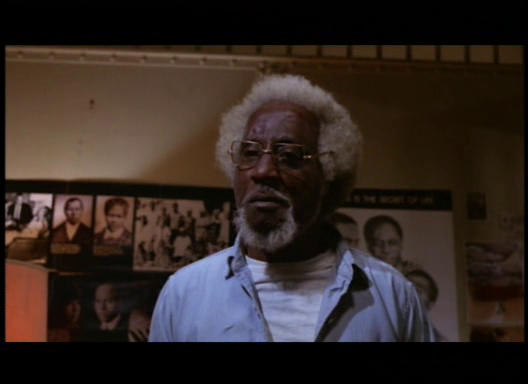
Thankfully, Kennedy is a determined and strong enough protagonist to manage every hurdle coming his way. Also of note is Chatman as a lifetime prisoner:

who is clearly meant to serve as a powerful and viable contrast to Kennedy’s get-out-no-matter-what-it-takes attitude; his character rings very true.

Redeeming Qualities and Moments:

  • Semi-realistic footage of life inside prison

Must See?
No; you can skip this one unless you’re curious.

Links:

Warriors, The (1979)

Warriors, The (1979)

“They think we shot Cyrus.”

Synopsis:
When the leader (Roger Hill) of New York’s largest gang is murdered by a fellow gang leader (David Patrick Kelly) at an all-city gathering, the innocent leader of the Warriors (Dorsey Wright) is killed in wrongful retaliation and the remainder of the gang — now led by Swan (David Beck) — is pursued across the city. During their harrowing attempt to make it back home to Coney Island, the Warriors meet a beautiful young woman (Deborah Van Valkenburgh) who falls for Swan, and must battle numerous other outrageously dressed gangs — including the skinhead Turnball A.C.s, the Baseball Furies, the Punks, and the all-female Lizzies.

Genres, Themes, Actors, and Directors:

  • Gangs
  • New York City
  • Walter Hill Films

Response to Peary’s Review:
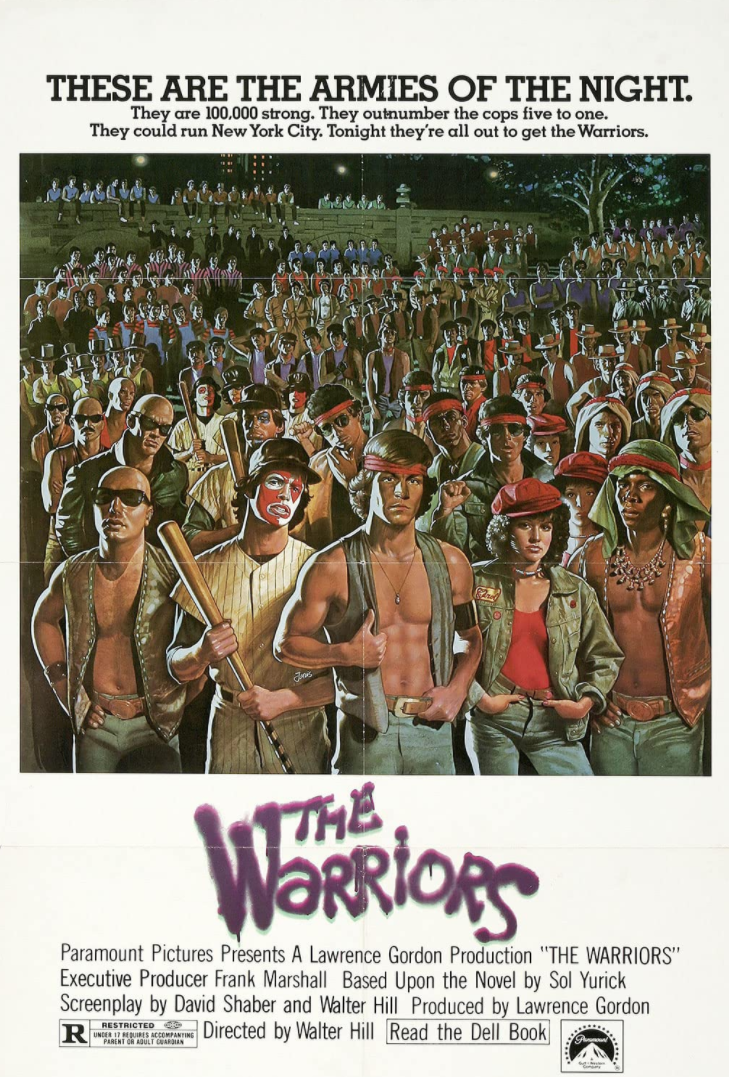
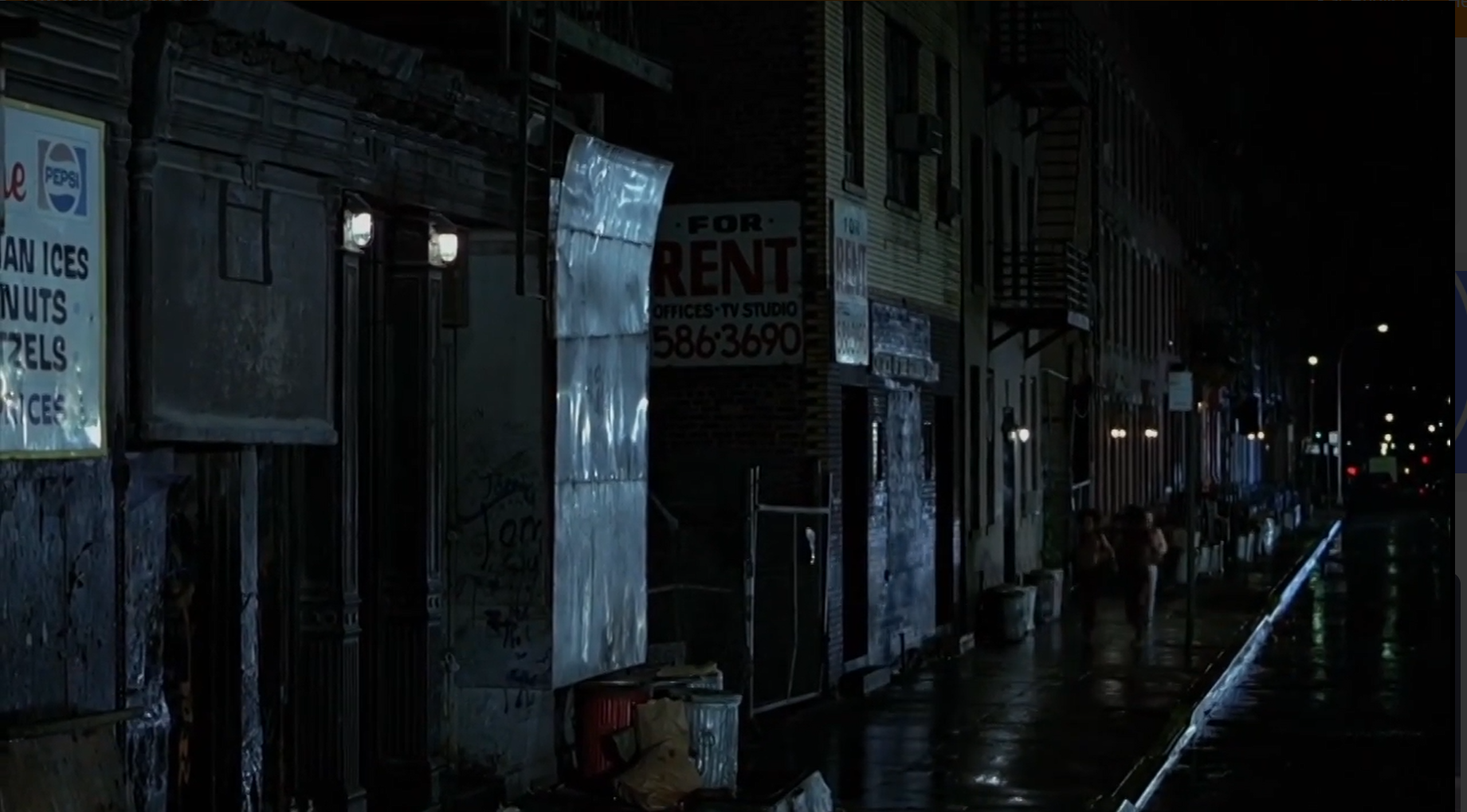
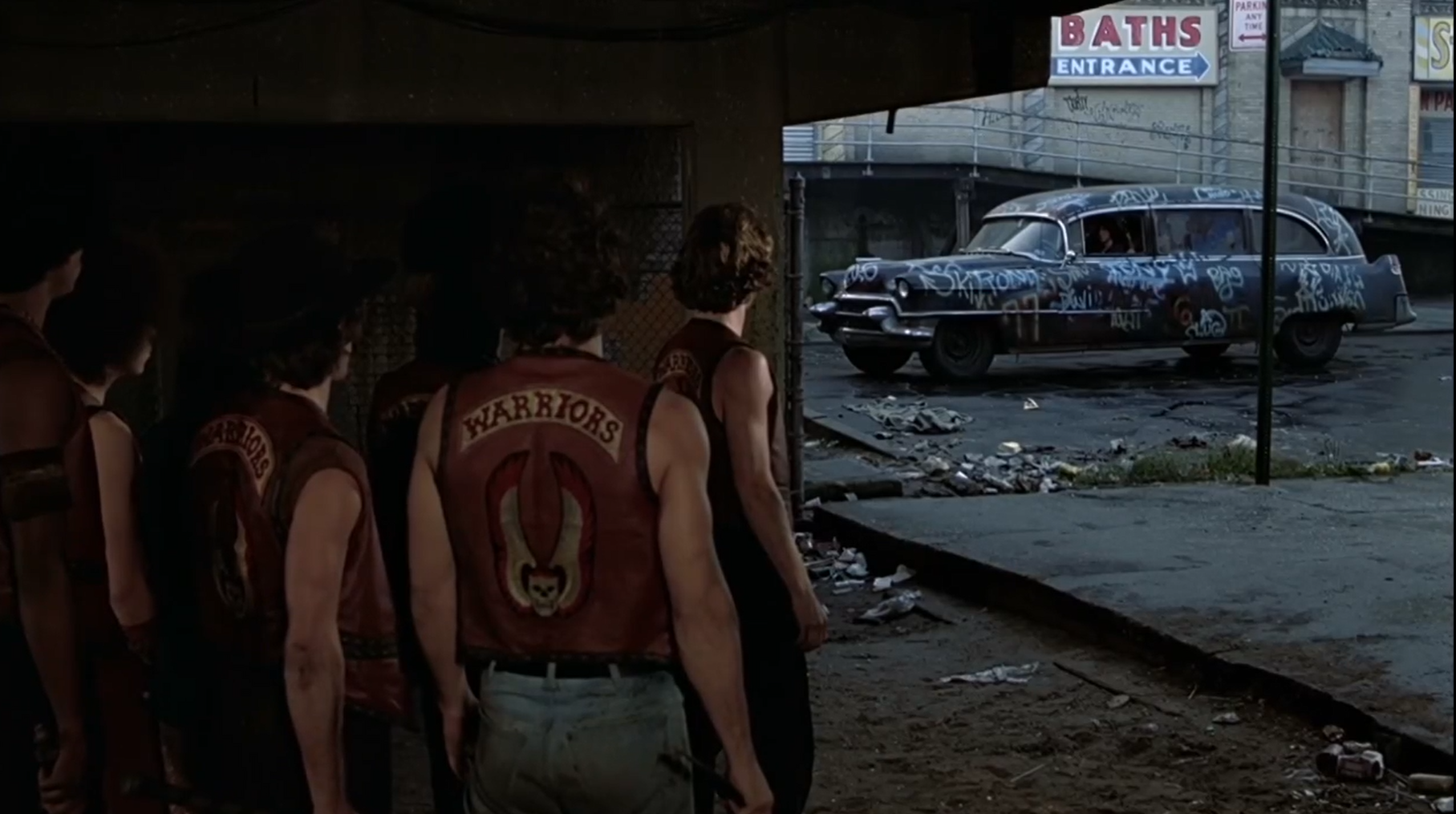
Peary describes “Walter Hill’s nifty, stylized, heart-pounding action movie” as “set in a surreal, fantasy New York, a playground for numerous tribes (called gangs) which stake out territories and parade around in garish identifying costumes, brandishing weapons and spray paint with which to decorate everything in their paths.” He notes that this is a “dream world, an enormous arena of parks and empty subway tunnels, the perfect obstacle course”, with “the subway trains — neutral territory in Sol Yurick’s much different… source novel — Hill’s bases, one for each baseline.” He points out that “the police are another tribe, the Men in Blue who serve as umpires and remove all rule breakers from the game”, and that “there is even a play-by-play announcer, a female deejay who reports the Warriors’ progress” and refers to their gang as “a minor-league team”. Peary reminds us that “the film is bloodless” and the “violence is cartoonlike, with every brutally beaten character feeling fine immediately after” — a notable fact, given that “this film was the object of a huge anti-violence-in-film campaign due to some incidents in theaters in which it played”.

Peary elaborates on this film in his first Cult Movies book, where he describes in detail the many differences between it and the original novel. He writes that while “The Warriors, artistically, is an uneven film to say the least”, it “is so full of unbridled energy and drive, with frenetic pacing from beginning to end, that it’s hard not to root… for it to succeed.” While “it’s a film that’ll make you cringe at times”, you’ll “forgive the shortcomings and praise the exciting camerawork, the excellent use of music, and the oddly conceived performance of David Patrick Kelly, the best wacko villain since Andy Robinson in Dirty Harry (1971).”

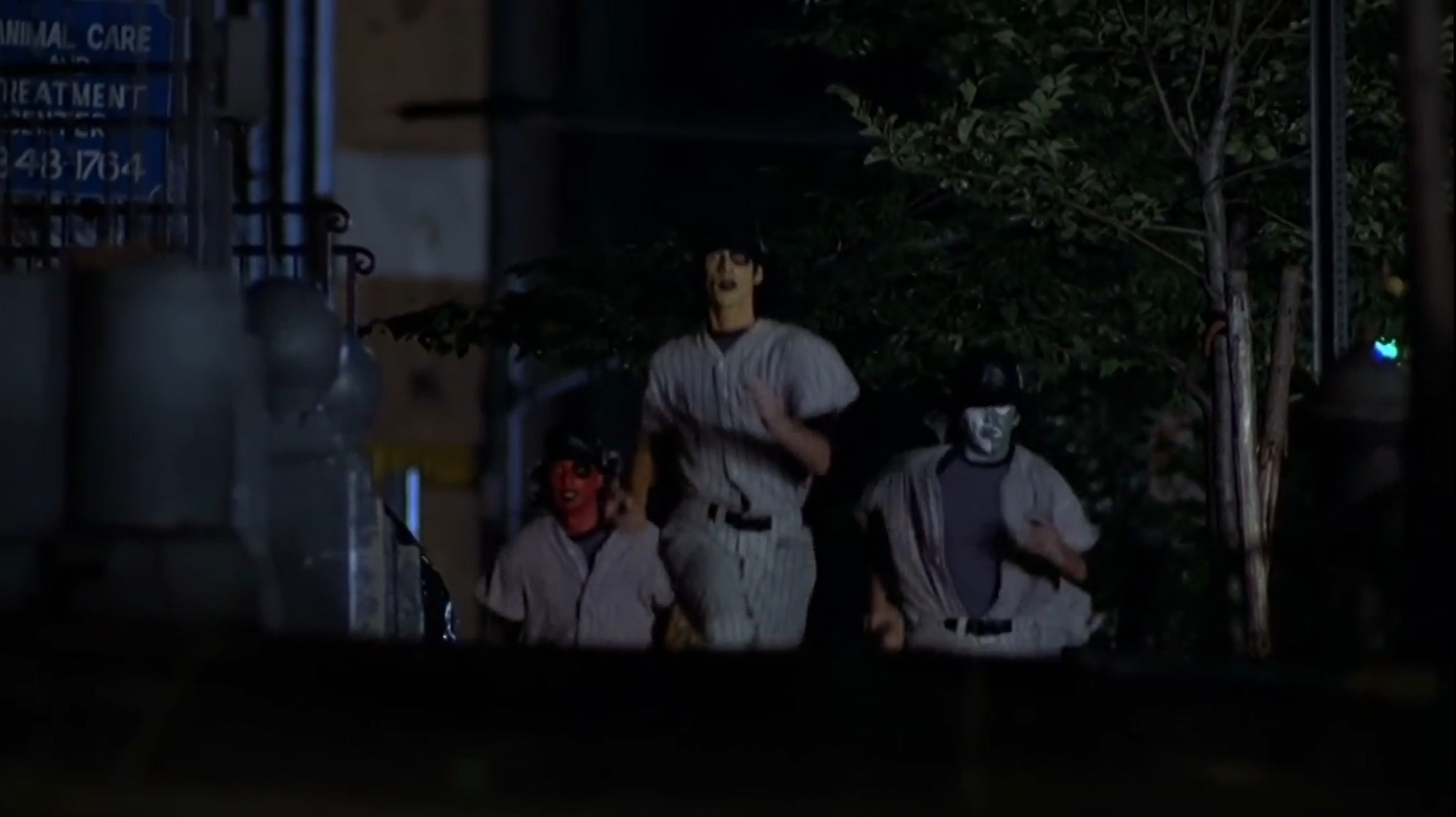
Indeed, there’s much to admire and enjoy about this fast-paced flick, including the “first rate” choreography of the fight scenes, the stylized costumes (especially those of the Furies), and highly effective use of New York shooting locales. This unique cult favorite remains well worth a look.

Note: Peary understandably fails to point out the nifty comic-strip transitions added in the 2005 director’s cut, which heighten the cartoonish and playful nature of the story.

Redeeming Qualities and Moments:

  • Andrew Laszlo’s cinematography

  • Effective use of New York locales

  • Plenty of memorable moments
  • The creative comic strip transitions (added in 2005)
  • Barry De Vorzon’s synthesized score

Must See?
Yes, as a genuine cult classic.

Categories

  • Cult Movie

Links:

Bird With the Crystal Plumage, The / Phantom of Terror, The(1970)

Bird With the Crystal Plumage, The / Phantom of Terror, The(1970)

“It seems very clear to me that there is a dangerous maniac at large in this city.”

Synopsis:
After an American writer (Tony Musante) in Italy witnesses the attempted murder of a beautiful redhead (Eva Renzi) behind the glass walls of an art gallery, he and his girlfriend (Suzy Kendall) put their own lives at risk while attempting to help a police inspector (Enrico Maria Salerno) figure out who the mysterious serial killer might be.

Genres, Themes, Actors, and Directors:

  • Amateur Sleuths
  • Dario Argento Films
  • Horror Films
  • Serial Killers

Response to Peary’s Review:
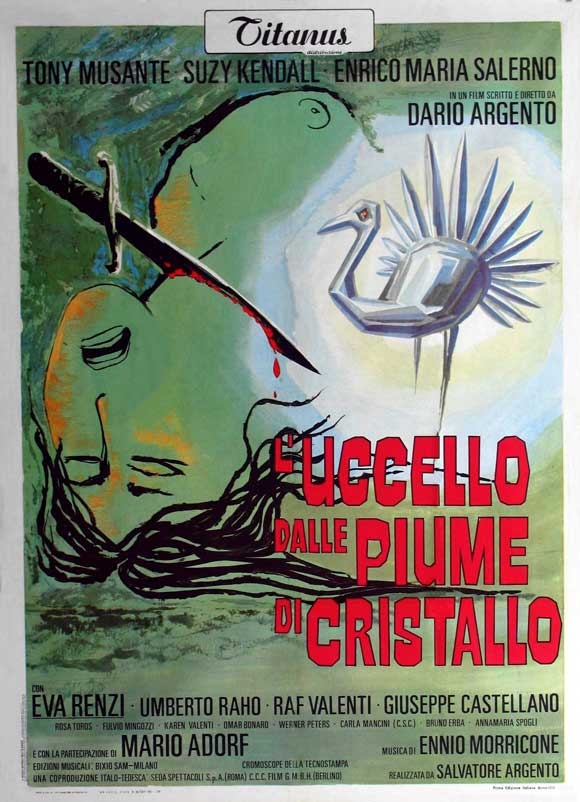
Peary writes that this “tricky and bloody horror-mystery” — very loosely based on the same novel that was turned into Screaming Mimi (1958) — is “stylishly directed by Dario Argento, Italy’s specialist in this kind of material.” (Other Peary-listed titles by Argento include Deep Red [1975], Suspiria [1977], and Inferno [1980].) Peary notes that The Bird With the Crystal Plumage “has some scary moments”, but argues that “perhaps the best scene is half comical, with Musante visiting an eccentric artist whose painting is the key to the mystery”.

Peary points out that the film’s “dubbing hurts” (yes, it does), and that it “should be seen in [a] theater for full effect” — though thanks to Blu-Ray technology, that’s no longer necessary. The storyline offers plenty of atmospherically filmed sequences and twists and turns, with several possible candidates for the murderer. It’s worth a look by giallo fans, though not must-see viewing for all film fanatics.

Redeeming Qualities and Moments:

  • Vibrant cinematography and sets


  • Several tensely filmed sequences

Must See?
No, though Sargento fans will of course want to check it out.

(Listed in 1001 Movies You Must See Before You Die)

Links:

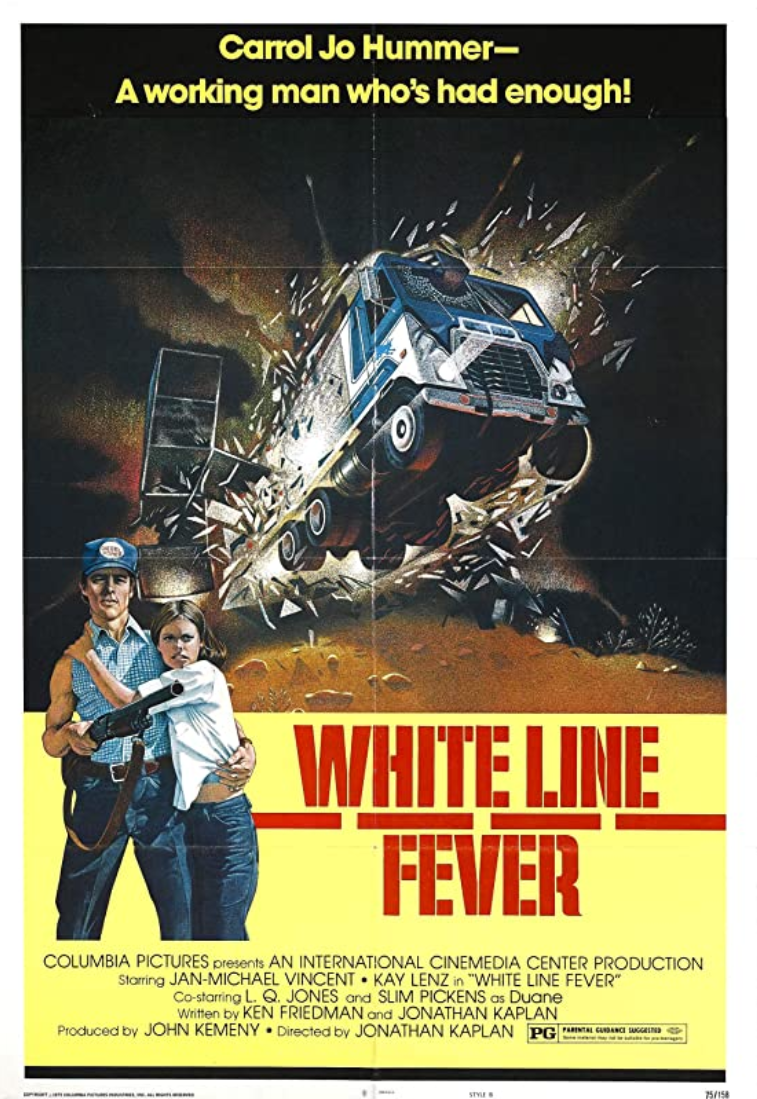
White Line Fever (1975)

White Line Fever (1975)

“They all think they got the God given right to haul what they want to, when they want to!”

Synopsis:
After leaving the Air Force, a pilot (Jan-Michael Vincent) marries his sweetheart (Kay Lenz) and the couple buy a big rig — but after going to see a family friend (Slim Pickens) about work, Vincent quickly learns that the entire trucking industry is corrupt.

Genres, Themes, Actors, and Directors:

  • Corruption
  • Dick Miller Films
  • Revenge
  • Truckers

Review:
Named for the phenomenon experienced by long-haul truckers who enter a state of “highway hypnosis” (also known as “white line fever”), this exploitation flick by writer-director Jonathan Kaplan is a disappointment on every count. After an opening musical photo montage depicting Vincent and Lenz’s happy newlywed life together — including friendship with Lenz’s older brother (Jamie Anderson) (you can tell he’s her older brother from the package below):
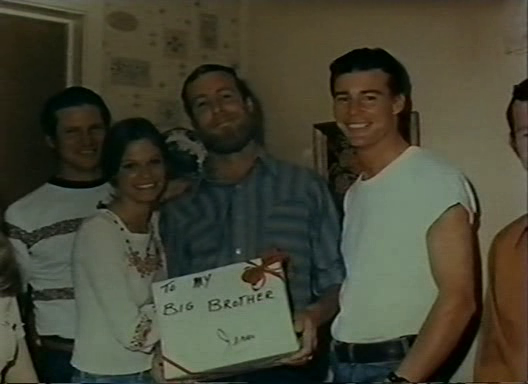
… Vincent and Lenz are quickly (within the first five minutes of the movie) spending money they don’t yet have to invest in a long-haul truck.

However, after going to see an old family “friend” (Slim Pickens) for work:
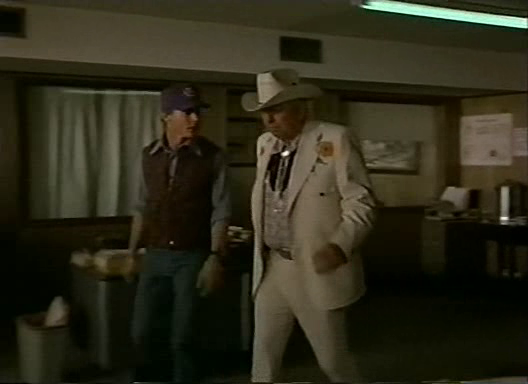
… Vincent is astonished — astonished! — to learn that corruption is rampant in trucking, and in order to get any jobs at all, he must be willing to transport undercover cigarette machines. Our plucky protagonist refuses even to consider this, and thus starts the remainder of his bold but tragic journey, which includes the sudden brandishing of a powerful weapon (is this considered “logical”, given his military past?):
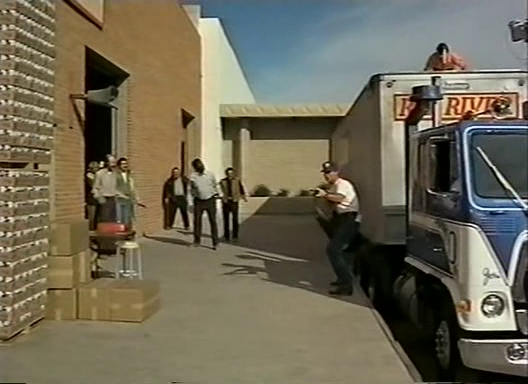
… and an ensuing cat-and-mouse tale between The Bad White Guys in Power and righteous Vincent, helped occasionally by those “on his side” — including an older Black man (Sam Laws):
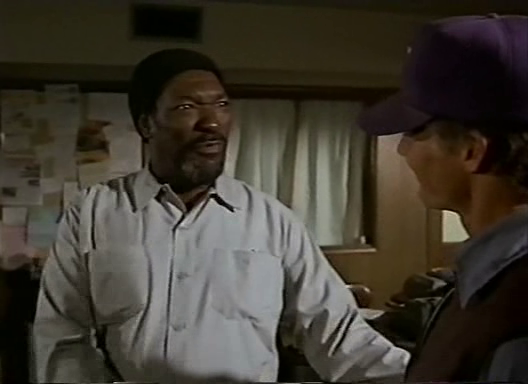
whose son disapproves of his dad being friendly with a white guy. Laws endures racist slurs hurled at him by The Bad White Guys in Power, who also happen to be sexist pigs.
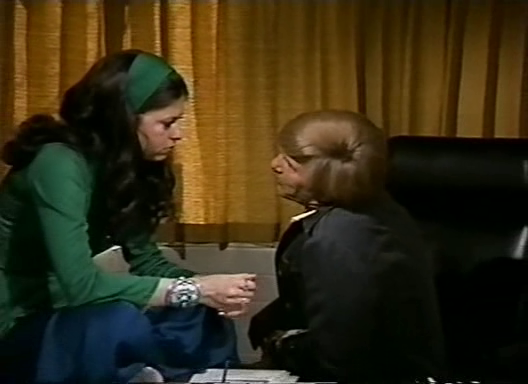
Meanwhile, Lenz — who hates her factory job but doesn’t have any other training or education — glibly falsifies her resume in an attempt to get a more interesting job:
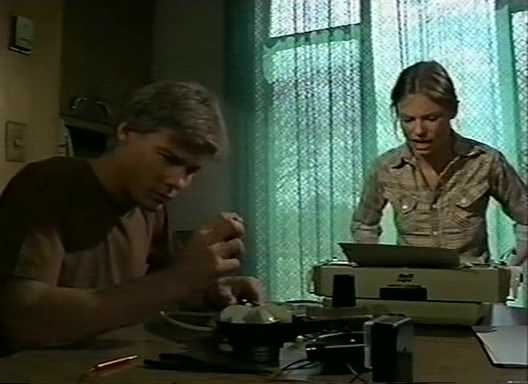
… and then we see her in a so-sad “family planning clinic” due to becoming pregnant before she and Vincent are ready to be parents. (Clearly they don’t really know the meaning of love — and the clinic doesn’t know that you can’t just cram two shorter words together to make a longer word.)

The drama continues.

(SPOILER ALERT)

After engaging in a bold top-of-truck shootout with henchmen of the Bad White Men in Power:
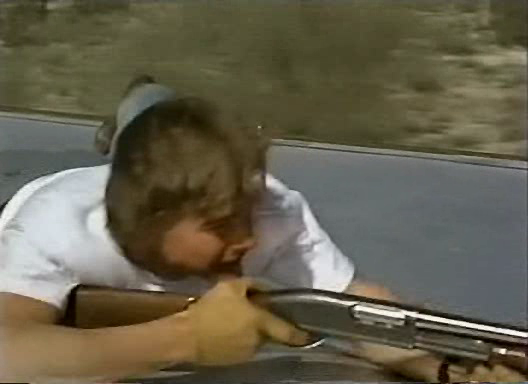
… Vincent is tricked into hauling a truck full of overripe avocados (worth nothing at his final destination).

He’s justifiably pissed, and the vendetta continues. Eventually he’s framed for the murder of an increasingly unsympathetic Pickens (seen here about to offer his tarty date a box of “European chocolates”):
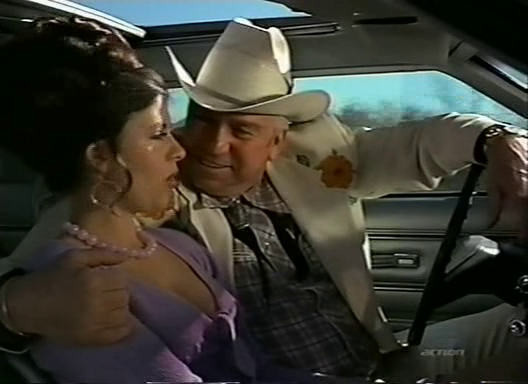
Within the span of just a few minutes, however, Lenz (still secretly pregnant) testifies on Vincent’s behalf and saves his life.
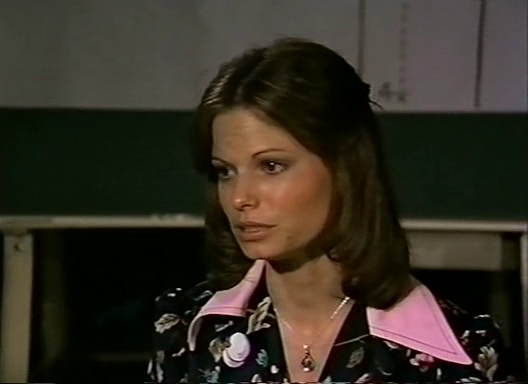
All of this happens before Lenz gets up the courage to finally tell Vincent she’s pregnant, only to walk immediately into her bedroom and discover Laws brutally murdered on their bed.

After this, the couple is nearly burned alive in a retributive house fire:
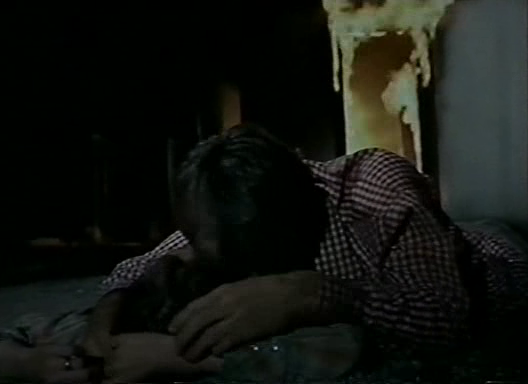
which causes Lenz to miscarry, never able to bear children again.
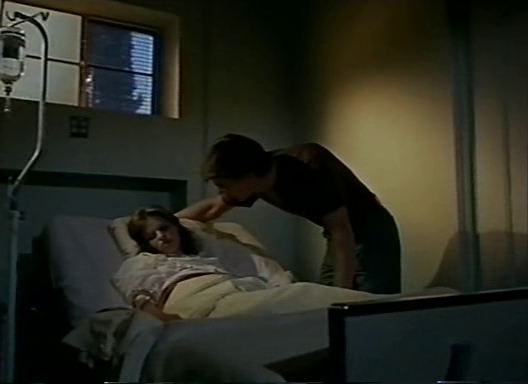
(You’d be forgiven for assuming you’d dropped into a movie-length soap opera by this point. And yes, there are more details I’m not including.)

While there’s clearly a valuable story to be told about the challenges of trucking, the nobility of Standing Up to the Man, and the importance of unionizing, this isn’t it. Given that Kaplan went on to make Over the Edge (1979), Heart Like a Wheel (1983), Project X (1987), and The Accused (1988), his talents and tastes clearly evolved.

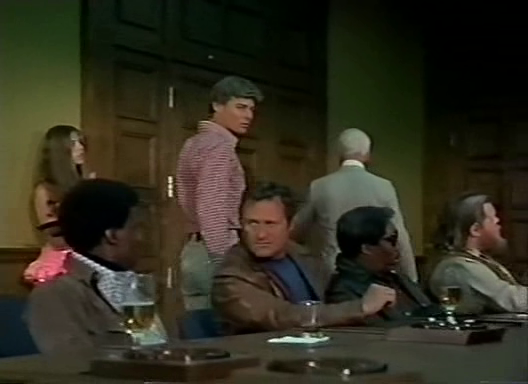
Oh, and Dick Miller appears a couple of times, presumably to reassure you that you are indeed in exploitation-film land, despite this film being made for a major studio (Columbia Pictures).
Redeeming Qualities and Moments:

  • Pretty landscape footage across America

Must See?
Oh boy, no. Listed as a Cult Movie in the back of Peary’s book.

Links:

Careful, He Might Hear You (1983)

Careful, He Might Hear You (1983)

“Were you listening, P.S.?”

Synopsis:
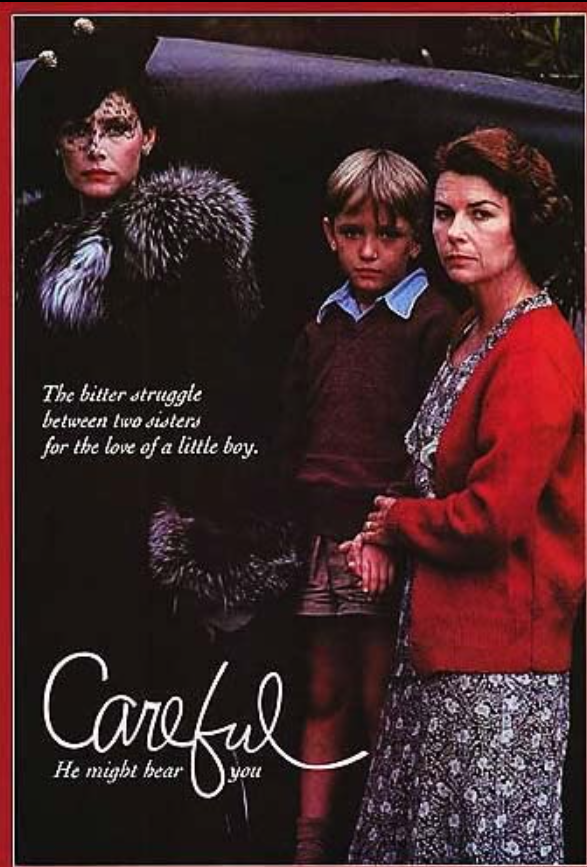
A 7-year-old orphan named P.S. (Nicholas Gledhill) who has lived with his poor but kind aunt (Robyn Nevins) and uncle (Peter Whitford) for years is forced to go spend time with his wealthy, emotionally reserved Aunt Vanessa (Wendy Hughes) when his absentee father (John Hargreaves) decides this may be best for him — but P.S. misses his old life, and struggles to make his wishes known to the adults around him.

Genres, Themes, Actors, and Directors:

  • Adoption
  • Australian Films
  • Class Relations
  • Orphans
  • Raising Kids

Response to Peary’s Review:
Peary writes that this “sleeper from Australia” — which “seems to have profoundly affected everyone who has seen it” — “effectively conveys the trauma suffered by a child who is shuttled back and forth between two homes, without having any say in what is best for him… Everything he is told is biased; nothing he does is correct in either household… [and] he is told by each aunt to keep secrets from the other”, leading to him being “confused, scared, and miserable.” Peary points out that the “tragedy is that everyone acts at their worst”, with “even the sweet little boy resort[ing] to cruel manipulation of the adults by the film’s end” (one doesn’t blame him in the slightest). Peary argues that this “important subject matter has, surprisingly, never been handled well until this film” (really?), and that the picture features “excellent acting — young Gledhill will capture your heart — and solid direction by Carl Schultz.” I’m in agreement with Peary’s review, and was pleasantly surprised to revisit this evocatively filmed historical drama, filled with unusual characterizations — “Hughes’s character is… well-meaning in regard to her nephew, but is incapable of expressing love or warmth” — and deep empathy for a child’s perspective on life. One could easily imagine Joan Crawford in Hughes’s role, and other elements of the film — including its rather melodramatic final half-hour — hearken back to the golden age of classic cinema as well.

Redeeming Qualities and Moments:

  • Nicholas Gledhill as P.S.
  • Wendy Hughes as Aunt Vanessa
  • Robyn Nevins as Aunt Lila
  • Beautiful cinematography and production design
  • Fine direction

Must See?
Yes, as a unique and satisfying film.

Categories

  • Good Show

Links: