Browsed by
Month: July 2021

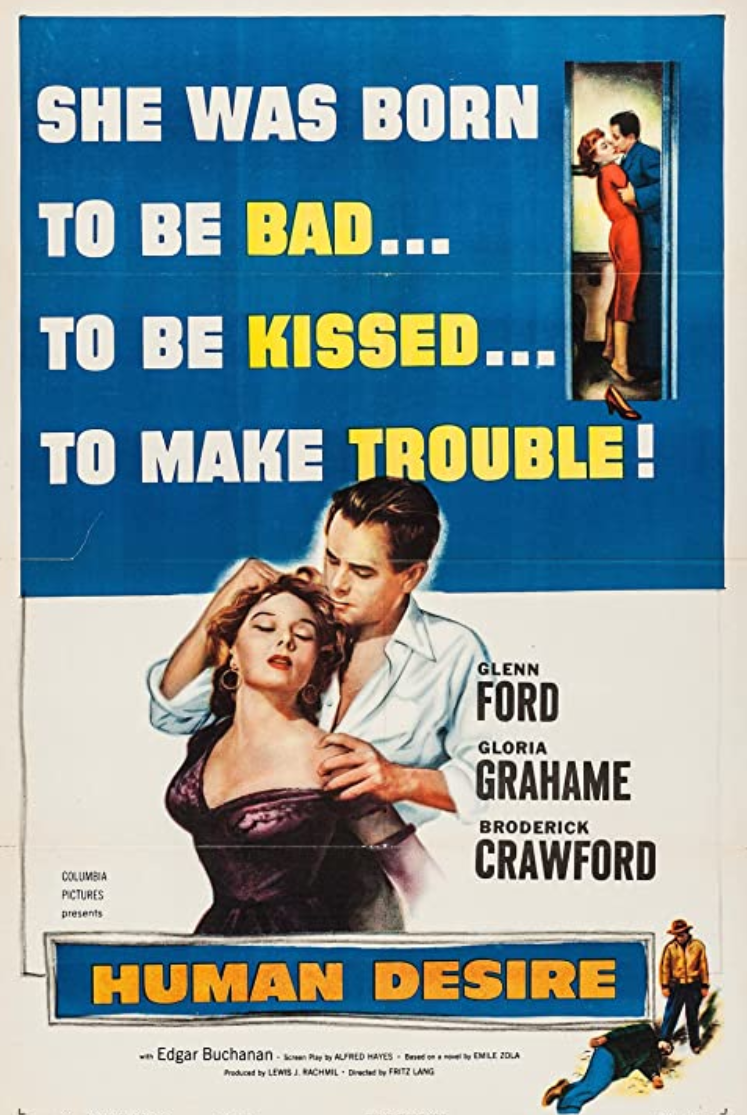
Human Desire (1954)

Human Desire (1954)

“What’s wrong with a wife trying to help her husband?”

Synopsis:
When a Korean War vet (Glenn Ford) falls for a woman (Gloria Grahame) whose abusive husband (Broderick Crawford) has just killed a man (Grandon Rhodes) in a fit of jealous rage, he quickly becomes ensnared in Grahame’s desire to get away from Crawford, at any cost.

Genres, Themes, Actors, and Directors:

  • Broderick Crawford Films
  • Domestic Abuse
  • Fritz Lang Films
  • Glenn Ford Films
  • Gloria Grahame Films
  • Homicidal Spouses
  • Infidelity
  • Trains and Subways
  • Veterans

Response to Peary’s Review:
Peary writes that this “intense, fatalistic drama by Fritz Lang, adapted from Emile Zola’s naturalistic novel La Bete Humaine” — and originally “filmed earlier in France by Jean Renoir” — is “expertly directed and acted, and is engrossing,” yet he argues “it lacks the sexual heat of the Renoir film.” Peary’s review doesn’t provide any further analysis of the movie — which I can’t yet compare to La Bete Humaine (1938) since I still need to rewatch that — but I think stands just fine on its own as an absorbing noir with a uniquely complex femme fatale and plenty of “heat”.

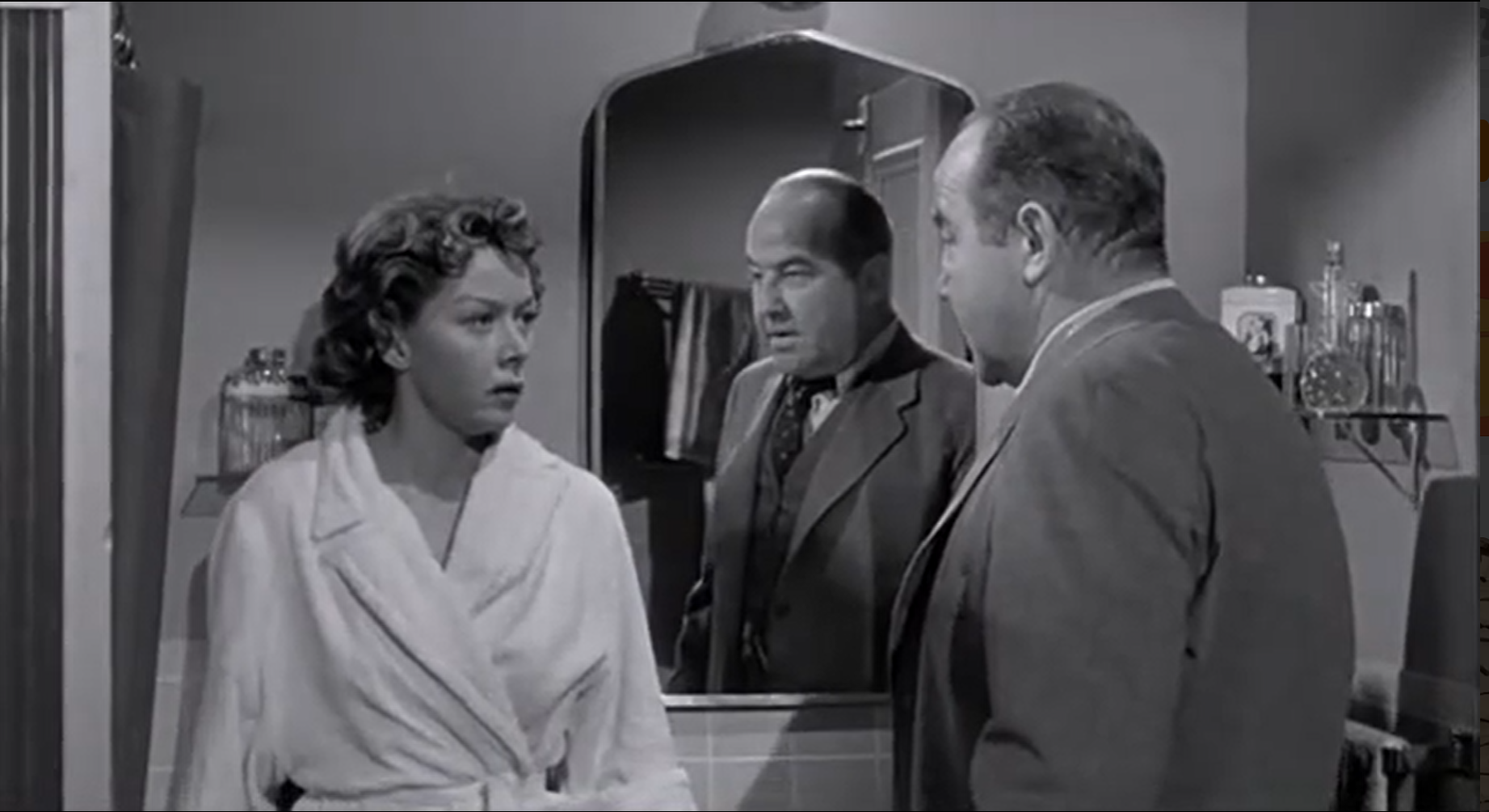
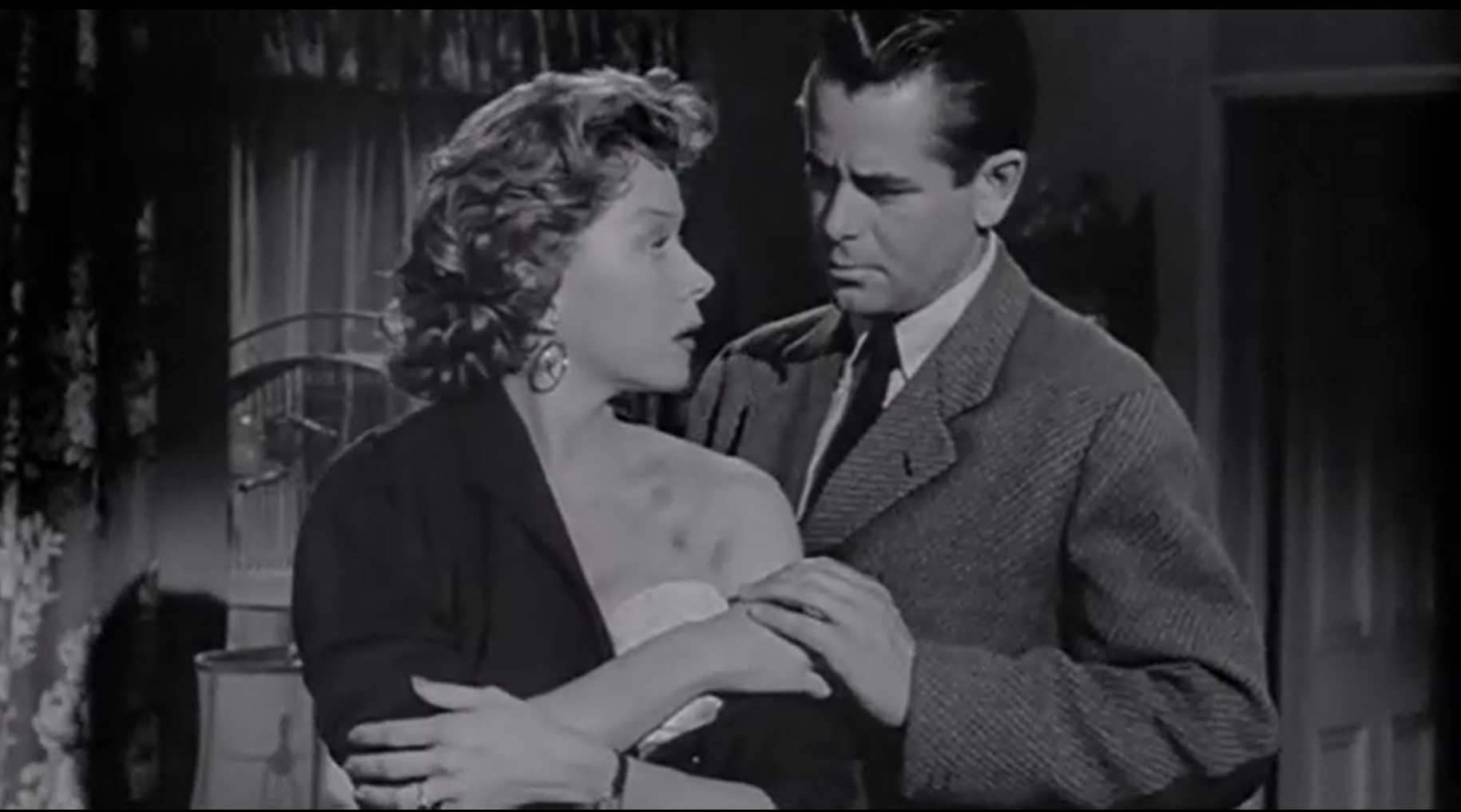
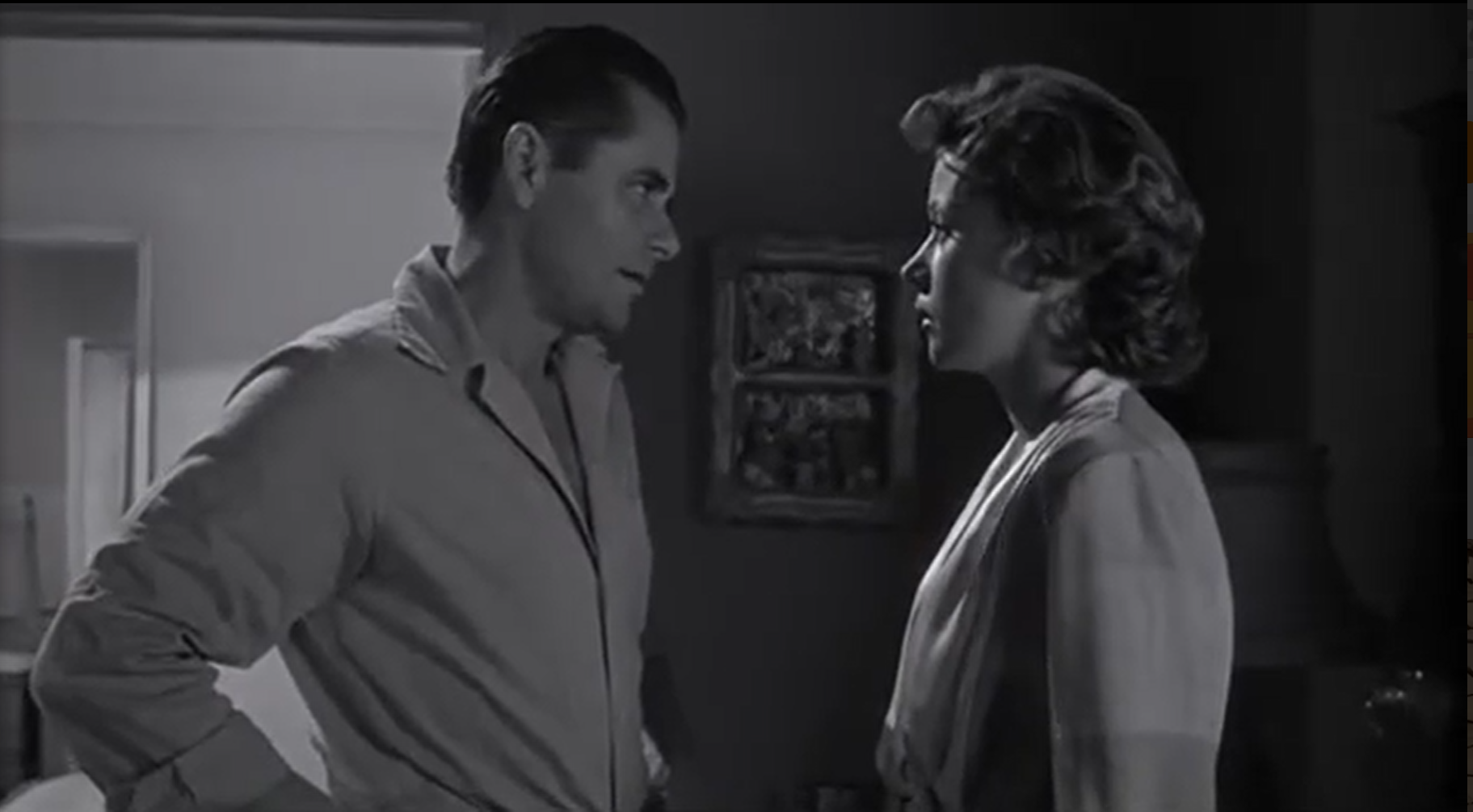
By being shown Grahame’s life with bullying Crawford, who really is domestically terrorizing her:

… we sympathize with her desire for something better (i.e., with unmarried Ford), and we know she’s not completely without cause in wanting Crawford out of her life for good.

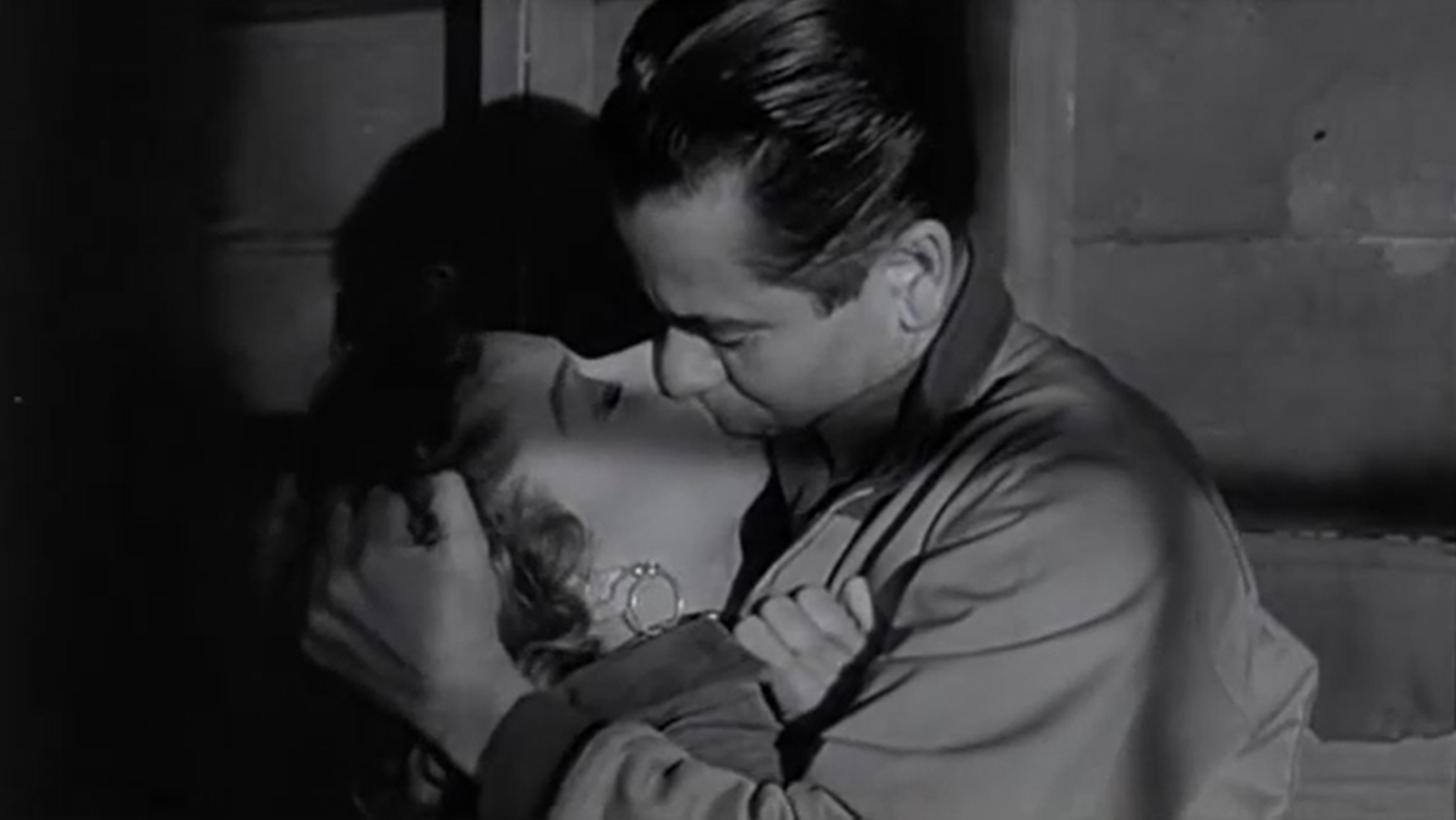
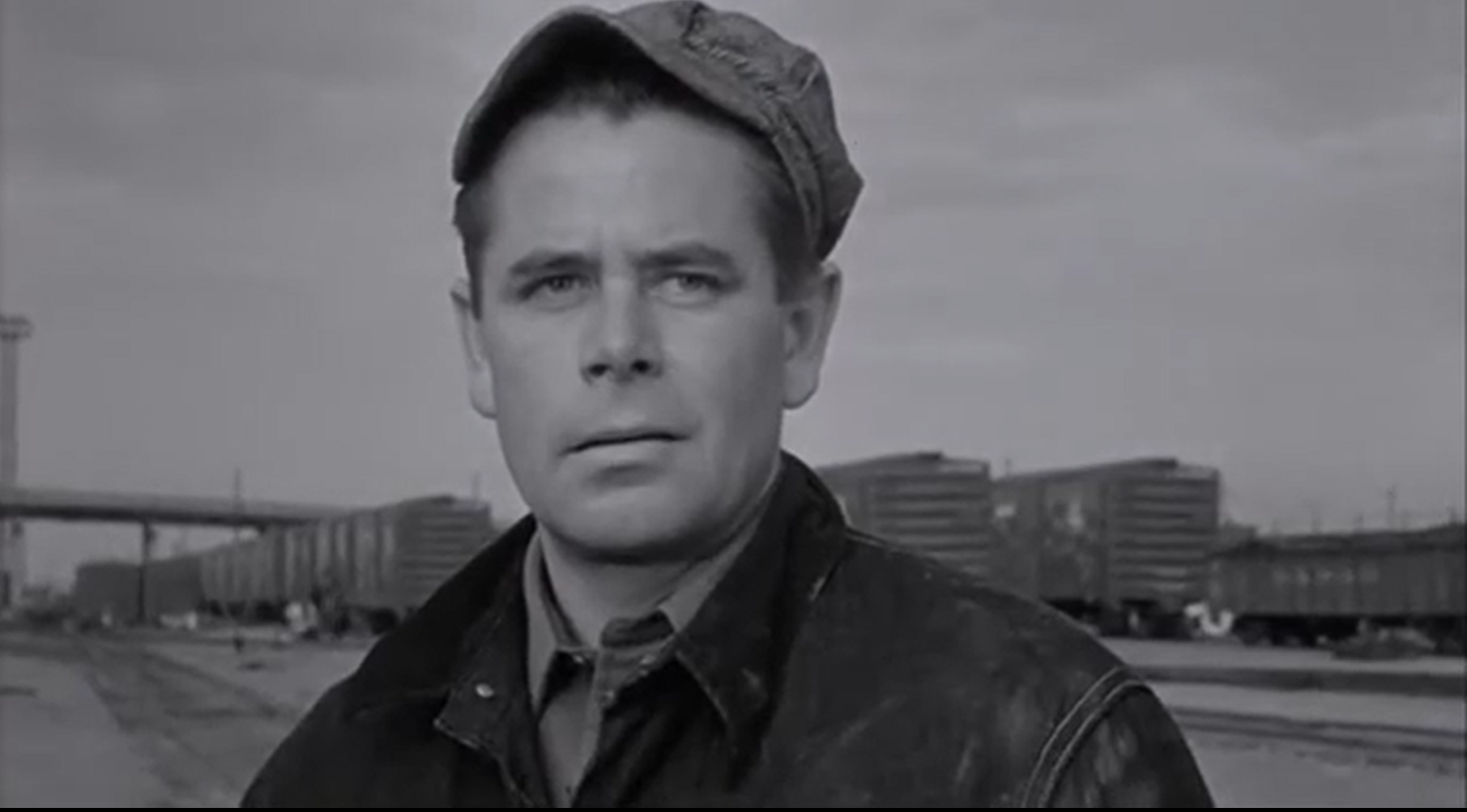
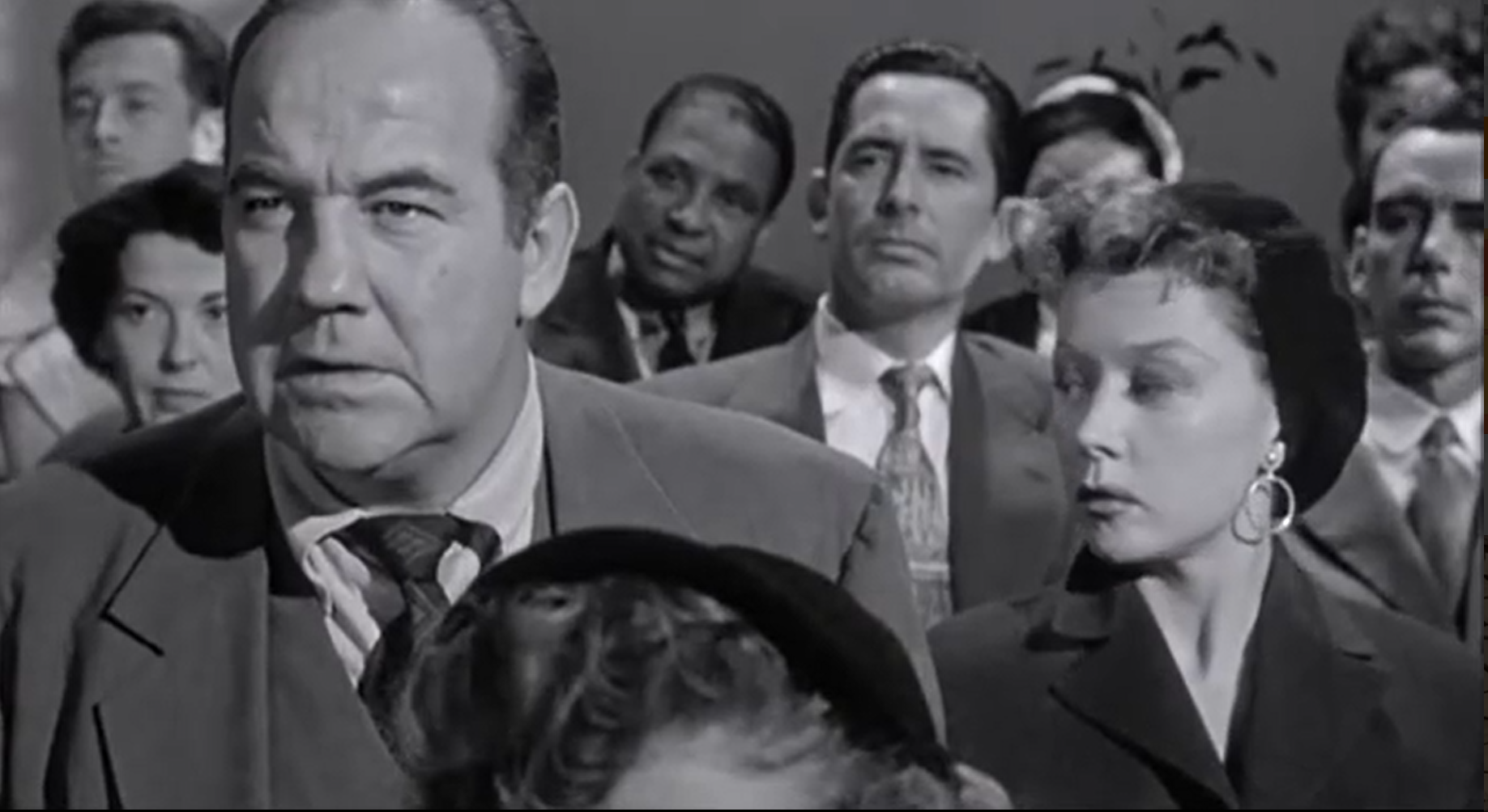
Meanwhile, Fritz Lang’s direction — assisted by DP Burnett Guffey — is solid throughout, making effective use of railyard locales (meant to be in California, but actually filmed in El Reno, Oklahoma):

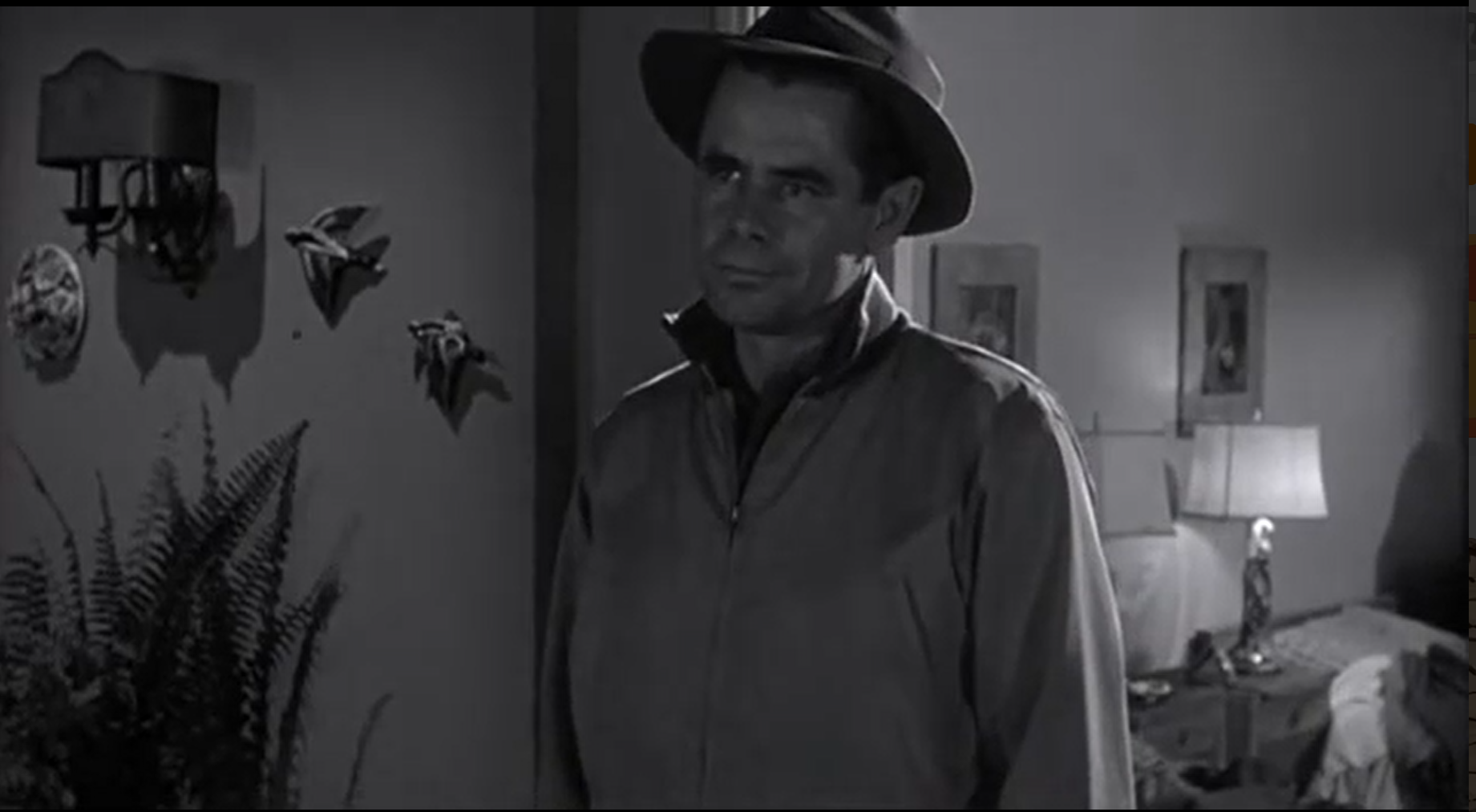
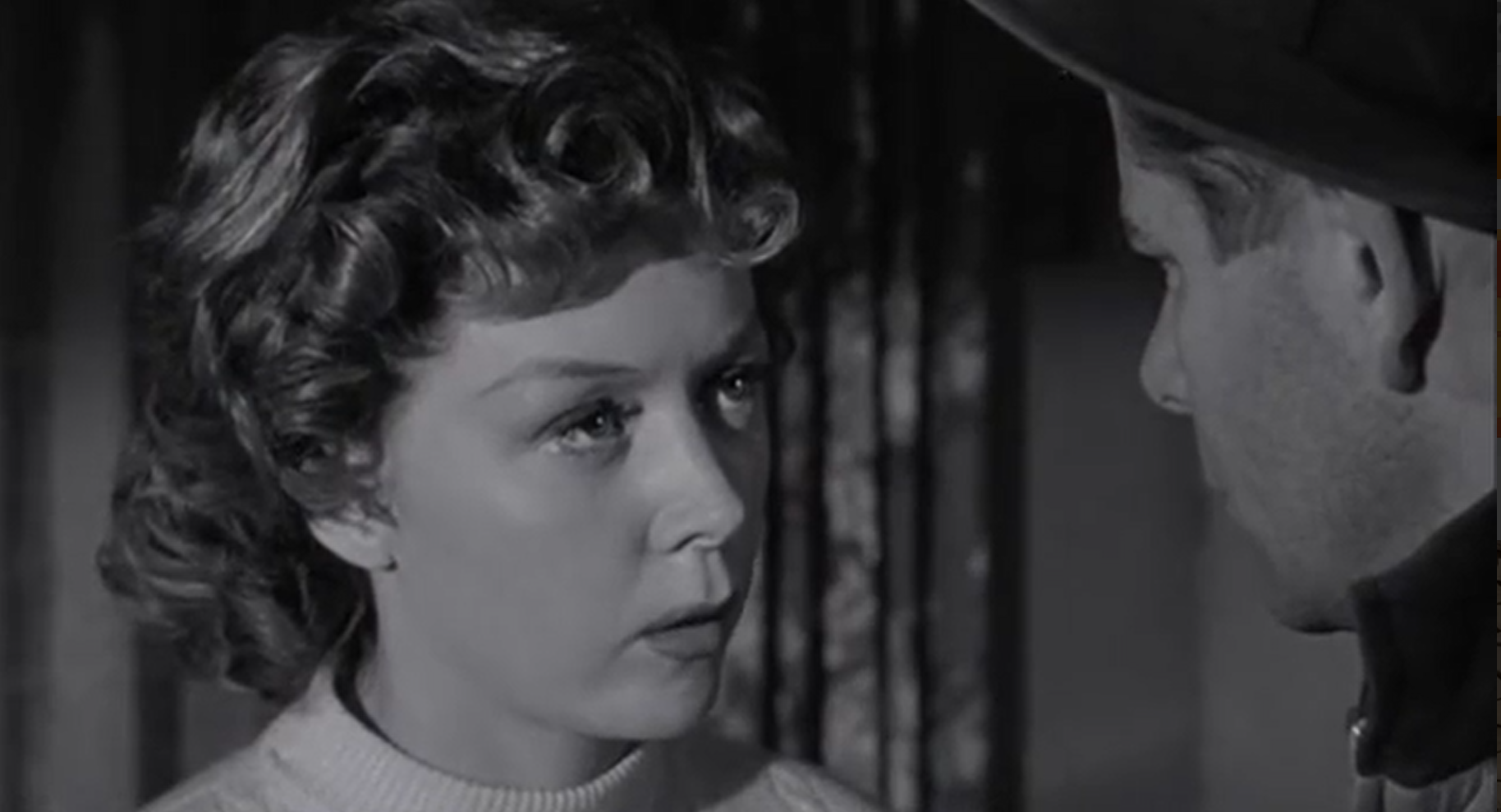
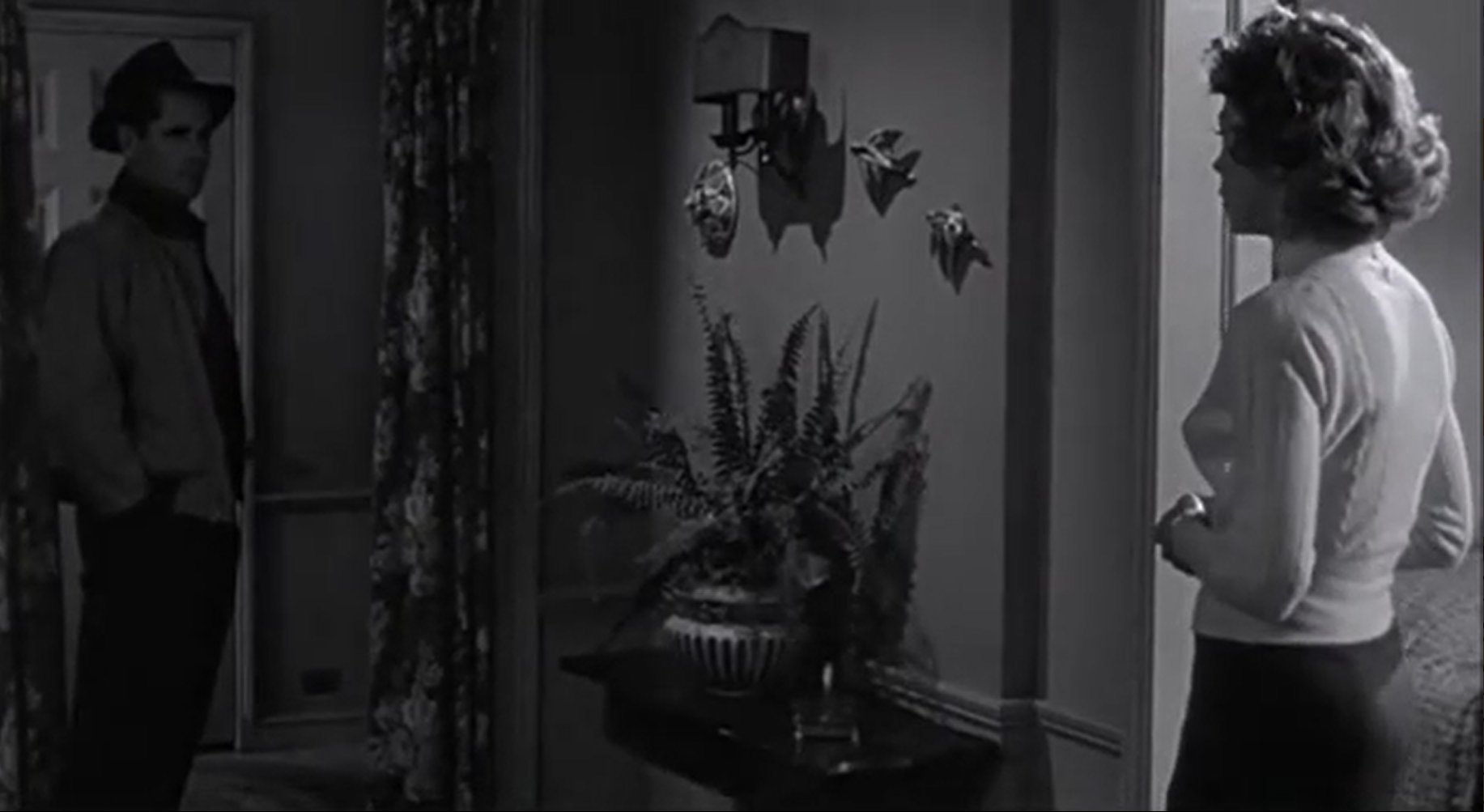
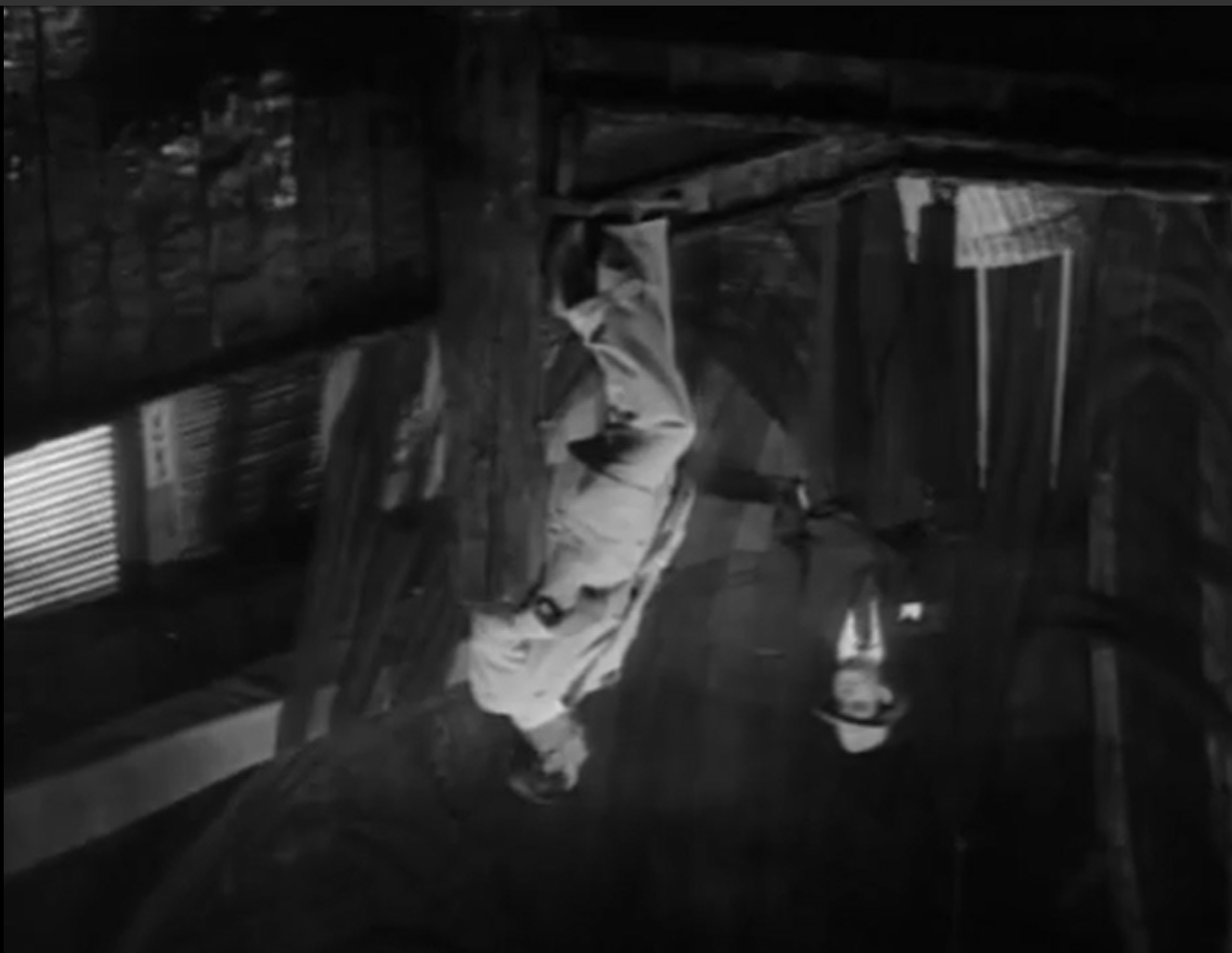
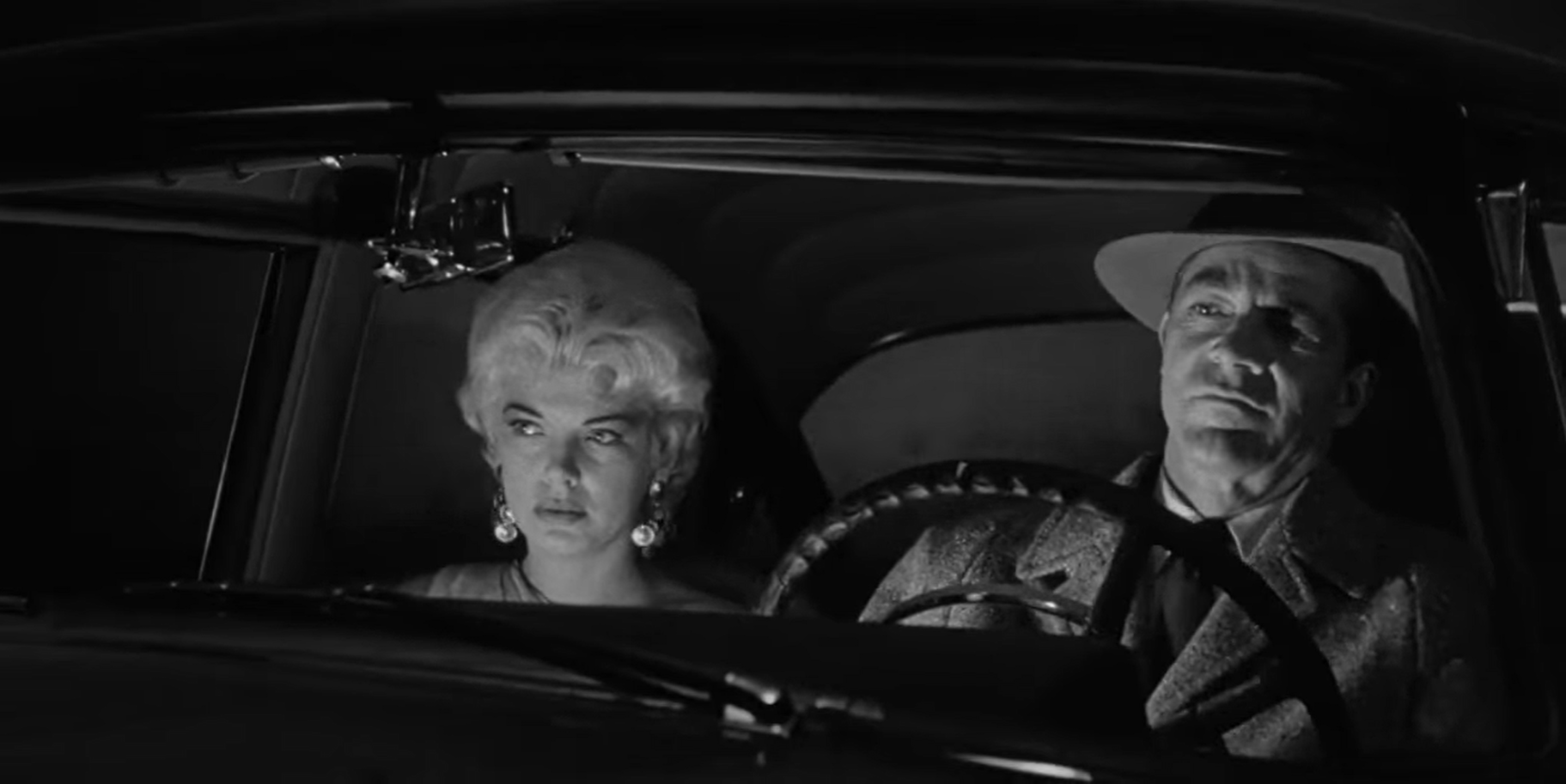
… and cleverly using light and shadow to show the main characters literally divided in their impulses.

Redeeming Qualities and Moments:

  • Gloria Grahame as Vicki
  • Glenn Ford as Jeff
  • Broderick Crawford as Carl
  • Burnett Guffey’s cinematography

Must See?
Yes, as a powerful noir by a master director.

Categories

  • Good Show
  • Important Director

Links:

Macao (1952)

Macao (1952)

“Everybody’s lonely and worried and sorry — and everybody’s looking for something.”

Synopsis:
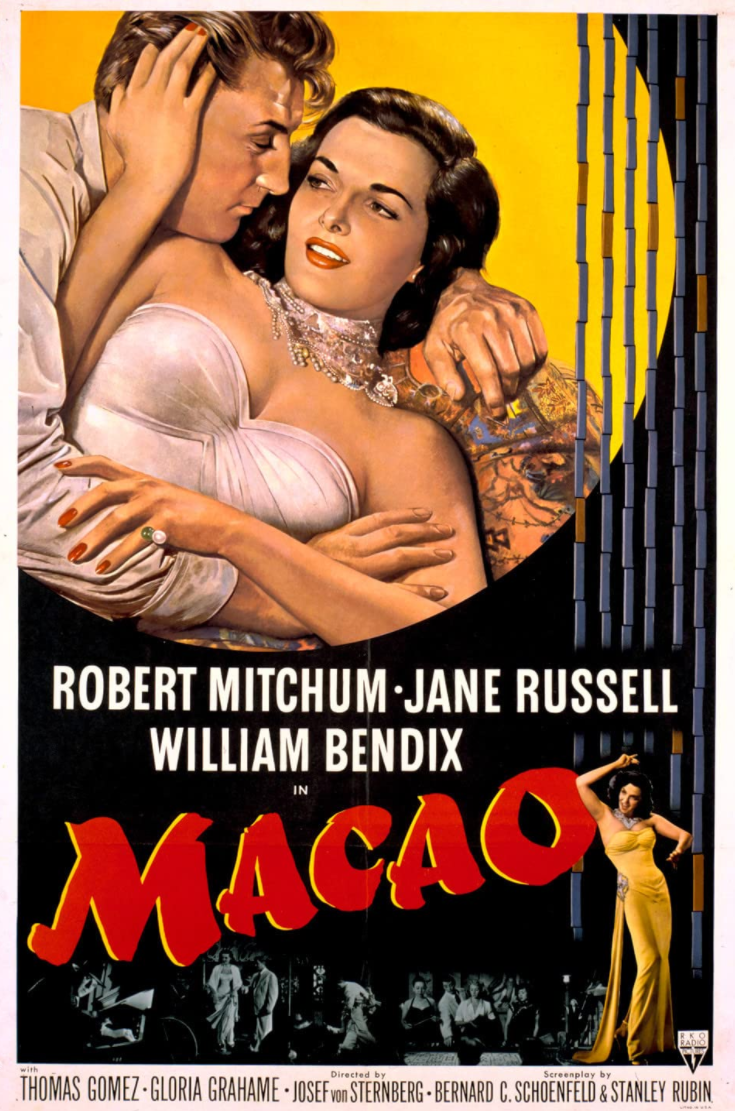
A falsely accused veteran (Robert Mitchum) meets a beautiful lounge singer (Jane Russell) and a pushy salesman (William Bendix) while travelling to Macao, where he encounters a shady gambling hall owner (Brad Dexter) and his moll (Gloria Grahame), and is soon caught up in an international smuggling intrigue.

Genres, Themes, Actors, and Directors:

  • Gloria Grahame Films
  • Jane Russell Films
  • Josef von Sternberg Films
  • Robert Mitchum Films
  • Thieves and Criminals
  • Undercover Cops
  • William Bendix Films

Review:
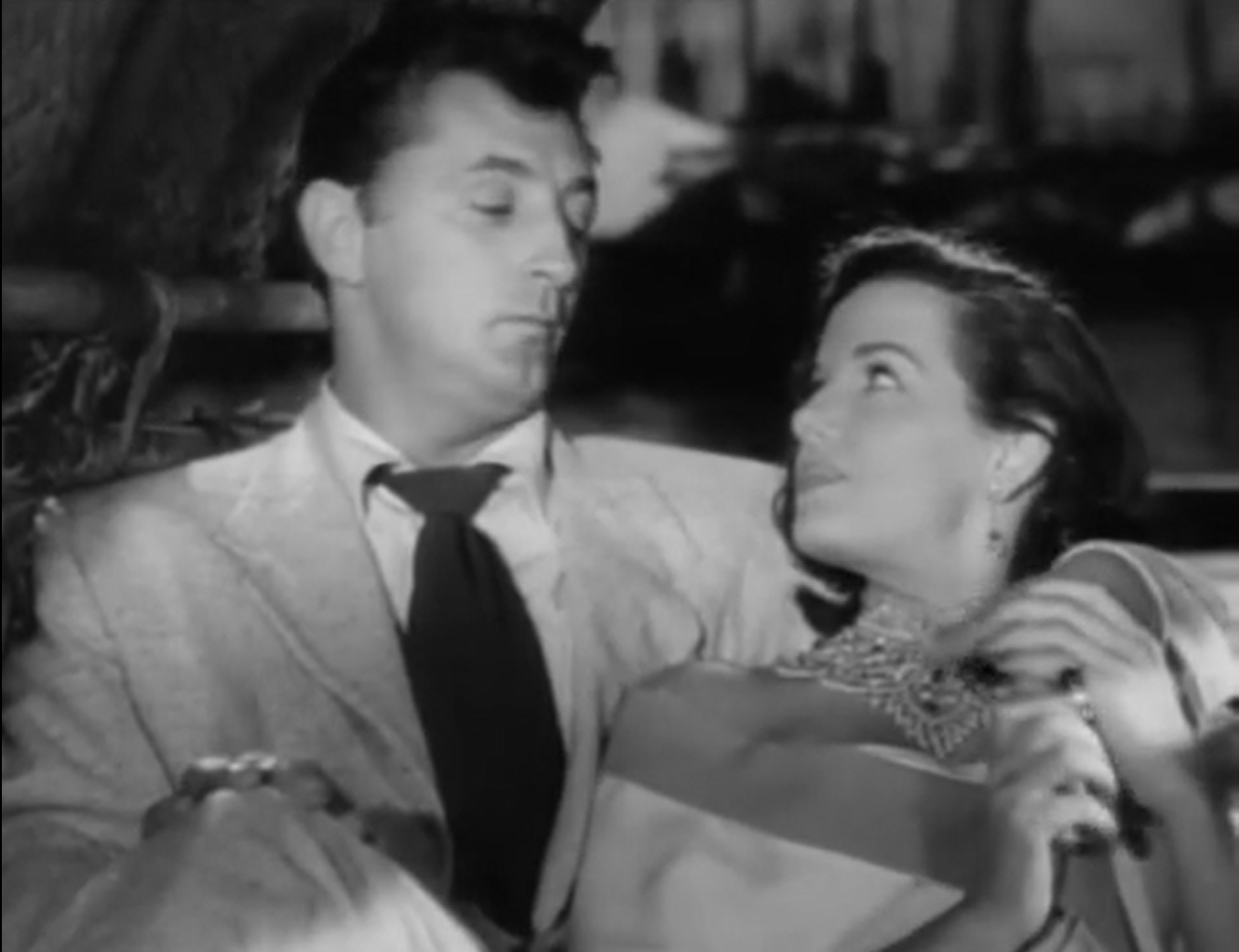
Josef von Sternberg’s final American film before heading to Japan to make his last movie, Anatahan (1953), was this Howard Hughes-produced romantic adventure with no less than seven screenwriters (plus Mitchum himself) and three additional directors (including Nicholas Ray, who was married to but divorcing from Grahame at the time). With these credentials, one would expect it to be a complete mess, but it’s actually surprisingly diverting as long as one simply gives in to the atmospheric sets, the (sometimes confusing) intrigue, and the beautiful super-stars. Mitchum and Russell are an authentically steamy couple:

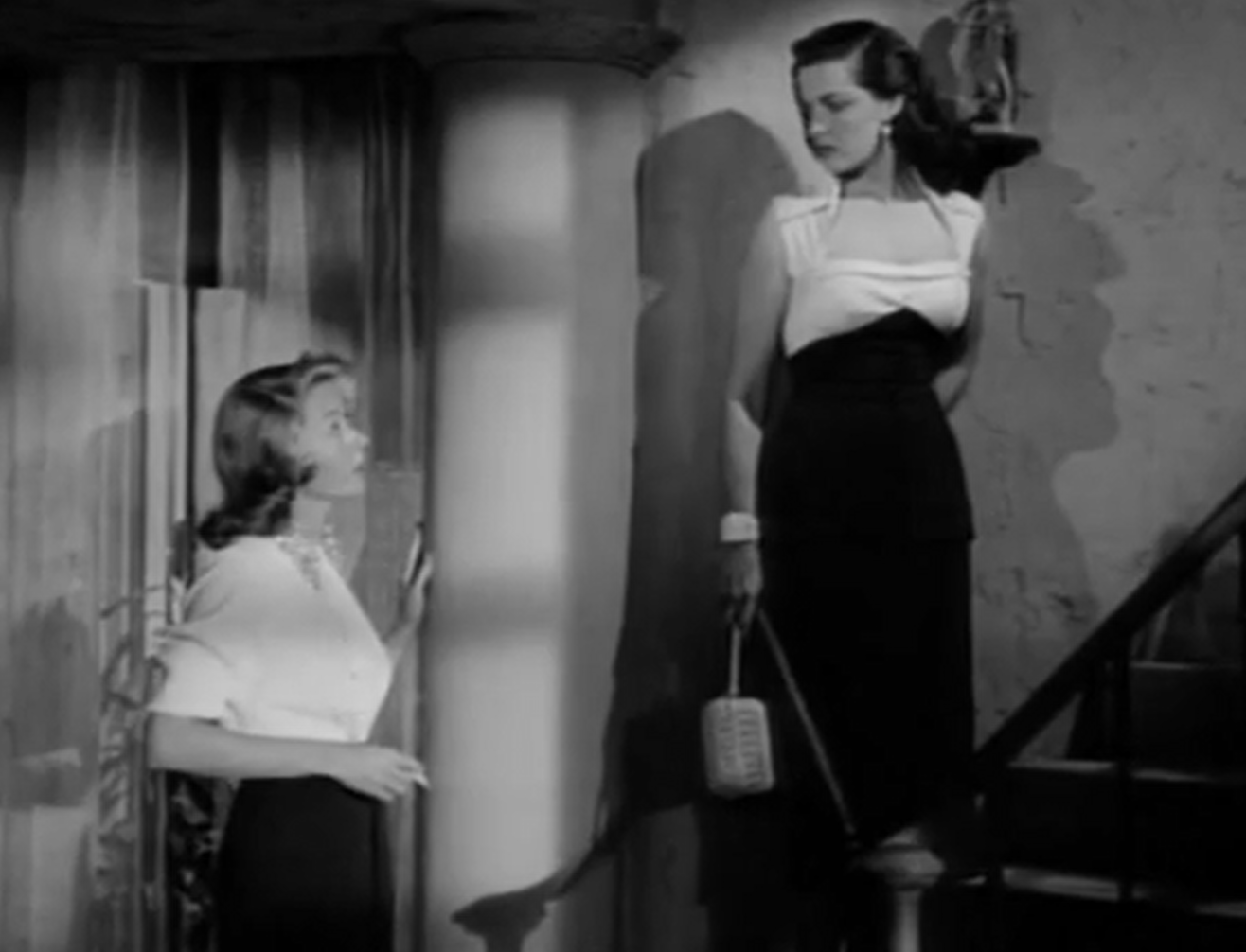
… and Grahame is a realistic romantic foe, though it’s too bad the scope of her supporting role here was such a notch down after co-starring in In a Lonely Place (1950):

I certainly don’t agree with DVD Savant’s assessment that the film “klunks along… but doesn’t really deliver,” or that “the heavy hand of Howard Hughes manages a completely anonymous look” with “the presence of von Sternberg… nigh undetectable.” Interestingly, most stories about the film’s troubled production center directly on von Sternberg, who was a consternation for all involved — especially Mitchum, who refused to put up with von Sternberg’s demands and rightfully reminded him at one point that if anyone would be fired, it wouldn’t be the star.

Redeeming Qualities and Moments:

  • Gloria Grahame as Margie
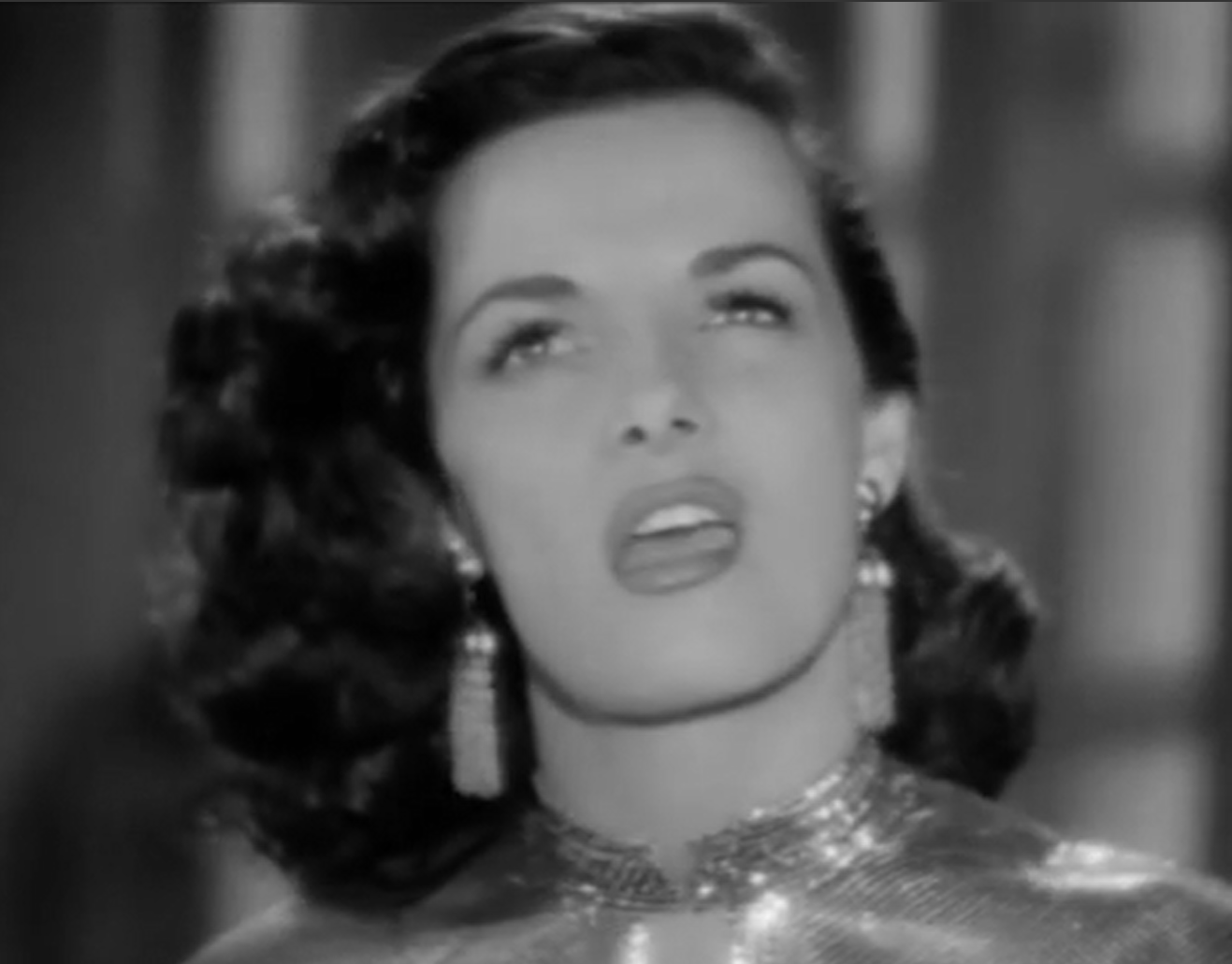
  • Jane Russell singing “One For the Road”
  • Atmospheric cinematography

Must See?
No, though it’s a fun yarn and I’m glad I saw it once.

Links:

Beyond a Reasonable Doubt (1956)

Beyond a Reasonable Doubt (1956)

“Nothing about this case will be dead until Garrett’s executed.”

Synopsis:
A novelist (Dana Andrews) engaged to the daughter (Joan Fontaine) of a publisher opposed to capital punishment (Sidney Blackmer) agrees to be part of a scheme proving that even innocent men can be convicted of crimes they didn’t commit — but things quickly go awry in unexpected ways.

Genres, Themes, Actors, and Directors:

  • Corruption
  • Courtroom Drama
  • Dana Andrews Films
  • Falsely Accused
  • Fritz Lang Films
  • Joan Fontaine Films
  • Writers

Review:
This final Hollywood film by Fritz Lang is, sadly, a disappointment. Familiar Langian themes — i.e., respectable, career-obsessed men whose involvement with “loose” women precipitates their downfall and causes them to lose the true love of their lives — are present, but play out in a pedantic and uninvolving fashion. Andrews is literally walking through his role (apparently alcoholism was causing him troubles), and his character’s choice to put his life at risk for the sake of proving a point seems stupid beyond belief. The three strippers (Barbara Nichols, Robin Raymond, and Joyce Taylor) at the heart of the seedy underground are one-dimensional cliches:

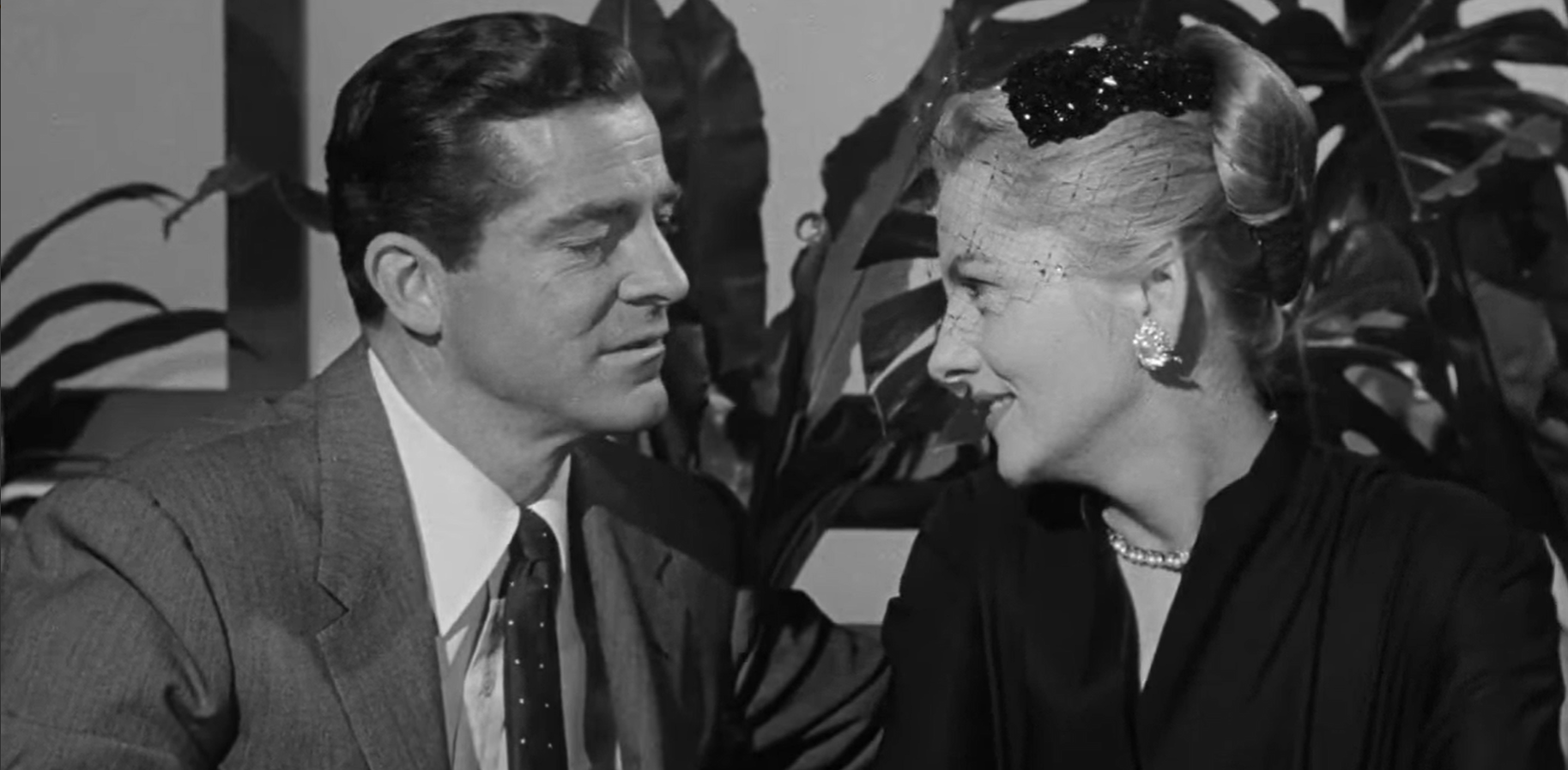
Meanwhile, Fontaine and Andrews’ romance is paper-thin:

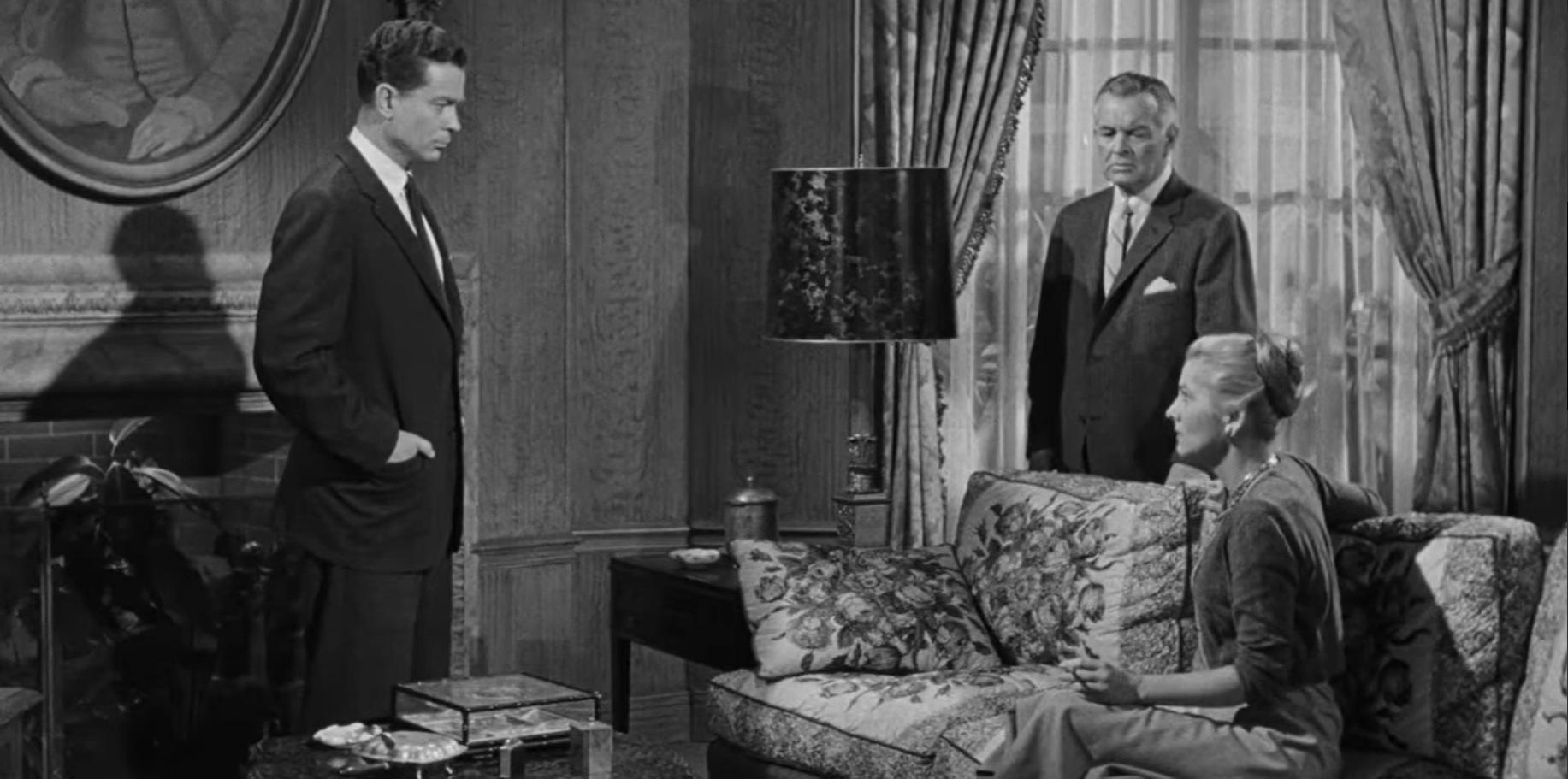
… and Fontaine is so clearly still adored by a former suitor (Arthur Franz) that we know things aren’t quite done between them.

The first plot twist (involving Blackmer) is predictable, while the second twist doesn’t ring true for a second. Feel free to skip this one.

Redeeming Qualities and Moments:

  • Some atmospheric cinematography

Must See?
No, unless you’re a diehard Lang completist.

Links:

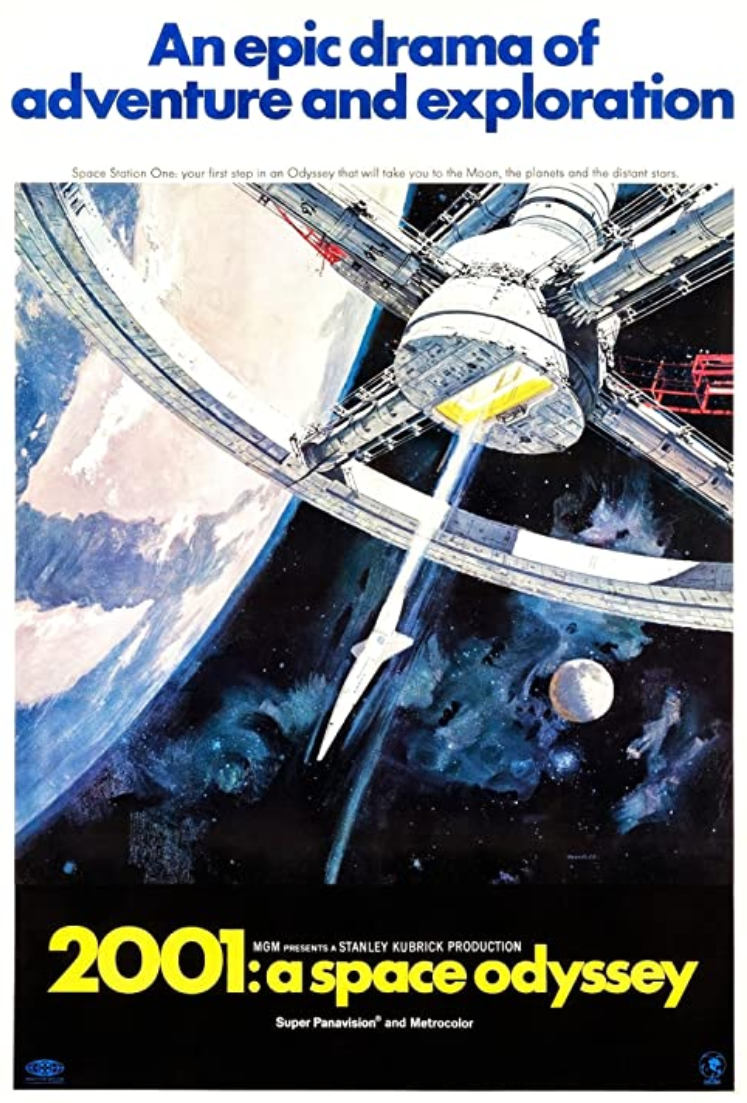
2001: A Space Odyssey (1968)

2001: A Space Odyssey (1968)

“I’m sorry, Dave. I’m afraid I can’t do that.”

Synopsis:
An astronaut (Keir Dullea) on a mission to Jupiter finds himself alone in a battle of wits against a super-powerful computer nicknamed HAL.

Genres, Themes, Actors, and Directors:

  • Aliens
  • Astronauts
  • Computer-out-of-Control
  • Keir Dullea Films
  • Science Fiction
  • Stanley Kubrick Films

Response to Peary’s Review:
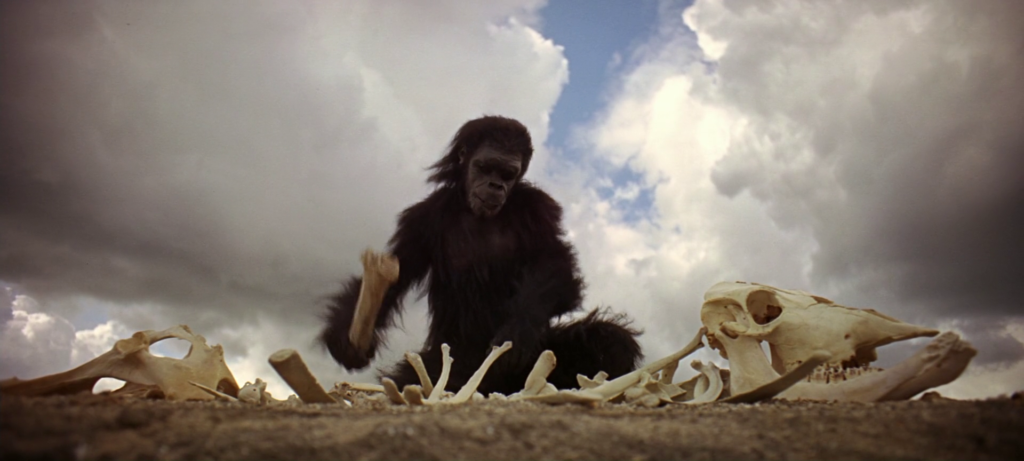
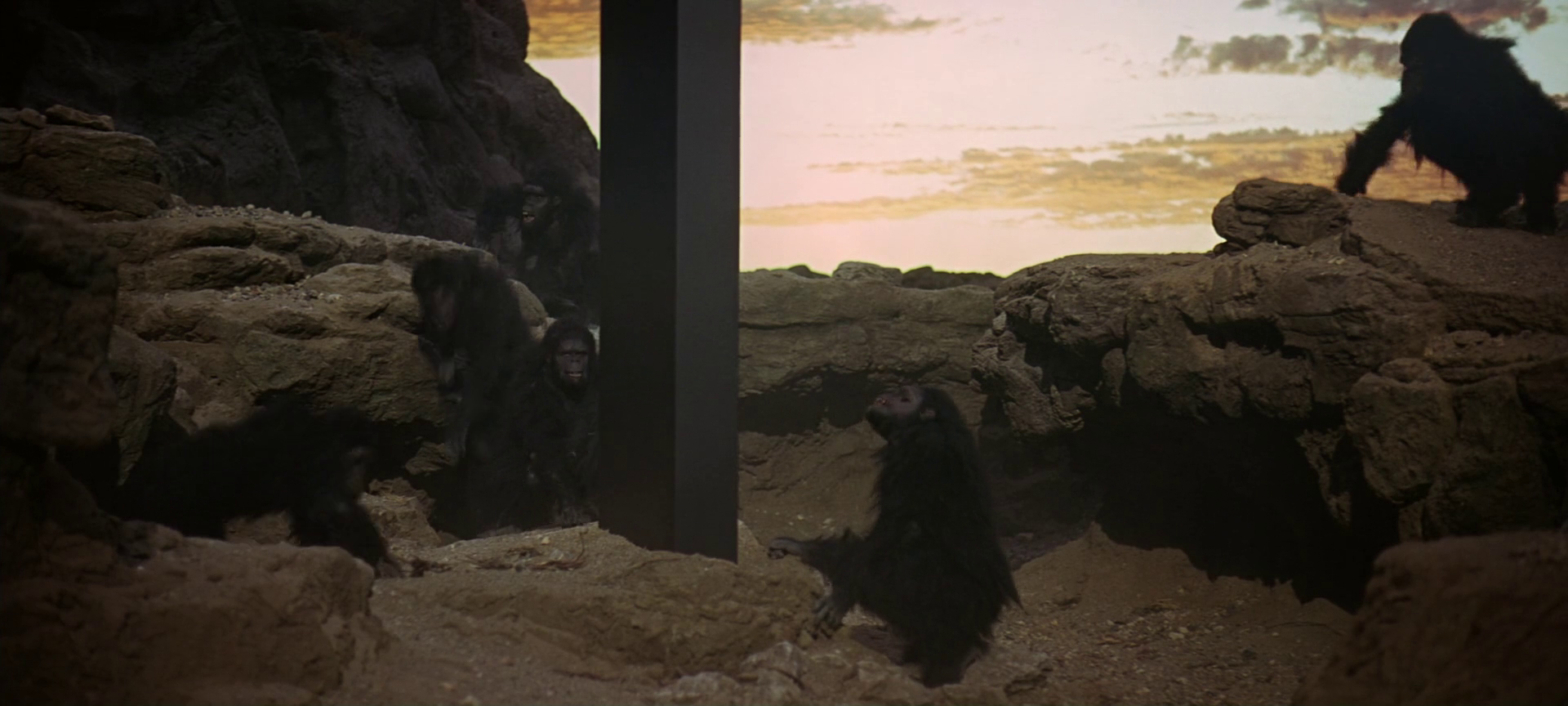
Peary argues that Stanley Kubrick’s 2001: A Space Odyssey — “adapted from Arthur C. Clarke’s short story ‘The Sentinel'” — is “the most awesome, beautiful (the visuals and classical music), mentally stimulating, and controversial science-fiction film ever made;” indeed, he names it the Best Movie of the Year in his Alternate Oscars in addition to discussing it in his first Cult Movies book. In GFTFF, Peary writes that this film “begins four million years ago when a black monolithic slab appears to a family of apes”:
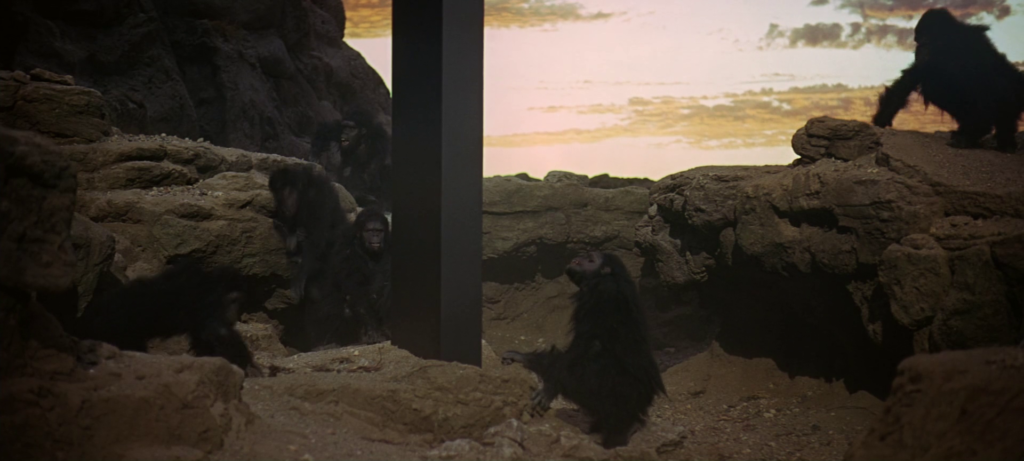
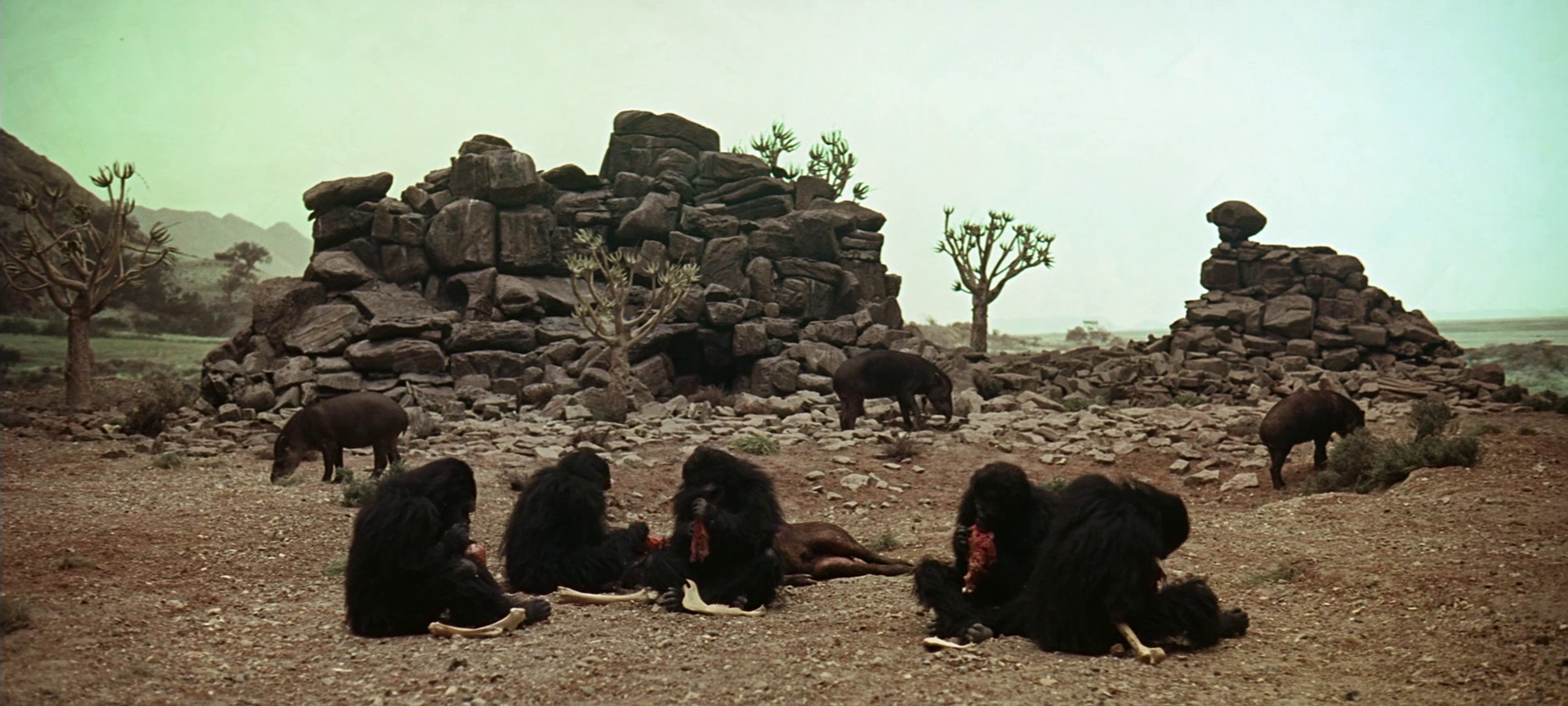
While they were “once peaceful vegetarians, they become meat-eaters and intelligent enough to use bones as weapons to kill other animals for food and to chase other apes away from their territory.”
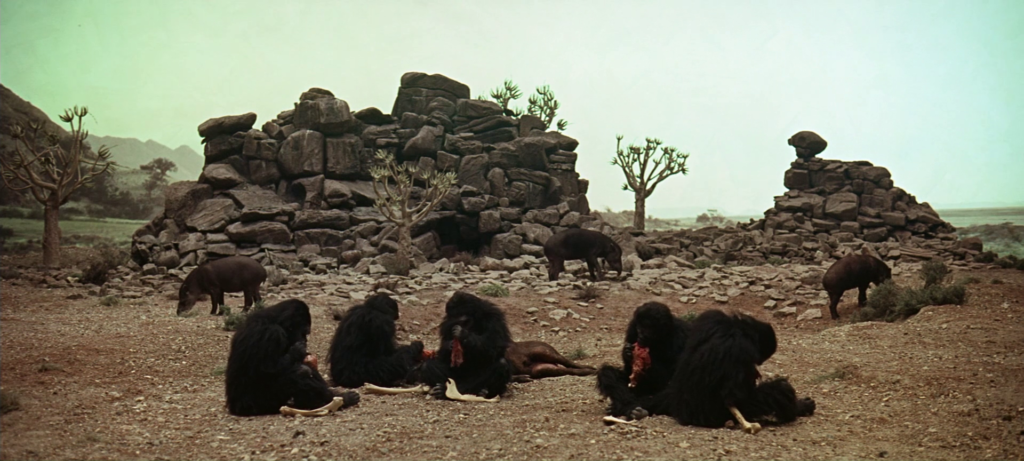
Peary notes that “they have evolved into ape-men and their human descendants will retain their warring instincts” — indeed, “progress and brutality go hand in hand” — as well as their “territorial imperative” and “a notion of God.” He asserts that “it is for the viewer to decide if the superior alien intelligence that sent the monolith and caused man to evolve from the apes (instead of the neighboring tapirs!) is God as we define God,” and adds parenthetically, “I believe that Kubrick thinks the concept of God is so unfathomable to us that if an alien intelligence has the power over us that we always associated with God, then we might as well call it God.”

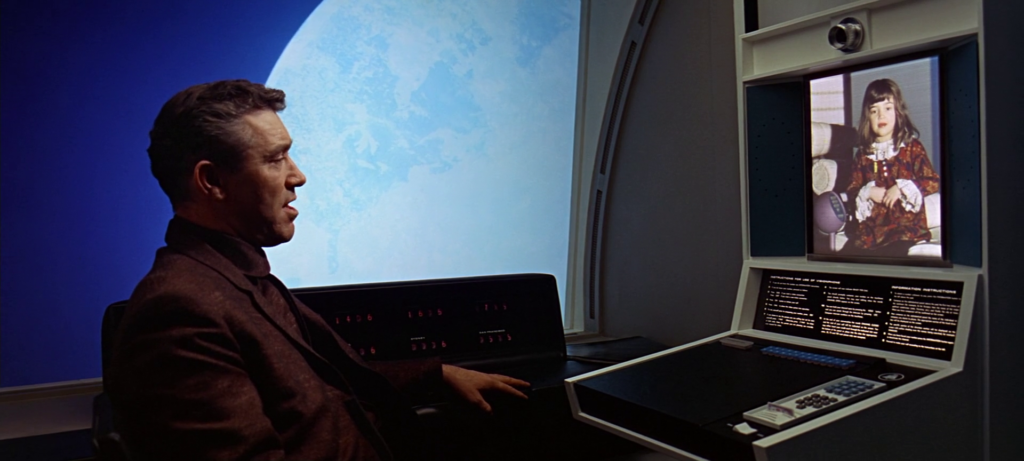
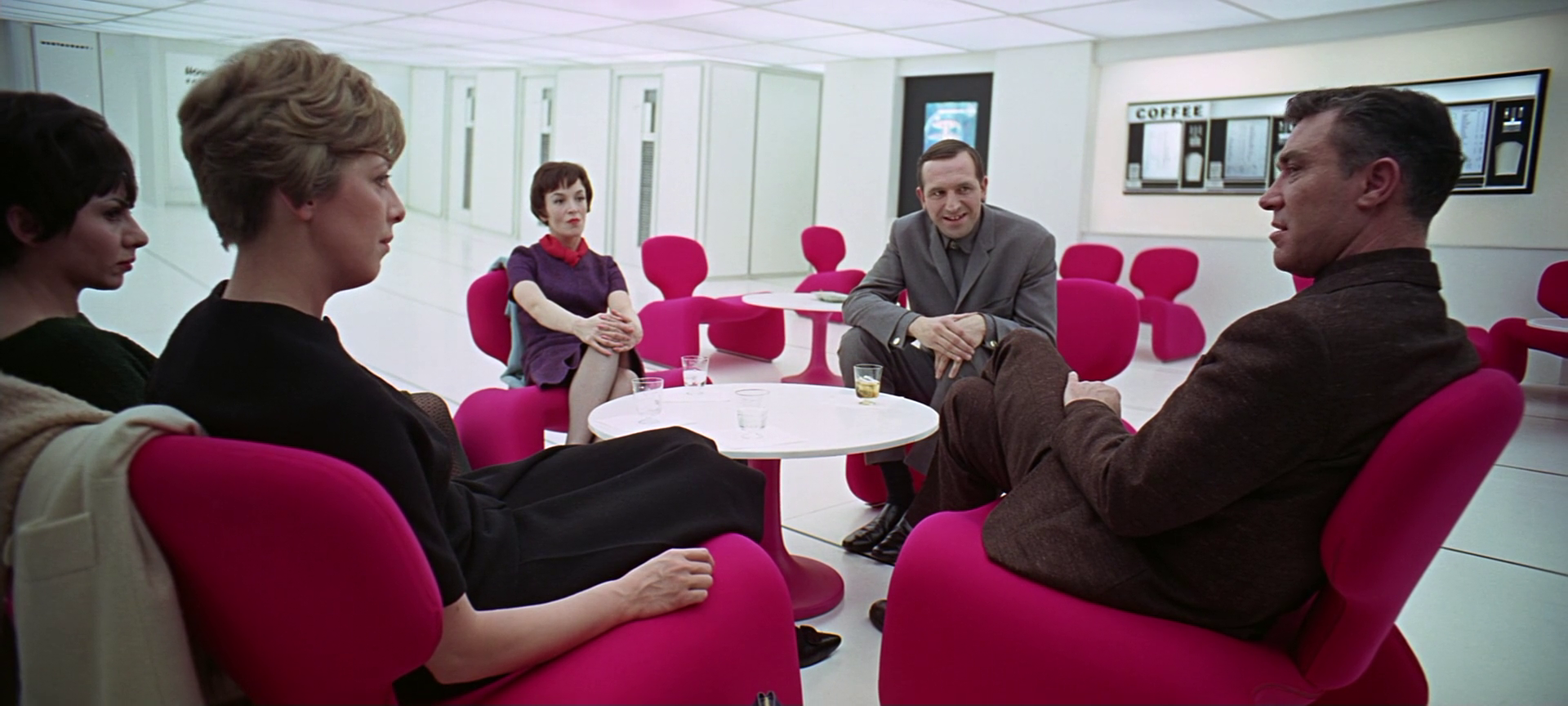
After this description of the beginning of the movie, Peary goes on to write that the “film moves from the past to 2001, when Dr. Heywood Floyd (William Sylvester), an American scientist, investigates the discovery of a monolith on the moon” which has been sending “a piercing signal” — likely from “a distant intelligence” — which indicates “that man has evolved to the point where the monolith has been discovered.” However, Peary points out that “man is nothing special: he is boring, untrusting…, nationalistic, uncommunicative;” indeed, he posits that “while man has made great technical advances in communication, men are incapable of meaningful, intelligent conversation, and are unworthy of their own scientific achievements.”
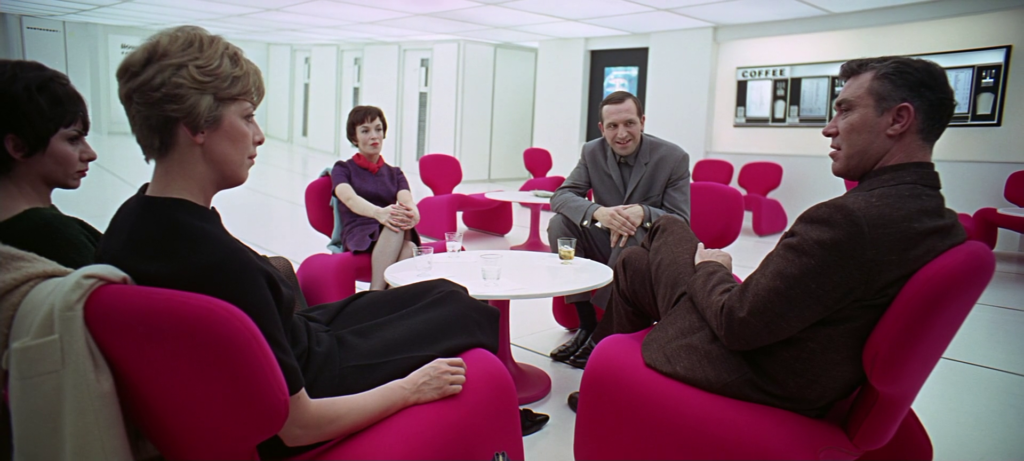
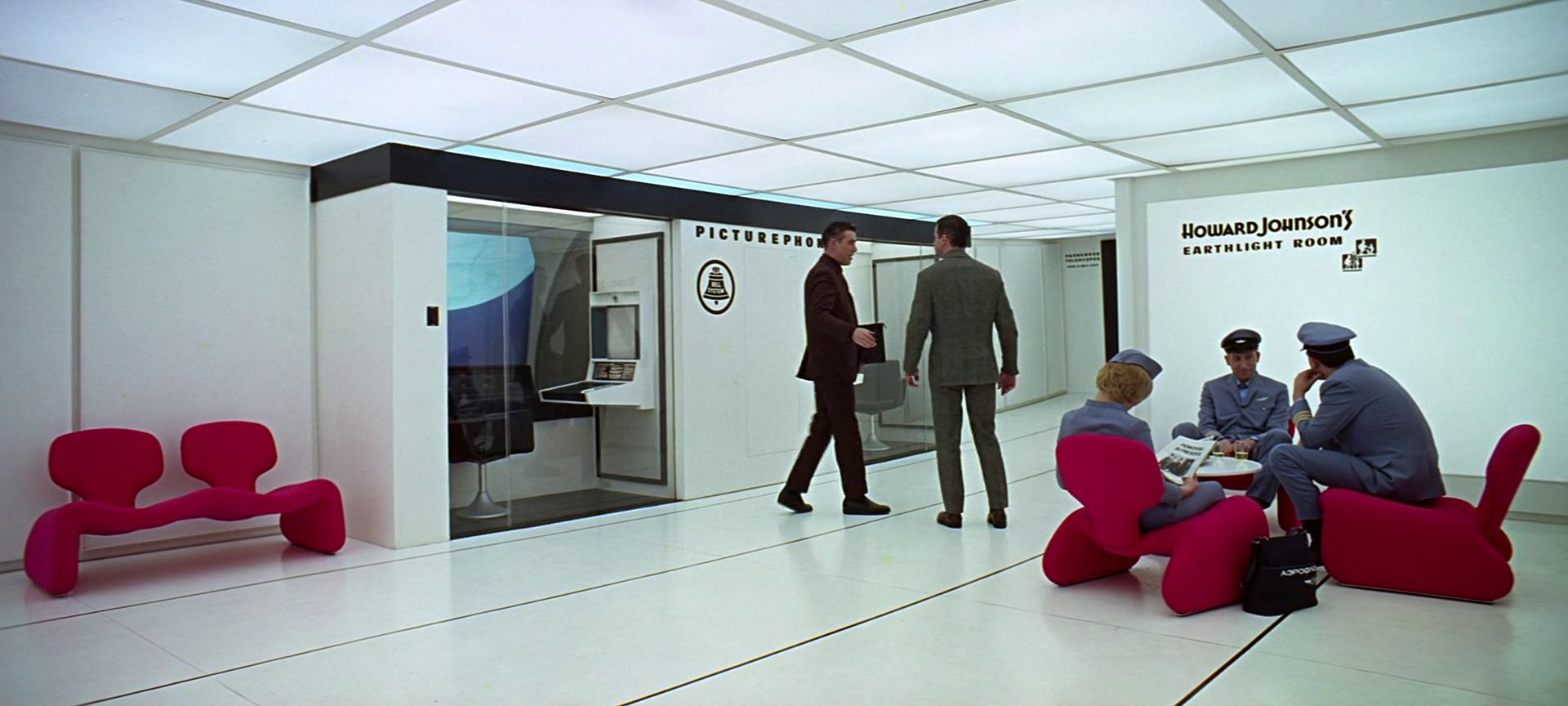
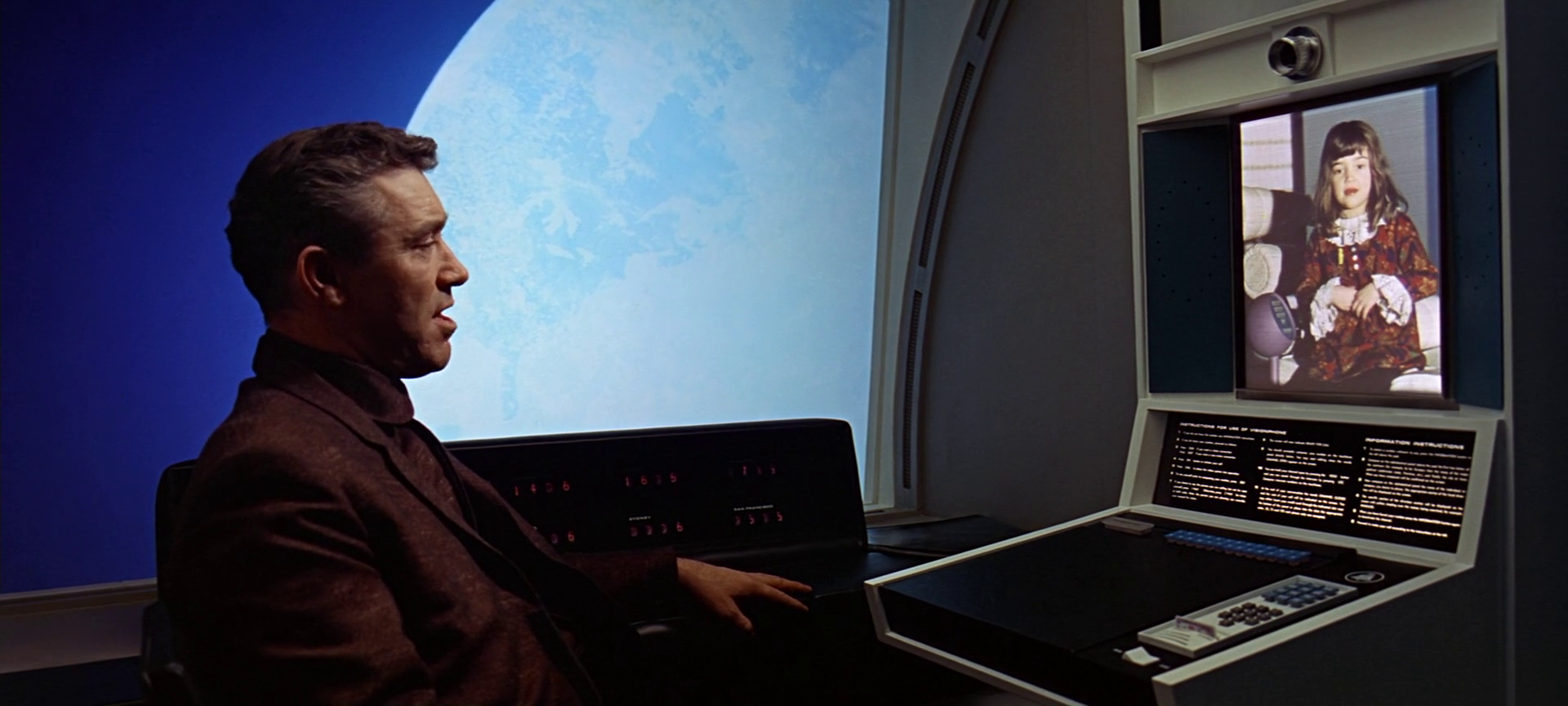
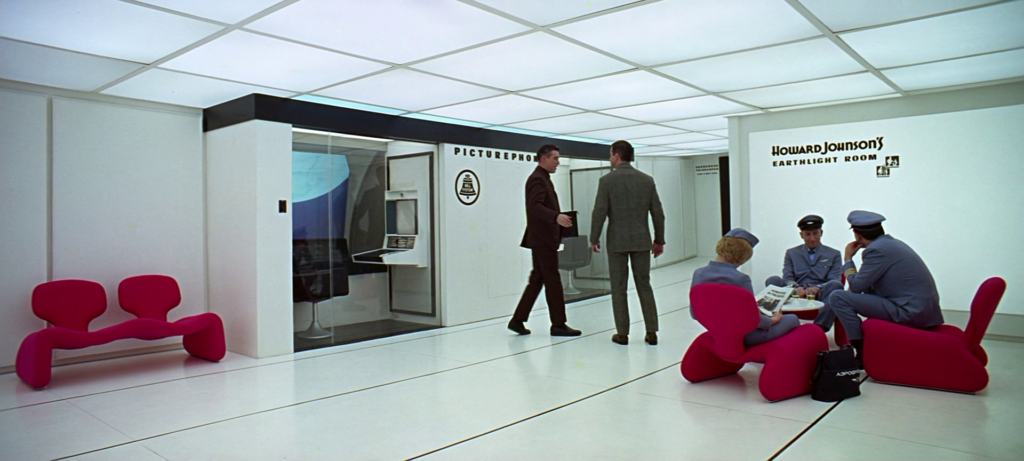
Meanwhile, “American big business has expanded: Pan Am, Bell Telephone, the Hilton chain, and Howard Johnson’s are prominent at the space station.”
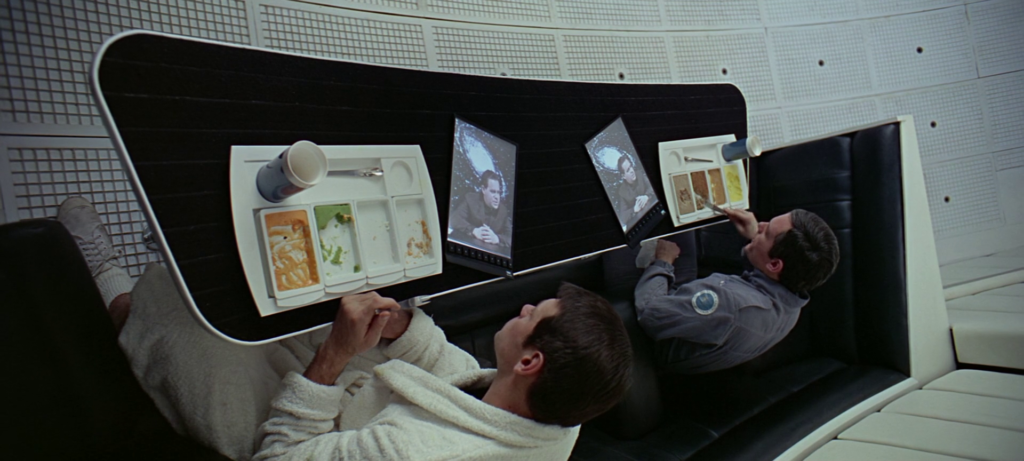
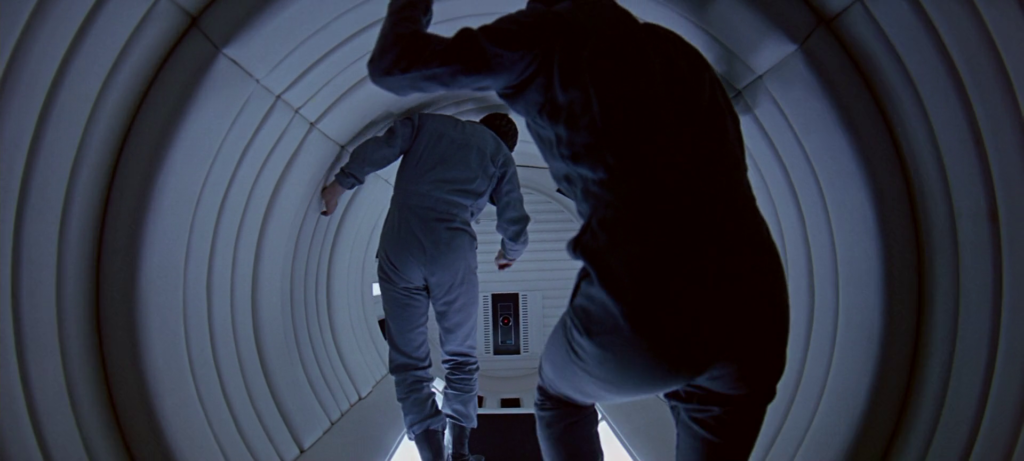
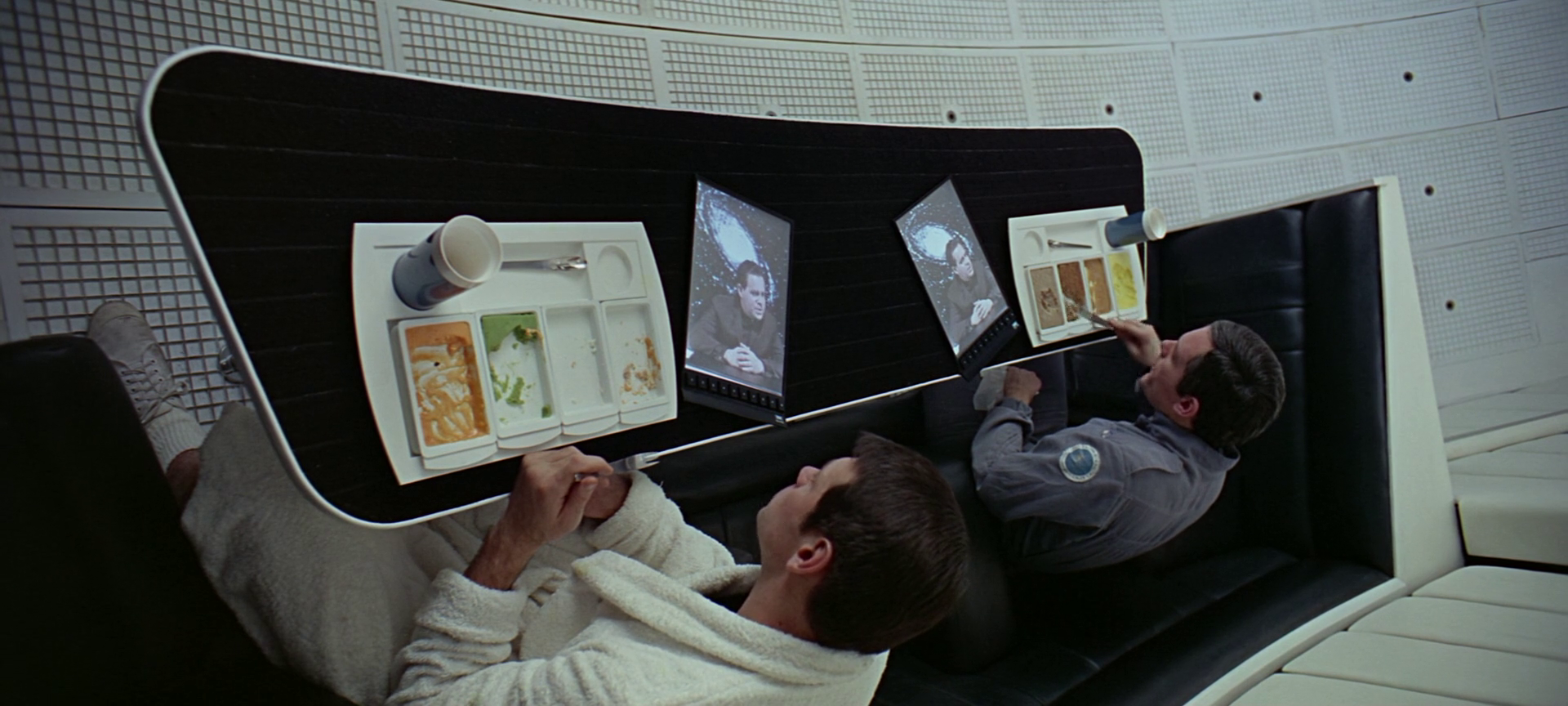
The bulk of the action, however, takes place “on a spaceship”, where “we see that the astronauts, Bowman (Keir Dullea) and Poole (Gary Lockwood) are completely subservient to a computer named HAL”:
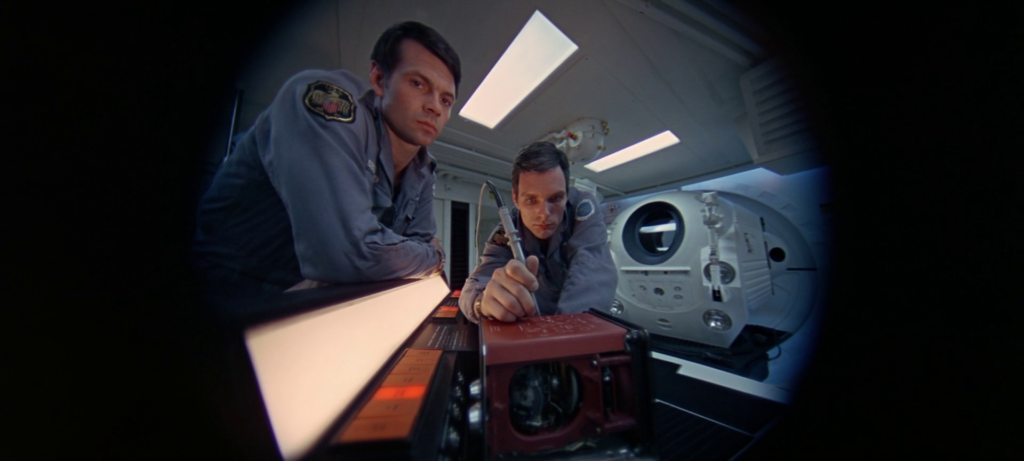
… which “is actually more interesting than the men” given that “they are mechanized” while “HAL is a neurotic.”

SPOILERS AHEAD

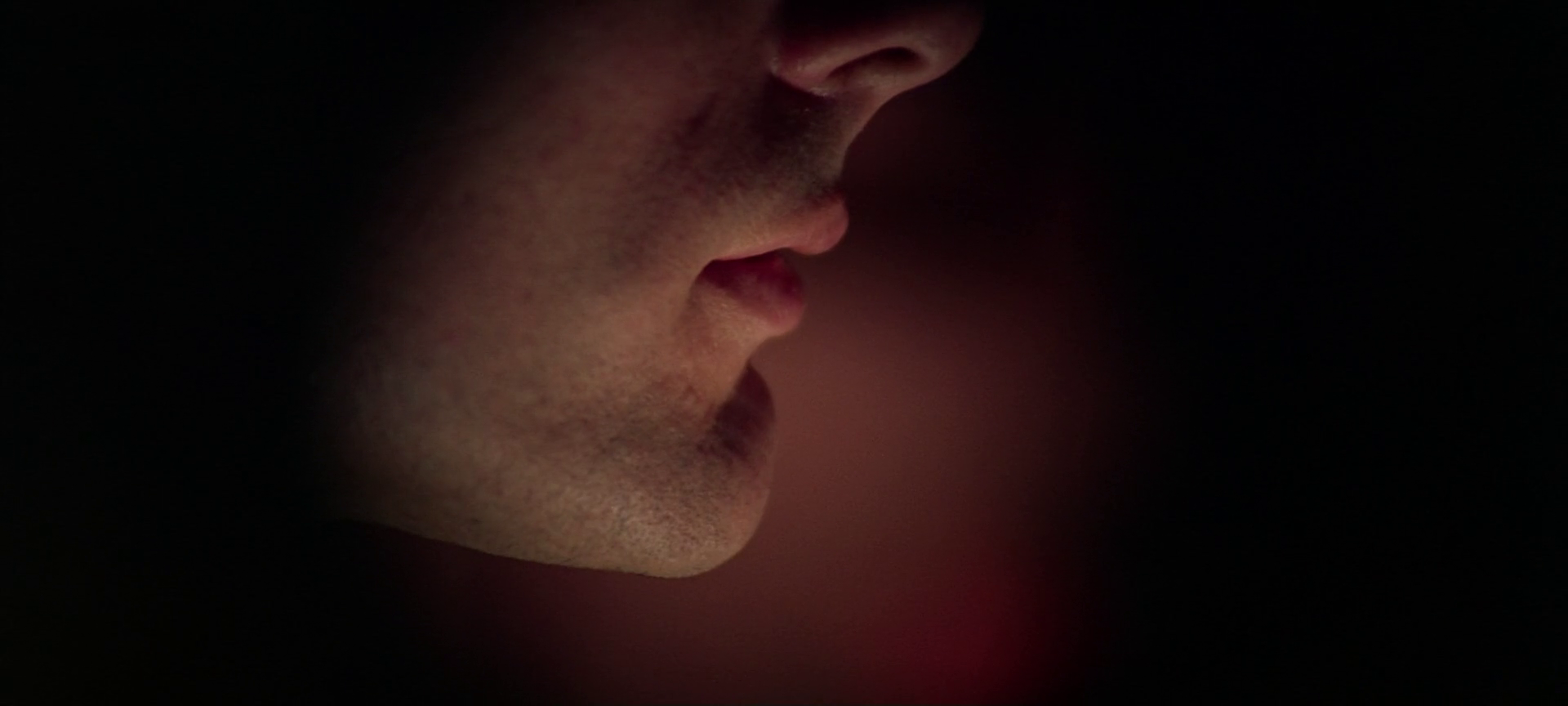
Peary describes HAL as “both a Frankenstein monster turning on its human creators (he tries to dispose of the crew) and a Big Brother which, unlike the situation in Orwell, men have intentionally set up to spy on them.” He argues (I agree) that “there is no scarier scene [in the movie] than when HAL reads the lips of Bowman and Poole as they plan to dismantle this rebellious computer.”
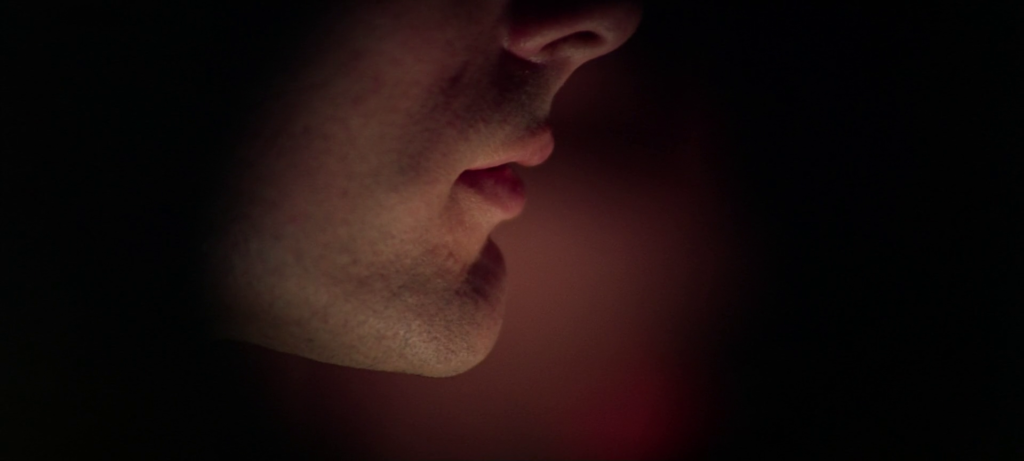
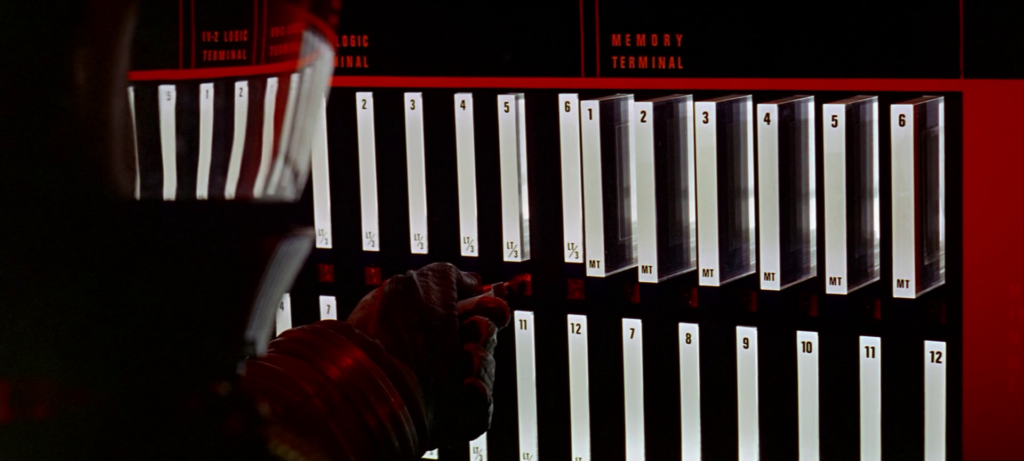
Soon we reach one of the film’s most famous sequences, “an unforgettable scene” in which “Bowman dismantles HAL.”

He argues that “the battle between man and computer, resulting in HAL’s death, releases emotions that Bowman had previously held in check: fear and sorrow,” and that “the destruction of the oppressive computer is the signal to the aliens — who may have set up the combat… — that Bowman is worthy of being the human being who comes to them.”

Since I’ve already revealed numerous spoilers, I’ll continue quoting from Peary’s descriptive review, where he writes, “After traveling through space — ‘the ultimate trip’:

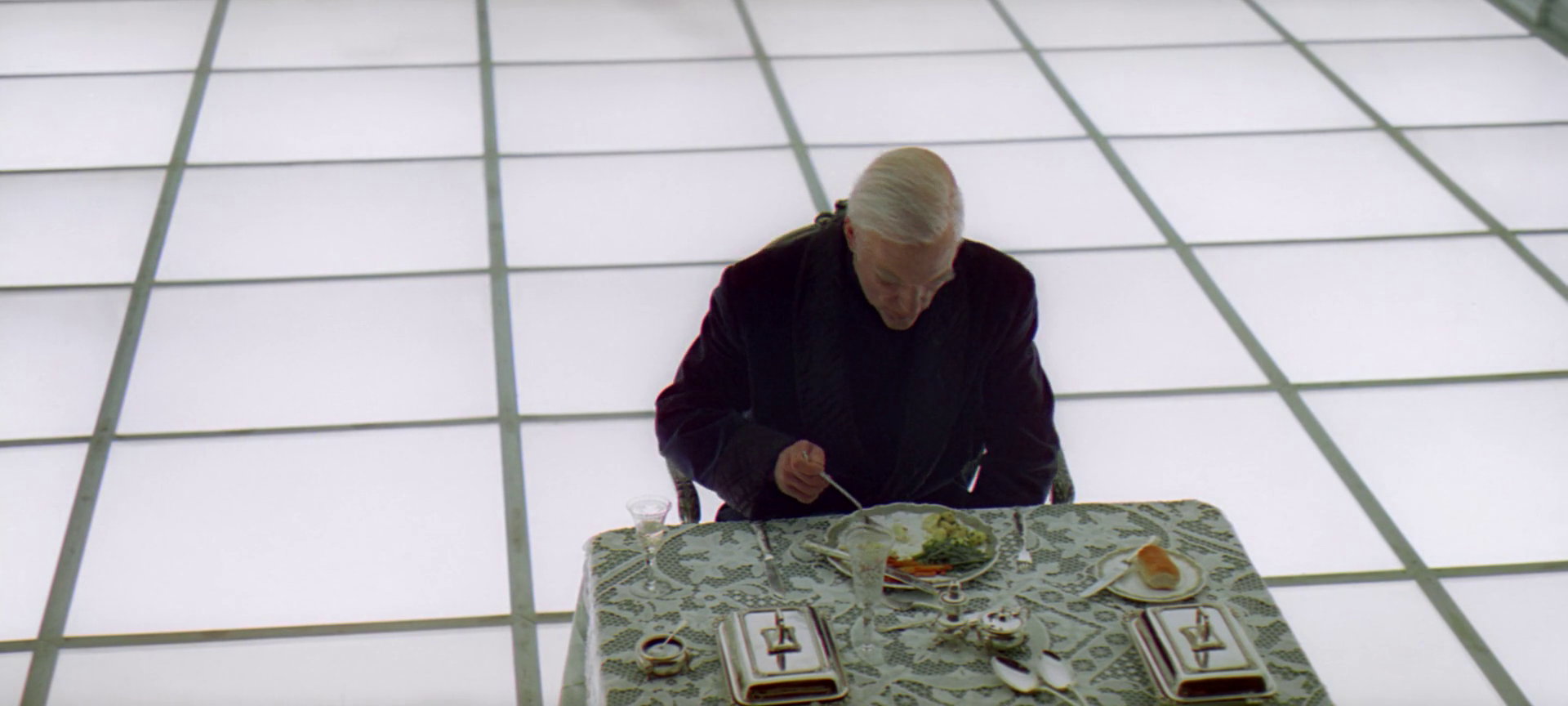
… Bowman finds himself in a terrarium observed by alien creatures,” where he “ages rapidly and becomes the first character in the film to eat at a table and the first to eat tasty food — from a plate, too.”
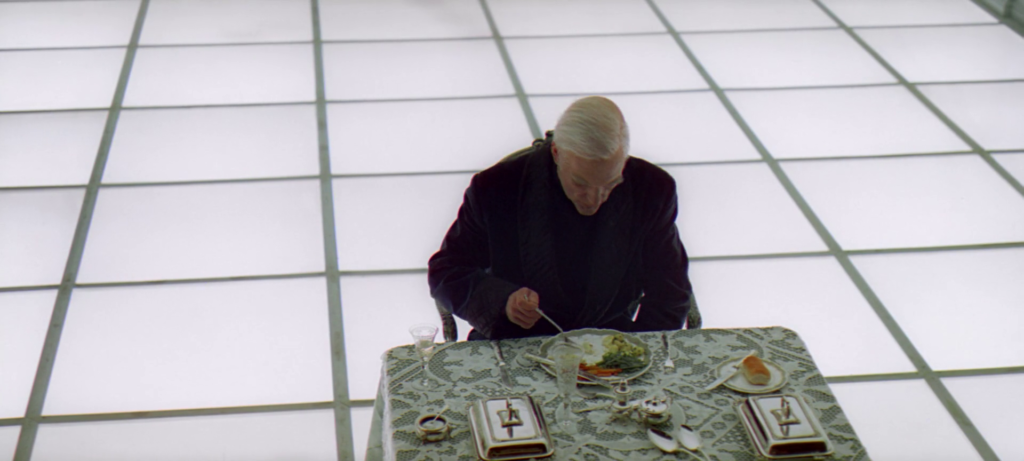
Peary concludes his review by asserting that Bowman “becomes civilized man,” given that “Kubrick believes that ‘the missing link between the apes and civilized man is the human being — us.'” Finally, “Bowman dies and evolves into a star child, floating through space towards earth,” and “the evolution of man from ape to angel is complete.”

Peary’s analysis of this enduring cult favorite is, of course, a subjective one; as he writes in Cult Movies, much of its “continuing popularity is due to so many having different interpretations.”

Meanwhile, in Alternate Oscars, Peary asserts that “in 1968 every film was dwarfed by Kubrick’s monumental achievement” — which says a lot given that this was the year we also saw “Roman Polanski’s Rosemary’s Baby, Richard Lester’s Petulia, Peter Bogdanovich’s Targets, Michael Reeves’s The Conqueror Worm, Noel Black’s Pretty Poison, Karel Reisz’s Isadora, Sergio Leone’s The Good, the Bad, and the Ugly, Peter Yates’s Bullitt, Ralph Nelson’s Charly, Jean-Luc Godard’s Weekend, [and] Luis Bunuel’s Belle de Jour,” in addition to the formally Oscar-nominated Funny Girl, The Lion in Winter, Rachel, Rachel, and Romeo and Juliet. Whew! He writes, “It’s hard to impress on people who weren’t there just how thrilling it was to see 2001 when it was released in 1968 at New York’s Cinerama Theatre. One sat up close and with eyes wide during the ‘Dawn of Man’ sequence, the stunning fifteen-minute ‘star-gate’ sequence that was conceived by special effects wizard Douglas Trumbull, the finale when the enormous baby (the new ‘Jesus’?) drifts toward earth, and so many other scenes.” He notes that he remembers “when [his] college film society voted the next year not to book the film because it would have been shown in 35mm and we worried that those who saw it for the first time would be gypped” — ironic, given that “today, people routinely watch it on their twelve-inch televisions” (or perhaps even their phones).

Indeed, there’s no denying the “visual power” of this film, which remains hypnotic and impressive throughout — in addition to being hypnotically slow, which I fully understand was Kubrick’s intent, but makes this film one I admire more than I enjoy. Regardless, it’s such a cult classic — and filled with so many impressive special effects and sets and images — that it’s impossible not to recommend as must-see viewing at least once, if not a few more times.

Redeeming Qualities and Moments:

  • Many memorable moments


  • Fine cinematography and sets


  • Incredible special effects

Must See?
Yes, of course, as a beloved classic.

Categories

  • Genuine Classic
  • Important Director

(Listed in 1001 Movies You Must See Before You Die)

Links:

Kiss Before Dying, A (1956)

Kiss Before Dying, A (1956)

“Haven’t you heard? Love conquers all.”

Synopsis:
A sociopathic college student (Robert Wagner) murders his pregnant girlfriend (Joanne Woodward), then romances her sister Ellen (Virginia Leith), in an attempt to maintain access to her wealthy father (George Macready) — but a savvy classmate (Jeffrey Hunter) helps Ellen uncover the true danger she’s in.

Genres, Themes, Actors, and Directors:

  • George Macready Films
  • Jeffrey Hunter Films
  • Joanne Woodward Films
  • Mary Astor Films
  • Plot to Murder
  • Pregnancy
  • Psychopaths
  • Robert Wagner Films
  • Social Climbers

Review:
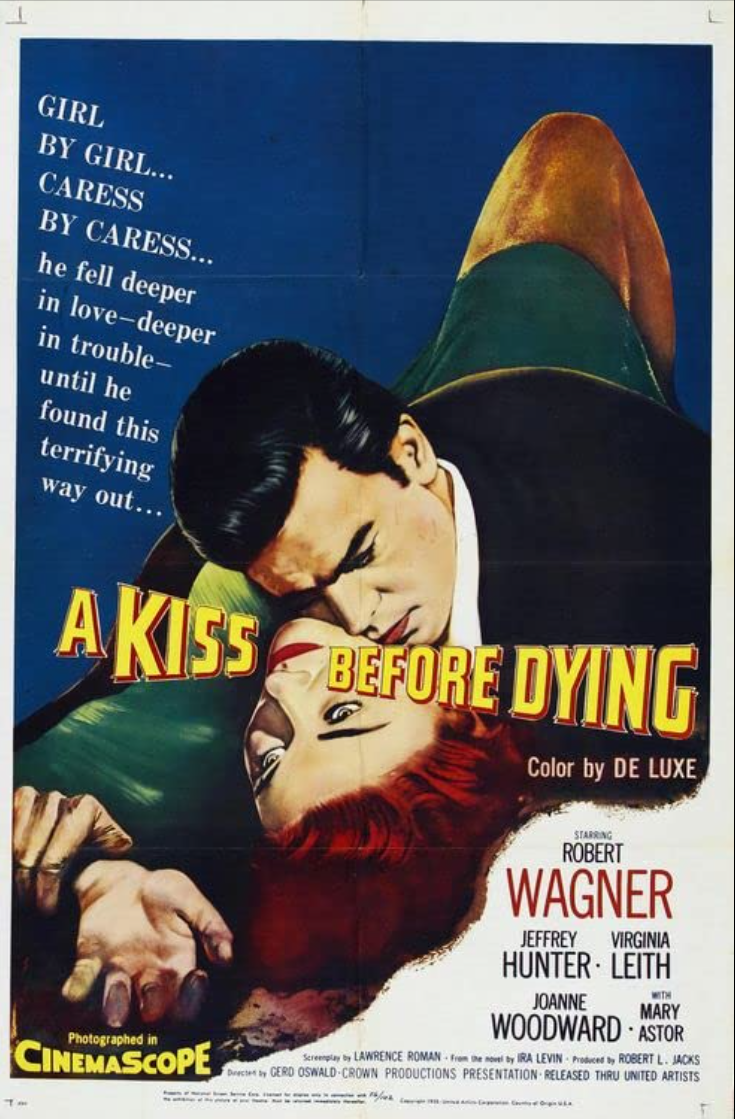
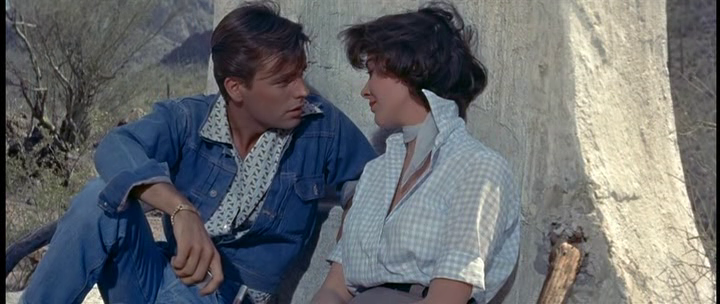
This adaptation of Ira Levin’s award winning debut novel was controversial at the time for openly using the word “pregnant”. In Eddie Muller’s intro to the movie for TCM, he describes it as a kind of “homicidal Douglas Sirk”, with Technicolor cinematography, location shooting in Tucson, and a sexy homme fatale.

It’s notable for offering Joanne Woodward her second film role, though she’s killed off midway through, and apparently Woodward hated this movie (I can’t say I blame her, given that she comes across as not exactly the sharpest tool in the shed).

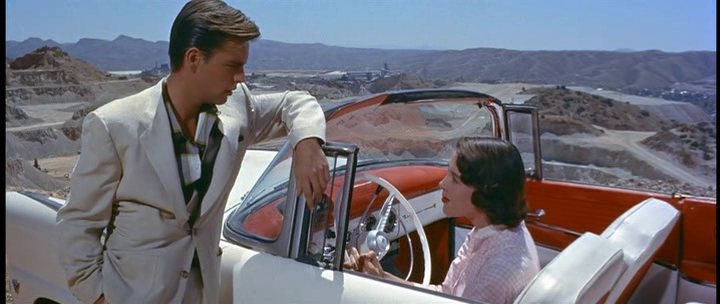
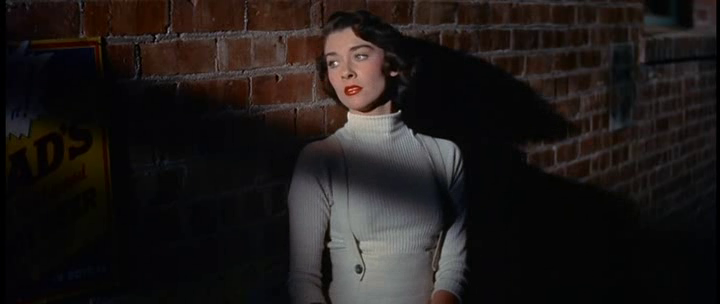
Virginia Leith is fine and beautiful (if undistinguished) as her brunette sister:

… in what appears to be her only GFTFF-listed film, though she had a role in Stanley Kubrick’s debut feature — Fear and Desire (1953) — and is apparently beloved for her beheaded role in The Brain That Wouldn’t Die (1962). Meanwhile, Wagner is appropriately smarmy and charming as a man foolish enough to date his murder victim’s sister (talk about tools not being very sharp! — or perhaps simply hubris inevitably causing one’s downfall).

Watch for Mary Astor in a bit role as Wagner’s lower-class mother.

Redeeming Qualities and Moments:

  • Lucien Ballard’s atmospheric cinematography

Must See?
No, though it’s worth a one-time look. Listed as a Sleeper in the back of Peary’s book.

Links:

Satan Bug, The (1965)

Satan Bug, The (1965)

“A virus — airborne, but self-perpetuating. Indestructible. Once released it will multiply at a power beyond our calculations.”

Synopsis:
When a life-destroying virus is stolen from a biological warfare lab, a former private investigator and intelligence agent (George Maharis) is recruited to help track down the lunatic (Richard Basehart) who threatens the existence of the world.

Genres, Themes, Actors, and Directors:

  • Anne Francis Films
  • Dana Andrews Films
  • John Sturges Films
  • Richard Basehart Films
  • Science Fiction
  • Scientists
  • World Domination

Review:
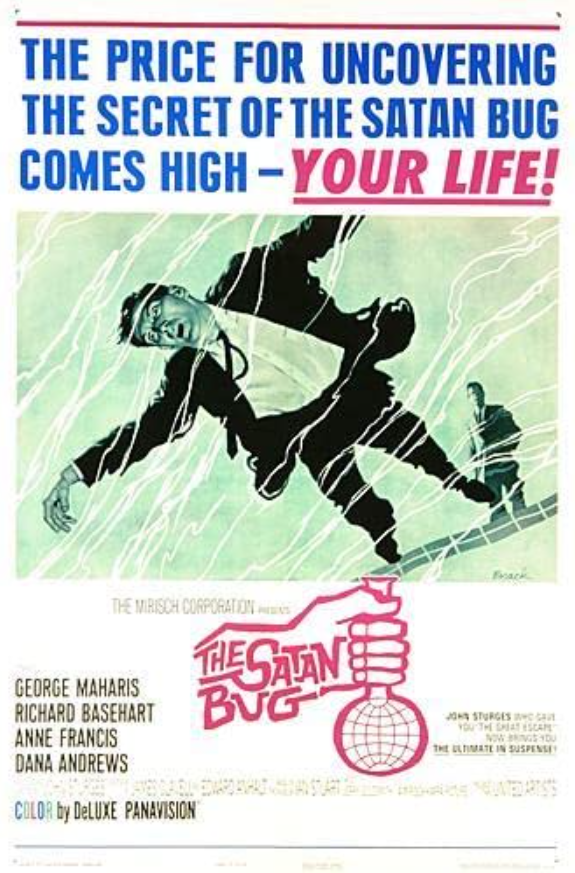
Described on Wikipedia as a “crime science fiction suspense film”, this adaptation of Alistair MacLean’s 1962 novel is an ultimately disappointing entry in this subgenre. After living through a year+ of the COVID-19 pandemic, I was deeply interested in watching a film about how a lethal virus might be let loose on the planet — yet the first half-hour consists primarily of elaborate set-up and talk. Bosley Crowther of The New York Times got it right in the opening lines of his review:

“For all the talented people who worked on or in The Satan Bug… this highfalutin drama about stolen death germs and hot pursuit has much the triteness and monotony of an average serial television show. That is because its information is mainly conveyed in talk rather than in the kind of action that makes for excitement and suspense.”

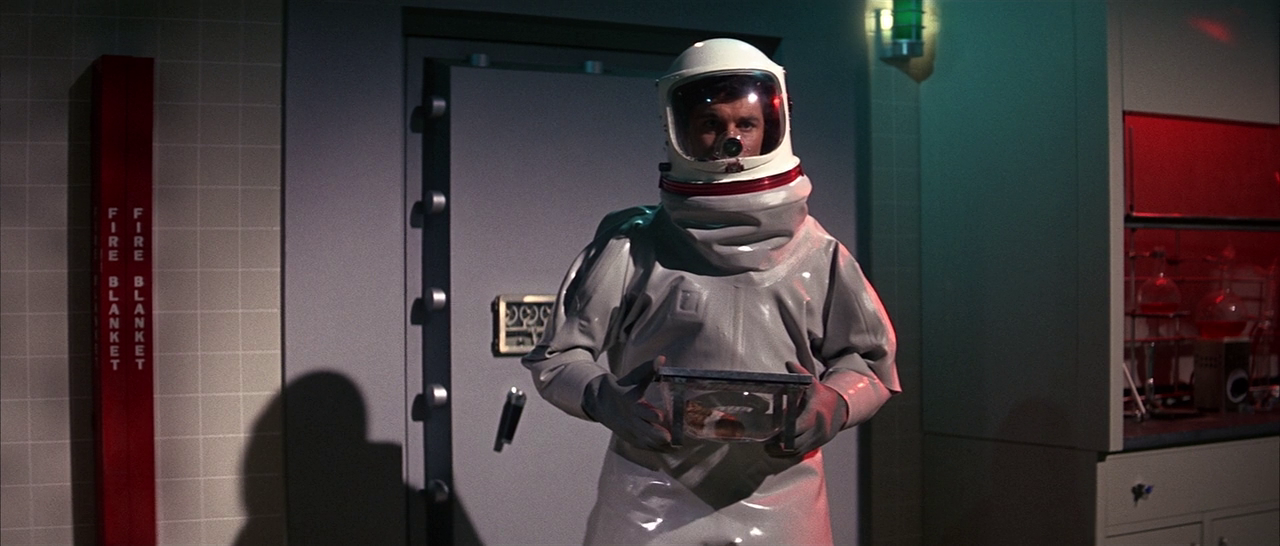
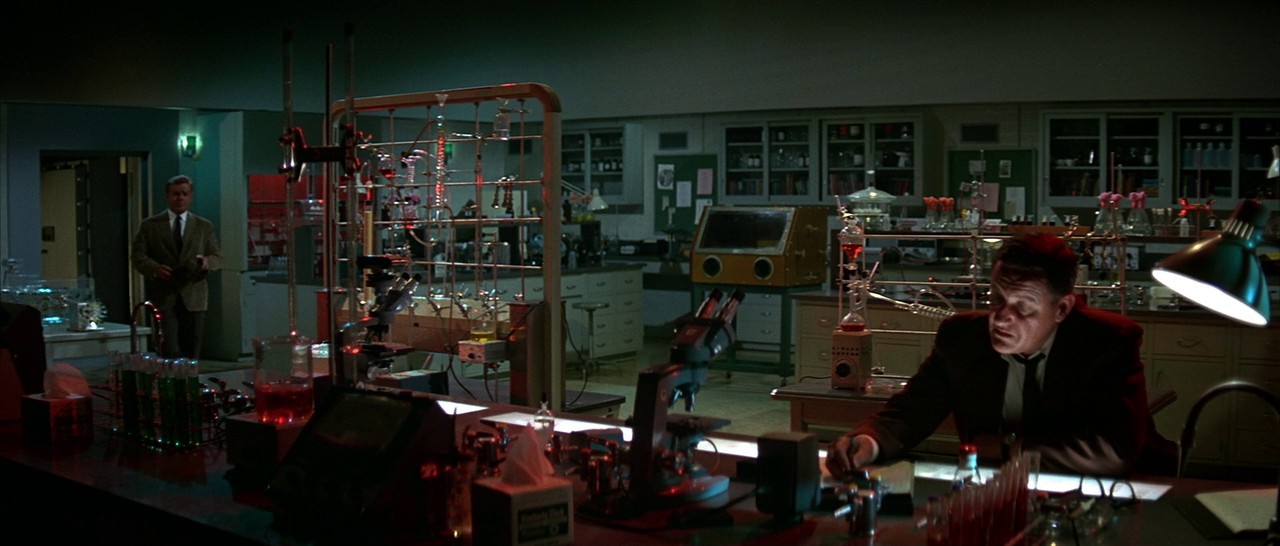
Attempts are made to inject suspense and tension — as when Maharis (handsome but bland) suits up to enter a lab he may not return from alive:

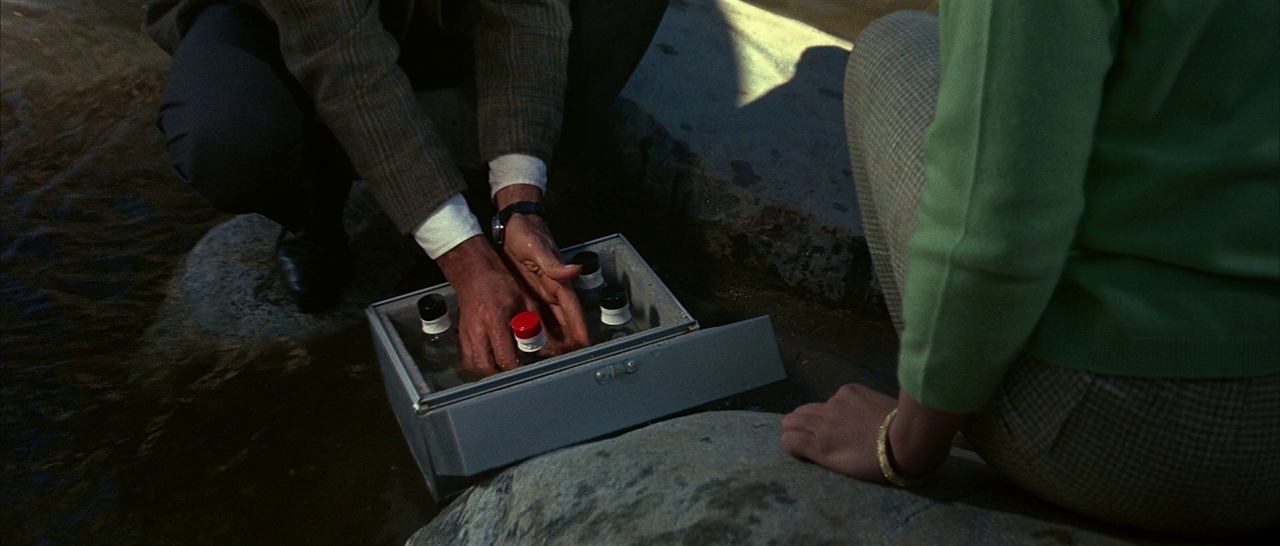
… and the numerous times when a vial of astronomically lethal liquid is seconds away from shattering and spreading:

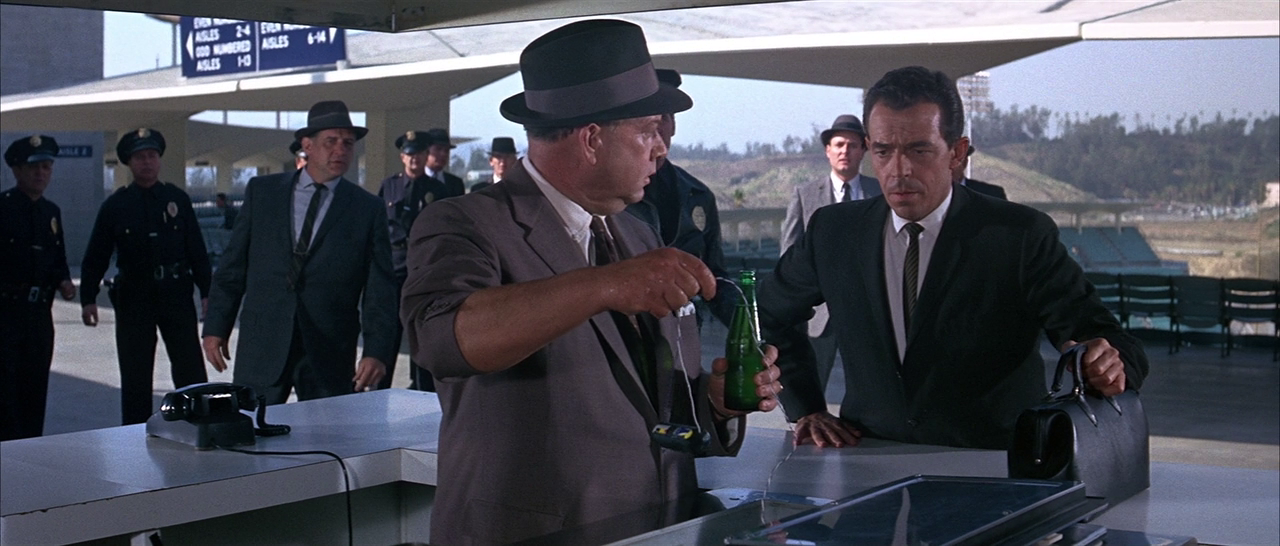
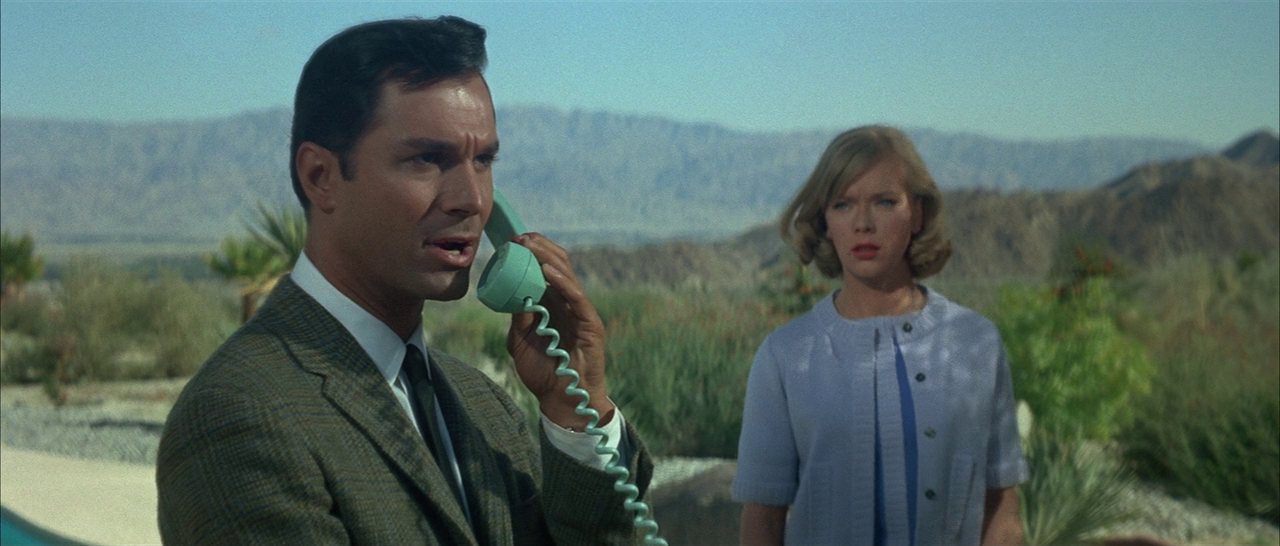
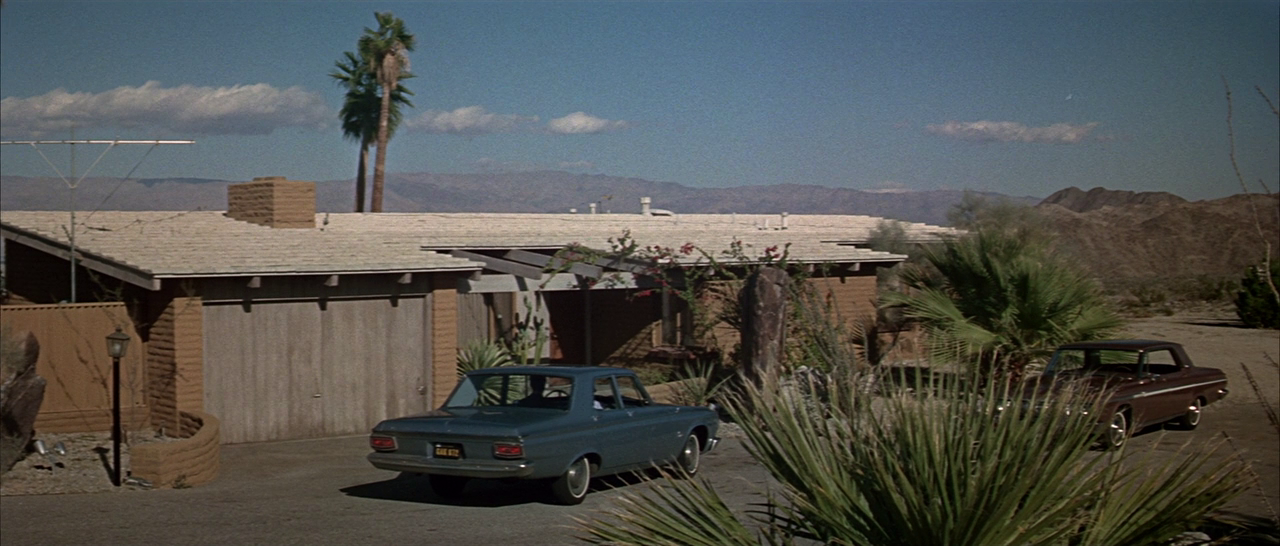
— but it’s somehow not as compelling as it could (and very much should) be. With that said, director John Sturges and DP Robert Surtees make excellent use of location shooting opportunities across Southern California:

… including an encounter in Palm Springs and the climax in Dodger Stadium.

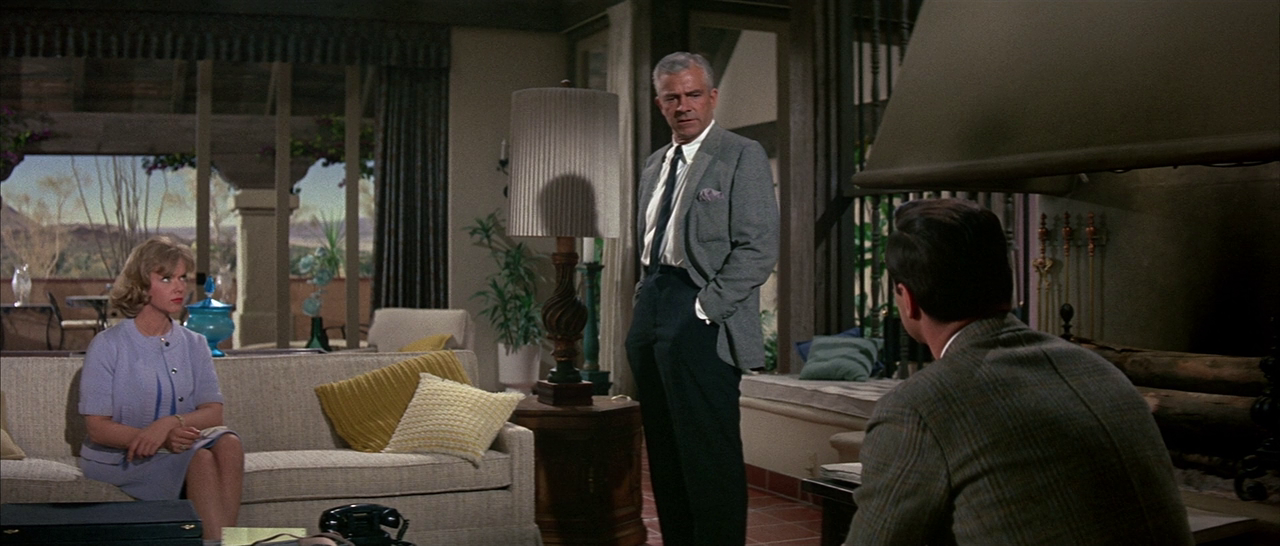
Watch for Dana Andrews in a minor role as the father of Maharis’s lover (Anne Francis):

… and Richard Bull (of “Little House on the Prairie” fame) as one among several besuited men attempting to handle the situation:

Redeeming Qualities and Moments:

  • Robert Surtees’ cinematography

  • Effective location shooting in Southern California

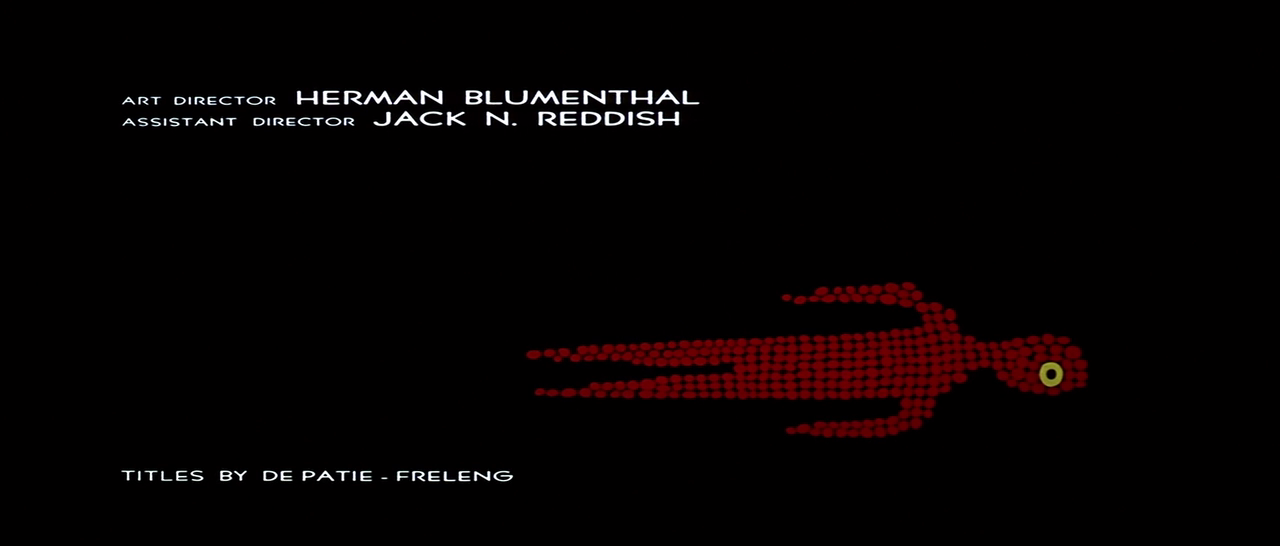
  • De Patie-Freleng’s creative opening credits
  • Jerry Goldsmith’s score

Must See?
No; you can skip this one unless you’re curious.

Links:

Sensuous Nurse, The (1975)

Sensuous Nurse, The (1975)

“He’ll outlive every one of us!”

Synopsis:
When a wealthy vintner (Mario Pisu) suffers a near-fatal heart attack, his scheming son-in-law (Duilio Del Prete) hires his former girlfriend (Ursula Andress) to come and work as a sexy nurse, hoping she will stimulate Pisu to his death.

Genres, Themes, Actors, and Directors:

  • Black Comedy
  • Doctors and Nurses
  • Inheritance
  • Jack Palance Films
  • Plot to Murder
  • Ursula Andress Films
  • Widows and Widowers

Review:
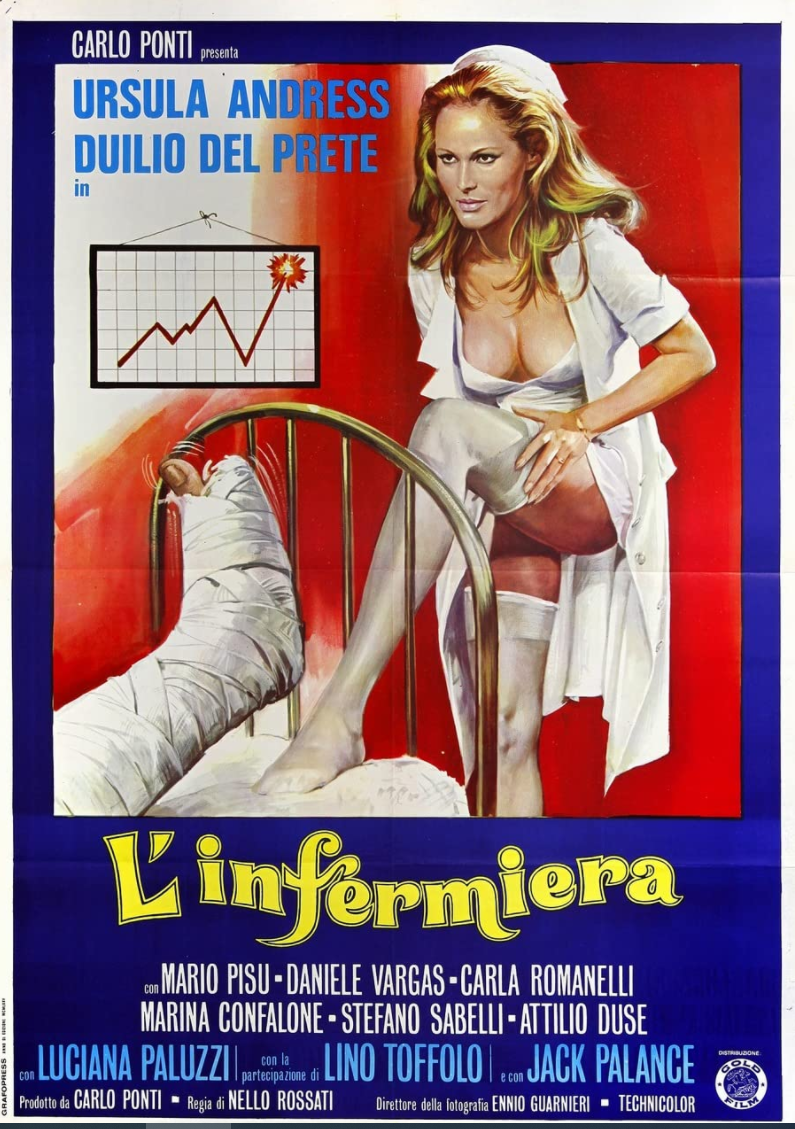
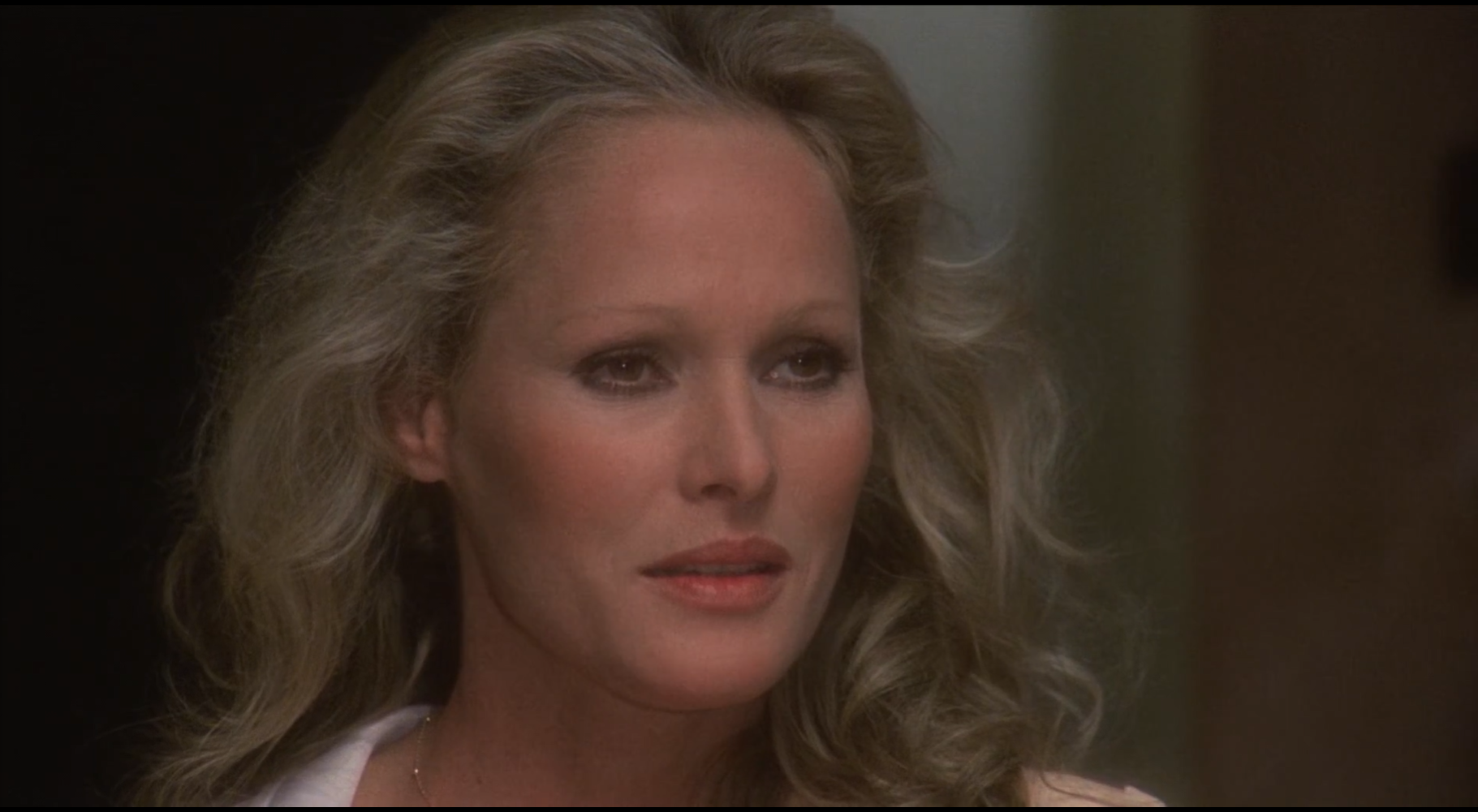
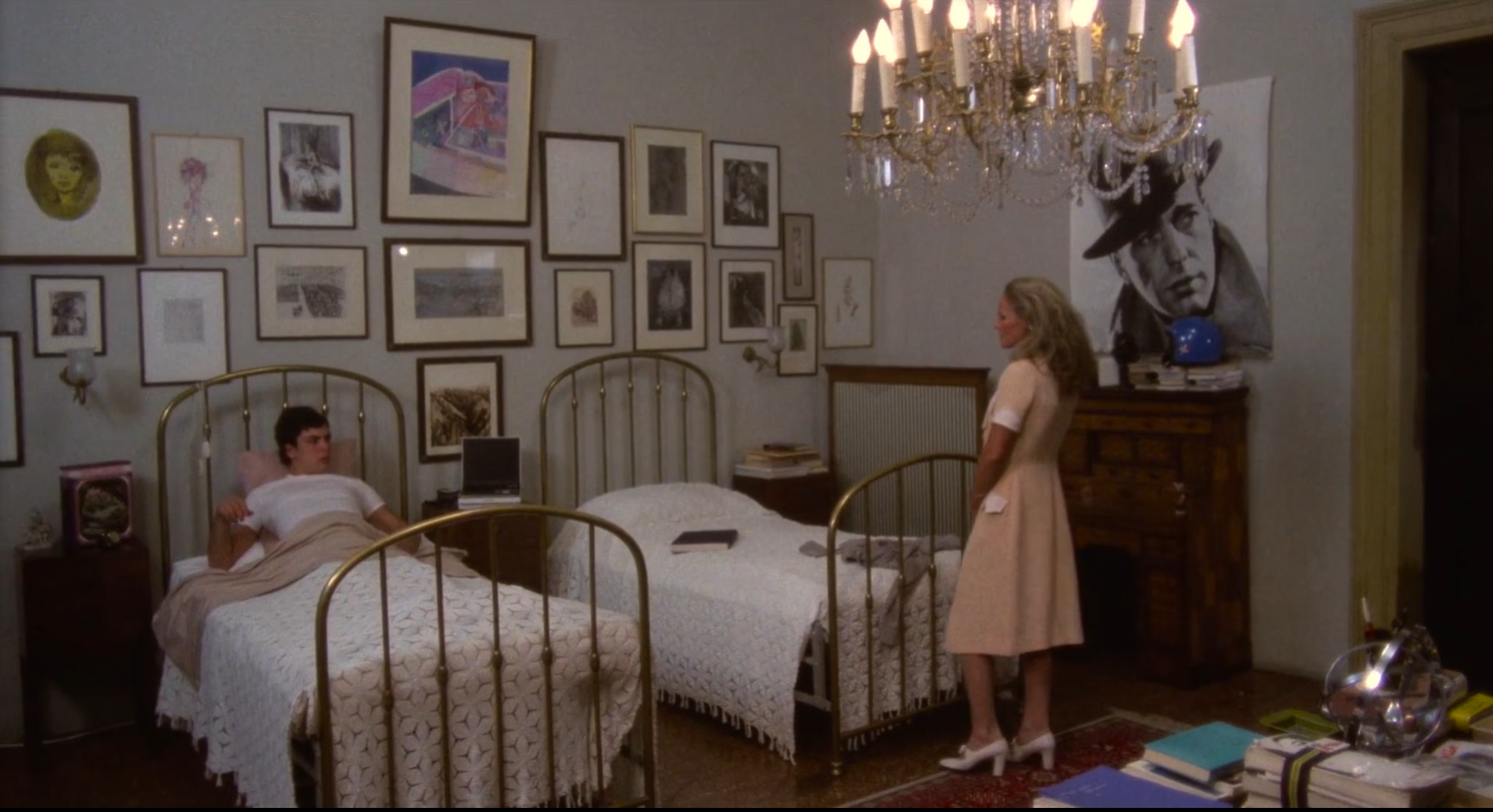
This Italian sex comedy is likely included in Peary’s book as a representative film of this genre — and/or because of the starring presence of sexy Andress:

… who is “forced” to seduce a teenage boy (Stefano Sabelli) when he accidentally learns about his family’s murderous plans:

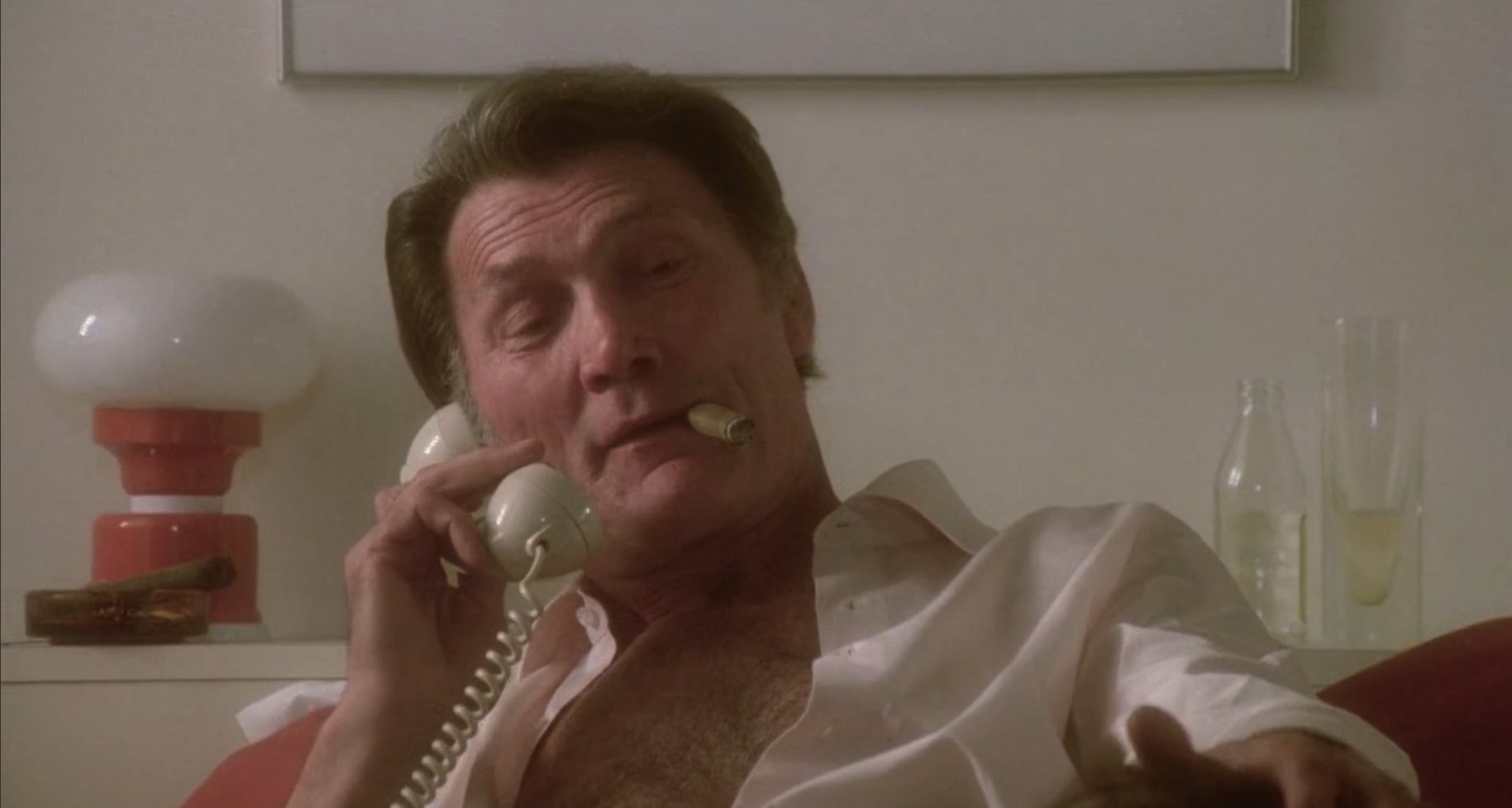
There is a refreshing plot twist at one point which helps to perk things up, but overall this is a tedious, hopelessly awful flick. While it delivers on the tenets of its genre — providing plenty of female nudity and slapstick “comedy” — it will really only be of interest to those who appreciate this type of fare. Watch for Jack Palance in a tiny supporting role as a menacing American businessman:

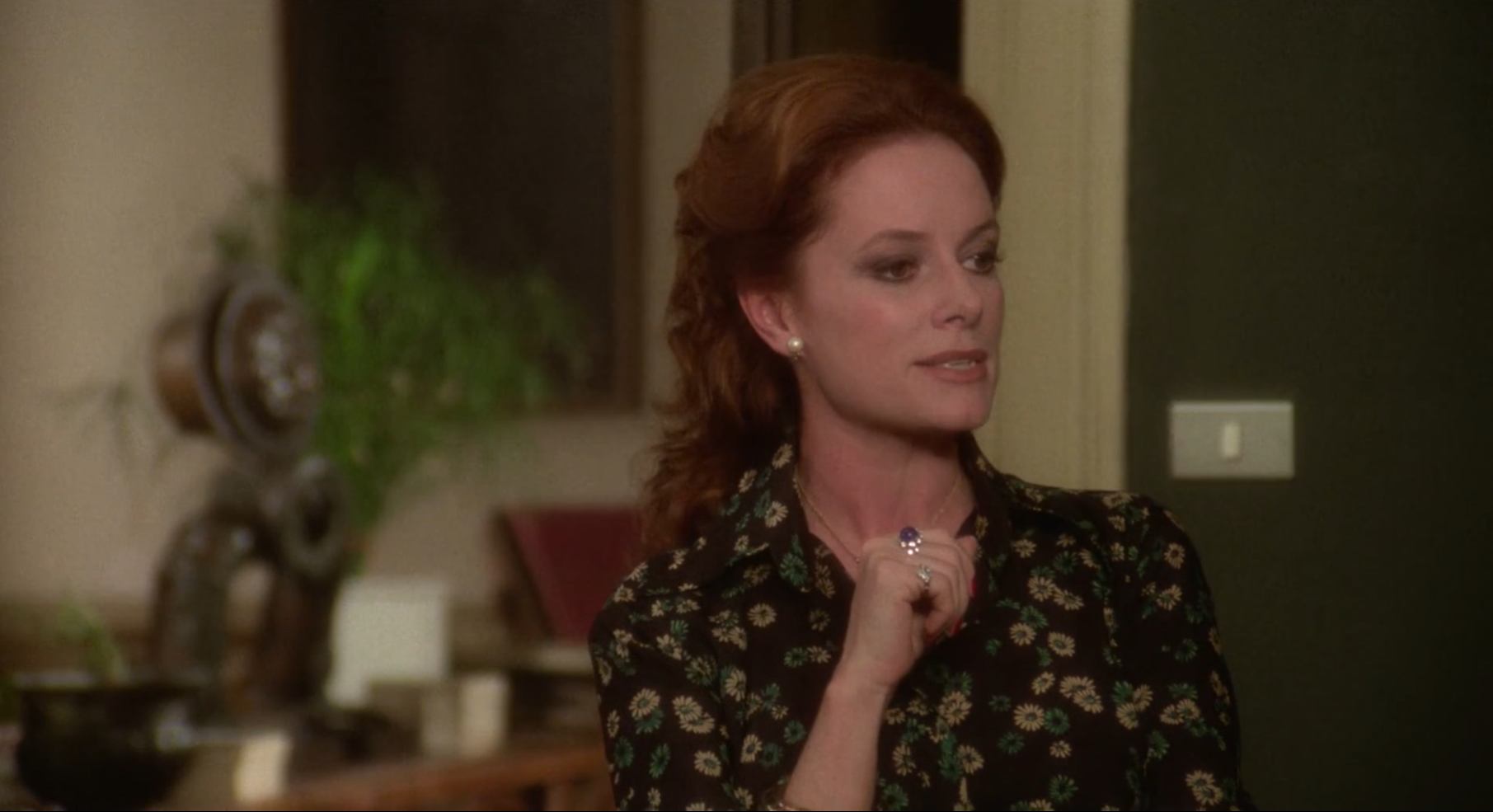
… and Thunderball (1965) Bond girl Luciana Paluzzi as Sabelli’s mother:

Redeeming Qualities and Moments:

  • Ennio Guarnieri’s cinematography

Must See?
No; you can most definitely skip this one.

Links: