Browsed by
Category: Response Reviews

My comments on Peary’s reviews in Guide for the Film Fanatic (Simon & Schuster, 1986).

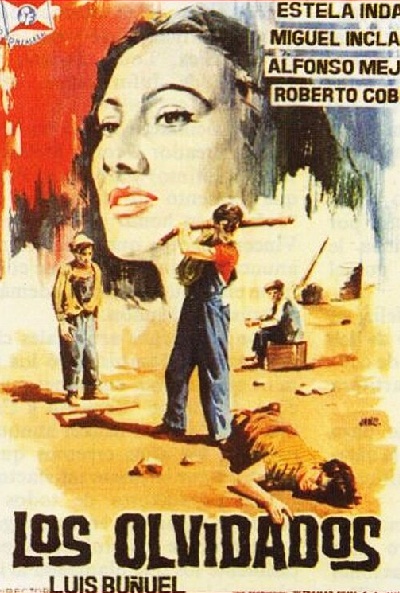
Olvidados, Los / Young and the Damned, The (1950)

Olvidados, Los / Young and the Damned, The (1950)

“Listen to me, my darling — you’re not that bad.”

Synopsis:
In the slums of Mexico City, a boy (Alfonso Mejia) whose over-worked mother (Estela Inda) refuses to love him joins forces with a thuggish ex-con (Roberto Cobo) who swears him to secrecy after witnessing a murder.

Genres, Themes, Actors, and Directors:

  • Juvenile Delinquents
  • Luis Bunuel Films
  • Mexico
  • Single Mothers

Response to Peary’s Review:
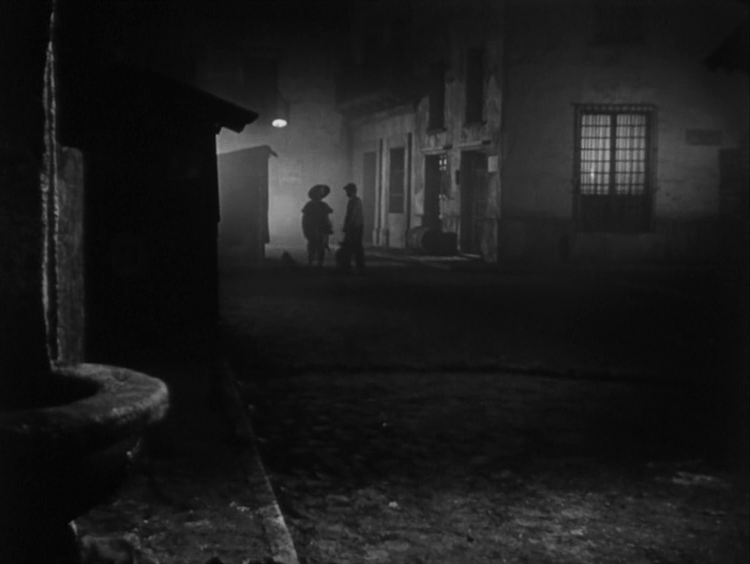
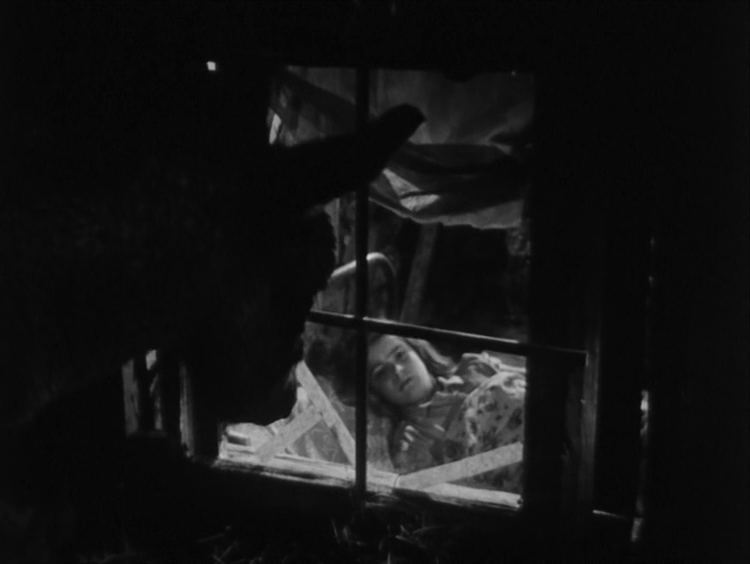
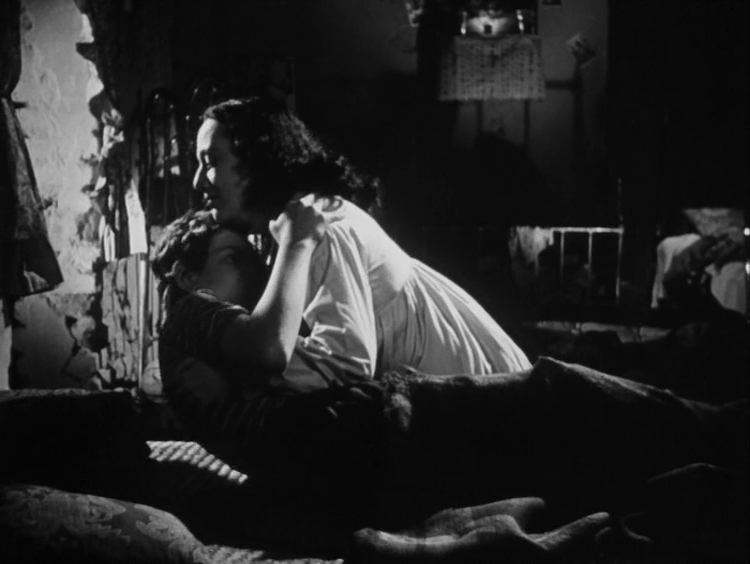
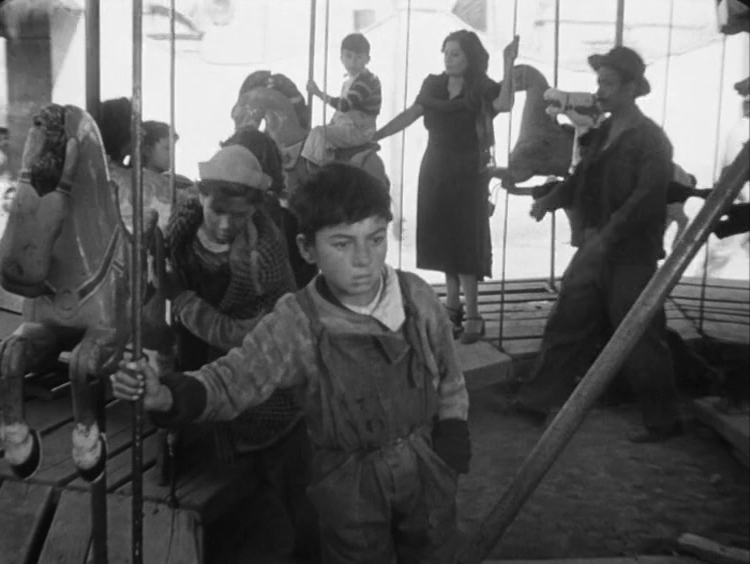
Peary writes that this “strong social drama, directed by Luis Bunuel” possesses a “realistic atmosphere” and “unsympathetic portrayal of young gang members… whose constant hunger is no excuse for” their “sadistic” behavior. He comments that “Bunuel offers no solution to the juvenile-delinquency problem — although the mother is chastised for being a neglectful parent — but conveys that a boy growing up in such poverty is doomed”. He adds that “viewers will be shocked at how unsentimental and uncompromising the film is”, given that the “kids are brutal and he doesn’t spare them tragic ends that are usually reserved for adults in movies”. Thankfully, “memorable surrealistic dream sequences” occasionally lift the material into the realm of compassion and psychological insight — and the lyrical soundtrack prevents one from devolving into utter despair while watching these kids trying to survive in such an unforgiving world. Although Bunuel’s story isn’t pleasant, it resonates with authenticity, and should be seen at least once.

Note: Peary writes that this film “ranks with De Sica’s Shoeshine” — which he adores — but I find Bunuel’s non-sentimental approach more impactful than De Sica’s.

Redeeming Qualities and Moments:

  • Gabriel Figueroa’s cinematography

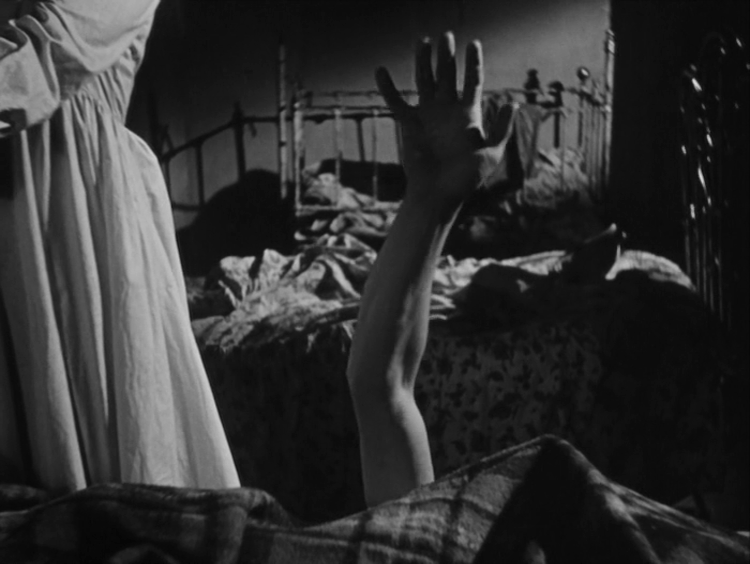
  • The effectively surreal mother-son dream sequence

  • Fine ethnographic footage of life in Mexico City


  • Many moments of heartbreaking violence and squalor


Must See?
Yes, as a powerful if bleak classic.

Categories

  • Genuine Classic

(Listed in 1001 Movies You Must See Before You Die)

Links:

Quadrophenia (1979)

Quadrophenia (1979)

“I don’t want to be the same as everybody else! That’s why I’m a Mod, see?”

Synopsis:
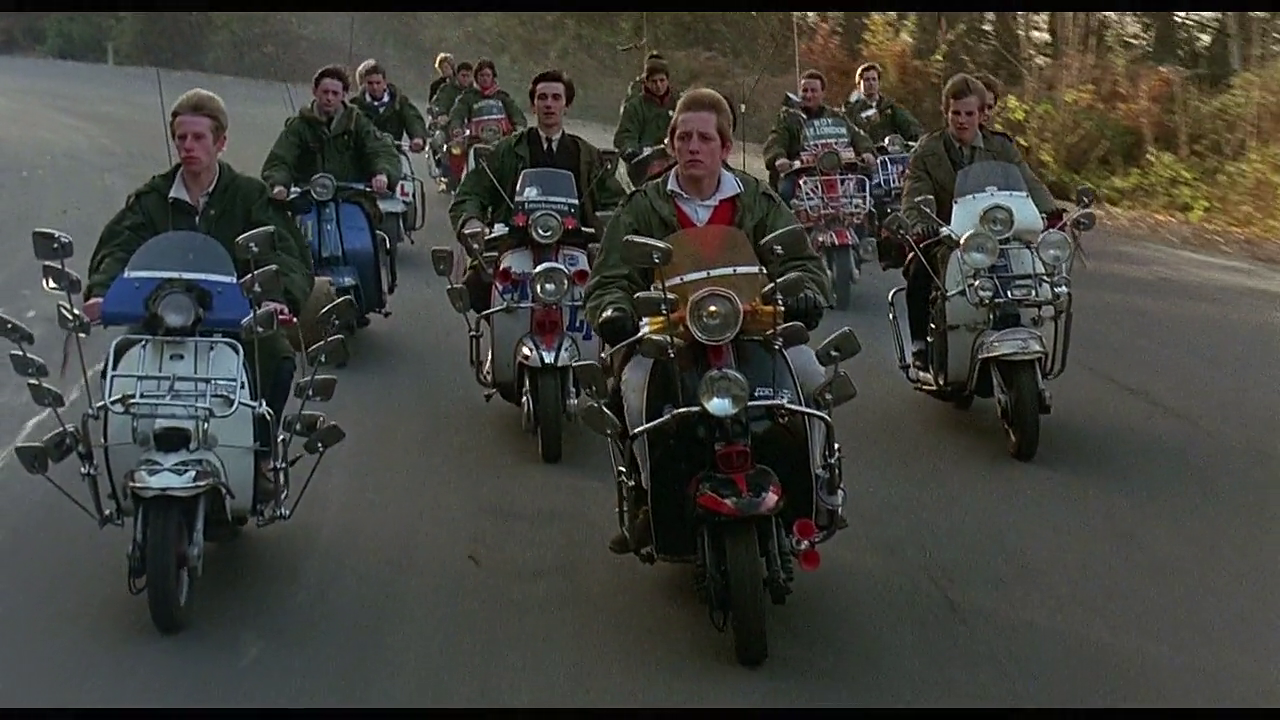
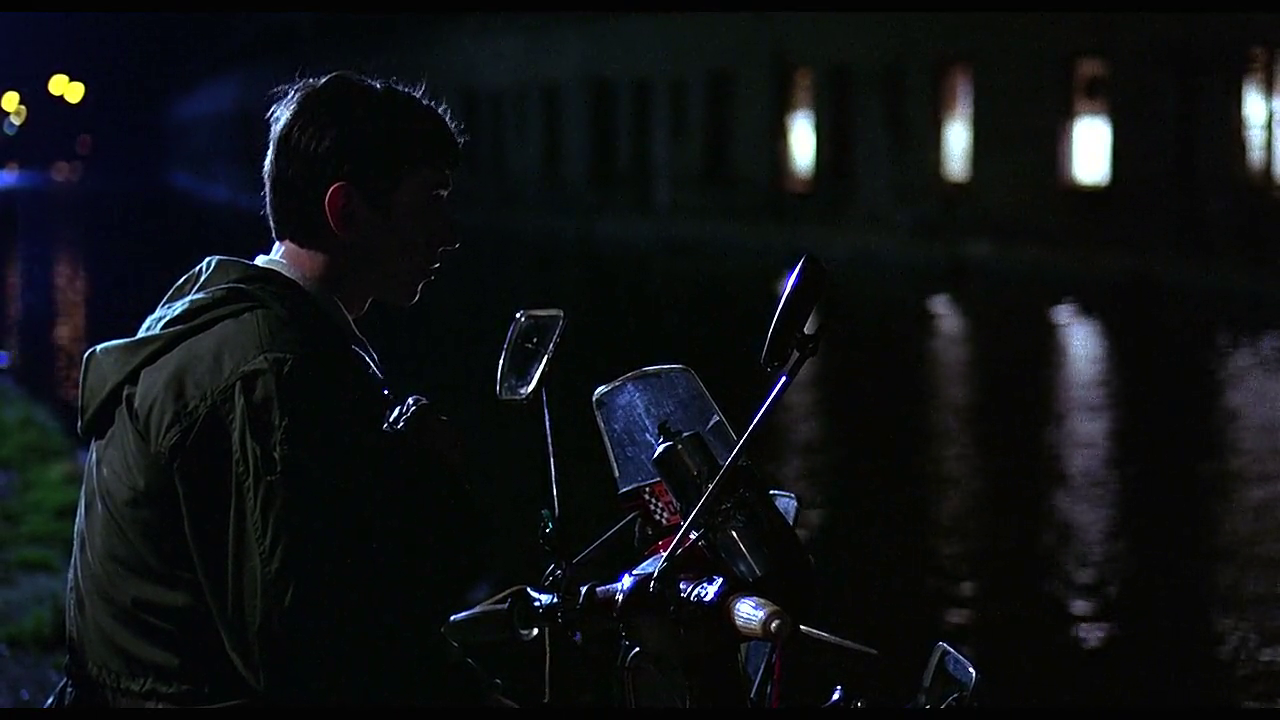
A disaffected working-class Londoner (Phil Daniels) rides a scooter with his Mod buddies while pining after a beautiful girl (Leslie Ash) whose affection he finally wins (temporarily) during a bloody riot in Brighton against a rival gang of Rocker bikers.

Genres, Themes, Actors, and Directors:

  • Coming-of-Age
  • Counterculture
  • Gangs
  • Juvenile Delinquents
  • Motorcycles

Response to Peary’s Review:
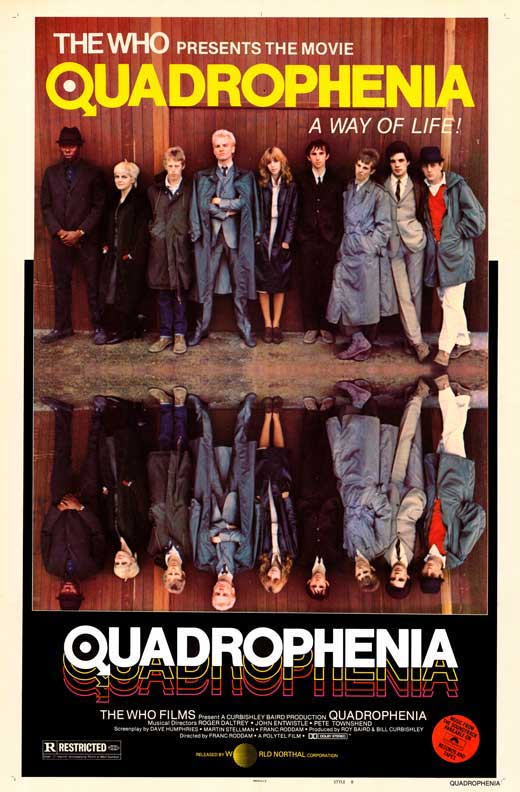
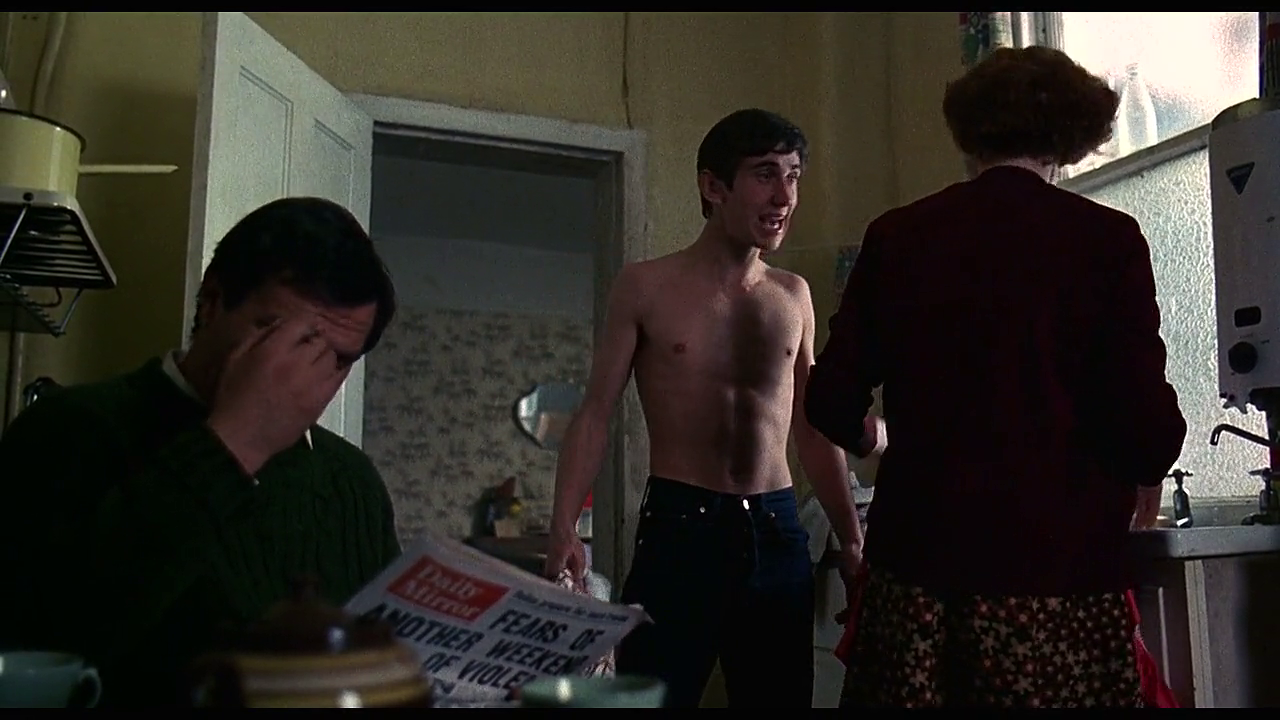
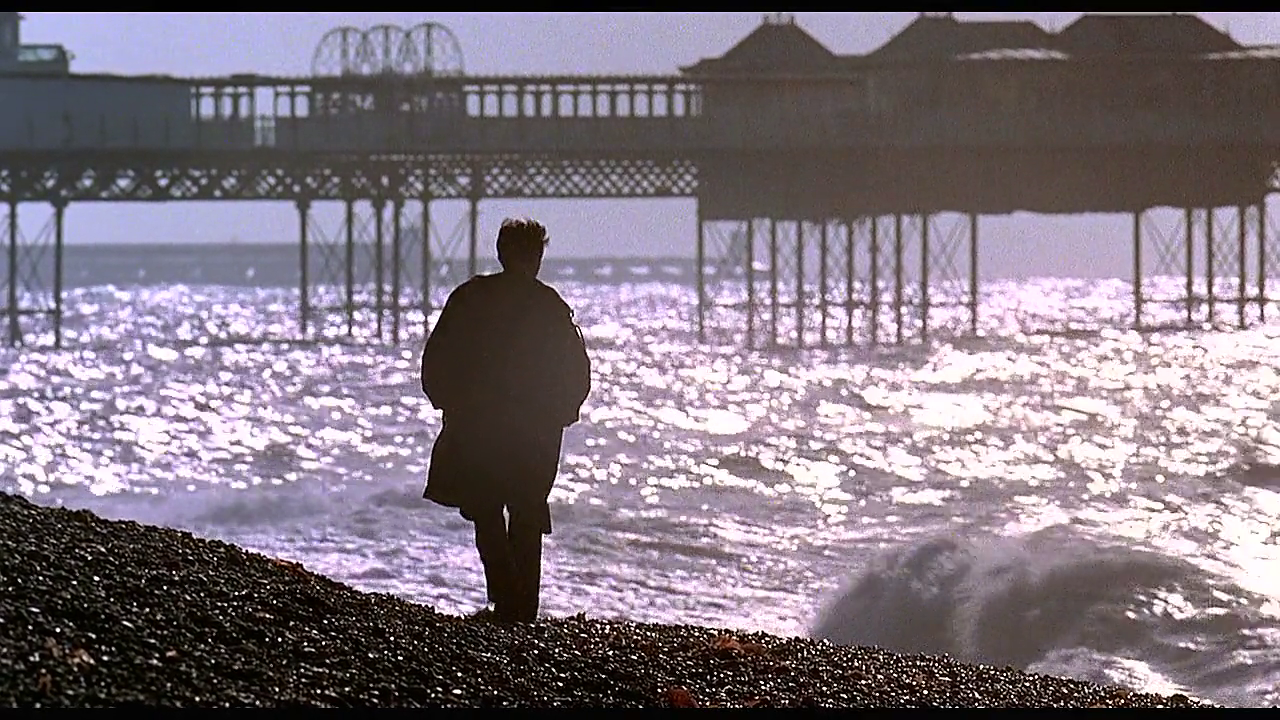
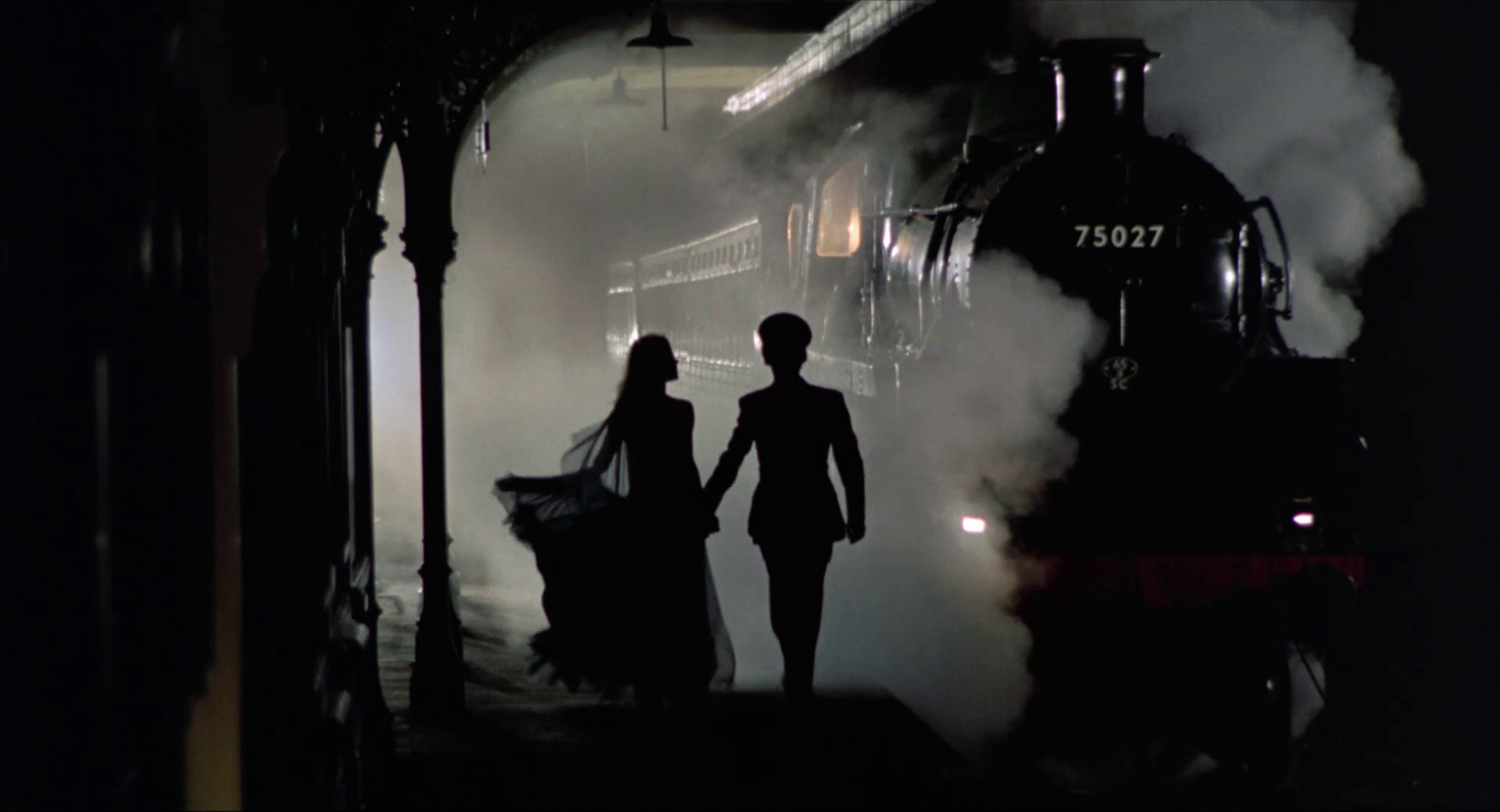
Peary argues that “England’s first street film, about the turbulent Mods vs. Rockers music-motorcycles-fashion scene in 1964 (the year of the Brighton riots)” is “the most exciting, perceptive youth film since Rebel Without a Cause.” He writes that “it wasn’t made with an international market in mind” — meaning “there’s no preface for the uninitiated that defines and contrasts the warring Mods and Rockers”, and “the working-class characters speak with thick cockney accents” — but he notes that he “can’t see why Americans can’t identify with it”, given that “young viewers can relate to the Mods, who define themselves by their musical taste, revolutionary fashions, anti-social posturing, and anarchical brand of violence”. He further notes that “one can become extremely sentimental because director Franc Roddam has done a remarkable job of re-creating the youth scene of 1964: dark, wet London streets, empty but for the herds of Mods on Italian scooters and Rockers on heavy cycles in search of a rumble; dingy, sweat-filled clubs; greasy diners, pinball joints, back alleys, dance halls, etc.” He concludes his review by asserting that “this is a superb, powerful film, ambitiously directed by Roddam with wit, style, and passion”, and that “you can’t help feeling that adrenaline rush so often experienced in the mix-sixties”.

Given that most film fanatics these days weren’t alive in the 1960s, Quadrophenia may hold less personal appeal — though it remains a potent depiction of a “character we can all identify with”, someone who “represents all youths in the throes of growing pains, in desperate search for their identities”. As uncredited screenwriter Pete Townshend said in an interview:

I could still remember that feeling of struggling to fit in, something that happened to me when I was even younger, around 14, and everyone around me seemed to have got their lives on track. This is such a universal experience for young people that it has echoed.

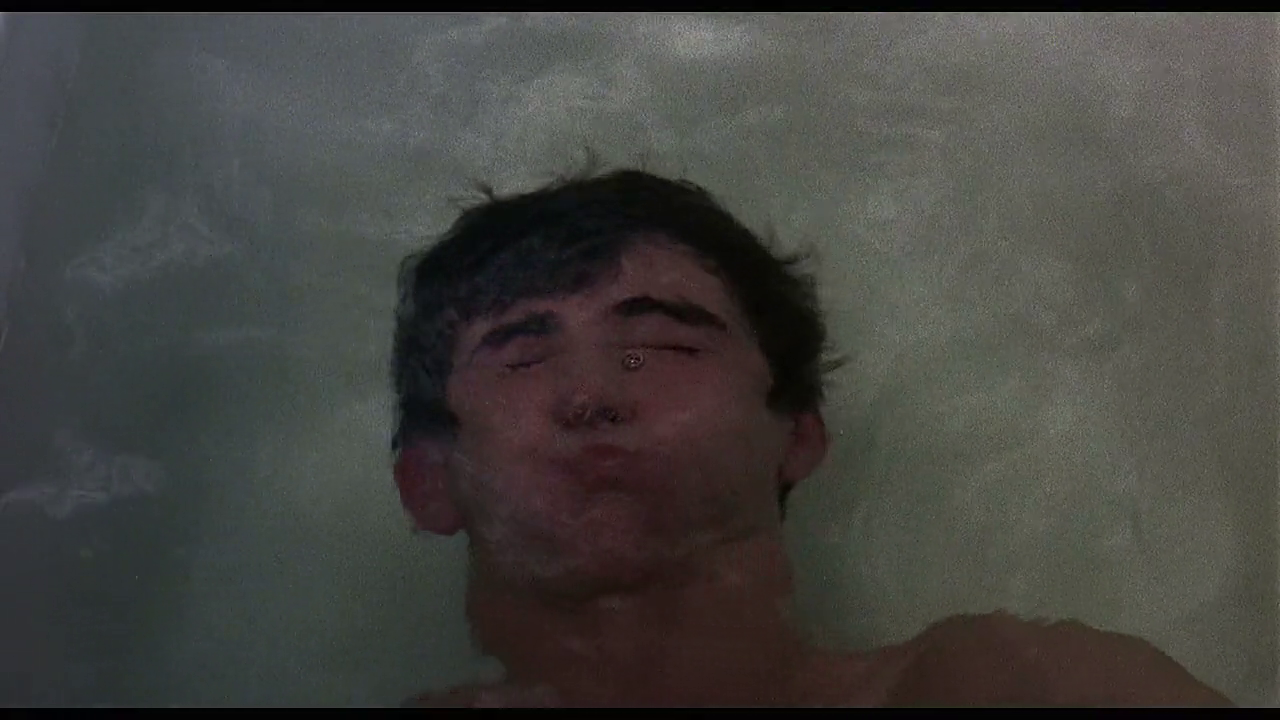
Perhaps most representative of adolescent angst is beautiful Steph (Ash), an embodiment of the toxic MGTOW movement in that she “marries up” as soon as a new bloke holds dominance or interest. Daniels’ pain and bewilderment at Ash (and at life in general) are completely understandable, given he’s someone who “doesn’t fit in anywhere because he tries too hard to be different” and is “always more excited, angrier, or more frustrated than anyone else; to him every moment has great significance”. His final sequence with Ace Face (Sting) is an appropriately crushing denouement.

Redeeming Qualities and Moments:

Must See?
Yes, once, as a cult favorite. Described at length in Peary’s Cult Movies 2.

Categories

  • Cult Movie

Links:

Tommy (1975)

Tommy (1975)

“He hears but cannot answer to your call.”

Synopsis:
A young boy (Barry Winch) whose mother (Ann-Margret) becomes a widow during WWII grows up blind, deaf, and mute. As an adult, Tommy (Roger Daltrey) is taken by his mother and step-father (Oliver Reed) to a preacher (Eric Clapton) and an “Acid Queen” (Tina Turner) who attempt to cure him, and is also left with abusive caretakers (Paul Nicholas and Keith Moon) who fail to elicit any reaction. When Tommy becomes a pinball champion, however, he develops an enormous following, and is soon a figure of religious reverence.

Genres, Themes, Actors, and Directors:

  • Ann-Margret Films
  • Blindness
  • Cults
  • Deafness
  • Jack Nicholson Films
  • Ken Russell Films
  • Musicals
  • Oliver Reed Films
  • Rock ‘n Roll

Response to Peary’s Review:
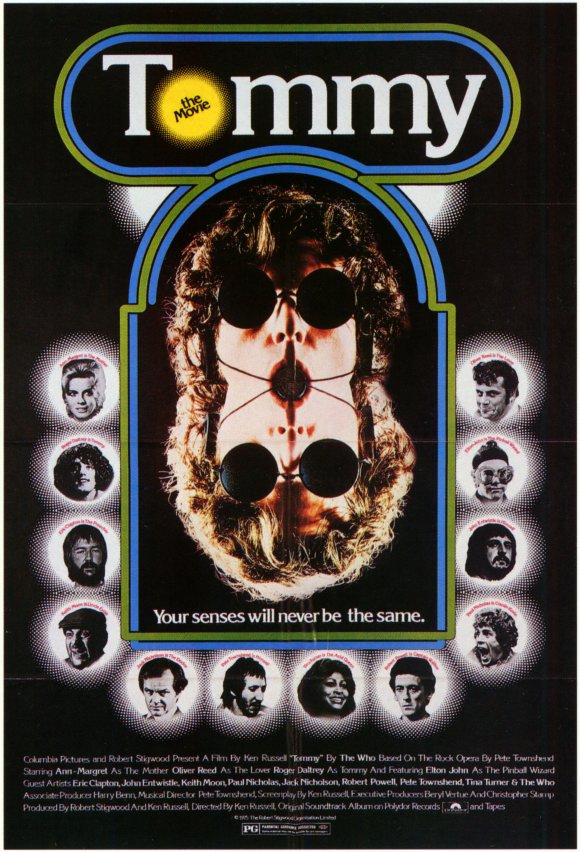
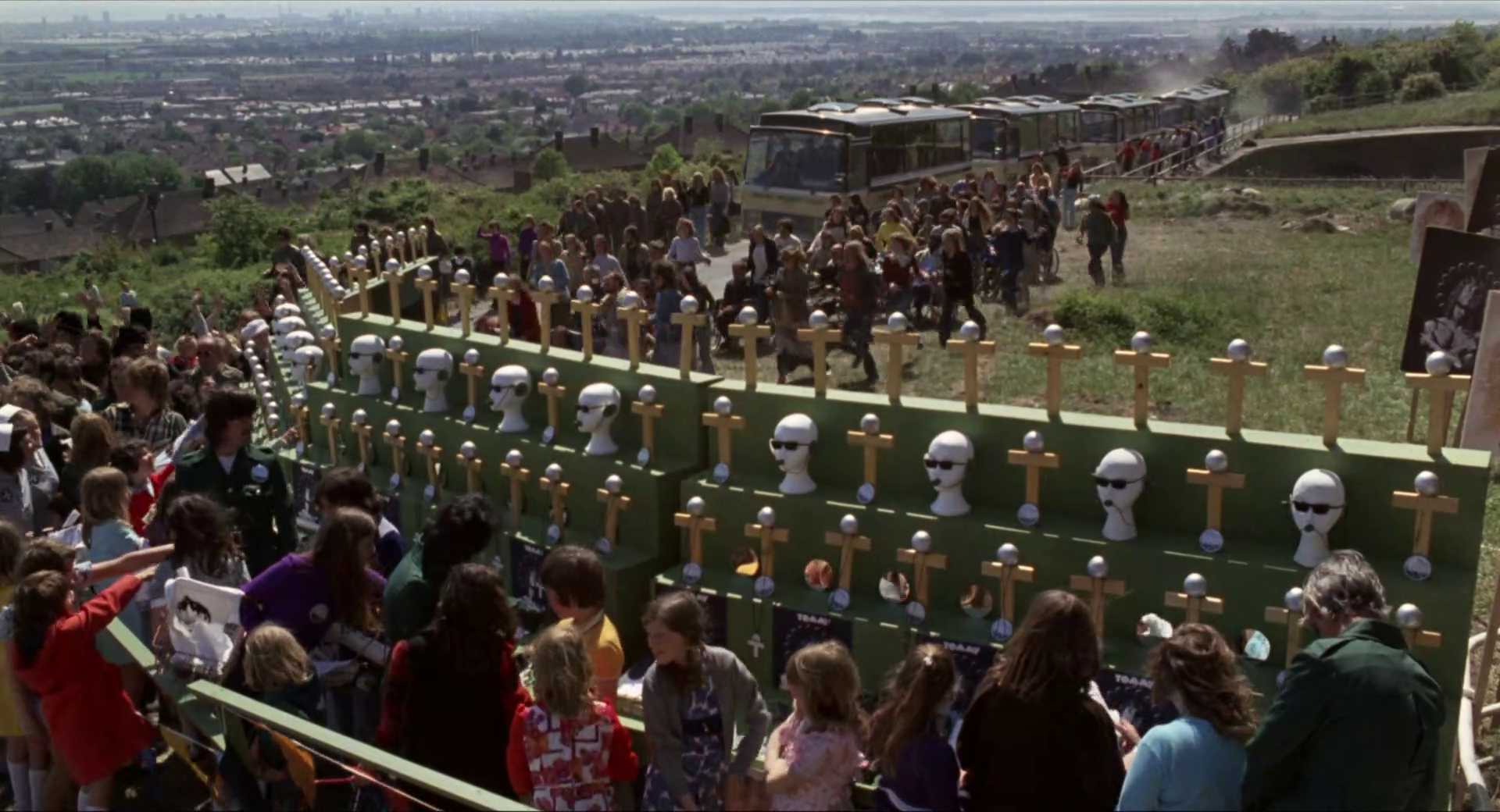
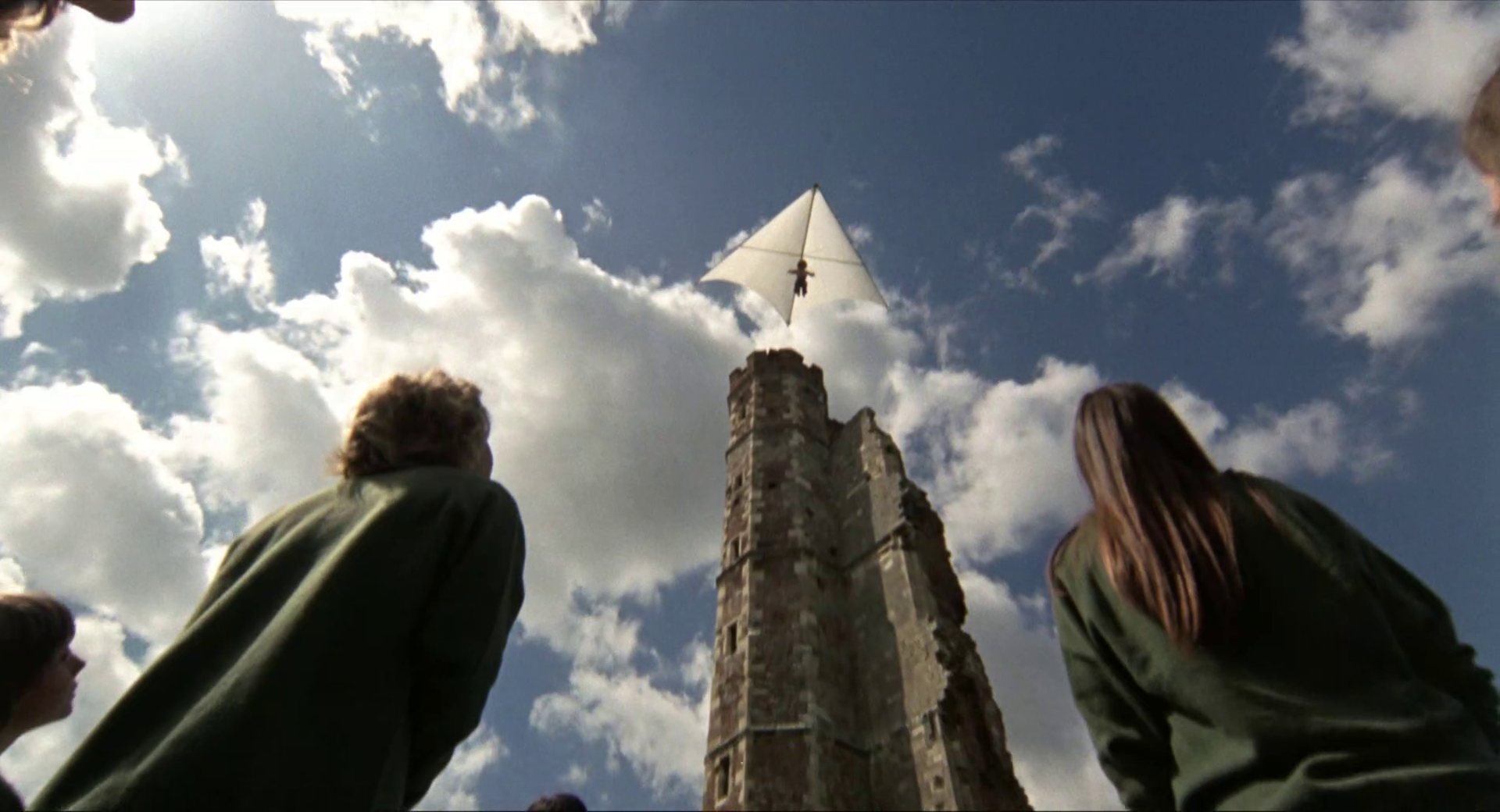
Peary writes that Ken Russell’s screen adaptation of “The Who’s rock opera” album — about a “deaf, dumb, and blind English boy who is pitied, ignored, abandoned, and abused until his pinball wizardry makes him a national hero”:

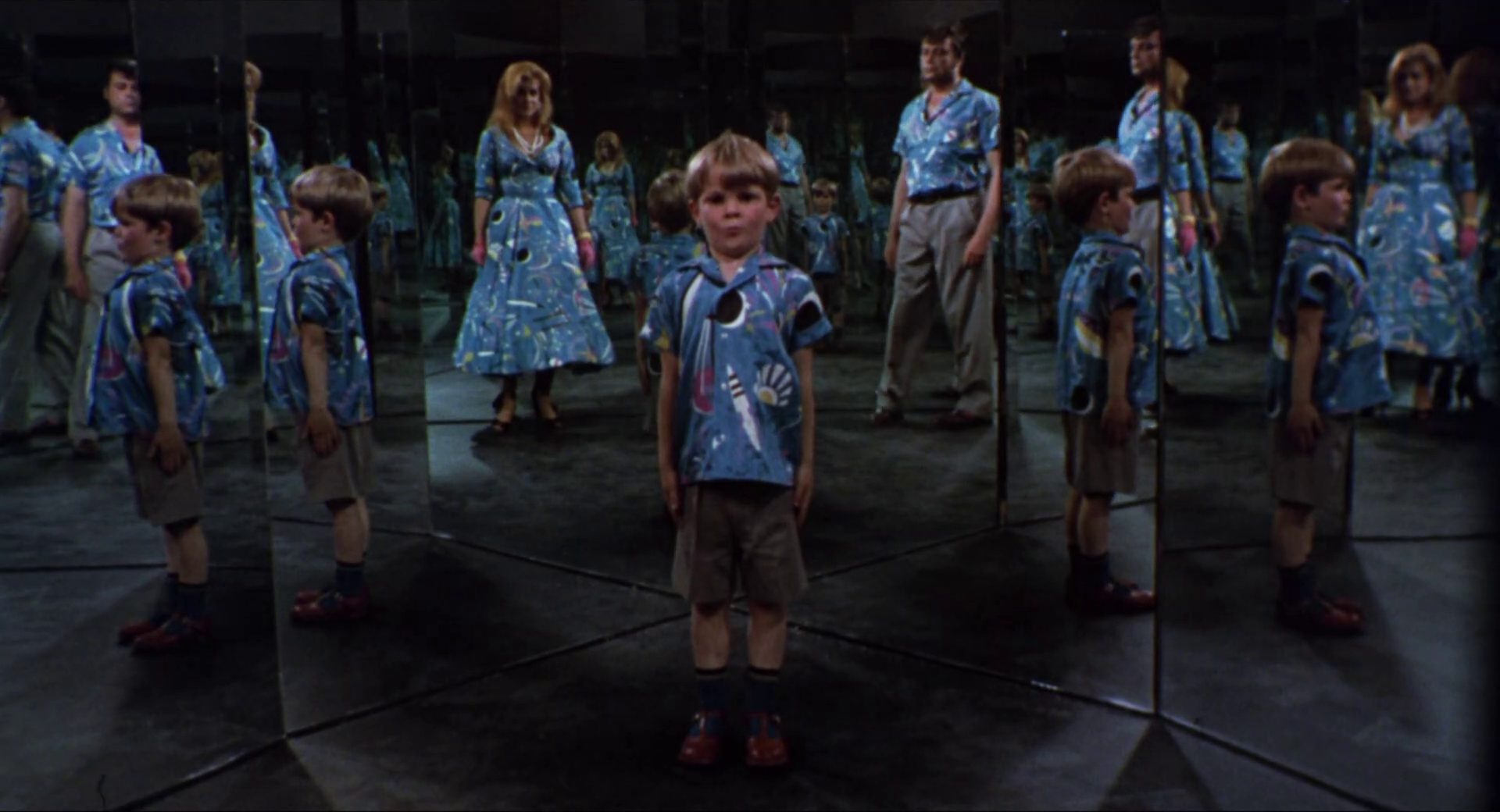
— is “ambitious, flamboyant, and at times imaginative, but eventually the succession of wild, colorful, and sometimes disgusting images wears you down”. He argues that “the picture’s about 40 minutes too long”, and that “another problem is that the score by Pete Townshend (with help from John Entwhistle and Keith Moon) doesn’t compare to the best Who music.” I’m in agreement with Peary’s assessment, and find it surprising that Ann-Margret — playing Tommy’s “tormented, heavy-drinking mother” — was nominated for an Oscar (presumably due to her multiple age-portrayals and impressively high level of dramatic “commitment”).

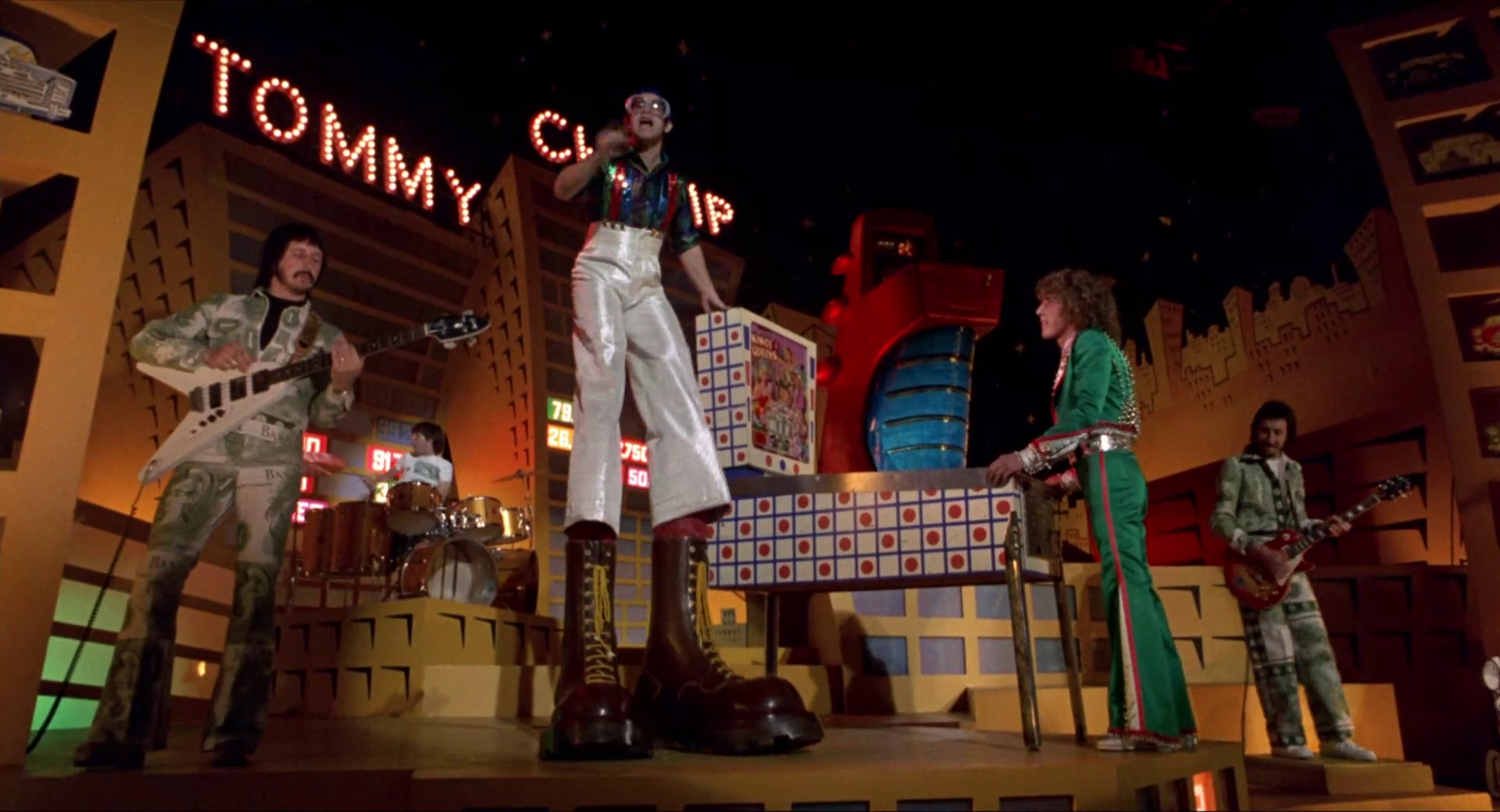
With all that said, this film is much too creatively staged and shot not to be seen at least once — and fans will likely enjoy repeat visits.

Redeeming Qualities and Moments:

  • Endlessly creative and surreal imagery, sets, and costumes


  • Stellar cinematography


Must See?
Once, as a dizzying cult favorite by a reknowned director.

Categories

  • Cult Movie

Links:

Woodstock (1970)

Woodstock (1970)

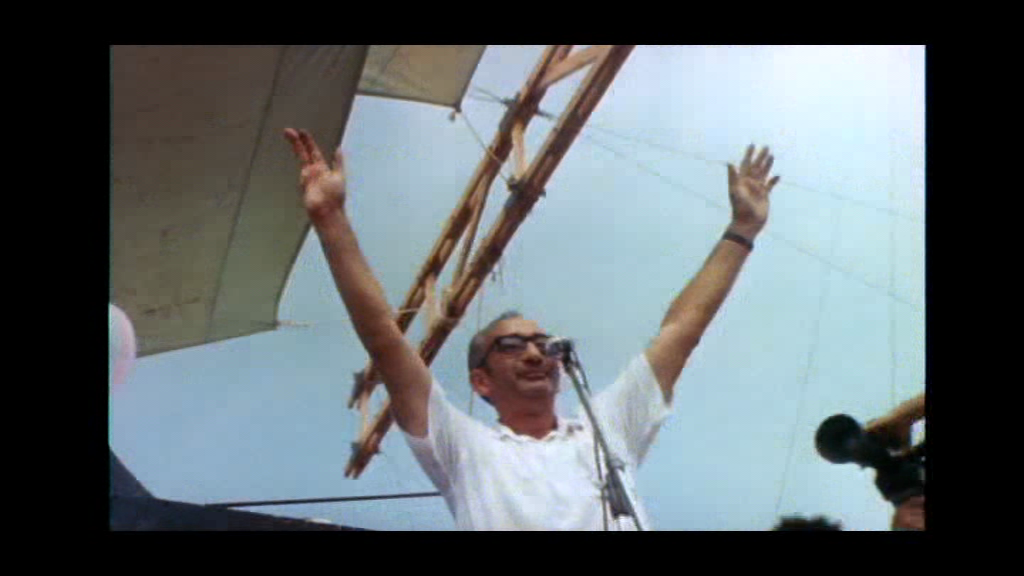
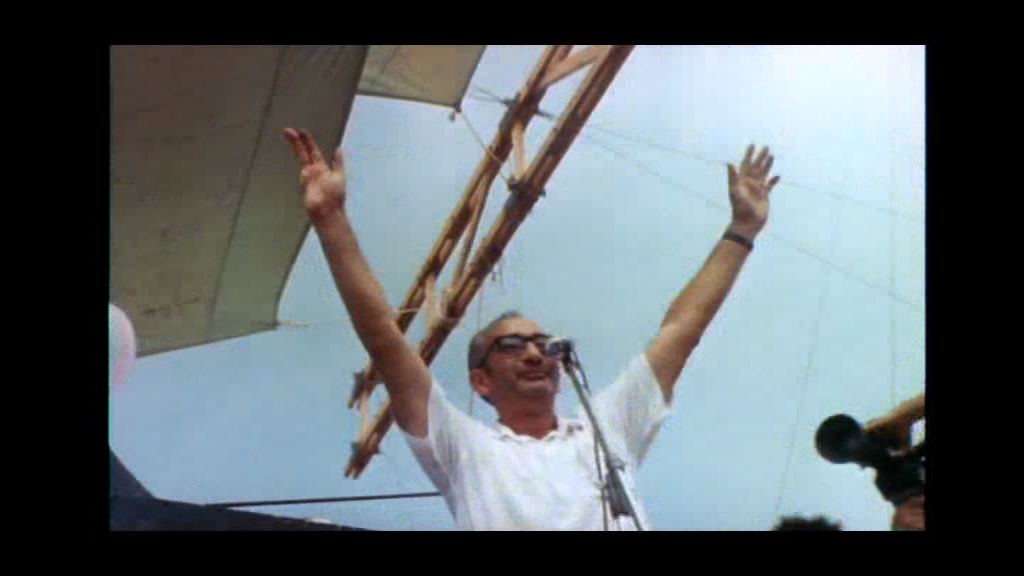
“I’m very happy to say we think the people of this country should be proud of these kids, notwithstanding the way they dress or the way they wear their hair — that’s their own personal business.”

Synopsis:
Nearly half a million hippies converge on a farm in New York, enjoying music, drugs, peace, and good vibes despite the crowded conditions.

Genres, Themes, Actors, and Directors:

  • Concert Films
  • Counterculture
  • Documentary
  • Rock ‘n Roll

Response to Peary’s Review:
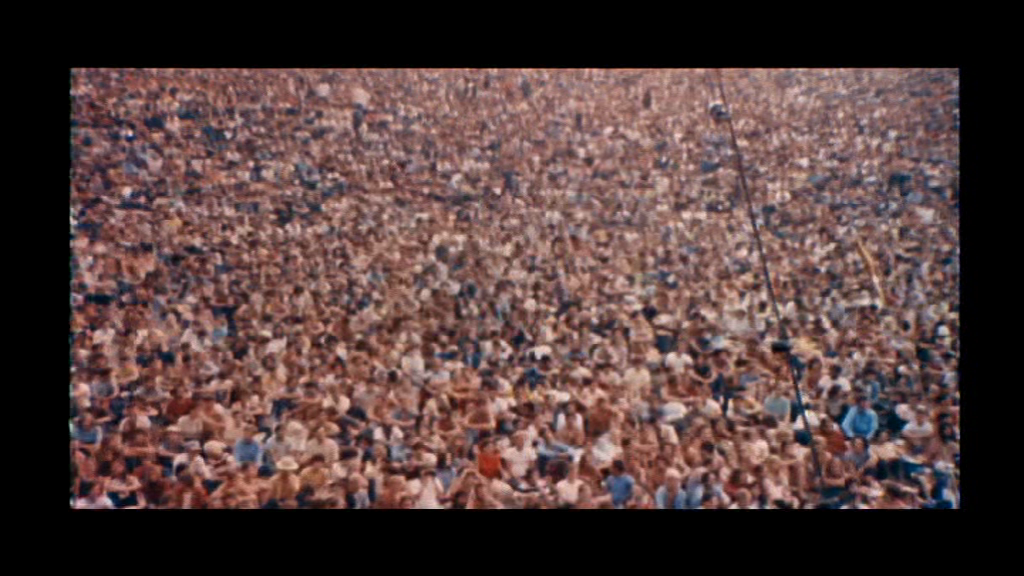
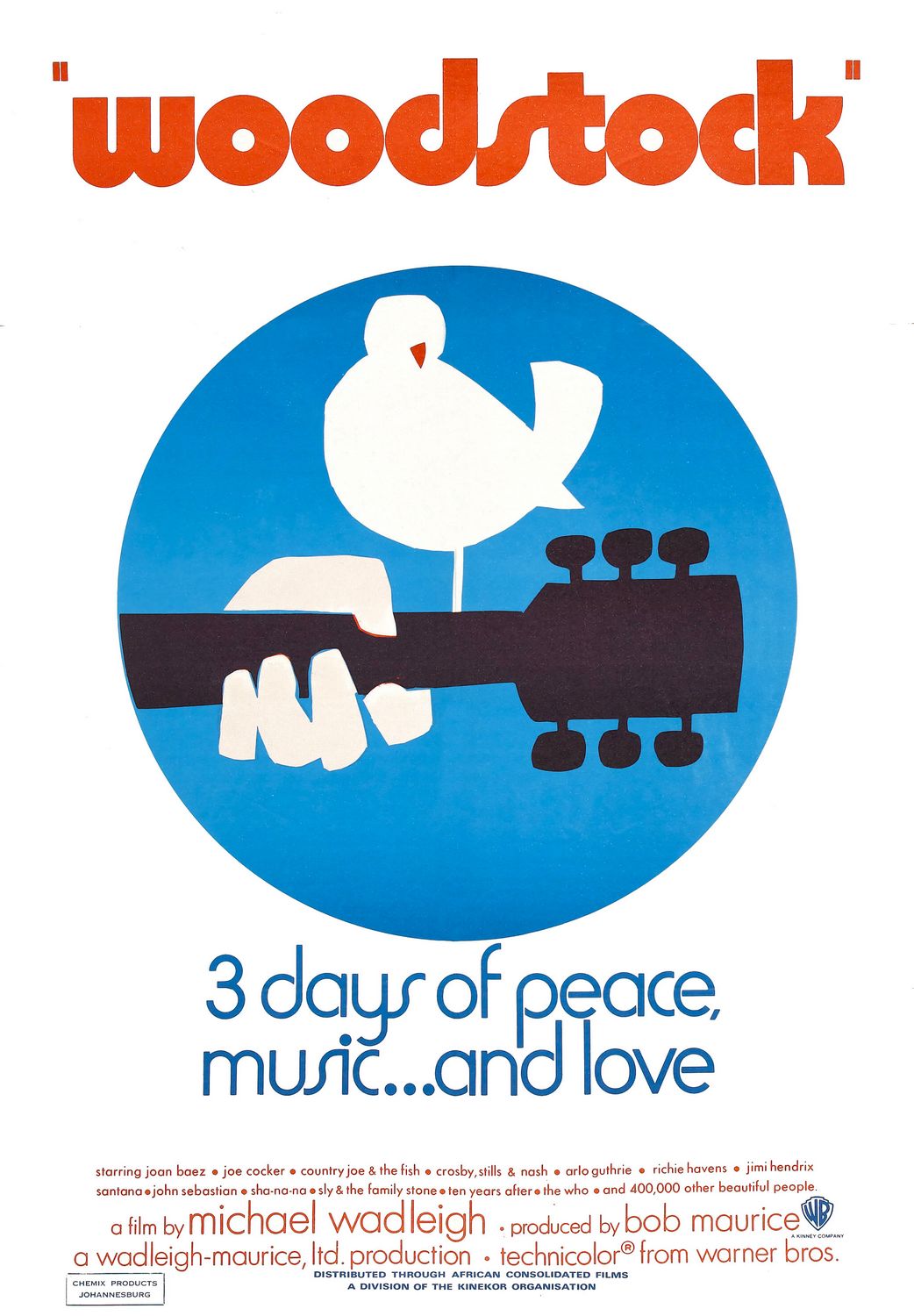
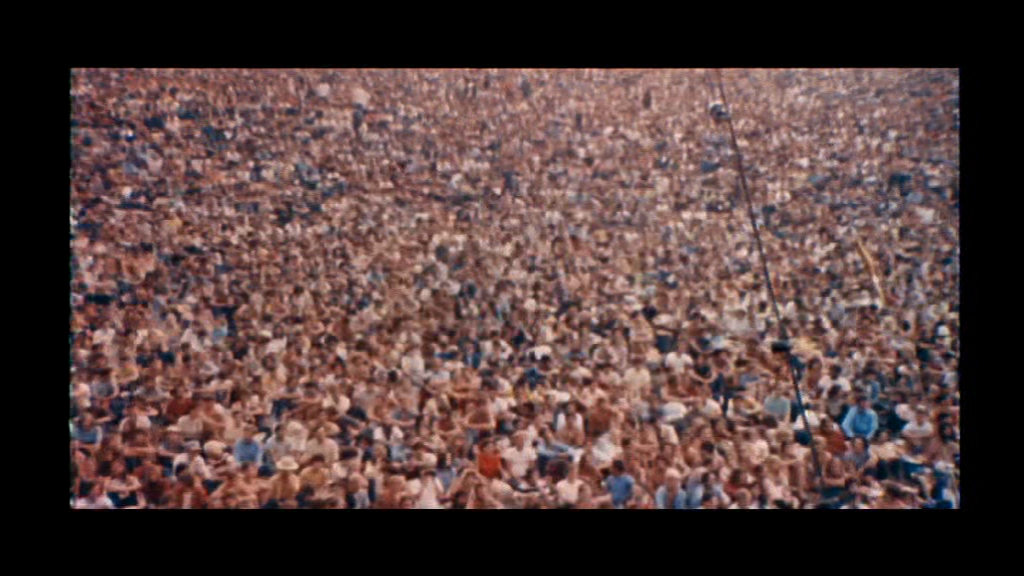
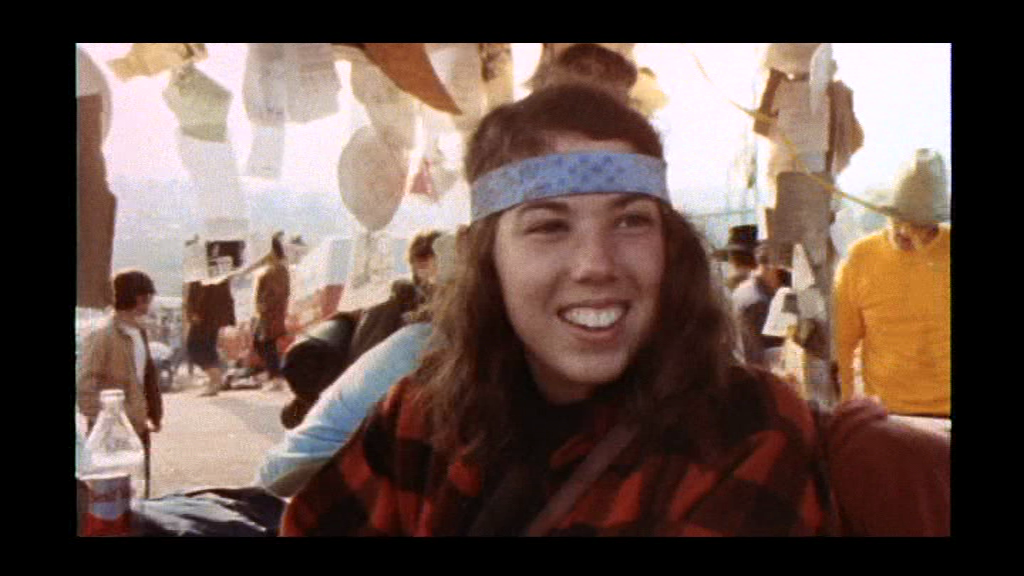
Peary writes that this “epic documentary beautifully covers this seminal cultural event” in which “more than 500,000 young people showed up for [a] three-day rock-music concert in 1969 on a farm in upstate New York”. He notes that “the whole youth-protest movement was there in spirit and took pride in how peaceful this event was. It was where the love generation’s dreams came true: a beautiful communal society where everyone pulled together under difficult circumstances, where there was the sound of music instead of gunfire.” He further adds that the documentary — “directed by Michael Wadleigh in cinéma vérité style” — conveys “that far more important than the all-star performances were the people who had gathered and lived for three days without adequate food supplies, bathroom facilities, medical supervision or protection from the heavy rains”, who nonetheless turned the event “into a successful communal experiment”. He notes that “performers later admitted that they were overwhelmed by the spirit of the event and felt it a privilege to play for this audience”.

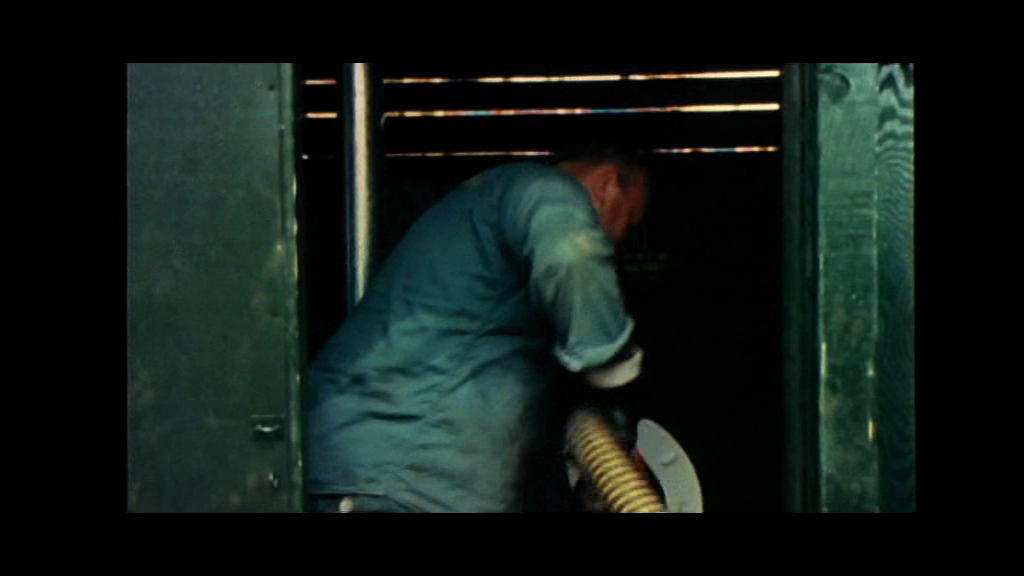
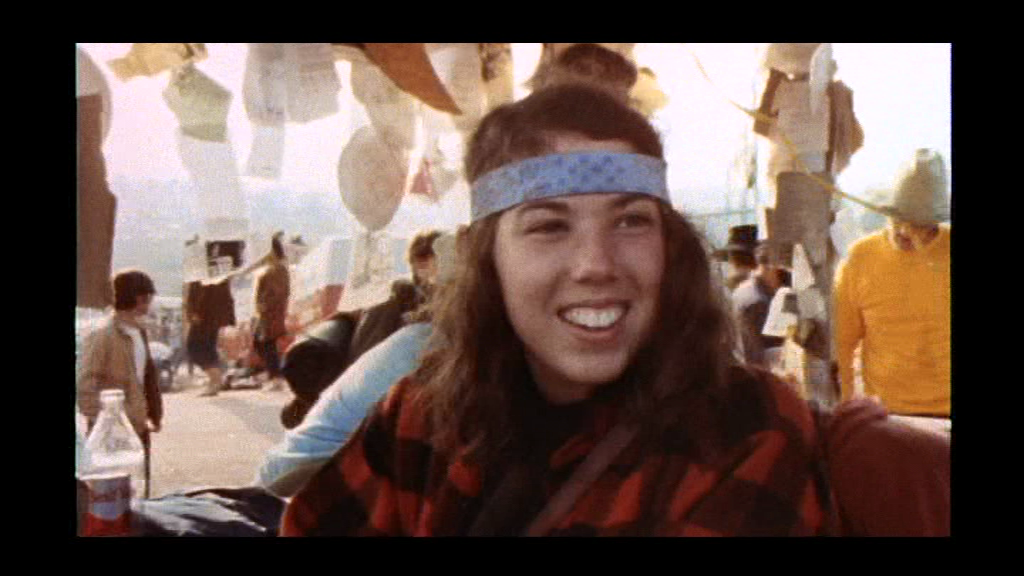
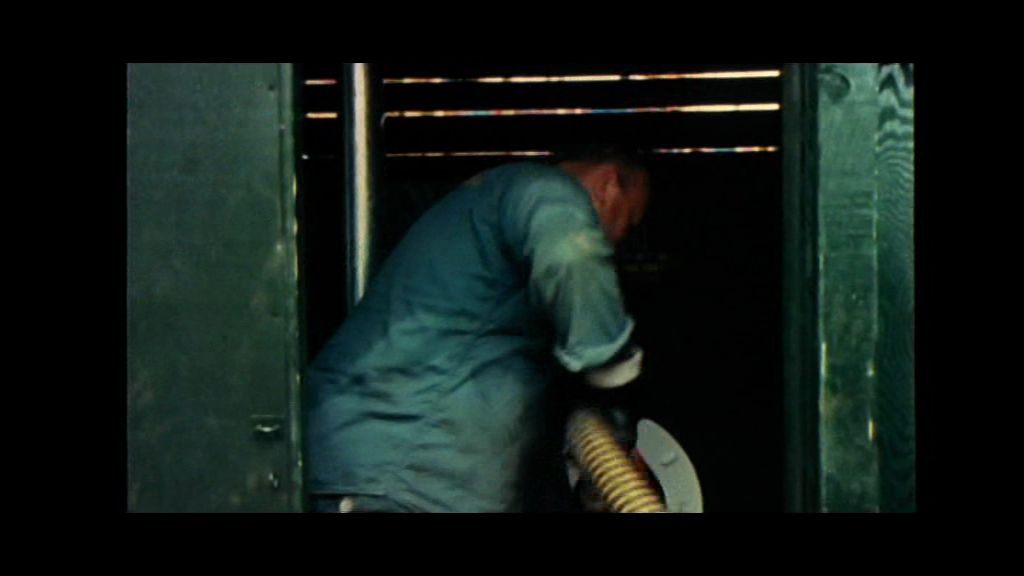
There is much to enjoy about this engaging, smartly crafted documentary — but perhaps most impressive is how thoroughly the filmmakers provide as many perspectives on the event as possible. We hear from disgruntled neighbors, but also surprisingly generous and kind locals, such as those who stepped up to help feed the hungry crowds, or the cheery Port-a-San janitor who states he is “glad to do [his work] for these kids”. We see plenty of “turned on” participants having the time of their lives — but also listen to one distressed young woman desperate to escape the crowds. We hear a tireless worker sharing a hilariously rambling anecdote about trippers (“You wouldn’t believe some of the kids that come in here. They’re really spaced out. Last night, this cat, this cat comes in and says, ‘If anger is red and envy is green, what color is jealousy?’ And I mean, he’s really spaced out! And you just don’t go fucking people’s heads up when they’re spaced out! So I said, uh, “Black, right? Because jealousy is poison.'”) — but she then admits to feeling concern about her sister:

I mean, like, right now I’m missing my sister. I lost her. She was on, uh, on mesc. And I lost her during Richie Haven’s performance. I’ve got her tickets home. I haven’t seen her since… She’s all right. Sure she is. It’s just that I’d like to see her so I can get home in time. She’s got to be back Monday for court. Otherwise, you know, I wouldn’t care. Otherwise, I’d probably let her hitch home.

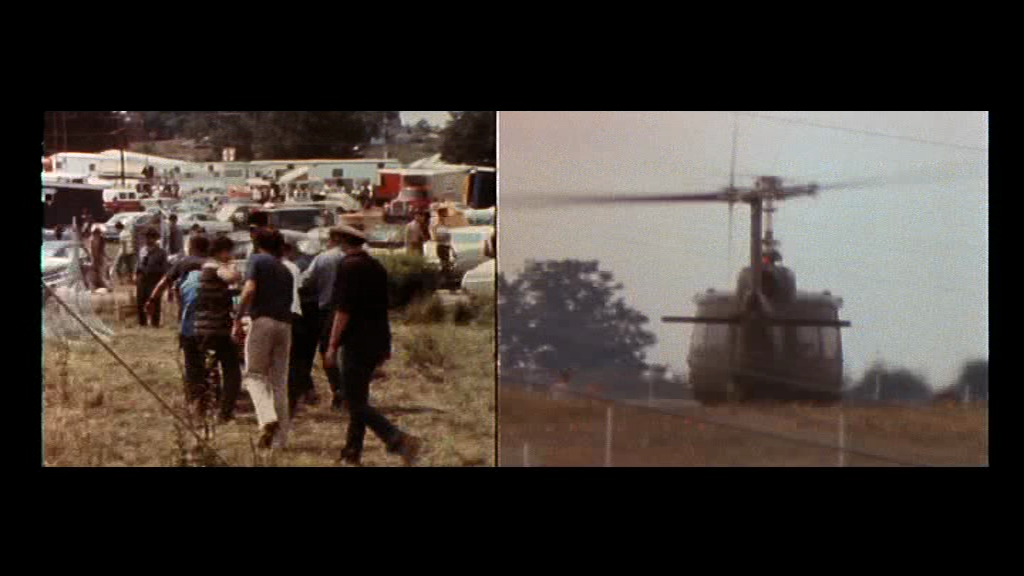
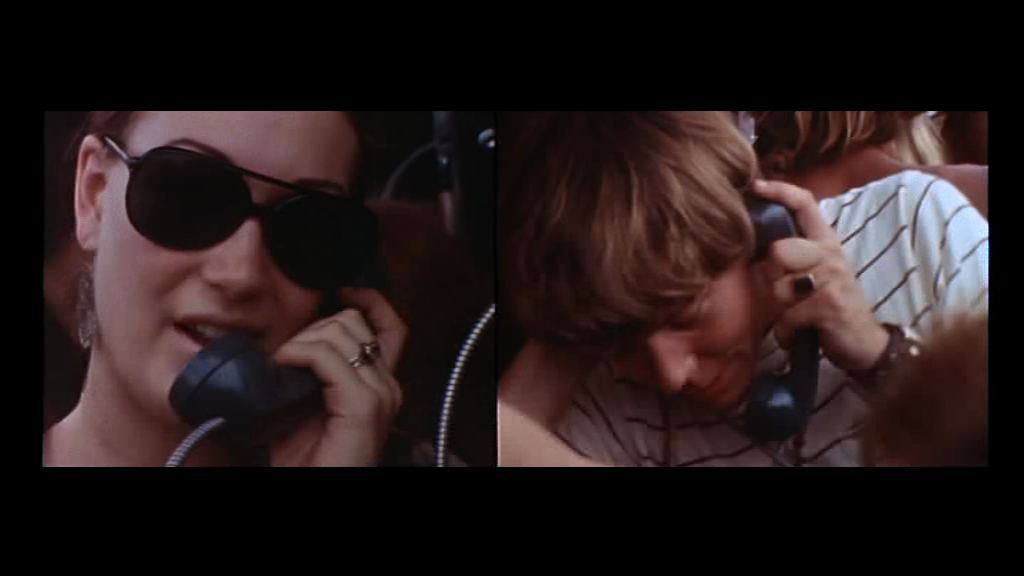
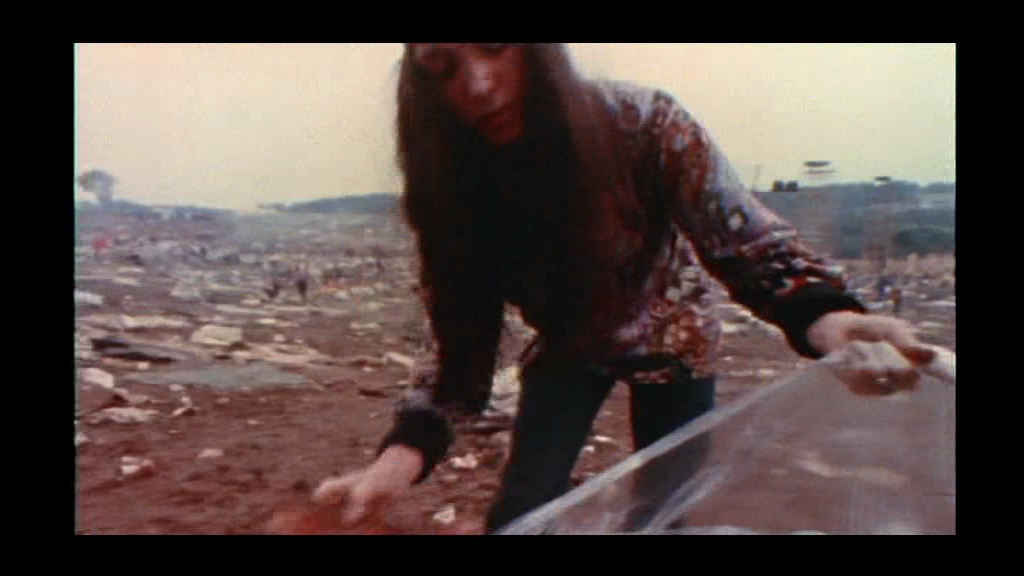
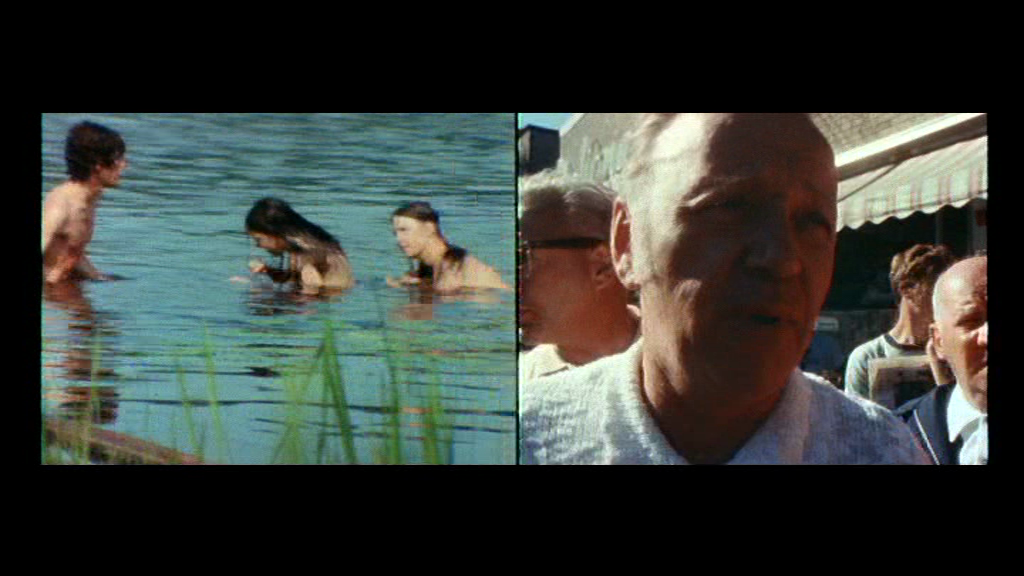
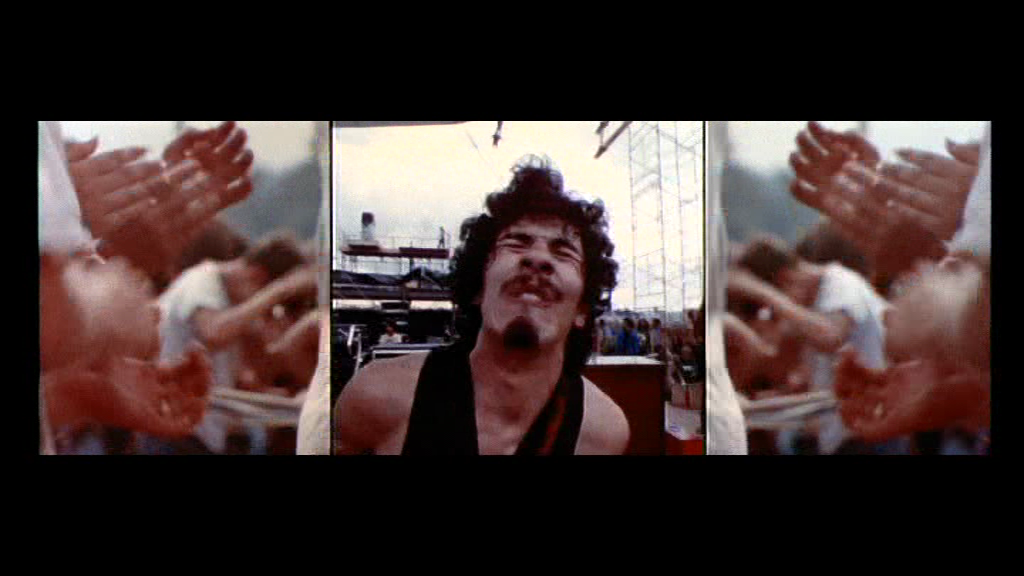
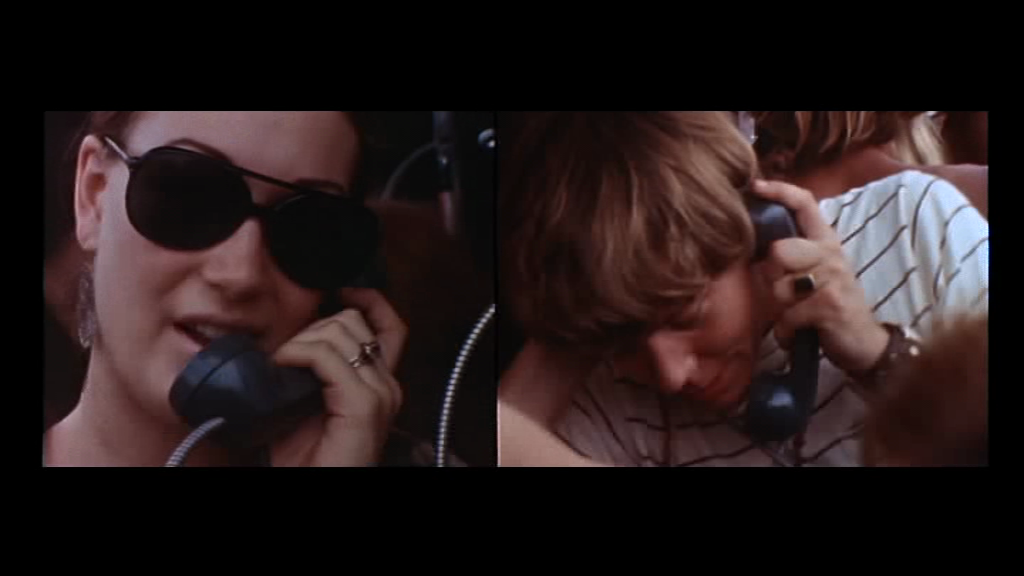
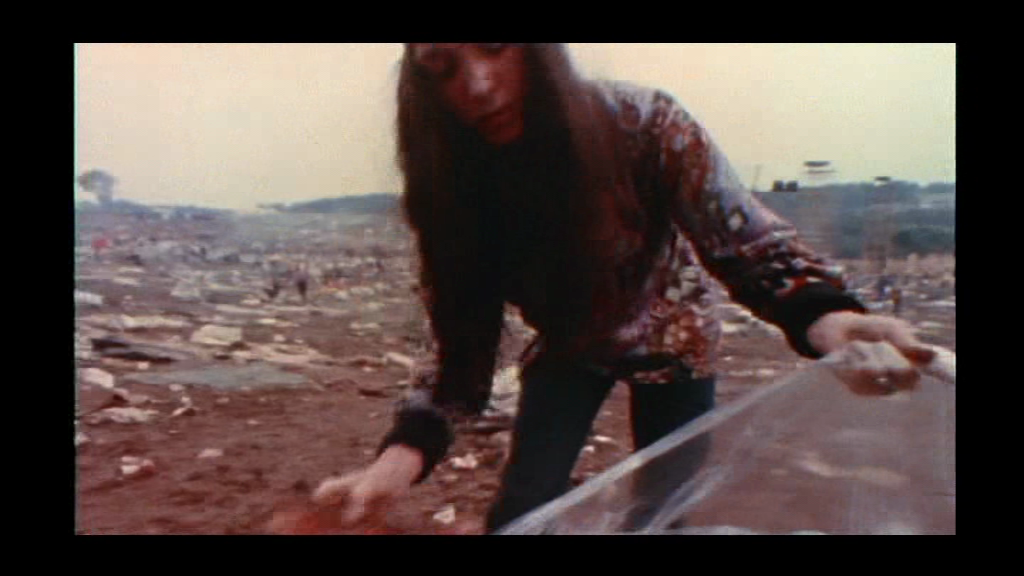
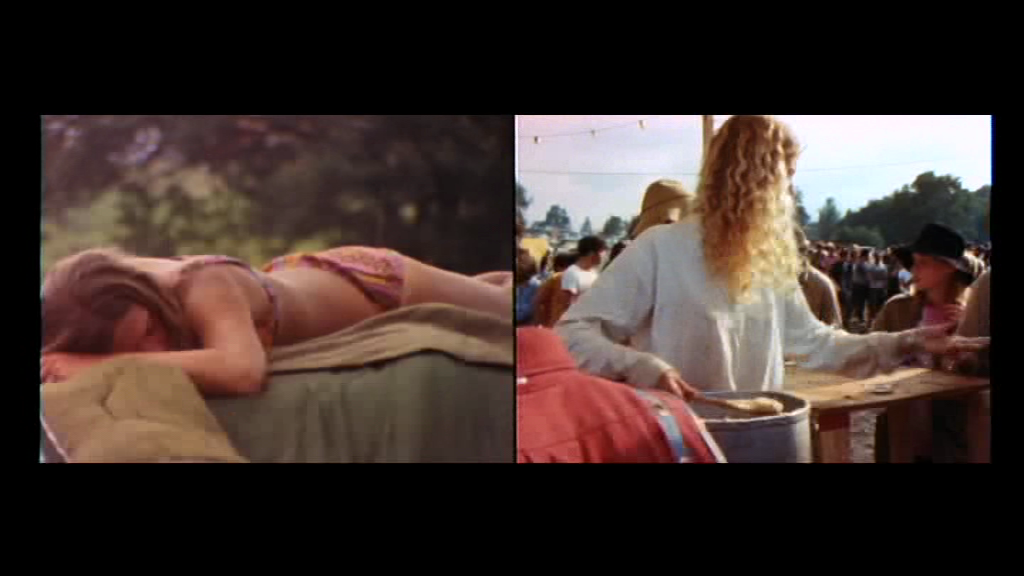
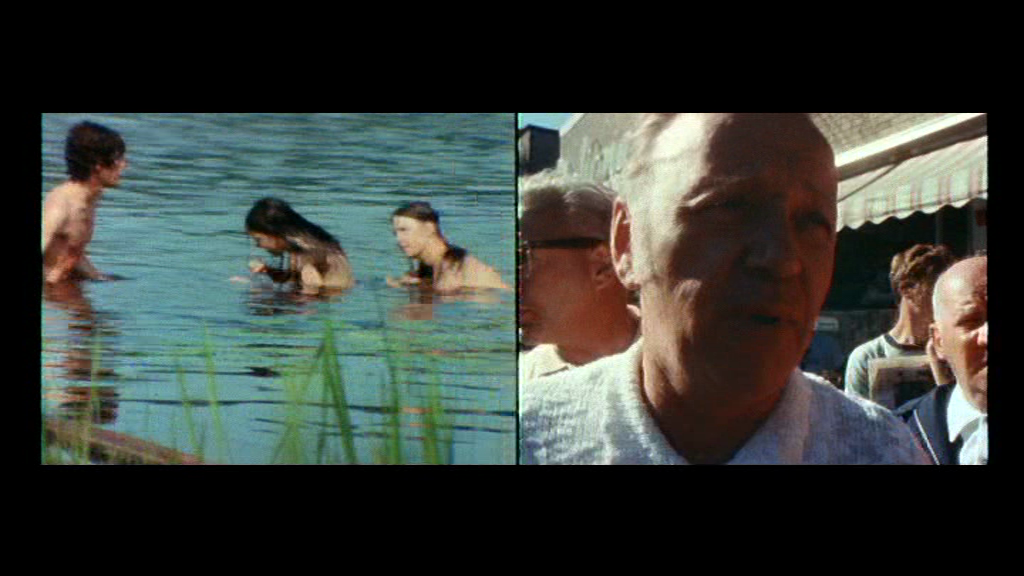
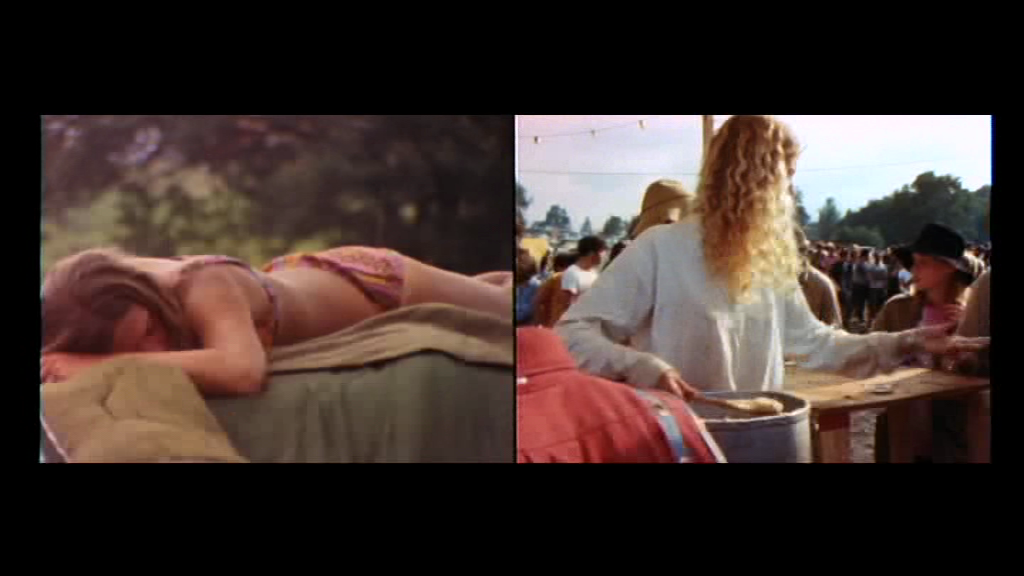
Speaking of home, we see kids lining up to make calls at a crowded telephone booth; sleeping like sardines on top of cars; skinny-dipping; caring for young children. We also see the tremendous amount of trash left behind after the concert (a detail most documentaries would shy away from); I was reminded of Frederick Wiseman’s films, which cover all facets — both important and seemingly insignificant — of what it takes to make an event or place run smoothly. One thing that distinguishes Wadleigh’s film from Wiseman’s, however, is his innovative use of split-screen imagery to show diverse perspectives on either a single moment or different points in time. The juxtaposition of concerned middle-aged neighbors with a shot of teens skinny-dipping is deliberately provocative, while other combinations simply help to convey the vastness of the event.

Split-screen and super-imposition is especially extensive during musical sequences — to powerful effect, given that we can see both performers and viewers at once. IMDb notes that this stylistic choice was driven by necessity:

The two- and three-panel screen presentations seen throughout much of the movie were innovations born of necessity on the part of its creators and a film editor named Martin Scorsese. With so much footage shot, and the studio’s unwillingness to expand the length of the released film’s running time, it was decided that a way must be found to maximize the amount of footage that could be used.

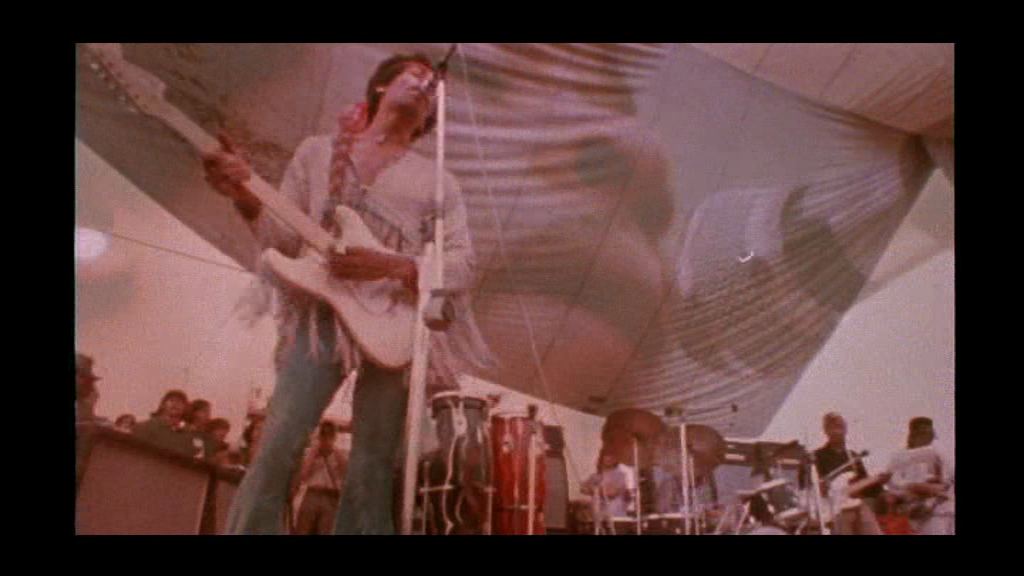
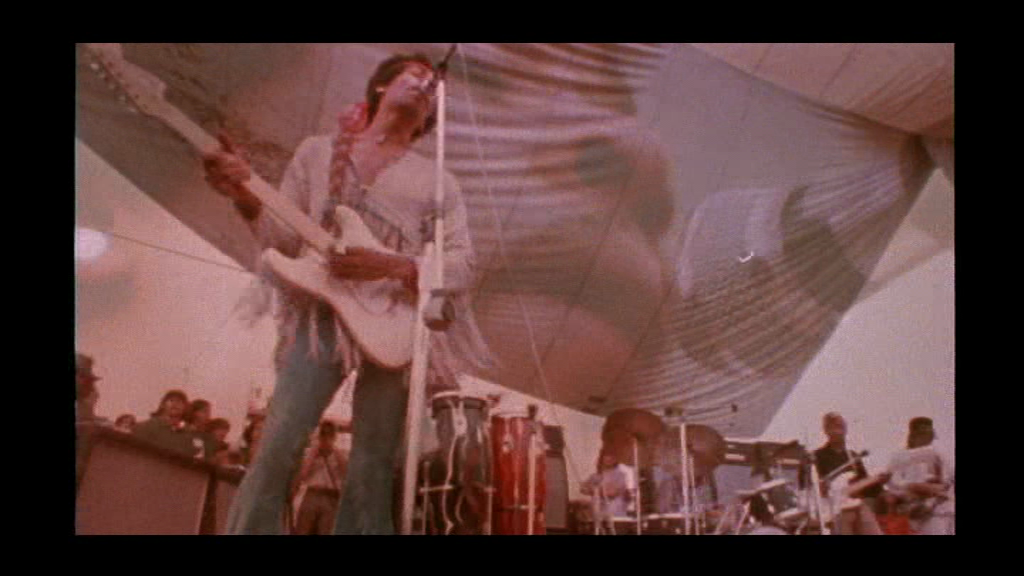
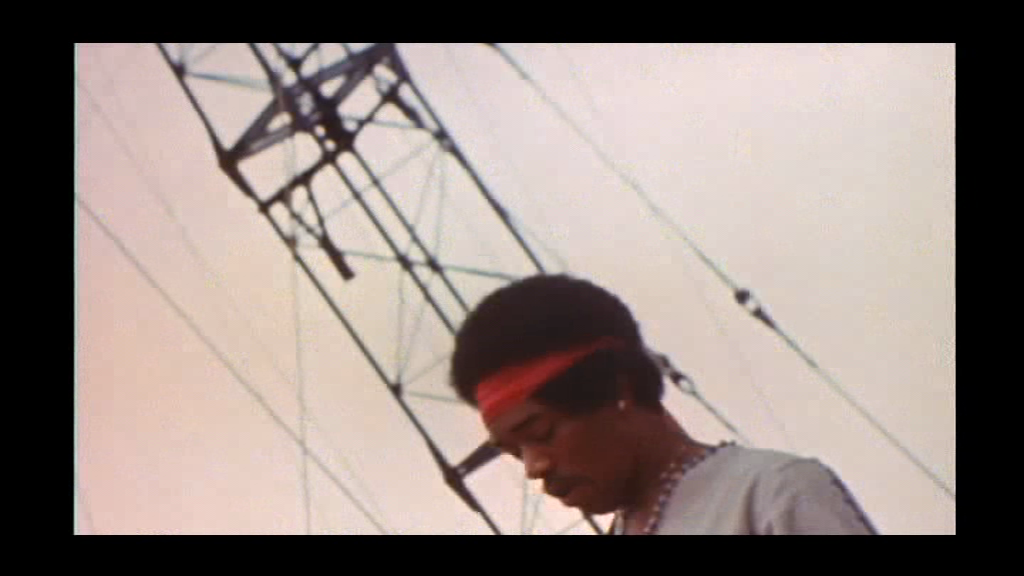
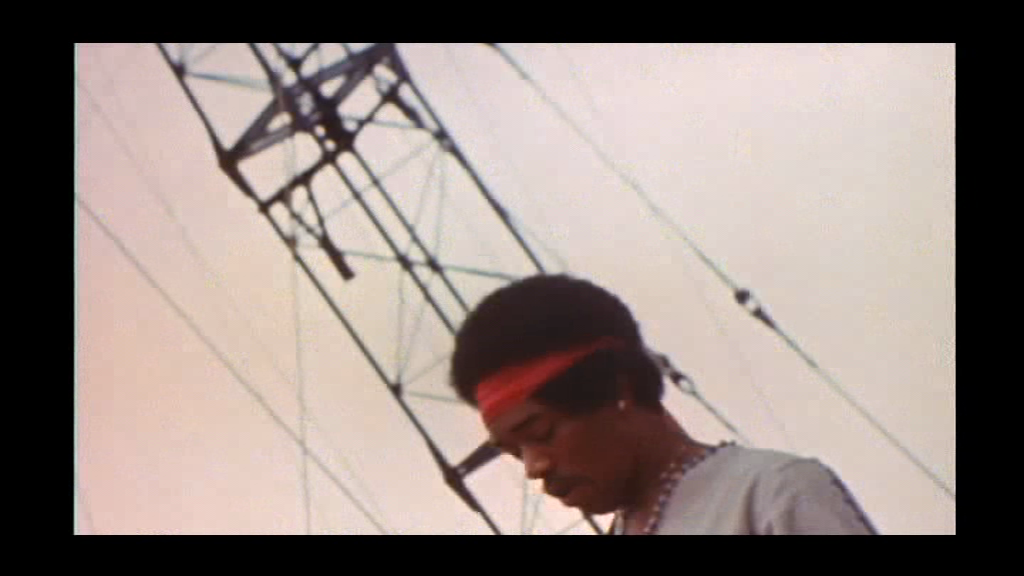
Interestingly, the musical performances ALMOST seem secondary to the ethnographic footage — though there are plenty of powerful songs, most notably Jimi Hendrix’s legendary riff on “Star Spangled Banner”. Interested viewers can read much, much more about this event — and the musical line-up — in numerous books or websites. Click here for a minute-by-minute overview of who performed when.

Redeeming Qualities and Moments:

  • A refreshingly thorough, multi-faceted look at this historic event


  • Highly effective use of split-screen and super-imposed editing


  • Several powerful, memorable musical sequences
Must See?
Yes, of course.

Categories

  • Genuine Classic
  • Historical Relevance
  • Oscar Winner or Nominee

Links:

Kids Are Alright, The (1979)

Kids Are Alright, The (1979)

“You can’t stop doing what you’re doing, because you’d let down all these people.”

Synopsis:
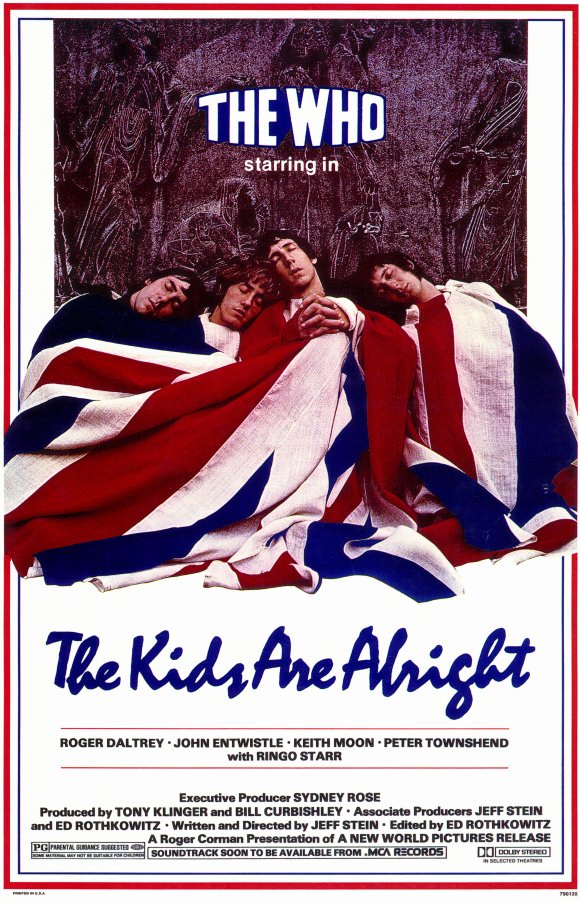
The raucuous style of British rock band The Who — singer Roger Daltrey, guitarist Pete Townshend, bassist John Entwistle, and drummer Keith Moon — evolves over their 15 years of performing together.

Genres, Themes, Actors, and Directors:

  • Documentary
  • Musicians
  • Rock and Roll

Response to Peary’s Review:
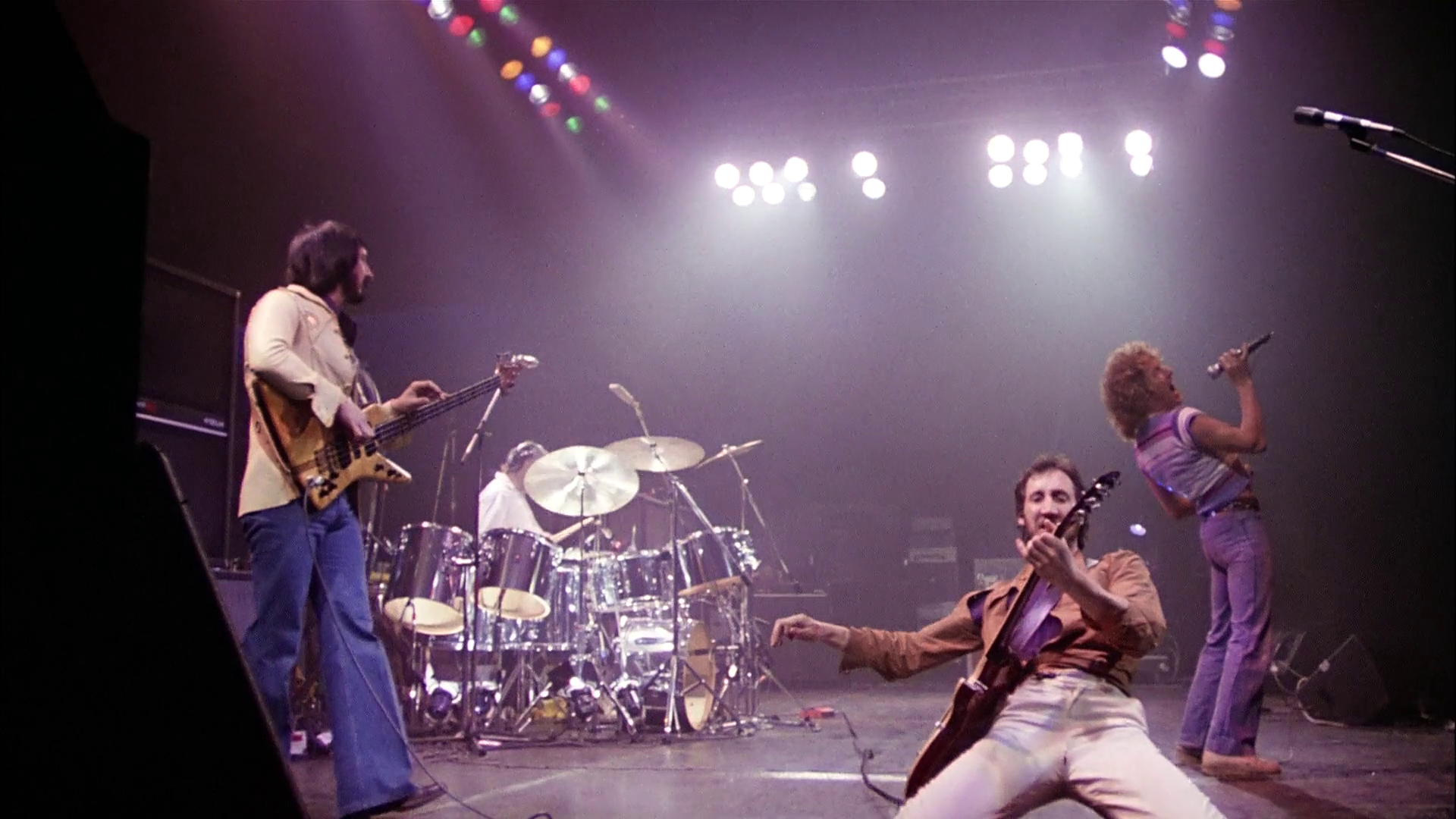
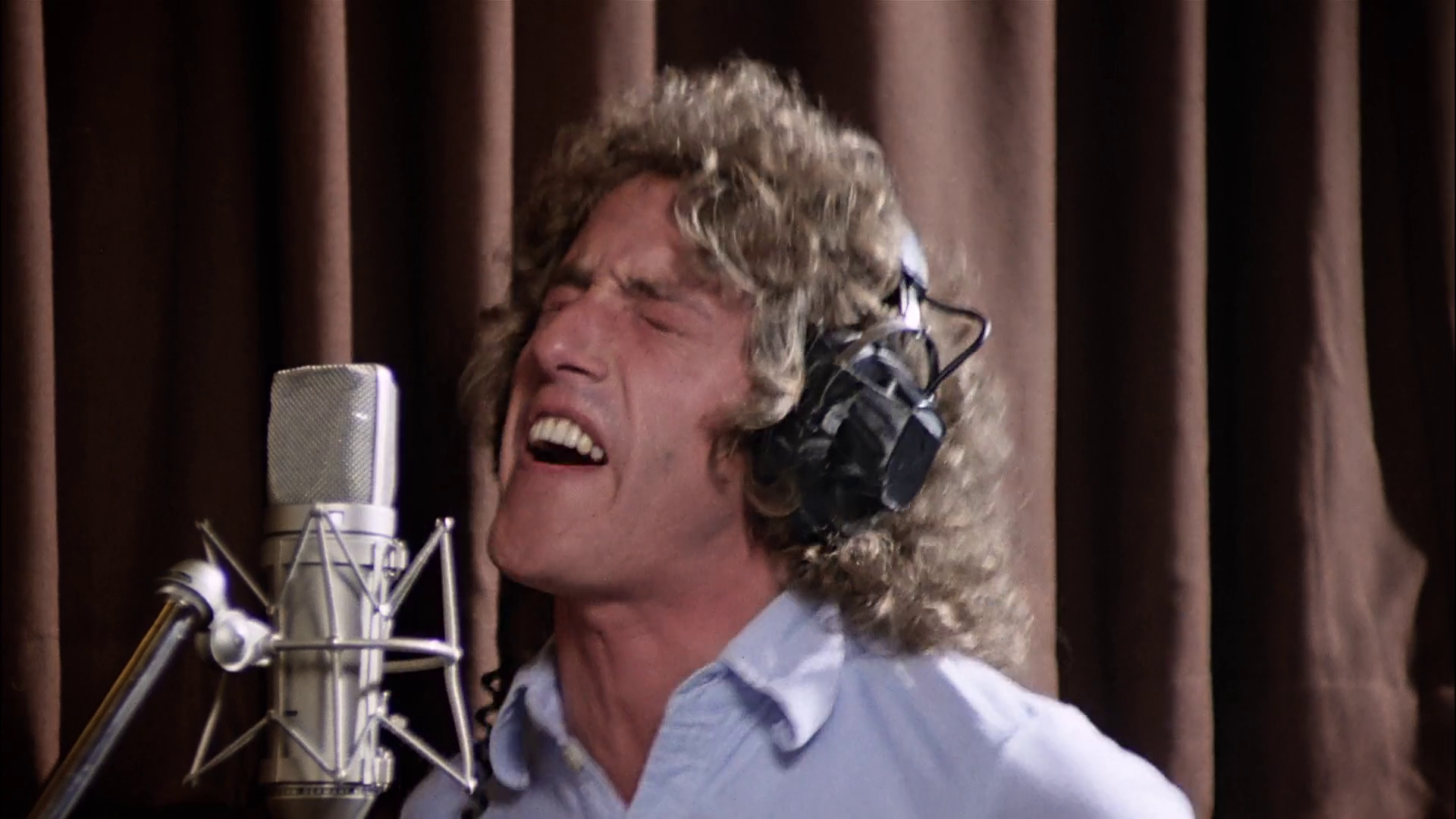
As Peary writes, this “very good documentary about the early years of the seminal British supergroup The Who” contains “interview material” that is “kept brief and doesn’t interfere with the group’s many songs, taken from concert footage, television appearances, and studio jam sessions”. We get an excellent sense of the four band members’ irreverent humor, as well as their diverse personalities: charming Daltrey (that hair! those abs!), dynamic Townshend (his energy and talent — and nose — are truly one-of-a-kind), goofy Moon (never not clowning on camera), and aloof Entwistle (static in comparison with his band-mates). Peary notes that throughout the non-linear film, “we see the group age and their style of dress switch from mod to flamboyant to casual, but if anything, their energy level picks up, their songs become louder, their musicianship becomes more complex, and their anarchic style, typified by Pete Townshend smashing his guitars and Keith Moon his drums, becomes less an angry, ostentatious gesture than a way they can properly convey the artist’s/musician’s need for completely free self-expression”.

I’m not positive about the veracity of the latter assertion, especially given the following rather cynical quote by young Townshend early in the group’s career:

You have to resign yourself to the fact that a large part of the audience is sort of thick, you know, and don’t appreciate quality, however much you try and put it over. The fact is that our group isn’t… hasn’t got any quality. It’s just musical sensationalism.

as well as the film’s closing quote by an older Townshend (see beginning of this review), which continues as follows:

It’s not people just saying, “Listen, you’ll disappoint your fans if you don’t go on. The show must go on. You must go on, otherwise all those people will be so upset.” It’s, “You’ve got to go on, man. Otherwise, all those kids, they’ll be finished. They’ll have nothing to live for.” That’s rock and roll.

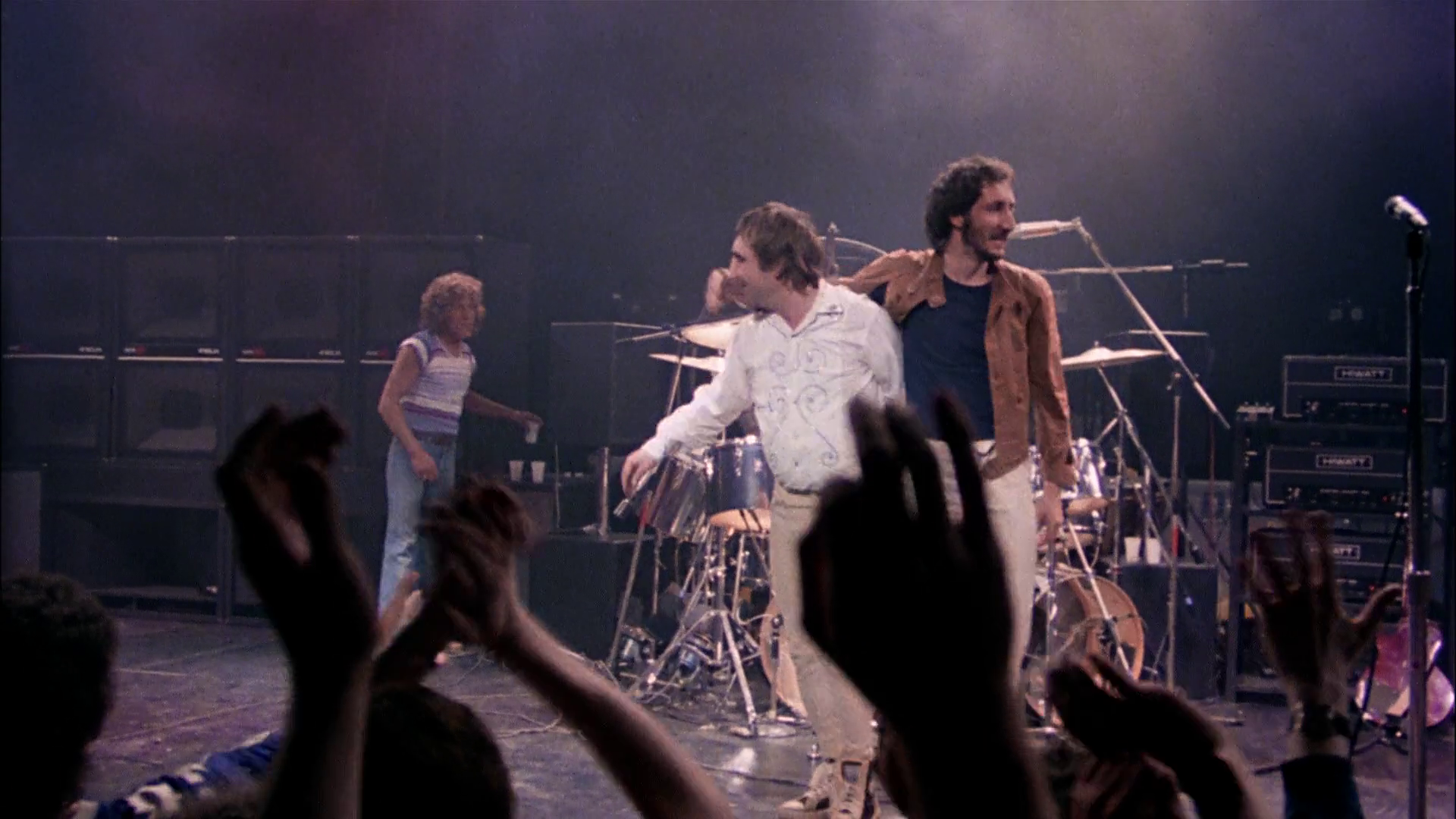
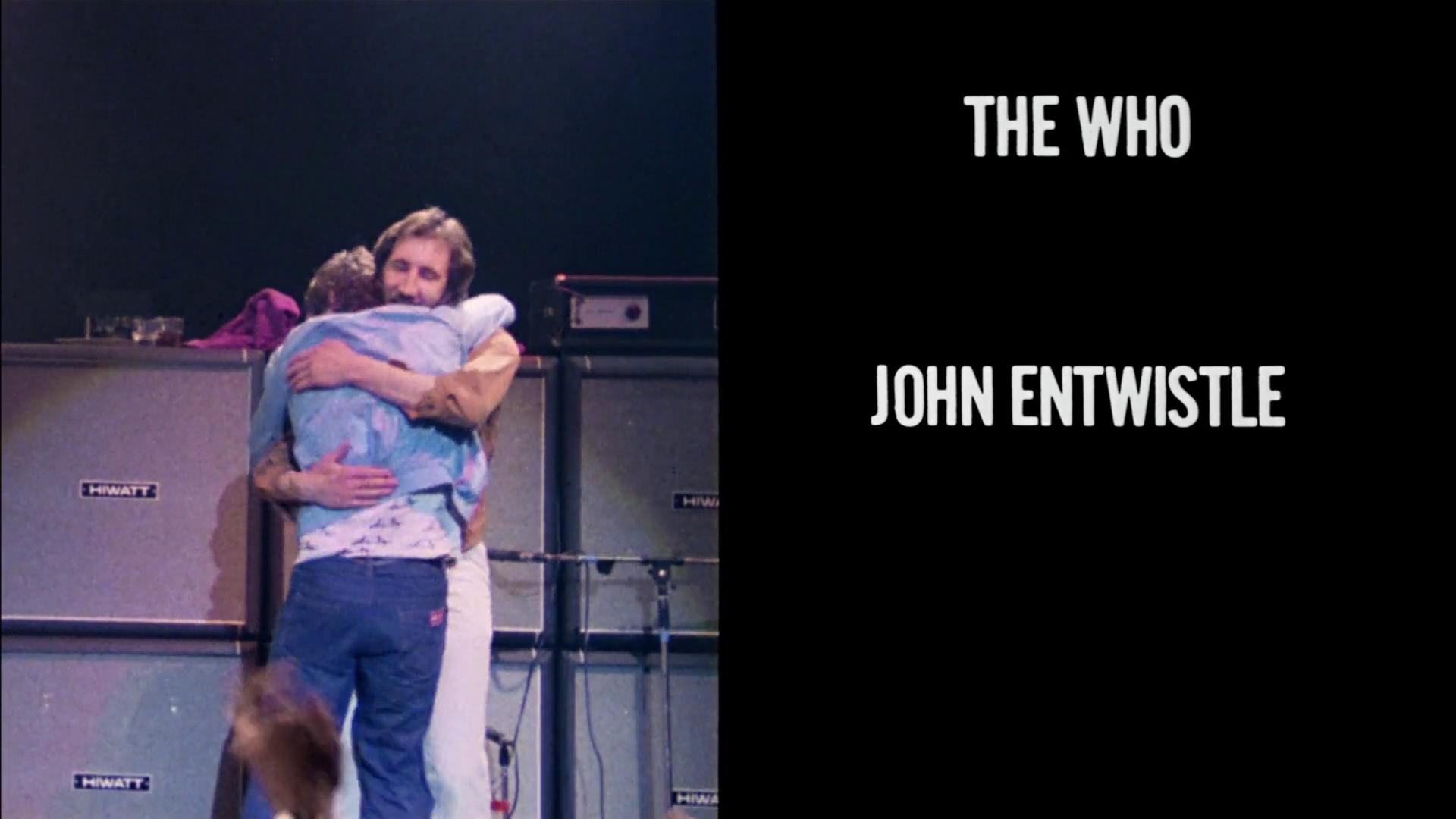
With that said, this final interview clip is followed by an enjoyably energetic and well-staged performance of “Won’t Get Fooled Again”, and surprisingly touching shots of the band embracing their adoring fans on-stage — thus making it seem like these men truly are playing for the enjoyment they bring to their fans (and continue to do so today).

Note: According to Wikipedia, the deeply drug-addicted “Moon… died one week after seeing the rough cut [of this documentary] with Daltrey.”

Redeeming Qualities and Moments:

  • Valuable, enjoyable footage of the group’s dynamic performance style and audience appeal


Must See?
No, but I think most film fanatics will want to check it out simply for general cultural interest and rockin’ music.

Links:

Lost Horizon (1937)

Lost Horizon (1937)

“Did you ever go to a totally strange place and feel certain you had been there before?”

Synopsis:
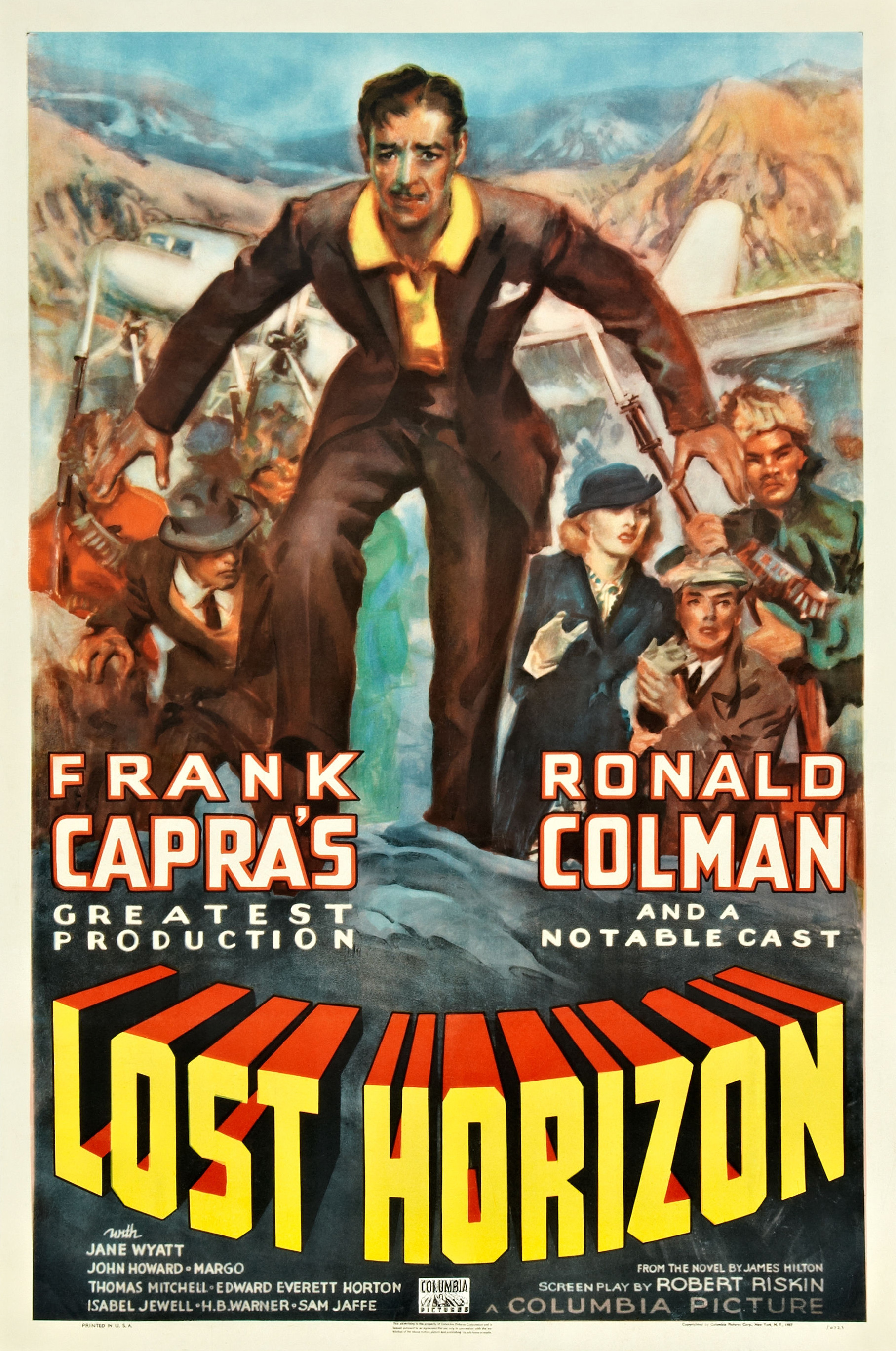
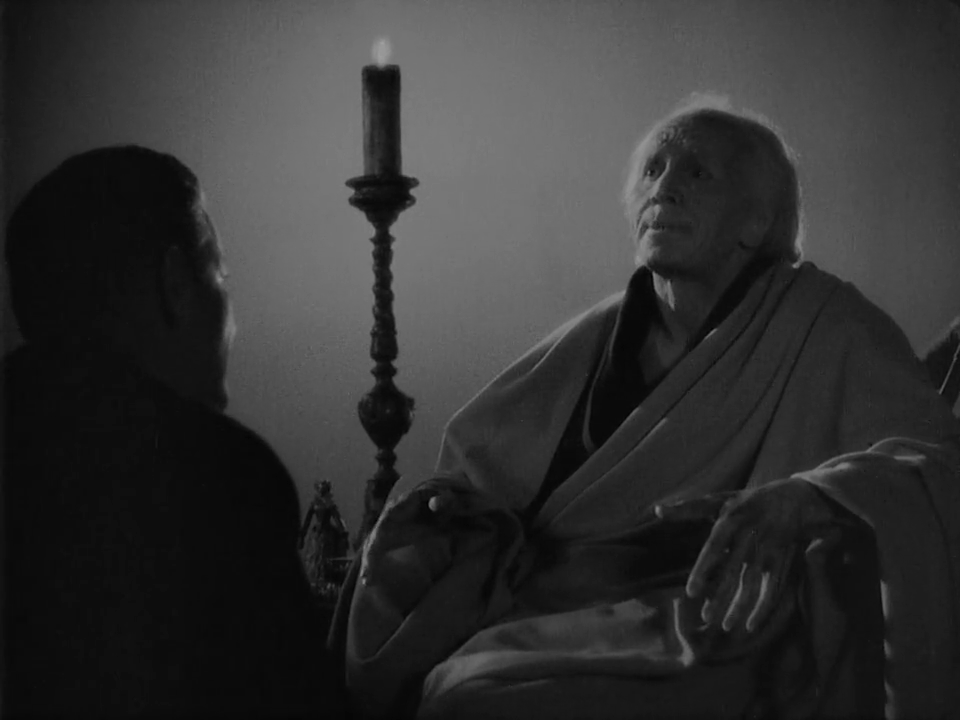
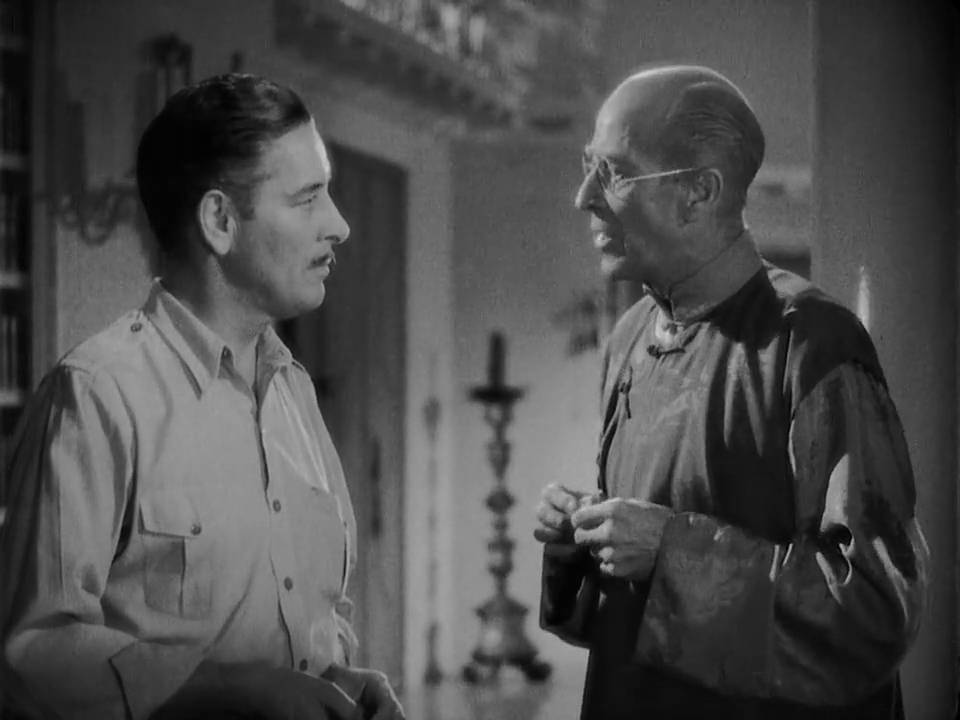
A diplomat (Ronald Colman) helps a group of Westerners — including his brother (John Howard), a financial felon (Thomas Mitchell), a paleontologist (Edward Everett Horton), and an ailing prostitute (Isabel Jewell) — flee an attack in China by boarding a plane which lands in a remote Tibetan paradise known as Shangri-La, where they are welcomed by a serene old man (H.B. Warner). After meeting with the founder of Shangri-La (Sam Jaffe) and learning more about its magical properties, Colman — who has fallen in love with a beautiful teacher (Jane Wyatt) — is tempted to stay and live in paradise, but Howard and his new love (Margo) are desperate to leave. Where will Colman’s loyalties land?

Genres, Themes, Actors, and Directors:

  • Escape
  • Fantasy
  • Frank Capra Films
  • Jane Wyatt Films
  • Ronald Colman Films
  • Sam Jaffe Films
  • Thomas Mitchell Films

Response to Peary’s Review:
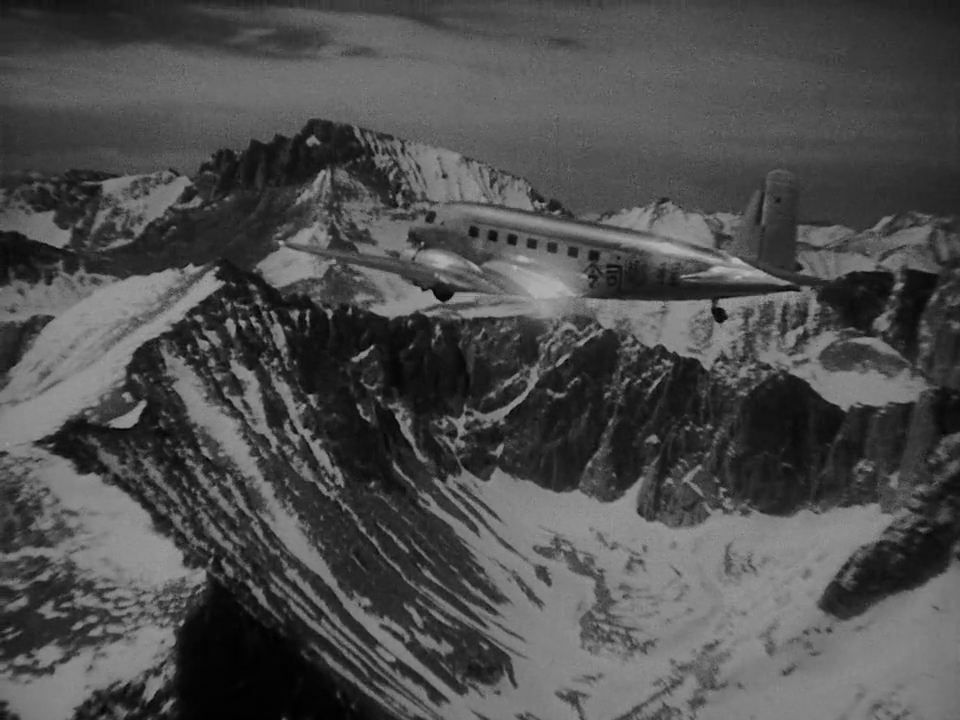
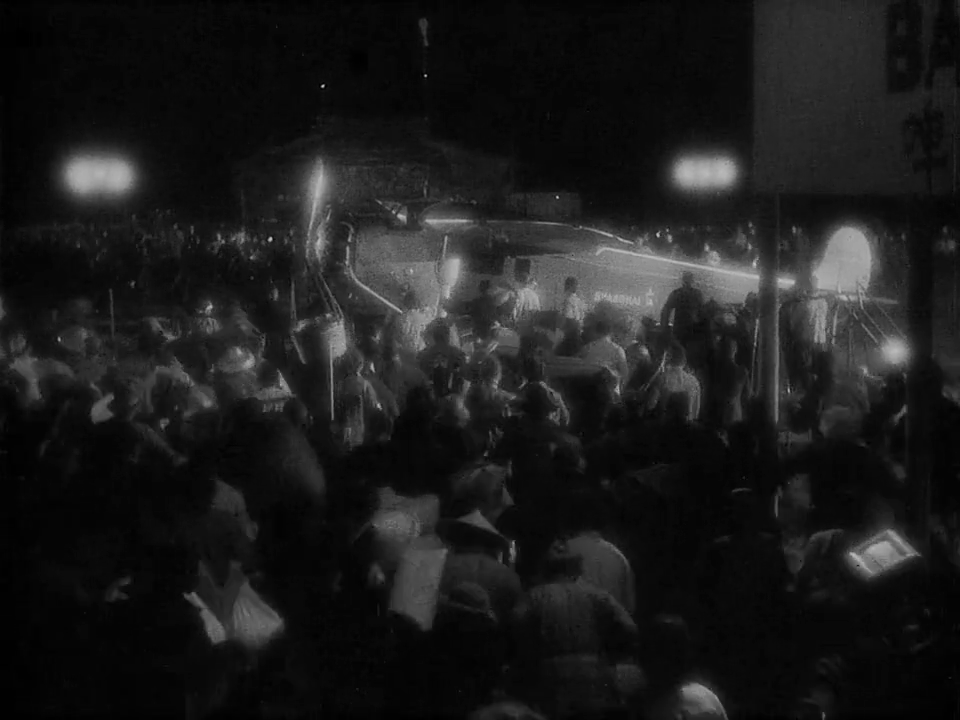
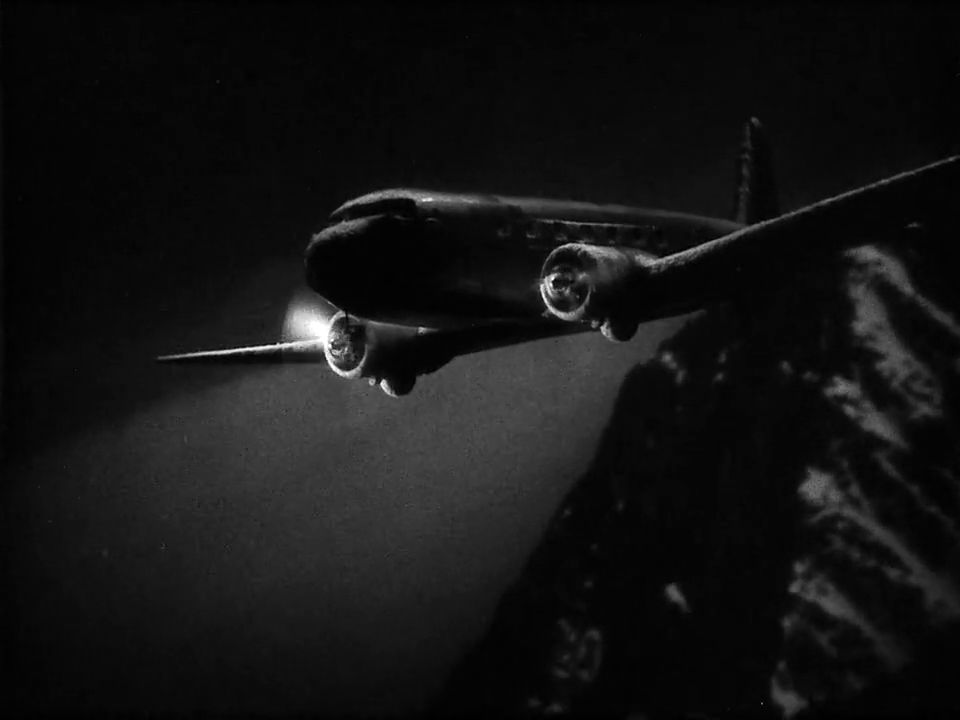
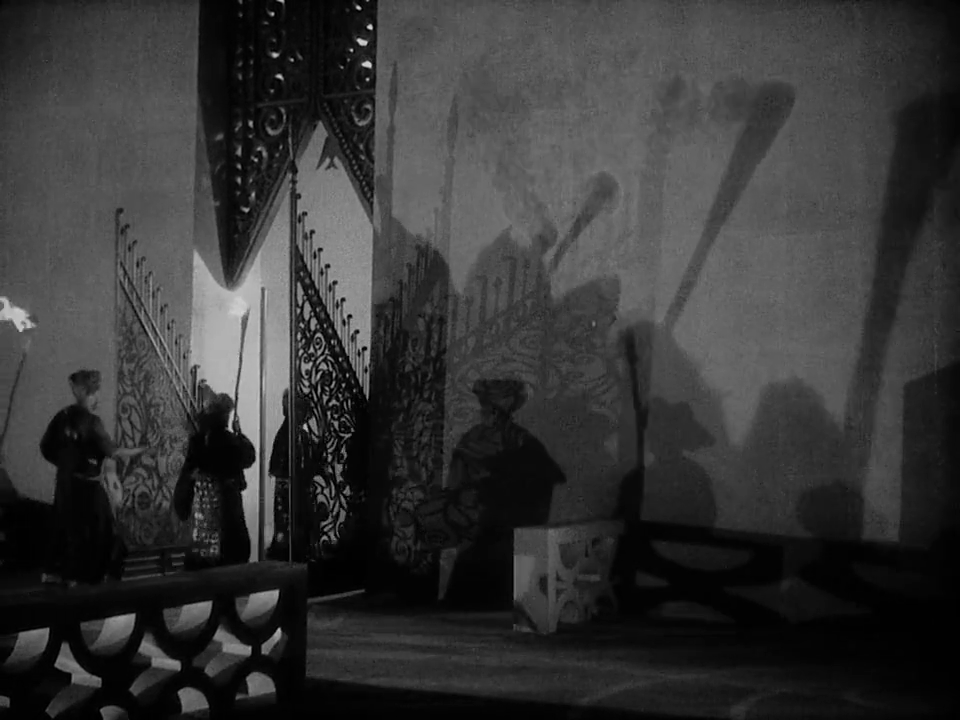
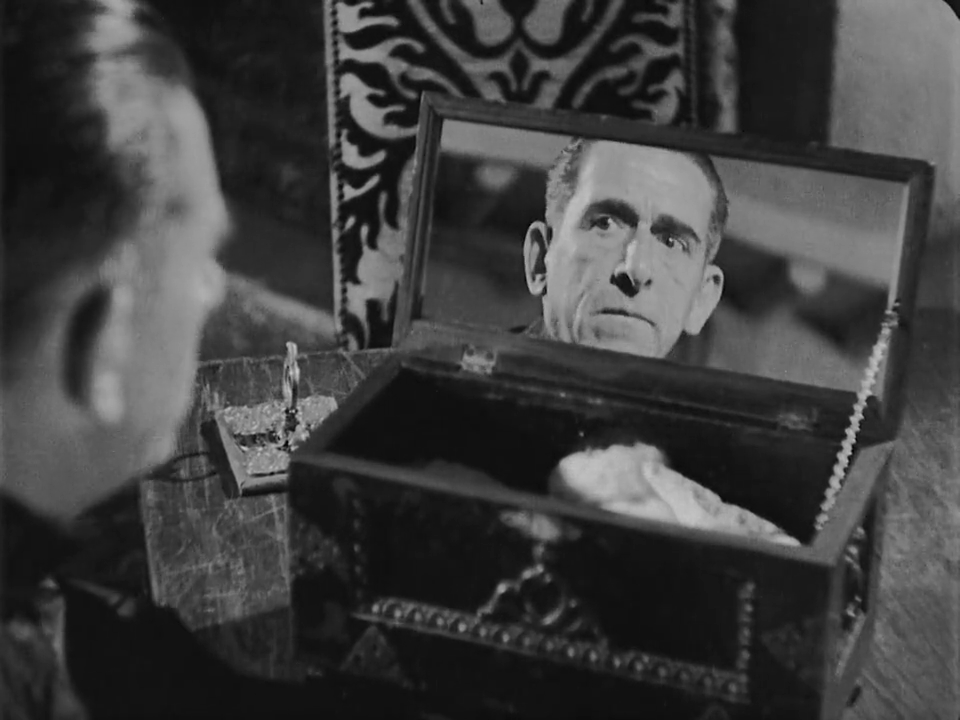
Peary begins his review by noting that “archivists are still looking for lost footage” of Frank Capra’s film, which was “originally 130 minutes”; thankfully, a restored version is now available, albeit with stills used in some places a la the restoration of A Star is Born (1954). However, as Peary writes, this “classic” — based on the 1933 novel by James Hilton — “has dated badly”, with “the most exciting scenes” coming before the troupe “reach the utopia in the Himalayas”:

He notes that “the time the characters spend in this land where people are healthy, exist in harmony, and live for 200 years is dull in comparison”. Peary’s review is spot on: the opening scenes during the revolt are thrilling and fast-paced, but Shangri-La itself comes across as little more than a beautiful spa; plus, it’s distressing seeing the “happy natives” all working or in school while the whites live in luxury. I’m also not a fan of Jaffe’s casting as the High Lama, though he does come across as appropriately deluded.

The twist near the end is exciting, and Joseph Walker’s cinematography is gorgeous — but otherwise, this film is primarily of interest as a historical document.

Note: According to Wikipedia, the film “exceeded its original budget by more than $776,000, and it took five years for it to earn back its cost.”

Redeeming Qualities and Moments:

  • The exciting opening get-away sequence

  • Majestic sets

  • Joseph Walker’s cinematography

  • H.B. Warner as Chang

Must See?
No, though it’s worth a one-time viewing. Selected in 2016 for preservation in the United States National Film Registry by the Library of Congress.

Links:

Say Amen, Somebody (1982)

Say Amen, Somebody (1982)

“When I came up in gospel, we didn’t do concerts — we did revivals.”

Synopsis:
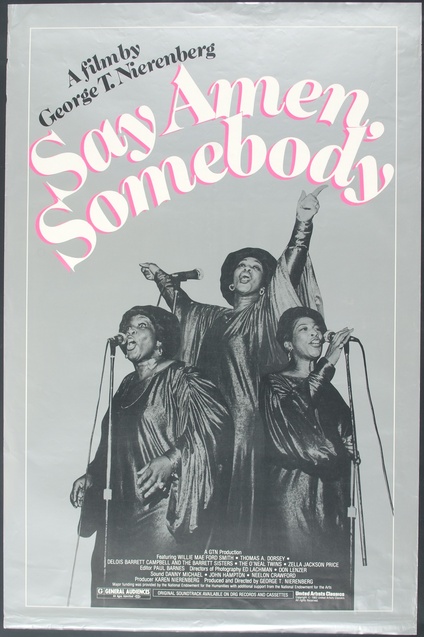
American gospel founders Thomas A. Dorsey and Willie Mae Ford Smith share their histories, talents, and abiding faith in this documentary about the evangelical roots of the musical genre.

Genres, Themes, Actors, and Directors:

  • African-Americans
  • Documentary
  • Musicians
  • Religious Faith
  • Singers

Response to Peary’s Review:
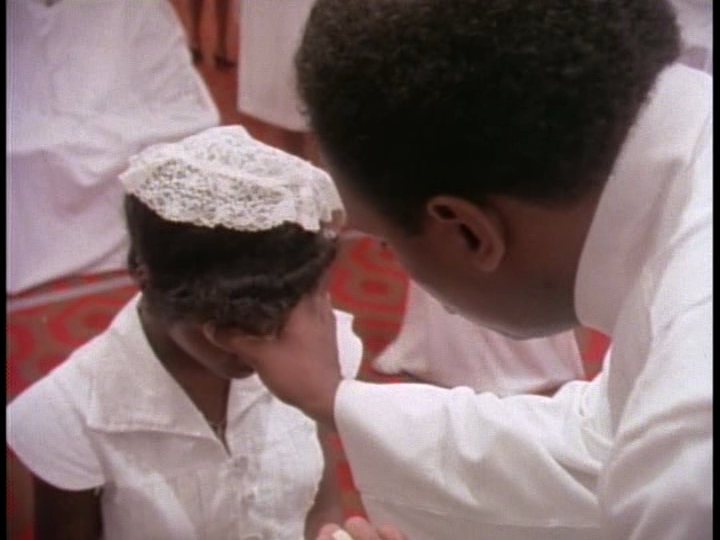
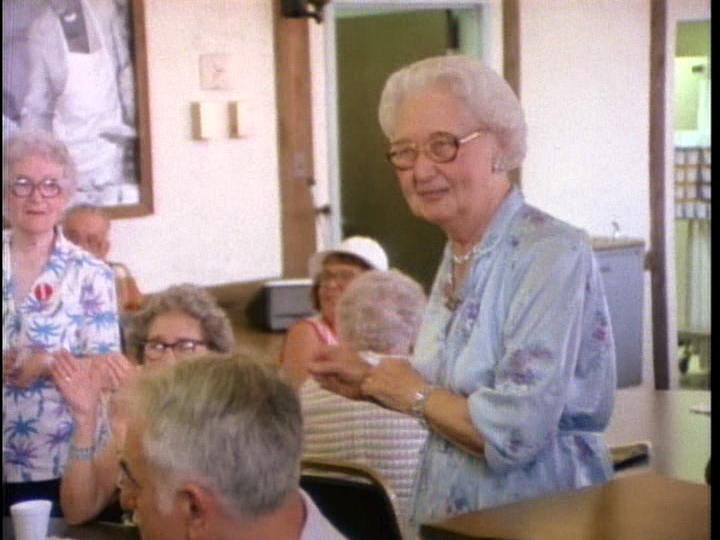
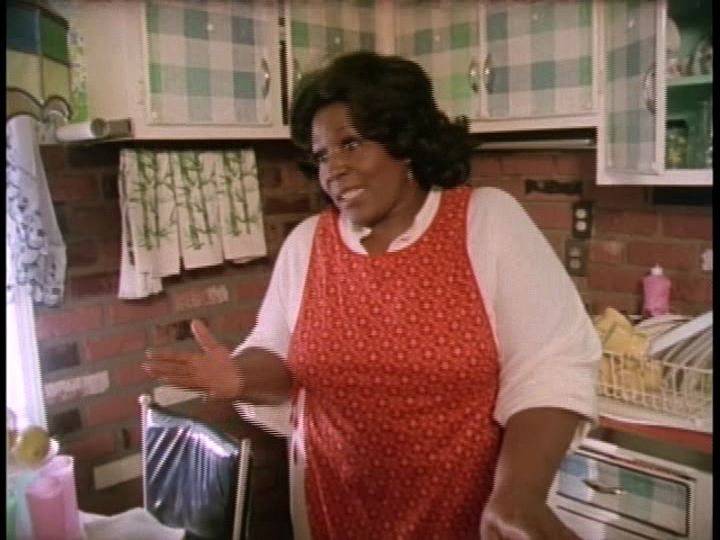
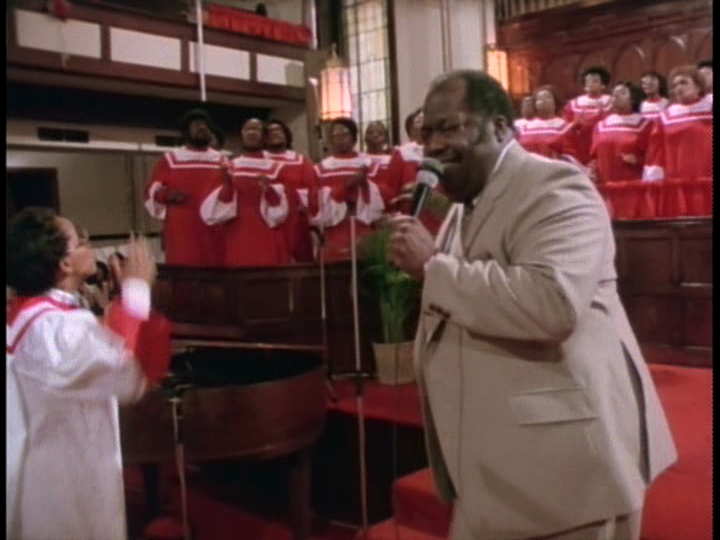
In his review of this “warmhearted documentary by George T. Nierenberg about some of the pivotal figures of gospel music”, Peary writes that it’s “wonderfully uplifting seeing aged gospel icons talk about what it means to sing gospel music”, and that “the music’s founding father, the Reverend Thomas A. Dorsey — who’s as exciting to watch as Little Richard — and semi-retired Queen of Gospel Willie Mae Ford Smith, give highly spirited performances”. He further adds that it’s “good to see the gospel tradition being carried on by the middle-aged Barrett Sisters and others much younger”, and notes it’s “also interesting to watch revealing interviews and some of the cinema-verite footage showing the performers at home.” However, he argues that “the director doesn’t know how to juxtapose the concert material with the chatter, and the film loses momentum and, amazingly, becomes dull”.

While Peary wishes “the young filmmaker had had a veteran around to help him construct this film better — because the proper footage for a stronger film is there”, the film stands on its own as a uniquely structured ethnographic glimpse. It’s far from linear, but perhaps that’s not a necessity; what we see here is a milieu rather than a history per se (though historical information is woven throughout). Peary writes that “gospel music works when the singers transmit their emotions to their listeners (the church congregation)”, and then complains that “every time we really get into the swing of things and feel intoxicated by the music, Nierenberg pauses for a lot of behind-the-scenes chatter” — however, isn’t that precisely the point? Gospel singers — like all artists — have personal lives and beliefs that are impacted by (and shape) their art, and that’s very nicely highlighted here (particularly in reference to gender roles and expectations). On the other hand, Peary’s right that the film could perhaps have benefited from a bit more focus, simply to help us better understand some of these unique and interesting characters.

Redeeming Qualities and Moments:

  • Fine ethnographic footage

  • An interesting glimpse into gender roles and expectations within this historical niche of the gospel world
  • Many rousing musical performances

Must See?
No, though it’s certainly recommended.

Links:

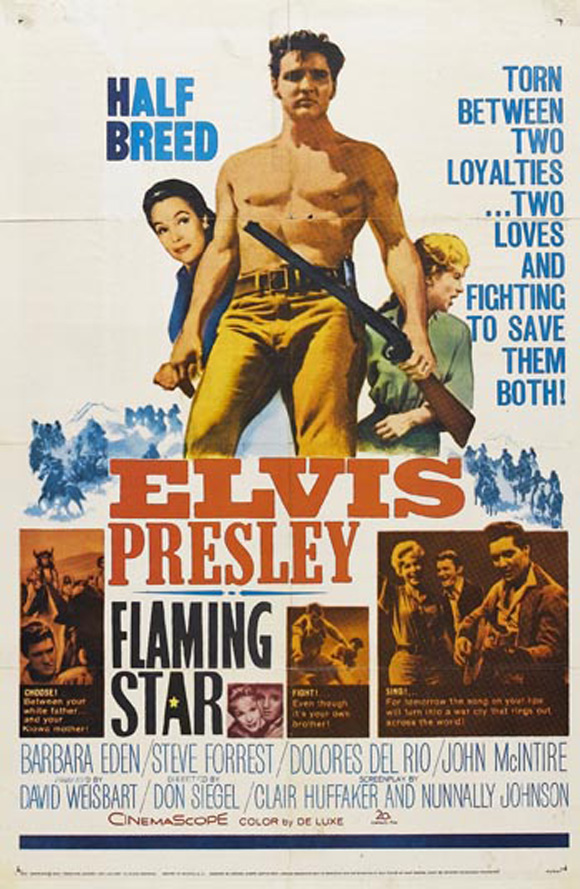
Flaming Star (1960)

Flaming Star (1960)

“We have no place to go: we have to fight, or we die.”

Synopsis:
A “half-breed” Kiowa (Elvis Presley) living on a ranch with his father (John McIntire), mother (Dolores del Rio), and half-brother (Steve Forrest) finds his loyalties divided when a local Kiowa tribe led by Buffalo Horn (Rodolfo Acosta) seeks revenge for stolen land by massacring a neighboring homestead family.

Genres, Themes, Actors, and Directors:

  • Dolores Del Rio Films
  • Don Siegel Films
  • Elvis Presley Films
  • John McIntire Films
  • Native Peoples
  • Race Relations
  • Revenge
  • Richard Jaeckel Films
  • Westerns

Response to Peary’s Review:
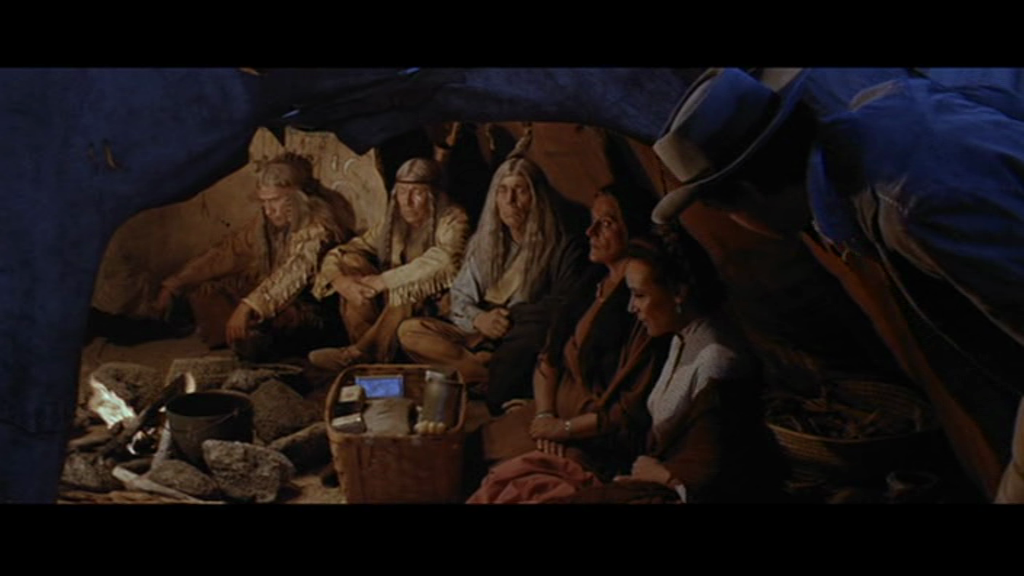
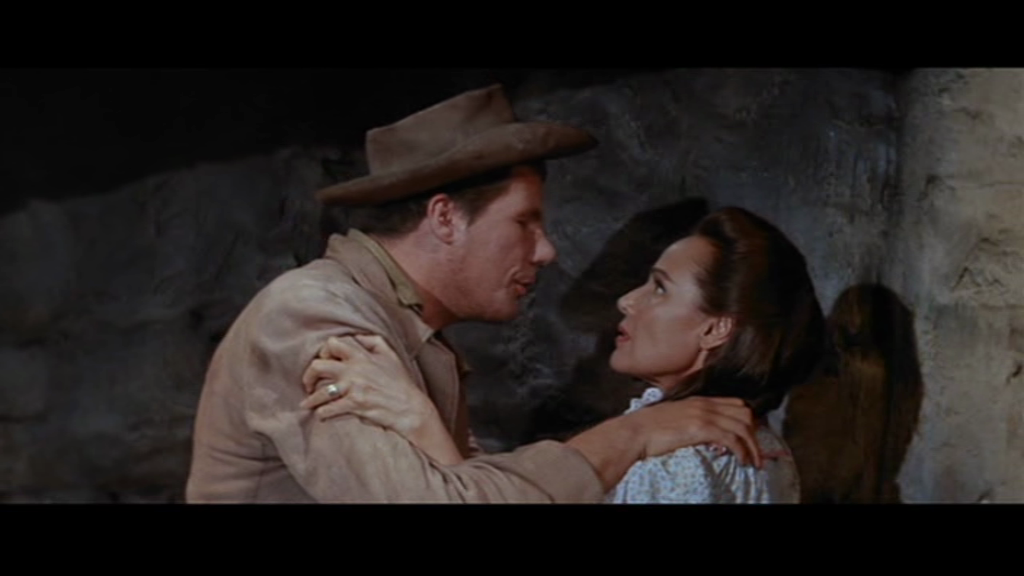
As Peary writes, “Don Siegel directed this action-packed western, which features what is generally accepted as Elvis Presley’s best performance” (though he himself believes “Presley’s performance is adequate, no better”). He notes that the “racial-prejudice theme was unusual in westerns until this film and the same year’s The Unforgiven,” but argues that the “the film is as unkind to Indians as it is to racist whites”. However, I don’t think Peary’s review gives quite enough credit to this western. Presley’s work here is likely his best: he’s invested and highly believable as a perpetual outsider attempting to navigate between two worlds.

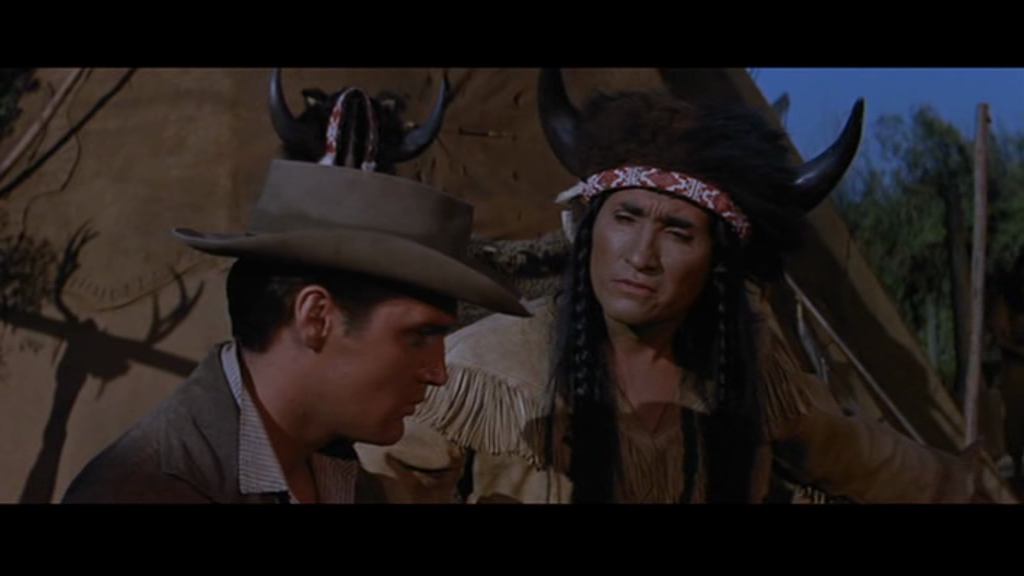
The movie’s exploration of Indians and whites’ tenuous attempt to co-exist goes beyond what we normally see in such films, and it’s easy to sympathize with both sides. The “frightening first appearance of Indians” may be, as Peary writes, the “film’s best moment” — and swiftly establishes tensions borne out throughout the film, as family members turn on one another, loyalties are consistently tested, and numerous likable characters die — but it’s not the only memorable scene by far. Flaming Star isn’t easy viewing, but it is worthwhile, and often poignant.

Redeeming Qualities and Moments:

  • Elvis Presley’s committed performance as Pacer
  • John McIntire as ‘Pa’ Burton
  • Strong direction by Siegel
  • Beautiful Cinemascope cinematography
  • A surprisingly hard-hitting script by Clair Huffaker and Nunnally Johnson

Must See?
Yes, as a fine Elvis vehicle.

Categories

  • Good Show

Links:

Jailhouse Rock (1957)

Jailhouse Rock (1957)

“That ain’t tactics, honey — it’s just the beast in me!”

Synopsis:
After accidentally killing a man in a barfight, a construction worker (Elvis Presley) is sent to jail, where his cellmate (Mickey Shaughnessy) — a former country-and-western star — teaches him to play the guitar and offers him a chance to perform. Upon his release, Vince (Presley) connects with a beautiful juke box representative (Judy Tyler) and soon becomes a rising star — but will thirst for fame and money corrupt his humble beginnings?

Genres, Themes, Actors, and Directors:

  • Aspiring Stars
  • Elvis Presley Films
  • Ex-Cons
  • Musicals
  • Prisoners
  • Rock ‘n Roll

Response to Peary’s Review:
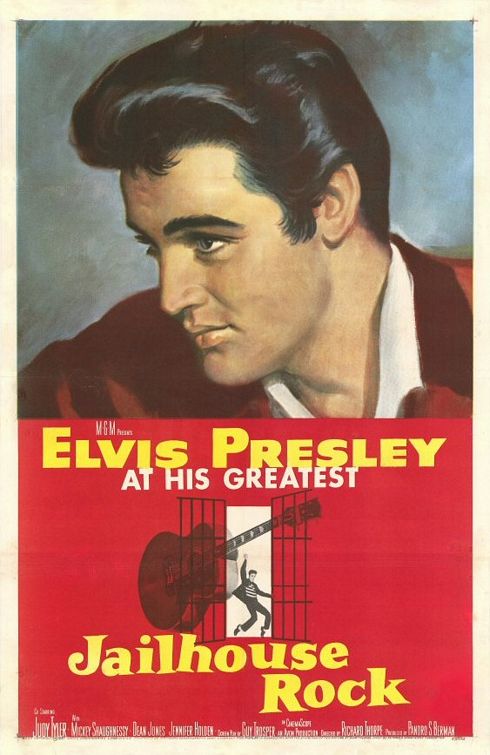
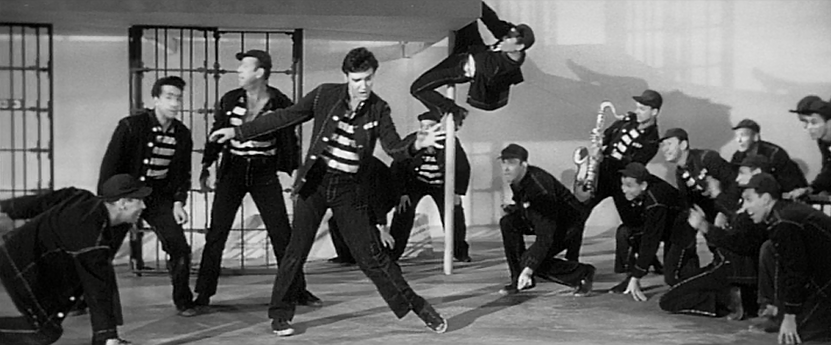
Peary argues that while Elvis Presley’s third film is “not on the high level of Flaming Star or King Creole“, it was “one of his biggest commercial successes” and “is still quite enjoyable”. He notes that “young Elvis is handsome and charismatic playing the troubled, misunderstood, quick-fisted character that best suited him in his movie career”; that “his singing is strong and smooth”; and “the Leiber-Stoller numbers… are first-rate”, with “the wildly choreographed ‘Jailhouse Rock’ production number” a true “classic”. He further adds that the film “benefits from the sweet presence of Judy Tyler, an actress who died young but is remembered fondly.” Peary’s assessment is fair but overly generous. The major themes of the storyline — show business is brutal, fame easily corrupts — aren’t unique or compelling, and it’s difficult to care too much about Presley’s “backwoods lad who trusts no one and carries a chip on his shoulder” (I don’t find him particularly charismatic). This flick will, of course, be of major interest to Presley fans — but all-purpose film fanatics can simply watch the title number on YouTube.

Redeeming Qualities and Moments:

  • Fine musical numbers

Must See?
No, though the “Jailhouse Rock” number is certainly worth watching on its own.

Links:

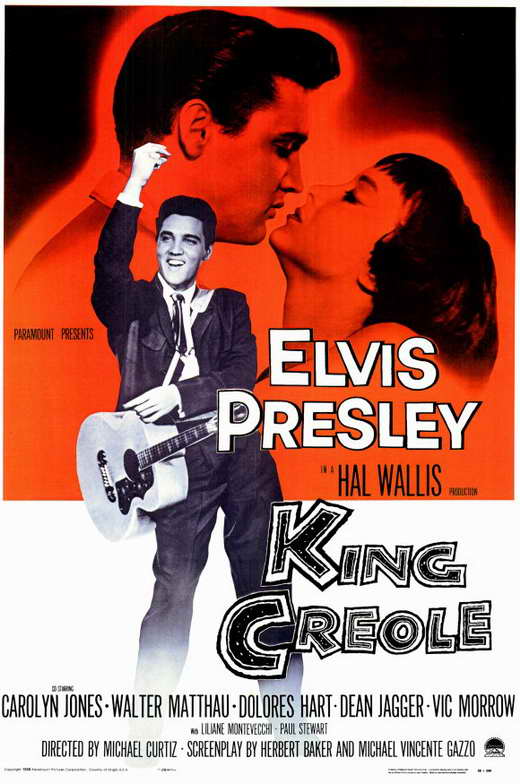
King Creole (1958)

King Creole (1958)

“The boy was born with an unusual talent — he has the right to think for himself!”

Synopsis:
A troubled teen (Elvis Presley) disappoints his father (Dean Jagger) by failing high school and choosing to work in a nightclub owned by a man (Paul Stewart) who his sister (Jan Shepard) falls for. But will Danny’s (Presley’s) new singing career and romance with a sweet clerk (Dolores Hart) be jeopardized by his association with a thug (Vic Morrow) working for a gangster (Walter Matthau), whose seductive moll (Carolyn Jones) makes continual moves on him?

Genres, Themes, Actors, and Directors:

  • Aspiring Stars
  • Carolyn Jones Films
  • Dean Jagger Films
  • Elvis Presley Films
  • Gangsters
  • Juvenile Delinquents
  • Love Triangle
  • Michael Curtiz Films
  • Musicals
  • Paul Stewart Films
  • Singers
  • Walter Matthau Films

Response to Peary’s Review:
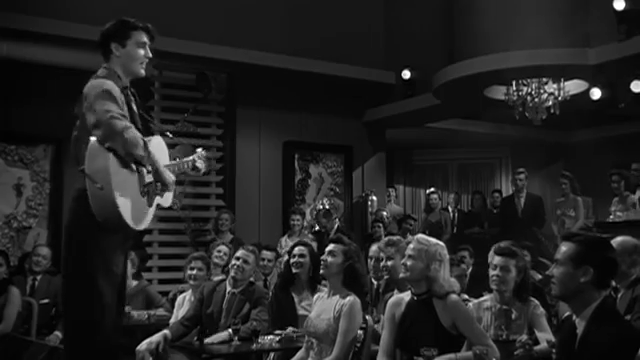
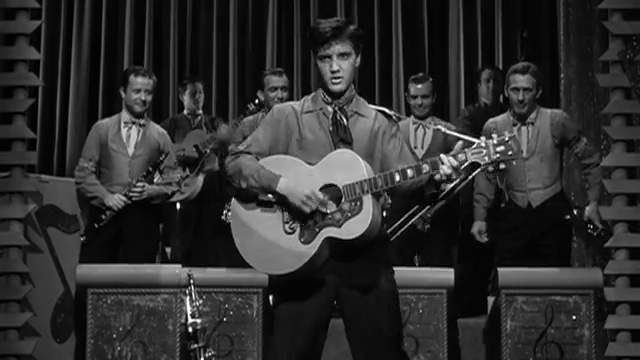
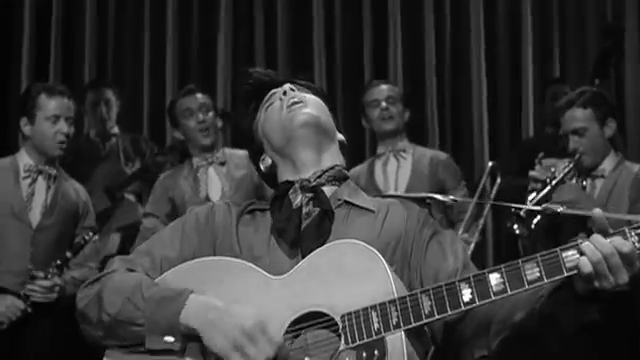
Peary argues that this loose adaptation of Harold Robbins’ novel A Stone for Danny Fisher (1952) remains “Elvis Presley’s best film”, noting that “Presley gives a strong, tough performance and his singing is terrific”. Peary further points out that “he is ably supported by a fine cast” and “the direction by Michael Curtiz is very efficient”, “styled much like his Warner Bros. biopic-musicals.” Peary concludes his review by noting that the film is a “solid piece of entertainment and certainly one of the top juvenile delinquent pictures of the fifties”. Presley — in his final movie before entering military service — does indeed seem to be at the top of his game, singing numerous nifty, lively ditties (all well incorporated into the storyline):

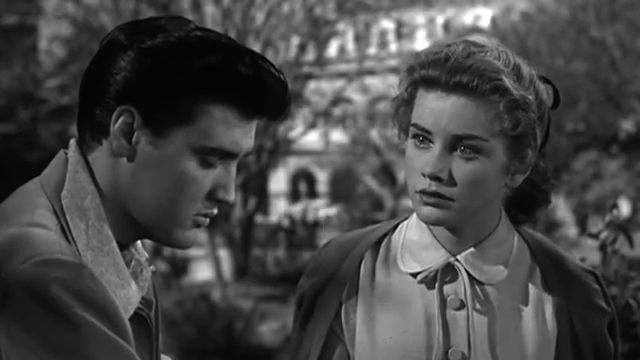
… and toggling his bad-boy impulses between “pretty Dolores Hart”:

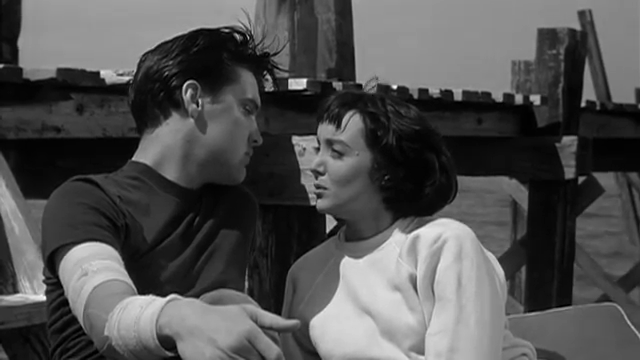
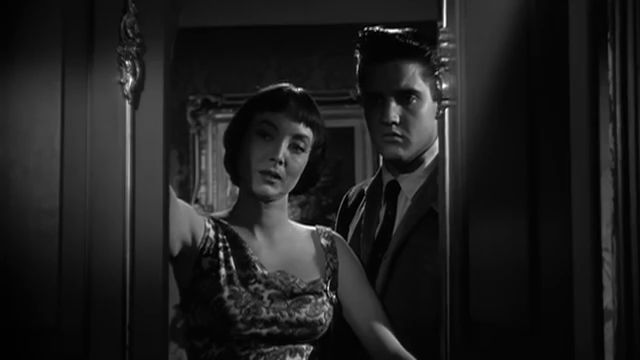
… and “Carolyn Jones, Matthau’s unhappy mistress”. Jones makes a strong presence as well: she’s amply seductive, pulls no punches (except when forced to under duress), and is clearly a damaged soul simply hoping for relief, which leads to plenty of genuine tension about which girl — and path — Presley will choose.

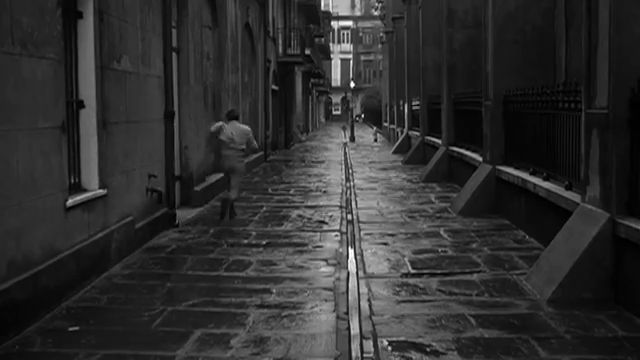
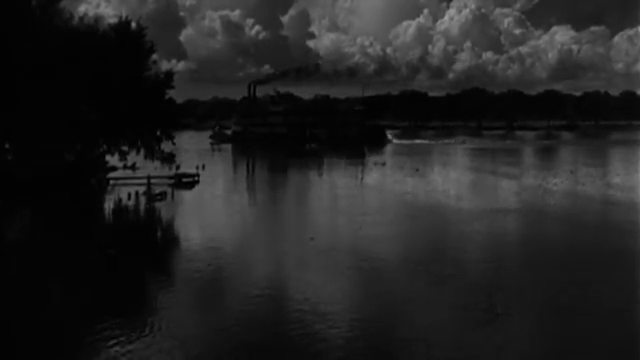
Russ Harlan’s cinematography is top-notch, and fine use is made of New Orleans locales.

Redeeming Qualities and Moments:

  • Elvis Presley as Danny Fisher
  • Carolyn Jones as Ronnie
  • Several lively musical numbers
  • Fine use of New Orleans locales
  • Russ Harlan’s cinematography

Must See?
Yes, once, for its historical significance.

Categories

  • Historically Relevant

Links: