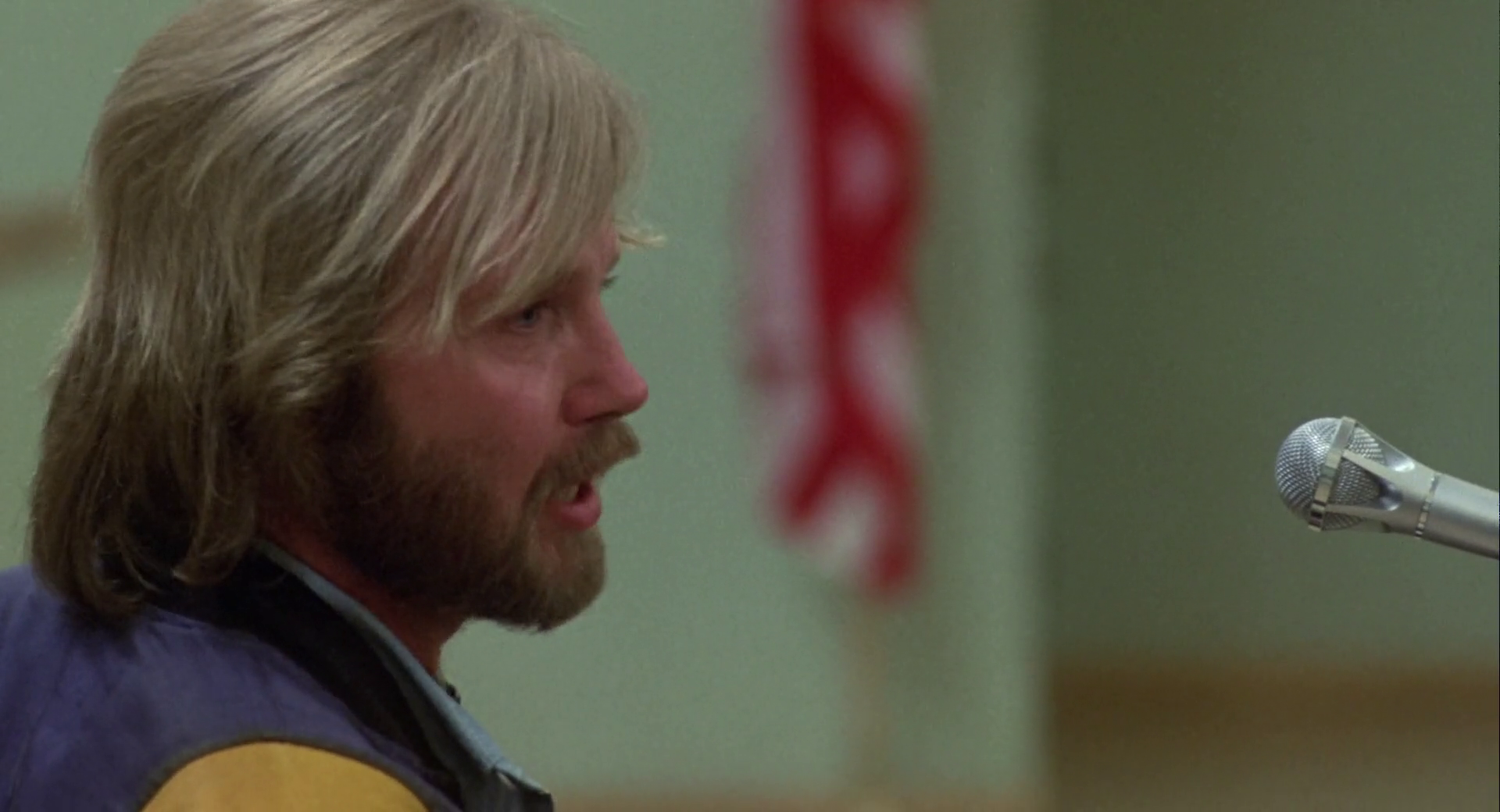
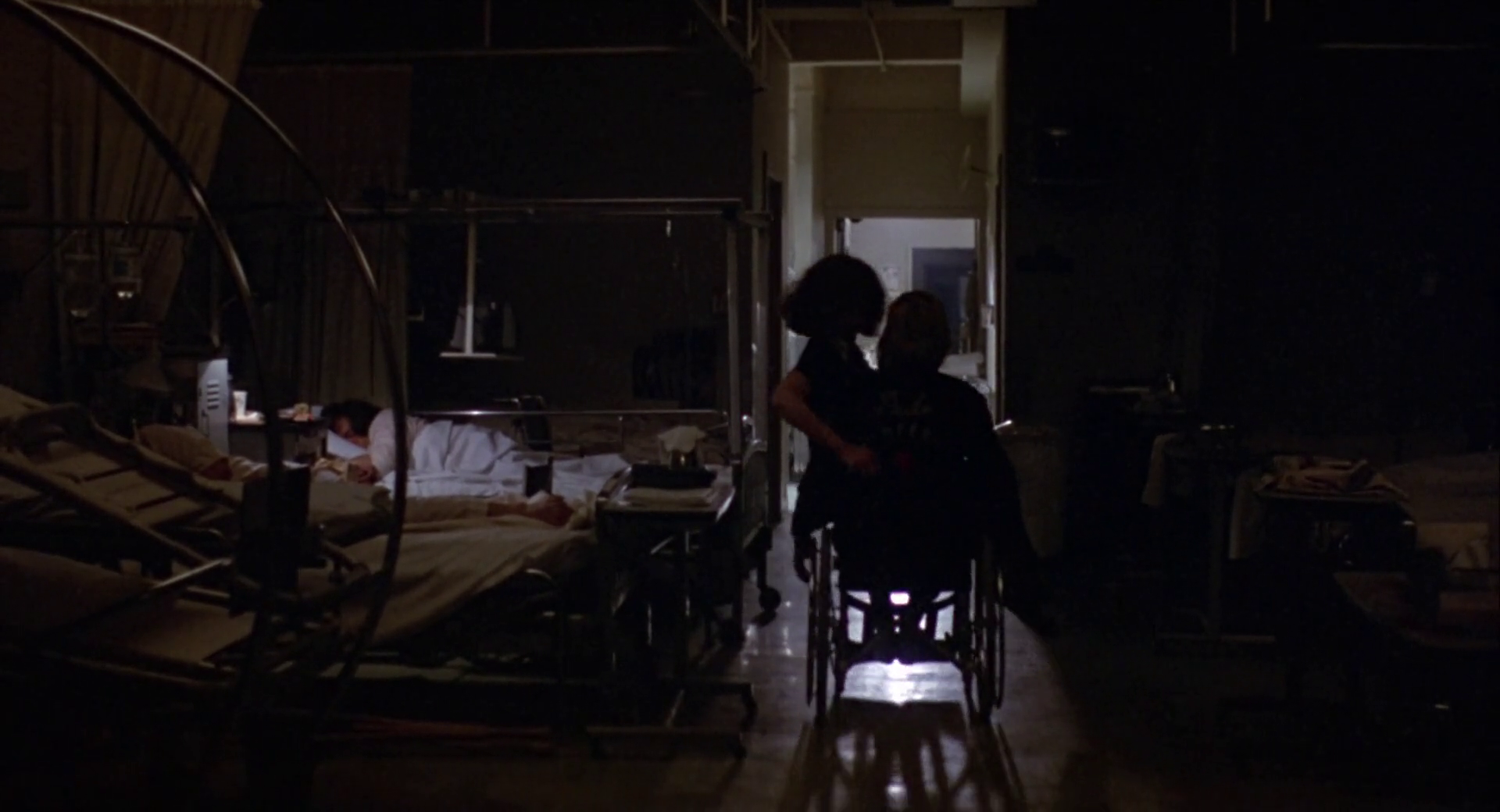
Coming Home (1978)
“We don’t have to go to Vietnam to find reasons to kill ourselves.”
My comments on Peary’s reviews in Guide for the Film Fanatic (Simon & Schuster, 1986).
“We don’t have to go to Vietnam to find reasons to kill ourselves.”
“The one I fly is known as birth control.”
|
Synopsis: |
|
Genres, Themes, Actors, and Directors:
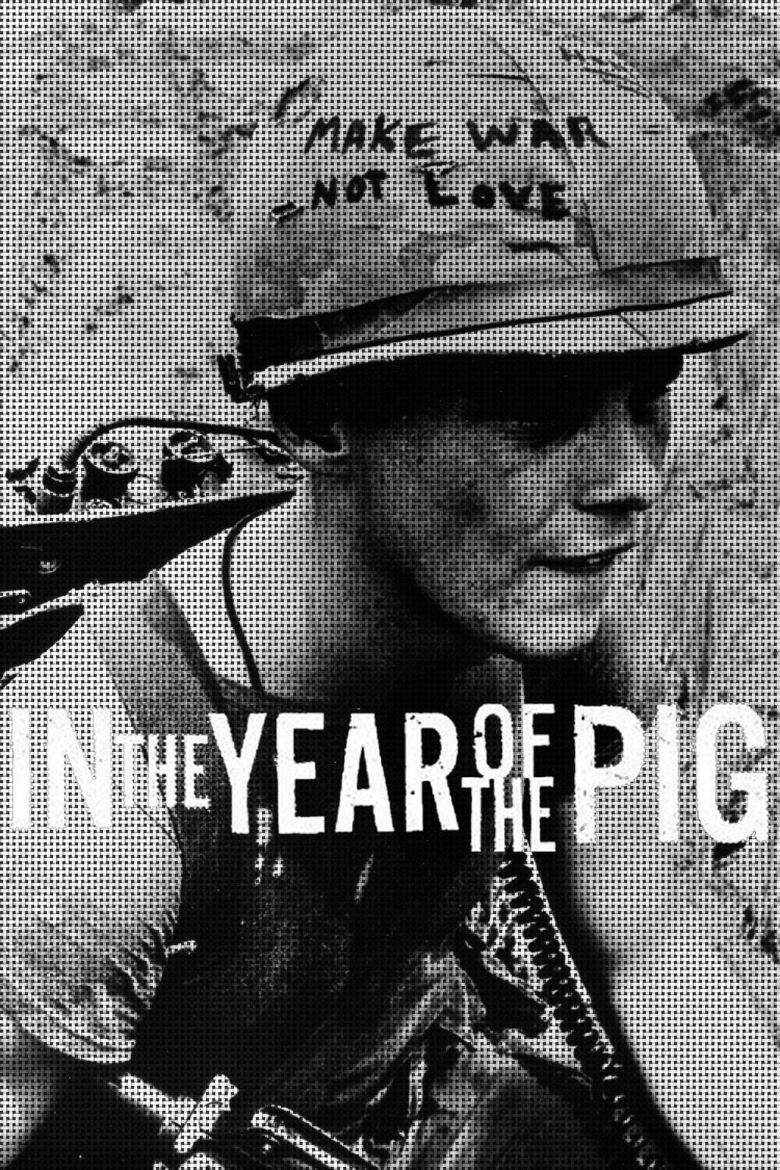
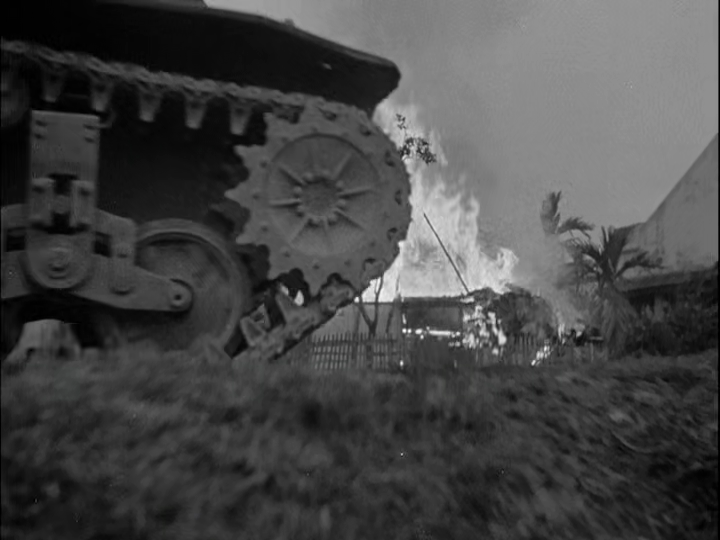
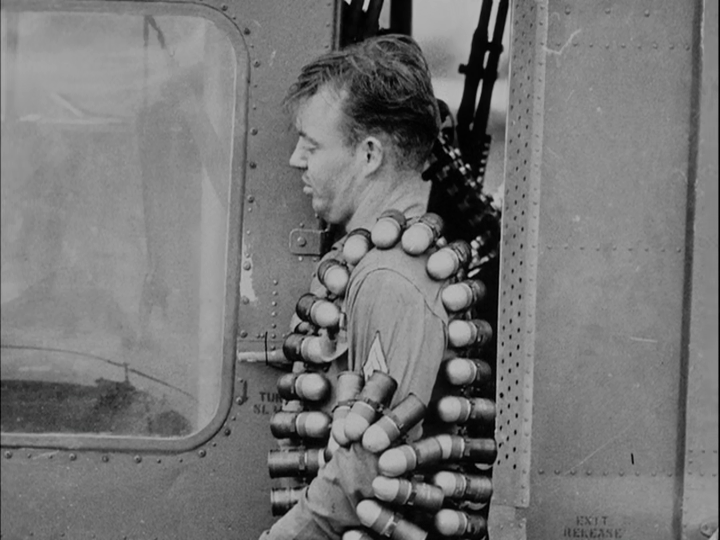
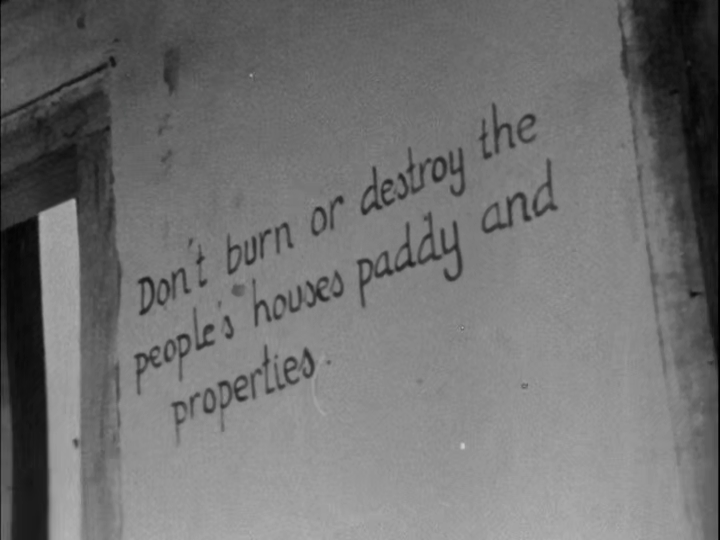
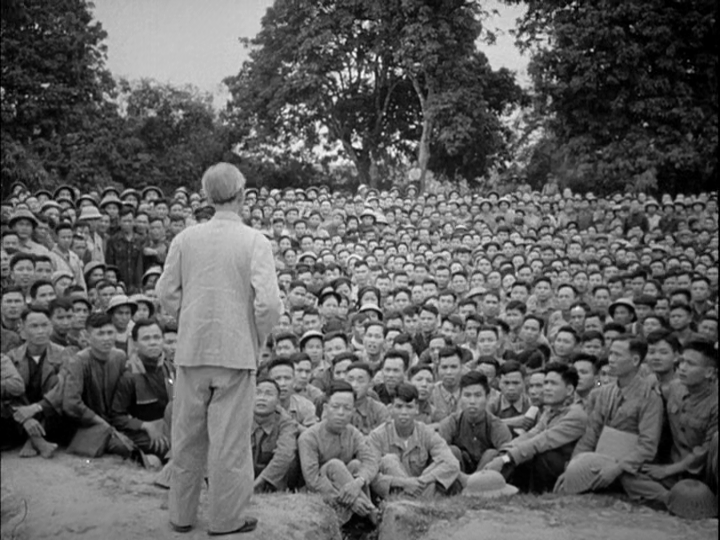
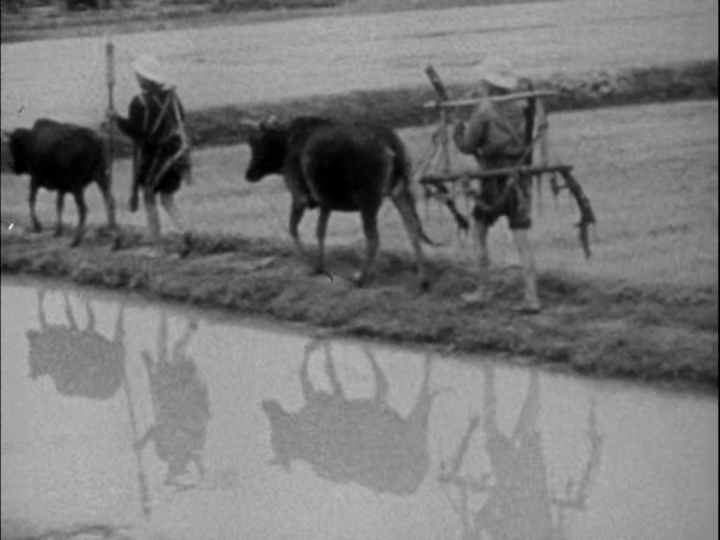
Response to Peary’s Review: To a certain extent, In the Year of the Pig is a documentary very much of-its-time: it had a certain power in 1969 when we were still deeply embroiled in the Vietnam War, and decisions discussed on-screen related to current life-or-death outcomes. However, Peary argues that while the “film has an undeniable fascination… too much serendipity is evident in the choice of footage and interview subjects”. He notes his frustration that “we never feel we’re getting a full story about any aspect of the war”, and shares that “even in 1969 [he] thought the film was weak”, given de Antonio’s clear bias in favor of the North Vietnamese. I disagree: it was de Antonio’s prerogative as a creative montagist to pull together clips that supported his argument, and his documentary — while certainly not comprehensive — prompts us to interpret the conflict in a unique and provocative way. Redeeming Qualities and Moments: Must See? Categories
(Listed in 1001 Movies You Must See Before You Die) Links: |
“We weren’t on the wrong side; we were the wrong side.”
|
Synopsis: |
|
Genres, Themes, Actors, and Directors:
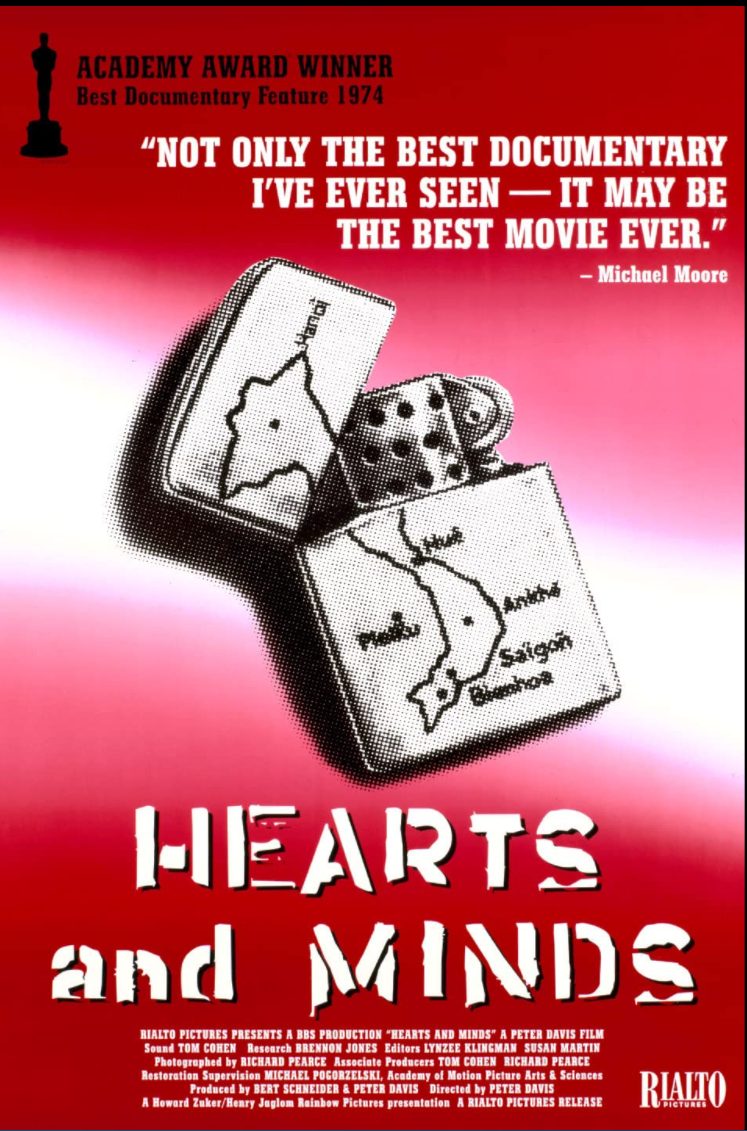
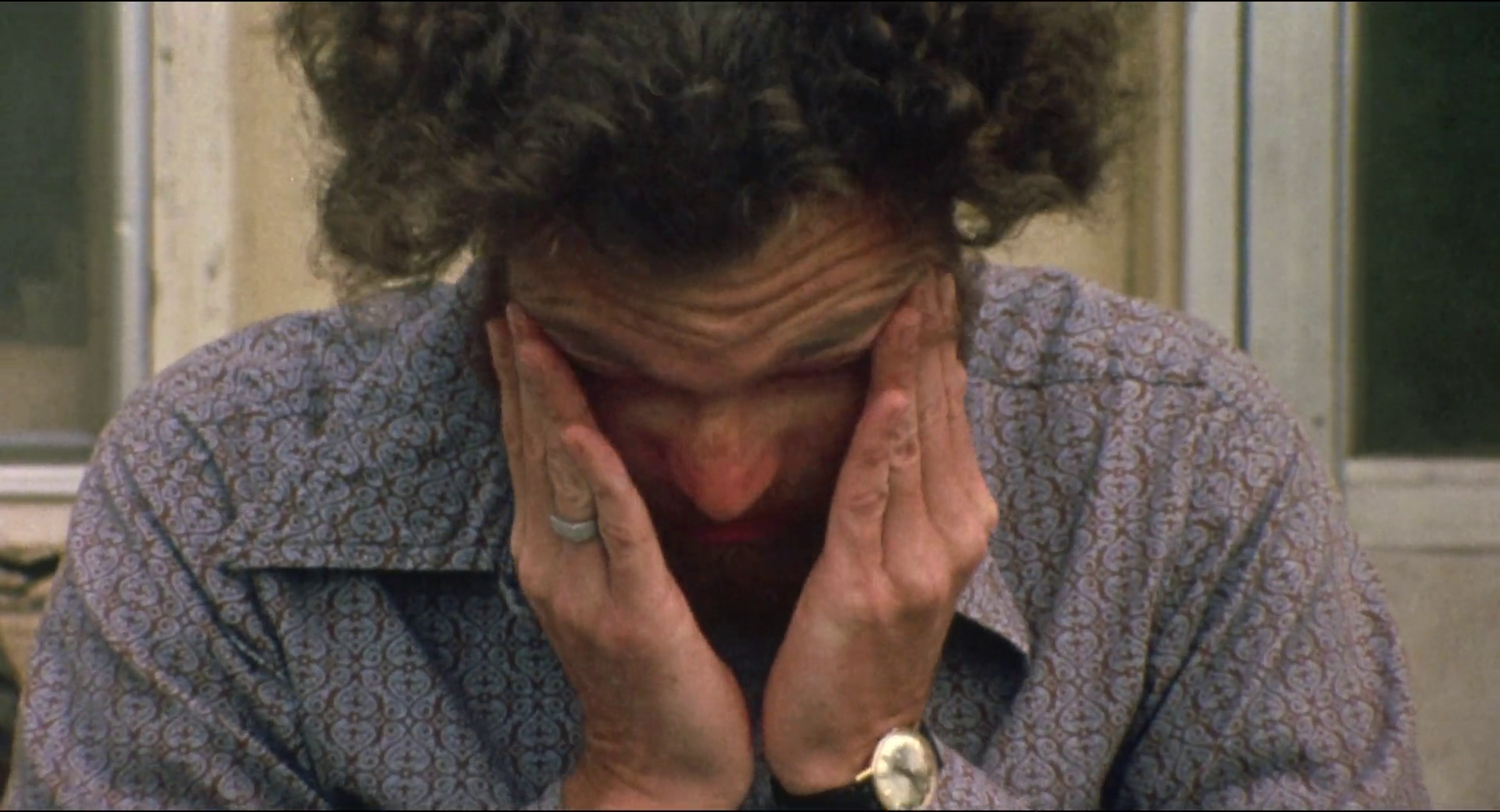
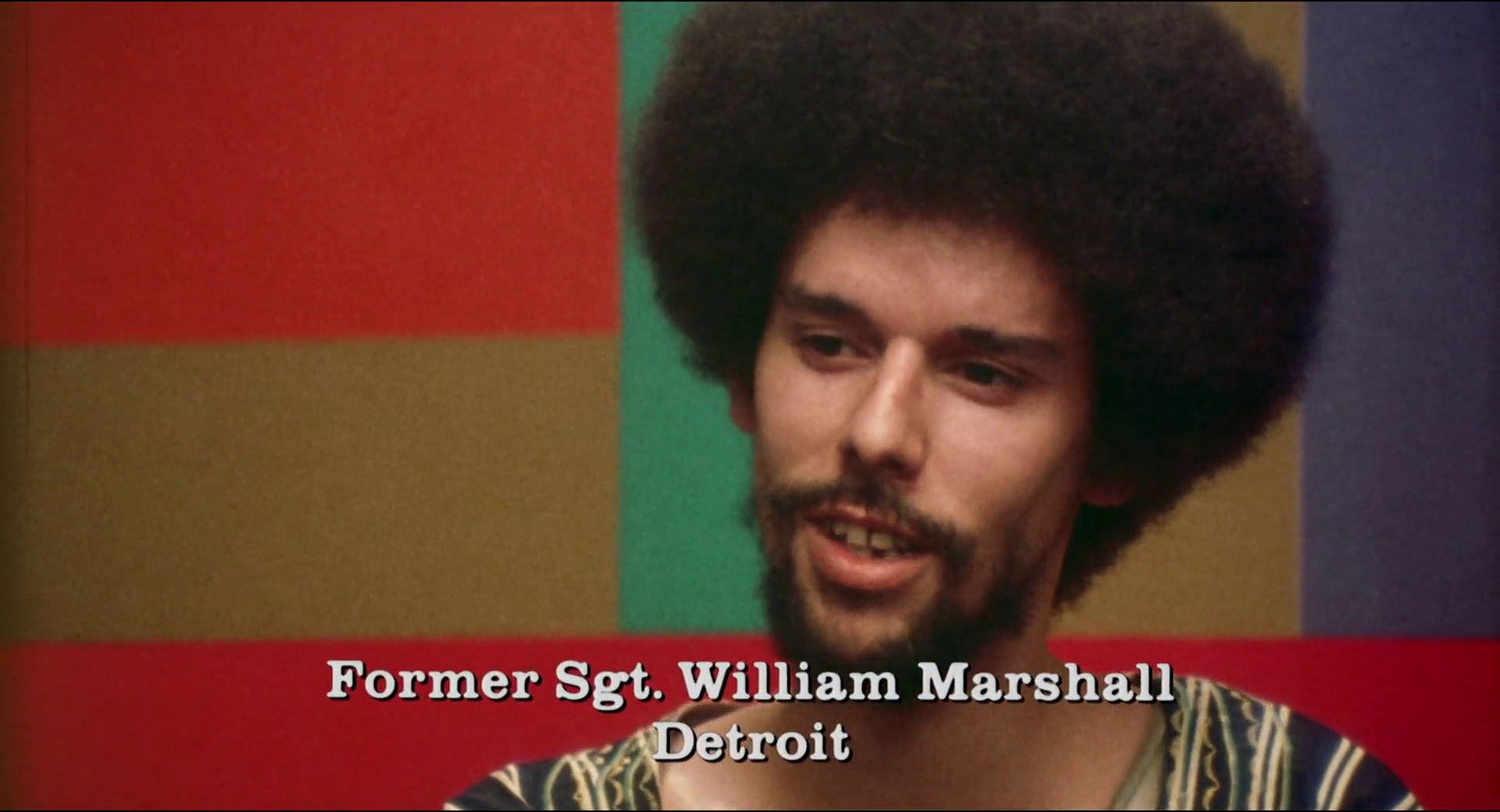
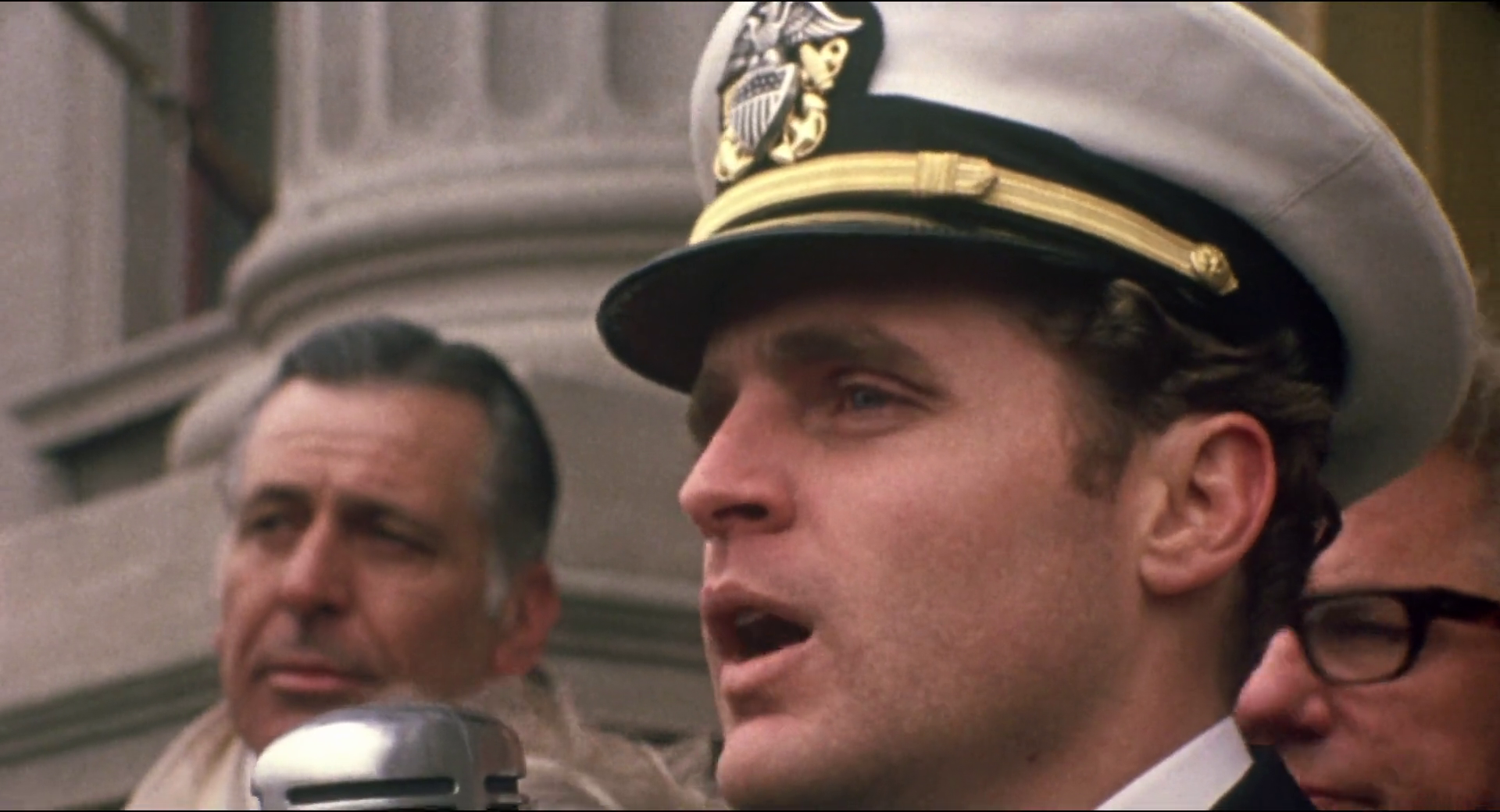
Response to Peary’s Review: Having just finished watching Ken Burns and Lynn Novick’s powerful 18-hour docu-series entitled The Vietnam War (2017), I recognized many of the themes presented in Hearts and Minds — though I appreciated seeing them from a much fresher and rawer perspective, before the war itself had come to an end. Indeed, this film was considered “too hot to handle” by financing Columbia Studios, and had to be bought back by producer Bert Schneider in order to be screened. As Peary points out, it’s filled with “much unforgettable footage, properly manipulative editing (such as Vietnamese grieving over their dead, followed by a scene in which [General] Westmoreland says how the Vietnamese don’t care about death the way we do”). Westmoreland’s quote is the most memorably egregious, but others include:
Peary argues that the film makes a strong case for “how deeply rooted are our racism, anti-communism, [and] need to battle an enemy”, and that it’s “not surprising that our solders acted as they did when sent to Vietnam.” Burns and Novick’s mini-series — which all film fanatics (and Americans) should be sure to check out — adds invaluable insight into the soldiers’ perspectives many years later, as they reflect even more deeply on how and why they were able to commit the atrocities they did. Given that Hearts and Minds was made the year before the war finally ended, there were many more years of healing and understanding to come — but as Peary writes, while “today the picture may seem tame… it was as powerful an anti-Vietnam film as had been made until then”, and is certainly must-see viewing. Redeeming Qualities and Moments: Must See? Categories
Links: |
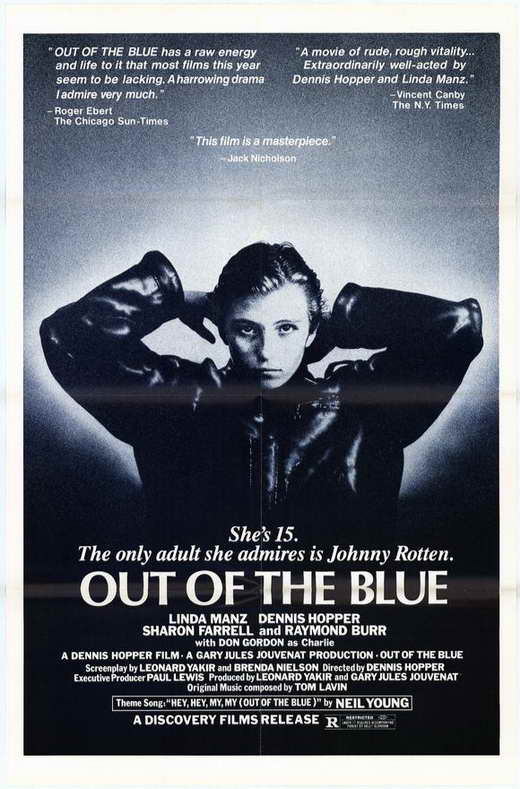
“If you don’t shut up and get out of here, I’m going to take you out of the blue and into the black.”
|
Synopsis: |
|
Genres, Themes, Actors, and Directors:
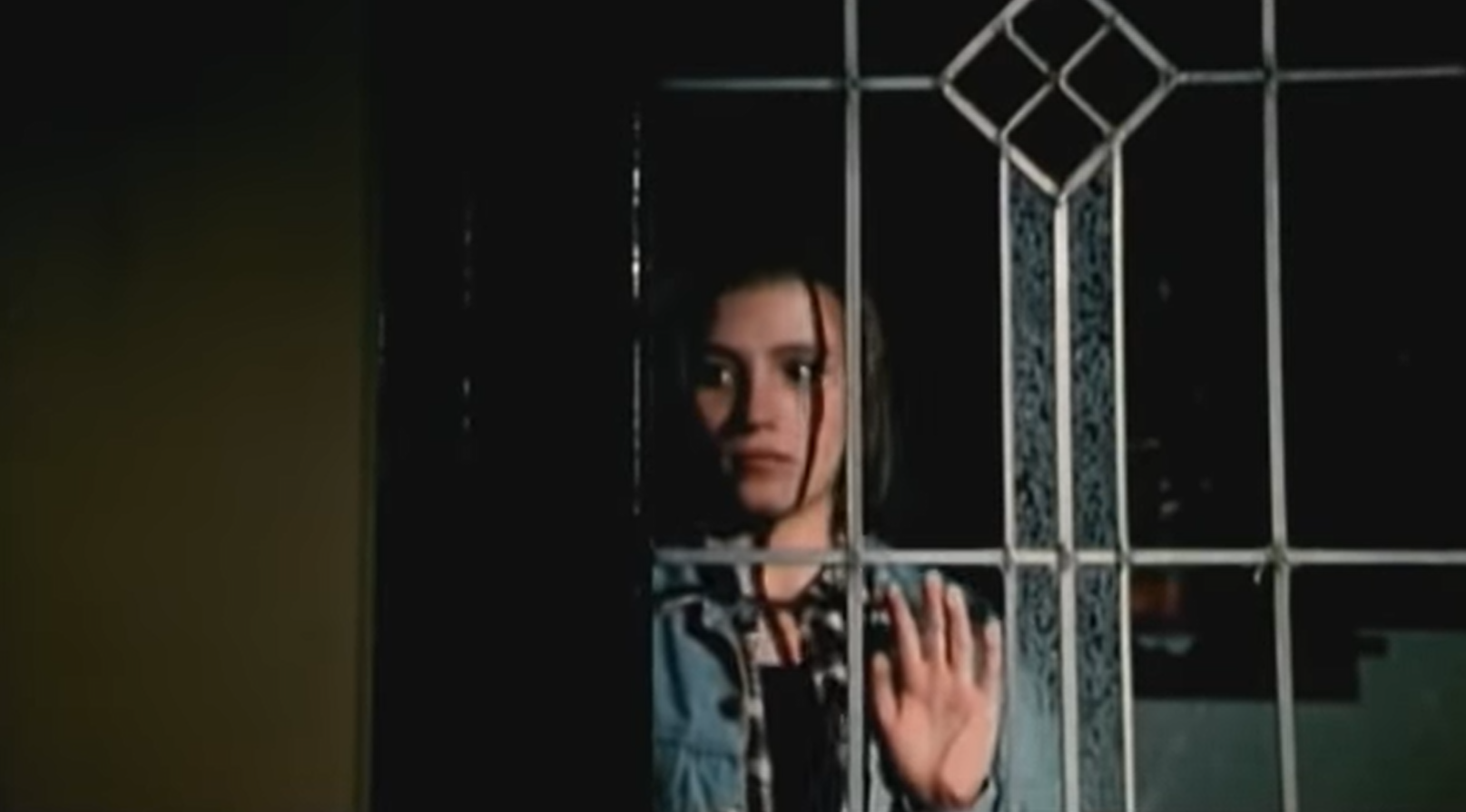
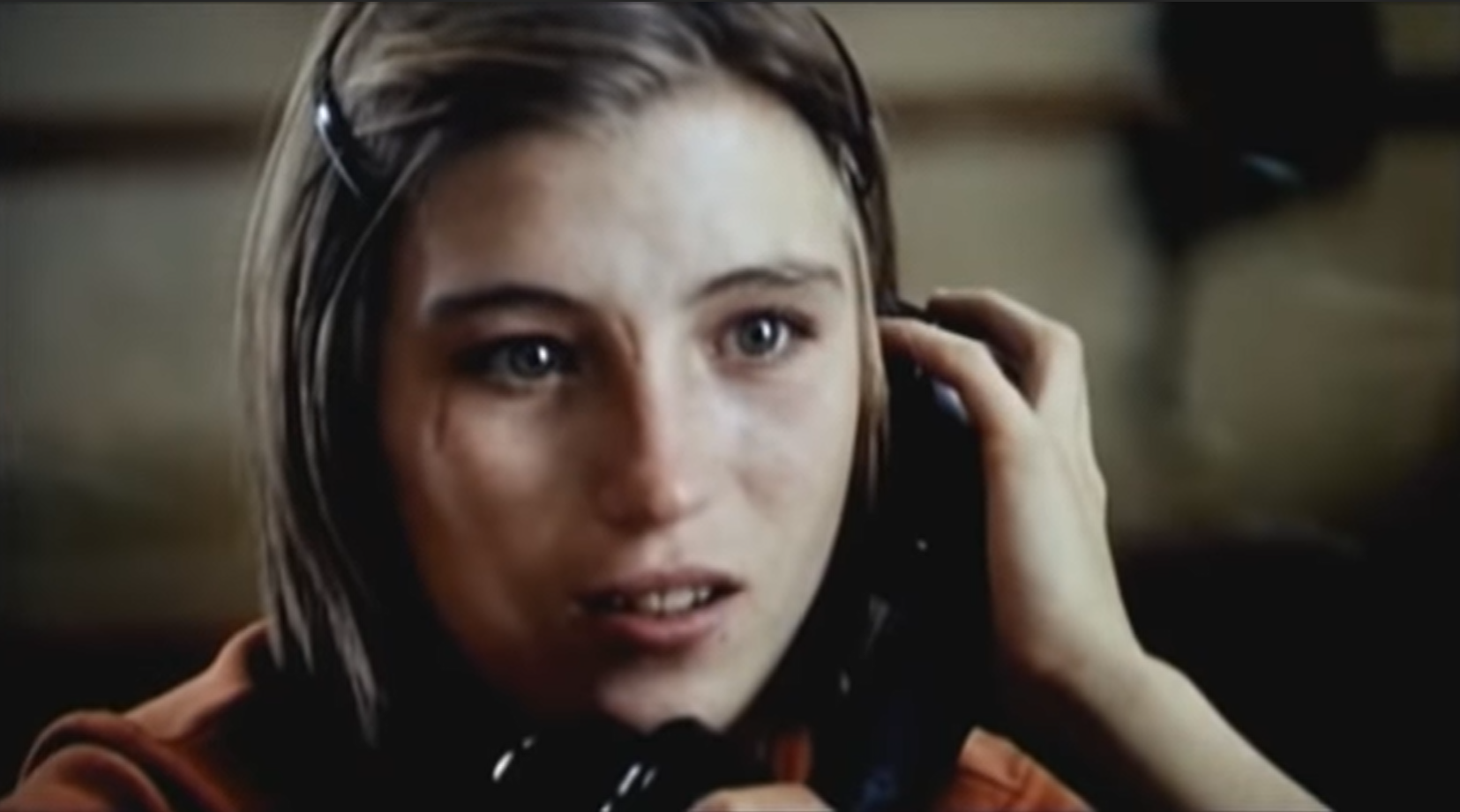
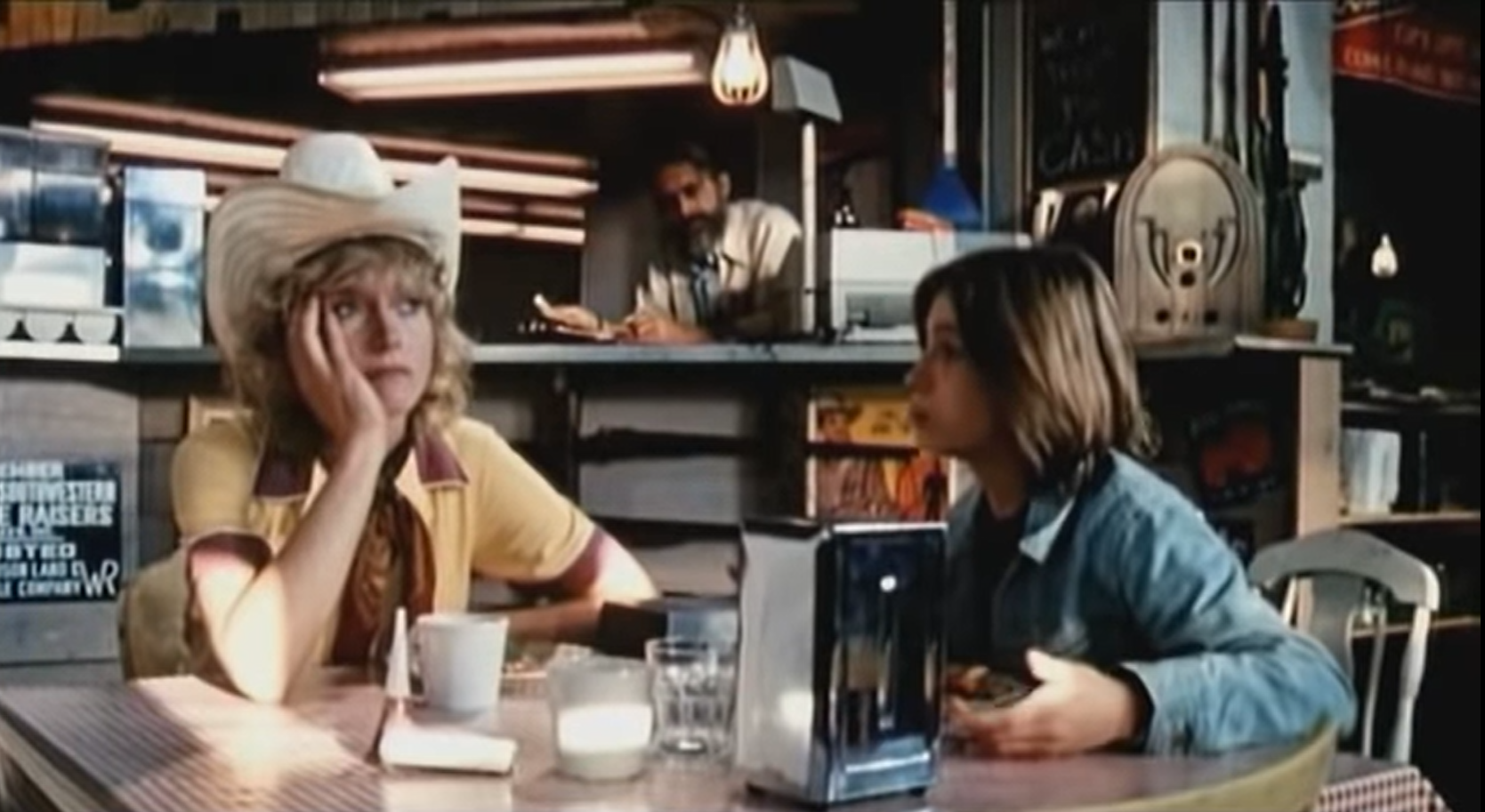
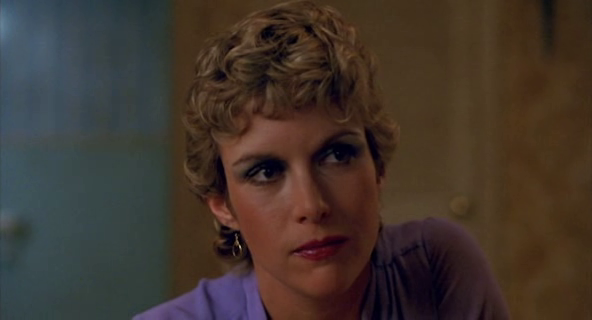
Response to Peary’s Review: The “final scene between Manz and Hopper”, which “will make your skin crawl” — and which is followed immediately by another unexpected doozy — seem like an appropriate denouement to this relentlessly tragic tale. Redeeming Qualities and Moments: Must See? Links: |
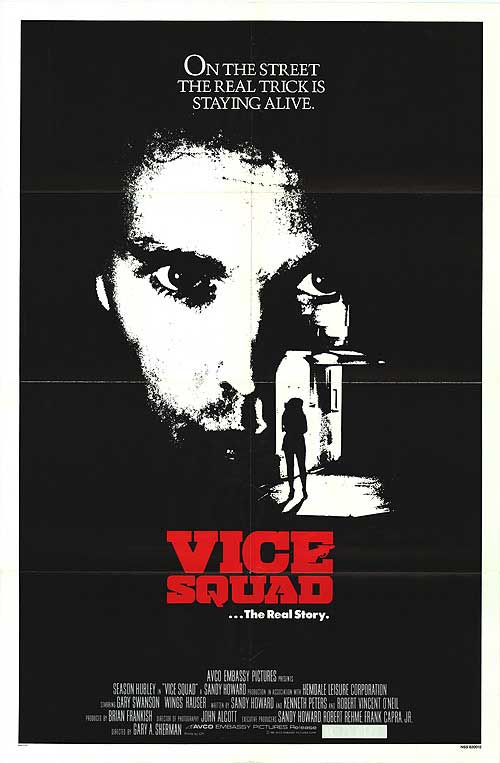
“Come on scumbag, make your move — make my day.”
|
Synopsis: |
|
Genres, Themes, Actors, and Directors:
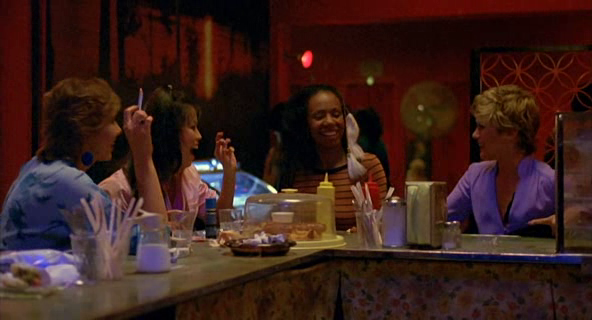
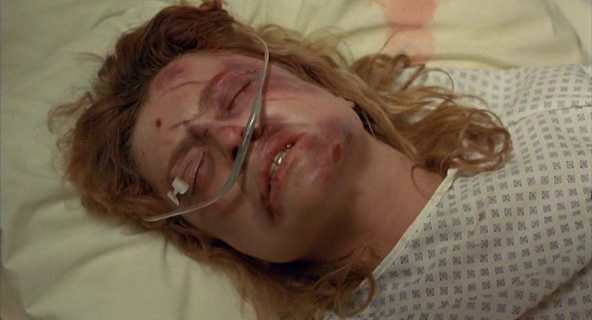
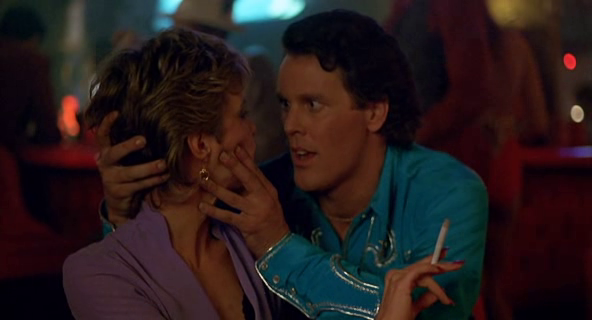
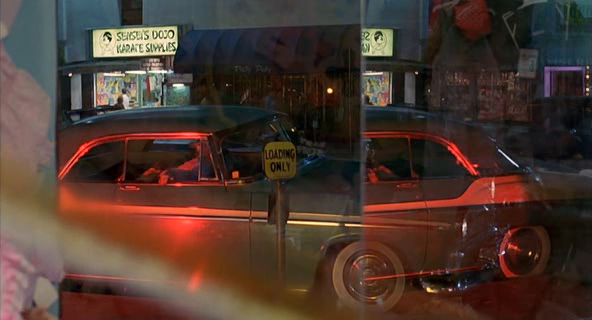
Response to Peary’s Review: … but director Gary Sherman includes plenty of panning shots depicting the array of deglamorized activity going down at night on the streets of Hollywood, and Hubley’s murdered friend (Nina Blackwood) is shown in quite a sorry state. Hubley herself is actually a refreshingly (if foolheartedly) bold female protagonist who more than holds her own with “Hauser’s scary villain” — “someone you’ll love to hate” (indeed, he seems to have a minor cult following based on this flick alone). Peary accurately notes that the film is “extremely brutal and unpleasant, particularly the finale” — though I believe modern film fanatics won’t find it particularly over-the-top. Favorite odd scene: the toe-sucking request. Redeeming Qualities and Moments: Must See? Links: |
“Don’t ever tell me what to do and what not to do. You understand me?”
|
Synopsis: |
|
Genres, Themes, Actors, and Directors:
Response to Peary’s Review: Redeeming Qualities and Moments: Must See? Links: |
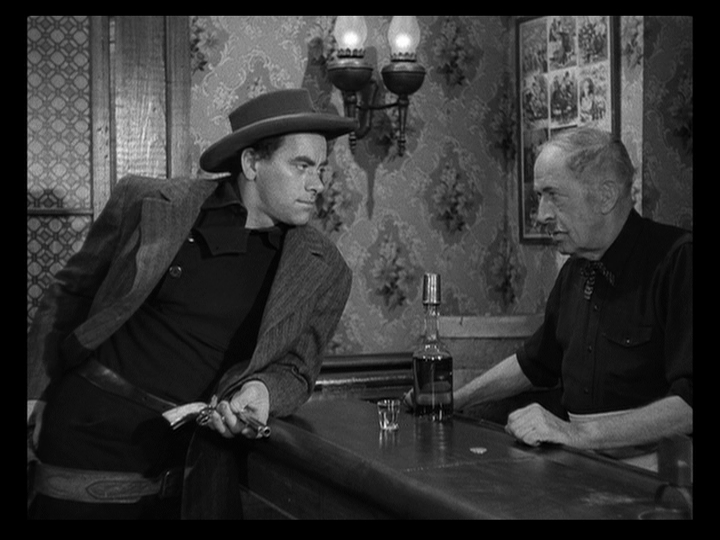
“I just want a chance to prove I ain’t no murderer.”
|
Synopsis: |
|
Genres, Themes, Actors, and Directors:
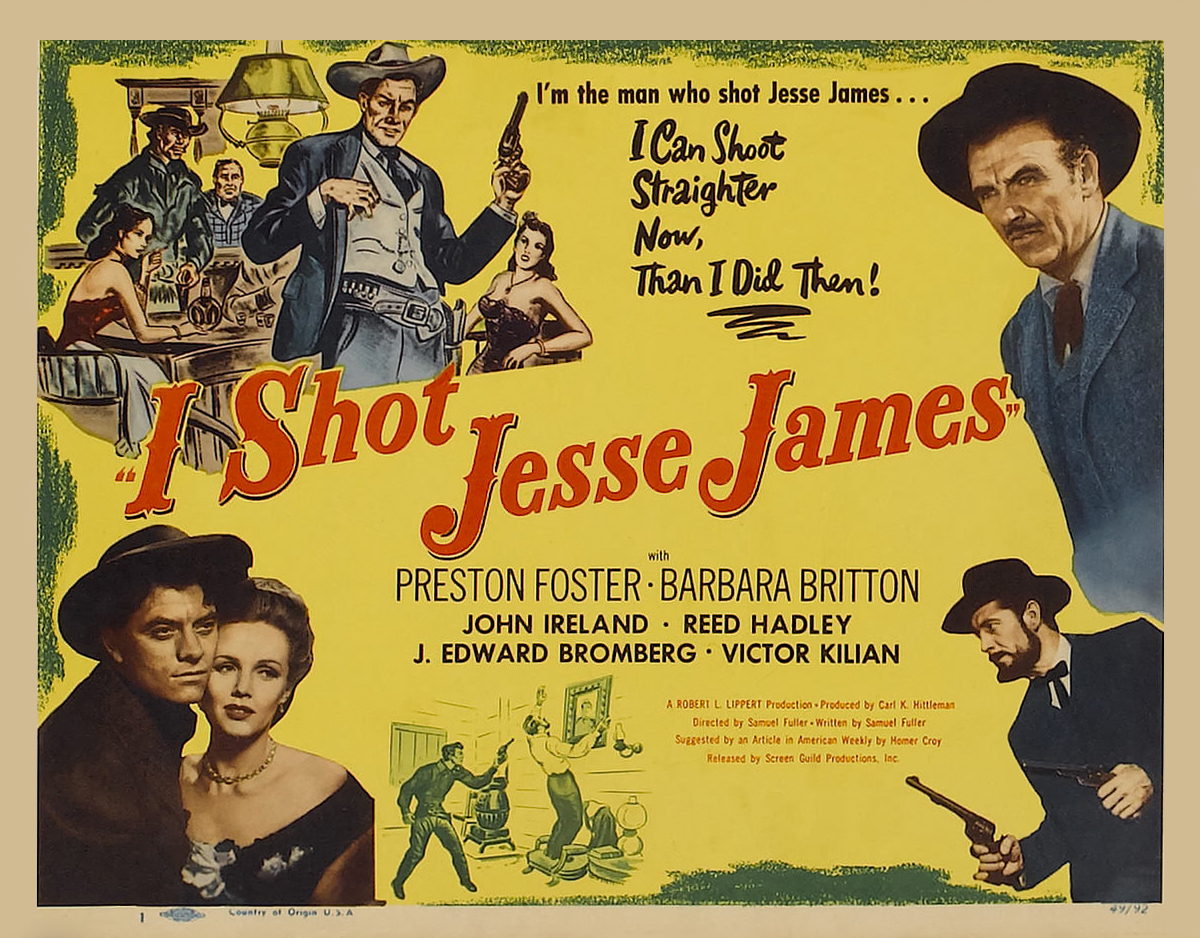
Response to Peary’s Review: Peary argues it “makes sense” that “Ford becomes increasingly sympathetic” given that “Fuller despised Jesse James and thought his murder was a public service”. As a low-budget psychological western, Fuller’s flick works quite well, and it hardly matters that “there isn’t enough action to satisfy most western fans.” Ireland gives an appropriately haunted performance in the title role: it’s easy to see how extreme cognitive dissonance fuels his inability to understand his girlfriend’s (Britton) waning love for him, as well as Britton’s fear for her life if she risks leaving Ireland. There’s plenty of genuine tension here. Redeeming Qualities and Moments: Must See? Links: |
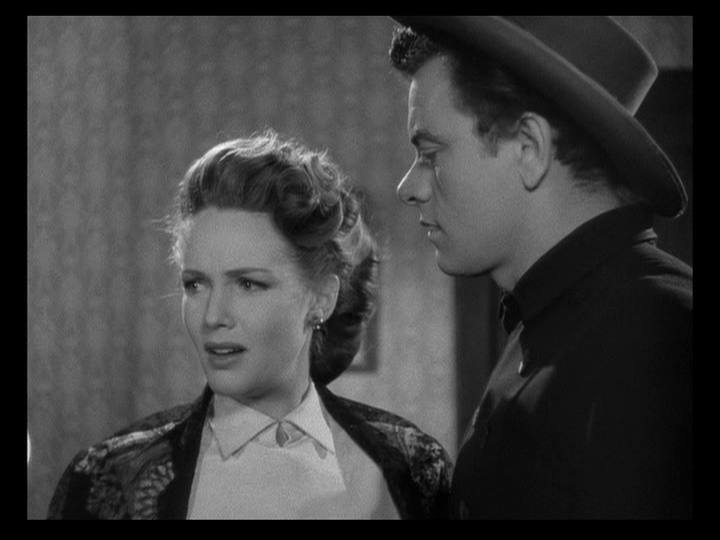
“You’re mad, you son of a bitch!”
|
Synopsis: |
|
Genres, Themes, Actors, and Directors:
Response to Peary’s Review: Note: Check out Brandon’s Cult Movie Review for a fun 20 minute condensation of this flick. Redeeming Qualities and Moments: Must See? Links: |
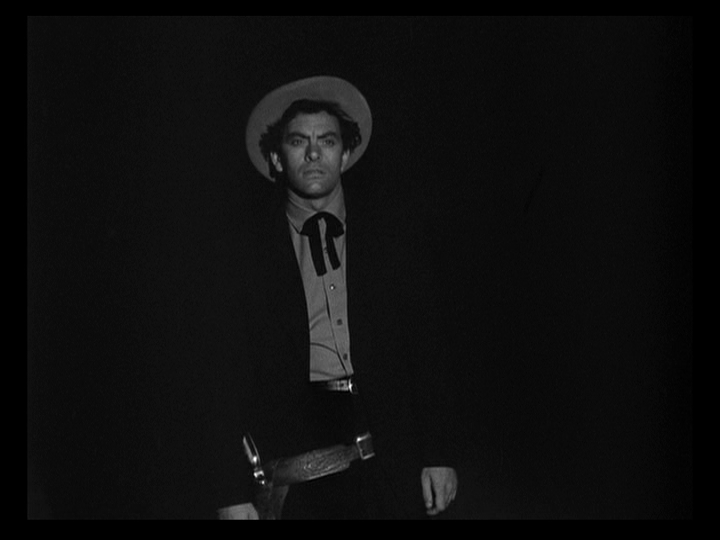
“Who would have thought? All we wanted was a bigger, healthier tomato.”
|
Synopsis: |
|
Genres, Themes, Actors, and Directors:
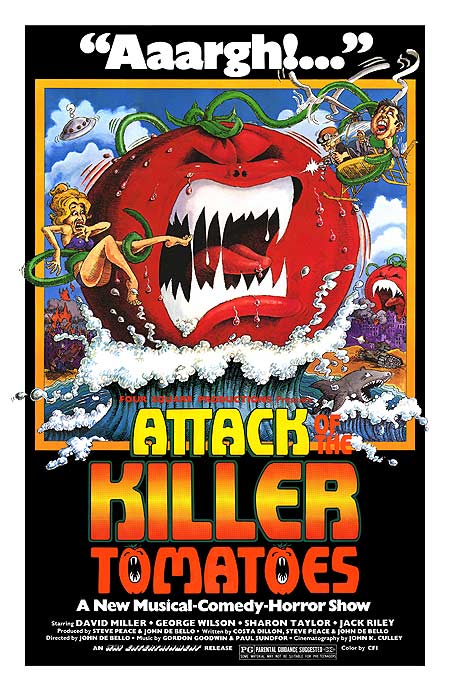
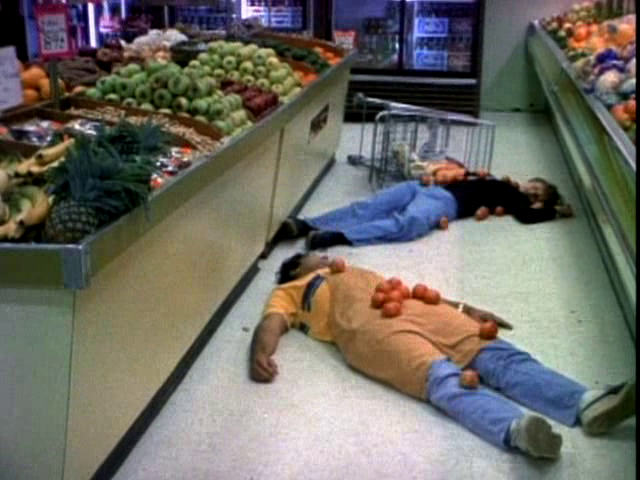
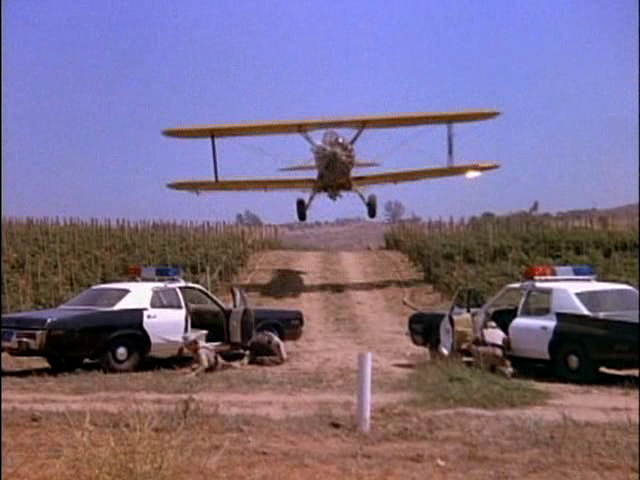
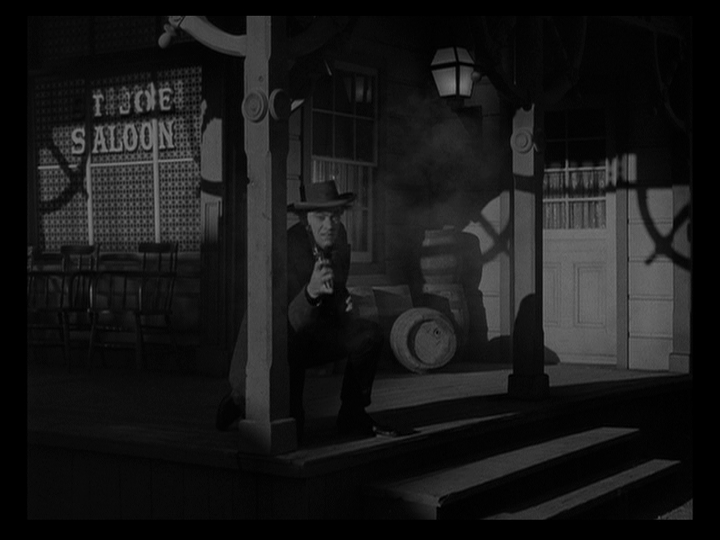
Response to Peary’s Review: … and points out that “at least it has an even more ludicrous title tune than The Blob‘s” (indeed, the song will stick in your memory for days thereafter; be forewarned). While Peary asserts that the “funniest gag has an actor dubbed (loud and out-of-synch, appropriately) simply because this is a sci-fi film and he is Japanese”, I believe the best scenes (relatively speaking) are those which openly parody well-known horror films (i.e, tomatoes bobbing menacingly in the ocean a la Jaws). While I’m not a personal fan of this ridiculously silly film, it’s harmless and worth a look if you enjoy this kind of entertainment. Redeeming Qualities and Moments: Must See? Links: |
“I’m better than a human woman.”
|
Synopsis: |
|
Genres, Themes, Actors, and Directors:
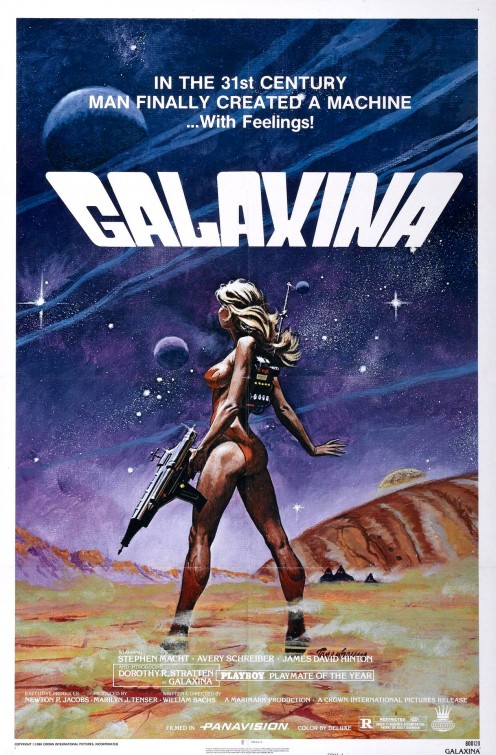
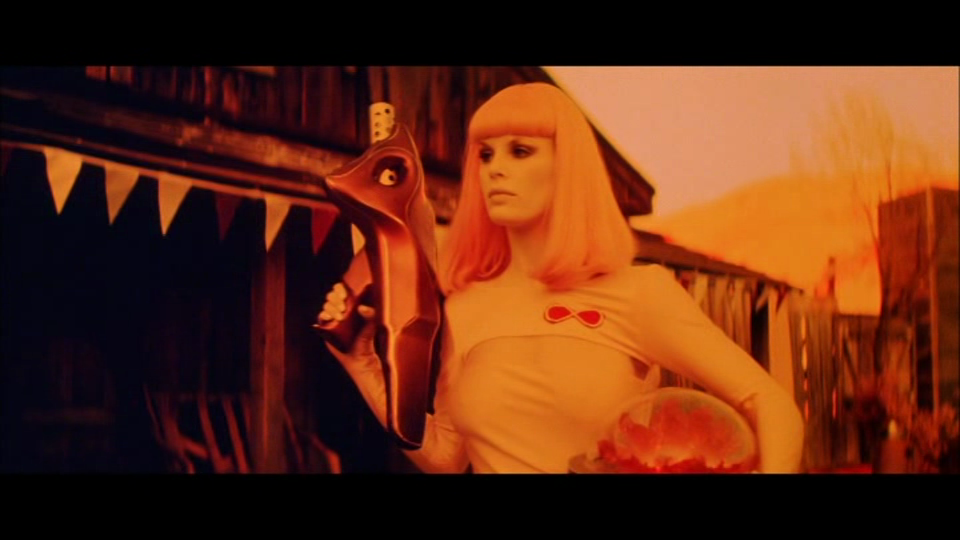
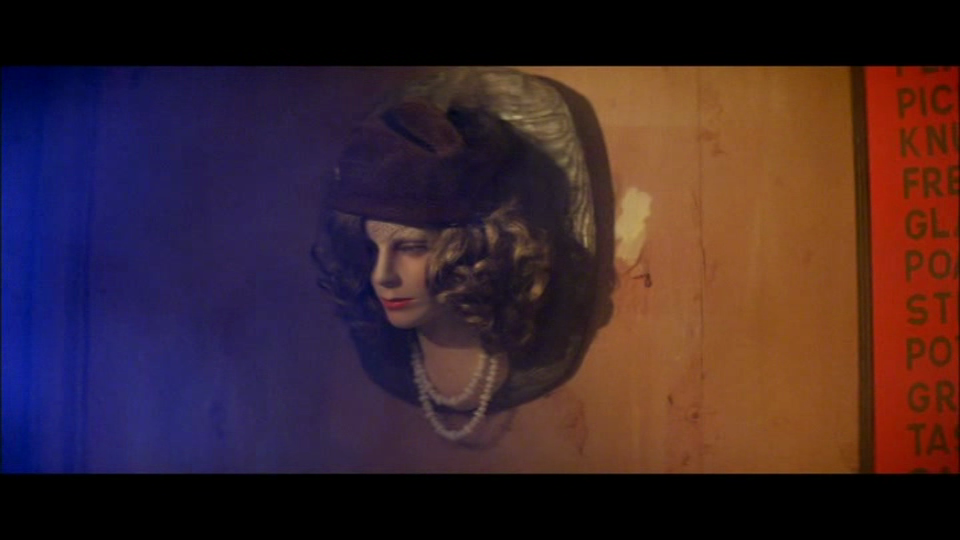
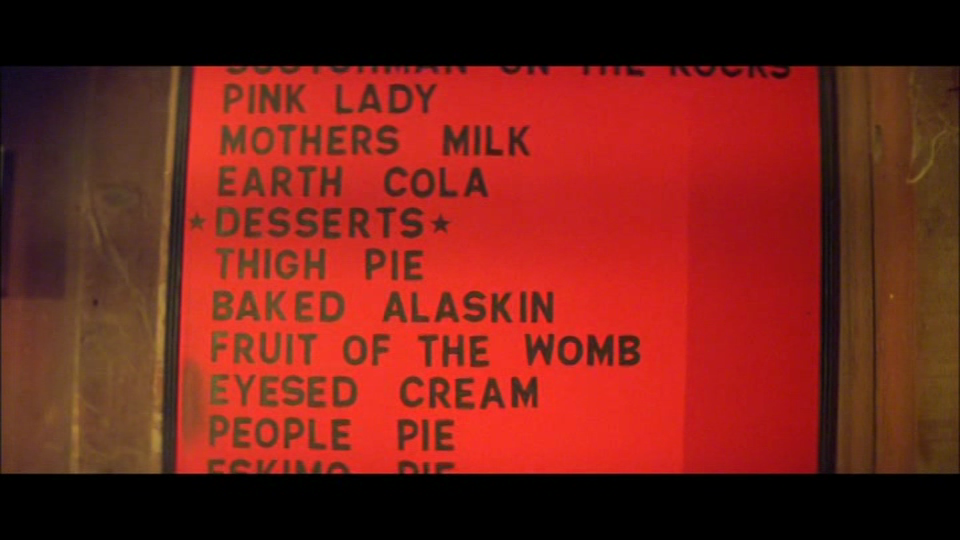
Response to Peary’s Review: … a “truly boring sci-fi parody (it is also a parody of westerns) with limp humor and uninteresting direction by William Sachs (who also wrote the script).” Peary notes that “the most offensive scene is set in an outer-space [‘human’] café that has women’s heads mounted on walls: … and such dishes as poached legs on toast and fruit of the womb”. He adds that the “picture has a cult because of Stratten’s appearance” but it’s doubtful most modern film fanatics will even have heard of Stratten, let alone be curious to see her in this tediously awful film. Definitely feel free to skip it. Redeeming Qualities and Moments: Must See? Links: |