Browsed by
Category: Response Reviews

My comments on Peary’s reviews in Guide for the Film Fanatic (Simon & Schuster, 1986).

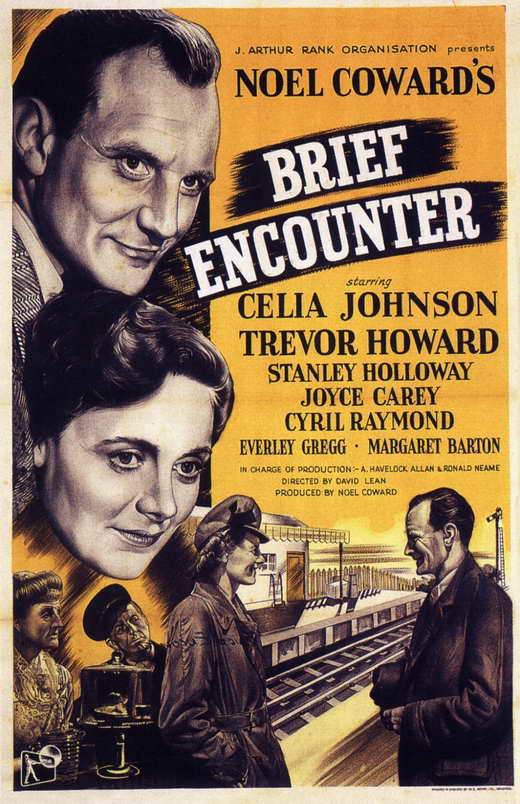
Brief Encounter (1945)

Brief Encounter (1945)

“Nothing lasts, really — neither happiness nor despair. Not even life lasts very long.”

Synopsis:
A woman (Celia Johnson) married to a kind but boring man (Cyril Raymond) falls unexpectedly in love with a married doctor (Trevor Howard) she meets at a train station — but how long can their furtive romance last before they’re either found out or consumed with guilt?

Genres:

  • Celia Johnson Films
  • David Lean Films
  • Flashback Films
  • Housewives
  • Infidelity
  • Marital Problems
  • Noel Coward Films
  • Romance
  • Star-Crossed Lovers
  • Trevor Howard Films

Response to Peary’s Review:
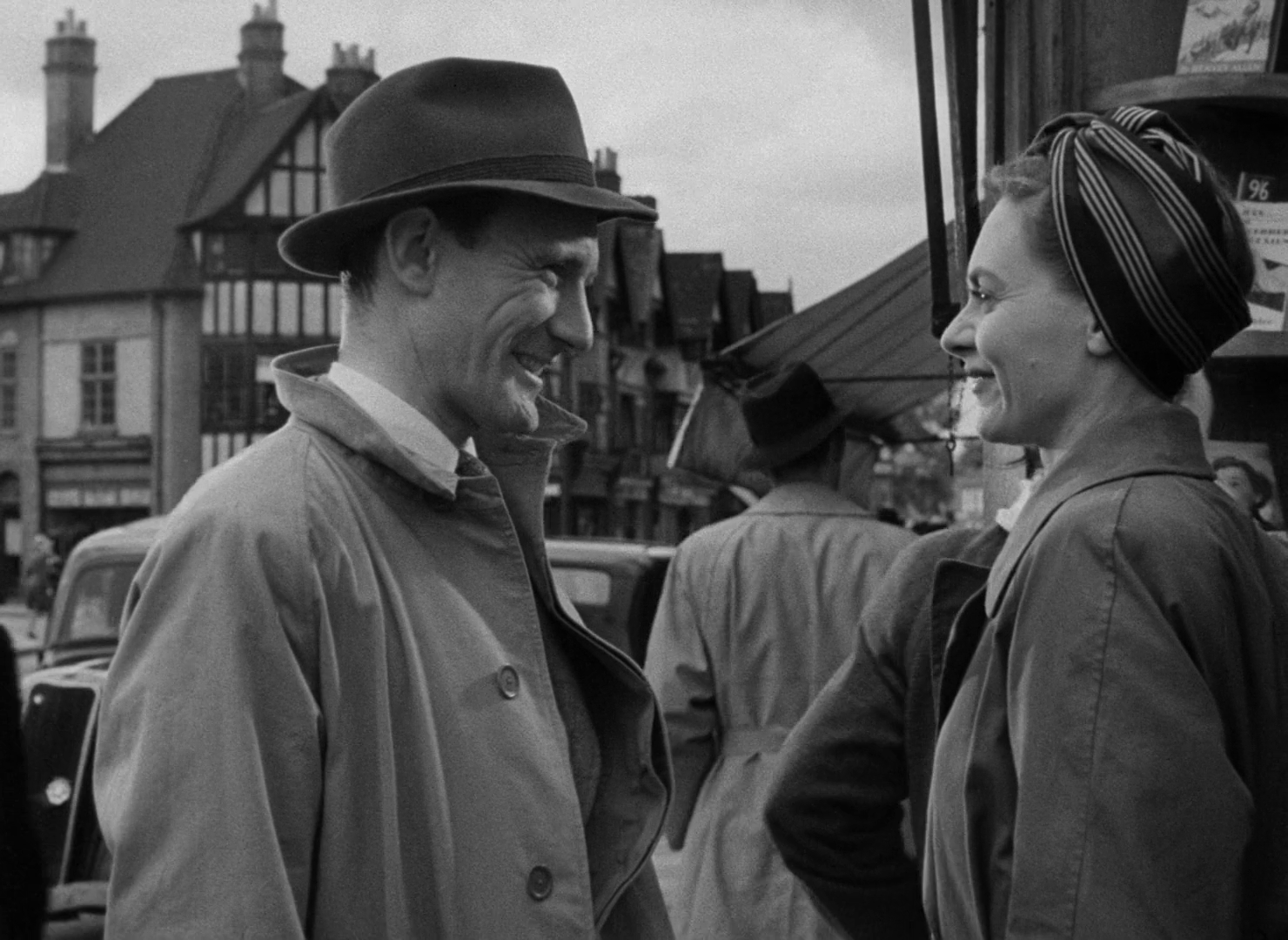
Peary writes that “David Lean’s subtle tearjerker about a suburban housewife… and married doctor… who meet by chance at a railway station and begin having weekly rendezvous, each less innocent than the time before”:


… is a “nicely acted film” representing the “visualization of a fantasy of many sexually repressed women” given that “Johnson is married to a bore (Cyril Raymond) who takes her for granted; surely they have no sex life.”

He adds that the fact “Howard is a doctor is… significant. I would have thought he’d be a heart specialist who ‘revives’ Johnson’s long-lost emotions. But he’s a lung doctor, indication that Johnson’s home life is stifling.” Peary ends his brief review by noting that “If [the] ending is frustrating for viewers, it is equally frustrating for the two would-be lovers — if they’d been French rather than British, it all would have worked out fine.”

Peary’s review of this fourth collaboration between director David Lean and producer-playwright Noel Coward — after In Which We Serve (1942), This Happy Breed (1944), and Blithe Spirit (1945) — is perhaps overly succinct and pat; DVD Savant adds some more thoughts to the analysis:

A man of more than a few affairs, David Lean takes pains to portray incipient adultery as misery for the unhappy people that consider it. Soap operas about wandering spouses typically take place in glamorous settings and the people involved get a chance to enjoy “the thrill of romance” before the inevitable problems settle in. … Frequently listed among the most romantic films ever made, Brief Encounter is really about romance frustrated.

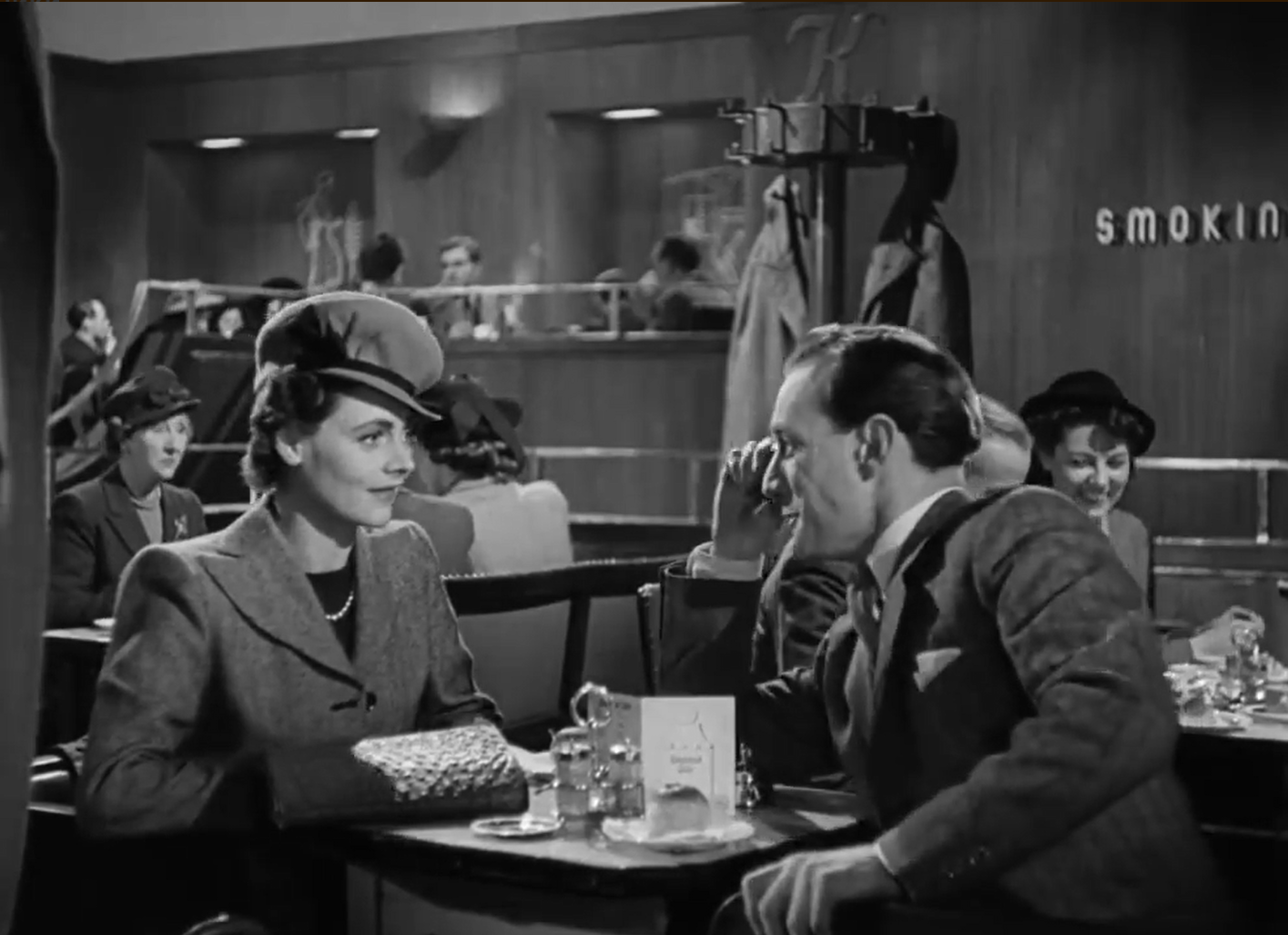
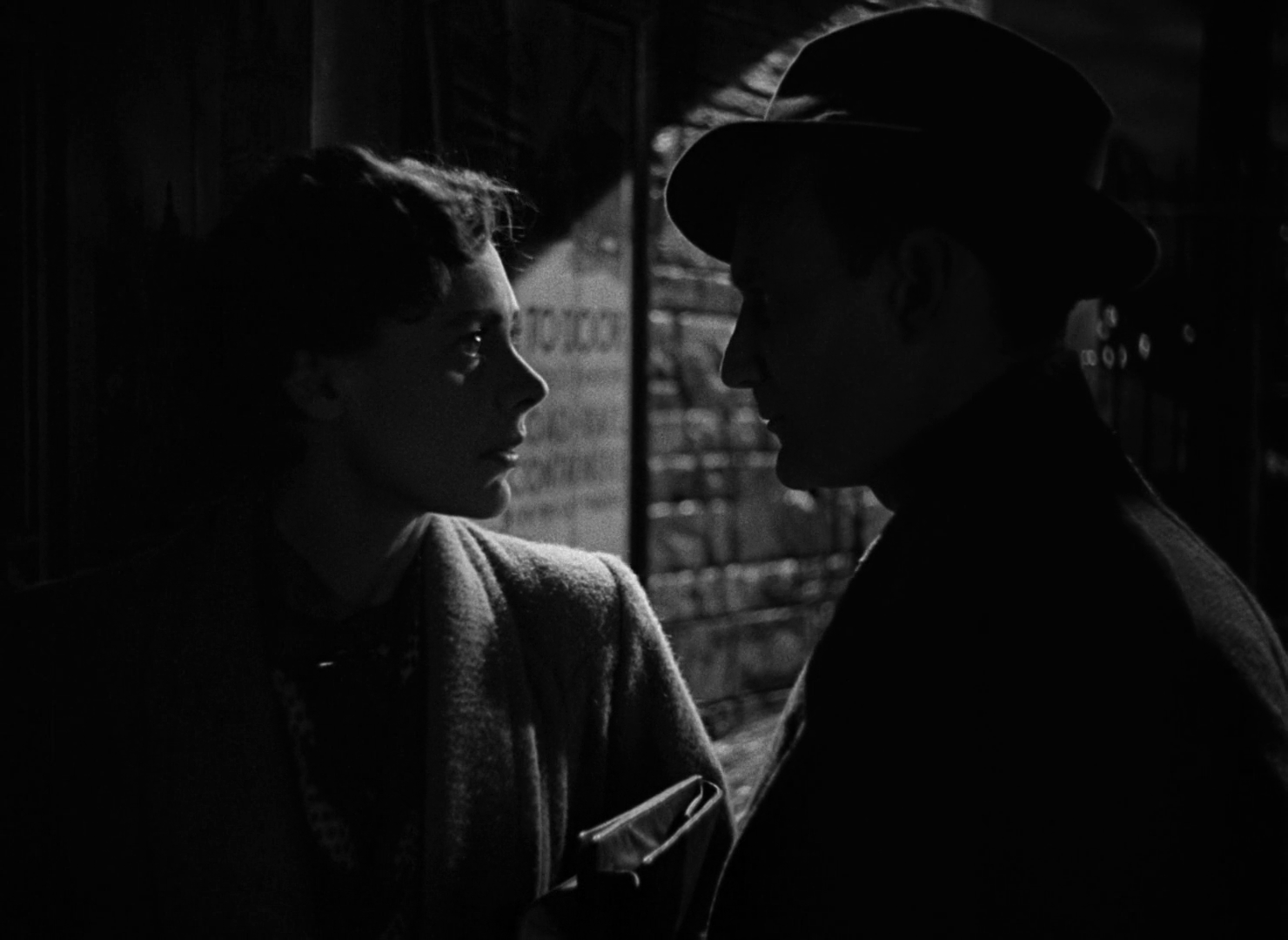
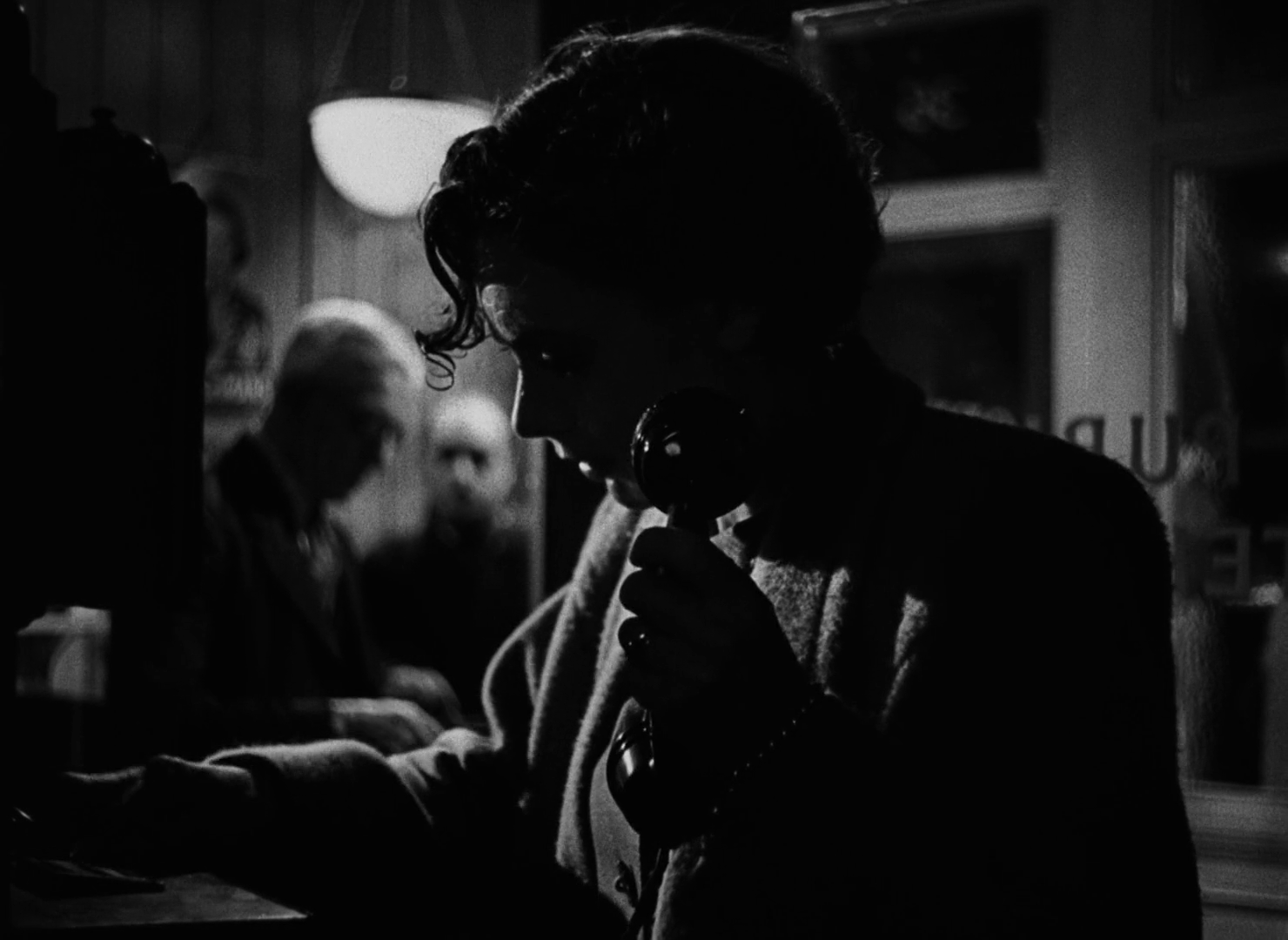
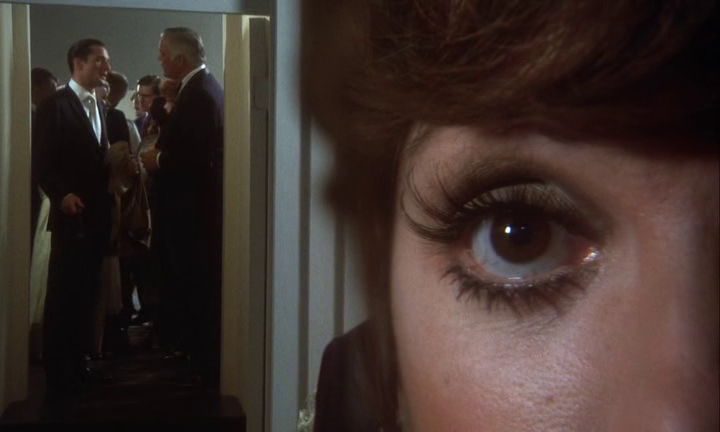
Indeed, Brief Encounter is a bittersweet film, and is not one I particularly enjoy watching, though I certainly appreciate its honesty and fine craftsmanship. Rachmaninoff’s piano concerto number 2 (purportedly Coward’s favorite musical piece) is used to memorable effect, the cinematography is consistently atmospheric, and all sets — from the crowded train station cafe:

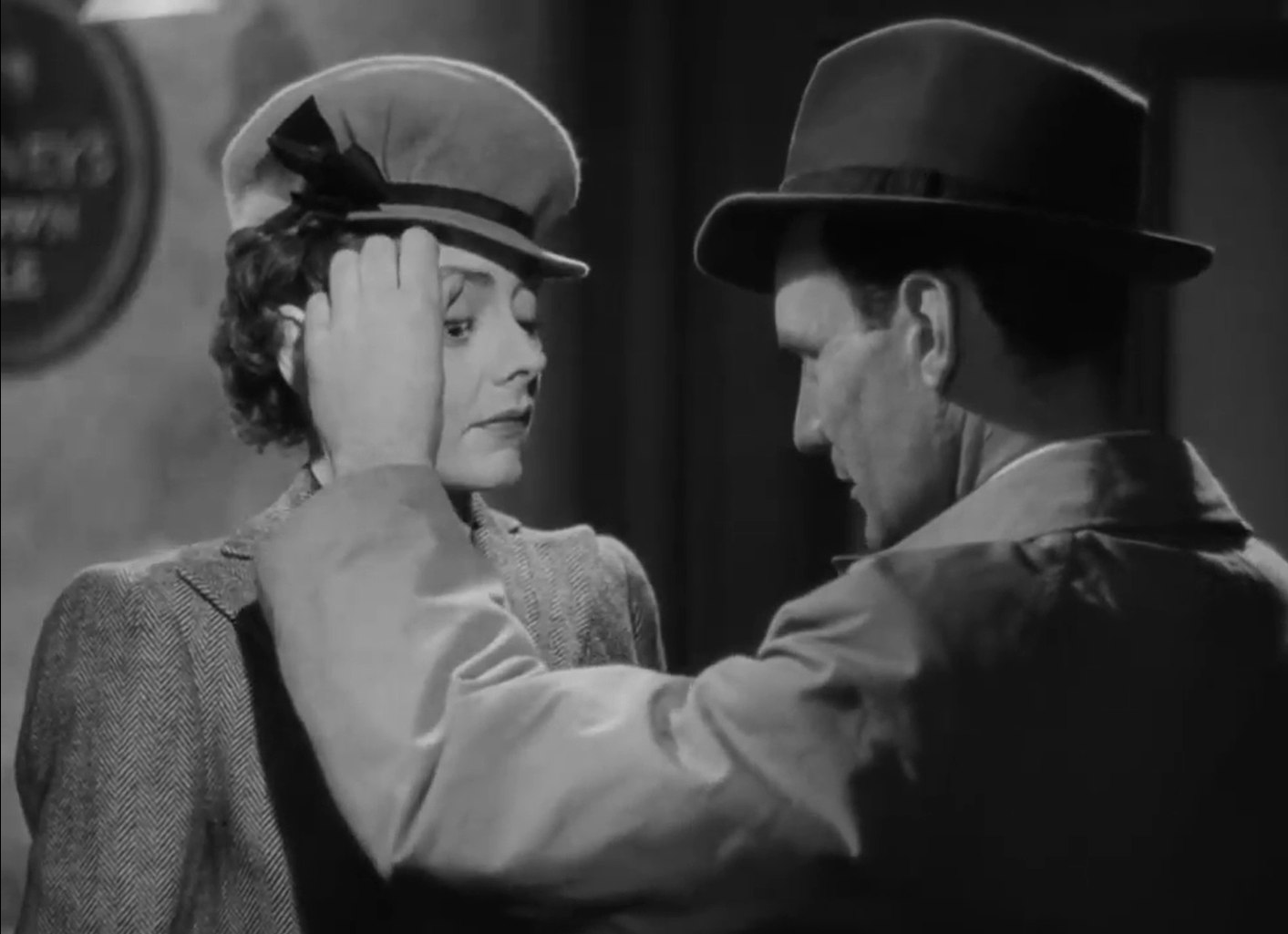
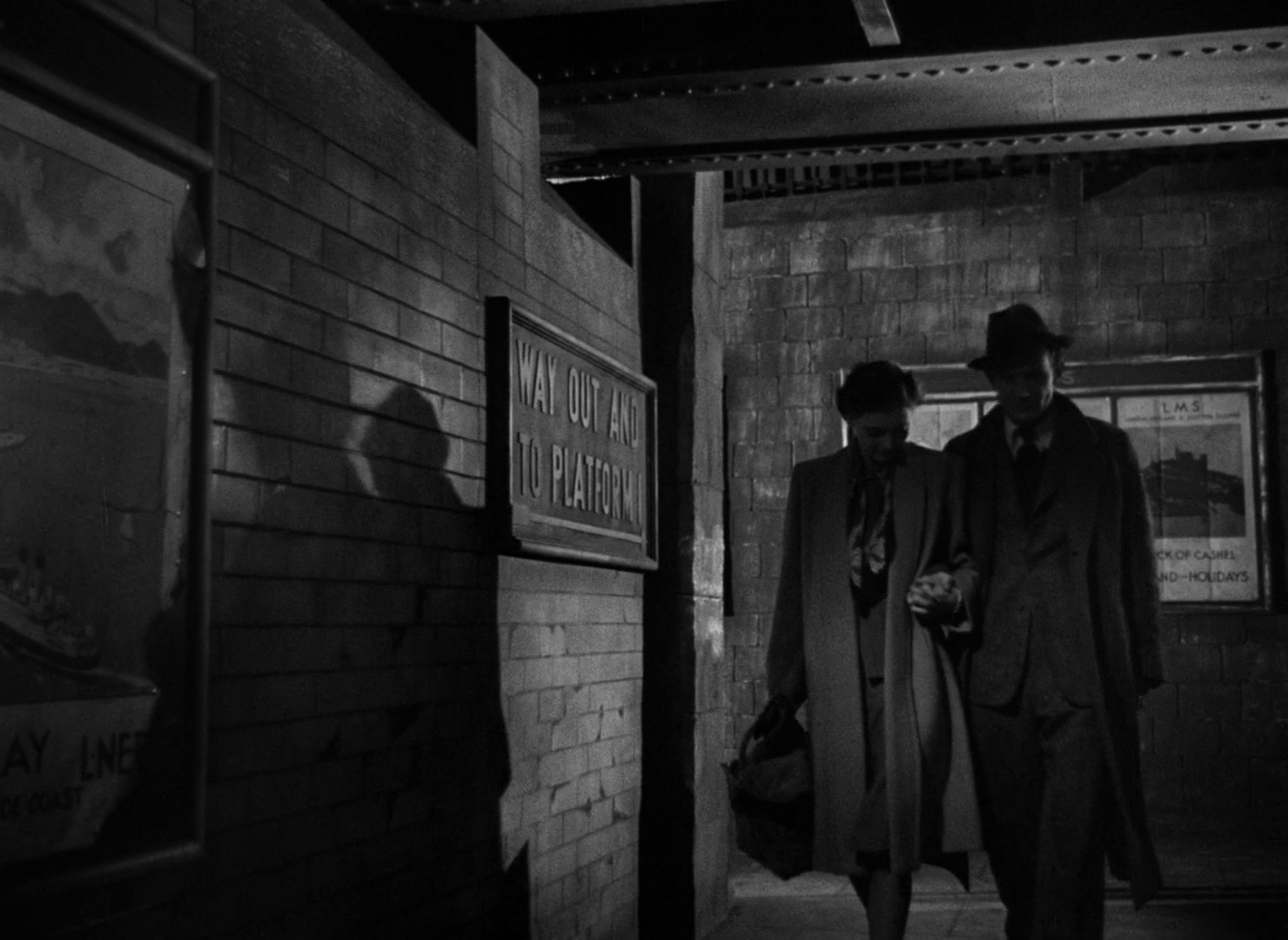
to shadowy tunnels —

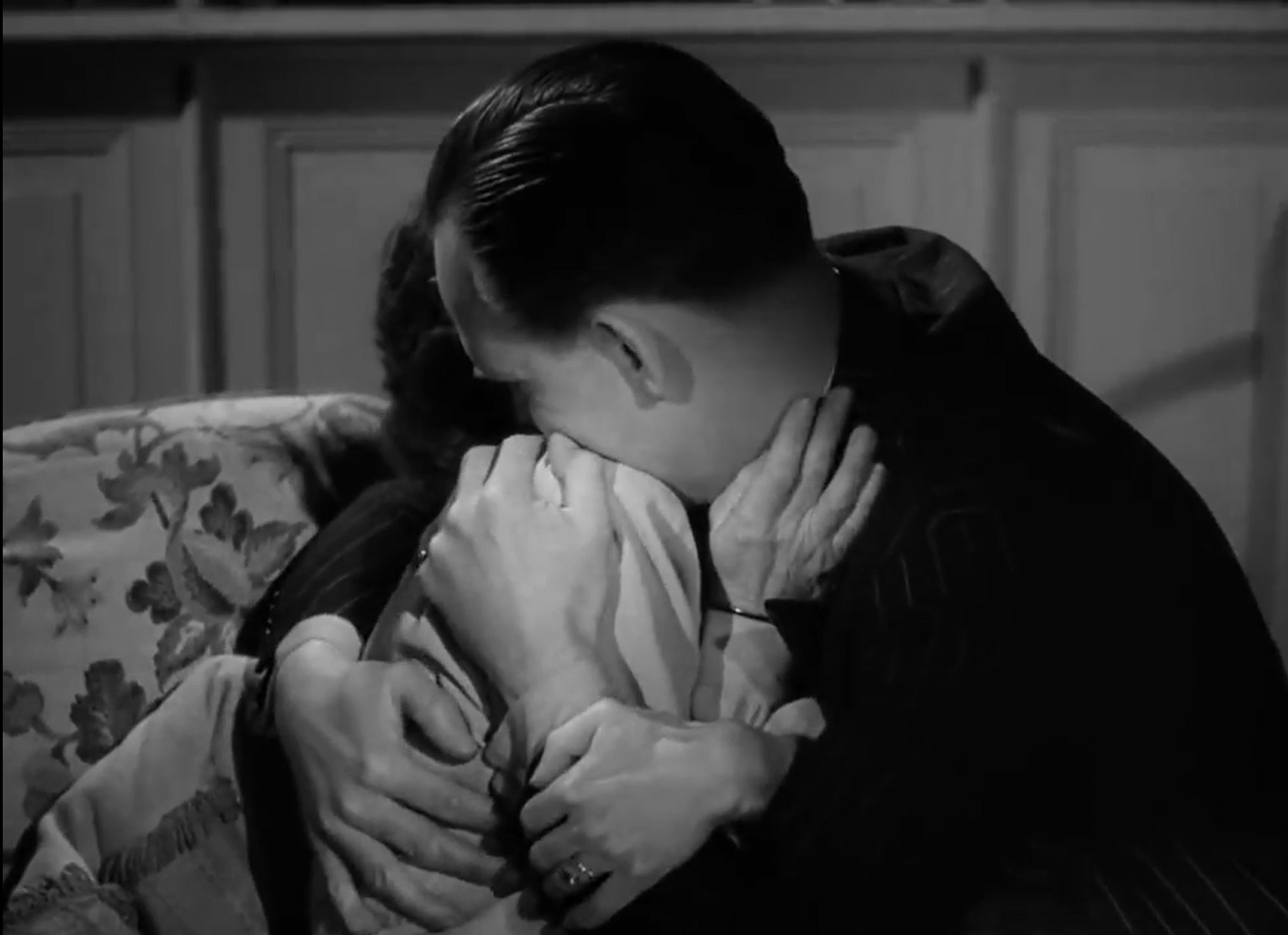
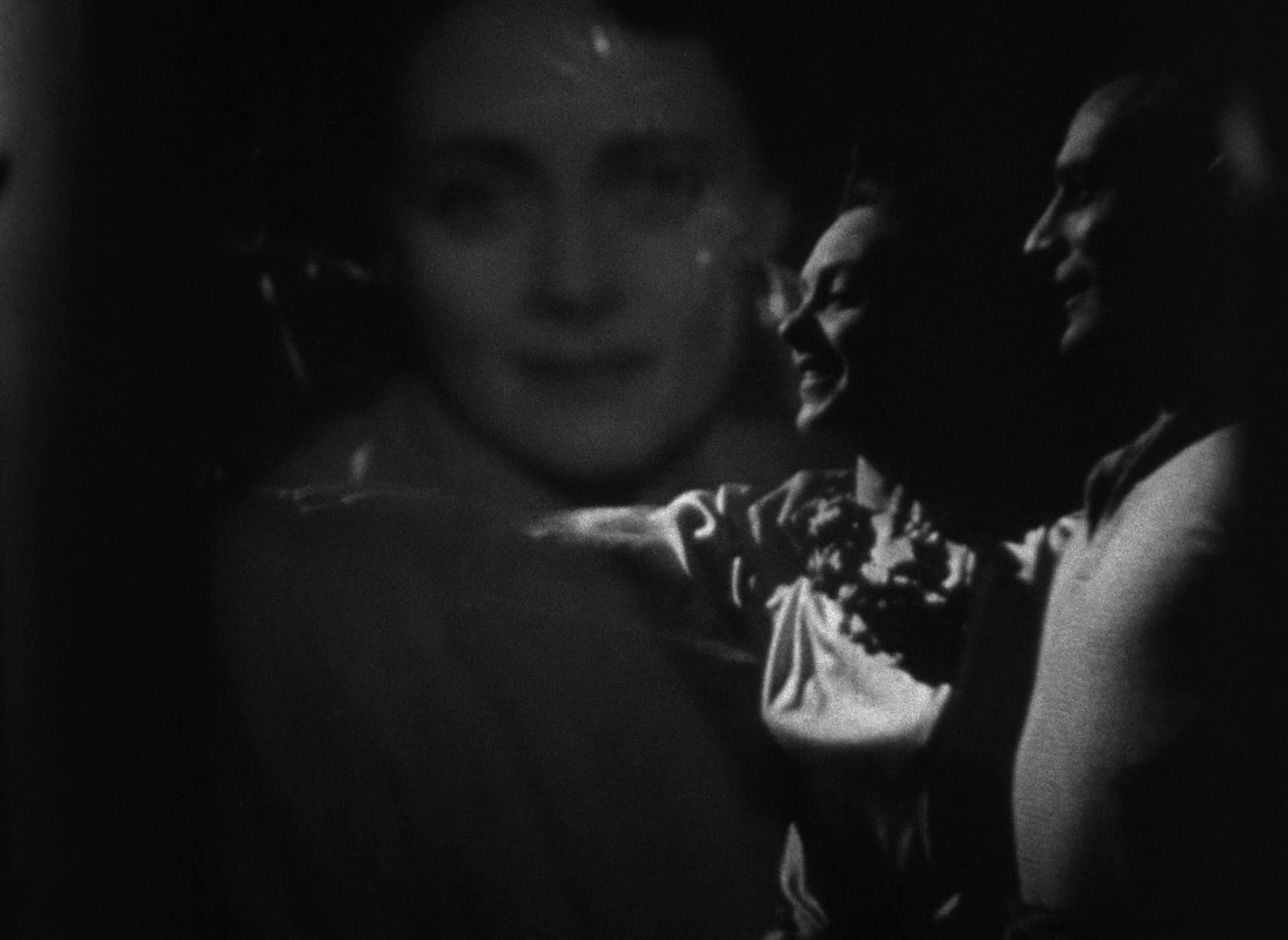
suit the characters’ secretive situation perfectly. The storyline itself — expanded from Coward’s original half-hour play Still Life (1936) — is expertly structured, framing the entire “brief encounter” as a self-reflective moment in the life of a woman who knows she will ultimately stay faithful to her husband and boring life, but recognizes what a gap this affair has filled (or opened up?) for her. One hopes she may be able to bring her newfound passion back to her marriage and convince her husband she wants more than simply kindness and expectations for dinner served on time; the final image of her embrace with Raymond is, to that end, perhaps an encouraging one.

Redeeming Qualities and Moments:

  • Celia Johnson as Laura
  • Atmospheric cinematography and sets


  • Fine use of Rachmaninoff’s Piano Concerto No. 2

Must See?
Yes, as a fine if ultimately depressing classic.

Categories

(Listed in 1001 Movies You Must See Before You Die)

Links:

E.T.: The Extra-Terrestrial (1982)

E.T.: The Extra-Terrestrial (1982)

“E.T… phone… home.”

Synopsis:
A 10-year-old boy (Henry Thomas) enlists the help of his younger sister (Drew Barrymore) and older brother (Robert MacNaughton) in preventing their distracted mother (Dee Wallace) from learning about the existence of a short, odd-looking alien longing to go back home.

Genres:

  • Aliens
  • Friendship
  • Homecoming
  • Science Fiction
  • Steven Spielberg Films

Response to Peary’s Review:
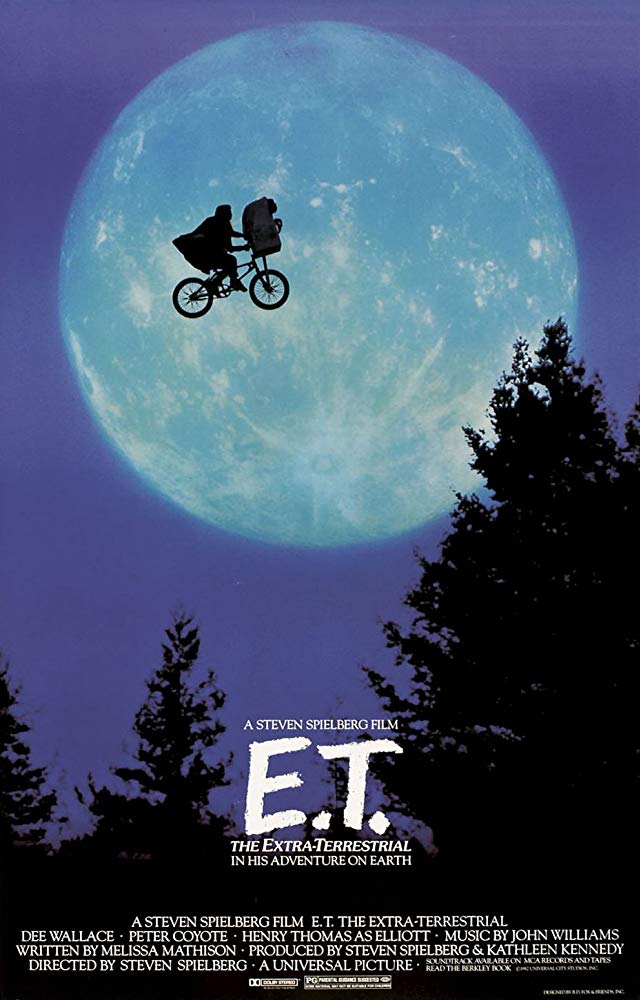
Peary writes that this “marvelous sci-fi fantasy from Steven Spielberg” — which “broke box-office records and dazzed everyone but your local party-pooper” — features a “title character… designed by Carlo Rambaldi” who “is a sweet little wide-eyed alien” (modeled in part after Rambaldi’s own cat’s ‘innocent eyes’) “with child-like qualities (although we can deduce that he is an adult) and the power to heal and cause dying plants to bloom instantly and objects to fly”.


Peary notes that when the “fragile creature becomes sickly because he longs to return home”:

… the “film becomes a twist on The Wizard of Oz: three youngsters help an adult return to his own world (there’s no place like home).” However, “in truth, this film has far more sympathy and understanding of children than The Wizard of Oz, and it’s a celebration of youth and innocence — significantly, unlike in Oz, these children do not ‘grow up’!” He adds that the “film has suspense, wit, magical special effects, [and] numerous scenes that have etched themselves into memories of moviegoers”:

… and while “Spielberg occasionally manipulates us into shedding tears, the film is genuinely sweet.”

Peary goes on to further describe why E.T. himself is so appealing, noting he’s “a wonderful creation with universal appeal — kids respond to him with such affection because he truly satisfies their need for [an] ‘imaginary playmate’, the ideal friend for all kids (especially those who don’t have two parents always there) who wish their stuffed animals could hug them back”.

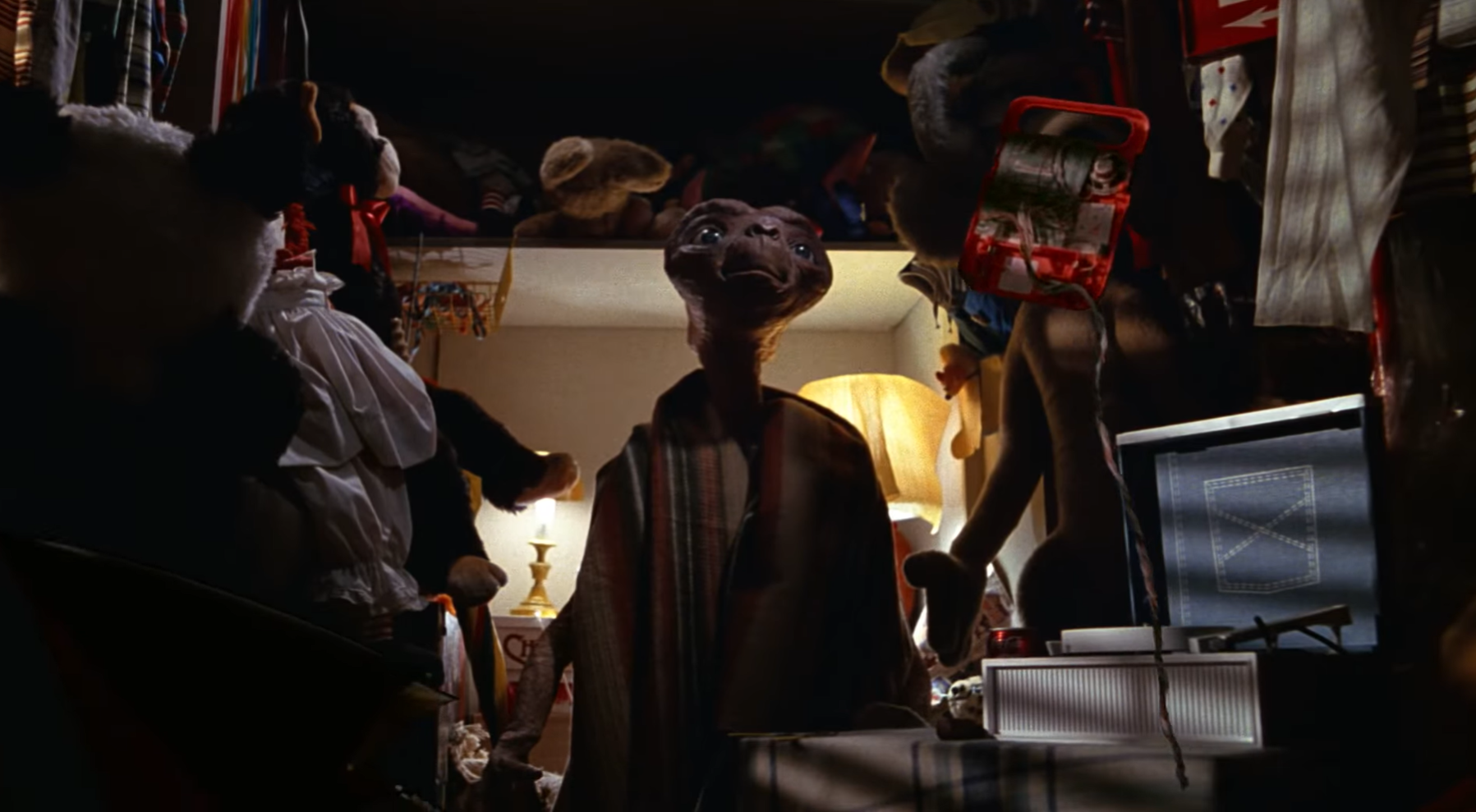
He adds that “adults, of course, are also taken with E.T. — when he dons a long robe and waddles through the house, he may remind us of our favorite, quirkiest visiting relative”.

Peary also calls out that the “amazing success of the film” is due to “the performance of Henry Thomas”, who “in a difficult part [as Elliott]… is so appealing that we gladly accept him as our surrogate and allow him to fulfill our dream of meeting the perfect alien”.

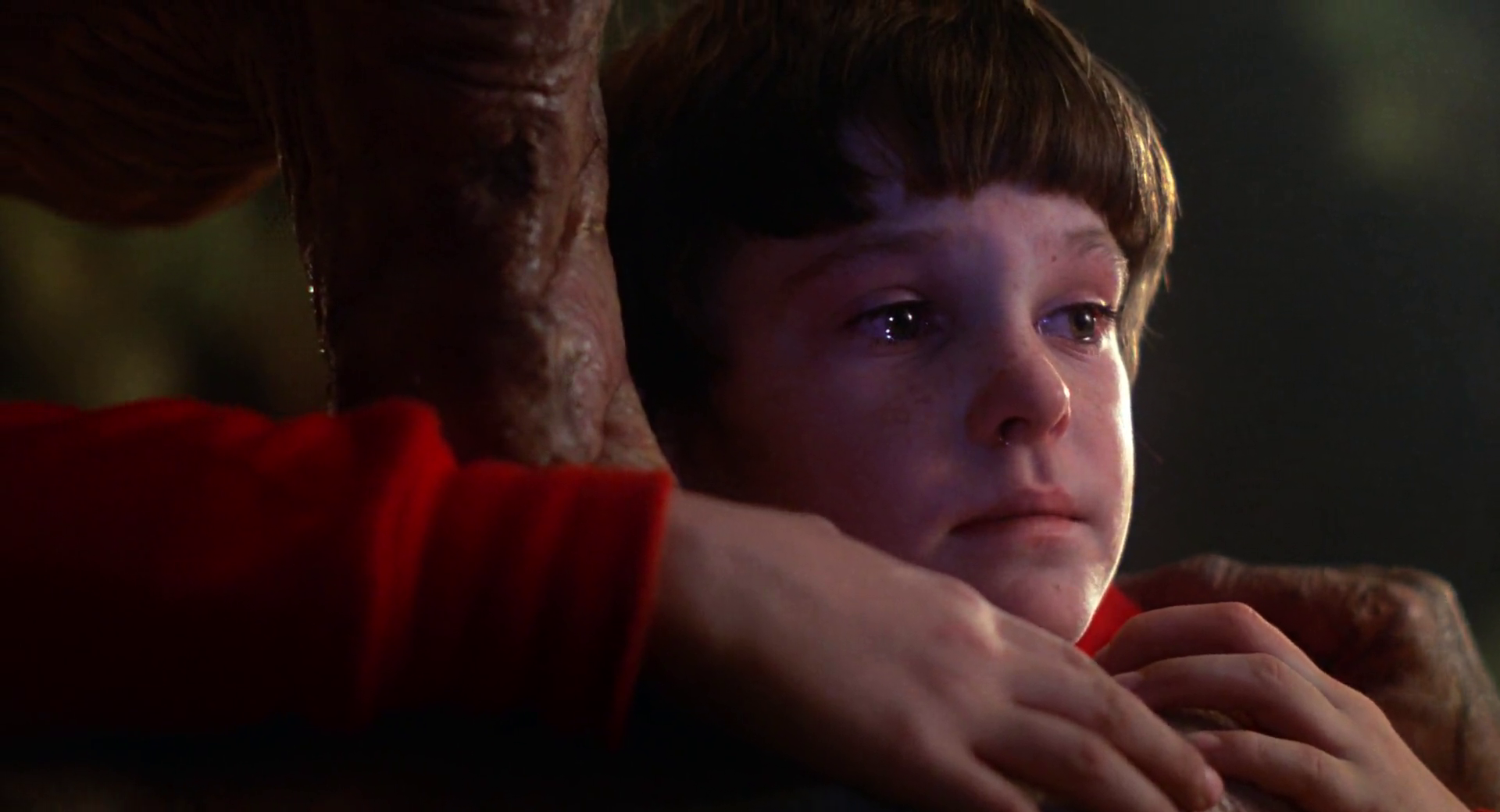
In Alternate Oscars, Peary names this movie Best Picture of the Year in place of Gandhi (1982), noting that E.T. “quickly emerged as the only figure in 1982 who would have beaten Gandhi in an international popularity contest”. He writes that while Spielberg — who “made the film when he himself was lonely” — “expected E.T. to be a small picture… it hit a universal nerve” given that “E.T. could be seen as a myth figure… It was a picture made for kids, but it had elements to which adults responded more strongly.” I loved nearly all aspects of E.T. when I saw it as a kid — other than the creepy final sequences with adult scientists in suits taking over Elliott’s house, which scared me:

… and I was curious what my reaction would be like revisiting this flick as an adult.

While I’m less enamored overall by the storyline, I can still appreciate the film’s many charms and special qualities, and especially enjoy the collective effort put in by McNaughton’s “naughty” teenage friends in the final sequence to help E.T. to go back home (this circles back nicely to the opening scene of the teens simply sitting around playing cards, excluding Elliott from their fun).

Redeeming Qualities and Moments:

  • Many iconic moments
  • Fine special effects
  • Allen Daviau’s cinematography
  • Henry Thomas as Elliott
  • Drew Barrymore’s precocious and still-adorable performance as Gertie
  • Robert McNaughton as Michael
  • Dee Wallace as the kids’ harried mom
  • John Williams’ iconic score

Must See?
Yes, as a cult classic.

Categories

(Listed in 1001 Movies You Must See Before You Die)

Links:

New York, New York (1977)

New York, New York (1977)

“I want to stay here and annoy you.”

Synopsis:
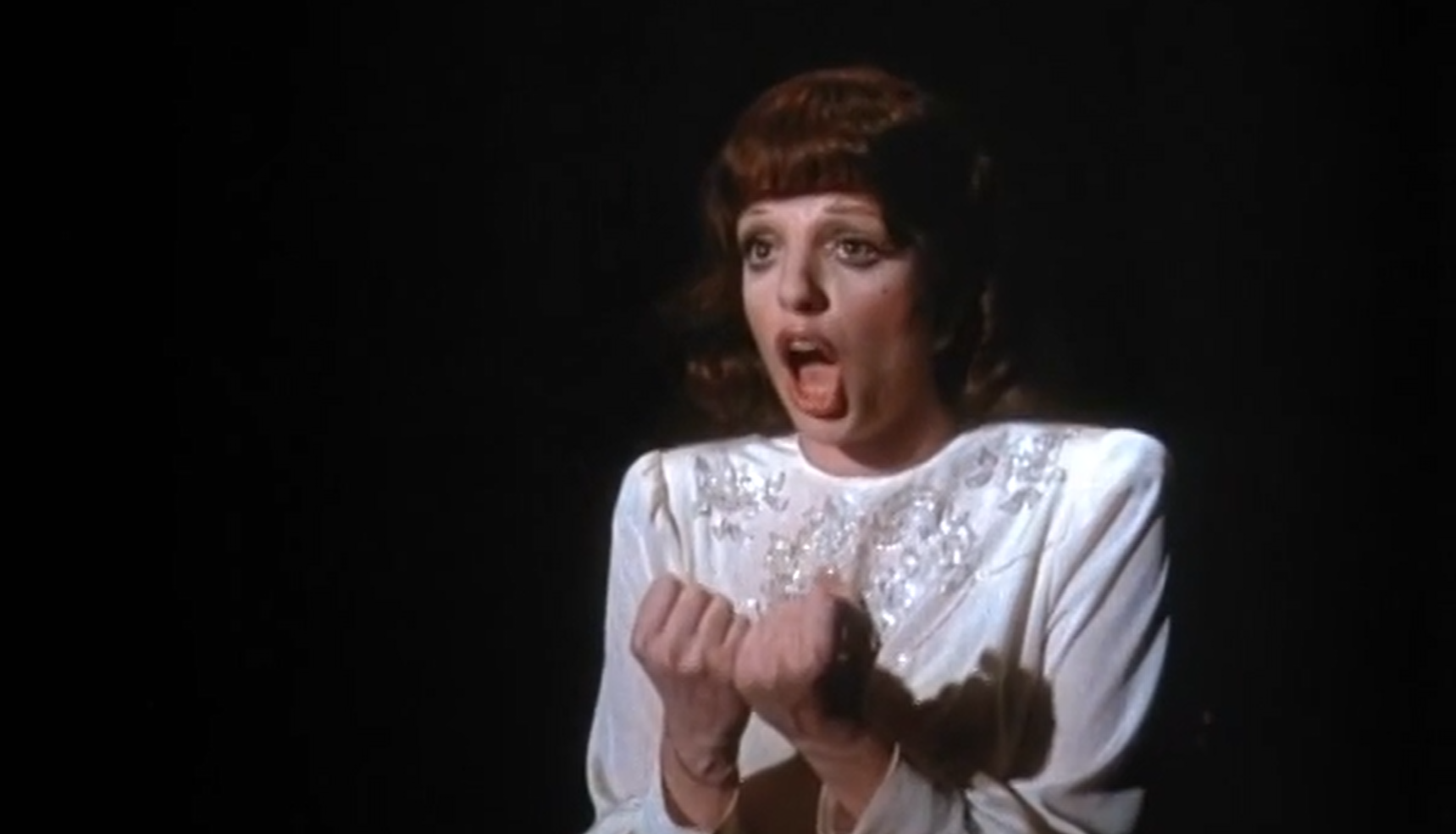
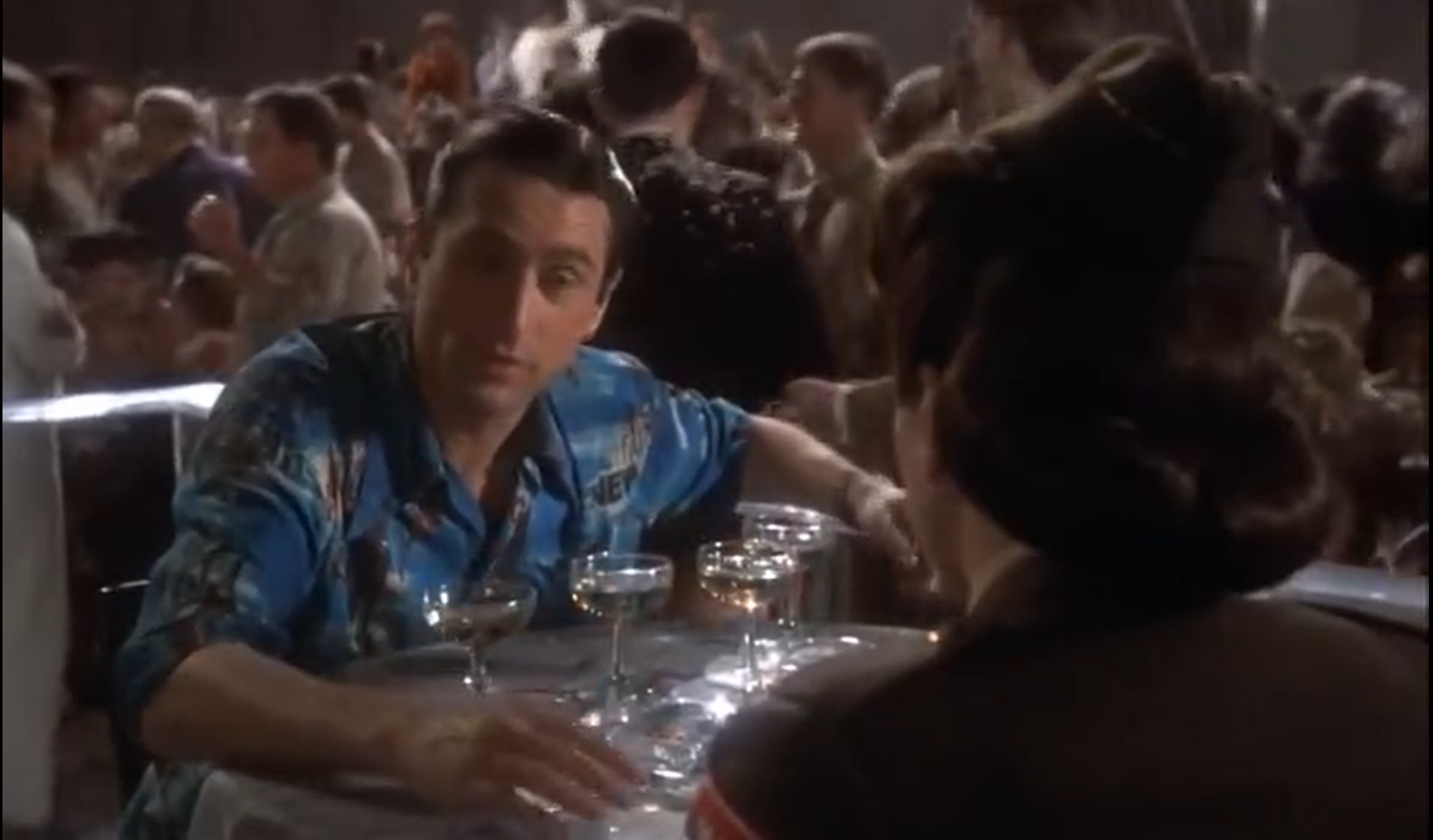
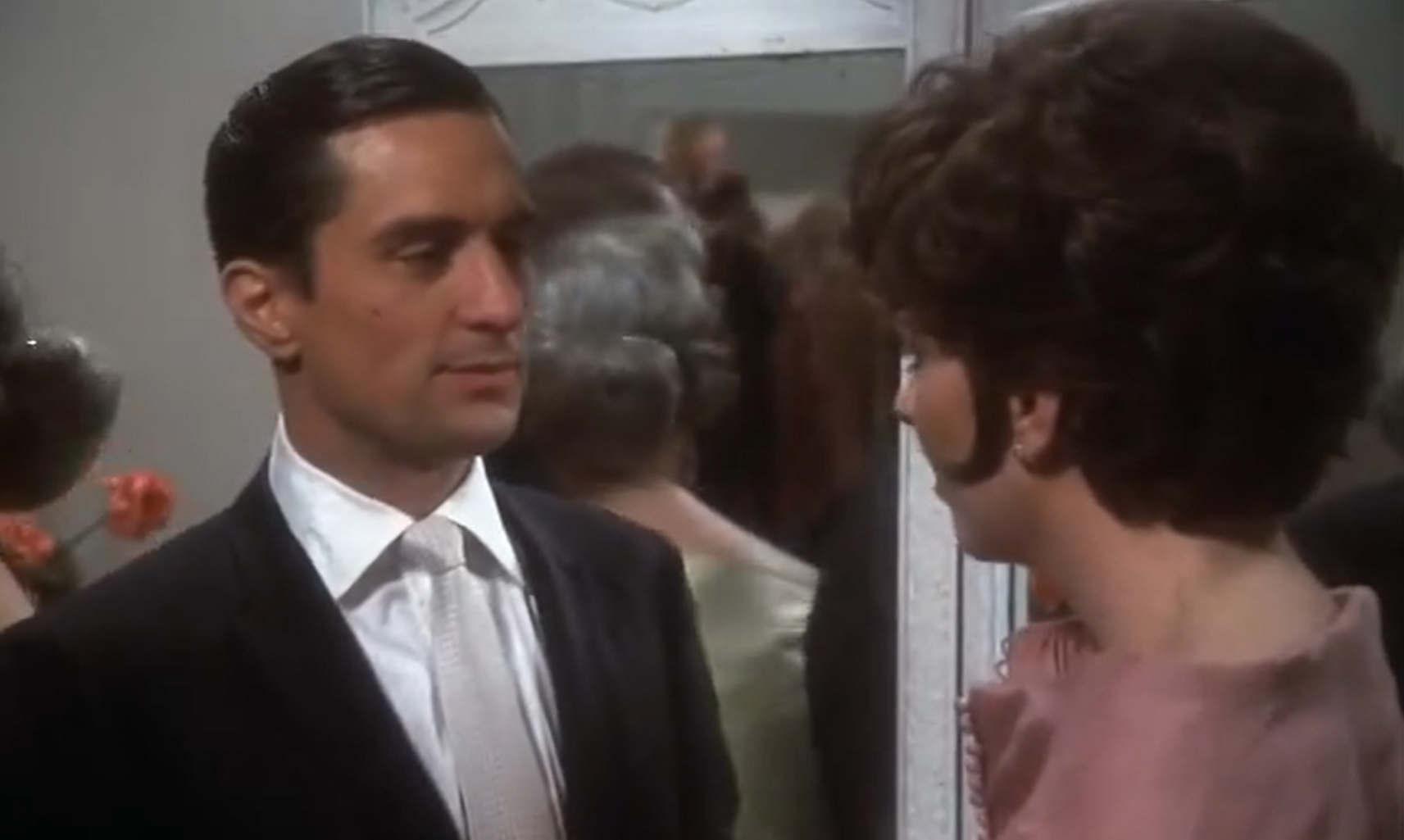
Just after World War II ends, a USO singer (Liza Minnelli) is romanced by a womanizing saxophonist (Robert De Niro) and soon they begin a slow climb to grow their careers while navigating a rocky marriage.

Genres:

  • Dick Miller Films
  • Liza Minnelli Films
  • Marital Problems
  • Martin Scorsese Films
  • Musicals
  • Musicians
  • New York City
  • Robert De Niro Films
  • Singers

Response to Peary’s Review:
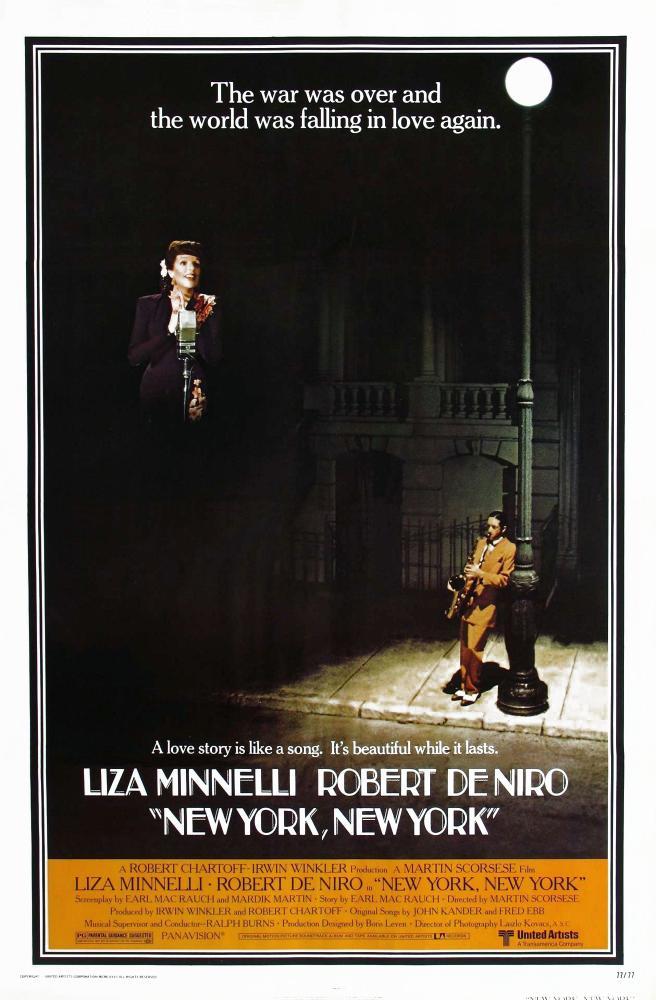
Peary writes that “Martin Scorsese’s romance — with musical numbers — was unfairly panned when released and praised when re-released in 1976 in its uncut version.” He argues that “if you can’t tolerate De Niro’s character because he’s abrasive, immature, and incorrigible and you feel that his treatment of the sweet, ‘perfect’ Minnelli is too inconsiderate and selfish for any woman to bear, then you’ll probably hate this picture” — and I’ll admit I fall into this camp.

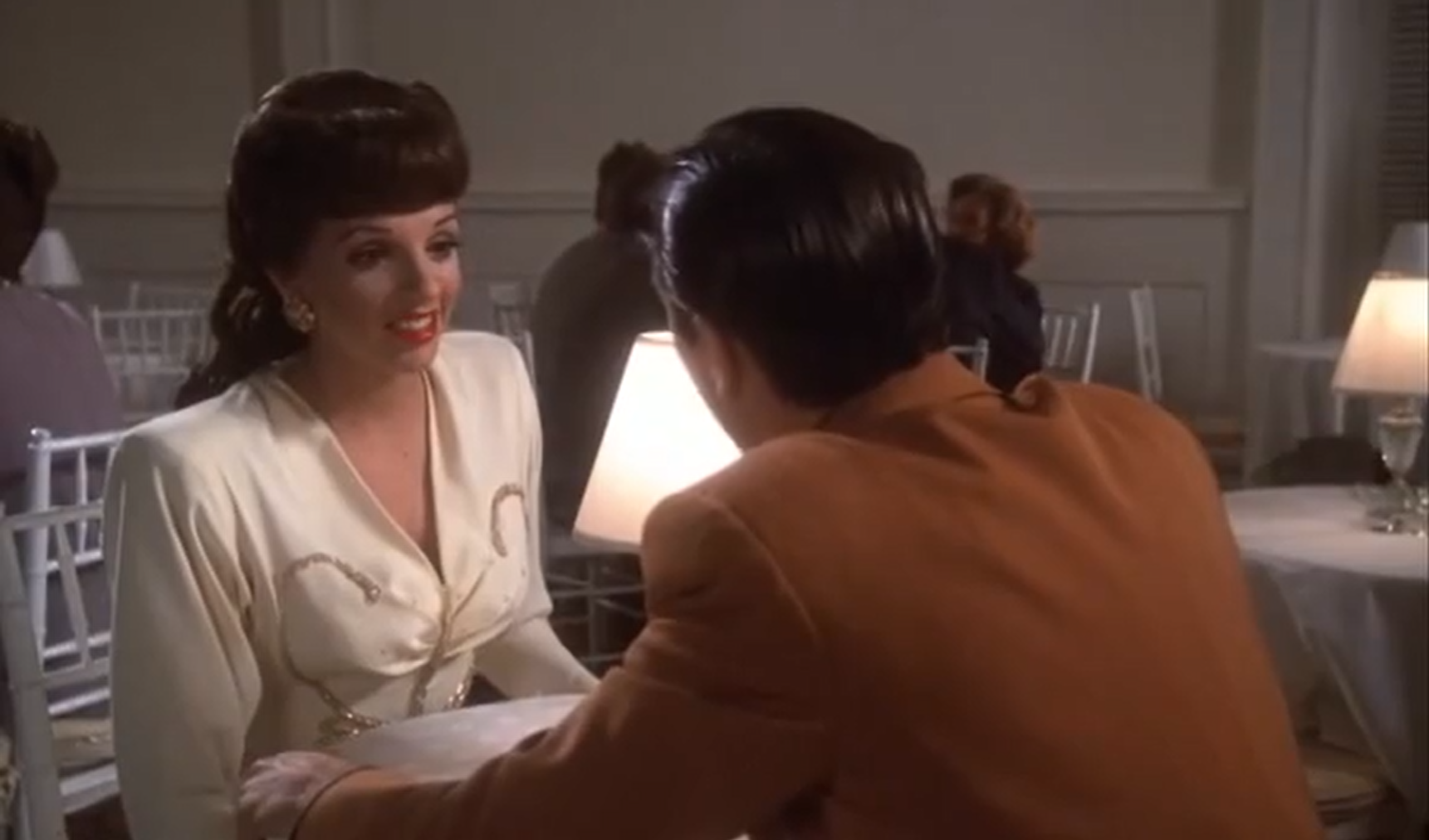
I can’t relate to or agree with Peary’s follow-up comments: “… don’t forget that Minnelli does her part to break them up: leaving him behind to run off with a band, leaving his band when pregnant although that will cause its ruination:

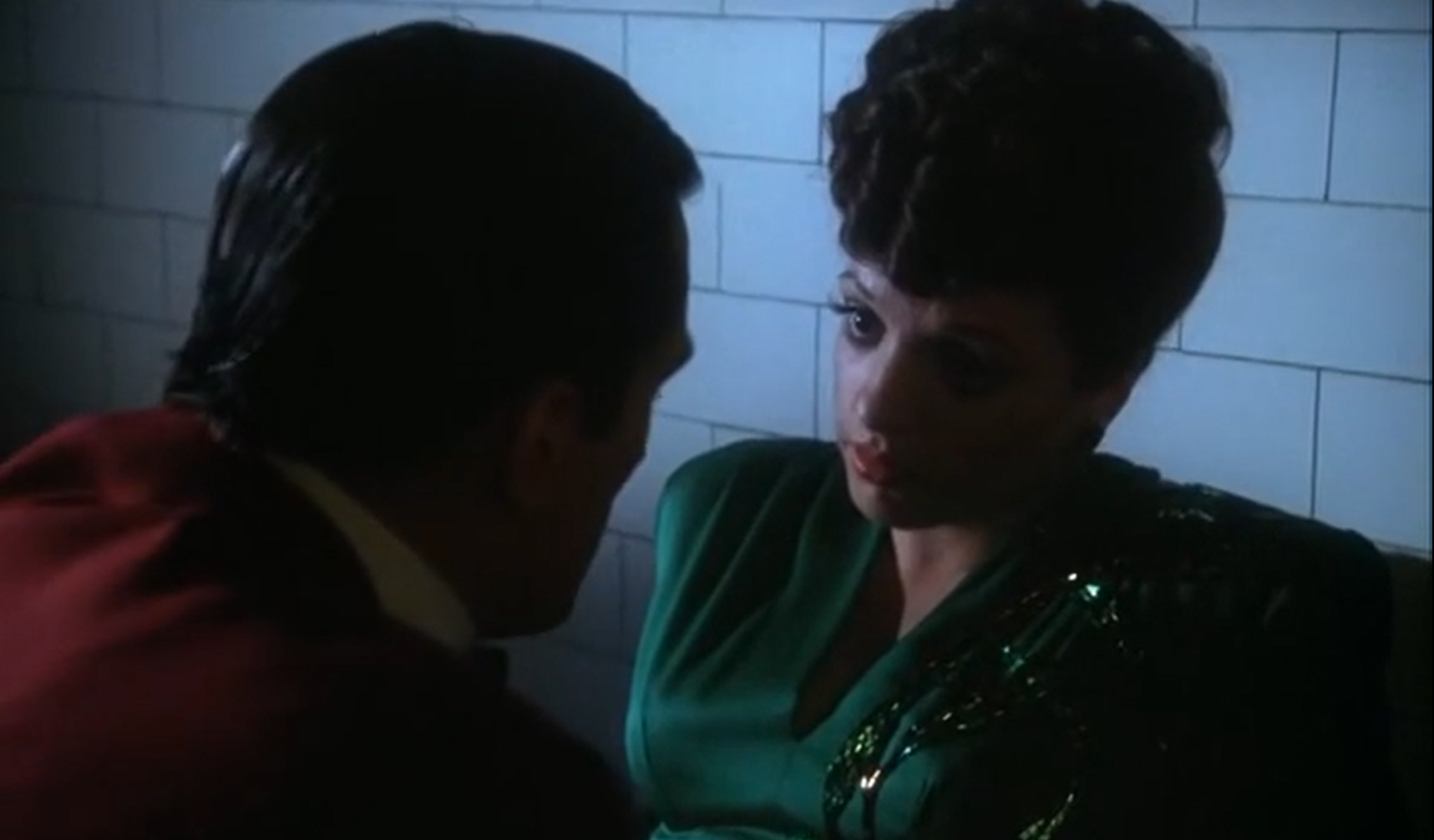
… accepting a record contract although not bothering to tell him or wonder how it will affect him when he’s so down on his luck:

… and, finally, not coming back to him when he’s doing well also.

He does bad things — she is the villain.”

Hold the phone, Peary. De Niro’s character is a pushy, womanizing schmuck from the moment he enters the screen, and doesn’t let up.

Minnelli allows herself be swayed by his persistence and ignores signs of abuse until she’s finally had enough, and rightfully frees herself from his clutches to pursue her own career and motherhood. Her success is to be celebrated, as is her tolerance of De Niro near the end (he’s still a jerk), regardless of her ultimate choice.

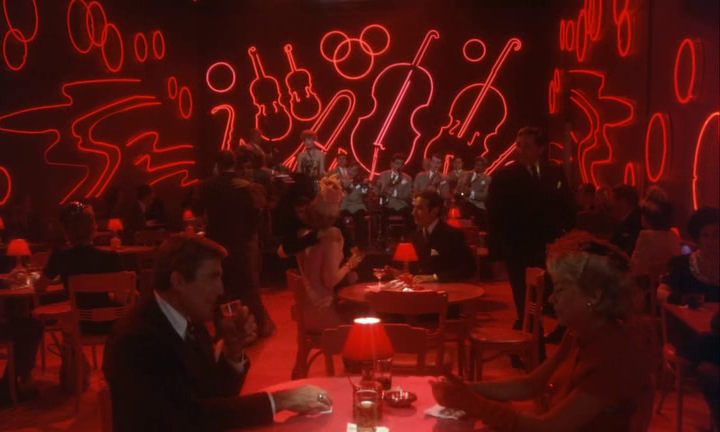
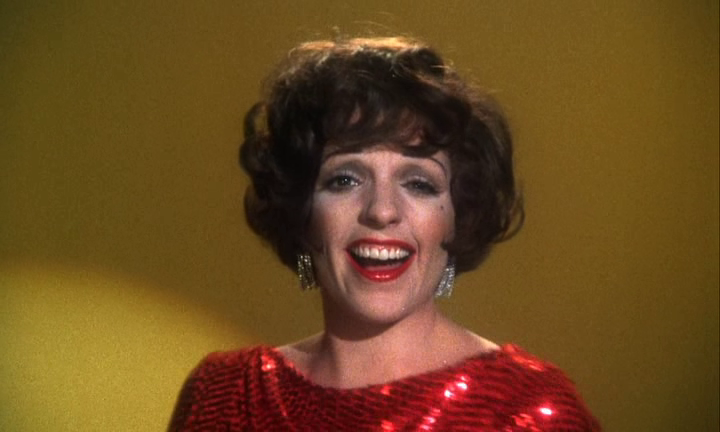
Peary writes that the “acting by the two leads is wonderful” and that “the tear-jerking scenes result from De Niro revealing his sensitivity”, but none of this matters given that we’re watching deeply unpleasant power plays for nearly three hours. What remains impressive are the cinematography, sets, and songs, which are consistently stunning; the color palette alone makes this one worth sitting through, if you can handle it — and Minnelli’s in fine vocal form, as usual.

Note: This film is discussed at length in Peary’s Cult Movies 3 book, where he asserts: “My feeling is that viewers appreciate New York, New York more the second time around because they’re better prepared for De Niro’s Jimmy Doyle… Because they know he is on a self-destructive path, they now can have sympathy for this man who can’t control himself, who can’t conform… Because they know Jimmy will be punished, it becomes easier to put up with his abrasive personality and callous, immature actions.” Maybe so, but I still have no intention of revisiting this one.

Redeeming Qualities and Moments:

  • Stunning cinematography and sets


  • The fun closing musical sequence

Must See?
No, though it’s worth a one-time look for the visuals and songs, if you can stomach it.

Links:

Ghostbusters (1984)

Ghostbusters (1984)

“We came, we saw — we kicked its ass!”

Synopsis:
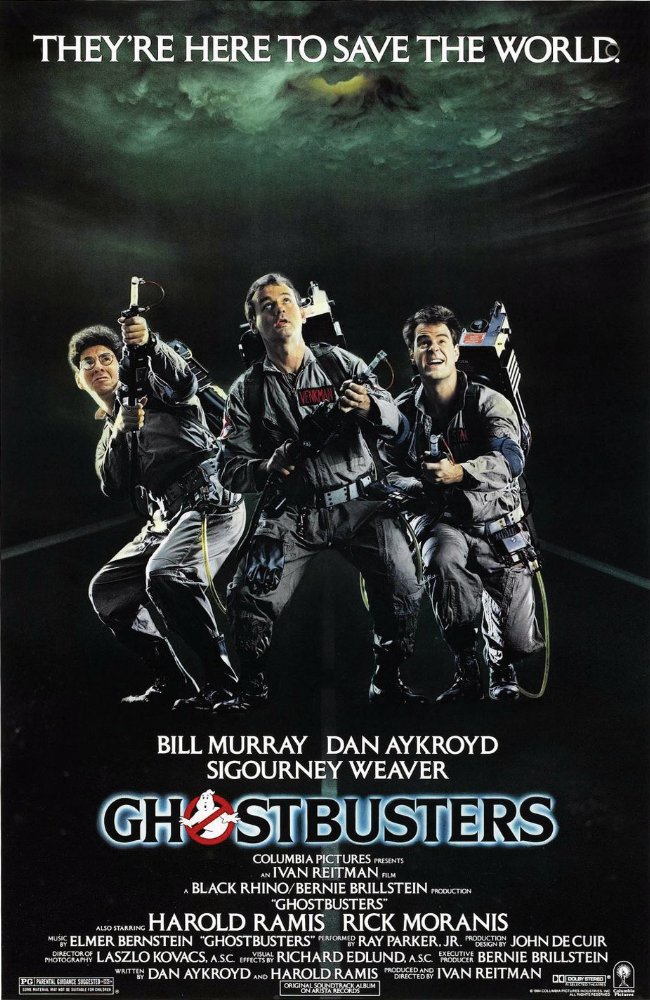
A team of paranormal scientists (Bill Murray, Dan Aykroyd, and Harold Ramis) hire a secretary (Annie Potts) and open a business to help rid New York City of its ghosts. But when a beautiful client (Sigourney Weaver) and her nerdy neighbor (Rick Moranis) appear to be possessed by ancient spirits, the Ghost Busters — joined by a new employee (Ernie Hudson) — find their work suddenly much more urgent.

Genres:

  • Bill Murray Films
  • Black Comedy
  • Dan Aykroyd Films
  • Ghosts
  • Horror Films
  • New York City
  • Sigourney Weaver Films
  • Superheroes

Response to Peary’s Review:
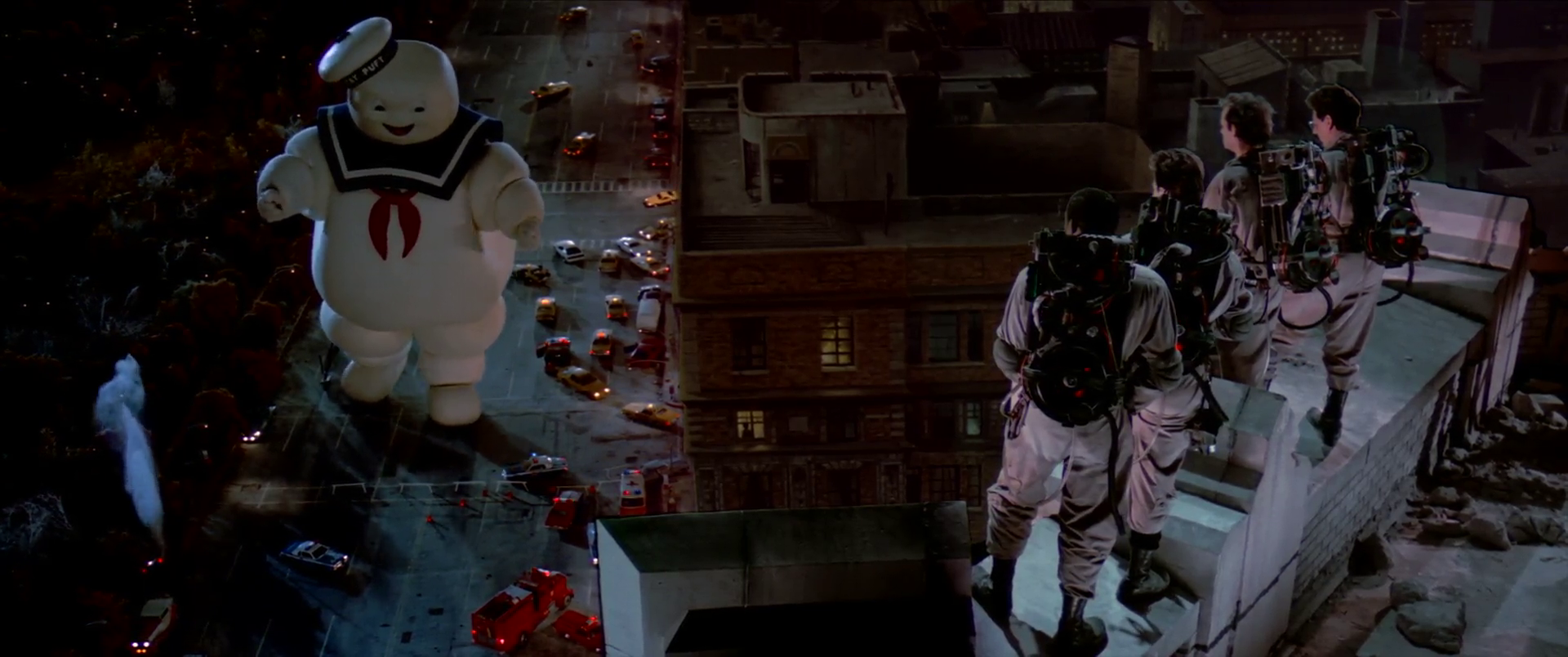
Peary writes that this “amusing diversion” which “somehow became one of the biggest box-office successes of all time” is as “zany and irreverent as expected and the special effects are a lot of fun”, but he argues that “the self-impressed dialogue seems forced and feeble”. He concedes that “Murray has a field day — he provides most of the wild hilarity”, but notes he wishes “audiences weren’t so easily charmed by his rude, childish, chauvanistic characters simply because they hint that they are only playacting”, and that he believes “this Murray character is really a jerk with whom we shouldn’t laugh”. Interestingly, while I find Murray insufferable most of the time, this is the one Peary-listed film where his antics and deadpan delivery seem to fit perfectly: what else should one be but calm, cool, and snarky in the face of existential paranormal crises? Sure, his character is a boorish and womanizing cad, but his super-smart colleagues are busy rocking it in their own way, and Weaver more than holds her own, especially when she gets to face off against Murray supernatural-style.

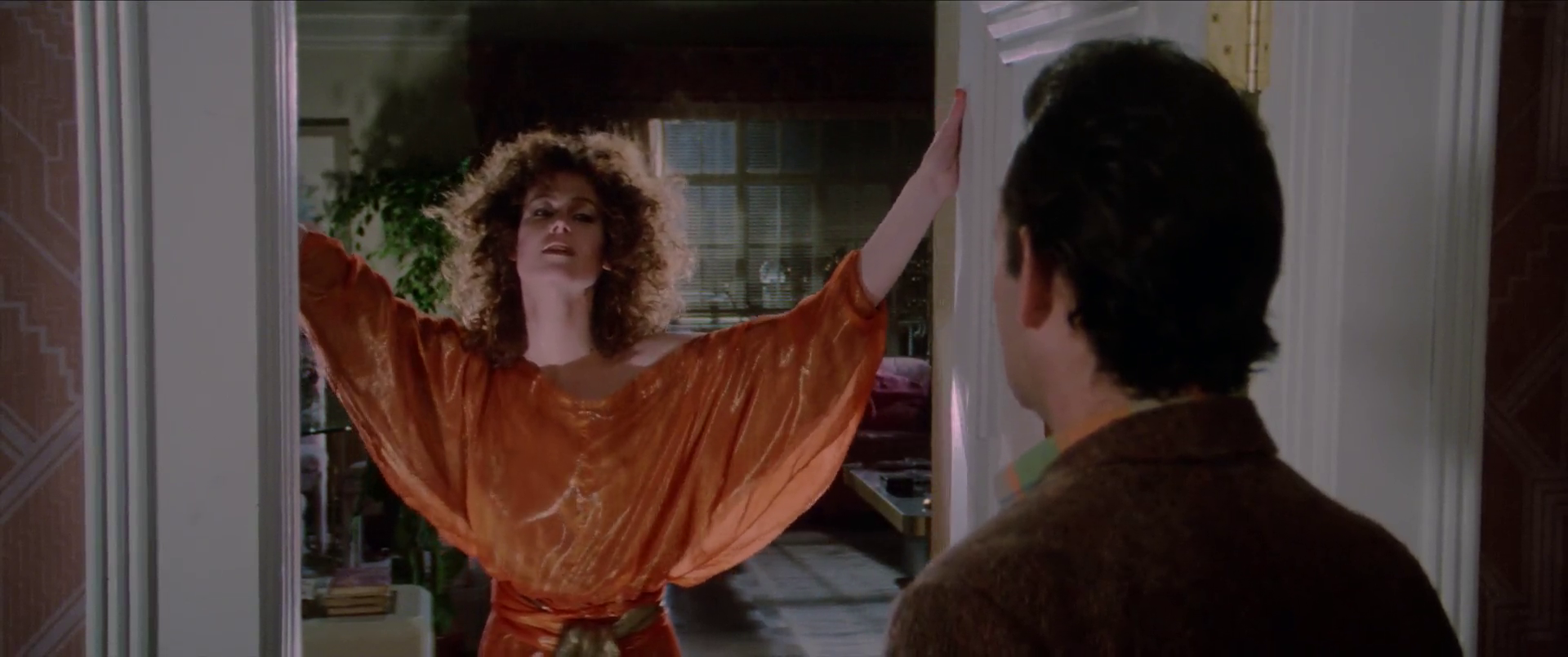
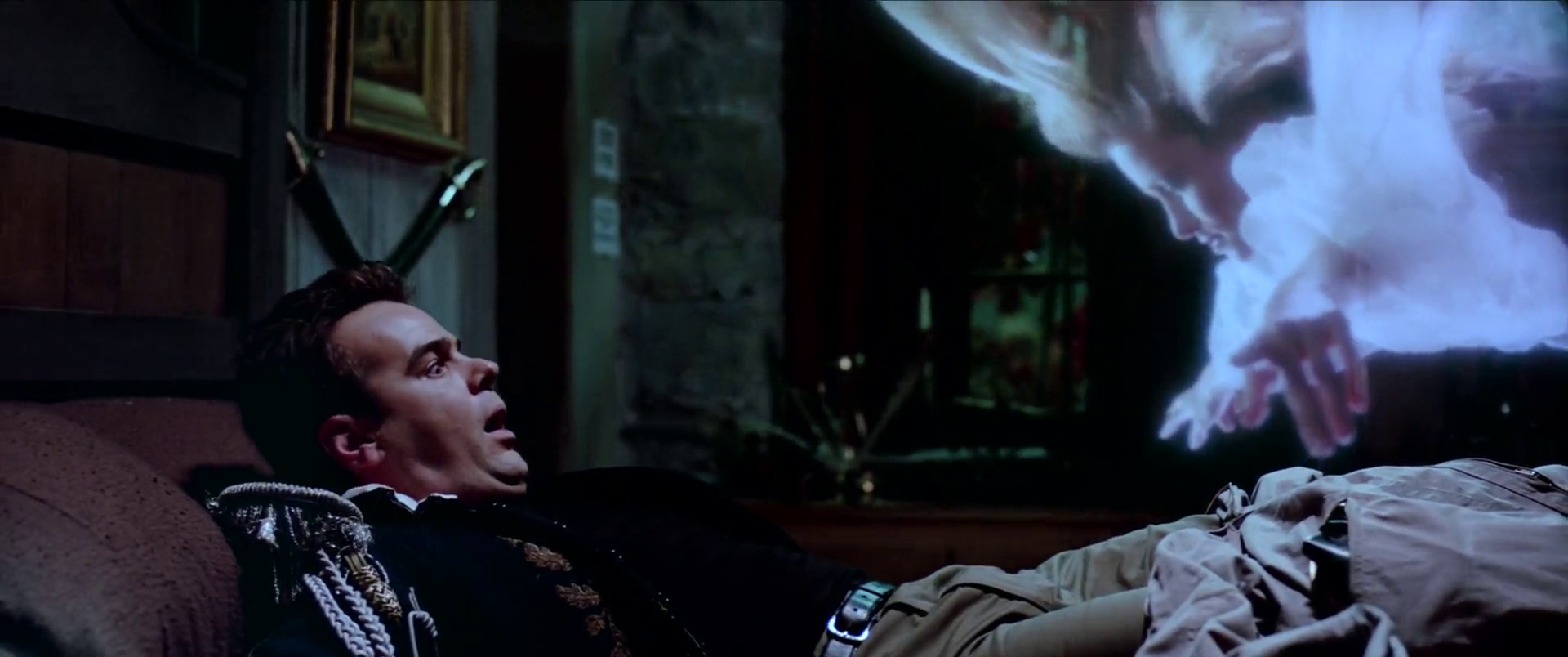
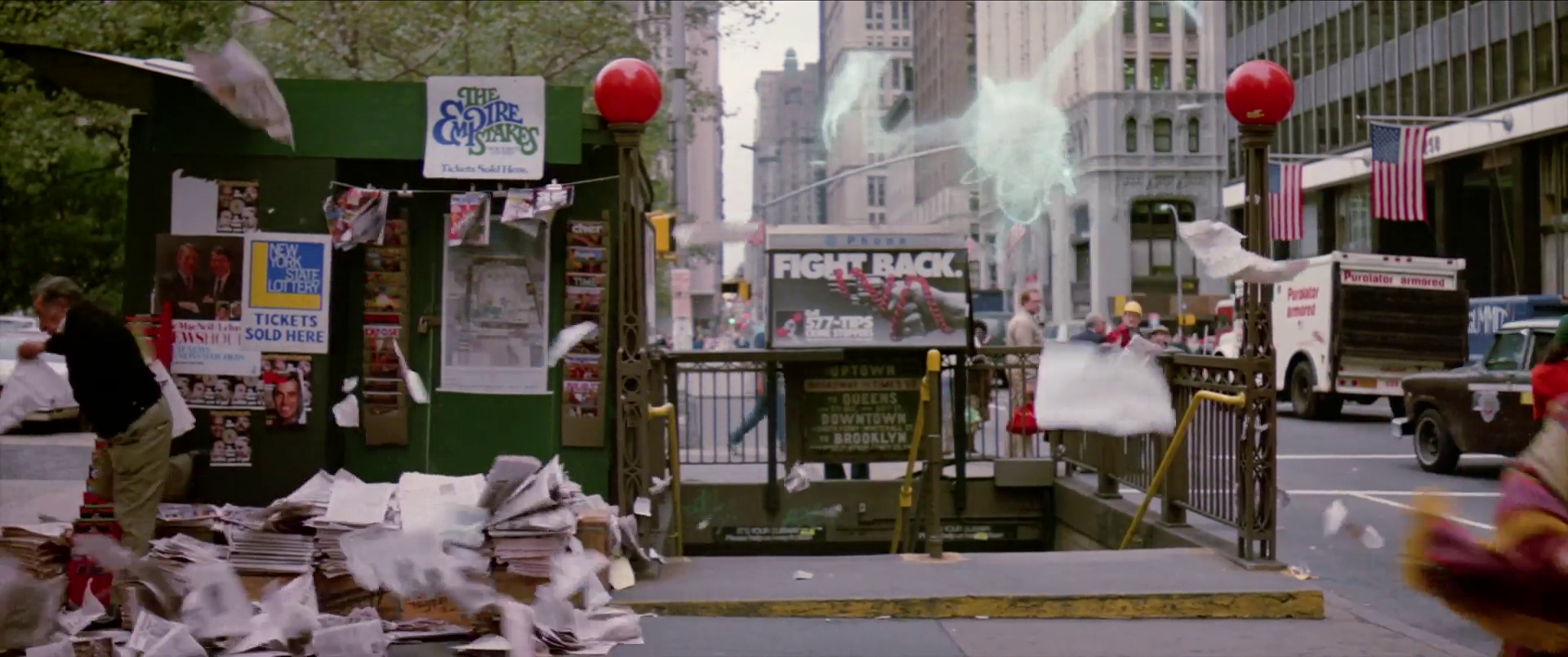
Speaking of Weaver, she has immense fun with her role, and looks stunning even when — or perhaps especially when — possessed. The special effects are surprisingly effective for a film of this era, and excellent use is made of New York City sets. Meanwhile, the entire storyline of ghosts being captured and held in electronic captivity couldn’t resonate more aptly with our modern-day concerns over digital security; the film is almost prescient in its depiction of evil forces itching to take over the world, let loose by bumbling bureaucrats (in this case, a clueless EPA employee played by William Atherton). Film fanatics should enjoy checking out — or revisiting — this iconic ’80s cult favorite, which has held up well as a silly horror-comedy.

Redeeming Qualities and Moments:

  • Bill Murray as Dr. Peter Venkman
  • A surprisingly appealing set of nerdy superheroes
  • Sigourney Weaver’s fun performance as possessed-Dana
  • Fine special effects, costumes, and make-up


  • Excellent use of New York City sets
  • Ray Parker, Jr.’s inimitable theme song

Must See?
Yes, as a fun cult favorite.

Categories

(Listed in 1001 Movies You Must See Before You Die)

Links:

Golden Boy (1939)

Golden Boy (1939)

“Money’s the answer — I can get it fighting, no other way.”

Synopsis:
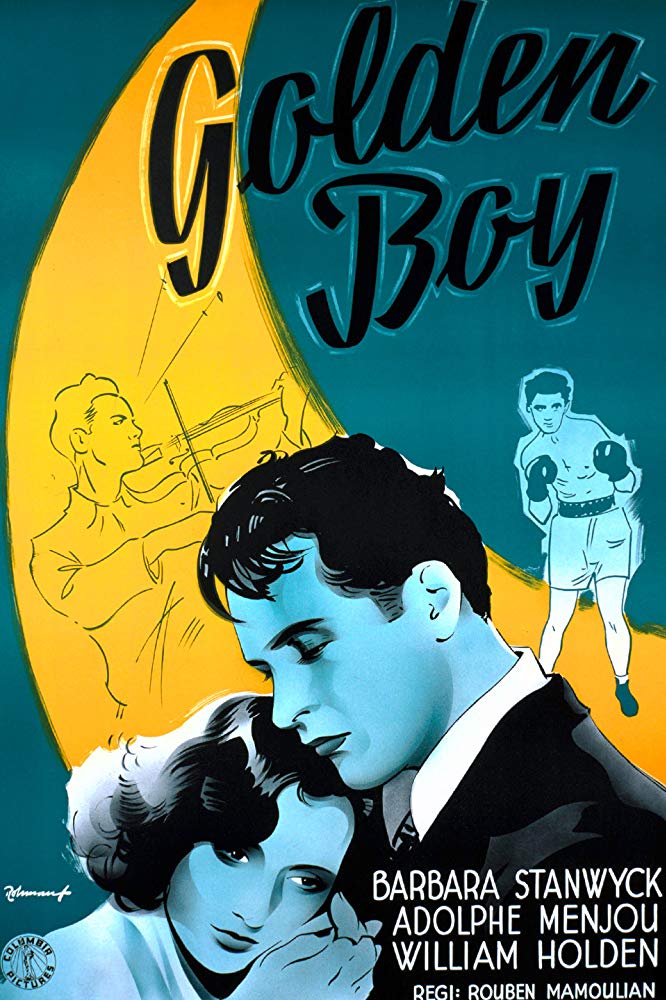
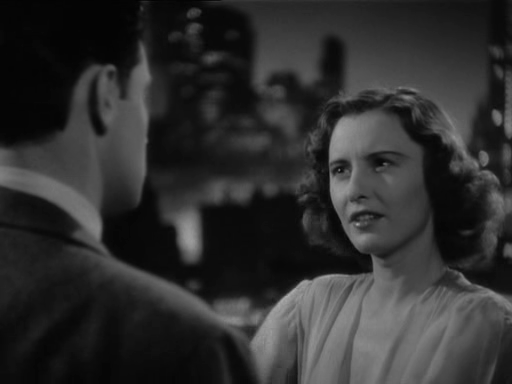
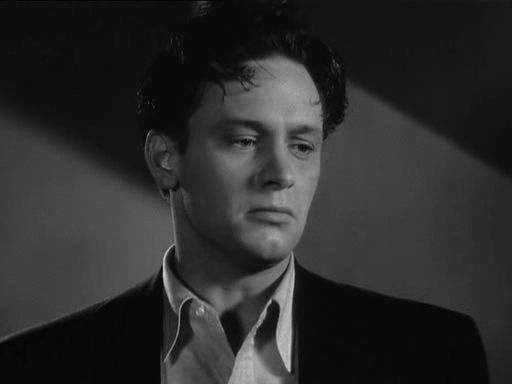
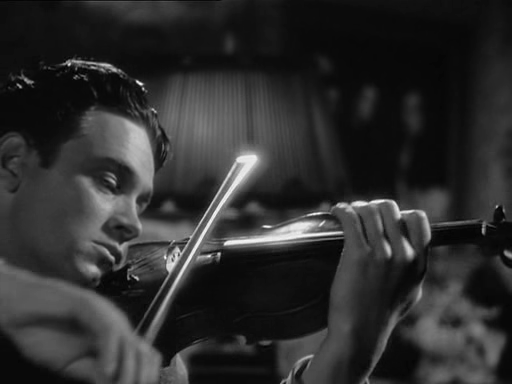
A gifted violinist (William Holden) disappoints his father (Lee J. Cobb) when he pursues a career as a prizefighter in order to earn money for the family. While an ambitious manager (Adolphe Menjou) and his loyal girlfriend (Barbara Stanwyck) — who Holden falls for — do what they can to keep Holden in the game, their influence is limited when a local gangster (Joseph Calleia) wants a piece of the action.

Genres:

  • Adolphe Menjou Films
  • Barbara Stanwyck Films
  • Boxing
  • Lee J. Cobb Films
  • Love Triangle
  • Musicians
  • Play Adaptations
  • Rouben Mamoulian Films
  • William Holden Films

Response to Peary’s Review:
Peary notes that while “four writers ‘Hollywoodized’ Clifford Odets’ gritty play,” the “story retained much of its original power and its anti-boxing message”, adding that “this is a prototypical boxing film in that it’s about a decent boy from the ghetto who is hardened by the boxing business and his striving for materialistic gain” — though in a twist, the film “doesn’t have the boxer’s girlfriend try to get him to quit the ring”.

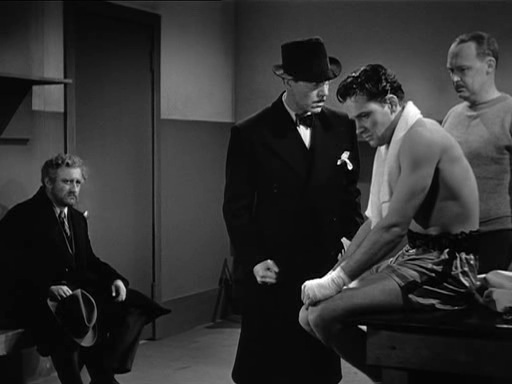
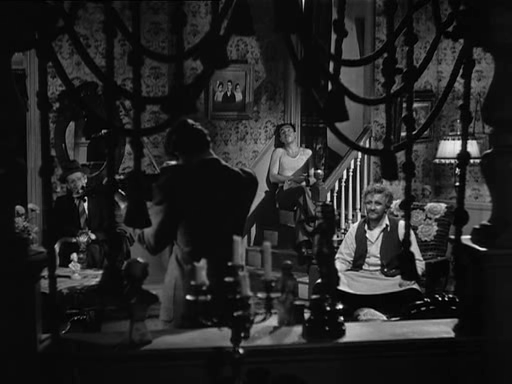
Peary argues that the “film is schmaltzy, Cobb is overbearing as the music-loving papa:

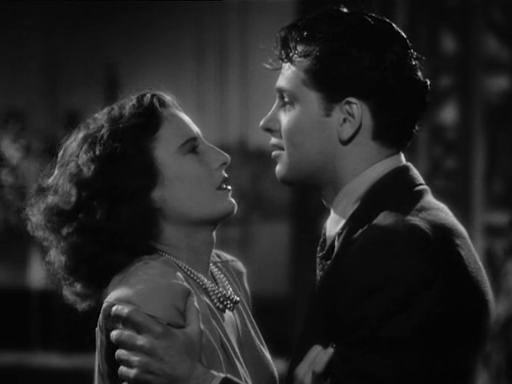
… and there isn’t enough fight atmosphere”, but it “never loses interest” given that “Rouben Mamoulian’s direction is satisfactory” and “newcomer Holden, looking handsome and energetic, and the fetching Stanwyck, who took him under her wing, are an appealing screen couple”.

Meanwhile, making the film look fantastic are “two of the best” cinematographers, Nicholas Musuraca and Karl Freund.

However, while there’s much to commend about Golden Boy, it’s not quite must-see viewing. Cobb’s over-the-top portrayal quickly has us annoyed rather than sympathetic for his plight: indeed, Holden’s choice of boxing over music makes sense as a way for him to distance himself from stifling parental expectations, thus complicating our sense of what, exactly, we should be hoping for as the outcome for this gifted yet conflicted young man.

Redeeming Qualities and Moments:

  • Barbara Stanwyck as Lorna
  • William Holden’s earnest portrayal in his breakthrough role as Joe
  • A fine supporting performance by Calleia
  • Nicholas Musuraca and Karl Freund’s cinematography

Must See?
No, but it’s certainly worth a look for its historical importance.

Links:

Meatballs (1979)

Meatballs (1979)

“It just doesn’t matter! It just doesn’t matter!”

Synopsis:
A wacky counselor (Bill Murray) inspires his motley crew of misfit summer campers to stay positive during their annual Olympiad competition with a rival camp, while romancing a fellow counselor (Kate Lynch) and providing one-on-one mentoring to an insecure young boy (Chris Makepeace).

Genres:

  • Bill Murray Films
  • Comedy
  • Misfits
  • Summer Camp

Response to Peary’s Review:
Peary writes that this “unremarkable comedy” — the first in a string of films Bill Murray made with director Ivan Reitman, including Stripes (1981) and Ghostbusters (1984) — “broke Canadian box-office records, proving former Saturday Night Live star Bill Murray could make it as a movie star.” He notes that while “Murray is quite funny”, “too much of the humor is sophomoric and tasteless”, and “at times schmaltz gets in [the] way of humor”. That just about sums up this tedious flick, which was understandably enjoyable for audiences of the day hoping to either relive nostalgic memories of summer camp or fantasize about what never was, but hasn’t held up well at all. It’s strictly must-see viewing for Murray fans.

Redeeming Qualities and Moments:

  • An innocently nostalgic look back at summer camp

Must See?
Nope. You can skip it.

Links:

Gone With the Wind (1939)

Gone With the Wind (1939)

“Land’s the only thing in the world that matters — the only thing worth working for, fighting for, dying for!”

Synopsis:
On the eve of the Civil War, a self-absorbed southern belle (Scarlett O’Hara) in love with her neighbor, Ashley Wilkes (Leslie Howard), is devastated to learn he’s engaged to another woman, the kind-hearted and noble Melanie (Olivia de Havilland). In a fit of spite, Scarlett marries de Havilland’s adoring brother (Rand Brooks), but he quickly leaves her a widow. Businessman Rhett Butler (Clark Gable) — who knows about Scarlett’s undying passion for Ashley, but adores her anyway — doggedly pursues her, despite her lack of interest in him; that is, until she’s desperate to save her beloved, war-torn family property, the Tara plantation.

Genres:

  • Civil War
  • Clark Gable Films
  • Coming of Age
  • Deep South
  • Evelyn Keyes Films
  • Historical Drama
  • Leslie Howard Films
  • Love Triangle
  • Olivia de Haviland Films
  • Plantations
  • Slavery
  • Star-Crossed Lovers
  • Strong Females
  • Thomas Mitchell Films
  • Victor Fleming Films
  • Vivien Leigh Films
  • Ward Bond Films

Response to Peary’s Review:
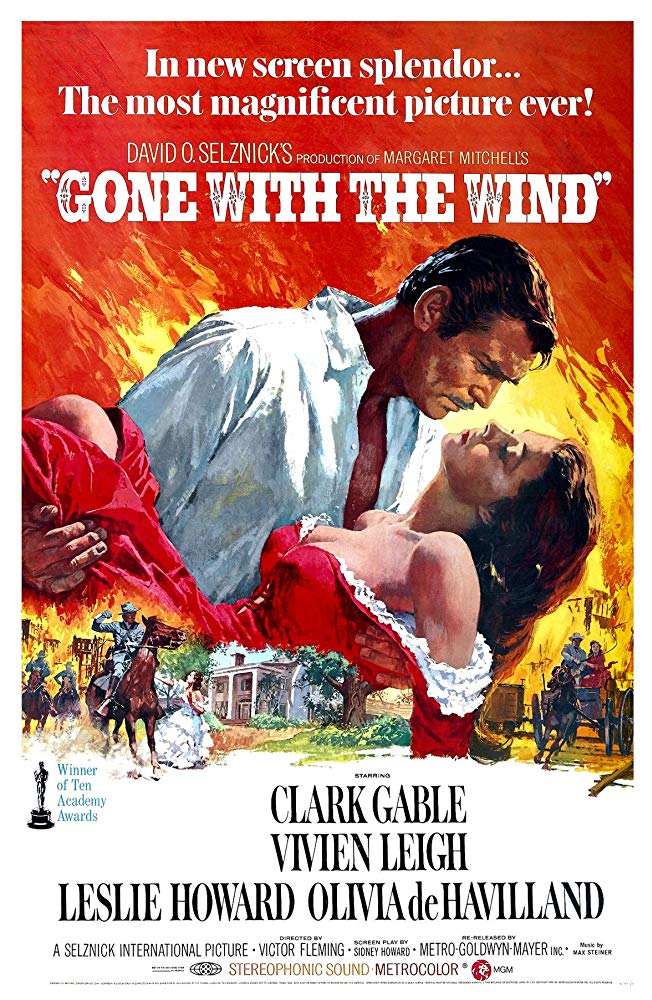
Peary notes that this “most popular film of all time” — an Oscar-winning spectacle based on “Margaret Mitchell’s epic novel of the Old South“, and directed by Victor Fleming after the original director (George Cukor) was fired — was “given grandiose treatment by producer David O. Selznick”, and remains a “gorgeous film”.
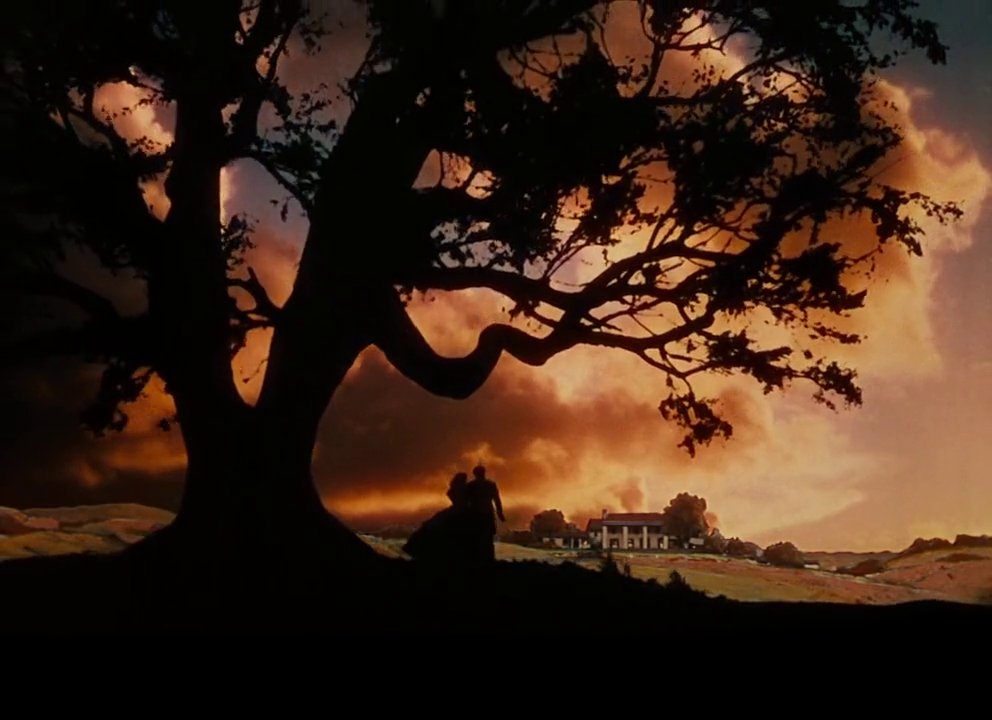
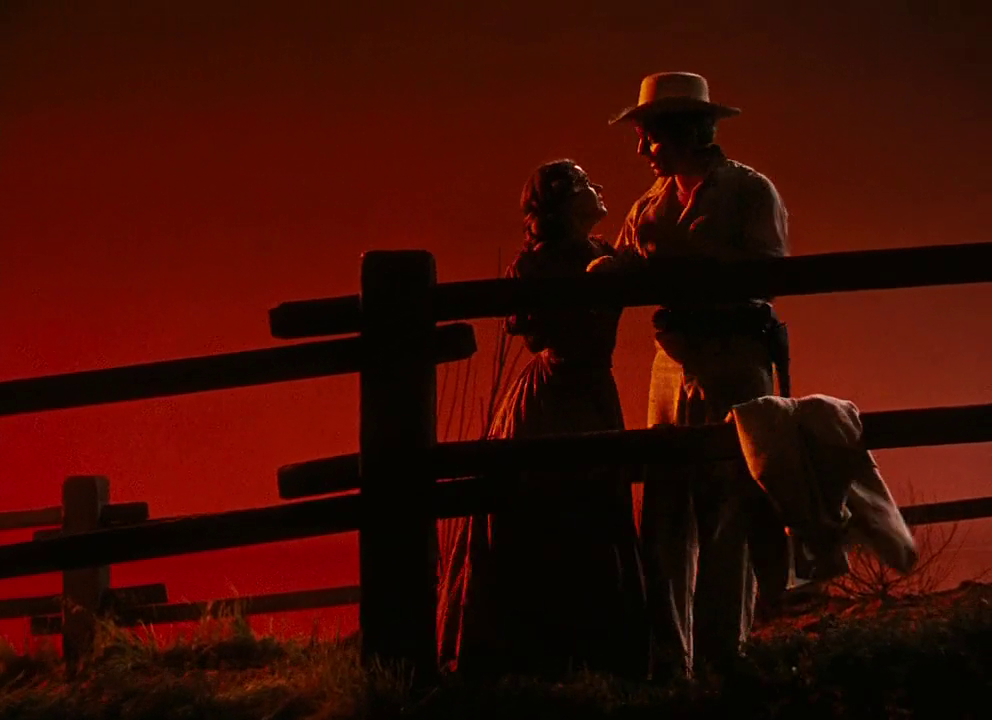
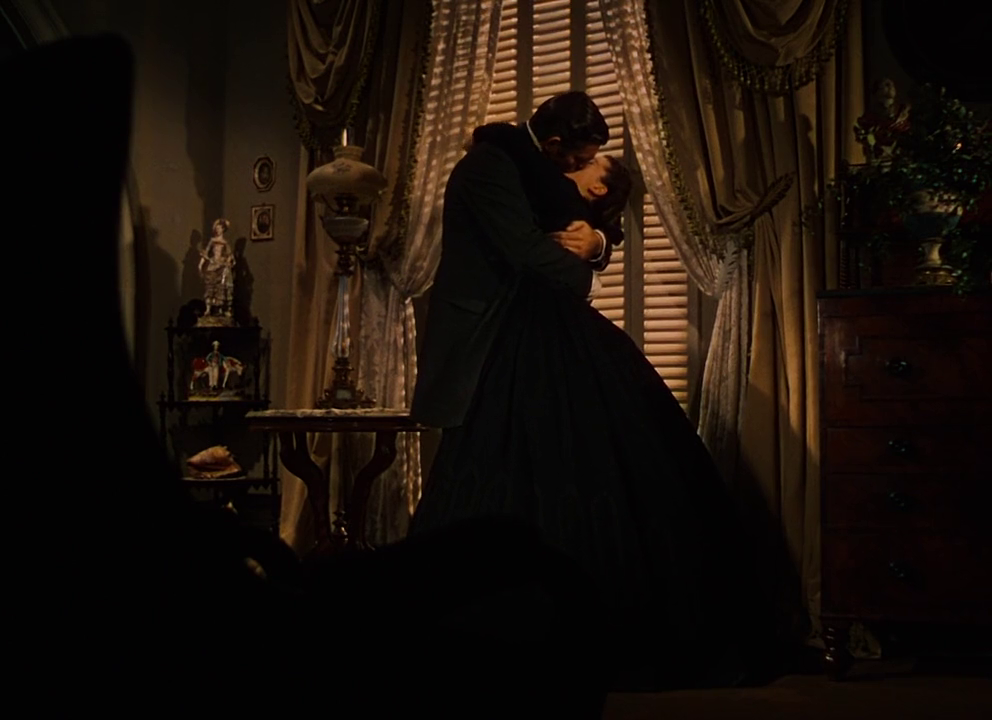
He writes it’s “exciting just to watch characters in their lavish costumes, or the fiery red skies that often serve as the backgrounds, or shots of the Tara plantation”, and points out the “picture has wonderful period detail and a fine assortment of characters”. He asserts that the “film defies criticism”, and that “suffice it to say… Leigh and Gable are perfect in their roles” given that “they are witty, dramatic, dynamic, glamorous, and boy can they kiss”.
In his Alternate Oscars book, Peary gives the Best Picture Award to The Wizard of Oz (1939) instead, noting that Gone With the Wind “suffers because too many directorial styles are evident (also too many writers were employed), especially in the second half when interesting conflict (between the states and between Scarlett and Rhett) gives way to turgid soap opera”. He agrees with the Academy’s designation of Vivien Leigh as Best Actress, however, noting that while he has “only limited fondness for the film itself” he believes that “Scarlett O’Hara stands as perhaps the greatest, most vivid female character in movie history” — “a direct result of Leigh’s performance”.
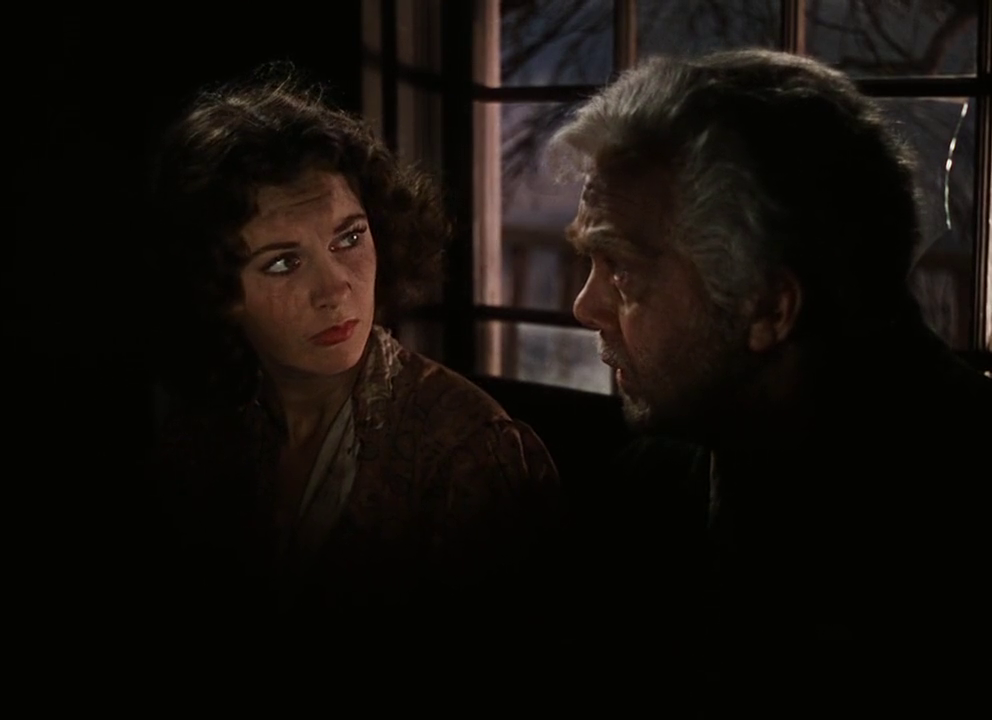
He notes that “what may be [Leigh’s] greatest achievement is to make us feel compassion for Scarlett even when she acts disgracefully, because we realize she is hurting herself most of all”, and adds that Scarlett may be “so popular with female viewers because they realize she has good qualities — including her passion, her indomitability, and her intelligence” — while they also “understand her flaws”.

I’m in essential agreement with Peary’s overall assessment, other than his assertion that the film defies criticism — of course, that’s not true. The most pressing challenge with this film is its highly problematic presentation of the South as a nostalgic haven where “after the Civil War, blacks miss the old slave South as much as the whites do.”
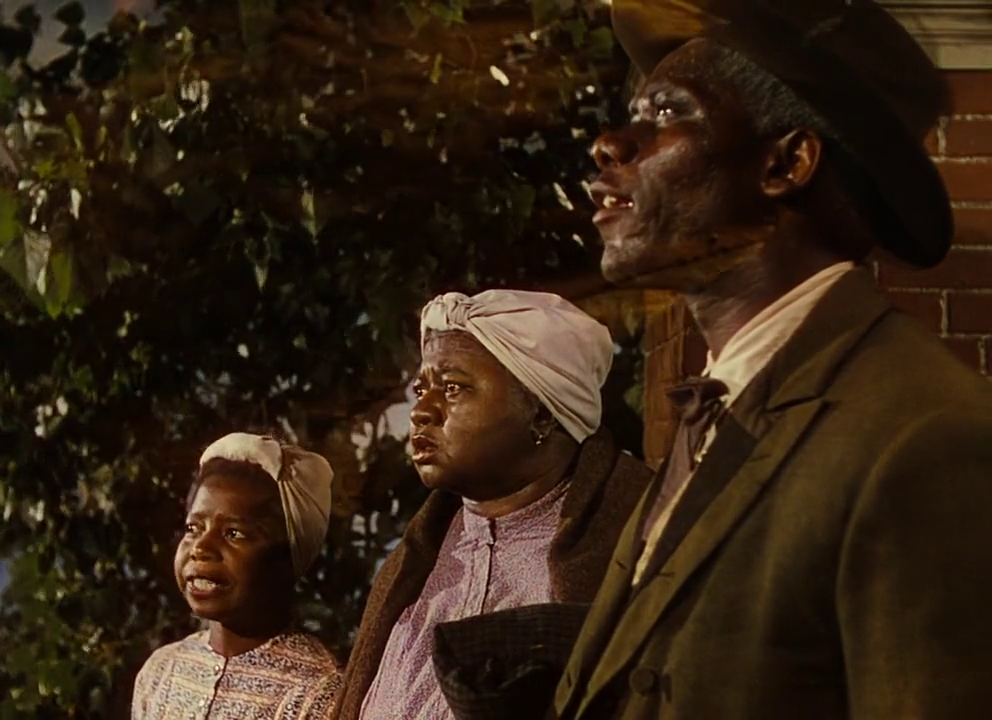
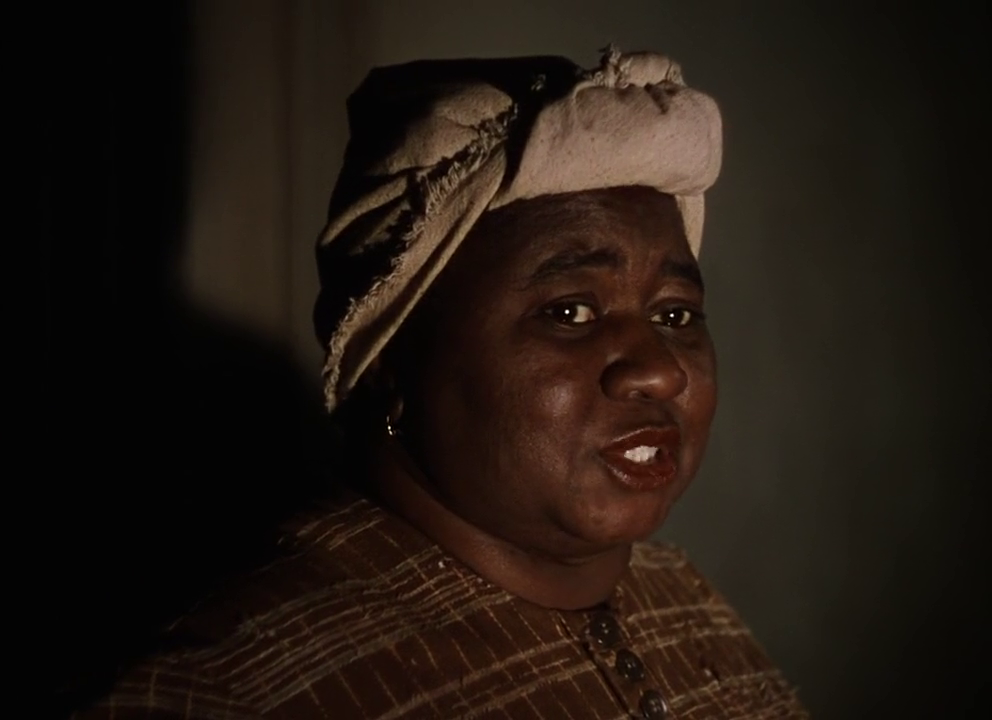
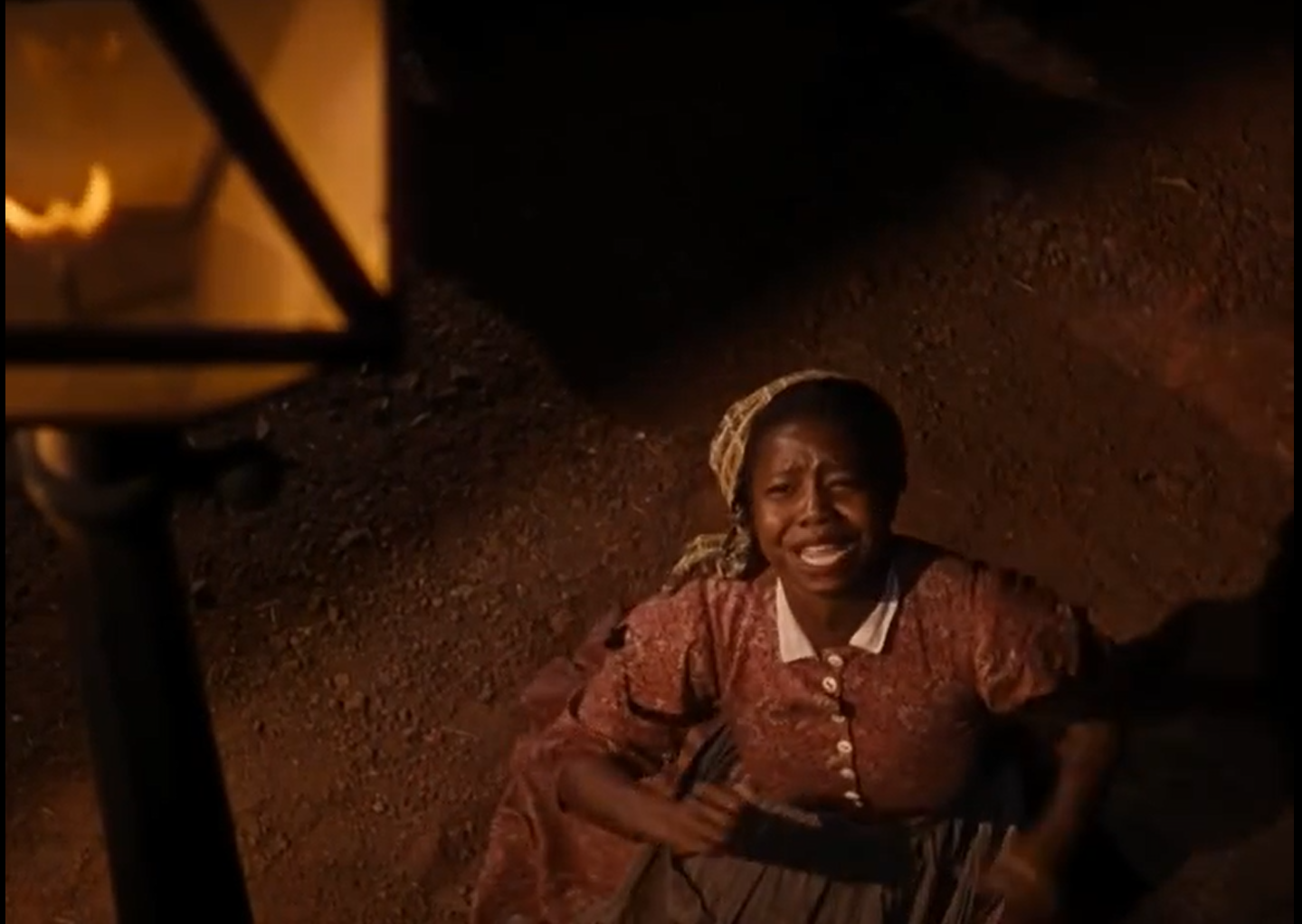
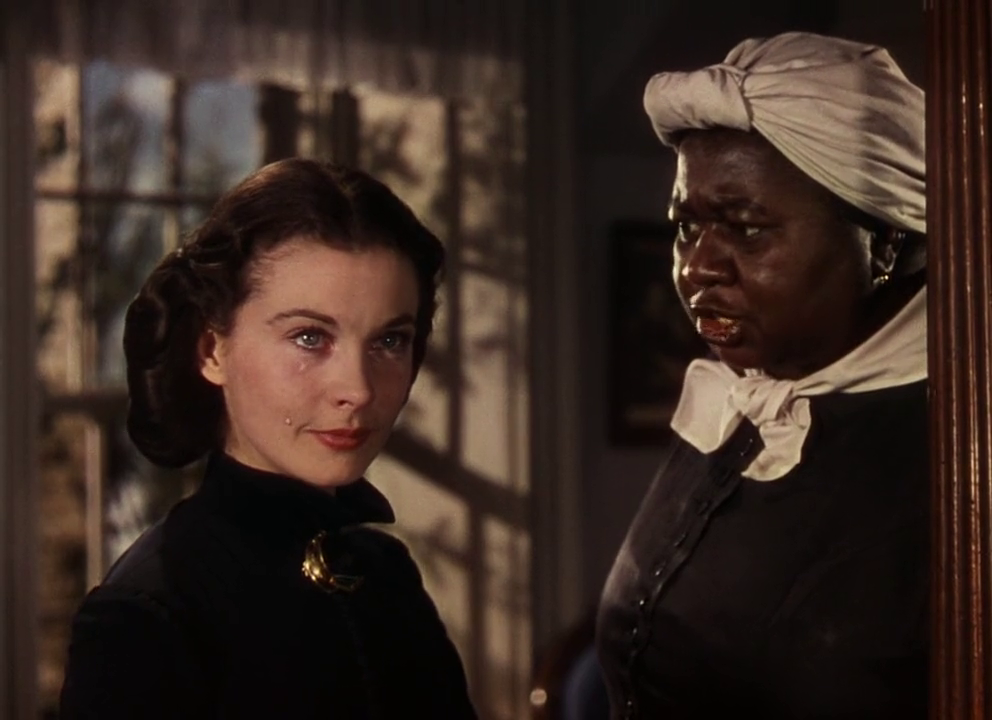
In his review, DVD Savant brings a bit more nuance to the conversation, noting that “Rhett Butler and Scarlett O’Hara refer to darkies often enough to suggest the authors and Selznick like the sound of the word”, and that the film “treats ‘Mammy’ (the amazing Hattie McDaniel) with a troubling ambivalence” given that “she’s at first [simply] another source of comic relief but [becomes] a source of powerful emotions later on”.
All of this and more — including Butterfly McQueen’s engaging yet ultimately demeaning depiction as “the bird-brained Prissy”:
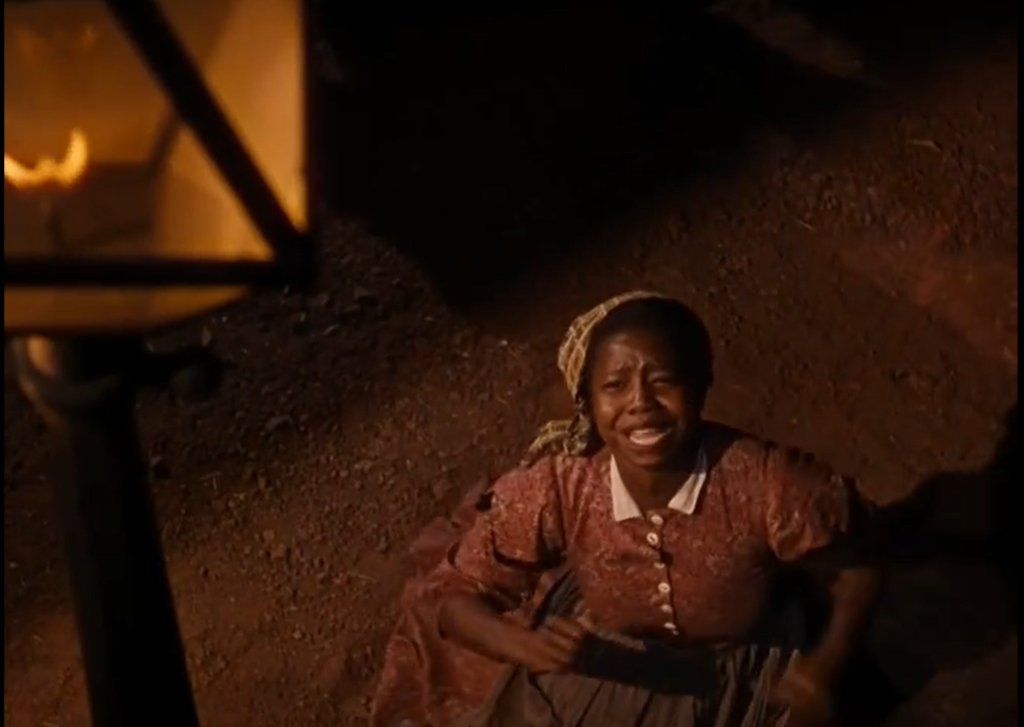
make the film deeply challenging to accept as any kind of a truly great film, in the same way D.W. Griffith’s The Birth of a Nation (1915) is impossible to analyze and discuss without enormous caveats. However, the treatment of slaves and former-slaves in Gone With the Wind are integral to its vision of characters fighting for a society in ruins, so one could argue the story itself required these distressing narrative threads.

Speaking of the story, DVD Savant asserts that for “at least its first half”, the film “is wonderfully good storytelling on a grand scale”. That may be true, but the problem is that it goes on for twice as long as the best portions! Scarlett undeniably wears on one’s nerves — and while it’s true that Leigh’s performance is remarkable, she isn’t someone I relish spending any more time with than necessary.
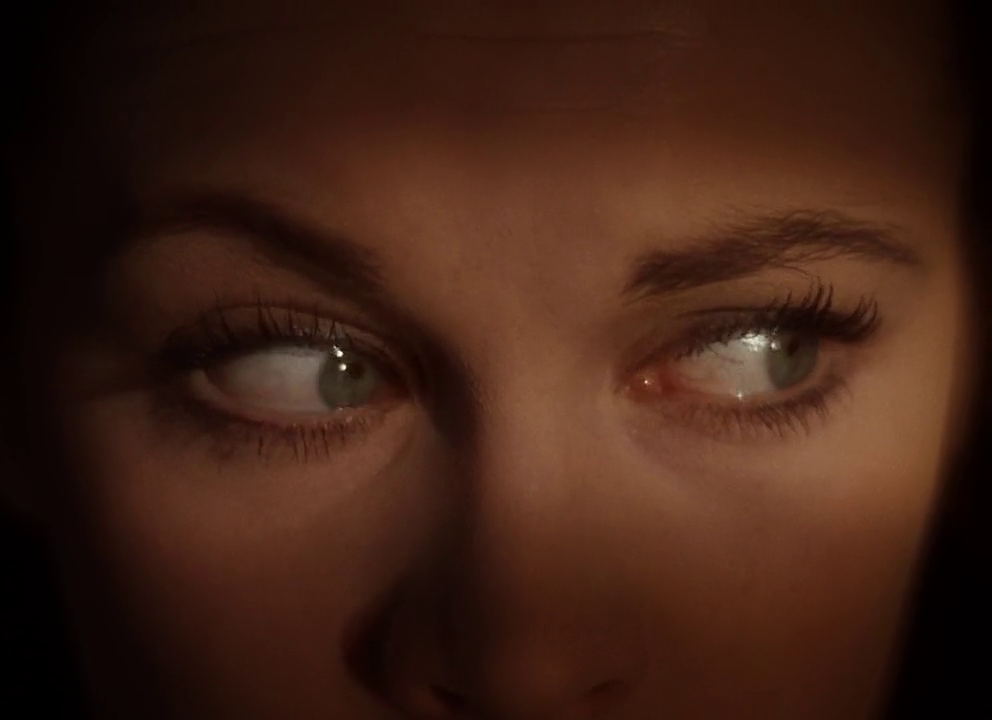
While GWTW was (and remains) a cult favorite for many, it doesn’t serve that role for me: Scarlett is insufferable, and having an entire story based upon her — especially when that story glorifies the racist, privileged ideology of the South — isn’t my idea of a good time. I first dutifully watched Gone With the Wind as a teenage film fanatic, and hadn’t revisited it until now; I was glad for the second viewing, especially given the stunning Blu-Ray restoration, but once again find myself ready to set it aside indefinitely.

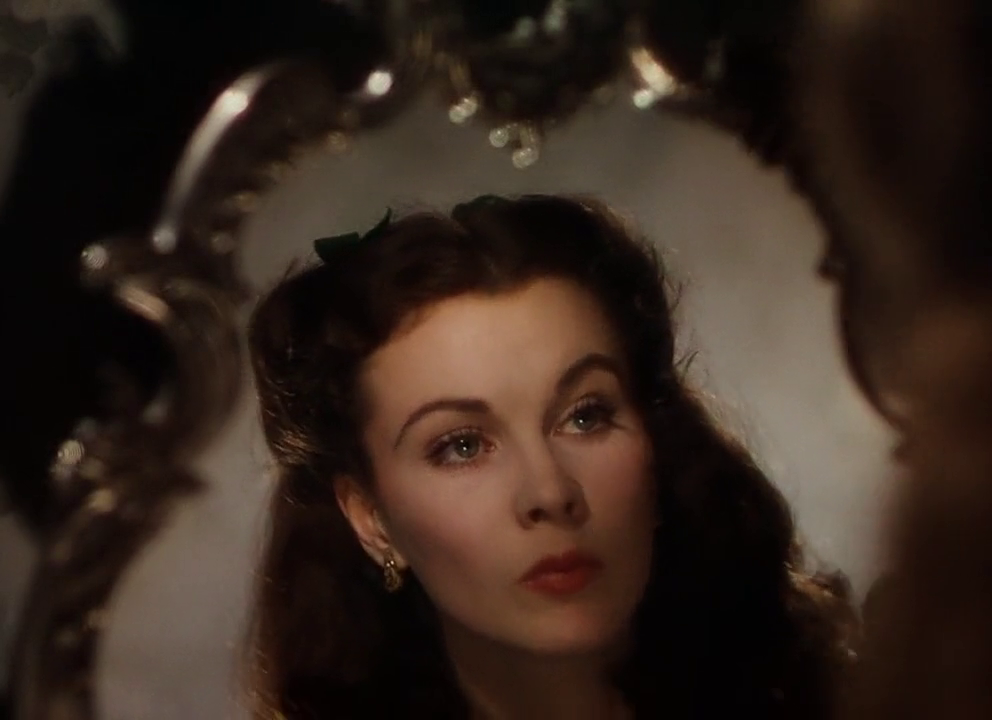
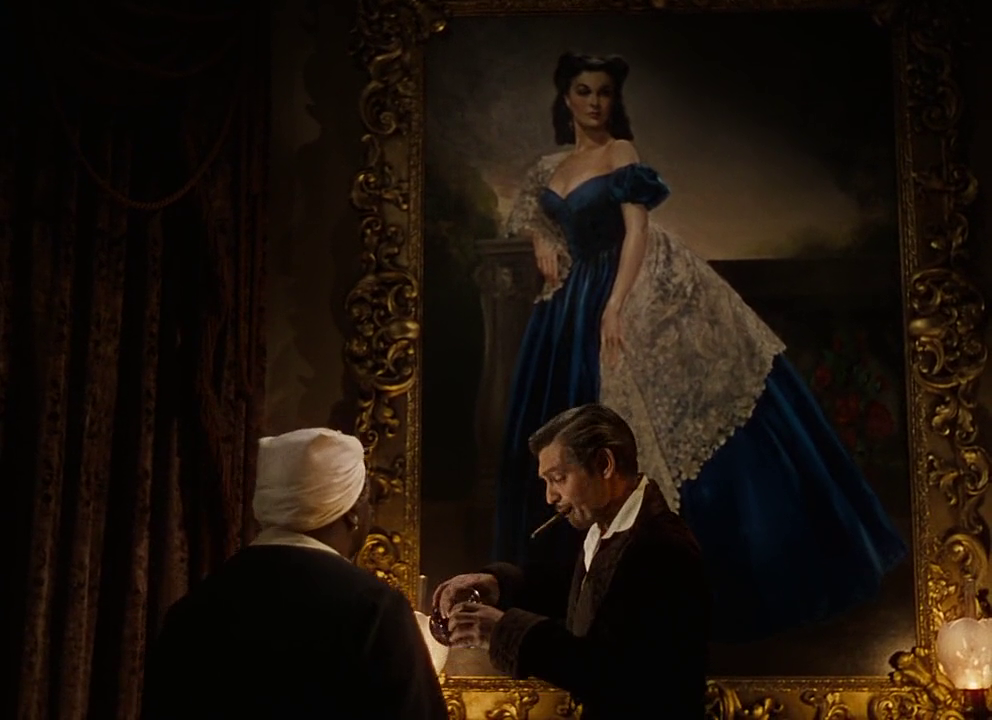
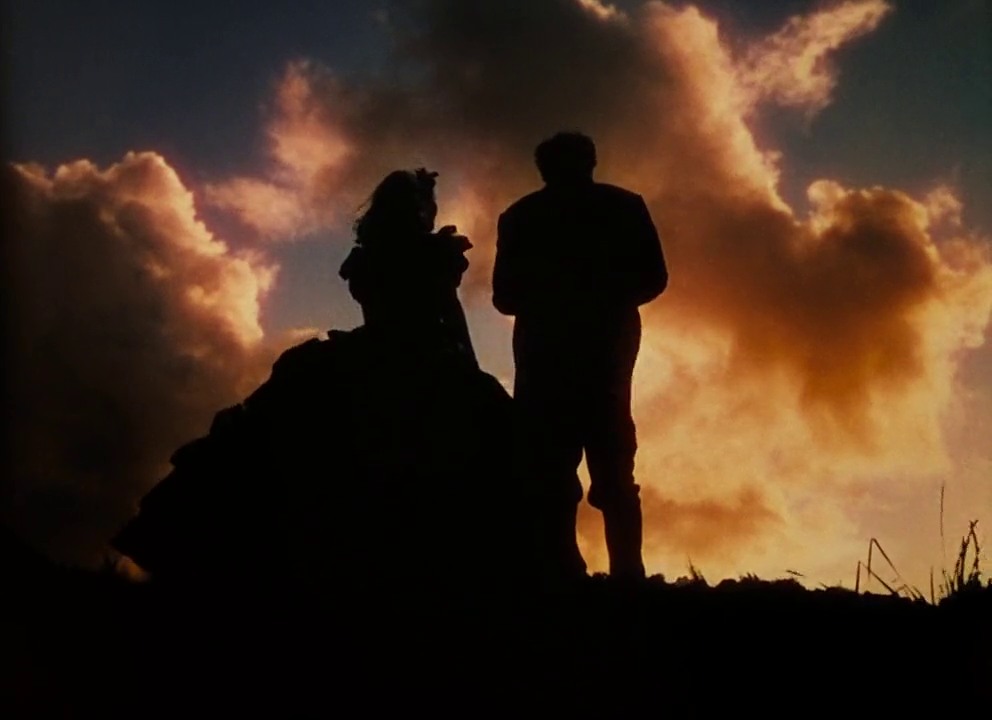
With all that said, there’s no denying film fanatics must watch this film at least once, simply to experience what DVD Savant refers to as the “first American Road Show epic of the sound era” — indeed, the complicated history of this film’s making is essential lore in cinema, and the recent (2014) publication of a book entitled simply The Making of Gone With the Wind (with a foreward by Robert Osbourne, RIP) demonstrates how enduring its legacy remains. In addition to its instantly recognizable score by Max Steiner (in the top 3 for sure, if not THE top), countless scenes and images are burned in our collective memory: Scarlett and her father (Thomas Mitchell) standing under a sprawling tree looking out at Tara:
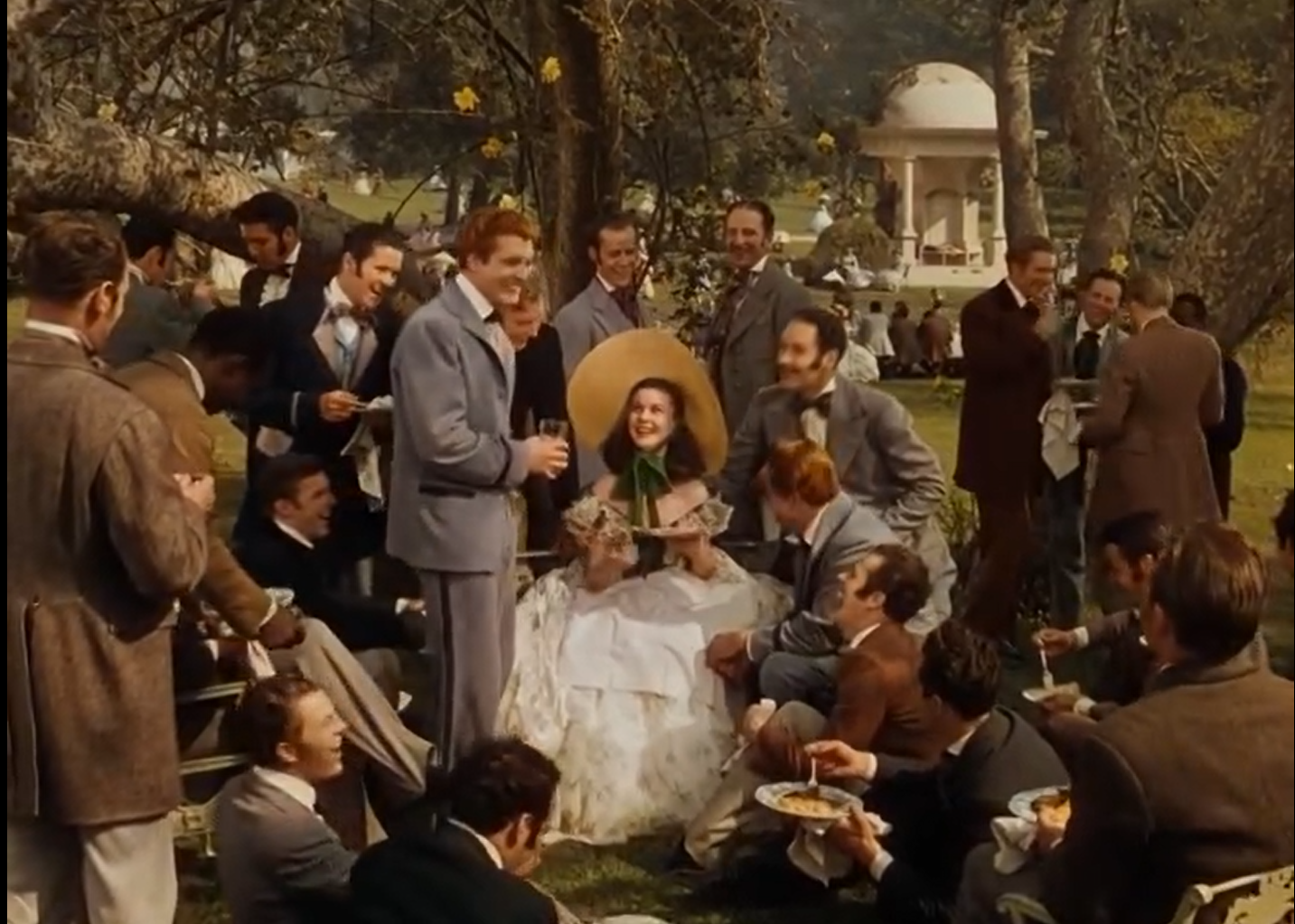
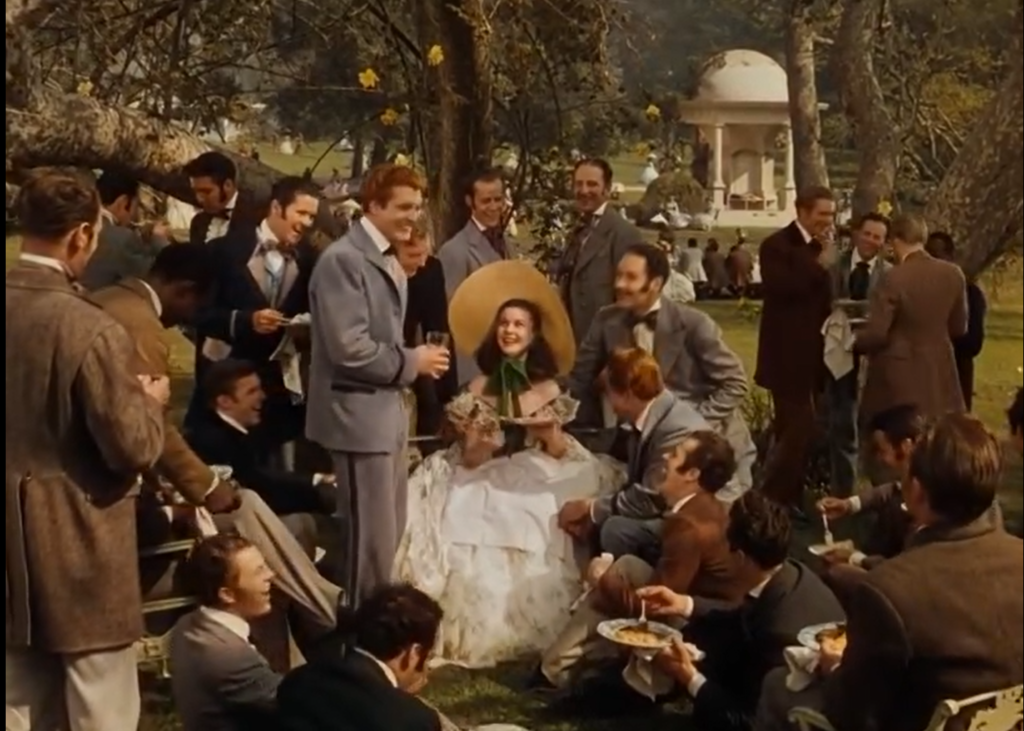
Scarlett surrounded by her beaus at the opening picnic:
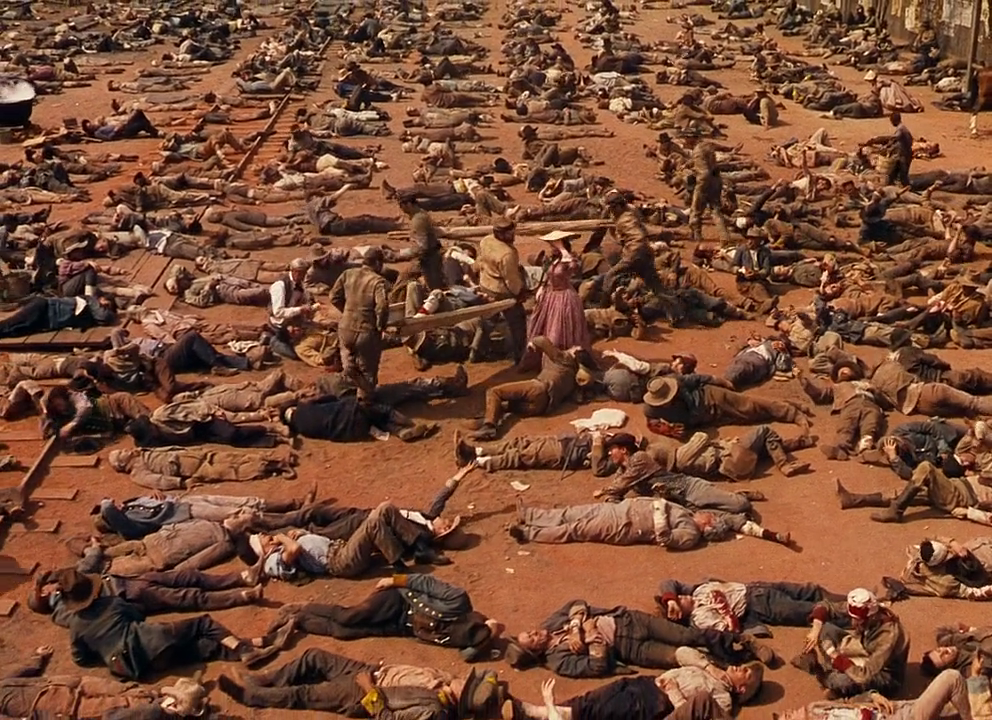
Scarlett wandering the massive death fields of a post-Gettysburg landscape while the camera cranes farther and farther above her head:
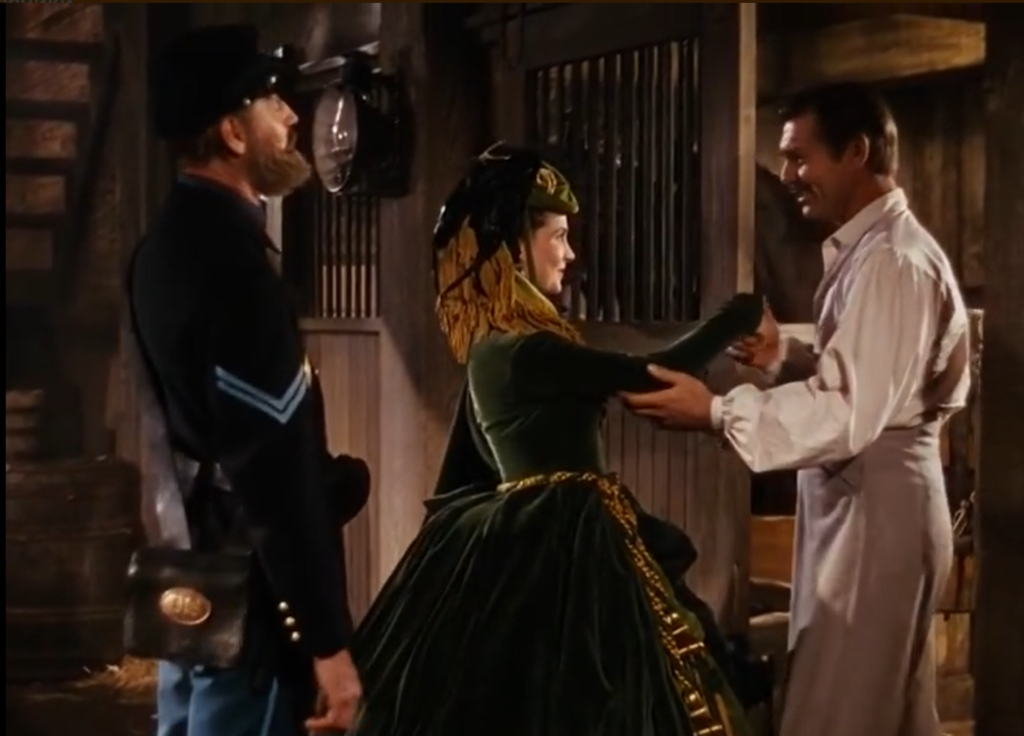
Scarlett making a hideous dress out of green drapes (so wonderfully lampooned by Carol Burnett and her crew):
Rhett and Scarlett’s passionate embraces.
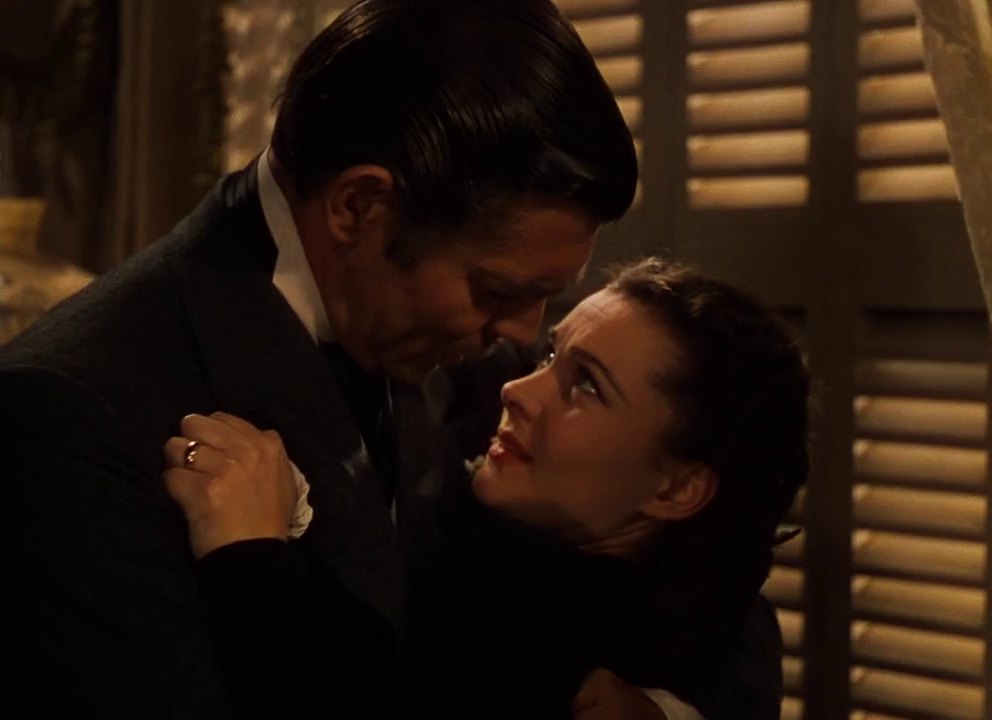
All told, this nearly four-hour film remains legendary.

Redeeming Qualities and Moments:

  • Vivien Leigh as Scarlett O’Hara
  • Hattie McDaniel as Mammy
  • Stunning Technicolor cinematography

  • William Cameron Menzies’s set designs
  • Max Steiner’s oh-so-memorable score

Must See?
Yes, of course, as a long-time classic.

Categories

  • Genuine Classic
  • Oscar Winner or Nominee

(Listed in 1001 Movies You Must See Before You Die)

Links:

Ten Commandments, The (1956)

Ten Commandments, The (1956)

“Have the days of darkness made you see the light, Ramses? Will you free my people?”

Synopsis:
When the Pharaoh of Egypt (Cedric Hardwicke) decrees that all newborn Hebrew males shall be slain, a distraught mother (Martha Scott) places her infant in a basket on the Nile River, where he’s found and adopted by Hardwicke’s childless sister (Nina Foch) and named Moses. Moses (Charlton Heston) grows into a trustworthy general, beloved by his uncle (Hardwicke) and beautiful Princess Nefretiri (Anne Baxter), while his cousin (Yul Brynner) covets Baxter for himself as the “rightful” heir to the throne. When Moses — who has long advocated for better conditions for the slaves — learns the truth of his humble origins (thanks in part to Nerfetiri’s maid [Judith Anderson] spilling the beans), he returns to his people, saving the life of a stonecutter (John Derek) in love with a beautiful peasant (Debra Pagent) by killing Derek’s cruel overseer (Vincent Price). He is banished when a deceptive Hebrew (Edward G. Robinson) — who has adopted Paget as his mistress — betrays his role in the murder, and eventually marries a humble shepherdess (Yvonne De Carlo) — but soon he is convinced that his true life work is to help free his fellow slaves from bondage to the Egyptians.

Genres:

  • Anne Baxter Films
  • Biblical Stories
  • Cecil B. DeMille Films
  • Charlton Heston Films
  • Debra Paget Films
  • Edward G. Robinson Films
  • Historical Drama
  • John Carradine Films
  • Judith Anderson Films
  • Rivalry
  • Royalty and Nobility
  • Slavery
  • Vincent Price Films
  • Woody Strode Films
  • Yul Brynner Films
  • Yvonne De Carlo Films

Response to Peary’s Review:
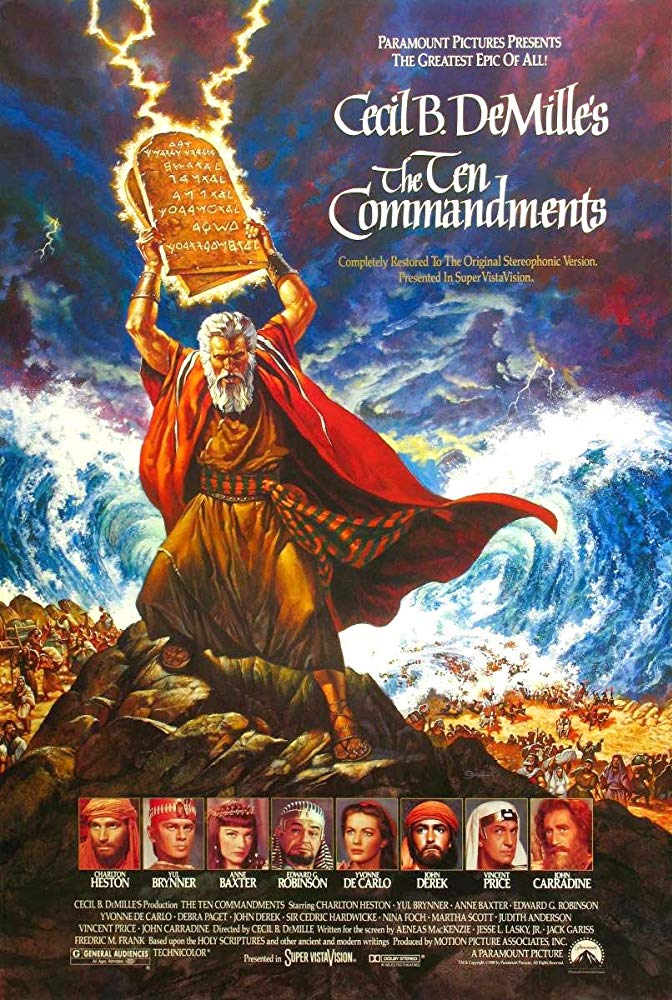
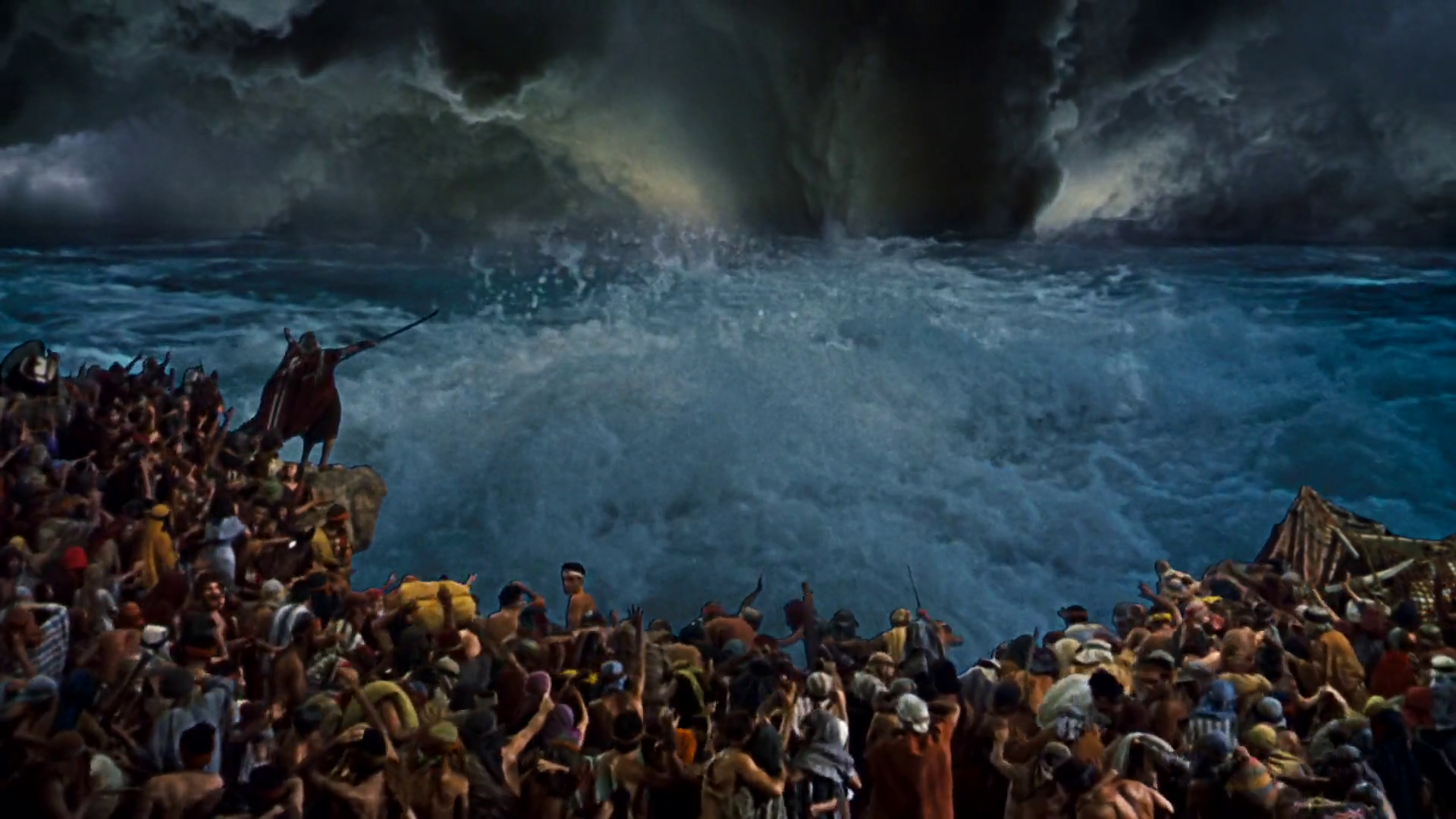
Peary writes that “Cecil B. DeMille’s last film” — “his most famous epic” — is “not to be taken seriously”, though apparently in “some places in the world it’s taken as gospel”. He claims he loves “the way all the extras jabber, that Woody Strode plays two characters, that the dancing is so bad, and that everybody talks in stupid metaphors… the word like is said about a hundred times.” He adds that “if none of this excites you, then there’s always the parting of the Red Sea (one of the greatest special-effects sequences of all time):

… the Burning Bush:

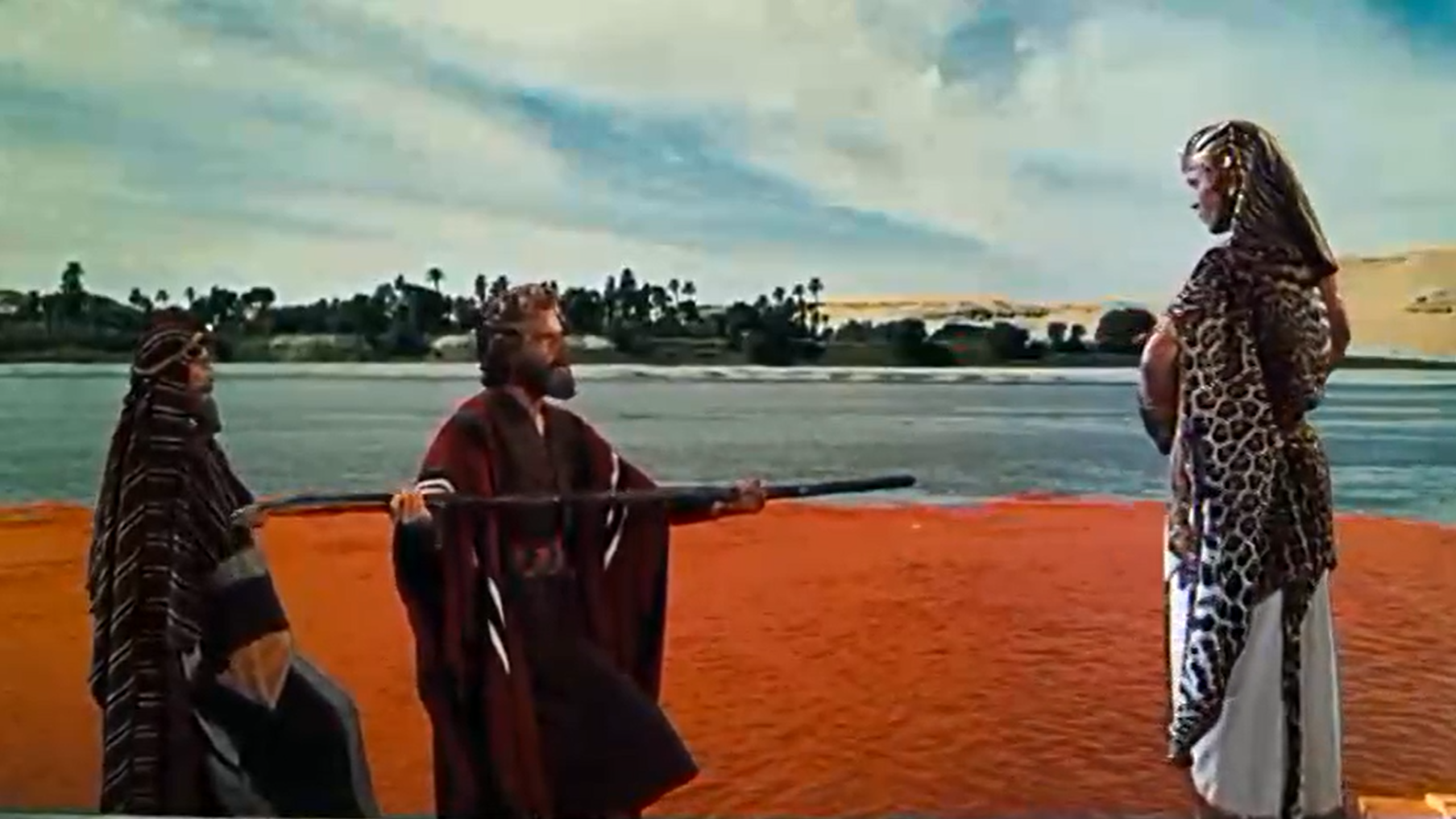
Moses turning the Nile blood red”:

… and he writes that “Heston’s Moses is very convincing, especially to himself.”


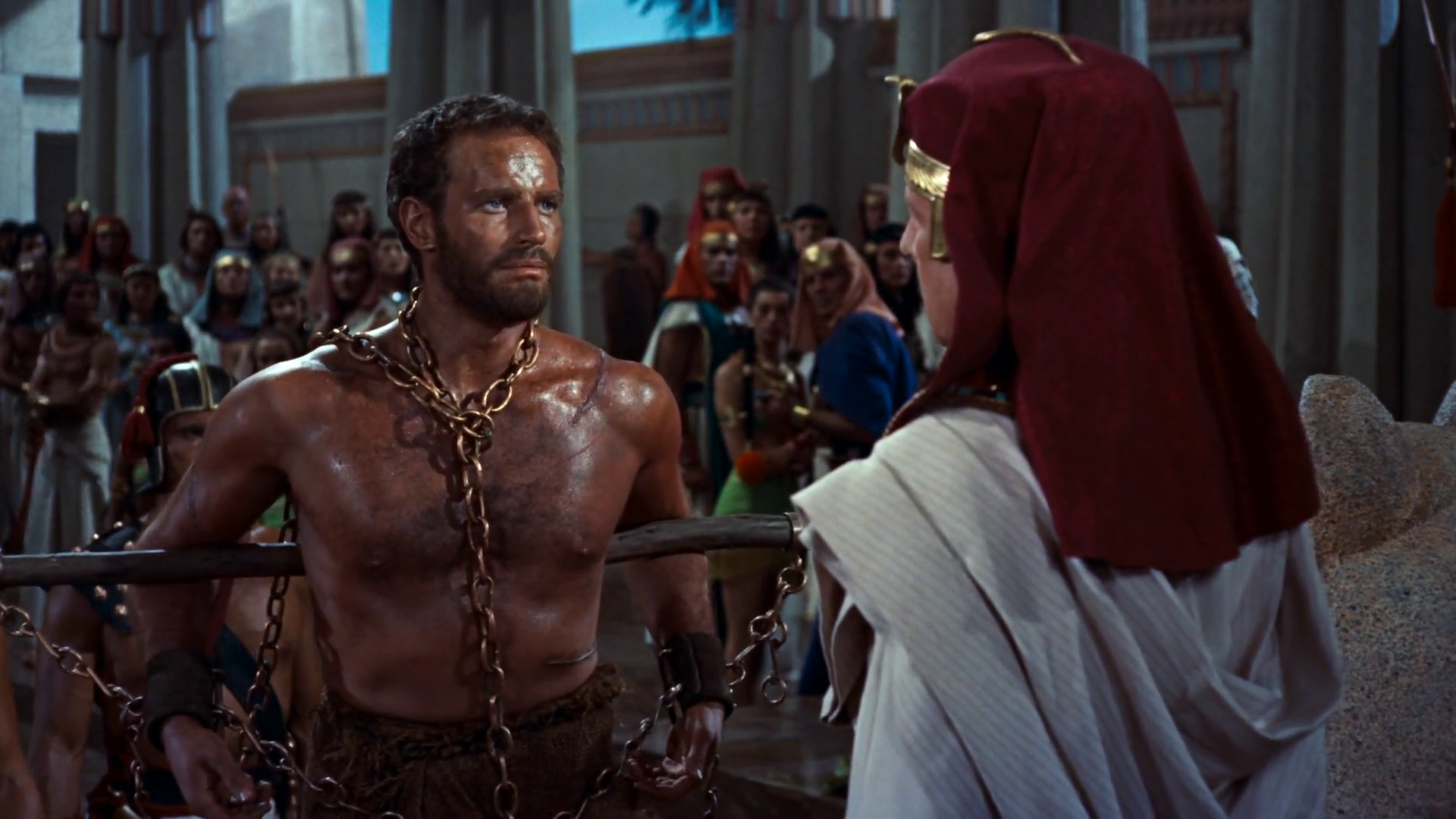
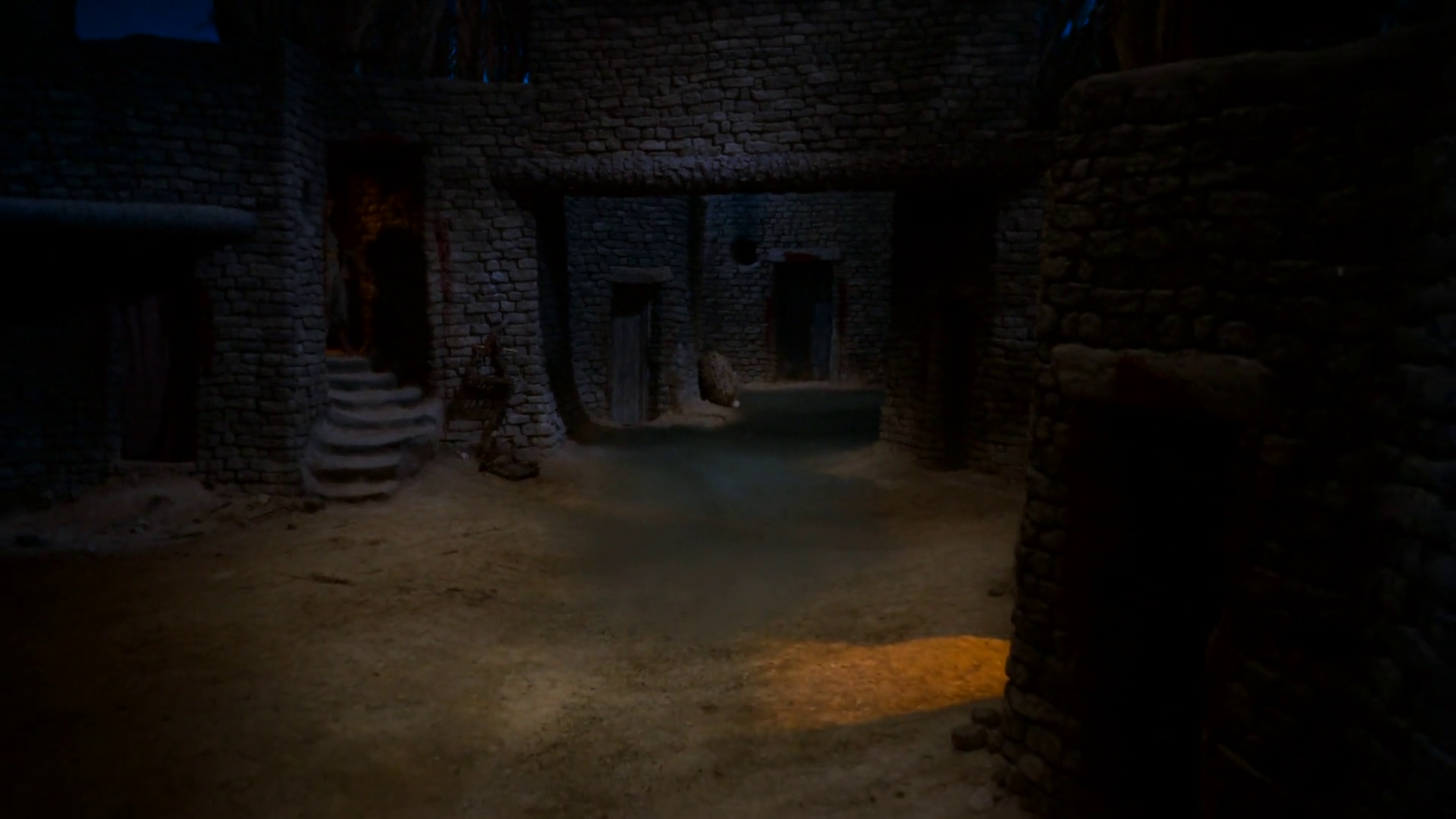
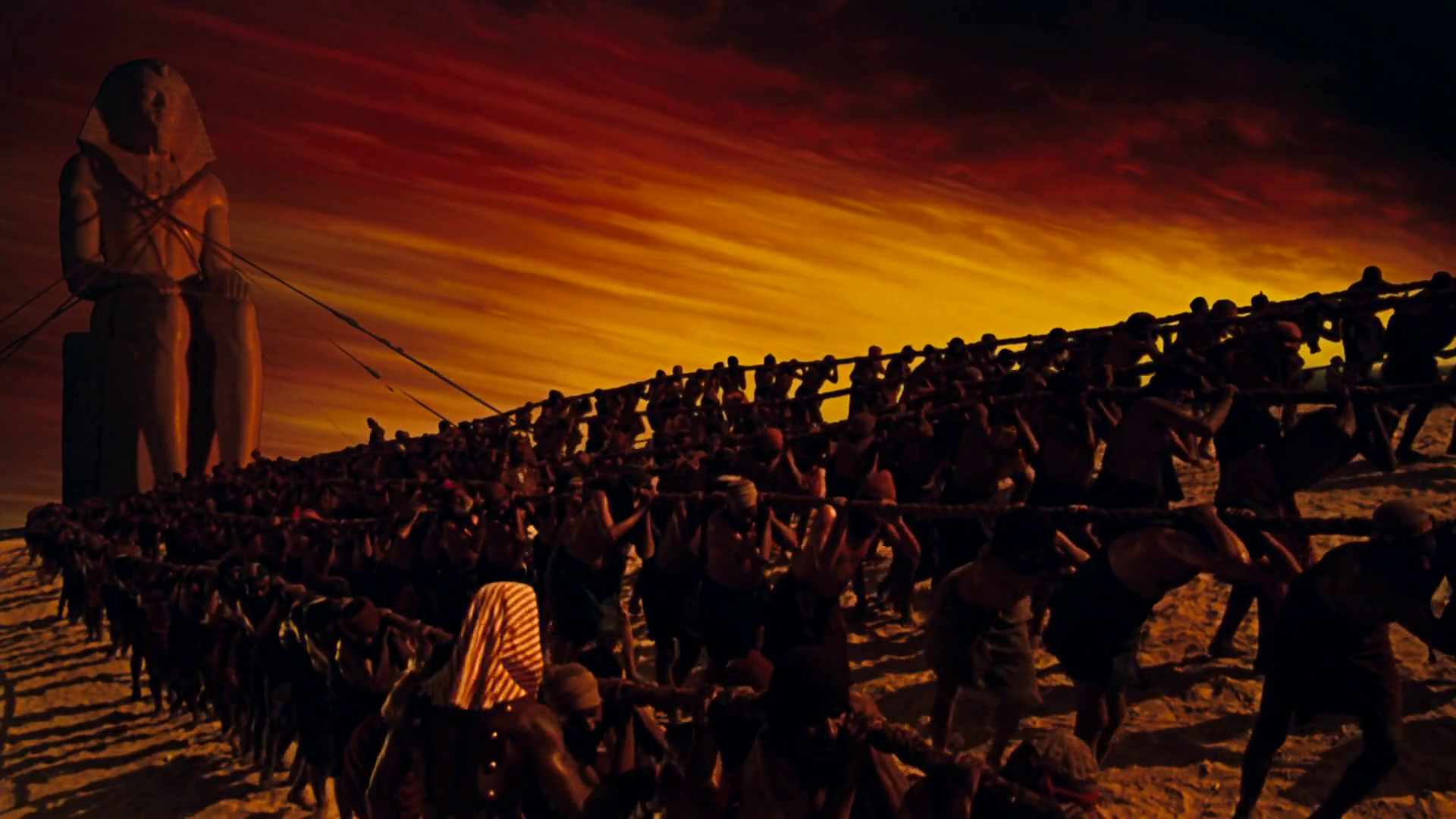
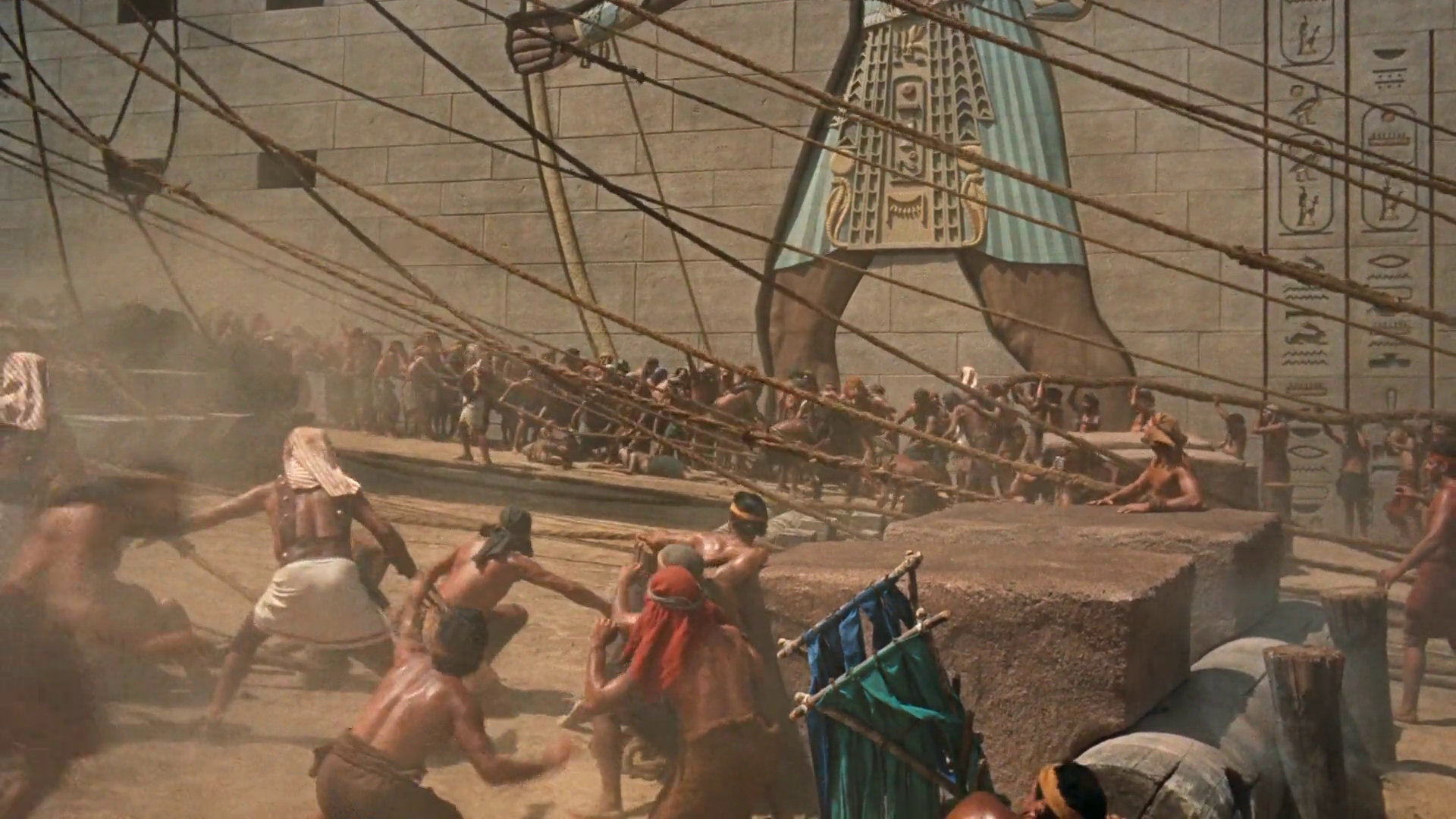
Indeed, Heston and the visuals — including the cinematography, sets, crowds of extras, and costumes — are literally awesome:

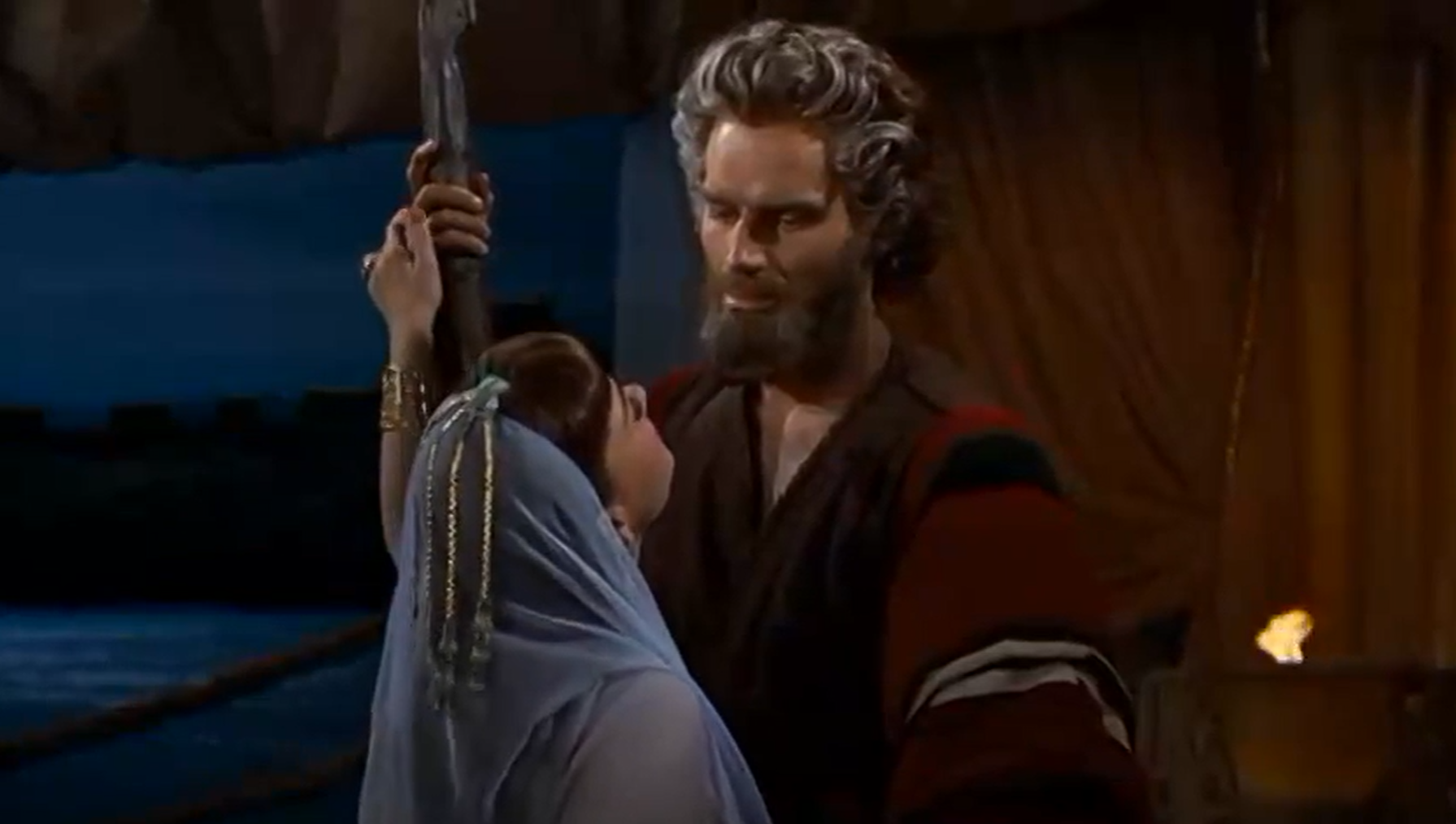
… though the script itself leaves much to be desired; DVD Savant refers to this as an epic film that “is undeniably impressive but strangely primitive” at the same time, noting, “The dialogue in The Ten Commandments alternates between comic-book drivel and grandiose Bible-speak.” With that said, the scene in which all first-born males across the land (young and old) are to be slain (Heston accepts this as God’s inevitable will) is appropriately somber and creepy:

… and Heston-as-Moses remains an enduring hero for the ages. This one is worth at least a one-time watch given its popularity — though be forewarned it’s nearly four hours long.

Redeeming Qualities and Moments:

  • Vibrant cinematography, sets, and costumes


Must See?
Yes, for its historical relevance and cult status. (It’s still played every Passover/Easter on television.)

Categories

  • Cult Movie
  • Historically Relevant
  • Oscar Winner or Nominee

(Listed in 1001 Movies You Must See Before You Die)

Links:

Blood Simple (1984)

Blood Simple (1984)

“Never point a gun at anyone, unless you mean to shoot him. And if you shoot him, you better make sure he’s dead.”

Synopsis:
A controlling bar owner (Dan Hedaya) hires a sadistic private investigator (M. Emmet Walsh) to kill both his wife (Frances McDormand) and the bartender (John Getz) she’s been having an affair with, not realizing he’s putting his own life at stake.

Genres, Themes, Actors, and Directors:

  • Detectives and Private Eyes
  • Infidelity
  • Plot to Murder

Response to Peary’s Review:
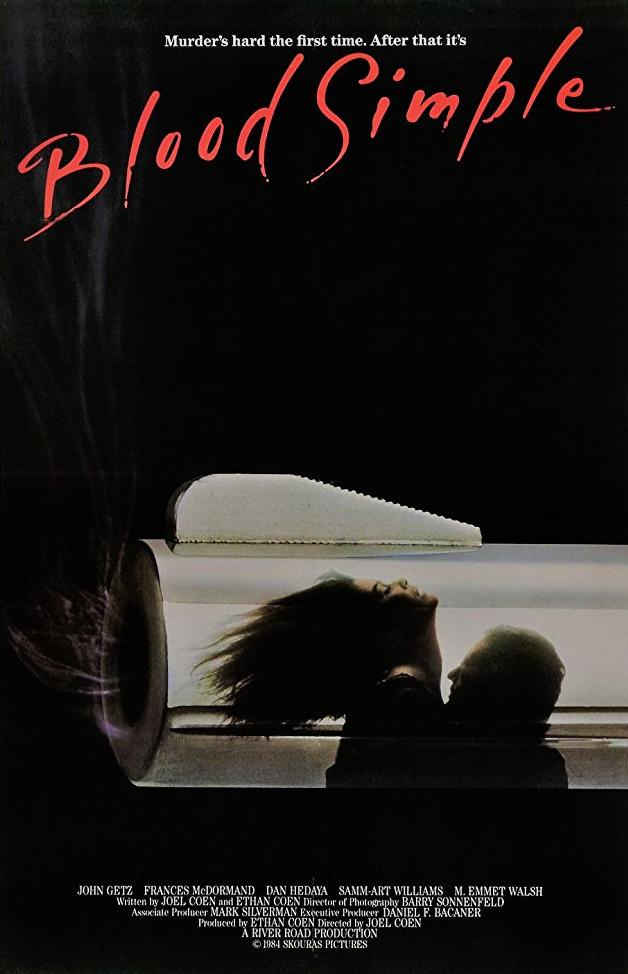
Peary accurately notes that this “exciting debut effort, directed by Joel Coen and produced by his brother Ethan,” blends “elements of forties noir mysteries (particularly the works of James M. Cain), Alfred Hitchcock thrillers, and present-day horror movies”. He writes that after Hedaya’s order for the fatal hits, “stranger, more complicated things happen” and “everyone on screen becomes untrusting, nervous, and bewildered” — indeed, none of the characters ever knows all that’s going on, while audience members remain surprised in other ways throughout the consistently tension-filled (not to mention blood-soaked and darkly humorous) screenplay. Both McDormand (beautiful and compelling in her screen debut) and Walsh give stand-out performances, while cinematographer Barry Sonnenfeld and composer Carter Burwell deserve special mention — though this is the Coen brothers’ show all the way, providing ample evidence of the talent they have continued to collectively showcase for film fanatics.

Note: Blood Simple is an interesting entry in Peary’s book given that, along with Raising Arizona (1987), it represents the beginning of a long string of cult hits by the directing/producing team which would surely be listed in an up-to-date and revised GFTFF, including at least the following: Miller’s Crossing (1990), Barton Fink (1991), Fargo (1996), The Big Lebowski (1998), O Brother, Where Art Thou? (2000), and No Country for Old Men (2007).

Redeeming Qualities and Moments:

  • Frances McDormand as Abby
  • M. Emmet Walsh as Detective Visser
  • Barry Sonnenfeld’s cinematography
  • Many visually memorable moments
  • Carter Burwell’s score

Must See?
Yes, as a modern cult classic.

Categories

  • Cult Movie

Links:

China 9, Liberty 37 (1978)

China 9, Liberty 37 (1978)

Hello, CMBA members! I’m happy to be participating in the Classic Movie Blog Association’s Fall “Outlaws” blogathon. If you’re new to my site, please click here to read more. Welcome!


“I am a gunfighter; you are a woman between husbands.”

Synopsis:
A gunslinger (Fabio Testi) is rescued from hanging by agreeing to kill a man (Warren Oates) who refuses to sell his land to a railroad company. When Testi befriends Oates and has an affair with his wife (Jenny Agutter), his original plans quickly go awry — and soon Oates and his brothers are seeking revenge against both Agutter and Testi.

Genres, Themes, Actors, and Directors:

  • Infidelity
  • Jenny Agutter Films
  • Monte Hellman Films
  • Outlaws
  • Revenge
  • Strong Females
  • Warren Oates Films
  • Westerns

Response to Peary’s Review:
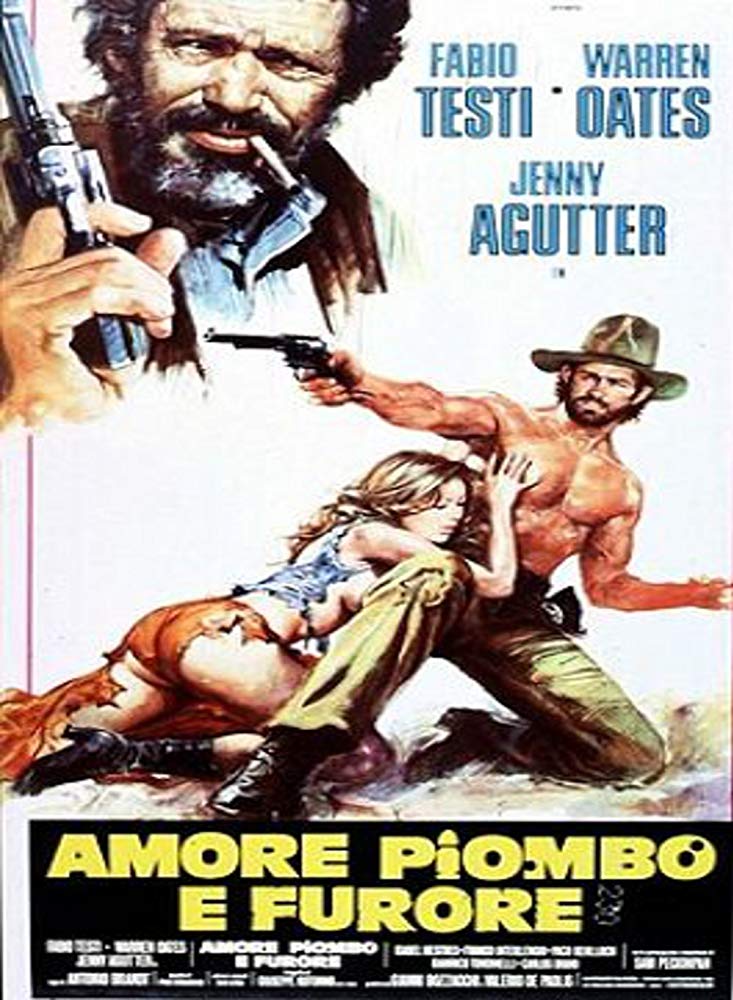
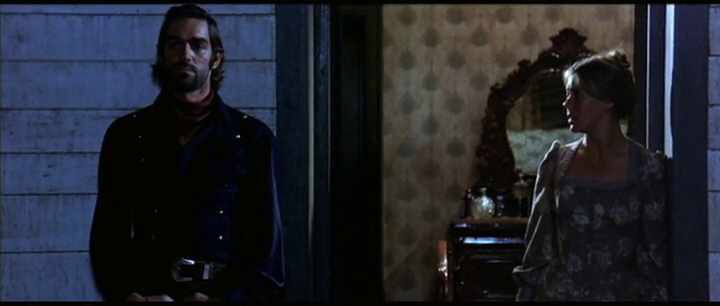
Roger Corman-protege Monte Hellman is best known for helming cult favorites Two-Lane Blacktop (1971) and Cockfighter (1974), as well as two “existential” westerns — Ride in the Whirlwind (1966) and The Shooting (1966) — and this unusually titled outing, made more than a decade later. As Peary writes in his brief review of China 9, Liberty 37 (the title “refers to [a] signpost located between the towns of China and Liberty”), while it’s “not on [the] level of his earlier” westerns, it’s “still a fairly interesting, unusual entry in the genre”, with a “dusty, gritty feel” to it akin to “Italian westerns and the westerns of Sam Peckinpah (who has a bit part)”. He points out that “the epic lovemaking between Testi and Agutter in a river and in a hotel room is noteworthy; except for Anthony Mann’s Man of the West, sex has had no place in the conservative western genre” — and he adds that “certainly this is the only western in which sex is what drives the lead characters”.

I selected this western for inclusion in CMBA’s Fall Outlaws Blogathon because of the unusual shifting of who, exactly, the “outlaws” are as the film progresses. While hired-man Testi is the obvious first candidate, the railroad company requesting Oates’s murder is implicated as well: “outlaws” in this western landscape are clearly operating within a powerful web of industrial corruption.

[SPOILERS ALERT]

Once Oates discover’s Agutter’s affair with Testi and turns violent, Agutter believes she’s killed him in self-defense, and becomes an outlaw alongside her lover. However, when one of Oates’s brothers (Paco Benlloch) runs into the pair and learns what happened to Oates, he is naturally perturbed, and becomes involved in a prolonged kerfuffle that results in his death. When his corpse is delivered to the recovering Oates’s homestead, the plot has thickened considerably: Oates is now out to avenge not only his wife’s infidelity but the killing of his brother. With Agutter clearly penitent (one scene shows her mourning in a church), and honorable Testi returning the money he’s been given for killing Oates — he believes Oates’s “murder” was actually committed by Agutter — it becomes even more difficult to sort out who the “outlaws” actually are here.

Meanwhile, another of Oates’s brothers (Gianrico Tondinelli) attempts to rape Agutter, but is stopped by Oates himself, who nonetheless says, “Go ahead, boy; that’s what whores are for”. Soon the original baddies — men representing the railroad company — set out to kill both Testi (who has not lived up to his agreement) and Oates (who they still want murdered). Testi’s life is saved by a prostitute-with-a-heart-of-gold (and a convenient penchant for sharpshooting), and he’s ultimately able to protect Oates from the killers who have amassed on his property and are waiting to ambush him. Testi’s final showdown with Oates — and the evolving relationship between Oates and Agutter, who appear to be trying to better understand one another and start afresh — is testament to the film’s refusal to categorize individuals (or “outlaws”) as either good or bad; humanity is far more complex than that.

Redeeming Qualities and Moments:

  • Giuseppe Rotunno’s cinematography (shot in Spain and Italy)


  • Pino Donaggio’s eclectic score

Must See?
No, but it’s recommended as an enjoyable outing by an accomplished director.

Links: