Browsed by
Category: Response Reviews

My comments on Peary’s reviews in Guide for the Film Fanatic (Simon & Schuster, 1986).

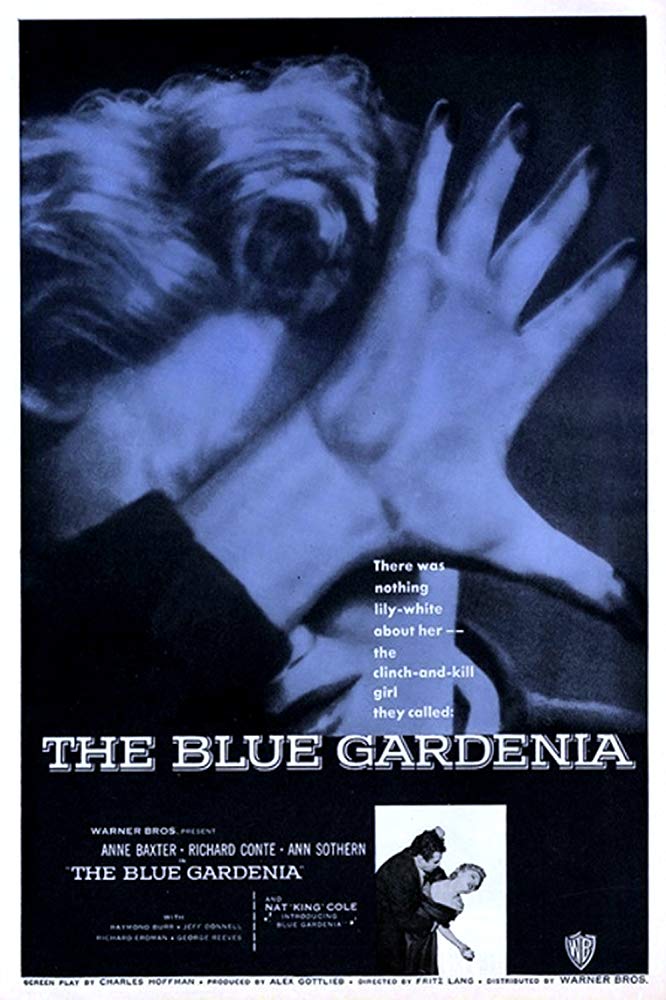
Blue Gardenia, The (1953)

Blue Gardenia, The (1953)

“Sudden death sells papers, son.”

Synopsis:
A woman (Anne Baxter) despondent after being dumped by her long-distance soldier-boyfriend accepts the offer of a womanizing painter (Raymond Burr) to go on a date, not realizing he will ply her with drinks and try to rape her. When Burr is found dead in his apartment the next morning with a blue gardenia lying on the floor, an ambitious reporter (Richard Conte) tries to crack the case by promising to help out the “Blue Gardenia” killer if she calls him.

Genres, Themes, Actors, and Directors:

  • Amateur Sleuths
  • Amnesia
  • Ann Sothern Films
  • Anne Baxter Films
  • Framed
  • Fritz Lang Films
  • Journalists
  • Media Spactacle
  • Raymond Burr Films
  • Richard Conte Films

Response to Peary’s Review:
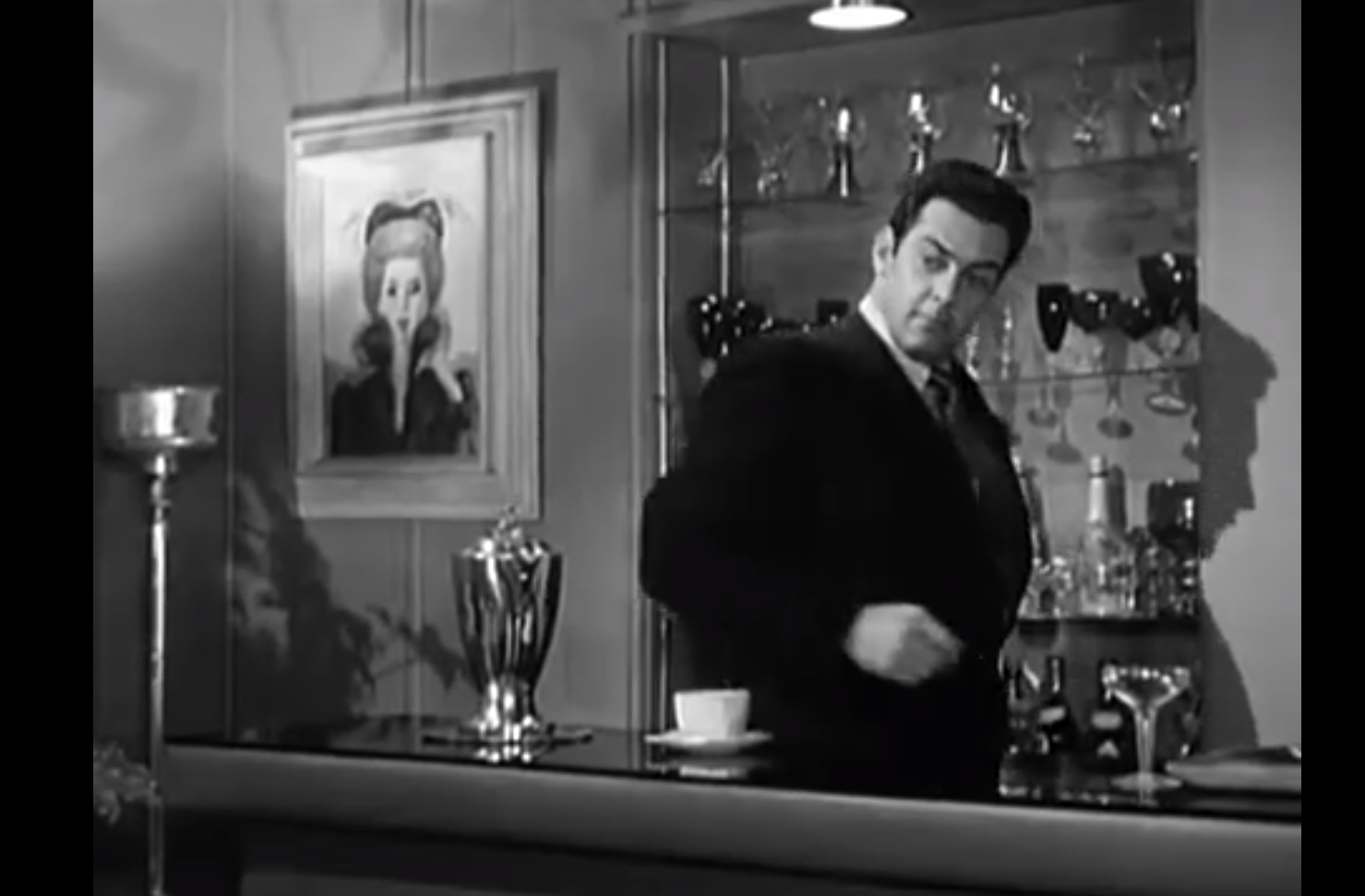
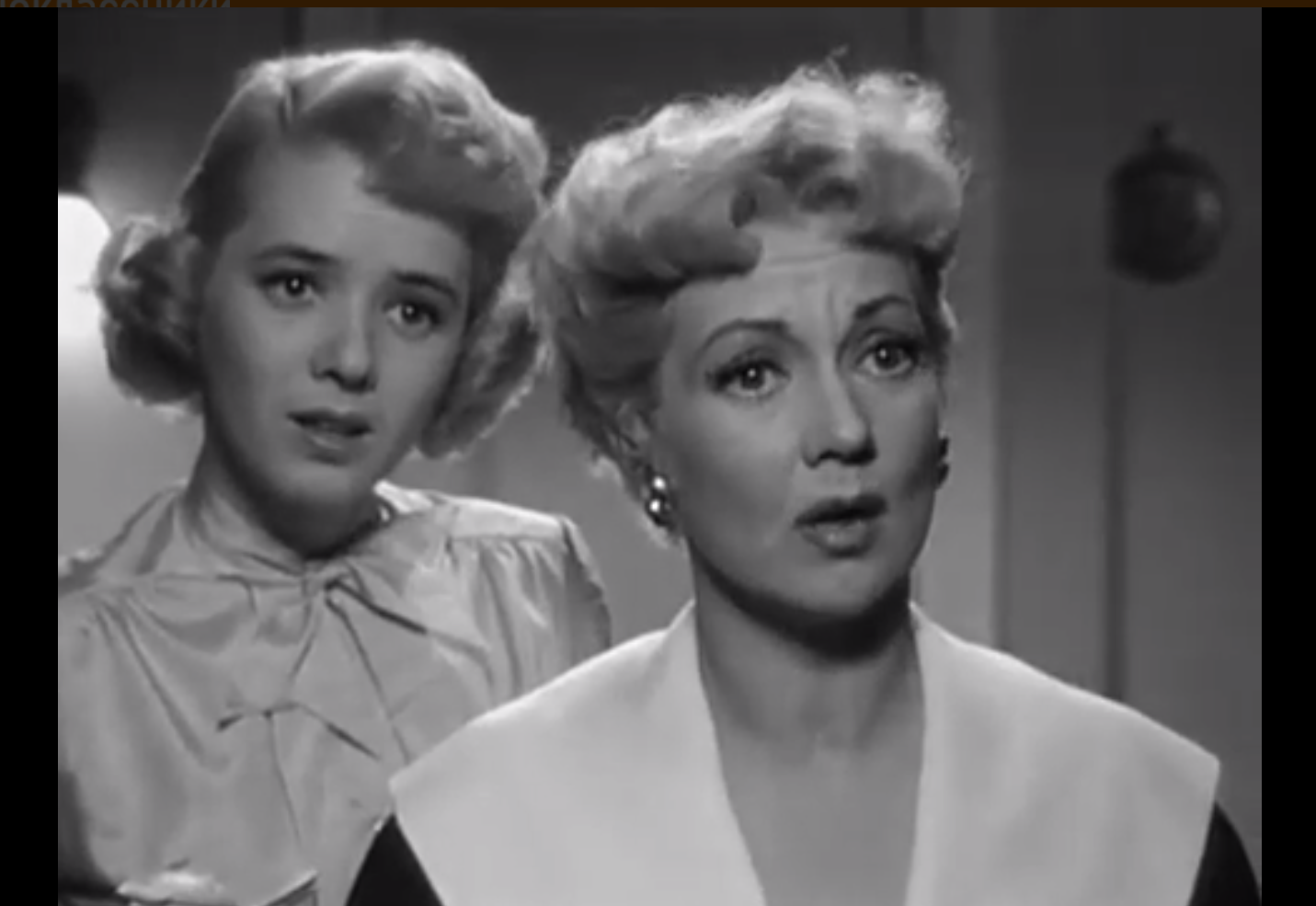
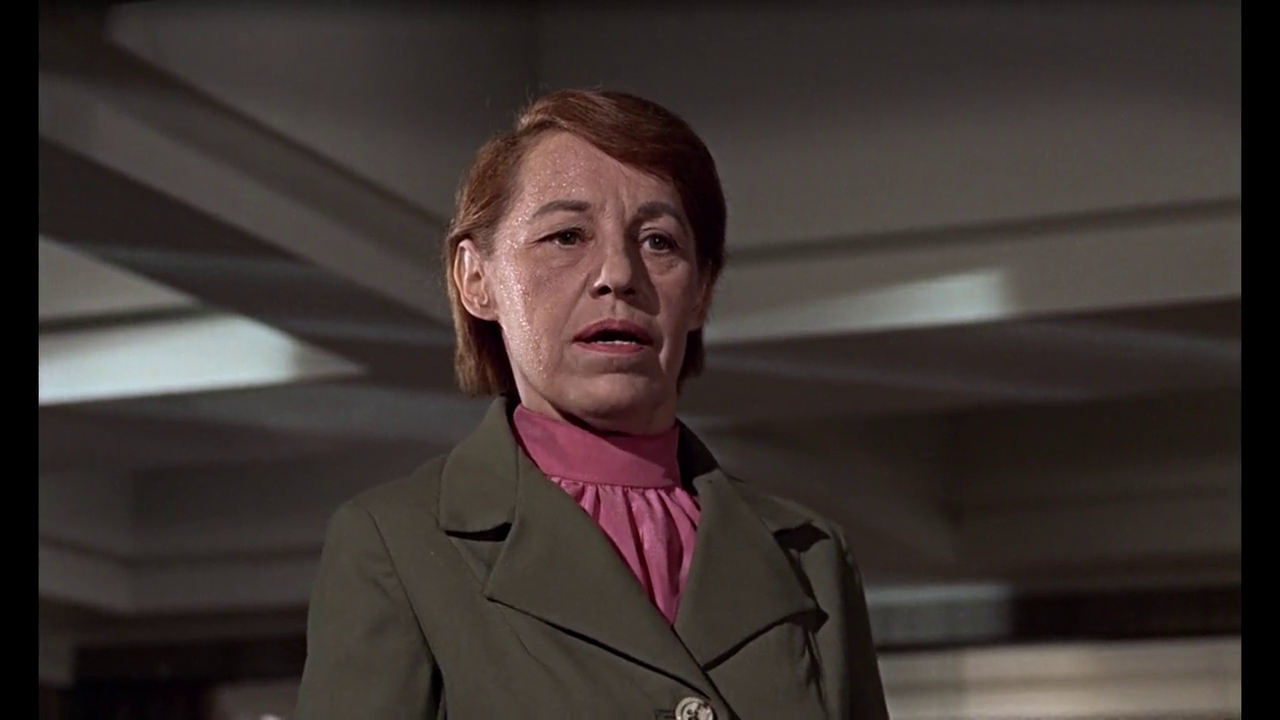
Peary argues that this “mediocre Fritz Lang film takes too long to get started, forcing the final, more interesting scenes to be rushed.” He notes that “typically, Lang has Baxter [the protagonist] ignore her moral senses for a slight indiscretion, fall into fate’s trap, become involved in a crime that she might be convicted of whether innocent or guilty, and become increasingly paranoid that she is alone and everyone is pointing accusing fingers” — though he adds that “significantly, this is the only time Lang lets this happen to a woman.” Indeed, in Ben Sachs’ review of the film for the Chicago Reader, he notes this is “the only Fritz Lang film that could be categorized as a women’s picture”, given that “the central characters are three single women” — Baxter lives with two blonde roommates, divorced Crystal (Ann Sothern) and crime-fiction-obsessed Sally (Jeff Donnell) — “navigating hazards of working life and the dating scene as they try to get by in Los Angeles.” The scenes between the three supportive roommates are among the most memorable in the film, adding a humorous and humane touch to the proceedings. Burr, meanwhile, is effectively menacing, voicing his lines with a thorough degree of veiled creepiness: “Women always surprise me when they take off their… shoes.” While I agree that this Lang flick is nowhere near his best, even one of his “mediocre” outings is worth a one-time look by his fans.

Redeeming Qualities and Moments:

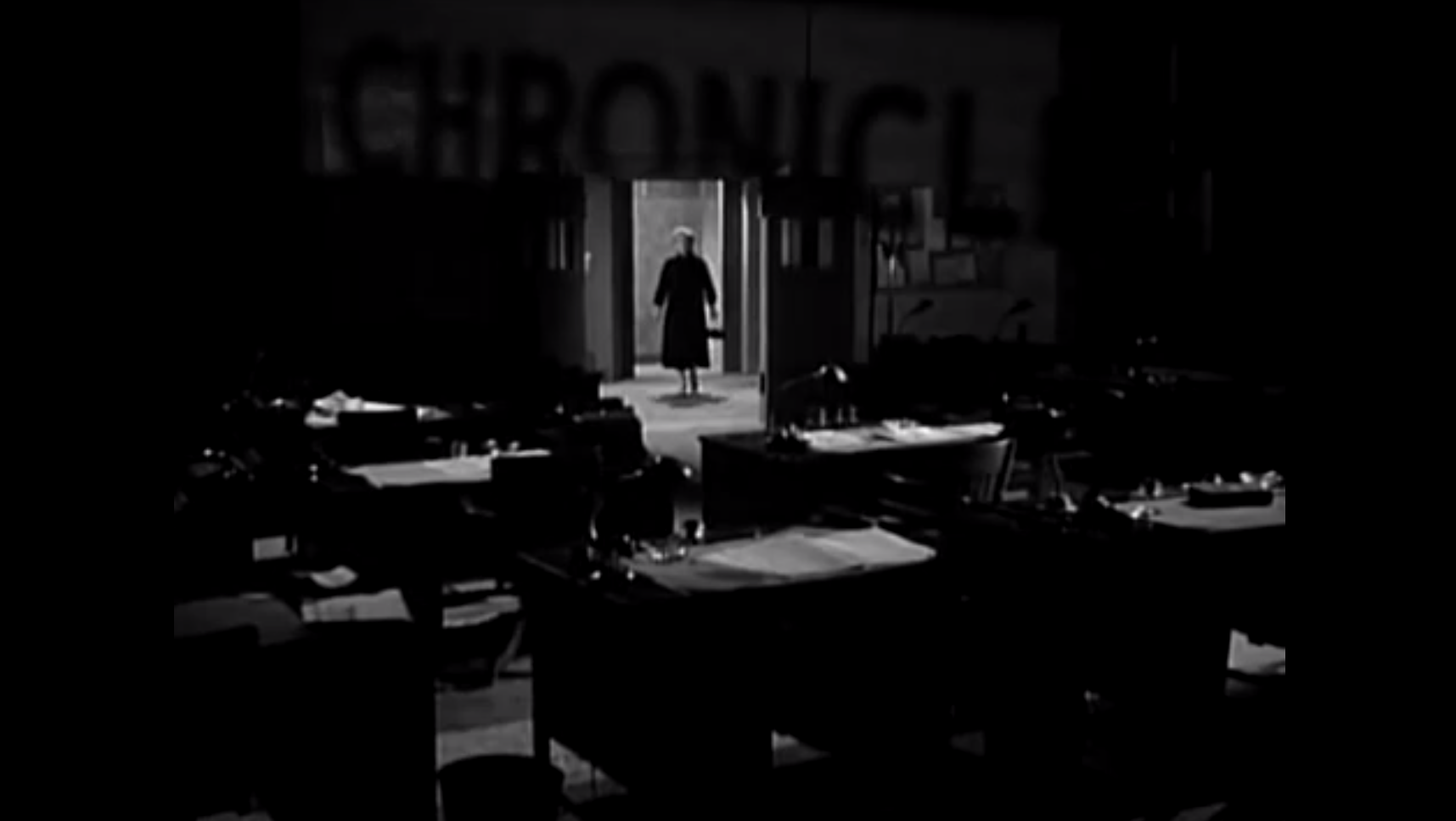
  • Nicholas Musuraca’s atmospheric cinematogrophy
  • Raymond Burr as Harry Prebble
  • Ann Sothern and Jeff Donnell as Norah’s roommates

Must See?
No, though it’s definitely worth a one-time look.

Links:

Losers, The (1970)

Losers, The (1970)

“I didn’t know you were going to show up looking like a bunch of freaks.”

Synopsis:
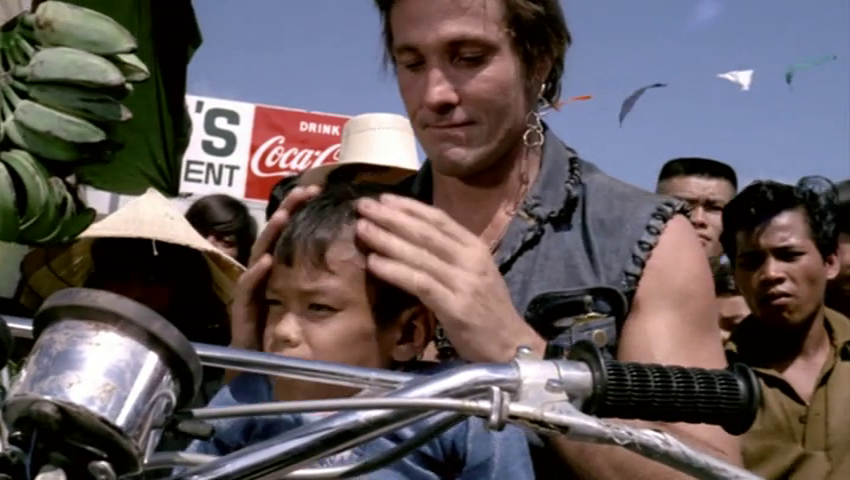
During the Vietnam War, a major (Dan Kemp) convinces a group of Hell’s Angels bikers (William Smith, Paul Koslo, Adam Roarke, Houston Savage, and Eugene Cornelius) to rescue a CIA operative (Jack Starrett) by riding their motorcycles through the jungles of Cambodia.

Genres, Themes, Actors, and Directors:

  • Motorcyclists
  • Nonconformists
  • Vietnam War

Response to Peary’s Review:
Peary argues that this “cult film is almost ruined by repulsive characters and [director Jack] Starrett’s overuse of slow motion during action sequences”, adding that “it’s junk, but one of the few films made during the Vietnam War that dared to chastise American GIs for impregnating and then abandoning Vietnamese women and, even more significantly, suggest that the U.S. government had no concern for our soldiers in Southeast Asia” — an idea brought home in the powerful and “depressing ending”. I disagree that this film is “junk”, instead aligning more with Stuart Galbraith, IV’s review for DVD Talk, in which he writes: “Filmed near the height of the Vietnam War, it’s one of the very few American movies of that period set right in the thick of the fighting, and its graphic violence and extreme pessimism toward the war — this despite the movie’s outrageous premise — make it a fascinating time capsule for those reasons alone.” There’s something appealing about the idea of sending Hell’s Angels into a P.O.W. zone to kick ass and help out; not only that, but these long-haired “losers” show unexpected creativity and cleverness in the final jail-break sequence.

Note: Film fanatics may recognize strong-jawed Smith as the lead male character from Invasion of the Bee Girls (1973).

Redeeming Qualities and Moments:

  • An unusual and intriguing premise
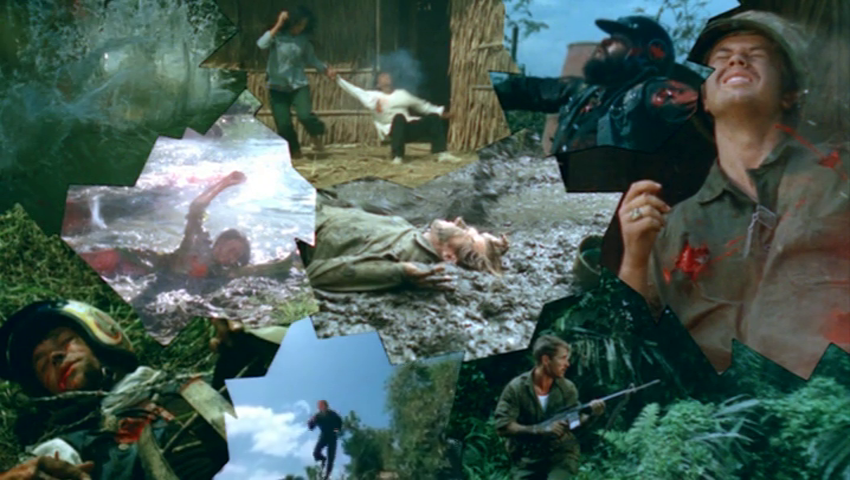
  • The creative closing collage image

Must See?
No, though it holds interest as a cult flick.

Links:

Watch on the Rhine (1943)

Watch on the Rhine (1943)

“I do what must be done. That is what I know how to do.”

Synopsis:
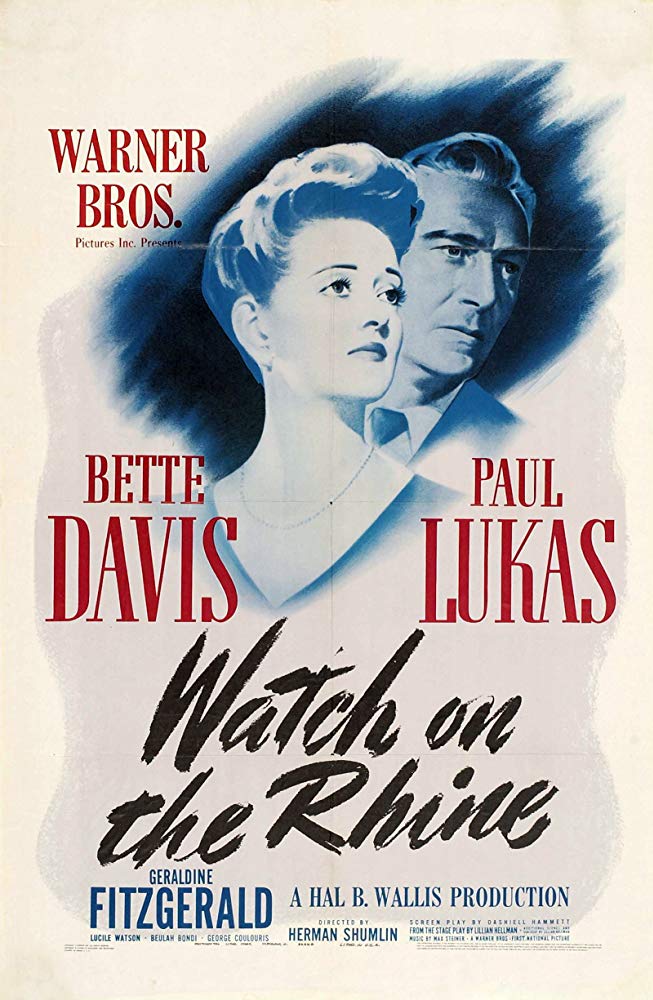
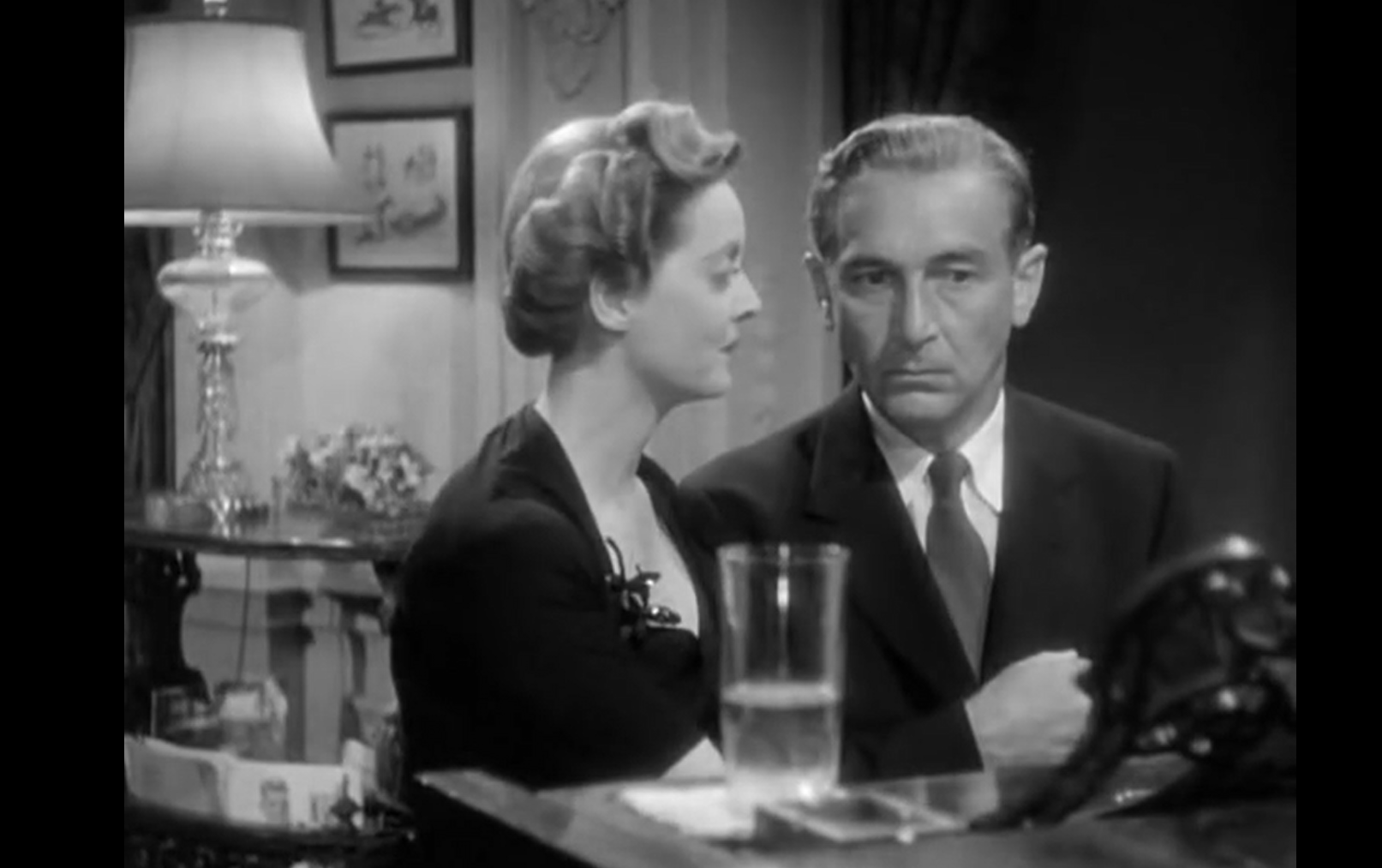
During World War II, a German-born engineer and resistance fighter (Paul Lukas) travels to America with his wife (Bette Davis) and three kids (Donald Buka, Janis Wilson, and Eric Roberts) to live in the home of his widowed mother-in-law (Lucile Watson) and brother-in-law (Donald Woods), where a house-guest (Geraldine Fitzgerald) and her shifty, suspicious husband (George Coulouris) are also staying.

Genres, Themes, Actors, and Directors:

  • Bette Davis Films
  • Beulah Bondi Films
  • Geraldine Fitzgerald Films
  • Nazis
  • Paul Lukas Films
  • Play Adaptation
  • Resistance Fighters
  • World War Two

Response to Peary’s Review:
Peary writes that Dashiell Hammett’s adaptation of “Lillian Hellman’s 1941 anti-fascist play… probably wasn’t as stagy in the theater”. He points out that “characters gather in a room and, instead of engaging in believable discussion, take turns giving high-minded speeches that express their views of the global situation — and explain how they fit in”; he notes that “even the children — the type you’d consider returning to the orphanage [!] — seem to be indoctrinated rather than speaking from the heart.” He adds that “even with all the problems, however, the picture remains unique in that its major character, a sympathetic character, is a professional resistance fighter… and he is allowed to shoot and kill an unarmed fascist without being arrested or killed himself.”

In Alternate Oscars, Peary gives the Best Actor award to Humphrey Bogart as Rick in Casablanca rather than Lukas in this film, noting that the “Hungarian Lukas was much better playing foreign villains in The Lady Vanishes and Confessions of a Nazi Spy than he was as leading men”: Peary asserts that Lukas’s performance here “is as shaky as the alcoholic Rick’s hand — at times he sounds like Bela Lugosi.” (Ouch!) Unfortunately, I’m in agreement with most of Peary’s points: this is indeed a stagy, speech-filled film, one which was likely excellent propaganda but hasn’t held up well as a drama (and is terribly acted by the kids).

With that said, I don’t find Lukas’s characterization “shaky”, and disagree with Peary’s assertion that Davis gives a “bad performance” — rather, her role is minor, and thus unusual for someone of her stature.

Redeeming Qualities and Moments:

  • Paul Lukas as Kurt Muller

Must See?
No, though it’s worth a one-time look for its historical relevance.

Links:

Jezebel (1938)

Jezebel (1938)

“Marriage, is it? To that washed out little Yankee? Pres is mine — he’s always been mine!”

Synopsis:
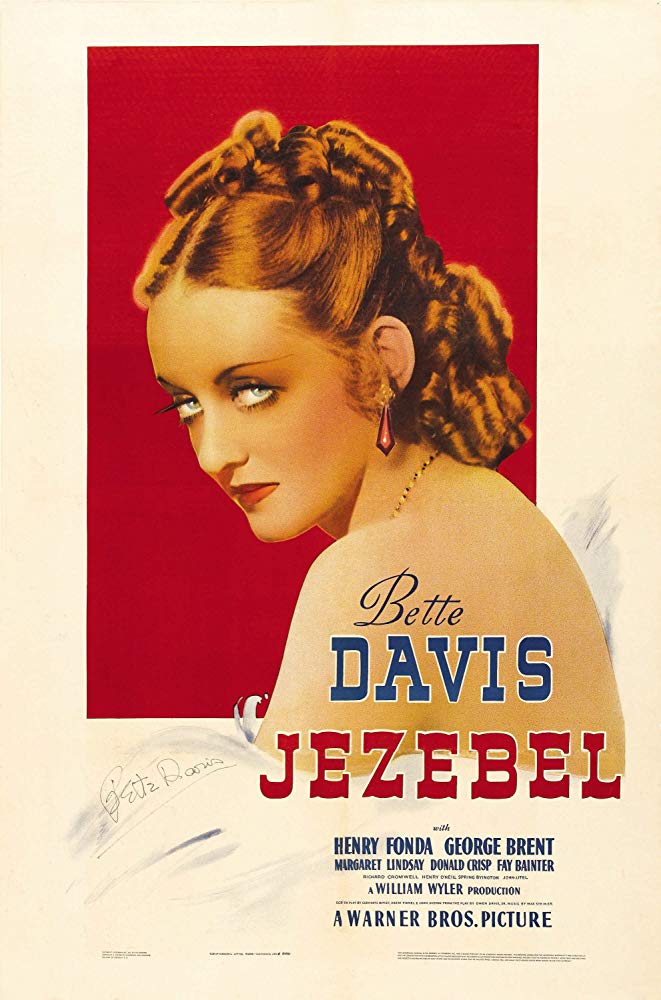
A headstrong Southern belle (Bette Davis) jeopardizes her engagement to a conservative banker (Henry Fonda) by scandalously wearing a red dress to a ball, then experiences extreme jealousy when he marries a woman (Margaret Lindsay) from up north.

Genres, Themes, Actors, and Directors:

  • Bette Davis Films
  • Deep South
  • Donald Crisp Films
  • Fay Bainter Films
  • George Brent Films
  • Henry Fonda Films
  • Historical Drama
  • Jealousy
  • Love Triangle
  • William Wyler Films

Response to Peary’s Review:
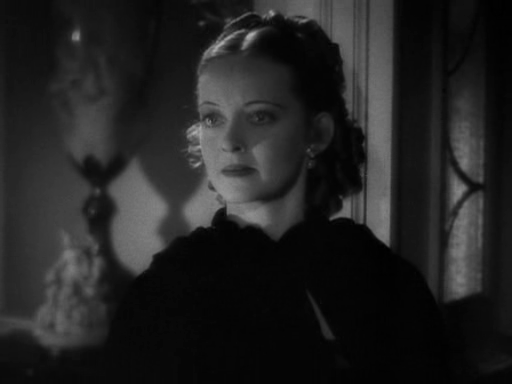
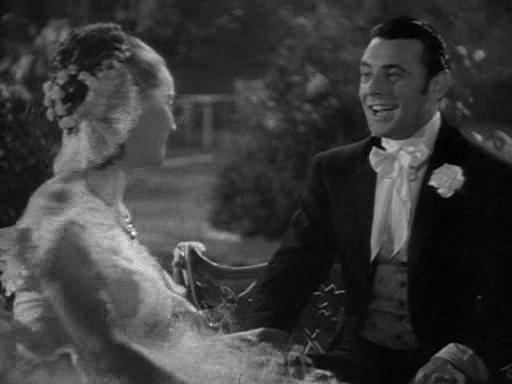
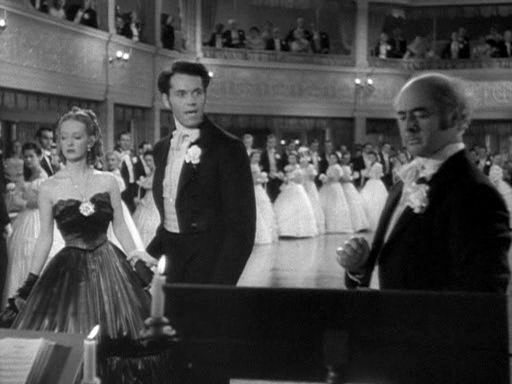
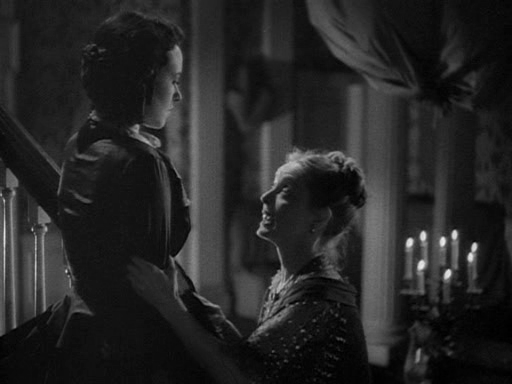
Warner Brothers’ million-dollar “antebellum costume drama” — directed by William Wyler “with his customary attention to period detail” — is notable in cinematic history as Davis’s consolation prize for not securing the role of Scarlett O’Hara in Gone With the Wind (1939). Peary argues that it “suffers because of too much chit-chat about what’s proper in southern society and the embarrassing portrayal of the black slaves (a happy-go-lucky, singing lot)” — but he concedes that “the large-eyed Davis is a joy to watch, whether stirring up things at the ball, humbly apologizing to Fonda, or, in the film’s highlight, convincing Lindsay… to let her take care of the seriously ill Fonda.” However, in Alternate Oscars — where Peary names Margaret Sullavan in Three Comrades as Best Actress of the Year instead — he writes that while it’s “fun to watch Davis in one of her most ostentatious roles”, the “more one sees this hokey film, the less interesting is [her] character”, a woman who (unlike Scarlett) is “empty at the core”. I disagree: Davis’s Julie is clearly presented as a brash, privileged white woman who is used to having her own way and defying society’s (often illogical) rules, but she eventually undergoes a character arc that’s refreshing to behold. With that said, I agree with Peary that the presentation of slaves in this film is distressingly demeaning; and it’s frustrating not to see Julie’s oh-so-scandalously-red dress in — well, red. This isn’t a great film, but Davis’s performance — as well as fine supporting performances by Fay Bainter as Julie’s aunt and George Brent as her would-be suitor — makes it worth a one-time look.

Redeeming Qualities and Moments:

  • Bette Davis as Julie
  • Fay Bainter as Aunt Belle
  • George Brent as Buck Cantrell
  • Fine cinematography and direction

Must See?
Yes, once, for its historical relevance as Davis’s second Oscar-winning role.

Categories

  • Oscar Winner or Nominee

(Listed in 1001 Movies You Must See Before You Die)

Links:

Wee Willie Winkie (1937)

Wee Willie Winkie (1937)

“Fear God, honor the queen, shoot straight, and keep clean!”

Synopsis:
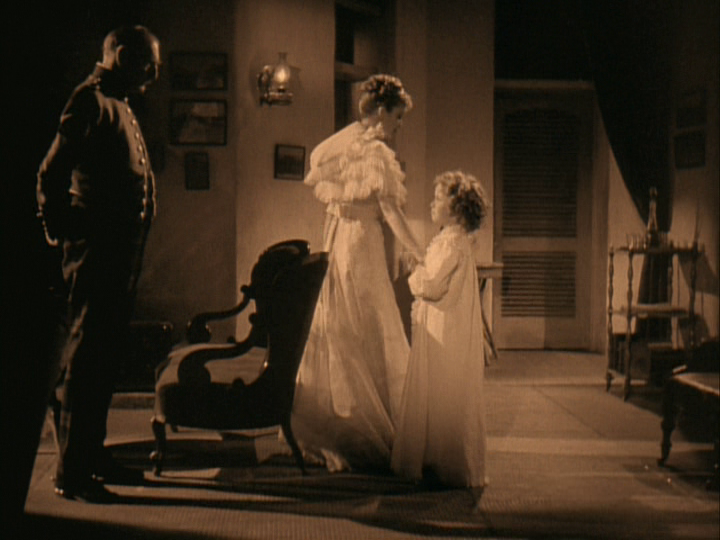
A young girl (Shirley Temple) and her widowed mother (June Lang) go to British-controlled India in the early 1900s to live with Lang’s crusty father-in-law, Colonel Williams (C. Aubrey Smith), at a military outpost. Once there, Temple befriends both a kilt-wearing sergeant (Victor McLaglen) and an imprisoned rebel (Cesar Romero), eventually helping to bring peace to her region.

Genres, Themes, Actors, and Directors:

  • Cesar Romero Films
  • India
  • John Ford Films
  • Military
  • Peacemakers
  • Shirley Temple Films
  • Victor McLaglen Films

Response to Peary’s Review:
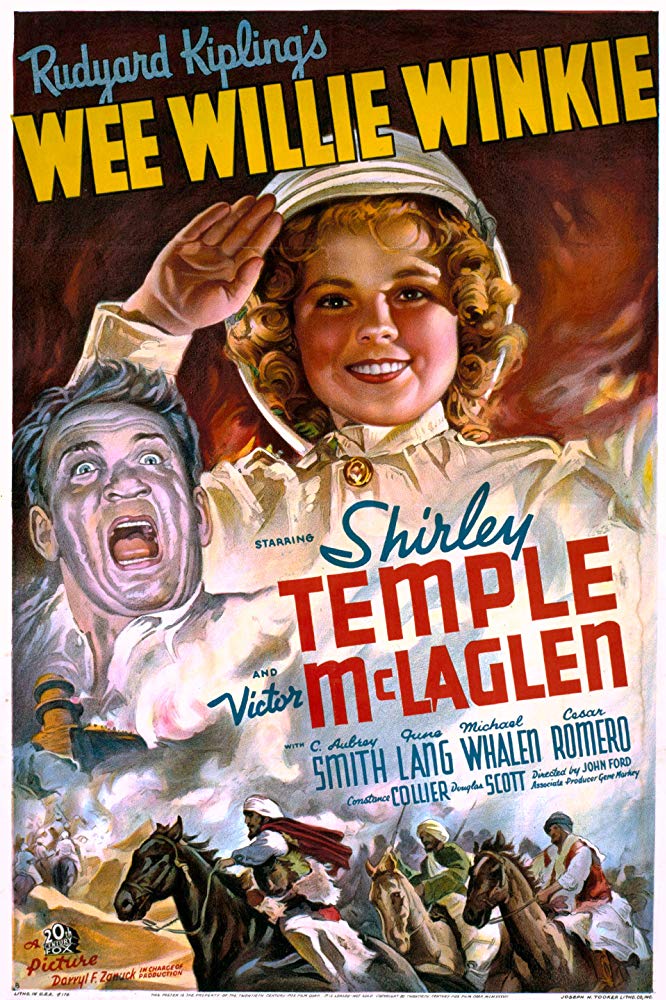
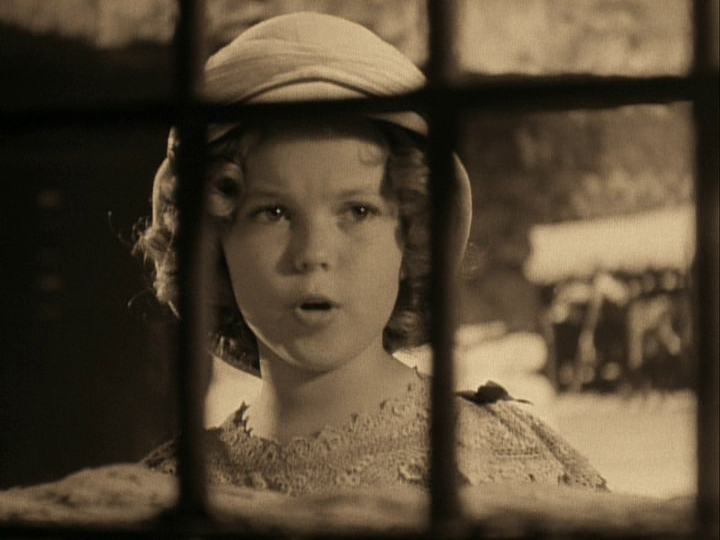
Peary writes that while this “enjoyable period piece” was “not a pivotal work in John Ford’s illustrious career”, it was “one of Shirley Temple’s finest films.” He argues that “if you ever wondered what qualified the adult Shirley Temple to be an ambassador,” you should “just take a look at her films in which the little girl repeatedly pacified gruff adults” — including this one, in which she “tames two indomitable warriors and brings about peace between their warring nations” while forming “what is essentially a comedy team with rough but sentimental Sergeant Victor McLaglen.” He notes that the “film has visual beauty, exciting action scenes, humor, [and] strong characterizations”, and asserts that it “has warmth rather than the sentimentality one usually associates with both Ford and Temple”. Peary’s uniformly positive review reveals his own partiality for both Ford and Temple — and while I appreciate that these figures are each undeniably essential components of cinematic history, this film (which, I’m afraid, is overly sentimental) isn’t a collective must-see. Ford made many other must-watch classics viewers should turn to first — and those hoping to see Temple at her most charming can seek out The Littlest Rebel (1935) instead.

Redeeming Qualities and Moments:

  • Fine performances by Temple and her supporting cast

  • Arthur C. Miller’s cinematography

Must See?
No, though of course Shirley Temple fans will want to see it.

Links:

Goldfinger (1964)

Goldfinger (1964)

“No, Mr. Bond — I expect you to die!”

Synopsis:
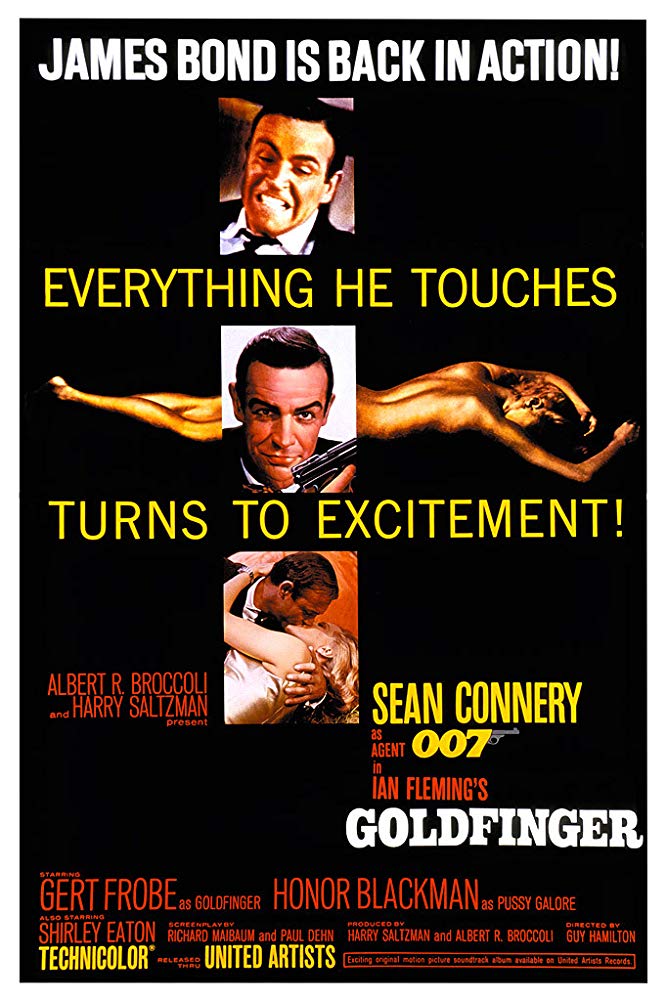
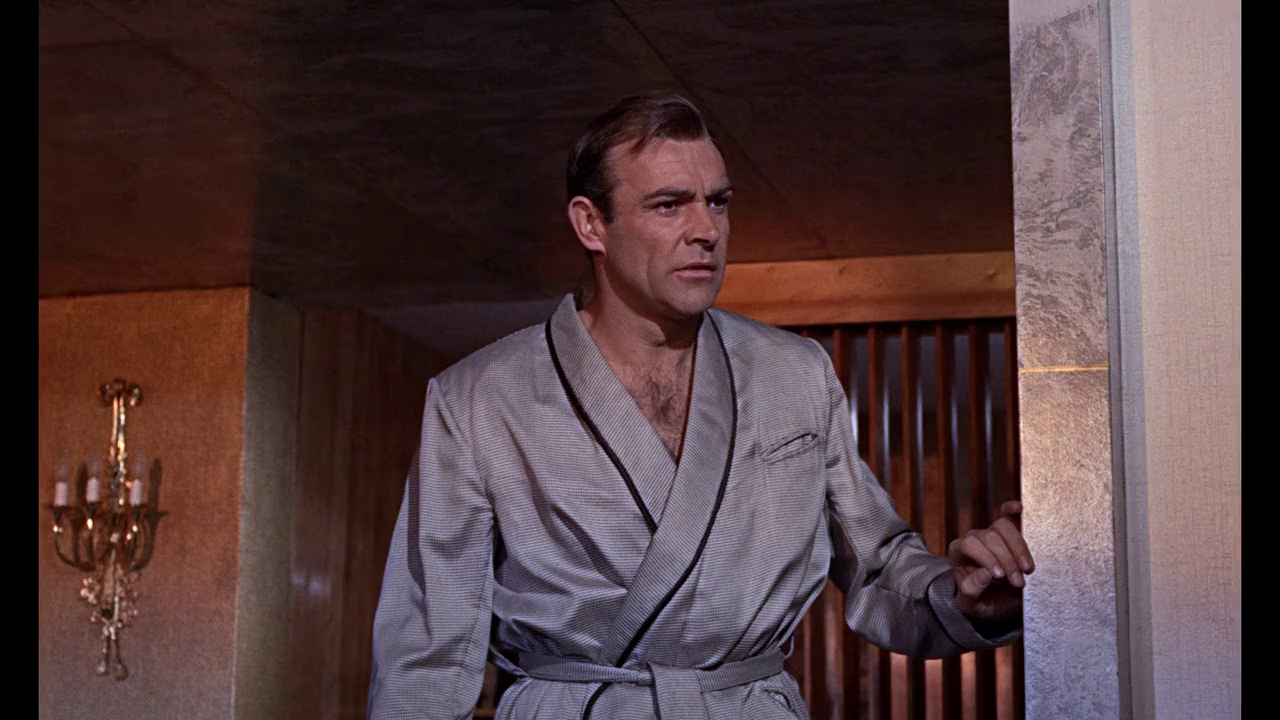
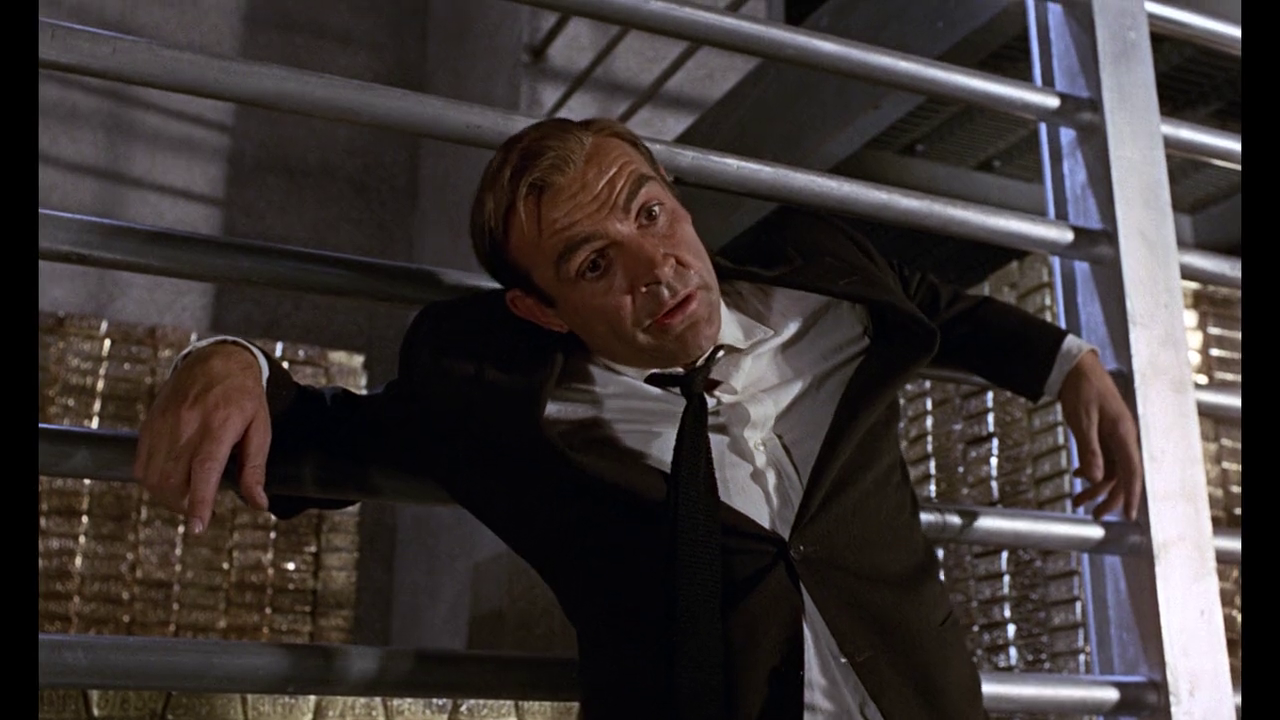
British special agent James Bond (Sean Connery) battles against a megalomaniac millionaire named Goldfinger (Gert Frobe) who receives assistance from a Korean henchman named Odd Job (Harold Sakata) and a judo-fighting pilot named Pussy Galore (Honor Blackman) as he plans to radiate all the gold in Fort Knox.

Genres, Themes, Actors, and Directors:

  • Cold War
  • James Bond Films
  • Sean Connery Films
  • Spies
  • World Domination

Response to Peary’s Review:
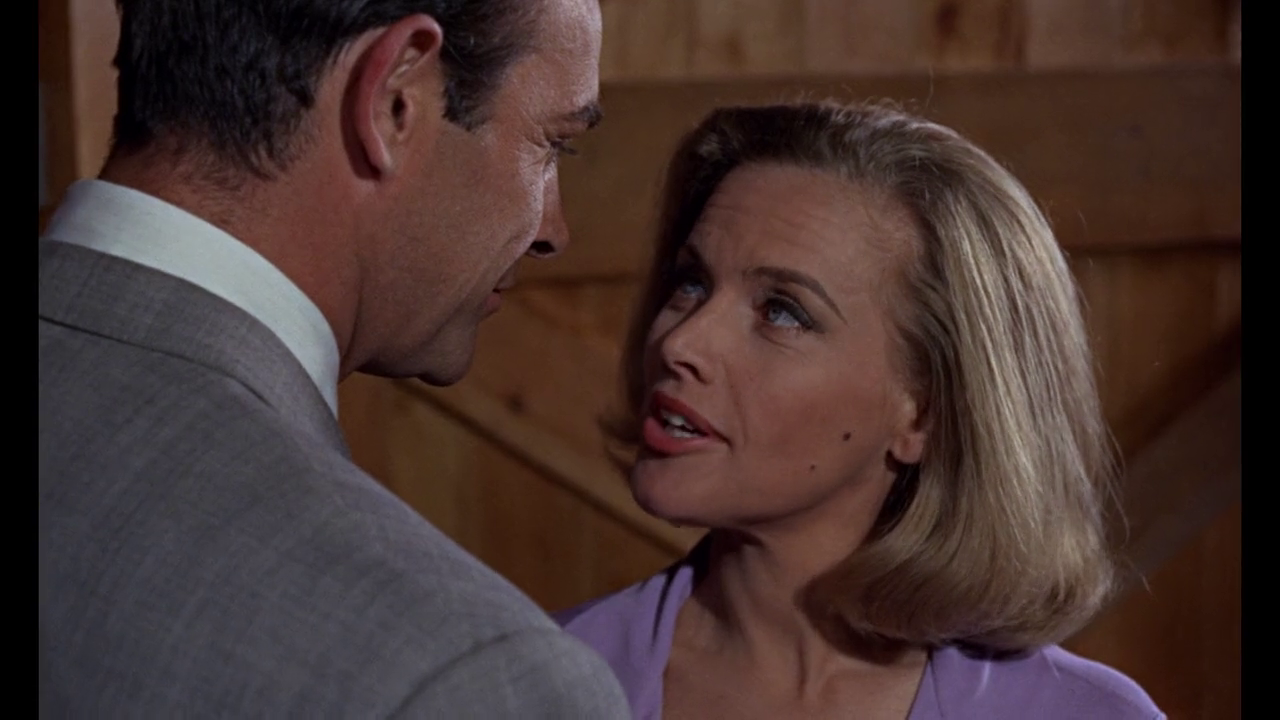
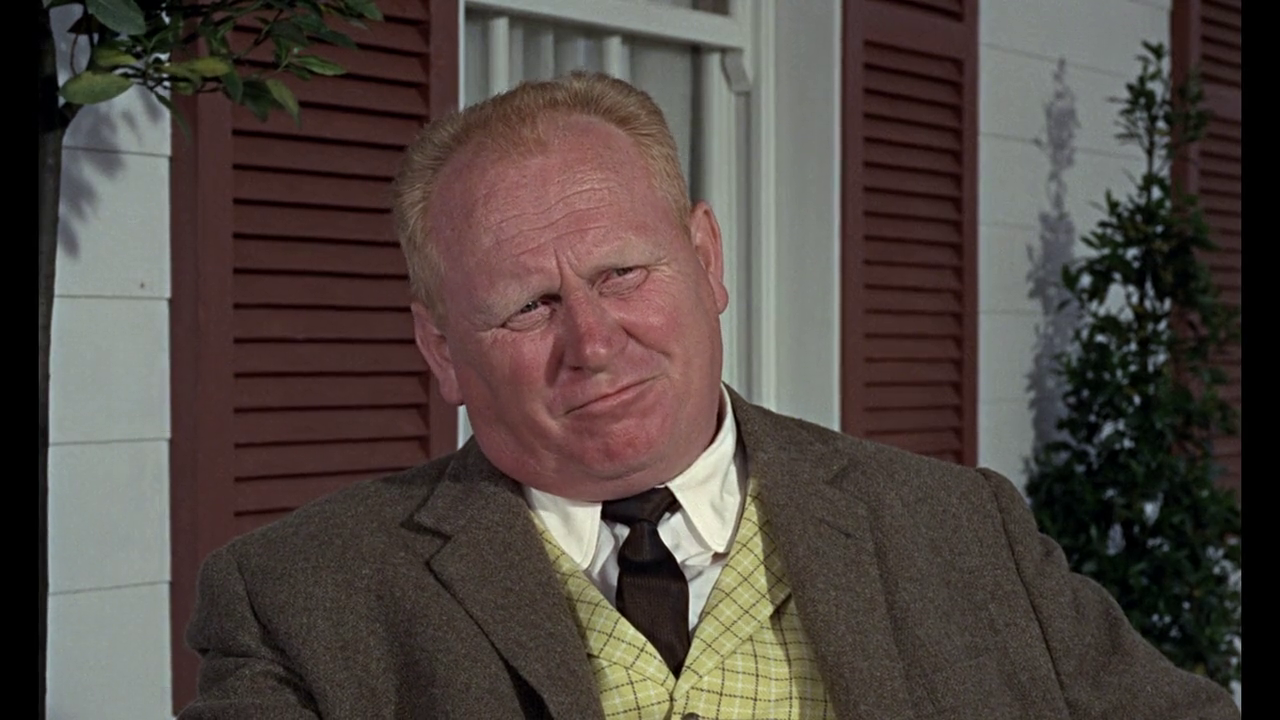
Peary writes that this “third and best of the James Bond films starring Sean Connery” stars “two diabolical villains” (“gold-mad Auric Goldfinger… and his invincible henchman, Oddjob”) and features “two sexy women (both of whom work for Goldfinger) to seduce: blonde Jill Masterson (Shirley Eaton), who dies when Frobe covers her with gold paint, and brunette ‘Pussy’ Galore (Honor Blackman), a lesbian pilot who falls for Bond’s charms.”

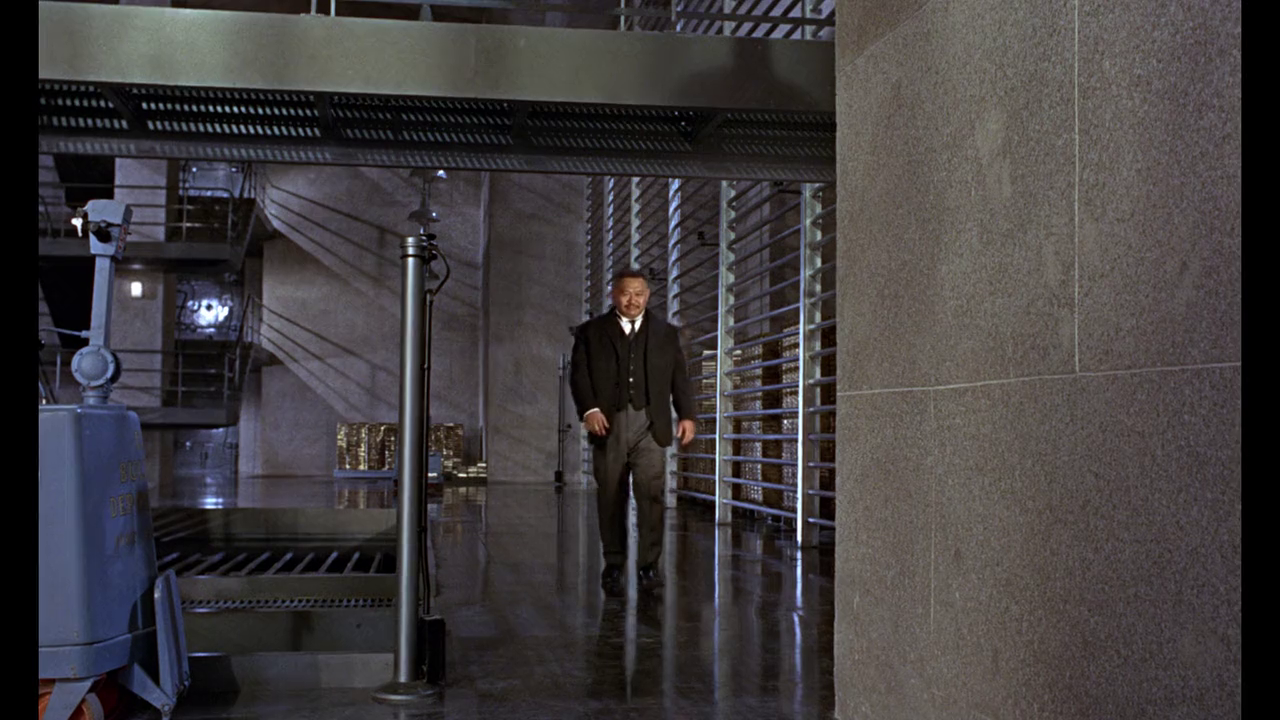
He points out that the film is filled with “lots of humor, gimmicks (Bond uses his Aston-Martin’s passenger-ejection seat to get rid of one of the villains), excitement (captured Bond watches a laser beam rip through the table he lies on, nearly zapping his crotch), an amusing yet tense golf contest between Bond and Goldfinger, thrilling fights to the death between Bond and Oddjob and Bond and Goldfinger, and a fascinating central crime: Goldfinger wants to destroy all the gold in Fort Knox to both ruin America’s economy and greatly increase the value of his own gold.”

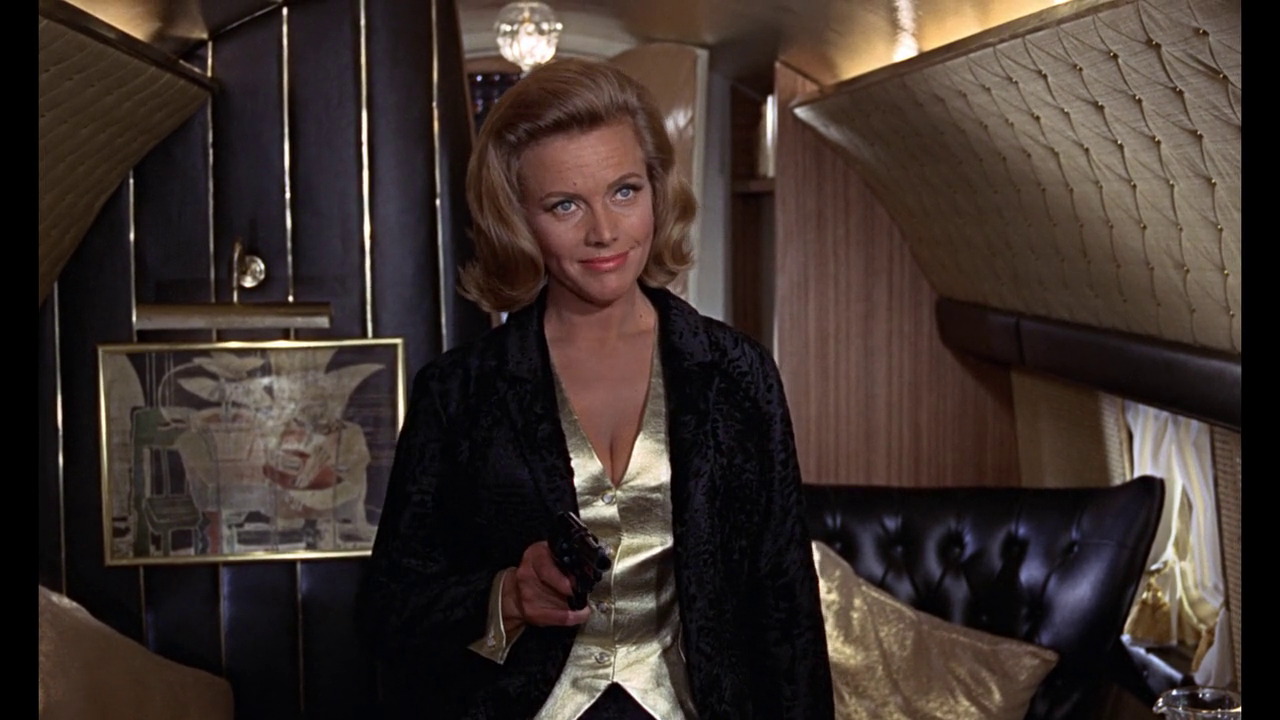
Peary adds that while this film is “most enjoyable”, it’s “too bad Eaton’s part isn’t longer and that Frobe’s Goldfinger, a heavy but nimble intellectual in the Sydney Greenstreet tradition, never appeared in another Bond film.” Regardless, there’s no denying that this film succeeds on just about every count — though modern viewers will want to be forewarned about the infamously disturbing “consensual rape” scene, and use caution if watching this movie with kids or teens. (Be prepared for a challenging but important discussion, not only about sex and women but about racial depictions.) With that said, Pussy Galore remains one of the delights of powerful women in cinema — she’s mesmerizing in every scene, and she can’t help the screenplay developments her character is saddled with. Best of all, however, are the many seat-clenching action sequences — zowie, is this film filled with them!

Redeeming Qualities and Moments:

  • Sean Connery as James Bond (nominated as one of the Best Actors of the Year in Peary’s Alternate Oscars)
  • Honor Blackman as Pussy Galore
  • Gert Frobe as Goldfinger
  • Harold Sakata as Oddjob
  • Ted Moore’s cinematography
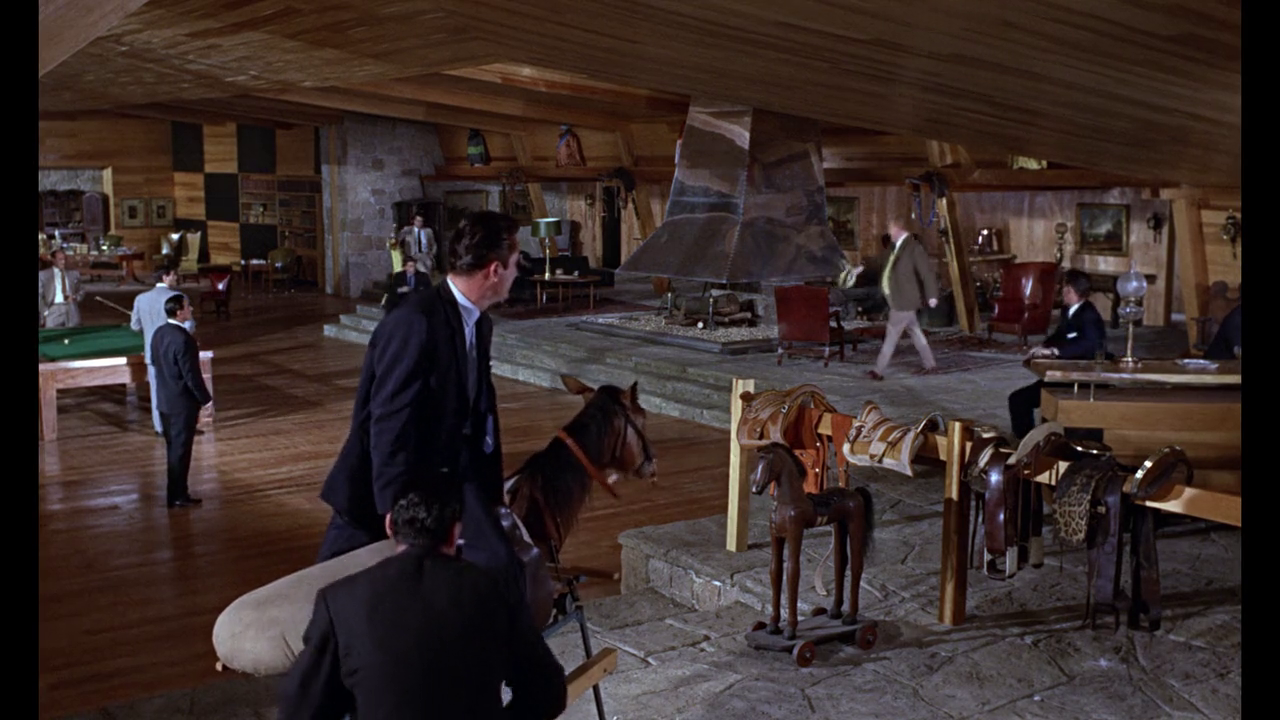
  • Many memorable, exciting sequences and locales


  • The thrilling finale
  • John Barry’s score
  • Shirley Bassey’s rendition of the title song

Must See?
Yes, as one of the most enjoyable entries in the Bond franchise.

Categories

  • Good Show

(Listed in 1001 Movies You Must See Before You Die)

Links:

From Russia With Love (1963)

From Russia With Love (1963)

“Training is useful, but there is no substitute for experience.”

Synopsis:
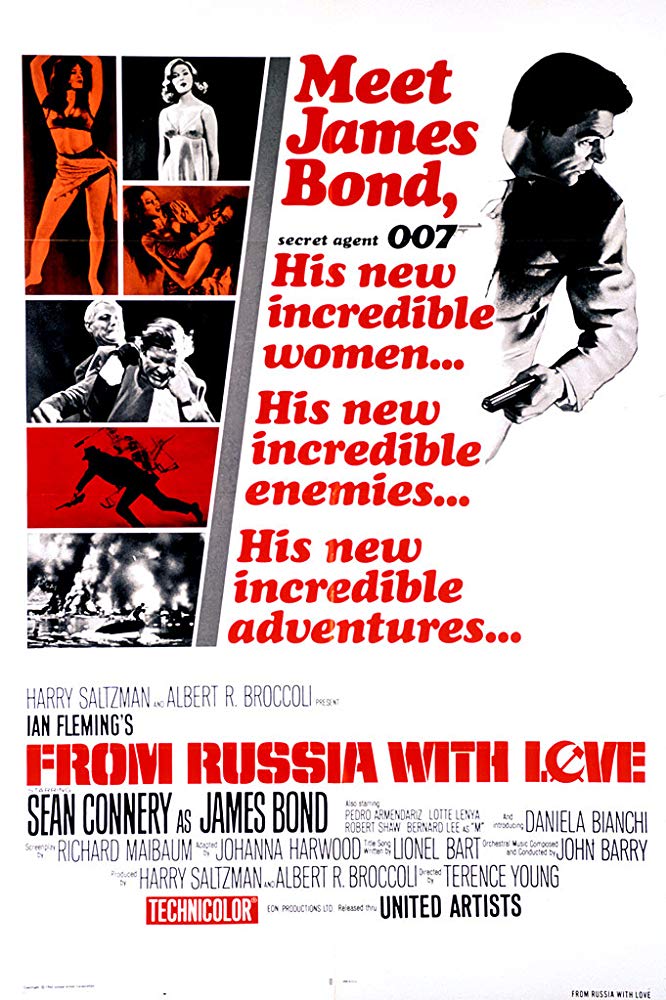
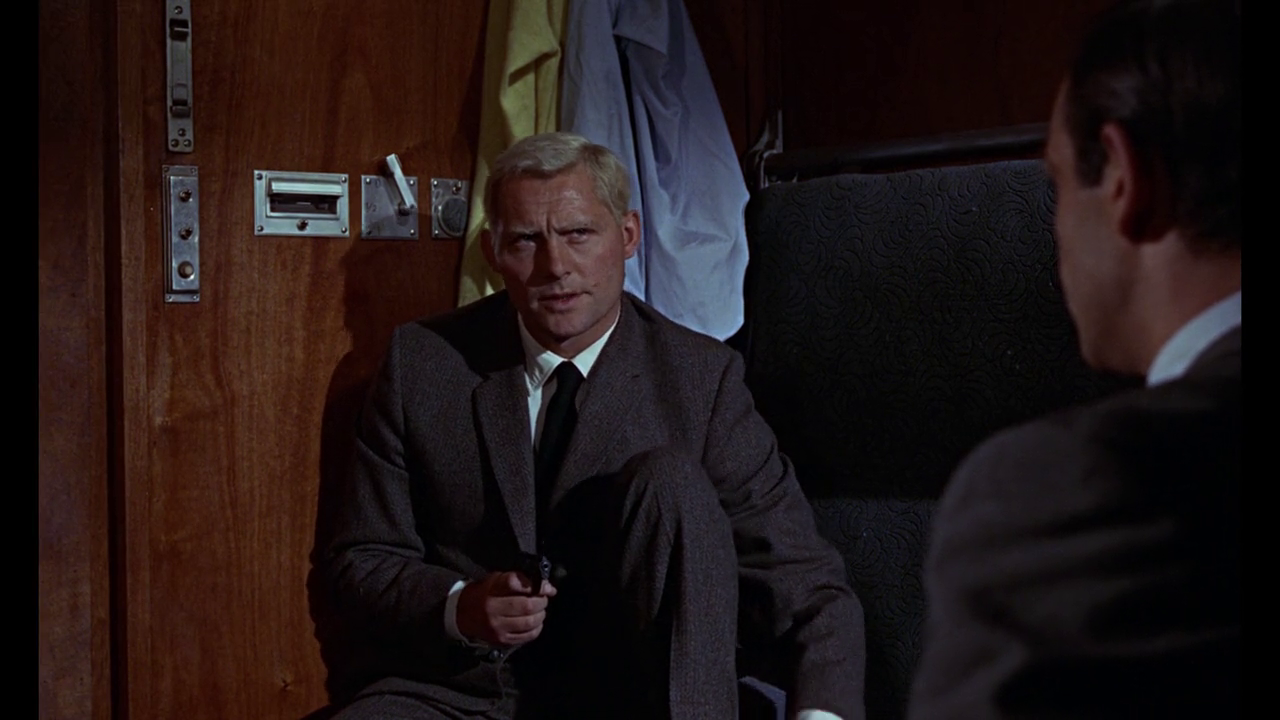
Secret agent James Bond (Sean Connery) is sent to retrieve a decoding box known as the Lektor from a beautiful Russian (Daniela Bianchi), not knowing he’s being stalked by a psychopathic British traitor (Robert Shaw).

Genres, Themes, Actors, and Directors:

  • Cold War
  • James Bond
  • Robert Shaw Films
  • Sean Connery Films
  • Spies

Response to Peary’s Review:
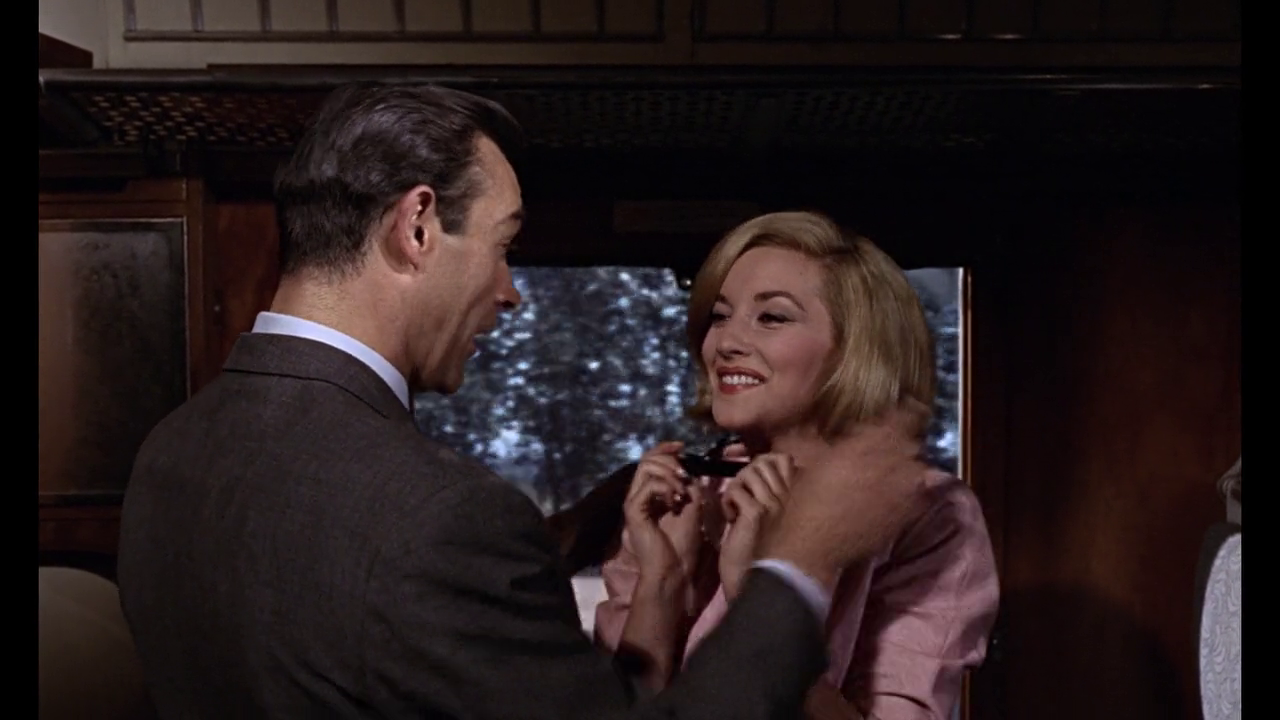
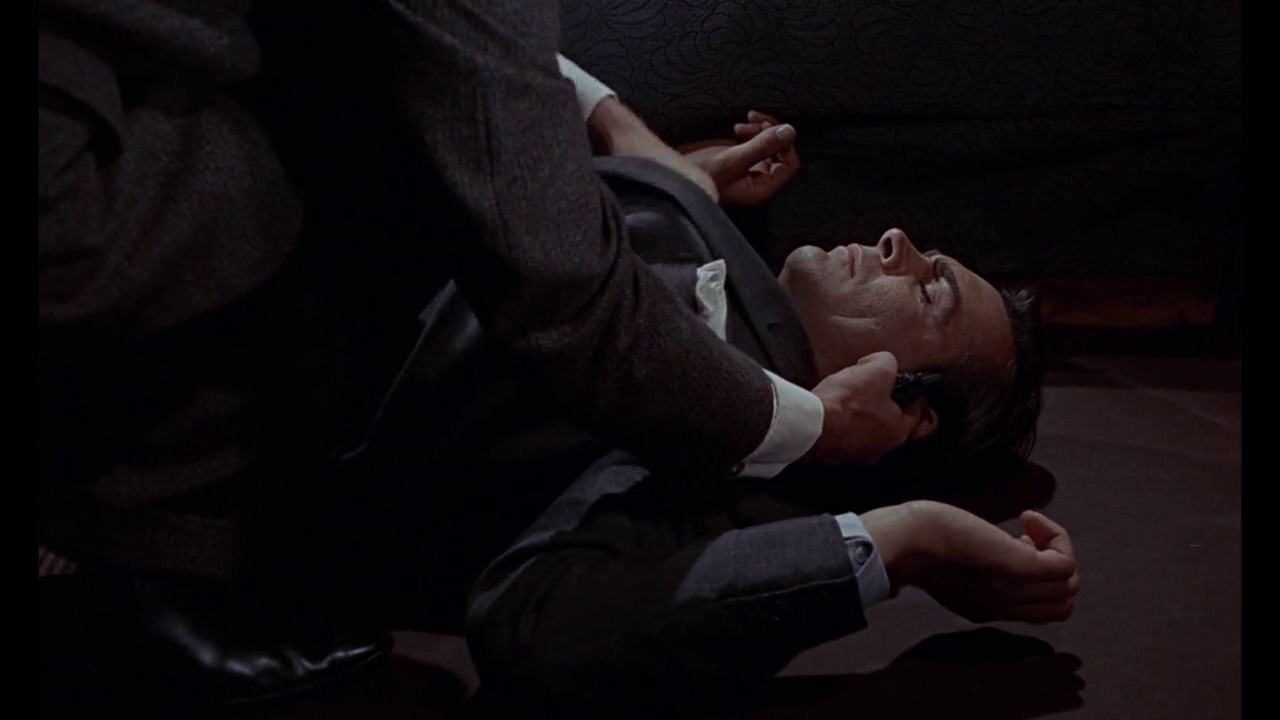
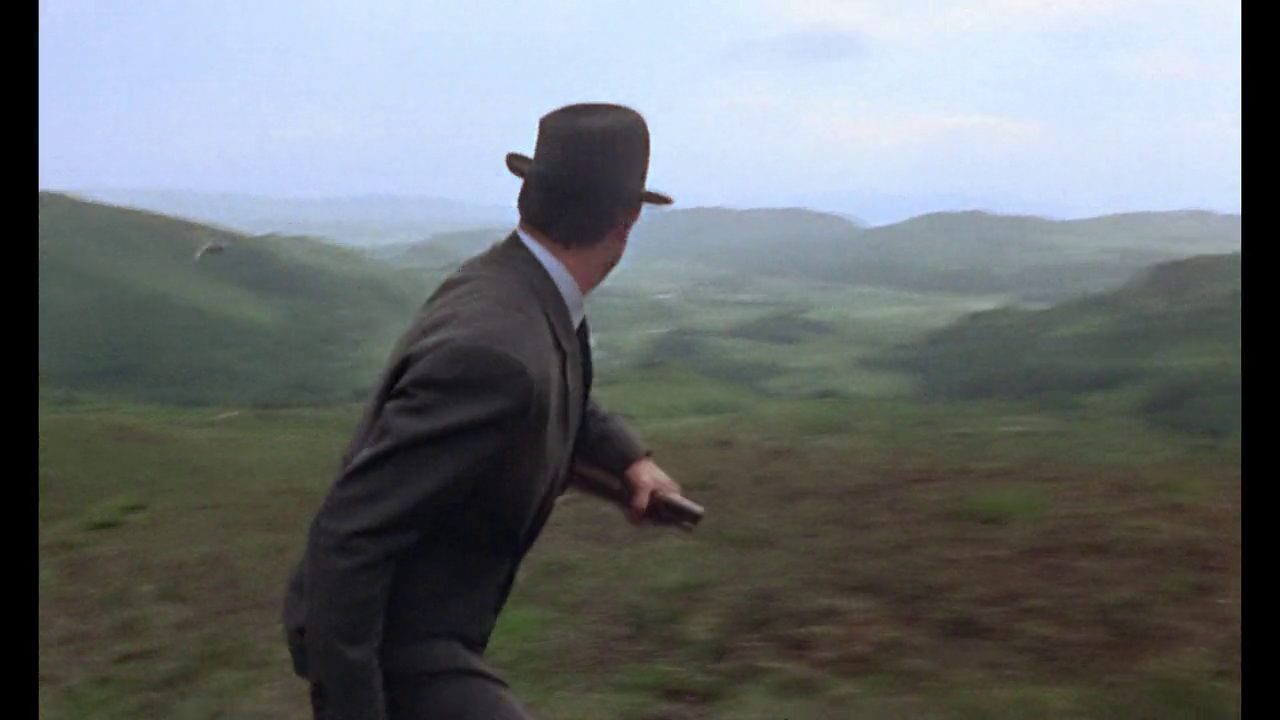
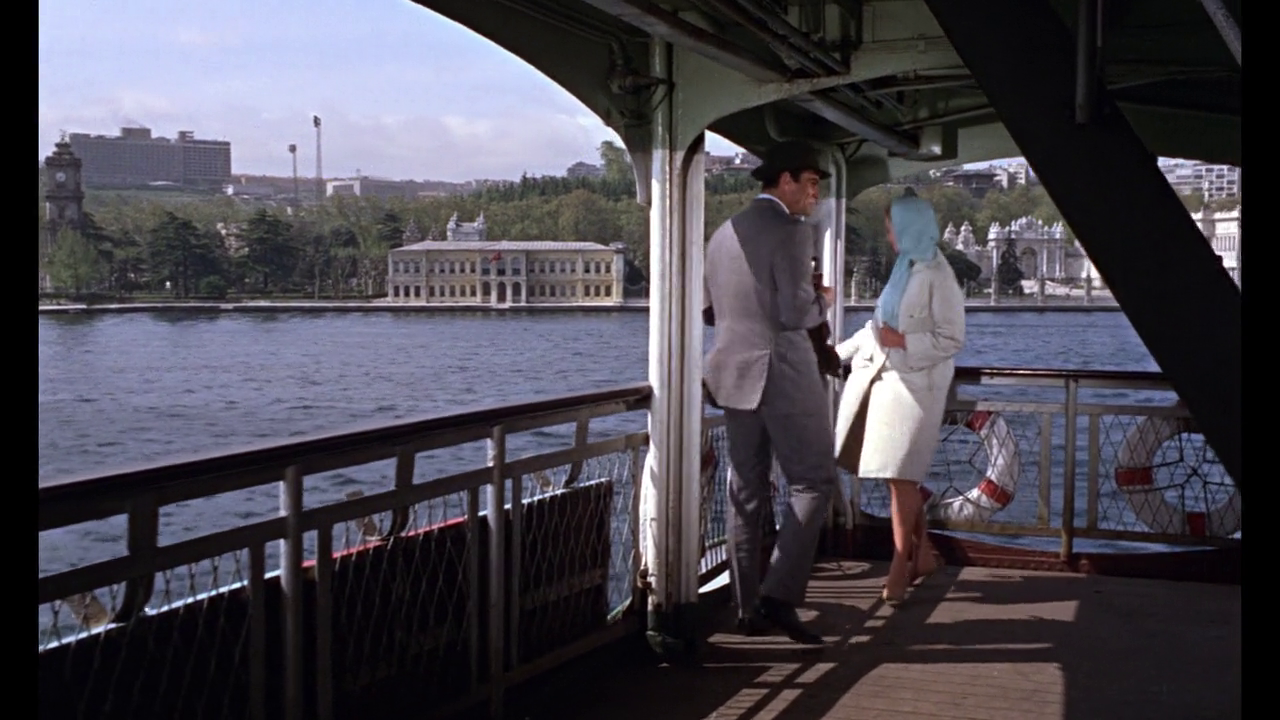
Peary writes that this sequel to Dr. No (1962) remains an “excellent, surprisingly tough and gritty James Bond film”, one that is “refreshingly free of the gimmickry that would characterize the later Bond films.” He notes his appreciation that “Connery and Bianchi play real people,” and accurately writes that “Shaw and Lotte Lenya (as the diabolical Krebb) are splendid villains”, both engaging in “exciting, well-choreographed fights with Connery.” Peary argues that “the lovely Bianchi” — a Miss Universe runner-up — “should have been a bigger star” given that her Tatiana is “one of the most appealing Bond heroines”, and he points out that the film’s direction by Terence Young is “solid”, especially during the “train sequence”. I agree with most critics and viewers that this film is among the best of the Bond franchise, with plenty of excitement and exotic locales — though I was surprised (should I have been?) by how much this is really a male fantasy fulfillment: we hear Bond’s insecurities (?!) continually allayed by Tatiana (“Will you make love to me all the time in England?”); watch a “cat fight” in which two beautiful gypsies literally fight each other for the privilege of sleeping with Bond; and listen to corny double entendres between Tatiana (who helpfully tries on a wardrobe of lingerie during their “honeymoon” on the train) and Bond:

Tatiana: “I think my mouth is too big.”
Bond: “No, it’s the right size… for me, that is.

Oh boy. I know he’s Bond, and all women love him… and Connery is undeniably a beefcake. But it’s a bit much.

Note: This and all Bond films appear to have quite a specialized and fanatical following, as evidenced by DVD Savant’s essay devoted entirely to a mysterious jump-cut in the final sequence of the film.

Redeeming Qualities and Moments:

  • Fine performances by the entire cast


  • Many exciting sequences

  • Excellent use of on-location shooting (in Istanbul and elsewhere)

Must See?
Yes, as another solid entry in the cult series.

Categories

  • Cult Movie

Links:

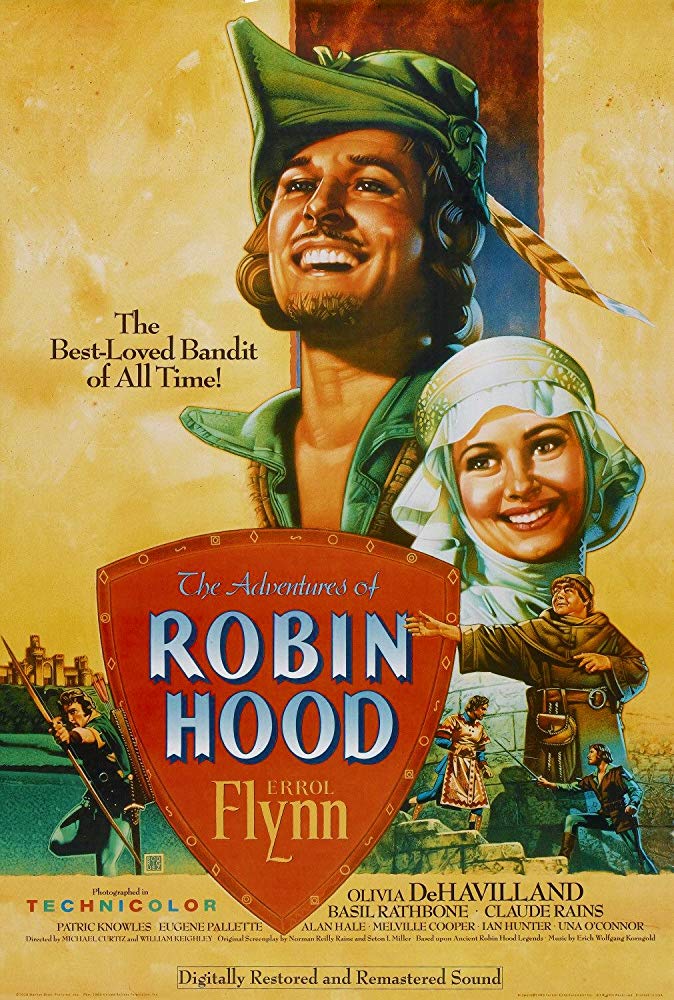
Adventures of Robin Hood, The (1938)

Adventures of Robin Hood, The (1938)

“It’s injustice I hate, not the Normans.”

Synopsis:
In 12th century England, a knight (Errol Flynn) who has remained loyal to kidnapped King Richard the Lion Hearted (Ian Hunter) receives help from his merry men and his new sweetheart (Olivia de Havilland) in subverting plans by Prince John (Claude Rains) and his evil henchmen — including the Sheriff of Nottingham (Melville Cooper) and Sir Guy of Gisbourne (Basil Rathbone) — to take over the throne.

Genres, Themes, Actors, and Directors:

  • Alan Hale Films
  • Basil Rathbone Films
  • Claude Rains Films
  • Do-Gooders
  • Errol Flynn Films
  • Historical Drama
  • Ian Hunter Films
  • Michael Curtiz Films
  • Olivia de Havilland Films
  • Outlaws
  • Revolutionaries
  • Romance
  • Royalty and Nobility

Response to Peary’s Review:
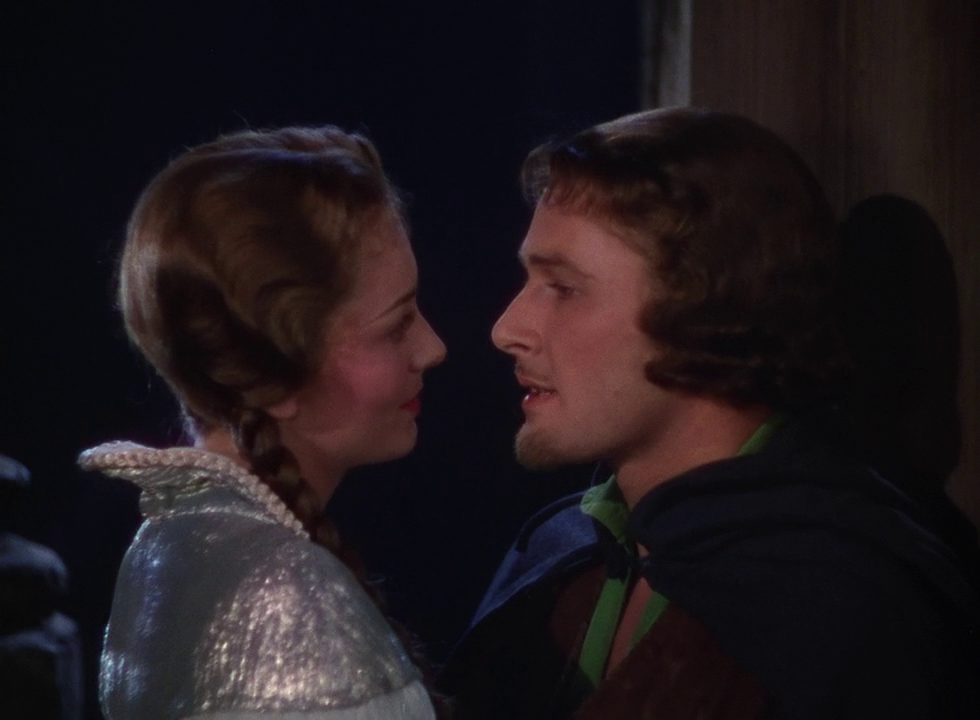
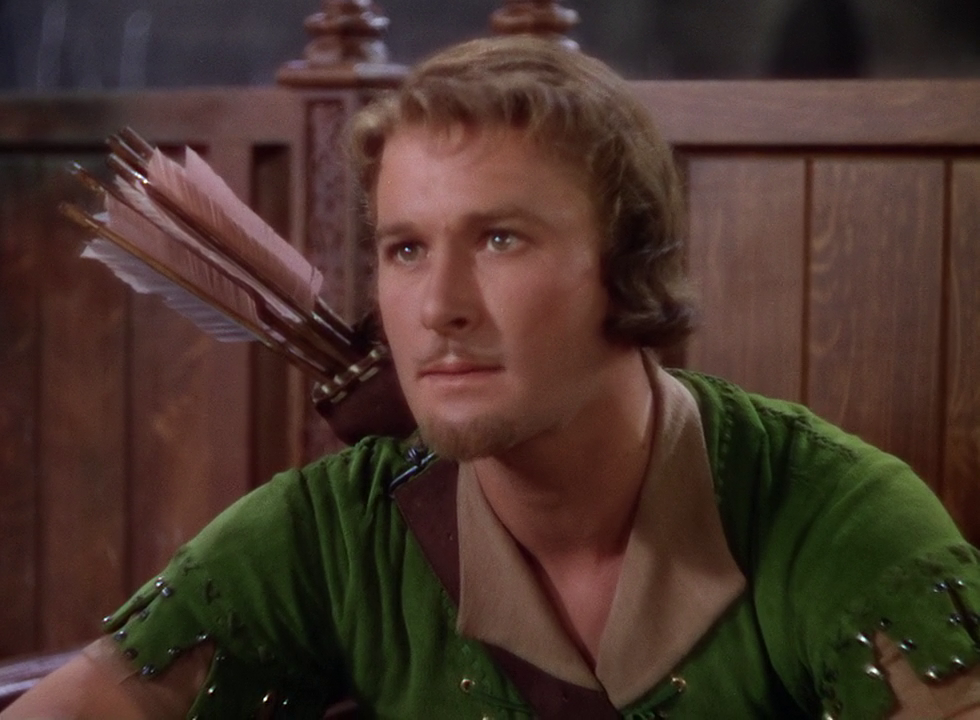
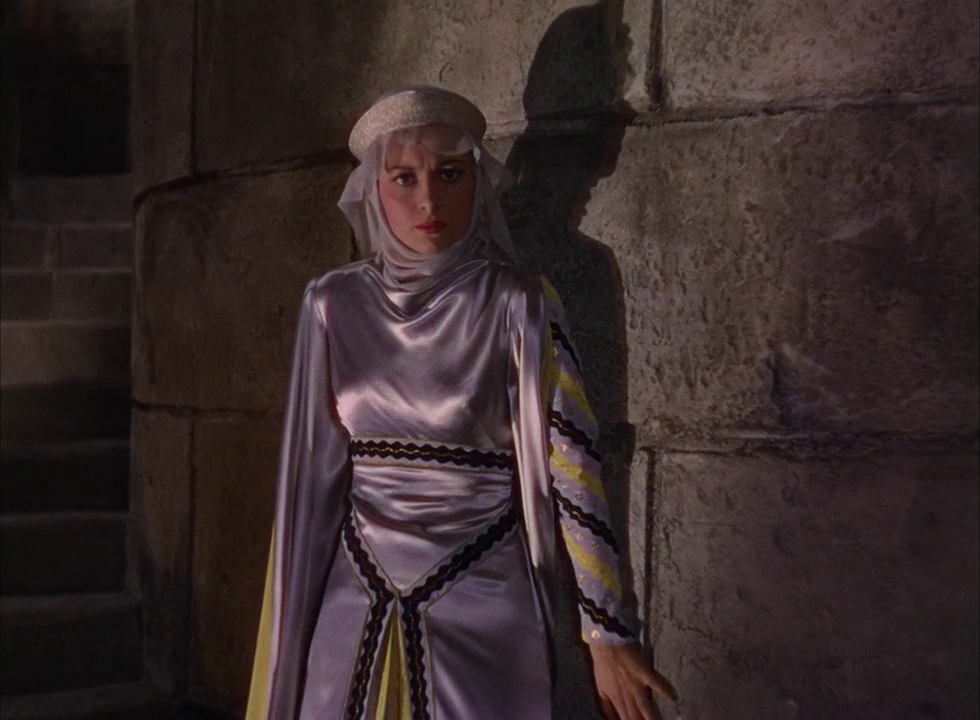
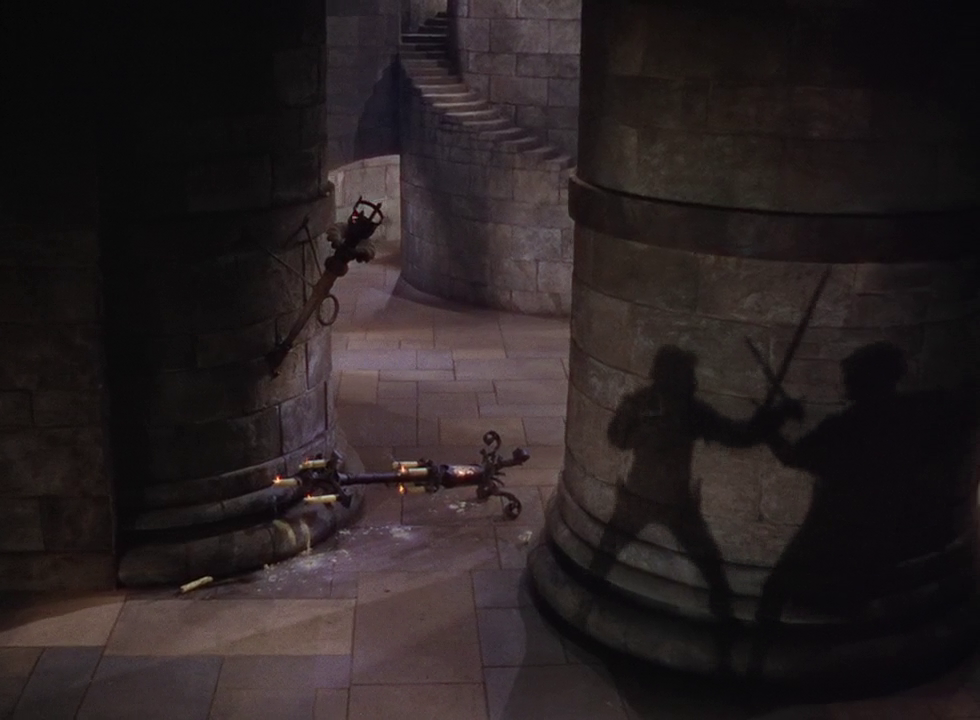
Peary writes that this (possible) “greatest costume adventure of all time” features “dashing Flynn and his loveliest screen partner, Olivia de Havilland (gallant as Maid Marian)” playing “as romantic a couple as Romeo and Juliet”, and he notes that the “final swordfight between Flynn and Rathbone (who, off screen, was the superior swordsman) is a classic”:

… “complete with gigantic shadows on castle walls”. He points out that the “splendid color photography, sets, costumes, and rousing Oscar-winning score by Erich Wolfgang Korngold” are “all first-rate, effectively transporting us back to an enchanting world” filled with “such wonderful character actors as Alan Hale (Little John), Eugene Pallette (Friar Truck), Una O’Connor, Montagu Love, and Melville Cooper.”

He informs us that “the casting of Flynn as Robin Hood was pivotal to his career, for it reinforced his Captain Blood image as the sensitive champion of the downtrodden and one of the few freedom fighter (anti-authoritarian) heroes whom conservative Hollywood has ever accepted.”

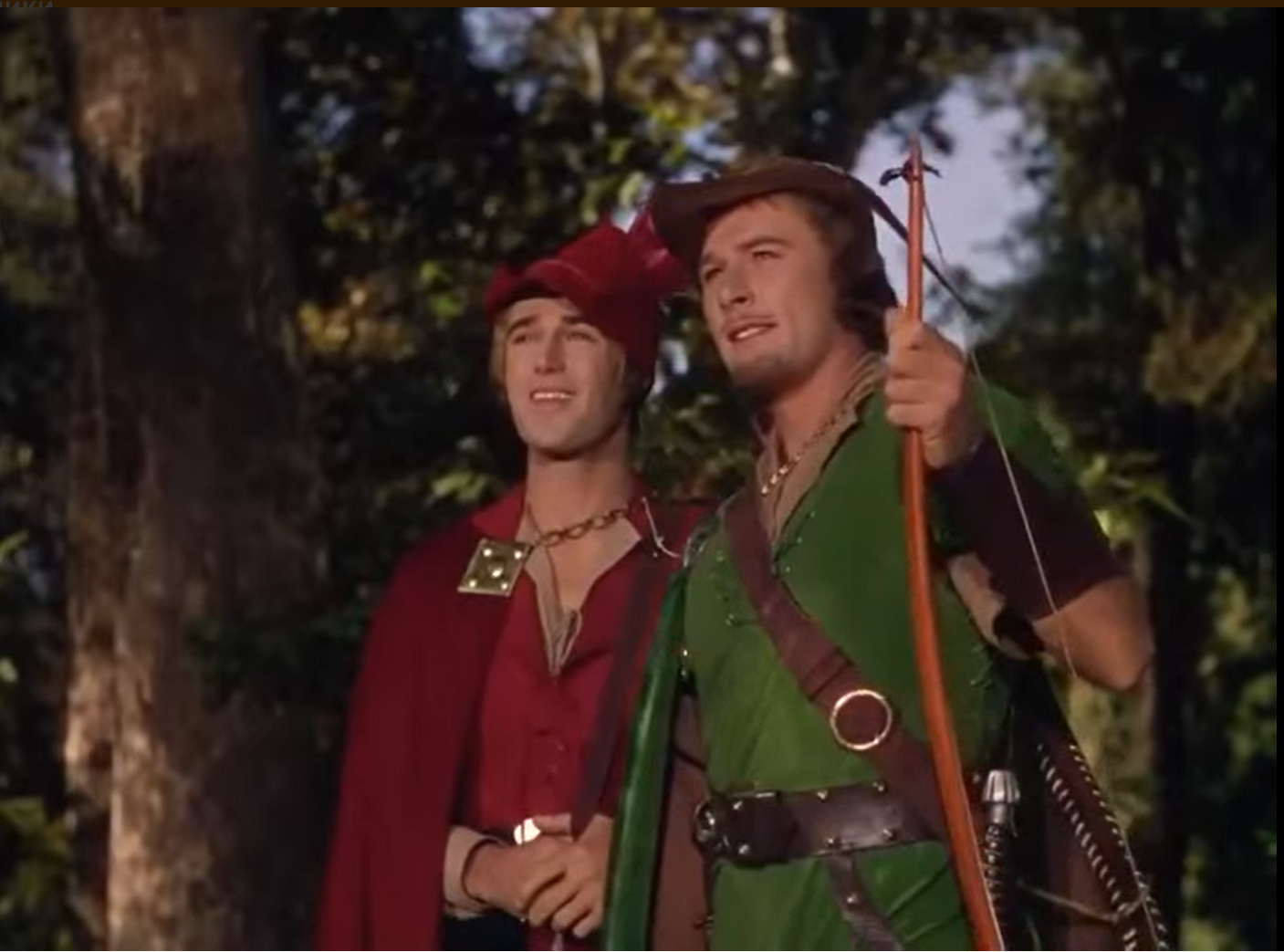
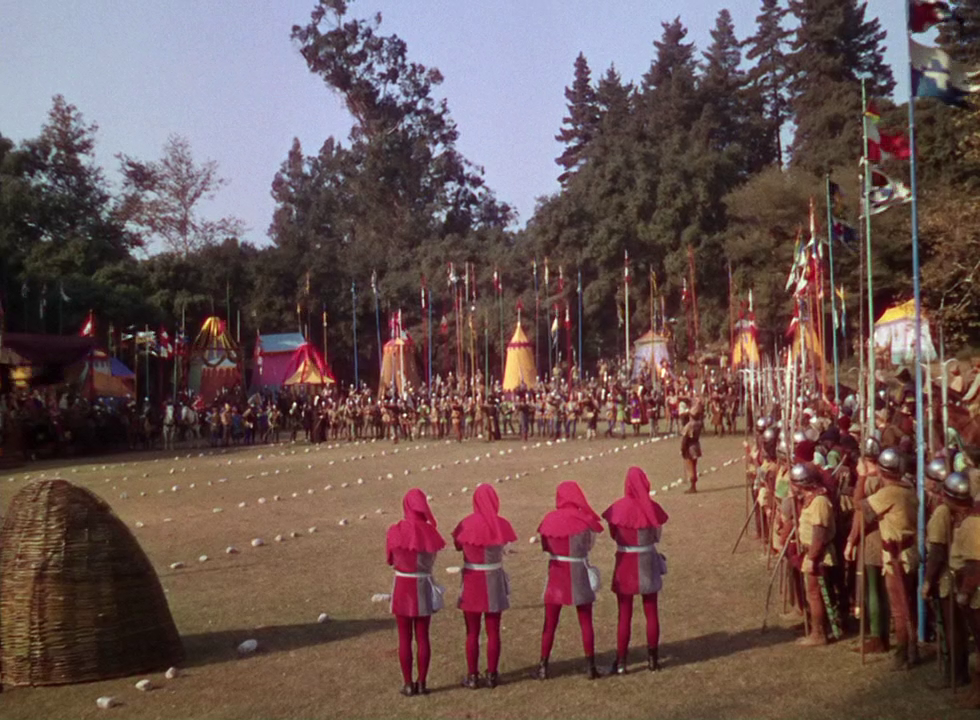
Peary elaborates upon his appreciation for this film in Alternate Oscars, where he names it Best Picture of the Year. After mentioning seeing this film numerous times on b&w television as a child in the ’50s, he writes, “What always surprises me is that adults can appreciate the film more than children, for this is a classy, literate, inspiringly directed and acted picture” with “much care [going] into every aspect of the production”. He notes that “shot after beautifully composed shot, the visuals are dazzling, even magical” — and while “Sol Polito and Tony Gaudio weren’t among the eleven Cinematography Oscar nominees”, they “deserved to win”. He notes that the “picture has terrific action sequences,” including the “climactic sword fight”, “Robin’s two escapes”, and “a scene in which Robin and his men swing from vines and drop from trees to ambush Prince John’s soldiers”. He adds that “the action never slows down for humor — Robin in battle (like Douglas Fairbanks) keeps smiling and joking”, and while “the action does stop”, the “tension doesn’t dissipate” for romance.

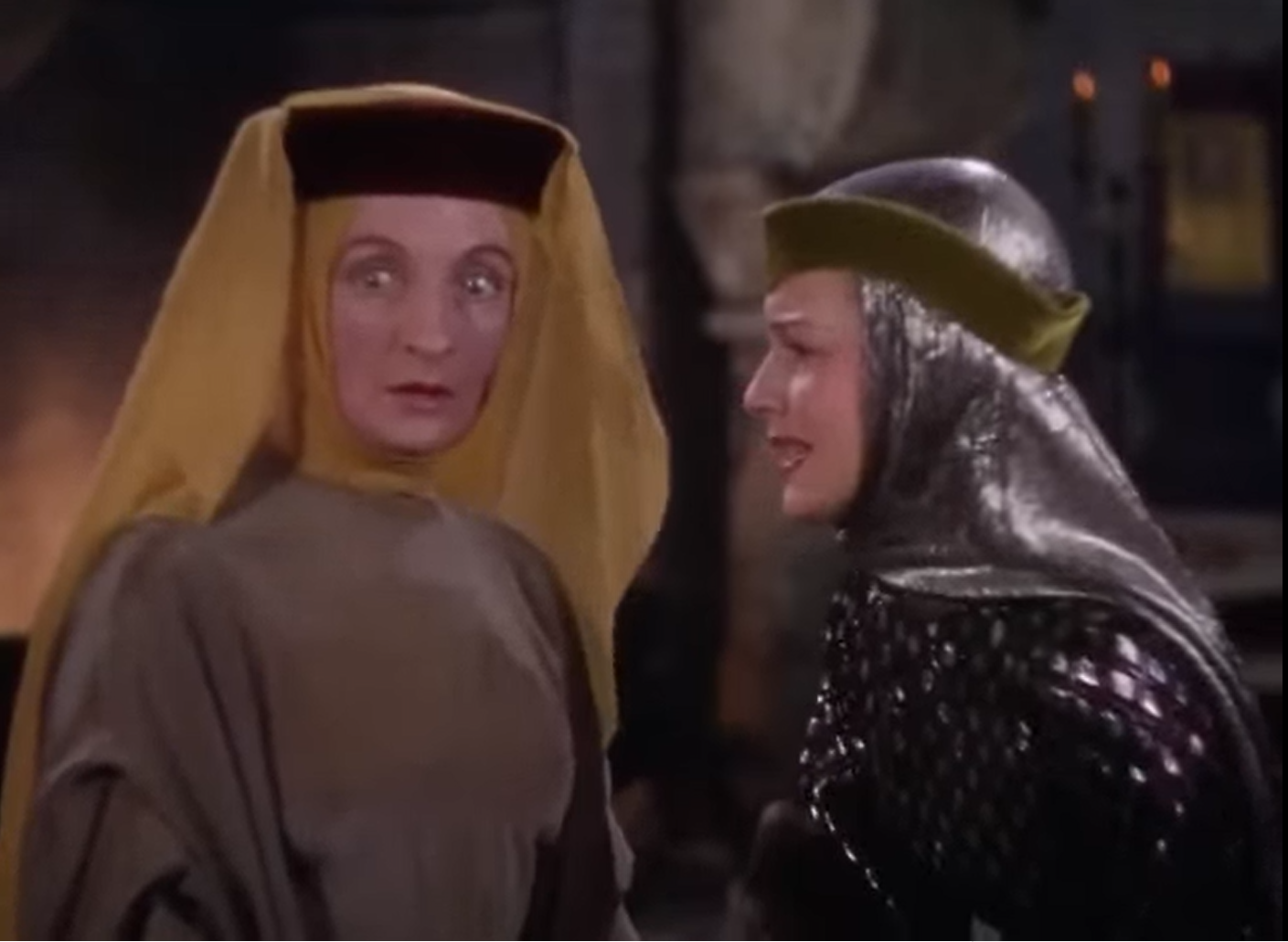
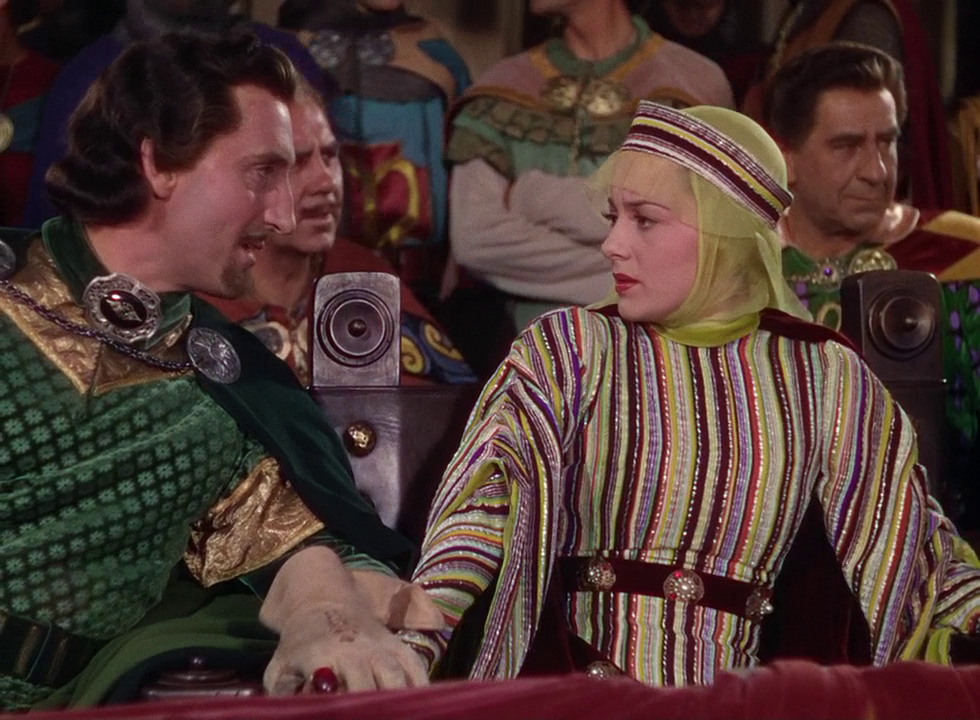
Speaking of romance, Peary writes that “De Havilland’s Marian isn’t the typical heroine of old-time adventure films”: “She is central to the action, devising the plan that frees Robin from the gallows, and defiantly speaking out against Prince John’s Court of Execution after being charged with treason.” De Havilland is both charming and beautiful, and the entire production (from the vibrant Technicolor cinematography to unusual costumes) does her justice. Flynn, meanwhile, has really never been better: as Peary writes, “You’d follow [him] anywhere, sure that his cause is just.” The fine supporting cast is energetic, memorable, and colorful, and the action scenes are indeed consistently stirring. This one can and should be seen (and enjoyed) multiple times.

Redeeming Qualities and Moments:

  • Errol Flynn as Robin Hood
  • Olivia de Havilland as Maid Marian
  • Lush, colorful costumes and sets

  • Tony Gaudio and Sol Polito’s cinematography
  • Erich Wolfgang Korngold’s score

Must See?
Yes, as an enjoyable and rousing classic.

Categories

  • Genuine Classic

(Listed in 1001 Movies You Must See Before You Die)

Links:

San Francisco (1936)

San Francisco (1936)

“How does it feel to feel like a woman and be afraid of it?”

Synopsis:
Shortly before the 1906 earthquake in San Francisco, a tough saloon owner (Clark Gable) falls in love with a talented singer (Jeanette MacDonald) who is simultaneously wooed by an opera impresario (Jack Holt).

Genres, Themes, Actors, and Directors:

  • Career-Versus-Marriage
  • Clark Gable Films
  • Disaster Flicks
  • Historical Drama
  • Jeanette MacDonald Films
  • Musicals
  • Opera
  • Romance
  • Singers
  • Spencer Tracy Films

Response to Peary’s Review:
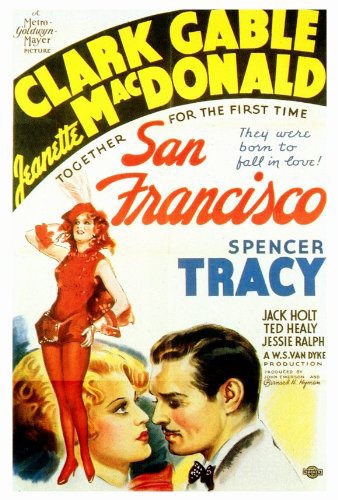
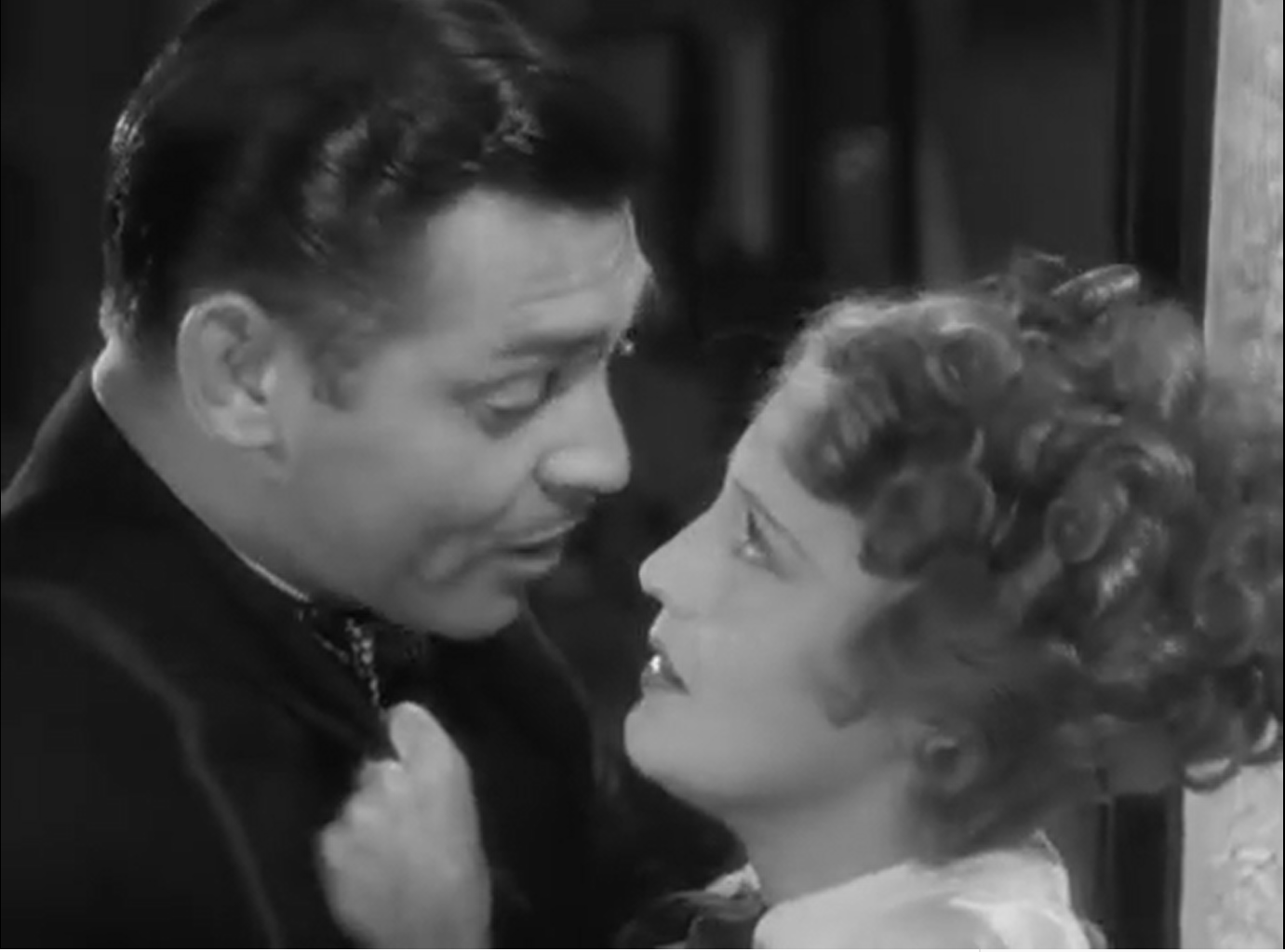
Peary writes that this “old-fashioned Hollywood hokum” — “an amazingly elaborate M-G-M production” nominated for a Best Picture Academy Award — employs “numerous theater and saloon sets and hundreds of extras”, leading to director W.S. Van Dyke presenting “a properly rowdy San Francisco of 1906 (does that year worry you?).” He notes that MacDonald “is the moral daughter of a country parson” who would “like to sing opera, but settles for a job singing popular tunes in the dance hall” owned by Gable’s “well-meaning but roguish character”, who she “falls in love with… despite his being an atheist and allowing gambling in his joint.”

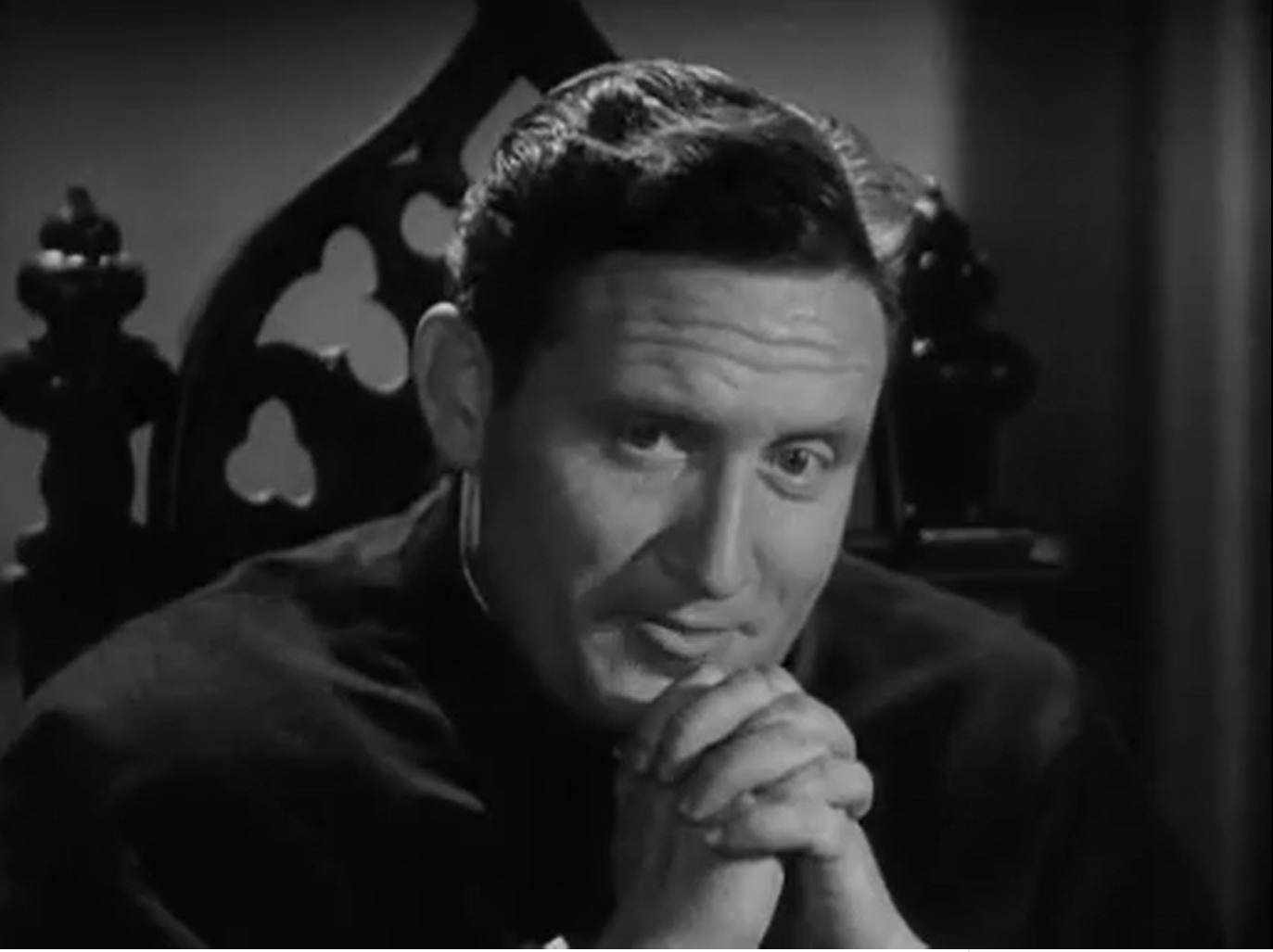
He points out that the script by Anita Loos “is one of the first… to deal with a woman experiencing a man-vs.-profession conflict”, and argues that MacDonald “makes a lovely lead” but Gable is just “okay playing his typical tough guy” and Oscar-nominated Spencer Tracy — playing “a priest and Gable’s boyhood chum” — “doesn’t have enough to do.”

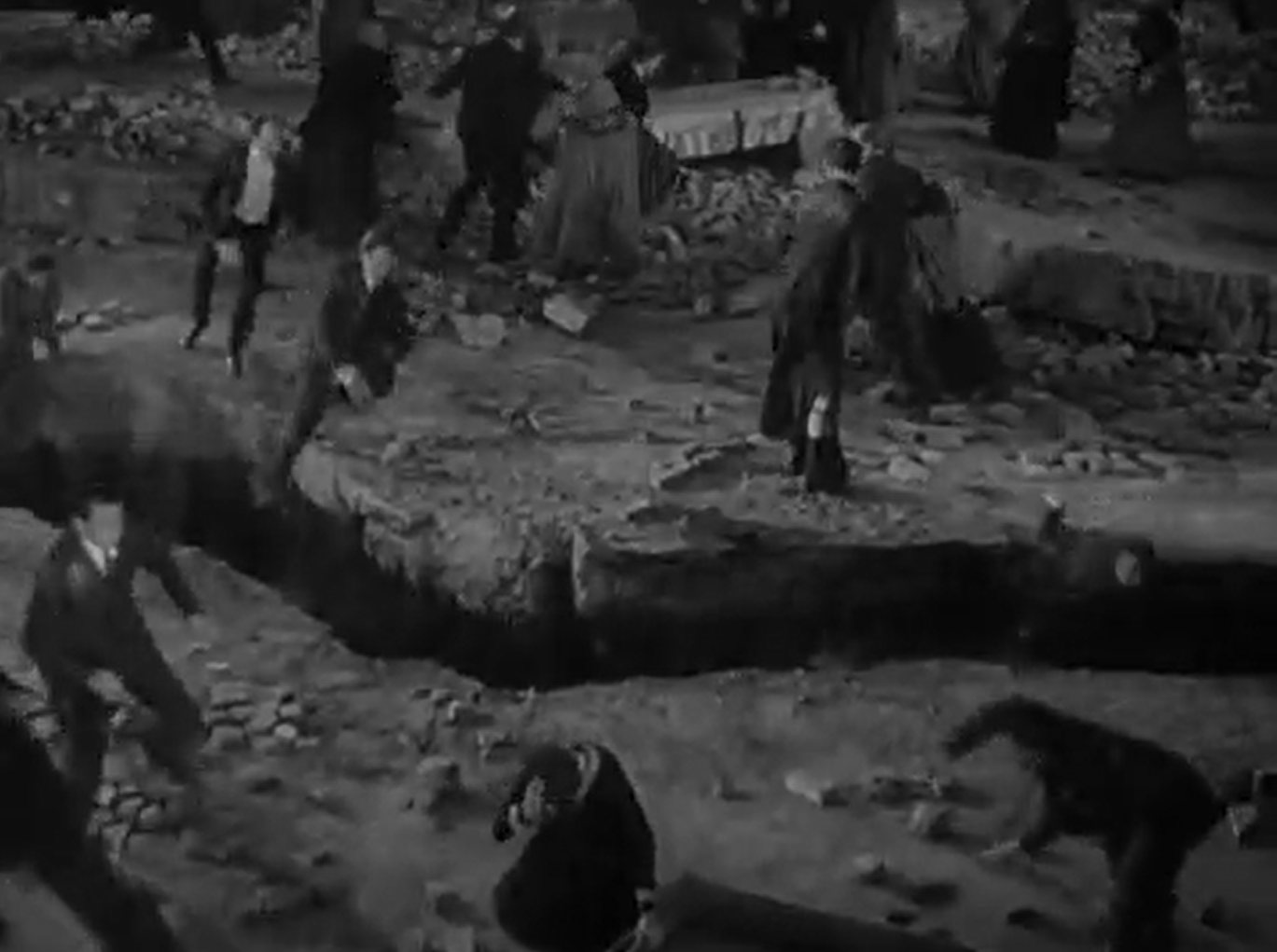
He correctly argues that the film’s highlight is its “stunning earthquake sequence, which is famous for its impressive special effects and great montage work” — though he asserts that this “enjoyable film is almost spoiled by a silly finale, in which earthquake victims get carried away with religious fervor.” I’m essentially in agreement with Peary’s review, though I find it more tolerable than “enjoyable” over all, and would simply add that film fanatics should simply be sure to seek out the remarkable earthquake sequence on its own.

Redeeming Qualities and Moments:

  • The impressive final earthquake sequence

Must See?
No, though the final scene is certainly worth a look.

Links:

Pink Floyd: The Wall (1982)

Pink Floyd: The Wall (1982)

“Is there anybody out there?”

Synopsis:
An alienated rock star (Bob Geldof) descends into madness and toxic grandiosity while reflecting on his fatherless childhood and faithless marriage.

Genres, Themes, Actors, and Directors:

  • Alan Parker Films
  • Bob Hoskins Films
  • Mental Breakdown
  • Musicals
  • Rock ‘n Roll

Review:
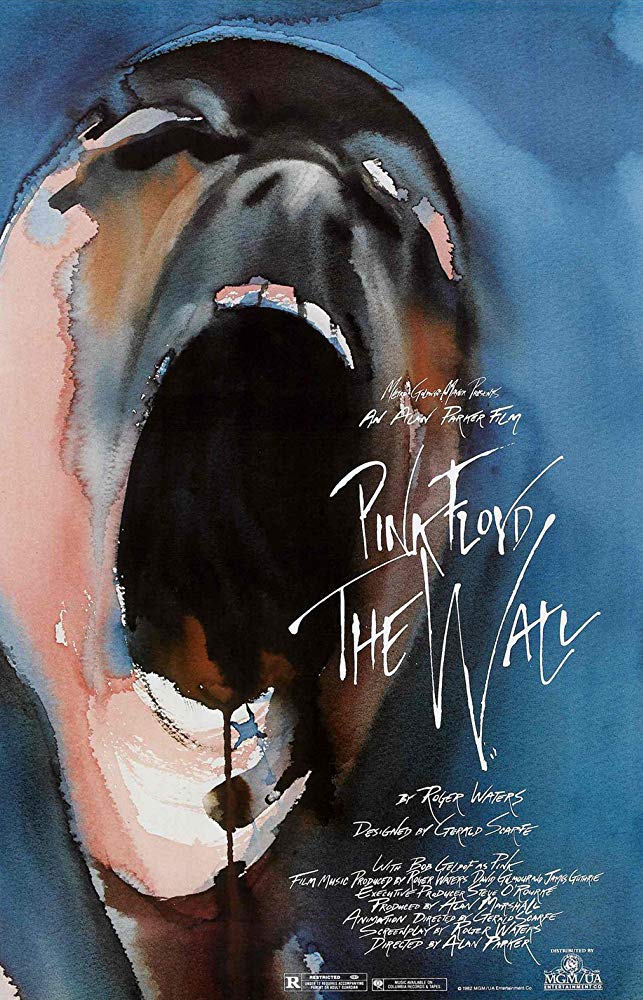
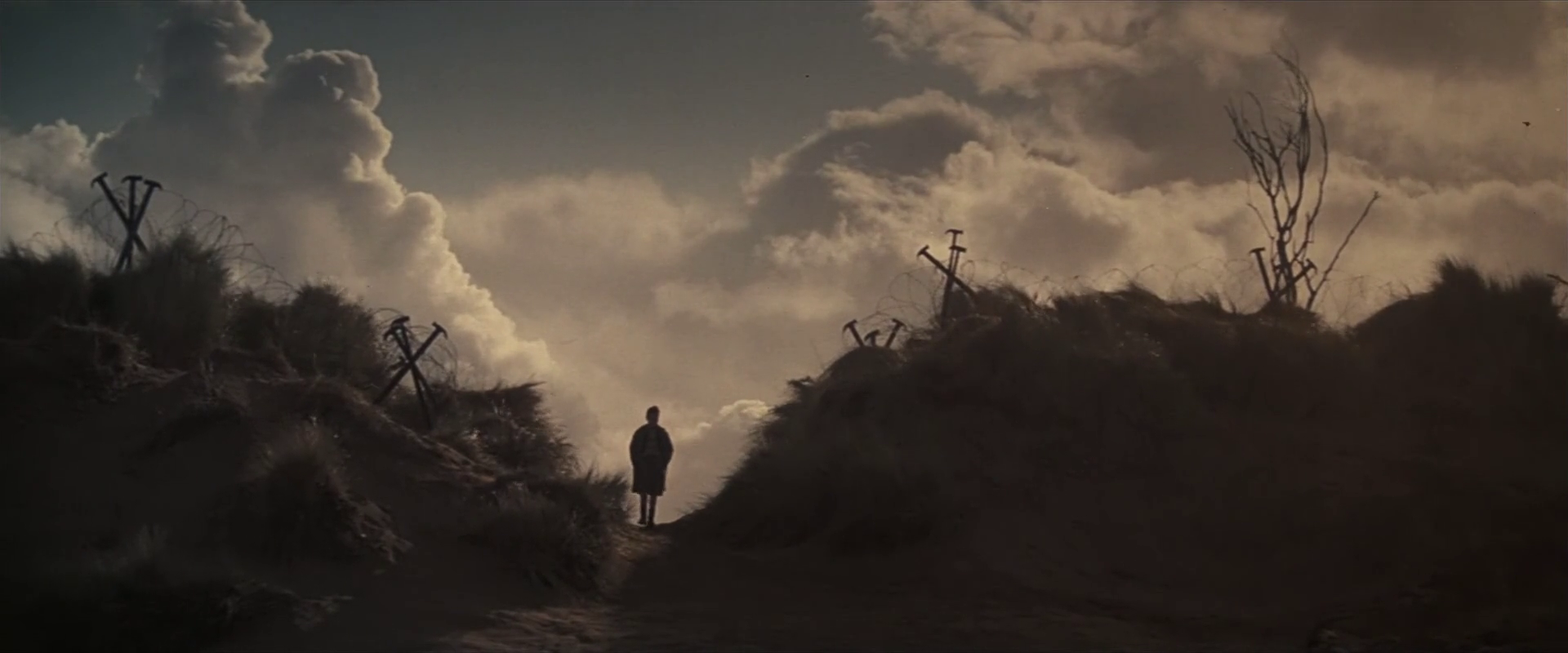
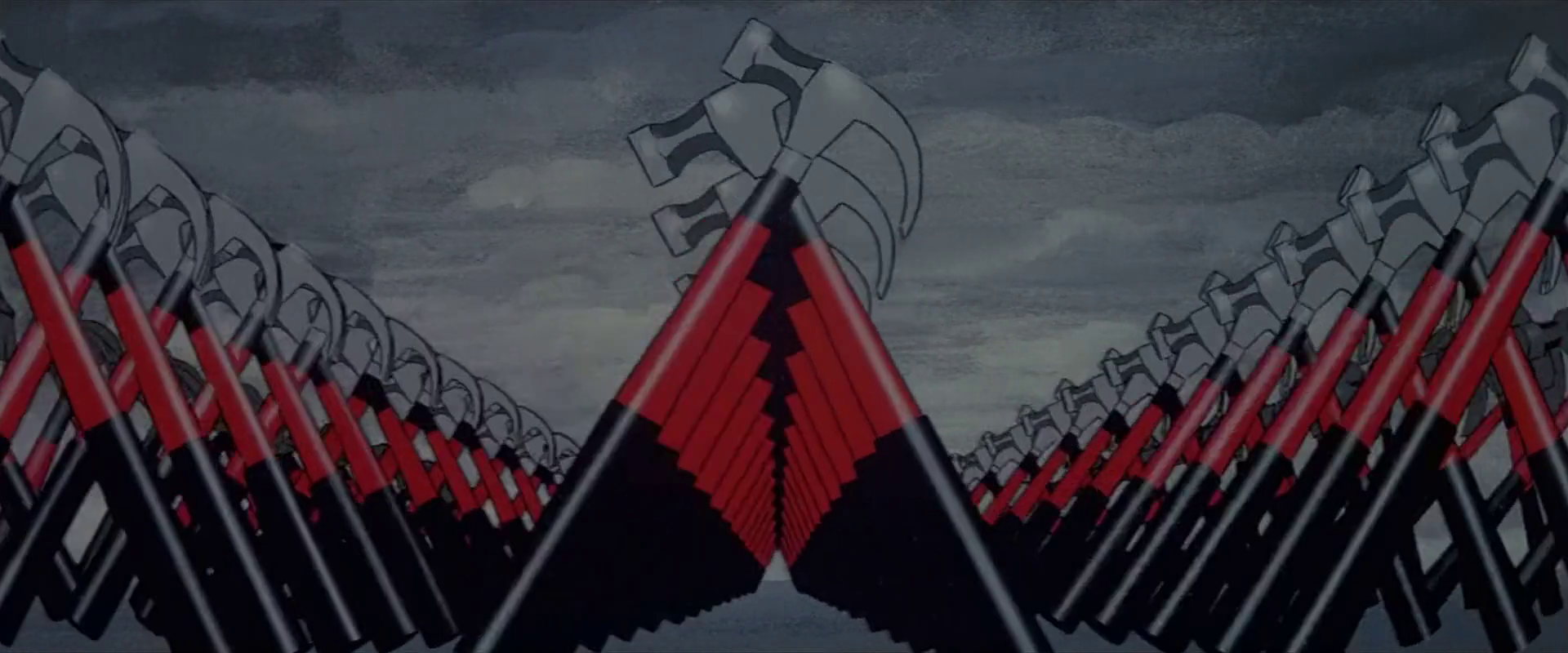
Peary argues that this “midnight cult hit” — “director Alan Parker’s visual interpretation of the rock opera by Pink Floyd” — is “unrelentingly downbeat and at times repulsive”, but he doesn’t “find it unwatchable — which is more than [he] could say if Ken Russell had directed this”. He notes that the film “cuts back and forth between present, past… and future”, allowing us to “witness the development of a fascist”, and adds that the “cinematography by Peter Bizou is extremely impressive and a few of the individual scenes have undeniable power” — though he simply points out (rather than praising) the “animation sequences” by “political cartoonist Gerald Scarfe.” Peary’s review is a fair one, though I’ll add that the narrative — while seemingly disjointed and surrealistic — is surprisingly coherent, and maps well onto the album. This one is definitely worth a one-time look.

Redeeming Qualities and Moments:

  • Powerful imagery, cinematography, and animation

  • The still-classic soundtrack/album

Must See?
Yes, as a cult favorite.

Categories

  • Cult Movie

Links: