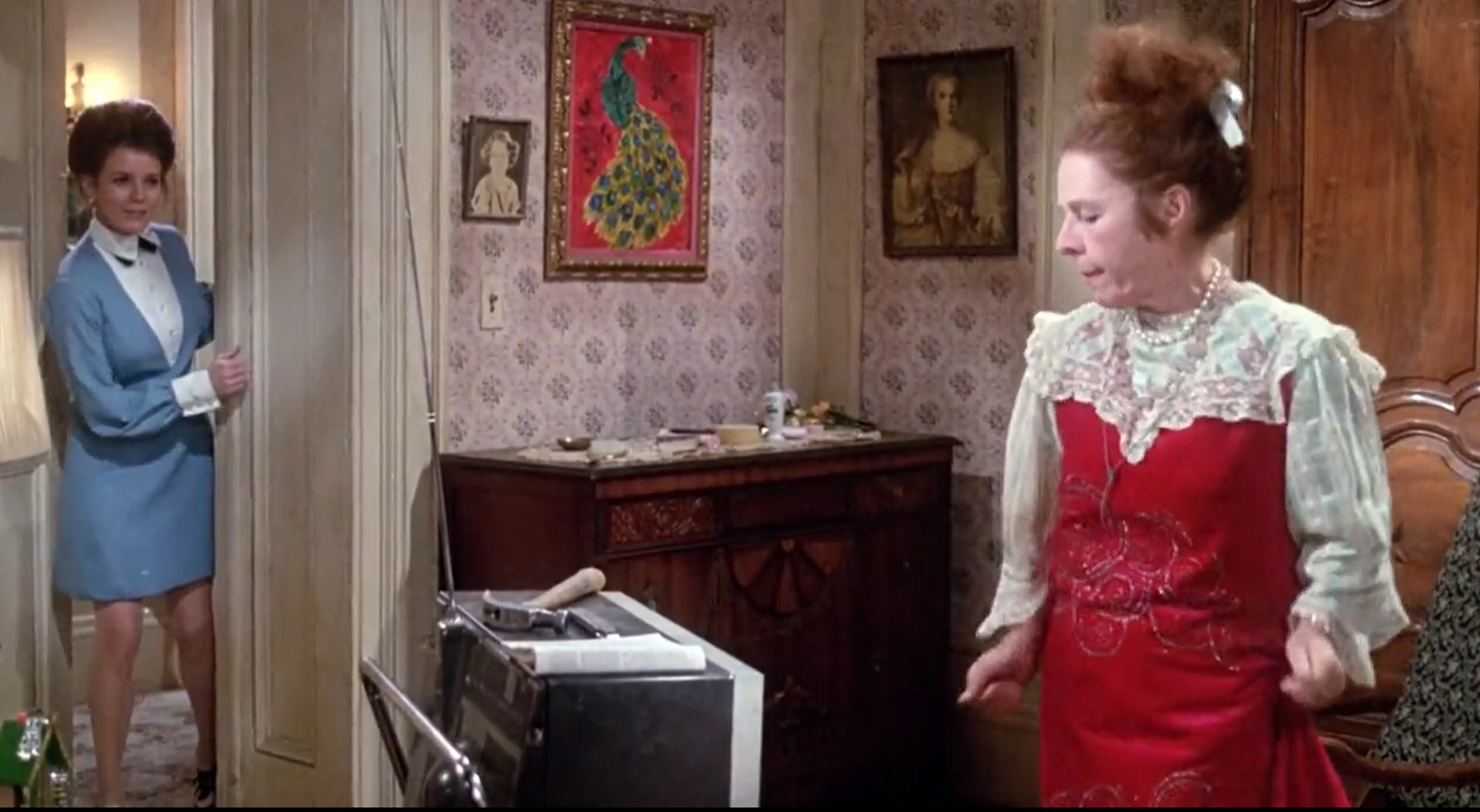
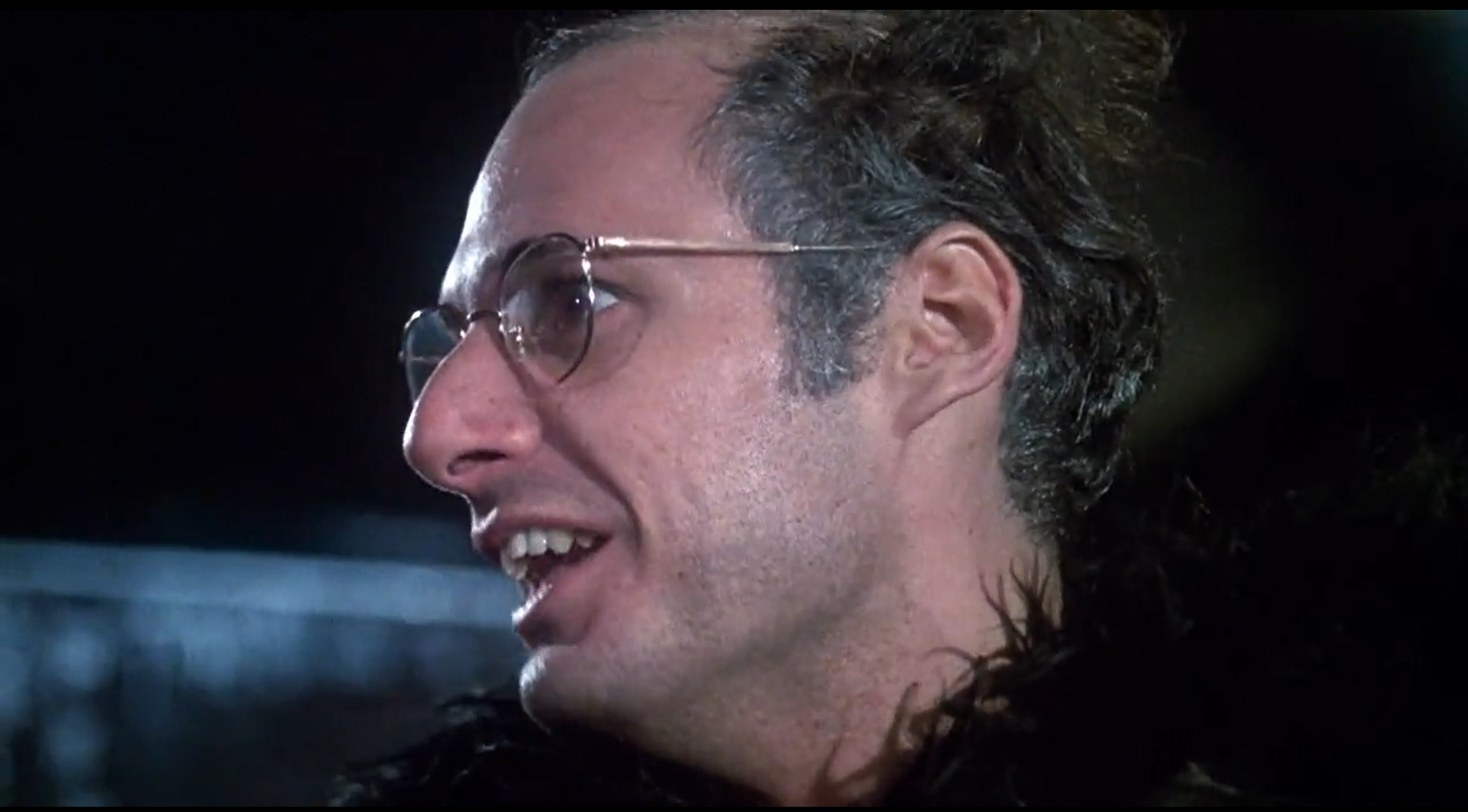
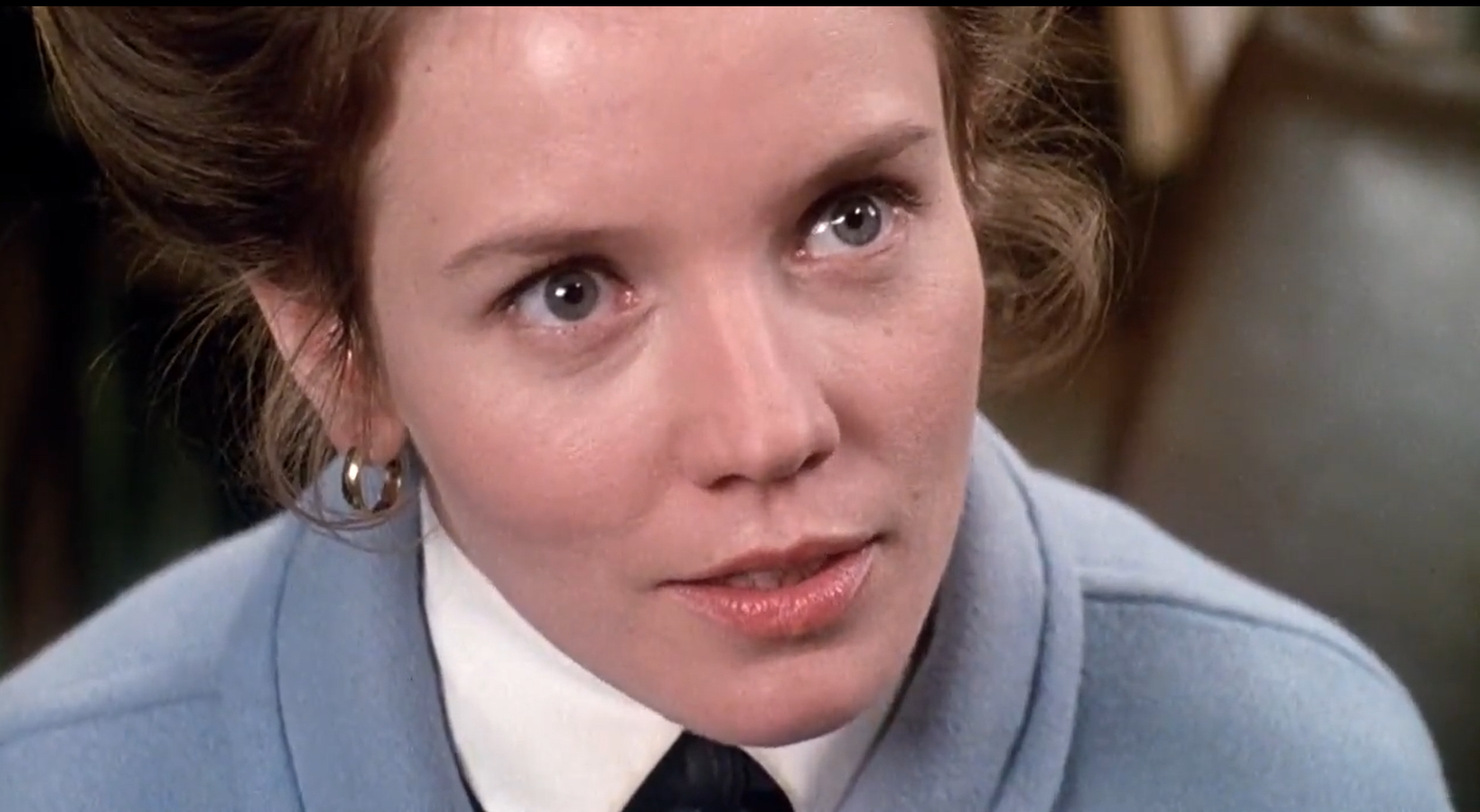
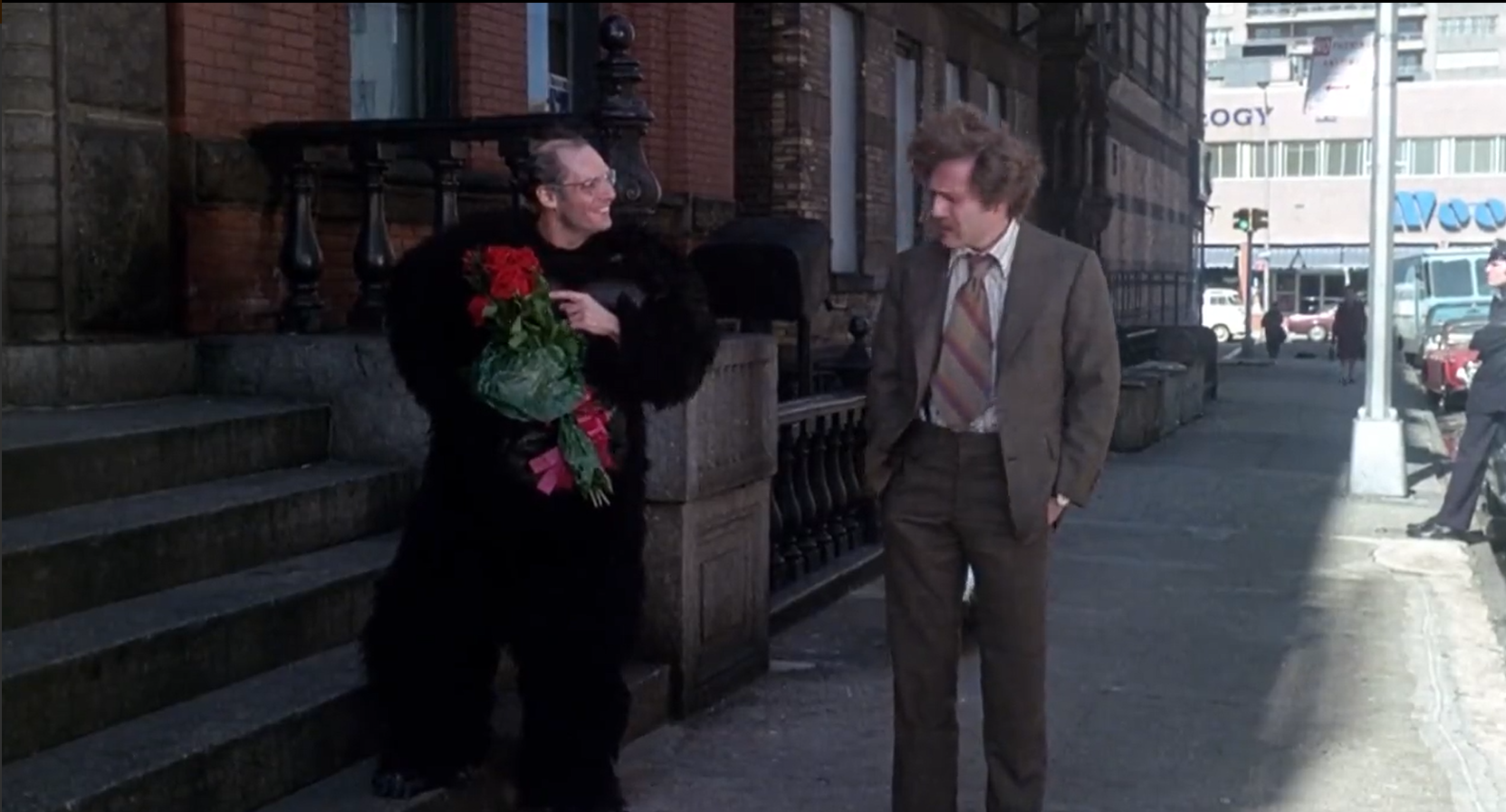
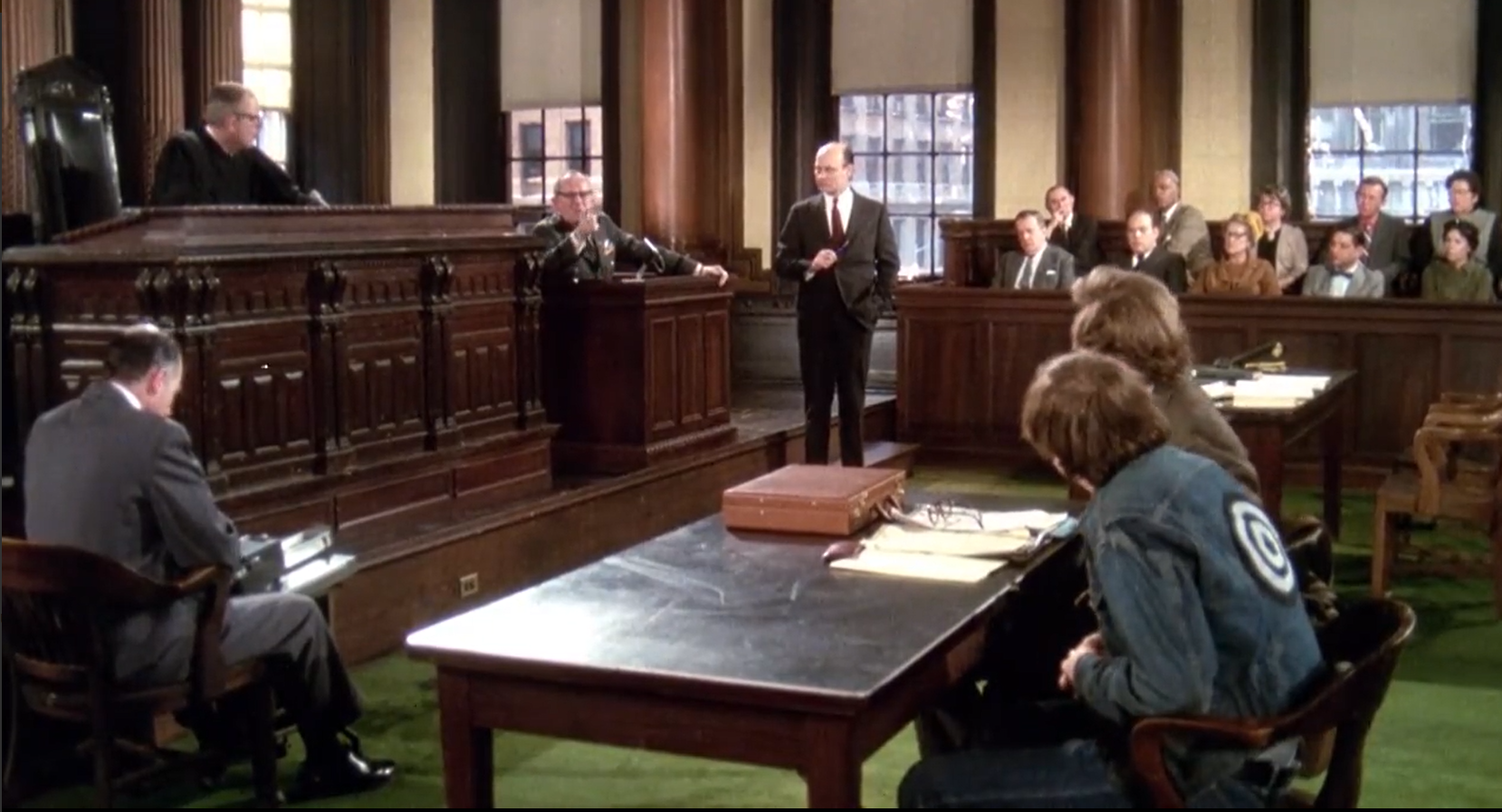
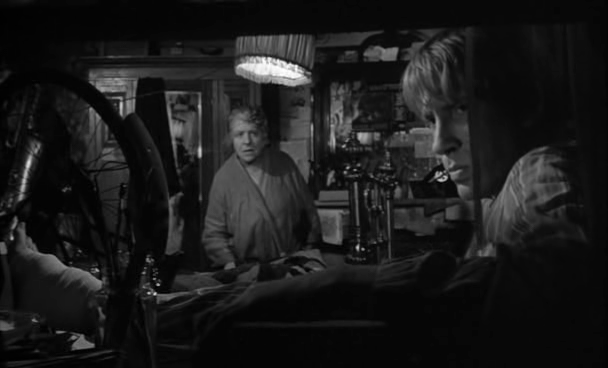
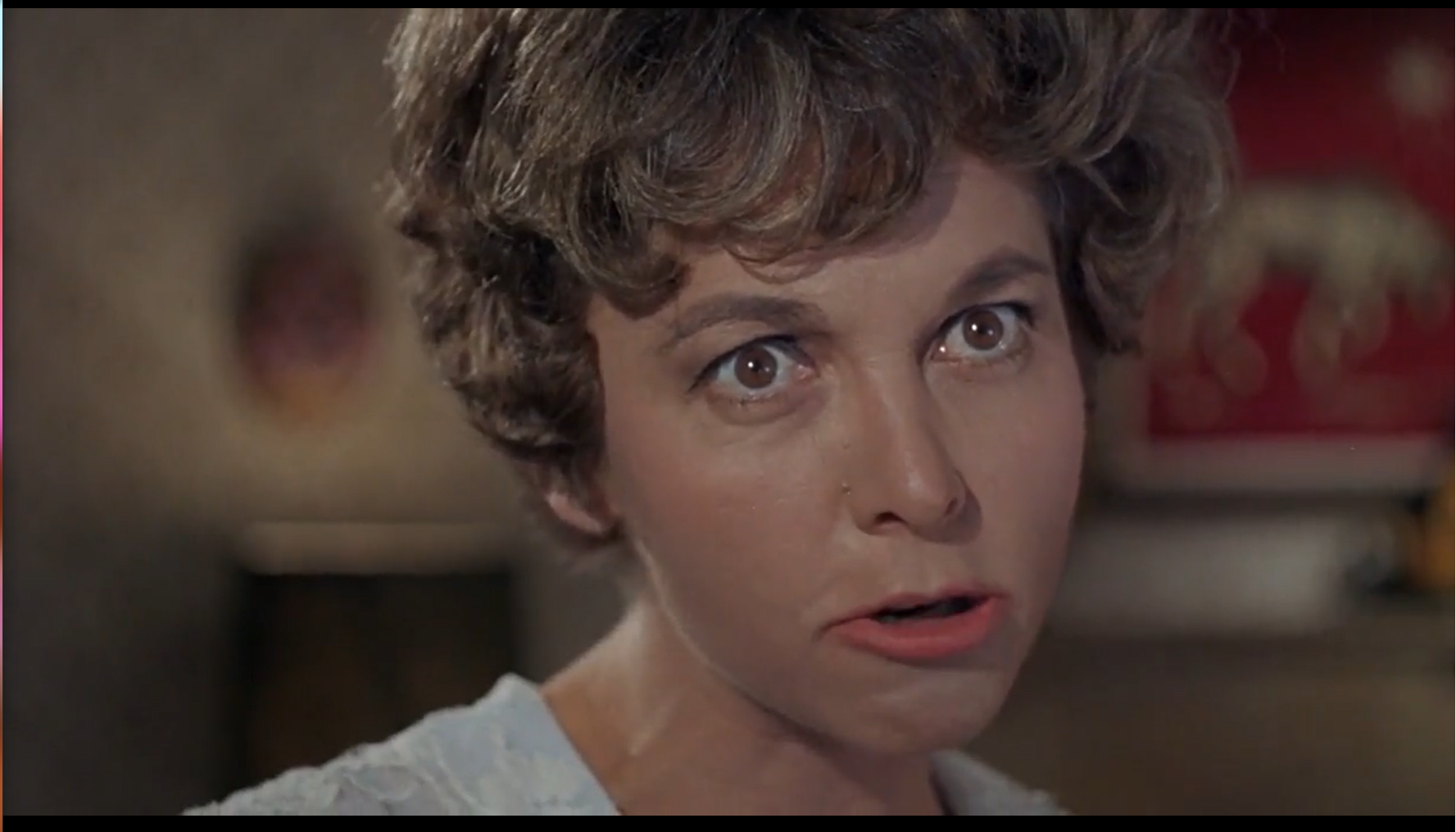
Where’s Poppa? (1970)
“You don’t put your mother in a home: she’s got a home; this is her home.”
My comments on Peary’s reviews in Guide for the Film Fanatic (Simon & Schuster, 1986).
“You don’t put your mother in a home: she’s got a home; this is her home.”
“Maybe you were adopted.”
|
Synopsis: |
|
Genres, Themes, Actors, and Directors:
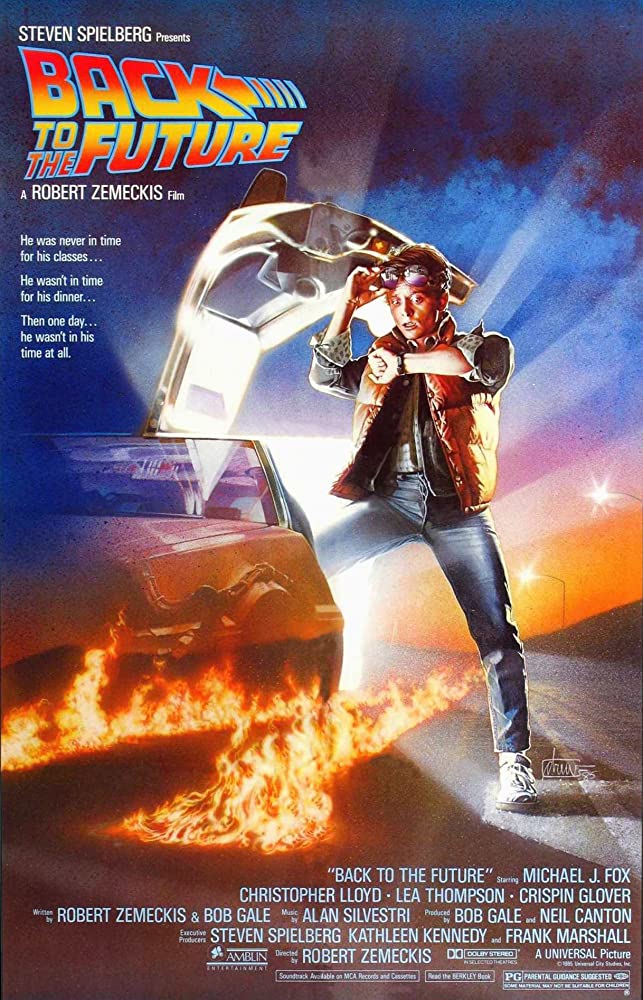
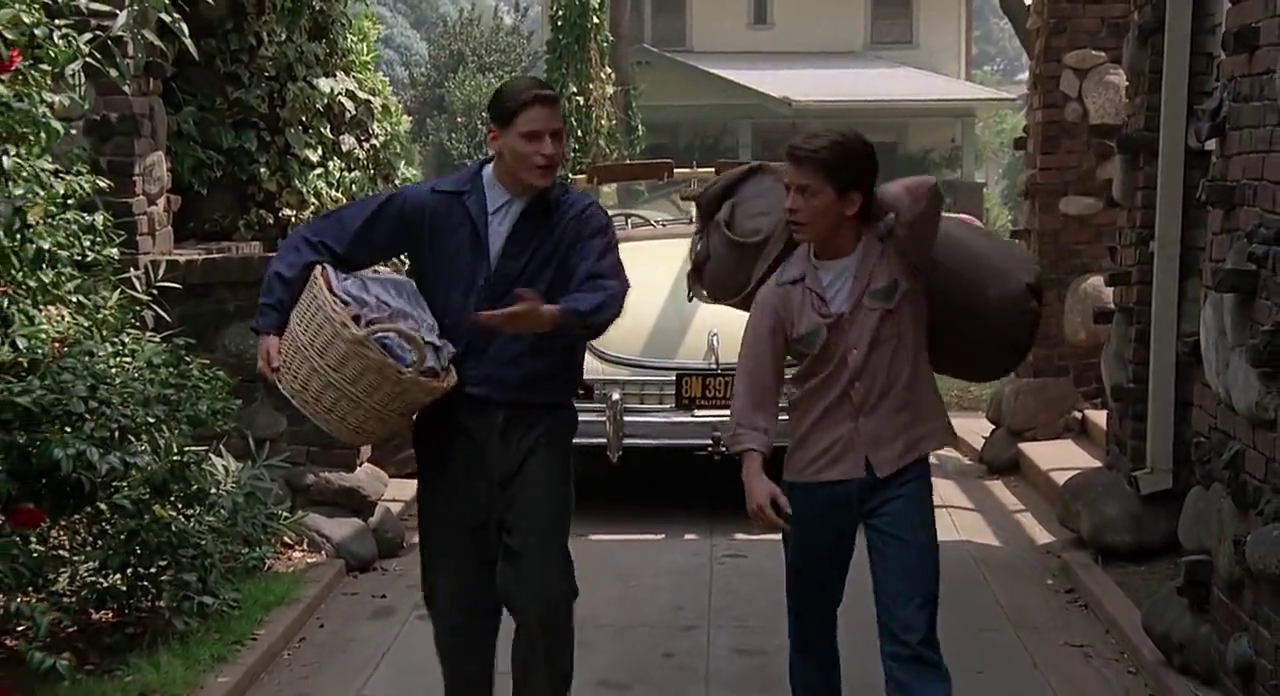
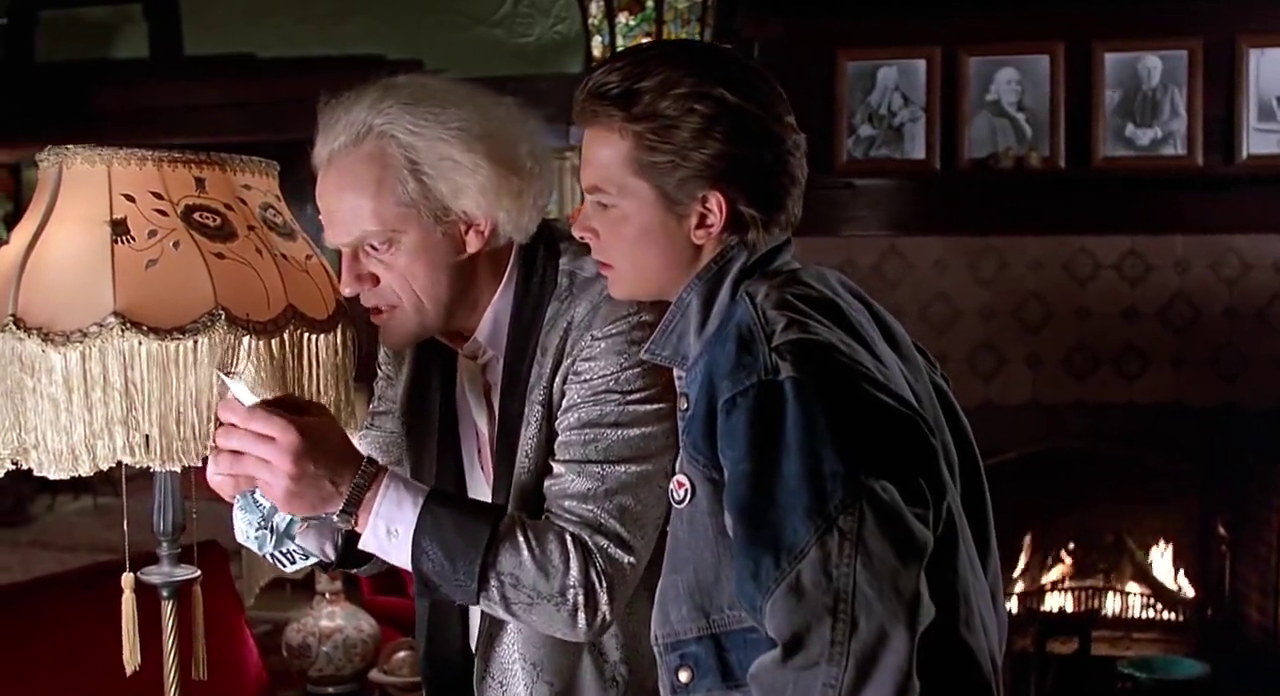
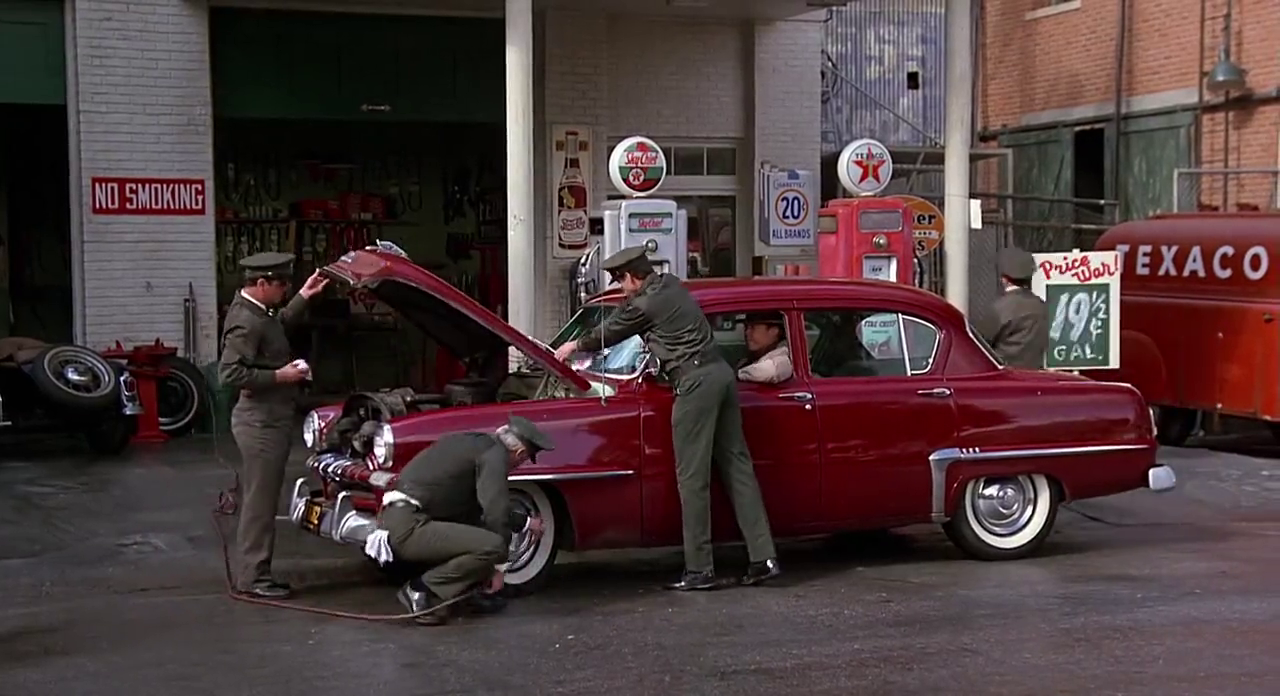
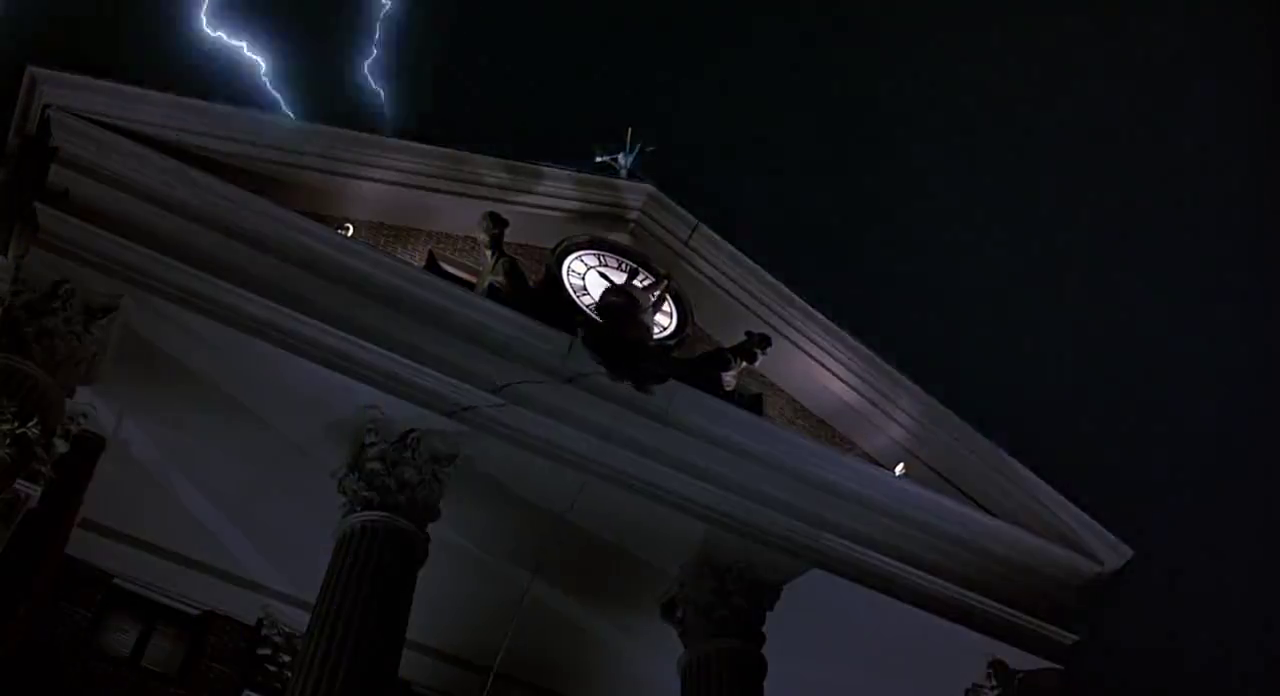
Response to Peary’s Review: Peary’s review is an interesting one to read so many years later, after two sequels have been released (the trilogy is now firmly entrenched as a cult favorite) and we’re living in yet another era that would feel somewhat foreign to inhabitants of just a few decades ago. As a time travel flick, Back to the Future holds up really well, despite Peary’s concerns: as many questions as we may have about the ethics and viability of changing our current reality by retroactively impacting the past, it’s easy enough to accept the film on its own narrative terms and simply enjoy the ride. I don’t quite agree with Peary that Glover is merely “the definitive nerd”; in fact, he’s quite convincing and sympathetic as a smart, talented, geeky young sci-fi fan who simply wants to be left alone. And while Lloyd does make “all previous wild-eyed, wild-haired wacko scientists look second-rate”, his over-the-top enthusiasm actually serves as a critical reminder that he’s co-existing in multiple time-spaces and has a different take on the entire situation. Note: I was pleasantly surprised to find and enjoy About Time (2013), a more recent time travel flick that handles its logistics and narrative threads with equal aplomb. It’s well worth a look as well. Redeeming Qualities and Moments:
Must See? Categories
(Listed in 1001 Movies You Must See Before You Die) Links: |
“One of these days they’ll be coming for me with a straight jacket.”
|
Synopsis: |
|
Genres, Themes, Actors, and Directors:
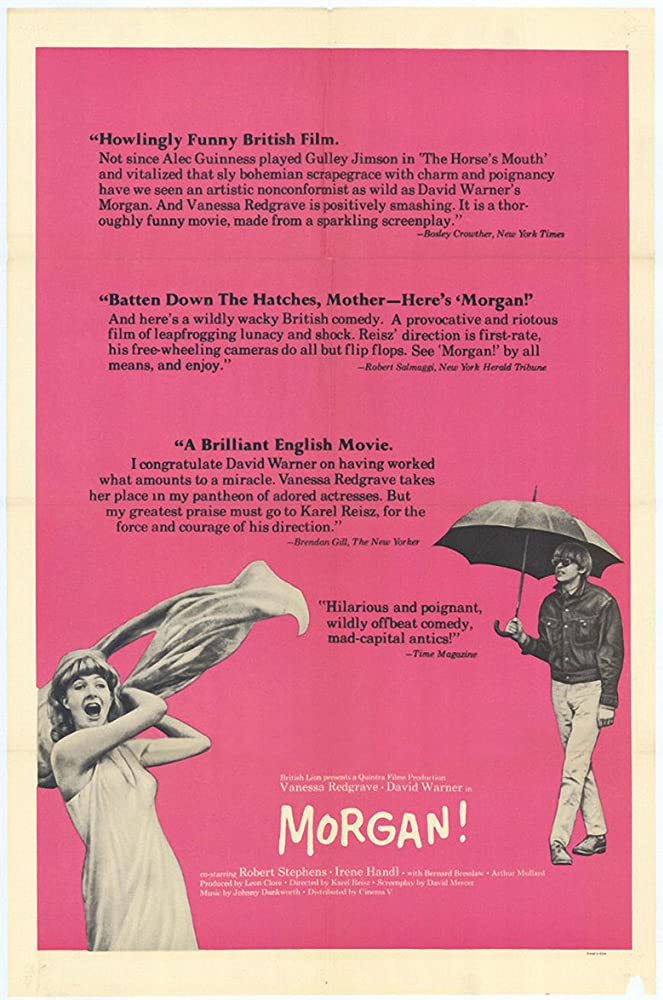
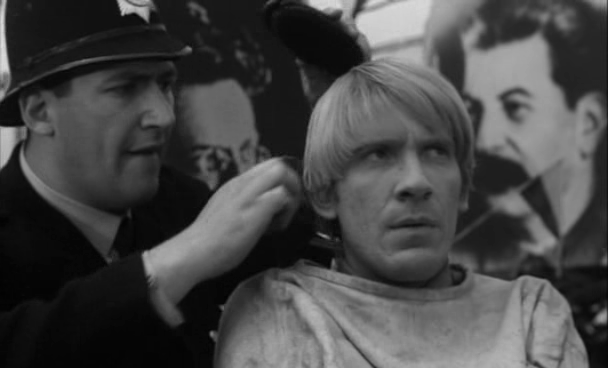
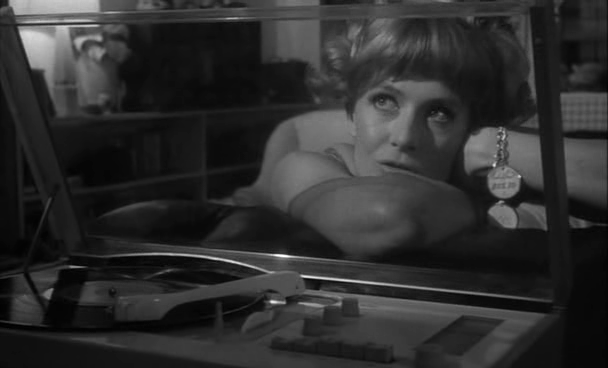
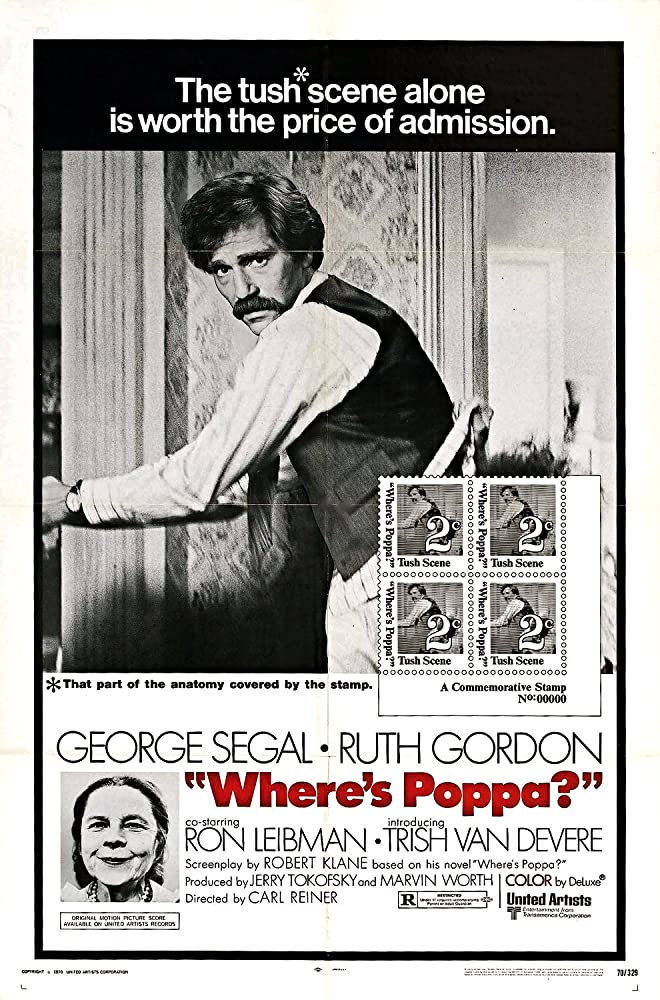
Response to Peary’s Review: It’s not very hard to look “past director Karel Reisz’s deceptively charming veneer” and “see that Morgan’s fantasies and wild antics are symptomatic of impending personal disaster” — and I’m not someone who will simply “cheer Morgan’s devil-may-care behavior”, or “laugh when Morgan threatens Charles”, or “ignore Leonie’s protests”. As Peary writes, “the most important aspect of this film is not how Morgan tries to win back the woman he loved and lost, but how Leonie deals with the often pathetic advances of a man she loves but can’t be with without destroying herself.” Peary goes on to state that the “picture has lost much of its following because stylistically it is extremely dated”; he argues we’ve “long overdosed on freeze frames, fast-speed photography, insertions of old movies, and juxtaposition of images signifying ‘illusion’ and ‘reality’.” I’m not sure that still holds true; but the repeated insertion of clips from Tarzan Triumphs (1943) and King Kong (1933) — as well as Morgan’s imagining the world around him as a jungle — feel forced. By the time things get fully (and tragically) ridiculous near the end of the movie, and Morgan puts on his full-body gorilla suit, it’s clear the film has gone in directions that will either resonate with viewers or not. It’s possible that this all played much fresher in the 1960s; but nowadays, one simply feels sad about Morgan’s untreated illness and frustrated at Redgrave for giving him such a long leash. Redeeming Qualities and Moments: Must See? Links: |
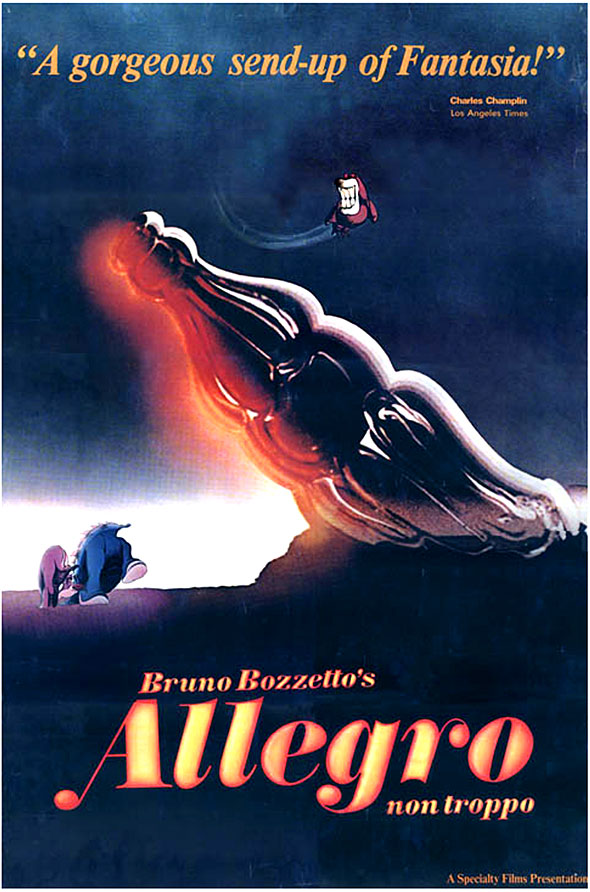
“The greatest ambition that burns and swells in the soul of every creative animator is to illustrate music, to give visual form and color to its notes.”
|
Synopsis: |
|
Genres, Themes, Actors, and Directors:
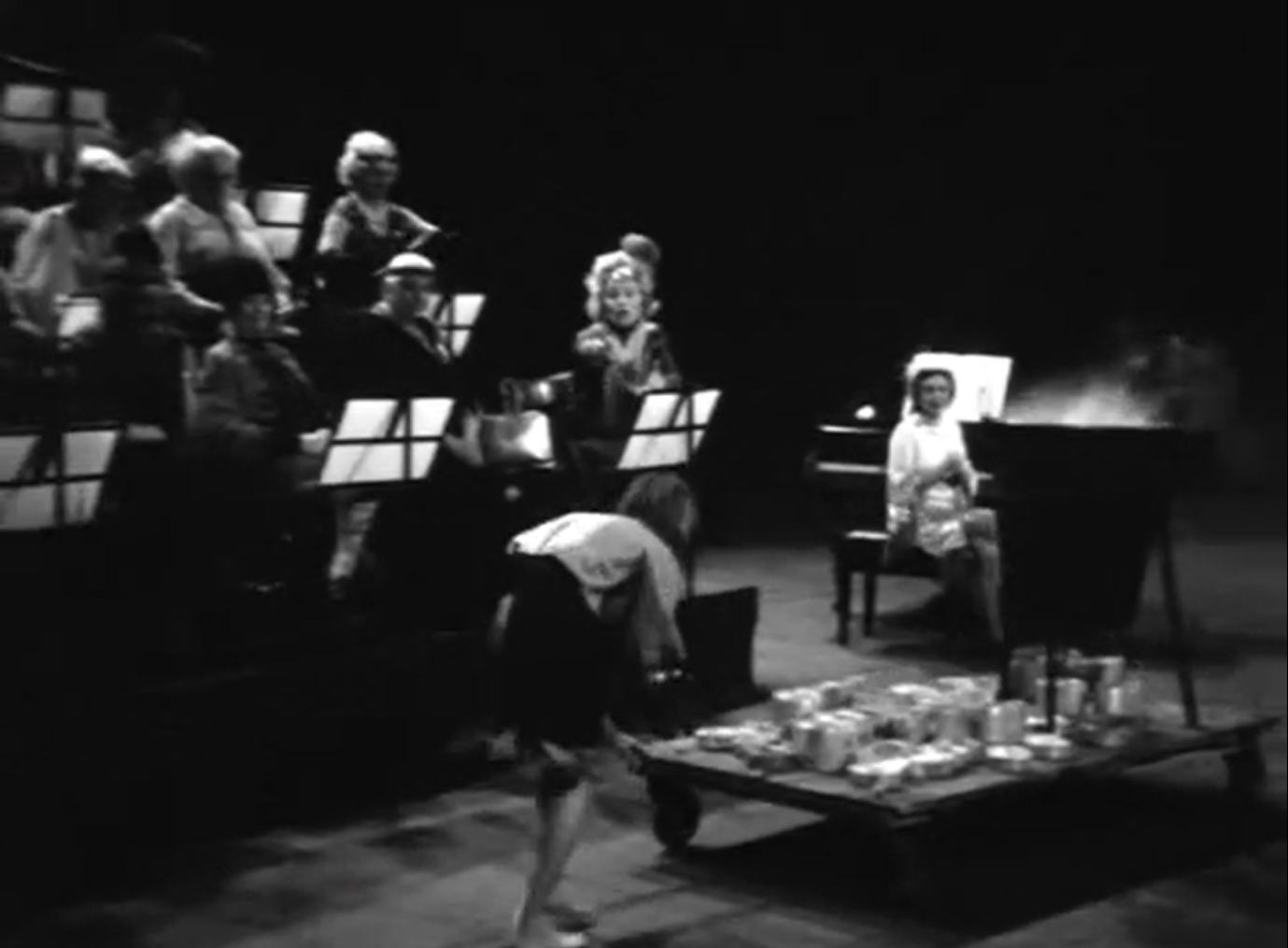
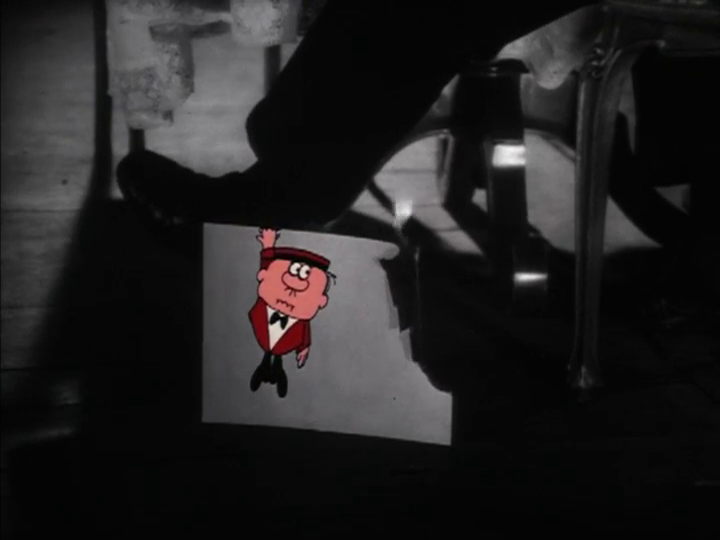
Response to Peary’s Review: — are a mixed bag, but ultimately an indelible part of the film’s unique style; it’s easy to see how this film has been “a nice change of pace from typical repertory-theater fare” (though as Peary notes, “you have to be in the right mood to enjoy it”). Redeeming Qualities and Moments: Must See? Categories
Links: |
“What kind of town is this, anyway?”
|
Synopsis: |
|
Genres, Themes, Actors, and Directors:
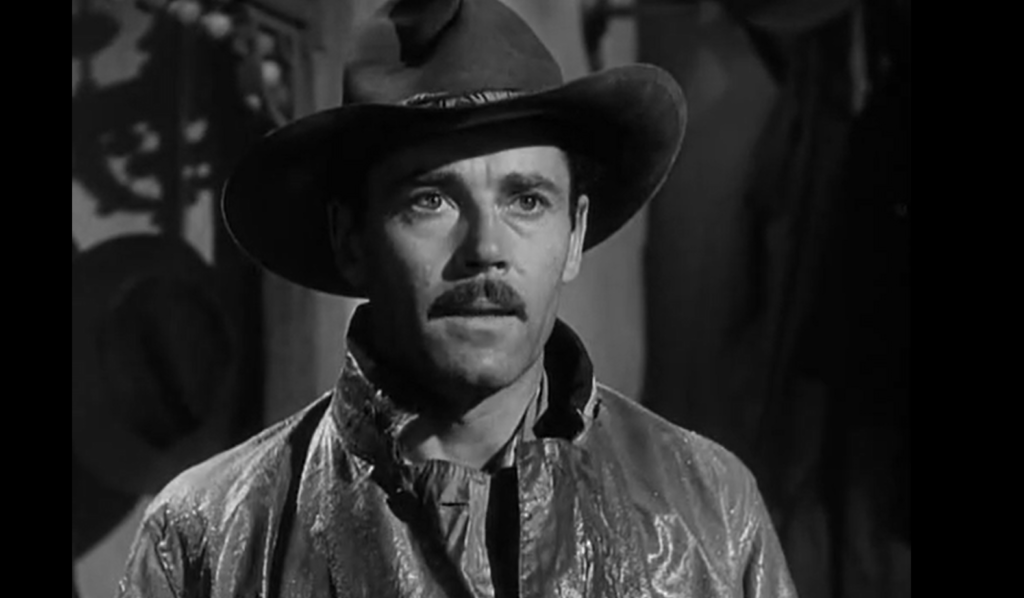
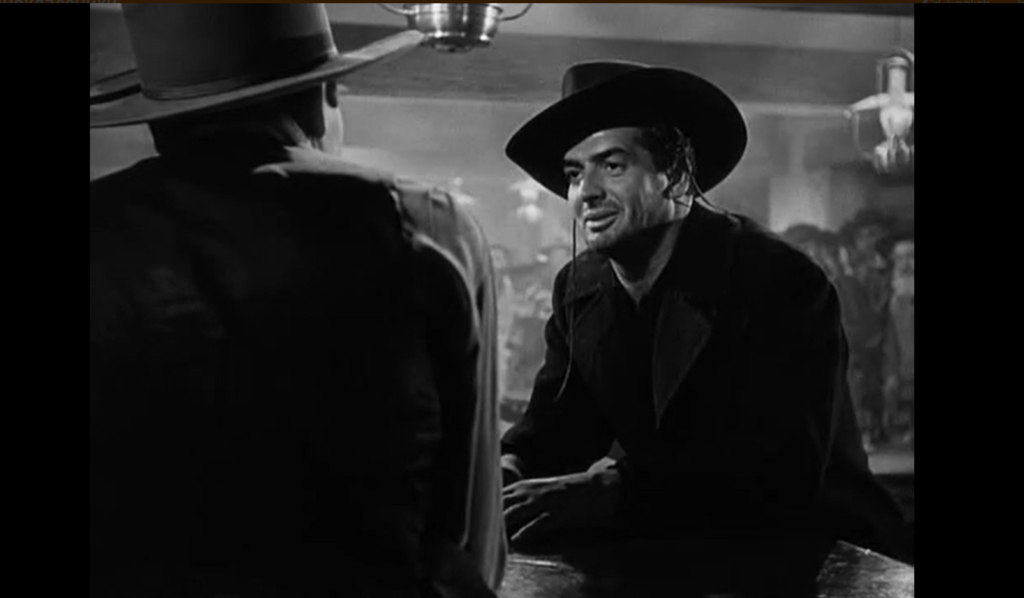
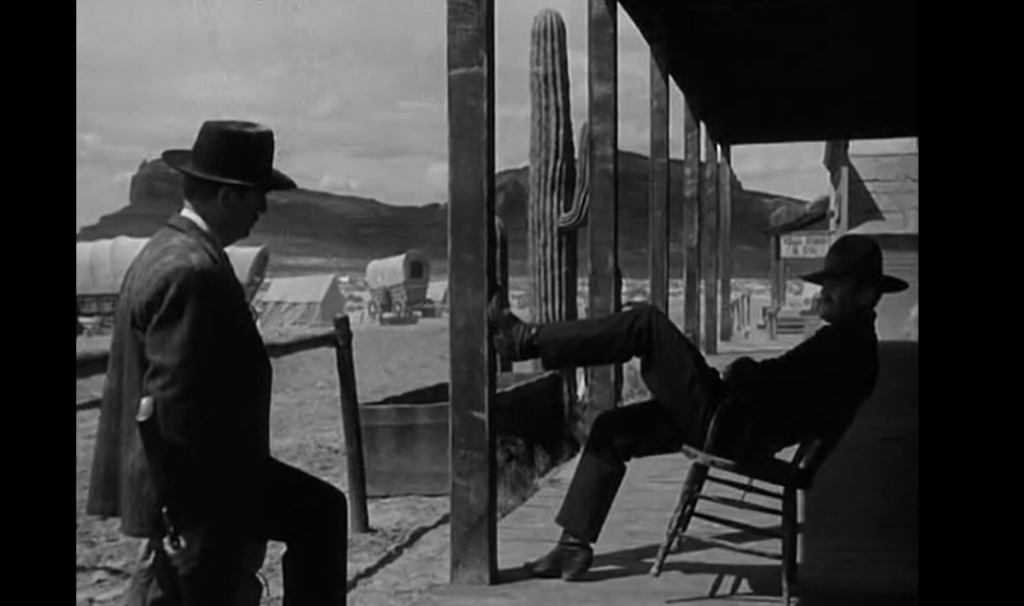
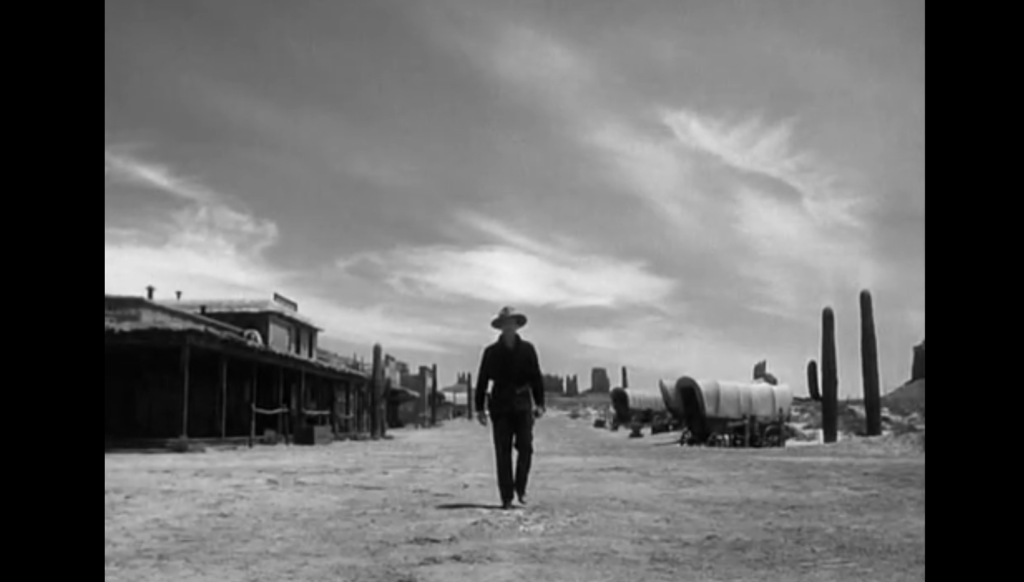
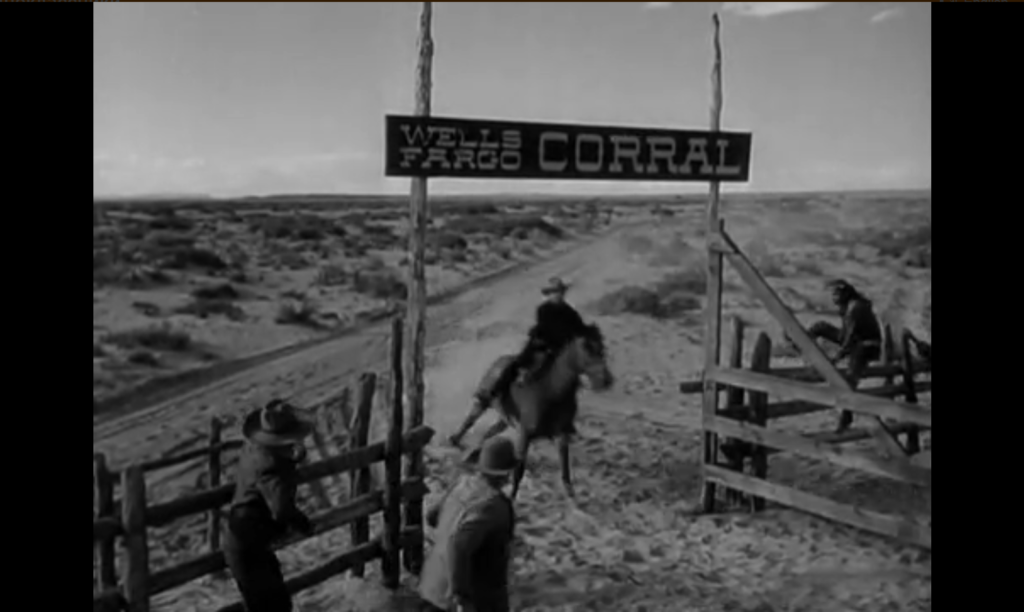
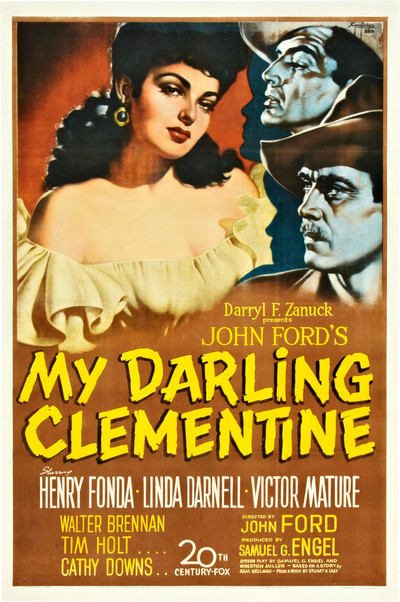
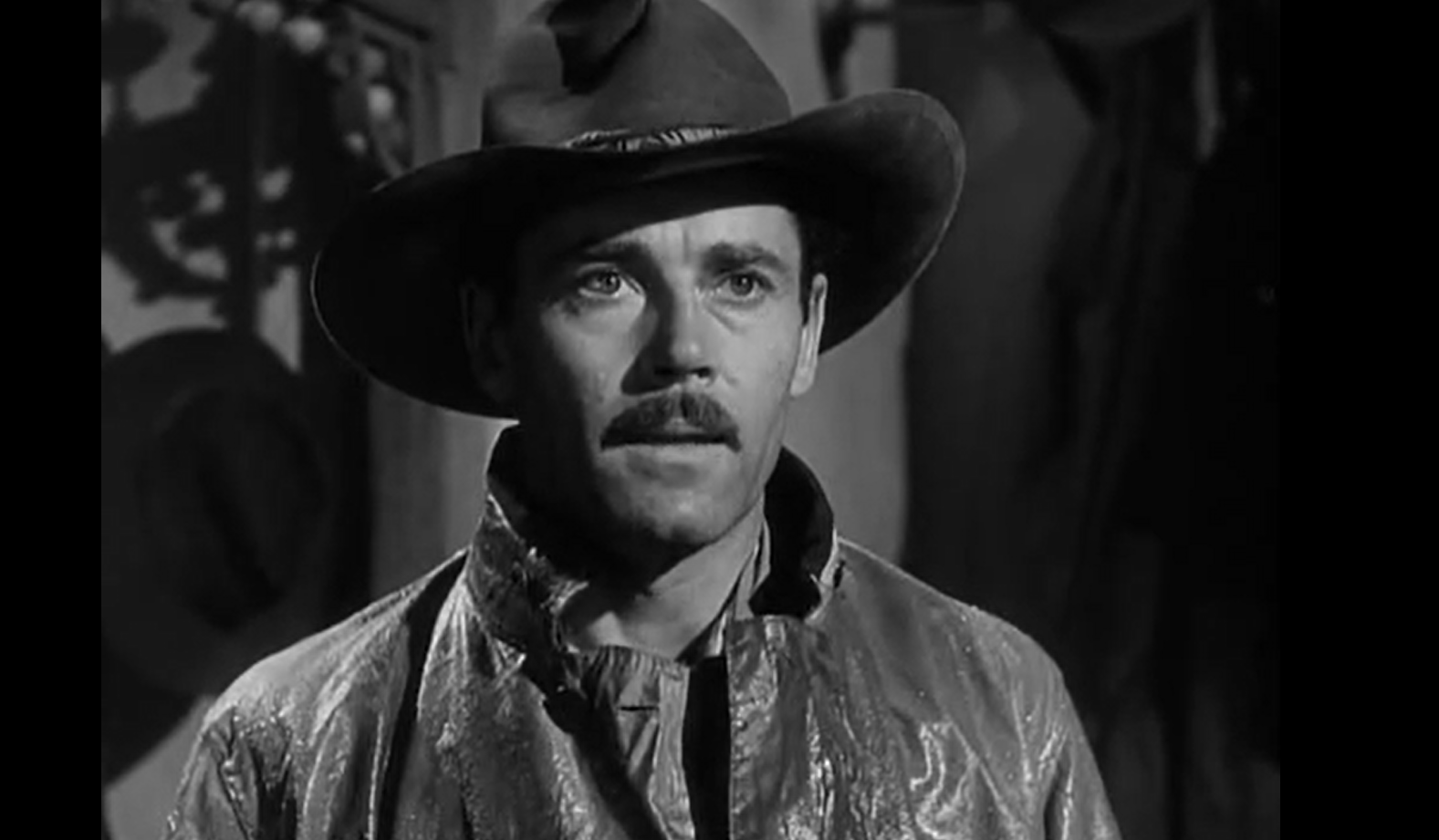
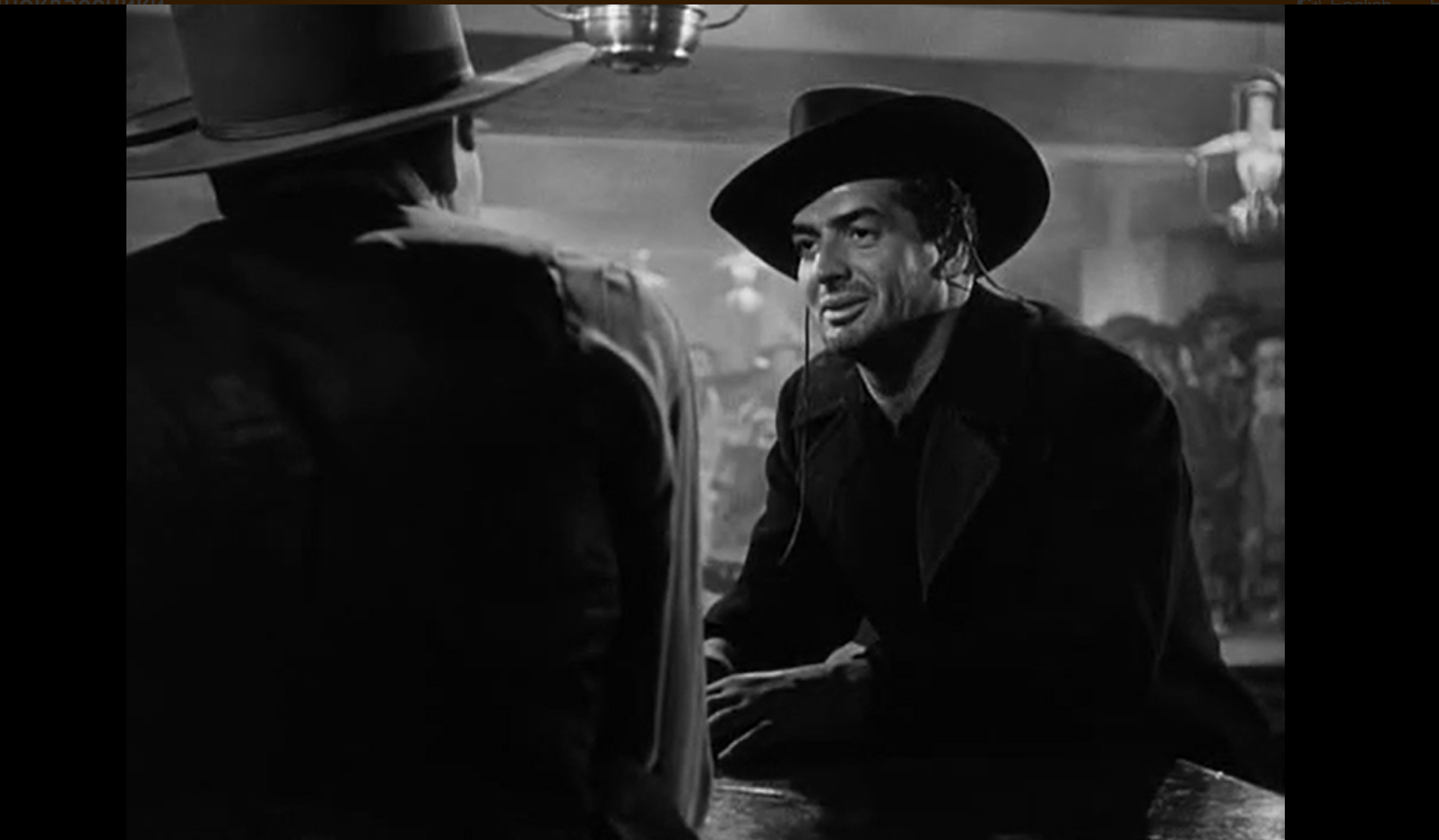
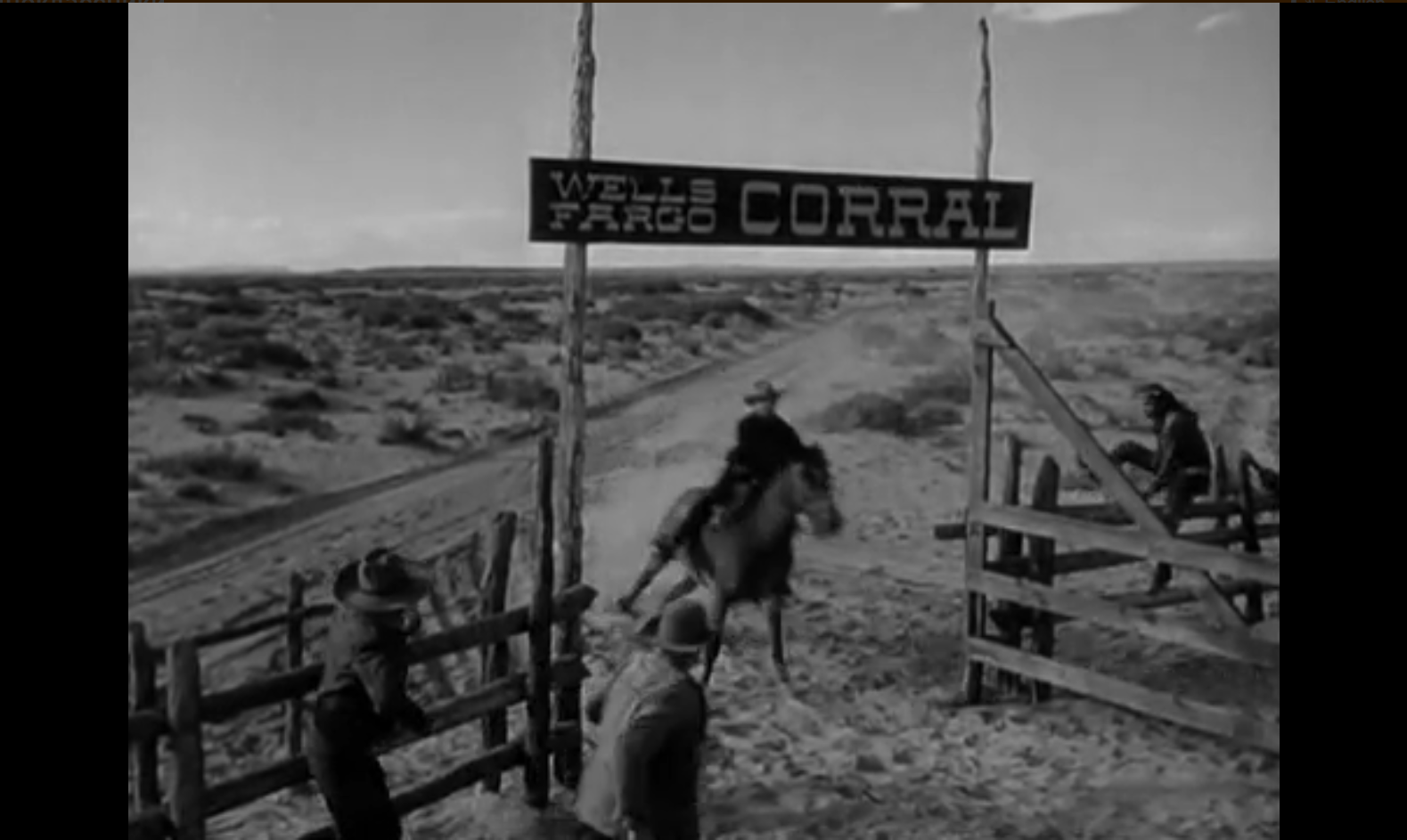
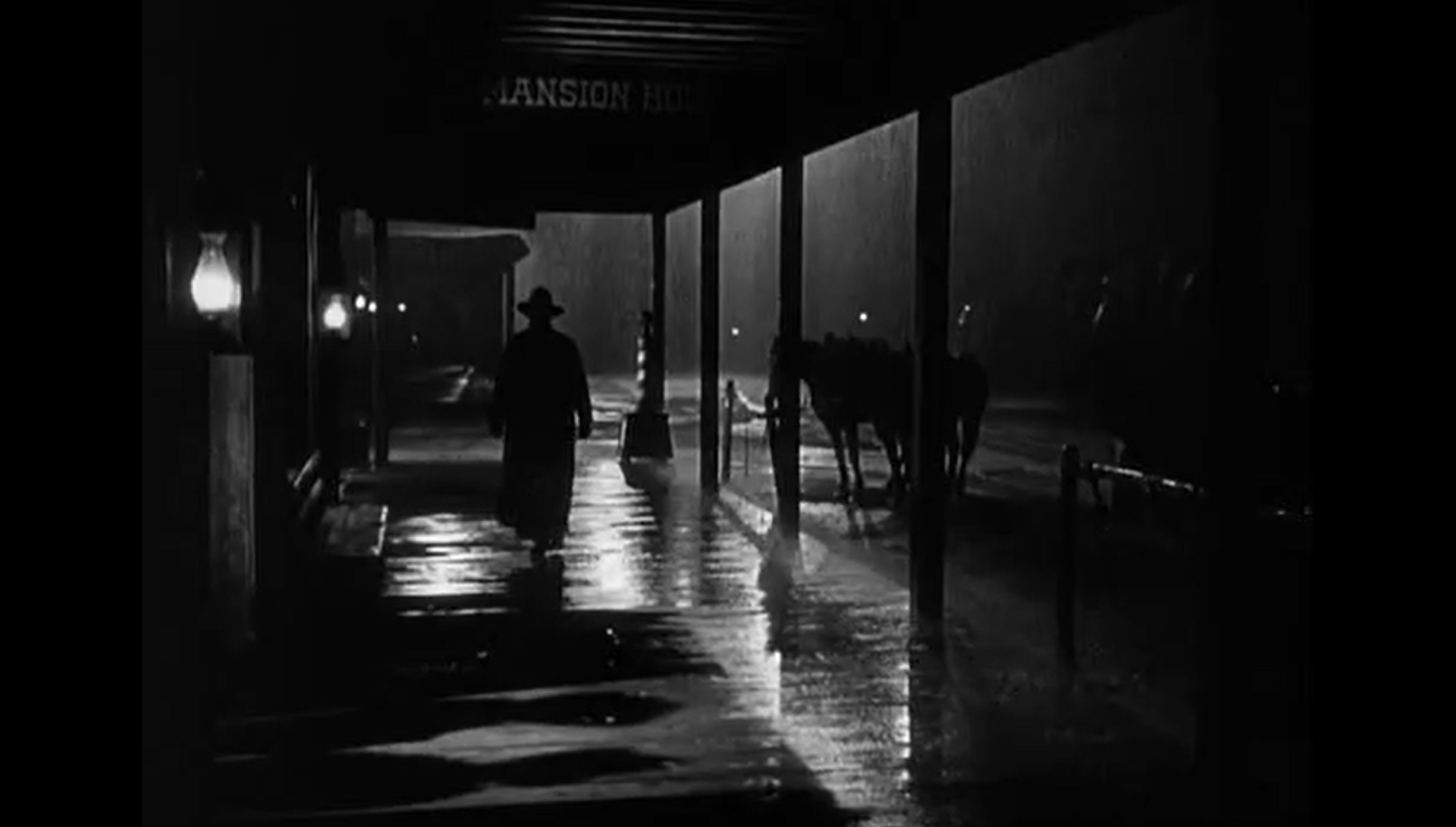
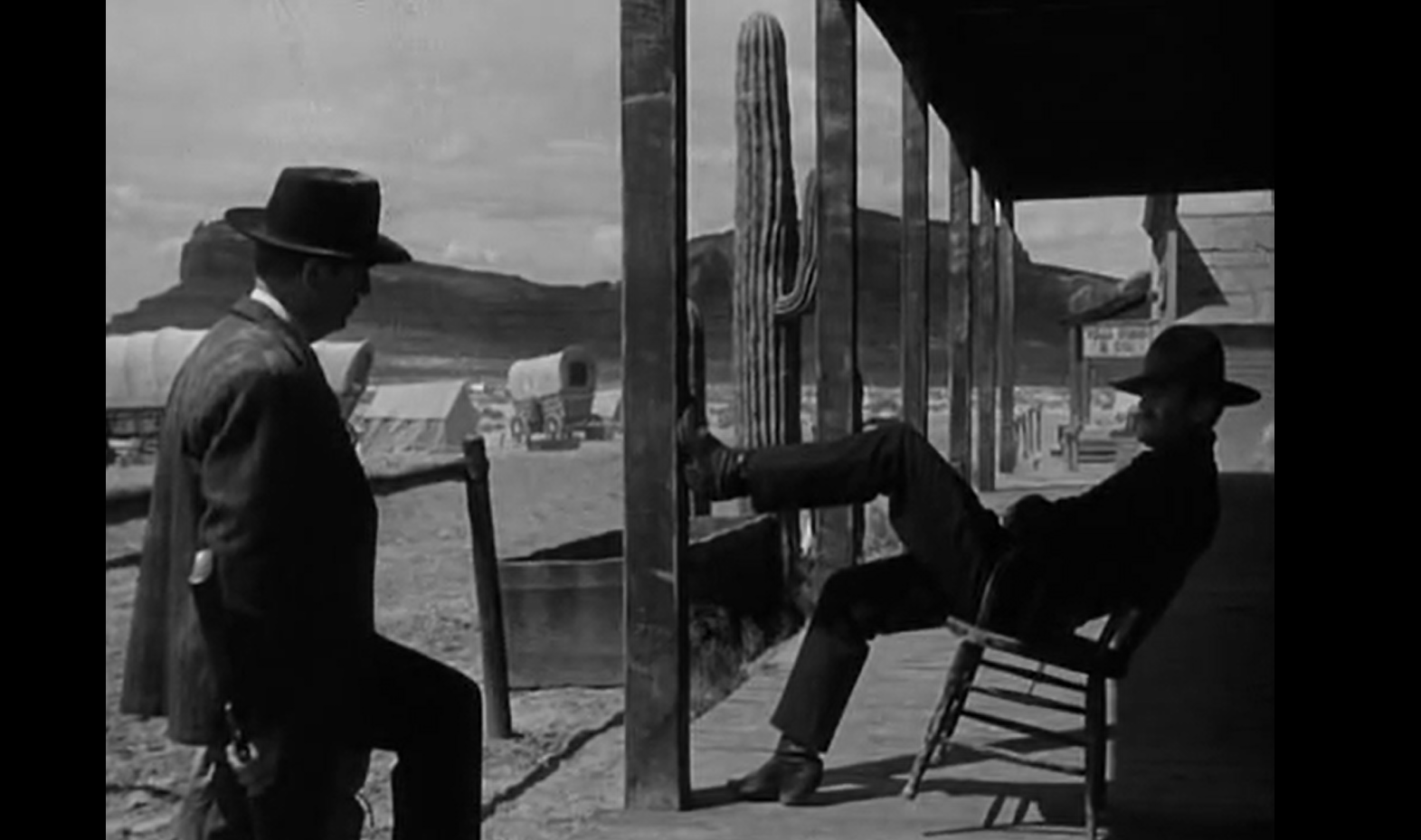
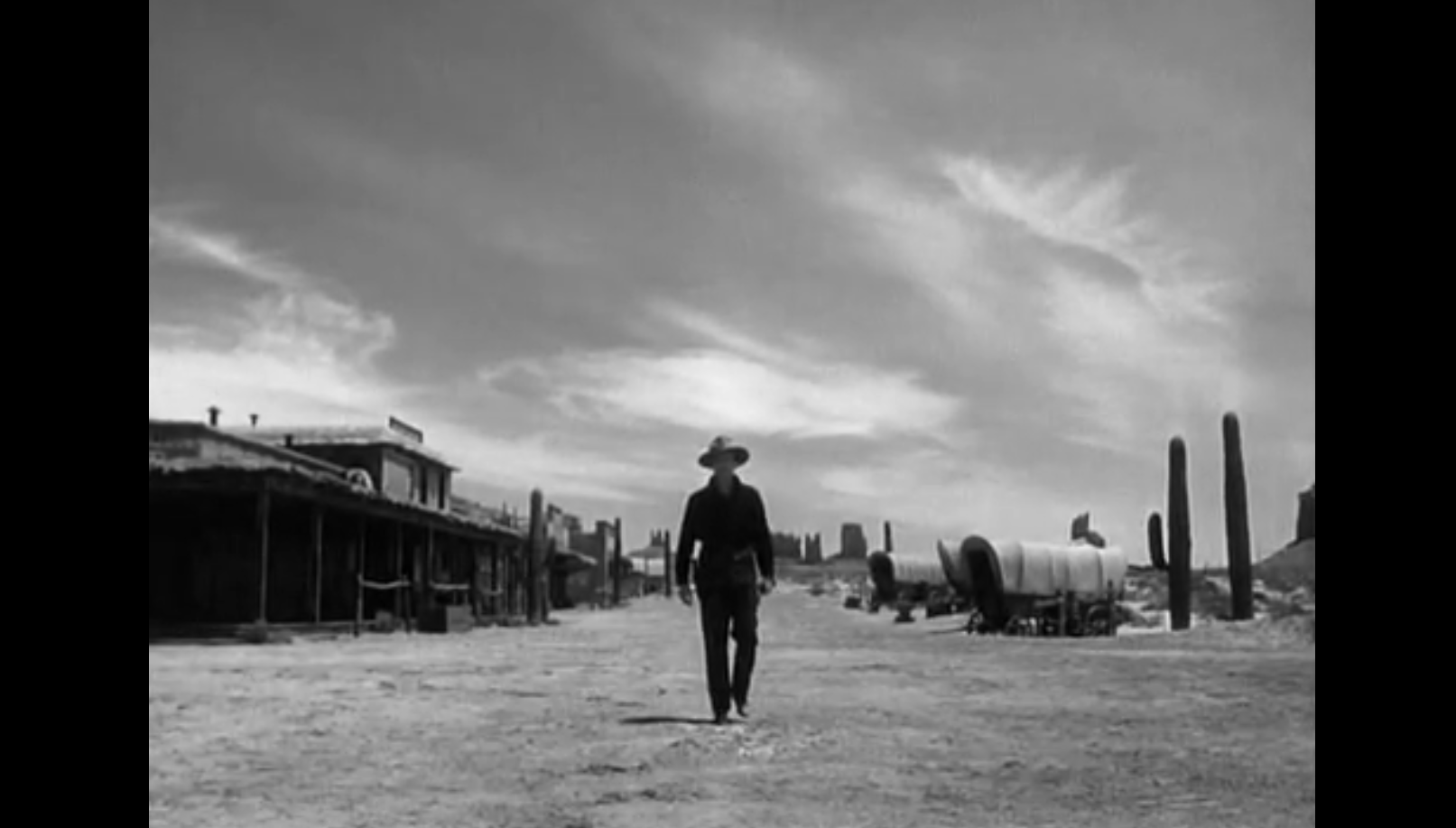
Response to Peary’s Review: Naturally, this retelling of the infamous “gunfight at the O.K. Corral” — as with nearly every other adaptation — falls far short of the truth of the story; those interested in learning more can read any of TCM’s articles about the film, Wikipedia, or Peary’s lengthy article in his Cult Movies 2 book. As Peary writes in GFTFF, “The real Wyatt Earp was a cad (also he was no marshal), but Fonda plays him as a brave, virtuous, dignified man” who is “so steadfast in his moral beliefs that he’s too predictable”, thus leading to “the morally ambiguous Holliday” being “brought into play”. Peary describes Holliday as a “tragic figure who, unlike Wyatt, cannot accept the advent of civilization because he will be rejected by society when, by all rights, he should fit in — he’s more intellectual, educated, cultured, better dressed than Wyatt”, and “also blessed with the power to cure the sick — but makes no [apparent] attempt to rid himself of consumption”. In Cult Movies 2, Peary elaborates on “the way people relate to each other in Ford’s west” — that is, “the director’s own version of ‘realism’.” As Peary writes:
Indeed, as fictionalized as all the proceedings are (and boy, they certainly are), My Darling Clementine nonetheless represents an iconic vision of the West — complete with racism (Mexicans and Indians are lower-class citizens) and rampant corruption (a massive set of crimes are committed by the Clantons within the first five minutes). Visually the film is stunning, and the performances are noteworthy as well — but the story-line itself also offers plenty to chew and reflect on as we consider how we have constructed our problematic, deeply complex history of the West. Redeeming Qualities and Moments:
Must See? Categories
(Listed in 1001 Movies You Must See Before You Die) Links: |
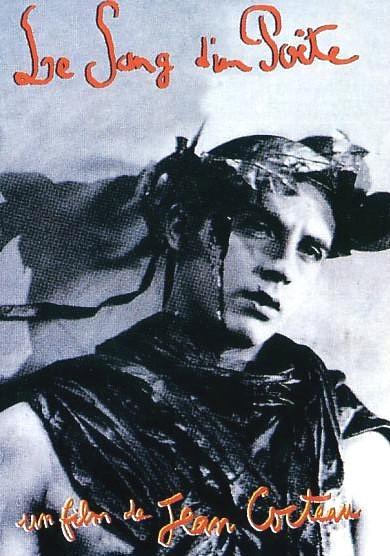
“Is it not crazy to wake up statues?”
|
Synopsis: |
|
Genres, Themes, Actors, and Directors:
Response to Peary’s Review: Redeeming Qualities and Moments: Must See? Links: |
“All you farmers is just the same. Gamblers! That’s what you all are, to a man.”
|
Synopsis: |
|
Genres, Themes, Actors, and Directors:
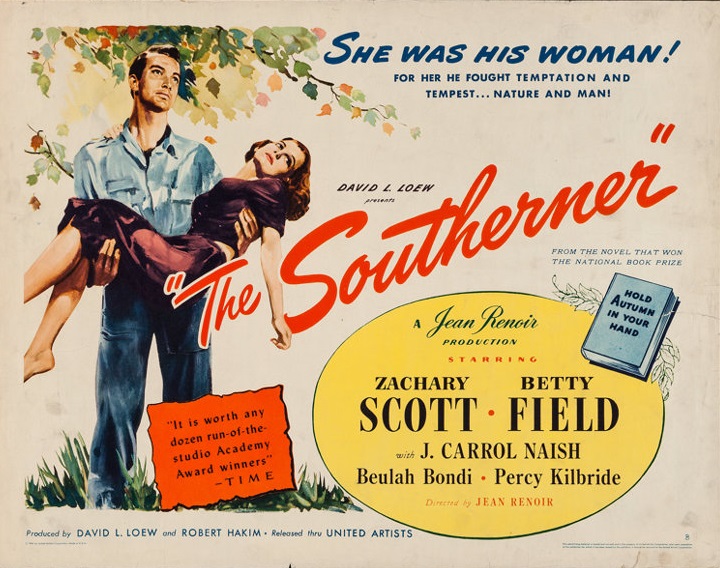
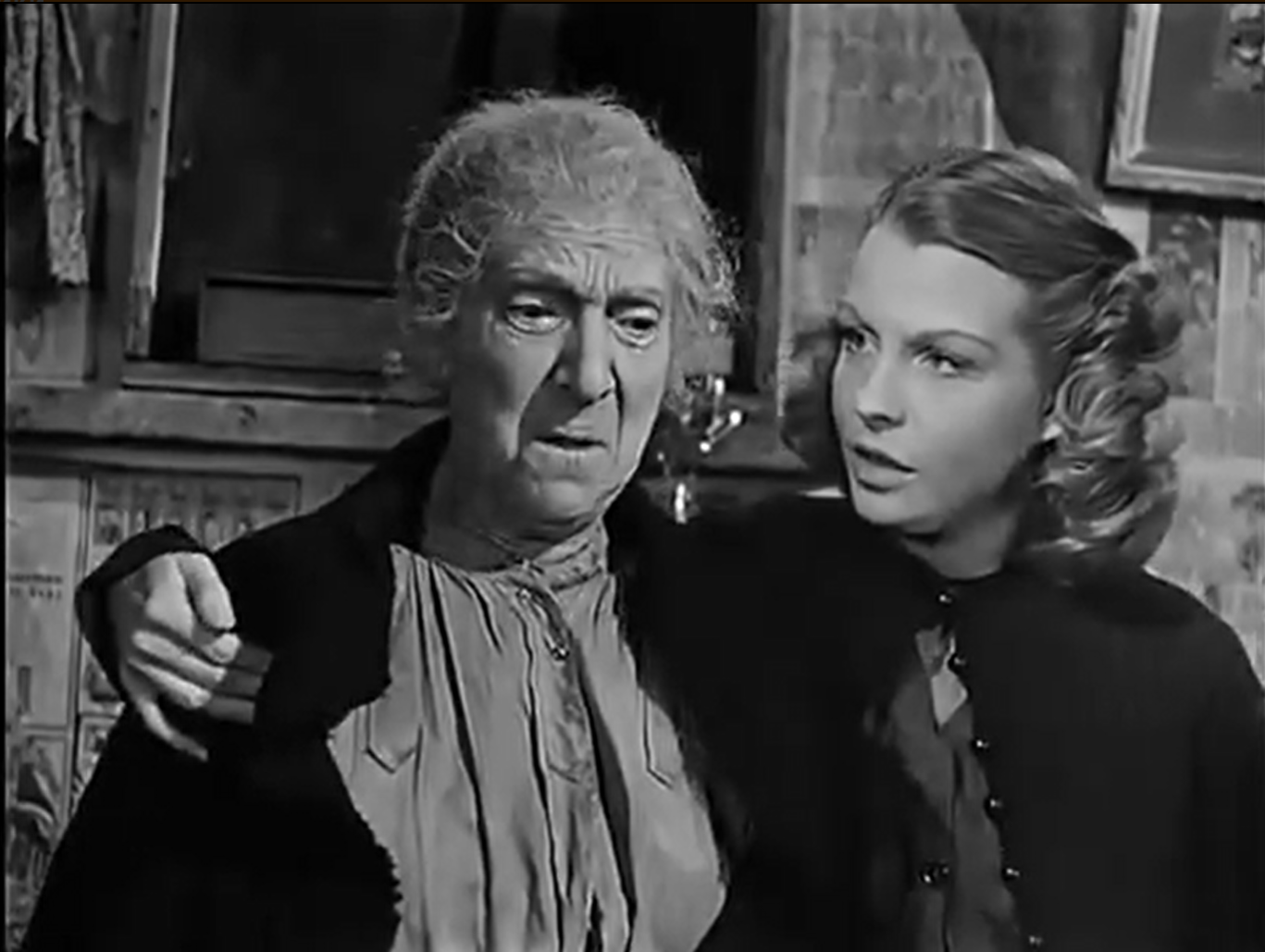
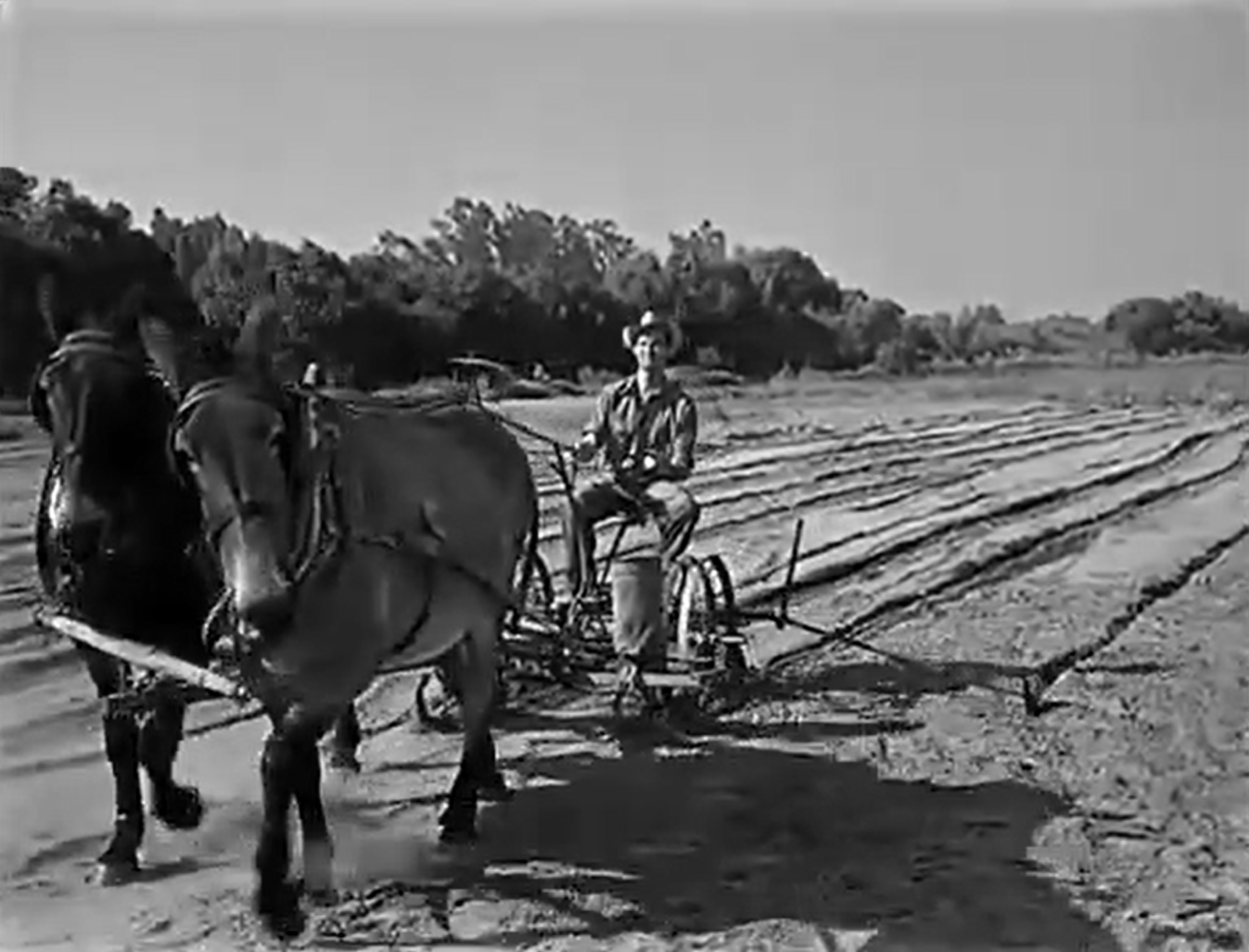
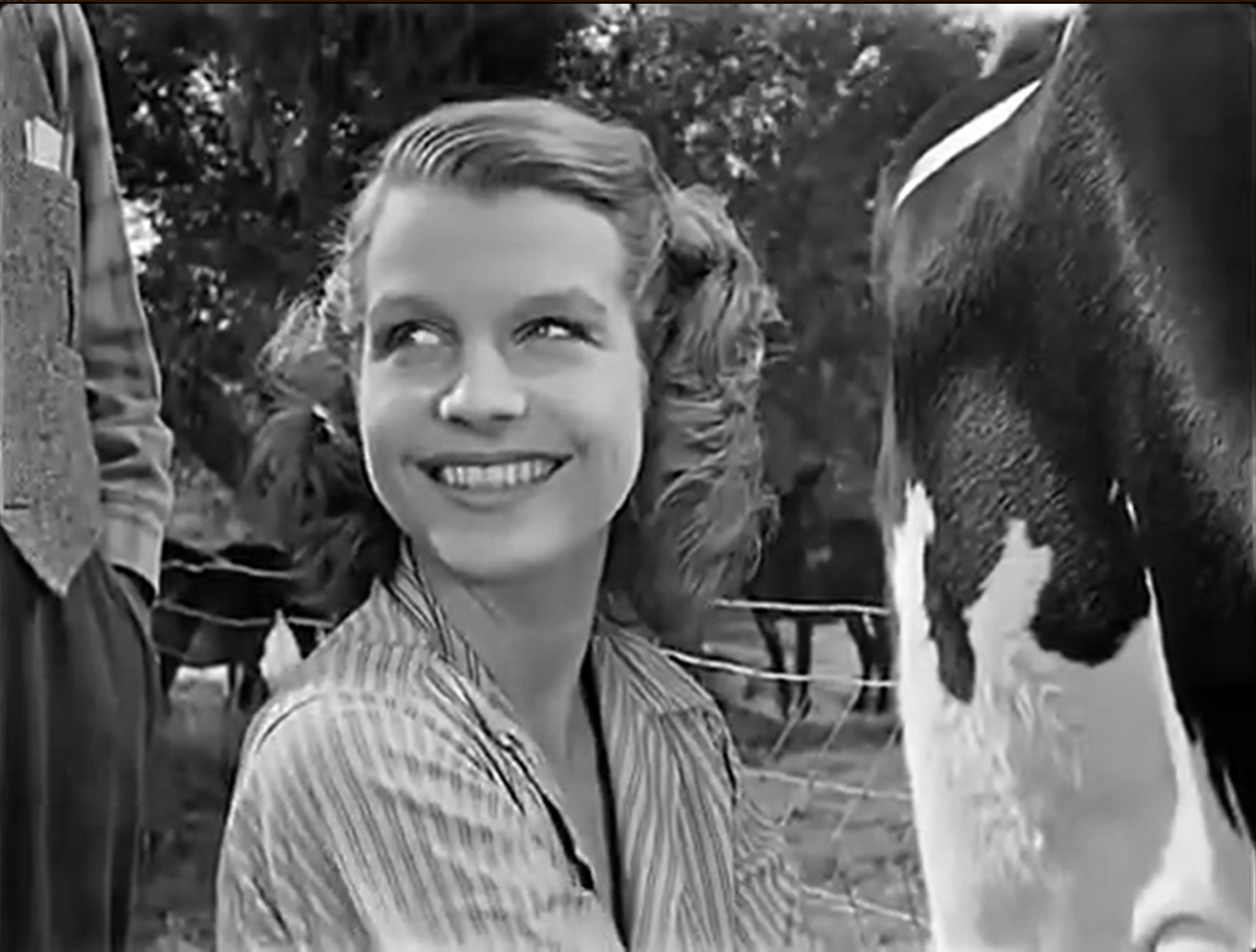
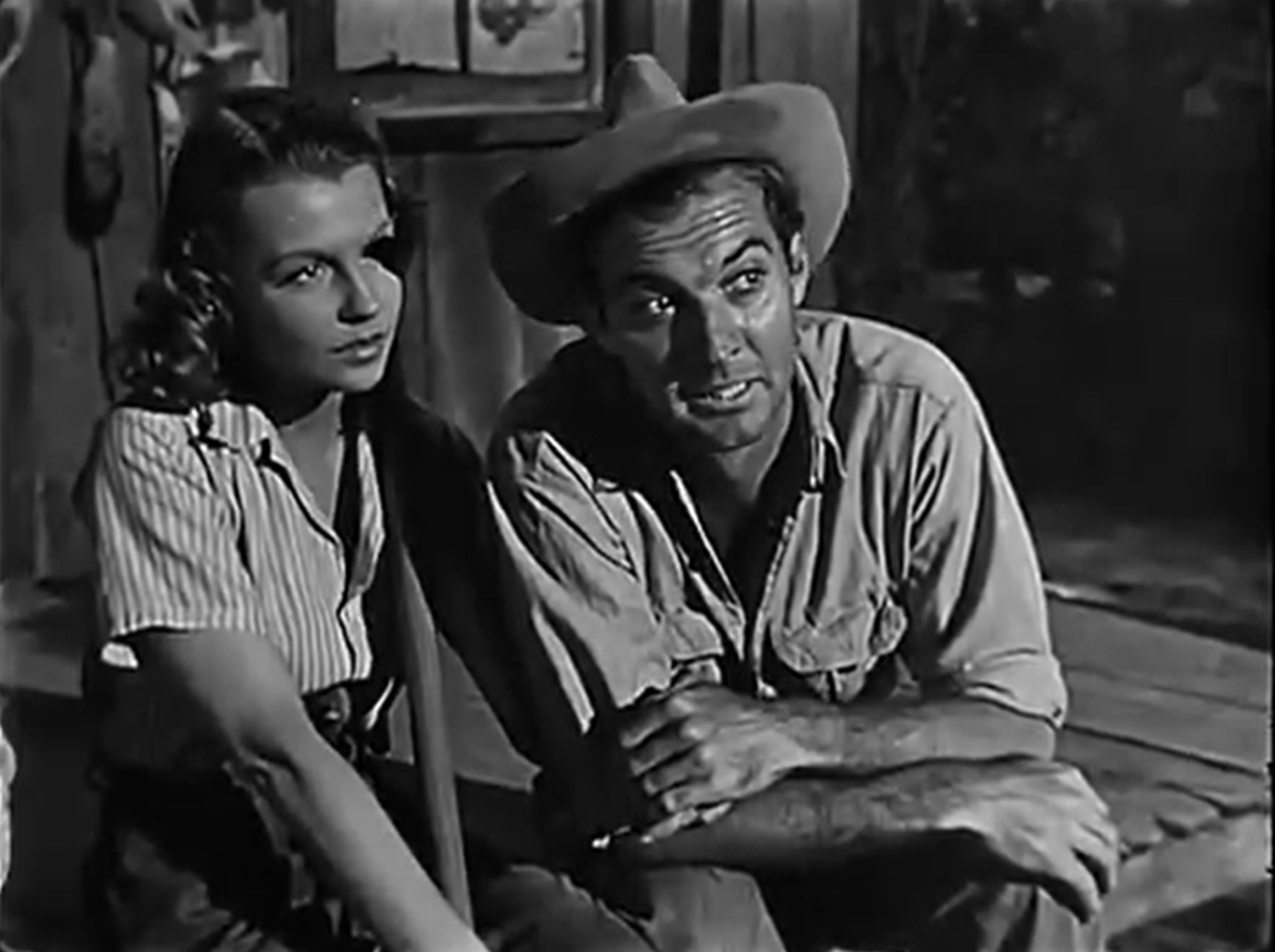
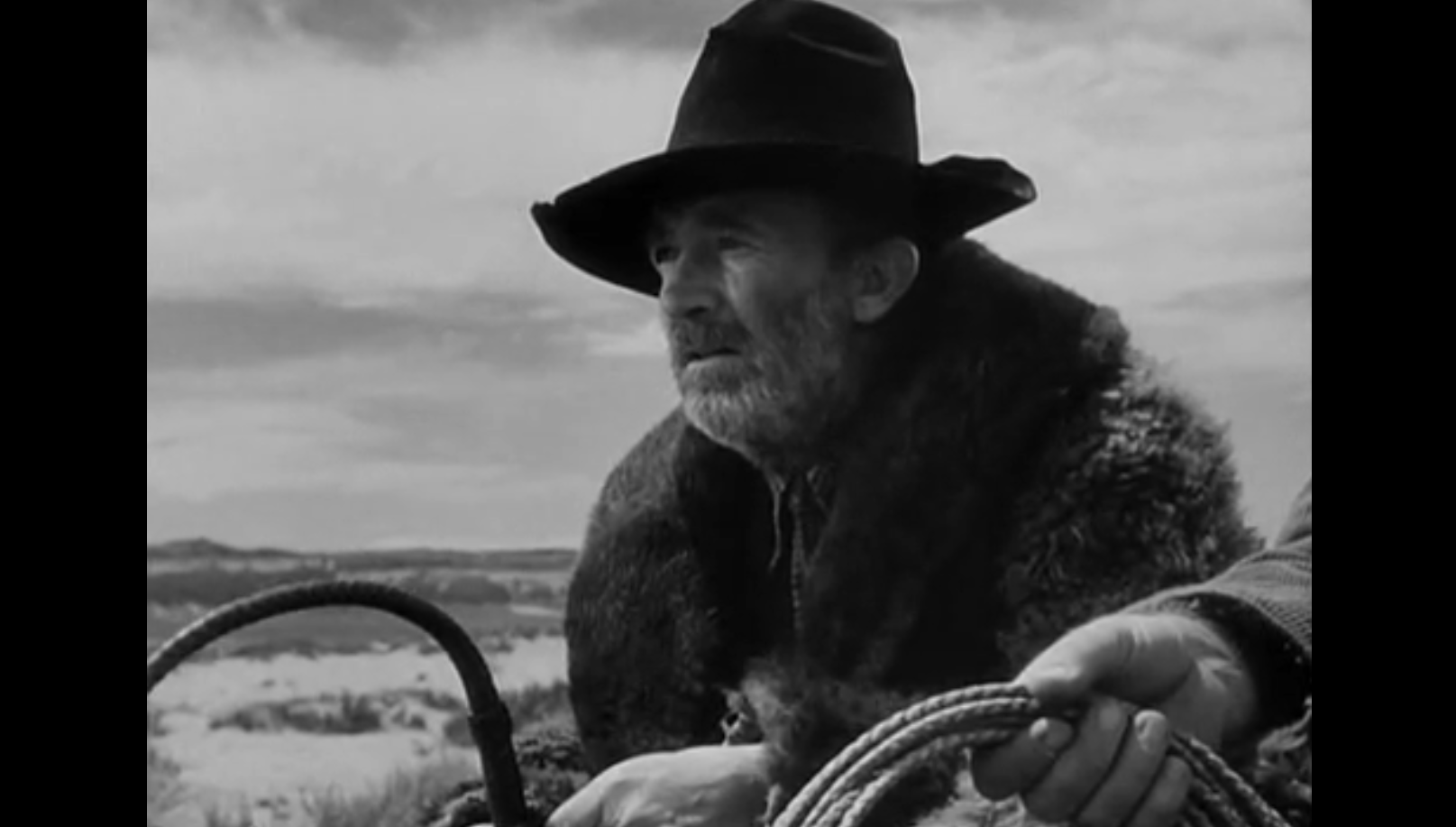
Response to Peary’s Review: While Peary states that “the hardships are predictable”, I disagree; the challenges facing any family attempting to make a living off the land are substantive enough to highlight — especially in an era when most of us remain so oblivious to the tremendous work and luck involved in farming. Peary also argues that Renoir “doesn’t include enough shots of work being done” (I disagree): … and that “Betty Field was probably miscast” (I disagree yet again) — though he does concede “her sparkling eyes alone give the picture a needed dose of kindness.” While this isn’t must-see viewing for all film fanatics, they will likely be curious to give it a look — and of course fans of Renoir’s oeuvre will want to seek it out. Note: TCM’s article cites an extensive quote from Renoir’s memoirs, in which he describes his fondness for this film (and also, perhaps, his overly “precious” approach):
Redeeming Qualities and Moments: Must See? Links: |
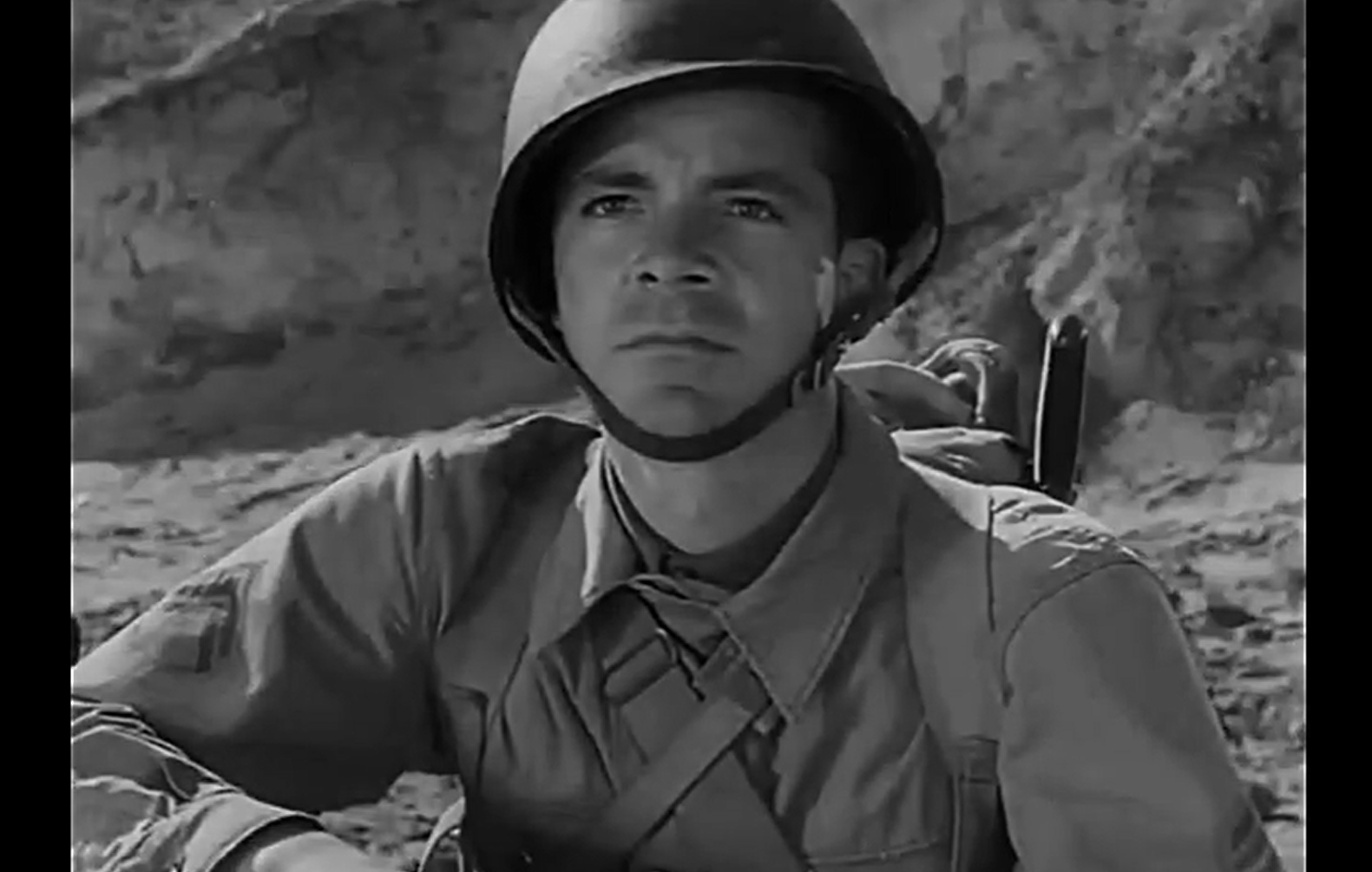
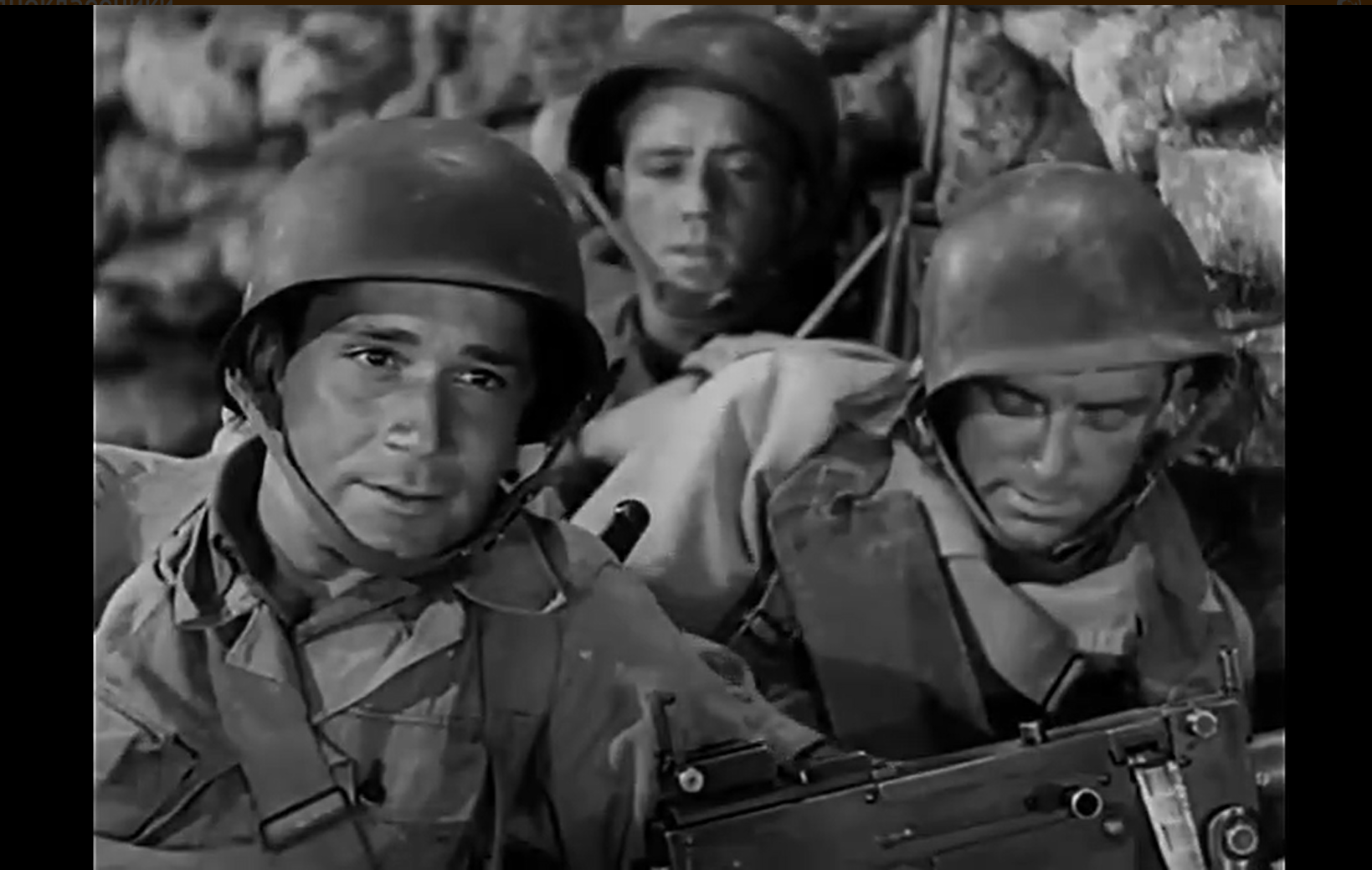
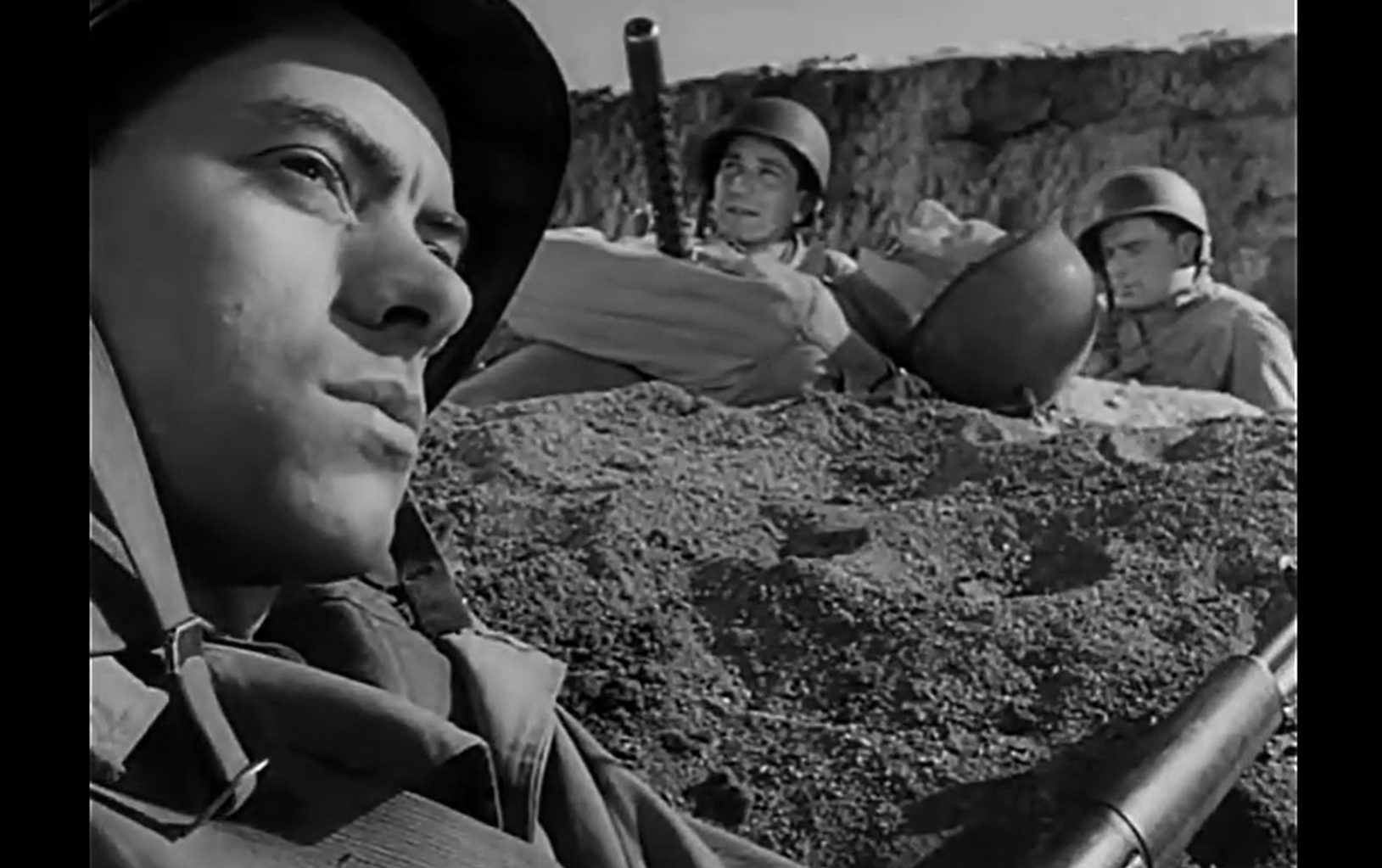
“Everything in the army is simple: you live or you die.”
|
Synopsis: |
|
Genres, Themes, Actors, and Directors:
Response to Peary’s Review: Note: Andrews and Conte co-starred in Milestone’s controversial WWII film from the previous year, The Purple Heart (1944), which is worth a look but with caution (as outlined in my review). Redeeming Qualities and Moments:
Must See? Categories
Links: |
“History is born out of a bottle of wine.”
|
Synopsis: |
|
Genres, Themes, Actors, and Directors:
Response to Peary’s Review: Redeeming Qualities and Moments:
Must See? Categories
Links: |
“Our mission needs ice-cold nerves.”
|
Synopsis: |
|
Genres, Themes, Actors, and Directors:
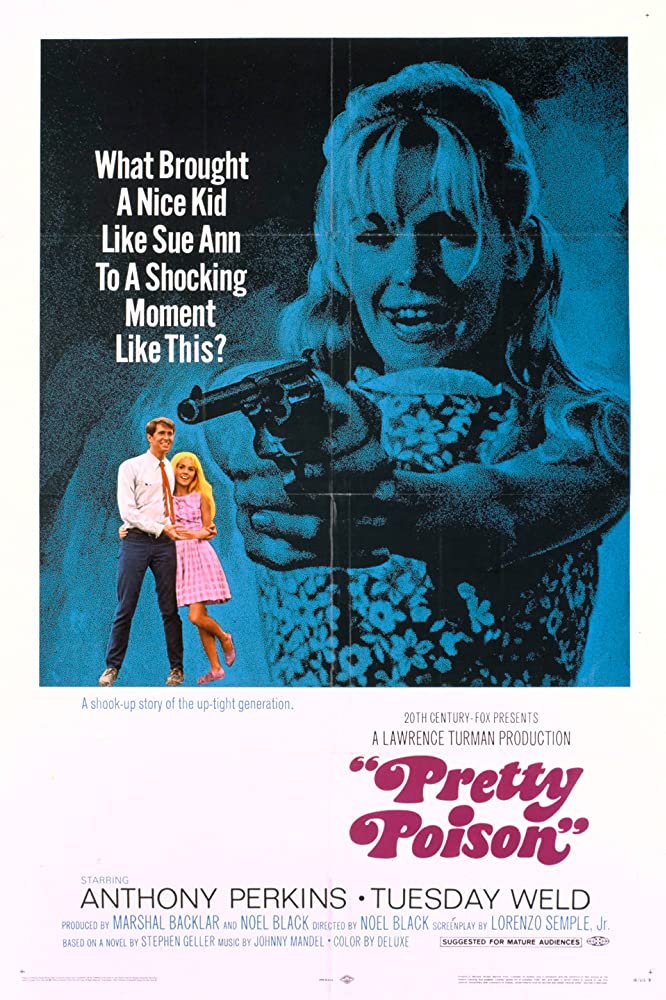
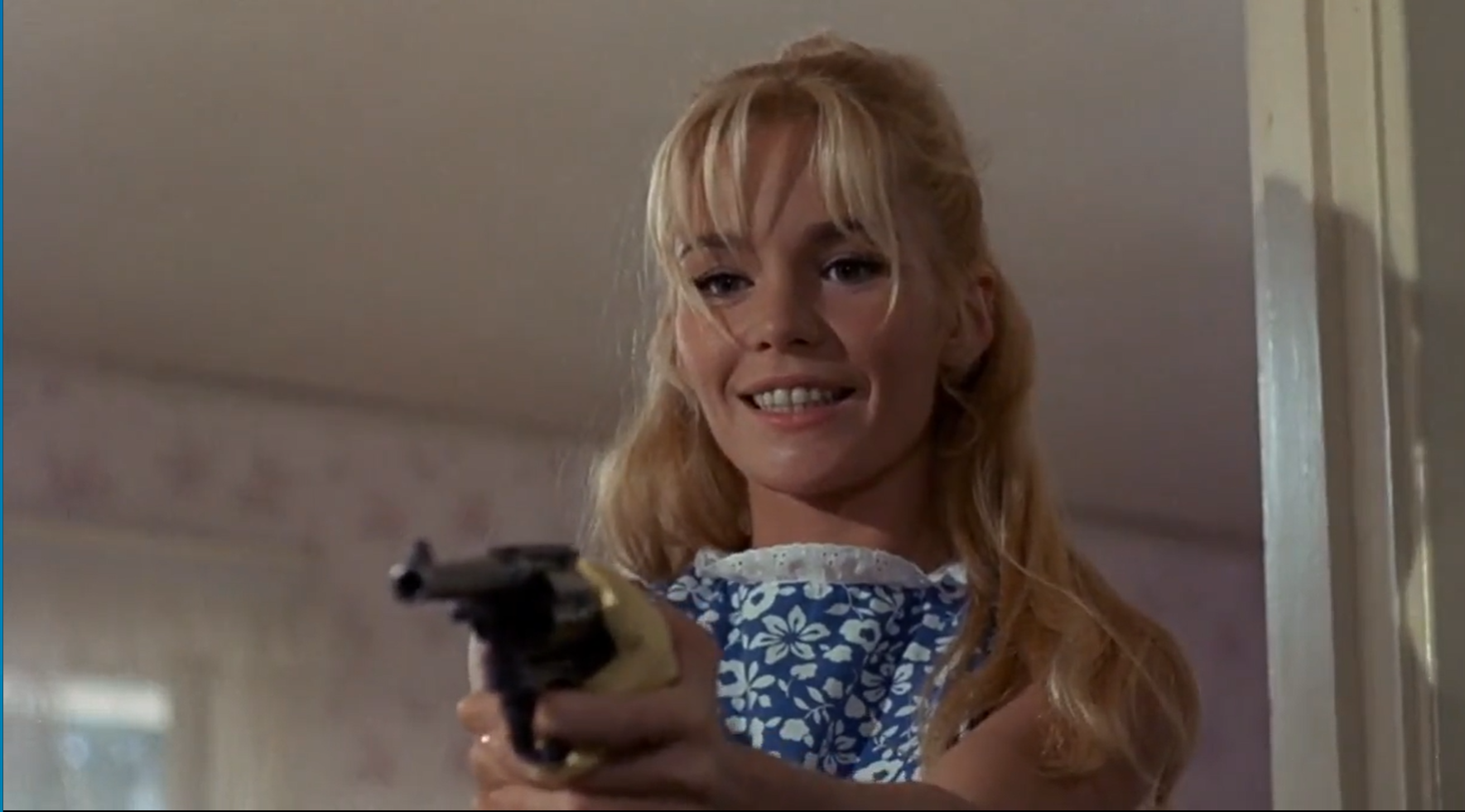
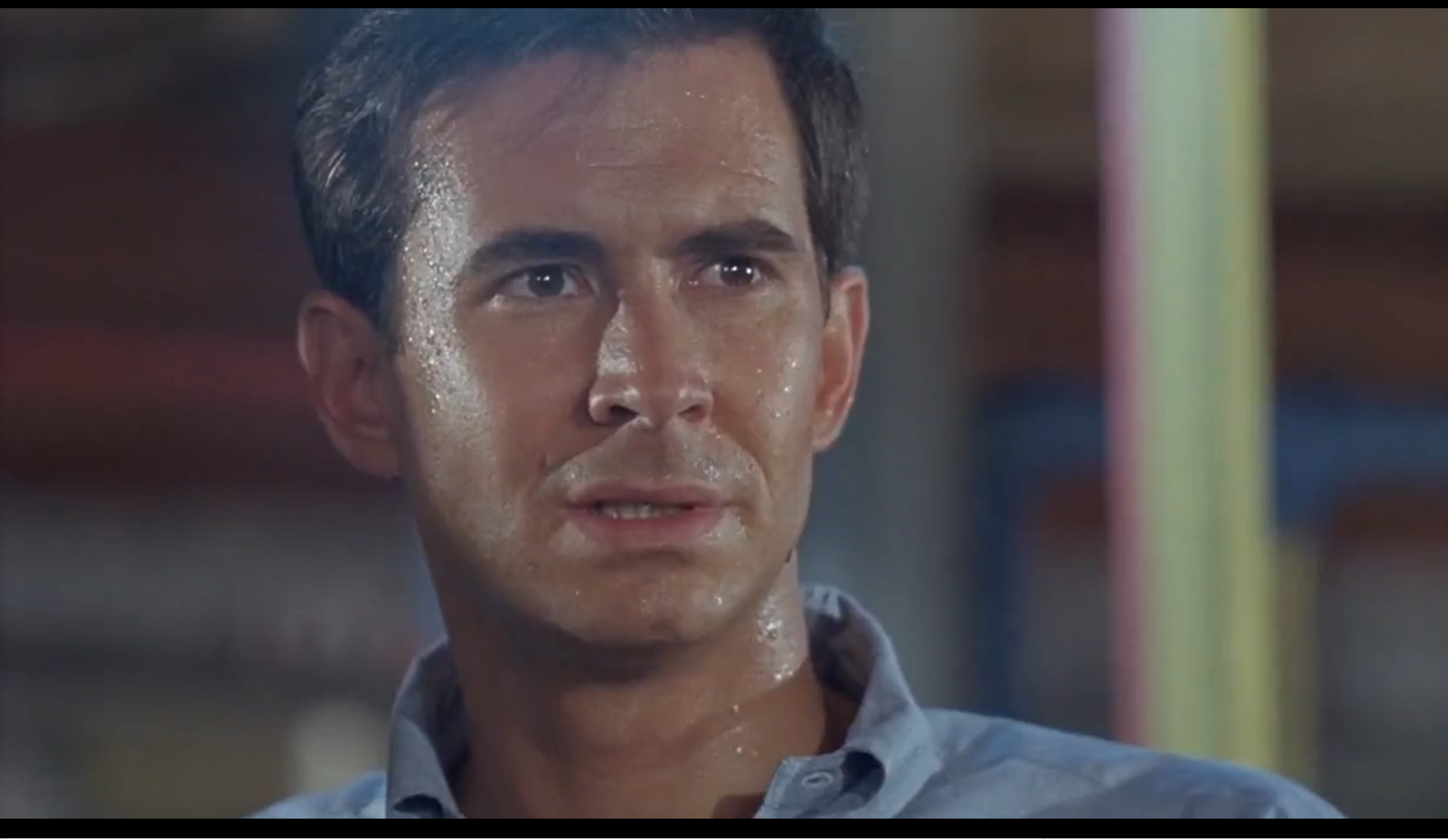
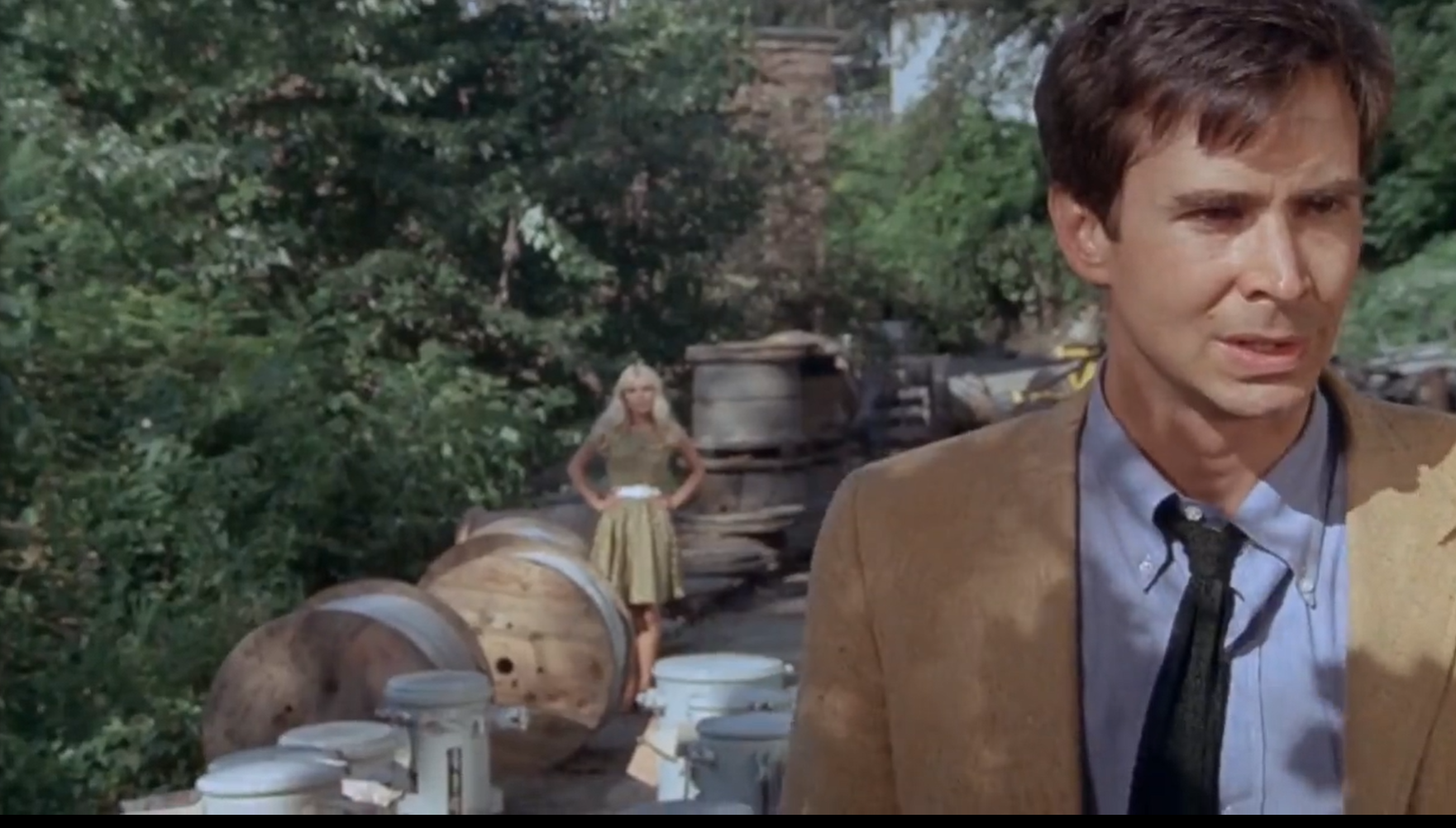
Response to Peary’s Review: In his Alternate Oscars, Peary names Weld Best Actress of the Year for her portrayal as “a typical American teenage innocent, a pretty, high-spirited blonde, who is on the honor roll, takes hygiene classes, and carries the American flag while marching with her school band”, but who actually represents psychopathy hiding in plain sight. He posits that “as Sue Ann grew up she refined, even perfected, her evil, keeping it veiled under a cheery veneer” — and now it “corresponds with her sexual amorality”. Weld “gives Sue Ann the comic edge to match Perkins’ oddball Dennis”: “no matter what ludicrous idea Dennis cooks up, Sue Ann is willing; in fact, she’s one scheme ahead of him”, and “no one is better than Weld at showing excitement at acquiring things”. Peary reminds us that after her debut role in Rock! Rock! Rock! (1956), Weld was best known for her “memorable, money-hungry” character “Thalia Menninger on television’s The Many Loves of Dobie Gillis — her prototypical role — and her manipulative teenager in Lord Love a Duck.” In Cult Movies, Peary elaborates upon Perkins’ character Dennis, noting he “reminds [him] of the scene in Psycho (1960) in which Perkins, as Norman Bates, loses his cockiness when the car containing Janet Leigh’s body momentarily fails to sink in the lake. At this moment, Norman realizes that he can be caught”, just as he is time and again in Pretty Poison. Speaking of Psycho, Stuart Galbraith IV points out in his review for DVD Talk that, “For 1968 audiences, part of the film’s surprise is that it completely flip-flops audience expectations. They were still avoiding those late-night, home alone showers in the wake of Psycho, so Anthony Perkins in another fresh-out-of-the-nuthouse role strongly suggested another Norman Bates-like character” — whereas his character here actually elicits “relative sympathy” compared to Sue Ann, thus throwing “audiences off-balance”. Also of note is the small but crucial supporting role played by Beverly Garland, giving a “deliciously cold performance” as Weld’s shrewish mother; we understand Weld’s animosity towards her, but also feel sympathy about her untimely demise given that she’s “being nice to Sue Ann for the only time in the picture”. Redeeming Qualities and Moments:
Must See? Categories
Links: |