Browsed by
Category: Response Reviews

My comments on Peary’s reviews in Guide for the Film Fanatic (Simon & Schuster, 1986).

Diamonds Are Forever (1971)

Diamonds Are Forever (1971)

“Curious, how everyone who touches those diamonds seems to die.”

Synopsis:
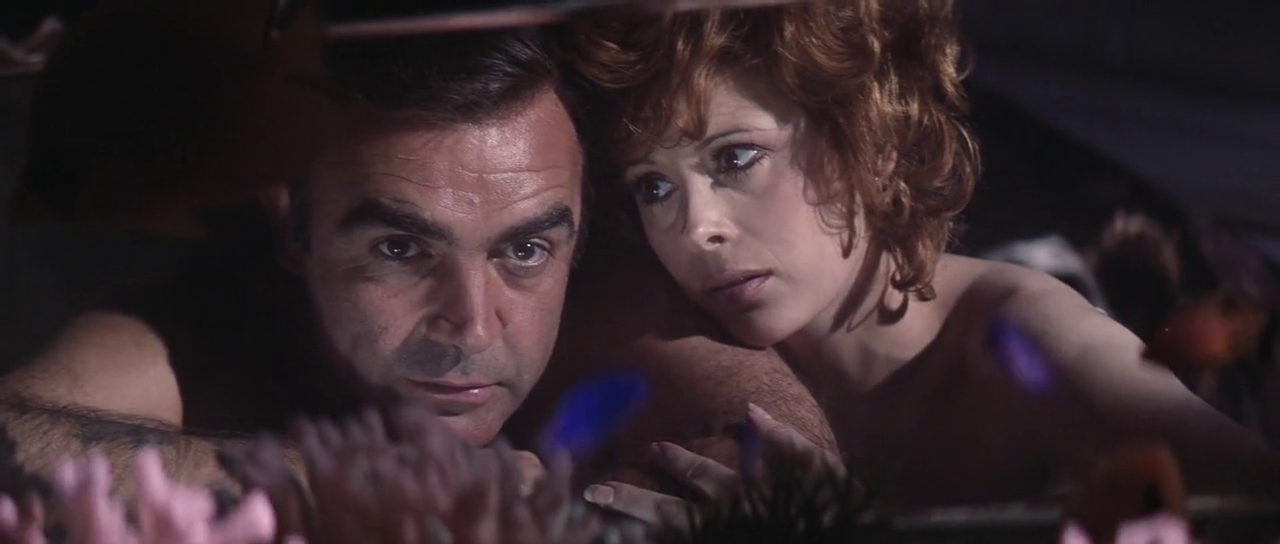
By impersonating a diamond smuggler and meeting with a beautiful contact (Jill St. John) in Las Vegas, James Bond (Sean Connery) uncovers information about a sinister plot by his arch-enemy Blofeld (Charles Gray) to build a massive laser weapon.

Genres, Themes, Actors, and Directors:

  • James Bond Films
  • Mistaken or Hidden Identities
  • Sean Connery Films
  • Spies

Response to Peary’s Review:
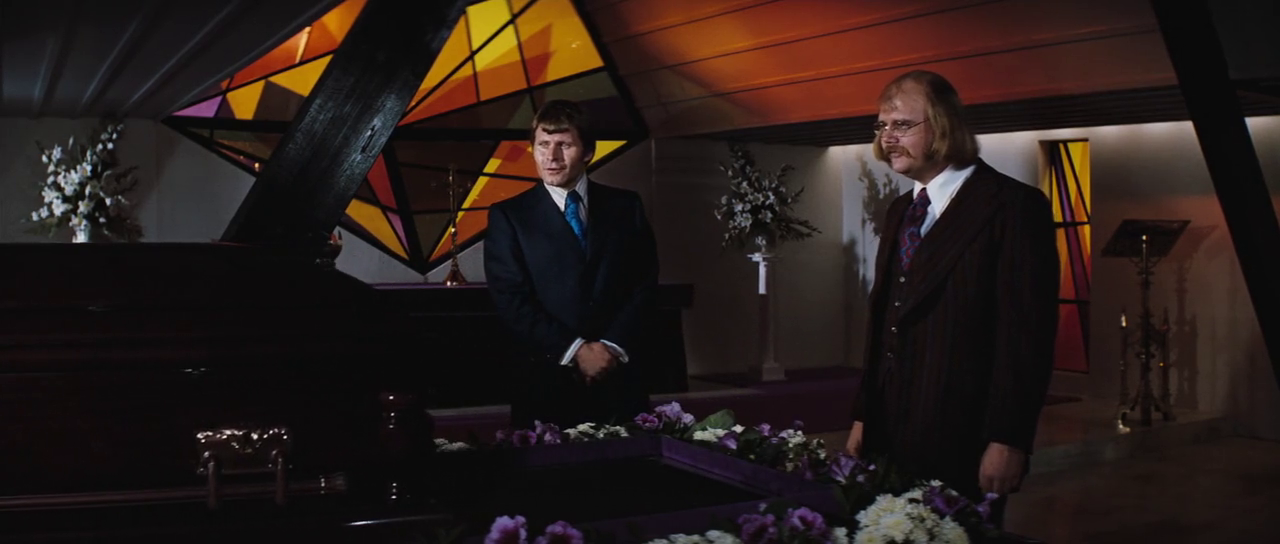
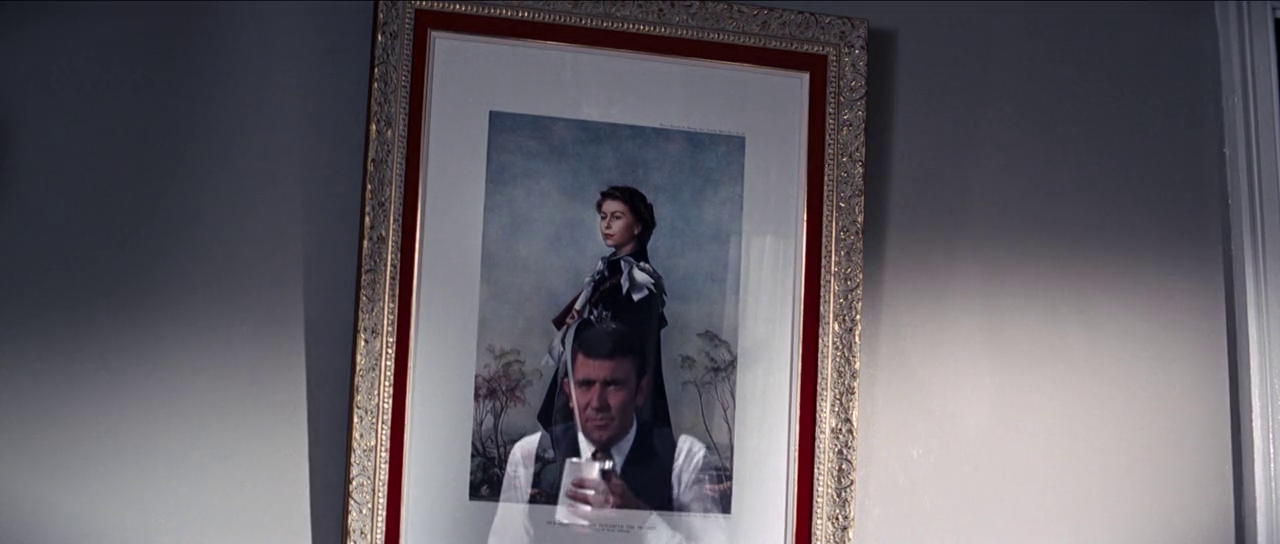
Peary writes that while this “follow-up to On Her Majesty’s Secret Service features Sean Connery’s return as James Bond, it’s unfortunately “one of the most forgettable movies of the entire Bond series”. He points out that “until Blofeld’s reappearance” in the film, “we must watch what is no better than a mundane diamond-smuggling melodrama, without the spectacle we associate with James Bond.” He further notes that “the Las Vegas setting isn’t exotic enough, there’s little humor, the villains are second-rate:

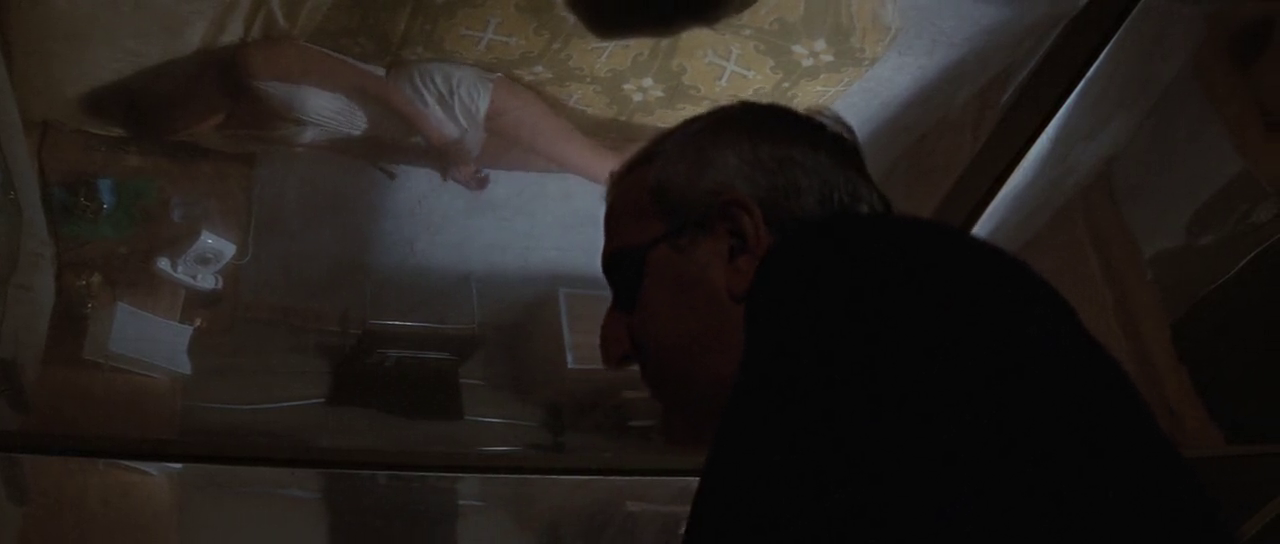
— and the trouble Bond gets into, even Maxwell Smart would escape.” While he argues that “the only bright spot is moderately talented leading lady Jill St. John as a sexy diamond smuggler who gets in over her head and into a number of teeny bikinis,” she’s actually not very interesting as a character:

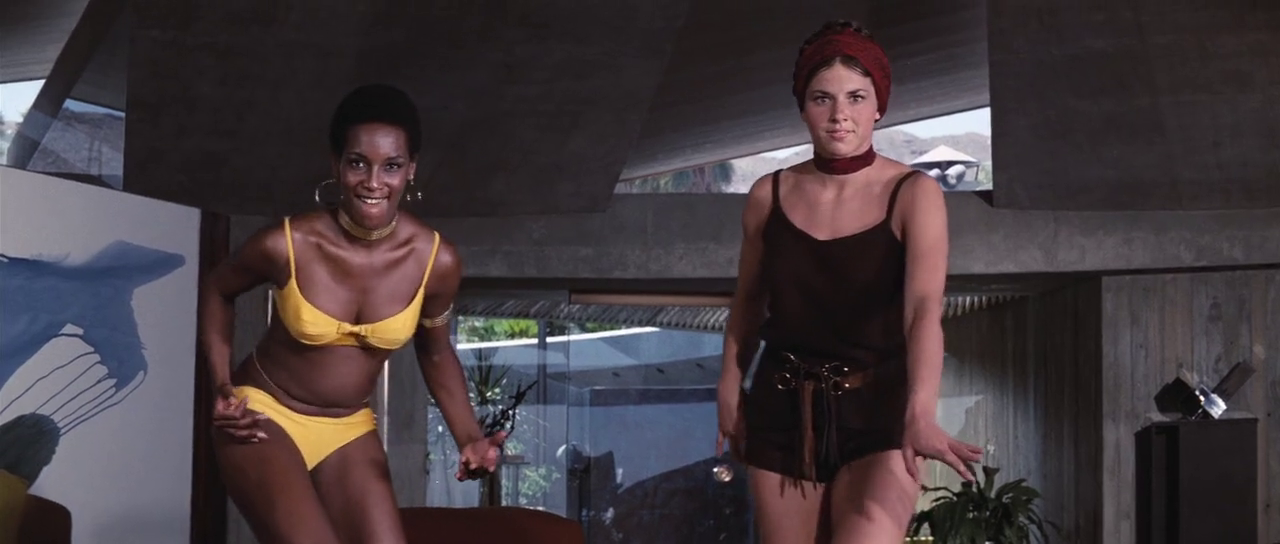
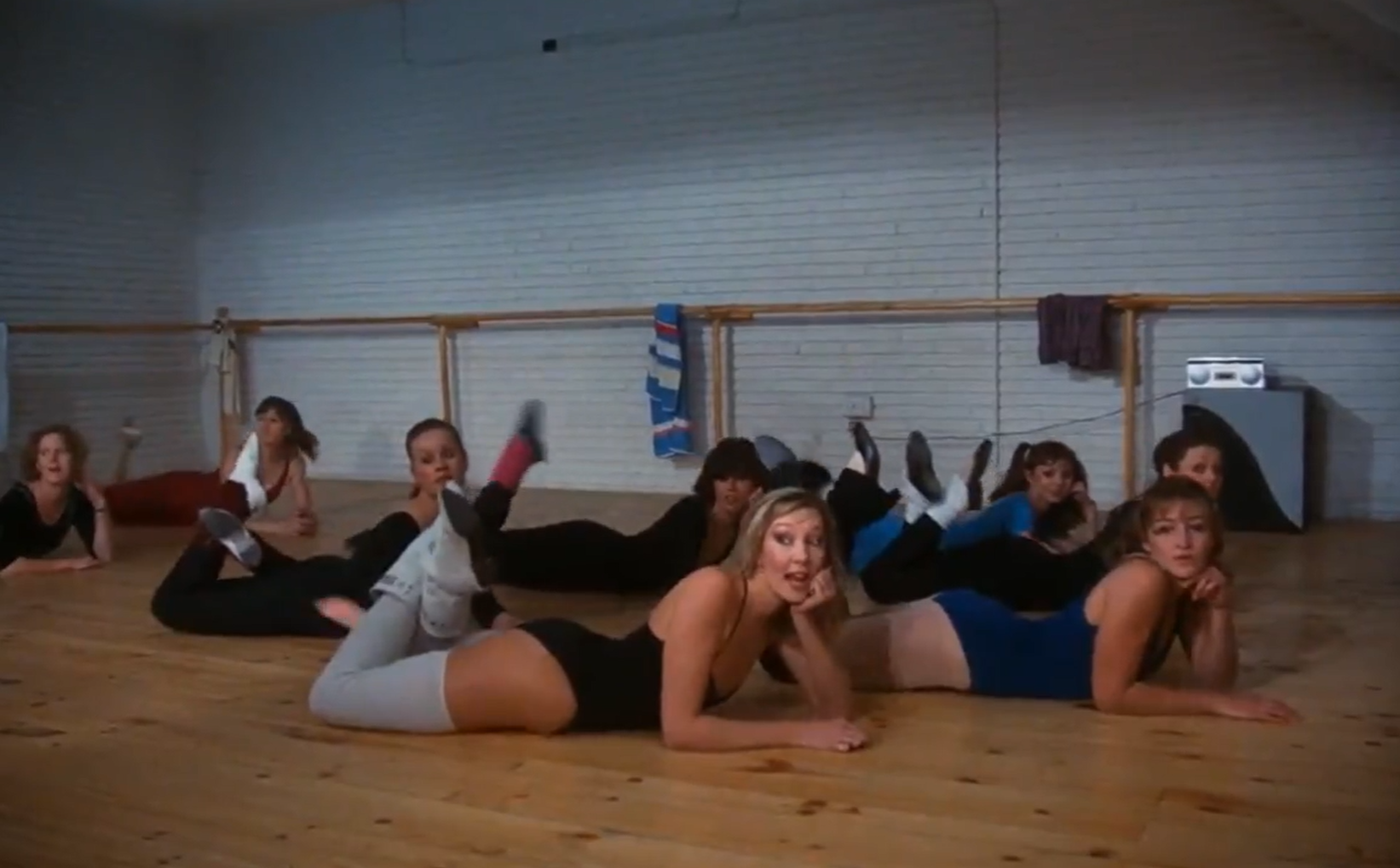
Much more enjoyable is a brief sequence in which a pair of athletic women named Bambi (Lola Larson) and Thumper (Trina Parks) show some serious girl-power while kicking Bond’s butt.

Redeeming Qualities and Moments:

  • Bambi and Thumper’s collective gang-up on Bond

Must See?
No; you can skip this one.

Links:

On Her Majesty’s Secret Service (1969)

On Her Majesty’s Secret Service (1969)

“There’s always something formal about the point of a pistol.”

Synopsis:
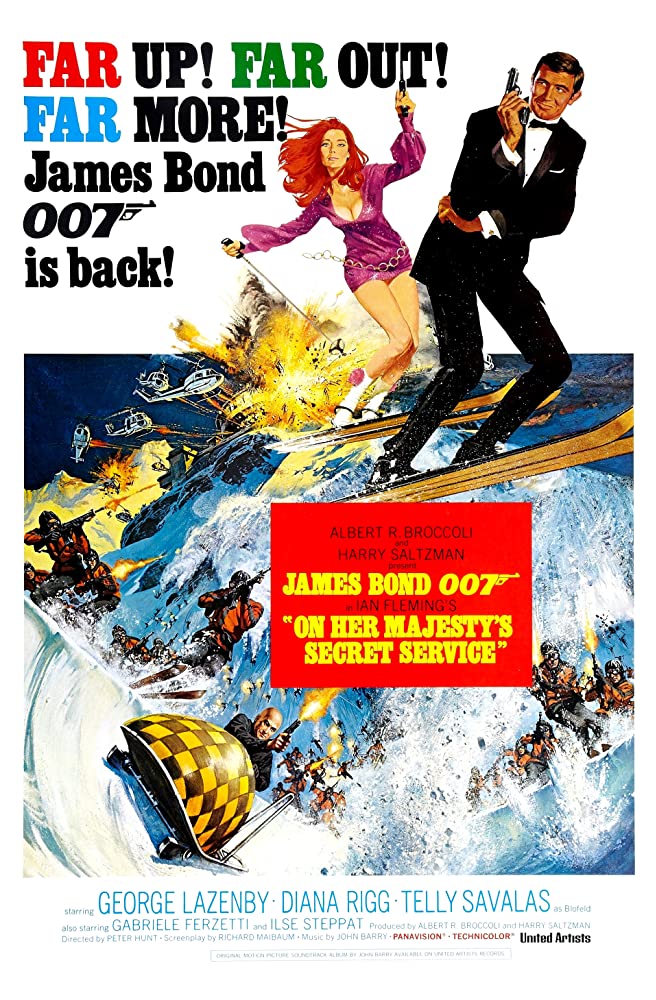
British secret agent James Bond (George Lazenby) falls in love with the daughter (Diana Rigg) of a mobster (Gabriele Ferzetti), who clues him in to the presence of his arch-enemy Blofeld (Telly Savalas) in Switzerland. Undercover as a genealogist, Bond infiltrates an “allergy institute” with numerous beautiful women as patients, but soon learns that Blofeld’s intentions for them — and the world — are much more sinister.

Genres, Themes, Actors, and Directors:

  • Diana Rigg Films
  • James Bond Films
  • Spies
  • Telly Savalas Films
  • World Domination

Response to Peary’s Review:
Peary argues that this “seventh James Bond film (discounting Casino Royale) might well be regarded as the best of the series if Sean Connery rather than the uncharismatic George Lazenby had played 007.”

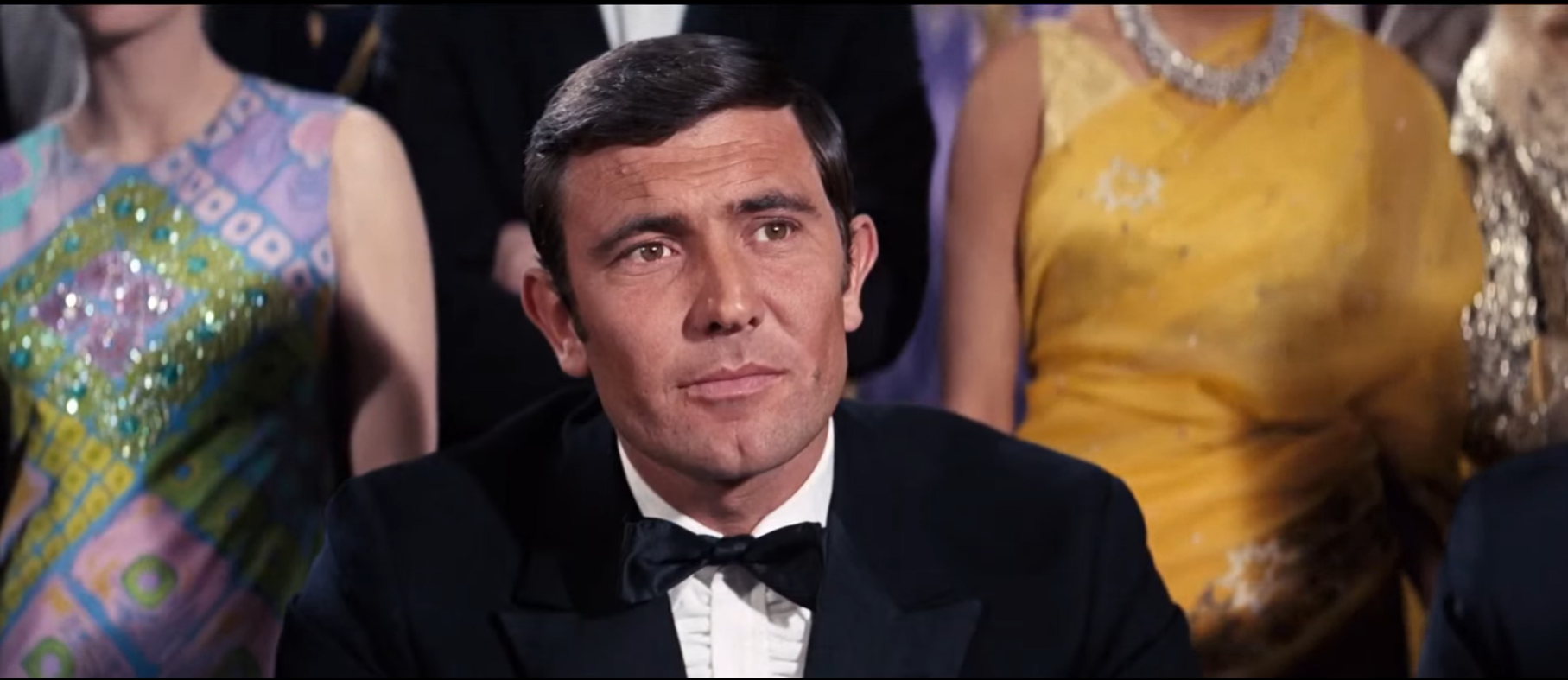
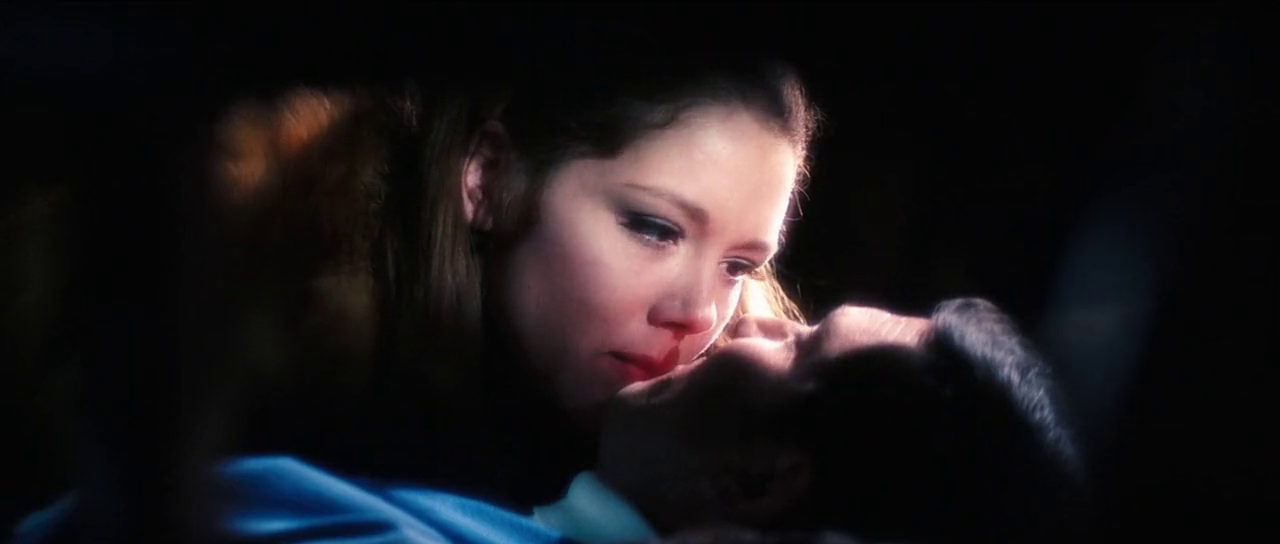
He notes that it’s “a throwback to the early Bond before self-parody had crept in and the gimmickry had become too important.” Importantly, “Lazenby’s Bond has human traits — he’s neurotic (he resigns from work when ‘M’ doesn’t seem to appreciate him); he falls in love and marries Spanish contessa Tracey (played by Diana Rigg, the classiest of the Bond girls); he’s vulnerable (we actually worry when a little fellow almost catches him opening his safe); [and] he’s no longer superconfident (after having spent two years unsuccessfully tracking Blofeld).” Peary writes that while the “picture is too long, and really bogs down when Rigg isn’t around,” it “holds up nicely, especially now that no one resents Lazenby anymore.”

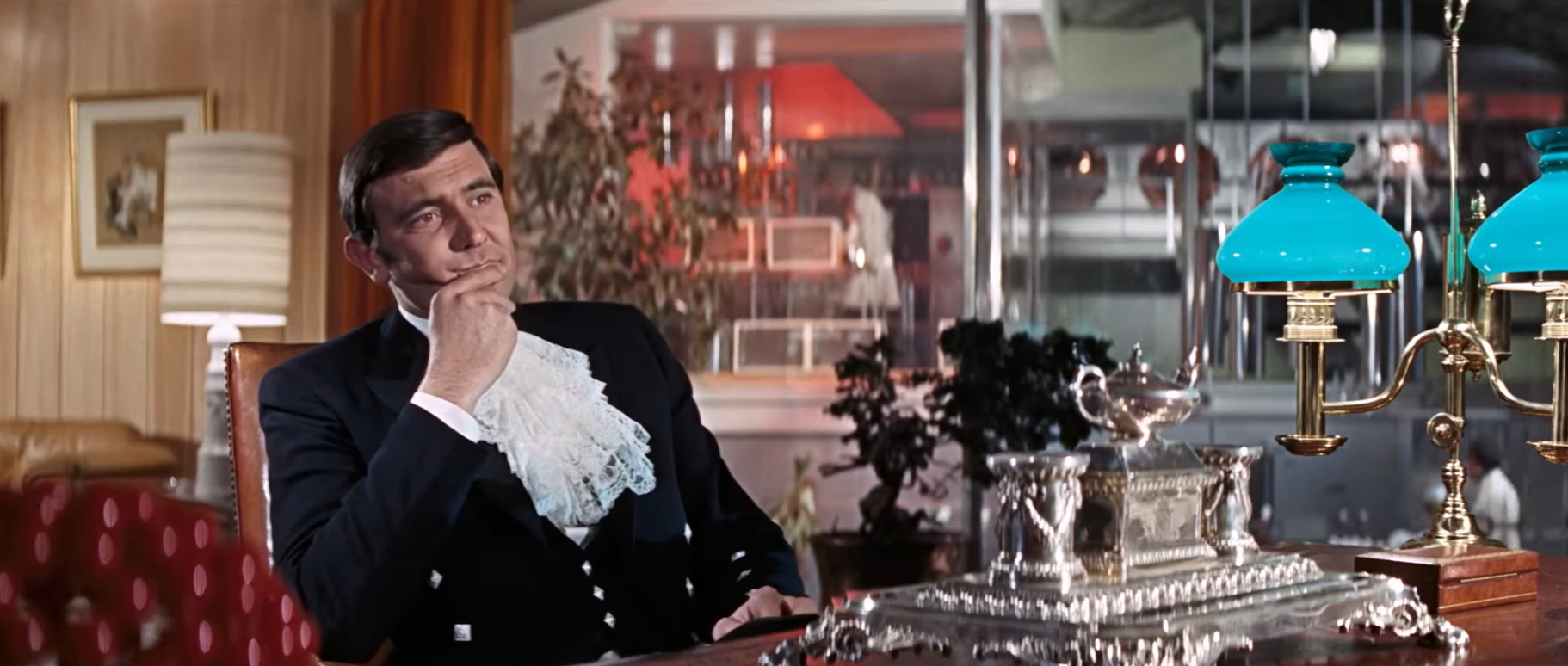
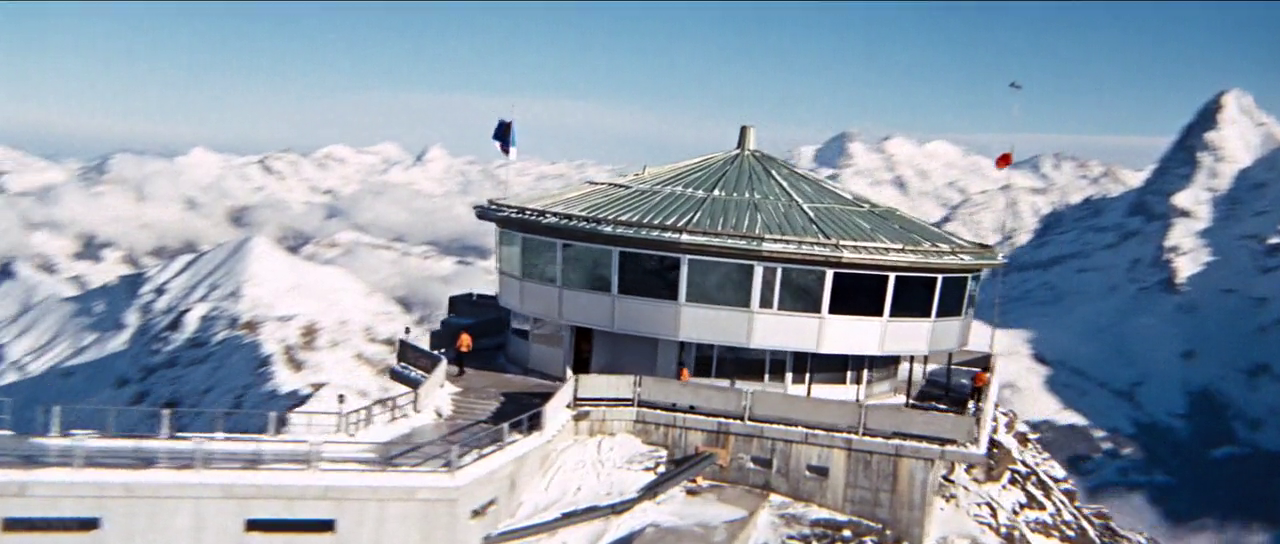
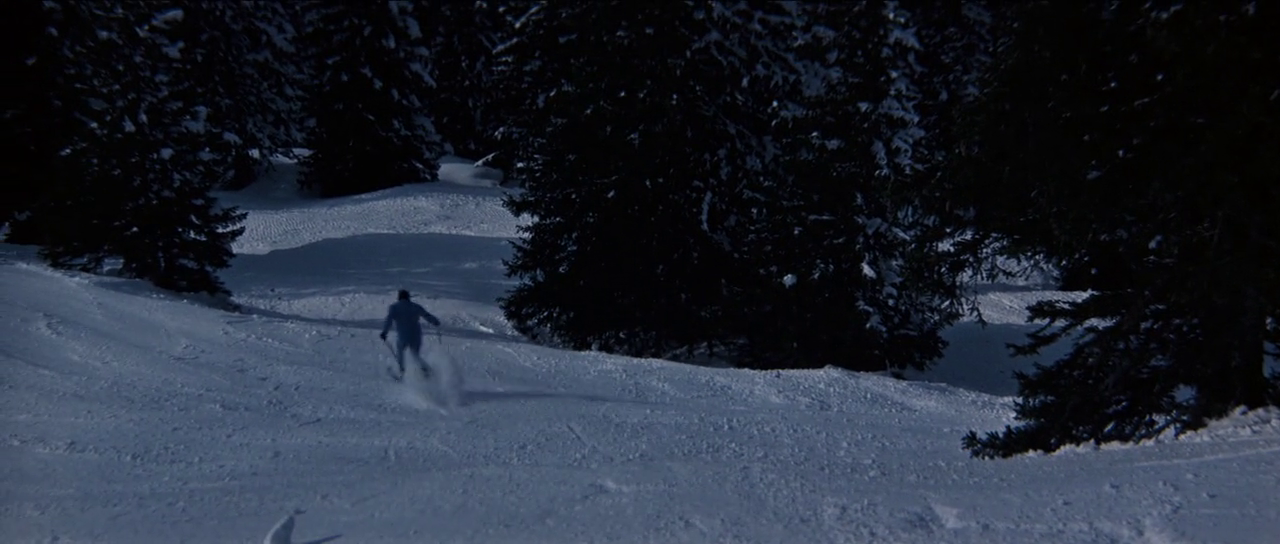
Indeed, once one gets beyond the inevitable cognitive dissonance of seeing someone other than Connery embodying Bond (the opening title sequence nicely offers a recap reminder of previous episodes in the series), the film does become a reasonably interesting and well-made thriller, with fine location shooting (especially in Switzerland, including the rotating restaurant Piz Gloria):

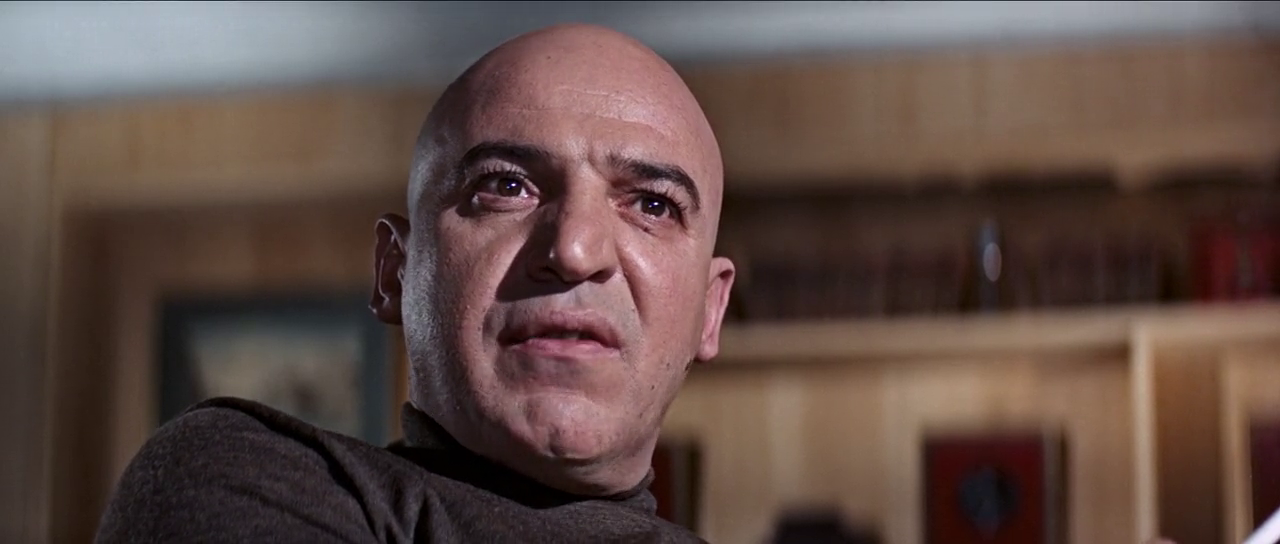
… an effective villain (Savalas is well-cast), and some very exciting sequences (particularly the ski chase through treacherous mountains). Rigg is a classy addition to the franchise, and her absence is forgiven once we see her re-appearing at such an opportune moment later in the film. Ultimately, Bond fans will likely find themselves enjoying this flick more than they expected; it’s recommended as a worthy entry.

Redeeming Qualities and Moments:

  • Diana Rigg as Tracy
  • Telly Savalas as Blofeld
  • Fine cinematography and location shooting

  • Several exciting sequences

Must See?
Yes, once, as a cult favorite. Discussed at length in Peary’s Cult Movies 3 book.

Categories

  • Cult Movie

Links:

Pieces (1982)

Pieces (1982)

“That maniac is going to kill again. This may be the only way we have of catching him!”

Synopsis:
Forty years after a 10-year-old (Alejandro Hernandez) brutally hacks his abusive mother (May Heatherly) to death, a spate of chainsaw murders begin occurring on a Boston college campus. Two detectives (Christopher George and Frank Brana) come to question the dean of the college (Edmund Purdom) and also meet with a professor (Jack Taylor), a groundskeeper (Paul L. Smith), and a student (Ian Sera) eager to help out. Meanwhile, more murders of sexy young women across campus make the case urgent enough to bring in George’s beautiful colleague (Lynda Day) as an undercover tennis instructor.

Genres, Themes, Actors, and Directors:

  • Horror Films
  • Psychopaths
  • Serial Killers

Response to Peary’s Review:
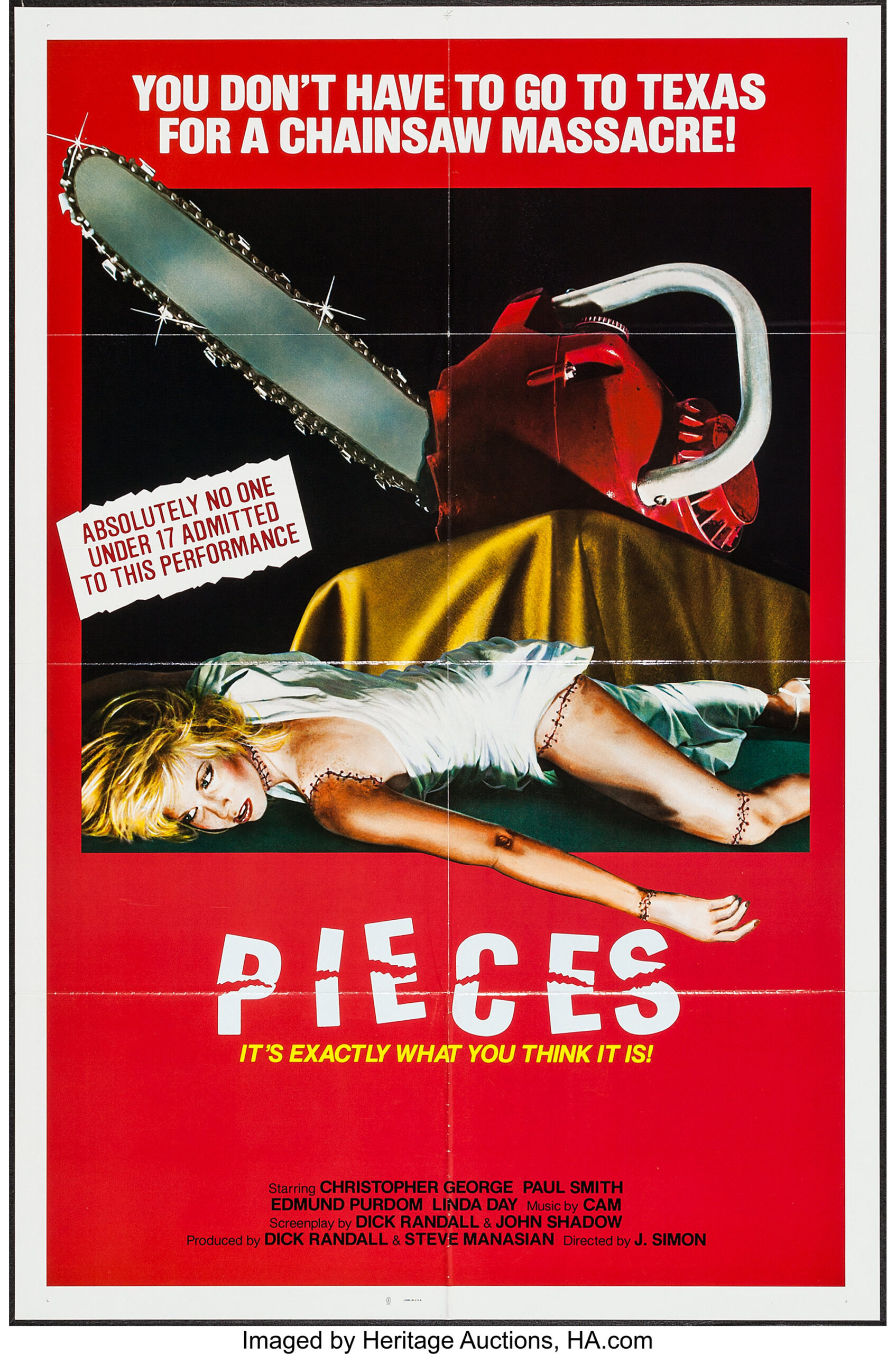
Peary writes that this cult film — “directed with a minimum of style by J. Piquer Simon” — “epitomizes the slice-and-dice genre.” He notes that while it offers “sex, some suspense, and a bevy of beautiful women”:


the “murders are too gristly for all but the hardcore fans of the genre” — and “of course, the subject matter is blatantly offensive”. While there’s some bad-movie “humor” given that Sera, for instance, “is able to be in a chipper mood 10 minutes after the girls he knows are found slaughtered,” this is really only viewing for a specialized taste.

Redeeming Qualities and Moments:
Not much of anything, unless this is your cup of tea — which it clearly is for many.

Must See?
Nope.

Links:

You Only Live Twice (1967)

You Only Live Twice (1967)

“Kill Bond — now!”

Synopsis:
After faking his own death, James Bond (Sean Connery) is sent to Japan to investigate the mysterious disappearance of American and Soviet spacecrafts. Once there, he is assisted by the head of the Japanese Secret Service (Tetsuro Tamba) and a beautiful agent (Akiko Wakabayashi); is nearly killed by a feisty SPECTRE agent (Helga Brandt); is ceremonially wedded to another lovely Japanese agent (Mie Hama); and comes face to face in a volcano with his number one SPECTRE enemy: Blofeld (Donald Pleasence).

Genres, Themes, Actors, and Directors:

  • Cold War
  • Donald Pleasence Films
  • James Bond Films
  • Sean Connery Films
  • Spies
  • World Domination

Response to Peary’s Review:
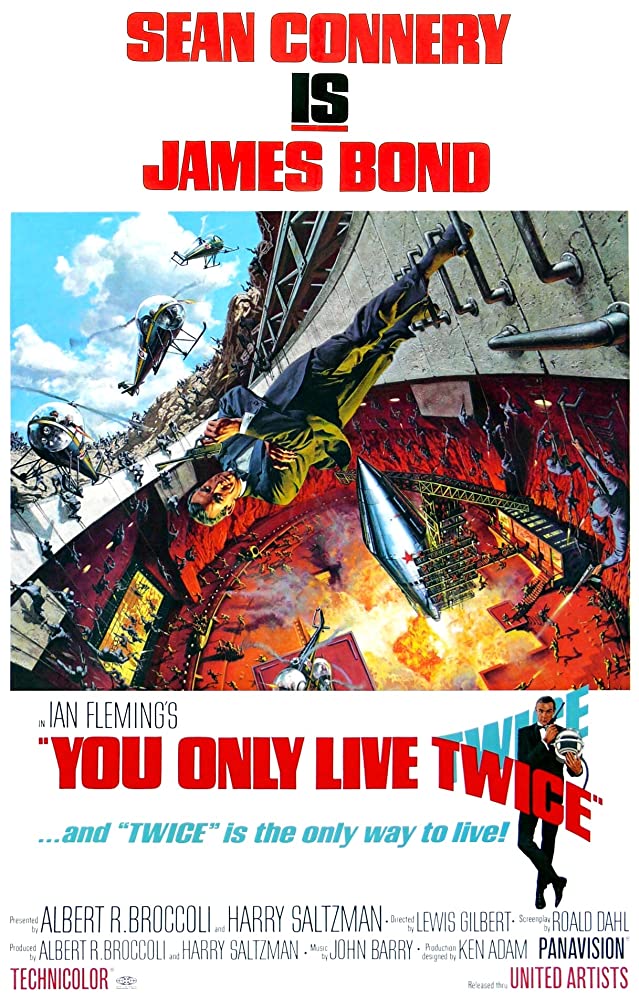
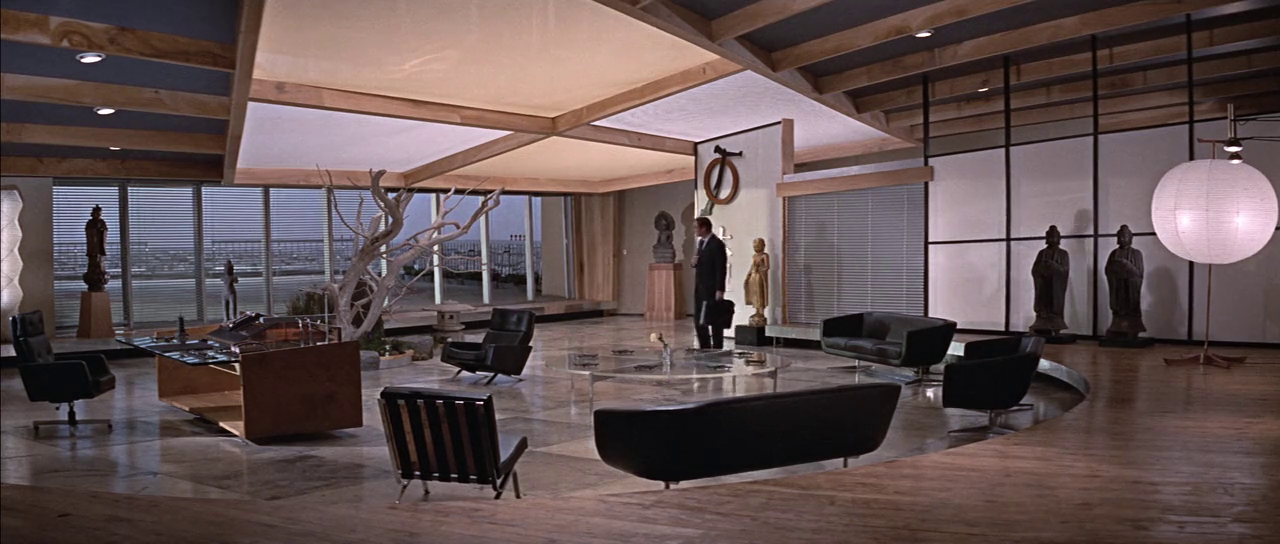
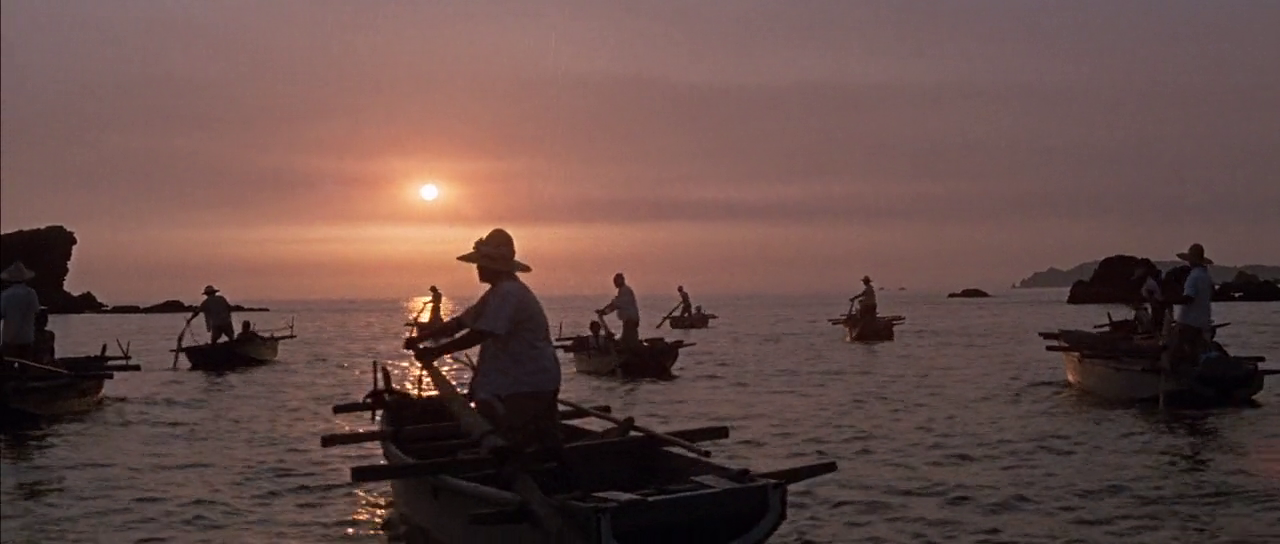
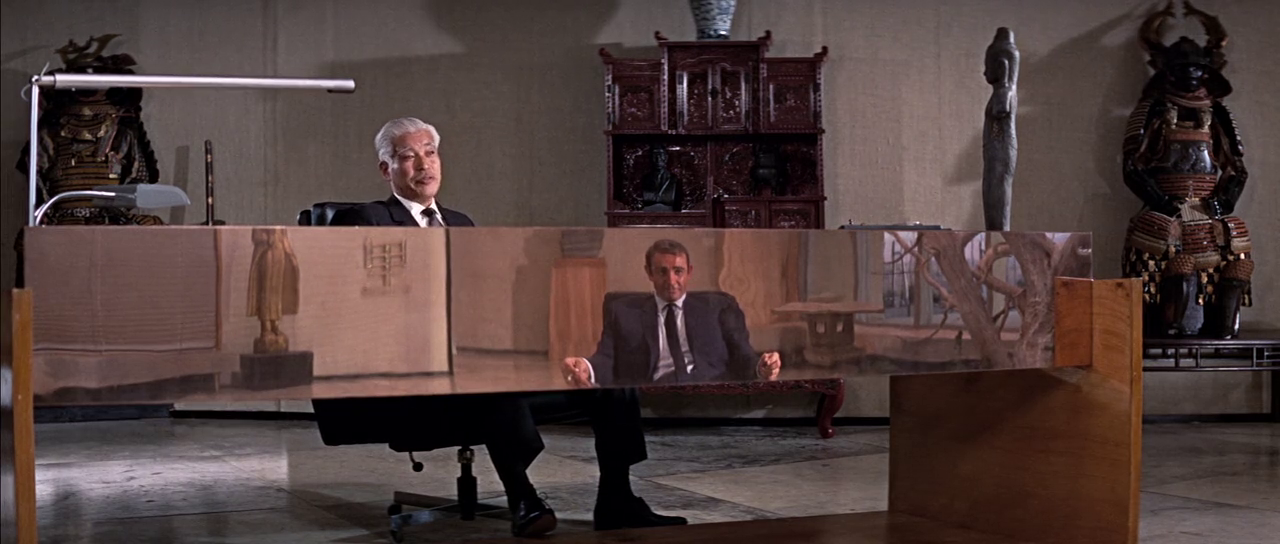
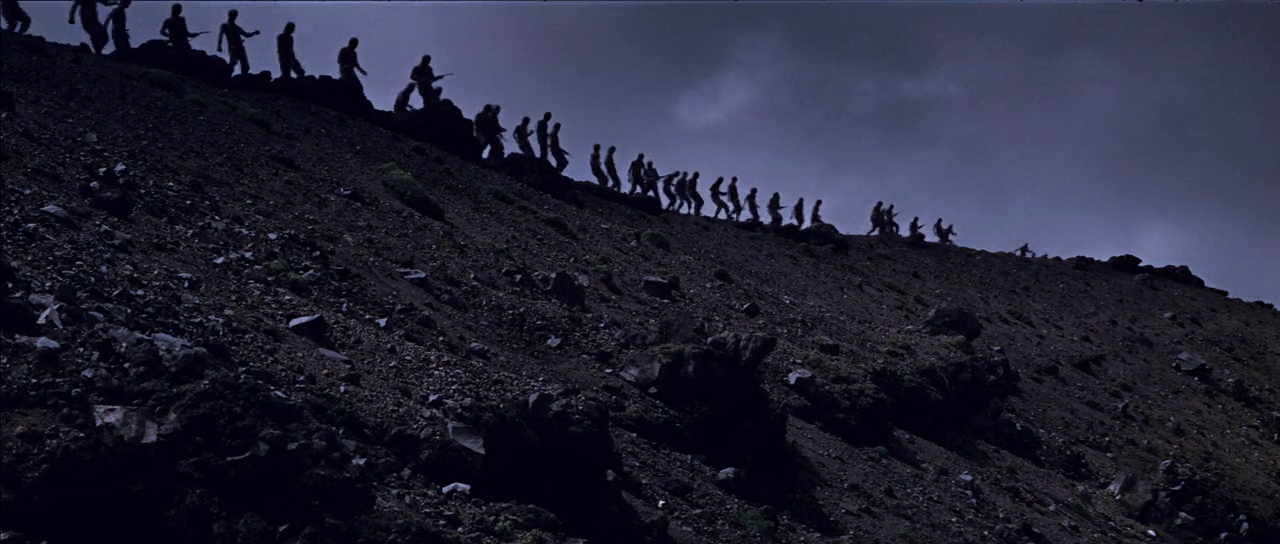
Peary writes that the “fifth James Bond film” is “not a bad Bond film, but it doesn’t compare to its predecessors.” He argues that “the formula had become a little stale,” and that it “should have been about twenty minutes shorter” — but I actually find this a more relevant criticism for Thunderball (1965), which most definitely lags. The storyline for You Only Live Twice — very loosely scripted by Roald Dahl (!) from Ian Fleming’s novel — moves along at a reasonable clip:

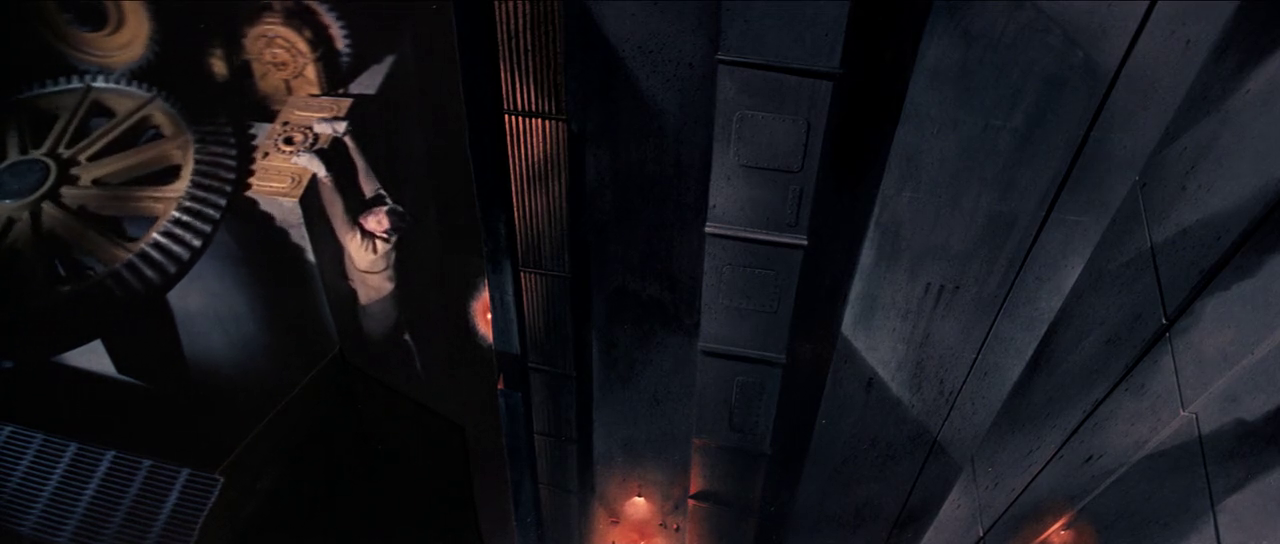
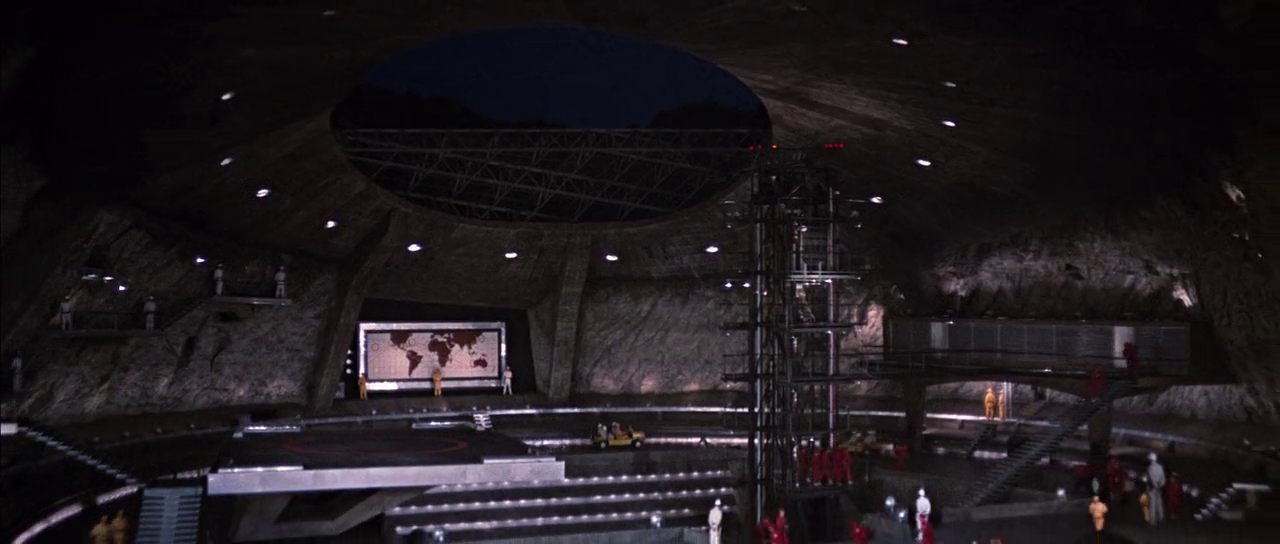
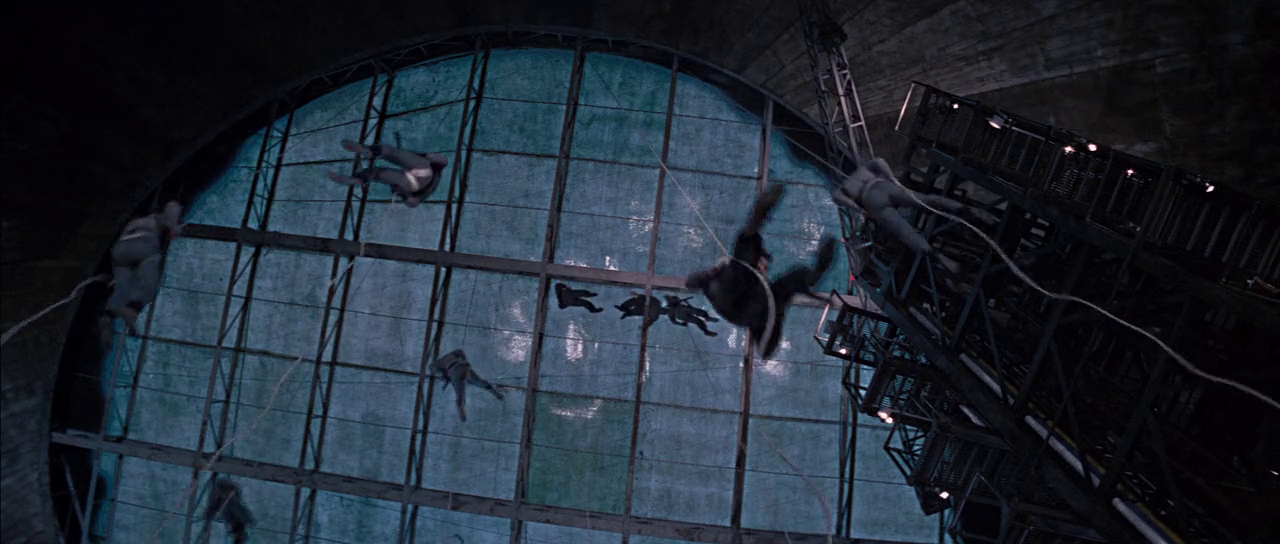
… and the last twenty minutes feature what may be the most exciting sequence in the series to that point: ninja warriors descending into a hidden volcano base and wreaking absolute havoc on operations while Blofeld struggles to hold onto his white cat at all costs.

Redeeming Qualities and Moments:

  • Donald Pleasence as Blofeld
  • Impressive sets (by Ken Adam)

  • Freddie Young’s Panavision widescreen cinematography

  • The fantastic finale

Must See?
No, though it’s a worth a look for the brilliant finale.

Links:

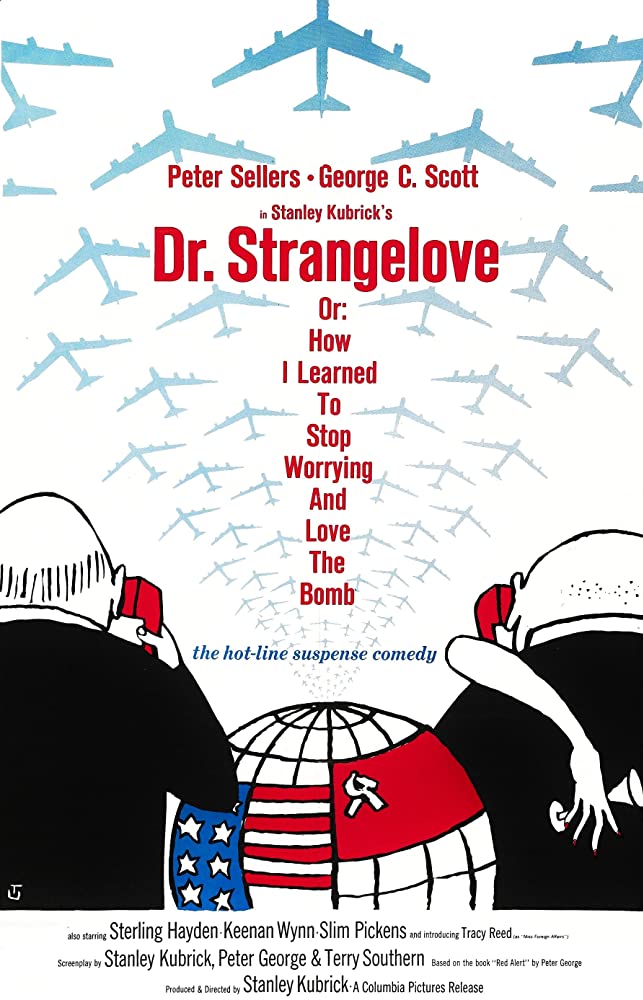
Dr. Strangelove or: How I Learned to Stop Worrying and Love the Bomb (1964)

Dr. Strangelove or: How I Learned to Stop Worrying and Love the Bomb (1964)

“Well, boys, I reckon this is it: nuclear combat toe to toe with the Russkies.”

Synopsis:
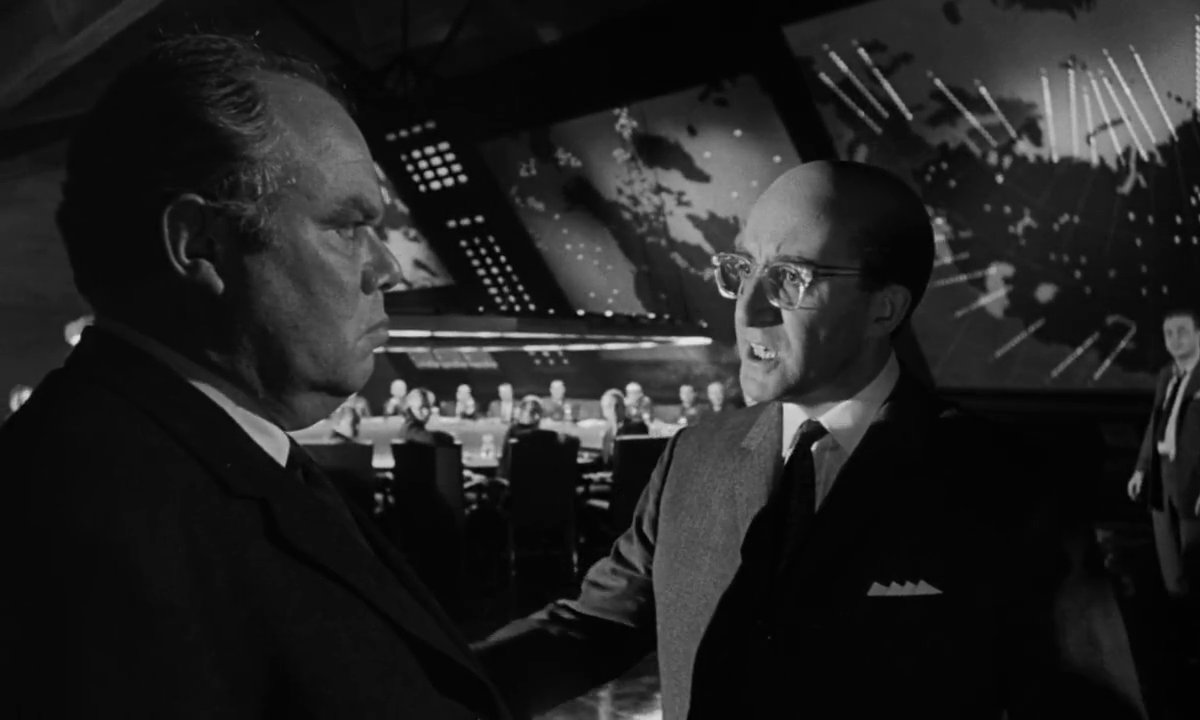
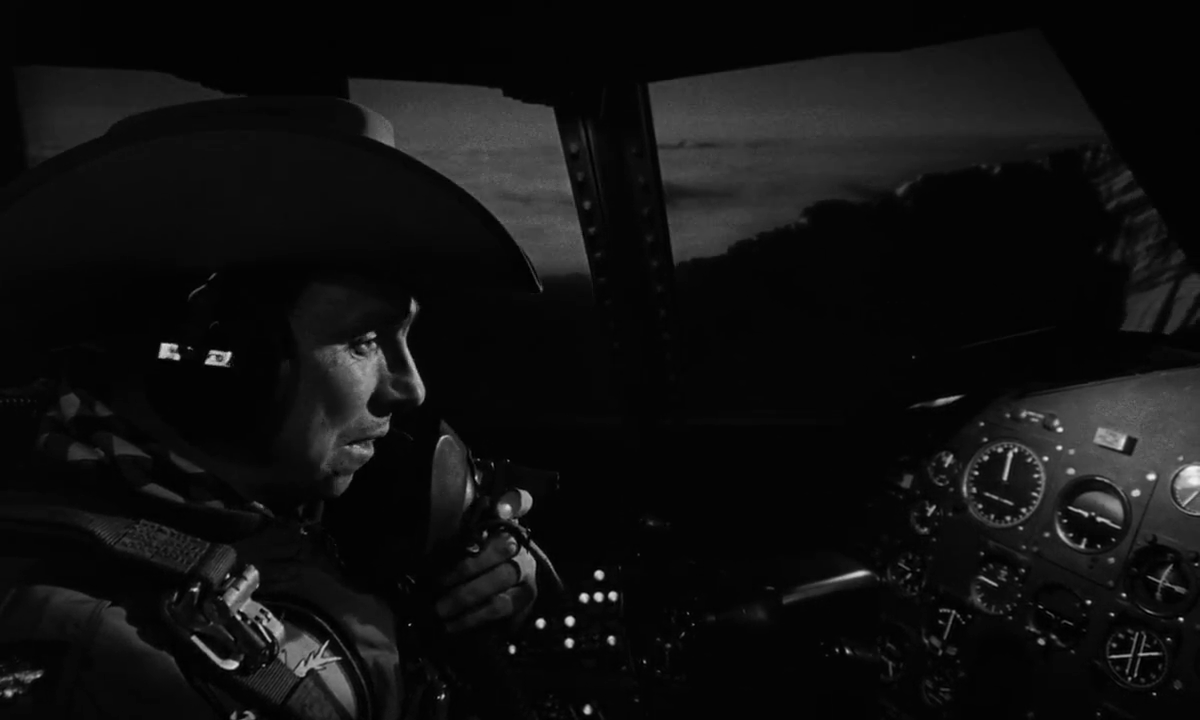
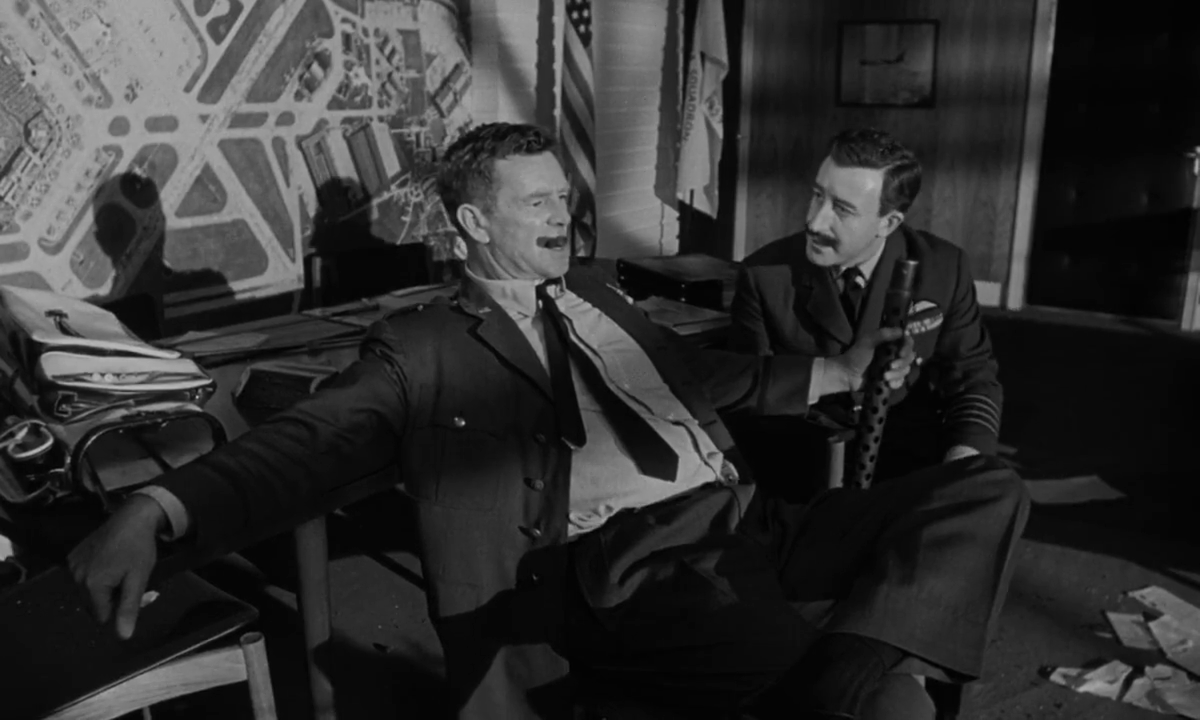
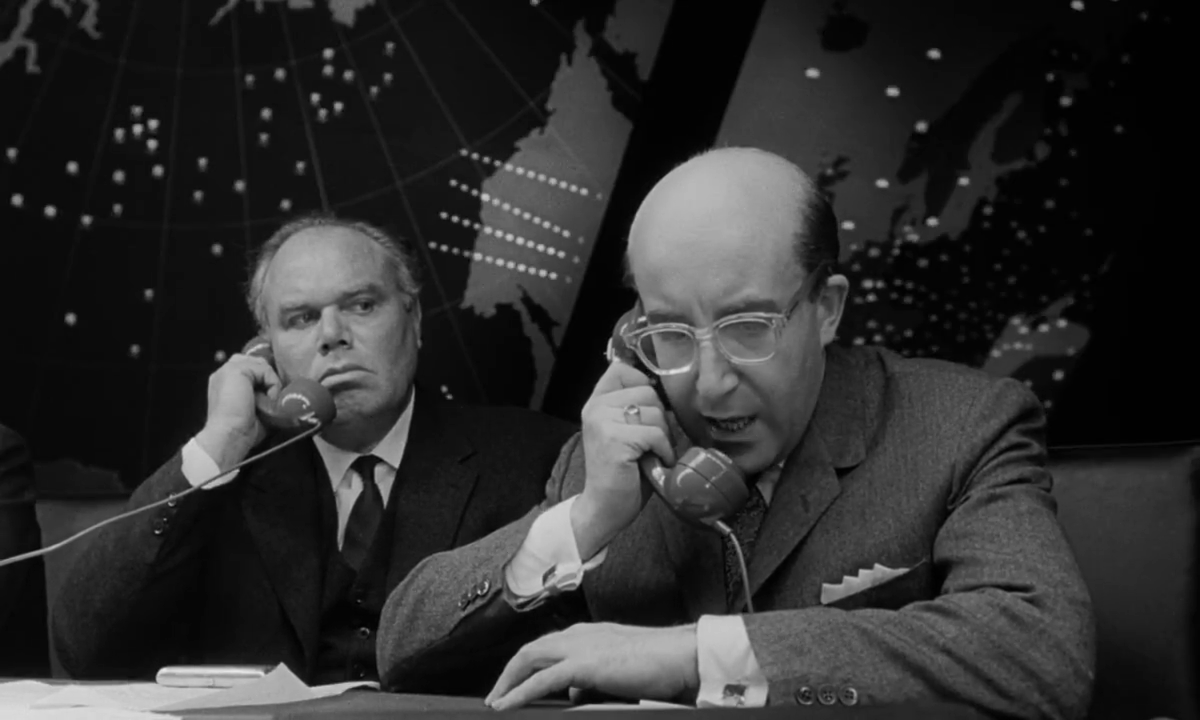
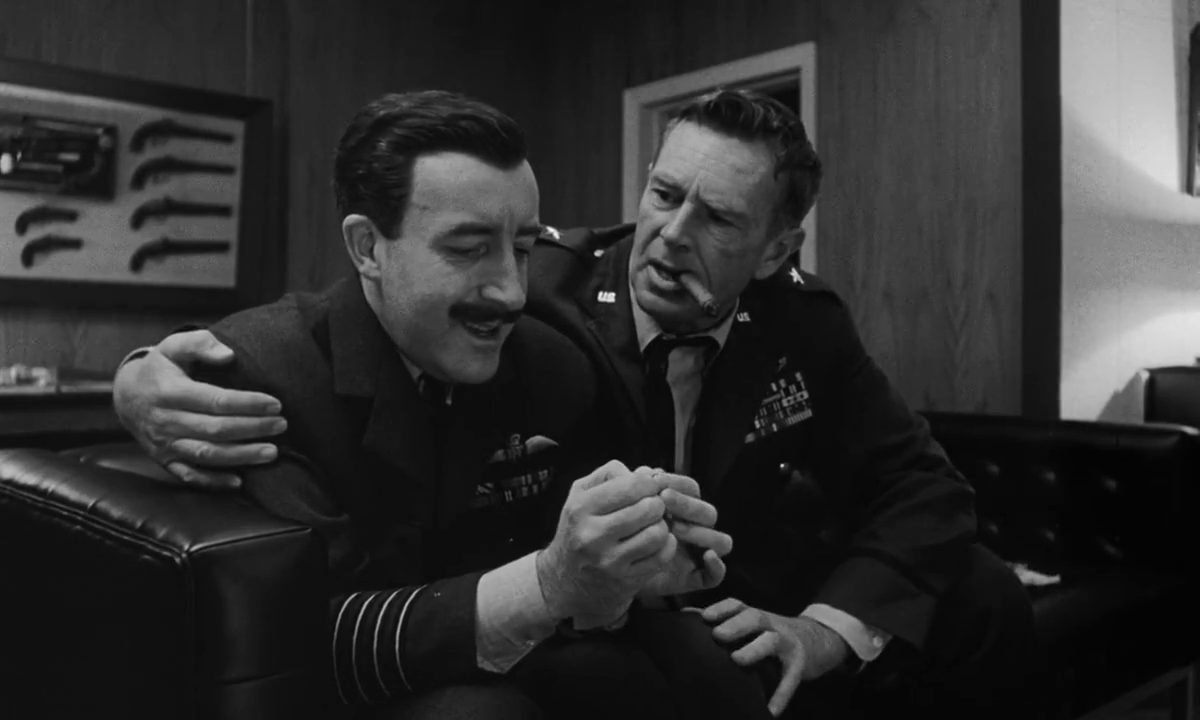
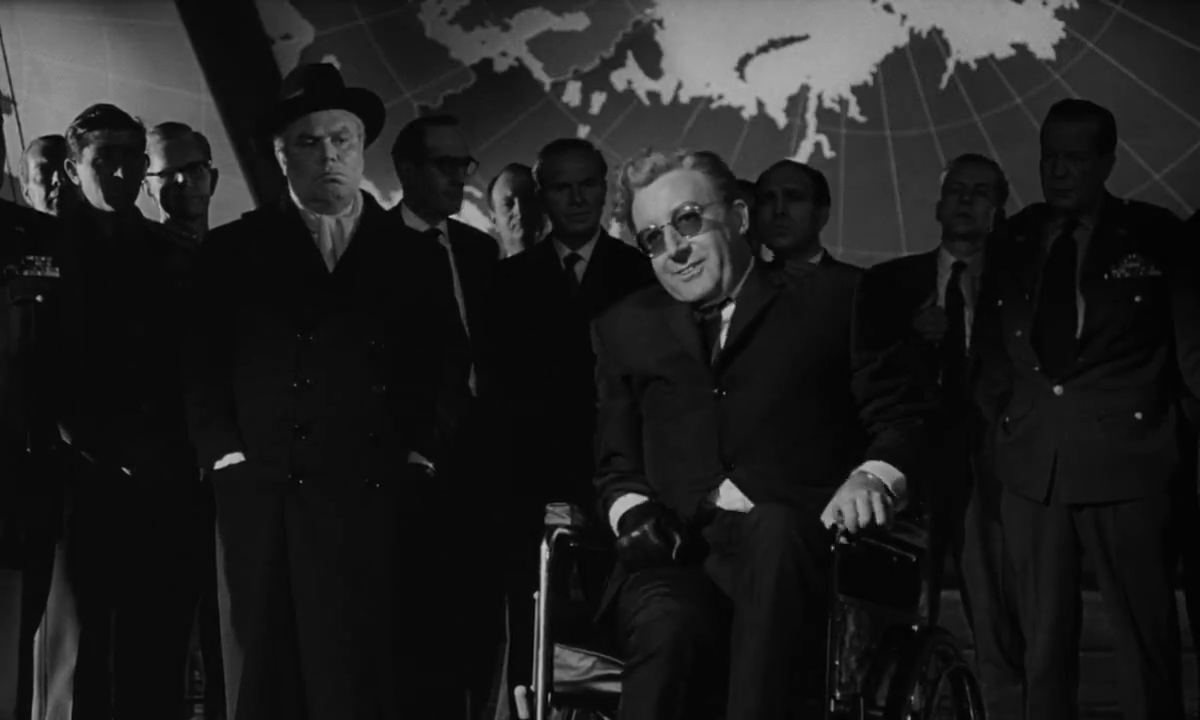
When mentally unhinged Air Force General Jack D. Ripper (Sterling Hayden) has his executive officer, Captain Mandrake (Peter Sellers), issue an attack plan to a patrolling plane helmed by Major “King” Kong (Slim Pickens), nuclear war against Russia inadvertently breaks out. Back in the “War Room”, American president Merkin Muffley (Peter Sellers) consults with his staff — including hawkish General Buck Turgidson (George C. Scott) — about the situation, and attempts to fix things by talking on the phone with Russian Prime Minister Kissoff. As the situation becomes increasingly dire, a Nazi scientist named Dr. Strangelove (Peter Sellers) makes his appearance in the War Room and offers his own proposed solution to the dilemma.

Genres, Themes, Actors, and Directors:

  • Black Comedy
  • Cold War
  • George C. Scott Films
  • Keenan Wynn Films
  • Living Nightmare
  • Military
  • Nuclear Threat
  • Peter Sellers Films
  • Stanley Kubrick Films
  • Sterling Hayden Films

Response to Peary’s Review:
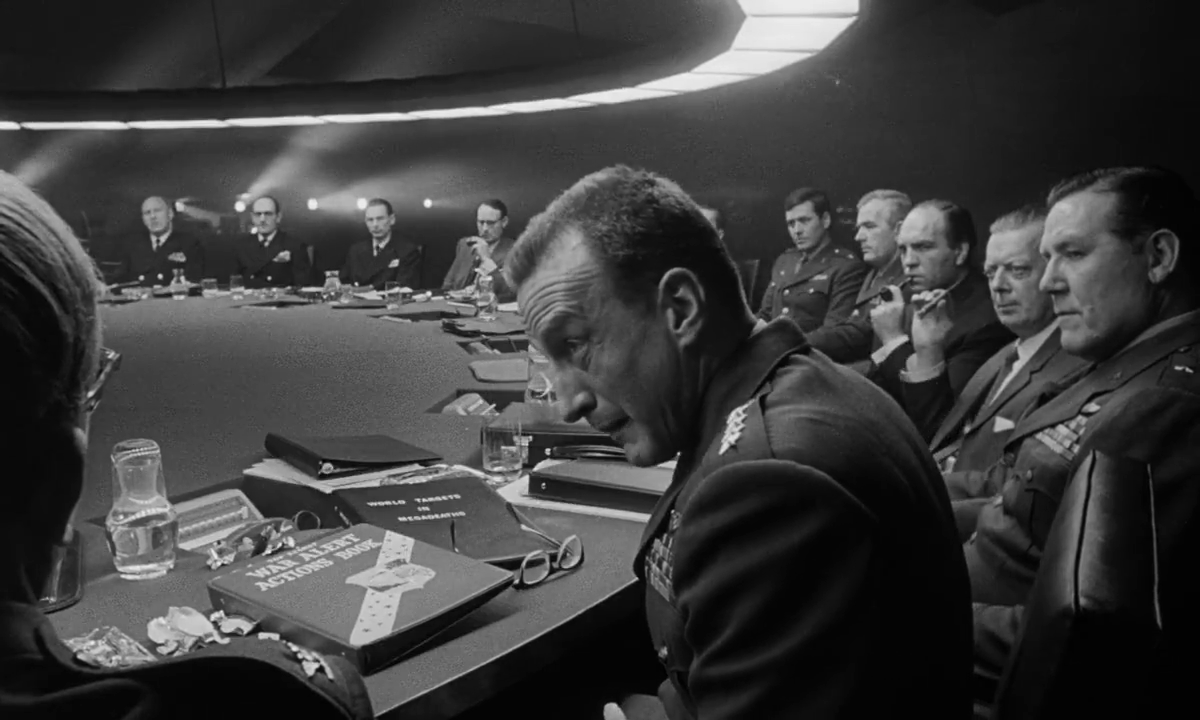
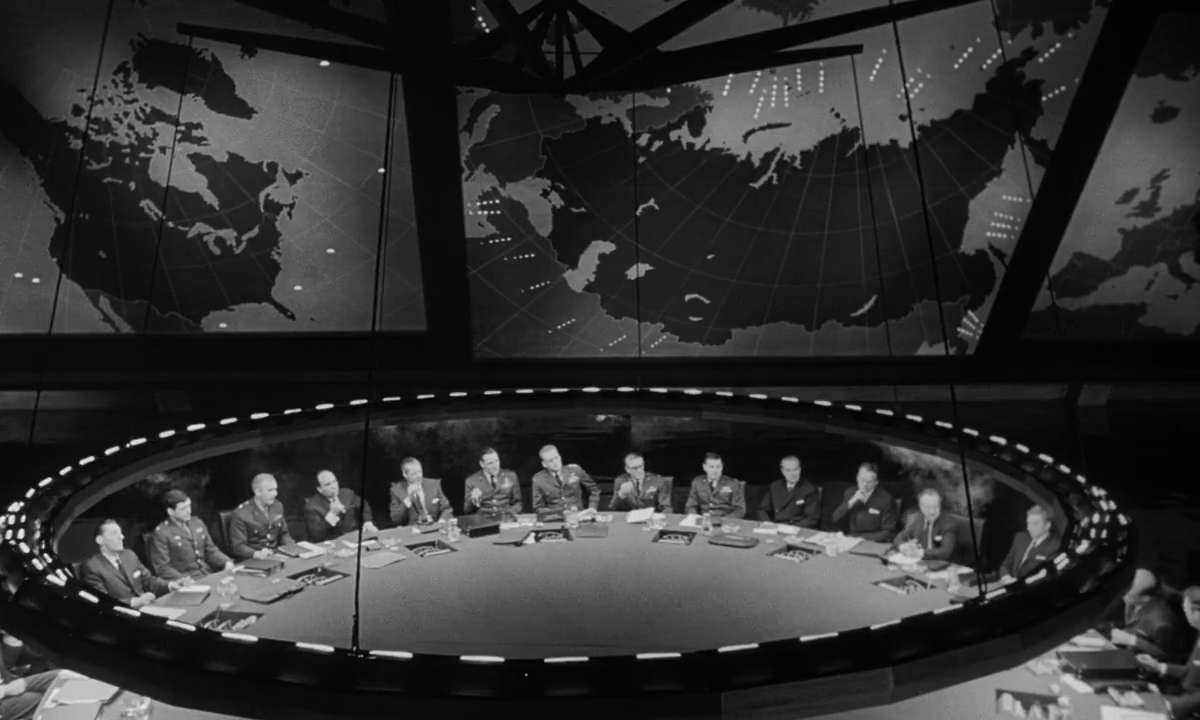
Peary writes that this “classic nightmare comedy” by Stanley Kubrick is “so funny because, as ludicrous as the characters and events are, there is nothing in this picture that is beyond the realm of possibility.” He notes that “perhaps we are laughing at ourselves (instead of worrying) for living in a world whose fate is controlled by buffoons” such as Jack D. Ripper (Hayden), who “orders U.S. bombers to conduct a nuclear attack on Russia” because he believes “the communists have poisoned the water supply,” thus leading to “his sexual proficiency” diminishing. Peary’s GFTFF review of this cult classic is surprisingly short and somewhat dismissive — he actually writes, “Watching the film today, I grow impatient with most of the scenes outside the war room” — so I will turn instead to his much more extensive (and laudatory) overviews in Cult Movies 3 and Alternate Oscars, where he names the film Best Movie of the Year and Peter Sellers Best Actor of the Year.

In Alternate Oscars, he writes that “the period’s most controversial film” was “both vilified and praised for being the first satire that dared attack (in both comical and serious ways) the nuclear irresponsibility of America’s politicians and military leaders”, and “spoke for the entire paranoid generation.” He points out that “today, the film is even more timely” — and “as long as there remains the very real threat of someone starting a nuclear war, Dr. Strangelove will be our best comic release.”

He goes into detail about the film’s now-well-known production history, including its shift away from “the more serious tone of the source novel” Red Alert, noting that “Kubrick decided that all the absurd things he was keeping out of his script were the most truthful” — so “with the help of Terry Southern and star Peter Sellers, who devised three comic characterizations, Kubrick vented his rage by making his story and the characters who populated it outrageous.” Peary points out that Kubrick “introduces a sexual subtext into the story, making the point that playing power politics and making war are male games, extensions of our leaders’ sex lives”, and adds that in Kubrick’s films, “men have become prisoners of science, an extension of its fallible machines.”

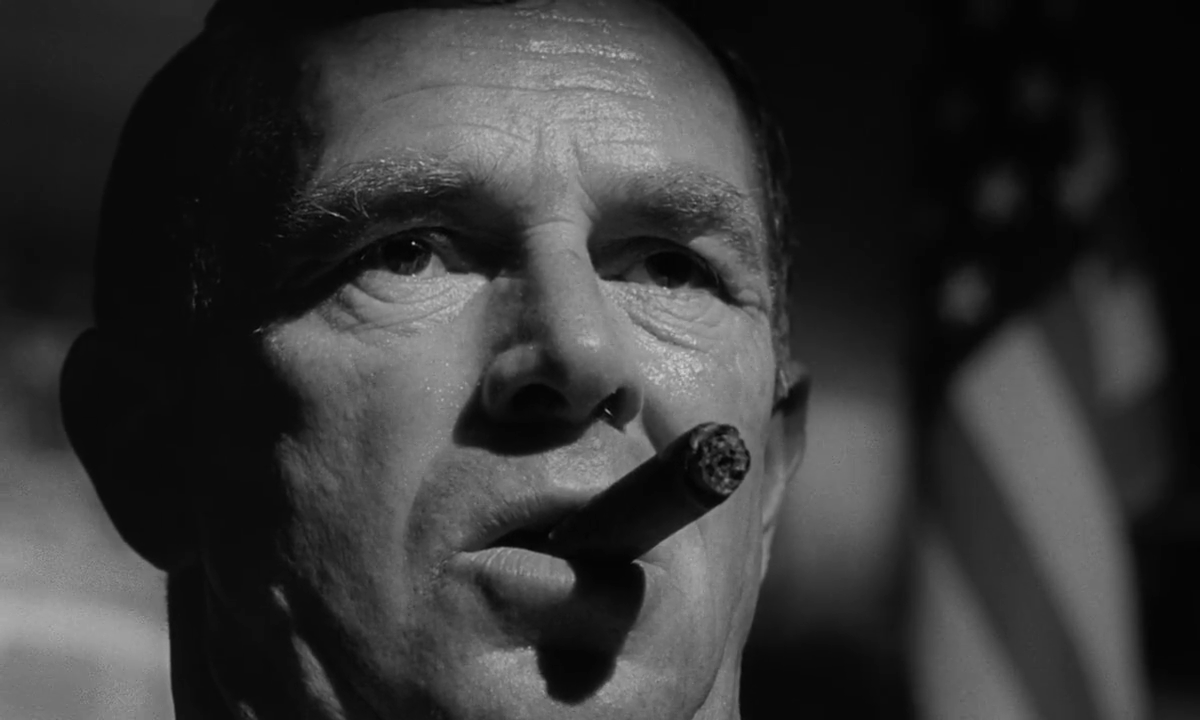
In Cult Movies 3, Peary writes that “Peter Sellers is so prominent in Dr. Strangelove that it’s easy to forget the vital contributions of Hayden and Scott.” He writes, “With his booming voice and strong physical presence… Hayden is an extremely frightening, imposing figure”; if you “look into [his] face… you’ll know there’s no way he’ll listen to anyone.”

Meanwhile, “with his array of stupid expressions, flaring eyebrows and sneaky yet twinkling eyes, and embarrassed, guilty voice, [George C.] Scott is genuinely hilarious.”

Regarding Sellers himself, Peary refers to him simply as “marvelous” and notes key highlights of each of his characterizations. As Mandrake, Sellers is “very British”, “a cross between Trevor Howard-David Niven RAF officers and a very subdued and subtle Terry-Thomas”, someone who is “quite humble” and “the only character with intelligence.” When playing bland President Muffley — a “fifties-style [Adlai] Stevenson Democrat” — Sellers’ “finest screen moment is his classic phone conversation with [Russian Prime Minister] Kissoff, a Bob Newhart-like routine in which he talks in a wheedling tone, as if he were trying to convince a 5-year-old child to accept an emergency collect call.” Finally, as Dr. Strangelove, he “has extraordinary impact” despite not having “enough screentime”: “With that slimy fixed smile, thick German accent, dark glasses, double chin, gloved hand… and ugly misshapen hair…, his grotesque version of Wernher von Braun is one of the most horrific figures in movie history,” and “certainly fits the tradition of mad (often crippled) German scientists that dates back to the silent era.”

Redeeming Qualities and Moments:

  • Peter Sellers as Group Captain Lionel Mandrake, President Merkin Muffley, and Dr. Strangelove


  • Sterling Hayden’s “frighteningly hilarious portrayal” as Jack D. Ripper
  • George C. Scott as General Buck Turgidson
  • Ken Adam’s sets
  • Stark cinematography

Must See?
Yes, of course — for numerous reasons.

Categories

  • Cult Movie
  • Genuine Classic
  • Important Director
  • Noteworthy Performance(s)

(Listed in 1001 Movies You Must See Before You Die)

Links:

Thunderball (1965)

Thunderball (1965)

“Do you like wild things, James Bond — Mr. Bond?”

Synopsis:
Special Agent James Bond (Sean Connery) is sent to the Bahamas to find two atomic bombs stolen by SPECTRE, whose “Number 2” leader (Adolfo Celi) is threatening to blow up Miami unless they receive ransom money. While there, Bond seduces both the sister (Claudine Auger) of a man (Paul Stassino) who’s been impersonated and killed by SPECTRE, and Celi’s ruthless mistress (Luciana Paluzzi).

Genres, Themes, Actors, and Directors:

  • James Bond Films
  • Nuclear Threat
  • Sean Connery Films
  • Spies

Response to Peary’s Review:
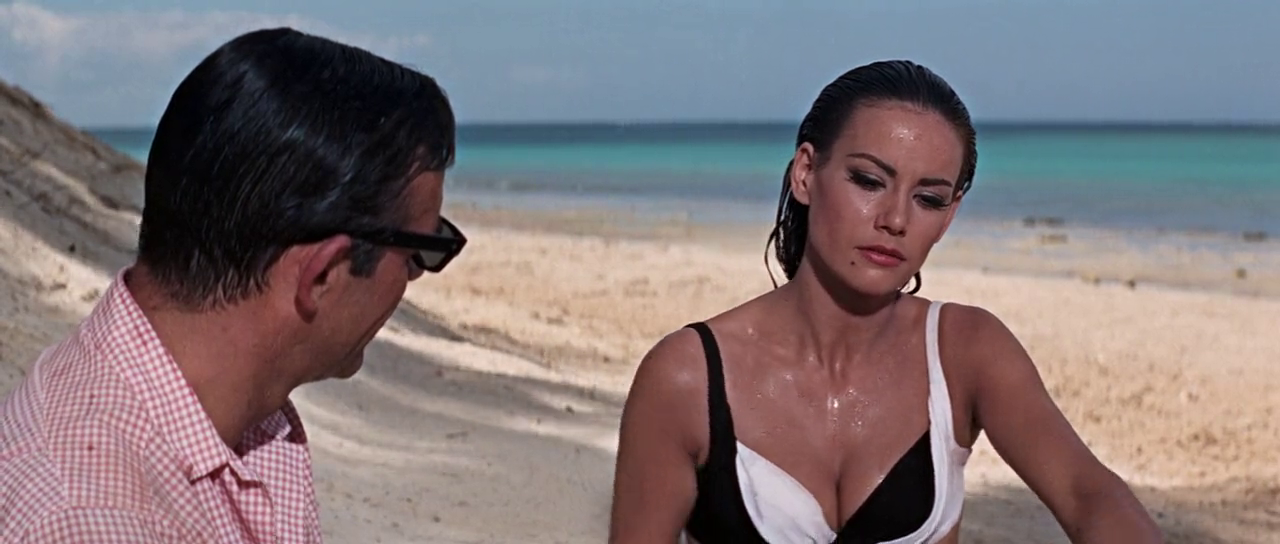
Peary writes that this “fourth James Bond film” — released after Dr. No (1962), From Russia With Love (1963), and Goldfinger (1964) — “takes forever to get started and has too many long underwater sequences during which it’s impossible to tell what’s going on,” but is “nevertheless… an enjoyable entry in the Bond series.” He notes that “Sean Connery is particularly appealing as Bond,” given that “he projects more confidence than in other films in the series”, and adds that “Celi makes a strong, sophisticated nemesis,” “Auger is a top-grade (though neglected) Bond heroine”:

… and Paluzzi is “gorgeous and deadly [as] Fiona Volpe.” Peary argues that while the “film has no great scene”, it’s “entertaining as long as the actors stay above water.” I’m essentially in agreement with Peary’s assessment, though I think he gives the underwater sequences short shrift: while there’s far too much of this footage included, they’re well-handled and impressively shot.

For those who are interested, there is quite a bit more to learn about the history of this erstwhile box-office hit — see, for example, both TCM’s article and Wikipedia. While many viewers remain devotees — Rotten Tomatoes ranks it as #6 out of the 26 total films in the franchiseDVD Savant is most definitely not among this crowd. As he writes in his review, while Thunderball “has some of the series’ most impressive filmic set pieces,” it’s bedeviled by “an unusually sloppy structure” and often “goes off on frequent tangents to work flashy gadgets and action into the story.” He further argues that while “the producers knew they had the essential ingredients for a hit” they “no longer seemed to care about crafting a superior film.” On a more positive note, he points out that “John Barry’s score is one of his best,” that “Paluzzi makes a delightfully sexy villainess, while she lasts,” and that “the photography is sleek throughout.” While all-purpose film fanatics don’t need to check this one out, they may be curious to watch it once — and hardcore fans of the series surely already have their own firmly entrenched opinions.

Redeeming Qualities and Moments:

  • Unique sets
  • Fine cinematography

  • John Barry’s score

Must See?
No, though of course Bond fans won’t want to miss it.

Links:

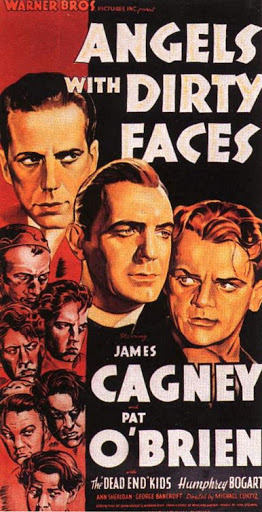
Angels With Dirty Faces (1938)

Angels With Dirty Faces (1938)

“Whadda ya hear, whadda ya say?”

Synopsis:
After rescuing his friend Jerry (William Tracy) from being run over by a train they’ve just tried to rob, young Rocky (Frankie Burke) is sent to reform school and embarks on a life of crime. When Rocky (James Cagney) emerges from prison years later, Jerry (Pat O’Brien) has become a priest caring for a group of juvenile delinquents (The Dead End Kids) who idolize Rocky as a notorious gangster. After demanding and being denied money from his former partner-in-crime (Humphrey Bogart) and Bogart’s business partner (George Bancroft), Cagney vows revenge, and soon becomes caught up in an elaborate new criminal scheme. Can Cagney’s loyal friend (O’Brien) and sweetheart (Ann Sheridan) convince him to change his ways before it’s too late?

Genres, Themes, Actors, and Directors:

  • Ann Sheridan Films
  • Ex-Cons
  • Friendship
  • Gangsters
  • George Bancroft Films
  • Humphrey Bogart Films
  • James Cagney Films
  • Juvenile Delinquents
  • Michael Curtiz Films
  • New York City
  • Pat O’Brien Films
  • Priests and Ministers

Response to Peary’s Review:
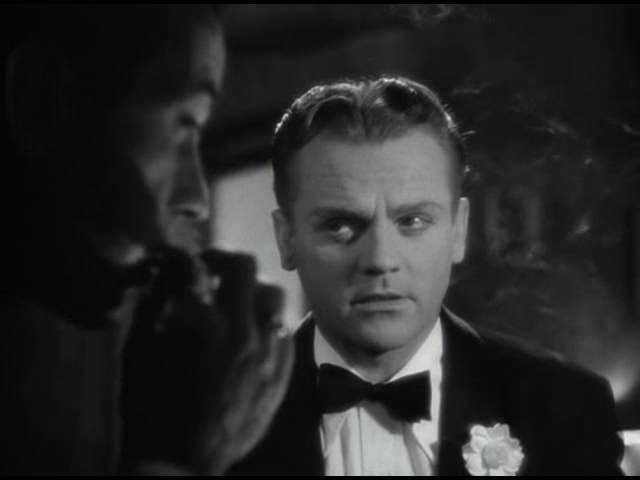
Peary is a big fan of this “standout gangster film that has often been copied but never equaled.” He argues it remains “exciting” and “funny, too; with surefire direction by Michael Curtiz and a terrific performance by James Cagney in one of his best roles.” Unfortunately, Peary gives away a major spoiler early in his review and stays focused on the ramifications of the film’s ending in his analysis, so I won’t say more except to note that “the script was written by the notorious Rowland Brown (Blood Money), who, it was rumored, had underworld connections.” Peary discusses the film a bit more in Alternate Oscars, where he nominates it as one of the best Movies of the Year and names Cagney Best Actor of the Year. He writes that in this film, Cagney’s “mouth works nonstop, grinning, laughing, shooting tough talk… and street slang as fast as machine gun bullets” while he “races back and forth across the screen, lifting his shoulders and bringing his arms to his sides before doing any rough stuff.” He adds that while “gangster movies were often criticized for glorifying their crime-breaking protagonists”, “in this case the criticism may have had validity” given that Cagney’s Rocky Sullivan “is truly appealing”: “He’s a tough guy but we are taken by his infectious grin, even in the face of danger, his sense of humor, his touch of conceit…, and his humility.”

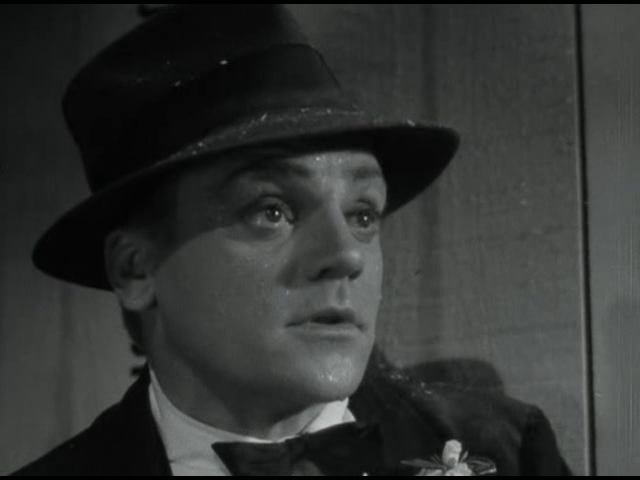
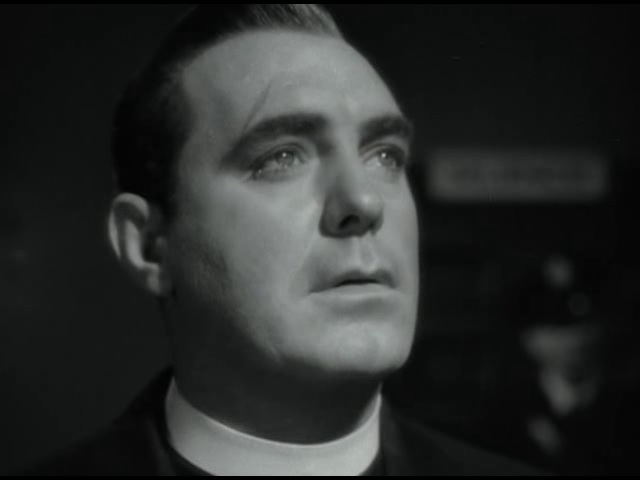
DVD Savant is less enamored by the film, referring to it as “a sanitized rehash of gangster themes tailored to appeal to all audiences”, coming “complete with sermons and a foundation of strict moral values [to] underpin every plot point”. My own sentiment lies somewhere in between Peary and Savant’s. Angels With Dirty Faces remains a powerfully made film, masterfully directed and shot by Curtiz and DP Sol Polito, and featuring a truly stand-out performance by Cagney — but the antics of the “Dead End Kids” quickly wear thin:

… and O’Brien’s sanctimonious priest is terribly one-note.

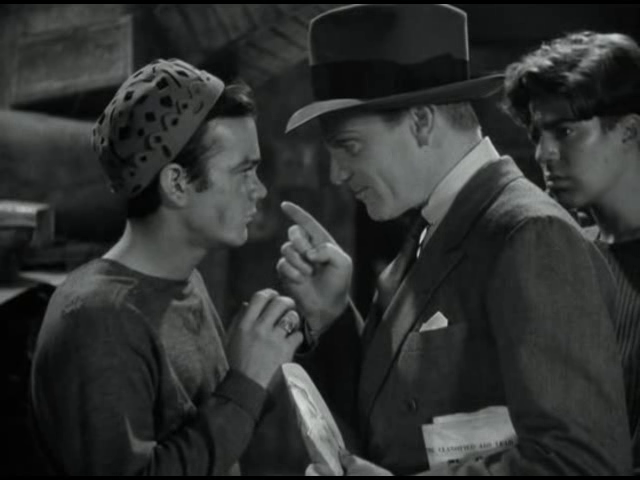
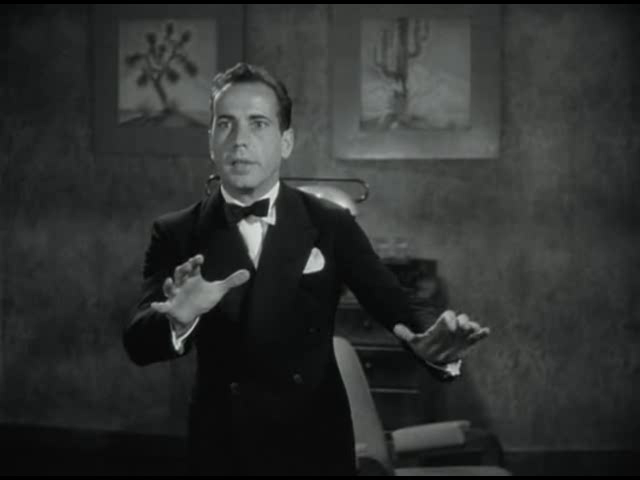
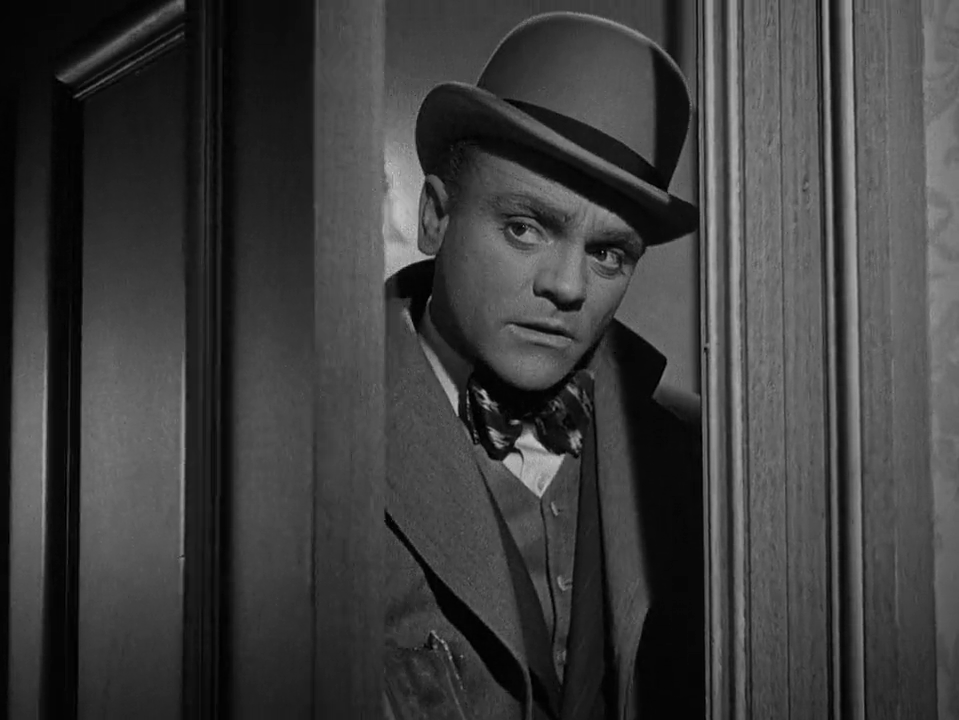
With that said, Sheridan is fine in an underutilized role, Bogart is notably smarmy as Cagney’s duplicitous counterpart:

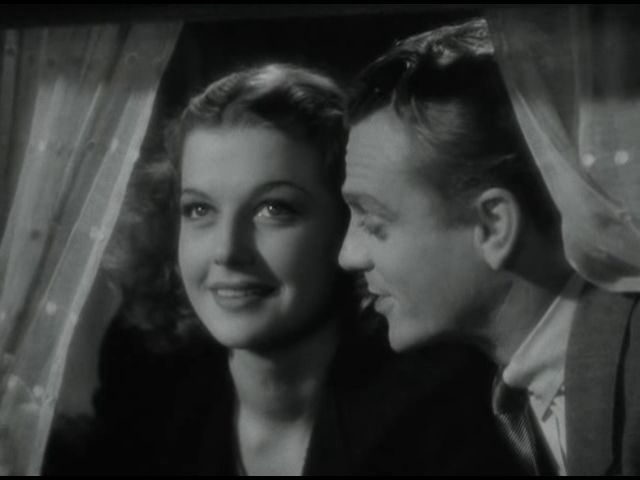
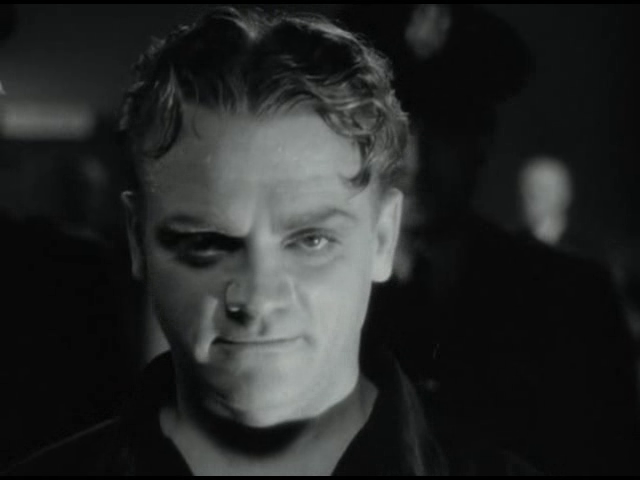
and Cagney’s energized performance continuously holds the film afloat. The final scenes are indeed memorable, and viewers unfamiliar with the story should stay away from any reviews before watching it; the last close-up of Cagney says more in one shot than can quite be described.

Redeeming Qualities and Moments:

  • James Cagney as Rocky
  • Ann Sheridan as Laury
  • Fine direction by Curtiz
  • Sol Polito’s atmospheric cinematography

Must See?
Yes, for Cagney’s performance and as a mostly-effective classic.

Categories

  • Genuine Classic

(Listed in 1001 Movies You Must See Before You Die)

Links:

Cabin in the Sky (1943)

Cabin in the Sky (1943)

“Sometimes when you fight the devil, you got to jab him with his own pitchfork.”

Synopsis:
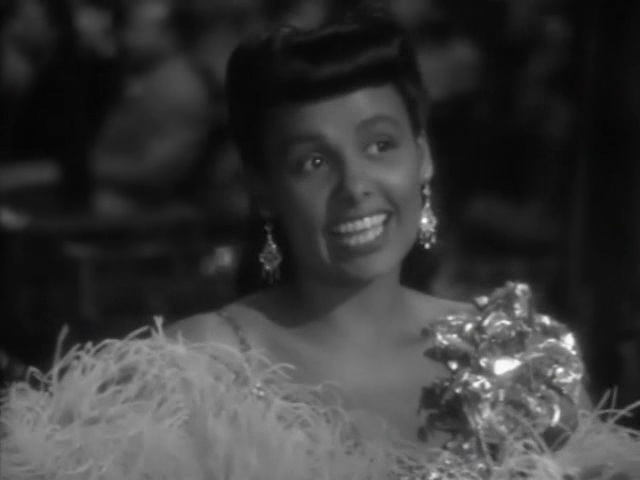
When a lazy gambling addict named Little Joe (Eddie ‘Rochester’ Anderson) is nearly killed, his devout wife (Ethel Waters) prays hard enough that a heavenly angel (Kenneth Spencer) heeds her call and agrees to give Little Joe six more months to reform — but Lucifer’s son (Rex Ingram) and his henchmen (Mantan Moreland, Willie Best, and Louis Armstrong) are eager to get Joe down into Hell, and send both money and a seductive gold-digger (Lena Horne) his way.

Genres, Themes, Actors, and Directors:

  • African-Americans
  • Femmes Fatales
  • Lena Horne Films
  • Life After Death
  • Marital Problems
  • Musicals
  • Play Adaptations
  • Rex Ingram Films
  • Vincente Minnelli Films

Response to Peary’s Review:
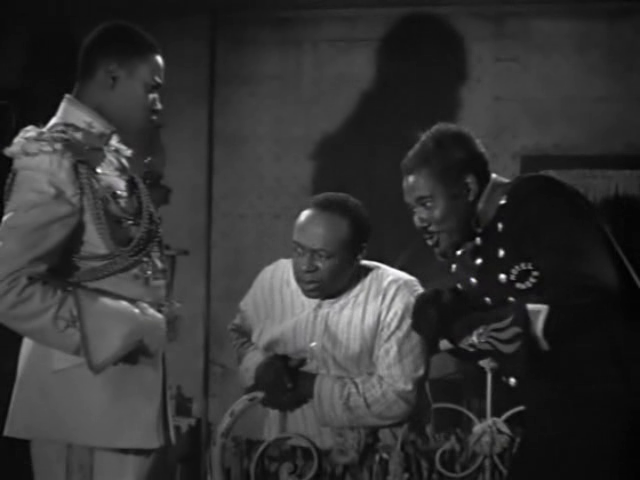
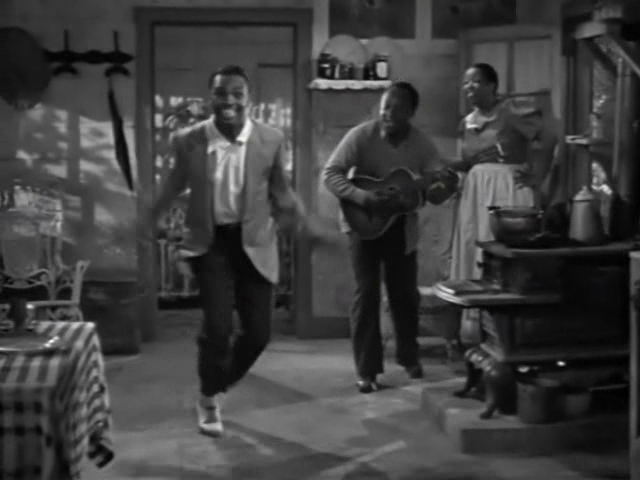
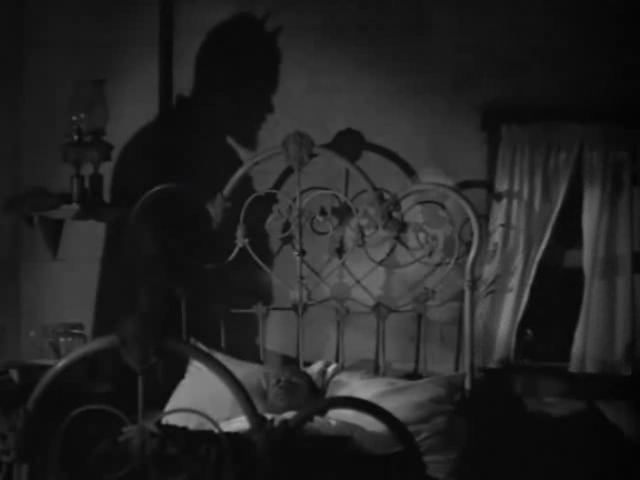
Peary points out that this “spirited M-G-M musical, with an all-black all-star cast” — “based on a Broadway musical by Lynn Root, John Latouche, and Vernon Duke” — “marked the successful movie debut of stage director Vincente Minnelli.” He notes that the “film pits cornball religion against hell-raising (which appear to be the only two choices in a black man’s life):

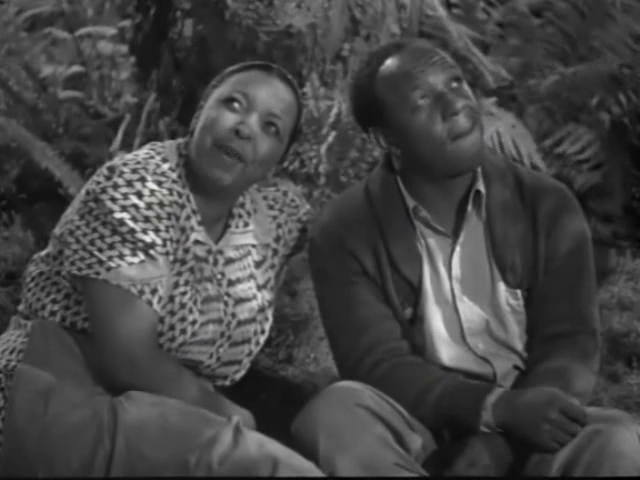
… and, though it probably wasn’t intended that way, the hell-raising looks to be more fun.” He advises us to “forget Joseph Schrank’s script and enjoy the precious footage of some of the most famous black performers at their peaks”, including Waters, Anderson, Horne, John ‘Bubbles’ Sublett, and Duke Ellington’s band, as well as Ingram reminding “us of the shrewd, intelligent, boldly laughing genie he played in The Thief of Bagdad.” As one of two all-black musicals produced that year — along with Stormy Weather (1943) — this film remains worth a look for historical purposes alone, but viewers will likely find themselves appreciating the chance to see Waters at her finest; her role here and in The Member of the Wedding (1952) indicate that she should have been given far more opportunities to grace us with her presence on screen.

Redeeming Qualities and Moments:

  • Ethel Waters as Petunia
  • Many fine musical numbers

  • Sidney Wagner’s cinematography

Must See?
Yes, once, for its historical significance.

Categories

  • Historically Relevant

Links:

Yankee Doodle Dandy (1942)

Yankee Doodle Dandy (1942)

“I wouldn’t worry about this country if I were you. We’ve got this thing licked.”

Synopsis:
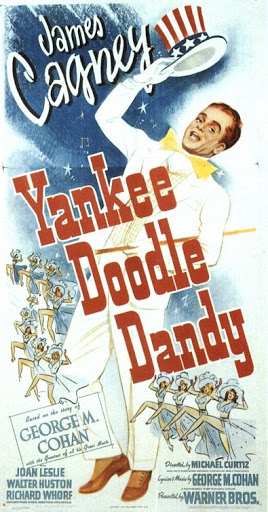
While visiting FDR (Jack Young) at the White House, famed vaudevillian George M. Cohan (James Cagney) reflects back on his rise to stardom, beginning with his role as part of The Four Cohans with his dad (Walter Huston), mom (Rosemary DeCamp), and sister (Jeanne Cagney), and continuing through his partnership with a loyal friend (Richard Whorf) and marriage to an aspiring singer (Joan Leslie).

Genres, Themes, Actors, and Directors:

  • Biopics
  • Flashback Films
  • James Cagney Films
  • Joan Leslie Films
  • Michael Curtiz Films
  • Musicals
  • Vaudeville and Burlesque
  • Walter Huston Films

Response to Peary’s Review:
Peary writes that this “stirring, sentimental musical bio of an American institution, George M. Cohan” — a “songwriter whose unwavering devotion to friends, family, and flag made him an ideal subject for Warner Bros.’ pro-war, pro-Roosevelt propaganda in 1942” — still “has an undeniable charm” and remains “appealing” despite the “superpatriotic aspects of the film, which are laid on mighty thick by the end.” He points out that Oscar-winning Cagney is “magnificent” as Cohan, showing “infectious spirit, energy, and drive”, not to mention amazing dancing chops.

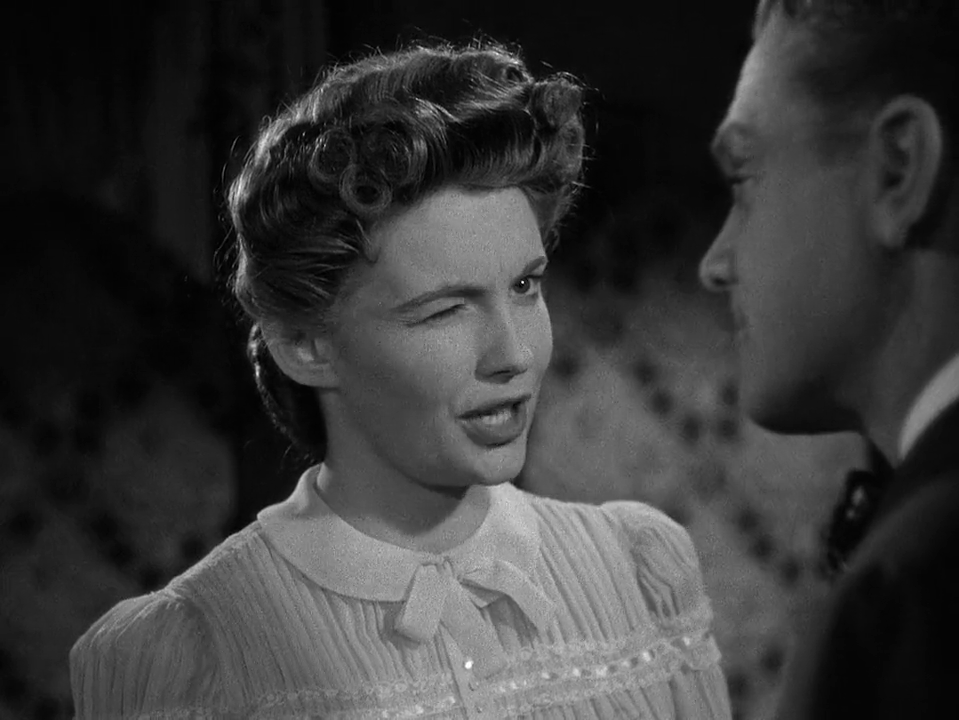
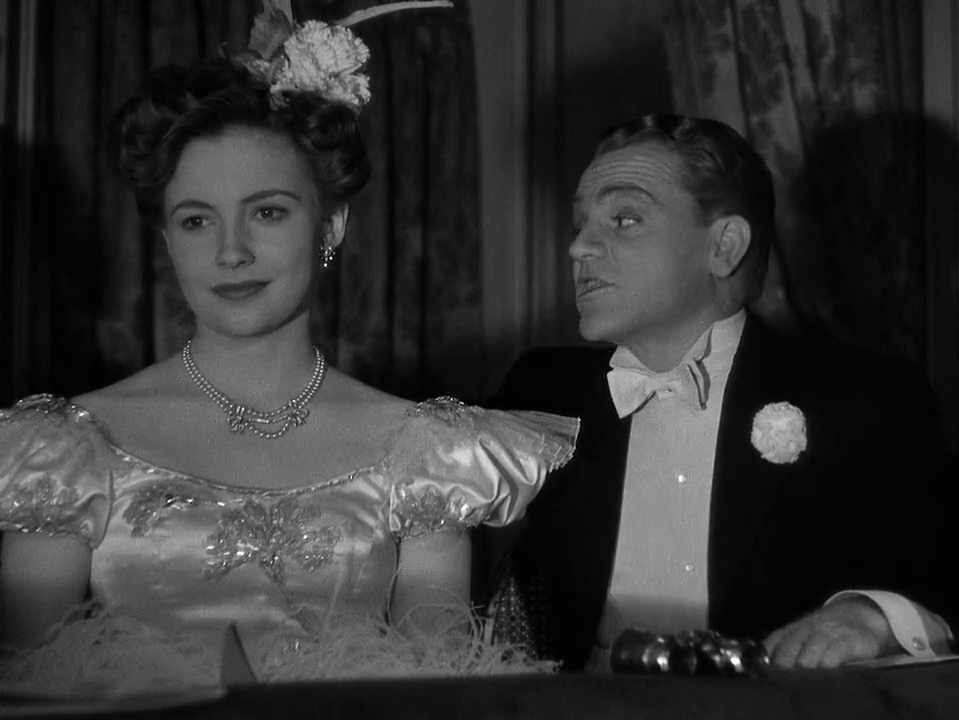
He notes that Cagney’s scenes with Joan Leslie — “extremely winning as Cohan’s girlfriend, then wife” — are “very special”:

but he reminds us that “what’s even more impressive is that Cagney proves to be one of the few actors we’ve had who can comfortably play tender scenes with other men”. He adds that the “lavish production is strongly directed by Michael Curtiz”, with the “musical numbers… particularly well done in a non-Busby Berkeley style”; I didn’t realize until watching this film that Cohan was responsible for writing several enormously famous and “infectious songs”, including “Over There”, “Grand Old Flag”, “Give My Regards to Broadway”, and the title song.

Peary acknowledges, however, that the “film is odd in that almost nothing bad happens to its protagonist.” Indeed, Cohan’s direct involvement in and oversight of the film’s script and production very clearly impacted the directions it goes in (or not). While Cohan allowed for his youthful self (Douglas Croft) to be authentically portrayed as brash and arrogant, he makes sure we see his loyalty, work ethic, and patriotism above all else (including his earnest attempt to enlist in the army despite being too old at 39). This may very well be authentic — indeed, Cohan was the first person in any artistic field to earn a Congressional Medal of Honor from the president — but it would have been even more interesting to see what challenges he faced other than the flop of his one attempt at “serious” drama, and the question of whether or not to return to the stage after retirement. It’s also a bit odd that no mention is made at all of Cohan’s four children — perhaps because one was with his first wife, who he divorced, and who doesn’t appear in this story.

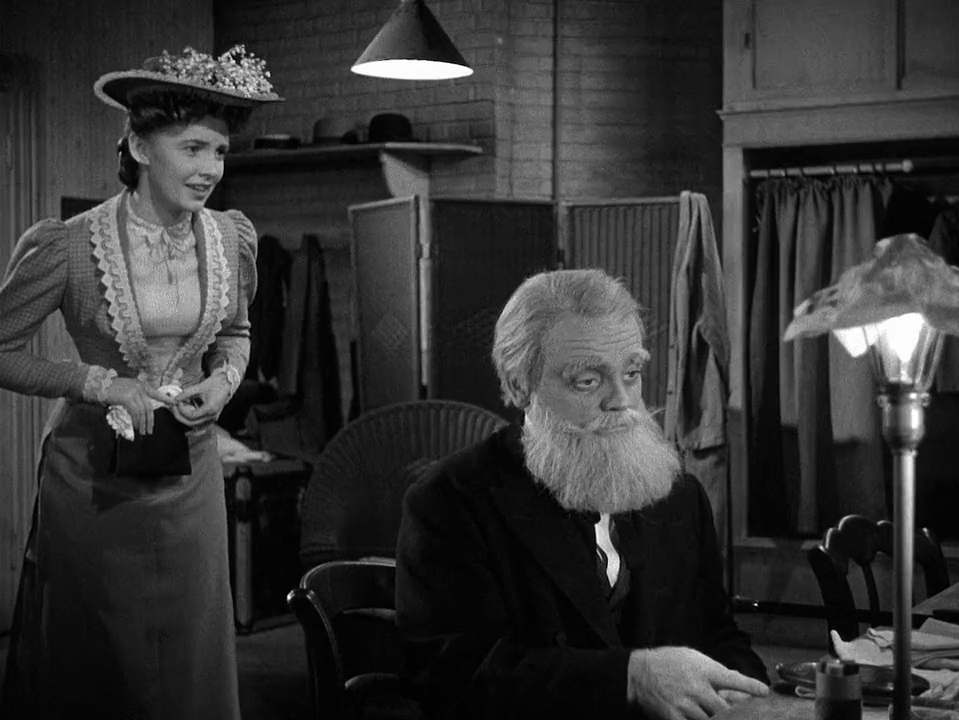
One imagines this all played a lot fresher when it was released, with Cohan’s artistic legacy much more firmly entrenched in older Americans’ minds, and his bold patriotism serving as much-needed inspiration for Americans still processing their country’s entry into the war. Meanwhile, Cagney’s performance remains as powerful as ever, and well worth watching. Peary agrees with the Academy’s designation of Cagney as Best Actor of the Year in his Alternate Oscars, where he highlights Cagney’s “inimitable” dancing style, “which mixes elastic-legged tap with fast, across-the-frame balletlike toe-walking, his legs straight, his rear out, his shoulders moving as if he were a gangster about to strike a blow, his upper torso angled forward, his head raised proudly.” Peary notes that Cagney “has some great dance moments onstage; and backstage when, disguised as an old man, he shocks Mary [Leslie] (whom he has just met) with some furious footwork:

… and at the White House, when he taps down the staircase” — but he points out that perhaps most memorable of all “are those [moments] when Cagney-Cohan sincerely tells his audience, ‘My father thanks you, my mother thanks you, my sister thanks you, and I thank you.'”

Redeeming Qualities and Moments:

  • James Cagney as George M. Cohan
  • Joan Leslie as Mary Cohan
  • James Wong Howe’s cinematography

Must See?
Yes, for Cagney’s performance.

Categories

  • Noteworthy Performance(s)
  • Oscar Winner or Nominee

(Listed in 1001 Movies You Must See Before You Die)

Links:

Diva (1981)

Diva (1981)

“She’s the queen of the night.”

Synopsis:
A French postman (Frederic Andrei) obsessed with the music of an American opera singer (Wilhelmenia Wiggins Fernandez) secretly tapes her performance and shares it with a young teen (Thuy An Luu) who lives with a Zen-like older mentor (Richard Bohringer). Meanwhile, the girlfriend (Chantal Deruaz) of a corrupt police commissioner (Jacques Fabbri) is murdered by henchmen (Gerard Damon and Dominique Pinon) just after dropping an evidence-filled tape into the basket of Andrei’s moped, and Andrei soon finds himself pursued not only by Damon and Pinon, but by a pair of Taiwanese gangsters interested in his pirated tape of Fernandez, as well as a dedicated female cop (Anny Romand) and her male accomplice.

Genres, Themes, Actors, and Directors:

  • French Films
  • Gangsters
  • Obsessive Fans
  • Opera
  • Singers

Response to Peary’s Review:
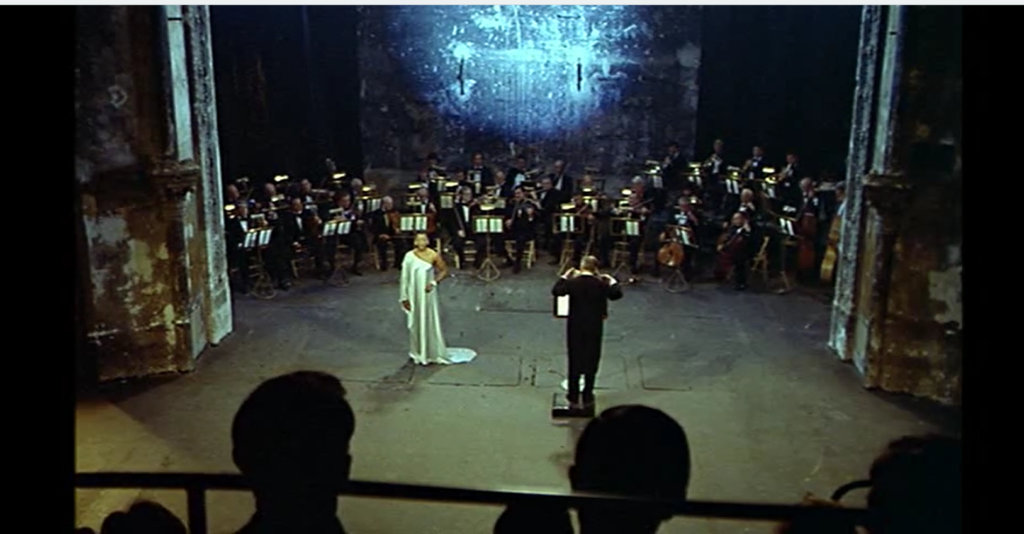
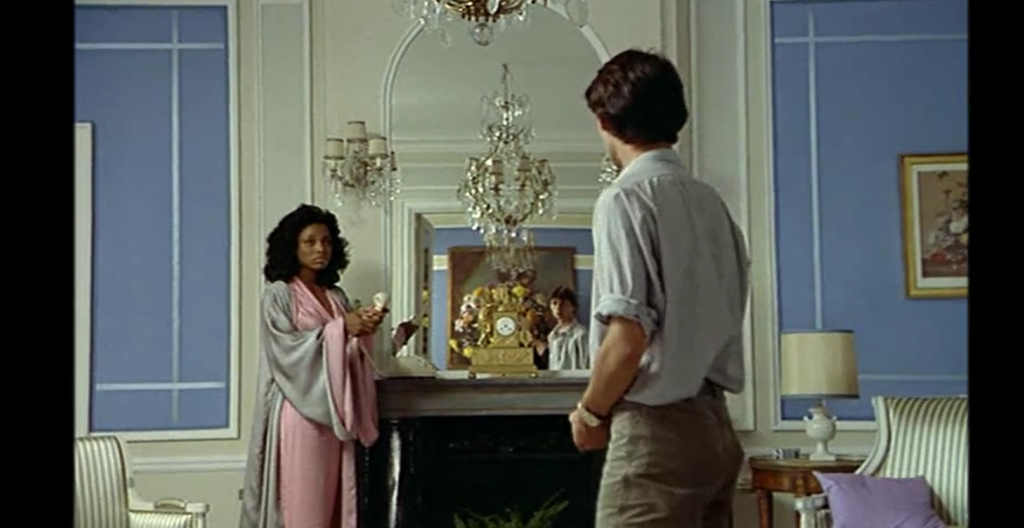
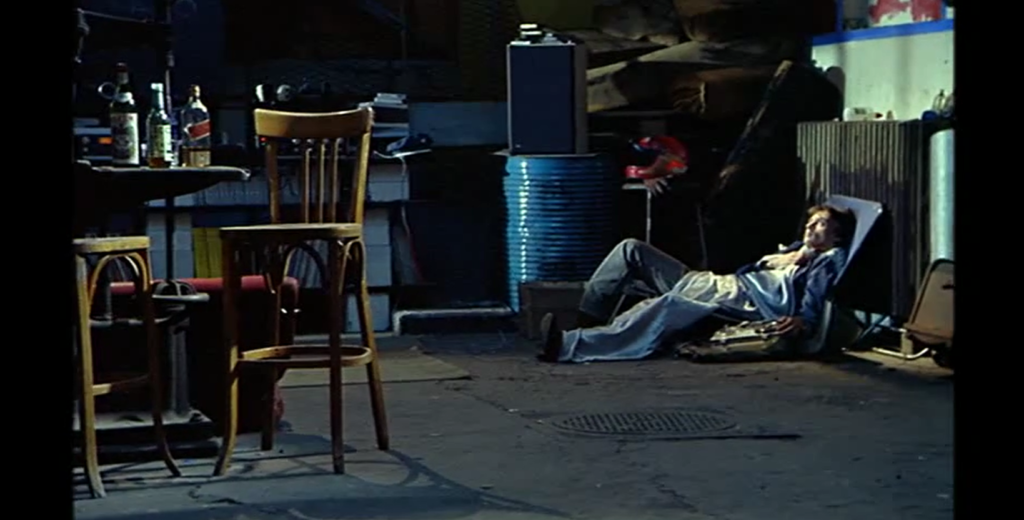
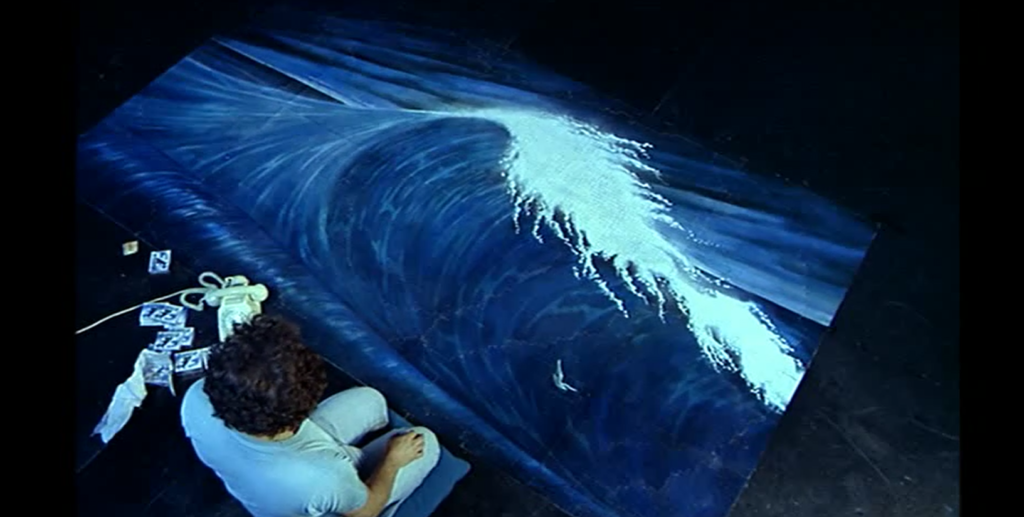
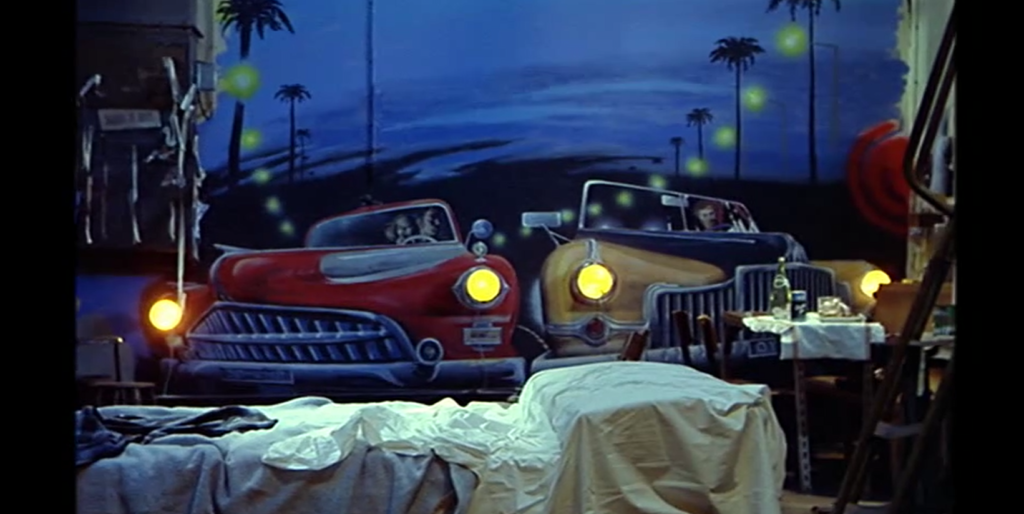
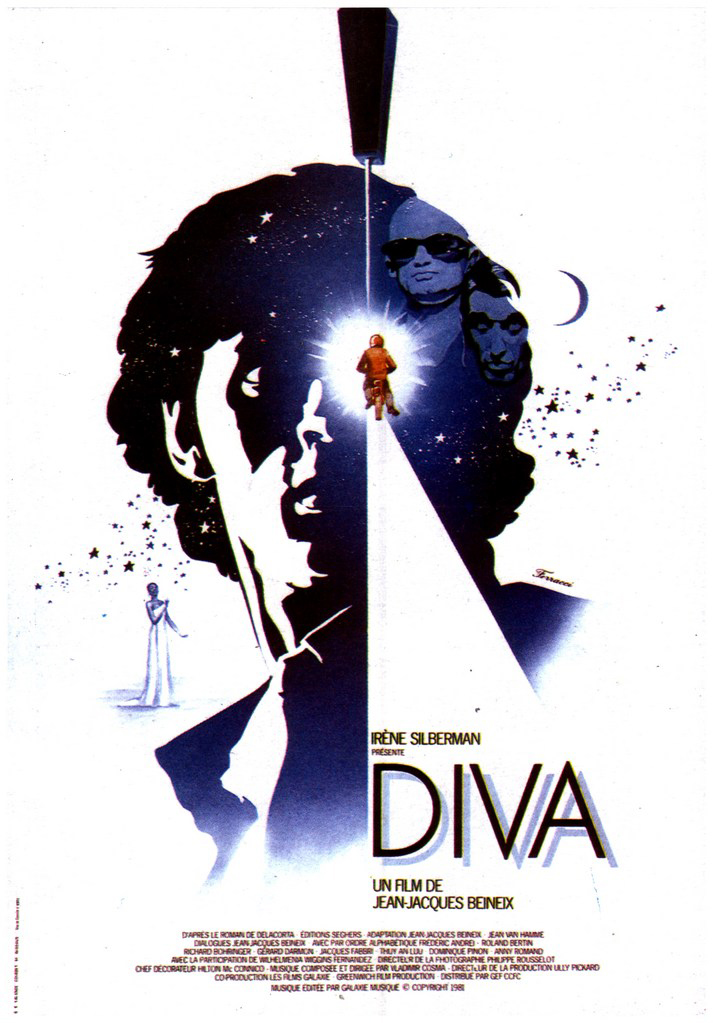
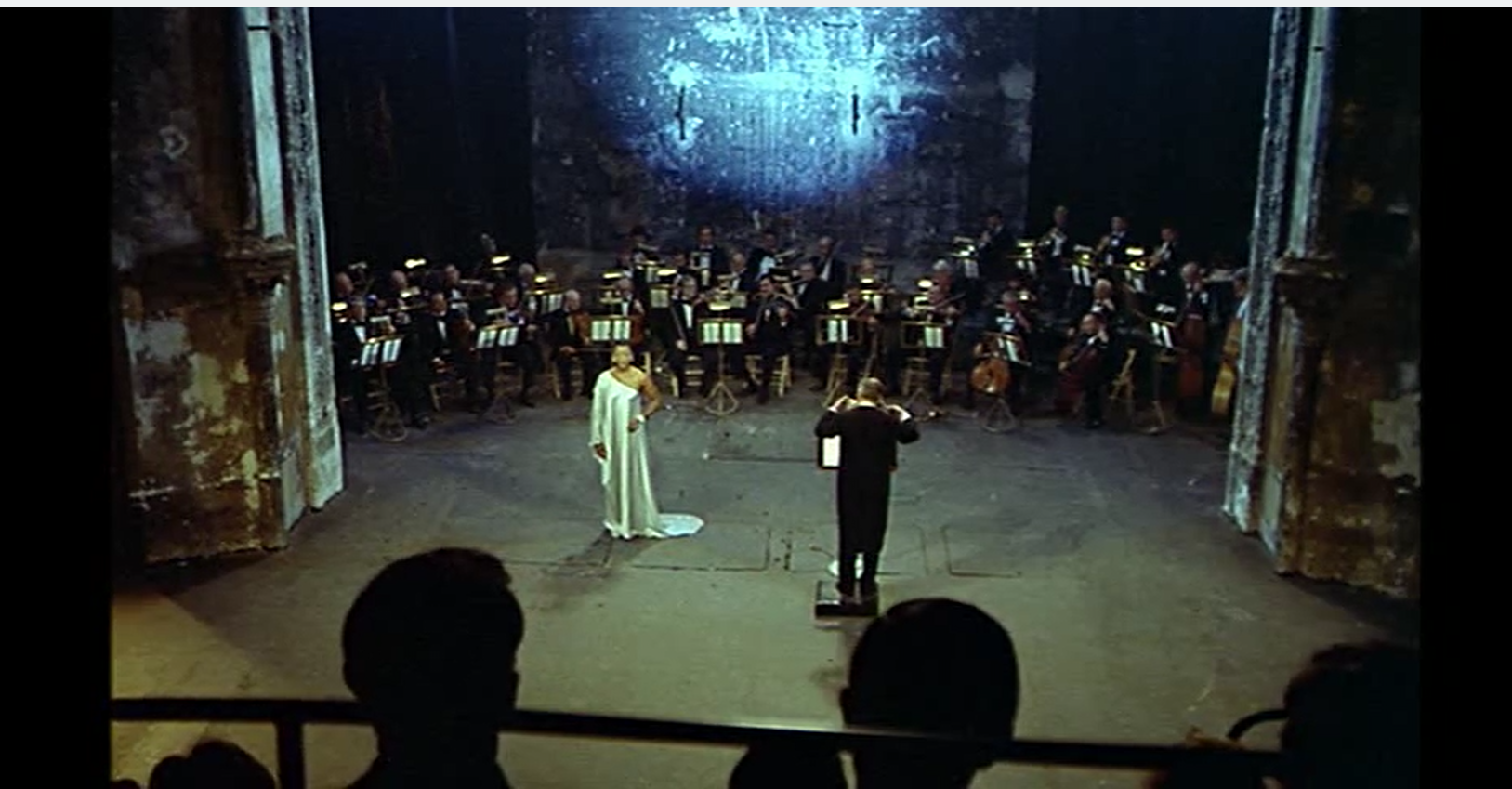
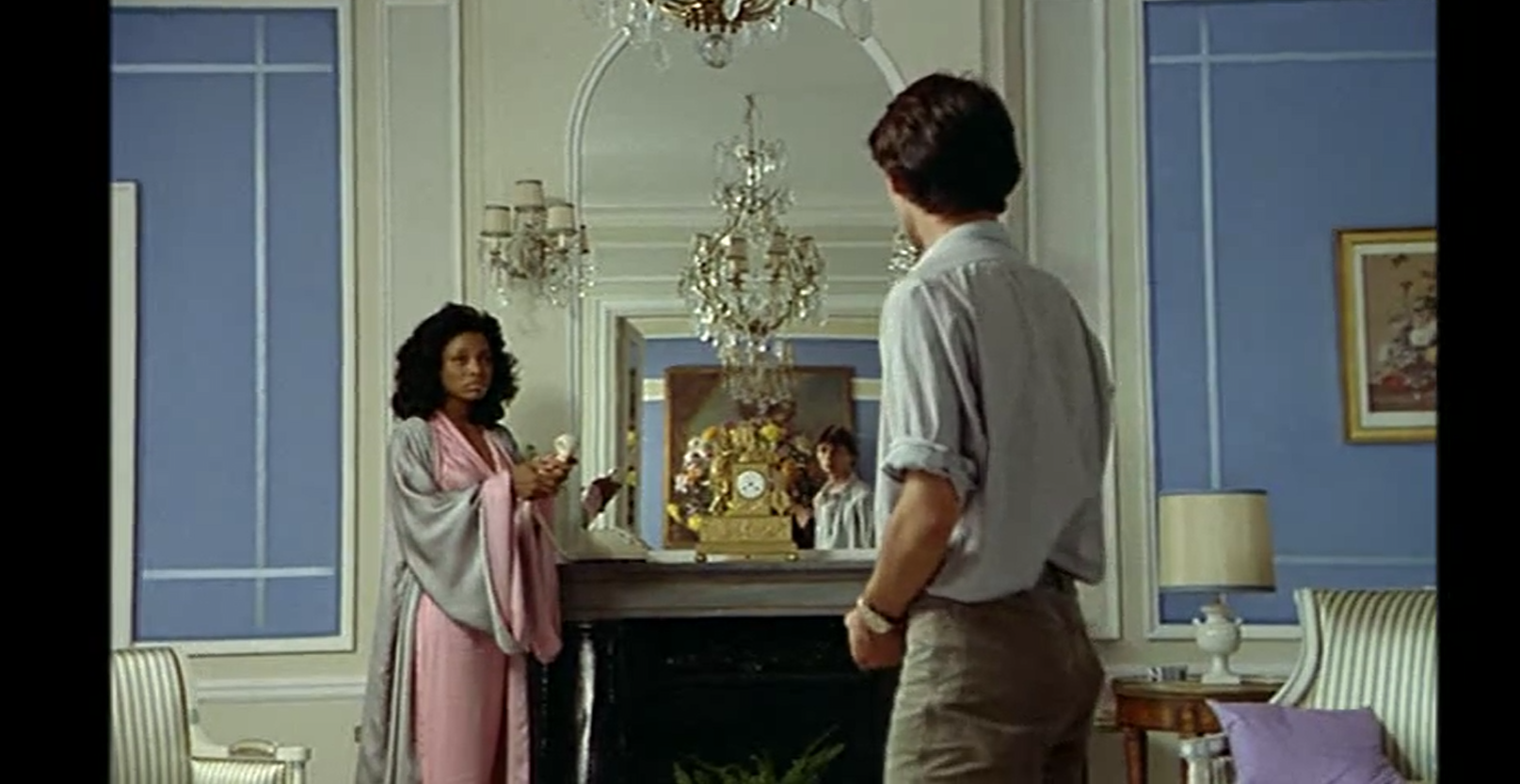
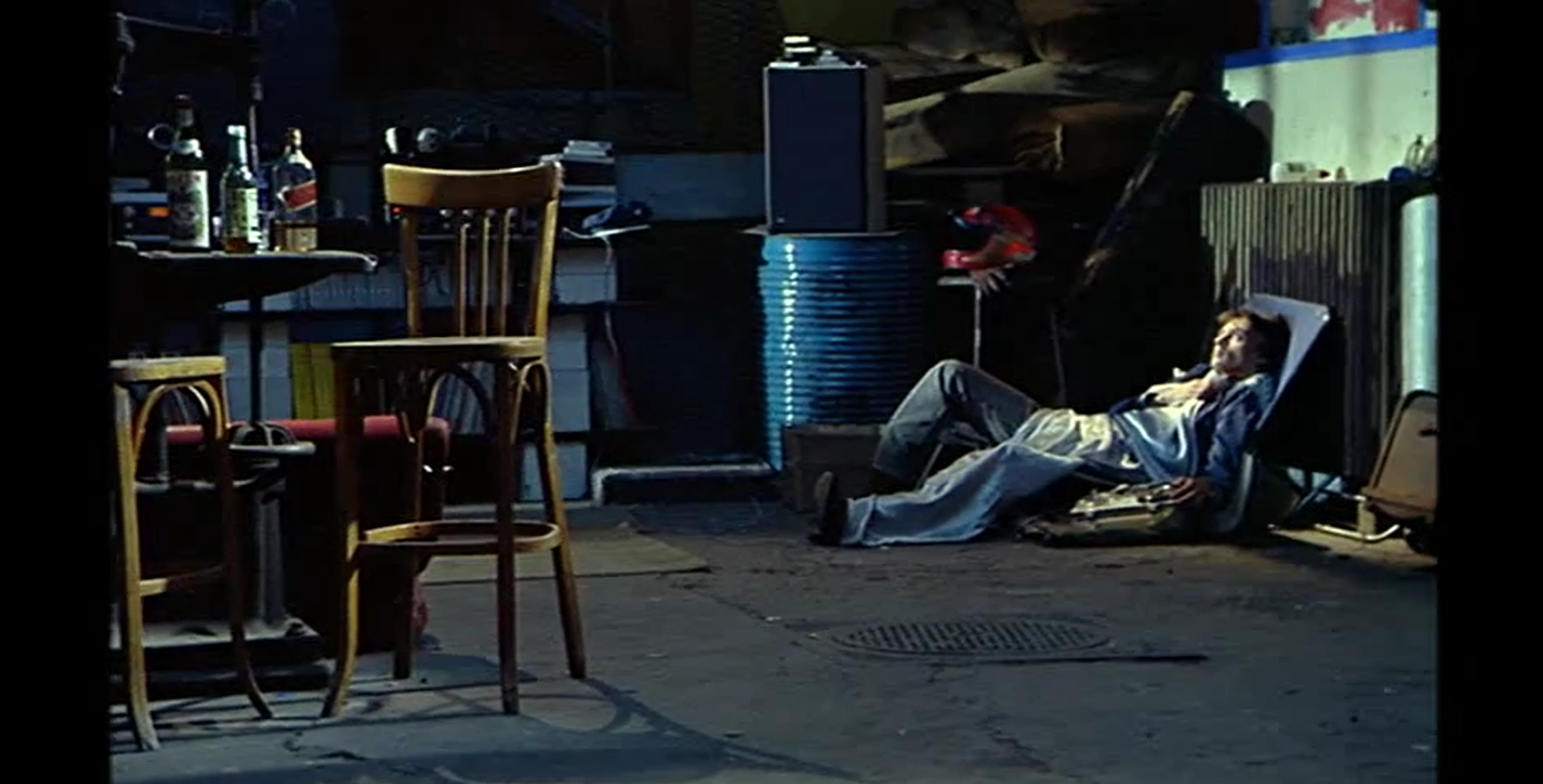
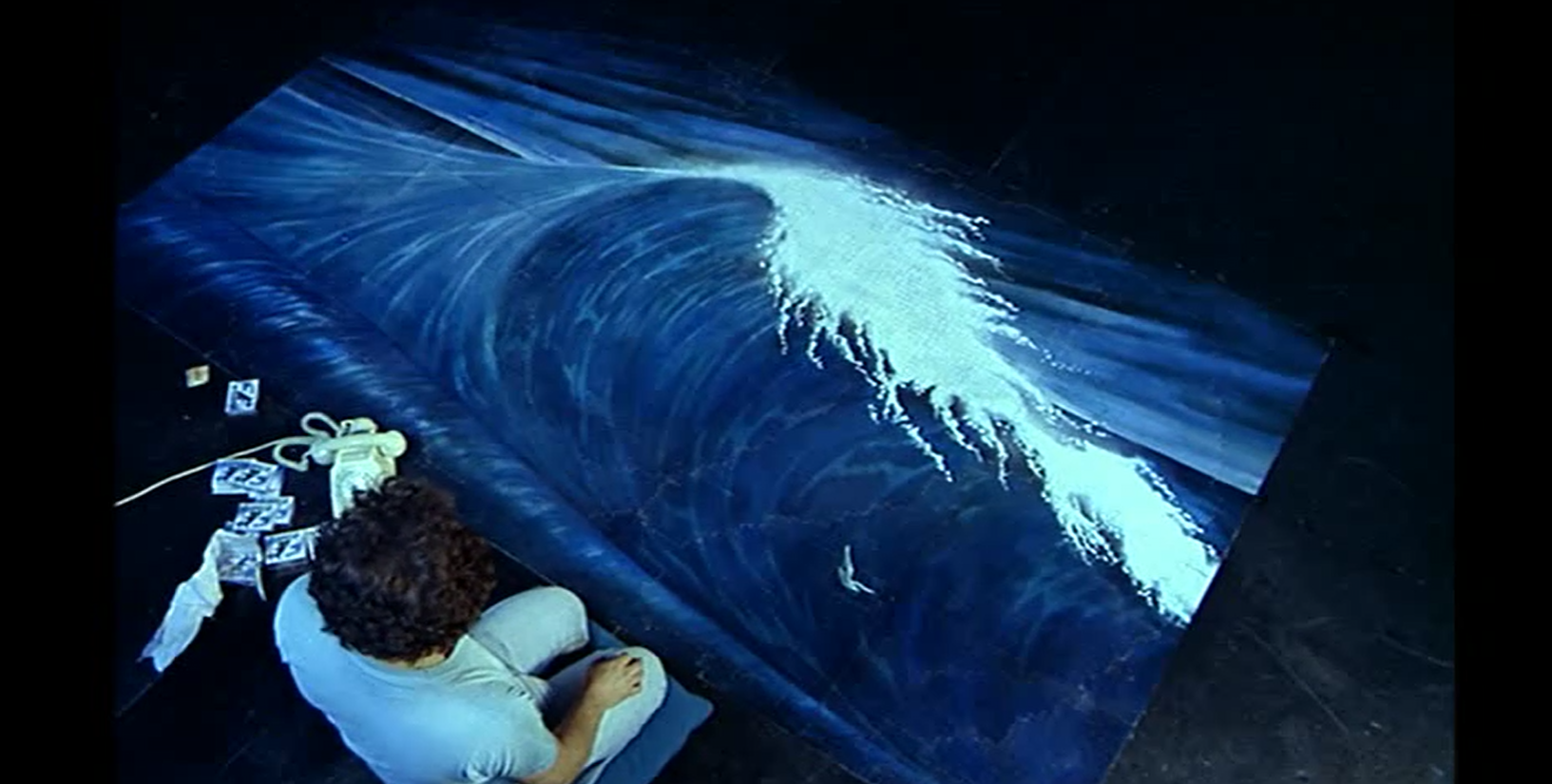
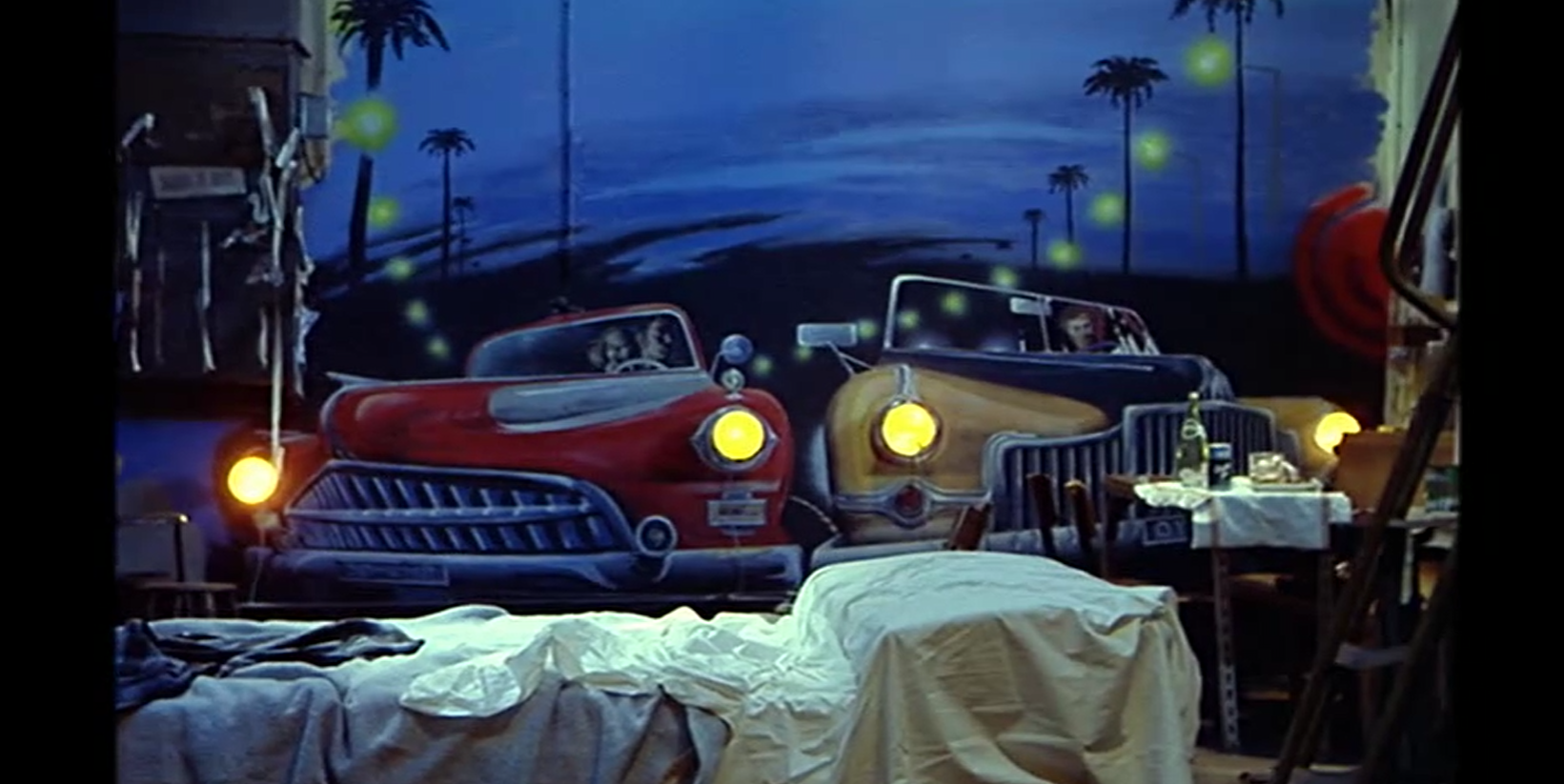
Peary writes that this “goofy, glittery, dazzlingly stylish suspense thriller by first-time director Jean-Jacques Beneix became an immediate cult sensation in France and America,” noting that while “some critics complained that Beneix’s work was self-consciously (Pop) arty”, “surely the story, from a novel by Delacorta (Daniel Odier), is bizarre enough to warrant a wild style.” He points out that the protagonist, Jules (Andrei), “lives in one of Beineix’s fascinating sets (designed by Hilton McConnico): a dark loft full of stereo equipment, wrecked cars, and Pop art (including large photos of cars)”, and he notes that the “quirkiness of the film is evident in [the] three major character couplings: Jules, an 18-year-old, white, passive Frenchman, and Cynthia [Fernandez], the taller, 30-ish, black American performer:
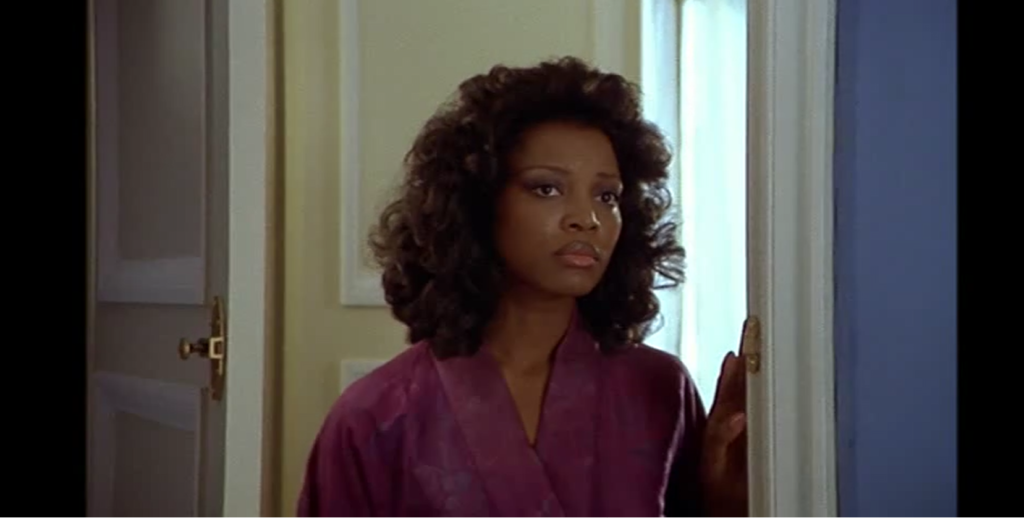
… Alba [Luu], a teenage, hedonistic Vietnamese shoplifter and Gorodosh [Bohringer], her adult, white, Zen-freak boyfriend; the tall, handsome, suave Latin thug [Damon] and his short, indented-faced, punk-garbed, blond, younger partner (Dominique Pinon is a memorable screen villain), who always has a Walkman blaring in his ears.”

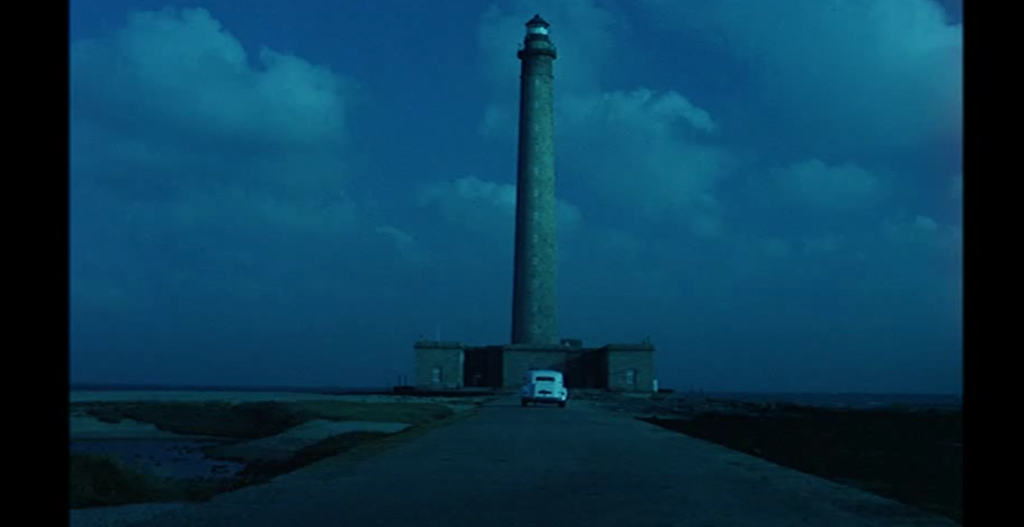
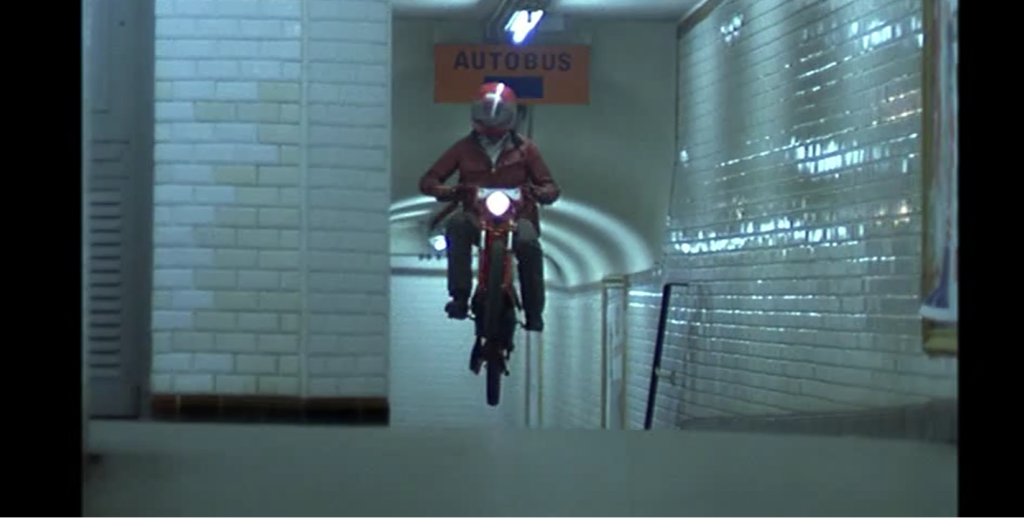
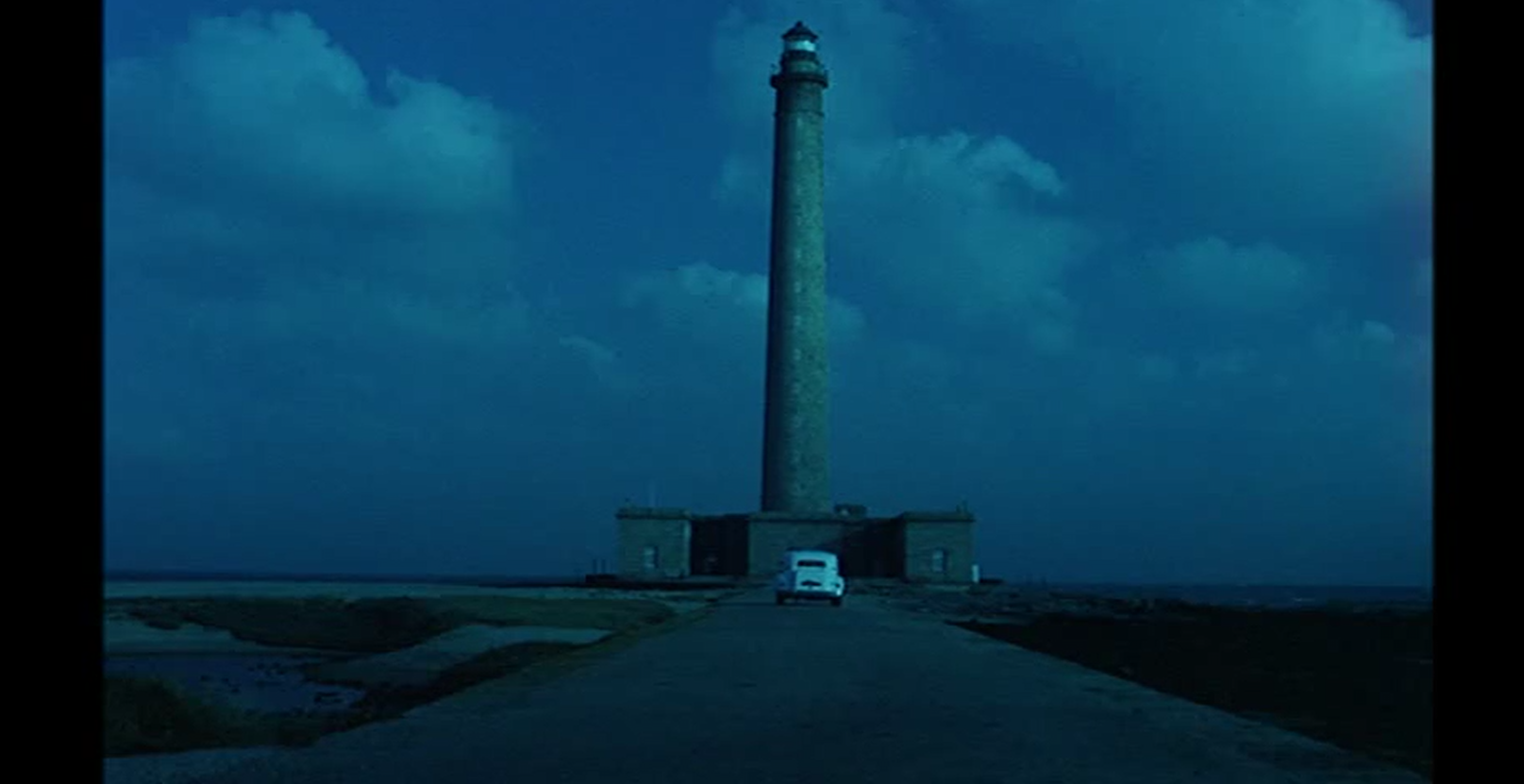
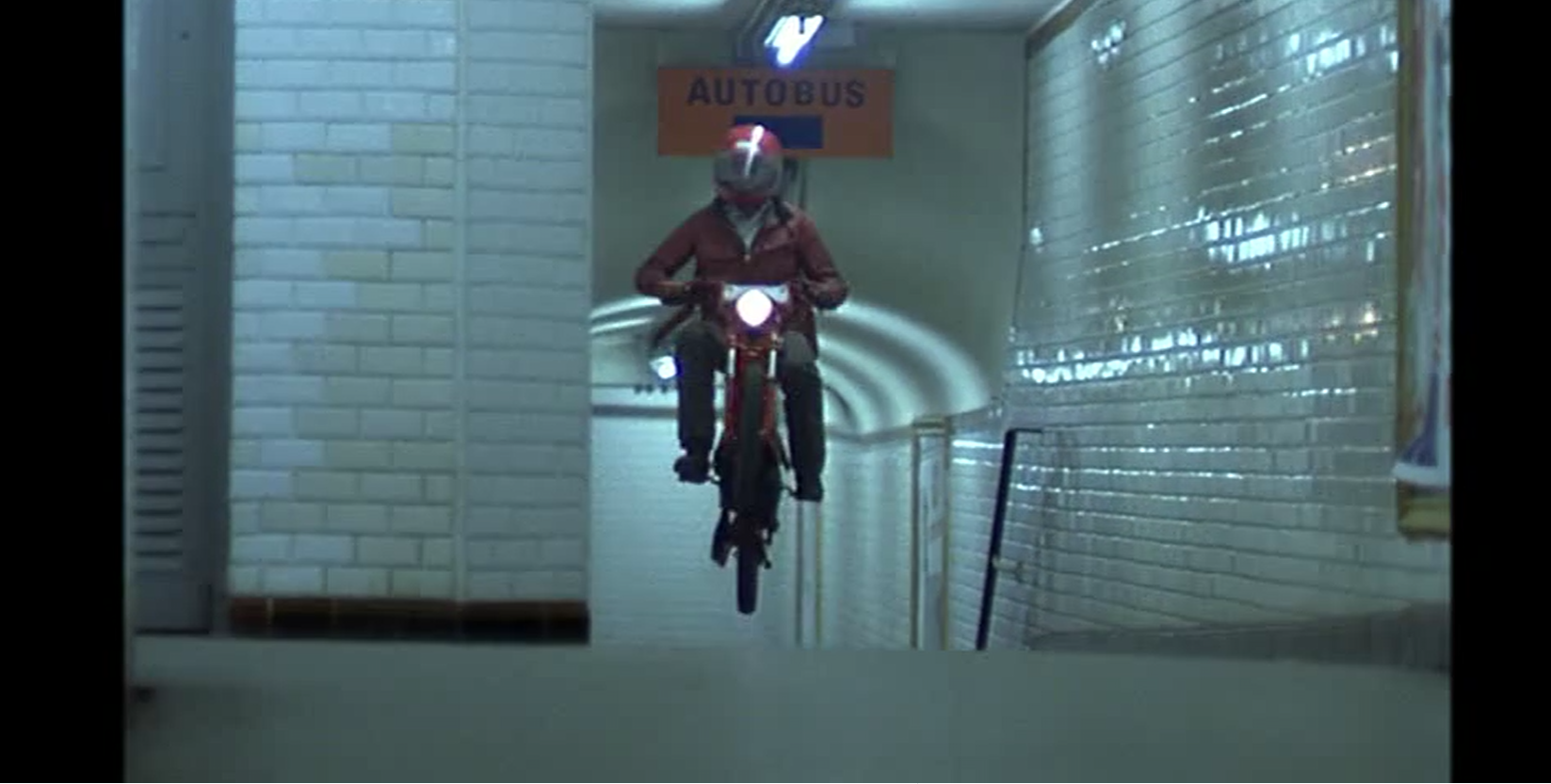
Peary points out that “Beineix underscores [these] odd teams by mixing rock and classical music”, and that “visually, Beineix uses his frame like a Pop-art canvas, filling the spaces between his black, blue, and red images with white light, direct or reflected.” (Beineix’s DP was Philippe Rousselot.) He notes that Beineix is “thrilled with movement, so he places his characters on wheels (Jules’s moped, Gorodosh’s classic white Citroen, Alba’s roller skates, etc.) and lets the camera run wild, almost as if it had a life of its own. (One of the highlights is a mad car-motorcycle chase.)” He adds that Beineix “makes weird choices at every turn and very few don’t have big payoffs.”

Peary elaborates on his detailed analysis of this film in his Cult Movies 3 book, where he notes that “it is precisely Beineix’s determination to mix diverse elements such as opera and a lowbrow crime drama that makes the film so outrageous and entertaining”, and points out that Beineix’s “actors come in all shapes and sizes and from various backgrounds”. He argues that what the film’s survivors “have in common is a capacity to love people and love good music” — indeed, “love and music are shown to be pure, purifying forces”, while “the criminals are those people who prostitute love… or music…; in the minds of Delacorta and Beineix the businessmen who deal in record piracy are just as ruthless as down-and-dirty street criminals.”

Peary ends his lengthy Cult Movies review by noting that “the film is about how a singer’s lovely voice and a series of strange circumstances cause Jules, Cynthia, Alba and Gorodish to interact”, with the result “that all of them break out of their depressed past-obsessed states, reveal inner goodness…, find love, and make commitments to the future”. He notes that while this is a “cheery, sentimental theme that would seem out of place in typical low-budget crime thrillers”, he thinks “it’s one of the reasons Diva is such a crowd pleaser” — and I agree. This delightful, quirky, visually vibrant flick remains as unique as it was upon its release, and has held up remarkably well — there’s no other film quite like it, and I doubt there ever will be.

Redeeming Qualities and Moments:

  • Vibrant cinematography


  • Highly unique and stylized sets


  • The exciting moped/subway sequence
  • Vladimir Cosma’s score

Must See?
Yes, as an enduring cult classic.

Categories

  • Cult Movie

Links: