Browsed by
Category: Original Reviews

Responses to Peary’s “must see” movie reviews, as well as my own “must see” movie reviews up to and after 1986 (when Peary’s book was published).

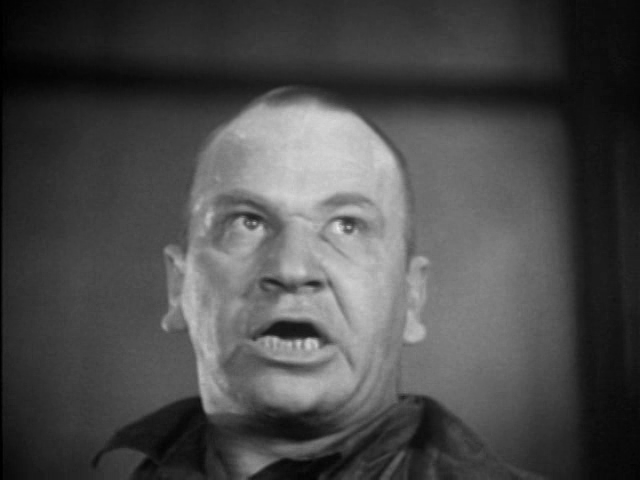
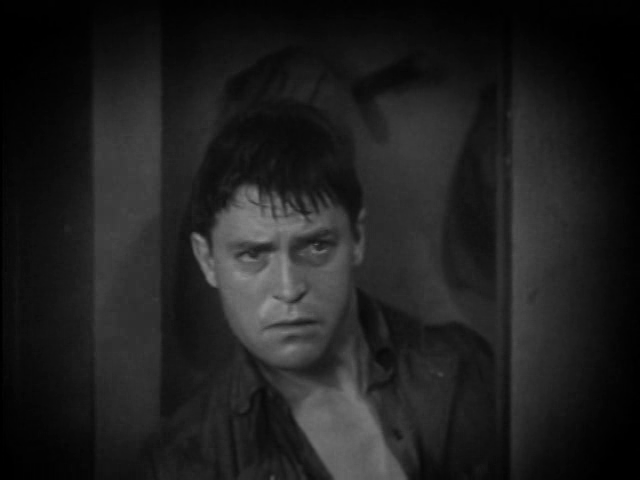
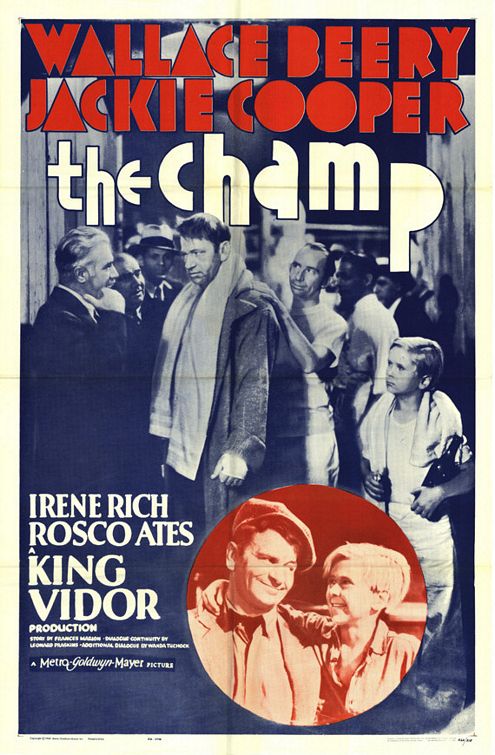
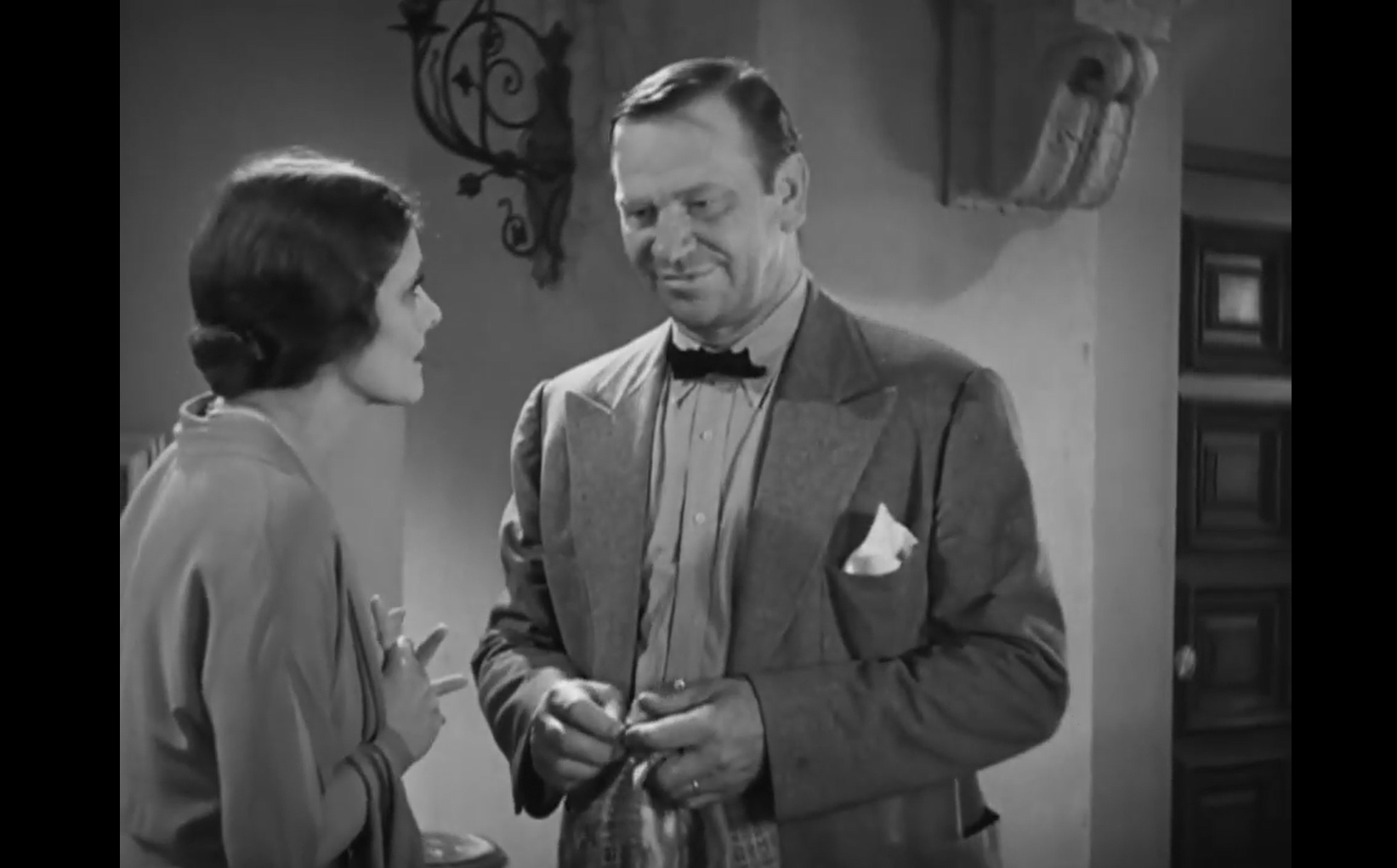
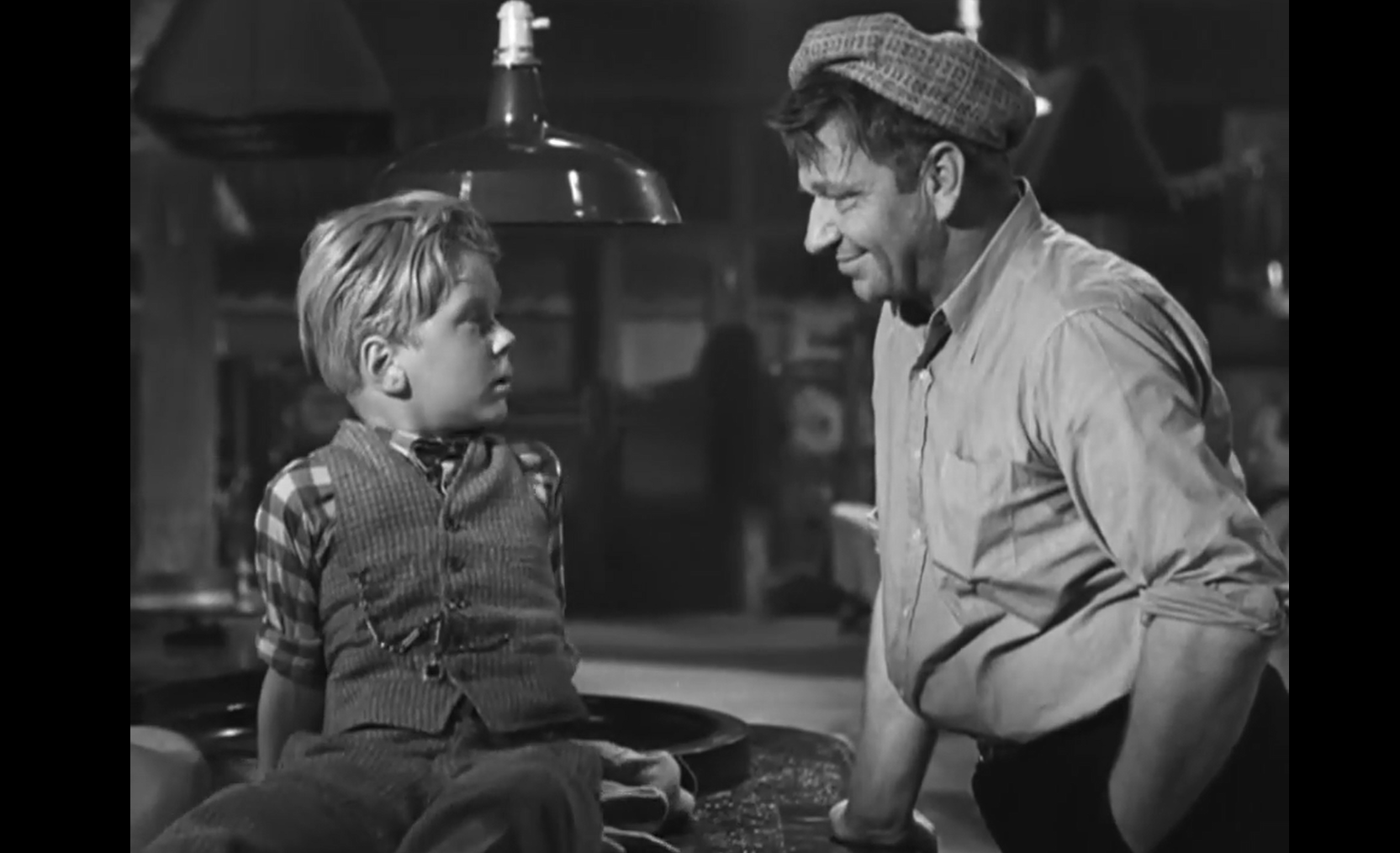
Champ, The (1931)

Champ, The (1931)

“He’s got plenty of environment right here.”

Synopsis:
An alcoholic, gambling-addicted boxer (Wallace Beery) struggles to provide a decent life for his son Dink (Jackie Cooper) — however, when Dink’s long-lost mother (Irene Rich) suddenly reappears in his life, a custody battle ensues.

Genres, Themes, Actors, and Directors:

  • Alcoholism and Drug Addiction
  • Boxing
  • Father and Child
  • Has-Beens
  • King Vidor Films
  • Wallace Beery Films

Review:
Wallace Beery won an Academy Award for his role as a washed-up former heavyweight boxing champion trying to make good again for the sake of his kid. Unfortunately, this melodramatic tale about a boy who adores his father no matter how badly and repeatedly he messes up is either maudlin, depressing, or unrealistic (as when Cooper’s mother suddenly shows up, wealthy, with another husband and child, and hoping to adopt him).

Meanwhile, your tolerance for Cooper — who, fresh from his success in Skippy (1931), became the first major child star of the 1930s — will depend entirely on how much you can handle his overwrought if heart-felt reactions.

Redeeming Qualities and Moments:

  • A sometimes touching tale of father-son love

Must See?
No. Listed as a film with Historical Relevance in the back of Peary’s book.

Links:

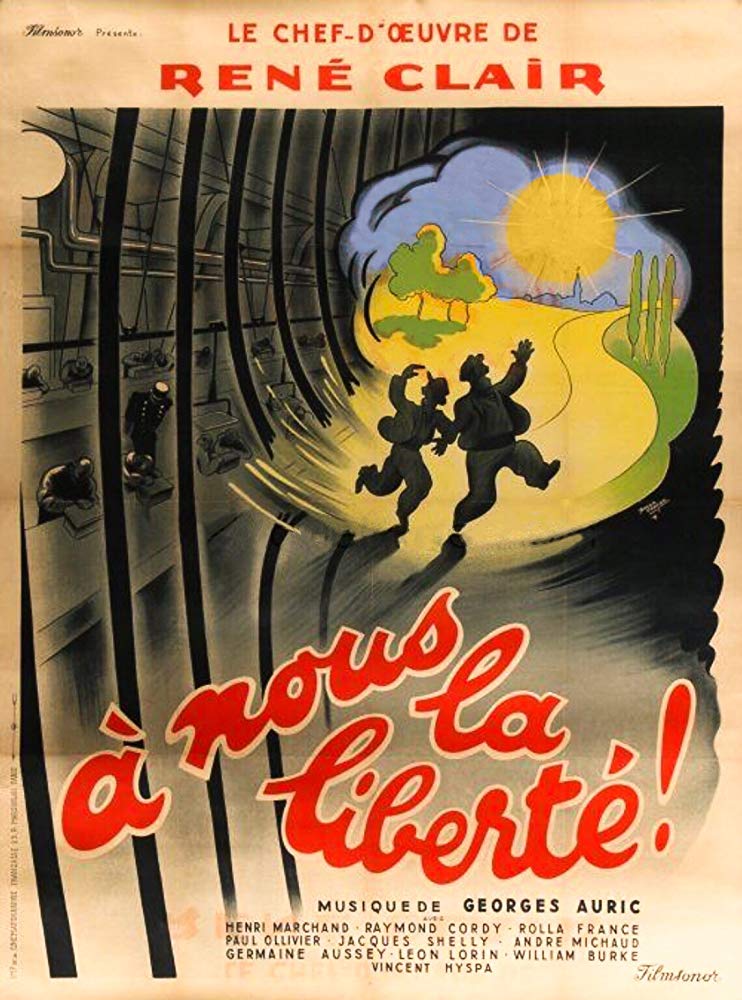
A Nous la Liberte (1931)

A Nous la Liberte (1931)

“In life, liberty is all that counts.”

Synopsis:
A convict (Raymond Cordy) escapes prison with the help of his buddy (Henri Marchand) and quickly establishes himself as a phonograph factory magnate. Once Marchand catches up with Cordy, he falls in love with a beautiful secretary (Rolla France) at the factory, hoping to win her heart.

Genres, Themes, Actors, and Directors:

  • Class Relations
  • Ex-Cons
  • French Films
  • Musicals
  • Rene Clair Films

Review:
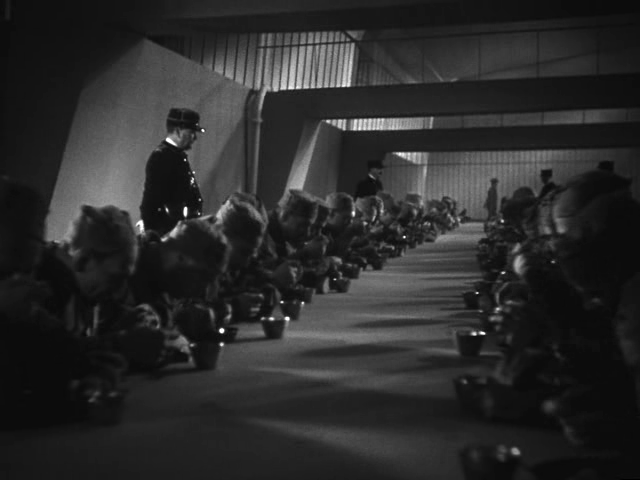
Rene Clair’s follow-up to Le Million (1931) was this playful musical showing how industrialized work in the early 20th century mimicked the anti-human drudgery of prison. Meanwhile, as convicts become capitalists, class relations are effectively skewered, and we learn that true happiness comes from freedom rather than commitment to wealth, societal norms, responsibility, or romantic love. In addition to its innovative use of sound and stylized sets, this film is primarily notable for the fact that some of the factory sequences very closely resemble similar scenes in Modern Times (1936); indeed, without Clair’s approval, the production company sued Chaplin. The storyline unfortunately doesn’t give us much to hold onto — we know that Marchand’s love interest has another suitor, and thus he’ll never win her authentic affections; the primary tension comes from wondering how the bowler-hatted Cordy will treat Marchand once their fortunes have shifted. Is there loyalty among (ex)thieves?

Redeeming Qualities and Moments:

  • Effectively stylized sets (by Lazare Meerson) and cinematography


  • Georges Auric’s score

Must See?
Yes, for historical purposes.

Categories

(Listed in 1001 Movies You Must See Before You Die)

Links:

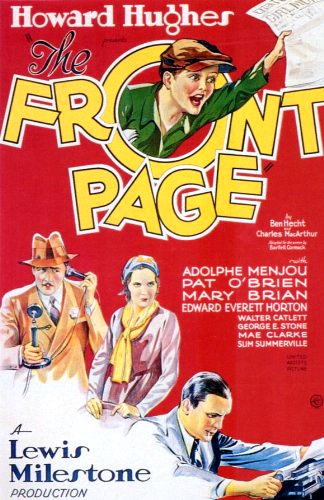
Front Page, The (1931)

Front Page, The (1931)

“So, you’re leaving me for marriage. Why?”

Synopsis:
A wily editor (Adolphe Menjou) tries to prevent his star journalist (Pat O’Brien) from marrying his sweetheart (Mary Brian) by luring him into investigating a story about a cop-killer (George E. Stone) due to be hung that evening.

Genres, Themes, Actors, and Directors:

  • Adolphe Menjou Films
  • Career versus Marriage
  • Journalists
  • Lewis Milestone Films
  • Pat O’Brien Films
  • Play Adaptation

Review:
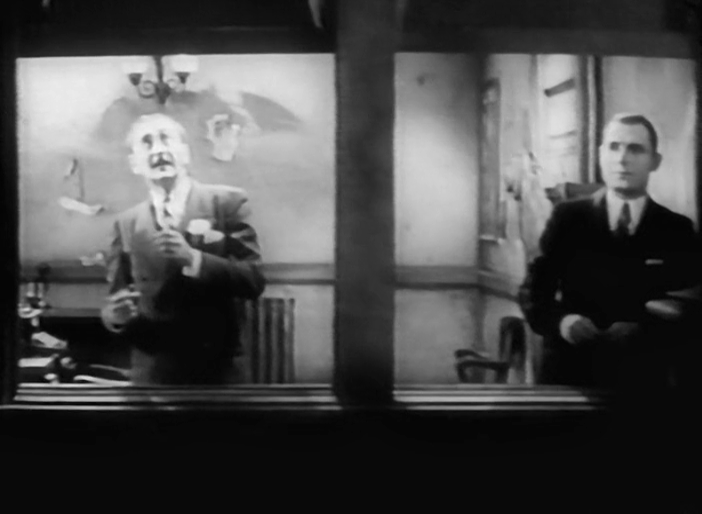
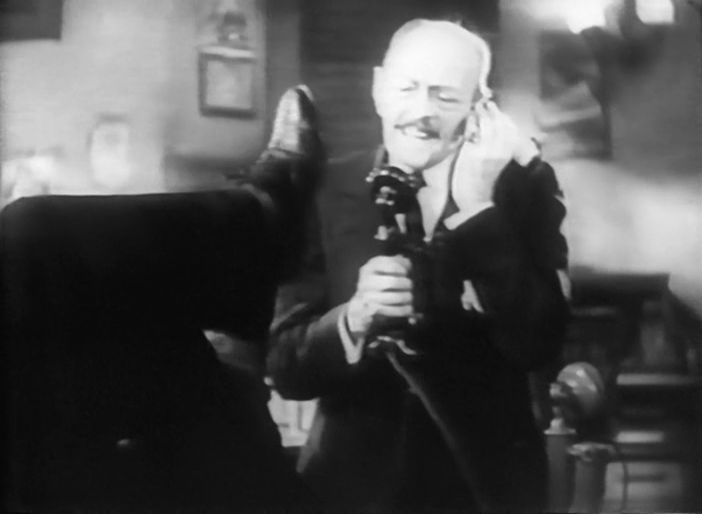
Fresh from the success of All Quiet on the Western Front (1930), Lewis Milestone directed this 180-degree change-of-pace screwball comedy, based on the Broadway play by Ben Hecht and Charles MacArthur and famously remade and re-gendered by Howard Hawks as His Girl Friday (1940). Given the brilliance of Hawks’s classic, I was pleasantly surprised by this earlier iteration, which offers ample fast-paced enjoyment of its own. The Pre-Code screenplay reveals its age in terms of numerous good-ol’-boy comments that wouldn’t pass muster these days (“He’s going to write poetry about milady’s panties.”), but otherwise has held up well. One generally expects early talkies to be somewhat static and slow; however, that certainly isn’t the case here. This one’s worth a watch.

Redeeming Qualities and Moments:

  • Impressive direction and editing


  • A consistently amusing and engaging screenplay: “This place is beginning to smell like… like an owl’s foot.”

Must See?
Yes, as an enjoyable and historically relevant screwball comedy. Selected in 2010 for the United States National Film Registry by the Library of Congress as being “culturally, historically, or aesthetically significant”.

Categories

Links:

Countess From Hong Kong, A (1967)

Countess From Hong Kong, A (1967)

“There’s no excuse for many things in this world.”

Synopsis:
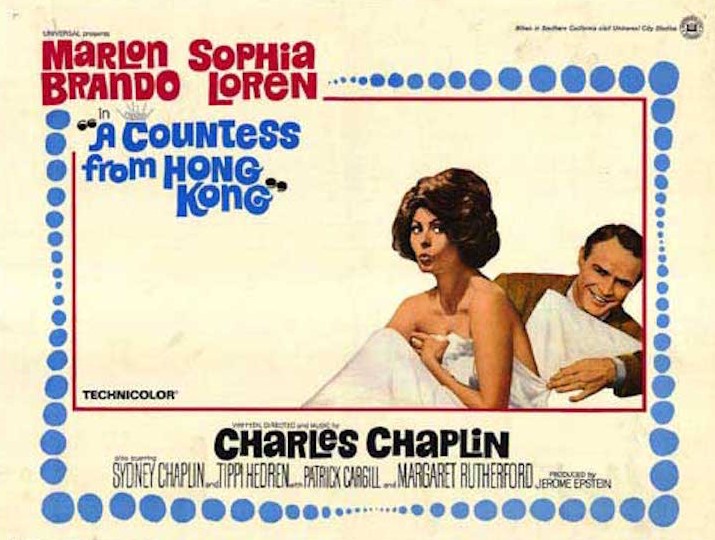
When an ambassador (Marlon Brando) onboard a ship from Hong Kong to America finds a penniless and stateless stowaway countess (Sophie Loren) in his cabin, his friend (Sydney Chaplin) assists him in keeping her presence a secret — but what will happen when Brando’s wife (Tippi Hedren) shows up?

Genres, Themes, Actors, and Directors:

  • At Sea
  • Charlie Chaplin Films
  • Margaret Rutherford Films
  • Marlon Brando Films
  • Romantic Comedy
  • Royalty and Nobility
  • Sophia Loren Films
  • Tippi Hedren Films

Review:
Charlie Chaplin’s final film was considered a major disappointment by most: Bosley Crowther of the New York Times absolutely crushed it in his review, referring to it as a “numbingly archaic farce” which he would love to “pretend… never occurred”, while DVD Savant describes it as “sad and unfunny”, not to mention “depressing”. Chaplin’s screenplay was based on a story written for his former wife Paulette Goddard in the 1930s, and indeed, the narrative feels better suited to a different era. With that said, Loren does her best in the title role, and I don’t think the movie falls completely flat: it moves at a reasonable pace and keeps us guessing about what will happen next. None of that is to say it’s a very good or funny picture — which it’s not. But neither is it a complete disaster.

Redeeming Qualities and Moments:

  • Sophia Loren as the Countess

Must See?
No, though I suppose it’s worth a look as a curiosity given its star power, both behind and in front of the camera. Listed as a Cult Movie in the back of Peary’s book.

Links:

Anna Christie (1930)

Anna Christie (1930)

“It’s all a man’s fault, giving you the wrong start.”

Synopsis:
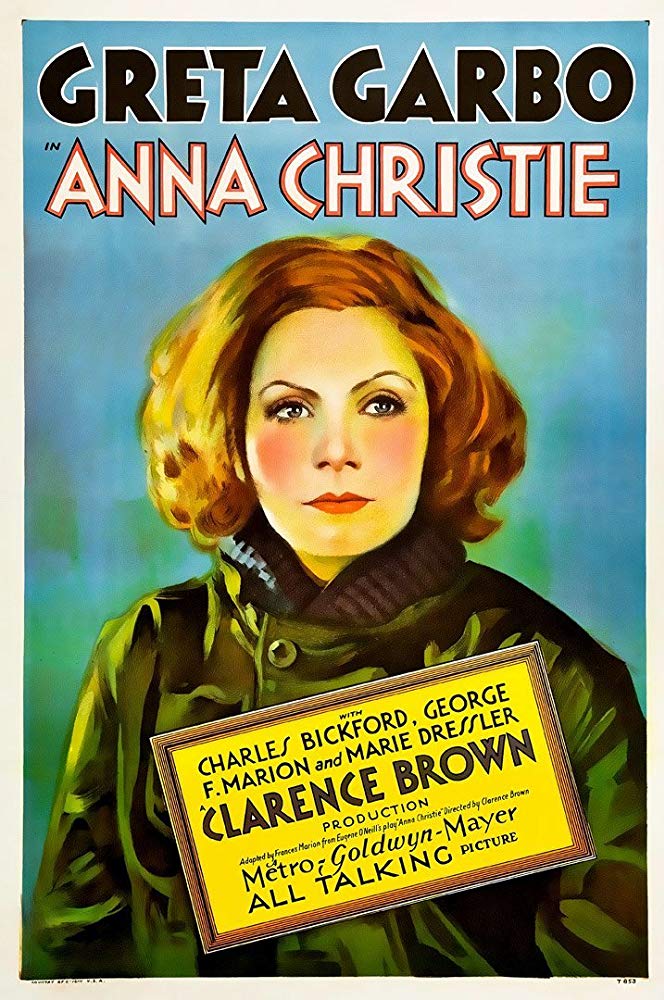
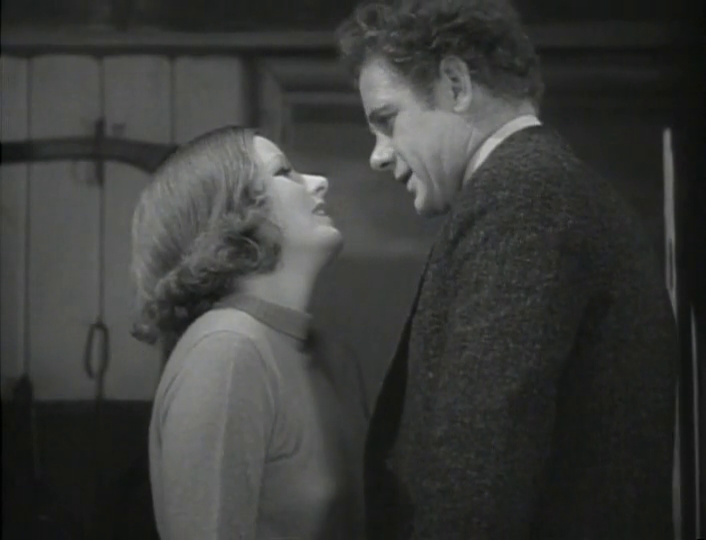
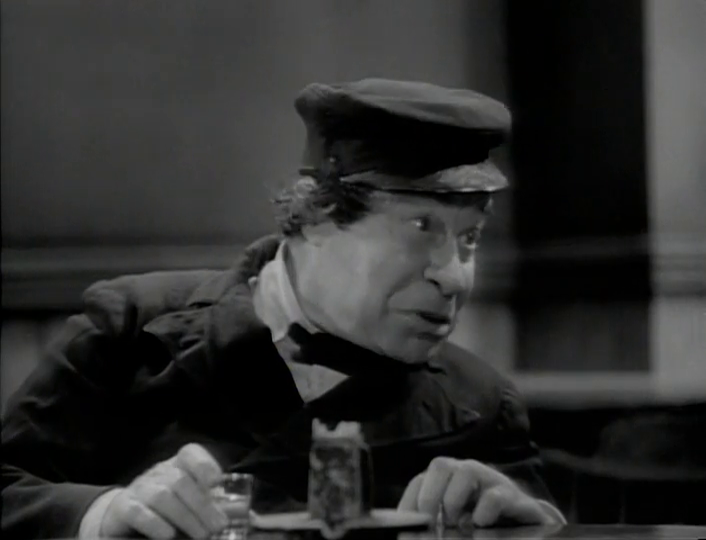
A tugboat captain (George F. Marion) asks his alcoholic mistress (Marie Dressler) to move off his boat when he learns his grown daughter (Greta Garbo) — who he hasn’t seen since she was a young child – is coming to visit him. Garbo keeps her past as a prostitute secret from both her father and a shipwrecked sailor (Charles Bickford) who falls in love with her — but will she eventually be forced to share the unsavory truth of her history?

Genres, Themes, Actors, and Directors:

  • At Sea
  • Charles Bickford Films
  • Clarence Brown Films
  • Father and Child
  • Feminism and Women’s Issues
  • Greta Garbo Films
  • Morality Police
  • Play Adaptations

Review:
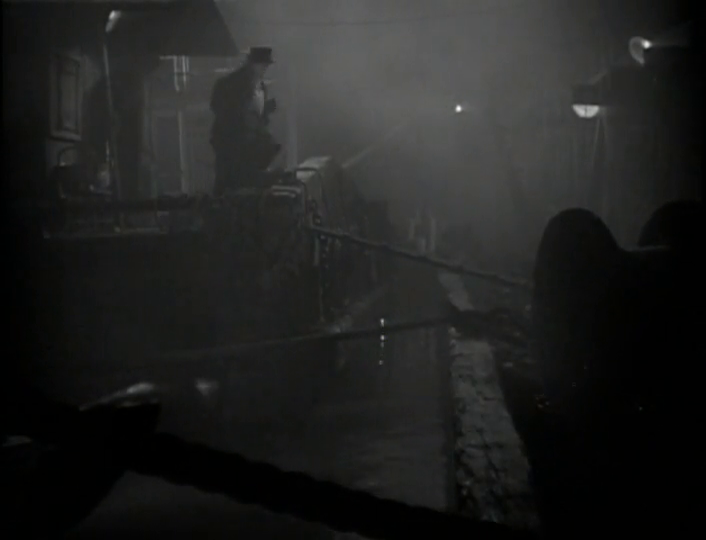
Clarence Brown’s adaptation of Eugene O’Neill’s Pulitzer Prize-winning play is primarily notable for featuring Greta Garbo speaking on screen for the first time: “Gimme a whisky, ginger ale on the side — and don’t be stingy, baby!” Unfortunately, her strong Swedish accent does her no favors with this kind of slangy American dialogue, which never seems to flow swimmingly from her tongue. However, she exhibits appropriate pathos as a woman caught in a trap not-of-her-own-making: this storyline about a girl abandoned by her father, treated like a slave on a farm owned by her cousins, then raped and forced to conclude she has no other options than to sell her body, is a devastatingly classic tale of women at the mercy of men, unable to shed their past means of survival once they’re ready to move on. Her deluded but well-meaning father naively believes in the purity of both his daughter and farming life — anything but “the old devil sea”, which he blames for his own shiftlessness and inability to provide effective parenting. Meanwhile, Bickford is equally convinced of Garbo’s sanctity; the primary question remains how he’ll handle the truth once or if he hears it. While Anna Christie suffers from overly stage-bound, early-talkie direction, it remains worth a look for those interested in O’Neill’s work.

Note: The scenes involving permanently-soused Dressler are unexpectedly moving, given her overall generosity of spirit.

Redeeming Qualities and Moments:

  • Fine performances


  • Atmospheric cinematography by William H. Daniels


  • Some interesting pre-Code moments

Must See?
No, though it’s worth a one-time look. Listed as a film with Historical Importance in the back of Peary’s book.

Links:

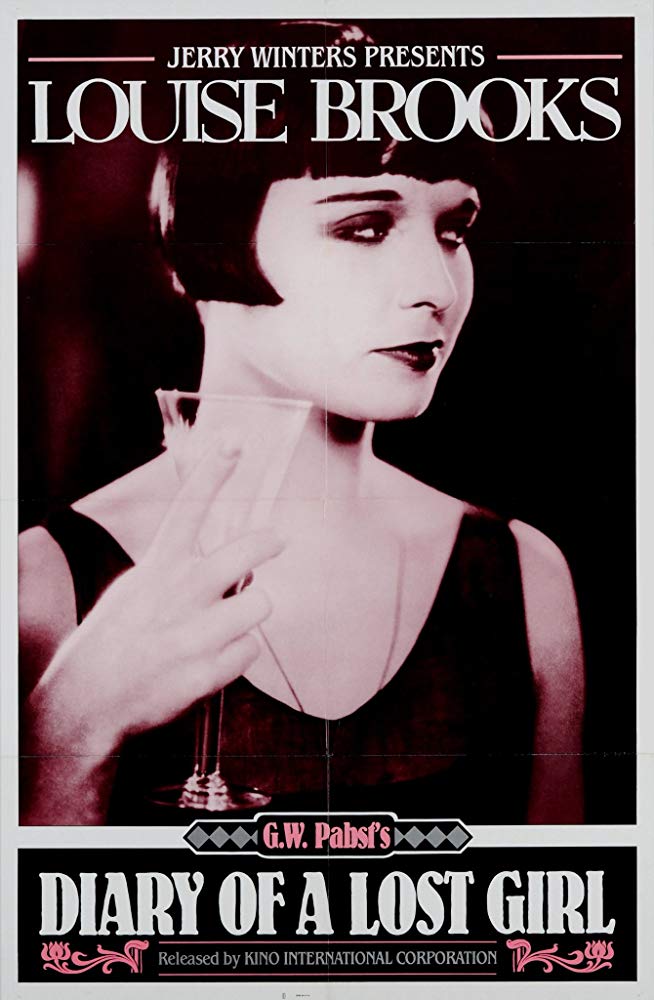
Diary of a Lost Girl (1929)

Diary of a Lost Girl (1929)

“Be reasonable, my child. You don’t have a shirt on your back.”

Synopsis:
The virginal daughter (Louise Brooks) of a pharmacist (Josef Rovensky) is raped and impregnated by his business associate (Fritz Rasp), then sent by her father and his new housemaid-turned-wife (Franziska Kinz) to a reform school run by a pair of sadists (Andrews Engelmann and Valeska Gert). After escaping with her friend (Edith Meinhard) and learning her baby has died, Brooks wanders into a brothel run by a seemingly benevolent mother figure (Vera Pawlowa) who enlists her services. Will a penniless count (Andre Roann) help Thymian (Brooks) return to respectable society?

Genres, Themes, Actors, and Directors:

  • Feminism and Women’s Issues
  • G.W. Pabst Films
  • Louise Brooks Films
  • Morality Police
  • Prostitutes and Gigolos
  • Silent Films

Review:
Louise Brooks made two films with Austrian-born director G.W. Pabst: Pandora’s Box (1929) and this follow-up, a melodramatic adaptation of a 1905 novel about a “lost girl” who can’t seem to catch a break. Brooks is as lovely as ever, and Pabst’s directorial hand (aided by luminous cinematography) crafts many memorable sequences. Unfortunately, the wandering screenplay is a disappointment, and most certainly not worthy of the talents on display here. Nonetheless, we’re more or less glued to the screen simply to watch the imagery unfolding, which says something about both Pabst’s and Brooks’ cinematic power. The storyline includes some truly creepy, self-serving characters — both men and women — demonstrating that a girl needs not only self-determination but a bit of good luck to keep her head above water. Personally, I’m grateful for the “Hollywood ending” tacked on to the original narrative; anything else would have been simply too much to bear watching unfold for this likable heroine.

Redeeming Qualities and Moments:

  • Louise Brooks as Thymian
  • Lovely cinematography

Must See?
No, though it’s recommended for Brooks’ performance. Listed as a film with Historical Relevance and a Cult Movie.

Links:

Disraeli (1929)

Disraeli (1929)

“I say he’s a dreamer — a dangerous visionary.”

Synopsis:
British prime minister Benjamin Disraeli (George Arliss) receives support from his loving wife (Florence Arliss) while attempting to purchase the Suez Canal. Meanwhile, he craftily prevents a Russian spy (Doris Lloyd) from passing along state secrets, and encourages a young nobleman (Anthony Bushell) to act boldly on behalf of his sweetheart (Joan Bennett).

Genres:

  • Biopics
  • Joan Bennett Films
  • Spies

Review:
This early biopic about a certain high-stakes segment of imperialist British Prime Minister Benjamin Disraeli‘s life is notable for George Arliss’s Oscar-winning performance in the title role, in which he “betrays not the slightest anxiety concerning the propinquity of that frequently treacherous device, the microphone” (according to Mordaunt Hall’s review for the New York Times). Modern film fanatics will likely be unfamiliar with either Arliss or the real-life politician he’s inhabiting — yet Arliss does an admirable job showing us a deeply invested and clever man who understands the intricacies of global negotiations, is keenly attuned to counter-intelligence tactics, and adores his wife above all else. Unfortunately, the storyline is far too static and stagebound, and the side romance is an obviously fictionalized distraction. Only Oscar-winner completists need seek this one out.

Redeeming Qualities and Moments:

  • George Arliss as Benjamin Disraeli

Must See?
No; I think this one is strictly for Oscar completists.

Links:

Big House, The (1930)

Big House, The (1930)

“The whole prison system is cockeyed!”

Synopsis:
A man (Robert Montgomery) in prison for manslaughter is bunked with a petty thief (Chester Morris) and a burly inmate (Wallace Beery) who dreams of escape. During a brief stint on the lam, Morris falls for Montgomery’s sister (Leila Hyams) — but when he’s caught and re-sentenced, he returns to the impossible decision of whether to support his fellow inmates in a prison break or stay clean.

Genres, Themes, Actors, and Directors:

  • Fugitives
  • Prisoners
  • Robert Montgomery Films
  • Wallace Beery Films

Review:
Peary doesn’t review this early prison drama in his GFTFF, but he names Wallace Beery Best Actor of the Year in his Alternate Oscars, where he discusses the Oscar-nominated film briefly. Peary notes that Beery arguably “stole the picture, providing it with its one characterization that broke from stereotypical portrayals of convicts” (though I’m not sure I agree with this, given that Morris’s character is pretty unconventional, and there are several quirky inmates lurking around the periphery of the story). Peary writes that while Beery’s “Butch is a dangerous brute”, we “pity him, even find him lovable because he doesn’t know any better”. He “looks almost comical” with his shaved head, and “when he jokes around or boasts of love conquests… he’s a good guy, a pal. But he doesn’t know how to control his violent nature”, and you “don’t want to let him out on the streets.”

While I think second-billed Beery does a fine and memorable job in his role, the choice of naming him Best Actor seems like an unusual one, given that he’s ultimately a supporting character to the lead (Morris) — who himself takes over the protagonist’s role from Montgomery. (Indeed, this shifting of perspectives from Montgomery’s snivelly whiner to Morris’s noble do-gooder is an interesting and successful narrative choice.) The entire film is well-directed, with many scenes reminiscent of later prison flick tropes (objects exchanging hands under tables; deals being made on the yard); the static shot in the basement hallway of The Hole is an especially haunting one, effectively conveying both the deep isolation and inextricable connectedness of men behind bars. This one remains worth a look.

Redeeming Qualities and Moments:

  • Fine performances by the three leads
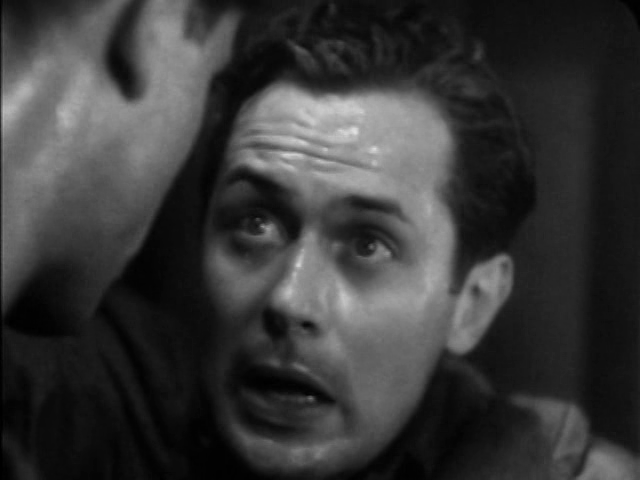

  • Atmospheric cinematography and direction
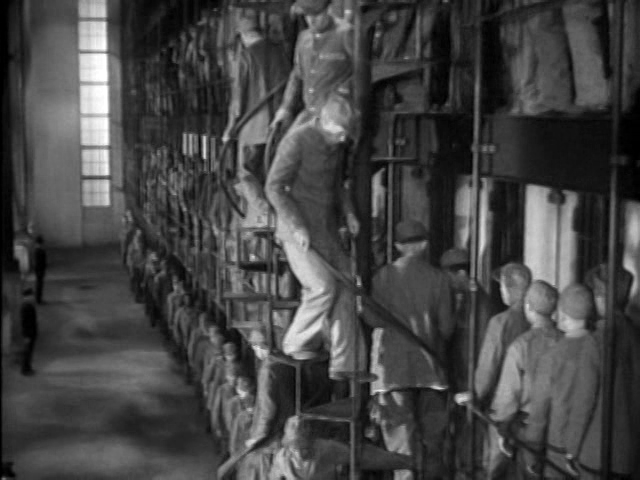

  • The exciting final jail-break sequence
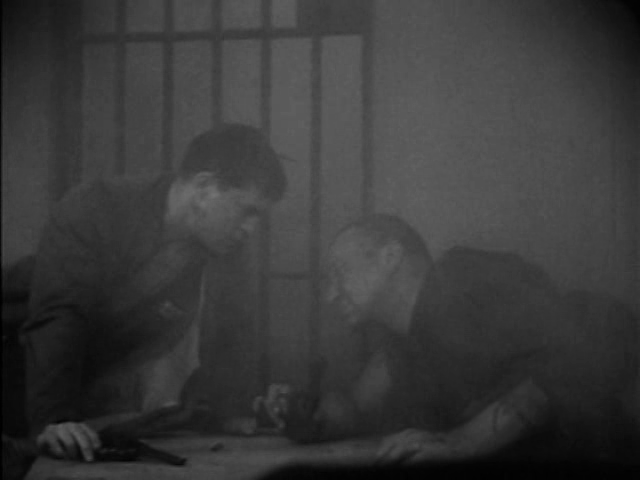
Must See?
Yes, as a solid and historically relevant early prison flick. Listed as a film with Historical Relevance and a Personal Recommendation in the back of Peary’s book.

Categories

  • Good Show
  • Historically Relevant

Links:

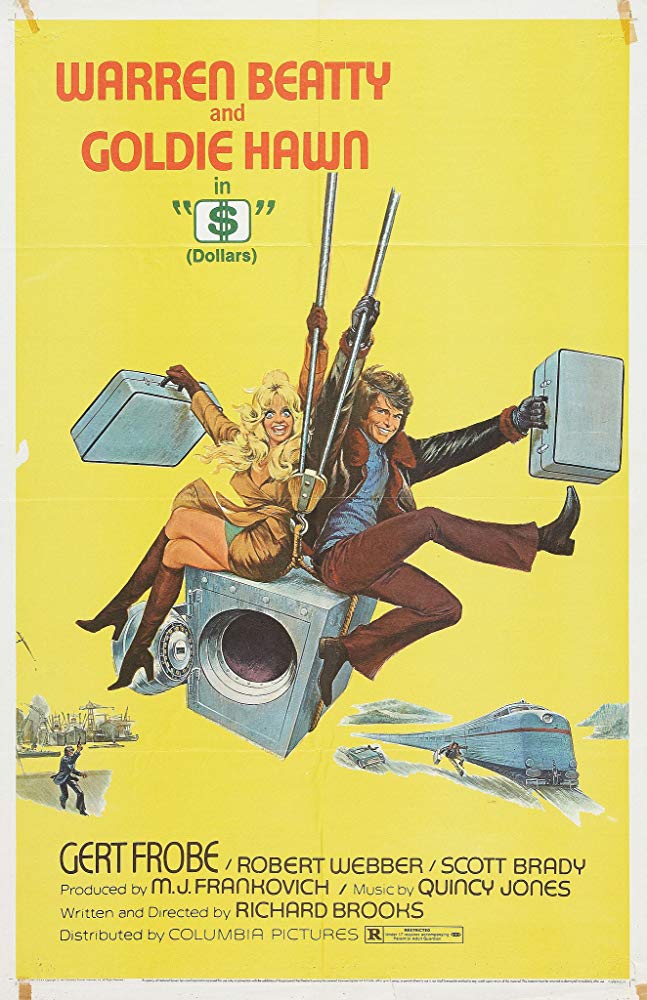
$ (1971)

$ (1971)

“If we didn’t have thieves, we wouldn’t need banks.”

Synopsis:
A security expert (Warren Beatty) working for a German bank collaborates with a call girl (Goldie Hawn) to determine which safety deposit boxes contain dirty money, then engineers an elaborate heist. However, when the burgled cons (Scott Brady, Robert Webber and Arthur Brauss) learn they’ve been duped, they seek immediate revenge.

Genres, Themes, Actors, and Directors:

  • Goldie Hawn Films
  • Heists
  • Richard Brooks Films
  • Thieves and Criminals
  • Warren Beatty Films

Review:
Richard Brooks wrote and directed this fast-paced long-con flick, set in Hamburg, Germany, and notable for having a single symbol as its title (it’s come to be referred to as Dollars). While it’s somewhat challenging to determine what’s happening during the first portion of the film, we eventually figure out that Beatty and Hawn are working together on an elaborate heist — though once they’re (barely) successful, their troubles have only just begun. (Then again, what else would you expect when you steal from thieves?) Unfortunately, this film should be a lot more fun than it is: it’s all machinations and little genuine involvement or narrative, with only the basics of a gotcha plot emerging. Hawn’s quirky character is poorly conceived, and while Beatty is appropriately clever and quick on his feet, he’s a slippery, unknowable sort. Fans of well-directed heists and chase sequences will want to check this one out, but it’s not must-see viewing for all film fanatics.

Redeeming Qualities and Moments:

  • Good use of authentic location settings in Hamburg

  • Quincy Jones’ soundtrack

Must See?
No, though fans of heist flicks will probably want to check it out.

Links:

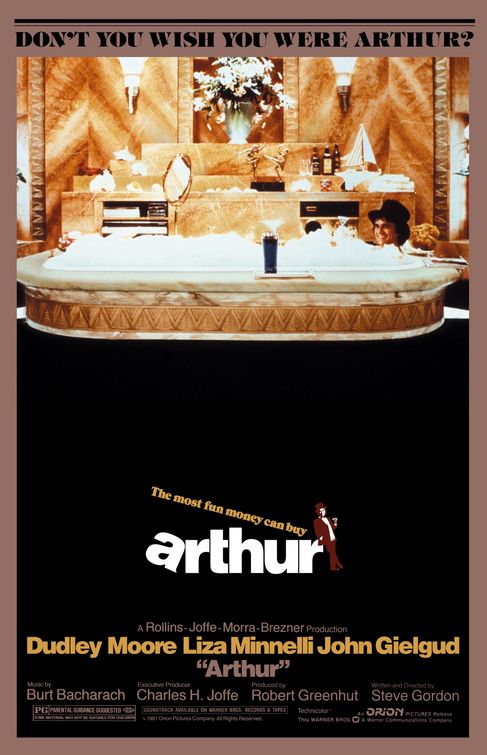
Arthur (1981)

Arthur (1981)

“Grow up, Arthur — you’d make a fine adult.”

Synopsis:
An alcoholic playboy (Dudley Moore) is forced by his stern great-aunt (Geraldine Fitzgerald) and father (Thomas Barbour) to marry an heiress (Jill Eikenberry) with a domineering dad (Stephen Elliott) or lose his fortune — however, when he falls in love with a quirky waitress (Liza Minnelli), he must choose between love and financial security, and turns to his butler (John Gielgud) for advice.

Genres, Themes, Actors, and Directors:

  • Comedy
  • Coming of Age
  • Cross-Class Romance
  • Dudley Moore Films
  • Geraldine Fitzgerald Films
  • John Gielgud Films
  • Liza Minnelli Film
  • Millionaires

Review:
Dudley Moore is perfectly cast as the irrepressible title star of this smash hit screwball comedy about a “fun drunk” who you can’t imagine possibly liking, but eventually grow to enjoy and even admire a little bit. Moore’s chemistry with Minnelli makes their unconventional romance plausible (though I’m not sure what it says about either of them that they “meet cute” while she’s shoplifting), and Eikenberry is note-perfect as a woman convinced she’s capable of “fixing” Moore. Meanwhile, Moore’s relationship with droll John Gielgud — playing his avuncular butler and mentor — consistently reminds us of both Moore’s humanity and his potential. Burt Bacharach’s catchy theme song instantly hits one’s aural memory nerves and begins looping itself through your brain, but at least it’s a pleasing ditty. This film has held up surprisingly well as a light-hearted comedy, and is worth a look.

Redeeming Qualities and Moments:

  • Fine performances throughout


  • Burt Bacharach’s theme song

Must See?
No, but it’s recommended as an enjoyable comedy.

Links: