Browsed by
Category: Original Reviews

Responses to Peary’s “must see” movie reviews, as well as my own “must see” movie reviews up to and after 1986 (when Peary’s book was published).

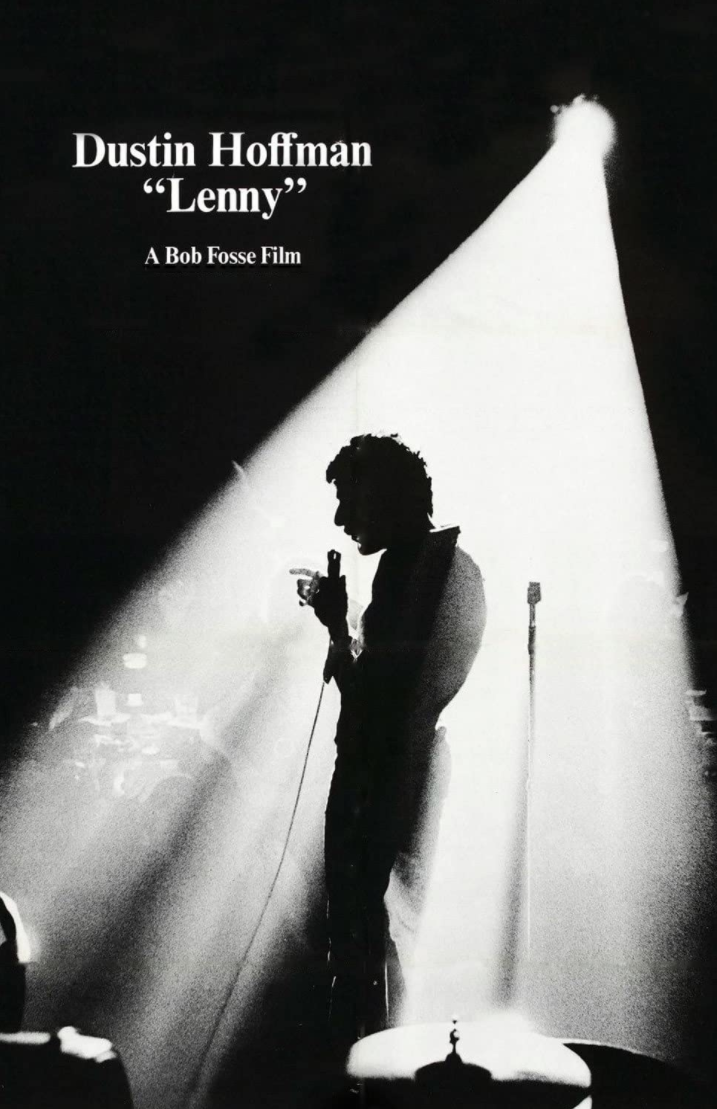
Lenny (1974)

Lenny (1974)

“The point — the point is the suppression of words. Now, dig.”

Synopsis:
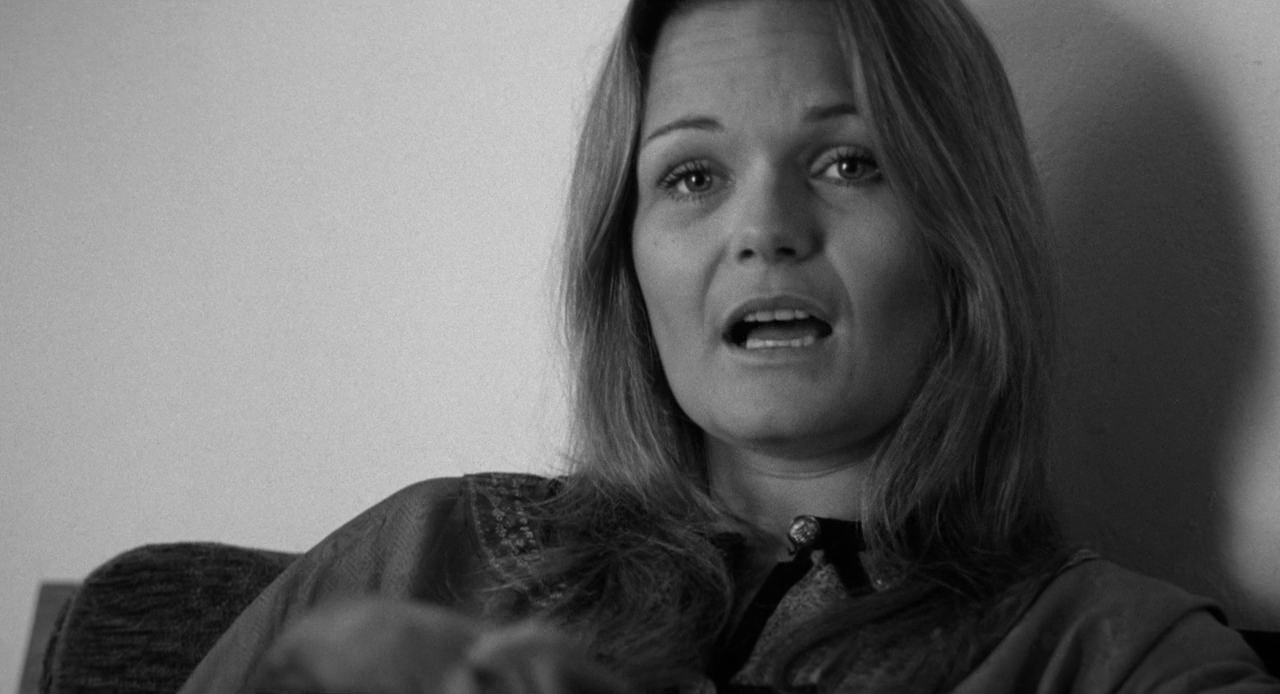
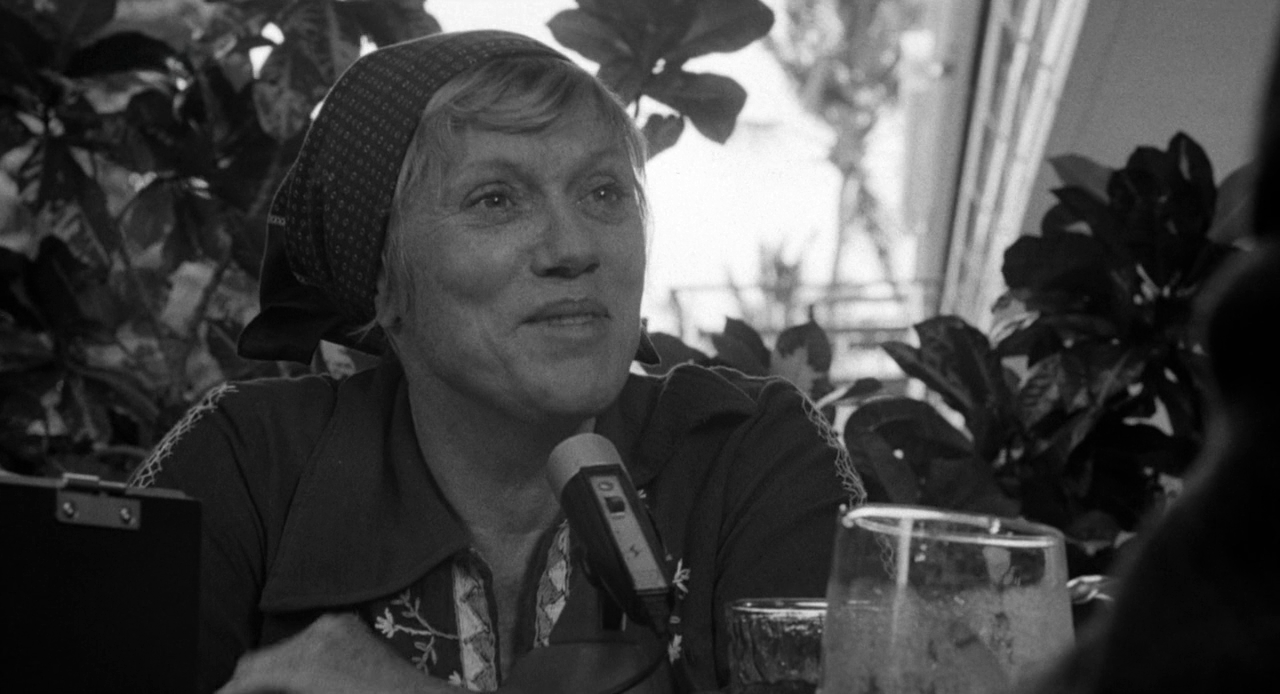
The life of controversial comic Lenny Bruce (Dustin Hoffman) is told in flashback by his ex-wife (Valerie Perrine), mother (Jan Miner), and agent (Stanley Beck).

Genres, Themes, Actors, and Directors:

  • Biopics
  • Bob Fosse Films
  • Dustin Hoffman Films
  • Flashback Films
  • Marital Problems
  • Morality Police
  • Stand-Up Comedy

Response to Peary’s Review:
Peary writes that director “Bob Fosse’s seamy, sex-laced biography of controversial comic Lenny Bruce… centers on his difficult marriage to stripper Honey Harlowe (played with vulnerability by Valerie Perrine) and his troubles with policemen and judges for using supposedly obscene material in his nightclub act.” He notes that “Hoffman is very convincing in the title role, displaying Bruce’s quick mind, his obsessive nature…, and, ultimately, his utter helplessness and despair when he realizes he’ll never be able to express himself openly in his profession.” Peary argues that while Hoffman “is magnificent in those scenes where Bruce tries to talk sense to conservative judges”, becoming “like Don Quixote fighting windmills”, the “film fails because of Fosse’s self-conscious direction and because Julian Barry’s script, adapted from Barry’s play, forgets to include moments in which Bruce shows he has a real sense of humor.” He writes that while “one can understand Bruce’s seriousness in his later years”, “except for a scene with his relatives, he’s not funny in his early years — even on stage.” Peary asserts that the “film could use some laughter because it’s deadly long at 112 [minutes] and very depressing”, adding that “this would make an appropriate second feature to Raging Bull“.

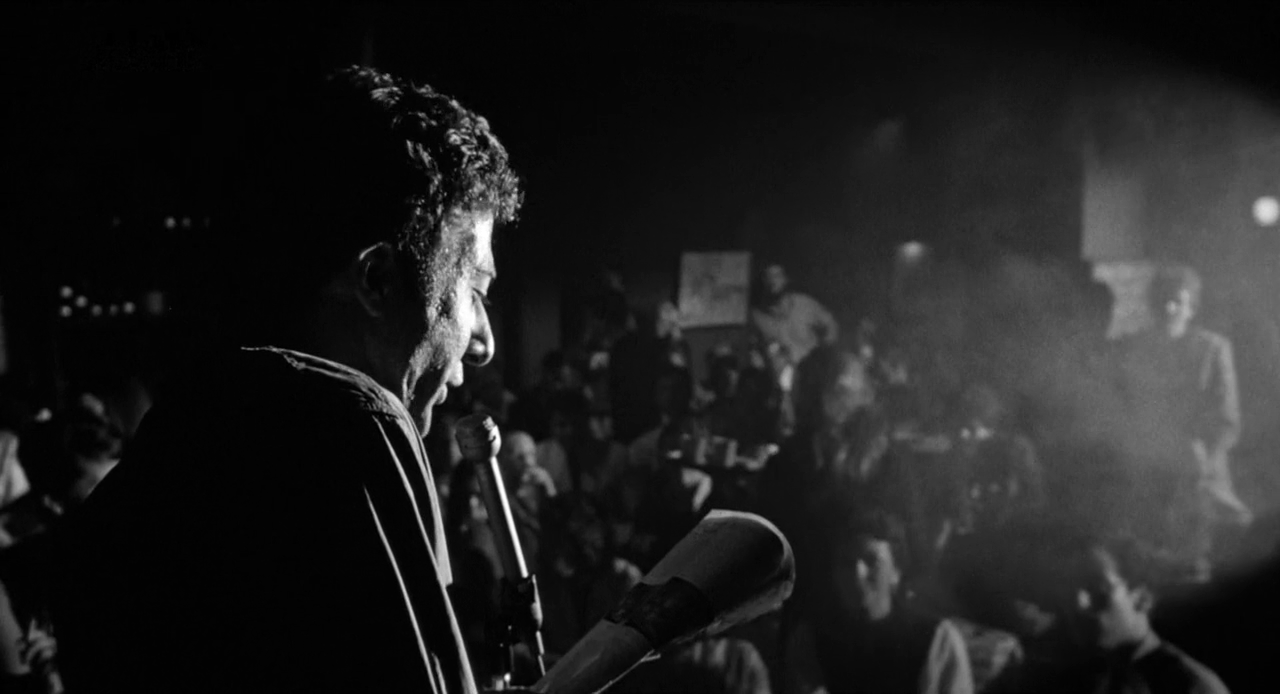
I’m not quite in agreement with all of Peary’s points. While the film is indeed depressing, I don’t find it overlong, and wasn’t particularly struck by a dearth of funny routines. Bruce’s audience laughs plenty when they’re shocked by the language he uses, and that’s the primary focus of the film: Bruce’s controversial (!) belief that he should be allowed to use everyday profanity in his comedy. In fact, there’s ample humor as Bruce good-naturedly (albeit very pointedly) does his routine while cops line the walls, substituting “blah blah” for the actual swear words while still being completely understood by his audience; his point is extremely well taken. What I’m most disturbed by is Bruce’s treatment of Perrine, who’s simultaneously adored and demonized for her sexuality (what else is new?). With that said, Barry’s screenplay neatly shows how Bruce’s rightful indignation ultimately consumed his life; it’s sad seeing his obsession with his court cases taking over his routines (and, of course, seeing his drug-induced ramble in a final performance). There may have been many complicated reasons leading to Bruce’s premature death by overdose, but at least here we’re clearly shown how the mutually reinforcing demons of addiction and hopelessness played pivotal roles.

Redeeming Qualities and Moments:

  • Dustin Hoffman as Lenny Bruce
  • Valerie Perrine as Honey
  • Jan Miner as Lenny’s mom
  • Bruce Surtees’ cinematography

Must See?
Yes, as a powerful biopic.

Categories

  • Noteworthy Performance(s)
  • Oscar Winner or Nominee

Links:

In Cold Blood (1967)

In Cold Blood (1967)

“If this can happen to a decent, God-fearing family, who’s safe anymore?”

Synopsis:
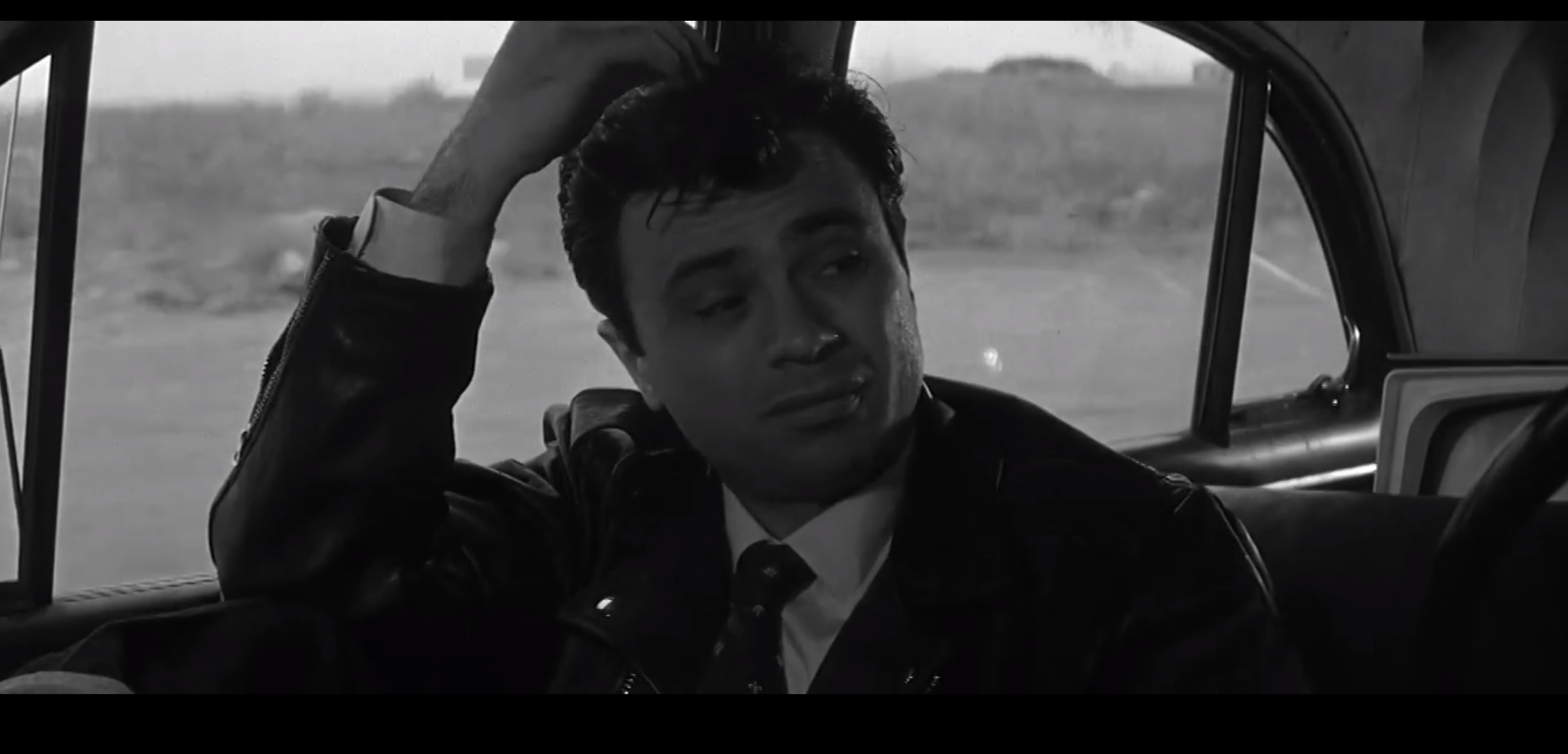
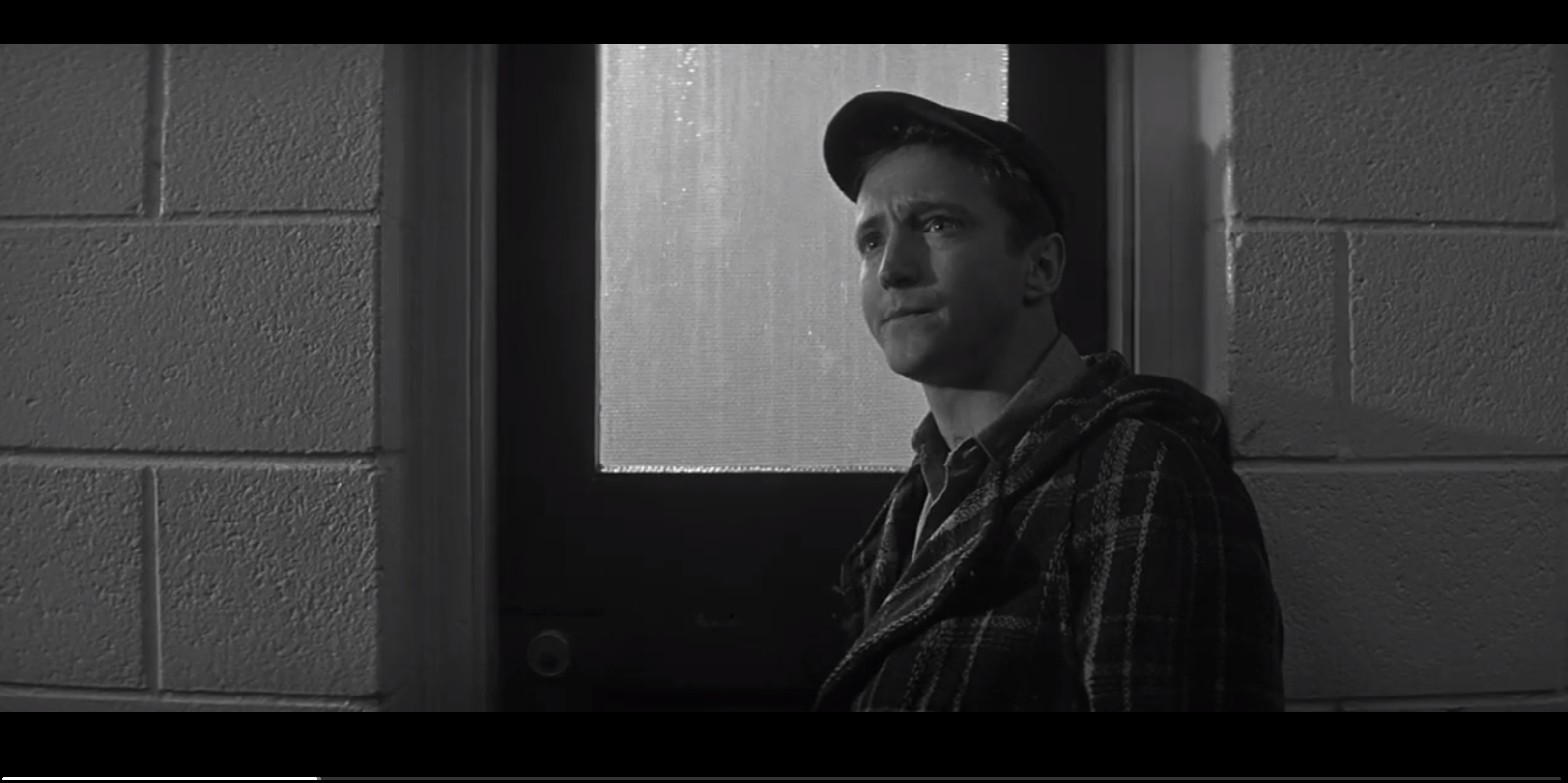
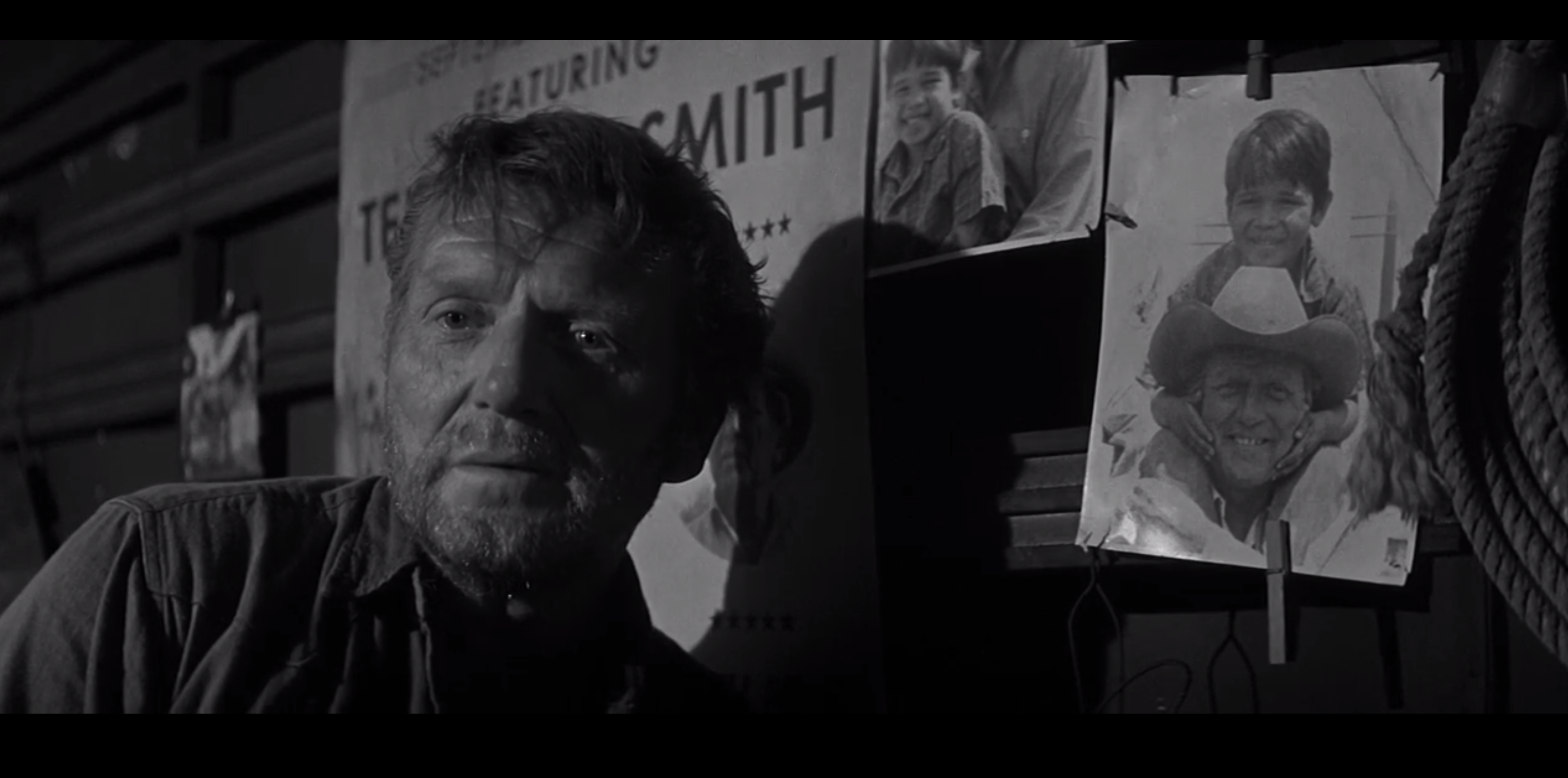
Two sociopathic ex-convicts (Robert Blake and Scott Wilson) planning to rob a safe in the home of a Kansas businessman (John McLiam) end up murdering McLiam and his wife (Ruth Storey) and two kids (Brenda Currin and Paul Hough), leaving no witnesses behind. Soon they’re on the run from the law, but they don’t have long before their cold-blooded crimes will catch up with them.

Genres:

  • Ex-Cons
  • Paul Stewart Films
  • Richard Brooks Films
  • Robert Blake Films

Review:
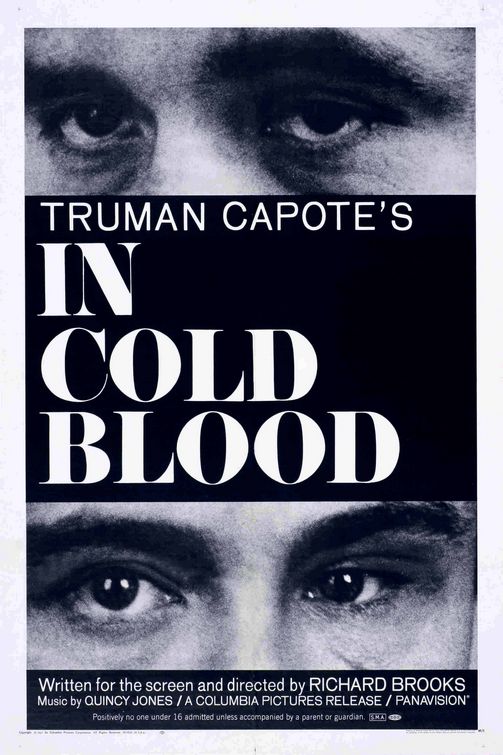
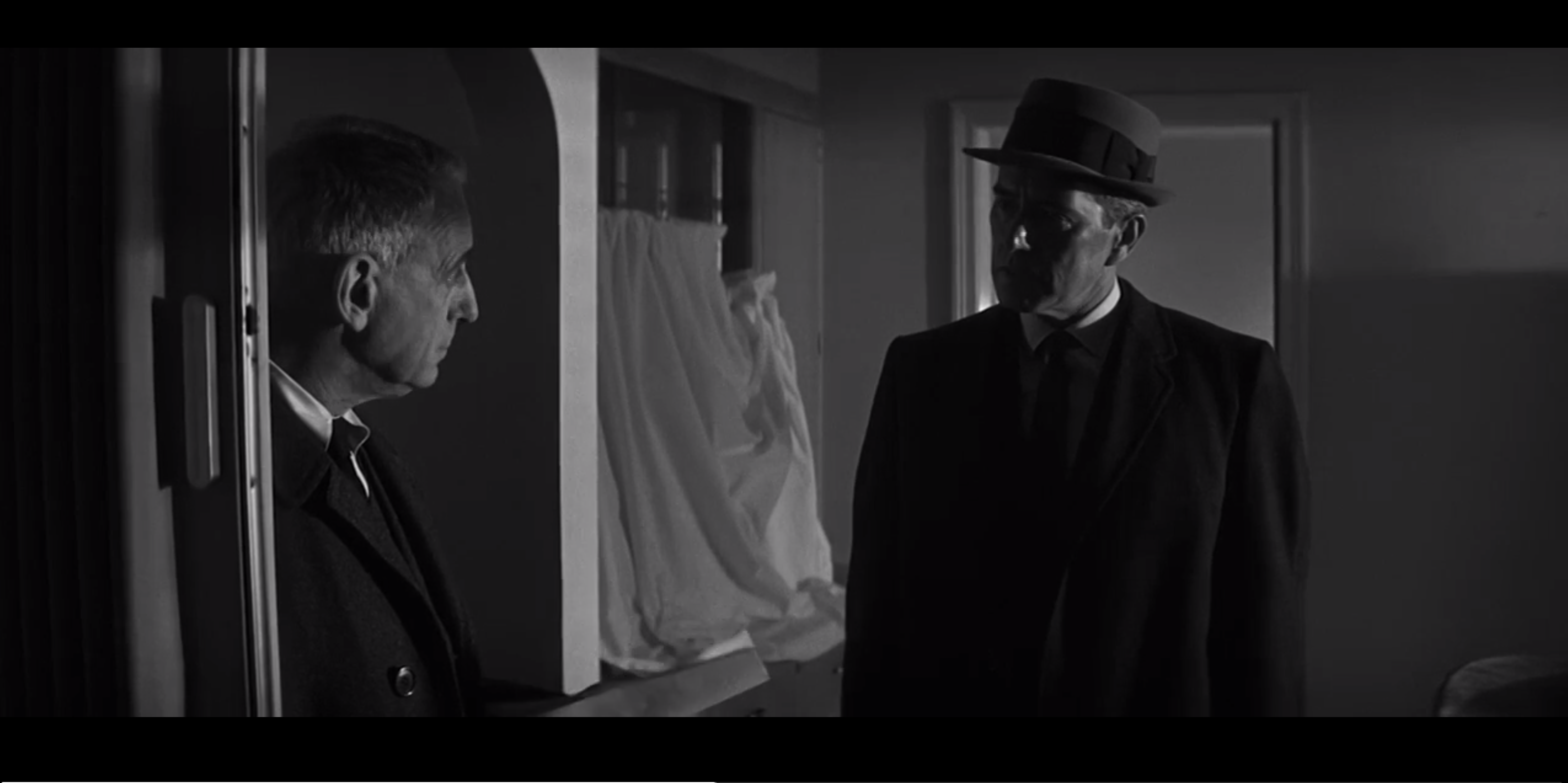
Writer-producer-director Richard Brooks was purportedly obsessed with getting as many details correct as possible in his “new realism” adaptation of Truman Capote’s best-selling non-fiction novel about the senseless murder of the Clutter family in Kansas. This tale has now been told and retold numerous times, not only through Capote’s book and this cinematic version (which aired a year after the book was published), but through two biopics — Capote (2005) and Infamous (2006) — centered on Capote’s life during his lengthy investigation of the story. On its own merits, Brooks’ version has held up well, featuring natural performances by the two relatively unknown leads (an intentional decision on Brooks’ part); appropriately noir-ish cinematography by Conrad Hall; and an effective soundtrack by Quincy Jones. The narrative choice not to show the murders until near the end of the film is a smart one, instead treating the story as an investigation into how these clueless killers were caught and eventually made to confess. Thankfully, Brooks doesn’t exploit the grisly murders; there is an appropriate air of sobriety to the proceedings throughout, with just a touch of flashback exploration into Blake’s traumatic childhood.

Redeeming Qualities and Moments:

  • Robert Blake as Perry
  • Scott Wilson as Dick
  • Conrad Hall’s cinematography

  • Quincy Jones’ soundtrack

Must See?
Yes. Listed as a film with Historical Importance and a Personal Recommendation in the back of Peary’s book.

Categories

  • Oscar Winner or Nominee

Links:

Apartment, The (1960)

Apartment, The (1960)

“When you’re in love with a married man, you shouldn’t wear mascara.”

Synopsis:
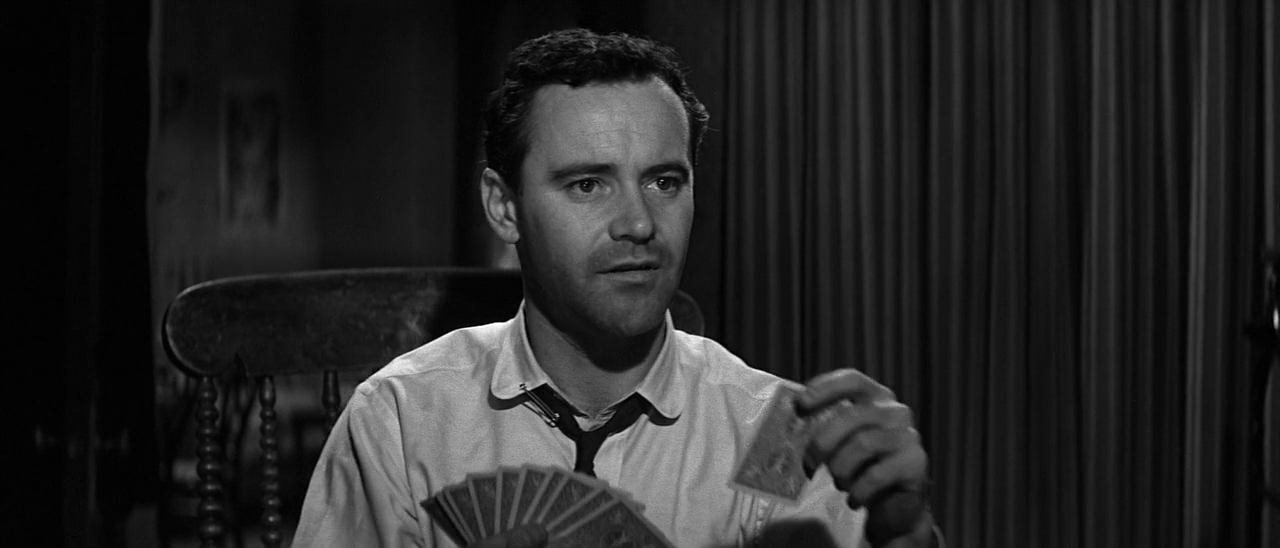
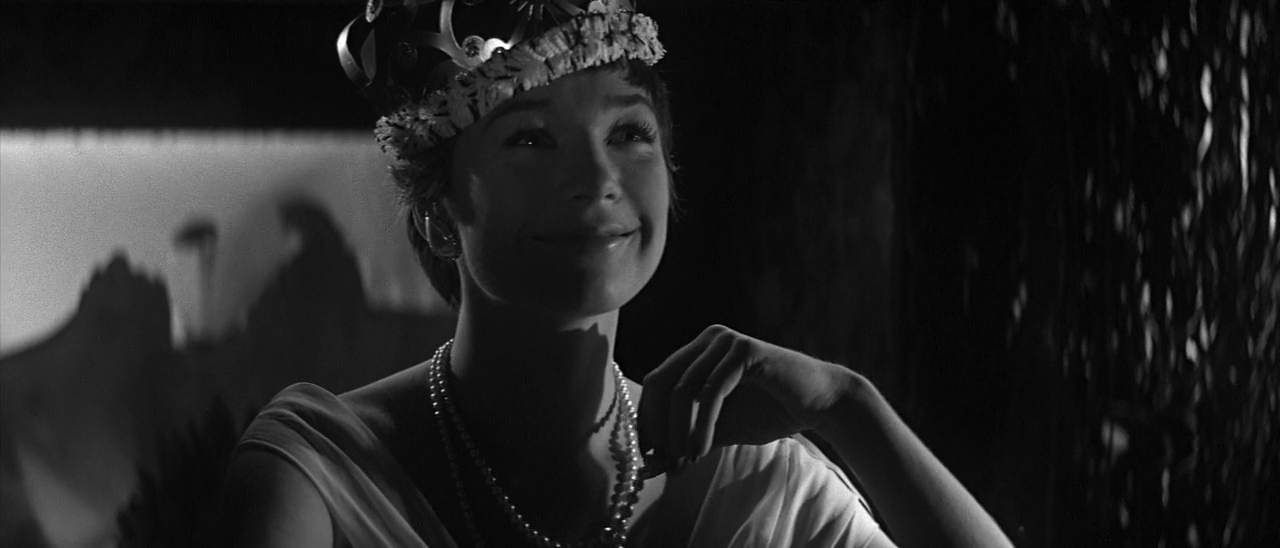
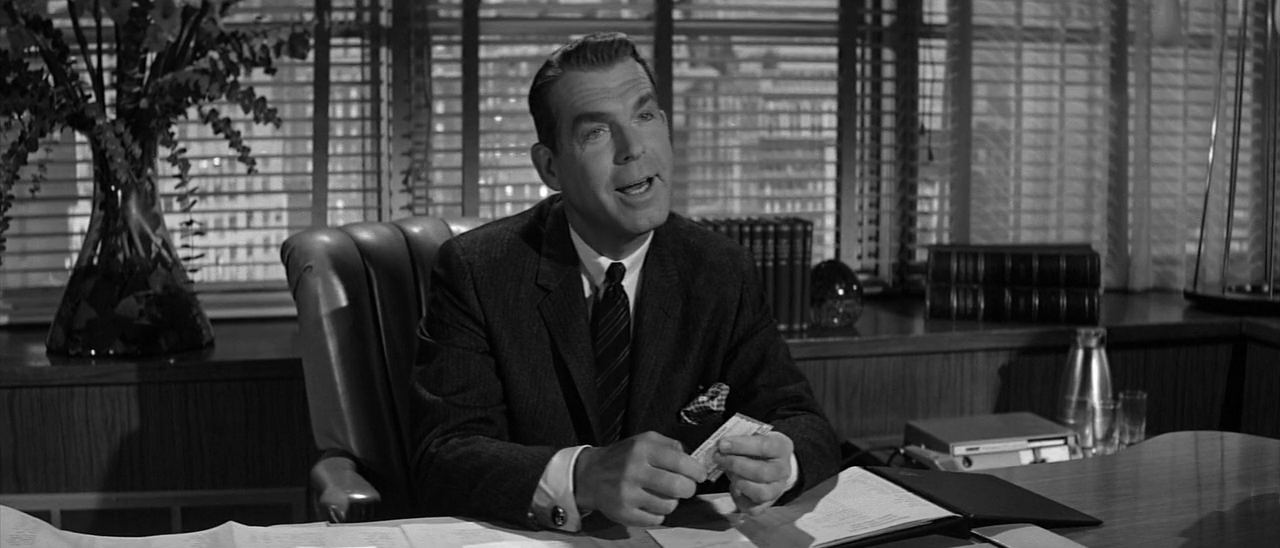
An aspiring insurance clerk (Jack Lemmon) allows his married colleagues to use his apartment as a love nest in exchange for advancement opportunities at work — but when he falls in love with his building’s elevator operator (Shirley MacLaine) and learns she’s the mistress of his supervisor (Fred MacMurray), he begins to rethink his goals.

Genres, Themes, Actors, and Directors:

  • Billy Wilder Films
  • Fred MacMurray Films
  • Jack Lemmon Films
  • Infidelity
  • Love Triangle
  • Romantic Comedy
  • Shirley MacLaine Films
  • Suicide

Review:
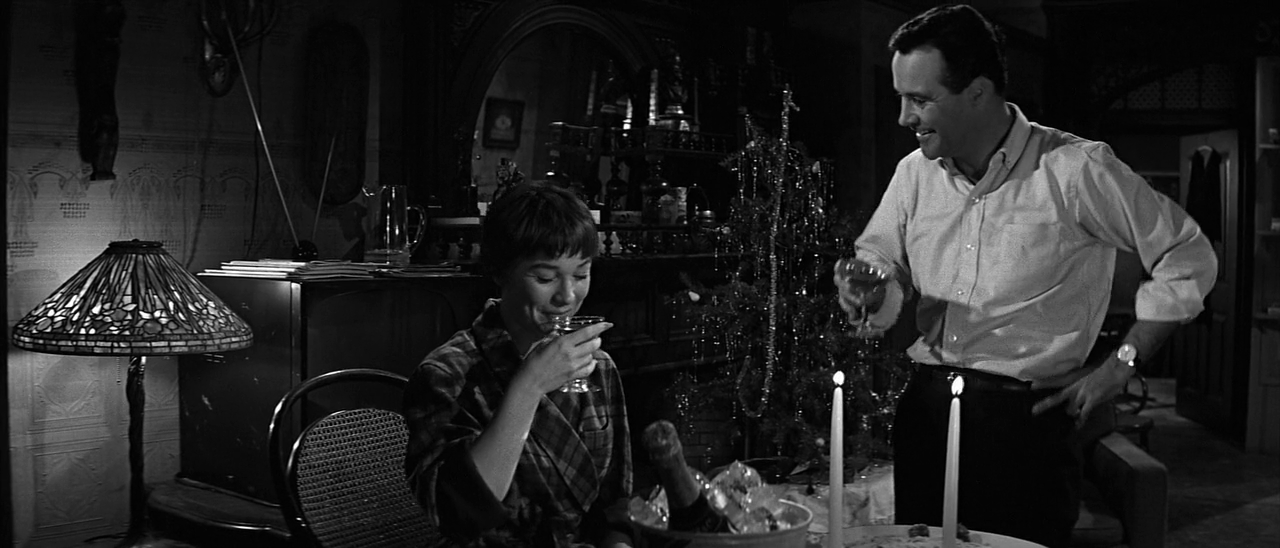
The Apartment — directed by Billy Wilder and co-scripted by I.A.L. Diamond — won five Oscars (including Best Picture) and was nominated for five more, possibly as a belated or combined acknowledgement of the team’s comedy classic Some Like It Hot (1959) from the year before. In his Alternate Oscars, Peary gives the Best Picture award for 1960 to Psycho rather than this film, which he argues “was daring in its day because of the amorality of its characters and because it mixed humor with such serious elements as a suicide attempt”, but today is “somewhat dated and… still has a dubious premise”. While I can’t argue with Peary’s choice of Psycho as Best Picture, I disagree that this film — inspired by a sequence from David Lean’s Brief Encounter (1945) — is dubious or dated; it’s actually held up remarkably well on numerous fronts.

While one might question the need for a usable apartment when hotel rooms are readily available, it seems clear that this type of arrangement is about much more than a private space for sex: it’s about making the woman feel comfortable, happy, and unashamed of her fling (much easier in a fully furnished apartment with a kitchen, bar, sofa, and record player). It’s also, of course, about power: as an underling lost in a sea of other employees, Lemmon “freely” giving up his apartment night after night (even during bitterly cold weather, when he has nowhere else to go) is a way for him to demonstrate his loyalty and willingness to suffer in order to become part of the upper-echelon crowd. His aspiration story is a fascinating one, but so is MacLaine’s tale of woebegone romance — and the lives of the other supporting characters (including MacMurray, wonderfully cast against type here) are rich as well. Wilder’s direction, combined with Joseph LaShelle’s cinematography, create a seamy yet emotion-drenched world where unlikely couplings can take place, and power dynamics can eventually be disrupted.

Redeeming Qualities and Moments:

  • Jack Lemmon as C.C. Baxter (nominated as one of the Best Actors of the Year in Alternate Oscars)
  • Shirley MacLaine as Fran Kubelik
  • Fine supporting performances
  • Joseph LaShelle’s b&w cinematography

Must See?
Yes, as a fine and deserving Oscar winner. Listed as a film with Historical Importance in the back of Peary’s book.

Categories

  • Oscar Winner or Nominee

(Listed in 1001 Movies You Must See Before You Die)

Links:

It Came From Beneath the Sea (1955)

It Came From Beneath the Sea (1955)

“I’m a scientist, commander — I don’t need to be reminded that your objectives are not necessarily my own.”

Synopsis:
A submarine commander (Kenneth Tobey) enlists the help of a pair of scientists (Faith Domergue and Donald Curtis) in identifying and snaring an atomically charged octopus wreaking havoc in the ocean — but will his romantic interest in Domergue get in the way of his military duties?

Genres, Themes, Actors, and Directors:

  • Love Triangle
  • Mutant Monsters
  • Ray Harryhausen Films
  • Science Fiction
  • Scientists

Review:
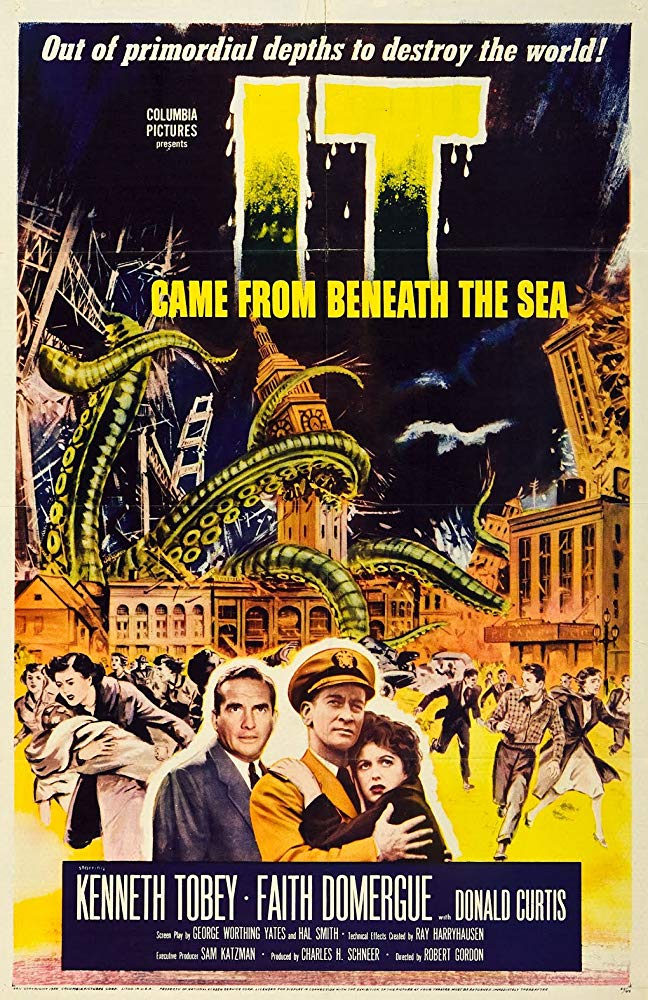
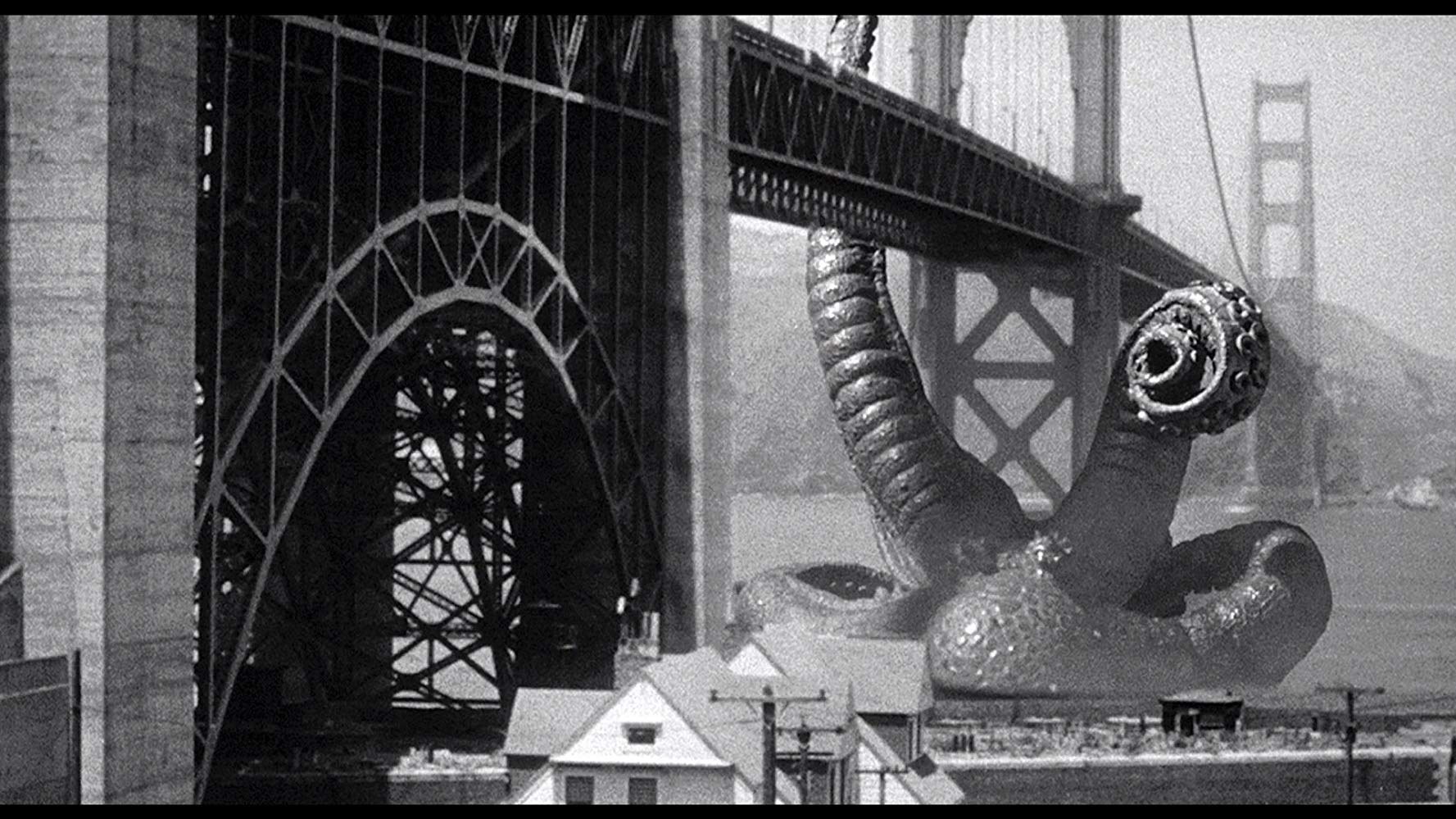
Special effects guru Ray Harryhausen’s next film after The Beast From 20,000 Fathoms (1953) (also co-starring Kenneth Tobey) was this similarly-themed mutant-monster flick, featuring impressive animation of an octopus (actually a six-tentacled creature — a.k.a. a “hexapus”) taking down the Golden Gate Bridge. As narrative filler, we’re given an unintentionally chuckle-worthy love triangle between Domergue, Tobey, and Curtis, filled with plenty of thinly veiled sexual allure (Domergue strokes beakers in her lab while Tobey first converses with her) and amusing banter — such as Tobey mollifying the agitated Domergue by showing her he knows what she REALLY wants in a fancy restaurant:

Tobey (to Domergue): “We, my dear doctor, are going to dance.” (To Curtis): “With your permission, sir.”
Curtis: “Live it up, children.”
Domergue: “But… you haven’t even asked me!”
Tobey: “That’s the way we do it in the navy.”
Domergue: “But I haven’t even had my dinner!”
Tobey (to Curtis): “Would you order another t-bone, doctor?
Domergue: “I don’t like t-bones, and you’re being a fool!”
Curtis: “Don’t believe her, Pete. She says that to all the boys.”
Domergue: “You’re both being fools! Just because you’re men, you think that…”
Tobey (leaning in seductively): “Do you like lobster?
Domergue (tentatively): “Yes…”
Tobey: “Broiled, with garlic butter and parsley?”
Domergue (smiling and laughing): “Yes.”

This film is also notable for marking the beginning of Harryhausen’s decades-long collaboration with producer Charles Schneer, during which time they made 20 Million Miles to Earth (1957), Mysterious Island (1961), First Men in the Moon (1964), The 7th Voyage of Sinbad (1958), Jason and the Argonauts (1963), and Clash of the Titans (1981).

Redeeming Qualities and Moments:

  • Fun special effects by Ray Harryhausen

Must See?
Yes, for Harryhausen’s work, and as a representative “’50s monster movie”.

Categories

  • Representative Film

Links:

Glass Key, The (1935)

Glass Key, The (1935)

“That’s between me and Shad and the lamppost. And you ain’t no lamppost!”

Synopsis:
The loyal bodyguard (George Raft) of a politician (Edward Arnold) in love with the daughter (Claire Dodd) of another politician (Charles Richman) tries to protect his boss when he’s accused of murdering Richman’s son (Ray Milland).

Genres, Themes, Actors, and Directors:

  • Amateur Sleuths
  • Edward Arnold Films
  • George Raft Films
  • Murder Mystery
  • Ray Milland Films

Review:
This first of two cinematic adaptations of Dashiell Hammett’s novel — less well-known than the 1942 version co-starring Alan Ladd and Veronica Lake — is an efficiently told tale of a reasonably complex murder mystery. You’ll need to pay close attention to who’s who, who loves who, who protects who, and who is trying to get who. It’s interesting to watch Raft in what amounts to a nice guy role, doing what he can to get to the root of the mysterious murder. Note that Milland is only on-screen for about 10 minutes.

Redeeming Qualities and Moments:

  • George Raft as Ed Beaumont
  • Atmospheric cinematography

Must See?
No, though Hammett fans will surely want to check it out.

Links:

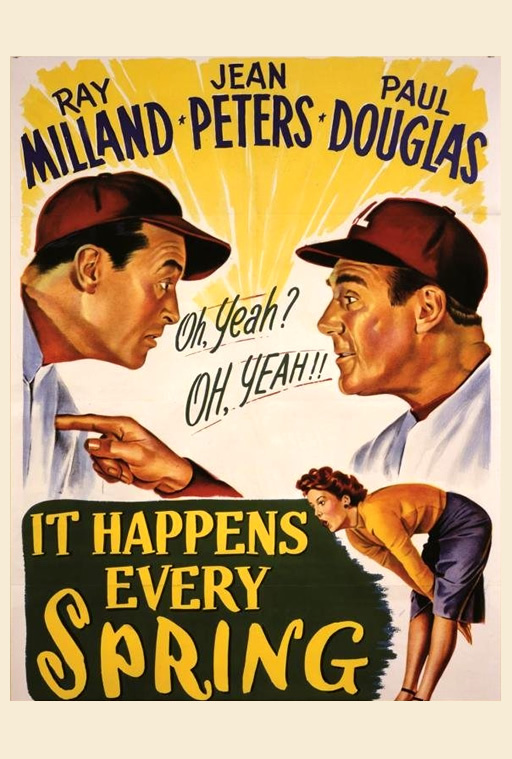
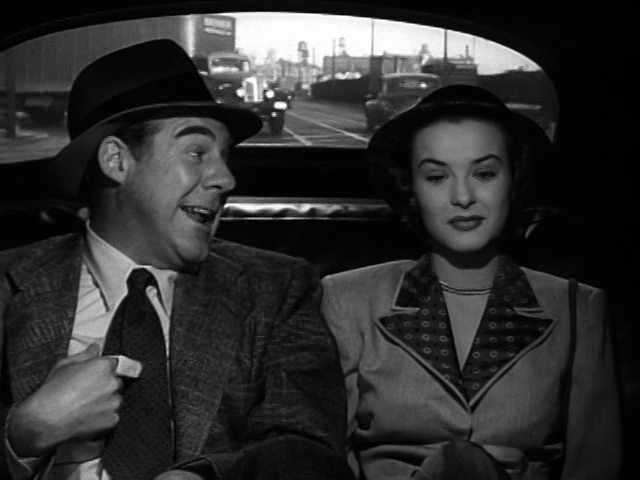
It Happens Every Spring (1949)

It Happens Every Spring (1949)

“The more you talk, the more mysterious it gets!”

Synopsis:
When a chemistry professor (Ray Milland) accidentally discovers a serum that repels wooden bats from hitting baseballs, he realizes he has a surefire money-making idea which would allow him to finally marry his fiancee (Jean Peters) — so he goes undercover as a major league pitcher.

Genres, Themes, Actors, and Directors:

  • Baseball
  • Jean Peters Films
  • Mistaken or Hidden Identities
  • Paul Douglas Films
  • Ray Milland Films
  • Scientists

Review:
Valentine Davies — author of Miracle on 34th Street (1947) — wrote the screenplay for this utterly innocuous fantasy flick, which predates The Nutty Professor (1963) (also about a professor discovering a life-altering serum) by 14 years. Unfortunately, there’s very little to recommend about It Happens Every Spring unless you’re a baseball fan who takes great delight in seeing creatively rigged games. There is exactly one joke here (that darn baseball keeps swerving away from the bat!) extended a bit to include a running gag about clueless joes who use the serum as a hair tonic (and thus can’t put a wooden-handled brush to their head), but the entire scenario could easily have been distilled into a half-hour sitcom episode.

Redeeming Qualities and Moments:

  • Paul Douglas as Monk Lanigan

Must See?
No; feel free to skip this one. Listed as a Personal Recommendation in the back of Peary’s book.

Links:

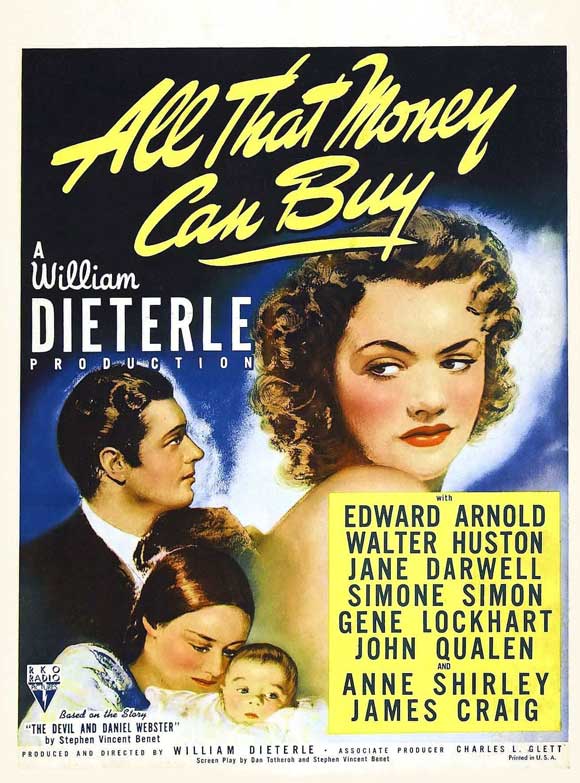
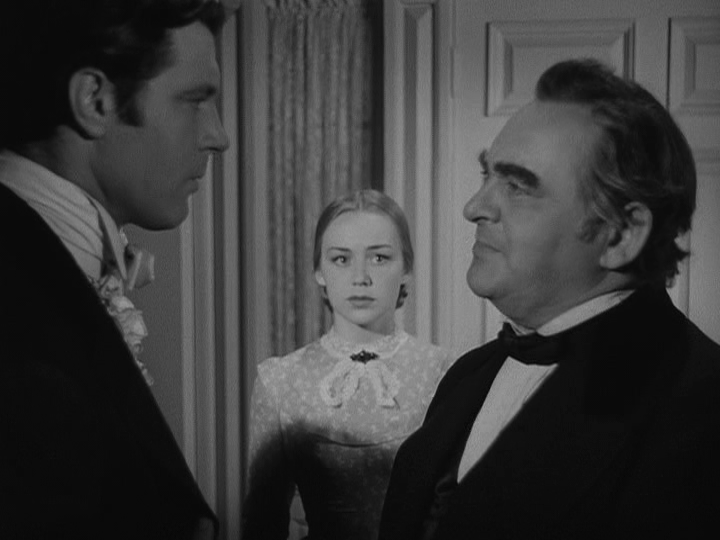
Devil and Daniel Webster, The (1941)

Devil and Daniel Webster, The (1941)

“I’ve had more than my share! Nothing ever goes right for me!”

Synopsis:
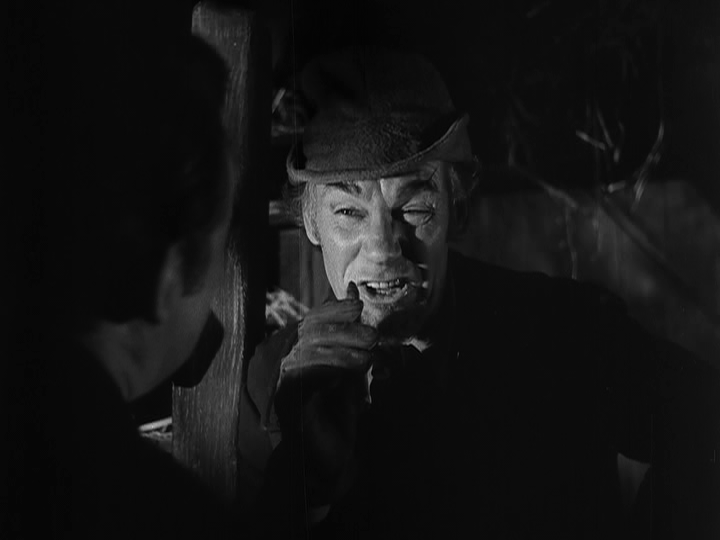
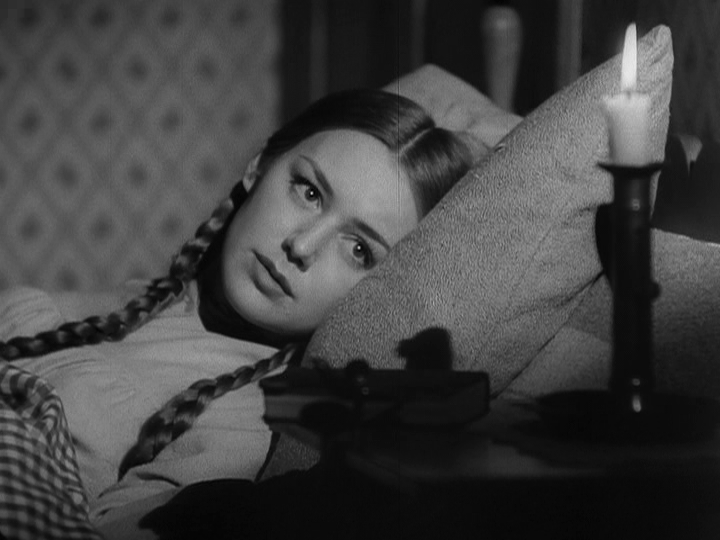
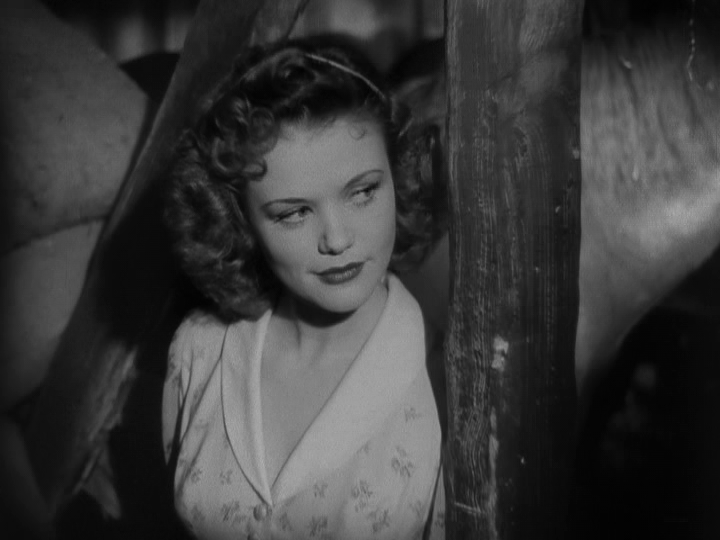
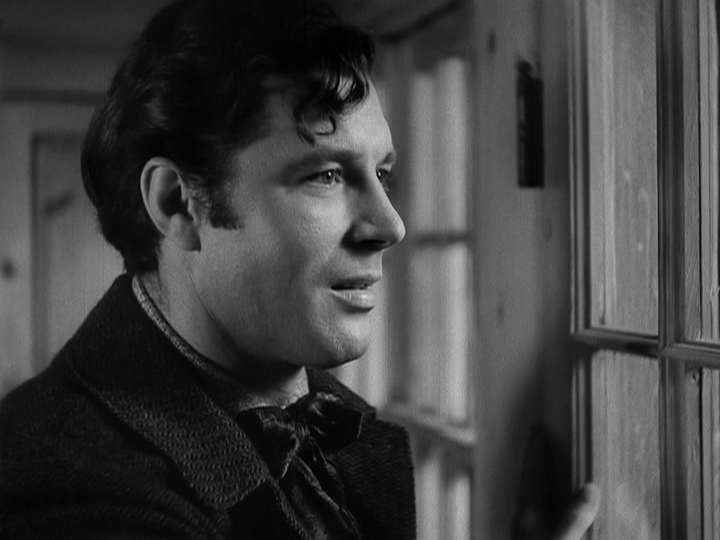
A poverty-stricken New England farmer named Jabez Stone (James Craig) sells his soul to the devil (Walter Huston) in exchange for seven years of prosperity, and soon finds his luck changing entirely — but his loyal wife (Anne Shirley) and no-nonsense mother (Jane Darwell) notice profound changes in his personality, and are especially distressed when he appears to be having an affair with a seductive nanny (Simone Simon) sent by Mr. Scratch (Huston) to keep an eye on him.

Genres, Themes, Actors, and Directors:

  • Anne Shirley Films
  • Edward Arnold Films
  • Fantasy
  • Farming
  • Get Rich Quick
  • Historical Drama
  • John Qualen Films
  • Pact With the Devil
  • Simone Simon Films
  • Walter Huston Films
  • William Dieterle Films

Review:
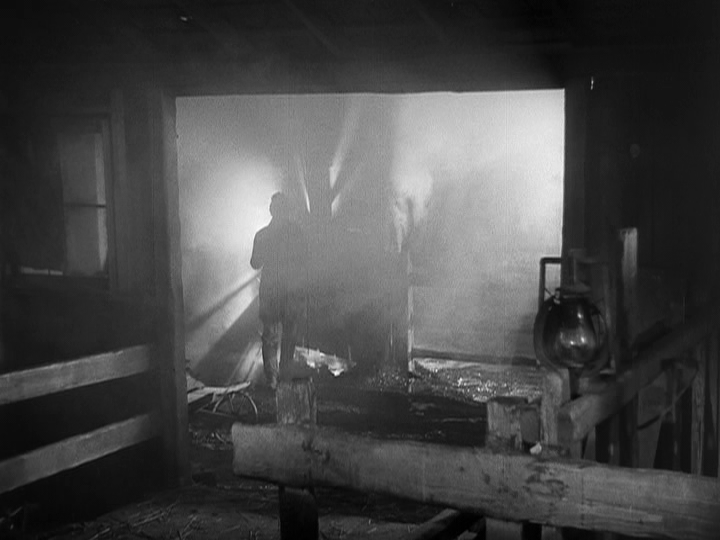
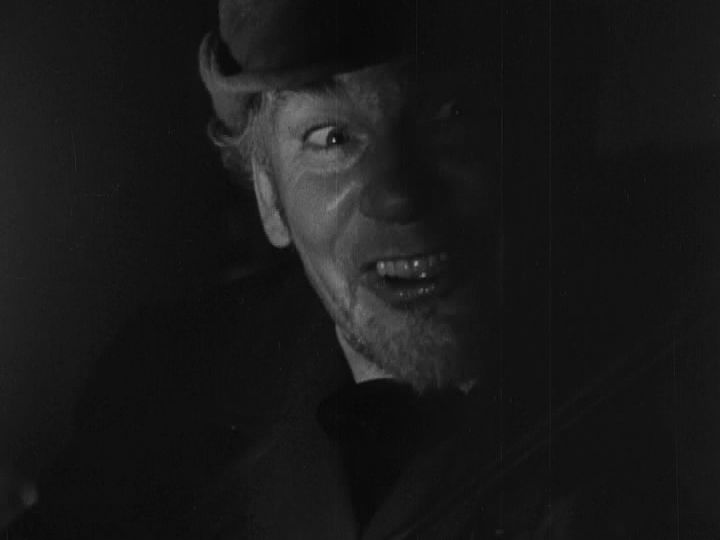
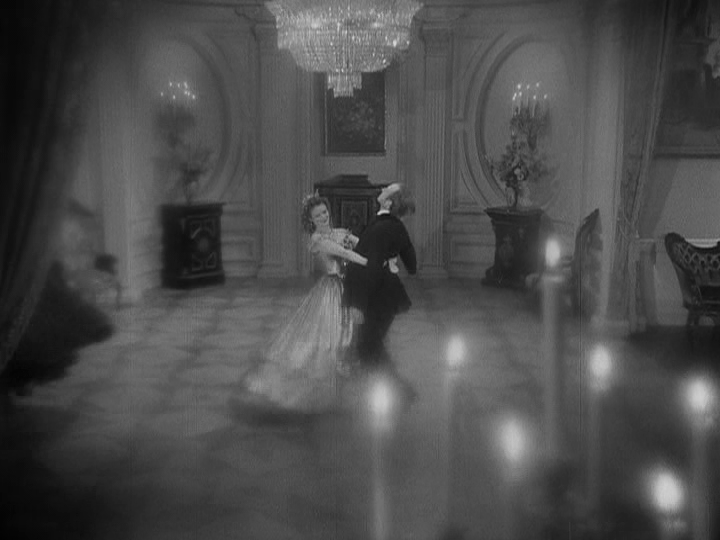
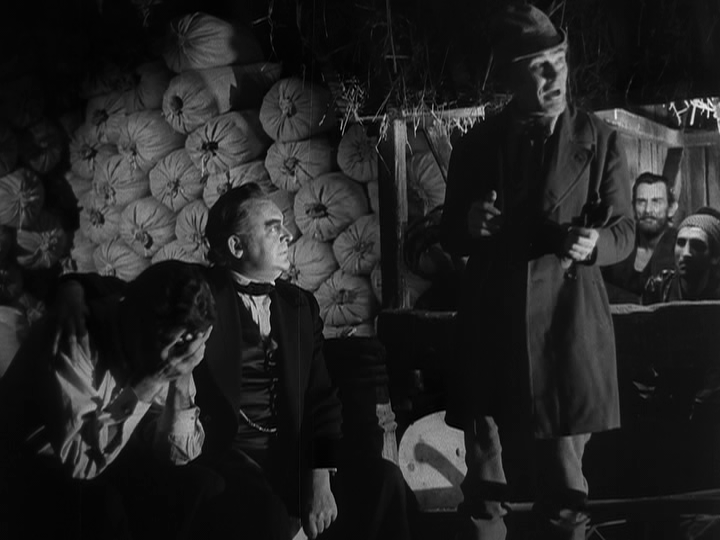
William Dieterle directed this highly cinematic adaptation of Stephen Vincent Benet’s short story — originally titled All That Money Can Buy to avoid confusion with The Devil and Miss Jones (1941). Huston plays “Mr. Scratch” with gleeful abandon, never not enjoying his earthly travails with humans who are so eager to trade their souls; and the rest of the cast is superb as well (as a side note, Shirley looks particularly like Olivia de Havilland). Bernard Herrmann’s film score — made the same year he scored Citizen Kane (1941) — creatively uses period folk tunes to set the mood and the era, and justifiably won an Oscar. While the entire storyline is well-handled (the DVD commentary track is worth a listen), perhaps the most famous sequence is the final barnhouse trial with infamous criminals coming in ghostly form to listen to Stone’s case. Film fanatics won’t be disappointed by a revisit of this enduring and enjoyable classic.

Redeeming Qualities and Moments:

  • William Dieterle’s direction
  • Walter Huston as Mr. Scratch
  • Fine supporting performances across the board


  • John August’s cinematography

  • Many memorable scenes

  • Bernard Herrmann’s Oscar-winning score

Must See?
Yes, as an impressive and still powerful classic.

Categories

  • Genuine Classic

Links:

Pawnbroker, The (1964)

Pawnbroker, The (1964)

“I am not bitter. No, that passed me by a million years ago.”

Synopsis:
A traumatized Holocaust survivor (Rod Steiger) running a pawn shop in Harlem reluctantly trains an eager employee (Jaime Sanchez) while fending off advances from a friendly social worker (Geraldine Fitzgerald) and bargaining ruthlessly with his down-and-out customers.

Genres, Themes, Actors, and Directors:

  • Flashback Films
  • Geraldine Fitzgerald Films
  • Jews
  • Juano Hernandez Films
  • Living Nightmare
  • Rod Steiger Films
  • Sidney Lumet Films
  • Widows and Widowers

Review:
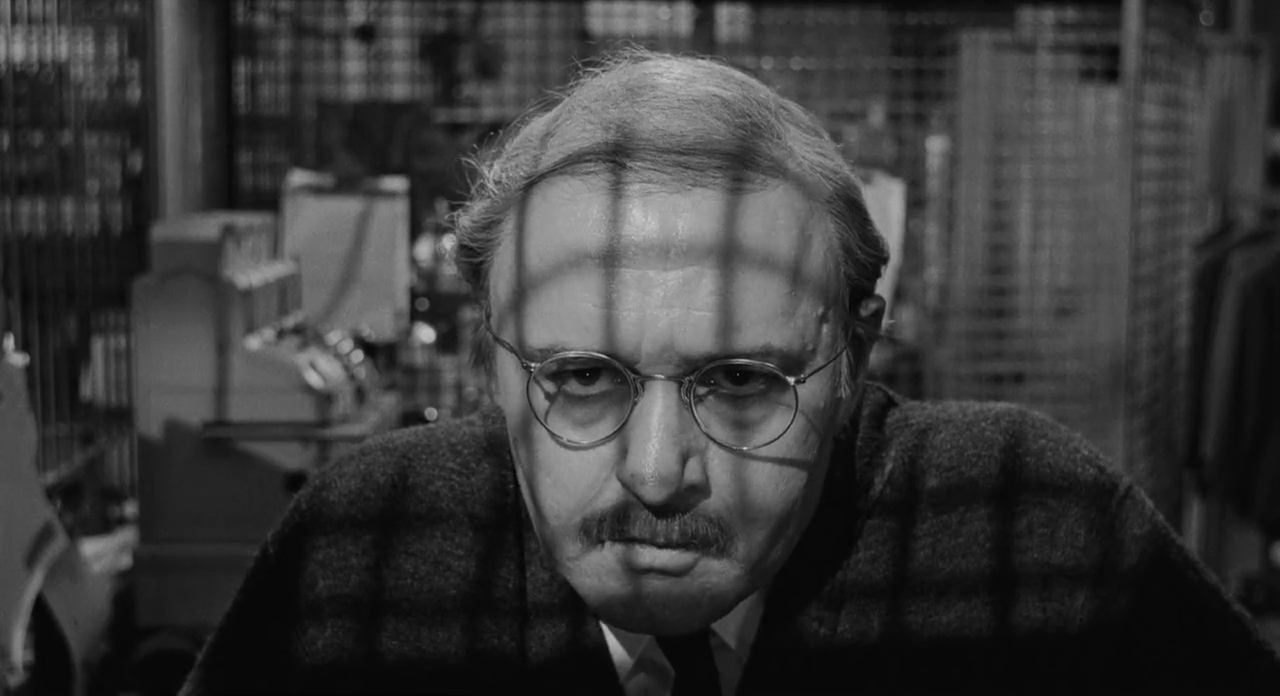
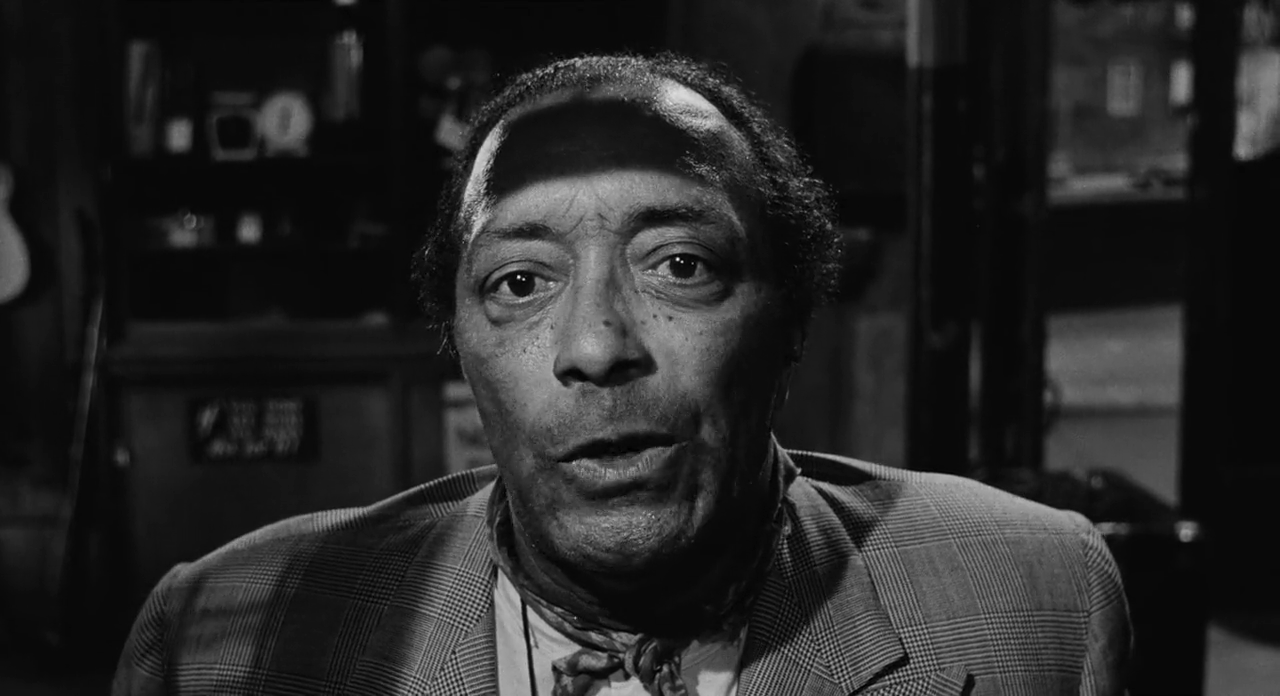
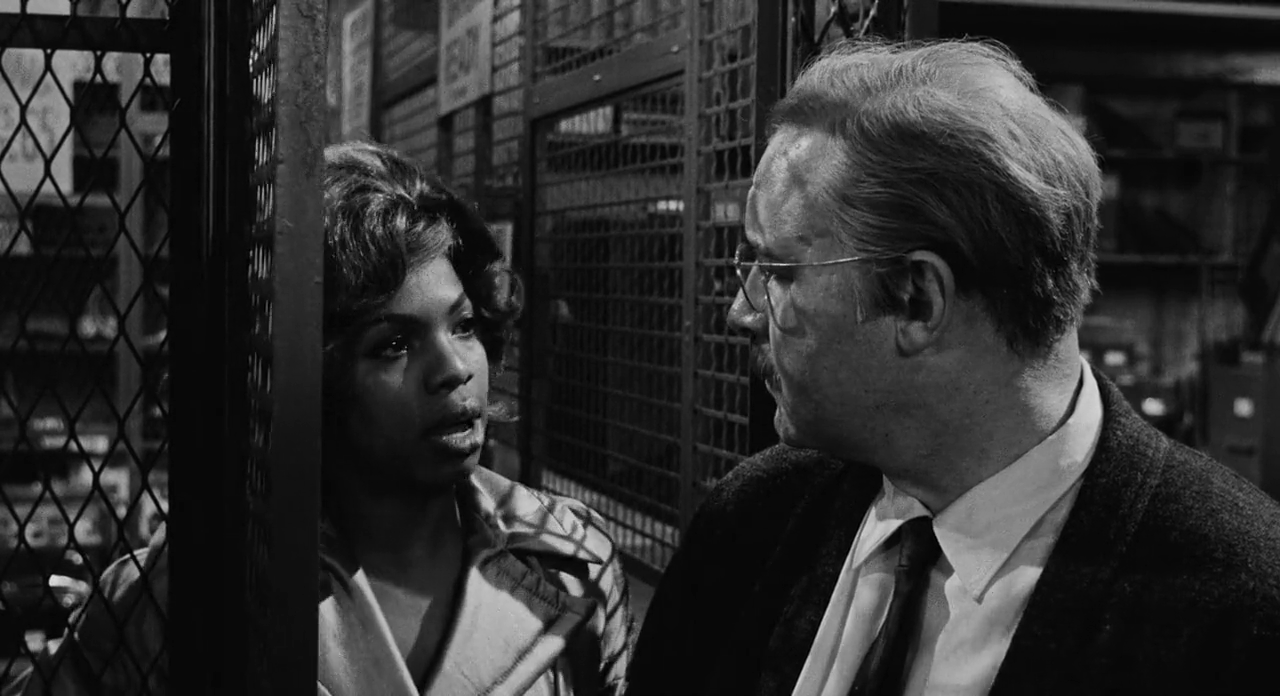
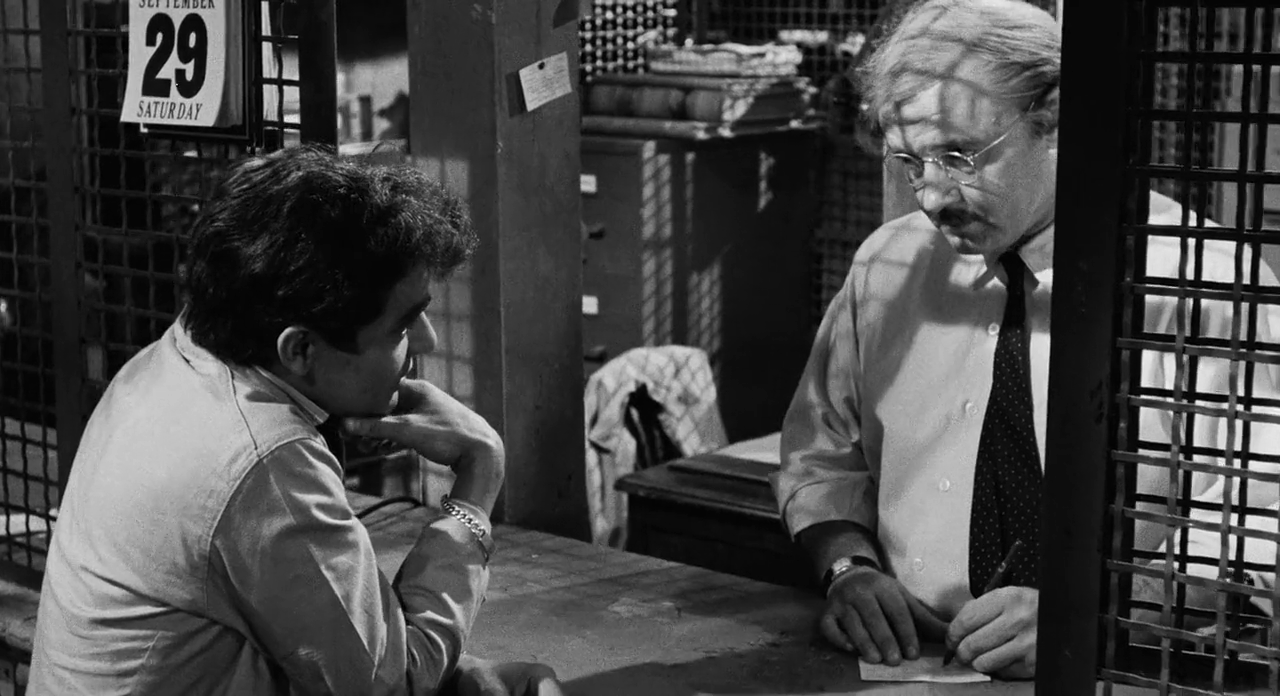
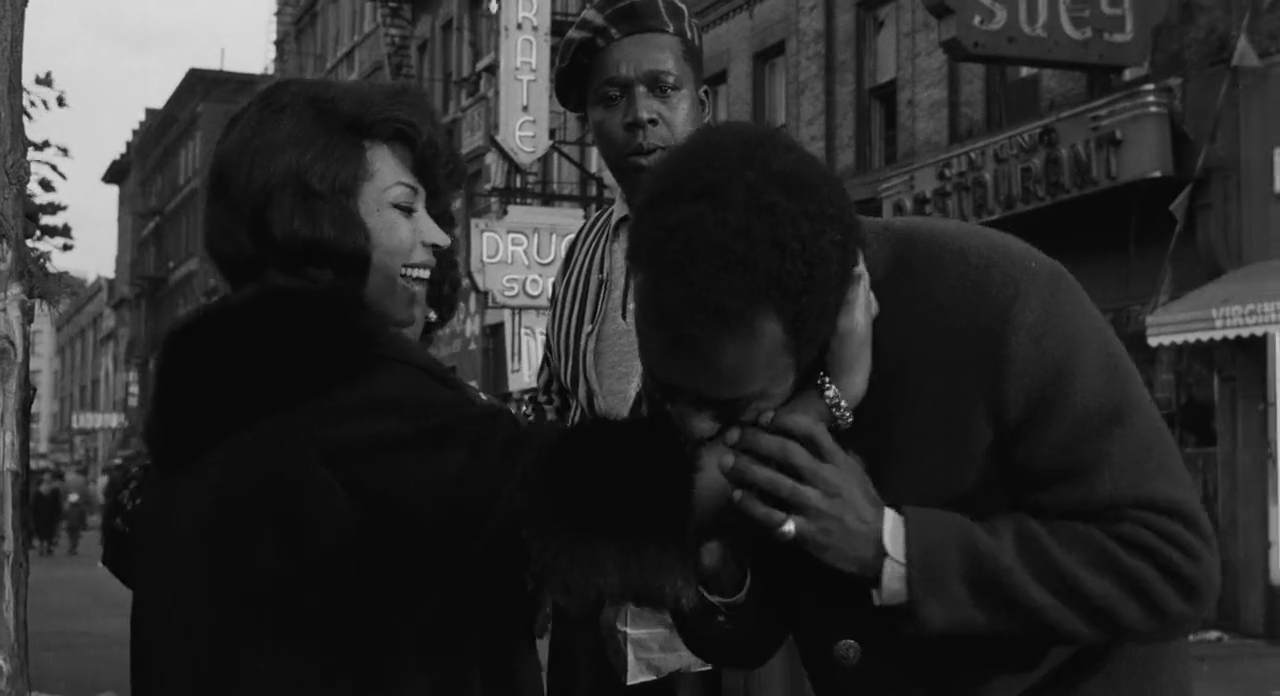
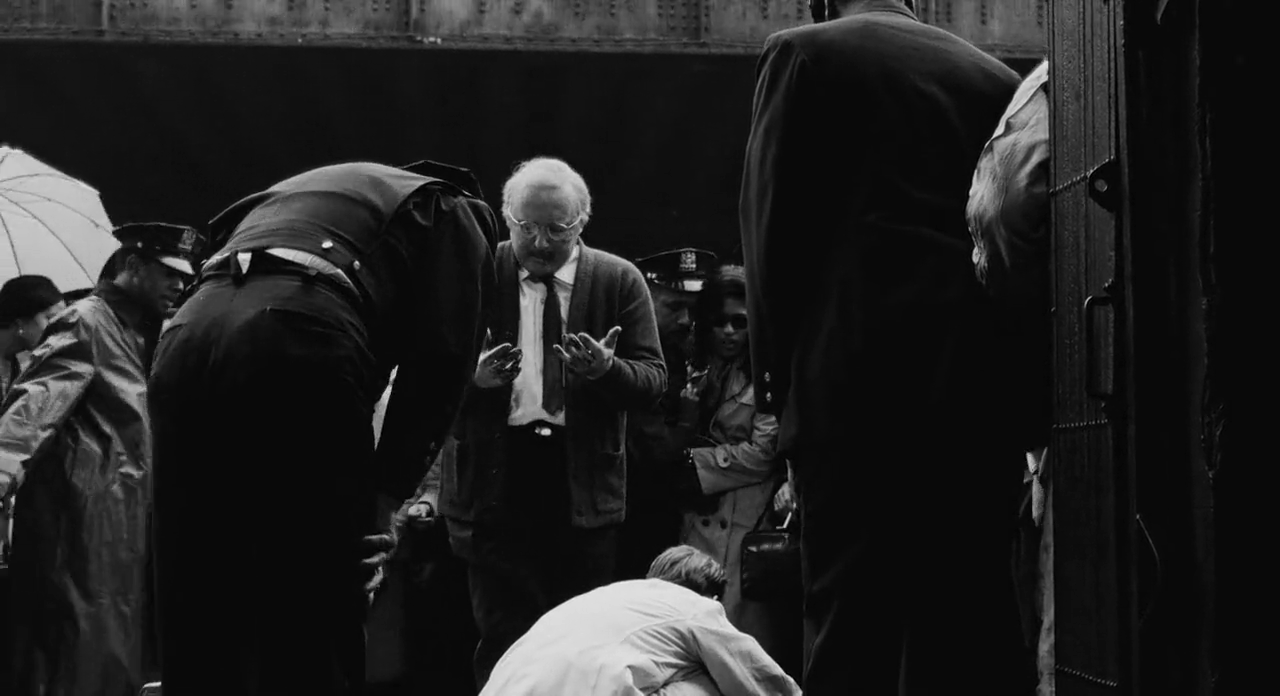
Holocaust survival films make for undeniably — and understandably — brutal viewing, perhaps few quite so sharply as this adaptation (by director Sidney Lumet) of Edward Lewis Wallant’s novel. There is much to admire here, with the b&w visuals consistently stunning, the performances distinctive and heartfelt, and Quincy Jones’ soundtrack a true highlight. However, viewers must prepare themselves for relentless agony as we watch a deeply broken man perpetuate his own horrors onto others through grim apathy and misanthropy. Check this one out for its many fine qualities — including Steiger’s memorable lead performance — but be aware you may not be able to handle watching it more than once.

Redeeming Qualities and Moments:

  • Rod Steiger as Nazerman
  • Strong supporting performances


  • Effectively claustrophobic sets
  • Fine use of authentic New York locales

  • Boris Kaufman’s cinematography

  • Quincy Jones’ soundtrack

Must See?
Yes, for Steiger’s performance.

Categories

  • Noteworthy Performance(s)

Links:

Death Takes a Holiday (1934)

Death Takes a Holiday (1934)

“I have been caught in this web of flesh — caught and tortured!”

Synopsis:
When Death (Fredric March) decides to take a holiday-in-disguise in the home of a duke (Guy Standing), he falls in love with the girlfriend (Evelyn Venable) of the duke’s son (Kent Taylor), much to the consternation of both Standing and Taylor.

Genres, Themes, Actors, and Directors:

  • Death and Dying
  • Fantasy
  • Fredric March Films
  • Mistaken and Hidden Identities
  • Mitchell Leisen Films
  • Play Adaptation
  • Star-Crossed Lovers

Review:
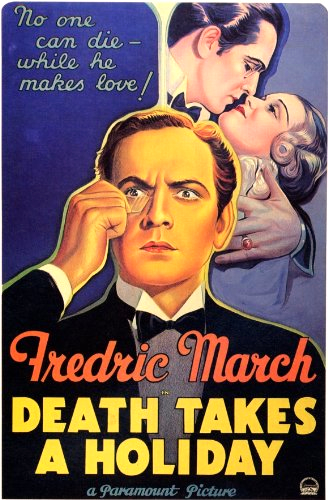
This stagy but atmospherically filmed adaptation of a Broadway play (itself adapted from a 1924 Italian play) was one of Paramount Studios’ top box-office successes — clearly showing audiences’ interest in the subject matter. Indeed, according to TCM’s article, director Mitchell Leisen recalled, “We had seven or eight thousand letters come in from people all over the country, saying they no longer feared death. It had been explained to them in such a way that they could understand the beauty of it.” At the heart of the story is a star-crossed romance between Death and a woman (Venable) who seems strongly in touch with forces beyond earthly nature — and naturally, there is tension over whether she will choose eternal love or mortal life. It’s all handled nicely by Leisen, DP Charles Lang, and set designer Hans Dreier, but not must-see viewing for all film fanatics.

Redeeming Qualities and Moments:

  • Fredric March as Death
  • Atmospheric sets and cinematography

Must See?
No, though fans of March’s work may be curious to check it out. Listed as a film with Historical Importance in the back of Peary’s book.

Links:

Papillon (1973)

Papillon (1973)

“I accuse you of a wasted life. The penalty for that is death.”

Synopsis:
A French prisoner (Steve McQueen) sent to Devil’s Island offers protection to a wealthy forger (Dustin Hoffman) in exchange for monetary help in attempting to escape.

Genres, Themes, Actors, and Directors:

  • Dustin Hoffman Films
  • Escape
  • Friendship
  • Fugitives
  • Prisoners
  • Steve McQueen Films
  • Survival

Review:
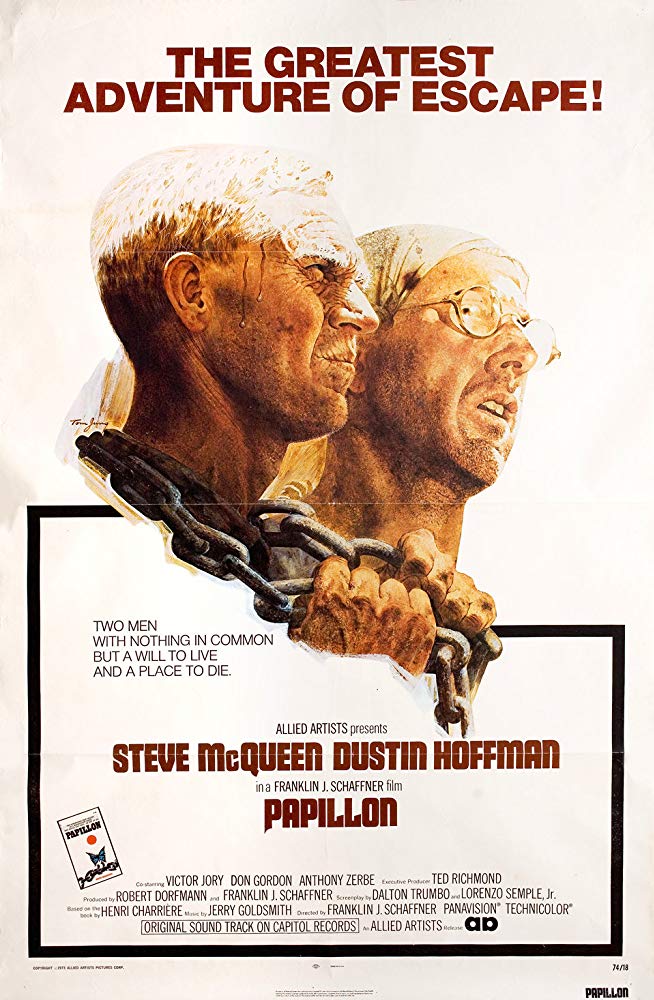
Based on a heavily fictionalized memoir by Henri Charriere, this epic prison escape film — co-scripted by Dalton Trumbo and directed by Franklin J. Schaffner after his successes with Planet of the Apes (1968), Patton (1970), and Nicholas and Alexandra (1971) — offers a potent mix of gorgeous scenery and harrowing brutality. Knowing McQueen’s “Papillon” (so-named because of a prominent butterfly tattoo on his chest) will eventually escape mitigates a bit of the horror, but there’s no denying we see the worst of humanity on display at Devil’s Island (the now-defunct prison at St-Laurent-du-Maroni in French Guiana, with sets fully recreated for this movie). Adding to the overall bleakness is Papillon’s constant existential grappling with the meaning of life; what in the heck is the point of all this, anyway? It’s not quite clear. Meanwhile, there is little to do but wait things out and see how he and Hoffman manage to survive.

Redeeming Qualities and Moments:

  • Steve McQueen as Papillon
  • Fred Koenekamp’s cinematography
  • Jerry Goldsmith’s score

Must See?
No, though it’s worth a one-time look.

(Listed in 1001 Movies You Must See Before You Die)

Links: