Browsed by
Category: Original Reviews

Responses to Peary’s “must see” movie reviews, as well as my own “must see” movie reviews up to and after 1986 (when Peary’s book was published).

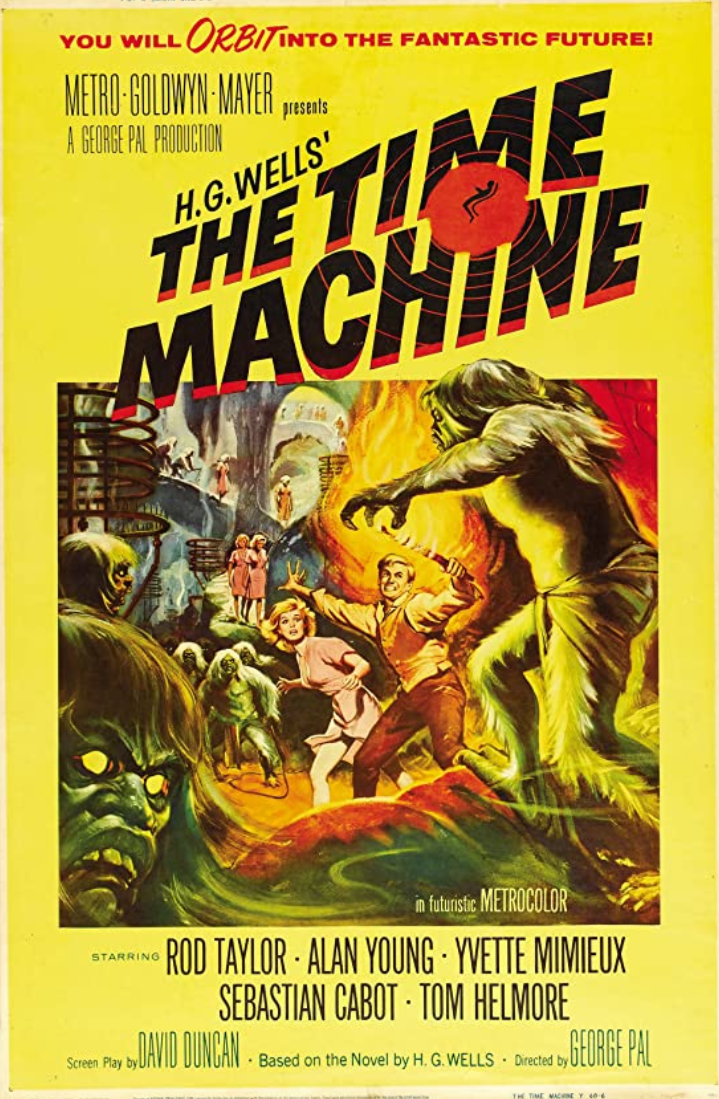
Time Machine, The (1960)

Time Machine, The (1960)

“At last, I found a paradise — but it would be no paradise if it belonged to me alone.”

Synopsis:
A Victorian-era scientist (Rod Taylor) builds a time travel machine that allows him to travel to the very-distant future, where he meets a beautiful young woman (Yvette Mimieux) whose colony, the Elois, are ruled over by underground monsters known as Morlocks.

Genres, Themes, Actors, and Directors:

  • Dystopia
  • George Pal Films
  • H.G. Wells Films
  • Rod Taylor Films
  • Science Fiction
  • Time Travel
  • Yvette Mimieux Films

Response to Peary’s Review:
Peary writes that this “enjoyable, colorful George Pal production of H.G. Wells’s novel” has “excitement and imagination, an excellent beginning, special effects, [and] scary-looking monster men,” and notes that the “time-travel sequences are especially well done.” Peary points out that “Pal, who also directed, ignores Wells’s intention to set up two distinct classes, the workers (the Morlocks) and the decadent leisure/capitalist class (the Eloi), as well as Wells’s application of Social Darwinism to the survivors of the nuclear war,” instead focusing on “how the Eloi make the choice not to be ‘cattle’ raised for slaughter but to regain human traits (to care for one another, to love, to fight for survival, to gather their own food, to work) — which are distinct from the beastly traits of the Morlocks.”

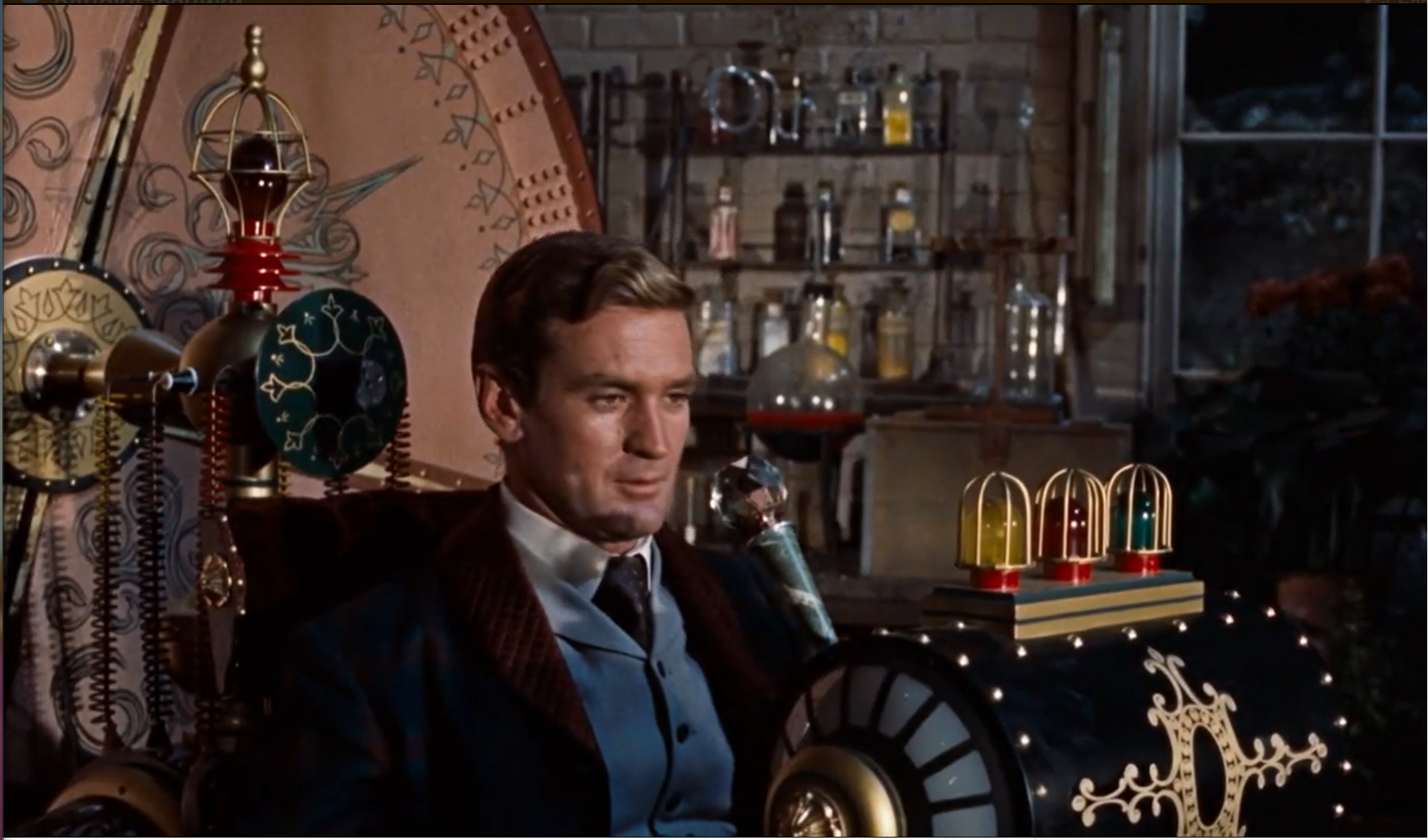
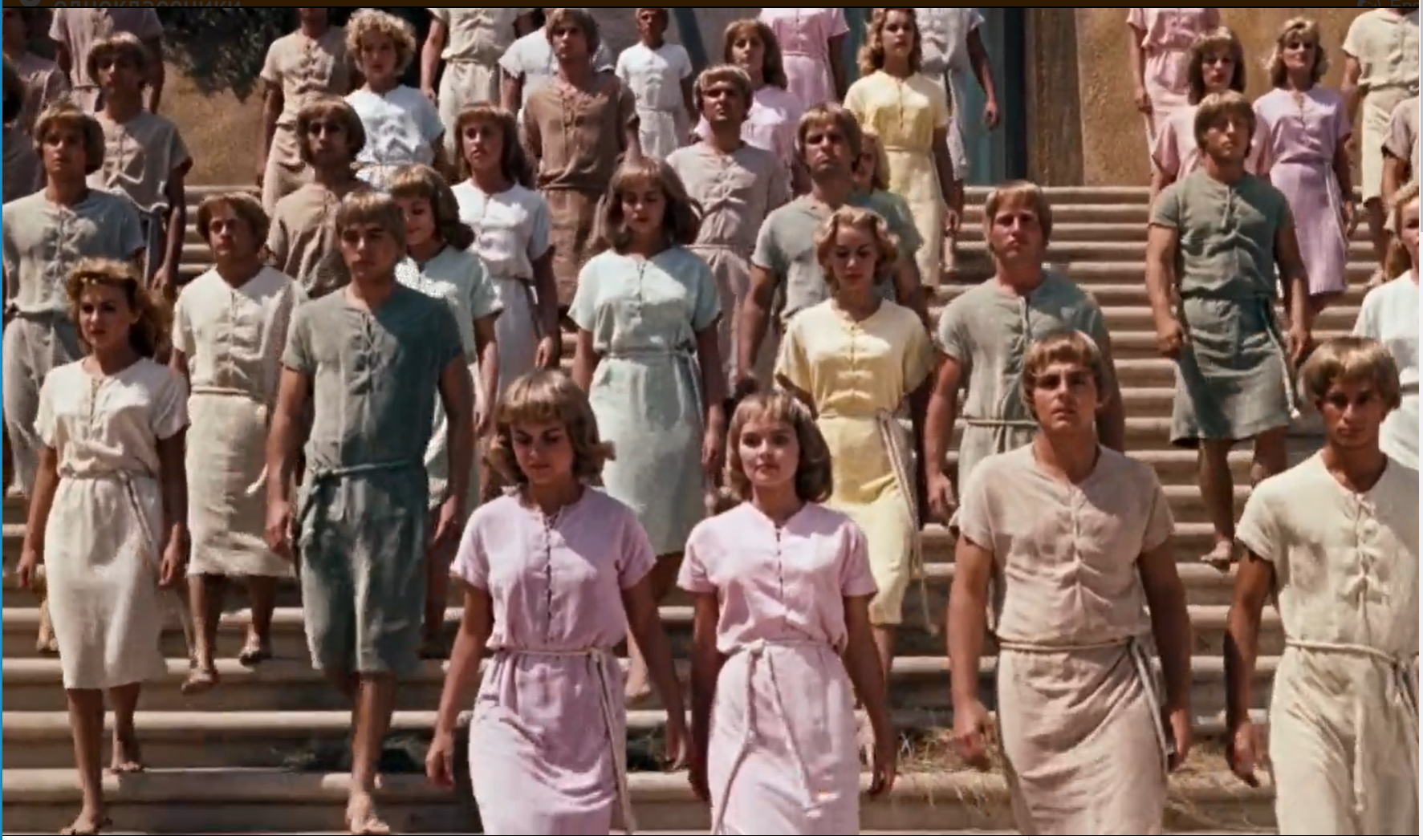
Although it’s been quite a while since I read the original novel, I would say that Pal’s narrative choice (working with a script by David Duncan) is a smart one: seeing the opening sequence with the Eloi — in which “young, blond, ignorant, pathetic, and carefree people living in an Edenic garden” pay no attention “when a young woman… almost drowns” — reminds us that “paradise” is relative, and that beauty and comfort don’t correlate with authenticity, satisfaction, or integrity. Mimieux is appropriately beautiful and guileless as “Weena” (how does she speak English so well??), while Taylor makes a ruggedly sympathetic protagonist, someone we can easily root for along his travails — especially as it’s clear he wants nothing but the best for humanity.

Redeeming Qualities and Moments:

  • Rod Taylor as George
  • Vibrant cinematography and production design

  • Fine special effects

Must See?
Yes, for the Oscar-winning special effects and as an effective sci-fi adventure.

Categories

  • Good Show
  • Oscar Winner or Nominee

Links:

Being There (1979)

Being There (1979)

“As long as the roots are not severed, all is well. And all will be well in the garden.”

Synopsis:
When a mentally challenged gardener (Peter Sellers) is forced to leave his lifelong home after his guardian’s passing, he is accidentally hit by a car owned by a wealthy woman (Shirley MacLaine) who takes him to her mansion to receive medical help and meet her dying husband (Melvyn Douglas). “Chance” (Sellers) — referred to by the couple as “Chauncey Gardener” — quickly impresses MacLaine and Douglas with his forthright simplicity, and an opportune meeting with the president (Jack Warden) gives him instant fame. What will Chance’s future hold in store for him and the nation?

Genres, Themes, Actors, and Directors:

  • Hal Ashby Films
  • Intellectually Disabled
  • Melvyn Douglas Films
  • Millionaires
  • Mistaken or Hidden Identities
  • Peter Sellers Films
  • Richard Basehart Films
  • Shirley MacLaine Films

Review:
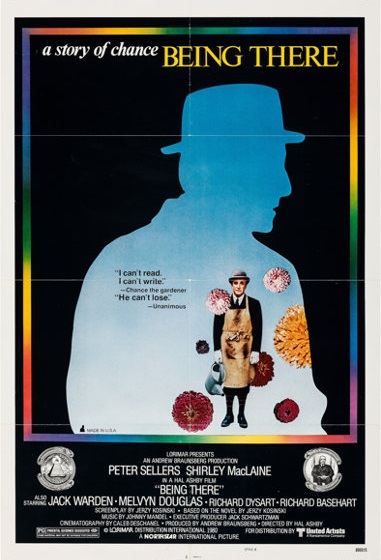
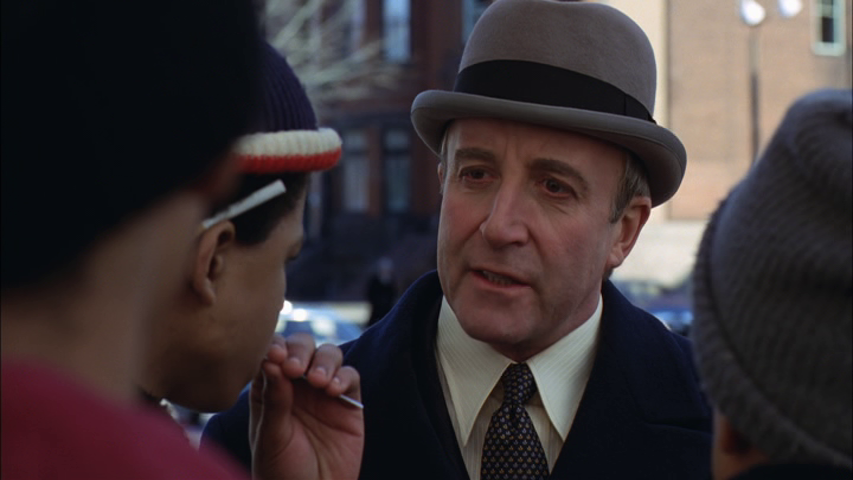
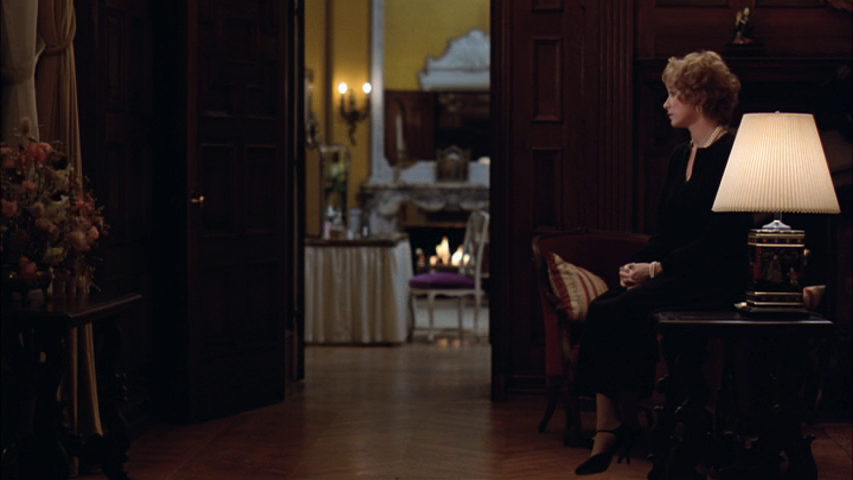
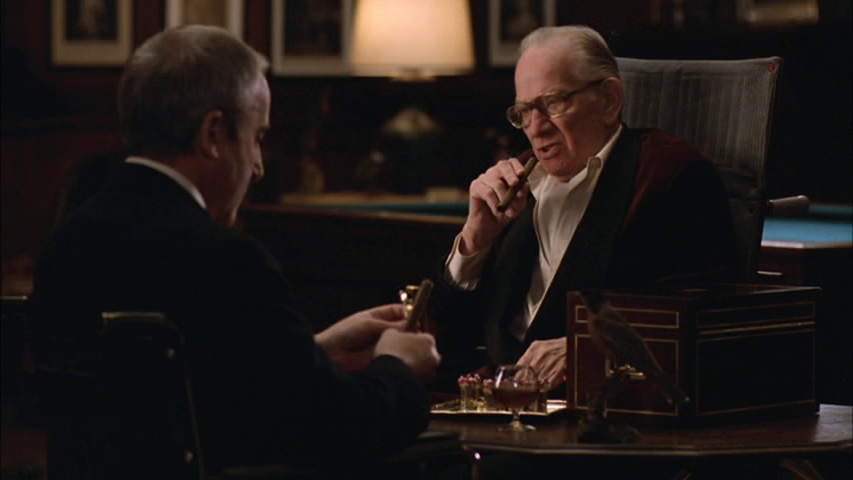
Hal Ashby’s adaptation of Jerzy Kosinski’s novel became Peter Sellers’ swan song — his next-to-last film before dying from a heart attack at the age of 54. Thankfully, it’s a fitting and honorable role for Sellers, allowing him to portray a much wiser, less hectic character than usual — someone able to pass his unique gifts along simply by being himself. There’s a surprising amount of humor gleaned from the central premise of Chance being an interpretive slate for whatever people choose to make of his utterings; only his former colleague (Ruth Attaway) knows how “feeble-minded” he really is, and just one other person — Douglas’s doctor (Richard Dysart) — suspects anything. Caleb Deschanel’s cinematography perfectly captures the grandeur of the Rands’ existence in a truly palatial mansion, large enough to house a hospital unit within it. Chance’s chance meeting with MacLaine can easily be seen as a divine — perhaps even Biblical — opportunity to allow Americans to connect in an out-of-the-box way; we may need our own “Chauncey Gardener” right around now to help heal our nation…

Redeeming Qualities and Moments:

  • Peter Sellers as Chance
  • Shirley MacLaine as Eve Rand
  • Melvyn Douglas as Ben Rand
  • Caleb Deschanel’s cinematography

Must See?
Yes, for Sellers’ performance and as an all-around good show.

Categories

  • Noteworthy Performance(s)
  • Oscar Winner or Nominee

(Listed in 1001 Movies You Must See Before You Die)

Links:

Magic Christian, The (1969)

Magic Christian, The (1969)

“The old values are crumbling.”

Synopsis:
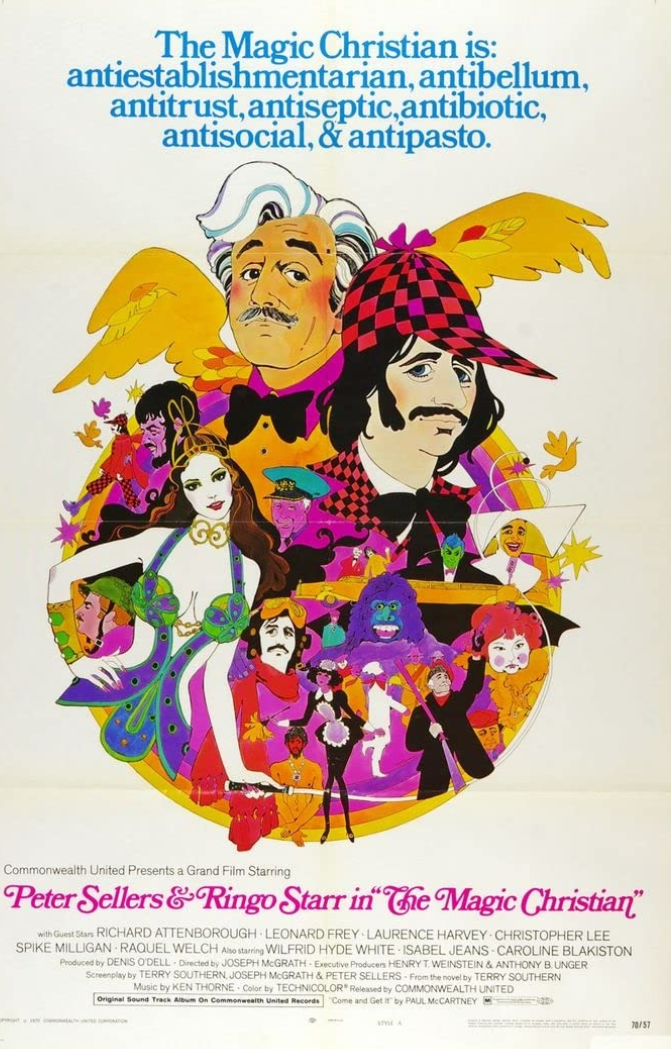
An eccentric billionaire named Sir Guy Grand (Peter Sellers) adopts a homeless young man as his son (Ringo Starr), and then proceeds to spend large amounts of money bribing people into doing his whims — ultimately proving that money really can buy just about anything.

Genres, Themes, Actors, and Directors:

  • Black Comedy
  • Christopher Lee Films
  • Counterculture
  • Father and Child
  • Laurence Harvey Films
  • Millionaires
  • Nonconformists
  • Peter Sellers Films
  • Raquel Welch Films
  • Richard Attenborough Films
  • Ringo Starr Films
  • Roman Polanski Films
  • Yul Brynner Films

Review:
This loose adaptation of Terry Southern’s 1959 comic novel is unambiguous in its relentless skewering of capitalism and corruption — though it’s challenging to know exactly what to make of this perspective, especially since Sellers’ character isn’t sympathetic and we wish he would spend his money in more productive and charitable ways. DVD Savant is clearly not a fan of this flick, writing that “despite the fact that some find this show absolutely hilarious, it all just sits there, daring us to pick about for whatever scraps of inspiration can be found in the wreckage.” He adds that “There isn’t much shock value here, only a mild crudity that only makes the film seem less imaginative.” With that said, some bits stand out as amusing — including the inspired auction scene, and random cameos during final sequences on board the “Magic Christian” cruise ship. Ultimately, however, this one really isn’t for all tastes, and will be of most interest to those who appreciate all manner of zany cinema coming out of the late 1960s.

Redeeming Qualities and Moments:

  • Some creatively surreal imagery and scenes


  • Amusing cameos by a host of big names

Must See?
No. Listed as a Cult Movie in the back of Peary’s book.

Links:

I Love You, Alice B. Toklas! (1968)

I Love You, Alice B. Toklas! (1968)

“That’s a brownie!”

Synopsis:
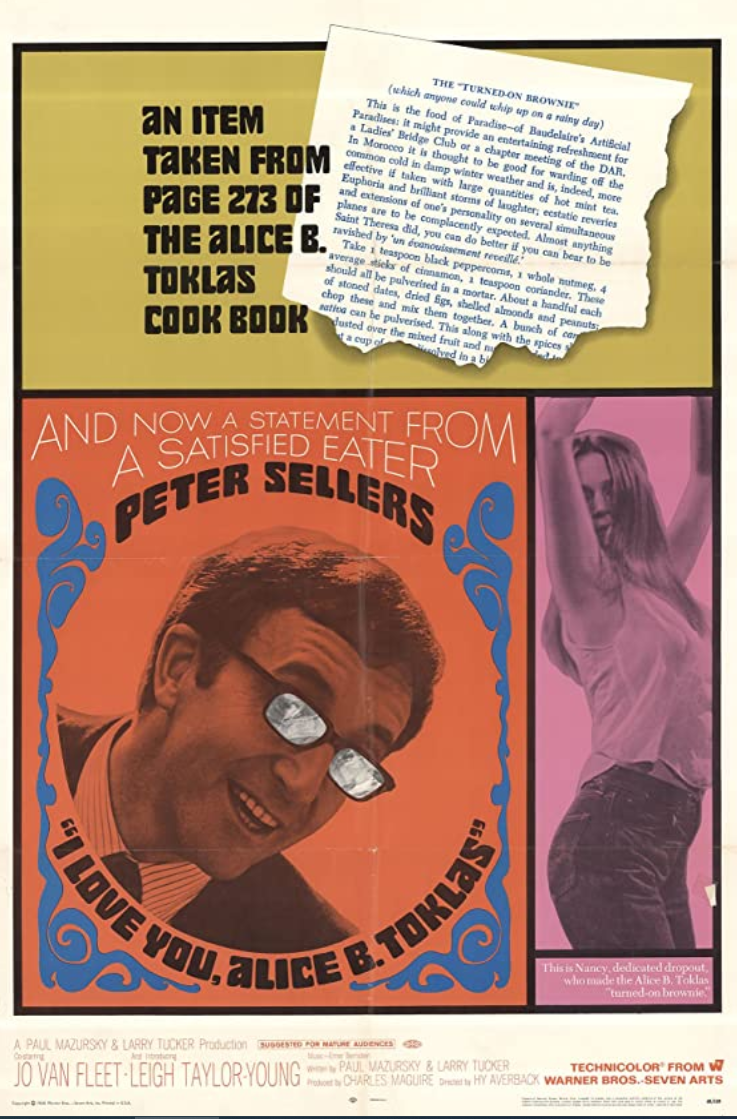
A square lawyer (Peter Sellers) with a nagging mom (Jo Van Fleet), a hippie brother (David Arkin), and doubts about marrying his earnest girlfriend (Joyce Van Patten) ends up eating hash-laced brownies, falling for a free-spirited young woman (Lauren Taylor-Young), and questioning his entire lifestyle.

Genres, Themes, Actors, and Directors:

  • Black Comedy
  • Character Arc
  • Counterculture
  • Peter Sellers Films

Review:
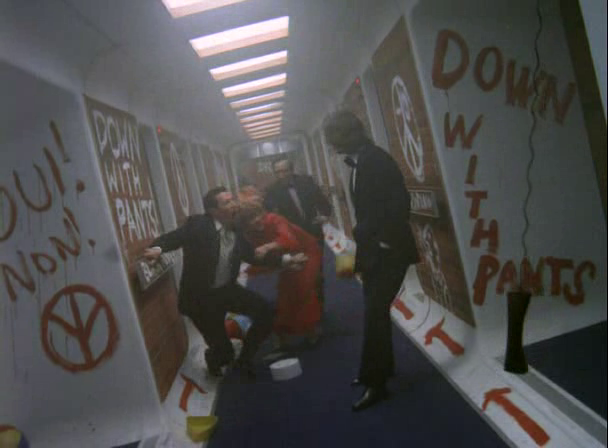
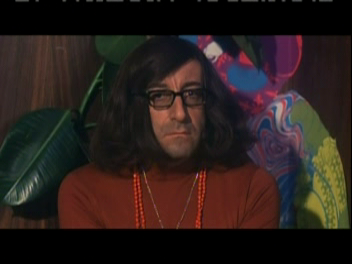
Three years after donning a ridiculous wig-with-bangs to play sex-obsessed psychoanalyst Dr. Fritz Fassbender in What’s New, Pussycat? (1965), Peter Sellers had another chance to go long-haired in this time-capsule movie about “finding oneself” in the midst of the counterculture revolution.

Sellers’ character here (Harold) is hard to sympathize with: he treats his fiancee (Van Patten) terribly, he never stands up to his domineering mother (Van Fleet), and his shift to a hippie lifestyle rings completely false. This is all meant to be played for laughs — yet there’s clearly an undercurrent of supposed “Truth” behind Paul Mazursky’s screenplay as well, with guileless Taylor-Young coming across as the most authentic of the bunch. Meanwhile, the scenes with a Latino family seeking compensation for a fender-bender are simply offensive.

Redeeming Qualities and Moments:

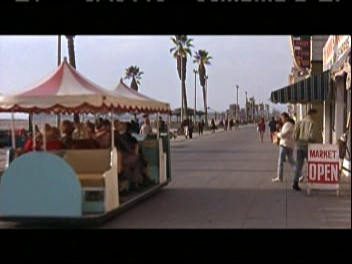
  • Good use of location shooting in Los Angeles

Must See?
No; you can skip this one. Listed as a Cult Movie in the back of Peary’s book.

Links:

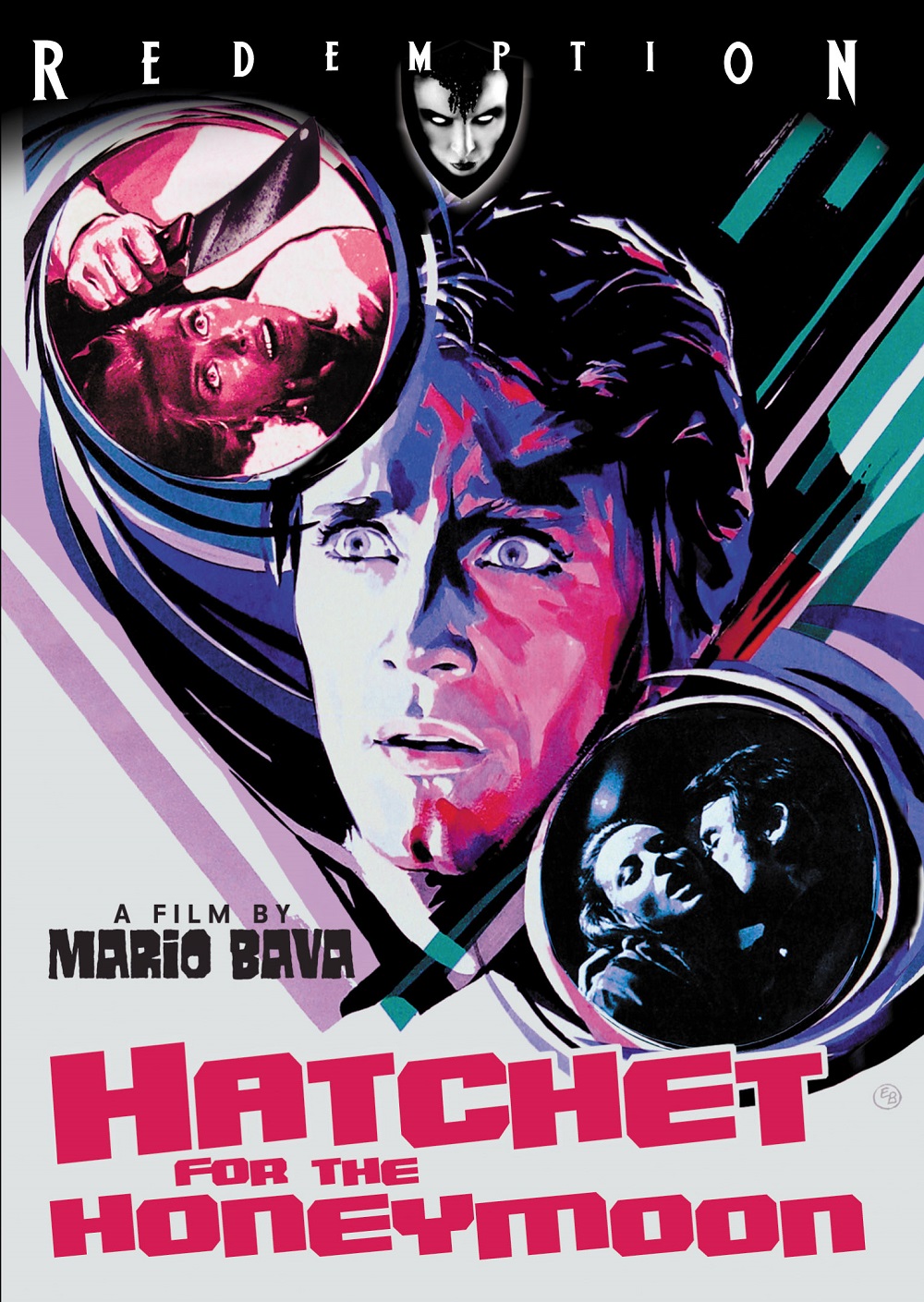
Hatchet for the Honeymoon (1970)

Hatchet for the Honeymoon (1970)

“A woman should live only until her wedding night — love once, and then die.”

Synopsis:
A psychotically ill wedding dress designer (Stephen Forsyth) married to a shrew (Laura Betti) murders young brides while attempting to resolve childhood traumas. Meanwhile, an inspector (Jesus Puente) trails the case while a beautiful new model (Dagmar Lassandar) expresses romantic interest in Forsyth.

Genres, Themes, Actors, and Directors:

  • Henpecked Husbands
  • Horror Films
  • Mario Bava Films
  • Mental Illness
  • Serial Killers

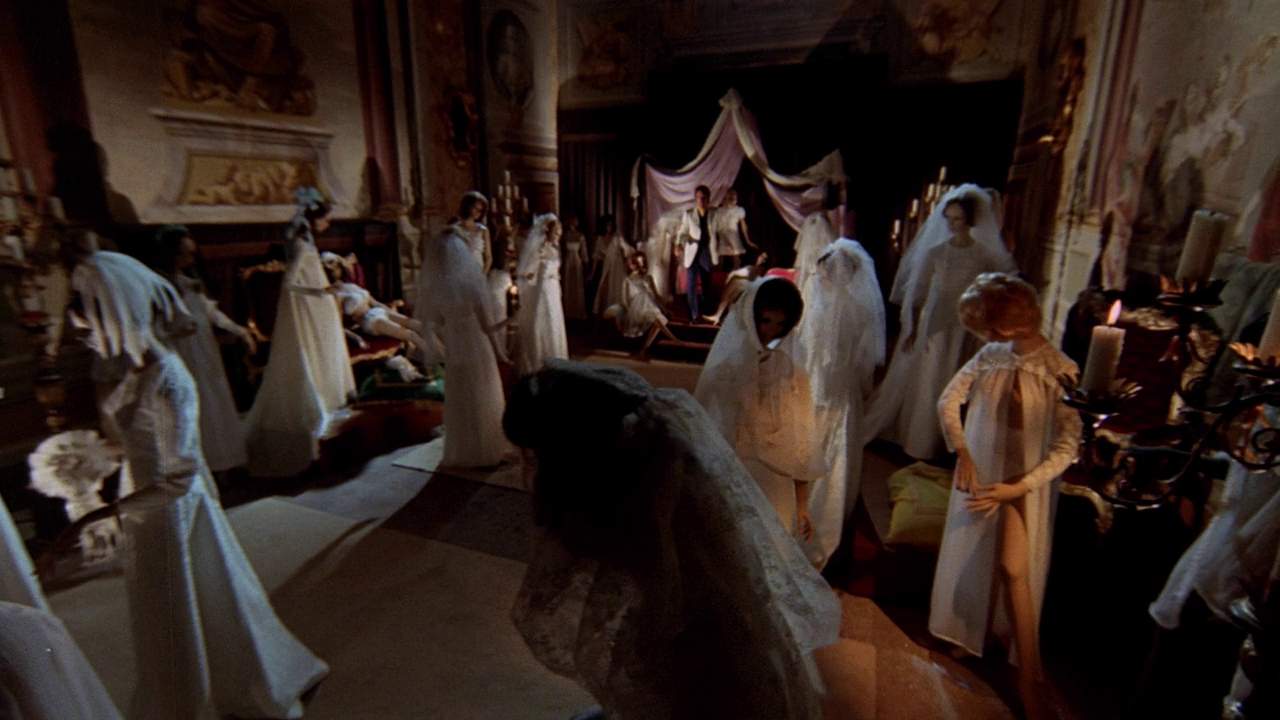
Review:
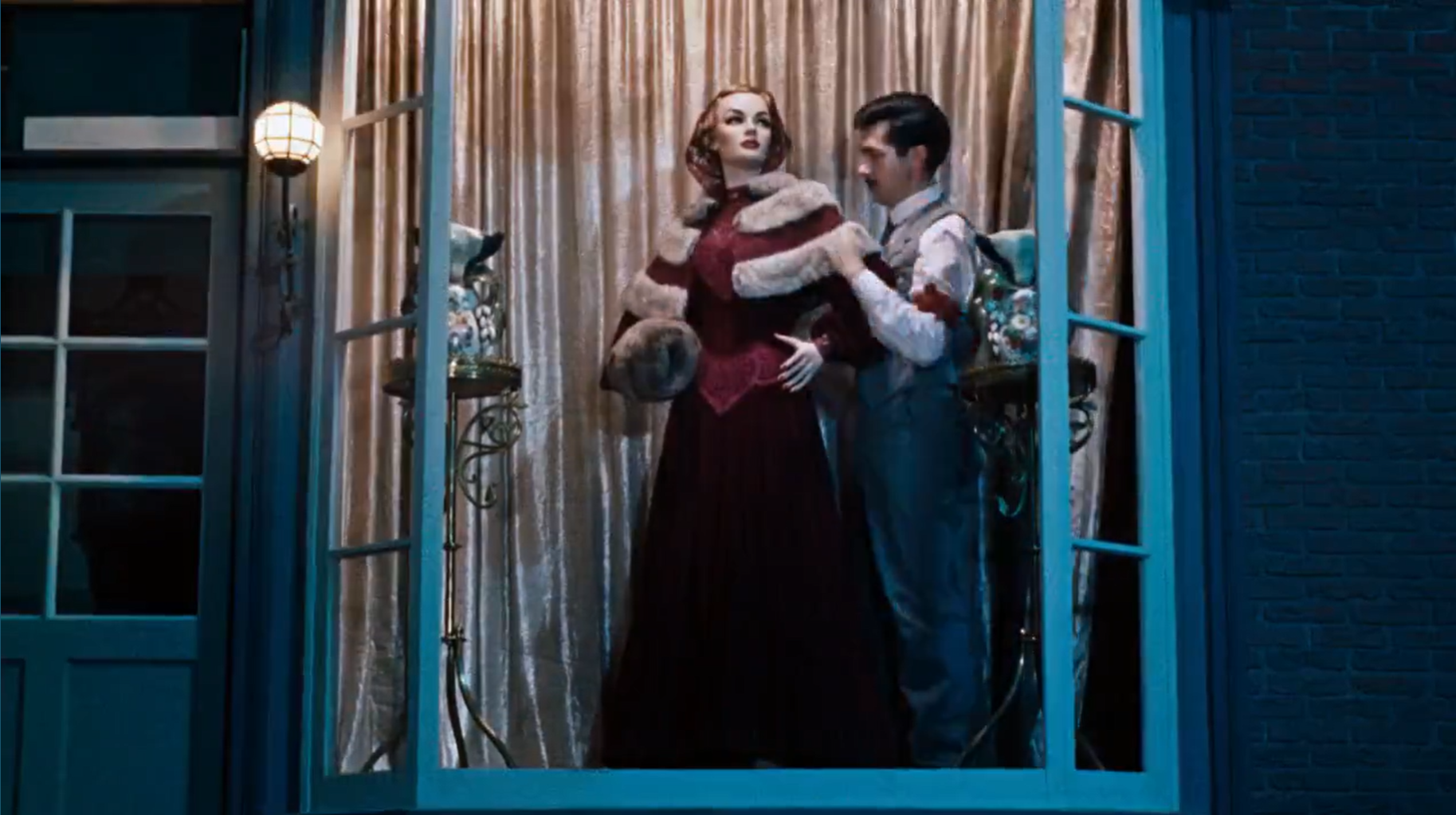
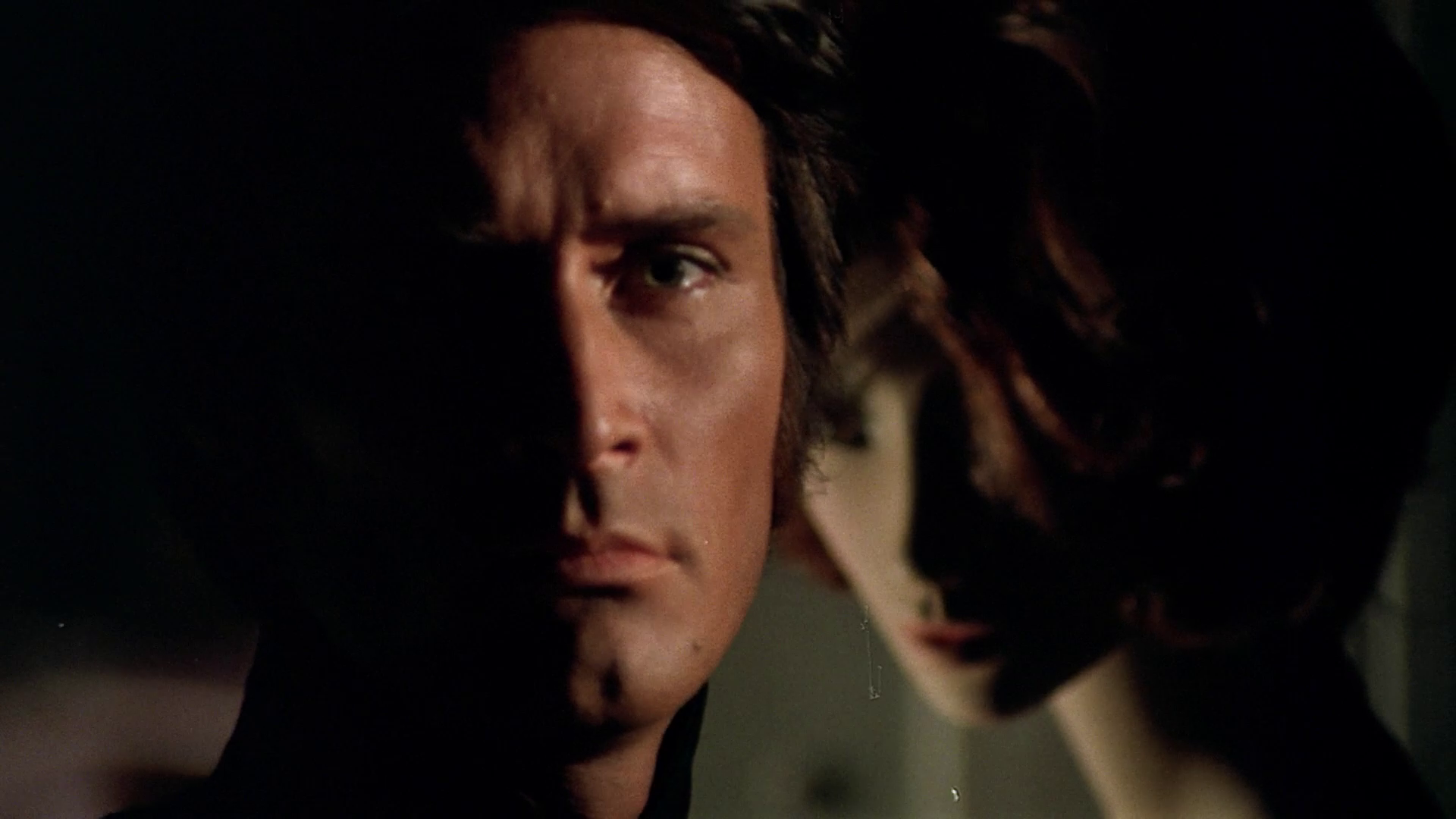
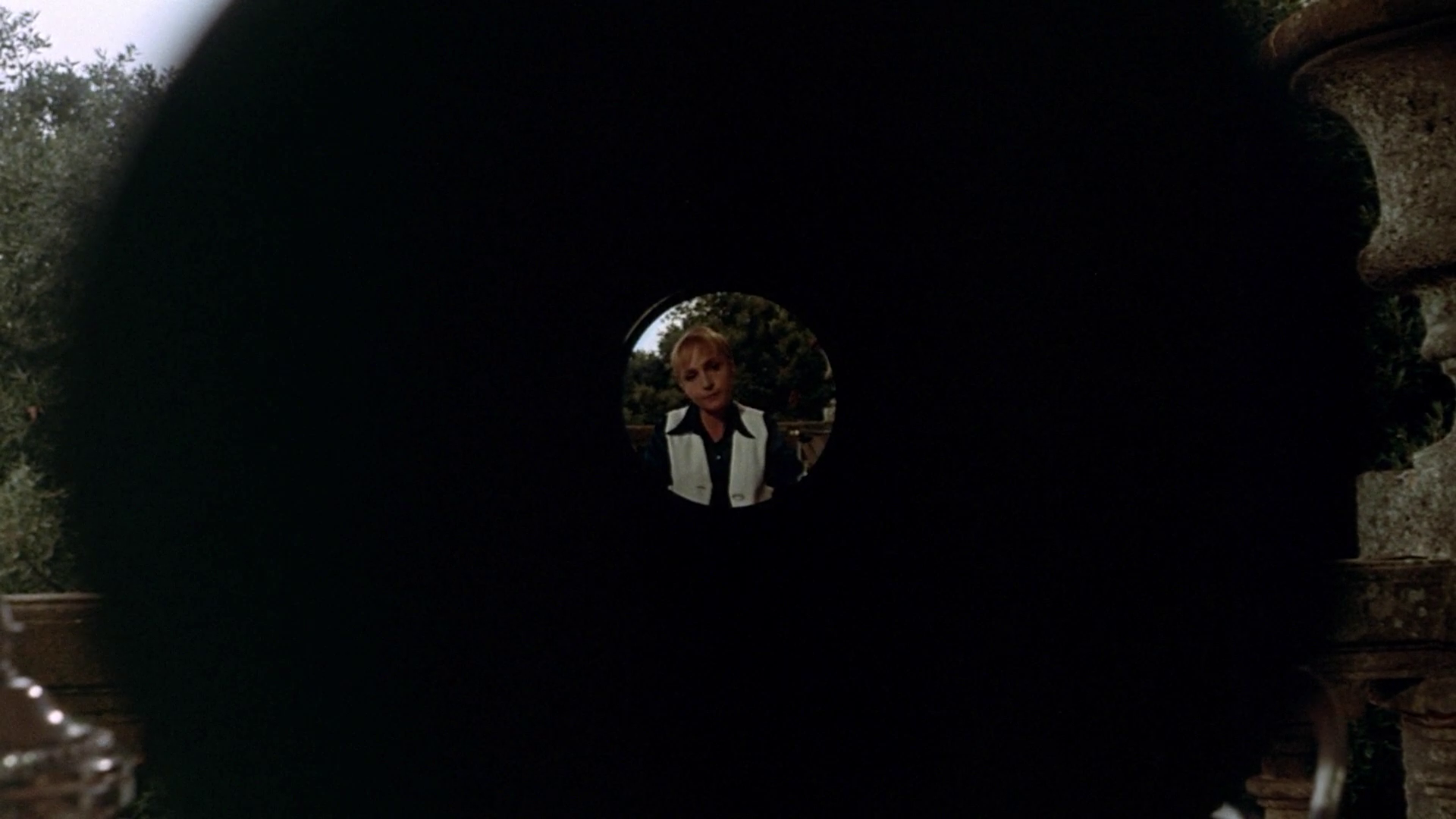
Mario Bava directed this atmospheric psycho-thriller film which begins by revealing the identity of the killer (the protagonist/narrator himself):

and builds tension by exploring how he will eventually be found out. As with so many Bava films, atmosphere is far more important than plot, and one watches primarily for the visuals — but it’s hard to ignore the awkwardly earnest performances, the dubbing, and the sappy musical soundtrack. Things finally become more interesting once the tables are turned and we know Forsyth will soon be caught — which is ultimately for the best of everyone involved, including troubled Forsythe himself.

Redeeming Qualities and Moments:

  • Atmospheric cinematography and sets


Must See?
No, though of course Bava fans will want to check it out.

Links:

Going in Style (1979)

Going in Style (1979)

“It feels like we’ve lived two lives: one before the robbery, and one after.”

Synopsis:
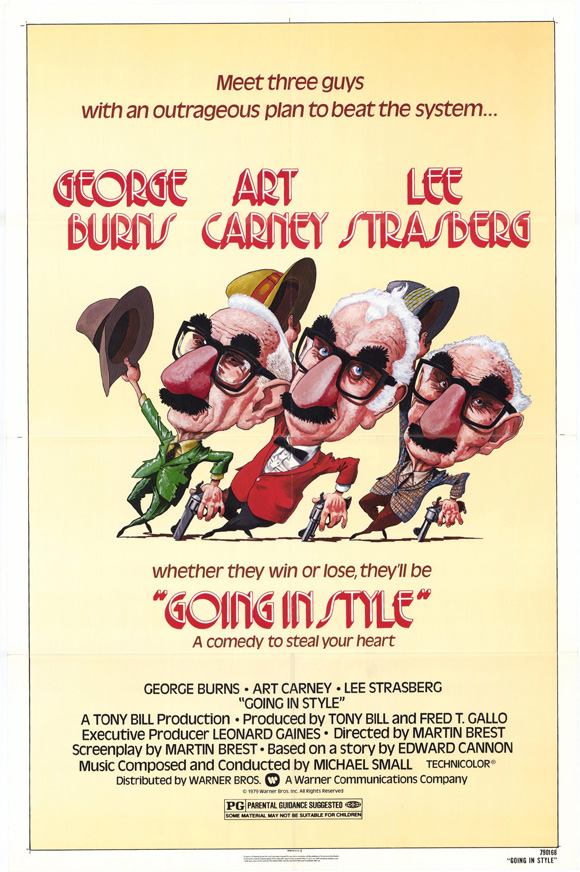
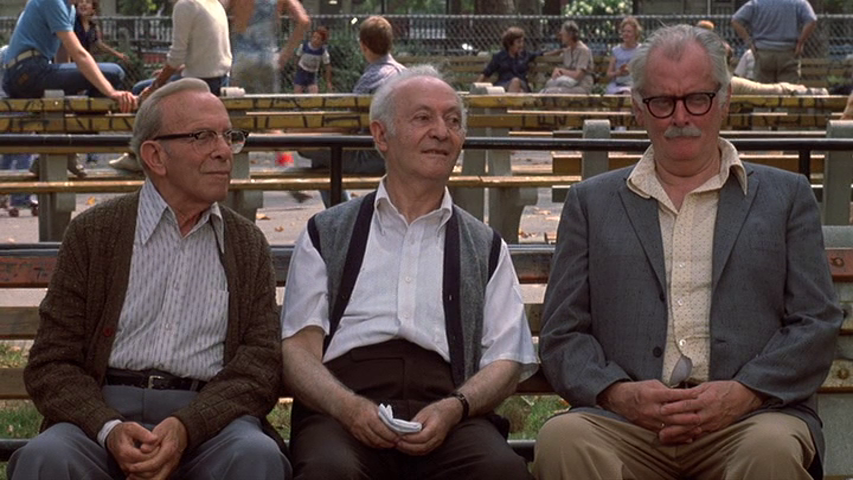
When three elderly roommates — Joe (George Burns), Al (Art Carney), and Willie (Lee Strasberg) — decide that robbing a bank is a “win-win” proposition, they steal guns from the safe of Al’s nephew (Charles Hallahan) and carry out their crime, with unexpected ramifications.

Genres, Themes, Actors, and Directors:

  • Art Carney Films
  • Black Comedy
  • Elderly People
  • George Burns Films
  • Heists
  • New York City

Review:
Writer-director Martin Brest’s second feature-length film — after debuting with Hot Tomorrows (1977) — was this unusual black comedy which never fails to go in unexpected directions. Little of the storyline is realistic enough to be believed, but that seems besides the point, given that we’re meant to empathize with the sorry lot of these men who find their lives unsatisfying enough to commit a major robbery with loaded firearms.

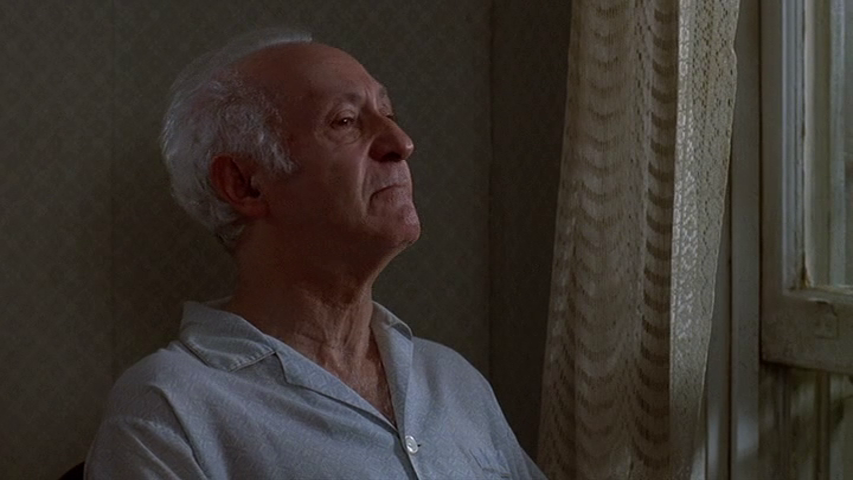
Unfortunately, we’re not given a reasonable-enough rationale for Burns’ radical (and actually NOT funny) idea, nor are we told quite enough about the other two men to understand their willingness to agree with him. (Strasberg is given one highly affecting moment of reflection back on a poor parenting choice:

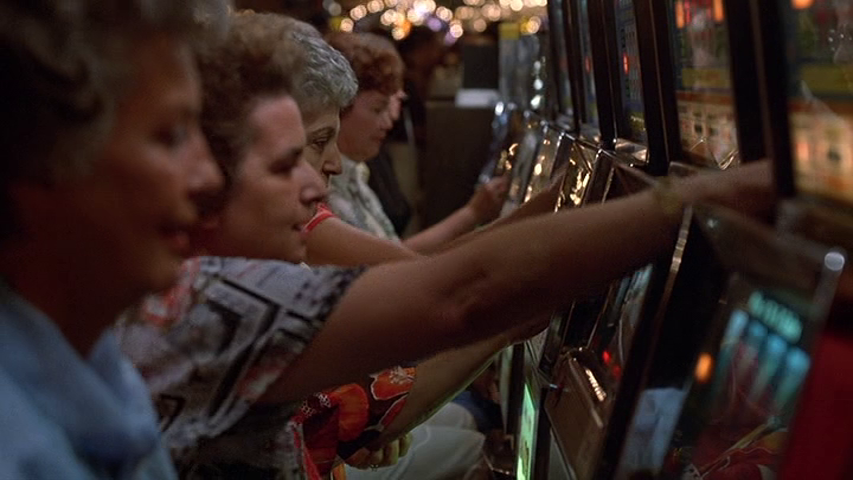
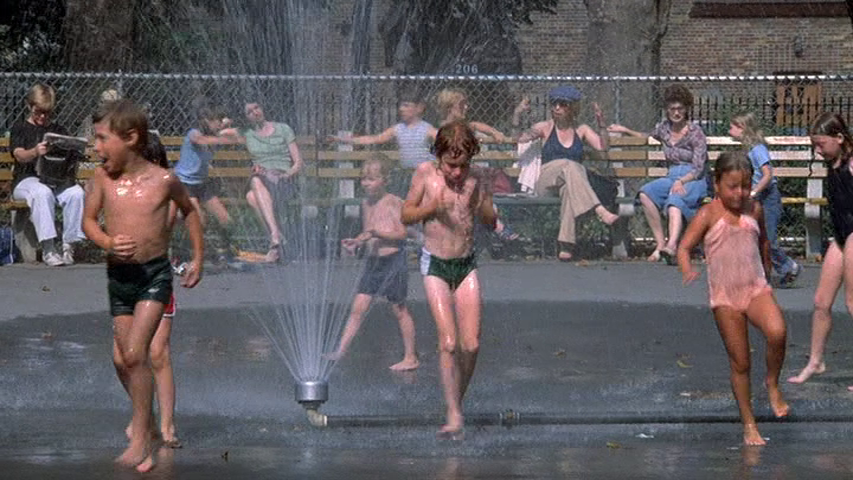
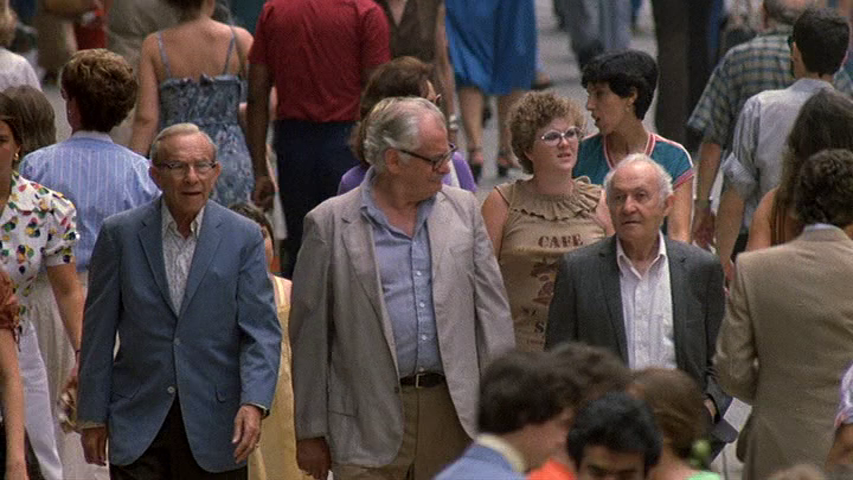
… and we see Carney’s love for his nephew’s working-class family — but that’s it.) With that said, highly effective use is made of authentic New York City locales and extras, and Brest directs numerous scenes (i.e., those taking place in Vegas) with a refreshing naturalness.

This one is worth a look, though not must-see viewing.

Redeeming Qualities and Moments:

  • Fine performances by the leads
  • Excellent use of authentic New York City sets


Must See?
No, but it’s recommended. Listed as a Cult Movie in the back of Peary’s book.

Links:

Hell’s Angels (1930)

Hell’s Angels (1930)

“Life’s short — and I want to live while I’m alive!”

Synopsis:
At the start of World War I, two British brothers — straitlaced Roy (James Hall) and womanizing Monte (Ben Lyon) — join the RAF, while their German friend Karl (John Darrow) becomes a reluctant officer for his country. Meanwhile, Roy continues to worship his girlfriend Helen (Jean Harlow), who is not nearly as “innocent” as he believes.

Genres, Themes, Actors, and Directors:

  • Airplanes and Pilots
  • Jean Harlow Films
  • Love Triangle
  • World War I

Review:
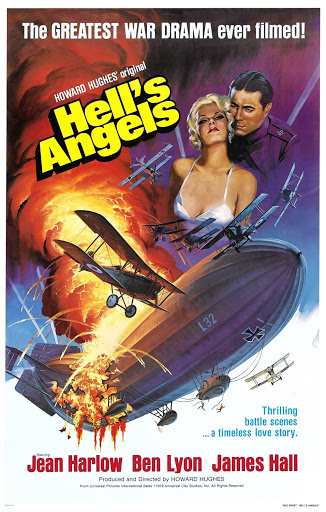
Eccentric billionaire Howard Hughes only directed two films in his notorious career as an aviator, movie producer, and philanthropist: The Outlaw (1943) with Jane Russell and this early rival to Wings (1927), about aerial fighters in World War I.
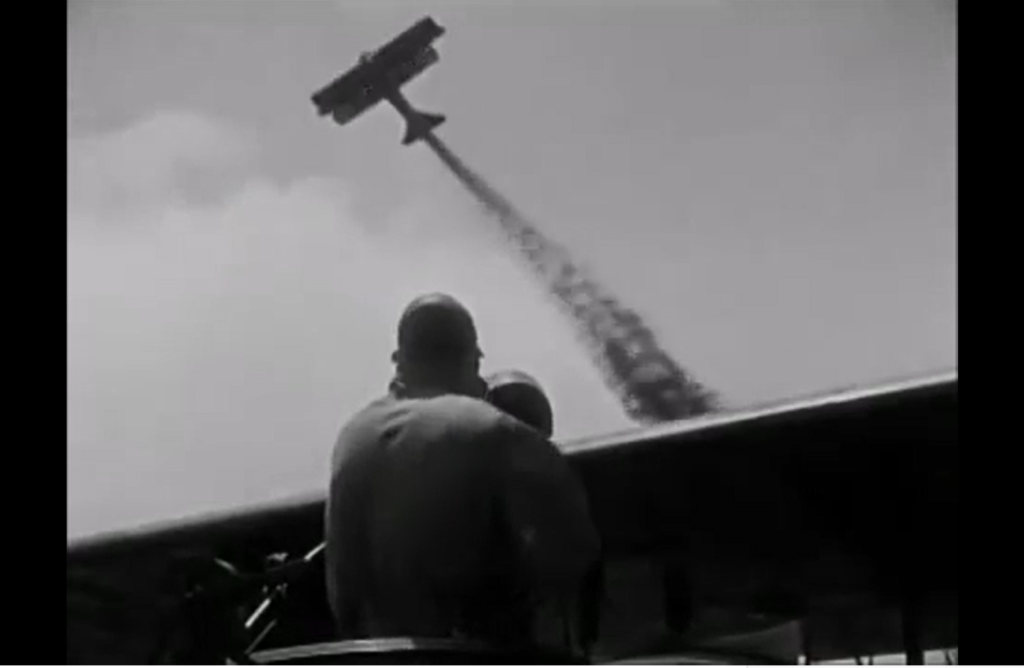
Hell’s Angels has a truly infamous production history, and TCM’s article provides plenty of behind-the-scenes information about the film:

A year and a half into the production of Hell’s Angels, Hughes had lost his wife (to divorce), two stunt pilots and a mechanic (killed filming the movie’s stunning aerial sequences), two directors (Marshall Neilan and Luther Reed; Howard Hawks and Edmund Goulding were also among those said to have worked on it), and more than $2 million. And he still had roughly 2 million feet of unedited silent footage in a market that virtually overnight was clamoring for talkies. Rather than scrap the whole thing, Hughes decided to add sound to the air footage and re-shoot the dialogue sequences.

Given this decidedly rocky trajectory, it’s impressive that the film coheres as well as it does — though it’s not exactly seamless. Opening scenes featuring Lyon bowing out of a duel with the husband (Lucien Prival) of a woman he’s been having an affair with — and Hall taking his place — are atmospherically filmed but don’t do much for the storyline other than present the brothers as a caddish coward (Lyon) and a foolish martyr (Hall).

Meanwhile, 18-year-old Harlow’s performance isn’t nearly as bad as accounts would lead you to believe; it’s easy to see how she turned into one of cinema’s most alluring sirens.
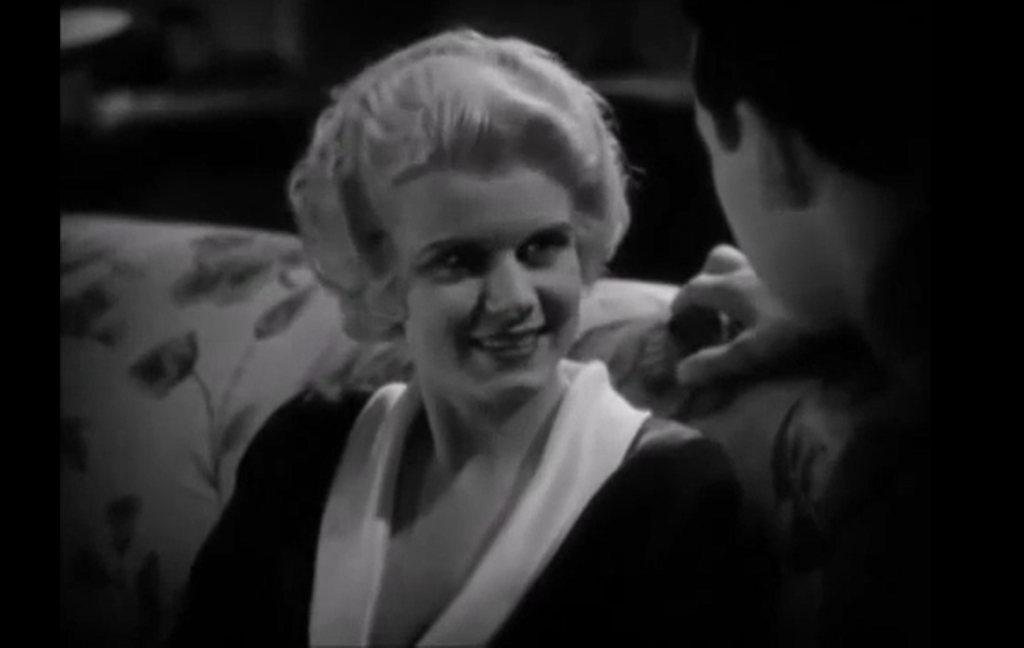
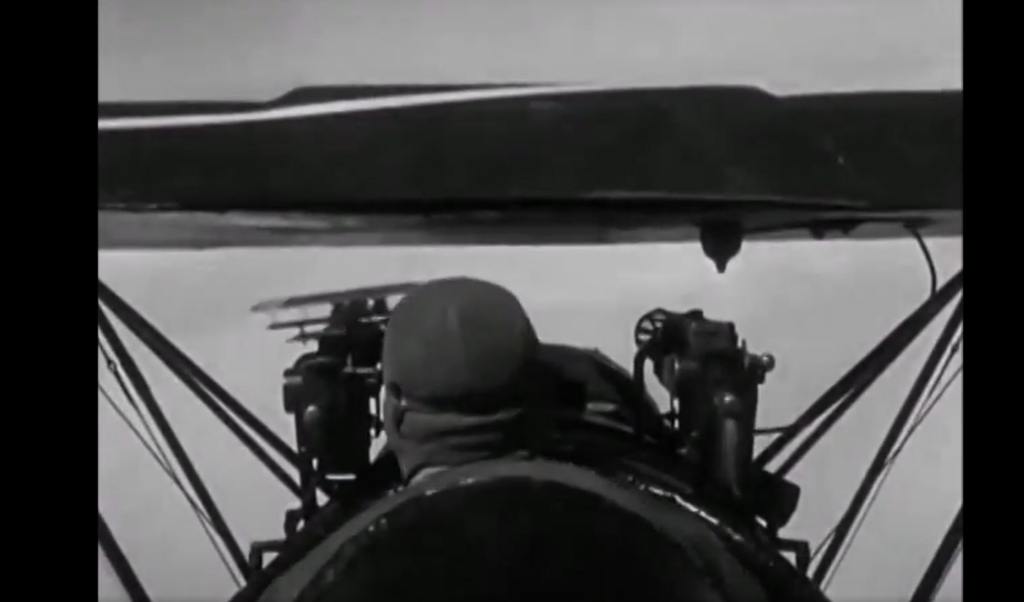
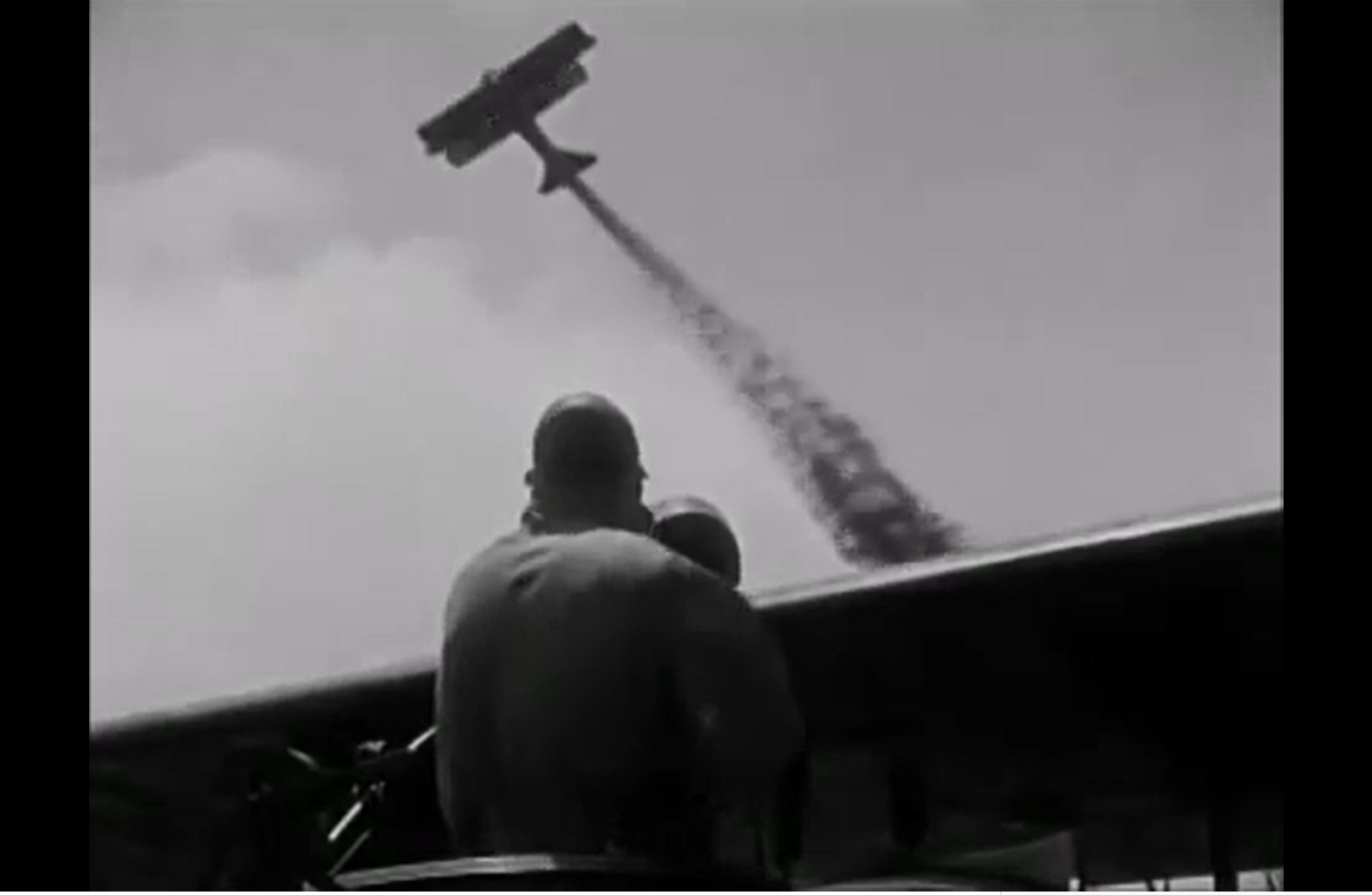
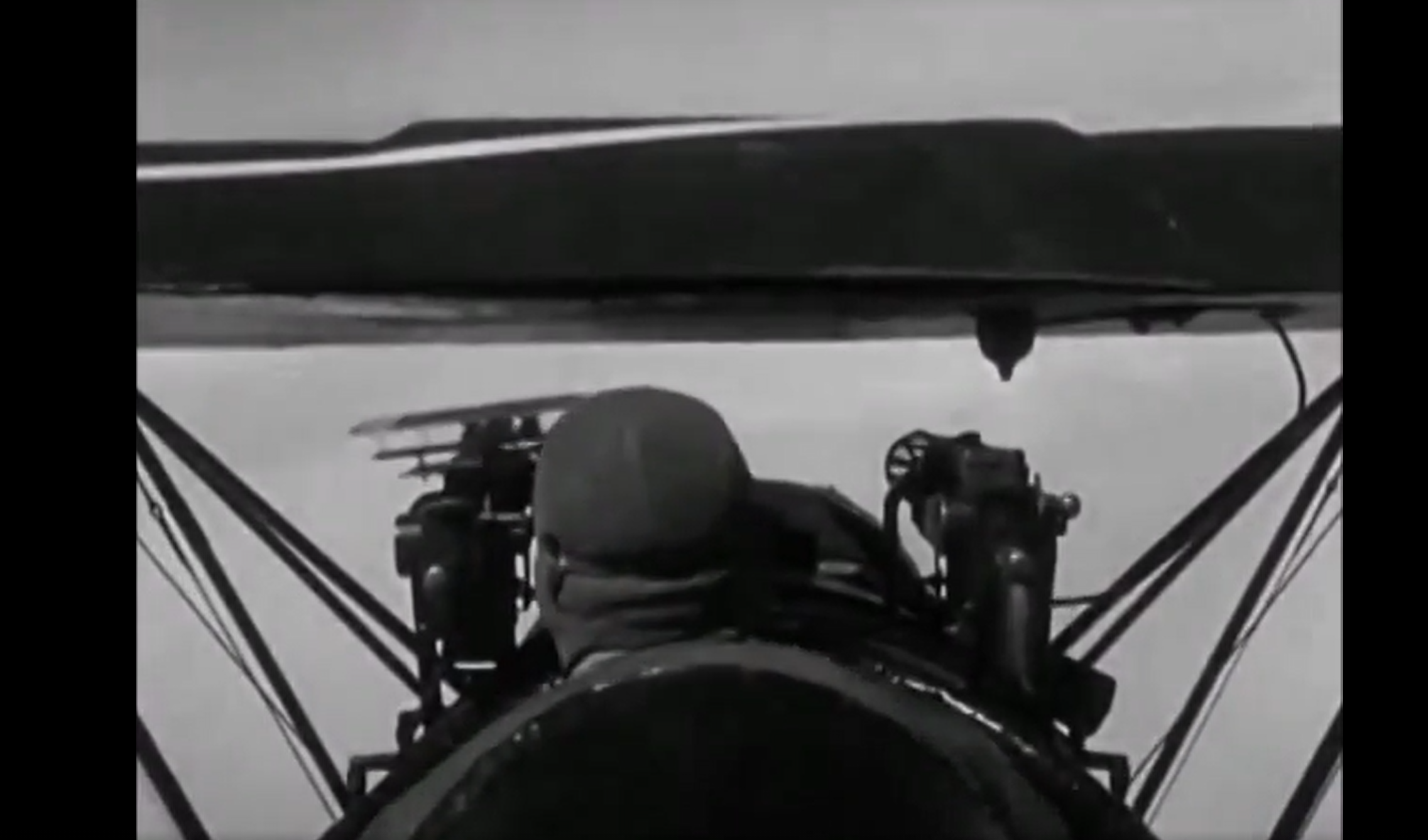
The best aspect of the film by far, however, are the stunning aerial “dog fights”, shot at great cost (both literally, and in terms of human lives lost). Also notable is a sequence in which German dirigible crew members are ordered to jump to their deaths in order to “lighten the load”; this is, as DVD Savant writes, a “disturbing and macabre scene.”

Note: This film’s production was a major narrative component in Martin Scorsese’s The Aviator (2004), a biopic about Hughes starring Leonardo DiCaprio.

Redeeming Qualities and Moments:

  • Fine cinematography

  • The completely eerie “dirigible death drop” scene

  • Exciting aerial sequences

Must See?
No, though it’s worth a look given its notoriety. Listed as a film with Historical Importance in the back of Peary’s book.

Links:

Drums Along the Mohawk (1939)

Drums Along the Mohawk (1939)

“This is no place for you; it’s no place for any woman!”

Synopsis:
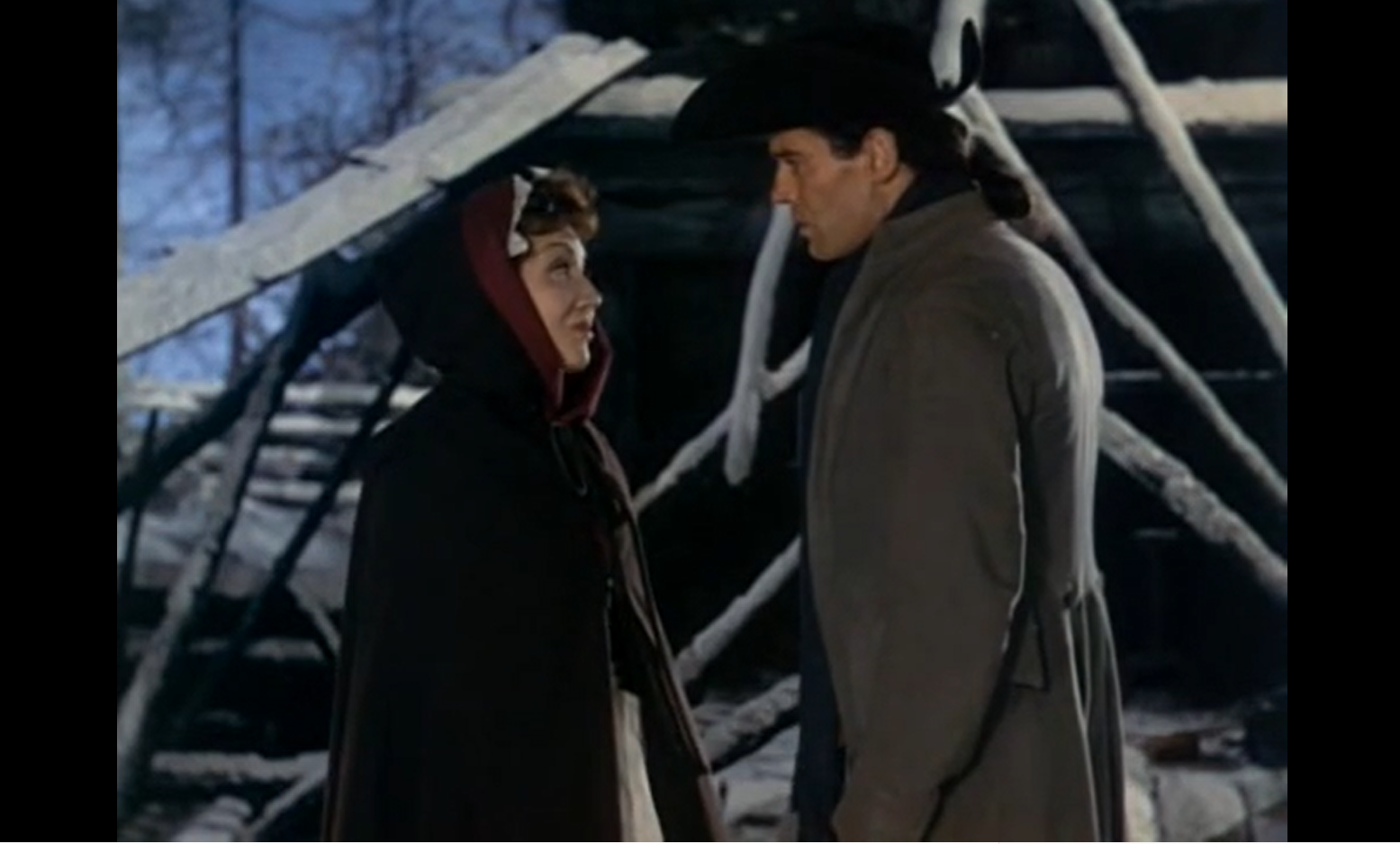
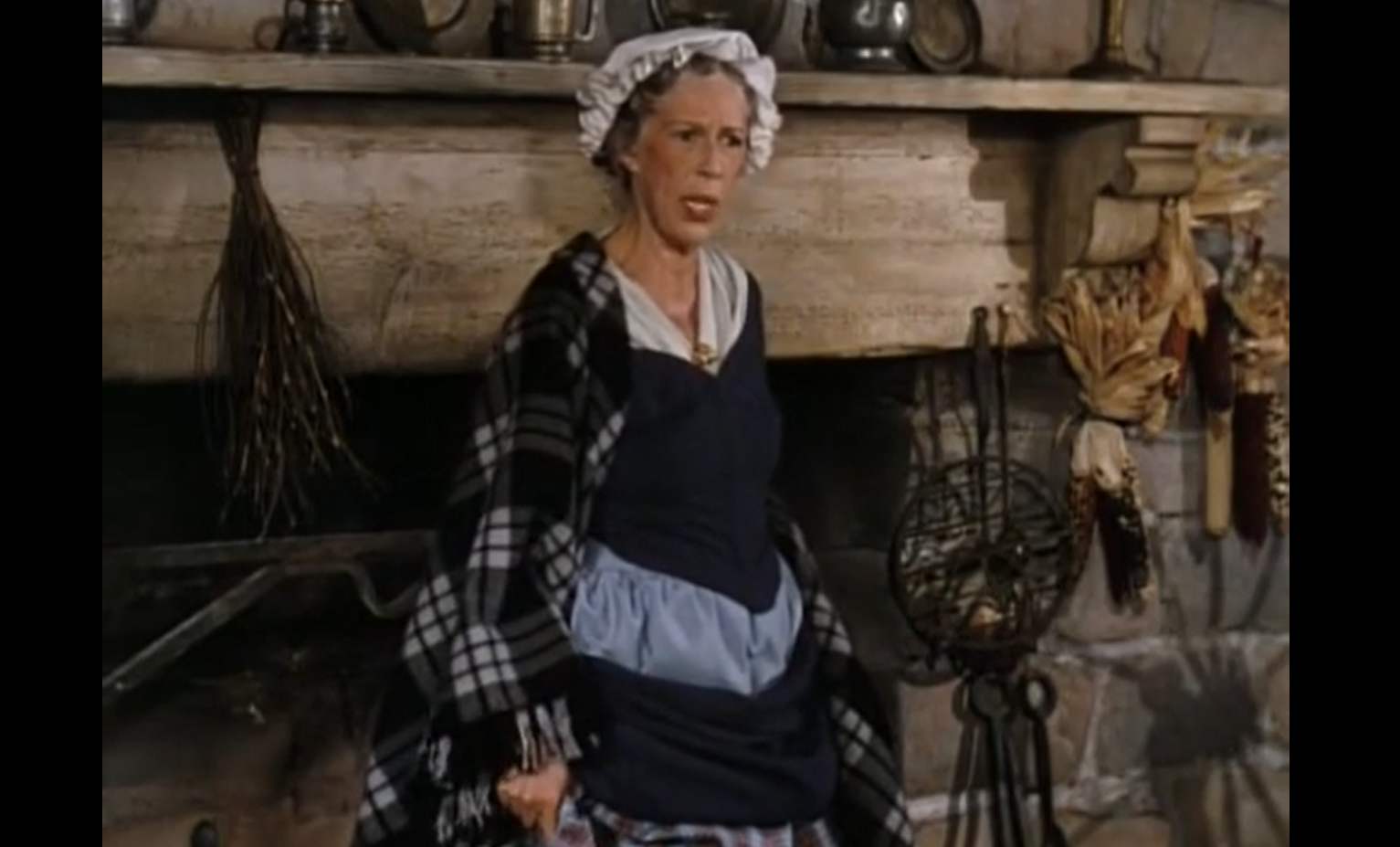
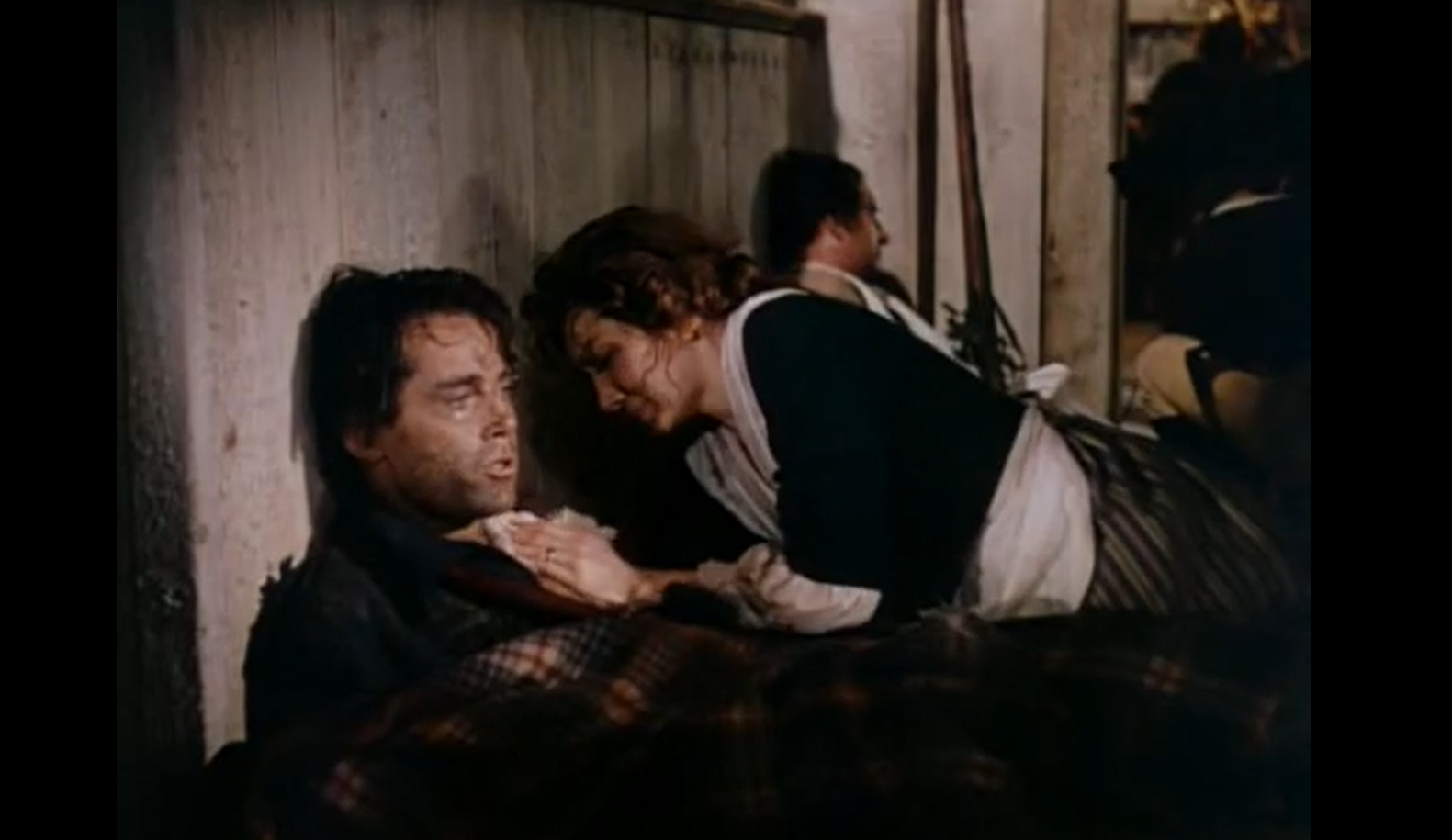
In colonial America, a farmer (Henry Fonda) brings his new wife (Claudette Colbert) from Albany, New York to a homestead in the Mohawk Valley, where they hope to build a life together — but their plans are quickly foiled by Indian raids led by a patch-eyed Tory (John Carradine), and they soon find themselves living with and working for a feisty widow (Edna May Oliver).

Genres, Themes, Actors, and Directors:

  • American Revolutionary War
  • Claudette Colbert Films
  • Henry Fonda Films
  • John Carradine Films
  • John Ford Films
  • Settlers
  • Westerns

Review:
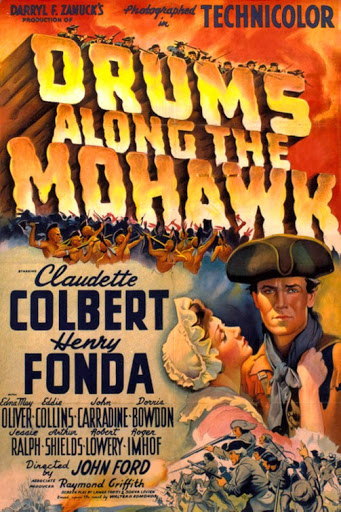
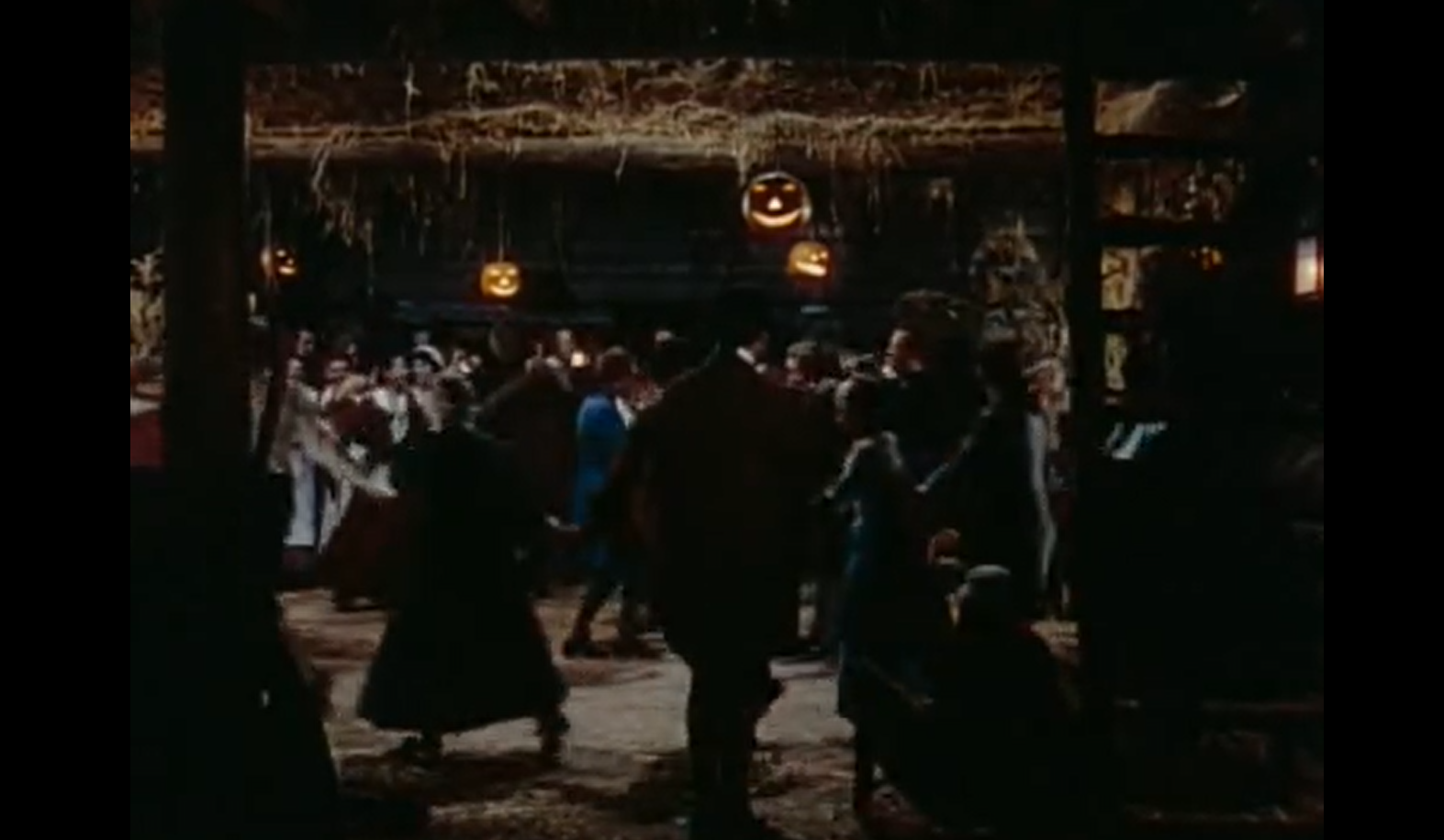
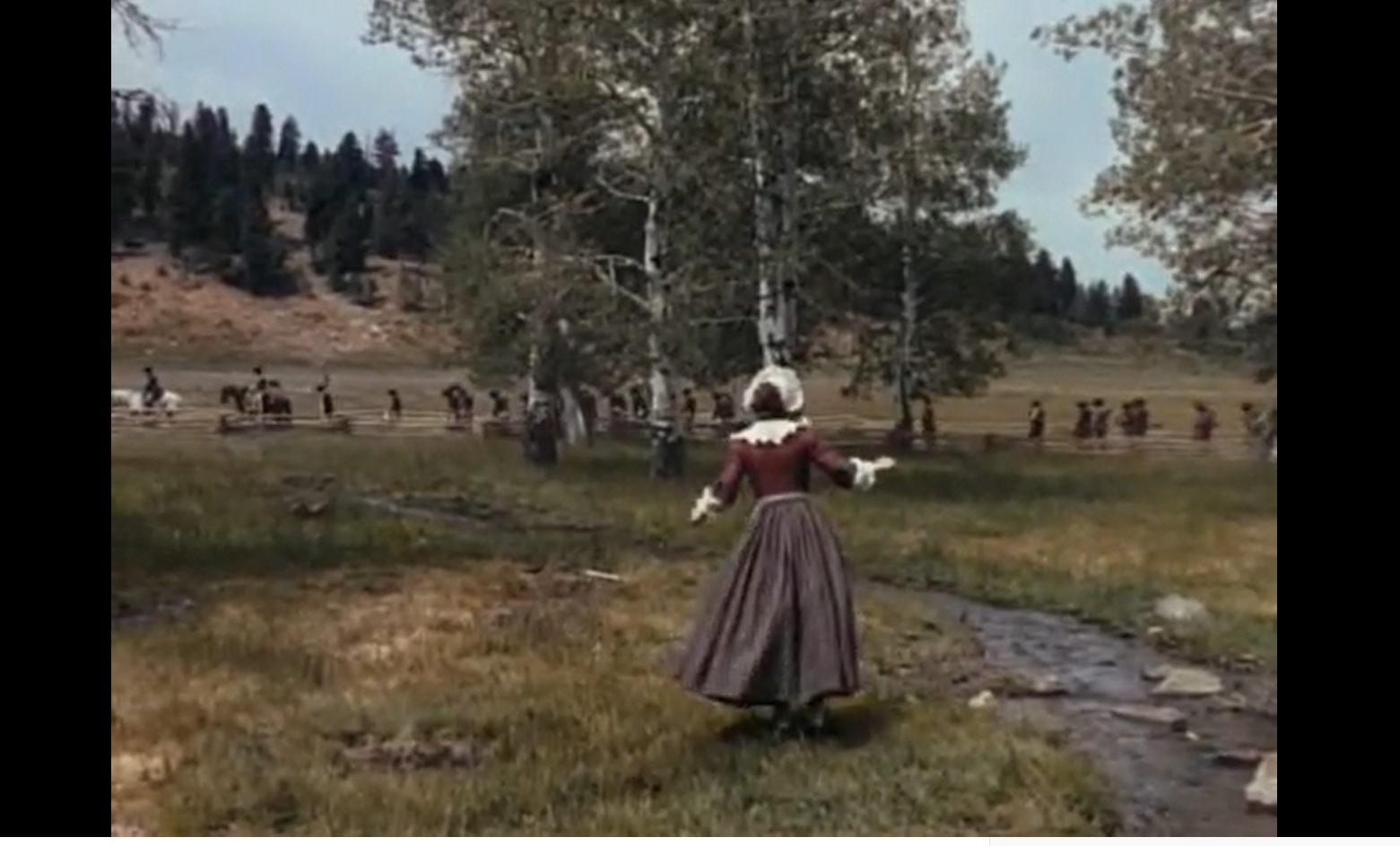
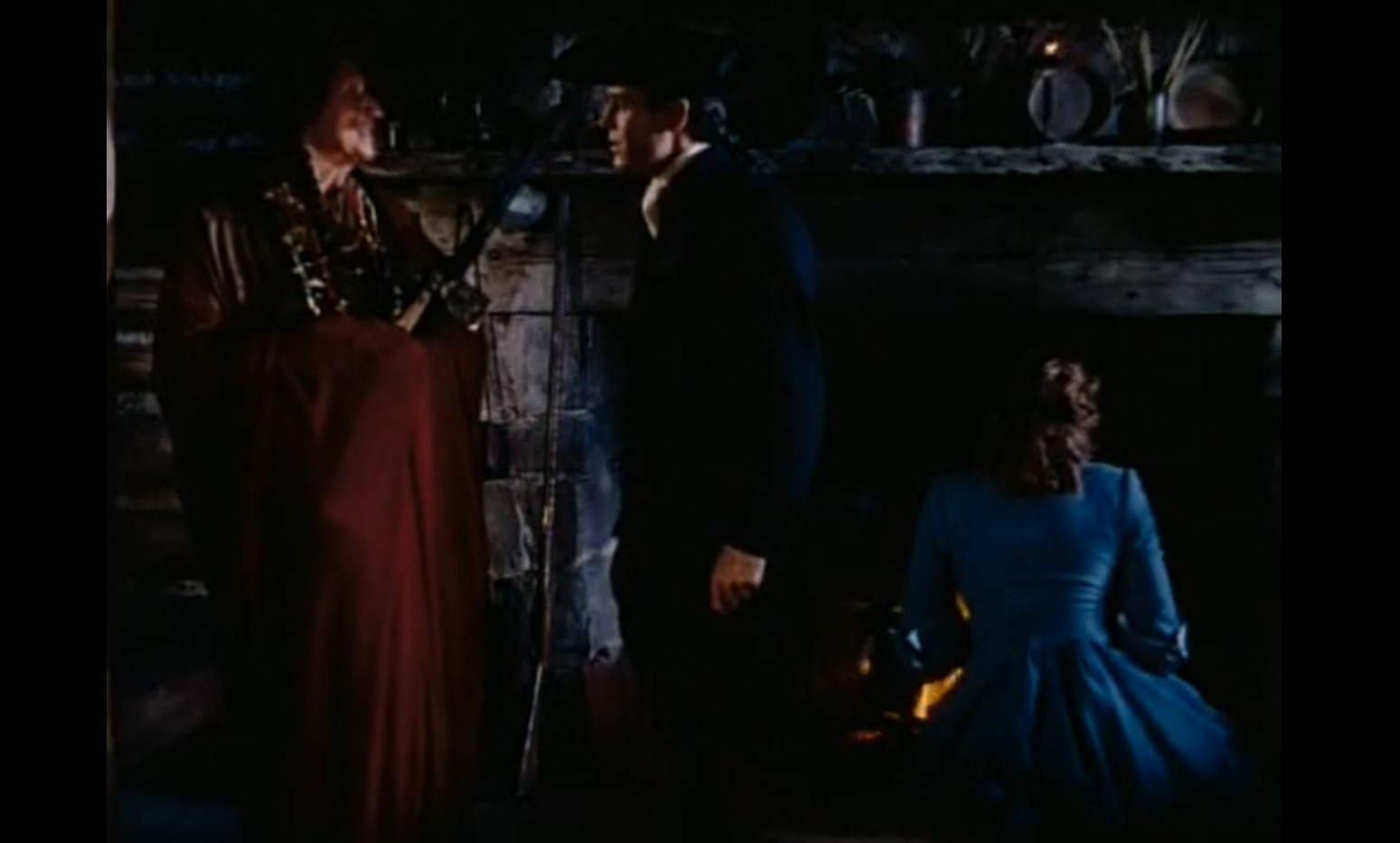
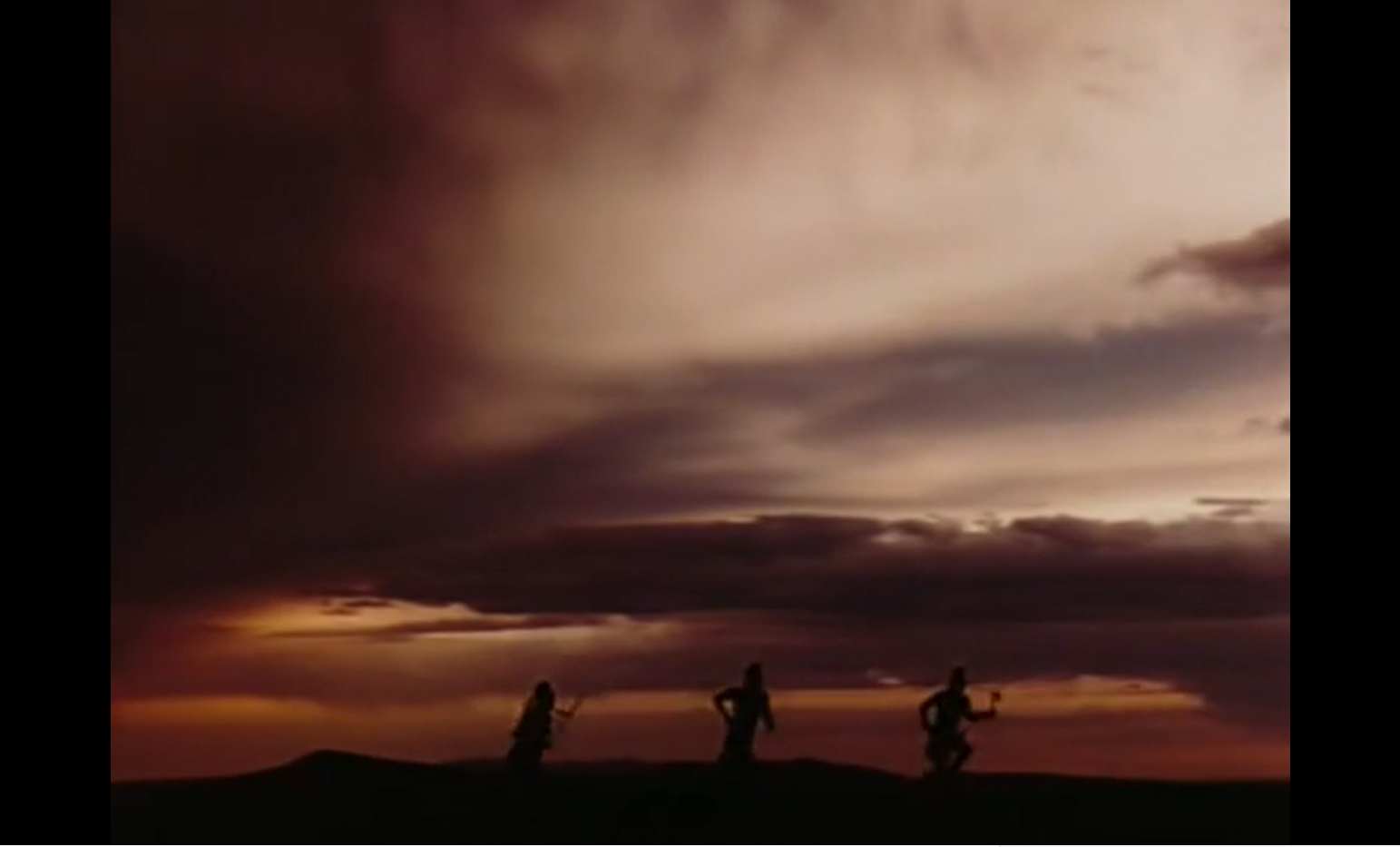
John Ford and Henry Fonda made three films together during 1939 and 1940: Young Mr. Lincoln (1939), The Grapes of Wrath (1940), and this historical drama — based on a novel by Walter D. Edmonds — which remains one of surprisingly few Hollywood films set during the era of the American Revolution. Ford’s keen eye for detail, pacing, and framing — along with superb Technicolor cinematography by Burt Glennon and committed performances by the cast — make this yet another fine entry in his oeuvre. We are shown in no uncertain terms how challenging it was to survive during this tenuous era of American history, as factions were fighting each other on all sides. To that end, the portrayal of Native Americans is unfortunately (though not surprisingly) myopic: with the exception of Chief John Big Tree as Blue Back (an imposing figure used to demonstrate Colbert’s paralyzing fear of “the other”, as well as the camaraderie built between settlers and “good” Christian Indians), Native Americans are uniformly shown as ruthlessly aggressive invaders (into what was very recently their own territory).

Redeeming Qualities and Moments:

  • Strong performances by Fonda and Colbert
  • Edna May Oliver as Mrs. McKlennar
  • Many memorable moments


  • Fine attention to historical detail

  • Bert Glennon’s Technicolor cinematography

Must See?
Yes, as a fine western by a master director. Listed as a film with Historical Importance and a Personal Recommendation in the back of Peary’s book.

Categories

  • Genuine Classic
  • Important Director

Links:

Edge of Darkness (1943)

Edge of Darkness (1943)

“We are not animals — we are men!”

Synopsis:
Citizens in a Nazi-occupied Norwegian fishing village respond to their situation in a variety of ways: a middle-aged doctor (Walter Huston) and his wife (Ruth Gordon) hope to allow life to proceed as usual, while their daughter (Ann Sheridan) and her beau (Errol Flynn) are deeply involved in the local Resistance movement, and their son (John Beal) is considered a “quisling” for assisting Huston’s Nazi-sympathizing brother-in-law (Charles Dingle).

Genres, Themes, Actors, and Directors:

  • Ann Sheridan Films
  • Errol Flynn Films
  • Flashback Films
  • Judith Anderson Films
  • Lewis Milestone Films
  • Nazis
  • Resistance Fighters
  • Ruth Gordon Films
  • Walter Huston Films
  • World War II

Review:
Lewis Milestone directed this Resistance film set in coastal Norway during the height of World War II — yet another reminder of how many communities were impacted by the insidious spread of Nazism across Europe.

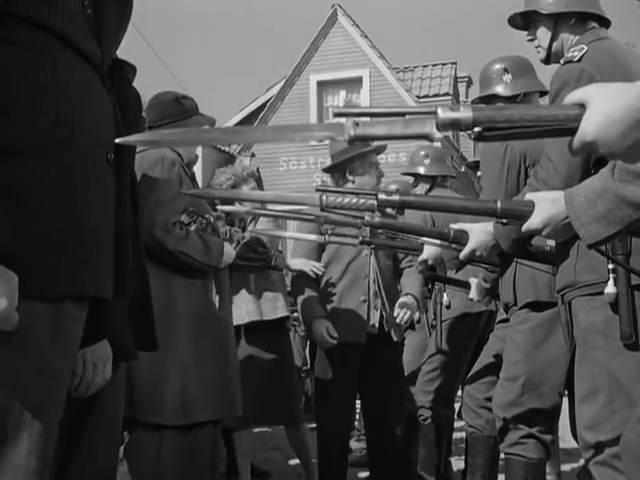
Actually, this one hits particularly close to home for me, given that my parents were both very young children in Nazi-occupied Norway, and my grandfather could easily have been killed for harboring two Resistance fighters behind his farm. With that “insider knowledge” put on the table, there isn’t much to distinguish this from other European-based Resistance flicks of the era, given that the Hollywood casts speaks in English, and location shooting was done in Monterey, California:


— but the storyline remains an archetypically strong one, showing the various stances one could take, and how deeply impacted families were by loyalty in various directions.

Redeeming Qualities and Moments:

  • Many powerfully filmed sequences

  • Atmospheric cinematography

Must See?
No, but it’s worth a one-time look.

Links:

Student Bodies (1981)

Student Bodies (1981)

“With rape and violence rampant in this land — with human flesh cheapened and vulgarized — one of the last bastions of decency is the general satisfaction one gains from making a horse head bookend.”

Synopsis:
A teenager (Kristin Riter) becomes the prime suspect as her sexually active classmates are murdered one after the other by a “heavy-breather” (Jerry Belson).

Genres, Themes, Actors, and Directors:

  • High School
  • Horror Films
  • Michael Ritchie Films
  • Satires and Spoofs
  • Serial Killers

Review:
This attempt at very, very directly spoofing teenage slasher films seems intended as a parallel follow-up to Airplane! (1980), which similarly took the tropes of its genre (disaster flicks) to the most extreme degree possible. Here, we’re given a horny babysitter (Angela Bressler):

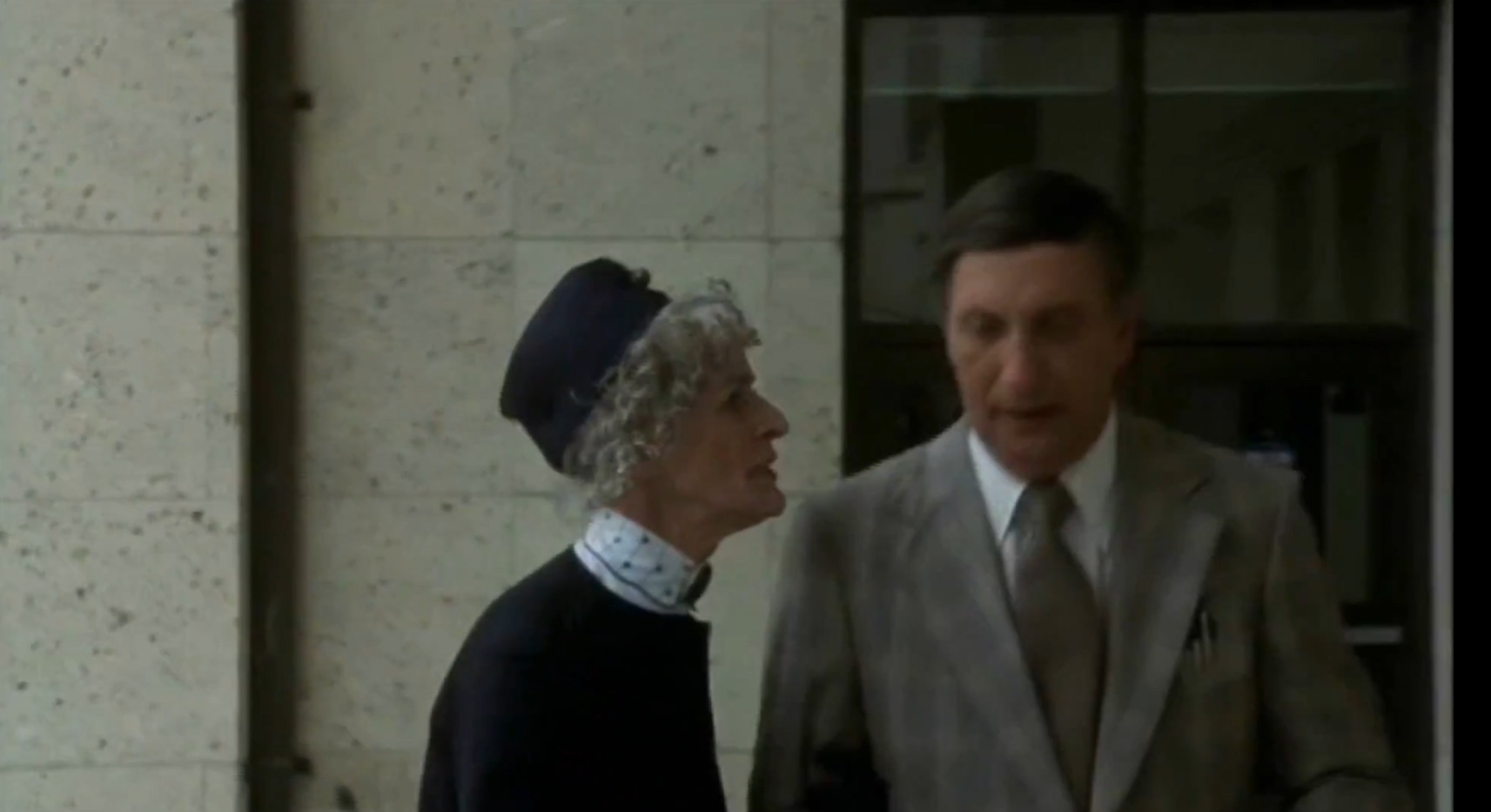
and her boyfriend (Keith Singleton) who are killed on Jamie Lee Curtis’s birthday as they’re about to have sex; an unseen villain who not only breathes heavily but actually drools over the phone; flashing body count numbers appearing across the screen each time another victim is found; and many openly disturbed potential suspects, including the principal (Joe Talarowski), the aging school secretary (Mimi Weddell):

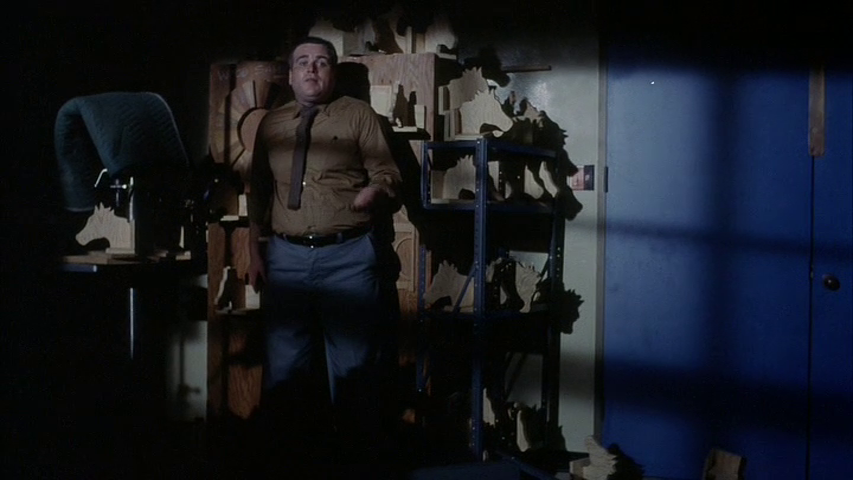
… the woodshop instructor (Joe Flood):

…the distracted school psychiatrist (Carl Jacobs), and the double-jointed janitor (The Stick).

The premise is amusing (of course), but unfortunately the jokes fall flat as often as they succeed.

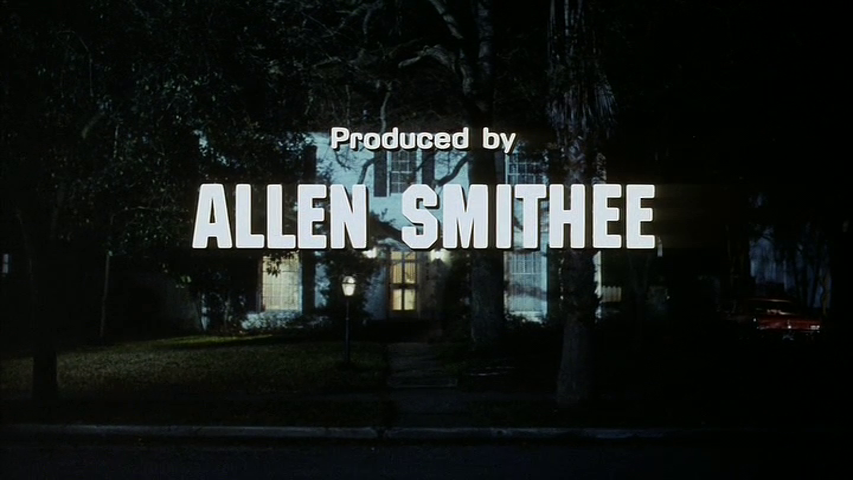
Note: Interestingly, as pointed out in Spinning Image’s review, co-director Michael Ritchie (who opted for an “Alan Smithee” producer designation on this) actually helmed a number of reputable and interesting flicks, including The Candidate (1972), Smile (1975), and The Bad News Bears (1976).

Redeeming Qualities and Moments:

  • An occasionally amusing spoof of teenage horror flicks

Must See?
No; you can skip this one unless you’re curious to check it out. Listed as a Sleeper and a Personal Recommendation in the back of Peary’s book.

Links: