Browsed by
Category: Original Reviews

Responses to Peary’s “must see” movie reviews, as well as my own “must see” movie reviews up to and after 1986 (when Peary’s book was published).

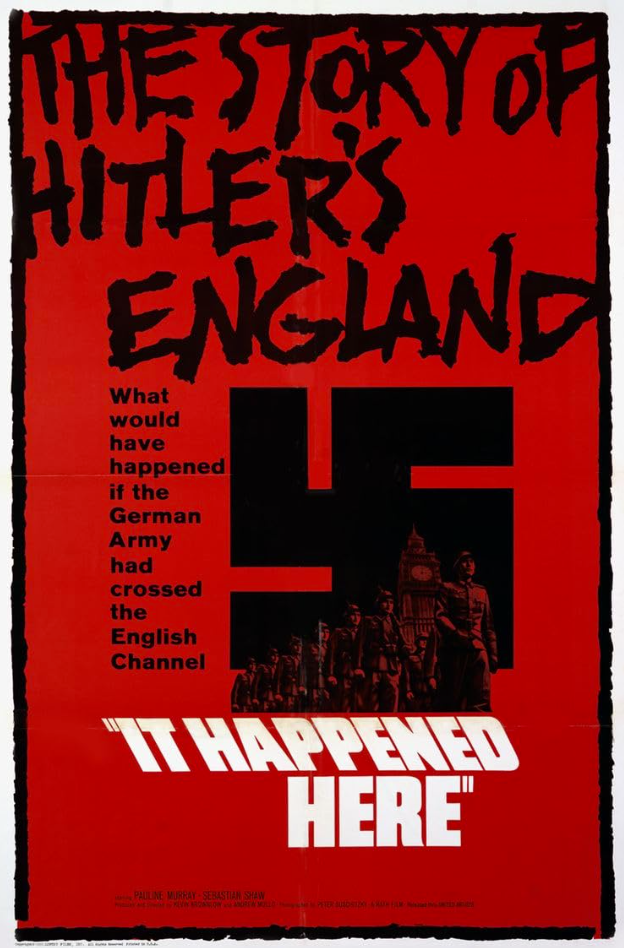
It Happened Here (1964)

It Happened Here (1964)

“We don’t accept your decisions; you accept ours.”

Synopsis:
In Nazi-occupied post-WWII Britain, an apolitical Irish nurse (Pauline Murray) accepts work for the British Union of Fascists, not realizing how much she is severely compromising her values.

Genres, Themes, Actors, and Directors:

  • Doctors and Nurses
  • Historical Drama
  • Resistance Fighters
  • Science Fiction
  • World War II

Review:
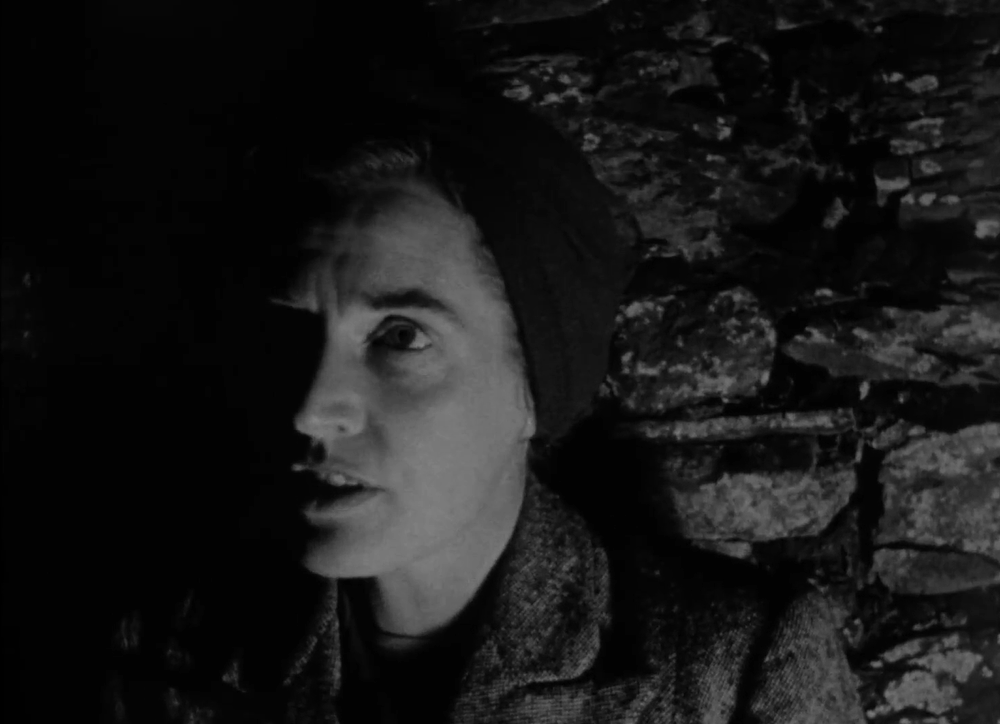
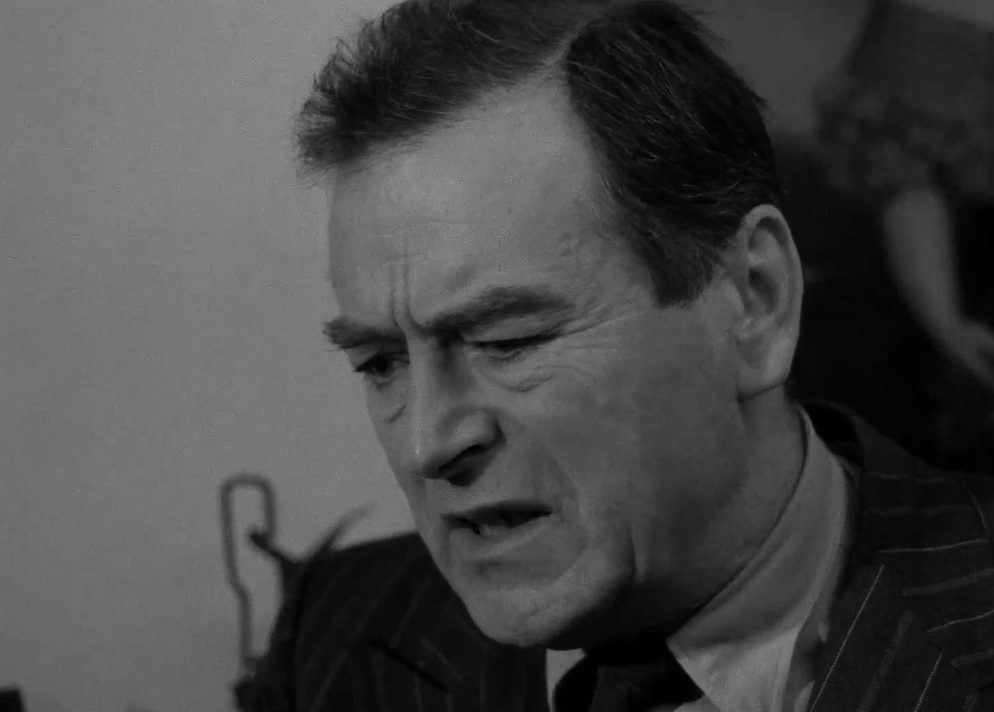
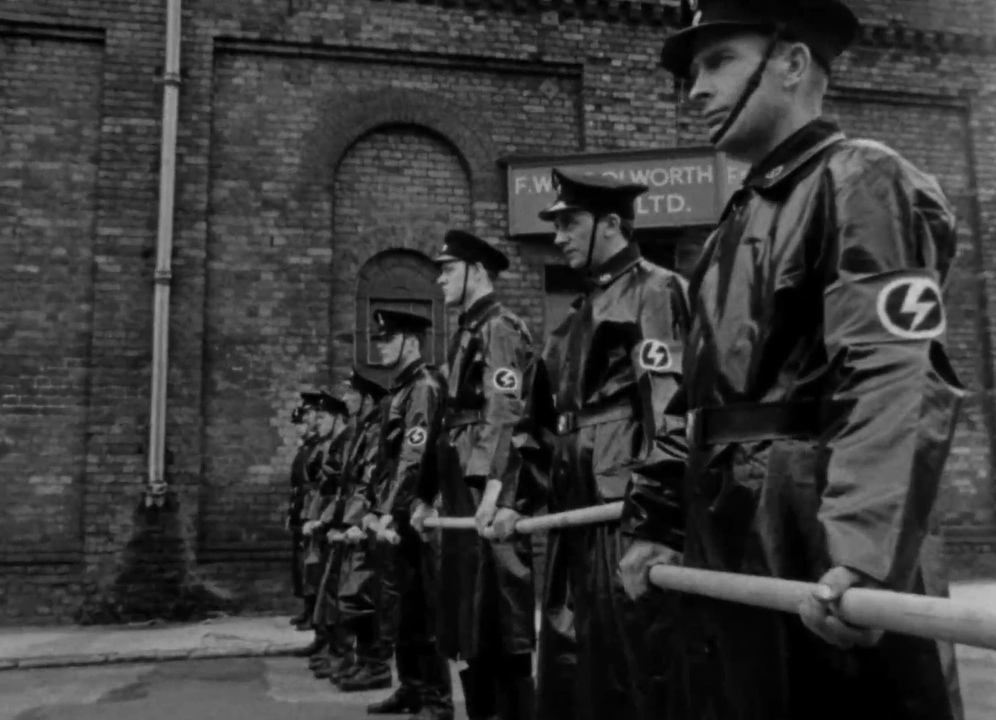
Made over an eight year period (from 1956 to 1963) by novice filmmakers Kevin Brownlow and Andrew Mollo, this alternative history flick offers a deeply disturbing vision of how easily England could have become a Fascist nation if events had transpired just a little bit differently. Non-actor Murray suits the bill well as a widowed villager who is horrified to see some of her friends killed in partisan cross-fire:

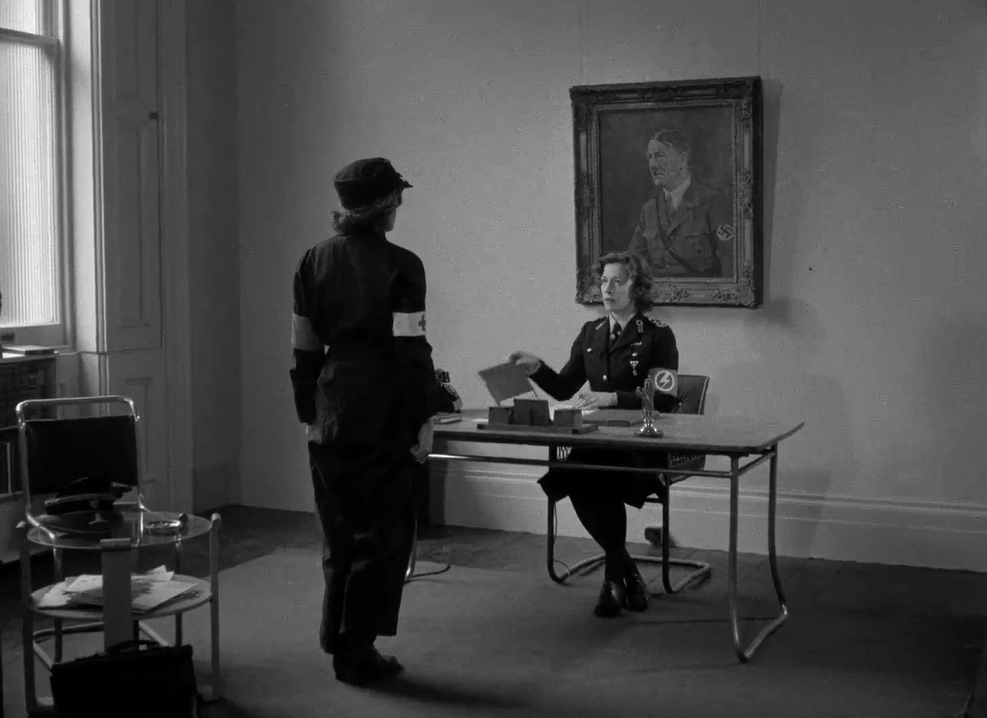
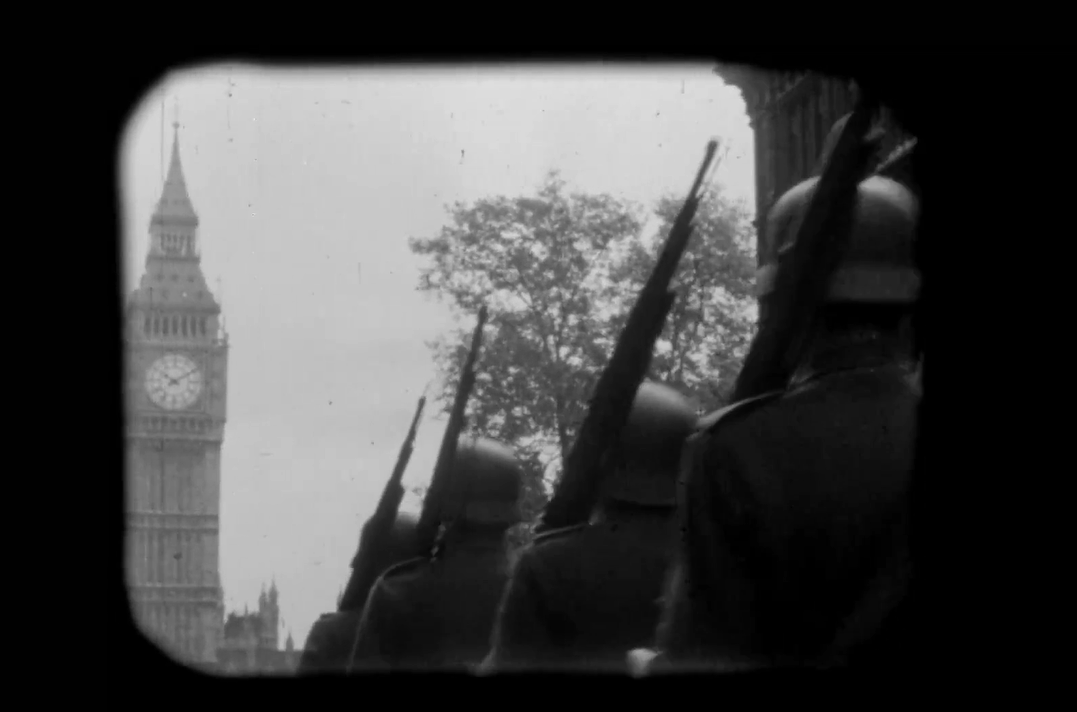
… and thus crosses the murky line over into being employed as a nurse by the medical branch of her nation’s quasi-paramilitary Immediate Action Organisation (IAO), figuring it’s better to work towards social stability of some kind (any kind) than to be part of continued violent resistance. Her entrance into London shows us a truly eerie vision of what the city might have looked like under German Fascist control:


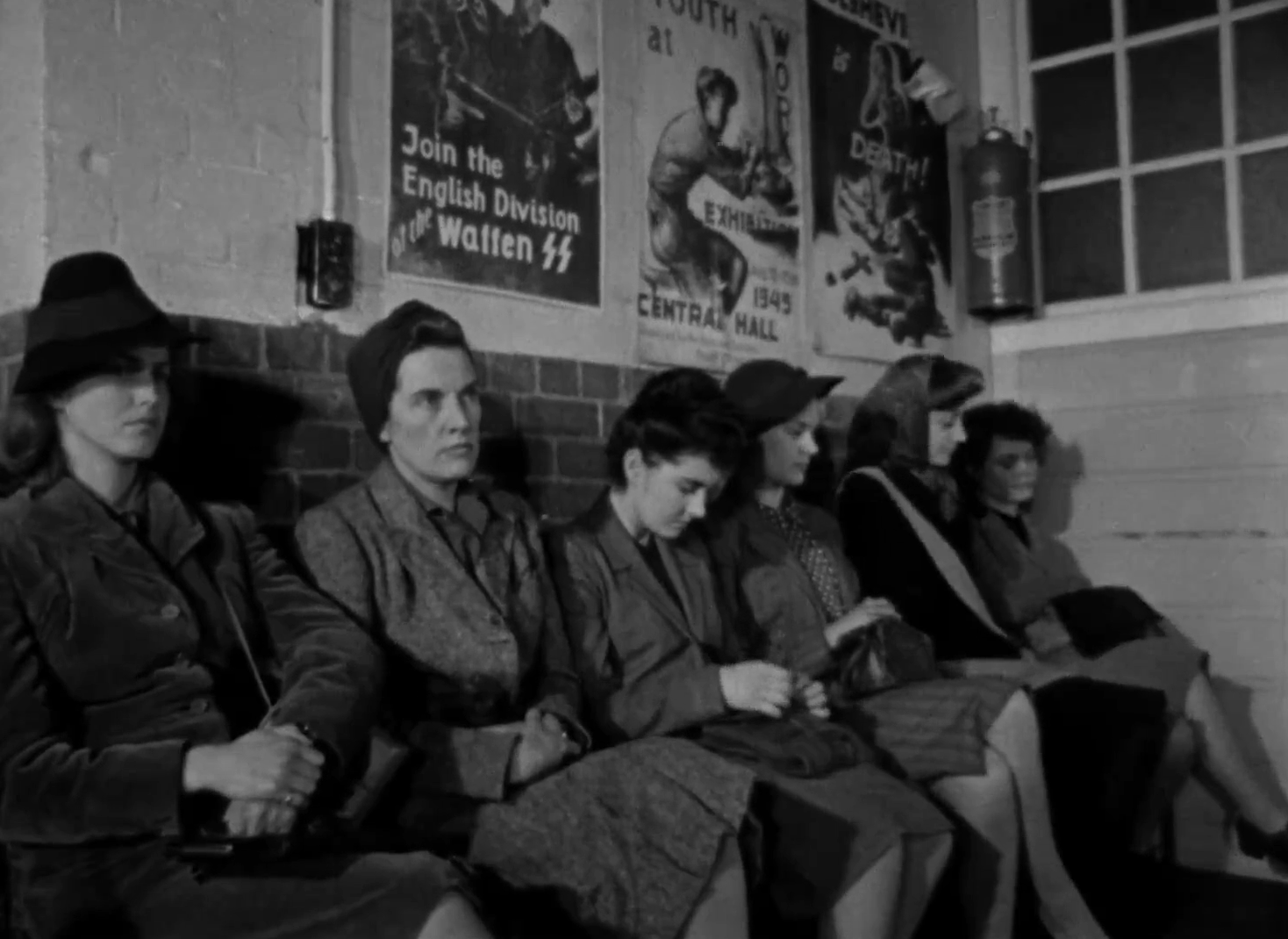
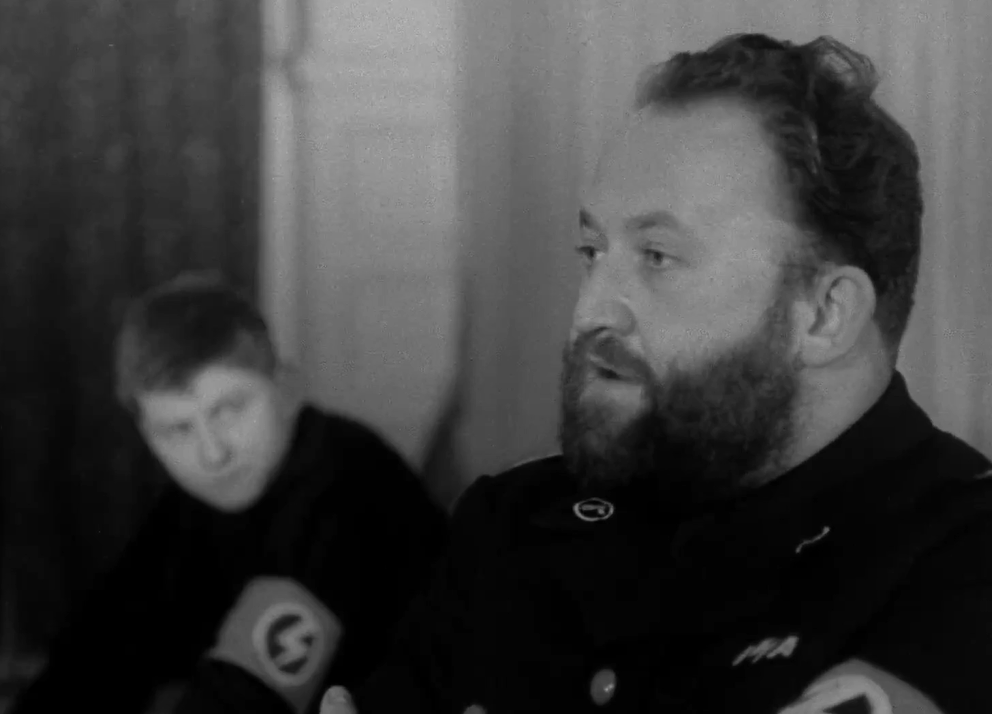
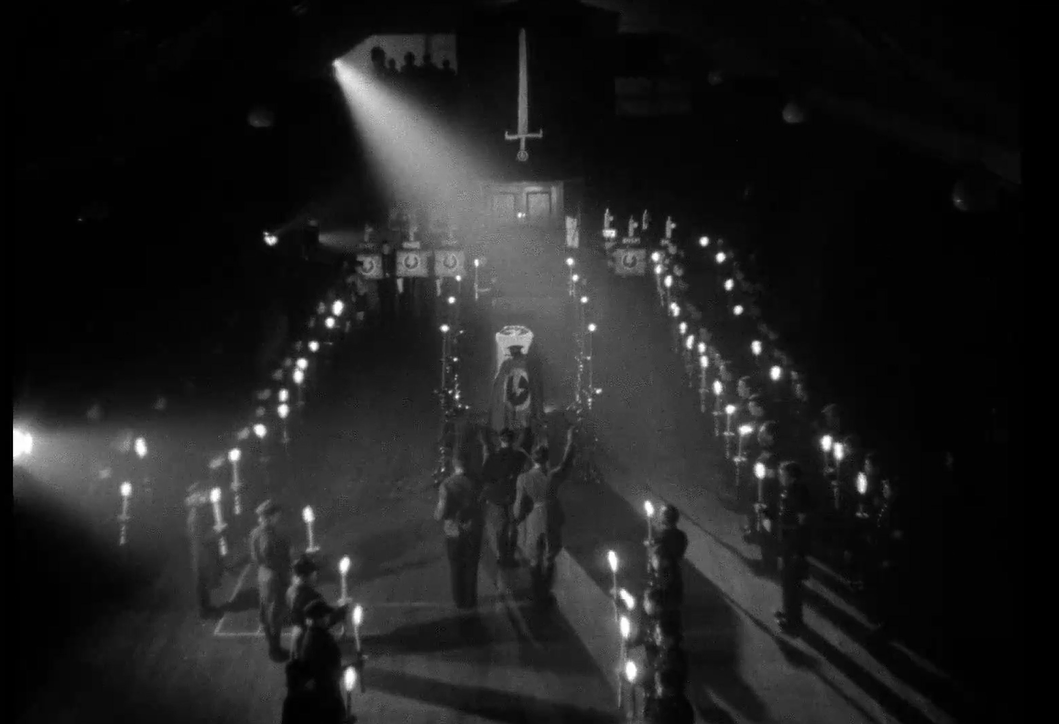
… and watching Murray insidiously indoctrinated (she barely blinks an eye while sitting and listening to reprehensible talk by English Nazis):

… is a frightening reminder of how easy it is for humans to simply accept the reality around them as normal. It’s only once Murray re-encounters old anti-Fascist friends — a doctor (Sebastian Shaw) and his wife (Fiona Leland) — that glimmers of her conscience begin to emerge.

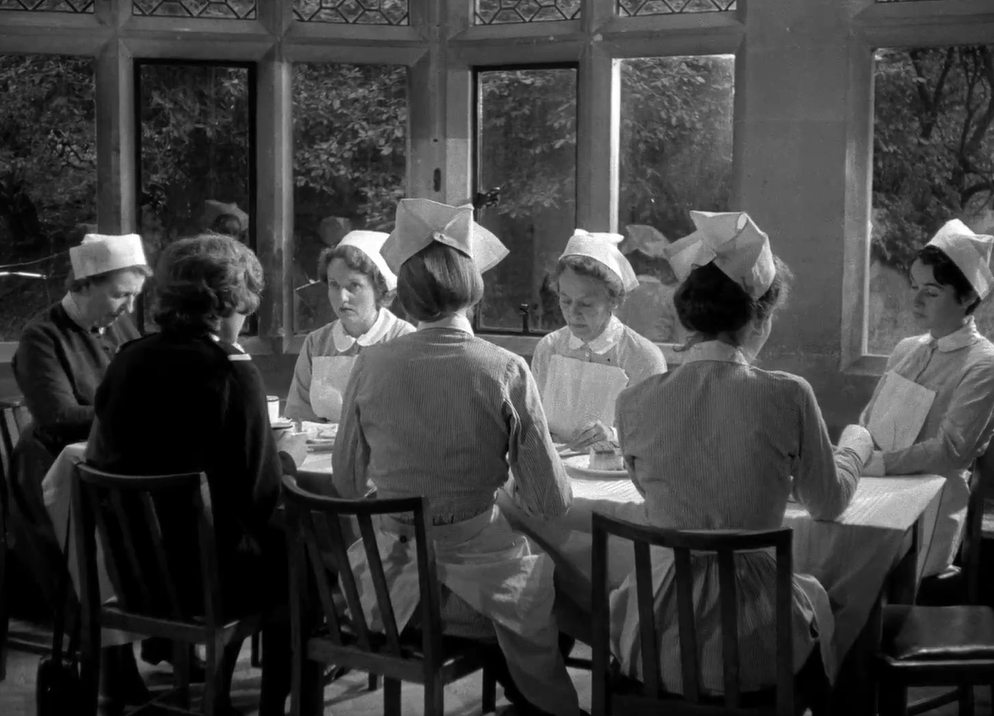
Her acquaintance with these brave resistance fighters is seen as betrayal, and she’s sent to a seemingly idyllic countryside hospital — where the unthinkable occurs.

What’s most impressive about this low-budget film is how effectively Brownlow and Mollo manage to create an alternative vision for a 1940s England infested by Nazis; particularly helpful is a highly realistic faux-newsreel filling us in on the past few years and how things came to this state.


Speaking of history, this movie’s production story is (not surprisingly) absolutely fascinating — ranging from how young Brownlow and Mollo were when they first had the idea for this film (just 19 and 16!), to the direct financial and material support they received from bigger-name directors (including Stanley Kubrick), to how they managed to secure all the costumes and props necessary to recreate the era. According to IMDb’s Trivia section:

The production used hundreds of volunteer actors and a few professional filmmakers such as Sebastian Shaw and Reginald Marsh. Some extras were members of British science fiction fan clubs. Some British fascists in the film were actual ex-members of the British Union of Fascists. Some SS and Wehrmacht soldiers portrayed in the film were actual German army ex-servicemen.

This all adds up to a cinematic universe that’s as freaky as all get-out, and the storyline ends on an appropriately bleak note; we are reminded, as one character says, that “the appalling thing about fascism is that you’ve got to use fascist methods to get rid of it.”

Notable Performances, Qualities, and Moments:

  • Impressive low-budget sets and costumes
  • Peter Suschitzky’s cinematography

Must See?
Yes, as a most unique independent film.

Categories

  • Historically Relevant

Links:

Round Up, The (1966)

Round Up, The (1966)

“You’re lying — both of you. Both of you should be hanged.”

Synopsis:
In the wake of the failed 1848 Hungarian revolution, prisons guards attempt to locate the leader of a guerrilla band, using whatever tactics necessary to get inmates to betray fellow outlaws.

Genres, Themes, Actors, and Directors:

  • Betrayal
  • Eastern European Films
  • Falsely Accused
  • Historical Drama
  • Living Nightmare
  • Prisoners of War

Review:
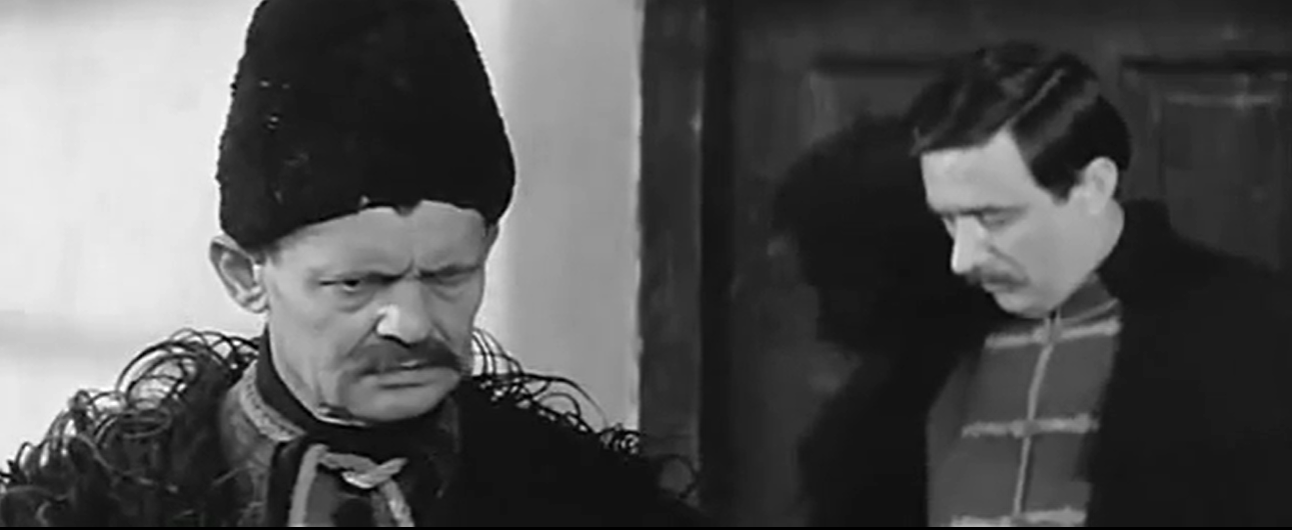
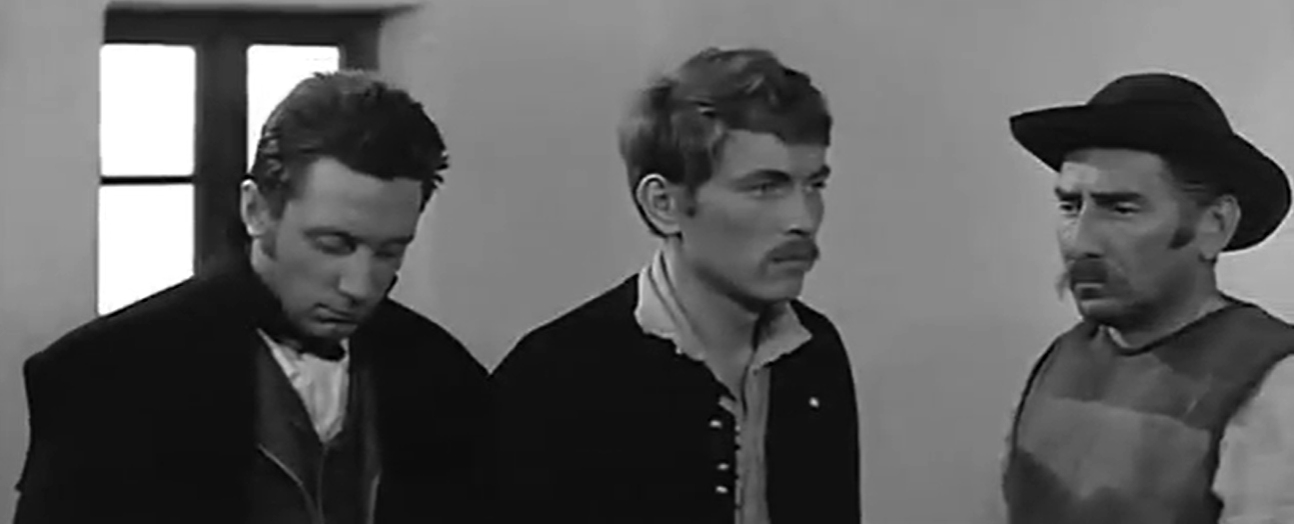
Miklós Jancsó directed this utterly bleak historical drama set exclusively in a prison camp for individuals suspected of formerly working with revolutionary leader Lajos Kossuth. Although Jancsó publicly denied it, the film was clearly an allegory for the aftermath of the more recent failed Hungarian revolution of 1956 against Soviet Russia. While it’s praised by many as one of the best Hungarian films, there is little for viewers to hold onto narratively-speaking, given that we quickly see what a hopeless situation these prisoners are in. János Görbe’s János Gajdar is the first recognizable protagonist — a pathetic man willing to sell out his fellow prisoners for his own freedom:

… but will his efforts succeed? And if so, then what? There are really no good solutions. Eventually we watch another pair of men in a similarly no-win situation, being forced to identify an infamous outlaw named Sandor — will they? Can they?

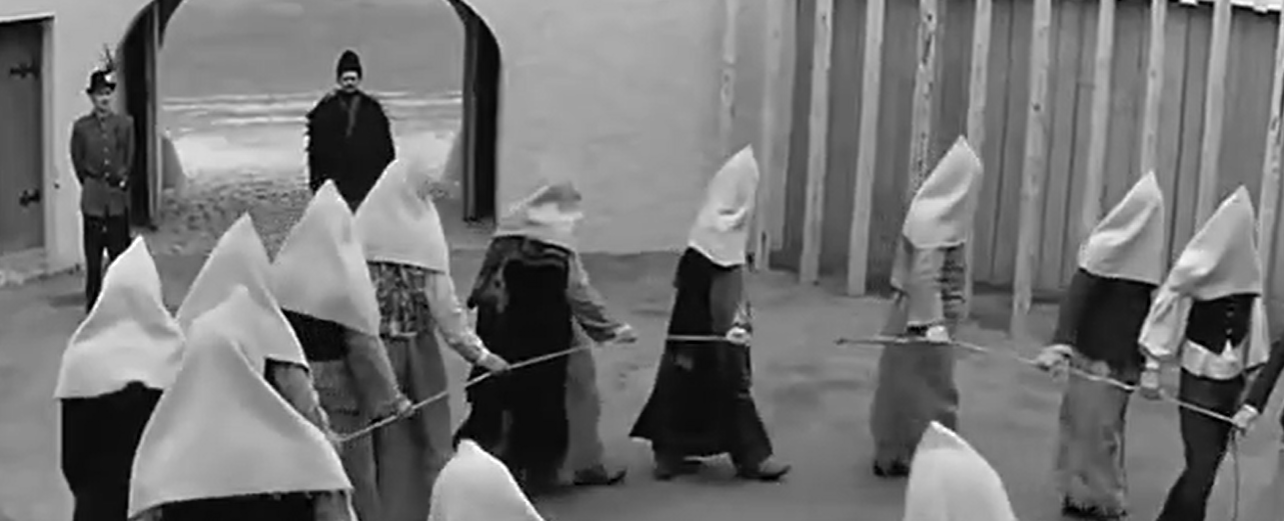
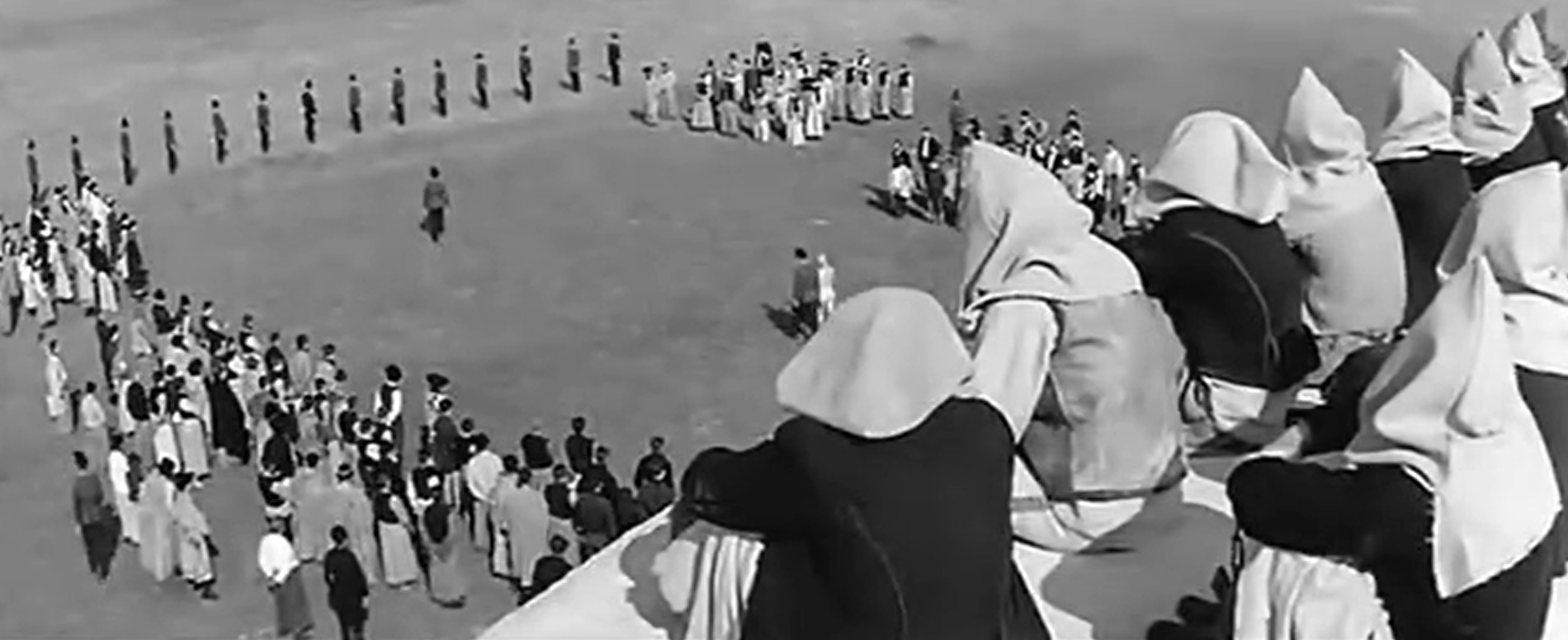
Suffice it to say that this film gives very little hope for the future of humanity, given the banality of evil that’s on ample display. Visually speaking, the film is always interesting:

… but given that we’re watching torture and betrayal of one kind or another for 90 minutes, it’s decidedly draining.

Notable Performances, Qualities, and Moments:

  • Stark cinematography by Tamás Somló

Must See?
No, unless you’re curious.

Links:

Barrier (1966)

Barrier (1966)

“Where does it say everyone has to make good?”

Synopsis:
A Polish medical student (Jan Nowicki) whimsically makes his way through life while dating a tram driver (Joanna Szczerbi).

Genres, Themes, Actors, and Directors:

  • Eastern European Films
  • Jerzy Skolimowski Films

Review:
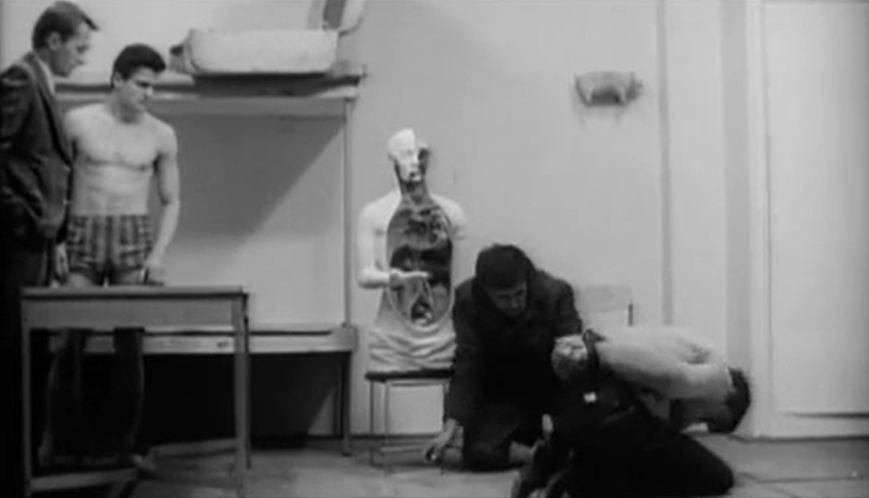
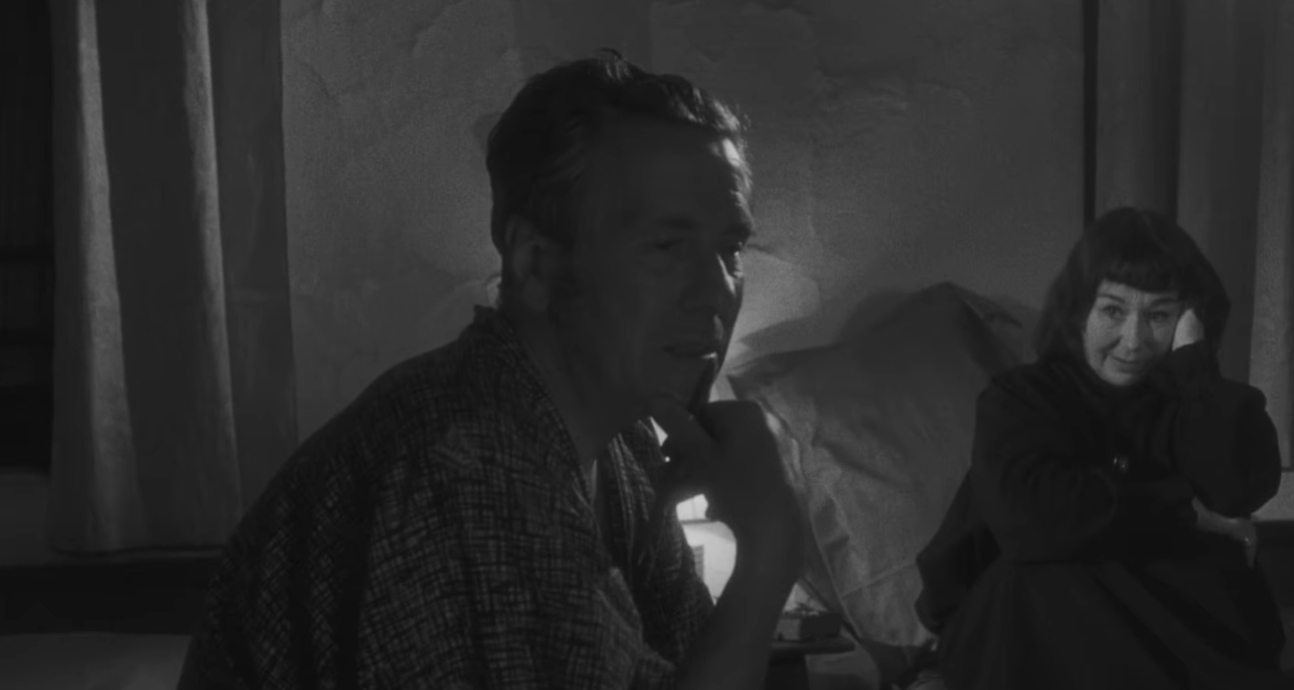
It is truly difficult to know what to make of this early experimental film by Polish writer-director Jerzy Skolimowski, given that there really is no… plot. I had to rely on reading reviews and overviews just to get a basic sense of what I was seeing. Apparently we are watching the travails of an unnamed young medical student (Nowicki) who becomes fed up with his studies (it’s hard to blame him):

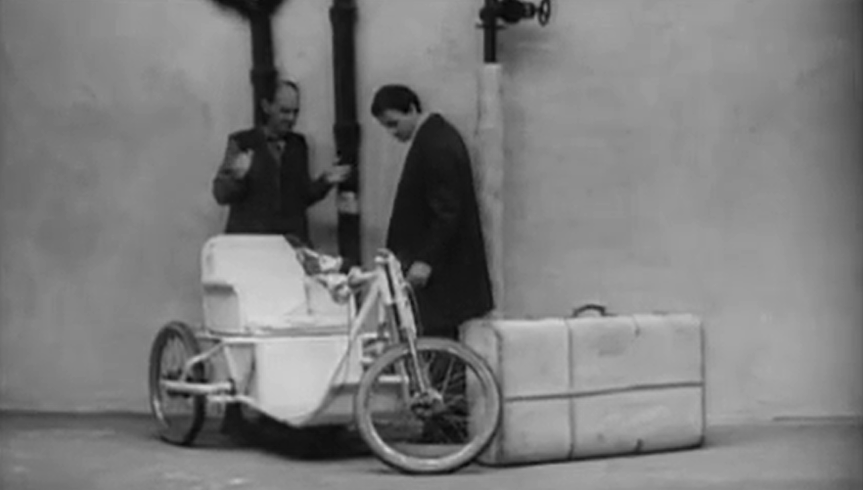
… and leaves with simply his suitcase and a piggie bank to visit his dad in a retirement home:

… where he’s given a letter by his father and sent on a wild-goose-chase involving a World War I saber and an older woman (Malgorzata Lorentowicz).

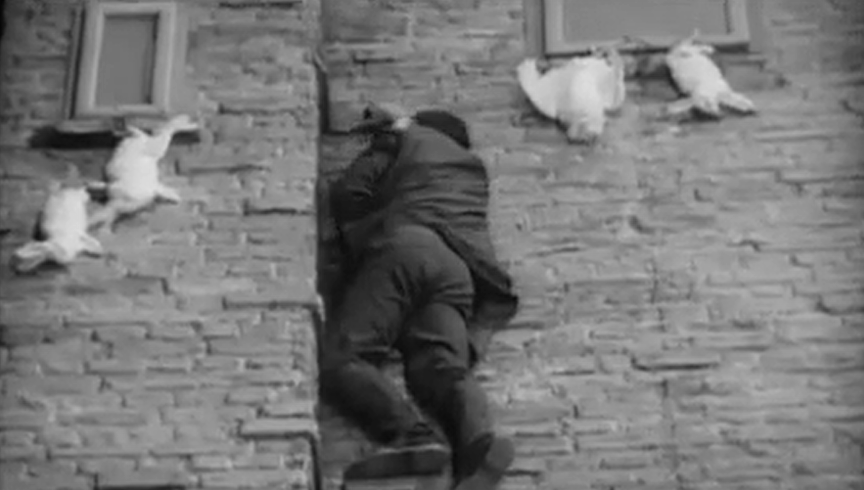
He climbs up a wall with chickens on it (?!):

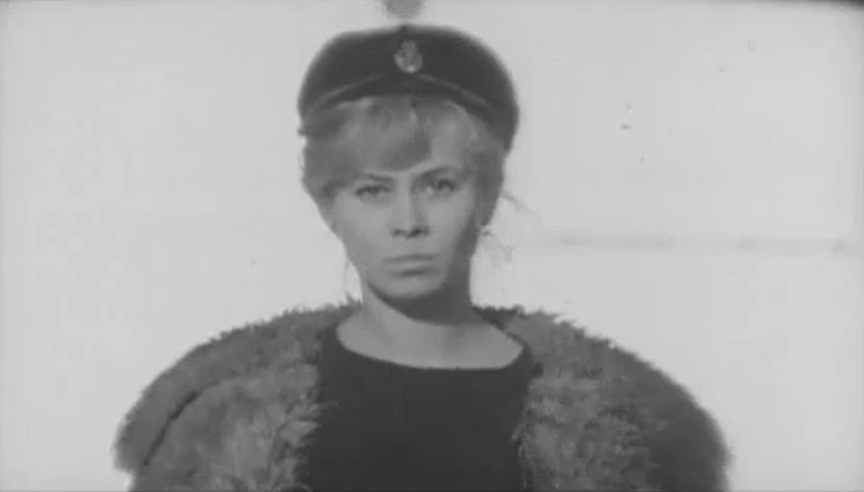
… meets and dates a pretty tram operator:

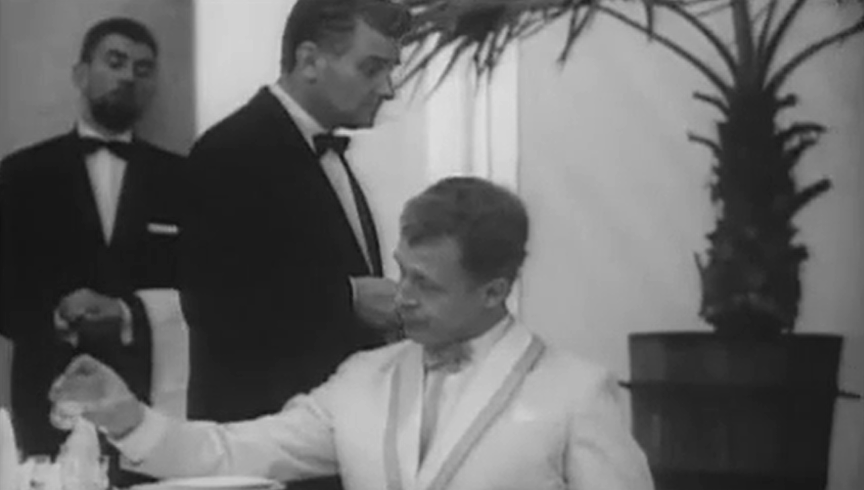
… and sits in a mostly-empty restaurant with too many waiters milling around:

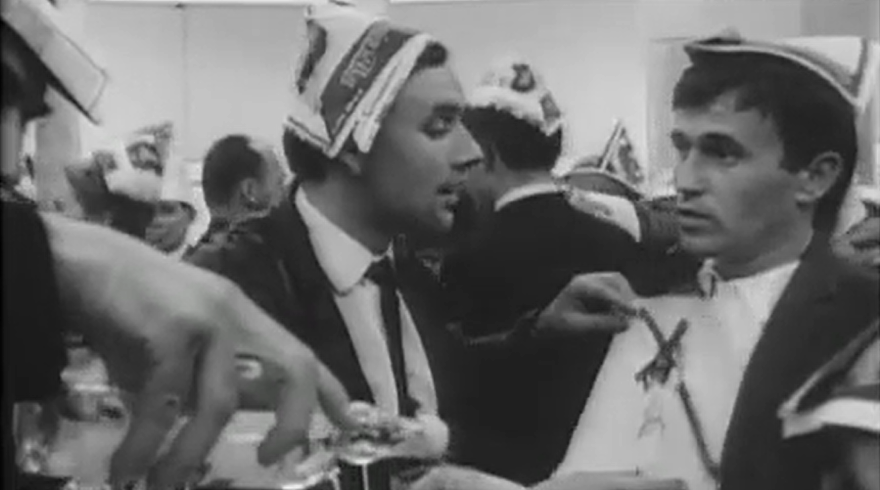
… where eventually, newspapers are made into jaunty party hats.

Nowicki also attacks a plastic-wrapped car with his saber at one point.

Given how little any of this makes sense, it’s challenging to follow or care very much — if at all — about what happens next. Knowing that Skolimowski later helmed Deep End (1970), The Shout (1978), and Moonlighting (1982) (among other titles) makes this early outing more of a curiosity for those interested in how he’s evolved as a director — but it’s not must-see viewing on its own.

Notable Performances, Qualities, and Moments:

  • Occasional snippets of creative imagery

Must See?
Nope; skip this one.

Links:

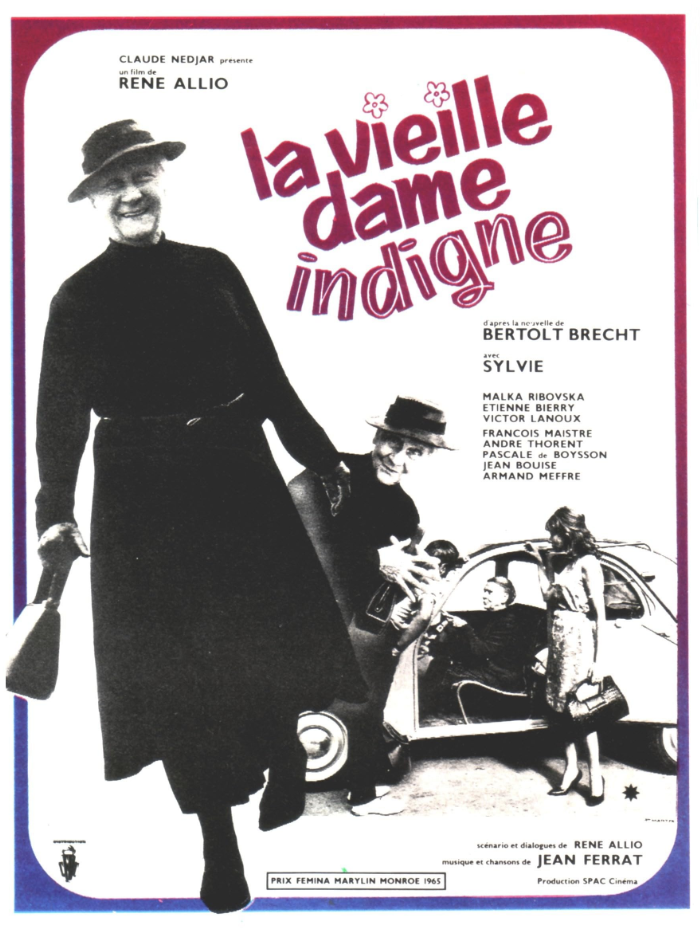
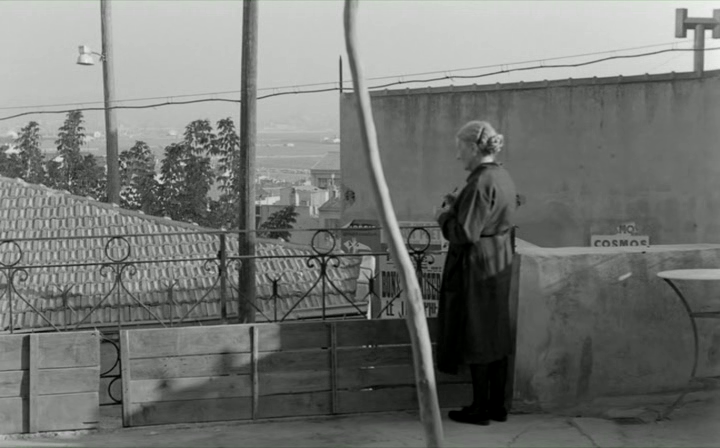
Shameless Old Lady, The (1965)

Shameless Old Lady, The (1965)

“It’s only been six months since the old man died. Now she’s going to the cinema — going to the movies, watching movies, strolling about the city, living it up!”

Synopsis:
Shortly after the death of her husband, an elderly woman (Sylvie) shocks her two grown sons (Etienne Bierry and Francois Maistre) and grandson (Victor Lanoux) by befriending a prostitute (Malka Ribovska) and a shoe store owner (Jean Bouise), and living a much more expansive life.

Genres, Themes, Actors, and Directors:

  • Character Arc
  • Elderly People
  • French Films
  • Grown Children
  • Inheritance
  • Strong Females
  • Widows and Widowers

Review:
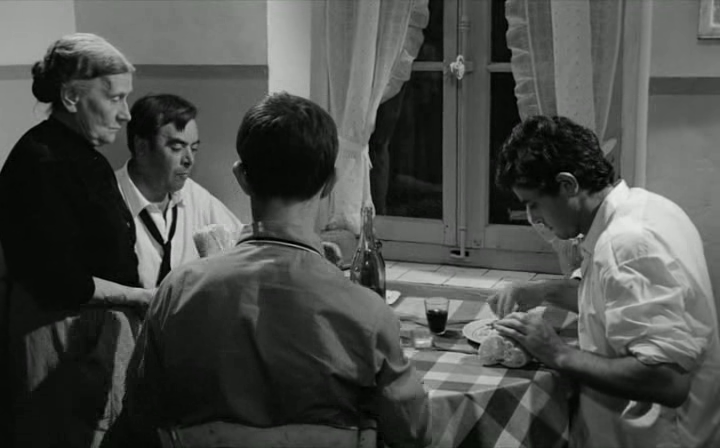
Based on a short story by Bertolt Brecht and helmed by writer-director René Allio, this character study of a widow gaining a new lease on existence offers an intriguing glimpse into the possibilities of living life on one’s own terms. Although the screenplay takes a while to start rolling, once we see the directions things are headed in, we can’t help but cheer on our protagonist. While Sylvie’s children expect her simply to mourn and continue the life of servitude and frugality she’s always led:

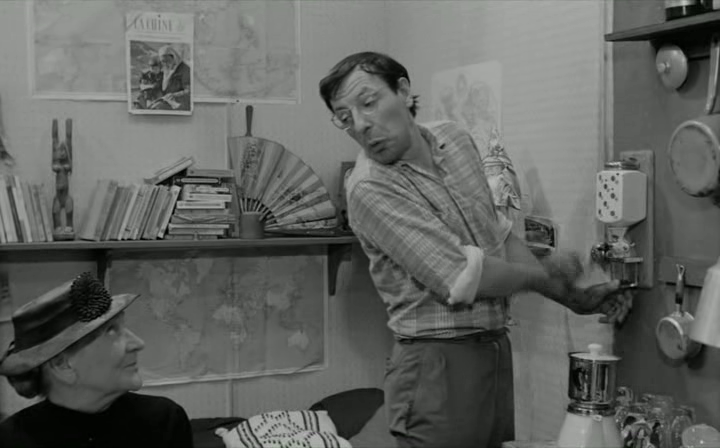
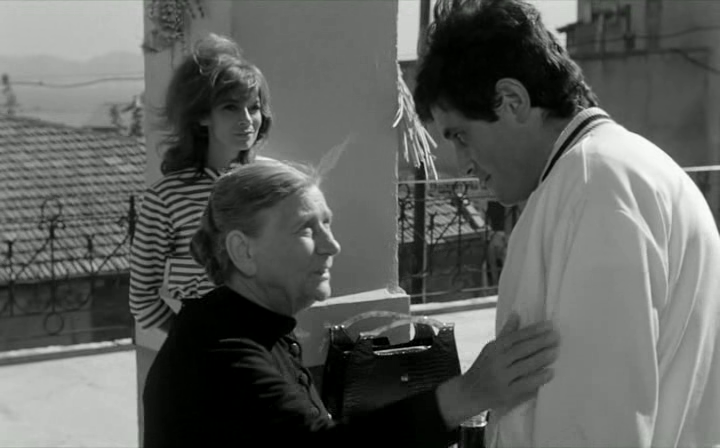
… Sylvie most definitely has her own plans. It turns out she has been quietly taking in the world around her, and little by little, begins to reach out to people she’s intrigued by — including (for reasons unknown) Ribovska:

… and Bouise.

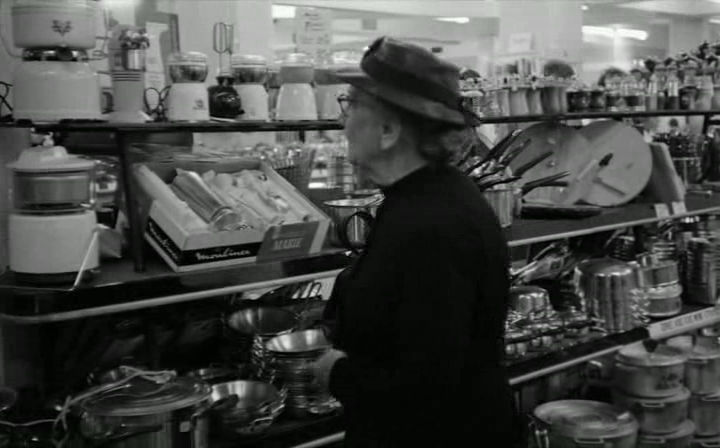
We can tell that she’s enjoying shopping:

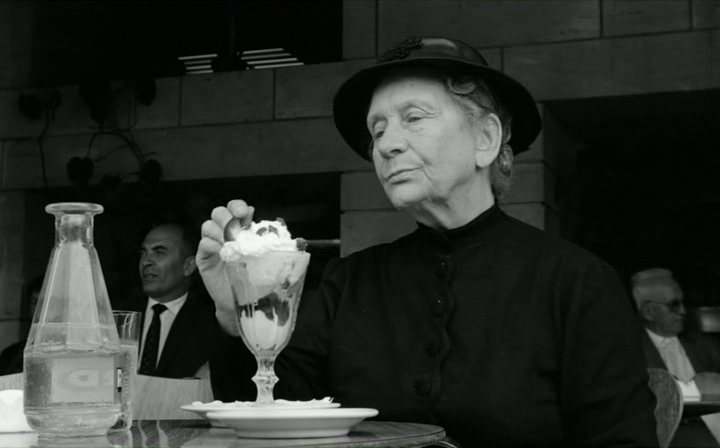
… eating out (especially a luxurious dessert!):

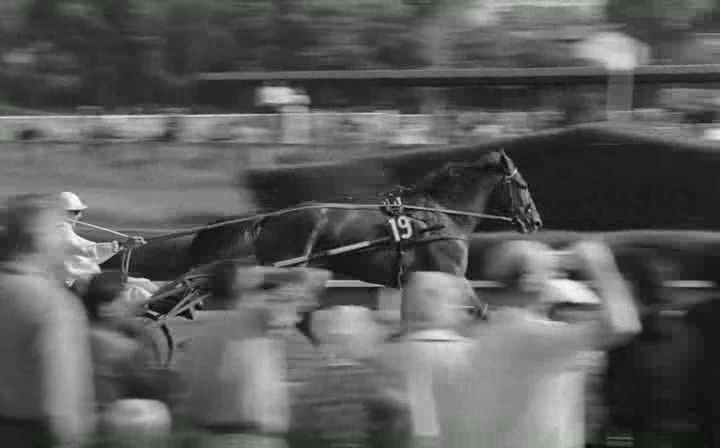
… gambling (she asks to learn how horse betting works):

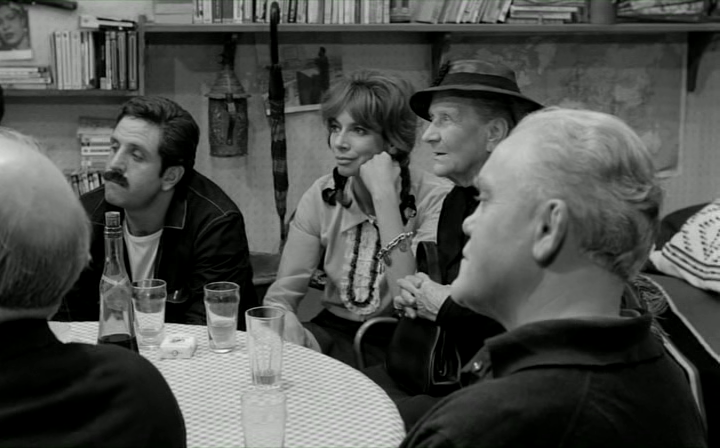
… engaging with intellectual conversations:

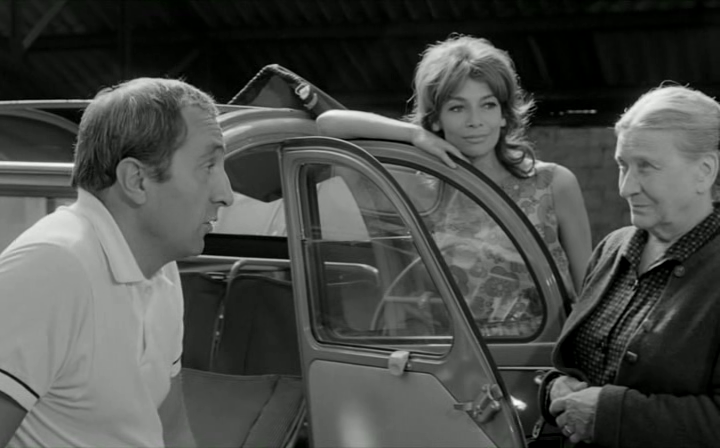
… purchasing a car for the first time:

… and, perhaps most important of all, not allowing her kids’ desires, needs, or expectations drive her actions. Sylvie’s tale is a simple but empowering story of second chances, and a reminder that it really is never too late to follow your passions.

Notable Performances, Qualities, and Moments:

  • Sylvie as Madame Berthe Bertini
  • Good use of location shooting in Marseilles

Must See?
Yes, for Bertini’s performance and as an overall unique show.

Categories

  • Noteworthy Performance(s)

Links:

War Lord, The (1965)

War Lord, The (1965)

“I’ll not give her up; I can’t.”

Synopsis:
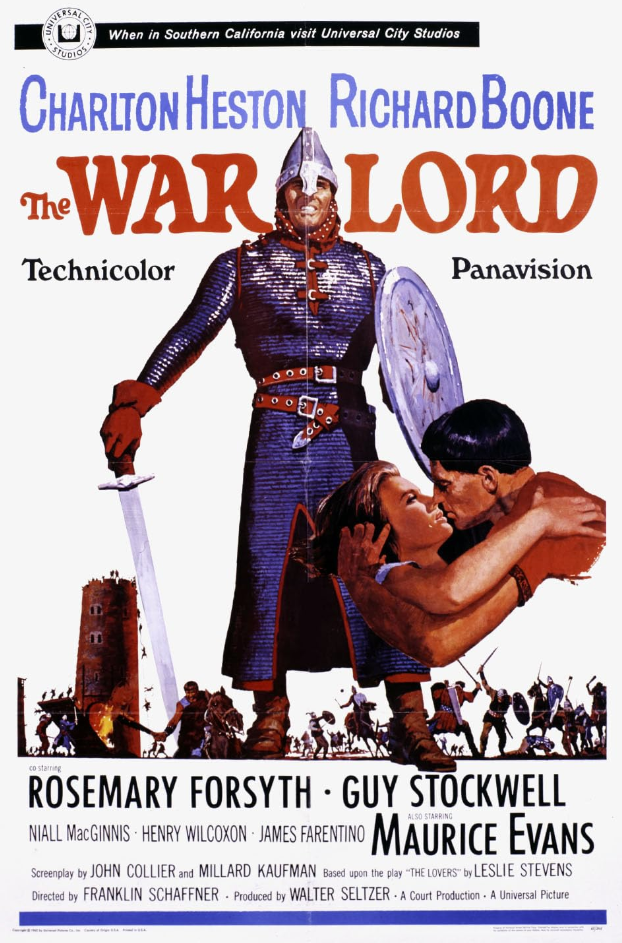
In 11th century Normany, when a knight (Charlton Heston) is sent by his duke to rule over a Flemish village, he soon falls for a beautiful young woman (Rosemar Forsyth) betrothed to the son (James Farentino) of the town leader (Niall MacGinnis), and decides to take advantage of a pagan custom allowing him “first dibs” on her — but will Heston’s jealous brother (Guy Stockwell) stand for this turn of events?

Genres, Themes, Actors, and Directors:

  • Charlton Heston Films
  • Cross-Cultural Romance
  • Historical Drama
  • Medieval Times
  • Play Adaptation
  • Richard Boone Films

Review:
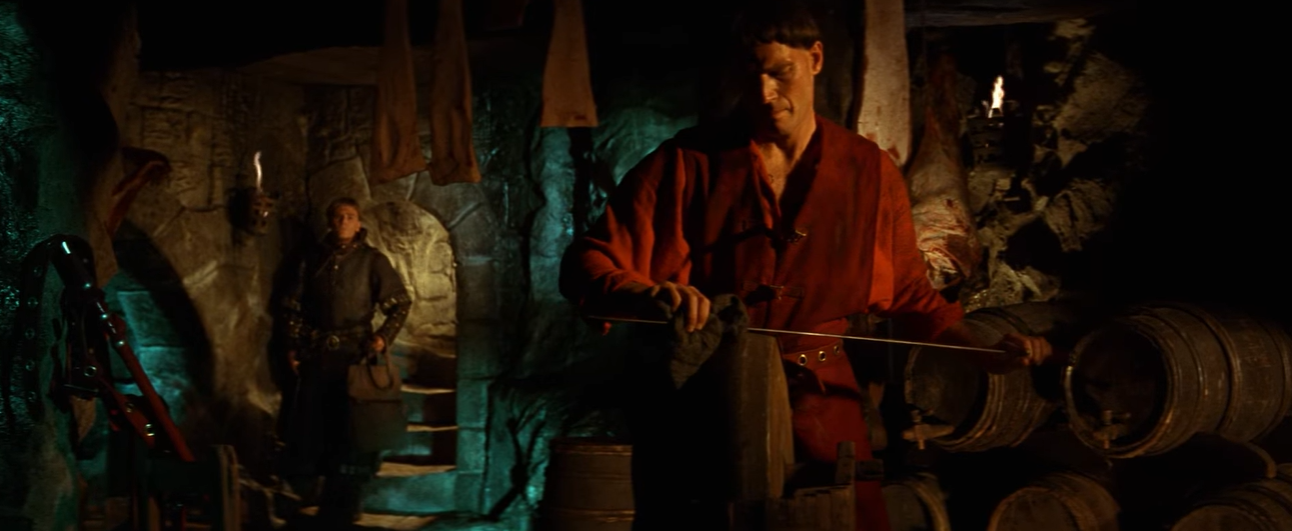
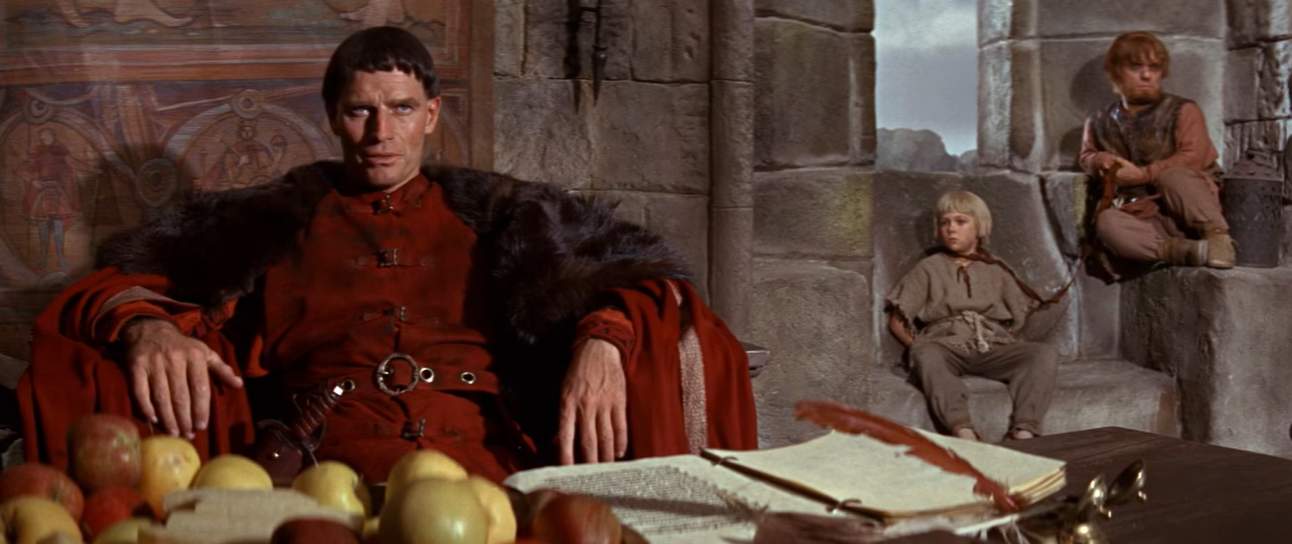
I’m not quite sure why Peary includes this historical drama — directed by Franklin J. Schaffner, adapting a 1956 play by Leslie Stevens called The Lovers — in his GFTFF. While the production values are fine:

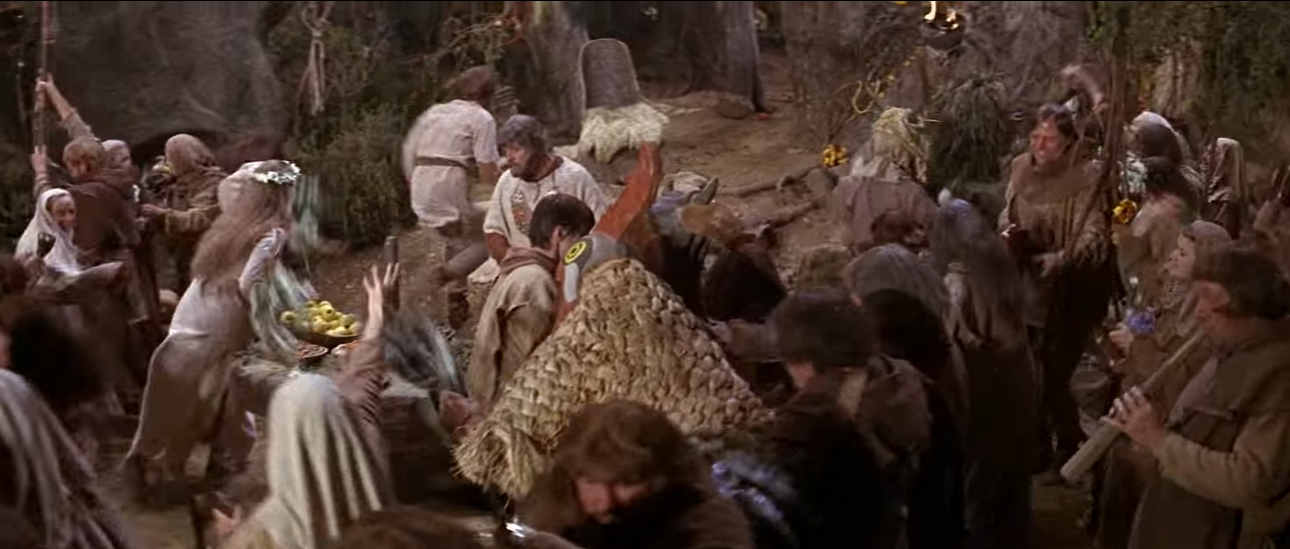
… the storyline tells us far too little about this period of time in European history, other than focusing on the salacious (and contested) practice of droit du seigneur — that is, the “right” by feudal lords to sexual conquest of a virgin on her wedding night.

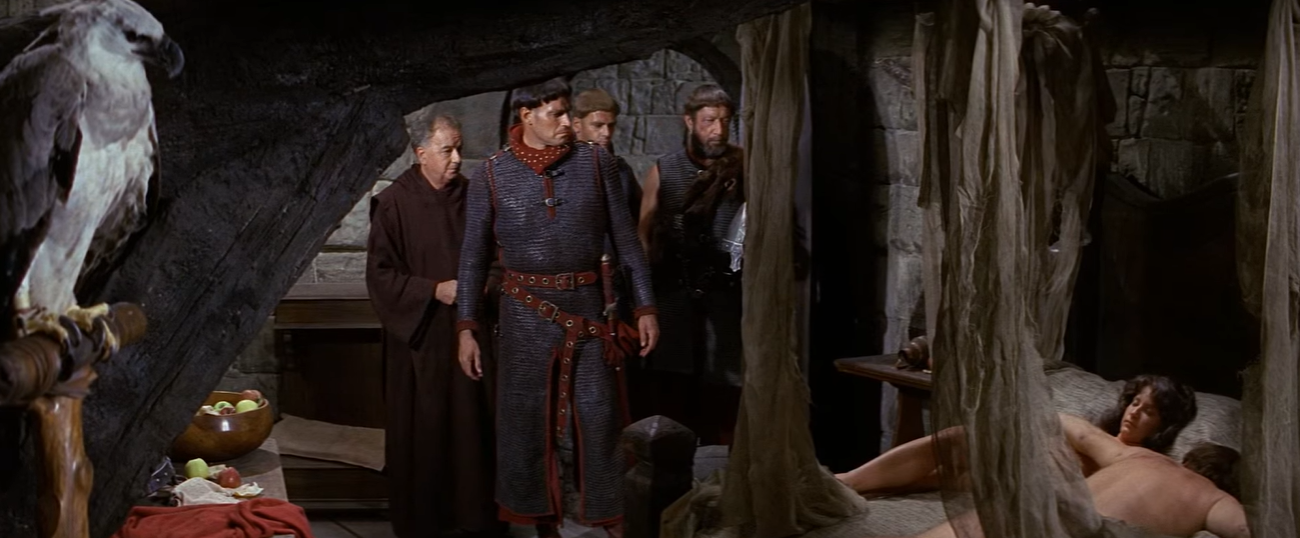
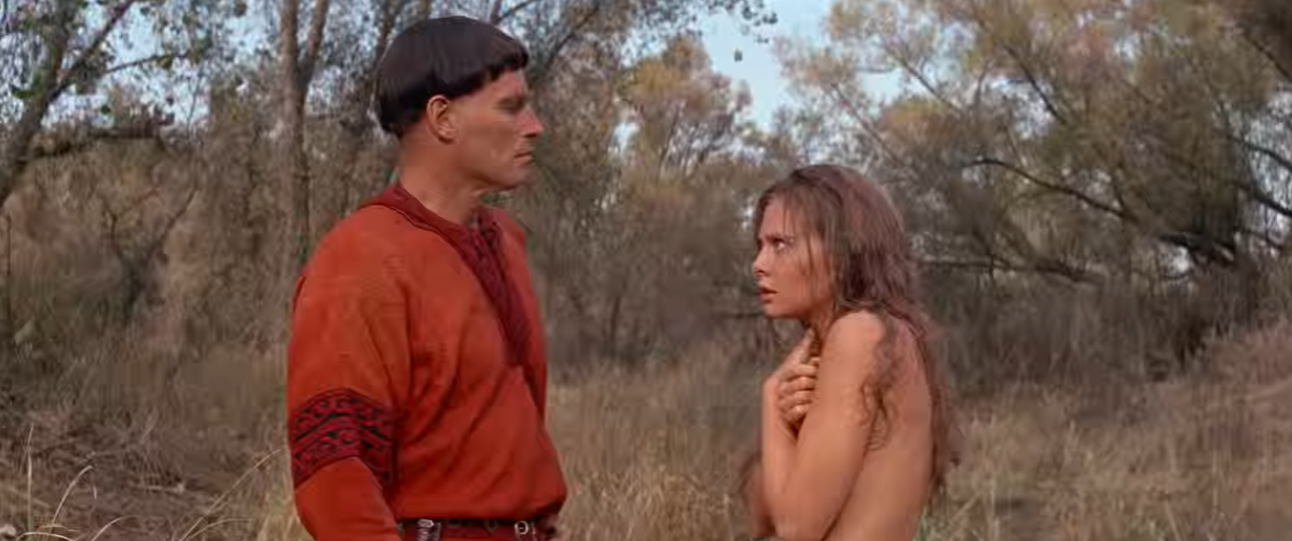
When Heston (sporting perhaps his worst movie hairstyle ever) first meets Forsyth, we’re meant to applaud him for not automatically violating her:

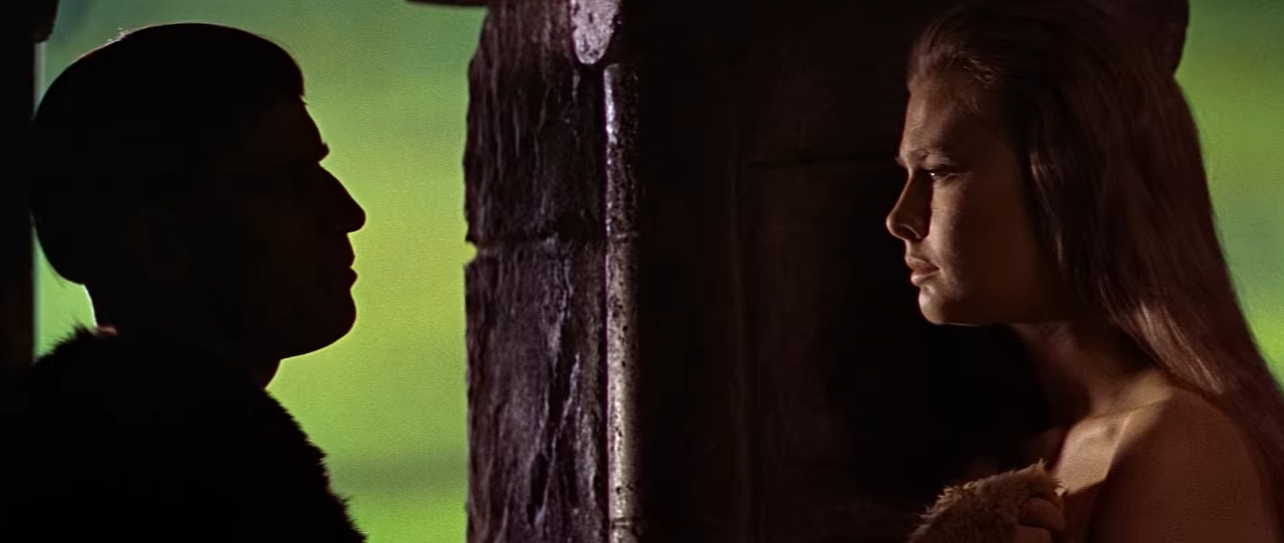
… and — after he feels a repellent buzz when attempting to touch her — to wonder whether she may have some kind of witchy pagan powers. Indeed, the clash of Christianity with Paganism is the film’s most intriguing potential theme, but it’s underdeveloped and seems to mostly serve as a curiosity factor.


The emergent romance between Heston and Forsyth (whose character is given virtually no personality) doesn’t go anywhere meaningful, and other supporting characters are equally opaque. There is a lot of medieval fighting and castle defending, if you enjoy that sort of thing:

… but otherwise you can feel free to skip this one.

Notable Performances, Qualities, and Moments:

  • Vibrant sets and costumes
  • Russell Metty’s cinematography

Must See?
No; this one is only must-see for Heston completists.

Links:

Shakespeare Wallah (1965)

Shakespeare Wallah (1965)

“What do these people know about our theater — Shakespeare and all that?”

Synopsis:
A young British actress (Felicity Kendal) traveling across India in a Shakespearean troupe with her father (Geoffrey Kendal) and mother (Laura Liddell) falls for a playboyish man (Shashi Kapoor) with a possessive Bollywood mistress (Madhur Jaffrey).

Genres, Themes, Actors, and Directors:

  • Actors and Actresses
  • Cross-Cultural Romance
  • Indian Films
  • Love Triangle
  • Merchant and Ivory Films
  • Shakespeare

Review:
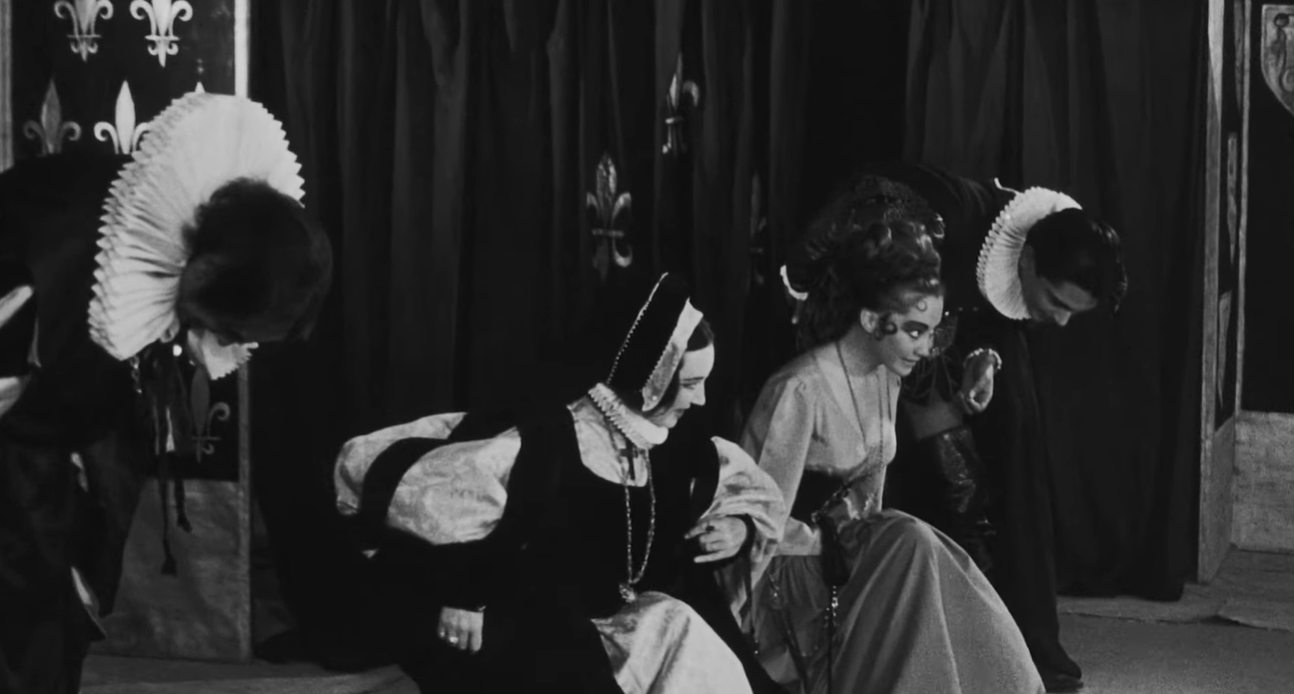
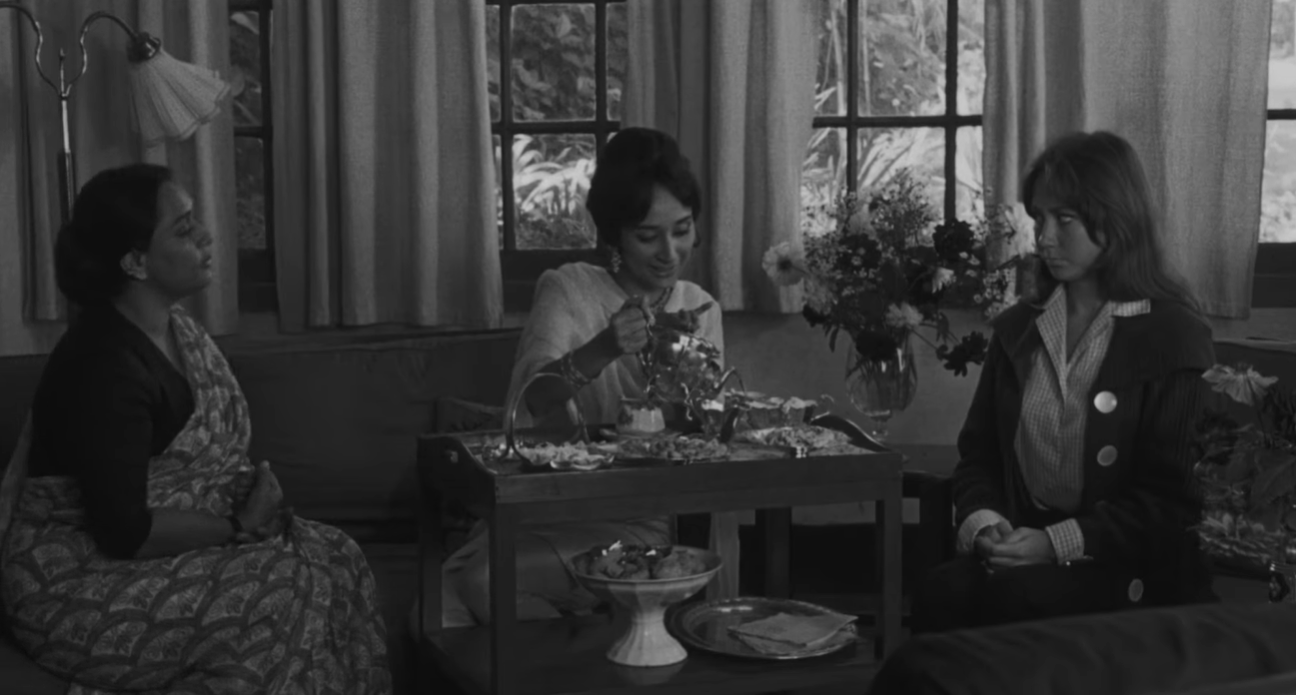
James Ivory and Ismail Merchant’s second feature-length film together after The Householder (1963) [non-GFTFF] was this adaptation of journals (later published as a memoir) by Geoffrey Kendal, who starred alongside his wife, daughters, and son-in-law (Kapoor) as a real-life version of himself. The storyline takes place during an intriguing time in Indian history, when Geoffrey’s troupe was at the tale end of (according to Wikipedia) “perform[ing] Shakespeare before royalty one day, and in rural villages the next,” with “many of their audiences… schoolchildren.”

In the film, we see Geoffrey struggling to secure work for his company:

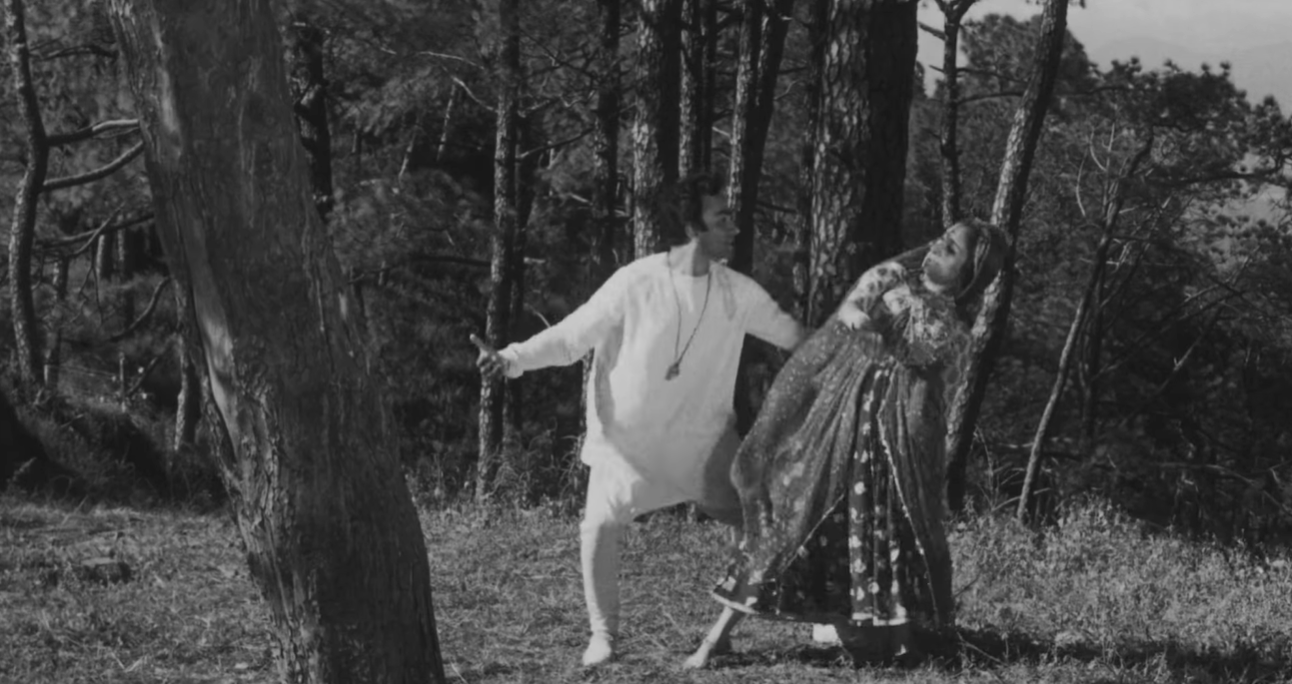
… given that Indian culture is shifting towards more interest in sports and Bollywood features:

… which in some ways feels entirely appropriate given the necessary trajectory of post-colonialist initiatives.

The emotional crux of the narrative lies in the tentative romance between Felicity and Kapoor — which is hard to take at first given his duplicity.

However, Jaffrey is arrogant and entitled enough herself that we can see Kapoor would be much better off with Felicity — but is romance with Kapoor what’s best for her? The cinematography by Subrata Mitra (Satyajit Ray’s DP) is effectively atmospheric throughout, and Ray’s score — composed in just 10 days — is perfectly suited for the story. While it’s not must-see viewing, this film is well worth a look, and will be of special interest to Merchant-and-Ivory fans.

Notable Performances, Qualities, and Moments:

  • Felicity Kendal as Lizzie
  • Madhur Jaffrey as Manjula
  • Geoffrey Kendal and Laura Liddell as Tony and Carla Buckingham
  • Subrata Mitra’s cinematography
  • Satyajit Ray’s score

Must See?
No, but it’s recommended for one-time viewing.

Links:

Viva Maria! (1965)

Viva Maria! (1965)

“When I’m dead, swear to me you’ll go on fighting!””

Synopsis:
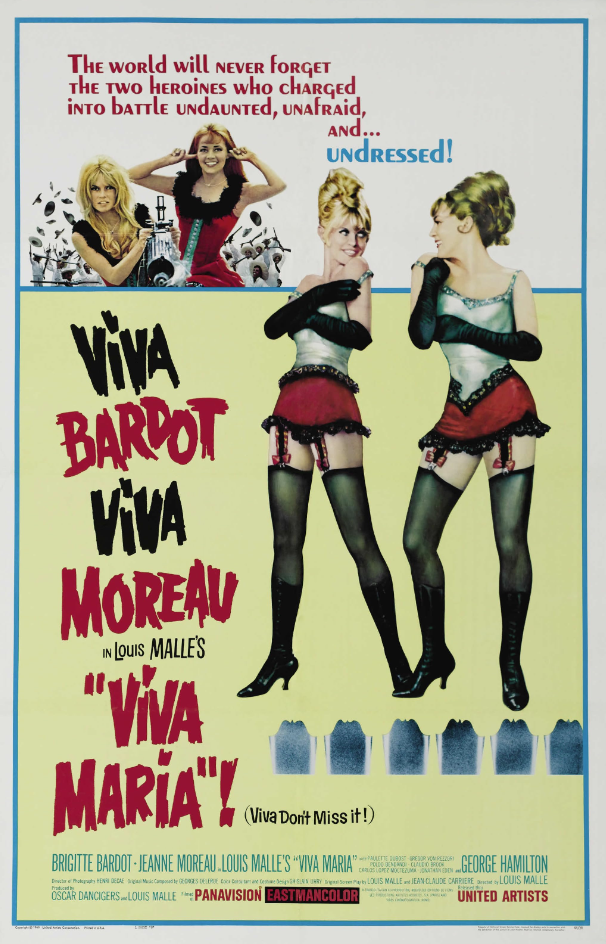
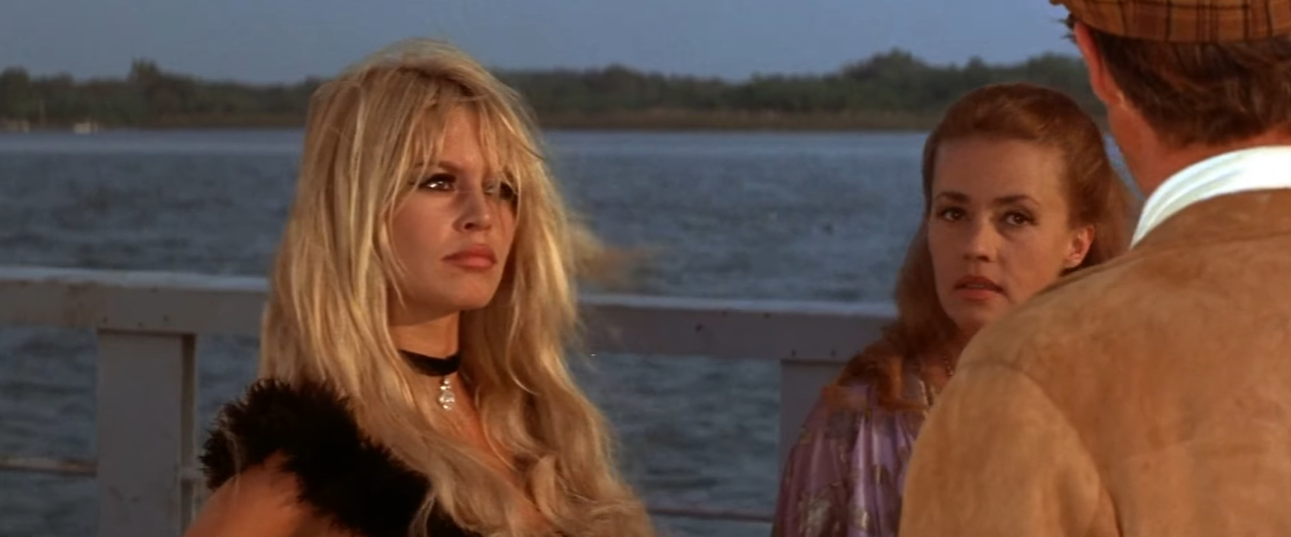
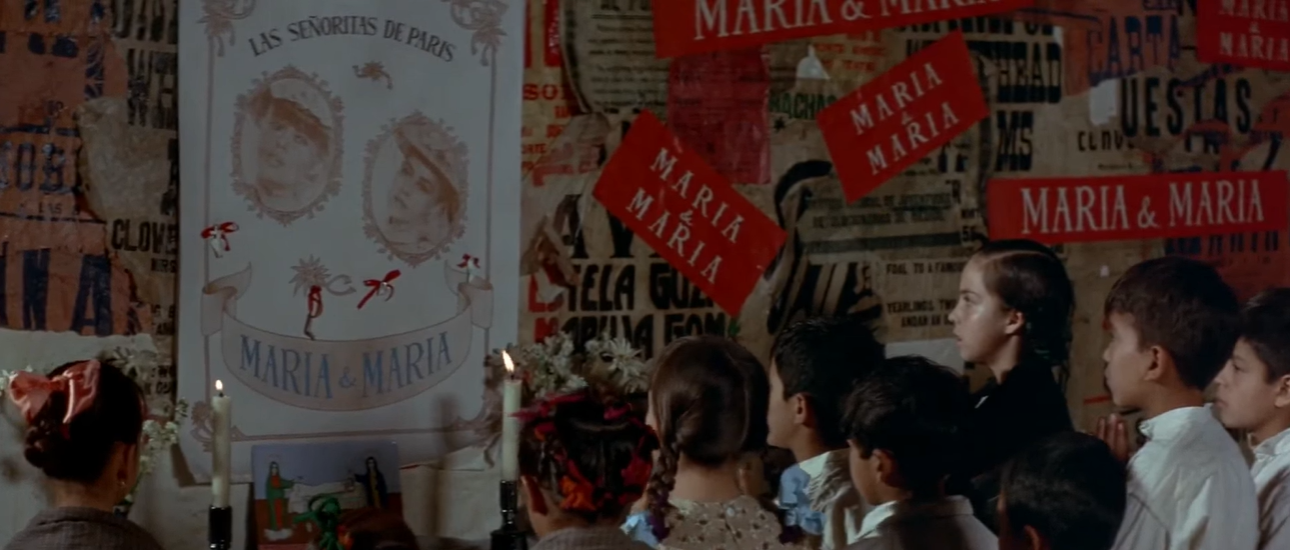
In early-twentieth-century Central America, the daughter (Brigitte Bardot) of an Irish revolutionary teams up with a circus singer (Jeanne Moreau), and the two Marias accidentally invent the strip tease before becoming revered revolutionaries themselves.

Genres, Themes, Actors, and Directors:

  • Brigitte Bardot Films
  • Carnivals and Circuses
  • French Films
  • George Hamilton Films
  • Historical Drama
  • Jeanne Moreau Films
  • Louis Malle Films
  • Revolutionaries
  • Showgirls
  • Strong Females

Review:
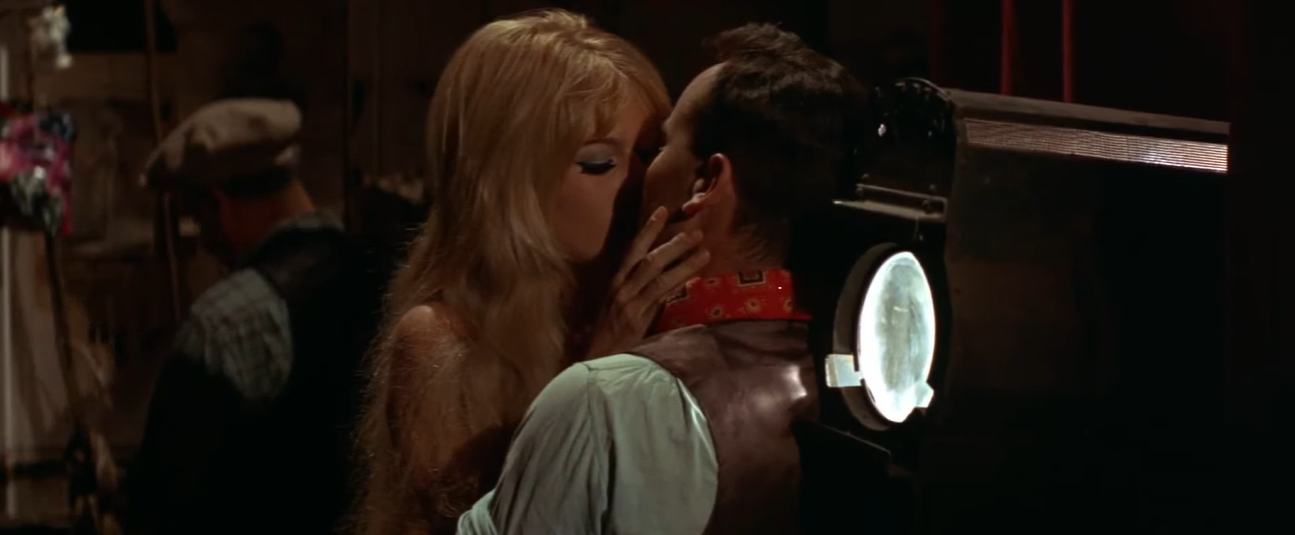
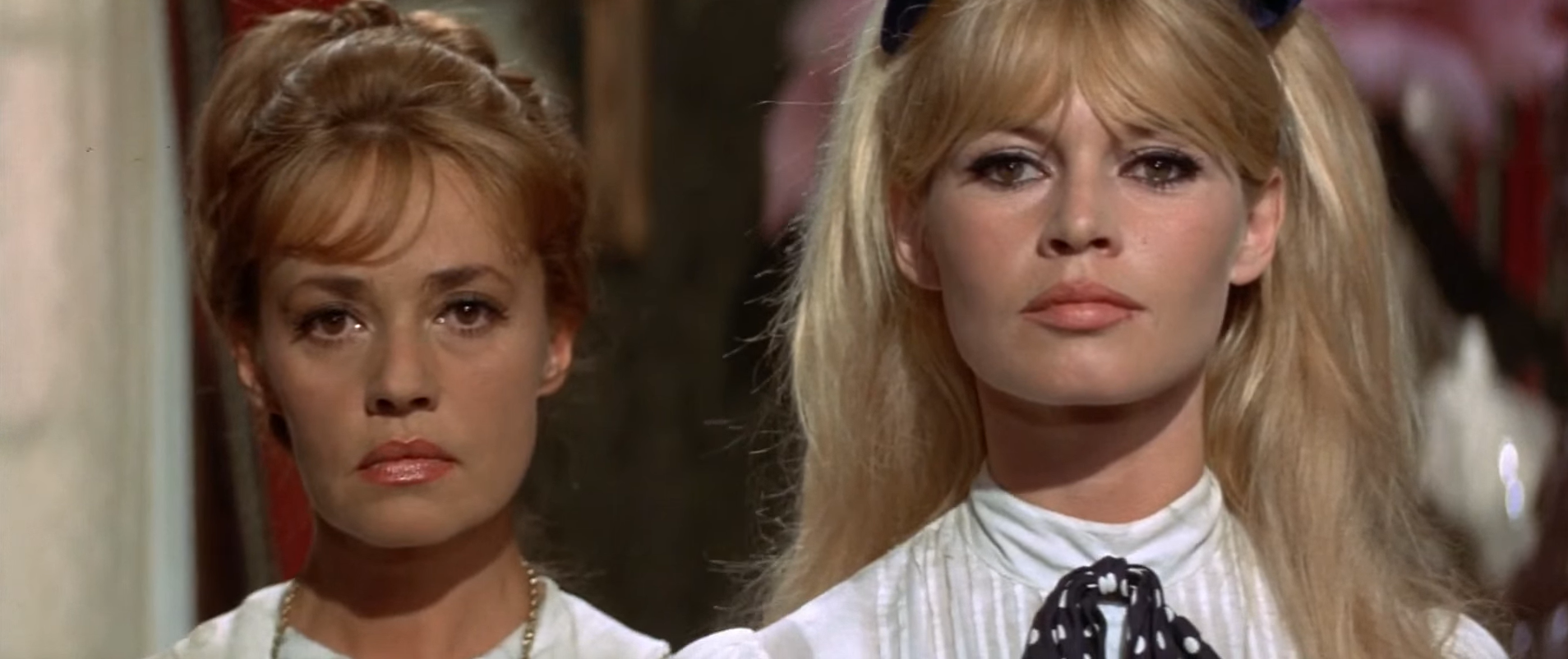
Louis Malle’s sixth feature film — after Elevator to the Gallows (1958) [not listed in GFTFF but I will review it as a Missing Title], The Lovers (1958), Zazie dans le Metro (1960), A Very Private Affair (1962) [non-GFTFF], and The Fire Within (1962) [non-GFTFF] — was this comedy adventure film loosely inspired by Vera Cruz (1954) but with intentionally female protagonists. Bardot is at the top of her game, bringing sassy energy to her role:

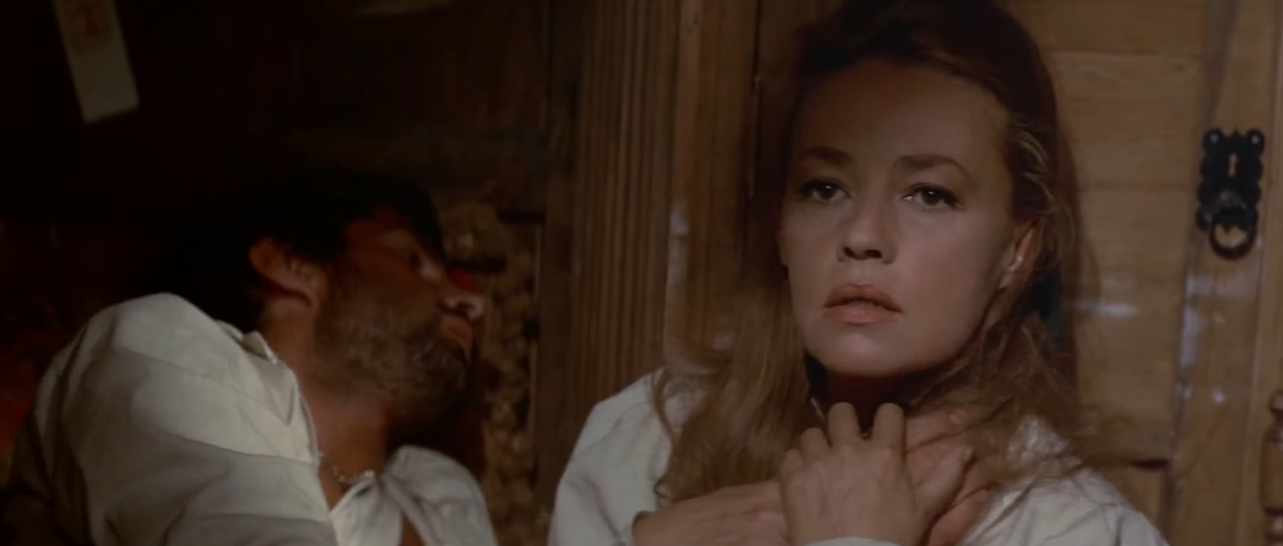
… and Moreau is as solid as ever (though George Hamilton’s role as her revolutionary lover is underdeveloped — something Malle himself acknowledged).

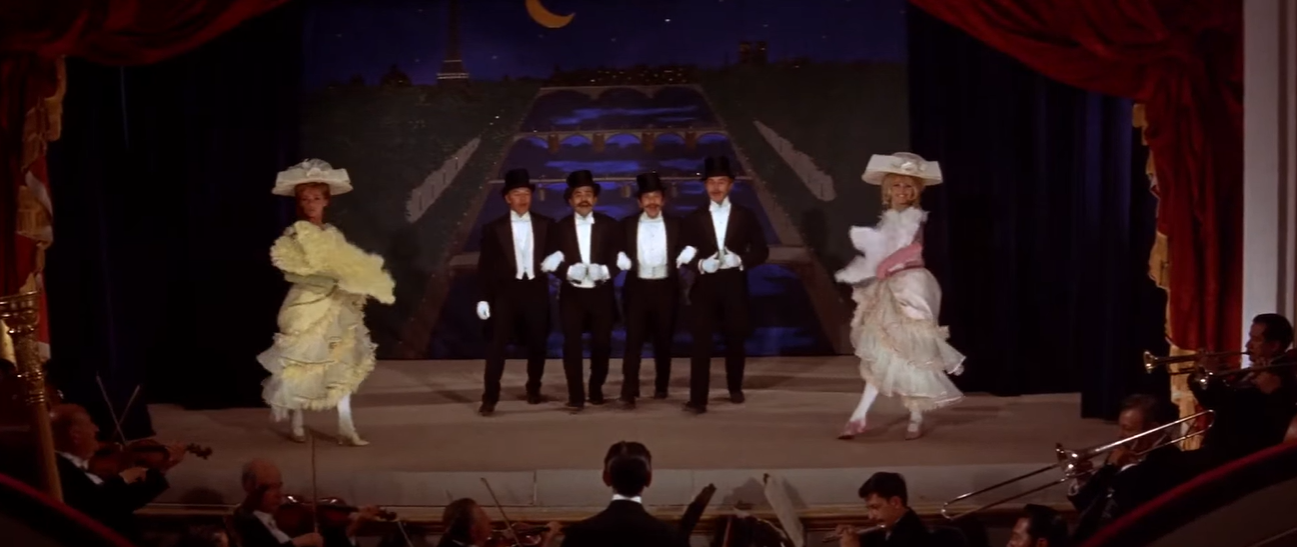
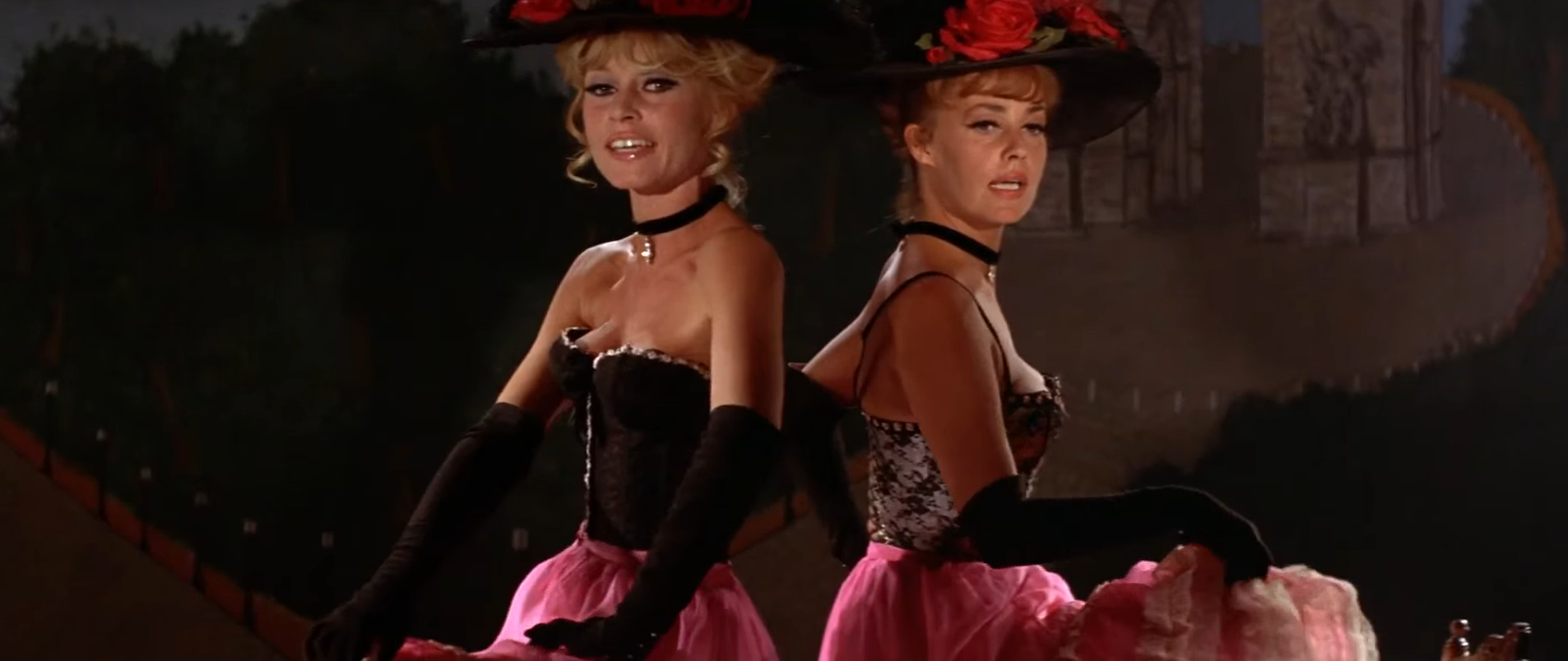
With cinematography in Eastman Color (by Henri Decae) and costumes by Pierre Cardin, it’s a visually heady affair:

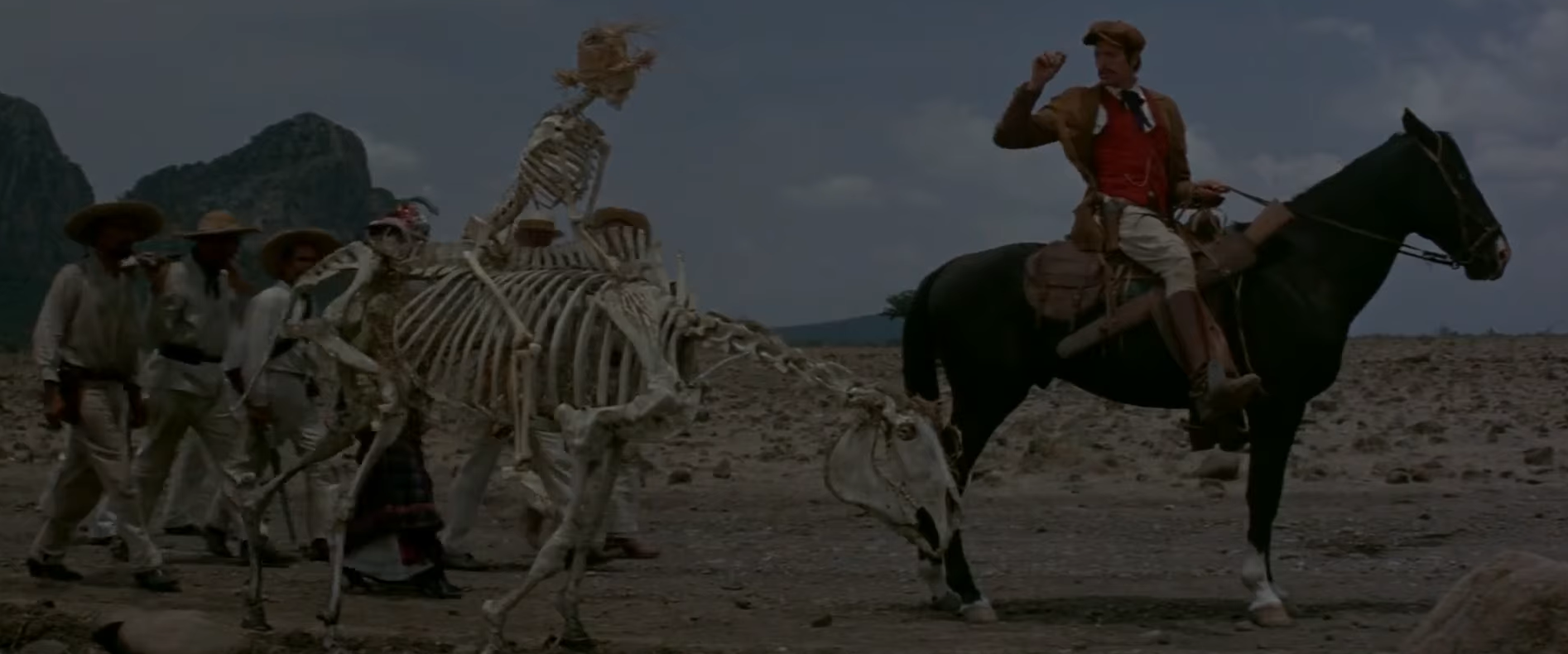
… marked by fast-paced action and a few unexpected sight gags.

Interestingly, according to IMDb’s trivia page, “the movie classification board of the city of Dallas, Texas, banned the movie within the city on the grounds that it was too racy,” leading to “one of two U.S. Supreme Court cases that led to the establishment of the MPAA Ratings Code.” That Bardot…

Note: Despite hopeful rumors that they might not get along, Bardot and Moreau make a fine cinematic duo and were friendly in real life, too.

Notable Performances, Qualities, and Moments:

  • Fine performances by the lead actresses
  • Pierre Cardin’s costumes
  • Henri Decae’s cinematography

Must See?
No, but it’s worth a one-time look if you’re in the mood — and of course it’s a must for Bardot or Moreau fans.

Links:

Gospel According to St. Matthew, The (1964)

Gospel According to St. Matthew, The (1964)

“Many are called but few are chosen.”

Synopsis:
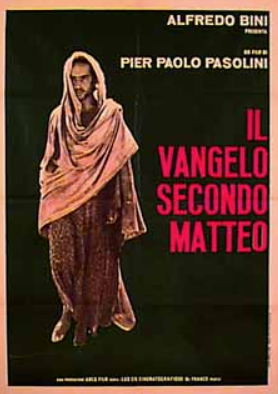
Years after his virginal young mother (Margerita Caruso) gives birth to him, Jesus of Nazareth (Enrique Irazoqui) travels the countryside working miracles and calling his disciples to him.

Genres, Themes, Actors, and Directors:

  • Biblical Stories
  • Historical Drama
  • Pier Paolo Pasolini Films

Review:
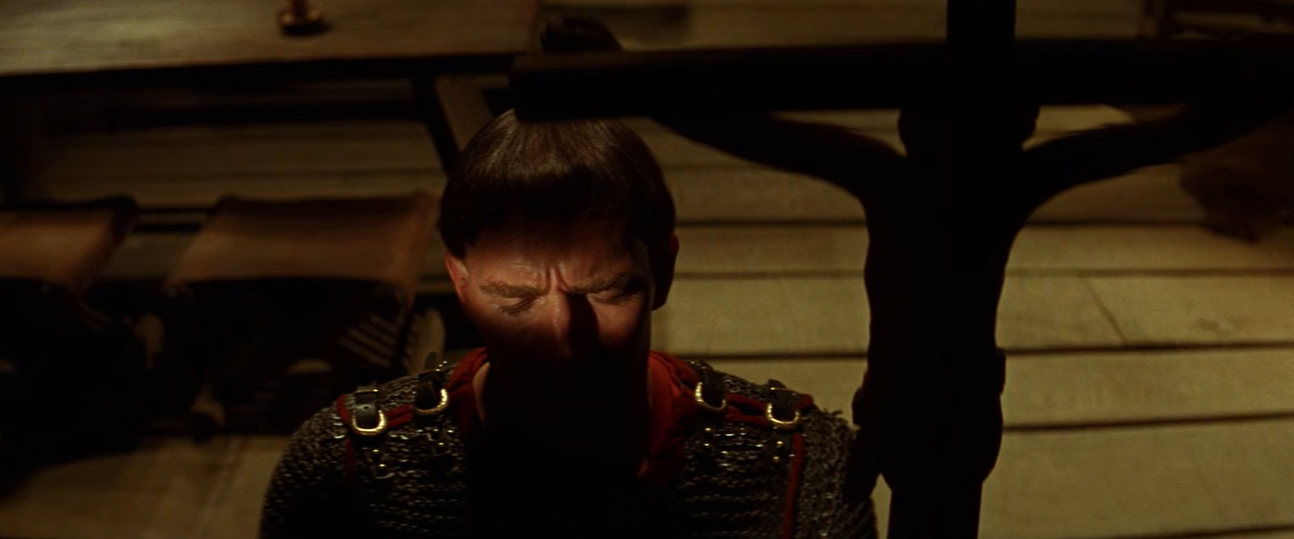
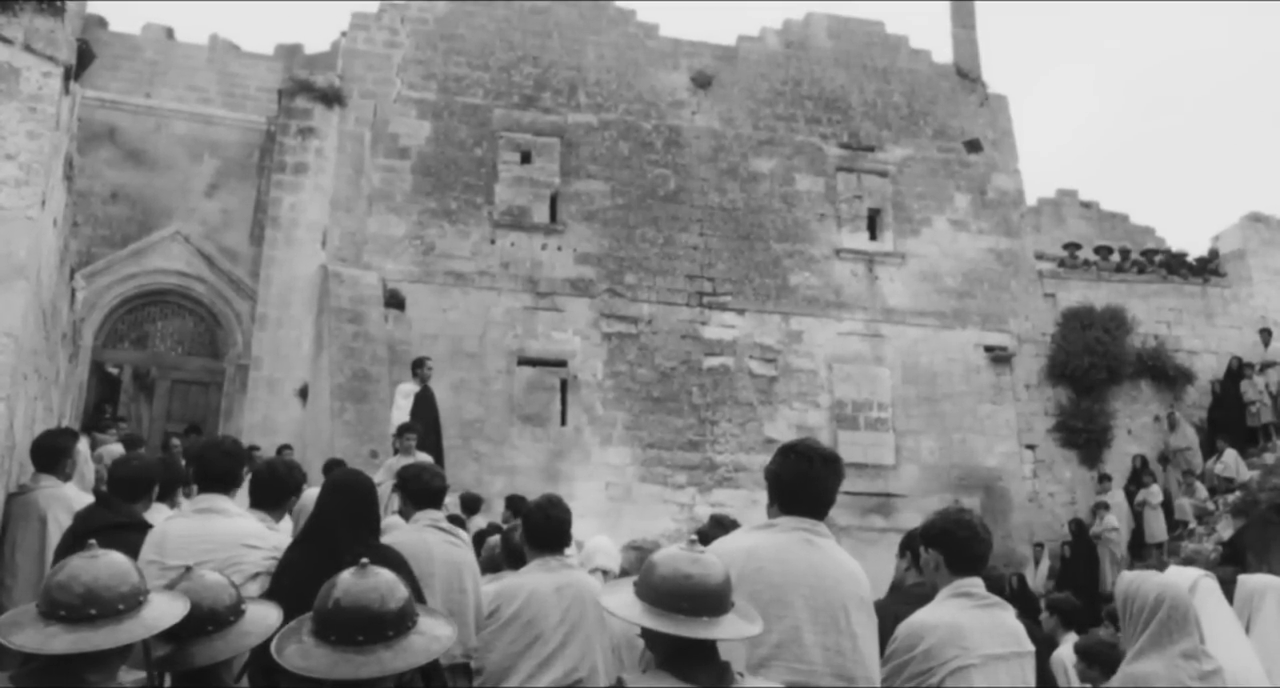
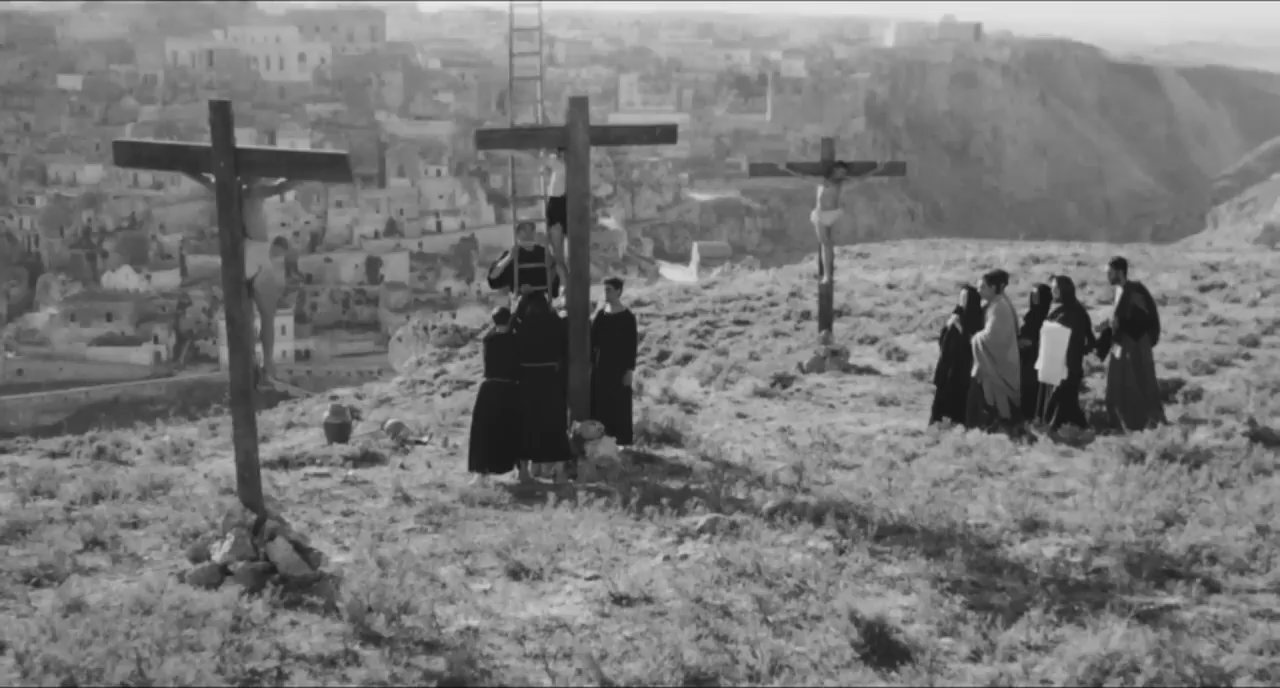
As Peary points out, Pier Paolo Pasolini’s “modern telling of the Christ… story, from birth to resurrection” — which was “given grandiose treatment in King of Kings and The Greatest Story Ever Told” — is “surprisingly straightforward.”

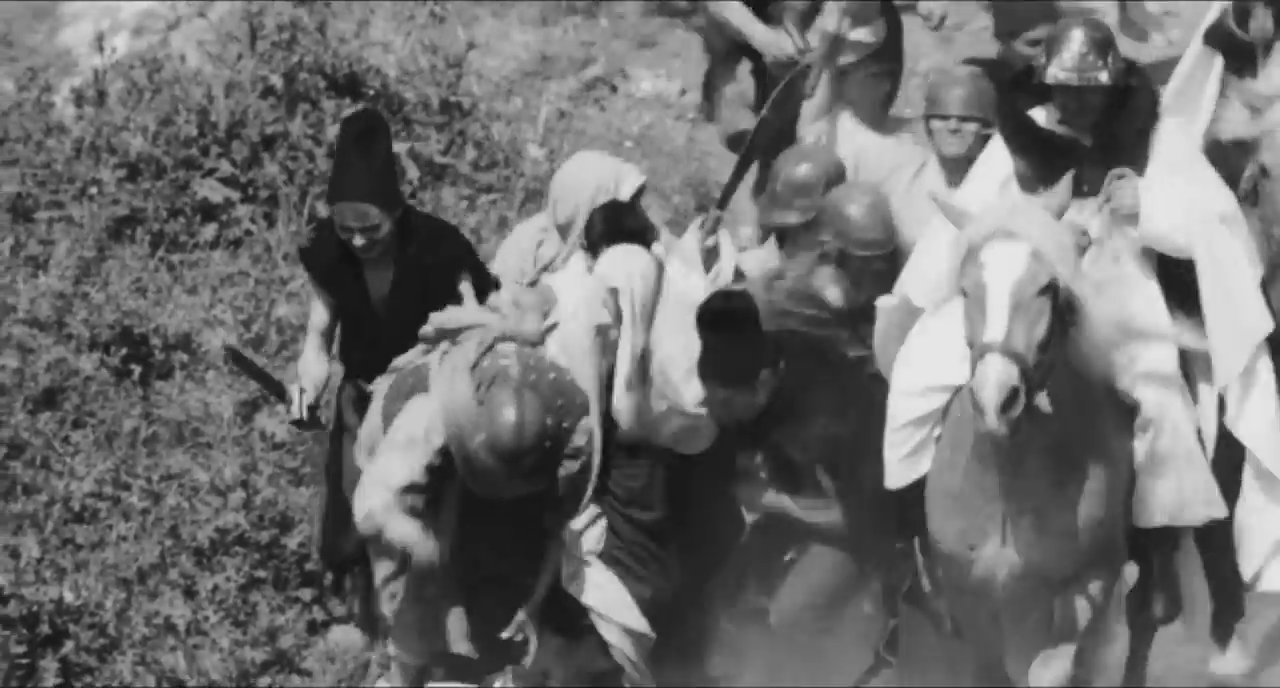
He notes that while “the pacing is very slow and most of the film is played in a subdued manner,” this actually “makes several scenes of callous violence perpetrated by authority figures on the masses particularly jolting” — i.e., “soldiers randomly kill babies who might be Jesus”:

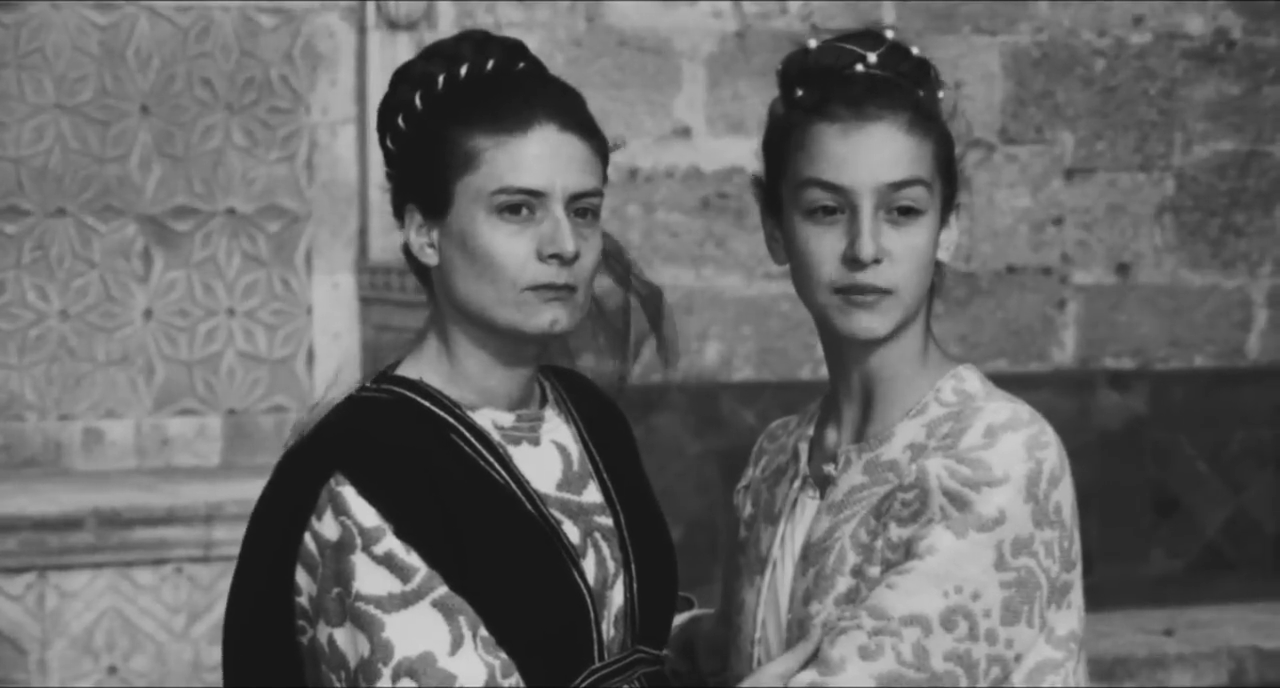
… and “sweet-faced Salome finishes a lovely dance and demands the head of John the Baptist.”

Peary asserts (and I agree) that while “watching Jesus wander the deserts, meeting the poor and delivering defiant speeches (with one famous Christ quote after another), there is a strange feeling of authenticity, as if somehow news cameras were at the scene.”

Peary wonders about Marxist Pasolini’s “feelings about Christ” given how he’s portrayed here: at first he “seems concerned only with getting people to worship him… but in time… shows signs of compassion and a willingness to help, even sacrifice himself, for mankind.” Indeed, “Christ is a revolutionary who unites the masses and becomes a martyr to the cause, defying those in authority in church and state, and forcing these hypocrites, to reveal their true natures.”

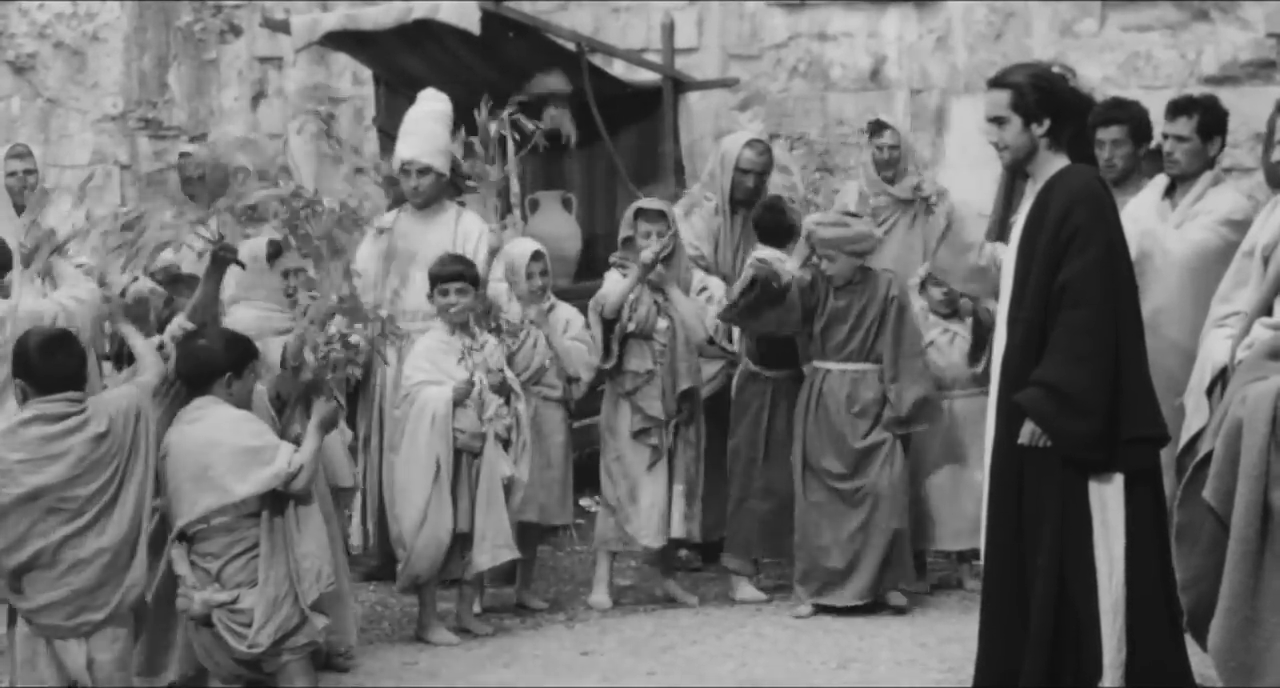
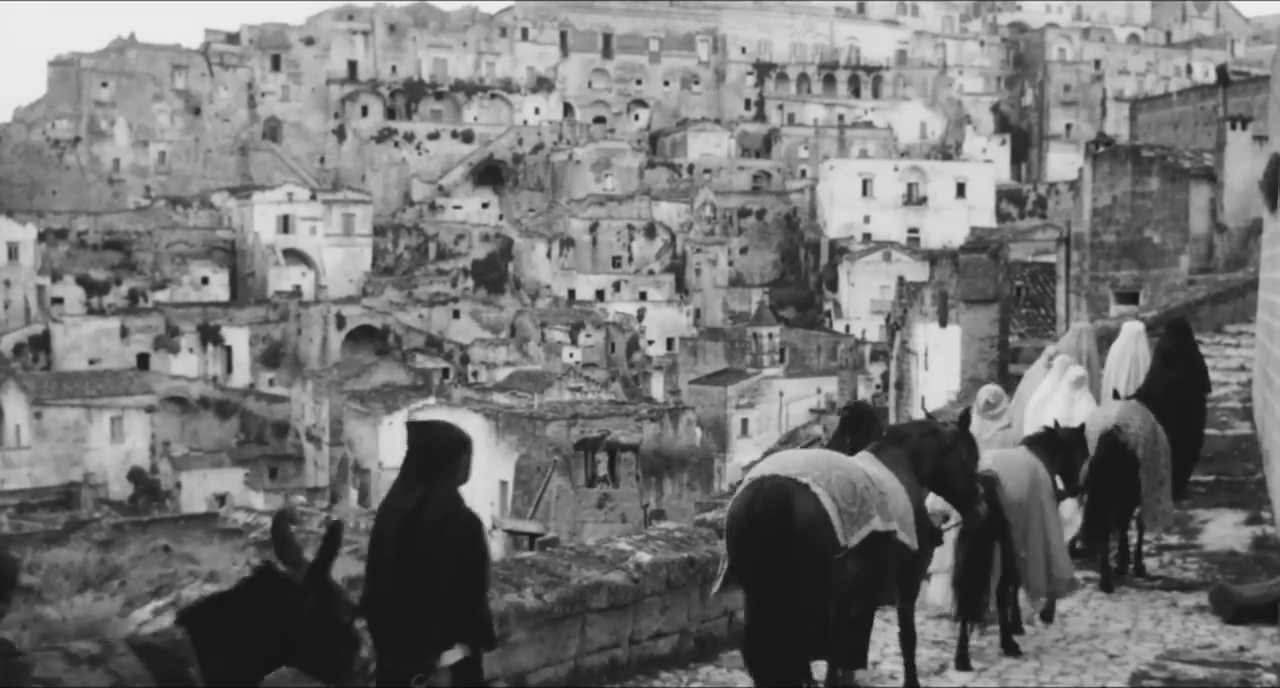
Those who grew up hearing the gospel of the Christian New Testament will surely be fascinated to see it coming to life here without alteration. I found myself mesmerized while watching realistic-looking (non)-actors play out the roles I’d learned so much about; this felt much more like the “real deal,” historically speaking, than any other Biblical epic I’ve seen.

With that said, I can see how those not steeped in this particular storyline might be either less compelled by its content, and/or confused. (I’m reminded of taking a European art history class in college and being informed by our professor that having a basic understanding of Christianity would help us — a lot. Indeed, it did.)

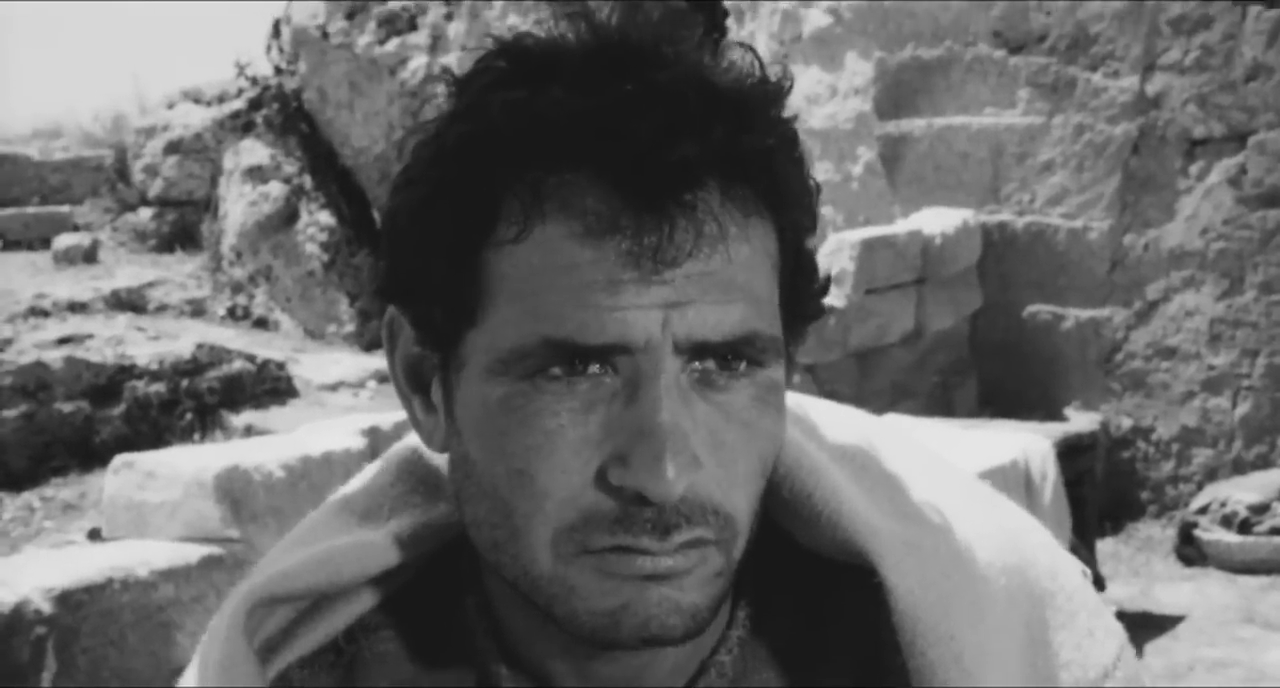
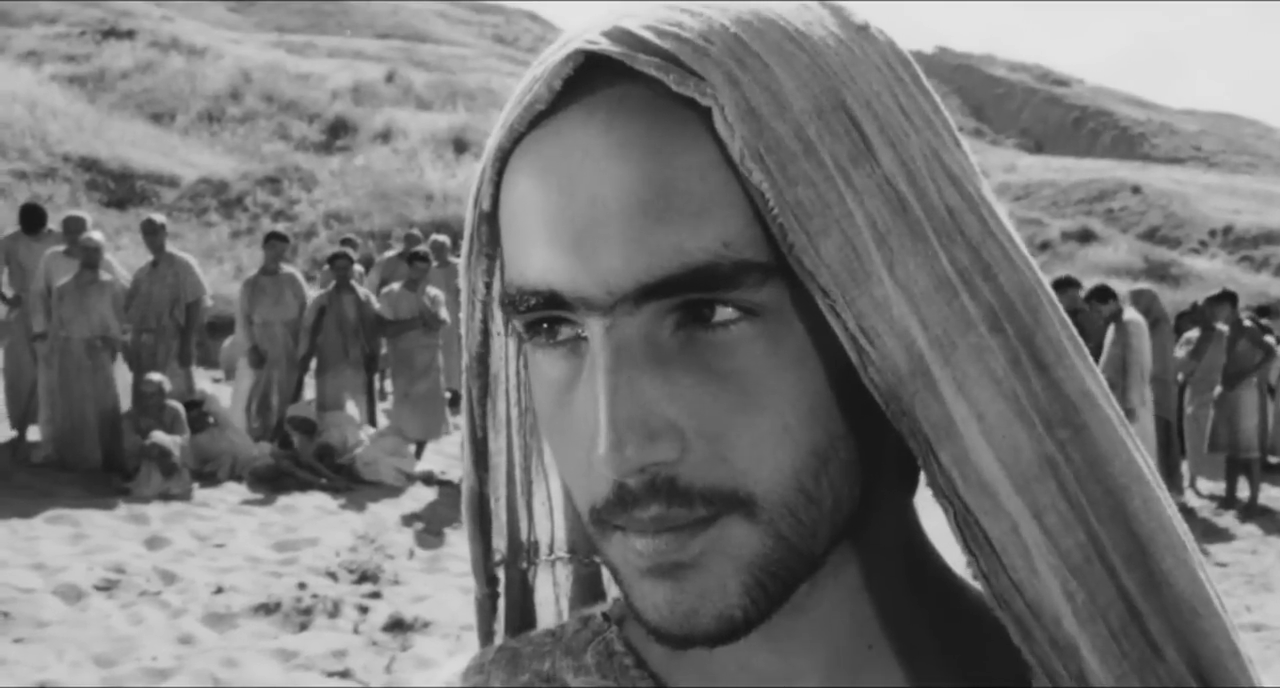
Of particular note is the plum central casting of non-actor Enrique Irazoqui as Jesus.

The value of his intense gaze and unwavering commitment to the role are difficult to overstate, given how much of the storyline he (naturally) dominates. As noted on IMDb’s Trivia page:

In keeping with his idea of Jesus Christ as the greatest revolutionary of all time, Pier Paolo Pasolini considered casting Jack Kerouac or Allen Ginsberg in the role. He changed his mind when he met Enrique Irazoqui, a Spanish student of literature, who has written a thesis about Pasolini’s novel “Ragazzi di vita” and was very curious to meet him.

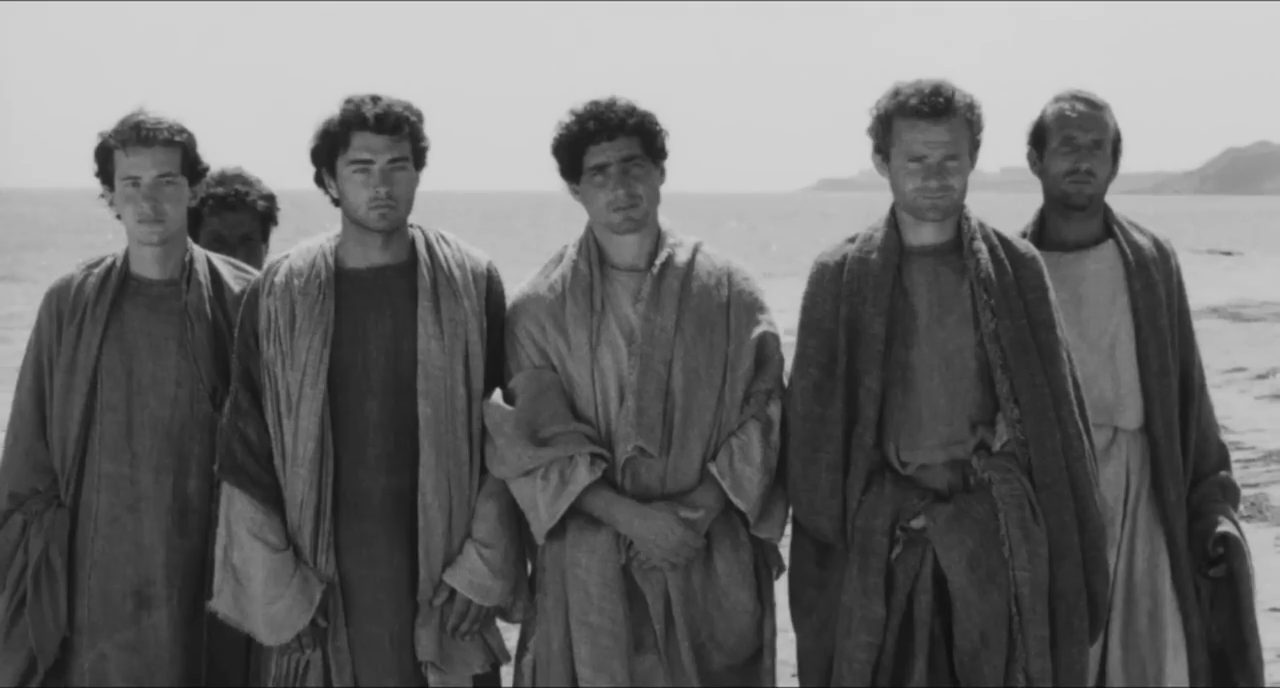
(One also can’t help noticing how many handsome young men were cast as Jesus’s disciples…)

It’s worth pointing out that “musical selections include the Congolese ‘Missa Luba,’ Prokofiev’s ‘Cantata’ from Alexander Nevsky, and Bach’s ‘St. Matthew Passion’,” as well as Odetta singing ‘Sometimes I Feel Like a Motherless Child.’ And I feel compelled to share the weird last sentence of Peary’s review, in which he notes that “this is the only film in which the Virgin Mary (who is pretty!) has a mustache.”

Ummm… Wha?!

Notable Performances, Qualities, and Moments:

  • Enrique Irazoqui as Jesus
  • Fine neo-realist cinematography

Must See?
Yes, as a uniquely powerful biblical drama by a noted director.

Categories

  • Important Director

(Listed in 1001 Movies You Must See Before You Die)

Links:

I, A Woman (1965)

I, A Woman (1965)

“A new man: I’m no longer the same girl.”

Synopsis:
A newly sexually liberated nurse (Essy Persson) from a religious background pursues and is pursued by a variety of men, preferring never to settle down.

Genres, Themes, Actors, and Directors:

  • Doctors and Nurses
  • Feminism and Women’s Issues
  • Scandinavian Films
  • Sexual Liberation
  • Strong Females

Review:
This softcore Scandinavian flick is notable for ushering in a new type of cinematic experience for American audiences, prior to the emergence of the sexploitation industry. It was horribly panned in the New York Times by A.H. Weiler, who wrote:

“Beware. The picture is slow, tedious, casually acted and lackadaisically directed. We simply can’t believe that the realistic, sophisticated Swedes and Danes — it’s a co-production — swallowed this junk as either entertainment or as a sermon on carnality.”

In hindsight, however, it’s pretty innocuous stuff. Persson is well cast as a strong young female who knows what she wants and go for it, and audience members who don’t expect anything other than following her sexual travails probably won’t be disappointed.

Notable Performances, Qualities, and Moments:

  • Mac Ahlberg’s cinematography

Must See?
No; only check this one out if you’re historically curious.

Links:

Funeral in Berlin (1966)

Funeral in Berlin (1966)

“I like you, English — you’re not as stupid as you look.”

Synopsis:
When British spy Harry Palmer (Michael Caine) is sent to Berlin to help facilitate the journey of a would-be defector (Oscar Homolka), he meets up with the German head of a British intelligence station (Paul Hubschmid), and is seduced by a beautiful Israeli model (Eva Renzi) who he suspects is likely also a spy of some kind.

Genres, Themes, Actors, and Directors:

  • Cold War
  • Michael Caine Films
  • Spies

Review:
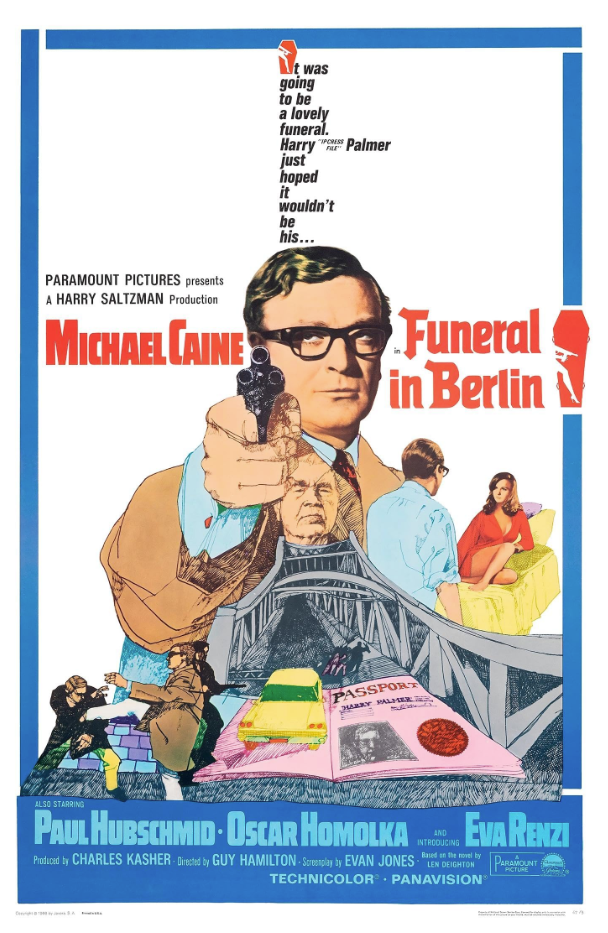
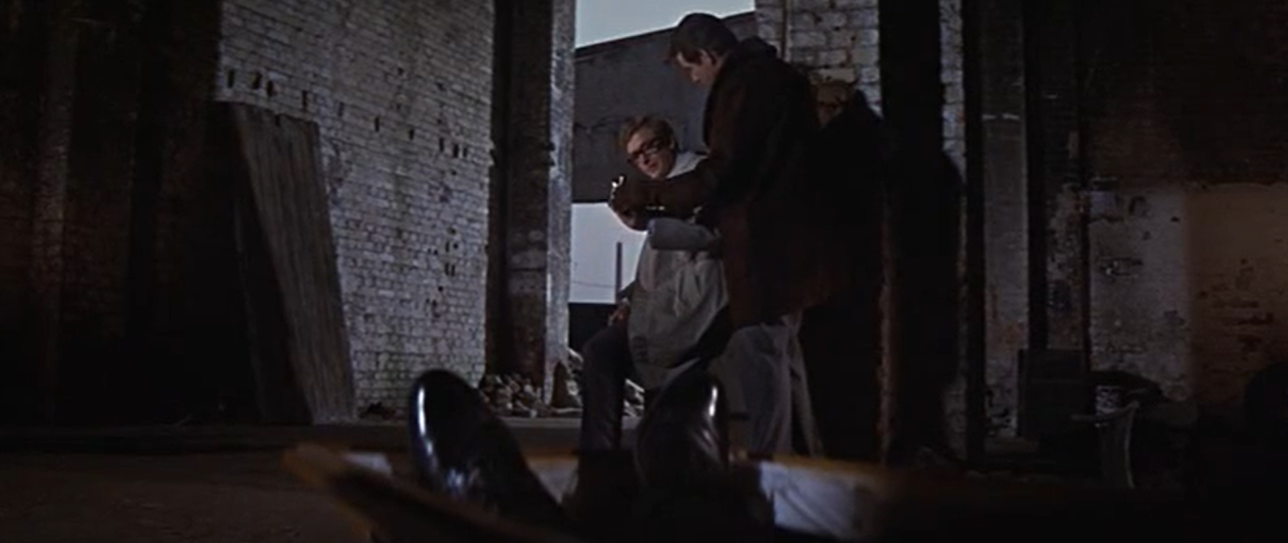
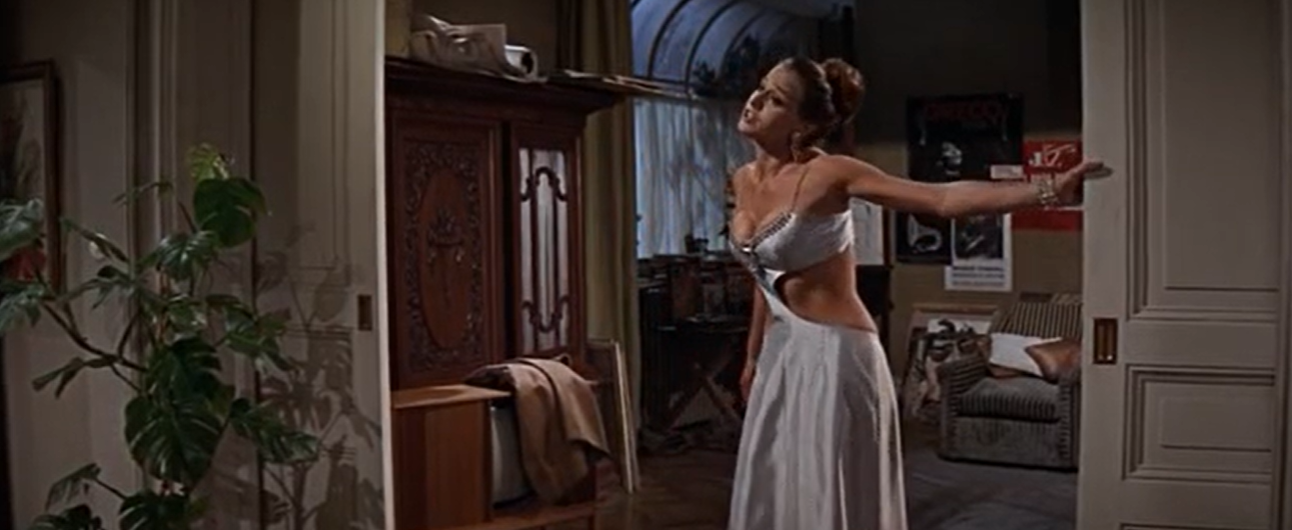
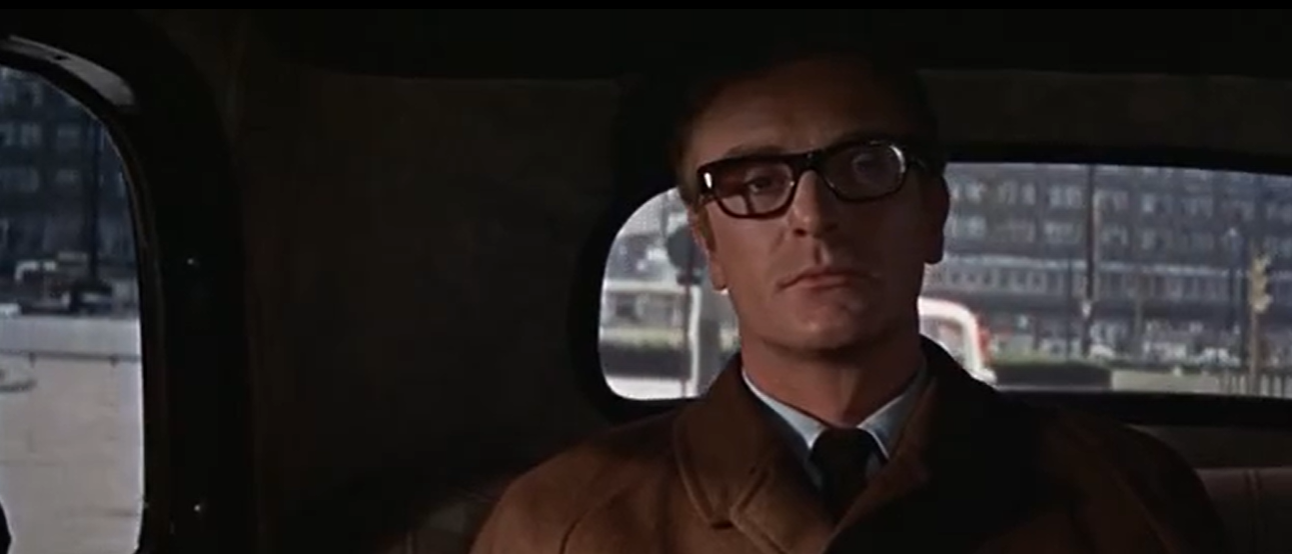
Goldfinger (1964)-director Guy Hamilton — who went on to direct several more Bond flicks — helmed this adaptation of Len Deighton’s novel of the same name, once again starring Michael Caine as former-criminal-turned-spy Harry Palmer, as previously seen in The Ipcress File (1965). The storyline is predictably dense and complicated, with countless double agents, hidden agendas, secret alliances, and violent encounters:

… as well as a sexy, overly-convenient dalliance between Caine and Renzi.

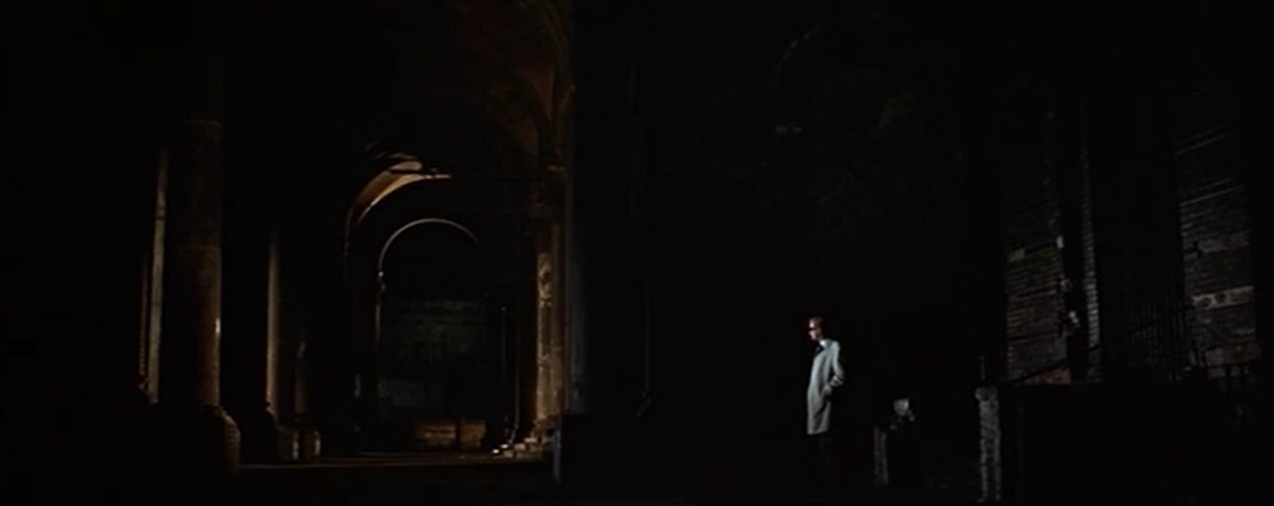
The title funeral refers to an elaborate escape plan involving a coffin and shadowy tunnels:

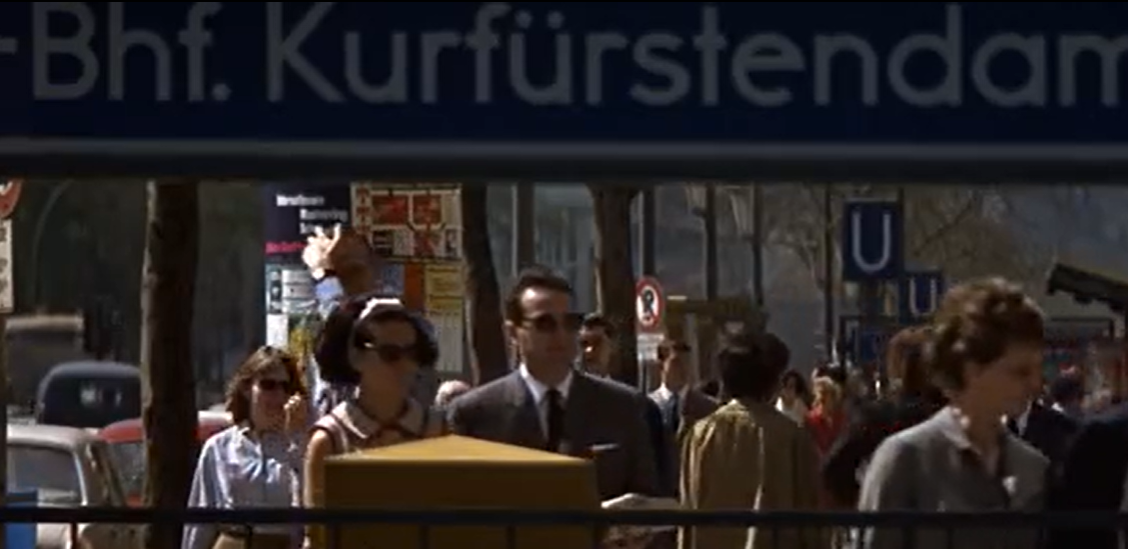
… which is atmospherically shot through the streets of Berlin, as are many other scenes. Don’t worry too much about who is who, since all is revealed by the end — and you can always read a synopsis to catch up on details.

Notable Performances, Qualities, and Moments:

  • Michael Caine as Harry Palmer
  • Otto Heller’s cinematography
  • Fine location shooting in Berlin

Must See?
Yes, as a finely crafted spy thriller.

Categories

  • Good Show

Links: