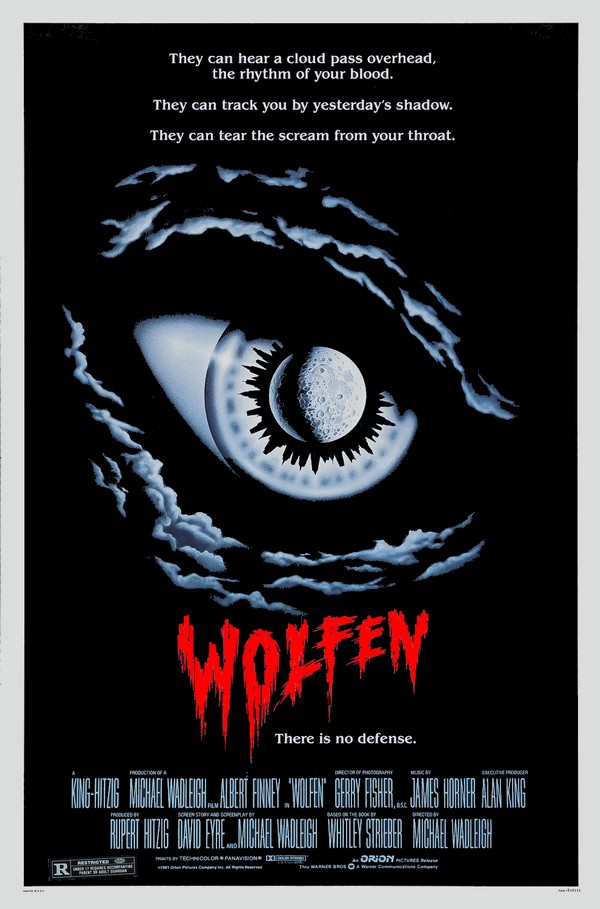
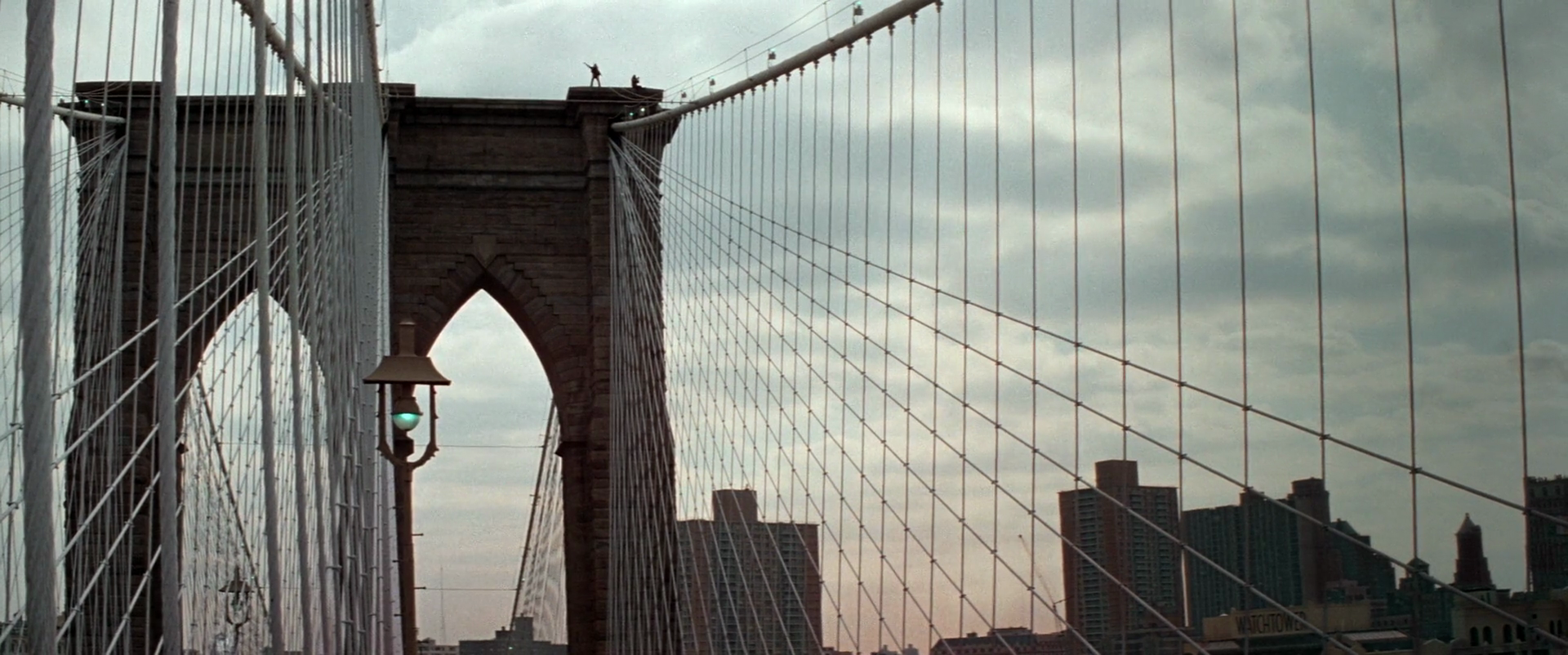
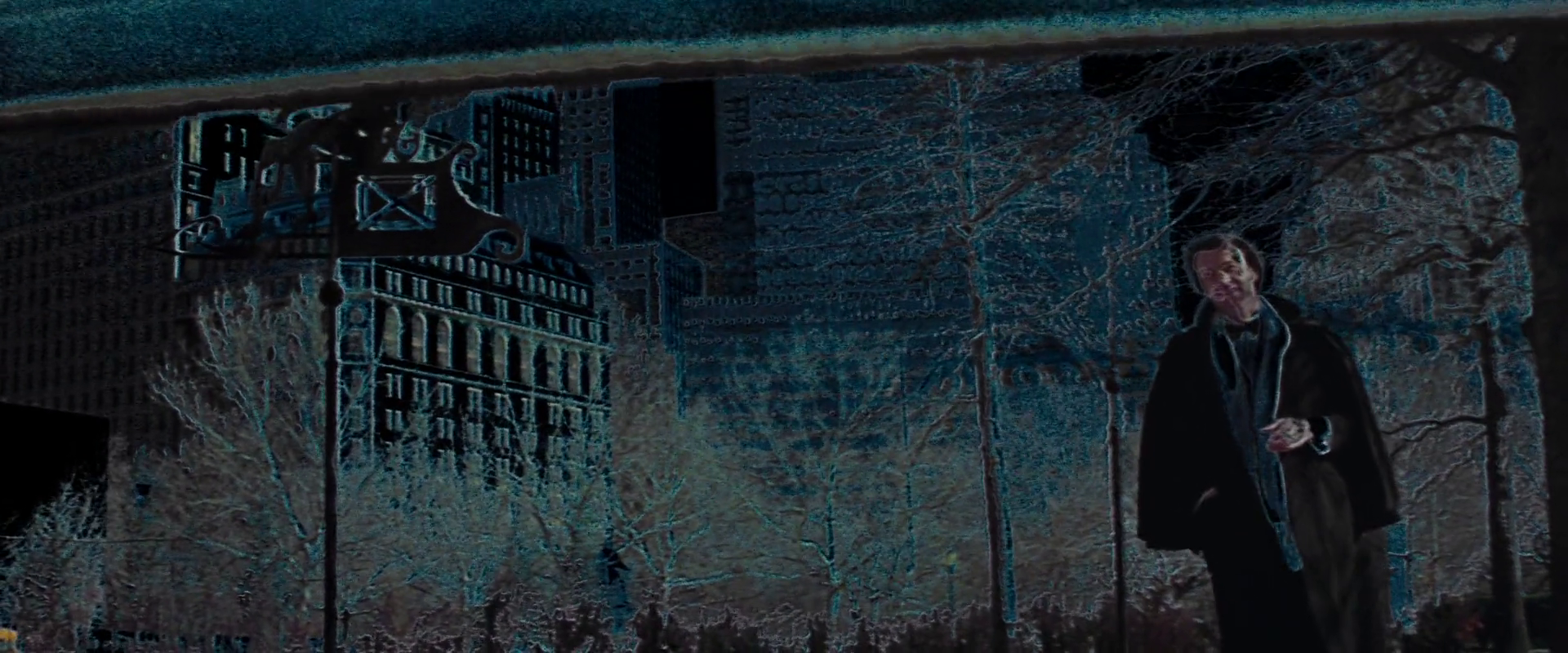
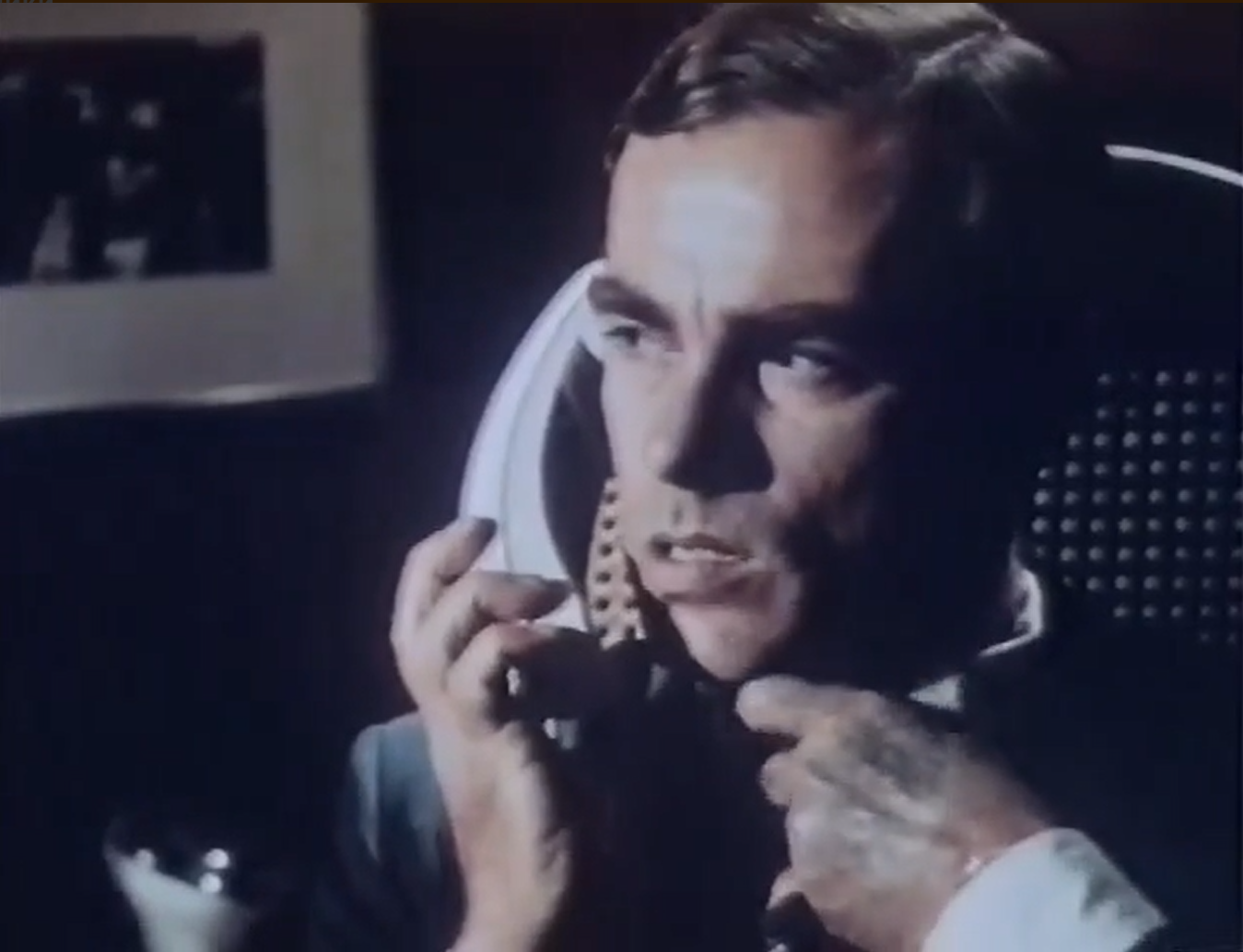
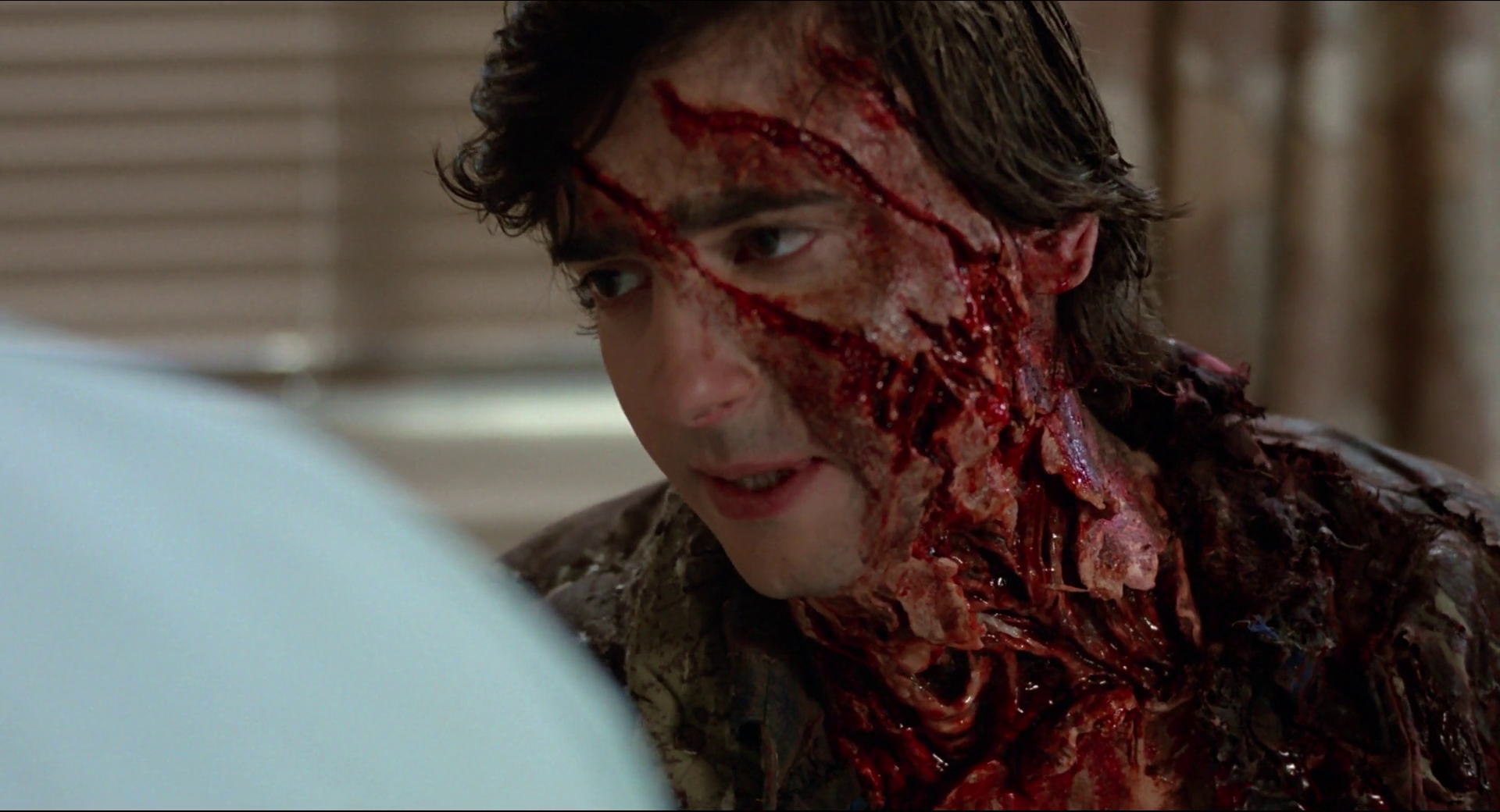
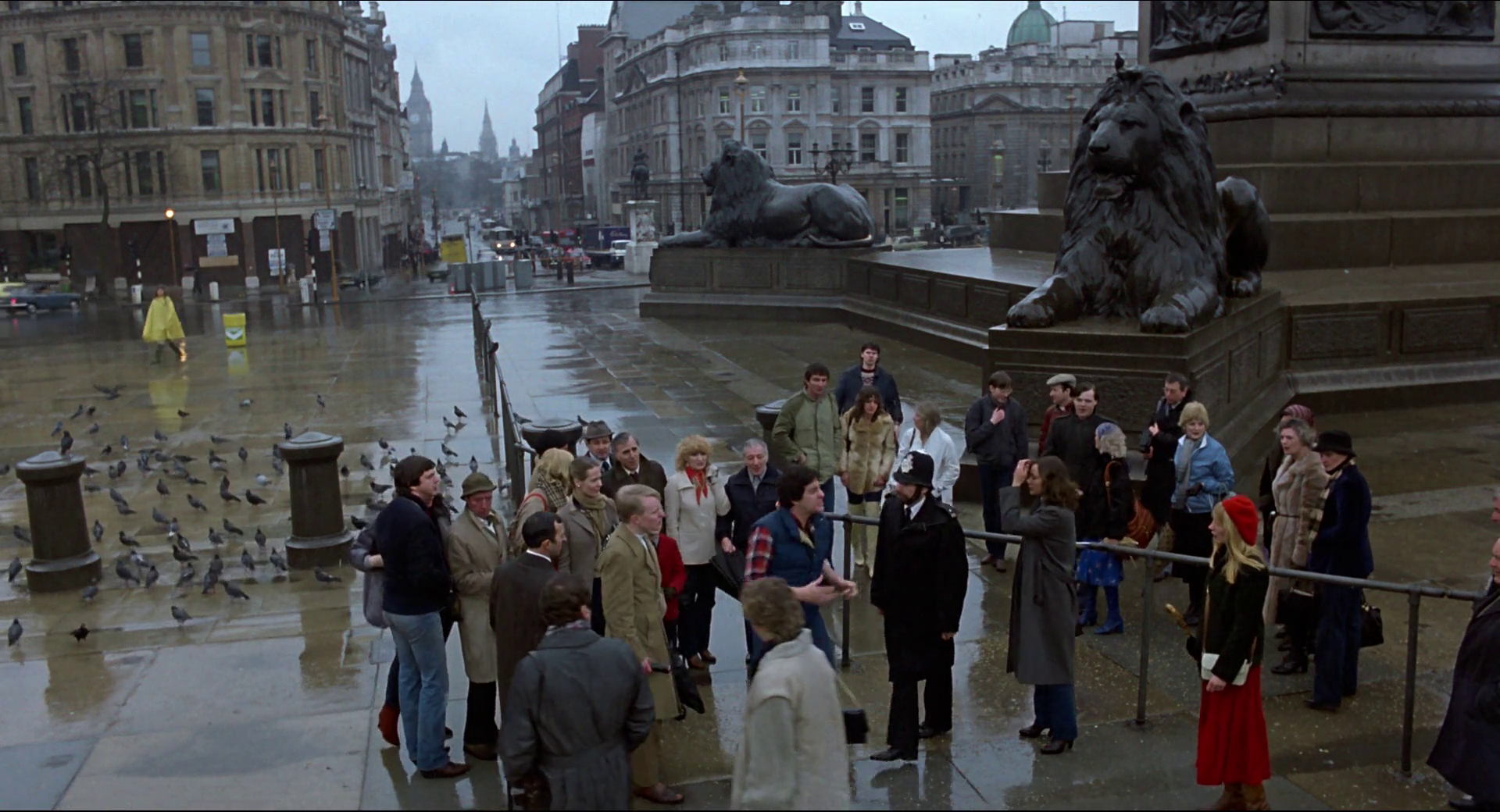
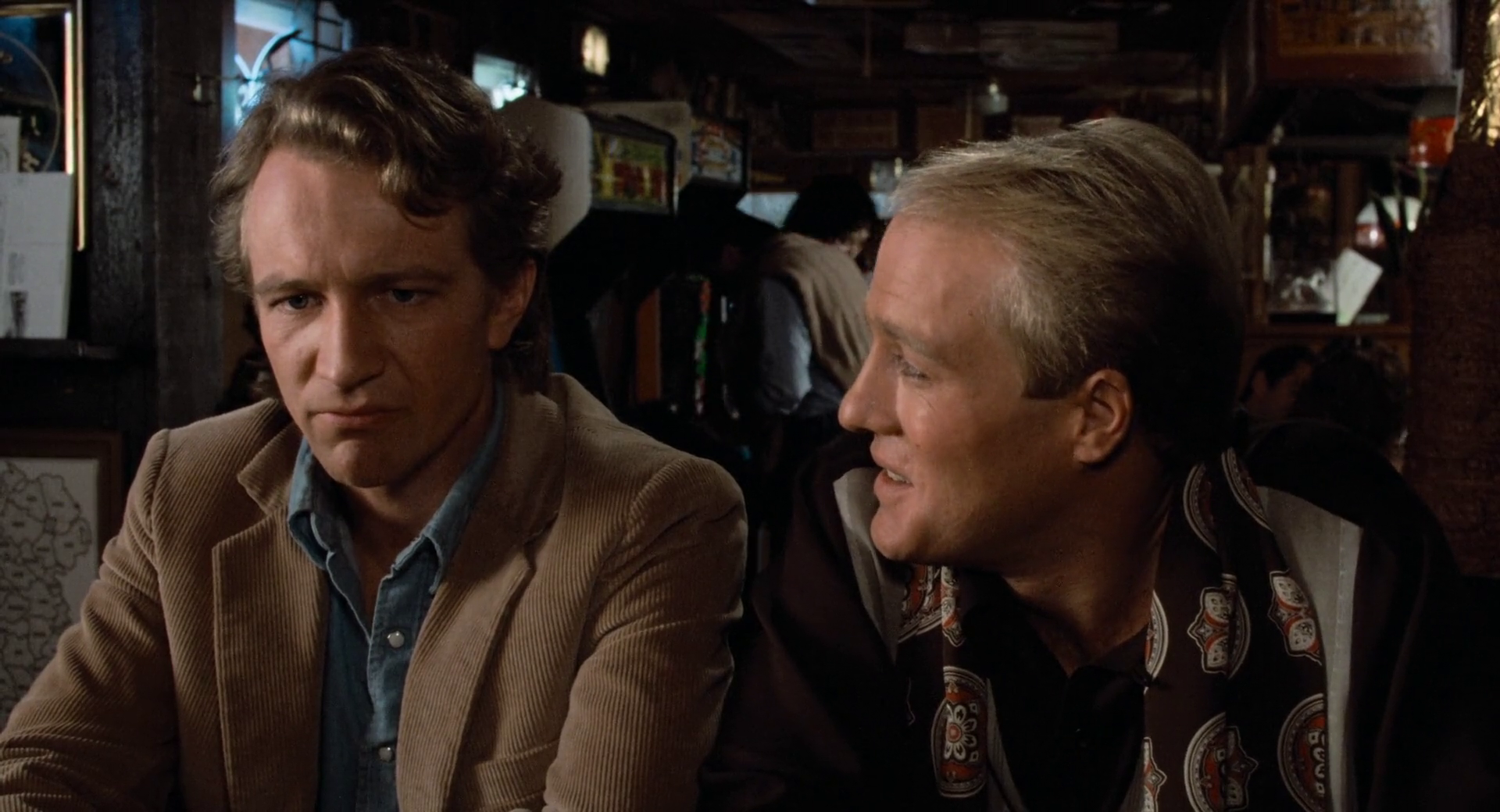
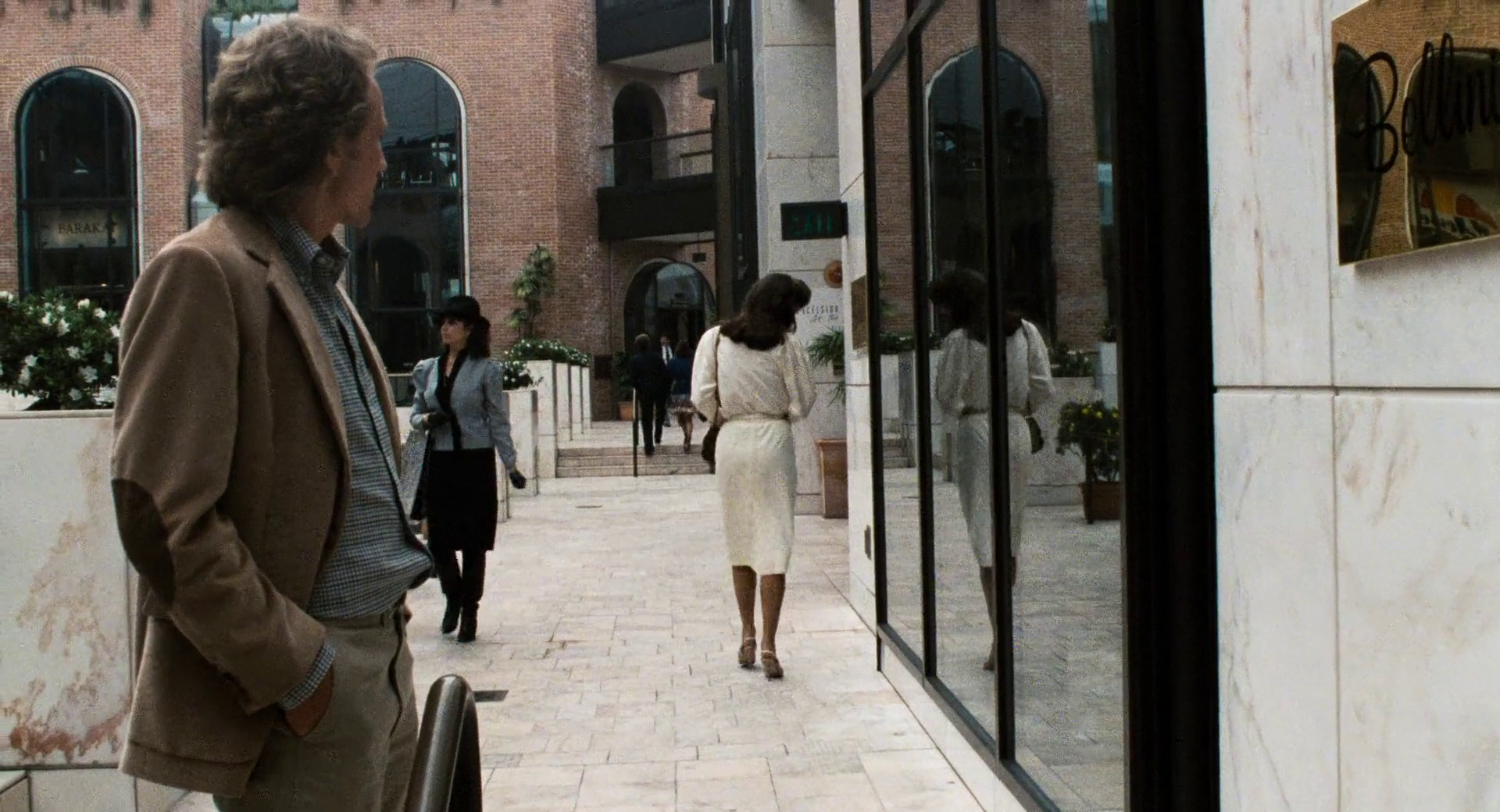
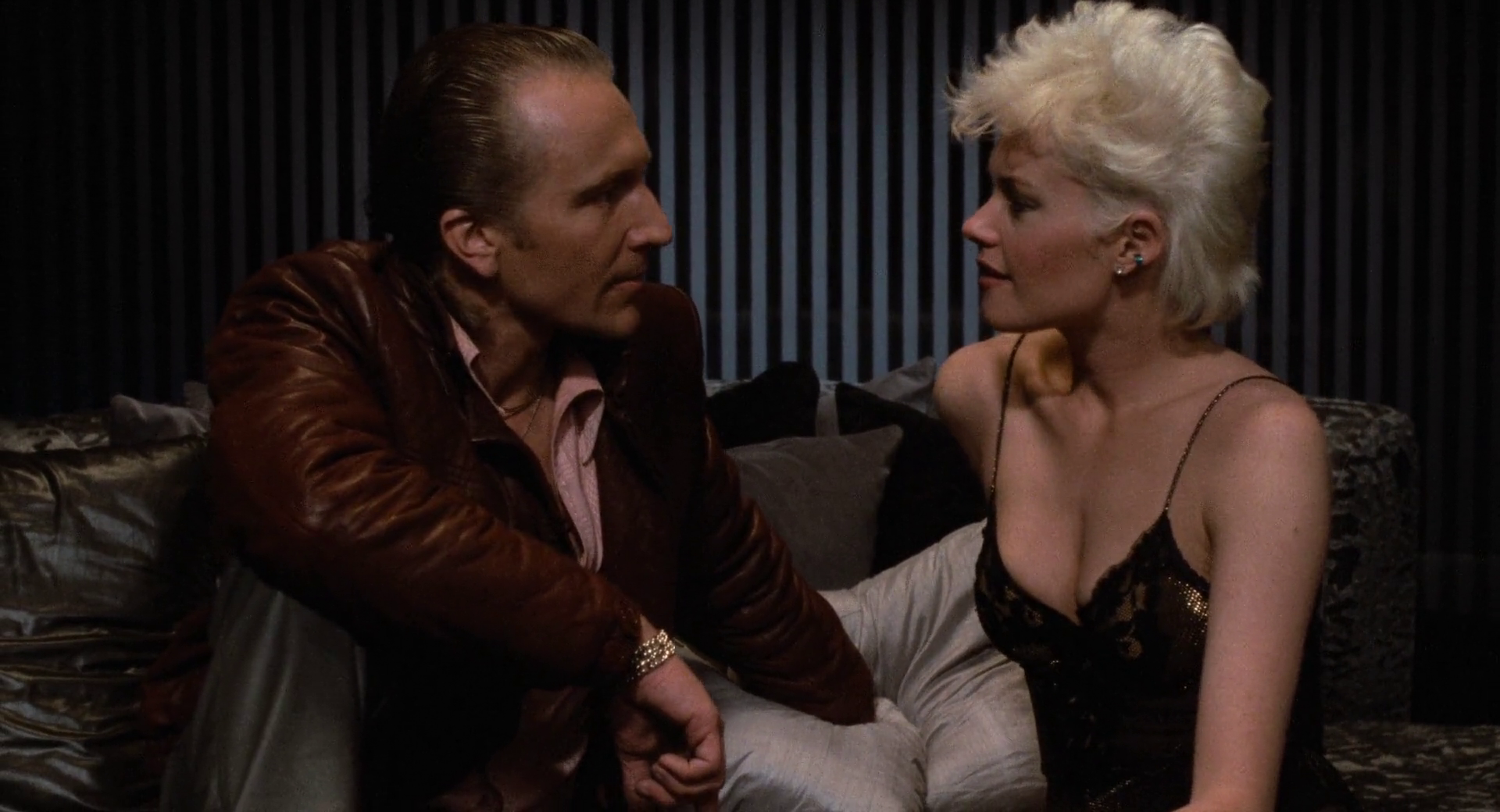
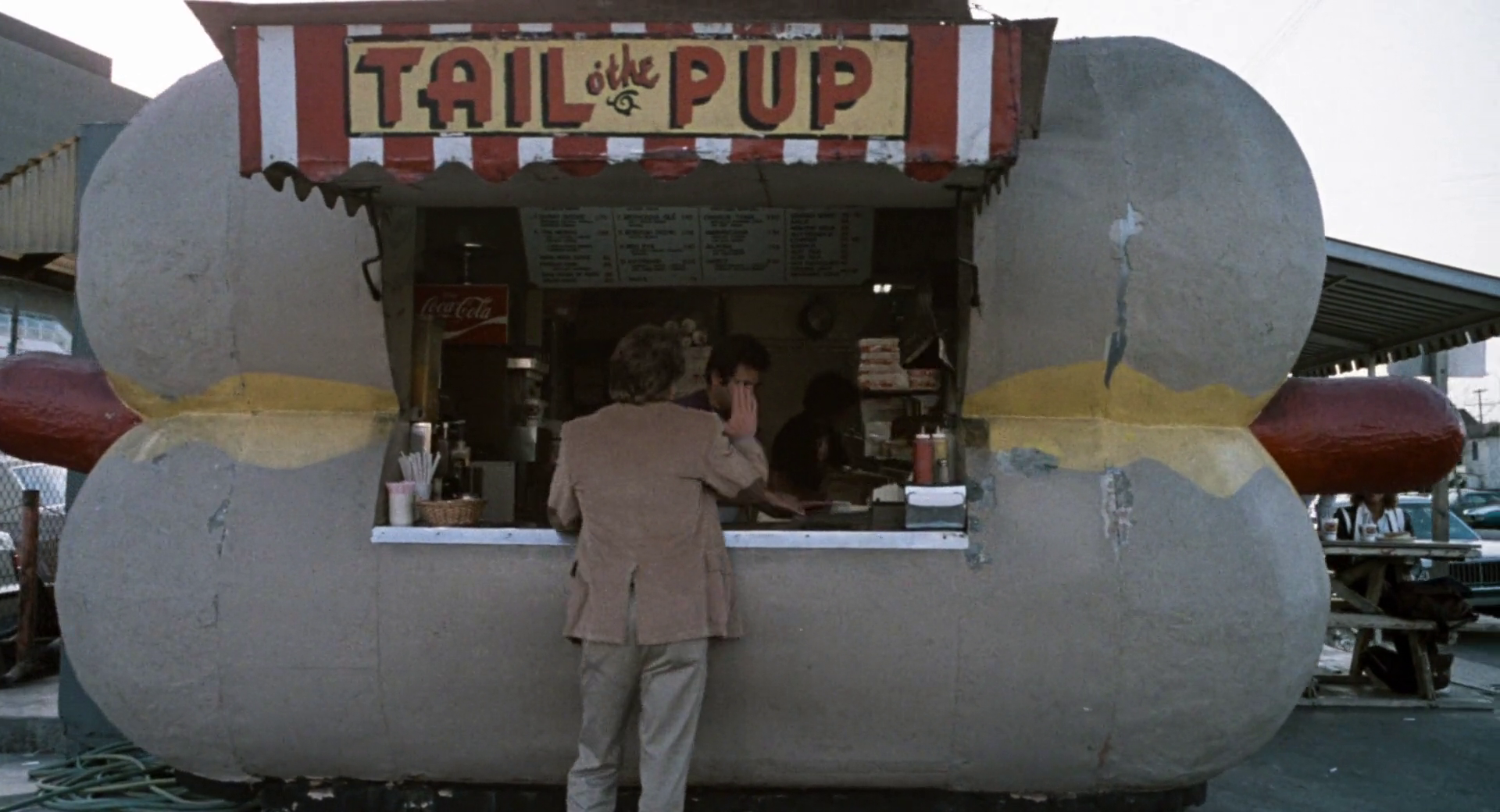
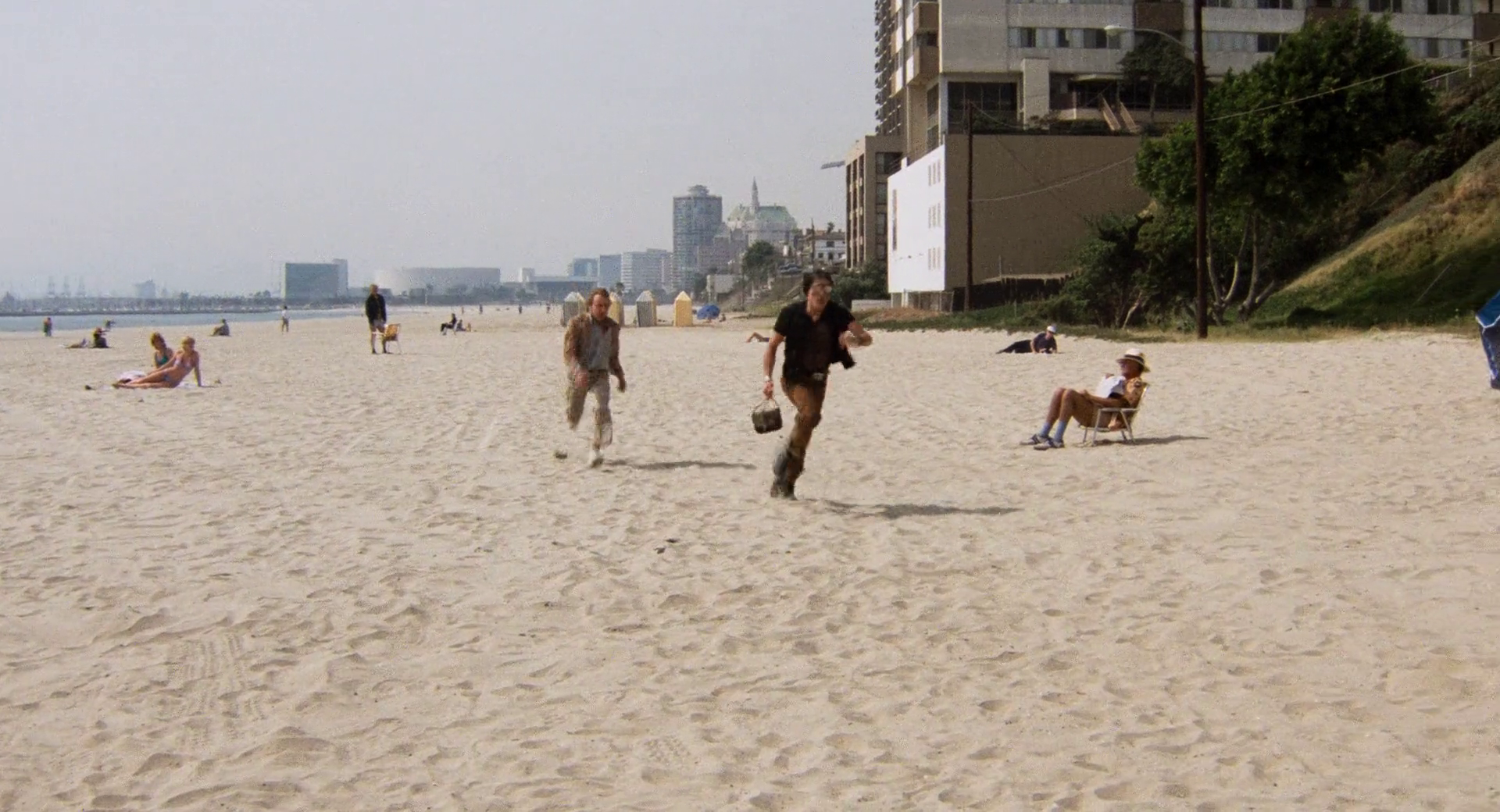
Wolfen (1981)
“Wolves don’t kill people — that’s a myth. I mean, they’re too smart.”
|
Synopsis: |
|
Genres, Themes, Actors, and Directors:
Review: Redeeming Qualities and Moments:
Must See? Links: |
Responses to Peary’s “must see” movie reviews, as well as my own “must see” movie reviews up to and after 1986 (when Peary’s book was published).
“Wolves don’t kill people — that’s a myth. I mean, they’re too smart.”
|
Synopsis: |
|
Genres, Themes, Actors, and Directors:
Review: Redeeming Qualities and Moments:
Must See? Links: |
“You don’t look well, Jack.”
|
Synopsis: |
|
Genres, Themes, Actors, and Directors:
Response to Peary’s Review:
Instead, we must rely entirely on our sympathy for poor Stockwell, who clearly knows he’s a danger to those around him but can’t manage to convince Washington to take him seriously. Redeeming Qualities and Moments:
Must See? Links: |
“Stay on the road; keep clear of the moors.”
|
Synopsis: |
|
Genres, Themes, Actors, and Directors:
Response to Peary’s Review:
In addition, he points out that “the music… is a lot of fun” and that “Rick Baker won a deserved Oscar for his corpse-ghost and werewolf makeup and his stunning work on Naughton’s transformation from man into beast.” Peary concedes that “the last couple of scenes, taking place in Picadilly Circus, seem ill advised” but “otherwise the picture is truly enjoyable and original.” I’m not as big a fan of this film as Peary and many others (it’s a cult favorite, discussed in Peary’s Cult Movies 3) seem to be. The mix of horror and comedy feels incomplete and often sophomoric; for instance, the scene in which Naughton “steals” a cluster of balloons from a startled young boy at the zoo to cover up his nudity is simply icky. Meanwhile, I would strongly prefer more of Elmer Bernstein’s moody score in favor of the pop hits Landis chose to sprinkle throughout key scenes. Agutter is appealing as Naughton’s love interest, and Baker’s transformation effects are truly outstanding — but this one will primarily appeal to fans of werewolf flicks or Landis’s comedic brand. Redeeming Qualities and Moments:
Must See? Categories
(Listed in 1001 Movies You Must See Before You Die) Links: |
“Things only seem to be magic; there is no real magic, ever.”
|
Synopsis: |
|
Genres, Themes, Actors, and Directors:
Review:
Through atmospheric black-and-white flashbacks, we get glimpses of Martin’s desire for romance and intimacy — along with the inevitable bloodshed that ensues.
The scene in which Martin invades the home of a housewife (Venable) — assuming he’s “safe” to seduce her since he’s just watched her husband drive away for a trip, then finding out there’s a man in the house after all — is expertly directed, showing off Martin’s agility and quickness-of-mind. Only once Martin decides he wants to try to live a more “human” life do his faculties begin to fail him. While it’s far from perfect and occasionally clunky, enough works about this low-budget thriller (purportedly Romero’s personal favorite) to recommend it for one-time viewing by all film fanatics. Redeeming Qualities and Moments:
Must See? Categories
Links: |
“They’re going to kill us — all of us!”
|
Synopsis: |
|
Genres, Themes, Actors, and Directors:
Review:
… nor pays off effectively. Redeeming Qualities and Moments:
Must See? Links: |
“I prefer animals to people.”
|
Synopsis: |
|
Genres, Themes, Actors, and Directors:
Response to Peary’s Review:
… and some early scenes are quite eerie and erotic, but Alan Ormsby’s script becomes incoherent, the John Bailey [cinematographer]-Ferdinando Scarfiotti [production designer] visuals become too surrealistic, and Schrader completely forgets the subtlety, sensuality, and taste that distinguished Lewton’s film” — instead filling “the screen with nudity and gory violence that are antithetical to Lewton.” In a 2000 interview, Schrader apparently admitted that Lewton’s film didn’t mean much to him, and that he wanted “the movie credited as ‘A Paul Schrader and Fernando Scarfiotti Film'” — but despite significant narrative differences between the two films, there are enough scenes that are direct homages (i.e., the swimming pool scene) that it’s hard not to make comparisons.
Unfortunately, I’m in agreement with Peary that this more literal “version” is much less successful, and actually pretty icky. McDowell seems comfortable building on the theme of incest from his infamous turn in Caligula (1979), but why in the world would audiences want to hear him saying to Kinski, “We are an incestuous race; we can only make love with our own — otherwise, we transform.”? I get that this is the mythos behind the storyline, but it’s simply unappealing. Kinski is alluring, and good use is made of New Orleans settings — but this one isn’t must-see viewing. Redeeming Qualities and Moments:
Must See? Links: |
“I can’t figure this thing out. But I do know one thing: something weird is going on up there.”
|
Synopsis: |
|
Genres, Themes, Actors, and Directors:
Review:
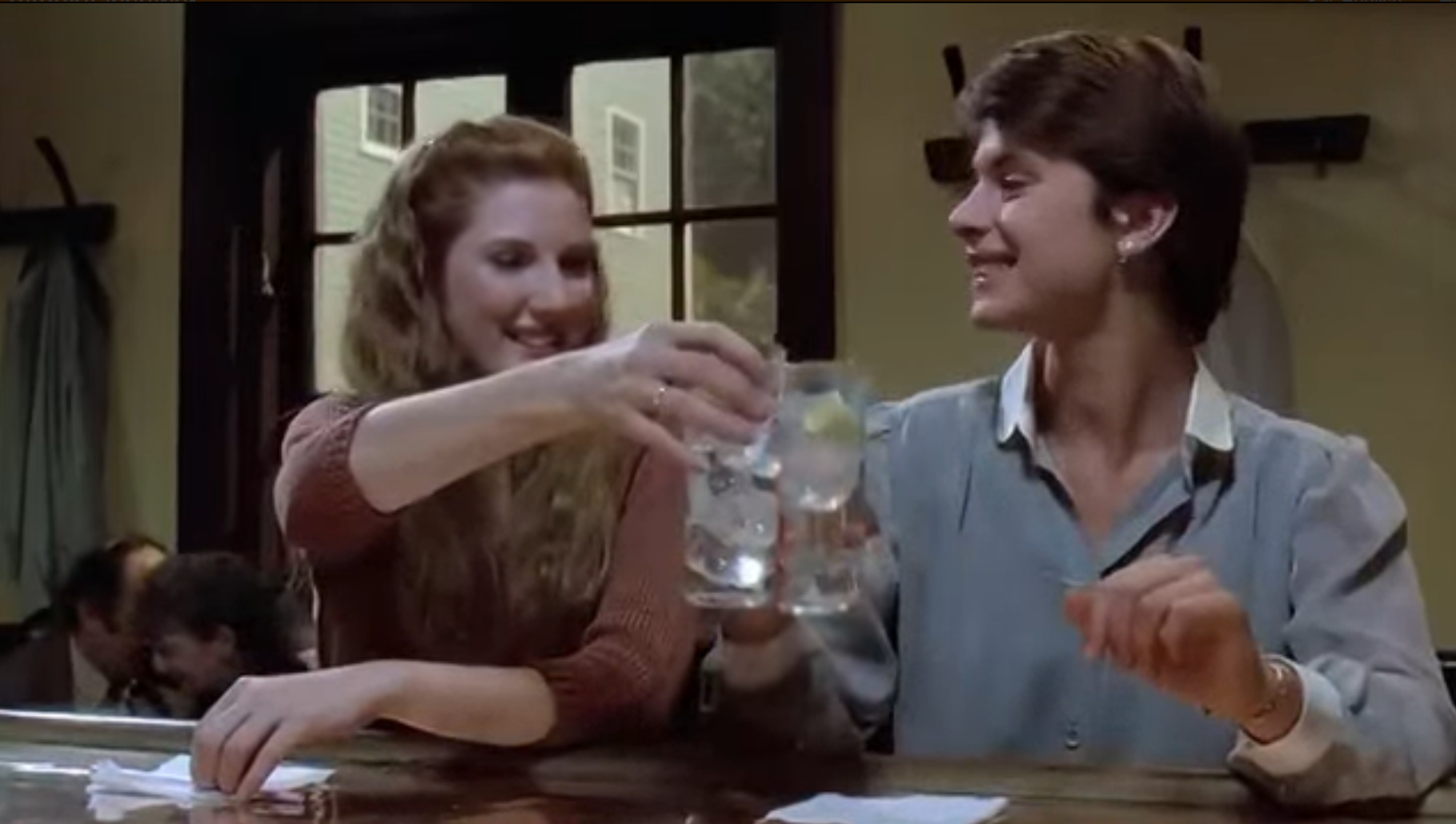
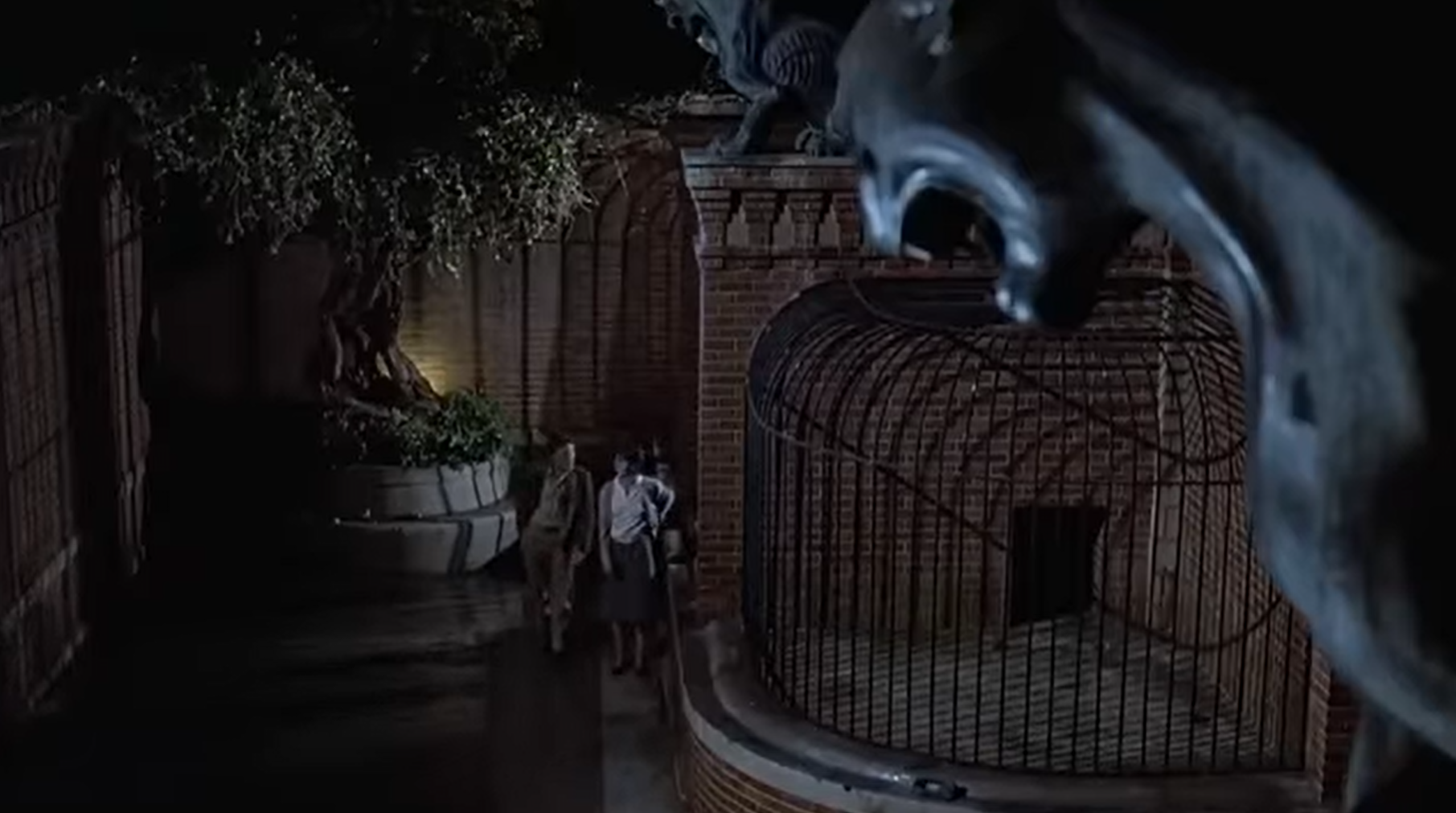
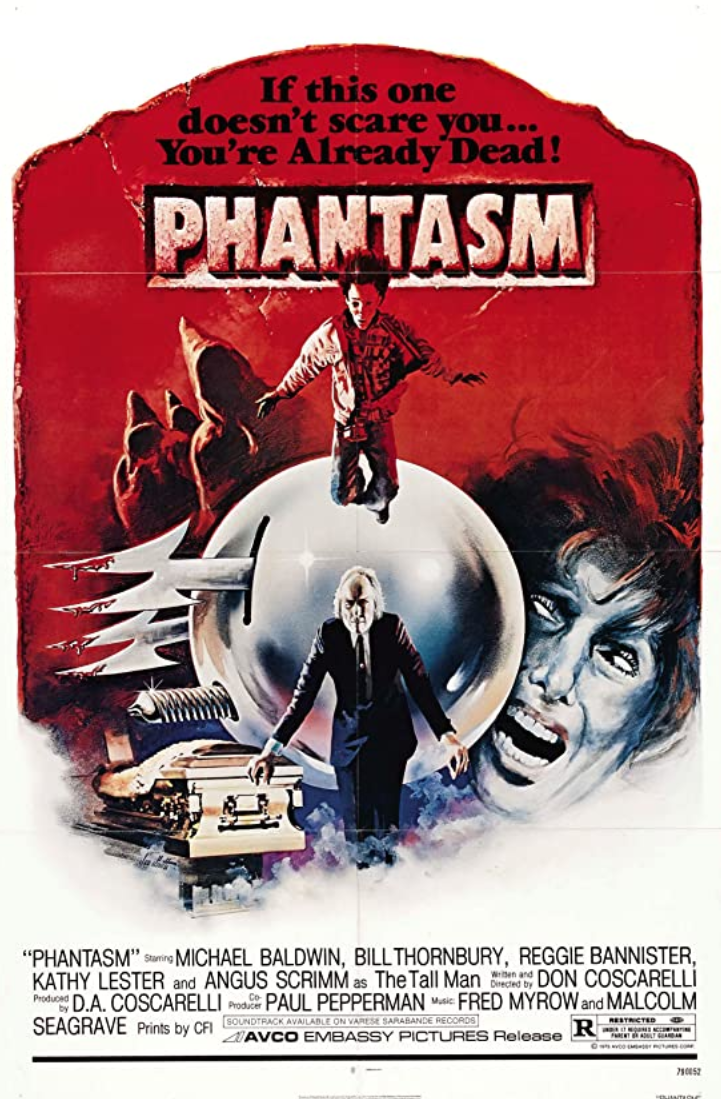
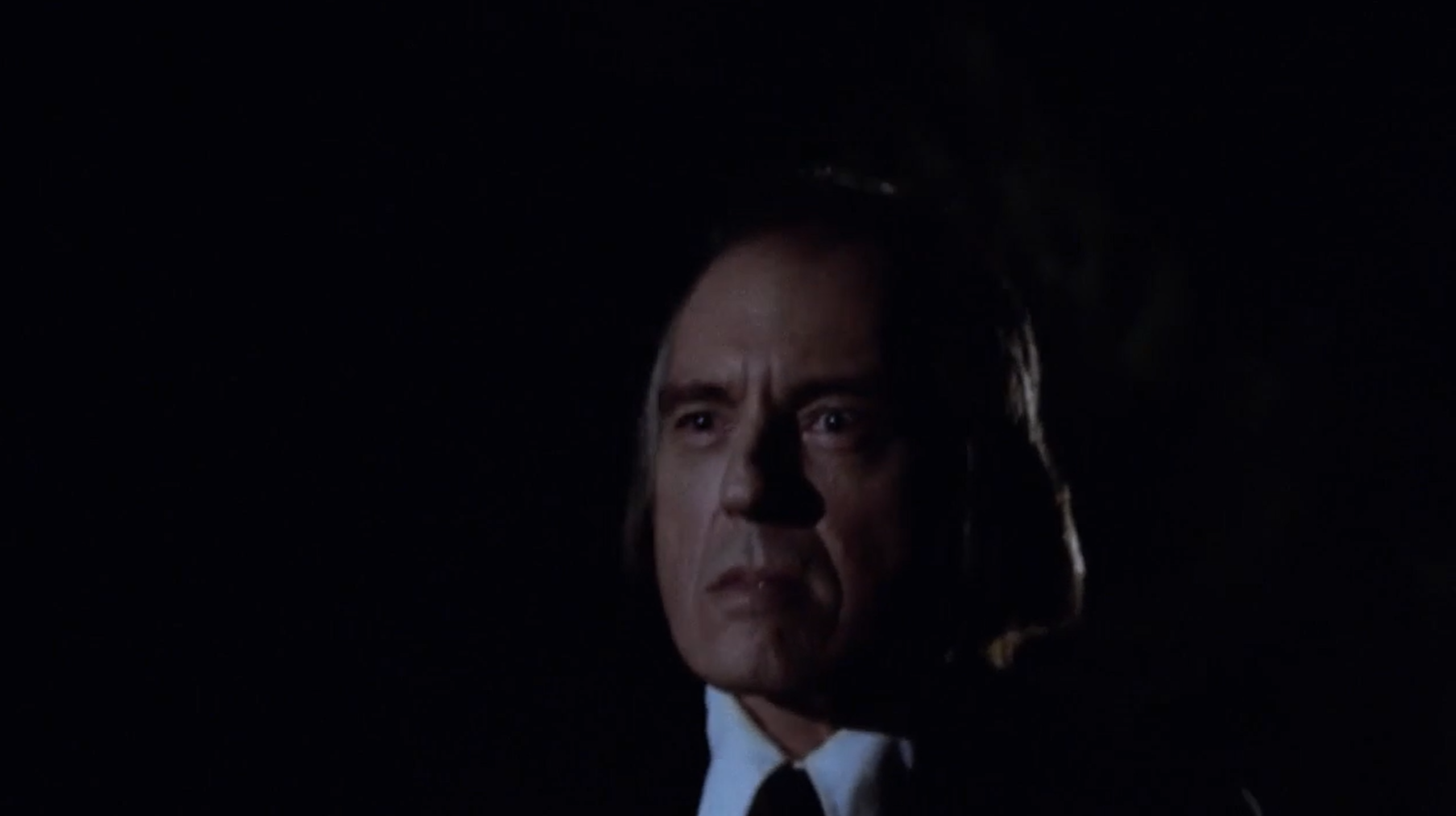
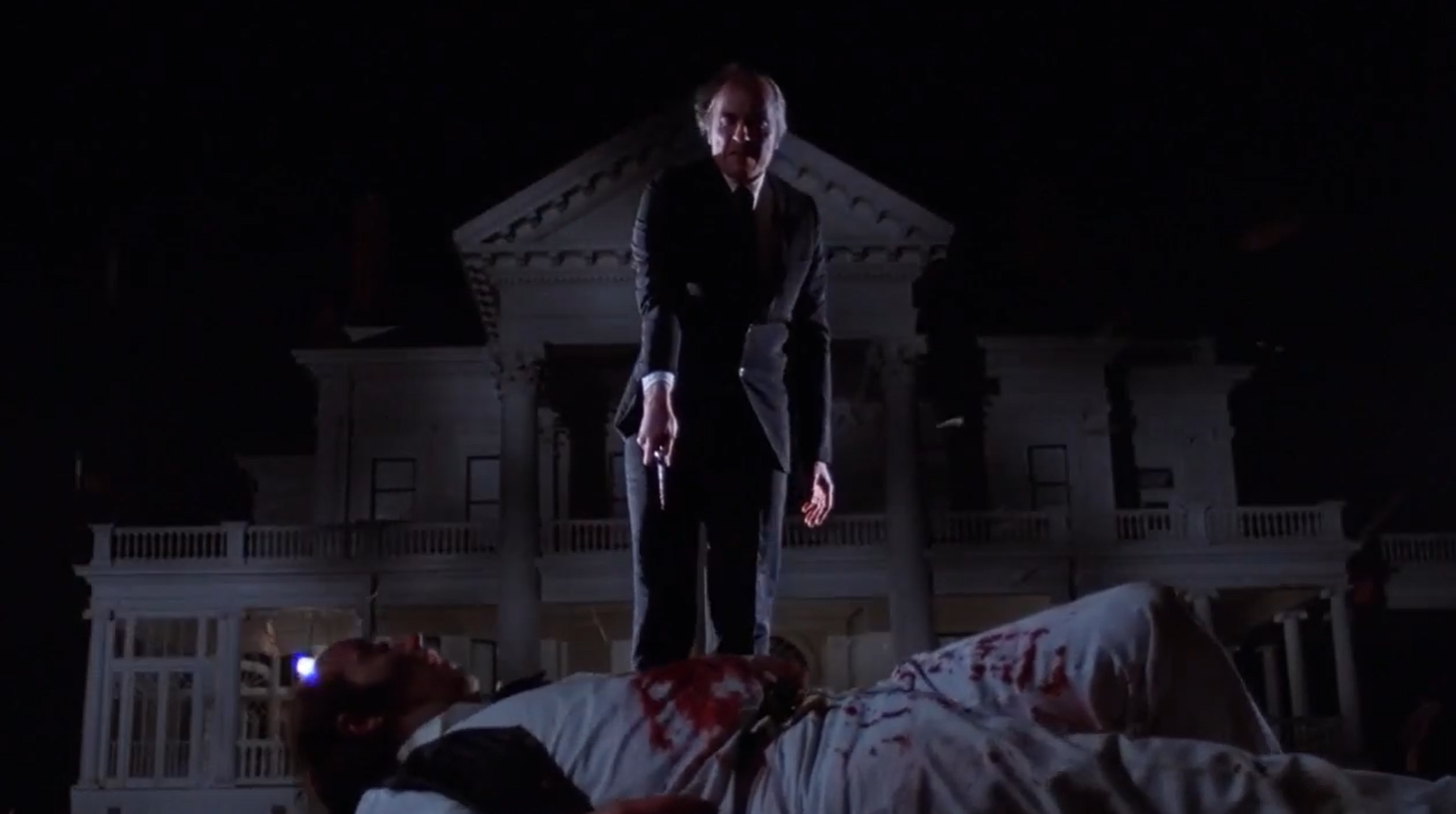
However, I personally find Phantasm to be a mess of a movie — to the extent that I started talking back to it at a certain point, simply out of incredulity at the choices being made:
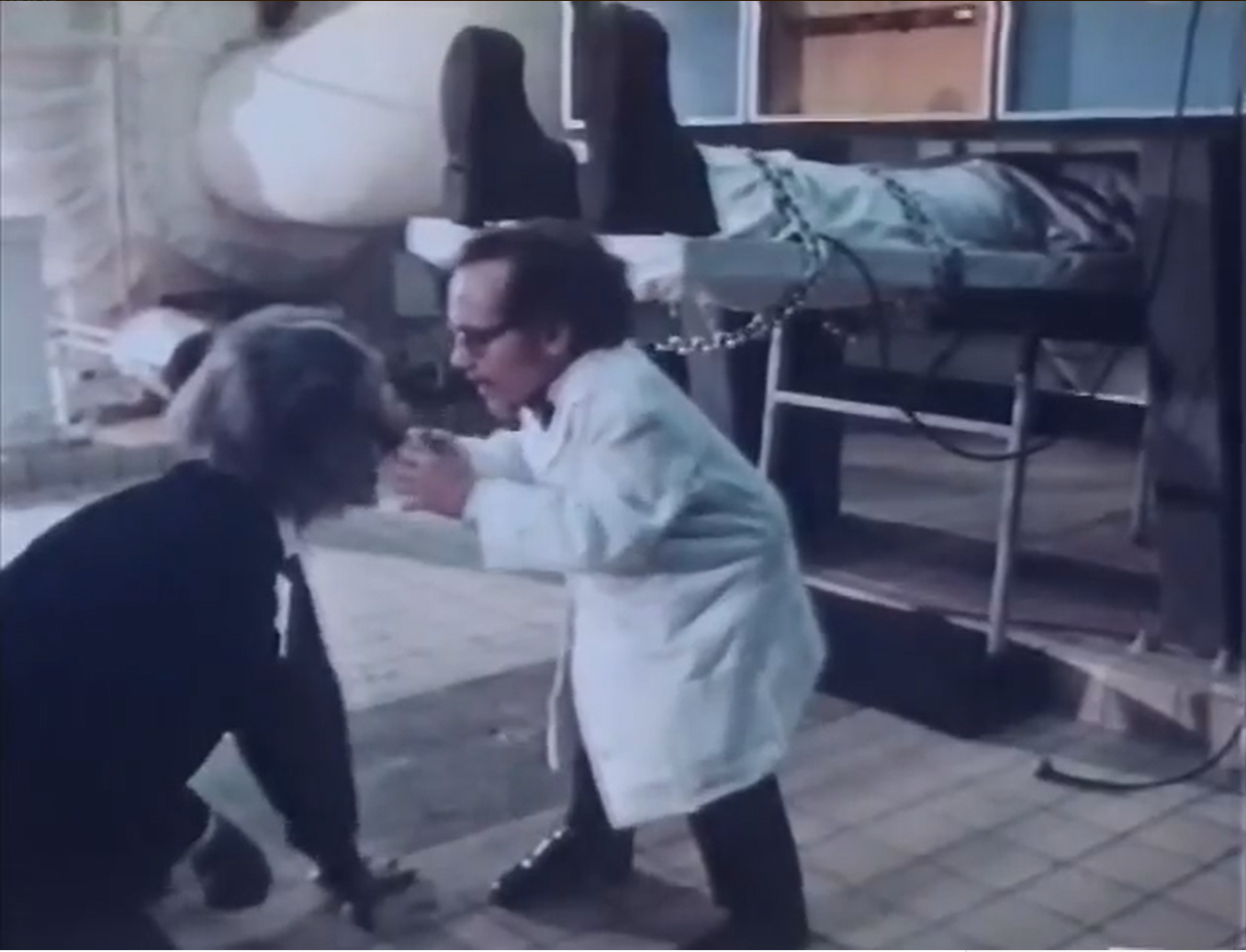
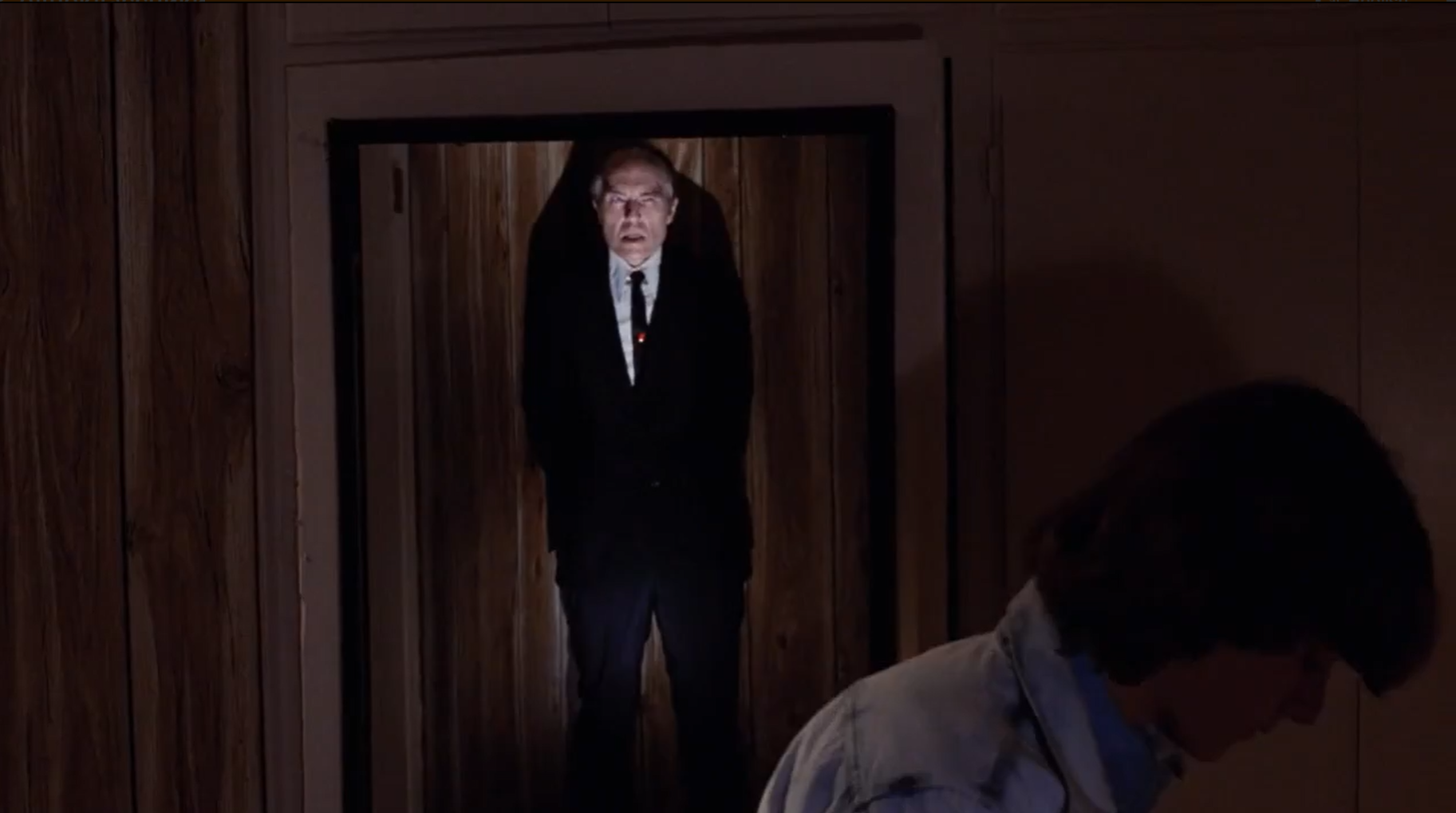
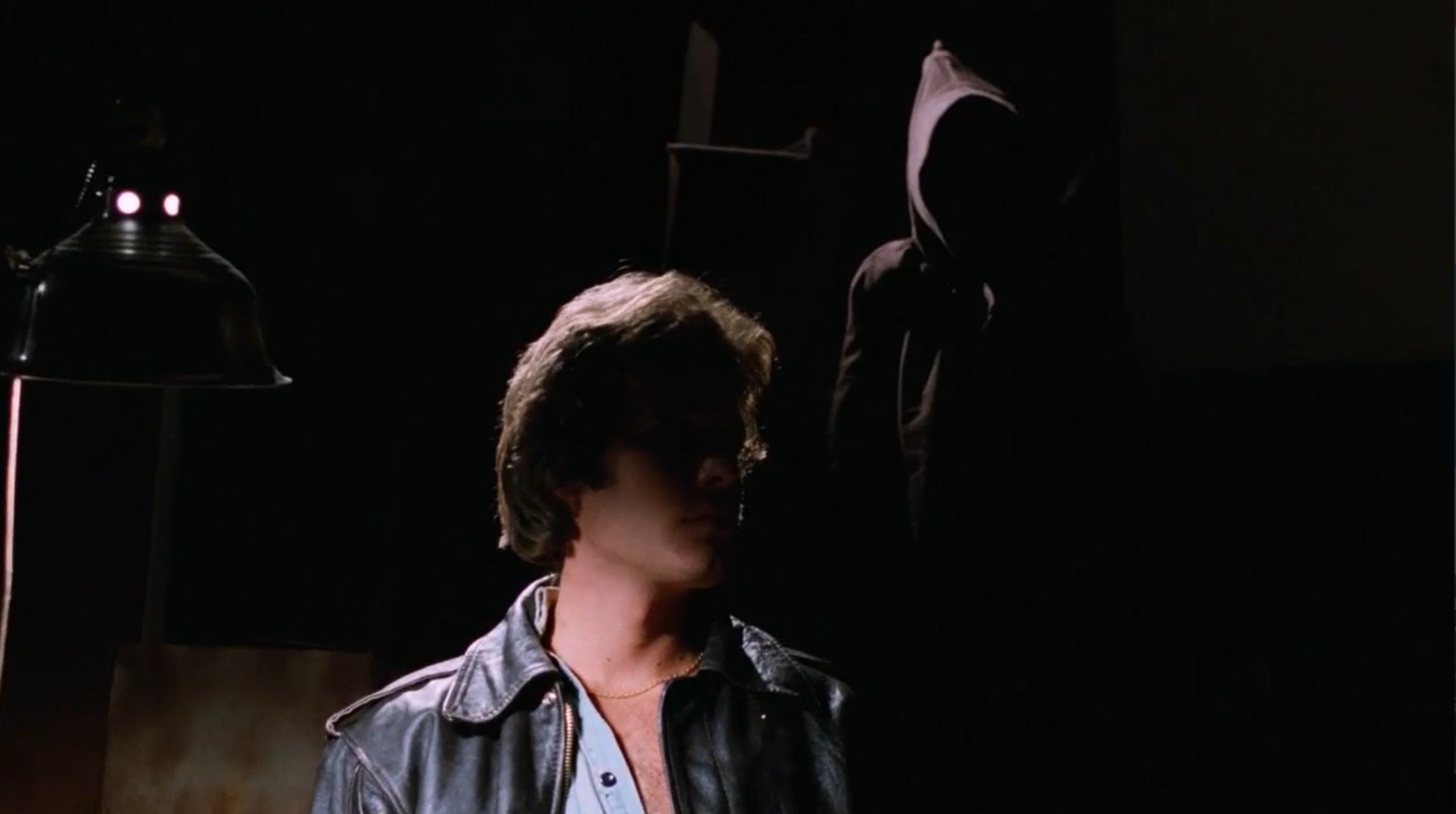
Coscarelli clearly seems to be aiming for a form of giallo in his use of atmospheric cinematography and Goblin-esque music (as well as a windshield shattering at one point), but can’t seem to make up his mind which horror film tropes he wants to settle on, ultimately simply throwing them all in — including killer hooded dwarves:
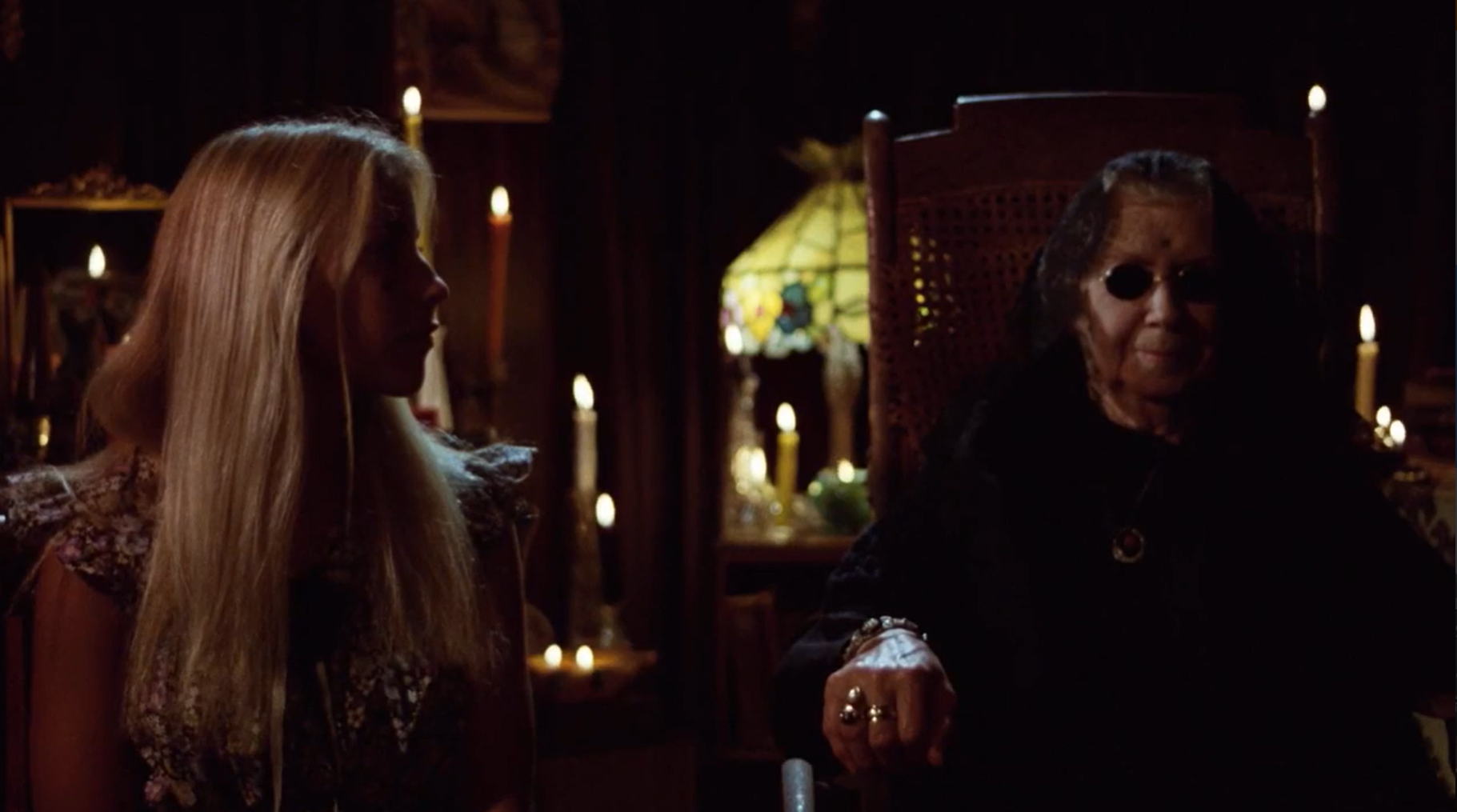
… a blind seer:
… a disembodied finger:
… a (seemingly) self-driving car:
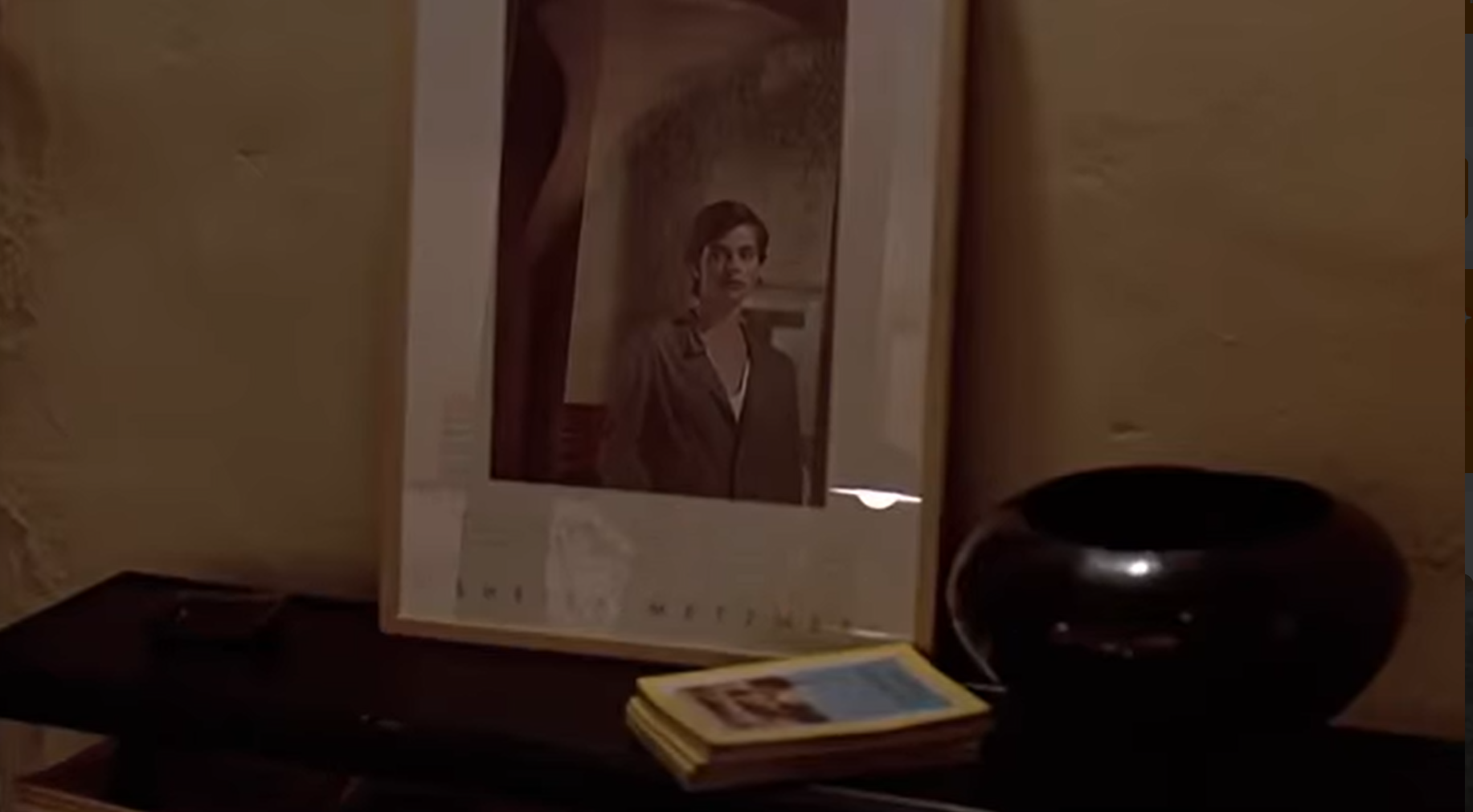
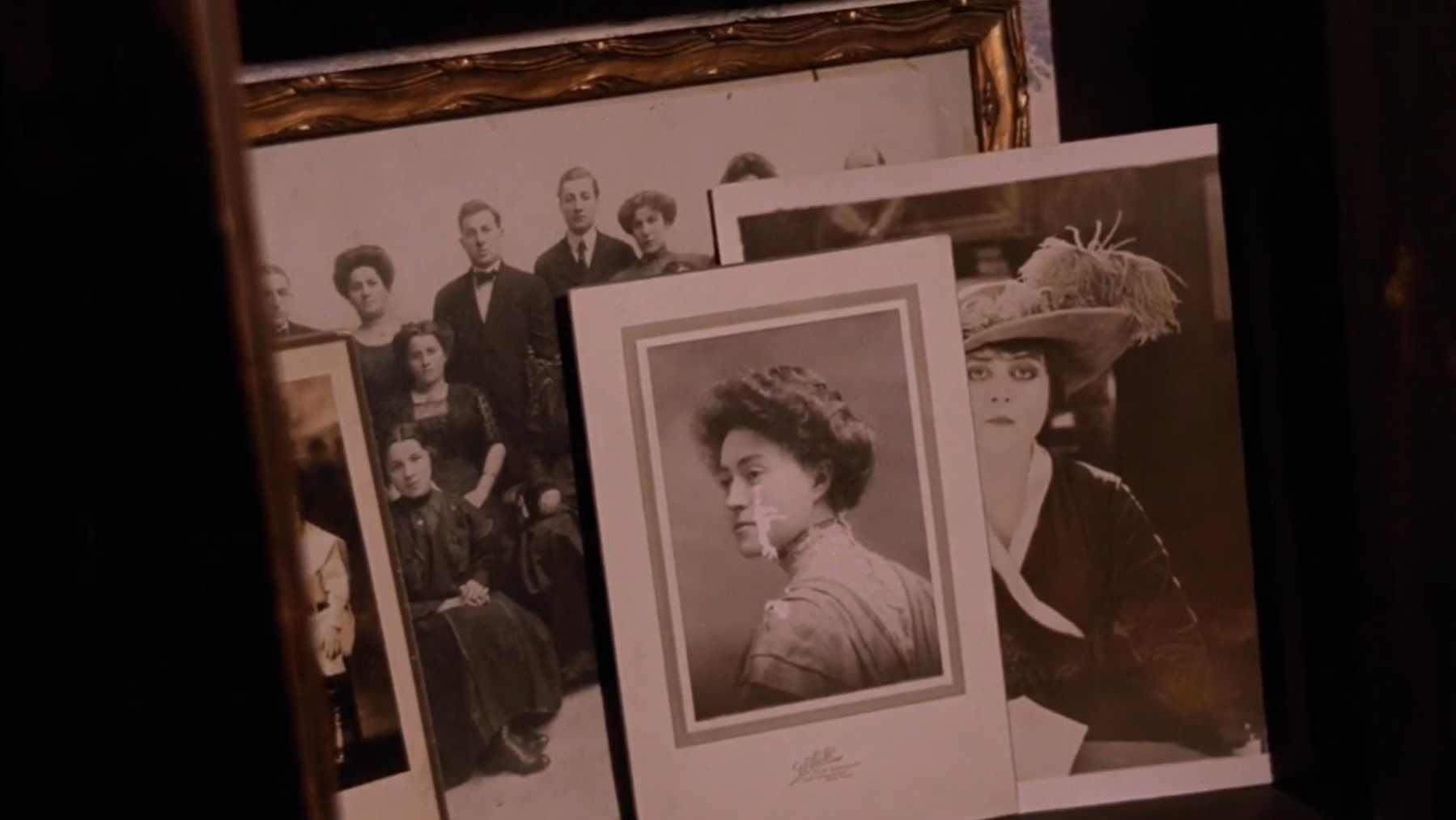
… the discovery of meaningful old sepia-toned photos in a cluttered antique shop:
… a chase scene through the dark woods:
… and death-after-sex:
In addition, there’s a brief time/space warp sequence that presumably gives Pearson all sorts of insights into what the Tall Man is ultimately aiming for:
… as well as a truly random musical interlude:
… and a special effects sequence — a lethal silver ball hurtling straight at a bad-guy — which nearly all viewers seems to agree is one of the film’s highlights (too bad there’s no rhyme or reason to its nifty if terrifying existence).
Finding out that Phantasm originally ran over three hours helps to explain the many narrative fragments that simply don’t cohere. I understand that this film was originally conceived through dreams by Coscarelli, and should be viewed as a nightmare-like tale. But for those who prefer narrative cohesion, you’ll want to stay away. Redeeming Qualities and Moments:
Must See? Categories
Links: |
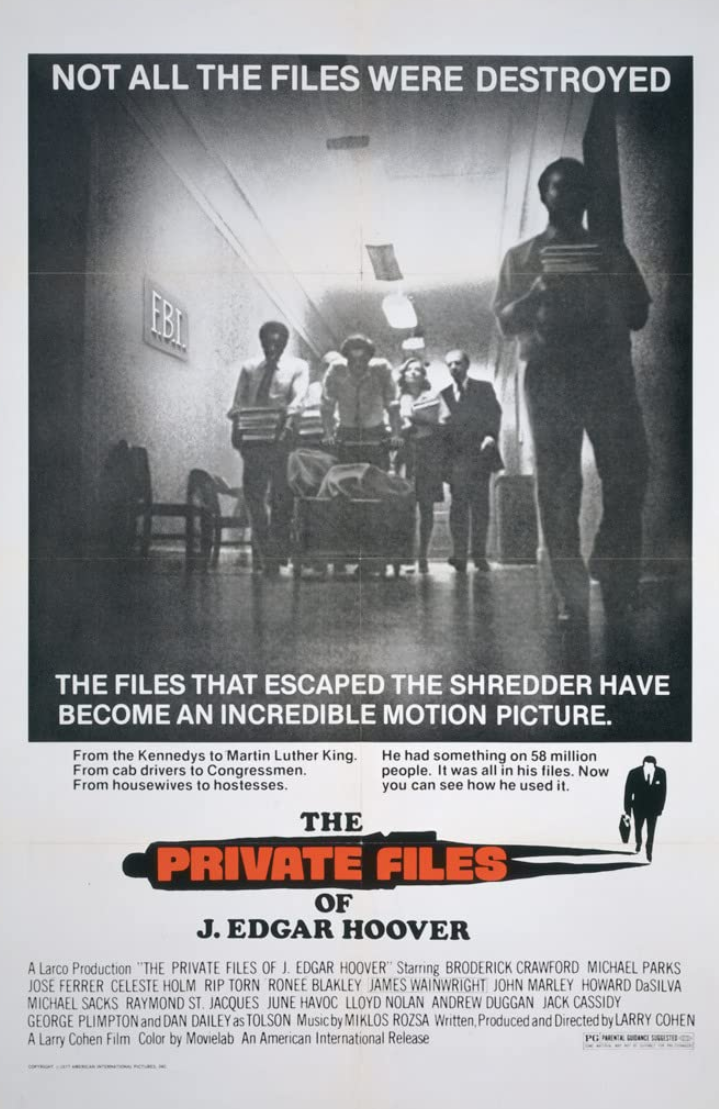
“There are no secrets in Washington.”
|
Synopsis: |
|
Genres, Themes, Actors, and Directors:
Review:
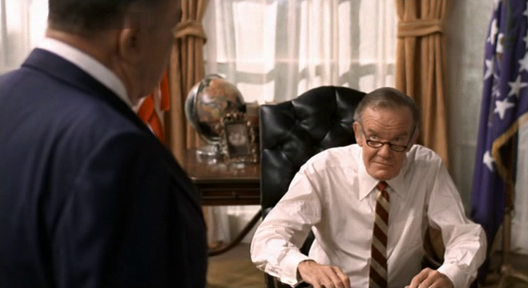
Thanks to ingenuity and grit — as well as former First Lady Betty Ford’s appreciation for Dan Dailey, in what ended up being his final role:
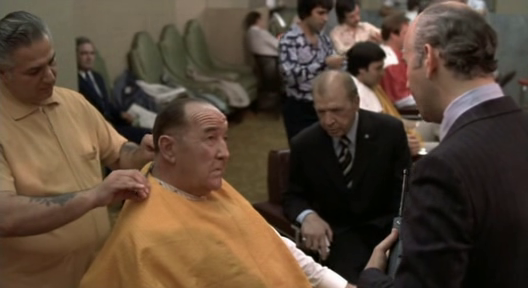
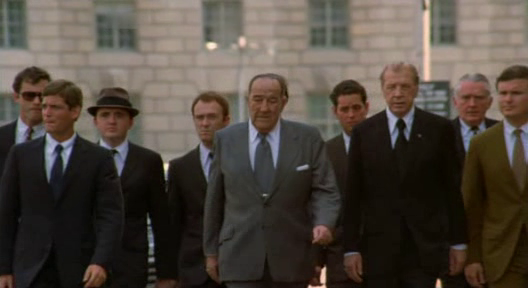
— Cohen managed to direct this movie in many of its original locations, including casting Hoover’s actual barber and waiter:
Unfortunately, the film itself isn’t all that satisfying or comprehensible unless you happen to be an American history buff with knowledge of the various rapid-fire events unfolding between the 1920s and 1970s; as noted by Janet Maslin in her review for the New York Times, the movie “hovers midway between soap opera and expose”, and “mostly barrels along at a flat, uninteresting pace, with no big scenes to give it any structure.” With that said, I felt much better informed after following up by watching an actual documentary about Hoover, which filled in many gaps, and helped me understood writer-director-producer Larry Cohen’s intent to highlight the rampant corruption (no surprise!) behind just about every political situation and figure in U.S. history — and how Hoover managed to keep his position for decades due to his savvy intelligence. Among many scenes, we see young Hoover (James Wainwright) taking over the FBI just after the Palmer Raids:
… Hoover’s desire to give the FBI both respectability and authentic clout:
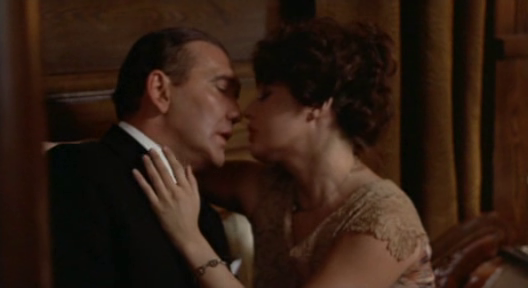
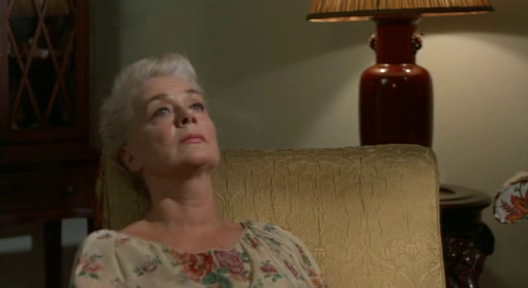
… the deep mistrust Hoover held for women (Ronee Blakley, Celeste Holm) who were romantically interested in him at various points in his career:
… the role Hoover’s hovering mother (June Havoc) may have played in his personality and/or sexual orientation:
… Hoover’s frustration at suddenly being the underling of a much-younger RFK (and how he managed to reassert his authority):
… Hoover’s close alliance with Joe McCarthy (George Wallace):
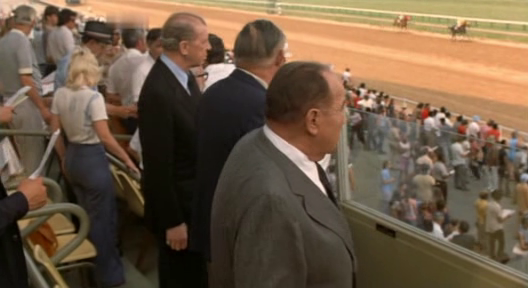
… and Hoover’s lifelong addiction to gambling, which may have led to his avoidance of dealing with the Mafia.
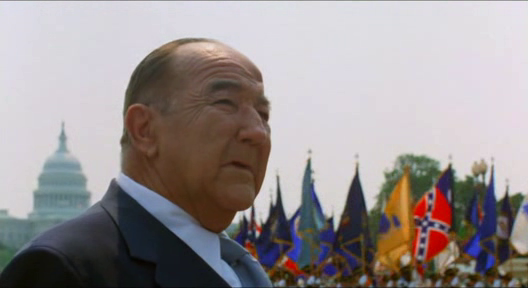
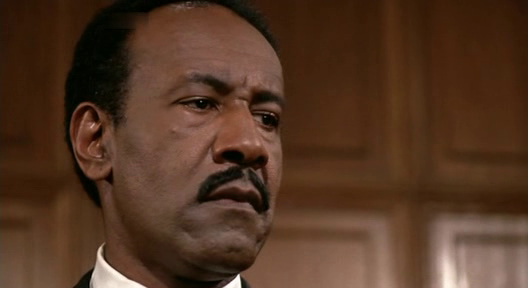
Note: You’ll have to give wide berth to the appearances of the actors playing various Big Names in History here, who look almost nothing like their real-life counterparts (see if you can guess who’s on screen in each of the stills below):
(1. FDR, 2. LBJ, 3. MLK.) Note: I haven’t (yet) seen Clint Eastwood’s 2011 film J. Edgar, starring Leonardo Di Caprio in the title role, though I’m especially curious now to check it out in comparison. Redeeming Qualities and Moments:
Must See? Links: |
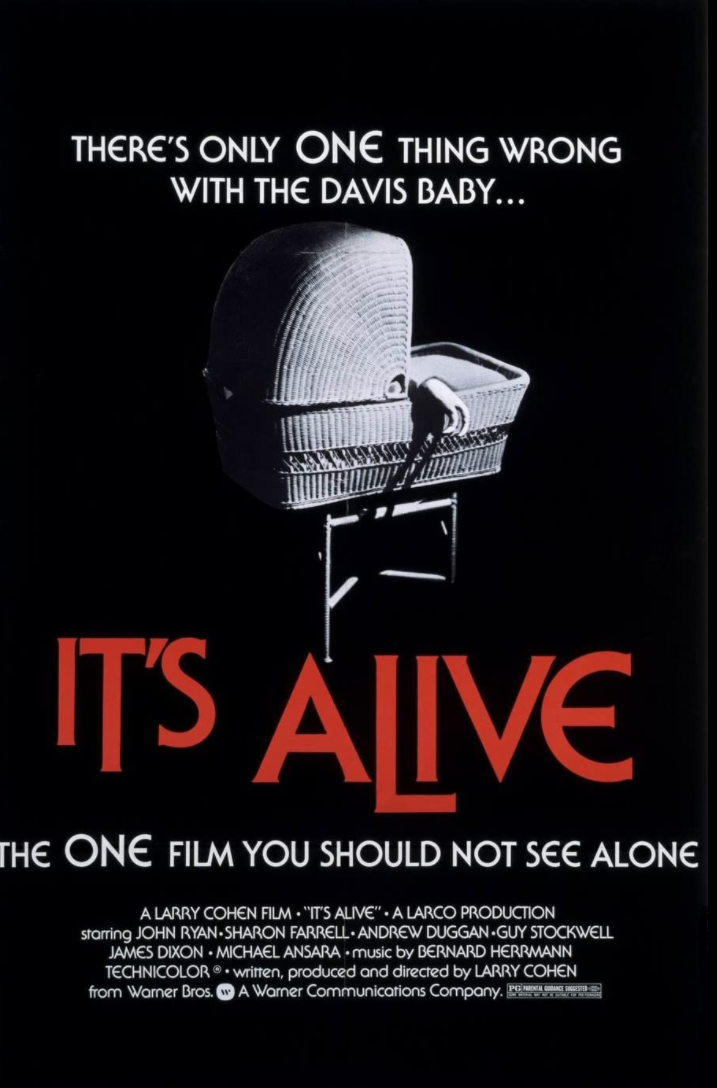
“It kills like an animal — and when we find it, we’re going to have to destroy it like one.”
|
Synopsis: |
|
Genres, Themes, Actors, and Directors:
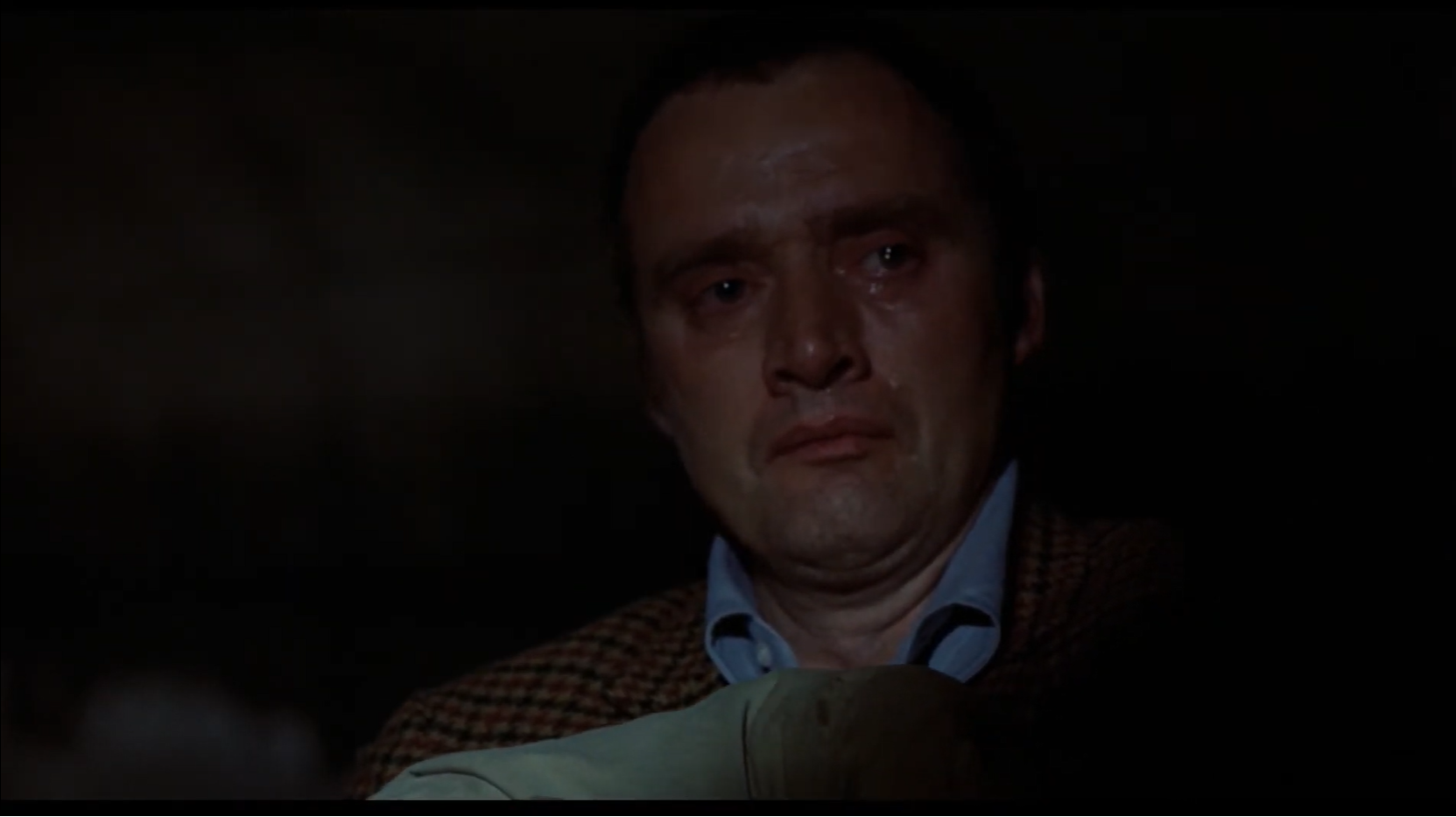
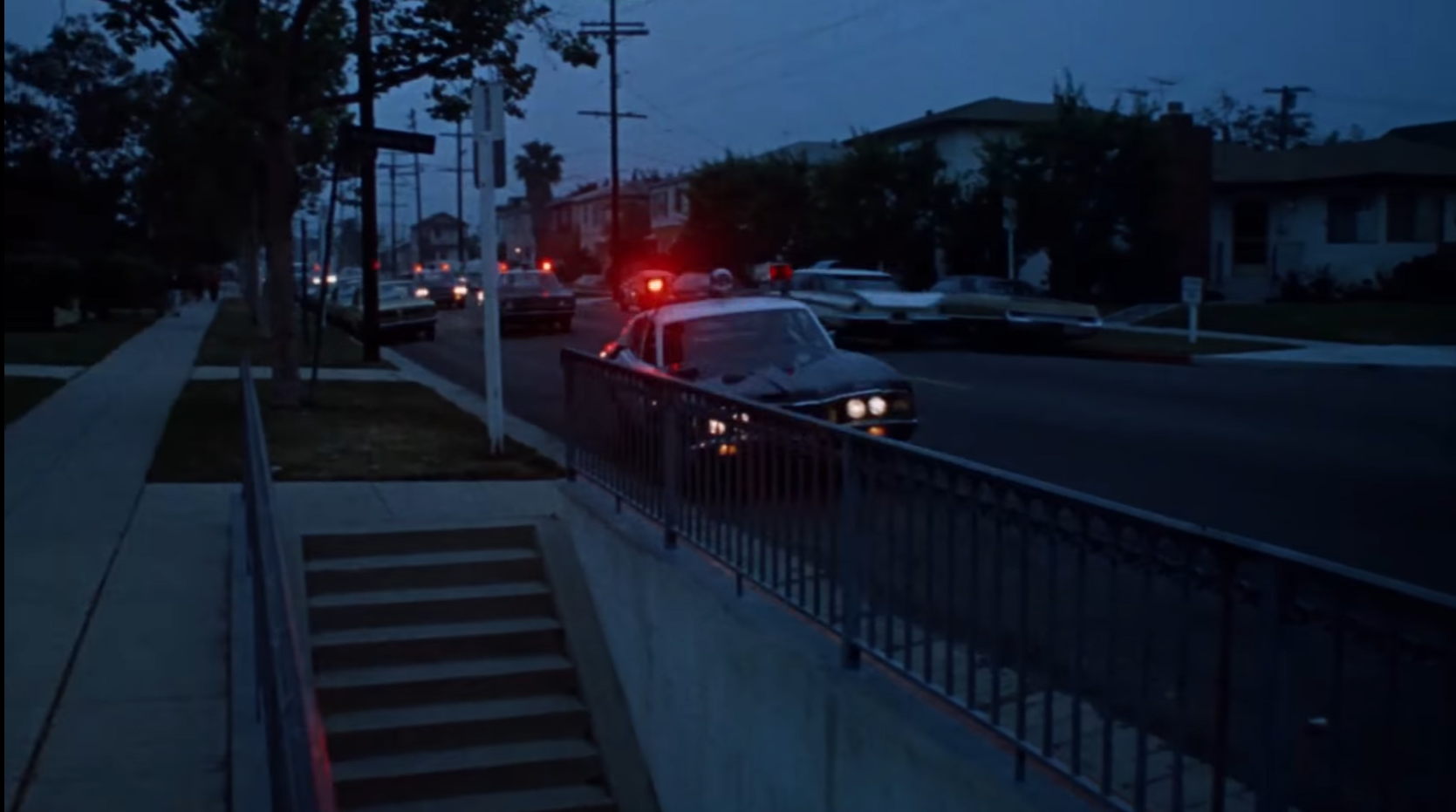
Response to Peary’s Review: Peary points out that Ryan — a classically trained actor who spent many years of his career on stage — gives a “surprisingly fine performance”; indeed, he elevates the entire script up a notch, particularly during the touching moments near the end of the film. I like how the L.A. River Basin is used as a metaphorical watery womb for Ryan and his baby to bond within and emerge from (albeit to a fatally hostile crowd). Equally sympathetic and nuanced is Farrell as the creature’s mother, who knows something is “not right” but is ignored by the men-in-power around her throughout her pregnancy, during the birth process, and after her baby has gone missing. I agree with Cohen’s choice to not show much of Rick Baker’s mutant baby design, instead hinting at Its demonic appearance through quick flashes without dwelling on It; appropriately enough, It exists primarily in the shadows. (Cohen has cited Val Lewton’s horror films as an influence, and this makes sense.) Redeeming Qualities and Moments:
Must See? Categories
Links: |
“You’re my only witness to this murder, and you’re a peeper. In my book, that’s a pervert and a sex offender.”
|
Synopsis: |
|
Genres, Themes, Actors, and Directors:
Response to Peary’s Review:
and “the storyline’s so predictable that the intricacy of De Palma’s direction seems wasted” (only the fact that Wasson’s clearly being duped is predictable; everything else caught me by surprise). Meanwhile, he asserts that “when De Palma starts showing off with one of his long non-dialogue passages (when Wasson follows Shelton), the picture becomes boring.”
He adds (I agree) that “as a platinum-blond [adult film] star, Melanie Griffith is the best reason to see this picture”.
While I’m not as dismissive of this film as Peary seems to be, I’ll agree it’s not must-see viewing and ultimately one of De Palma’s lesser films. However, there’s enough creativity to recommend it for one-time viewing, especially if you’re a De Palma fan. Redeeming Qualities and Moments:
Must See? Links: |