Browsed by
Category: Original Reviews

Responses to Peary’s “must see” movie reviews, as well as my own “must see” movie reviews up to and after 1986 (when Peary’s book was published).

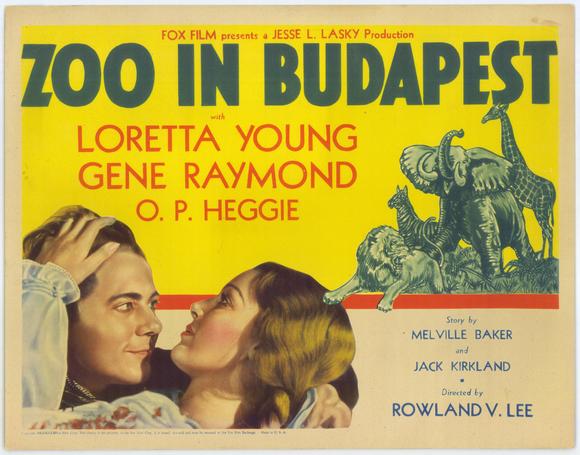
Zoo in Budapest (1933)

Zoo in Budapest (1933)

“What’s going on here at the zoo tonight? Everybody seems to be looking for somebody!”

Synopsis:
Animal-loving Zani (Gene Raymond) convinces 18-year-old Eve (Loretta Young) to run away from her orphanage and live with him at the zoo. Meanwhile, he’s wanted by the police for stealing a wealthy patron’s fox stole, and a young boy (Wally Albright) visiting the zoo escapes from his governess. When a search team sets out to look for the three missing folks, chaos ensues as animals are accidentally let loose from their cages.

Genres, Themes, Actors, and Directors:

  • Escape
  • Fugitives
  • Loretta Young Films
  • Romance

Review:
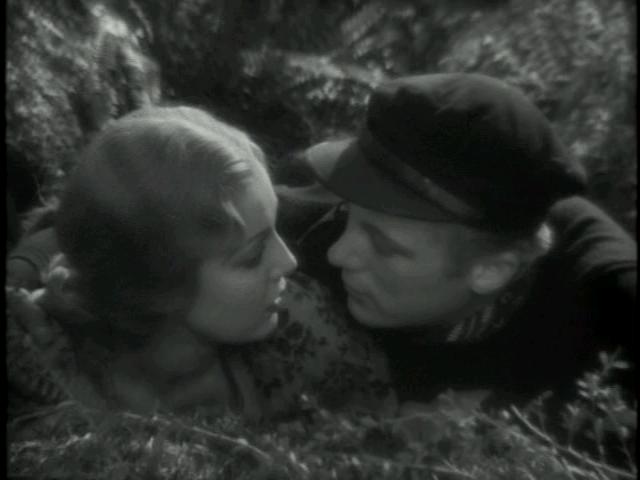
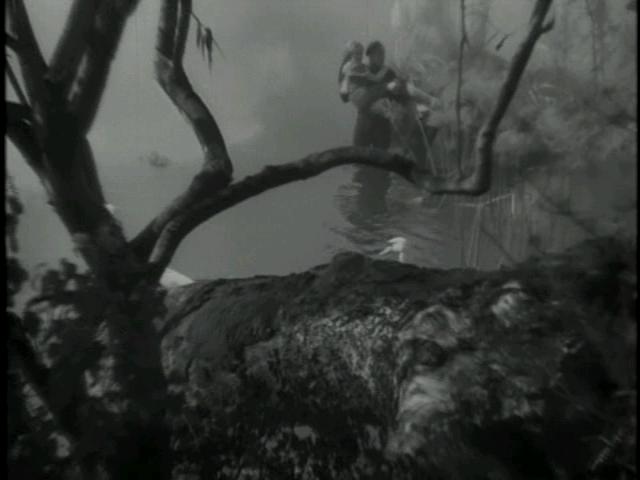
This odd curio by director Rowland V. Lee is simultaneously a romantic fairy tale, a rousing adventure story, and a metaphorical reflection on the nature of freedom and individuality. Comparisons between human animals and other animals are frequent and explicit: like the caged creatures at the zoo, Eve (played with lovely simplicity by doe-eyed Loretta Young) is confined by the strict mandates of her orphanage; Zani (who falls in love/lust with Eve based on appearance alone) openly compares her timidity to that of a deer; Zani nimbly leaps over fences like a chimpanzee; when Eve and Zani rest together in the grasses at night, the camera cuts to shots of various animals doing so as well; and when the couple attempts their final escape, so do the animals.

Beyond this, however, it’s difficult to know exactly what message is being put forth by Lee, as the metaphors gradually fall apart. While it’s clearly not a good thing for the wild animals to be let loose out of their cages — unconfined, they will tear each other apart — we’re nonetheless meant to root for Eve and Zani’s escape. Perhaps the message is simply one of accepting all parts of our human nature, both “animal” and rational, while acknowledging the inevitable differences between species. Whatever its cryptic morality, Zoo in Budapest remains oddly compelling viewing, and will likely stay in your mind long after you’ve finished watching it.

Note: Unfortunately, given that the American Humane Association has only been monitoring animals on movie sets since 1940, there’s no guarantee that these majestic animals were protected during the making of the film — a fact which greatly impeded my enjoyment of the otherwise impressive final scenes.

Redeeming Qualities and Moments:

  • Luminous Loretta Young, whose presence literally lights up the screen
  • The sweet romance between Young and Raymond
  • Stunning cinematography by Lee Garmes
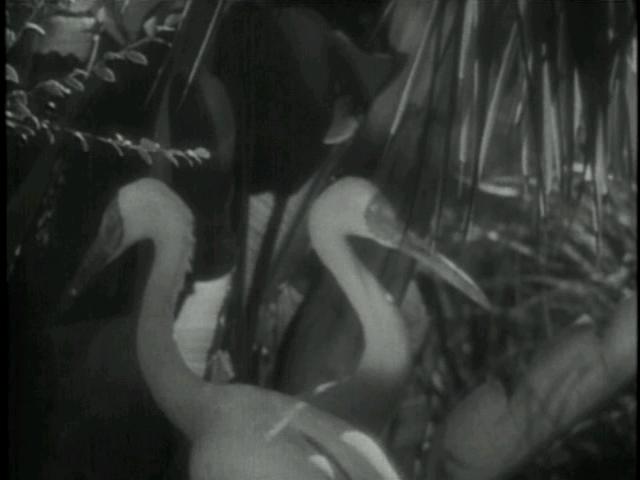
  • Gorgeous shots of various exotic birds and mammals around the zoo
  • Some truly astonishing action sequences near the end of the film

Must See?
Yes. This unusual film has developed a small cult following over the years, and should be seen by all film fanatics. Listed as both a Sleeper and a Personal Recommendation in the back of Peary’s book.

Categories

  • Cult Movie

Links:

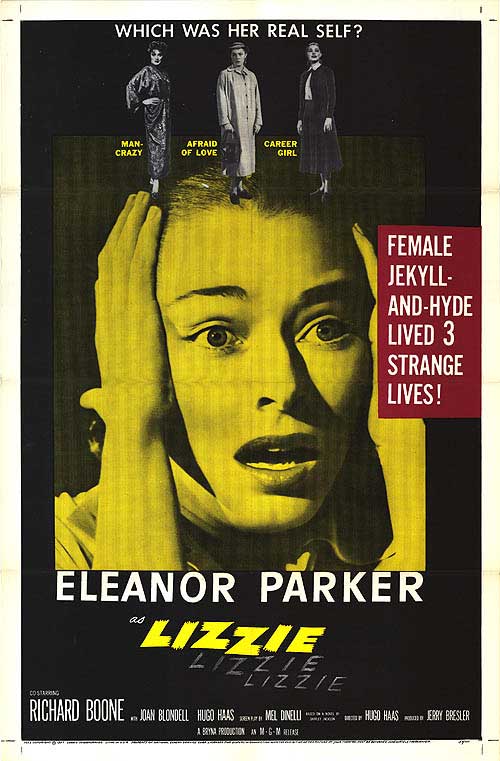
Lizzie (1957)

Lizzie (1957)

“Sometimes at night I can’t sleep. I get up and I go to the mirror, and I stare at myself. Something strange seems to happen — it’s as though somebody else is staring back at me.”

Synopsis:
A museum employee (Eleanor Parker) suffering from recurring headaches is hypnotized by a psychologist (Richard Boone), who discovers that she has three distinct personalities: meek Elizabeth, tawdry Lizzie, and contented Beth.

Genres, Themes, Actors, and Directors:

  • Eleanor Parker Films
  • Hugo Haas Films
  • Joan Blondell Films
  • Joanne Woodward Films
  • Multiple Personalities
  • Psychological Horror
  • Richard Boone Films
  • Thrillers

Review:
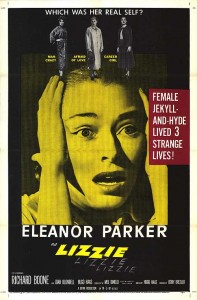
Released the same year as The Three Faces of Eve (starring Oscar-winner Joanne Woodward), Hugo Haas’s Lizzie tells nearly the same story on a B-level budget, yet remains a surprisingly effective — and all-too-little seen — psychological thriller. Reviews at the time of its release, however, were tepid at best. Bosley Crowther of The New York Times, for instance, called Lizzie “a foolish and generally tedious film”; then again, he also referred to …Eve as “simply a melodramatic exercise — an exhibition of psychiatric hocus-pocus– [which, like Lizzie] leaves one feeling gypped and gulled at the end.”

These days, especially after the airing of Sybil (1976) on television, Multiple Personality Disorder (MPD) is much more widely known by the general public, and no longer quite so mysterious. Indeed, its name has changed — it’s currently referred to as Dissociative Identity Disorder (DID) — and there is ongoing controversy over the veracity of its diagnosis. Nonetheless, MPD/DID remains ripe material for cinematic exploitation, given that there’s something undeniably fascinating — indeed, horrifying — about witnessing someone who is literally possessed by a “foreign” entity. While Lizzie isn’t a perfect film — things are wrapped up far too neatly in the end — it remains a compelling and scary little drama, well-worth watching at least once.

Note: Shirley Jackson — author of “The Lottery” and The Haunting of Hill House — wrote the novel upon which Lizzie is based, originally entitled The Bird’s Nest.

Redeeming Qualities and Moments:

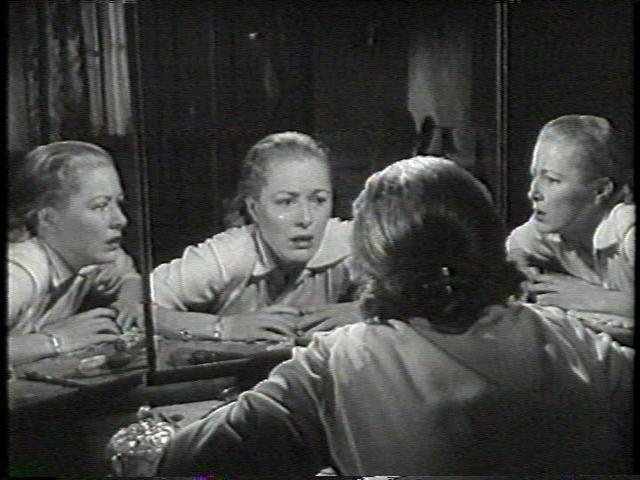
  • Eleanor Parker’s impressive performance as the psychologically fragmented young woman
  • Joan Blondell and Hugo Haas’s neighborly banter, which adds some much-needed levity to the proceedings
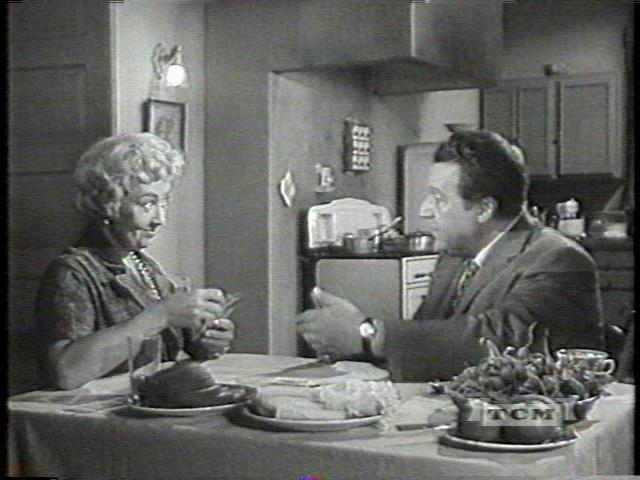
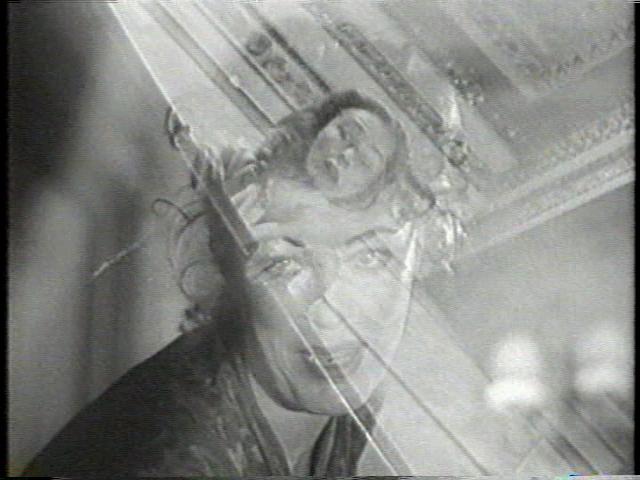
  • Nifty low-budget use of double-exposure to show both flashbacks and Elizabeth’s shattered state of mind
Must See?
Yes. This precursor to The Three Faces of Eve proves that a B-level budget doesn’t prevent a film from being an effective, well-acted thriller.

Categories

  • Noteworthy Performance(s)

Links:

History of the Blue Movie, A (1970)

History of the Blue Movie, A (1970)

“For the man who couldn’t arrange to see ‘blue movies’, there was always the penny arcade.”

Synopsis:
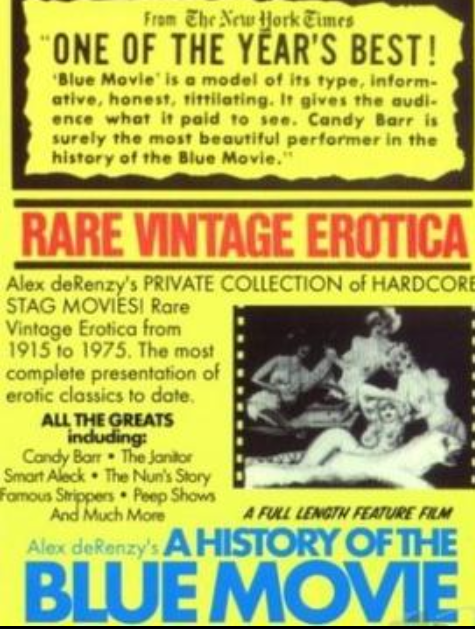
Director Alex de Renzy shows the history of cinematic adult films, from early stag flicks to current shorts.

Genres, Themes, Actors, and Directors:

  • Adult Films
  • Documentary

Review:
This documentary overview of “p. through the ages” is guaranteed to be of at least limited interest to all film fanatics, regardless of one’s personal taste for adult flicks. De Renzy showcases stag films from as early as 1915 (which feature typically low-brow “storylines” and surprisingly ordinary-looking actors), as well as mid-century fare such as the racy vignette “A Nun’s Story” (which will appeal to hardcore “nunsploitation” fans). Unfortunately, De Renzy allows shameless self-promotion to get in the way of his larger purpose by including personally-directed shorts in the final section of the film. Even worse, he doesn’t seem to understand the concept of judicious editing: rather than choosing strategic clips from each of the various films, he shows them in their entirety, and thus the movie drags on for far too long.

Redeeming Qualities and Moments:

  • An interesting, somewhat mind-bending glimpse at early 20th century folks engaged in lewd behavior

Must See?
Yes. As the first attempt to compile early stag and adult movies into a “documentary” for mainstream audiences (it was reviewed by Roger Ebert and the New York Times), this flick holds a unique place in film history.

Categories

  • Historically Relevant

Links:

Peppermint Soda (1977)

Peppermint Soda (1977)

Synopsis:
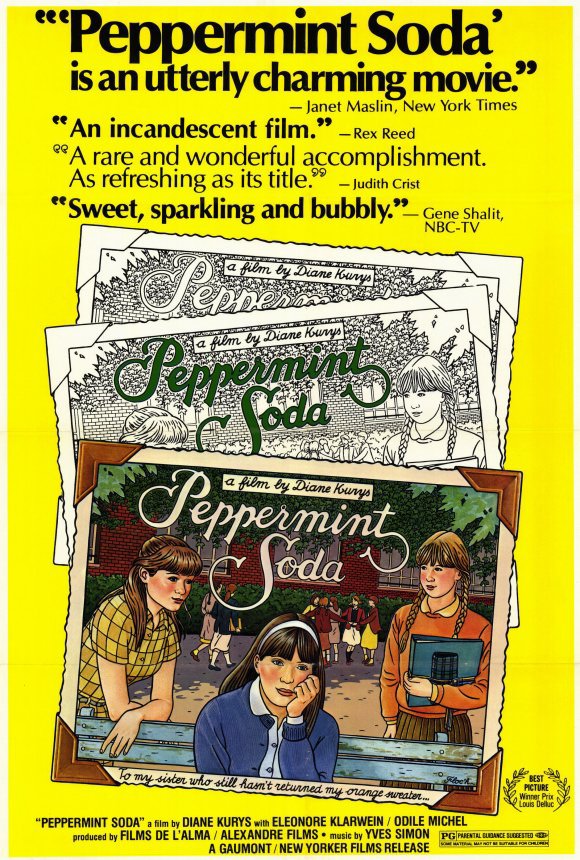
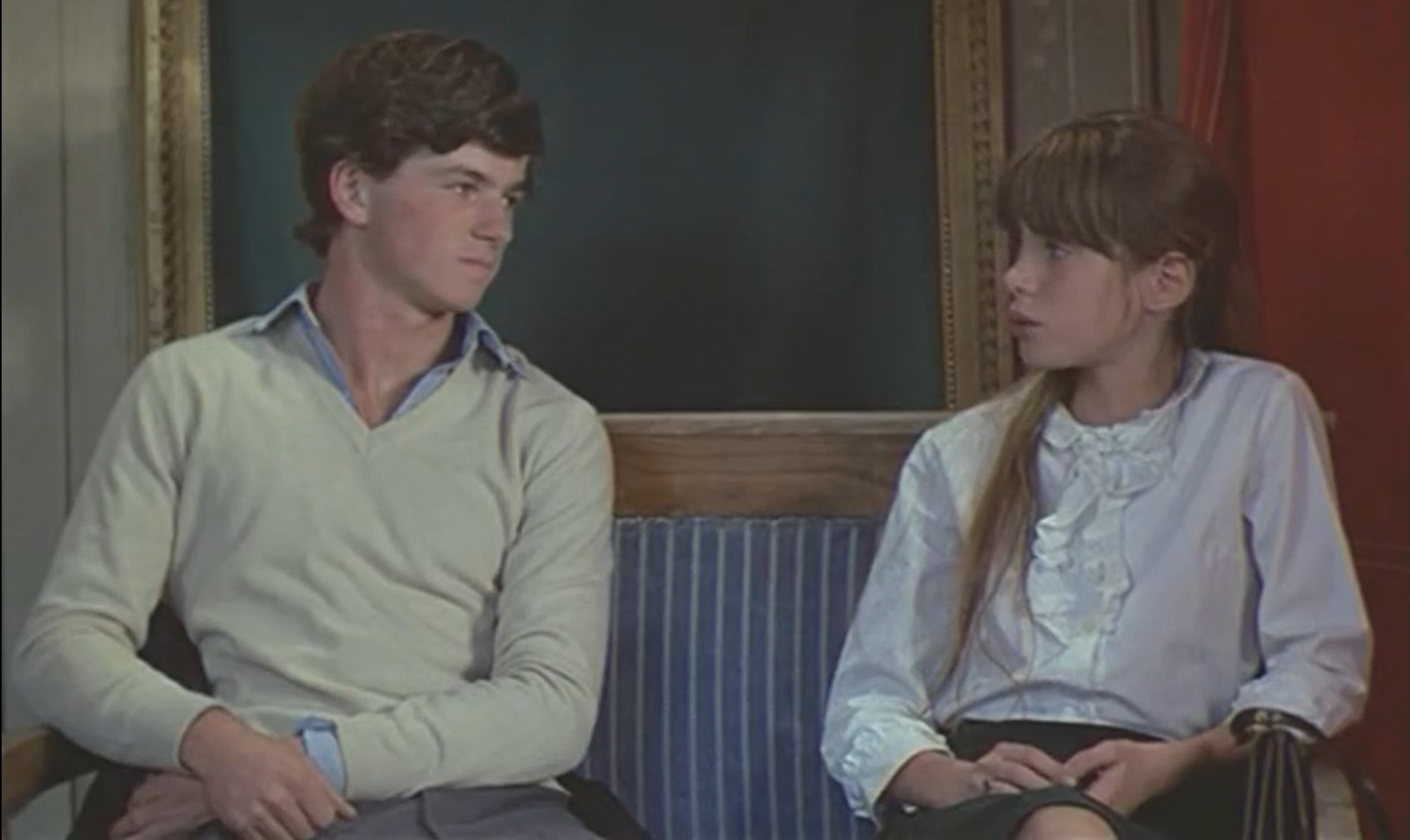
13-year-old Anne (Eleonore Klarwein) and her older sister Frederique (Odile Michel) grow up in 1960s Paris.

Genres, Themes, Actors, and Directors:

  • Coming-of-Age
  • French Films
  • Siblings

Review:
First-time writer/director Diane Kurys’ autobiographical film about the travails of female adolescence rarely hits a false note. Kurys well remembers the small pains of teenage girlhood: anxiety over getting one’s period, jealousy of one’s older sister, curiosity (and laughable misinformation) about sex, the desperate need for pantyhose when all your friends are wearing it– Slightly less effective are the scenes taking place at the girls’ authoritarian school, where the teachers come across as stereotypes rather than individuals, and the children’s behavior (as well as the discipline that follows) seems excessive. Nonetheless, Kurys must be applauded for telling her story the way she remembers it, and for creating a film filled with so many moments of quiet, poignant authenticity.

Redeeming Qualities and Moments:

  • Eleonore Klarwein as knobby-kneed Anne
  • Many memorable, often amusing, glimpses of adolescent angst

Must See?
No, though it’s not to be missed by those who enjoy coming-of-age stories.

Links:

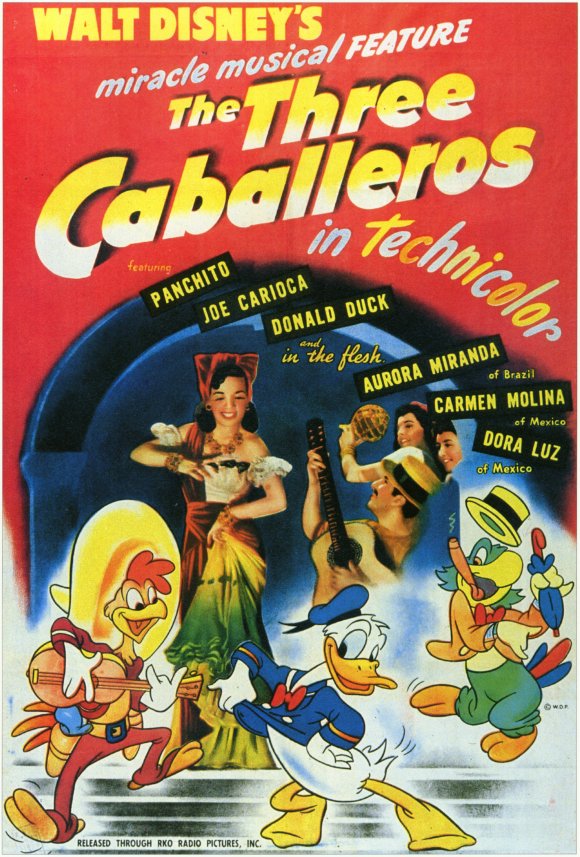
Three Caballeros, The (1944)

Three Caballeros, The (1944)

“We’re three caballeros, three gay caballeros — they say we are birds of a feather.”

Synopsis:
Donald Duck and his two avian friends — parrot Panchito and rooster Jose Carioca — present musical information on South America and Mexico.

Genres, Themes, Actors, and Directors:

  • Animated Feature
  • Musicals
  • South and Central America

Review:
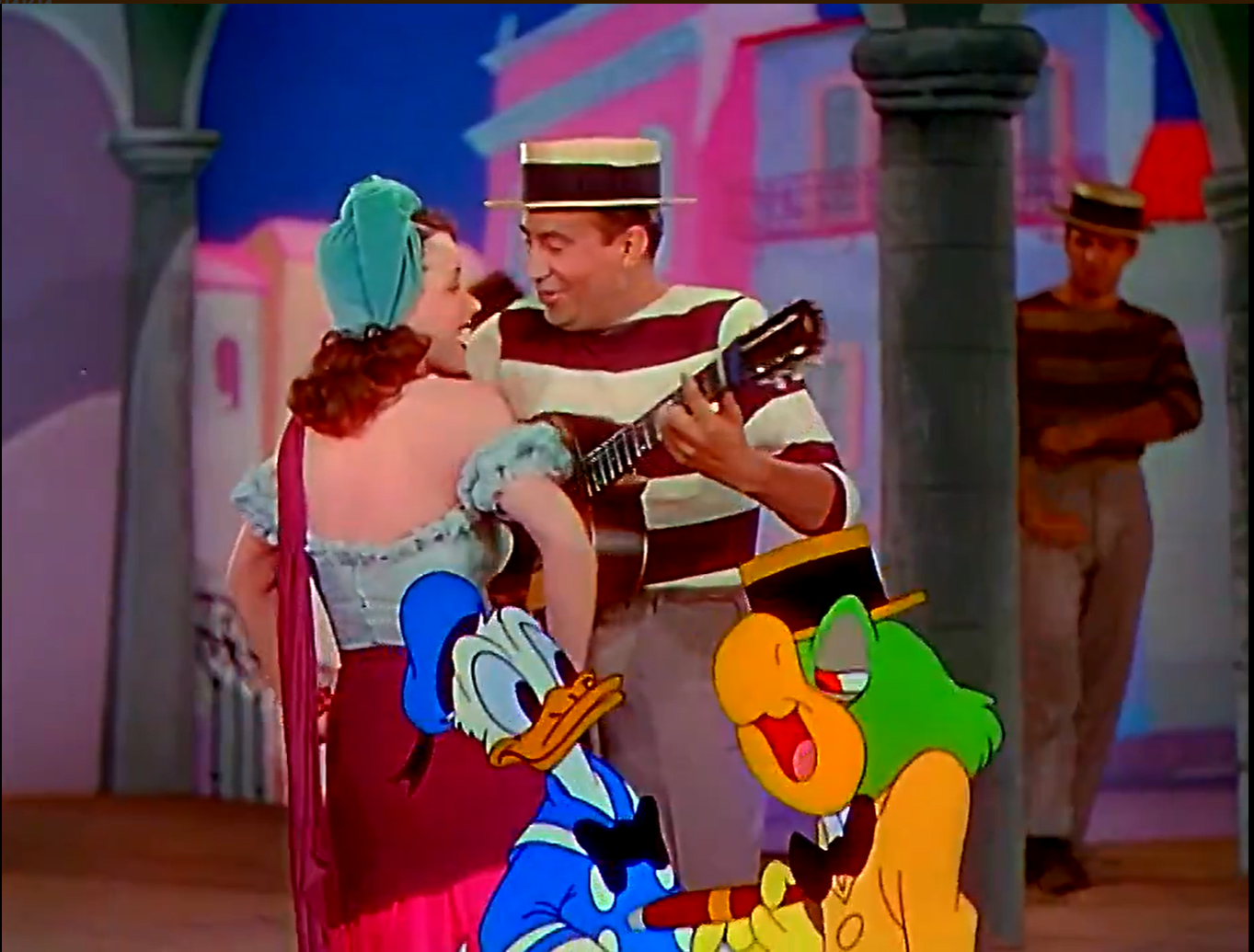
Commissioned as part of the State Department’s “Good Neighbor Policy” with South America, Disney’s seventh feature-length film is a follow-up to its similarly themed predecessor, Saludos Amigos (1942). Like Saludos, it’s more a series of vignettes than a cohesive narrative, and should be viewed primarily as a historical curio. With that said, some of the animation is pretty far-out (especially in the latter-half of the film), and several of the vignettes — including the first one, an amusing tale about a cold-blooded penguin who emigrates to a tropical island — make the movie worth sitting through at least once.

Redeeming Qualities and Moments:

  • Impressive early experimentation with simultaneous live action/cartoon
  • Some truly psychedelic animation

Must See?
No, though most film fanatics will likely be curious to check it out.

Links:

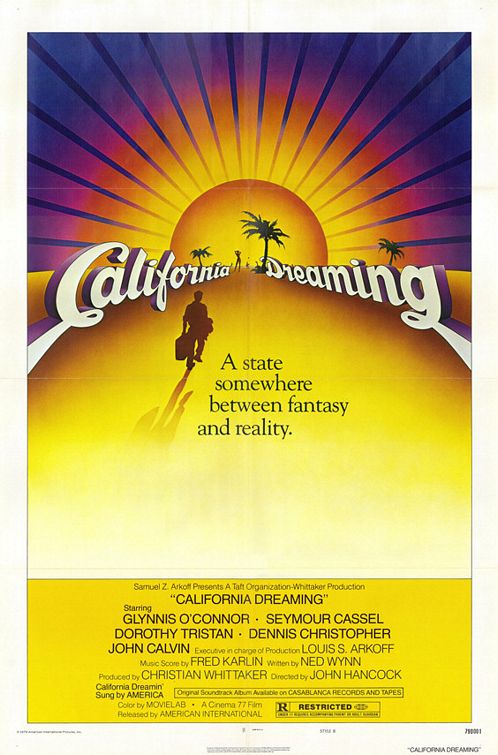
California Dreaming (1979)

California Dreaming (1979)

“I came in to dig the sounds and check out the local scene.”

Synopsis:
A nebbish (Dennis Christopher) from Chicago comes to California in search of sun and surf.

Genres, Themes, Actors, and Directors:

  • Comedy
  • Dennis Christopher Films
  • Glynnis O’Connor Films
  • Misfits
  • Seymour Cassel Films
  • Surfers

Review:
From beginning to end, this wannabe comedy contains unappealing characters, awful dialogue, unrealistic scenarios, and an instantly forgettable ensemble plot. I was astonished to find myself turned off by the eminently likeable Dennis Christopher:

and saddened to see one of my favorite young actresses — Glynnis O’Connor — reduced to playing a vapid surfer Betty named Corky.

In fact, I can’t even recommend this film to O’Connor fans, because it’s utterly depressing to see her trading in her previously smart, unusual roles for this one. While California Dreaming has a few diehard fans — check out some of the posts on IMDb, for instance — I suspect this is primarily because of its t&a factor more than anything else.

Redeeming Qualities and Moments:

  • Good use of location shooting in Southern California

Must See?
No. While listed as a Sleeper in the back of Peary’s book, I recommend sleeping through this one instead.

Links:

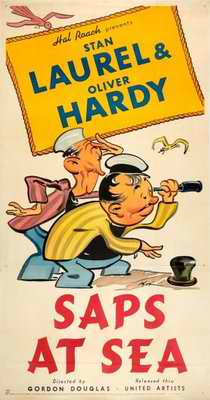
Saps at Sea (1940)

Saps at Sea (1940)

“You’re allergic to horns — in fact, you’re on the verge of hornomania!”

Synopsis:
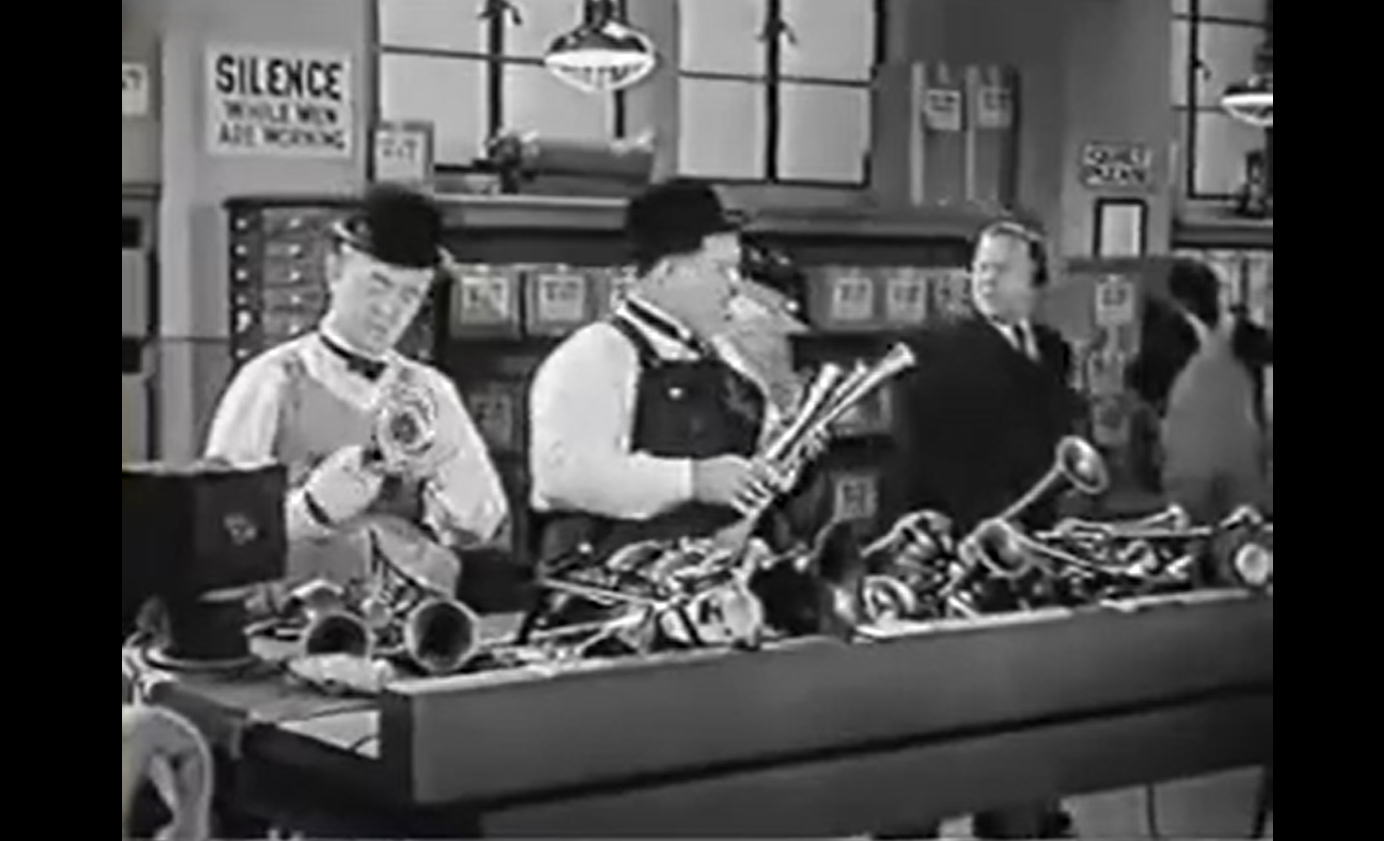
After Ollie (Oliver Hardy) has a nervous breakdown, he and Stan (Stanley Laurel) quit their jobs at a horn-testing factory, rent a boat for relaxation, and find themselves out to sea with an escaped convict.

Genres, Themes, Actors, and Directors:

  • At Sea
  • Comedy
  • Fugitives
  • Laurel & Hardy Films

Review:
While diehard Laurel and Hardy fans won’t be disappointed, this film is ultimately more a series of comedic skits (Stan and Ollie in a horn-testing factory; Ollie trying in vain to recuperate; Stan and Ollie dealing with a fugitive convict) than a full-length narrative. The material is mostly unoriginal, and the scene where Stan and Ollie are forced to eat an inedible meal on their ship is downright derivative of Chaplin’s shoelace-eating sequence in The Gold Rush (1925).

Film fanatics will be better off watching one of L&H’s earlier masterpieces, such as Sons of the Desert (1933), Way Out West (1937), or Blockheads (1938).

Redeeming Qualities and Moments:

  • The opening scenes at the horn-testing factory
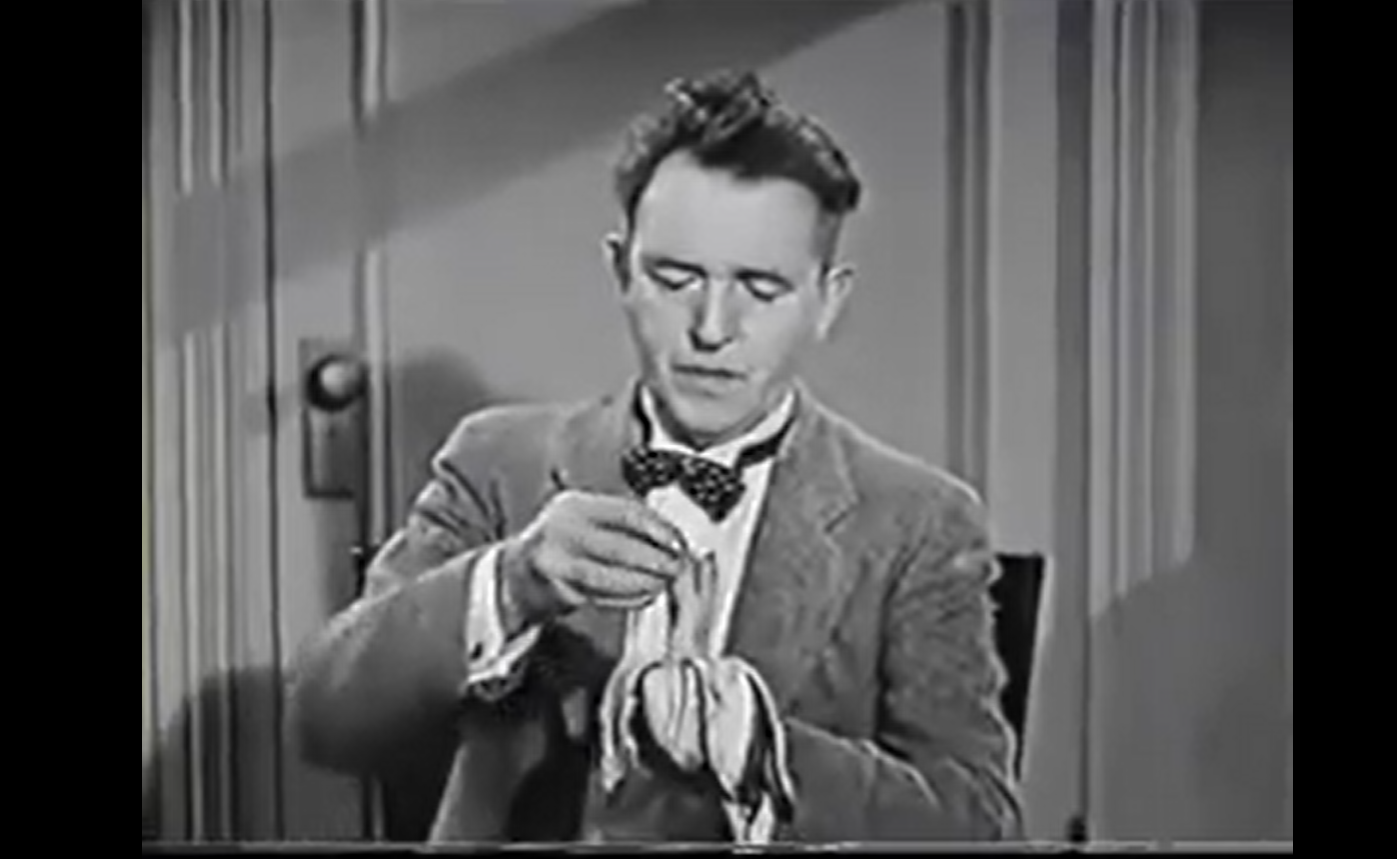
  • A surrealistic moment as Stan peels a banana without any fruit inside

Must See?
No. I’m not sure why this film is listed in the back of Peary’s book, other than its status as one of Laurel and Hardy’s later full-length works.

Links:

Cry Tough (1959)

Cry Tough (1959)

“We Puerto Ricans have only two choices: to make it the smooth, hard way like our immigrant fathers, or to break out fast to the point of a gun.”

Synopsis:
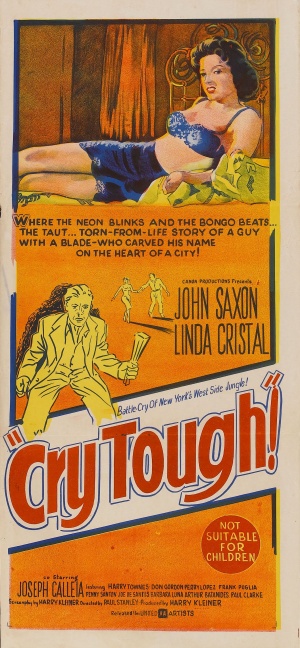
After spending a year in the slammer, second-generation Puerto Rican Miguel Estrada (John Saxon) tries to go straight, but finds himself pulled back into a life of crime in New York.

Genres, Themes, Actors, and Directors:

  • Ex-Cons
  • Gangsters
  • John Saxon Films
  • New York City
  • Puerto Ricans

Review:
This screen adaptation of Irving Shulman’s 1949 novel fails to deliver on its most basic premise: authentically portraying Puerto Rican culture in New York. While the film starts out strong, the plot quickly takes one predictable turn after the other, with Saxon ultimately being destroyed by his primary vice (women). Saxon is hunky eye candy (a la young Brando), but otherwise utterly unconvincing as a Puerto Rican; his female co-star (Linda Cristal) fares much better as the Cuban femme fatale for whom he throws away his tenuous freedom.

Redeeming Qualities and Moments:

  • One of the first cinematic depictions of Puerto Ricans in New York

Must See?
No. While it starts out strong, this film ultimately devolves into a predictable crime drama, and is not must-see viewing.

Links:

Chosen, The (1981)

Chosen, The (1981)

“Righteousness, mercy, strength to suffer and carry pain; that I want from my son, not a mind without a soul!”

Synopsis:
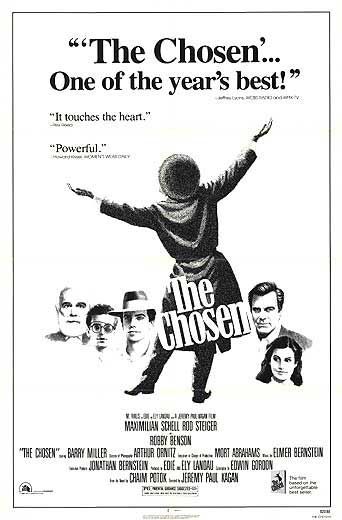
In 1940s New York, a Hasidic Jew (Robby Benson) and a Modern Orthodox Jew (Barry Miller) find their friendship threatened when their fathers (Rod Steiger and Maximilian Schell) disagree on the impending State of Israel.

Genres, Themes, Actors, and Directors:

  • Coming-of-Age
  • Father and Child
  • Friendship
  • Jews
  • Maximilian Schell Films
  • Robby Benson Films
  • Rod Steiger Films

Review:
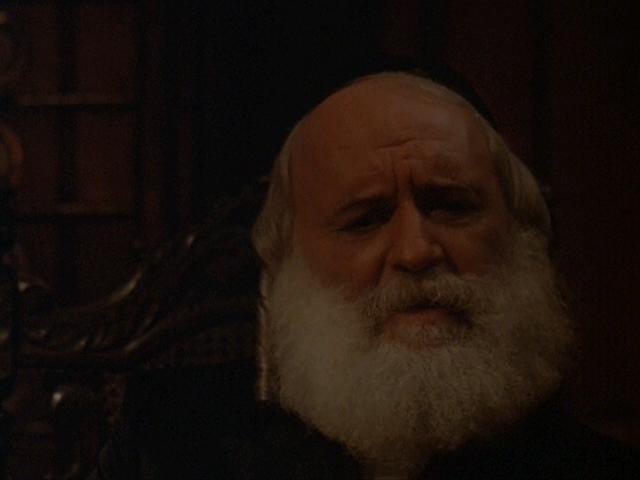
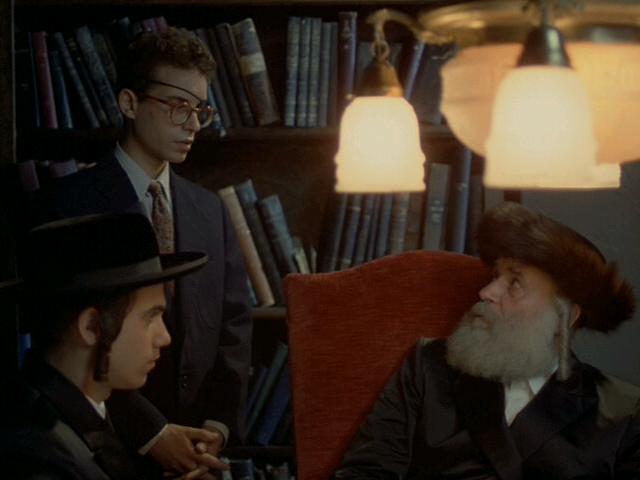
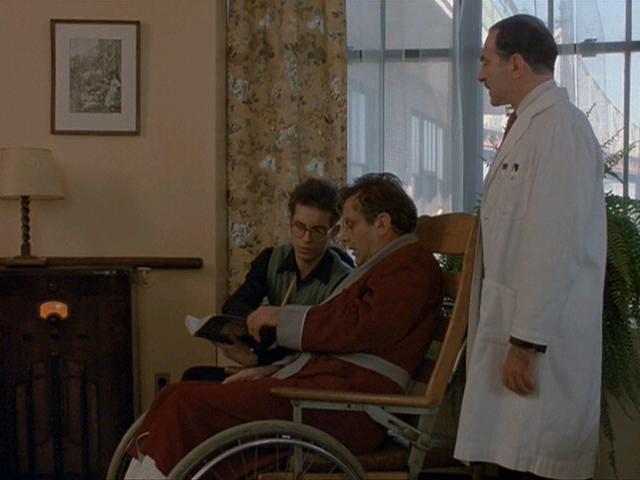
I read Chaim Potok’s The Chosen (1967) for the first time as a teenager, and remember being utterly fascinated by the unfamiliar world of academic Judaism it evokes in such detail. Even more importantly, however, I could relate to Potok’s carefully rendered story about the throes of adolescent individuation, and a teenage friendship formed at least partly out of mutual fascination and curiosity — after all, who among us hasn’t cultivated a companion out of a desire to co-opt a bit of his or her life?

Fortunately, I was pleasantly surprised when finally watching this cinematic version of Potok’s novel, which does an excellent job distilling the essence of the book into a Hollywood drama. Robby Benson is admirably restrained here as an ultra-Orthodox Jew, and Barry Miller is equally convincing as his more liberal friend (who narrates the story). Most impressive, however, is director Jeremy Kagan’s presentation of sons and fathers whose loyalties and interests intersect in unexpected ways. While the film is marred by an overly sentimental final scene between Benson and Steiger, it nonetheless remains a fascinating glimpse at friendship and filial devotion during a very specific cultural era.

Redeeming Qualities and Moments:

  • Robby Benson’s sensitive portrayal as a proud Jewish teenager torn between tradition and personal interests
  • Barry Miller’s grounded performance as Benson’s friend
  • Rod Steiger as Benson’s ultra-Orthodox rabbi father
  • Maximilian Schell as Miller’s Zionist father
  • A powerful portrait of filial loyalty
  • A unique historical glimpse at mid-century Jews’ debate over the creation of Israel

Must See?
No, but it’s definitely worth renting at least once.

Links:

Rich Kids (1979)

Rich Kids (1979)

“They can do anything they want to do, can’t they? We haven’t got one single lousy human right!”

Synopsis:
Jamie (Jeremy Levy) helps his new friend Franny (Trini Alvarado) adjust to the fact that her parents (John Lithgow and Kathryn Walker) are on the brink of divorce.

Genres, Themes, Actors, and Directors:

  • Comedy
  • Coming-of-Age
  • Divorce
  • First Love
  • Friendship
  • John Lithgow Films
  • New York

Review:
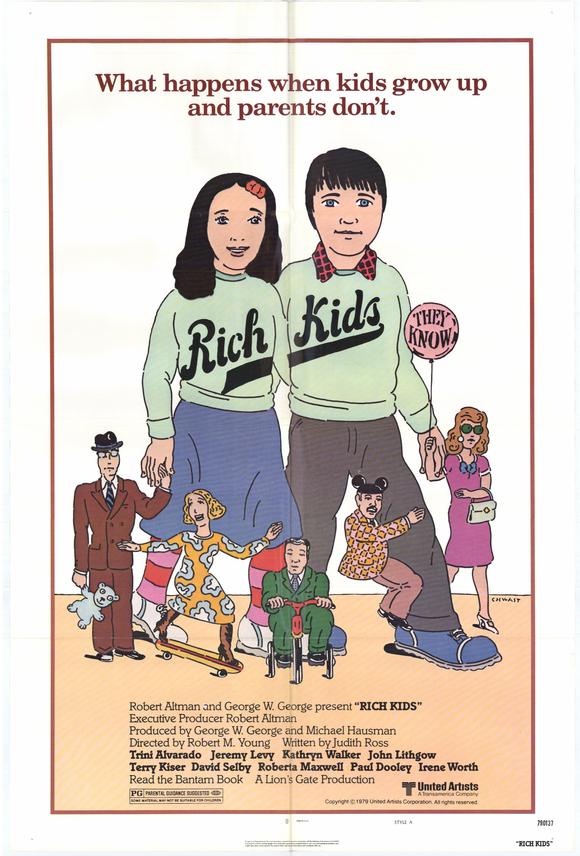
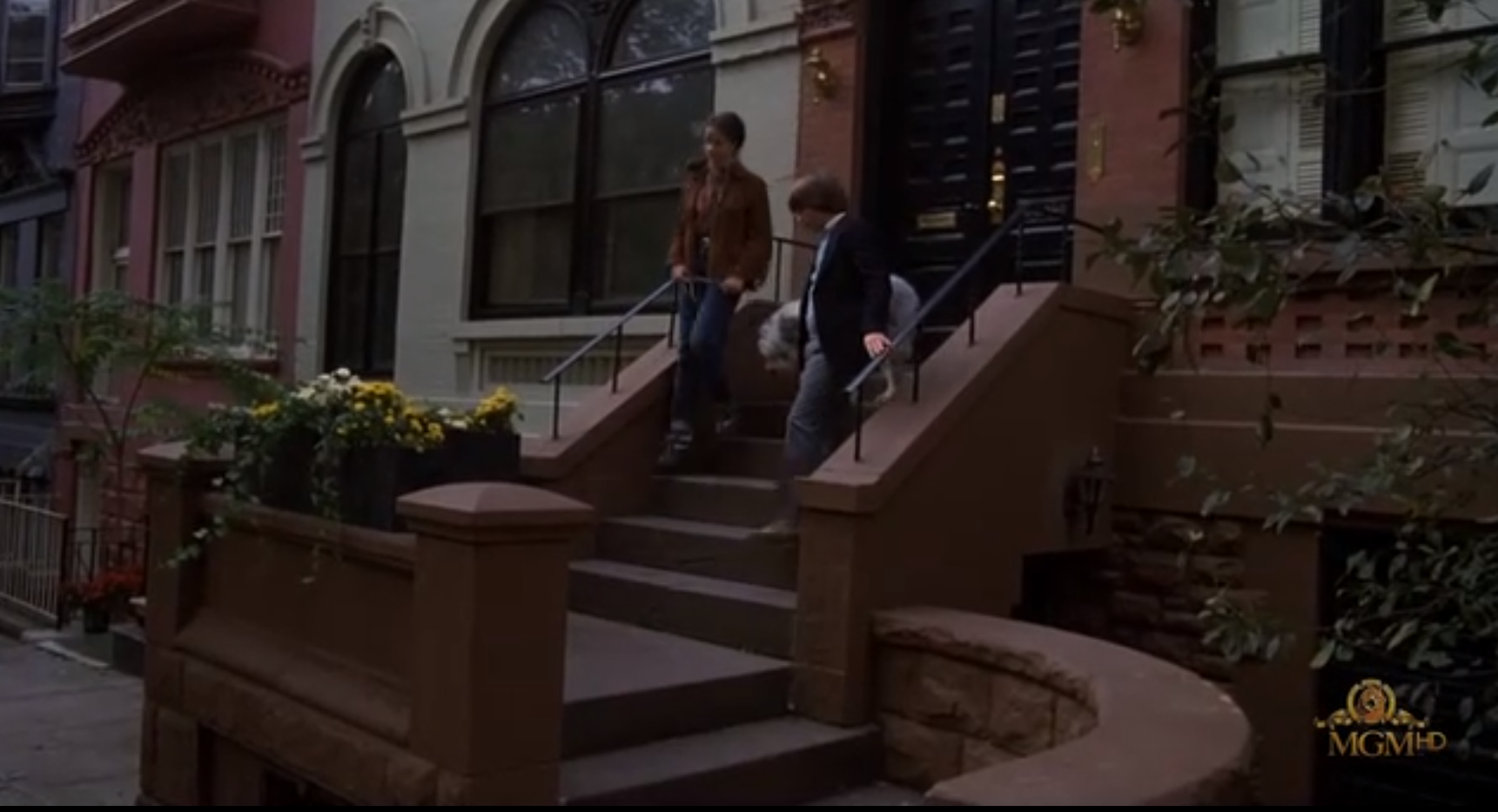
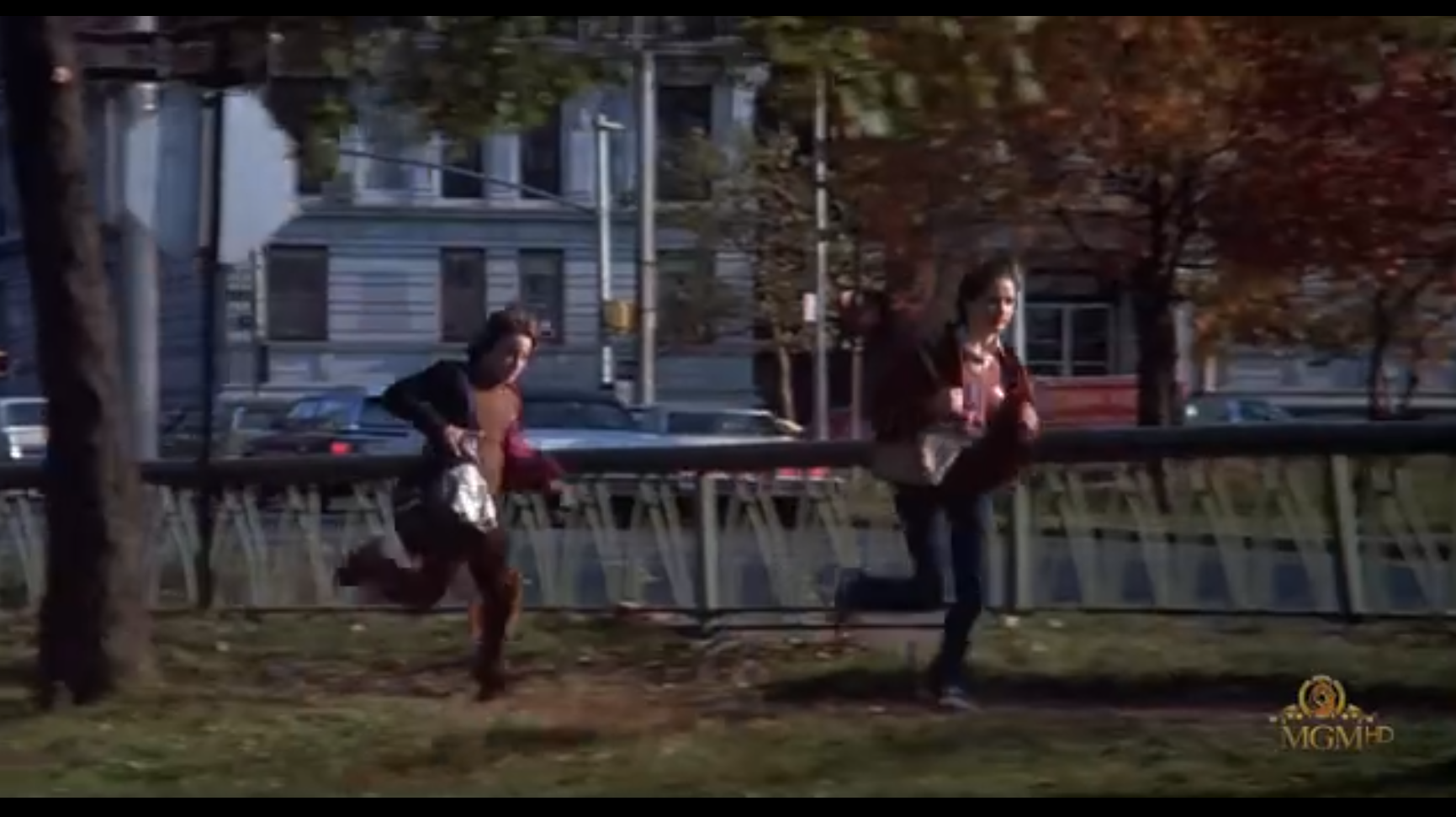
I’m a sucker for well-made films about worldly children who are ultimately better suited for survival than their clueless parents — and fortunately, Robert M. Young’s delightful Rich Kids is just such a film. These plucky adolescents (who are, as one character puts it, “too old to play doctor and too young to do anything else”) must rely on their wits, the limited information around them, and each other to figure out the reasons behind their parents’ inexplicable behavior, as well as an outlet for their budding desires. The dialogue and acting in Rich Kids — a somewhat disingenuous title, given that these scenarios could happen in families of any class — is both natural and intelligent, and the plot builds to a hilariously credible denouement. While this isn’t “must see” viewing, it’s certainly a delight, and worth watching at least once.

Redeeming Qualities and Moments:

  • Fine performances by Trini Alvarado and Jeremy Levy
  • Excellent on-location footage in New York

Must See?
No, but it’s a good little sleeper.

Links: