Browsed by
Category: Original Reviews

Responses to Peary’s “must see” movie reviews, as well as my own “must see” movie reviews up to and after 1986 (when Peary’s book was published).

13 Frightened Girls (1963)

13 Frightened Girls (1963)

“The cover’s unbelievable — it’s a natural, the dream of a lifetime. The daughter of a diplomat can go anywhere she wants!”

Synopsis:
The daughter (Kathy Dunn) of an American diplomat (Hugh Marlowe) acts as a spy in order to protect the job of her secret agent crush, Wally (Murray Hamilton).

Genres, Themes, Actors, and Directors:

  • Amateur Sleuths
  • Cold War
  • Hugh Marlowe Films
  • Spies
  • Teenagers
  • William Castle Films

Review:
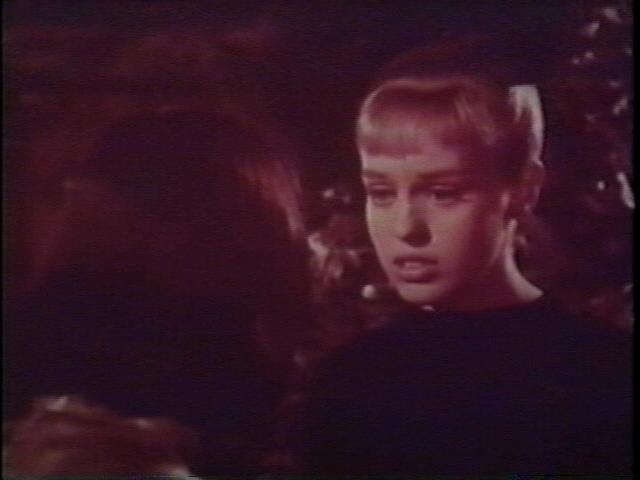
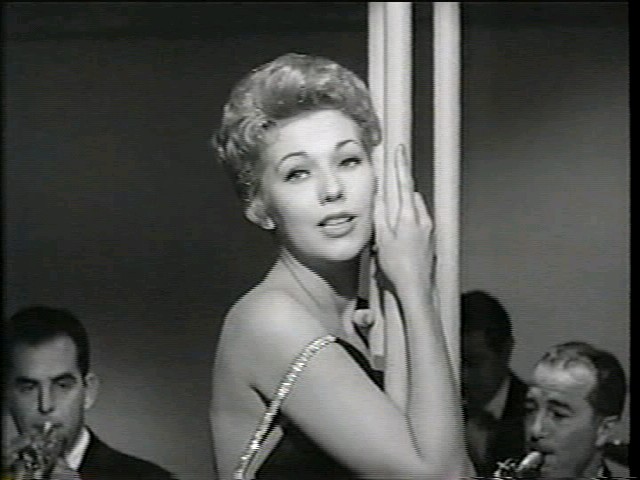
Three years after directing the gimmicky horror flick 13 Ghosts (1960), schlockmeister William Castle returned to the selling power of this infamously unlucky number with his 13 Frightened Girls — strictly a marketing ploy, since the “13 girls” (beautiful daughters of diplomats from around the world) don’t make a meaningful appearance en masse until the final moments of the film, at which point they’re giddy rather than frightened. Instead, 13 Frightened Girls turns out to be an unrealistic yet fluffily enjoyable tale of a teenage Mata Hari — code name “Kitten” — who is conveniently able to discover one valuable state secret after the other through her friends.

Kathy Dunn — Louisa in the original Broadway version of “The Sound of Music” — is excellent in the lead role: her cheery good looks, blonde tresses, and all-around pluck are reminiscent of her more famous counterpart, Hayley Mills. Though she finds herself in a heap of trouble again and again — and some scenes are genuinely tense — the film’s cartoonish score fortunately reassures us that our heroine won’t ever suffer serious harm. If you’re able to accept the improbable details of the story (why are all the diplomats’ children teenage girls of the same age?); awful performances by the “girls” (most of their acting careers went nowhere after this film); and occasionally stilted dialogue (“Candy, you must go– There is much danger!”), you might find yourself guiltily enjoying this innocuous Cold War trifle.

Redeeming Qualities and Moments:

  • Kathy Dunn’s appealing, energetic performance in the lead role
  • A fun, if highly unrealistic, “Nancy Drew” premise

Must See?
No. It’s not clear why Peary includes this enjoyable yet minor title in the back of his book, other than its status as a film directed by William Castle.

Links:

Five Against the House (1955)

Five Against the House (1955)

“It’s the greatest hoax of the century — it’s nefarious as Fu Manchu, and as practical as a zipper!”

Synopsis:
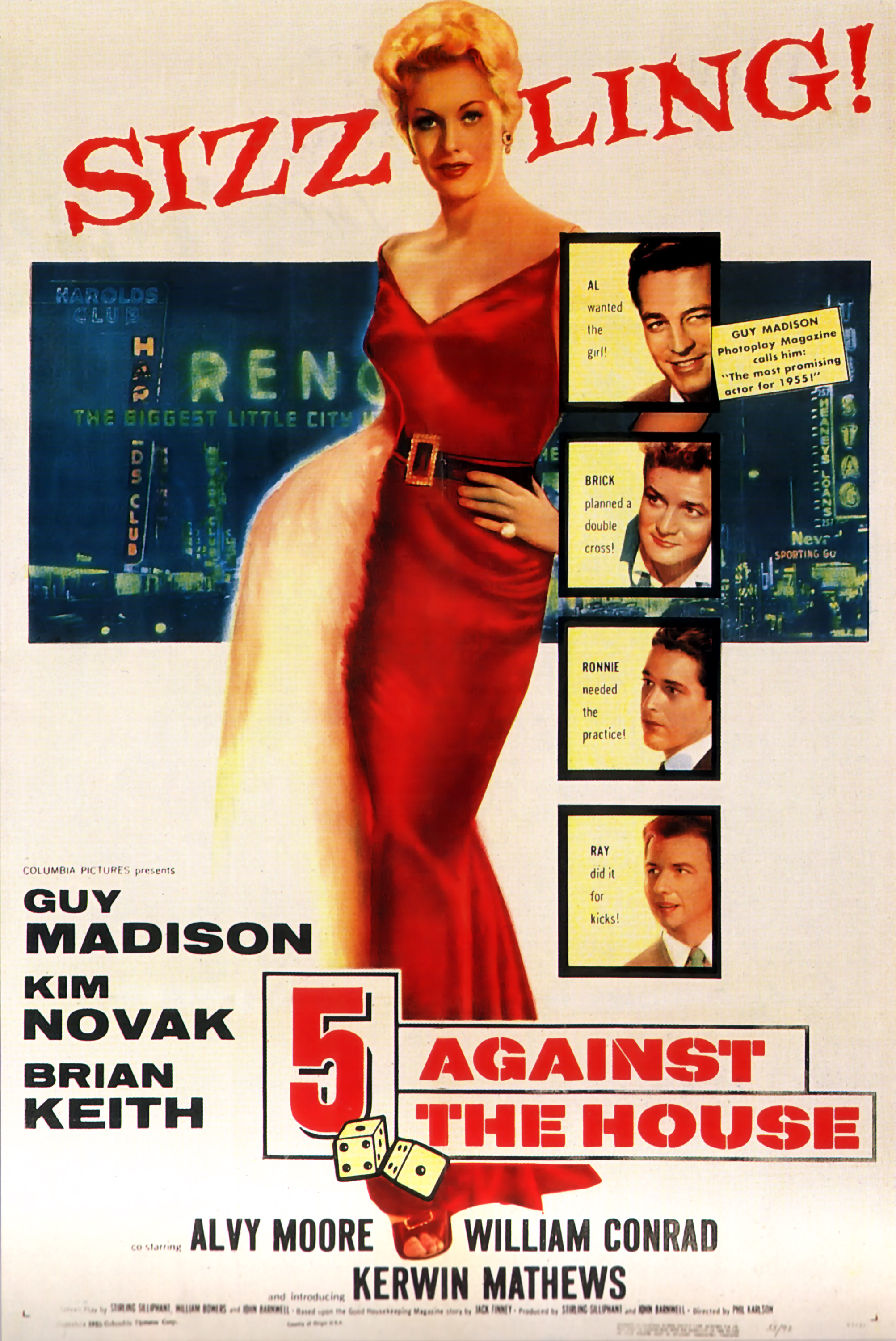
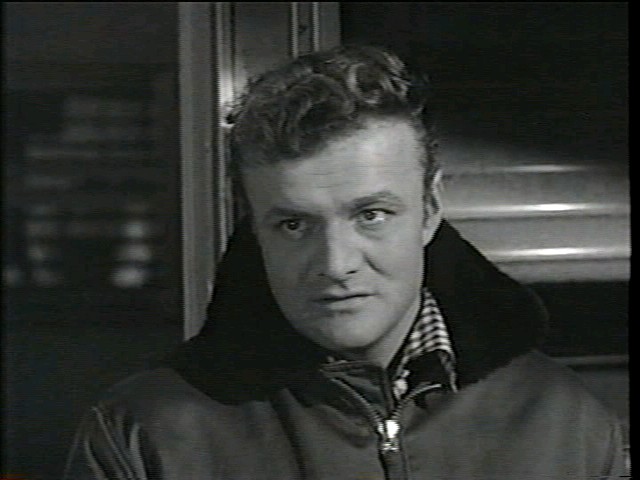
Three college buddies plan a casino heist as a lark, intending to give back the money immediately. But when one of them — damaged Korean War veteran Brick (Brian Keith) — decides he wants to keep the money, it’s up to his friend Al (Guy Madison) to stop the entire scam.

Genres:

  • Brian Keith Films
  • Casinos
  • Heists
  • Kim Novak Films
  • Phil Karlson Films
  • Veterans

Review:
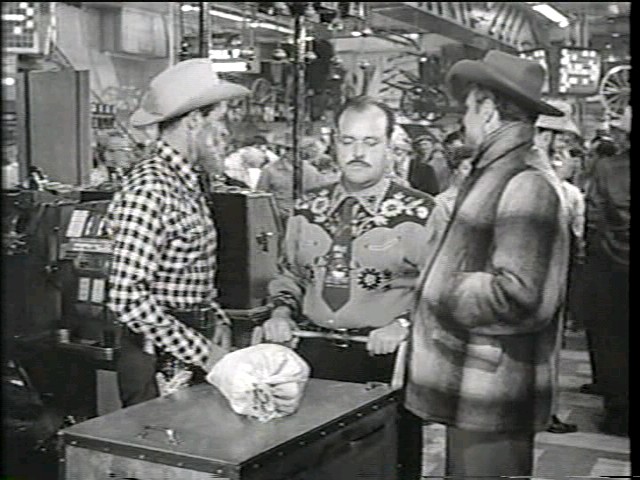
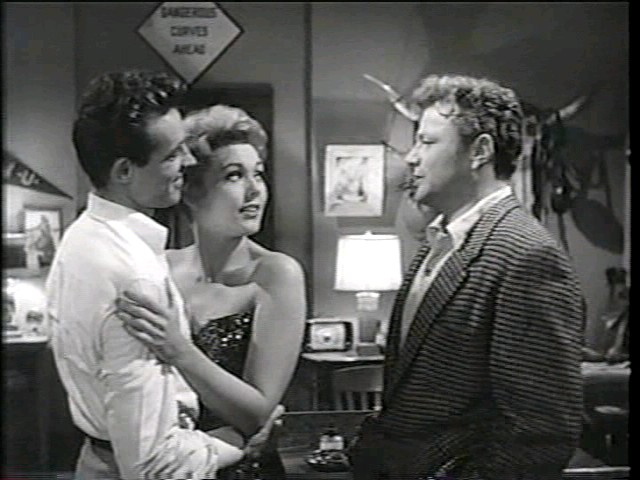
This unusual caper flick (directed by Phil Karlson) effectively draws upon the theme of veterans struggling to live “normal” lives in mainstream society. While Al (Madison) is on the fast track to success as a lawyer, and desires nothing more than to marry his sweetheart (Kim Novak) and settle down, his friend Brick (Keith) represents the opposite extreme: a man so broken by his experiences as a soldier that no amount of schooling or friendship can erase the damage that’s been done. Meanwhile, their young, carefree buddies Ronnie (Kerwin Matthews) and Roy (Alvy Moore) serve as a telling contrast: they are content with simply having fun, scoring with chicks, tormenting a naive freshman (Jack Dimond), and (for Ronnie at least) proving their genius against the seemingly impervious machinations of a casino.

Karlson maintains genuine tension and interest throughout the movie, thanks to fine performances by most of the actors, clever dialogue, and a nicely shot casino heist. The emphasis on character and friendship is refreshing — rather than watching seasoned crooks hoping to make “one final score” (an overused trope if there ever was one), we see a drama which may revolve around a heist, but is ultimately about pride (Ronnie), survival (Brick), and loyalty (Madison).

Note: Ronnie’s cool, calculated plotting is reminiscent of John Dall’s character in Hitchcock’s Rope (1948) — though ultimately Five Against the House is more concerned with the veterans’ stories than with Ronnie’s potential psychopathy.

Redeeming Qualities and Moments:

  • Brian Keith’s sympathetic performance as the damaged war veteran
  • Kim Novak in one of her earliest roles
  • The tense casino heist (especially well-played by Eric Berg as the cash cart man)
  • A clever script with many memorable lines:

    “I think you two are going to like marriage… I’ve heard it described as something like tennis, played with 40-mm cannons.”

Must See?
No, but it’s a nifty caper flick, and definitely worth watching if you can find a copy.

Links:

Charles, Dead or Alive (1969)

Charles, Dead or Alive (1969)

“Each of us is defined by what he does. This being the case, the only thing left for me is to undo myself neatly.”

Synopsis:
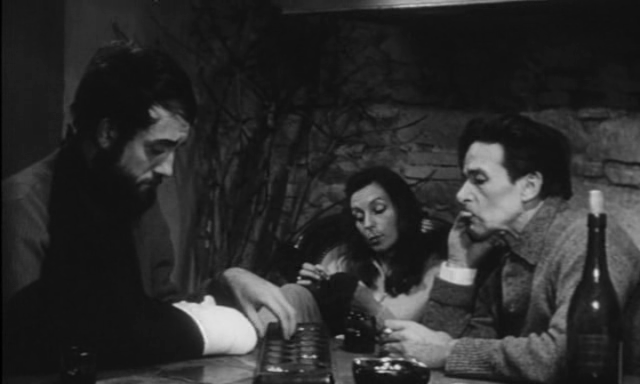
On the 100th anniversary of his family’s watchmaking company, Charles De (Francois Simon) experiences a midlife crisis and runs away from home. His family hires a private investigator (Walter Schochli) to look for him; in the meantime, Charles enjoys his new life with a young Bohemian couple (Marcel Robert and Marie-Claire Dufour) he has met by chance.

Genres, Themes, Actors, and Directors:

  • Counterculture
  • Midlife Crisis
  • Search
  • Swiss Films

Review:
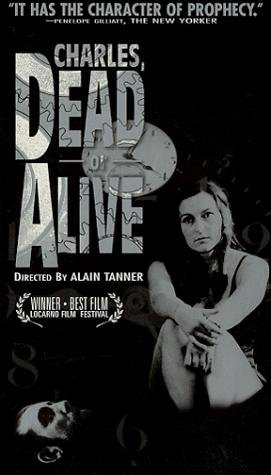
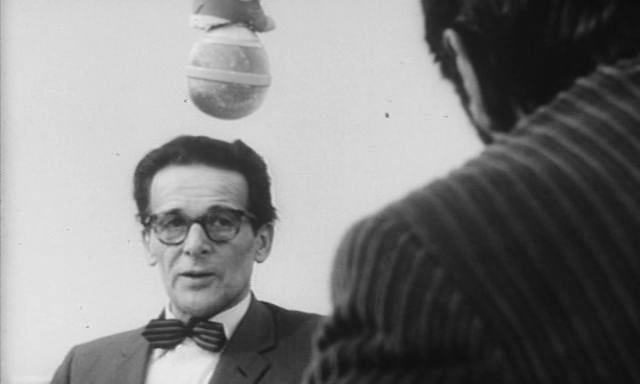
Swiss director Alain Tanner’s feature debut isn’t quite as accessible as his later masterpieces — such as Jonah Who Will Be 25 in the Year 2000 (1976 — but nonetheless effectively showcases his signature style and themes. The smart, literate script is primarily concerned with showing us the inner transformation of the title character (well-played by Francois Simon), doing so through an insightful, sometimes humorous presentation of divergent lifestyle choices. While it may not be for all tastes, Charles… remains recommended viewing for all film fanatics.

Redeeming Qualities and Moments:

  • Francois Simon as the soul-searching businessman
  • Effective b&w cinema verite camera work

Must See?
No, though it’s certainly worth a look as Tanner’s feature debut, and for holding a special place in the history of Swiss cinema.

Links:

Virgin and the Gypsy, The (1970)

Virgin and the Gypsy, The (1970)

“I should like to fall violently in love.”

Synopsis:
Yvette (Joanna Shimkus), a repressed clergyman’s daughter in 1920s England, lusts after a swarthy gypsy (Franco Nero) and befriends an unmarried couple (Honor Blackman and Mark Burns) who have been shunned for “living in sin”.

Genres, Themes, Actors, and Directors:

  • Coming of Age
  • Cross-Class Romance
  • Gypsies
  • Historical Drama
  • Morality Police

Review:
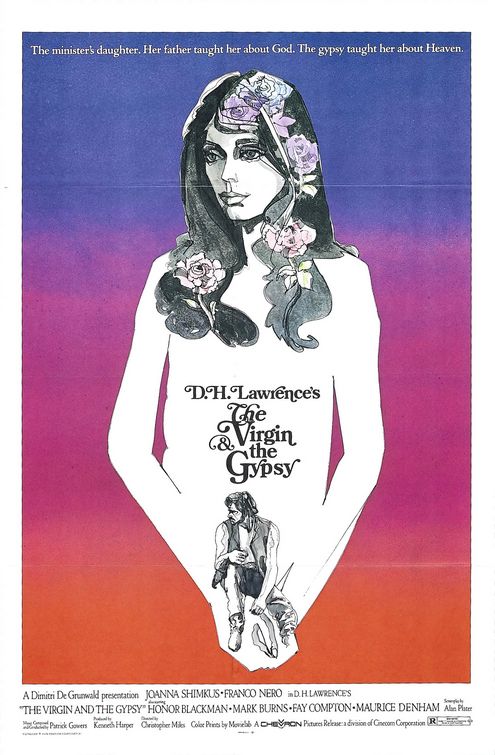
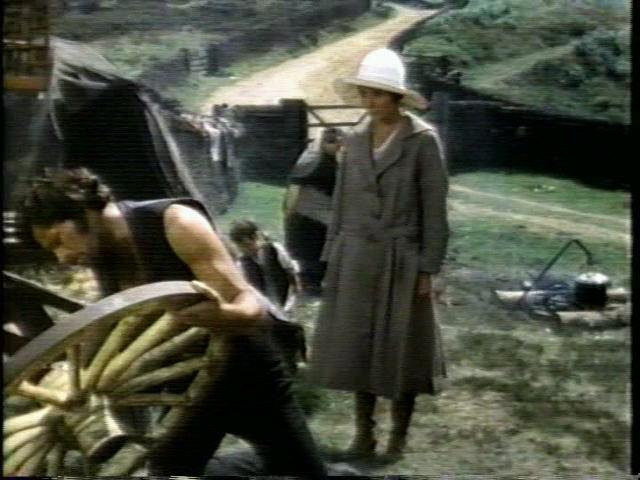
Christopher Miles’ adaptation of D.H. Lawrence’s posthumous novella is an unassuming, lushly photographed tale of sexual awakening and coming-of-age. Joanna Shimkus is perfect in the title role, playing a young woman who longs to break free from the moral restrictions of her uptight family. Even more impressive, however, is the way in which Miles deftly evokes the details of life for various classes in 1920s England: we see the minutiae of both the gypsy camp (an unidentifiable stew boils over an open fire on the hillside) and Yvette’s upper-middle-class family (a servant carefully doles meat and potatoes onto each member’s shiny plate). While the movie is perhaps overly metaphorical during its final climactic moments, this somehow seems to fit with the overall tone of the fable-like tale.

Redeeming Qualities and Moments:

  • Beautiful Joanna Shimkus (Sidney Poitier’s wife) as “the virgin”
  • Meticulously rendered period detail of both upper-middle-class and Gypsy life in 1920s England
  • Lush cinematography of northern English landscapes
  • Effective use of imagery to evoke Yvette’s sense of inhibited freedom

Must See?
No, but it’s recommended.

Links:

Speedy (1928)

Speedy (1928)

“Gee, Babe — you’ve done more for baseball than cheese has for Switzerland!”

Synopsis:
A young man known as “Speedy” (Harold Lloyd) loses one job after the other, but keeps his spirits up by going to Coney Island with his girlfriend, Jane (Ann Christy). Meanwhile, he helps Jane’s grandfather, “Pop” (Bert Woodruff), save his horse-drawn trolley — the last one in New York — from being bought by nefarious railroad business tycoons.

Genres, Themes, Actors, and Directors:

  • Comedy
  • Harold Lloyd Films
  • New York
  • Silent Films

Review:
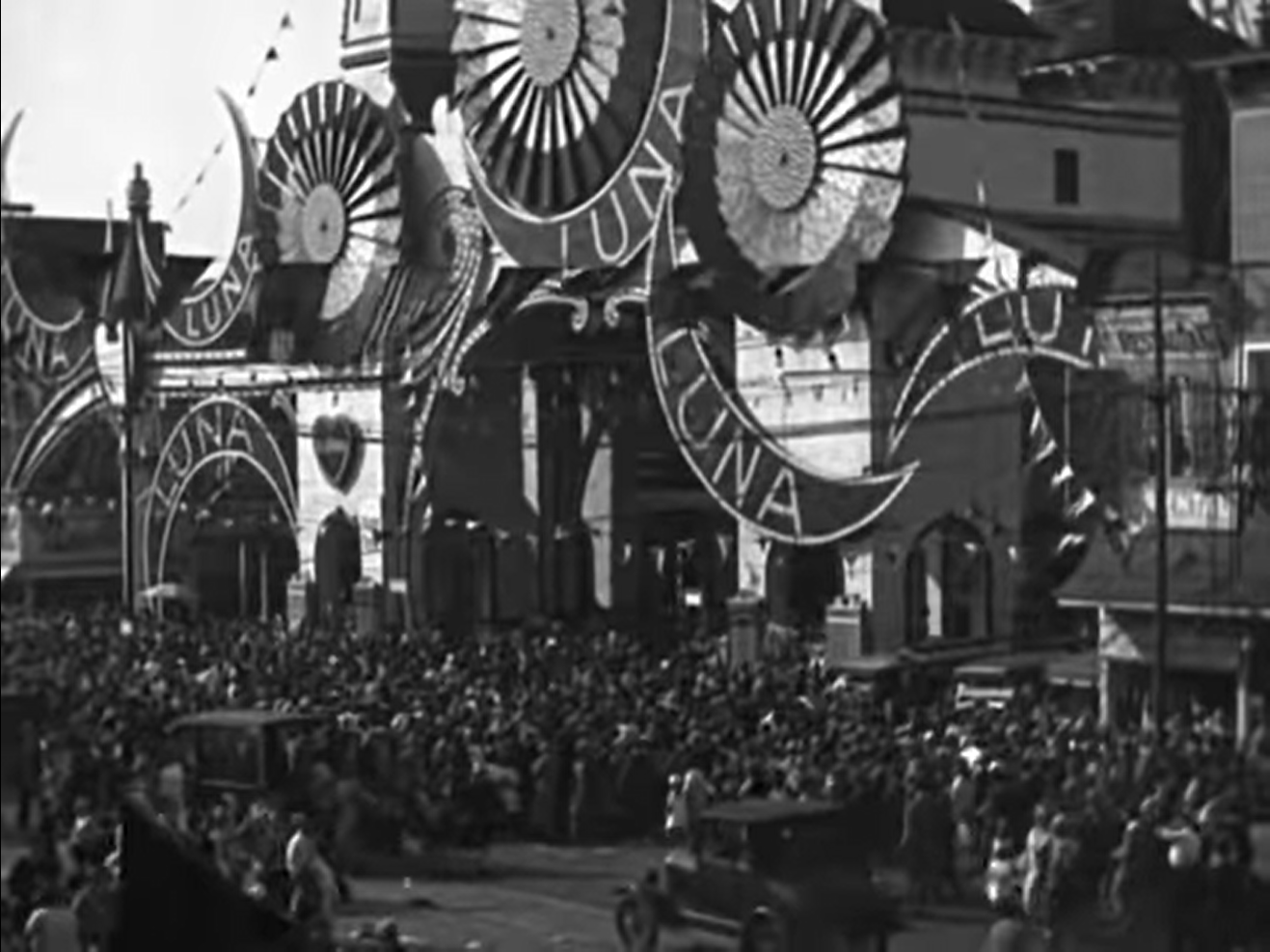
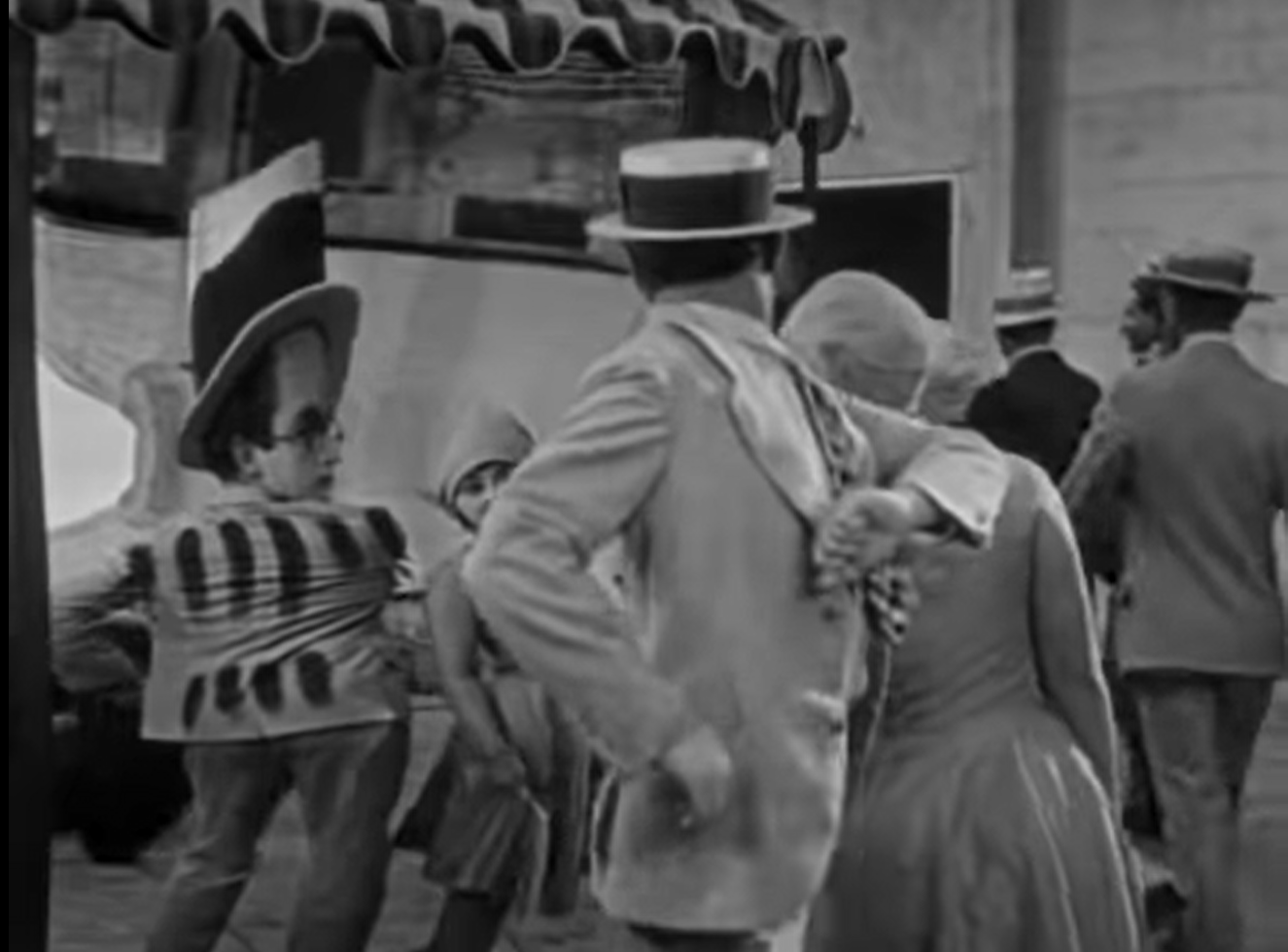
Harold Lloyd’s final silent film features many amusing segments and sight gags, a fascinating peek at 1920s New York (including an extended cameo by Babe Ruth), and an overall air of infectious gaiety. Unfortunately, however, the movie doesn’t hold together very well as a cohesive narrative, and the final chase scene — while certainly well-executed — devolves into an uninteresting slapstick brouhaha. For those seeking their first exposure to Harold Lloyd’s immense talents, check out Safety Last! (1923) or The Freshman (1925) instead.

Redeeming Qualities and Moments:

  • A fascinating “time capsule” glimpse of 1920s New York (especially Coney Island)


  • The fun subway sequence
  • Speedy using donuts and pretzels to signal baseball scores to his workmates

Must See?
No, though it’s certainly a “must see” for fans of Harold Lloyd and/or silent comedies.

Links:

Jonah Who Will Be 25 in the Year 2000 (1976)

Jonah Who Will Be 25 in the Year 2000 (1976)

“The holes prophets make to see the future are the same ones historians use to look at the past.”

Synopsis:
Former revolutionaries in Switzerland — including a high school teacher (Jacques Denis), a cashier (Miou-Miou), a typesetter-turned-gardener (Jean-Luc Bideau), and a secretary (Myriam Mezieres) — struggle to find meaning in their post-1960s lives.

Genres, Themes, Actors, and Directors:

  • Comedy
  • Ensemble Films
  • Revolutionaries
  • Swiss Films

Review:
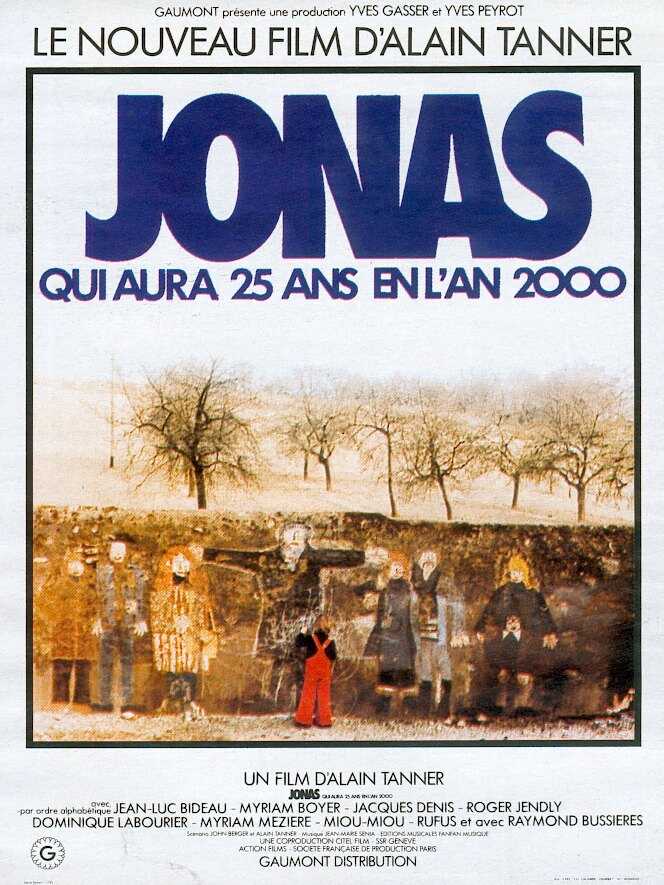
Full of intelligent dialogue, quirky characters, and countless memorable moments, this European forerunner to John Sayles’ The Return of the Secaucus Seven (1980) remains one of Swiss director Alain Tanner’s most enjoyable and accessible films. By the end of the movie, we learn how these diverse characters are all (perhaps inevitably) connected to one another — but the finale seems natural rather than contrived, and takes nothing away from our genuine interest in their personal struggles up till then.

Indeed, one can’t help rooting for these all-too-human characters as they struggle to reconcile their socialist ideals with the reality of life in a capitalist society. Ultimately, Tanner succeeds in portraying the passion and zeal of former revolutionaries without patronizing them — not an easy task.

Redeeming Qualities and Moments:

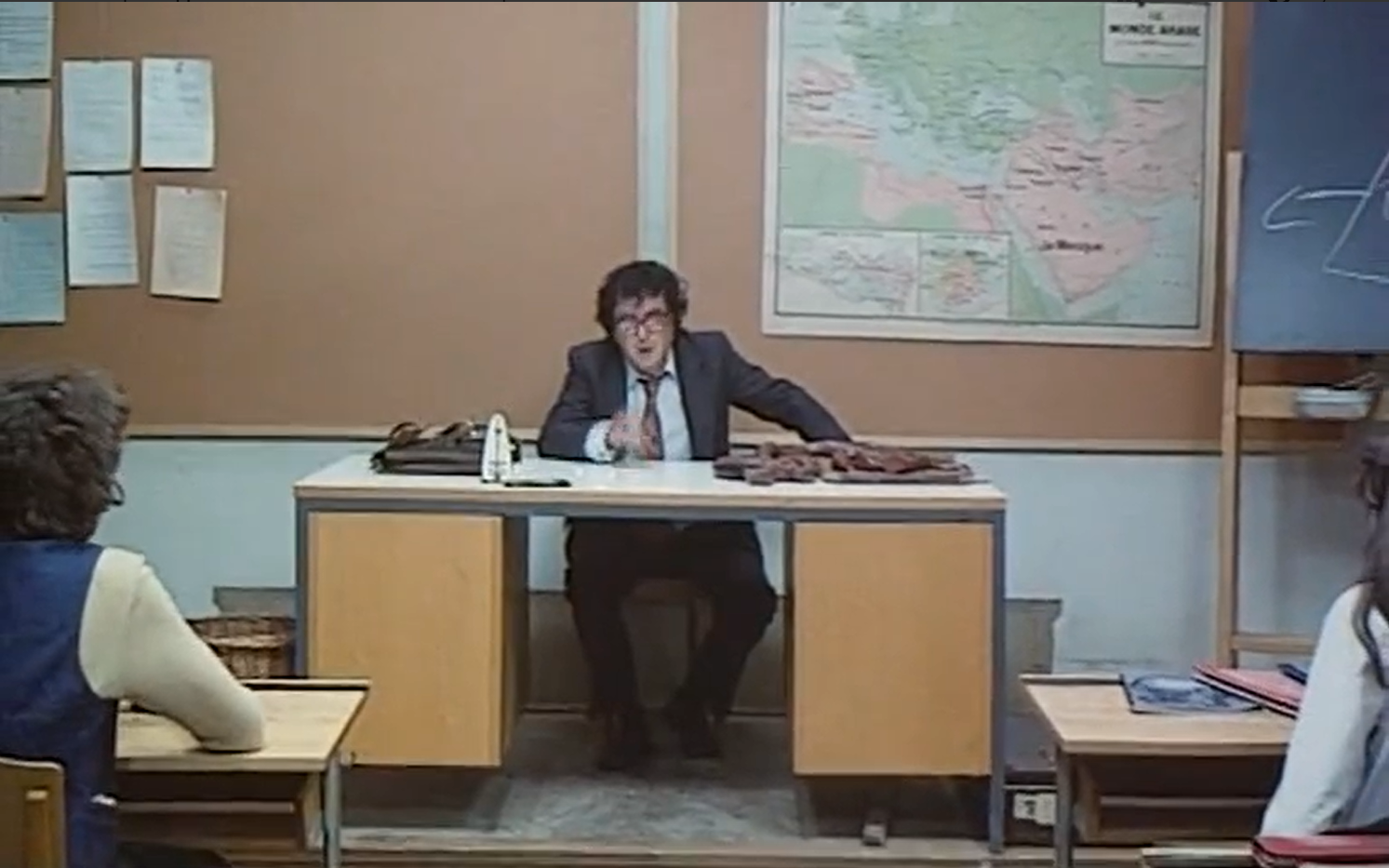
  • Denis’ unorthodox yet fascinating high school teaching methods
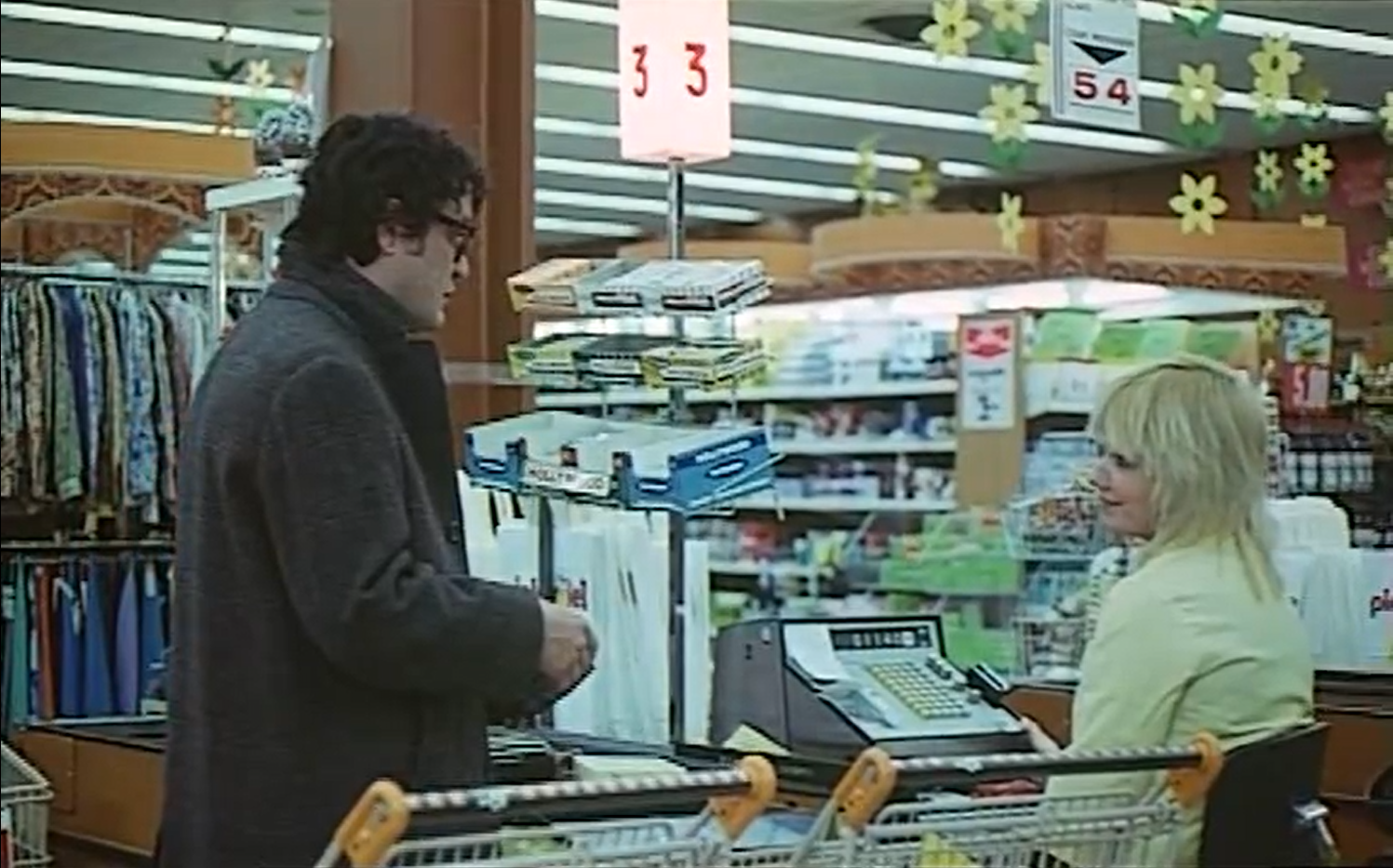
  • Miou-Miou’s early performance as a subversive cashier who steals food for her elderly neighbor
  • Mezieres as a secretary unabashedly into tantric sex

Must See?
Yes. This remains Tanner’s most enjoyable film, and is recommended.

Categories

  • Important Director

Links:

File on Thelma Jordon, The (1950)

File on Thelma Jordon, The (1950)

“Maybe I’m just a dame and didn’t know it!”

Synopsis:
An unhappily married assistant D.A. (Wendell Corey) falls in love with a mysterious woman (Barbara Stanwyck) who shows up in his office one night. When Thelma Jordon (Stanwyck) is put on trial for killing her wealthy aunt (Gertrude Hoffman), Corey does everything he can to save her — but is she really worth the effort?

Genres, Themes, Actors, and Directors:

  • Barbara Stanwyck Films
  • Courtroom Drama
  • Femmes Fatales
  • Infidelity
  • Mistaken Identities
  • Murder Mystery
  • Robert Siodmak Films
  • Wendell Corey Films

Review:
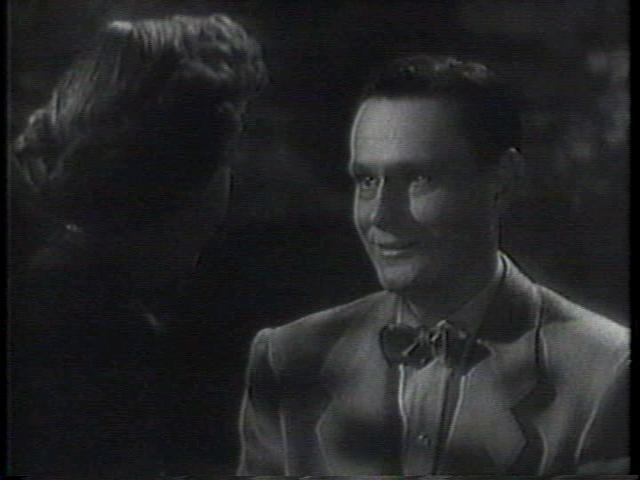
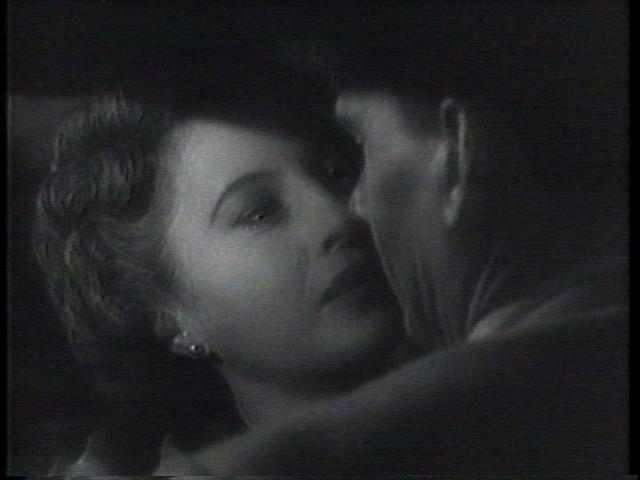
In a variation on her most famous role (blonde Phyllis Dietrichson in 1944’s Double Indemnity), Barbara Stanwyck stars as a wily femme fatale leading a love-struck nudnik down a thorn-lined path. Yet Jordon is not nearly as duplicitous or evil as Dietrichson; her motives are gray rather than black, and we don’t get the sense that she is a true sociopath. Ironically, it’s this very lack of understanding about what makes Jordon tick that ultimately undoes the film, given that we don’t sympathize with either her dilemma or Corey’s. In addition, we must suffer through several unbearably dated scenes in which Marshall’s sympathetic, beautiful 1950s wife (well-played by Joan Tetzel) forgives her husband for his indiscretions, and basically implies that it wasn’t his fault for straying from their marriage. Nonetheless, while Thelma Jordon isn’t among director Robert Siodmak’s best work, it remains a reasonably enjoyable noir thriller — thanks in large part to the fine performances and atmospheric direction.

Redeeming Qualities and Moments:

  • Wendell Corey as the love-struck Assistant D.A.
  • Barbara Stanwyck’s strong performance as the deceitful Thelma Jordon
  • Atmospheric direction by noir master Robert Siodmak

Must See?
No, though any fans of noir, Barbara Stanwyck, and/or Robert Siodmak will undoubtedly want to check it out.

Links:

Harp of Burma (1956)

Harp of Burma (1956)

“I cannot leave the bones lying scattered on the hills.”

Synopsis:
At the end of World War II, a Japanese soldier (Shoji Yasui) in Burma is sent to inform another unit that Japan has surrendered; however, the unit refuses to stop fighting, and everyone but Yasui is killed. Devastated, Yasui pretends to be a Buddhist monk and wanders the countryside, burying and paying honor to the dead. In the meantime, his platoon leader (Rentaro Mikuni) conducts an intensive search for the missing soldier.

Genres, Themes, Actors, and Directors:

  • Character Studies
  • Japanese Films
  • Kon Ichikawa Films
  • Mistaken or Hidden Identities
  • Search
  • Soldiers
  • World War II

Review:
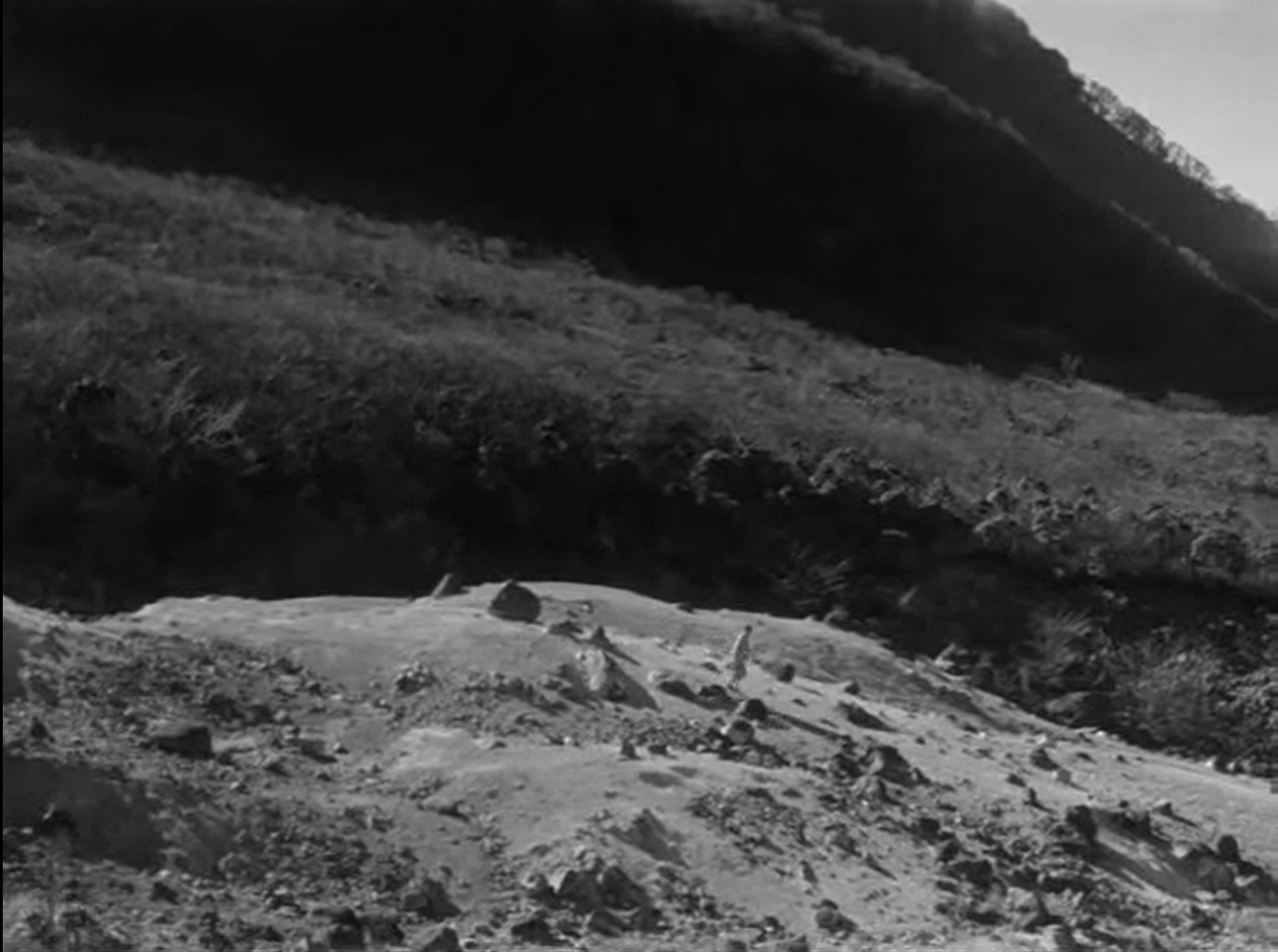
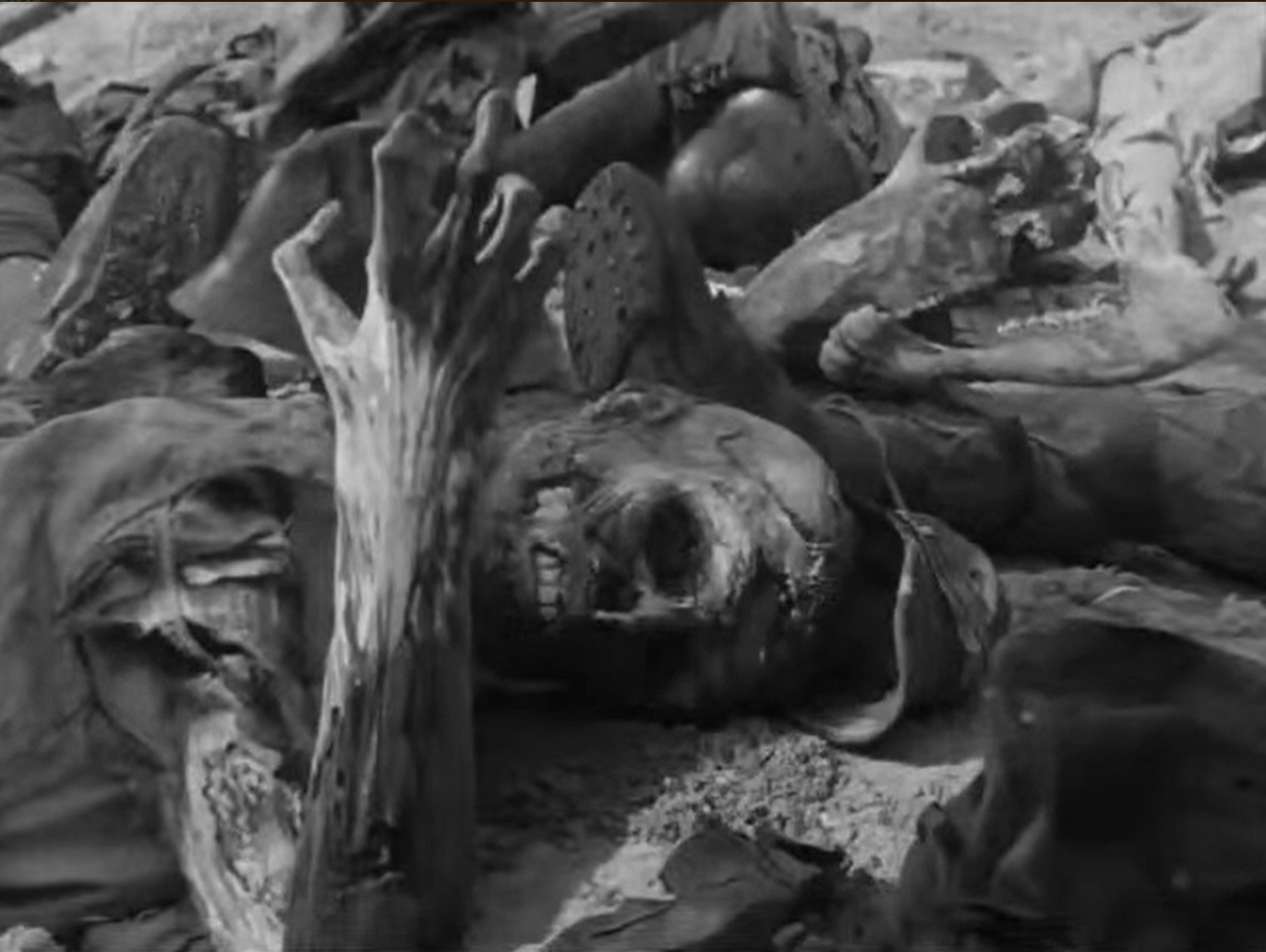
Harp of Burma (also known as The Burmese Harp) was Japanese director Kon Ichikawa’s first successful film in America, and remains one of his most accessible movies to date. After a somewhat hokey beginning — in which we are introduced to a Japanese platoon in the final stages of WWII which sings to keep its spirits up — the story quickly becomes more interesting, as Yasui is plunged into an existential crisis and begins his spiritual journey. At this point, Harp of Burma turns into a character study, with Yasui symbolizing veterans everywhere who must find a way to cope with the impossible reality of random death all around them. Rather than retreating into anger, denial, or masochistic behavior, Yasui chooses a path of healing and reflection; in the meantime, his loyal platoon leader (Mikuni) is obsessed with finding the missing soldier, who has become nearly a mythical figure to his fellow soldiers. Ichikawa thus shows us two divergent, yet equally relevant, approaches to dealing with the chaos and loss of war: Yasui honors the dead (who deserve attention and respect), while Mikuni focuses on preserving the living — who will ultimately be responsible for creating a new, post-war Japan.

Redeeming Qualities and Moments:

  • Yasui as the harp-playing soldier struggling to make sense of the devastation around him
  • Beautiful cinematography of the war-torn Burmese landscape

  • A powerful and unique depiction of post-war trauma leading to spiritual awakening

Must See?
Yes. Along with Ichikawa’s Fires on the Plain (1959), this remains one of the best cinematic reflections on post-war devastation.

Categories

  • Foreign Gem
  • Important Director

(Listed in 1001 Movies You Must See Before You Die)

Links:

Man’s Favorite Sport? (1964)

Man’s Favorite Sport? (1964)

“I’m wondering what it would be like if I kissed you.”

Synopsis:
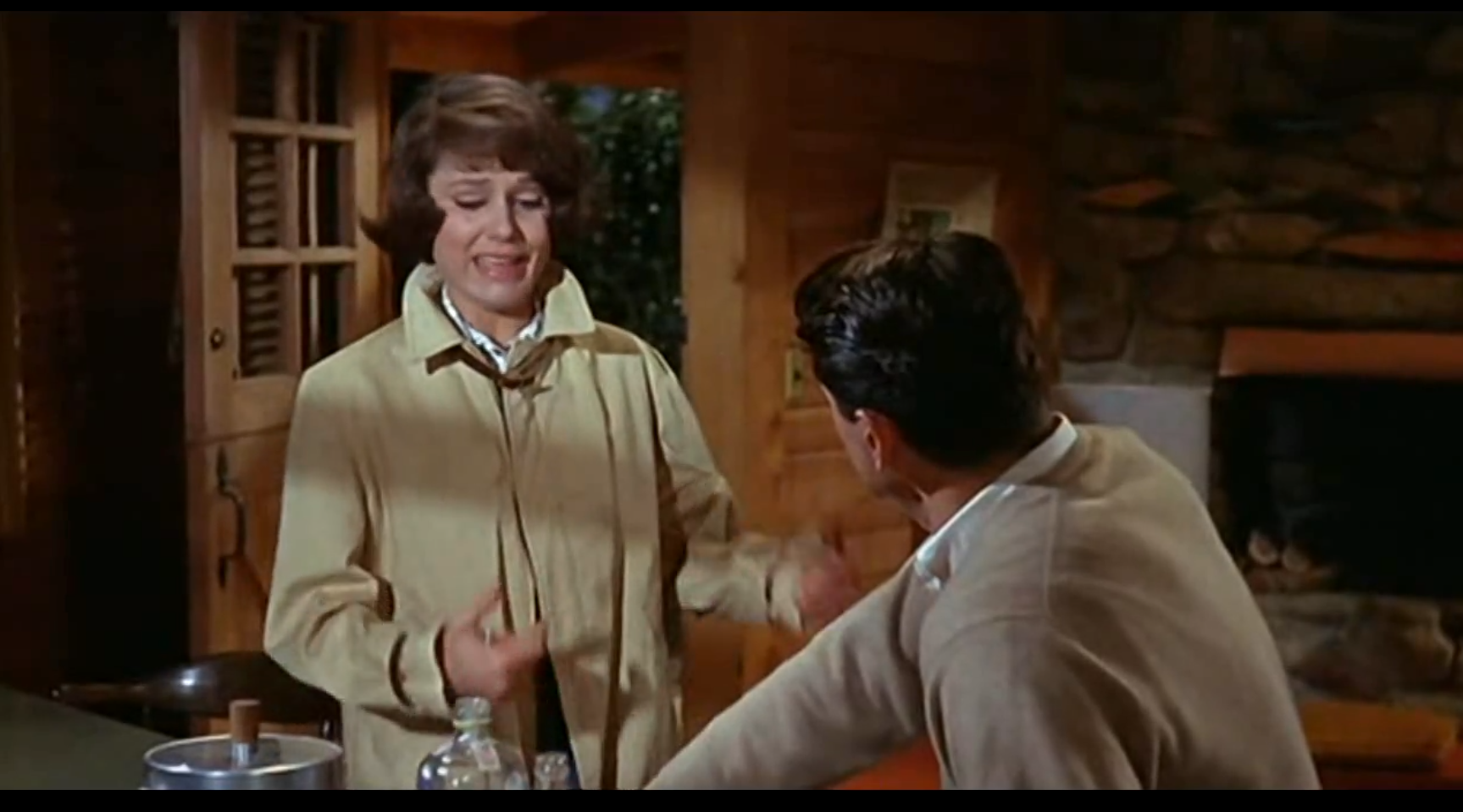
Bestselling fishing expert Roger Willoughby (Rock Hudson) is asked by publicist Abigail Page (Paula Prentiss) to participate in a fishing contest. When Abigail discovers that Roger has never actually been fishing, she gives him private lessons, and finds herself falling hopelessly in love.

Genres, Themes, Actors, and Directors:

  • Battle of the Sexes
  • Howard Hawks Films
  • Mistaken or Hidden Identities
  • Paula Prentiss Films
  • Rock Hudson Films
  • Romantic Comedy
  • Sports

Review:
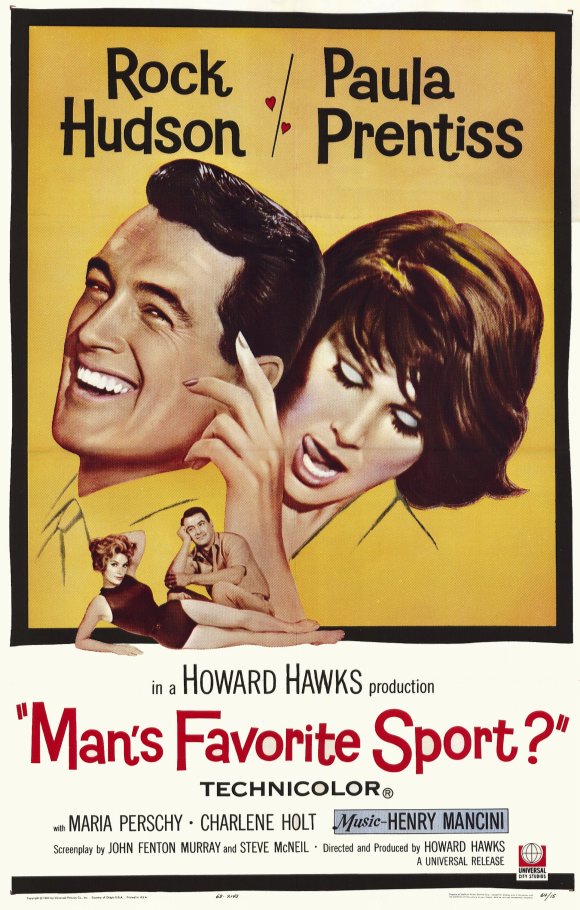
Howard Hawks’ final screwball comedy met with tepid reviews upon its release, and remains one of his lesser efforts: the premise is silly, the humor is inconsistent, and there isn’t much chemistry between Hudson and Prentiss. With that said, however, the movie benefits greatly from Prentiss’s energetic performance; indeed, although Peary doesn’t review Man’s Favorite Sport? in GFTFF, he gives it special attention in his Alternate Oscars book, where he votes for Prentiss’s performance as the best by any actress in 1964. Peary notes that Abigail “covers her insecurities by acting aggressively,” and that she “is her own worst enemy” — much like Geena Davis’s Muriel Pritchett in The Accidental Tourist (1988). Indeed, the two tall, lanky brunettes bear more than a passing resemblance to each other, given that Davis has suffered from a similar dearth of appropriate roles. Prentiss unfortunately never really found her niche in Hollywood, but this film remains one her finest on-screen triumphs, and is worth watching for this reason alone.

Redeeming Qualities and Moments:

  • Prentiss’s performance — she’s always great fun to watch
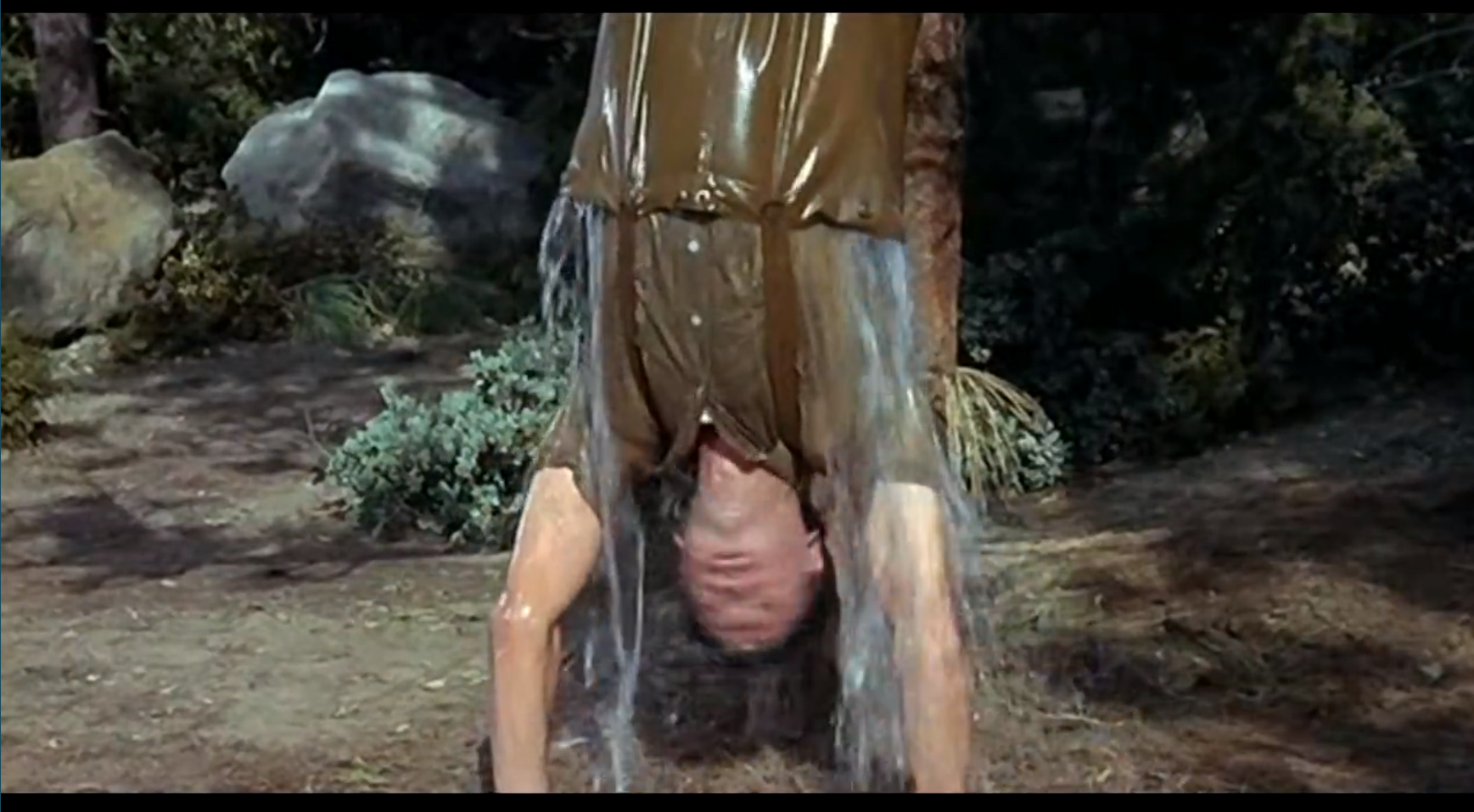
  • Hudson’s inflatable “waders” exploding underwater
  • Some hilarious overlapping dialogue (Hawks’s trademark)

Must See?
Yes. While it’s uneven, this cult film is redeemed by Prentiss’s stand-out performance, and improves upon repeat viewings.

Categories

  • Cult Movie
  • Important Director
  • Noteworthy Performance(s)

Links:

Chienne, La (1931)

Chienne, La (1931)

“You’re no woman. You’re a bitch. You lick the hand that feeds you — and the hand that beats you, too!”

Synopsis:
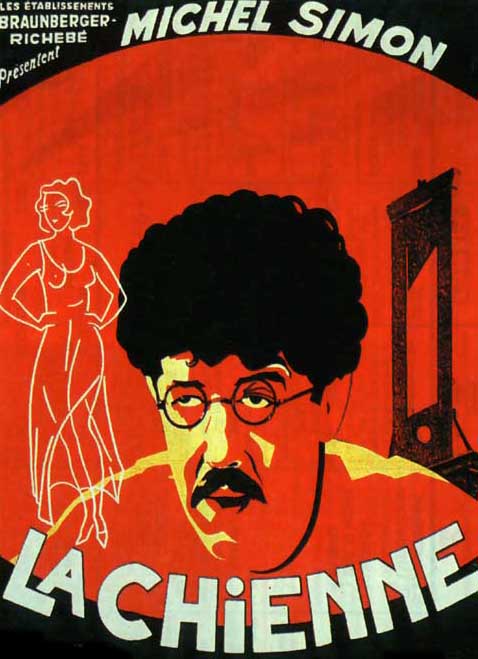
A henpecked husband (Michel Simon) falls in love with a deceptive prostitute (Janie Marese) who milks him for money, sells his amateur paintings under her own name, and maintains a clandestine relationship with her pimp boyfriend (Georges Flamant).

Genres, Themes, Actors, and Directors:

  • Femmes Fatales
  • French Films
  • Henpecked Husbands
  • Infidelity
  • Jean Renoir Films
  • Love Triangle
  • Prostitutes

Review:
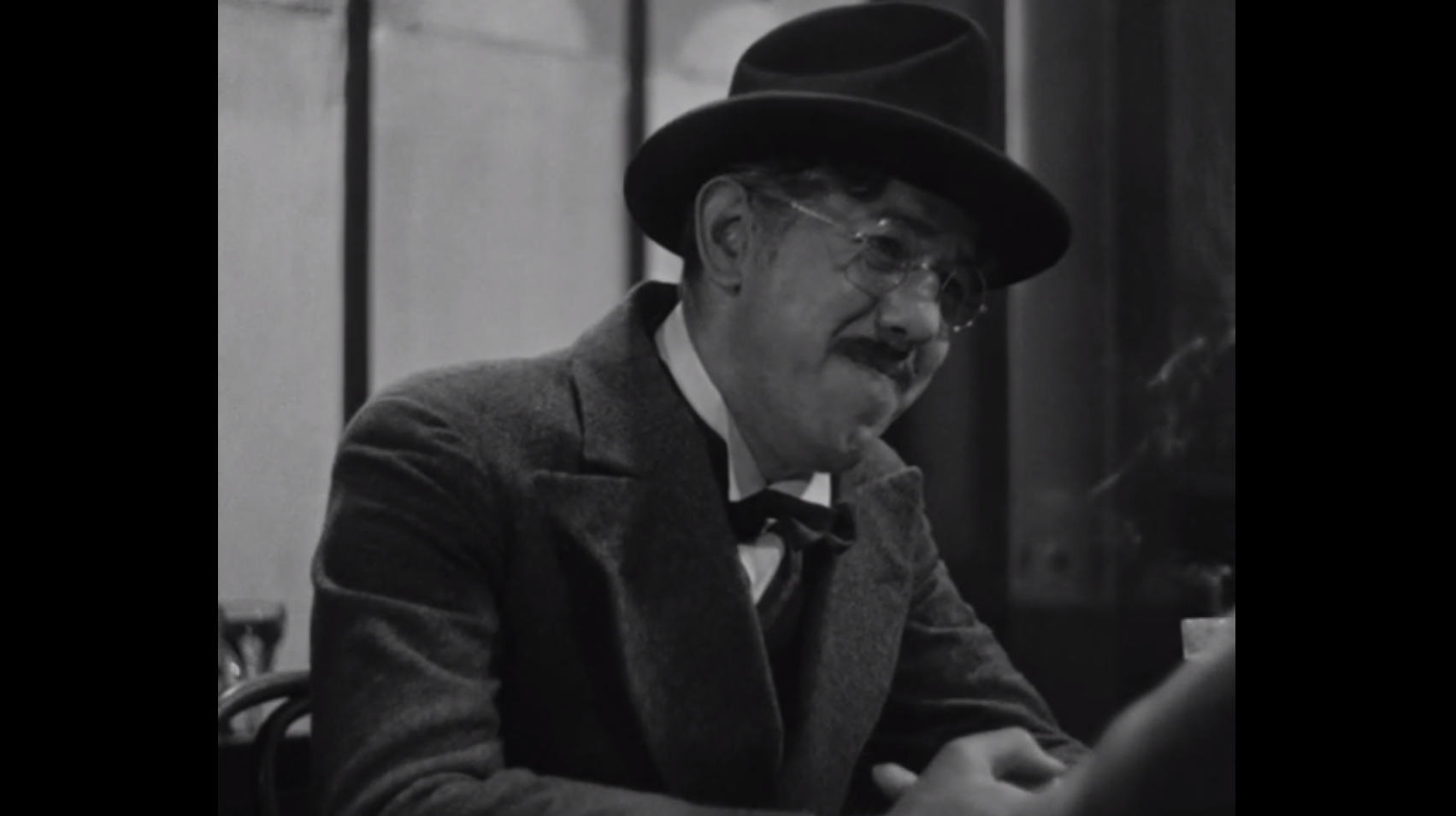
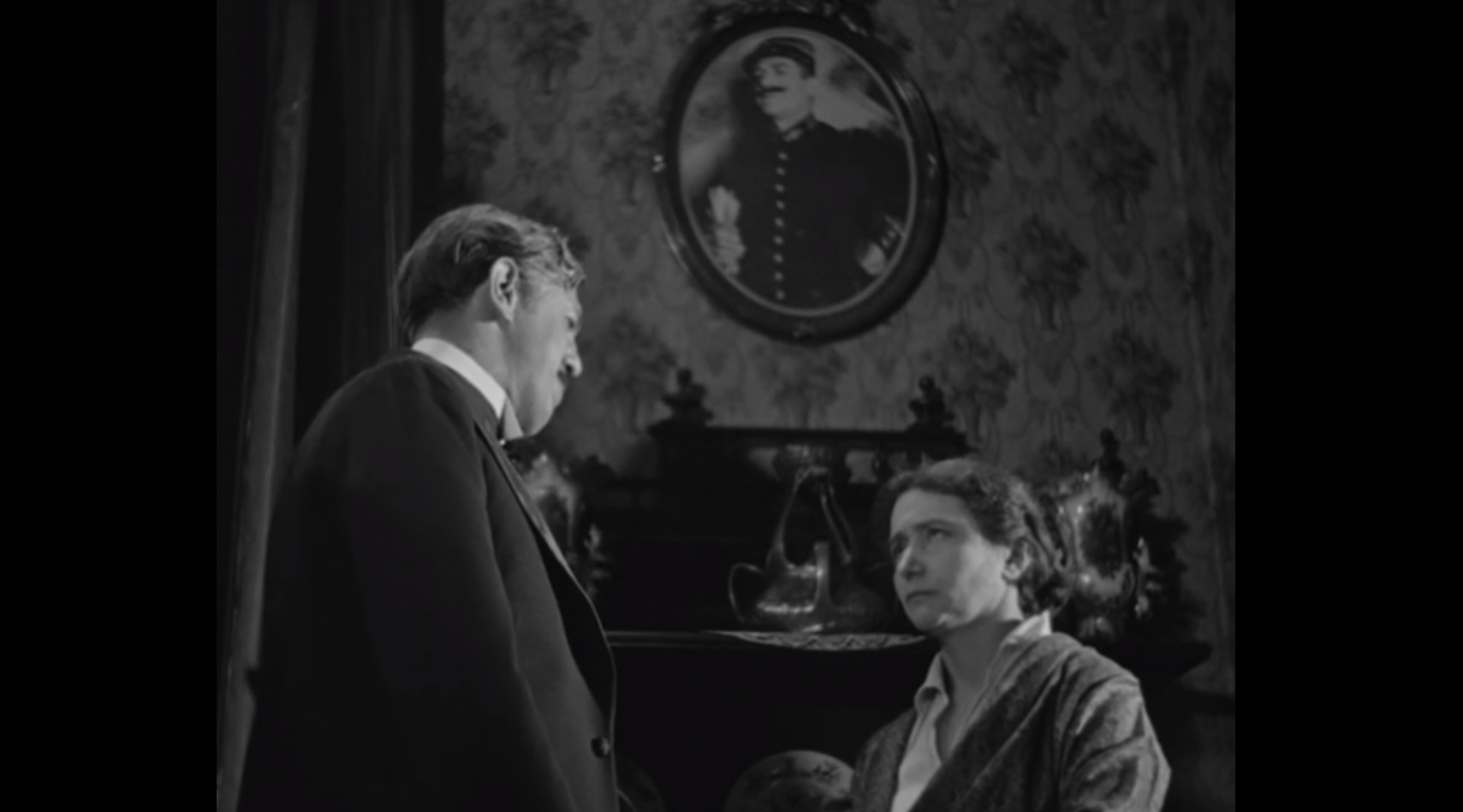
Jean Renoir’s second “talkie” film — remade by Fritz Lang in 1945 as Scarlet Street — marked the leading-role debut of jowly Michel Simon. Simon is simply brilliant here, playing a man who can’t seem to win: he’s henpecked by his insufferable wife on one side, cuckolded and plagiarized by his duplicitous lover on the other. Yet despite the fact that Simon seems to be headed straight from the frying pan into the fire — and must ultimately pay dearly for his brief foray into misguided adultery — at least he’s taking control of his life for the first time; we can’t help but watch his downfall with both fascination and pity.

Redeeming Qualities and Moments:

  • Michel Simon’s memorable performance as the cuckolded, love-struck painter
  • Janie Marese as the duplicitous prostitute who causes Simon’s downfall
  • Creative camera work

Must See?
Yes. This early French version of Scarlet Street is arguably Jean Renoir’s first masterpiece, and remains must-see viewing. Peary lists it in the back of his book as both a Personal Recommendation and a film with historical significance.

Categories

  • Foreign Gem
  • Important Director

(Listed in 1001 Movies You Must See Before You Die)

Links: