Browsed by
Category: Original Reviews

Responses to Peary’s “must see” movie reviews, as well as my own “must see” movie reviews up to and after 1986 (when Peary’s book was published).

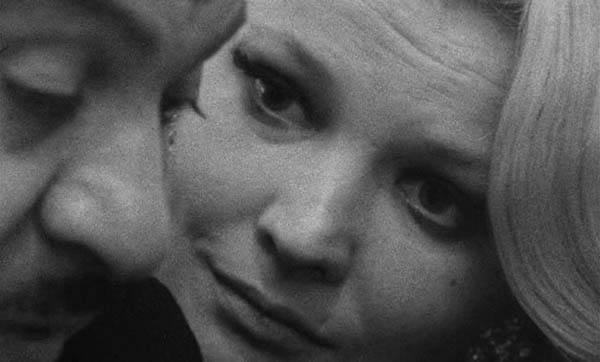
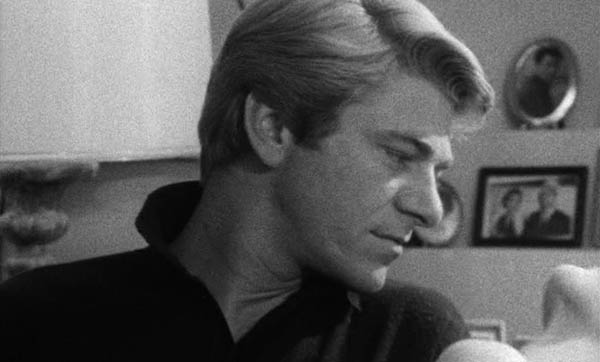
Faces (1968)

Faces (1968)

“I want a divorce. That’s the only thing to do, isn’t it?”

Synopsis:
After announcing he wants a divorce from his wife (Lynn Carlin), an unhappily married businessman (John Marley) spends the night with a call girl (Gena Rowlands); meanwhile, his wife goes to a club with her friends and hooks up with a much younger man (Seymour Cassel).

Genres, Themes, Actors, and Directors:

  • Bourgeois Society
  • Character Studies
  • Gena Rowlands Films
  • John Cassavetes Films
  • Marital Problems
  • May-December Romance
  • Midlife Crisis
  • Seymour Cassel Films

Review:
John Cassavetes’ first “signature” movie — after his experimental debut film, Shadows (1959), and two additional studio pictures — was this utterly bleak yet cinematically groundbreaking look at a bourgeois marriage in decay. Faces features fine, natural performances by everyone involved, and provides a daringly unfiltered look at class and gender relations in 1960s America. Indeed, “unfiltered” is the operative word here: Cassavetes’ first cut of the film (culled from 115 hours of cinema verite footage) was something on the order of six hours long; he eventually edited it down to 130 minutes; but, truth be told, it’s still a long haul to get through. As admirable as Cassavetes’ unconventional, no-holds-barred approach is here, the story is incredibly difficult to watch: emotions are raw and exposed, women are treated abominably, and (in typical Cassavetes fashion) there’s sporadic physical violence and an emotional breakdown. Seymour Cassel’s “Chet” — a hippie living for the moment — brings the only blast of hope into this quagmire of unhappiness; but even he eventually vanishes, leaving these characters to deal, once again, with the oppression of their stultifying lives.

Redeeming Qualities and Moments:

  • John Marley as the successful businessman experiencing a mid-life crisis
  • Luminous Gena Rowlands as the call girl who states, “I’m too old to be lovely — and I haven’t got a heart of gold.”
  • Lynn Carlin (simply wonderful in her first role) as Marley’s unhappy wife
  • Seymour Cassel as the free-spirit who brings romance into Carlin’s life for one brief night
  • A painfully honest look at a marriage on the brinks
  • Effective, groundbreaking use of natural lighting, cinema verite camera angles, and improvised dialogue

Must See?
Yes. As difficult as it is to watch, all film fanatics should see this important movie at least once.

Categories

  • Historically Relevant
  • Important Director
  • Oscar Winner or Nominee

(Listed in 1001 Movies You Must See Before You Die)

Links:

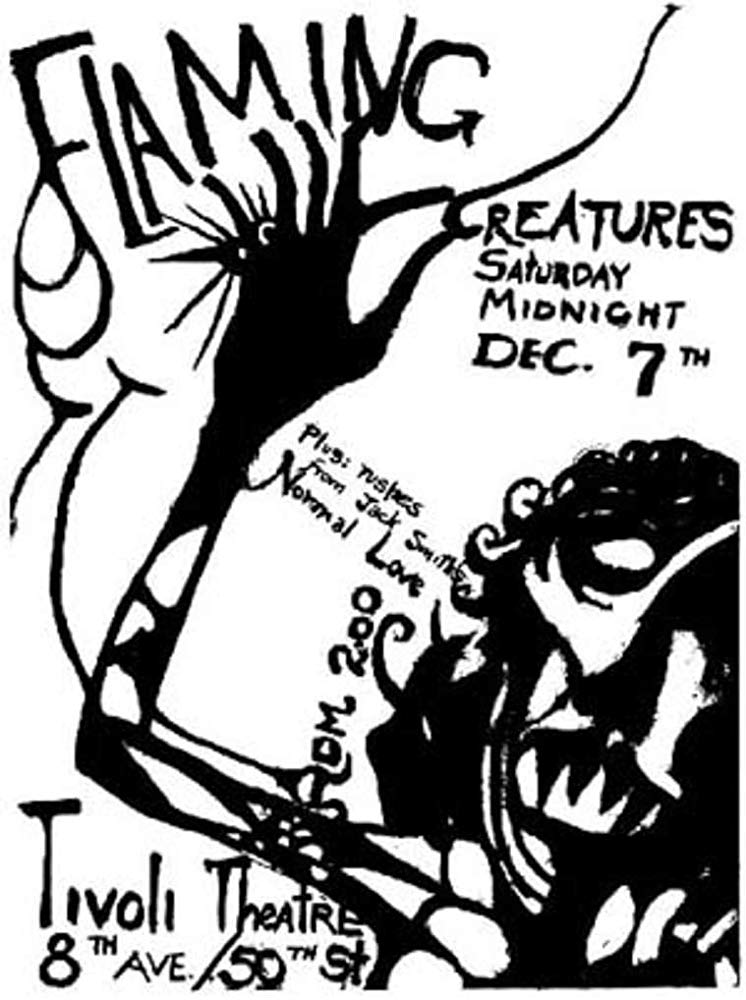
Flaming Creatures (1963)

Flaming Creatures (1963)

“Do they make a lipstick that doesn’t come off?”

Synopsis:
Underground director Jack Smith presents tableaux of orgiastic sensuality, lipstick application, rape, and dance over an eclectic soundtrack, culminating in a plaster-shaking earthquake.

Genres, Themes, Actors, and Directors:

  • Experimental Films
  • Sexuality
  • Surrealism

Review:
Jack Smith’s infamous 43-minute underground classic — shot on partially destroyed film stock, lacking any cohesive narrative, and meant to be “a comedy set in a haunted music studio” — is admired by at least one critic (Jonathan Rosenbaum of the Chicago Reader) as a “jubilant, celebratory film” which possesses “the collective force of a delirious apocalypse”. For my money, however, I find the film devilishly difficult to grasp, and probably more hype than substance. Nonetheless, it remains an undisputed icon of experimental film, and should be seen (endured?) by every film fanatic at least once.

Redeeming Qualities and Moments:

  • A groundbreaking example of anarchistic filmmaking

Must See?
Yes, simply for its place in cinematic history. Listed in the back of Peary’s book as a film with historical importance and a Cult Movie.

Categories

  • Controversial Film
  • Historically Relevant

(Listed in 1001 Movies You Must See Before You Die)

Links:

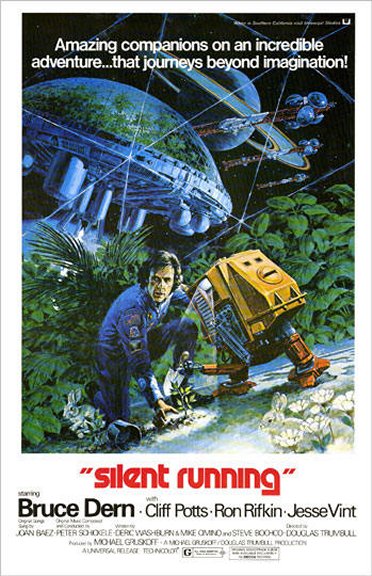
Silent Running (1972)

Silent Running (1972)

“On this first day of a new century, we humbly beg forgiveness.”

Synopsis:
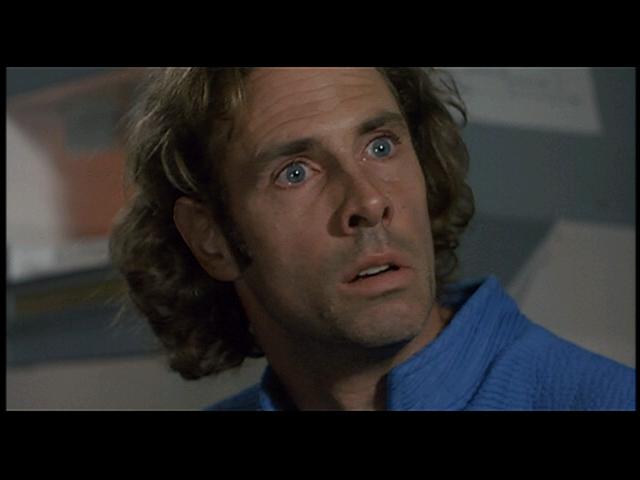
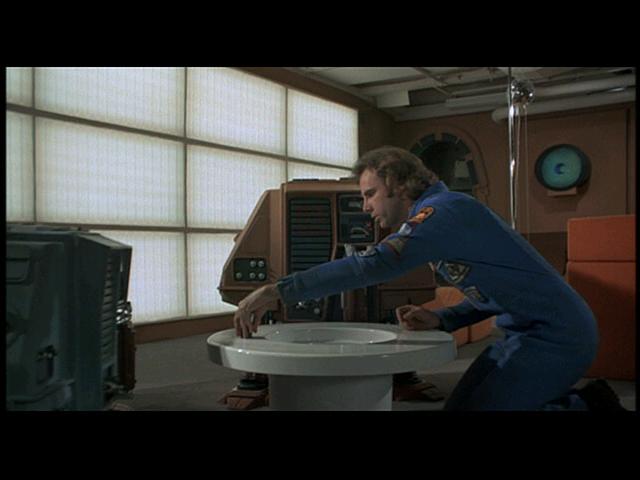
In a dystopic near-future, the Earth has been paved over, and the remaining gardens exist inside orbiting satellites manned by astronauts on a spaceship. When the ship receives order to destroy the satellites, an environmentally-conscious crewmate named Freeman Lowell (Bruce Dern) commits mutiny, and does what he can to protect his precious plants.

Genres, Themes, Actors, and Directors:

  • Astronauts
  • Bruce Dern Films
  • Dystopia
  • Mental Breakdown
  • Mutiny
  • Non-Conformists
  • Robots
  • Science Fiction

Review:
Douglas Trumbull (who created the special effects for both 2001 and The Andromeda Strain) made his directorial debut with this unusual science fiction flick. Silent Running features an impressive lead performance by Bruce Dern, and poses a provocative dilemma: what if you were asked to destroy the only remaining vegetation in existence? Would you blindly follow orders (as do the rest of Freeman’s crewmates), or take a stand and risk your life to “save the plants” at any cost? The bulk of the film follows Freeman’s gradual mental deterioration as he deals with profound loneliness, and tries to prevent his superiors from learning the truth about what’s happened. His interactions with three “friendly” robots on board the ship — Huey, Dewey, and Louie — are campy, but we actually start to care for these metallic creatures after a while, and can relate to Freeman’s fondness for them. The film’s ending generates true pathos: as Freeman makes the ultimate sacrifice in favor of his beliefs, we realize we’ve become just as invested in the outcome as our wacky yet noble protagonist.

Note: The incredibly dated soundtrack (sung by Joan Baez) quickly becomes insufferable, but is all part of the experience of this uniquely-’70s cult favorite.

Redeeming Qualities and Moments:

  • Bruce Dern as the dedicated gardener who will stop at nothing to protect his plants
  • Impressive early special effects and set designs
  • An amusing yet eerie glimpse — a la Cast Away (2000) — at how loneliness can lead to increasingly wacky interactions with non-human objects

Must See?
Yes. This cult movie — while certainly hokey in many ways — remains a surprisingly effective cautionary tale.

Categories

  • Cult Movie

Links:

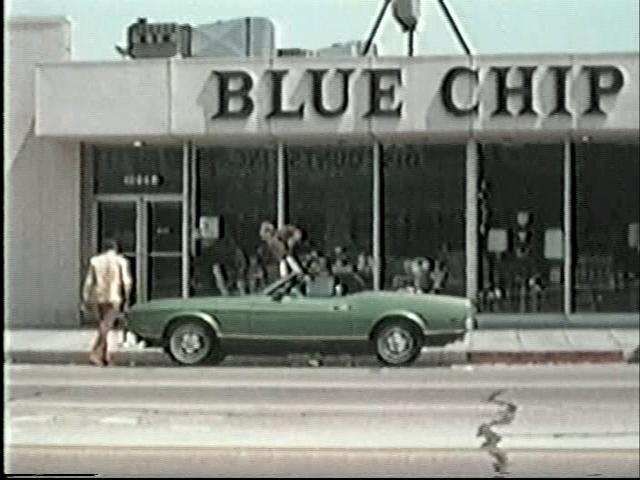
Your Three Minutes Are Up (1973)

Your Three Minutes Are Up (1973)

“Everybody’s always telling me ‘Do this, do that’!”

Synopsis:
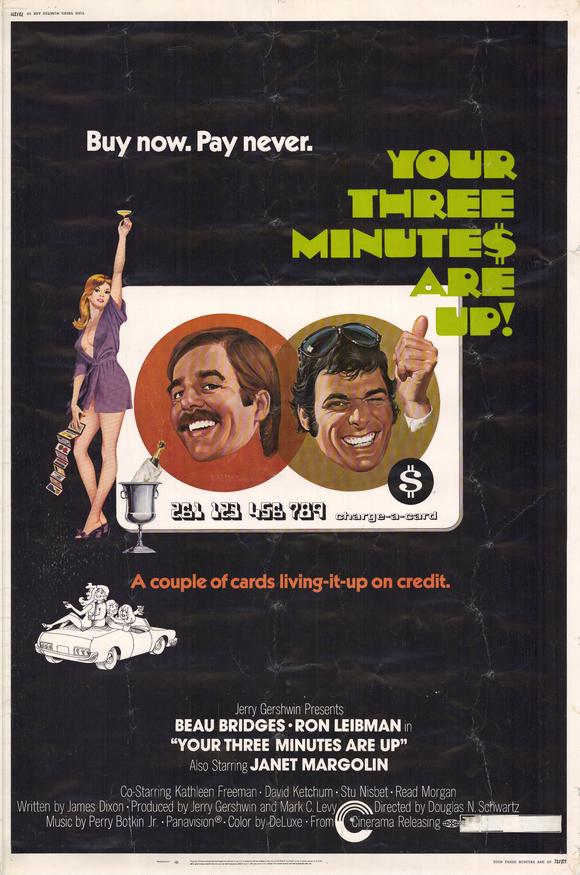
A debt-ridden womanizer (Ron Leibman) convinces his engaged friend Charlie (Beau Bridges) to take a credit-card-paid road trip with him before he skips out of town.

Genres, Themes, Actors, and Directors:

  • Beau Bridges Films
  • Comedy
  • Con-Artists
  • Friendship
  • Janet Margolin Films
  • Road Trip

Review:
This little-seen 1970s “buddy road flick” bears an uncanny resemblance to Alexander Payne’s Sideways (2004): both tell the story of radically different male friends (one staid and depressed, the other a flamboyant womanizer) taking a California road trip together; and in both movies, the depressed friend is obsessed with making phone calls to his (ex)girlfriend/wife, while the latter tries to convince him to loosen up and have a good time.

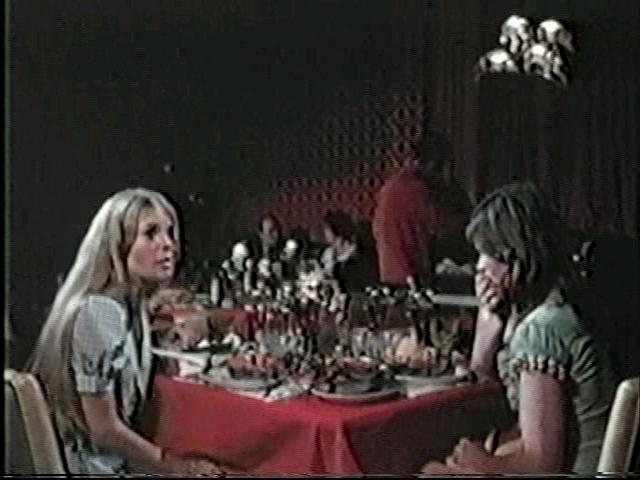
Although Your Three Minutes Are Up doesn’t come close to the brilliance of Payne’s celebrated comedy, it does possess some surprisingly humorous moments, as Mike (Leibman) eventually convinces Charlie to join him in a series of small cons; I especially like the scene in which Mike and Charlie ditch two mooching girls at an expensive restaurant. Even the thoroughly obnoxious Mike soon becomes fun to watch, thanks in no small part to Leibman’s energetic performance.

The film’s title — referring to the days of pay phones, operators, and limited time to talk — is an indication of its place in history; indeed, one of the movie’s unintentional strengths is the naturalistic time capsule glimpse it affords. But the story itself is flawed: Janet Margolin is wasted in a supporting role as Charlie’s nagging fiancee (she gives us no reason to root for her — no wonder Charlie wants to get away), and the film’s comedic tone is marred by both a confusing beginning and an inexplicably negative ending.

Redeeming Qualities and Moments:

  • Ron Leibman as the irrepressible con-artist
  • Leibman and Bridges leaving two girls to pick up the tab at an expensive restaurant
  • A spot-on look at the streets and highways of 1970s California

Must See?
No. While mildly amusing, this low-budget buddy flick (listed by Peary in the back of his book as a Sleeper) isn’t must-see viewing.

Links:

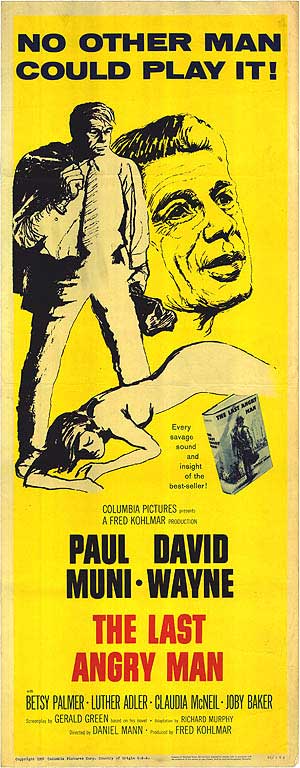
Last Angry Man, The (1959)

Last Angry Man, The (1959)

“I want to dramatize your own views, your own beliefs — for 30 million people!”

Synopsis:
A television producer (David Wayne) tries to convince an unorthodox doctor (Paul Muni) in Brooklyn to star in a reality T.V. show.

Genres, Themes, Actors, and Directors:

  • Betsy Palmer Films
  • Do-Gooders
  • Doctors
  • Folk Heroes
  • Nonconformists
  • Paul Muni Films
  • Television

Review:
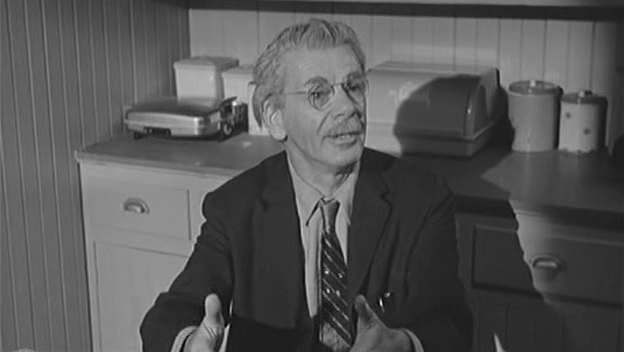
In his final film, 63-year-old Paul Muni once again proved his mettle as one of Hollywood’s finest chameleon-like actors; indeed, it’s remarkably easy to forget that there’s an actor behind this bespectacled doctor’s visage. Muni plays Dr. Abelman as a nonconformist extraordinaire, a stubborn idealist who refuses to deviate from his values even an inch.

When he finds out he’s being offered a house in exchange for appearing on T.V., for instance, Abelman is offended rather than grateful; and nothing — not even a house full of crew members ready to film — will stop him from visiting a patient in need. Unfortunately, while Muni’s performance makes us believe in and care about this iconoclastic doctor, the film itself is undone by its simplistic morality. In addition, the final sequences — while heartfelt — are interminable, and insult our intelligence by relying on cliched deathbed pathos rather than the intrinsic power of Abelman’s story. Ultimately, then, The Last Angry Man only remains must-see viewing because of Muni.

Redeeming Qualities and Moments:

  • Paul Muni’s powerhouse performance as Dr. Abelman; as noted by the New York Times, Muni “knows all the bold and subtle ways of bringing an interesting, robust character to glowing theatrical life”
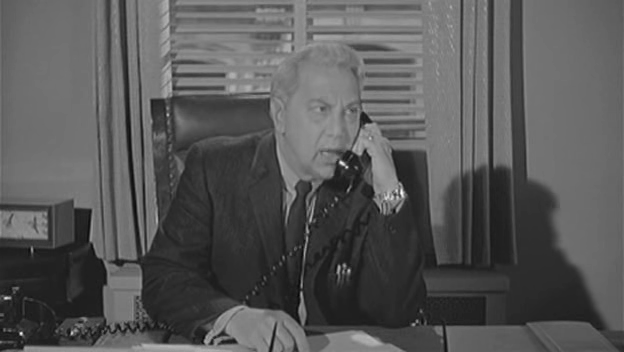
  • David Wayne as the television producer who experiences a change of heart
  • Luther Adler as Dr. Abelman’s prosperous best friend (and symbolic counterpart)

Must See?
Yes, simply to see Muni in his final, Oscar-nominated performance.

Categories

  • Noteworthy Performance(s)
  • Oscar Winner or Nominee

Links:

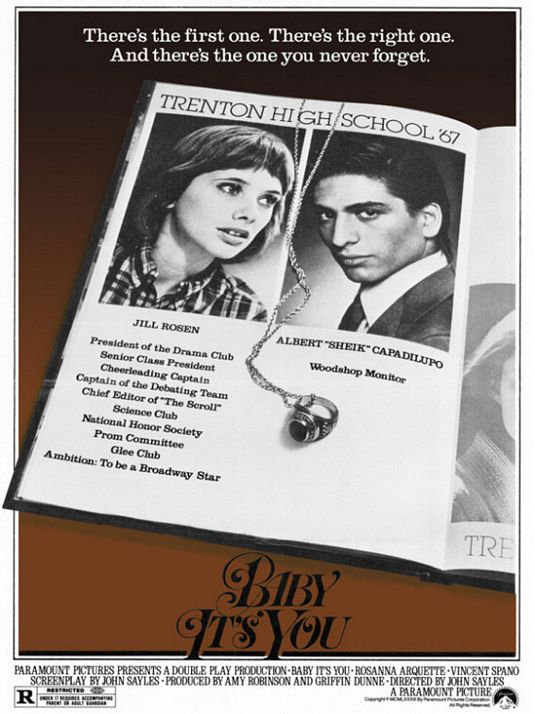
Baby It’s You (1983)

Baby It’s You (1983)

“We’re not in high school anymore!”

Synopsis:
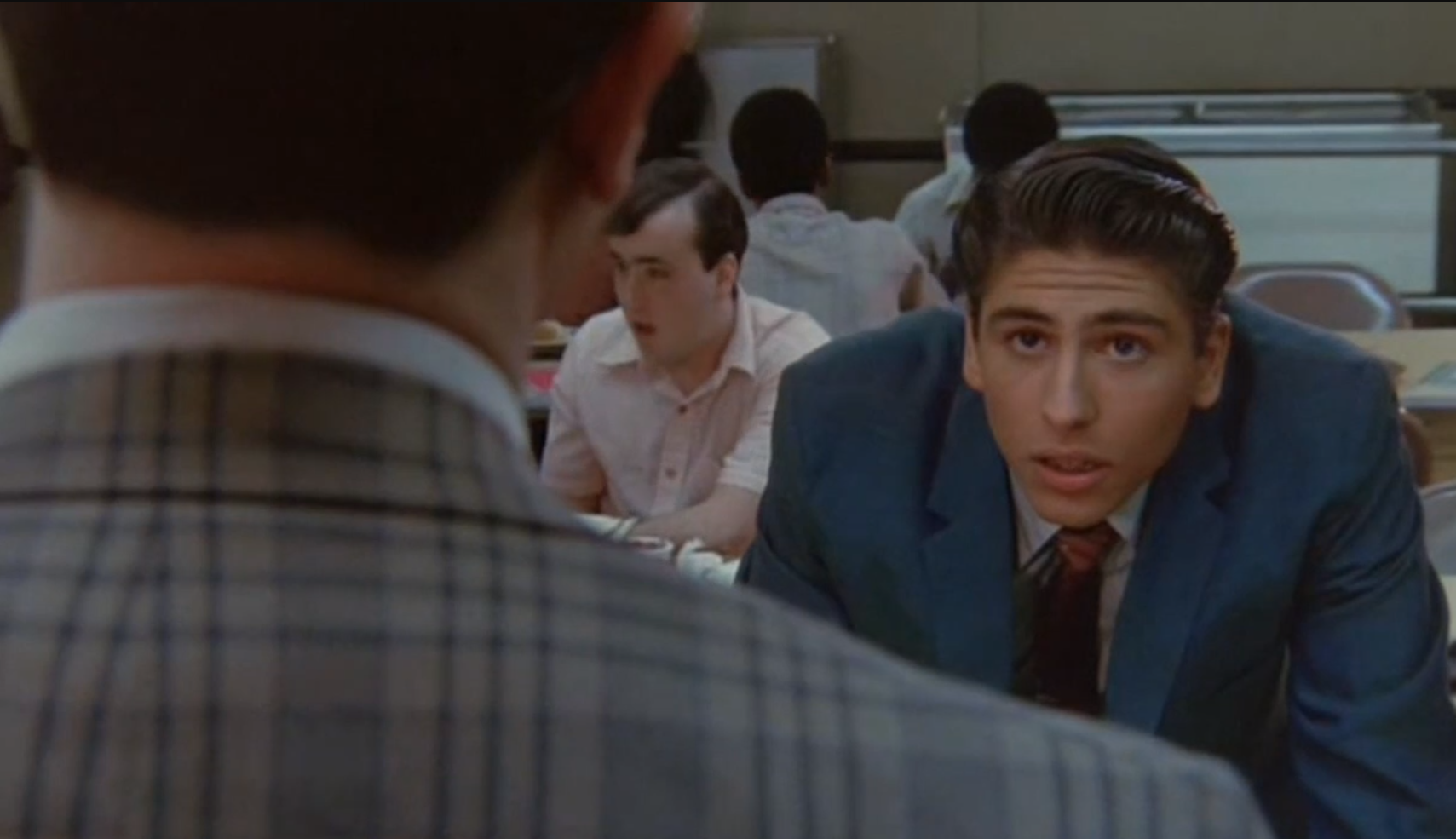
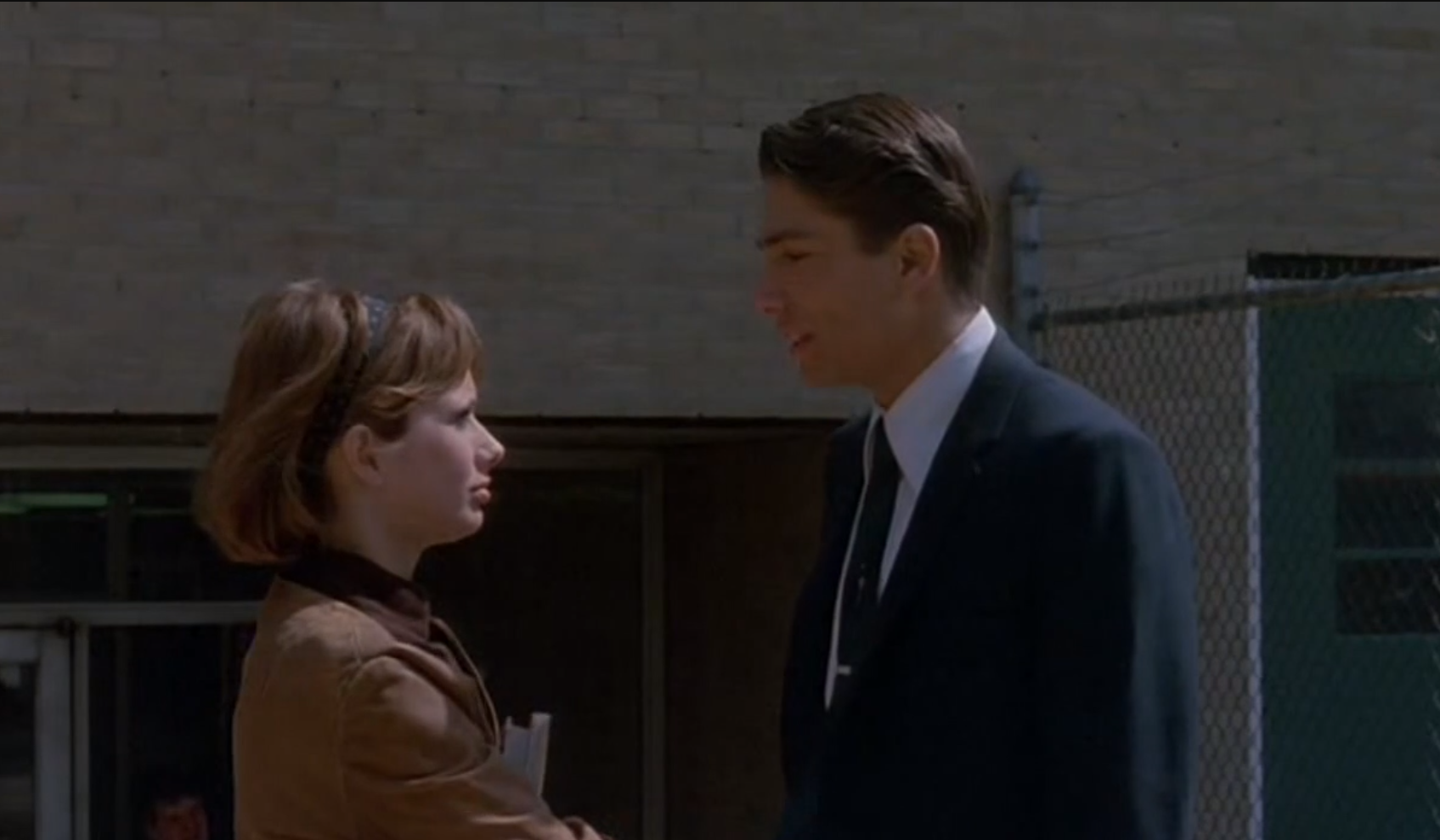
An aspiring lounge singer (Vincent Spano) pursues an aspiring actress (Rosanna Arquette) in high school, and they embark upon a rocky relationship. When Jill (Arquette) enters college and Sheik (Spano) heads to Miami, however, their differences are accentuated even further.

Genres, Themes, Actors, and Directors:

  • Cross-Class Romance
  • John Sayles Films
  • Obsessive Love
  • Rosanna Arquette Films
  • Teenagers

Review:
This character-driven film by independent director John Sayles is a realistic, often uncomfortable look at the difficulties inherent in cross-class romances. Jewish, upper-middle-class Jill and Italian, working-class “Sheik” couldn’t be more different, yet Jill is intrigued by Sheik’s tenacity, and Sheik is — for some reason — convinced that Jill is the love of his life. As in Alan J. Pakula’s The Sterile Cuckoo, Jill and Spano ultimately want different things out of their budding romance: Jill (like Jerry in Cuckoo) simply goes along with the experience, while the desperate Sheik (Pookie’s counterpart) is obsessed with holding on at all costs. Many reviewers have complained about Sayles’ unorthodox choice to follow Jill and Sheik beyond high school — yet Sayles has never been one to stick to conventional narrative arcs, and his choice is an effective one here. Baby It’s You isn’t meant to be a happily-ever-after teen romance between two unlikely souls — instead, it succinctly demonstrates the ways in which love can be blind, sex doesn’t necessarily correlate with love, and life rarely wraps itself up neatly in a bow.

Redeeming Qualities and Moments:

  • Rosanna Arquette’s remarkably natural performance as Jill
  • Vincent Spano as the tenacious Sheik
  • An effective portrayal of the difficulties inherent in cross-class romance

Must See?
Yes, simply for Arquette’s stand-out performance. Peary lists this film in the back of his book as both a Cult Movie and a Personal Recommendation.

Categories

  • Noteworthy Performance(s)

Links:

Friends of Eddie Coyle, The (1973)

Friends of Eddie Coyle, The (1973)

“You help Uncle, Uncle will help you.”

Synopsis:
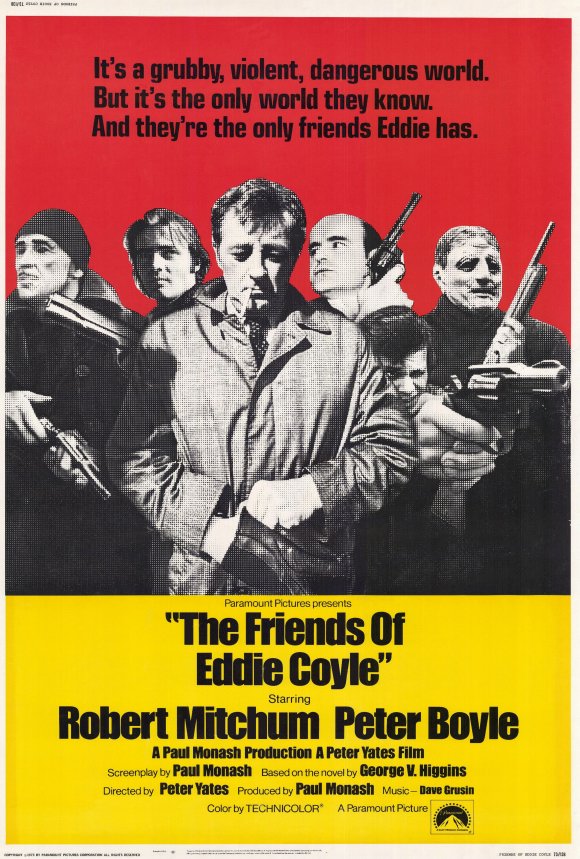
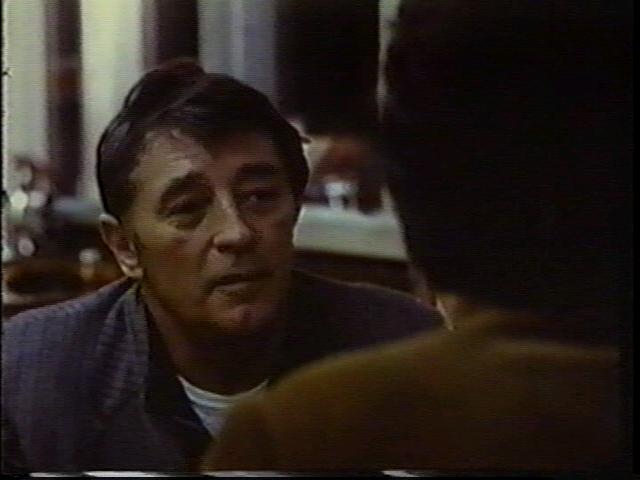
A small-time hood (Robert Mitchum) facing two years in prison provides information to a federal detective (Richard Jordan) in exchange for amnesty.

Genres, Themes, Actors, and Directors:

  • Detectives and Private Eyes
  • Heists
  • Informers
  • Peter Boyle Films
  • Peter Yates Films
  • Robert Mitchum Films
  • Thieves and Criminals

Review:
Based on a novel by district attorney George V. Higgins, Peter Yates’ gritty thriller effectively showcases Boston’s criminal underbelly in the early 1970s. The film’s title is an ironic misnomer, since the “friends” of Eddie Coyle (Mitchum) are anything but; indeed, they exemplify the adage that there’s no honor among thieves: when it comes to self-preservation, loyalty goes out the window for these petty gangsters. By the movie’s final powerful shot, we realize that crime truly doesn’t pay, and that there can be no such thing as a happy ending for people whose survival hinges on tenuous trust.

Eddie Coyle features marvelous performances by each of its male leads — including Steven Keats as an edgy gun-runner, Richard Jordan as a wily federal detective who fully realizes that he holds Coyle’s future in his hands, and an appropriately brittle Mitchum as the eponymous protagonist. Unfortunately, we learn far too little about Coyle himself — an intriguing character who merits much more attention. Instead, Yates spends an enormous amount of screen time showing us a couple of bank heists, which are well-executed but ultimately gratuitous, given that they don’t further the plot in any way. Despites its flaws, however, Eddie Coyle remains an interesting entry in Mitchum’s late-life career, and is certainly a must for fans of this iconoclastic actor.

Redeeming Qualities and Moments:

  • Robert Mitchum as the aging hood
  • Steven Keats as a (justifiably) paranoid gun-runner
  • Richard Jordan as Mitchum’s fed contact
  • Effective use of Boston settings

Must See?
No. While Peary lists it as a Sleeper and a Personal Recommendation in the back of his book, The Friends of Eddie Coyle is ultimately only most-see viewing for fans of Mitchum.

Links:

Party Girl (1958)

Party Girl (1958)

“Let’s put it this way: I need you, Tommy. You’re my boy, like a son. You walk out on me now, what happens to poor Rico?”

Synopsis:
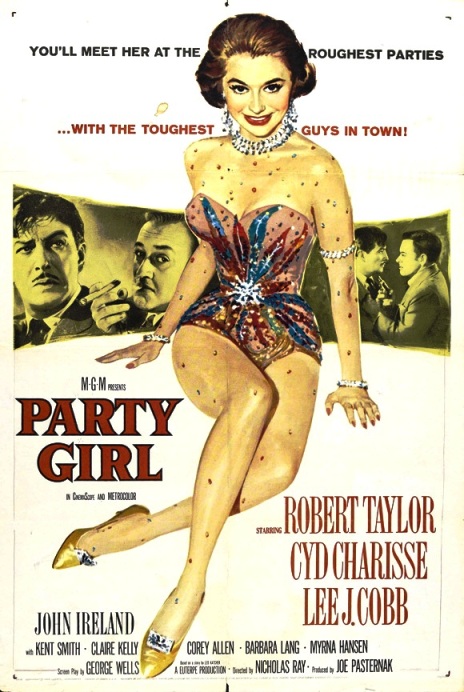
A lawyer (Robert Taylor) working for a Chicago gangster (Lee J. Cobb) falls in love with a showgirl (Cyd Charisse) and tries to leave the mob; but he soon finds that this isn’t as easy as he thought.

Genres, Themes, Actors, and Directors:

  • Cyd Charisse Films
  • Gangsters
  • John Ireland Films
  • Lawyers
  • Lee J. Cobb Films
  • Nicholas Ray Films
  • Robert Taylor Films
  • Romance
  • Showgirls

Review:
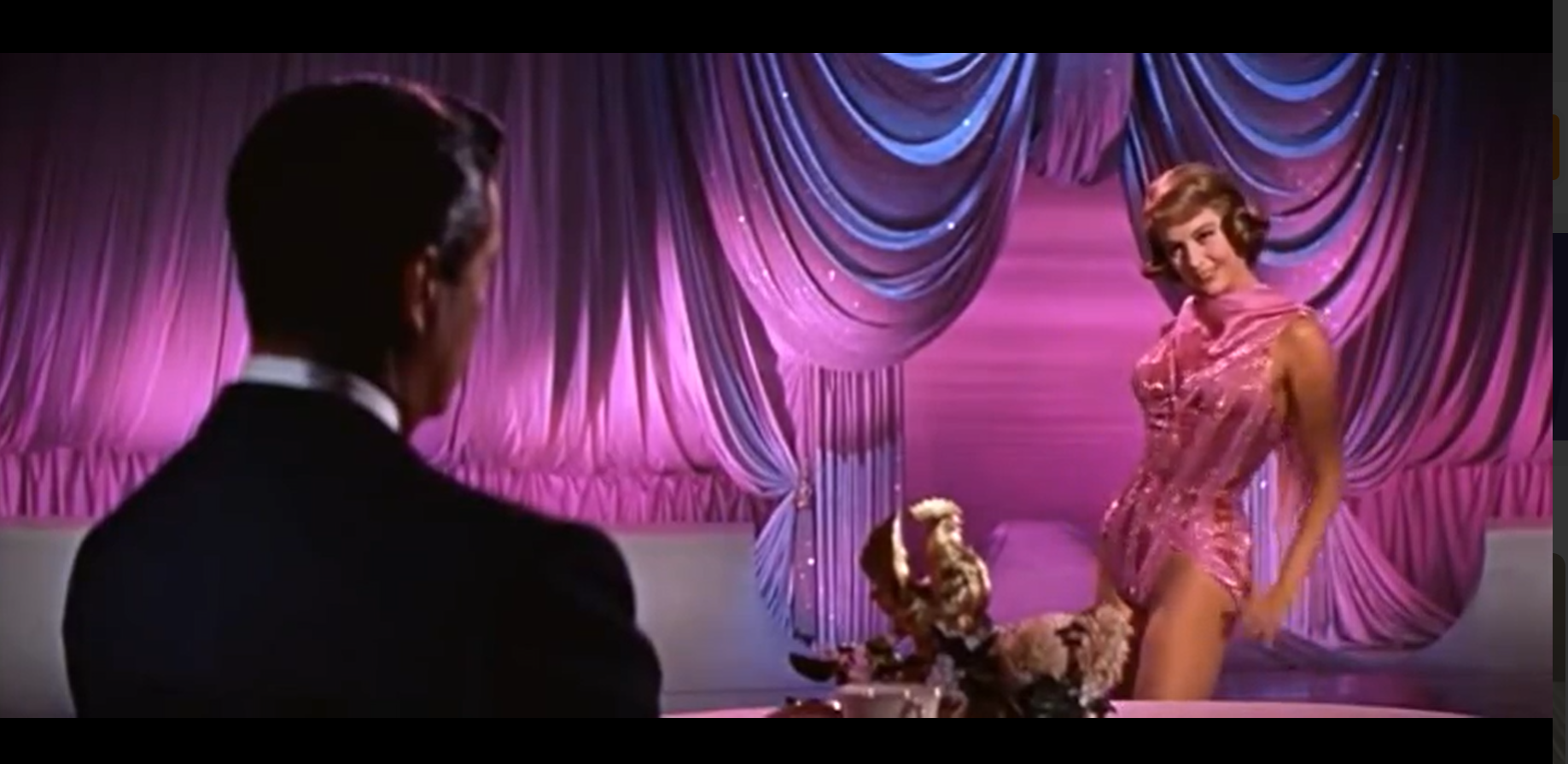
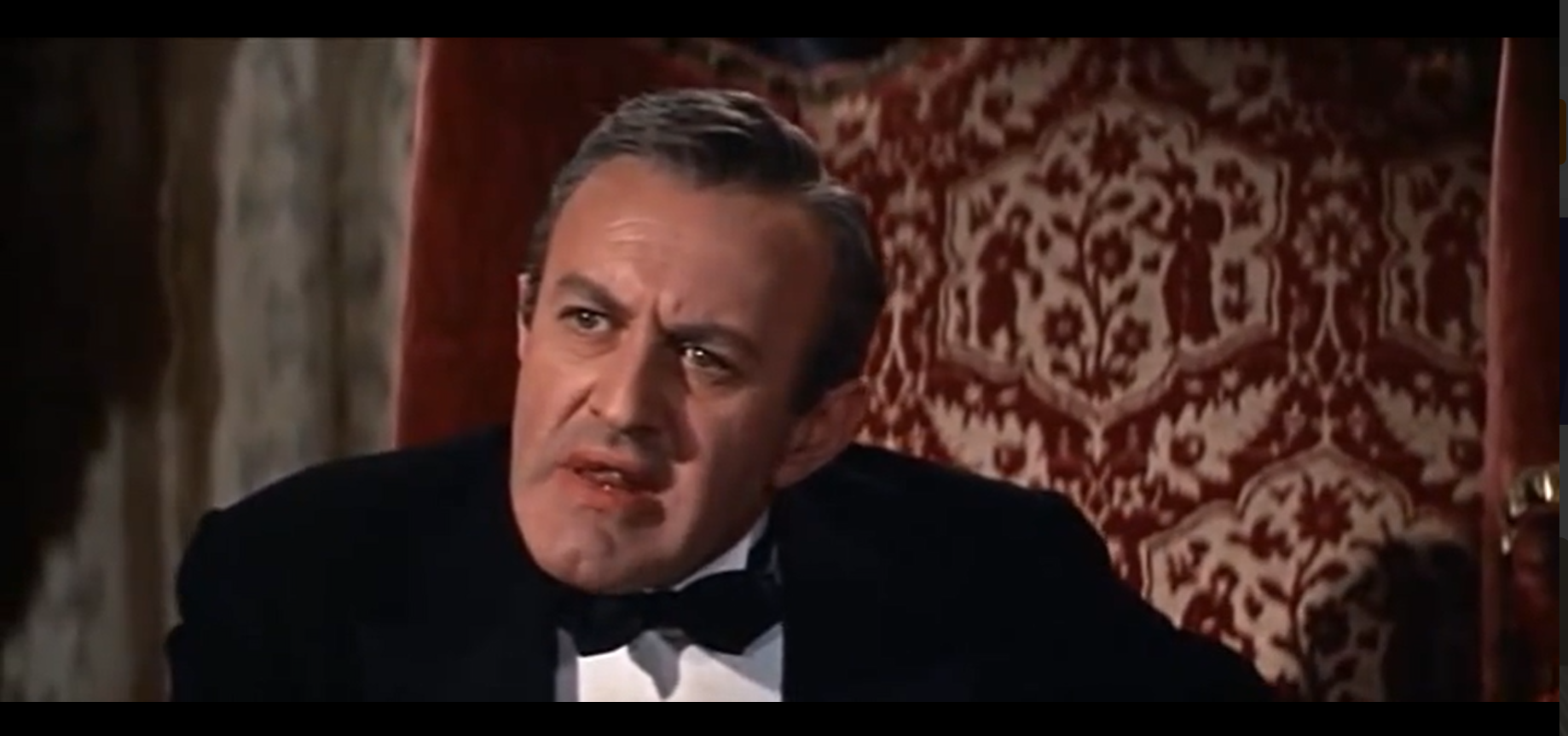
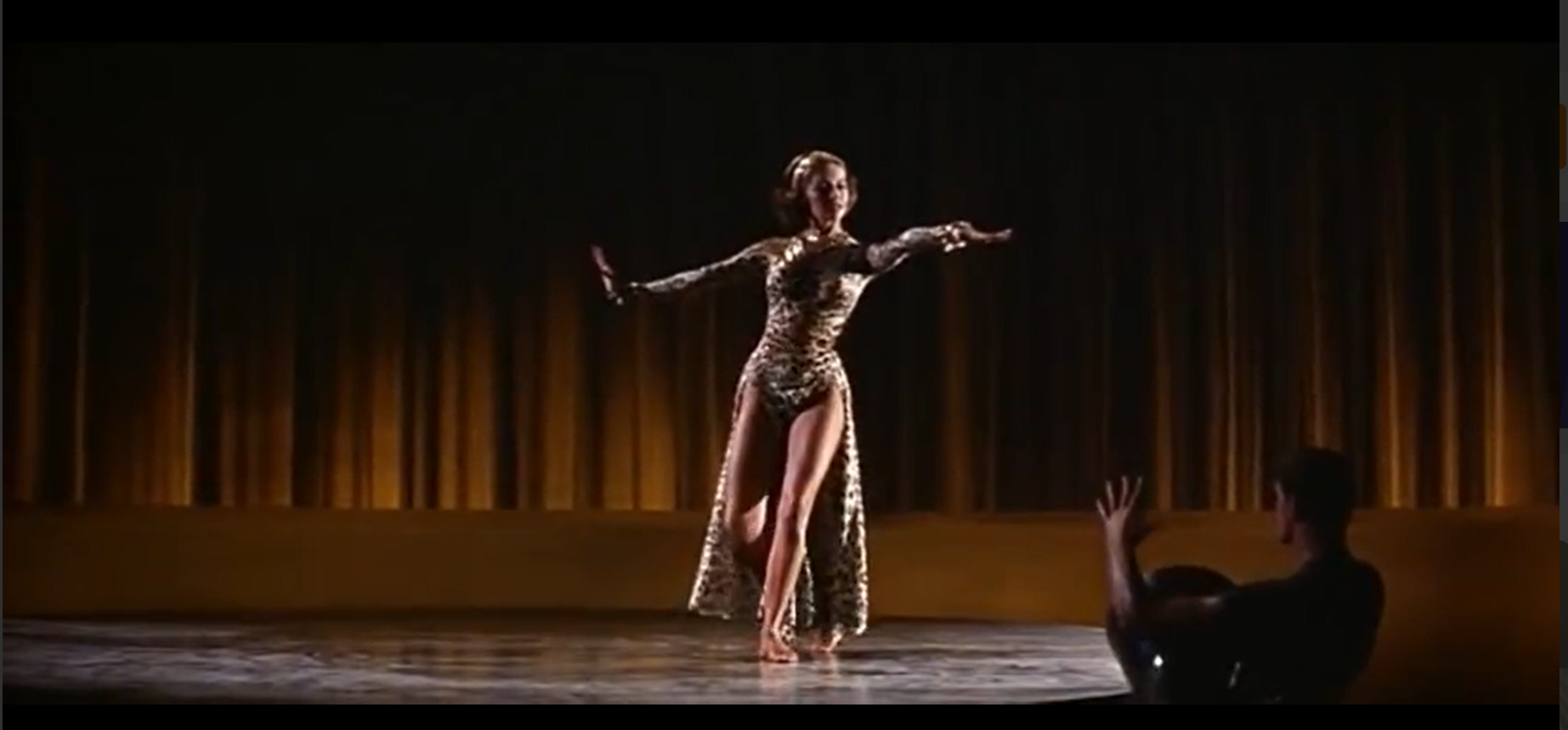
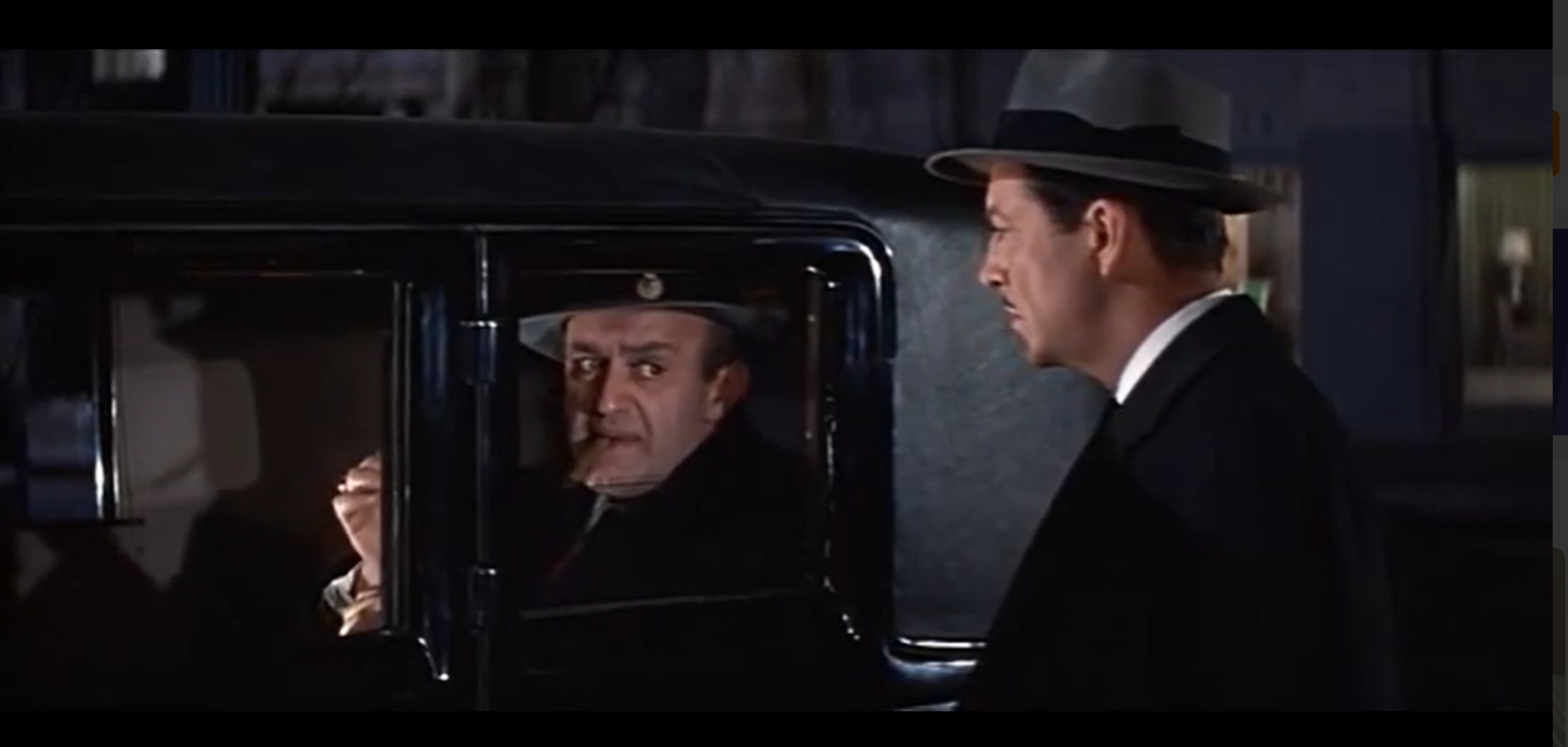
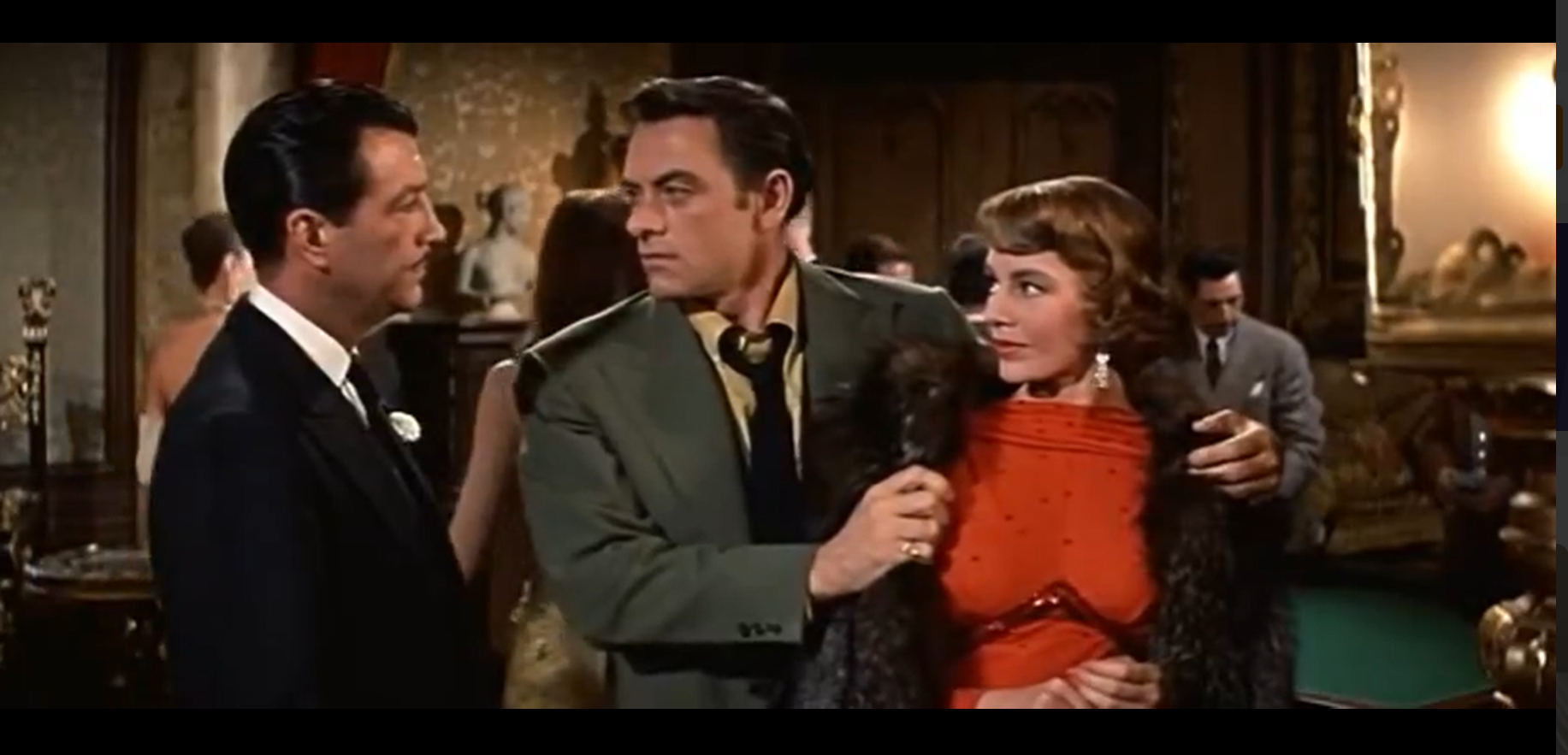
Party Girl is a disappointing entry in Nicholas Ray’s otherwise impressive oeuvre. Despite high production values, fine performances by the leads (especially Cobb), a couple of fun dance numbers by Charisse:

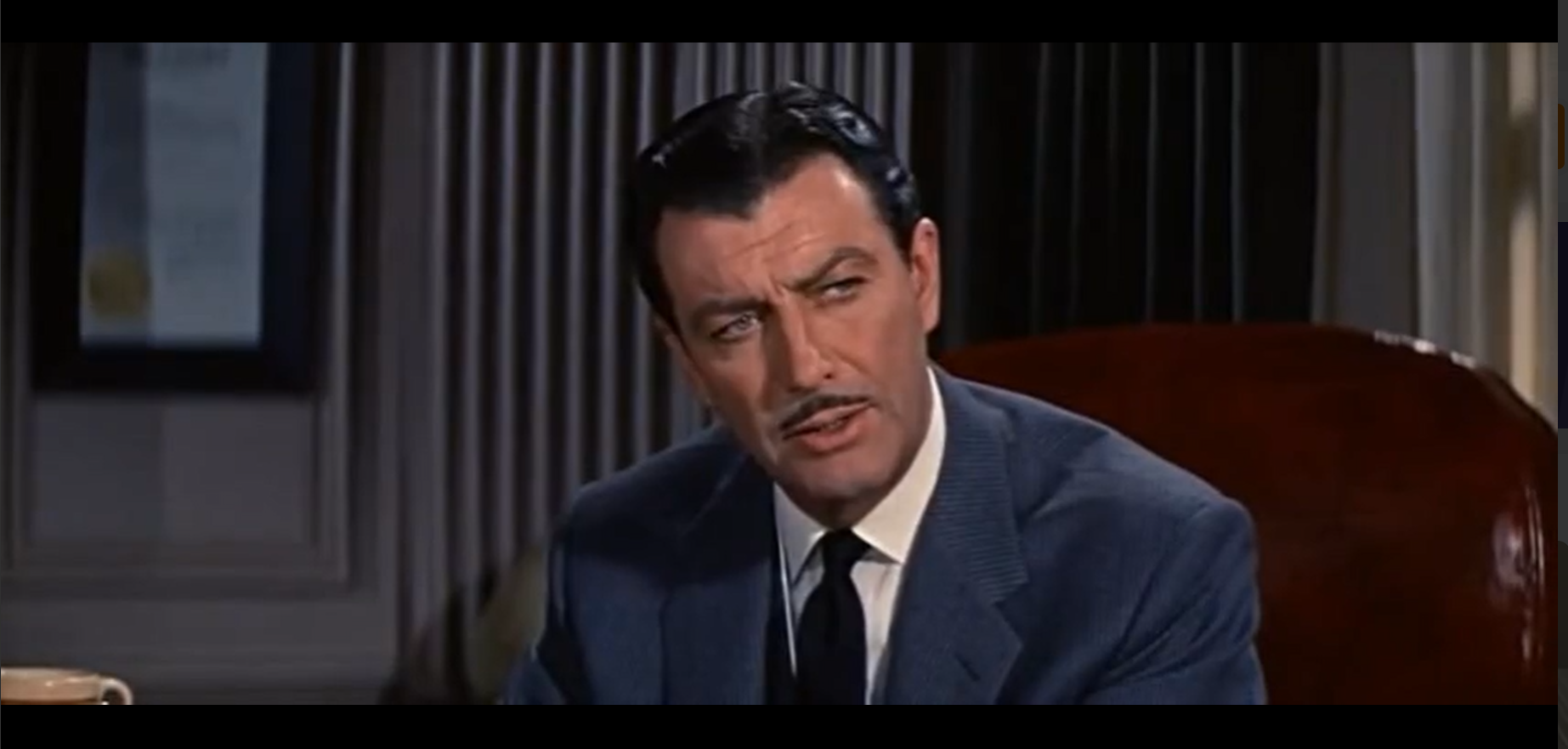
and occasional moments of directorial ingenuity, the film is ultimately hampered by an uninteresting script which covers material trodden many times over. Taylor’s character (a savvy, successful lawyer):

should know better than to assume he can simply leave his life with the mob behind him; and when things go wrong for both him and his new love (Charisse), it’s hard to feel either much compassion or curiosity about what will happen next.

Redeeming Qualities and Moments:

  • Lee J. Cobb as Rico
  • Charisse’s dancing
  • Fine cinematography and production values

Must See?
No. Although Ray does a competent job with the material he’s given, this is not among his best work.

Links:

Prisoner of Shark Island, The (1936)

Prisoner of Shark Island, The (1936)

“In the sight of the holy God I worship, I am innocent!”

Synopsis:
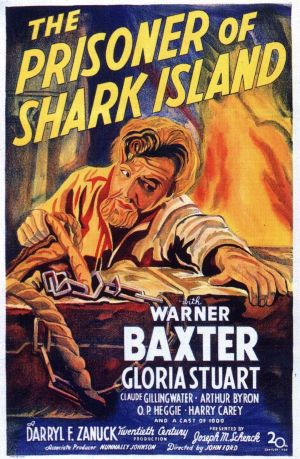
Dr. Samuel Mudd (Warner Baxter) is wrongly convicted of conspiracy in the plot to assassinate President Lincoln, and sentenced to life in prison.

Genres, Themes, Actors, and Directors:

  • Biopics
  • Doctors
  • Falsely Accused
  • John Carradine Films
  • John Ford Films
  • Prisoners
  • Warner Baxter Films

Review:
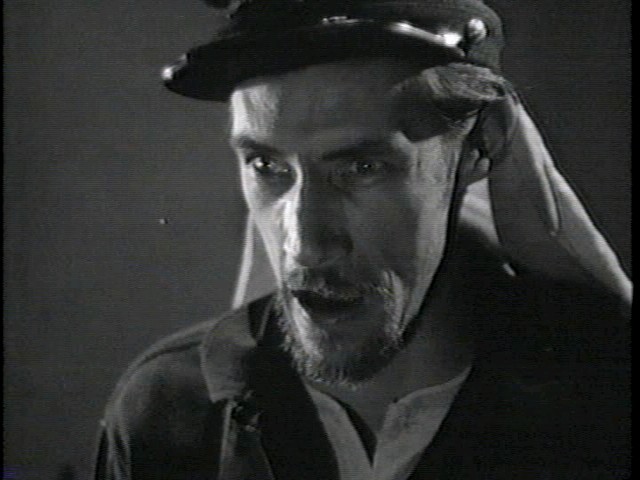
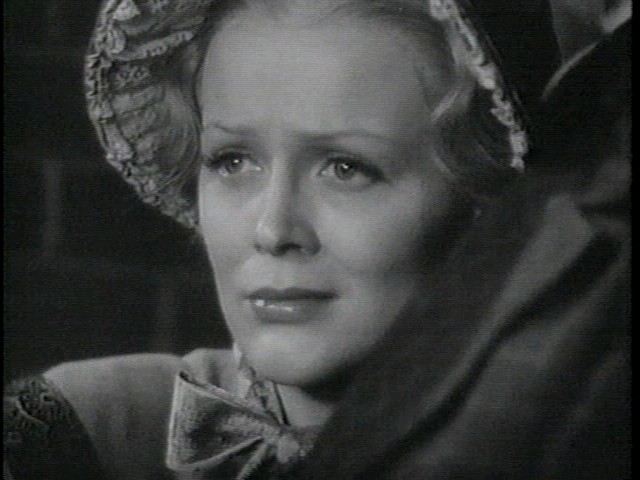
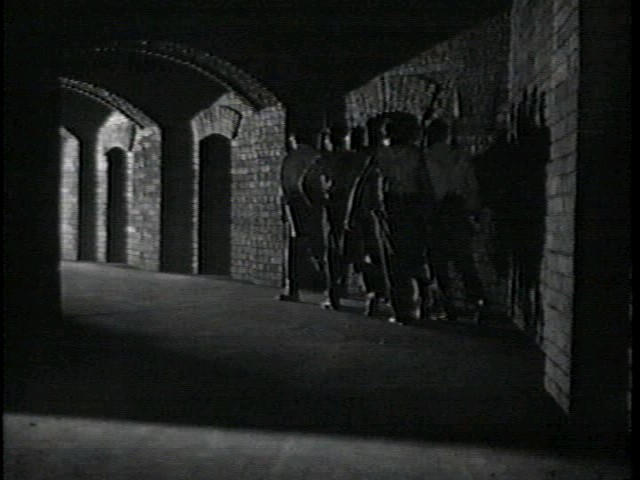
John Ford’s paean to infamous Civil War-era doctor Samuel Mudd was purportedly one of his personal favorites, and holds up reasonably well today. Although reviewers at the time praised the film for its historical veracity, however, recent research shows that Ford conveniently tweaked the truth to serve his own purposes: in the film, Mudd professes to only having seen John Wilkes Boothe performing on stage; in reality, the two met several times and were definitely at least acquaintances. Also frustrating is Ford’s treatment of African Americans, who — perhaps inevitably for the time — are shown as both servile and weak. Despite these flaws, however, The Prisoner of Shark Island remains an atmospheric, engrossing historical drama with a powerful message about our tendency to look for scapegoats when emotions run high.

Redeeming Qualities and Moments:

  • Warner Baxter as Dr. Mudd
  • John Carradine as a sadistic prison guard hell-bent on making Mudd’s life miserable
  • Gloria Stuart as Baxter’s long-suffering wife
  • Atmospheric cinematography

Must See?
No, though it’s certainly a must for John Ford fans.

Links:

Death of a Salesman (1951)

Death of a Salesman (1951)

“The only thing you’ve got in this world is what you can sell.”

Synopsis:
Aging salesman Willy Loman (Fredric March) pins all his hopes on his eldest son, Biff (Kevin McCarthy).

Genres, Themes, Actors, and Directors:

  • Arthur Miller Films
  • Father and Child
  • Flashback Films
  • Fredric March Films
  • Kevin McCarthy Films
  • Mid-Life Crisis
  • Mildred Dunnock Films
  • Play Adaptations
  • Salesmen

Review:
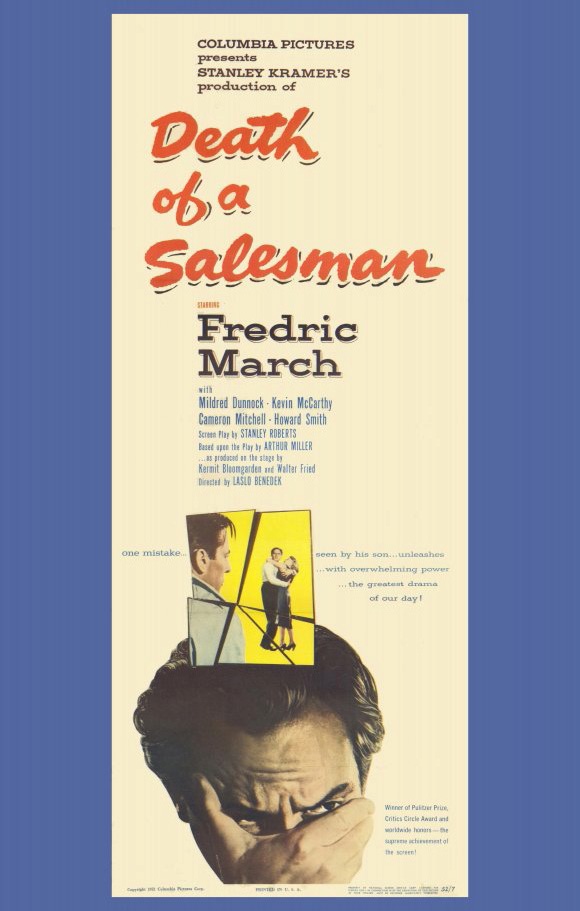
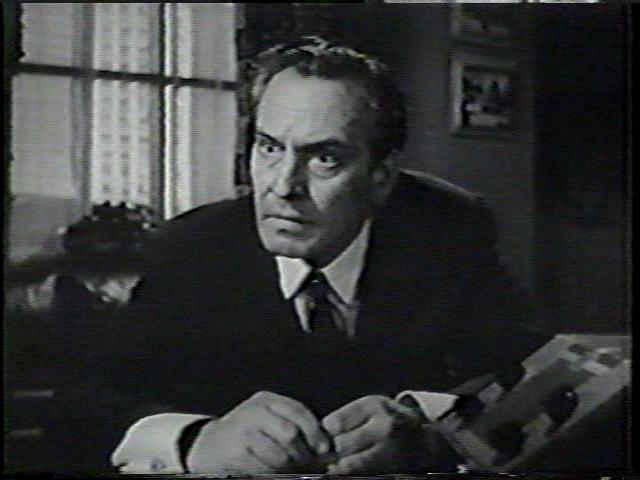
Arthur Miller’s Pulitzer-prize-winning 1949 play has been produced on stage and for television many times (most notably with Dustin Hoffman in 1985), but only once for the big screen. Although the powerful material itself almost defies negative treatment, this early cinematic version by director Laszlo Benedek remains successful on its own merits. Benedek makes effective use of sparse sets and dramatic lighting to showcase Loman’s delusional despair, and directs a powerhouse team of actors (most of whom were part of the original Broadway cast; March is a notable exception). Especially poignant is Kevin McCarthy as Biff Loman; he perfectly captures both the teenage Biff’s naive idolatry of his father (in Willy’s flashbacks), and his adult resignation.

Redeeming Qualities and Moments:

  • Fredric March as the delusional, aging salesman
  • Kevin McCarthy as “Biff” Loman
  • Mildred Dunnock as Willy’s long-suffering wife

Must See?
Yes. This first and only cinematic version of Arthur Miller’s acclaimed play deserves wider viewing.

Categories

  • Noteworthy Performance(s)
  • Oscar Winner or Nominee

Links: