Browsed by
Category: Original Reviews

Responses to Peary’s “must see” movie reviews, as well as my own “must see” movie reviews up to and after 1986 (when Peary’s book was published).

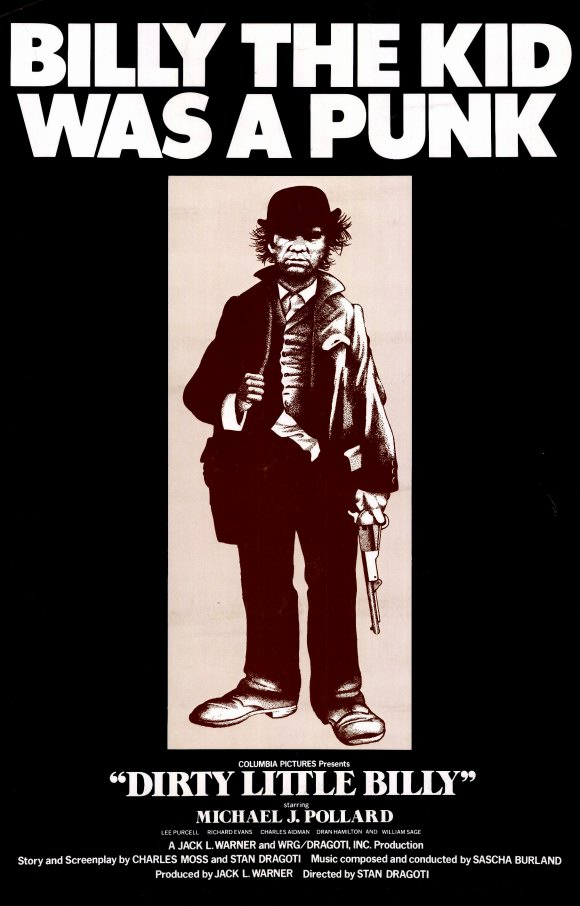
Dirty Little Billy (1972)

Dirty Little Billy (1972)

“You were a bum in New York, and you’re a bum here! You’re useless — understand? Useless!”

Synopsis:
After moving out west from New York, teenage slacker Billy Bonney (Michael J. Pollard) — soon to be known as Billy the Kid — befriends an outlaw (Richard Evan) and his prostitute-girlfriend, Berle (Lee Purcell).

Genres, Themes, Actors, and Directors:

  • Biopics
  • Gary Busey Films
  • Misfits
  • Thieves and Criminals
  • Westerns

Review:
Dirty Little Billy recounts a hypothetical version of what the infamous gunman Billy the Kid might have been like before he turned to a life of crime, positing him as a snivelly, slow-witted, slacker teen. I’m not sure I buy this concept, nor does there seem to be much historical evidence to back it up, but it is — at the very least — an interesting approach for a biopic, and Pollard’s performance is appropriately annoying. Director Stan Dragoti is ultimately most effective at showing the Old West as dirty, violent, and uncompromising; the film will appeal most to those who enjoy their westerns unpolished and raw. But don’t expect to learn much of factual importance about Billy.

Redeeming Qualities and Moments:

  • An authentically gritty depiction of the American West
  • Lee Purcell as Berle

Must See?
No, but it’s recommended for those interested in “realistic” westerns.

Links:

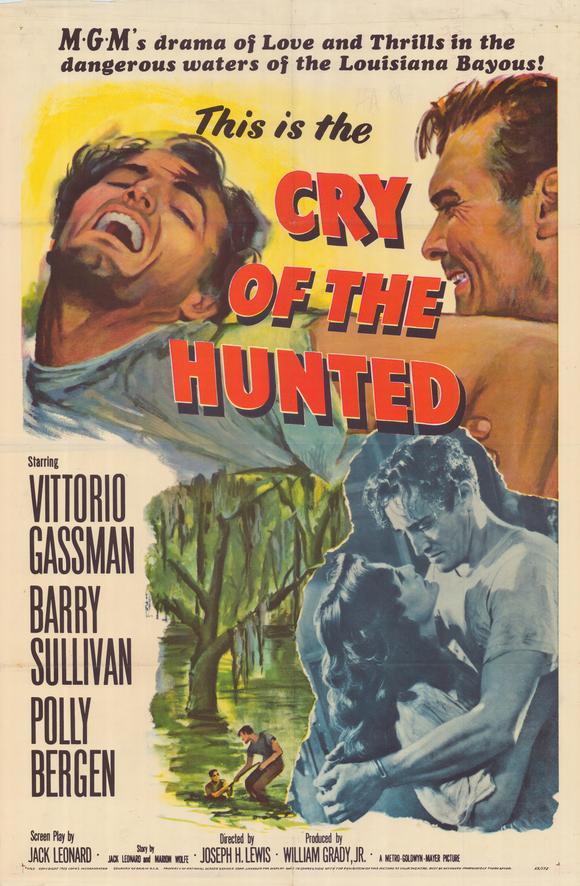
Cry of the Hunted (1953)

Cry of the Hunted (1953)

“Go ahead, lieutenant — prove yourself a hero!”

Synopsis:
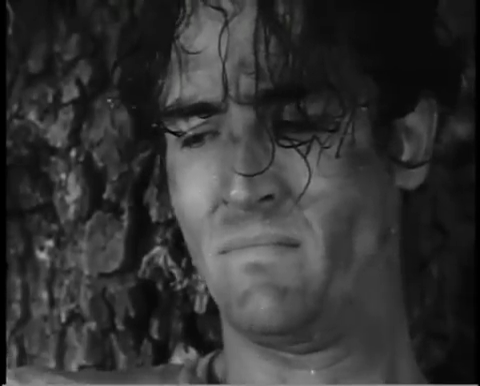
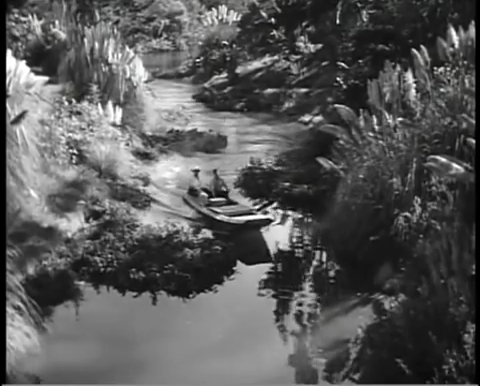
A prison security lieutenant (Barry Sullivan) chases a fugitive (Vittorio Gassman) through the bayous of Louisiana.

Genres, Themes, Actors, and Directors:

  • Cat-and-Mouse
  • Deep South
  • Fugitives
  • Joseph H. Lewis Films
  • Machismo
  • Search

Review:
While there isn’t much to the narrative of this fugitive thriller by Joseph H. Lewis — law enforcement official chases desperate fugitive, stupidly lets him get away, then vows to catch him again at any cost — there’s plenty of atmosphere, and Sullivan and Gassman make sympathetic protagonists. Less impressive is the cast of supporting characters — including William Conrad as Sullivan’s beady-eyed partner, Mary Zavian as Gassman’s swarthy backwoods wife, Jonathan Cott as a bigoted deputy, and Polly Bergen as Sullivan’s loyal wife — who come across as walking embodiments of cliches. In addition, for every creative noir quip in the film (and there are plenty), the next one is a clunker. Ultimately, Cry of the Hunted remains an atmospheric thriller yet not quite a great one, and will likely be of most interest to fans of Lewis’s work.

Redeeming Qualities and Moments:

  • Hunky Vittorio Gassman as the fugitive
  • Good use of Louisiana’s backwood bayous
  • Plenty of zingy one-liners:

    “Now I know why your eyes are always at half-mast, sheriff: your brain is dead.”

    But just as many are duds:

    “At this rate, I’ll become a cuckoo without a clock.”

Must See?
No. This is one of Joseph Lewis’s lesser films, and not essential viewing.

Links:

Devil’s Doorway (1950)

Devil’s Doorway (1950)

“An Indian without land loses his soul; his heart withers.”

Synopsis:
When Shoshone Civil War hero Lance Poole (Robert Taylor) returns home to find that he is no longer legally entitled to his land, he enlists the help of a sympathetic female lawyer (Paula Raymond).

Genres, Themes, Actors, and Directors:

  • Anthony Mann Films
  • Louis Calhern Films
  • Native Americans
  • Race Relations
  • Robert Taylor Films
  • Settlers
  • Westerns

Review:
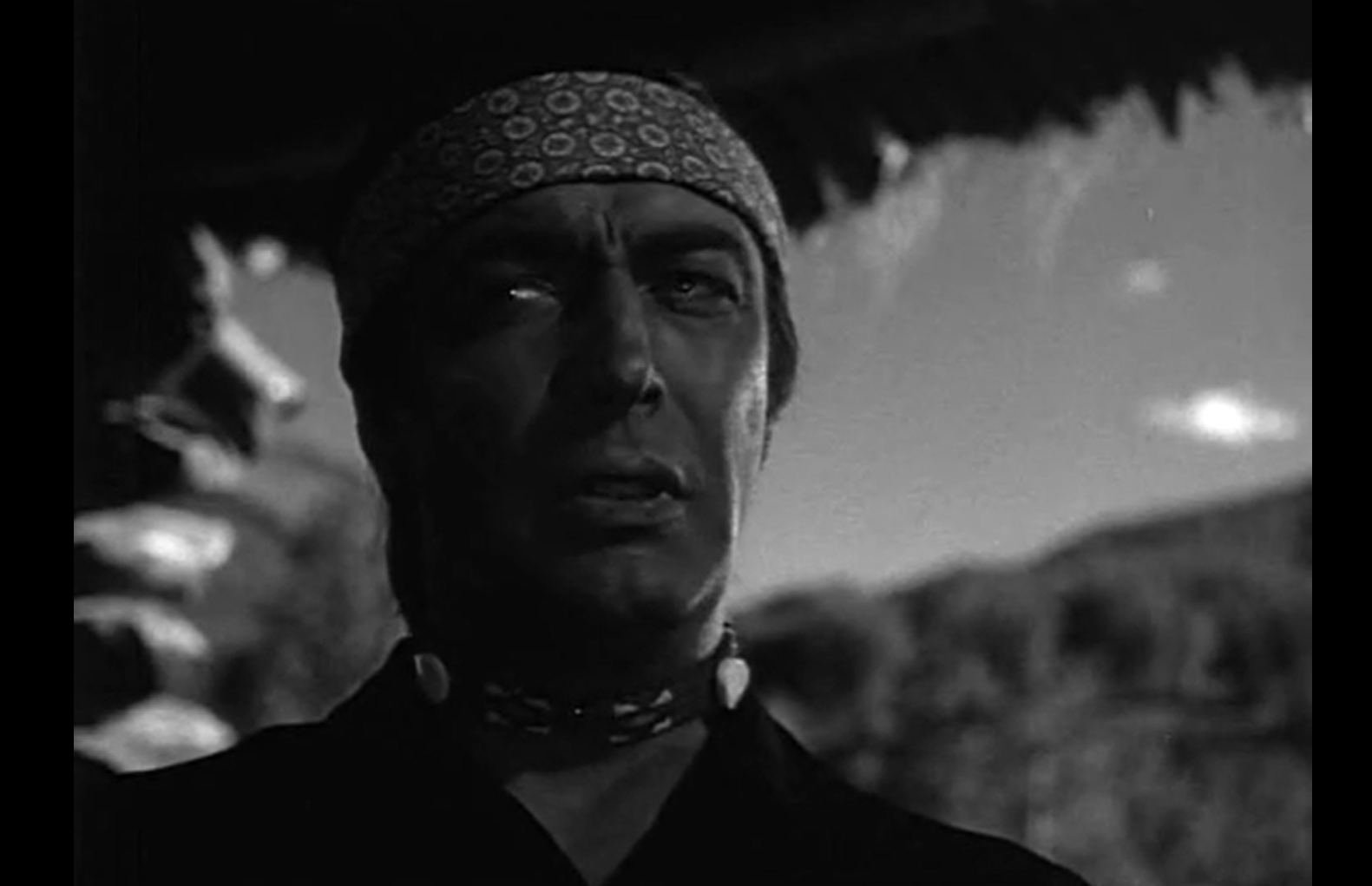
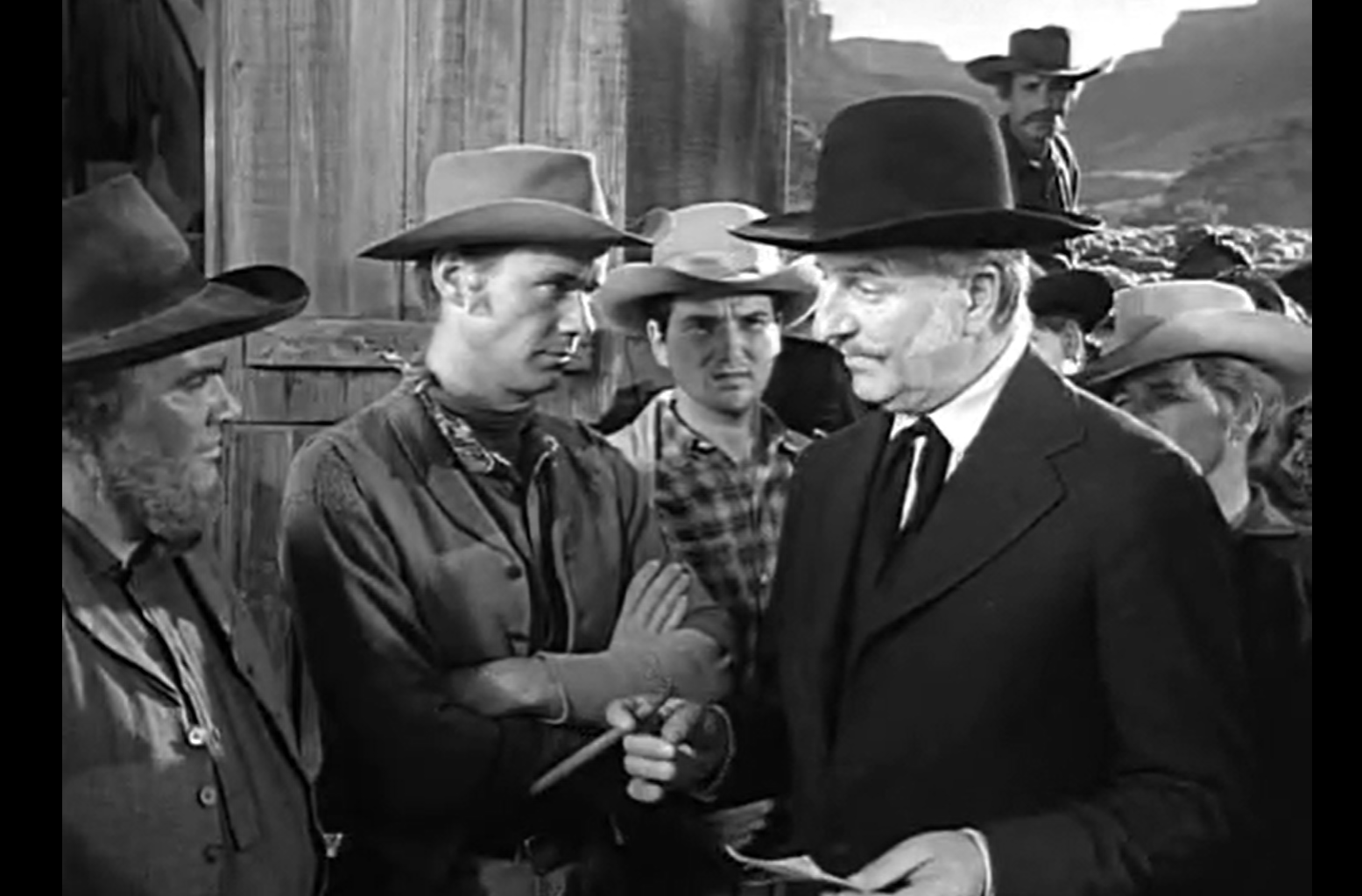
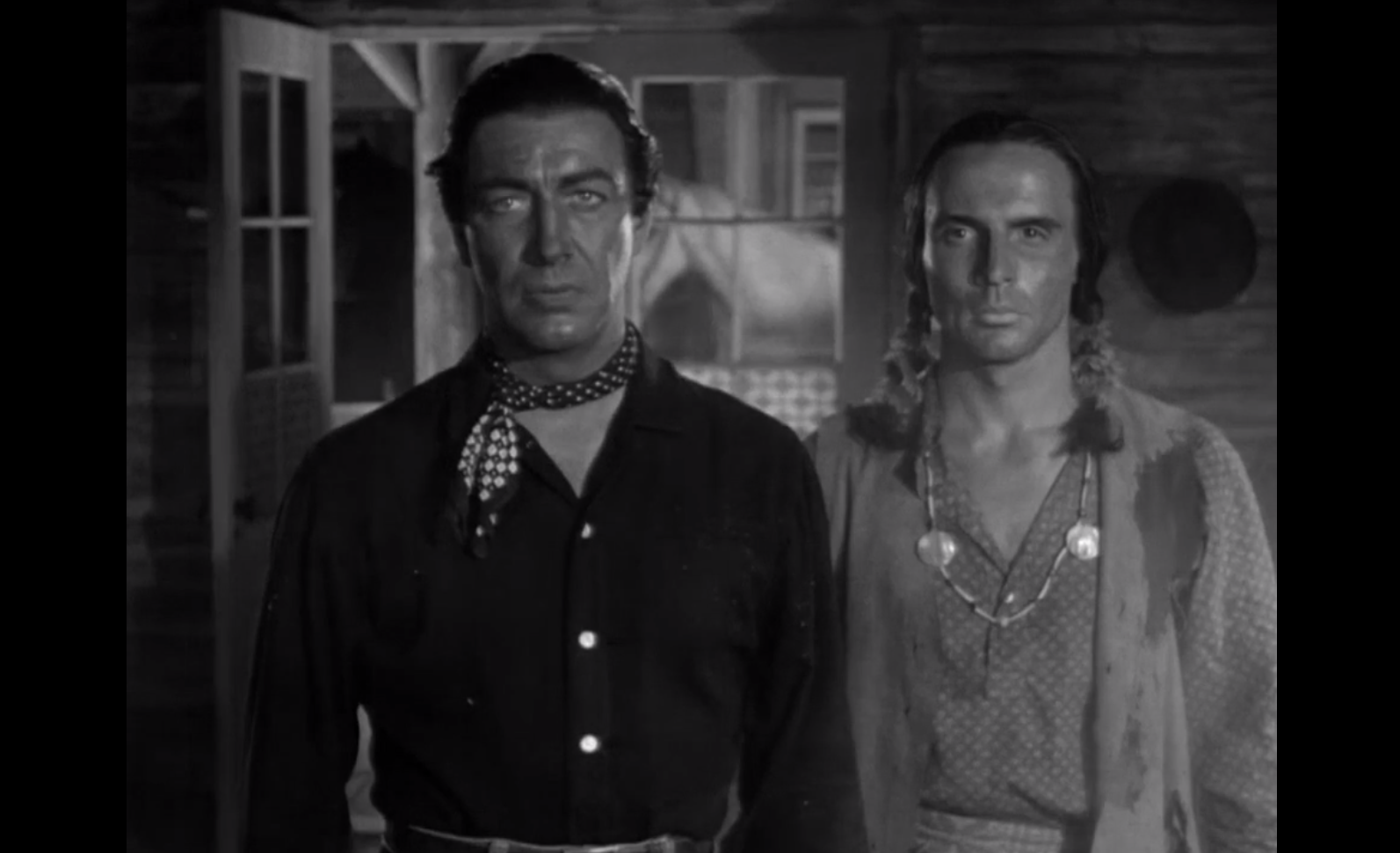
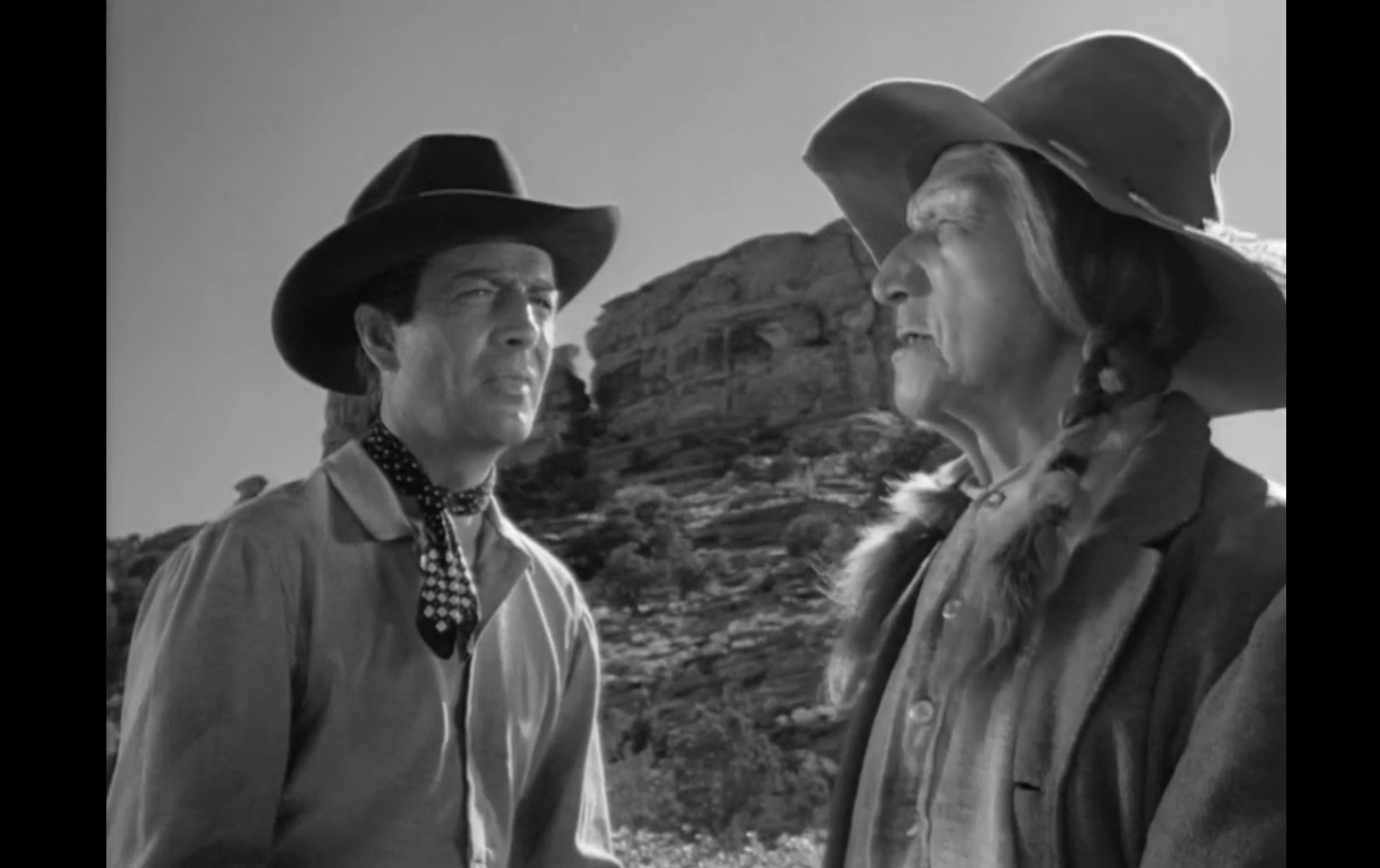
Devil’s Doorway holds a special place in cinematic history, for two distinct reasons: it was Anthony Mann’s first western, and, along with Broken Arrow (released around the same time), it was the first western to depict Indians as worthy protagonists rather than savage villains. As always in Mann’s work, however, nothing is black-and-white: the sheepherders who are hoping to stake claims on Lance’s land have themselves been duped by an unscrupulous lawyer (Louis Calhern) into believing they won’t meet any resistance; meanwhile, Lance — though completely justified in his desire to defend his property — refuses to compromise until it’s too late.

Although Taylor is unconvincing as an Indian (he simply doesn’t look the part), he does a decent job portraying a decorated war hero who bitterly refuses to give in to unjust laws.

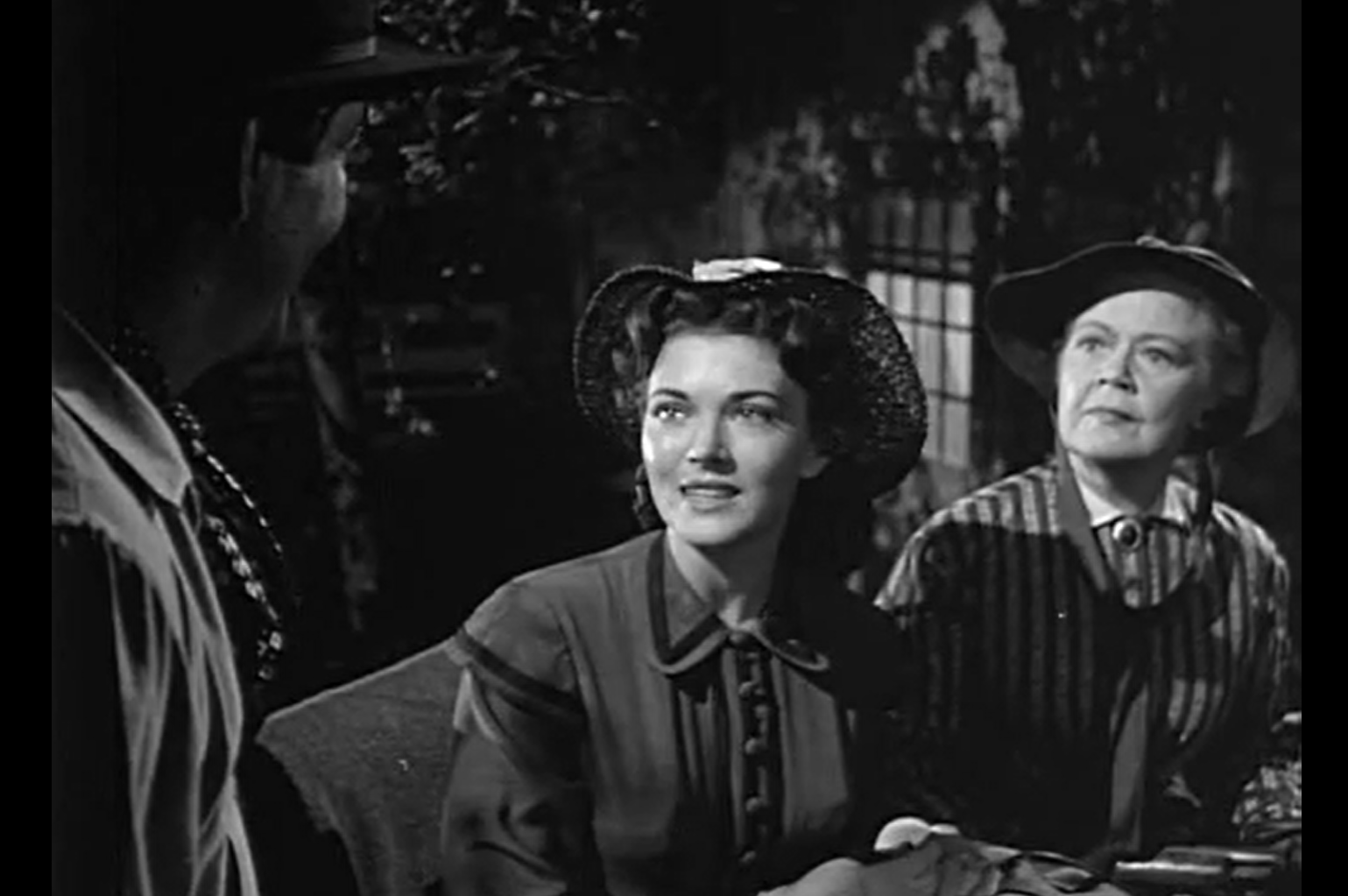
Less impressive is Paula Raymond as the female lawyer Lance hires to assist him in his case; she’s all quivering lips and forlorn expressions, when surely any woman brave enough to become a lawyer during this early period in American history would have been made of tougher stuff.

And while Louis Calhern is appropriately sinister as the racist lawyer determined to chase Lance off his land, he’s ultimately a one-dimensional baddie.

Fortunately, the performances aren’t what really count here: the brave script, exciting action sequences, gorgeous cinematography, and historical relevance more than redeem this groundbreaking film.

Note: Listen for Lance’s final line in the film: it’s a zinger.

Redeeming Qualities and Moments:

  • Some exciting action sequences
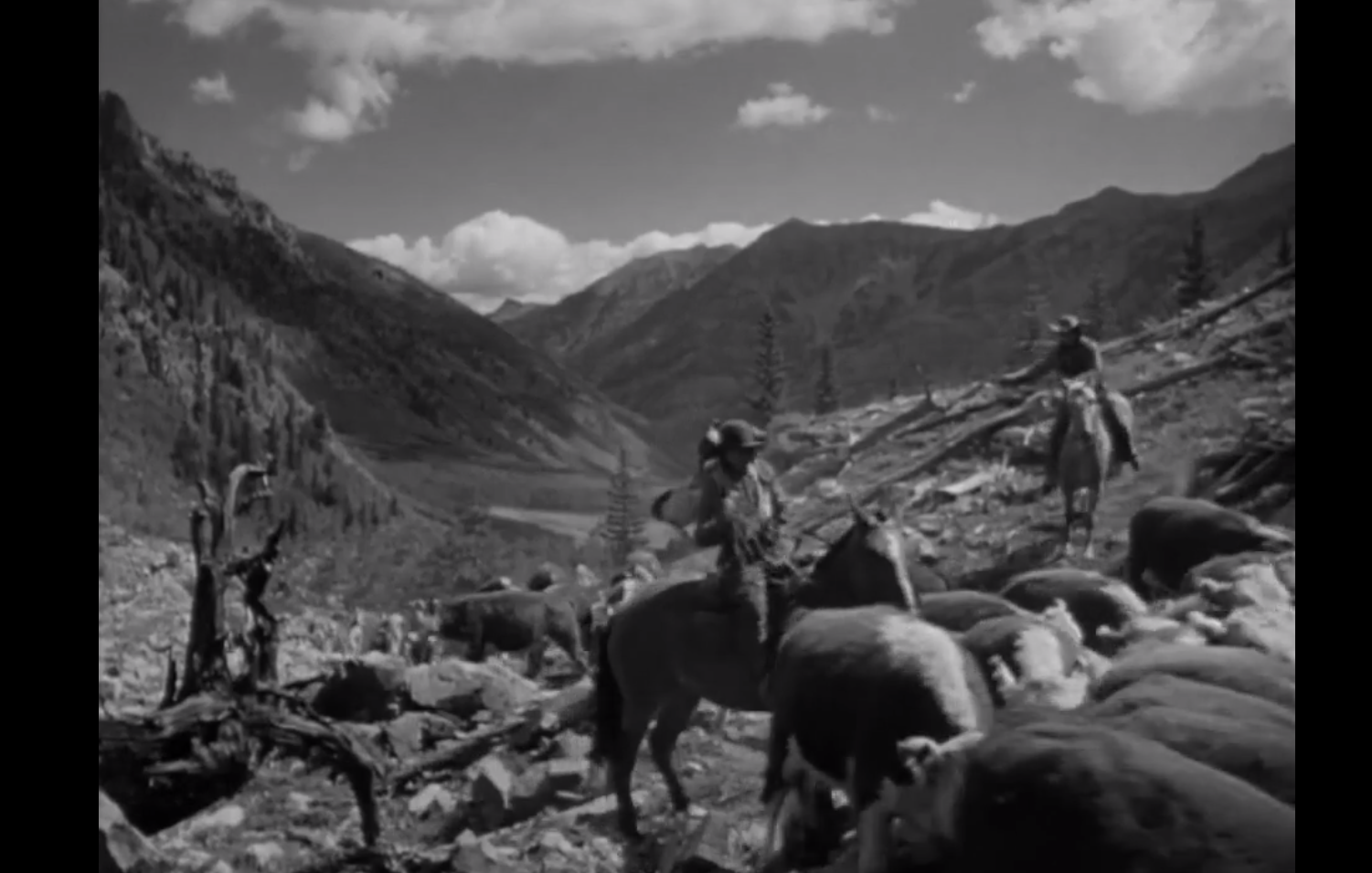
  • Beautiful cinematography of the American west
  • A groundbreaking depiction of Native Americans as worthy protagonists

Must See?
Yes. While it’s listed as a cult movie in the back of Peary’s book, it’s actually more relevant today for its historical importance.

Categories

  • Historically Relevant
  • Important Director

Links:

Brewster’s Millions (1945)

Brewster’s Millions (1945)

“He wants you to spend until you’re sick of it — he wants you to learn to hate spending money!”

Synopsis:
Monty Brewster (Dennis O’Keefe) comes home from WWII to the news that his eccentric uncle has left him $8,000,000. The only catch is that he must spend $1,000,000 of it within 60 days, with no assets left at the end, and nobody — not even his bride-to-be (Helen Walker) — finding out what he’s doing.

Genres, Themes, Actors, and Directors:

  • Allan Dwan Films
  • Comedy
  • Inheritance
  • Living Nightmare
  • Millionaires
  • Play Adaptation

Review:
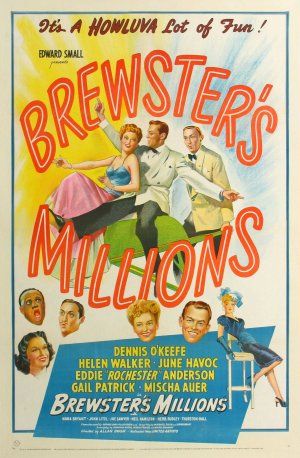
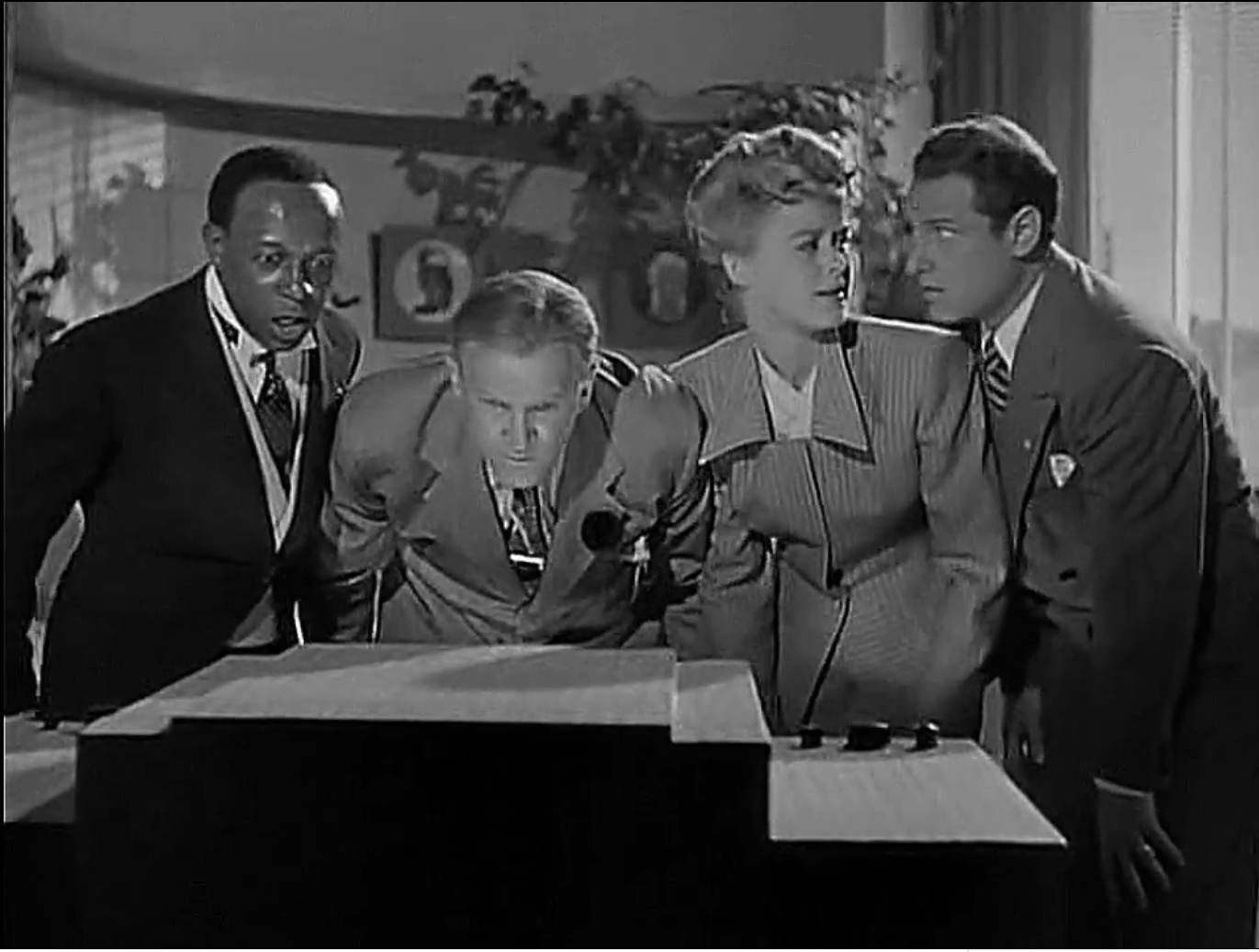
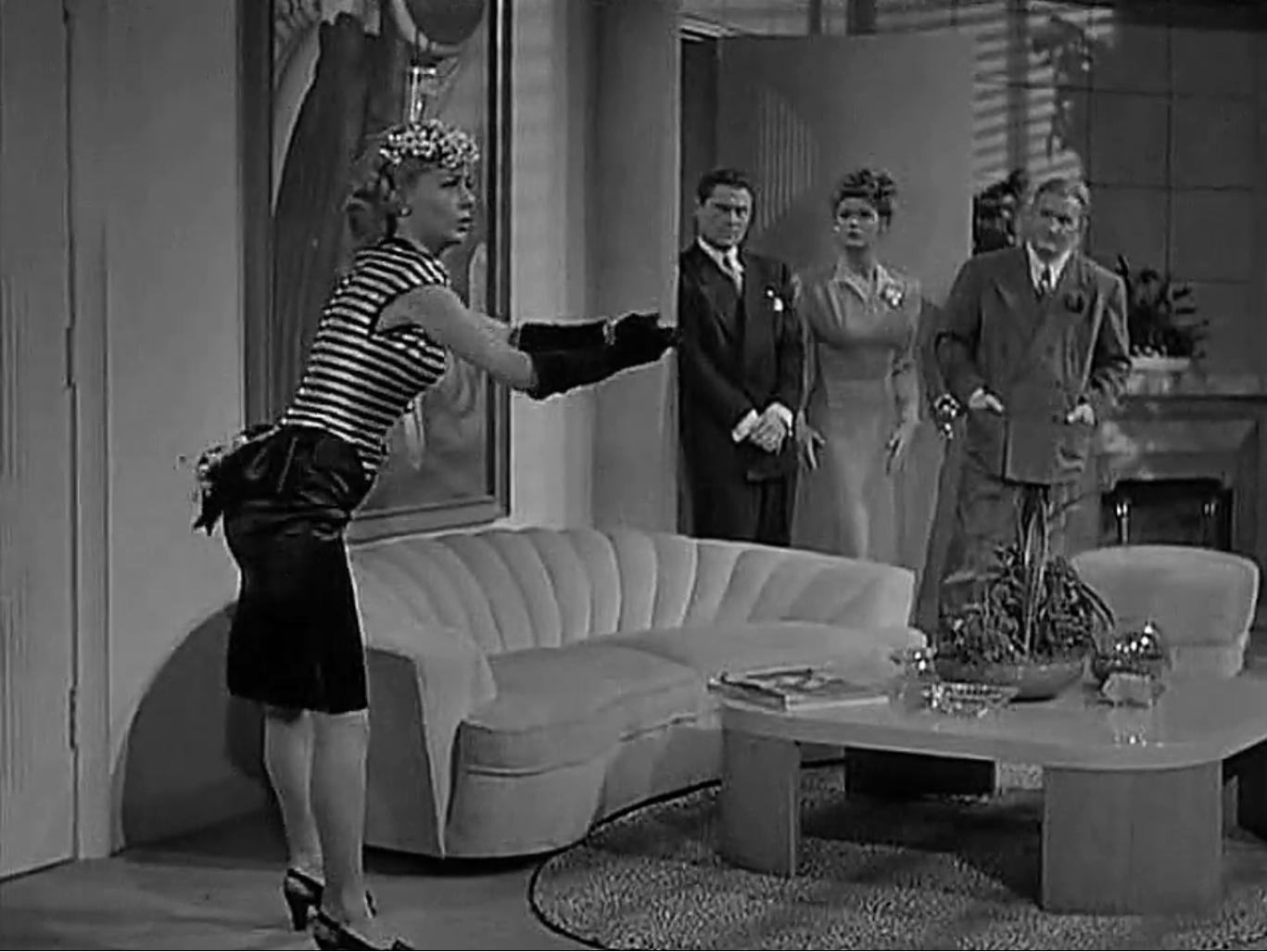
Brewster’s Millions — the eternally popular story about a man forced to spend a million dollars as quickly as possible — originated as a novel in 1902, was turned into a stage play in 1906, and has been adapted for film no less than nine times (twice in India). No matter which version you’re watching, however, it’s impossible not to immediately start calculating all the ways you would spend the money if you were in Monty’s shoes; indeed, as I expected, there was once a thread on the (now defunct) IMDb message board for the 1985 Richard Pryor version (which I haven’t seen), asking folks to contribute their thoughts on the subject. (Just for the record, I personally would hire somebody to help arrange an enormous gala event in as many towns and cities across the U.S. as possible, thereby giving the entire country a fun evening and calling it a million dollars within one day — but then there wouldn’t be much of a story to tell).

Dennis O’Keefe does an admirable job in the title role, handling the fast-paced dialogue with ease, and remaining sympathetic (not an easy task) until the very end.

Performances by the rest of the cast — especially Eddie ‘Rochester’ Anderson (Uncle Peter in Gone With the Wind) as Monty’s raspy-voiced employee; Helen Walker as Monty’s understandably frustrated fiancee; and June Havoc as an aspiring dancer who misinterprets Monty’s motivations in funding her theatrical production — are fine as well. Unfortunately, however, it’s hard to really sit back and relax when watching Brewster’s Millions, given that we can’t help feeling anxious about both Monty’s troubles and the confusion his loved ones feel; plus, we’re kept in suspense about the outcome of Monty’s plight until literally the last few seconds of the film. As much as I enjoyed this well-made comedy, I won’t be coming back to it (or any other version of the story) anytime soon — I’m too exhausted!

Redeeming Qualities and Moments:

  • Dennis O’Keefe as Monty
  • Fine performances by the entire cast of supporting actors

  • Lots of snazzy dialogue:

    “That Trixie’s loaded with dynamite — and sex! She throws it around like she’s watering a garden!”

Must See?
No, but it’s recommended.

Links:

Voyage to Italy (1954)

Voyage to Italy (1954)

“After eight years of marriage, it seems we don’t know anything about each other.”

Synopsis:
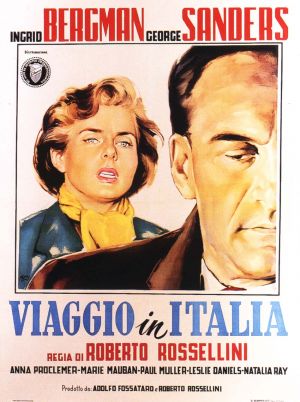
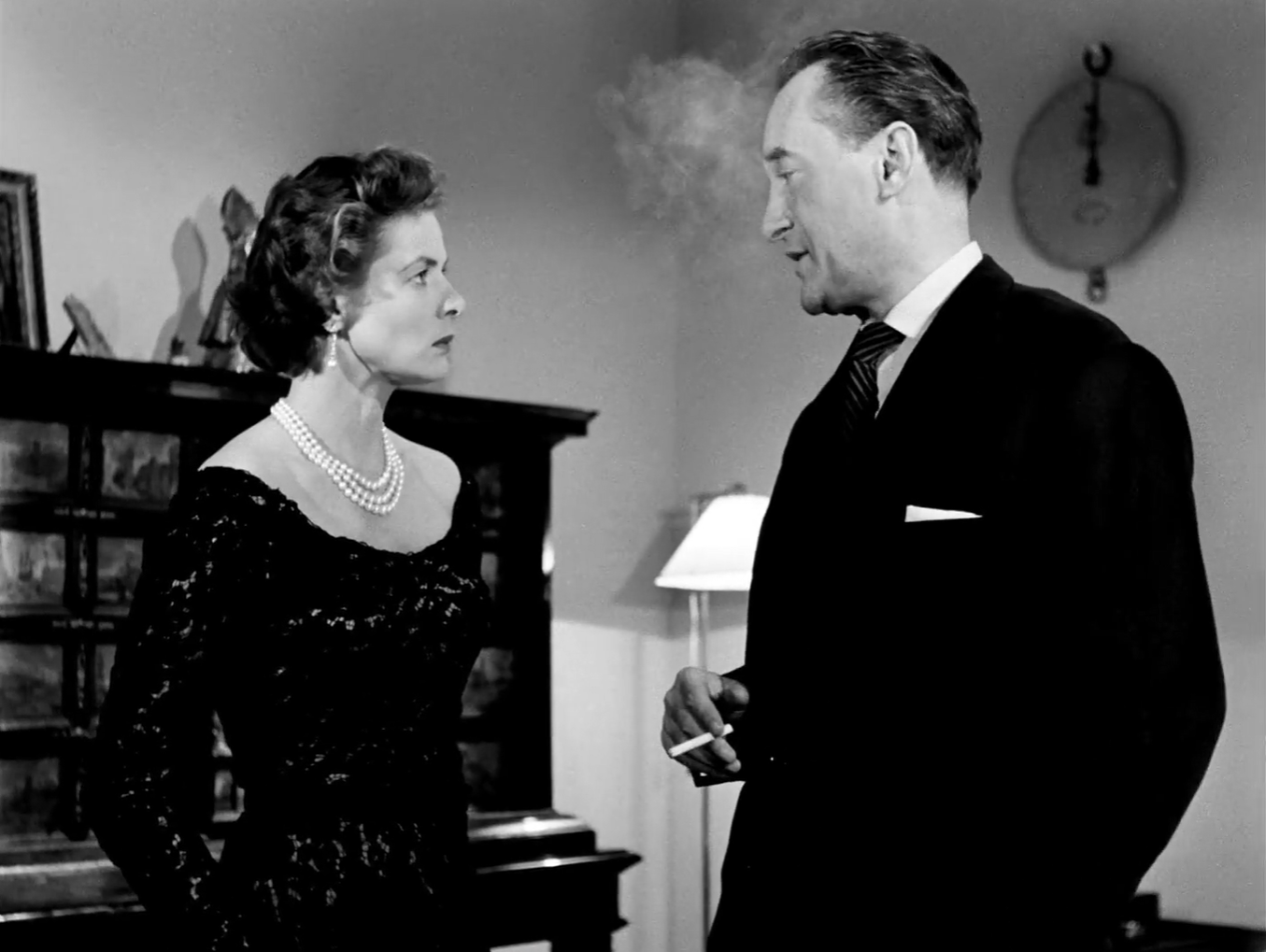
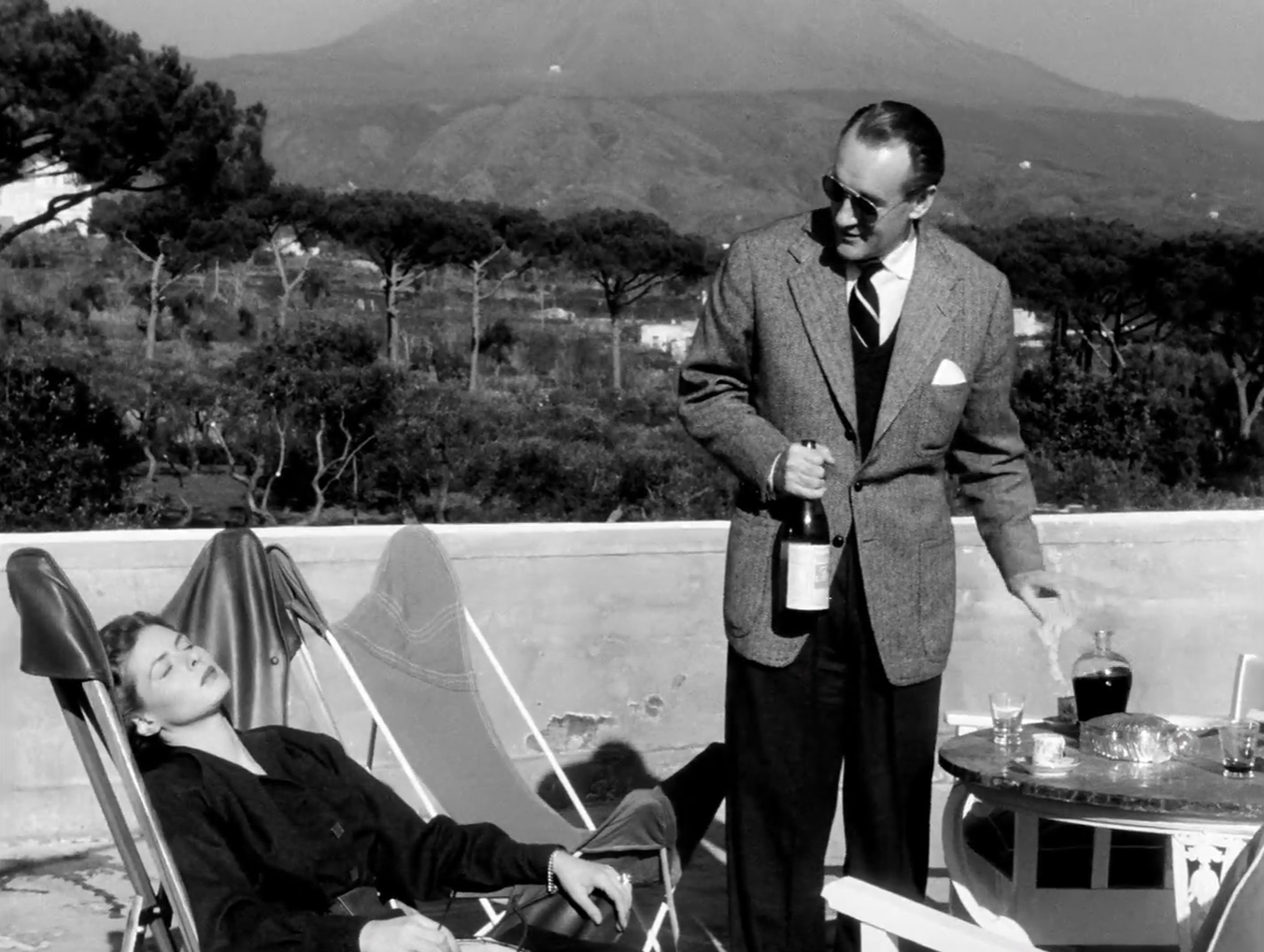
When Katharine (Ingrid Bergman) and her husband Alex (George Sanders) travel to Italy to sell a deceased uncle’s house, their troubled marriage reaches a crisis point.

Genres, Themes, Actors, and Directors:

  • Character Studies
  • George Sanders Films
  • Ingrid Bergman Films
  • Italian Films
  • Marital Problems
  • Roberto Rossellini Films

Review:
Widely regarded as one of director Roberto Rossellini’s finest films, Voyage to Italy — which, despite taking place in Italy, is primarily in English — tells the quietly devastating story of a married couple on the brink of divorce. When we first see Katharine and Michael, driving to their deceased uncle’s villa, we can sense that something’s not quite right; scene by scene, it’s gradually revealed just how sour things have become between them, as Michael openly flirts with other women, Katharine suggests going out for drinks rather than staying in together, and, eventually, they choose to spend their time in Italy apart.

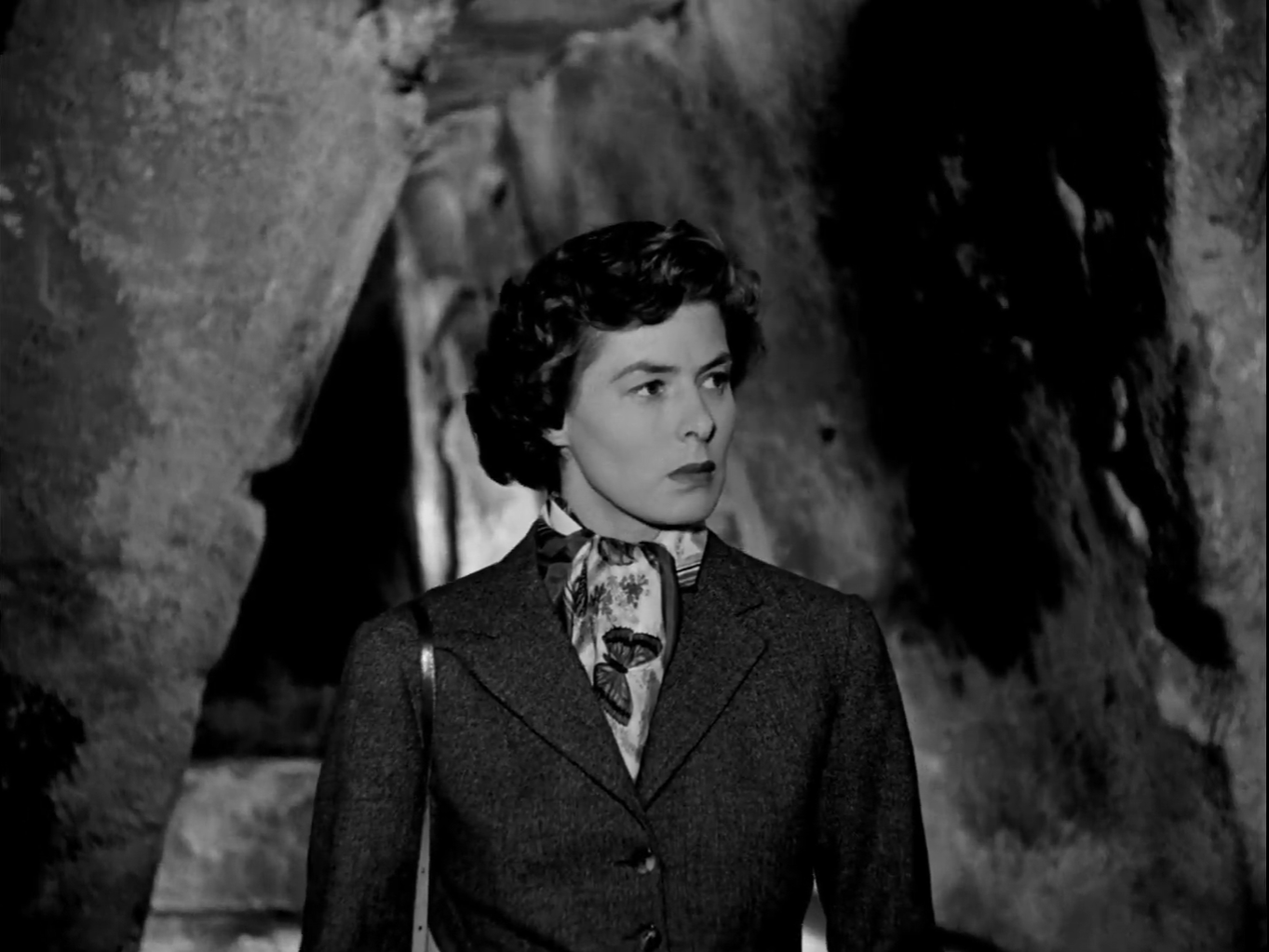
Not much happens, plot-wise, in Voyage to Italy: Katharine visits tourist destinations on her own, while Michael petulantly heads off to Capri and attempts an affair with a married woman. Rossellini is primarily concerned with showing how each spouse deals with the dawning realization that their marriage may be over — and how Italy, with its ancient history and dramatic landscapes, contributes to this awareness. Things finally come to a head in the movie’s final climactic moments — which, though a little too overly “neat” for my tastes, necessarily represent simply one frozen moment in the protagonists’ story; as in life, who knows what will come next?

Redeeming Qualities and Moments:

  • Ingrid Bergman as Katharine
  • George Sanders as Michael
  • Beautiful cinematography of Italian landscapes, streets, and tourist sites

Must See?
Yes. This is widely acknowledged as one of Rossellini’s best films, and should be seen by all film fanatics.

Categories

  • Important Director

(Listed in 1001 Movies You Must See Before You Die)

Links:

Edge of Hell (1956)

Edge of Hell (1956)

“I couldn’t sell Flip for any price.”

Synopsis:
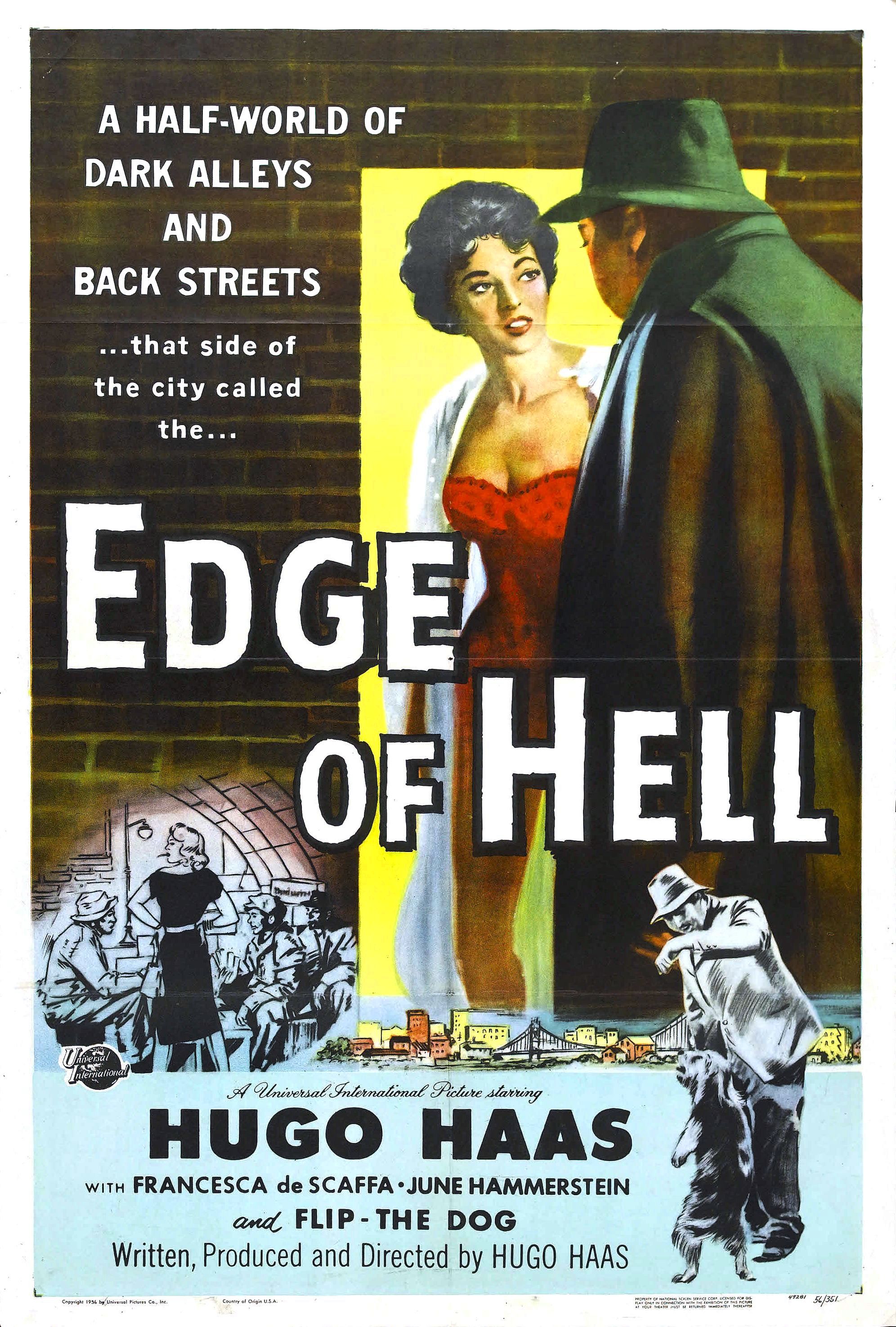
A hobo (Hugo Haas) and his performing dog, Flip, eke by with the help of their friends, including a warm-hearted neighbor (June Shelley) and her boyfriend (Jeffrey Stone).

Genres, Themes, Actors, and Directors:

  • Class Relations
  • Downward Spiral
  • Homeless
  • Hugo Haas Films
  • Pets

Review:
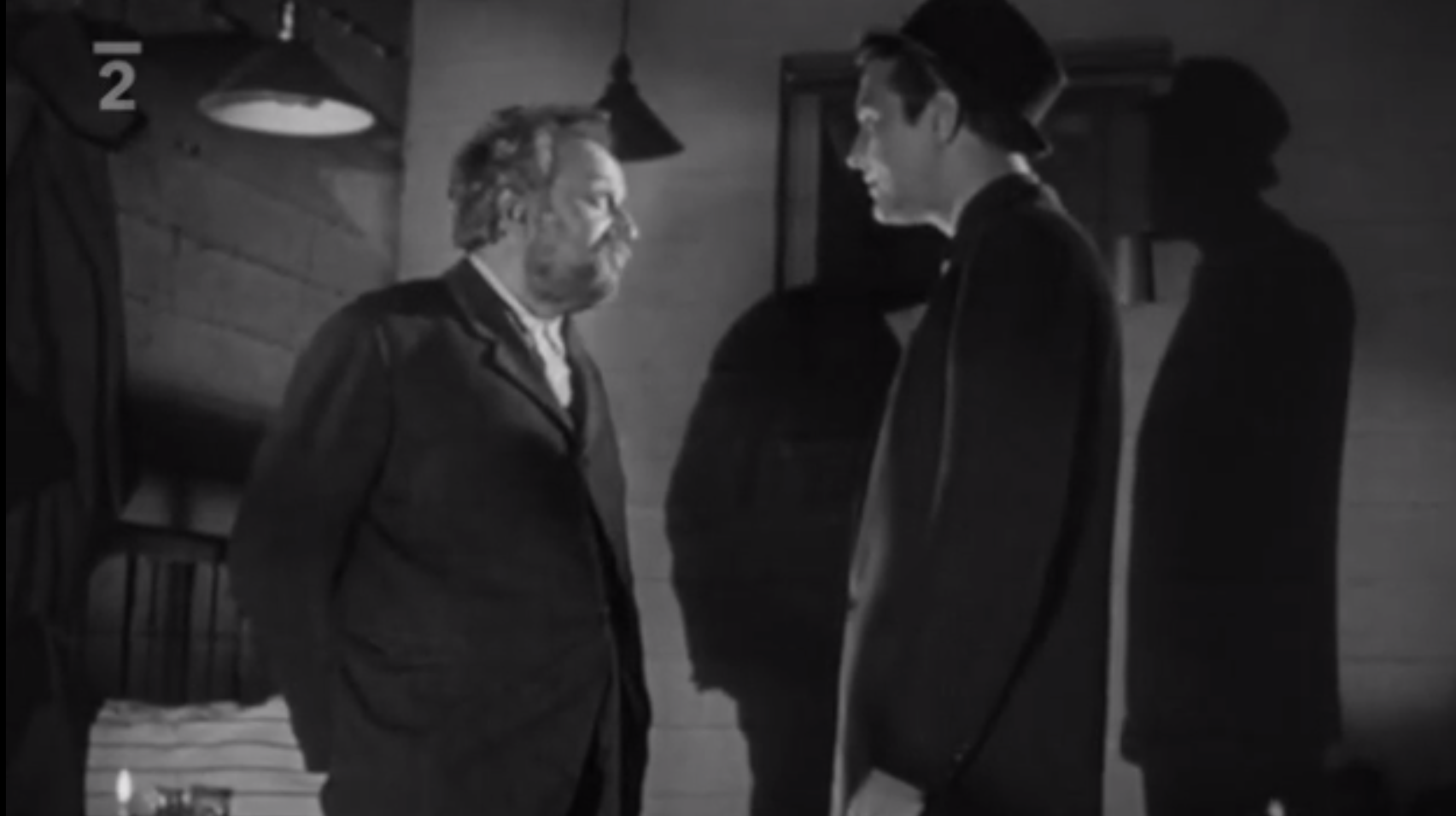
This devastating tale of friendship between a down-and-out performer and his dog is a deviation from Hugo Haas’s usual tawdry oeuvre (though its inappropriate title would lead you to think otherwise). Haas — who acted in nearly all of his own films — is the undisputed star here, and finally has a chance to showcase his gift for crafting humorous, three-dimensional characterizations. Although Valentin (Haas) is eminently likable (his bevy of supportive friends are proof of this), he’s not above taking what he can get from a wealthy man (John Vosper) who, enjoying his company, gladly offers him alcohol, food, and clothing.

Haas uses his simple story as a chance to deftly satirize the values and social mores of upper class society. Without resorting to cliches, Haas cleverly contrasts Valentin’s life on the streets (which is tenuous, but filled with love and friendship) with that of his wealthy new acquaintance (who is well-meaning and kind, but mistakenly believes he can buy whatever he wants — including Flip). One of the most amusing moments in the film occurs during a party Valentin is hosting for his friends after earning some much-needed money at a young boy’s birthday party: sounding for all the world like a group of socialites discussing perfume or furs, a group of hardworking women sit around and debate how to get the smell of onion out of their hands, with one woman bragging that there’s only one technique she deigns to use.

Unfortunately, the story’s gloomy trajectory inevitably leads downhill; as a result, the final third of the film is incredibly difficult to sit through. There’s nothing more devastating than watching someone who is forced to part from their beloved pet, which is what ends up happening to our luckless protagonist. In keeping with Haas’s social critique, once Valentin gets sick and can’t perform for money, we’re shown that not even the care and concern of his friends can rescue him from dire straits.

Haas may have been a B-level director, but each of his films — at least those listed in Peary’s book (such as Pickup, Bait, and Lizzie) — show proof of his unique and impressive sensibility. Peary lists most of Haas’s titles as Camp Classics, but, with the possible exception of Pickup, I don’t see them this way: his films may be low-budget with patchy acting, but are surprisingly touching, and merit much wider appreciation than they’re currently given.

Redeeming Qualities and Moments:

  • Hugo Haas as the downtrodden hobo

Must See?
No, but it’s recommended, if you can stomach it.

Links:

Green Man, The (1956)

Green Man, The (1956)

“I only accepted assignments against the so-called ‘great’: those overblown balloons who just cry out to be popped; I was glad to offer myself as a humble pin.”

Synopsis:
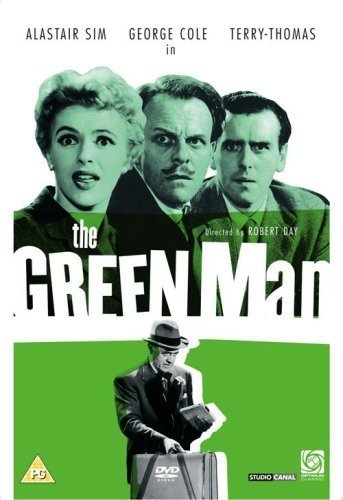
A hitman (Alastair Sim) and his assistant (John Chandos) find their plans to assassinate a pompous government minister (Raymond Huntley) foiled by a meddling vacuum cleaner salesman (George Cole).

Genres, Themes, Actors, and Directors:

  • Alastair Sim Films
  • Amateur Sleuths
  • Assassination
  • Black Comedy
  • Hitmen
  • Mistaken or Hidden Identities
  • Play Adaptation

Review:
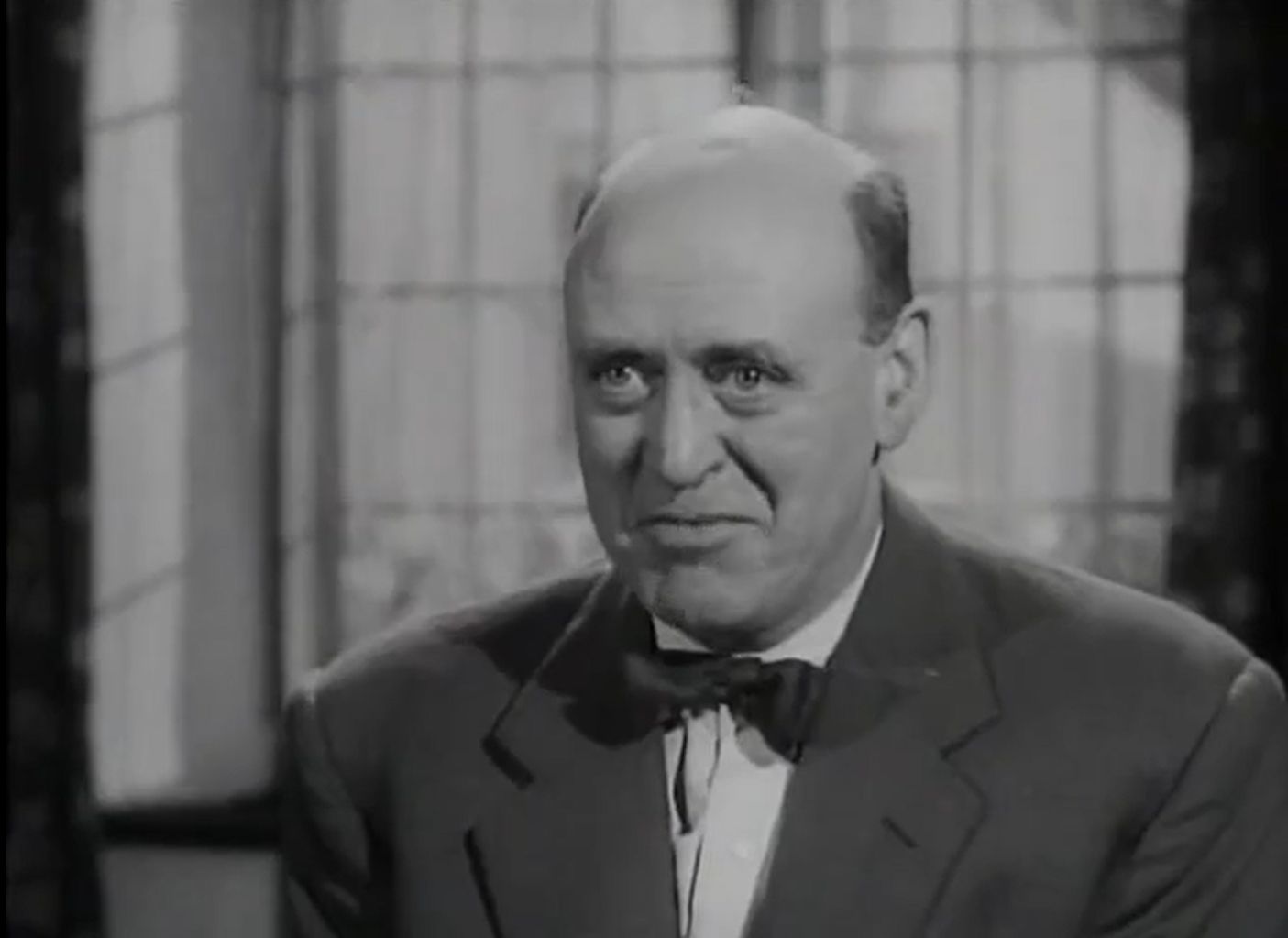
This fast-paced British farce — adapted from Sidney Gilliat and Frank Launder’s play Meet the Body — features clever dialogue, humorous performances, and countless quirky characters. Sim is especially notable as the hired assassin — watch the way his facial expressions reveal his mental machinations as he figures things out on the spot. [As noted in Time Out’s review, one can’t help comparing Sim’s appearance here with that of Alec Guinness in The Ladykillers, a brilliant black comedy released the previous year; indeed, Guinness was apparently directly inspired by Sim’s performance as Mr. Squales in the (non-Peary-listed) London Belongs to Me (1948).] George Cole is suitably manic as the vacuum cleaner salesman who is determined to solve whatever “mess” is put in front of him — whether it’s soot on a carpet or a body stuffed into a piano; and beautiful Jill Adams (who reminds me of Shirley Henderson) makes an appealing female protagonist.

Redeeming Qualities and Moments:

  • Alastair Sim as the ingenious hitman
  • George Cole as the vacuum cleaner salesman-cum-amateur sleuth
  • Jill Adams as Cole’s unwitting sidekick
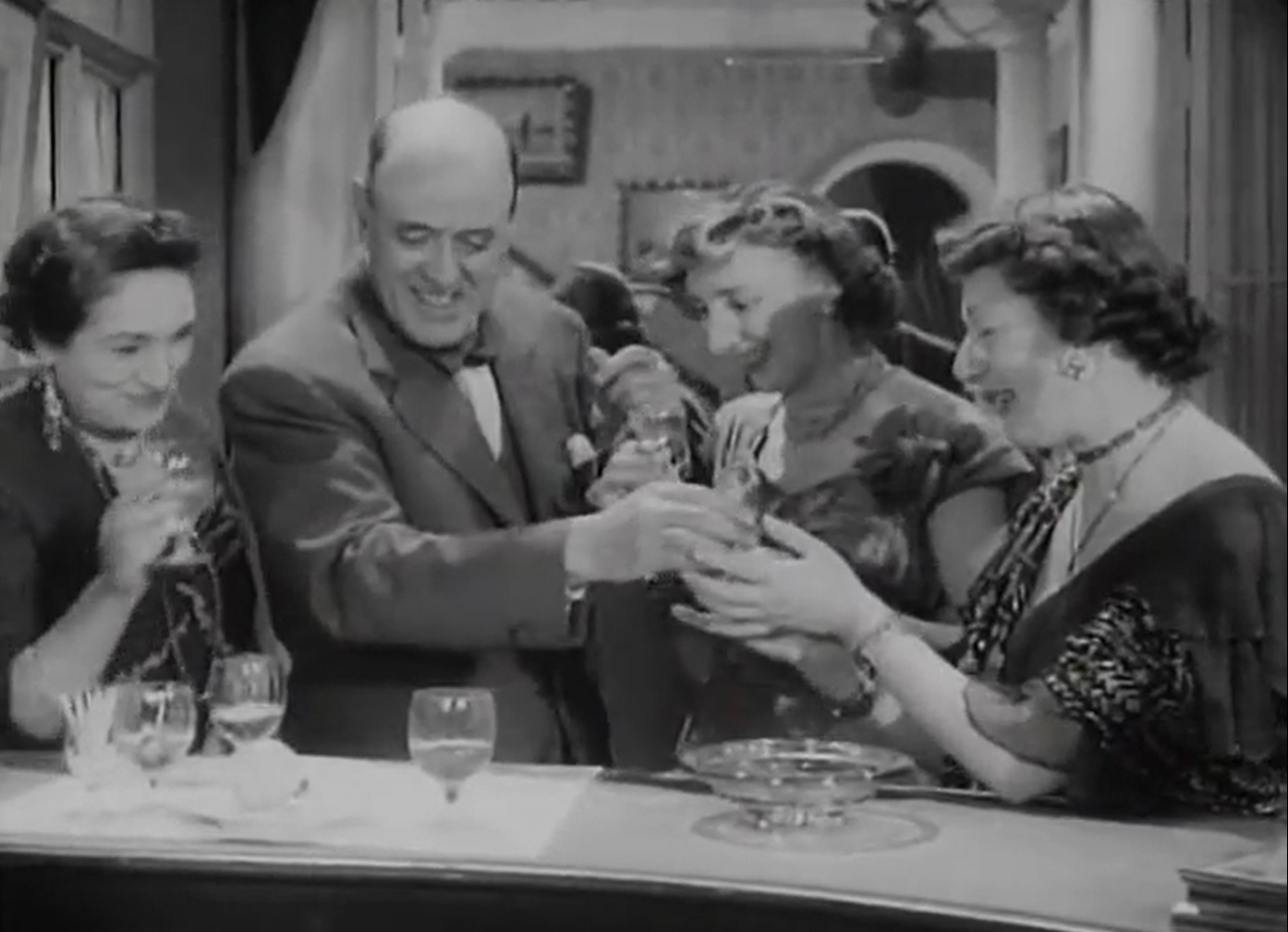
  • Sim encouraging a trio of giddy female musicians to have drinks with him at the bar
  • Cedric Thorne Davie’s amusingly lilting orchestral score

Must See?
No, but it’s highly recommended.

Links:

Bait (1954)

Bait (1954)

“Gold isn’t money — it’s a religion!”

Synopsis:
A crazed prospector (Hugo Haas) uses his beautiful new wife (Cleo Moore) as “bait” in order to lure his partner (John Agar) into a compromising situation.

Genres, Themes, Actors, and Directors:

  • Gold Seekers
  • Greed
  • Hugo Haas Films
  • John Agar Films
  • Love Triangle

Review:
Czechoslovakian emigre Hugo Haas made a string of low-budget melodramas in the 1950s, usually telling tales of lust, greed, and romantic entanglements. Although Haas’s films are often cited as campily bad, they’re actually decent entertainment — here, Haas takes a traditional love triangle and turns it on his head, with the older husband (Haas) of sexy Cleo Moore encouraging her to get it on with Agar, who (surprisingly) resists as much as possible. Indeed, although we expect Moore to be a no-good femme fatale, it turns out she’s a “decent” woman simply hoping to do the right thing for herself and her baby. Unfortunately, Moore — who starred in no less than seven of Haas’s films in the 1950s — is a rather bland romantic lead and can’t hold a candle to sassy Beverly Michaels, star of Haas’s first American film, Pickup (1951); John Agar is equally insipid as her would-be lover. Haas is the most charismatic character by far, and it’s hard not to root for him despite his nefarious plans.

Redeeming Qualities and Moments:

  • An effective low-budget tale tale of greed and lust

Must See?
No, but it’s recommended for fans of Hugo Haas. It’s listed as a Camp Classic in the back of Peary’s book, but I don’t think it’s all that campy.

Links:

Senso (1954)

Senso (1954)

“I was indissolubly tied to him. For him, I’d forgotten and betrayed all those who were at that moment fighting and trying to achieve a long-cherished dream.”

Synopsis:
During the years of Austrian occupation in mid-19th-century Venice, a married countess (Alida Valli) falls hopelessly in love with a womanizing Austrian lieutenant (Farley Granger).

Genres, Themes, Actors, and Directors:

  • Alida Valli Films
  • Cross-Class Romance
  • Cross-Cultural Romance
  • Farley Granger Films
  • Historical Films
  • Italian Films
  • Luchino Visconti Films
  • Obsessive Love

Review:
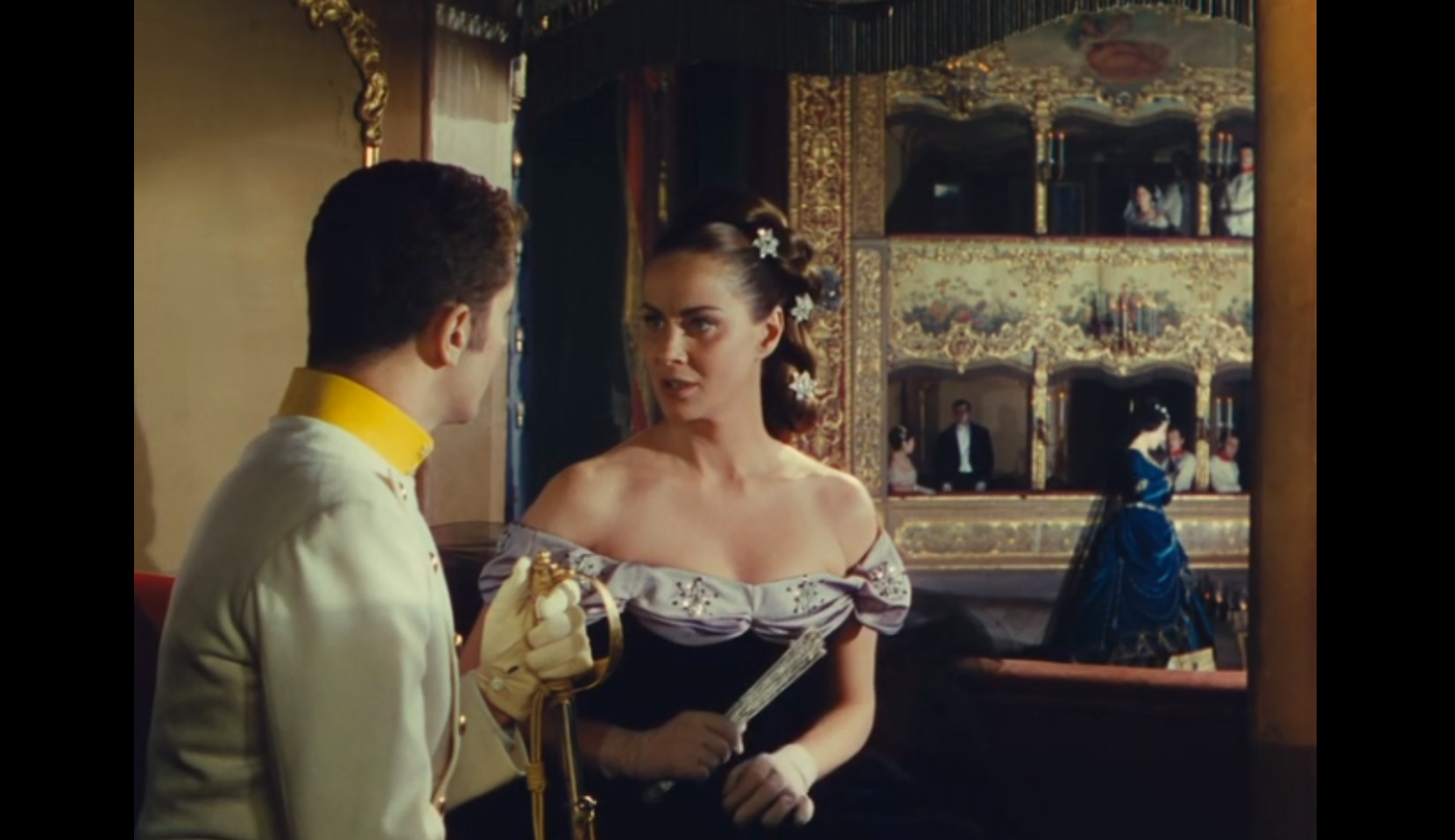
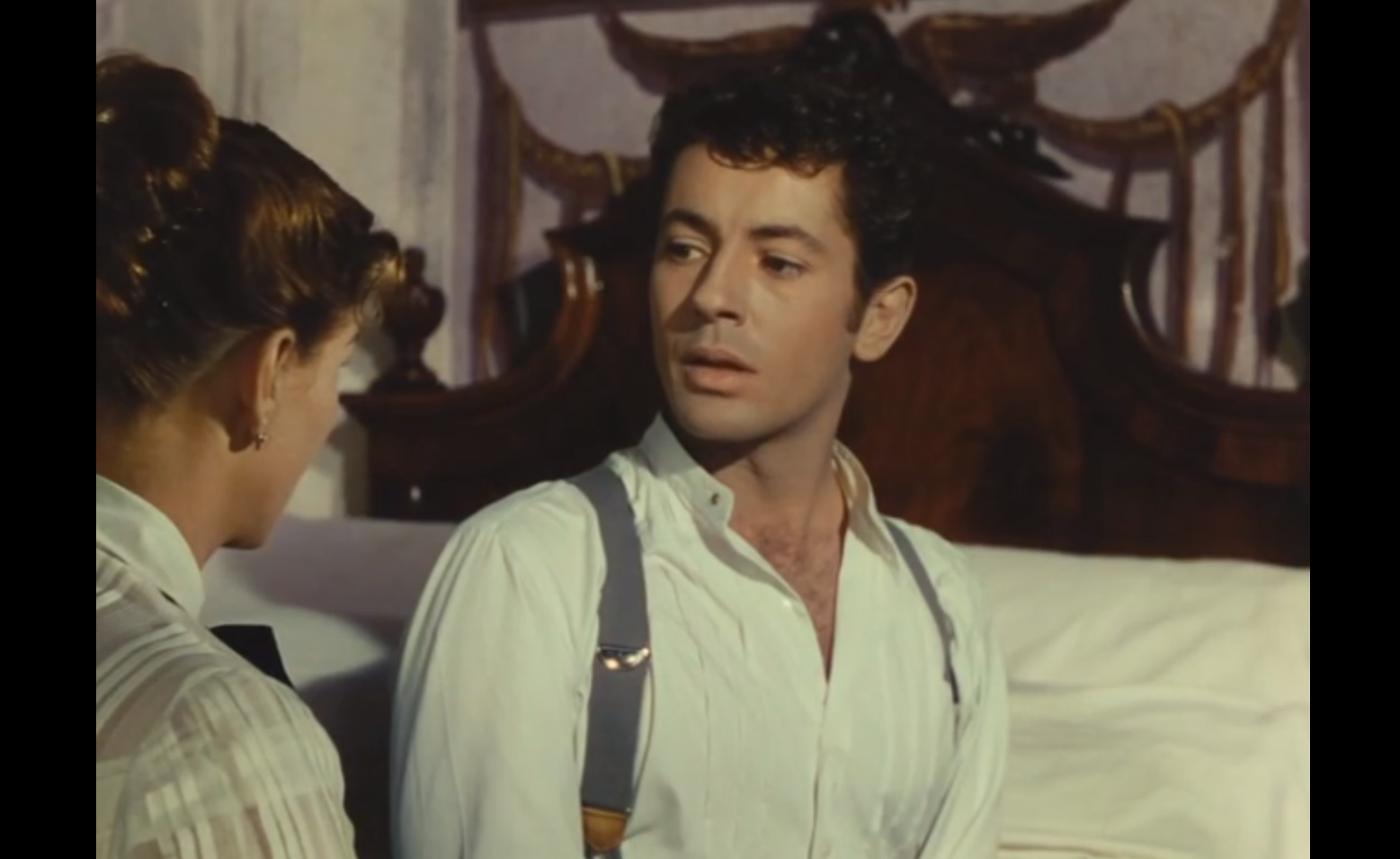
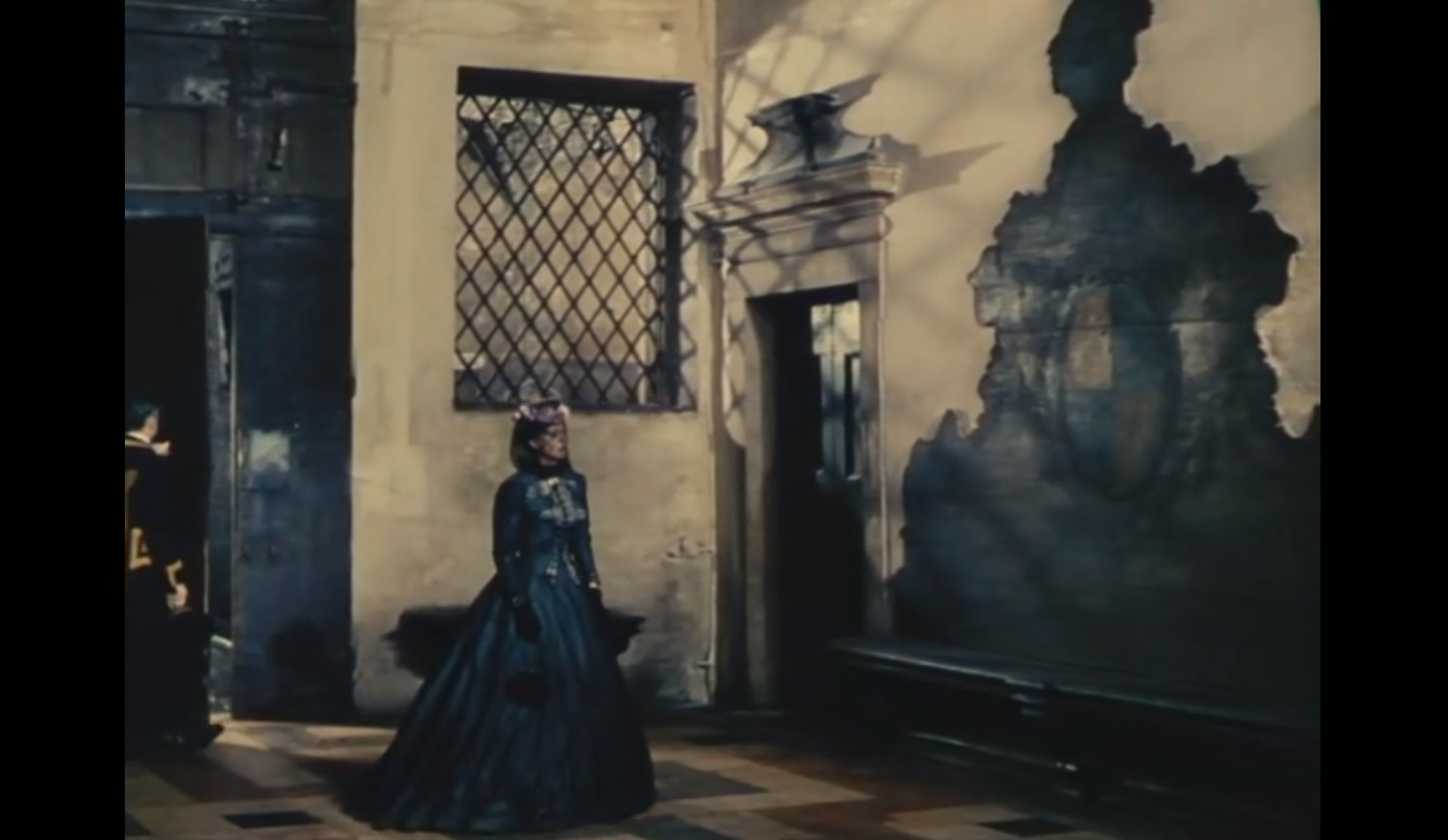
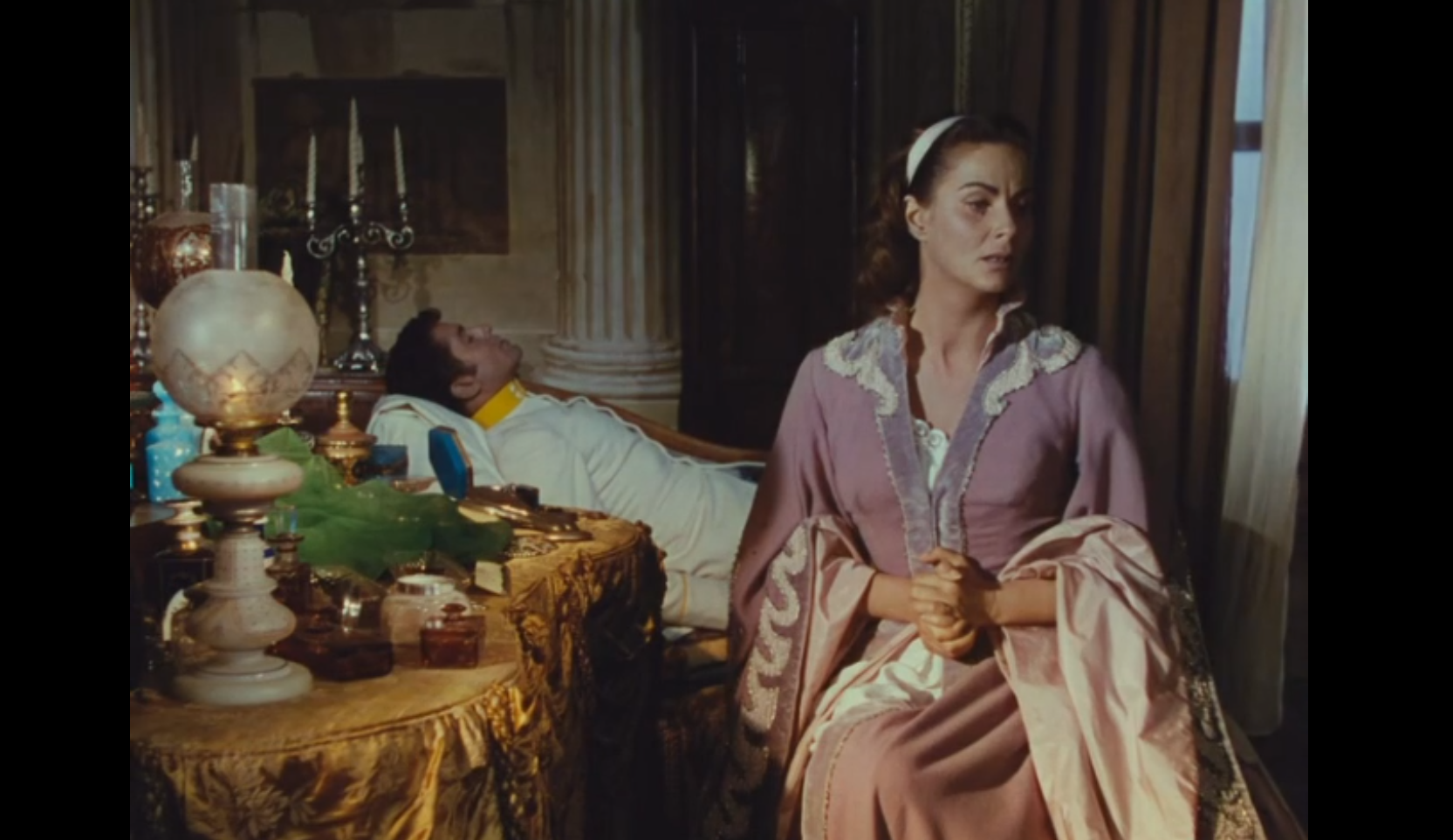
Italian director Lucino Visconti’s third film after Ossessione (1943) and La Terra Trema (1948) was this Technicolor historical melodrama, starring American heartthrob Farley Granger (speaking surprisingly decent Italian) and beautiful Alida Valli (known to most American audiences for her work in Alfred Hitchcock’s The Paradine Case and Carol Reed’s The Third Man). Unfortunately, while the lush sets and costumes are enjoyable to look at, Senso suffers from an undeveloped screenplay: because we never really learn much about Countess Serpieri’s marriage or her motivations, her act of betrayal against the revolutionary cause in favor of her lover doesn’t make much of an impact. Although things heat up by the final scenes of the film, the movie as a whole is overlong, and ultimately not very satisfying.

Redeeming Qualities and Moments:

  • Beautiful Alida Valli as the love-stricken Countess
  • Farley Granger as Valli’s duplicitous love interest
  • Colorful, sumptuous sets and costumes

  • Anton Bruckner’s soaring score

Must See?
Yes, simply for its status as one of Visconti’s first films. Listed as a film with historical importance in the back of Peary’s book.

Categories

  • Important Director

(Listed in 1001 Movies You Must See Before You Die)

Links:

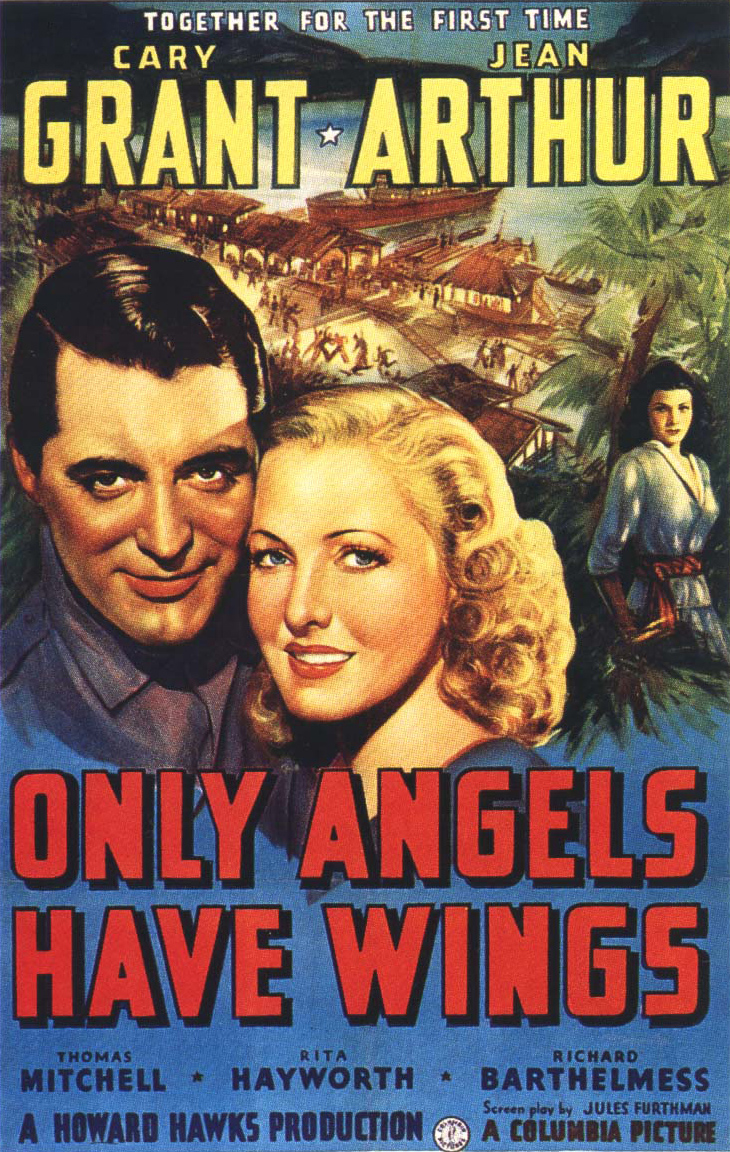
Only Angels Have Wings (1939)

Only Angels Have Wings (1939)

“It’s like being in love with a buzzsaw.”

Synopsis:
While waiting for her boat to sail from the South American town of Barranca, showgirl Bonnie Lee (Jean Arthur) falls for the head (Cary Grant) of a small postal flying company. Meanwhile, Grant’s old flame (Rita Hayworth) appears with her new husband (Richard Barthelmess), who is reviled by his fellow pilots for having bailed out of a plane and left his co-pilot — brother of Grant’s best friend, “The Kid” (Thomas Mitchell) — to die.

Genres, Themes, Actors, and Directors:

  • Airplanes and Pilots
  • Cary Grant Films
  • Expatriates
  • Howard Hawks Films
  • Jean Arthur Films
  • Love Triangle
  • Machismo
  • Rita Hayworth Films
  • Romance
  • South and Central America
  • Thomas Mitchell Films

Review:
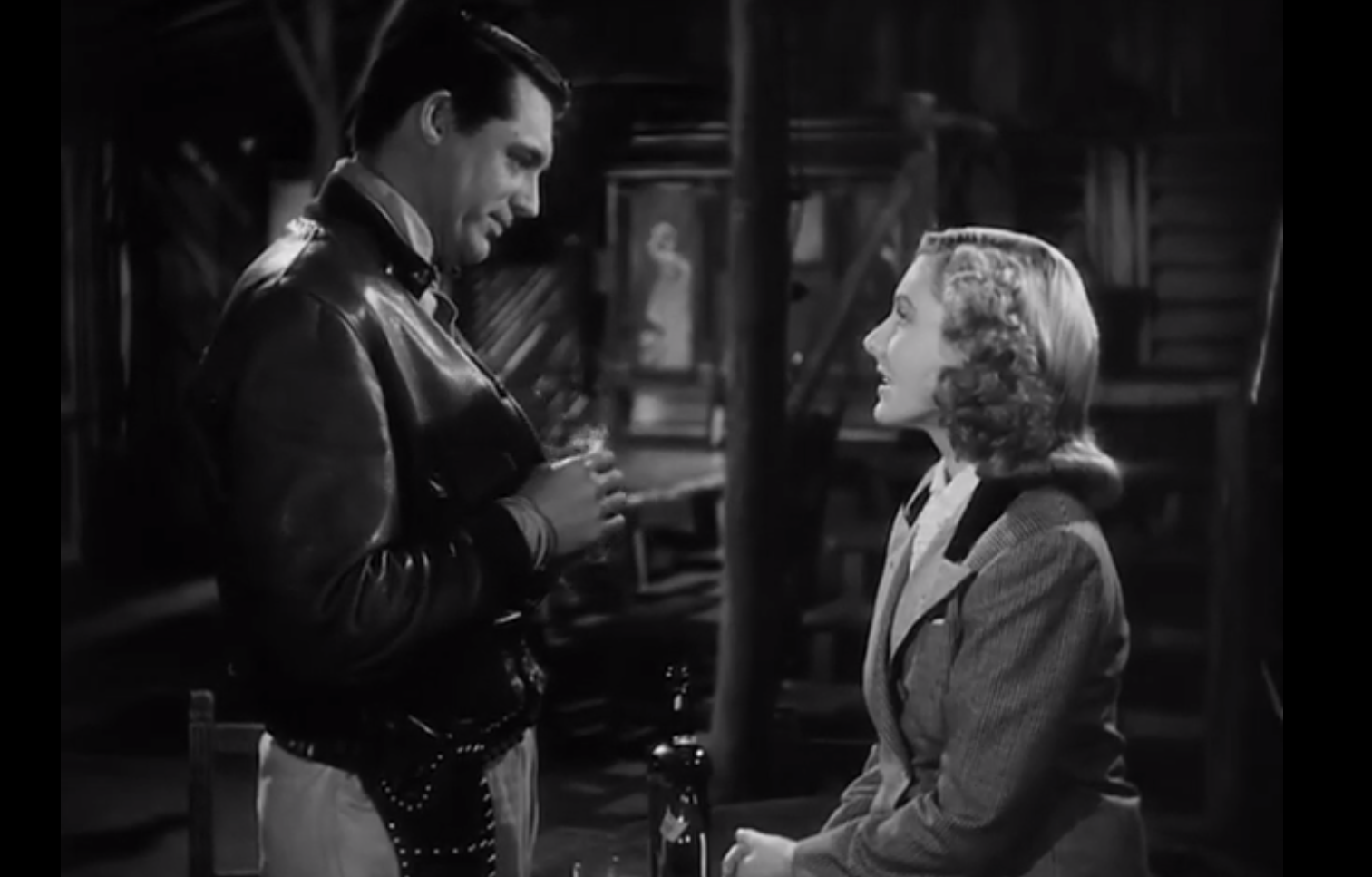
Only Angels Have Wings — made during what is generally cited as Hollywood’s finest year, 1939 — may not be as famous as Gone With the Wind or The Wizard of Oz, but remains a highly enjoyable romantic adventure flick. Cary Grant and Jean Arthur are excellent in the lead roles, and exhibit genuine screen chemistry together: Arthur is both strong and sexy (convincingly playing a woman who finds herself smitten despite her better judgment), while Grant — performing his 34th role in just seven years of filmmaking — perfectly embodies Hawks’ masculine ideal. Notice how he strides away from emotional situations without hesitation, and justifies the death of his colleague by stating flatly: “Joe died flying — that was his job. He just wasn’t good enough; that’s why he got it.”

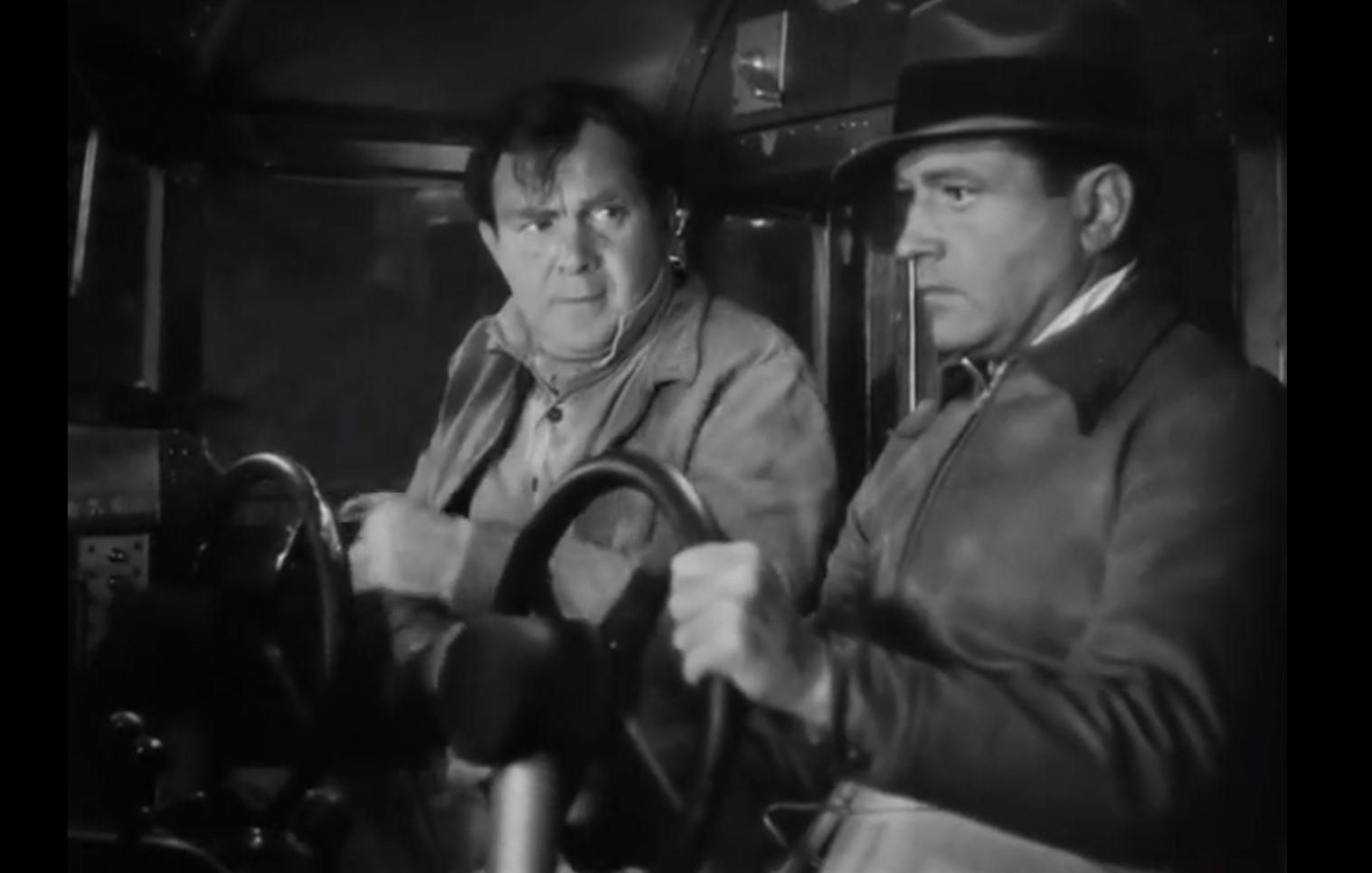
The supporting performances in Only Angels Have Wings are uniformly excellent as well. Rita Hayworth is appropriately seductive in her first major role (though she doesn’t appear on-screen all that often); Thomas Mitchell (who co-starred in no less than five noteworthy films in 1939) is sympathetic as an aging pilot who is losing his sight; and former silent-screen-star Richard Barthelmess is perfectly cast as a pilot hoping to redeem his past cowardly actions.

Although the film’s Oscar-nominated special effects don’t come across as all that impressive today, the actual footage of planes flying over the Andes is thrilling, and conveys both the danger and the excitement of this risky job. Note that … Angels bears some resemblance to Casablanca (1942): both center on ex-patriates who frequent a special bar; both feature a man who has become embittered by love; and both tell the stories of people whose survival is inherently dubious.

Redeeming Qualities and Moments:

  • Cary Grant as Geoff
  • Jean Arthur as Bonnie Lee
  • A chilling portrayal of the dangers of flying
  • Thomas Mitchell as “The Kid”
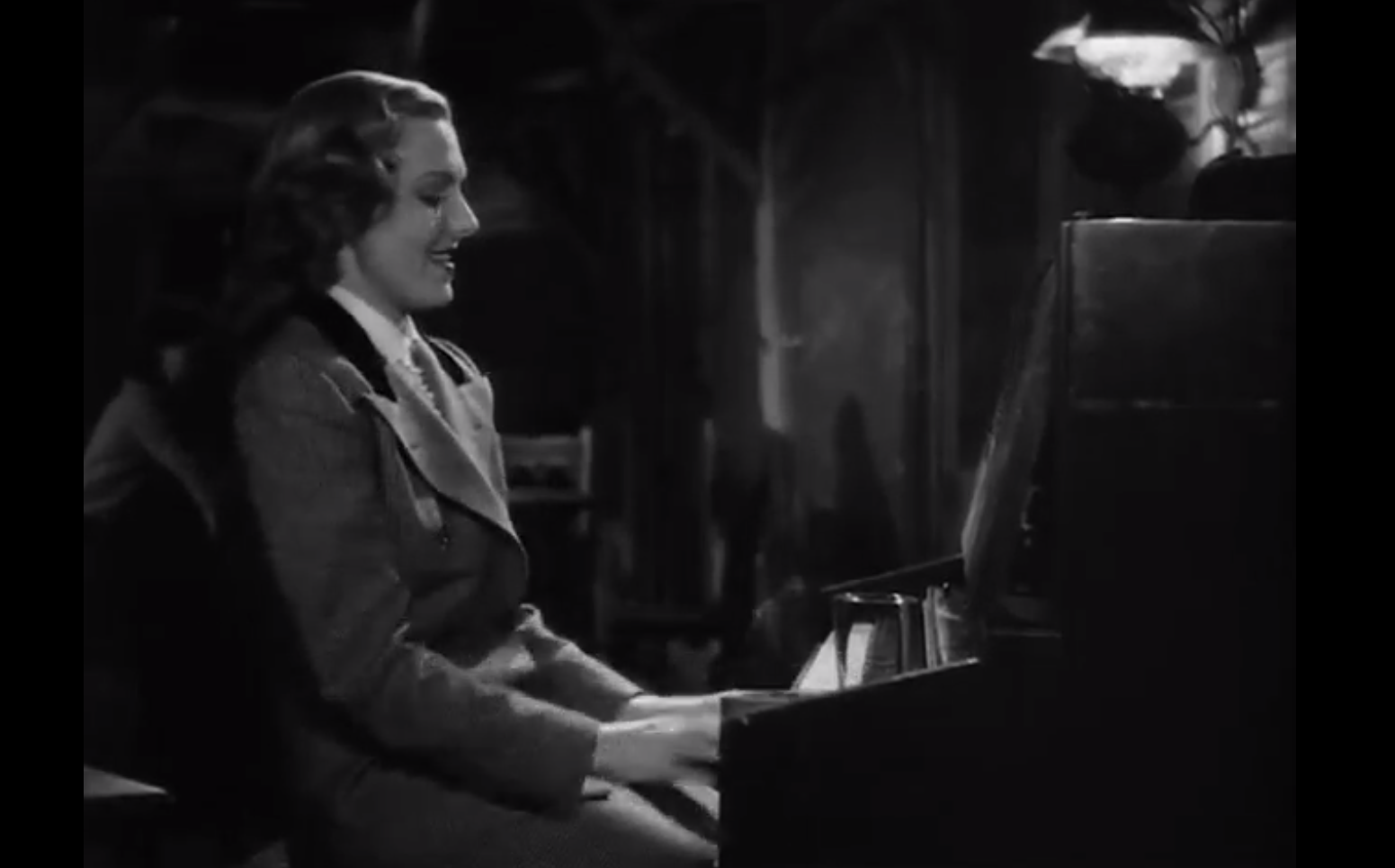
  • Arthur taking over a jazz tune on the piano, and showing off her chops
  • Joseph Walker’s cinematography

Must See?
Yes. This film perfectly embodies many of Howard Hawks’ favorite themes: machismo, male bonding, and women who struggle to understand their men’s need for adventure.

Categories

  • Important Director

(Listed in 1001 Movies You Must See Before You Die)

Links: