Browsed by
Category: Original Reviews

Responses to Peary’s “must see” movie reviews, as well as my own “must see” movie reviews up to and after 1986 (when Peary’s book was published).

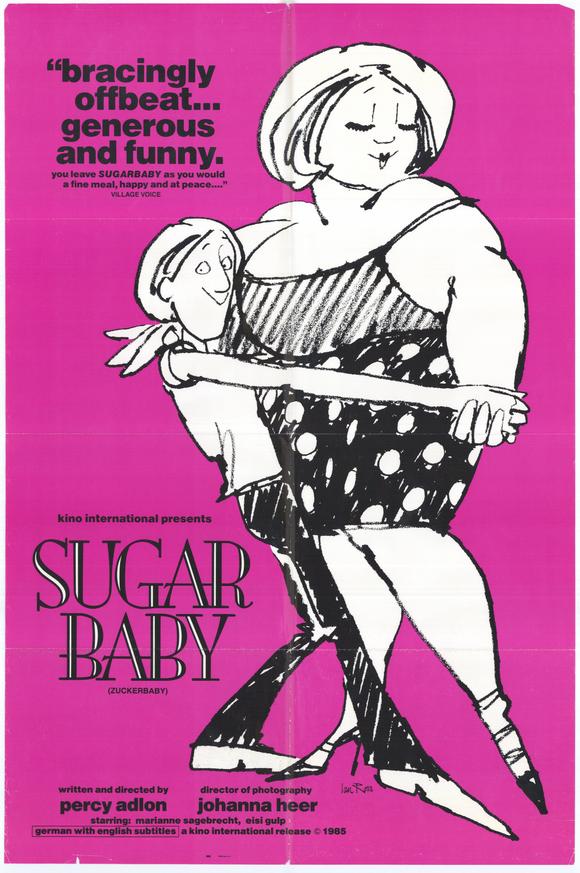
Sugarbaby (1985)

Sugarbaby (1985)

“I spied on you, I tracked you down — and then I nailed you!”

Synopsis:
A lonely, overweight mortuary employee (Marianne Sagebrecht) falls obsessively in love with a handsome young subway driver (Eisi Gulp), and plots to ensnare him romantically.

Genres, Themes, Actors, and Directors:

  • German Films
  • Misfits
  • Obsessive Love
  • Romantic Comedy

Review:
Two years before his breakthrough film — Bagdad Cafe (1987) — writer/director Percy Adlon made this quirky comedy about an unlikely romantic couple. To his credit, Adlon’s screenplay goes in unexpected directions, with Sagebrecht’s somewhat creepy stalking of Gulp resulting in joy rather than heartache; unfortunately, however, once Gulp has been successfully seduced, not enough happens until the final 5 minutes or so, when the movie ends on a frustratingly unresolved note. Also distracting is cinematographer Johanna Heer’s excessive use of color tinting, with most scenes literally saturated in hues of pink or blue. Although Sugarbaby appears to have been well-received by most critics (see review links below), I was disappointed. Remade in 1989 as a T.V. movie with Ricki Lake, called Babycakes.

Redeeming Qualities and Moments:

  • Marianne Sagebrecht’s bold performance as Marianne
  • Eisi Gulp as Huber
  • Good use of an eclectic, synthesized soundtrack

Must See?
No, but fans of Adlon’s Bagdad Cafe will likely want to track this one down.

Links:

Three in the Attic (1968)

Three in the Attic (1968)

“You’ve heard of the sexual revolution… Well, I’m probably one of its first casualties.”

Synopsis:
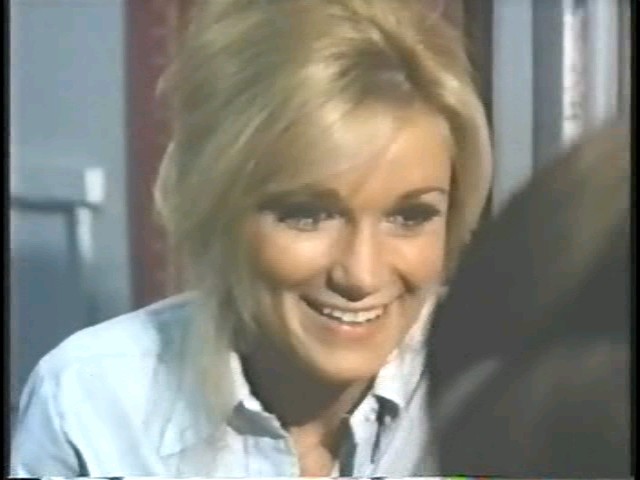
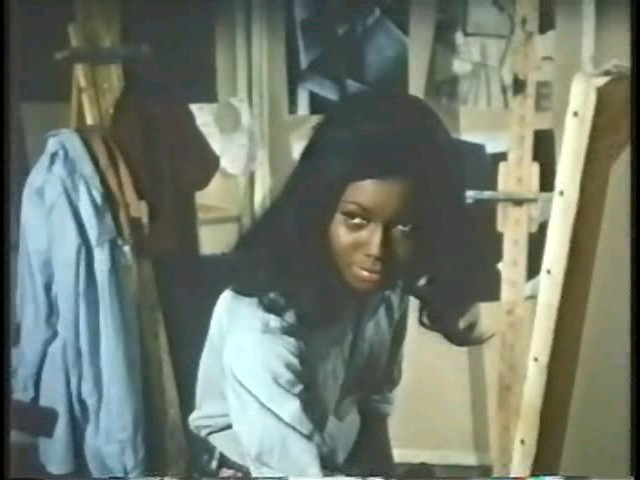
A womanizing college boy (Christopher Jones) is imprisoned as a sex slave by his girlfriend (Yvette Mimieux) and two other girls he’s been secretly dating (Judy Pace and Maggie Thrett).

Genres, Themes, Actors, and Directors:

  • Black Comedy
  • Prisoners
  • Revenge
  • Womanizers
  • Yvette Mimieux Films

Review:
Shortly after the release of Wild in the Streets, Christopher Jones starred in another AIP social satire, this one about three college girls who take an unusual form of sexual revenge on their cheating lover. Unfortunately, the idea of kidnapping a man and forcing him to have sex until his strength is literally sapped sounds amusing on paper, but is too far-fetched to believe; Jones never once tries to escape from his flimsy attic-prison, and far too many other logistical details are glossed over. The story is much more interesting during the first hour, when we watch a nicely told, if somewhat conventional, tale of a Casanova trying to juggle three women without any of them finding out. Fortunately, the lead actors are all appealing, and make the film — despite its flaws — easy to watch: Jones acquits himself admirably as a nice-guy Alfie; Yvette Mimieux gets to do more than simply look sexy (though she does that, too); Judy Pace is a welcome spitfire; and Maggie Thrett is appropriately wacky as a hippie Jewish girl who loves to paint flowers on skin.

Note: Be sure not to miss the creative closing credits.

Redeeming Qualities and Moments:

  • Christopher Jones as Paxton Quigley
  • Yvette Mimieux as Tobey
  • Judy Pace as Eulice
  • An odd scene in which Paxton stumbles upon Eulice teaching Standard English to a classroom of children

Must See?
No, but film fanatics will likely be curious to check it out. Listed as a Cult Movie in the back of Peary’s book.

Links:

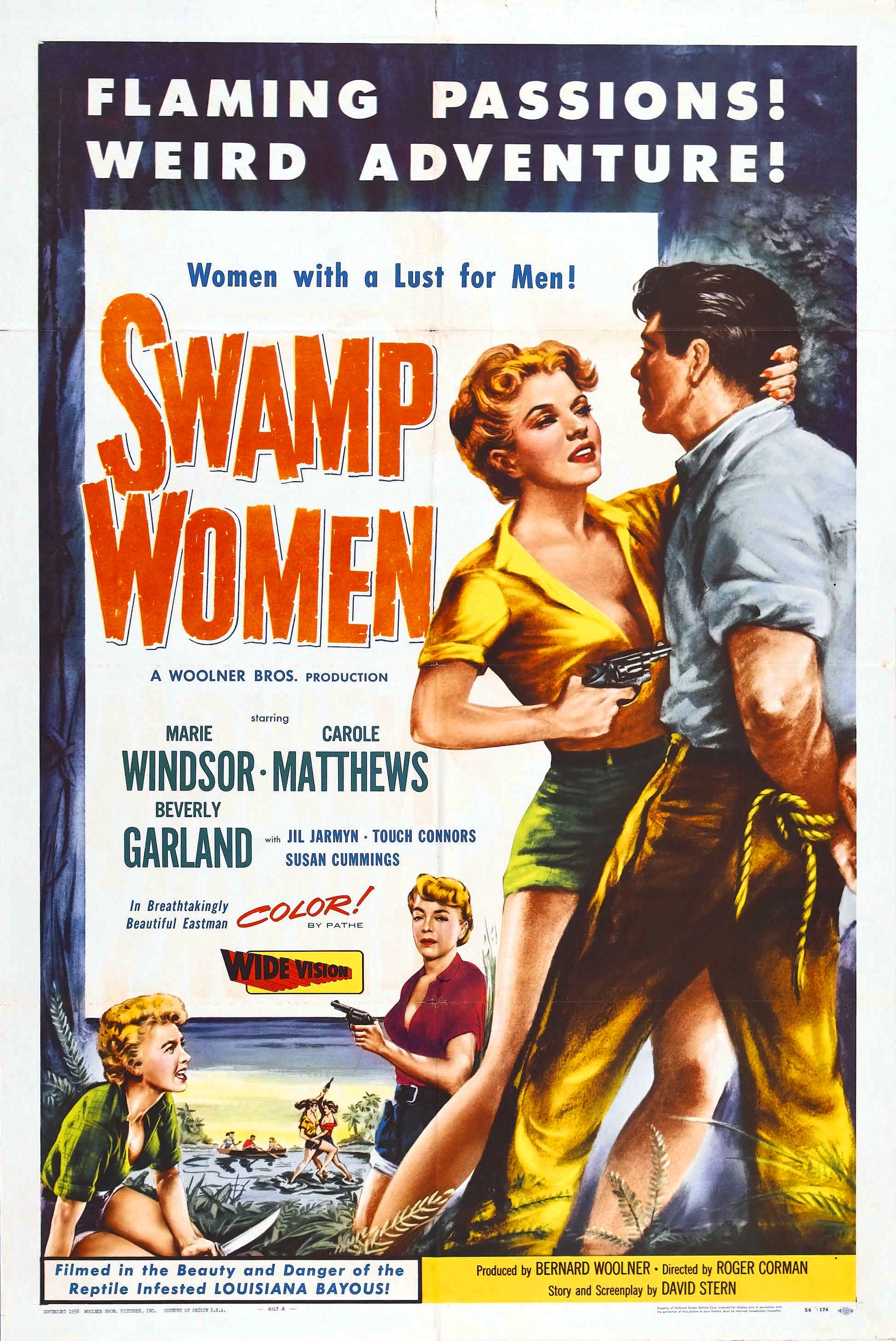
Swamp Women (1955)

Swamp Women (1955)

“This stinkin’ swamp water stinks!”

Synopsis:
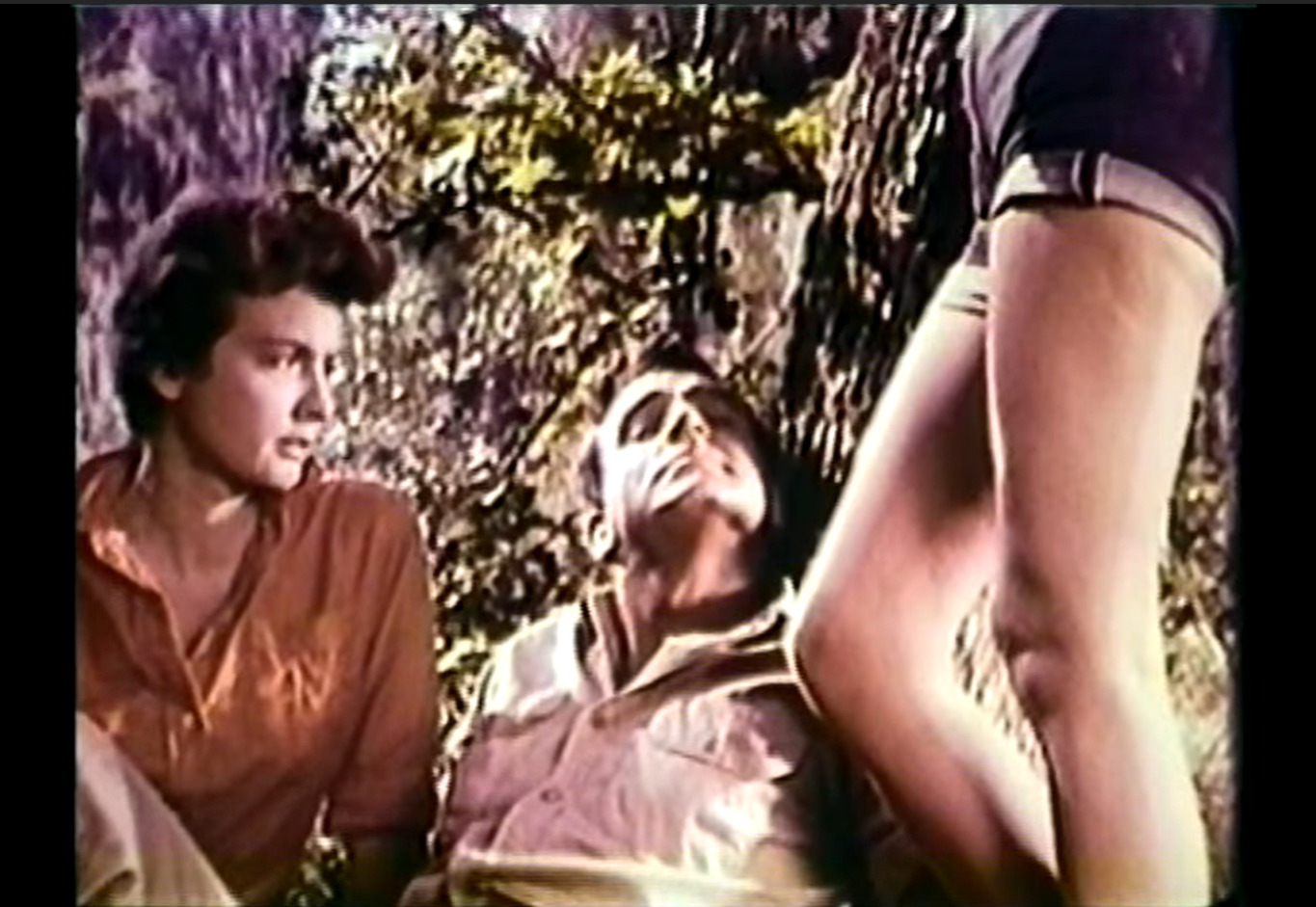
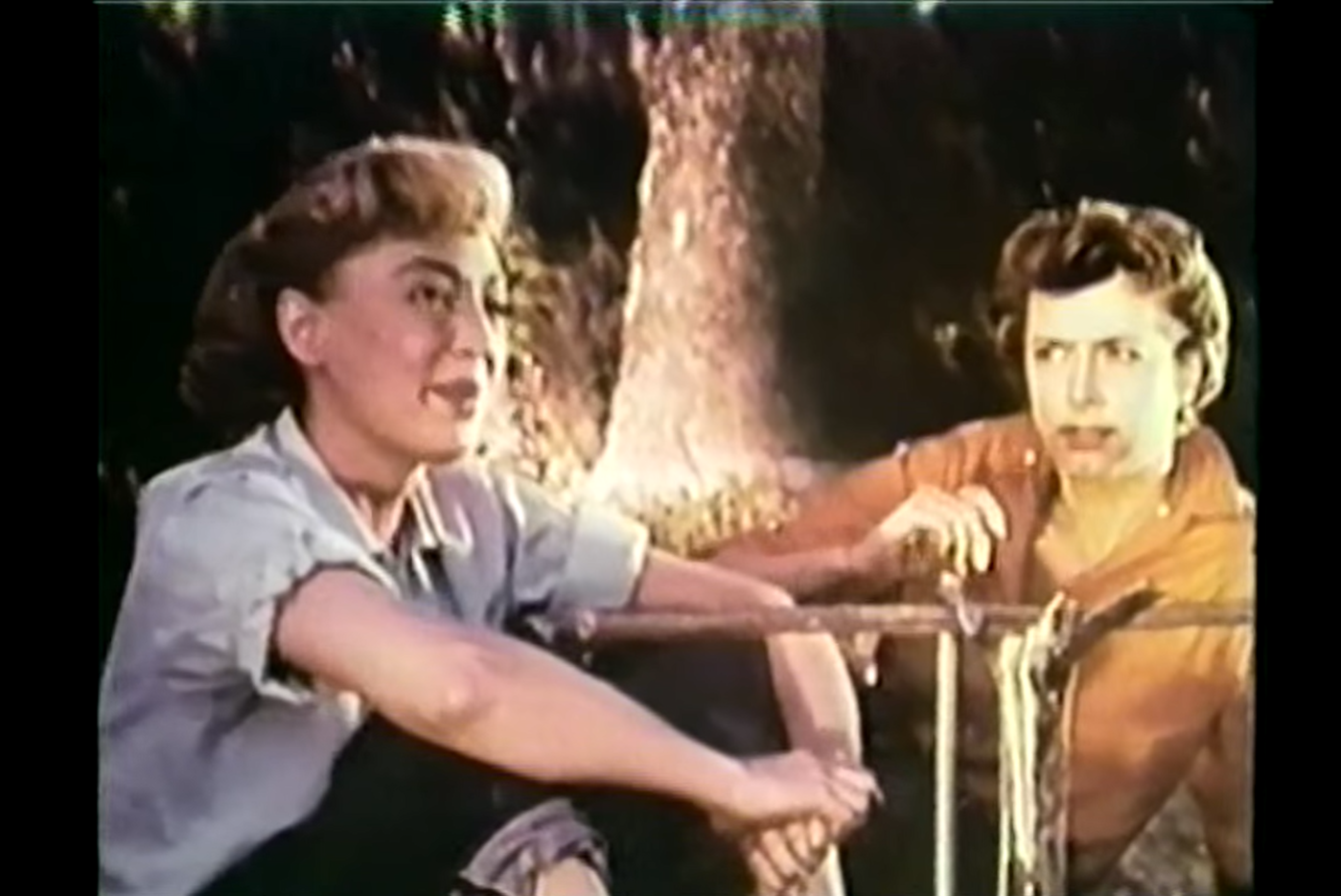
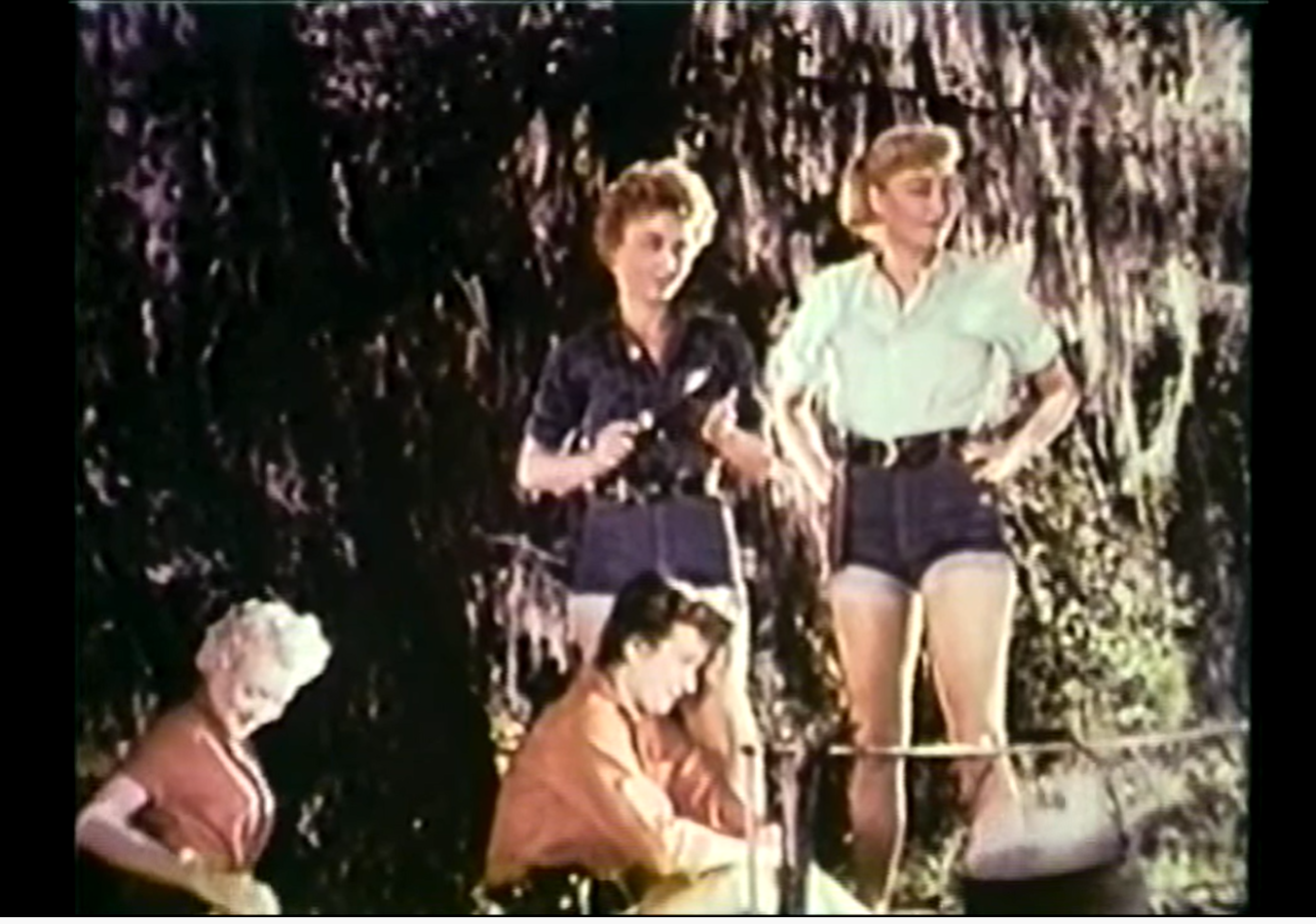
An undercover policewoman (Carole Mathews) joins a gang of female cons — Vera (Beverly Garland), Josie (Marie Windsor), and Billie (Jil Jarmyn) — as they search the Louisiana bayou for stolen diamonds.

Genres, Themes, Actors, and Directors:

  • Deep South
  • Ex-Cons
  • Marie Windsor Films
  • Roger Corman Films
  • Strong Females
  • Undercover Cops and Agents

Review:
Roger Corman’s first directorial effort features many of his worst signature elements: interminable stock footage filler, brawling females, and an illogical, meandering script. Even at 67 minutes, it goes on for far too long, and fails to hold interest. One of its few mildly redeeming qualities is statuesque Marie Windsor, who is always fun to watch. On the other hand, as noted by Scott Ashlin (see his “1000 Misspent Hours Review”), it’s likely that Swamp Women was “a big hit with San Francisco’s lesbian underground at the time of its release”, due to the fact that “the women of the title divide neatly into a femme pair… and a butch pair” — with the ostensible male lead (Touch Connors) eventually fading into the background.

Redeeming Qualities and Moments:

  • Marie Windsor as Josie
  • The women conveniently changing their prison-issue jeans into sexy short-shorts
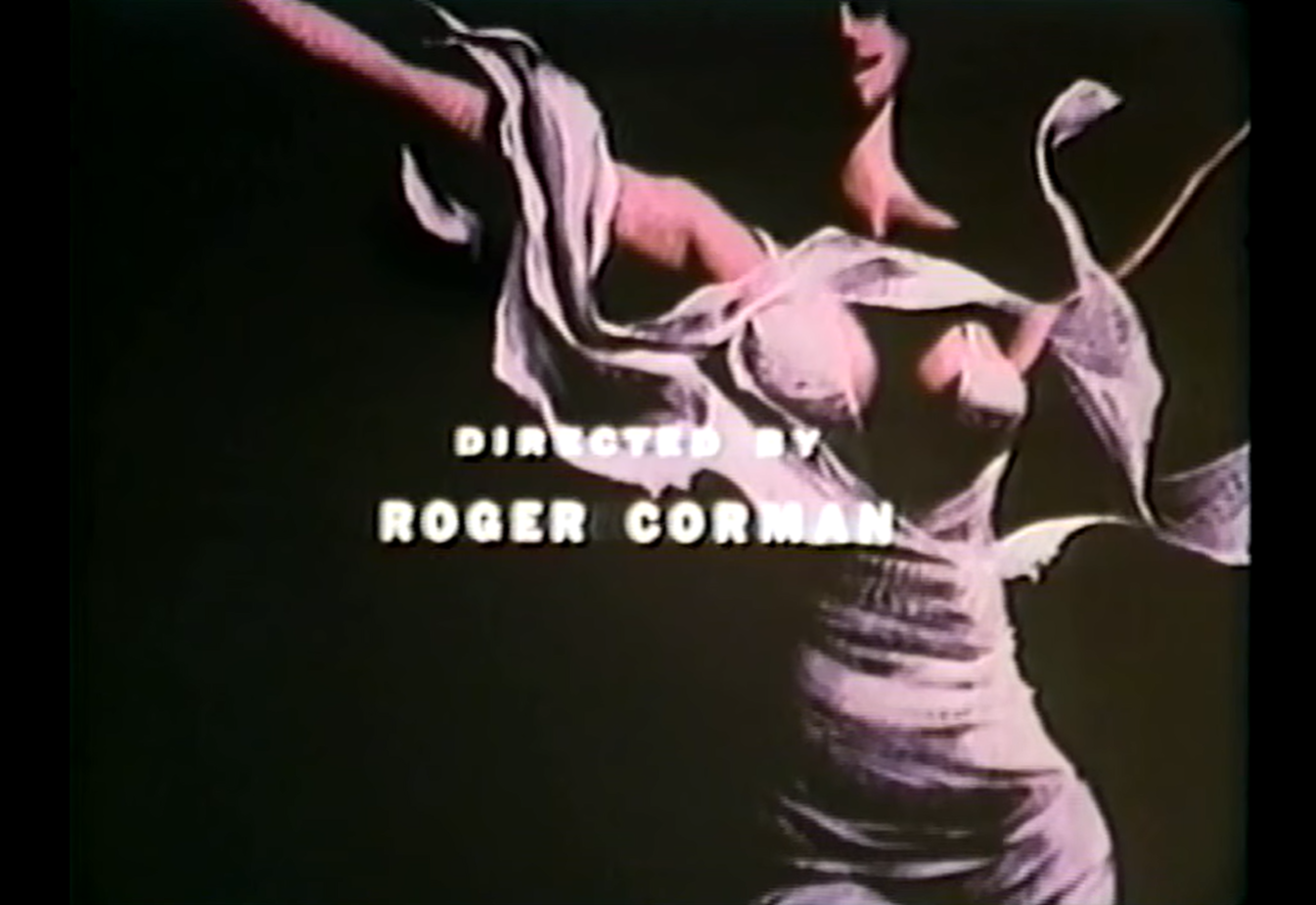
  • The artistic, though completely unrelated, opening titles

Must See?
No, though film fanatics may be curious to see Corman’s first directorial effort.

Links:

Terror of Tiny Town, The (1938)

Terror of Tiny Town, The (1938)

“Here comes Buck Lawson — hit leather!”

Synopsis:
The son (Billy Curtis) of a rancher (John T. Bambury) falls in love with the niece (Yvonne Moray) of his father’s enemy, “Uncle Jim” (Billy Platt). When Jim is shot, Buck (Curtis) is the suspect — but the real killer (‘Little Billy’ Rhodes) is on the loose.

Genres, Themes, Actors, and Directors:

  • Dwarfs and Little People
  • Falsely Accused
  • Feuds
  • Musicals
  • Ranchers
  • Westerns

Response to Peary’s Review:
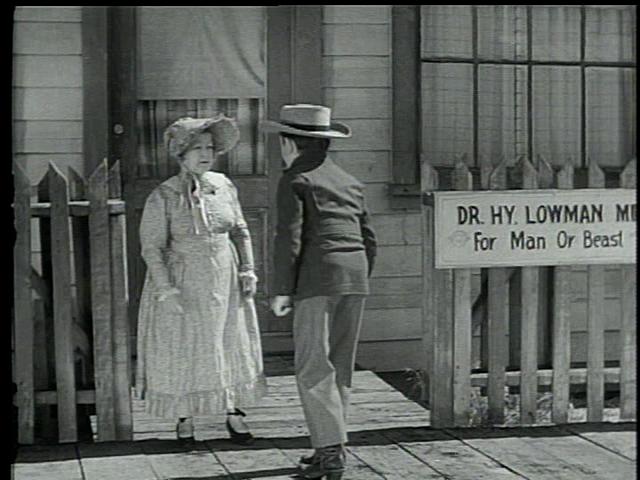
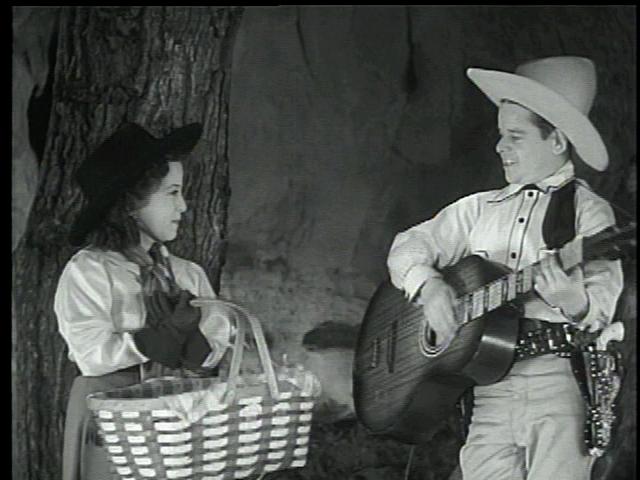
As Peary notes, this infamous, decidedly un-p.c. “novelty film” draws upon “every ‘B’ western convention and cliche around”. I disagree with Peary, however, that it’s “no worse than a lot of ‘B’ westerns of the period”: actually, it is, simply because the majority of the all-dwarf cast — who appear to be in the movie because of their size, not for any other reason — are irredeemably bad actors. Yvonne Moray as the central love interest is particularly awful; at a certain point, when she hears that Buck is in trouble, she literally pauses for a second or two before meekly stating (without emotion), “Buck! Oh, Buck!” The sole humor comes from the novelty of the film’s concept, which is mildly amusing at first (yes, it’s funny to see cowboys riding ponies instead of horses, and walking right under saloon doors), but quickly wears thin. On the other hand, this is a movie no hardcore film fanatic can go without sitting through at least once, simply due to its notoriety.

Redeeming Qualities and Moments:

  • A few mildly amusing puns
  • Groaningly bad acting and dialogue
  • A bizarre scene in which a giggling bartender drowns himself in beer

Must See?
Yes, simply for its cult status.

Categories

  • Cult Movie

Links:

Crimes of the Heart (1986)

Crimes of the Heart (1986)

“I didn’t like his stinkin’ looks.”

Synopsis:
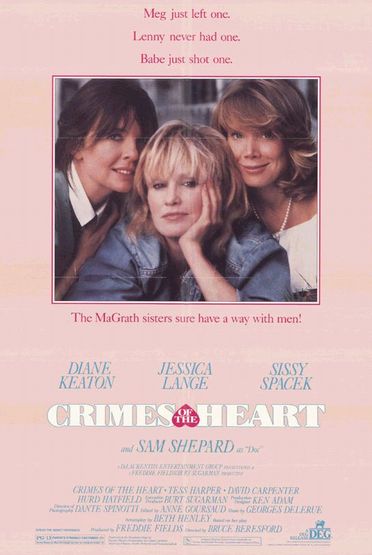
Three grown sisters — Meg (Jessica Lange), Lenny (Diane Keaton), and Babe (Sissy Spacek) — reunite in their Southern childhood home when Babe is accused of shooting her husband (Beeson Carroll).

Genres, Themes, Actors, and Directors:

  • Deep South
  • Diane Keaton Films
  • Homecoming
  • Jessica Lange Films
  • Play Adaptations
  • Siblings
  • Sissy Spacek Films

Review:
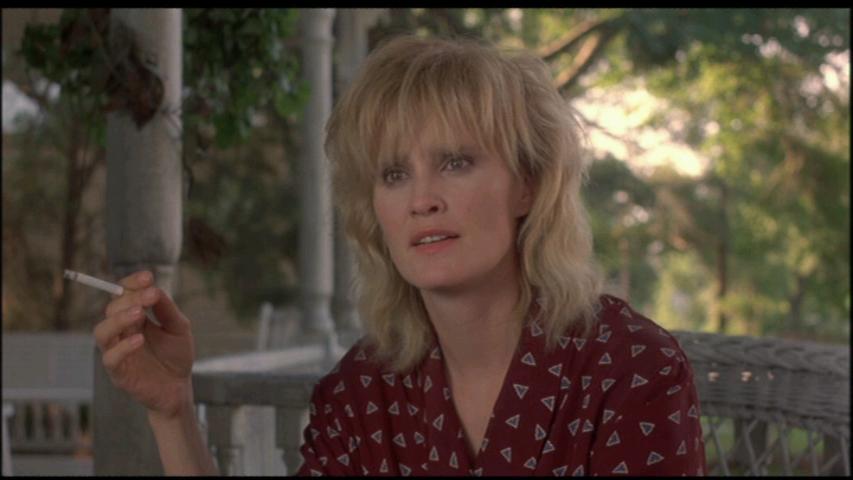
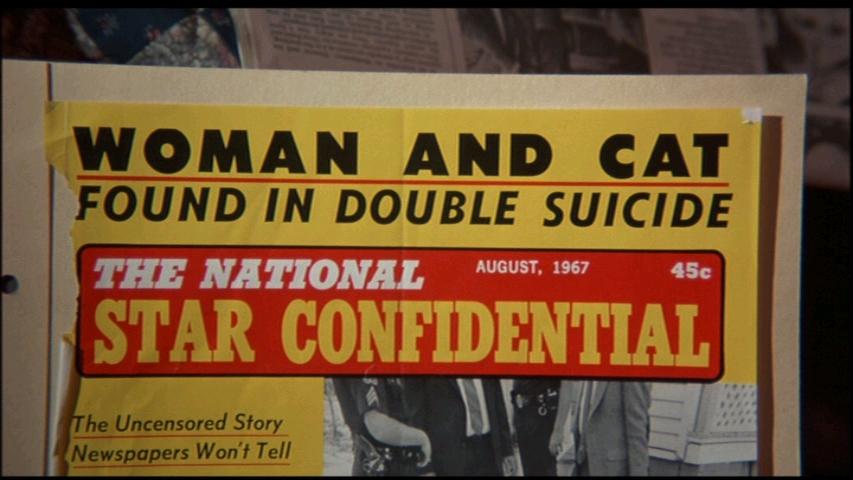
Crimes of the Heart — directed by Bruce Beresford and starring a triumvirate of Oscar-winning actresses — is, unfortunately, a disappointment. Pulitzer Prize winner Beth Henley adapted her monologue-saturated, flashback-heavy play for the screen, but her attempts to open up the stage-bound settings do little to mask the fact that her characters are basically talking at each other the entire time. And Henley’s unique strain of Southern gothic humor — Spacek’s overt lack of guilt for shooting her husband; Keaton’s “shrunken ovary”; their mother’s odd “double suicide” — ultimately doesn’t work within the context of a realistic film.

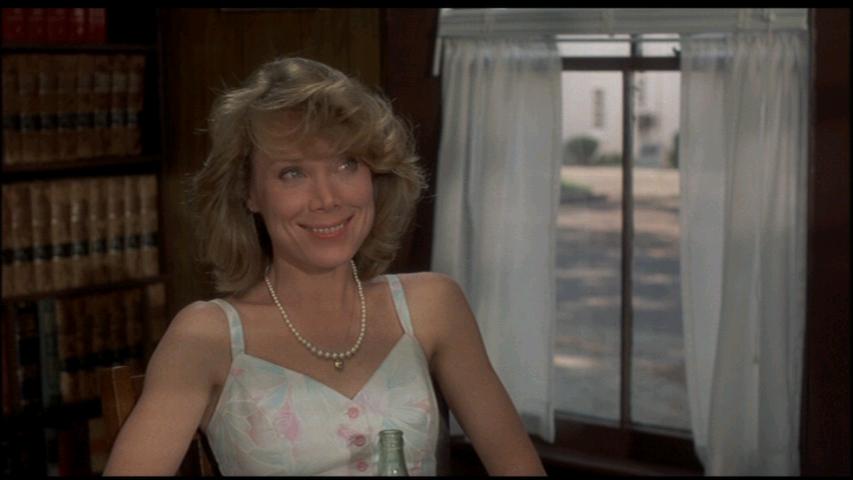
With that said, both Spacek and Lange give wonderful performances as damaged sisters coping in their own dysfunctional ways. Keaton, unfortunately, fares much worse, coming across — as noted by Paul Attanasio of the Washington Post — as “a parody of herself, all nervous gestures, daffy glances and Annie Hall tics.” Sam Shepard and Tess Harper (the latter nominated for a Best Supporting Actress Oscar) are fine in minor roles, but don’t have enough screentime to make much of an impression. And, in the end, no amount of worthy acting can redeem what is essentially a flawed film.

Redeeming Qualities and Moments:

  • Sissy Spacek as Babe
  • Jessica Lange as Meg
  • The hilarious moment when we first discover the notorious truth behind the girls’ mother’s suicide

Must See?
No. Despite its Oscar-nominated performances, this isn’t must-see viewing.

Links:

Man Who Came to Dinner, The (1942)

Man Who Came to Dinner, The (1942)

“Is there a man in the world who suffers as I do from the gross inadequacies of the human race?”

Synopsis:
After slipping on ice outside the home of an upper crust Ohio couple (Billie Burke and Grant Mitchell), curmudgeonly literary critic Sheridan Whiteside (Monty Woolley) commandeers their house as a recovery station. Meanwhile, his secretary (Bette Davis) falls in love with a local newspaperman (Richard Travis), and Whiteside — worried about losing his loyal employee to marriage — calls on the help of his seductive actress-friend (Ann Sheridan) to interfere.

Genres, Themes, Actors, and Directors:

  • Ann Sheridan Films
  • Bette Davis Films
  • Comedy
  • Monty Woolley Films
  • Play Adaptation
  • Small Town America

Review:
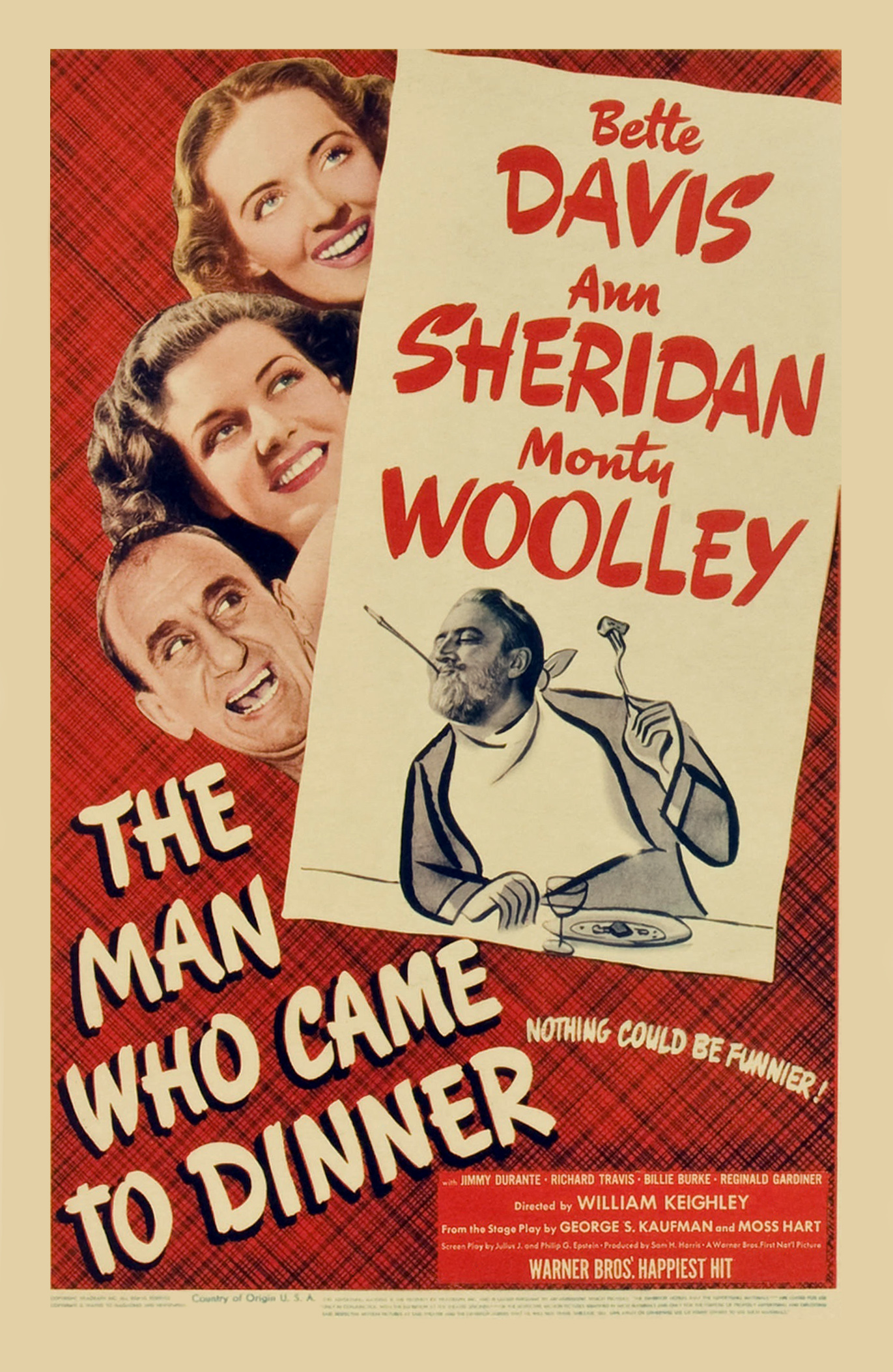
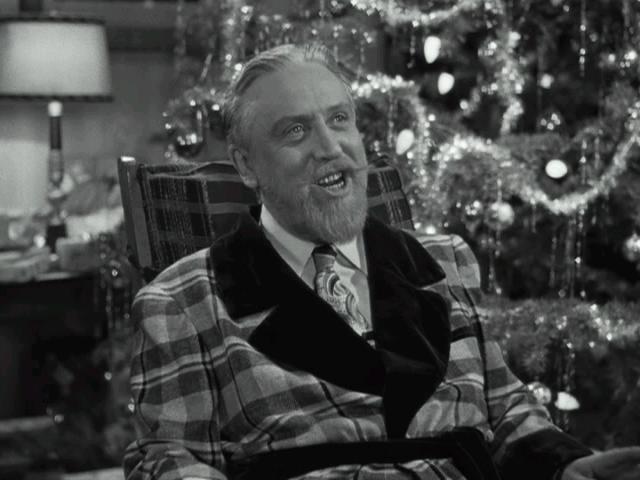
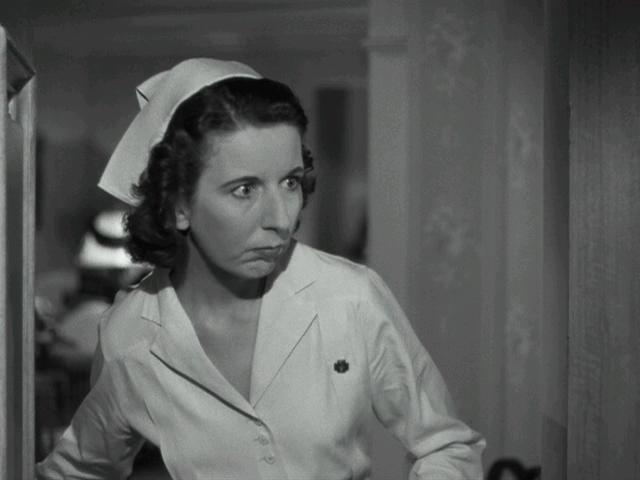
Monty Woolley (a.k.a. “The Beard”) gave his signature performance in this adaptation of Moss Hart and George S. Kaufman’s madcap ensemble play, co-starring a subdued Bette Davis (who had originally hoped to perform opposite John Barrymore), and a deliciously self-absorbed Ann Sheridan. Unfortunately, the script has dated over the years, with too many references to contemporary celebrities, and an annoying cameo appearance by Jimmy Durante (who inexplicably starts playing the piano and singing, “Did you ever have the feeling that you wanted to go, and still have the feeling that you wanted to stay?”). Most egregiously, however, it features a lead protagonist who’s simply too nasty for comfort: not only is Whiteside litigation-happy (he immediately threatens to sue his gracious guests for $150,000 dollars), but he’s constantly making mean-spirited comments (“My great-aunt Jennifer ate a whole box of candy every day of her life; she lived to be 102, and when she had been dead three days, she looked better than you do now”). Unlike Noel Coward’s ruthless publisher in The Scoundrel (1935) — who eventually gets his come-uppance — Whiteside is, inexplicably, beloved by many; ultimately, it’s hard to root for someone so irredeemably obnoxious.

Redeeming Qualities and Moments:

  • Monty Woolley in his most famous curmudgeonly role
  • Ann Sheridan’s over-the-top performance as the narcissistic Lorraine Sheldon
  • Mary Wickes in her screen debut as Nurse Preen

Must See?
No, though it’s recommended simply to see Woolley in his most definitive role.

Links:

What Have I Done to Deserve This? (1984)

What Have I Done to Deserve This? (1984)

“Why did I ever marry? What a fool I was.”

Synopsis:
An overworked housewife (Carmen Maura) with an abusive husband (Angel de Andres Lopez), a wacky mother-in-law (Chus Lampreave), and two troubled sons (one a hustler, the other a drug dealer) relies on No-Doz and her prostitute-friend (Veronica Forque) to get by.

Genres, Themes, Actors, and Directors:

  • Black Comedy
  • Family Problems
  • Housewives
  • Spanish Films

Review:
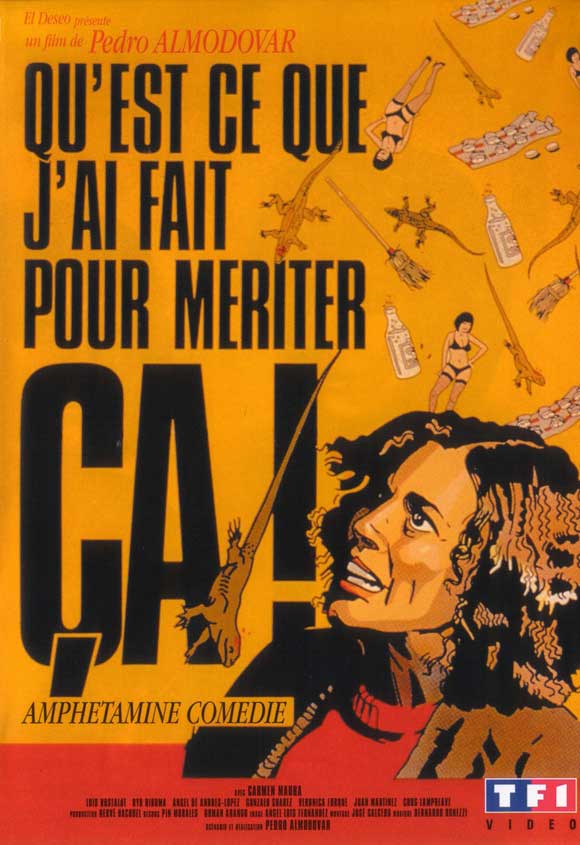
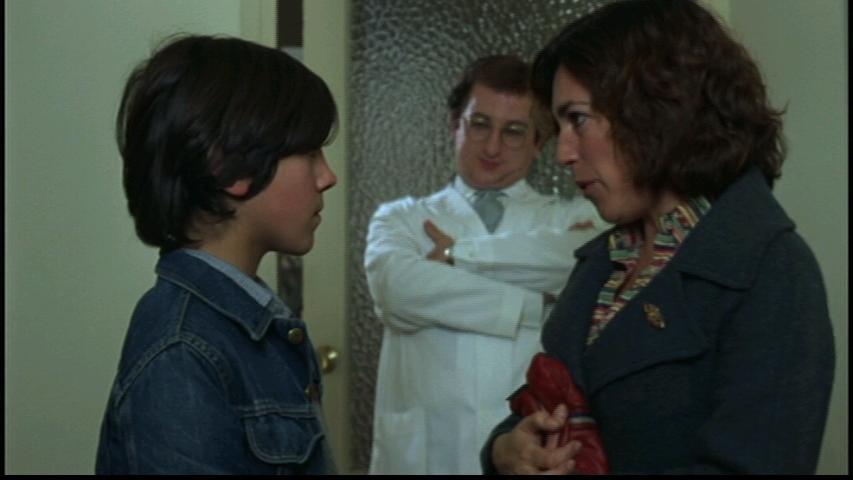
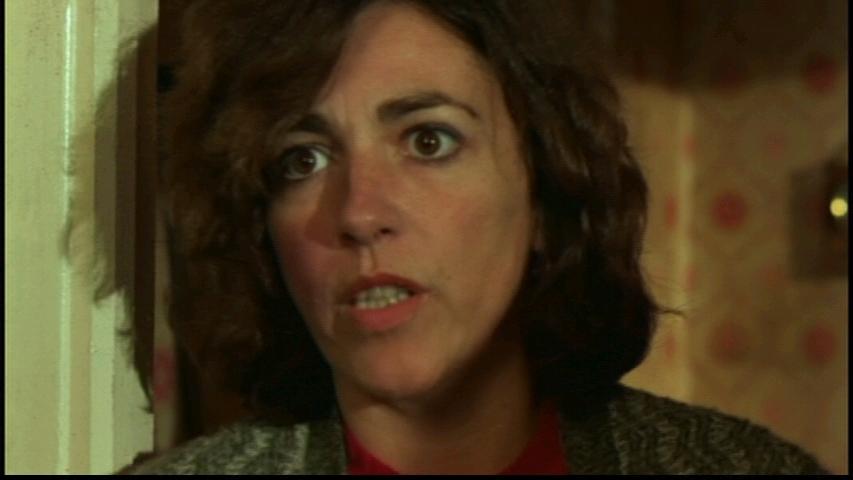
This early film by Spanish director Pedro Almodovar is an excellent introduction to his signature style: bizarre situations are accepted as commonplace, sex is on everyone’s minds, women are put-upon by their loutish partners, and female camaraderie is the linchpin of survival. Indeed, the similarities between this and Almodovar’s most recent film, Volver (2006), are too obvious not to notice; watch them back to back and you’ll find that he’s continuing to explore (and exploit) the issues he feels most strongly about. One must be prepared to suspend all judgment and belief when watching What Have I Done…? In what is likely the film’s most jaw-dropping sequence, Gloria blithely gives her son away to a pedophilic dentist in exchange for the bill.

What else can she do, when her husband refuses to let her work but won’t give her money? Indeed, as in Volver, Almodovar has the ultimate respect for female survival: a bizarre subplot about an abused young girl with telekinetic powers serves as a cross-generational reminder that endurance takes many forms. Above all else, however, Almodovar’s films should be enjoyed for the perversity of the characters, the colorful sets, and the seemingly improvised scripts. It’s impossible to predict what will happen next, so simply sit back and enjoy the surreal ride.

Redeeming Qualities and Moments:

  • Carmen Maura as Gloria
  • Veronica Forque as Cristal
  • Chus Lampreave as Abuela
  • Abuela advising her grandson and his friend to “visit Granada”
  • Gloria and Cristal watching an exhibitionist john as he strips
  • A bizarre subplot involving a neighbor’s “special” daughter

Must See?
Yes. This early Almodovar film is one of his wackiest, and a good introduction to his work.

Categories

  • Important Director

Links:

Group, The (1966)

Group, The (1966)

“Sacrifice is dated, mother. You don’t reform a man; he just drags you down.”

Synopsis:
In the 1930s, eight Vassar graduates — Lakey (Candice Bergen), Dottie (Joan Hackett), Priss (Elizabeth Hartman), Polly (Shirley Knight), Kay (Joanna Pettet), Pokey (Mary-Robin Redd), Libby (Jessica Walter), and Helena (Kathleen Widdoes) — search for love and happiness while keeping abreast of each others’ lives.

Genres, Themes, Actors, and Directors:

  • Candice Bergen Films
  • Elizabeth Hartman Films
  • Ensemble Films
  • Friendship
  • Jessica Walter Films
  • Joan Hackett Films
  • Shirley Knight Films
  • Sidney Lumet Films

Review:
Sidney Lumet’s adaptation of Mary McCarthy’s best-selling novel starts out strong: through nifty editing (while an all-female chorus chants in the background), we’re introduced to each of the key players, as they gather together for the low-key wedding of their ostensible “leader”, Kay. From there, we follow Dottie (played by the marvelous Joan Hackett) as she explores sex for the first time with a notorious womanizer (Richard Mulligan), but quickly realizes that her dreams for a wild love affair in New York won’t come true. Unfortunately, from this point forward, Dottie becomes largely a persona non gratis, as she heads to Arizona to lick her wounds, and is barely seen again.

As with every ensemble film, some vignettes in The Group are inevitably more compelling than others; we find ourselves wishing to know more about certain characters — and much less about others. Shirley Knight turns in a nuanced, compassionate performance as the do-gooding Polly, but her travails (which include an affair with a psycho-analyzed communist, and a mentally ill father) don’t do her justice. Elizabeth Hartman as Priss is equally compelling, and we definitely wish her character had more screentime. Libby — an amusingly clueless character in the book — is, unfortunately, portrayed with annoying smugness by Jessica Walters, and is easily the most irritating of “the group”. Kay’s failing marriage to an alcoholic philanderer (Larry Hagman, perfectly cast, but lacking nuance) is the primary thread of the story, but her character’s gradual transformation is less than convincing.

Others in the group barely register at all. Lakey (Bergen in her film debut) is only on-screen for a few minutes at best, and her “surprise revelation” near the end of the movie goes absolutely nowhere. Pokey provides comic relief and little else, while Helena is merely the film’s convenient narrator. Even so, the film is at least 1/2 hour too long. While screenwriter Sidney Buchman tries his best to do justice to all the subplots in the story, eight protagonists is — ultimately — too many.

Redeeming Qualities and Moments:

  • Joan Hackett as Dottie
  • Elizabeth Hartman as Priss
  • Shirley Knight as Polly

Must See?
No. While it starts out strong, this melodramatic ensemble tale doesn’t live up to its promise. Listed as a Cult Movie in the back of Peary’s book.

Links:

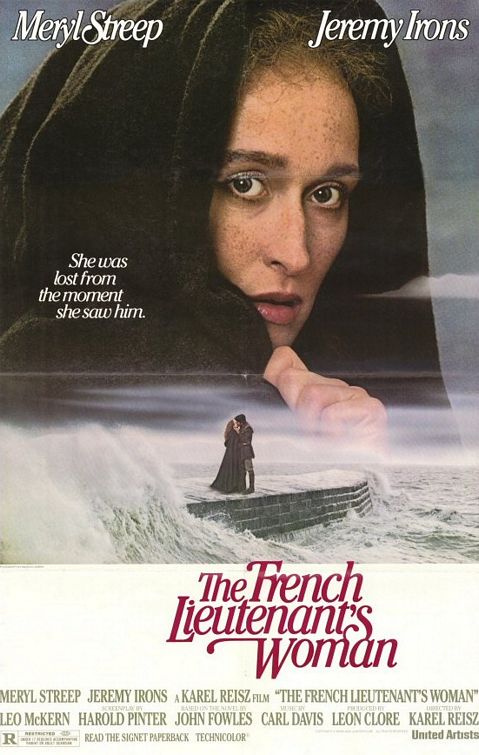
French Lieutenant’s Woman, The (1981)

French Lieutenant’s Woman, The (1981)

“I have set myself beyond the pale. I am nothing. I am hardly human any more.”

Synopsis:
In a film set in 19th century England, a biologist (Jeremy Irons) engaged to an upstanding young woman (Lynsey Baxter) falls in love with a mysterious “fallen woman” (Meryl Streep). Meanwhile, the actors (Jeremy Irons and Meryl Streep) playing the leads carry on an affair during the film’s shooting.

Genres, Themes, Actors, and Directors:

  • Actors and Actresses
  • Historical Drama
  • Karel Reisz Films
  • Meryl Streep Films
  • Morality Police
  • Obsessive Love

Review:
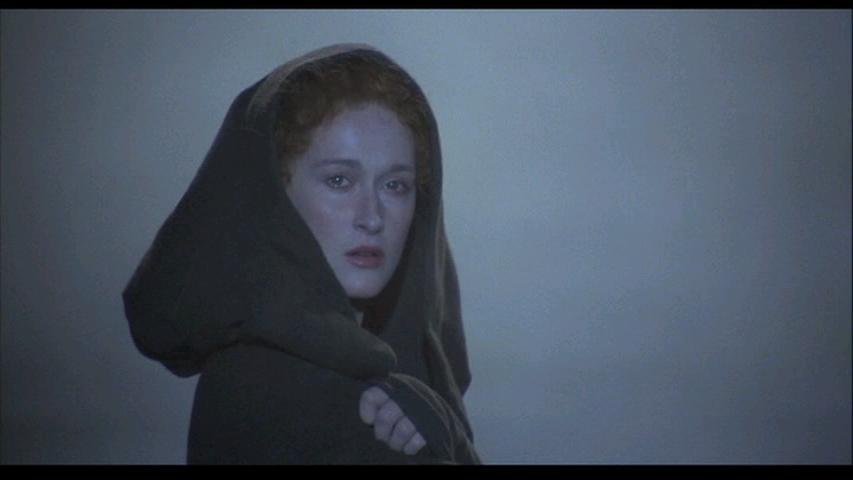
Meryl Streep is nothing short of extraordinary in Karel Reisz’s film version of John Fowles’ The French Lieutenant’s Woman. As both the titular heroine and the modern-day actress (Sarah) playing her, Streep astonishes us with her ability to completely immerse herself in dual roles. Yet it’s Anna — the “French lieutenant’s woman” — who ultimately captures our interest most keenly; she’s far more complex — and intriguing — than one would have imagined. Jeremy Irons, with his perennially concerned expression, is appropriately cast as Anna’s forlorn suitor, and the supporting cast members are all effective as well — but it’s Streep we’re really watching and waiting for.

Playwright Harold Pinter wrote the film’s screenplay, adding the parallel love story set in modern times in an attempt to provide a latter-day commentary. While it’s ultimately unnecessary, it never detracts from the power of the primary story, and remains a clever narrative device. Yet it’s the historical drama which holds the most interest, as we anxiously await the outcome of Irons’ doomed attraction. Fortunately, we’re rewarded for our patience: the plot takes unexpected twists and turns, and, like any good romantic mystery, makes us question what’s come before.

Redeeming Qualities and Moments:

  • Meryl Streep’s wonderful performance(s)
  • Jeremy Irons as the fatally love-struck Charles
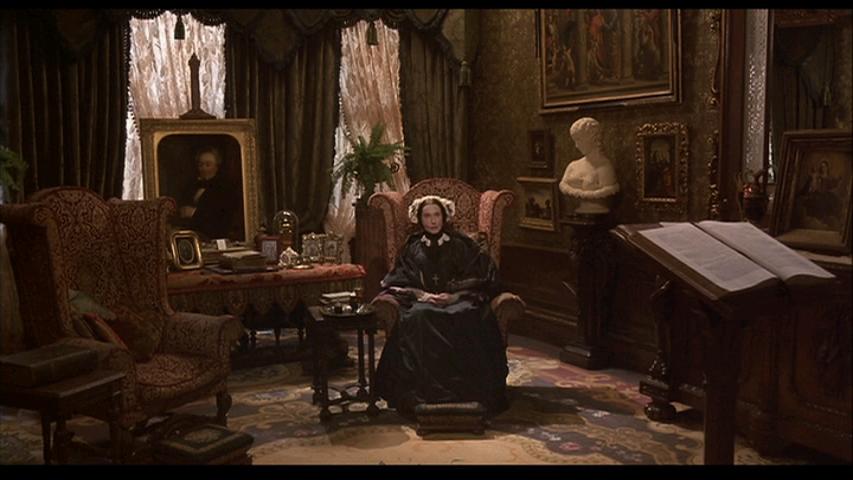
  • Beautifully evoked period detail
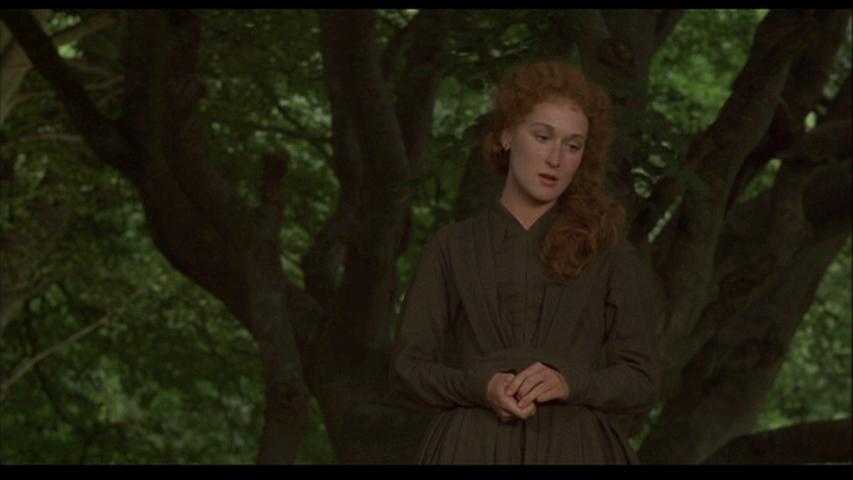
  • Effective use of natural settings to convey the turmoil of Charles and Sara’s burgeoning romance

Must See?
Yes, for Streep’s standout performance

Categories

  • Noteworthy Performance(s)
  • Oscar Winner or Nominee

Links:

Fountainhead, The (1949)

Fountainhead, The (1949)

“Do you want to stand alone against the whole world?”

Synopsis:
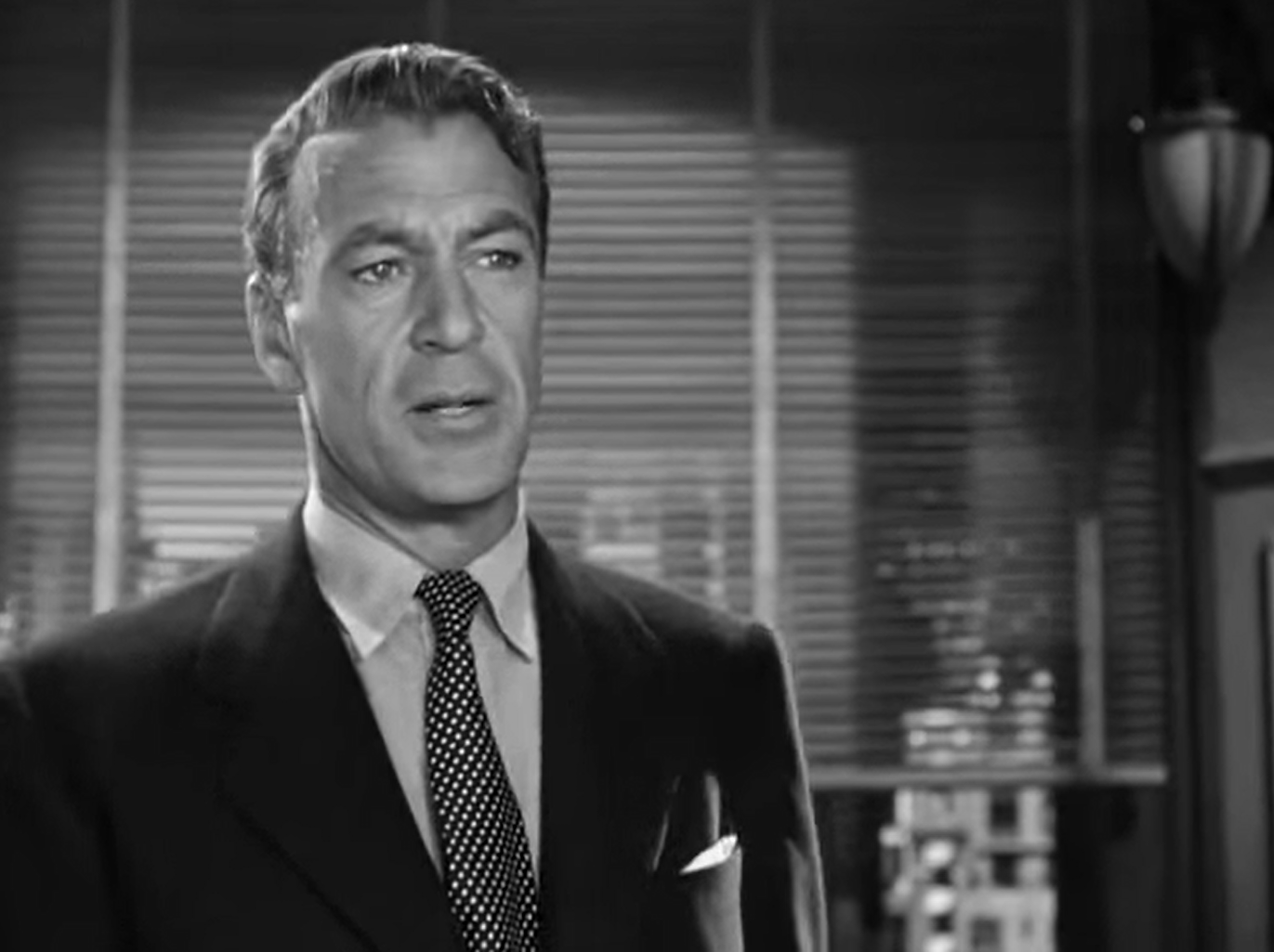
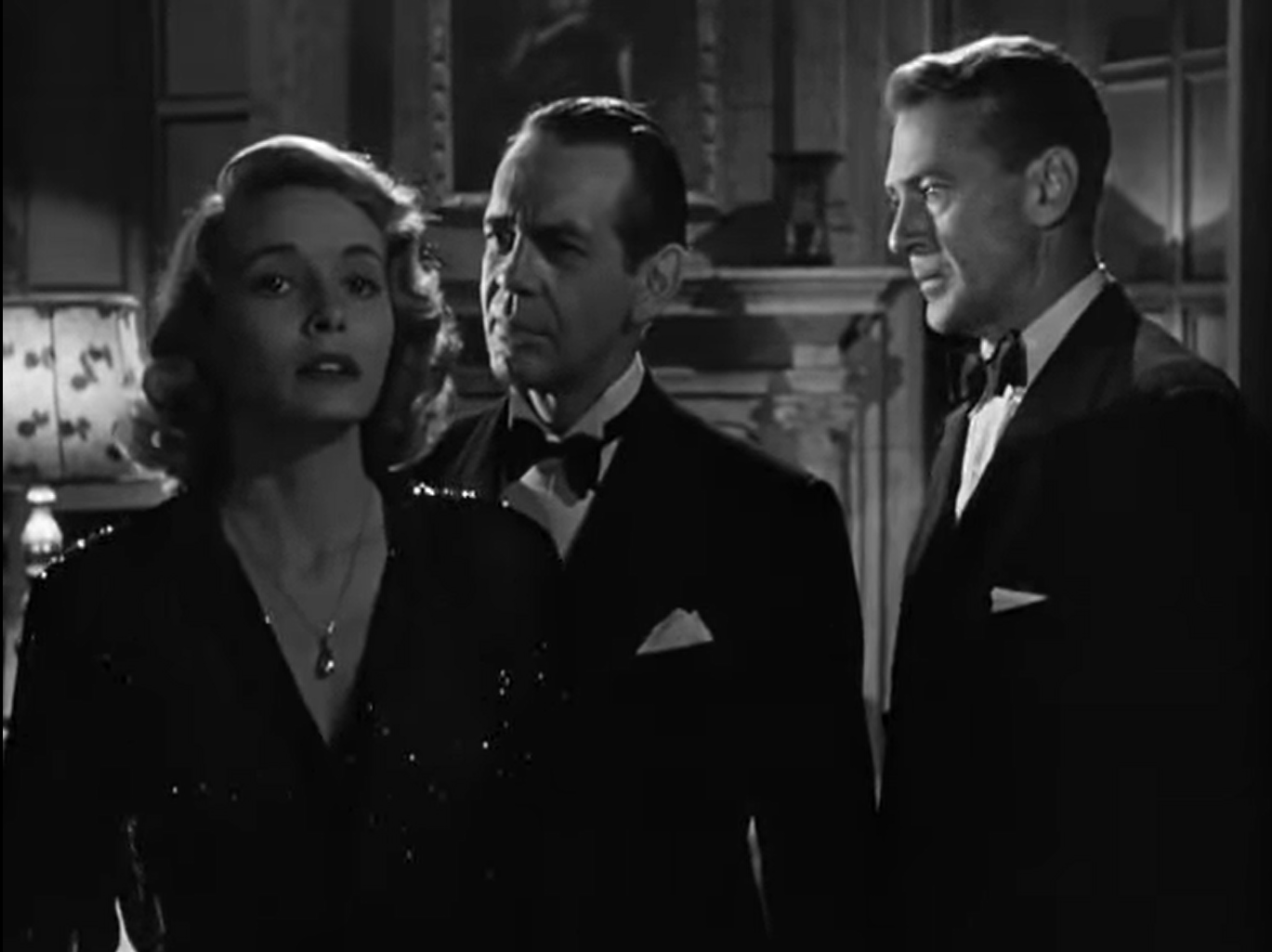
A visionary young architect (Gary Cooper) refuses to compromise his artistic integrity at any cost.

Genres, Themes, Actors, and Directors:

  • Courtroom Drama
  • Gary Cooper Films
  • King Vidor Films
  • Love Triangle
  • Non-Conformists
  • Patricia Neal Films
  • Raymond Massey Films

Review:
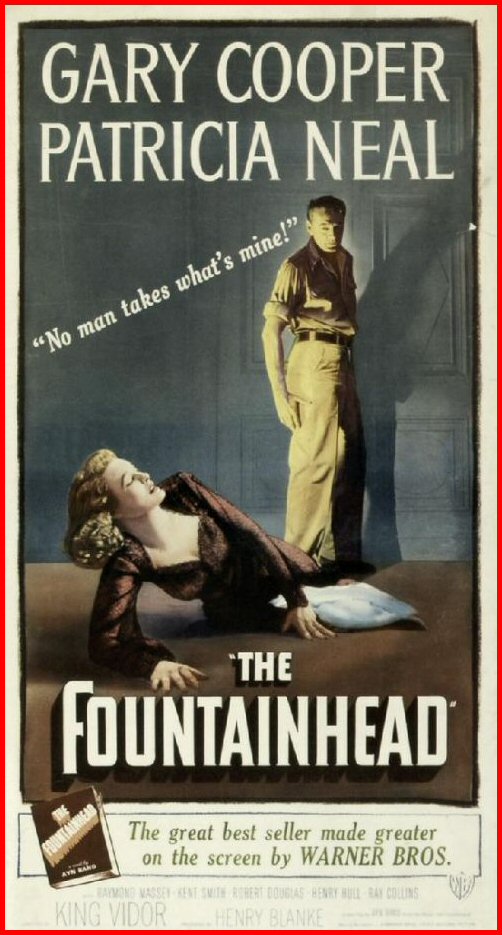
King Vidor’s adaptation of Ayn Rand’s bestselling novel is just as stilted as its source material. Rand wrote her own screenplay, and, like her central hero, refused to compromise the integrity of her philosophical vision; as a result, the characters are — as noted by DVD Savant — simply “walking ideas and arguments”, and the film itself comes across as “a presentation of a radical social philosophy using a soap opera format”. With that said, some believe there’s more to The Fountainhead than meets the eye; Savant himself refers to it as an “emotionally powerful piece of cinematic insanity, a movie that bears careful watching.” I’ve seen the film twice now, and must admit I find it difficult to take seriously — while it’s nothing if not sincere, it fails to involve viewers on anything more than a superficial level, and the didactic dialogue is an enormous distraction. Cooper’s infamous, lengthy courtroom speech in the final section of the film is frustrating rather than satisfying, given that his logic is hopelessly skewed:

Ultimately, it’s hard to root for this staunchly selfish man, who considers his own needs more important than everyone else’s.

Redeeming Qualities and Moments:

  • Patricia Neal — stilted but undeniably beautiful in her first major film role
  • Robert Burk’s stark cinematography

Must See?
Yes, for its status as an over-the-top cult favorite.

Categories

  • Cult Movie

Links: