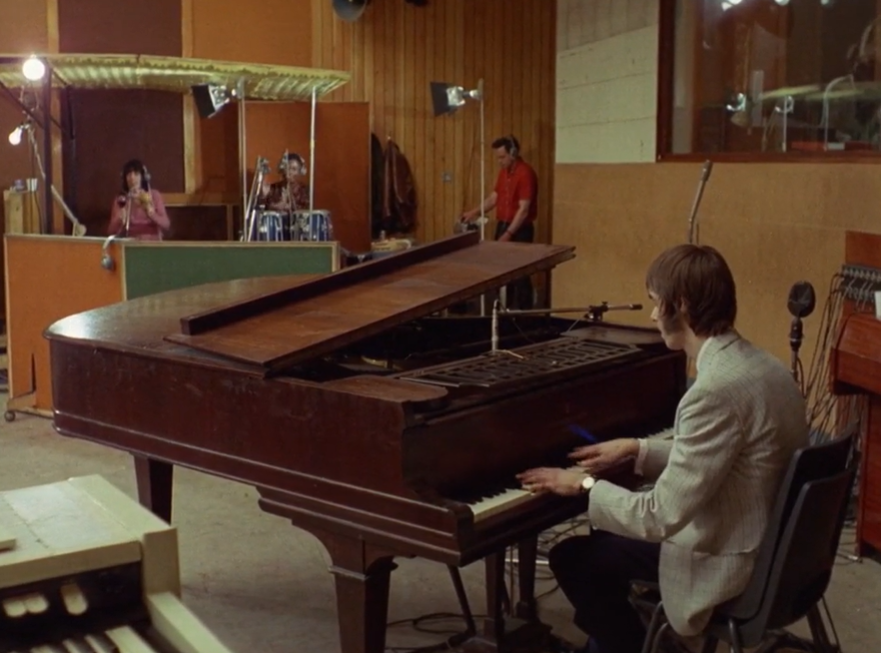
War Hunt (1962)
“Better get some rest; this war is going on for awhile.”
Responses to Peary’s “must see” movie reviews, as well as my own “must see” movie reviews up to and after 1986 (when Peary’s book was published).
“Better get some rest; this war is going on for awhile.”
“When things are going along too smoothly, you can’t help but be a bit suspicious.”
|
Synopsis: |
|
Genres, Themes, Actors, and Directors:
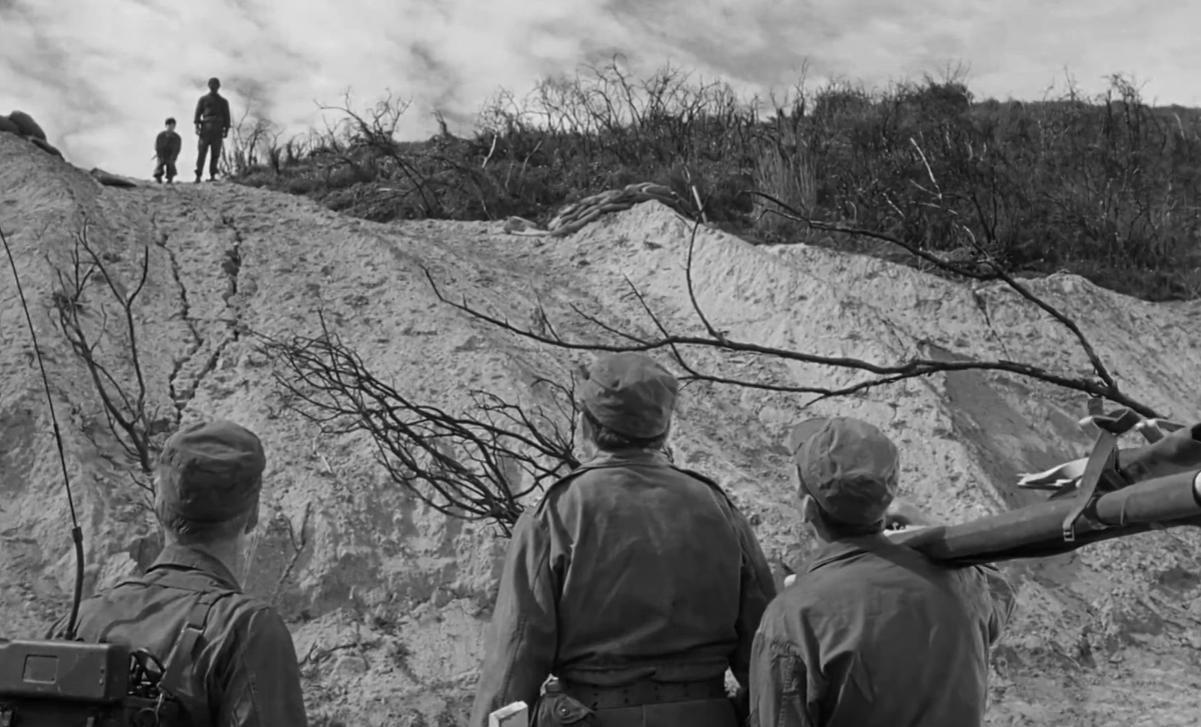
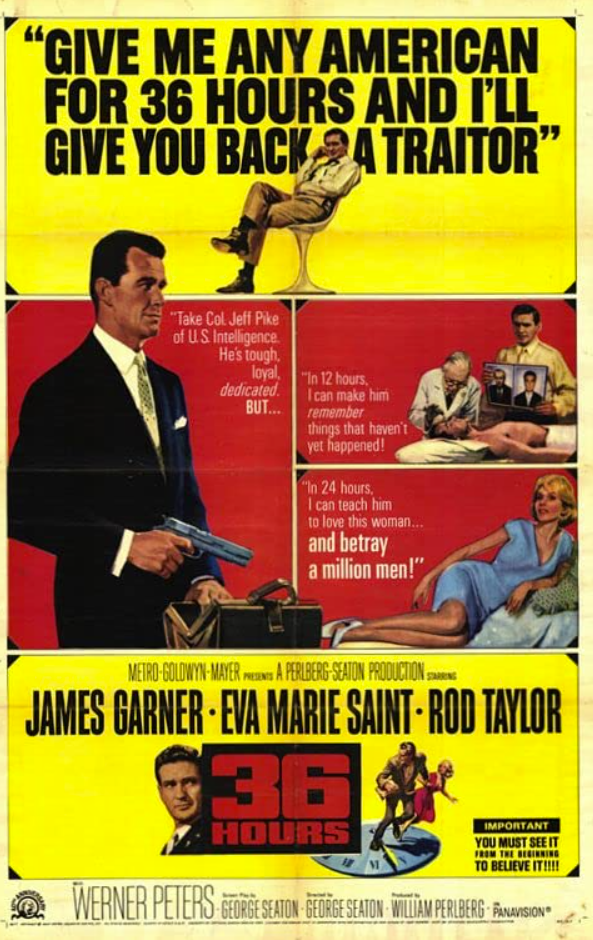
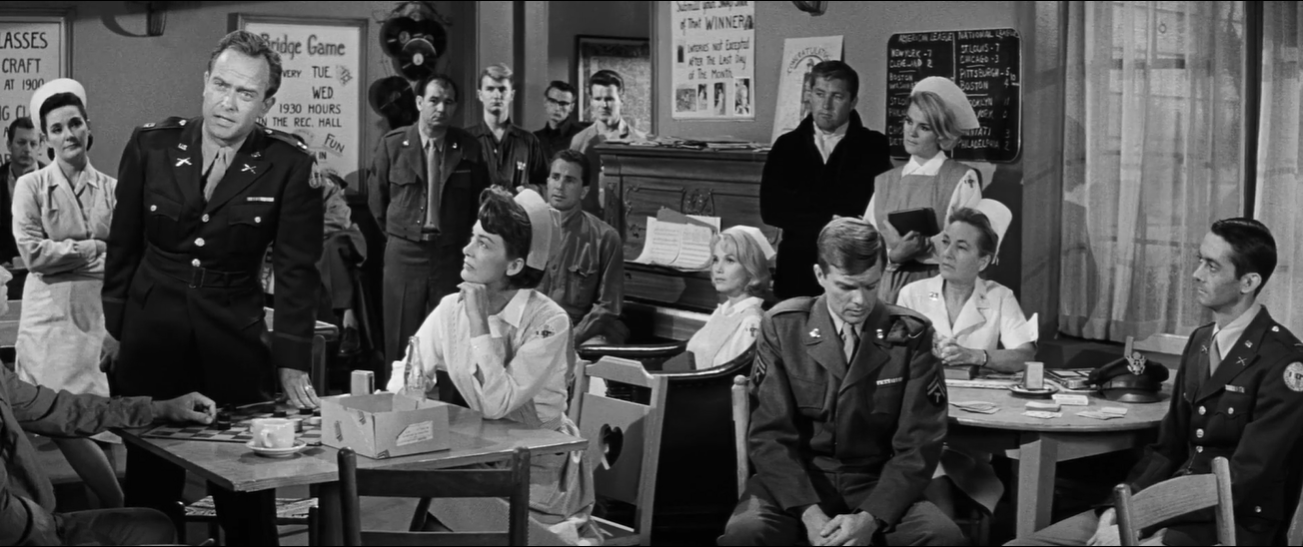
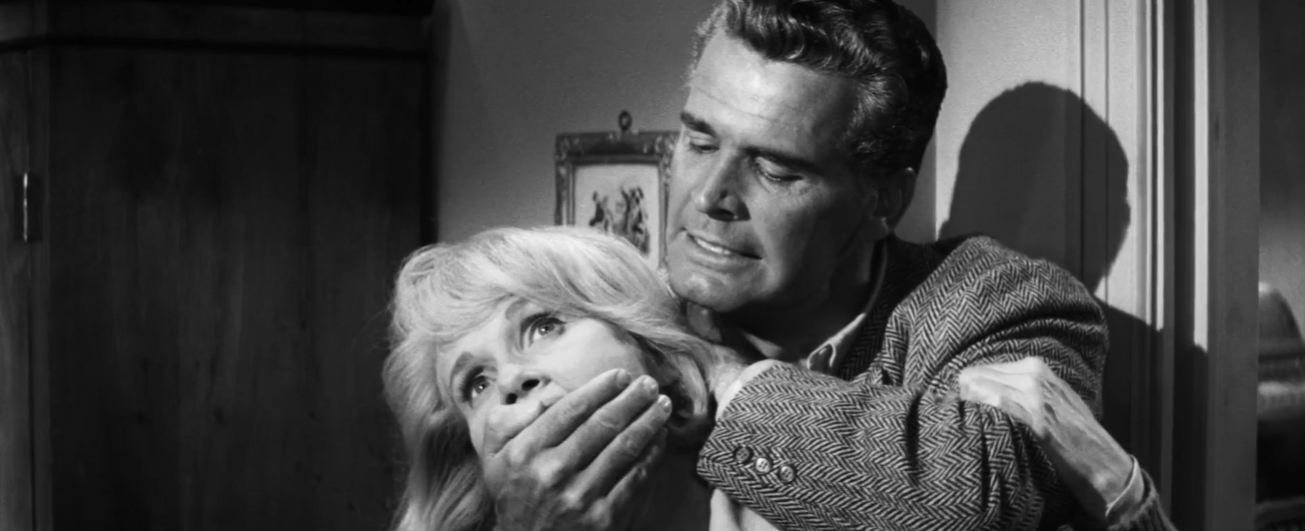
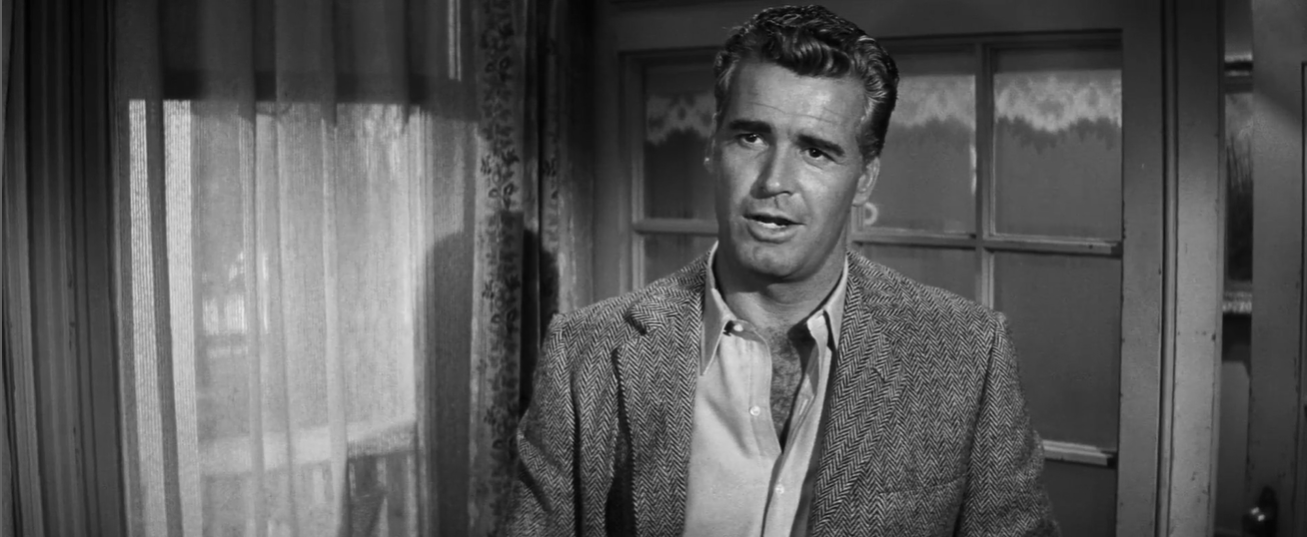
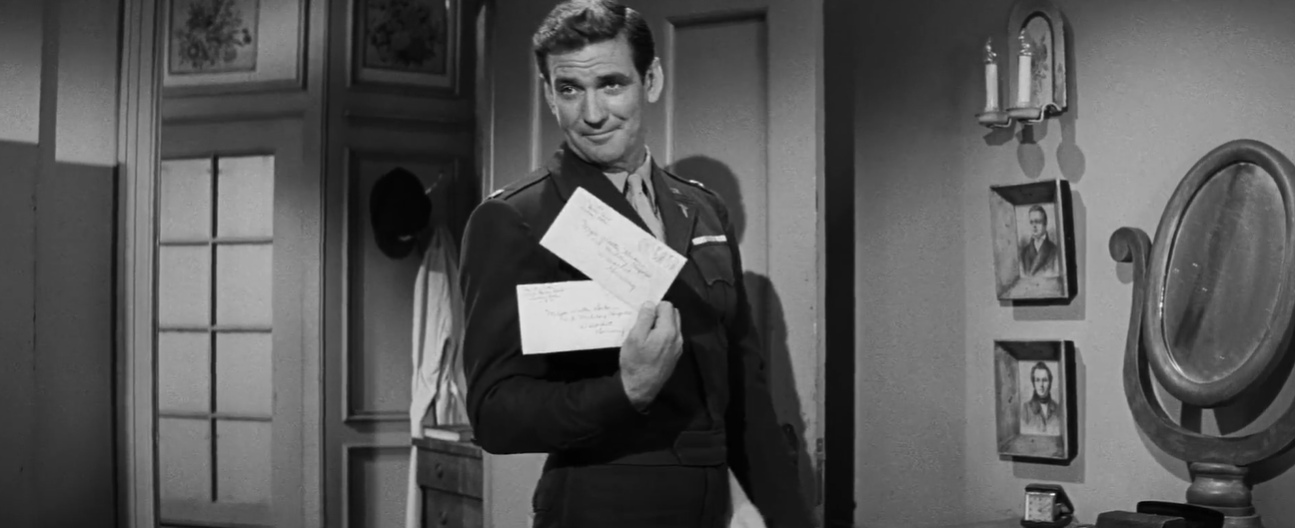
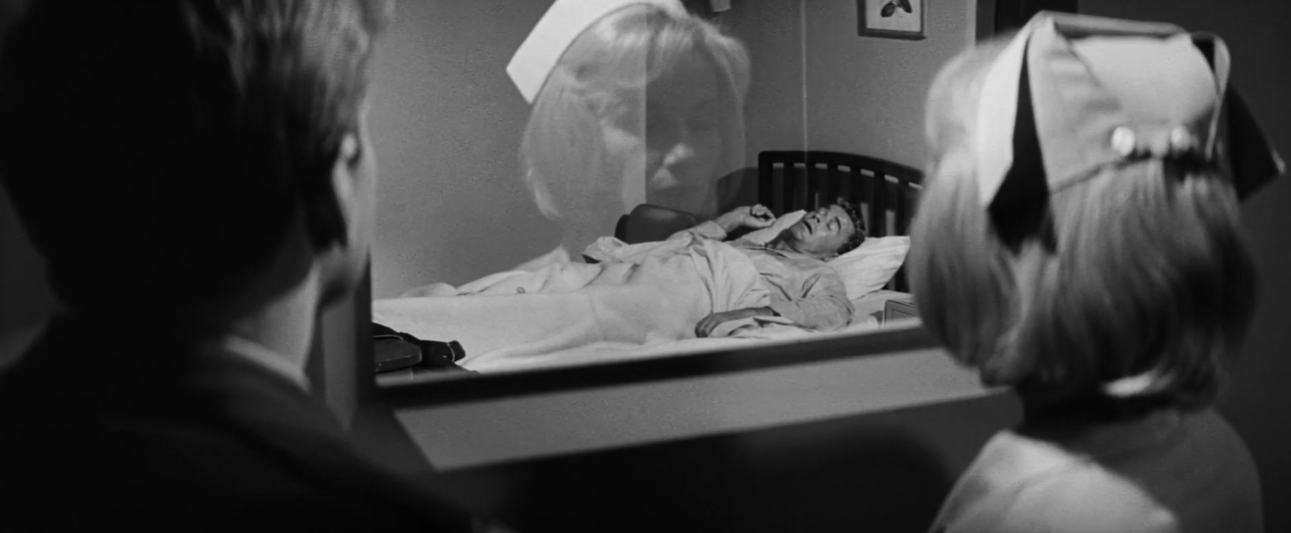
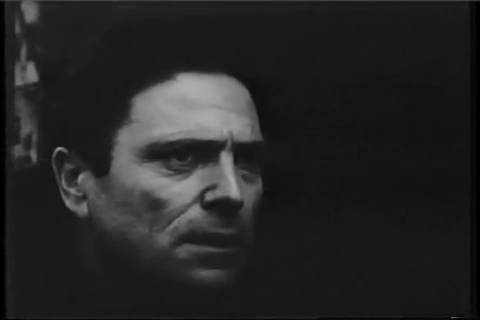
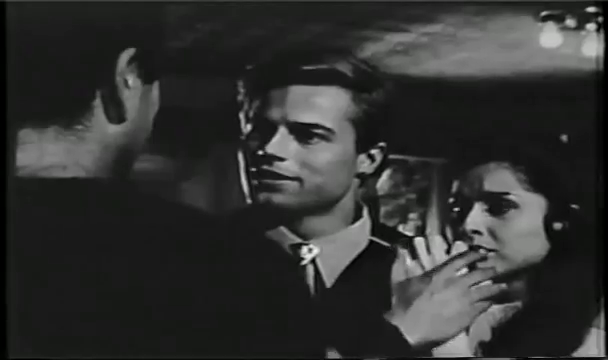
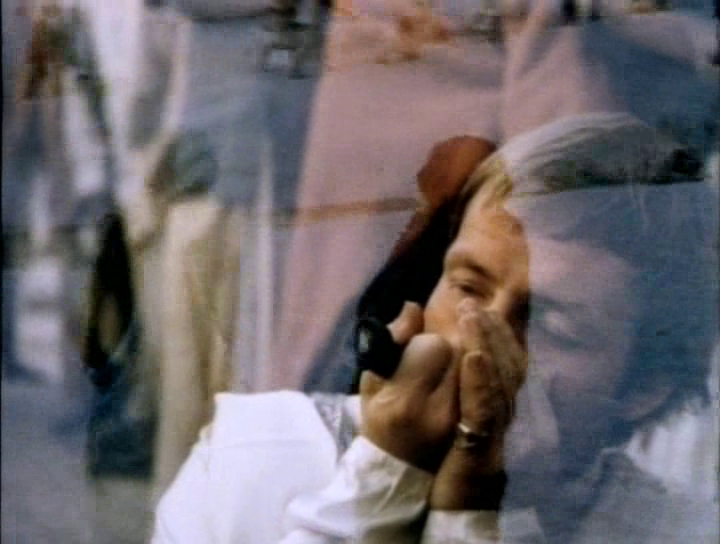
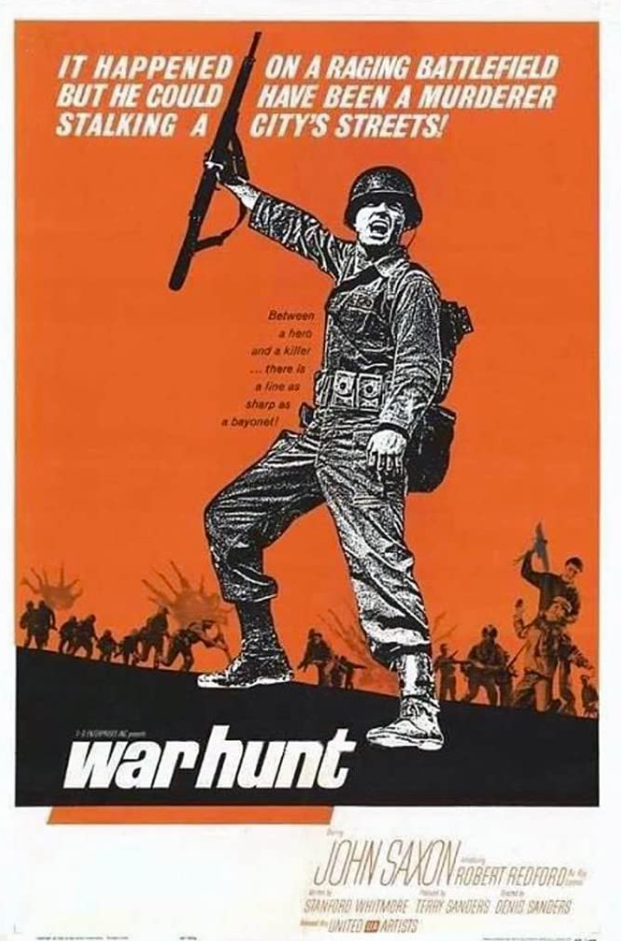
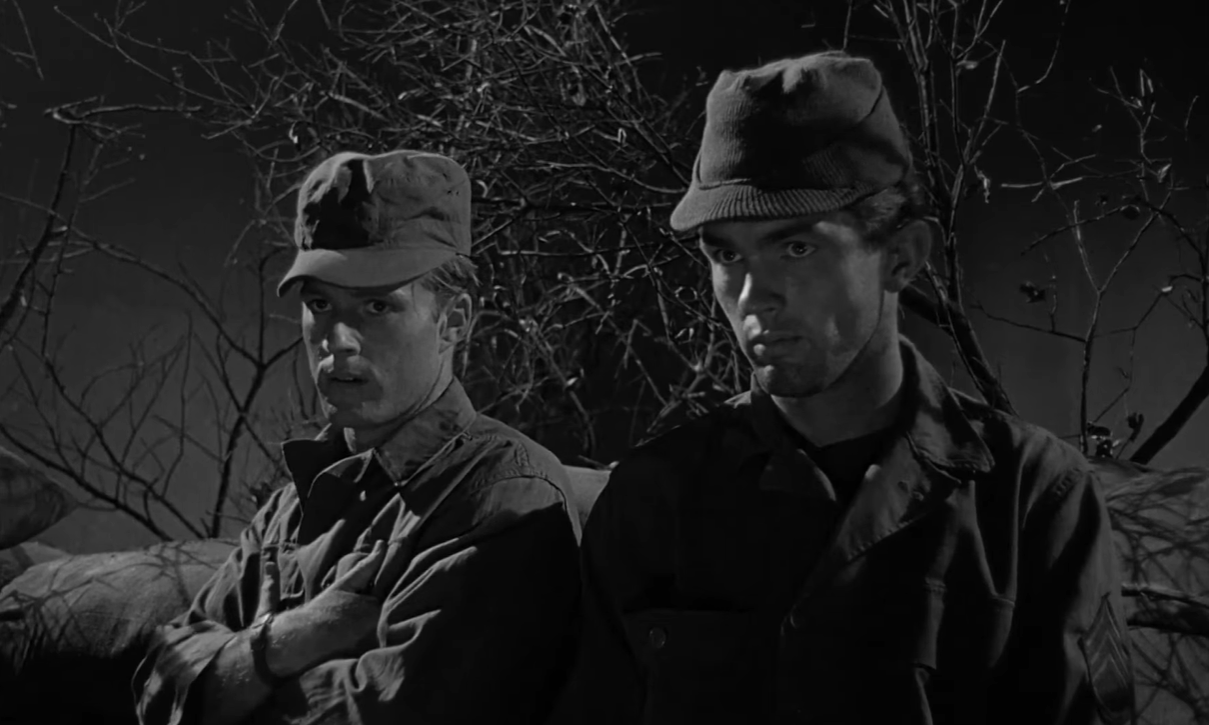
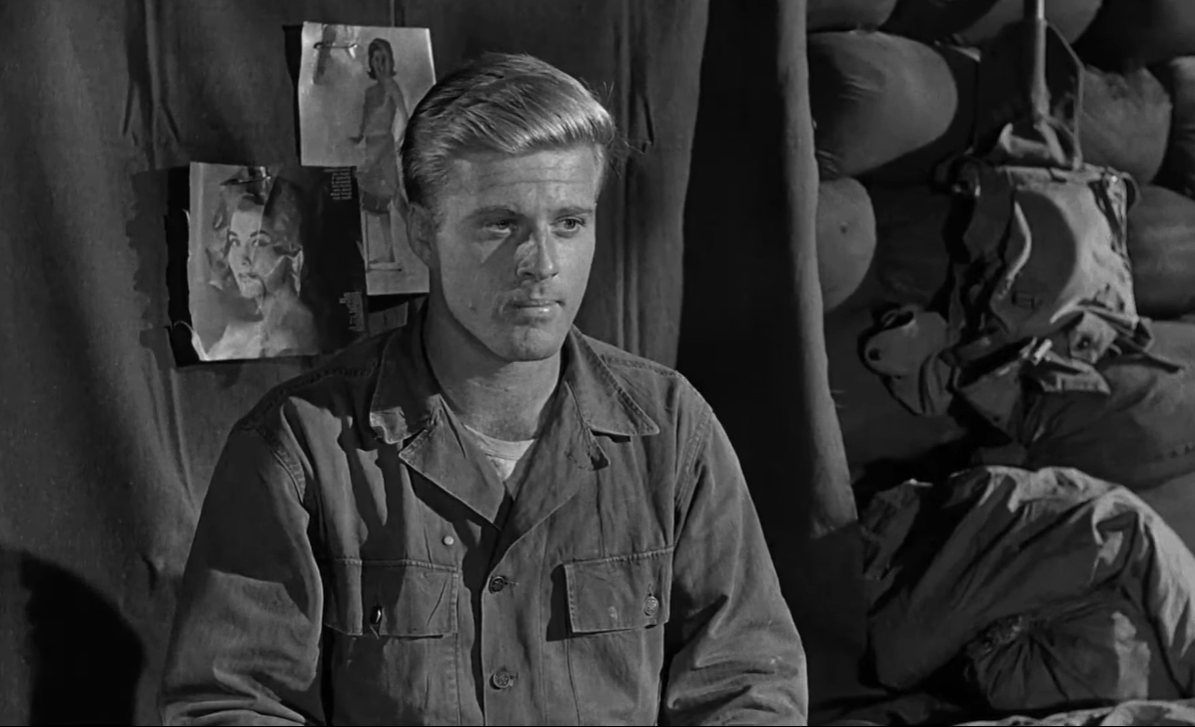
Review: And the ruse works — at first: … until suddenly Garner suspects something’s up, and the house of cards comes tumbling down. The tension from there lies in how Garner will handle this news, how his capturers will receive what he’s forced to tell him (is he lying?), and whether the other sympathetic players in the narrative (Taylor and Saint) will turn out to be allies or enemies. The final half-hour turns into an escape plot that drags the storyline out unnecessarily, but this flick remains worth a look simply for its thought-provoking premise. Notable Performances, Qualities, and Moments: Must See? Links: |
“This guy’s looking for his break; that’s all he’s looking for.”
|
Synopsis: |
|
Genres, Themes, Actors, and Directors:
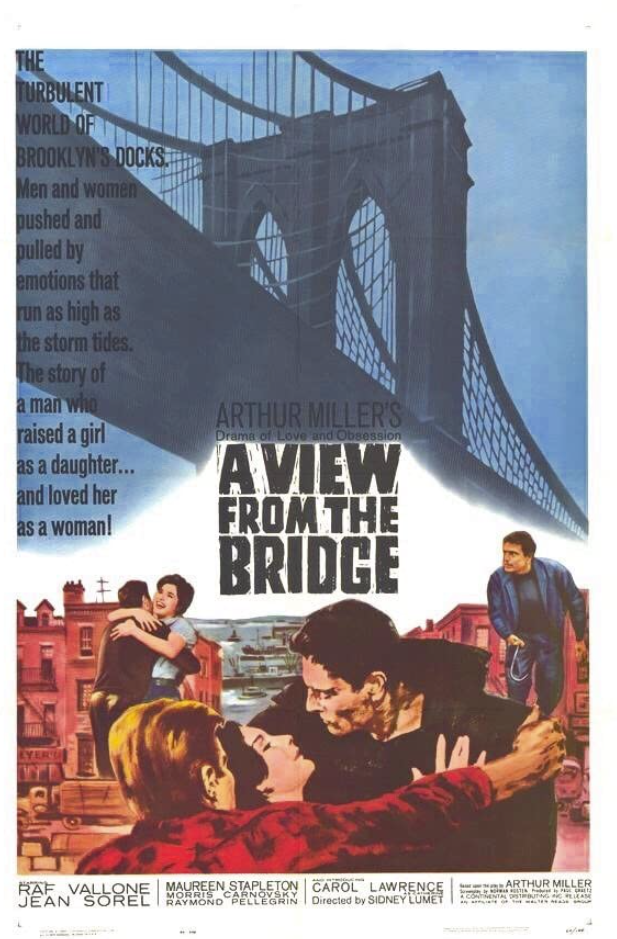
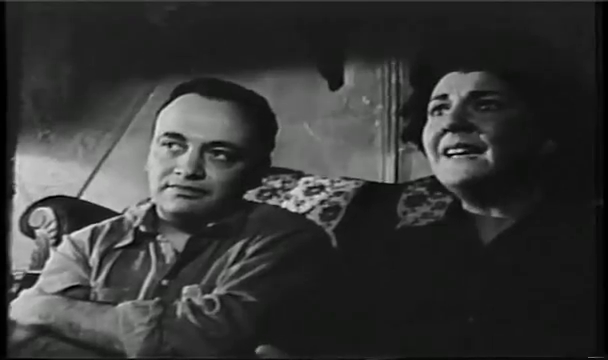
Review: While Vallone himself is unaware of it, he harbors semi-incestuous feelings for Lawrence — and handsome Sorel bears the brunt of his anger. (In a “daring” scene for the time, he accuses Sorel of being homosexual by kissing him on the lips.) However, arguably the most impacted by Vallone’s irrational hatred is Pellegrin, who is keeping his kids back at home alive by sending money he’s earned in America, and whose immigration status may be jeopardized by Vallone. Meanwhile, Vallone’s wife (Stapleton) tries to intervene, but mostly simply watches events unfolding with horror. This tragedy of obsession, loyalty, responsibility, and revenge plays out in a way that hints at heartbreak from the get-go — which turns out to be accurate. Notable Performances, Qualities, and Moments: Must See? Links: |

“Let’s do it my way; we’ll do it your way some other time.”
|
Synopsis: |
|
Genres, Themes, Actors, and Directors:
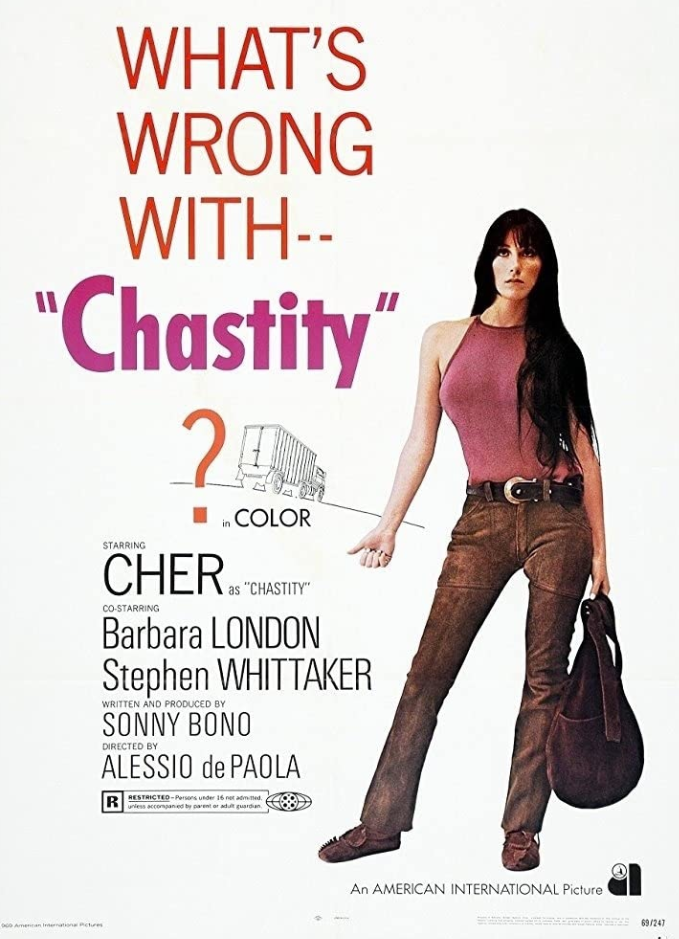
Review: However, everything else about this turkey — including the script (Chastity talks to herself, a lot) and the acting — simply stinks; the final scene is especially cringe-worthy. Be forewarned. Note: As DVD Savant posits, the director “Alessio de Paola” was likely Bono himself. Notable Performances, Qualities, and Moments: Must See? Links: |

“I’m suffering from addiction to drugs!”
|
Synopsis: |
|
Genres, Themes, Actors, and Directors:
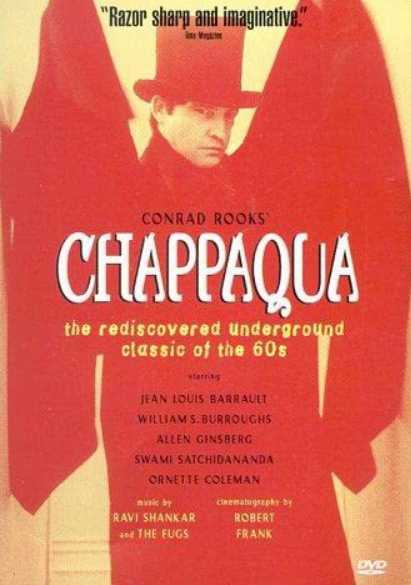
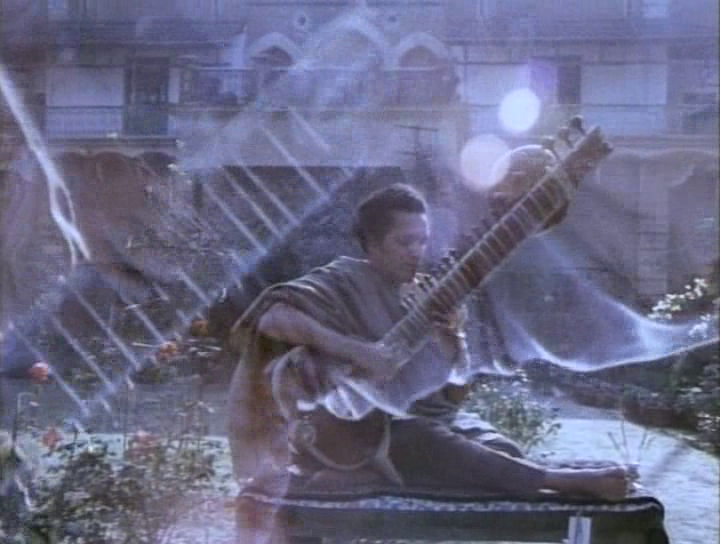
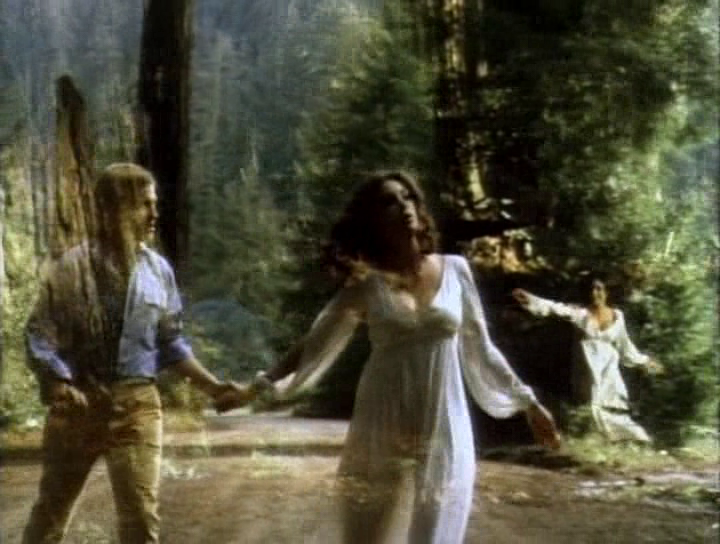
Review: … William S. Burroughs: … Hervé Villechaize: … and Shankar himself. The “narrative” (such as it is) is decidedly non-linear — more lyrical than logical, designed to directly put us into the mind of someone lost in a series of visions and hallucinations that are both pleasant: … and more menacing (as in a metaphorical sequence showing the literal gamble one takes when doing drugs). Rooks’ love of cinema is evident throughout, as in expressionist scenes evoking The Cabinet of Dr. Caligari (1920): … as well as the strategic casting of Barrault as a doctor overseeing a patient (Rooks) who occasionally imagines himself in clown make-up much like Barrault’s character in Children of Paradise (1945). Meanwhile, the frequent footage taking place in Asian countries brings to mind the ubiquity of white youth searching for enlightenment in the East during this era. While this is all terribly self-indulgent, it’s unique enough to merit a one-time look by those curious to see what it’s all about. Notable Performances, Qualities, and Moments: Must See? Links: |
“Men – I hate men! You – I hate you!”
|
Synopsis: |
|
Genres, Themes, Actors, and Directors:
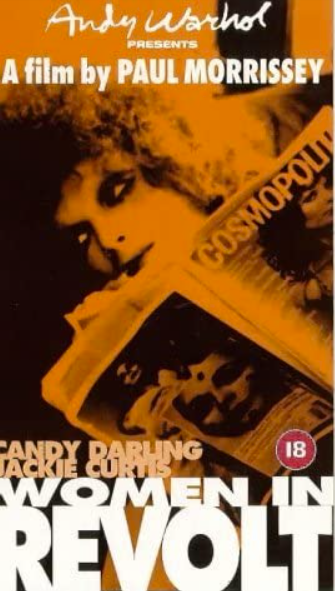
Review: … while Woodlawn mostly writhes around uncontrollably like an animal in heat, lashing out in lust at just about everyone around her. Candy Darling is the most relatively appealing and intriguing — though she’s ultimately not interested in much more than breaking through as an actor and impersonating Kim Novak (which she’s reasonably good at). While I’ll admit to getting weirdly caught up in the shenanigans of the protagonists in Morrissey’s earlier Flesh (1968) and Trash (1970), the appeal of this one eludes me completely. Notable Performances, Qualities, and Moments: Must See? Links: |
“There’s nothing wrong with the Buddha’s teachings; it’s just that I must go my own way.”
|
Synopsis: |
|
Genres, Themes, Actors, and Directors:
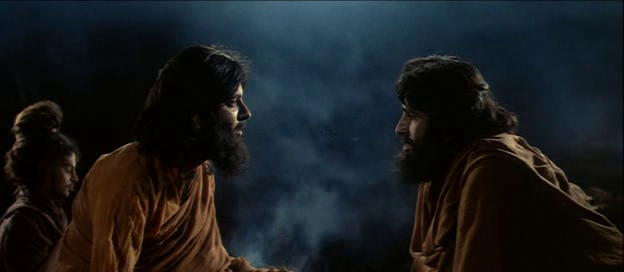
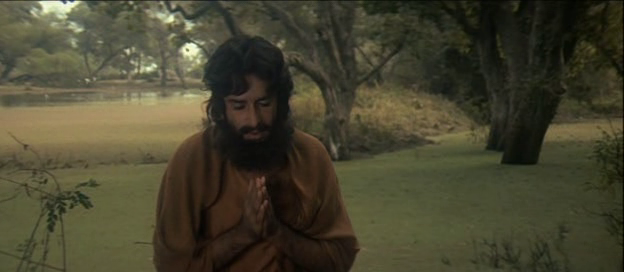
Review: … but there’s not enough to this simple storyline to hold our interest. Siddhartha gives up his worldly comforts, follows the Buddha for awhile, tries a life of sensual pleasure: … and eventually realizes that the only truth in life is what one experiences internally. This was all very much of its time back in the early 1970s, when so many were on similar paths of spiritual seeking — but it will likely only be of interest to modern-day film fanatics who happen to be curious about how Hesse’s novel was translated to the screen. Notable Performances, Qualities, and Moments: Must See? Links: |
“I learned that you can’t go anyplace unless you go together.”
|
Synopsis: |
|
Genres, Themes, Actors, and Directors:
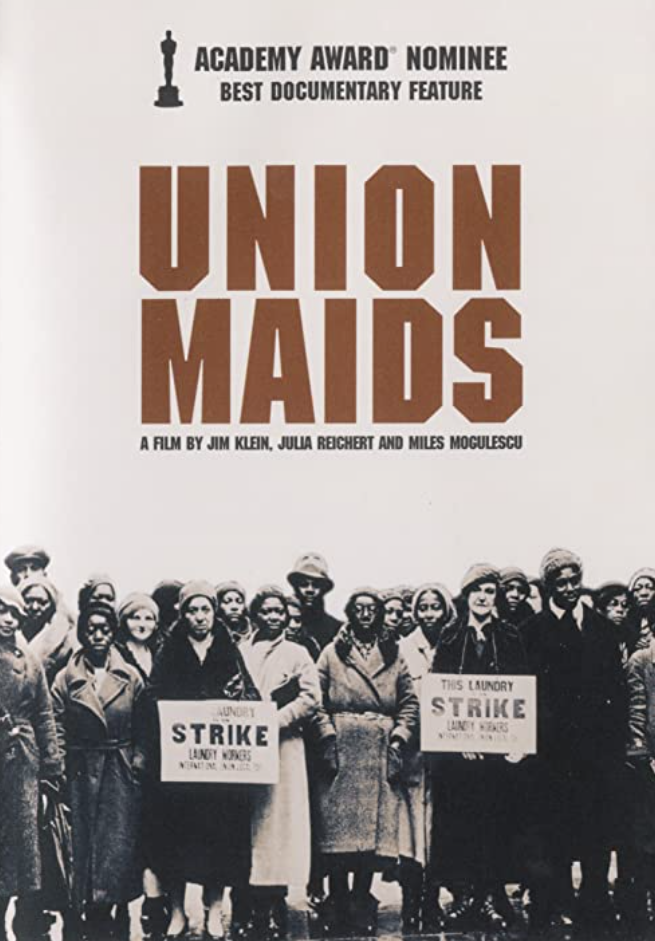
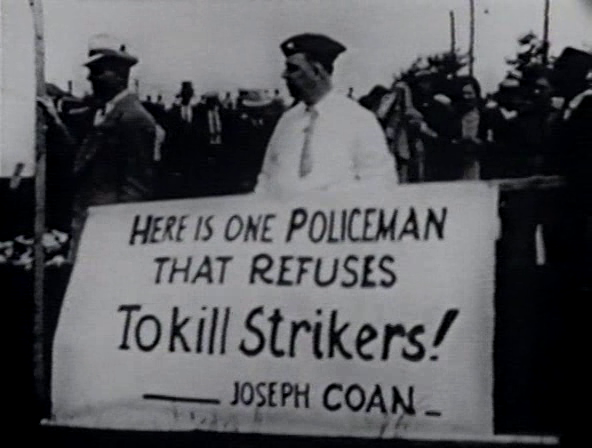
Review: … who were profiled in the labor history book Rank and File by Staughton and Alice Lynd. At under an hour long, the film doesn’t overstay its welcome, instead remaining an engaging archive of reflections from key players-on-the-ground interspersed with archival footage. Because all three interviewees are women — one black, two white — we get to hear about what the labor movement was like for (at least a few) women, and some of the ways in which racial tensions were at least temporarily overcome. This documentary remains worth a one-time look, though it’s not must-see viewing for all film fanatics. Notable Performances, Qualities, and Moments: Must See? Links: |
“Maybe the devil is God in exile.”
|
Synopsis: |
|
Genres, Themes, Actors, and Directors:
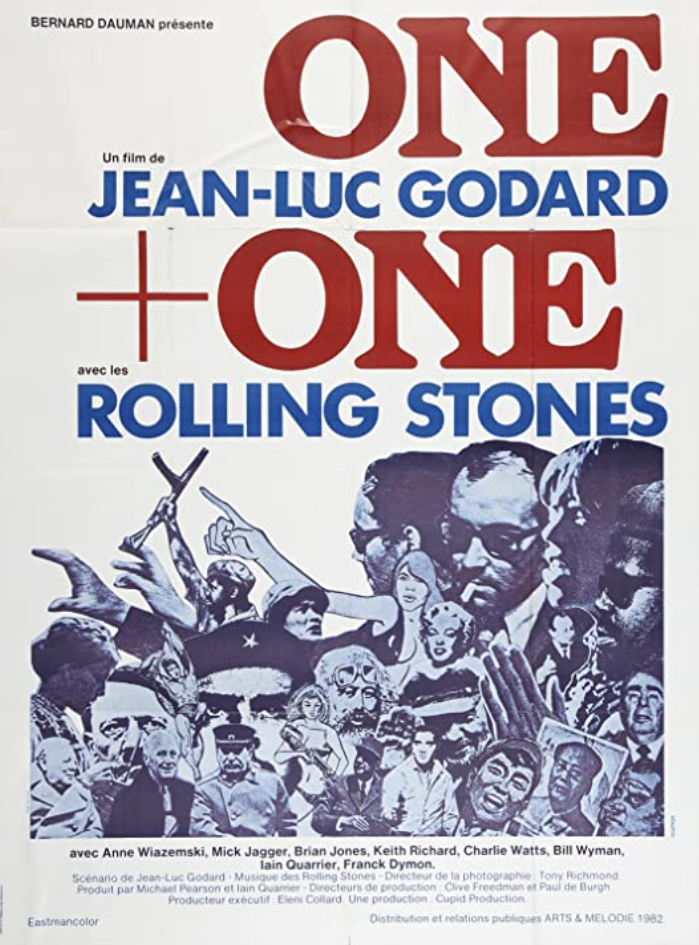
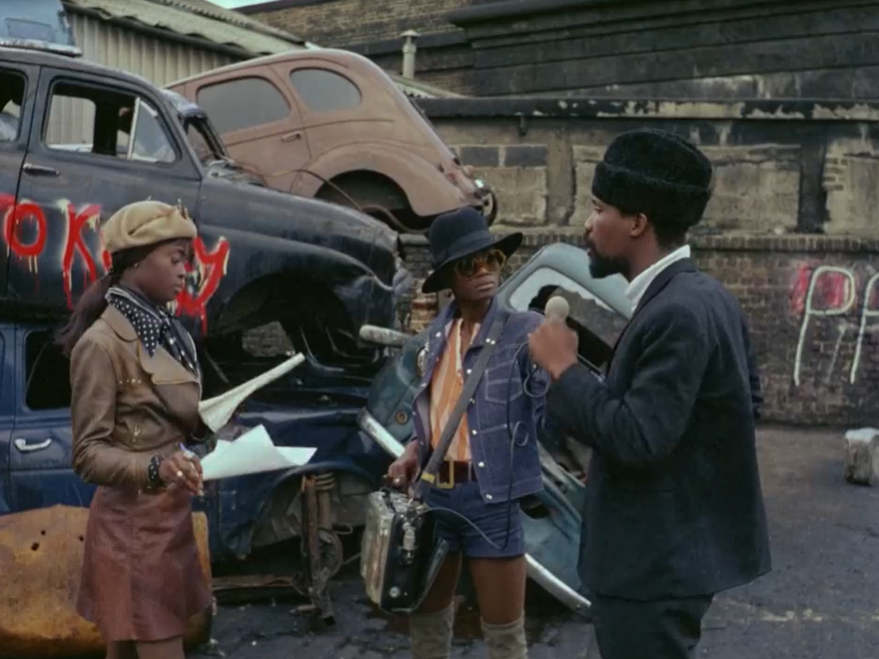
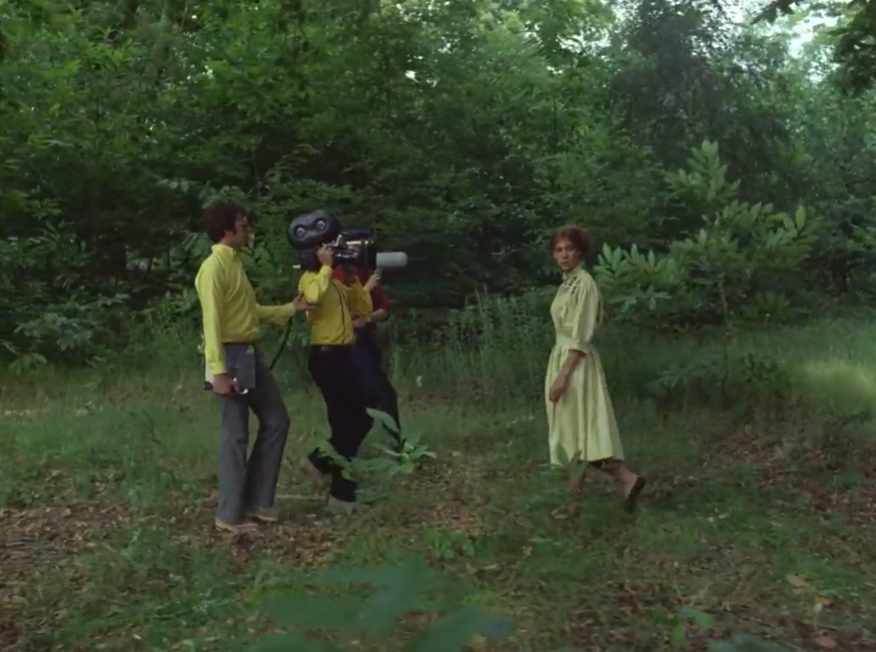
Review: … (though we never do hear the final song, at least not in Godard’s version of the film). Meanwhile, Godard fans will likely view all the weird interstitial material as simply part of his broader cinematic commentary on Marxism and revolution. The prize for oddest sequence is a tie between a scene in a bookstore where Mein Kampf is being read out loud and patrons give a heil salute after making their purchase: … and Wiazemsky wandering around a field followed by a film crew, answering either “yes” or “no” to a serious of questions designed for exactly such binary responses (“Do you think drugs are a spiritual form of gambling?”). Is it worth spending more time analyzing this flick? Yes. No. I’m really not sure — though of course Godard fans will have a field day. Note: Peary lists a total of 24 films by Godard (RIP) in GFTFF; I have 11 left to watch and review. Notable Performances, Qualities, and Moments: Must See? Links: |

“Everything she had forgotten, everything she had lost sight of, suddenly flowed back into her heart — and the spell was broken.”
|
Synopsis: |
|
Genres, Themes, Actors, and Directors:
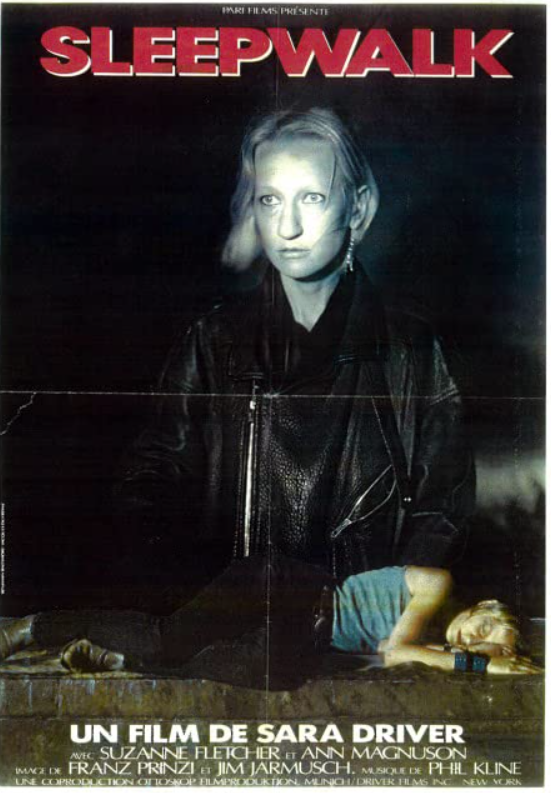
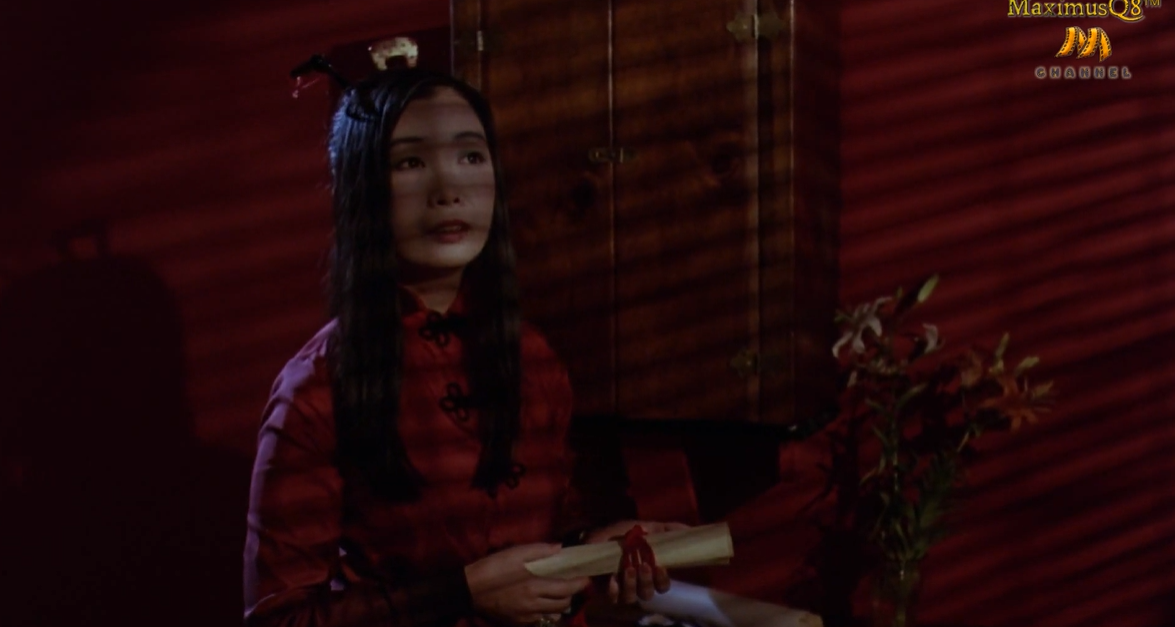
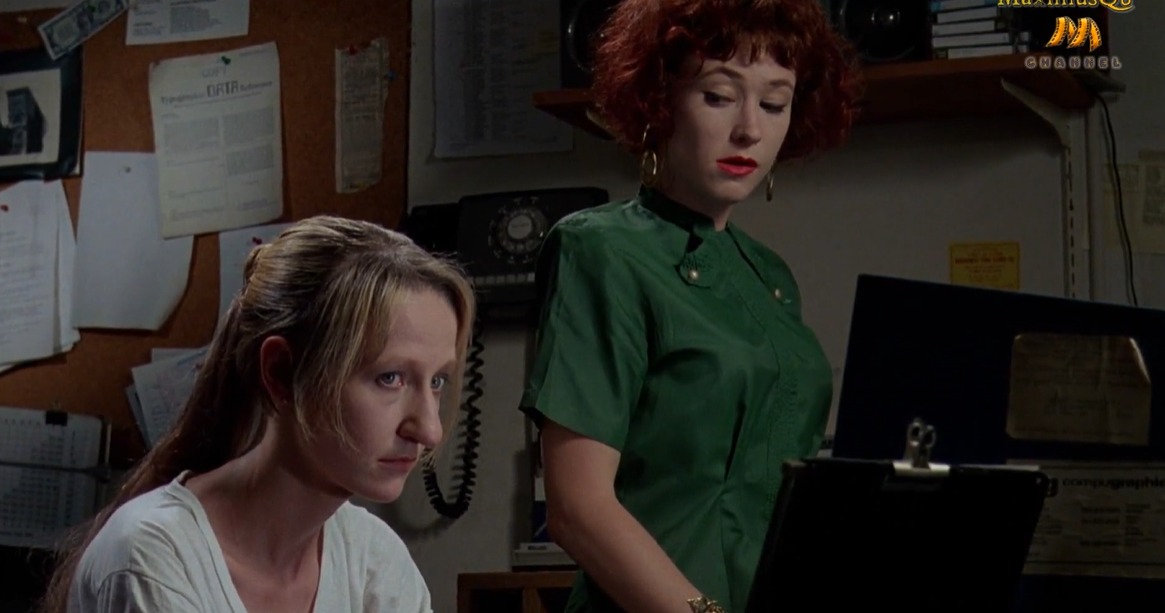
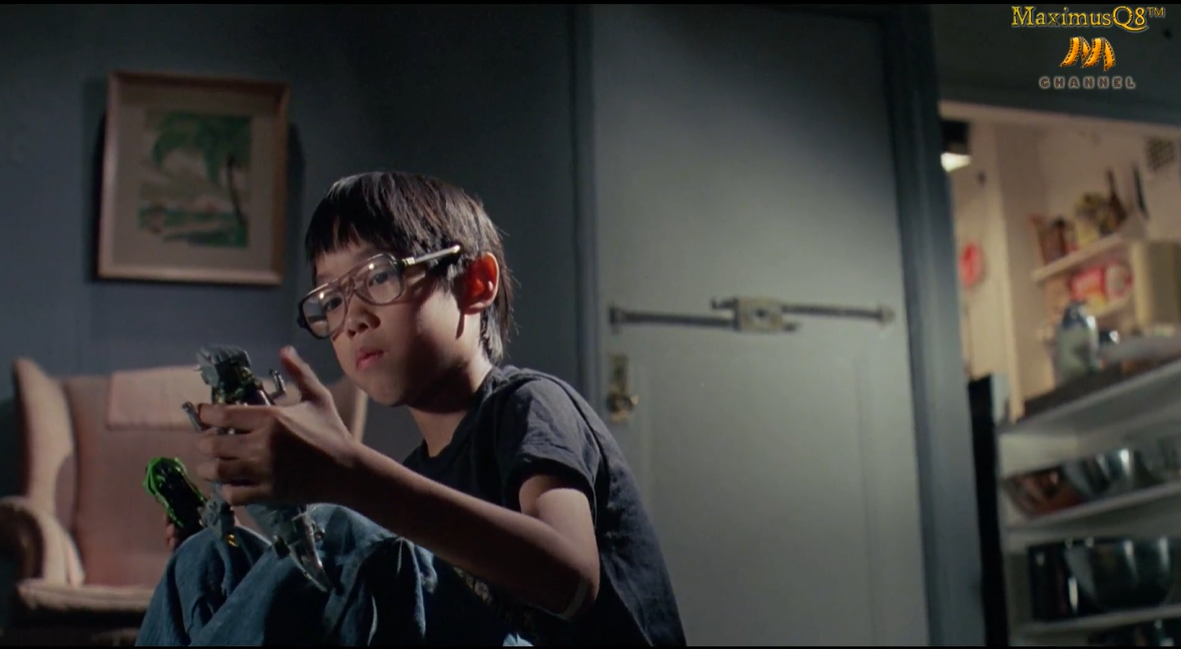
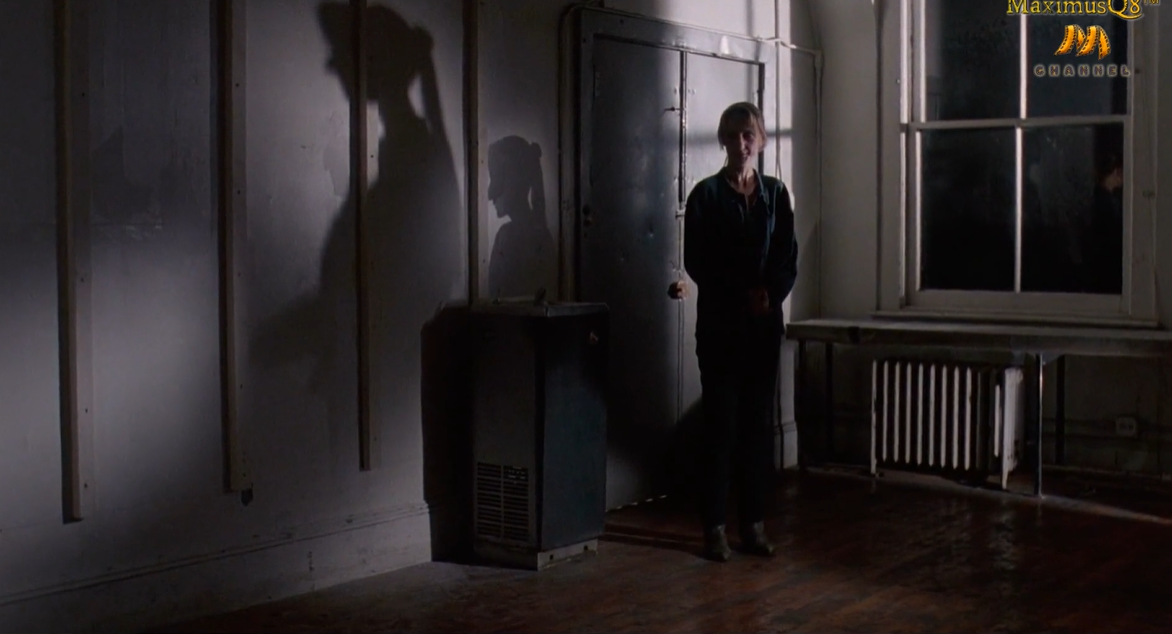
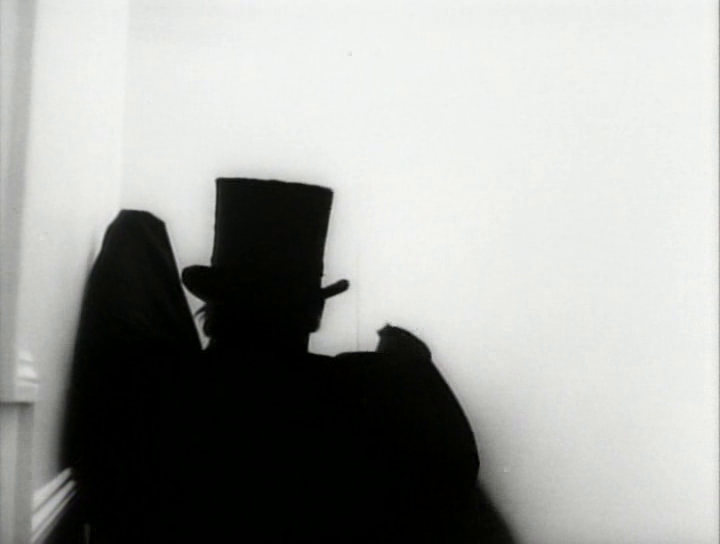
Review: … then shifts to an office, where we see workers trying to pass the time either by zoning out while getting their tasks done: … or acting out, as when Fletcher’s roommate (Ann Magnuson) bugs their boss about his weight and potato chip eating, or tries to bum money off of hard-working Fletcher. Eventually we see that Fletcher has a son (Dexter Lee): … who seems to primarily take care of himself. Fletcher, meanwhile, is obsessed with a new job she’s gotten translating the scroll we saw in the opening sequence — and as she writes out the story, we’re meant to understand that it’s somehow impacting (and/or interacting with) her reality as well. It’s all highly atmospheric and somewhat spooky, yet makes little sense. Watch for Steve Buscemi in one of his earliest roles as an “office worker”, though he doesn’t have much to do or say. Notable Performances, Qualities, and Moments: Must See? Links: |