Browsed by
Category: Original Reviews

Responses to Peary’s “must see” movie reviews, as well as my own “must see” movie reviews up to and after 1986 (when Peary’s book was published).

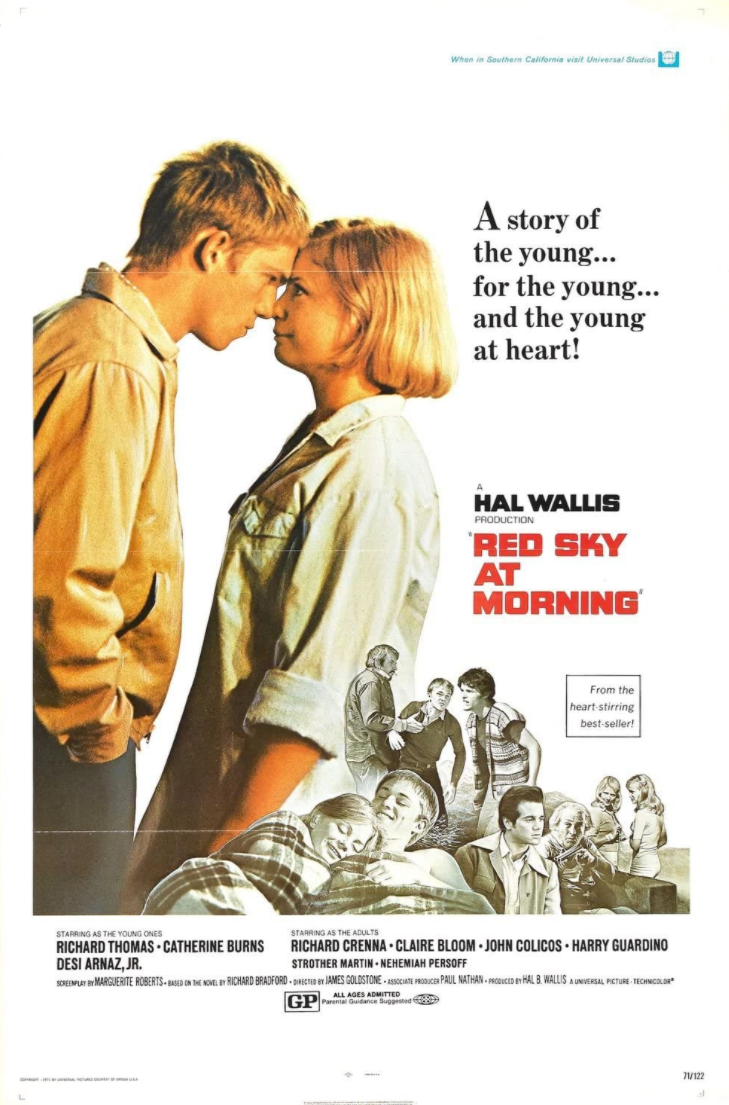
Red Sky at Morning (1971)

Red Sky at Morning (1971)

“Red sky at morning, sailors take warning.”

Synopsis:
During World War Two, a young teenager (Richard Thomas) whose father (Richard Crenna) has enlisted in the Navy cares for his unstable mother (Claire Bloom) and experiences first love in the desert town of Sagrado, Arizona.

Genres, Themes, Actors, and Directors:

  • Claire Bloom Films
  • Coming-of-Age
  • Mental Breakdown
  • World War II

Review:
This sincere but disappointing adaptation of Richard Bradstone’s classic coming-of-age tale suffers the fate of so many filmed novels: countless subplots given criminally short shrift, and a host of minor characters who ultimately emerge as little more than caricatures. Throughout the course of the movie, Joshua not only cares for his troubled mother (Bloom), manages the household help (Nehemiah Persoff and Alma Beltran), and befriends an eccentric local artist (Harry Guardino), but is introduced to a host of issues — including troubled race-relations, sex, bullying, and more — at his new high school. For instance, the local twin tarts — colorfully named Venery Ann (Lynna Marta) and Velma Mae (Christina Hart) — aggressively pursue Joshua and his friend Steenie (Desi Arnaz Jr.), much to the ire of their unbelievably hicked out, shotgun-toting father (Strother Martin); meanwhile, Joshua is bullied by a couple of demeaningly stereotypical Chicano hoodlums (Mario Aniov and Pepe Serna), the latter of whom is unnaturally protective of his busty yet religiously pious and naive sister (Victoria Racimo), who goes on to meet an awful fate at the hands of psychopathic Aniov, who flees to the hills and is eventually confronted by the town sheriff (Gregory Sierra)… Well, you get the point.

Thomas — who went on to much greater fame the following year as John-Boy in “The Waltons” — tries hard to create a sympathetic protagonist, but his mannerisms (particularly his tendency to break into nervous laughter while talking) soon become irritating.

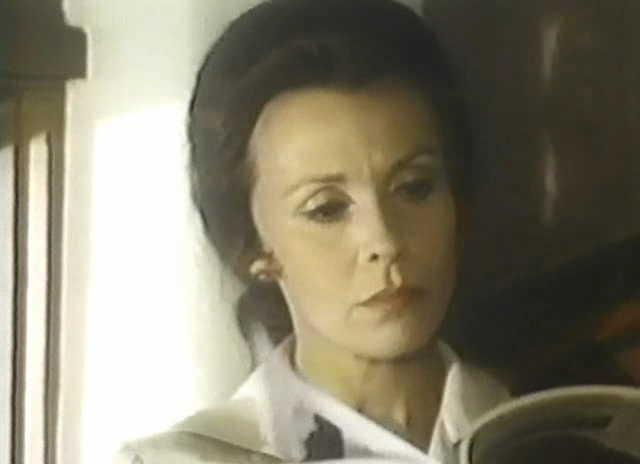
Claire Bloom as Joshua’s mentally unstable mother evinces a fine southern accent, but her character — all pampered melancholy and low affect — never comes to life.

Even more enigmatic is John Colicos as Bloom’s dilettante cousin Jim-Bob, a “professional house guest” who is clearly an irritant to everyone except Bloom, but whose background within the family is never explained; when Joshua finally tells him off during a pivotal scene, it’s an empty victory.

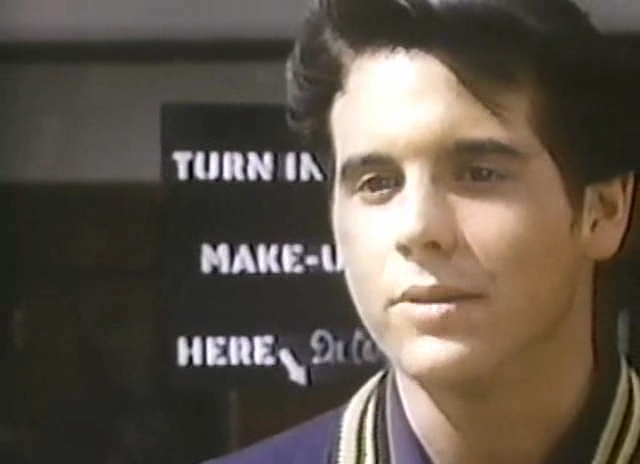
The best performances in the film are given by Joshua’s two closest friends, Steenie (Arnaz Jr.) and Marcia (Catherine Burns). Arnaz Jr. is wonderfully vibrant and amusing here; both his famed parents’ influences are clearly felt. Meanwhile, Burns (who co-starred with Thomas in 1969’s Last Summer) shows an impressive range — as in Last Summer, she’s precocious beyond her years, but here she’s refreshingly self-confident, a fine match for any self-possessed young man. Unfortunately, however, neither of these performances are enough to recommend the film as a whole.

Note: Note that nearly any review you stumble upon of this film (or the novel it’s based upon) will give away a major plot development which doesn’t occur until the final fourth of the film; be forewarned.

Redeeming Qualities and Moments:

  • Catherine Burns as Marcia
  • Desi Arnaz Jr. as Steenie

Must See?
No. Listed as a Sleeper and a Personal Recommendation in the back of Peary’s book.

Links:

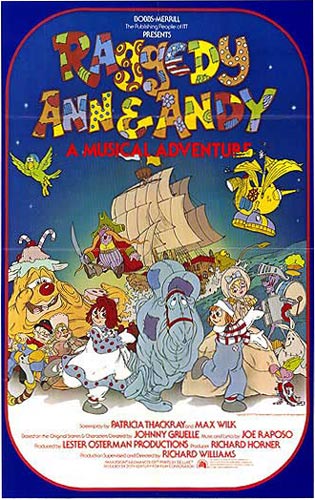
Raggedy Ann and Andy: A Musical Adventure (1977)

Raggedy Ann and Andy: A Musical Adventure (1977)

“I’m just a little rag doll with a candy heart.”

Synopsis:
When Raggedy Ann (Didi Conn) and her brother Andy (Mark Baker) set forth from their playroom in search of a French doll (Niki Flacks) kidnapped by a pirate (George S. Irving), they encounter a series of malcontented creatures — including a homesick camel (Fred Stuthman), an eternally hungry blob named The Greedy (Joe Silver), and a stature-sensitive king (Alan Sues) in search of “the last laugh”.

Genres, Themes, Actors, and Directors:

  • Animated Features
  • Kidnapping
  • Musicals
  • Pirates

Review:
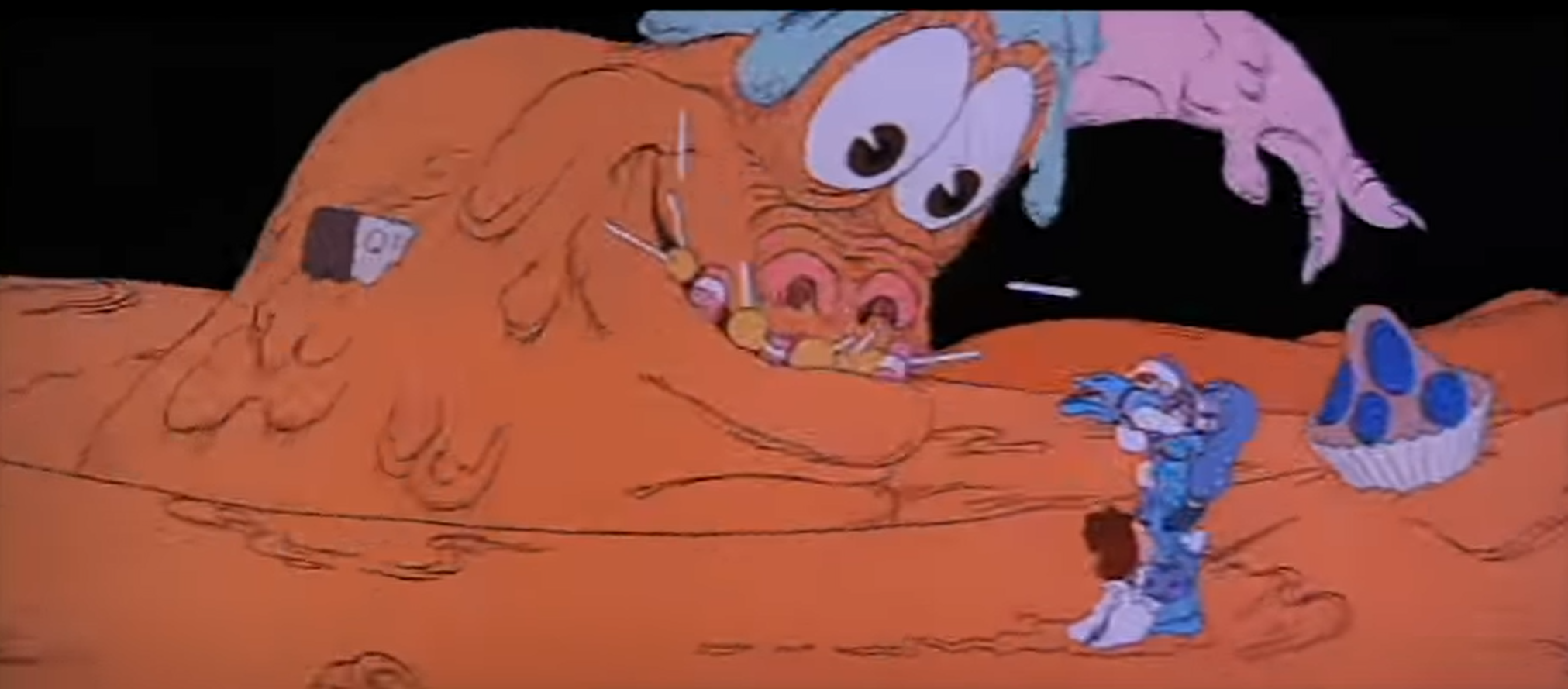
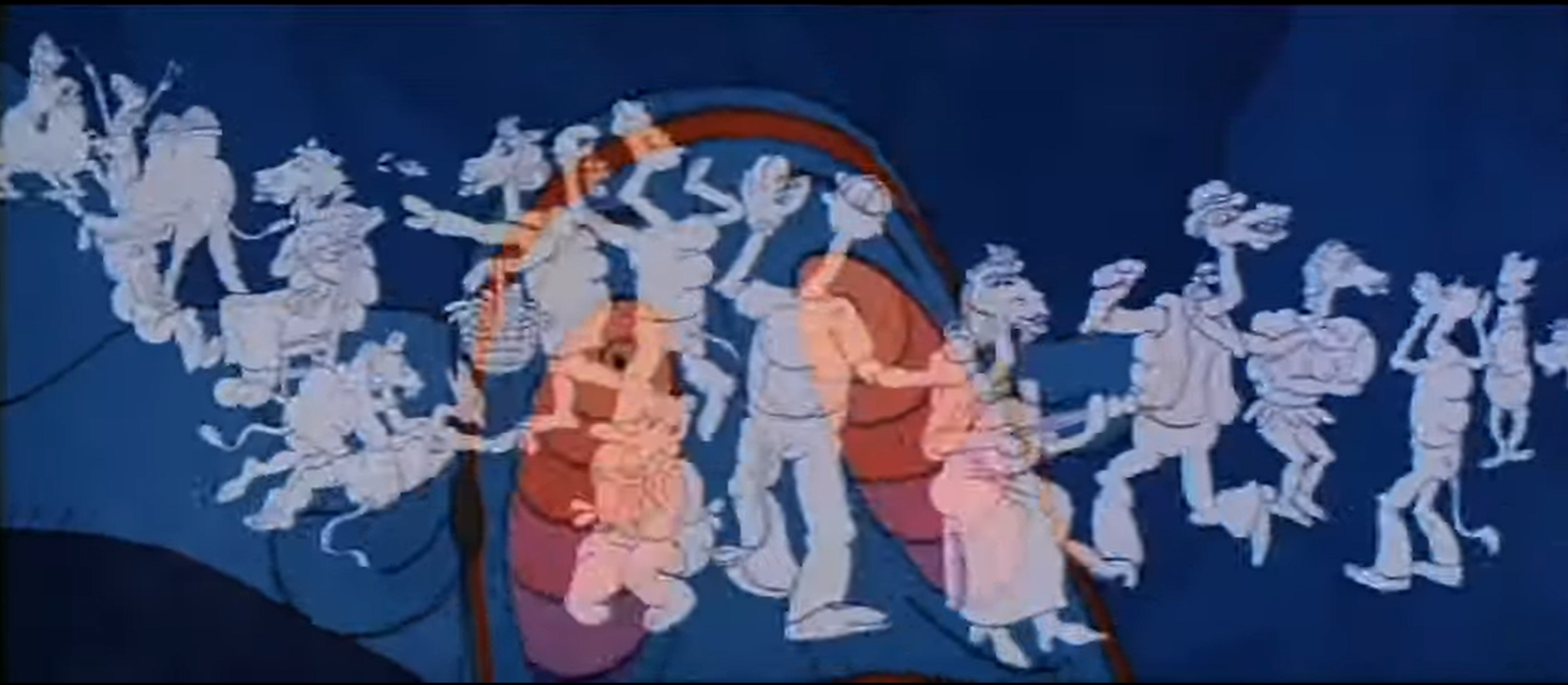
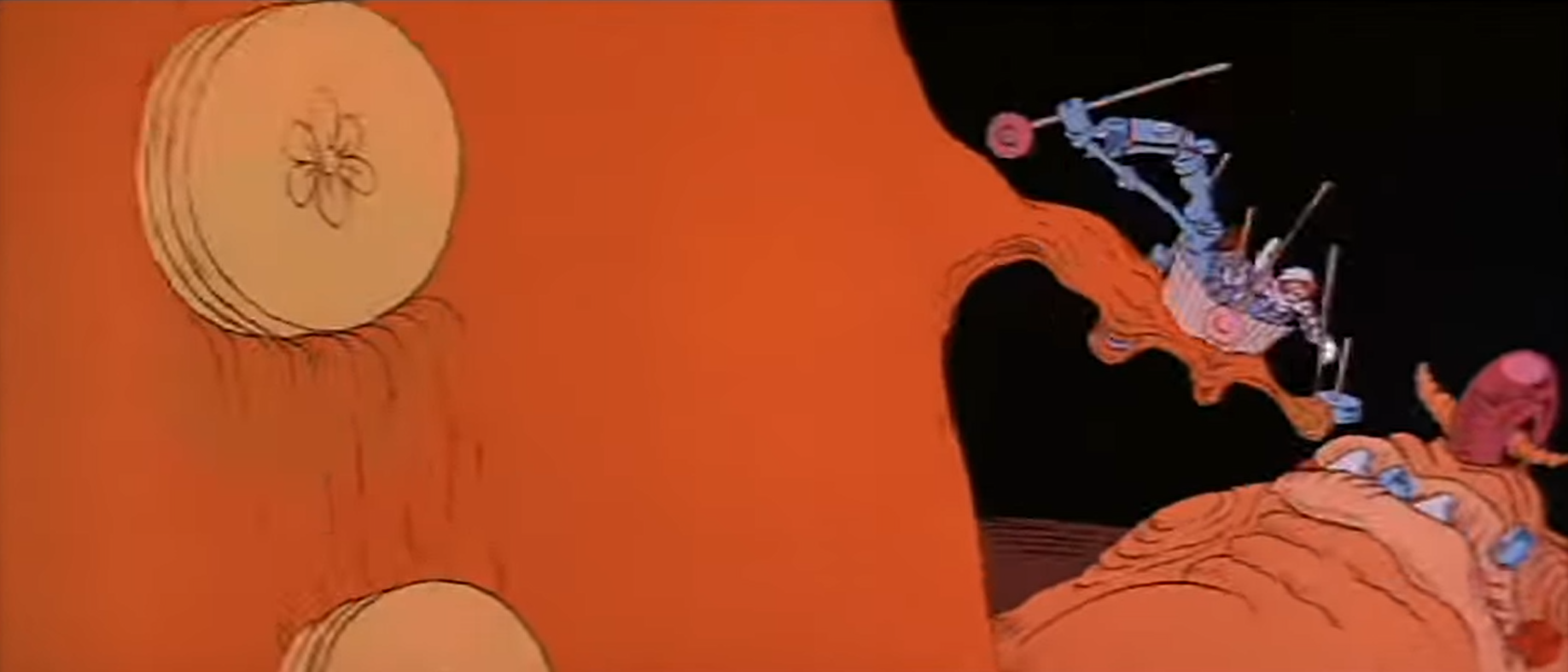
A critical and box-office failure upon its release, this animated musical — a clear thematic precursor to Pixar’s phenomenally successful Toy Story franchise — is undone by a roster of forgettable tunes and insipid lyrics (“All of us live in the nursery/All of us different as we can be”), sung by actors who struggle to carry a tune (though to her credit, Didi Conn had laryngitis during taping, and was apparently unhappy with the way her songs turned out). The animation — while inspired at times, particularly when The Greedy is on-screen (I was reminded of Miyazaki’s amorphous beheaded god in Princess Mononoke):

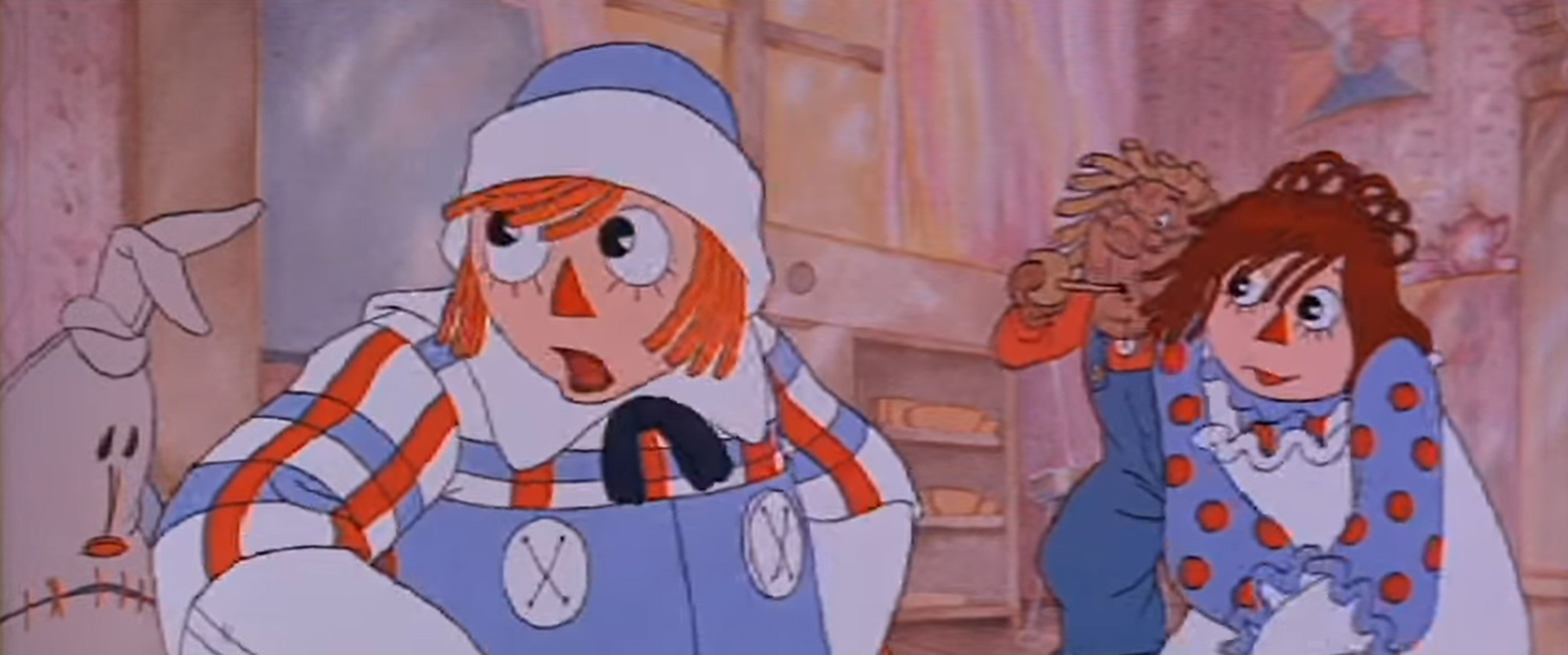
— is mostly uneven, and often reminiscent of the quality of weekend television shows. Neither the cloyingly sweet Ann nor her brother Andy ever emerges as a fully developed character:

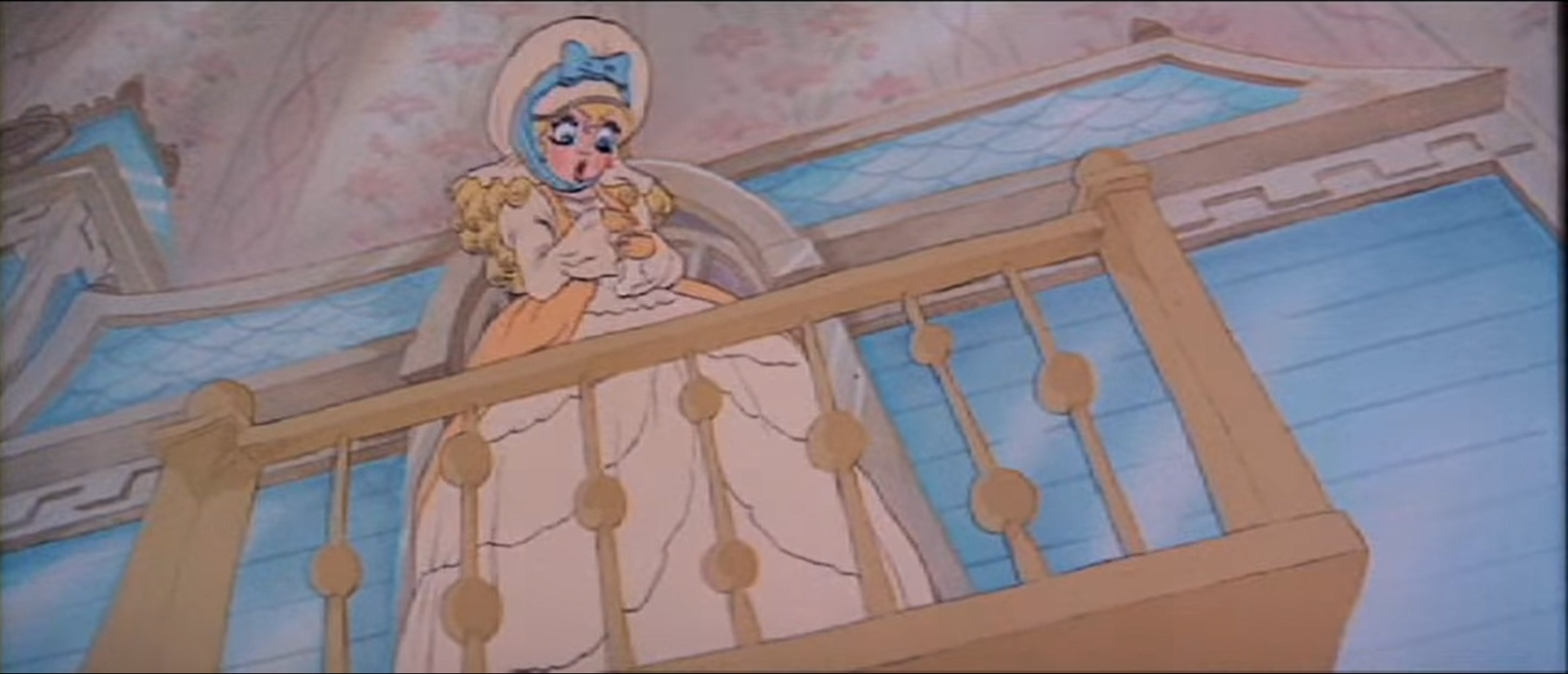
… and it’s hard to feel much motivation for Babette’s rescue, given that she’s clearly a spoiled diva and not really worthy of our sympathies.

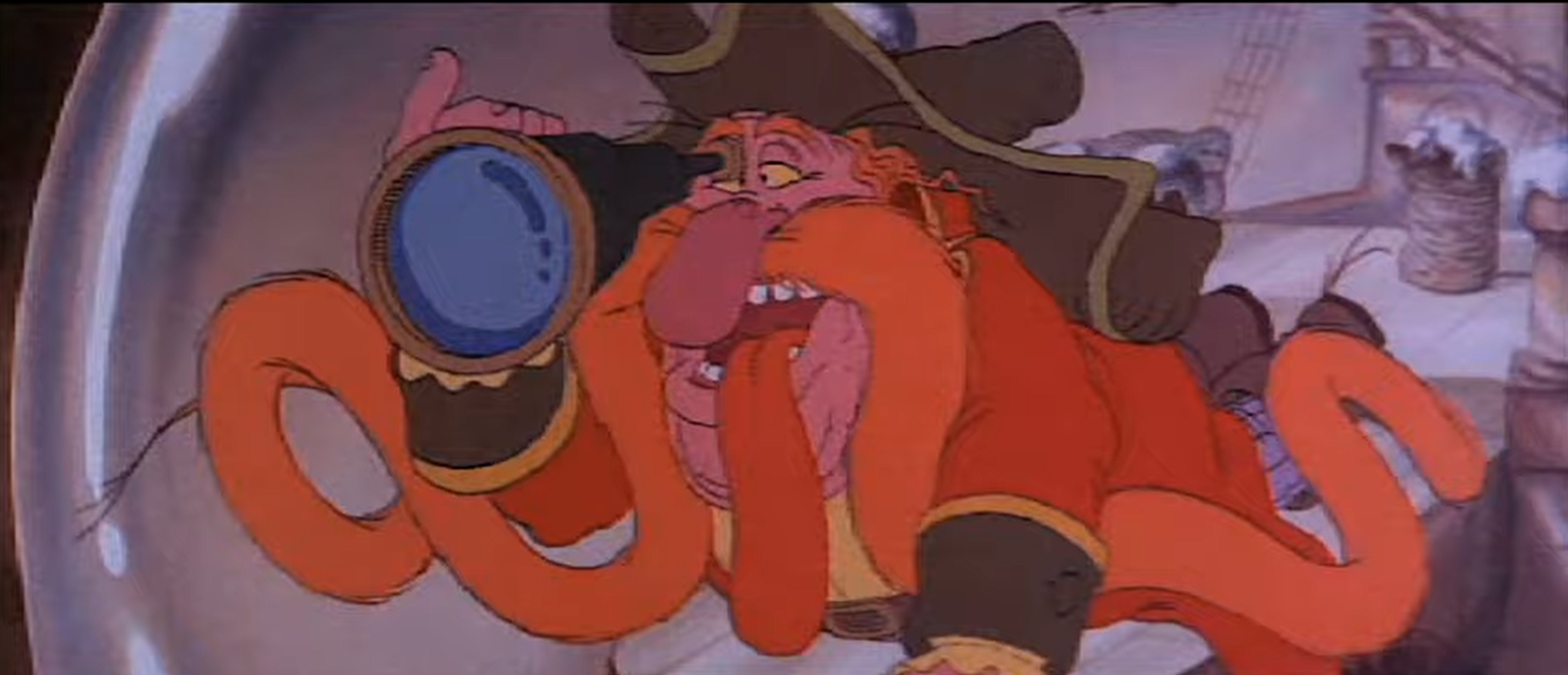
With that said, adult viewers may be amused by the rather substantial undercurrent of “mature” themes hidden in the story and its characters — including the Pirate’s face-reddening and mustache erection whenever he thinks about Babette:

Ann and Andy’s overly “friendly” sister-brother relationship (“Candy hearts and paper flowers/Will always keep me close to you”):

Andy’s insistence that he’s “no girl’s toy”; and the Camel’s hilariously drug-like hallucinations.

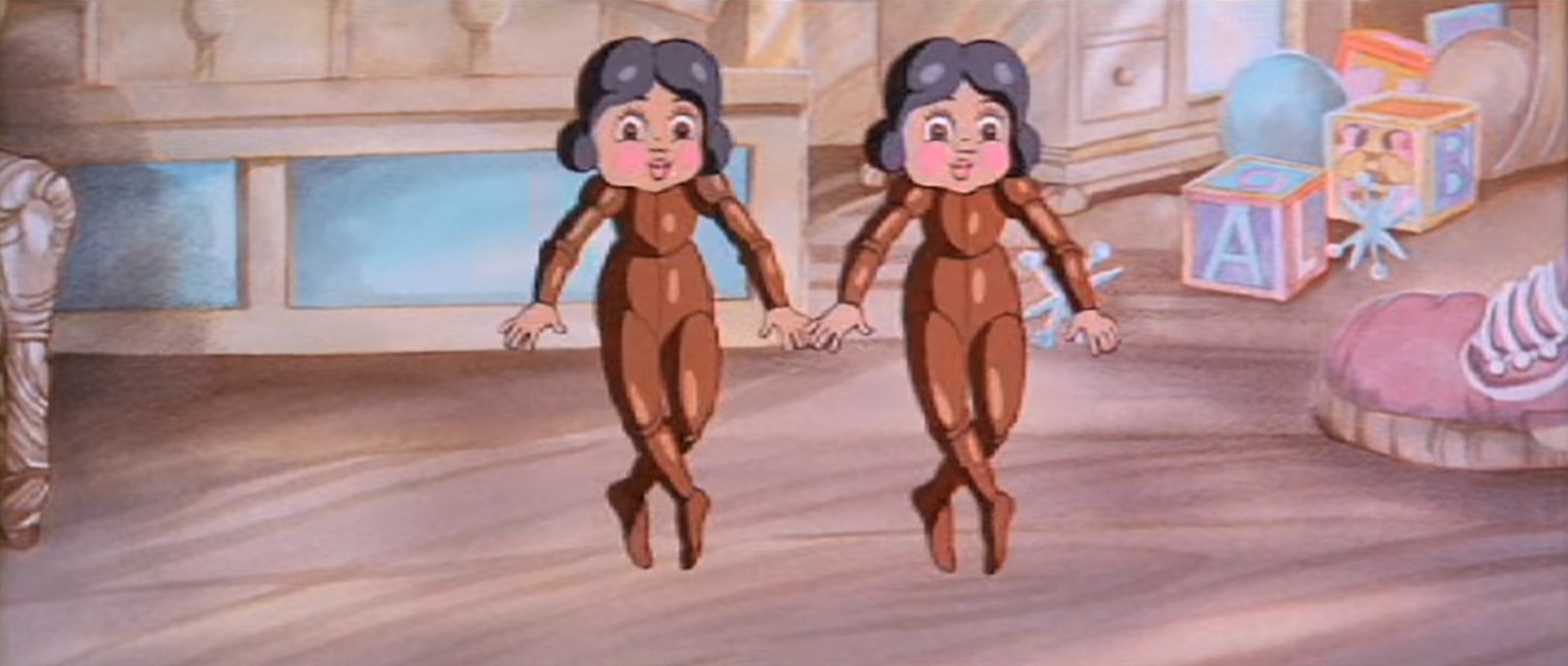
Indeed, many on IMDb’s (now-defunct) message board for the movie have commented that it gave them nightmares as kids. Note that you’re likely to either be completely annoyed or morbidly fascinated by the obnoxious “Penny” twins (Margery Gray and Lynne Stuart), who pop up as a freaky Greek Chorus every five minutes or so during the first portion of the film:

… but mercifully disappear once Ann and Andy are off on their adventure.

Redeeming Qualities and Moments:

  • Cool animation of the Greedy
  • Some bizarrely campy sequences – including the Camel’s hallucinations

Must See?
No; despite its cult status, this one isn’t must-see viewing (though it’s worth a look).

Links:

Two of Us, The (1967)

Two of Us, The (1967)

“Who could I talk to without you? Who could I confide in?”

Synopsis:
During World War II, a young Jewish boy (Alain Cohen) is sent by his concerned parents (Charles Denner and Zorica Lozic) to live undercover as a Catholic in the countryside with a kind but anti-semitic old man (Michel Simon) and his wife (Luce Fabiole).

Genres, Themes, Actors, and Directors:

  • Childhood
  • French Films
  • Friendship
  • Jews
  • Mistaken Identities
  • World War Two

Review:
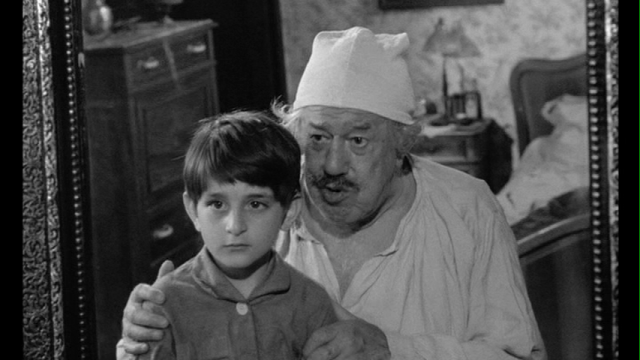
Claude Berri’s feature debut — based on his own experiences as a boy in the French countryside during World War II — offers an unabashedly sentimental perspective on the danger of Jews in hiding. Rather than hinging his narrative on if or when naughty Claude (Cohen) will slip up and give away his religious identity, Berri focuses instead on the “May-December” friendship which develops between Simon and Cohen; indeed, the original title of the film (inexplicably changed for American audiences) is “Le Vieil Homme et l’Enfant”, or The Old Man and the Boy. Eventually, however, The Two of Us turns into a gentle fable about the absurdity of prejudice as well.

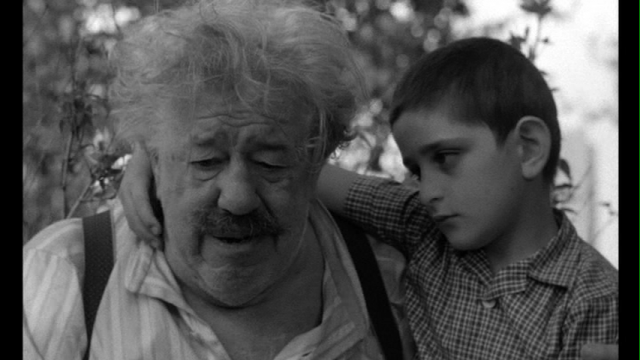
Simon, with his craggy, life-worn face, is surprisingly appealing as the bigoted “Grampa”, whose ill-founded preconceptions about “others” (Jews, Blacks, gypsies) belies his soft-hearted nature; much is made, for instance, of the fact that he’s a vegetarian who strongly opposes his wife killing rabbits for dinner, and tries to convince Claude from abstaining as well. Most of the film’s rather unexpected humor comes as we listen to Simon explaining how Jews can be spotted (or smelled!), and why they’re so “undesirable” — and then hear Claude innocently questioning his inane assertions, pointing out, for instance, the enormity of Simon’s own nose. Meanwhile, Claude — once so coddled that his mother literally spoon-fed him his dinner — gradually becomes more independent, literally blossoming in the fresh country air. If only all young European Jews during the war were as lucky as Berri…

Redeeming Qualities and Moments:

  • Michel Simon as “Grampa”
  • Alain Cohen as Claude
  • A touching story of cross-generational friendship
  • Beautiful b&w cinematography (by Jean Penzer)

Must See?
Yes, as a classic of foreign cinema, and for Simon’s late-life performance.

Categories

  • Foreign Gem
  • Important Director
  • Noteworthy Performance(s)

Links:

Annie (1982)

Annie (1982)

[Note: The following review is of a non-Guide for the Film Fanatic title; click here to read more.]

“Why any kid would want to be an orphan is beyond me…”

Synopsis:
During the Great Depression, a plucky orphan named Annie (Aileen Quinn) is rescued from the clutches of her evil caretaker (Carol Burnett) by the secretary (Ann Reinking) of a crusty billionaire (Albert Finney), who agrees to help her find her long-lost parents — but Annie’s life is put in danger when a pair of con-artists (Tim Curry and Bernadette Peters) collude with Miss Hannigan (Burnett) to nab the $50,000 award offered by Daddy Warbucks (Finney).

Genres:

  • Albert Finney Films
  • Carol Burnett Films
  • Con-Artists
  • Depression Era
  • John Huston Films
  • Millionaires
  • Musicals
  • Orphans

Review:
John Huston’s mega-million-dollar film adaptation of the long-running Broadway musical Annie received decidedly mixed reviews upon its release, with Vincent Canby of the NY Times calling it “a nearly perfect Music Hall picture — big, colorful, slightly vulgar, occasionally boring and full of talent not always used to its limits”, and Roger Ebert noting that “in the abstract, [it’s] fun… but in the particular, it has all sorts of problems”. Even those who adored Annie as children — and can break into any one of its catchy tunes without missing a beat — generally concede that it’s a flawed picture; it’s currently rated at only 36 points on Metacritic (Update as of 1/30/21: 39 points), and director John Huston (this was his one and only foray into musicals) was nominated for a Razzie! Perhaps not surprisingly, Annie is missing from Peary’s book — but I’m reviewing it here simply because it’s achieved such a cult status over the years.

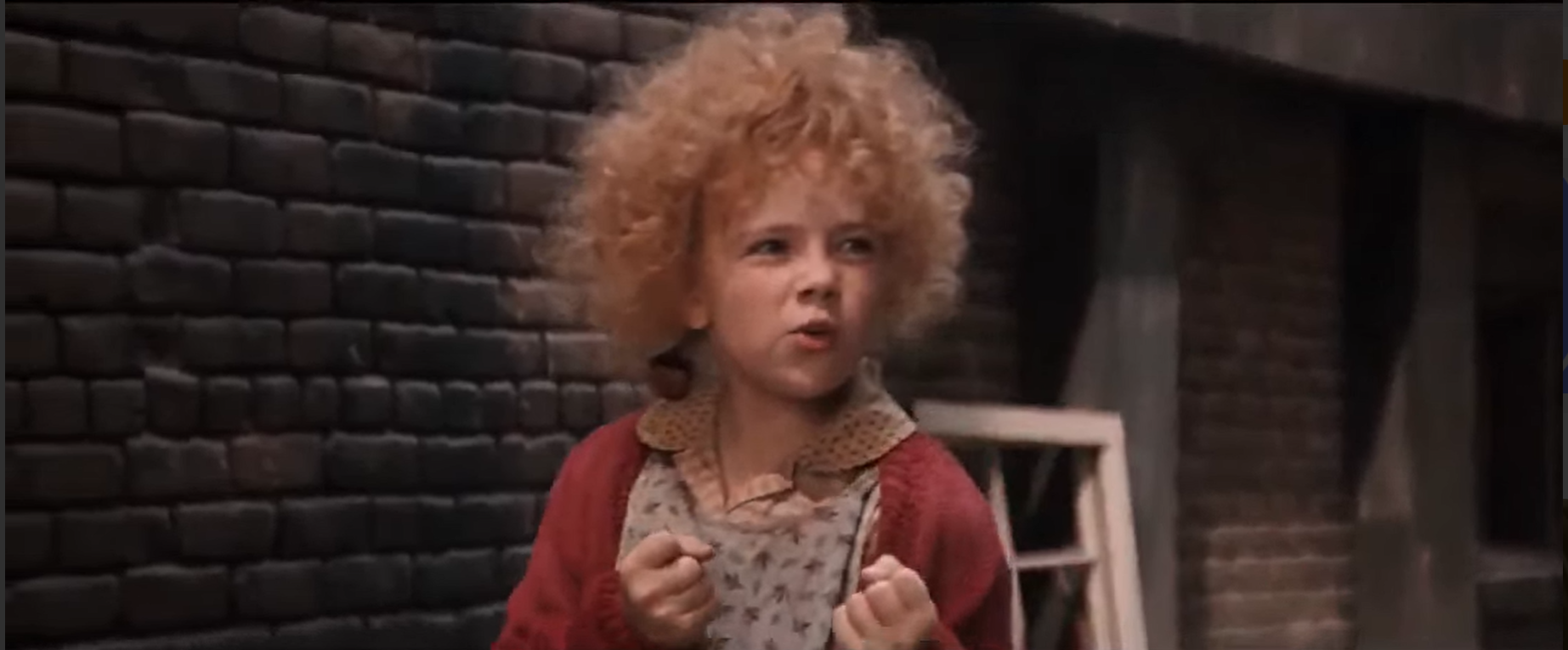
Unknown (then and now) Aileen Quinn was selected among thousands of applicants for the lead role, and does a memorable job; her voice is strong and clear, and while she’s no great actress, she projects just the right amount of spunk and vitality. (Note, however, that she won a Razzie as worst supporting actress of the year.)

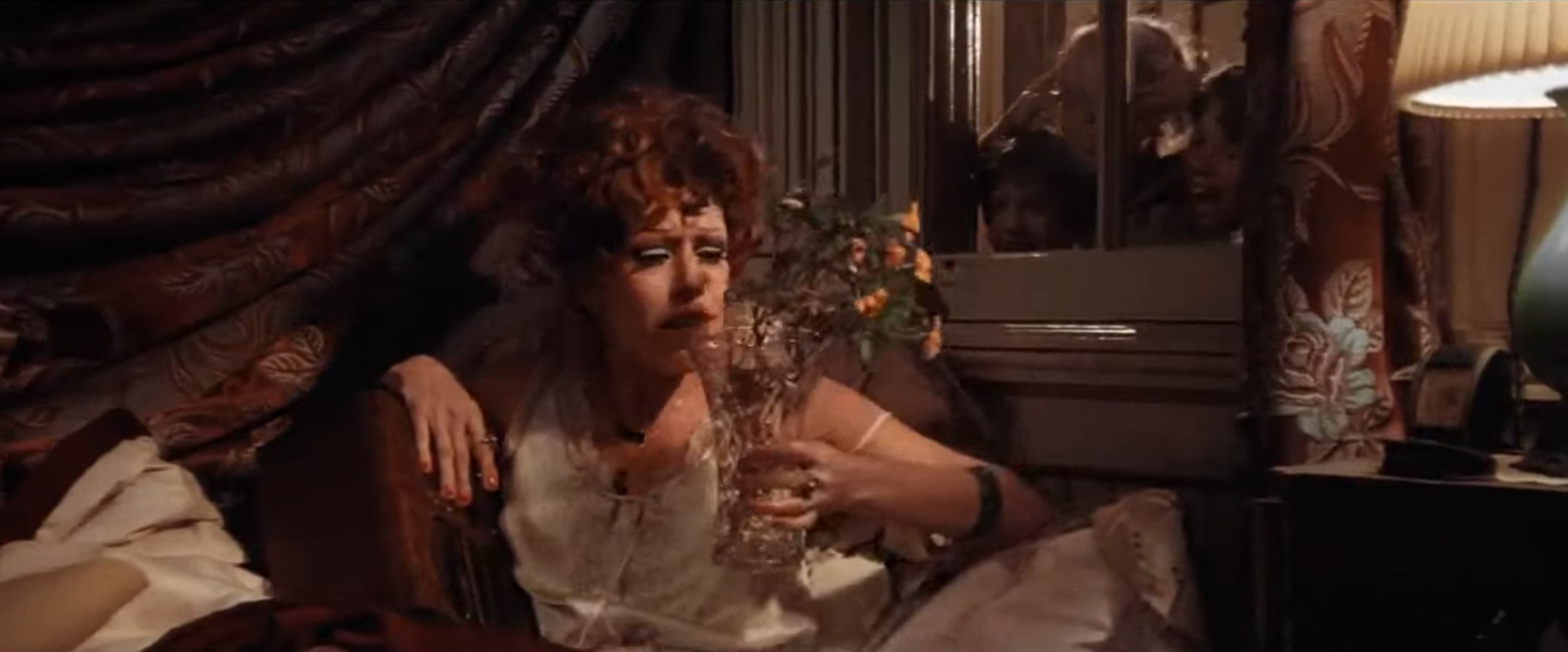
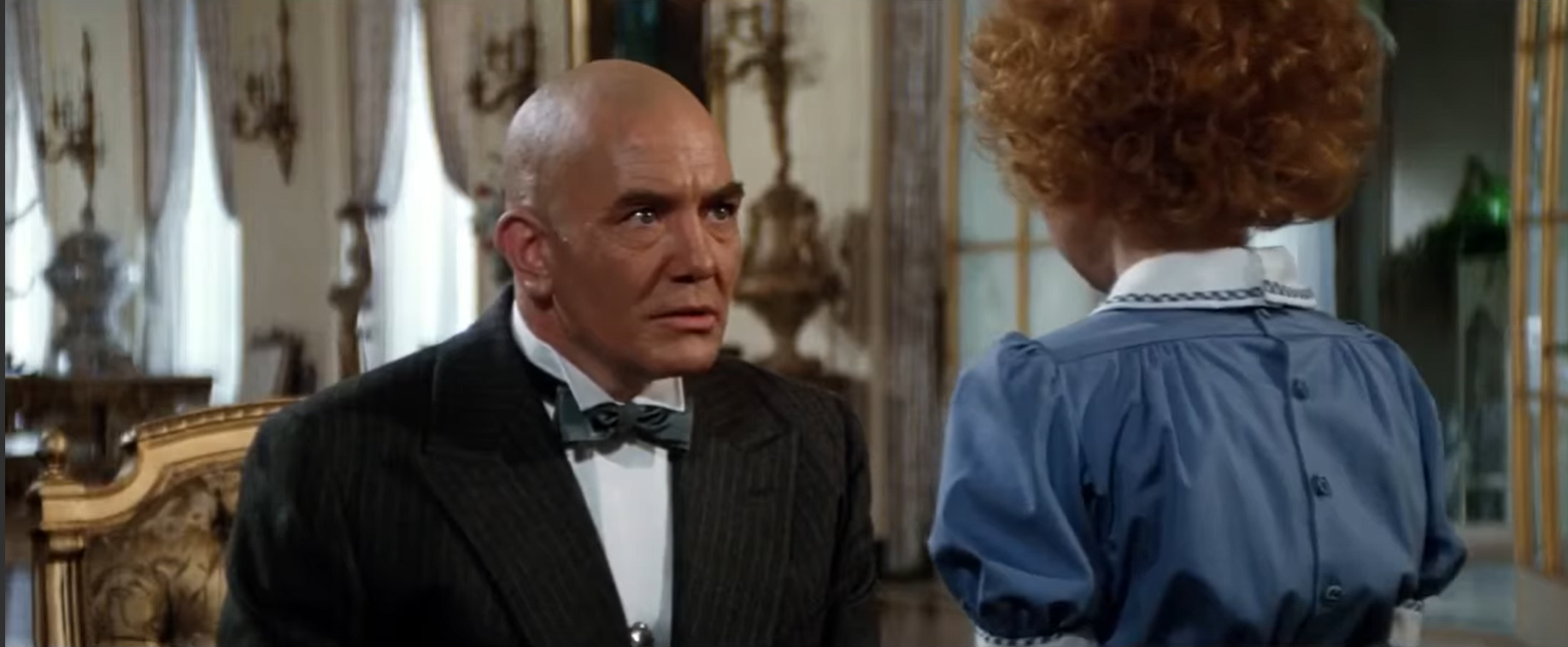
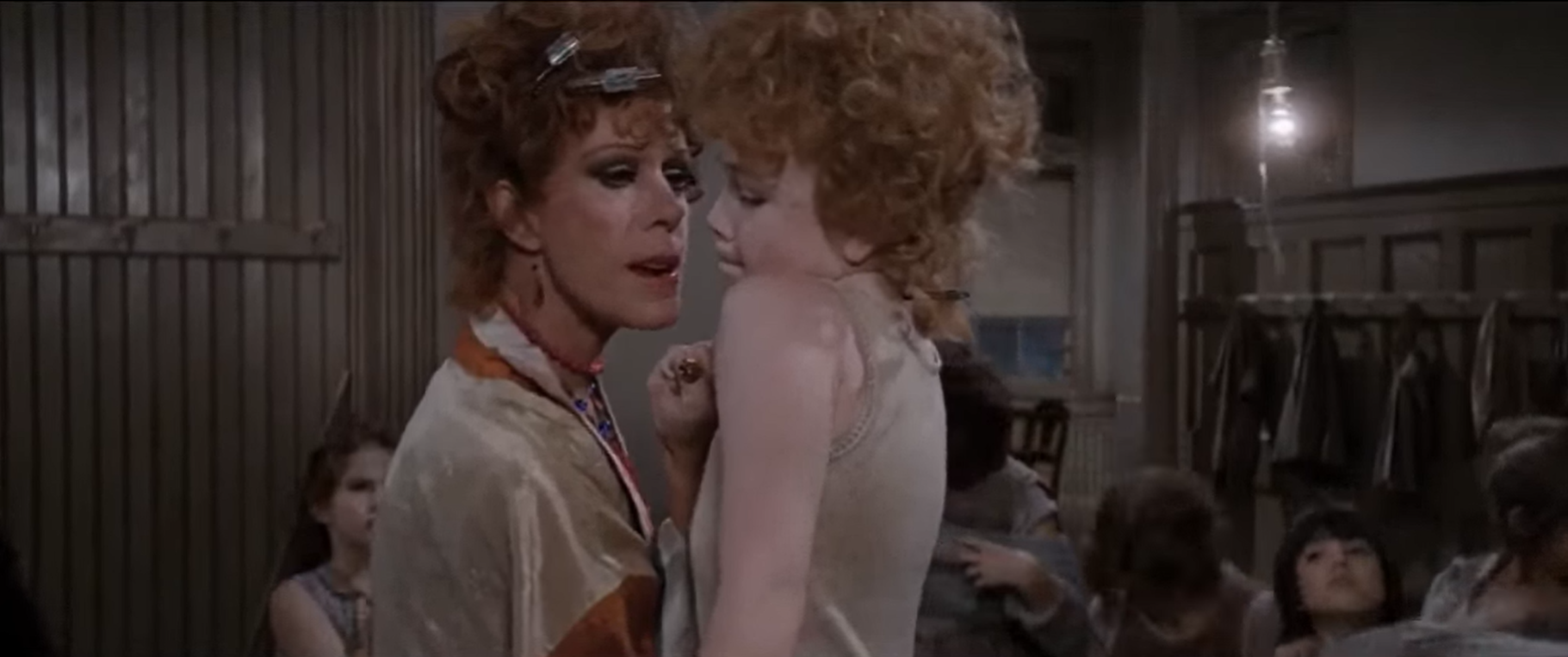
Film fanatics will likely enjoy seeing both bald-pated Albert Finney as the crusty yet malleable Daddy Warbucks, and Carol Burnett’s hilariously over-the-top performance as Miss Hannigan (my favorite moment: Hannigan drunkenly takes a sip of water from a vase full of flowers).

And the story itself remains undeniably seductive: what kid — orphan or not — wouldn’t want to be adopted by the wealthiest person in the world?

Note: Among those considered for the key roles in Annie were Bette Midler as Miss Hannigan, Jack Nicholson as Daddy Warbucks, and Drew Barrymore as Annie herself. Interestingly, any one of these possibilities seems like a plausible choice.

Redeeming Qualities and Moments:

  • Albert Finney as Daddy Warbucks
  • Carol Burnett as Miss Hannigan
  • A catchy roster of tunes

Must See?
Yes, simply as a cult favorite.

Categories

  • Cult Movie

Links:

Haunted Palace, The (1963)

Haunted Palace, The (1963)

“I’ll not have my fill of revenge until this village is a graveyard!”

Synopsis:
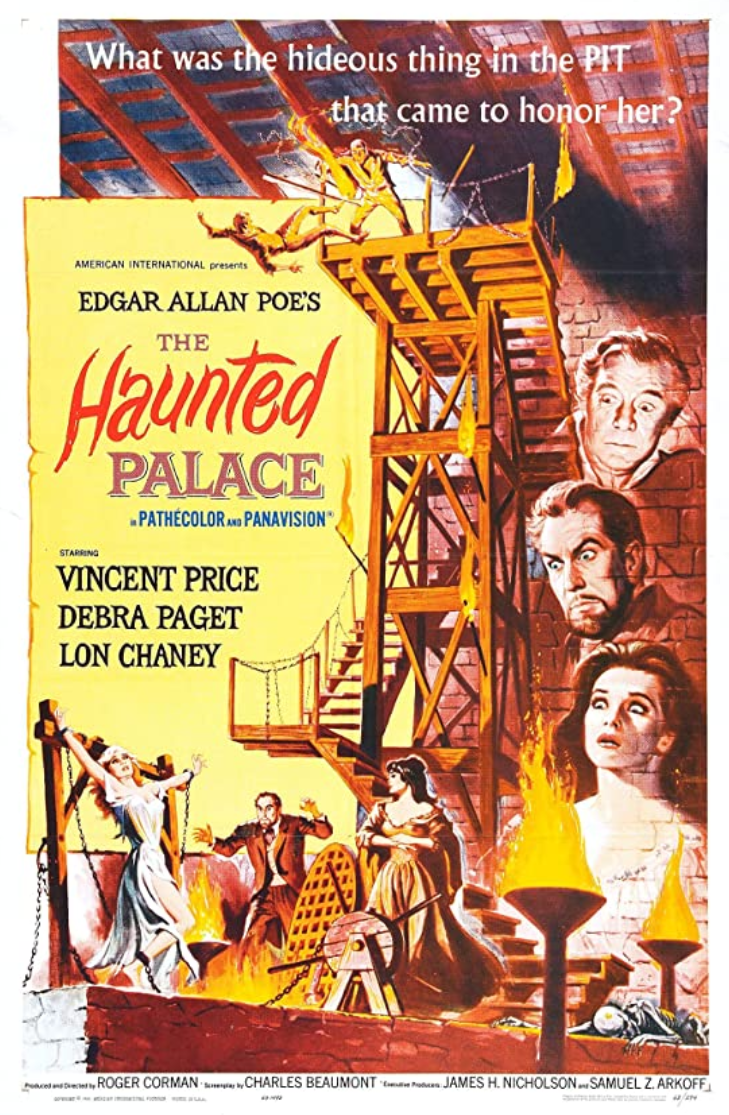
In the late 1700s, warlock Joseph Curwen (Vincent Price) is burned at the stake by the villagers of Arkham, and vows revenge. More than 100 years later, his great-grandson (also Price) arrives in Arkham with his new wife (Debra Paget), and becomes possessed by a painting of Curwen. With the help of his loyal servant (Lon Chaney), Curwen attempts to raise his mistress (Cathie Merchant) from the dead, and to kill off his murderers’ descendants.

Genres:

  • Debra Paget Films
  • Elisha Cook Jr. Films
  • Horror
  • Lon Chaney, Jr. Films
  • Possession
  • Revenge
  • Roger Corman Films
  • Vincent Price Films
  • Witches, Wizards, and Magicians

Review:
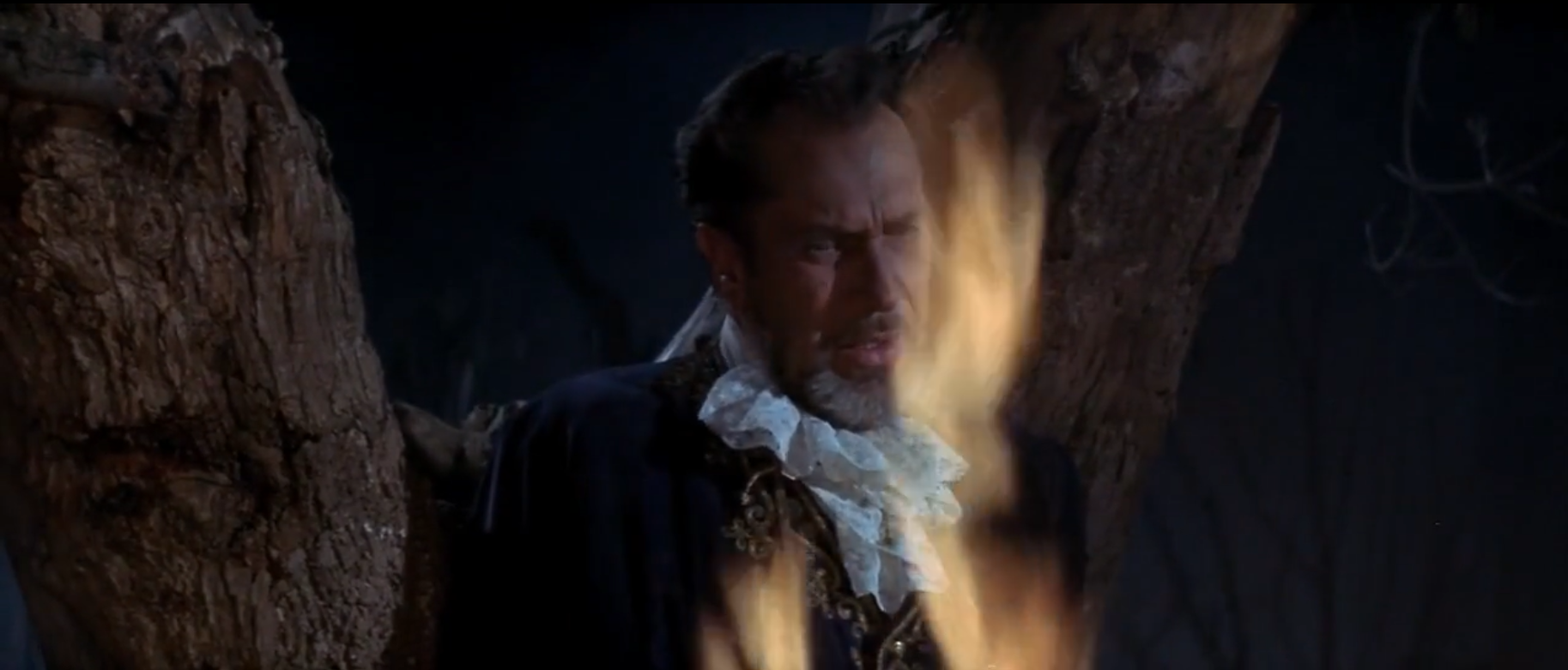
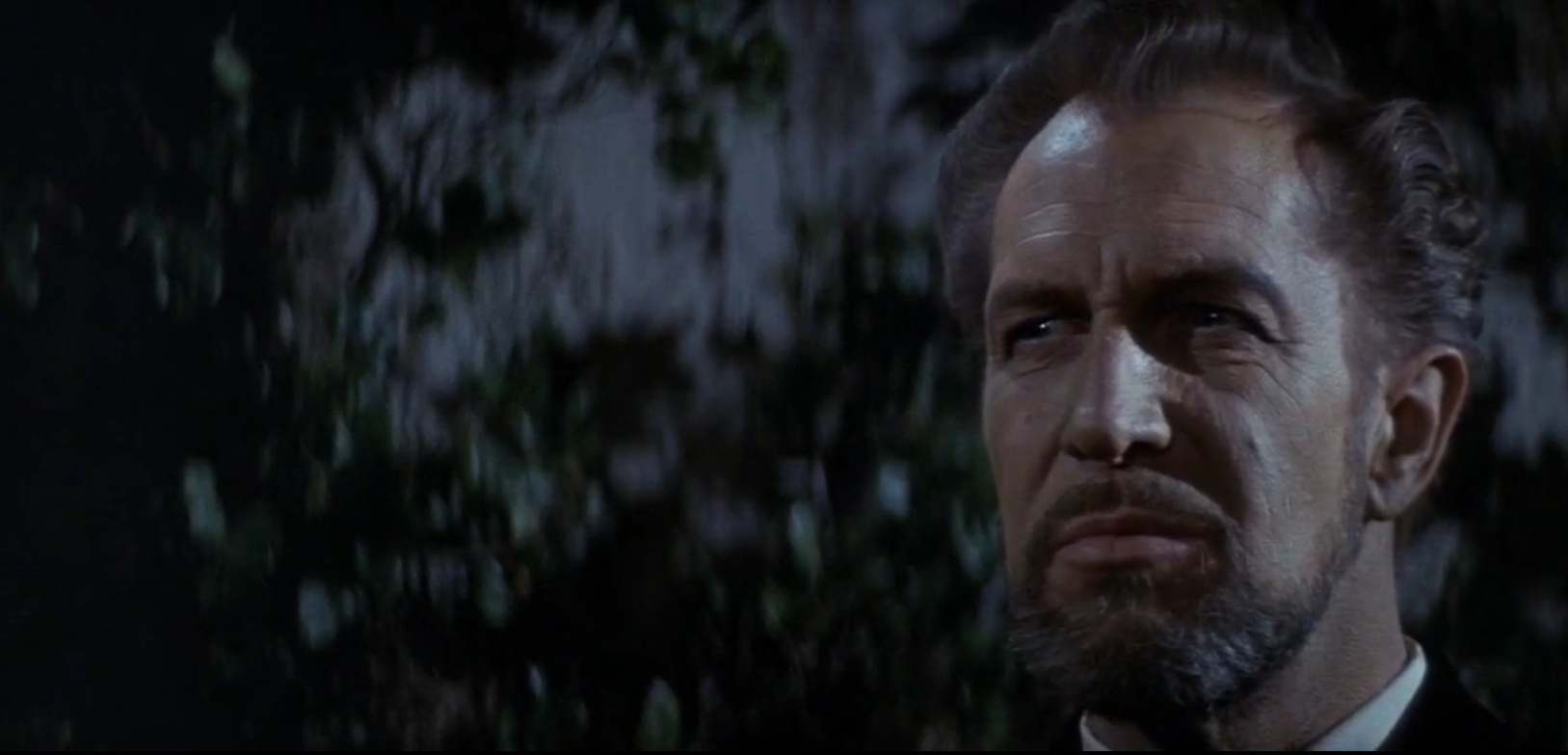
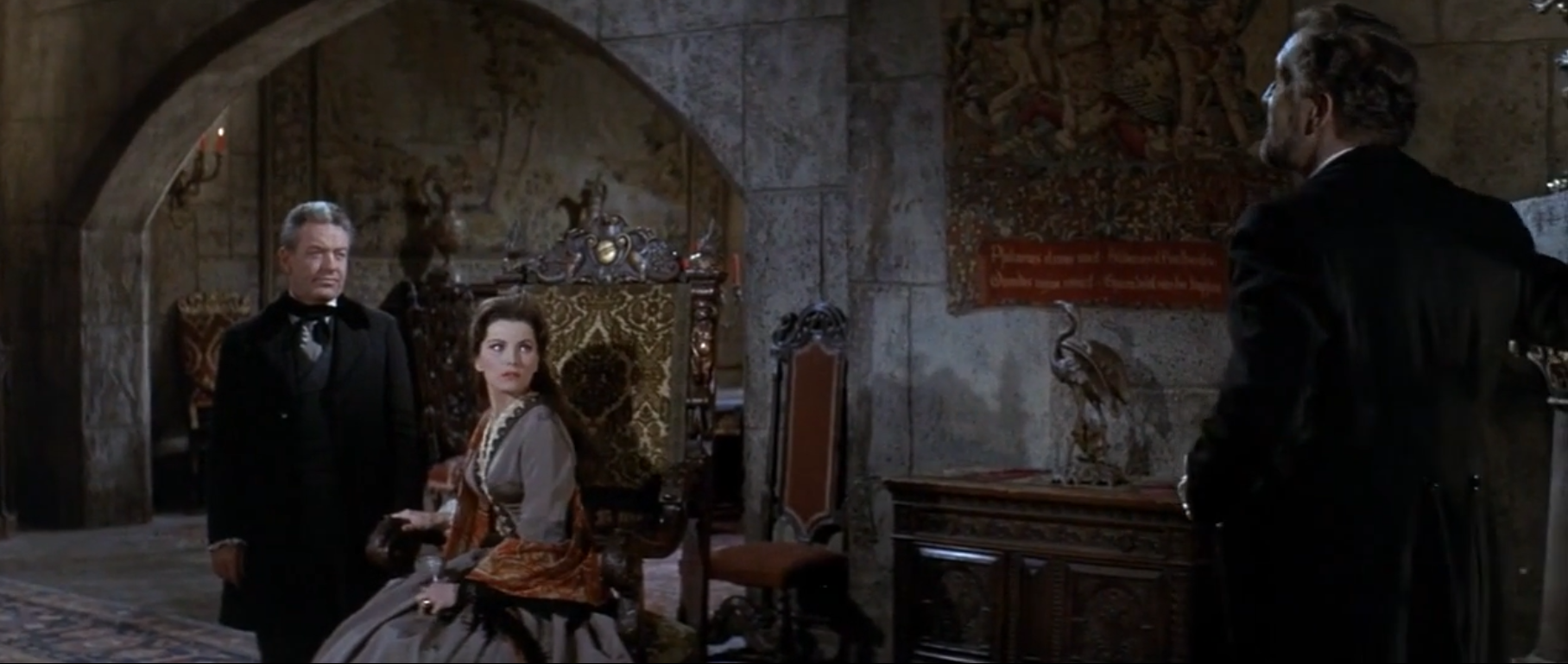
Made as part of AIP’s cycle of “Poe” pictures (but actually based on a story by H.P. Lovecraft ), this Corman-directed flick is a compelling treat for fans of gothic horror. With its opulent sets, fog-drenched cinematography, and brass-heavy score, The Haunted Palace has atmosphere to spare; and Corman-favorite Vincent Price is at his hammy best in dual roles as both Ward and Curwen, effortlessly shifting from hapless husband to malevolent warlock with a simple arch of his eyebrows. Because Curwen is treated so viciously by his neighbors in the opening sequence of the film:

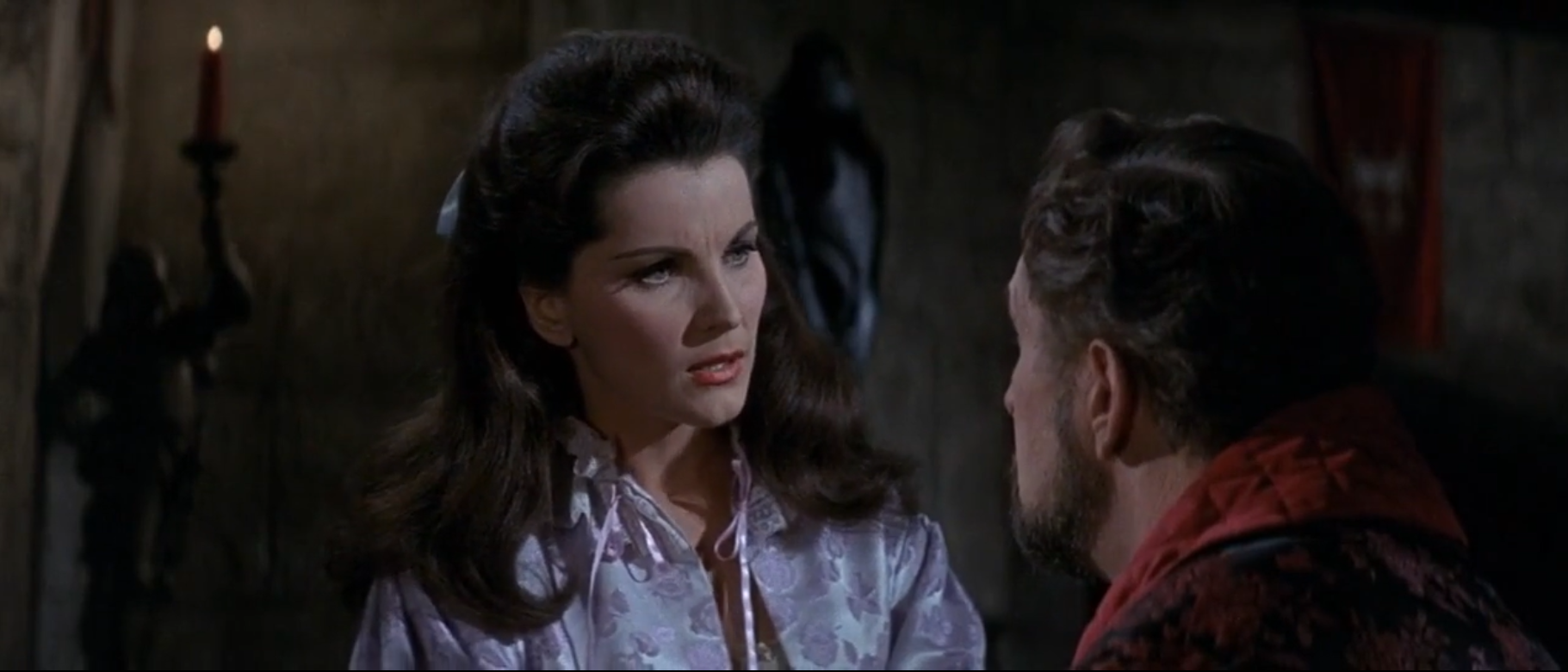
— his dying screams as he’s burned at the stake are bloodcurdling — we can actually sympathize with his desire for revenge; the snively residents of Arkham (many of whom are mutants) almost seem to deserve their fate. Paget is fine as Ward’s unfairly put-upon wife:

… and Chaney (in ghoulish-green facial makeup) is appropriately creepy as Curwen’s eternally loyal servant:

— but this is Price’s show all the way.

Note: Watch for the final compelling shot of the movie, which takes one by surprise.

Redeeming Qualities and Moments:

  • Vincent Price as Curwen and Ward
  • Daniel Haller’s baroque production design
  • Atmospheric cinematography (by Floyd Crosby) and direction (by Corman)
  • Ronald Stein’s instantly hummable score

Must See?
Yes, for Price’s performance, and as a most enjoyable “Poe” adaptation by Corman.

Categories

  • Noteworthy Performance(s)

Links:

Treasure Island (1950)

Treasure Island (1950)

“Them that die’ll be the lucky ones!”

Synopsis:
In 18th century England, a young boy (Bobby Driscoll) is given a treasure map and sets sail on a ship with a mutinous crew, led by the one-legged pirate Long John Silver (Robert Newton).

Genres, Themes, Actors, and Directors:

  • At Sea
  • Coming-of-Age
  • Gold Seekers
  • Pirates
  • Robert Newton Films

Review:
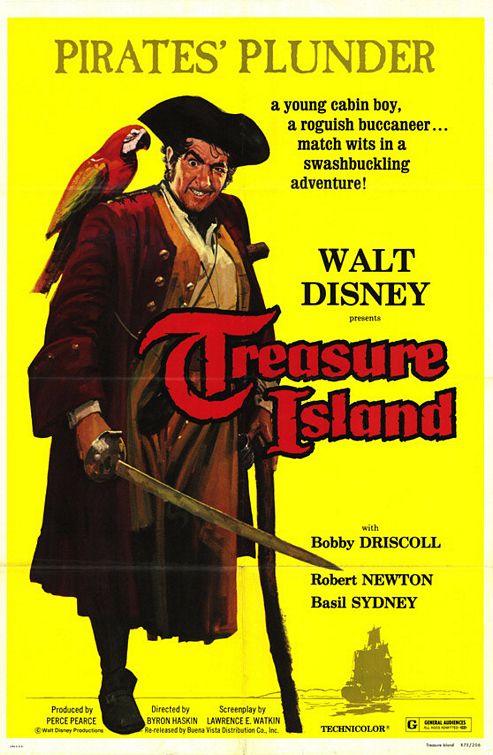
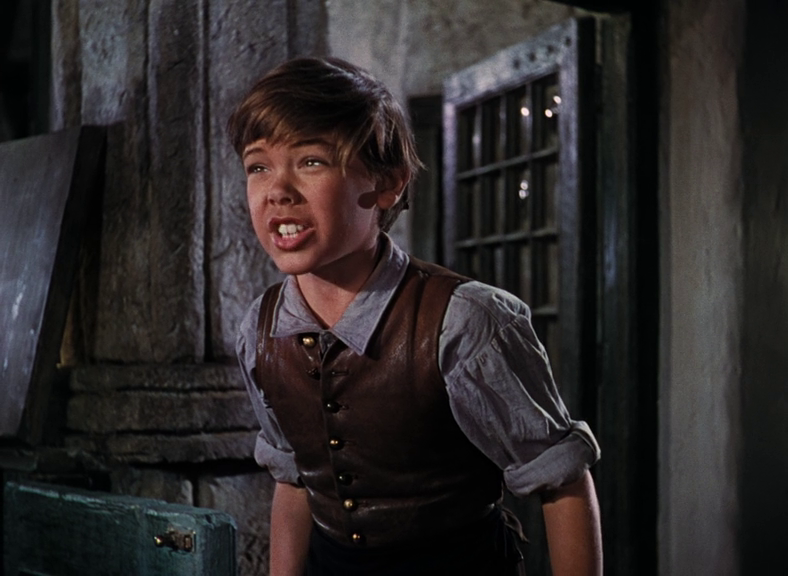
Disney’s first live-action film remains the most famous version among many (including the Peary-recommended 1934 version, starring Wallace Beery) made from Robert Louis Stevenson’s classic 1883 adventure novel. Unfortunately (as in the novel), it takes too long for the action to get started, with half-an-hour passing before the ship even sets sail; but once it does, director Byron Haskin keeps things moving at an energetic clip, with plenty of exciting action sequences and life-threatening encounters. Disney veteran Bobby Driscoll (star of 1946’s Song of the South) is appropriately mature as young Jim Lively (who gets to experience a coming-of-age adventure most boys only dream of!):

… and he’s surrounded by a cast of colorful supporting actors — most notably Robert Newton as Long John Silver (nominated by Peary as one of the Best Actors of the Year in his Alternate Oscars).

Redeeming Qualities and Moments:

  • Robert Newton as Long John Silver

Must See?
Yes, simply to see Newton in perhaps his most iconic role.

Categories

  • Noteworthy Performance(s)

Links:

What’s the Matter With Helen? (1971)

What’s the Matter With Helen? (1971)

“Helen, you do act like a killjoy sometimes.”

Synopsis:
When the mothers (Debbie Reynolds and Shelley Winters) of two convicted murderers receive threatening phone calls, they flee to Hollywood, where they establish a song-and-dance studio for aspiring kid stars. Reynolds finds happiness by dating a wealthy admirer (Dennis Weaver), but Winters’ increasingly unstable mental state puts both their lives at risk.

Genres, Themes, Actors, and Directors:

  • Agnes Moorehead Films
  • Debbie Reynolds Films
  • Hollywood
  • Horror
  • Mental Breakdown
  • Shelley Winters Films

Review:
What’s the Matter With Helen? was written by Henry Farrell, best known for penning the Grand Guignol classic Whatever Happened to Baby Jane? (1962) and its successor, 1964’s Hush… Hush, Sweet Charlotte (based on his short story “Whatever Happened to Cousin Charlotte?”). Farrell was clearly interested in milking the theme of “things happening” to middle-aged women with troublesome pasts — yet unlike in either …Jane or …Charlotte, it’s obvious from the beginning of …Helen which of the two female leads will eventually show evidence of having a few too many screws loose.

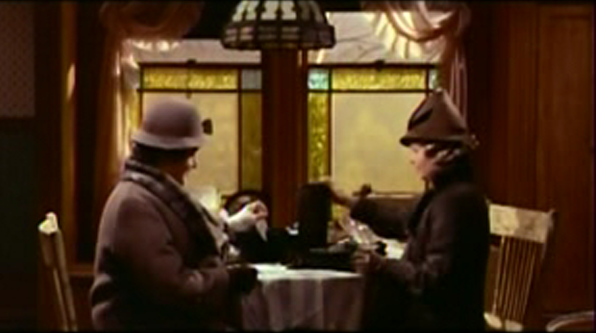
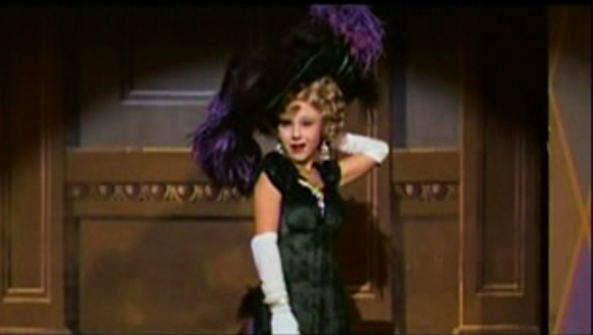
While …Helen? offers some enjoyment in its recreation of 1930s Hollywood — complete with eerie Shirley Temple- and Mae West-wannabes dancing their hearts out for hypothetical talent scouts in the audience — it ultimately fails to generate the same type of twisted energy as its cinematic predecessors, due primarily to the rather tame central relationship between Winters and Reynolds. Ironically, 40-year-old Debbie Reynolds’ uber-trim, youthful appearance (she looks not a day over 30) works to her detriment here, given that she never comes across as either middle-aged or pathetic — and her friendship with Winters, based purely on the circumstance of their sons’ hideous crime, lacks the emotional gravity of the contentious familial relationships grounding both …Jane and …Charlotte.

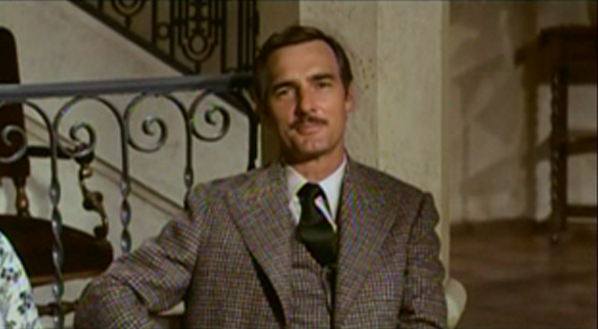
As a result, Winters’ gradual descent into madness exists in a weird parallel universe to the somewhat mundane path taken by Reynolds (who seems to want to be in a romantic musical — note her two impressive dance scenes). There’s some tension to be had in the underlying question of who’s been making threatening calls to the two ladies, and whether or not Reynolds’ convenient new love interest (nicely played by Dennis Weaver) will care about her grown son’s infamous record — but a potential subplot about Winters’ obsession with a charismatic female evangelist (Agnes Moorehead in a criminally small cameo) sadly fails to go anywhere, and the climactic ending, while shocking, feels like a bit of an emotional cheat.

Redeeming Qualities and Moments:

  • Effective 1930s set designs and (Oscar-nominated) costumes
  • The surreal “kiddy revue”
  • Dennis Weaver as “Linc”

Must See?
No, though it’s worth a one-time look.

Links:

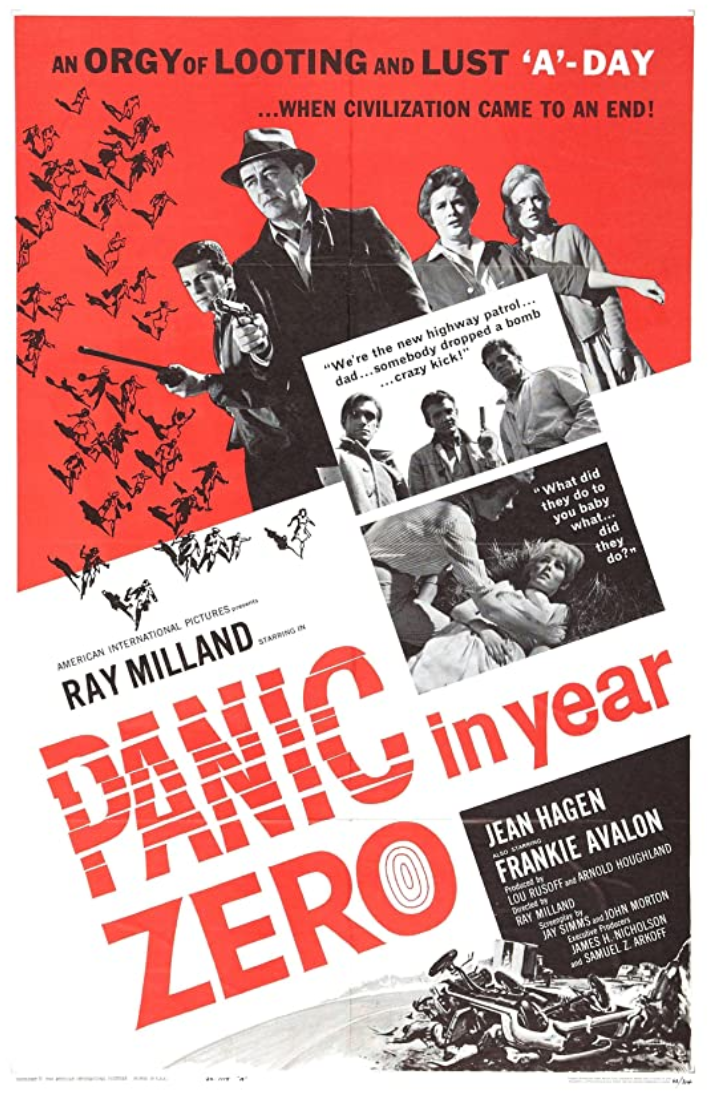
Panic in Year Zero (1962)

Panic in Year Zero (1962)

“For the next few weeks, survival is going to have to be on an individual basis.”

Synopsis:
In the aftermath of a nuclear explosion, a Los Angeles father (Ray Milland) places the survival of his wife (Jean Hagen) and children (Frankie Avalon and Mary Mitchel) above all else.

Genres, Themes, Actors, and Directors:

  • Jean Hagen Films
  • Nuclear Holocaust
  • Post-Apocalypse
  • Ray Milland Films
  • Science Fiction
  • Survival

Review:
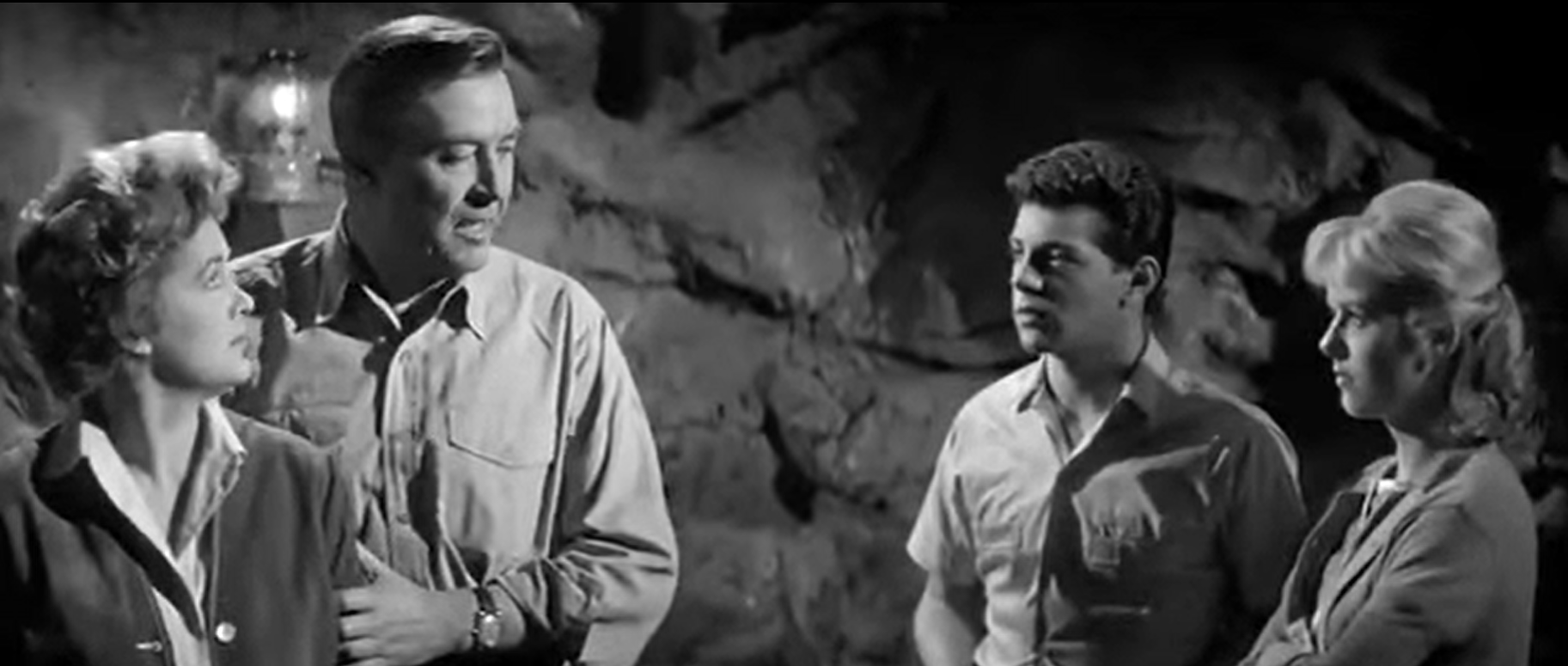
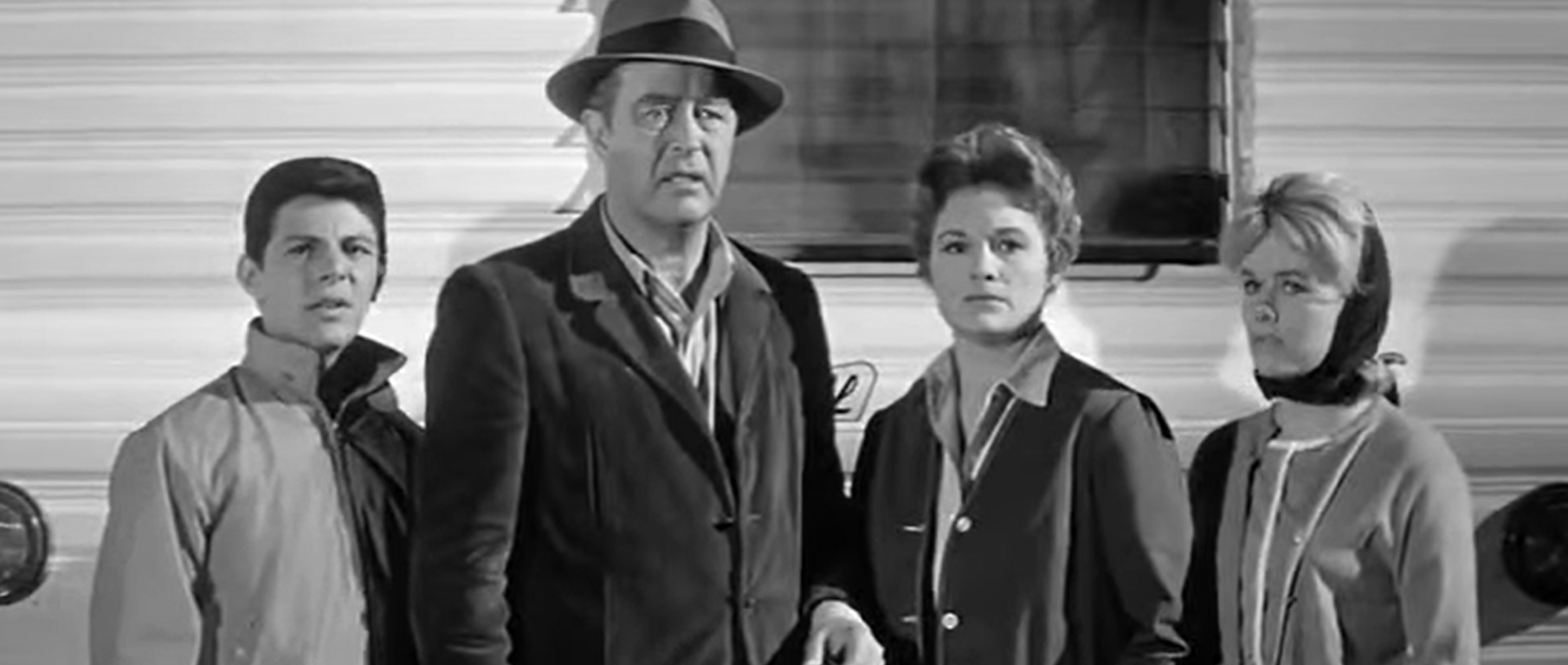
Ray Milland starred in and directed this earnest yet disappointing low-budget AIP flick about a family struggling to survive after a nuclear bomb hits Los Angeles. Post-apocalyptic dramas have the potential to explore a rich array of societal and psychological issues, including racism, loneliness, and despair — see Arch Oboler’s Five (1951), for instance, or The World, the Flesh, and the Devil (1959) — but Panic in Year Zero remains squarely in the realm of exploitation films, with a gang of marauding young hoodlums (led by Richard Bakalyan) representing the primary force of evil, and “every man for himself” serving as its rather uninspired theme. Milland isn’t great at directing his cast (not even spirited Jean Hagen or teen heartthrob Frankie Avalon emerge with much personality):

… and the film’s ultra-low budget inevitably hurts its veracity as well — most egregiously in the use of high-speed freeway footage to represent local two-lane roads (!). Despite its historical relevance as one of the first “atom scare” films to be released in America, Panic in Year Zero isn’t must-see viewing.

Redeeming Qualities and Moments:

  • A compelling premise

Must See?
No; feel free to skip this dated flick.

Links:

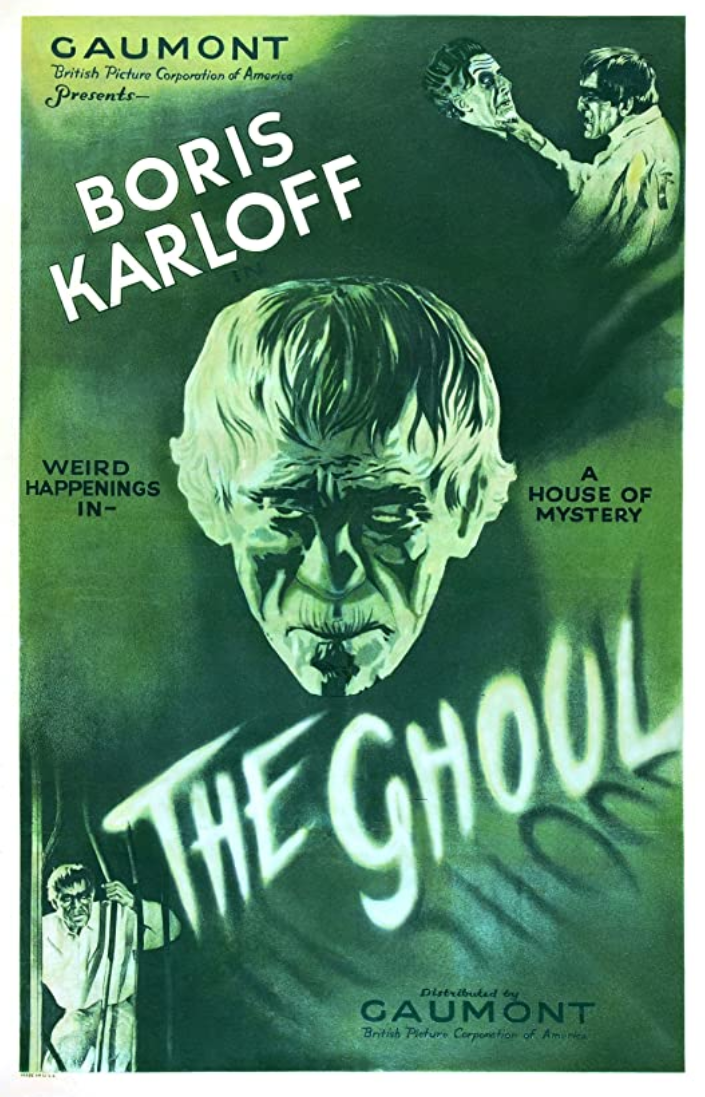
Ghoul, The (1933)

Ghoul, The (1933)

“At the first hour, I will make my offering of the eternal light to Anubis, opener of the ways.”

Synopsis:
A dying professor of Egyptology (Boris Karloff) asks to be buried with a valuable jewel known as the Eternal Light, which he believes will grant him immortality in the afterlife. When his butler (Ernest Thesiger) steals the jewel from his tomb, Karloff returns from the dead to seek revenge.

Genres, Themes, Actors, and Directors:

  • Boris Karloff Films
  • Egypt and Egyptology
  • Horror
  • Life After Death
  • Ralph Richardson Films
  • Revenge

Review:
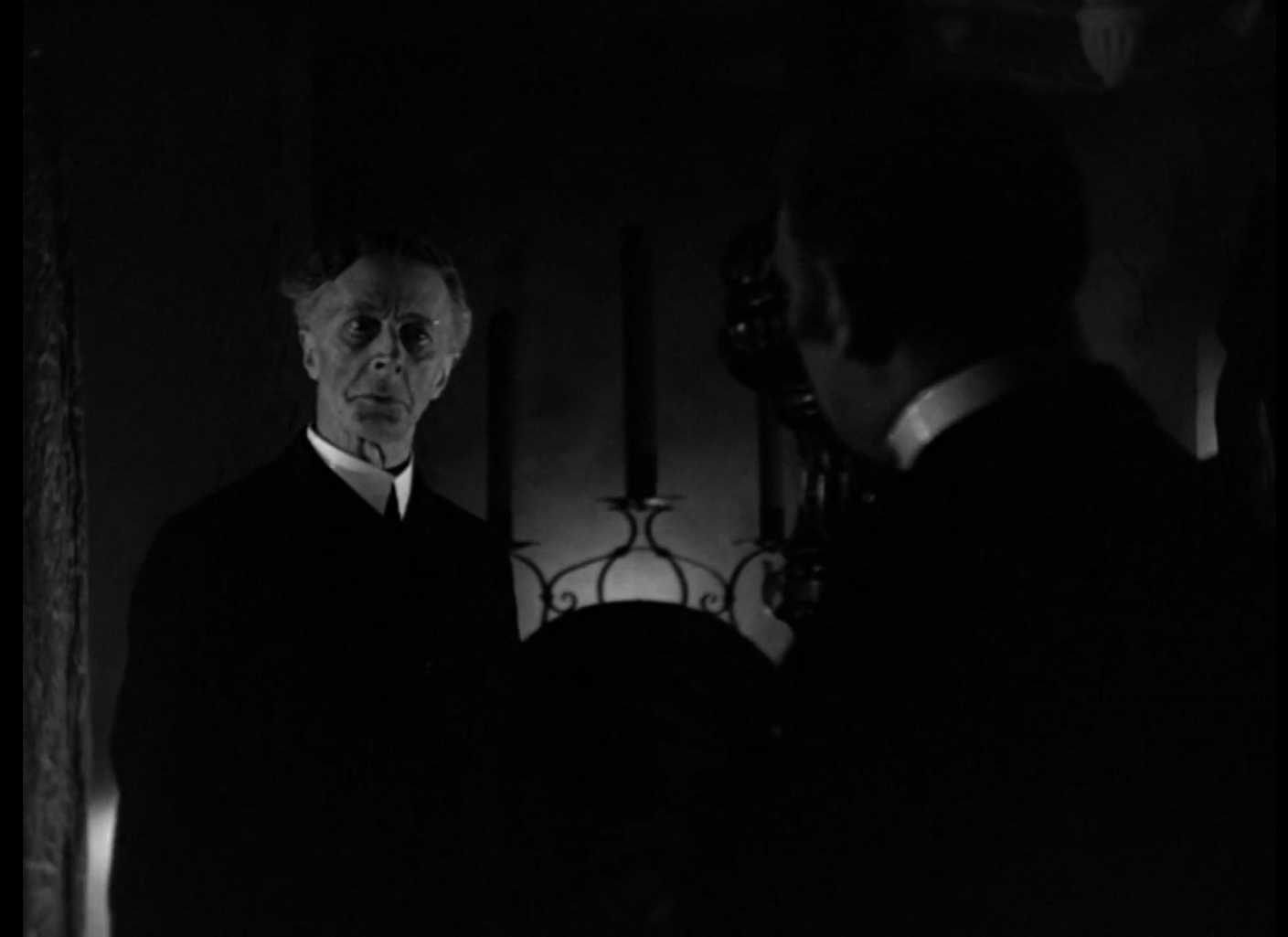
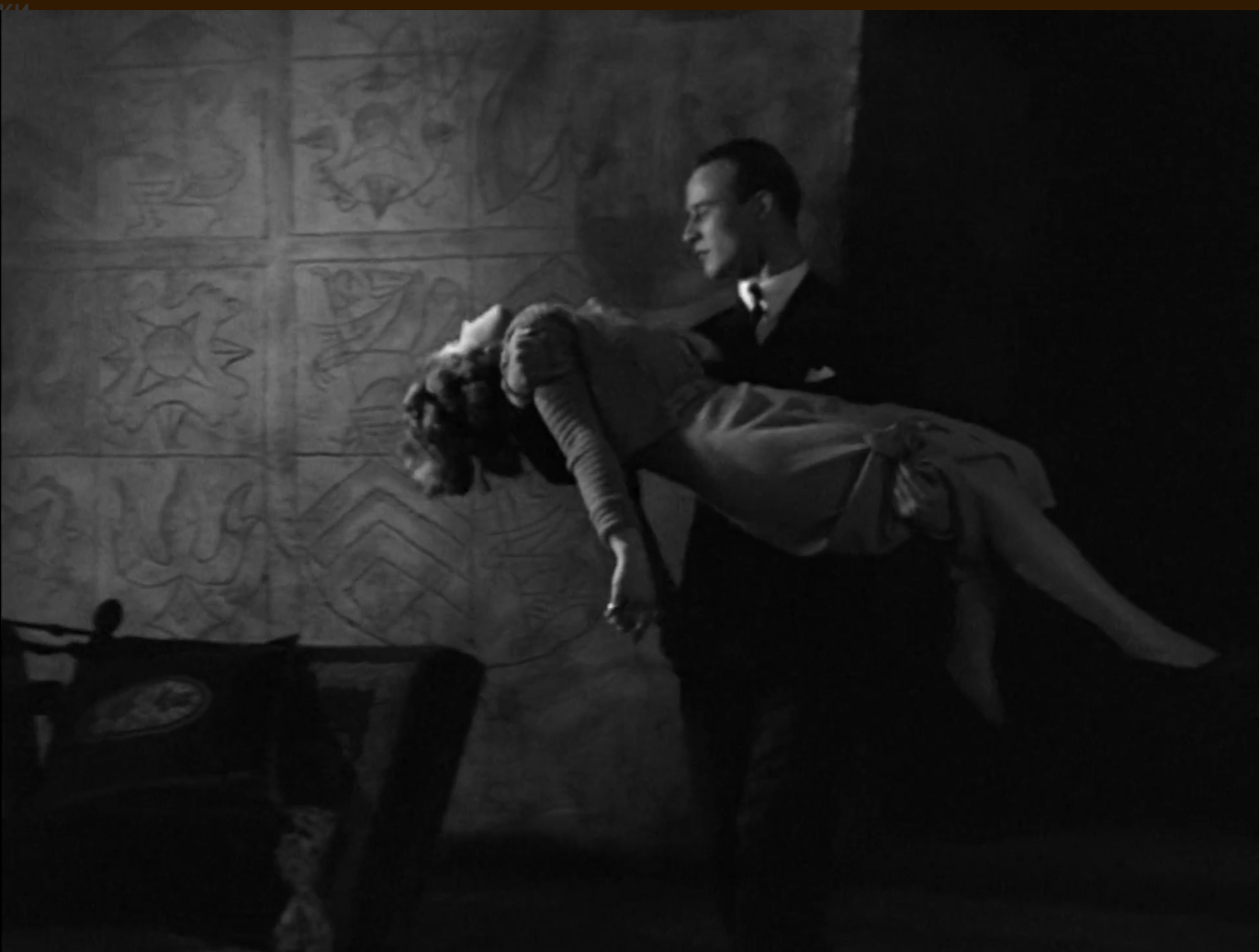
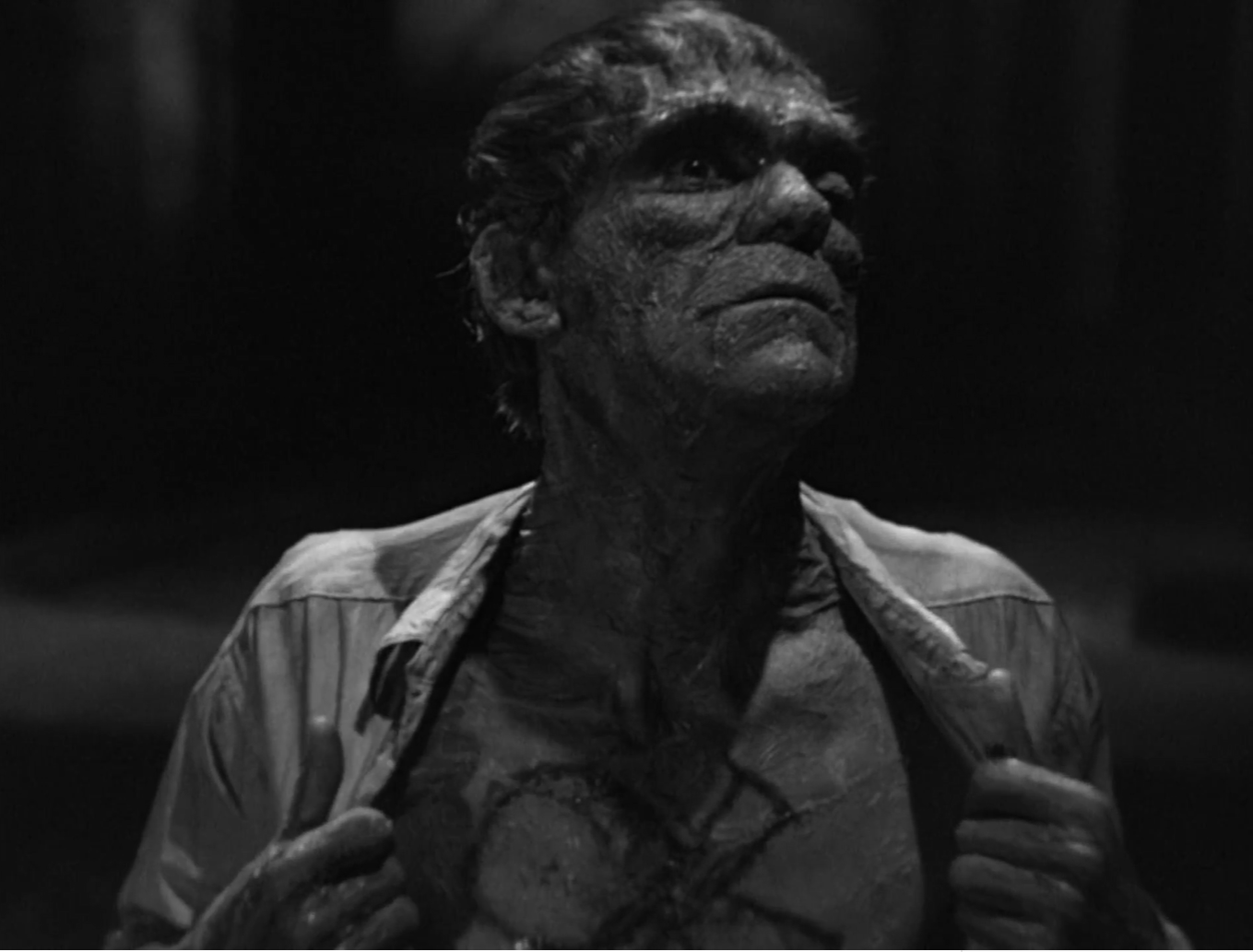
This early British horror flick was believed lost for many years, until a print was finally found in 1969. Unfortunately, however — despite the presence of Boris Karloff in a starring role — it’s far from a missing classic. The pacing in early scenes is deathly slow, the film’s overall tone shifts awkwardly from comedy to horror, and Karloff is gone from the screen for far too long (he doesn’t “rise from the dead” until more than 45 minutes into the story). While it’s redeemed somewhat by effectively creepy lighting and sets — as well as Karloff’s surreal makeup and performance — overall, The Ghoul is a dull disappointment. See TCM’s article for in-depth background information on the making and context of the film.

Redeeming Qualities and Moments:

  • Highly atmospheric lighting and set designs

  • Boris Karloff as Professor Morlant

Must See?
No. Listed as a Sleeper in the back of Peary’s book.

Links:

Projectionist, The (1971)

Projectionist, The (1971)

“I’ve always liked movies; movies have always been a kick for me.”

Synopsis:
A nebbishy projectionist (Chuck McCann) escapes from the tyranny of his scolding boss (Rodney Dangerfield) by living vicariously through films, and imagining himself as a superhero named Captain Flash.

Genres, Themes, Actors, and Directors:

  • Character Studies
  • Fantasy

Review:
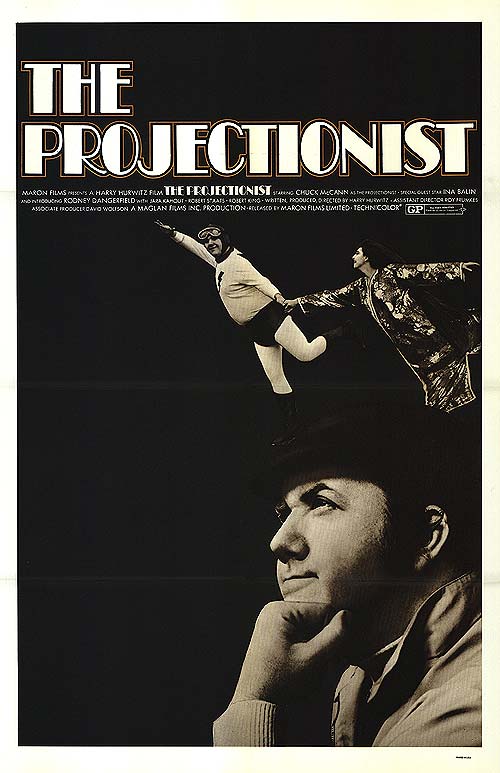
The Projectionist is a movie made both for and about film fanatics. Character actor Chuck McCann — best known for his voiceover work, though fans of 1968’s The Heart is a Lonely Hunter will immediately recognize him as the mute Spiros Antonapoulos — is perfectly cast in the lead role as an undistinguished projectionist whose passion for movies bleeds through into every facet of his waking life. At first, it seems that the projectionist’s fascination with cinema is one of simple homage to Hollywood: an early scene in which he gazes at a wall full of headshots and mimics the voices of Clark Gable, Jimmy Stewart, Oliver Hardy, and other cinematic icons is a treat. Eventually, however, we become privy to the darker thoughts in the projectionist’s mind — including concerns about racism, tyranny, and the general state of the world — and the film becomes an increasingly surreal, postmodern pastiche of rapidly edited clips and images.

Interwoven throughout the mostly dialogue-free film are fantasy sequences in which the projectionist’s pudgy alter-ego — a superhero named Captain Flash — romances a beautiful damsel (Ina Balin) while escaping from the clutches of “The Bat” (Dangerfield); unfortunately, these silent sequences are oddly uninspired, and not nearly as humorous as writer/director Harry Hurwitz seems to want them to be. Much more impressive is Hurwitz’s seamless editing of McCann into classic movie clips — most notably Casablanca (viewers will doubtless be reminded of Woody Allen’s Play it Again, Sam). Note that fans of Rodney Dangerfield may be disappointed — or at the very least surprised — by his decidedly dark and non-comedic debut role here (though his performance is spot-on).

Redeeming Qualities and Moments:

  • McCann’s impressive imitation of a host of movie stars
  • A plethora of cleverly edited and integrated classic film clips

Must See?
Yes, simply for its oddball cult status. Listed as a Sleeper in the back of Peary’s book — though it recently gained some acclaim by being placed in the archives of the Museum Of Modern Art in New York

Categories

  • Cult Movie

Links: