|
Genres, Themes, Actors, and Directors:
- Episodic Films
- French Films
- Homeless
- Housewives
- Infidelity
- Jean Renoir Films
Review:
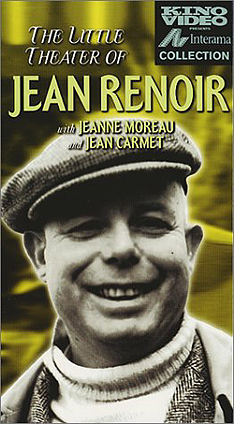
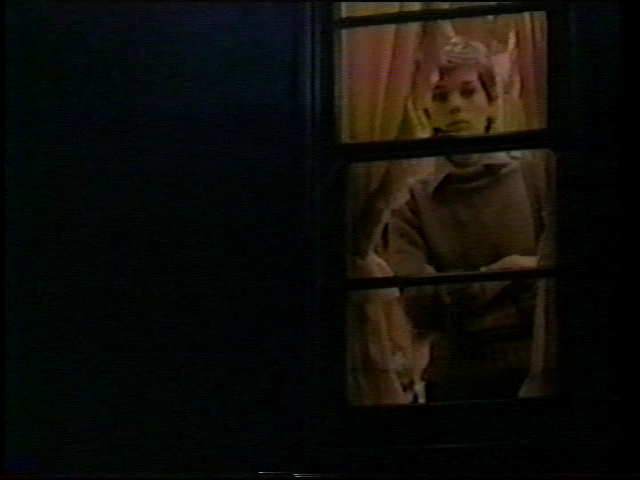
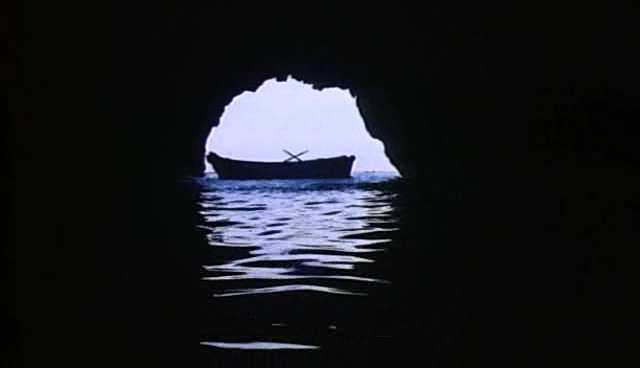
Jean Renoir’s final, made-for-TV film is a gentle ensemble of short stories, ranging in tone from melancholy to satirical, yet all sharing an underlying concern with exploring the ties that bind couples together. The first heartbreaking vignette, based on a story by Hans Christian Andersen, is essentially an adult variation of “The Little Match Girl”: on Christmas Eve, an insensitive diner pays a homeless man (Nino Formicola) to stand outside the window of a restaurant and stare in longingly; as he explains to his friends, this spectacle should make them appreciate their food all the more. Formicola’s willingness to participate in this disturbing charade ultimately yields him a fancy dinner for two, which he shares with his beloved partner (Milly) while reminiscing about the past. While Renoir comes dangerously close to romanticizing poverty in this opening vignette, he nonetheless trenchantly demonstrates man’s ability to cope under the worst of circumstances, simply through the power of love and imagination.
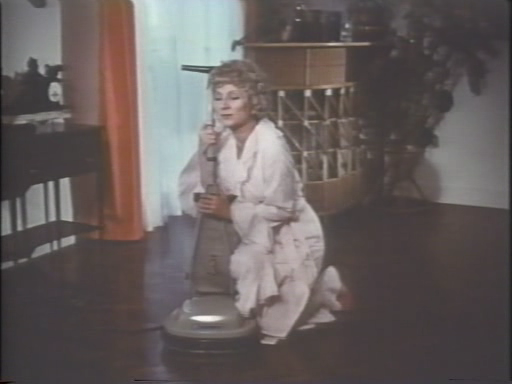
The second story — dubbed by Renoir an “opera” of sorts — involves a chorus of singing onlookers commenting on the marital woes of Emilie (Marguerite Cassan) and Gustave (Pierre Olaf). Shrewish Emilie (who surely has OCD) insists that an immaculate floor is what every housewife yearns for, and threatens to go live with her mother unless her henpecked husband gives in to her request for a personal floor waxer; when he does, circumstances eventually become more and more untenable, until Emilie finally makes the ultimate sacrifice for her beloved new tool. It’s an openly satirical, strangely satisfying little morsel about the dangers inherent in loving machines more than humans. At this point, Renoir proudly announces that Jeanne Moreau will sing a song — which she does, shakily and to minimal effect; it’s best ignored altogether, and fortunately lasts just a few minutes.
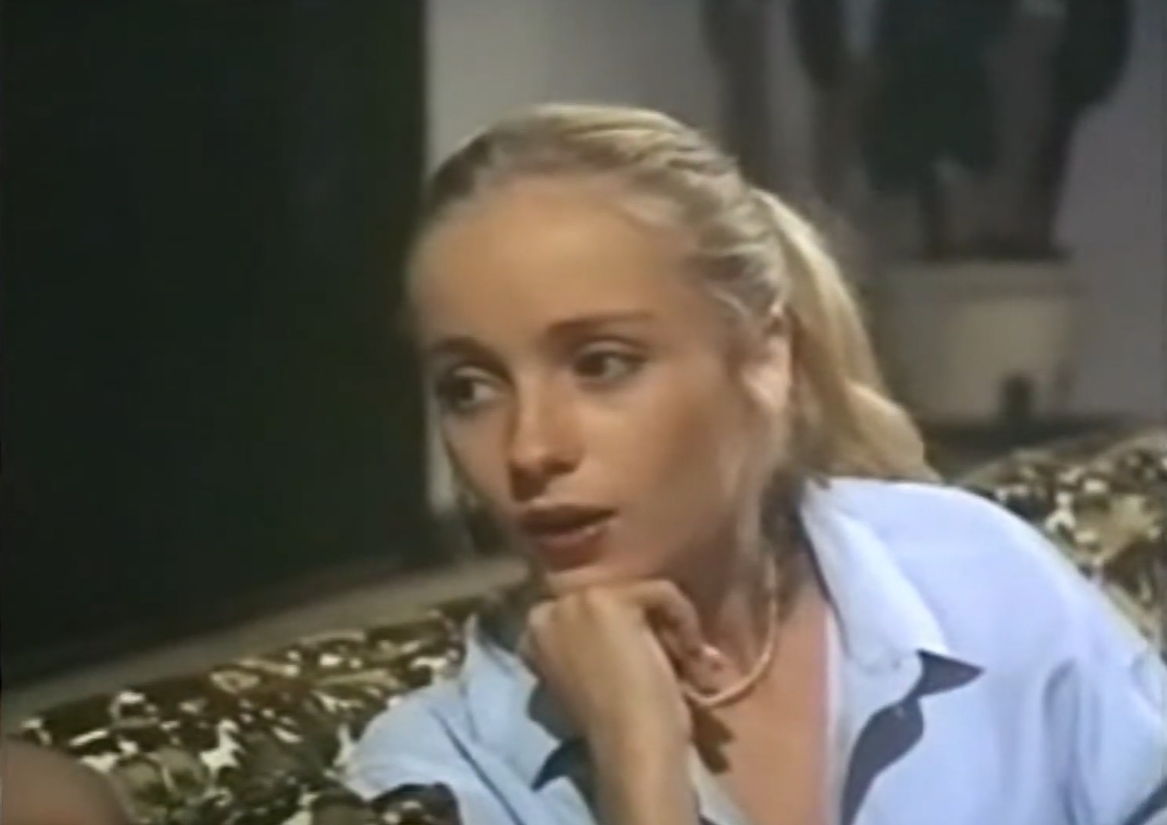
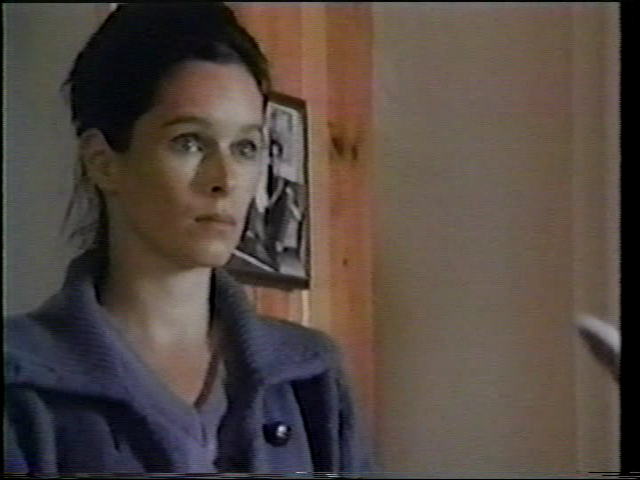
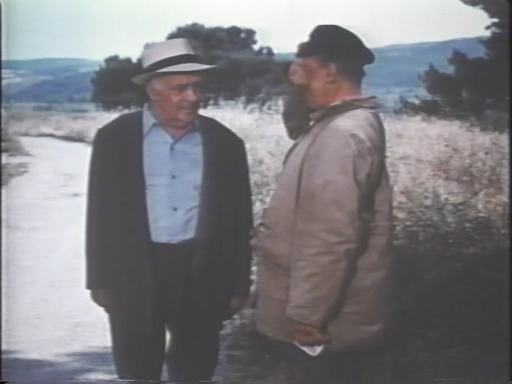
The final vignette may be the most heartfelt and personal of the bunch. In it, Renoir tells the story of an elderly villager (Fernand Sardou) who is deeply in love with his beautiful younger wife (Francoise Arnoul), and she with him — but she’s feeling oddly restless and dissatisfied. When she realizes than an affair is exactly what she needs to satisfy her “itch”, she turns to a visiting doctor (Jean Carnet) who is equally smitten with both her and the gentle Sardou. Much like in Bertrand Blier’s Oscar-winning Get Out Your Handkerchiefs (1978), this vignette lovingly demonstrates that a willingness to flout societal norms can lead to unexpected happiness in love and romance. It’s a fitting capstone to Renoir’s long and illustrious career as a filmmaker.
Redeeming Qualities and Moments:
- Three enjoyable vignettes about life, love, and tolerance

Must See?
No, though it’s worth a look as Renoir’s swan song — and is certainly must-see for Renoir fans.
Links:
|