Browsed by
Category: Original Reviews

Responses to Peary’s “must see” movie reviews, as well as my own “must see” movie reviews up to and after 1986 (when Peary’s book was published).

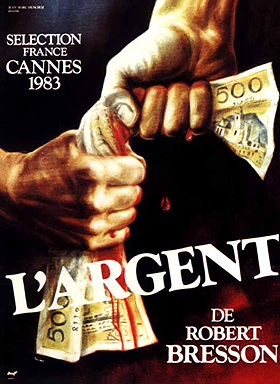
Argent, L’ (1983)

Argent, L’ (1983)

“Oh, money, visible god — what we wouldn’t do for you.”

Synopsis:
A delivery man (Christian Patey) finds his life changed forever when he’s handed several counterfeit bills by an unscrupulous photography store owner (Didier Baussy).

Genres, Themes, Actors, and Directors:

  • Downward Spiral
  • Falsely Accused
  • French Films
  • Robert Bresson Films

Review:
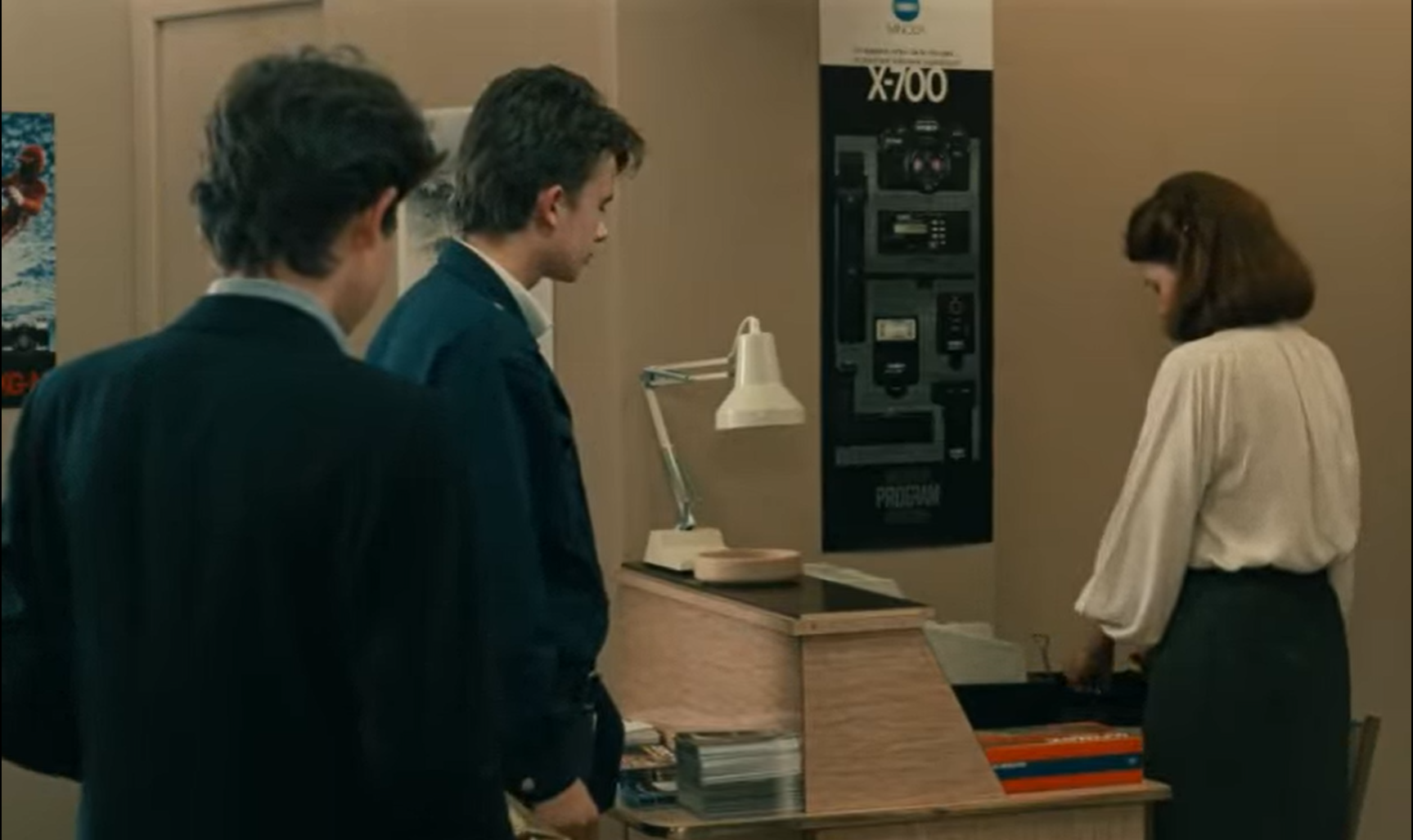
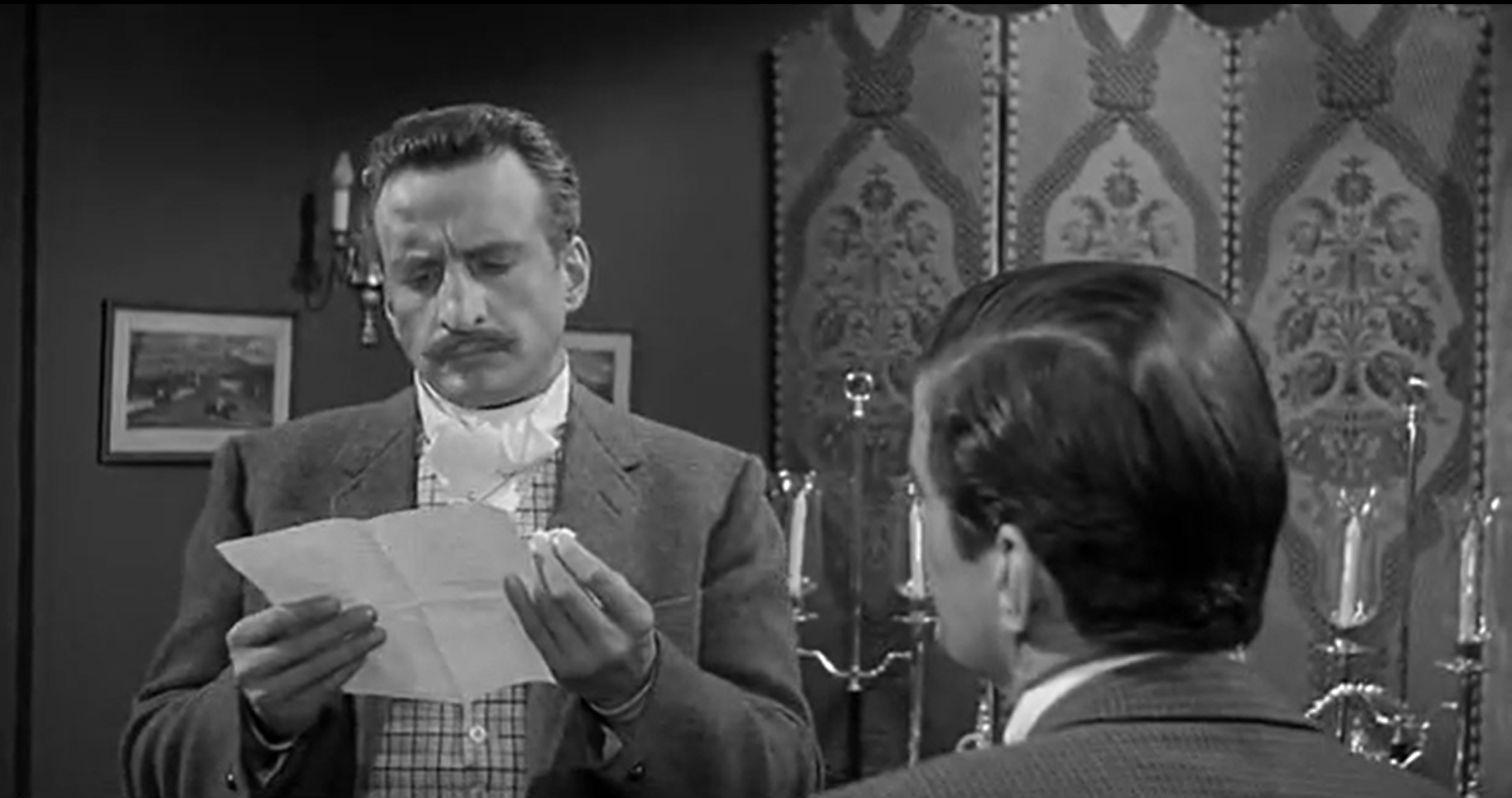
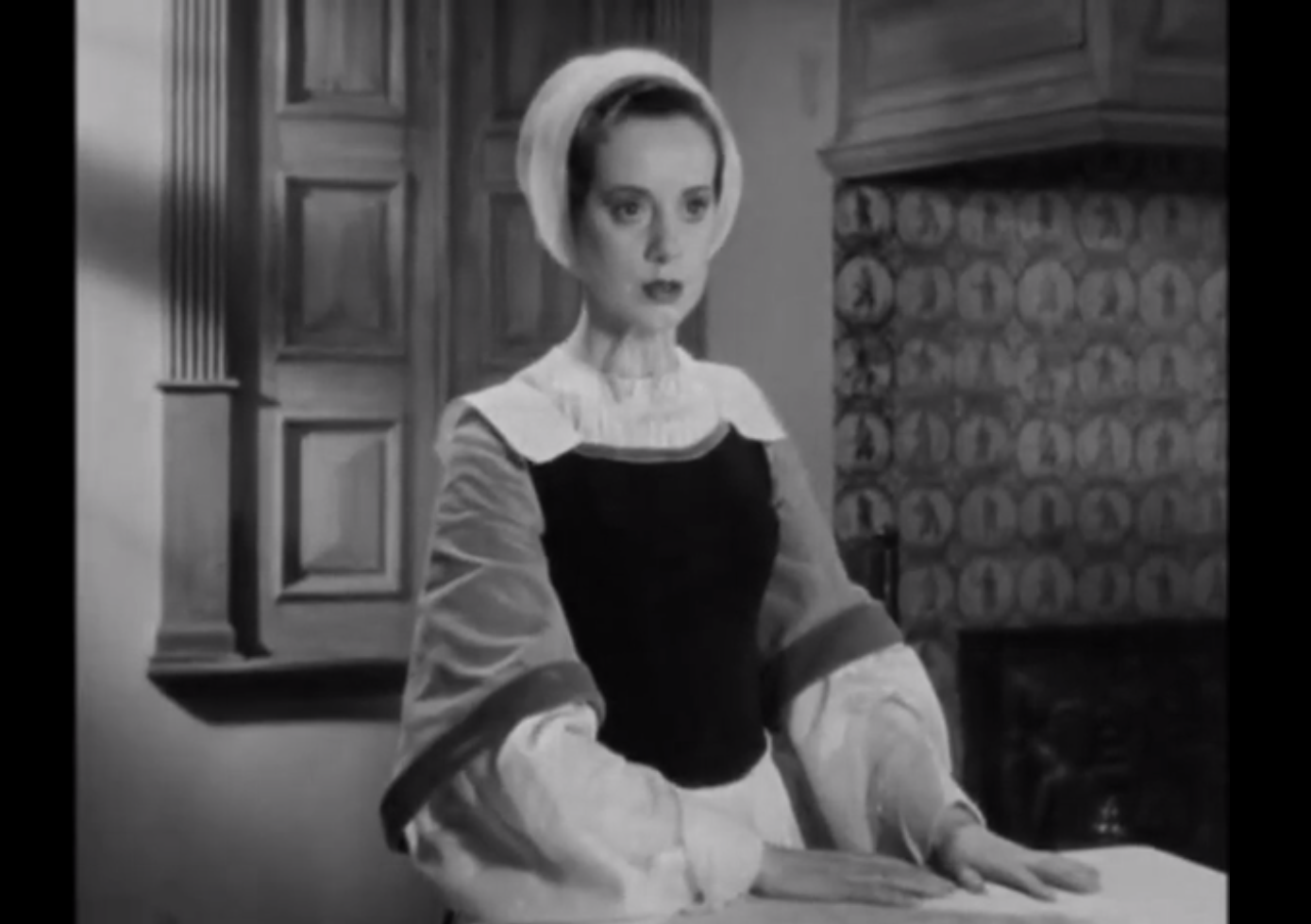
Based on Tolstoy’s story “The Forged Coupon”, Robert Bresson’s final film is a clear indictment against a mercenary society in which an innocent worker can be forced to pay dearly for the callous indifference and moral bankruptcy of the bourgeoisie. What begins as a naughty schoolboy prank — a wealthy teenager, miffed at his father’s refusal to give him extra pocket money, uses a forged bill to get change at a frame shop:

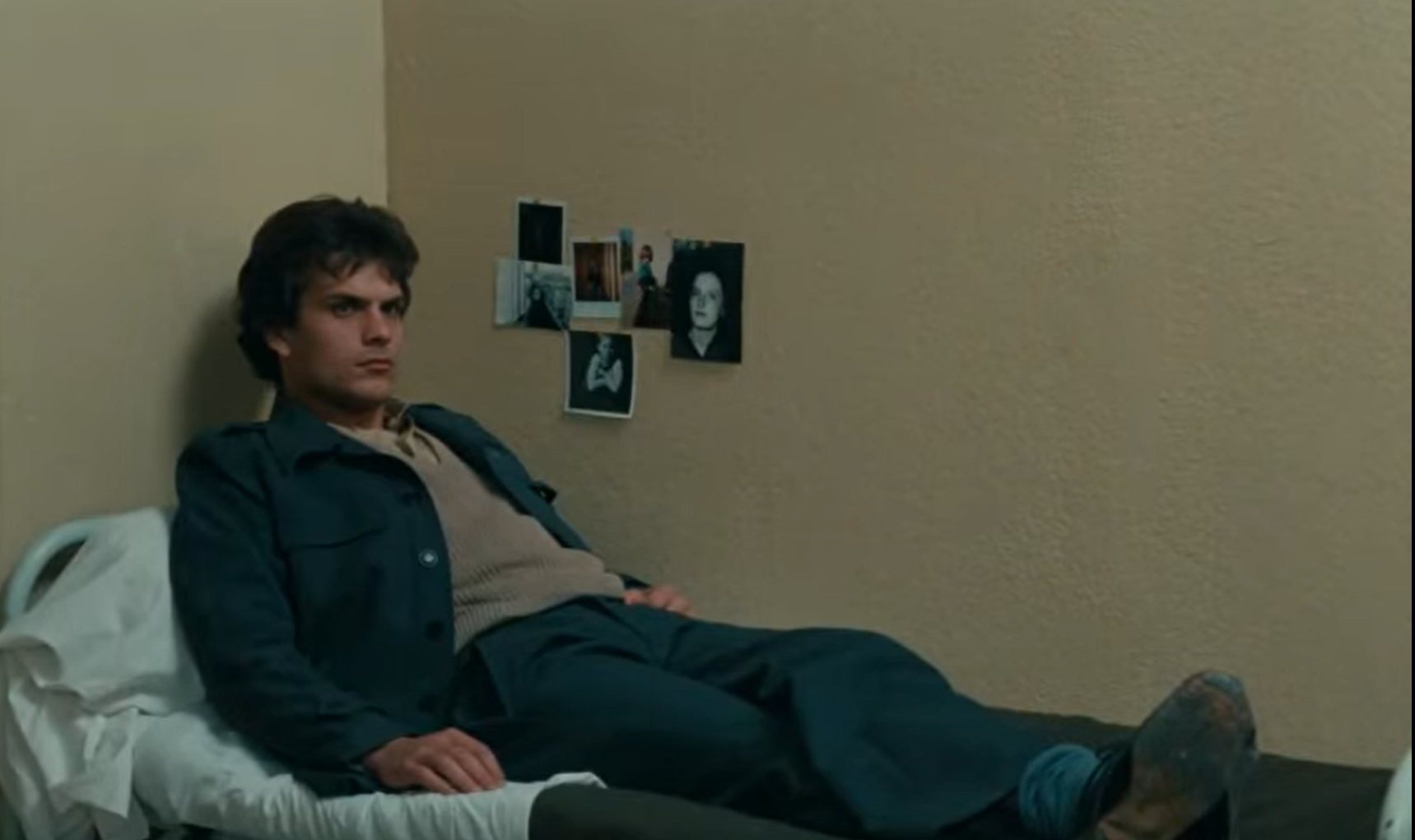
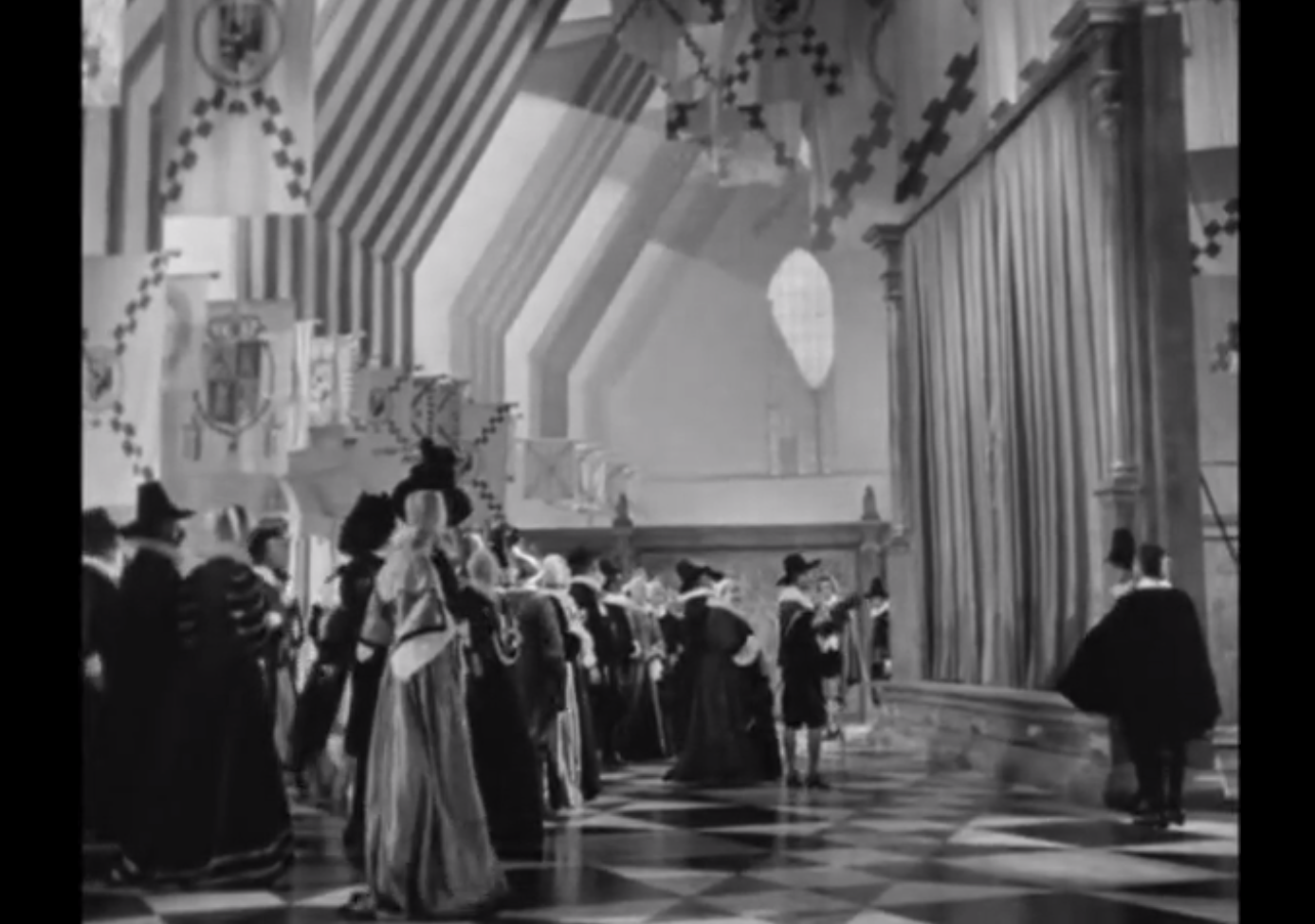
— quickly shifts to criminal activity, as the shop’s irritated owner (Didier Baussy) knowingly pawns the money off onto Patey, who is subsequently arrested when he innocently tries to spend his earnings. When Baussy convinces his employee (Vincent Risterucci) to lie against Patey in court, Patey’s downward spiral continues, leading him to a life of petty crime, violence, and imprisonment:

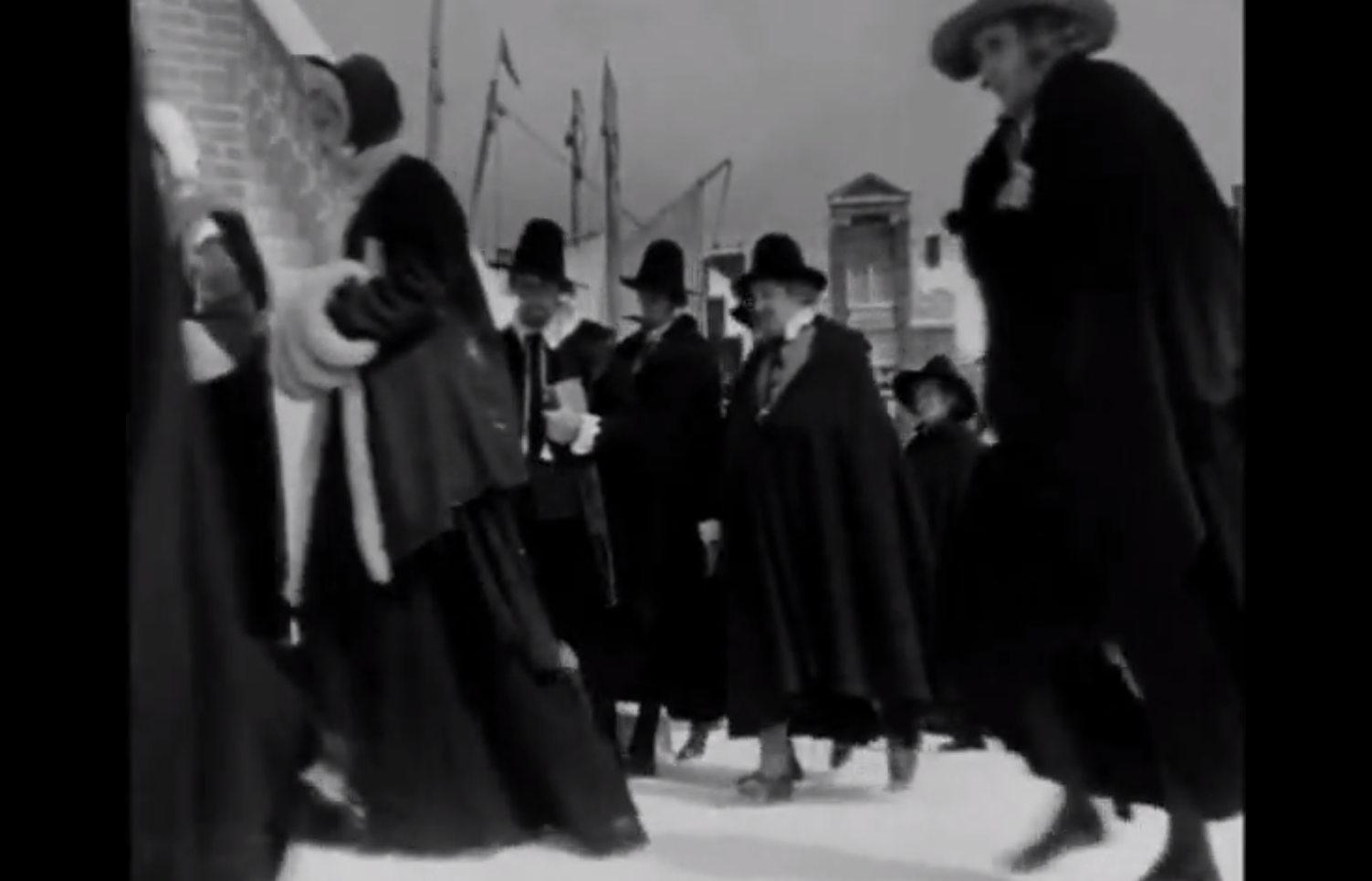
which are ultimately viewed as catalysts for the death of his daughter and the dissolution of his marriage. In the film’s tragic denouement, Patey impacts the lives of yet another innocent family — thus perpetuating the cycle of devastation sparked by the film’s opening “boyish prank”. It’s bleak stuff, to be sure, and Bresson’s signature application of stylized detachment makes it particularly difficult to watch the story with anything other than morbid curiosity. Indeed, the entire screenplay — which borders strategically on contrivance — seems more like a formalized exploration of moral ambiguity than a living narrative, and I’ll admit I’m not sure where my sentiments on it lie. With that said, as the capstone of Bresson’s unique oeuvre, most film fanatics will at least be curious to check it out.

Redeeming Qualities and Moments:

  • A disturbing and provocative screenplay

Must See?
No, but it’s worth viewing once. Listed as a Personal Recommendation in the back of Peary’s book.

(Listed in 1001 Movies You Must See Before You Die)

Links:

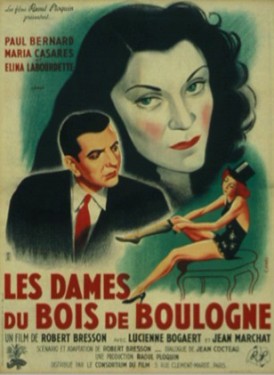
Dames du Bois de Bologne, Les (1945)

Dames du Bois de Bologne, Les (1945)

“You don’t seem to realize where a woman’s scorn can lead.”

Synopsis:
A vengeful socialite (Maria Casares) plots to ruin her ex-lover (Paul Bernard) by scheming to have him fall in love with a penniless ex-prostitute (Elina Labourdette).

Genres, Themes, Actors, and Directors:

  • French Films
  • Love Triangle
  • Revenge
  • Robert Bresson Films

Review:
As noted so accurately in Jeff Stafford’s DVD review for TCM, this early film by minimalist French director Robert Bresson evokes nothing less than “a Joan Crawford forties melodrama but without the histrionics, rendered in a cold, dispassionate style.” With shades of Les liaisons dangereuses in its cold-blooded storyline, Les Dames… is essentially a tale of female vengeance taken to tragic extremes, as Casares stops at nothing to assuage her damaged pride. The highly stylized characters and dialogue (a strategic decision on Bresson’s part) make it difficult to connect with the story, which we watch with morbidly detached fascination rather than personal recognition. Bresson wouldn’t become internationally recognized until the release of Diary of a Country Priest in 1951, which is probably a better movie for film fanatics to start with when exploring his oeuvre.

Redeeming Qualities and Moments:

  • Maria Casares as Helene
  • Jean Cocteau’s pithy dialogue: “There’s no such thing as love — only proofs of love.”

Must See?
No, but film fanatics will likely be curious to check it out at some point, as Bresson’s first significant film. Listed as a film with Historical Importance and a Personal Recommendation in the back of Peary’s book.

Links:

List of Adrian Messenger, The (1963)

List of Adrian Messenger, The (1963)

“The fact remains that six deaths by accident, out of any ten names, is too high of a proportion for chance.”

Synopsis:
A retired British intelligence officer (George C. Scott) attempts to unravel the mystery of a man (Kirk Douglas) who has killed all eleven people on a list given to him by his murdered friend (John Merivale).

Genres, Themes, Actors, and Directors:

  • Amateur Sleuths
  • Clive Brook Films
  • George C. Scott Films
  • John Huston Films
  • Kirk Douglas Films
  • Mistaken or Hidden Identities
  • Murder Mystery

Review:
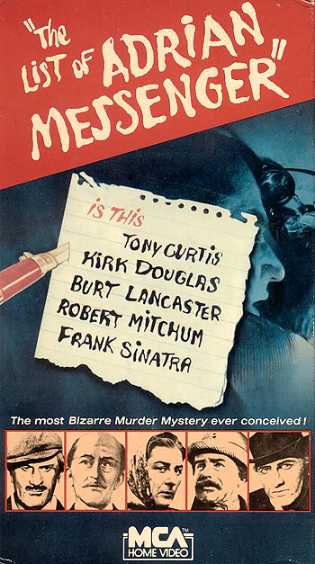
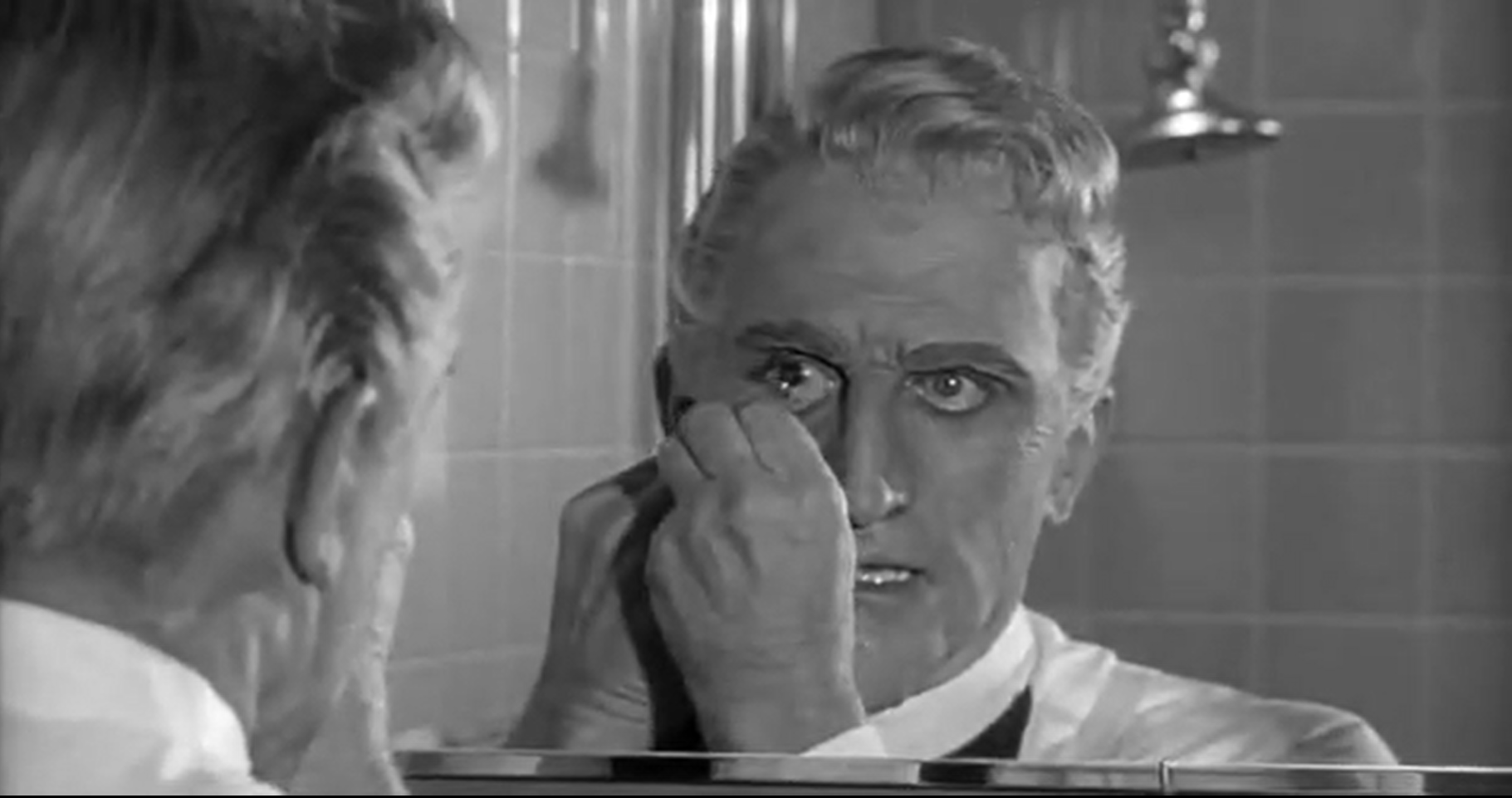
Based on a novel by crime writer Philip MacDonald, this murder mystery (directed by John Huston) is primarily remembered today for its somewhat gimmicky use of A-list actors (Tony Curtis, Frank Sinatra, Robert Mitchum, Burt Lancaster) in heavily made-up, nearly indistinguishable cameo roles.


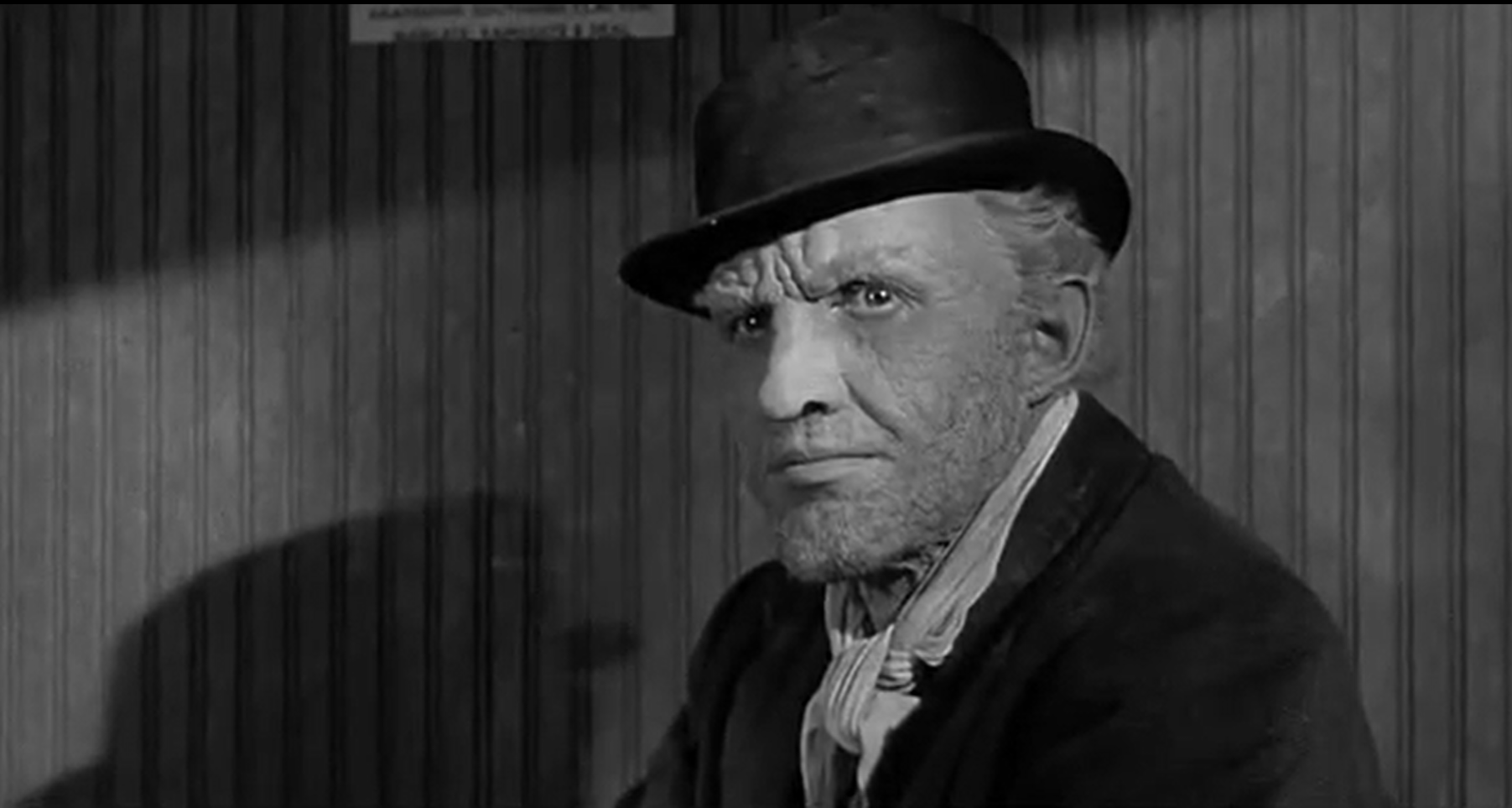
Audiences at the time were invited to guess who was who, and were rewarded when each actor unmasked himself during the closing credits. To that end, Bud Westmore’s make-up is truly impressive: while we can tell that the characters played by each of these actors are clearly in disguise, it’s remarkably difficult to discern their real faces underneath. Kirk Douglas — acknowledged almost immediately as the film’s psychopathic villain — plays the largest camouflaged role, hiding behind various effective personae as he commits a series of cold-blooded murders.

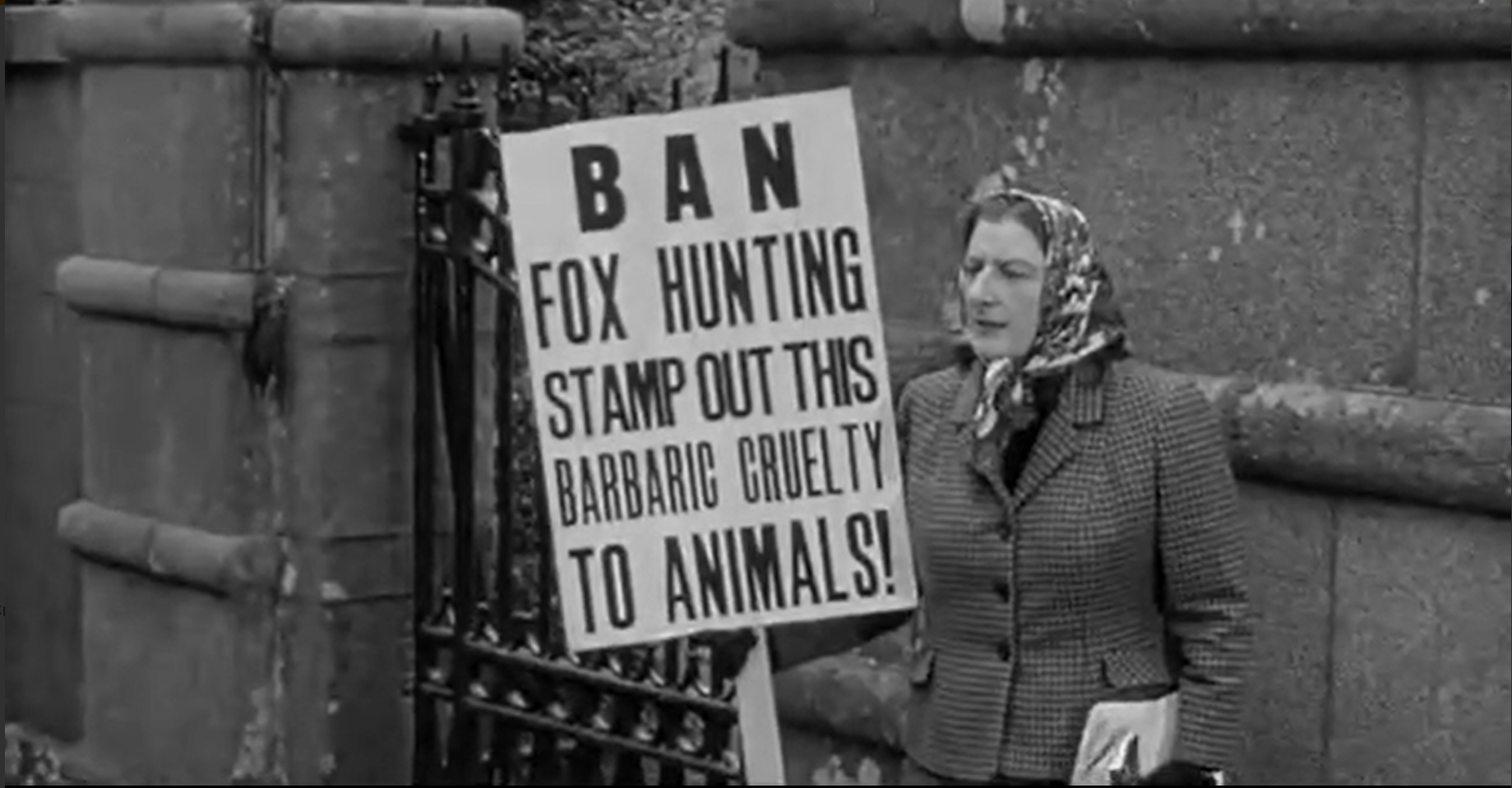
The fact that we know the killer’s identity from the beginning means that the story really belongs to George C. Scott:

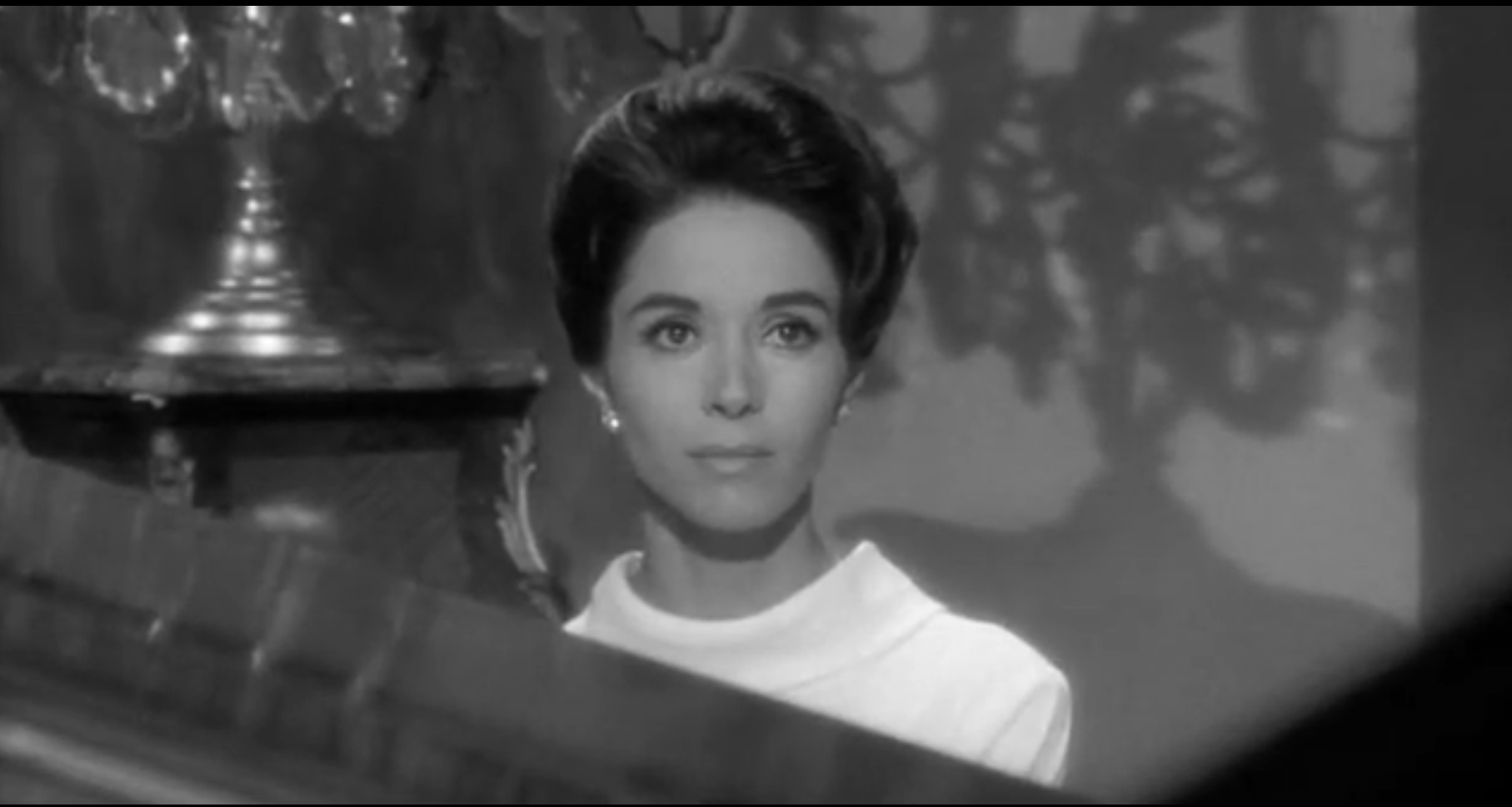
playing a retired British intelligence officer determined to follow through on the suspicions raised by his recently deceased friend, the oddly named Adrian Messenger (John Merivale) — who does indeed attempt to leave a final message for the man by his side (Jacques Roux) as he’s dying. As fate would have it, Scott knows Roux, and the two collaborate together on the mystery. Meanwhile, in the weakest element of the plot, Roux falls for and romances Messenger’s widowed cousin, Dana Wynter (beautiful but poorly used here).

Huston’s firm directorial hand is evident throughout; unfortunately, however, the story he’s working with is merely serviceable entertainment — worthy viewing once, but not must-see for all film fanatics.

Note: Interestingly enough, character actor Jan Merlin was actually the man behind the make-up during several of the presumed “cameo” roles by the famous actors; apparently only Douglas and Mitchum actually did any real acting in disguise, while the others merely showed up for their “unmasking” scene at $75,000 each.

Redeeming Qualities and Moments:

  • Bud Westmore’s truly impressive make-up

Must See?
No, but it’s worth seeking out for one-time viewing.

Links:

Dante’s Inferno (1935)

Dante’s Inferno (1935)

“Since the beginning of time there’s only been one sin and that’s failure. People don’t care how you win, so long as you win.”

Synopsis:
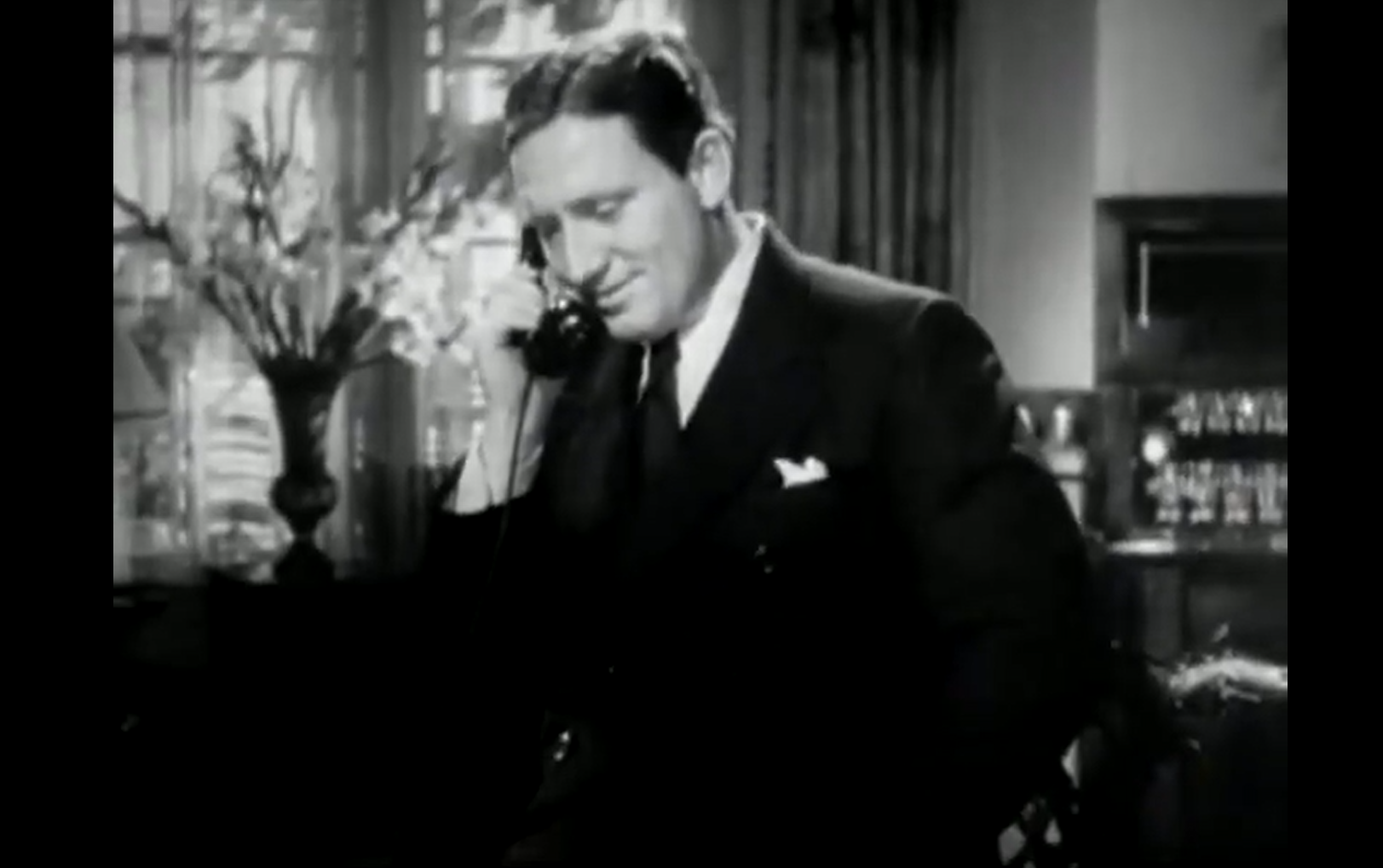
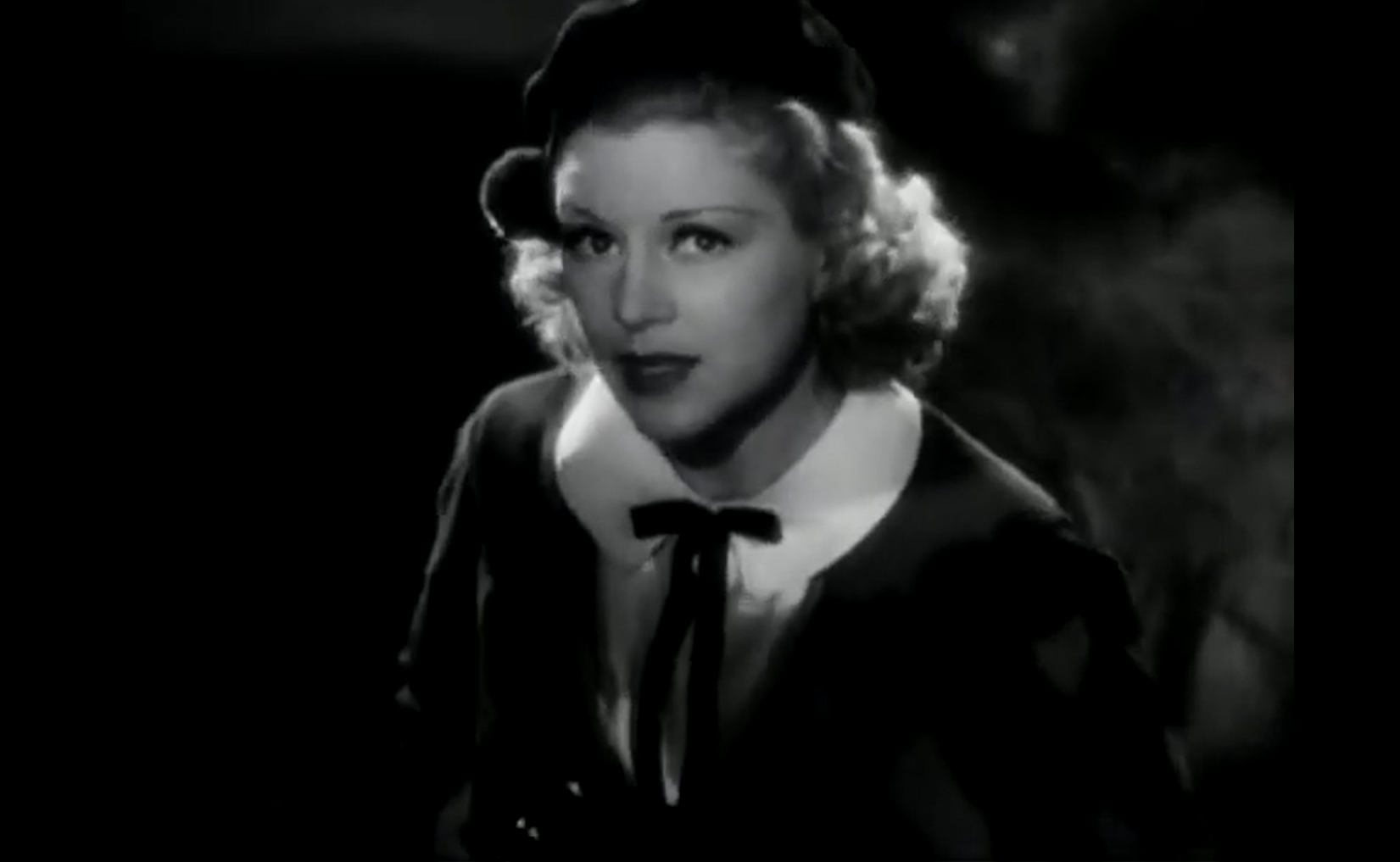
An ambitious young man (Spencer Tracy) helps a carnival employee named Pop (Henry B. Walthall) turn his “Dante’s Inferno” show into a success; but his marriage to Pop’s daughter (Claire Trevor) and his general livelihood are threatened when he begins to cut corners on safety.

Genres, Themes, Actors, and Directors:

  • Carnivals and Circuses
  • Claire Trevor Films
  • Corruption
  • Rise and Fall
  • Spencer Tracy Films

Review:
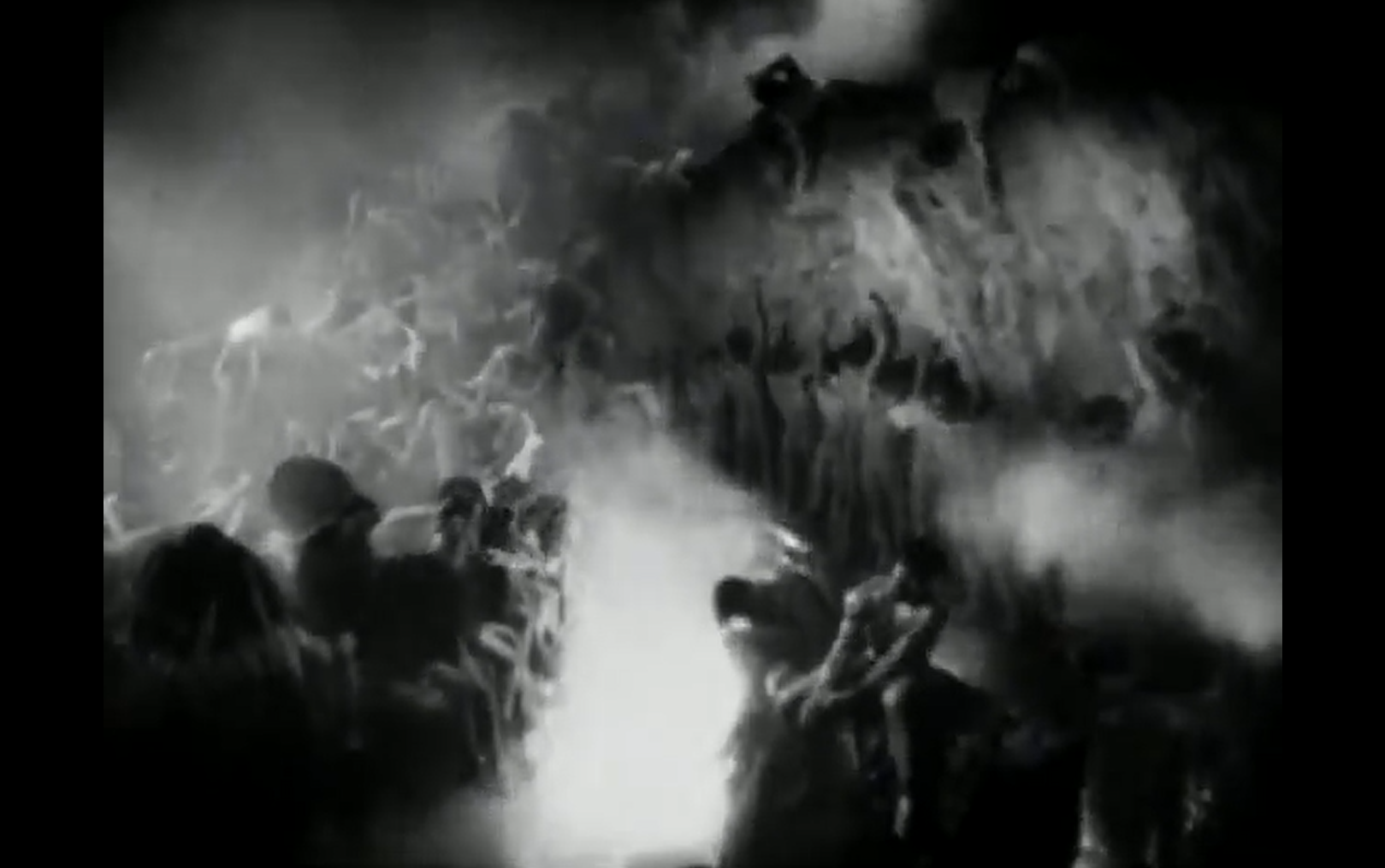
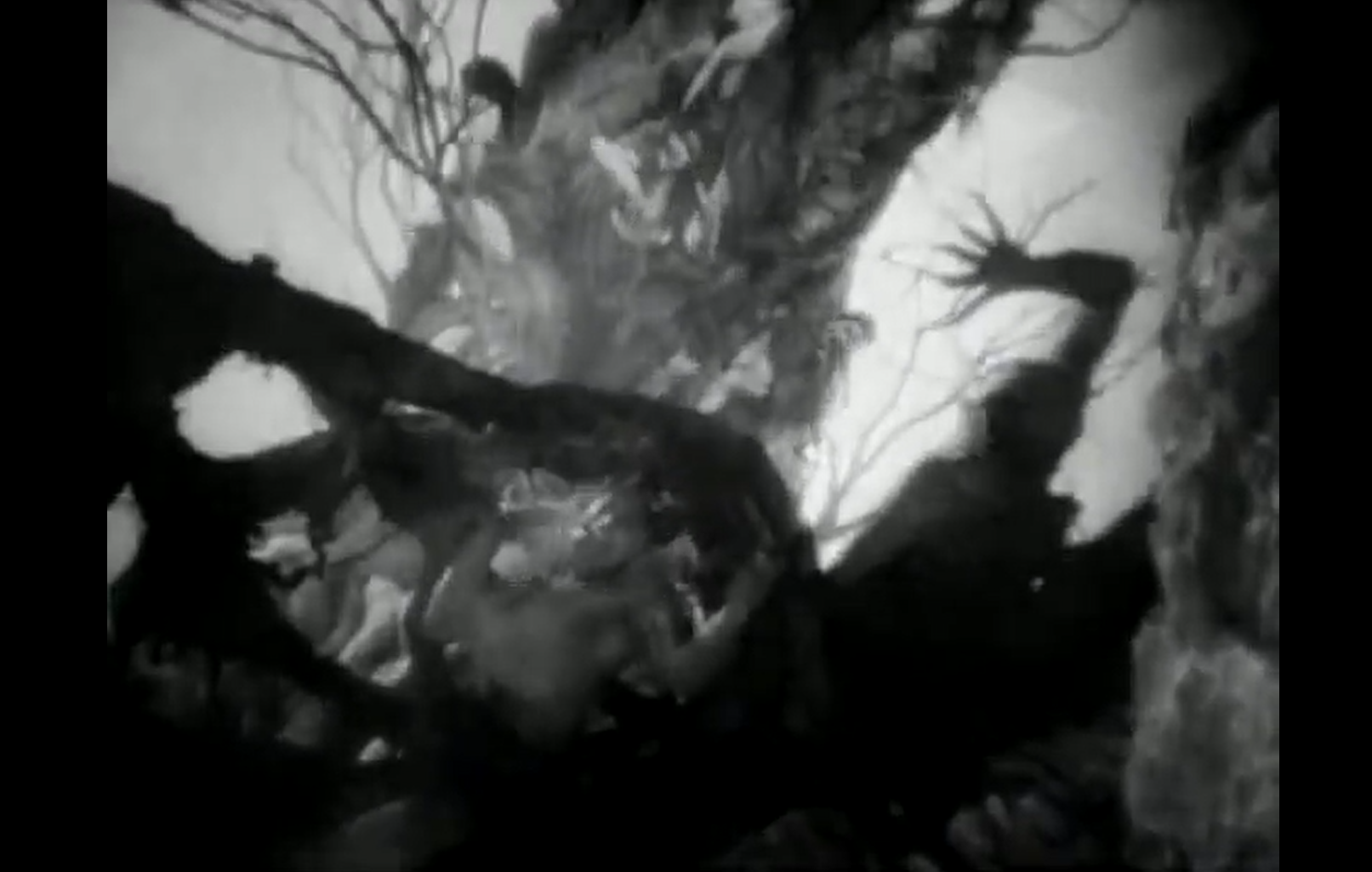
Dante’s Inferno is primarily remembered today for its stunning special effects and set designs — most notably during a ten-minute dream sequence in which the protagonist (Tracy) literally descends into Dante’s vision of Hell. Director Harry Lachman was trained as a painter himself, and purportedly based his images on Gustave Dore’s well-known engravings, to haunting effect. Visuals aside, however, the film tells a fairly standard tale of greed coming before the fall; Tracy is an appealing presence, but his foolhardy decision to bribe a safety officer is beyond reproach, and he deserves his penance. Watch for young Rita Hayworth (billed as Rita Cansino) in a tiny dancing role.

Redeeming Qualities and Moments:

  • Spencer Tracy as Jim Carter
  • Claire Trevor as Jim’s long-suffering wife
  • The haunting “Dante’s Inferno” sequence

Must See?
No, but it’s worth viewing once.

Links:

Without Warning / It Came Without Warning (1980)

Without Warning / It Came Without Warning (1980)

“No Chance… No Help… No Escape!”

Synopsis:
A pair of teens (Tarah Nutter and Christopher S. Nelson) on a camping trip fight for their lives against flying alien discs; meanwhile, an insane veteran (Martin Landau) and a determined hunter (Jack Palance) try to track down an alien (Cameron Mitchell).

Genres, Themes, Actors, and Directors:

  • Aliens
  • Cameron Mitchell Films
  • Horror
  • Jack Palance Films
  • Martin Landau Films
  • Ralph Meeker Films
  • Science Fiction
  • Veterans

Review:
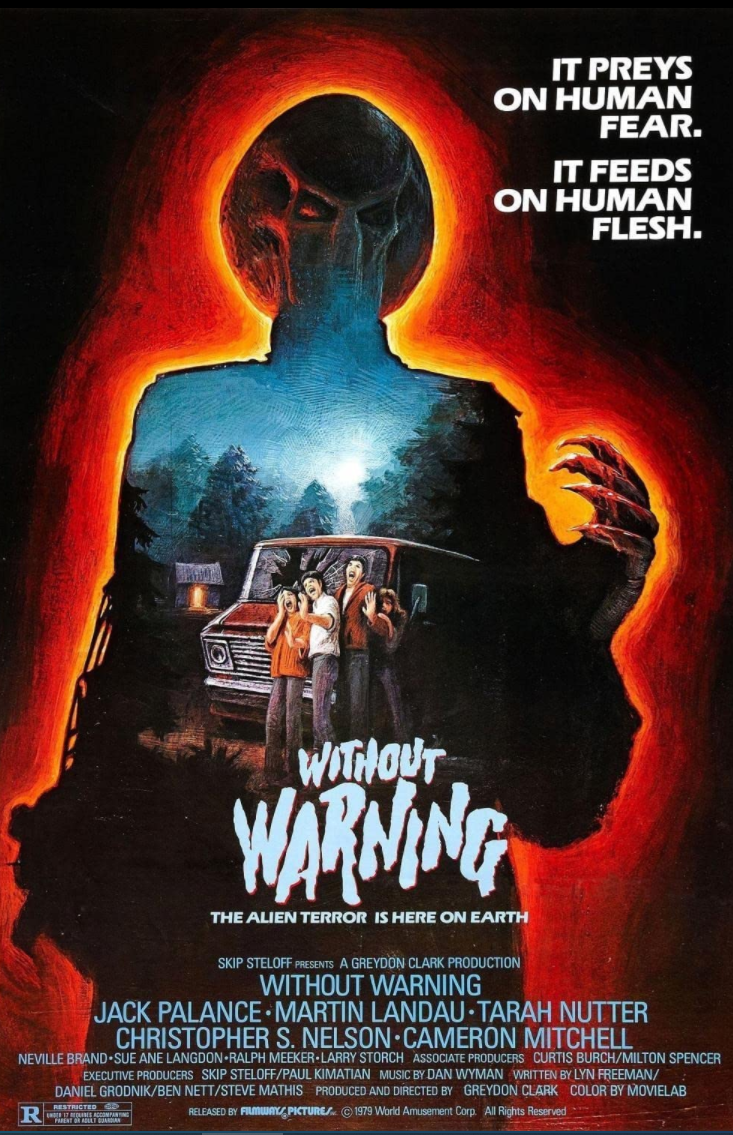
This low-budget sci-fi/horror/slasher flick — most notable as a thematic predecessor to Predator — starts off as a standard teen exploitation flick, with a small group of horny, scantily-clad teens placing their lives in mortal danger while Just Trying to Have Some Fun. Fortunately, the two most obnoxious teens (David Caruso and Lynne Theele) are killed off right away; the remainder of the film focuses on Nutter and Nelson (slightly more appealing protagonists):

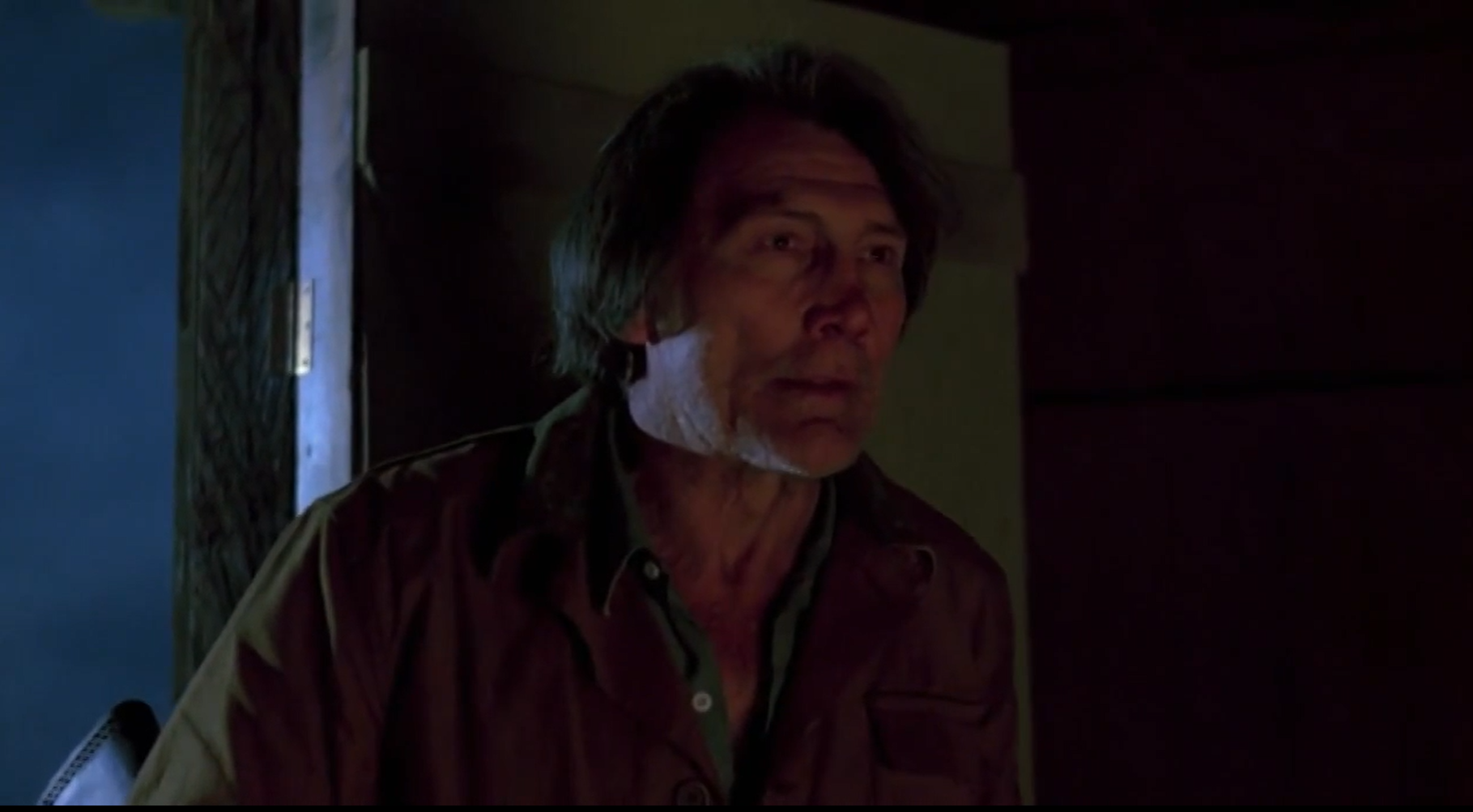
fending off flesh-sucking alien-frisbees while simultaneously sussing out whether they can trust either Landau (wackily insane):

or Palance (grimly determined):

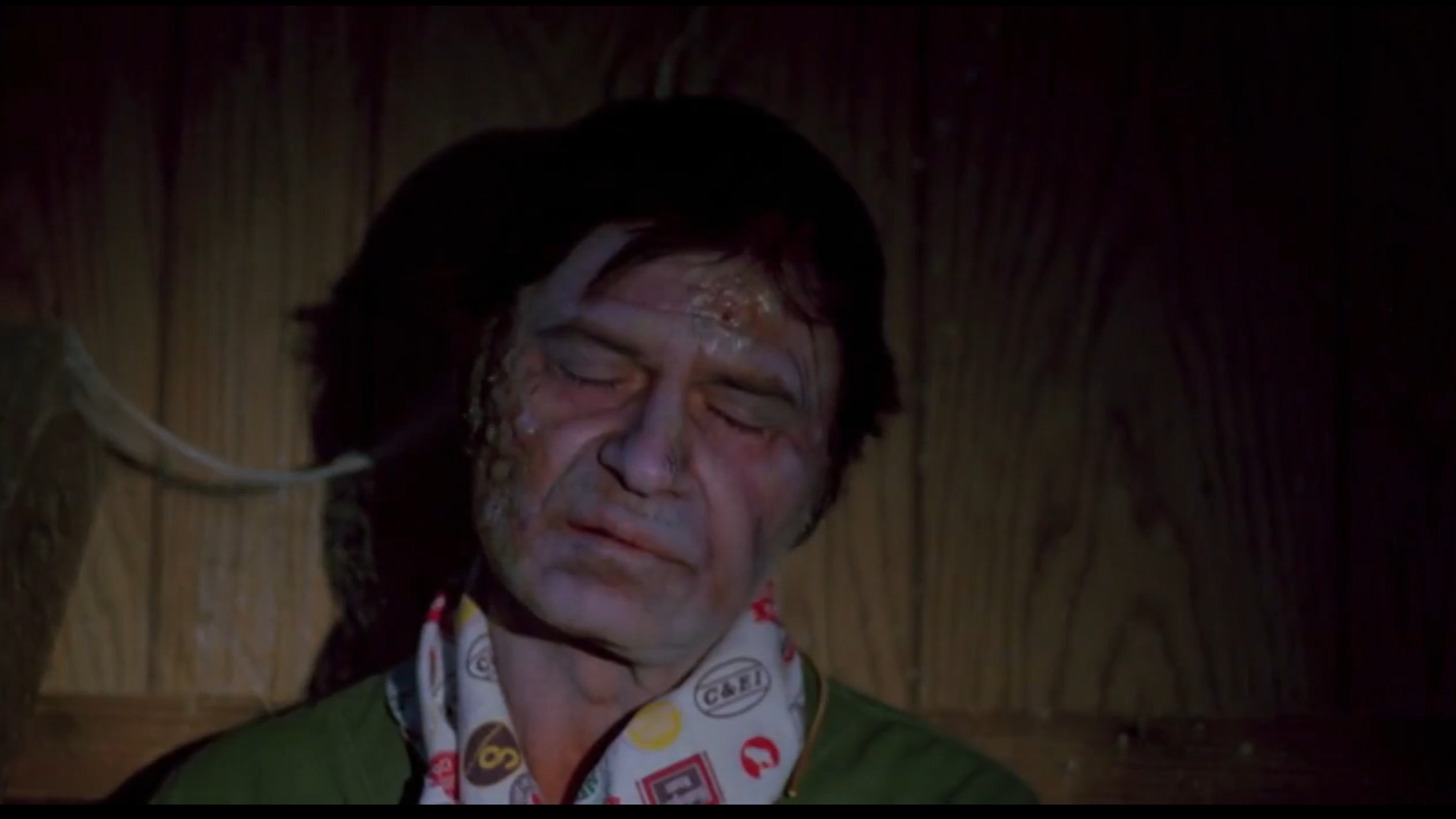
to help them escape with their lives. Upon its release, the New York Times referred to the film as “wretched”, and it’s really not much better than that — but it does possess some effectively creepy atmosphere, and has earned a small cult following over the years. It’s sure to appeal to those who enjoy this type of fare — like Peary, for instance, who lists it as a Sleeper in the back of his book. The rest of us can stay away.

Redeeming Qualities and Moments:

  • Martin Landau as Sarge
  • Plenty of creepy atmosphere

Must See?
No; this one’s strictly for fans of the genre. Listed by Peary as a Sleeper.

Links:

Whoopee (1930)

Whoopee (1930)

“Why do you make overtures to me when I need intermissions so badly?”

Synopsis:
A hypochondriac (Eddie Cantor) watched over by a zealous, love-sick nurse (Ethel Shutta) is kidnapped by a woman (Eleanor Hunt) who’s engaged to a sheriff (Jack Rutherford) but hoping to pursue her true love, a part-Indian named Wanenis (Paul Gregory).

Genres, Themes, Actors, and Directors:

  • Busby Berkeley Films
  • Comedy
  • Cross-Cultural Romance
  • Eddie Cantor Films
  • Musicals
  • Native Americans
  • Play Adaptation

Review:
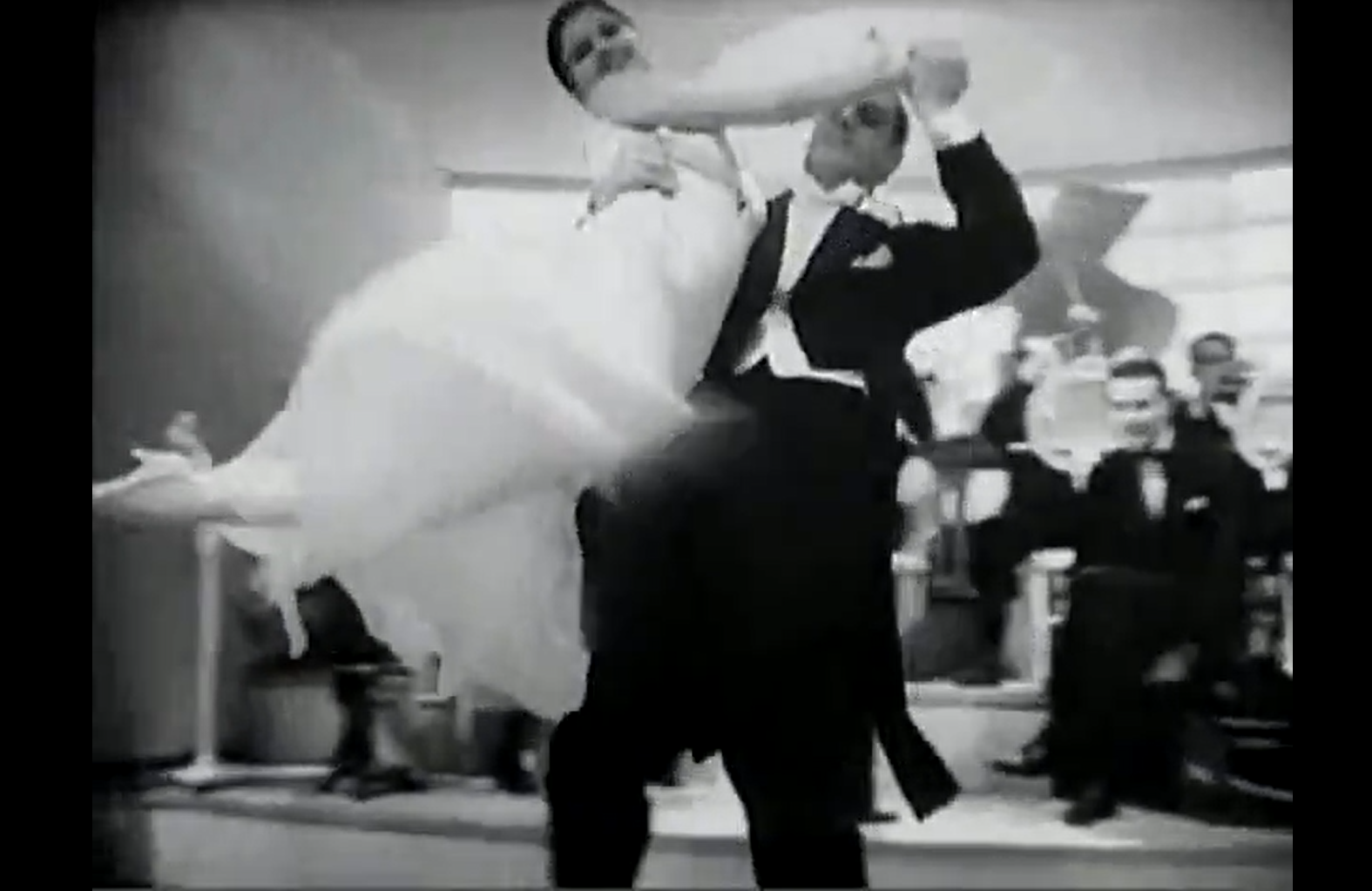
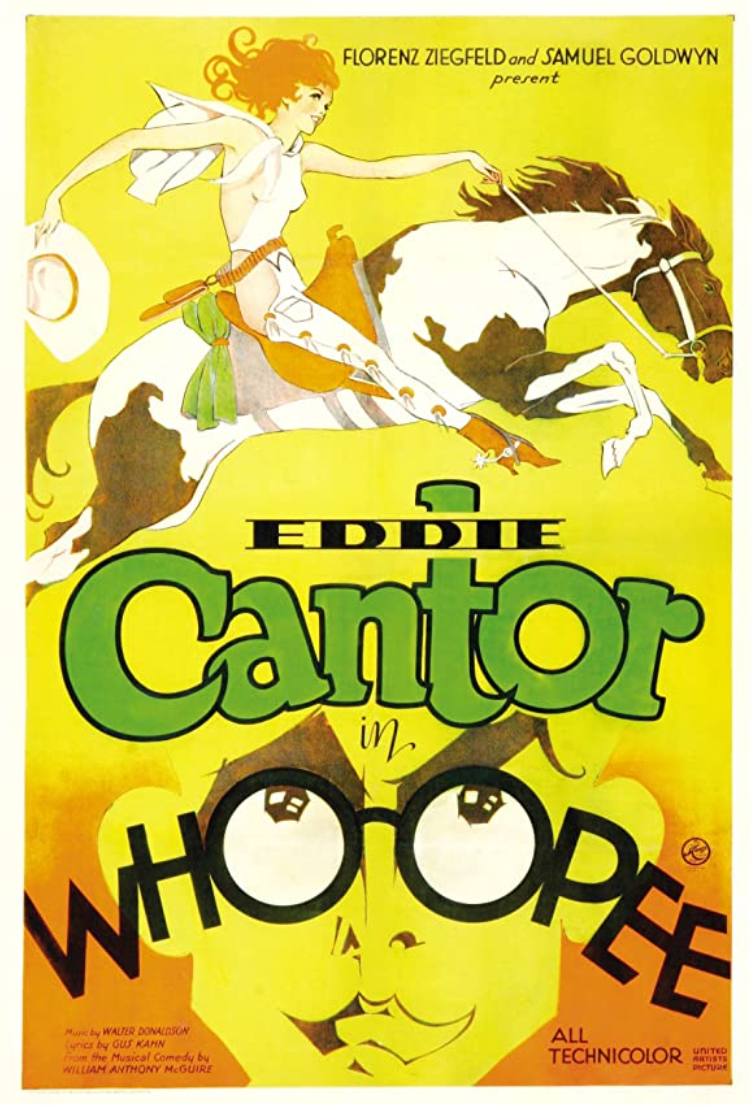
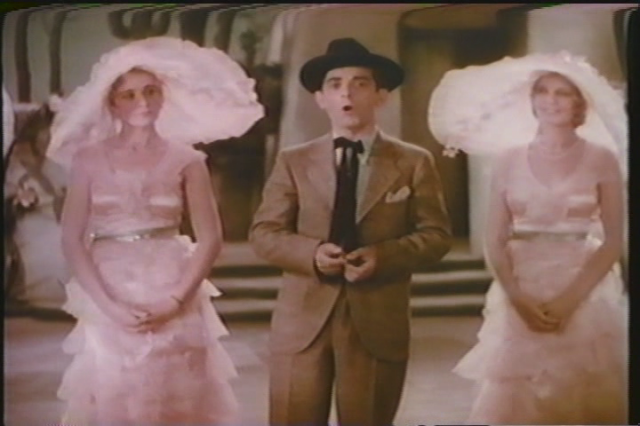
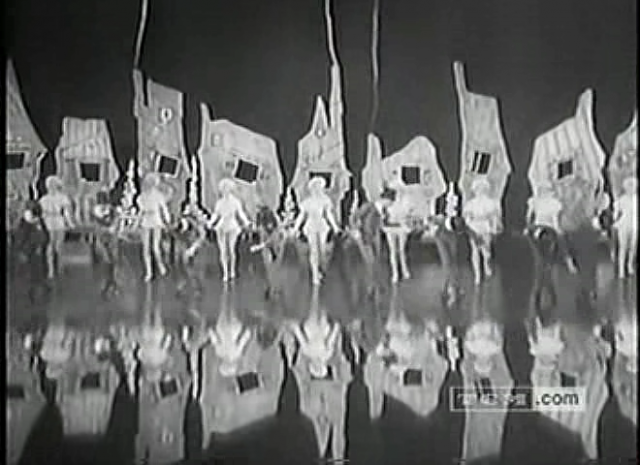
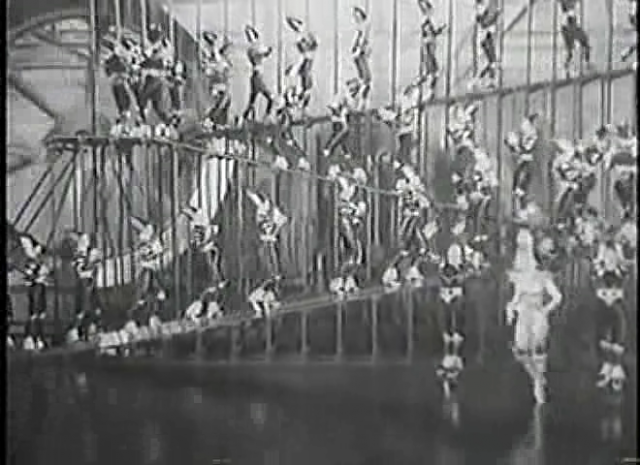
Adapted from Flo Ziegfield’s popular Broadway musical (itself based on Owen Davis’s comedic play The Nervous Wreck), Whoopee! was the film that jump-started Eddie Cantor’s cinematic career, and remains a compelling showcase of his nebbishy, eye-rolling wit. The story — romantic fluff at its tritest — is really just an excuse for Ziegfield’s “girls” to strut their stuff (courtesy of Busby Berkeley’s iconic choreography) and for Cantor to sling one-liners left and right; when he drolly intones “Last week I looked so terrible, two undertakers left a deposit on me”, his influence on Woody Allen couldn’t be more distinct. Unfortunately, we’re forced to suffer through Cantor in characteristic blackface for a good section of the film, with the worst moment occurring when the cluelessly soot-covered Cantor greets Hunt, who responds with a hostile “How dare you speak to me!”.

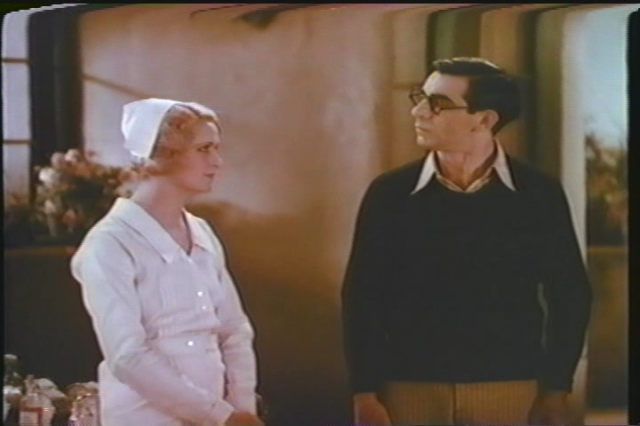
Barring this — and the use of cliched jokes about Native Americans — the remainder of the film is essentially an innocuous tale of mistaken identities and unrequited love, with Ethel Shutta particularly appealing as Cantor’s feisty love interest; she more than holds her own in concert with him. Also notable are Gus Kahn’s lyrics, which are quite fun (note in particular the clever stanzas in “A Girl Friend of a Boy Friend of Mine”). Strangely enough, Cantor’s rendition of the famed title song (“Making Whoopee”) is lackluster and too-slow; he’s much livelier when singing a spoof later on, “Making Waffles” (pronounced, curiously enough, like “Making Raffles”).

Note: Famed cinematographers Lee Garmes and Gregg Toland both served as DPs on the project, but what’s most noticeable about the film’s “look” is the effective use of two-tone Technicolor.

Redeeming Qualities and Moments:

  • Plenty of zingy one-liners by Cantor
  • Ethel Shutta as Cantor’s romantically inclined nurse
  • Some fun Busby Berkeley productions

Must See?
Yes, simply as a representative (and reasonably enjoyable) Eddie Cantor film.

Categories

  • Historical Importance

Links:

Nobody Waved Goodbye (1964)

Nobody Waved Goodbye (1964)

“What kind of a life is he going to have? He’s got to go to college — he’s got to at least graduate from high school!”

Synopsis:
A rebellious Canadian teenager (Peter Kastner) fights with his parents over his goals for the future and his relationship with a local girl (Julie Biggs).

Genres, Themes, Actors, and Directors:

  • Canadian Films
  • Coming of Age
  • Juvenile Delinquents
  • Teenagers

Review:
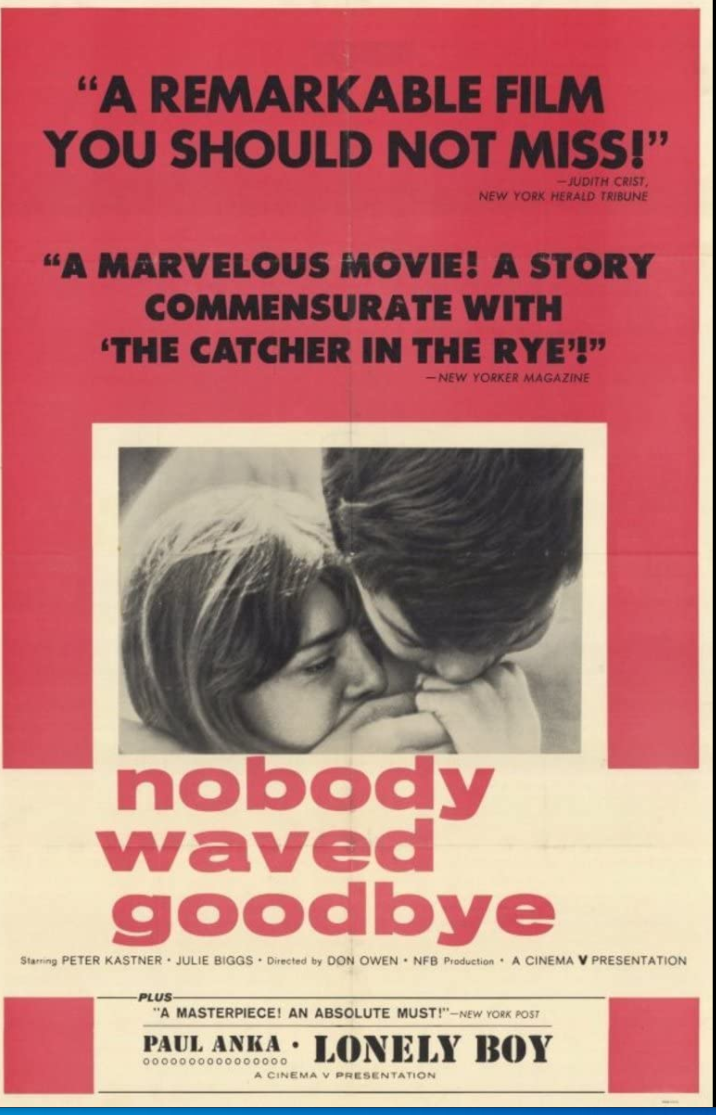
Canadian filmmaker Don Owen was originally tasked with making a 1/2-hour documentary about juvenile delinquents for Canada’s National Film Board, but ended up filming this largely improvised cinema verite docudrama instead. Reminiscent of Cassavettes (though Owen himself has noted a distinct difference between their two styles), Nobody Waved Goodbye is an indie variation on Rebel Without a Cause (1955), with Peter Kastner’s “Peter” longing for something indescribably more than his own parents’ comfortable middle class lifestyle. He’s a clean-cut pseudo-Beatnik (indeed, he attends sing-along “hoots” with his banjo in tow) who’s seemingly ripe for a 1960s hippie lifestyle, but without a viable counterculture readily waiting for him; instead, he plays hooky from school with his sweet girlfriend (Julie Biggs), resists studying for his senior exams, toys with petty crime, and eventually moves away on his own. Naturally, he quickly learns how challenging it can be to survive in the world without a degree or any experience — but easy answers to his existential dilemma aren’t forthcoming. Nobody Waved Goodbye remains a noteworthy entry in Canada’s film history, and is worth seeking out for one-time watching.

Note: Twenty years later, Owen made a follow-up film called Unfinished Business (1984), which I haven’t seen, but a lone poster on IMDb gives it a disappointing thumbs down.

Redeeming Qualities and Moments:

  • Peter Kastner as Peter
  • The cinema verite script

Must See?
No, though most film fanatics will likely be curious to check it out.

Links:

Rembrandt (1936)

Rembrandt (1936)

“What is success? A soldier can reckon his success in victories, a merchant in money. But my world is insubstantial. I live in a beautiful, blinding, swirling mist.”

Synopsis:
Rembrandt van Rijn (Charles Laughton) deals with the death of his wife Saskia, suffers from bankruptcy, and falls in love with his housemaid (Elsa Lanchester).

Genres, Themes, Actors, and Directors:

  • Artists
  • Biopics
  • Charles Laughton Films
  • Elsa Lanchester Films
  • Historical Drama
  • Roger Livesey Films

Review:
While Charles Laughton is perhaps best known for his Oscar-winning performance as Henry VIII (in Alexander Korda’s The Private Life of Henry VIII, 1933), many believe that his work in this little-seen historical biopic by Korda is even better. Refreshingly, at just 81 minutes long, the episodic Rembrandt doesn’t try to relate every detail of the famed artist’s life: instead, it starts with the death of Rembrandt’s (unseen) wife Saskia, then moves on to chronicle Rembrandt’s financial struggles, his relationship with his sharp-tongued housekeeper (Gertrude Lawrence), and his scandalized but loving affair with a housemaid (Lanchester). Korda’s decision not to show Rembrandt’s paintings (with the strategic exception of “The Night Watch” — an essential early plot element) is a wise one; instead, the film’s impressive attention to visual detail (sets, costumes, and props are all stunning) allows us to feel genuinely immersed in Rembrandt’s work-a-day world of 17th century Holland. It’s Laughton’s central performance that really carries the film, however: even when simply reading scripture passages, the world around him literally stands still, and we along with it. While I’m not normally a fan of Hollywood biopics (they tend to take themselves far too seriously, not to mention playing fast and furious with the facts), Rembrandt stands out a notch above the crowd, and remains worthy viewing for all film fanatics.

Note: Theatre fans will be especially gratified to see Gertrude Lawrence in one of her few cinematic appearances; she’s a worthy match for Laughton (as is his real-life wife, Elsa Lanchester). Watch also for a nearly unrecognizable performance by Roger Livesey as “Beggar Saul”.

Redeeming Qualities and Moments:

  • Charles Laughton as Rembrandt
  • Elsa Lanchester as Hendrickje
  • Gertrude Lawrence as Geertje
  • Georges Perinal’s cinematography
  • Vincent Korda’s stunning sets
  • Fine period detail

Must See?
Yes, for Laughton’s noteworthy performance.

Categories

  • Noteworthy Performance(s)

Links:

Belle of the Nineties (1934)

Belle of the Nineties (1934)

“It’s better to be looked over than to be overlooked.”

Synopsis:
A popular nightclub singer (Mae West) from St. Louis signs a contract with a manager (John Miljan) in New Orleans to get away from her ex-lover, a boxer (Roger Pryor) who has falsely accused her of cheating on him.

Genres, Themes, Actors, and Directors:

  • Boxing
  • Falsely Accused
  • Leo McCarey Films
  • Mae West Films
  • Musicals
  • Singers

Review:
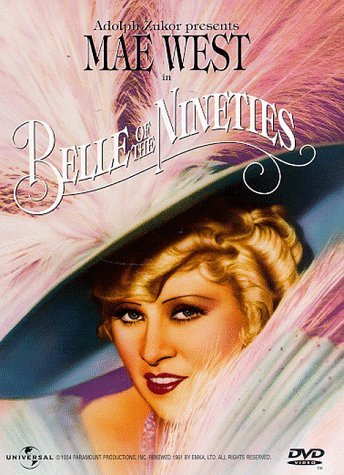
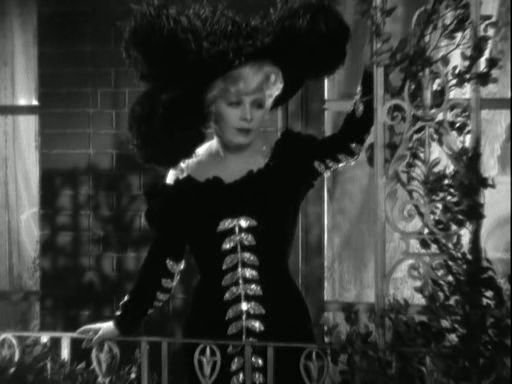
This innocuous Mae West-ern was one in a string of enormously popular films West wrote and starred in during the 1930s, following her success in She Done Him Wrong (1933) and I’m No Angel (1933) (both Peary titles). Here, West once again plays (to reasonably campy effect) an utterly irresistible femme fatale chanteuse, but the storyline she’s given herself to work with is lame and confusing. All we’re really watching for are West’s infamous quips, which are too few in number and too tame — most likely because the Production Code had just gone into full force. Leo McCarey directed, but there’s little evidence of his comedic genius here. Hardcore West fans will want to check this one out, but the rest of us can feel free to skip it.

Redeeming Qualities and Moments:

  • Mae West doing what she does best (while wearing some beautiful gowns)

Must See?
No, though Mae West fans will certainly want to check it out.

Links:

Evergreen (1934)

Evergreen (1934)

“Do you mean that you think you can persuade the British public that this girl is the Harriet Green of Edwardian times?”

Synopsis:
The daughter (Jessie Matthews) of deceased Edwardian music hall star Harriet Green (also Matthews) stages a “comeback” as her mother, convincing the public that Harriet Green is alive and well — but how long will her ruse last?

Genres, Themes, Actors, and Directors:

  • Mistaken or Hidden Identities
  • Musicals
  • Play Adaptation
  • Singers

Review:
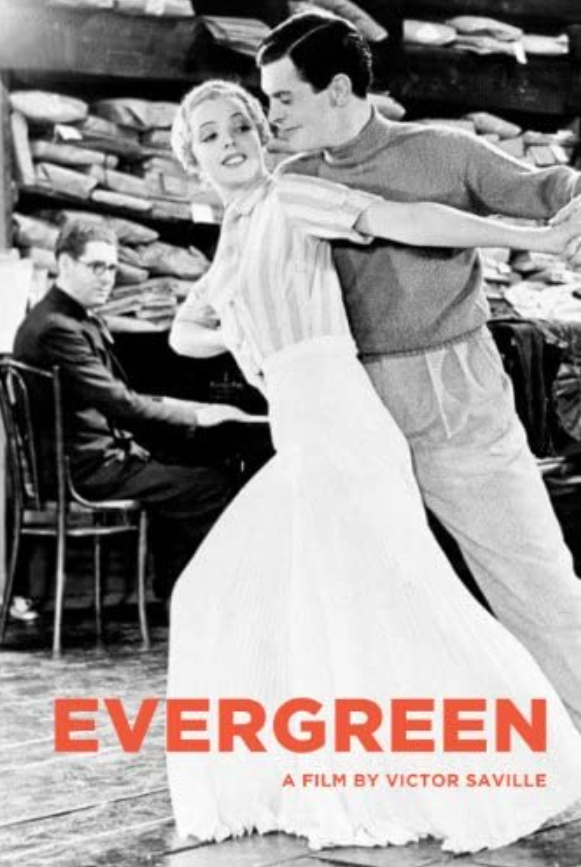
Once hailed as the “female Fred Astaire”, British singer/dancer Jessie Matthews skyrocketed to international fame with this phenomenally popular romantic musical, featuring music by Rodgers and Hart. The rather implausible “mistaken identities” storyline — involving Matthews’ rekindled affair with her dead mother’s aristocratic lover (Ivor McLaren), and her burgeoning love for the man passed off to the public as her grown son (Barry MacKay) — is flimsy but innocuous, and really just an excuse to let Matthews show off her impressive dancing chops and comedic delivery. Sadly, Matthews’ fame never really went anywhere, and few film buffs today will recognize her name. As the most successful British film musical until 1960’s Oliver!, Evergreen is worth a look for historical purposes — but it’s not must-see viewing for all film fanatics.

Redeeming Qualities and Moments:

  • Jessie Matthews as Harriet Green
  • Several creatively staged dance sequences

Must See?
No, but it’s worth a look simply for Matthews’ dance numbers, and for historical purposes.

Links: