|
Genres, Themes, Actors, and Directors:
- Ballet
- Biopics
- Danny Kaye Films
- Farley Granger Films
- John Qualen Films
- Musicals
- Obsessive Love
Review:
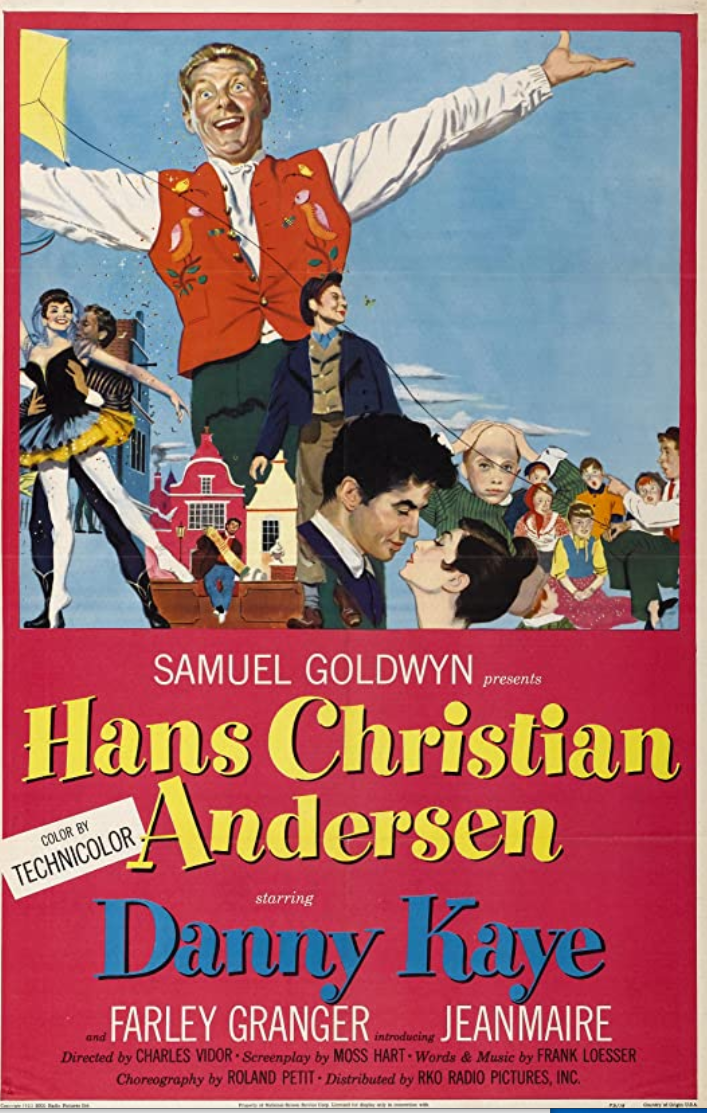
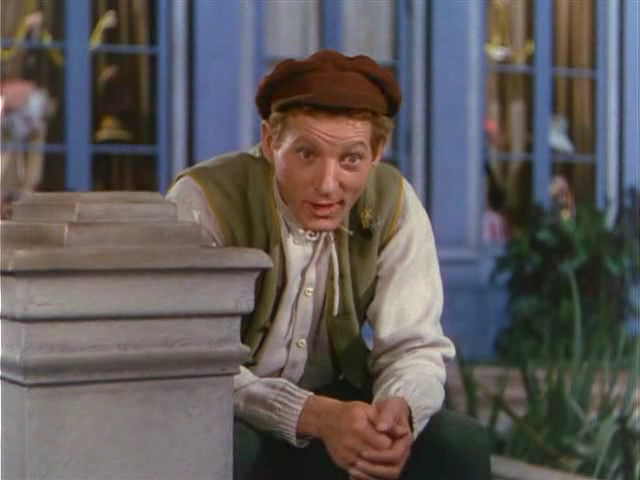
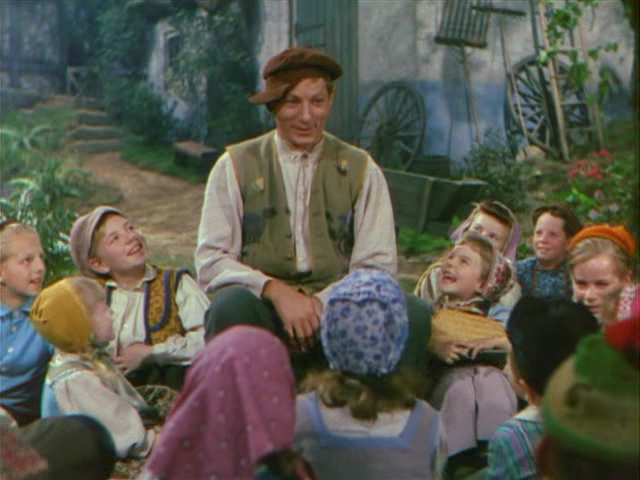
I was pleasantly surprised to find that this popular Danny Kaye vehicle — one of three titles (along with The Secret Life of Walter Mitty and The Court Jester) he’s most closely associated with today — has retained much of its charm. Kaye is remarkably convincing playing the famed “pied piper” of storytelling, a dream-filled cobbler with the ability to lure children and adults alike (including us) into his fantasy realm. He brings just the right level of childlike whimsy and romantic yearning to the proceedings — which, we’re immediately informed, are “not the story of [Andersen’s] life, but a fairy tale about the great spinner of fairy tales.” Indeed, the first half hour of the film is its most magical, as we witness (courtesy of Moss Hart’s clever screenplay) Andersen’s incomparable gift with turning the merest morsel of an idea into a touching fable — with music, no less! To that end, Frank Loesser’s score is delightful, full of many catchy tunes. My favorite is probably “The King’s New Clothes” (a tongue-twisting marvel which Kaye handles with his typical finesse), but “Thumbelina”, “Inchworm”, and “Ugly Duckling” are equally memorable — and I challenge you not to find yourself humming “I’m Hans Christian Andersen” before the film is through.
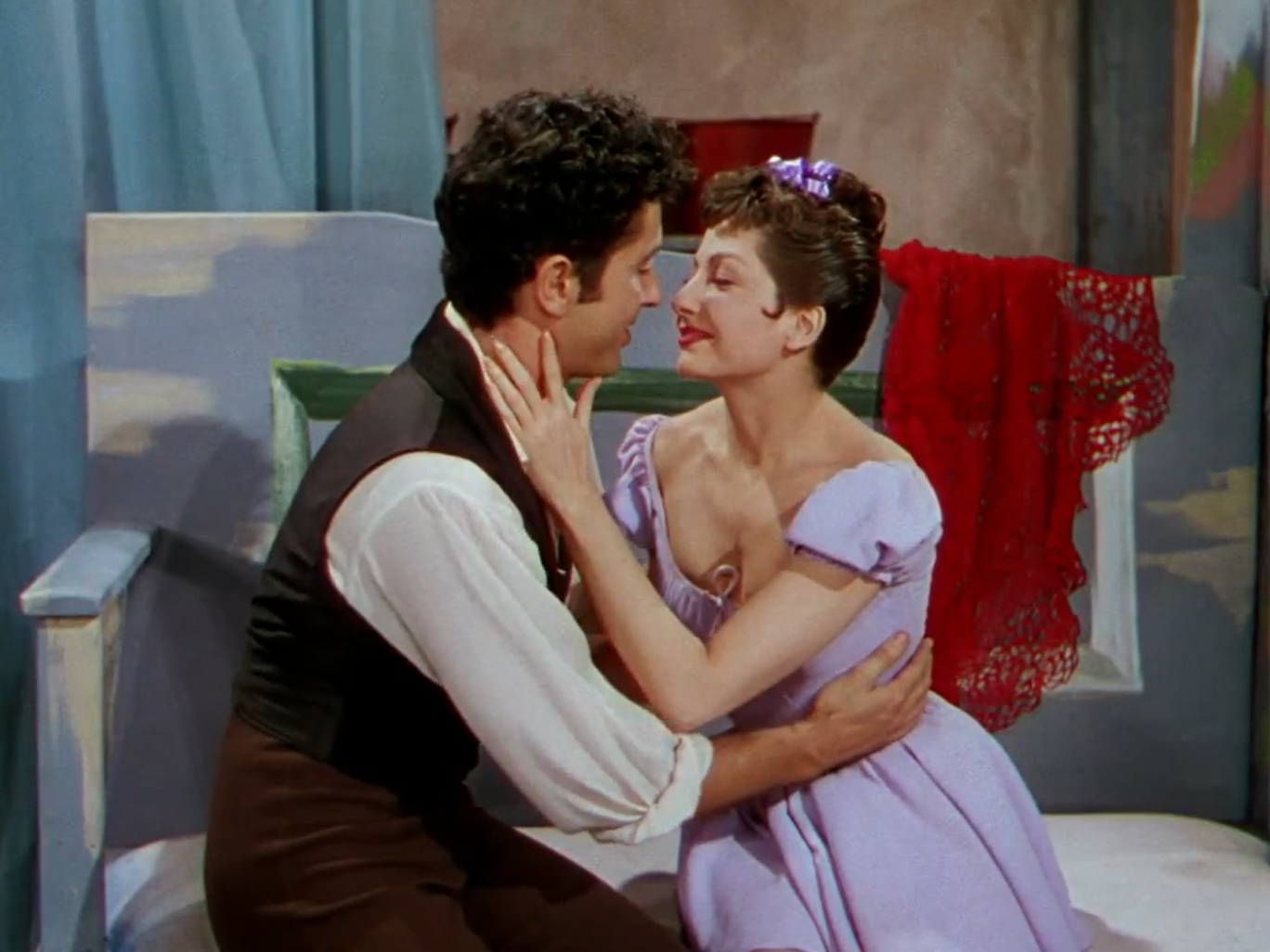
Unfortunately, the film becomes somewhat notoriously bogged down by its central subplot, in which Andersen — presumably a romantic neophyte — develops an obsessive crush on a beautiful ballerina (Jeanmarie) who he believes is being sorely mistreated by her ruthless manager/husband (played by Farley Granger, who apparently hated being forced to do this role).
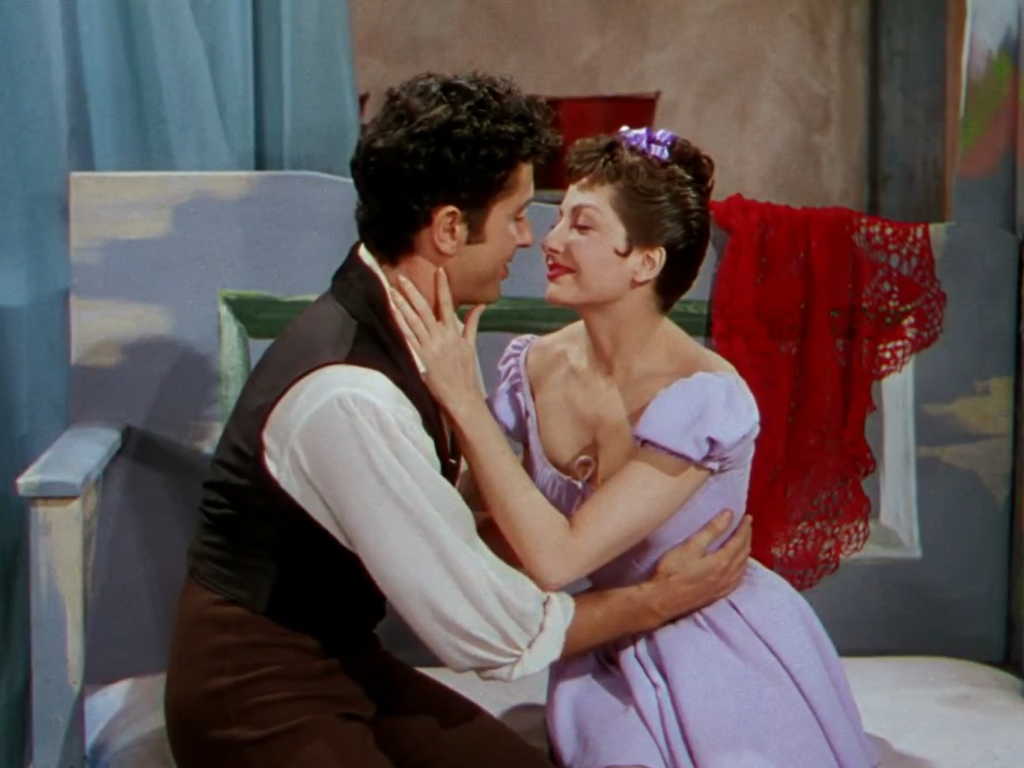
The key scene Andersen witnesses — in which Granger mercilessly chastises Jeanmarie’s performance, and the two actually exchange physical blows — smacks weirdly of sado-masochism, given that the two clearly have an “understanding” with one another, and are still just as much in love as ever after their “encounter” (something Andersen fails to learn until much later on, naturally). With that said, it makes sense that Andersen would fall for a fairy-tale version of a woman rather than the complex adult herself — so perhaps this subplot isn’t quite as egregious as many critics have claimed.
Note: It’s distressing and a bit of a let-down to know that Kaye himself was very un-Andersen-like on the set of the film. According to TCM’s article, he was “repeatedly frustrated” with Jeanmarie’s “struggling grasp of English”, ran hot and cold in his friendliness towards Granger, and “became so petulant about the costumes that he wailed to Granger, ‘How come you get to wear all these beautiful clothes and I have to wear rags?'”
Redeeming Qualities and Moments:
Must See?
No, though it’s recommended, and certainly must-see for Kaye fans.
Links:
|