Browsed by
Category: Original Reviews

Responses to Peary’s “must see” movie reviews, as well as my own “must see” movie reviews up to and after 1986 (when Peary’s book was published).

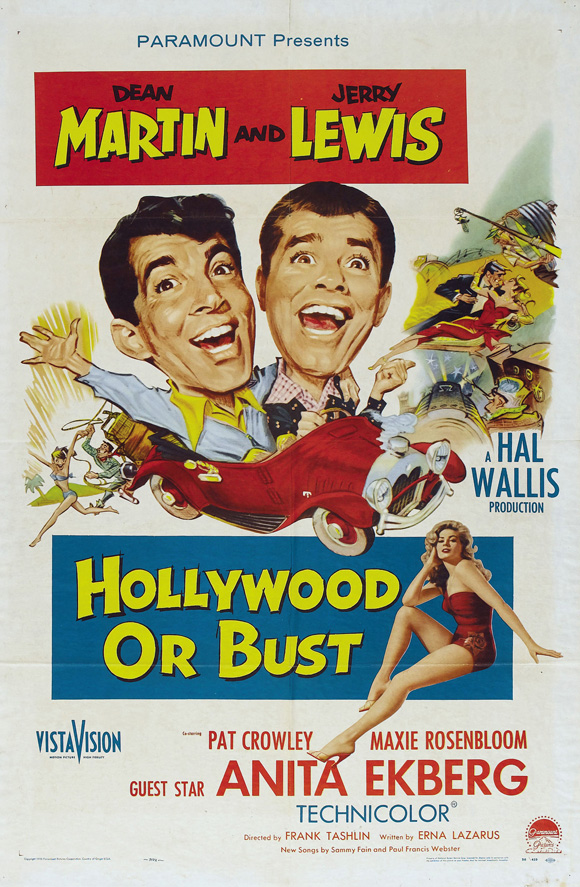
Hollywood or Bust (1956)

Hollywood or Bust (1956)

“Okay, Hollywood — here we come!”

Synopsis:
An in-debt gambler (Dean Martin) cons his way into winning a convertible, hoping to sell it and pay his bookie off — but he must share his prize with the real winner, a nerdy movie buff (Jerry Lewis) whose goal in life is to travel to Hollywood and win the heart of Anita Ekberg.

Genres, Themes, Actors, and Directors:

  • Anita Ekberg Films
  • Comedy
  • Dean Martin Films
  • Frank Tashlin Films
  • Jerry Lewis Films
  • Musicals
  • Road Trip

Review:
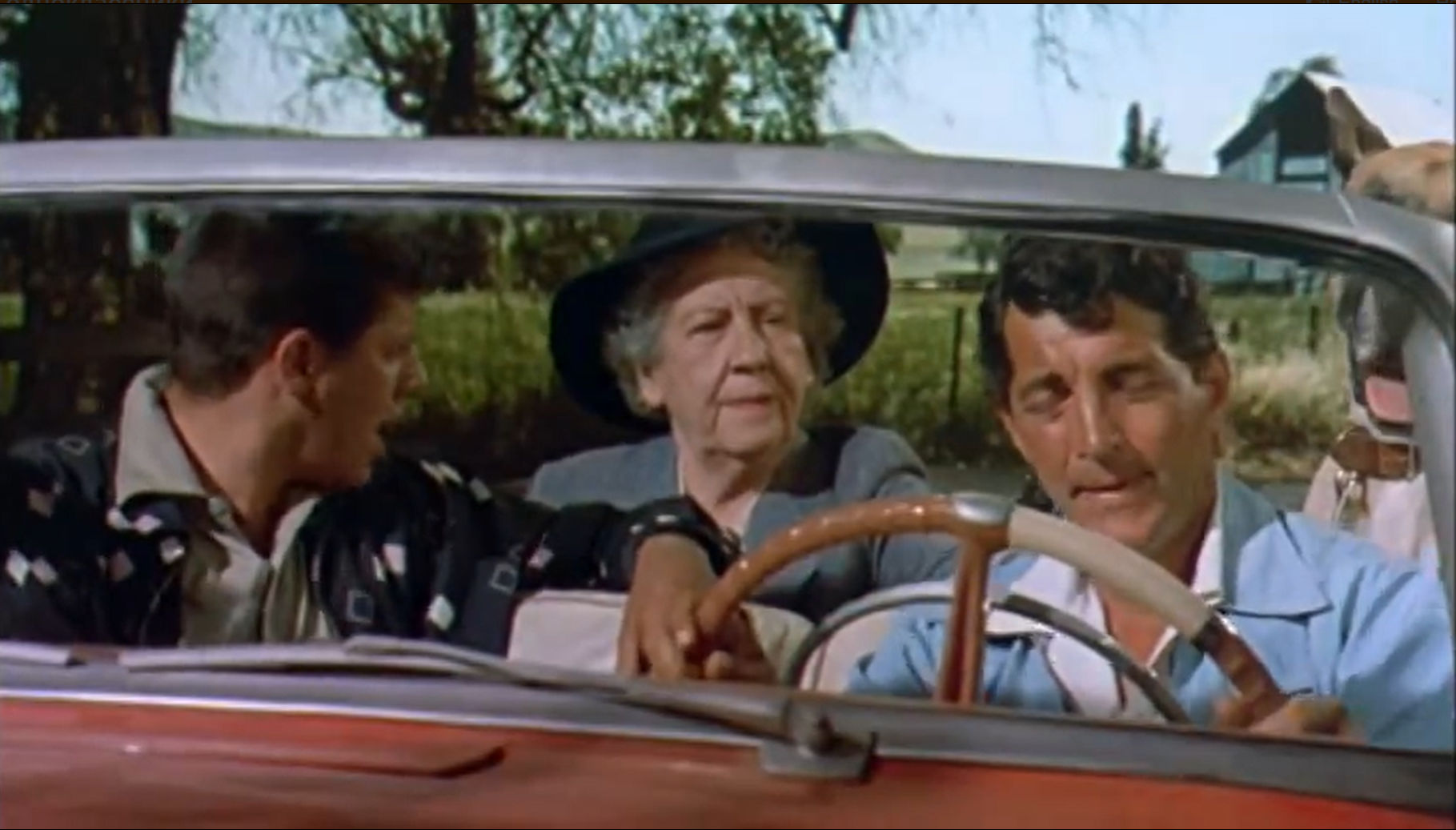
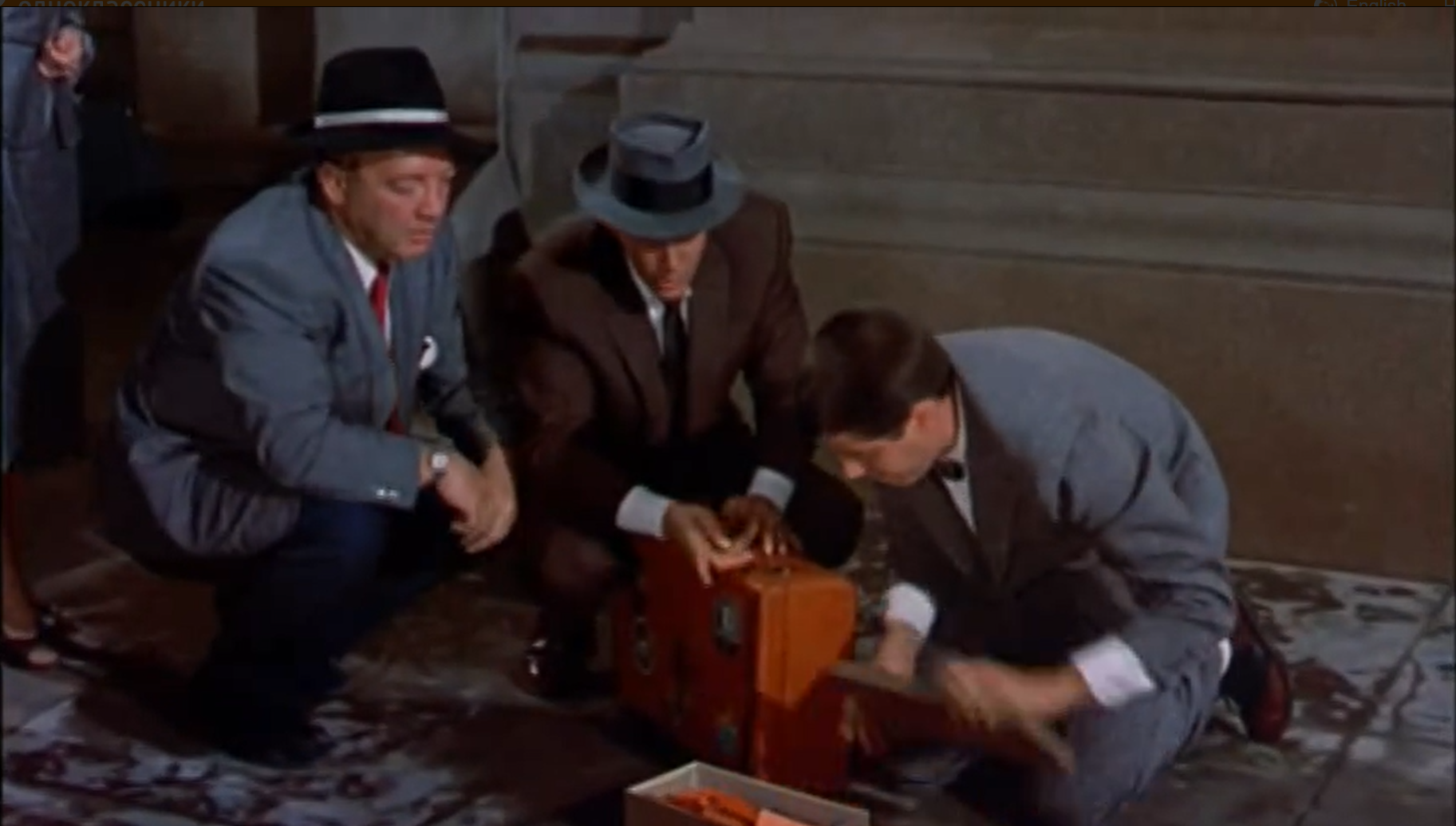
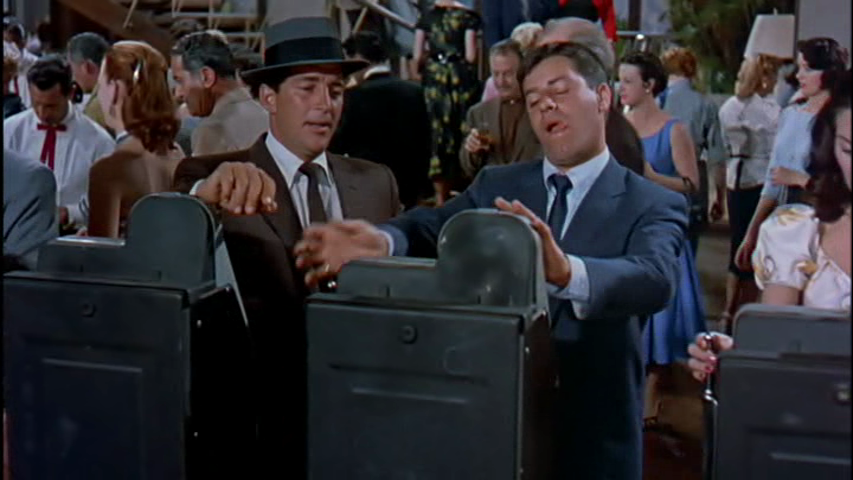
Frank Tashlin directed this final outing by comedic partners Dean Martin and Jerry Lewis, who at this point in their joint career had reached a notorious crisis point (Lewis actually claims he’s never seen this movie, given the negative memories it evokes for him.) Peary labels it a “personal recommendation” in the back of his book, and it was a favorite of Truffaut — but while there are occasional moments of inspired hilarity — including an early hold-up by a deceptively innocent hitch-hiker:

and Lewis “feeling lucky” and winning oodles of money at a craps table):

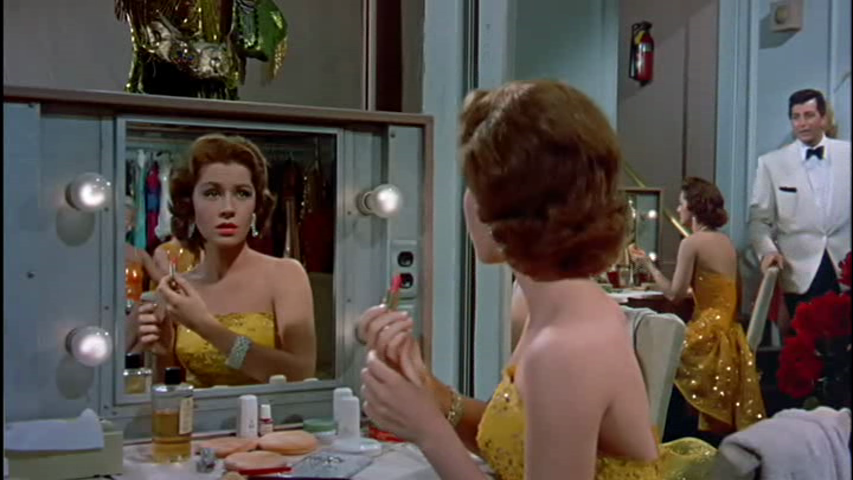
— it’s ultimately (like the rest of the Lewis and Martin films I’ve seen so far) a mixed comedic bag, one which eventually wears out its welcome. The film’s most inspired moment — (pure Tashlin) comes fairly early, when the duo are driving through the countryside, singing, and see sexy dames every which way who represent the joys of “country living”; it’s truly surreal, and worth the price of a rental alone.

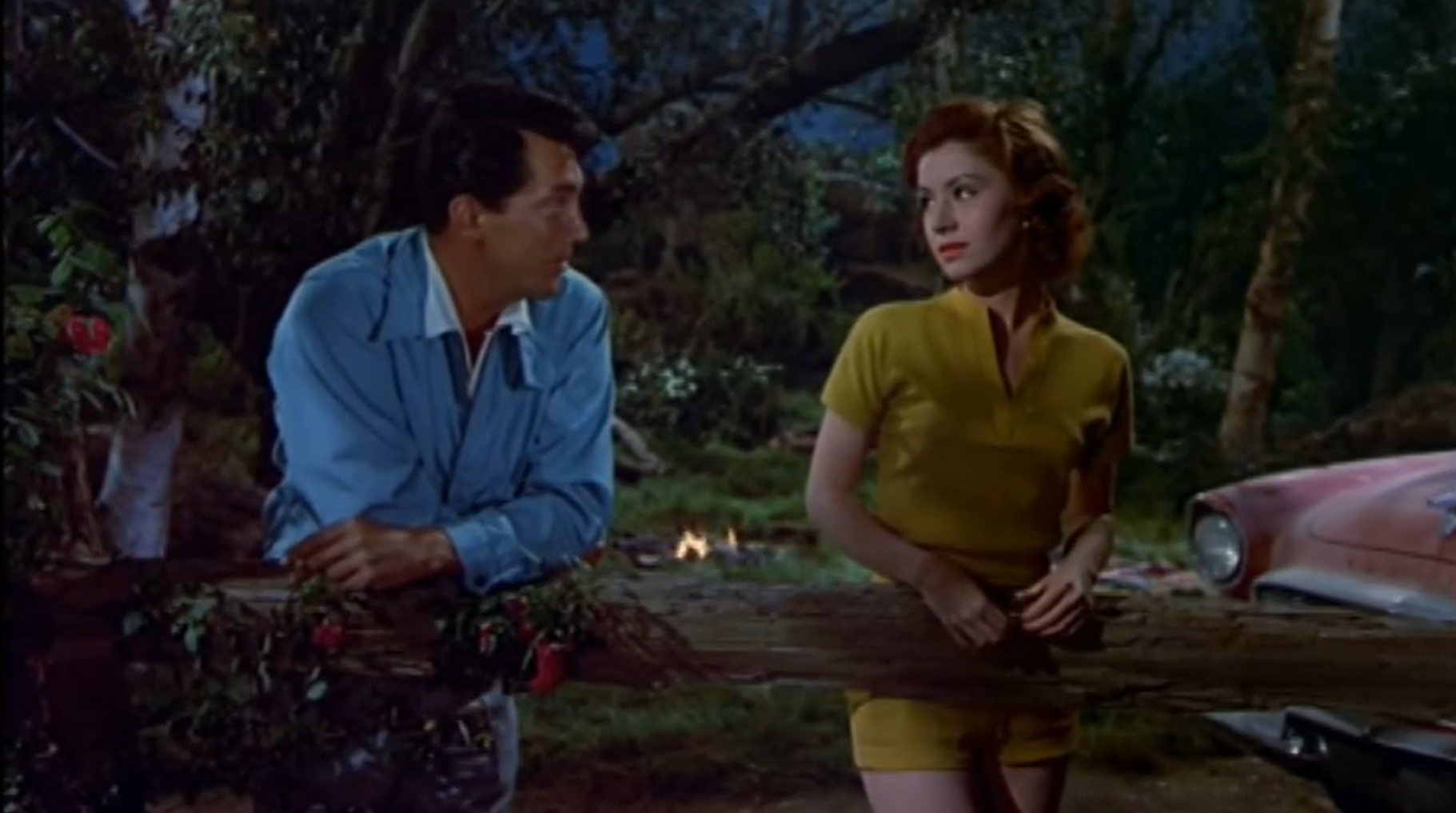
Note: Redheaded Pat Crowley (who I’d never seen before) is a refreshingly wholesome presence as Martin’s romantic lead; why didn’t her silver screen career go any further?

Redeeming Qualities and Moments:

  • The surreal “day in the country” musical sequence
  • Pat Crowley as Terry Roberts
  • Random moments of inspired humor

Must See?
No. Listed as a Cult Movie and a Personal Recommendation in the back of Peary’s book.

Links:

Sailor Who Fell From Grace With the Sea, The (1976)

Sailor Who Fell From Grace With the Sea, The (1976)

“Morality is nothing more than a set of rules that adults have invented to protect themselves.”

Synopsis:
When his widowed mother (Sarah Miles) falls in love with a sailor (Kris Kristofferson), a troubled young boy (Jonathan Kahn) is pressured by the bullying leader (Earl Rhodes) of his clique to seek revenge.

Genres, Themes, Actors, and Directors:

  • Kris Kristofferson Films
  • Revenge
  • Sailors
  • Widows and Widowers

Review:
Based on a novel by Yukio Mishima (whose troubled life was so effectively captured in Paul Schrader’s highly unconventional biopic), this relentlessly pretentious adaptation by writer/director Lewis John Carlino — who transposed the story to a seaside village in England — is an unfortunate failure. Carlino clearly has lofty ideals, but the story’s provocative premise — with clear thematic parallels to Lord of the Flies and, to a certain degree, Frank Perry’s Last Summer (1969) — is so poorly executed that the entire affair comes across as merely exploitative and salacious. As DVD Savant sums it up so succinctly, “When The Sailor Who Fell from Grace with the Sea turns to ‘dangerous’ content, we get the feeling that it’s watered-down Mishima. It is as naive as a fairy story — schoolboys punish a man for not living up to their idealized image of the traditional values they’ve decided he represents — and numbingly literal.”

Of the lead actors, Miles is marginally compelling as a lonely, sexually frustrated widow who clearly misses her dearly departed husband on multiple levels — a fact which Carlino ensures that we “get” by cutting his camera back and forth between a photo of said husband and Miles’s forlorn expression as she masturbates, all in clear view of her teenage son Jonathan (who has somehow managed to maintain a creepy peephole from his bedroom into hers for 15-odd years without her finding out — until she finally does, in one of the film’s most melodramatically implausible moments). Meanwhile, the choice to cast stoic Kristofferson in the title role probably sounded good on paper, but was ultimately misguided; while he functions nicely as a buff presence in his notoriously soft core lovemaking scenes with Miles, he never emerges as a viable character (though this could be at least in part blamed on the script, which may have wanted him to come across as simply a sexual “predator” invading Jonathan’s private “affair” with his mother).

Kahn (who apparently never pursued an adult career in film) is serviceable as Miles’s brooding adolescent son, but Rhodes — in a critical supporting role as his domineering playmate — is simply insufferable. His character clearly isn’t meant to be sympathetic on any level, but, as played by Rhodes, he simply comes across as a shrewish caricature of a bully rather than someone we’re intrigued by on any level. Meanwhile, the entire storyline surrounding Jonathan’s involvement with Rhodes’s clique — with its perverse yet provocative philosophical groundings — is handled purely for sensationalism, rather than with any genuine desire to understand these kids and their goals. We get it that Rhodes is a (possibly psychopathic) control freak who has brainwashed his followers into believing that one must strive towards some form of purity in life — but without any additional information (i.e., for those who haven’t read Mishima’s source novel), one is tempted to interpret their actions, in DVD Savant’s words, as simply “pubescent boys expressing their hormonal hysteria in the wrong directions”.

Redeeming Qualities and Moments:

  • Douglas Slocombe’s beautiful cinematography

Must See?
No; despite its intriguing title and lofty literary origins, definitely feel free to skip this one. Listed as a Cult Movie in the back of Peary’s book.

Links:

All About Eve (1950)

All About Eve (1950)

“I’ll admit I may have seen better days, but I’m still not to be had for the price of a cocktail, like a salted peanut.”

Synopsis:
A deviously aspiring actress (Anne Baxter) befriends an aging theatrical legend (Bette Davis), eventually becoming her understudy and plotting to snag her next role.

Genres, Themes, Actors, and Directors:

  • Actors and Actresses
  • Anne Bancroft Films
  • Aspiring Stars
  • Bette Davis Films
  • Celeste Holm Films
  • Flashback Films
  • Friendship
  • Gary Merrill Films
  • George Sanders Films
  • Hugh Marlowe Films
  • Joseph L. Mankiewicz Films
  • Marilyn Monroe Films
  • Obsessive Fans
  • Thelma Ritter Films

Review:
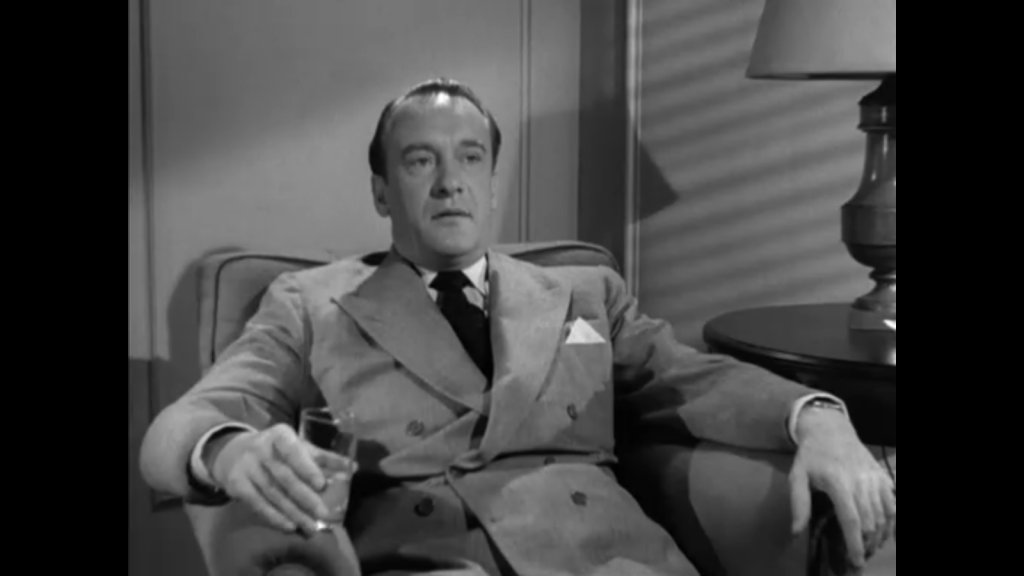
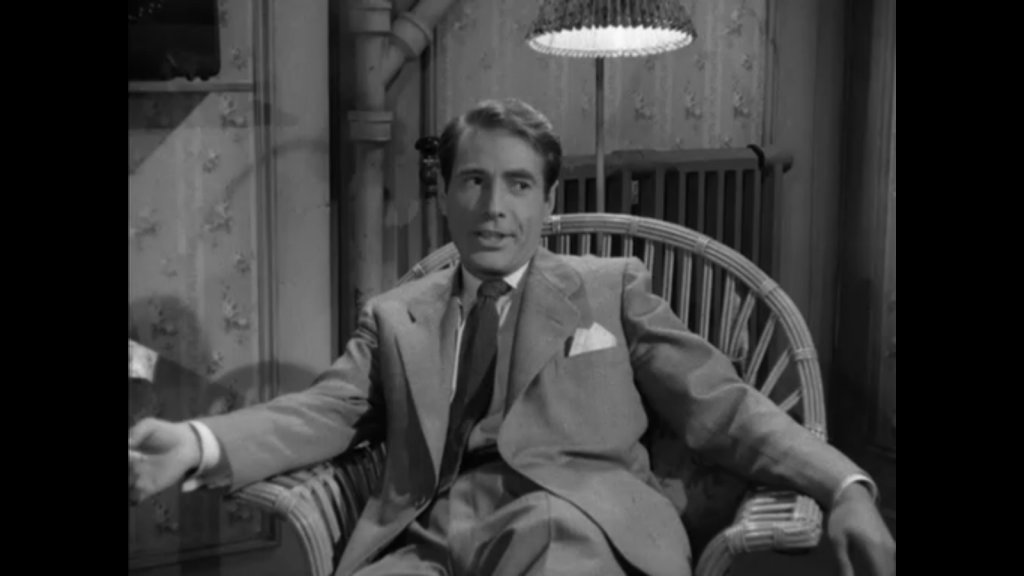
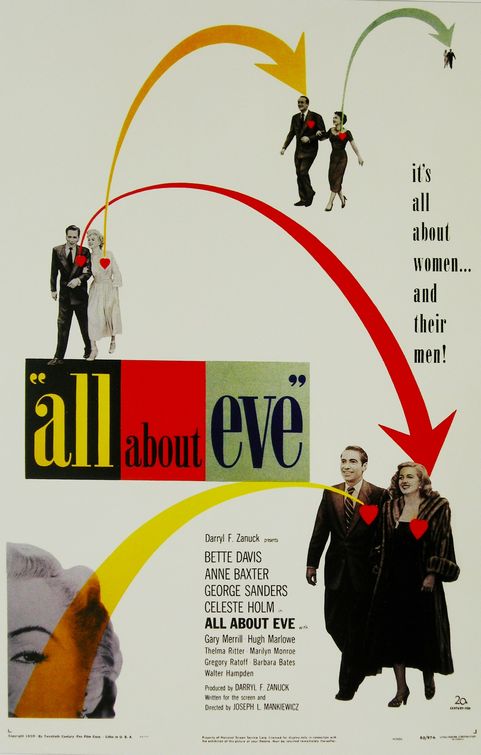
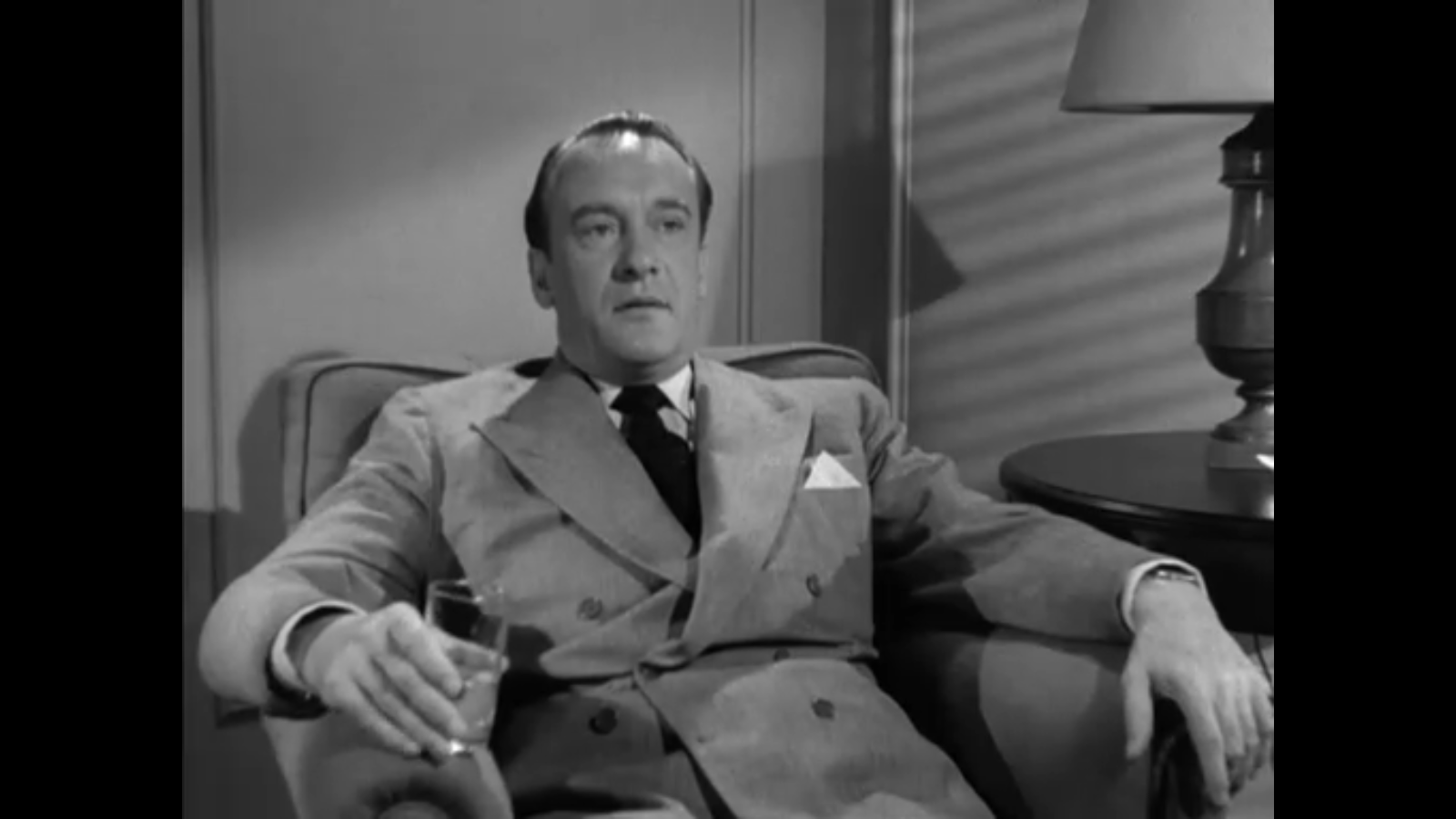
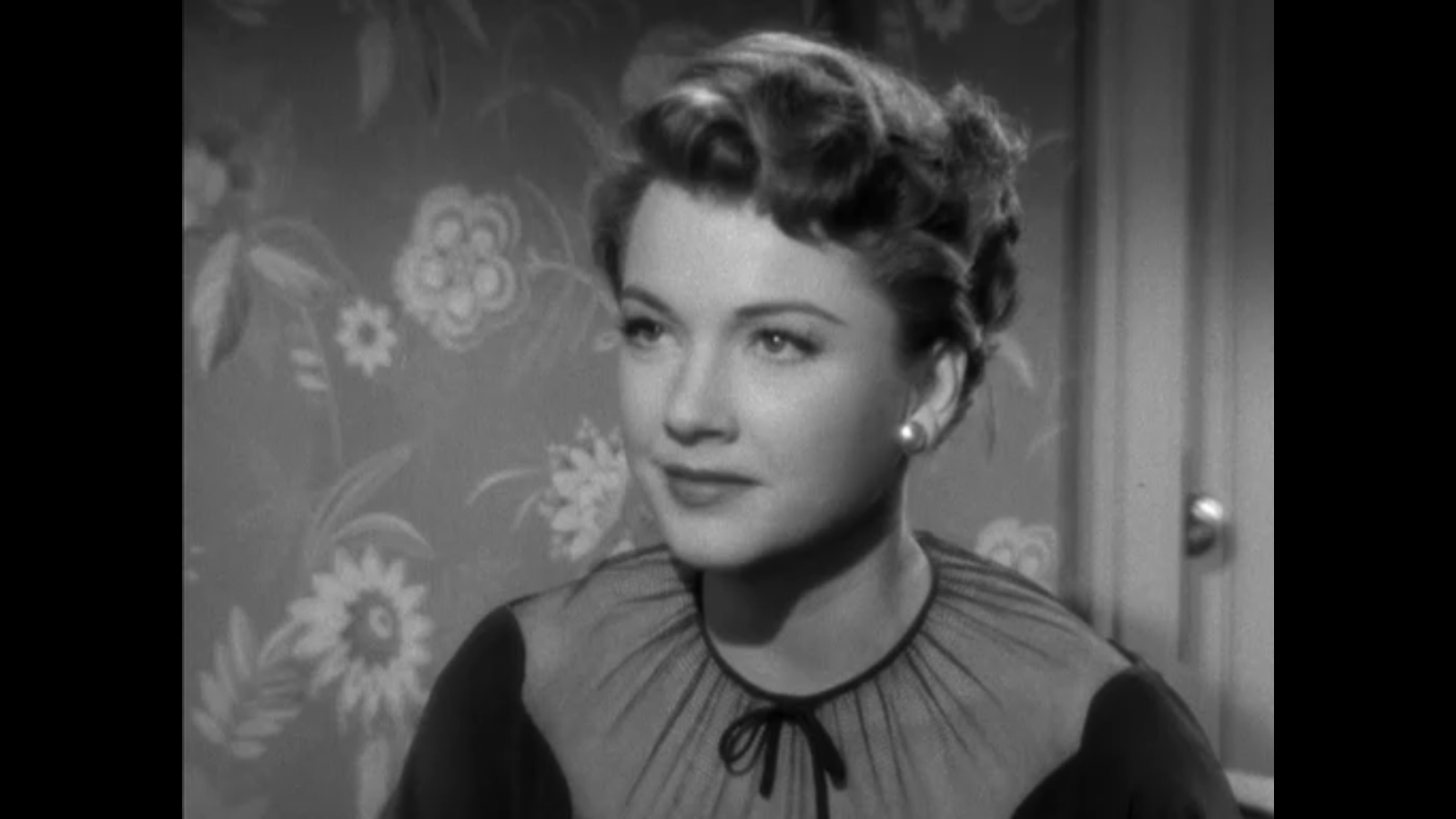
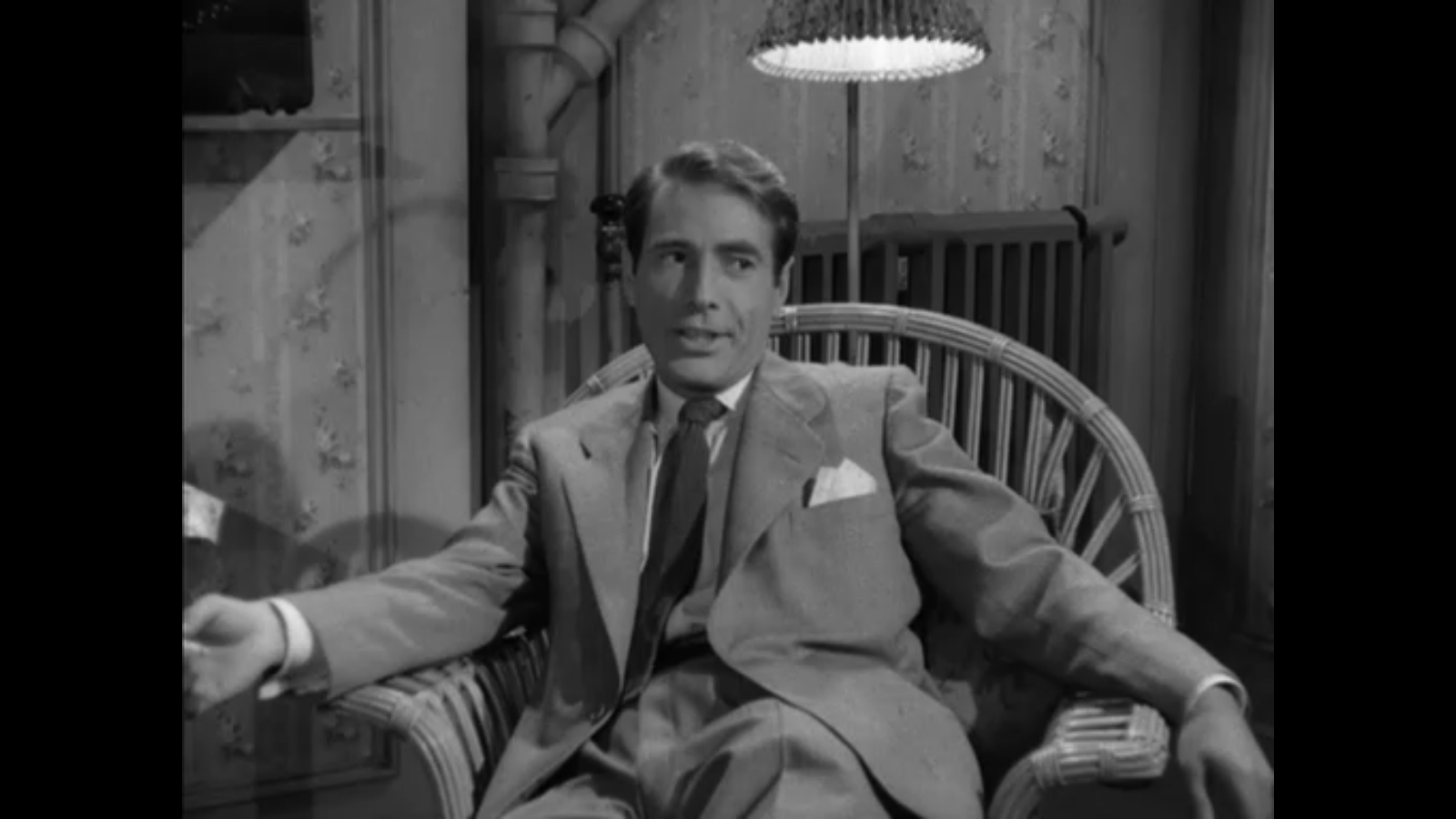
Although Peary doesn’t review All About Eve in his Guide for the Film Fanatic (it’s included in the Appendix as a title he mistakenly left out of the book’s first printing), he provides an in-depth overview of this tremendously popular “instant classic” in his first Cult Movies book. In this review, he writes that the “enormous appeal” of the film for “today’s moviegoers is quite obvious: for the curious, there’s Bette Davis and Gary Merrill, in love on-screen, falling in love off-camera…; for movie buffs, there’s Davis and Marilyn Monroe [in a bit part], one former and one future box office queen, in their only film together; for Davis cultists, there’s the great resurrected actress breathing fire into what is, arguably, her greatest role…; for connoisseurs, there are delectable supporting performances…; for the discriminating, high-brow viewers, there’s a clever, highly intelligent script… remarkably performed by an outstanding ensemble”. In addition, he notes that “most film fans, having by nature an antitheater bias, can delight in having their worst suspicions confirmed about theater people”, given that “jealousy, insecurity, and in-fighting over parts and partners reign supreme”. (Of course, none of this EVER happens in Hollywood…!)

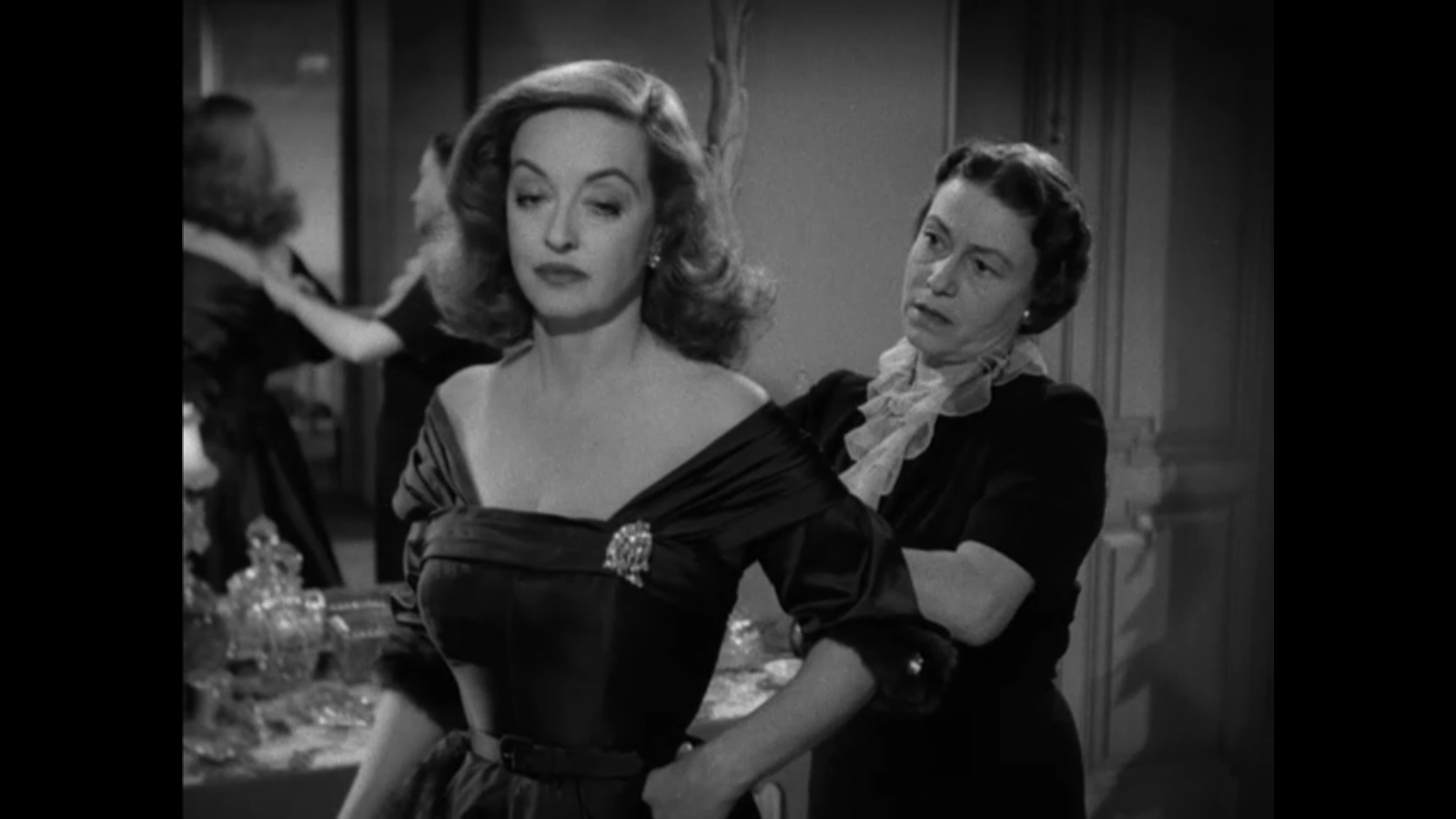
With that said, Peary does point out that not all critics are unanimously impressed by the film. Some, for instance, “blame Anne Baxter’s lack of depth as an actress for making Eve Harrington come across as an essentially shallow character”. But Peary convincingly argues that “Eve is shallow by design”, “limited by her own superficiality” and unable to “lay down a victorious trump card because she has none”. Indeed, he astutely notes that “if Eve were the strong character that some critics wanted Anne Baxter to play her as, she could never have wound up as the kept woman of a man who only selects from the bottom of the barrel” (ouch!). Baxter, I believe, is ultimately fine and well-cast in the title role — but it’s Davis as Margo Channing who remains the film’s undeniable viewing magnet. Channing — “perhaps the most dynamic woman ever to appear on the screen” — is “intelligent, opinionated, high-strung, temperamental, and… adept at unleashing funny one-liners”, but what’s most interesting about her character is how “contradictory” she is: she’s “vain, but self-effacing”, “self-reliant one minute and dependent the next”. It’s no wonder Merrill’s character is so fascinated by this enigmatic, all-too-human diva!

(potential spoiler alert)

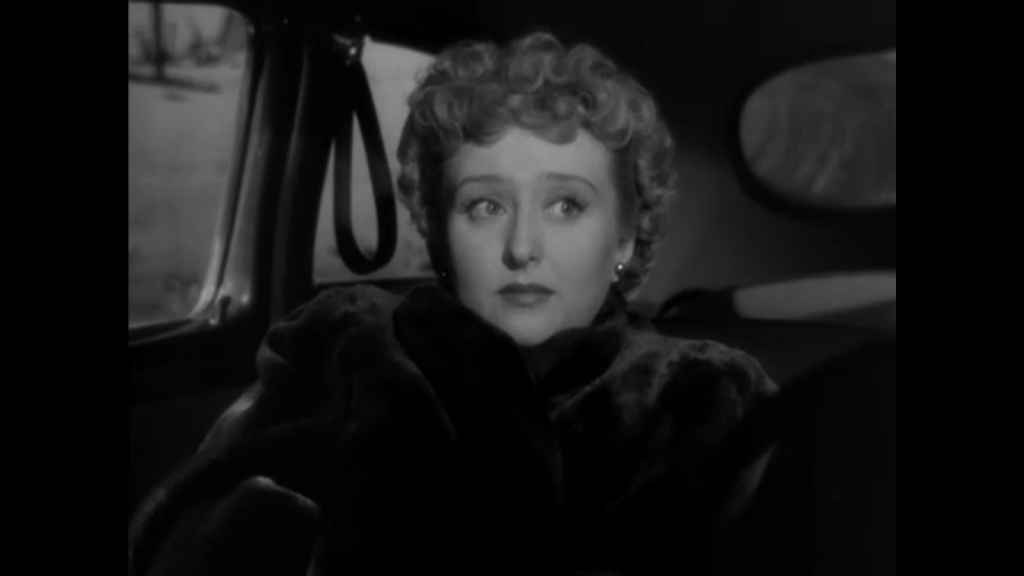
While I appreciate the film’s enduring central melodrama of rivalry and back-stabbing, what struck me most upon revisiting All About Eve recently is what a strong statement it makes about the power of friendship. The film’s narrator, after all, is Margo’s best friend (Celeste Holm), whose loyalty to Margo may be sorely tested by the intrusion of Eve in their lives, but is never permanently severed. During a pivotal scene later in the film, Margo, Karen (Holm), Bill (Merrill), and Lloyd (Hugh Marlowe) sit around a restaurant table together, and Margo mentions how much the couples’ friendship means to her — this, along with her romantic commitment to Bill, ultimately emerges as the most important triumph in her storied existence. Although Eve may get what she (thinks she) wants by brutally clawing her way past any obstacles that stand in her way, the film’s clever denouement provides all the proof we need that Eve’s lonely path won’t afford her nearly the satisfaction that Margo has earned in all other areas of her life. It is also interesting, as Peary points out, to note that in the “final section of the picture”, “Bill and Lloyd, with Margo’s blessing, work with Eve in a new play” — the point being that “in the theater, talented people are accepted, regardless of character”. Be duly forewarned.

Redeeming Qualities and Moments:

  • Bette Davis as Eve (nominated as one of the Best Actresses of the Year in Peary’s Alternate Oscars)
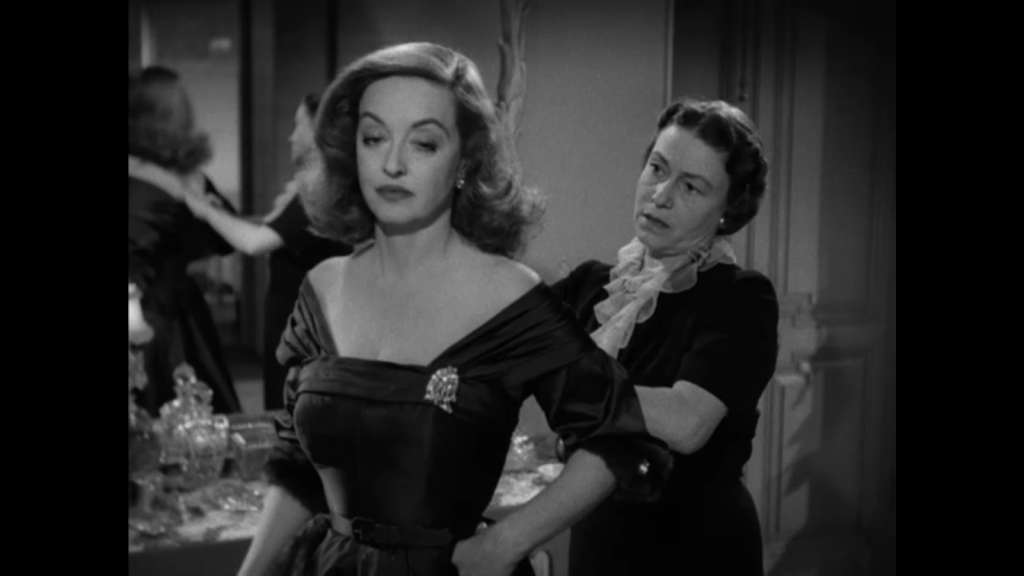
  • George Sanders as Addison DeWitt
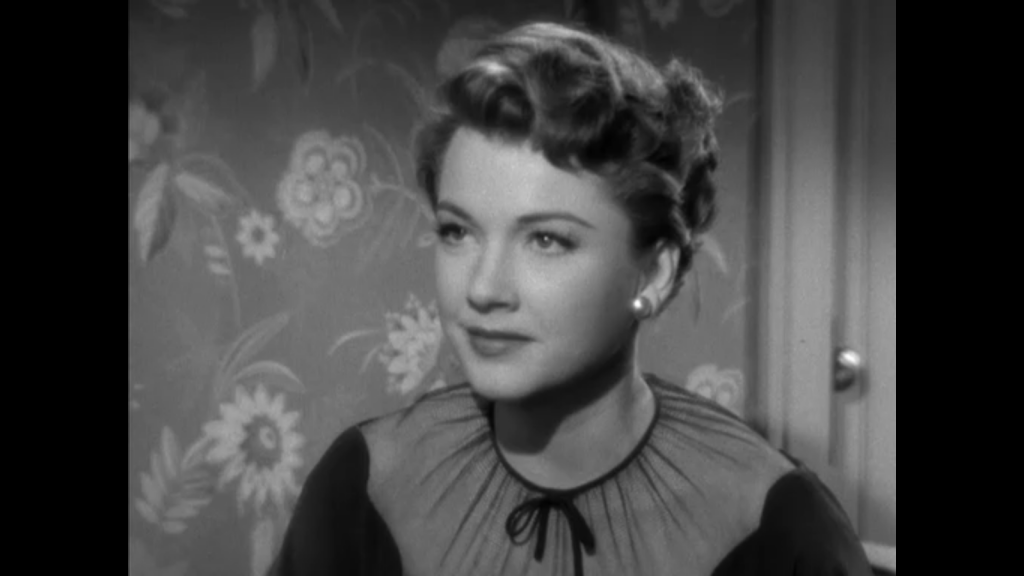
  • Anne Baxter as Eve: “externally cool, calculating and controlled, yet empty at the core”
  • Gary Merrill as Bill
  • Celeste Holm as Karen
  • Joseph Mankiewicz’s infinitely quotable screenplay (one of the “best scripts in cinema history” — and the “first movie script to be published… as a hardcover book”): “Fasten your seatbelts, it’s going to be a bumpy night!”

Must See?
Yes, of course. Listed as a film with Historical Importance, a Cult Movie, and a Personal Recommendation in the back of Peary’s book. Nominated by Peary as one of the best movies of the year in his Alternate Oscars.

Categories

  • Genuine Classic
  • Noteworthy Performance(s)
  • Oscar Winner or Nominee

(Listed in 1001 Movies You Must See Before You Die)

Links:

Another Thin Man (1939)

Another Thin Man (1939)

“You can laugh if you want to — but I don’t laugh at my dreams!”

Synopsis:
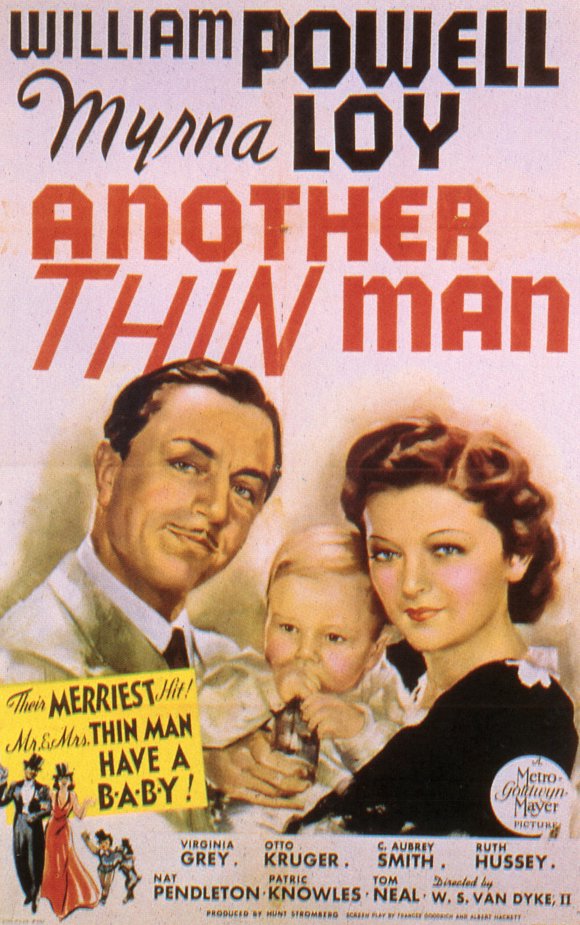
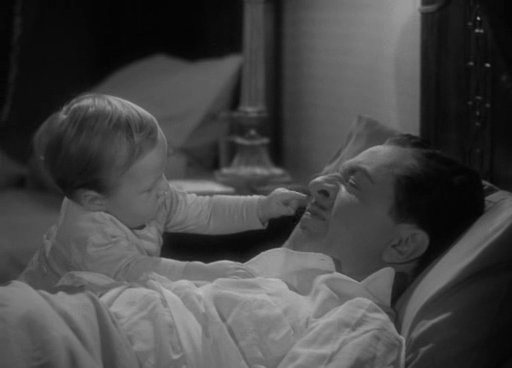
Socialites Nick and Nora Charles (William Powell and Myrna Loy) travel with their infant son (William A. Poulsen) to Long Island, where Nick — a former detective — quickly finds himself trying to determine who killed the father (C. Aubrey Smith) of a beautiful young heiress (Virginia Grey).

Genres:

  • Detectives and Private Eyes
  • Murder Mystery
  • Myrna Loy Films
  • William Powell Films
  • W.S. Van Dyke Films

Review:
The enormous success of W.S. Van Dyke’s screwball murder mystery The Thin Man (1934) spawned a near cottage industry of sequels and spin-offs — including this third entry in the feature-length series (the only additional title included in Guide For the Film Fanatic). The formula had by now been set: Nick is reluctantly drawn into helping to solve a murder mystery (thanks in part to his wife’s urging), and eventually pulls together a group of suspects, at which point he cleverly outs the culprit. Unfortunately, while fans will surely enjoy getting to see more of the Charles’s incomparably witty banter together, Frances Goodrich and Albert Hackett’s script — despite being based on another story by Dashiell Hammett — doesn’t distinguish itself as particularly noteworthy in any way, and never manages to approach the brilliance of the original. (Maybe what’s missing is all the alcohol! As new parents, Nick and Nora’s lifestyle has become fairly tame…)

Redeeming Qualities and Moments:

  • The refreshingly lighthearted “playing with baby” scene
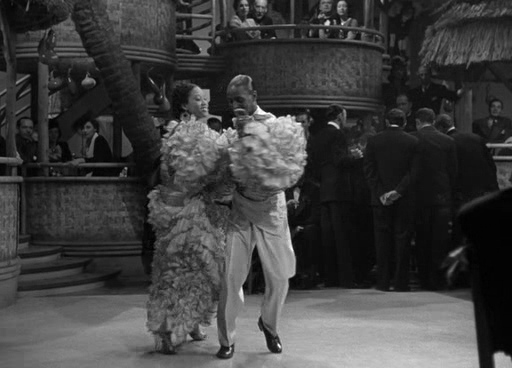
  • The most unusual dance scene at the West Indies club

Must See?
No; while it’s an enjoyable enough way to pass the time, this one is only must-see for diehard Nick-and-Nora fans.

Links:

Europeans, The (1979)

Europeans, The (1979)

“I’ve been pretending all this time; I’ve been dishonest. It’s pleasure that I care for.”

Synopsis:
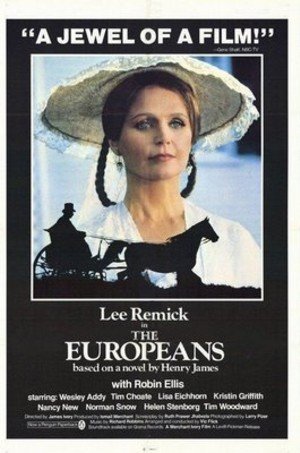
A penniless baroness (Lee Remick) and her artistic brother (Tim Woodward) visit their cousins in America, where Woodward immediately falls for non-conformist Gertrude (Lisa Eichhorn), and Remick is pursued by a local businessman (Robin Ellis).

Genres, Themes, Actors, and Directors:

  • Class Relations
  • Historical Drama
  • Lee Remick Films
  • Merchant-Ivory Films
  • Royalty and Nobility

Review:
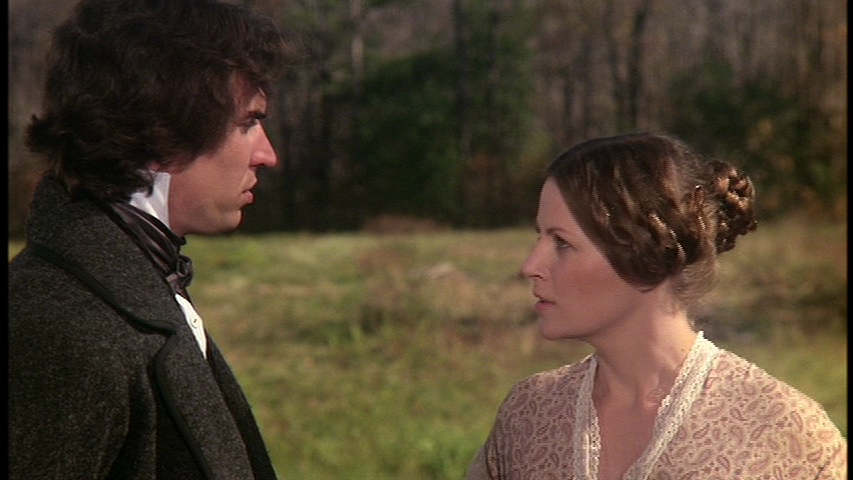
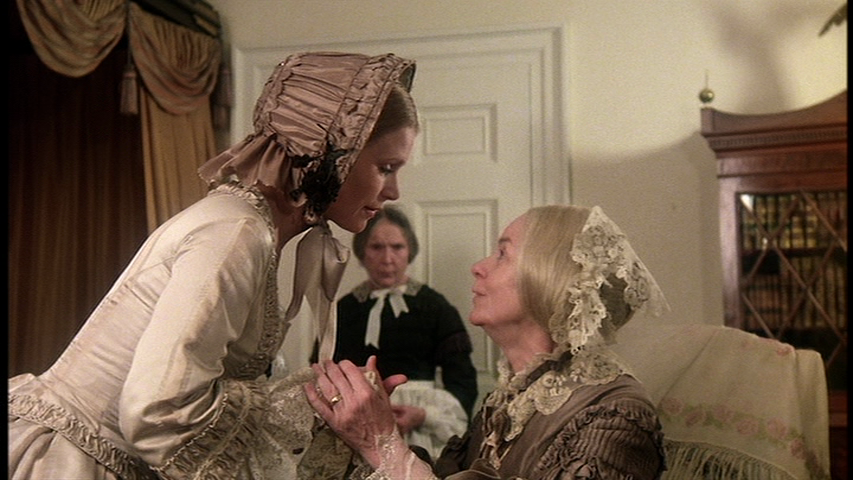
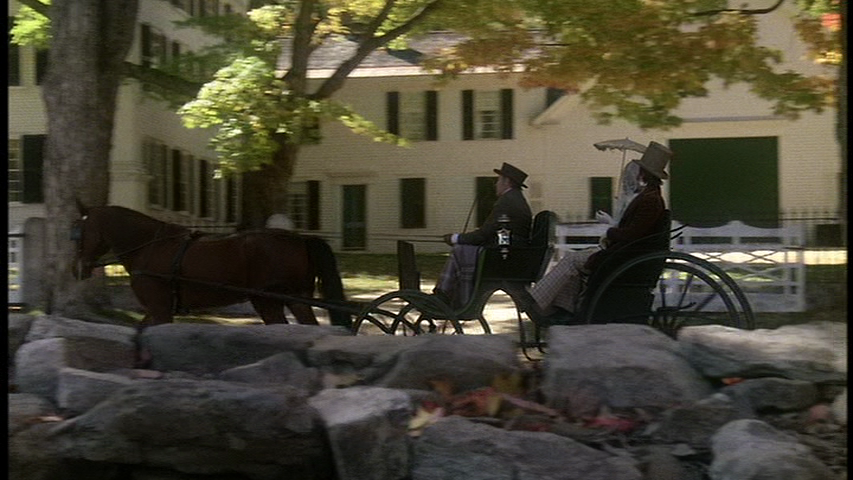
Merchant-Ivory’s adaptation of Henry James’ novella is an unassuming, quietly absorbing tale of class relations and romantic maneuverings in upper-class 18th century New England. Several of the characters (i.e., Woodward’s “playboy” European, Wesley Addy’s puritanical patriarch) at first come across as mere stereotypes, but they eventually foil our expectations, turning into (mostly) likeable individuals — all of whom (like the protagonists in Jane Austen’s novels) are simply attempting to find happiness and/or security within the restricted confines of their social circles. However, despite a host of fine performances (Eichhorn is particularly appealing), typically lovely Merchant-Ivory period sets and costumes, and gorgeous cinematography, the film as a whole never quite coheres as it should — largely because the motivations of certain key characters aren’t fully explained, and their various intrigues are simply not dramatic enough to make us sit up and take notice. With that said, as DVD Savant notes in his insightful review of the film, “Those able to get down to The Europeans‘ quiet, subtle level of discourse will [likely] be charmed.”

Redeeming Qualities and Moments:

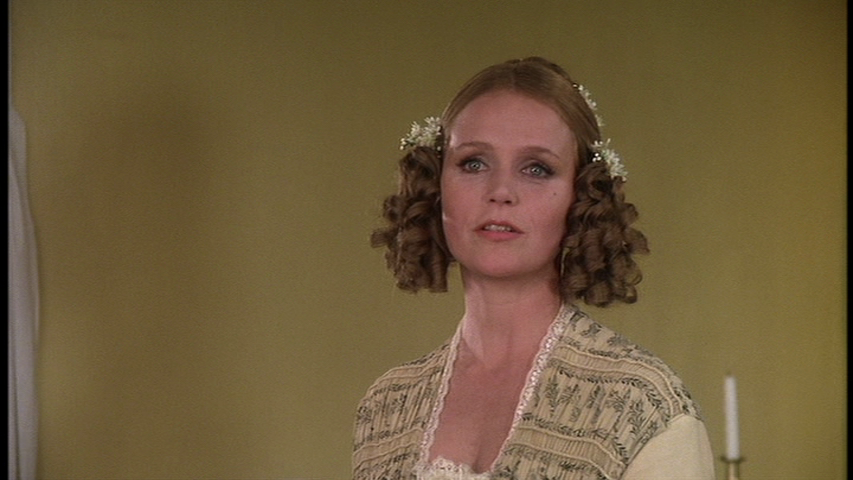
  • Lee Remick as the Baroness
  • Lisa Eichhorn as Gertrude
  • Tim Woodward as Felix
  • Fine period sets and costumes

  • Lush cinematography

Must See?
No, though fans of Merchant-Ivory films will certainly want to check it out, and it’s worth seeking out for one-time viewing.

Links:

Perceval (1978)

Perceval (1978)

“Make me a knight, sire!”

Synopsis:
In medieval England, a callow youth named Perceval (Fabrice Luchini) goes against the wishes of his widowed mother (Pascale de Boysson) and sets out to become a knight under King Arthur.

Genres, Themes, Actors, and Directors:

  • Coming of Age
  • Eric Rohmer Films
  • French Films
  • Historical Drama
  • Literature Adaptation
  • Medieval Times
  • Royalty and Nobility

Review:
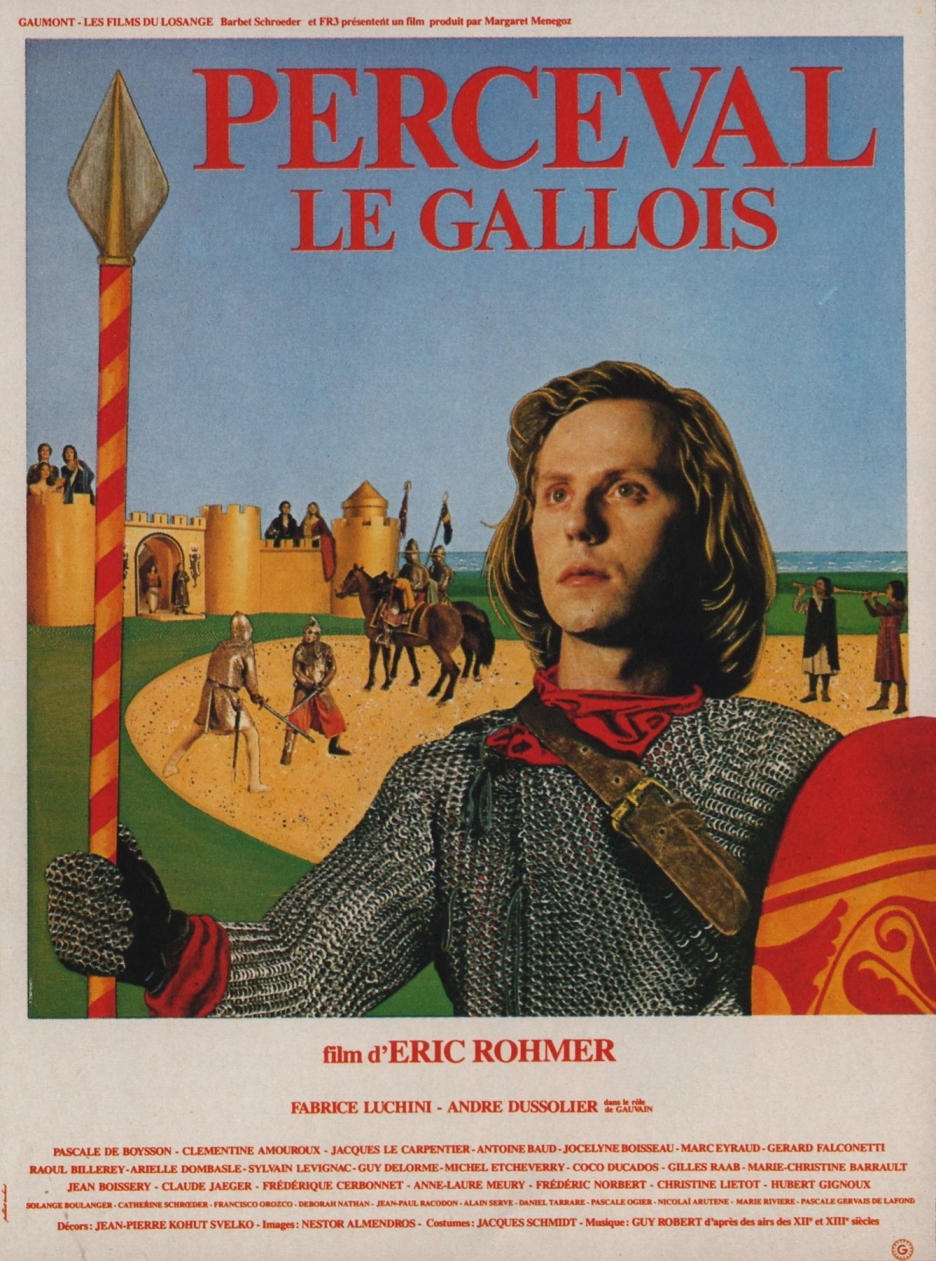
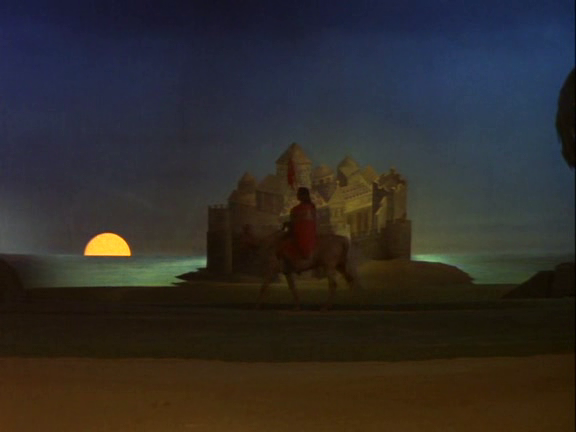
Eric Rohmer’s strategically stylized adaptation of Chrétien de Troyes’ unfinished 12th century manuscript will, once you’ve adapted to its unusual style, likely strike you as the best possible way to approach this decidedly challenging material. By never attempting to make the characters “realistic” in any sense of the word (at times, they actually speak about themselves in the third person), and by using deliberately artificial settings (reminiscent of medieval paintings and tapestries), Rohmer effectively allows viewers to relax into knowing that they’re simply watching a filmed adaptation of an epic historical poem — nothing more or less. Indeed, Rohmer is apparently so faithful to his source material that he allows the narrative to radically shift gears during the final half-hour, such that we’re suddenly following an entirely different character altogether (Sir Gauvain, played by André Dussollier). Your enjoyment of the film will depend primarily upon two factors: how easily you can handle watching the rather obnoxiously callow and arrogant young protagonist mistreat his mother and a defenseless damsel while climbing the ranks and bedding a beautiful noblewoman; and how patient you are during what ends up as a rather long (2+ hours) and slow narrative haul. However, this one is ultimately too unique to miss checking out at least once.

Redeeming Qualities and Moments:

  • Boldly artificial sets

Must See?
Yes, as a most unusual outing by Rohmer. Listed as a Cult Movie in the back of Peary’s book — and it seems to have remained so, among a sub-group of devoted fans.

Categories

  • Important Director

Links:

Dr. Terror’s House of Horrors (1965)

Dr. Terror’s House of Horrors (1965)

“There is within each of us a twin destiny: the natural and the supernatural.”

Synopsis:
A mysterious man (Peter Cushing) on a train tells the supernatural fortunes of five passengers (Neil McCallum, Alan Freeman, Roy Castle, Christopher Lee, and Donald Sutherland).

Genres, Themes, Actors, and Directors:

  • Christopher Lee Films
  • Donald Sutherland Films
  • Episodic Films
  • Horror
  • Killer Plants
  • Peter Cushing Films
  • Vampires
  • Voodoo and Black Magic
  • Werewolves

Review:
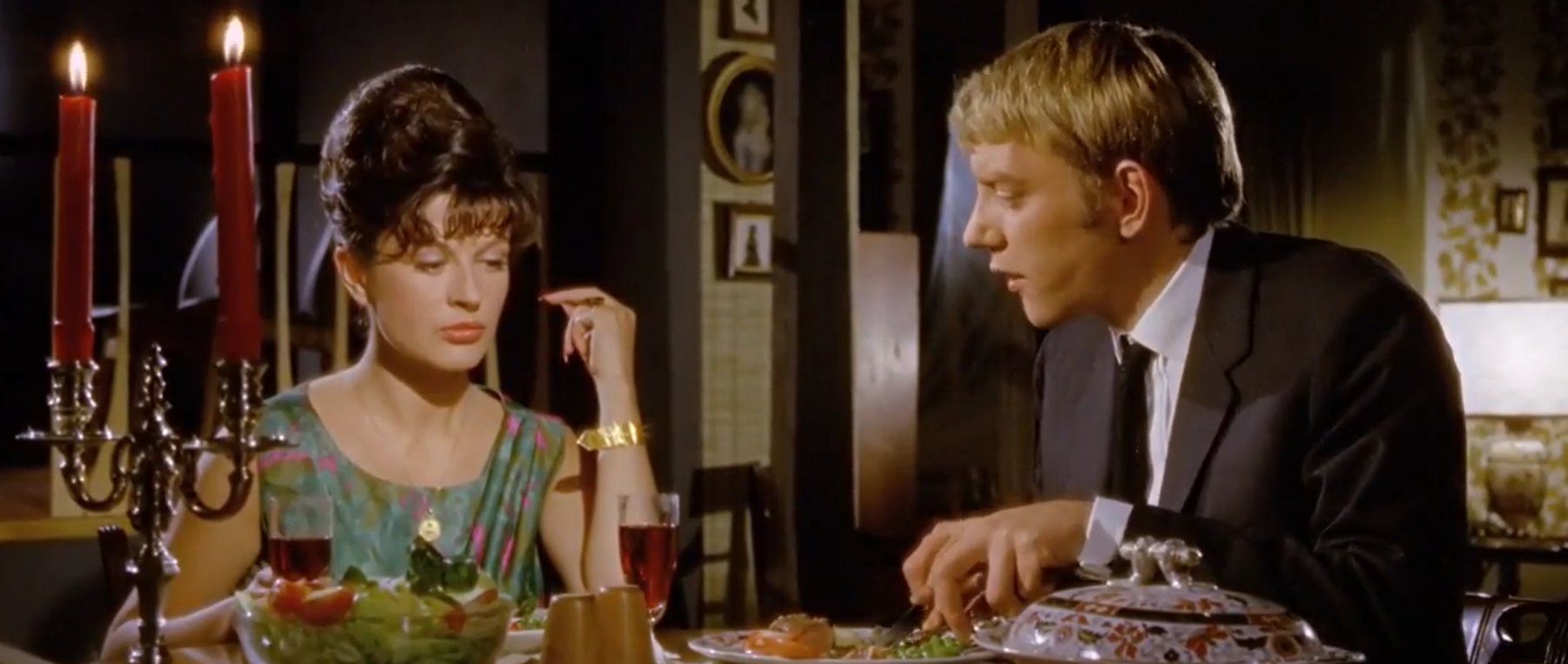
Despite its intriguingly atmospheric opening set-up — in which a group of motley train passengers reluctantly allow mysterious Dr. Schreck (a.k.a. “Dr. Terror”) to tell their fortunes via tarot cards:

— this disappointing horror anthology fails to live up to its potential. The first vignette — starring Neil McCallum as an architect who discovers the tomb of a werewolf in his ancient familial estate — shows some promise but never really pays off:

The second — involving a man (Alan Freeman) whose home is overrun by a killer plant — is, sadly, laughable rather than terrifying:

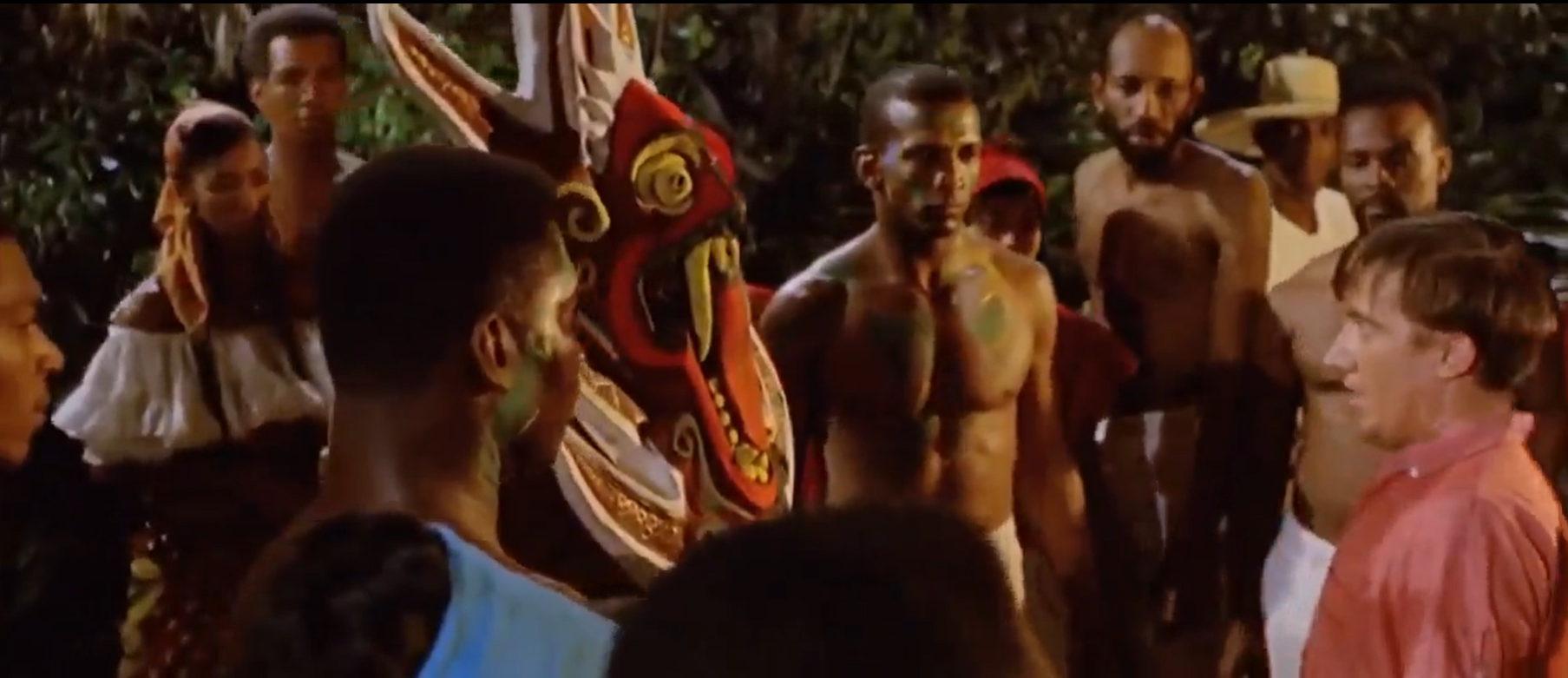
… and the third — following a jazz musician (Roy Castle) who arrogantly steals a sacred song he hears in the West Indies, and is visited by a voodoo curse — is nearly unwatchable, thanks to Castle’s utterly insufferable personality.

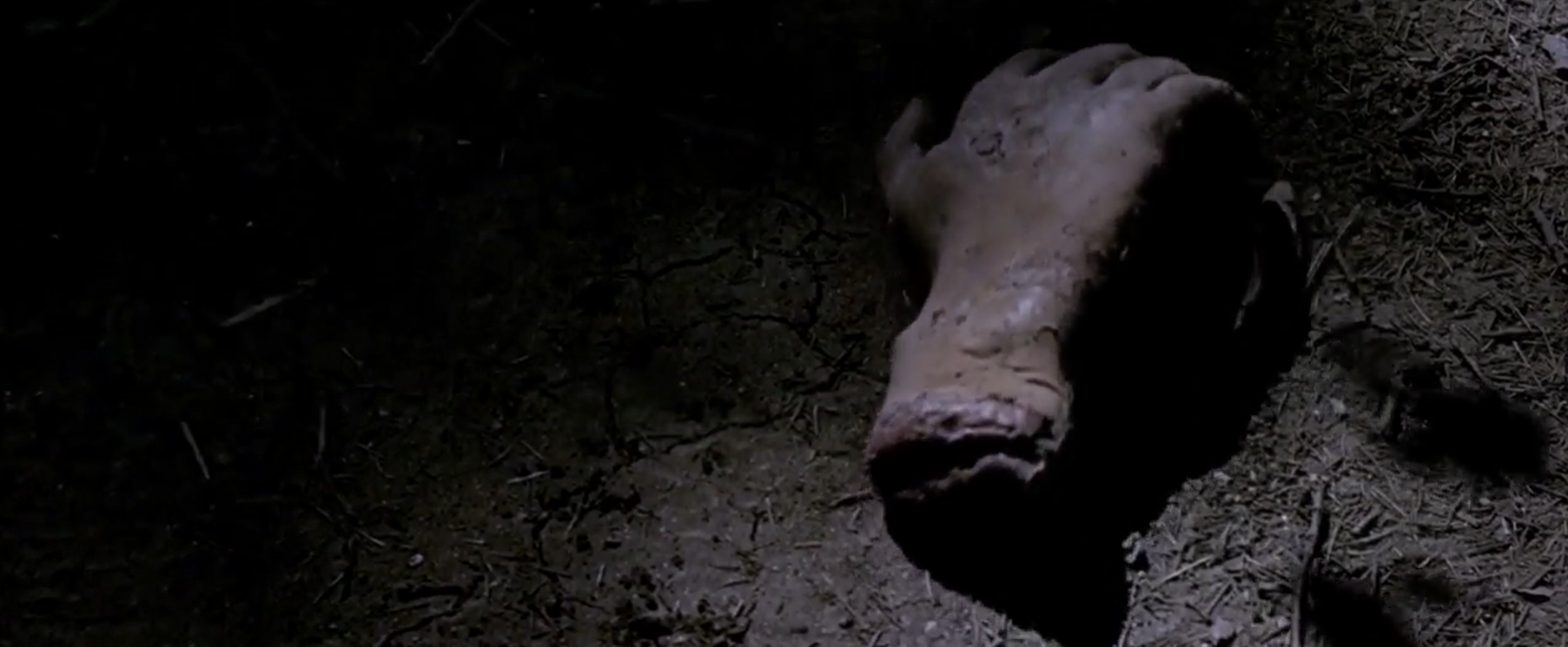
The fourth vignette — starring the inimitable Christopher Lee as an arrogant art critic whose harsh indictment of an artist (Michael Gough) comes back to haunt him, via an increasingly gruesome disembodied hand that refuses to “die” — is the most satisfying by far:

… while the fifth — in which Donald Sutherland discovers he’s married a vampire (Jennifer Jayne) — at least offers an unexpected plot twist at the very end.

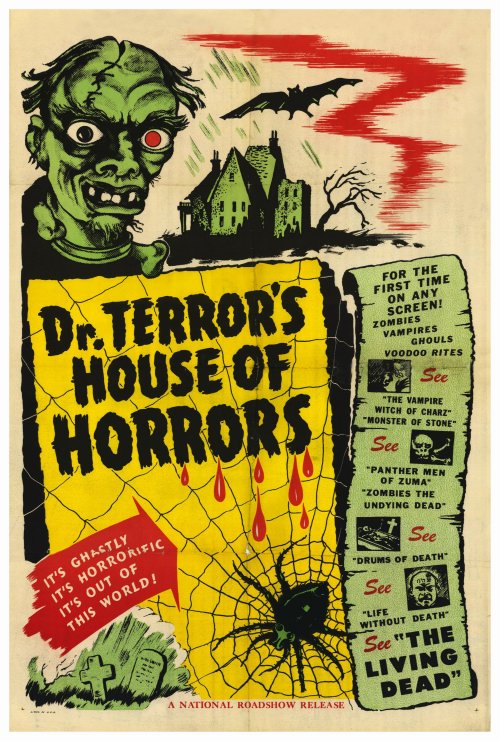
But the film as a whole never really musters any collective tension, and remains of interest primarily for its historical importance as the first horror “portmanteau” film produced by Amicus Studios (a competitor with Hammer Studios). Click here for an interesting background article on Amicus.

Redeeming Qualities and Moments:

  • The fourth vignette, in which Lee battles the disembodied hand of Michael Gough

Must See?
No — though it holds some historical value as the first of Amicus’ horror-anthology films, and thus film fanatics may be curious to check it out.

Links:

Cinderella (1950)

Cinderella (1950)

“Why, it’s like a dream — a wonderful dream come true.”

Synopsis:
The cruel stepmother (Eleanor Audley) and stepsisters (Rhoda Williams and Lucille Bliss) of a young orphan named Cinderella (Ilene Woods) try to prevent her from attending a royal ball — but she is given assistance by both her animal friends and her Fairy Godmother (Verna Felton), and soon finds herself the object of the Prince’s desires.

Genres, Themes, Actors, and Directors:

  • Animated Features
  • Fantasy
  • Folk Tales, Fairy Tales, and Mythology
  • Musicals
  • Romance
  • Royalty and Nobility

Review:
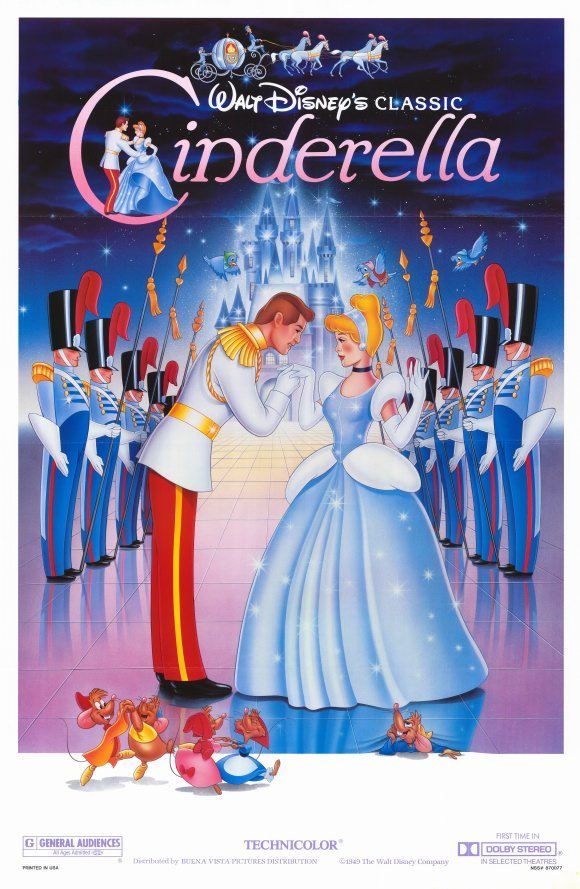
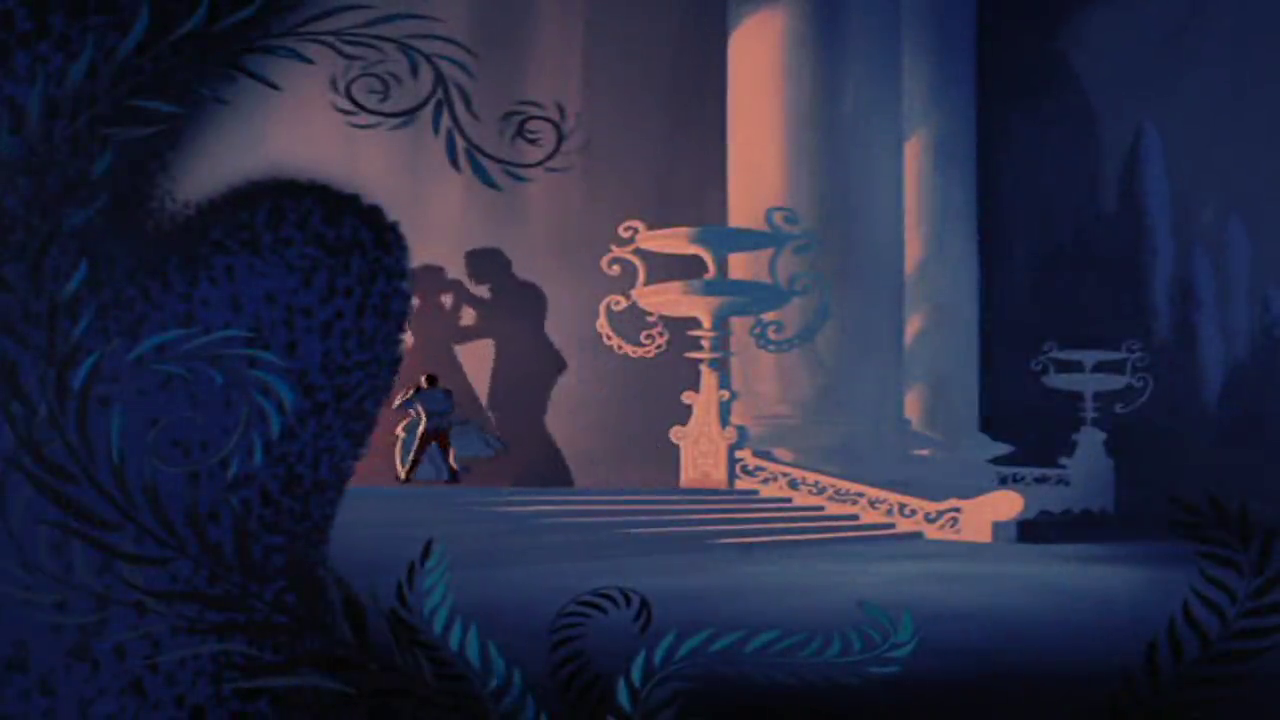
Widely considered to be one of Disney’s “lesser” mid-century animated features, Cinderella nonetheless remains one of the studio’s most beloved fairy tale adaptations, with many of its characters and songs enjoying iconic status. Critics have labeled the film “disappointingly routine” and “dated”, noting that unlike its fabled predecessors of Disney’s Golden Age (Snow White and the Seven Dwarfs, Pinocchio, Fantasia, Dumbo, and Bambi), it doesn’t stand out as unique or groundbreaking in any particular way. They find particular fault with the extended cat-and-mouse sequence during the film’s first half hour, which establishes an ongoing rivalry between Cinderella’s clever mice friends and the evil house cat, Lucifer — and this does indeed smack a bit too much of Saturday-morning-T.V. antics, a la “Tom and Jerry”. However, given that these creatures play a pivotal part in the climactic finale, it’s relatively easy to forgive their early dominance. Meanwhile, I find it refreshing to see how much screen-time the title character is finally given in this film, with Cinderella (unlike Snow White or Sleeping Beauty) actually emerging as a real protagonist: we can’t help rooting for her as she faces seemingly countless hurdles on the road to happiness and freedom.

Redeeming Qualities and Moments:

  • Some fine animation
  • Numerous enjoyably memorable songs (including “Bibbidi-Bobbidi-Boo”, which was nominated for an Academy Award, and “A Dream Is a Wish Your Heart Makes”)

Must See?
Yes, simply as one of Disney’s most popular animated features. Listed as a Personal Recommendation in the back of Peary’s book.

Categories

  • Historically Relevant

Links:

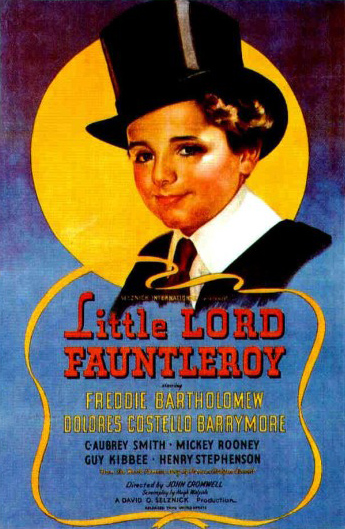
Little Lord Fauntleroy (1936)

Little Lord Fauntleroy (1936)

“If I have to be an earl, I can try to be a good one.”

Synopsis:
The good-natured son (Freddie Bartholomew) of an American woman (Dolores Costello) and a deceased British father discovers he has become the new Lord of Fauntleroy, and moves to England to live with his crusty grandfather (C. Aubrey Smith) — but he finds his new status threatened by a woman (Helen Flint) claiming to be the mother of the rightful heir.

Genres:

  • Class Relations
  • Do-Gooders
  • Freddie Bartholomew Films
  • Inheritance
  • John Cromwell Films
  • Mickey Rooney Films
  • Royalty and Nobility

Review:
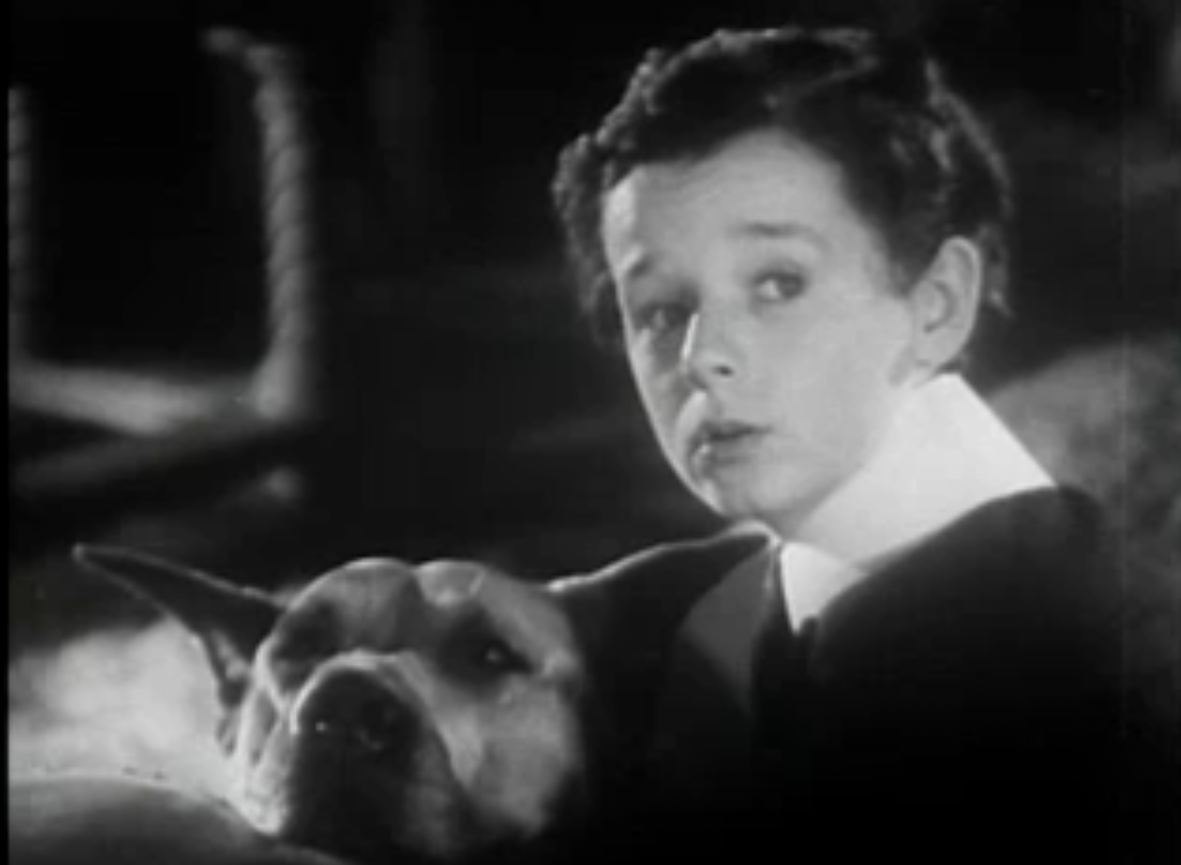
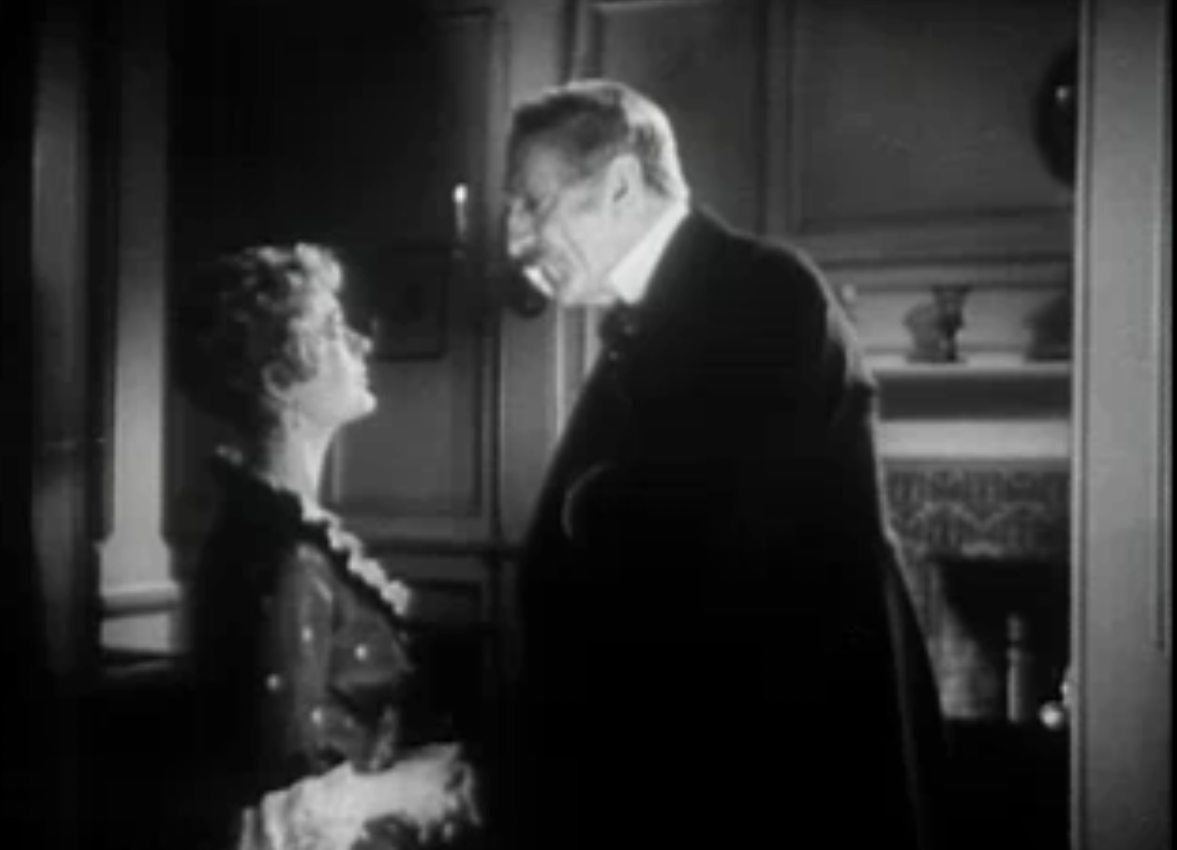
John Cromwell’s adaptation of Frances Hodgson Burnett’s beloved children’s novel is — like its source material — a bit too twee and precious for its own good, but remains a reasonably enjoyable cinematic adaptation, thanks in large part to the fine central performance by Freddie Bartholomew. While Bartholomew’s Cedric comes across as simply too kindhearted and naively optimistic to be true, Bartholomew is such an intrinsically charismatic child actor that one can’t help watching him with a certain degree of investment and interest. Nearly every plot development is telegraphed far ahead of time — will Cedric melt the heart of his crusty old grandfather? will he convince his grandfather to open his arms and finally embrace Cedric’s “commoner” mother? will he lose his noble title to a dastardly imposter? what do you think? (!) — but it’s finely presented and directed, and Charles Rosher’s cinematography is nicely atmospheric. Watch for Mickey Rooney in a small (but ultimately pivotal) part as Cedric’s shoe-shining friend back in America. An interesting bit of trivia: “Dearest” (Cedric’s mother) is played by Drew Barrymore’s grandmother, wife of John Barrymore.

Note: As a public domain title, this film is available for free viewing at http://www.archive.org.

Redeeming Qualities and Moments:

  • Freddie Bartholomew as Lord Fauntleroy
  • Charles Rosher’s cinematography

Must See?
No, though it’s worth a look.

Links:

Gunman’s Walk (1958)

Gunman’s Walk (1958)

“Ed’s just got to prove he’s as good as Lee ever was — he can’t stand being second best.”

Synopsis:
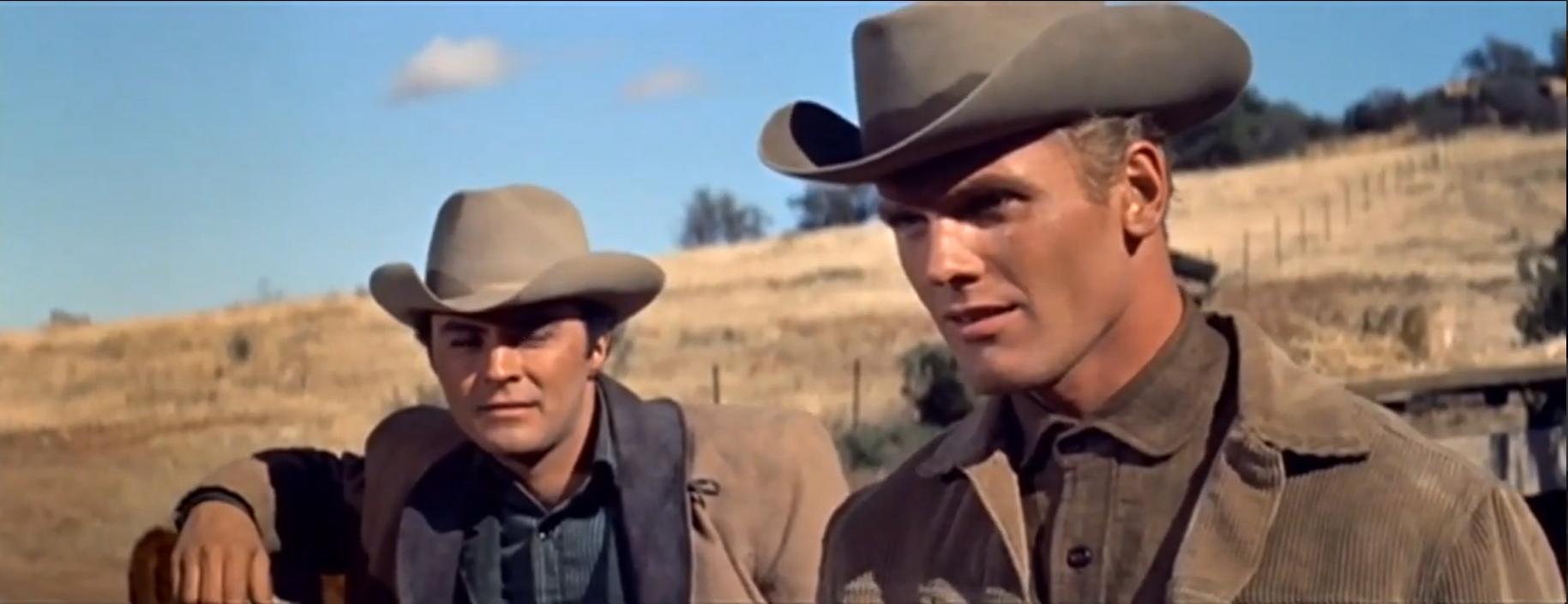
When the trigger-happy son (Tab Hunter) of a cattle rancher (Van Heflin) is accused of murder, his brother (James Darren) — in love with the victim’s “half-breed” sister (Kathryn Grant) — finds his loyalties conflicted.

Genres, Themes, Actors, and Directors:

  • Cross-Cultural Romance
  • Father and Child
  • Native Americans
  • Phil Karlson Films
  • Race Relations
  • Ranchers
  • Tab Hunter Films
  • Van Heflin Films
  • Westerns

Review:
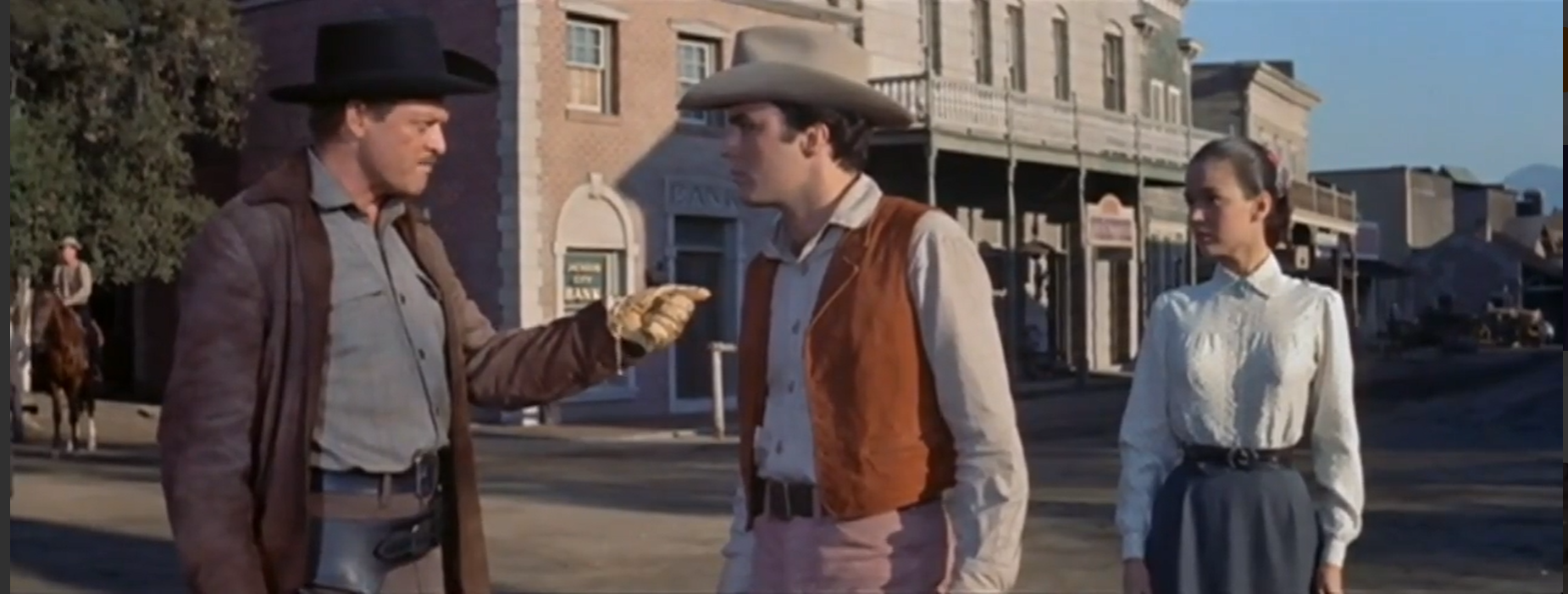
As noted in Mike Grost’s analytical overview of Phil Karlson’s films, Gunman’s Walk accurately reflects the sentiments and concerns of both its director — in the way it shows “the effects of hate and violence poisoning people’s characters” — and its screenwriter, Frank Nugent (whose concern with racial prejudice was evident as well in his screenplays for both The Searchers and Sergeant Rutledge). Indeed, Gunman’s Walk is a surprisingly hard-hitting western which touches on some challenging themes — notably, the need to scale back on violence and machismo in a newly evolving West, and the enduring legacy of racial prejudice against Native Americans.

This is ultimately a film about cognitive dissonance, given that all three leading male characters must deal with uncomfortable facts they don’t want to have to face. Van Heflin gives an excellent performance in the central role as a father who understands (and even admires) his son’s gun-loving ways, but slowly realizes he can no longer support him unconditionally; meanwhile, teen heartthrob Tab Hunter is believably hot-headed as Ed Hackett, and James Darren does a fine job as his conflicted brother.

This one is definitely worth seeking out.

Redeeming Qualities and Moments:

  • Van Heflin as Lee Hackett
  • Frank S. Nugent’s smart script

Must See?
Yes, for Heflin’s memorable performance. Listed as a Cult Movie in the back of Peary’s book.

Categories

  • Noteworthy Performance(s)

Links: