Browsed by
Category: Original Reviews

Responses to Peary’s “must see” movie reviews, as well as my own “must see” movie reviews up to and after 1986 (when Peary’s book was published).

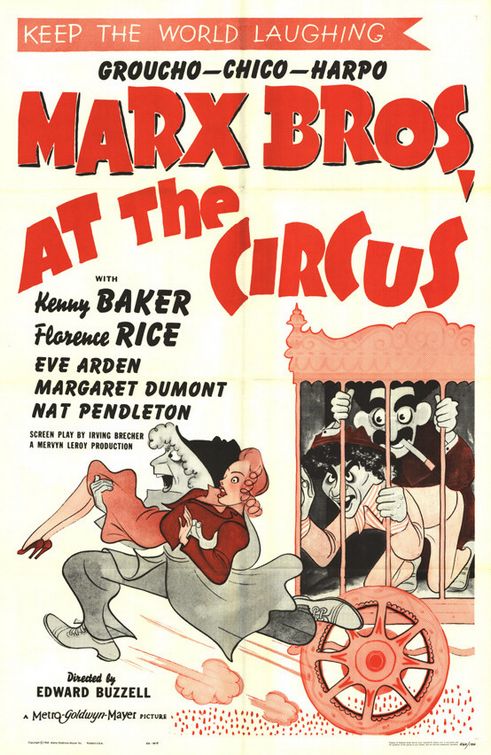
At the Circus (1939)

At the Circus (1939)

“There must be some way of getting that money, without getting in trouble with the Hays Office!”

Synopsis:
With the help of two dubious but well-meaning assistants (Chico and Harpo Marx), a lawyer (Groucho Marx) tries to secure enough evidence to indict the thieves (Nat Pendleton and Jerry Maren) who have stolen $10,000 from a struggling circus owner (Kenny Baker).

Genres, Themes, Actors, and Directors:

  • Amateur Sleuths
  • Carnivals and Circuses
  • Comedy
  • Eve Arden Films
  • Marx Brothers Films
  • Musicals

Review:
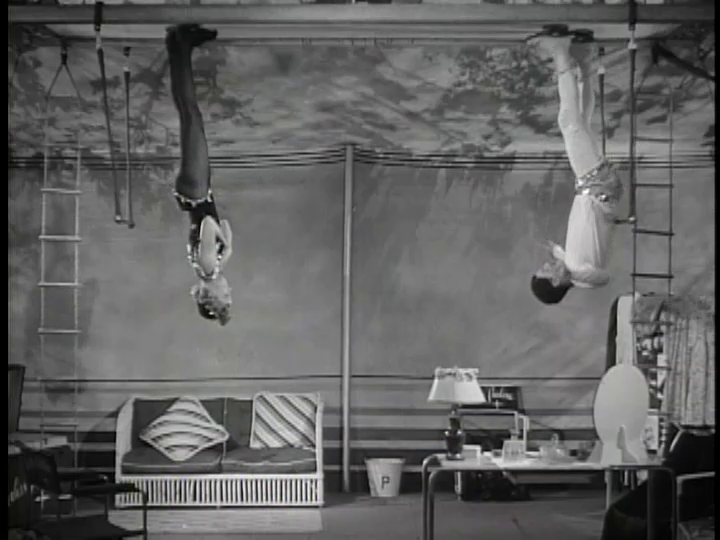
At the Circus was made during the tail end of the Marx Brothers’ successful run of collaboratively anarchic comedies, and is clearly one of their lesser efforts. It’s too bad the team were apparently denied the opportunity to preview their interactions before a live audience, since I suspect this would have given them the opportunity to fine-tune their schtick. As it is, the gags and dialogue throughout are pretty much hit-and-miss. I’m not at all a fan of the entire “midget scene”, for instance, which comes across as simply an un-P.C., one-note gag. However, Groucho is given numerous opportunities to shine, as he sings the iconic ditty “Lydia the Tattooed Lady”, interacts with the always-welcome Dumont (given a small but pivotal supporting role), and tries to get Eve Arden to drop a wallet of stolen money while walking upside down on the ceiling (a scenario which is, at the very least, novel). Harpo’s solo is lovely, but placed smack dab in the middle of a questionable musical revue involving African American stable hands. Meanwhile, all the supporting storyline scenes (between Baker and Florence Rice, playing his long-suffering fiancee) pretty much grind things to a halt.

Redeeming Qualities and Moments:

  • Groucho singing “Lydia the Tattooed Lady”
  • Groucho’s interactions with Dumont
  • Eve Arden demonstrating ceiling walking to Groucho

Must See?
No; this one is only must-see for Marx Brothers fans.

Links:

Tabu (1931)

Tabu (1931)

“Sacred is Reri from this time forth. She is Tabu. To break this Tabu means death.”

Synopsis:
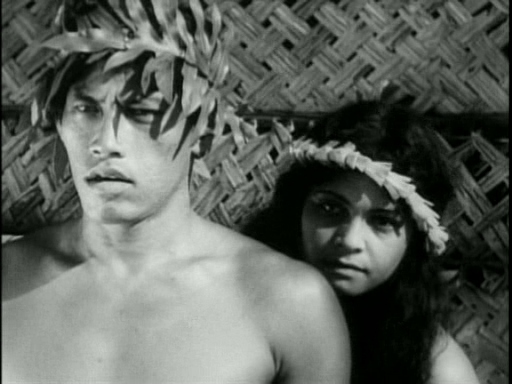
A pearl diver (Matahi) falls in love with a beautiful girl (Anne Chevalier) who is soon selected as her island’s “holy maid”, and thus becomes “tabu” for any man. The young couple sneak away and sail to freedom on another island, but an elderly spiritual warrier (Hitu) continues to threaten Matahi with death if Chevalier does not return and take her rightful position.

Genres, Themes, Actors, and Directors:

  • F.W. Murnau Films
  • Native Peoples
  • Silent Films
  • South Sea Islands
  • Star-Crossed Lovers

Review:
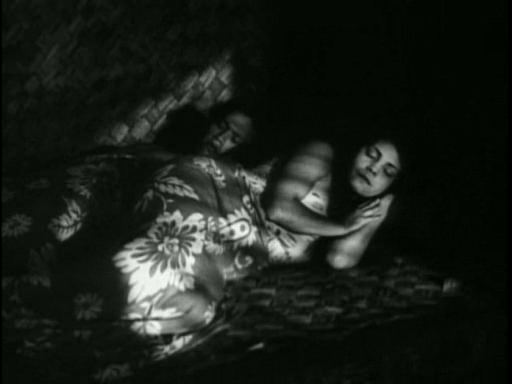
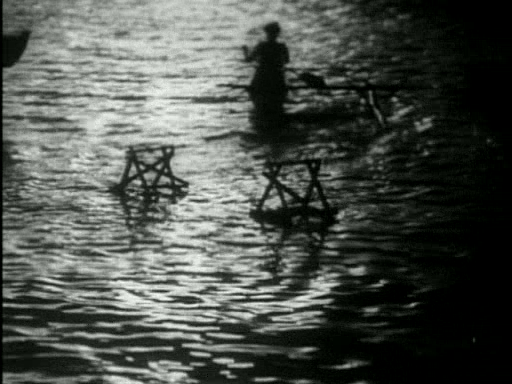
Defined by Time Out as director F.W. Murnau’s “purest and least inhibited celebration of physical sensuality and love”, his final film — made in collaboration with documentarian Robert Flaherty — tells “a simple Pacific islands folk tale”, all done without dialogue or even inter-titles (necessary information is provided through “authentic” notes and letters written by various characters). The first half hour or so presents itself as a beautifully shot travelogue, as two gorgeous young natives (Matahi and Chevalier make a sexy, appealing young couple) flirt innocently with one another and fall in love. Soon, however, the storyline shifts into a tragic tale bearing an eerie resemblance to Romeo and Juliet; be prepared for emotional devastation. Shot in stunning black and white (by Flaherty and Floyd Crosby), the film presents a pristine vision of the South Seas, which — in a subtle yet crucial subtext — is nonetheless slowly being overrun by corrupt colonial forces. Nominated by Peary as one of the best films of the year in his Alternate Oscars book.

Note: This film served as the direct inspiration for King Vidor’s thematically similar Bird of Paradise the following year.

Redeeming Qualities and Moments:

  • Matahi and Chevalier’s appealingly natural performances

  • Beautiful cinematography

Must See?
Yes, simply for its historical relevance as Murnau’s final film. Listed as a film with historical importance and a Personal Recommendation in the back of Peary’s book. Nominated by Peary as one of the Best Movies of the Year in his Alternate Oscars.

Categories

  • Historically Relevant
  • Important Director

(Listed in 1001 Movies You Must See Before You Die)

Links:

House of Dracula (1945)

House of Dracula (1945)

“I believe anything can happen, in a person’s mind.”

Synopsis:
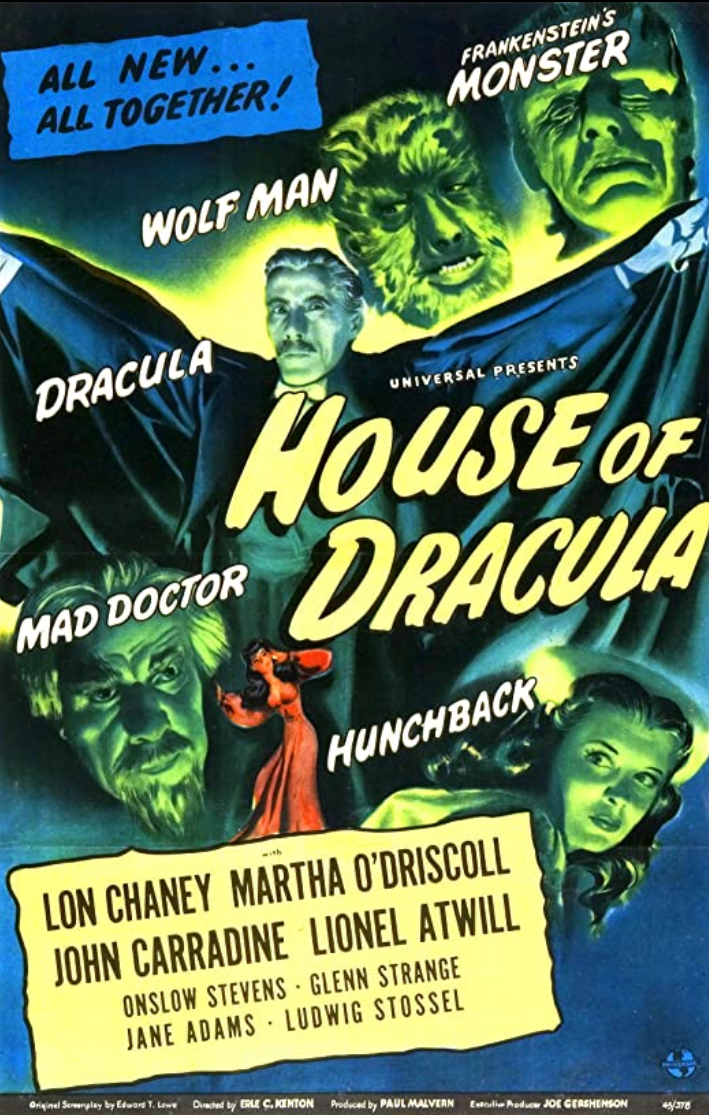
Dracula (John Carradine) and the Wolf Man (Lon Chaney, Jr.) both seek the help of Dr. Edelmann (Onslow Stevens) in curing their ailments; soon the Wolf Man stumbles upon the body of Frankenstein’s monster (Glenn Strange), who Dr. Edelmann decides to revive.

Genres, Themes, Actors, and Directors:

  • Frankenstein
  • Horror Films
  • John Carradine Films
  • Lionel Atwill Films
  • Lon Chaney, Jr. Films
  • Mad Doctors and Scientists
  • Vampires
  • Werewolves

Review:
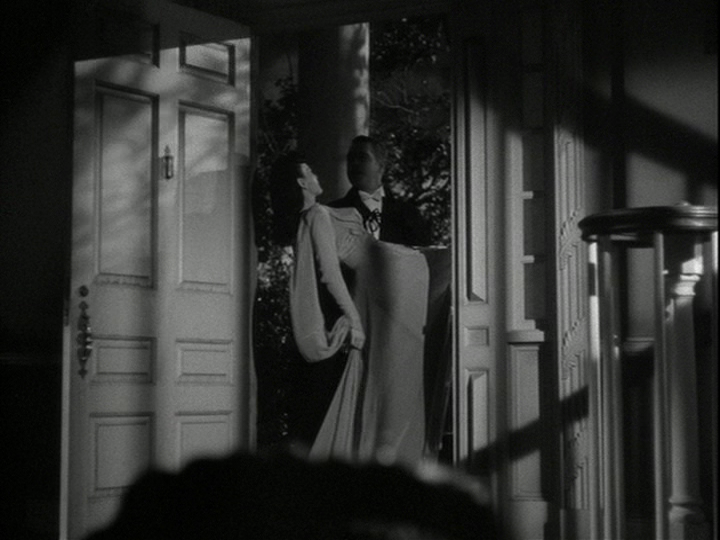
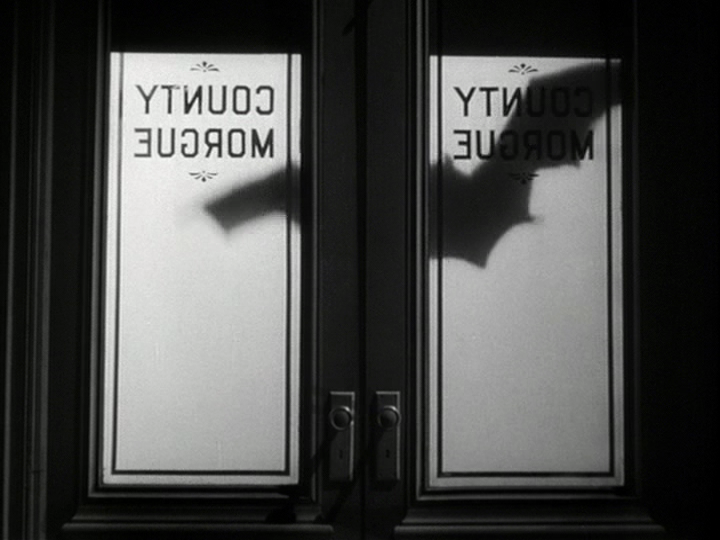
Of all the Universal Studios “monster flicks” I’ve watched over the last few months (and that’s quite a few), House of Dracula stands out as probably the least of them all. There’s honestly nothing new here to speak of — unless you count the inclusion of a beautiful hump-backed female nurse (Jane Adams) as Dr. Edelmann’s assistant.

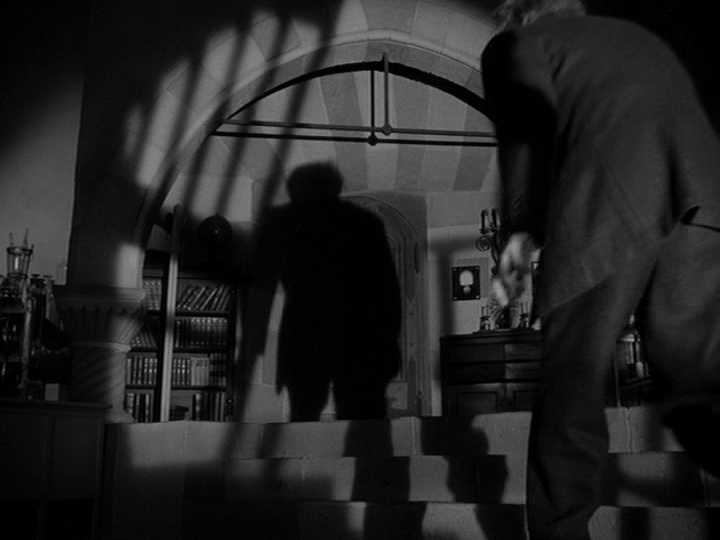
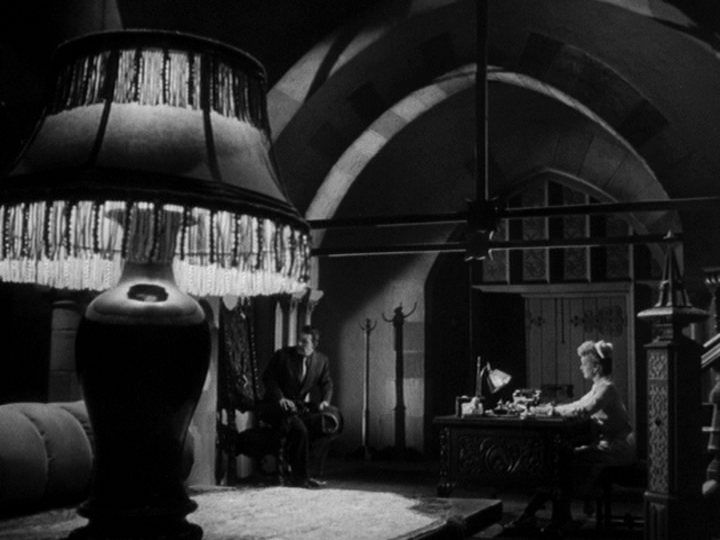
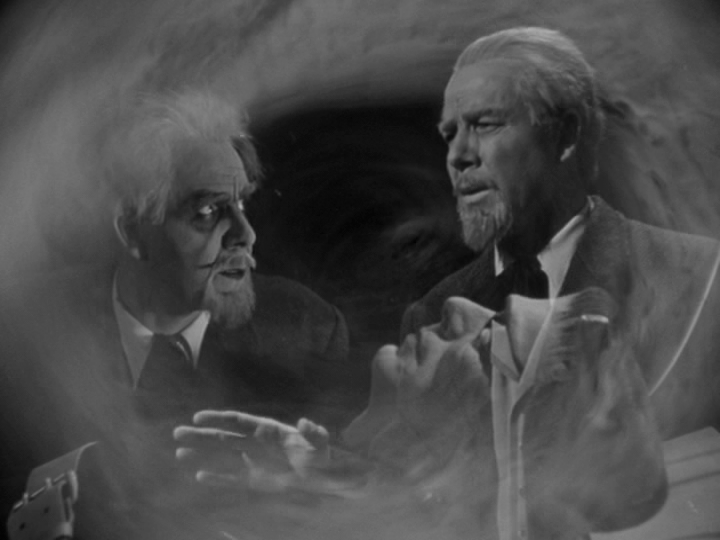
Visually, it’s as stunning as the rest of Universal’s output, with appropriately atmospheric cinematography, impressively baroque sets, and some creatively conceived imagery.

But the lack of any type of original story for these (overly) familiar characters was simply killing me — and the forced inclusion of Frankenstein’s monster into the narrative is (if possible) more egregiously nonsensical than ever before. This one’s really only for diehard fans.

Redeeming Qualities and Moments:

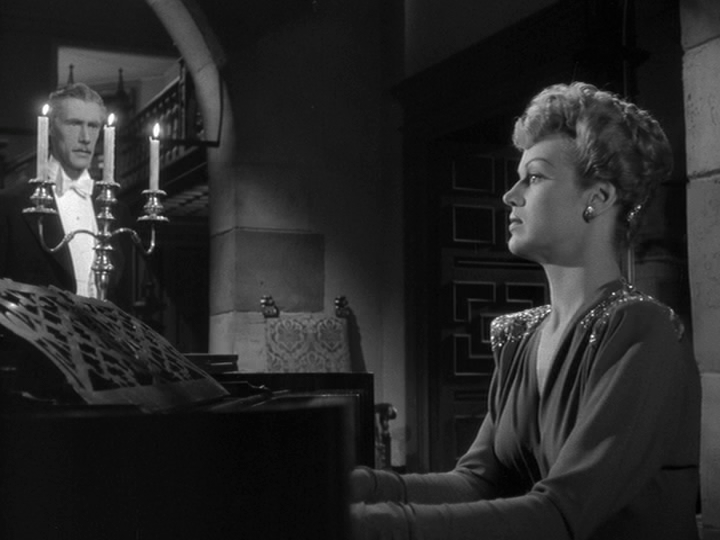
  • Dracula hypnotizing Martha O’Driscoll into playing piano music she’s never heard before
  • Atmospheric cinematography
  • Some creative imagery

Must See?
Definitely not; like so many of Universal’s other follow-up “monster flicks”, this one will only be of interest to fans of the series.

Links:

Son of Dracula (1943)

Son of Dracula (1943)

“Ours will be a different life, without material needs — a life that will last for eternity!”

Synopsis:
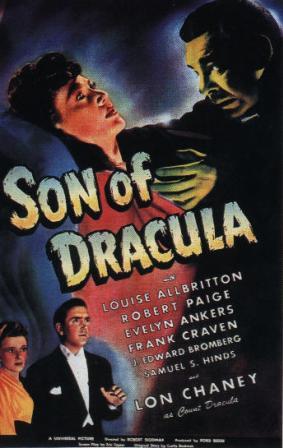
Hungarian Count Alucard (Lon Chaney, Jr.) arrives in the deep south, where he promptly marries an occult-obsessed girl (Louise Allbritton) engaged to her childhood sweetheart (Robert Paige). Meanwhile, the town doctor (Frank Craven) and a psychologist well-versed in vampire lore (J. Edward Bromberg) begin to investigate Alucard’s true identity.

Genres, Themes, Actors, and Directors:

  • Horror Films
  • Lon Chaney, Jr. Films
  • Robert Siodmak Films
  • Vampires

Review:
Opinions vary widely on this third entry in Universal Studios’ Dracula franchise (directed by Robert Siodmak), with most critics lambasting it as the worst of the bunch — thanks primarily to the perceived miscasting of Lon Chaney, Jr. in the title role.

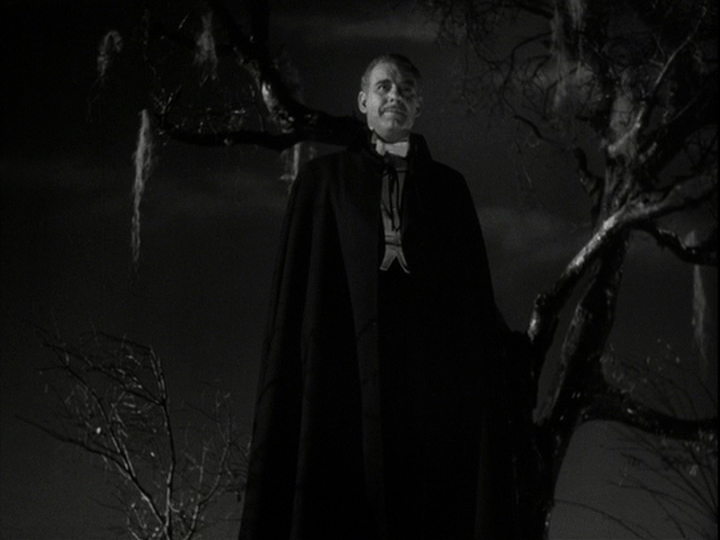
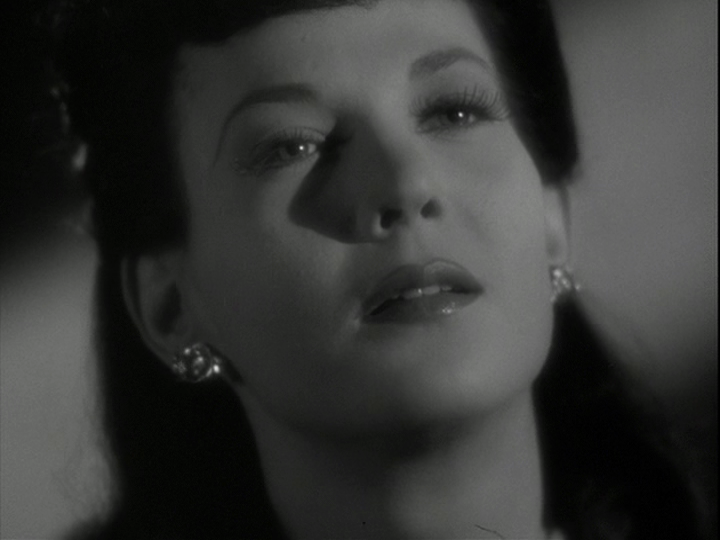
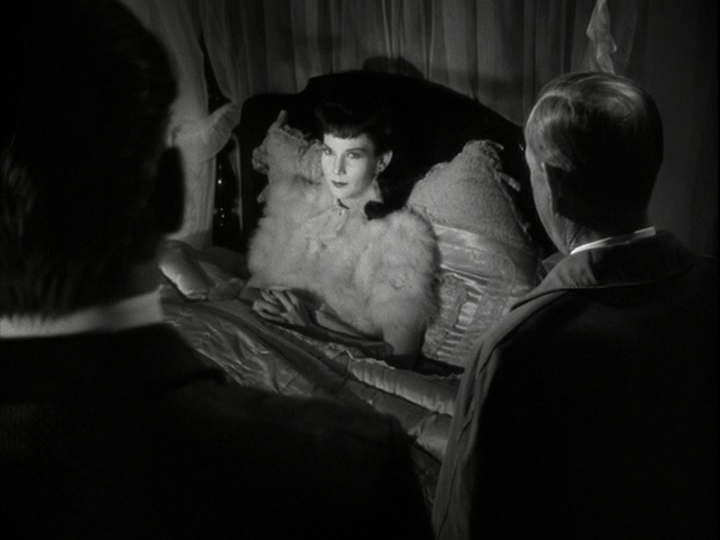
As DVD Savant argues, he’s “lumbering and chubby”, and “just looks overfed, puffy, and in a bad temper. It doesn’t work for a moment.” With that said, the film remains of minor interest for: a) being the first to portray a Goth girl lusting after eternal life through vampirism (Allbritton is convincing in this pivotal role):

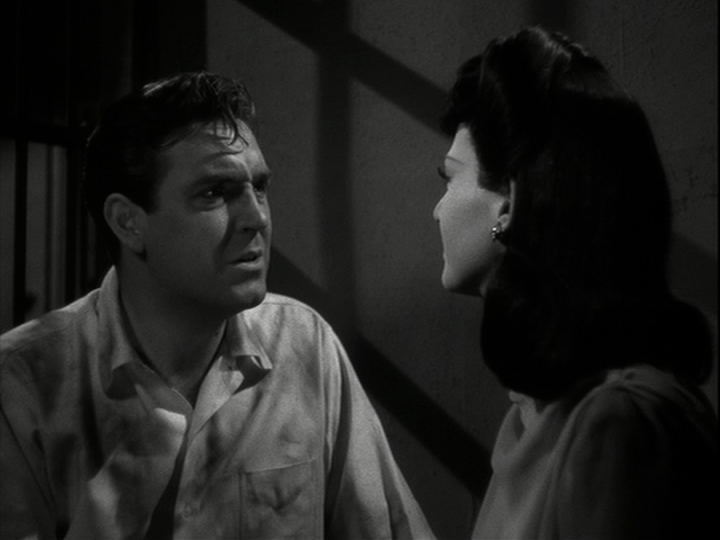
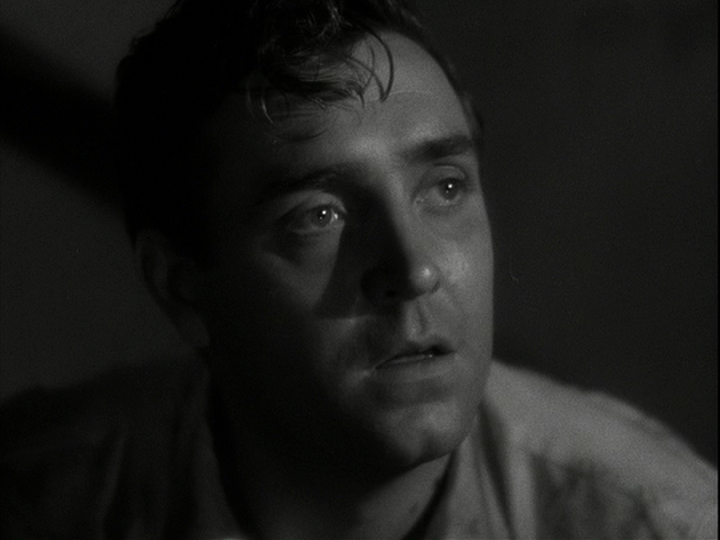
and b) essentially turning a standard-issue Universal horror sequel into a film noir, complete with a femme fatale, atmospheric cinematography, plenty of unexpected plot twists, and a poor chump of a guy (Paige is equally convincing) who really doesn’t deserve the roller coaster ride of emotions he’s taken on.

Note: Regardless of how you feel about Chaney’s (mis)casting in this film, it’s interesting to know that (for better or for worse), he was the only actor to portray all four of Universal’s classic monsters.

Redeeming Qualities and Moments:

  • Robert Paige as Frank
  • Louise Allbritton as Kay
  • Reasonably effective low-budget special effects
  • George Robinson’s atmospheric cinematography

Must See?
No, though fans of Universal horror films will surely want to check it out.

Links:

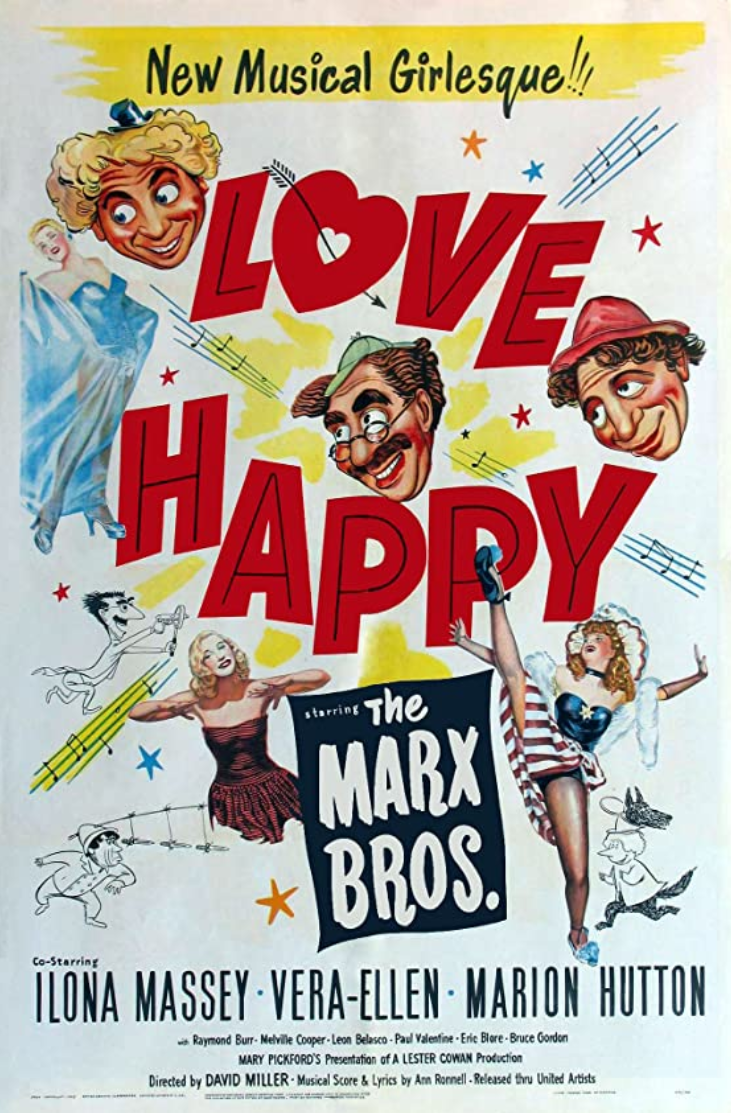
Love Happy (1949)

Love Happy (1949)

“This is not the right can!”

Synopsis:
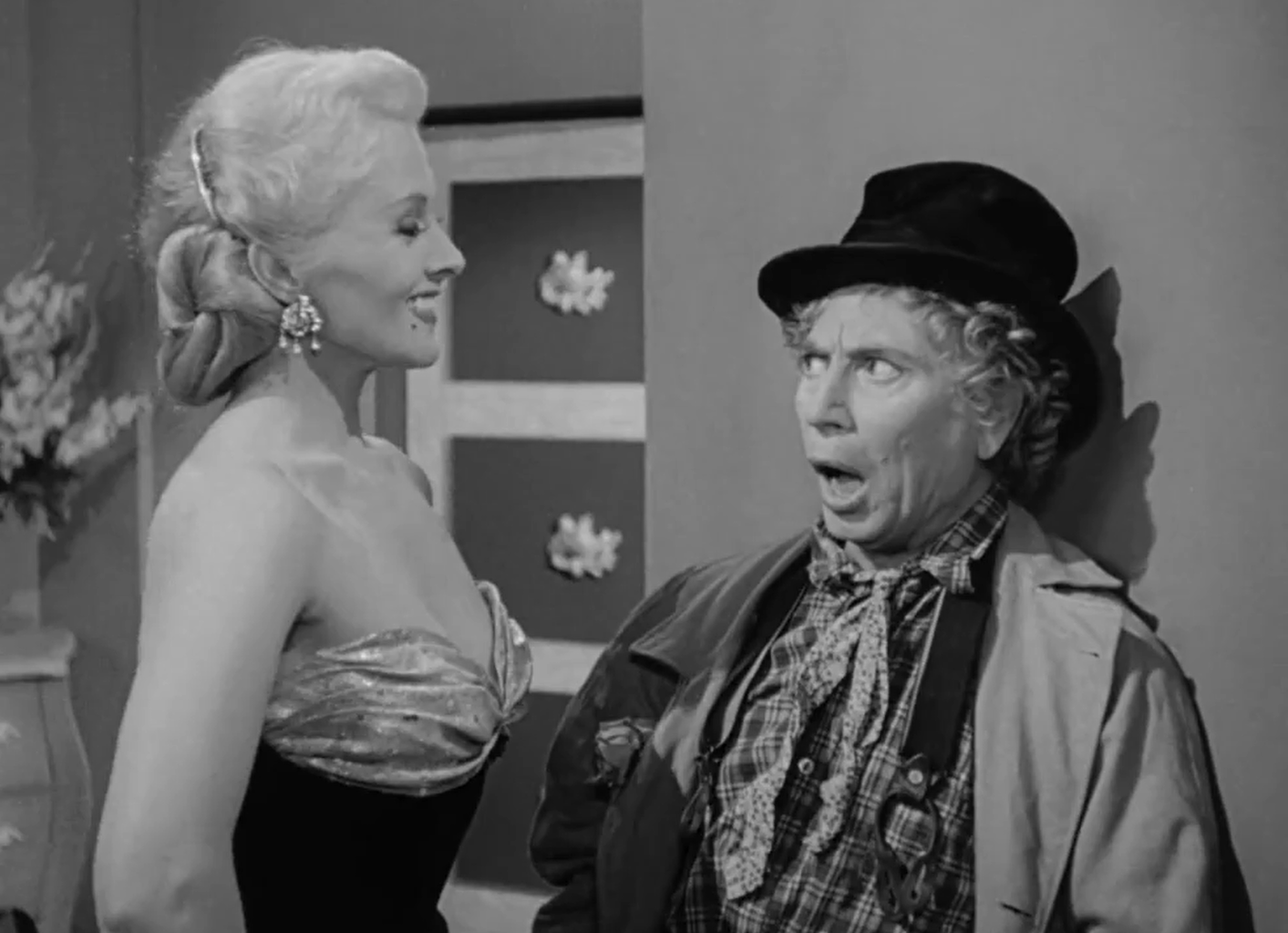
A detective (Groucho Marx) relates the story of a case he helped solve, in which a mute kleptomaniac clown (Harpo Marx) assisting a penniless theater troupe accidentally steals a can of sardines with valuable diamonds in them, and faces the wrath of the woman (Ilona Massey) who intends to possess them at any cost.

Genres, Themes, Actors, and Directors:

  • Comedy
  • Detectives and Private Eyes
  • “Let’s Put On a Show!”
  • Marilyn Monroe Films
  • Marx Brothers Films
  • Musicals
  • Thieves and Criminals

Review:
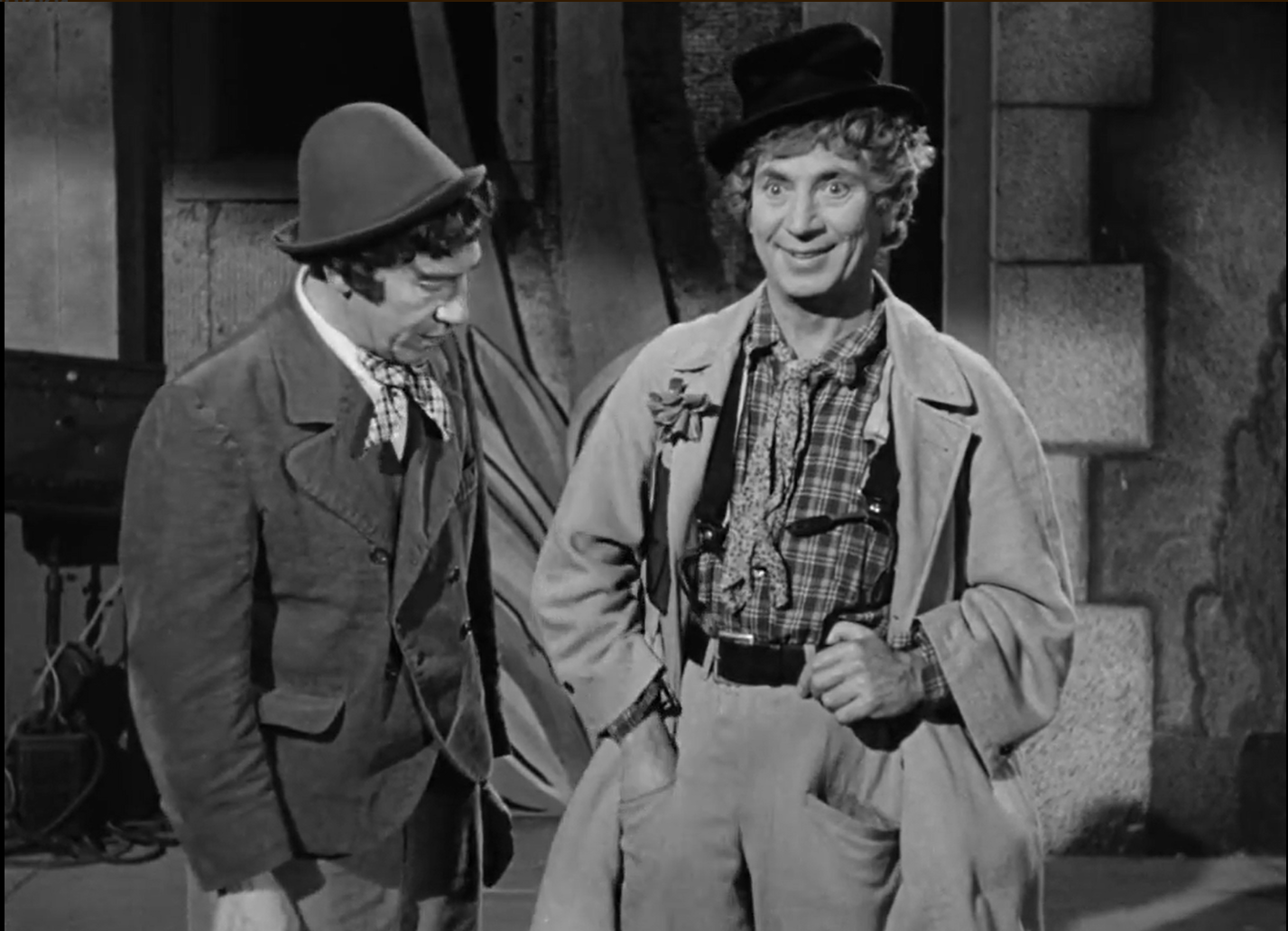
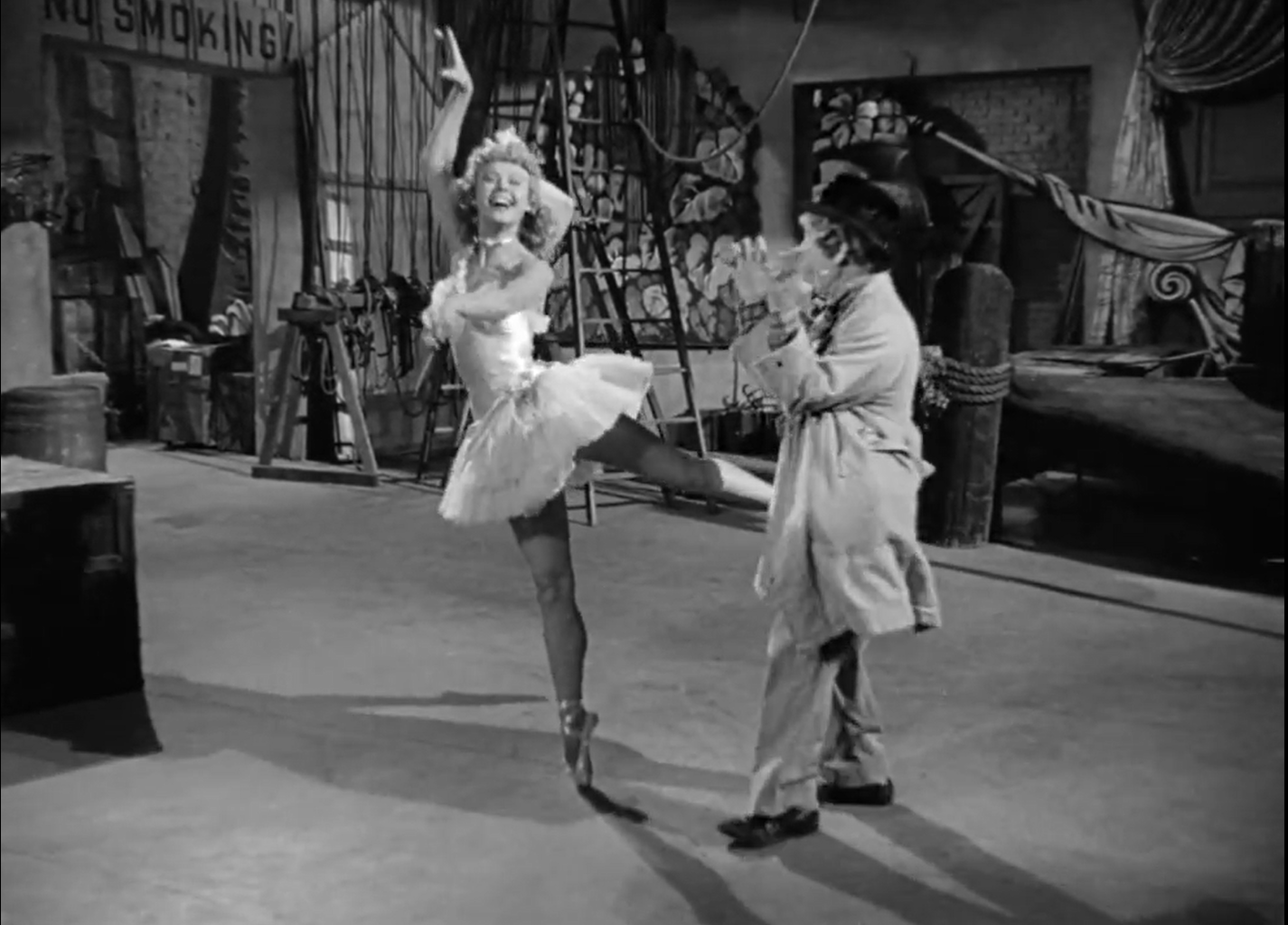
Love Happy is primarily known as the Marx Brothers’ final (tepid) outing together. Originally intended as a solo vehicle for Harpo Marx (indeed, the bulk of the narrative centers around his pantomiming character):

Groucho and Chico were reined in as well, and given ancillary roles that truly do feel tacked-on. With that said, Love Happy isn’t entirely disappointing: Ilona Massey (best known for her role as the Baroness Elsa Frankenstein in Frankenstein Meets the Wolf Man) plays an enjoyably hiss-worthy villainess:

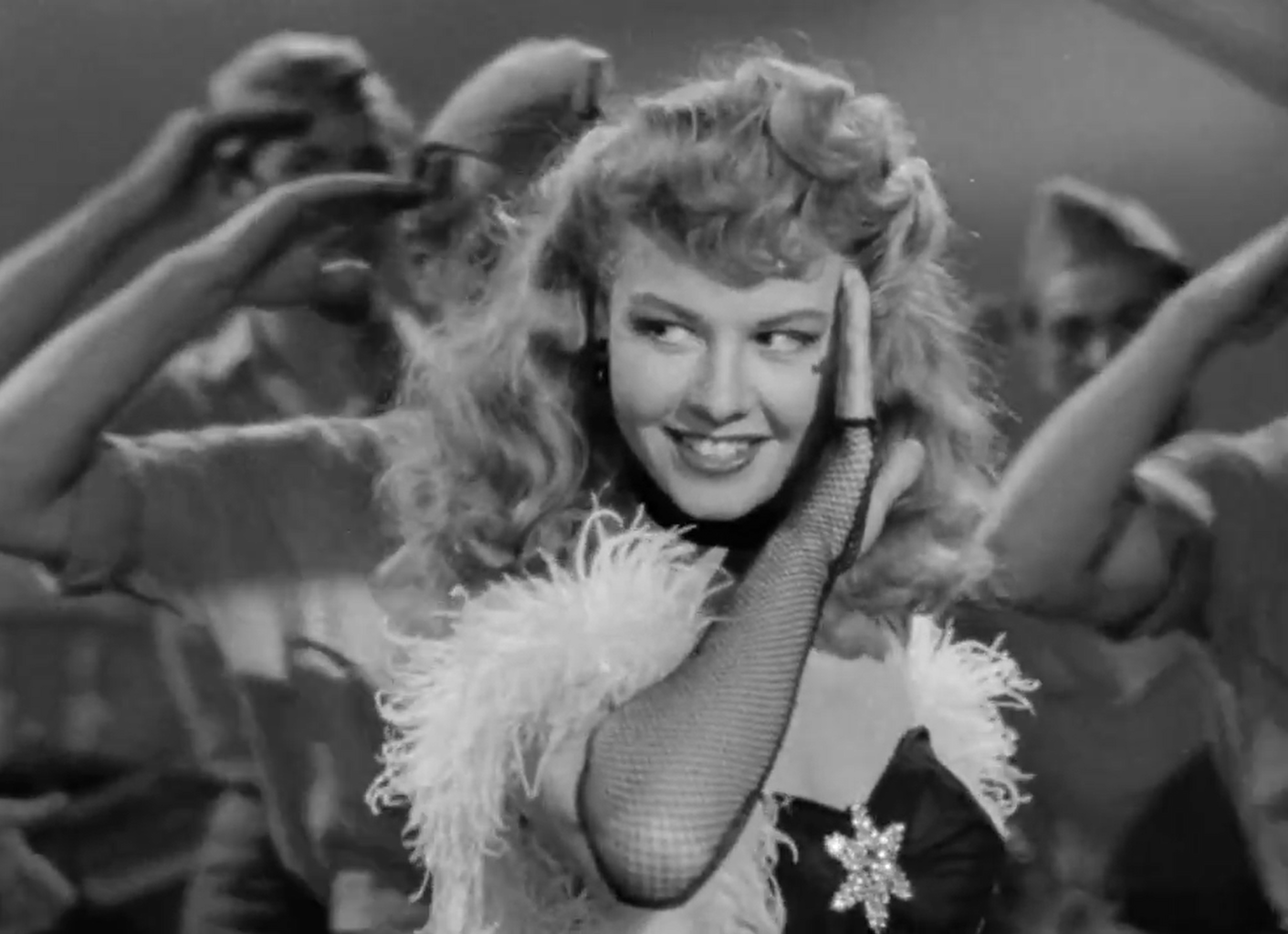
… and Vera-Ellen’s dancing is always a treat (it’s nice to see her here looking a little healthier and less gaunt).

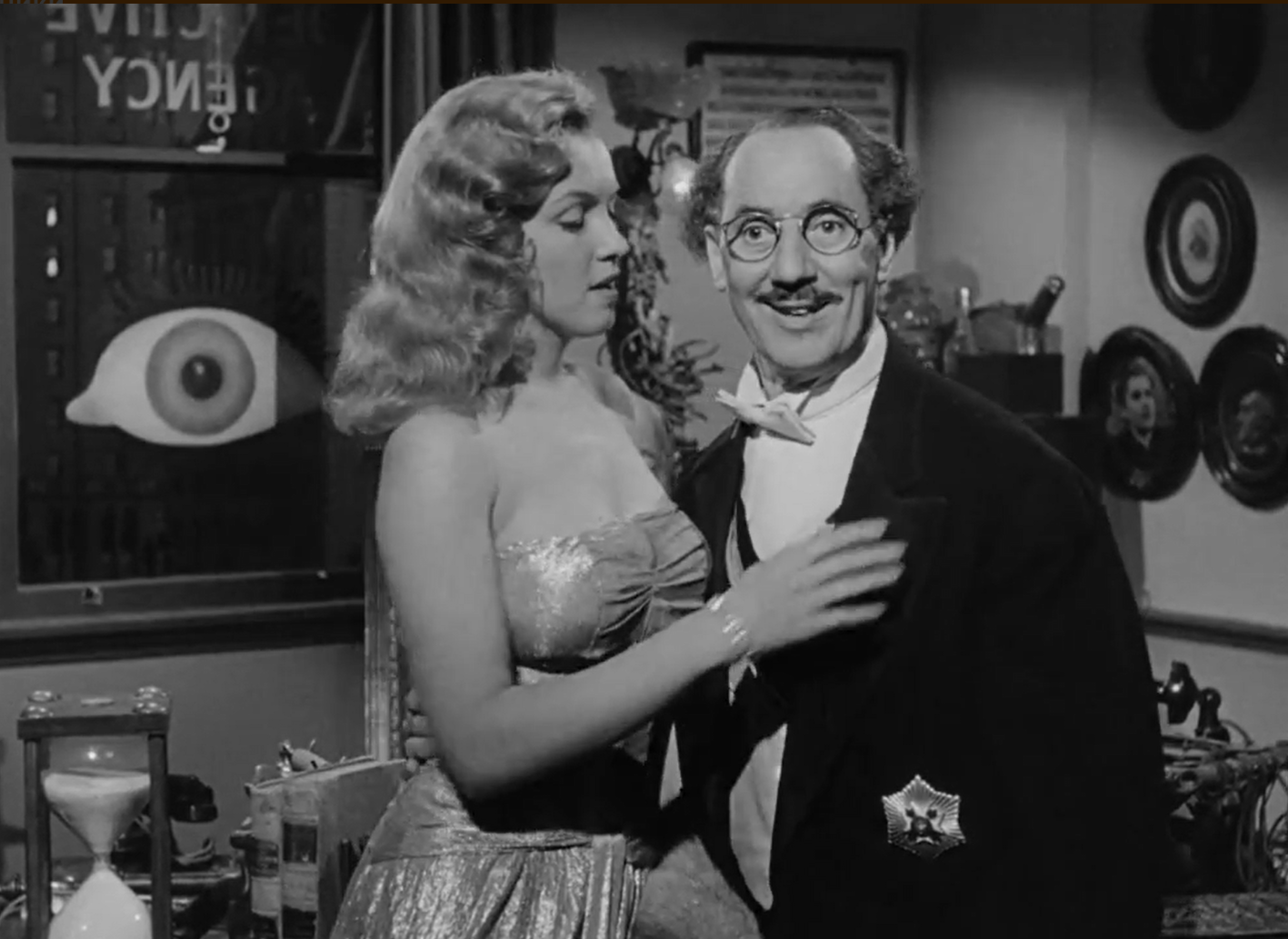
Meanwhile, Harpo’s antics (scripted in part by Frank Tashlin) are occasionally amusing. Love Happy is also known for “featuring” Marilyn Monroe in one of her earliest films — though her notoriety here is a bit of a joke, given that she literally waltzes into a room late in the story, says a few lines, then shimmies back out, all within the space of a minute or so.

That’s it. She’s sexy, but is literally of no importance to the storyline at all: be forewarned.

Redeeming Qualities and Moments:

  • Ilona Massey as Madame Egelichi
  • Vera-Ellen’s dancing
  • Frank Tashlin’s uneven but occasionally enjoyable script

Must See?
No; this one is strictly must-see for Marx Brothers fans.

Links:

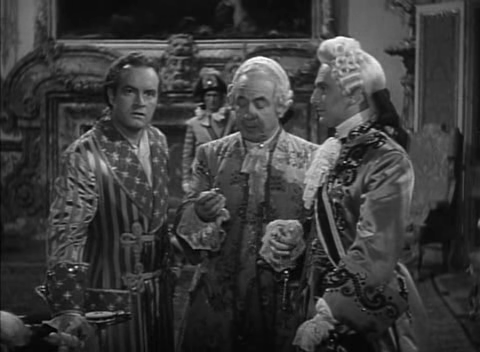
Monsieur Beaucaire (1946)

Monsieur Beaucaire (1946)

“Listen to me, Beaucaire — your life is in danger!”

Synopsis:
During the reign of Louis XV (Reginald Owen), a French barber (Bob Hope) who has recently been spurned by his ambitious girlfriend (Joan Caulfield) is forced to impersonate a duke (Patric Knowles), whose upcoming marriage to a Spanish princess (Marjorie Reynolds) will supposedly stop imminent war between the two countries.

Genres, Themes, Actors, and Directors:

  • Bob Hope Films
  • Cecil Kellaway Films
  • Comedy
  • George Marshall Films
  • Historical Drama
  • Mistaken Identities
  • Royalty and Nobility

Review:
Based on a novel by Booth Tarkington, this farcical costume drama is a classic Bob Hope feature, featuring the beloved ski-nosed star bumbling his way through numerous semi-dangerous scenarios — all while keeping an eye on the girl he hopes to win (in this case, an enjoyably feisty Joan Caulfield), and spouting characteristically snappy come-back lines:

Count D’Armand: Go on! Help him!
Monsieur Beaucaire: Who me?
Count D’Armand: Yes, you! You’re a man. You’ve got blood in your veins.
Monsieur Beaucaire: I wanna keep it there. It’s the squirty kind.

How much you’ll enjoy Monsieur Beaucaire depends precisely on how funny you find this kind of exchange. For myself, I find that a little of Hope goes a long way — and having watched soooo many of his films in recent months, I’m feeling a little weary at this point. In fact, now that I’ve finished reviewing all of the Bob Hope titles in Peary’s book, I think I can safely say that you only need to a see a couple of his films (one of the Road To… flicks with Bing Crosby, and what I consider to be Hope’s best satirical vehicle — My Favorite Brunette) to get a sense of what his enduring popularity was all about. If you’re a fan, rest assured that there are plenty of other competent Hope films out there — like this one — to enjoy.

Redeeming Qualities and Moments:

  • Plenty of Hope’s typically light-hearted humor

Must See?
No, though naturally Hope fans will want to check it out. Listed as a Personal Recommendation in the back of Peary’s book.

Links:

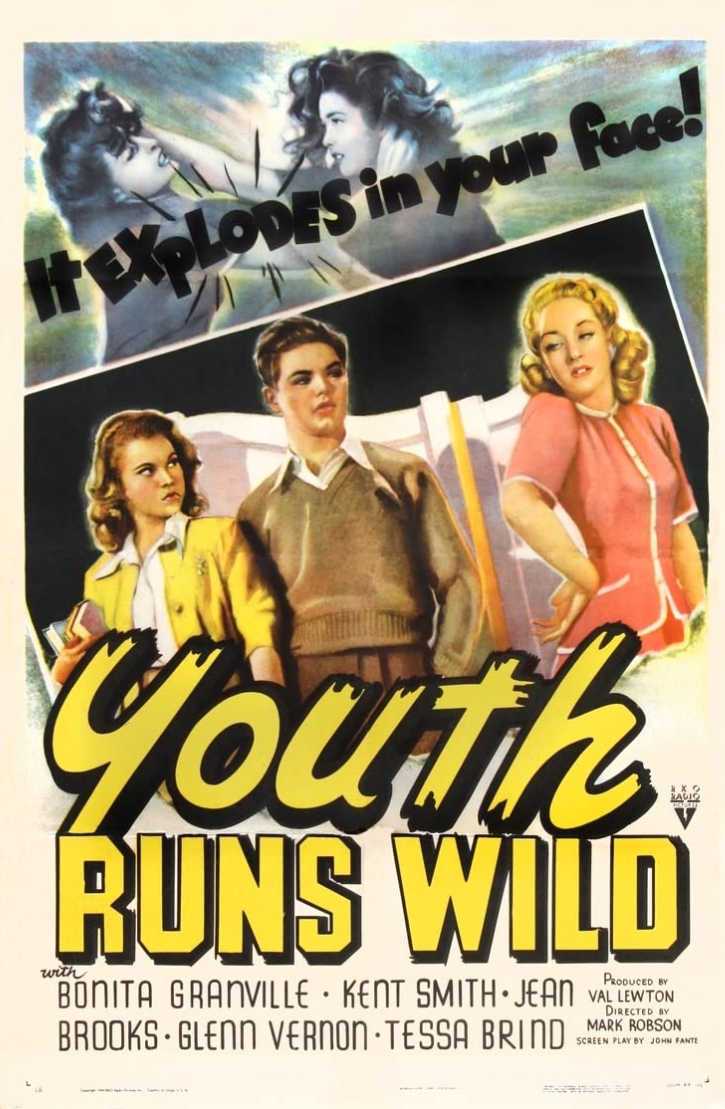
Youth Runs Wild (1944)

Youth Runs Wild (1944)

“There’s more to war than fighting — what it does to kids, that’s just as much our job.”

Synopsis:
During WWII, a teenager (Glen Vernon) whose parents (Mary Servoss and Art Smith) work the night shift at a munitions factory dates the girl next door (Vanessa Brown), whose parents (Elizabeth Russell and Ben Bard) are equally absent from her life. When Vernon gets in trouble for petty crimes, he’s told not to see Brown anymore; meanwhile, Brown befriends a woman (Bonita Granville) whose boyfriend (Lawrence Tierney) runs a tire-stealing “trade”.

Genres, Themes, Actors, and Directors:

  • Bonita Granville Films
  • Juvenile Delinquents
  • Lawrence Tierney Films
  • Mark Robson Films
  • Val Lewton Films

Review:
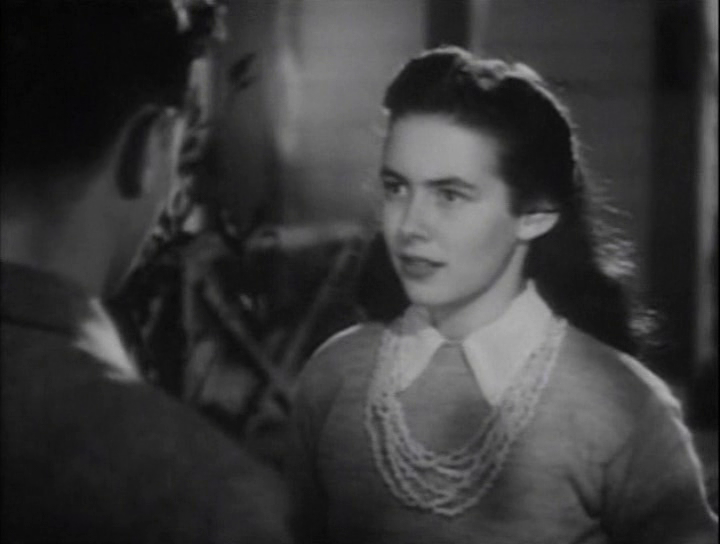
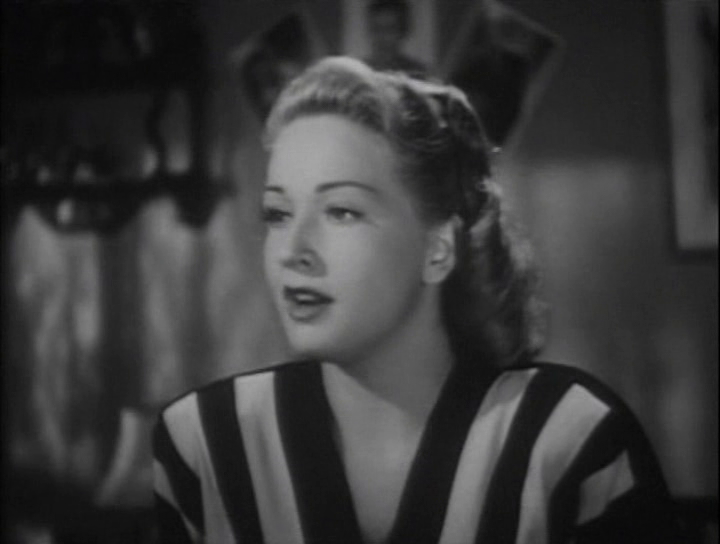
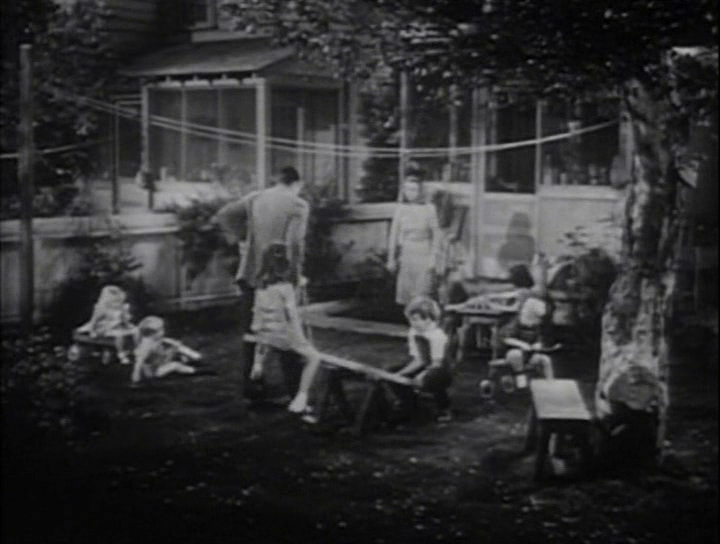
The teenage “hoods” in this earnest, low-key social interest drama are just about the nicest “delinquents” you’d ever want to meet. Best known as a curio in the estimable oeuvre of RKO producer Val Lewton, Youth Runs Wild remains a sincere if overly sanitized attempt to address an emerging concern at the time (absentee parents during the war), offering audiences sympathetic protagonists to root for, and a convenient solution to walk away with (just build youth centers to keep kids busy and out of trouble!). The storyline itself is laughably simplistic, but helped a bit by the welcome presence of Brown (an Austrian-Jewish emigre reminiscent of a young Ingrid Bergman), and the always-excellent Granville in a supporting role as her “corrupting” new buddy. Perhaps of most interest to film fanatics, however, will be seeing a small handful of Lewton’s regulars (i.e., Kent Taylor and Elizabeth Russell from both Cat People films) in the cast. Given that Peary lists all of Lewton’s films produced during the height of his acknowledged “creative period” (beginning in 1942 with Cat People, and ending in 1946 with Bedlam), I guess his completist nature wouldn’t allow him to avoid throwing this oddball title into the mix as well (he lists it as a Sleeper). But it’s not must-see.

Note: One can’t really blame Lewton for wanting to disown this title, given that it likely reflects little of his original vision; one wonders what it was like before a negative audience screening caused the studio to make drastic cuts. (See IMDb’s trivia for an extensive list of actors whose bit parts were reduced or eliminated entirely — including Dorothy Malone).

Redeeming Qualities and Moments:

  • Vanessa Brown (billed as Tessa Brind) as Sarah Taylor
  • Bonita Granville as Toddy
  • An interesting social document

Must See?
No, though most Lewton fans will probably be curious to seek it out. Listed as a Sleeper in the back of Peary’s book.

Links:

Princess and the Pirate, The (1944)

Princess and the Pirate, The (1944)

“If you don’t tell anybody I’m not a gypsy, I won’t tell anybody you’re not an idiot.”

Synopsis:
A traveling minstrel (Bob Hope) and an undercover princess (Virginia Mayo) escape from the clutches of a vicious pirate (Victor McLaglen), in possession of a treasure map given to them by a wily tattoo artist (Walter Brennan); soon the corrupt governor (Walter Slezak) of a town overrun by pirates is on their trail, desiring both Mayo and the map.

Genres, Themes, Actors, and Directors:

  • Bob Hope Films
  • Comedy
  • Historical Drama
  • Mistaken Identities
  • Pirates
  • Royalty and Nobility
  • Victor McLaglen Films
  • Virginia Mayo Films
  • Walter Brennan Films

Review:
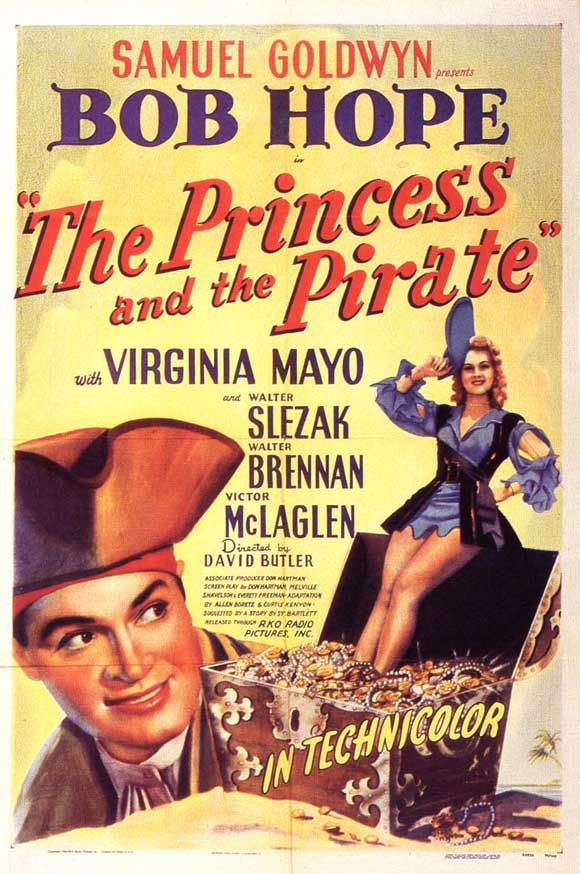
If you’re a Bob Hope fan, you’re sure to enjoy this genial costume comedy, co-starring Virginia Mayo in her first substantial role as the object of Hope’s romantic yearnings.

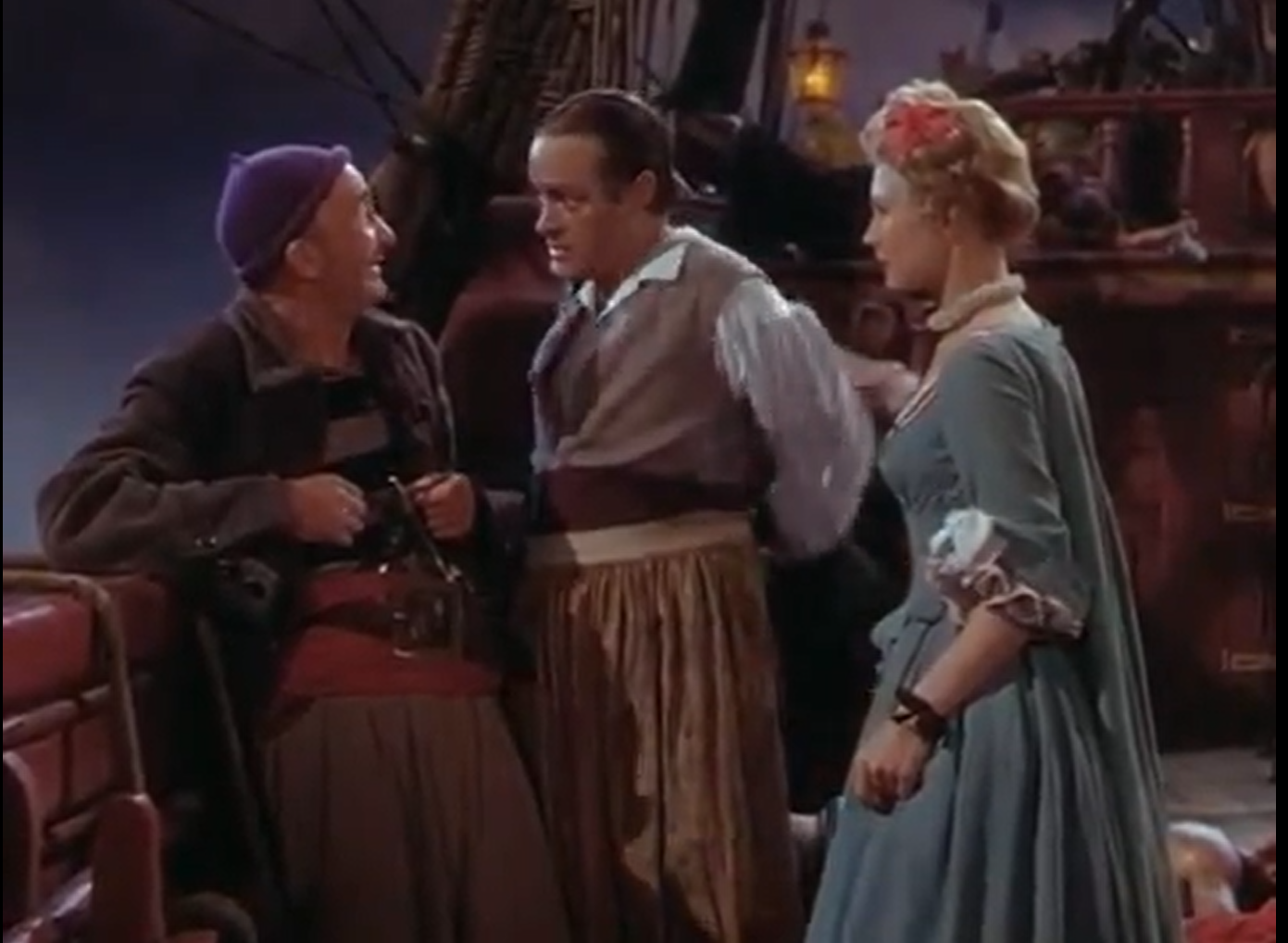
Hope (as usual) essentially plays a variation on his standard cinematic presence, flinging droll one-liners at a fast and furious pace, and overcoming his cowardly nature just in time to help save a damsel in distress (who may or may not really be interested in him). Hope is almost immediately upstaged, however, by Walter Brennan, giving a truly demented performance as a tattoo artist determined to embroil Hope in treasure-map shenanigans:

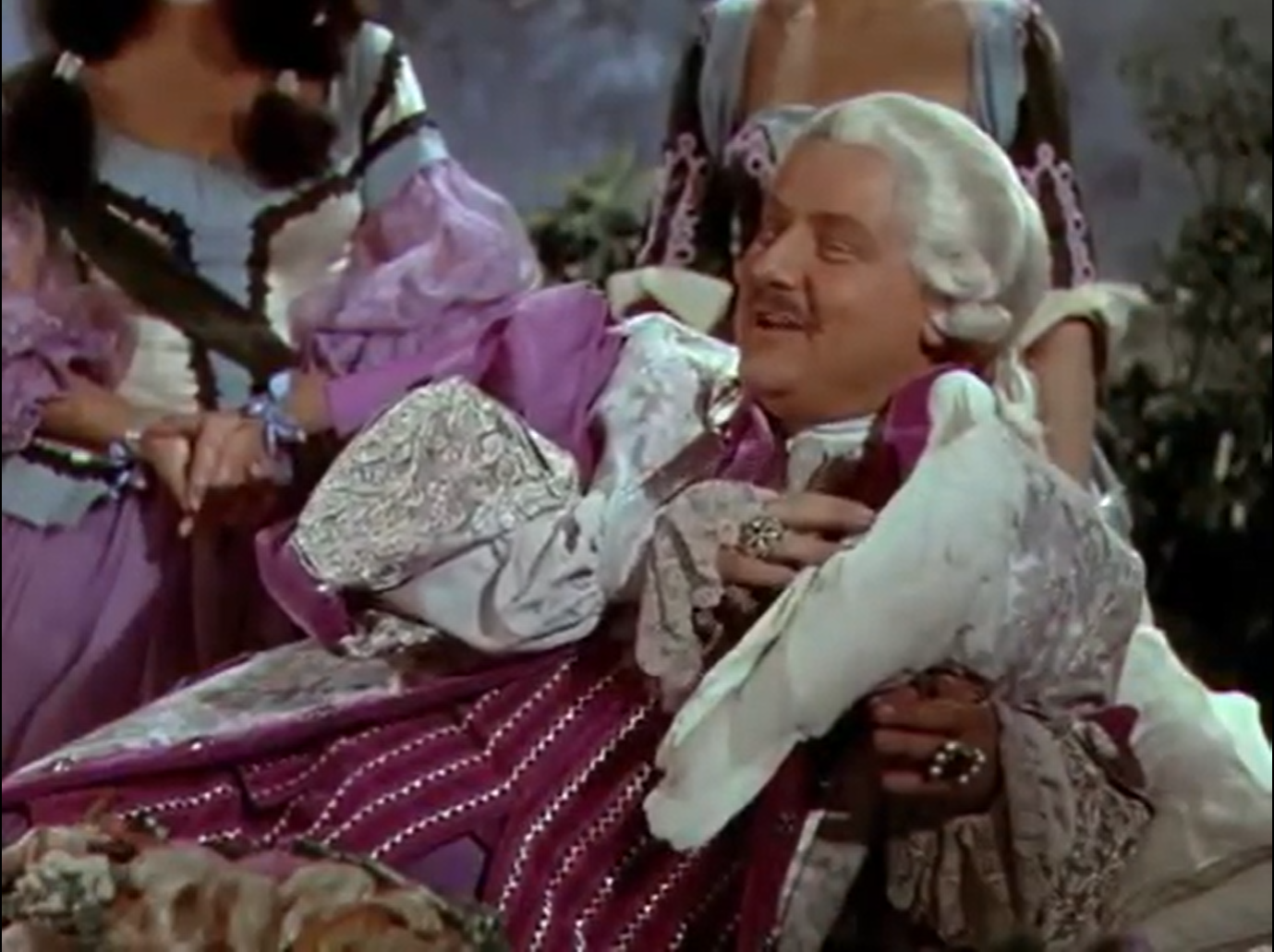
He’s missed when he’s not on-screen. Indeed, other than Brennan (and a nicely villainous turn by typecast Slezak):

… there’s not much here that’s particularly memorable — but it’s a finely mounted production if you’re in the mood for just this kind of fare.

Redeeming Qualities and Moments:

  • Walter Brennan’s delirious turn as the pirate Featherhead

Must See?
No, though it’s recommended for fans of Hope’s unique comedic style.

Links:

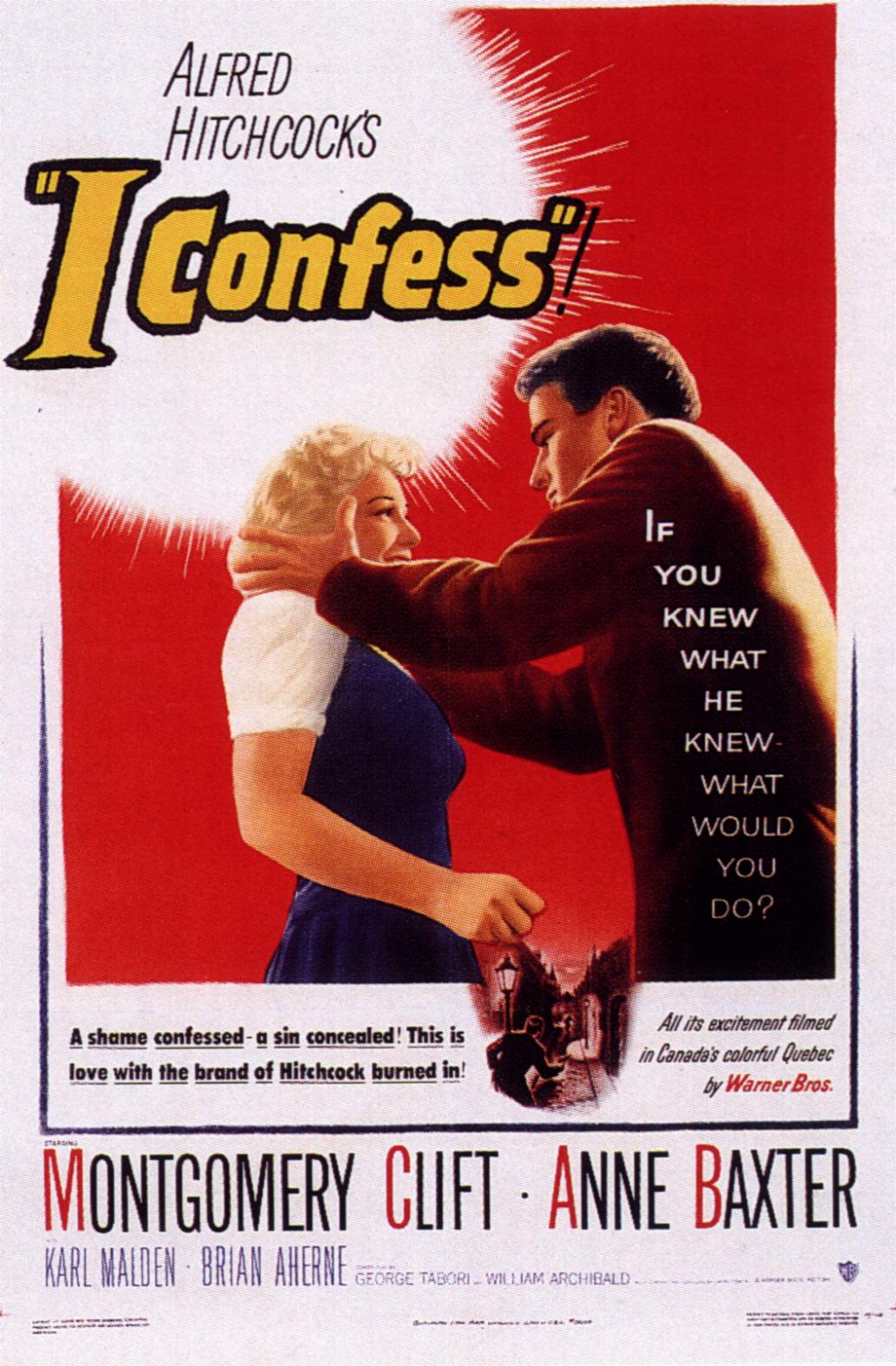
I Confess (1953)

I Confess (1953)

“I never thought of the priesthood as offering a hiding place.”

Synopsis:
A priest (Montgomery Clift) hears the confession of a murderer (O.E. Hasse), but is unable to say anything about it to the prosecutor (Karl Malden) who questions him, and soon finds himself the prime suspect — especially when his friendship with a married woman (Anne Baxter) is revealed.

Genres, Themes, Actors, and Directors:

  • Anne Baxter Films
  • Brian Aherne Films
  • Detectives and Private Eyes
  • Falsely Accused
  • Hitchcock Films
  • Karl Malden Films
  • Montgomery Clift Films
  • Play Adaptations
  • Priests and Ministers

Review:
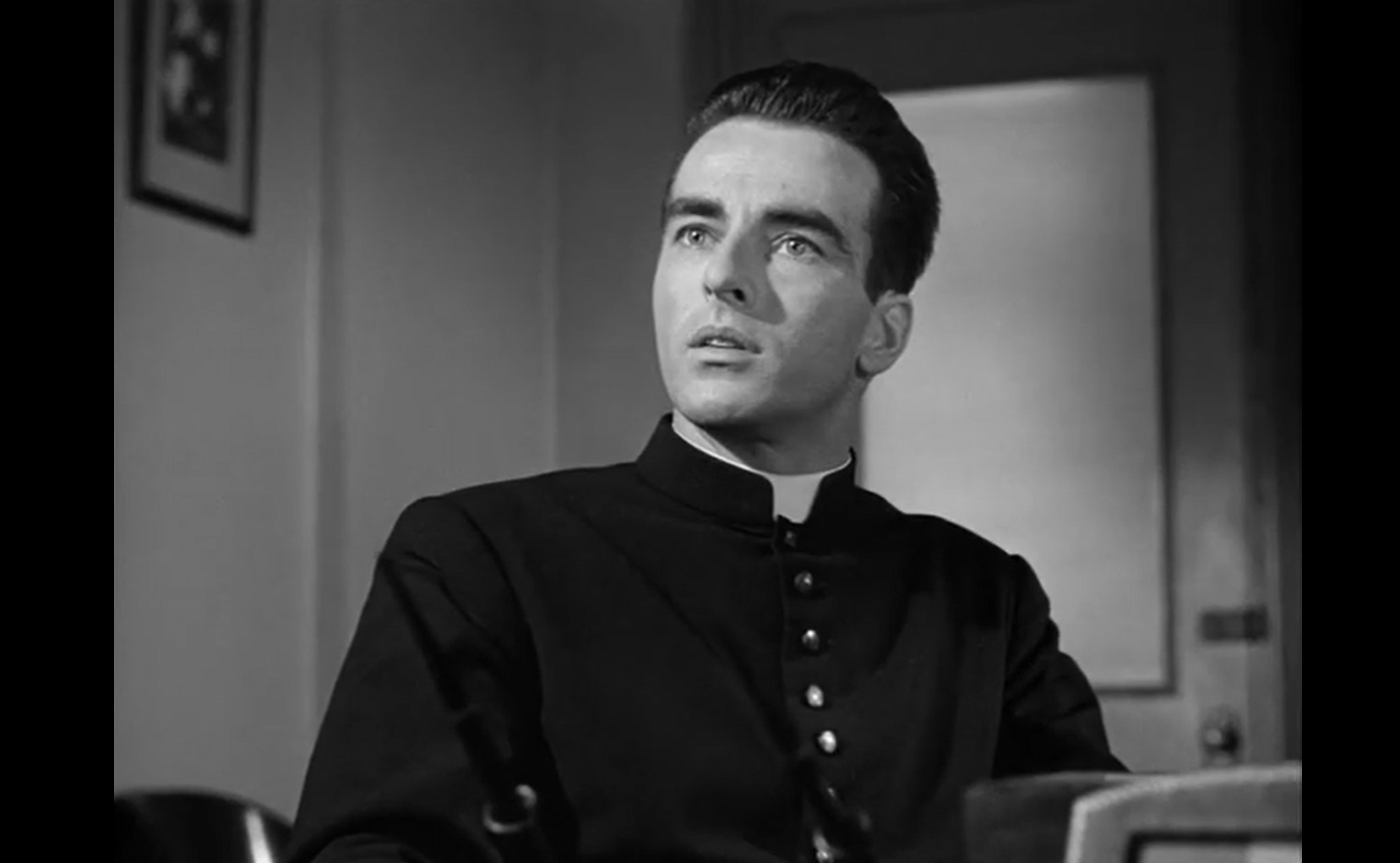
Opinions vary wildly on this relentlessly somber, somewhat dated Hitchcock outing (based on a 1902 play by Paul Anthelme), with some finding it seriously flawed, and others (a smaller group, to be sure) ranking it among his finest films. An overtly religious movie in many ways, it deals with issues of ethics, conscience, and clerical duty (with thriller elements thrown in for good Hitchcockian measure); indeed, as noted by DVD Savant, it actually features thematic similarities to Bresson’s Diary of a Country Priest (1951). Many have complained that Clift’s performance is overly stoic — and it’s true that it’s difficult to really get to know his character, just as it may be to get to know any priest.

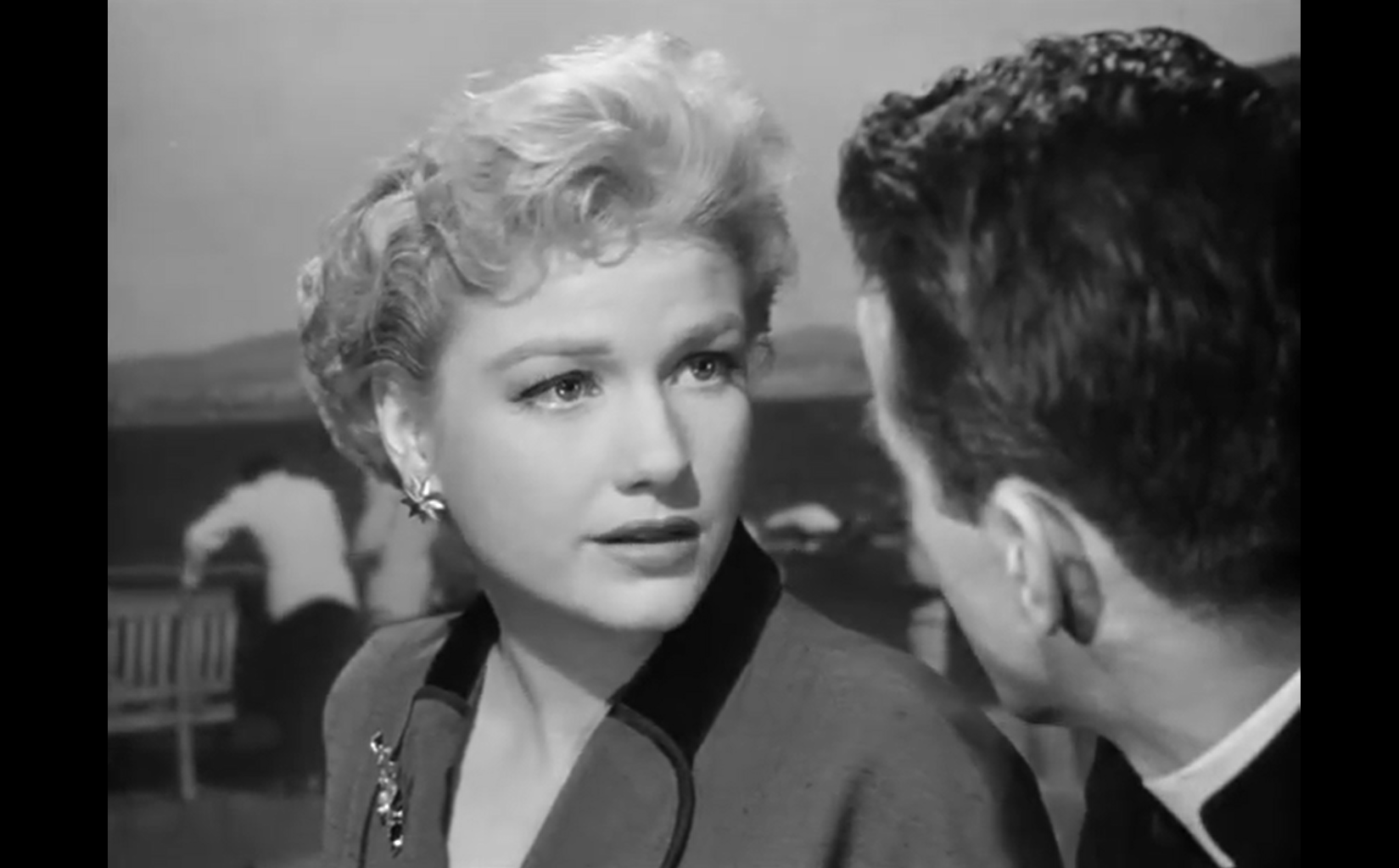
Baxter (whose story one can’t say too much about, at risk of giving away spoilers) ends up as the most “human” of the protagonists in the movie — the one we’re most meant to relate to — but she’s unfortunately not all that sympathetic.

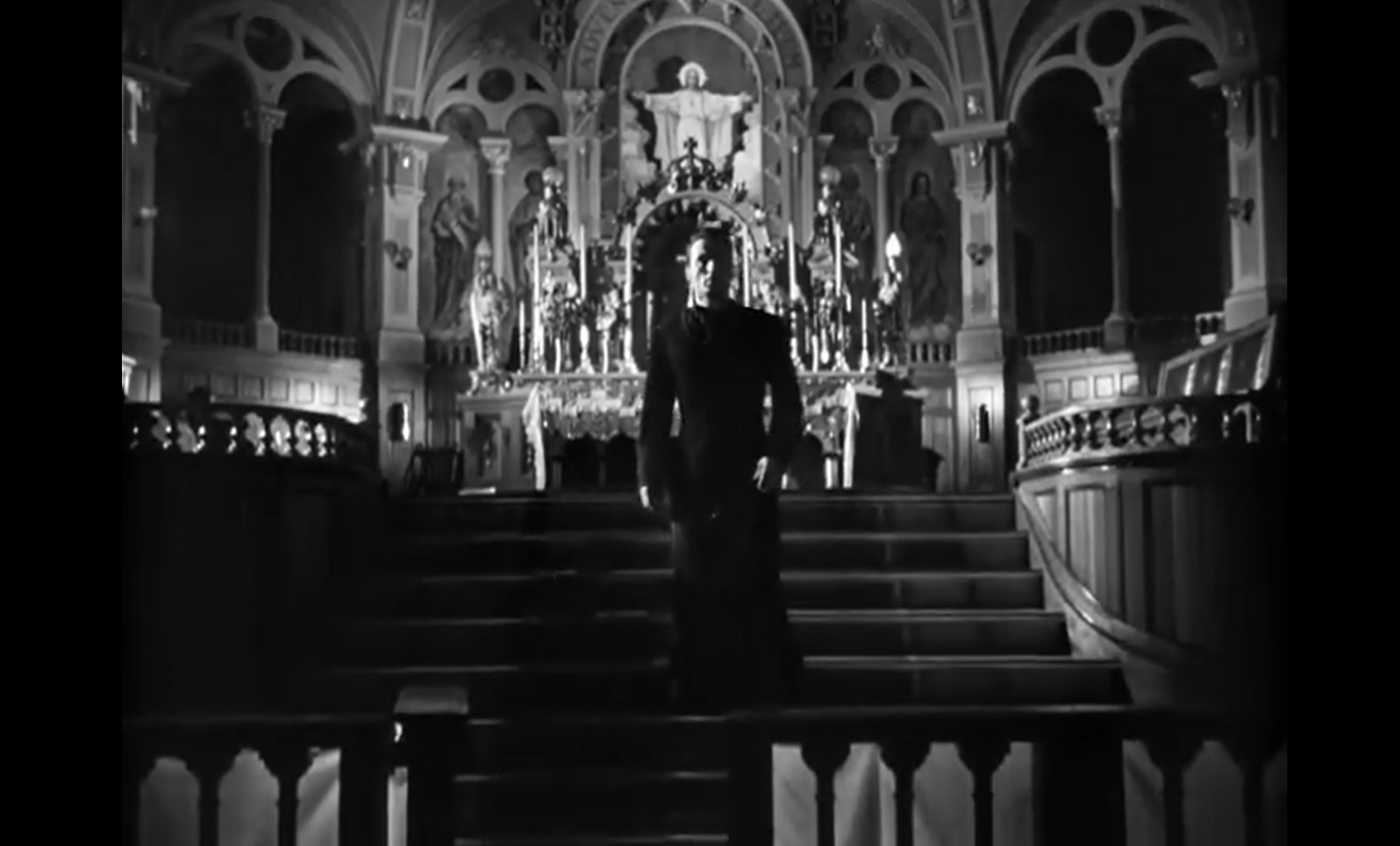
Even more viewers have complained about the central conceit around which the storyline pivots: Clift’s refusal to give away even the slightest hint of what he’s heard in confession. Non-Catholics may have a hard time understanding this, and I’ll admit to feeling frustrated by it myself — but ultimately, Clift’s utter devotion to his character’s ethos pays off, such that the final shot truly gave me chills, and suddenly placed the entire film in a different light.

Redeeming Qualities and Moments:

  • Robert Burks’ cinematography
  • Dimitri Tiomkin’s score

Must See?
No, but it’s recommended for one-time viewing, and certainly a must for Hitchcock fans.

Links:

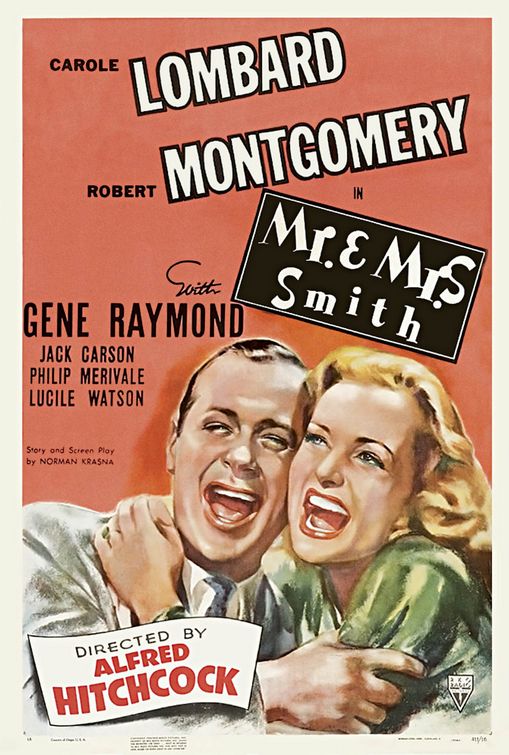
Mr. and Mrs. Smith (1941)

Mr. and Mrs. Smith (1941)

“If you had it all to do over again, would you still have married me?”

Synopsis:
When a quibbling but happily married couple (Robert Montgomery and Carole Lombard) find out their marriage isn’t valid, Montgomery tries to woo Lombard all over again — but his co-worker (Gene Raymond) has his eyes set on Lombard as well, and soon proves to be a serious rival for Lombard’s affections.

Genres, Themes, Actors, and Directors:

  • Carole Lombard Films
  • Hitchcock Films
  • Jack Carson Films
  • Marital Problems
  • Robert Montgomery Films
  • Romantic Comedy

Review:
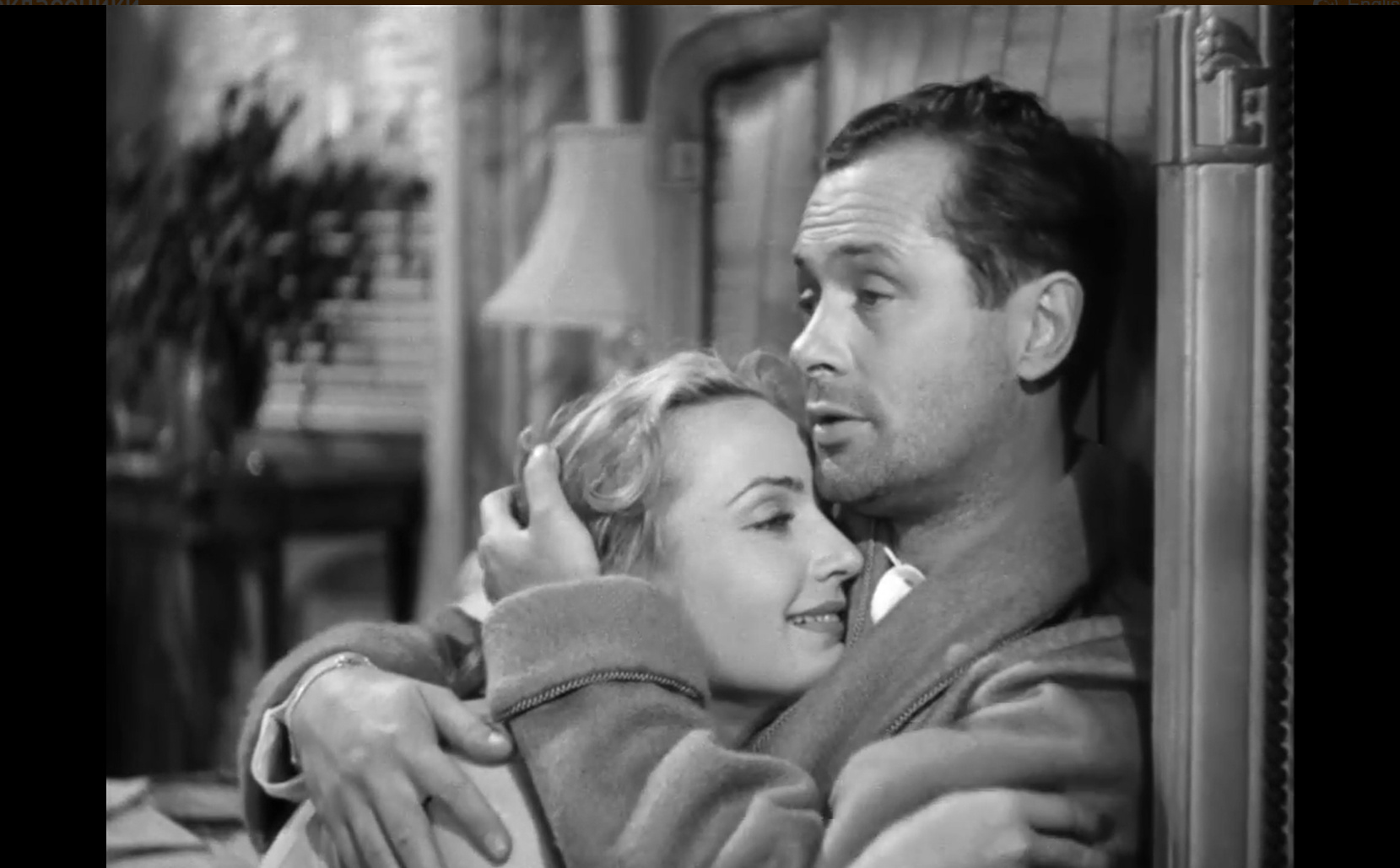
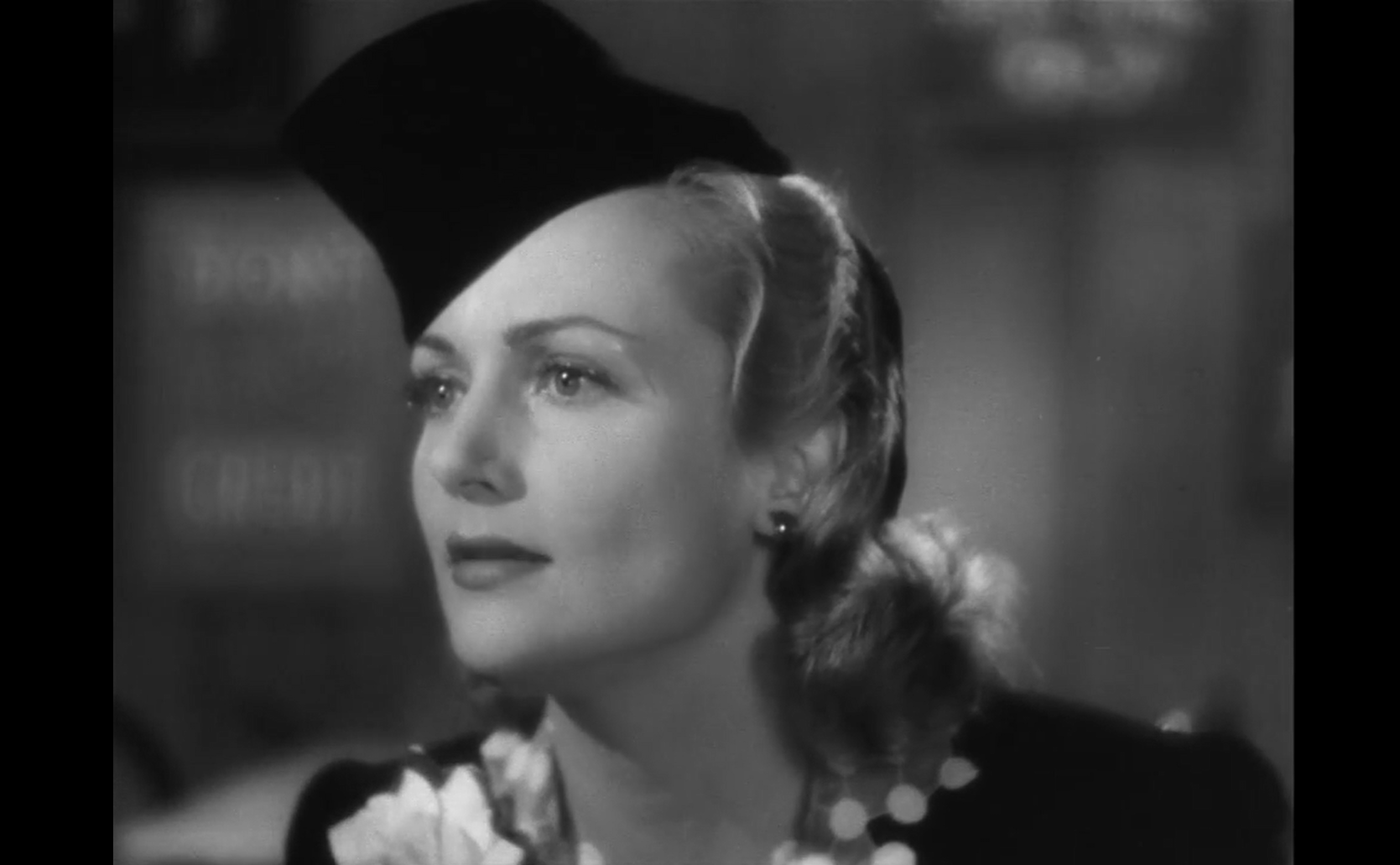
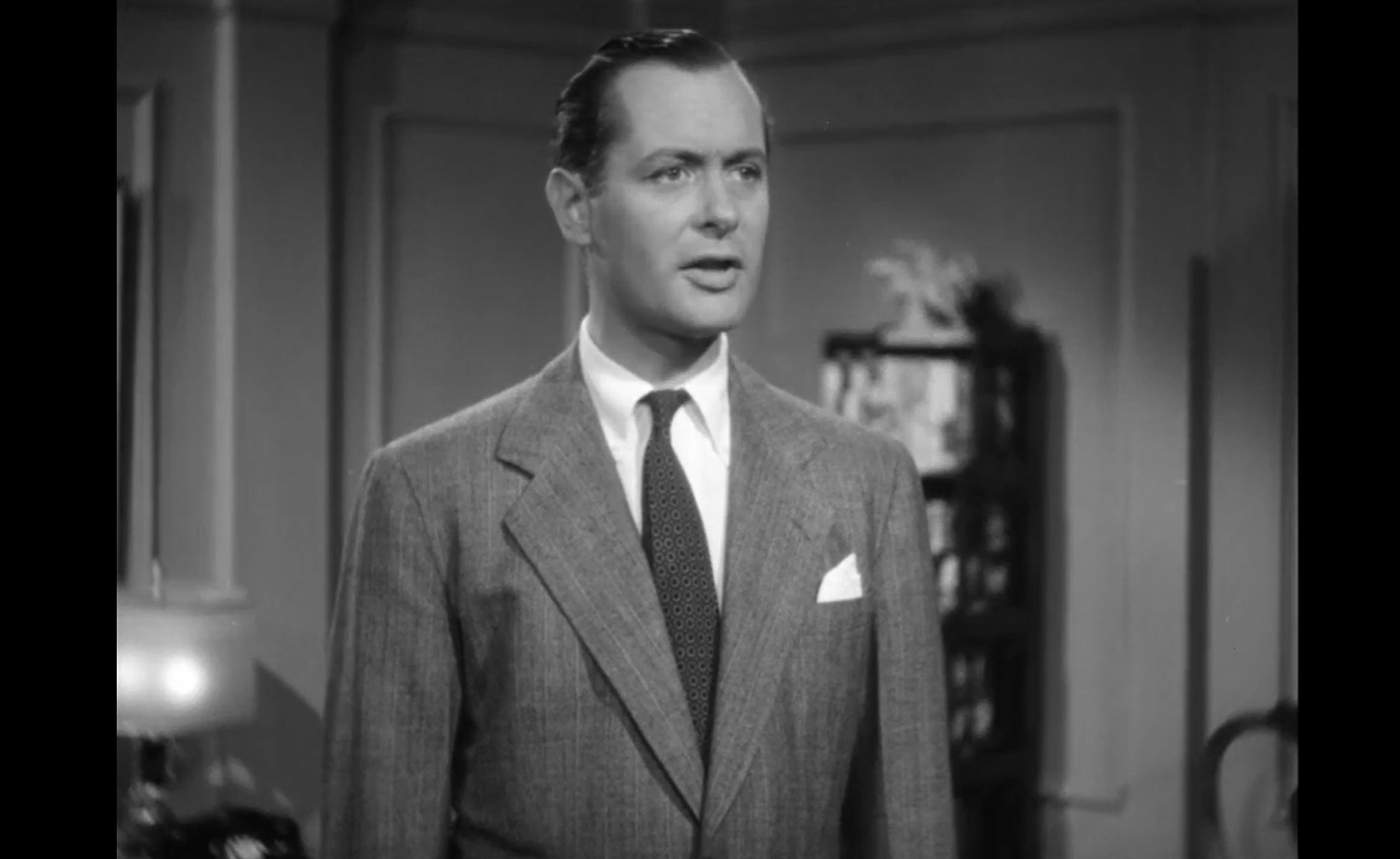
Hitchcock purportedly directed this screwball comedy (his only entry in the genre) because he wanted to work with Carole Lombard — and who can blame him? Indeed, Lombard remains the primary reason to check out this frothy but oddly forgettable farce, based on a paper-thin premise (then again, which screwball comedy isn’t?), and featuring a fine rapport between Lombard and Montgomery.

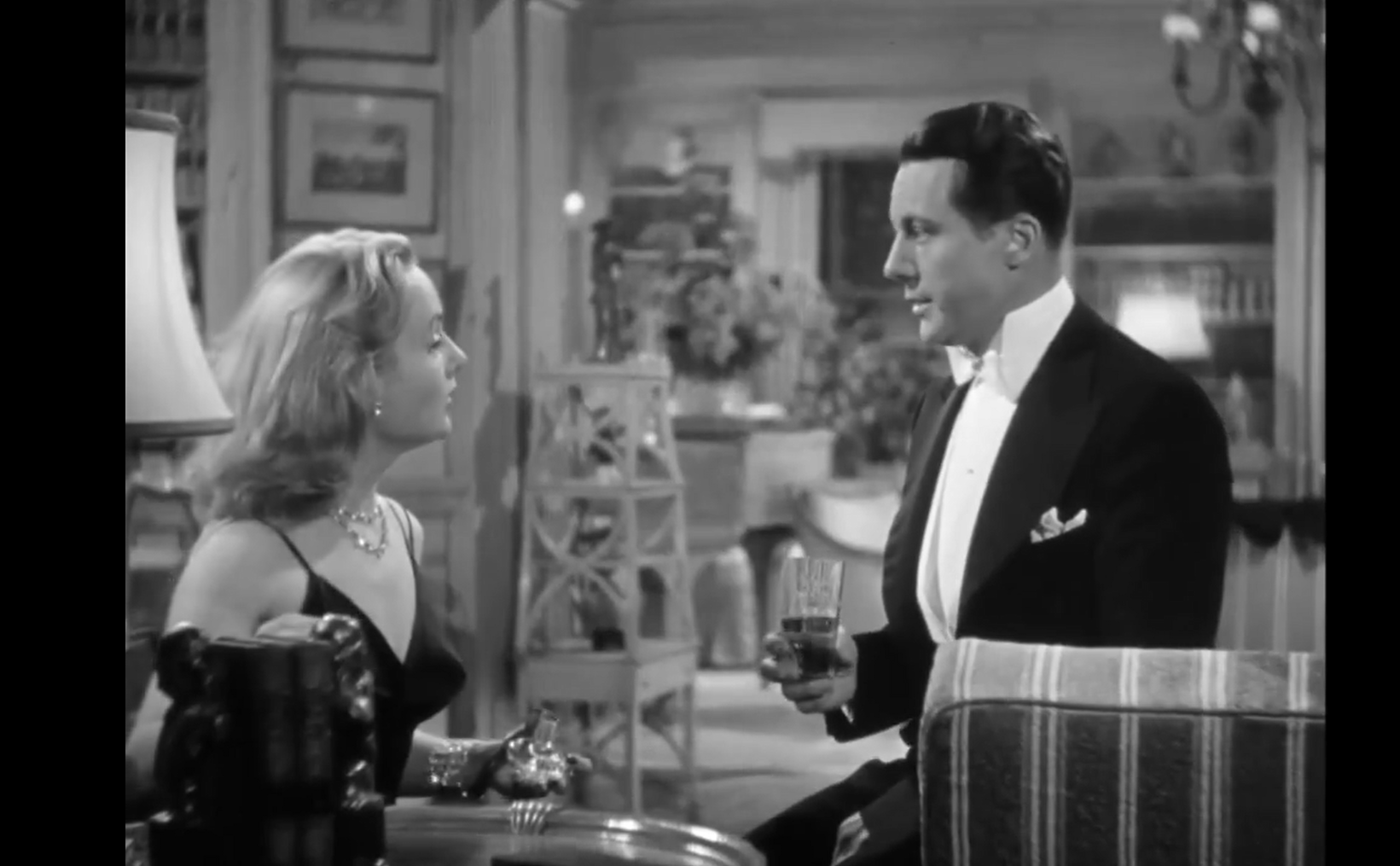
Unfortunately, bland Gene Raymond is badly miscast as the pivotal third lead:

While he’s supposed to be somewhat of a milquetoast (which, by the way, doesn’t jive with his aggressively sneaky initial play for Lombard), one can’t help wishing that Jack Carson — truly hilarious in a bit role as Montgomery’s well-meaning friend, who sets him up with a floozy — were playing this meatier role instead.

Meanwhile, Hitchcock’s direction — in spite of his claim that he couldn’t relate to the characters in any way — is seamless if undistinguished; clearly, he was a man capable of carrying out any directorial duty placed before him.

Redeeming Qualities and Moments:

  • Carole Lombard as Mrs. Smith
  • Robert Montgomery as Mr. Smith

Must See?
No; this one is only for Hitchcock completists, though it’s certainly worth a look — especially for Lombard.

Links: