Browsed by
Category: Original Reviews

Responses to Peary’s “must see” movie reviews, as well as my own “must see” movie reviews up to and after 1986 (when Peary’s book was published).

Cameraman, The (1928)

Cameraman, The (1928)

“Don’t be discouraged. No one would ever amount to anything if he didn’t try.”

Synopsis:
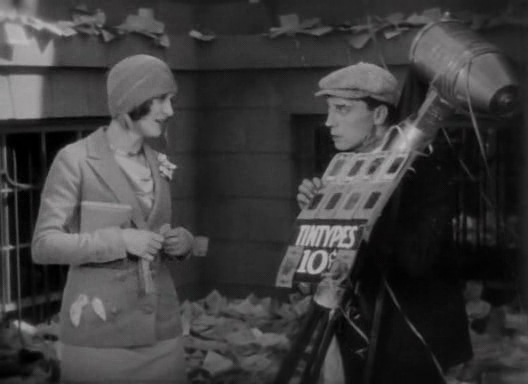
A would-be news cameraman (Buster Keaton) tries to break into the business with the assistance of a pretty MGM secretary (Marceline Day) who gives him tips on which events to cover.

Genres, Themes, Actors, and Directors:

  • Buster Keaton Films
  • Comedy
  • Movie Directors
  • Silent Films

Review:
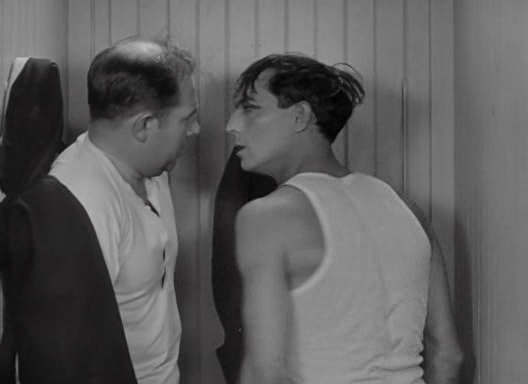
Buster Keaton’s first film made for MGM Studios (before the imminent demise of his illustrious career) was this simple yet enjoyable tale of a photographer desperate to gain work as a newsreel director — in large part to impress a sweet girl he’s fallen head-over-heels in love with. Despite fairly severe creative constraints imposed by MGM, Keaton (directed by Edward Sedgwick) manages to make the most of this slight storyline: the largely-improvised dressing room scuffle is truly inspired, and the ending is surprisingly satisfactory. While Keaton made many masterful movies — and film fanatics shouldn’t feel obligated to see all of them — I do recommend this one as “must-see” simply given the intrinsic interest of its subject matter.

Note: MGM apparently referred to this film for years as a “perfect comedy”, and showed it to all its directors and producers to learn from.

Redeeming Qualities and Moments:

  • A sweet would-be romance between Keaton and Day
  • Fine slapstick by Keaton
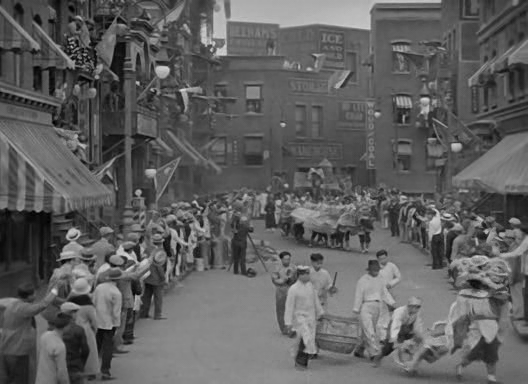
  • Interesting historical footage of early Chinatown

Must See?
Yes, as one of Keaton’s most enjoyable (and cinematically relevant) outings. Listed as a Personal Recommendation in the back of Peary’s book. Selected for the National Film Registry in 2005.

Categories

  • Good Show

Links:

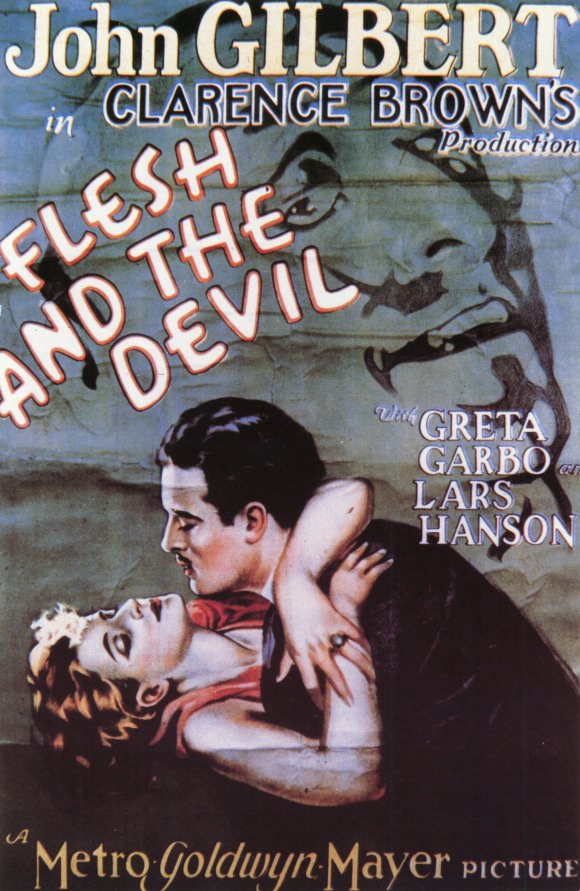
Flesh and the Devil (1926)

Flesh and the Devil (1926)

“My boy, when the devil cannot reach us through the spirit, he creates a woman beautiful enough to reach us through the flesh.”

Synopsis:
A soldier (John Gilbert) on leave from military training falls in love with a beautiful woman (Greta Garbo) who fails to tell him she’s already married; after killing her husband (Marc McDermott) in a duel, Gilbert leaves for overseas service, asking his lifelong friend (Lars Hanson) to look out for Garbo — with unexpectedly heartbreaking effects.

Genres, Themes, Actors, and Directors:

  • Clarence Brown Films
  • Friendship
  • Greta Garbo Films
  • John Gilbert Films
  • Love Triangle
  • Silent Films

Review:
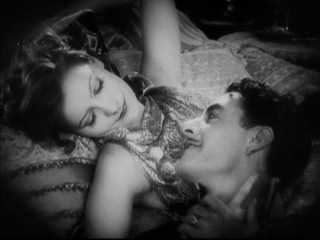
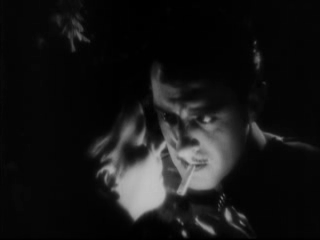
Directed by Clarence Brown, this historical onscreen pairing of Greta Garbo and John Gilbert (their first) is notable as the film which brought Garbo to stardom. Garbo plays a seductive temptress who wreaks havoc on the lifelong friendship between Gilbert and Hanson; unfortunately, other than one potent scene hinting at more complexity with her mysterious character (as she looks at herself vainly in the mirror while trying on widows’ veils), we don’t learn enough about her to really understand her motivations. The primary draw of this disappointingly scripted film is William Daniels’ luminous cinematography, which is consistently a treat to behold, and certainly contributed to Garbo’s imminent cinematic mystique.

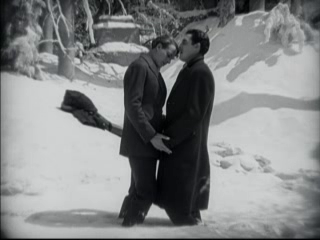
Note: It’s difficult to ignore the homoerotic tensions between Gilbert and Hanson, who are often pictured as remarkably physically intimate.

Their blood-brothers friendship ultimately drives the entire narrative, and is the most intriguing (if underdeveloped) aspect of the script.

Redeeming Qualities and Moments:

  • Genuine chemistry between Garbo and Gilbert
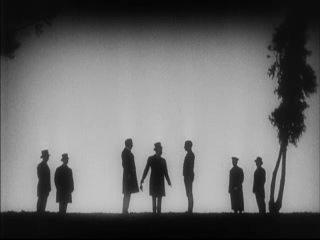
  • The creatively filmed duel
  • Fine, atmospheric cinematography by William Daniels

Must See?
No, though it’s worth a look simply for its historical relevance as the first of Garbo’s four pairings with Gilbert, and as the film which brought Garbo to stardom. Listed as a film with Historical Importance in the back of Peary’s book. Added to the National Film Registry in 2006.

Links:

Tramp, Tramp, Tramp (1926)

Tramp, Tramp, Tramp (1926)

“I’ll get the money in three months if it takes a year.”

Synopsis:
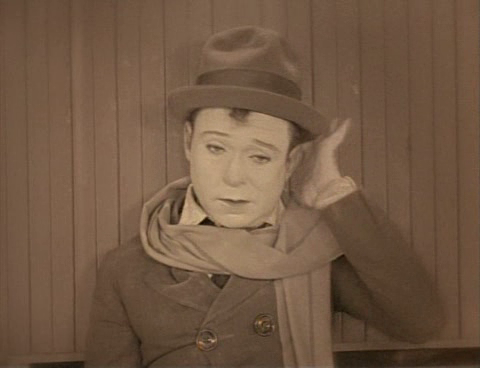
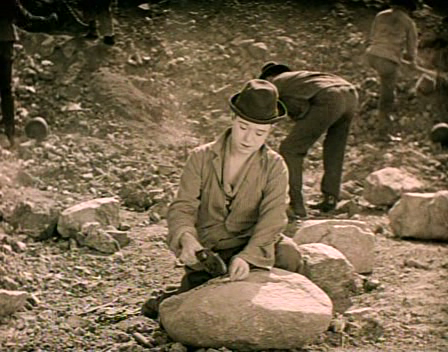
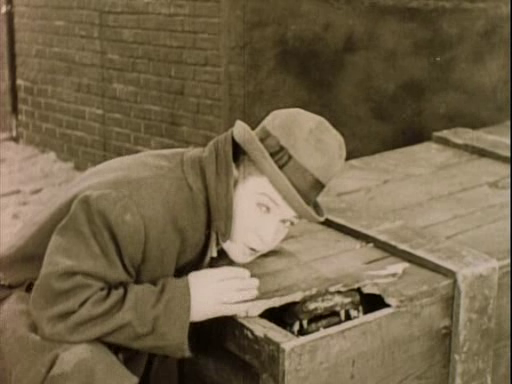
The son (Harry Langdon) of a struggling shoemaker (Alec B. Francis) enters a cross-country walking race hosted by a big-name shoe manufacturer (Edwards Davis), hoping to win the prize money as well as the heart of Davis’s daughter (Joan Crawford).

Genres, Themes, Actors, and Directors:

  • Comedy
  • Harry Langdon Films
  • Joan Crawford Films
  • Silent Films

Review:
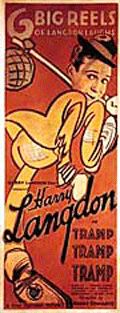
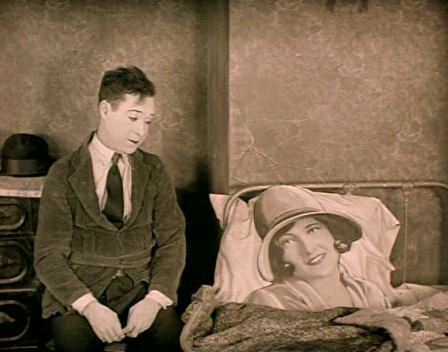
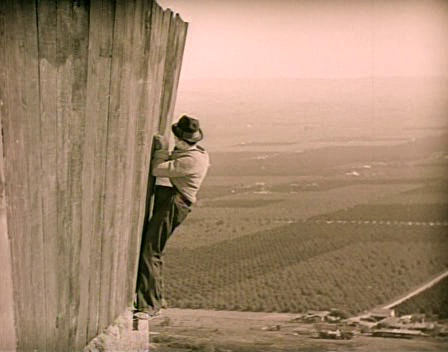
It’s been widely noted that many of the sight gags in Harry Langdon’s feature debut film are reminiscent of those in movies by his comedic peers (Harold Lloyd, Charlie Chaplin, Buster Keaton), making this an inauspicious beginning to his all-too-brief stint in the cinematic limelight. Nonetheless, Langdon’s uniquely hapless persona lends itself well to the series of mishaps he encounters while on his cross-country journey to California: when he finds himself hanging precariously over a deep precipice, for instance, we know that the only way he’ll get out of his dilemma is — despite his best (counterproductive) efforts — through sheer, dumb luck. My favorite scene is an early one, when Langdon meets the love of his life (Crawford) in person for the first time, and doesn’t quite know what to do with himself. Watch for the creepy final scene, in which Langdon is allowed to make explicit fun of his “baby-face” image.

Note: Tramp, Tramp, Tramp is noteworthy for providing Joan Crawford with one of her earliest significant roles; fun use is made of her soon-to-be larger-than-life persona through her presence in a series of posters.

Redeeming Qualities and Moments:

  • Langdon’s “meet-cute” with Crawford
  • Several amusing sight gags


Must See?
No, though it’s worth a look simply as Langdon’s first feature film.

Links:

Seven-Per-Cent Solution, The (1976)

Seven-Per-Cent Solution, The (1976)

“I am on the case, and you have placed me there: now you must be good enough to follow my instructions.”

Synopsis:
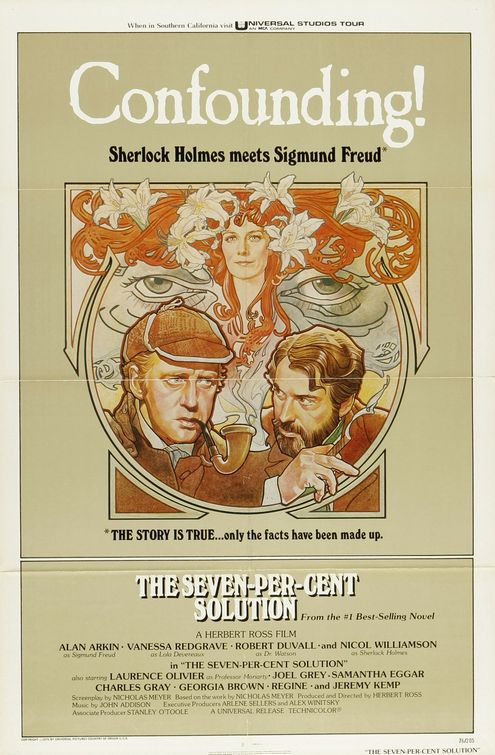
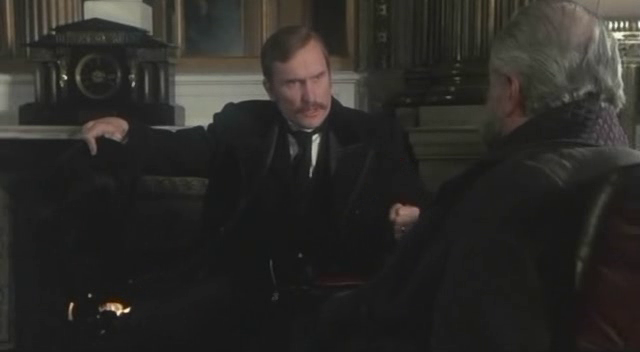
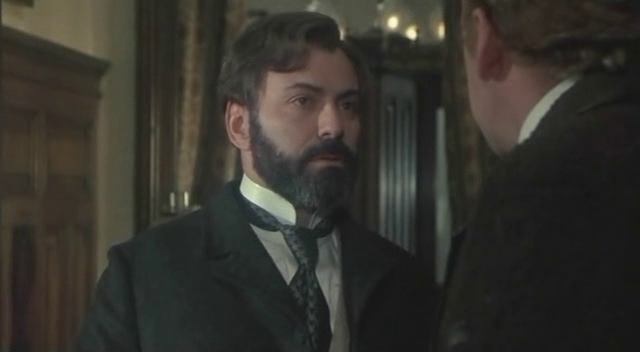
Dr. Watson (Robert Duvall) tricks Sherlock Holmes (Nicol Williamson) into traveling to Vienna to visit Dr. Freud (Alan Arkin), in hopes of encouraging him to cure his cocaine addiction. Once there, Holmes temporarily forgets his obsession with his arch-enemy Moriarty (Laurence Olivier) by assisting with a case involving a beautiful, drug-addicted singer (Vanessa Redgrave).

Genres:

  • Alan Arkin Films
  • Alcoholism and Drug Addiction
  • Detectives and Private Eyes
  • Herbert Ross Films
  • Laurence Olivier Films
  • Robert Duvall Films
  • Samantha Eggar Films
  • Sherlock Holmes Films
  • Vanessa Redgrave Films

Review:
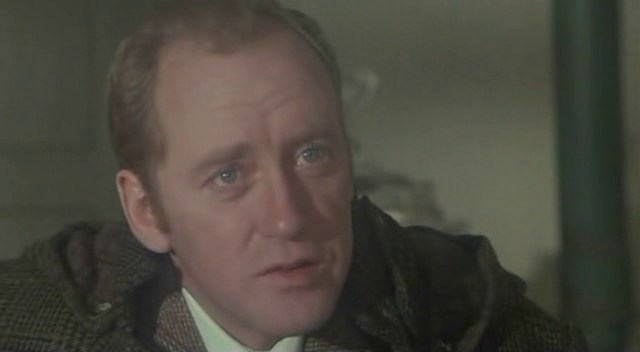
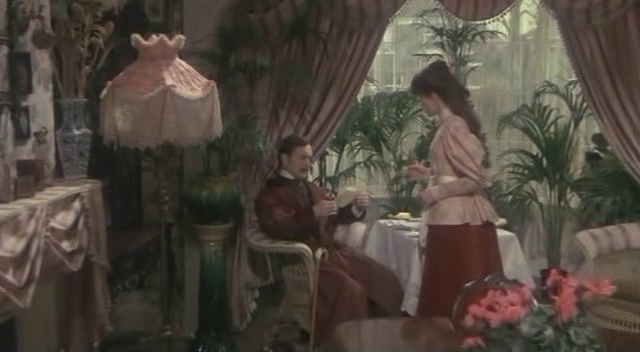
Critical opinions are highly mixed about this Oscar-nominated adaptation of Nicholas Meyer’s best-selling novel (scripted by Meyer himself), which fancifully explores the consequences of Sherlock Holmes seeking help for his deep-seated cocaine addiction from Sigmund Freud. It’s a clever conceit, and works wonderfully well — at least until the screenplay suddenly shifts (in its final 45 minutes) to an outlandish cross-country chase, which many (myself included) agree is an inappropriate tonal direction for the story to take. Regardless, there’s plenty in this lushly produced movie for both film fanatics and Holmes fans to enjoy, starting with fine performances by the lead actors — most notably Nicol Williamson as Holmes himself. Williamson was better known on stage than on-screen, but his invigorating performance here makes one wish he’d been given more leading cinematic roles. Duvall is appropriately stalwart and loyal as Dr. Watson, and Arkin imbues Freud with just the right amount of self-confidence and quiet brilliance to be convincing. Holmes and Freud are indeed — as imagined here by Meyer — a perfectly matched pair of deductive minds; it’s refreshing to see Holmes humbled just enough to receive help in solving his lifelong neurotic antipathy towards Moriarty.

Redeeming Qualities and Moments:

  • Nicol Williamson as Sherlock Holmes
  • Robert Duvall as Dr. Watson
  • Alan Arkin as Dr. Freud
  • Wonderful period sets

Must See?
No, but it’s highly recommended, and a must for Holmes fans.

Links:

Long Pants (1927)

Long Pants (1927)

“Don’t worry, mother — those pants will never go to his head!”

Synopsis:
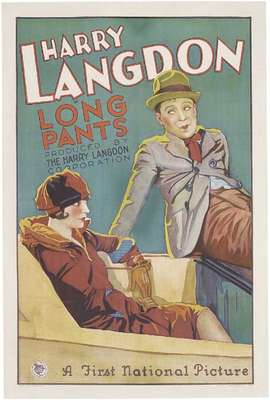
A young man (Harry Langdon) who has just been given his first pair of “long pants” fancies himself engaged to a vampish conwoman (Alma Bennett); after cruelly abandoning his local sweetheart (Priscilla Bonner) on their wedding day, he plots to help Bennett escape from prison.

Genres, Themes, Actors, and Directors:

  • Comedy
  • Coming-of-Age
  • Frank Capra Films
  • Harry Langdon Films
  • Silent Films

Review:
Harry Langdon’s second film with director Frank Capra (after The Strong Man) is a sadly unsavory affair. One watches with the intention of simply enjoying baby-faced Langdon’s skillful slapstick maneuvers, but a central plot element — his desire to kill his fiancee (Bonner) after stupidly falling for a passing vamp — undoes whatever potential for humor the story may have had. Yes, Langdon’s characters were notoriously “dumb”, and this is what we’re supposed to have fun with — but homicidal? No, it just doesn’t fly. There are a couple of reasonably enjoyable comedic sequences (most notably one involving Langdon’s persistent attempt to convince a policeman-like ventriloquist’s dummy to come to his assistance), but overall, this one’s a dud.

Redeeming Qualities and Moments:

  • Some amusing slapstick sequences

Must See?
No; this one is only must-see for Langdon fans. Listed as a film with Historical Importance (I’m not sure why) and a Personal Recommendation (really??) in the back of Peary’s book.

Links:

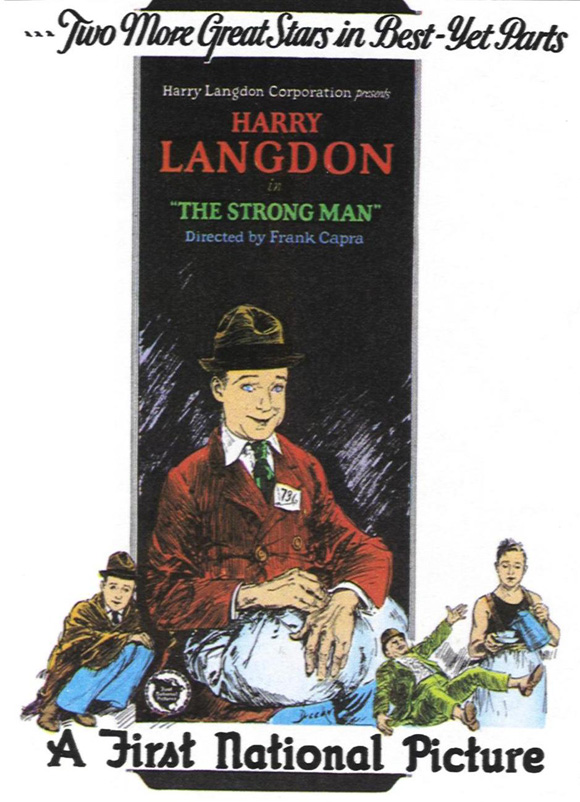
Strong Man, The (1926)

Strong Man, The (1926)

“Once there was a plain little girl who dared to love a brave, handsome soldier. But when he wrote that he was coming to America, she stopped writing and hid — for she had never told him she was blind.”

Synopsis:
After the end of World War I, a Belgian soldier (Harry Langdon) captured by a German enemy (Arthur Thalasso) is brought to America to perform as a sidekick in Thalasso’s strong man circus act. Once there, he seeks out a beautiful woman (Priscilla Bonner) who was once his penpal, not realizing she’s kept away from him because she’s blind.

Genres, Themes, Actors, and Directors:

  • Blindness
  • Comedy
  • Frank Capra Films<
  • Harry Langdon Films
  • Immigrants and Immigration
  • Morality Police
  • Silent Films

Review:
Although he’s less well-known than Charlie Chaplin, Buster Keaton, or Harold Lloyd, baby-faced Harry Langdon is considered one of the key players from the silent comedy era. TCM provides the following overview of his screen persona:

“His childlike face covered by traditional pantomime white make-up, he wore a tightly buttoned jacket as though he were a boy who had outgrown it. Juvenile in appearance, he played the bewildered, clumsy, wide-eyed simpleton out of step with the behavior of normal adults, eerily baffled by erotic situations and naively trusting in the world’s goodness.”

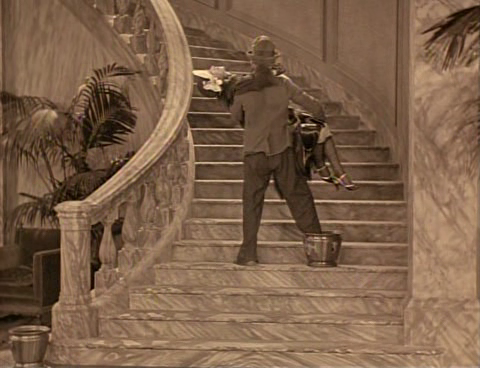
The Strong Man (also notable as Frank Capra’s feature-length directorial debut) is cited by many as Langdon’s best film, and it is indeed an enjoyable affair. The most amusing sequence occurs just after Langdon’s character has arrived in America, as he’s looking for his long-lost penpal (“Mary Brown”) and meets up with a con-artist (Gertrude Astor) who has slipped a wad of money into his pants to elude the police. Astor tells the naive Langdon she’s “Little Mary”, and the two head off (in wonderfully forthright pre-Code manner) to her apartment. Their perfectly timed slapstick interactions together — as Astor does whatever it takes to try to slip the cash out of Langdon’s pants, and Langdon misinterprets her actions as lustful pursuit — are simply classic.

The remainder of the storyline is a tad schmaltzy (Capra’s “touch” is already evident), as Langdon romances the impossibly sweet Brown, and learns that Brown’s preacher-father (William V. Mong) is leading a gang of righteous townsfolk in a crusade against the evil bootleggers who have taken over their performing hall. But throughout this narrative, Langdon is given plenty of opportunities to show off his slapstick genius; fans won’t be disappointed in the slightest, and those just discovering his work will be glad for this fine introduction.

Redeeming Qualities and Moments:

  • Harry Langdon at his inimitable best
  • The entire hilarious sequence with Astor
Must See?
Yes, for its historical relevance as Langdon’s best film. Listed as a film with Historical Importance and a Personal Recommendation in the back of Peary’s book.

Categories

  • Historically Relevant

Links:

How to Steal a Million (1966)

How to Steal a Million (1966)

“Pappa, I keep telling you: when you sell a fake masterpiece, that is a crime!”

Synopsis:
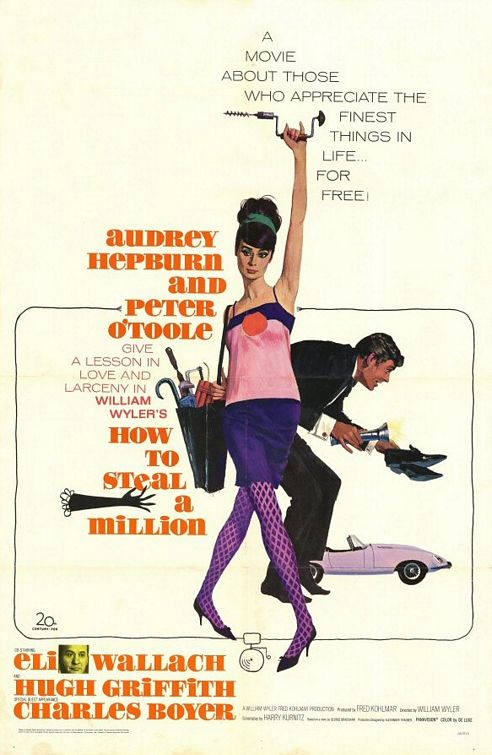
The daughter (Audrey Hepburn) of an expert forger (Hugh Griffith) enlists the help of a man (Peter O’Toole) she believes is an art thief to steal back a forged statue loaned by her father to a local museum.

Genres, Themes, Actors, and Directors:

  • Artists
  • Audrey Hepburn Films
  • Eli Wallach Films
  • Hugh Griffith Films
  • Peter O’Toole Films
  • Thieves and Criminals
  • William Wyler Films

Review:
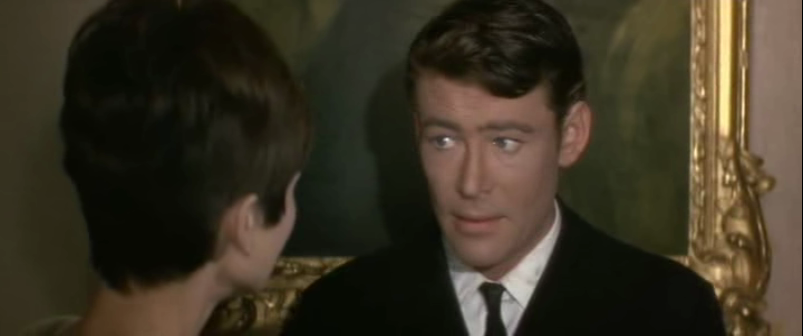
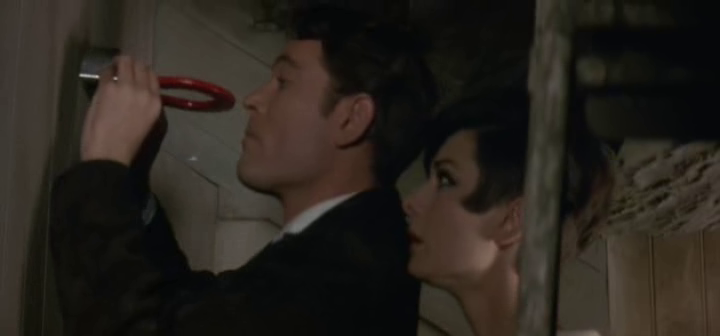
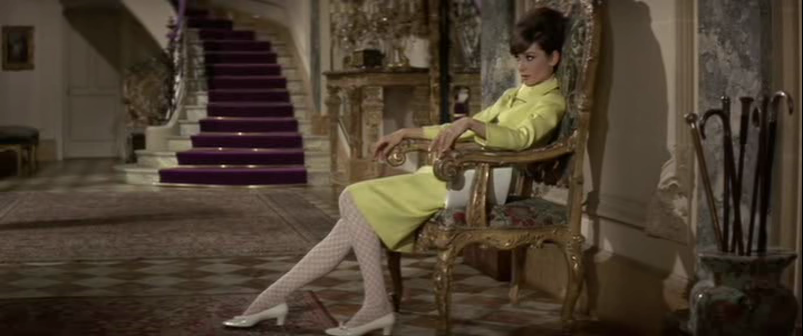
Thirteen years after directing Audrey Hepburn in her Oscar-winning debut performance (for Roman Holiday), William Wyler re-teamed with Hepburn to make this stylish but disappointing Hitchcockian caper flick. The film’s primary flaw is its pacing: at more than two hours long, it simply drags, and takes far too long to get to its most exciting sequences (taking place during the heist in the museum). Once we’re finally there — and our would-be lovers find themselves stuck in a crammed closet, needing to find a way to break free and carry out their plan — the story becomes temporarily captivating, as we watch O’Toole’s character demonstrating immense presence of mind as a thief (even if this isn’t really his “true” identity). Hepburn is as lovely as ever in her palette of Givenchy outfits, but doesn’t bring anything new or interesting to her role; and a sub-plot involving millionaire Eli Wallach’s pursuit of Hepburn simply takes up precious screentime. This one is worth a look by fans of this particular genre, but be forewarned that it doesn’t quite succeed on all counts.

Redeeming Qualities and Moments:

  • Peter O’Toole as Simon Dermott
  • The genuinely tense and fascinating extended “closet scene”
  • Fine sets and outfits

Must See?
No, though it’s worth a look if you’re a fan of Hepburn or O’Toole.

Links:

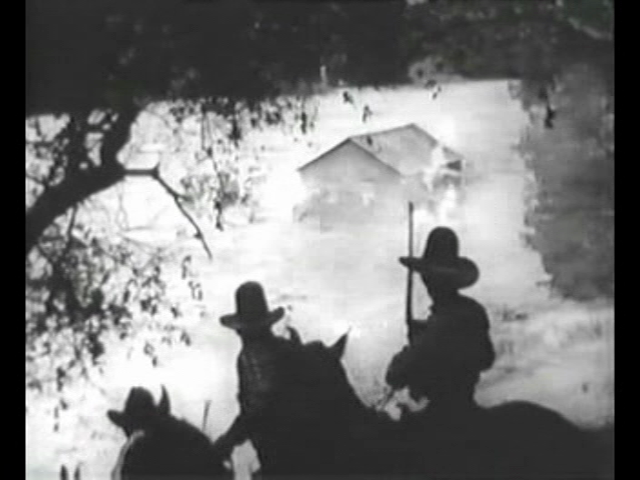
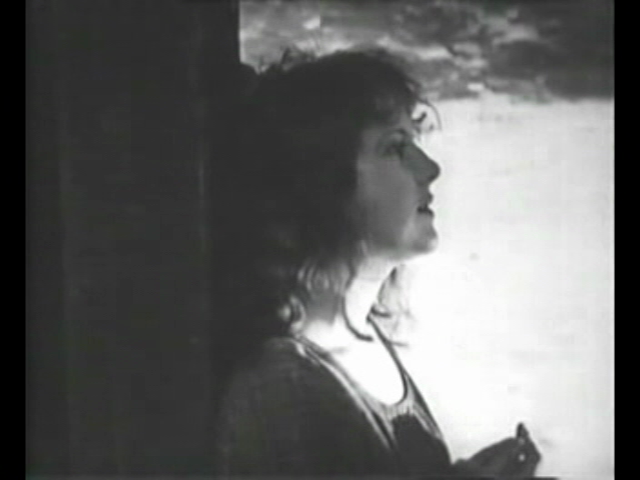
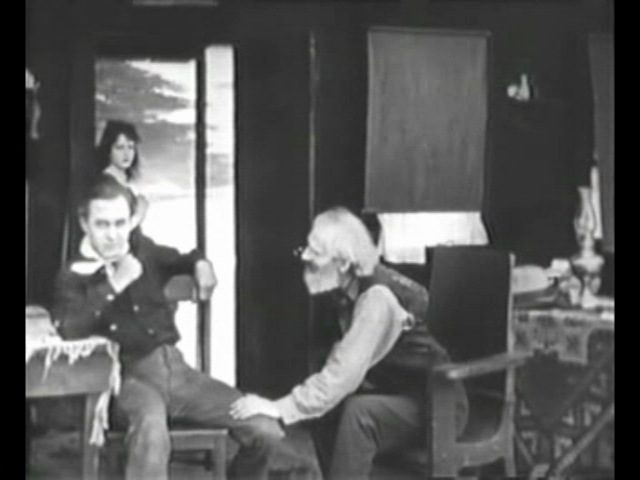
Straight Shooting (1917)

Straight Shooting (1917)

“The ranchers’ empire, a vast grazing land — a once endless territory now divided and cut by farmers’ fences.”

Synopsis:
A cattle baron (Duke R. Lee) hires a gunslinger (Harry Carey) to kill a farmer (George Berrell) whose land is encroaching on his territory — but when he learns that Berrell’s son (Ted Brooks) has already been killed, and sees the grief this has caused Berrell’s beautiful daughter (Molly Malone), he quickly shifts allegiances.

Genres, Themes, Actors, and Directors:

  • John Ford Films
  • Ranchers
  • Rivalry
  • Silent Films
  • Westerns

Review:
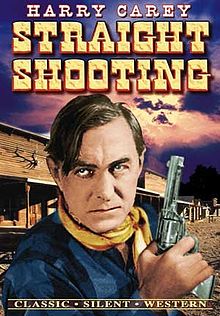
Notable as “Jack” (John) Ford’s first surviving full-length film, this early western — featuring silent-era superstar Harry Carey — shows clear evidence of Ford’s directorial vision (at the tender age of 22!). He manages to turn an overly simplistic story about feuding between ranchers and farmers (along with a “bad-boy-turned-good” narrative twist, and a brief love triangle) into a reasonably entertaining outing — though in its hour-long running time, there’s not really much to sink one’s teeth into. Certainly worth a look, but not essential viewing for anyone other than diehard Ford fans and/or early-cinema buffs — though one could argue it’s “must-see” simply to see Carey in a flick.

Redeeming Qualities and Moments:

  • Early evidence of Ford’s directorial vision


Must See?
No, though it will certainly be of interest to Ford fans and/or those interested in early cinematic history.

Links:

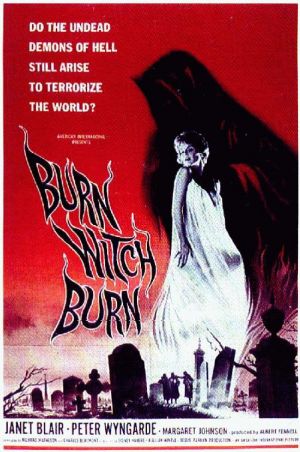
Burn, Witch, Burn! / Night of the Eagle (1962)

Burn, Witch, Burn! / Night of the Eagle (1962)

“I will not be responsible for what happens to us if you make me give up my protections!”

Synopsis:
A highly rational professor (Peter Wyngarde) is disturbed to discover that his wife (Janet Blair) has been practicing black magic to help him achieve tenure, and forces her to stop — but soon a series of tragedies befall them, and Wyngarde must reconsider his lack of belief.

Genres, Themes, Actors, and Directors:

  • Horror
  • Voodoo and Black Magic
  • Witches and Wizards

Review:
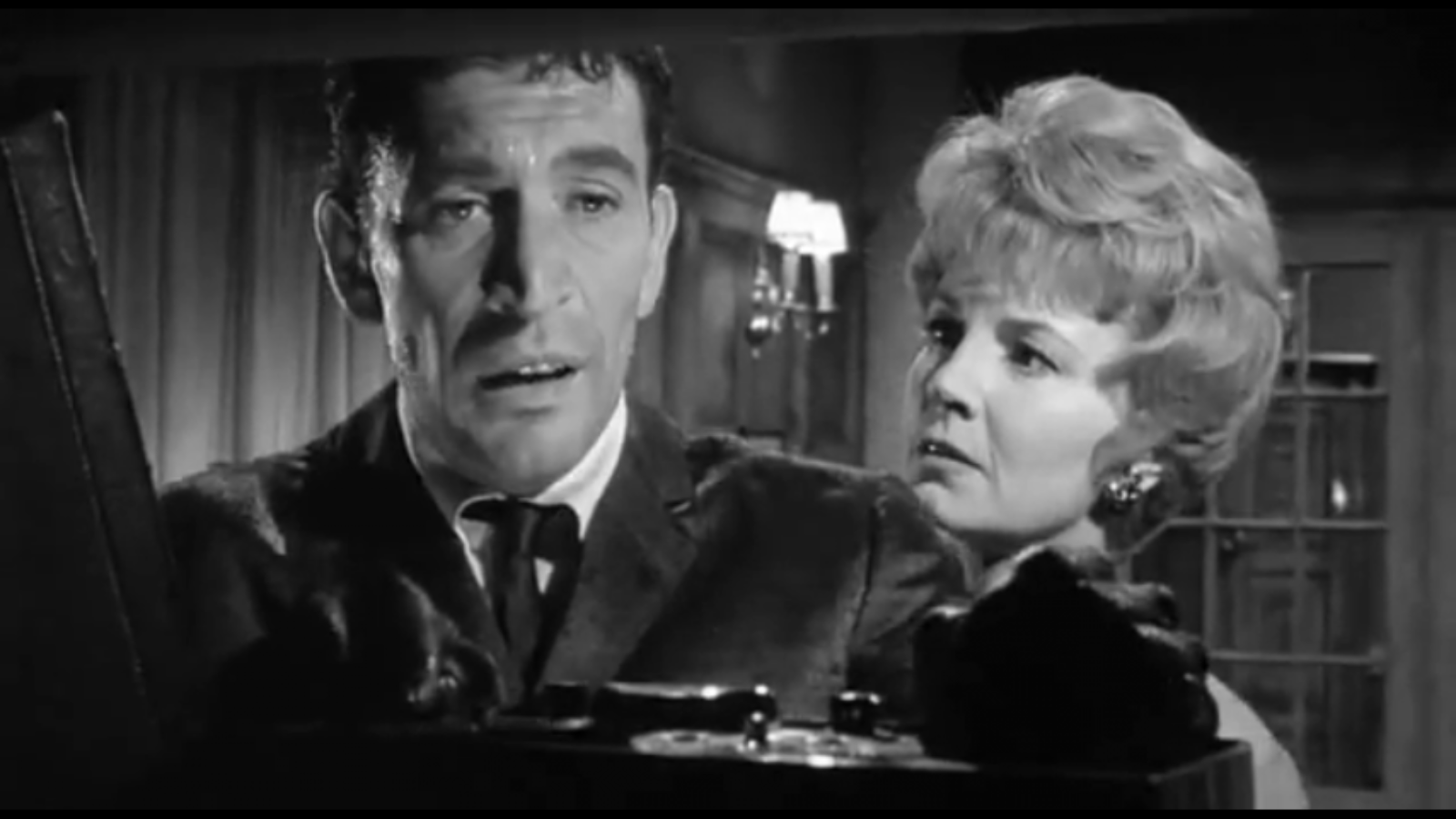
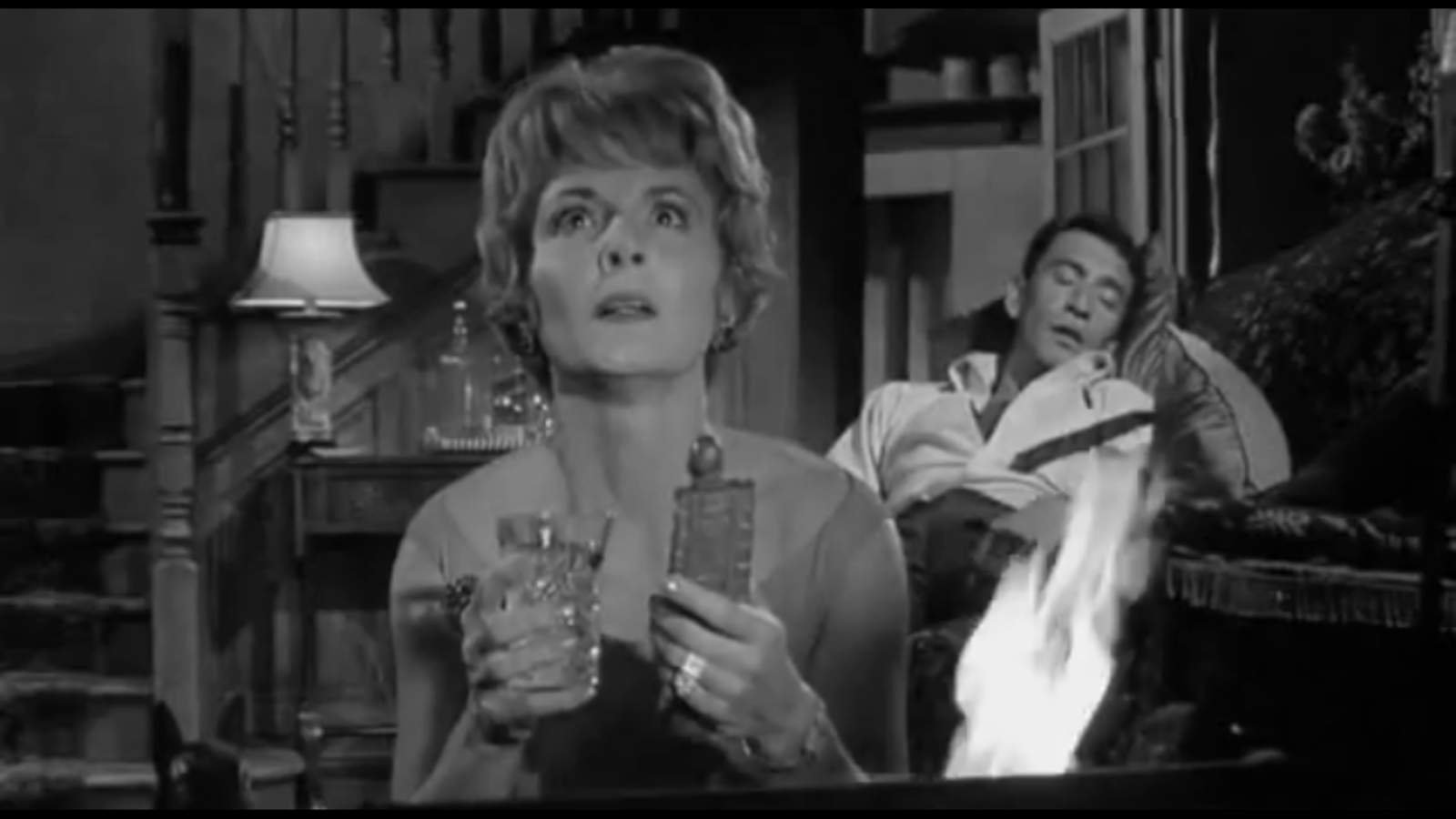
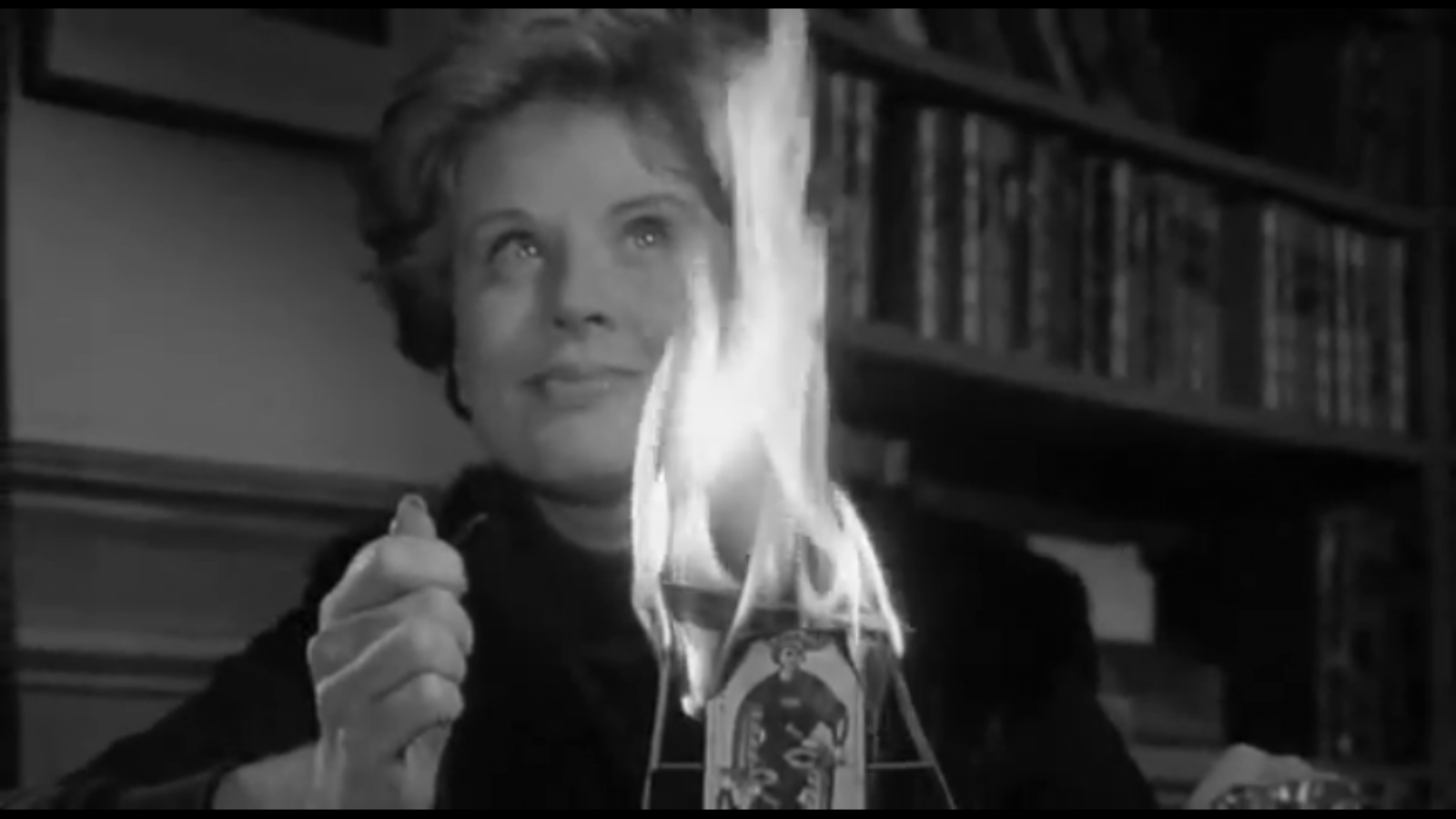
Film fanatics who’ve not yet seen this low-budget British horror flick are in for a real treat. Based upon a simple yet inspired narrative premise — a young professor seeking tenure would surely be more in need of assistance from the Dark Side than anyone else! — it possesses clear echoes of Rosemary’s Baby (was Polanski inspired by it?) in its depiction of a loving couple whose lives are nearly destroyed by their divergent spiritual beliefs. Director Sidney Hayers and DP Reginald Wyer film the entire affair with extraordinary skill, evoking horror in seemingly mundane interactions and objects; we come to truly believe that dark forces are ruling this unfortunate household. The final half-hour brings an unexpected plot twist, one which suddenly sheds new light on the narrative — and the tension simply never lets up. This is a film which really must be seen to be appreciated, and merits multiple enjoyable viewings.

Redeeming Qualities and Moments:

  • Peter Wyngarde as Norman Taylor
  • Janet Blair as Tansy Taylor
  • Margaret Johnston as Flora Carr
  • Wonderfully atmospheric cinematography and direction
  • Charles Beaumont, Richard Matheson, and George Baxt’s clever, spooky script

Must See?
Yes, most definitely. Listed as a Sleeper and a Personal Recommendation in the back of Peary’s book.

Categories

  • Genuine Classic

Links:

Hound of the Baskervilles, The (1959)

Hound of the Baskervilles, The (1959)

“This is, I think, a two-pipe problem.”

Synopsis:
Sherlock Holmes (Peter Cushing) and Dr. Watson (Andre Morell) respond to a request by Dr. Mortimer (Francis De Wolff) to investigate the mysterious death of a nobleman, whose nephew (Christopher Lee) has recently arrived on the moors to take over his inheritance.

Genres, Themes, Actors, and Directors:

  • Christopher Lee Films
  • Detectives and Private Eyes
  • Peter Cushing Films
  • Sherlock Holmes Films

Review:
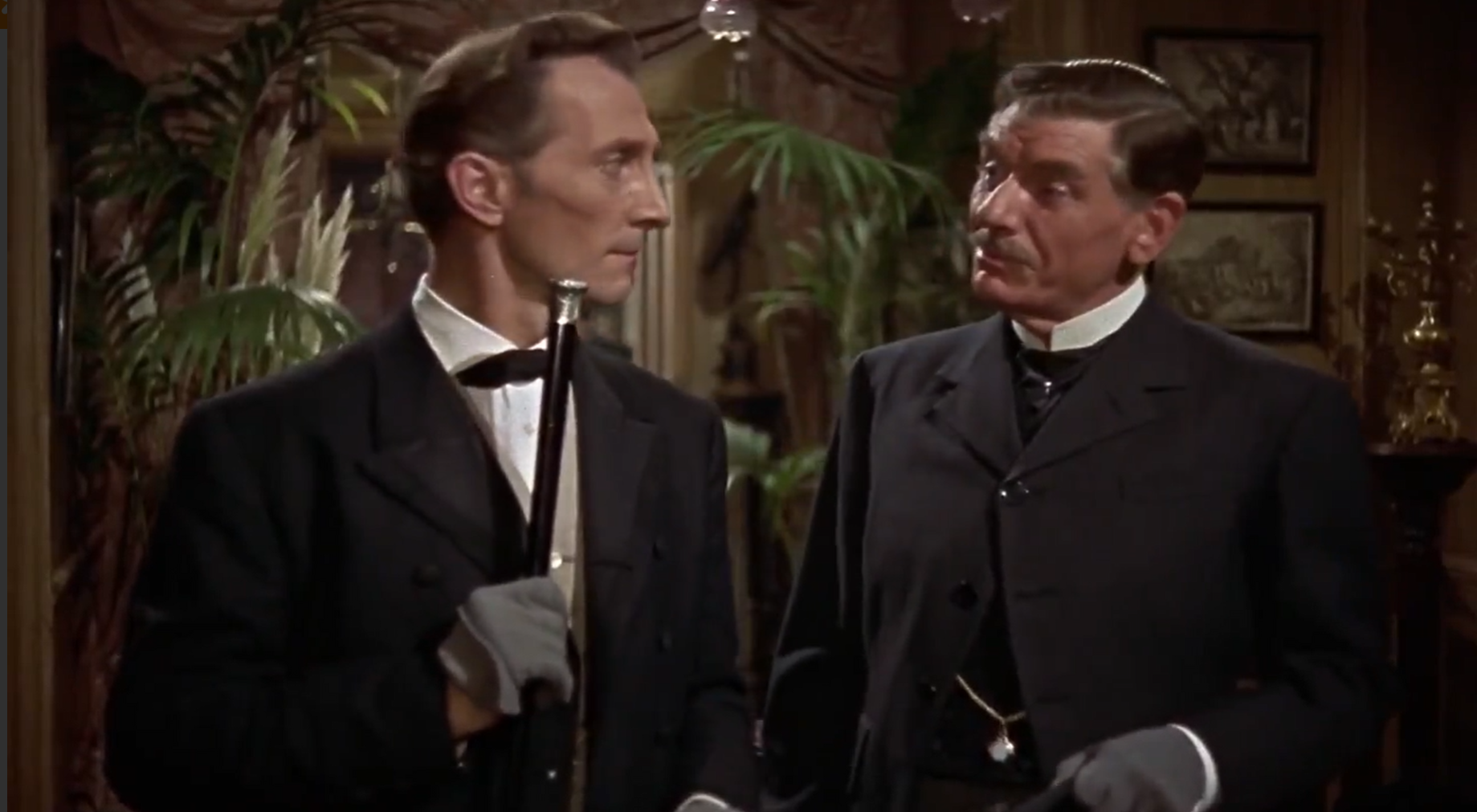
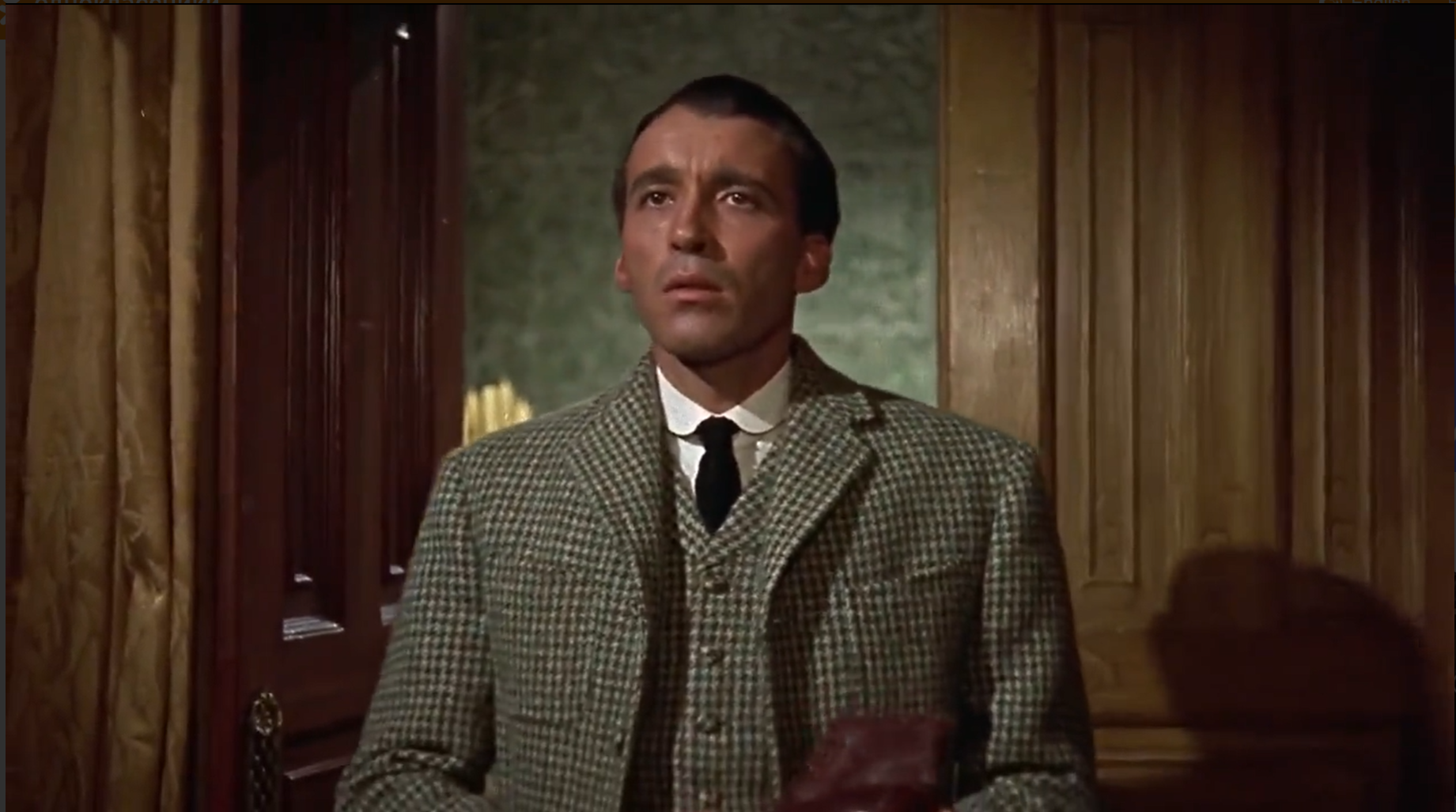
Critical opinions are highly mixed on this Hammer Studios adaptation of Arthur Conan Doyle’s oft-filmed novel, with some claiming it to be the best Holmes-ian adaptation ever, and others less enthusiastic. I happen to fall into the latter camp. Despite Peter Cushing’s respectful attempt to portray Holmes with as much authenticity as possible (including emulating his drug-addicted appearance), he ultimately fails to project the kind of magnetic brilliance fans expect from this most iconic of literary figures; his trusty sidekick Watson comes across as almost equally competent.

Meanwhile, Lee is miscast in the central role as an heir whose life is in perpetual danger; we’re so used to reading sinister overtones into Lee’s every move that it feels awfully strange to realize he’s simply a neutral foil here.

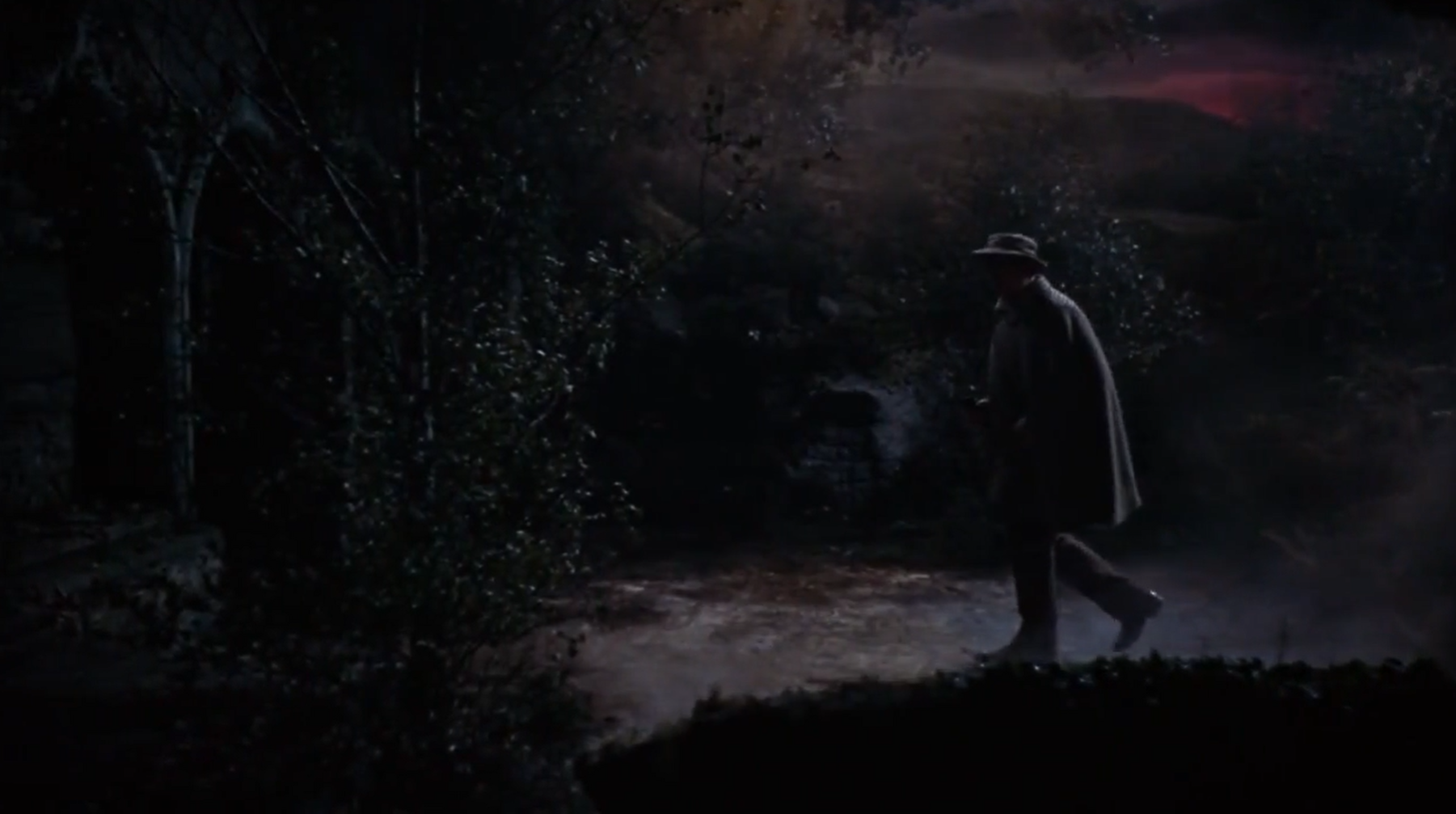
Jack Asher’s color cinematography is lush and beautiful to look at but doesn’t evoke the same level of menace as the black-and-white hues of this film’s celebrated 1939 predecessor. The narrative itself remains relatively faithful to the original story, while incorporating some additional horror elements (i.e., a lethal tarantula) to satisfy those who associate “Hammer Studios” with overt chills and thrills; unfortunately, however, the dramatic finale with the “hound” is far from menacing — again, it was better handled in the 1939 version, which is ultimately the one I recommend film fanatics check out instead.

Redeeming Qualities and Moments:

  • Jack Asher’s cinematography

Must See?
No, though it’s certainly worth a look, especially for fans of Hammer Studios films.

Links: