Browsed by
Category: Original Reviews

Responses to Peary’s “must see” movie reviews, as well as my own “must see” movie reviews up to and after 1986 (when Peary’s book was published).

Love (1927)

Love (1927)

“Into our empty lives has swept a force that is overwhelming us both.”

Synopsis:
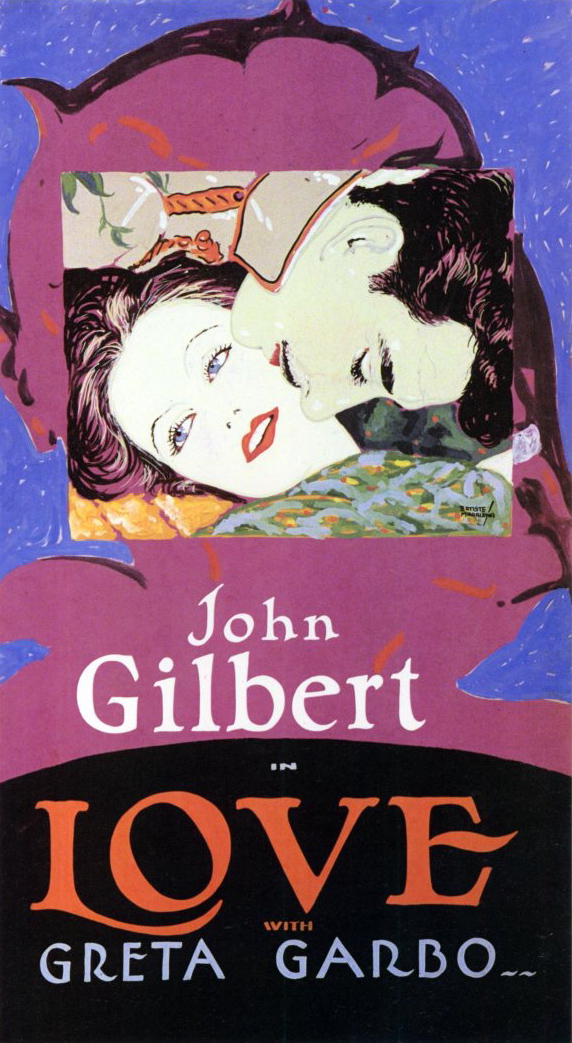
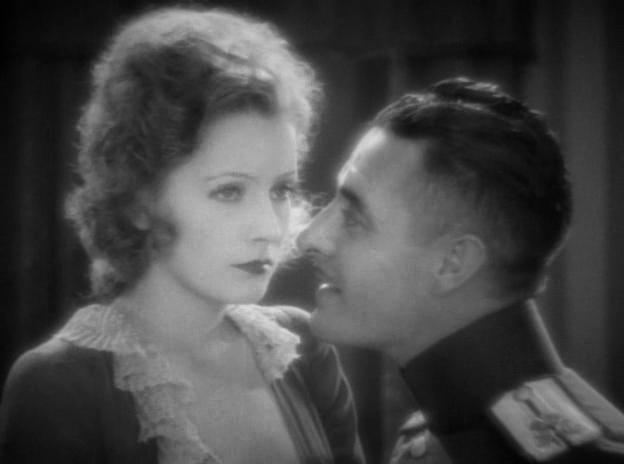
Count Vronsky (John Gilbert) falls in love with married Anna Karenina (Greta Garbo), who abandons her husband (Brandon Hurst) and child (Philippe De Lacy) to be with him.

Genres, Themes, Actors, and Directors:

  • Greta Garbo Films
  • Infidelity
  • John Gilbert Films
  • Romance
  • Silent Films

Review:
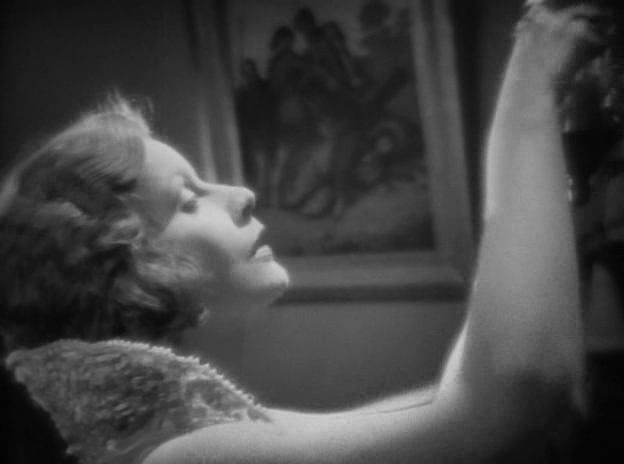
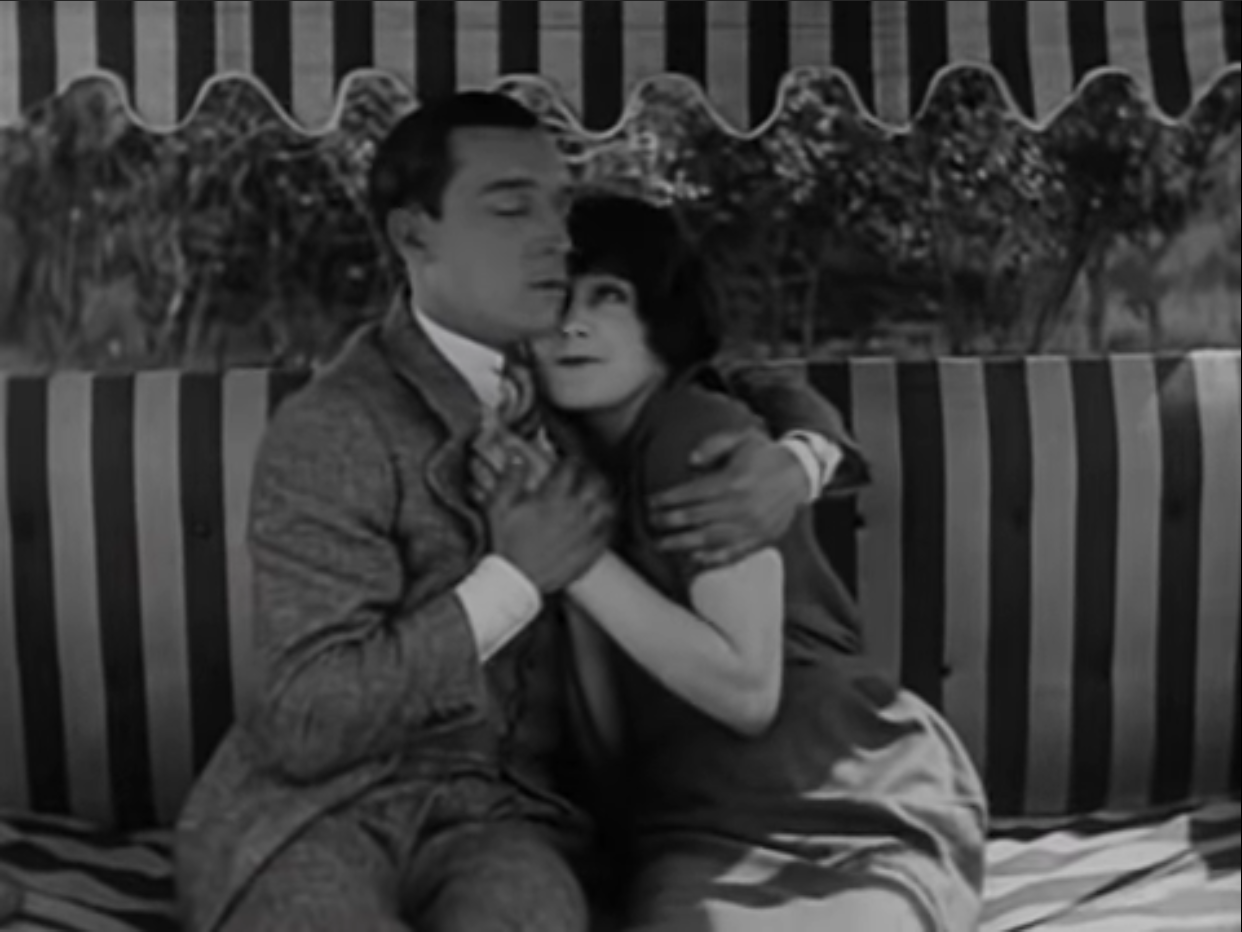
Greta Garbo starred as the tragic literary heroine Anna Karenina twice during her relatively brief on-screen career. This earlier (silent) version constitutes a highly pared-down adaptation of Tolstoy’s classic novel, telling a simple romantic morality tale of illicit desires, challenging choices, and conflicted outcomes. It was directly made to bank upon the onscreen chemistry exhibited by real-life couple John Gilbert and Greta Garbo (who starred together the previous year in Flesh and the Devil); highlighted by William Daniels’ fine soft focus cinematography, they once again make for an appealingly sensuous pair of star-crossed lovers. However, the film as a whole isn’t really must-see viewing for anyone other than Garbo completists.

Note: This film notoriously had two different endings: one more authentic to the book (i.e., depressing), and one tailor-made for audiences wanting a more cheerful resolution. This latter ending is the one I saw, on a version aired for TCM which was taped live during a screening at UCLA — complete with an audience laugh-track (and not always during “appropriate” moments!).

Redeeming Qualities and Moments:

  • Fine on-screen chemistry between Garbo and Gilbert
  • Lovely cinematography by William Daniels

Must See?
No; this one is only must see for Garbo fans.

Links:

Lost World, The (1925)

Lost World, The (1925)

“The back country of the Amazon contains over fifty thousand miles of unexplored water-ways. Who can say what may be living in that jungle — as vast as all Europe?”

Synopsis:
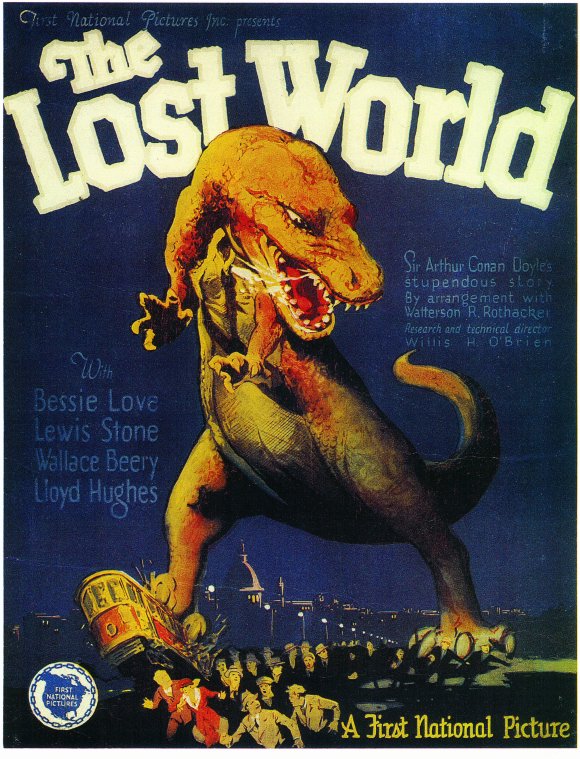
A young woman (Bessie Love) whose father is reported lost in the Amazon convinces an eccentric professor (Wallace Beery) and several others — including a reporter (Lloyd Hughes) and a sportsman (Lewis Stone) — to accompany her on a rescue mission, where they quickly discover the presence of dinosaurs.

Genres, Themes, Actors, and Directors:

  • Fantasy
  • Lewis Stone Films
  • Silent Films
  • Wallace Beery Films

Review:
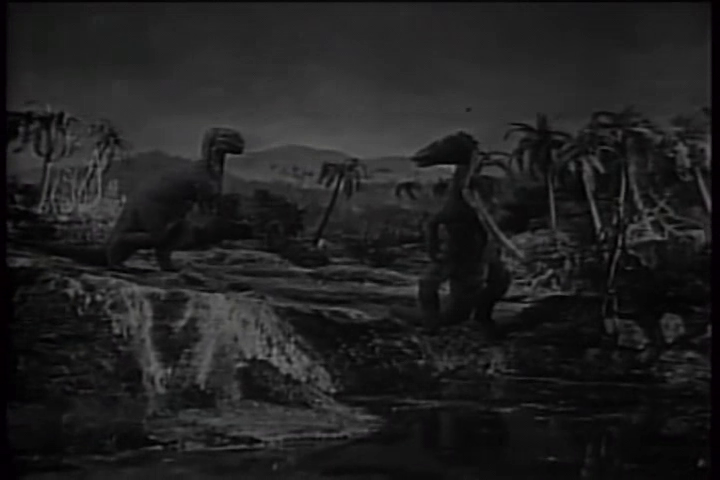
This early film adaptation of Arthur Conan Doyle’s 1912 novel is notable for its groundbreaking animation by Willis O’Brien, who would soon go on to bigger fame for his work on King Kong (1933) (and win an Academy Award for 1949’s Mighty Joe Young). The undeniably creaky storyline is simply a convenient excuse to introduce breathtakingly “realistic” (for the time) scenarios of dinosaurs battling each other on an Amazonian plateau; unfortunately, because the creatures engage exclusively with each other rather than the human intruders, what we’re left with are multiple shots of the characters looking up at distant action happening above and behind them, never truly seeming at risk for their lives. At least the situation is redeemed somewhat once the intrepid explorers bring a live specimen back to London, and we see the beast wreaking havoc a la King Kong on the city streets. (And it’s interesting to know that some audience members at the time were apparently convinced that what they were seeing on-screen really happened.)

Note: This film has a storied history of being nearly destroyed, then found, then finally restored to a length closer to its original running time; check out Digitally Obsessed’s review for a blow-by-blow account of scenes and images inserted into the restored edition.

Redeeming Qualities and Moments:

  • Truly groundbreaking stop-motion animation

Must See?
Yes, simply for its astonishing early animation. Listed as a film with Historical Importance in the back of Peary’s book.

Categories

  • Historically Relevant

Links:

Battling Butler (1926)

Battling Butler (1926)

“That jellyfish couldn’t take care of himself — let alone a wife.”

Synopsis:
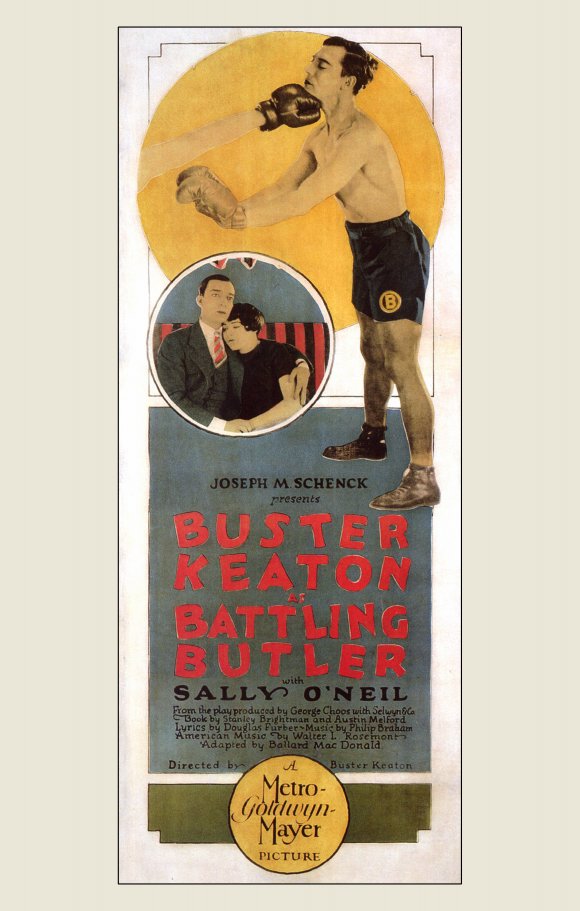
While camping with his enabling butler (Snitz Edwards), a wealthy milquetoast (Buster Keaton) falls in love with a “mountain girl” (Sally O’Neill) who comes to believe he’s a champion prizefighter (Francis McDonald) with the same name.

Genres, Themes, Actors, and Directors:

  • Boxing
  • Buster Keaton Films
  • Comedy
  • Mistaken or Hidden Identities
  • Play Adaptation
  • Silent Films

Review:
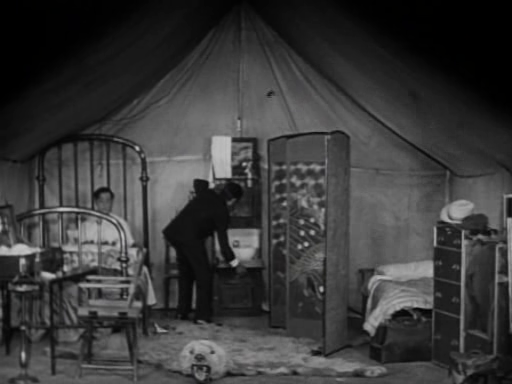
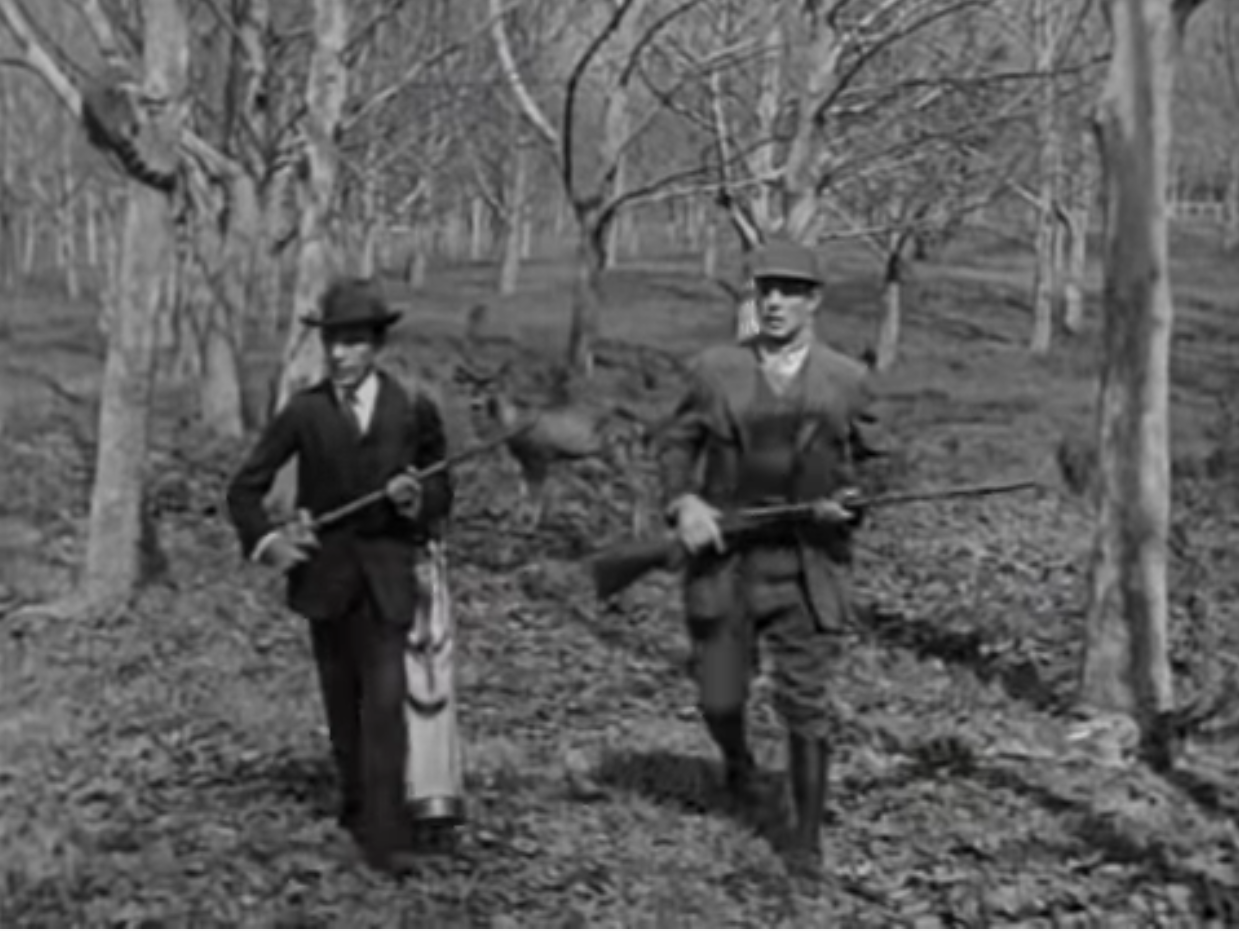
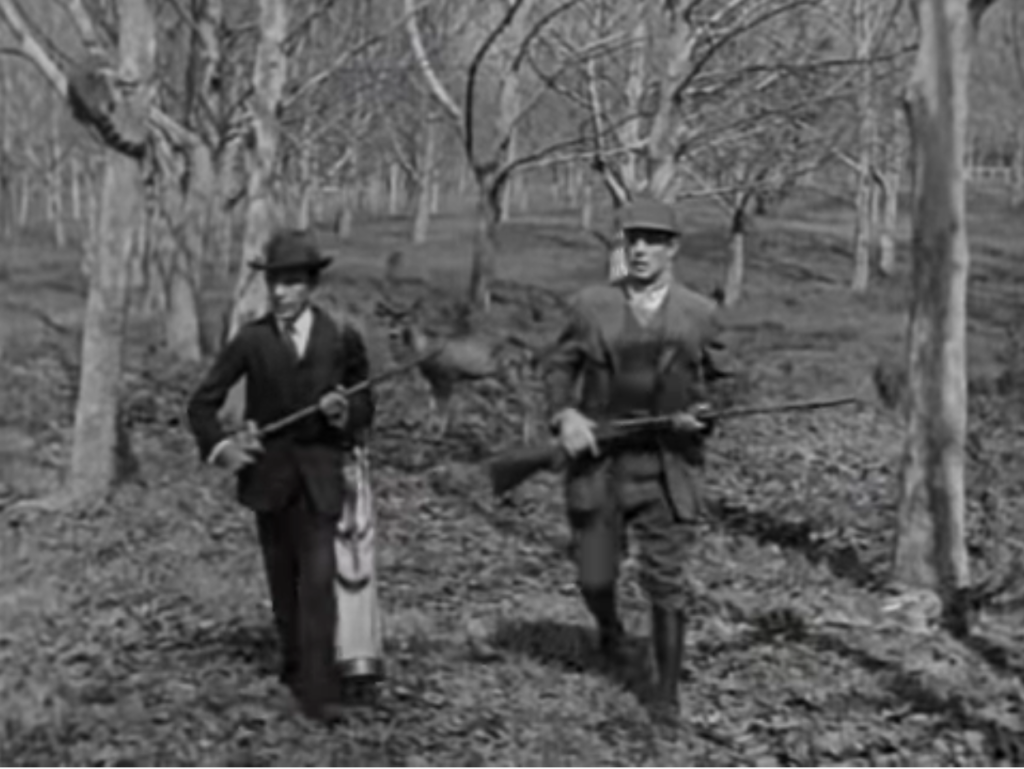
Widely considered one of the “least” of Buster Keaton’s films (primarily because it’s based on a play rather than an original cinematic conceit), this nonetheless remains an enjoyable treat for silent comedy fans. Keaton, as always, is at the top of his game, consistently delighting us with one visual gag after the other: Alfred (Keaton) finding no animals available to hunt in a forest literally teeming with critters:
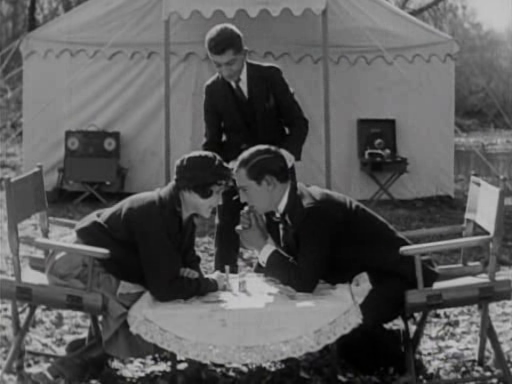
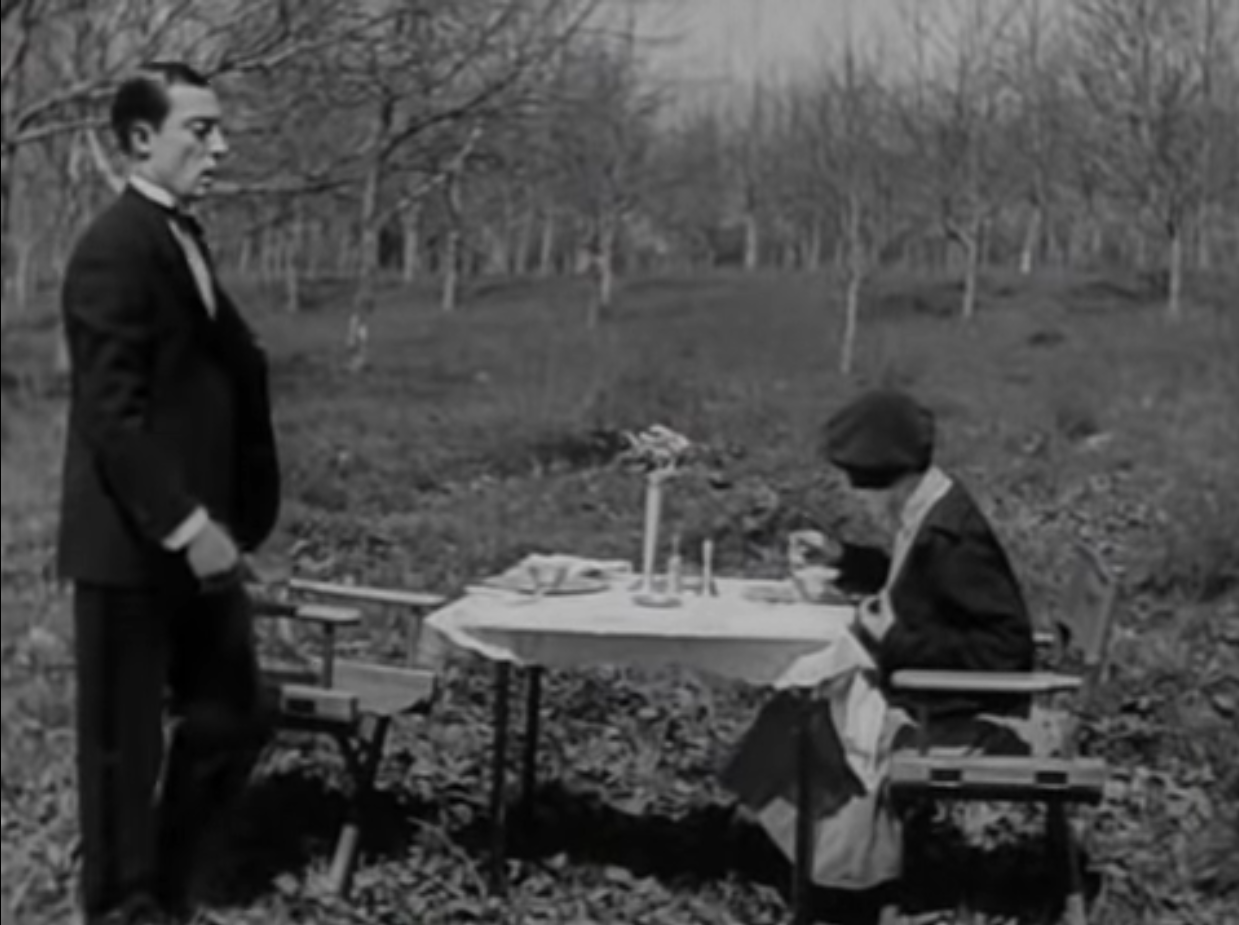
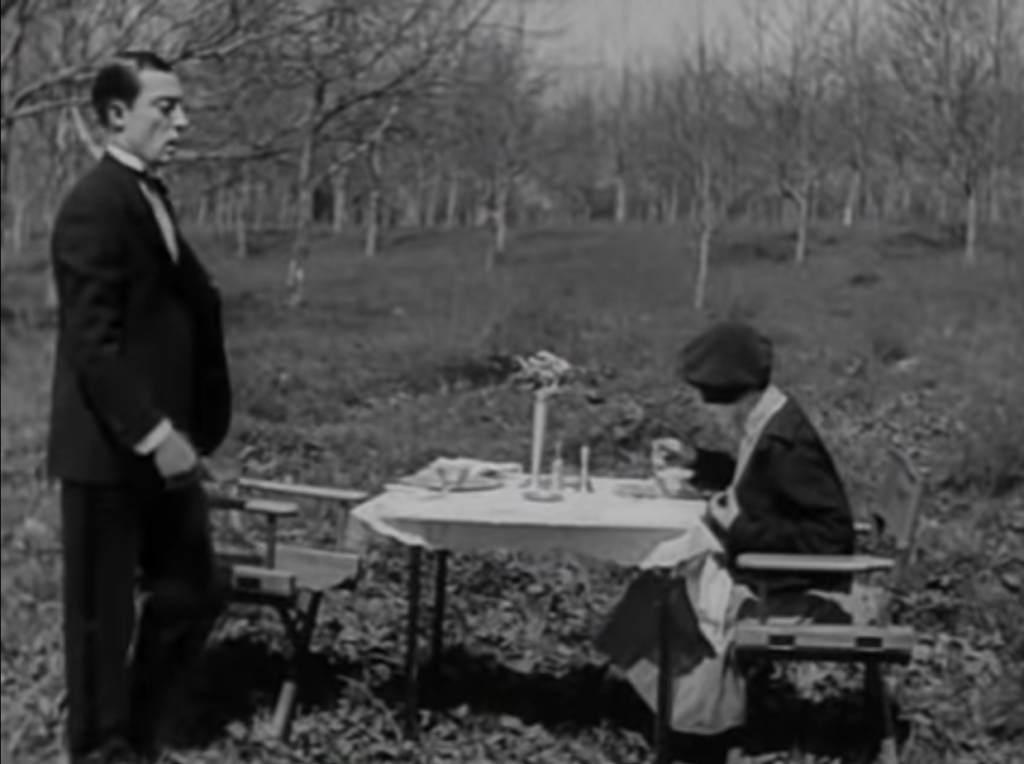
… Alfred’s table sinking in the mud as he romances his new love interest:
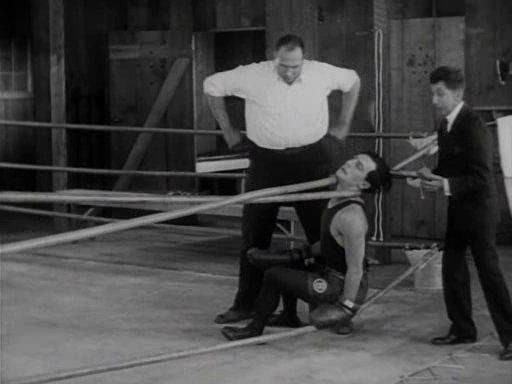
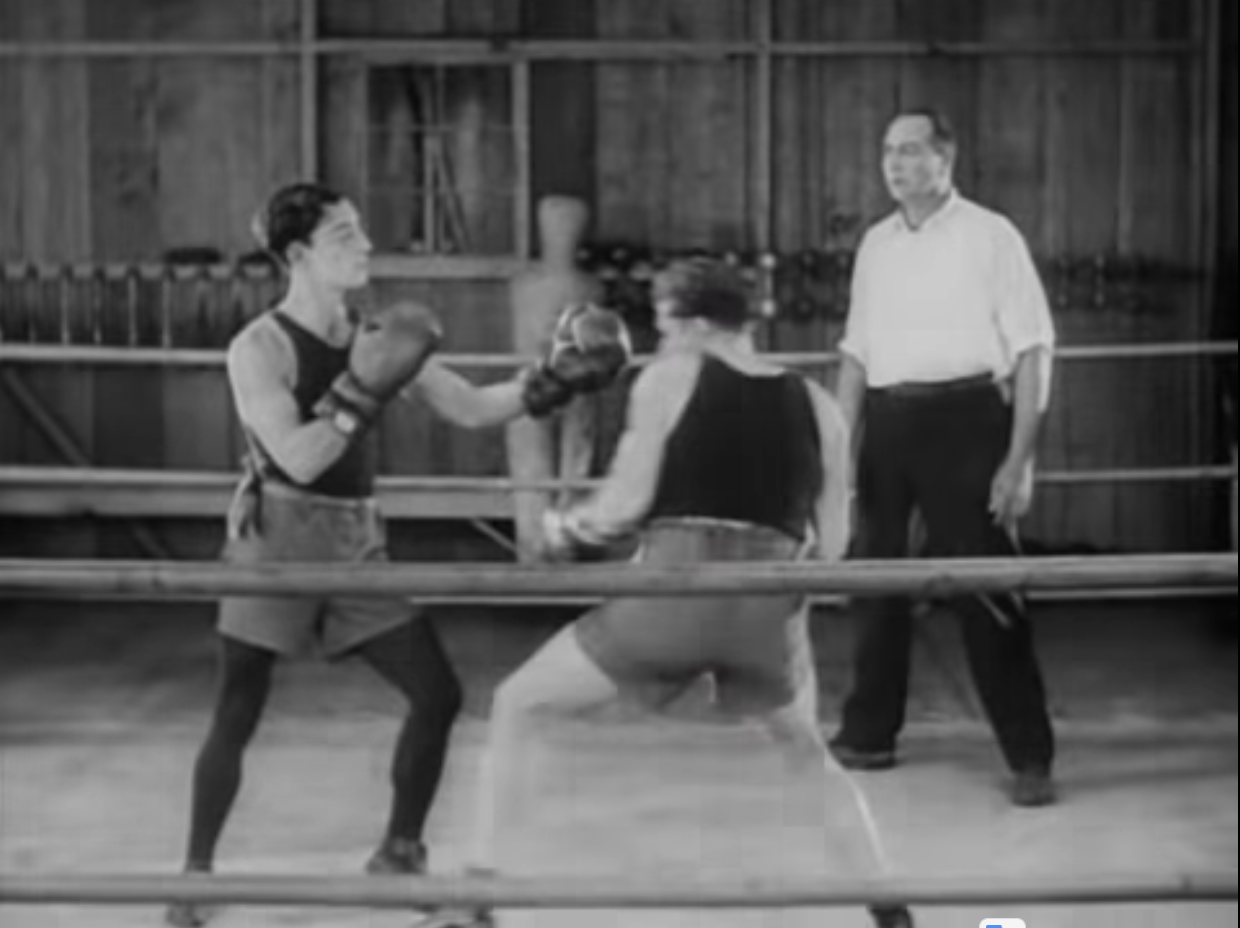
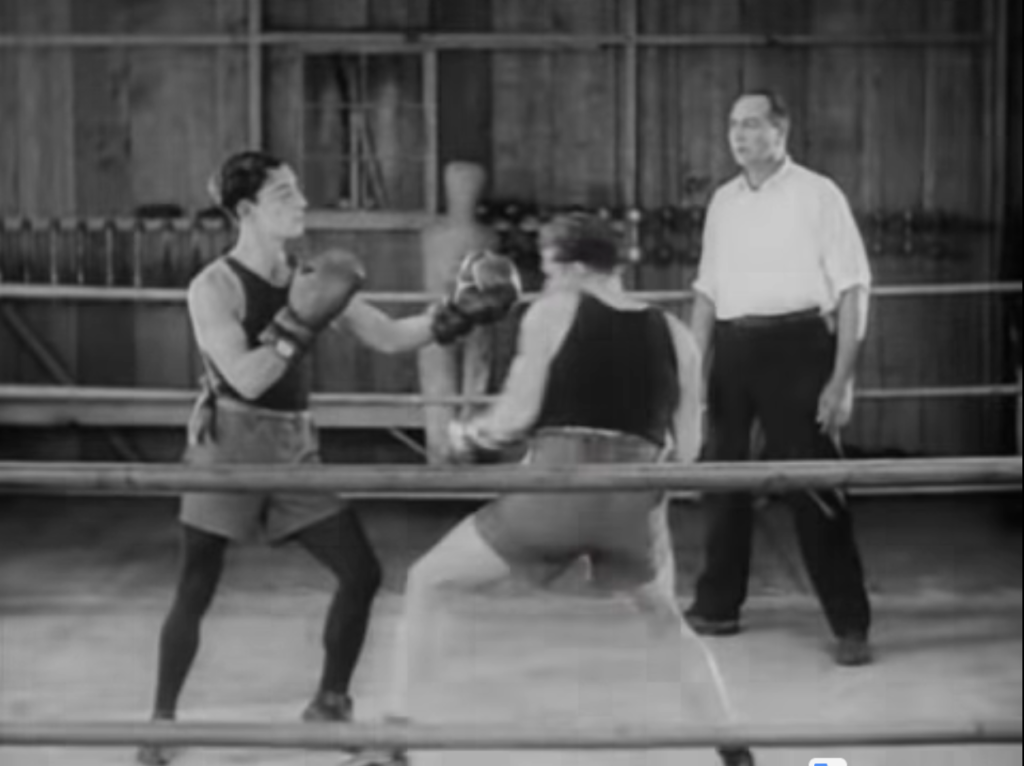
… Alfred’s wild attempts at faux-boxing with a disheartened trainer.
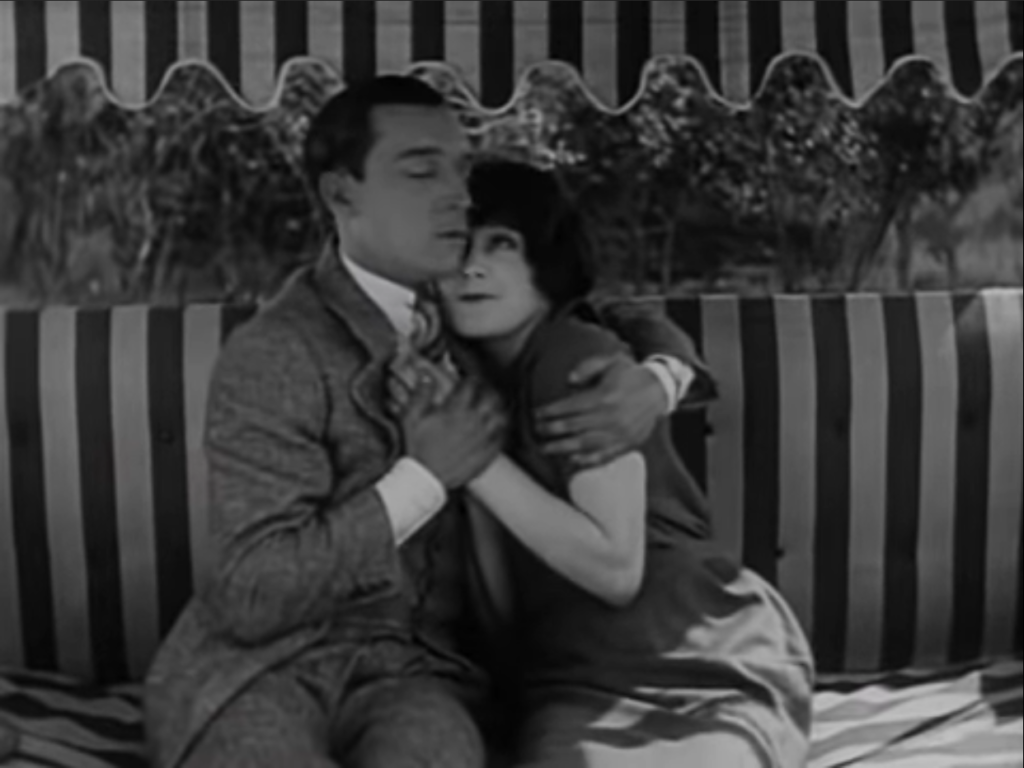
It’s been noted that Keaton was actually too physically dexterous (check out his muscles!) to be convincing as a weakling, but this simply makes his slapstick maneuvers all that much more impressive. Meanwhile, it’s refreshing to note that Keaton’s character originally intends to tell his girl the truth, but literally gets sucked into marriage before he can say a word; his deception thereafter is simply meant to save face in front of the love of his life, and one can’t really fault him for that.
Note: If you decide to check out the original New York Times review, be sure to read all the way to the end, where you’ll find a giggle-worthy final line advertising an accompanying short.

Redeeming Qualities and Moments:

  • The amusing opening scenes
  • Some fun visual/physical gags

Must See?
No, but like so many of Keaton’s films (even his “lesser” titles), it’s recommended. Listed as a Personal Recommendation in the back of Peary’s book.

Links:

Go West (1925)

Go West (1925)

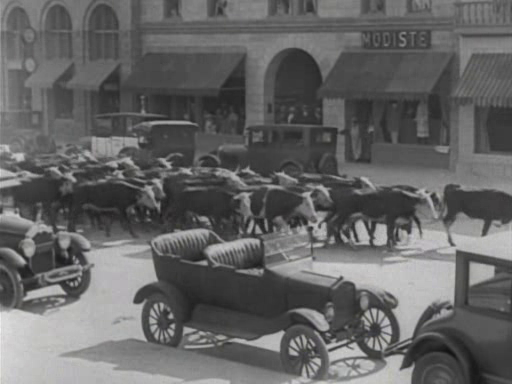
“Captain, there’s a thousand cattle roaming the streets!”

Synopsis:
An inept new cowhand (Buster Keaton) tries to protect a cow (Brown Eyes) he’s become smitten with from being slaughtered.

Genres, Themes, Actors, and Directors:

  • Buster Keaton Films
  • Comedy
  • Cowboys
  • Silent Films
  • Westerns

Review:
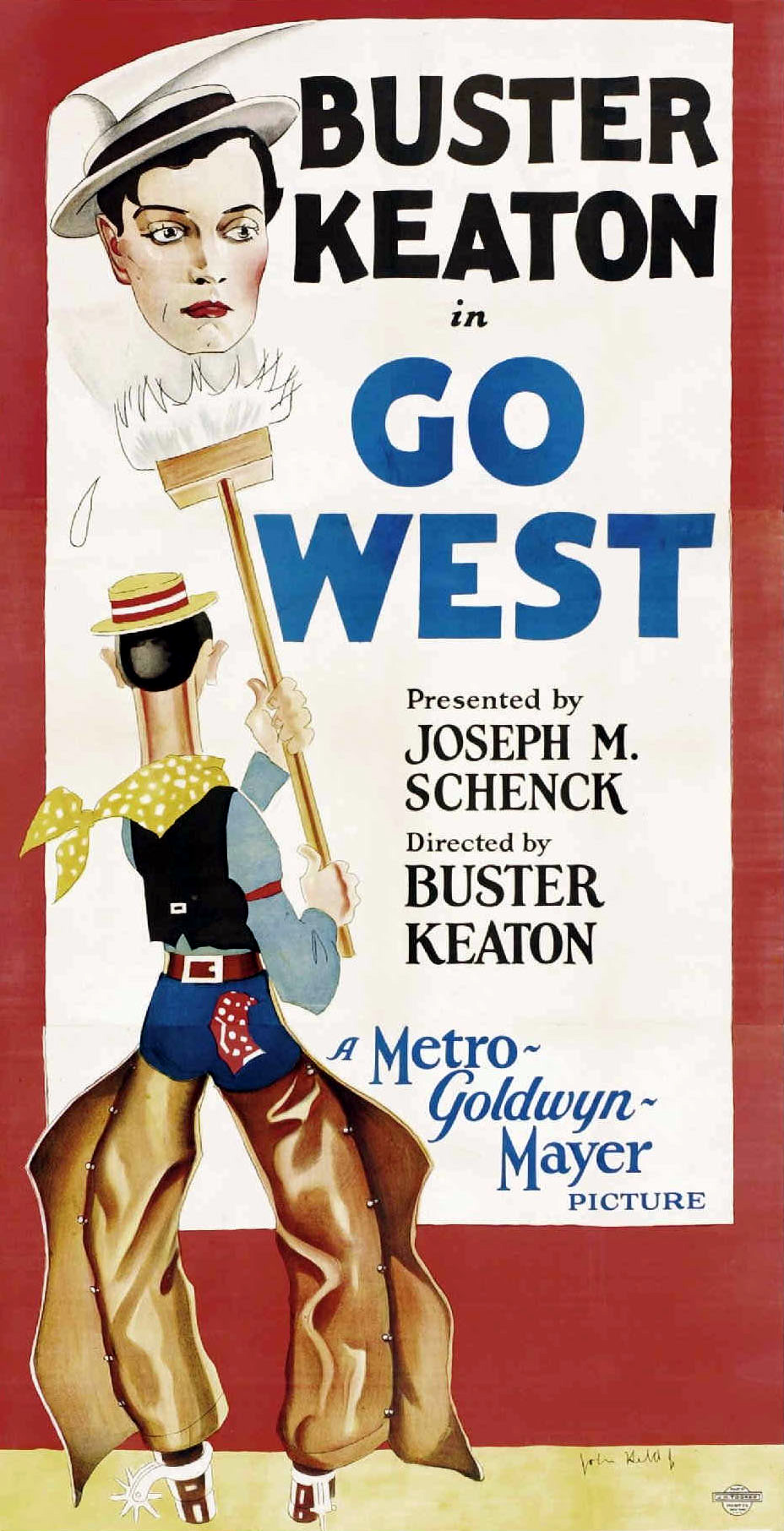
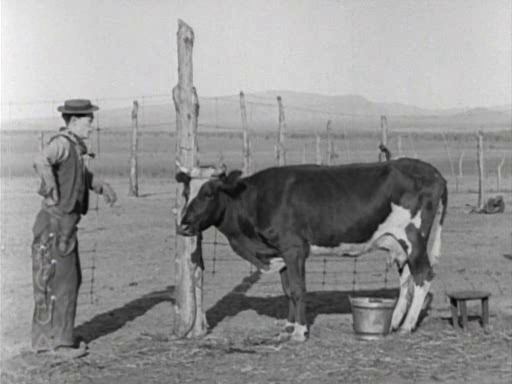
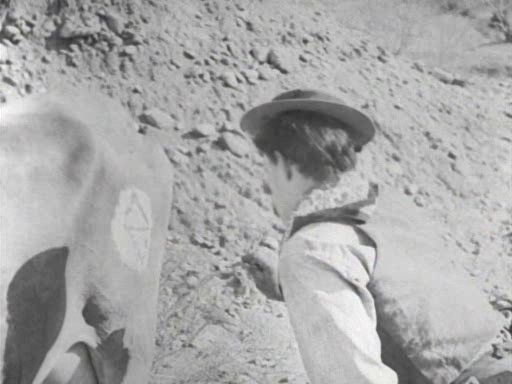
This surprisingly heartwarming tale of a gentle, hapless young man who becomes smitten with a cow (!) represents perhaps the most Zen-like qualities of Buster Keaton’s infamously stone-faced persona. At first we believe his “Friendless” is merely hopelessly naive and impractical, as he places a bucket underneath the udders of “Brown Eyes” and waits patiently for her milk to arrive. Soon, however, we begin to suspect a slightly different tendency at play: when collecting eggs, for instance, he quietly stands aside to wait for a hen to lay her final product; when tasked by a couple of prankster ranchhands with bull-herding some cattle into a pen, he does so elegantly and efficiently; later, when he realizes that a misplaced train full of cattle needs to be brought to the L.A. stockyards, he simply lets the cattle loose and anticipates they will follow him. (Do they? I’ll leave that spoiler for you to discover yourself.) Though this amiable comedy may not be among Keaton’s finest work, it’s an enjoyable outing while it lasts, and is recommended for one-time viewing.

Note: It’s impossible to ignore how eerily reminiscent the final scenes in Go West are with the central sight gag in Seven Chances (1925) — released earlier that same year — in which Keaton’s hapless protagonist is followed by a “herd” of would-be brides.

Redeeming Qualities and Moments:

  • A surprisingly heartwarming premise

  • Amusingly surreal imagery in the final third

Must See?
No, but it’s recommended, and certainly a must for Keaton fans.

Links:

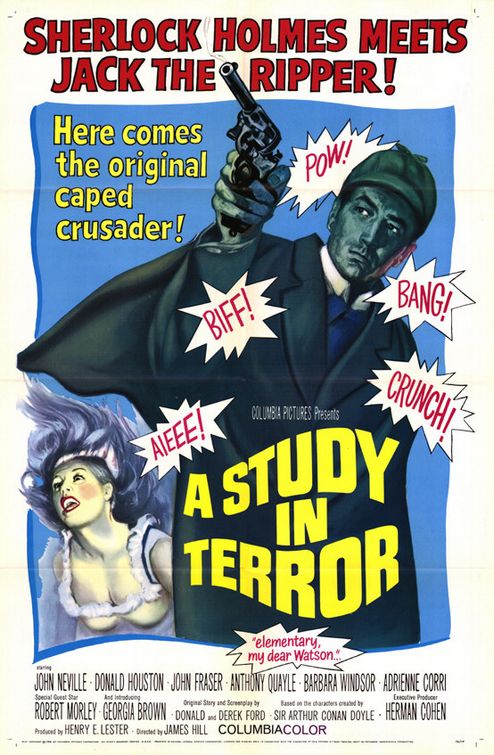
Study in Terror, A (1965)

Study in Terror, A (1965)

“These are apparently motiveless murders by a deranged mind. Where there is no motive, there is no reason to stop!”

Synopsis:
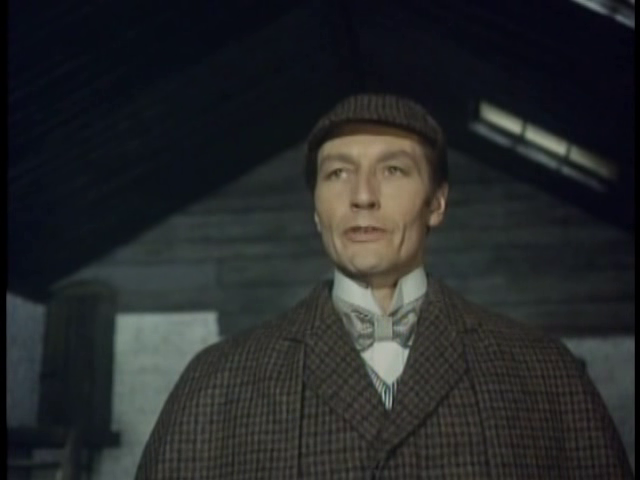
In Victorian London, Sherlock Holmes (John Neville) and Dr. Watson (Donald Houston) investigate a rash of murders committed by “Jack the Ripper”.

Genres, Themes, Actors, and Directors:

  • Anthony Quayle Films
  • Detectives and Private Eyes
  • Historical Drama
  • Jack the Ripper
  • Murder Mystery
  • Serial Killers
  • Sherlock Holmes Films

Review:
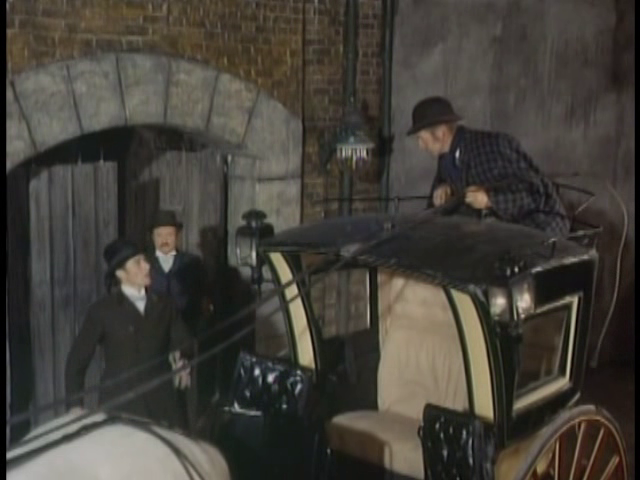
This mid-century Holmesian thriller is notable as the first film to show the literary icon tracking the notorious Victorian-era serial killer known as “Jack the Ripper”; Bob Clark’s Murder By Decree (1979) tackled the same subject. John Neville — perhaps best known for playing the title role in Terry Gilliam’s The Adventures of Baron Munchausen (1988) — does a fine job as Holmes, and the storyline itself remains engaging throughout; with that said, this one will primarily be of interest to Holmes fans, and isn’t must-see for all film fanatics. Keep your eyes out for Judi Dench (I’ll admit I didn’t recognize her) in a small but key supporting role — and be sure to read TCM’s article for the lowdown on a host of other recognizable cast members.

Redeeming Qualities and Moments:

  • John Neville as Sherlock Holmes
  • Fine period sets

Must See?
No, though it’s worth a look for Neville’s fine central performance as Holmes.

Links:

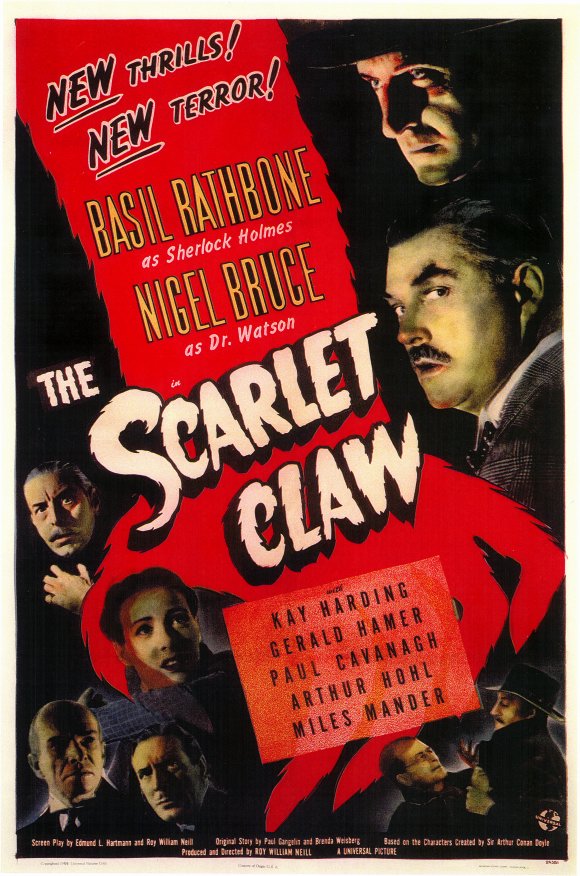
Scarlet Claw, The (1944)

Scarlet Claw, The (1944)

“According to your theory, Dr. Watson, everyone in the village is under suspicion!”

Synopsis:
When Sherlock Holmes (Basil Rathbone) and Dr. Watson (Nigel Bruce) receive a letter requesting assistance from a recently murdered woman, they travel to her hometown, where the villagers are convinced her death was caused by a legendary monster.

Genres, Themes, Actors, and Directors:

  • Basil Rathbone Films
  • Detectives and Private Eyes
  • Horror Films
  • Murder Mystery
  • Sherlock Holmes Films

Review:
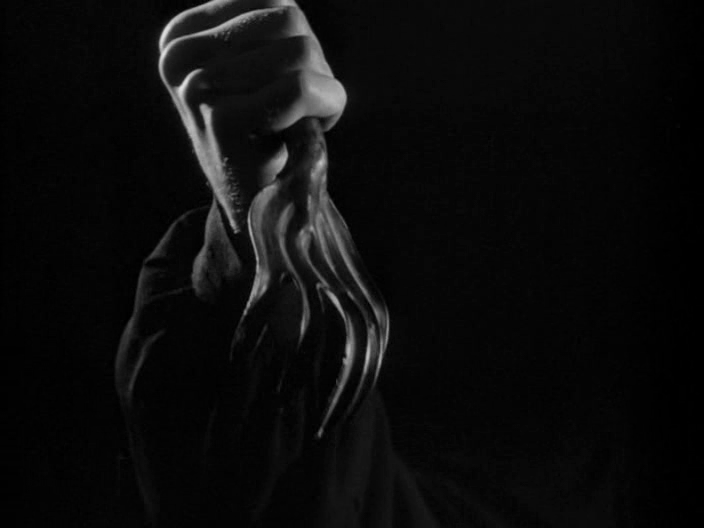
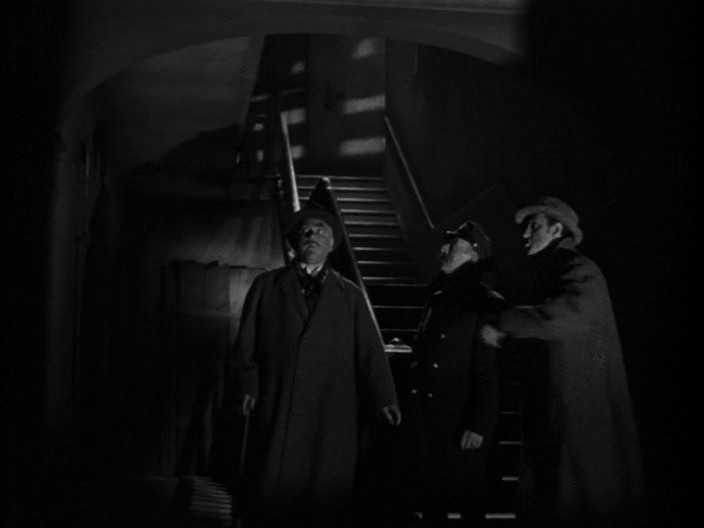
This eighth entry in the fourteen-film series of Basil Rathbone/Nigel Bruce Holmes flicks (most made for Universal Studios) is generally considered to be the best of the bunch, and it does indeed pack plenty of atmospheric punch. Only the first two films in the series were set in Doyle’s original Victorian-era London; this and others were updated to the 1940s. With that said, the setting and overall ambiance of The Scarlet Claw — which takes place in Quebecois-Canada — come across as rather timeless; meanwhile, the film itself is reminiscent of The Hound of the Baskervilles in its presentation of a mysterious fiend bounding across mist-shrouded moors. What’s most interesting about The Scarlet Claw (based on an original story) is its decidedly horror-tinged flavor, with one murder scene in particular wonderfully predating Psycho (1960). Watch for some truly startling special effects by John P. Fulton, known for his excellent work on The Mummy (1932), The Invisible Man (1933), Bride of Frankenstein (1935), The Ten Commandments (1957), and Vertigo (1958), among other titles.

Redeeming Qualities and Moments:

  • Some genuinely creepy, horror-infused moments
  • Atmospheric cinematography and sets
  • John P. Fulton’s special effects

Must See?
No, though it’s certainly recommended. Listed as a Personal Recommendation in the back of Peary’s book.

Links:

Hearts of the World (1918)

Hearts of the World (1918)

“The Allies with fire and flame and souls of men win back inch by inch the sacred soil of France, righting her wrongs.”

Synopsis:
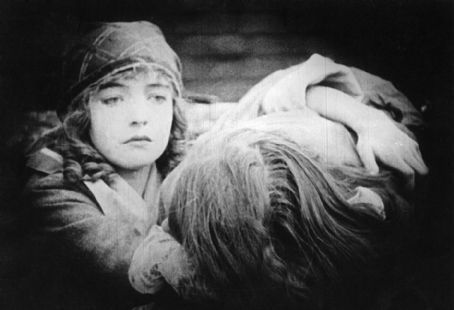
An American girl (Lillian Gish) living in France falls in love with the American boy (Robert Harron) living next door; but before they can marry, he goes off to fight against the Germans in World War I.

Genres, Themes, Actors, and Directors:

  • D.W. Griffith Films
  • Lillian Gish Films
  • Romance
  • Silent Films
  • World War I

Review:
D.W. Griffith’s follow-up to Intolerance (1916) was this patently propagandist wartime melodrama, designed to encourage Americans to assist the British in fighting the Great War (though by the time the film was released, Americans were already squarely involved). The story itself is little more than a crutch upon which Griffith hangs his admittedly impressive footage of battles and the wartime havoc wreaked upon nearby villagers — but viewers will likely find themselves struggling to stay engaged overall. A minor subplot involving a vamp (Dorothy Gish) who tries to steal the affections of Lillian Gish’s betrothed doesn’t really go anywhere; the bulk of the film is concerned with following Harron as he struggles to survive a near-fatal skirmish, then goes undercover as a spy, while Lillian pines for her presumed-dead lover and must defend her virtue against Evil Germans. Check out TCM’s article to read more on the inception and production of this film, which is worth a look for historical purposes but not all-around must-see viewing.

Redeeming Qualities and Moments:

  • A powerful early depiction of the ravages of World War I

Must See?
No; this one is only must-see for Griffith completists.

Links:

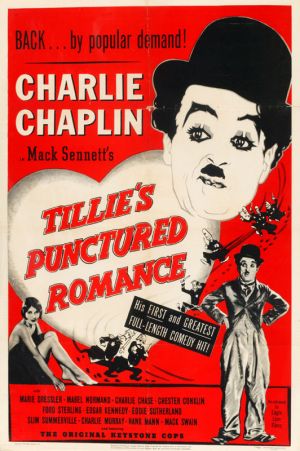
Tillie’s Punctured Romance (1914)

Tillie’s Punctured Romance (1914)

“The death of Mr. Banks leaves his niece Tillie the sole heir.”

Synopsis:
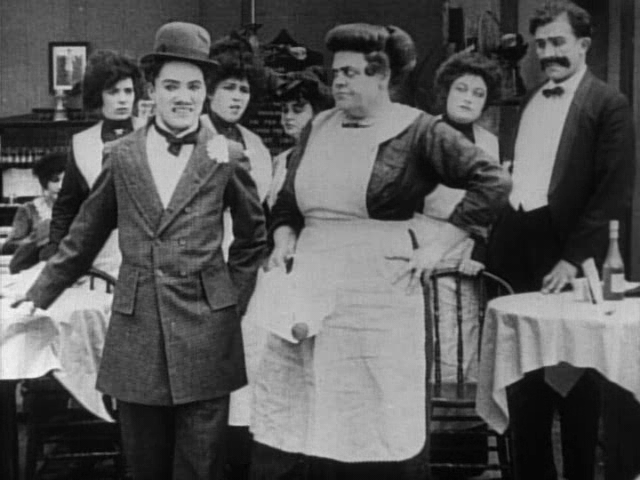
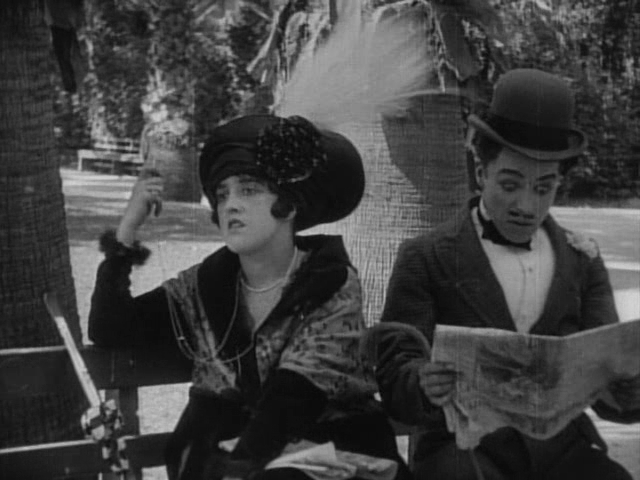
A con-artist (Charlie Chaplin) convinces a farmer’s daughter (Marie Dressler) to elope with him to the city after stealing her father’s stash of money. Once there, he quickly takes up with his former flame (Mabel Normand), but shifts his allegiances once again when he hears that Tillie (Dressler) has inherited a million dollars from her deceased uncle.

Genres, Themes, Actors, and Directors:

  • Charlie Chaplin Films
  • Comedy
  • Con-Artists
  • Inheritance
  • Marie Dressler Films

Review:
Directed by Mack Sennett, this early Charlie Chaplin/Marie Dressler vehicle is notable as the first feature-length comedy film, and as such will be of at least passing interest to film fanatics. Unfortunately, the movie itself is little more than an extended slapstick scenario, with Chaplin’s “Little Punk” doing whatever it takes to milk poor Dressler of her familial funds, overweight Dressler mugging like crazy for the camera, and Mabel Normand having fun playing Chaplin’s no-good sidekick (watch for an interesting scene in which she and Chaplin watch a silent film about cons like themselves). Given that Peary doesn’t list short films in his book, it’s a bonus as well to see the Keystone Kops showing up near the end of the story; regardless of how much one actually enjoys their antics, film fanatics should at least be familiar with their schtick.

Redeeming Qualities and Moments:

  • An early glimpse at several silent screen icons

Must See?
Yes, but simply for its historical importance as the first feature-length comedy. Available for free viewing at www.archive.org.

Categories

Links:

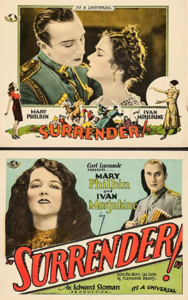
Surrender (1927)

Surrender (1927)

“You seemed to like me when I wore a peasant’s garb. Is it my uniform that makes a difference?”

Synopsis:
The daughter (Mary Philbin) of a rabbi (Nigel De Brulier) is torn between her attraction to a Russian Cossack (Ivan Mozzhukhin) and her revulsion towards him once he invades her village.

Genres, Themes, Actors, and Directors:

  • Jews
  • Play Adaptation
  • Silent Films

Review:
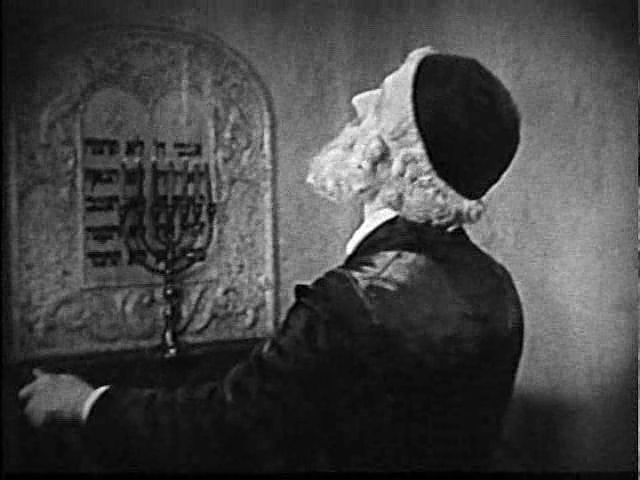
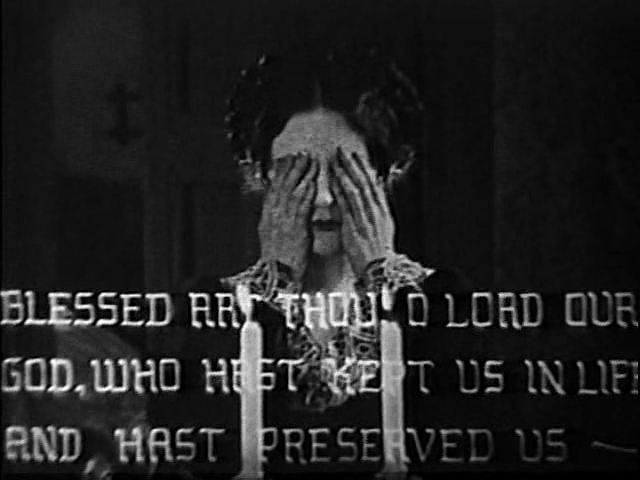
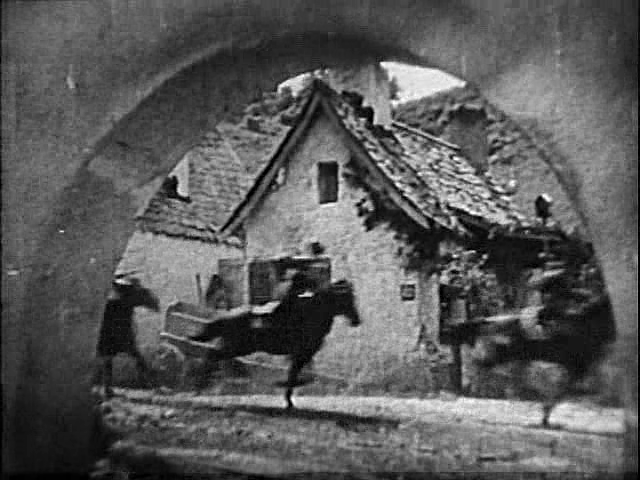
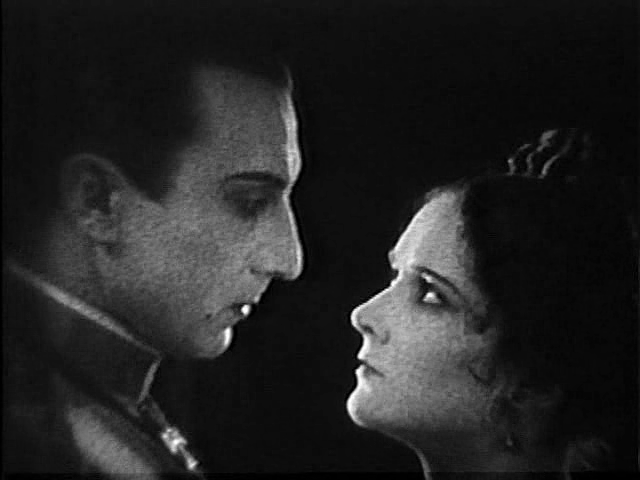
Based on a 1915 Hungarian play by Alexander Brody, this obscure movie by silent film director Edward Sloman remains one of the few early Hollywood portrayals of European Jewish village life, and as such will be of minor interest to film fanatics; unfortunately, however, the storyline itself leaves much to be desired. It tells the tragic tale of an arrogant but handsome Cossack (Mozzhukhin) who meets a beautiful Jewish girl (Philbin) in a meadow one day, flirts with her, and quarrels with her protective father (De Brulier). Upon leading an invasion of Philbin’s village, Mozzhukhin spies De Brulier (who has hidden Philbin in the sacred cabinet where his Torah is kept) and the two quickly enter into a battle of wills. When Mozzhukhin asserts that Philbin’s affections will be the price for not only the life of her fiancee (Otto Matieson) but her entire village, we wonder what kind of choice she will make — but the denouement eventually devolves into a completely unrealistic situation between Mozzhukhin and Philbin, and the film’s coda is even less convincingly handled. Nonetheless, this one does remain worth a look simply for its fascinating glimpse at life for early-20th-century European Jews.

Redeeming Qualities and Moments:

  • An interesting and respectful look at traditional Jewish village life

  • Fine cinematography

Must See?
No, though it’s worth a look if you’re curious. Listed as a Sleeper in the back of Peary’s book.

Links:

Seven Chances (1925)

Seven Chances (1925)

“I don’t want the money; it has already cost me the only girl I ever loved.”

Synopsis:
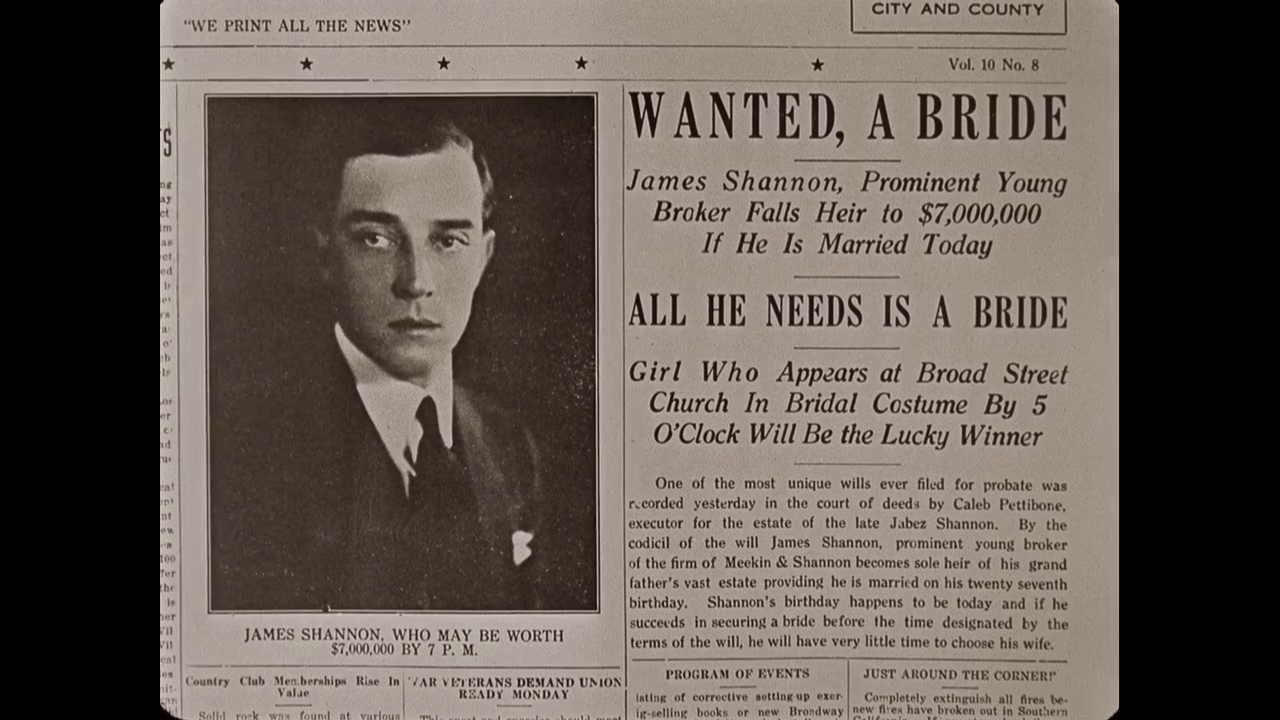
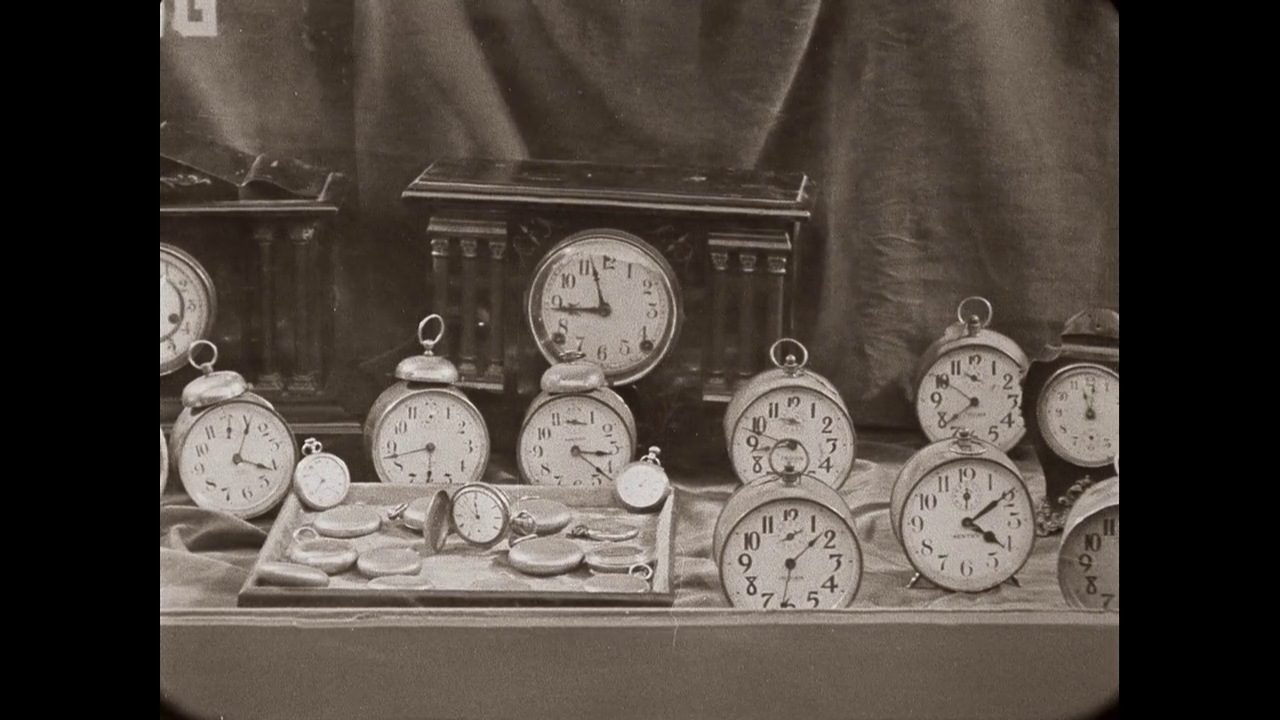
When a financially strapped young businessman (Buster Keaton) and his partner (T. Roy Barnes) learn from a solicitor (Snitz Edwards) that Keaton will inherit seven million dollars from his deceased relative if he marries that evening by 7:00, Keaton immediately proposes to his girlfriend (Ruth Dwyer), but accidentally offends her, and must search elsewhere for a bride when she turns him down.

Genres, Themes, Actors, and Directors:

  • Buster Keaton Films
  • Comedy
  • Inheritance
  • Silent Films

Review:
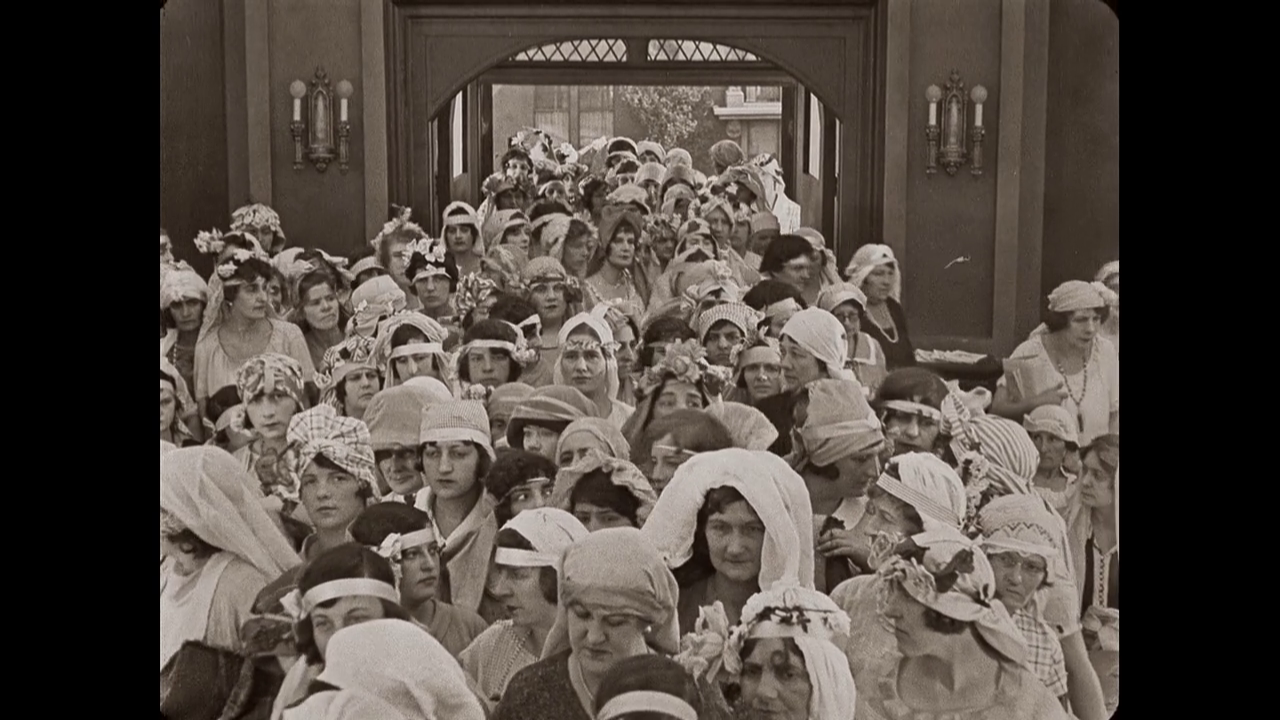
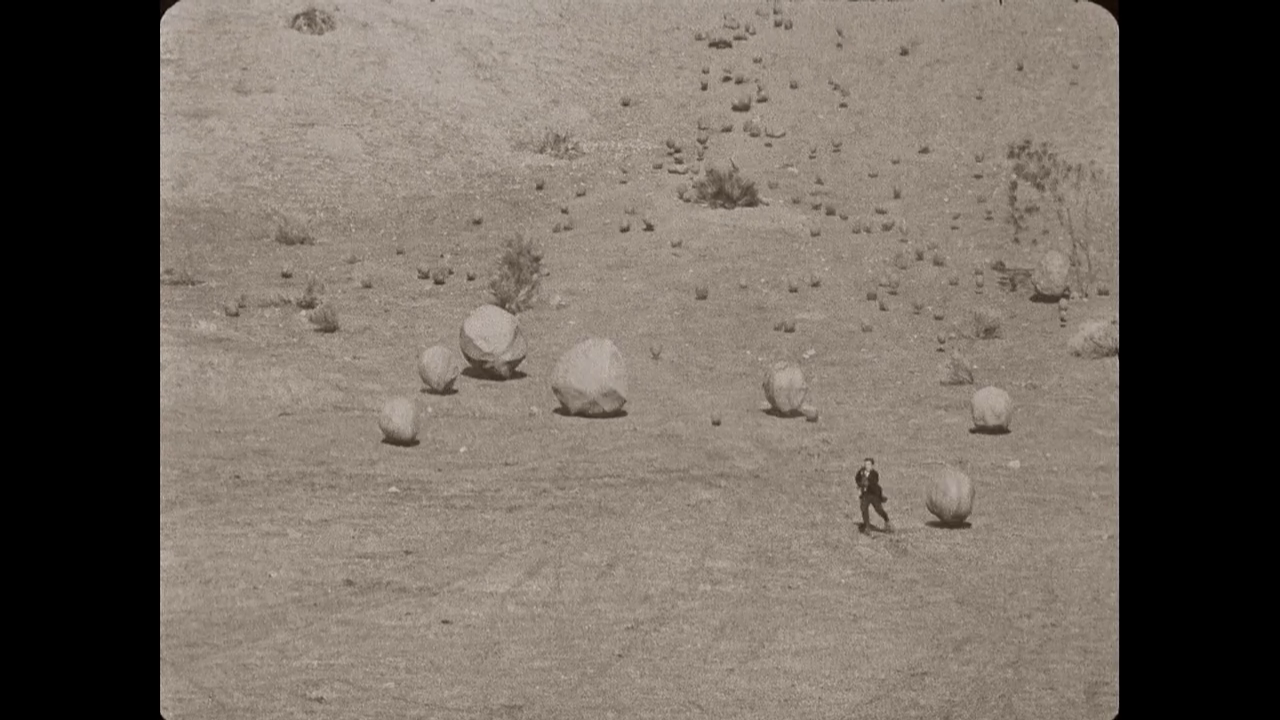
The premise of this Buster Keaton comedy is both inspired and infuriating, the latter due to the lead character’s frustrating passivity, as well an overall sense that the entire situation could have easily been handled in a much more “rational” manner (but then, of course, there would be no comedy). With that enormous caveat stated, however, I’ll concede that there’s much comedic brilliance here to enjoy: Keaton is at the top of his game visually, and the entire affair becomes increasingly surreal on every count (which is perhaps how the film should be viewed). The image of thousands of would-be brides descending on our hapless protagonist is one that will surely linger in your memory (especially if you begin to wonder about the life story behind each of those hard-worn faces…), and Keaton’s final race to make it back home to his beloved will have you scratching your head at the diversity of the geological path he takes.

Note: My reaction to this film reminds me of how I felt while watching Brewster’s Millions (1945), where the exhaustion of watching a financially-loaded time-bomb situation play out had me unexpectedly in knots.

Redeeming Qualities and Moments:

  • A clever (if mildly infuriating) premise

  • Some fine visual gags
  • The inspired “avalanche ending”

Must See?
No, though it’s strongly recommended for its final third. Listed as a film with Historical Importance and a Personal Recommendation in the back of Peary’s book.

(Listed in 1001 Movies You Must See Before You Die)

Links: