Browsed by
Category: Original Reviews

Responses to Peary’s “must see” movie reviews, as well as my own “must see” movie reviews up to and after 1986 (when Peary’s book was published).

Danton (1983)

Danton (1983)

“For the benefit of the country, we need to be wicked; we can’t afford to be just.”

Synopsis:
During the French Reign of Terror, Georges Danton (Gerard Depardieu) arrives in Paris to meet with his friend Maximillian Robespierre (Wojciech Pszoniak), but soon finds that his life is in danger.

Genres, Themes, Actors, and Directors:

  • Courtroom Drama
  • Falsely Accused
  • French Films
  • French Revolution
  • Historical Drama
  • Gerard Depardieu Films
  • Living Nightmare
  • Play Adaptation

Review:
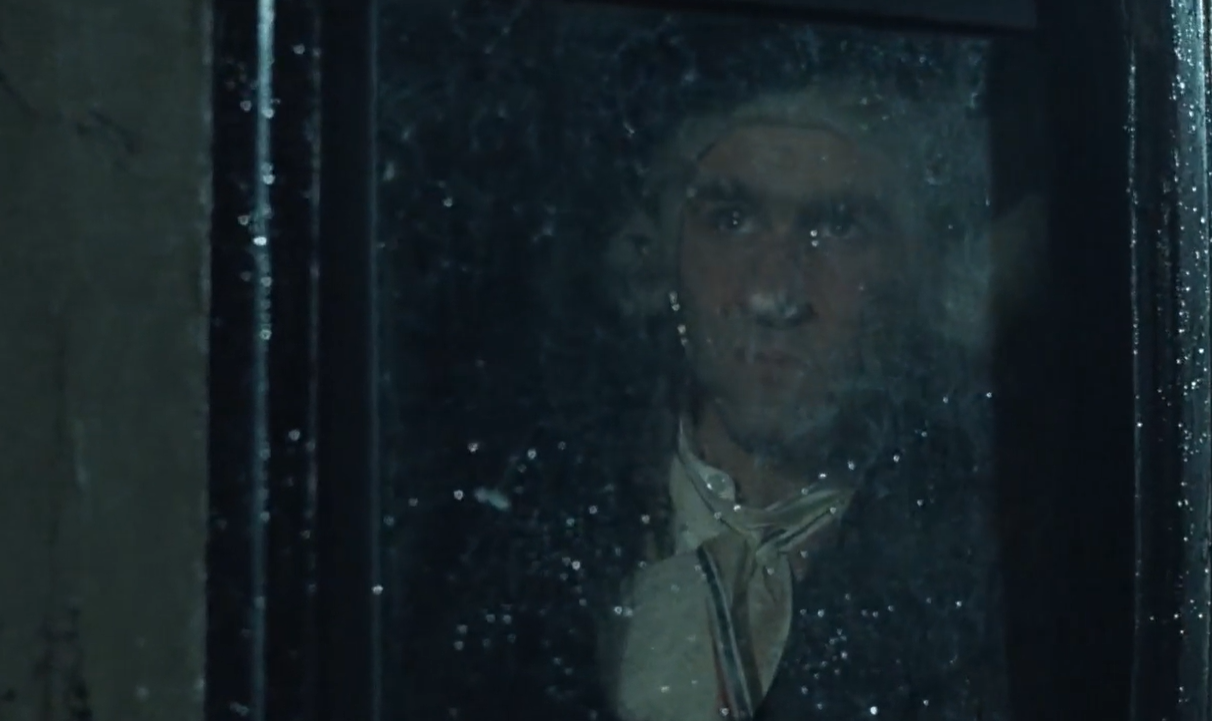
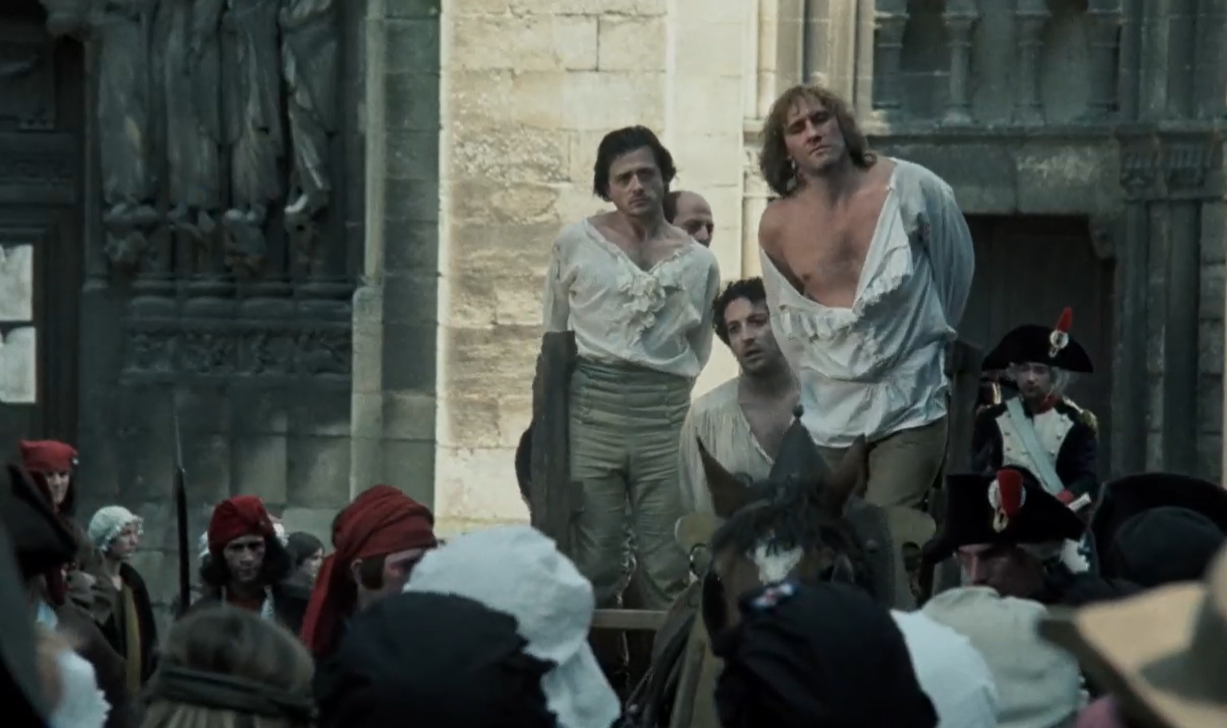
Andrzej Wajda directed this loose adaptation of Stanisława Przybyszewska’s 1929 play “The Danton Case,” focusing on the rivalry between two Revolutionary leaders: Maximillian Robespierre and Georges Danton. From the opening moments of the film — with Jean Prodromidès’s horror-inducing score prominently featured — we see Danton riding into a rainy, desperation-filled Paris:


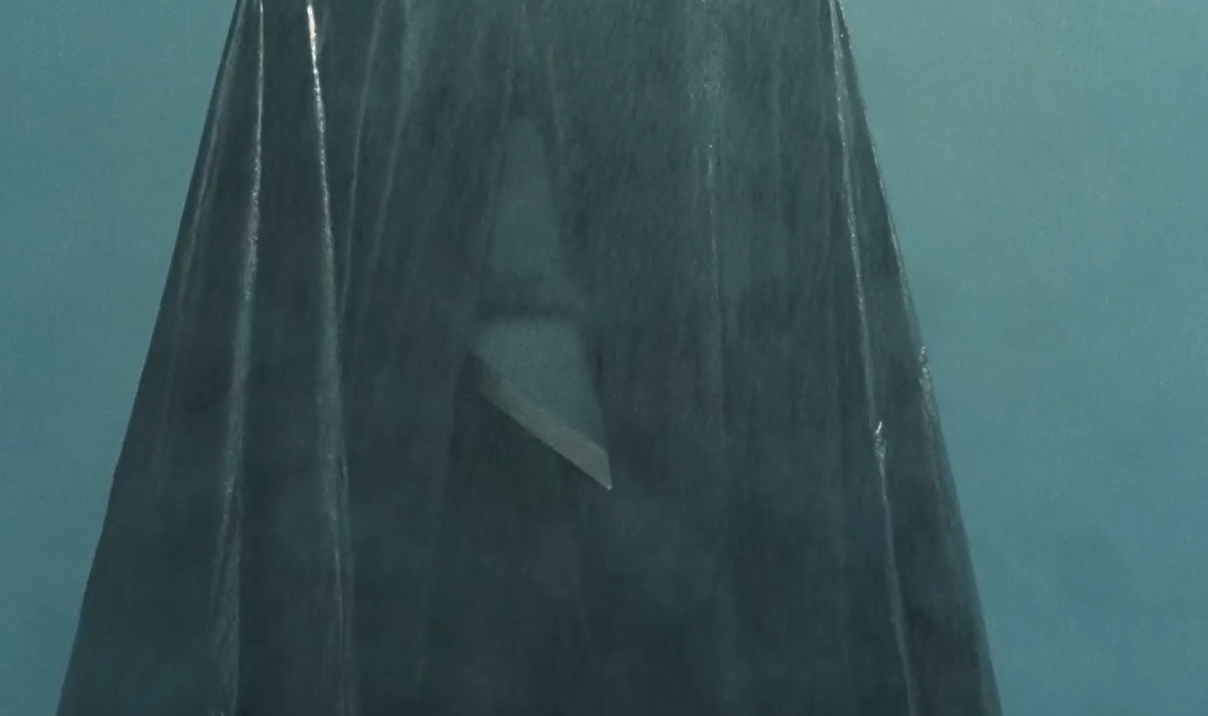
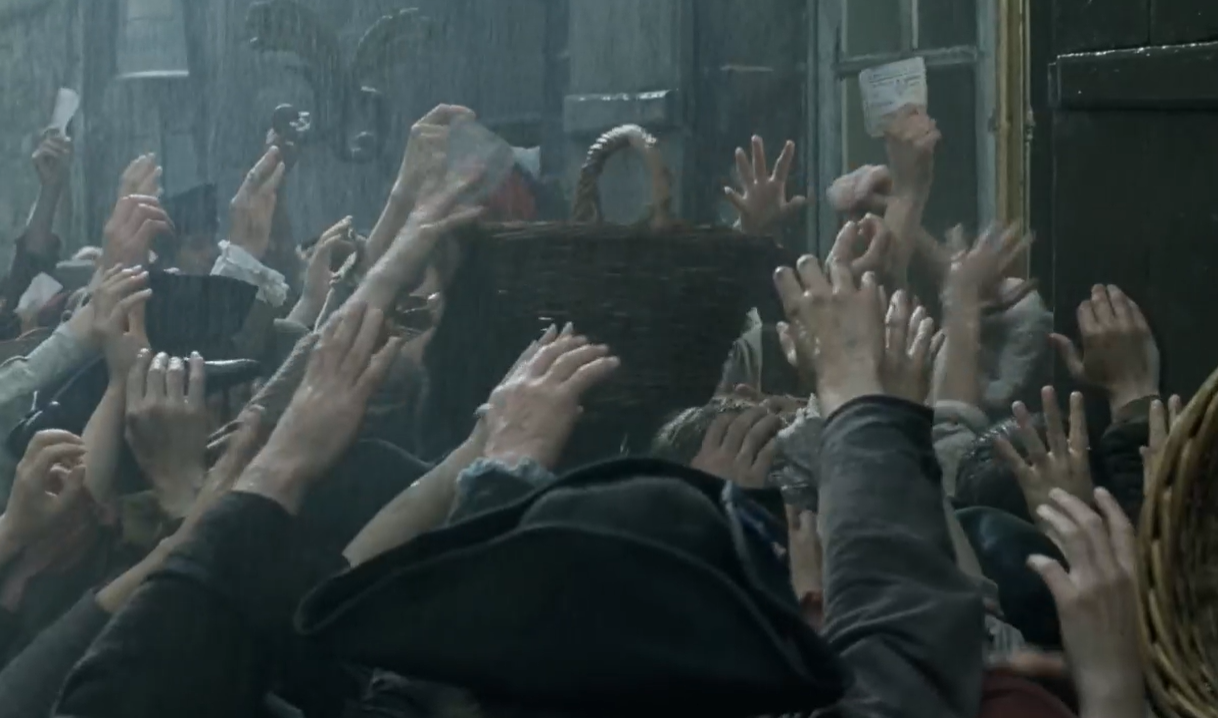
… and know things are headed for nowhere good (sorry, I had to get that pun out of the way right away). Absolutely nothing is sugar-coated here — not the despair of the starving peasants:

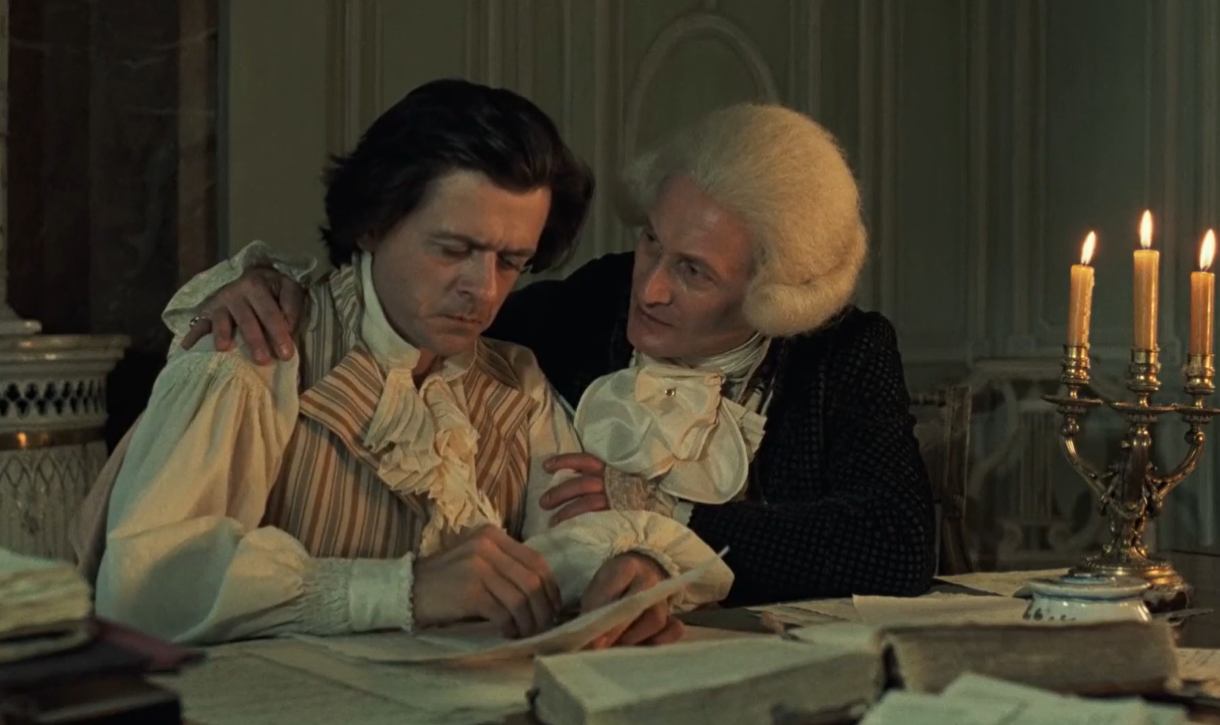
… nor the compromises required of those like print-shop owner Camille Desmoulins (Patrice Chéreau) who must choose between loyalty to their cause and the safety of their family:

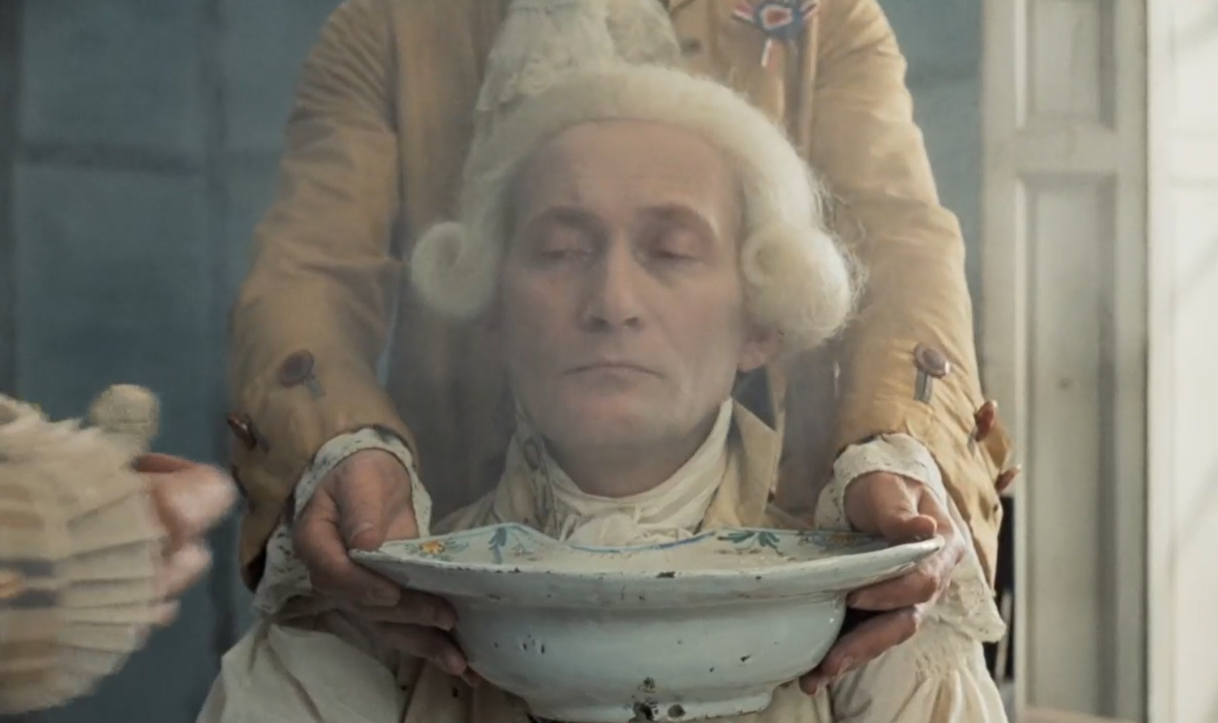
… nor the intensity of the rampant paranoia that has inevitably cropped up in the midst of such a bloody historical transition. When we first meet Robespierre, we see that he is weak and living a relatively austere life, but willing and ready to get dressed up for his very-serious work as the architect of the Reign of Terror.

He is at first reluctant to order the execution of Danton, given that he’s seen as a hero by many; the primary plot elements for the remainder of the film center on who is involved in which potential coup against who, and which faction will act first. Because this is an historical drama, we know how things will end — which doesn’t make it any less grueling to see such mass violence, betrayal, and corruption of power playing out. Indeed, it’s hard not to despair while watching this movie — which speaks to its enduring power.

Note: Interestingly, all actors in this international co-production who played supporters of Danton were French, while those in support of Robespierre were Polish — an unsubtle choice that did not go unnoticed. According to the IMDb’s trivia section:

At the time, Poland’s Solidarity movement was very popular in France and, with the film being directed by a Polish director, Andrzej Wajda, everything seemed right for the film to be a hit. There are elements in the film that seemed to draw an analogy between the French Revolution and Solidarity’s fight against Communism. However, the Government had swung to the right by the time the film was released in January 1983. The harsh, icy portrayal of Robespierre was considered particularly objectionable and the attitude was that Wajda had denigrated the French Revolution by misrepresenting its icons.

Notable Performances, Qualities, and Moments:

  • Wojciech Pszoniak as Robespierre
  • Gerard Depardieu as Danton
  • Fine period detail and cinematography
  • Jean Prodromidès’s score

Must See?
Yes, as a creepily effective historical nightmare-drama.

Links:

King Lear (1970)

King Lear (1970)

“Nothing will come of nothing; speak again.”

Synopsis:
When an aging king (Paul Scofield) attempts to divide his kingdom amongst his three daughters — Goneril (Irene Worth), Regan (Susan Engel), and Cordelia (Anne-Lise Gabold) — based on their purported love for him, he quickly discovers that their loyalties are not what he expected; meanwhile, his friend the Duke of Gloucester (Alan Webb) experiences filial issues of his own, as his “bastard” son Edmund (Ian Hogg) seeks vengeance against his half-brother Edgar (Robert Lloyd).

Genres, Themes, Actors, and Directors:

  • Family Problems
  • Grown Children
  • Inheritance
  • Paul Scofield Films
  • Peter Brook Films
  • Royalty and Nobility
  • Shakespeare

Review:
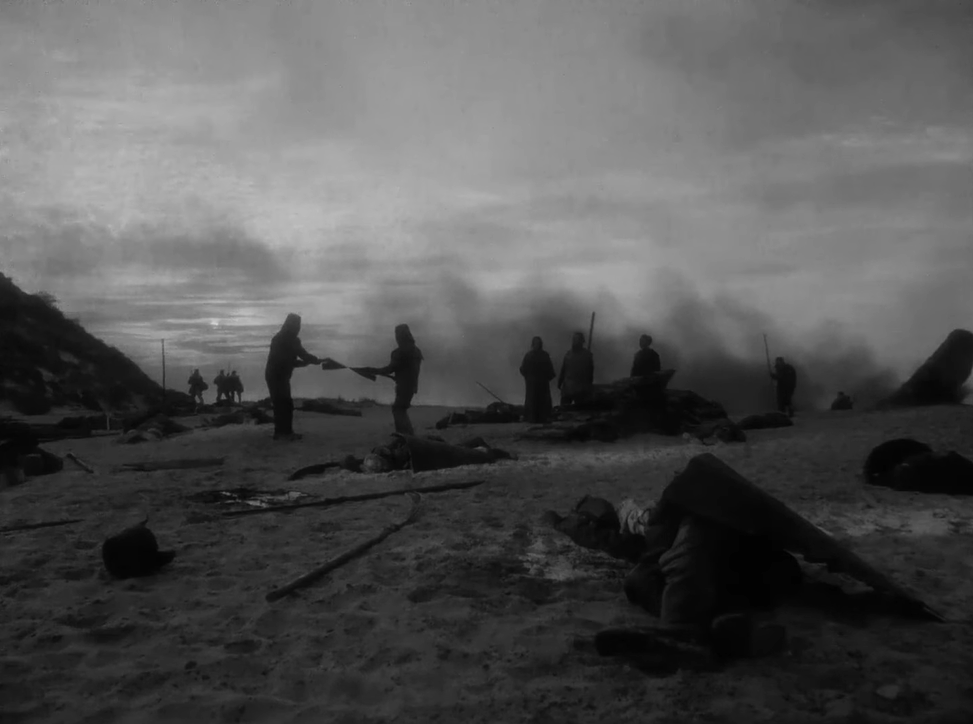
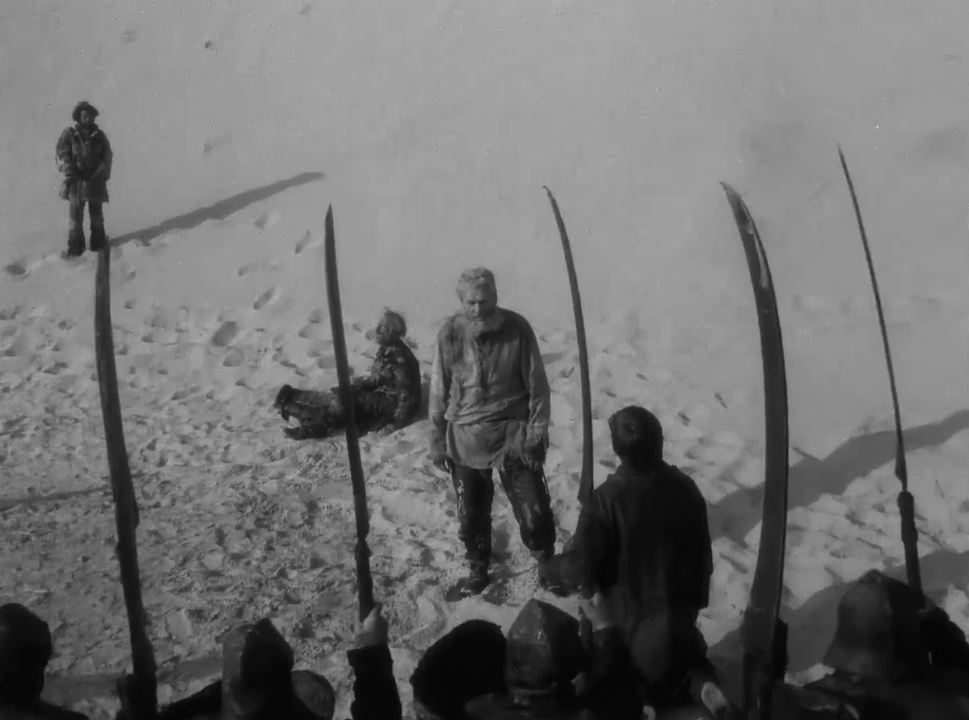
Peter Brook adapted his acclaimed 1962 Royal Shakespeare Theatre production of King Lear into this b&w cinematic rendition, once again starring Scofield in the title role, Worth as Goneril, Webb as Gloucester, and Tom Fleming as the Earl of Kent. Set in a bleak Danish landscape (it was partially filmed in the peninsula of Jutland and the sand dune of Råbjerg Mile), it’s highly atmospheric:

… but challenging to follow if you’re not already familiar with the complex storyline and its players (which involves not just King Lear and his daughters and their romantic interests, but the parallel story with Gloucester and his sons).

Indeed, as I started watching, I took plenty of pauses to refresh my own memory (it’s been many years since I read this play), and was pleased to stumble upon Good Tickle Brain’s stick figure overview, which clarified everything — including how many scenes and tidbits were (likely by necessity) cut.

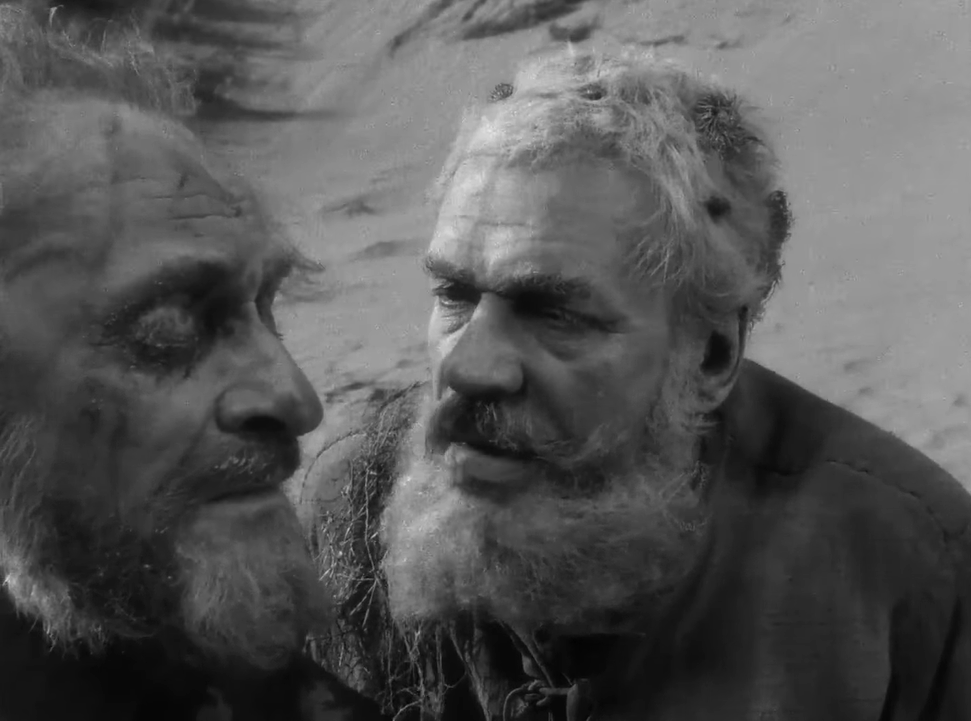
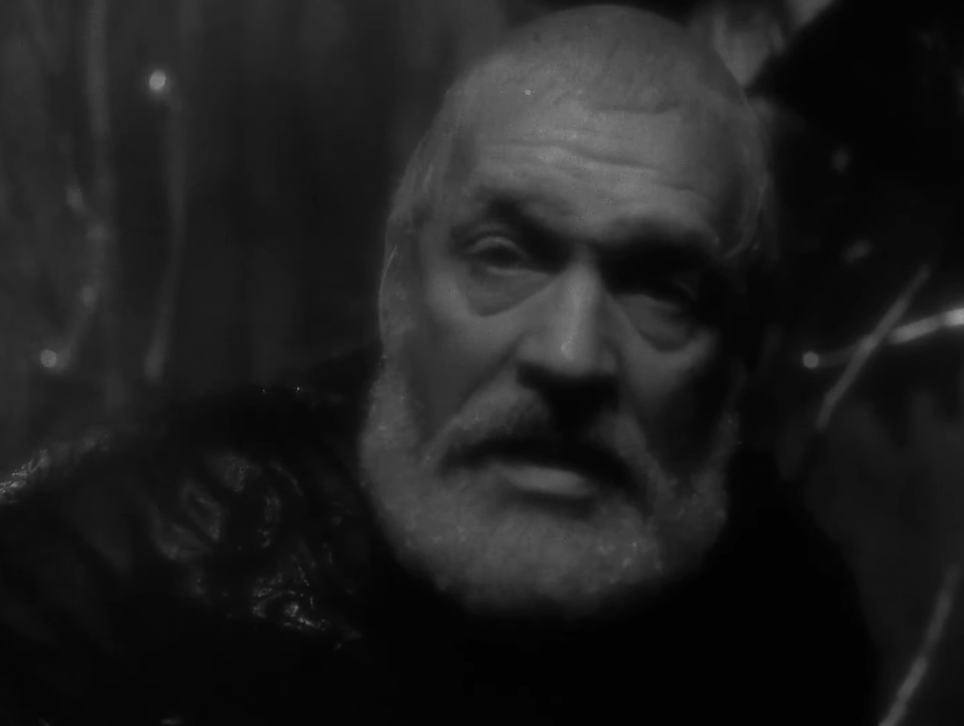
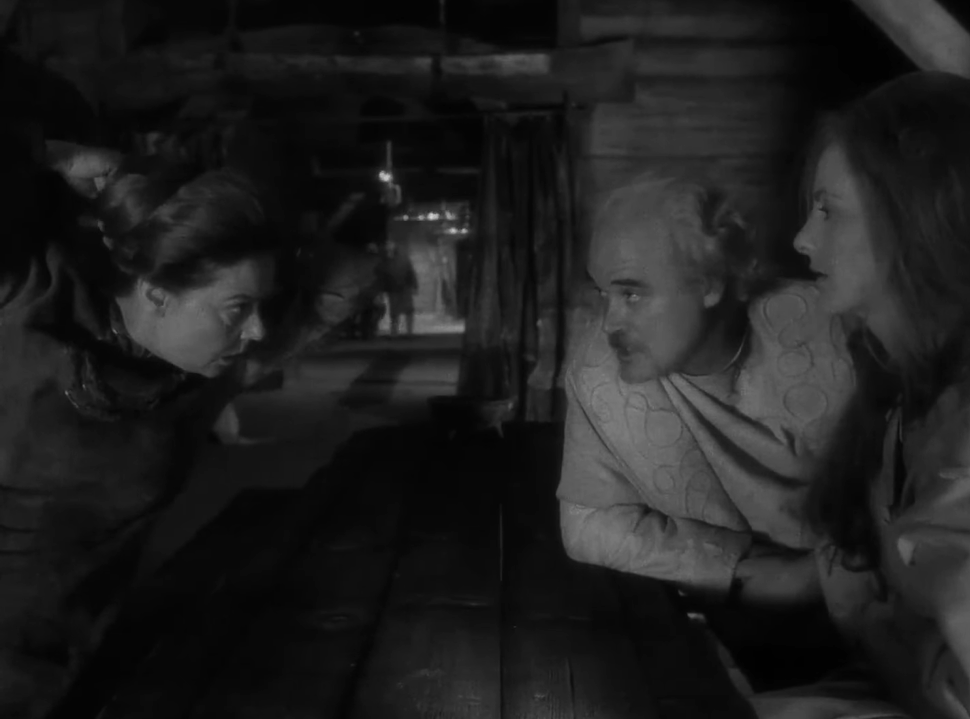
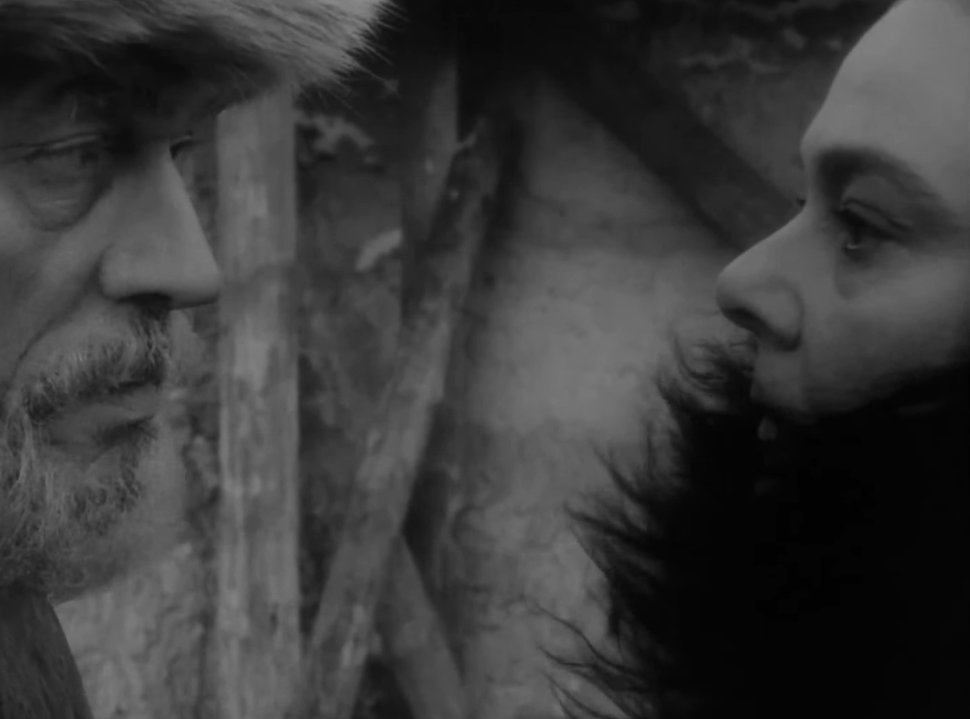
With that said, Scofield and the rest of the cast are all appropriately brooding for such a brutal tragedy:

… in which (thank you again, Good Tickle Brain) the ultimate dead count is 10 out of 12, on top of a hideous eye-gouging. (“Out, vile jelly! Where is thy luster now?”) With all that said, I’m a fan of Brook’s cinematic style and was visually engaged throughout — so those interested in his work, or Scofield, will certainly want to check it out.

Notable Performances, Qualities, and Moments:

  • Paul Scofield as King Lear
  • Fine performances by the supporting cast
  • Atmospheric direction and cinematography

Must See?
No, but it’s recommended. Listed as a film with Historical Importance in the back of Peary’s book.

Links:

Marat / Sade (1967)

Marat / Sade (1967)

“We’re all normal and want our freedom!”

Synopsis:
In a French mental asylum, the Marquis de Sade (Patrick Magee) stages a production of events that happened 15 years earlier: Charlotte Corday (Glenda Jackson) attempts to assassinate Revolutionary hero Jean-Paul Marat (Ian Richardson) while he’s taking a bath.

Genres, Themes, Actors, and Directors:

  • Assassination
  • French Revolution
  • Glenda Jackson Films
  • Mental Illness
  • Peter Brook Films
  • Play Adaptations

Review:
Formally titled The Persecution and Assassination of Jean-Paul Marat as Performed by the Inmates of the Asylum of Charenton Under the Direction of the Marquis de Sade, this adaptation of Peter Weiss’s 1963 play (originally in German) was directed by Peter Brook, who also directed the three leads in the Tony-winning Broadway production. It’s most definitely a literate movie — meaning, those who understand the multiple layers behind its historical play-within-a-play will best appreciate it — but it actually stays remarkably engaging and visually arresting given that it takes place exclusively within one setting: an asylum.

Richardson is appropriately haunting as a man who spent the majority of his final three years soaking in a tub to deal with a debilitating skin disease:

… while Magee — perhaps best recognized by film fanatics for his supporting role in A Clockwork Orange (1971) — manages to convey de Sade’s intensity and perversion without hysteria:

… and Jackson shows her star potential in a crucial, tricky role. While this film is most certainly not for all tastes, it’s well worth viewing — particularly given Brook’s relatively small overall cinematic output.

Notable Performances, Qualities, and Moments:

  • Glenda Jackson as Charlotte Corday
  • Patrick Magee as the Marquis de Sade
  • Ian Richardson as Jean-Paul Marat
  • David Watkin’s cinematography


Must See?
Yes, as a unique adaptation of a most unique play. Listed as a film with Historical Relevance and a Personal Recommendation in the back of Peary’s book.

Categories

  • Historically Relevant

Links:

Negatives (1968)

Negatives (1968)

“You’re as perverted as she is.”

Synopsis:
When a meek antiques shop owner (Peter McEnery) and his shrewish wife (Glenda Jackson) meet a bold German photographer (Diane Cilento), their odd marriage gets even stranger.

Genres, Themes, Actors, and Directors:

  • Glenda Jackson Films
  • Love Triangle
  • Marital Problems
  • S&M

Review:
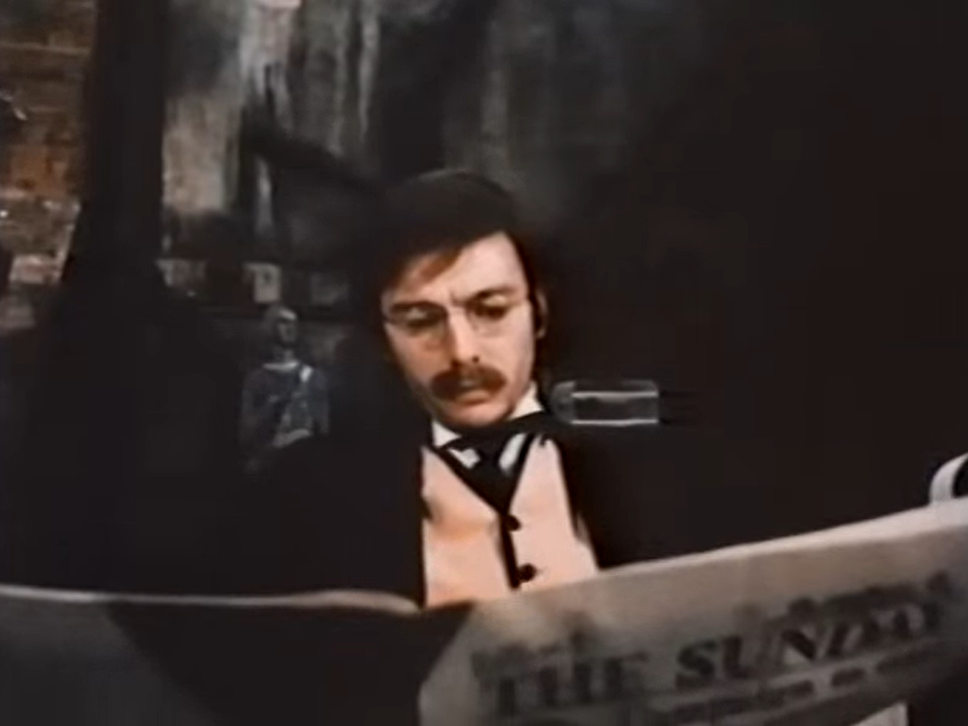
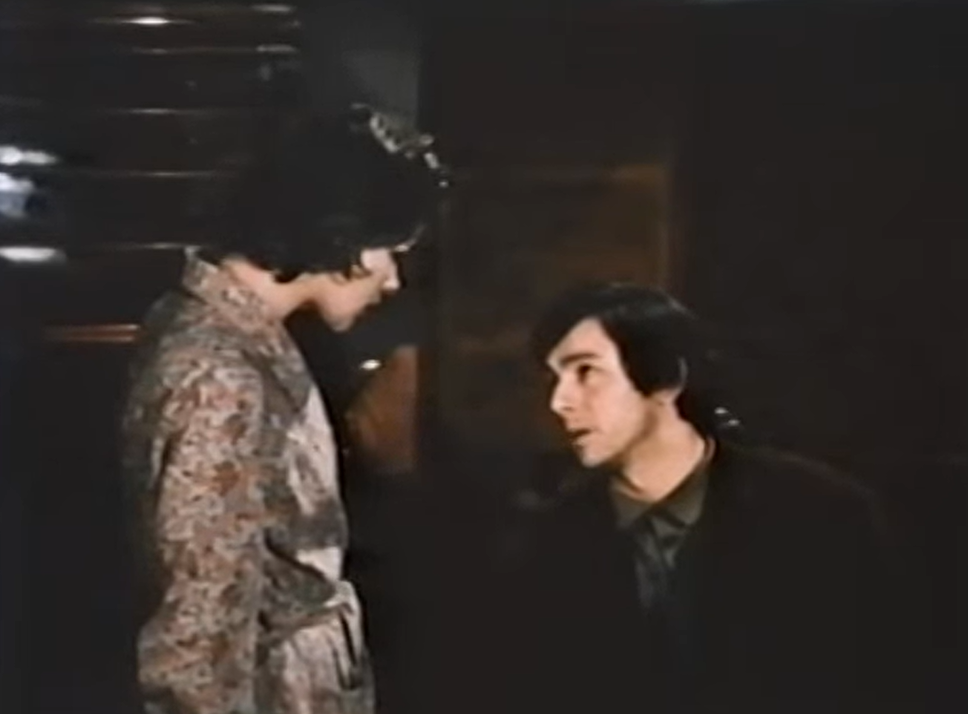
Just before her breakthrough role in Women in Love (1969), Glenda Jackson co-starred in this directorial debut by Peter Medak, an odd marital thriller based on a 1961 novel by Peter Everett. Jackson’s screen-husband (McEnery) is likely most recognizable to GFTFF fans as the titular character in Entertaining Mr. Sloane (1970), while odd Cilento is best known for her Oscar-nominated supporting performance in Tom Jones (1963), as a boarding house manager in Hombre (1967), and as a librarian in The Wicker Man (1973). From the opening scenes, we can tell that Jackson and McEnery’s marriage is a decidedly unusual one: he dresses up as the Edwardian wife-killer Hawley Harvey Crippen (who I’ll admit to not having heard of before):

… though it turns out his wife is really the driving force behind this kink.

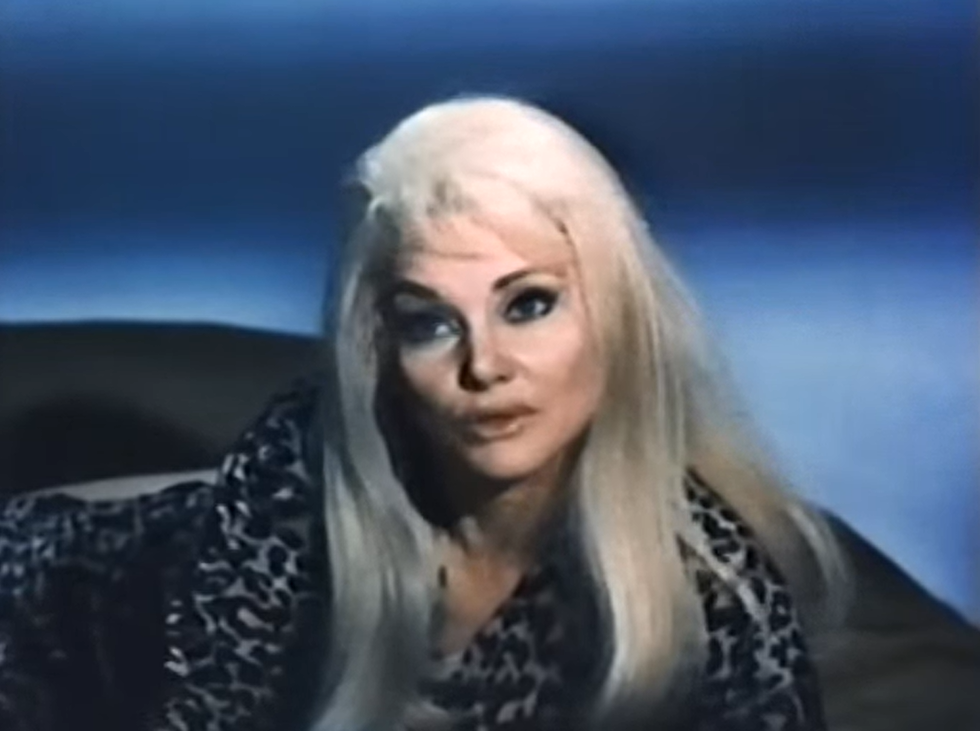
Suddenly another woman (Cilento) comes into the picture, seemingly as a sexual distraction for McEnery:

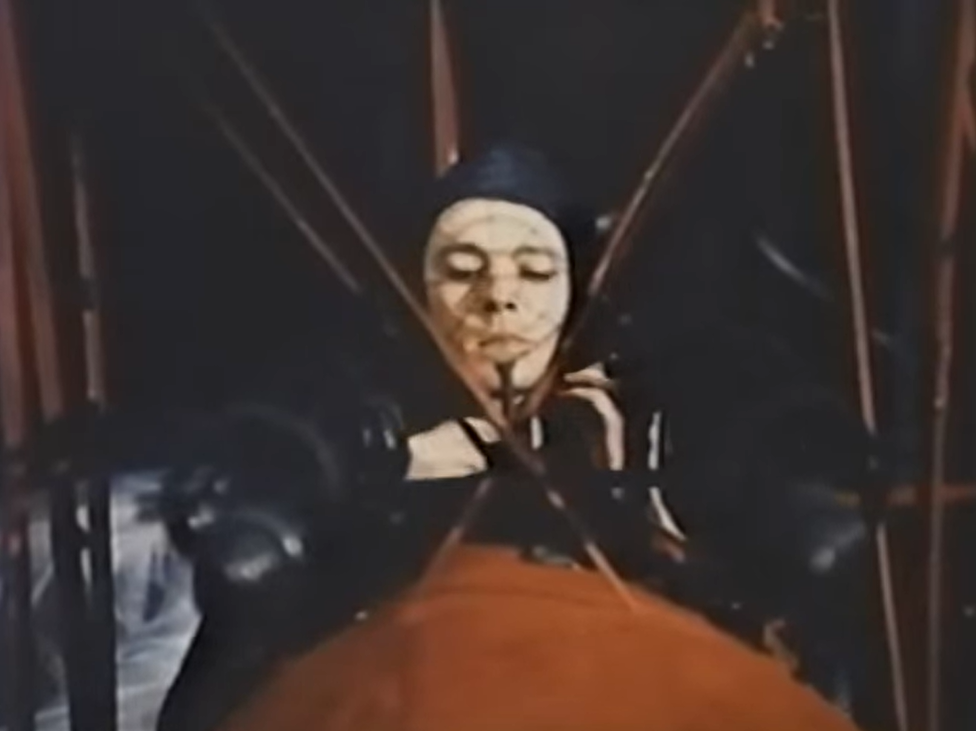
… though that’s ultimately debatable, as are most of the twists and turns along the way. By the times get undeniably weird:

… we’ve almost stopped wondering what logic lies behind any of it. To the film’s credit, it held my attention throughout — but that doesn’t necessarily mean it coheres.

Notable Performances, Qualities, and Moments:

  • Ken Hodges’ cinematography

Must See?
No, but it’s worth a one-time look if you’re curious. Listed as a Cult Movie in the back of Peary’s book.

Links:

Custer of the West (1967)

Custer of the West (1967)

“Dead men make better legends.”

Synopsis:
After the end of the Civil War, General Sheridan (Lawrence Tierney) sends General Custer (Robert Shaw) to take over the Western Cavalary, where he eventually becomes involved in a fight-to-the-death against Indian warrior Dull Knife (Kieron Moore).

Genres, Themes, Actors, and Directors:

  • Biopics
  • Historical Drama
  • Lawrence Tierney Films
  • Military
  • Native Americans
  • Robert Ryan Films
  • Robert Shaw Films
  • Robert Siodmak Films
  • Westerns

Review:
Robert Siodmak directed and Philip Yordan produced this highly fictionalized western — shot entirely in Spain on 70mm film, with British actor Shaw in the lead — about General George Armstrong Custer.

Unfortunately, Shaw can’t seem to keep his accent under control; it’s distracting hearing him shift in and out of sounding reasonably American. Even worse, most of the storyline is a mess: we don’t really get a sense of who Custer was (from this cinematic depiction) other than that he was a teetotaler (until suddenly he… wasn’t?), a commander with no compunction about driving his soldiers to the ground from exhaustion:

… and generally disliked by his top men, Major Marcus Reno (Ty Hardin) and Captain Benteen (Jeffrey Hunter). Benteen is meant to be the voice of reason about how badly the Native Americans have been treated:

… but then at one point Shaw suddenly stands up for them in front of Congress (who we don’t see; apparently none of the $4 million budget was spent on this scene).

To that end, random parts of the script are refreshingly progressive: “There is not an Indian problem; there is only a White problem,” Custer tells Congress, calling out the corruption he knows exists (and ultimately paying dearly for this). His relationship with his loyal wife (Ure) is sweet:

… though she’s barely given anything to do other than literally serve him; and Tierney is fine as General Sheridan, a military figure who I didn’t know much about until reading up on him, but who had quite the storied career.

Meanwhile, as DVD Savant writes:

The most embarrassing part of the movie are the “Cinerama” episodes confected to show off the widescreen dynamics of the Ultra-Wide Super Technirama 70 format. Railroad cars are set rolling by themselves, a wagon runs wild down a road without any brakes, and a lumberjack escapes down an endless wooden water logging chute. Whenever these scenes hit, the story stops dead for minutes at at time, to allow for repetitive POV shots of blurry scenery whizzing past.

The film’s most impressive feature by far is the often-effective use of a widescreen landscape to show off the vastness of the West.

Note: Robert Ryan has an extended cameo in an entirely unnecessary bit about a gold seeking deserter.

Notable Performances, Qualities, and Moments:

  • Fine cinematography

Must See?
No; you can skip this one unless you’re curious.

Links:

Big Wednesday (1978)

Big Wednesday (1978)

“Nobody surfs forever.”

Synopsis:
Three surfing buddies — Matt (Jan-Michael Vincent), Leroy the Masochist (Gary Busey), and Jack (William Katt) — reflect back on their idyllic teen years, dodging (or entering) the draft, and growing into young adulthood.

Genres, Themes, Actors, and Directors:

  • Barbara Hale Films
  • Coming of Age
  • Friendship
  • Gary Busey Films
  • Surfers

Review:
Writer-director John Milius — perhaps best known as screenwriter for Apocalypse Now (1979) and director of Conan the Barbarian (1982) and Red Dawn (1984) — helmed this semi-autobiographical paean to surfing and White-male coming-of-age during the 1960s. Apparently George Lucas and Steven Spielberg thought this flick would be “the American Graffiti of surfing films”:

… but it was a box office flop; indeed, I was interested but not surprised to read this bit of trivia on IMDb:

Warner Bros. initially budgeted $5,000,000 for this film, but production costs went way over that figure, finally costing the studio $11,000,000. Anthea Sylbert, an executive at Warner Bros. at the time, in an interview in the 30 August 1981 edition of the Boston Globe newspaper, said the film was “…a classic example of an egomaniacal man going over budget and not listening to anyone.”

Watching it now, it’s easy to see why only some viewers — i.e., surfing lovers — would find it appealing, since these scenes are (minimally) what keep it afloat, so to speak.

The only half-way interesting sequences are those set in the draft office, which presumably represent how chaotic this scene was.

Otherwise, there is really nothing to enjoy or appreciate about these boring characters and the exceedingly lame dialogue: “Who knows where the wind comes from; is it the breath of God?”

Note: Barbara Hale had the dubious notoriety of appearing here in her final film role, playing mother to her own (real-life) son.

Notable Performances, Qualities, and Moments:

  • Bruce Surtees’ cinematography

Must See?
Nope; this one is strictly must-see for surfing enthusiasts. Listed as a Cult Movie in the back of Peary’s book.

Links:

Comes a Horseman (1978)

Comes a Horseman (1978)

“She was tough in the old days — but the two of ya is just plum awful.”

Synopsis:
Near the end of World War II, a female rancher (Jane Fonda) and her cowhand (Richard Farnsworth) hire a war veteran (James Caan) to help them with their land — which includes staving off increasingly threatening attempts by local baron J.W. Ewing (Jason Robards) to buy it from them at any cost.

Genres, Themes, Actors, and Directors:

  • Alan J. Pakula Films
  • James Caan Films
  • Jane Fonda Films
  • Jason Robards, Jr. Films
  • Ranchers
  • Strong Females
  • Westerns

Review:
A year after co-starring as real-life lovers Lillian Hellman and Dashiell Hammett in Julia (1977), Jane Fonda and Jason Robards, Jr. paired up once again — as adversaries — in this slow-paced, beautifully photographed (by Gordon Willis) western from director Alan J. Pakula. Fonda is fully deglamorized as a woman purely focused on her work and her land:

… who is slow (very slow) to take to Caan; but they suit one another well enough that eventually they make a powerful team.

Richard Farnsworth earned an Academy Award nomination as a grizzled cowhand who has stayed by Fonda’s side for years, at risk of his own well-being:

… and Robards, Jr. is appropriately menacing as a man accustomed to getting what he wants, at any cost.

Other than showing the nitty-gritty toil of ranching, this neo-western is focused on the age-old western trope of competition for land use, with oil prospecting coming into play in the form of George Grizzard’s Neil Atkinson, whose family was a financial backer for the Ewings.

Corruption abounds — and things most certainly turn dark (then even darker). Apparently most critics weren’t too fond of this film when it was released, but I think it’s held up well for those who don’t mind the slightly slower pace (and the surprisingly dramatic ending).

Note: Watch for young Mark Harmon in a brief early role as Caan’s ill-fated partner.

Notable Performances, Qualities, and Moments:

  • Jane Fonda as Ella
  • James Caan as Frank
  • Jason Robards as Ewing
  • Richard Farnsworth as Dodger
  • Gordon Willis’s cinematography

Must See?
No, but it’s definitely worth a look. Listed as a Sleeper in the back of Peary’s book.

Links:

Starting Over (1979)

Starting Over (1979)

“I am no one-nighter — I’m a teacher!”

Synopsis:
When a writer (Burt Reynolds) is divorced by his aspiring-songwriter wife (Candice Bergen), he begins an affair with a preschool teacher (Jill Clayburgh) — but are Reynolds and Bergen really over each other?

Genres, Themes, Actors, and Directors:

  • Alan J. Pakula Films
  • Burt Reynolds Films
  • Candice Bergen Films
  • Divorce
  • Jill Clayburgh Films
  • Love Triangle
  • Romantic Comedy

Review:
Alan J. Pakula directed this adaptation of Dan Wakefield’s 1973 novel about the challenges of dating after a divorce. As the film opens, we can see that Reynolds is none too happy about divorcing his beautiful (albeit tone-deaf) wife, Bergen, who is initiating the break.

Thankfully, Reynolds receives loving support from his brother (Charles Durning) and sister-in-law (Frances Sternhagen):

… who quickly set him up with a friend (Clayburgh) (though their “meet-cute” turns out to be embarrassingly awkward).

Naturally, things progress from there — and the entire film is spent showing how Reynolds and Clayburgh (who seems to be building on momentum from her quirky character in An Unmarried Woman) navigate both their mixed emotions and their strong attraction to one another.

While played for laughs at times, the overall tone of James L. Brooks’s screenplay rings realistic — at least until Bergen comes back into the picture and, inevitably, messes with their happiness.

We’ve been primed for this turn of events by others in the support group Reynolds is attending, whose members warn about the dangers of reconciliation with your ex-wife.

It’s really distressing to see Clayburgh hurt — and the remainder of the story plays out pretty painfully. While realistic about the vagaries of the human heart, Starting Over isn’t an easy ride; however, it’s worth a look for the strong lead performances (Reynolds is especially impressive in an off-type role).

Notable Performances, Qualities, and Moments:

  • Burt Reynolds as Phil
  • Jill Clayburgh as Marilyn
  • Candice Bergen as Jessica

Must See?
No, but it’s worth a look.

Links:

Blume in Love (1973)

Blume in Love (1973)

“Who was I kidding? Being with one woman and constantly thinking of another was using.”

Synopsis:
After cheating on his wife (Susan Anspach), a divorce lawyer (George Segal) realizes what a huge mistake he’s made and tries everything to win her back, including befriending her new lover (Kris Kristofferson).

Genres, Themes, Actors, and Directors:

  • Divorce
  • Flashback Films
  • George Segal Films
  • Infidelity
  • Kris Kristofferson Films
  • Love Triangle
  • Marital Problems
  • Marsha Mason Films
  • Obsessive Love
  • Paul Mazursky Films
  • Shelley Winters Films
  • Winning Him or Her Back

Review:
Writer-director Paul Mazursky’s third feature — after Bob & Carol & Ted & Alice (1969) and Alex in Wonderland (1970), and just before Harry and Tonto (1974) — was this non-linear flashback film about a man who only realizes what he’s lost once he’s blown it. It’s hard to sympathize with Segal’s Stephen Blume given his egregious behavior (i.e., cheating with his secretary) near the beginning of the movie:

… though it’s refreshing to see Anspach so instantly resolute about leaving him, and staying in control of her own life from then on. Indeed, the film’s entire focus is on Blume eating crow, which holds a certain type of morbid fascination for anyone who’s ever been deceived. Could this movie be considered a lengthy paean to the strength and tenacity of survivors?

Perhaps so — at least until a crucial sequence later in the film when our sensibilities are once again shattered, and we wonder how (or if) we can forgive the perpetrator in question. The culminating sequence (echoing the opening honeymoon flashback) is an impossibly romantic elegy, set in a Roman plaza while “Tristan and Isolde” is being performed, which gives a hint about Mazursky’s frame of mind with this entire story: he is looking for toeholds in the messiness of life and love.

The lead actors are both excellent, as are supporting players Kristofferson (playing laid-back Elmo):

… Marsha Mason as Segal’s understanding new lover:

… and Shelley Winters as one of Blume’s distraught clients.

Notable Performances, Qualities, and Moments:

  • George Segal as Stephen Blume
  • Susan Anspach as Nina
  • Bruce Surtees’ cinematography

Must See?
No, but it’s worth a look. Listed as a Cult Movie and a Personal Recommendation in the back of Peary’s book.

Links:

Harry and Tonto (1974)

Harry and Tonto (1974)

“I will not leave without my cat.”

Synopsis:
A widower (Art Carney) whose New York City apartment is being torn down embarks on a cross-country trip with his cat Tonto, staying briefly with each of his grown kids — Burt (Philip Bruns), Shirley (Ellen Burstyn), and Eddie (Larry Hagman) — while also meeting a variety of new friends and acquaintances.

Genres, Themes, Actors, and Directors:

  • Art Carney Films
  • Ellen Burstyn Films
  • Elderly People
  • Geraldine Fitzgerald Films
  • Grown Children
  • Paul Mazursky Films
  • Pets
  • Road Trip

Review:
Peary doesn’t review this Paul Makursky-directed film in his GFTFF, but he does briefly mention it in Alternate Oscars given Carney’s surprise win that year as Best Actor. He refers to it as “the sweetest road movie to come down the pike,” noting that Carney “gave a fine performance, revealing unsuspected dramatic skills and proving that he could command our attention on the big screen as a leading man just as surely as when he charmed us as Ed Norton on the small screen’s The Honeymooners.” However, “in hindsight [Carney’s Oscar] victory is of little satisfaction for movie fans because with the exception of The Late Show, opposite Lily Tomlin, Carney’s later contributions to movies were negligible” and “he remains a television star.”

I would agree — but meanwhile, this does remain a surprisingly affecting slice-of-life from the mid-1970s, showcasing numerous cities and roadscapes across the nation, and always authentically holding our attention. While Harry raises a ruckus near the beginning by refusing to leave his home:

… we quickly see evidence of his shift towards going with the flow, as he makes his way across various settings and pays attention to the state and wishes of others around him. He understands, for instance, that staying with his oldest son Burt (Bruns) isn’t a long-term solution:

… so he gets going from there sooner rather than later (it’s refreshing to see that their father-son relationship is rooted in authentic care). An early scene at an airport luggage checkpoint provides a quaint reminder of how such things used to go (Harry refuses to let Tonto’s bag be looked at):

… and we see further evidence of Harry’s concern for his cat on his next mode of transportation (which ultimately doesn’t work because Tonto needs to pee and bus schedules can’t wait).

Harry otherwise gets around by purchasing a used car (and picking up a couple of hitchhikers), then hitching rides himself until he’s finally on the west coast. Along the way, he befriends young Melanie Mayron:

… who is on her way to a commune in Boulder and ends up accompanied by Harry’s nephew Norman (Josh Mostel, Zero’s son). Harry very briefly visits his daughter (Burstyn) in Chicago, but their relationship clearly has some tensions given that she refers to him by his name (rather than Dad) and there is no consideration of him staying long.

Geraldine Fitzgerald has a nice little cameo as a former lover with dementia:

… and Oscar-nominated Chief Dan George is fine in a small bit as a fellow prisoner who bonds with Harry over his purchase of a blender, sold to them both by a traveling natural foods salesman (Arthur Hunnicutt).

Be forewarned that the ending may have you choked up a bit.

Notable Performances, Qualities, and Moments:

  • Art Carney as Harry
  • Good performances by the supporting cast

  • Excellent use of location shooting across the nation

Must See?
Yes, for Carney’s performance and as a Good Show. Listed as a Cult Movie and a Personal Recommendation in the back of Peary’s book.

Categories

  • Good Show
  • Noteworthy Performance(s)

Links: